Vikas Regiment regrets Tiananmen Massacre on June 04, 1989
Vikas Regiment regrets Tiananmen Massacre on June 04, 1989.
I ask my readers to remember the events of June 04, 1989. Beijing Doomed because of her own evil actions.
On Wednesday, June 4, 2025, the 36th Anniversary of Tiananmen Square Massacre, The Living Tibetan Spirits revisit the past; the spread of Communism to mainland China in 1949.
Special Frontier Force Reviews Hump Airlift Operation 1942-1945. The Legacy of the Hump Operation lives to this day.
Today, on Wednesday, June 04, 2025 The Living Tibetan Spirits regret Tibet’s decision to pursue the policy of Isolationism while confronting the grave threat posed by Communist takeover of mainland China. In 1943, Tibet had the opportunity to establish formal diplomatic relationships with the United States and other countries of Free World to prevent the spread of Communism to Asia.
Tibet’s unwillingness to openly resist Communism in 1943 is a crucial factor contributing to the loss of human rights in mainland China apart from the misery and suffering imposed on the lives of Tibetan people.
Rudra Narasimham Rebbapragada
DOOM DOOMA DOOMSAYER
Vikas Regiment regrets Tiananmen Massacre on June 04, 1989
Learn from us on Democracy, Taiwan tells China on Tiananmen Anniversary
Sun Jun 4, 2017, | 8:49am EDT
NEVER FORGET JUNE 04, 1989 – TIANANMEN ANNIVERSARY – BEIJING DOOMED.
A paramilitary policeman keeps watch underneath the portrait of former Chinese Chairman Mao Zedong in Beijing’s Tiananmen Square, China June 4, 2017. REUTERS/Thomas Peter
By J.R. Wu and Katy Wong | TAIPEI/HONG KONG
Taiwan’s president on Sunday offered to help China to transition to democracy, on the 28th anniversary of China’s bloody crackdown on pro-democracy protests in and around Beijing’s Tiananmen Square, as thousands gathered in Hong Kong for an evening vigil.
Nearly three decades after Beijing sent tanks and troops to quell the 1989 pro-democracy, student-led protests, Chinese authorities ban any public commemoration of the subject on the mainland and have yet to release an official death toll.
Hong Kong, a former British colony that returned to Chinese rule in 1997, is the only place on Chinese soil where a large-scale commemoration takes place, symbolizing the financial hub’s relative freedoms compared with the mainland.
This year’s events are especially politically charged, coming just a month before an expected visit of President Xi Jinping to mark 20 years since Hong Kong was handed back to China.
“When Xi Jinping comes, he’ll know the people of Hong Kong have not forgotten,” said Lee Cheuk-yan, a veteran democracy activist and an organizer of the annual candlelight vigil.
“The students who died still haven’t got what they deserve. They fought for their future, in the same way, we’re fighting for our future,” 17-year-old Yanny Chan, a high school student, said.
In Taiwan, President Tsai Ing-wen said that the biggest gap between Taiwan and China was democracy and freedom, needling Beijing at a time when relations between China and the self-ruled island are at a low point.
“For democracy: some are early, others are late, but we all get there in the end,” Tsai said, writing in Chinese on her Facebook page and tweeting some of her comments in English on Twitter.
“Borrowing on Taiwan’s experience, I believe that China can shorten the pain of democratic reform.”
Beijing distrusts Tsai and her ruling Democratic Progressive Party because it traditionally advocates independence for Taiwan. Beijing says the island is part of China and has never renounced the use of force to bring it under its control.
After nearly 40 years of martial law, the island in the late 1980s began its own transition to democracy with presidential elections being held since 1996.
On Friday, Chinese Foreign Ministry spokeswoman Hua Chunying said China had long ago reached a conclusion about June 4.
“I hope you can pay more attention to the positive changes happening in all levels of Chinese society,” she said without elaborating. In Beijing, security was tight as usual at Tiananmen Square, with long lines at bag and identity checks. The square itself was peaceful, thronged with tourists taking photos. One elderly resident of a nearby neighborhood, out for a stroll at the edge of the square, said he remembered the events of 28 years ago clearly.
“The soldiers were just babies, 18, 19 years old. They didn’t know what they were doing,” he told Reuters, asking to be identified only by his family name, Sun.
While some search terms on China’s popular Twitter-like microblog Weibo appeared to be blocked on Sunday, some users were able to post cryptic messages.
“Never forget,” wrote one, above a picture of mahjong tiles with the numbers 6 and 4 on them, for the month and day of the anniversary.
(Reporting by J.R. Wu; Additional reporting by Ben Blanchard and Philip Wen in BEIJING; Venus Wu and James Pomfret in HONG KONG; Editing by Tony Munroe, Kim Coghill, and Jane Merriman)
Reuters is the news and media division of Thomson Reuters. Thomson Reuters is the world’s largest international multimedia news agency, providing investing news, world news, business news, technology news, headline news, small business news, news alerts, personal finance, stock market, and mutual funds information available on Reuters.com, video, mobile, and interactive television platforms. Learn more about Thomson Reuters products:
Vikas Regiment regrets Tiananmen Massacre on June 04, 1989Vikas Regiment regrets Tiananmen Massacre on June 04, 1989Vikas Regiment regrets Tiananmen Massacre on June 04, 1989Vikas Regiment regrets Tiananmen Massacre on June 04, 1989Vikas Regiment regrets Tiananmen Massacre on June 04, 1989
I describe Red China’s Communist Face using terms such as Evil, Aggressor, Public Enemy No. 1,Tyrant, Occupier, Subjugator, Wicked, Cunning, Jackal, Expansionist, Neocolonialist, Obstructionist, Jackass, and Trojan Horse.
Red China’s global ambitions cannot be trusted because of her One-Party Governance with no Public Accountability and Transparency. I describe Red China’s Communist Face using terms such as Evil, Aggressor, Public Enemy No. 1,Tyrant, Occupier, Subjugator, Wicked, Cunning, Jackal, Expansionist, Neocolonialist, Obstructionist, Jackass, and Trojan Horse.
Rudra Narasimham Rebbapragada
Special Frontier Force – Establishment 22 – Vikas Regiment
CHINA’S GLOBAL AMBITIONS: ARE THERE LESSONS TO BE LEARNT FROM TIBET?
I describe Red China’s Communist Face using terms such as Evil, Aggressor, Public Enemy No. 1,Tyrant, Occupier, Subjugator, Wicked, Cunning, Jackal, Expansionist, Neocolonialist, Obstructionist, Jackass, and Trojan Horse.
The man who replaced the Dalai Lama as the head of Tibet’s government-in-exile has brought a troubling message to Australia. The Chinese military forcibly annexed Tibet in the 1950s, sending the Dalai Lama into hasty exile in India. The Dalai Lama retains his role as spiritual leader. But the Tibetan diaspora elected Lobsang Sangay as their political leader six years ago. He spoke at the National Press Club in Canberra earlier this month. The Harvard-educated lawyer’s message to Australia: “It happened to Tibet – you could be next.”
This is a disturbing idea, but surely a fanciful one? As president of the Tibetan government-in-exile, Sangay’s main agenda is to stir international empathy for Tibet. Encouraging us to identify with Tibet, putting us in Tibet’s shoes, is surely a clever technique for achieving his aim.
Does have anything to support his assertion? His case: “If you understand the Tibetan story, the Chinese government [before the military takeover] started building a road – our first ever highway in Tibet.
“Now, we were promised peace and prosperity with the highway, and our parents and grandparents joined in building the road. In fact, they were paid silver coins to help them build the road…
I describe Red China’s Communist Face using terms such as Evil, Aggressor, Public Enemy No. 1,Tyrant, Occupier, Subjugator, Wicked, Cunning, Jackal, Expansionist, Neocolonialist, Obstructionist, Jackass, and Trojan Horse.
“So my parents told me the Chinese soldiers with guns were so polite, so nice, the kids used to taunt them and taunt them, they always smiled. They never said anything. Then they built the road. Once the road reached Lhasa – the capital city of Tibet – first trucks came, then guns came, then tanks came. Soon, Tibet was occupied. So it started with the road.
“Then another strategy that they deployed was divide and rule, co-opting our ruling elite… They were paid, I think, in Australian context, huge consultation fees.” This brought knowing guffaws from the Australian audience.
“So,” Sangay concluded, “what you see in Australia and around the world – co-optation of ruling elites, getting high consultation fees, business leaders supporting the Chinese line of argument, and even the religious figures – we have seen all that in Tibet. So it started with the road.”
And he compared China’s current international infrastructure project with that road: “So that was the consequence of One Belt, One Road in Tibet.”
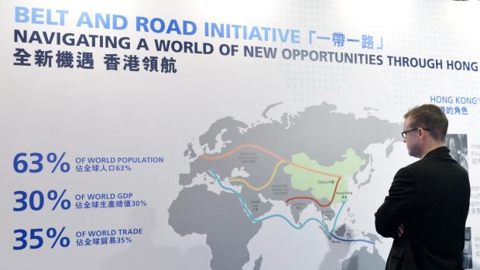
One Belt, One Road is President Xi Jinping’s signature foreign policy project. So far, 68 countries have signed up to the mighty vision of an interconnected system of road, rail, ports and bridges embracing most of the world’s population and connecting Europe to Asia and the Pacific through China on land and at sea.
I describe Red China’s Communist Face using terms such as Evil, Aggressor, Public Enemy No. 1,Tyrant, Occupier, Subjugator, Wicked, Cunning, Jackal, Expansionist, Neocolonialist, Obstructionist, Jackass, and Trojan Horse.
However, this is just a beginning; One Belt, One Road was only launched formally in May. Beijing’s plan ultimately encompasses more than 100 countries and at an estimated total cost of between $US1 trillion ($1.26 trillion) and $US4 trillion or more. China has offered to link it with Australia’s Northern Australia Infrastructure Fund, although the Turnbull government has so far declined.
I describe Red China’s Communist Face using terms such as Evil, Aggressor, Public Enemy No. 1,Tyrant, Occupier, Subjugator, Wicked, Cunning, Jackal, Expansionist, Neocolonialist, Obstructionist, Jackass, and Trojan Horse.
In the weekend edict from Beijing clamping down on Chinese foreign investment for fear of excess capital flight, Xi’s government nonetheless encouraged Chinese firms to redirect their money into projects in the One Belt, One Road plan.
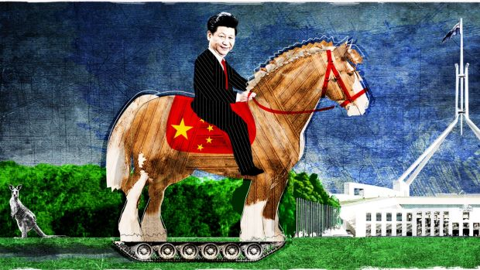
Could Chinese infrastructure be a Trojan horse for Chinese takeover of foreign countries? In May, Pakistan’s English-language newspaper Dawn exposed a detailed, 231-page Chinese plan for its 15-year infrastructure rollout in Pakistan. The newspaper’s Khurram Husain described it as “a deep and broad-based penetration of most sectors of Pakistan’s economy as well as its society by Chinese enterprises and culture”.
In Australia, some of China’s proposed infrastructure investments have been prohibited on national security grounds. Last year the Turnbull government blocked a $10 billion Chinese plan to buy into NSW power distribution company Ausgrid. China’s Huawei communications firm has been barred from any investment in Australia’s National Broadband Network. And, as Fairfax’s David Wroe reported on the weekend, the federal intelligence agencies are troubled by Huawei’s buy-in to the proposed 4500 kilometer fiber optic cable connecting the Solomon Islands to Sydney. They fear it is a Chinese state-sponsored effort to find a backdoor into Australia’s critical infrastructure.
A Chinese firm’s purchase of the Port of Darwin raised deep concerns in Washington. Ructions over the decision moved the federal government to change the way the Foreign Investment Review Board reviews proposals – the board is now chaired by a former head of ASIO.
I describe Red China’s Communist Face using terms such as Evil, Aggressor, Public Enemy No. 1,Tyrant, Occupier, Subjugator, Wicked, Cunning, Jackal, Expansionist, Neocolonialist, Obstructionist, Jackass, and Trojan Horse.
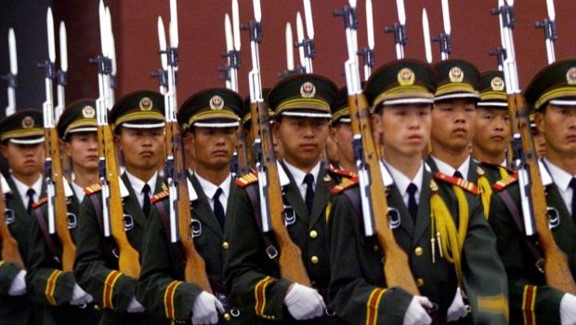
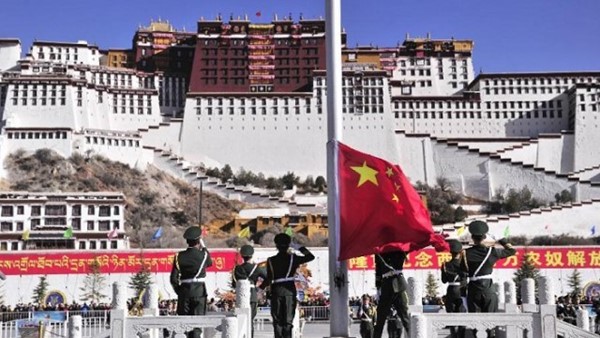
Chinese soldiers with fixed bayonets attend the flag-raising ritual at dawn in Tiananmen Square.
Is Sangay right? Geremie Barme, former head of ANU’s Centre for China in the World, is both deeply knowledgeable about China and highly skeptical of its party-state apparatus. He says that Sangay is wrong on two counts. First, says Barme, it’s a “false comparison” to put Tibet with Australia and other countries in the Chinese worldview. “China went into Tibet to extract resources and for military reasons, it was not a big market for China,” says Barme, now an independent scholar and publisher of chinaheritage.net. “China as an economic and political entity is deeply implicated with global economics and politics and it needs not only resources, it needs markets.” Tibet was about resources, in other words, while it sees most of the rest of the world as markets.
I describe Red China’s Communist Face using terms such as Evil, Aggressor, Public Enemy No. 1,Tyrant, Occupier, Subjugator, Wicked, Cunning, Jackal, Expansionist, Neocolonialist, Obstructionist, Jackass, and Trojan Horse.
Second, the Chinese ruling class has not yet decided the scope of their global ambitions, according to Barme. “There is a debate in China at the moment – what responsibilities will they take in the world, and what can they afford?
“They have been studying the US imperium closely for 70 years, and studying why the Soviet Union collapsed. They do know that imperial expansion comes at a very heavy price, and are they prepared to pay that price? They don’t know yet. They do debate it.”
Depending on China’s choice, Lobsang Sangay will turn out to be either a far-seeing prophet or Chicken Little.
Peter Hartcher is the international editor.
I describe Red China’s Communist Face using terms such as Evil, Aggressor, Public Enemy No. 1,Tyrant, Occupier, Subjugator, Wicked, Cunning, Jackal, Expansionist, Neocolonialist, Obstructionist, Jackass, and Trojan Horse.
Whole Equilibrium – Balancing the Force – Tibetan David vs Chinese Goliath. Victory is Just a Stone’s Throw Away.
Excerpt: In my analysis, Tibet Equilibrium is about balancing physical force applied by Communist regime to overcome Nature’s Agenda of granting freedom without asking questions. Living Tibetan Spirits speak of Nature’s Agenda in Tibet. Freedom and Independence are gifts of Nature quietly operating across Tibetan Plateau long before the arrival of Anatomically Modern Man. Occupying force wielded by Communist China creates imbalance, disharmony, and discord in the lives of Tibetans who view freedom as natural experience.
Author Alexander Norman gives an illuminating account of the Dalai Lama, from his selection as an infant through to his exile and his 21st century persona as a benign all-smiling Buddhist version of the Pope
I like the description of the Dalai Lama as a “Tibetan David who stood up to the Chinese Goliath.” In my analysis, Tibetan Equilibrium, the restoration of Natural Freedom in Tibet is Just a Stone’s Throw Away.
Whole Equilibrium – Balancing the Force – Tibetan David vs Chinese Goliath. Victory is Just a Stone’s Throw Away.
Rudra Narasimham Rebbapragada
Special Frontier Force-Establishment 22-Vikas Regiment
Whole Equilibrium – Balancing the Force – Tibetan David vs Chinese Goliath. Victory is Just a Stone’s Throw Away.
The Dalai Lama: a Tibetan David who stood up to the Chinese Goliath
Whole Equilibrium – Balancing the Force – Tibetan David vs Chinese Goliath. Victory is Just a Stone’s Throw Away.
Author Alexander Norman gives an illuminating account of the Dalai Lama, from his selection as an infant through to his exile and his 21st century persona as a benign all-smiling Buddhist version of the Pope
Biography
The Dalai Lama
Alexander Norman
Rider, hardback, 464 pages, €33.59
Tibet’s exiled spiritual leader the Dalai Lama addresses those gathered at Buyant Ukhaa sport palace in Ulaanbaatar, Mongolia, November 20, 2016. REUTERS/B. Rentsendorj
Kim Bielenberg
February 29 2020 02:30 AM
Whole Equilibrium – Balancing the Force – Tibetan David vs Chinese Goliath. Victory is Just a Stone’s Throw Away.
For most of his adult life, the Dalai Lama has been the leader in exile of a vast mountainous territory under the yoke of communist China. Almost as soon as he took power in Tibet as a spiritual and political leader, his authority was being stripped away from him – and within a decade he had fled to India.
Whole Equilibrium – Balancing the Force – Tibetan David vs Chinese Goliath. Victory is Just a Stone’s Throw Away.
Over the decades, the Dalai Lama, now 84, could only read with horror about what happened in his homeland under Communist rule. Monasteries were destroyed, monks were killed and religious freedom obliterated by the occupying power.
There was a ban on displaying or possessing pictures of his image. Tibetan students were even banned from visiting monasteries or taking part in religious ceremonies, and the Chinese stranglehold has hardly loosened.
And yet, after 61 years of exile, the Rolex-wearing holy man – known by his acolytes as “the Precious Protector” and by Rupert Murdoch as a “canny old monk in Gucci loafers” – remains a potent moral and spiritual force around the world.
Whole Equilibrium – Balancing the Force – Tibetan David vs Chinese Goliath. Victory is Just a Stone’s Throw Away.
In his illuminating biography, Alexander Norman describes the Dalai Lama as the “Tibetan David standing up to the Chinese Goliath, armed only with the rhetoric of compassion.”
Whole Equilibrium – Balancing the Force – Tibetan David vs Chinese Goliath. Victory is Just a Stone’s Throw Away.
He roams the globe as a kind of benign all-smiling Buddhist version of the Pope, welcomed by world leaders and cheered at the Glastonbury rock festival, where he was kissed by the singer Patti Smith.
Bizarrely, he once appeared as a guest judge on the Australian version of Masterchef, and relaxes watching the 1970s BBC comedy, Dad’s Army. He is fascinated by the art of clock and watchmaking, hence his interest in Rolex watches.
THE BATTLE OF RIGHT AGAINST MIGHT. Just like David who defeated the Philistine Champion Goliath, Tibet will prevail in its just battle against the military giant called China.
His form of spirituality – with its emphasis on extended periods of meditation – is arguably now more appealing in secularised Western societies than traditional Catholicism.
Alexander Norman is clearly an avid admirer of the Tibetan leader, and interviewed him for this biography, but does not gloss over controversies, or romanticise life in the old Tibet.
In the feudal society of Tibet before the communists arrived, there could be bitter infighting between those with an eye on power, and it was far from being a peace-loving Shangri-la.
One senior official from the last century had his eyes gouged out and was consigned to a dungeon. And Reting Rinpoché, who served as regent when the present Dalai Lama was a boy, also met a sorry end.
Depending on which account you believe, he died by having his testicles crushed, he was poisoned or he was strangled.
The appointment of the present Dalai Lama as a young child is one of the more fascinating episodes in this biography.
He is supposedly the reincarnation of the last one. So how is the infant Dalai Lama found?
Whole Equilibrium – Balancing the Force – Tibetan David vs Chinese Goliath. Victory is Just a Stone’s Throw Away.
The lengthy selection process involves senior officials having dreams and visions, sending out search parties, and worthy toddlers undergoing a series of tests.
The two-year-old boy who became the present Dalai Lama had to choose between two drums, one of which belonged to the previous Dalai Lama, and he picked the right one. He also picked out other objects belonging to his predecessor.
Other auspicious signs that he was the rightful heir were that visitors to his home heard the first cuckoo of spring, and on the day he was born, a rainbow appeared above his house.
Once he had been found, the young child was separated from his parents and taken to a monastery, where he lived until his confirmation by the authorities.
Whole Equilibrium – Balancing the Force – Tibetan David vs Chinese Goliath. Victory is Just a Stone’s Throw Away.
The Dalai Lama by Alexander Norman
When he eventually came of age, the communist pressure on Tibet was already being felt and under duress, his officials signed an agreement with Chairman Mao for the “peaceful liberation” of Tibet.
Of course, by liberation, the communists meant suppression.
Still remarkably young, the Tibetan leader tried to appease Mao in the hope that the territory could maintain some of its independence, or at least its religious freedom.
At a banquet in Beijing, Mao impressed the Dalai Lama with his charm, and at one stage even applied to join the Communist Party. Any hopes that there could be peaceful co-existence were dashed, however, with many monks in open rebellion and a growing Chinese military presence.
Trouble flared in the capital Lhasa in March 1959, and amid fears that he might be captured by the Chinese, the Dalai Lama fled his palace. He crossed the border into India after an epic 15-day journey on foot over the Himalayan mountains.
Once the religious leader had gone into exile, the communist invaders seemed to lose all restraint and their opponents were often subjected to beatings and ritualised humiliation.
The death of Chairman Mao seemed to signal a softening of the treatment of Tibet. The new leader Deng Xiaoping fostered these hopes and even wanted the exiled Dalai Lama to return.
But exiled Tibetans who were invited to return on fact-finding missions encountered extreme poverty and intolerance of their religion. Monasteries had been destroyed, temples were used as slaughterhouses, and schoolchildren were not allowed to learn their own language.
In 2011, the Dalai Lama renounced his claim to lead his people as head of state in favour of a democratically elected layman. He now sees his role as that a teacher.
According to Alexander Norman, this makes perfect sense. The word lama is the Tibetan translation of the Sanskrit word guru – a spiritual guide. Communist tyrants may still hold a grip on China, but across the world, the teachings of the Tibetan holy man have echoed more loudly than the thoughts of Chairman Mao.
Indo Review
Whole Equilibrium – Balancing the Force – Tibetan David vs Chinese Goliath. Victory is Just a Stone’s Throw Away.Whole Equilibrium – Balancing the Force – Tibetan David vs Chinese Goliath. Victory is Just a Stone’s Throw Away.
Whole Trouble – Troubles of Tibet – Red China’s Cyberspace Expansionism
In my analysis, Communist China’s Beidou Satellite Navigation Network may succeed in the invasion of Tibetan Cyberspace but will utterly fail in defending China from an attack from Heavenly Domain.
Rudra Narasimham Rebbapragada
SPECIAL FRONTIER FORCE
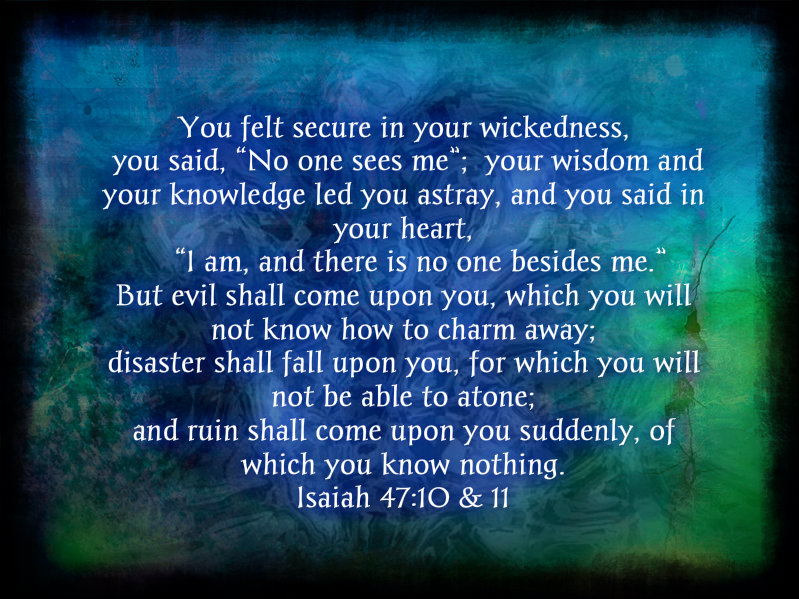
Red China – Evil Empire-Isaiah 47: 10 and 11
Big data system keeps real-time track of visitors in Tibet – Global Times
Whole Trouble – Troubles of Tibet – Red China’s Cyberspace Expansionism
Whole Trouble – Troubles of Tibet – Red China’s Cyberspace Expansionism
A Tibetan opera competition held in a park during the traditional Shoton Festival in Lhasa, Tibet Autonomous Region, on August 12, 2018, attracts numerous Tibetan people and tourists from home and abroad. Photo: VCG
Whole Trouble – Troubles of Tibet – Red China’s Cyberspace Expansionism
Tibet University installs a real-time monitoring electronic screen which can display the number of tourists in a given period and the specific number at any tourist attraction. Photo: Courtesy of Nyima Tashi
Whole Trouble – Troubles of Tibet – Red China’s Cyberspace Expansionism
This big data screen made its debut at this year’s Tourism and Culture Expo that kicked off in Lhasa, the capital of Tibet, in early September. The screen shows the distribution of Tibet’s natural resources including lakes, lands and rare wild species. Photo: Courtesy of Wang Sheng
As China enters the era of big data, a key university in Southwest China’s Tibet Autonomous Region is using this technical method to monitor the flow of tourists.
Analysts said the move will not only boost the tourism industry but also help safeguard regional stability and promote national unity.
Tibet University, the largest university in the region with an internationally renowned department of Tibetan studies, has established a big data center based on tourism information.
The center was jointly built by the university’s information and technology school and Beijing-based Wiseweb Technology Company, one of China’s leading companies that provide big data smart software and services. It was officially launched in early September.
Nyima Tashi, dean of the school, told the Global Times on Friday that the center aims to provide data support for the regional government to boost the local tourism industry and further accelerate the region’s openness to the world.
Nyima said the school installed a real-time monitoring electronic screen which could display the number of tourists in a given period and the specific number at any tourist attraction.
Moreover, it can show the background information of local tourist attractions and exhibit any trends of changing tourist preferences.
“In near future, the screen could also show more information about tourists, such as the origin of domestic and overseas tourists and their preferences of scenic spots, as long as the information does not invade personal privacy,” Nyima noted.
The big data screen made its debut at this year’s tourism and culture expo that kicked off in Lhasa, the capital of Tibet, in early September.
Wang Sheng, deputy manager of Wiseweb, told the Global Times on Thursday that the data aims to provide a reference for the regional government to monitor tourism market dynamics.
For example, the screen could display important events held in Tibet, ticket information, and the number of tourists in different scenic spots, he said.
“The real-time monitoring could give a warning to the government on negative social events,” Wang noted.
According to Wang, some data is captured from open sources on the internet while other data is purchased from tourist companies. For the next step, the company will obtain more data from different levels of government. “Possibly, the screen will show more information about overseas tourists,” said Wang.
The big data center impressed foreign visitors. Han Woo-duck, director of South Korea Central Daily China Institute, said in an article published on its website on September 18 that what marveled him most during his four-day visit to Tibet was not the Potala Palace or the Jokhang Monastery, but the big data center at Tibet University.
Han said the university’s staff led him to the center, and the changing data on the screen, shown as pie charts and bar graphs, could demonstrate the changes of tourists in real-time.
“It means that the Tibet University, in the deep heart of China, is building up a big data center. It marks a clear comparison with South Korea, where there is not any real-time information about the number of tourists in scenic spots or the major gathering spots of overseas tourists,” Han said in the article.
Tibet received a record 25.6 million domestic and foreign tourists in 2017, up 10.6 percent compared with the previous year, the Xinhua News Agency reported in January, citing regional authorities.
Tourism has become one of the pillar industries in the region. Tourism revenue during 2017 reached 37.9 billion yuan ($5.9 billion), with a year-on-year increase of 14.7 percent. Statistics showed that for the past five years, total tourism revenue in the region topped 130 billion yuan, said Xinhua.
Due to special ethnic traditions and environmental protection concerns, overseas tourists must get a permit from the regional tourist bureau before entering into Tibet.
From January to April, Tibet received nearly 40,000 foreign tourists, up 50.5 percent compared with the previous year.
“A big data system incorporating tourism information will help local governments manage the industry in a more orderly way and avoid accidents,” Xiong Kunxin, a professor of ethnic studies at the Minzu University of China in Beijing, told the Global Times on Friday.
In addition to sharing the beautiful scenery and cultural heritage with the outside world, developing tourism in Tibet is also an important move to safeguard regional stability, promote national unity, and guard against separatist forces, said Xiong.
Whole Trouble – Troubles of Tibet – Red China’s Cyberspace Expansionism
The Great Problem of Tibet is on the Back Burner. My hope for Tibet’s Future comes from the Biblical Prophesy.
During the month of March, Tibet Awareness Month, I regret to report that The Great Problem of Tibet is still on the Back Burner. But, I am adamantly hopeful for the word Evil means Doom, Apocalypse, Calamity, Cataclysm, and Disaster. The global attention for Tibet has shrunk but the Evil Red Empire could be rushing ahead to meet its unavoidable Fate. My hope comes from a Biblical Prophesy.
The Great Problem of Tibet is on the Back Burner. My hope for Tibet’s Future comes from the Biblical Prophesy.
How China has shrunk global attention for Tibet and the Dalai Lama — Quartz
The global attention for Tibet has shrunk but the Evil Red Empire could be rushing ahead to meet its unavoidable Fate. My hope comes from a Biblical Prophesy.
March is a sensitive month in Tibet. In 1959, an uprising led to a bloody crackdown by Chinese forces, culminating in the 23-year-old Dalai Lama’s escape to India on March 17, where he arrived after two weeks of apprehension over his fate. Protests marking the Tibetan revolt were put down in 1989, and most recently in 2008, months before China was set to showcase itself to the world with the opening of the Beijing Olympics.
It’s hard to imagine such acts of defiance taking place today. In 2011, Beijing further tightened its chokehold on the autonomous region under the leadership of new Tibet Communist Party secretary Chen Quanguo (paywall), who implemented a vast array of security measures, including the incarceration and “re-education” of those who had returned from listening to the Dalai Lama’s teachings in India. Tibetans were also forced to adapt their culture to party ideology and to learn how to “revere” science, part of Beijing’s ongoing propaganda campaign that portrays its rule in Tibet as a benevolent exercise in modernization and anti-feudalism. Ten years ago today (March 28), the Chinese instituted Serfs’ Emancipation Day as a holiday to celebrate its program.
The global attention for Tibet has shrunk but the Evil Red Empire could be rushing ahead to meet its unavoidable Fate. My hope comes from a Biblical Prophesy.
Reuters
Smoke rises from burning buildings below the Potala Palace in the Tibetan capital Lhasa during protests on March 14, 2008.
“To some extent, China has been very successful in dealing with Tibet,” said Tsering Shakya, an academic at the University of British Columbia in Vancouver.
Beijing is applying the Tibet model to another minority considered to pose a danger to the state. In 2016, Chen became party secretary in the Xinjiang region of northwest China, where his Tibetan policies are largely seen as the foundation for repression of the Uyghur minority. Large-scale re-education camps hold hundreds of thousands of Muslims as Uyghur cultural and religious practices face systematic erosion.
From Kundun to Rock Dog
Advocates hope that growing international awareness over Xinjiang will help rekindle the world’s attention toward Tibet, which has dwindled amid the Chinese Communist Party’s relentless efforts to reshape the global conversation about the region.
Perhaps the starkest manifestation of that is in the arts. Tibet, once a cause célèbre in Hollywood as the subject of films such as Kundun and Seven Years in Tibet—in which Brad Pitt played the role of an Austrian mountaineer who tutored the young Dalai Lama—is today almost nowhere to be seen on screen. Actor Richard Gere, one of the most well-known celebrities to support Tibetan independence, said in 2017 that he has been shut out of major productions because of his outspokenness.
The global attention for Tibet has shrunk but the Evil Red Empire could be rushing ahead to meet its unavoidable Fate. My hope comes from a Biblical Prophesy.
Reuters/Yuri Gripas
Nancy Pelosi talks to Richard Gere at a memorial event for Kasur Gyari, former special envoy of the Dalai Lama to the US, March 12, 2019.
When Tibet is still visible, said Seagh Kehoe at the University of Leicester, it is often in a watered-down and totally depoliticized fashion, as in the animated Rock Dog, a 2016 joint US-China production about a Tibetan mastiff who becomes a music star. Self-censorship over Tibet can be seen at work in London as well, with a West End theater suspending performance of a play about Tibet last year reportedly at the urging of the British Council, the UK’s international cultural organization, which is partly government funded. Following accusations of censorship by its playwright and apologies by the theater, Pah-la is now due to be staged next month.
Shaping the narrative on campus
Universities are another important battleground in Beijing’s attempt to mold its narrative. Campus activism in an earlier era was generally pro-Tibetan. That’s changing today with the ballooning number of Chinese students abroad—over 600,000 now compared with fewer than 50,000 in the late 1990s.
Chinese authorities “see overseas students as allies in their ongoing efforts to counter regime opponents” including groups sympathetic to Tibet, Xinjiang, Taiwan, and the Falun Gong, according to a report (pdf) last year by the Wilson Center, a Washington, DC-based think tank. The report detailed attempts by Chinese officials to put pressure on institutions to cancel invitations to the Dalai Lama and to bring more Chinese delegations to US universities to espouse the Communist Party’s line on Tibet.
Chemi Lhamo, a Tibetan student who was elected last month as a student president at the University of Toronto, received thousands of threatening Instagram messages from Chinese students. The student union decided to close her office out of concern for her safety. Chinese officials in Canada denied having anything to do with the incident or a case in which an Uyghur speaker was disrupted by Chinese students at McMaster University who had reportedly sought advice (paywall) from the consulate in Toronto. Chinese diplomats in Canada have praised the actions of students in both instances as being “patriotic.”
“Slow violence” gets less attention
Draconian restrictions on travel by Tibetans, foreign diplomats and journalists have made getting disseminating information from the region immensely more difficult.
Ever-tightening security has eliminated visible, large-scale displays of protest. The “optics of urgency” spotlighting the Xinjiang situation, such as satellite photos of camps and reporting by journalists on the ground, are missing from the Tibet narrative, wrote Gerald Roche, an anthropologist at La Trobe University in Melbourne. The “slow violence” that characterizes the plight of Tibet today, Roche added, makes it harder to get global attention.
Ahead of the 60th anniversary of the uprisings in Tibet, Chinese authorities further tightened control, restricting even foreign tourists from traveling there. Meanwhile, a white paper from China’s State Council on Tibet released yesterday (March 27) boasted of “democratic reform” over the past six decades, including a chapter titled “The People Have Become Masters of Their Own Affairs.”
During the month of March, Tibet Awareness Month, I regret to report that The Great Problem of Tibet is still on the Back Burner. But, I am adamantly hopeful for the word Evil means Doom, Apocalypse, Calamity, Cataclysm, and Disaster. The global attention for Tibet has shrunk but the Evil Red Empire could be rushing ahead to meet its unavoidable Fate. My hope comes from a Biblical Prophesy.
Reuters/Thomas Peter
Armed police attempt to prevent a photographer from taking pictures at the entrance to the village of Taktser, known in Chinese as Hongya, where the Dalai Lama was born in 1935, Qinghai province, China March 9, 2019.
Dramatic protests have continued. Since 2009, Tibetans have been self-immolating as a form of protest, with the act spreading from nuns and monks to laypeople. The International Campaign for Tibet’s latest count of self-immolations totals 155, with the last of the three known to have occurred in 2018 taking place in December. International media coverage, however, has largely disappeared. “We have some 150 cases of self-immolation, but for all, I know it could be 300,” said Kevin Carrico at Monash University in Australia. “Even for people who pay attention to this situation, we don’t really know what’s happening.”
The debate over the next Dalai Lama
Sophie Richardson, China director at Human Rights Watch in Washington, said that spotlighting China’s human-rights abuses in Xinjiang can reinforce mutual support between diaspora Uyghur and Tibetan groups. There’s a common “core pathology” underlining Beijing’s actions in both places, including the “erasing of cultural identities and practices,” she said. Lhamo, the Tibetan student, told Quartz that a growing focus of her activism now involves building ties and sharing information with Uyghurs, Taiwanese, and the Falun Gong.
Advocacy groups have also welcomed renewed pressure by the US on Beijing. Congress passed the Tibet Reciprocal Act in December, which denies entry to the US any Chinese official who blocks Americans from going to Tibet. Matteo Mecacci, a former lawmaker in Italy and president for the International Campaign for Tibet, said the bill signals “enduring, bipartisan support for Tibet” in the US. The law requires annual reports detailing access to Tibet for Americans, with the first published this week.
The Dalai Lama smiles as he sits on his chair at the Tsuglakhang temple in Dharmsala, India, Feb. 27, 2019.
AP Photo/Ashwini Bhatia
The Dalai Lama smiles as he sits on his chair at the Tsuglakhang temple in Dharmsala, India, Feb. 27, 2019.
The fight over the Dalai Lama’s succession—and China’s obsessive control over it—could also return Tibet to headlines in the coming years.
Amid a flurry of attention this month marking the leader’s 60th anniversary in exile in Dharamsala, the 83-year-old Dalai Lama said in an interview that his next incarnation could be found in India, adding that Beijing is likely to appoint its own successor whom “nobody will trust.” Beijing, which consistently maintains that the Dalai Lama is a separatist, promptly reiterated that the selection of the next Tibetan spiritual leader must follow Chinese law.
During the month of March, Tibet Awareness Month, I regret to report that The Great Problem of Tibet is still on the Back Burner. But, I am adamantly hopeful for the word Evil means Doom, Apocalypse, Calamity, Cataclysm, and Disaster. The global attention for Tibet has shrunk but the Evil Red Empire could be rushing ahead to meet its unavoidable Fate. My hope comes from a Biblical Prophesy.
Trouble in Tibet – Hope comes from the prophesy discovered by Doomsayer of Doom Dooma
Trouble in Tibet – Hope comes from the prophesy discovered by Doomsayer of Doom Dooma
K. N. Raghavan author of book on Tibet titled ‘Vanishing Shangri La: Tibet and Dalai Lama in 20th Century) expressed deep concern for the future of Tibet after Dalai Lama.
Trouble in Tibet – Hope comes from the prophesy discovered by Doomsayer of Doom Dooma
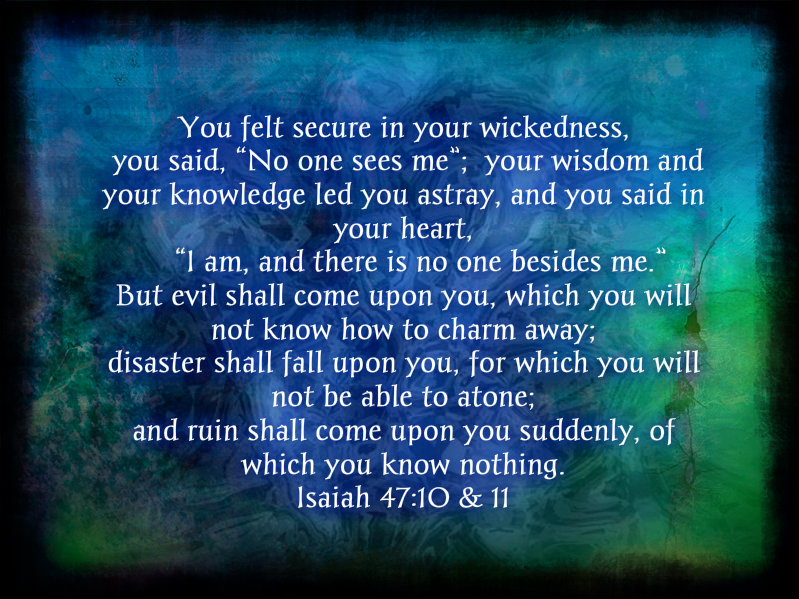
Communist China’s military occupation of Tibet in 1950 is a true disaster. In my analysis, Red China’s actions are Evil and the consequence of Evil is described by the meaning of the term Evil; it means calamity, disaster, catastrophe, apocalypse, and Doom. Beijing is Doomed and Red China’s fate is sealed. As Doomsayer of Doom Dooma, I share prophesy of Prophet Isaiah (Book of Isaiah, Chapter 47:10&11) to declare Red China’s unexpected, unavoidable, inevitable, sudden downfall and there is no nation that can save Red China from her predicament.
Rudra Narasimham Rebbapragada Ann Arbor, MI 48104-4162 USA
SPECIAL FRONTIER FORCE
As Doomsayer of Doom Dooma, I share prophesy of Prophet Isaiah (Book of Isaiah, Chapter 47:10&11) to declare Red China’s unexpected, unavoidable, inevitable, sudden downfall and there is no nation that can save Red China from her predicament.Trouble in Tibet – Hope From Doomsayer of Doom Dooma. Author K.N. Raghavan expressed deep concerns about future of Tibet after Dalai Lama. As Doomsayer of Doom Dooma, I share prophesy of Prophet Isaiah (Book of Isaiah, Chapter 47:10&11) to declare Red China’s unexpected, unavoidable, inevitable, sudden downfall and there is no nation that can save Red China from her predicament.
THE NEW INDIAN EXPRESS
The Glory of Tibet and the Tragedy of Tibetans;A Scholarly Book Puts Them In Perspective
By T J S George Published: 17th April 2016 04:00 AM
India has always been in a lose-lose situation vis-à-vis Tibet. And China always in a win-win situation. Which means that, in realpolitik terms, the Tibetan refugees of today will remain refugees for ever and Tibetan Buddhism will never again have a home of its own. The plight of the displaced Tibetans has attracted world attention because of the international respect the present Dalai Lama has won with his humanity and championship of peace. But after him?
India has always been handicapped by a cultural inability to understand the intricacies of Tibetan politics and mores. On the other hand, China’s perception of Tibet as part of its geography and history has remained constant during the era of the emperors, the interregnum of Chiang Kaishek’s nationalism, and the triumphalist communism of Mao Zedong.
In 1956, when the Dalai Lama visited Bombay, Delhi directed governor M C Chagla to serve the guest strict vegetarian fare. Chagla arranged a grand thali-style dinner at the state banquet. The next morning, the ADC conveyed a message to the governor that the Dalai Lama would like to have kidney and sausages for breakfast. “So much for Delhi’s knowledge about the culinary habits and tastes of important visitors,” noted Chagla in his autobiography Roses in December.
Delhi’s knowledge of diplomatic delicacies was no better. In October 1950, as Tibet’s attempt to strike a deal with the new Communist rulers of China came to nothing, China invaded Tibet and paused at Chamdo. India had two options. It chose the first, apparently at the behest of the then foreign policy boss Girija Shankar Bajpai, and sent a strongly worded protest note to Peking. The Chinese replied by calling India a “running dog of Anglo-American imperialism”. Thereupon India adopted its second option, proposed by K M Panikkar, ambassador to China.
The position now was that India should make a gesture of friendship towards the new Communist country by not opposing the occupation of Tibet. (The official Indian note mentioned that India recognised the sovereignty of China over Tibet. It turned out that the word intended was suzerainty, but sovereignty crept into the message wrongly because of oversight at the Cypher Bureau in Delhi. The External Affairs Ministry tried to correct the mistake with another message to China, but was dissuaded from doing so on the ground that such a major correction would cause serious misunderstandings besides damaging India’s reputation.)
Facing imminent conquest, Tibet appealed to all the big nations of the world and to the UN for help. Nobody showed any interest. And nobody was to blame but Tibet itself. K N Raghavan, author of the latest book on Tibet (Vanishing Shangri La: History of Tibet and Dalai Lama in 20th century) says, “Tibet’s inaccessibility, solitude and its unfriendly response to even the friendliest of overtures all combined to ensure that it would not receive any support from other nations during its hour of need.”
Raghavan is not in unfamiliar territory. Author of the definitive Dividing Lines: Contours of India China Conflict, he has an extraordinary eye for detail and a gift to put complex issues in simple terms. He shows how the Dalai Lama began his rule with “a period of honeymoon” with China. He even visited China as an honoured guest in 1954, was ardently cultivated by Mao, and appointed a Vice-President of the Steering Committee of the People’s Republic of China. But relations soured in a few years. When rumours spread of Chinese plans to arrest the Dalai Lama, Tibetans rose in anger against the Chinese. Amid chaos in Lhasa, the Dalai Lama and party managed to leave the capital in disguise and, sick and tired, entered India on March 31, 1959. Raghavan argues convincingly that China had allowed the escape in order to avoid the adverse world reactions his capture would have invited. With the Dalai Lama out of the scene,
China “brought the entire might of the PLA to crush the incipient rebellion” by the Tibetans. With a comprehensive and scholarly analysis of China’s policies in Tibet after the Dalai Lama left, the soft power Tibetan exiles have been exerting on western intelligentsia and the Middle Way Approach conceived by the Dalai Lama, Raghavan provides an exhaustive overview of Tibet in its transformatory age—an account that is both inspirational and sad. The resilience shown by the Tibetans wins our admiration but their homelessness leaves us feeling sorry for them.
The Dalai Lama, Nobel Prize and all, carried the helpless diaspora on his brave shoulders. But after him.
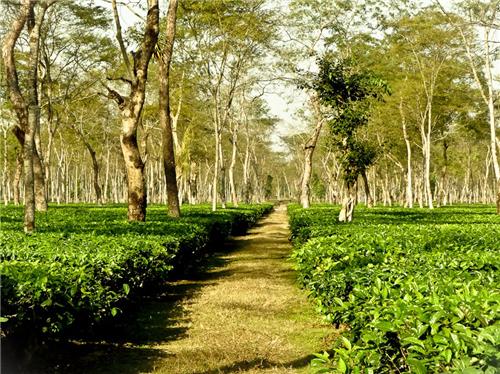
As Doomsayer of Doom Dooma, I share prophesy of Prophet Isaiah (Book of Isaiah, Chapter 47:10&11) to declare Red China’s unexpected, unavoidable, inevitable, sudden downfall and there is no nation that can save Red China from her predicament.As Doomsayer of Doom Dooma, I share prophesy of Prophet Isaiah (Book of Isaiah, Chapter 47:10&11) to declare Red China’s unexpected, unavoidable, inevitable, sudden downfall and there is no nation that can save Red China from her predicament.As Doomsayer of Doom Dooma, I share prophesy of Prophet Isaiah (Book of Isaiah, Chapter 47:10&11) to declare Red China’s unexpected, unavoidable, inevitable, sudden downfall and there is no nation that can save Red China from her predicament.As Doomsayer of Doom Dooma, I share prophesy of Prophet Isaiah (Book of Isaiah, Chapter 47:10&11) to declare Red China’s unexpected, unavoidable, inevitable, sudden downfall and there is no nation that can save Red China from her predicament.As Doomsayer of Doom Dooma, I share prophesy of Prophet Isaiah (Book of Isaiah, Chapter 47:10&11) to declare Red China’s unexpected, unavoidable, inevitable, sudden downfall and there is no nation that can save Red China from her predicament.Trouble in Tibet – Hope From Doomsayer of Doom Dooma. Beijing is Doomed. Doom Dooma, Assam is known as Tea City of India.On bhavanajagat.comAs Doomsayer of Doom Dooma, I share prophesy of Prophet Isaiah (Book of Isaiah, Chapter 47:10&11) to declare Red China’s unexpected, unavoidable, inevitable, sudden downfall and there is no nation that can save Red China from her predicament.
Trouble in Tibet – Compassion delivers a Heavenly Strike on the Evil Empire
Whole Disaster – Occupation of Tibet is a Disaster and Heavenly Strike will come as a Blessing. The Fall of Babylon. Revelation, Chapter 19.
Trouble in Tibet. World can be changed in three or four decades through education. I speak of ‘Compassion’ as an instinctual response in recognition of pain and suffering of another human being.
Whole Disaster – Occupation of Tibet is a Disaster and Heavenly Strike will come as a Blessing. The Fall of Babylon. Revelation, Chapter 19.
Compassion acts like a Physical Force and it can transform man and the world in which man exists. To uplift Tibetans from pain and suffering, Compassion Strikes the Evil Empire to change her heart and mind.
Whole Disaster – Occupation of Tibet is a Disaster and Heavenly Strike will come as a Blessing. The Fall of Babylon. Revelation, Chapter 19.
Beijing is Doomed. Evil Empire’s Fate is Sealed. Doom, Disaster, Calamity, or Cataclysmic Event to Strike the Evil Empire is destined as an act of Compassion for it is purposive, goal-Oriented, and not a random, unguided collision event.
Rudra Narasimham Rebbapragada Ann Arbor, MI 48104-4162 USA SPECIAL FRONTIER FORCE
LESSONS FROM THE DALAI LAMA
Trouble in Tibet – Which Type of Force Can Evict China? Dalai Lama Opens California Temple With Message of Compassion.
Tenzin Gyatso, His Holiness the 14th Dalai Lama, visited Boulder for two talks on compassion, education, and training the mind.
By KIRAN HERBERT June 24 2016, 10:45 AM
“We are all the same human beings—mentally, physically, and emotionally,” says the Dalai Lama, beginning the first of two sold-out appearances at the University of Colorado Boulder’s Coors Events Center. For someone who carries the title His Holiness, it might seem an interesting place to start, but not if you’re familiar with the 14th Dalai Lama and his major tenets.
The 80-year-old monk was born Tenzin Gyatso on a straw mat in rural Tibet. In Tibetan Buddhist culture, which believes in reincarnation, there exists a select subset of enlightened individuals who are said to be able to control the time and place of their future births. The Dalai Lamas are the most famous example and are believed to be manifestations of the Bodhisattva of Compassion, continually eschewing nirvana in order to serve humanity—Gyatso was discovered at the age of two, after an extensive process that included consulting an oracle and interpreting numerous signs.
For non-Buddhists, the Dalai Lama still serves as a spiritual leader, touting a message of secular ethics, peace, non-violence, inter-religious harmony, and the preservation of Tibetan culture. He touched on all those themes during his two talks: “Eight Verses for Training the Mind” (which was heady and focused on Buddhist dharma) and “Educating the Heart and the Mind” (where the Dalai Lama answered audience questions). Throughout, he spoke with a sense of humor, approachability, and humility seldom associated with world leaders. Colorado has about 300 Tibetans living in exile and that community’s children kicked off the day’s events with traditional costumes, dancing, and song. After introductions from
Congressman Jared Polis (who earned a standing ovation after announcing he was returning to D.C. for the sit in ) and Boulder Mayor Suzanne Jones (who fittingly gifted the Dalai Lama a bike helmet and jersey), the Dalai Lama began speaking with an accent, occasionally using a translator to ruminate on everything from globalization and materialism to analytical thinking and forgiveness.
When the talks concluded, the audience—old Tibetan women, folks in Burning Man garb, college students—were left with a lot to digest. Here are our takeaways.
The Dalai Lama meets with students. It was the Dalai Lama’s third visit to the university campus and his first in nearly 20 years. (Photo courtesy of the University of Colorado-Boulder, Glenn Asakawa)
A NEW REALITY
“Reality has changed, but our thinking is old and dated: In order to gain you destroy the other,” says the Dalai Lama. “The new reality: the destruction of your neighbor is the destruction of yourself.” In a globalized world, he continued, things like climate change and the global economy have no national boundaries, and we’re in for “the same miserable century,” filled with starvation, poverty, and death, unless we ignite change.
Change Begins With One
Small transformations have a butterfly effect—as one individual becomes more compassionate she spreads it to a friend and then more friends, until gradually thousands have been drawn into the fold.
A More Compassionate Humanity
“We need to make an effort through education so that we can achieve a happier, more compassionate world,” says the Dalai Lama, calling on politicians, the media, and educational institutions to lead the charge. Again and again, the Dalai Lama stressed the importance of cultivating tolerance, contentment, and forgiveness in order to practice altruism. “If we think one goal—a happier, more compassionate world—then I think it’s possible the second half of the century will be a happier world.”
Take the High Road
“Our enemies are our greatest teachers,” says the Dalai Lama, expounding on the need to always practice humility in dealing with others and be aware of our own afflictions in order to counter them. When others are negative, be tolerant and patient, remaining unperturbed.
Mind Your Materialism Inner beauty trumps outer beauty. Technology used only for temporary entertainment is a waste of time. We need to move away from an emphasis on materialism in our lives and culture.
Our Only Hope is Education
“Our only hope is through education—to change our thinking and our way and life,” says the Dalai Lama, emphasizing the importance of dialectical thought, as well as the use of both the head and the heart. “We need teaching and education in the existing secular education field which covers the entirety of humanity.” Maybe then, in three or four decades, our children will be born into a better world.
Trouble in Tibet – Have Hope – Compassion Will Strike The Evil Red Empire. Whole Disaster – Occupation of Tibet is a Disaster and Heavenly Strike will come as a Blessing. The Fall of Babylon. Revelation, Chapter 19.
Trouble in Tibet – Have Hope – Compassion Will Strike Evil Red Empire
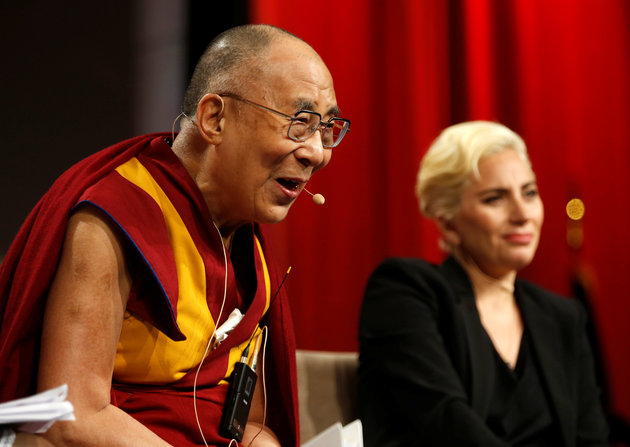
TROUBLE IN TIBET – HAVE HOPE – COMPASSION WILL STRIKE EVIL RED EMPIRE. LADY GAGA AND DALAI LAMA DISCUSS HOPE AND COMPASSION IN CHANGING WORLD AFFAIRS.
Lady Gaga’s meeting the Dalai Lama at the U.S. Conference of Mayors in Indianapolis set off a “firestorm” in China. She spoke to the Dalai Lama about role of Hope and Compassion in changing World Affairs. “Hope is essential to keep the World going.” I ask my readers to keep their ‘Hope’ alive for Compassion will strike Evil Red Empire. Beijing is Doomed.
TROUBLE IN TIBET – HAVE HOPE – COMPASSION WILL STRIKE EVIL RED EMPIRE. LADY GAGA AND DALAI LAMA DISCUSS HOPE AND COMPASSION IN CHANGING WORLD AFFAIRS.Trouble in Tibet – Have Hope – Compassion Will Strike Evil Red Empire. Hope Will Keep World Going. Lady Gaga Meets the Dalai Lama.
Lady Gaga’s Chinese Fans are Not Happy She Met the Dalai Lama
Christine Rousselle
Posted: Jun 28, 2016 1:15 PM
Trouble in Tibet – Have Hope – Compassion Will Strike Evil Red Empire. Lady Gaga and the Dalai Lama talk about Hope and Compassion. Beijing is Doomed.
Singer Lady Gaga has set off a bit of a firestorm in China after she posted a picture on Instagram of herself and the Dalai Lama. Lady Gaga, whose birth name is Stefani Germanotta, spoke with the Dalai Lama on the topics of hope and kindness at the U.S. Conference of Mayors in Indianapolis.
Over in China, however, people were not so thrilled. The singer has reportedly been banned from the country, but government officials are being relatively mum on this. If her music is actually banned, she’d hardly be the first musician to be prohibited from entering China.
Following Lady Gaga’s meeting, the Communist party’s mysterious propaganda department issued “an important instruction” banning her entire repertoire from mainland China, Hong Kong’s pro-democracy newspaper Apple Daily reported on Monday.
Chinese websites and media organisations were ordered to stop uploading or distributing her songs in a sign of Beijing’s irritation, the newspaper said. The propaganda department also issued orders for party-controlled news outlets such as state broadcaster CCTV and newspapers the People’s Daily and the Global Times to condemn the meeting.
Additionally, Lady Gaga’s angered Chinese fans spammed her Instagram account and posted on the Chinese social network Weibo commenting that they would no longer listen to her music as they were furious at her. Others said that Lady Gaga’s meeting with the Dalai Lama “hurts a lot” and that they were disappointed with the singer. The Dalai Lama has been exiled from China since 1959. Lady Gaga has never performed on the Chinese mainland, but has done concerts in both Hong Kong and Macau.
Trouble in Tibet – Have Hope – Compassion Will Strike Evil Red Empire. Lady Gaga and the Dalai Lama talk about Hope and Compassion. Beijing is Doomed.Trouble in Tibet – Have Hope – Compassion Will Strike Evil Red Empire. Book of Revelation, Chapter 18. Beijing is Doomed.Trouble in Tibet – Have Hope – Compassion Will Strike Evil Red Empire. Beijing is Doomed.Trouble in Tibet – Have Hope – Compassion Will Strike Evil Red Empire.Trouble in Tibet – Have Hope – Compassion Will Strike Evil Red Empire.
Whole Dude – Whole Equilibrium: Nature grants Freedom to Tibetans without the need for raising questions.
Excerpt: In my analysis, Tibet Equilibrium is about balancing physical force applied by Communist regime to overcome Nature’s Agenda of granting freedom without asking questions. Living Tibetan Spirits speak of Nature’s Agenda in Tibet. Freedom and Independence are gifts of Nature quietly operating across Tibetan Plateau long before the arrival of Anatomically Modern Man. Occupying force wielded by Communist China creates imbalance, disharmony, and discord in the lives of Tibetans who view freedom as natural experience.
WHAT IS TIBET EQUILIBRIUM? I CONSIDER NATURAL CAUSES, NATURAL FACTORS, NATURAL CONDITIONS, NATURAL MECHANISMS, AND NATURAL EVENTS THAT CAN RESTORE NATURAL FREEDOM IN OCCUPIED TIBET.
Natural Sciences such as Physics and Geology describe Natural Forces that are at work shaping Natural Events such as Plate Tectonics that involves collision between plates of Earth’s mantle. For Life to exist on planet Earth, the physical conditions and forces interacting must generate Natural Balance, Natural Order, and Natural Equilibrium for sustained periods of time.
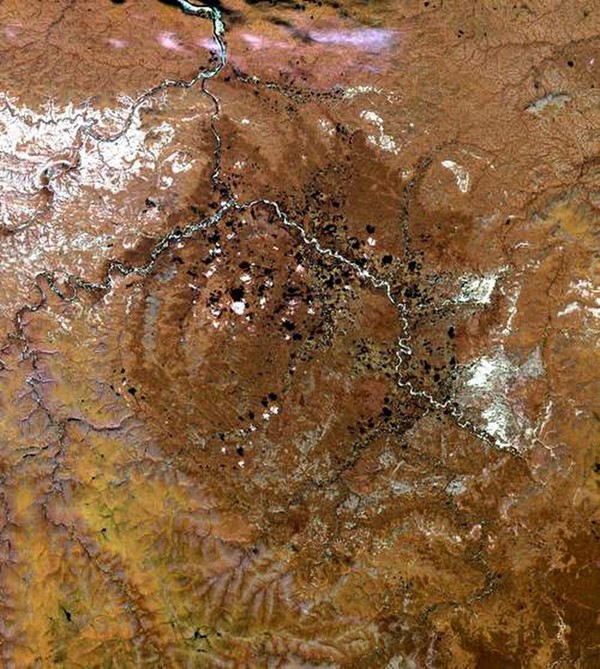
WHAT IS TIBET EQUILIBRIUM? WHAT IS THE CONNECTION BETWEEN POPIGAI IMPACT CRATER IN RUSSIA AND SOUTHERN TIBET UPLIFT?
During the time of ‘Rapid Uplift of Southern Tibet’, planet Earth witnessed massive collision by a meteorite that caused very significant impact crater in Siberia, Russia. This Natural Collision Event, Russia’s Popigai Meteor Crash, contributed to extinction of several species of Life.
I investigate Natural Causes, Natural Factors, Natural Conditions, and Natural Mechanisms that shape Natural Events such as Major and Minor Extinction Events.
What is Tibet Equilibrium? Can Bolide Collision Restore Natural Freedom in Occupied Tibet?
Human History is full of events that involve use of Physical Force applied by Man to change Regime, the Political Power that rules or governs lives of people.
TIBET EQUILIBRIUM – BALANCE OF POWER IN OCCUPIED TIBET. THE GREAT TIBET PROBLEM WILL EXIST UNTIL BALANCE OF POWER IS RESTORED IN OCCUPIED TIBET.
In 1950s, People’s Republic of China invaded Tibet using her superior Physical Power. Tibetans living in Occupied Tibet do not experience Natural Freedom due to change in Balance of Power that operates their lives.
Living Tibetan Spirits speak of Nature’s Agenda in Tibet. Freedom and Independence are gifts of Nature quietly operating across Tibetan Plateau long before the arrival of Anatomically Modern Man. Occupying force wielded by Communist China creates imbalance, disharmony, and discord in lives of Tibetans who view freedom as natural experience. There is no reason for Tibetans to raise their voices demanding freedom.
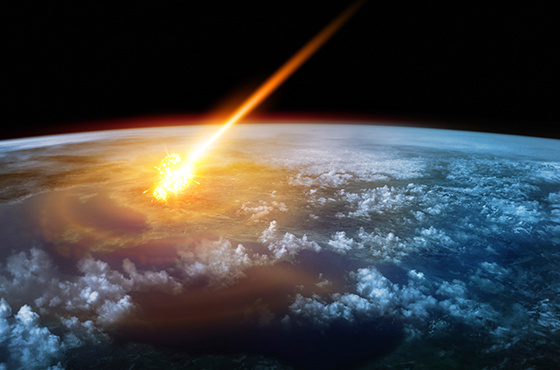
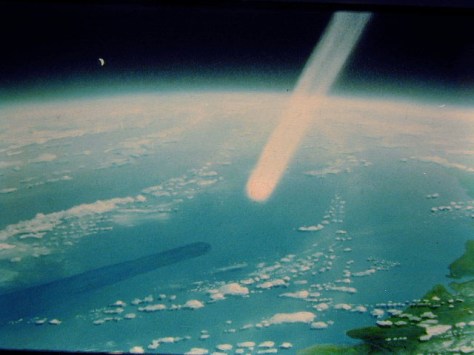
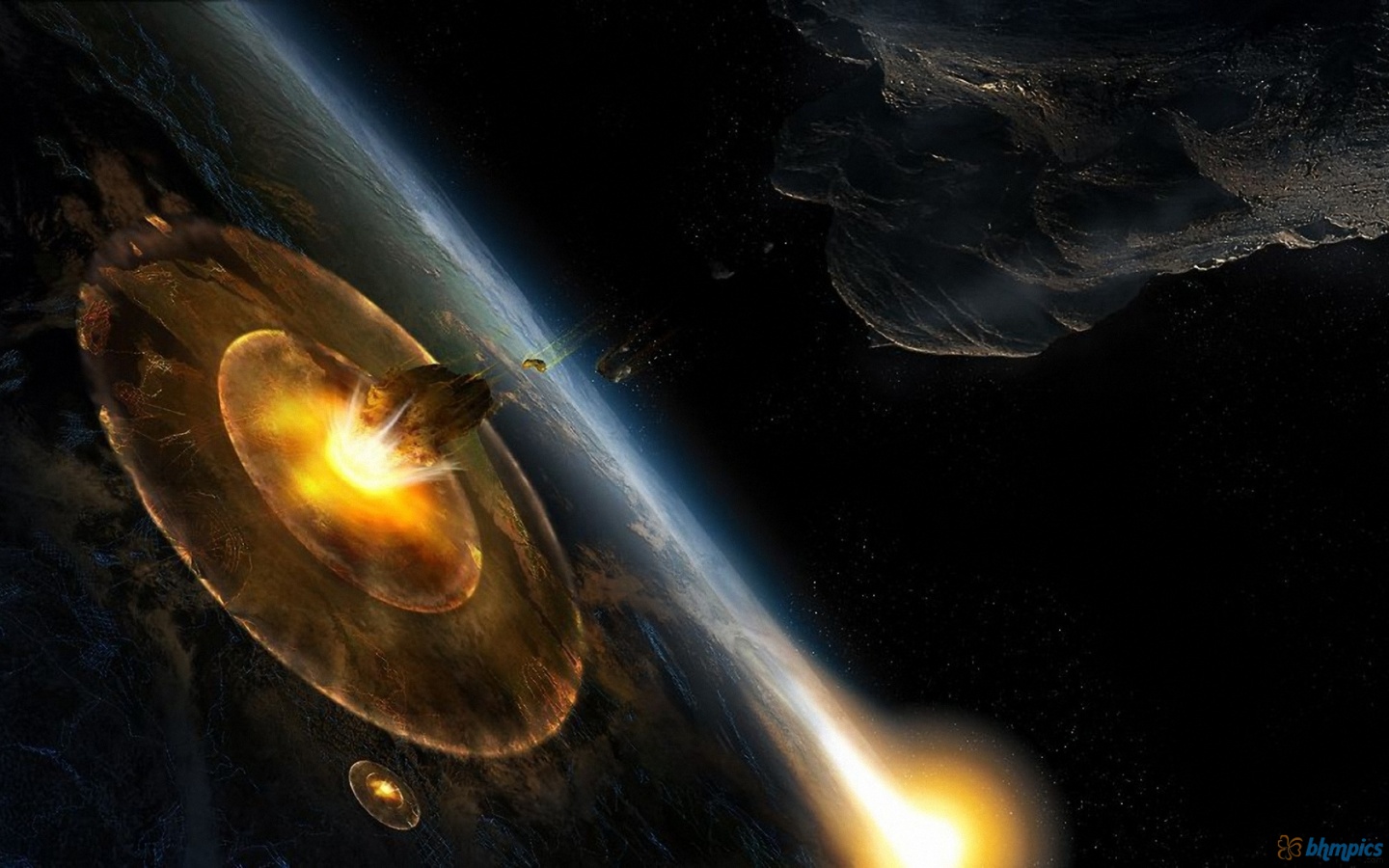
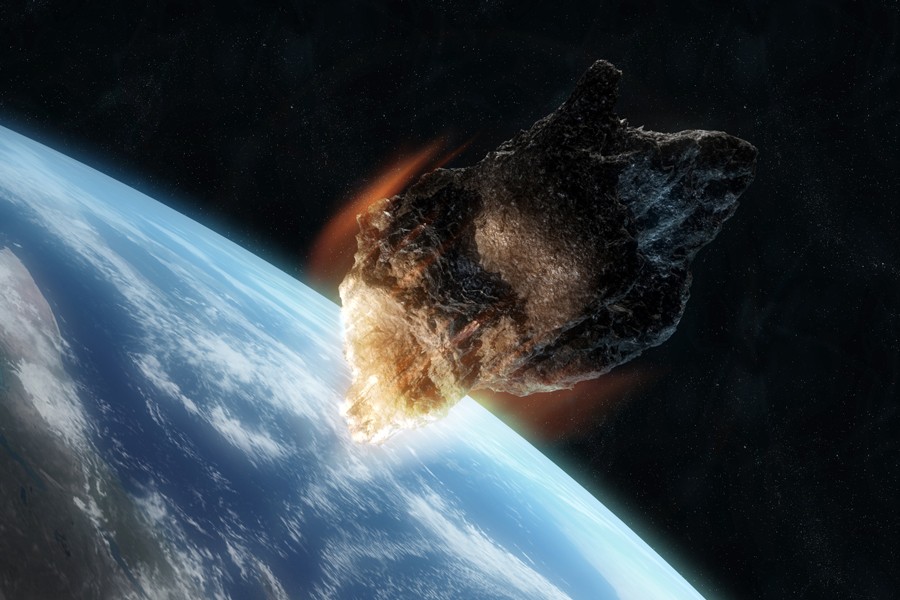
To again experience Natural Freedom, Tibet needs help from a Natural Event of great magnitude that applies Force or Power to cause Downfall of Power Regime that rules Tibet from its Seat of Power in Beijing. In my analysis, Bolide Collision Event described in the Book of Revelation, Chapter 18, can shake up the Seat of Power in Beijing. For that reason, I proclaim, “Beijing Doomed.”
What is Tibet Equilibrium? What are the Natural Forces acting or operating in Tibet? “Beijing Doomed,” expression of hope for restoring Natural Freedom in Occupied Tibet.
Using seismic data and supercomputers, Rice University geophysicists have conducted a massive seismic CT scan of the upper mantle beneath the Tibetan Plateau.
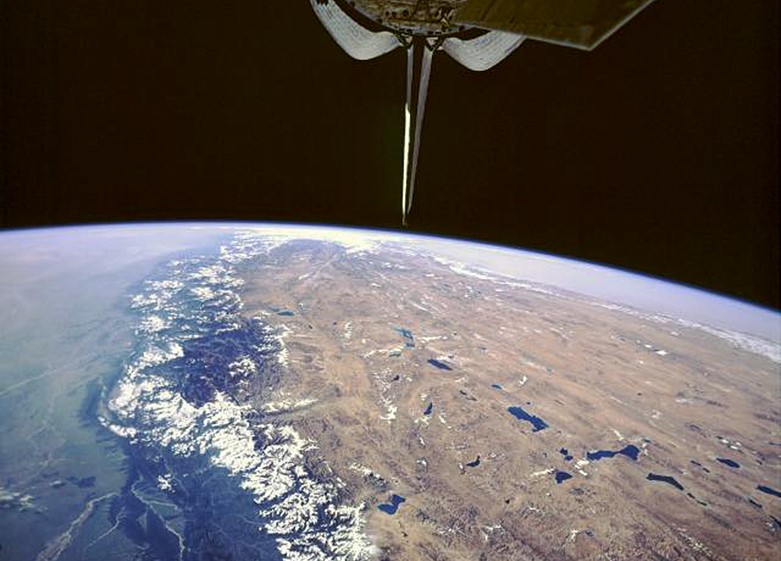
They concluded that the southern half of the “Roof of the World” formed in less than one-quarter of the time since the beginning of India-Eurasia continental collision.
The research, which appears online this week in the journal Nature Communications, finds that the high-elevation of Southern Tibet was largely achieved within 10 million years. Continental India’s tectonic collision with Asia began about 45 million years ago.
“The features that we see in our tomographic image are very different from what has been seen before using traditional seismic inversion techniques,” said Min Chen, the Rice research scientist who headed the project. “Because we used full waveform inversion to assimilate a large seismic data set, we were able to see more clearly how the upper-mantle lithosphere beneath Southern Tibet differs from that of the surrounding region. Our seismic image suggests that the Tibetan lithosphere thickened and formed a denser root that broke away and sank deeper into the mantle. We conclude that most of the uplift across Southern Tibet likely occurred when this lithospheric root broke away.”
The research could help answer longstanding questions about Tibet’s formation. Known as the “Roof of the World,” the Tibetan Plateau stands more than three miles above sea level. The basic story behind its creation — the tectonic collision between the Indian and Eurasian continents — is well-known to schoolchildren the world over, but the specific details have remained elusive. For example, what causes the plateau to rise and how does its high elevation impact Earth’s climate?
“The leading theory holds that the plateau rose continuously once the India-Eurasia continental collision began, and that the plateau is maintained by the northward motion of the Indian plate, which forces the plateau to shorten horizontally and move upward simultaneously,” said study co-author Fenglin Niu, a professor of Earth science at Rice. “Our findings support a different scenario, a more rapid and pulsed uplift of Southern Tibet.”
It took three years for Chen and colleagues to complete their tomographic model of the crust and upper-mantle structure beneath Tibet. The model is based on readings from thousands of seismic stations in China, Japan and other countries in East Asia. Seismometers record the arrival time and amplitude of seismic waves, pulses of energy that are released by earthquakes and that travel through Earth. The arrival time of a seismic wave at a particular seismometer depends upon what type of rock it has passed through. Working backward from instrument readings to calculate the factors that produced them is something scientists refer to as an inverse problem, and seismological inverse problems with full waveforms incorporating all kinds of usable seismic waves are some of the most complex inverse problems to solve.
Chen and colleagues used a technique called full waveform inversion, “an iterative full waveform-matching technique that uses a complicated numerical code that requires parallel computing on supercomputers,” she said.
“The technique really allows us to use all the wiggles on a large number of seismographs to build up a more realistic 3-D model of Earth’s interior, in much the same way that whales or bats use echo-location,” she said. “The seismic stations are like the ears of the animal, but the echo that they are hearing is a seismic wave that has either been transmitted through or bounced off of subsurface features inside Earth.”
The tomographic model includes features to a depth of about 500 miles below Tibet and the Himalaya Mountains. The model was computed on Rice’s DAVinCI computing cluster and on supercomputers at the University of Texas that are part of the National Science Foundation’s Extreme Science and Engineering Discovery Environment (XSEDE).
“The mechanism that led to the rise of Southern Tibet is called lithospheric thickening and foundering,” Chen said. “This happened because of convergence of two continental plates, which are each buoyant and not easy to subduct underneath the other plate. One of the plates, in this case on the Tibetan side, was more deformable than the other, and it began to deform around 45 million years ago when the collision began. The crust and the rigid lid of upper mantle — the lithosphere — deformed and thickened, and the denser lower part of this thickened lithosphere eventually foundered, or broke off from the rest of the lithosphere. Today, in our model, we can see a T-shaped section of this foundered lithosphere that extends from a depth of about 250 kilometers to at least 660 kilometers.”
Chen said that after the denser lithospheric root broke away, the remaining lithosphere under Southern Tibet experienced rapid uplift in response.
“The T-shaped piece of foundered lithosphere sank deeper into the mantle and also induced hot upwelling of the asthenosphere, which leads to surface magmatism in Southern Tibet,” she said.
Such magmatism is documented in the rock record of the region, beginning around 30 million years ago in an epoch known as the Oligocene.
“The spatial correlation between our tomographic model and Oligocene magmatism suggests that the Southern Tibetan uplift happened in a relatively short geological span that could have been as short as 5 million years,” Chen said.
Additional co-authors include Adrian Lenardic, Cin-Ty Lee, Wenrong Cao and Julia Ribeiro, all of Rice, and Jeroen Tromp of Princeton University.
The research was supported by a grant from the National Science Foundation (NSF), by the NSF’s Extreme Science and Engineering Discovery Environment (XSEDE) program, and by the China Earthquake Administration’s China Seismic Array Data Management Center. Rice’s DAVinCI supercomputer is administered by Rice’s Center for Research Computing and procured in partnership with the Ken Kennedy Institute for Information Technology. The DOI of the Nature Communications paper is: 10.1038/NCOMMS15659
What is Tibet Equilibrium? How to restore Natural Freedom in Occupied Tibet?What is Tibet Equilibrium? Can Time alone restore Natural Freedom in Occupied Tibet?
A prophecy revealed by Ronald Reagan, 40th President of the US (1981 – 1989). DOOMSAYER OF DOOM DOOMA – BEIJING IS DOOMED
I respectfully dedicate this post to the memory of Ronald Wilson Reagan, 40th President of the United States.
A prophecy revealed by Ronald Reagan, 40th President of the US (1981 – 1989).
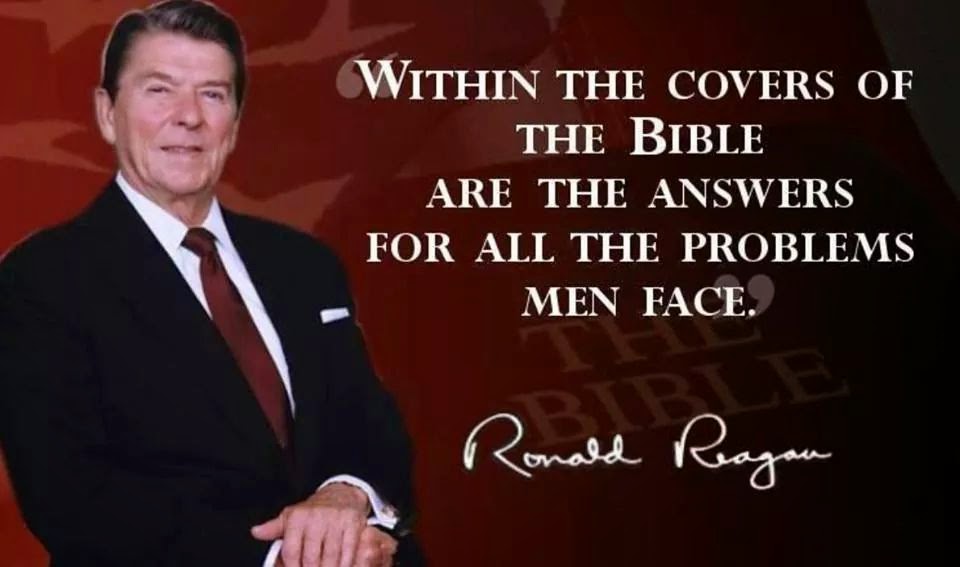
President Reagan suggests that the answers for all the problems men face are found within the covers of The Bible. The problems of man do not always need human interventions like insurrection, rebellion, warfare, and other forms of physical force that man uses to resolve conflicts. President Reagan shares a hope that human struggle for Freedom, Fairness, and Justice could be resolved without using bombs, rockets, armies, or military might. In the last book of The New Testament called ‘Revelation’ I discovered a hidden prophecy that graphically describes the downfall of The Evil Red Empire.
A prophecy revealed by Ronald Reagan, 40th President of the US (1981 – 1989).
Trusting in God, I made my journey to the United States in 1986 during the presidency of Ronald Reagan.
I identify myself as Doomsayer of Doom Dooma and my prediction about the sudden downfall of Beijing (Beijing Doomed) is revealed to me by Ronald Wilson Reagan, 40th President of the US (1981-89).
I want to share my connection to Doom Dooma (Dum Duma), Beijing (Peking), and the United States and I shall describe the reason for predicting a catastrophic event that will destroy Beijing’s power and wealth in an apocalyptic event.
A prophecy revealed by Ronald Reagan, 40th President of the US (1981 – 1989). DOOMSAYER OF DOOM DOOMA – BEIJING IS DOOMED : THIS IS A GOOGLE MAP IMAGE OF DOOM DOOMA WHERE I WAS STATIONED FROM 1972 TO 1973 . A CHINESE SPY LIVED IN MY MILITARY CAMP AT DOOM DOOMA AIRFIELD BUILT BY US ENGINEERS DURING WORLD WAR II .
Doom Dooma, Tinsukia District, Assam, is in Northeast India, popularly known as the Tea City.
A prophecy revealed by Ronald Reagan, 40th President of the US (1981 – 1989). DOOM SAYER OF DOOM DOOMA – BEIJING IS DOOMED :Whole Dude – Whole Secret: The US military support to Tibet began during Hump Airlift Operation. I served at Dum Duma (Doom Dooma, Assam). Some flights delivered weapons and ammunition to Tibet. Special Frontier Force Reviews Hump Airlift Operation 1942 – 1945. A prophecy revealed by Ronald Reagan, 40th President of the US (1981 – 1989).
I was stationed at D Sector of Establishment 22, a military camp at Doom Dooma (Dum Duma) airfield built by US Engineers who came to India during World War II to prevent the spread of Communism to Asia and to checkmate Imperial Japan’s invasion of India .
A prophecy revealed by Ronald Reagan, 40th President of the US (1981 – 1989). DOOM SAYER OF DOOM DOOMA – BEIJING IS DOOMED : Special Service Award presented by all Officers, D-Sector, Establishment 22 in appreciation of my Service in the North East Frontier Agency/Arunachal Pradesh in January 1973.
My affiliation with the United States was discovered by a Chinese spy who lived in our Special Frontier Force military camp. He reported my presence to Beijing and my photo image was shared with China’s Intelligence Agency. At Doom Dooma during 1972, Beijing registered my existence and my affiliation with a military organization called Special Frontier Force or Establishment No. 22.
A prophecy revealed by Ronald Reagan, 40th President of the US (1981 – 1989). DOOMSAYER OF DOOM DOOMA – BEIJING IS DOOMED: IN 1972, A CHINESE SPY IDENTIFIED ME AND SENT MY PHOTO IMAGE TO BEIJING .
My affiliation with Special Frontier Force is based on values which defined the national character of the United States.
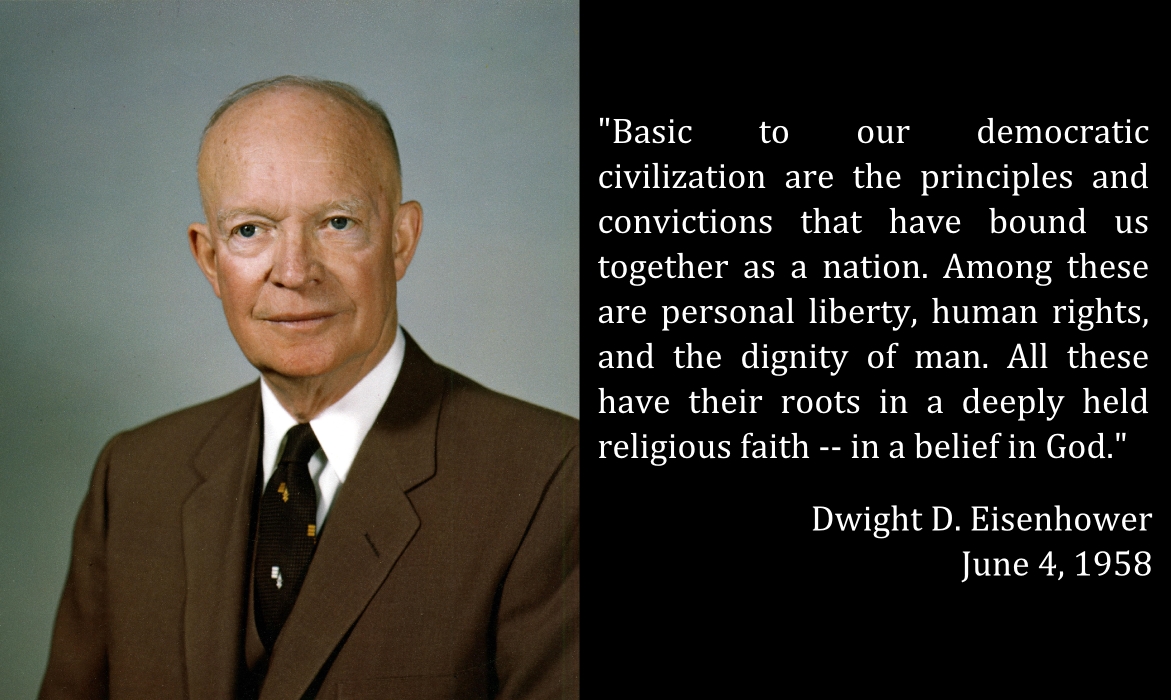
A prophecy revealed by Ronald Reagan, 40th President of the US (1981 – 1989). DOOMSAYER OF DOOM DOOMA – BEIJING IS DOOMED: US PRESIDENT DWIGHT EISENHOWER TOOK ACTION TO DEFINE VALUES THAT ESTABLISH MY CONNECTION WITH THE UNITED STATES THROUGH MY AFFILIATION WITH SPECIAL FRONTIER FORCE .
President Reagan shares his belief in God using terms that I can easily understand. The United States proclaims its national motto, “In God We Trust”, and I share that feeling of trust in making decisions about my life’s journey.
A prophecy revealed by Ronald Reagan, 40th President of the US (1981 – 1989). DOOMSAYER OF DOOM DOOMA – BEIJING IS DOOMED : FOR WE TRUST IN GOD, WE ARE ONE NATION UNDER GOD .
President Reagan clearly articulated the core values which are pillars on which the national entity called the United States proudly stands.
A prophecy revealed by Ronald Reagan, 40th President of the US (1981 – 1989). DOOMSAYER OF DOOM DOOMA – BEIJING IS DOOMED .A prophecy revealed by Ronald Reagan, 40th President of the US (1981 – 1989). DOOMSAYER OF DOOM DOOMA – BEIJING IS DOOMED .A prophecy revealed by Ronald Reagan, 40th President of the US (1981 – 1989). DOOMSAYER OF DOOM DOOMA – BEIJING IS DOOMED .A prophecy revealed by Ronald Reagan, 40th President of the US (1981 – 1989). DOOMSAYER OF DOOM DOOMA – BEIJING IS DOOMED .
President Reagan suggests that the answers for all the problems men face are found within the covers of The Bible. The problems of man do not always need human interventions like insurrection, rebellion, warfare, and other forms of physical force that man uses to resolve conflicts.
A prophecy revealed by Ronald Reagan, 40th President of the US (1981 – 1989). DOOMSAYER OF DOOM DOOMA – BEIJING IS DOOMED :A prophecy revealed by Ronald Reagan, 40th President of the US (1981 – 1989). DOOMSAYER OF DOOM DOOMA – BEIJING IS DOOMED: I RESPECT PRESIDENT REAGAN FOR HE WAS ANTI-NIXON/KISSINGER . REAGAN WAS A STRONG ADVOCATE OF PERSECUTED PEOPLE .A prophecy revealed by Ronald Reagan, 40th President of the US (1981 – 1989). DOOMSAYER OF DOOM DOOMA – BEIJING IS DOOMED :A prophecy revealed by Ronald Reagan, 40th President of the US (1981 – 1989). In Man’s Plan, I exist as a mere Pawn used in War on Communism, the Legacy of Cold War Era Geopolitics. What is God’s Plan?A prophecy revealed by Ronald Reagan, 40th President of the US (1981 – 1989). DOOMSAYER OF DOOM DOOMA – BEIJING IS DOOMED
President Reagan shares a hope that human struggle for Freedom, Fairness, and Justice could be resolved without using bombs, rockets, armies, or military might. In the last book of The New Testament called ‘Revelation’ I discovered a hidden prophecy that graphically describes the downfall of The Evil Red Empire.
In human history, mighty empires have risen and mighty empires have fallen.
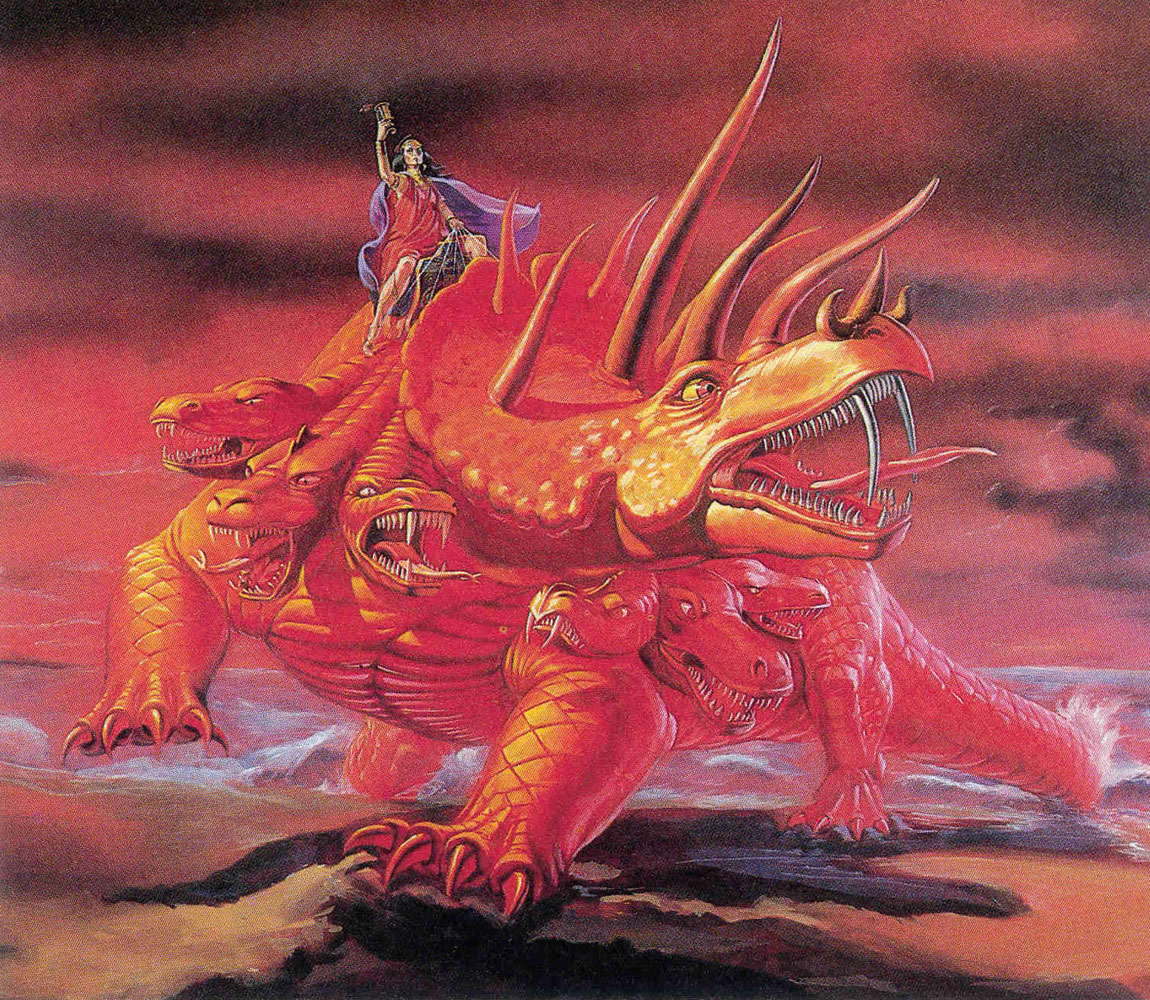
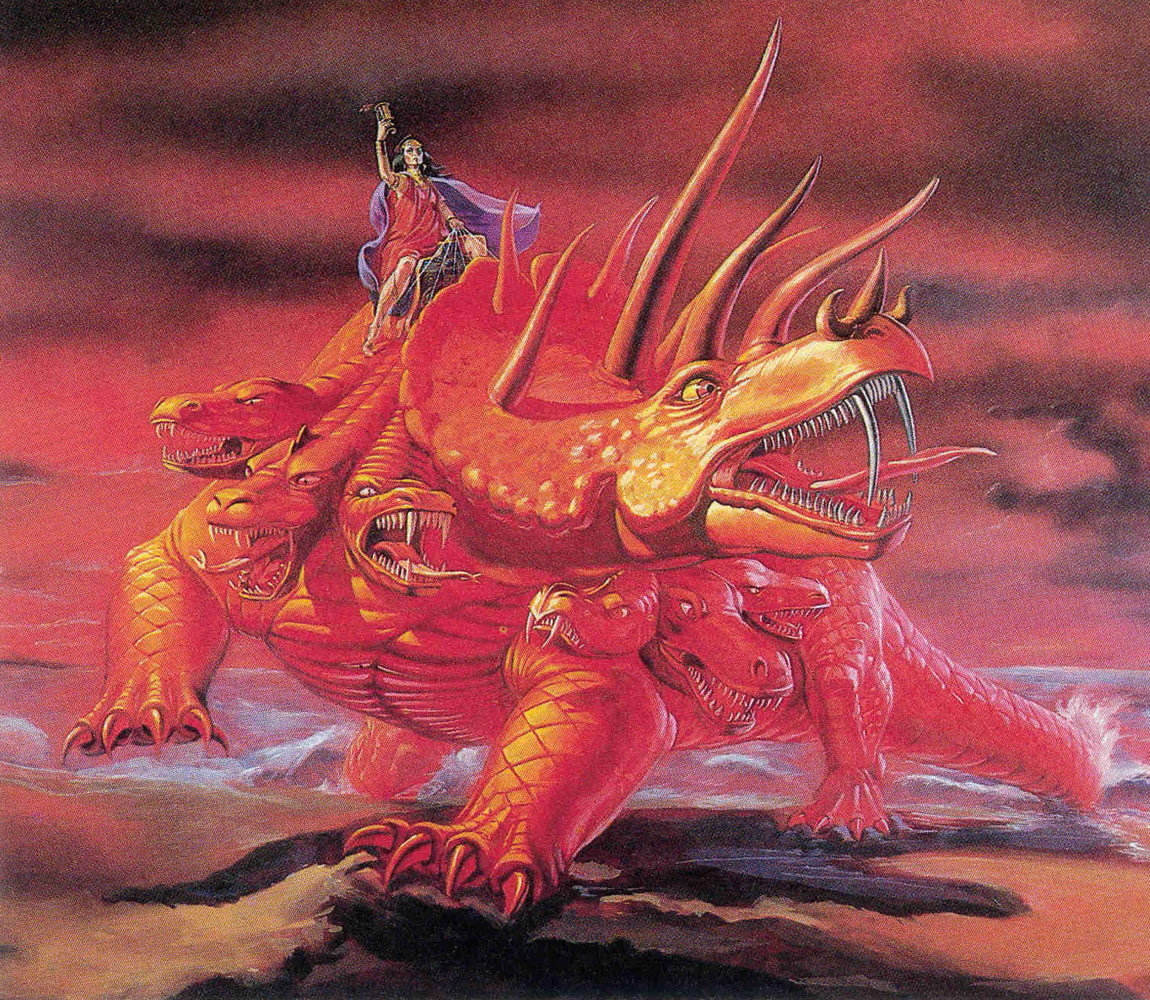
A prophecy revealed by Ronald Reagan, 40th President of the US (1981 – 1989). The Rise and the Fall of Mighty Empires. Beijing is Doomed.A prophecy revealed by Ronald Reagan, 40th President of the US (1981 – 1989). DOOMSAYER OF DOOM DOOMA – BEIJING IS DOOMED : THE WOMAN ON THE SCARLET BEAST. THE WOMAN I SAW IS BEIJING .
The Book of Revelation describes in great detail the downfall of an Evil Empire which it code-named as “BABYLON.” In present day world, there is no evil empire called Babylon for it got wiped out long before The Book of Revelation was written by Saint John. Revelation, Chapter 18 describes the scenario of a catastrophic event which is very similar to the K-T Event, a major extinction event that wiped out existence of Dinosaurs that ruled planet Earth over millions of years.
A prophecy revealed by Ronald Reagan, 40th President of the US (1981 – 1989). Beijing is Doomed. Revelation Chapter 18 reveals a catastrophic event similar to the K-T EventA prophecy revealed by Ronald Reagan, 40th President of the US (1981 – 1989). Beijing is Doomed. Revelation Chapter 18 reveals a catastrophic event similar to the K-T EventA prophecy revealed by Ronald Reagan, 40th President of the US (1981 – 1989). Beijing is Doomed. Revelation Chapter 18 reveals a catastrophic event similar to the K-T EventA prophecy revealed by Ronald Reagan, 40th President of the US (1981 – 1989). Beijing is Doomed. Revelation Chapter 18 reveals a catastrophic event similar to the K-T EventA prophecy revealed by Ronald Reagan, 40th President of the US (1981 – 1989). Beijing is Doomed. Revelation Chapter 18 reveals a catastrophic event similar to the K-T EventA prophecy revealed by Ronald Reagan, 40th President of the US (1981 – 1989). Beijing is Doomed. Revelation Chapter 18 reveals a catastrophic event similar to the K-T EventA prophecy revealed by Ronald Reagan, 40th President of the US (1981 – 1989). Beijing is Doomed. Revelation Chapter 18 reveals a catastrophic event similar to the K-T Event
The Book of Revelation reveals Beijing’s sudden downfall and the Scripture, Chapter 18, Verse 21 reads:
Then a mighty angel picked up a boulder the size of a large millstone and threw it into the sea, and said:
“With such violence the great city of Babylon will be thrown down,
Never to be found again.”
A prophecy revealed by Ronald Reagan, 40th President of the US (1981 – 1989). Beijing is Doomed. Revelation Chapter 18 reveals a catastrophic event similar to the K-T Event
This is a Prophecy that will come true in the history of Red China which I describe as The Evil Red Empire.
A prophecy revealed by Ronald Reagan, 40th President of the US (1981 – 1989). Beijing is Doomed. Revelation Chapter 18 reveals a catastrophic event similar to the K-T Event