Whole Dude – Whole Slippery: The Repeal PRWORA Project
Excerpt: The “Repeal PRWORA Project” advocates for the repeal of Public Law 104-193, also known as the Personal Responsibility and Work Opportunity Reconciliation Act (PRWORA) signed by US President Bill Clinton in 1996. The organizers argue that this law reintroduced varieties of slavery, including involuntary servitude and forced labor, by unfairly denying retirement income benefits to non-citizen taxpayers who cannot provide proof of lawful residency. Critics claim this law infringes on the constitutional rights of these workers, violating principles of equal treatment, protection, and justice under law. They demand for a strict adherence to the natural law principles abolishing any form of slavery.
Whole Dude – Whole Slippery: The economic policy initiated by President Clinton placed the US economy on a Slippery Slope. Americans will give attention to my words after they fail to resolve the Economic Crisis through either Liberal or Conservative Spending Plans to revive the National Economy.Whole Dude – Whole Slippery: In this graphic, Julie Peasley shows how many one-dollar bills it would take to stack up to the total U.S. debt of $31.4 trillion. Americans will give attention to my words after they fail to resolve the Economic Crisis through either Liberal or Conservative Spending Plans to revive the National Economy.
In my analysis, the Economic Policy of President Bill Clinton is fundamentally flawed for it violated the principles of Natural Law that make America a proud and prosperous nation in the world. The economic downfall of the United States is relentless and is almost unstoppable. There can be no healing and no recovery without the Blessings promised by God and living up to the Official Motto “IN GOD WE TRUST.”
Whole Dude – Whole Slippery: Americans will give attention to my words after they fail to resolve the Economic Crisis through either Liberal or Conservative Spending Plans to revive the National Economy.Whole Dude – Whole Slippery: Americans will give attention to my words after they fail to resolve the Economic Crisis through either Liberal or Conservative Spending Plans to revive the National Economy.
President Clinton’s Economic Policy to formulate a Balanced Budget is not consistent with LORD God Creator’s Economic Plan for the man in his golden years of his life. The issue is not that of Austere Spending or Deficit Spending Plans of the US Federal Government. God’s Plan clearly demands that the dignity of the man must be upheld in his Old Age when the man needs rest from daily labor to support his mortal existence.
Americans will give attention to my words after they fail to resolve the Economic Crisis through either Liberal or Conservative Spending Plans to revive the National Economy.
The Antislavery Campaign demands the Repeal of PRWORA of 1996 as it triggered ‘The Clinton Curse’ placing the US economy on a slippery slope. President Clinton did not Balance the US Budget for he acted in violation of God’s Commandments.
The Material Basis of Spirituality Science. The Clinton Curse. The US Economy on a Slippery Slope. Americans will give attention to my words after they fail to resolve the Economic Crisis through either Liberal or Conservative Spending Plans to revive the National Economy.
President Clinton missed the opportunity to save the country from foreign debt because he denied the payment of the Old Age Retirement Income and Health Insurance Benefits to alien workers who fully subscribed to the Social Security and Medicare Plans by paying the necessary taxes. To the same extent, ‘The Clinton Curse’ invites Americans to live their lives paying taxes to repay the foreign debt.
The concept of Spiritual well being always includes the dimension of the physical or the material well being of the man. In the present times, the physical or the material well being of the man always includes the concern about fair and just access to the economic resources to provide for the daily necessities of life particularly during old age after the attainment of the legally determined full retirement age.
The Material Basis of Spirituality Science. The Clinton Curse. The US Economy on a Slippery Slope. Americans will give attention to my words after they fail to resolve the Economic Crisis through either Liberal or Conservative Spending Plans to revive the National Economy.The Material Basis of Spirituality Science. The Clinton Curse. The US Economy on a Slippery Slope. Americans will give attention to my words after they fail to resolve the Economic Crisis through either Liberal or Conservative Spending Plans to revive the National Economy.
How Bill Clinton’s Balanced Budget Destroyed The Economy – Business Insider
The Material Basis of Spirituality Science. The Clinton Curse. The US Economy on a Slippery Slope. Americans will give attention to my words after they fail to resolve the Economic Crisis through either Liberal or Conservative Spending Plans to revive the National Economy.
Bill Clinton is giving the keynote speech at the Democratic National Convention tonight.
The idea is to make people feel nostalgic for the last time when the economy was really booming, and hope that some of that rubs off on Obama.
However, in the New York Post, Charlie Gasparino uses the occasion to remind everyone that the seeds of our current economic malaise were planted during the Clinton years.
Basically, it was under Clinton that Fannie and Freddie really began blowing the housing bubble, issuing epic amounts of mortgage-backed debt.
The story that Gasparino tells is basically: Liberal Bill Clinton thought he could use government to make everyone a homeowner and so naturally this ended in disaster.
Gasparino specifically cites the controversial Community Reinvestment Act, a popular conservative bogeyman:
How did they do this? Through rigorous enforcement of housing mandates such as the Community Reinvestment Act, and by prodding mortgage giants Fannie Mae and Freddie Mac to make loans to people with lower credit scores (and to buy loans that had been made by banks and, later, “innovators” like Countrywide).
The Housing Department was Fannie and Freddie’s top regulator — and under Cuomo, the mortgage giants were forced to start ramping up programs to issue more subprime loans to the riskiest of borrowers.
That’s interesting. But the truth is far more complicated. And more interesting.
Clinton’s Budget Legacy
In addition to being remembered for a strong economy, Bill Clinton is remembered as the last President to preside over balanced budgets.
Given the salience of the national debt issue in American politics today, the surpluses are a major mark of pride for the former President (and arguably the entire country). They shouldn’t be.
“I think it is safe to say that we are still suffering the harmful effects of the Clinton budget surpluses,” says Stephanie Kelton, an economics professor at the University of Missouri Kansas City.
To understand why you first need to understand that the components of GDP look like this:
In the above equation, C is private consumption (spending). ‘I’ is investment spending. ‘G’ is government spending. And ‘X-M’ is exports-minus imports (essentially the trade surplus).
Here’s a chart of the government budget around the years during and right after Clinton, in case you need a reminder that the government was in surplus near the end of his tenure.
The Material Basis of Spirituality Science. The Clinton Curse. The US Economy on a Slippery Slope. Americans will give attention to my words after they fail to resolve the Economic Crisis through either Liberal or Conservative Spending Plans to revive the National Economy.
If the government is in surplus, it means that the government is taking in more cash than it is spending, which is the opposite of stimulus.
It’s also well-known that the US trade deficit exploded during the late 90s, which means that ‘X-M’ was also a huge drag on GDP during his years.
The Material Basis of Spirituality Science.The Clinton Curse. The US Economy on a Slippery Slope. Americans will give attention to my words after they fail to resolve the Economic Crisis through either Liberal or Conservative Spending Plans to revive the National Economy.
So the trade deficit was subtracting from GDP, and the government was sucking up more money from the private sector than it was pushing out.
There was only one “sector” of the economy left to compensate: Private consumption. And private consumption compensated for the drags from government and trade in two ways.
First, the household savings rate collapsed during the Clinton years.
The Material Basis of Spirituality Science. The Clinton Curse. The US Economy on a Slippery Slope. Americans will give attention to my words after they fail to resolve the Economic Crisis through either Liberal or Conservative Spending Plans to revive the National Economy.
And even more ominously, household debt began to surge.
The Material Basis of Spirituality Science.The Clinton Curse. The US Economy on a Slippery Slope. Americans will give attention to my words after they fail to resolve the Economic Crisis through either Liberal or Conservative Spending Plans to revive the National Economy.
So already you can see how the crisis started to germinate under Clinton.
As his trade and budget policies became a drag on the economy, households spent and went into debt like never before.
Economist Stephanie Kelton expounded further in an email to Business Insider:
“Now, you might ask, “What’s the matter with a negative private sector balance?”. We had that during the Clinton boom, and we had low inflation, decent growth and very low unemployment. The Goldilocks economy, as it was known. The great moderation. Again, few economists saw what was happening with any degree of clarity. My colleagues at the Levy Institute were not fooled. Wynne Godley wrote brilliant stuff during this period. While the CBO was predicting surpluses “as far as the eye can see” (15+ years in their forecasts), Wynne said it would never happen. He knew it couldn’t because the government could only run surpluses for 15+ years if the domestic private sector ran deficits for 15+ years. The CBO had it all wrong, and they had it wrong because they did not understand the implications of their forecast for the rest of the economy. The private sector cannot survive in negative territory. It cannot go on, year after year, spending more than its income. It is not like the US government. It cannot support rising indebtedness in perpetuity. It is not a currency issuer. Eventually, something will give. And when it does, the private sector will retrench, the economy will contract, and the government’s budget will move back into deficit.”
But this is only part of the story. What about what Charlie Gasparino wrote about above?
The Fannie and Freddie Boom
When the government is running a surplus, it no longer has to issue much debt. But risk-free government bonds are a crucial component of portfolios for all kinds of financial institutions, and for mom & pop investors who like the safety of regularly Treasury payouts. The yield on the 10-year bond was over 5% back in those days… nothing to sneeze at for people planning for a retirement.
This created a bit of a crisis.
Bond trader Kevin Ferry, a veteran of the scene, told Business Insider about the panic that was unfolding over the government’s lack of debt.
“OMG, they were all saying… there wasn’t going to be any paper!”
How did the markets react?
“Lo and behold… [Fannie and Freddie] issuance “SURGED” in the late 90s,” said Ferry.
Everything changed. While the government dramatically slowed down the issuance of Treasuries, Fannie and Freddie picked up the baton and started selling debt like never before.
“Prior to those years, there were not regular [Fannie and Freddie] auctions.”
“The system wanted it.”
“The fear was that there wasn’t going to be any…. There were no bill auctions.”
“The brokers were calling up ma & pa and said there are no more T-Bill auctions!”
And the data bears this out.
Total agency issuance of mortgage-backed securities spiked in 1998 and 1999, and from then on they never looked back.
The Material Basis of Spirituality Science.The Clinton Curse. The US Economy on a Slippery Slope.Americans will give attention to my words after they fail to resolve the Economic Crisis through either Liberal or Conservative Spending Plans to revive the National Economy.
Business Insider, Bloomberg
And just to drive home the point again, about how the 1998-1999 spike in issuance was the mirror image of the annual change in the size of the government debt.
The Material Basis of Spirituality Science. The Clinton Curse. The US Economy on a Slippery Slope.Americans will give attention to my words after they fail to resolve the Economic Crisis through either Liberal or Conservative Spending Plans to revive the National Economy.
Note that both government debt and agency issuance spiked in the early 2000s, but that was during a recession when the private sector dramatically scaled back its activity form the late 90s.
How Clinton Destroyed The Economy
The bottom line is that the signature achievement of the Clinton years (the surplus) turns out to have been a deep negative. For this drag on GDP was being counterbalanced by low household savings, high household debt, and the real revving up of the Fannie and Freddie debt boom that had a major hand in fueling the boom that ultimately led to the downfall of the economy.
And that brings up a broader question that people who advocate balanced budgets must answer.
What’s the point of it?
Despite the budget surplus, interest rates were higher. And the surplus provided no protection of the coming slump. And if anything, it just weakened the most brittle part of the economy: households.
Furthermore, there is a pattern of this.
Japan ran a budget surplus in the year right before its economy went into terminal decline, as this chart from Trading Economics shows
The Material Basis of Spirituality.The Clinton Curse. The US Economy on a Slippery Slope.Americans will give attention to my words after they fail to resolve the Economic Crisis through either Liberal or Conservative Spending Plans to revive the National Economy.
So while Clinton will be remembered nostalgically tonight, for both the performance of the economy and his government finances, they shouldn’t be remembered fondly.
All said and done, President Clinton’s Evil Plan failed to resolve the problem of National Debt. The Repeal Movement exposes President Clinton’s contemptuous violation of Constitutional Principles of equal protection, equal justice and equal treatment under Law.
The Material Basis of Spirituality Science. The Clinton Curse. The US Economy on a Slippery Slope.Americans will give attention to my words after they fail to resolve the Economic Crisis through either Liberal or Conservative Spending Plans to revive the National Economy.
Whole Struggle – Tibet Struggles for Natural Freedom.
In my analysis, the Tibetan Resistance Movement can only be described as the Struggle for Natural Freedom. Tibetans resist military occupation of Tibet by a foreign invader for occupation totally undermines the Tibetan National Experience of Natural Freedom that defines the Land and its denizens. Freedom is not viewed as a Political Right. Tibetans cherish Freedom as a Nature’s Gift which no man has the power to trample upon.
Whole Struggle – Tibet Struggles for Natural Freedom.
Dalai Lama Says Tibet Issue Is No Longer Struggle For Political Independence
Whole Struggle – Tibet Struggles for Natural Freedom.
Tibet Issue “No Longer Struggle for Political Independence”: Dalai Lama
Political independence is mainly meant for the happiness of the people, but does it alone guarantee happiness, the Dalai Lama asked.
All India | Press Trust of India | Updated: July 04, 2019 20:11 IST
New Delhi:
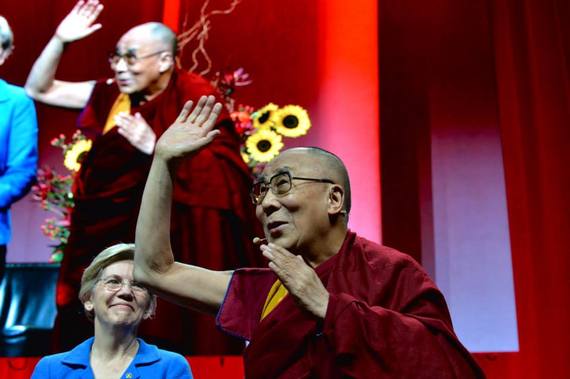
The Tibetan issue is no longer a struggle for political independence, the Dalai Lama has said, asserting that there is a need to focus on preservation of Tibet’s cultural, religious and linguistic identity.
Political independence is mainly meant for the happiness of the people, but does it alone guarantee happiness, the Tibetan spiritual leader asked.
“There is a growing feeling among the top leaders in China that their policies have not been able to solve the Tibet issue in the last 70 years. So, they should follow a more realistic approach. Even though Tibet was an independent country, politically China occupies Tibet today,” he told news magazine ”The Week” in an interview.
“Under the given circumstances, I have been saying for some time now that there is a need to focus on preservation of Tibetan culture, religion and identity. It is no longer a struggle for political independence,” he said.
The 14th Dalai Lama left Tibet in 1959 to escape Chinese occupation and has been keeping China on tenterhooks about his successor.
In April this year, at a global conference, he had said people from Tibet have been seeking a mutually acceptable solution to the Tibetan issue with China since 1974 but Beijing considers him a “splittist” though he isn’t one.
The spiritual leader, who turns 84 soon, had said he preferred Tibet remaining with China, with “some kind of a reunion”.
In the interview, given in Himachal Pradesh’s McLeodganj, the Dalai Lama also said if the Tibetan people can preserve their thousands of years old cultural heritage, religion and identity, it will bring them inner peace and happiness.
“For this, I really admire the Indian Union for its unity in diversity. In a similar way, the People’s Republic of China and Tibet can coexist keeping Tibet’s cultural, linguistic and religious identity,” he said.
On a question, about his successor, he said, “I can only be concerned about this life; the next is not my concern. What is important are the teachings, the institution of the Dalai Lama comes after that.
“If reincarnation was so important, then why did the Buddha not have a reincarnation,” adding, “sometimes, I also feel the Lama institution has some connection with the feudal system and is not relevant today”.
The Tibetan spiritual leader recently apologized for his comment on women in a BBC interview, with his office in Dharamshala saying he has always opposed their objectification.
Responding to a question on whether his reincarnation could be a woman, the Nobel Peace Prize winner had joked that she should be attractive.
On a question on India, he said, the rich people in India should pay more attention to the study of Indian philosophy and texts “rather than just uttering ”Ram Ram” and doing puja”.
“It is better to create small libraries and learn about ancient Indian philosophy and psychology than just praying without any knowledge and performing rituals without understanding them,” he said.
On his association with prime minister Jawaharlal Nehru, he said, “Pandit was very kind to me; he advised me under difficult circumstances. I followed his advice, and it was very practical. I came to India in 1956, during Buddha Jayanti. At that time, many Tibetan officials told me that I should stay in India and not return”.
He said, he returned to Tibet in 1957. “I tried my best (to maintain peace with the Chinese), but after some time… there (were) uprisings. In 1959, things went out of control and I decided to escape from Tibet,” the Dalai Lama added.
“I am grateful to the Indian government (and leaders such as) Nehru, Indira Gandhi, Morarji Desai, Narasimha Rao and the (later) generation of leaders, and also Indian officials who have been very sympathetic towards Tibet,” he said.
Today, India and Tibet are very close not only for political or economic reasons, but also spiritually and emotionally, he added.
On China calling him a separatist, and his 60th year of exile in India, he said, “Let them (Chinese) say I am a separatist. That will be helpful as I will continue to live in India peacefully”.
“If they sincerely ask me to return – although on many occasions to some Chinese individuals I mentioned that I prefer freedom – and if I return to China, I (will be) put in a big house with no freedom. There is no use. I am happy to live in India for the rest of my life,” the Dalai Lama said.
“Among all civilizations, whether it is Chinese or Egyptian, it is the Indus Valley civilization that has produced the best thinkers and philosophers. I consider Buddhism and Hinduism as twin brother and sister. India’s civilization is something wonderful and should be known for its contribution to the world,” he asserted.
Whole Struggle – Tibet Struggles for Natural Freedom.
Whole Alert – Red China is guilty of Cultural Genocide in Tibet
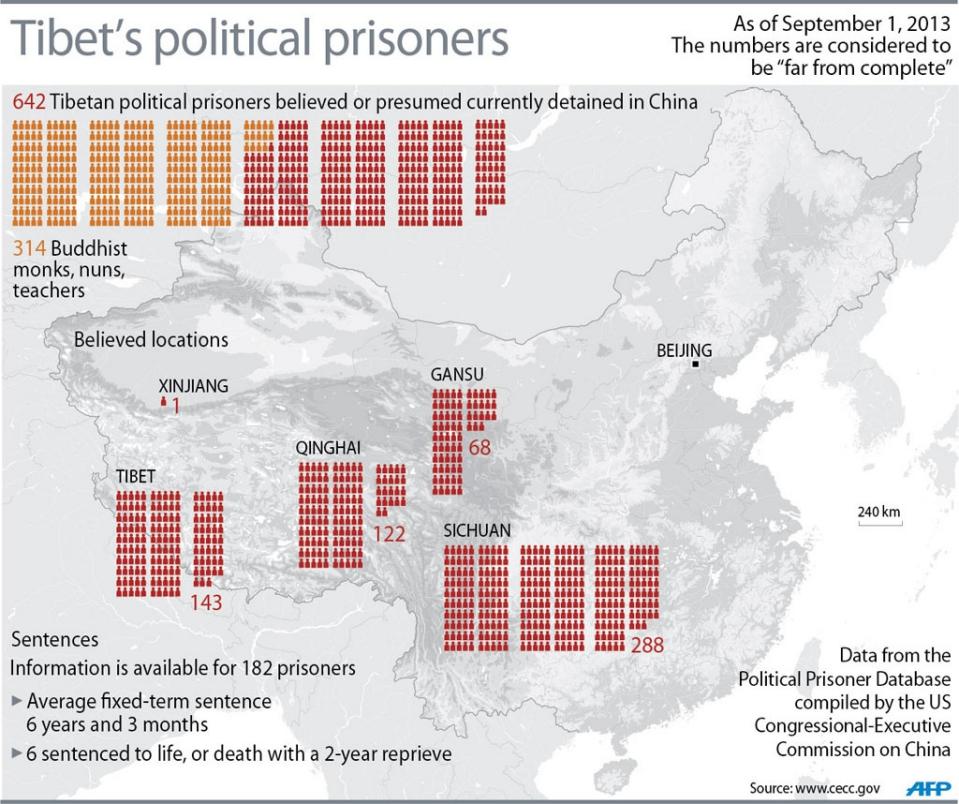
I oppose Tibet’s military occupation, and support Freedom, Democracy, and Peace in occupied Tibet. I promote Tibet Awareness and I am asking my readers to give their kind attention to the problem of “Cultural Genocide” which has already destroyed the lives of over 140 Tibetan lives, victims of Red China’s brutal military occupation.
Whole Alert – Red China is guilty of Cultural Genocide in Tibet
TIBET’S TOUGH ROAD AHEAD
The Dalai Lama prepares to speak in Aldershot, southern England, in June. (Ben Stansall/Agence France-Presse/Getty Images)
By Carl Gershman July 5 at 7:06 PM
Carl Gershman is president of the National Endowment for Democracy.
The 80th birthday Monday of the Dalai Lama, Tibet’s spiritual leader, is an occasion to celebrate the life of an extraordinary individual. Since his flight from Tibet to India in 1959, the Dalai Lama has built religious, educational and political institutions to serve and unite the Tibetan community in exile. He has travelled the world to promote the Tibetan cause and expound the teachings of Tibetan Buddhism. And he has formulated a conciliatory “Middle Way Approach” to resolving the Sino-Tibetan conflict that respects China’s sovereignty and territorial integrity even as it seeks to preserve Tibet’s culture, religion and identity. These accomplishments, and the Dalai Lama’s infectious laugh and warmth, explain why he is such a beloved and respected figure throughout the world.
As joyful as the occasion of his 80th birthday is, however, it comes at a grim time for the Dalai Lama and the Tibetan freedom movement. The Chinese government has broken off negotiations on Tibet’s status, accusing the Dalai Lama of deceitfully trying to split China and of inciting the 2008 Lhasa uprising, charges that are offensive in addition to being entirely untrue. In April, it issued a white paper saying that talks would not be reopened until the Dalai Lama acknowledged that “Tibet has been an integral part of China since antiquity,” something he cannot agree to since it is contradicted by the historical record and overlooks the fact that Communist China invaded Tibet and illegally annexed it in 1959.
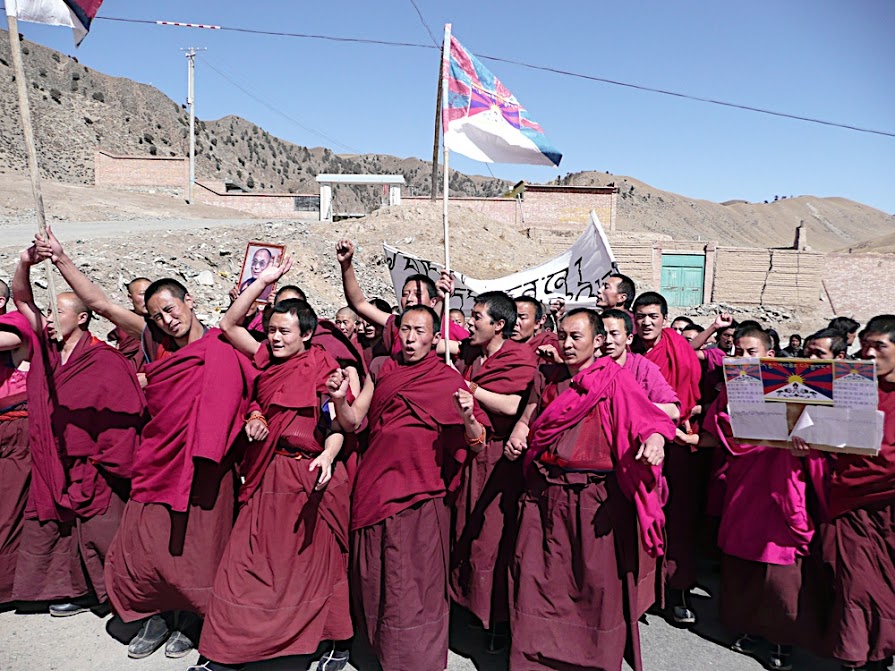
Having rejected compromise and dialogue as the way to end Tibetan resistance to its rule, the Chinese government has opted for harsh repression, forced assimilation and the systematic effort to destroy the Tibetan religion, language and distinct national identity. Tibet has been flooded with Han Chinese settlers; monasteries have been placed under direct government control; writers have been arrested and tortured; and more than 2 million nomads have been forcibly resettled in urban areas, destroying their traditional way of life and disrupting the fragile ecosystem of the Tibet Plateau.
In response to these and other harsh measures, which the Dalai Lama has called “cultural genocide,” more than 140 Tibetans have immolated themselves in desperate protest against Chinese oppression. This further enraged the regime, which called upon local security forces to “smash disorder, in order to maintain general harmony and stability.” But as 29 dissident Chinese intellectuals said in a call for dialogue with the Dalai Lama, “A country that wishes to avoid the partition of its territory must first avoid divisions among its nationalities.”
With the Dalai Lama turning 80, a contest is already developing over his succession. In Tibetan Buddhism, reincarnation is a fundamental tenet, and only the Dalai Lama has the authority to choose whether and through whom he will reincarnate. Yet Beijing has already approved guidelines giving the communist government control of the process. This contest takes place against the background of Chinese authorities having kidnapped in 1995 the 6-year-old boy identified by the Dalai Lama as the incarnation of the Panchen Lama, the second most important figure in Tibetan Buddhism, and replaced him with another boy.
The fact that the Chinese-imposed Panchen Lama continues to be categorically rejected by Tibetans should indicate how inflammatory it would be if Beijing tried to impose its choice for the next Dalai Lama. But that’s exactly what it intends to do, except that the Dalai Lama has hinted that he might not reincarnate at all. Zhu Weigun, a top Communist Party official dealing with Tibet, angrily called the Dalai Lama’s statement “a betrayal” of Tibetan Buddhism and accused him of taking “a frivolous attitude toward his own succession.” Such shameless impudence by a spokesman for an atheistic party would be laughable were his words not the official policy of the Chinese government.
The Dalai Lama has said that he will consult with the high Lamas of Tibetan Buddhism, as well as with the Tibetan public and other concerned people, before taking a decision on “whether the institution of the Dalai Lama should continue or not.” These words reflect a spirit of democratic inclusiveness that has characterized his leadership, including his decision to devolve political authority to a democratically elected exile government.
It is ironic that at a time of democratic malaise in the West, this “simple Buddhist monk,” as he calls himself, from a remote non-Western civilization has emerged as a fervent defender of democratic values and arguably the world’s leading exponent of nonviolence and religious freedom.
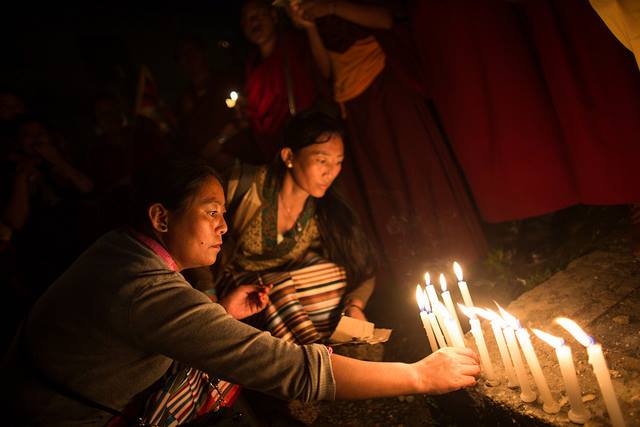
As we celebrate the Dalai Lama’s 80th birthday, let us remember the suffering of the Tibetan people and pray that it will come to an end.
Red China Poses Red Alert – Freedom in Tibet is at Extreme Danger
Whole Alert – Red China poses Red Alert – Freedom in Tibet is at Extreme DangerWhole Alert – Red China poses Red Alert -Freedom in Tibet is at Extreme Danger
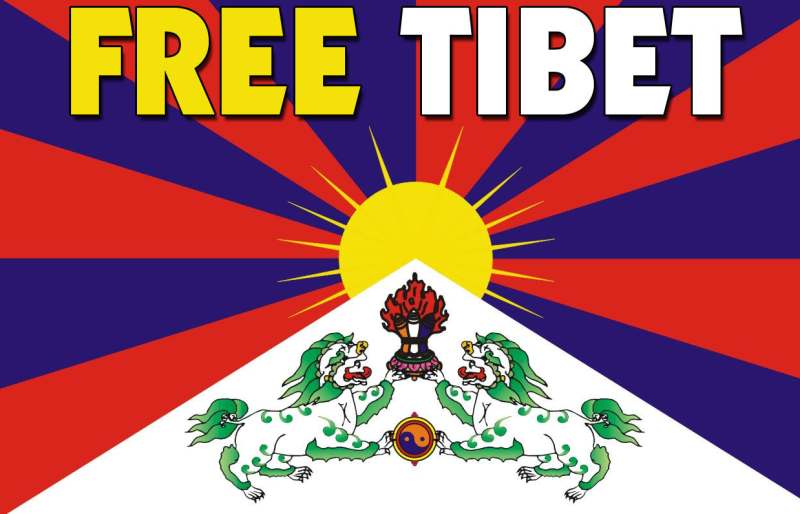
On behalf of Special Frontier Force I share my concern about Tibet’s Freedom. Decades of military occupation and repressive rule by Red China could not wipe out Tibetan Identity. As long as Tibetan Identity lives, Tibetans will continue to resist military occupation and will continue to seek their natural rights. The problem is indeed about the loss of American Identity. Americans have lost connection with values that shaped founding of their nation. Democracy, Freedom, Human Rights, and Peace do not continue to inspire the minds of American people. Tibet’s Freedom is at risk as American Values have evaporated.
Whole Alert – Red China poses Red Alert – Freedom in Tibet is at Extreme Danger
Tibet Isn’t Free Yet; That Doesn’t Mean the Dalai Lama Has Failed
Freya Putt, Human rights activist & Deputy Director at Tibet Action Institute: Tibet Isn’t Free Yet; That Doesn’t Mean the Dalai Lama Has Failed
Posted: 06/25/2015 3:38 pm EDT
In recent years, I’ve noticed an increasing trend of articles and commentaries examining the Dalai Lama’s life and legacy that conclude Tibetans, and he as their leader, have failed in their cause to restore freedom to Tibet. Having worked for this movement for 18 years, I can understand having doubts about what the future holds. But really? Failed? It’s a done deal?
Tibet Isn’t Free Yet; That Doesn’t Mean the Dalai Lama Has Failed
Some voiced similar sentiments in the 1960s and 1970s, when most people had never heard of Tibet, and certainly no countries were bothering to advocate for Tibetan political prisoners or other rights. China had been “lost” by the west and Tibetans were unfortunate casualties.
But the gloom-and-doom analysis proved to be misguided then, as the mere handful of Tibetan refugees who had resettled globally built awareness and inspired activism. Huge protests in Lhasa in the late 1980s, as well as the Dalai Lama’s Nobel Peace Prize, Hollywood and the Tibetan Freedom Concerts, drove Tibet into international public consciousness. Likewise, this frame of analysis is misguided now.
Tibet Isn’t Free Yet; That Doesn’t Mean the Dalai Lama Has Failed
Perhaps I’m just too invested to acknowledge that the cause is lost. But I don’t think so.
First of all, it’s human nature that where there’s injustice, there’s struggle. People don’t just give up trying to make their lives better because the odds are against them; the daily effort to resist indignities and oppose oppression continues regardless of what the endgame might be. Tibetans demonstrate this constantly, showing their opposition to China’s occupation by wearing traditional clothes, patronizing Tibetan-owned shops, holding onto their language and fighting for its use in schools, deploying art, music and poetry to express themselves and rally each other, using blockades and other direct action to protect lands, and even making the extreme choice to light themselves on fire in defiance of Chinese rule.
In fact, while state oppression has increased in recent years, resistance in Tibet has grown and deepened. A decade ago, opposition to Chinese rule seemed to manifest mainly through small, unplanned protests, which though symbolically powerful, are easily countered by China. Today, resistance is constant, sophisticated, and waged on many fronts.
Tibet Isn’t Free Yet; That Doesn’t Mean the Dalai Lama Has Failed
And while our collective memory is short, it shouldn’t be too much of a stretch to remember that many — perhaps most — conflicts about rights, territory and self-governance have taken decades or centuries to resolve. Think slavery and civil rights in the U.S.A., Irish independence, the anti-apartheid struggle in South Africa, Indian independence and decolonization the world over.
The conditions affecting rights and freedom for Tibet are daunting, to say the least. China has steadily gained economic clout and countries increasingly react in fear when it flexes its economic muscle. Tibetans number roughly six million, Chinese 1.3 billion. Tibet’s high, mountainous plateau has kept it isolated and made it easier for China to severely limit both physical and virtual interaction between Tibetans and the outside world. And Tibet’s mineral and water resources and strategic location in the heart of Asia make it an economic and geopolitical prize.
Looking at these factors, it shouldn’t be a big surprise that the Tibetan struggle hasn’t yet been won.
But not having yet won a struggle is very different from having lost it. Bill Moyer, an American theorist and activist, developed a strategic model for explaining the progress of social movements and used case studies to illustrate eight distinct phases. He emphasized that after substantial gains, such as building a mass movement, achieving popular support and defining an issue as a problem on society’s agenda, movements often find themselves mired in a sense of despair and powerlessness based on a misperception of their progress.
Tibetan freedom movement has made significant strides toward its goals: establishing the legitimacy of Tibetans’ claims to freedom, building a mass base of popular global support, overpowering China’s propaganda factory in the media, and making Tibet a constant challenge to China’s reputation on the global stage. There is much more to be done, clearly, but the critical foundation has already been built.
Tibet Isn’t Free Yet; That Doesn’t Mean the Dalai Lama Has Failed
In fact, amidst all the tragedy, suffering and daily hardship that Tibetans face, there is much to celebrate. Far from having failed, the Dalai Lama should be recognized as one of the global leaders of the 20th and 21st century who has made an indelible, positive impact on the world.
The Dalai Lama brought the issue of Tibet to the world and inspired tens if not hundreds of thousands of people to support the cause. He bridged the various religious, regional and other divides within the Tibetan community to unify Tibetans behind a strategic approach to the struggle that included making it visible internationally — despite China’s constant objections and best efforts
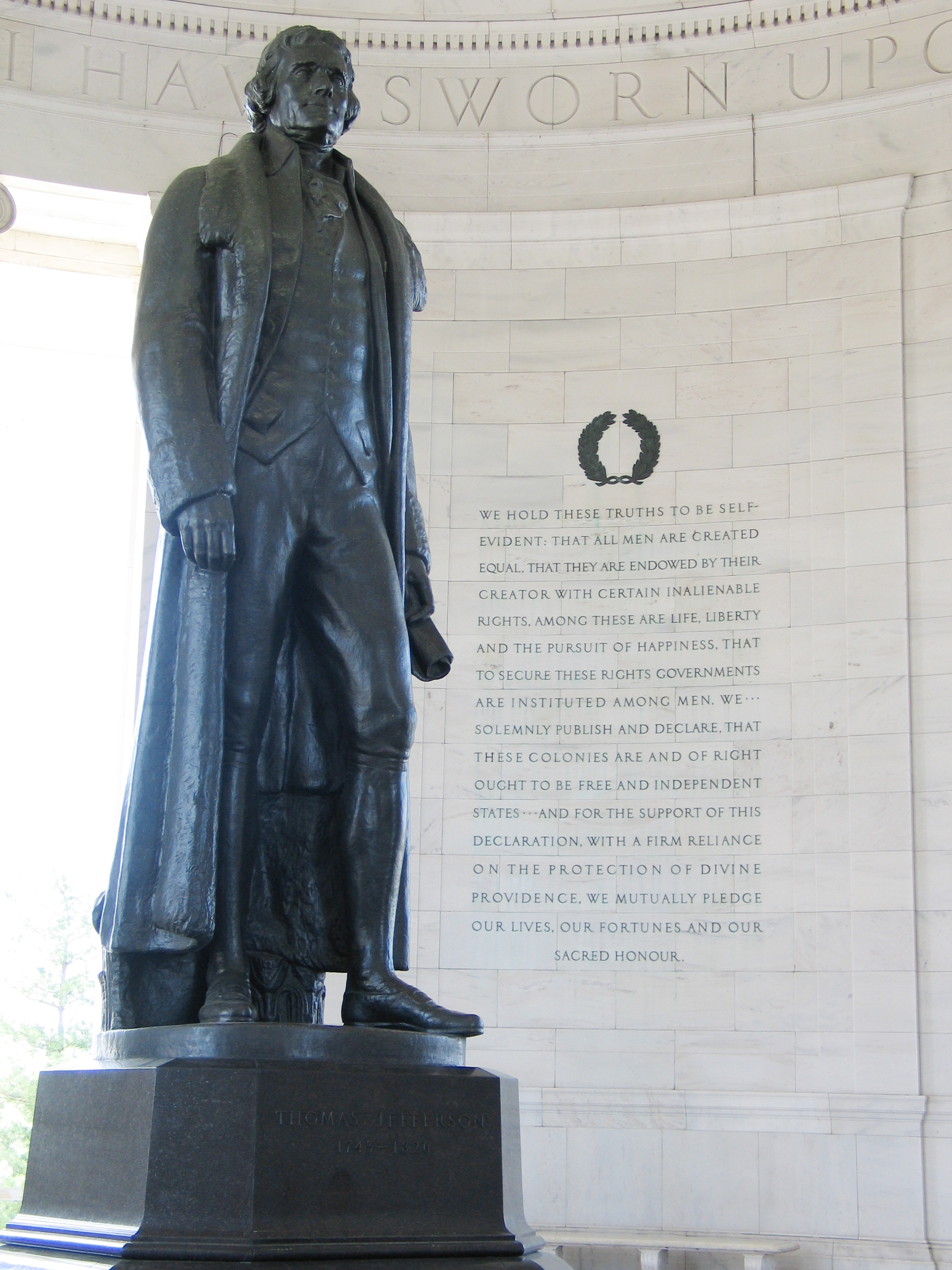
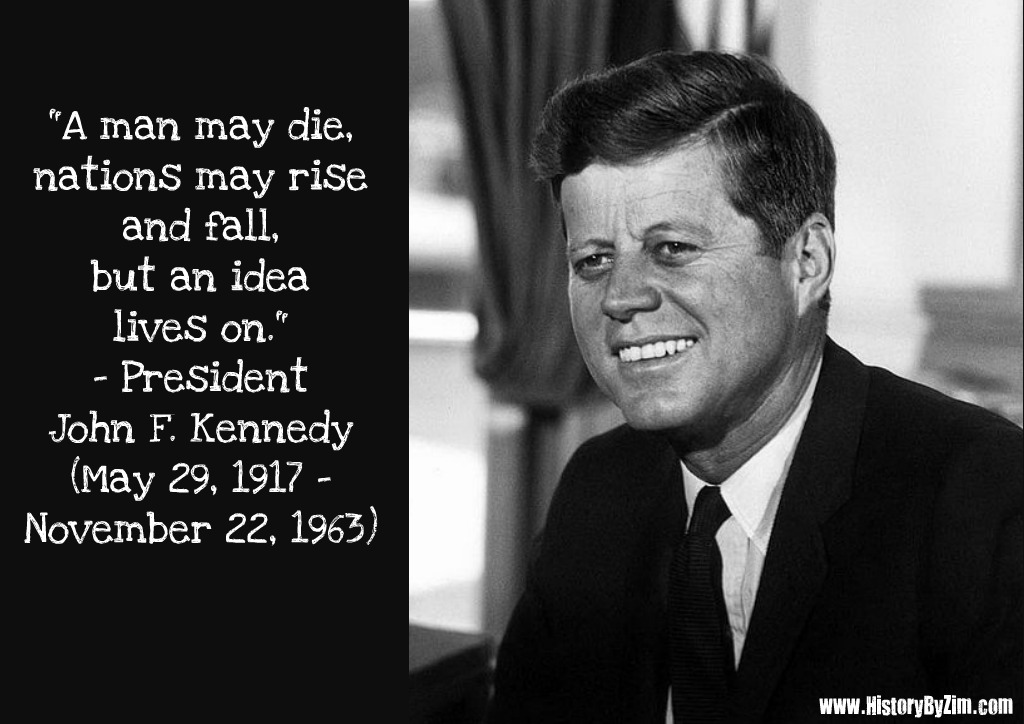
RED CHINA – RED ALERT – TIBET’S FREEDOM: TIBET’S NATURAL RIGHT TO FREEDOM IS AT RISK. WHERE ARE THOSE VALUES ENSHRINED IN THE DECLARATION OF INDEPENDENCE?RED CHINA – RED ALERT – TIBET’S FREEDOM : AMERICA HAS TO REDISCOVER HER OWN VALUES THAT DEFINE HER NATIONAL IDENTITY.RED CHINA – RED ALERT – TIBET’S FREEDOM: AMERICANS HAVE TO RECALL THEIR PAST TO REDISCOVER VALUES THAT DEFINE AMERICAN NATION.RED CHINA – RED ALERT – TIBET’S FREEDOM: I ASK AMERICANS TO RECALL PRESIDENT KENNEDY’S VITAL CONTRIBUTION TO TIBETAN RESISTANCE MOVEMENT.RED CHINA – RED ALERT – TIBET’S FREEDOM: TIBET’S FREEDOM IS AT RISK. IT IS TIME TO REVITALIZE AMERICANS.Whole Alert – Red China poses Red Alert – Freedom in Tibet is at Extreme Danger
MY THOUGHTS ON PRESIDENT BARACK OBAMA’S INDIA VISIT :
Indian Prime Minister Narendra Modi and the US President Barack Obama shared their views in a radio conversation titled “MAAN KI BAAT”(Mindful Conversation) that was broadcast on January 27, 2015. I am sharing the transcript of this radio conversation. Both the leaders speak about shared values and the basis for friendly relations between both countries in very general terms. They want to speak directly from the heart and share some personal thoughts on issues without specifically touching issues such as foreign policy. It is claimed that enough information on policy matters was shared in the joint press conference. However, I am of the opinion that there is no transparency in their conversation. There is no Peace, there is no Freedom, there is no Justice, there is no democratic governance, and there is no free flow of information in the occupied territories of TIBET and the problem is of great concern since early 1950s. When the 34th President of the United States, Dwight David Eisenhower made his five-day visit to India from 09 December to 14 December, 1959, he expounded the need for relentless effort to secure Peace through promoting Freedom. He used the term “CRUSADE” to communicate the intensity of struggle and sacrifice that is involved if people have to find Peace in their personal lives. There is really no Peace until man enjoys his Natural Right to Freedom. Since 1959, India has been hosting the Tibetan Government-in-Exile, and I am totally surprised to note that these two leaders have not said a word about the plight of Tibetans and their military oppression.
Transcript of the special episode of ”Mann ki Baat”: PM Shri Narendra Modi and US President Shri Barack Obama share their thoughts on Radio
(Hon’ble Shri Narendra Modi):
Today, Shri Barack Obama, President of the United States, joins us in a special programme of Mann Ki Baat. For the last few months, I have been sharing my “Mann Ki Baat” with you. But today, people from various parts of the country have asked questions.
But most of the questions are connected to politics, foreign policy, economic policy. However, some questions touch the heart. And I believe if we touch those questions today, we shall be able to reach out to the common man in different parts of the country. And therefore, the questions asked in press conferences, or discussed in meetings – instead of those – if we discuss what comes from the heart, and repeat it, hum it, we get a new energy. And therefore, in my opinion, those questions are more important. Some people wonder, what does “Barack” mean? I was searching for the meaning of Barack. In Swahili language, which is spoken in parts of Africa, Barack means, one who is blessed. I believe, along with a name, his family gave him a big gift.
African countries have lived by the ancient idea of ‘Ubuntu’, which alludes to the ‘oneness in humanity’. They say – “I am, because we are”. Despite the gap in centuries and borders, there is the same spirit of Vasudhaiva Kutumbakam, which speak of in India. This is the great shared heritage of humanity. This unites us. When we discuss Mahatma Gandhi, we remember Henry Thoreau, from whom Mahatma Gandhi learnt disobedience. When we talk about Martin Luther King or Obama, we hear from their lips, respect for Mahatma Gandhi. These are the things that unite the world.
Today, Barack Obama is with us. I will first request him to share his thoughts. Then, I and Barack will both answer the questions that have been addressed to us.
I request President Barack Obama to say a few words.
(Hon’ble Shri Barack Obama):
Namaste! Thank you Prime Minister Modi for your kind words and for the incredible hospitality you have shown me and my wife Michelle on this visit and let me say to the people of India how honoured I am to be the first American President to join you for Republic Day; and I’m told that this is also the first ever Radio address by an Indian Prime Minister and an American President together, so we’re making a lot of history in a short time. Now to the people of India listening all across this great nation. It’s wonderful to be able to speak you directly. We just come from discussions in which we affirmed that India and the United States are natural partners, because we have so much in common. We are two great democracies, two innovative economies, two diverse societies dedicated to empowering individuals. We are linked together by millions of proud Indian Americans who still have family and carry on traditions from India. And I want to say to the Prime Minister how much I appreciate your strong personal commitment to strengthening the relationship between these two countries.
People are very excited in the United States about the energy that Prime Minister Modi is bringing to efforts in this country to reduce extreme poverty and lift people up, to empower women, to provide access to electricity, and clean energy and invest in infrastructure, and the education system. And on all these issues, we want to be partners. Because many of the efforts that I am promoting inside the United States to make sure that the young people get the best education possible, to make sure that the ordinary people are properly compensated for their labour, and paid fair wages, and have job security and health care. These are the same kinds of issues that Prime Minister Modi, I know cares so deeply about here. And I think there’s a common theme in these issues. It gives us a chance to reaffirm what Gandhi ji reminded us, should be a central aim of our lives. And that is, we should endeavour to seek God through service of humanity because God is in everyone. So these shared values, these convictions, are a large part of why I am so committed to this relationship. I believe that if the United States and India join together on the world stage around these values, then not only will our peoples be better off, but I think the world will be more prosperous and more peaceful and more secure for the future. So thank you so much Mr. Prime Minister, for giving me this opportunity to be with you here today.
(Hon’ble Shri Narendra Modi):
Barack the first question comes from Raj from Mumbai
His question is, the whole world knows about your love for your daughters. How will you tell your daughters about youre experience of India? Do you plan to do some shopping for them?
(Hon’ble Shri Barack Obama):
Well first of all they very much wanted to come. They are fascinated by India, Unfortunately each time that I have taken a trip here, they had school and they couldn’t leave school. And in fact, Malia, my older daughter, had exams just recently. They are fascinated by the culture, and the history of India, in part because of my influence I think, they are deeply moved by India’s movement to Independence, and the role that Gandhi played, in not only the non-violent strategies here in India, but how those ended up influencing the non-violent Civil Rights Movement in the United States. So when I go back I am going to tell them that India is as magnificent as they imagined. And I am quite sure that they are going to insist that I bring them back the next time I visit. It may not be during my Presidency, but afterwards they will definitely want to come and visit.
And I will definitely do some shopping for them. Although I can’t go to the stores myself, so I have to have my team do the shopping for me. And I’ll get some advice from Michelle, because she probably has a better sense of what they would like.
(Hon’ble Shri Narendra Modi):
Barack said he will come with his daughters. I extend an invitation to you. Whether you come as President, or thereafter, India looks forward to welcoming you and your daughters.
Sanika Diwan from Pune, Maharashtra has asked me a question. She asks me, whether I have sought assistance from President Obama for the Beti Bachao, Beti Padhao Mission
Sanika you have asked a good question. There is a lot of worry because of the sex ratio in India. For every 1000 boys, the number of girls is less. And the main reason for this is that, there is a defect in our attitudes towards boys and girls.
Whether or not I seek help from President Obama, his life is in itself an inspiration. The way he has brought up his two daughters, the way he is proud of his two daughters.
In our country too, I meet many families who have only daughters. And they bring up their daughters with such pride, give them such respect, that is the biggest inspiration. I believe that inspiration is our strength. And in response to your question, I would like to say, to save the girl child, to educate the girl child, this is our social duty, cultural duty, and humanitarian responsibility. We should honour it.
Barack, there is a question for you. The second question for President Obama comes through e-mail: Dr. Kamlesh Upadhyay, a Doctor based in Ahmedabad, Gujarat – Your wife is doing extensive work on tackling modern health challenges like obesity and diabetes. These are increasingly being faced in India as well. Would you and the First Lady like to return to India to work on these issues after your Presidency, just like Bill and Melinda Gates?
(Hon’ble Barack Obama):
Well, we very much look forward to partnering with organizations, and the government and non-governmental organizations here in India, around broader Public Health issues including the issue of obesity. I am very proud of the work that Michelle has done on this issue. We’re seeing a world-wide epidemic of obesity, in many cases starting at a very young age. And a part of it has to do with increase in processed foods, not naturally prepared. Part of it is a lack of activity for too many children. And once they are on this path, it can lead to a life time of health challenges. This is an issue that we would like to work on internationally, including here in India. And it is a part of a broader set of issues around global health that we need to address. The Prime Minister and I have discussed, for example, how we can do a better job in dealing with issues like pandemic. And making sure that we have good alert systems so that if a disease like Ebola, or a deadly flu virus, or Polio appears, it is detected quickly and then treated quickly so that it doesn’t spread. The public health infrastructure around the world needs to be improved. I think the Prime Minister is doing a great job in focusing on these issues here in India. And India has a lot to teach many other countries who may not be advancing as rapidly in improving this public health sector. But it has an impact on everything, because if children are sick they can’t concentrate in school and they fall behind. It has a huge economic impact on the countries involved and so we think that there is a lot of progress to be made here and I am very excited about the possibilities of considering this work even after I leave office.
(Hon’ble Shri Narendra Modi):
Mr. Arjun asks me a question. An interesting question. He says he has seen an old photo of me as a tourist outside the White House. He asks me what touched me when I went there last September.
It is true that when I first went to America, I was not lucky enough to visit the White House. There is an iron fence far from the White House. We stood outside the fence and took a photograph. White House is visible in the background. Now that I have become Prime Minister, that photo too has become popular. But at that time, I had never thought that sometime in my life, I would get a chance to visit the White House. But when I visited the White House, one thing touched my heart. I can never forget that. Barack gave me a book, a book that he had located after considerable effort. That book had become famous in 1894. Swami Vivekananda, the inspiration of my life, had gone to Chicago to participate in the World Religions Conference. And this book was a compilation of the speeches delivered at the World Religions Conference. That touched my heart. And not just this. He turned the pages of the book, and showed me what was written there. He had gone through the entire book! And he told me with pride, I come from the Chicago where Swami Vivekananda had come. These words touched my heart a lot. And I will treasure this throughout my life. So once, standing far from the White House and taking a photo, and then, to visit the White House, and to receive a book on someone whom I respect. You can imagine, how it would have touched my heart.
Barack there is a question for you. Himani from Ludhiana, Punjab. Question is for you ……:
(Hon’ble Shri Barack Obama):
Well the question is “Did you both imagine you would reach the positions that you’ve reached today?”
And it is interesting, Mr. Prime Minister, your talking about the first time you visited White House and being outside that iron fence. The same is true for me. When I first went to the White House, I stood outside that same fence, and looked in, and I certainly did not imagine that I would ever be visiting there, much less living there. You know, I think both of us have been blessed with an extraordinary opportunity, coming from relatively humble beginnings. And when I think about what’s best in America and what’s best in India, the notion that a tea seller or somebody who’s born to a single mother like me, could end up leading our countries, is an extraordinary example of the opportunities that exist within our countries. Now I think, a part of what motivates both you and I, is the belief that there are millions of children out there who have the same potential but may not have the same education, may not be getting exposed to opportunities in the same way, and so a part of our job, a part of government’s job is that young people who have talent, and who have drive and are willing to work for, are able to succeed. And that’s why we are emphasizing school, higher education. Making sure that children are healthy and making sure those opportunities are available to children of all backgrounds, girls and boys, people of all religious faiths and of all races in the United States is so important. Because you never know who might be the next Prime Minister of India, or who might be the next President of United States. They might not always look the part right off the bat. And they might just surprise you if you give them the chance.
(Hon’ble Shri Narendra Modi):
Thank you Barack.
Himani from Ludhiana has also asked me this question – did I ever imagine I would reach this high office?
No. I never imagined it. Because, as Barack said, I come from a very ordinary family. But for a long time, I have been telling everyone, never dream of becoming something. If you wish to dream, dream of doing something. When we do something, we get satisfaction, and also get inspiration to do something new. If we only dream of becoming something, and cannot fulfil the dream, then we only get disappointed. And therefore, I never dreamt of becoming something. Even today, I have no dream of becoming something. But I do dream of doing something. Serving Mother India, serving 125 crore Indians, there can be no greater dream than this. That is what I have to do. I am thankful to Himani.
There is a question for Barack from Omprakash. Omprakash is studying Sanskrit at JNU. He belongs to Jhunjunu, Rajasthan. Om Prakash is convener of special centre for Sanskrit Studies in JNU.
(Hon’ble Shri Barack Obama):
Well this is a very interesting question. His question is, the youth of the new generation is a global citizen. He is not limited by time or boundaries. In such a situation what should be the approach by our leadership, governments as well as societies at large.
I think this is a very important question. When I look at this generation that is coming up, they are exposed to the world in ways that you and I could hardly imagine. They have the world at their fingertips, literally. They can, using their mobile phone, get information and images from all around the world and that’s extraordinarily powerful. And what that means, I think is that, governments and leaders cannot simply try to govern, or rule, by a top-down strategy. But rather have to reach out to people in an inclusive way, and an open way, and a transparent way. And engage in a dialogue with citizens, about the direction of their country. And one of the great things about India and the United States is that we are both open societies. And we have confidence and faith that when citizens have information, and there is a vigorous debate, that over time even though sometimes democracy is frustrating, the best decisions and the most stable societies emerge and the most prosperous societies emerge. And new ideas are constantly being exchanged. And technology today I think facilitates that, not just within countries, but across countries. And so, I have much greater faith in India and the United States, countries that are open information societies, in being able to succeed and thrive in this New Information Age; than closed societies that try to control the information that citizens receive. Because ultimately that’s no longer possible. Information will flow inevitably, one way or the other, and we want to make sure we are fostering a healthy debate and a good conversation between all peoples.
(Hon’ble Shri Narendra Modi):
Omprakash wants me too, to answer the question that has been asked to Barack.
Barack has given a very good answer. It is inspiring. I will only say, that once upon a time, there were people inspired primarily by the Communist ideology. They gave a call: Workers of the world, Unite. This slogan lasted for several decades. I believe, looking at the strength and reach of today’s youth, I would say, Youth, Unite the world. I believe they have the strength and they can do it.
The next question is from CA Pikashoo Mutha from Mumbai, and he asks me, which American leader has inspired you
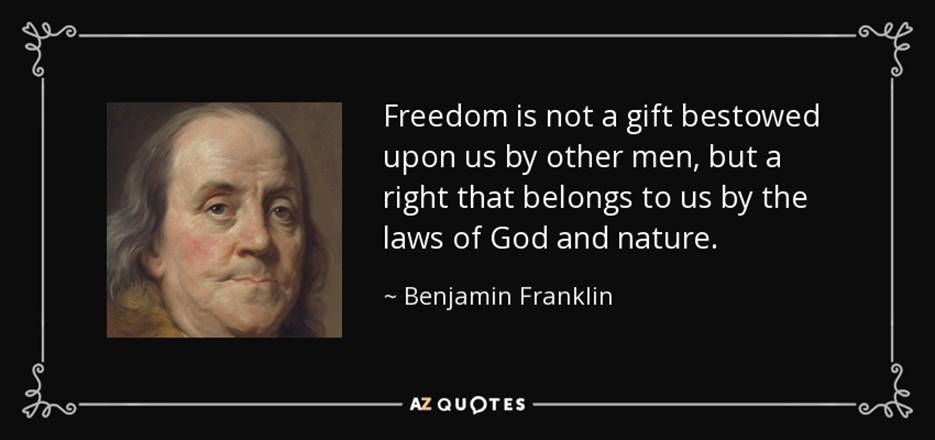
When I was young, I used to see Kennedy’s pictures in Indian newspapers. His personality was very impressive. But your question is, who has inspired me. I liked reading as a child. And I got an opportunity to read the biography of Benjamin Franklin. He lived in the eighteenth century. And he was not an American President. But his biography is so inspiring – how a person can intelligently try to change his life.
If we feel excessively sleepy, how can we reduce that?
If we feel like eating too much, how can we work towards eating less?
If people get upset with you that cannot meet them, because of the pressure of work, then how to solve this problem?
He has addressed such issues in his biography. And I tell everyone, we should read Benjamin Franklin’s biography. Even today, it inspires me. And Benjamin Franklin had a multi-dimensional personality. He was a politician, he was a political scientist, he was a social worker, he was a diplomat. And he came from an ordinary family. He could not even complete his education. But till today, his thoughts have an impact on American life. I find his life truly inspiring. And I tell you too, if you read his biography, you will find ways to transform your life too. And he has talked about simple things. So I feel you will be inspired as much as I have been.
There is a question for Barack, from Monika Bhatia. (Hon’ble Shri Barack Obama):
Well the question is “As leaders of two major economies, what inspires you and makes you smile at the end of a bad day at work?”
And that is a very good question. I say sometimes, that the only problems that come to my desk are the ones that nobody else solves. If they were easy questions, then somebody else would have solved them before they reached me. So there are days when it’s tough and frustrating. And that’s true in Foreign Affairs. That is true in Domestic Affairs. But I tell you what inspires me, and I don’t know Mr. Prime Minister if you share this view – almost every day I meet somebody who tells me, “You made a difference in my life.”
So they’ll say, “The Health-Care law that you passed, saved my child who didn’t have health insurance.” And they were able to get an examination from a Physician, and they caught an early tumour, and now he is doing fine.
Or they will say “You helped me save my home during the economic crisis.”
Or they’ll say, “I couldn’t afford college, and the program you set up has allowed me to go to the university.”
And sometimes they are thanking you for things that you did four or five years ago. Sometimes they are thanking you for things you don’t even remember, or you’re not thinking about that day. But it is a reminder of what you said earlier, which is, if you focus on getting things done as opposed to just occupying an office or maintaining power, then the satisfaction that you get is unmatched. And the good thing about service is that anybody can do it. If you are helping somebody else, the satisfaction that you can get from that, I think, exceeds anything else that you can do. And that’s usually what makes me inspired to do more, and helps get through the challenges and difficulties that we all have. Because obviously we are not the only people with bad days at work. I think everybody knows what it is like to have a bad day at work. You just have to keep on working through it. Eventually you make a difference. (Hon’ble Shri Narendra Modi):
Indeed Barack has spoken words from the heart (Mann Ki Baat). Whatever position we may hold, we are human too. Simple things can inspire us. I also wish to narrate an experience. For many years, I was like an ascetic. I got food at other people’s homes. Whoever invited me, used to feed me as well. Once a family invited me over for a meal, repeatedly. I would not go, because I felt they are too poor, and if I go to eat at their place, I will become a burden on them. But eventually, I had to bow to their request and love. And I went to eat a meal at their home. It was a small hut, where we sat down to eat. They offered me roti made of bajra (millet), and mik. Their young child was looking at the milk. I felt, the child has never even seen milk. So I gave that small bowl of milk to the child. And he drank it within seconds. His family members were angry with him. And I felt that perhaps that child has never had any milk, apart from his mother’s milk. And maybe, they had bought milk so that I could have a good meal. This incident inspired me a lot. A poor person living in a hut could think so much about my well-being. So I should devote my life to their service. So these are the things that serve as inspiration. And Barack has also spoken about what can touch the heart.
I am thankful to Barack, he has given so much time. And I am thankful to my countrymen for listening to Mann Ki Baat. I know radio reaches every home and every lane of India. And this Mann Ki Baat, this special Mann Ki Baat will echo forever.
I have an idea. I share it with you. There should be an e-book made of the talk between Barack and me today. I hope the organizers of Mann Ki Baat will release this e-book. And to you all, who have listened to Mann Ki Baat, I also say, do participate in this. And the best hundred thoughts that emerge out of this, will also be added to this e-book. And I want you to write to us on Twitter, on Facebook, or online, using the hashtag #YesWeCan.
• Eliminate Poverty – #YesWeCan
• Quality Healthcare to All – #YesWeCan
• Youth empowered with Education – #YesWeCan
• Jobs for All – #YesWeCan
• End to Terrorism – #YesWeCan
• Global Peace and Progress – #YesWeCan
I want you to send your thoughts, experiences and feelings after listening to Mann Ki Baat. From them, we will select the best hundred, and we will add them to the book containing the talk that Barack and I have had. And I believe, this will truly become, the Mann Ki Baat of us all.
Once again, a big thank you to Barack. And to all of you. Barack’s visit to India on this pious occasion of 26th January, is a matter of pride for me and for the country.
SPIRITUALITY SCIENCE – AHAM BRAHMASMI – UNITY VS IDENTITY :
SPIRITUALITY SCIENCE – THE ART OF KNOWING : WHICH HAS COME FIRST ??? THE CHICK OR THE EGG ??? SPIRITUALITY IS NOT ABOUT KNOWING THE BEGINNING OR THE ENDING OF THINGS. IT IS ABOUT THINGS THAT EXIST IN THE PRESENT.
SPIRITUALITY SCIENCE – THE ART OF KNOWING : THE HUMAN ORGANISM RUNS ITS LIVING FUNCTIONS AS IF OPERATED BY A PRECISE TIMEKEEPING DEVICE OR BIOLOGICAL CLOCK. MAN’S EXPERIENCE OF TIME IS RELATED TO SUN’S APPARENT MOTIONS IN THE SKY. MAN KNOWS THE REALITY OF TIME BECAUSE OF AN ILLUSION THAT CAUSES DAY AND NIGHT GIVING MAN THE PERCEPTION OF SUN’S APPARENT MOTION WHILE CONCEALING THE REALITY OF SUN’S MOTION IN THE MILKY WAY GALAXY.
SPIRITUALITY SCIENCE – THE ART OF KNOWING : HOW DO PLANTS KNOW WHAT THEY KNOW ??? PLANTS KNOW ABOUT LIGHT, THE LENGTH OF DAY, AND THE DURATION OF DARKNESS CALLED NIGHT. THERE IS NO “INTELLECT” INVOLVED IN THIS PROCESS OF KNOWING. THE ABILITY OF KNOWING LIGHT OR PHOTORECEPTION IS EXPLAINED BY PHOTOCHEMISTRY.
SPIRITUALITY SCIENCE – THE ART OF KNOWING : AT A FUNDAMENTAL LEVEL, LIFE AND LIVING IS ABOUT KNOWING MATTER AS SELF OR NON-SELF. THIS IDENTIFICATION OF MATTER INVOLVES THE ABILITY TO RECOGNIZE MOLECULES OF MATTER . TO LEARN THE ART OF KNOWING, MAN HAS TO KNOW ABOUT THE MOLECULAR BASIS FOR EXISTENCE.
SPIRITUALITY SCIENCE – WHOLE YOGA : SPIRITUALITY IS ABOUT FINDING PEACE, HARMONY, AND TRANQUILITY IN THE LIVING, HUMAN CONDITION. THE SPIRITUAL PRACTICE CALLED YOGA WILL GIVE PEACE AND HARMONY IF MAN IS “YOKED” WITH THE GOOD SHEPHERD.
SPIRITUALITY SCIENCE – THE ART OF KNOWING : HOW DOES THE HUMAN ORGANISM KNOWS ABOUT ITS OWN LIFETIME ??? THE AGING PHENOMENON IS RELATED TO MAN’S PERCEPTION OF TIME. HOW IS TIME CONTROLLING OR OPERATING LIFE EXPERIENCE ???
SPIRITUALITY SCIENCE – THE ART OF KNOWING : BLAISE PASCAL(1623 – 1662), FRENCH SCIENTIST AND RELIGIOUS PHILOSOPHER CLAIMED THAT MAN IS INFINITELY REMOVED FROM COMPREHENDING THE EXTREMES ; THE END OF THINGS AND THEIR BEGINNINGS ARE HIDDEN.

















 Whole Dude - Whole Concept
