To celebrate observance of World Human Rights Day on December 10, 2024, I speak about Tibet’s yoking with Red China. This yoking, coming together, or joining of Red China with Tibet speaks of Subjection, Bondage, Servitude, Enslavement, Hardship, Burden, Trouble, Pain, Suffering, Sorrow, and Misery. Tibetans resist this burden imposed upon their Natural Freedom. Tibet is under Control, and Tibet is Subdued under burden imposed by Red China’s Yoke. We need to help Tibet to make it a safe place for Tibetans to live reaping the Blessings of Peace, Freedom and Justice granted by Mother Nature.
Tibet Awareness on World Human Rights DayTibet Awareness on World Human Rights DayTibet Awareness on World Human Rights DayTibet Awareness on World Human Rights DayTibet Awareness on World Human Rights DayTibet Awareness on World Human Rights DayTibet Awareness on World Human Rights Day
Whole Dude – Whole Misery: October 01, 1949 – I can never ever live my life as a normal person. Long life is indeed a burden when it’s spent in Misery. Questions are a burden to others; answers are a prison for oneself.
Excerpt: The content discusses the historical event of October 1, 1949, when Mao Zedong, Chairman of the Communist Party, announced the creation of the People’s Republic of China. The author refers to the immediate imposition of misery on the Tibetan population and the author’s personal life as not being ‘normal’. The piece reflects on the US’s reaction to communist China, the nuclear threat from the Soviet Union, and accusations of the Truman administration mishandling the situation. It also recounts US refusal to acknowledge communist China and the eventual diplomatic recognition in 1979 as part of President Richard Nixon’s visit.
OCTOBER 01, 1949 – I CAN NEVER EVER LIVE MY LIFE AS A NORMAL PERSON
Whole Dude – Whole Misery: October 01, 1949 – I can never ever live my life as a normal person. Long life is indeed a burden when it’s spent in Misery. Questions are a burden to others; answers are a prison for oneself.
On ‘This Day in History’, October 01, 1949, Communist Party Chairman Mao Zedong proclaimed the founding of People’s Republic of China with profound consequences to lives of individuals as well as nations of Asia and World. Communist China wasted no time to impose a life of Whole Misery on the lives of Tibetan people.
Whole Dude – Whole Misery: October 01, 1949 – I can never ever live my life as a normal person. Long life is indeed a burden when it’s spent in Misery. Questions are a burden to others; answers are a prison for oneself.
Long life is indeed a burden when it’s spent in misery. Questions are a burden to others; answers are a prison for oneself. On Tuesday, October 01, 2024, I live in a free country without freedom for I am a refugee without a refuge.
Whole Dude – Whole Misery: October 01, 1949 – I can never ever live my life as a normal person. Long life is indeed a burden when it’s spent in Misery. Questions are a burden to others; answers are a prison for oneself.
Whole Dude – Whole Misery: October 01, 1949 – I can never ever live my life as a normal person. Long life is indeed a burden when it’s spent in Misery. Questions are a burden to others; answers are a prison for oneself. RED CHINA IS OBSESSED WITH A PASSIONATE DESIRE TO EXPAND HER INFLUENCE IN THE ENTIRE WORLD .
Naming himself head of state, communist revolutionary Mao Zedong officially proclaims the existence of the People’s Republic of China; Zhou Enlai is named premier. The proclamation was the climax of years of battle between Mao’s communist forces and the regime of Nationalist Chinese leader Chiang Kai-Shek, who had been supported with money and arms from the American government. The loss of China, the largest nation in Asia, to communism was a severe blow to the United States, which was still reeling from the Soviet Union’s detonation of a nuclear device one month earlier.
State Department officials in President Harry S. Truman’s administration tried to prepare the American public for the worst when they released a “white paper” in August 1949. The report argued that Chiang’s regime was so corrupt, inefficient, and unpopular that no amount of U.S. aid could save it. Nevertheless, the communist victory in China brought forth a wave of criticism from Republicans who charged that the Truman administration lost China through gross mishandling of the situation. Other Republicans, notably Senator Joseph McCarthy, went further, claiming that the State Department had gone “soft” on communism; more recklessly, McCarthy suggested that there were procommunist sympathizers in the department.
The United States withheld recognition from the new communist government in China. The outbreak of the Korean War in 1950, during which communist Chinese and U.S. forces did battle, drove an even deeper wedge between the two nations. In the ensuing years, continued U.S. support of Chiang’s Republic of China, which had been established on the island of Taiwan, and the refusal to seat the People’s Republic of China at the United Nations made diplomatic relations impossible. President Richard Nixon broke the impasse with his stunning visit to communist China in February 1972. The United States extended formal diplomatic recognition in 1979.
Also on this day
Whole Dude – Whole Misery: October 01, 1949 – I can never ever live my life as a normal person. Long life is indeed a burden when it’s spent in Misery. Questions are a burden to others; answers are a prison for oneself. Yosemite, Yo-Che-Ma-Te (Some Among Them Are Killers) National Park.
1890
Yosemite National Park established
On this day in 1890, an act of Congress creates Yosemite National Park, home of such natural wonders as Half Dome and the giant sequoia trees. Environmental trailblazer John Muir (1838-1914) and his colleagues campaigned for the congressional action, which was signed into law by President Benjamin Harrison.
Congress creates Yosemite National Park
On this day in 1890, the United States Congress decrees that about 1,500 square miles of public land in the California Sierra Nevada will be preserved forever as Yosemite National Park.
Once the home to Indians whose battle cry Yo-che-ma-te (“some among them are killers”) gave the park its name.
Whole Dude – Whole Misery: October 01, 1949 – I can never ever live my life as a normal person. Long life is indeed a burden when it’s spent in Misery. Questions are a burden to others; answers are a prison for oneself. Yosemite, Yo-Che-Ma-Te (Some Among Them Are Killers) National Park.Whole Dude – Whole Misery: October 01, 1949 – I can never ever live my life as a normal person. Long life is indeed a burden when it’s spent in Misery. Questions are a burden to others; answers are a prison for oneself. RED CHINA IS OBSESSED WITH A PASSIONATE DESIRE TO EXPAND HER INFLUENCE IN THE ENTIRE WORLD .
The Living Tibetan Spirits: My Body is Indian but Spiritually I’m Tibetan
The Living Tibetan Spirits: My Body is Indian but Spiritually I’m Tibetan
Following the visit of His Holiness the 14th Dalai Lama’s visit to Ann Arbor, MI, USA in 2008, I coined the phrase ‘The Living Tibetan Spirits’. I am not a monk. I am speaking of my ‘spirituality’ in the context of hosting the ‘Spirits’ of young Tibetan soldiers who gave their precious lives while taking part in a military action in the Chittagong Hill Tracts that initiated the Liberation of Bangladesh during 1971. I claim that I am Tibetan for I host their ‘Spirits’ in my Consciousness.
The Living Tibetan Spirits: My Body is Indian but Spiritually I’m Tibetan
“Self-grasping (or self-focus) gives rise to suffering. It is the root of all afflictions.”
– The Dalai Lama, as translated Saturday by Thupten Jinpa.
The Living Tibetan Spirits: My Body is Indian but Spiritually I’m Tibetan
“At the root of all our suffering lies a form of ignorance, a form of unknowing.”
– The Dalai Lama, as translated Saturday by Thupten Jinpa
‘My body is Tibetan but spiritually I’m an Indian,’ says the Dalai Lama
Tibet Awareness: My body is Indian but spiritually I am Tibetan.
In a freewheeling interview with HT, the Dalai Lama speaks on wide-ranging spiritual and political issues, including what he thinks of India-China ties.
On the outer periphery of Mahabodhi temple in Bodh Gaya in Bihar, a mere few hundred steps from the Bodhi tree under which Buddha attained enlightenment more than 2,000 years ago, the 14th Dalai Lama prays and meets his followers in a monastery behind an iron security curtain. Inside the temple, Trinley Thaye Dorje, the co-claimant along with Ogyen Trinley Dorje for the title of 17th Karmapa or head of Karma Kagyu school, is preaching to his followers from all over the world on Buddhism. The 17th Karmapa will become the key leader of Tibetan Buddhism in case the 14th Dalai Lama dies without reincarnation. The two religious leaders have no common ground because of the Dalai Lama, like China, recognizes Ogyen Dorje, who left India for the US in May 2017 and acquired citizenship of Dominica in March this year, as the real Karmapa.
On Sunday morning after he discreetly meets a group of monks that has made its way from Tibet Autonomous Region of China, the frail-looking but mentally alert 84-year-old spiritual leader of the Tibetan people talked exclusively to Shishir Gupta on wide-ranging political and spiritual issues. Edited excerpts:
How is your health these days?
Quite Good… Not very good …. for an 84-year-old person, quite good. I go for morning walks in Dharamshala also…. Here I take around 600 steps each morning in the monastery.
What was the reason for the indefinite postponement of the 13th Religious Conference of the Schools of Tibetan Buddhism and Bon Tradition (November 29-December 1, 2018) in Dharamshala? The conference was called to discuss the future of the institution of Dalai Lama.
One important lama (Kathok Getse Rinpoche, Head of Nyingma school) suddenly passed away. The conference had to be postponed as it was a period of mourning. It has nothing to do with 17th Karmapa Ogyen Trinley Dorje not getting a visa to visit India. I could not meet Thaye Dorje as he was not present when I went for pilgrimage to the Stupa.
Do you talk to both Ogyen and Thaye?
No, I have not yet met Thaye Dorje. Recently, the two met in France. A rightful beginning. Shamar Rinpoche, the nephew of 16th Karmapa Rangjung Rigpe Dorje who took refuge in Sikkim after 1959 uprising, told me that there were indications that Thaye Dorje was the reincarnation of the previous Karmapa. In the meantime, Situ Rinpoche (the rival regent) appointed Ogyen Dorje as the Karmapa. I mentioned to Shamar that a high lama in the 19th century had five reincarnations. It is possible for 16th Karmapa to have few reincarnations but the holder of the seat should be one. This is like the two Panchen Lamas with Gedhun Choekyi Nyima (proclaimed by Dalai Lama as reincarnation on May 14, 1995) still alive (other being Gyaltsen Norbu who was appointed by the Chinese government). But then some group told me that I should not be talking about the possibility of two or three reincarnations. I said, OK, then I will keep quiet.
Then who will decide the rightful one heir to the seat?
Situ Rinpoche found a remarkable child (Ogyen Dorje) in Tibet. They came to see me and finalize that. Then I said yes to Ogyen as the reincarnation of the 16th Karmapa.
There are now two Panchen Lamas, two Karmapas, now the question comes to the tallest lama, the Dalai Lama. Have you initiated the process of your reincarnation because the Chinese government has already initiated the process?
No, no, no. That is not my business. I made it clear as early as in 1969 that it was up to the Tibetan people to decide whether the very institution of Dalai Lama should continue or not. They will decide. I have no concern. Since the 5th Dalai Lama, the (person holding the) title was the head of both temporal and spiritual affairs. Since 2001, I have proudly, voluntarily and happily given up the political role. We have already achieved elected political leadership (Centralized Tibetan Administration in Dharamshala) and they carry their full responsibility about our temporal affairs. I have totally retired since 2011. So, my thinking is more liberal than Chinese thinking which is more orthodox.
But how will people under stress in Tibet decide whether the institution of Dalai Lama should continue?
It should be decided in a free country, not in Tibet, where there is no freedom.
Have you initiated the process of dialogue on the Dalai Lama institution?
No. Formally, not yet. As the Dalai Lama institution is close to Mongolia, Mongolian people should be involved. I think there should be an international Buddhist conference involving Himalayan people and other Buddhist countries to decide on this. My main concern is that my body, speech, mind, and life should be useful to other people. So long as space remains, and suffering remains, I remain. My daily prayer is the source of my inner strength. This institution of Dalai Lama, I half-jokingly, half-seriously say, has lasted six to seven hundred years should cease with the 14th with grace. If the 15th Dalai Lama turns out to be naughty as the sixth, then the institution will cease in disgrace. The institution could voluntarily and democratically cease with the 14th Dalai Lama being quite famous (he laughs).
Has your middle way approach with China worked? Is it going to benefit Tibetans at all?
Oh yes. Like Germany and France after centuries of fighting came together after second World War to form European Union on shared common values, we also want to be part of the Peoples Republic of China provided the Tibetan culture, language, knowledge, and environment are protected. We get a more economic benefit for material development as China is rich economically but spiritually, we can help millions of Chinese Buddhists. This is mutually beneficial. Historically, Tibet has never been part of China and this even some Chinese historians admit. But past is past, we must live harmoniously and happily together rather than talk in terms of our nation and their nation. People ask me about the future of India and China relations. I say that neither India nor China has the capability to destroy each other. They must live happily side by side with minor irritants. Ultimately, Hindi-Chini Bhai Bhai should be the principle. One must remember that there are around 400 million Chinese Buddhists who are inspired by Tibetan Buddhism, which in turn derives the majority of its strength from the Nalanda traditions.
There are media reports about Dr. Lobsang Sangay, President of Centralized Tibetan Administration (CTA) often disregarding the advice of the 14th Dalai Lama. How is your relationship with him?
No. As he is the head of elected political leadership, all decision-making is in his hand. I have never tried to control the political leadership. But in the meantime, he believes me and trusts me. There are some small rumors.
Will Ogyen Dorje return to India? We are told that the 17th Karmapa claimant is putting conditions to the Indian Government for his return?
That I don’t know. Most probably, I think he will return. I recently had discussions with the Ministry of External Affairs and told them that it is between the government of India and Ogyen to decide. I have no problems. It is his business. Not an important matter. There is no question of the Tibetan movement splintering in this context.
Are you looking forward to a pilgrimage to China?
Yes. Sure. As far (back) as 1954, I expressed my desire to the Chinese government to visit Wutai Shan, the home of 13th Dalai Lama. I was told that there was no road. I still have that desire, but it is up to the Chinese government. Once a high Tibetan lama wanted to go to Bodh Gaya, but his disciple said that the real Bodh Gaya is in your heart. Historically, the Wutai Shan is the seat of Deva of wisdom. Whether I am there physically or not, that wisdom from the Deva is already in my brain…. very sharp.
Is there any back channel open with the Chinese for resolving the Tibetan issue?
After we decided not to seek independence from China in 1974, Chinese leader Deng Xiaoping decided to have direct contact with us through my elder brother and the dialogue started in 1979. We sent four fact-finding missions to Tibet from 1979 but the dialogue ceased with the death of Deng in 1997. The official dialogue again started under President Jiang Zemin in 2002 but ceased in June 2010. Since then there is only an informal channel open with Chinese retired officials and private businessmen coming to see me from time to time. And they have some connection with the top leader. The Chinese are not in touch with the CTA. We never used the word Tibetan Government in exile. It is the Chinese who have used this and recognized them (he laughs).
Of late various heads of government refuse to meet you fearing the reaction of a now all-powerful China? What is your reaction to it?
I have nothing to ask from any head of state or country. I think they are afraid of the Chinese reaction. I met Barack Obama as former US President and Nobel laureate as also late President George Bush Senior. My visit to Sri Lanka was canceled at the last moment. I have not visited Thailand since it established diplomatic relations with China. I am never allowed into Buddhist countries because I am a Buddhist (he laughs) except Japan.
Any plans to visit the US and meet President Donald Trump?
No because of my physical condition. Normally, I used to go to the US annually for a medical check-up. One Indian doctor found traces of prostate cancer at the Mayo Clinic in USA. A team of 10 doctors discussed and ruled out surgery due to my age and side effects. Instead, I got radiation and have been completely cured of the disease. I have not traveled to the US in the past two years as it is too far, and I cannot handle too much physical exertion. So instead of going to the US for treatment, I go to a private hospital in Delhi.
US President Donald Trump has just signed “The Reciprocal Access to Tibet Act 2018”, which allows the Tibetans to return to their homeland or else the Chinese officials stopping them face sanctions. What is your reaction to this?
The present president of the greatest democratic nation is a bit unpredictable. So, I am in no position to comment on this as I do not know enough. But both the US houses have been strong supporters of Tibet over the decades and so has been the American government. American people love Tibet.
What is your reaction when you were asked to shift “Thank You India” event to mark 60 years of your exile in New Delhi to Dharamshala in April?
The Indian government tried to avoid any obstacle to their relations with China. That is understandable. That is OK. I was not unhappy. Not much. Nothing. Basically, our relations with India are centuries old since a Nalanda master introduced Buddha Dharma in Sanskrit tradition in the 8th century. My body is Tibetan but spiritually and mentally I am an Indian. Today 10,000 monks and now nuns are studying in Nalanda Buddhist traditions with total freedom and not in any restricted environment in Tibet.
Will you or your people ever be able to return to their homeland, Tibet?
India is the only place where modern education meets ancient knowledge, which is needed to tackle emotions. I am committed to reviewing the ancient Indian knowledge to tackle emotions. For these things’ freedom is very important. My return to Tibet is of no use if there is no freedom. I prefer this country and this freedom and then I am the longest guest of India.
The Living Tibetan Spirits: My Body is Indian but Spiritually I’m Tibetan
Special Frontier Force is known by the study of its military mission
Special Frontier Force-Establishment No. 22-Vikas Regiment: This badge represents a military alliance/pact between India, Tibet, and the United States of America. Its first combat mission was in the Chittagong Hill Tracts which unfolded on 03 November 1971. It was named Operation Eagle. It accomplished its mission of securing peace in the region that is now known as Republic of Bangladesh.The History of Special Frontier Force-Establishment No. 22-Vikas Regiment: “AHIMSA PARAMO DHARMAH; DHARMA HIMSA TATHIVA CHA.” Both India and Tibet recognize Non-Violence or Ahimsa as the highest principle. The military organization, Special Frontier Force-Establishment No. 22-Vikas Regiment represents the second part of the statement; Violence or Himsa is equally the highest principle when it is necessary to defend the righteous.
The military organization which is known as Special Frontier Force-Establishment No. 22-Vikas Regiment came into its existence during the presidency of Dr. Sarvepalli Radhakrishnan, the second President of the Republic of India, 13 May 1962 to 13 May 1967. While Special Frontier Force is a product of Cold War Era secret diplomacy, I share my personal story, the events from early childhood, that shaped the rest of my life and has formulated my bonding with this Organization and my desire to accomplish its military mission.
The military organization which is known as Special Frontier Force-Establishment No. 22-Vikas Regiment came into its existence during the presidency of Dr. Sarvepalli Radhakrishnan, the second President of the Republic of India, 13 May 1962 to 13 May 1967
Dr Sarvepalli Radhakrishnan belonged to Mylapore, Madras City (Chennai) and his daughter, Rukmini was married to the younger brother of my maternal grandfather, Dr. Kasturi. Narayana Murthy, M.D., who lived at 2/37 Kutchery Road in Mylapore. I was born in my grandfather’s residence. While I lived in Mylapore and later during my regular summer vacations spent in Madras City, I used to visit Dr. Radhakrishnan’s daughter’s residence daily. At that time, Dr. Radhakrishnan served as the first Vice President of India (1952-1962). I clearly remember the celebration of 2500th Birth Anniversary of Gautama Buddha on May 24, 1956, while I was in Mylapore, Madras City (Chennai). In India’s capital City of New Delhi, the celebration was attended by His Holiness the 14th Dalai Lama and the 10th Panchen Lama Rinpoche. The Institution of Dalai Lama is the central focus of Tibetan Cultural Identity and Tibetan national character.
Dr. Sarvepalli Radhakrishnan and the history of Special Frontier Force-Establishment No. 22-Vikas Regiment: In India, school children celebrate Dr. Radhakrishnan’s birthday (05 September) as Teacher’s Day and every year that I spent as a student, I had a special reason to remember my family connection with his daughter and the Indian President. He correctly predicted the need for military action to fight injustice and during his Presidency, India bravely resisted the Chinese aggression and thousands of Indian Army soldiers gave their precious lives to defend India. It inspired me to serve in the Indian Armed Forces to continue the task of opposing, and resisting the threat posed by Communist China.
India – Tibet Relations From 1950 to 1962:
The history of Special Frontier Force-Establishment No. 22-Vikas Regiment: The Celebration of 2500th Anniversary of the birth of Gautama Buddha (Buddha Jayanti) in New Delhi on May 24, 1956 displays the historical connection between India, and Tibet. Prime Minister Nehru, President Rajendra Prasad, the 14th Dalai Lama, and the 10th Panchen Lama, Rinpoche are seen in this photo image. Because of Gautama Buddha, India, and Tibet are natural allies. But, the complex, political, and military relationship developed as a reaction to the People’s Republic of China’s invasion of Tibet in 1950.The History of Special Frontier Force-Establishment No. 22-Vikas Regiment: The President of India Babu Rajendra Prasad with the visiting His Holiness the 14th Dalai Lama, and Panchen Lama Rinpoche. India, and Tibet, during 1956 tried to resolve the crisis imposed by China using peaceful, diplomatic negotiations.The History of Special Frontier Force-Establishment No. 22-Vikas Regiment: The military occupation of Tibet by Communist China shaped the historical, cultural, religious relationship between India, and Tibet. It commenced an entirely new era in which both India and Tibet are driven by the same kind of security concerns. Prime Minister Chou En-Lai represents the face of that danger that forced Prime Minister Nehru to know and appreciate the nature of Tibetan Nation as represented by the 14th Dalai Lama and the 10th Panchen Lama Rinpoche.
India achieved its full independence from the British rule on August 15, 1947. India became the Republic of India on January 26, 1950. Dr. Babu Rajendra Prasad became the first President of the Republic of India. The first general elections were held in 1952, and Dr. Sarvepalli Radhakrishnan, who was at that time-serving as India’s ambassador to the Soviet Union, was elected as the first Vice President and he served a second term as the Vice President from 1957 to 1962. India witnessed a major military threat to its Himalayan frontier when the People’s Republic of China sent its army during October 1950 to occupy Tibet while Tibetans had no ability to resist such a massive, military invasion of their territory. Tibet tried to resolve the issue using diplomacy. Tibet requested India to bring the issue to the attention of the United Nations to adopt a resolution against the Communist invasion. At that time Tibet was still following the policy of political isolationism, and neutralism and was not recognized by the United Nations as a member nation. The United States was fighting the Korean War and was fully interested in preventing the spread of Communism in Asia. However, Tibet did not request for direct, US military intervention. India did not have the necessary military force of its own to intervene inside Tibet. At the same time, India also actively pursued its own policy of political neutralism that is known as the Nonaligned Movement to reduce the political tensions caused by the Cold War. India thought that the crisis in Tibet could be resolved by directly negotiating with China without involving the United Nations and without antagonizing its security interests in defending Kashmir from military aggression by Pakistan and its allies in the West. During 1951 Communist China had imposed a 17-Point Agreement on Tibet while Tibetans had no capacity to defend their rights; the Agreement of the Central People’s Government and the Local Government of Tibet on 23rd May 1951 to take measures for the “Peaceful Liberation of Tibet.” China started quoting this agreement to justify its illegal and unjust military occupation of Tibet. It must be clearly understood that the Great Fifth Dalai Lama founded the “Ganden Phodrang” Government of Tibet in 1642. The successive Dalai Lamas have headed the Tibetan State for nearly four centuries. Towards the end of the Qing Dynasty or Ching Dynasty, the Great 13th Dalai Lama declared Tibet’s Independence from Manchu China. From 1911 to 1950 – 39-Years, Tibet was an independent Nation before the creation of this political entity called The People’s Republic of China.
Tibet tried its very best to appease the Communist Party Chairman Mao Tse-Tung until 1954-1955. China took full political, and military advantage of Tibet’s isolationism and took every possible measure to deny the freedom that Tibetans had enjoyed for several centuries in spite of sporadic foreign invasions by the Mongols, and later by the Manchus. In the past, the foreign rulers of Tibet did not intervene in Tibet’s internal affairs and their traditional style of governance through the institution of the Dalai Lama or the “Ganden Phodrang” Government continued for four centuries.
The history of Special Frontier Force-Establishment No. 22-Vikas Regiment: The photo image of His Holiness the 14th Dalai Lama in Peking. Tibet tried its very best to appease the Communist Party Chairman Mao Tse-Tung until 1954-1955. China took full political, and military advantage of Tibet’s isolationism and took every possible measure to deny the freedom that Tibetans had enjoyed for several centuries in spite of sporadic foreign invasions by the Mongols, and later by the Manchus. In the past, the foreign rulers of Tibet did not intervene in Tibet’s internal affairs and their traditional style of governance through the institution of the Dalai Lama or the “Ganden Phodrang” Government continued for four centuries.The History of Special Frontier Force-Establishment No. 22-Vikas Regiment: His Holiness the 14th Dalai Lama with India’s President and Vice President. Both India and Tibet had strongly desired to resolve the conflict with communist China using diplomacy. The existence of an autonomous Tibetan nation serves the best interests of Indian national security.
Both India and Tibet had strongly desired to resolve the conflict with communist China using diplomacy. The existence of an autonomous Tibetan nation serves the best interests of Indian national security.India and Tibet had no intentions to formulate a military alliance/pact in response to China’s military occupation. They had expected that China would consent to release its military grip and allow full autonomy.
The History of Special Frontier Force-Establishment No. 22-Vikas Regiment: India and Tibet had no intentions to formulate a military alliance/pact in response to China’s military occupation. They had expected that China would consent to release its military grip and allow full autonomy. A banquet held in Ashoka Hotel, New Delhi in 1956 to honor the visiting Head of State, the 14th Dalai Lama of Tibet who is seen seated between Prime Minister Jawaharlal Nehru and his daughter Ms. Indira Gandhi.
India desired to promote international peace and tried to avoid armed conflicts. The burden imposed by China’s military occupation of Tibet was viewed with concern, but India tried the use of diplomacy and avoid war.India and Tibet tried to cultivate a friendly relationship with China and its failure was caused by China’s policy of Expansionism.
The photo images of Prime Minister Chou En-Lai, Prime Minister Jawaharlal Nehru, and the 14th Dalai Lama demonstrate the desire of India to promote peaceful co-existence. These efforts towards peaceful co-existence with Communist China had utterly failed during 1957-58. Establishment No. 22 represents the failure of India’s peace initiative. The military occupation of Tibet is not a friendly posture and China could not be trusted as a friend.
The History of Special Frontier Force-Establishment No. 22-Vikas Regiment: Both India and Tibet desired friendly and peaceful relations with China. Prime Minister Chou En-Lai is seen here with the 14th Dalai Lama, Indian Prime Minister Jawaharlal Nehru, and his daughter Ms. Indira Gandhi during his visit to New Delhi in 1956. These efforts towards peaceful co-existence with Communist China had utterly failed during 1957-58.The history of Special Frontier Force-Establishment No. 22-Vikas Regiment: India and Tibet tried to cultivate a friendly relationship with China and its failure was caused by China’s policy of Expansionism. Prime Minister Chou En-Lai’s visit to New Delhi in 1956.The History of Special Frontier Force-Establishment No. 22-Vikas Regiment: India desired to promote international peace and tried to avoid armed conflicts. The burden imposed by China’s military occupation of Tibet was viewed with concern, but India tried the use of diplomacy and avoid war. A ceremony to honor Prime Minister Chou En-Lai, and the 14th Dalai Lama during their visit to New Delhi in 1956.The History of Special Frontier Force-Establishment No. 22-Vikas Regiment: The photo images of Prime Minister Chou En-Lai, Prime Minister Jawaharlal Nehru, and the 14th Dalai Lama demonstrate the desire of India to promote peaceful co-existence. Establishment No. 22 represents the failure of India’s peace initiative. The military occupation of Tibet is not a friendly posture and China could not be trusted as a friend.
While Tibet tried its very best to please the Communist leaders of China, India had also pursued a similar policy to befriend China to address the problem of the military threat posed by the military occupation of Tibet. The “Panchsheela” Agreement of 1954 between India and People’s Republic of China recognizes Chinese sovereignty over Tibet, and India agreed to withdraw its very small, military presence in Tibet. India believed that China would grant full autonomy to Tibet and preserve the political, and cultural institutions of Tibet.
It must be noted that Tibet did not recognize or endorse the Panchsheela Agreement made by India and China.
The history of Special Frontier Force-Establishment No. 22-Vikas Regiment: Chinese Prime Minister Zhou En-Lai visited New Delhi, India in June 1954 after his initiative called the Five Principles of Peaceful Coexistence (PANCHSHEEL). The first President of India, Rajendra Prasad (first right), Vice President Radhakrishnan third right, and India’s Prime Minister Jawaharlal Nehru is at the far left.
Indian Vice President Dr. Radhakrishnan made an unsuccessful attempt to resolve the problem of the military occupation of Tibet. He visited Peking during September/October 1957 and met with various Communist Party leaders including Chairman Mao Tse-Tung, and President Liu Shao-Chi (Liu Shaoqi), and Party General Secretary Teng Hsiao-Ping (Deng Xiaoping).Indian Vice President Radhakrishnan could not get any concessions from the Communist leaders. China had determined to pursue a policy of Expansionism and had tripled the size of its country using its superior military power.
The history of Special Frontier Force-Establishment No. 22- Vikas Regiment: Indian Vice President Dr. Radhakrishnan made an unsuccessful attempt to resolve the problem of the military occupation of Tibet. He visited Peking during September 1957 and met with various Communist Party leaders including Chairman Mao Tse-Tung, and President Liu Shao-Chi (Liu Shaoqi), and Party General Secretary Teng Hsiao-Ping (Deng Xiaoping).The history of Special Frontier Force-Establishment No. 22- Vikas Regiment: Indian Vice President Radhakrishnan visited Peking during September/October 1957 and could not get any concessions from the Communist leaders. China had determined to pursue a policy of Expansionism and had tripled the size of its country using its superior military power.
The Origin of Special Frontier Force – Establishment No. 22:
The need for the use of military force became inevitable after China made it abundantly clear that it would not negotiate its military occupation of Tibet and would not allow the traditional form of Tibetan Government as represented by the Institution of the Dalai Lama. The Tibetan Resistance Movement began with a very modest attempt to train some Tibetan nationals to fight the Chinese People’s Liberation Army that occupied Tibet.
1957 was a turning point. India had recognized that its foreign policy of political neutralism was of no use and had started depending upon the United States to address the military threat posed by China’s occupation of Tibet. But, the effort was too modest and both India and the United States had grossly underestimated the strength of the People’s Liberation Army. Camp Hale at Colorado represents one aspect of CIA operation and had been called ST CIRCUS.
The history of Special Frontier Force-Establishment No. 22- Vikas Regiment: 1957 was a turning point. India had recognized that its foreign policy of political neutralism was of no use and had started depending upon the United States to address the military threat posed by China’s occupation of Tibet. But, the effort was too modest and both India and the United States had grossly underestimated the strength of the People’s Liberation Army. Camp Hale at Colorado represents one aspect of CIA operation and had been called ST CIRCUS.The history of Special Frontier Force-Establishment No. 22-Vikas Regiment can be traced back to 1957-58 when the CIA launched Operation ST CIRCUS. This Commemoration on September 10, 2010, was the first time that the US had officially acknowledge the CIA operation with the Tibetans and it includes the Mustang (Nepal) Operation.
During 1957 it became very clear that Communist China would not relax its military grip over Tibet, and the hopes for limited Tibetan autonomy evaporated. Both India, and Tibet had agreed to seek American military intervention, and it must be believed that India only wanted a covert, military operation to build and establish a Tibetan Resistance Movement to challenge and overthrow the Chinese military regime in Tibet. The climax of this Tibetan Resistance was during March 1959, and China using its vastly superior military power easily crushed this Tibetan Uprising. His Holiness the 14th Dalai Lama had no choice; he and his close followers fled Tibet to seek political asylum in India.
The arrival of His Holiness the 14th Dalai Lama in India to seek political asylum represents the failure of CIA’s covert operation inside Tibet. CIA had grossly underestimated the intelligence capabilities of Communist China.
The history of Special Frontier Force-Establishment No. 22-Vikas Regiment: The arrival of His Holiness the 14th Dalai Lama in India to seek political asylum represents the failure of CIA’s covert operation inside Tibet. CIA had grossly underestimated the intelligence capabilities of Communist China.
India received His Holiness the 14th Dalai Lama with due dignity reflecting India’s belief that the Dalai Lama is the traditional Head of Tibet, an autonomous nation.
The military tyranny imposed by Communist China’s occupation had forced Tibet to break-free from its traditional policy of political isolationism and it is not a big surprise if Tibet finds India as its natural ally.
The history of Special Frontier Force-Establishment No. 22: The Journey of a political refugee. His Holiness the 14th Dalai Lama arrived in India on 31 March 1959 and was presented a Guard of Honor by the Assam Rifles in the Tawang Sector of the North East Frontier Agency which is renamed as Arunachal Pradesh.The history of Special Frontier Force-Establishment No. 22-Vikas Regiment: Indian President Babu Rajendra Prasad received His Holiness the 14th Dalai Lama with due dignity reflecting India’s belief that the Dalai Lama is the traditional Head of Tibet, an autonomous nation.The history of Special Frontier Force-Establishment No. 22-Vikas Regiment: The military tyranny imposed by Communist China’s occupation had forced Tibet to break-free from its traditional policy of political isolationism and it is not a big surprise to find India as its natural ally. Vice President Radhakrishnan is seen with His Holiness the 14th Dalai Lama.
The 1962 India – China War:
The History of Special Frontier Force-Establishment No. 22-Vikas Regiment: Prior to the 1962 India-China War, the Tibetan Resistance Movement had no permanent base in India. The War had forced India to strengthen the Tibetan Resistance Movement and provide it a permanent base within Indian territory. Indian Armed Forces played a major role in training the members of Special Frontier Force with financial, and technical assistance provided by the United States.
I must admit that the Chinese brutal attacks across the Himalayan frontier during October 1962 came as a shocking surprise to me and to most people all over India. To some extent, India, Tibet, and the United States had lacked the intelligence capabilities to know the intentions and the capabilities of their enemy. The costs of this 1962 War would be known if China takes courage and openly admits the numbers of its soldiers wounded, and killed in action. China paid a heavy price and had utterly failed to obtain legitimacy for its military occupation of Tibet.
The history of Special Frontier Force-Establishment No. 22-Vikas Regiment: The 1962 War between India and China paved the way towards a better understanding of India’s security concerns and the need for military alliance/pact with a friendly power like the United States to meet the challenge posed by Communist China. I appreciate Prime Minister Jawaharlal Nehru for his idealistic views and aspiration to be known as a peacemaker. He finally recognized the need for a strong, well-equipped Army.
The 1962 War of Aggression launched by Communist China had a decisive influence on my personal life. I was a college student, and I was in the first year of my 3-year Bachelor of Science degree course. I felt a strong urge to join India’s Armed Forces to specifically address the military threat posed by China. The 1962 War was a conflict imposed by China to teach India a lesson. Later, official documents released by China describe that Chairman Mao Tse-Tung took punitive action to teach a lesson to India when it launched a massive war of retribution attacking Indian Army positions across the entire Himalayan frontier in October 1962. Chairman Mao Tse-Tung was angered by the support extended by India to Tibet to counter the military occupation. Chairman Mao resented India’s role in helping the covert operation of the Central Intelligence Agency and had called it an “Imperialist” conspiracy or plot against China. China had utterly failed to achieve its objectives and the War ended when China declared a unilateral ceasefire on November 21, 1962, and withdrew from the captured Himalayan territory. It should be noted that India did not request China to declare this ceasefire. India did not promise that it will withhold the support that it extends to the Tibetan Government-in-Exile. The Secret White House Recordings of the US President John F Kennedy reveal that Kennedy had threatened to nuke China in 1962 and I must say that the threat achieved its purpose and had forced China to stop its military aggression and withdraw unilaterally without demanding any concessions from India, or Tibet.
The Birth of Special Frontier Force-Establishment No. 22:
The History of Special Frontier Force-Establishment No. 22-Vikas Regiment: The People’s Republic of China could not alter the course of India’s foreign policy. The 1962 War launched by China ended very abruptly when China declared a unilateral ceasefire and withdrew from the captured territory on November 21, 1962. President Kennedy played a decisive role by threatening to “NUKE” China.
President John F. Kennedy immediately responded to the Chinese attack on India. Apart from delivery of arms and ammunition, and other military supplies, American aircraft carried out photo missions over the Indo-Tibetan border. In a meeting held on November 19, 1962 at the White House, President Kennedy, Dean David Rusk (Secretary of State), Averell Harriman (Assistant Secretary of State for Far Eastern Affairs), Robert McNamara (Secretary of Defense), General Paul Adams (Chief of the US Strike Command), John Kenneth Galbraith (US Ambassador to India), John A McCone (Director of Central Intelligence Agency), Desmond Fitzgerald (the Far Eastern CIA Chief), James Critchfield (the Near East CIA Chief), John Kenneth Knaus (CIA’s Tibet Task Force), and David Blee (CIA Station Chief in New Delhi) had decided upon a military aid package in support of the newly created military organization in India which was initially named as Establishment No. 22 and later the name Special Frontier Force was added to describe the location of its headquarters in New Delhi.
The History of Special Frontier Force-Establishment No. 22-Vikas Regiment: In the Cold War Era of Silence and Secrecy, India was fortunate to find the Assistant Secretary of State for Far Eastern Affairs, Averell Harriman who played a crucial role in developing the military response to the 1962 War.The History of Special Frontier Force-Establishment No. 22-Vikas Regiment: John Kenneth Galbraith, the US Ambassador to India played a very helpful role to bring India, and the United States to come together on mutual security concerns and to build a personal relationship between the leaders. This photo image is from 1961 taken during Prime Minister Nehru’s visit to Washington D.C.The history of Special Frontier Force-Establishment No. 22-Vikas Regiment: President Radhakrishnan visiting Indian Army units during the 1962 India-China War. India withstood the attack by Communist China and it soon recovered from its wounds and regained its full confidence to engage China on the battlefield.The history of Special Frontier Force-Establishment No. 22-Vikas Regiment: President Radhakrishnan with Officers of Indian Army during the 1962 India-China War. India understood the need for better preparedness to fight future wars and decided to maintain its support to His Holiness the 14th Dalai Lama, the Head of Tibetan nation who was granted political asylum in India.The History of Special Frontier Force-Establishment No. 22-Vikas Regiment: President Radhakrishnan is seen speaking to news reporters during the 1962 War. India was not deterred by Chinese aggression and had boldly continued the support it extended to the Tibetan Government-in-Exile.
The 1962 India-China War, a military conflict that was initiated by China accomplished the exact opposite of what China had planned to accomplish.
1. India became more firmly aligned with the United States discarding its original policy of political neutralism.
2. The level of cooperation between the Central Intelligence Agency and India’s Research and Analysis Wing (RAW-The Intelligence Bureau of India) became greatly enhanced.
3. India started increasing its own defense-preparedness and strengthened its military capabilities to fight a future war with China.
4. India was not deterred by the Chinese attack and decided to substantially increase its involvement with the Tibetan Resistance Movement. India made the commitment to provide a permanent base to the Tibetan Resistance Movement apart from hosting the Tibetan Government-in-Exile.
5. India, Tibet, and the United States joined together in a military alliance/pact leading to the creation of the military organization called the Establishment No. 22 which is later formally named The Special Frontier Force to describe its official Headquarters in New Delhi.
President Radhakrishnan’s Historic Visit to The United States on June 03/04, 1963:
President John F. Kennedy is known to me for he founded the military organization called the Special Frontier Force-Establishment No. 22-Vikas Regiment, in 1962 to secure Freedom, Democracy, Peace, and Justice in the occupied Land of Tibet. President Kennedy acted as a ‘True Neighbor’ of Tibet when he acted with compassion after recognizing the plight of helpless Tibetan people. The United States must reflect its true national values in the manner in which it treats its alien residents.
After the conclusion of the 1962 War with China, Prime Minister Jawaharlal Nehru’s personal health demanded a serious attention and President Radhakrishnan performed the historical journey to the United States on June 03/04 to meet the US President John F. Kennedy to express India’s solidarity with the United States in promoting Peace and Democracy, and the visit displays the trust, and confidence placed by India in the future of their mutual military assistance, and cooperation. I am happy to share several photo images of that visit.
The History of Special Frontier Force-Establishment No. 22-Vikas Regiment: June 03/04, 1963. The historic visit by President Radhakrishnan to affirm India’s friendly relationship with the United States in their policy towards China.The History of Special Frontier Force-Establishment No. 22-Vikas Regiment: June 03/04, 1963. President Radhakrishnan’s visit affirms the appreciation for American support during the 1962 India-China War.The History of Special Frontier Force-Establishment No. 22-Vikas Regiment: June 03, 1963, Indian President Radhakrishnan by his visit acknowledges the India-Tibet-US military alliance/pact to oppose the military threat posed by China.The History of Special Frontier Force – Establishment No. 22-Vikas RegimentThe History of Special Frontier Force-Establishment No. 22-Vikas Regiment is linked to the presidency of John F. Kennedy.
I met President Radhakrishnan at his Mylapore residence after his retirement during 1967. At that time, both of us were not aware that the very first posting of my career in the Indian Armed Forces would be that of Special Frontier Force-Establishment No. 22 that was created during his presidency. In India, Dr. Sarvepalli Radhakrishnan is recognized as a teacher, philosopher, and a statesman. He is never described as the Supreme Commander of the Indian Armed Forces. I was granted Commission to serve in the Indian Army at the pleasure of the President of India, and my posting order to serve as a Medical Officer in Establishment No. 22 – Special Frontier Force was issued under the authority of the Ministry of Defence which functions under the powers sanctioned by the President of India.
The history of Special Frontier Force-Establishment No. 22-Vikas Regiment: This photo image shows Vice President Radhakrishnan at his New Delhi residence during 1960. The events from 1957 to 1962 shaped Indian foreign policy and it paved the way for alignment with the United States to oppose the military threat posed by the People’s Republic of China. I met President Radhakrishnan at his Mylapore, Madras(Chennai) residence after completion of his term of presidency in 1967. He prefers to read while relaxing in his bed. This is the image, I still carry in my memory.The history of Special Frontier Force-Establishment No. 22-Vikas Regiment: This is a photo image taken at Sarasawa airfield that proudly displays the National Flag of Tibet. Special Frontier Force is a living military organization that is facing its future with hope and encouragement from the United States, India, and Tibet.
Tibetan Consciousness Movement spreads in Occupied Tibet
Whole Dude – Whole Unrest. A Thanka painting inside the Namgyal Institute.
Excerpt: Special Frontier Force – The Doctrine of Tibetan Resistance: The Problem of War and Peace in Tibet. Can we order Peace for the sake of War, and not War for the sake of Peace? It may be argued that Peace is Inevitable or it may be stated that War is Inevitable. The problem is the absence of Natural Order, Natural Condition, Natural Power, and Natural Authority in the Land of Tibet and in the lives of Tibetans. I state that Resistance is Inevitable, Resistance will Endure, and Resistance will Prevail if there is no Natural Order in Tibet. Tibet can Resist, Tibet will Resist, and Tibetan Resistance will Prevail until the Natural Order is restored in Tibet.Tibetan Identity is a reflection of Tibetan Consciousness and Tibetan Resistance is the natural reaction to occupation.
Whole Dude – Whole Unrest: This Yak dressed up in Tibetan Costume symbolizes the Tibetan Consciousness Movement. The Consciousness of The Living Tibetan Spirits includes the Land, the People, the denizens of Tibet.
The Living Tibetan Spirits appreciate the following article published by Mr. Bahukutumbi.Raman, the former associate of Mr. R. N. Kao of the Intelligence Bureau, and the Secretary (Research) of the Research and Analysis Wing (R&AW) from 1968 to 1977. During 1971, Mr. R. N. Kao and Mr. B. Raman visited my Organization that was commanded by Major General Sujan Singh Uban, Inspector General Special Frontier Force. Mr. B. Raman also served as Additional Secretary, the Cabinet Secretariat, Government of India.
Whole Dude – Whole Unrest: For the purpose of working out a response to the current tragic situation in Tibet, a Special General Meeting of Tibetans was held at Dharamshala, India.
The Tibetan Spirits live in my consciousness and we recognize the Tibetan Consciousness Movement. The Tibetan Identity will survive in spite of illegal occupation of Tibet. We have set our minds free and freedom is the state of our minds and freedom is the condition of our Spirits.
WHOLE DUDE – WHOLE UNREST: OLD FLAMES NEVER DIE – TIBETAN CONSCIOUSNESS MOVEMENT
The unrest in the Tibetan areas of China —Tibet, Qinghai, Sichuan and Yunnan— continues in different forms. The unrest was triggered off in March last by unhappiness among the Tibetans of Sichuan over the continued suppression of their political, religious and ethnic rights by the Chinese authorities and over their attempts to punish anyone who proclaimed his or her loyalty to His Holiness the Dalai Lama. 2. The unrest in the Tibetan areas of Sichuan has taken the form of a chain of self-immolations by young Tibetan monks of the large Kirti monastery. The Chinese authorities have not been able to stop these acts or attempted acts of self-immolation despite their removing a large number of monks of the monastery to a military detention camp euphemistically called a re-education centre and punishing those present at the time of the self-immolations on charges of abetment to suicide. They have also been forcing senior monks to come out with statements condemning self-immolations as unBuddhist and have launched a campaign against His Holiness for not condemning self-immolations. 3. Despite these suppressive measures, acts or attempted acts of self-immolation continue with nine so far. In the latest incident reported on October 17, 2011, a nun is reported to have committed self-immolation. This is the first instance of a self-immolation by a nun in the history of Tibetan Buddhism. Wamgmo, the 20-year-old nun, was from the Mamo or Dechen Choekorling Nunnery, which has about 350 nuns in Ngaba. Nuns from here had also participated in the March 2008 protest movement, 4. The same day, the Chinese police opened fire on a group of protesting Tibetans, injuring two of them. There were no fatalities. The shooting followed a protest the previous day in the Khekor township of Serthar (in Chinese, Seda) county of the Kardze (in Chinese, Ganzi) prefecture. A group of seven Tibetans protested in front of the local police station and shouted slogans calling for freedom for Tibet, the return of His Holiness from exile and the release from jail of His Holiness the Panchen Lama, chosen by the Dalai Lama in accordance with Tibetan Buddhist traditions. The Chinese have jailed him and the Communist Party of China has nominated its own Panchen Lama who has not been accepted by the Tibetans. 5. The self-immolations in Sichuan have been accompanied by protests and commercial strikes by Tibetans in the towns and villages to which those committing self-immolation belonged. The Tibetan community of Sichuan observed a day of fasting and protest on October 19 to express solidarity with the families of those who committed self-immolation. The acts of self-immolation have not so far spread to other Tibetan areas outside Sichuan. 6. However, a Tibetan-consciousness movement has been spreading right across the Tibetan belt. The objective of the movement is to enhance the consciousness of the Tibetans–particularly the youth— about the distinct nature of the Tibetan culture as distinguished from the Han culture and to impress upon the youth the importance of preserving the Tibetan culture and maintaining their loyalty and devotion to His Holiness the Dalai Lama. The monasteries have been in the forefront of this movement. 7. As part of this Tibetan-consciousness movement, Tibetans are being encouraged to dress in typical Tibetan style, speak among themselves only in the Tibetan language, eat only Tibetan food and participate in joint prayer meetings. Reports received from Tibet and other Tibetan areas say that thousands of Tibetans–many of them youth—are participating in the peaceful gatherings organised by this movement. The Chinese authorities have till now refrained from disrupting this movement lest it led to any violence. 8.At the Sershul monastery in the Kardze (in Chinese, Ganzi) Tibetan Autonomous Prefecture of the Sichuan province, more than 20,000 Tibetan monks and others gathered from Oct. 6-13 to take part in discussions on Tibetan-consciousness. In an earlier Tibetan-consciousness gathering from Oct. 2-5 at the Dzogchen monastery, also in Kardze, a senior religious leader spoke to more than 10,000 Tibetans on the Tibetan identity. Pledges to struggle for Tibetan freedom through non-violent means were taken 9. Similar gatherings were held in eight other places during September and October, including one gathering of about 1,400 monks in Nangchen in the Yulshul (in Chinese, Yushu) Tibetan Autonomous Prefecture of Qinghai province. 10. The absence of acts of self-immolation, protest meetings and commercial strikes in Tibet itself should not be misconstrued to mean that the struggle for Tibetan rights, which led to a mass flare-up in 2008, is showing signs of subsiding. It has taken a different form. The presence of thousands of Tibetans–particularly Tibetan youth— in the Tibetan-consciousness gatherings in Tibet speaks of the continuing pride of the Tibetans in their Tibetan personality, culture and religious faith. 11. The Tibetan struggle for the protection and preservation of their self-identity and their loyalty and devotion to His Holiness remain as strong as ever. What should be encouraging is that a new generation Tibetan activists, different from those who were in the vanguard of the 2008 flare-up, has emerged and is now leading the Tibetan struggle. The new generation believes in a peaceful struggle. It feels that the violence of March 2008 played into the hands of the Chinese and enabled them to use brutal force to suppress the movement.
Whole Dude – Whole Unrest: Tibetan Consciousness Movement
Whole Dude – Whole Resistance: Resistance is inevitable, Resistance will endure and Resistance will prevail if there is no Natural Order in Tibet.
Excerpt: Special Frontier Force – The Doctrine of Tibetan Resistance: The Problem of War and Peace in Tibet. Can we order Peace for the sake of War, and not War for the sake of Peace? It may be argued that Peace is Inevitable or it may be stated that War is Inevitable. The problem is the absence of Natural Order, Natural Condition, Natural Power, and Natural Authority in the Land of Tibet and in the lives of Tibetans. I state that Resistance is Inevitable, Resistance will Endure, and Resistance will Prevail if there is no Natural Order in Tibet. Tibet can Resist, Tibet will Resist, and Tibetan Resistance will Prevail until the Natural Order is restored in Tibet.Tibetan Identity is a reflection of Tibetan Consciousness and Tibetan Resistance is the natural reaction to occupation.
Tibetan Consciousness and Tibetan Resistance:
Whole Dude – Whole Resistance: Dr. Lobsang Sangay assumed the Office of the Chief on the Tibetan Exile Cabinet on August 08, 2011. On his maiden visit to United States, he spoke to the press on Wednesday, November 02, at the National Press Club. He urged the Obama administration to take a stronger stance of Tibet as China’s repressive policy is pushing Tibetans to desperation.
I am not surprised to read that Tibetans are expressing their sense of resentment and frustration by acts of self-immolation.
Whole Dude – Whole Resistance: To defend her true nature, to preserve her essence, to resist the violation of her personal dignity and honor, Rani Padmini of Chittorgarh, India courageously responded to a difficult and challenging life situation by an act of self-immolation. Her physical being was destroyed by the fire which she had willingly embraced and yet her spirit has survived. She has declared Victory over Death and she lives as an immortal person in the hearts of Indians and gives them a sense of Pride and Identity. Indian Culture and Tradition glorify the act of giving life to resist the Enemy.
I grew up in India and I am proud to be an Indian because of the Courage displayed by Rani Padmini of Chittorgarh while she confronted her enemy. She preserved her Essence by ending her Existence. She acted as an Individual who faced a tough challenge posed by her enemy’s intention to violate her and dishonor her spiritual Essence.
Whole Dude – Whole Resistance: Resistance is inevitable, Resistance will endure and Resistance will prevail if there is no Natural Order in Tibet.
In Tibet, I describe the problem as that of foreign occupation. The foreign invader imposed his identity across the Land of Tibet. Historically, Tibetans witnessed foreign conquests, but the Land was never subjugated by the invading forces. The Tibetan Identity has survived and the foreign domination died its natural death. The occupation by Communist China not only disrupted the natural sense of freedom enjoyed by Tibetans, but also is wiping out the Identity of the Land of Tibet and all of its denizens. As long as Tibetans are conscious of their Identity, they would continue to resist foreign occupation. The international community must not remain as silent spectators. The global community of nations had responded in the past to help Jews and to stop Nazi persecution of Jews. Communist China must be contained and the Land known as Tibet must exist with its own Identity and we should not recognize occupation as a final event.
Whole Dude – Whole Resistance: Resistance is inevitable, Resistance will endure and Resistance will prevail if there is no Natural Order in Tibet. India’s perspective on Tibetan Resistance.
I am pleased to share an article written by BahukutumbiRaman. Mr. Raman served in Intelligence Bureau along with Mr. R. N. Kao who got appointed as Secretary (Research) of India’s Research and Analysis Wing from 1968 to 1977. Mr. Raman also served as Additional Secretary, Cabinet Secretariat, Government of India. If my recollection is correct, both Mr. R. N. Kao and Mr. B. Raman visited my Organization during 1971 while I served under the Command of Major General Sujan Singh Uban, the Inspector General of Special Frontier Force.
Tibetan Unrest shows Signs of Spreading from Sichuan to Tibet
By B. Raman 2/11/2011
The unrest of Tibetan monks, which has so far led to 10 attempts to commit self-immolation –seven of them successful resulting in deaths— in Western Sichuan, is now showing signs of spreading to Tibet. However, there are no reports so far of any attempted self-immolation in Tibet. 2. The unrest in Tibet is showing signs of taking a more violent form directed against Han targets instead of self-immolation. The Chinese authorities have banned all religious activities at the historic Karma monastery in Tibet’s Chamdo prefecture following a bomb explosion at a government building there on October 26, 2011. It has been reported that nearly all the monks at the monastery in the Dzagyu Karma township where the blast occurred have fled from the area, fearing that they might be arrested and detained in a military detention camp as the Chinese have done to a large number of monks of the Kirti monastery in Western Sichuan following the first incident of self-immolation of a young monk in March last. 3. For some week now, there have been reports of anger among the Tibetans in the Dzagyu Karma area over the re-settlement of a large number of Hans from other provinces in the rural areas under the pretext of undertaking development projects for the Tibetans. Before the blast, anonymous leaflets circulating in the area had warned as follows: “Anyone who settles in the rural area should speak Tibetan. Otherwise, we will not accept them. If this policy of settling Chinese in Tibetan rural areas is not stopped, we will protest and may be forced to resort to violence.” 4. After the blast, Chinese security forces surrounded the Karma monastery, on the eastern bank of the Dzachu River in Chamdo (in Chinese, Changdu) prefecture and founded in the 12th century. They allegedly suspected that monks in the monastery were behind the blast, which badly damaged the building but caused no casualties. The Chinese security forces claimed to have found in the area of the blast posters and leaflets calling for Tibetan independence. 5. Fearing that the Tibetan refugees in Nepal (about 20,000) may play a role in spreading the unrest to Tibet from Nepalese territory, the Chinese Embassy in Kathmandu is reported to have stepped up pressure on the Nepalese Government to arrest what the Embassy described as the splittist elements in the local Tibetan refugee community. Chinese concerns have increased following an attempt by some members of the Tibetan refugee community in Nepal to hold a prayer meeting in memory of those who committed self-immolation in Sichuan. Following pressure from the Chinese Embassy, the Nepalese authorities are reported to have arrested about 100 refugees who participated in the prayer meeting. 6.In the meanwhile, Lobsang Sangay, the newly elected head of the Tibetan Government-in-exile in Dharamshala, has arrived in Washington DC to testify before a Congressional Committee on the human rights situation in the Tibetan areas of China. While expressing his readiness for talks with the Chinese authorities, he blamed the Chinese refusal to accept the reality of the ground situation in the Tibetan areas for the continuing unrest. He added: “The actions of Tibetans who pour gasoline over themselves are clear indications of their desperation and frustration and of the urgency of the situation inside Tibet.”
Whole Dude – Whole Resistance: Resistance is inevitable, Resistance will endure and Resistance will prevail if there is no Natural Order in Tibet. India’s perspective on Tibetan Resistance.
SPECIAL FRONTIER FORCE – THE DOCTRINE OF TIBETAN RESISTANCE:
Special Frontier Force – Tibetan Resistance: Victor Marie Hugo (1802 – 1885), French novelist, romantic poet, and dramatist defends Freedom and opposes authoritarianism. In his Romantic vision of world order, the force of any army cannot deter the force of an idea. Man has a tendency to accept certain types of authority that could be consistent with the Natural Order and rejects other kinds of rule by Force. Peace is associated with Natural State and War is associated with transgression of Natural Condition.
Excerpt: Special Frontier Force – The Doctrine of Tibetan Resistance: The Problem of War and Peace in Tibet. Can we order Peace for the sake of War, and not War for the sake of Peace? It may be argued that Peace is Inevitable or it may be stated that War is Inevitable. The problem is the absence of Natural Order, Natural Condition, Natural Power, and Natural Authority in the Land of Tibet and in the lives of Tibetans. I state that Resistance is Inevitable, Resistance will Endure, and Resistance will Prevail if there is no Natural Order in Tibet. Tibet can Resist, Tibet will Resist, and Tibetan Resistance will Prevail until the Natural Order is restored in Tibet.
Special Frontier Force – The Doctrine of Tibetan Resistance: The tools of Tibetan Resistance are 1. Patience, 2. Persistence, and 3. Perseverance. Man opposes the reign of force by standing firm or by working against the force without yielding. To oppose and to withstand a force, man needs the virtues of Temperance, Tolerance, and Tranquility to remain calm, unperturbed to maintain “Inner Peace” while reacting to an external force. The virtue of Perseverance triumphs for it preserves the “Inner Peace” while the external reality is described by Violence or War.Special Frontier Force – Tibetan Resistance: Can we order ‘Peace’ for the sake of ‘War’, and not ‘War’ for the sake of ‘Peace’? We may argue about the inevitability of War and Peace. In Tibet, since 1950, there is no ‘Natural Order’. Resistance is the Symptom of the lack of ‘Natural Order’. Tibet refused to surrender its Freedom and chose to offer Resistance to the War of Occupation imposed by the People’s Republic of China.
In 1950, People’s Republic of China imposed its War on Tibet. Tibet’s military occupation is the perpetuation of this condition, or state of War. Tibet has two choices in its response to China’s War; 1.Tibet can surrender to China to embrace its reign by force, or 2. Tibet can resist and stand firm against its rule by external force. Man accepts or reconciles to the use of force, power, and authority that is consistent with his natural condition or natural state. The first act of resistance is the product of man’s cognitive ability to recognize his Enemy and distinguish the Enemy from his Friend. The truth about War and Peace can be stated in simple and clear terms. It is as simple as the recognition of Black and White colors. Enemy is Black. Friend is White. War is Black and Peace is White. Occupation is Black, and Liberation is White. Occupation is the Enemy and Freedom is the Friend in simple Black and White terms. There is no Resistance if Enemy is not known or not recognized. Once Enemy is recognized, Resistance acquires the Force of a Duty. Resistance is the rejection of Enemy’s Power, and Resistance is the nonacceptance of Enemy’s authority.
THE DOCTRINE OF TIBETAN RESISTANCE:
Special Frontier Force – Tibetan Resistance: The Doctrine and the Philosophy of Tibetan Resistance to China’s War of Occupation is based on the Force or Power of an Idea that concludes that the Enemy has no Power over your Mind and the Enemy cannot exercise authority over your Mind. Resistance begins when man sets his Mind Free. Resistance is Freedom in Action without any sense of Fear.
The tools of Tibetan Resistance are 1. Patience, 2. Persistence, and 3. Perseverance. Man opposes the reign of force by standing firm or by working against the force without yielding. To oppose and to withstand a force, man needs the virtues of Temperance, Tolerance, and Tranquility to remain calm, unperturbed to maintain “Inner Peace” while reacting to an external force. The virtue of Perseverance triumphs for it preserves the “Inner Peace” while the external reality is described by Violence or War.
Special Frontier Force – Tibetan Resistance: The Doctrine and the Philosophy of Tibetan Resistance to China’s War of Occupation is based on the Force or Power of an Idea that concludes that the Enemy has no Power over your Mind and the Enemy cannot exercise authority over your Mind. Resistance begins when man sets his Mind Free. Resistance is Freedom in Action without any sense of Fear.
Resistance is the rejection of Enemy’s Power over your Life. Resistance is the nonacceptance of Enemy’s authority over your Mind. The Enemy gets no shelter and the Enemy gets no Protection in the Mind of a person who Resists. Tibetans choose Life to resist their Enemy. Tibetans in their Deaths, defy the Purpose of their Enemy.
Special Frontier Force – Tibetan Resistance: Tibetans choose Life to Resist their Enemy. In Death, Tibetans defy the Purpose of their Enemy. In recent times, a number of Tibetans to defy the purpose of their Enemy have killed themselves in acts of Self Immolation.SPECIAL FRONTIER FORCE – TIBETAN RESISTANCE: The Potala Palace, Lhasa, is the symbol of Natural Authority and is the seat of Natural Power in Tibet. The Chain is the symbol of Tibet’s Occupation, the Tyranny, the Oppression that violates the Principle of Natural State or Natural Condition.SPECIAL FRONTIER FORCE – TIBETAN RESISTANCE: The Doctrine or the Philosophy of Tibetan Resistance involves the Art of Saying “NO” to the Enemy. The three original provinces of Tibet, U-Tsang, Kham, and Amdo constitute Tibetan territory and Tibetans reject the Tibetan Autonomous Region or TAR created by Communist China during 1965.
Tibet during the course of its history has come under foreign conquests. The Yuan, Mongol Dynasty founded by Kublai Khan conquered Tibet during 1279. Similarly, when the Ching or Manchu ruled over China, Tibet came under the nominal protection of Manchus. However, Tibetans retained their natural way of life, and for all practical purposes, Tibet existed in its Natural State or Natural Condition for several centuries. The rule by the political and religious institution of the Dalai Lama or the Ganden Phodrang Government founded in 1642 represents the seat of Natural Power or Natural Authority to which Tibetans yield in obedience. Communist China’s invasion of Tibet in 1950 is accompanied by a different purpose. The purpose of China’s military conquest is that of occupation, subjugation, and exploitation of the Land of Tibet, its people and all of its natural resources. The purpose of Tibetan Resistance is the quest for a Life with Dignity. Can we order Peace, Justice, and Honor for the sake of War? Can we order War for the sake of Peace, Justice, and Honor? How could we define the purpose of War and Peace in Tibet?
WAR AND PEACE IN TIBET:
Special Frontier Force – Tibetan Resistance: The Problem of War and Peace in Tibet. Can we order Peace for the sake of War, and not War for the sake of Peace? It may be argued that Peace is Inevitable or it may be stated that War is Inevitable. The problem is the absence of Natural Order, Natural Condition, Natural Power, and Natural Authority in the Land of Tibet and in the lives of Tibetans. I state that Resistance is Inevitable, Resistance will Endure, and Resistance will Prevail if there is no Natural Order in Tibet.
The term Resistance describes the organized underground movement in a country fighting against a foreign occupying power. Special Frontier Force – Establishment No. 22 represents the fact of a military alliance or military pact between Tibet, India, and the United States to fight the occupation of Tibet by its Enemy. Its military mission includes the use of force to evict the occupier of Tibet.
Special Frontier Force – Tibetan Resistance: The Problem of War and Peace in Tibet. Can we order Peace for the sake of War, and not War for the sake of Peace? It may be argued that Peace is Inevitable or it may be stated that War is Inevitable. The problem is the absence of Natural Order, Natural Condition, Natural Power, and Natural Authority in the Land of Tibet and in the lives of Tibetans. I state that Resistance is Inevitable, Resistance will Endure, and Resistance will Prevail if there is no Natural Order in Tibet.
Sigmund Freud observes: “War is not to be abolished; so long as the conditions of existence among the nations are so varied, and the repulsions between Peoples so intense, there will be , there must be Wars.” Communist China’s military power, military strategy, and military tactics will not assure the surrender of Freedom and acceptance of its power and authority in Tibet. China cannot impose its Peace by the use of its military power in Tibet.
Tibetan Resistance is a mere symptom of the absence of Natural Order in Tibetan Existence. Tibet can Resist, Tibet will Resist, and Tibet will Prevail in its Resistance until its Natural Order is restored and let its Natural Condition to operate the lives of Tibetans.
Special Frontier Force – Tibetan Resistance: The Problem of War and Peace in Tibet. Can we order Peace for the sake of War, and not War for the sake of Peace? It may be argued that Peace is Inevitable or it may be stated that War is Inevitable. The problem is the absence of Natural Order, Natural Condition, Natural Power, and Natural Authority in the Land of Tibet and in the lives of Tibetans. I state that Resistance is Inevitable, Resistance will Endure, and Resistance will Prevail if there is no Natural Order in Tibet.
Tibetans View Freedom as a Natural Condition, a Natural Law of their Land
Tibet Awareness. Military Power Seized Tibetan Freedom.
In my analysis, the Tibetan Resistance Movement can only be described as the Struggle for Natural Freedom. Tibetans resist military occupation of Tibet by a foreign invader for occupation totally undermines the Tibetan National Experience of Natural Freedom that defines the Land and its denizens. Freedom is not viewed as a Political Right. Tibetans cherish Freedom as a Nature’s Gift which no man has the power to trample upon.
Tibet Awareness. Military Power Seized Tibetan Freedom. A PLA air defense unit of the Tibet Military Command has recently held a drill at an area, 4,500 meters above the sea level, in Occupied Tibet. The live-fire drill aimed to improve air defense preparedness in complex weather conditions. (Photo: China News Service/Zhu Jian)Tibet Awareness. Military Power Seized Tibetan Freedom. A PLA air defense unit of the Tibet Military Command has recently held a drill at an area, 4,500 meters above the sea level, in Occupied Tibet. The live-fire drill aimed to improve air defense preparedness in complex weather conditions. (Photo: China News Service/Zhu Jian)Tibet Awareness. Military Power Seized Tibetan Freedom. A PLA air defense unit of the Tibet Military Command has recently held a drill at an area, 4,500 meters above the sea level, in Occupied Tibet. The live-fire drill aimed to improve air defense preparedness in complex weather conditions. (Photo: China News Service/Zhu Jian)Tibet Awareness. Military Power Seized Tibetan Freedom. A PLA air defense unit of the Tibet Military Command has recently held a drill at an area, 4,500 meters above the sea level, in Occupied Tibet. The live-fire drill aimed to improve air defense preparedness in complex weather conditions. (Photo: China News Service/Zhu Jian)Tibet Awareness. Military Power Seized Tibetan Freedom. A PLA air defense unit of the Tibet Military Command has recently held a drill at an area, 4,500 meters above the sea level, in Occupied Tibet. The live-fire drill aimed to improve air defense preparedness in complex weather conditions. (Photo: China News Service/Zhu Jian)Tibet Awareness. Military Power Seized Tibetan Freedom. A PLA air defense unit of the Tibet Military Command has recently held a drill at an area, 4,500 meters above the sea level, in Occupied Tibet. The live-fire drill aimed to improve air defense preparedness in complex weather conditions. (Photo: China News Service/Zhu Jian)Tibet Awareness. Military Power Seized Tibetan Freedom. A PLA air defense unit of the Tibet Military Command has recently held a drill at an area, 4,500 meters above the sea level, in Occupied Tibet. The live-fire drill aimed to improve air defense preparedness in complex weather conditions. (Photo: China News Service/Zhu Jian)Tibet Awareness. Military Power Seized Tibetan Freedom. A PLA air defense unit of the Tibet Military Command has recently held a drill at an area, 4,500 meters above the sea level, in Occupied Tibet. The live-fire drill aimed to improve air defense preparedness in complex weather conditions. (Photo: China News Service/Zhu Jian)Tibet Awareness. Military Power Seized Tibetan Freedom. A PLA air defense unit of the Tibet Military Command has recently held a drill at an area, 4,500 meters above the sea level, in Occupied Tibet. The live-fire drill aimed to improve air defense preparedness in complex weather conditions. (Photo: China News Service/Zhu Jian)Tibet Awareness. Military Power Seized Tibetan Freedom in 1950-51.Tibetans Struggle for Natural Freedom.
Tibet in Trouble – Peace and Justice will prevail in Occupied Tibet with the Blessings of Palden Lhamo
Tibet in Trouble – Peace and Justice will prevail in Occupied Tibet with the Blessings of Palden Lhamo
Palden Lhamo – The Protector of Dharma
Palden Lhamo, Shri Devi (Sanskrit), is a protecting Dharmapala of the teachings of Gautama Buddha in the Gelug school of Tibetan Buddhism. She is also called Remati. She is the wrathful deity considered to be the principal Protectress of Tibet. Palden Lhamo is the consort of Mahakala and has been described as “the tutelary deity of Tibet and its government”, and as “celebrated all over Tibet and Mongolia, and the potent protector of the Dalai and Panchen Lamas and Lhasa.” She is said to reside in a lake within Tibet, called Lhamo Latso. The lake is charged with spiritual energy and is said to bestow visions of the future. One of the methods to search for a new incarnation of the Dalai Lama, the search party will meditate and propitiate Palden Lhamo by this lake.
I will live to be 110 years: Dalai Lama assures followers
Aug 28, 2019, | IANS
Dharamshala, Aug 27: Brushing aside concerns about his health, the Dalai Lama, 84, has assured his followers, especially Tibetans, that he is in the best of health and will live to be 110 years old.
A video of his address to members of the Minnesota Tibetan Association at the Von Ngari Monastery on August 18 has been widely circulated on social media and was received with joy and relief by his followers around the world.
Concerns about his health were voiced following news that he had been admitted to a private hospital in Delhi due to a chest infection in April. In his address, while consoling his followers, some of who could be heard weeping occasionally, the Dalai Lama recalled a dream in which the goddess of glory, one of the eight Dharma protectors and the protector deity of Tibet, Palden Lhamo riding on the back of the Dalai Lama proclaims that he will live for 110 years. The Dalai Lama also said that the other divinations carried similar foretelling, a statement from the Central Tibetan Administration said.
Holding a letter presented by the representative of Tibetans in Minnesota, the Dalai Lama reassured them again about his health while humorously remarking about the good functioning of his digestive tract.
He also mentioned about the attention, support and best of medical services that were being provided to him by the Indian government.
Many among the six million Tibetans watched the video with tearful eyes and shared it with friends, parents, families and colleagues.
“Tibetans have not forgotten me, and I will not forget you,” said the Dalai Lama, as he patted one of the followers on the back while recounting a moment when thoughts of the Tibetan people flashed through his mind.
The Dalai Lama has lived in self-imposed exile in India since fleeing his homeland in 1959.
The Blessings of Peace and Justice in Tibet bestowed by Palden Lhamo, Goddess Shri Devi.
TIBET UNDER SUBJUGATION BY THE PEOPLE’S LIBERATION ARMY
Whole Subjugation: Tibet in Trouble. Tibet is under subjugation by the People’s Liberation Army.
Tibet is under subjugation by the People’s Liberation Army. There is no indication to suggest the slackening of China’s military grip over Tibet. I am sharing a story titled ‘Tibet in Turmoil Again’ published in The Tribune, Ambala.
Whole Subjugation: Tibet in Trouble. Tibet is under subjugation by the People’s Liberation Army.
There was indeed a great turmoil in the People’s Liberation Army during 1971 which resulted in the murder of Defense Secretary Lin Biao on September 13, 1971 while he tried to escape from China.
Whole Subjugation: Tibet in Trouble. Tibet is under subjugation by the People’s Liberation Army.Whole Subjugation: Tibet in Trouble. Tibet is under subjugation by the People’s Liberation Army.
China’s military grip continues to suffocate Tibetans and the story about rivalry between Red Guard factions gives me no comfort.
China’s military grip continues to suffocate Tibetans and the story about rivalry between Red Guard factions gives me no comfort.
Posted at: Jul 12, 2019, 6:44 AM; last updated: Jul 12, 2019, 6:44 AM (IST)AMBALA, SATURDAY, JULY 12, 1969
HONG KONG, July 11 (AP)—Tibet is in turmoil again as rival Red Guard factions battle each other and hostility spreads among Army troops, Tibetan leaders, military commanders, revolutionary committees and mass organisations, a Hong Kong newspaper reported yesterday. The anti-Communist Chinese language organ “Tin Tin Yatpo”, attributing its report to “well-informed exclusive sources”, said all signs point to a further deteriorating situation in that vital region bordering India.
The paper said two powerful rival Red Guard organizations — the “Great Alliance Headquarters” and the “Lhasa Revolutionary Rebels’ Headquarters’— are battling each other. Both are opposed to the Maoist Tibet Revolutionary Committee. The Lhasa organization is trying to seize power in Tibet.
Whole Subjugation: Tibet in Trouble. Tibet is under subjugation by the People’s Liberation Army.







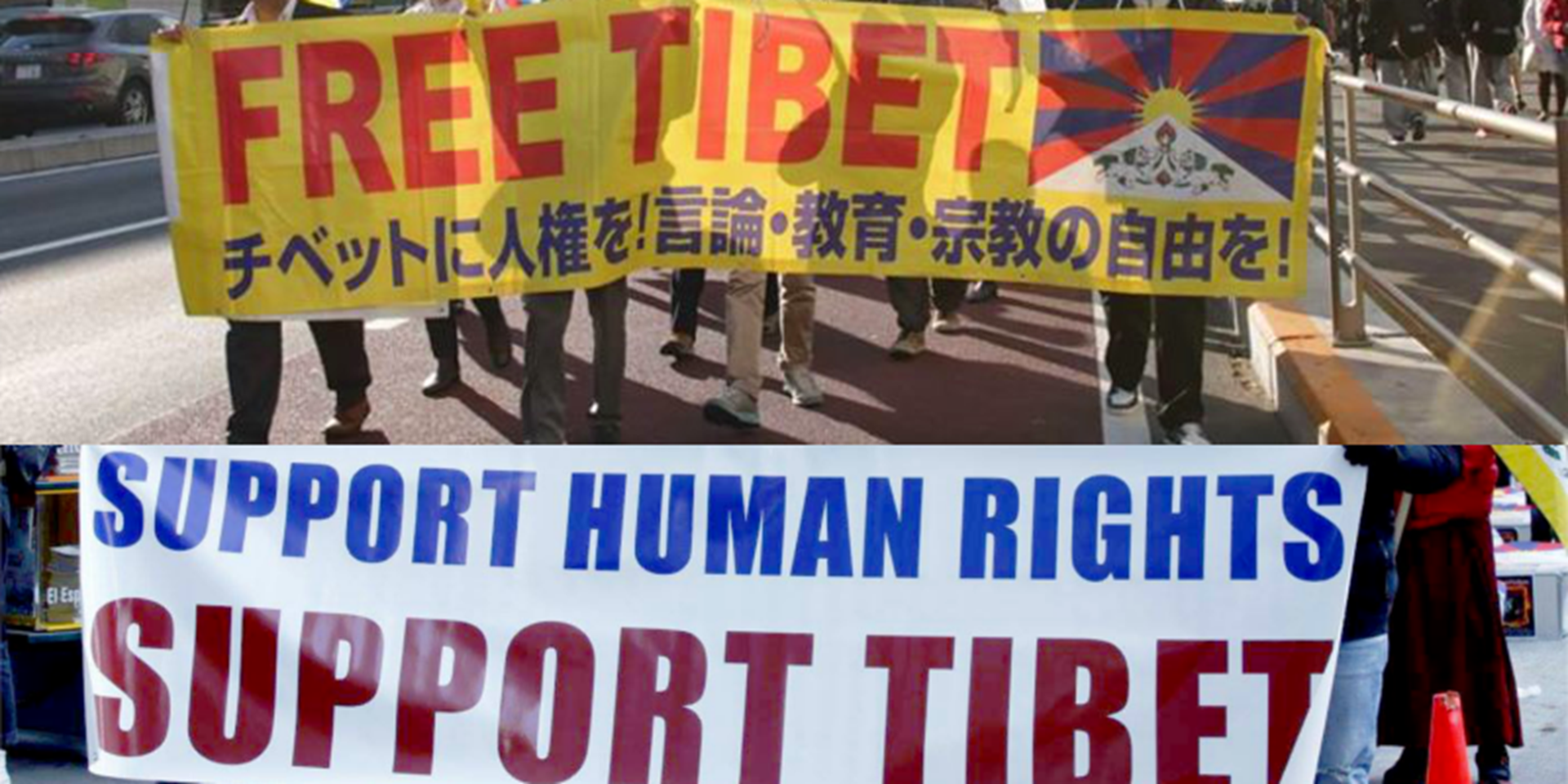
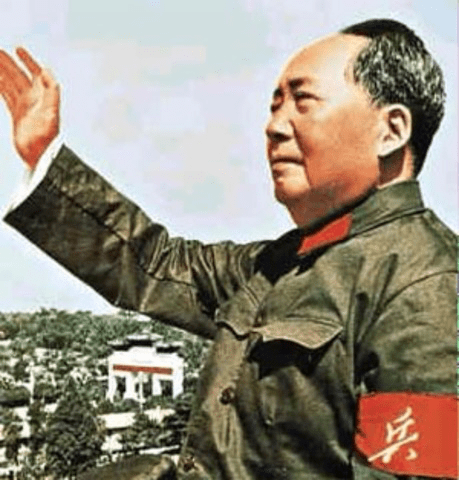
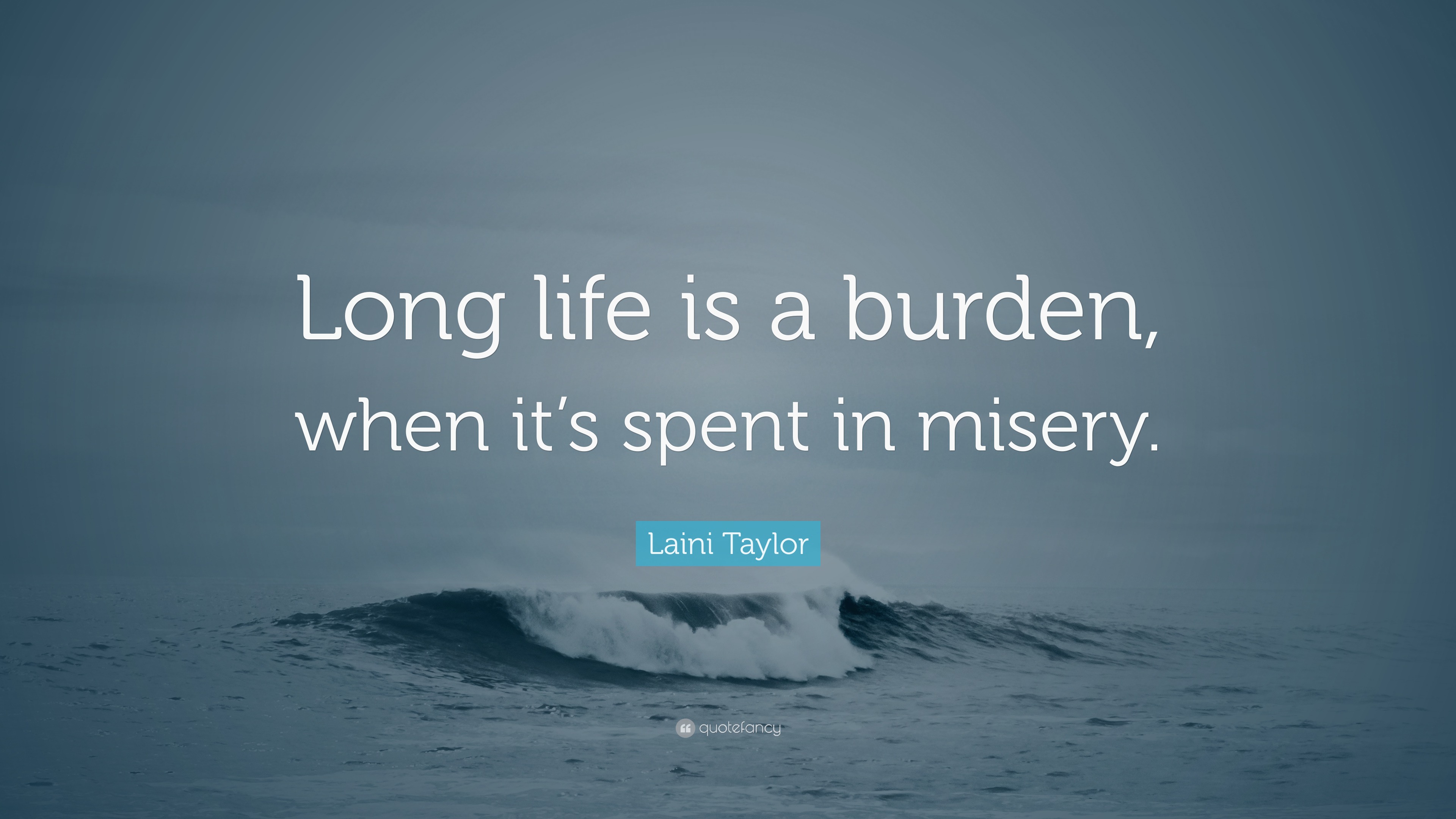
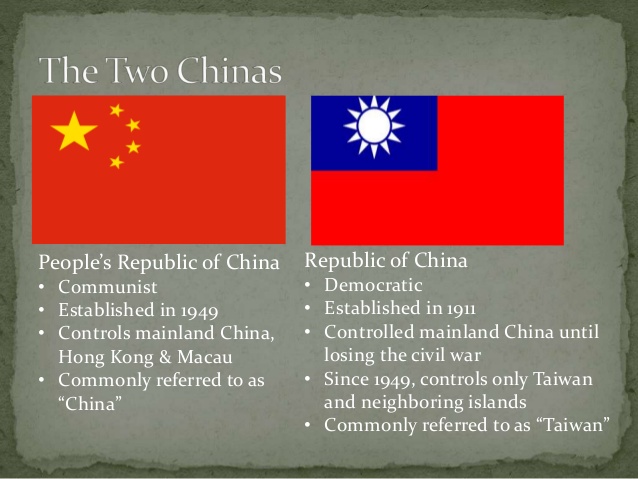

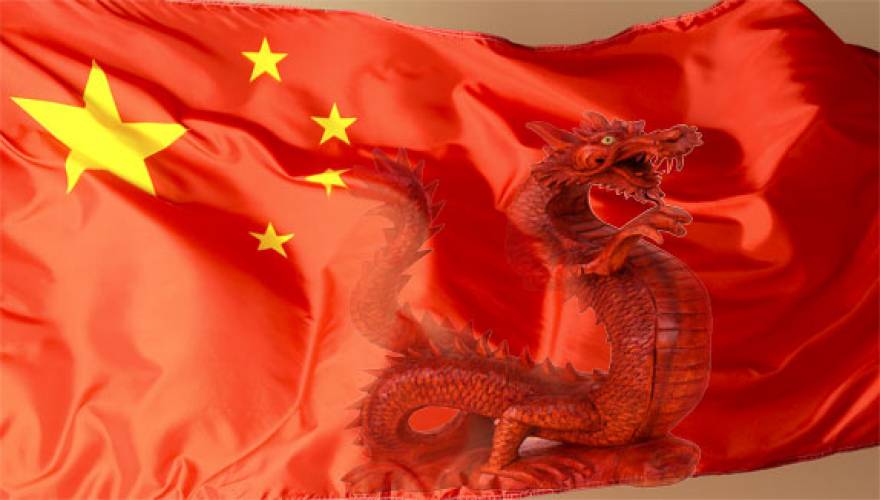
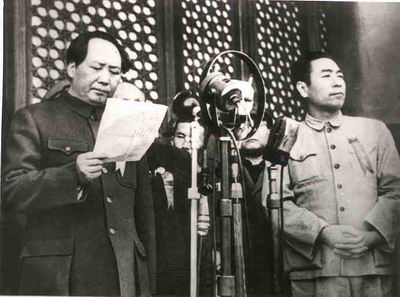


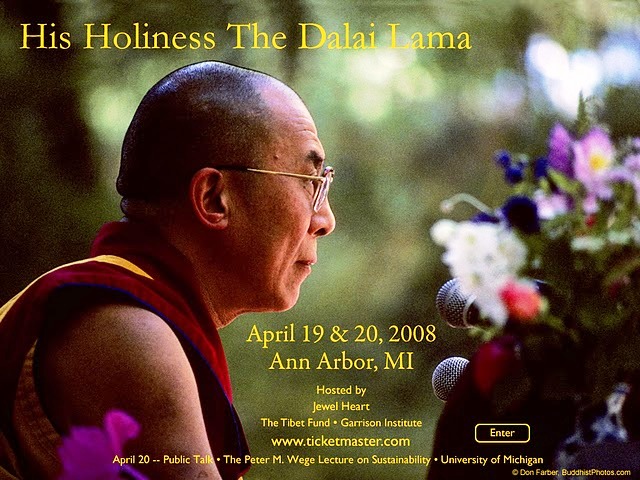
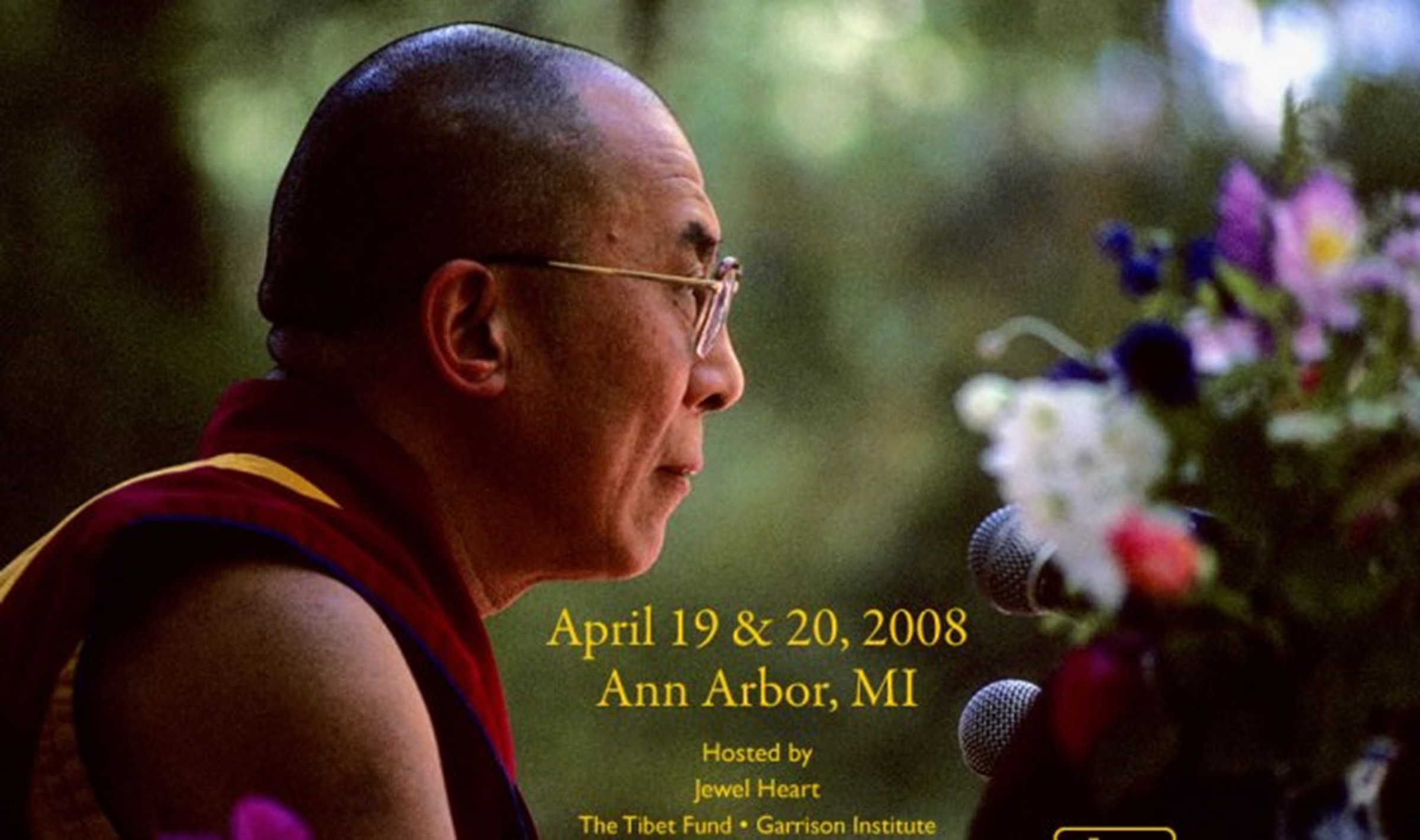

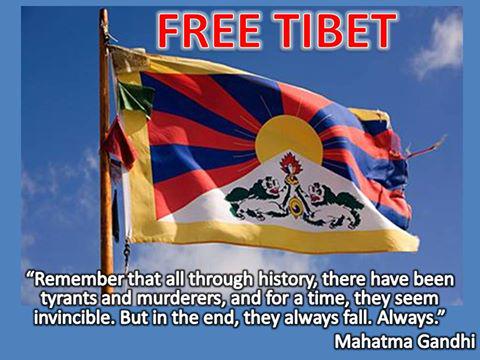


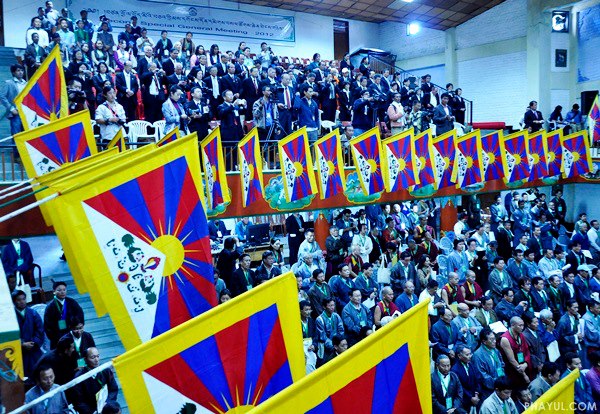


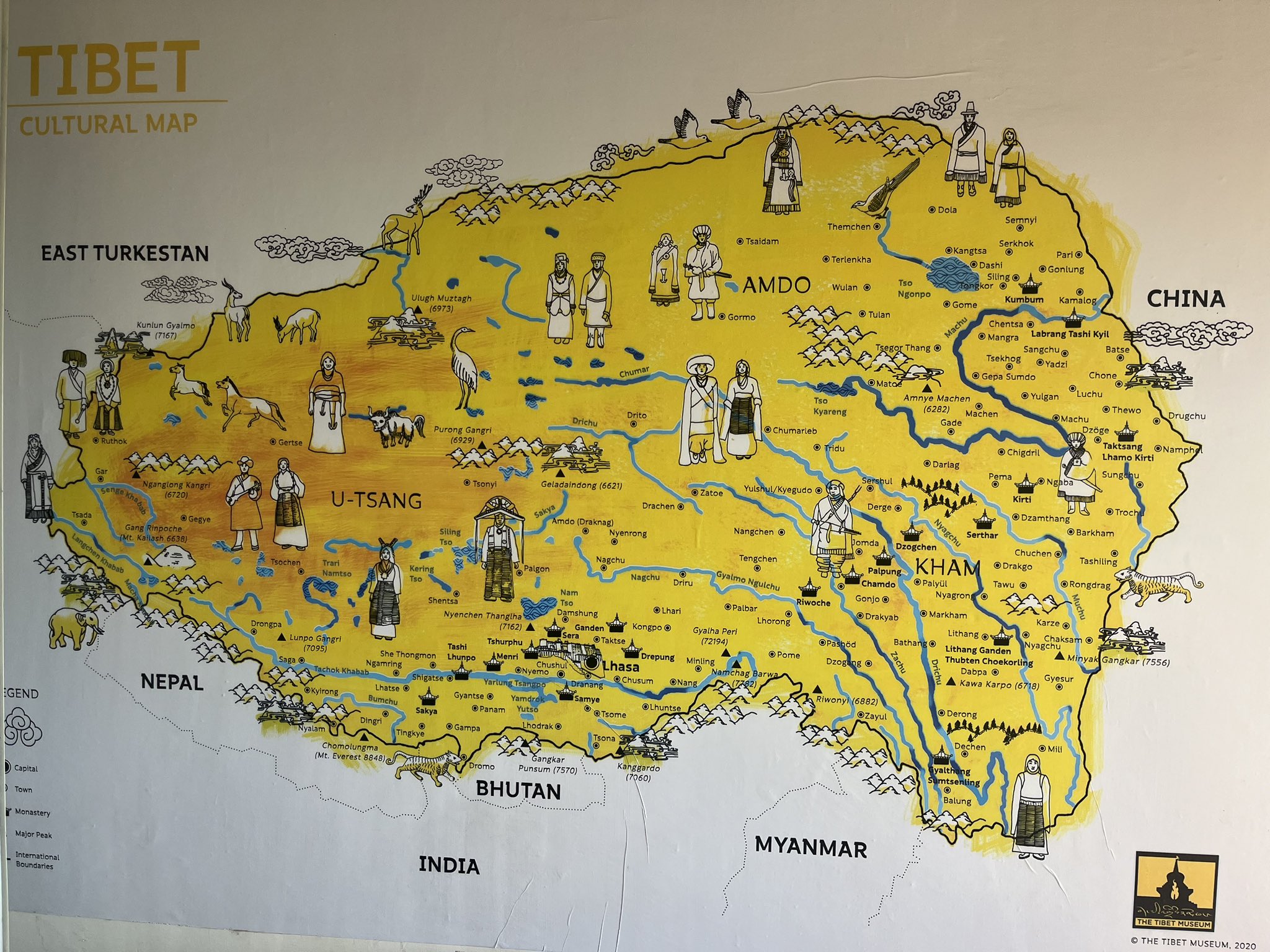


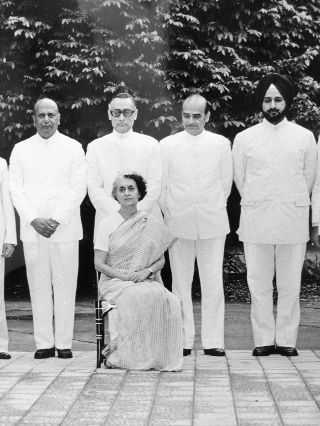

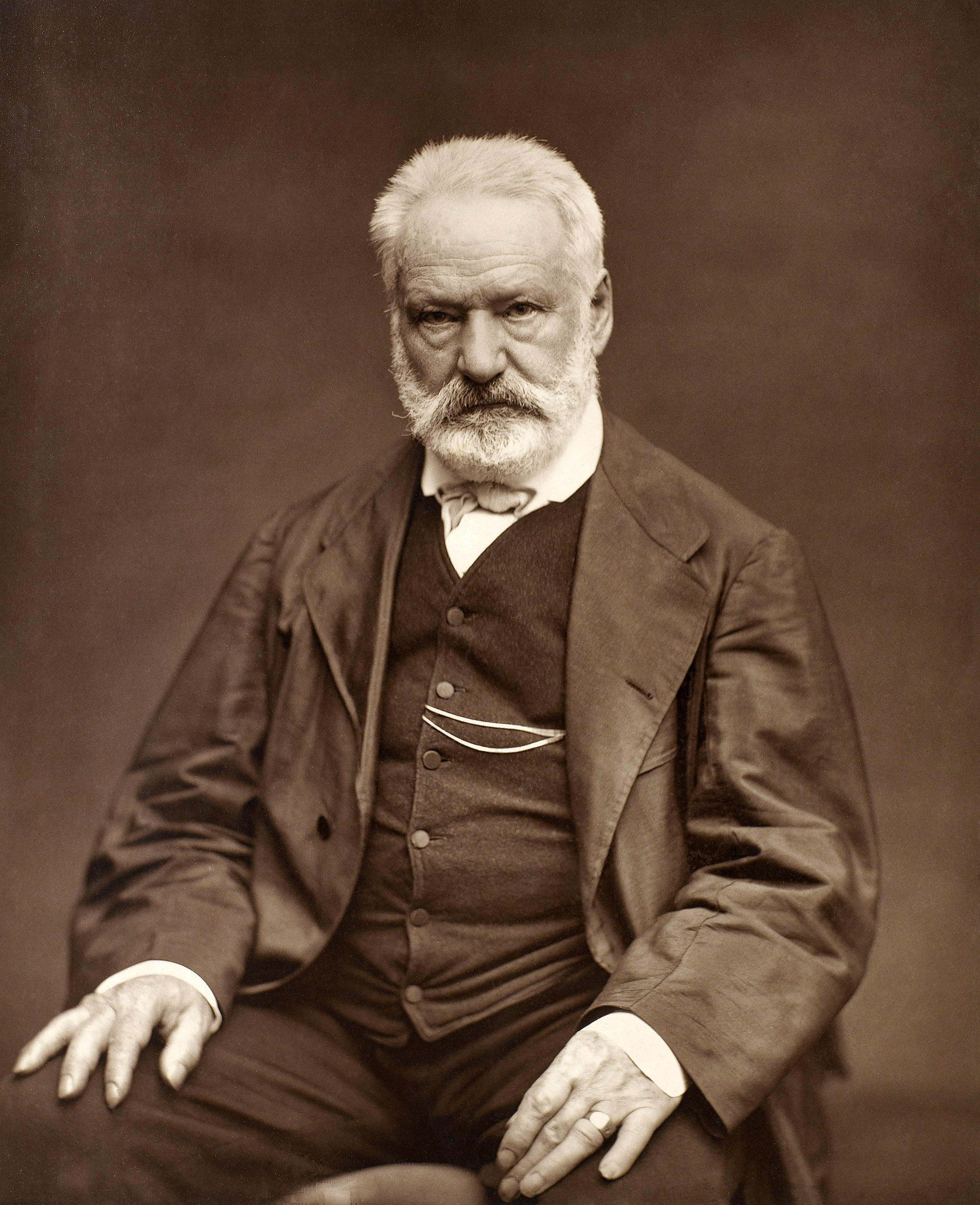


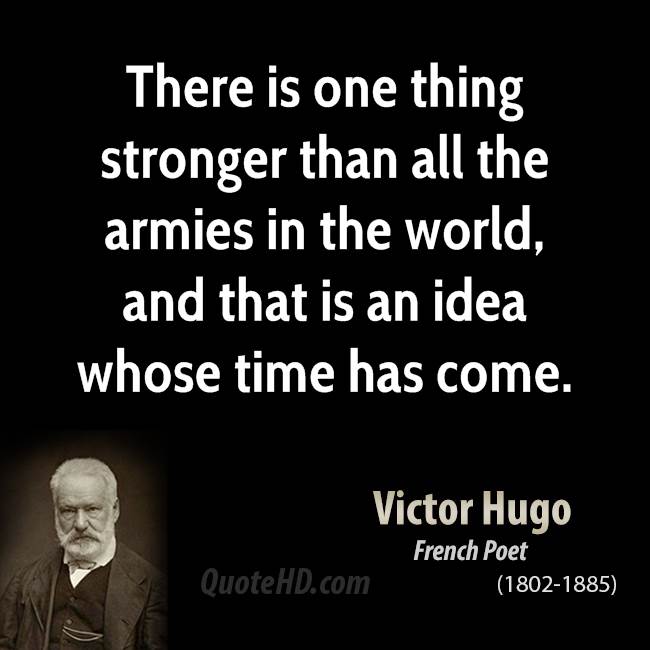



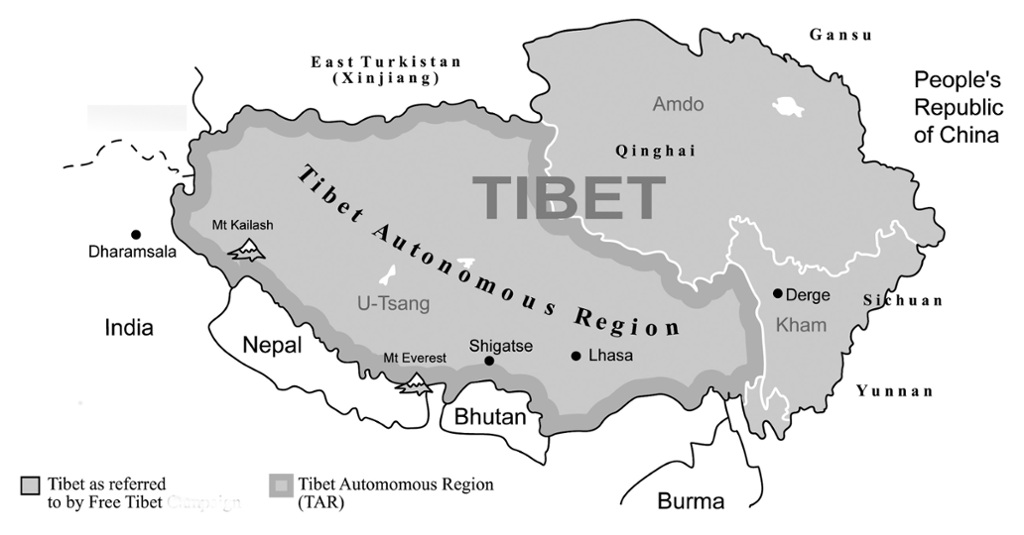


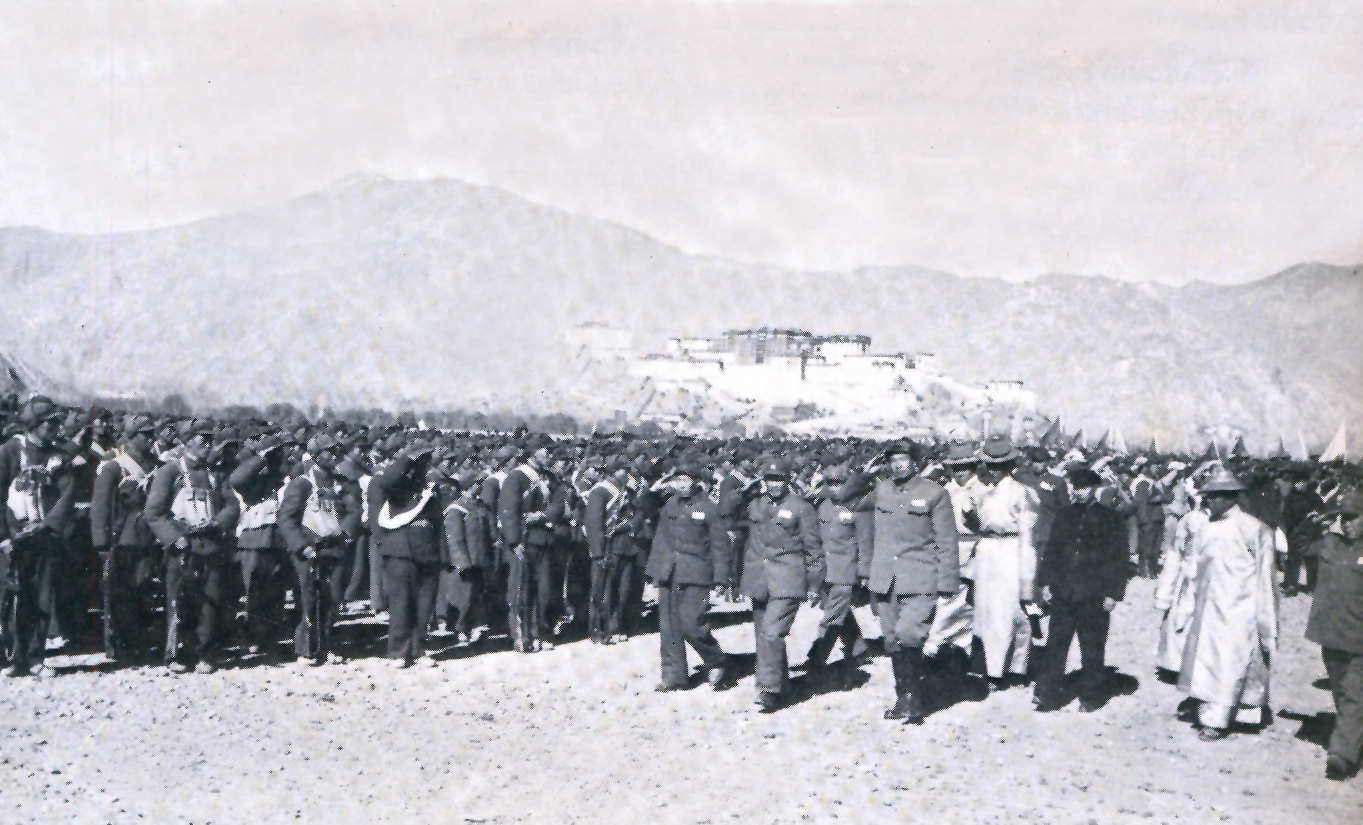
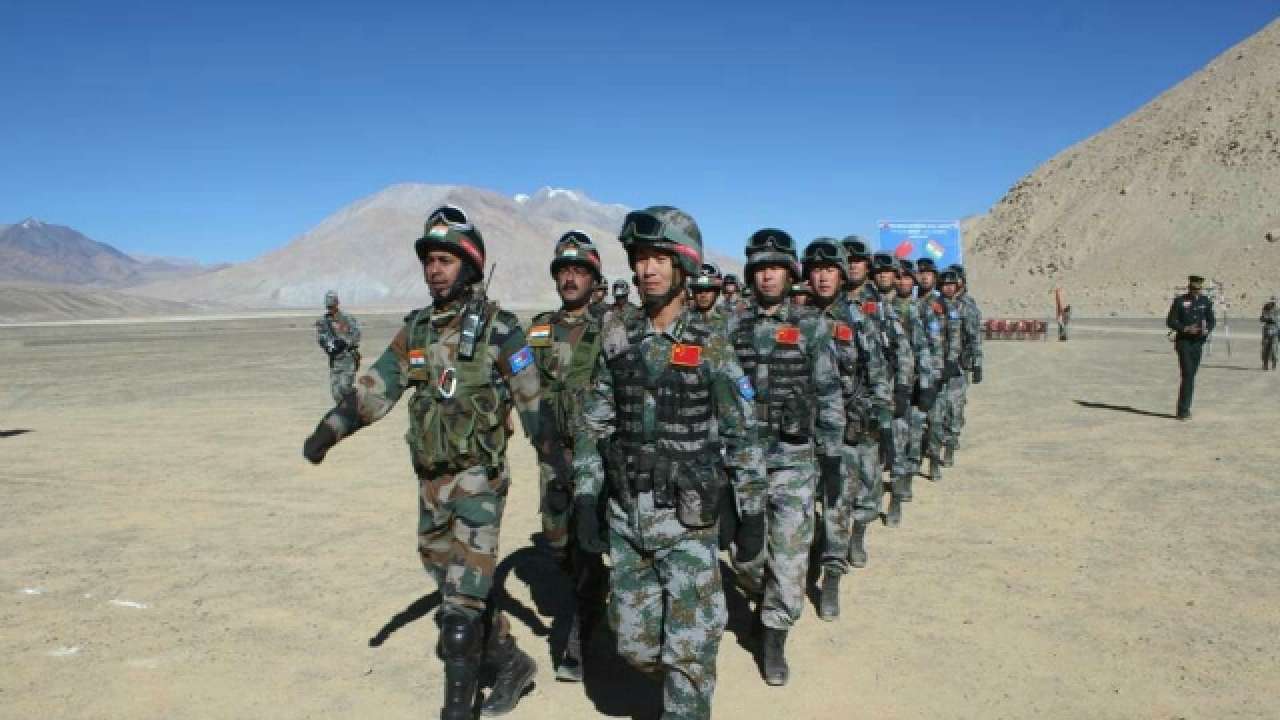


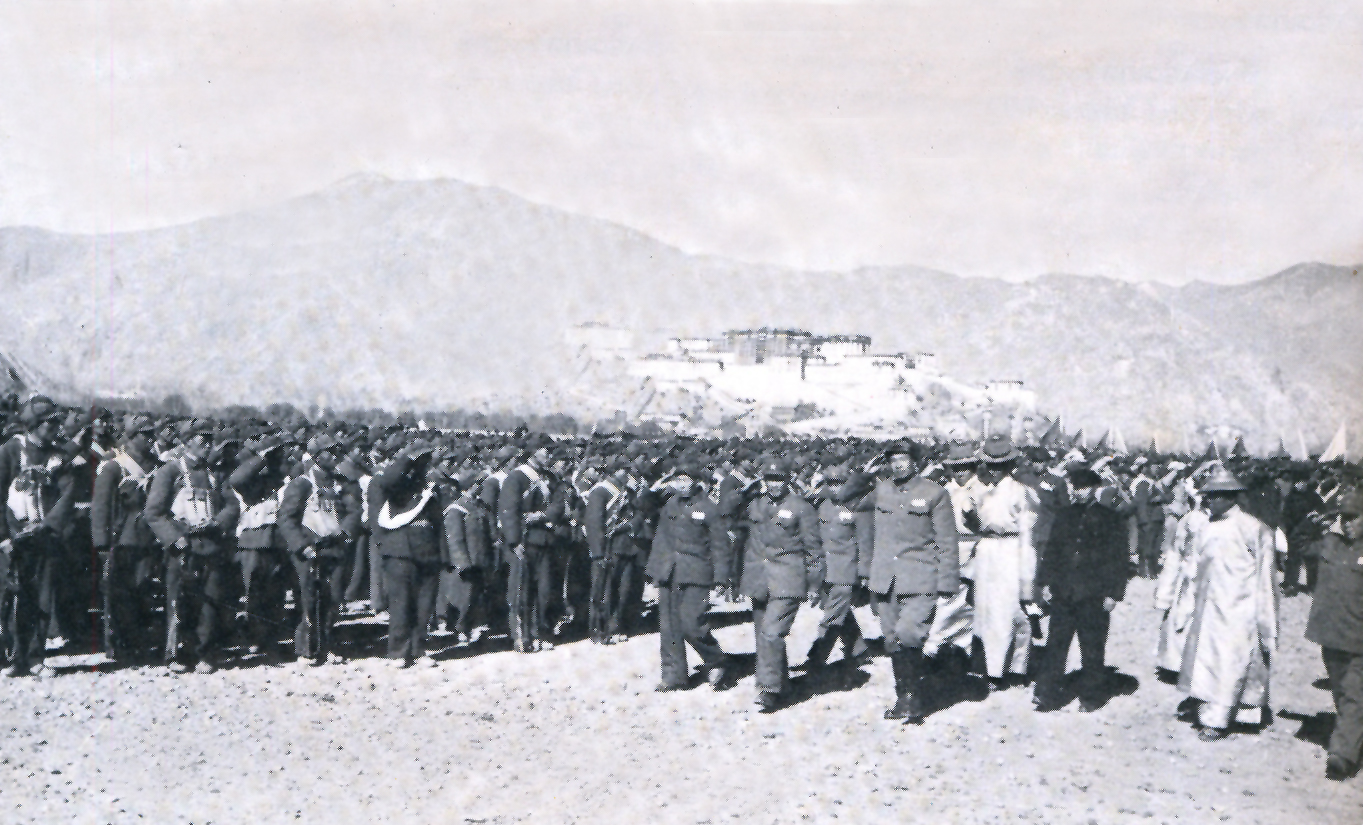

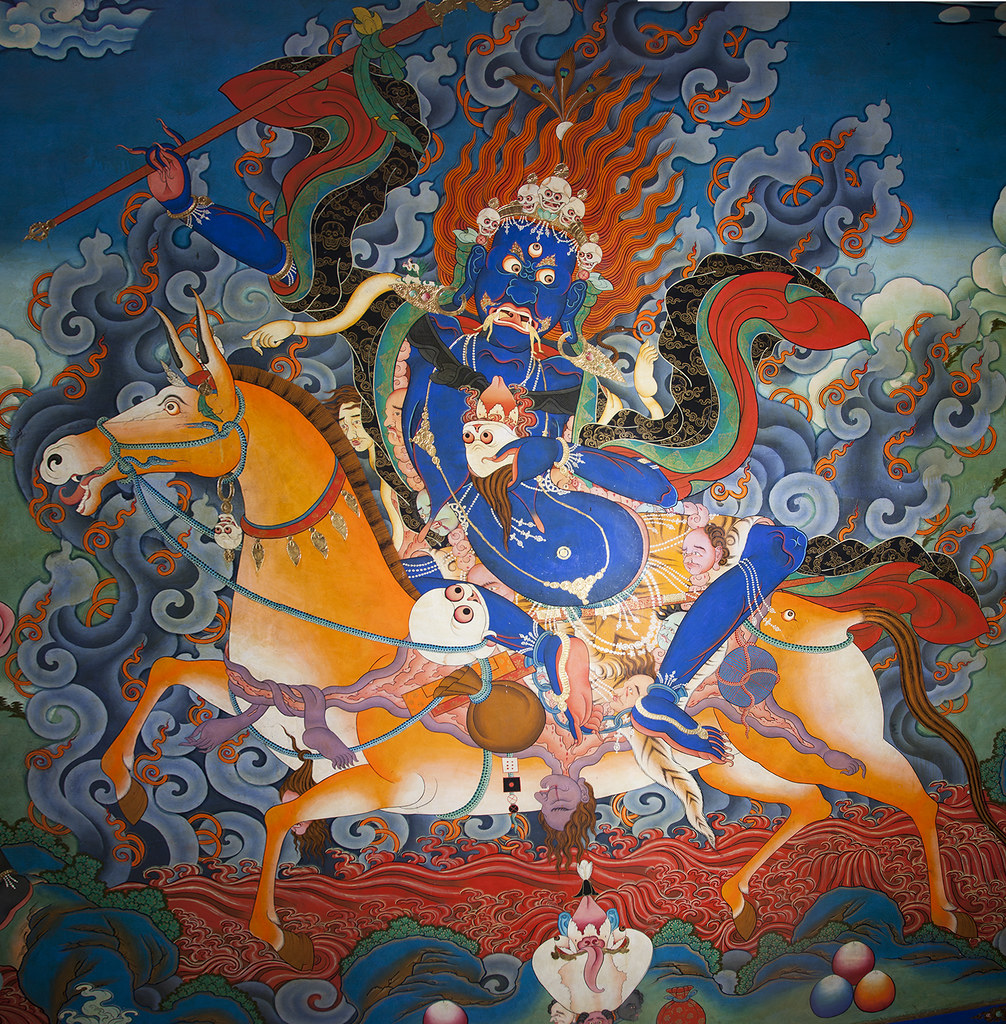
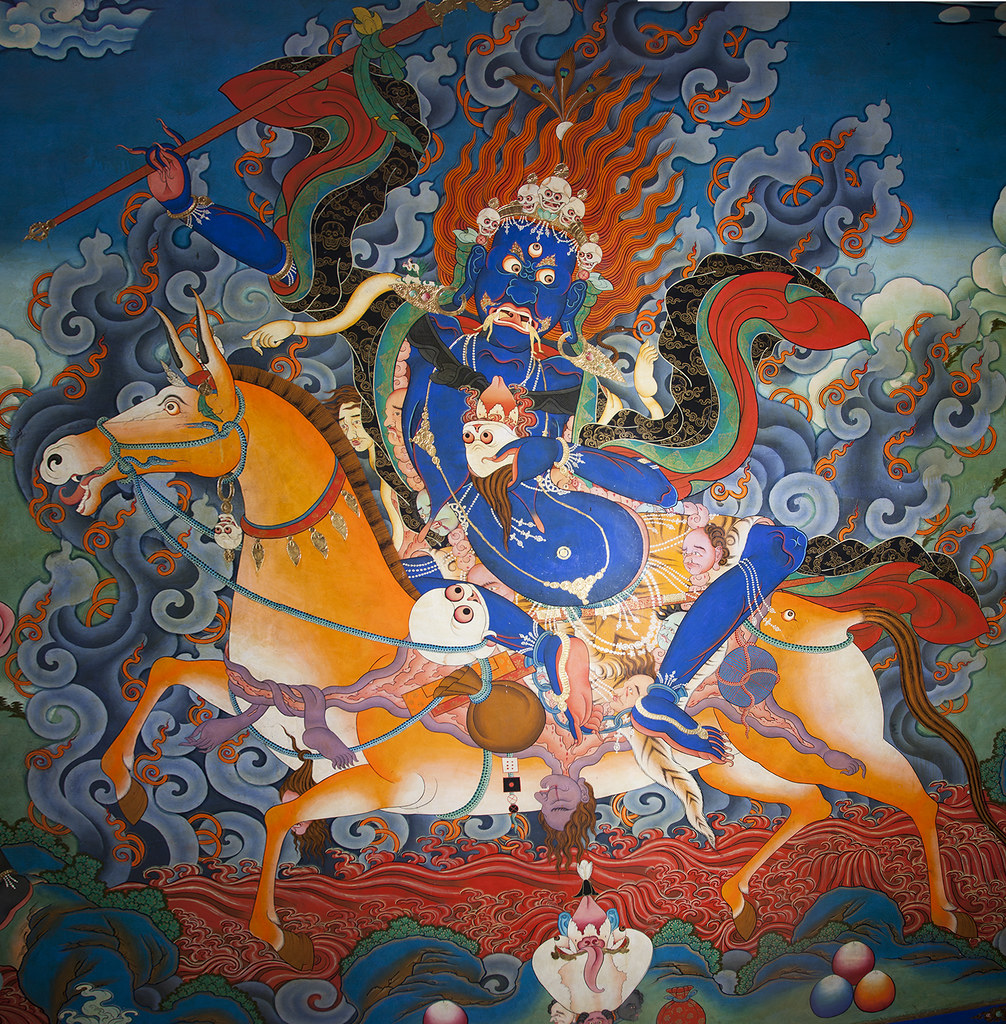


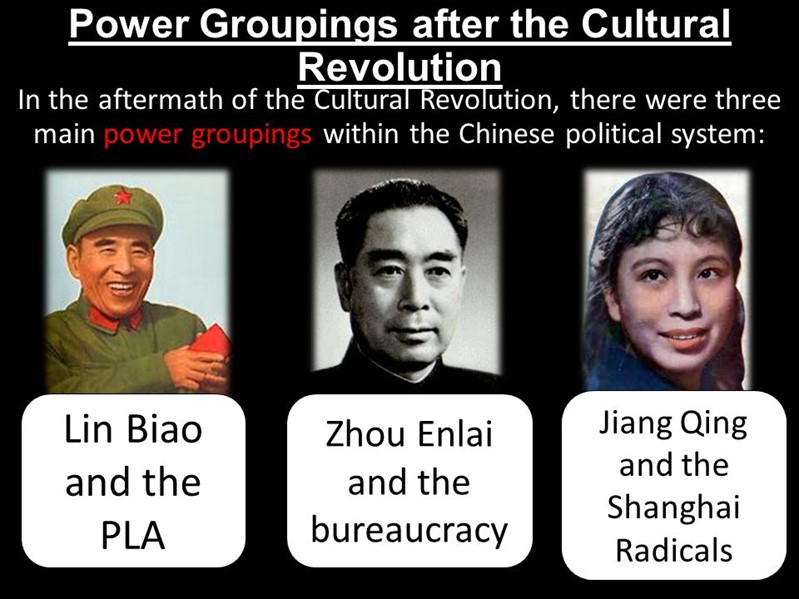


 Whole Dude - Whole Concept