The Material Basis of Spirituality Science. Spiritual Optics. Munsell Color Order System and the Designing of the Artistic Units.
What it is to be a Substance? and What it is to Exist? We need to establish knowledge about the man and the world on a firm basis and the information it provides must be tested for its accuracy and consistency with an external reality. We have to make the fundamental distinction between the living and the non-living matter. The scientific advances of the 19th and 20th centuries reinforced the materialistic position concerning the basic similarity of organic living and inorganic physical matter. The man is viewed as a product of natural evolution and is thought to be subject to the same laws of Physics and Chemistry or mechanistic principles.
We need a methodology to study philosophy and to understand philosophical statements. Logical Positivism, also known as Scientific Empiricism aims to clarify concepts in both everyday and scientific language. It describes analysis of language as the function of philosophy. This analysis of language and of concepts is important to understand questions of belief and ideology which affect what we think we ought to do individually and socially. I would use this method of ‘Applied Philosophy’ to analyze the concept of Spiritual Optics, the Spiritual dimension of biological coloration.
WHAT IS COLOR AND WHAT IS COLORATION?
The Material Basis of Spirituality Science. Spiritual Optics. Munsell Color Order System and the Designing of the Artistic Units.
The term ‘color’ refers to the spectral qualities of emitted or reflected light. The term ‘coloration’ is a dynamic and complex characteristic that has captured human interest and attention for a long time. The human interest to coloration ranges from purely aesthetic to the rigidly pragmatic.
BIOLOGICAL COLORATION:
The Material Basis of Spirituality Science. Spiritual Optics. Munsell Color Order System and the Designing of the Artistic Units.
Biological Coloration refers to the general appearance of an organism as determined by the quality and quantity of light that is reflected or emitted from its surface. This Coloration depends upon several factors:
1. The integrity and deployment of the structural units and features involved in the generation of color,
2. The color and distribution of the organism’s pigments, and the relative location of differently colored areas,
3. The shape, posture, position, and movement of the organism,
4. The quality and quantity of light striking the organism, including the seasonal light and temperature variations,
5. The psychological, behavioral, hormonal, and other physiological conditions associated with the use of color,
6. The visual capacity of the viewer.
The comprehensive understanding of biological coloration demands a study of Physics, Chemistry, Physiology, Biology, Psychology and other subjects. It is equally important to pay tribute to people who have contributed to a better understanding of the principles involved in color production. I am happy to introduce Albert Henry Munsell (1858-1918), American painter, professor of Arts, Massachusetts Normal Art School to my readers.
WHOLE DUDE – WHOLE DESIGNER – MUNSELL:
The Material Basis of Spirituality Science. Spiritual Optics. Munsell Color Order System and the Designing of the Artistic Units: Albert Henry Munsell (1858-1918), an artist of distinction, a gifted teacher of art, made the description of color accurate and convenient for teaching of color. He made the foundation for all other Color Order Systems.
Albert Henry Munsell is the reputed author of A Color Notation (1905), and the Atlas of Munsell Color System (1915). The Color System he created is used internationally for specifying opaque colors of dyed or pigmented surfaces.
THE MUNSELL COLOR TREE:
The Material Basis of Spirituality Science. Spiritual Optics. Munsell Color Order System and the Designing of the Artistic Units: The Munsell Color Tree refers to the three-dimensional representation of the Munsell Color System which is a method of designating colors based on a color arrangement scheme that defines colors by measured scales of hue, value, and chroma.
The Munsell Color Tree refers to the three-dimensional representation of the Munsell Color System. It is a method of designating colors based on a color arrangement scheme developed by the american art instructor and painter Albert H Munsell. It defines colors by measured scales of hue, value, and chroma, which correspond respectively to dominant wavelength, brightness, and strength or purity. The Color System developed by Munsell has become the foundation for all other Color Order Systems.
THE SCHEME FOR THE COLOR ORDER SYSTEM:
The Material Basis of Spirituality Science. Spiritual Optics. Munsell Color Order System and the Designing of the Artistic Units: The Scheme for the Color Order System used by any living creature has to be initially incorporated in its genetic material and it is carried as its hereditary information.The Material Basis of Spirituality Science. Spiritual Optics. Munsell Color Order System and the Designing of the Artistic Units: The biological production of color is more complex than the use of a Color Order System described by Albert Henry Munsell. In green plants, the color is associated with an important function called Photosynthesis which involves the ability to trap radiant energy. The design involves the use of parts, format for the structural components, various details apart from a color scheme. I name this as the work of a Whole Designer. The green pigment called Chlorophyll is found inside structures or Artistic Units called Chloroplasts.
In biology, the generation of color is more complex than the use of a Color Order System described by Albert Henry Munsell. Firstly, the information for the Color Order System must be transplanted in the genetic material such as the DNA of the organism to make the information as its hereditary characteristic. Secondly, when we look at the green plants, the green pigment called Chlorophyll is found inside structures called Chloroplasts. It involves the designing and arrangement of parts, details of structural units, and formulate a creative scheme apart from the use of the scheme for the color. The fact of designing can be known by studying the purpose and the functions of the Artistic Unit that is created.
Green plants with Chlorophyll pigment trap light energy, and transform it into chemical energy and use it in the process described as Photosynthesis. It is a creative mechanism to transform one form of energy into a different form of stored chemical energy that can be further used to create new forms of matter called organic molecules that are not present in nature. These organic molecules come into existence because of the activity of living things. It shows the intent of a designer to use energy, and matter to create the visual, sensory effect.
Who is the Artist? Who is the Designer?
The Material Basis of Spirituality Science. Spiritual Optics. Munsell Color Order System and the Designing of Artistic Units. Who is the Artist? Who is the Designer? An artist uses colors with imagination to create forms and to generate a desired visual effect. A “Whole Artist” is a person who creates his own canvas, his own tools, his own pigments, and creates the desired visual effects while the forms that are created have no such creative and cognitive abilities.
No single function can explain the coloration of living things. We need a comprehensive theory that predicts the lines and patterns of coloration of plants and animals. An artist’s palette containing only three properly chosen colors is entirely adequate under most circumstances to produce the various visual effects of color that is observed. The optical mechanisms involved in the production of color are complex. Coloration is a dynamic and complex characteristic and the term must be clearly distinguished from the term ‘color’ which only refers to the spectral qualities of emitted or reflected light. It is apparent that plants, and animals have no cognitive abilities to produce the coloration by which they are recognized. However, the coloration displayed gives us a clue about the nature of the “Whole Artist” who could be using imagination, has feelings for the forms created and seeks satisfaction from the visual effects that he produced. If man has the ability called visual perception, he must use the ability to visualize the “Whole Artist” who is at work. I ask my readers to give attention to the three dimensions of Color Perception. These are, 1. The Designer or the Artist, 2. The Object of Perception, and 3. The visual capacity of the Viewer.
What is Matter? and What is Spirit? What is the Color of Money? If materialism is about the influence of material wealth, I would like to use the Power/Force/Energy called Money to talk about Life and Death. The Laws of Conservation are applicable to both the living, and the non-living matter. Hence, it can be stated that “Life can neither be created nor destroyed.” If any person can refute my claim using valid, scientific information, I would offer the person a US $1,000 bill as a reward
What is Matter? and What is Spirit? What is the Color of Money? If materialism is about the influence of material wealth, I would like to use the Power/Force/Energy called Money to talk about Life and Death. The Laws of Conservation are applicable to both the living, and the non-living matter. Hence, it can be stated that “Life can neither be created nor destroyed.” If any person can refute my claim using valid, scientific information, I would offer the person a US $1,000 bill as a reward.
What it is to be a Substance? and What it is to Exist? We need to establish knowledge about the man and the world on a firm basis and the information it provides must be tested for its accuracy and consistency with an external reality. We have to make the fundamental distinction between the living and the non-living matter. The scientific advances of the 19th and 20th centuries reinforced the materialistic position concerning the basic similarity of organic living and inorganic physical matter. The man is viewed as a product of natural evolution and is thought to be subject to the same laws of Physics and Chemistry or mechanistic principles.
We need a methodology to study philosophy and to understand philosophical statements. Logical Positivism, also known as Scientific Empiricism aims to clarify concepts in both everyday and scientific language. It describes analysis of language as the function of philosophy. This analysis of language and of concepts is important to understand questions of belief and ideology which affect what we think we ought to do individually and socially. I would use this method of ‘Applied Philosophy’ to analyze the concept of Spiritual Optics, the Spiritual dimension of biological coloration.
WHAT IS COLOR AND WHAT IS COLORATION?
The Material Basis of Spirituality Science. Spiritual Optics. What is Color? White Light is composed of every color in the Spectrum. But, color is more than an optical function.
The term ‘color’ refers to the spectral qualities of emitted or reflected light. The term ‘coloration’ is a dynamic and complex characteristic that has captured human interest and attention for a long time. The human interest to coloration ranges from purely aesthetic to the rigidly pragmatic.
BIOLOGICAL COLORATION:
The Material Basis of Spirituality Science. Spiritual Optics. The Measurement of Color. The Tristimulus Theory of Color.
Biological Coloration refers to the general appearance of an organism as determined by the quality and quantity of light that is reflected or emitted from its surface. This Coloration depends upon several factors:
1. The integrity and deployment of the structural units and features involved in the generation of color,
2. The color and distribution of the organism’s pigments, and the relative location of differently colored areas,
3. The shape, posture, position, and movement of the organism,
4. The quality and quantity of light striking the organism, including the seasonal light and temperature variations,
5. The psychological, behavioral, hormonal, and other physiological conditions associated with the use of color,
6. The visual capacity of the viewer.
The Tristimulus Theory of Color
The comprehensive understanding of biological coloration demands a study of Physics, Chemistry, Physiology, Biology, Psychology and other subjects. It is equally important to pay tribute to people who have contributed to a better understanding of the principles involved in color production. I am happy to introduce Herbert Eugene Ives (1882-1953), son of Frederic Eugene Ives (1856-1937) to my readers.
The Material Basis of Spirituality Science. Spiritual Optics. The Measurement of Color. The Tristimulus Theory of Color. Herbert Eugene Ives, President of the Optical Society of America (1924-25) made a systematic study of the spectral absorption characteristics of all readily available pigments. He became an expert in Color Photography, Color Facsimile, and Color Television Systems.The Material Basis of Spirituality Science. Spiritual Optics. The Measurement of Color. The Tristimulus Theory of Color. The creation of an artistic unit which is recognized by its Color demands designing ability where the Designer knows the object of perception and the mind that has the ability called perception. The problem of Color Blindness illustrates the importance of the physiology of perception.The Material Basis of Spirituality Science. Spiritual Optics. The Measurement of Color. The Tristimulus Theory of Color.. From a human perspective, the sensory organ called Eye is very important for Color Perception, but perception also involves a psychological function as humans attach feelings, moods, and thoughts to the colors that they perceive. The object of perception, like the colors of flowers do not know the mind of its viewer. The above image describes the role of Tapetum Lucidum to improve light perception.
Herbert Eugene Ives is recognized for his study of the spectral absorption characteristics of all readily available pigments and he concluded that an artist’s palette containing only three properly chosen colors is entirely adequate under most circumstances for color production.
The Material Basis of Spirituality Science. Spiritual Optics. The Measurement of Color. The Tristimulus Color Theory. We need to understand as to how the sensory stimulus generates a sense of psychological satisfaction in the mind of the viewer.
Ives introduced modern Tristimulus Colorimetry, the three-components theory of chromatic adaptation. Through his devotion to the science of Optics and the art of Photography, he proved that three colors are adequate to handle the vast majority of colors needed for naturalistic painting. In nature, the beauty of colorful objects is in the imagination of the viewer. I would like to share some photo images of Glory-bower which belongs to Family Verbenaceae, Order Lamiales, tropical plants and shrubs that are grown for their attractive flowers, and foliage.
The Material Basis of Spirituality Science. Spiritual Optics. The Measurement of Color. The Tristimulus Theory of Color. Clerodendrum thomsonae. Bleeding heart glory-bower from Africa. Blooms resemble bleeding heart and the leaves are heart-shaped, glossy, dark-green. The plant exists blissfully without any awareness of an anatomical organ called heart.The Material Basis of Spirituality Science. Spiritual Optics. The Measurement of Color. The Tristimulus Theory of Color. Flaming, or Scarlet Glory-bower, Clerodendrum spendens. Red-Orange flowers among heart-shaped leaves.The Material Basis of Spirituality Science. Spiritual Optics. The Measurement of Color. The Tristimulus Theory of Color. Glory-bower from Asia. Clerodendrum speciosissimum. Flame-Orange flowers above heart-shaped bronze leaves.
The Tristimulus Theory of Color is important as it has several useful, practical applications and it helps the man to reproduce natural colors. At a fundamental level, color provides the sensory stimulus and the man perceives color as the evidence of a work done by a Designer who is intentionally providing a sense of psychological satisfaction in the mind of the viewer.
WHO IS THE ARTIST?
The Material Basis of Spirituality Science. Spiritual Optics. The Measurement of Color. The Tristimulus Theory of Color. Who is the Artist? An artist uses colors with imagination to create forms and to generate a desired visual effect. A “Whole Artist” is a person who creates his own canvas, his own tools, his own pigments, and creates the desired visual effects while the forms that are created have no such creative and cognitive abilities.
No single function can explain the coloration of living things. We need a comprehensive theory that predicts the lines and patterns of coloration of plants and animals. An artist’s palette containing only three properly chosen colors is entirely adequate under most circumstances to produce the various visual effects of color that is observed. The optical mechanisms involved in the production of color are complex. Coloration is a dynamic and complex characteristic and the term must be clearly distinguished from the term ‘color’ which only refers to the spectral qualities of emitted or reflected light. It is apparent that plants, and animals have no cognitive abilities to produce the coloration by which they are recognized. However, the coloration displayed gives us a clue about the nature of the “Whole Artist” who could be using imagination, has feelings for the forms created and seeks satisfaction from the visual effects that he produced. If man has the ability called visual perception, he must use the ability to visualize the “Whole Artist” who is at work. I ask my readers to give attention to the three dimensions of Color Perception. These are, 1. The Designer or the Artist, 2. The Object of Perception, and 3. The Subject who has the visual capacity of Color Perception.
The Material Basis of Spirituality Science. Spiritual Optics. The Measurement of Color. The Tristimulus Theory of Color. There are Three Dimensions of Color Perception. 1. The Designer or the Artist, 2. The Object of Perception, and 3. The Subject who has the visual capacity of Color Perception.
What is Matter? and What is Spirit? What is the Color of Money? If materialism is about the influence of material wealth, I would like to use the Power/Force/Energy called Money to talk about Life and Death. The Laws of Conservation are applicable to both the living, and the non-living matter. Hence, it can be stated that “Life can neither be created nor destroyed.” If any person can refute my claim using valid, scientific information, I would offer the person a US $1,000 bill as a reward.
What is Matter? and What is Spirit? What is the Color of Money? If materialism is about the influence of material wealth, I would like to use the Power/Force/Energy called Money to talk about Life and Death. The Laws of Conservation are applicable to both the living, and the non-living matter. Hence, it can be stated that “Life can neither be created nor destroyed.” If any person can refute my claim using valid, scientific information, I would offer the person a US $1,000 bill as a reward.
What it is to be a Substance? and What it is to Exist? We need to establish knowledge about the man and the world on a firm basis and the information it provides must be tested for its accuracy and consistency with an external reality. We have to make the fundamental distinction between the living and the non-living matter. The scientific advances of the 19th and 20th centuries reinforced the materialistic position concerning the basic similarity of organic living and inorganic physical matter. The man is viewed as a product of natural evolution and is thought to be subject to the same laws of Physics and Chemistry or mechanistic principles.
We need a methodology to study philosophy and to understand philosophical statements. Logical Positivism, also known as Scientific Empiricism aims to clarify concepts in both everyday and scientific language. It describes analysis of language as the function of philosophy. This analysis of language and of concepts is important to understand questions of belief and ideology which affect what we think we ought to do individually and socially. I would use this method of ‘Applied Philosophy’ to analyze the concept of Spiritual Optics, the Spiritual dimension of biological coloration.
WHAT IS COLOR AND WHAT IS COLORATION?
The Material Basis of Spirituality Science. Spiritual Optics. The Laws of Physics and the concept of Whole Aesthetics. Sir Isaac Newton discovered that white light is composed of every color in the spectrum.
Sir Isaac Newton (1642 – 1727), English mathematician, natural philosopher, physicist, is the greatest scientist of all time. He was the Professor of Mathematics at Cambridge University. He was the President of Royal Society 1703-1727. He was the first to explain what he called “the permanent colors of natural bodies.”
The Material Basis of Spirituality Science. Spiritual Optics. The Fundamental Force of Gravitation is the regulative principle of human existence and the human aesthetic experience.
Apart from his theory of Light-Optics, Newton discovered the universal law of gravitation, laws of motion, fluid mechanics, the phenomenon of tides, and the motion of heavenly bodies. His discovery helps us to understand the magic of creation that gives us the visual, sensory experience called color.
The Laws of Physics and the concept of Whole Aesthetics. White light is perceived as colorless as only a neutral color sensation is aroused by it. White light is composed of every color in the spectrum. Human civilization has developed taste in color and has attached names, values and functions to the colors it visualizes. A sense of fitness has been acquired concerning the use of color.
The term ‘color’ refers to the spectral qualities of emitted or reflected light. The term ‘coloration’ is a dynamic and complex characteristic that has captured human interest and attention for a long time. The human interest to coloration ranges from purely aesthetic to the rigidly pragmatic.
BIOLOGICAL COLORATION:
The Material Basis of Spirituality Science. Spiritual Optics. The Laws of Physics and the concept of Whole Aesthetics. God is the creator of Light.
Biological Coloration refers to the general appearance of an organism as determined by the quality and quantity of light that is reflected or emitted from its surface. This Coloration depends upon several factors:
1. The integrity and deployment of the structural units and features involved in the generation of color,
2. The color and distribution of the organism’s pigments, and the relative location of differently colored areas,
3. The shape, posture, position, and movement of the organism,
4. The quality and quantity of light striking the organism, including the seasonal light and temperature variations,
5. The psychological, behavioral, hormonal, and other physiological conditions associated with the use of color,
6. The visual capacity of the viewer. The Laws of Physics constitute and regulate the visual capacity of the man, the viewer and the visual capacity of other living organisms which have the ability called photo reception.
I am intentionally combining the words whole+dude, and whole+designer to speak about the complex, dynamic forms of man and the Creator. Man has the ability to study the plan, the pattern, the outline, and the scheme used in the execution of an artistic work called creation.
THE CONSTITUTIVE AND THE REGULATIVE PRINCIPLES OF HUMAN EXISTENCE
The Material Basis of Spirituality Science. The Constitutive and the Regulative Principles of Human Existence. MAN IS THE OBJECT OF EXPERIENCE. MASS IS THE CONSTITUTIVE PRINCIPLE. GRAVITY IS THE REGULATIVE PRINCIPLE. THE MAN MAY OR MAY NOT ACKNOWLEDGE OPERATION OF THE REGULATIVE FORCE OR POWER THAT GIVES HIM THE EXPERIENCE OF HIS BODY MASS.
The man is the Subject and is the Object of his experience called Human Existence. Such experience requires operation of two principles; 1. Mass or Substance that constitutes what is present in the Object itself without which there can be no understanding, and 2. Gravitation Force or Power that regulates the Subject’s experience of the Object’s Mass or Substance. The experience of human existence will be incomplete without the operation of the Regulative Principle or Power. The Regulative Concept and Principle helps in complete understanding of the constitution and connection of the Subject with the Object of experience. The man knows that he exists for he has the experience of his own body weight. Gravitation is a Regulative Force or Power that organizes or regulates the man’s experience without reference to the constitution of the Object. All things that have Mass experience the same Regulative Force or Power but the Regulative Principles play no part in determining the objective character of the world of appearance. The man has the Subjective experience of the Objective reality of his body Mass for he is constituted of a principle that has awareness or consciousness of such a Subjective experience. Gravitation does not determine the constitution of a man or a man’s ability called understanding.
The Material Basis of Spirituality Science. The Constitutive and the Regulative Principles of Human Existence. WEIGHT IS THE EXPERIENCE. MASS IS THE CONSTITUTIVE PRINCIPLE THAT DEFINES MAN’S APPEARANCE. GRAVITATIONAL FORCE IS THE REGULATIVE PRINCIPLE THAT REGULATES MAN’S EXPERIENCE OF WEIGHT. THE FACULTY OF REASONING IS IMPORTANT FOR COMPLETE UNDERSTANDING OF EXPERIENCE OF BODY WEIGHT.
The man has experience of Body Weight for he thinks he is a stationary object. In realty, every point on the surface of Earth partakes in the motions of Earth. The man exists on the surface of a fast, spinning object. If a man has direct, sensory experience of the speed of Earth, the man will not have the opportunity to have the sensory experience of his Body Weight. The Regulative Concept and Principle is of fundamental value in understanding of the constitution of a man as a living object with sensory experiences.
The Material Basis of Spirituality Science. The Constitutive and the Regulative Principles of Human Existence. THE MAN HAS EXPERIENCE OF BODY WEIGHT FOR HE THINKS HE IS A STATIONARY OBJECT. EVERY POINT ON THE SURFACE OF EARTH PARTAKES IN THE MOTIONS OF EARTH.
What is Aesthetics?
Aesthetics is a branch of philosophy dealing with the nature of art and the criteria of artistic judgment. Aesthetics involves the study or theory of beauty and of the psychological responses to it. Aesthetics has developed into a broad field of knowledge and inquiry. The term was coined by Alexander Gottlieb Baumgarten to denote a realm of concrete knowledge in which content is communicated in sensory form. Now the term is applied to the study of all the works of the fine arts, the useful arts (crafts) and natural phenomena (eg., landscapes, the human face and body) that have aesthetic value and generate an experience called aesthetic experience. Plato and Aristotle formulated the conception of art as an imitation of nature. Beauty inheres in the object itself and may be judged objectively. Hume identified beauty with that which pleases the observer. Baumgarten emphasized on the importance of feeling. If art imitates nature, the artist must deliberately alter nature by adding elements of feeling to perceive reality. The artistic process involves the use of illusion to mirror the creative process of the world.
I use the term ‘Whole Aesthetics’ to describe the integration of the human body with the principles of soul and spirit to bring ‘Whole Unity’ and ‘Whole Harmony’ between the conflicting elements of Dependence and Freedom by using an artistic process of combining Reality with Illusion. I use the term ‘Whole Aesthetics’ to describe the ‘Wholeness’ of Human Existence that requires the ‘Whole Harmony’ between Dependence and Freedom, the Whole Harmony between Illusion and Reality, the ‘Whole Unity’ between the human body, spirit and soul. I find the application of this artistic process in the works of Whole Artist or Whole Designer who makes the man to live on the surface of a fast spinning object called planet Earth where the Power of Time churns every future instant into a past instant without ever giving man the chance to recognize the experience of a present instant. Whole Aesthetics captures the beauty of the reality of human existence derived from the experience of illusion imposed by the fundamental force of gravitation. There is no aesthetic experience without the regulative principle which governs the human existence.
The Concept of Whole Artist:
The Material Basis of Spirituality Science. Spiritual Optics. Who is the Artist? An artist uses colors with imagination to create forms and to generate a desired visual effect. A “Whole Artist” is a person who creates his own canvas, his own tools, his own pigments, and creates the desired visual effects while the forms that are created have no such creative and cognitive abilities.
The term artist is used to describe a person who works in, or is skilled in the technique of any of the fine arts, especially in painting, drawing, and sculpture. The term artistry describes the artistic ability which includes the use of imagination, a feeling for form, and a feeling for effect. I am using the term ‘Whole Artist’ to discover the person who may have used imagination to create forms to produce desired effects while the form itself lacks the cognitive abilities to generate its own form. Plants may produce flowers of different colors while they essentially lack cognitive abilities to recognize the visual effect of the color they produce. The study, the theory of beauty, or Aesthetics helps us to know the nature of the artist.
WHO IS THE ARTIST?
No single function can explain the coloration of living things. We need a comprehensive theory that predicts the lines and patterns of coloration of plants and animals. An artist’s palette containing only three properly chosen colors is entirely adequate under most circumstances to produce the various visual effects of color that is observed. The optical mechanisms involved in the production of color are complex. Coloration is a dynamic and complex characteristic and the term must be clearly distinguished from the term ‘color’ which only refers to the spectral qualities of emitted or reflected light. It is apparent that plants, and animals have no cognitive abilities to produce the coloration by which they are recognized.
The Material Basis of Spirituality Science. The concepts of Whole Artist and Whole Aesthetics account for the cognitive ability called visual power which contributes to the aesthetic experience.
However, the coloration displayed gives us a clue about the nature of the “Whole Artist” who could be using imagination, has feelings for the forms created and seeks satisfaction from the visual effects that he produced. If man has the ability called visual perception, he must use the ability to visualize the “Whole Artist” who is at work. The Whole Artist provides the visual capacity to the man using the regulative principle of gravitation which causes the illusion of the man experiencing the world around him as if he is a stationary object.
What is Matter? and What is Spirit? What is the Color of Money? If materialism is about the influence of material wealth, I would like to use the Power/Force/Energy called Money to talk about Life and Death. The Laws of Conservation are applicable to both the living, and the non-living matter. Hence, it can be stated that “Life can neither be created nor destroyed.” If any person can refute my claim using valid, scientific information, I would offer the person a US $1,000 bill as a reward.
What is Matter? and What is Spirit? What is the Color of Money? If materialism is about the influence of material wealth, I would like to use the Power/Force/Energy called Money to talk about Life and Death. The Laws of Conservation are applicable to both the living, and the non-living matter. Hence, it can be stated that “Life can neither be created nor destroyed.” If any person can refute my claim using valid, scientific information, I would offer the person a US $1,000 bill as a reward.
What it is to be a Substance? and What it is to Exist? We need to establish knowledge about the man and the world on a firm basis and the information it provides must be tested for its accuracy and consistency with an external reality. We have to make the fundamental distinction between the living and the non-living matter. The scientific advances of the 19th and 20th centuries reinforced the materialistic position concerning the basic similarity of organic living and inorganic physical matter. The man is viewed as a product of natural evolution and is thought to be subject to the same laws of Physics and Chemistry or mechanistic principles.
We need a methodology to study philosophy and to understand philosophical statements. Logical Positivism, also known as Scientific Empiricism aims to clarify concepts in both everyday and scientific language. It describes analysis of language as the function of philosophy. This analysis of language and of concepts is important to understand questions of belief and ideology which affect what we think we ought to do individually and socially. I would use this method of ‘Applied Philosophy’ to analyze the concept of Spiritual Optics, the Spiritual dimension of biological coloration.
WHAT IS COLOR AND WHAT IS COLORATION?
The Material Basis of Spirituality Science. Spiritual Optics. What is Color? White Light is composed of every color in the Spectrum. But, color is more than an optical function.
The term ‘color’ refers to the spectral qualities of emitted or reflected light. The term ‘coloration’ is a dynamic and complex characteristic that has captured human interest and attention for a long time. The human interest to coloration ranges from purely aesthetic to the rigidly pragmatic.
BIOLOGICAL COLORATION:
The Material Basis of Spirituality Science. Spiritual Optics. Who is the Artist? The study, the theory of beauty, or Aesthetics helps in knowing the nature of the artist.
Biological Coloration refers to the general appearance of an organism as determined by the quality and quantity of light that is reflected or emitted from its surface. This Coloration depends upon several factors:
1. The integrity and deployment of the structural units and features involved in the generation of color,
2. The color and distribution of the organism’s pigments, and the relative location of differently colored areas,
3. The shape, posture, position, and movement of the organism,
4. The quality and quantity of light striking the organism, including the seasonal light and temperature variations,
5. The psychological, behavioral, hormonal, and other physiological conditions associated with the use of color,
6. The visual capacity of the viewer.
The Concept of Whole Artist:
The Material Basis of Spirituality Science. Spiritual Optics. Who is the Artist? An artist uses colors with imagination to create forms and to generate a desired visual effect. A “Whole Artist” is a person who creates his own canvas, his own tools, his own pigments, and creates the desired visual effects while the forms that are created have no such creative and cognitive abilities.
The term artist is used to describe a person who works in, or is skilled in the technique of any of the fine arts, especially in painting, drawing, and sculpture. The term artistry describes the artistic ability which includes the use of imagination, a feeling for form, and a feeling for effect. I am using the term ‘Whole Artist’ to discover the person who may have used imagination to create forms to produce desired effects while the form itself lacks the cognitive abilities to generate its own form. Plants may produce flowers of different colors while they essentially lack cognitive abilities to recognize the visual effect of the color they produce. The study, the theory of beauty, or Aesthetics helps us to know the nature of the artist.
The Material Basis of Spirituality Science. Spiritual Optics. The concept of Whole Aesthetics. These Bumble Bee Orchid flowers look like the work of an artist and the artistic process involves combining illusion with reality.
Aesthetics is a branch of philosophy dealing with the nature of art and the criteria of artistic judgment. Aesthetics involves the study or theory of beauty and of the psychological responses to it. Aesthetics has developed into a broad field of knowledge and inquiry. The term was coined by Alexander Gottlieb Baumgarten to denote a realm of concrete knowledge in which content is communicated in sensory form. Now the term is applied to the study of all the works of the fine arts, the useful arts (crafts) and natural phenomena (eg., landscapes, the human face and body) that have aesthetic value and generate an experience called aesthetic experience. Plato and Aristotle formulated the conception of art as an imitation of nature. Beauty inheres in the object itself and may be judged objectively. Hume identified beauty with that which pleases the observer. Baumgarten emphasized on the importance of feeling. If art imitates nature, the artist must deliberately alter nature by adding elements of feeling to perceive reality. The artistic process involves the use of illusion to mirror the creative process of the world.
Aesthetics involves the study of objects that have an inherent aesthetic quality to generate an aesthetic experience in the mind of an observer who has the capacity to interpret sensory information. An artist uses the artistic process to capture the creative process of the world by integrating illusion with reality.
I use the term ‘Whole Aesthetics’ to describe the integration of the human body with the principles of soul and spirit to bring ‘Whole Unity’ and ‘Whole Harmony’ between the conflicting elements of Dependence and Freedom by using an artistic process of combining Reality with Illusion. I use the term ‘Whole Aesthetics’ to describe the ‘Wholeness’ of Human Existence that requires the ‘Whole Harmony’ between Dependence and Freedom, the Whole Harmony between Illusion and Reality, the ‘Whole Unity’ between the human body, spirit and soul.I find the application of this artistic process in the works of Whole Artist or Whole Designer who makes the man to live on the surface of a fast spinning object called planet Earth where the Power of Time churns every future instant into a past instant without ever giving man the chance to recognize the experience of a present instant. Whole Aesthetics captures the beauty of the reality of human existence derived from the experience of illusion.
WHOLE DESIGNER-WHOLE ARTIST-WHOLE AESTHETICS :
Plants have the ability of Photoreception but do not have organs of sense perception like eyes. They produce flowers as if an artist is at work. The flowers below all have two things in common: They’re beautiful, and they remind the human eye of something else entirely. These are flowers are just stunning works of art by nature.I am pleased to share the photo images of ‘ORCHIDS’ to explain the concept of ‘Whole Designer’ and ‘Whole Artist’.
MASTERS OF PLANT PAREIDOLIA
Pareidolia is the tendency to see familiar or significant images in places where none is intended. Classic examples are sightings of Jesus or the Virgin Mary in wood grain or the pastime of looking for shapes in clouds. Pareidolia is encouraged in the Rorschach inkblot test. There are plenty of examples in the natural world, and orchids are particularly notable for looking like something else.
Monkey Face Orchid ( Dracula simia )
The Material Basis of Spirituality Science. Spiritual Optics. The concept of Whole Aesthetics. The artistic process involves the combination of illusion with reality.
Dracula simia is another species in the Dracula genus. As the name implies, the blooms of this orchid look exactly like a monkey’s face.
The Material Basis of Spirituality Science. Spiritual Optics. The concept of Whole Aesthetics. The artistic process involves the combination of illusion with reality.
The monkey orchid (Orchis simia) is said to be shaped like a monkey’s body. A male monkey, to be sure.
Moth Orchid ( Phalaenopsis )
The Material Basis of Spirituality Science. Spiritual Optics. The concept of Whole Aesthetics. The artistic process involves the combination of illusion with reality.The Material Basis of Spirituality Science. Spiritual Optics. The concept of Whole Aesthetics. The artistic process involves the combination of illusion with reality.
There are about 60 species of Moth Orchids (Phalaenopsis), which are native to Asia and popular among orchid growers. Many of them, if you look really close, appear to have a small bird emerging from their center. Get a closer look at this pink specimen.
Naked Man Orchid (Orchis italica)
The Material Basis of Spirituality Science. Spiritual Optics. The concept of Whole Aesthetics. The artistic process involves the combination of illusion with reality.The Material Basis of Spirituality Science. Spiritual Optics. The concept of Whole Aesthetics. The artistic process involves the combination of illusion with reality.
Orchis italica is native to the Mediterranean area, and is sometimes called the Naked Man Orchid. You can see why. The blossoms even have little eyes and smiles!
Hooker’s Lips (Psychotria elata)
The Material Basis of Spirituality Science. Spiritual Optics. The concept of Whole Aesthetics. The artistic process involves the combination of illusion with reality.
Orchids may be the masters of plant pareidolia, but they aren’t the only plants that look like something else. Psychotria elata is a tropical plant that produces the psychedelic chemical DMT. The plant is also called Hooker’s Lips. I can’t imagine why.
Dancing Girls (Impatiens bequaertii)
The Material Basis of Spirituality Science. Spiritual Optics. The concept of Whole Aesthetics. The artistic process involves the combination of illusion with reality.
Laughing Bumble Bee Orchid(Ophrys bomybliflora)
While we can’t say that nature intended for an orchid to look like a male body or a flying duck, the orchid genus Ophrys has a simple reason for looking the way it does. The Bee Orchid (Ophrys apifera) bloom resembles a bee in order to attract bees. When a male bee tries to mate with the flower (because it’s so pretty), he ends up pollinating it. Using an insect to achieve plant sex is common, but using insect sex to achieve plant sex is brilliantly weird. It apparently works well, because Ophrys ranges over several continents.
Swaddled Babies (Anguloa uniflora)
The Material Basis of Spirituality Science. Spiritual Optics. The concept of Whole Aesthetics. The artistic process involves the combination of illusion with reality.
Parrot Flower (Impatiens psittacina)
The Material Basis of Spirituality Science. Spiritual Optics. The concept of Whole Aesthetics. The artistic process involves the combination of illusion with reality.
Snap Dragon Seed Pod (Antirrhinum)
The Material Basis of Spirituality Science. Spiritual Optics. The concept of Whole Aesthetics. The artistic process involves the combination of illusion with reality.
Flying Duck Orchid (Caleana major)
The Material Basis of Spirituality Science. Spiritual Optics. The concept of Whole Aesthetics. The artistic process involves the combination of illusion with reality.The Material Basis of Spirituality Science. Spiritual Optics. The concept of Whole Aesthetics. The artistic process involves the combination of illusion with reality.
The Australian orchid genus Caleana is still not fully classified, but it is commonly called the Flying Duck Orchid. The shape attracts the sawfly, which pollinates the plant. Each component of the flower is design to use the sawfly, like a bright color for it to see, a place to land, and a petal that traps the fly into taking a pollen-rich route out. That’s one smart duck!
An orchid that looks remarkably like a tiger
The Material Basis of Spirituality Science. Spiritual Optics. The concept of Whole Aesthetics. The artistic process involves the combination of illusion with reality.
Happy Alien (Calceolaria uniflora)
The Material Basis of Spirituality Science. Spiritual Optics. The concept of Whole Aesthetics. The artistic process involves the combination of illusion with reality.
And his fellow aliens
The Material Basis of Spirituality Science. Spiritual Optics. The concept of Whole Aesthetics. The artistic process involves the combination of illusion with reality.
Angel Orchid (Habenaria grandifloriformis)
The Material Basis of Spirituality Science. Spiritual Optics. The concept of Whole Aesthetics. The artistic process involves the combination of illusion with reality.
Dove Orchid Or Holy Ghost Orchid(Peristeria elata)
The Material Basis of Spirituality Science. Spiritual Optics. The concept of Whole Aesthetics. The artistic process involves the combination of illusion with reality.
White Egret Orchid ( Habenaria radiata )
The Material Basis of Spirituality Science. Spiritual Optics. The concept of Whole Aesthetics. The artistic process involves the combination of illusion with reality.
The Darth Vader ( Aristolochia salvadorensis )
The Material Basis of Spirituality Science. Spiritual Optics. The concept of Whole Aesthetics. The artistic process involves the combination of illusion with reality.
An Orchid That Looks Like A Ballerina
The Material Basis of Spirituality Science. Spiritual Optics. The concept of Whole Aesthetics. The artistic process involves the combination of illusion with reality.
Flying Duck Orchid
The Material Basis of Spirituality Science. Spiritual Optics. The concept of Whole Aesthetics. The artistic process involves the combination of illusion with reality.(Photo credit: Lorraine Phelan)
Lady Orchid
The Material Basis of Spirituality Science. Spiritual Optics. The concept of Whole Aesthetics. The artistic process involves the combination of illusion with reality.Photo credit: Jeantosti
Orchis purpurea, or Lady Orchid, range through Europe and Northern Africa. The lovely blossoms show a wide purple skirt and a fabulous hat, under which you can almost see a pair of demure eyes. We don’t know why a plant would grow flowers that look like a lady, but we can sure see it.
Dracula Orchid
The Material Basis of Spirituality Science. Spiritual Optics. The concept of Whole Aesthetics. The artistic process involves the combination of illusion with reality.
Dracula radiosa is an orchid native to Colombia. It might not look the way you picture Dracula from the movies, but it certainly has a creepy face staring at you. Dracula is the genus name, and there are over 100 species, so the face in this flower has nothing to do with Dracula. Still creepy.
Fly Orchid
Another species of Orphys is the Fly Orchid (Ophrys insectifera). The flowers not only look like flies, but also smell of insect pheromones. Found all over Europe, the Fly Orchid does not even have to produce nectar to draw flies for pollination purposes.
A well-dressed Orchid
The Material Basis of Spirituality Science. Spiritual Optics. The concept of Whole Aesthetics. The artistic process involves the combination of illusion with reality.
Javier Diaz Barrera took this picture of an unidentified orchid in Spain. Can you see the little smiling man wearing a suit and tie? You have to wonder what kind of insects this is supposed to attract! It may belong to the Ophrys genus.
WHO IS THE ARTIST?
No single function can explain the coloration of living things. We need a comprehensive theory that predicts the lines and patterns of coloration of plants and animals. An artist’s palette containing only three properly chosen colors is entirely adequate under most circumstances to produce the various visual effects of color that is observed. The optical mechanisms involved in the production of color are complex. Coloration is a dynamic and complex characteristic and the term must be clearly distinguished from the term ‘color’ which only refers to the spectral qualities of emitted or reflected light. It is apparent that plants, and animals have no cognitive abilities to produce the coloration by which they are recognized. However, the coloration displayed gives us a clue about the nature of the “Whole Artist” who could be using imagination, has feelings for the forms created and seeks satisfaction from the visual effects that he produced. If man has the ability called visual perception, he must use the ability to visualize the “Whole Artist” who is at work.
What is Matter? and What is Spirit? What is the Color of Money? If materialism is about the influence of material wealth, I would like to use the Power/Force/Energy called Money to talk about Life and Death. The Laws of Conservation are applicable to both the living, and the non-living matter. Hence, it can be stated that “Life can neither be created nor destroyed.” If any person can refute my claim using valid, scientific information, I would offer the person a US $1,000 bill as a reward.
What is Matter? and What is Spirit? What is the Color of Money? If materialism is about the influence of material wealth, I would like to use the Power/Force/Energy called Money to talk about Life and Death. The Laws of Conservation are applicable to both the living, and the non-living matter. Hence, it can be stated that “Life can neither be created nor destroyed.” If any person can refute my claim using valid, scientific information, I would offer the person a US $1,000 bill as a reward.
What it is to be a Substance? and What it is to Exist? We need to establish knowledge about the man and the world on a firm basis and the information it provides must be tested for its accuracy and consistency with an external reality. We have to make the fundamental distinction between the living and the non-living matter. The scientific advances of the 19th and 20th centuries reinforced the materialistic position concerning the basic similarity of organic living and inorganic physical matter. The man is viewed as a product of natural evolution and is thought to be subject to the same laws of Physics and Chemistry or mechanistic principles.
We need a methodology to study philosophy and to understand philosophical statements. Logical Positivism, also known as Scientific Empiricism aims to clarify concepts in both everyday and scientific language. It describes analysis of language as the function of philosophy. This analysis of language and of concepts is important to understand questions of belief and ideology which affect what we think we ought to do individually and socially. I would use this method of ‘Applied Philosophy’ to analyze the concept of Spiritual Optics, the Spiritual dimension of biological coloration.
WHAT IS COLOR AND WHAT IS COLORATION?
The term ‘color’ refers to the spectral qualities of emitted or reflected light. The term ‘coloration’ is a dynamic and complex characteristic that has captured human interest and attention for a long time. The human interest to coloration ranges from purely aesthetic to the rigidly pragmatic.
BIOLOGICAL COLORATION:
Biological Coloration refers to the general appearance of an organism as determined by the quality and quantity of light that is reflected or emitted from its surface. This Coloration depends upon several factors:
1. The integrity and deployment of the structural units and features involved in the generation of color,
2. The color and distribution of the organism’s pigments, and the relative location of differently colored areas,
3. The shape, posture, position, and movement of the organism,
4. The quality and quantity of light striking the organism, including the seasonal light and temperature variations,
5. The psychological, behavioral, hormonal, and other physiological conditions associated with the use of color,
6. The visual capacity of the viewer.
The role of pigments in biological coloration
The Material Basis of Spirituality Science. Spiritual Optics explores the creative use of pigments . Adolf Von Baeyer discovered the chemical structure of Indigo dye in 1883, and could successfully synthesize the plant pigment in 1890. He won the 1905 Nobel Prize in Chemistry in recognition of his service in the advancement of Organic Chemistry and the Chemical Industry through his work on Organic Dyes.The Material Basis of Spirituality Science. Spiritual Optics explores the creative use of pigments. Indigo is the name of blue-colored plant dye derived from a plant that is a native of India. The Indigo plants belong to the genus Indigofera, the species include, I. sumatrana, I. arrecta, and I. tinctoria. The credit for discovering the chemical structure of Indigo goes to German Chemist, Adolf Von Baeyer.
The biological coloration generated by the pigments of biological tissues that reflect or transmit light are known as biochromes. The organic compounds, biochromes, are classified according to the presence or absence of Nitrogen. Pigments produce color by selective absorption of light. The molecules of pigment absorb a limited range of wavelengths; the light that is not absorbed is reflected and its dominant wavelength determines the pigment’s color. However, it must be noted that biochromes are involved in the performance of various, pivotal, metabolic functions apart from imparting color. The natural coloration of living things is more complex than the visual sensory experience of the color associated with living things.
The Material Basis of Spirituality Science. Spiritual Optics explores the creative use of pigments. Fischer’s Turaco fischeri is unique. It produces its own special green pigment called turacoverdin.The Material Basis of Spirituality Science. Spiritual Optics explores the creative use of pigments . Red-crested Turaco, Tauraco erythrolophus. The red color results from turacin pigment derived from Porphyrin.
Pigments are substances that impart color to other materials. Most paint pigments are metallic compounds. Some metallic pigments occur naturally. Plants and animals contain pigments. Most opaque substances owe their color to a combination of scattering and absorption within the body of the material. The production of color depends upon the wavelength of incident light, the diameter of the pigment particle, and the relationship between the refractive index of the pigment and that of the vehicle in which the pigment particles are suspended. The color of a chemical compound depends on the selective absorption of light by molecules whose size or vibrational wavelengths or both lie between 3000 and 7000 angstrom. Selective absorption of visible light results from retardation in the relative speed or vibrational frequency of the many rapidly vibrating electron pairs found in the chemical compound. The chemical molecule is imparted a special motion or chemical resonance. If this molecular resonance involves short, rapid waves, the shorter, visible light waves (Violet and Blue) are absorbed, and the chemical compound appears Yellow or Orange. The Red-appearing pigments have slightly longer resonance values, absorb light from the Blue and Green regions of the light spectrum. Blue, and Green compounds result from cancellation of light in the Red, or Orange realms. Black substances absorb all light equally and completely; White compounds absorb no light in the visible spectrum. The color reflected by a pigment usually includes all the wavelengths of visible light except the absorbed fraction; the observed color of a compound thus depends upon the dominant wavelength reflected or transmitted. In most cases, the color observed by the viewer depends upon the optical absorption characteristics of the pigment, and the scattering effect caused by the medium in which the pigment molecules are suspended.
The role of pigments in biological coloration displays the role of an artist who chooses the pigments to generate a desired visual effect in organisms that have the visual capacity to recognize the color.
What is Matter? and What is Spirit? What is the Color of Money? If materialism is about the influence of material wealth, I would like to use the Power/Force/Energy called Money to talk about Life and Death. The Laws of Conservation are applicable to both the living, and the non-living matter. Hence, it can be stated that “Life can neither be created nor destroyed.” If any person can refute my claim using valid, scientific information, I would offer the person a US $1,000 bill as a reward.
SPIRITUALITY SCIENCE – THE ORIGIN OF HUMAN SPECIES:
The appearance of the Human Species about 8,000 to 10,000 years ago cannot be explained as a natural event and it cannot be accounted for by The Law of Natural Generation. There are two important principles involved; 1. The Biogenetic Law which stipulates that living organisms are generated only by living organisms, and 2. The Law of Natural Generation that states that offspring will always be of the same Species as the parent Species. In my view, the Origin of Human Species as a new form of life cannot be explained by the operation of natural causes. At the same time, I would like to respectfully avoid the term “Supernatural”, and would rather prefer to use the term “creative” to explain the Origin of Human Species and account for the Special Form of Man.
THE NATURAL HISTORY OF MAN:
SPIRITUALITY SCIENCE – THE ORIGIN OF HUMAN SPECIES: The Science called Geology describes the physical nature and history of planet Earth. Pleistocene, First Epoch of the Quaternary Period in the Cenozoic Era, is known as the Period of the Great Ice Age records the appearance of the members of the species that belong to the Homo Genus. Modern Human activity belongs to the Holocene Epoch that began about 10,000 years ago.
During the Period of the Great Ice Age or Pleistocene, continental glaciers covered much of N. North America, and NW Europe. The Holocene Epoch or Series which started approximately 10,000 years ago began to witness a change in Earth’s surface. The continental glaciers are now restricted to Antarctica and Greenland. It was not a cataclysmic change with consequences for the survival of life. The climatic change has actually helped the development and spread of modern human culture. It is indeed very surprising to note that this improvement in Earth’s surface and climate was accompanied by the extinction of giant mammals and the disappearance of a large variety of the Hominid Species.
SPIRITUALITY SCIENCE – THE ORIGIN OF HUMAN SPECIES: PLEISTOCENE EPOCH IS DIVIDED AS UPPER PLEISTOCENE, MIDDLE PLEISTOCENE, AND LOWER PLEISTOCENE. THE EARLY HOMONID SPECIES SUCH AS THE HOMO ERECTUS ERECTUS OR THE JAVA MAN BELONG TO THE LOWER PLEISTOCENE.
To trace the Origin of the Human Species, we may take a look at the different Hominid Species and the time periods during which they existed.
SPIRITUALITY SCIENCE – THE ORIGIN OF HUMAN SPECIES: The discovery of this Metacarpal Bone of the Middle Finger at Kaitio site, West Turkana, Kenya, that could be more than 1.42 million years old raised the hope of finding an intermediate link between the Human Species and other Anthropoid Apes.
SPIRITUALITY SCIENCE – THE ORIGIN OF HUMAN SPECIES: COMPARATIVE ANATOMY IS USED AS EVIDENCE TO VALIDATE THE THEORY OF EVOLUTION. THIS PHOTO IMAGE OF METACARPAL BONES OF DIFFERENT SPECIES COMPARES THE STYLOID PROCESS AT THE END OF THE BONE THAT CONNECTS TO THE WRIST. THE BONE STRUCTURE IS SIMILAR IN MAN, NEANDERTHALS, AND OTHER ARCHAIC HOMINID SPECIES THAT HAVE GRASPING THUMB AND FINGERS AND GIVE THE FUNCTIONAL ABILITY CALLED THE PRECISION GRIP.
Comparative Anatomy is used by the evolutionary biologists as evidence to prove the origin of a new form of life from a previously existing form of life. However, the Human Species has a special form and the use of Comparative Anatomy may actually demolish the Theory of Evolution.
SPIRITUALITY SCIENCE – THE ORIGIN OF HUMAN SPECIES: HOMO ERECTUS, THE EARLY HOMINID SPECIES DATING FROM 1,500,000 to 300,000 YEARS AGO. THIS IS A REPLICA OF JAVA MAN, PITHECANTHROPUS ERECTUS FROM THE LOWER PLEISTOCENE.
SPIRITUALITY SCIENCE – THE ORIGIN OF MAN: THIS IS A REPLICA OF HOMO ERECTUS PEKINENSIS, PEKING MAN OR SINANTHROPUS FROM THE MIDDLE PLEISTOCENE.
SPIRITUALITY SCIENCE – THE ORIGIN OF HUMAN SPECIES: A REPLICA OF HOMINID, HOMO ERECTUS FROM AFRICA.
SPIRITUALITY SCIENCE – THE ORIGIN OF HUMAN SPECIES: REPLICA OF PILTDOWN MAN OF SUSSEX, ENGLAND, A HOMINID SPECIES OF THE PALEOLITHIC PERIOD OR OLD STONE AGE.
SPIRITUALITY SCIENCE – THE ORIGIN OF HUMAN SPECIES: HOMO SAPIENS MAY HAVE APPEARED 300,000 YEARS AGO. THIS IS A REPLICA OF RHODESIAN MAN, HOMO SAPIENS HEIDELBERGENSIS WHO COULD BE THE SAME AS RHODESIENSIS.
SPIRITUALITY SCIENCE – THE ORIGIN OF HUMAN SPECIES: AN ARTISTIC RENDITION OF FLORES MAN, HOMO FLORESIENSIS.
SPIRITUALITY SCIENCE – THE ORIGIN OF HUMAN SPECIES: A REPLICA OF HOMO SAPIENS NEANDERTHALIS, NEANDERTHAL MAN WHO LIVED BETWEEN 100,000 TO 40,000 YEARS AGO DISCOVERED IN 1856, NEANDERTHAL, WEST GERMANY. HE BELONGED TO THE MIDDLE PALEOLITHIC CULTURE. MODERN HUMANS MAY HAVE STARTED IN UPPER PALEOLITHIC CULTURE AND DEFINITELY BELONG TO THE BRONZE AGE.
None of these Hominid Species could be considered as the intermediate link or intermediate species from which the Human Species has arrived. The precise physical form of man has special features and it has to be explained if there is a connection between the Origin of the Human Species and of other Hominid Species. Comparative Anatomy makes the explanation of Man’s Evolution a very controversial subject.
SPIRITUALITY SCIENCE – THE ORIGIN OF HUMAN SPECIES: COMPARING HUMAN SKULL WITH THAT OF NEANDERTHAL SKULL HELPS TO UNDERSTAND THE PROBLEM OF HUMAN EVOLUTION. MODERN HUMANS SHARE SEVERAL FEATURES AND CHARACTERISTICS OF OTHER HOMINID SPECIES BUT THOSE SIMILARITIES MAKE THE ISSUE MORE DIFFICULT TO EXPLAIN.
SPIRITUALITY SCIENCE – THE ORIGIN OF HUMAN SPECIES: THERE IS NO NATURAL CAUSE, NATURAL FACTOR, NATURAL CONDITION, OR NATURAL MECHANISM TO ACCOUNT FOR THE VARIATION SEEN WHEN THE NEANDERTHAL SKULL IS COMPARED WITH THE HUMAN SKULL.
THE ORIGIN OF THE SPECIAL FORM OF MAN:
SPIRITUALITY SCIENCE – THE ORIGIN OF HUMAN SPECIES: CHARLES DARWIN(1809-1892) MADE IMPORTANT CONTRIBUTIONS AND HIS PUBLISHED WORKS INCLUDE THE ORIGIN OF SPECIES(1859) AND THE DESCENT OF MAN(1871). HE FAILED TO DESCRIBE THE CREATIVE PROCESS, THE CREATIVE MECHANISM, OR THE CREATIVE EVENTS THAT CAN ACCOUNT FOR THE APPEARANCE OF NEW SPECIES AND THE EXTINCTION OF SPECIES FOR WHICH THERE IS NO NATURAL CAUSE.
In my view, there is no extinct or living Species that can bridge the gap between the Human Species and its nearest Hominid allies. About, 10,000 years ago, Earth’s surface had changed. The land area covered by Ice has steadily decreased; in Upper Pleistocene about 28 percent land area was covered by Ice and in Holocene, only about 10 percent land area is covered by ice. The warming of the climate has increased the area of habitation available to the various Hominid Species. Environmental conditions are entirely favorable to the survival of all the Hominid Species. If Darwin’s Theory of Evolution is a valid theory, we must witness the simultaneous co-existence of all intermediate varieties that may have progressed through incremental changes leading to the Origin of the Human Species. There was no geological catastrophe, it is relatively easy to adapt to the changed environment, food supply is adequate and particularly the Hominid Species were not preying upon one another in their struggle for existence. Actually, Darwin’s view on blending of hereditary factors is not supported by Gregor Mendel’s classic experiments in hybridization. According to Mendel, Inheritance is particulate and his theory is fully validated. Distinct genetic factors combine to produce a certain somatic result without causing the loss of separate identities carried by specific genes. The genetic factors can therefore be assorted and enter into new genetic combinations in the next generation. There is no evidence to suggest that the new Human Species has arrived because of some abrupt mutations in a single generation of any particular Hominid Species. It may be noted that Darwin’s Theory claims that new species originate through natural processes of Heredity and Selection. The Natural Laws of Heredity, and the natural process named Natural Selection are not sufficient for the production of the new Human Species that replaced all other Hominid Species that survived until Middle and Upper Pleistocene.
WholeDude – WholeDesigner – Whole Phenomenon: Northern Lights are described as a natural phenomenon. What is Phenomenon? Can we know Reality through Human Experience?
The word “Phenomenon” is described as any event, circumstance, or experience that is apparent to the senses and that can be scientifically described or apprised. Phenomenology is described as a study of perceptual experience. Edmund Gustav Albrecht Husserl(1859-1938), German philosopher and mathematician is the founder of Phenomenology. He offered a descriptive study of consciousness for the purpose of discovering the laws by which experiences of the objective world or of pure imagination can occur. It is my impression that all human experiences of the objective world and of human imagination can occur only under the influence of the Power/Force/Energy called Illusion which is popularly described as “MAYA” in Indian Sanskrit language. To facilitate man’s powers of sensory and intuitive perception, it demands the operation of a mechanism called ‘Illusion’. Man has no choice other than that of gaining perceptual experience under the influence of Mercy, Grace, and Compassion that establishes, supports, and sustains human existence. In this context of the fundamental basis for human existence, the term “Whole Phenomenon” can be stated as any event, circumstance, or experience that can be known by human senses, or the mental faculty called intuition under the influence of Illusion.
THE PHILOSOPHY OF CONSCIOUSNESS:
WholeDude – WholeDesigner – Whole Phenomenon: “Pure Phenomenology claims to be the science of pure phenomena. This concept of the phenomenon, which was developed under various names as early as the eighteenth century without being clarified is what we shall have to deal with first of all.” – Edmund Husserl, the Founder of Phenomenology.
I share the same concern that was expressed by Edmund Husserl, the Founder of Phenomenology. We need to clarify the term phenomenon and it will become apparent that there can never be a Science of Pure Phenomena as the Subjective and Objective reality of man’s physical existence on planet Earth’s surface depends upon the experience of Illusion. Husserl shared the maxim of the “Philosophy of Consciousness” which states, “All consciousness is consciousness of something.” His chief works were ‘Logical Investigations'(1900-1901), ‘Ideas for a Pure Phenomenology'(1907), ‘Cartesian Meditations(1931), and ‘Experience and Judgment'(1939). Husserl offered a descriptive study of consciousness, he gave a description of the consciousness of time, he discussed a person’s experience of other minds and humans’ lived relationship with the world. He concluded that consciousness has no life apart from the objects it considers. But, in his later works he denied the existence of objects outside of consciousness. Husserl developed a philosophical method devoid of presuppositions by focusing purely on phenomena and elucidating their meaning through intuition. He held that experience is the source of all knowledge. His method of ‘phenomenological reduction’ excludes anything that cannot be perceived, and thus is not immediately given to the consciousness. Husserl’s method involves the study of phenomena, or appearances of human experience while attempting to suspend all consideration of their objective reality or subjective association. He wanted to avoid all philosophical, and scientific presuppositions. He wanted to discover the essential structures and relationships of the phenomena as well as the acts of consciousness in which the phenomena appeared. In his later work, he had suspended or excluded all beliefs about the external existence of the objects of consciousness. In his opinion, this suspension of all references to the reality of the thing experienced left the person with nothing but the experience itself. Husserl divided this experience into the “noesis”(act of consciousness) and the “noema”(object of consciousness). In my view, Husserl had missed to state his understanding of the ‘Seat of Consciousness’. If consciousness is about the experience of something, that experience demands the existence of some material substance, or a Seat of Consciousness. I can mentally imagine the existence of immaterial things, and yet the experience of immaterial objects or things by acts of intuition need a seat of consciousness.
THE METHOD OF PHENOMENOLOGICAL REDUCTION:
WholeDude – WholeDesigner – Whole Phenomenon: The natural phenomenon called Earth’s Rotation is never experienced by the consciousness of man. The reality of Earth’s motions, the Angular Speed, the Linear Velocity is not experienced at all. Man simply exists because of this exclusion or suspension of consciousness.
Husserl proposed the methodological suspension of all judgments about the character and even about the existence of the objects of consciousness in order to describe experience from inside. He was concerned about what it meant for something to appear, or to be a phenomenon. He found it necessary to suspend judgment about the given reality of things, to “bracket” the data or consciousness, in order to describe them. He had used this method to examine imaginary objects just like other physical objects. He concluded that consciousness is dependent on the object it considers. He had observed, “If all consciousness is subject to essential laws in a manner similar to that in which spatial reality is subject to mathematical laws, then these essential laws will be of most fertile significance in investigating facts of the conscious life of human and brute animals.” While I am not opposed to his phenomenological method, I want to observe that the ‘WholeDesigner’ has already imposed a suspension, or exclusion upon man’s cognitive abilities. Man can only perceive the reality of this physical world as a product of Illusion and will never have consciousness of the fact of its speed of rotational spin.
Photoperiodism is described as the behavioral or physiological reaction of an organism to changes of duration in daily, seasonal, or yearly periods of light and darkness. The changes in activities occur on daily basis as well as with a consistent pattern when the seasons change. For example, the Autumn or Fall season in the Northern Hemisphere includes the months of September, October, and November. Fall is the season of the year in which many trees change in their appearance; the color of their leaves changes and then trees lose their leaves. Autumn is the season that comes between Summer, and Winter seasons. In the astronomical year, the Fall season is the period between the Autumnal Equinox and the Winter Solstice. The characteristic of Fall is the beginning of decline in activities of several living organisms to prepare for subsequent changes expected to come in future. Daily periods of light and darkness determine to a great extent when seasonal activities occur. An important prerequisite to the response to light that occurs in Winter and Spring is exposure to short days or long nights in Autumn. This phase of the annual cycle is called the Preparatory Phase. This preparation is important for the subsequent response. Under experimental conditions it is shown that the failure to complete the Preparatory Phase will undermine the organism’s subsequent response to changes in the next phase.
Hence, Autumn is a season of preparation for the arrival of Winter and Spring seasons. This preparation has the characteristics of planning, and designing the responses of organisms to forthcoming events in future. This ability to connect the activities of past, and present with activities that occur in future requires the operation of an unchanging principle that is not influenced by the changes of time.
The colorful changes that we witness during the Autumn season would relate us to the works of a Whole Designer, a Whole Architect, a Whole Planner, and a Whole Artist.
Whole Dude – Whole Designer – Photoperiodism: Autumn Season is a Preparatory Phase. This preparation is important for the subsequent response. Autumn is a Season of Preparation for the arrival of Winter and Spring Seasons. It displays all the characteristics of Planning and Designing the responses of organisms to forthcoming events in near future.
Autumnal Equinox:
Equinox (aequus=Equal + nox=night) is the time when the Sun crosses the equator, making night and day of equal length in all parts of Earth.
Whole Dude – Whole Designer – Photoperiodism: Autumnal Equinox. In the Northern Hemisphere it occurs on September 22/23, the point at which the Sun appears to cross the celestial equator from north to south. This crossing marks the beginning of Autumn and on that date, night and day are of equal length.Whole Dude – Whole Designer – Photoperiodism: Vernal Equinox, and Autumnal Equinox are two points on the celestial sphere where the ecliptic( the path of Sun’s apparent motion in the sky) and the celestial equator intersect. Daily periods of light and darkness determine to a great extent when seasonal activities among living organisms occur. Man exists on the surface of planet Earth experiencing the daily alternating periods of light and darkness and marks his calendar as seasons bring changes with marked regularity.
Photoperiodism was first reported in 1920 when the flowering of certain plants was demonstrated to be controlled by the daily duration of light. The photoperiodic response of plants may actually depend on the duration of the darkness. Some of the conspicuous activities of animals closely correlated with certain seasons of the year or with changes in day length are bird migration, reproduction and changes in coat and plumage. In most birds, mammals, and other vertebrates, breeding is seasonal. For species such as brook trout, deer, sheep, and goats breeding begins in Autumn. The light stimulates the release of special hormones from the brain which in turn stimulate the pituitary gland which secretes the hormones that function to control the growth of the reproductive organs. The length of the dark period and the ratio of light to darkness are important factors in determining the reproductive response. Practical applications of knowledge of photoperiodism are common in poultry management, for the length of daylight affects laying, sperm production, and bodyweight of the fowl.
Whole Dude – Whole Designer – Photoperiodism: Practical applications of knowledge of photoperiodism are common in Poultry Management, for the length of daylight affects laying, sperm production, and bodyweight of the fowl.
The most conspicuous seasonal change in coat and plumage occurs in those mammals and birds that are white in Autumn and Winter and brown in Spring and Summer.
Whole Dude – Whole Designer – Photoperiodism: The seasonal change in coat is conspicuous in this hare which is brown during Spring and Summer, and changes to white during Autumn, and Winter.Whole Dude – Whole Designer – Photoperiodism: Rock Ptarmigan, Lagopus muta exhibits a seasonal change in its plumage coloration; it turns from brown to white during Autumn and Winter.
Photoperiodism – Biological Rhythms and Biological Clock:
Whole Dude – Whole Designer – Photoperiodism
Organisms have synchronized their living functions to their rhythmic environments and have become periodic in diverse aspects of their physiology and behavior. Periodic biological phenomena fall into two distinct, different categories: 1. Those correlated with periodic changes of the planet or geophysical correlates, and 2. Those correlated to an internal timing mechanism often called the ‘Biological Clock’. The living things to some extent behave like ‘Living Clocks’; 1. A timing capacity geared to the rhythmic variations of the natural environment, the alternating periods of light and darkness called day and night, and 2. A timing capacity that operates in response to the flow of time as the planet Earth spins and moves without providing sensory stimuli of its motions.
Timing information continuously flows in from the environment and no organism can exist under constant conditions of life. All life exists on planet Earth which exists in a constant state of motion as a member of the Solar System which also exists in a constant state of motion.
The biological rhythm results in part as a direct response to the environment and in part as an indirect response via the complex clock-timed organization.
Whole Dude – Whole Designer – Photoperiodism: There are two kinds of biological responses or rhythms. 1. The activities like Sleep and Wakefulness are related to the fluctuations of physical environment such as darkness, and light, or night and day variation, and 2. The rhythms such as heartbeat, and respiratory rate occur without external geophysical correlates as a consequence of the movements of the Earth.Whole Dude – Whole Designer – Photoperiodism: Man’s biological functions are influenced by the WholeSpin. Man has sensory awareness of that part of Earth’s spin that causes an environmental change called Day/Night. Otherwise, man is blissfully unaware of the aspect of Earth’s Spin that happens all the time without any perceptible change. But, man is always influenced by the flow of time and his existence is measured as if there is a precise internal clock.
Whole Dude – Whole Spin:
Whole Dude – Whole Designer – Photoperiodism: The WholeSpin is a unique mechanism that is indissociable from Life itself. While the Sun shines with all its brightness 24-hours all the time, the Whole Spin allows man to experience alternating periods of light (Day), and darkness (Night) to plan his physiological functions and activities in the external environment. There is this equally important aspect of the WholeSpin; man’s existence on the surface of planet Earth depends upon the lack of direct sensory awareness of the speed/velocity of Earth’s Spin.
Biological Clocks time the Solar Day, the period of Earth’s spin or rotation relative to the Sun. While Earth spins or rotates, man experiences the illusion of Sun’s apparent motion across the path called Ecliptic and exists on the surface of Earth in a state of blissful ignorance of Earth’s Angular Speed, or Linear Velocity.The daily rhythm of about 24 hours’ duration makes it appear as though the organism is keeping track of each day and behaves as if it is a Living Clock. Light appears to be the dominant Phase Setter or Synchronizer of activity pattern during the 24-hour cycles. The 24-hour rhythms are called Solar Day, Circadian, Diel, Daily, Diurnal (day-active), and Night-Active rhythms. Plants show their daily rhythm in sleep movements such as the daytime raising and nighttime lowering of their leaves, and the timing of flowering activity. In man, the daily alternation of sleep and wakefulness is accompanied by many chemical and physiological changes that include the activities of the nervous, endocrine systems, and the liver and kidneys. Daily variations occur in body temperature, in heart and respiratory rates, and in blood pressure and composition of blood. There are daily variations in chemical syntheses and in cell divisions. Living systems display a timing capacity and behave as if they contain a highly dependable clock. The specialized properties of this clock suggest that it involves some unique biological mechanism indissociable from life itself.
I suggest that all natural phenomena require the operation of an unchanging condition that gives the opportunity to the change that is manifested. The change called Day and Night, and the changes called Seasons are manifested because of an unchanging condition; the fact of the Sun shining with its full brightness 24-hours, and at all times.
The rhythmically recurring phenomena called biological rhythms operate under the influence of an unchanging, vital, animating principle called Soul, or Spirit which is not influenced by time or external geophysical correlates. The designing of Matter, Energy, Space, and Time relationships can be studied as Spiritual Optics.
Whole Dude – Whole Designer – Photoperiodism: The designing of Matter, Energy, Space, and Time relationships can be studied as Spiritual Optics.
Whole Dude – Whole Designer – Photoreception: Photoreception is the biological response of organism to stimulation by light. Such responses to environmental stimuli demonstrate the presence of consciousness, the awareness of an organism of the fact of its own existence in a given external environment.
Photoreception is the biological response of an organism to stimulation by light. It is not the same as the Photoelectric Effect which non-living matter such as metals can exhibit. Among living things, the presence of consciousness is displayed by their biological responses to environmental stimuli.
Whole Dude – Whole Designer – Photoreception:
In plants the primary photoreceptive response is described as photosynthesis, a photobiological process which leads to the conversion of carbon dioxide and water to the essential nutritive elements of all life using the energy of the Sun.
Photoreception is the mechanism by which animals receive sensory information transmitted by light of different qualities and wavelengths. Just like photosynthesis, the function called vision is a vital photobiological process that is required to support existence. At a fundamental level, the visual function is concerned with supporting existence. Visual clues assist in finding food, to avoid threats to existence, and help to achieve reproductive success.
Almost all organisms derive their food directly, or indirectly from the organic compounds formed within plants during photosynthesis. The stored chemical energy in those organic compounds is essential for growth, repair, reproduction, movement, and other vital functions. In animals, the ability of photoreception is dependent upon the chemical energy provided by organic molecules called Adenosine Triphosphate or ATP that is produced by intracellular organelles called mitochondria which use the chemical reaction called oxidation-reduction to oxidize the organic molecules created by plants using photosynthetic energy.
Whole Dude – Whole Designer – Photoreception: God is viewed as the Creator of Light.
Thus photoreception is the fundamental photobiological process that maintains life on planet Earth. If God is viewed as the Creator of Light, Photoreception could be stated as the most important feature of a Whole Design to establish life on planet Earth.
For man has the capacity called vision, he should be able to visualize the Whole Design used by the Whole Designer, or Whole Architect, a Master Planner. Man gained insights about photoreception and the photosynthetic process over several centuries of careful observations and scientific experimentation.
Photoreception and Plant Growth:
Whole Dude – Whole Designer – Photoreception: Aristotle, 384-322 B.C. Greek philosopher and Father of Science thought that plants grow by obtaining all the components from the soil. For several centuries his view remained unopposed.
It will be interesting to note that Aristotle, 384-322 B.C. Greek philosopher held the view that the plants grow by obtaining all the components from the soil.
Whole Dude – Whole Designer – Photoreception: Jan Baptist van Helmont (1579/1580-1644), Belgian chemist, physiologist, and physician identified the gas carbon dioxide. He conducted experiments and proved that water provided the material for growth of plants.
Johannas(Jan) Baptista van Helmont (1580-1644), Belgian chemist, physiologist, and physician conducted experiments to show that water provided the growth material to plants. He studied gases, and identified carbon dioxide.
Whole Dude – Whole Designer – Photoreception: Stephen Hales (1677-1761), English botanist, physiologist, clergyman pioneered quantitative experimentation in plant and animal physiology. First to note the relationship between plant growth and Sunlight.
Stephen Hales studied plant growth, plant transpiration, and found that air is necessary to the food-making process in plants. He was the first to note the relationship between the process of plant growth and Sunlight.
Whole Dude – Whole Designer – Photoreception: Joseph Priestly (1733-1804)English theologian and scientist used techniques to study gases. He discovered that plants release “dephlogisticated” air, the gas that Lavoisier later named as Oxygen.
Joseph Priestly, during 1774 studied gases and found that plants produced a gas that he called “dephlogisticated” air. He stated that the most important equations for living things are mutually inverse. In terms of gases exchanged, the respiration of humans represented the reverse of what plants do. He had concluded that some of the mass of plants comes from the air.
Whole Dude – Whole Designer – Photoreception: Antoine Laurent Lavoisier (1743-1794), French chemist & physicist, Founder of Modern Chemistry named the gas discovered by Priestly as Oxygen. Lavoisier discovered the chemical composition of water and discovered the concept of Oxidation, a fundamental chemical reaction that characterizes living functions.
Antoine Laurent Lavoisier had correctly identified oxygen and discovered the chemical composition of water. He had described the role of oxygen in respiration.
Whole Dude – Whole Designer – Photoreception: Jan Ingenhousz (1730-1799), Dutch-born British physician is best known for his discovery of the process of Photosynthesis.
Jan Ingenhousz discovered that light plays a major role in the process by which green plants in Sunlight absorb carbon dioxide and release oxygen. In 1779 he published his study on the chemical effects of plant physiology: “Experiments Upon Vegetables, Discovering Their Great Power of Purifying the Common Air in Sun-shine and of Injuring It in the Shade and at Night. He found that light is necessary for the restoration of air quality, only the green parts of the plant actually perform photosynthesis while all living parts of the plant damage the air by respiration.
Whole Dude – Whole Designer – Photoreception: Jean Senebier (1742-1809), Swiss botanist, and naturalist. He had confirmed the findings of Jan Ingenhousz. Green plants consume carbon dioxide and release oxygen under the influence of Sunlight.
Jean Senebier had published several papers on plant physiology: 1782 – Physico-Chemical Memoirs on the influence of Light; 1783 – Research on the Influence of Sunlight; 1788 – Experiments on the Action of Sunlight on Vegetation; and 1800 – Plant Physiology. He had established that Light is the agent responsible for the fixation of carbon dioxide and that oxygen is liberated only in the presence of carbon dioxide.
Whole Dude – Whole Designer – Photoreception: Nicolas Theodore de Saussure (1767-1845), Swiss chemist and plant physiologist proved Stephen Hale’s theory that plants absorb water and carbon dioxide in Sunlight and increase in weight
Nicolas Theodore de Saussure was a student of Jean Senebier. His published articles include; 1797 – Articles on carbonic acid and its formation in plant tissues; 1804 – Chemical Research on Vegetation; and 1808 – Biochemical Reactions in Plant Cells. He proved Stephen Hales’ theory that plants absorb water and carbon dioxide in Sunlight and increase in weight. He had also demonstrated that plants are dependent upon the absorption of nitrogen from soil.
Whole Dude – Whole Designer – Photoreception: Hugo von Mohl (1805-1872), German botanist did research on the anatomy and physiology of plant cells. In 1837 he had observed tiny, green organelles called chloroplasts that are found in the plant cells.Whole Dude – Whole Designer – Photoreception: Julius Robert von Mayer (1814-1878), German Surgeon and scientist recognized that plants convert solar energy into chemical energy. Oxidation is the primary source of energy.Whole Dude – Whole Designer – Photoreception: Julius von Ferdinand Gustav Sachs (1832-1897), German botanist had greatly advanced the knowledge of Plant Physiology. He had discovered that Starch is produced in Chloroplasts which were exposed to Sunlight.
Julius von Sachs during 1865 proved that Chlorophyll was not generally diffused in all the tissues of a plant but instead was confined to special bodies within the cell which were later named Chloroplasts. His research during 1862-64 proved that the starch present in the chloroplasts is a product that results from the absorption of carbon dioxide, and starch is the first visible product of Photosynthesis.
Whole Dude – Whole Designer – Photoreception: Richard Martin Willstatter (1872-1942), German chemist received the 1915 Nobel Prize for Chemistry. He studied the structure of plant pigments and found that Chlorophyll is a mixture of Chlorophyll a and Chlorophyll b. He had discovered the similarity between blood pigment Heme and Chlorophyll.
Richard Martin Willstatter studied the structure of Chlorophyll and other plant pigments. He found that the blood pigment Heme bears a structural resemblance to the Porphyrin compound found in Chlorophyll. He had also discovered the structure of many of the pigments of flowers and fruits.
Whole Dude – Whole Designer – Photoreception: Robert Hill also known as Robin Hill (1899-1991), British plant biochemist demonstrated “Hill Reaction” of Photosynthesis proving that oxygen evolved during the ‘Light’ phase of photosynthesis.
Robert Hill made significant contribution to the understanding of the photosynthetic process. During 1937, he had established the concept of light-activated electron-transporting photosynthetic chain to release oxygen from water.
Whole Dude – Whole Designer – Photoreception: Otto Heinrich Warburg (1883-1970), German chemist won the 1931 Nobel Prize for Medicine or Physiology. He had the unique distinction of getting recommended for a second Nobel Prize during 1944. He researched cellular respiration and had also studied Photosynthesis.
In this story on Photoreception, I must mention the name of Otto Heinrich Warburg who had investigated Photosynthesis and demonstrated that the process consists of several distinct steps and found that a variety of molecules are involved in the photoreaction.
Whole Dude – Whole Designer – Photoreception: Melvin Ellis Calvin (1911-1997), American chemist received the 1961 Nobel Prize for Chemistry. He discovered the Path of Carbon in the entire cycle of Photosynthesis.
Melvin Elvis Calvin worked with Andrew Benson, and James Bassham to trace the path of carbon molecule during the entire process of Photosynthesis.
Whole Dude – Whole Designer – Photoreception: Starting from 1930s attention is focussed upon the nature of biological electron-transport molecules involved in Photochemical reactions.Whole Dude – Whole Designer – Photoreception: The membrane proteins are important to make use of the function called Photoreception. Chloroplast is 4 to 6 microns in length, 1 to 2 microns in width, discoid or ellipsoid in shape. It is surrounded by two lipoprotein membranes. Inside the membranes form lamellae in a granular fluid known as stroma. The lamellae form disk-like structures called Thylakoids which are stacked to form structures called grana. The two phases of photosynthesis, 1. Light phase (absorption of light energy) and 2. Dark phase (Carbon fixation) take place inside the Chloroplast. Whole Dude – Whole Design – Photoreception: Electron micrograph of Chloroplast.Whole Dude – Whole Designer – Photoreception: Electron Transfer System of the Photosynthetic Photochemical Reaction.Whole Dude – Whole Designer – Photoreception: Light Harvesting System to establish Photoreception as a biological function.Whole Dude – Whole Designer – Photoreception: The membrane proteins of pigments involved in Photoreception involve the characteristics of intelligent functions or immanent actions that are distinct from mechanical actions.
Photoreception – Vision:
Whole Dude – Whole Designer – Photoreception
The photochemical events in vision involve the protein Opsin and the isomers of Retinal. Nerve impulses are generated by changes in the shape of proteins. The activation of visual pigment called Rhodopsin causes the nerve impulse. The photoreceptor cells of eye absorb light through a layer of pigment and convert it into a stimulus directed toward the nervous system where it is recognized. The pigment responsible for nerve excitation consists of the chemical compound Chromophore which absorbs light, and a protein complex known as Opsin. The Chromophore contained in all visual pigments is nearly identical. Variations in the range of wavelength reception by different pigments are the result of differences in the structure of animal proteins. To describe very briefly, the process of photo or light reception involves the conversion of the light stimulus into a nerve response which is caused by changes in the electrochemical equilibrium of cell membranes.
Whole Dude – Whole Designer – Photoreception: Photoreception by human eye requires energy and the energy is acquired by oxidation of organic molecules created during the Photosynthetic process. Plants have the ability called Photoreception and yet they do not have the capacity called Vision. Man has the ability called Photoreception and performs the sensory function called Vision and yet he directly, or indirectly depends upon the photorecognitive abilities of plants that cannot see the products of their photosynthetic function.
Photoreception is an intelligent function that leads to immanent actions in which the living thing senses, grows, and develops performing those actions. Photoreception in living things is unlike the mechanical action performed by a camera made by man. Photoreception is created to synchronize the existence of the two major systems of life; plants and animals perform their living functions to complement the functions and actions of each other. Hence Photoreception could be described as the spiritual basis for all kinds of existence on planet Earth.
Whole Dude – Whole Designer – Photochemistry: Johann Heinrich Schulze or Schultz (1687-1744), German Professor of Anatomy had discovered in 1727 that the phenomenon of darkening of silver salts was caused by light and not heat. He used those effects to capture temporary photographic images.
Photochemistry is the study of chemical processes that are exclusively brought about by the interaction of light with matter. The term design describes the action to make a plan, a pattern and carry out the execution by artistic arrangement in a skillful way. Artists, Designers, and Architects are persons who make plans, patterns, the artful scheme for the arrangement of parts, the details, the form, the substance, the color, etc., so as to produce an artistic unit.
The study of Photochemistry helps us to recognize the artistic work of a Whole Designer, a Whole Architect, and a Whole Artist who may have used Light, Matter, Color, Space, and Time to create living systems which are interdependent, interrelated, and interconnected.
The existence of two major systems of Life, plants, and animals is perfectly synchronized and each performs its living functions to complement the living functions performed by the other. Photochemistry establishes the fundamental basis for this spiritual relationship among living systems.
I am pleased to narrate my story about Photochemistry sharing the images of a number of chief players who contributed to the understanding of the design that formulates the interaction between the Laws of Physics, Chemistry, and Biology to generate this amazingly wonderful artistic unit called planet Earth which provides the home to all living things.
The Law of Photochemistry:
Whole Dude – Whole Designer – Photochemistry: Theodor von Grotthuss (1785-1822), German chemist in 1817 stated the first law of PhotochemistryWhole Dude – Whole Designer – Photochemistry: John William Draper (1811-1882), American chemist, physician, photographer conducted research in Photochemistry. He produced the first clear photograph of human face. He had confirmed the claim made by Grotthus; only light that is absorbed by a system can cause a photochemical reaction.
Grotthuss – Draper Law of Photochemistry: Light must be absorbed by a chemical substance in order for a photochemical reaction to take place. Photochemical reactions are chemical processes initiated by the absorption of energy in the form of visible, infrared or ultraviolet radiation. Johann Heinrich Schulze had discovered in 1727 that silver nitrate darkens upon exposure to light. The darkening of silver salts is a phenomenon known since the 16th century and possibly earlier and the effect of light on chemical substances was not understood. The art and science of Photography is based on a photochemical process, the action of light on grains of silver chloride, or silver bromide.
Whole Dude – Whole Designer – Photochemistry: Heinrich Rudolf Hertz (1857-1894), German physicist while experimenting on electromagnetic waves, discovered the Photoelectric Effect in which light falling on special surfaces can generate electricity.
Heinrich Rudolf Hertz who expanded James Clerk Maxwell’s electromagnetic theory discovered the Photoelectric Effect in 1887. His research contributed to the development of radio, television, and radar.
The Photoelectric Effect:
Whole Dude – Whole Designer – Photochemistry: Albert Einstein (1879-1955), American theoretical physicist received the 1921 Nobel Prize for Physics particularly for his work on Photoelectric Effect.
Photoelectric effect describes the emission of electrons by substances when light falls on their surface. Light energy is transferred in discrete packets, or photons. The energy of each photon is equal to the frequency of the light multiplied by Planck’s Constant “h”. Light imparts energy to a charged particle when one of its photons collides with the particle. In a photochemical process, one atom or molecule absorbs a single quantum of light energy called photon. The immediate consequence of the absorption of one photon by one atom or molecule is called the primary photochemical process. The basic process by which light is absorbed by matter was first proposed by Albert Einstein (1905). His Theory of Light has established that a beam of light is a beam of photons, or quanta (energy packets) of electromagnetic radiation.
Whole Dude – Whole Designer – Photochemistry: The Photoelectric Effect describes the emission of electrons by substances when light falls on their surface.WholeDude – WholeDesigner – Photochemistry: The energy change initiating a photochemical process always involves excitation of one electron from a state of low energy to a state of higher energy. The energy content of light depends upon its frequency.
When a quantum of light energy (a photon) is absorbed by a molecule, the direct consequence of this interaction is that the molecule is raised to an electronically excited state. The electronically excited state can be viewed as a molecule in which the distribution of the electrons about the atoms that compose the molecule is changed relative to the normal, or ground state of the molecule. Because the electronic distribution affects such properties as bond strengths and molecular geometry, many changes can take place in an electronically excited state that may not occur in the normal, or ground state. The consequences of the absorption of light by a chemical molecule and the subsequent formation of an electronically excited state can be grouped into two main classes; 1. Physical processes, and 2. Chemical processes. In a Photophysical process, a molecule undergoes no direct change in its chemical identity. Examples: Fluorescence, Phosphorescence, and the Photoelectric Effect. In Photochemical processes some change takes place in the bonding arrangement of the atoms in the molecule. Simple photochemical reactions involve the breaking or rearranging of a chemical bond, or both. Visible light and Ultraviolet light are intrinsically energetic enough to break several types of chemical bonds. Photochemistry differs from most other aspects of Chemistry in one regard. If an atom or molecule absorbs energy from a beam of light, it gains far more energy than it ever could by other methods; eg. from ordinary heating. Consequently, photochemical processes are sometimes extremely efficient for the conversion of energy from light into Chemical energy. The most important photochemical process for living systems is the process of Photosynthesis.
Photoelectric Cell:
Photoelectric Cell or Photocell is a device whose electrical characteristics vary when light is incident upon it. Three different kinds of Photoelectric Cells exist that use the three different forms of the Photophysical reaction called the Photoelectric Effect. 1. The Photoconductive Cell, known as a Photoresistor is the sensor that scans codes on grocery items in Supermarkets at Checkout Counters.
Whole Dude – Whole Designer – Photochemistry: Photoconductive Cell or Photoresistor is popularly used in Supermarkets to scan the codes on grocery items at Checkout Counters.
2. The Photoemissive Cell; Phototubes, “Electric Eyes” that trigger the automatic opening of doors are examples of the Photoemissive Cells.
Whole Dude – Whole Designer – Photochemistry: Photoemissive Cells. A common example is the Electric Eye that triggers the automatic opening of doors.
3. The Photovoltaic Cell used in Fiber Optics technology, and the Solar Cells are common examples of Photovoltaic Cells which convert light energy into electric energy. For Solar Cells, Solar Energy, or Sun is the source of light and it has several applications.
Whole Dude – Whole Designer – Photochemistry: Photovoltaic Cell, Solar Cell uses Sunlight as the source of energy and converts it into electric energy.
Photochemical reactions that play a vital role in biological systems are called Photobiological processes. Photochemistry establishes relationship between the laws of Physics, and Chemistry with the living functions to synchronize the interactions between Light and Matter that is important for Life to exist on planet Earth.


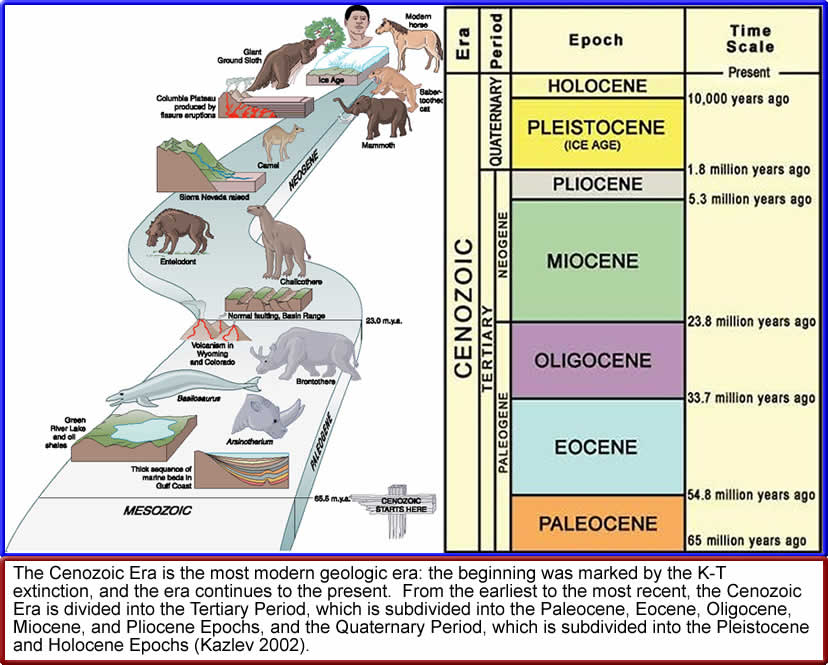


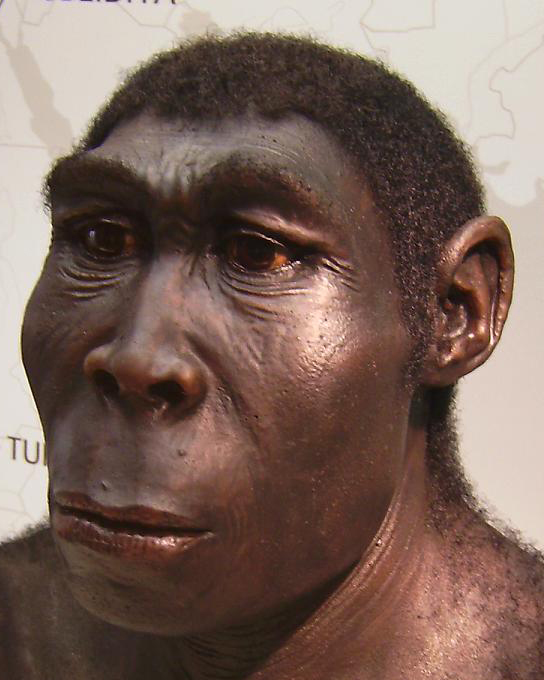



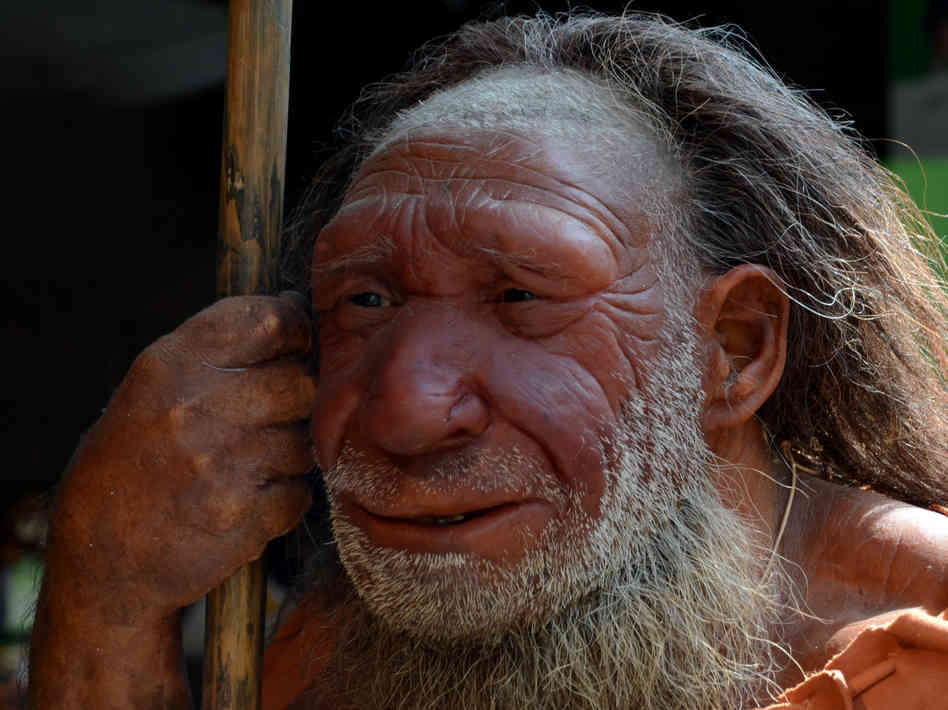

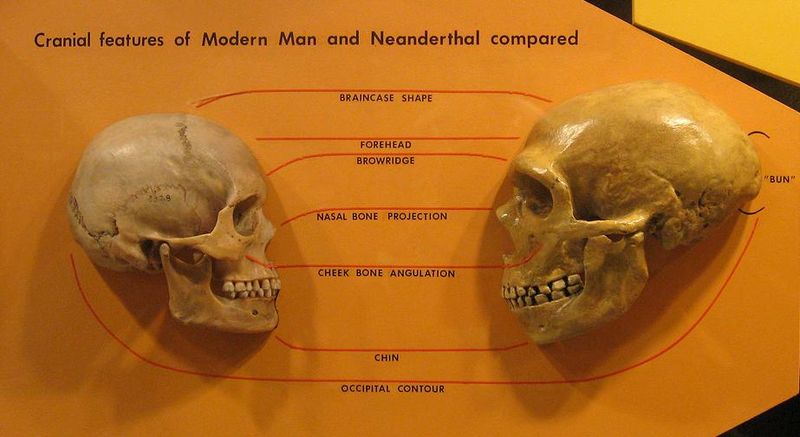
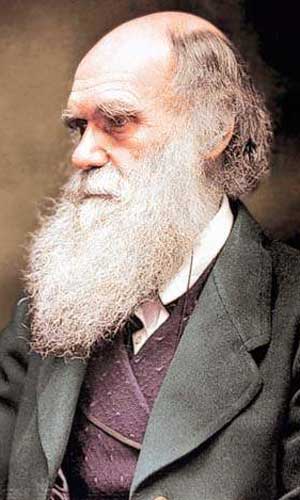

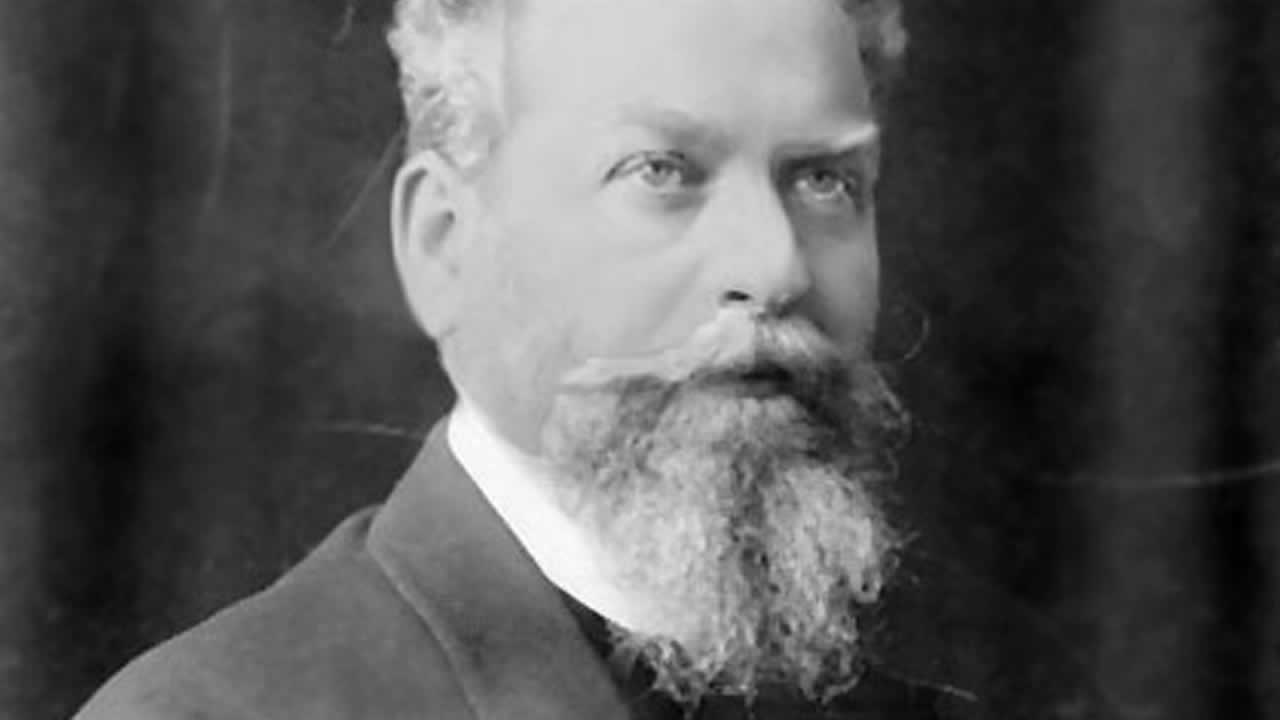





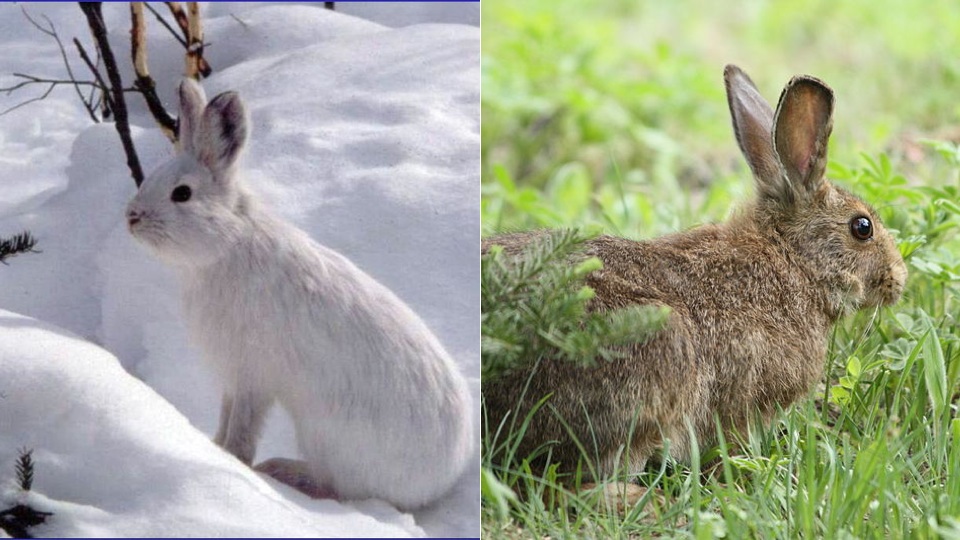

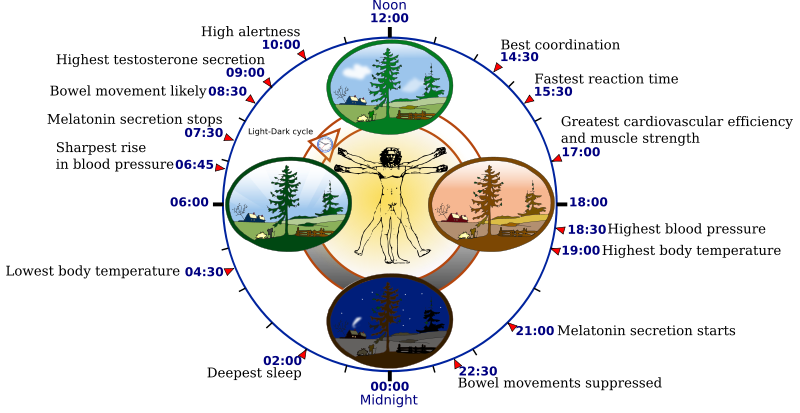


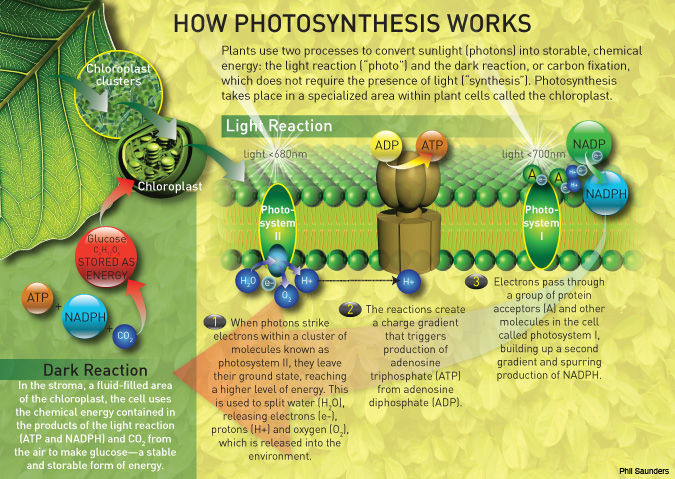
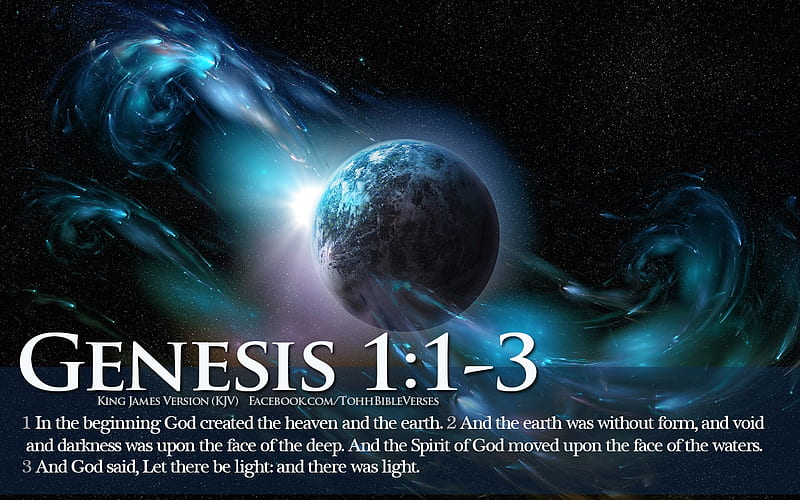

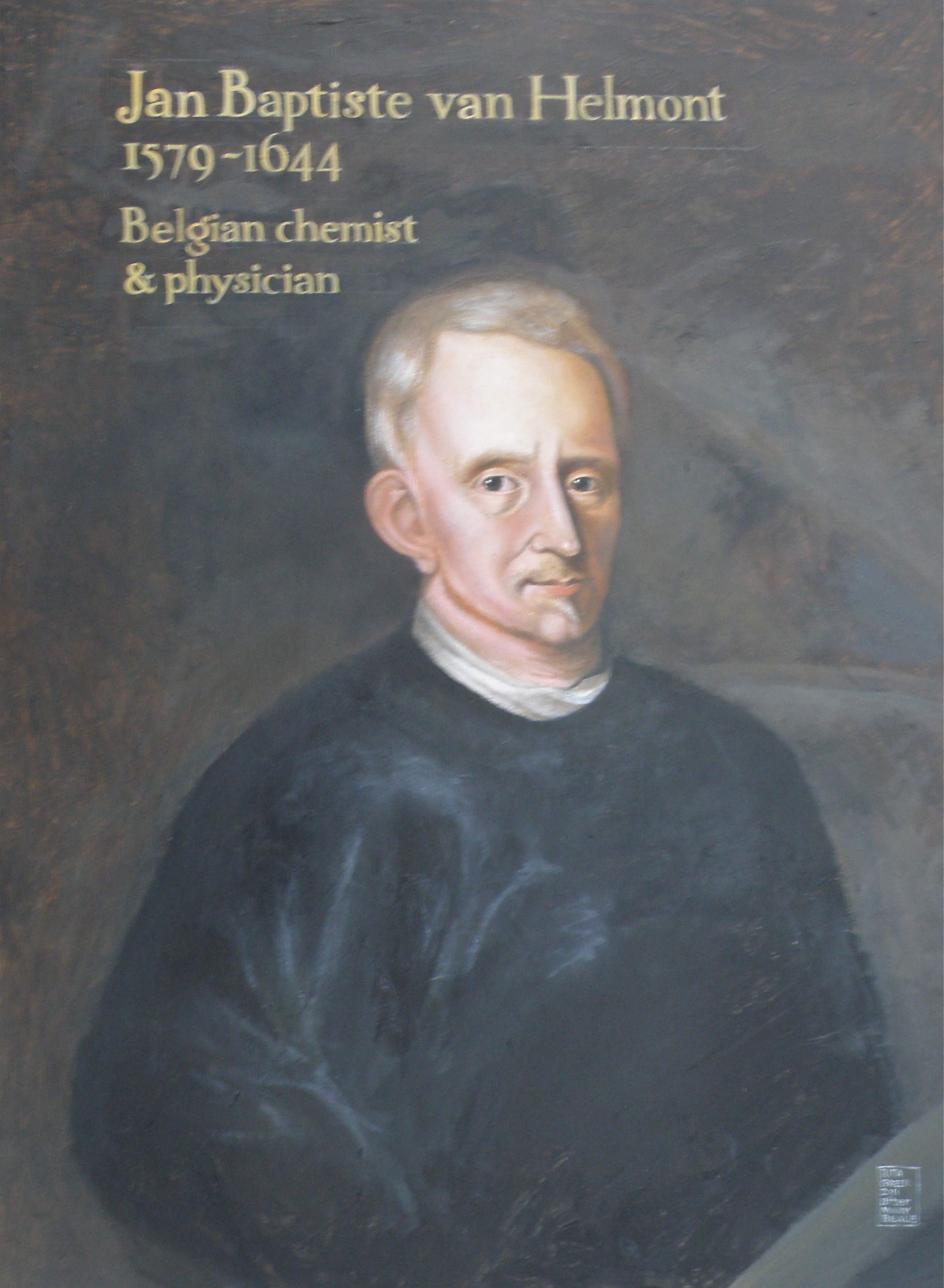


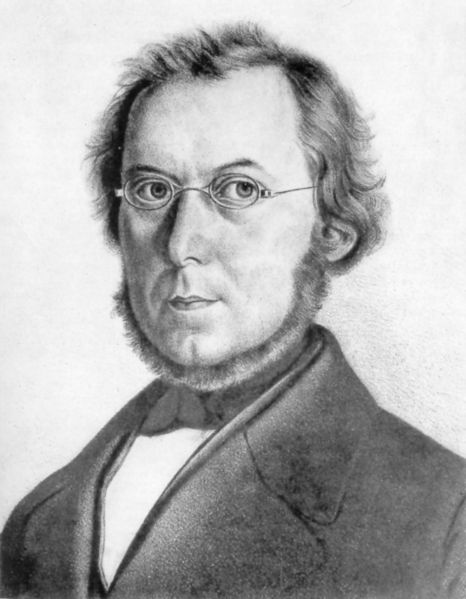


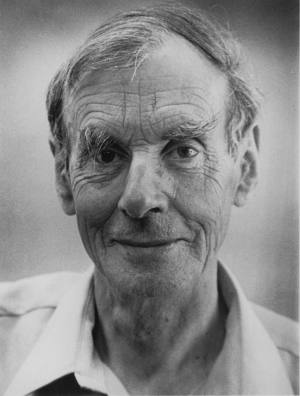



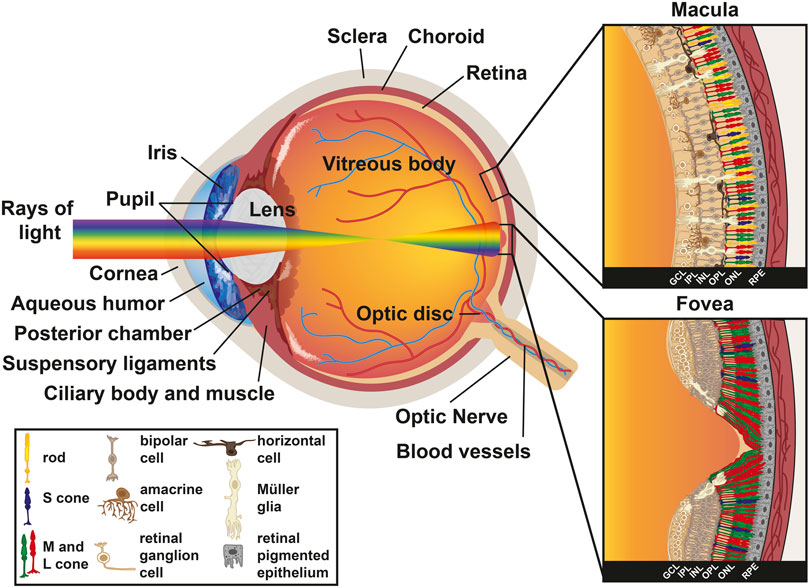


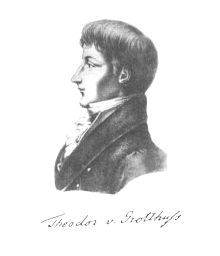


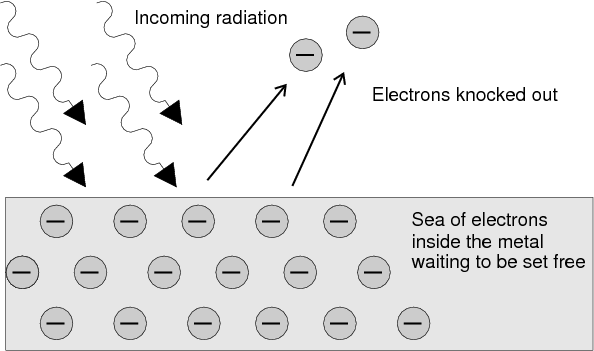

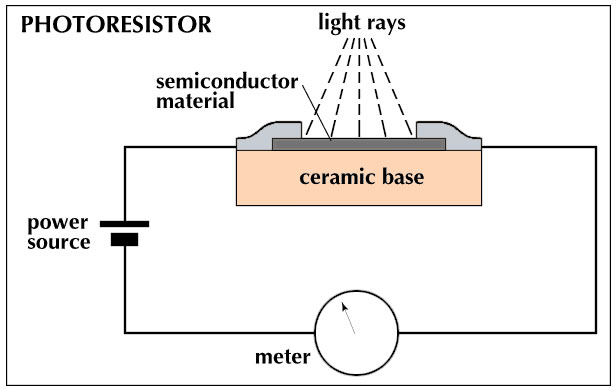


 Whole Dude - Whole Concept


