Welcome to Spring Season on Friday, March 20, 2026
Friday, March 20, 2026. A Day to Rejoice. The Celebration of Spring Renewal, Rejuvenation and Rebirth.
In the Indian tradition, the creative energy is personified as Goddess Madhavi, and Her consort Lord Madhava is the Controller of Creative Energy. Today, I seek Blessings of Lord Madhava and Goddess Madhavi to renew my creative energy and to guide expression of my thoughts using sweet words and to promote the well-being of all my readers and become a source of Happiness to all people.
SWEETNESS OF SPRING SEASON – HAPPY SPRING! FRIDAY, MARCH 20, 2026.
I wish all my readers, ‘Happy First Day of Spring’. In 2026, the March Equinox happens on Friday, March 20, at 10:46 A.M. EDT. In the Northern Hemisphere, this date marks the astronomical beginning of the Spring Season. At that time, the Earth will reach the point in its orbit where its axis isn’t tilted toward or away from the sun. Thus, the Sun will then be directly over a specific point on the Earth’s equator moving northward. On the sky, it’s where the ecliptic and celestial equator cross each other. While the Sun passes overhead, the tilt of the Earth is zero relative to the Sun, which means that Earth’s axis neither points toward nor away from the Sun. (Note, however, that the Earth never orbits upright, but is always tilted on its axis by about 23.5 degrees.)
Friday, March 20, 2026. A Day to Rejoice. The Celebration of Spring Renewal, Rejuvenation and Rebirth.
After this date, the Northern Hemisphere begins to be tilted more toward the Sun, resulting in increasing daylight hours and warming temperatures. (In the Southern Hemisphere, it’s the opposite: the March Equinox marks the start of Autumn, as the Southern Hemisphere begins to be tilted away from the Sun.) Equinoxes are the only two times a year that the Sun rises due east and sets due west for all of us on Earth!
Friday, March 20, 2026. A Day to Rejoice. The Celebration of Spring Renewal, Rejuvenation and Rebirth.
After the spring equinox, the Northern Hemisphere tilts toward the Sun. Although in most locations (the North Pole and Equator being exceptions) the amount of daylight had been increasing each day after the winter solstice, after the spring equinox, many places will experience more daylight than darkness in each 24-hour day. The amount of daylight each day will continue to increase until the summer solstice in June, in which the longest period of daylight occurs.
Welcome to Spring Season 2026. Every Change in Nature is operated by an Unchanging Reality.
Every Changing Phenomenon in Nature is Operated by an Unchanging Reality:
Friday, March 20, 2026. A Day to Rejoice. The Celebration of Spring Renewal, Rejuvenation and Rebirth . Lord Madhava with His consort Goddess Madhavi.
Every changing phenomenon in nature is operated by an Unchanging Reality. Spring Season brings a change, and this change is possible for it is governed by an Unchanging Reality. In the Indian tradition, Spring Season is glorified for it symbolizes Lord Madhava, the Lord of Seasons.
Friday, March 20, 2026. A Day to Rejoice. The Celebration of Spring Renewal, Rejuvenation and Rebirth. Lord Krishna as Madhava symbolizes the Season of Flowers, the Season of Joy
The Divine Song called Bhagavad Gita, Chapter X, ‘The Infinite Glories of the Ultimate Truth’- ‘Vibhuti Vistara Yoga’, describes LORD God Creator’s Infinite Divine Attributes. In verse 35, Lord Krishna describes Himself as The Lord of Spring Season – The Season of Flowers: “Rtunam Kusumakarah.”
Friday, March 20, 2026. A Day to Rejoice. The Celebration of Spring Renewal, Rejuvenation and Rebirth. Lord Krishna as Madhava symbolizes the Season of Flowers, the Season of Joy
The word ‘Spring’ describes the move upward or forward from the ground, it denotes resilience or bounce, and it means to grow or develop or come into existence quickly. Among the Seasons, the Spring Season is the time during which plants begin to grow after lying dormant all Winter.
Friday, March 20, 2026. A Day to Rejoice. The Celebration of Spring Renewal, Rejuvenation and Rebirth. Lord Krishna as Madhava symbolizes the Season of Flowers, the Season of Joy.
In the North Temperate Zone, the Spring Season includes the months of March, April, and May, the period between the Vernal Equinox and the Summer Solstice.
Friday, March 20, 2026. A Day to Rejoice. The Celebration of Spring Renewal, Rejuvenation and Rebirth.
A not-so-equal equinox
On the day of the equinox, the sun will appear to rise exactly east and set exactly west. Daytime and nighttime are often said to be equally long with the equinox, but this is a common misconception — the day can be up to 8 minutes longer, depending on your latitude.
The sun is above the horizon half the day and below for half — but that statement neglects the effect of the Earth’s atmosphere, which bends the rays of sunlight (called refraction) around the Earth’s curvature when the sun lies close to the horizon. But, because of this bending of the sun’s rays, the disk of the sun is always seen slightly higher above the horizon than it really is.
In fact, when you see the sun appearing to sit on the horizon, what you are looking at is an optical illusion; the sun at that moment is actually below the horizon. So, we get several extra minutes of daylight at the start of the day and several extra minutes more at the end.
Friday, March 20, 2026. Welcome to Spring Season. The path of the sun across our sky – from about noon to sunset – on an equinox, a summer solstice and a winter solstice. Photographer Marcella Giulia Pace said: “I made these observations from Gatto Corvino village, Sicily, Italy … I chose a field where the western horizon was clearly visible and always shot from the same spot, every 10 minutes, beginning at true local noon.” Thank you, Marcella! Image via Earth Science Picture of the Day/ Universities Space Research Association.
Astronomers can calculate the moment of the vernal equinox right down to the nearest second. In the days that follow, the direct rays of the sun migrate to the north of the equator and the length of daylight in the Northern Hemisphere will correspondingly appear to increase.
Lord Madhava – Lord of the Spring Season:
Friday, March 20, 2026. A Day to Rejoice. The Celebration of Spring Renewal, Rejuvenation and Rebirth.
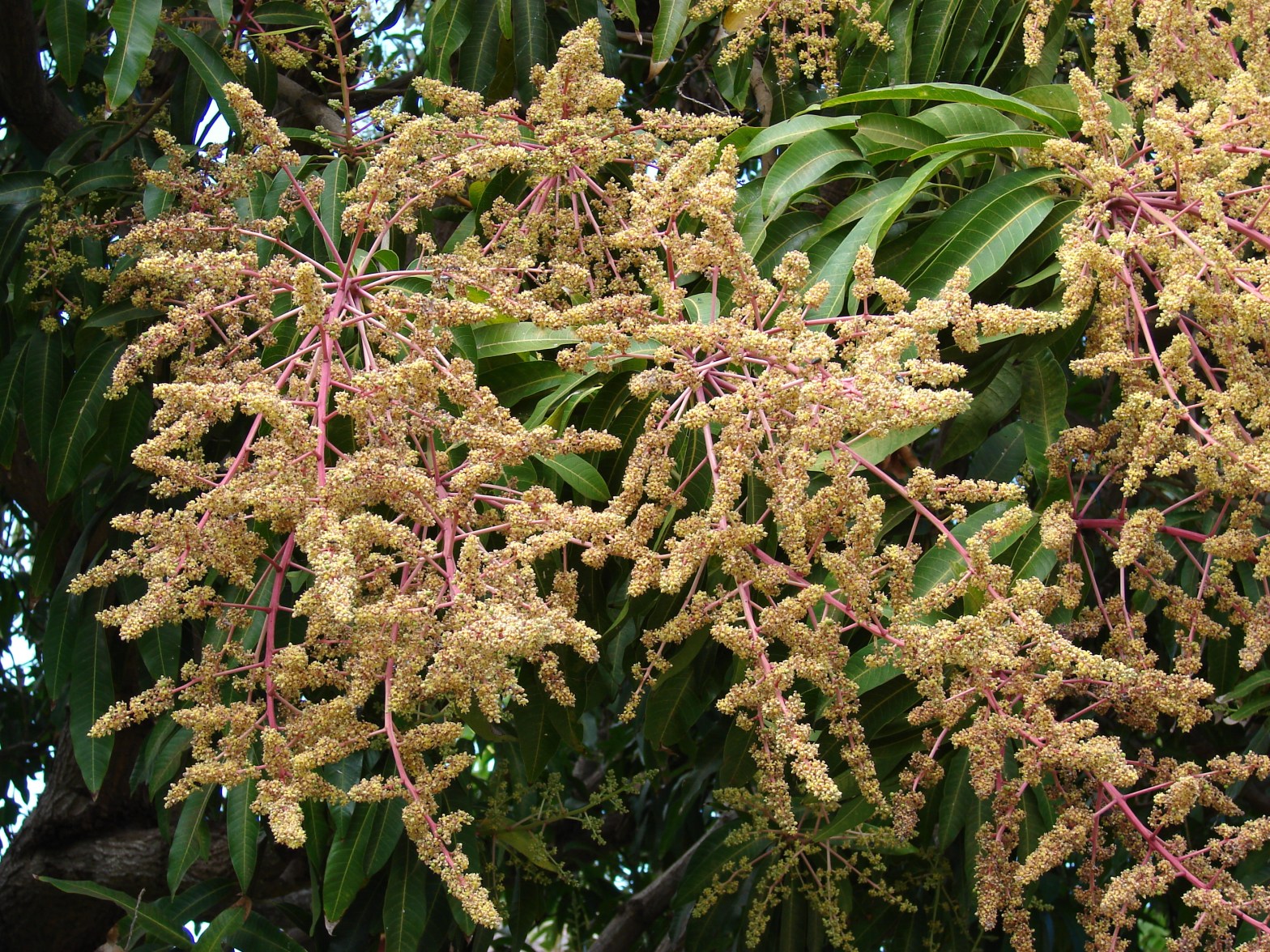
In the Indian tradition, Spring Season is called Basant, Vasant, Kusumakara, or Madhavam. A chief, alluring feature of this Season is the flowering of plants. Mangifera indica, Mango plant, a native of India bears flowers and promises to deliver its sweet, and delicious fruits.
Friday, March 20, 2026. A Day to Rejoice. The Celebration of Spring Renewal, Rejuvenation and Rebirth.
The Spring Season is a time for rebirth, regeneration, renewal, and regrowth after a period of dormancy. Man derives a sense of joy and happiness when the plants start their growing process and quickly bear attractive flowers. It gives the experience of ‘Sweetness’ which is called ‘Madhurya’ in the Sanskrit language. It is a manifestation of a creative process, or operation of creative energy that makes human existence possible giving the man the sensation associated with consuming nectar, honey, or sweet wine.
Friday, March 20, 2026. A Day to Rejoice. The Celebration of Spring Renewal, Rejuvenation and Rebirth
In the Indian tradition, the creative energy is personified as Goddess Madhavi, and Her consort Lord Madhava is the Controller of Creative Energy. Today, I seek Blessings of Lord Madhava and Goddess Madhavi to renew my creative energy and to guide expression of my thoughts using sweet words and to promote the well-being of all my readers and become a source of Happiness to all people.
Friday, March 20, 2026. A Day to Rejoice. The Celebration of Spring Renewal, Rejuvenation and Rebirth.Spring Season brings a sense of Joy, uplifts the mood of man. The Joy could be compared to the sweetness of nectar that is gathered by butterflies from various Spring Season flowers.LORD OF SEASONS – WELCOME TO SPRING. CELEBRATING FIRST DAY OF SPRING. I seek Blessings of Lord Madhava and Goddess Madhavi to renew my creative energy and to guide expression of my thoughts using sweet words and to promote the well-being of all my readers and become a source of Happiness to all people. I seek Blessings of Lord Madhava and Goddess Madhavi to renew my creative energy and to guide expression of my thoughts using sweet words and to promote the well-being of all my readers and become a source of Happiness to all people.
Ugadi is new year according to Luni-Solar calendar. Luni-Solar calendars consider the position of the Moon and the position of the Sun to divide the year into months and days.
Excerpt: The Telugu New Year is traditionally celebrated as Ugadi festival. A traditional holiday dish, a relish called ‘Ugadi Pachadi’ is prepared to reflect the tastes and flavors of the Spring Season which may guide to prepare for the New Year with a willingness to accept the different dimensions of human experience under the influence of Time.
Bharat Darshan – Welcome to Ugadi, the Telugu New Year Parabhava on Thursday, March 19, 2026. In several Indian traditions, the New Year begins during the Spring Season. The first month of the New Year is known as Chaitra.
The Celebration of Telugu New Year – Ugadi:
Ugadi is new year according to Luni-Solar calendar. Luni-Solar calendars consider the position of the Moon and the position of the Sun to divide the year into months and days.Bharat Darshan – Welcome to Ugadi, the Telugu New Year Parabhava on Thursday, March 19, 2026. In several Indian traditions, the New Year begins during the Spring Season. The first month of the New Year is known as Chaitra.
Ugadi or Yugadi is celebrated as the first day of the year by people of Andhra Pradesh, Telangana and Karnataka. On this day new Samvatsara, which is cycle of sixty years, starts. All sixty Samvatsara are identified by unique names.
The Celebration of Telugu New Year Parabhava. The Last Month of Telugu Calendar is known as Phalguna and it concludes on March 19, 2026, Amavasya or the New Moon Day. The New Year begins on Thursday March 19, 2026 with the beginning of Tithi Pratipada, the Waxing Phase, First Month of Chaitra
Ugadi is new year according to Luni-Solar calendar. Luni-Solar calendars consider the position of the Moon and the position of the Sun to divide the year into months and days.
Ugadi is new year according to Luni-Solar calendar. Luni-Solar calendars consider the position of the Moon and the position of the Sun to divide the year into months and days.Ugadi is new year according to Luni-Solar calendar. Luni-Solar calendars consider the position of the Moon and the position of the Sun to divide the year into months and days.The Celebration of Telugu New Year Parabhava. The Last Month of Telugu Calendar is known as Phalguna and it concludes on March 19, 2026, Amavasya or the New Moon Day. The New Year begins on March 19, 2026 with the First Month of Chaitra, Shukla Paksha, Pratipada or Padyami.Ugadi is new year according to Luni-Solar calendar. Luni-Solar calendars consider the position of the Moon and the position of the Sun to divide the year into months and days.
The counter-part of Luni-Solar calendar is Solar calendar which considers only position of the Sun to divide the year into months and days. Because of that Hindu new year is celebrated twice in the year with different names and at two different times of the year. The Hindu new year based on Solar calendar is known as Puthandu in Tamil Nadu, Bihu in Assam, Vaisakhi in Punjab, Pana Sankranti in Orissa and Naba Barsha in West Bengal.
Ugadi is new year according to Luni-Solar calendar. Luni-Solar calendars consider the position of the Moon and the position of the Sun to divide the year into months and days.Ugadi is new year according to Luni-Solar calendar. Luni-Solar calendars consider the position of the Moon and the position of the Sun to divide the year into months and days.
Ugadi is celebrated as Gudi Padwa by the people of Maharashtra. Both Ugadi and Gudi Padwa are celebrated on the same day.
Ugadi is new year according to Luni-Solar calendar. Luni-Solar calendars consider the position of the Moon and the position of the Sun to divide the year into months and days.
The day begins with ritual oil-bath followed by prayers. Oil bath and eating Neem leaves are must rituals suggested by scriptures. North Indians don’t celebrate Ugadi but start nine days Chaitra Navratri Puja on the same day and also eat Neem with Mishri on the very first day of Navratri.
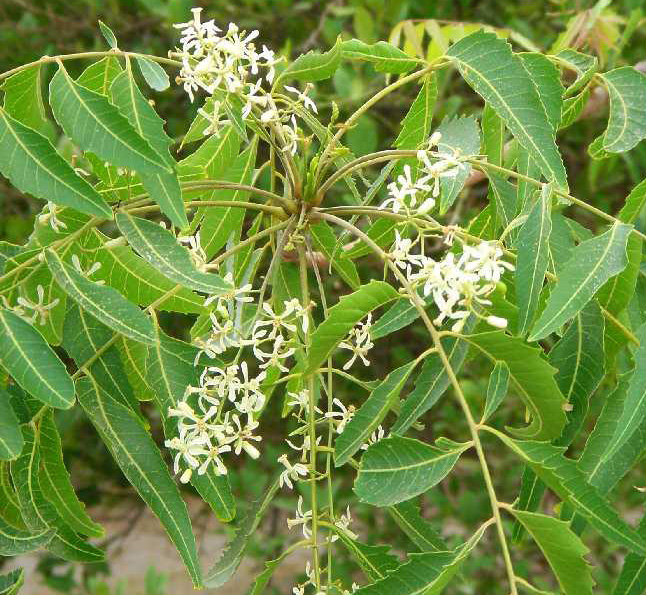
The Telugu New Year is traditionally celebrated as Ugadi festival. A traditional holiday dish, a relish called ‘Ugadi Pachadi’ is prepared to reflect the tastes and flavors of the Spring Season which may guide to prepare for the New Year with a willingness to accept the different dimensions of human experience under the influence of Time.The Telugu New Year is traditionally celebrated as Ugadi festival. A traditional holiday dish, a relish called ‘Ugadi Pachadi’ is prepared to reflect the tastes and flavors of the Spring Season which may guide to prepare for the New Year with a willingness to accept the different dimensions of human experience under the influence of Time.The Celebration of Ugadi, the Telugu New Year. There are Sixty Telugu New Years.The Celebration of Spring Season. Mangifera indica, the Cashew family of Anacardiaceae, the evergreen Mango tree is extensively grown across India. The unripe green fruits are used in the preparation of the traditional holiday dish in celebration of Ugadi festival. The fresh leaves are used in decorating the house. The taste and flavor of unripe Mango is unique, it is not sweet, it is not very sour or tart, and it is not bitter. Telugu people describe this taste as OGARU, the taste sensation imparted by eating unripe Pomegranate fruit. Tamarindus indica, evergreen tree, a native of Africa, belongs to Pea family Fabaceae, the leaves are pinnately compound or feather-formed leaves, the freshly harvested fruits add rich golden color, a mild sour taste with a tinge of sweetness to the traditional holiday dish.The Celebration of Spring Season. Tamarindus indica, evergreen tree, a native of Africa, belongs to Pea family Fabaceae, the leaves are pinnately compound or feather-formed leaves, the freshly harvested fruits add rich golden color, a mild sour taste with a tinge of sweetness to the traditional holiday dish.The Celebration of Spring Season. The Neem tree is evergreen, known as Azadirachta indica, belongs to the Mahogany family Meliaceae and is popular for its medicinal properties. The flowers which impart a mild taste of bitterness add flavor to the traditional holiday dish.The Celebration of Spring Season.The Covenant of Salt – The intimate connection of Salt with the idea of a Covenant or Binding Relationship between man and God or one person and another.The Celebration of Spring Season. Sugarcane, Saccharum officinarum, a perennial grass gives the taste of Sweetness to the traditional holiday dish. Small chunks of Sugarcane are used and in addition freshly prepared sugar called Jaggery, Gur, Gud, or Bellam is used. The Covenant of Salt – The intimate connection of Salt with the idea of a Covenant or Binding Relationship between man and God or one person and another.Ugadi pachadi is a mixture that has six different tastes sweet, sour, salt, pungent, spice and bitter. It signifies that life is a mixture of happiness, sadness, anger, disgust, fear and surprise.
The Telugu speaking people of India follow the Lunar Calendar and the first month of the year ( March-April) is known as Chaitra.
The Telugu New Year is traditionally celebrated as Ugadi festival. A traditional holiday dish, a relish called ‘Ugadi Pachadi’ is prepared to reflect the tastes and flavors of the Spring Season which may guide to prepare for the New Year with a willingness to accept the different dimensions of human experience under the influence of Time.
Sweet taste comes from jaggery & it symbolizes happiness.
Astringent or pungent taste that comes from raw unripe green mangoes & it symbolizes surprises in life.
Bitter taste that comes from neem flowers represent the sadness.
Sour taste comes from the tamarind & symbolizes unpleasantness.
Salty taste is from salt & represents fear of the unknown phase.
Hot or Spice comes from pepper & symbolizes anger.
The Celebration of Telugu New Year Krodhi, April 09 2024 to March 29, 2025
Bharat Darshan – Welcome to Ugadi, the Telugu New Year Krodhi on Tuesday, April 09, 2024.Bharat Darshan – Welcome to Ugadi, the Telugu New Year Krodhi on Tuesday, April 09, 2024. The first month of the Telugu Calendar, Chaitra begins on the first day of the Waxing Phase following the New Moon Day on Tuesday, April 09, 2024.Bharat Darshan – Welcome to Ugadi, the Telugu New Year Krodhi on Tuesday, April 09, 2024.
Welcome to Ugadi, the Telugu New Year Sobhakrith on Wednesday, March 22, 2023.
Telugu people are celebrating the dawn of their New Year called Sobhakrit which brings the Blessings of Peace and Harmony on Wednesday, March 22, 2023.Happy Ugadi to all of you.
Welcome to Ugadi, the Telugu New Year Sobhakrith on Wednesday, March 22, 2023.
Welcome to Ugadi, the Telugu New Year Subhakruth on Saturday, April 02, 2022.
Welcome to Ugadi, the Telugu New Year Subhakruth on Saturday, April 02, 2022.Bharat Darshan – Welcome to Ugadi, the Telugu New Year Plava on Tuesday, April 13, 2021. Chaitra (corresponds to April 13 to May 11) is the first month of the Telugu New Year 2021-22.Bharat Darshan – Welcome to Ugadi, the Telugu New Year Sharvari on Wednesday, March 25, 2020.
THE CELEBRATION OF SPRING SEASON – SATURDAY, APRIL 06, 2019.WELCOME TO THE TELUGU NEW YEAR VIKARI – UGADI CELEBRATION:
The Celebration of Spring Season on Saturday, April 06, 2019.The Celebration of Spring Season, Saturday, March 17, 2018.THE CELEBRATION OF SPRING SEASON ON WEDNESDAY, MARCH 29, 2017. THE DAWN OF TELUGU NEW YEAR “HEVILAMBA.”The Celebration of Spring Season April 06, 2016.THE CELEBRATION OF SPRING SEASON: WELCOME TO TELUGU NEW YEAR “MANMADHA.” UGADI CELEBRATION ON MARCH 21, 2015. EVERY NATURAL PHENOMENON IS POSSIBLE BECAUSE OF AN UNCHANGING REALITY. THINGS IN NATURE CHANGE WITH TIME FOR THERE IS AN UNCHANGING TRUTH THAT OPERATES ALL MANIFESTATIONS.
THE CELEBRATION OF SPRING SEASON: WELCOME TO TELUGU NEW YEAR “JAYA” – UGADI CELEBRATION ON MONDAY, MARCH 31, 2014:
THE CELEBRATION OF SPRING SEASON: THE BEGINNING OF THE NEW YEAR OR “UGADI” COMES WITH A NATURAL CHANGE IN THE ENVIRONMENT THAT BRINGS HOPE BY ITS RENEWAL, REGENERATION, REGROWTH, REVIVAL, AND REBIRTH. I SHARE THIS SENSE OF JOY WITH ALL MY READERS.
TELUGU NEW YEAR VIJAYA: UGADI- THE DAWN OF NEW YEAR APRIL 11, 2013:
VIJAYA – TELUGU NEW YEAR ON APRIL 11, 2013 – UGADI – GREETINGS: The Celebration of Spring Season.Bharat Darshan – Welcome to Ugadi, the Telugu New Year Vishwavasu on Sunday, March 30, 2025.Ugadi Greetings. Best Wishes for a Very Happy Telugu New Year.Bharat Darshan – Welcome to Ugadi, the Telugu New Year Vishwavasu on Sunday, March 30, 2025.Ugadi is new year according to Luni-Solar calendar. Luni-Solar calendars consider the position of the Moon and the position of the Sun to divide the year into months and days.
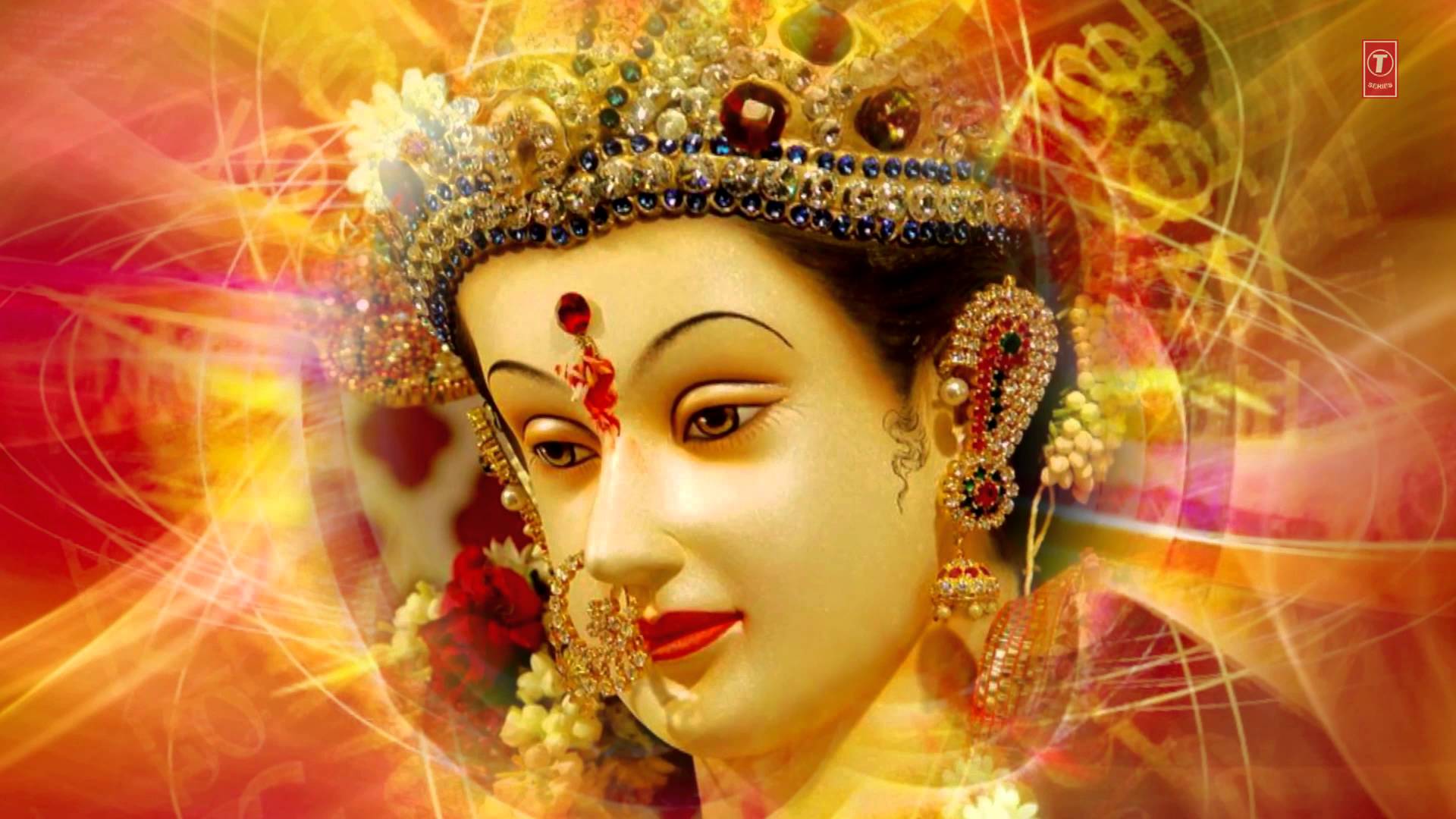
Bharat Darshan – Chaitra Navratri 2026 – The Coming Together of Man, Nature, and God. Knowing God through the worship of the Divine Mother. Nine-Night Celebration of Divine Power, Love, Mercy, Grace, and Compassion to secure health, wealth, wisdom, and perfect well-being of mankind.Bharat Darshan – Chaitra Navratri 2026 – The Coming Together of Man, Nature, and God. Knowing God through the worship of the Divine Mother. Nine-Night Celebration of Divine Power, Love, Mercy, Grace, and Compassion to secure health, wealth, wisdom, and perfect well-being of mankind.Bharat Darshan – Chaitra Navratri 2026 – The Coming Together of Man, Nature, and God. Knowing God through the worship of the Divine Mother. Nine-Night Celebration of Divine Power, Love, Mercy, Grace, and Compassion to secure health, wealth, wisdom, and perfect well-being of mankind.Bharat Darshan – Chaitra Navratri 2026 – The Coming Together of Man, Nature, and God. Knowing God through the worship of the Divine Mother. Nine-Night Celebration of Divine Power, Love, Mercy, Grace, and Compassion to secure health, wealth, wisdom, and perfect well-being of mankind.
In Physics, Power/Energy/Force is not associated with gender. But, when living things exist as male and female, the description of Power/Energy/Force can get gender association. In the Indian tradition, ‘Deva’ means God and ‘Devi’ means Goddess. Devi in the Indian tradition is the personification of God’s Supreme Power/Force/ Energy or Shakti.
Bharat Darshan – Chaitra Navratri 2026 – The Coming Together of Man, Nature, and God. Knowing God through the worship of the Divine Mother. Nine-Night Celebration of Divine Power, Love, Mercy, Grace, and Compassion to secure health, wealth, wisdom, and perfect well-being of mankind. God is the Supreme Being and is described as Omnipotent. This potency or Power is called Shakti in the Sanskrit language. Devi is the personification of Shakti.
To fully account for human existence, two distinct or separate Principles must come together to produce the harmonious singular identity called man. The issue is not about God’s gender. It is the concern of the man to account for his own earthly existence as male and female. The Father Principle is called the Originating Principle. The Mother Principle is called the Source Principle, for Mother is the Source of Matter, Energy, and Knowledge to establish Life. Father originates the creation of the human form, and Mother provides Substance, the structural and functional basis of the human form.
Chaitra or Vasant Navratri refers to the Navratri Celebration during the Spring Season or Vasant Ritu which begins with the New Year Day called Ugadi of the First Month called Chaitra.Chaitra or Vasant Navratri refers to the Navratri Celebration during the Spring Season or Vasant Ritu which begins with the New Year Day called Ugadi of the First Month called Chaitra.
During 2026, Indians celebrate Devi Navratri or Chaitra Navratri that begins on Thursday, March 19, and ends on the ninth day, Friday, March 27. The term ‘Nav’ or ‘Nava’ means Nine and the condition called New. ‘Ratri’ means night. This celebration happens in the first lunar month called Chaitra (March-April), during Shukla Paksha or the Waxing Phase of Moon following the New Moon Day or Amavasya on Thursday, March 19.
Chaitra or Vasant Navratri refers to the Navratri Celebration during the Spring Season or Vasant Ritu which begins with the New Year Day called Ugadi of the First Month called Chaitra. Chaitra or Vasant Navratri 2026 begins on Thursday, March 19 during the Shukla Paksha or the Waxing Phase and ends on the ninth day, Friday, March 27, 2026.
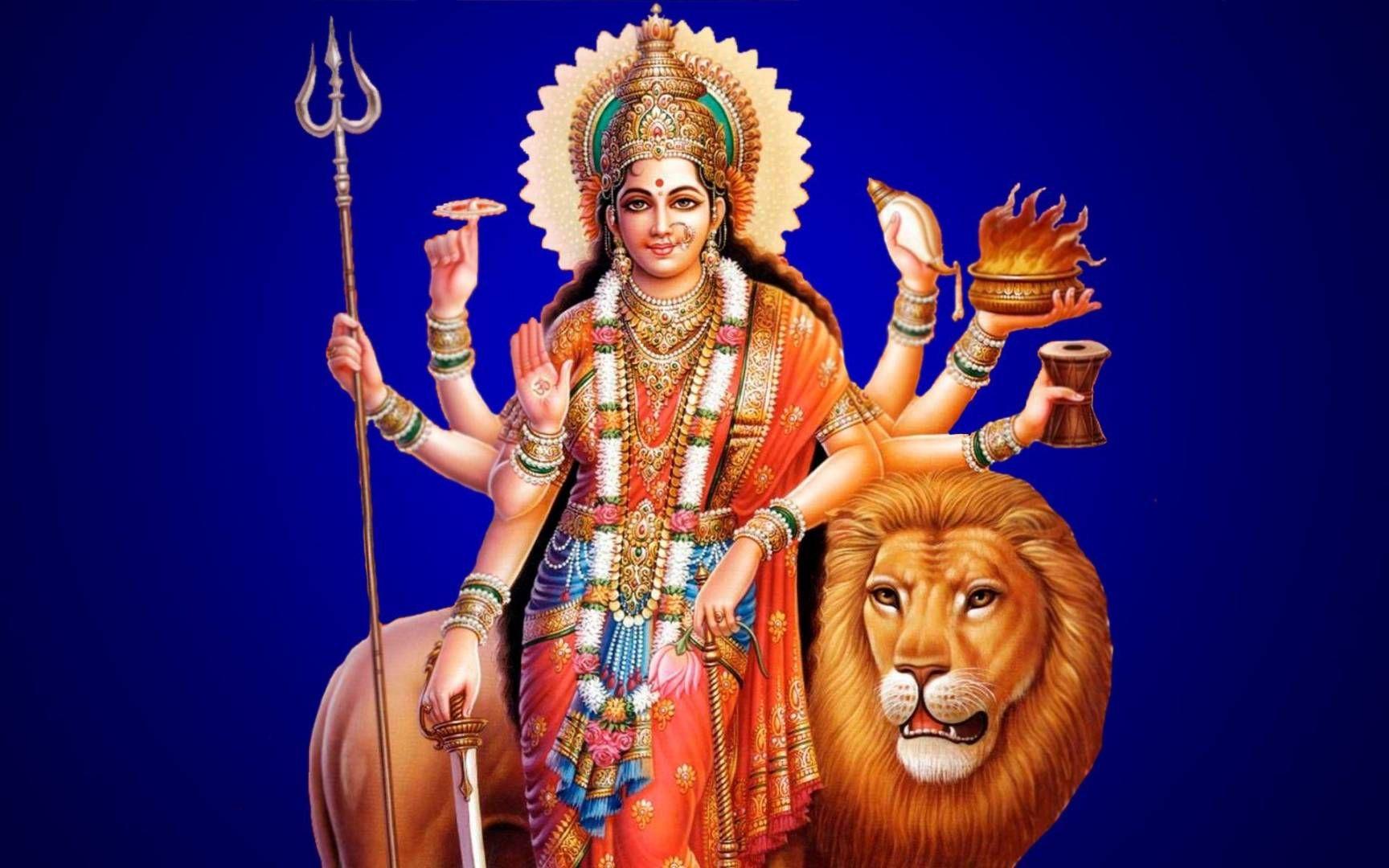
Goddess Shakti has three Supreme Forms called Durga, Sarasvati, and Lakshmi. In India, traditions vary from region to region. First 3 – days of Navratri are dedicated to Goddess Durga, following 3-days are dedicated to Goddess Lakshmi and concluding 3-days are dedicated to Goddess Sarasvati or Goddess of Knowledge, Wisdom, and Speech.
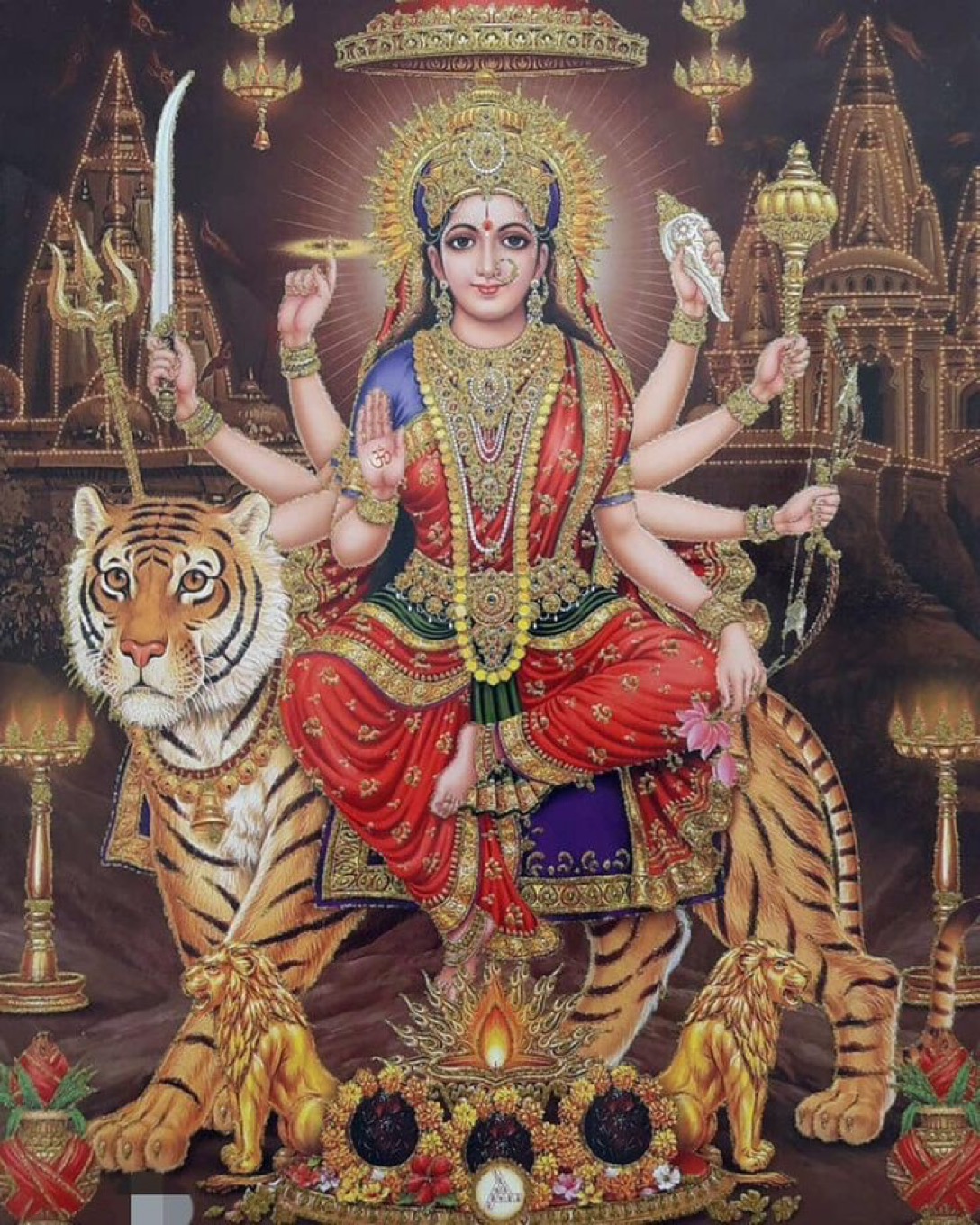
Bharat Darshan – Chaitra Navratri 2026 – The Coming Together of Man, Nature, and God. Knowing God through the worship of the Divine Mother. Nine-Night Celebration of Divine Power, Love, Mercy, Grace, and Compassion to secure health, wealth, wisdom, and perfect well-being of mankind. Devi or Shakti is often called Durga for She is the embodiment of Great Strength. She is also called Bhadrakali, Jagadamba, Annapurna, Sarva Mangala, Bhairavi, Chandika,Lalita, Bhavana, and Mookambika.
Devi or Shakti is often called Durga for She is the embodiment of great strength. She is also called Bhadra Kali, Jagadamba, Annapurna, Sarva Mangala, Bhairavi, Chandika, Lalita, Bhavani, and Mookambika. During the 9-Night or Navratri festival, Indians worship nine different forms of Goddess Durga with 1,000 names. She is simply adored as Divine Mother and often addressed as Mother, Mata, or Maa whatever may be the name or form She assumes on different occasions.
Bharat Darshan – Chaitra Navratri 2026 – The Coming Together of Man, Nature, and God. Knowing God through the worship of the Divine Mother. Nine-Night Celebration of Divine Power, Love, Mercy, Grace, and Compassion to secure health, wealth, wisdom, and perfect well-being of mankind.
Nine Days of Chaitra Navratri 2026
Day 1, Thursday, March 19, 2026 (Pratipada)- Ghatasthapana, Chandra Darshana, Shailputri Puja
Day 2, Friday, March 20, 2026 (Dwitiya)- Brahmacharini Puja
Day 3, Saturday, March 21, 2026 (Tritiya)- Gauri Puja, Saubhagya Teej, Chandraghanta Puja
Day 4, Sunday, March 22, 2026 (Chaturthi)- Kushmanda Puja, Vinayaka Chaturthi
Day 5, Monday, March 23, 2026 (Panchami)- Naag Puja, Lakshmi Panchami, Skandamata Puja
Day 6, Tuesday, March 24, 2026 (Shasthi)- Skanda Sashti, Yamuna Chhath, Katyayani Puja
Day 7, Wednesday, March 25, 2026 (Saptami)- Maha Saptami, Kalaratri Puja
Day 8, Thursday, March 26, 2026 (Ashtami)- Durga Ashtami, Mahagauri Puja, Annapurna Ashtami, Sandhi Puja
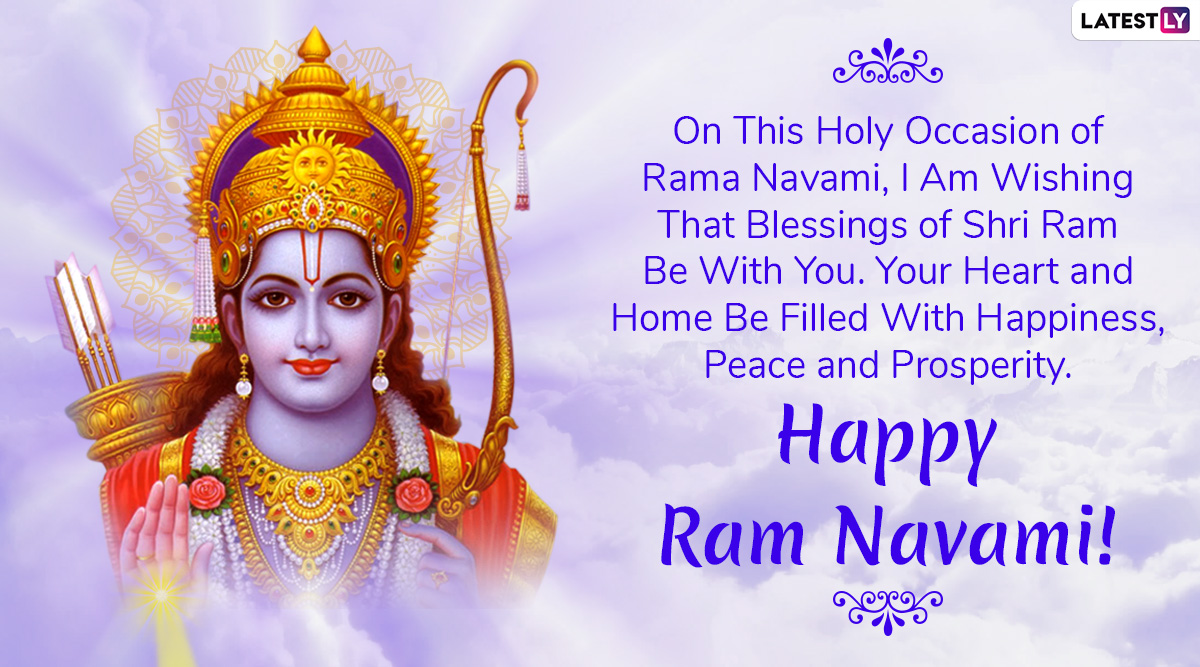
Day 9, Friday, March 27, 2026 (Navami)- Siddhidatri Puja, Rama Navami
Bharat Darshan – Chaitra Navratri 2026 – The Coming Together of Man, Nature, and God. Knowing God through the worship of the Divine Mother. Nine-Night Celebration of Divine Power, Love, Mercy, Grace, and Compassion to secure health, wealth, wisdom, and perfect well-being of mankind. Hindu Calendar or Panchanga.Bharat Darshan – Chaitra Navratri 2026 – The Coming Together of Man, Nature, and God. Knowing God through the worship of the Divine Mother. Nine-Night Celebration of Divine Power, Love, Mercy, Grace, and Compassion to secure health, wealth, wisdom, and perfect well-being of mankind. Nine different forms of worship called Tara – Tarini Shakti.Bharat Darshan – Chaitra Navratri 2026 – The Coming Together of Man, Nature, and God. Knowing God through the worship of the Divine Mother. Nine-Night Celebration of Divine Power, Love, Mercy, Grace, and Compassion to secure health, wealth, wisdom, and perfect well-being of mankind. Nava Durga – Nine-Forms of Adoration.Bharat Darshan – Chaitra Navratri 2026 – The Coming Together of Man, Nature, and God. Knowing God through the worship of the Divine Mother. Nine-Night Celebration of Divine Power, Love, Mercy, Grace, and Compassion to secure health, wealth, wisdom, and perfect well-being of mankind. Nine Reasons to Celebrate Goddess Durga.CHAITRA OR VASANT NAVRATRI 2026. Knowing God through the worship of the Divine Mother. GOD AS MALE AND FEMALE. EACH FORM IS ASSOCIATED WITH A SPECIAL LEGEND AND HAS SOME VERY SPECIFIC FEATURES.CHAITRA OR VASANT NAVRATRI 2026. Knowing God through the worship of the Divine Mother.GOD AS MALE AND FEMALE – FIRST DAY OF NAVRATRI IS CALLED PRATIPADA. DEDICATED TO GODDESS SHAILAPUTRI, DAUGHTER OF RULER OF MOUNTAINS. SHE IS ALSO KNOWN AS PARVATI, HEMAVATI, SATI BHAVANI AND OTHERS.CHAITRA OR VASANT NAVRATRI 2026. Knowing God through the worship of the Divine Mother. GOD AS MALE AND FEMALE. FIRST DAY OF NINE-NIGHT CELEBRATION.CHAITRA OR VASANT NAVRATRI 2026. Knowing God through the worship of the Divine Mother. CELEBRATION OF DIVINE POWER. NAVRATRI, ON DAY-2, OR DWITIYA IS DEDICATED TO GODDESS BRAHMACHARINI.Chaitra or Vasant Navratri 2026. Knowing God through the worship of the Divine Mother. On Day-3, Tritiya, is dedicated to Goddess Chandraghanta.Chaitra or Vasant Navratri 2026 . Knowing God through the worship of the Divine Mother. Day-3, Tritiya is dedicated to Goddess Chandraghanta.CHAITRA OR VASANT NAVRATRI 2026. Knowing God through the worship of the Divine Mother. GOD AS MALE AND FEMALE. THE FOURTH DAY IS CALLED CHATURTHI. GODDESS KUSHMANDA REPRESENTS CREATIVE POWER, AND SHE EXPRESSES A SENSE OF JOY FOR HER OWN CREATION.CHAITRA OR VASANT NAVRATRI 2026. Knowing God through the worship of the Divine Mother. GOD AS MALE AND FEMALE. GODDESS OF FOURTH DAY OR CHATURTHI IS KNOWN AS KUSHMANDA.CHAITRA OR VASANT NAVRATRI 2026. Knowing God through the worship of the Divine Mother. GOD AS MALE AND FEMALE. GODDESS OF FIFTH DAY OR PANCHAMI IS KNOWN AS SKANDAMATA, MOTHER OF SKANDA OR KARTIKEYA.CHAITRA OR VASANT NAVRATRI 2026. Knowing God through the worship of the Divine Mother. GOD AS MALE AND FEMALE. GODDESS OF SIXTH DAY IS KNOWN AS KATYAYANI.CHAITRA OR VASANT NAVRATRI 2026 Knowing God through the worship of the Divine Mother. GODDESS SARASVATI PUJA OR WORSHIP ON THE SEVENTH DAY MORNING, SAPTAMI.CHAITRA OR VASANT NAVRATRI 2026. Knowing God through the worship of the Divine Mother. GOD AS MALE AND FEMALE. GODDESS OF SEVENTH-DAY OR SAPTAMI IS KNOWN AS KALRATRI (BLACK OR DARK NIGHT), AND SUBHANKARI FOR SHE GIVES PROTECTION FROM TROUBLE.CHAITRA OR VASANT NAVRATRI 2026. Knowing God through the worship of the Divine Mother. GOD AS MALE AND FEMALE. GODDESS OF EIGHTH DAY OR ASHTAMI IS KNOWN AS MAHA GAURI. Day-8 or Ashtami is dedicated to Goddess Durga. Knowing God through the worship of the Divine Mother.Bharat Darshan – Chaitra Navratri 2026 – The Coming Together of Man, Nature, and God. Knowing God through the worship of the Divine Mother. Nine-Night Celebration of Divine Power, Love, Mercy, Grace, and Compassion to secure health, wealth, wisdom, and perfect well-being of mankind.Bharat Darshan – Chaitra Navratri 2026 – The Coming Together of Man, Nature, and God. Knowing God through the worship of the Divine Mother. Nine-Night Celebration of Divine Power, Love, Mercy, Grace, and Compassion to secure health, wealth, wisdom, and perfect well-being of mankind.Bharat Darshan – Chaitra Navratri 2026 – The Coming Together of Man, Nature, and God. Knowing God through the worship of the Divine Mother. Nine-Night Celebration of Divine Power, Love, Mercy, Grace, and Compassion to secure health, wealth, wisdom, and perfect well-being of mankind. A hymn in praise and worship of Goddess Durga Devi.Bharat Darshan – Chaitra Navratri 2026 – The Coming Together of Man, Nature, and God. Knowing God through the worship of the Divine Mother. Nine-Night Celebration of Divine Power, Love, Mercy, Grace, and Compassion to secure health, wealth, wisdom, and perfect well-being of mankind. Devi or Goddess has three Supreme Forms called Sarasvati Lakshmi, and Parvati. These names describe different attributes of God’s Omnipotence.Bharat Darshan – Chaitra Navratri 2026 – The Coming Together of Man, Nature, and God. Knowing God through the worship of the Divine Mother. Nine-Night Celebration of Divine Power, Love, Mercy, Grace, and Compassion to secure health, wealth, wisdom, and perfect well-being of mankind.Bharat Darshan – Chaitra Navratri 2026 – The Coming Together of Man, Nature, and God. Knowing God through the worship of the Divine Mother. Nine-Night Celebration of Divine Power, Love, Mercy, Grace, and Compassion to secure health, wealth, wisdom, and perfect well-being of mankind.Bharat Darshan – Chaitra Navratri 2026 – The Coming Together of Man, Nature, and God. Knowing God through the worship of the Divine Mother. Nine-Night Celebration of Divine Power, Love, Mercy, Grace, and Compassion to secure health, wealth, wisdom, and perfect well-being of mankind. Monday, April 07, 2025 is celebrated as Rama Navami. In the Indian tradition, the name Rama is the personification of Absolute Truth or the Ultimate Reality. He is the ultimate source of Krupa or Compassion for He had the experience of a Life Journey in His reincarnation as a human being.Bharat Darshan – Chaitra Navratri 2026 – The Coming Together of Man, Nature, and God. Knowing God through the worship of the Divine Mother. Nine-Night Celebration of Divine Power, Love, Mercy, Grace, and Compassion to secure health, wealth, wisdom, and perfect well-being of mankind.
The Celebration of Holi Festival, Wednesday, March 04, 2026
The Celebration of Holi, the Festival of Colors on March 04, 2026.The Celebration of Holi, the Festival of Colors on March 04, 2026.
Holi is celebrated at the end of winter and the beginning of spring, on the last full moon day of the Hindu luni-solar calendar month of Falgun. The date of the festival varies depending on the lunar cycle. Typically, it falls in March, and will be celebrated this year on March 04. This year, Lunar Eclipse occurs during Tuesday, March 03, on Purnima or Full Moon day.
Phalgun Purnima occurs in Phalgun (or Falgun), the final month of the Hindu Lunar Calendar, at the end of the ShuklaPaksha (Waxing Lunar fortnight).
Bharat Darshan. The Celebration of Holi, the Festival of Colors on Full Moon Day of the Last Month, Phalgun of Hindu Lunar CalendarBharat Darshan-The Celebration of Holi, the Festival of Colors on Full Moon Day of the Last Month, Phalgun of Hindu Lunar Calendar. Holika Dahan is celebrated on Tuesday, March 03, 2026.
Another name for the Full Moon Day of the month of Phalgun (or Falgun) is Vasanta Purnima, which is one of the six Vedic astrological seasons. It falls on the same day as Vasanta Ritu.
Bharat Darshan-The Celebration of Holi, the Festival of Colors on Full Moon Day of the Last Month, Phalgun of Hindu Lunar Calendar. Holika Dahan is celebrated on Tuesday, March 03, 2026.
Hindus celebrate this Purnima as Kama Dahanam in states like Tamil Nadu, Telangana, Andhra Pradesh, and Karnataka, in South India.
Bharat Darshan-The Celebration of Holi, the Festival of Colors on Full Moon Day of the Last Month, Phalgun of Hindu Lunar Calendar. Holika Dahan is celebrated on Tuesday, March 03, 2026.Bharat Darshan-The Celebration of Holi, the Festival of Colors on Full Moon Day of the Last Month, Phalgun of Hindu Lunar Calendar. Holika Dahan is celebrated on Tuesday, March 03, 2026.
The ceremonies related to Kama Dahanam are similar to those for Holika Dahan. But the mythology behind Kama Dahanam is different. It relates to the sacrifice made by Lord Kamadeva who disturbed the penance of Lord Shiva to get His attention to Goddess Parvati. In Tamil Nadu, it is called Kaman Pandigai, and as Kamuni Panduga in Andhra Pradesh and Telangana. Holi is more of a North Indian festival.
Bharat Darshan-The Celebration of Holi, the Festival of Colors on Full Moon Day of the Last Month, Phalgun of Hindu Lunar Calendar. Holika Dahan is celebrated on Tuesday, March 03, 2026.
Indians celebrate Holi for they have the choice to choose their personal God. In the Indian tradition, God manifests in various vibrant colors giving the people a sense of joy from several directions.
Bharat Darshan-The Celebration of Holi, the Festival of Colors on Full Moon Day of the Last Month, Phalgun of Hindu Lunar Calendar. Holika Dahan is celebrated on Tuesday, March 03, 2026.
Why India Celebrates Holi: The Legends Behind the Festival of Color – CNN
By Manveena Suri, CNN
Bharat Darshan – The Celebration of Holi, the Festival of Colors.
March 2018, New Delhi (CNN): It’s the bold image of India most often seen in ad campaigns, films and music videos.
But what is Holi and why do Indians celebrate it?
Hindu devotees play with color during Holi celebrations at the Banke Bihari temple on March 27, 2013 in Vrindavan, India.
The beginning of Spring
Holi is a Hindu festival that marks the start of Spring.
Celebrated across India, it’s an ancient festival with the first mentions of it dating all the way back to a 4th century poem.
It was even described in detail in a 7th century Sanskrit play called “Ratnavali,” written by the Indian emperor Harsha.
“Witness the beauty of the great cupid festival which excites curiosity as the townsfolk are dancing at the touch of brownish water thrown … Everything is colored yellowish red and rendered dusty by the heaps of scented powder blown all over,” wrote Harsh.
Bharat Darshan-The Celebration of Holi, the Festival of Colors.
Indian students smear colored powder during an event to celebrate the Hindu festival of Holi in Kolkata on February 26, 2018.
How it looks today
Bharat Darshan – The Celebration of Holi, the Festival of Colors on Full Moon Day of the Last Month, Phalgun of the Hindu Lunar Calendar.
Although a Hindu festival, Holi is celebrated by Indians across the country and is a great equalizer.
Children can douse elders with water, women splash men with color and the rules of caste and creed are briefly forgotten with everyone taking part.
The evenings are spent visiting friends and family.
A national holiday, it takes place on the last full moon day of the Hindu lunisolar calendar month, which is usually March.
This year’s national holiday falls on Friday, March 18.
The festival takes place a day earlier in the eastern states of West Bengal and Odisha. In some parts of northern Uttar Pradesh state, the festivities take place over a week.
Bharat Darshan – The Celebration of Holi, the Festival of Colors.
An Indian artist dressed as Hindu god Lord Shiva takes part in a procession ahead of the Holi festival in Amritsar on February 26, 2018.
Mythological roots
The roots of the festival lie in the Hindu legend of Holika, a female demon, and the sister of the demon, King Hiranyakashipu.
Hiranyakashipu believed he was the ruler of the universe and superior to all the gods.
But his son, Prahlad, followed the god Vishnu, the preserver and protector of the universe.
Prahlad’s decision to turn his back on his father left Hiranyakashipu with no choice. He hatched a plot with Holika to kill him.
It was a seemingly foolproof plan; Holika would take Prahlad onto her lap and straight into a bonfire. Holika would survive because she had an enchanted shawl that would protect her from the flames.
But the plan failed. Prahlad was saved by Lord Vishnu and it was Holika who died as she was only immune to fire if she was alone. Soon after, Lord Vishnu in His Narasimha Avatar killed Hiranyakashipu and Prahlad became king.
The moral of the story is that good always triumphs over evil.
Bharat Darshan – The Celebration of Holi, the Festival of Colors.
Indian Hindu devotees throw colored powder during celebration of Holi Festival at Sriji temple in Barsana in the northern Indian state of Uttar Pradesh on February 23, 2018.
The love story behind Holi
In modern day Holi celebrations, Holika’s cremation is often reenacted by lighting bonfires on the night before Holi, known as Holika Dahan.
Some Hindus collect the ashes and smear them on their bodies as an act of purification
Rangwali Holi takes place the next day and is an all-day affair where people throw and smear colored powder on each other.
Bharat Darshan – The Celebration of Holi, the Festival of Colors.
Indian college girls throw colored powder to one another during Holi festival celebrations in Bhopal on February 28, 2018.
The tradition of throwing colored powder and water is believed to originate from the mythological love story of Radha and Krishna.
Krishna, the Hindu god depicted with dark blue skin, is believed to have complained to his mother about Radha’s fair complexion.
To ease her son’s sadness, his mother suggests to change Radha’s skin color by smearing her with paint. It’s believed that this is where the custom of smearing loved ones with color during Holi came from.
Bharat Darshan – The Celebration of Holi, the Festival of Colors on Full Moon Day of the Last Month, Phalgun of the Hindu Lunar Calendar.
The Celebration of Holy Death on Ash Wednesday, February 18, 2026
The Celebration of Holy Death on Wednesday, February 18, 2026: For starters, on Ash Wednesday, the priest draws a cross on your forehead with ashes, a reminder that “dust we are and to dust we shall return.” That means death.
Wednesday February 18, 2026 is very significant as the day symbolizes the Celebration of Holy Death.
The Celebration of Holy Death on Wednesday, February 18, 2026: For starters, on Ash Wednesday, the priest draws a cross on your forehead with ashes, a reminder that “dust we are and to dust we shall return.” That means death.
In essence it is celebration of Divine Love to defend man’s mortal existence from premature loss of life.
The Celebration of Holy Death on Wednesday, February 18, 2026: For starters, on Ash Wednesday, the priest draws a cross on your forehead with ashes, a reminder that “dust we are and to dust we shall return.” That means death.
Ash Wednesday is again celebration of God’s Love. God sent Jesus to save man from Sin and Death. Jesus prepares Himself for His earthly mission for 40 days by fasting and praying. He prepared for His sacrifice through crucifixion to atone for man’s sinful conduct. Ash Wednesday heralds the beginning of ‘Lent Season’ that culminates in Easter Celebration of Resurrection of Jesus after He died on Cross.
“FOR EVEN THE SON OF MAN DID NOT COME TO BE SERVED, BUT TO SERVE, AND TO GIVE HIS LIFE AS A RANSOM FOR MANY.” MARK, 10:45.
For starters, on Ash Wednesday, the priest draws a cross on your forehead with ashes, a reminder that “dust we are and to dust we shall return.” That means death.
Chip Somodevilla/Getty Images
Today is Ash Wednesday, the holiday marking the beginning of Lent, the 40-day period of purification in which Christians often find something to “give up.”
This ritual makes a lot of sense even in modern secular terms. We have juice fasts and cleanses, after all. And indeed, the idea that it could be helpful for all of us to try to get rid of, or at least pause, the superfluous things in our life to focus more on the essential is an idea that is present in spirituality both Eastern and Western, as well as in secular folklore.
Fasting yields spiritual benefits because it is a kind of spiritual workout. Physical exercise works by putting stress on our muscles, and this strengthens them. Something like dieting is worthwhile not just because we expect to get some material benefit from it, like lower weight or better health, but also the spiritual benefit of becoming less attached to material things.
But Lent is about much more than dieting. It’s about death.
For starters, on Ash Wednesday, the priest draws a cross on your forehead with ashes, a reminder that “dust we are and to dust we shall return.” That means death.
This is a part of the Catholic faith that I don’t usually like. Not that death makes me uncomfortable — I believe in life everlasting — but because the faith has been corrupted by the idea that it is simply a get-out-of-hell card, a set of legalistic or pious requirements that one must accomplish to save one’s soul. Christianity shouldn’t just be about avoiding hell — it’s about an encounter with a person whom, we believe, is love made flesh.
The point about ashes and turning away from fleshly reality also offers a reminder of another folk belief that has too long been associated with Christianity: namely, the idea that this world is wholly corrupt and that the body and material goods are to be despised. This belief is actually condemned as a heresy by the Catholic Church, because the Bible affirms that God loves the material world he created.
And yet, while material things like food and drink and sex are all well and good, it is still the case that they are not the most important things in life. And moreover, it is still the case that those things can enslave us. “I can quit any time!” says the smoker, puffing in the rain with a grimace on his face. Tuning down some pleasures might make us realize how much of a hold they have on us.
A reminder of our maturity is perhaps one of the most salutary things we can experience. We are all mortal, and yet we spend our entire lives trying to distract ourselves from this fact. On a day-to-day basis, almost all of us like to think and live and behave as if we will live forever. But we won’t. If you were to die tomorrow — or 40 days from now — what would you change? What would you do differently? Lent pushes us to ask these questions.
Lent is also about death for a much more fundamental reason, one which is much less secular than platitudes about the importance of clean living. Lent is spiritual preparation for the celebration of the Easter cycle, when Jesus Christ was crucified before rising from the dead three days later.
Jesus chose to pour out his divine love on the cross, to give himself fully to us, in an acrobatic act of love that would in a mysterious way bind us to him. Christians, then, are called to imitate him by “dying” — that is to say, by renouncing everything apart from this divine love, everything apart from love of God and love of fellow man.
This, rather than Lent, is the real meaning of Ash Wednesday. I hope you can partake in it.
The Celebration of Holy Death on Ash Wednesday: Christians, then, are called to imitate Jesus by “dying” — that is to say, by renouncing everything apart from this divine love, everything apart from love of God and love of fellow man.
Whole Dude at Whole Foods Wishes You all Tashi Delek
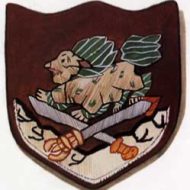
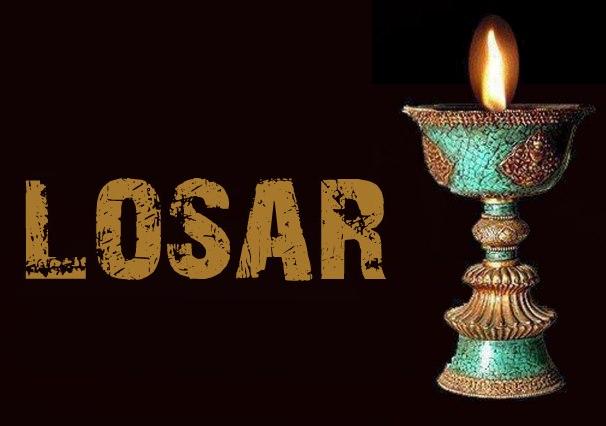
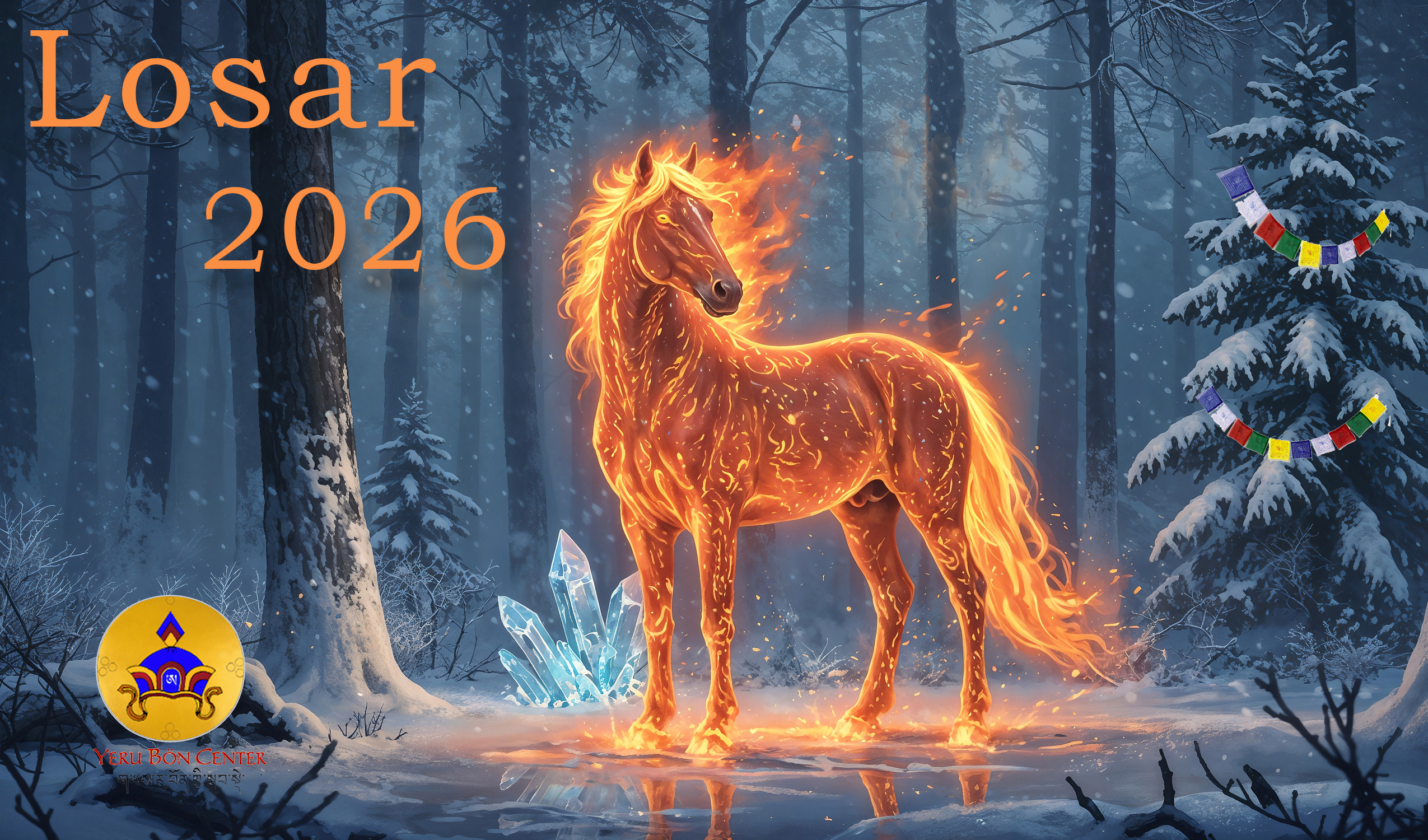
On behalf of Special Frontier Force-Establishment 22-Vikas Regiment, I greet Tibetans on Losar, Tibetan New Year 2153. I pledge to renew support to Tibetans to help them find Happiness in Tibetan New Year beginning on Wednesday, February 18, 2026.
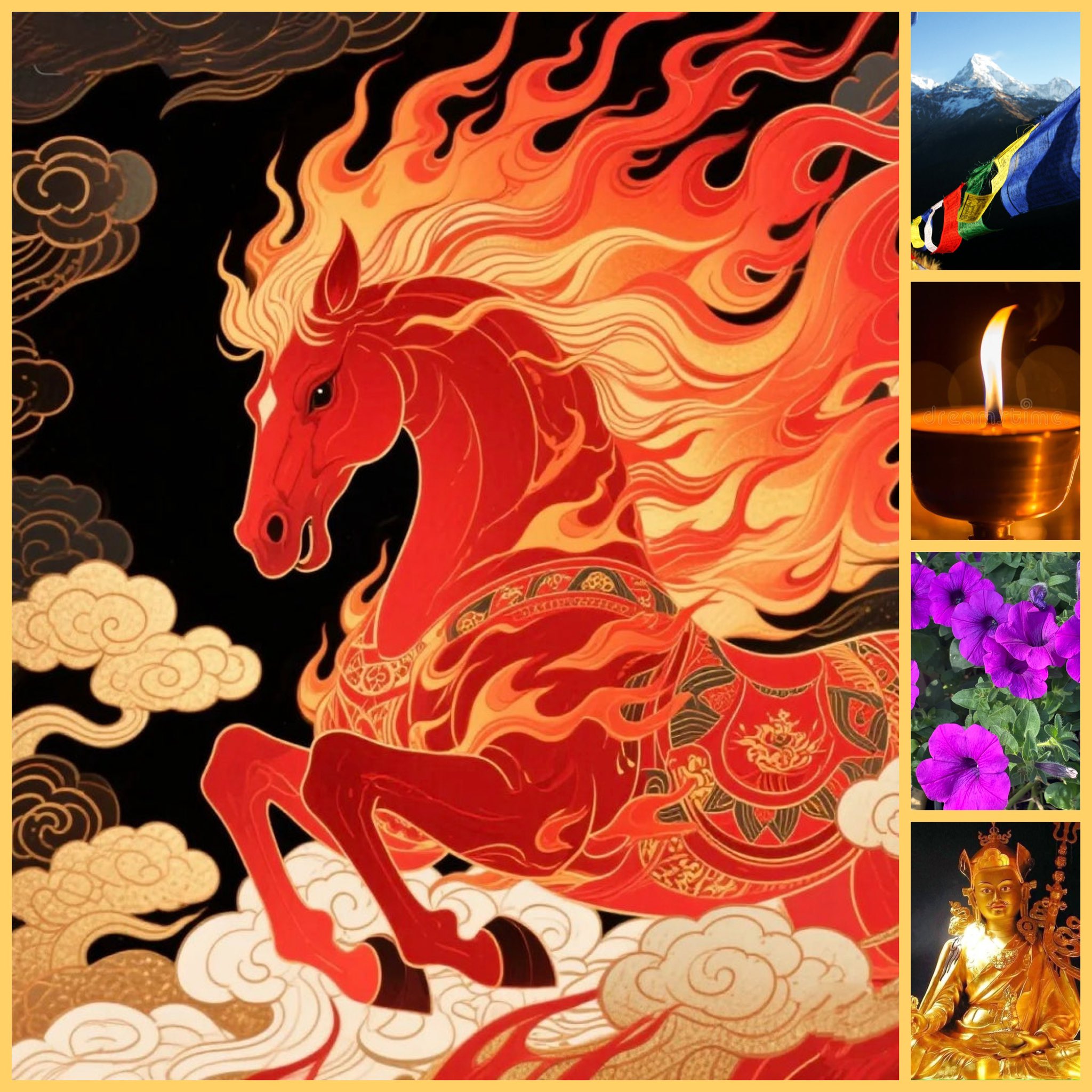
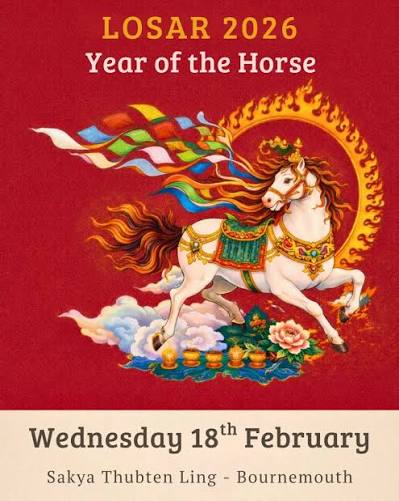
Losar 2026, the Tibetan New Year, will be celebrated on February 18, 2026, marking the start of the 2153rd year, which is the Year of the Fire Horse. This 15-day festival (with main festivities lasting 3 days) represents a time for cleansing, family gatherings, and renewal.
On behalf of Special Frontier Force-Establishment 22-Vikas Regiment, I greet Tibetans on Losar, Tibetan New Year 2153. I pledge to renew support to Tibetans to help them find Happiness in Tibetan New Year beginning on Wednesday, February 18, 2026.
Key Details for Losar 2026 (Year of the Fire Horse):
Date:February 18, 2026, falls on a Wednesday.
Significance:The Fire Horse is associated with movement, strength, and transformation.
Duration:The main, most significant celebrations occur over three days (Feb 18–20), though festivities can last up to 15 days.
Preparations:Homes are cleaned and painted, and a special noodle soup called guthuk is prepared on New Year’s Eve (Feb 17).
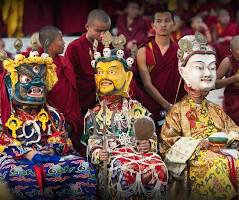
Celebration Activities:People wear new clothes, visit monasteries (like the Potala Palace or Sera Monastery), exchange greetings of “Tashi Delek,” and witness masked dances to ward off evil spirits.
Regions: It is a major holiday in Tibet, Bhutan, Nepal, and parts of India.
On behalf of Special Frontier Force-Establishment 22-Vikas Regiment, I greet Tibetans on Losar, Tibetan New Year 2153. I pledge to renew support to Tibetans to help them find Happiness in Tibetan New Year beginning on Wednesday, February 18, 2026.
It is a time to pay homage to deities, make offerings, and enjoy traditional food like kapse (fried pastries).
Tibet Equilibrium 2026: Special Frontier Force shares Happy Losar Tashi Delek Greetings
On behalf of Special Frontier Force-Establishment 22-Vikas Regiment, I greet Tibetans on Losar, Tibetan New Year 2153. I pledge to renew support to Tibetans to help them find Happiness in Tibetan New Year beginning on Wednesday, February 18, 2026.On behalf of Special Frontier Force-Establishment 22-Vikas Regiment, I greet Tibetans on Losar, Tibetan New Year 2153. I pledge to renew support to Tibetans to help them find Happiness in Tibetan New Year beginning on Wednesday, February 18, 2026.
On behalf of Special Frontier Force-Establishment 22-Vikas Regiment, I greet Tibetans on Losar, Tibetan New Year 2153. I pledge to renew support to Tibetans to help them find Happiness in Tibetan New Year beginning on Wednesday, February 18, 2026.
On behalf of Special Frontier Force-Establishment 22-Vikas Regiment, I greet Tibetans on Losar, Tibetan New Year 2153. I pledge to renew support to Tibetans to help them find Happiness in Tibetan New Year beginning on Wednesday, February 18, 2026.On behalf of Special Frontier Force-Establishment 22-Vikas Regiment, I greet Tibetans on Losar, Tibetan New Year 2153. I pledge to renew support to Tibetans to help them find Happiness in Tibetan New Year beginning on Wednesday, February 18, 2026.On behalf of Special Frontier Force-Establishment 22-Vikas Regiment, I greet Tibetans on Losar, Tibetan New Year 2153. I pledge to renew support to Tibetans to help them find Happiness in Tibetan New Year beginning on Wednesday, February 18, 2026.On behalf of Special Frontier Force-Establishment 22-Vikas Regiment, I greet Tibetans on Losar, Tibetan New Year 2153. I pledge to renew support to Tibetans to help them find Happiness in Tibetan New Year beginning on Wednesday, February 18, 2026.On behalf of Special Frontier Force-Establishment 22-Vikas Regiment, I greet Tibetans on Losar, Tibetan New Year 2153. I pledge to renew support to Tibetans to help them find Happiness in Tibetan New Year beginning on Wednesday, February 18, 2026.On behalf of Special Frontier Force-Establishment 22-Vikas Regiment, I greet Tibetans on Losar, Tibetan New Year 2153. I pledge to renew support to Tibetans to help them find Happiness in Tibetan New Year beginning on Wednesday, February 18, 2026.
Bharat Darshan – The discovery of ancient spiritual traditions of India
The Discovery of India in the Celebration of Maha Shivaratri.
Maha Shivaratri on Sunday, February 15, 2026
Shivaratri is great festival of convergence of Shiva and Shakti. Chaturdashi Tithi during Krishna Paksha (the waning crescent phase) in month of Magha is known as Maha Shivaratri according to the South Indian calendar. However according to the North Indian calendar Masik Shivaratri in the month of Phalguna is known as Maha Shivaratri. In both calendars it is naming convention of lunar month which differs. However both, North Indians and South Indians, celebrate Maha Shivaratri on the same day.
Defining Indian Identity – The Spirit of Nationalism. Mother Ganges is the Spirit of the Nation called India or Bharat.
In India, the tradition of River Worship and the tradition of Idol Worship constitute the most ancient forms of ritualistic worship described as Sanatana Dharma. These traditions originated long before the introduction of ritualistic practices supported by the literary traditions, the use of hymns and scriptures. Lord Shiva facilitates the descent of the Holy River Ganges from Heaven to Earth and Lord Shiva is most often worshipped in the form of Linga which could be the first idol ever used by Indians.
In India, the tradition of River Worship and the tradition of Idol Worship constitute the most ancient forms of ritualistic worship described as Sanatana Dharma. Lord Shiva facilitates the descent of the Holy River Ganges from Heaven to Earth and Lord Shiva is most often worshipped in the form of Linga which could be the first idol ever used by Indians.
Bharat Darshan – The Discovery of India in the Celebration of Maha Shivaratri
Bharat Darshan – Celebration of Maha Shivaratri. Discovery of India is best accomplished by a study of the traditions of Lord Shiva Worship.
The Discovery of Bharat or India is best accomplished by exploring the traditions of Lord Shiva Worship. Shiva is worshiped in an impersonal form called Linga. Indian tradition describes Twelve places of great historical importance where Shiva descended on Earth in a form glorified as Jyotir Linga.
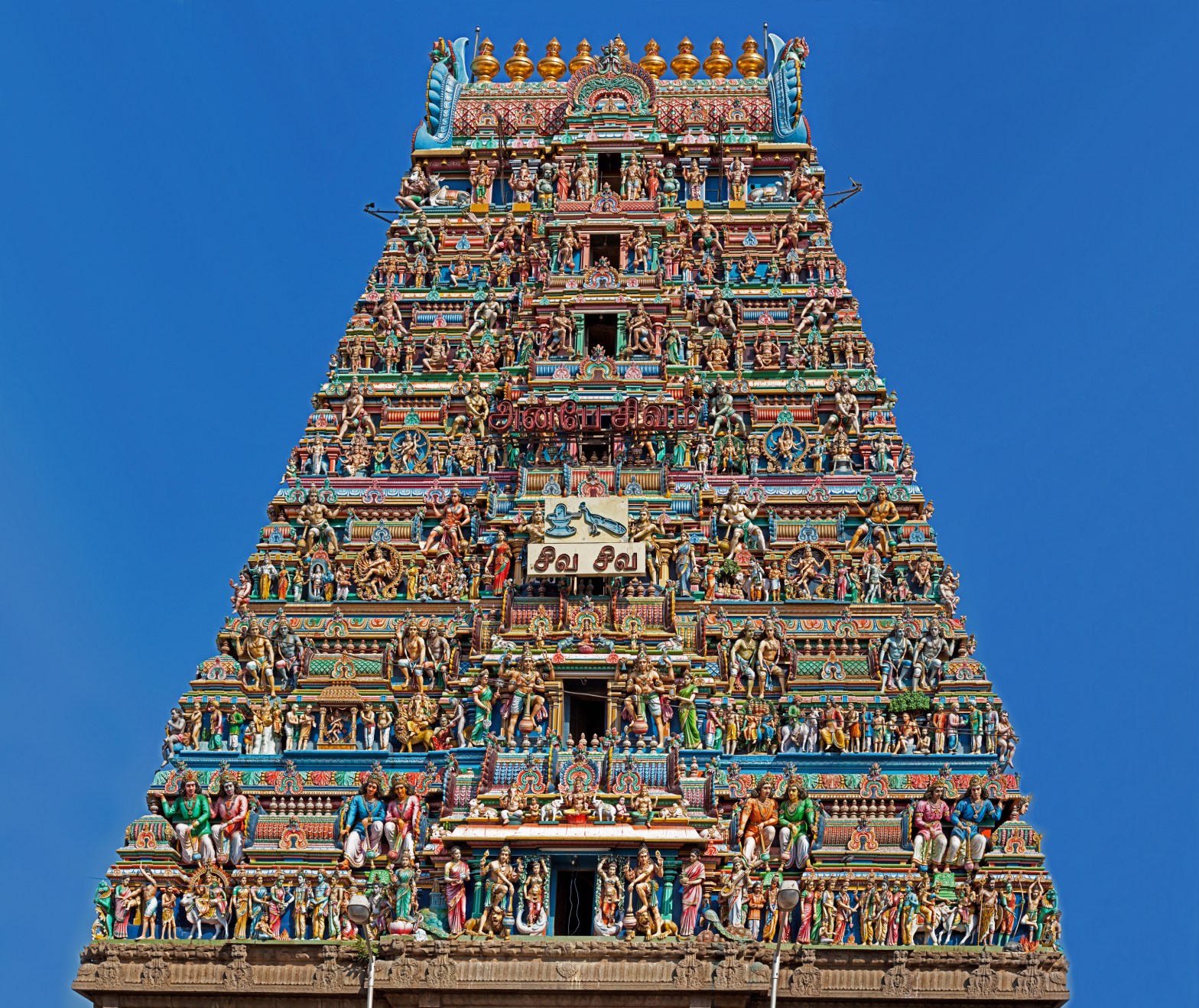
Somnath (Gujarat) – The Indestructible Light.•The first and most revered Jyotirlinga, symbolizing the eternal nature of Sanatan Dharma, which has survived invasions and destruction, yet stands strong. Represents Shiva as the cosmic healer, restoring balance and purity.Mallikarjuna (Andhra Pradesh) – Union of Shiva and Shakti. Reflects the oneness of Shiva and Devi Parvati, signifying the balance of cosmic energies—a key aspect of Hindu philosophy. Associated with spiritual liberation and removal of karmic burdens.Mahakaleshwar (Madhya Pradesh) – The Lord of Time and Death. The only Dakshinamukhi (south-facing) Jyotirlinga, Shiva as Mahakal, the timeless destroyer of evil. A center for tantric and vedic traditions, showcasing the depth of Hindu spiritual practices.Omkareshwar (Madhya Pradesh) – The Cosmic Om (ॐ). The Jyotirlinga shaped like Om (ॐ), representing the primordial sound from which the universe was created. Embodies the Vedantic truth that Shiva is omnipresent, omnipotent, and eternal.Kedarnath (Uttarakhand) – The Himalayan Abode of Shiva. The highest Jyotirlinga, standing as a testament to Hindu resilience and deep spiritual faith. Part of the Char Dham Yatra, emphasizing the importance of pilgrimage in Hindu Dharma.Bhimashankar (Maharashtra) – Destroyer of Darkness. Associated with Shiva’s victory over Tripurasura, symbolizing Dharma’s triumph over Adharma. Located in the Sahyadri hills, a region blessed with divine energies and natural beauty.Kashi Vishwanath (Uttar Pradesh) – The Eternal City of Shiva•Varanasi, the holiest city, is considered the spiritual capital of Hinduism, where Shiva whispers the mantra of liberation in the ears of the dying. Worshiping here grants Moksha, making it the most sacred pilgrimage site.Trimbakeshwar (Maharashtra) – Source of the Sacred Godavari. The three-faced lingam represents Brahma, Vishnu, and Shiva, emphasizing Hinduism’s all-encompassing unity. Highlights the significance of water and rivers in Hindu cosmology, as the Godavari originates here.Vaidyanath (Jharkhand) – The Divine Healer. Lord Shiva as the Vaidya (supreme doctor) who heals devotees from physical and spiritual afflictions. Associated with Ravana’s devotion, showing the depth of Bhakti in Sanatan Dharma.Nageshwar (Gujarat) – The Protector from Evil. Shiva as the destroyer of fear and negativity, safeguarding devotees from external and internal enemies. Mentioned in the Shiva Purana, reinforcing the wisdom of Hindu scriptures.Rameshwar (Tamil Nadu) – The Divine Connection of Rama and Shiva. Associated with Lord Rama’s devotion to Shiva, symbolizing unity among Hindu deities. Part of the Char Dham Yatra, linking North and South India spiritually.Grishneshwar (Maharashtra) – The Smallest Yet Most Powerful. The last Jyotirlinga, reflecting the principle of humility and unwavering faith in Shiva. Restored by Queen Ahilyabai Holkar, showing how Hindu rulers upheld Sanatan Dharma.Bharat Darshan – Celebration of Maha Shivaratri. Discovery of India through a study of traditions of LORD Shiva WorshipBharat Darshan – Discovery of India through study of traditions of LORD Shiva’s Worship. Hymn or Stotra in praise of Twelve or Dwadasa JyotirLinga Jyotirlinga Temple at Somnath, Gujarat is mentioned in Hindu prayers in praise and worship of Lord Shiva:”Sauraashtra dese visadeti ramye, Jyotirmayam Chandra Kalaa vatamsam, Bhakti pradaanaaya Krupaa vateernam, Tam Somanaatham Saranam prapadye.”Bharat Darshan – Celebration of Maha Shivaratri. Mallikarjuna Jyotirlinga Temple, Srisailam, Andhra PradeshBharat Darshan – Celebration of Maha Shivaratri. Mahakaleswar Jyotirlinga Temple, Ujjain, Madhya PradeshBharat Darshan – Celebration of Maha Shivaratri. Omkareshwar Jyotirlinga Temple on the banks of Narmada River, Madhya PradeshBharat Darshan – Celebration of Maha Shivaratri. Jyotirlinga Temple, Parli, Vaijnath, Jharkhand.Bharat Darshan – Celebration of Maha Shivaratri. Bhimashankar Jyotirlinga Temple, Maharashtra.Bharat Darshan – Celebration of Maha Shivaratri. Jyotirlinga Temple, Rameshwaram, Tamil Nadu.Bharat Darshan – Celebration of Maha Shivaratri. Nageshwar Jyotirlinga Temple, Dwaraka, GujaratBharat Darshan – Celebration of Maha Shivaratri. Jyotirlinga Temple, Varanasi, Kashi, Benaras, Uttar PradeshBharat Darshan – Celebration of Maha Shivaratri. Kedarnath Jyotirlinga Temple, Uttarakhand.Bharat Darshan – Celebration of Maha Shivaratri. Grishneshwar Jyotirlinga Temple, Aurangabad, Maharashtra.Bharat Darshan – Celebration of Maha Shivaratri. Trimbakeshwar Jyotirlinga Temple, Nashik, Maharashtra.Bharat Darshan – Celebration of Maha Shivratri. Lord Kapaleeswarar Temple in Mylapore, Madras City, Chennai, Tamil Nadu, India. The birth of a Brahman Spirit at House Number 2/37, Kutchery Road, Mylapore, Madras City is known to this Lord Shiva or Rudra. He presides over the Life and Death of this Brahman Spirit both in good health or ill health, and in Freedom or Captivity. Om, Namah Sivaya – The Five Letter Mantra – The Celebration of the Great Night of Lord Shiva.Bharat Darshan – The Discovery of India. The Celebration of Maha Shivratri on Sunday, February 15, 2026.
The Laws of Conservation of Matter and Life – Life is neither created nor destroyed
Whole Foods opened its Store in Ann Arbor on September 16, 1993. Whole Foods, Whole People and Whole Planet inspire Whole Dude to invent Whole Phrases: Whole Linguistics-Whole Language, Whole conversation, Whole Cookie, Whole Huddle, Whole Grind, Whole Love and others. Whole Dude uses the phrase Whole Linguistics to describe three entities; 1. Language User, 2. Language Interpreter and 3. Language Creator. Image Credit: Agenda Publications, Ann Arbor District Library, Issue Dates, September 1993, December 1997 and February 1998
Yes Indeed, Life is Complicated. The complexity of Life involves the perplexing problem of Death. But, I ask my readers to meditate on the phenomenon called Life by understanding the designing of Matter and Spirit.
Whole Dude at Whole Foods dwells on the understanding of Life and not Death
What it is to be a Substance? and What it is to Exist? We need to establish knowledge about the man on a firm basis and the information it provides must be tested for its accuracy and consistency with an external reality. We have to make the fundamental distinction between the living and the non-living matter. The scientific advances of the 19th and 20th centuries reinforced the materialistic position concerning the basic similarity of organic living and inorganic physical matter. The man is viewed as a product of natural evolution and is thought to be subject to the same laws of Physics and Chemistry or mechanistic principles.
We need a methodology to study philosophy and to understand philosophical statements. Logical Positivism, also known as Scientific Empiricism aims to clarify concepts in both everyday and scientific language. It describes analysis of language as the function of philosophy. This analysis of language and of concepts is important to understand questions of belief and ideology which affect what we think we ought to do individually and socially. I use this method of ‘Applied Philosophy’ to analyze the philosophical doctrine of ‘Materialism’ and to study the views and philosophy of Baruch Spinoza and his efforts to interpret human nature and human existence.
Whole Dude – Whole Designer – Matter and Spirit:
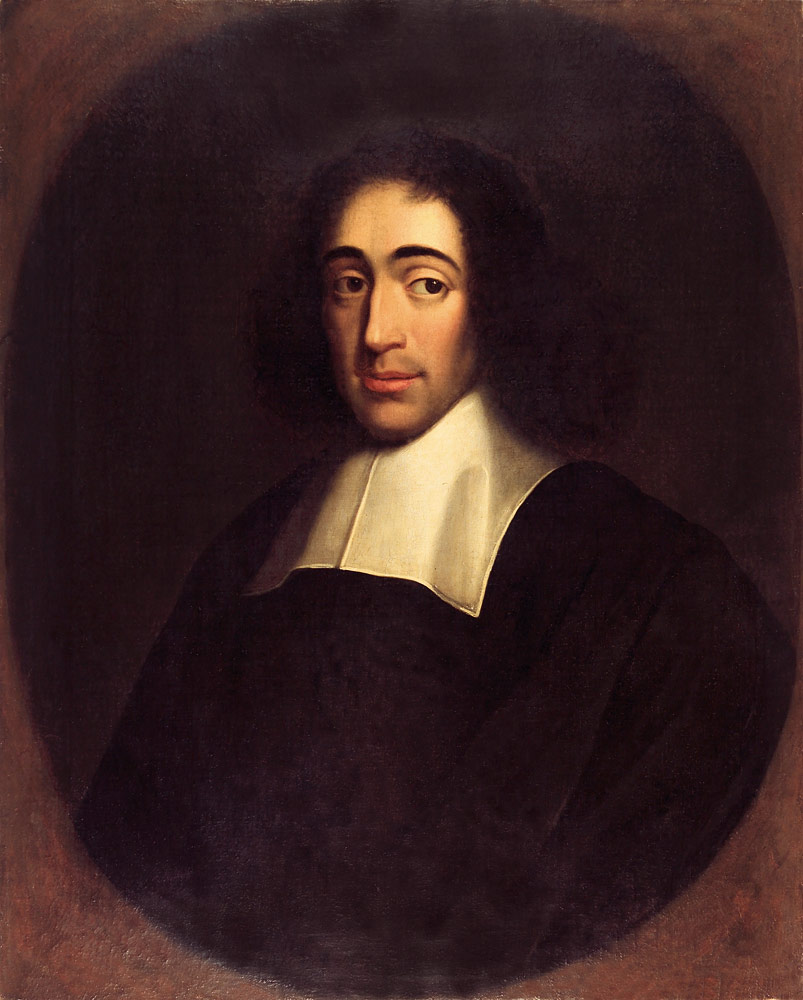
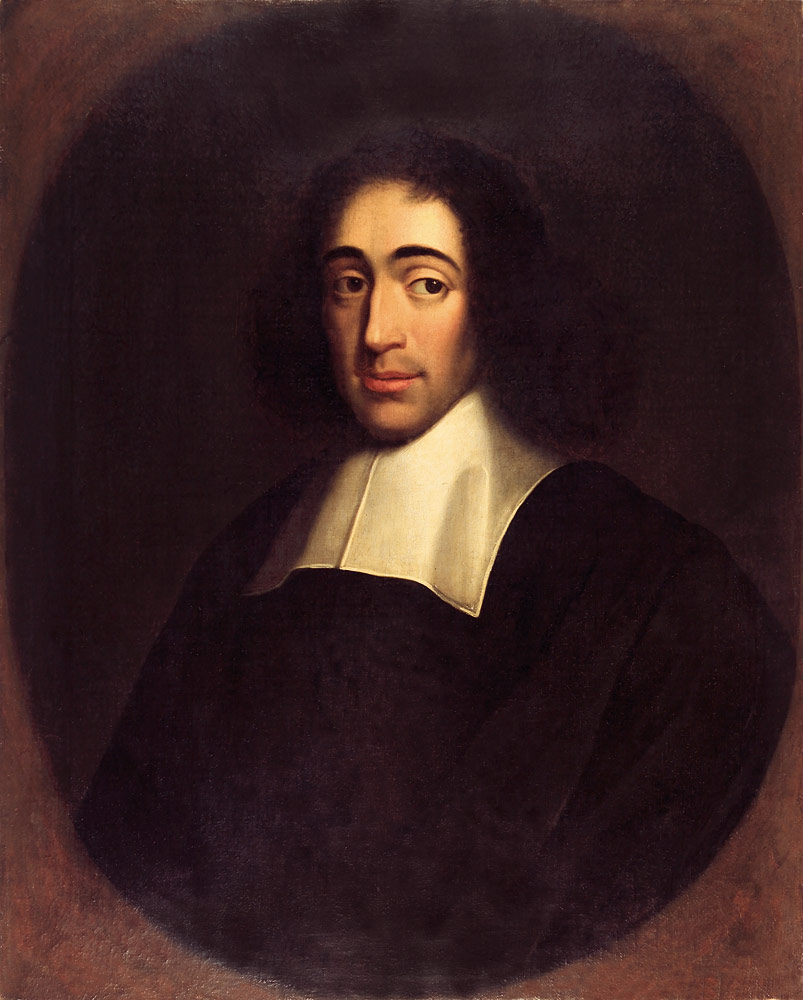
Whole Dude at Whole Foods dwells upon the understanding of Life and not Death: Baruch (Benedict) Spinoza( 1632-1677) Dutch philosopher taught that there is but one infinite substance called God or Nature having infinite attributes. He held that mind, and body as merely different aspects of a single substance. In his view, God is Nature in its fullness.
Matter is an actual substance that has properties such as mass or weight, and occupies space. Matter has other attributes like motion, size, shape, and a form by which it may be recognized.
Whole Dude at Whole Foods dwells on the understanding of Life and not Death
Materialism is defined as a system of thought that explains the nature of world as entirely dependent on “matter” the final reality. Materialism as a philosophical doctrine deals with matter as the only reality and that everything in the world, including thought, will, and feeling can be explained only in terms of matter. I speak of matter which includes the understanding of Living Matter.
Whole Dude at Whole Foods dwells on the understanding of Life and not Death
Baruch (Benedict) Spinoza, Dutch philosopher teaches that there is but one infinite substance, God or Nature, having infinite attributes of which only thought and extension are knowable. He was excommunicated from his Jewish community. He held that mind and body as merely different aspects of a single substance. In his view, God is Nature in its fullness. Matter is immutable or indestructible, and Spinoza explains the indestructibility of matter is established by the uncreated and eternal nature of God. “By Body”, Spinoza writes, “I understand a mode which expresses in a certain and determinate manner the essence of God in so far as He is considered as the thing extended.”
The Rudi Connection at Whole Foods dwells upon the understanding of Life and not Death
This philosophical doctrine of Materialism is used in modern times to explain that comfort, pleasure, and wealth are the only goals or values of human life and human existence. The idea of materialism is used to contrast it with the spiritual, or intellectual goals, or values of human life. In my view, man will not be able to define his purpose in life if there is separation of matter, and spirit. Man is a physical being with matter and form. To define the goals, or values of human life, man must understand what it is to be a substance and what it is to exist. If matter and spirit are separated, and if there is no unity between matter and spirit, human life would be simply impossible. The word or term ‘Spirit’ is associated with characteristics such as immutable, immortal, immovable, imperishable, indestructible, immaterial, eternal, and unchanging, or constant nature of a substance which withstands the influence of time. If God is uncreated and is eternal, Spirit is a natural extension of that God’s nature and shares the same attributes. To recognize the spiritual potential of a substance, we have to understand the nature of matter.
The Laws of Conservation – “Life is neither created nor destroyed”
Whole Dude at Whole Foods dwells on the understanding of Life and not Death: If materialism is about the influence of material wealth, I have to use the Power/Force/Energy called Money to talk about Life and Death. The Laws of Conservation are applicable to both living, and non-living matter. Hence, it can be stated that “Life can neither be created nor destroyed.” If any person can refute my claim using valid, scientific information, I give the person an US $1,000 bill as a reward.
If materialism is about the influence of material wealth, I have to use the Power/Force/Energy called Money to talk about Life and Death. The Laws of Conservation are applicable to both living, and non-living matter. Hence, if matter can neither be created nor destroyed, it can be stated that “Life can neither be created nor destroyed.” If any person can refute my claim using valid, scientific information, I give the person an US $1,000 bill as a reward.
The Laws of Conservation of Matter:
Whole Dude at Whole Foods dwells on the understanding of Life and not Death: Antoine Laurent Lavoisier (1743-1794) French chemist and physicist, the founder of modern Chemistry. He gave the name Oxygen to the gaseous chemical element discovered by Joseph Priestley. He discovered the composition of Water molecule. He formulated the Law of Conservation of Mass.
Chemical elements are the fundamental materials of which all matter is composed. There are about 107 known chemical elements. Chemical elements can combine with one another to form a wide variety of more complex substances called compounds. The number of possible compounds is infinite; perhaps a million chemical compounds are known. When two or more elements combine to form a compound, they lose their separate identities and the product has characteristics quite different from those of the constituent elements. The gaseous elements hydrogen and oxygen with quite different properties can combine to form the compound water which has altogether different properties from either hydrogen or oxygen. Most of naturally occurring matter represents physical mixtures of compounds. The indestructibility of matter was explained by Lavoisier as the Law of Conservation. “We may lay it down as an incontestable axiom,” Lavoisier writes, “that in all the operations of art and nature, nothing is created; an equal quantity of matter exists both before and after the experiment.” What appears to be the destruction of a body is merely the transformation of its matter into another physical condition, without loss of mass unless there is an equivalent gain in energy. The total quantity of matter and energy remains constant throughout all physical changes. Material substances undergo changes when they interact with other material substances, but this “change” cannot be described as the permanent reality. The permanent reality describes the unchanging, or constant nature of chemical elements and molecules in spite of their tendency to interact with other elements and molecules.
Whole Dude at Whole Foods dwells upon the understanding of Life and not Death: Water is the simplest and most abundant of all the molecules found in all living matter. The chemical composition of living matter reveals 70 to 80 percent water. At the same time, water can exist as simple, physical, or non-living matter. I claim that water molecule has the potentiality to constitute living matter because of its spiritual nature. Under the influence of time, living matter is transformed into molecules of non-living matter and yet the properties of molecules is fundamentally conserved allowing the change to proceed in either direction.
The Laws of Conservation are any of the several principles applied in Physics and Chemistry that state that certain properties of an isolated system remain constant with time. Each Law signifies that the nature of a substance or thing that does not change with the passage of time. However, it must be noted that change is the pervasive phenomenon of the natural world. It is said that, “Things in Nature Change with Time.” Although matter may change its form, or shape under the influence of time, its mass always remains the same. The Law of Conservation of Mass implies that matter can be neither created nor destroyed, that is, processes that change the physical, or chemical properties of substances within an isolated system leave the total mass unchanged. Similarly, The Law of Conservation of Energy implies that energy can be neither created nor destroyed, although it can be changed from one form (mechanical, kinetic, chemical, etc.,) into another form such as heat, or the energy consumed in the performance of work. In an isolated system, the sum of all forms of energy therefore remain constant. Every conservation law concerns a collection of two, or more objects, isolated from external influence, for which some physical quantity remains unchanged in time, or is conserved, quite apart from the details of what goes on between the interacting particles within the system. An important function of conservation laws is that they make it possible to predict the macroscopic behavior of a system without having to consider the microscopic details of the course of a physical process or chemical reaction. The fundamental character of these conservation laws is evident in the fact that each law may be deduced from or related to a symmetry property of space and time. The symmetry property of space and time determines the periodic frequency with which a natural change occurs while the nature or properties of things is conserved to allow the change to repeat itself in an expected manner.
What is Spirit? Unchanging Nature in a Changing World:
Whole Dude at Whole Foods dwells on the understanding of Life and not Death: Many important biological processes involve Redox or Oxidation and Reduction Chemical Reactions. These chemical reactions reveal a dynamic process that is the characteristic of both Life and Death. If Life is explained by a series of chemical reactions, the same process continues into Death.
Natural Science, and Natural History is about the natural phenomenon called change. The systematized knowledge of Biological Sciences provide us with information about extinction which is the most common phenomenon in planet Earth’s Natural History. Earth has witnessed several major, and minor episodes called extinction during which certain life forms got wiped out. While extinction is driven by climate change and its associated environmental change, life continues to exist on Earth without any apparent change in the chemical composition of living matter. Extinction involves the loss of forms and it does not involve a change in the nature of the corporeal substance that has the potential called Life and is known as Living Matter. In other words, it may be stated that if a change is observed in the natural world, it is always supported by an underlying, unchanging principle. While living things are born and die at the end of their lifetime, the matter, or the corporeal substance which has the potential to establish Life remains unchanged and its nature is conserved and is not affected by time. Under the influence of the cyclical flow of time, individual, living things are born and are dying while the Principle of Conservation maintains the unchanging nature of things that constitute Life or Living Matter. Life is established by a vital, animating principle called Spirit; the presence of Spirit can be related to the unchanging or immutable nature of Matter that gets the nature called Eternal, or Immortal, or Imperishable or Indestructible that overcomes the limitations imposed by Time and Space. The Magic of Creation involves the use of a design, or plan to introduce the abilities such as thought, will, feelings, and cognition into matter that reveals their presence or absence while passing through stages like Life and Death. The same chemical elements, chemical compounds, and chemical reactions operate in the state called living and death and both are maintained by the same unchanging nature of Matter and Spirit.
In my opinion, it is not correct to regard Spirit as separate from Matter. It will not be correct to separate man into physical body or matter, thinking substance or mind, and immaterial substance called Spirit. There is no human existence if there is disunity or separation of Matter, Spirit, Body, and the Mind. The uncreated, Eternal, Spiritual nature of God that is shared by Spirit and Matter would lead us to claim: “Life can neither be created nor destroyed.”
Whole Dude at Whole Foods dwells on the understanding of Life and not Death
Whole Foods opened its Store in Ann Arbor on September 16, 1993. Whole Foods, Whole People and Whole Planet inspire Whole Dude to invent Whole Phrases: Whole Linguistics-Whole Language, Whole conversation, Whole Cookie, Whole Huddle, Whole Grind, Whole Love and others. Whole Dude uses the phrase Whole Linguistics to describe three entities; 1. Language User, 2. Language Interpreter and 3. Language Creator. Image Credit: Agenda Publications, Ann Arbor District Library, Issue Dates, September 1993, December 1997 and February 1998
Yes Indeed, Life is Complicated. The complexity of Life involves the complex structural and functional organization of the Living System which performs a myriad of living functions while lacking the cognitive ability to directly visualize the Whole Artist who is at Work.
Whole Dude – Whole Artist:
Whole Dude at Whole Foods proclaims the Whole Optics Doctrine on Biological Coloration: An artist uses colors with imagination to create forms and to generate a desired visual effect. A “Whole Artist” is a person who creates his own canvas, his own tools, his own pigments, and creates the desired visual effects while the forms that are created have no such creative and cognitive abilities.
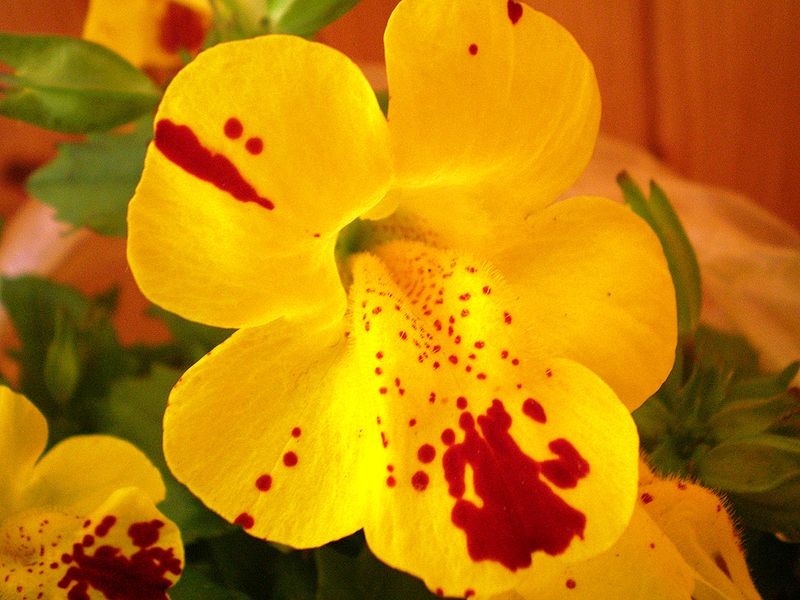
The term artist is used to describe a person who works in, or is skilled in the technique of any of the fine arts, especially in painting, drawing, and sculpture. The term artistry describes the artistic ability which includes the use of imagination, a feeling for form, and a feeling for effect. I am using the term ‘Whole Artist’ to discover the person who uses imagination to create forms to produce desired effects while the form itself lacks the cognitive abilities to generate its own form. Plants may produce flowers of different colors while they essentially lack cognitive abilities to recognize the visual effect of the color they produce. For example, we can examine the colorful hues of Chilean flowers, Mimulus luteus, Mimulus cupreus(Red Emperor), and Mimulus variegatus.
Whole Dude at Whole Foods proclaims the Whole Optics Doctrine on Biological Coloration: Chilean Mimulus flowers. Mimulus luteus. Who is the artist that caused this visual effect?Whole Dude at Whole Foods proclaims the Whole Optics Doctrine on Biological Coloration: Chilean Mimulus flowers. Mimulus variegatus. Who is the artist who produced this visual effect?Whole Dude at Whole Foods proclaims the Whole Optics Doctrine on Biological Coloration: The Colors of Chilean Mimulus flowers. Mimulus cupreus (Red Emperor). Who is the artist who produced this visual effect?
Arielle Cooley, a researcher at the University of Michigan studied these Chilean Mimulus flowers of different colors and found that the plants make the same type of anthocyanin pigment called cyandin. The study includes Thin Layer Chromatography Analysis of petal extracts. Each flower produces red-hued anthocyanins and the yellow carotenoids. The two pigment types in combination create the fire-hydrant red spots on the yellow flowers of Mimulus luteus. Cooley concluded the observations with the remark:
“Like an artist mixing simple colors of paints on a palette to achieve a specific shade, the Chilean flowers achieve their visual effect using varying proportions of red and yellow pigments.”
Whole Dude at Whole Foods proclaims the Whole Optics Doctrine on Biological Coloration: The Colors of Chilean Mimulus flowers. Arielle Cooley, a researcher at the University of Michigan used Thin Layer Chromatography analysis of petal extracts to find the mixing of colors that is needed to produce the visual effects observed by Chilean Mimulus flowers of different hues. Who is the artist that produced these visual effects?
Who is the Artist?
Whole Dude – Whole Artist: God created Light and made the Everlasting Covenant using the Colors He created. Whole Dude at Whole Foods proclaims the Whole Optics Doctrine on Biological Coloration.
No single function can explain the coloration of living things. We need a comprehensive theory that predicts the lines and patterns of coloration of plants and animals. An artist’s palette containing only three properly chosen colors is entirely adequate under most circumstances to produce the various visual effects of color that is observed. The optical mechanisms involved in the production of color are complex. Coloration is a dynamic and complex characteristic and the term must be clearly distinguished from the term ‘color’ which only refers to the spectral qualities of emitted or reflected light. It is apparent that plants, and animals have no cognitive abilities to produce the coloration by which they are recognized. However, the coloration displayed gives us a clue about the nature of the “Whole Artist” who uses imagination, has feelings for the forms created and seeks satisfaction from the visual effects that He produced. If man has the ability called visual perception, he must use the ability to visualize the “Whole Artist” who is at work.
Biological Coloration:
Whole Dude – Whole Artist: God created Light and made the Everlasting Covenant using the Colors He created. Whole Dude at Whole Foods proclaims the Whole Optics Doctrine on Biological Coloration.
Biological Coloration refers to the general appearance of an organism as determined by the quality and quantity of light that is reflected or emitted from its surface. This Coloration depends upon several factors:
1. The integrity and deployment of the structural units and features involved in the generation of color,
2. The color and distribution of the organism’s pigments, and the relative location of differently colored areas,
3. The shape, posture, position, and movement of the organism,
4. The quality and quantity of light striking the organism, including the seasonal light and temperature variations,
5. The psychological, behavioral, hormonal, and other physiological conditions associated with the use of color,
6. The visual capacity of the viewer.
The comprehensive understanding of biological coloration demands a study of Physics, Chemistry, Physiology, Biology, Psychology and other subjects.
Whole Dude – Whole Artist: God created Light and made the Everlasting Covenant using the Colors He created. Whole Dude at Whole Foods proclaims the Whole Optics Doctrine on Biological Coloration.
Whole Foods opened its Store in Ann Arbor on September 16, 1993. Whole Foods, Whole People and Whole Planet inspire Whole Dude to invent Whole Phrases: Whole Linguistics-Whole Language, Whole conversation, Whole Cookie, Whole Huddle, Whole Grind, Whole Love and others. Whole Dude uses the phrase Whole Linguistics to describe three entities; 1. Language User, 2. Language Interpreter and 3. Language Creator. Image Credit: Agenda Publications, Ann Arbor District Library, Issue Dates, September 1993, December 1997 and February 1998
Yes indeed, Life is Complicated. The complexities of Life begin with our own selves. The universe is vast and man’s role in it is insignificant. Man’s great need is not only to know the world around him but also know himself better. Man has to know the Truth about himself.
Whole Foods opened its Store in Ann Arbor on September 16, 1993. Whole Foods, Whole People and Whole Planet inspire Whole Dude to invent Whole Phrases: Whole Linguistics-Whole Language, Whole conversation, Whole Cookie, Whole Huddle, Whole Grind, Whole Love and others. Whole Dude uses the phrase Whole Linguistics to describe three entities; 1. Language User, 2. Language Interpreter and 3. Language Creator. Consciousness is the tool Whole Dude uses to explore his Whole Self.
The tradition of knowing oneself is a longer tradition than any other Science. This is a study in which the Knower and the Known are one. The object of scientific inquiry is the nature of the scientist. Consciousness is the tool Whole Dude uses to explore his Whole Self.
The tradition of knowing oneself is a longer tradition than any other Science. This is a study in which the Knower and the Known are one. The object of scientific inquiry is the nature of the scientist. Consciousness is the tool Whole Dude uses to explore his Whole Self. Dr. Oliver Wendell Holmes, Professor of Anatomy and Physiology, Dean of the Harvard Medical School 1847-1882. “To live is to function and that is all there is in living.” Life is defined by the nature of its living functions. Consciousness is the absolute characteristic of all living functions and so I define Life as “Knowledge in Action.”
Dr. Oliver Wendell Holmes, Professor of Anatomy and Physiology, Dean of the Harvard Medical School 1847-1882 states, “To live is to function and that is all there is in living.” Life is defined by the nature of its living functions. What is that exists and knows that it exists?Consciousness is the absolute characteristic of all living functions and so I define Life as “Knowledge in Action.”
What is Consciousness?
What is Consciousness? Why is this baby crying? Is it hunger? Is it thirst? Is it a wet diaper? Is it earache? Is it fever? Is it too hot? Is it too cold? Is it gripes or colic? Is it to get attention? Is it Consciousness? The baby is aware of something. The baby is aware of its own existence in an environment and is also aware of its internal condition.
Consciousness is described as a state of knowing, or awareness, or recognizing the existence, truth, or fact of ‘something’. What is that ‘something’ that is known or recognized by Consciousness? I propose to explore the contents of Consciousness to answer the question of what is Consciousness?
The Totality of Consciousness:
The Rudi Connection at Whole Foods asks, What is Consciousness?
The Science of Consciousness must explore and investigate the entire contents of Consciousness. By understanding the nature of experience provided by the Totality of Consciousness, the condition, the state, or the act of being Conscious will be explained.
Consciousness is a Mental Experience:
The Rudi-Grant Connection promotes the study of Human Anatomy to learn about consciousness.
The term consciousness is most widely used as meaning “attention to the contents or workings of one’s own mind.” English philosopher John Locke defined Consciousness as a psychological condition; it is described as the perception of what passes in a man’s own mind. In the Indian tradition, mental activities are of four kinds and collectively constitute what is named as Antahkarana; these are: 1. Manas or Manah- the seat of thoughts, 2. Buddhi or intellect and knowledge, 3. Chitta or the seat of emotions such as Kindness and Love, and 4. Ahamkara or self-ego. The mental experience or knowing of these activities of thoughts, intellect, moods, feelings, and self-ego describe Consciousness as a mental experience. Using this view, many philosophers, religious thinkers, and mystics have shared their experience of different levels of Consciousness and have given names to the higher levels or states of Consciousness. Terms such as Pure Consciousness, Cosmic Consciousness, and Super Consciousness may describe some kind of mental experience and such terms may not add any information to understand the Totality of Consciousness and its experience.
Consciousness is a Sense Experience:
What is Consciousness? Is it awareness of Sense Perception? Is it awareness of Thought? Is it awareness of Mood and Feeling? Is it awareness of Existence? Can there be any Perception without Existence? What is that Exists and Knows that it Exists?The Neural Correlates of Consciousness defined by Mormann & Koch explores Consciousness as a sense experience. It fails to understand the Totality of Consciousness.
Consciousness is generally viewed as a form of relationship or act of the mind towards objects in nature. Consciousness has been described as a continuous field or stream of mental sense-data. Some biologists and neurophysiologists view Consciousness as a brain function and describe it as an exclusive function of the nerve cells; neuronal and axonal function. Dr. Florian Mormann and Dr. Christof Koch have defined Neural Correlates of Consciousness( Florian Mormann & Christof Koch(2007) NCC, Scholarpedia 2(12):1740 ) as the minimal neuronal mechanisms jointly sufficient for any one specific conscious percept. Further, Mormann & Koch state that, “Consciousness is a puzzling, state-dependent property of certain types of complex, biological, adaptive, and highly connected systems. A Science of Consciousness must strive to explain the exact relationship between phenomenal, mental states and brain states.” They have posed the question: ” What is the nature of the relationship between the immaterial, conscious mind and its physical basis in the electro-chemical interactions in the body? The answer to this question is very simple. Consciousness is related to a material substance that is called Protoplasm and electro-chemical interactions in the body describe the properties of this living substance or material. The brain cells and all other cells have the same basic features; they are constituted by Protoplasm which has a Biological Membrane to define the limits of the Cell. Mormann & Koch also erroneously suggest that, “Only a few particular systems can experience anything, why they are Conscious and other systems such as the enteric nervous system or the immune system are not Conscious.” The enteric nervous system does in fact provide a wide range of Conscious experiences. A baby would respond with a cry when it experiences gripes or colic. In the practice of Clinical Medicine, the evaluation of pain as a symptom and as a diagnostic clinical sign plays a very significant role. The pain experienced by an individual with gastrointestinal, or genitourinary problems, or from inflammation of tissues and organs, and from problems with skeleton and musculature is registered by Consciousness. The immune system behaves in a Conscious manner and displays specificity, selectivity, and memory. A Living Cell is a highly complex, biological, adaptive, and highly connected system known in Natural Science. A simple understanding of various cell functions would explain this issue. For example, mitochondria are organelles found within most cells which provide the cells with energy. Extensive protein translocation occurs in mitochondria where about one thousand different polypeptides are imported from the cytosol. This event is orchestrated by distinct translocation machineries in the outer and the inner mitochondrial membranes. Mitochondria display functional awareness and perform the task of oxidising sugars and fats in a deliberate, and sequential manner that involves the use of different enzymes to facilitate each chemical reaction.
Consciousness is a Physical or Body Experience – The concept of Homeostasis:
The Rudi Connection at Whole Foods asks, What is Consciousness? Consciousness as a physical or body experience. The concept of Homeostasis.
Apart from thoughts, intellect, feelings, moods, and perception of various sensory information, man is aware of the fact of and the state or condition of his physical existence. Man is aware or Conscious of hunger, thirst, and sexual drive. Man is aware of vital functions like respiration, and circulation. Man is alerted and often reacts with a sense of fear when these vital functions are disturbed or threatened in a significant manner. Consciousness or awareness includes awareness of bodily functions such as appetite, lack of appetite, nausea, vomiting sensation, deglutition (the act of swallowing food and drink), satiation, and the functions of excretion and the associated sensations like the fullness of the bladder, and rectum. The human organism has awareness of its internal condition such as the state of hydration, water and electrolyte balance, and acid/base balance. The chemical events collectively called “metabolism” require the concentration of hydrogen ions and electrolytes to remain within narrow limits in the tissue cells and in the fluids which bathes them. Body responds to both volume changes and changes in the osmotic pressure of the body fluids. Life is possible only if the hydrogen ion concentration of body fluid is kept within a narrow range. In health, a blood hydrogen ion concentration of 36-44 nmol/liter or pH 7.37 – 7.45 is maintained by several closely integrated but widely differing mechanisms. 19th century French physiologist Claude Bernard had defined “Homeostasis” as “all the vital mechanisms, varied as they are, have only one object; that of preserving constant the conditions of life.” All living things maintain a constant internal environment or Internal Milieu. Living cells and organisms are aware or Conscious of the environment in which they exist as well as the state of their own internal environment making possible to witness this phenomenon of Homeostasis.
Consciousness is a Cellular Experience:
All the solid tissues in the human body consist of cells that are essentially similar to an Ovum.
Dr. Oliver Wendell Holmes, the former Dean of Harvard Medical School defines Life by stating that, “To live is to function and that is all there is in living.” Who or what is the subject who lives because of its living functions? Consciousness is a cellular experience of the cells of the brain and the body. It is an experience shared by the Whole Organism. It is an experience shared by all the living cells. The living functions of cells include uptake and conversion of nutrients, synthesis of new molecules, production of energy, and regulation and coordination of metabolic sequences apart from the function of reproduction by asexual cell division. All the solid tissues in the human body can be shown to consist largely of similar cells, differing it is true, but that are essentially similar to an ovum. The most significant feature of similarity between the cells is the presence of a soft, gelatinous, semi-fluid, granular material inside the cell. This substance known as Protoplasm is similar to that found in the ovum or the egg cell. This viscous, translucent, colloidal substance is enclosed in a membrane called Plasma Membrane or Biological Membrane. A small, spherical body called nucleus is embedded in the protoplasm. The protoplasm could be differentiated into cytoplasm/cytosol, and nucleoplasm based upon its location. Cytoplasm refers to protoplasm located outside the nucleus. Nucleoplasm refers to the protoplasm located inside the nucleus. The two essential features of any living cell in the human body are that of the presence of protoplasm and the nucleus. The most striking characteristics of protoplasm are its vital properties of Motion, and Nutrition. Protoplasm has the intrinsic power to change its shape and position and the motion is described as amoeboid movement as the motion is similar to the motion that is observed in Amoeba proteus. Nutrition is the power which protoplasm has of attracting or drawing the materials that are necessary for its growth and maintenance from surrounding matter/environment. Nutrition is not a passive, unguided, and physical event. The Biological Membrane or the Plasma Membrane allows a highly controlled exchange of matter across the barrier it poses; some compounds are able to pass through the Membrane easily, others are completely blocked. The Biological Membrane helps to maintain cell’s internal environment or constant interior milieu in which intracellular reactions occur. To maintain life, the cell not only repairs or replaces, (or both) its structures by continual synthesis of new organic molecules. This is characteristic of functional awareness or Consciousness that is at work at the cellular level. The human organism uses a repair process and it is described as Inflammation and Repair. Wound healing, and hemostasis (or blood leakage or bleeding from an injured blood vessel is controlled) are natural mechanisms operated by Cellular Consciousness. Human existence is possible because of this valuable and protective healing process which comes into immediate play after an injury or damage. Similarly, the human organism defines its identity and defends its existence by deploying unique protein molecules such as the antibodies. Antibodies recognize their antigens or foreign protein molecules with high affinity and extreme selectivity. The ability to develop specific immunity to infection is only one consequence of a wider capacity in the individual to recognize and to specifically respond to the foreignness of an extensive range of biological substances that are not normally present in the body of that individual. The adaptive immune system remembers that particular infectious agent and can prevent it causing disease later. The immune system consists of a variety of molecules and cells that are distributed throughout the body. They play an important role in inflammation, tissue damage and repair, the killing of bacteria, viruses, and tumor cells. Cellular Consciousness defends human existence.
What is Consciousness? Cognition is a natural, biological function of all living things and of all the individual blocks of Life called Cells.
A Living Cell is a highly complex, biological, adaptive, and highly connected system known in Natural Science.
What is Consciousness? Can any function be performed without the cognitive element called functional awareness?
A simple understanding of various cell functions would explain this issue. For example, mitochondria are organelles found within most cells which provide the cells with energy. Extensive protein translocation occurs in mitochondria where about one thousand different polypeptides are imported from the cytosol. This event is orchestrated by distinct translocation machineries in the outer and the inner mitochondrial membranes. Mitochondria display functional awareness and perform the task of oxidising sugars and fats in a deliberate, and sequential manner that involves the use of different enzymes to facilitate each chemical reaction.
Consciousness is a Social Experience:
What is Consciousness? The Social Awareness of Red Blood Cells: Metabolic Sensor in Red Cell, Ion Exchange Transport mechanism, Release of Nitric Oxide to modulate Vascular tone and to cause vasodilation.
Sociology lays claim to the whole of human life beyond the biological level because virtually all human activities possess a social aspect. Consciousness can be viewed as the capacity in an individual to form harmonious relations with others and to participate in or contribute constructively to changes in the social environment. Man is a social being and he is aware of the social structures and the social organization that he is part of. Parental instincts and social instincts describe an aspect of social behavior exhibited by all animals. Animals exhibit social behaviors and form parental societies to care for their offspring. Bacteria come together to live as colonies. At cellular level, the social aspect of Consciousness is reflected by the cell’s abilities such as association, cooperation, communication using signaling molecules, recognition, and functional subordination in its interactions with other living cells present in its environment. In an Ecological System, the Consciousness plays the role to establish the interrelatedness, the interdependence, and the interconnectedness.
Consciousness is a Moral Experience:
What is Consciousness? Conscious versus Conscience
Consciousness is the attribute of a conscientious person. Conscious behavior is often described as conscientious action that is scrupulous, characterized by or done with careful attention. Conscience describes awareness of one’s own acts and the application of knowledge to discern an act as right or wrong, good or evil, selfish or altruistic. Man has the intrinsic ability to recognize his acts of transgression or sinful conduct. Man is a creature with conscience and hence exists as a moral being.
Consciousness is a Spiritual Experience:
What is Consciousness? Consciousness is a Spiritual Experience.
The word spiritual is often used to describe the fact of having a relationship based on sympathy of thought or feeling. Consciousness has a spiritual function as it establishes a relationship between the energy dependent living cell and its energy provider. The living cell is a thermodynamically unstable system. This means that without continuous input of energy, a cell will degrade spontaneously into a nonliving collection of molecules. The life’s journey of the human organism begins as a single cell, that of a fertilized egg cell. This single fertilized egg cell is Conscious of its existence, is Conscious of its energy dependence and it promptly connects itself to its energy provider. Human life begins to move forward when this egg cell implants itself into the maternal tissue and the biological mother has no cortical awareness of this implantation. Cortical awareness does not describe the Totality of Consciousness. The Science of Consciousness must describe the mental, the sensory, the physical, the cellular, the social, the moral, and the spiritual aspects of Consciousness.
Consciousness is Awareness of Existence in the given Environment:
The Ground Substance of Spiritualism and Spirituality. The vital characteristics, the animating principles of Protoplasm could be known by observing Amoeba proteus. The Living Substance works as an organ of Motion or Movement, as an organ of Nutrition, and as an organ of Reproduction to generate new cells which have a life span of their own. In these physiological functions, I describe the characteristics such as Cognition, Consciousness, Memory, and Intelligence which have a Spiritual role as they bring functional unity and harmony in the interactions between different parts of the same individual organism while it exists in an environment as a member of a biological community.
Consciousness describes the condition of an individual; the condition of knowing, awareness, or recognizing the fact, the state, and the act of existence or living in a given environment. Thus, Consciousness is a natural principle that could explain what an individual knows and experiences about the world around one and inside one. There are two aspects of Consciousness that is registered subjectively by an individual; 1. Consciousness is a state of knowing or awareness of what goes on around an individual, and 2. Consciousness is a state of knowing or awareness of what goes on within the individual. Who is this individual who has the ability to know and be aware of its external and internal environment? The term environment refers to all the conditions, circumstances, and influences surrounding, and affecting the existence of a given individual, or group of individuals. The individual is a living organism and the organism could be unicellular or multicellular.
Consciousness and Material Substance:
Consciousness is an absolute attribute of Life; it is the fundamental characteristic of living matter or living substance described as Protoplasm, Cytoplasm, Cytosol, Nucleoplasm, and etc.,
Consciousness is an absolute attribute of Life; it is the fundamental characteristic of living matter or living substance described as Protoplasm or Cytoplasm, the essential living matter or material substance of all animal, and plant cells. Wherever Protoplasm is found, irrespective of the size, shape, and form of the cell or of the living organism, the contents of its Consciousness could be discovered.
Consciousness – The Law of Individuality and Creation:
Identity and Individuality are the two sides of the same Coin. The genome establishes the Identity, and Consciousness establishes the Individuality of a Living Cell or of a Living Organism.
The contents of Consciousness vary from individual to individual. There are individualistic variations in the contents of Consciousness. There can never be two identical living individuals. Even when the cells are cloned and have the same or identical genomes, the state, or condition of Protoplasm that is Conscious is never identical. With the same genome, or different genomes, the living cells can only exist or live as individuals and they have no other choice. The living substance is the same, and the nature of Consciousness is the same and yet the contents of Consciousness are not the same. This Individualistic variation of Consciousness is the characteristic of what I describe as ‘The Law of Individuality and Creation’.
The Principles of Consciousness:
Consciousness is the natural, vital principle that moves and animates all Life. The Living Cell knows the fact of its existence, it knows as to where it exists, and knows as to how it is existing.
Consciousness is the natural principle, the vital principle that moves and animates all Life. It has a set of defining features; it is the principle by which a living cell or organism knows the fact of its own existence, it knows as to where it exists, and knows as to how it is existing. Cognition is described as the act of knowing. Cognitive Science involves the study of all human activities related to Knowledge. These activities include attention, creativity, memory, perception, problem solving, thinking, and the use of language. Cognition is the process involved in knowing, or the act of knowing which includes awareness and judgment. The nature of cognition, the relationship between the knowing mind and external reality, is applicable in the study of living functions that are characteristic of the living substance or material called Protoplasm. These functions at cellular level that require cognition include nutrition, reproduction, metabolism, and association with other living cells present in the immediate environment. The human brain is often viewed as the Seat of Knowledge. Human brain’s ability to acquire, process, store, and use of information is essentially a function of the cytoplasm of the brain cells. Cognitive functions like perception and memory would establish Protoplasm as the Seat of Knowledge.
Consciousness in the Multicellular Human Organism:
The Human Organism is an association of trillions of individual living cells. Consciousness serves the purpose of Functional Unity and all the cells display adaptive functional subordination to serve the purpose of the Whole Organism or the Individual. There are two distinct aspects of human Consciousness;1. The Capacity for Consciousness, and 2. The Contents of Consciousness.The Reticular Formation of Brain Stem functions to maintain the Individuality of Man and at this location the Human Organism establishes its Identity as a Living Organism in its relationship with the rest of the human body and the external environment. The Brain Stem is irreplaceable and plays a crucial role in the diagnosis of Brain Death.SPIRITUALITY SCIENCE – THE KNOWER – THE KNOWING-SELF: IN THIS IMAGE OF HUMAN BRAIN, THE GREEN PORTION OF BRAIN STEM IS CALLED RETICULAR FORMATION. I AM PROPOSING TO CALL IT AS THE KNOWING-SELF AND IT IS THE “KNOWER” OF THE HUMAN BODY WHICH CONSTANTLY CHANGES ITS MORPHOLOGICAL APPEARANCE UNDER THE INFLUENCE OF TIME CALLED THE AGING PROCESS.What is Consciousness? I promote the study of Human Anatomy to learn about consciousnessWhat is Consciousness? I formulate the Biological Law, I am Consciousness, Therefore I am. Cunningham’s Manual of Practical Anatomy has provided me the learning tools to know and understand Man’s External and Internal Reality and its Identity as described by Cells, Tissues, Organs,and Organ Systems.What is Consciousness? I formulate the Biological Law, I am Consciousness, Therefore I am. Cunningham’s Manual of Practical Anatomy has provided me the learning tools to know and understand Man’s External and Internal Reality and its Identity as described by Cells, Tissues, Organs,and Organ Systems.What is Consciousness? I formulate the Biological Law, I am Consciousness, Therefore I am. Cunningham’s Manual of Practical Anatomy has provided me the learning tools to know and understand Man’s External and Internal Reality and its Identity as described by Cells, Tissues, Organs,and Organ Systems.
There are two distinct aspects of human Consciousness namely the Capacity for Consciousness and the Contents of Consciousness. When Consciousness is viewed as a psychological or strictly as a mental function, it is represented by the Contents of Consciousness which is a function of the Cerebral Cortex. When Consciousness is understood as a biological or living function, it is represented by the aspect of Capacity for Consciousness. The upper brain-stem, the neural structures like the Reticular Formation, and Thalamus function to compose the contents of Consciousness and project the contents to the cerebral hemispheres via the tracts of the Ascending Reticular Activating System. The integrity of these neurons and neural connections is important to maintain the alertness, and Arousal State of the Whole Organism in its relationship to its environment and internal maintenance of coordination of various living functions.
Dr. Daniel John Cunningham( 1850-1909 ), Chair of Anatomy, University of Cambridge has provided this Manual of Practical Anatomy to help medical students dissect human cadavers and learn Human Anatomy. Whether humans know and understand Human Anatomy and Physiology or not, they come into existence with full functional knowledge of every constituent cell in the body. The Human Body has Innate Knowledge of its own Structure and Function. I had acquired this Knowledge from Uneducated individuals who had gifted their bodies to promote Medical Education. This is the learning tool that I would use to know and understand the External and Internal Reality and Identity of Man as described by Cells, Tissues, and Organ Systems that constitute the human organism.
I learned about the human body while dissecting the body in a systematic manner. The Manual of Practical Anatomy which guides us through this entire process was published in England. The author Dr. Daniel John Cunningham prepared the Manual while dissecting cadavers of British or Irish citizens. He had never encountered cadavers of Indian citizens. At Kurnool Medical College, Kurnool, Andhra Pradesh, India, where I was a student, the Department of Anatomy obtains dead bodies from Government General Hospital Kurnool and most of the deceased are the poor, illiterate, and uneducated people of that region. None of the deceased had the chance to know this man called Cunningham and similarly, Cunningham had no knowledge about the existence of these people who arrive on our dissection tables. But, as the dissection of the human body proceeds, inch, by inch, we recognize the anatomical parts as described by Cunningham. The manual also lists some anatomical variations and we very often exchange information between various dissection tables and recognize the variations mentioned. The dissections also involve slicing the organs and studying them, both macroscopically, and microscopically. We did not miss any part of the human body. What is the Identity of this Human person or Human subject? How does the living Human organism maintains its Identity and Individuality? Apart from the Cultural Traditions of India, several Schools of Religious Thought claim that the Human Individual and its Identity is represented by Human Soul. Where does this Soul exist in the human body? What is the location if Soul is present in the living person? Does man have a soul?
The Grading of Consciousness in Clinical Medicine:
The reaction of pupil to light beam is often tested in the neurological evaluation of Consciousness in the practice of Clinical Medicine.
Apart from philosophers, psychologists, psychics, theologians and others, the term Consciousness is frequently used by the practitioners of Clinical Medicine. It is a useful term with several practical applications in the management of individuals with a variety of conditions that impact the neural functions, particularly the Arousal. In medical practice, the assessment and grading of Consciousness serves the purpose of being good predictor of the eventual long-term outcome or prognosis of the underlying disease or medical condition.
In Clinical Medicine, the medical practitioner evaluates the Level of Arousal or Alertness of his patient.
In Clinical Medicine, the medical practitioner evaluates the Level of Arousal or Alertness of his patient. The different levels of Consciousness are:
a. alert or awake, fully Conscious and fully Oriented to person, place, and time. This Orientation represents the normal operation of Higher Intellectual Functions. A person who is Conscious, but is under the influence of alcohol or other psychotropic drugs, neural stimulants or depressants may not be fully oriented.
b. phase of automatism – the person is not fully alert as in Sleep-walking, or recovering from the effects of anesthesia.
c. Lethargic – drowsy, sleepy, but easily arousable.
d. Delirium – a state of mental confusion, a toxic condition, altered physical, and mental state or condition.
e. Stupor – semiconscious, responsive only to painful stimuli.
f. Coma – Unconscious or not responsive to painful stimuli.
Similarly, the Edinburgh method of grading Consciousness is :
Grade 0 – Fully Conscious
Grade 1 – drowsy but responsive to vocal command.
Grade 2 – Unconscious but responsive to minimal painful stimuli.
Grade 3 – Unconscious but just responsive to strong painful stimuli.
Grade 4 – Unconscious with no response to verbal commands and all other painful stimuli.
The Glasgow Coma Scale (GCS ) is universally used in the assessment of the head injury victim. This Scale measures and provides a score that ranges from 3 to 15 points by evaluating three kinds of responses from the patient.
1. Eye Opening : Spontaneous eye opening=4; Eye opening in response to command=3; Eye opening in response to painful stimuli=2; and no response of eye opening=1.
2. Motor Response : Obeys commands=6; Localizes pain=5; Shows flexion( decorticate ) response to pain=3; Shows extension ( decerebrate ) response to pain=2; and no response( no reflex muscular activity )=1.
3. Vocal Response: Oriented to person, place, and time=5; Confused=4; Shows inappropriate speech=3; Makes incomprehensible sounds=2; and no vocal sounds=1.
Such neurological evaluations are repeated periodically to record significant changes in the medical condition of the patient. However, it must be noted that Clinical Medicine always evaluates totality of all living functions and the medical usage of the terms Conscious and Unconscious represent a careful interpretation in the context of the medical condition of the patient.
The Neural Correlates of Consciousness defined by Mormann & Koch basically ignores the existence of specific Conscious percept like NUTRITION by which the Living Organism shows its awareness of Energy dependence for its existence or living.