THE CLINTON CURSE – CLINTON’S IMMORAL SOCIAL SECURITY POLICY
The Clinton Curse. Clinton’s immoral Social Security Policy.
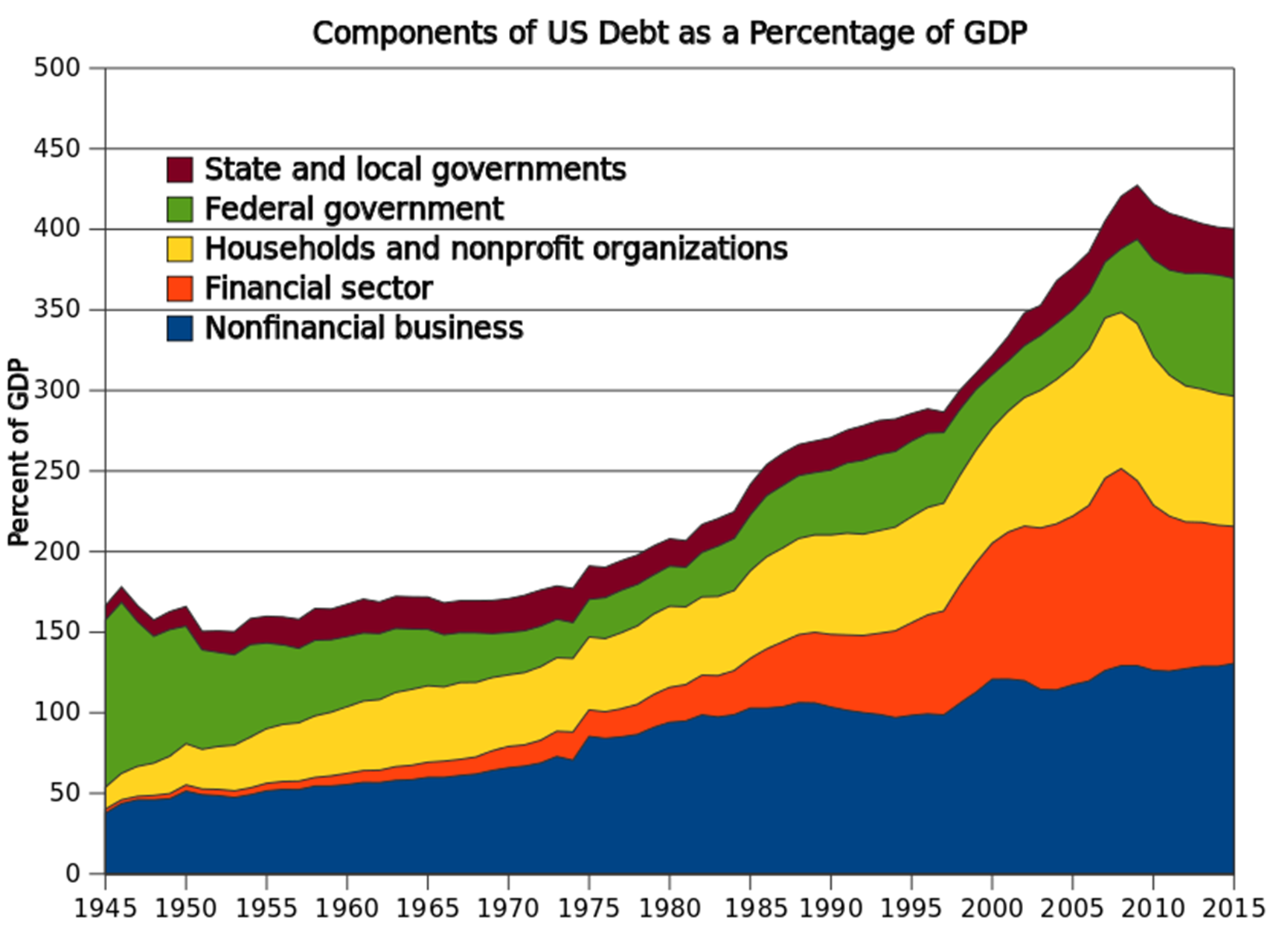
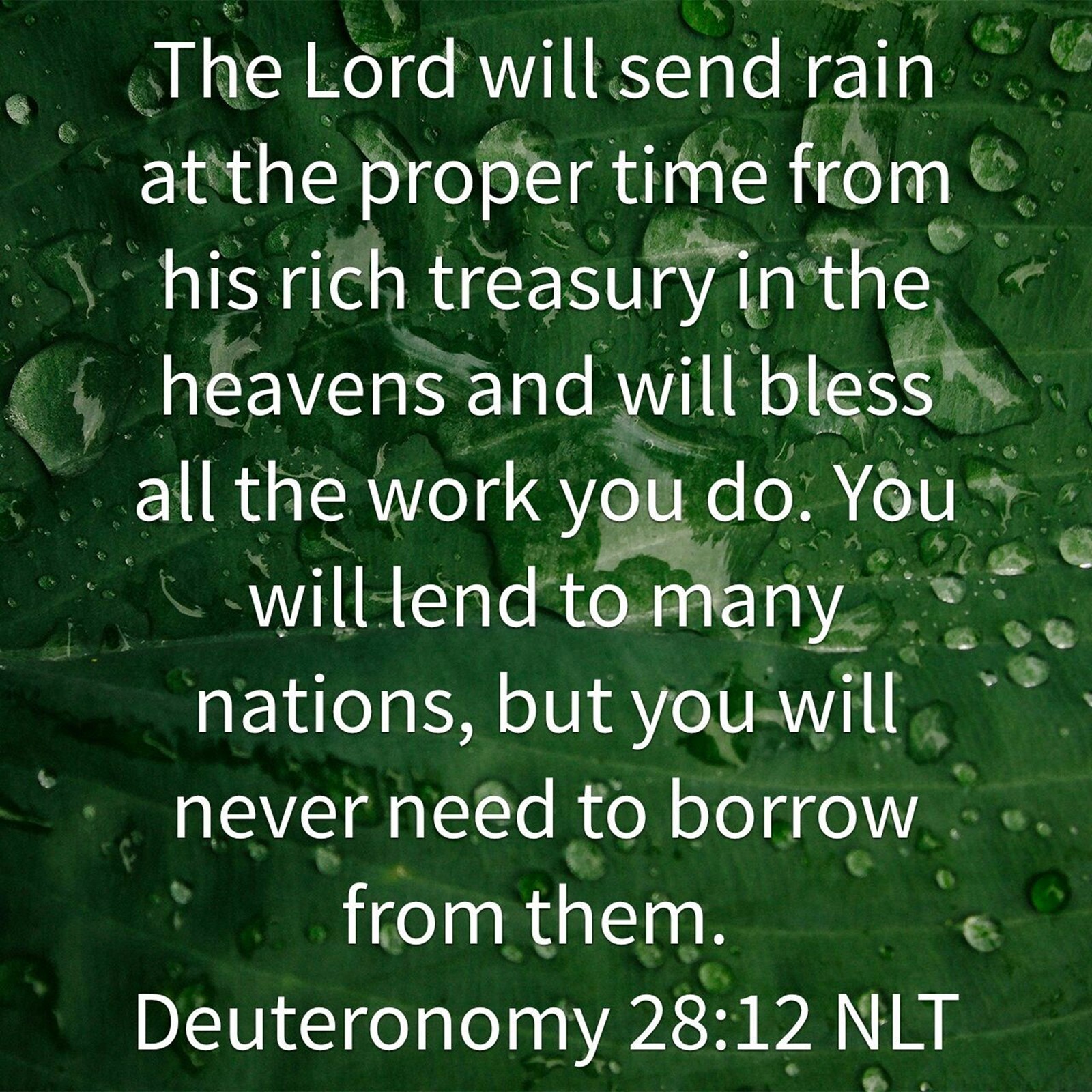
Social Security is the largest owner of the US Debt. In 1996, President Clinton amended the Social Security Act of 1945 by approving Public Law 104 – 193. President Clinton made an immoral choice to address the problem of mounting US Debt. His plan to reduce the US Debt by denying the payment of Old Age Retirement Income Benefits to senior alien workers has backfired. God has given His Promise. It delivers Blessings for the obedience of Commandments. Disobedience of God’s Commandments has consequences. The Clinton Curse reveals the consequences of President Clinton’s corrupt conduct. As of today, the US satisfies the government’s need for revenue by borrowing from foreign nations.
The Clinton Curse. Clinton’s immoral Social Security Policy.
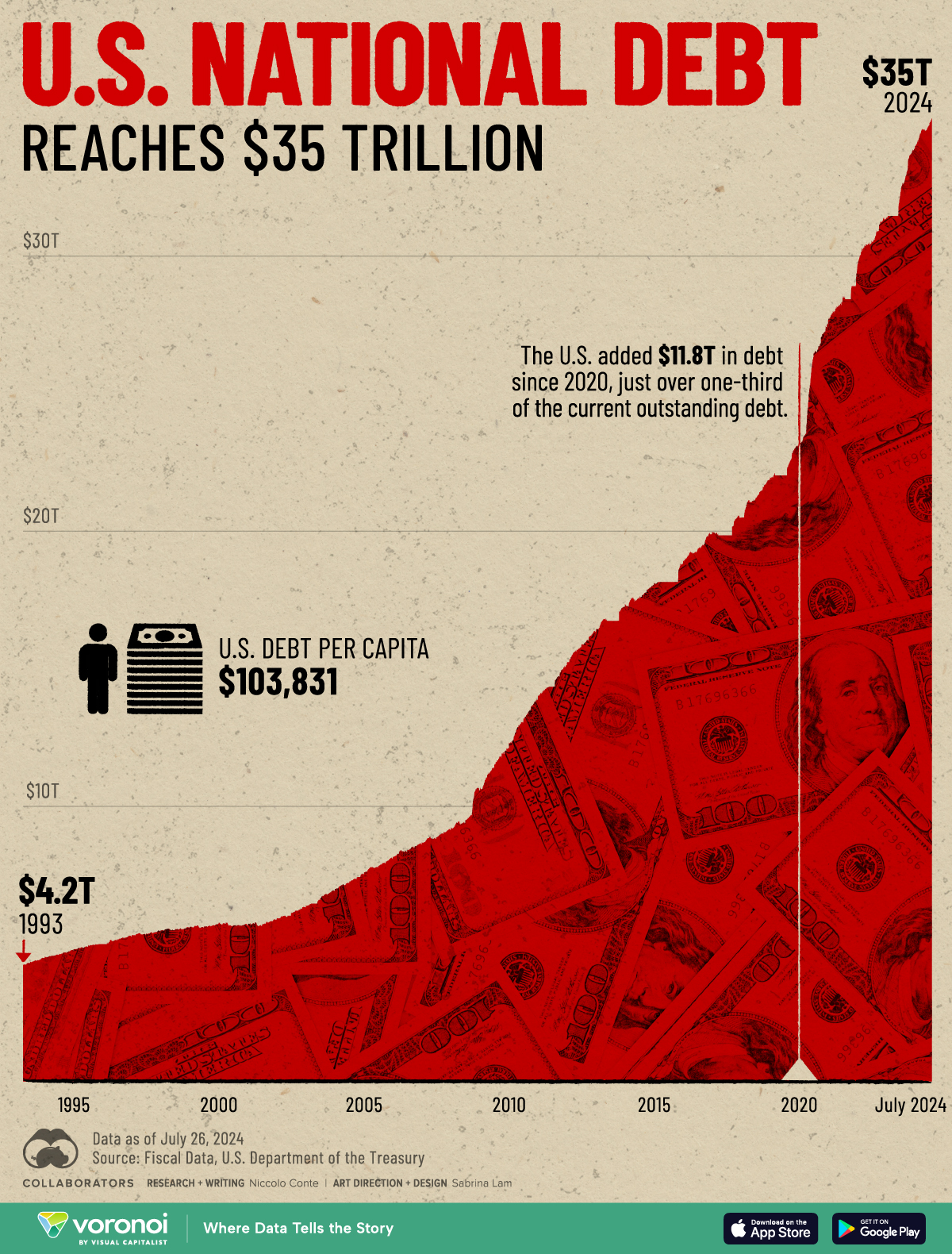
To satisfy the U.S. government’s need for revenue, Washington collects taxes and fees. What happens if this isn’t enough? What happens if the federal government needs more? That is the subject of this article in which we’ll reveal who owns the most U.S. debt and how much of it is owned by foreign nations. We’ll begin by explaining, in simple terms, how the debt market functions.
Debt 101
An individual takes on debt when they finance a new car, house, etc. The U.S. government does so when it issues securities. Specifically, the federal government issues Treasury bills, notes, and bonds. The primary difference is in their maturity. For example, Treasury bills have a maturity of less than one year. Treasury notes mature in one to ten years. Treasury bonds have maturities greater than 10 years.
To issue its debt, the government holds periodic Treasury auctions. A successful auction indicates a strong demand for U.S. Treasury securities. If the auction doesn’t go well, it means demand for Treasuries is weak. Who owns the most Treasury’s?
Owners of U.S. Debt
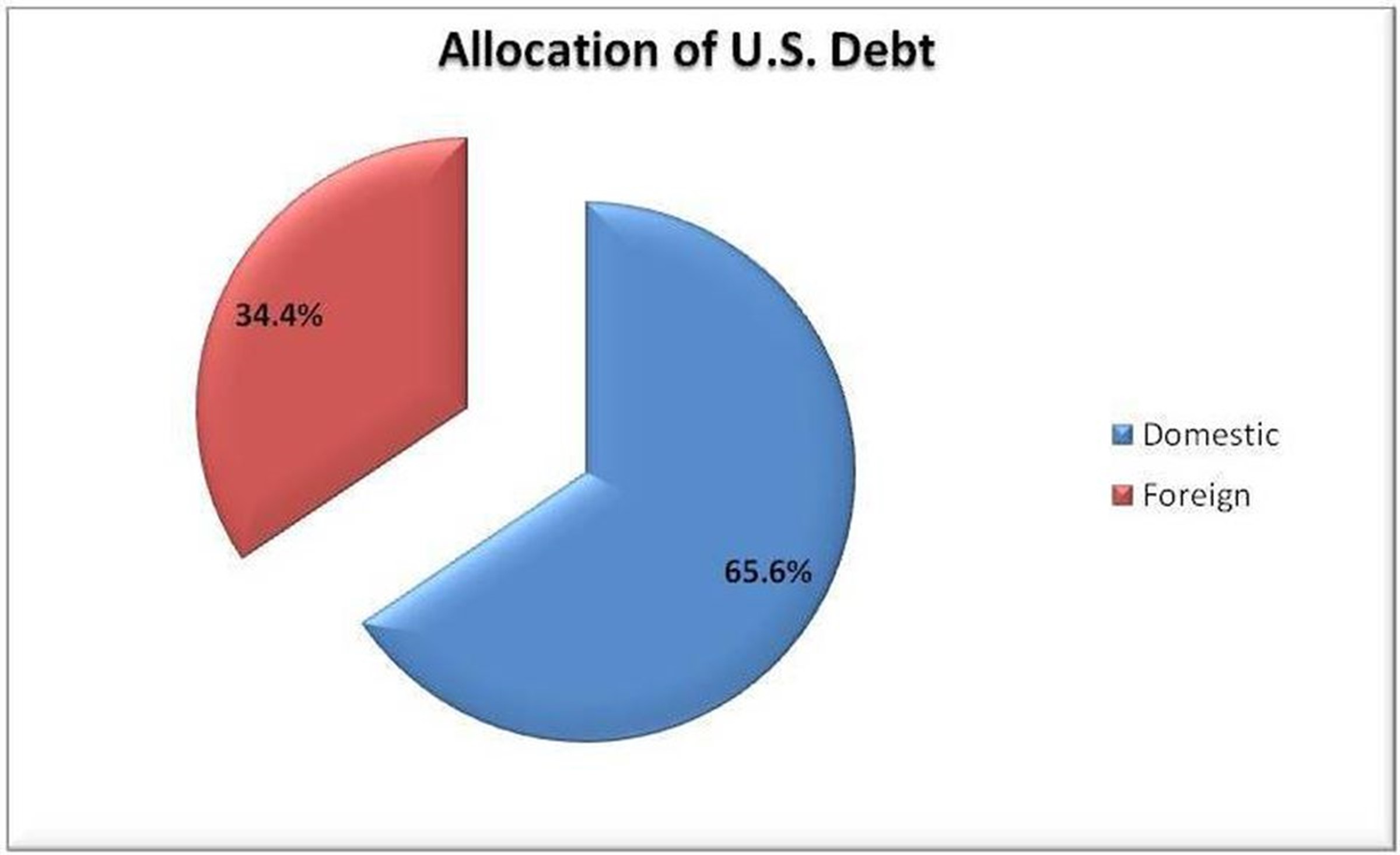
The largest owner of U.S. debt is Social Security. Since the Social Security system is a government entity, how can the government own its own debt? Good question. This is where the “house of cards” theory resides. Some believe the federal government is merely moving the IOUs from one shell to another, hoping to escape the watchful eye of its citizens. In any event, Social Security owns about 16% of the debt followed by other federal government entities (13%), and the Federal Reserve (12%). How much is owned by foreign governments? The following chart contains the answer.
The Clinton Curse. Clinton’s immoral Social Security Policy.
According to the U.S. Treasury Department, at the end of August 2014, more than a third of the debt was owned by foreign countries (34.4%). The largest foreign holders of U.S. debts are Mainland China (7.2%) and Japan (7.0%). What is the consequence of having such a large percentage of debt held by foreign nations? It depends. It depends on the relationship between the U.S. and the specific foreign country. It also depends on the global interest rate environment. Finally, it depends on the geopolitical climate and the degree of fear around the globe. This is the case because when fear rises money flows into U.S. Treasuries which is viewed as a safe place to invest. The percentage of debt owned by countries that are less friendly to America is about 10%. This includes China, several oil exporters (Ecuador, Venezuela, Iran, Iraq, Libya, etc.), and a few others. The worst case would materialize if the largest holders decided to sell their Treasury securities at the same time. This could potentially decrease demand which would push yields higher. If yields rose, the federal government would find it more difficult to service the debt, pushing the deficit higher. If the deficit rose, the total debt burden would accelerate and, unless demand for U.S. debt was to increase, it could get ugly. Will this transpire? It’s not too likely. At least not for the foreseeable future anyway.
Conclusion
Given the state of the global markets, the U.S. is still considered to be the best house in a bad neighborhood. Even though more than one-third of the debt is owned by foreign nations, as long as there are no safer places to invest, money will find its way here. Therefore, global turmoil would be in the best interest of the federal government. Anything which raises fear will bring money to the Treasury and allay the need for higher taxes. However, one day this unsustainable path we’re on will reach its day of reckoning. However, that’s probably not any time soon.
The Clinton Curse. Clinton’s immoral Social Security Policy.
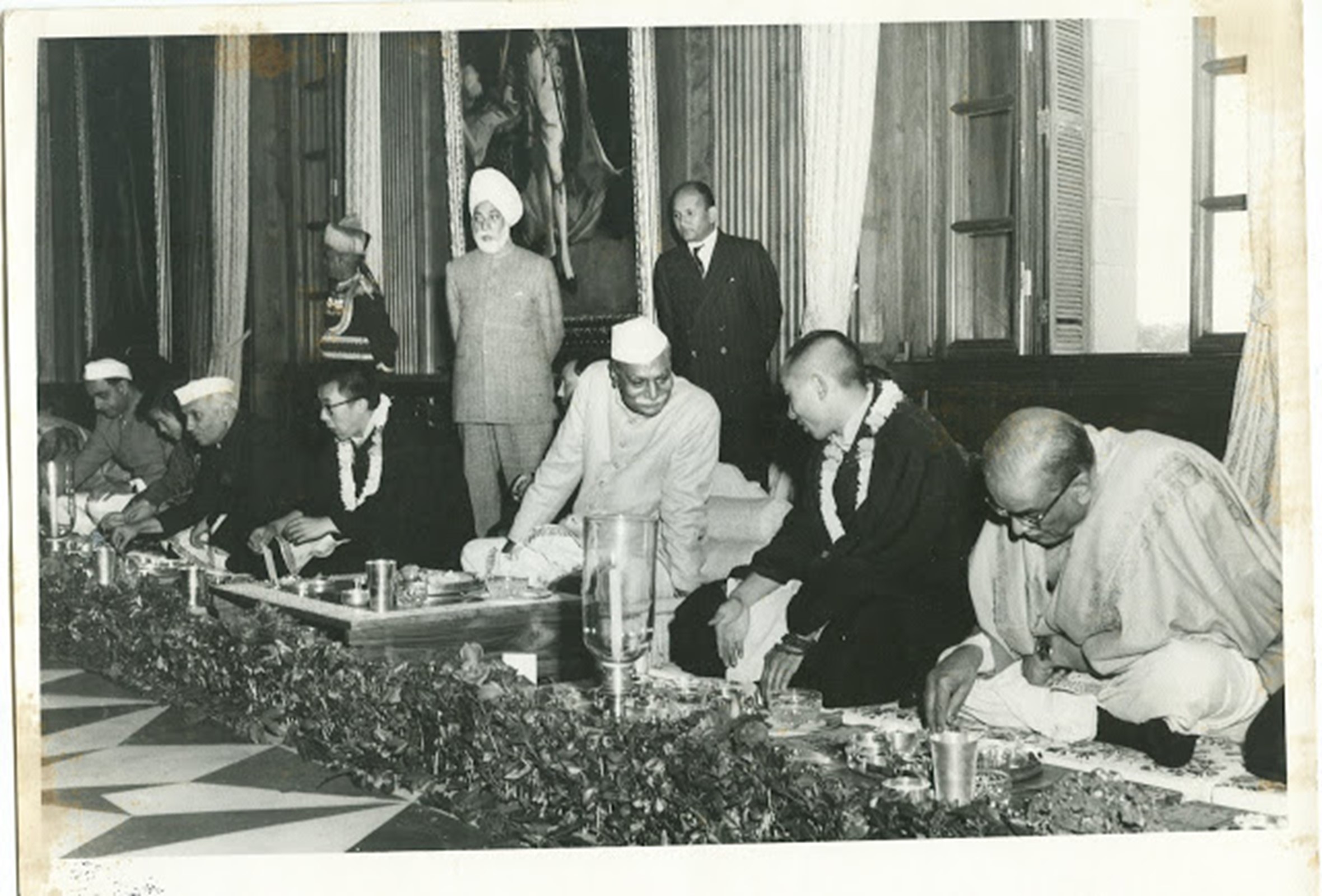
In my analysis, India’s first Prime Minister Jawaharlal Nehru treated Tibet with due respect. India recognizes the Institution of Dalai Lama and could hold negotiations with Tibet to formulate military alliance or pact between the US, India, and Tibet. All said and done, Tibet would not have received a better deal from Muhammad Ali Jinnah, the founder of Pakistan.
Uncalled for: The Dalai Lama should have avoided his controversial remarks on Jinnah-Nehru.
PK Vasudeva Academic
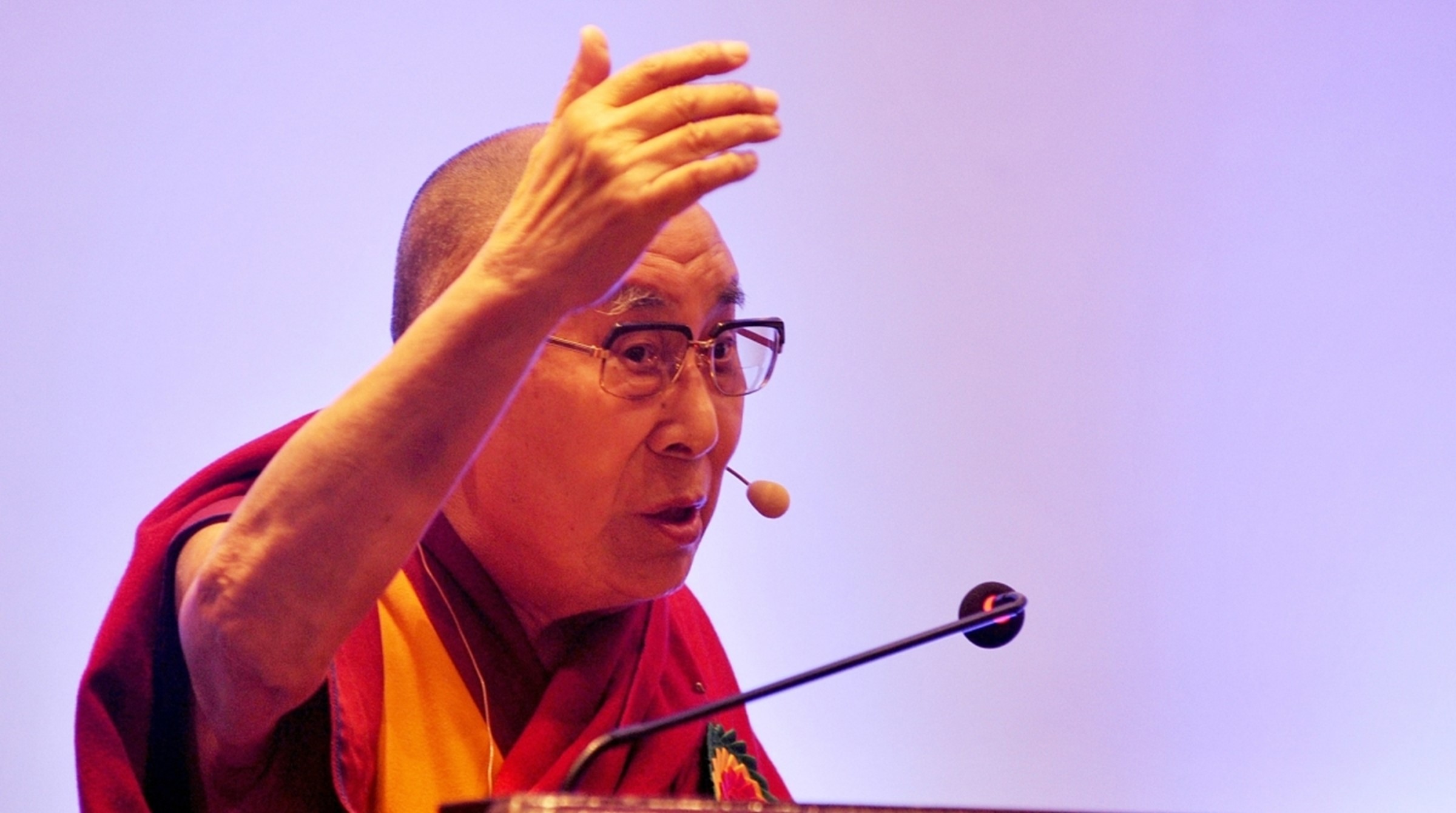
The exiled spiritual and political Tibetan leader, His Holiness the Dalai Lama, at a recent event in a management institute of Goa, surprisingly said that Partition would have been averted had Qaid-e-Azam Muhammad Ali Jinnah become the first Prime Minister of India. “Mahatma Gandhi was very much willing to give the prime-ministership to Jinnah. But Pandit Nehru refused. I think Pandit Nehru was a little bit self-centered,” said the Dalai Lama.
Basically, the Dalai Lama should have avoided this uncalled for verdict on Jinnah and Nehru because at the time of granting asylum to him, the Government of India clearly conveyed that he and his “government-in-exile” in Macleodganj, Himachal Pradesh, will not indulge in any political activities in India and shall remain confined to religious and cultural activities pertaining to Tibet.
In 1954, India and China signed the “Panchsheel” Agreement, which recognized the Chinese sovereignty over Tibet and Nehru-led India decided to withdraw its military presence from Tibet. However, Tibetans neither recognized nor endorsed the agreement. But by 1957, when it became pretty evident that the PLA’s occupation over Tibet was not going to end, Indian and Tibetan leaders approached the next best option — the US.
With the help of the CIA, Tibetan freedom fighters were trained in covert CIA camps and resistance was generated. They supplied arms and equipment to fight the Chinese army. The CIA recruited locals to fight against the Chinese as guerrillas and were airdropped throughout the resistance period. However, the resistance was thrashed by the PLA. Monks and civilians were executed, and monasteries bombed, forcing the Dalai Lama and his followers to stealthily cross over to India in March 1959. China was angered with the Dalai Lama, as also with India for giving asylum to him and other “faulty” policy decisions of forward deployment of troops, which resulted in the 1962 war.
As the war reached its zenith, a panicky Nehru sought immediate help from US President John F Kennedy. At a meeting held on November 19, 1962, in the White House, the decision was taken for a military aid package in support of the newly created military organization in India — “Establishment 22” and later the Special Frontier Force (SFF). However, China declared a unilateral ceasefire and withdrew from many locations, fearing the US may nuke China if the battle was not stopped.
The CIA and the IB helmed the project and a seasoned officer of the Indian Army, Major-General Sujan Singh Uban, was chosen to be the founder Inspector-General of the SFF. Based in Chakrata, Uttarakhand, the force was put under the direct supervision of the Intelligence Bureau, and later, the Research and Analysis Wing (RAW). With an initial strength of 12,000, the SFF commenced six months of training in rock-climbing and guerrilla warfare. The soldiers were recruited with help from political leaders of the Chushi Gangdruk, the original Tibetan resistance warriors. It was primarily raised to address the lack of intelligence during war and peace. With the formation of RAW by the late 60s, and with the help of the Aviation Research Centre (ARC) which provided airlift facilities, the SFF became fully airborne-qualified and a dedicated mountain warfare force.
The SFF commandos can survive in any hazardous conditions. They are tough, hardy, well-trained in rock-climbing, para-trooping, and skydiving. They proved their mettle in the Bangladesh war. They were valuable for clandestine intelligence collection, training the Mukti Bahini and carrying out several missions, including the destruction of the Kaptai Dam and bridges. They were also part of Operation Blue Star. They carry out clandestine operations but since they are under RAW, information regarding their clandestine operations remains secret.
Against this backdrop, such words coming from His Holiness are unwelcome. However, the 14th Dalai Lama apologized a couple of days later at Bengaluru at a ‘thanksgiving’ commemorative function of 60 years of Tibetans’ life in exile for his remarks, which he said had stirred a controversy.
To overcome his omission, he said, “Jawaharlal Nehru supported both the setting up of Tibetan settlements as well as the creation of Tibetan schools so that our culture and language could be preserved.”
During the 1959 Tibetan uprising, the Dalai Lama fled to India. After the founding of the government-in-exile, Nehru settled the approximately 80,000 Tibetan refugees who followed him into exile.
The Dalai Lama is the spiritual leader of the Gelug school of Tibetan Buddhism. The Kagyu Karmapa is the spiritual leader of the Karma Kagyu school of Tibetan Buddhism. Interestingly, the current 14th Dalai Lama helped the young and controversial 17th Kagyu Karmapa after he escaped from China in 1999 following the same route the Dalai Lama took in 1959. The recognition of the 17th Karmapa has been a subject of controversy since two candidates have been put forward: Ogyen Trinley Dorje (OTD) and Trinley Thaye Dorje.
Intelligence agencies promote stories about OTD seeking asylum in the US, trying to buy land to settle down there or even returning to China. Last year, he promised to return by November 2018. The controversy of both the Karmapas can be resolved only with the blessings of the Dalai Lama who before the time of incarnation should declare the real 17th Karmapa for Tibetan unity and support for his successor.
THE CLINTON CURSE – THE US ECONOMY ON A SLIPPERY SLOPE
The Clinton Curse. The US Economy on a Slippery Slope.
Antislavery Campaign of 2018 demands the Repeal of PRWORA of 1996 as it triggered ‘The Clinton Curse’ placing the US economy on a slippery slope. In my analysis, President Clinton did not Balance the US Budget for he acted in violation of God’s Commandments.
President Clinton missed the opportunity to save the country from foreign debt because he denied the payment of the Old Age Retirement Income and Health Insurance Benefits to alien workers who fully subscribed to the Social Security and Medicare Plans by paying the necessary taxes. To the same extent, ‘The Clinton Curse’ invites Americans to live their lives paying taxes to repay the foreign debt.
How Bill Clinton’s Balanced Budget Destroyed The Economy – Business Insider
The Clinton Curse. The US Economy on a Slippery Slope.
Bill Clinton is giving the keynote speech at the Democratic National Convention tonight.
The idea is to make people feel nostalgic for the last time when the economy was really booming, and hope that some of that rubs off on Obama.
However, in the New York Post, Charlie Gasparino uses the occasion to remind everyone that the seeds of our current economic malaise were planted during the Clinton years.
Basically, it was under Clinton that Fannie and Freddie really began blowing the housing bubble, issuing epic amounts of mortgage-backed debt.
The story that Gasparino tells is basically: Liberal Bill Clinton thought he could use government to make everyone a homeowner and so naturally this ended in disaster.
Gasparino specifically cites the controversial Community Reinvestment Act, a popular conservative bogeyman:
How did they do this? Through rigorous enforcement of housing mandates such as the Community Reinvestment Act, and by prodding mortgage giants Fannie Mae and Freddie Mac to make loans to people with lower credit scores (and to buy loans that had been made by banks and, later, “innovators” like Countrywide).
The Housing Department was Fannie and Freddie’s top regulator — and under Cuomo, the mortgage giants were forced to start ramping up programs to issue more subprime loans to the riskiest of borrowers.
That’s interesting. But the truth is far more complicated. And more interesting.
Clinton’s Budget Legacy
In addition to being remembered for a strong economy, Bill Clinton is remembered as the last President to preside over balanced budgets.
Given the salience of the national debt issue in American politics today, the surpluses are a major mark of pride for the former President (and arguably the entire country). They shouldn’t be.
“I think it is safe to say that we are still suffering the harmful effects of the Clinton budget surpluses,” says Stephanie Kelton, an economics professor at the University of Missouri Kansas City.
To understand why you first need to understand that the components of GDP look like this:
In the above equation, C is private consumption (spending). ‘I’ is investment spending. ‘G’ is government spending. And ‘X-M’ is exports-minus imports (essentially the trade surplus).
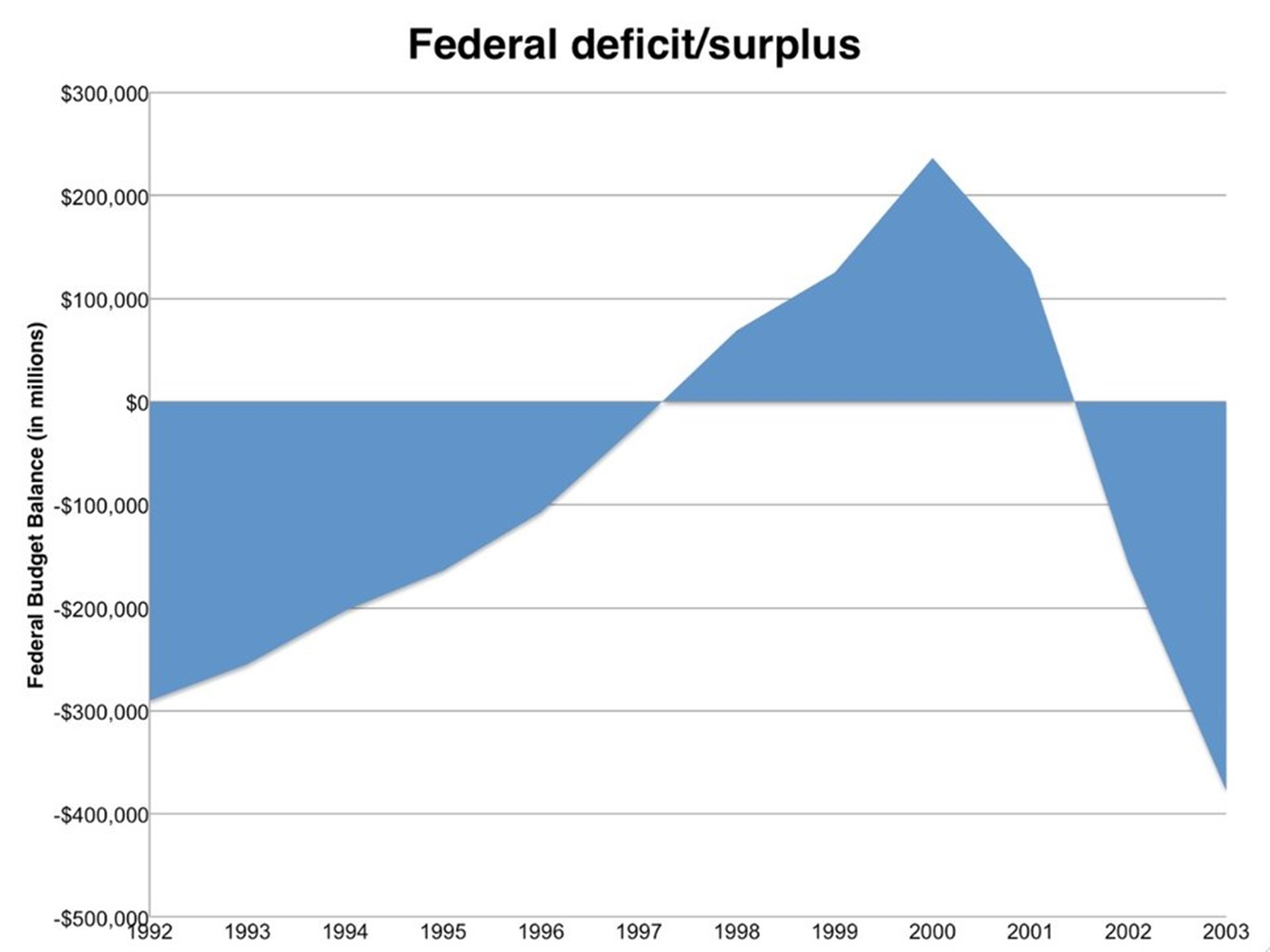
Here’s a chart of the government budget around the years during and right after Clinton, in case you need a reminder that the government was in surplus near the end of his tenure.
The Clinton Curse. The US Economy on a Slippery Slope.
Business Insider, Bloomberg
If the government is in surplus, it means that the government is taking in more cash than it is spending, which is the opposite of stimulus.
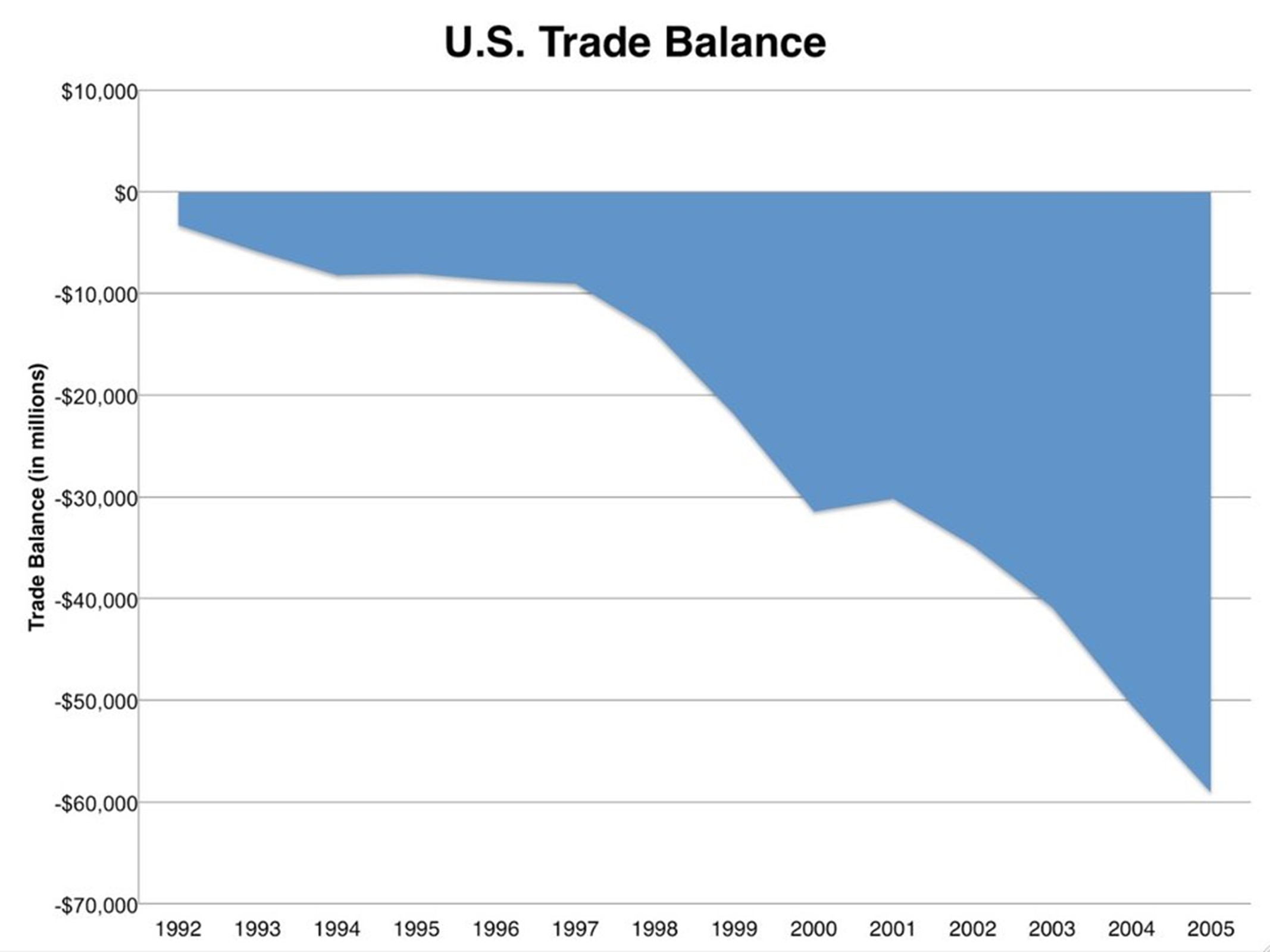
It’s also well-known that the US trade deficit exploded during the late 90s, which means that ‘X-M’ was also a huge drag on GDP during his years.
The Clinton Curse. The US Economy on a Slippery Slope.
Business Insider, Bloomberg
So the trade deficit was subtracting from GDP, and the government was sucking up more money from the private sector than it was pushing out.
There was only one “sector” of the economy left to compensate: Private consumption. And private consumption compensated for the drags from government and trade in two ways.
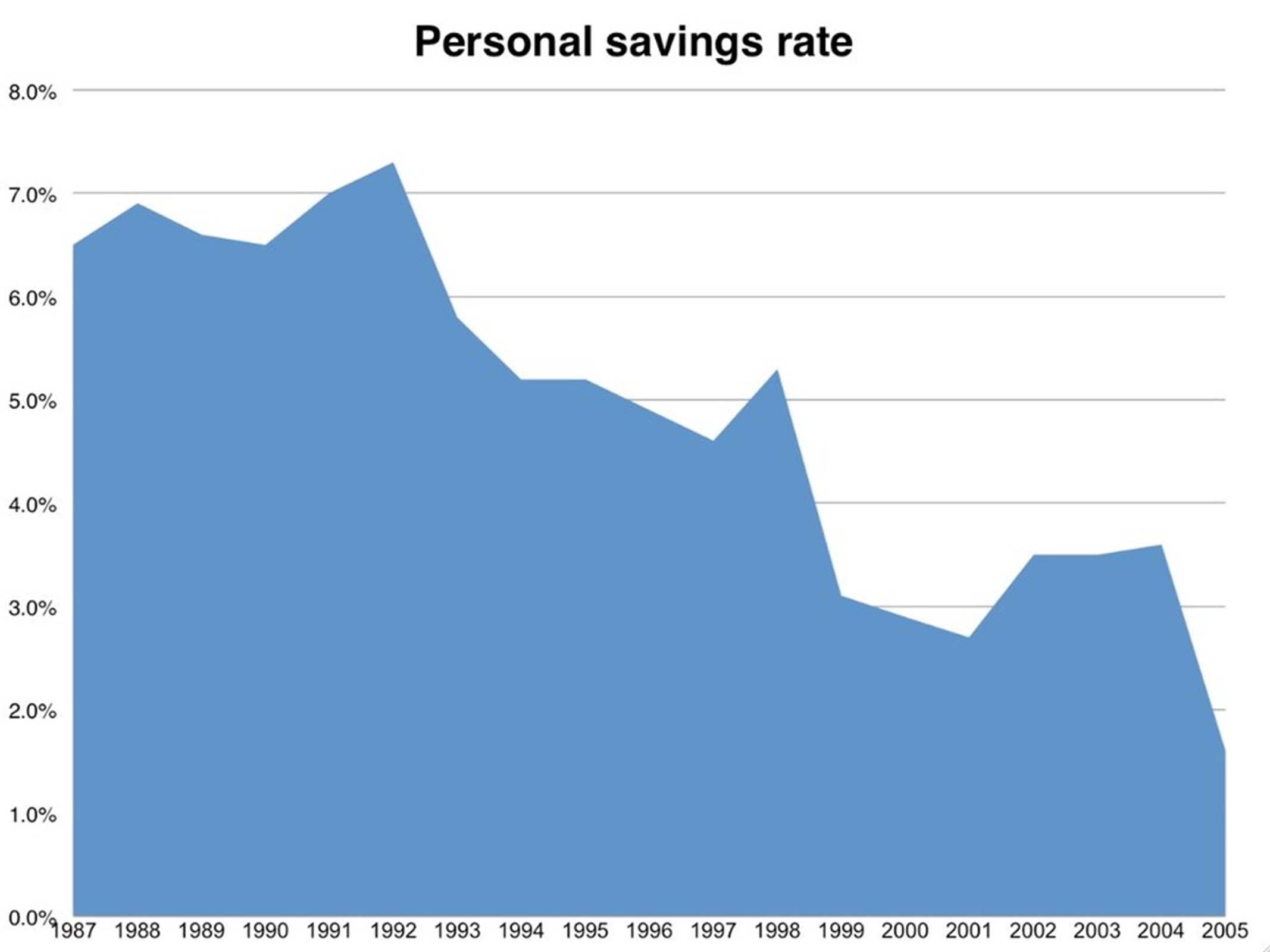
First, the household savings rate collapsed during the Clinton years.
The Clinton Curse. The US Economy on a Slippery Slope.
Business Insider, Bloomberg
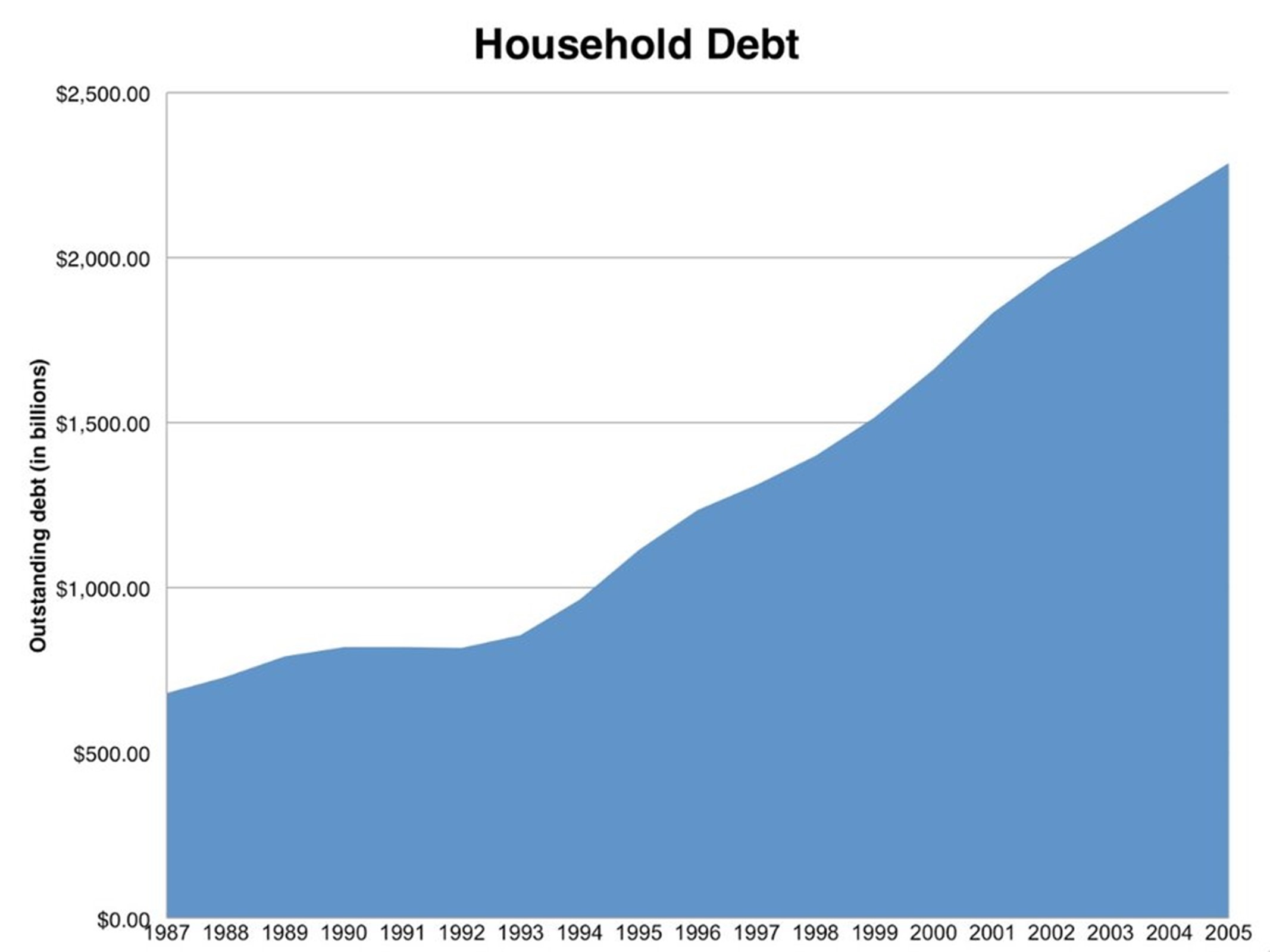
And even more ominously, household debt began to surge.
The Clinton Curse. The US Economy on a Slippery Slope.
Business Insider, Bloomberg
So already you can see how the crisis started to germinate under Clinton.
As his trade and budget policies became a drag on the economy, households spent and went into debt like never before.
Economist Stephanie Kelton expounded further in an email to Business Insider:
“Now, you might ask, “What’s the matter with a negative private sector balance?”. We had that during the Clinton boom, and we had low inflation, decent growth and very low unemployment. The Goldilocks economy, as it was known. The great moderation. Again, few economists saw what was happening with any degree of clarity. My colleagues at the Levy Institute were not fooled. Wynne Godley wrote brilliant stuff during this period. While the CBO was predicting surpluses “as far as the eye can see” (15+ years in their forecasts), Wynne said it would never happen. He knew it couldn’t because the government could only run surpluses for 15+ years if the domestic private sector ran deficits for 15+ years. The CBO had it all wrong, and they had it wrong because they did not understand the implications of their forecast for the rest of the economy. The private sector cannot survive in negative territory. It cannot go on, year after year, spending more than its income. It is not like the US government. It cannot support rising indebtedness in perpetuity. It is not a currency issuer. Eventually, something will give. And when it does, the private sector will retrench, the economy will contract, and the government’s budget will move back into deficit.”
But this is only part of the story. What about what Charlie Gasparino wrote about above?
The Fannie and Freddie Boom
When the government is running a surplus, it no longer has to issue much debt. But risk-free government bonds are a crucial component of portfolios for all kinds of financial institutions, and for mom & pop investors who like the safety of regularly Treasury payouts. The yield on the 10-year bond was over 5% back in those days… nothing to sneeze at for people planning for a retirement.
This created a bit of a crisis.
Bond trader Kevin Ferry, a veteran of the scene, told Business Insider about the panic that was unfolding over the government’s lack of debt.
“OMG, they were all saying… there wasn’t going to be any paper!”
How did the markets react?
“Lo and behold… [Fannie and Freddie] issuance “SURGED” in the late 90s,” said Ferry.
Everything changed. While the government dramatically slowed down the issuance of Treasuries, Fannie and Freddie picked up the baton and started selling debt like never before.
“Prior to those years, there were not regular [Fannie and Freddie] auctions.”
“The system wanted it.”
“The fear was that there wasn’t going to be any…. There were no bill auctions.”
“The brokers were calling up ma & pa and said there are no more T-Bill auctions!”
And the data bears this out.
Total agency issuance of mortgage-backed securities spiked in 1998 and 1999, and from then on they never looked back.
The Clinton Curse. The US Economy on a Slippery Slope.
Business Insider, Bloomberg
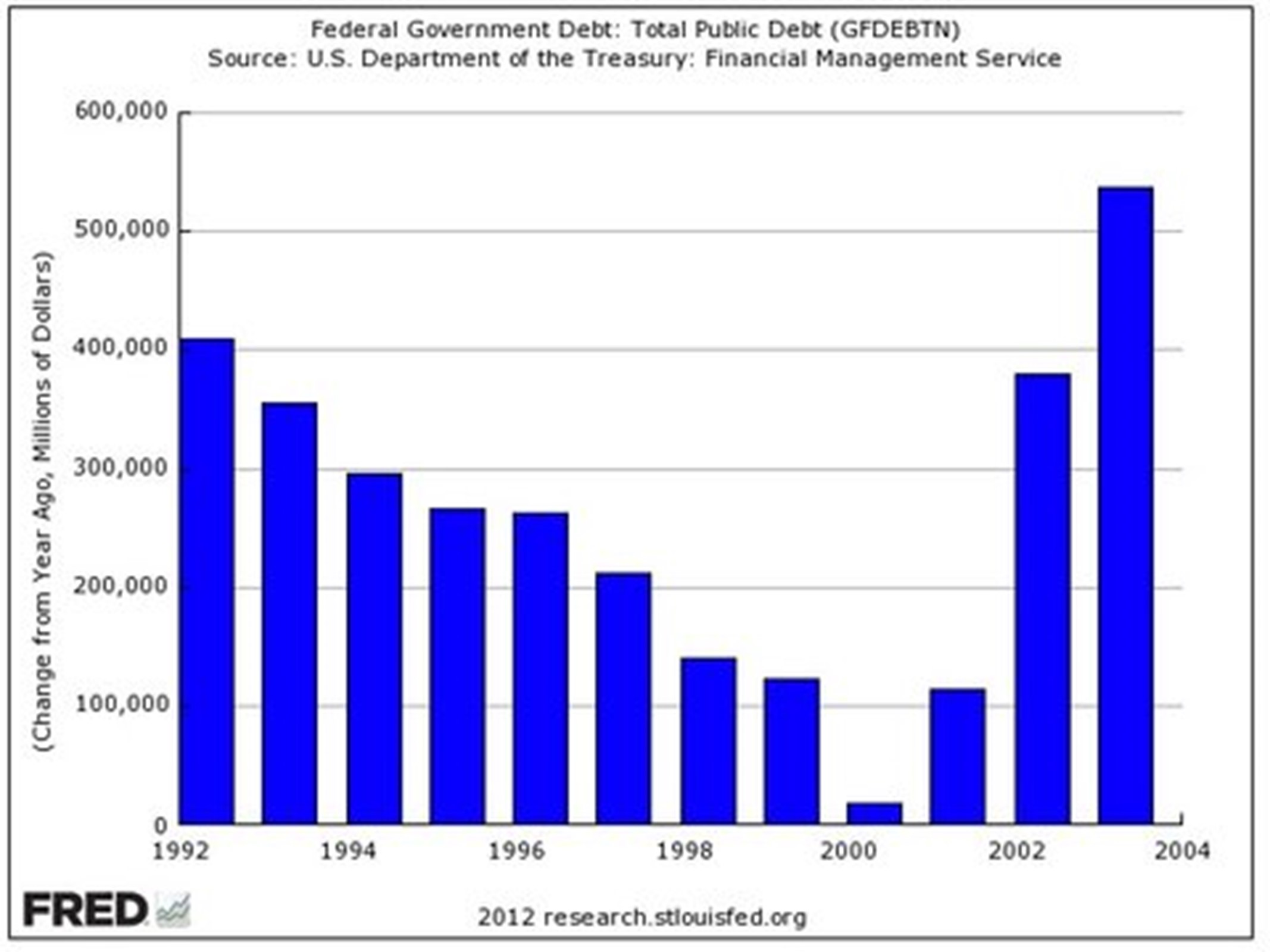
And just to drive home the point again, about how the 1998-1999 spike in issuance was the mirror image of the annual change in the size of the government debt.
The Clinton Curse. The US Economy on a Slippery Slope.
FRED
Note that both government debt and agency issuance spiked in the early 2000s, but that was during a recession when the private sector dramatically scaled back its activity form the late 90s.
How Clinton Destroyed The Economy
The bottom line is that the signature achievement of the Clinton years (the surplus) turns out to have been a deep negative. For this drag on GDP was being counterbalanced by low household savings, high household debt, and the real revving up of the Fannie and Freddie debt boom that had a major hand in fueling the boom that ultimately led to the downfall of the economy.
And that brings up a broader question that people who advocate balanced budgets must answer.
What’s the point of it?
Despite the budget surplus, interest rates were higher. And the surplus provided no protection of the coming slump. And if anything, it just weakened the most brittle part of the economy: households.
Furthermore, there is a pattern of this.
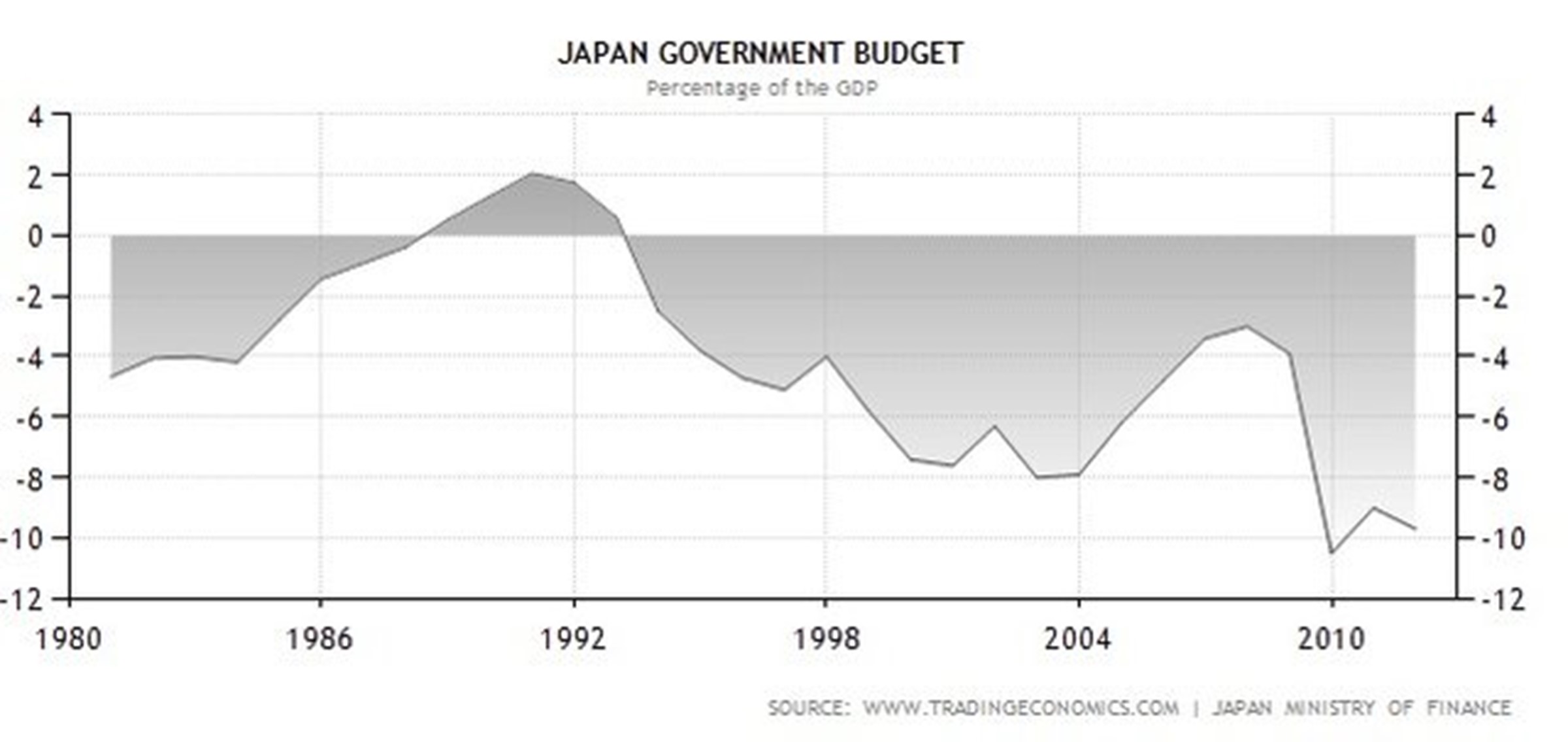
Japan ran a budget surplus in the year right before its economy went into terminal decline, as this chart from Trading Economics shows
The Clinton Curse. The US Economy on a Slippery Slope.
So while Clinton will be remembered nostalgically tonight, for both the performance of the economy and his government finances, they shouldn’t be remembered fondly.
The Clinton Curse. The US Economy on a Slippery Slope.
Institution of Dalai Lama Represents the Political Rights of Tibetans to Self-Governance
The Institution of Dalai Lama stands for the Ganden Phodrang Government of Tibet which represents political rights of Tibetans for Self-Governance.
In my analysis, ‘Institution of Dalai Lama’ remains relevant to Tibetans in Occupied Tibet. The Institution of Dalai Lama represents The Ganden Phodrang Government of Tibet, the political symbol of Tibetan Rights to Self-Governance. The Seal that represents the Institution of Dalai Lama does not include the image of any of the Dalai Lamas that ruled over Tibet for centuries.
Dalai Lama Says, ‘Institution of Dalai Lama’ No More Politically Relevant
Whole Ruler – Dalai Lama Represents the Political Rights of Tibetans
PANAJI: Tibetan spiritual leader Dalai Lama on Wednesday said the “institution of Dalai Lama” is no longer politically relevant and it was up to the people of Tibet to decide whether the age-old tradition should continue or not.
He said the Chinese government was more concerned about this institution than him for political reasons.
Dalai Lama is a title given to spiritual leaders of Tibetan people. This title is given to those who are considered among the most important monks of the Gelug school, the newest school of Tibetan Buddhism.
Addressing an event at the Goa Institute of Management, the 14th Dalai Lama said, “As early as in 1969, I had formally made a statement whether this very institution of Dalai Lama should continue or not, it is up to the Tibetan people to decide.”
Replying to students’ queries after an hour-long address, he said, “I have no concerns. Nowadays, the Chinese government is more concerned about the Dalai Lama institution than me. The Chinese government is concerned because of political reasons,”
During the 1959 Tibetan uprising, the Dalai Lama had fled to India.
He said in 2001, the elected political leadership was appointed (by the people in exile) and for the next 10 years, he remained in semi-retired position. “Then in 2011, I totally retired from the political responsibility. Now, the elected political leadership carries the full responsibility, I don’t get involved in their decision,” he said.
“Now, no longer Dalai Lama institution is politically relevant,” the 1989 Nobel Peace Prize winner said. About the future Dalai Lama, he said all leaders of different Buddhist traditions hold a meeting in Tibet every year in November.
“This November, we are meeting again. In the previous meetings, they had decided that when my age reaches around 90 years, then the group of leaders will decide about the future Dalai Lama,” the 83-year-old spiritual leader said. When asked about his own selection to the chair, Lama recalled, “According to my mother, the very day when the search party set by the Tibetan government reached my place… That very day our family was completely ignorant.” “But that very day, I was a 2-3-year-old boy… I was so much excited. I myself don’t know why… The search party got some indications that day. When they reached our house, I ran towards them and recognized each persons’ name,” he said. “At that time, I had some sort of some memory about past life,” the Dalai Lama said.
Institution of Dalai Lama Represents the Political Rights of Tibetans to Self-Governance
ANTISLAVERY CAMPAIGN OF 2018 – THE CLINTON CURSE – A SLAVE TO SIN
Antislavery Campaign of 2018. The Clinton Curse. A Slave to Sin.
Antislavery Campaign of 2018 is not about giving citizenship rights to non-citizens. It is about upholding the Supreme Law of the Land to abolish bondage, servitude, and slavery. The Reconstruction of America is not yet over. Slavery re-appeared in this Land in a new form and remains hidden or unnoticed. I ask my readers to stop pretending. At least, admit that over 600, 000 Americans died in the most defining Struggle ever fought by Americans since Independence.
REPEAL PRWORA PROJECT – CAMPAIGN FOR SAVING ONE NATION UNDER GOD
Antislavery Campaign of 2018. The Clinton Curse. A Slave to Sin.
WHERE IS PROTECTION FOR MAN DURING GOLDEN YEARS OF HIS LIFE? HOW TO SURVIVE OPPRESSION?
Antislavery Campaign 2018. The Clinton Curse. A Slave to Sin.
THE GREAT AWAKENING MOVEMENT – SPIRITUAL WARFARE AGAINST OPPRESSION BY EVIL
Antislavery Campaign of 2018. The Clinton Curse. A Slave to Sin.
A NEW BEGINNING IN AUGUST 1996 – OPEN YOUR EYES – OPPRESSION OF ALL THOSE WHO WORK UNDER AMERICAN SUN:
Antislavery Campaign of 2018. The Clinton Curse. A Slave to Sin.
PRESIDENT CLINTON’S NEW BEGINNING IN 1996 – ECONOMIC OPPRESSION OF ALIEN WORKERS
On August 22, 1996, US President Bill Clinton (Democrat) signed into Law that reintroduced Slavery, Involuntary Servitude, Serfdom and Forced Labor in the pretext of making ‘A New Beginning’. Welfare Reform Act or Personal Responsibility and Work Opportunity Reconciliation Act (PRWORA) is unjust and unfair for it violates Constitutional Law that defends natural rights of all people living in United States. All US taxpayers must be treated as equals for receiving retirement income benefits for which they paid taxes. President Clinton’s action constitutes a transgression of President Abraham Lincoln’s Emancipation Proclamation that saved US Non-Citizens or Aliens from the indignity of Slavery.
GIVING VOICE TO HIDDEN PROBLEM – TRAVESTY OF EMANCIPATION PROCLAMATION
NATURAL LAW vs MAN MADE LAW – SLAVERY IS CONTEMPT OF OVER 600,000 AMERICANS WHO DIED BECAUSE OF SLAVERY
US CONGRESS SLAVE DRIVER
I ask my readers to review 43-word 13th Amendment and tell me if those words still govern, rule, and operate the lives of all people, wage earners who perform labour paying taxes.
My readers should not be surprised if I describe the US Congress as “Slave Driver.” The reason for my claim is based on PRWORA enacted by the US Congress in 1996 that amended The US Social Security Act of 1935. This legal provision enacted by 104th US Congress is incorporated as Section 202(y) of the Social Security Act. It mandates that no Retirement Income benefits shall be payable to registered alien(non-citizen) taxpayers in the United States without showing proof of lawful residency as determined by the Attorney General. In my view, unexpired Employment Authorization Document (EAD) must not be demanded if a worker has attained full retirement age as determined by law.
Social Security Act, Section 202(y) violates the principle enshrined in those 43 words called the 13th Amendment. This 1996 amendment to the Social Security Act is fundamentally flawed for it is unconstitutional. It takes away the property rights (earnings, wages, and retirement income) of individuals who paid Federal, State, Local, Social Security and Medicare Taxes working in this country to attain full retirement age.
The Emancipation Proclamation issued by President Abraham Lincoln (Republican) in September 1862 came into effect on January 01, 1863 freeing slaves in all territory still at War with the Union. These slaves were not citizens of the Land and had no political rights of their own. In Law, Servitude or Slavery refers to the burden imposed upon the property of a person by a specified right another has in its use. Servitude involves labour in which the person who performs labour has no right to his earnings from labour. The Emancipation Proclamation specifically protects, defends, preserves and safeguards rights of aliens or non-citizens residing in the United States.
The amended Social Security Act unconstitutionally gives power to Social Security Administration to withhold the property (wages, earnings, monthly retirement income benefits) of alien workers who are not convicted by US Court of Law. In my analysis, The Social Security Act of 1935 amended in 1996 fails to uphold the US Constitution as the Supreme Law of this Land.
I ask my readers to make the distinction between Social Security Tax and Monthly Retirement Benefit. The first represents tax paid to the government and the second represents earning or wage entitled to a retired person to provide income and security during old age.
WASHINGTON – Earlier today, at a ceremony in Emancipation Hall of the United States Capitol Visitor Center, President Obama and leaders of Congress commemorated the 150th anniversary of the 13th amendment to the Constitution. Following are House Speaker Paul Ryan’s (R-WI) remarks at the ceremony, as prepared for delivery: The Thirteenth Amendment is just 43 words long. It is so short that, when you read it, you can almost miss the whole significance. You have to stop and remind yourself that 600,000 people died in the Civil War—600,000 died over 43 words. Or to be more precise, they died in a war that decided whether those 43 words would ever be written.
The Repeal movement exposes President Clinton’s contemptuous violation of Constitutional Principles of equal protection, equal justice and equal treatment under Law.
US Social Security Administration must either obtain a criminal conviction or designate septuagenarian Senior Alien as “SLAVE” to withhold the payment of his monthly retirement income.
Antislavery Campaign of 2018. The Clinton Curse. A Slave to Sin.
President Clinton’s Slavery Law of 1996 tramples upon fundamental freedoms and human dignity entitled to all human beings without any concern for their country of origin or citizenship status. The US Congress can levy taxes but cannot deprive any person of Life, Liberty and Property without due process of Law.
Antislavery Campaign of 2018. The Clinton Curse. A Slave to Sin.
BUDDHA STUNNED – SUNNING OF THE BUDDHA IN OCCUPIED TIBET
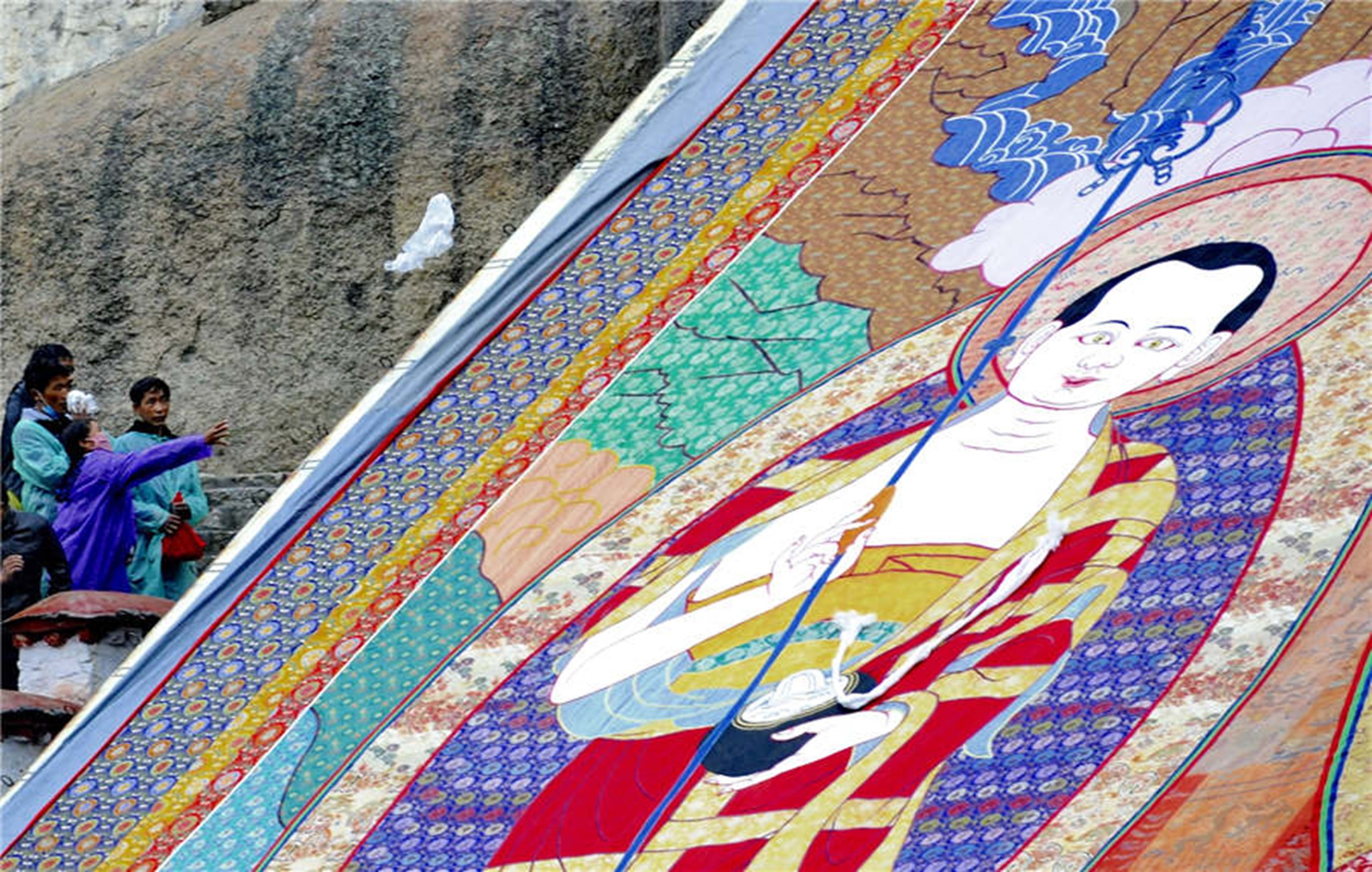
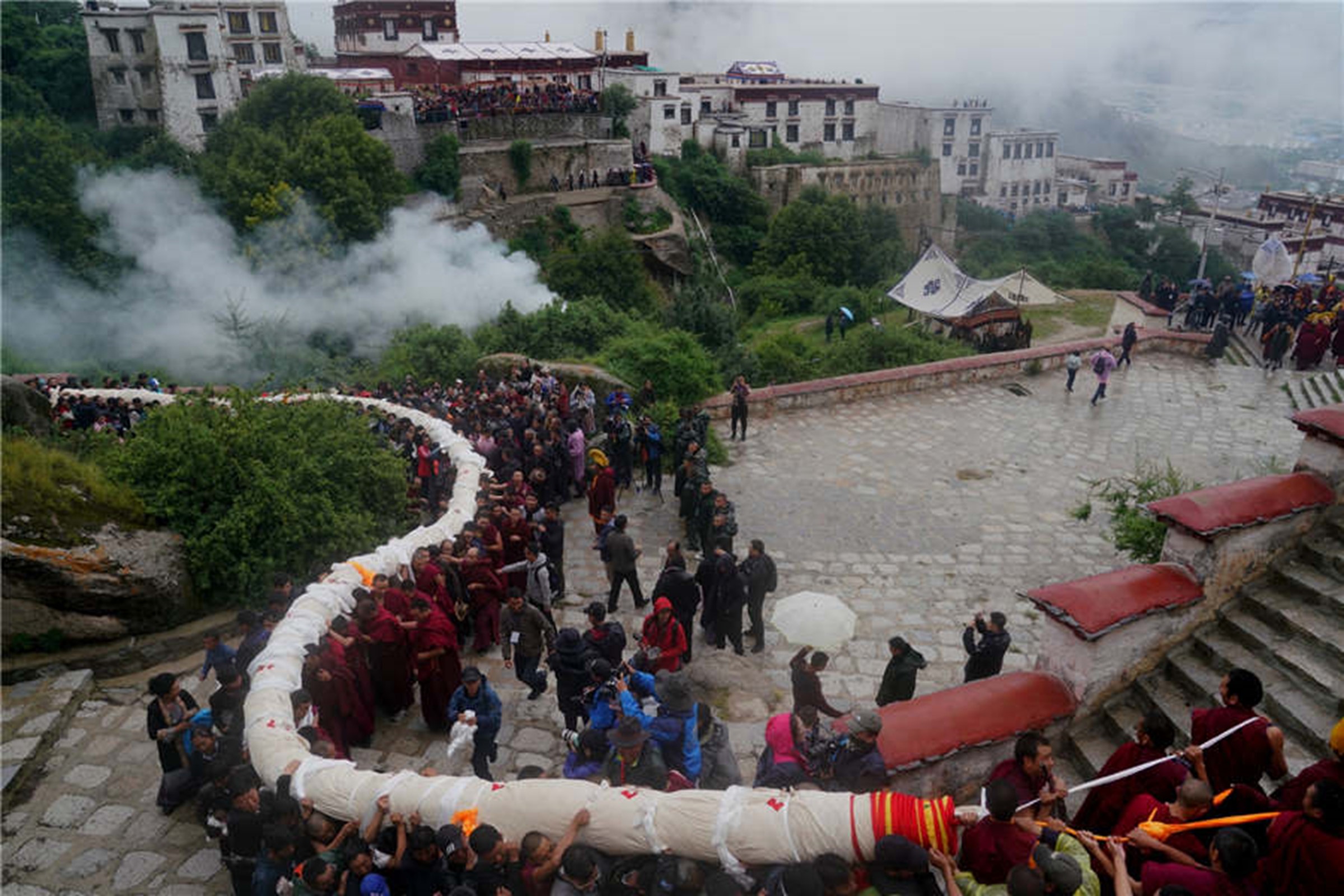
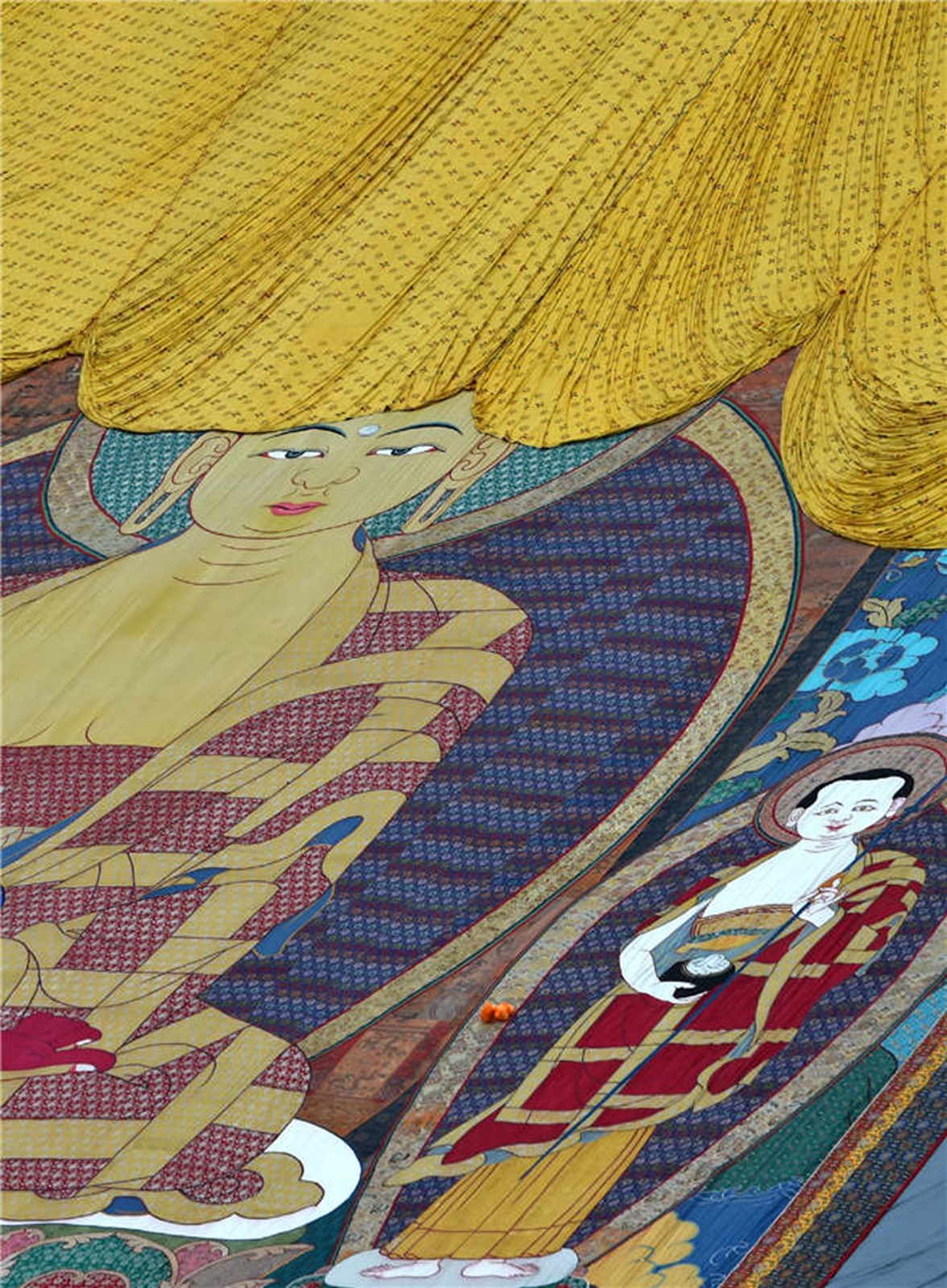
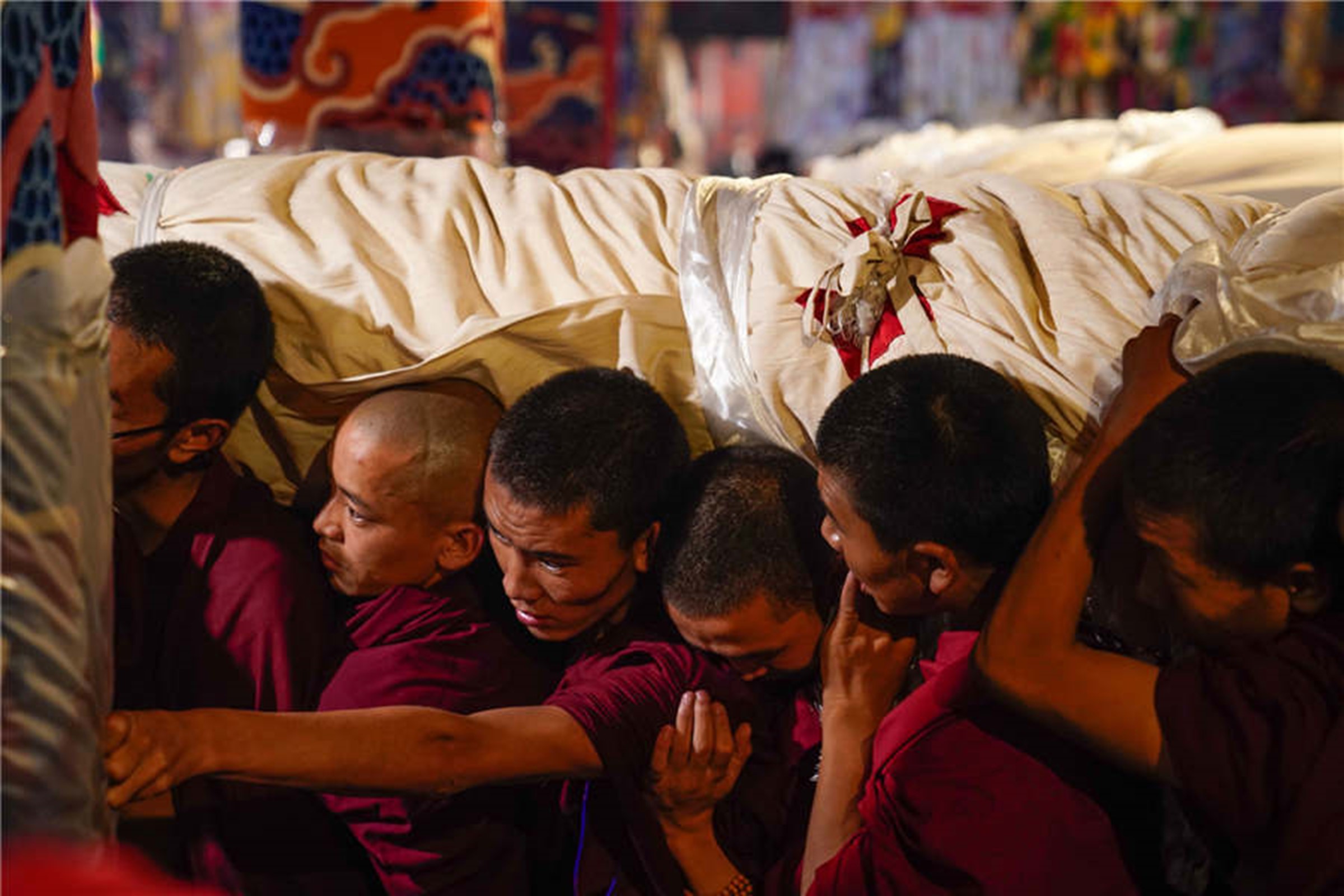
Buddha Stunned. Sunning of The Buddha Ceremony in Occupied Tibet.
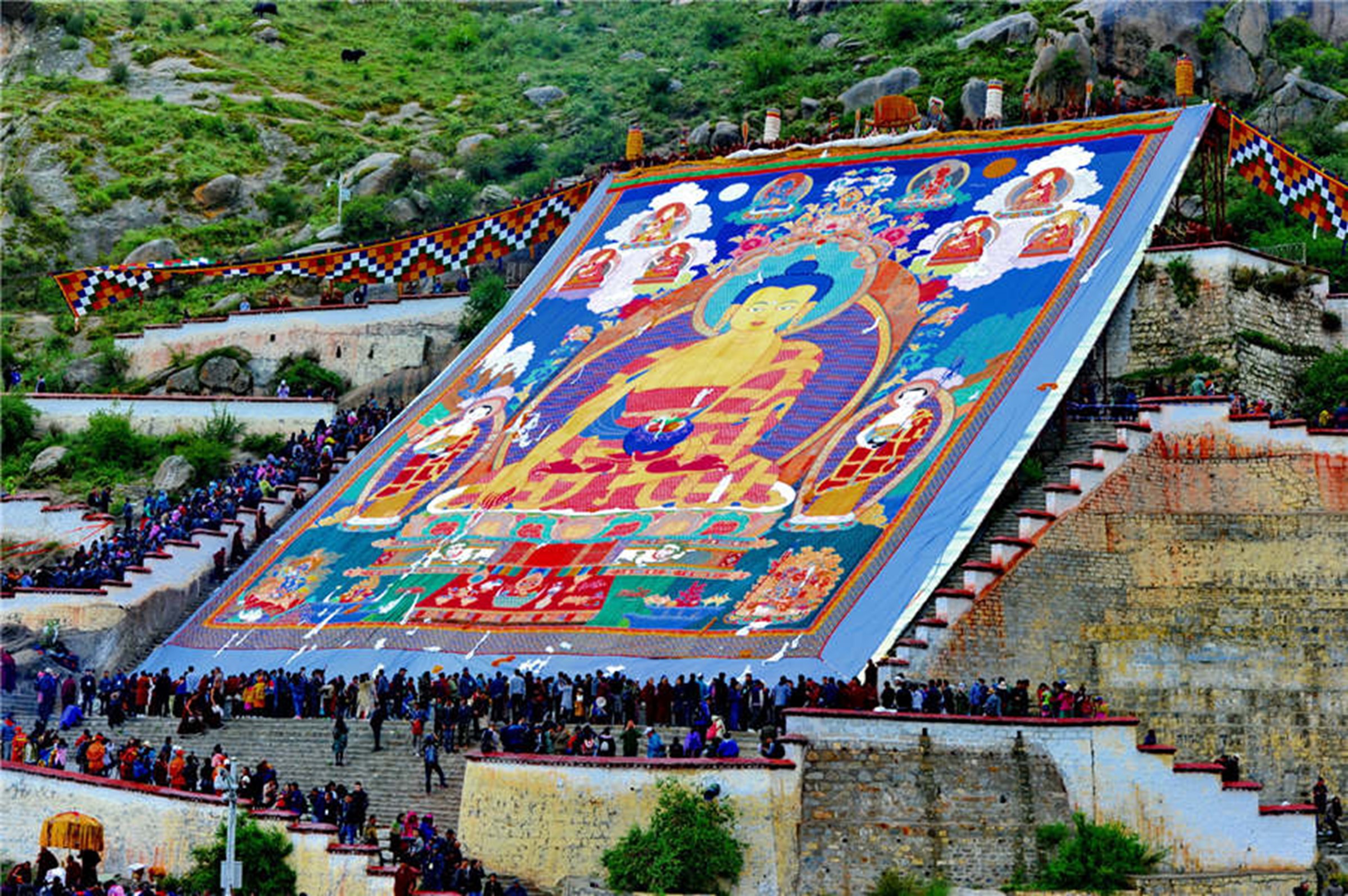
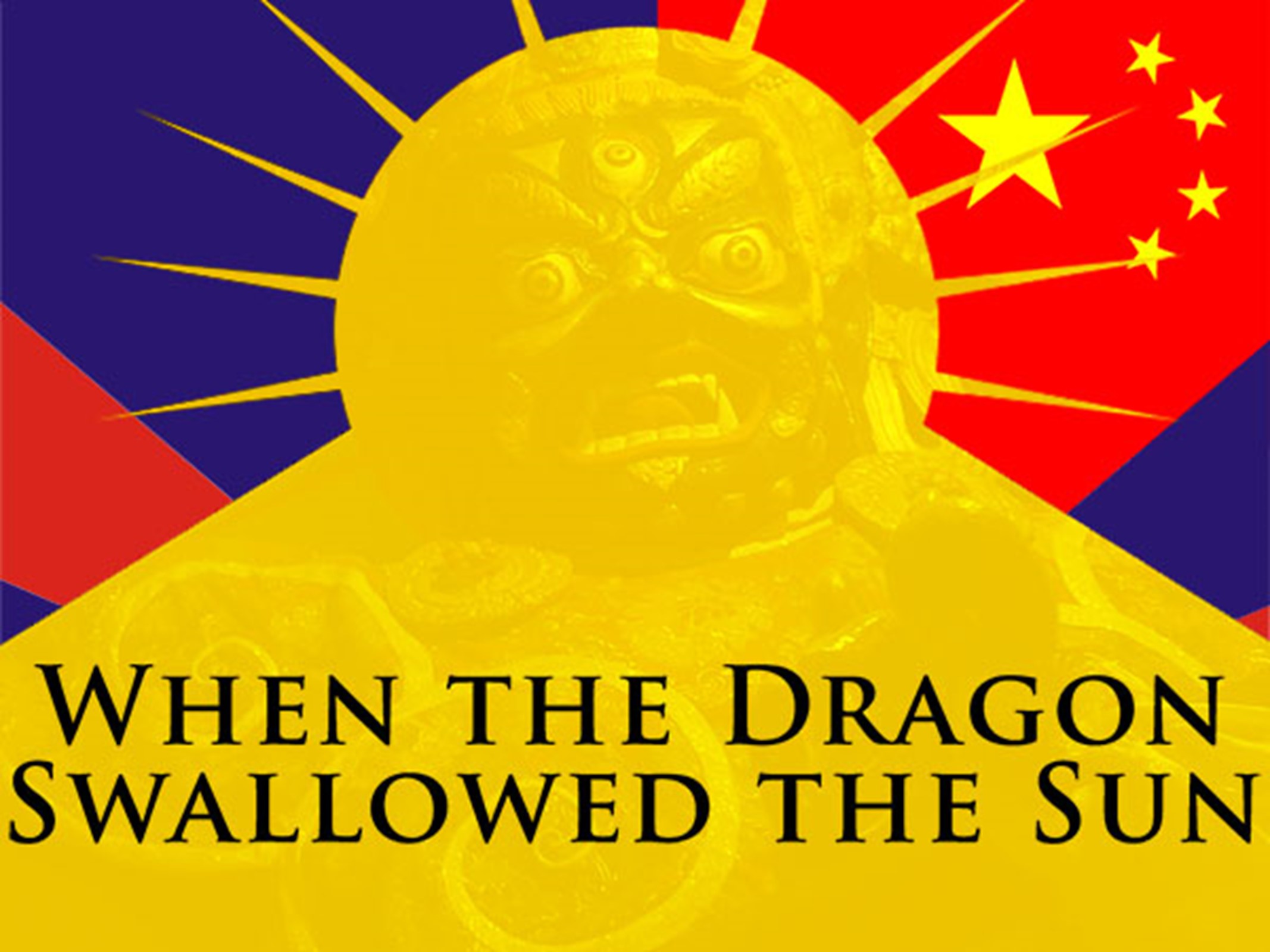
Buddha “Stunned” by Darkness while Tibetans celebrate “Sunning of the Buddha” ceremony in occupied Tibet. The Darkness of Occupation prevails in Tibet for The Red Dragon swallowed the Sun.
Buddha Stunned. Sunning of the Buddha Ceremony in Occupied Tibet.
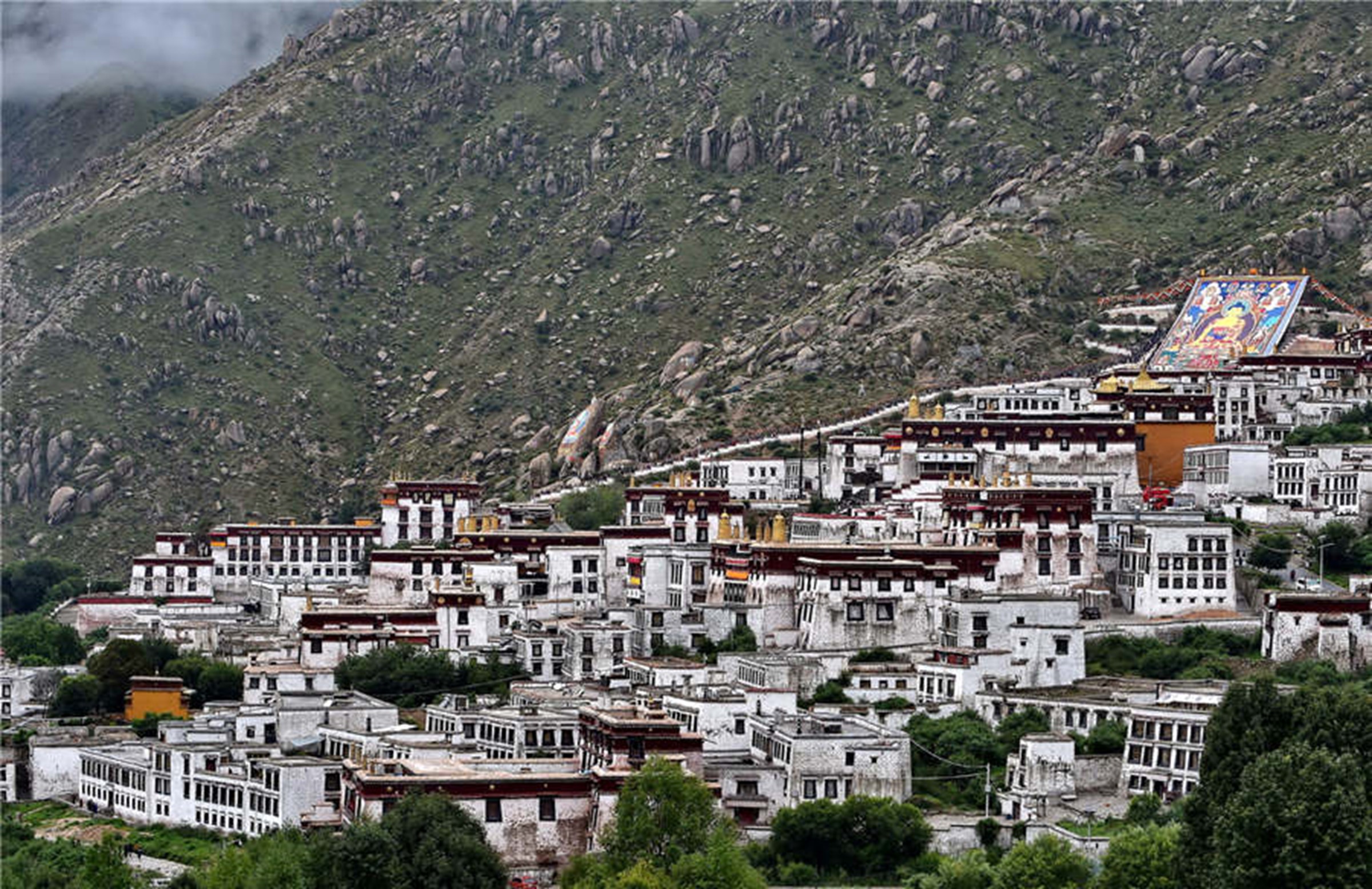
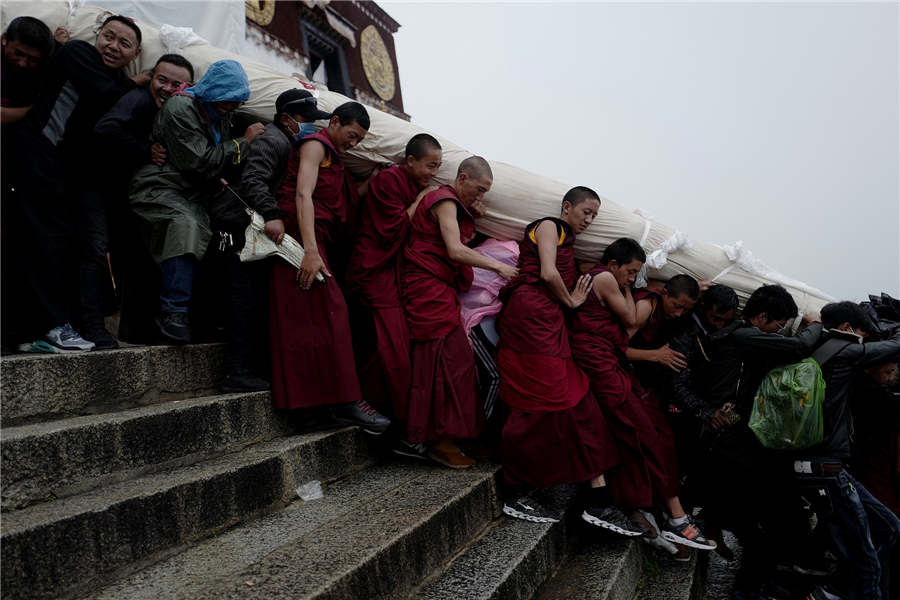
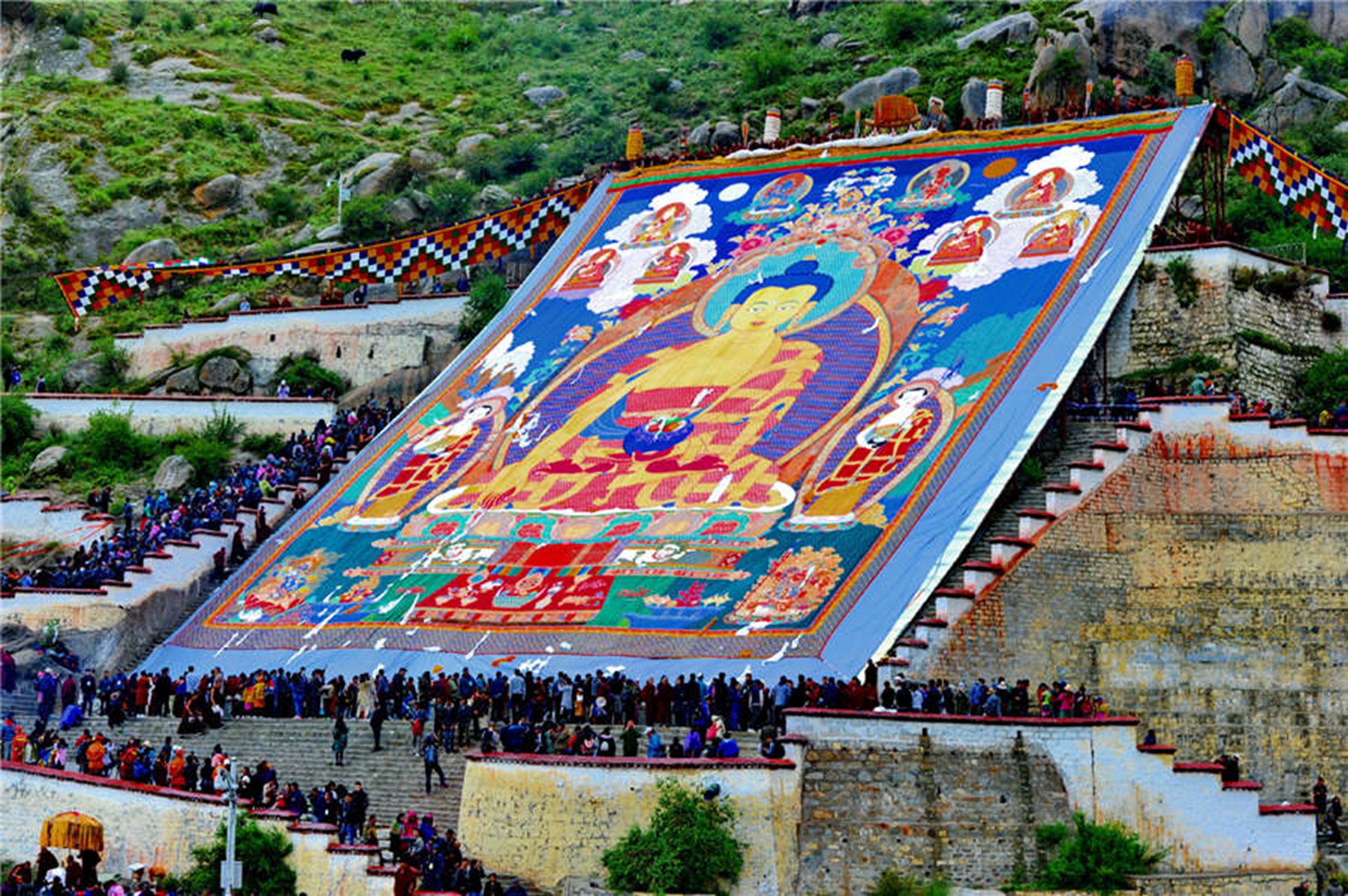
Photo shows the scene of the traditional “sunning of the Buddha” ceremony at Drepung Monastery in Lhasa, Tibet, Aug 11, 2018. Celebrations for the traditional Shoton Festival, or Yogurt Festival, began in Lhasa on Saturday. This year’s event will feature the traditional “sunning of the Buddha” ceremonies, with huge Thangka paintings bearing the image of the Buddha displayed on the hillsides near the Drepung and Sera monasteries, as well as Tibetan opera performances, horse riding performances and an ethnic costume show. [Photo/Xinhua]
Celebrations for the traditional Shoton Festival, or Yogurt Festival, began in Lhasa, on Saturday.
This year’s event will feature the traditional “sunning of the Buddha” ceremonies, with huge Thangka paintings bearing the image of the Buddha displayed on the hillsides near the Drepung and Sera monasteries, as well as Tibetan opera performances, horse riding performances and an ethnic costume show.
“My family and I arrived here at 4 am, and we are heading to Sera Monastery to watch the Thangka painting after paying tribute here,” said Soinam Doje, a 71-year-old herder from Maizhokunggar county, while standing in front of the Drepung Monastery in Lhasa.
The festival will last for one week from Aug 11 to 17.
Shoton Festival, which literally means “yogurt banquet festival,” is one of the most important festivals for Tibetans.
It dates back to the 11th century when it began as a religious ceremony for local residents to offer yogurt to monks finishing their meditation retreats.
Buddha Stunned. Sunning of the Buddha Ceremony in Occupied Tibet.
Buddha Stunned. Sunning of the Buddha Ceremony in Occupied Tibet.
Buddha Stunned. Sunning of the Buddha Ceremony in Occupied Tibet.
Buddha Stunned. Sunning of the Buddha in Occupied Tibet.
Buddha Stunned. Sunning of the Buddha Ceremony in Occupied Tibet.
Buddha Stunned. Sunning of the Buddha Ceremony in Occupied Tibet.
Buddha Stunned. Sunning of the Buddha Ceremony, Lhasa, Occupied Tibet.
Buddha Stunned. Sunning of the Buddha Ceremony in Occupied Tibet.
ANTISLAVERY CAMPAIGN OF 2018 – THE ROLE OF GOD IN THE US GOVERNMENT
Antislavery Campaign of 2018. Special Frontier Force reviews the Role of God in the US Government.
Special Frontier Force, the military organization based in India is the byproduct of American War on Communism. Living Tibetan Spirits because of their lifetime affiliation to Special Frontier Force have the right to review the role of God in the US Government.
Antislavery Campaign of 2018. Special Frontier Force reviews the Role of God in the US Government.
Most US historians agree that the US founding fathers embraced the principles of Natural Law because of its Divine Sanction.
Antislavery Campaign of 2018. Special Frontier Force reviews the Role of God in the US Government.
During the American Civil War 1861 to 1865, Union advocates invoked God to reject Slavery as immoral.
Antislavery Campaign of 2018. Special Frontier Force reviews the Role of God in the US Government.
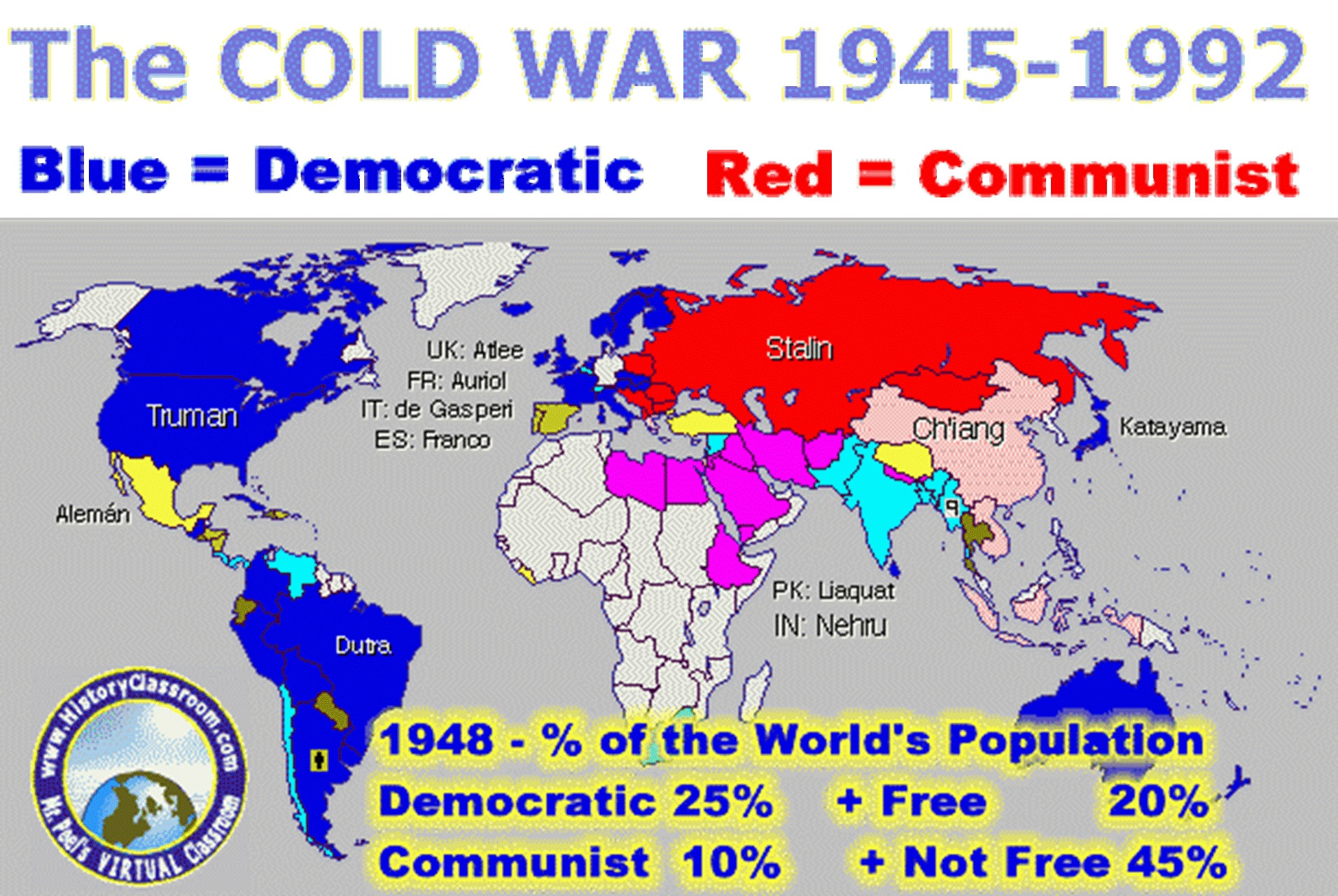
Americans opposed Communism for the political doctrine of Dialectical Materialism is not consistent with trust, belief, or faith in God. American War on Communism includes the driving force generated by Trust in God. Special Frontier Force represents Tibetan Resistance Movement initiated by the US Presidents Harry Truman and Dwight Eisenhower.
Antislavery Campaign of 2018. Special Frontier Force reviews the Role of God in the US Government.
Americans cannot refute the role of God in the US Government. The Official Motto, “IN GOD WE TRUST” directly inspires the US Policy to engage, confront, and contain Communism.
Antislavery Campaign of 2018. Special Frontier Force reviews the Role of God in the US Government.
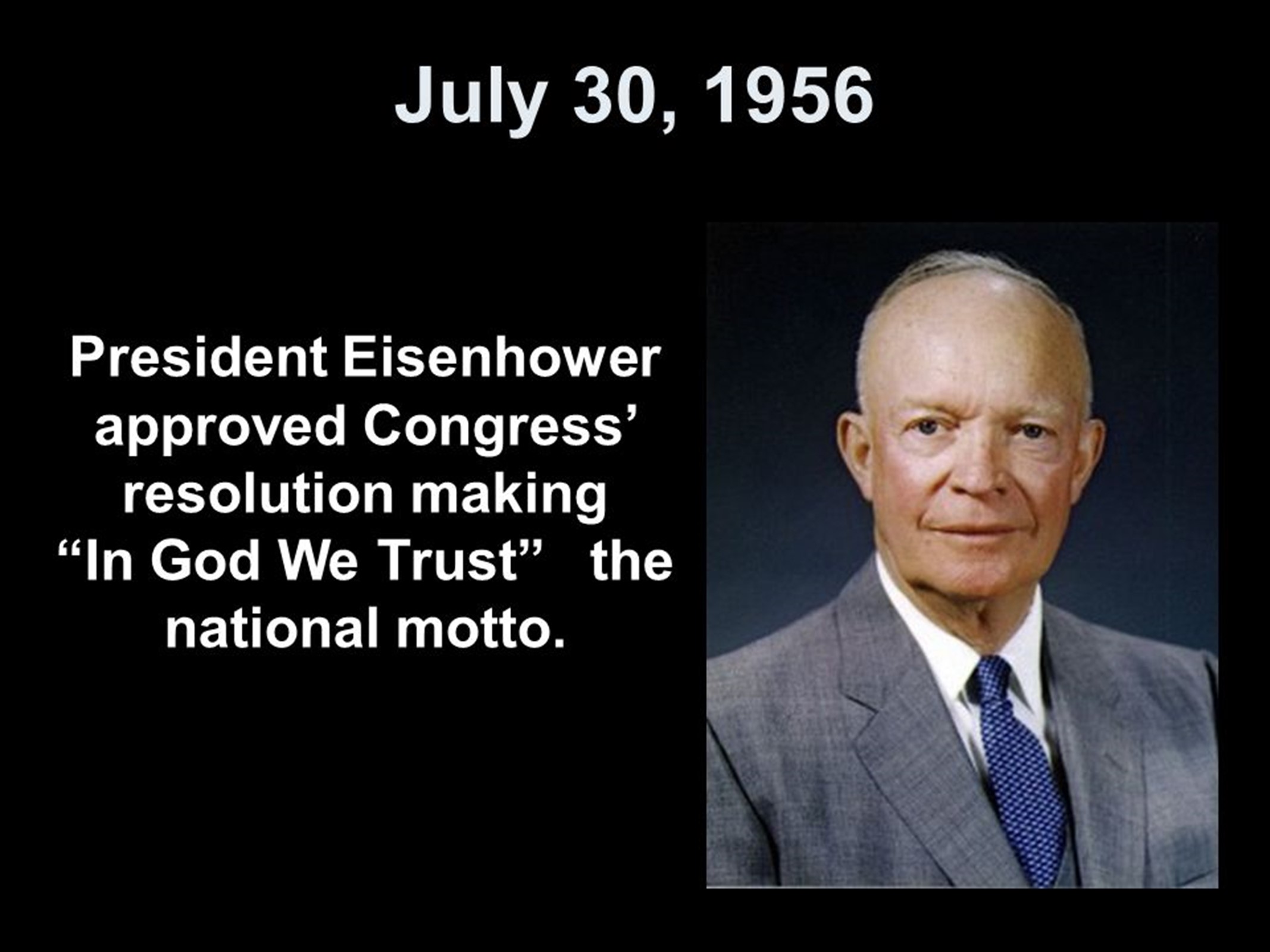
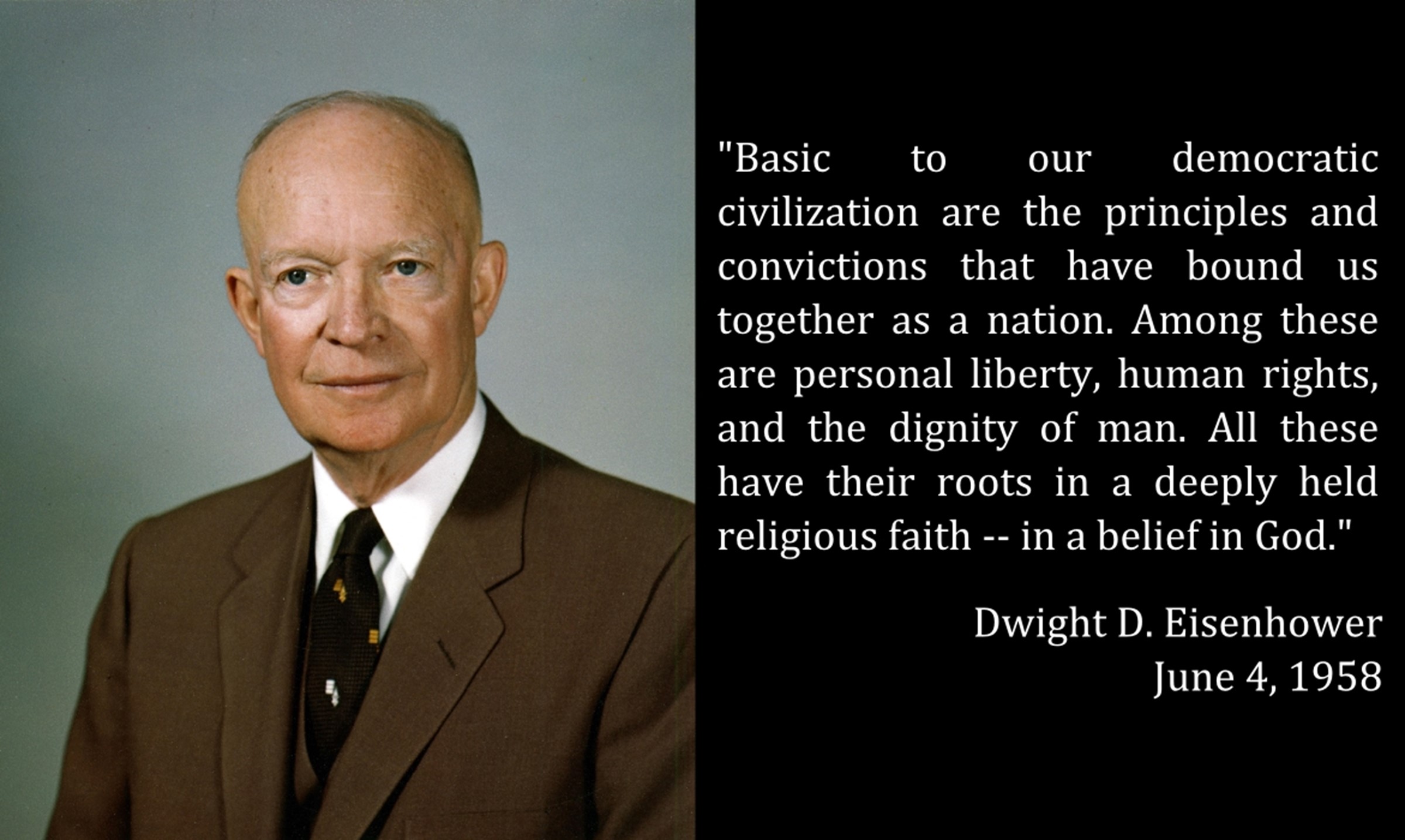
On this day in 1956, two years after pushing to have the phrase “under God” inserted into the pledge of allegiance, President Dwight D. Eisenhower signs a law officially declaring “In God We Trust” to be the nation’s official motto. The law, P.L. 84-140, also mandated that the phrase be printed on all American paper currency. The phrase had been placed on U.S. coins since the Civil War when, according to the historical association of the United States Treasury, religious sentiment reached a peak. Eisenhower’s treasury secretary, George Humphrey, had suggested adding the phrase to paper currency as well.
Although some historical accounts claim Eisenhower was raised a Jehovah’s Witness, most presidential scholars now believe his family was Mennonite. Either way, Eisenhower abandoned his family’s religion before entering the Army and took the unusual step of being baptized relatively late in his adult life as a Presbyterian. The baptism took place in 1953, barely a year into his first term as president.
Although Eisenhower embraced religion, biographers insist he never intended to force his beliefs on anyone. In fact, the chapel-like structure near where he and his wife Mamie are buried on the grounds of his presidential library is called the “Place of Meditation” and is intentionally inter-denominational. At a Flag Day speech in 1954, he elaborated on his feelings about the place of religion in public life when he discussed why he had wanted to include “under God” in the pledge of allegiance: “In this way we are reaffirming the transcendence of religious faith in America’s heritage and future; in this way we shall constantly strengthen those spiritual weapons which forever will be our country’s most powerful resource in peace and war.”
The first paper money with the phrase “In God We Trust” was not printed until 1957. Since then, religious and secular groups have argued over the appropriateness and constitutionality of a motto that mentions “God,” considering the founding fathers’ dedication to maintaining the separation of church and state.
Also on this day
1965
Johnson signs Medicare into law
On this day in 1965, President Lyndon B. Johnson signs Medicare, a health insurance program for elderly Americans, into law. At the bill-signing ceremony, which took place at the Truman Library in Independence, Missouri, former President Harry Truman was enrolled as Medicare’s first beneficiary.
“IN GOD WE TRUST” REAFFIRMED AS NATIONAL MOTTO… AGAIN. GOD IN AMERICA
Antislavery Campaign of 2018. Special Frontier Force reviews the role of God in the US Government.
On Wednesday, November 09, 2011 the House of Representatives voted 396 to 9 to reaffirm the U.S. national motto: “In God We Trust.”
“Some public officials have stated incorrectly that there are different national mottoes. We heard the president make that mistake,” explained Rep. Randy Forbes (R-Va.), who sponsored the bill. Forbes was referring to a speech President Obama delivered in Indonesia last year in which said, “In the United States, our motto is E Pluribus Unum — out of many, one.” (Forbes and a number of other members of the Congressional Prayer Caucus, including current presidential candidate Rep. Michele Bachmann (R-Minn.) sent a letter to the president, taking him to task for the error.)
As The Washington Post noted, Congress has reaffirmed the motto several times in recent years:
The motto has withstood legal challenges from groups that said it violated the separation of church and state. Courts have held that the motto is “ceremonial Deism,” not an official endorsement of religion.
Still, just to be sure, Congress voted to reaffirm the motto in 2002. In essence, it passed a new law that said the old law should not be changed one bit. “Make no change in Section 302, Title 36, United States Code,” it ordered then, citing the passage that created the motto.
Then, in 2006, the Senate voted another time, to reaffirm “the concept embodied in the motto.”
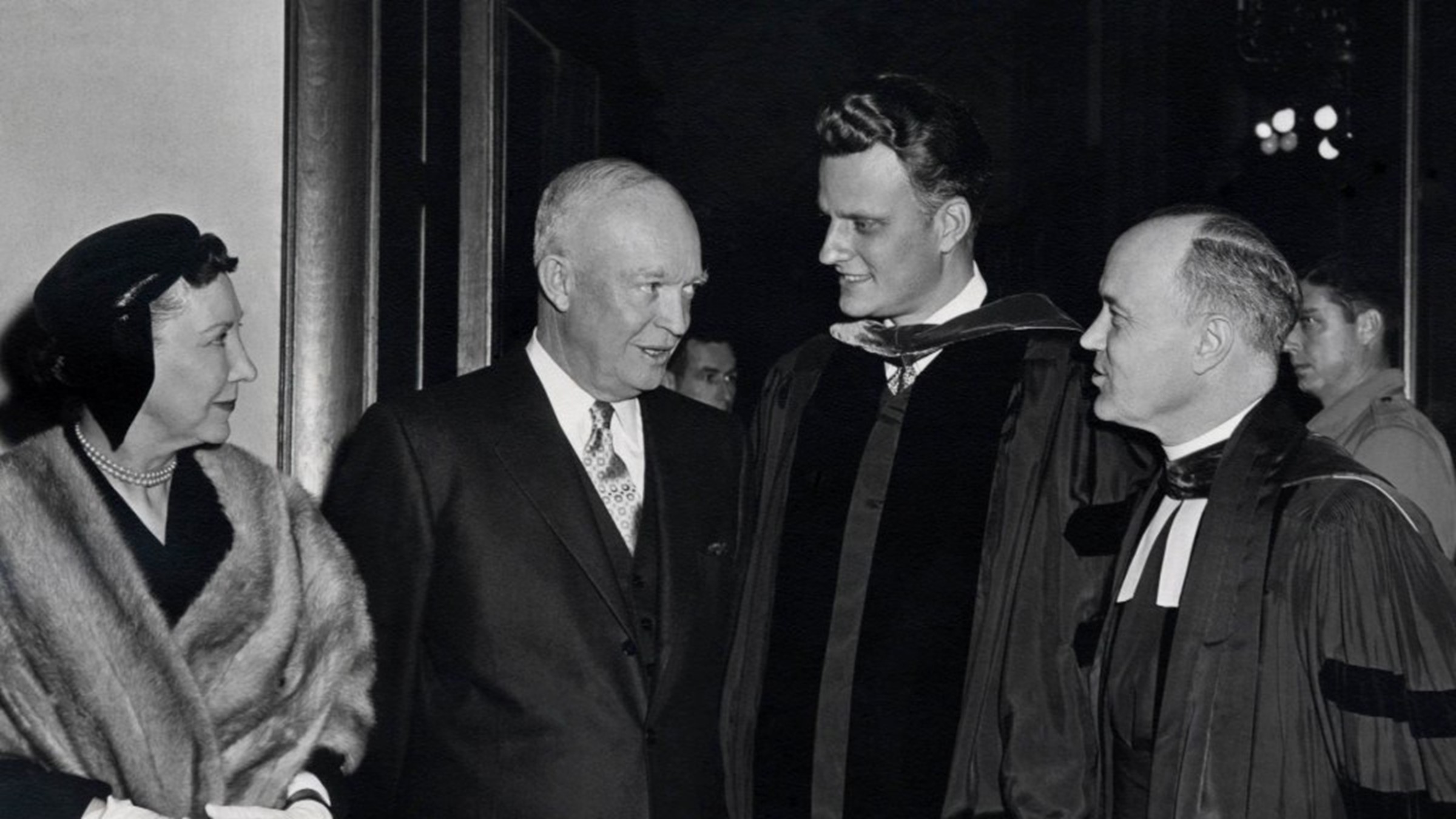
Last fall in God in America, our joint production with AMERICAN EXPERIENCE, we examined how “In God We Trust” came to be our national motto in 1956. At the heart of the story is an alliance between Rev. Billy Graham and Dwight Eisenhower, who together melded Christianity and patriotism into a weapon to be used against “godless Communism” during the Cold War.
The motto, explains historian Frank Lambert, “reclaims this notion that we’re a chosen people and that we were conceived under God and that we flourish under God, and we turn our backs on God at our own peril.”
Antislavery Campaign of 2018. Special Frontier Force reviews the Role of God in the US Government.
TIBETAN NATIONAL SECURITY PLAN – NEGOTIATE WITH A TYRANT FOR PEACE
Tibetan National Security Plan – Negotiate with a Tyrant for Peace.
In the absence of Tibetan National Security Plan, Tibetans are left with no choice. To keep their mortal existence, the Tibetan people may have to negotiate with a Tyrant for Peace.
Tibetan spiritual leader the Dalai Lama courted controversy by stating that Tibet is ready to be part of China provided Beijing agrees to guarantee certain rights.
Tibetan National Security Plan. Negotiate with a Tyrant for Peace.
Tibetan spiritual leader the Dalai Lama addresses during “Thank You Karnataka” an event to mark the 60th year of Tibetan arrival to India, in Bengaluru on Aug 10, 2018. (Photo: IANS)
Two days after he triggered a major controversy by praising Muhammed Ali Jinnah over Jawaharlal Nehru, Tibetan spiritual leader the Dalai Lama stoked a political flame by stating that Tibet is ready to be part of China provided Beijing agrees to guarantee certain rights.
Speaking at an event organized by the Central Tibetan Administration (CTA) in Bengaluru, the Dalai Lama said, “Tibetans are not asking for independence. We are okay with remaining with the People’s Republic of China, provided we have full rights to preserve our culture.”
At the “Thank You Karnataka” event, the 83-year-old Nobel Peace laureate said, “Several of Chinese citizens practicing Buddhism are keen on Tibetan Buddhism as it is considered scientific.”
Only two days ago, the 14th Dalai Lama enraged many by saying that India would not have been partitioned had Pakistan’s founding father Muhammed Ali Jinnah become the Prime Minister instead of Jawaharlal Nehru.
During an interaction with students in Goa, the Dalai Lama said, “Mahatma Gandhi wanted to give the prime ministership to (Mohammad Ali) Jinnah. But Nehru refused. He was self-centered. He said, ‘I wanted to be Prime Minister’. India and Pakistan would have been united (had Jinnah been made Prime Minister at the time). Pandit Nehru was wise and experienced. But mistakes do happen.”
As his remarks triggered outrage, the Dalai Lama on Thursday tendered an apology. “My statement has created controversy, I apologize if I said something wrong,” he said.
“I had a close relationship with Nehru, who suggested having separate schools to preserve the Tibetan thought. He (Nehru) supported the Tibetans’ cause,” the 14th Dalai Lama said.
Born in Taktser hamlet in northeastern Tibet, the Dalai Lama was recognized at the age of two as the reincarnation of the 13th Dalai Lama, Thubten Gyatso. He fled to India from Tibet after a failed uprising against the Chinese rule in 1959.
China annexed Tibet in 1950, forcing thousands of Tibetans, including monks, to flee the mountain country and settle in India as refugees.
Since then, India has been home to over 100,000 Tibetans majorly settled in Karnataka, Himachal Pradesh among other states.
Tibetan National Security Plan – Negotiate with a Tyrant for Peace.
NATIONAL SECURITY BILL FOR TIBET – GOD HAS A PLAN FOR TIBET
August 10, 1949. National Security Bill for Tibet. God has a Plan for Tibet. In the absence of National Security Plan or Strategy, Tibet has become dependent upon The US National Security Bill and its execution by different US Administrations.
On August 10, 1949, the US President Harry Truman signed The National Security Bill creating The Department of Defense to prepare the United States for Cold War as containment of Communist Expansionism requires a complex strategy.
Tibet declared full independence on February 13, 1913, taking advantage of the downfall of the Qing Dynasty or Ch’ing, or Manchu Chinese Empire during 1911-1912.
Tibet never had a National Security Plan or Security Strategy to defend its existence. During 1948-49, Tibet experienced the first major threat to existence with the spread of Communism to mainland China during World War II. It is no surprise to find Tibetans unprepared. In the absence of National Security Plan or Strategy, Tibet has become dependent upon The US National Security Bill and its execution by different US Administrations.
Tibetans are very fearful of Chinese people as Chinese ruled over Tibet with the utmost brutality, unlike the Mongols who had earlier ruled over Tibet for a long time. Tibetans are not concerned about the political ideology of Chinese people. Tibetans are simply afraid of the Chinese race known for their arrogance and unjustified use of power to subjugate innocent, undefended Tibetan people.
August 10, 1949. National Security Bill for Tibet. God has a Plan for Tibet. For Tibet has no Security Plan or Strategy, Tibet has become dependent upon the US National Security Bill and its execution by different US Administrations.
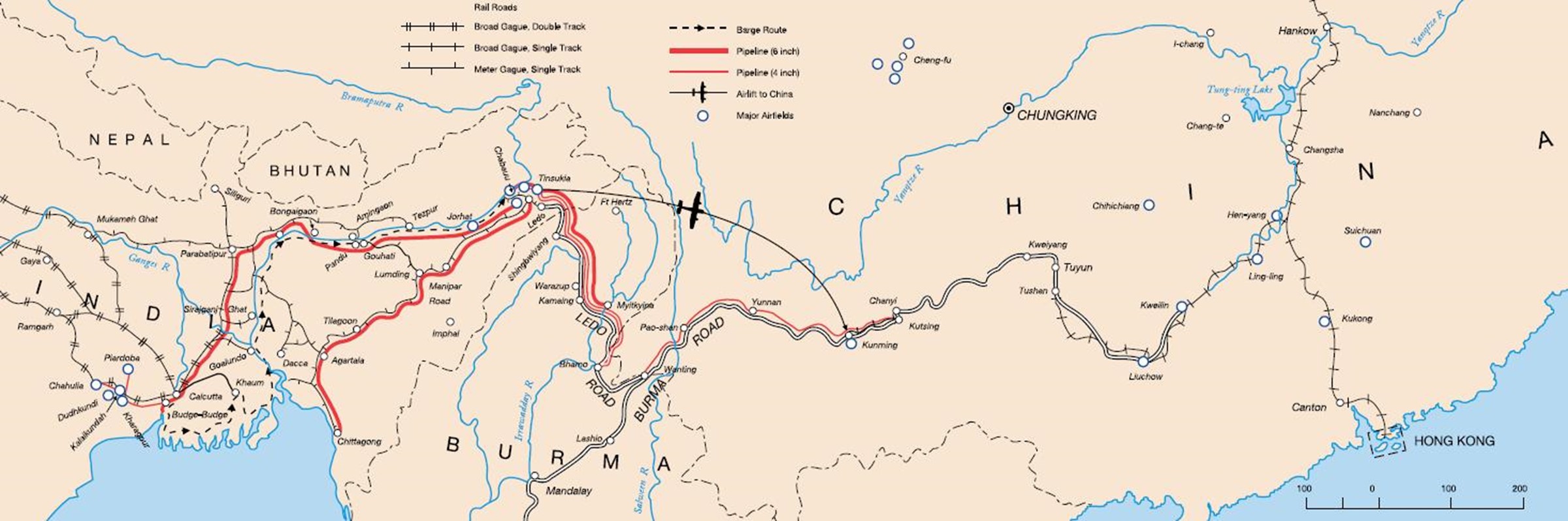
Living Tibetan Spirits trace their American Support from the period of Hump Airlift Operations from April 1942 to November 1945 in China Burma India Theater (CBI) of World War II. While the British fought against the Japanese invasion of Burma, the US worked to extend support to Nationalist forces engaged in bitter Civil War to oppose the Communist takeover of mainland China. Apart from the use of Tibetan airspace, some Hump Airlift Operations delivered weapons and ammunition to Tibet.
For both Tibet and India have no Security Plan or Strategy to defend Tibet from military conquest, they used the opportunity provided by the US President Harry Truman who signed The National Security Bill with plans to fight against Communist Expansionism.
Tibet, India, and the United States agreed to work together in support of the US Plan to contain the spread of Communism. But, as we have seen, it is not good enough. In fact, Communist China consolidated her tight grip over Tibet.
August 10, 1949. National Security Bill for Tibet. God has a Plan for Tibet. In the absence of National Security Plan or Strategy, Tibet has become dependent upon The US National Security Bill and its execution by different US Administrations.
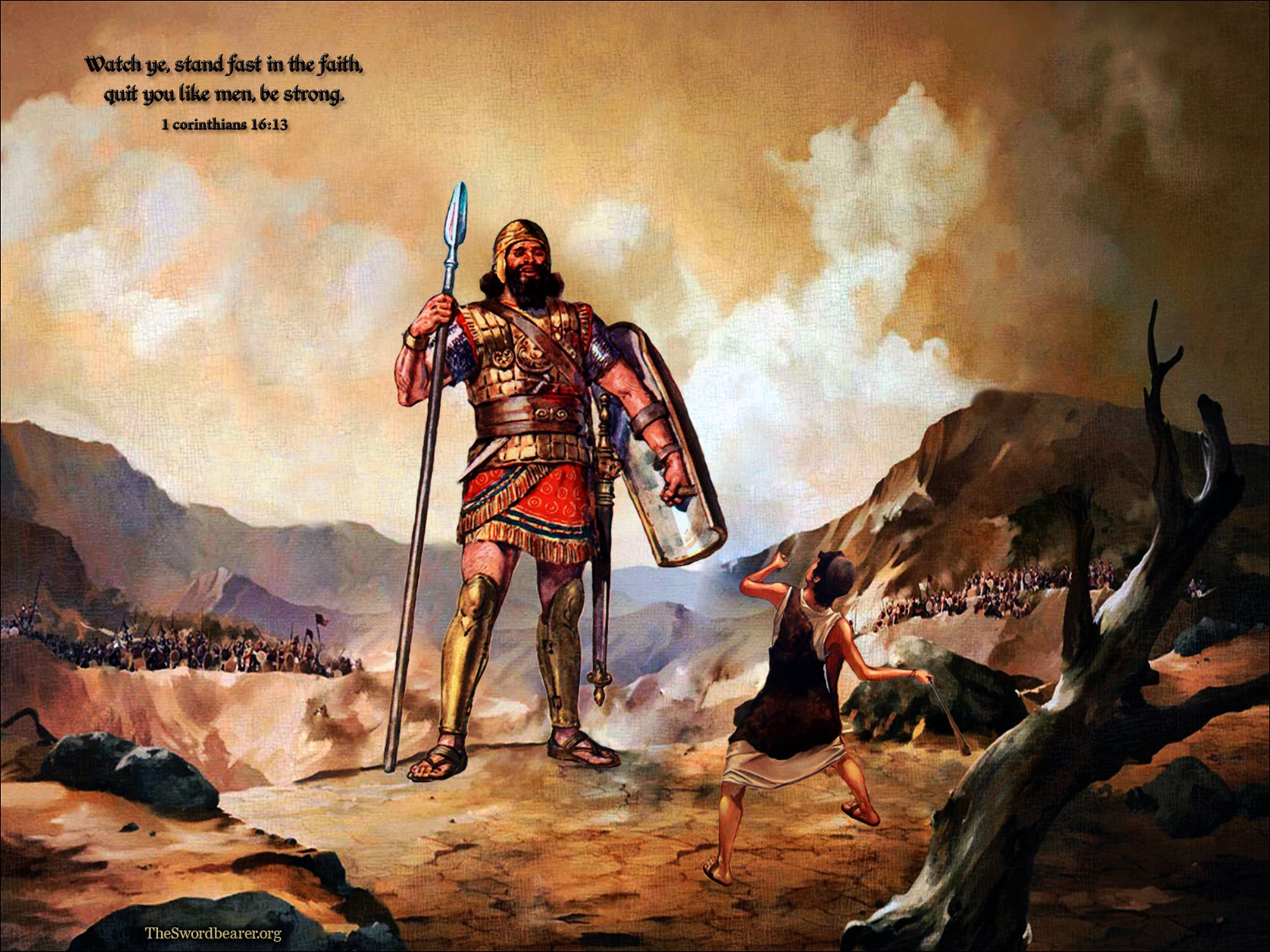
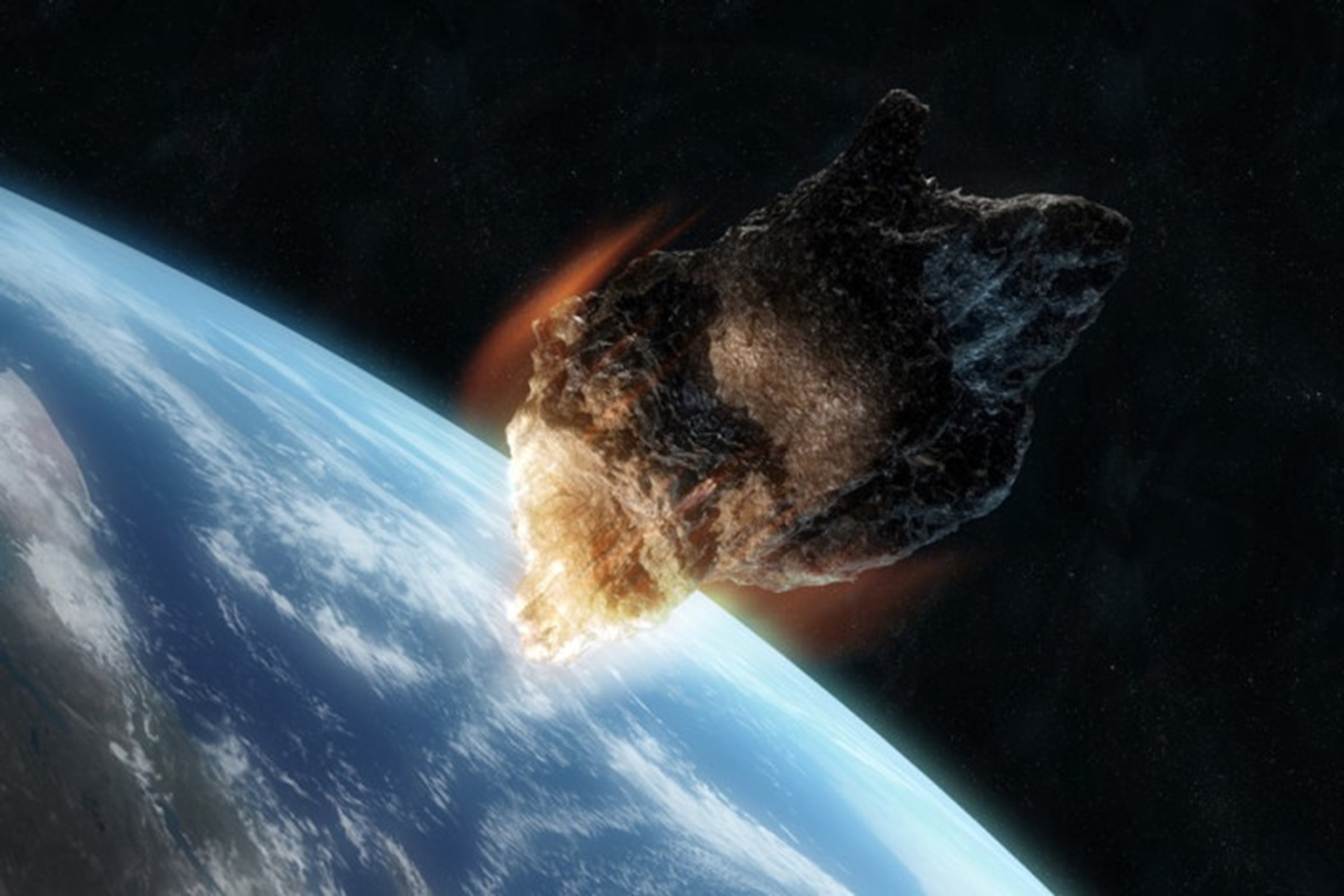
For countries of the World have no Security Plan for Tibet, I asked God for His Security Plan for Tibet. God referred me to the story of David and Goliath described in The Old Testament Book, 1 SAMUEL, Chapter 17. God assures me that it takes only a single ‘Sling Shot’ to utterly defeat Tibet’s Enemy. Beijing’s Downfall is just a ‘Stone’s Throw Away’. I call God’s Plan as ‘The Sling Shot’ Option for Tibet’s Security.
President Harry S. Truman signs the National Security Bill, which establishes the Department of Defense. As the Cold War heated up, the Department of Defense became the cornerstone of America’s military effort to contain the expansion of communism.
In 1947, the National Security Act established the Cabinet-level position of secretary of defense, which oversaw a rather unwieldy umbrella military-defense agency known as the National Military Establishment. The secretary of defense, however, was just one of a number of military-related cabinet positions, including the pre-existing secretaries for the Army, Navy, and Air Force. The growing complexity of the Cold War, a war in which the mishandled application of military force could lead to a world war of cataclysmic proportions, convinced U.S. officials that the 1947 act needed to be revised.
In 1949, the National Security Bill streamlined the defense agencies of the U.S. government. The 1949 bill replaced the National Military Establishment with the Department of Defense. The bill also removed the cabinet-level status of the secretaries of the Army, Navy, and Air Force, who would henceforth be subordinate to the Secretary of Defense. The first person to hold this position was Louis Johnson. Finally, the bill provided for the office of chairman of the Joint Chiefs of Staff in an effort to bring to end to the inter-service bickering that had characterized the Joint Chiefs in recent years. World War II hero General Omar Bradley was appointed the first Chairman of the Joint Chiefs of Staff.
The National Security Bill of 1949 was the result of the realization that more coordination and efficiency were needed for America’s military-defense bureaucracy, which had experienced tremendous growth during and after World War II. The Cold War was a new and dangerous kind of war for America, and the 1949 reorganization was recognition of the need for a different approach to U.S. defense.
August 10, 1949. National Security Bill for Tibet. God has a Plan for Tibet. I describe God’s Plan as ‘The Sling Shot’ Option.
Foreign Relations of the United States. Status on Tibetan Operations.
On behalf of Living Tibetan Spirits, I can review the status on Tibetan Operations because of my lifetime affiliation with the military organization called Special Frontier Force. In my review of foreign relations of the United States, I conclude making amendments to the US policy which essentially aims to contain the threat of the spread of Communism to mainland China. 1. In the present times of ‘The Information Era’, there is no need for The Cold War Era of secret diplomacy and covert operations. Information is the most important tool to decide the outcome of the battle between Democracy and Communism. 2. The United States must seek Direct Dialogue with Tibet and Tibetan Institutions of Government and, 3. The United States must recognize Tibet as the third largest nation of Asia. This country because of its size and location is vital to the US interests to maintain The Balance of Power.
1. Summary—The CIA Tibetan program, parts of which were initiated in 1956 with the cognizance of the Committee, is based on U.S. Government commitments made to the Dalai Lama in 1951 and 1956. The program consists of political action, propaganda, paramilitary and intelligence operations, appropriately coordinated with and supported by [less than 1 line of source text not declassified]. This program was last reviewed and endorsed by the Committee on 20 February 1964. Current activities have been coordinated with and have the approval of [1 line of source text not declassified], Mr. William Bundy, Assistant Secretary of State for East Asian and Pacific Affairs, and Mr. Lucius Battle, Assistant Secretary of State for Near East and South Asian Affairs. 2. Program Objectives—In the political action and propaganda field, Tibetan program objectives are aimed toward lessening the influence and capabilities of the Chinese regime through support, among Tibetans and among foreign nations, of the concept of an autonomous Tibet under the leadership of the Dalai Lama; toward the creation of a capability for resistance against possible political developments inside Tibet; and the containment of Chinese Communist expansion—in pursuance of U.S. policy objectives stated initially in NSC 5913/1.2 [6 lines of source text not declassified] 3.
Appraisal of Current Programs—The cultural revolution in China expanded into Tibet bringing with it tremendous disturbances including the disruption of internal transportation, communication, travel and, to a significant extent, peace and order. Unfortunately, there are no apparent signs that the Tibetan people are capitalizing upon this internal chaos to seek further autonomy. Chinese security has shown no signs of deterioration [Page 740]and their control over Tibet, both political and military remains as pervasive as ever. Tibetan leadership has been purged, leaving the Chinese in direct control of the local administration, and a large number of underground assets have been uncovered and neutralized.
The Tibetan program has a potential for operational success based on a reservoir of trained agent material, the location in a safe-haven of the Dalai Lama together with the nucleus of new young leaders, widespread sympathy for the Tibetan cause, indications of a more positive Indian attitude toward the political aspirations of the Tibetan government, and evidence of considerable disarray among the Chinese stationed in Tibet.
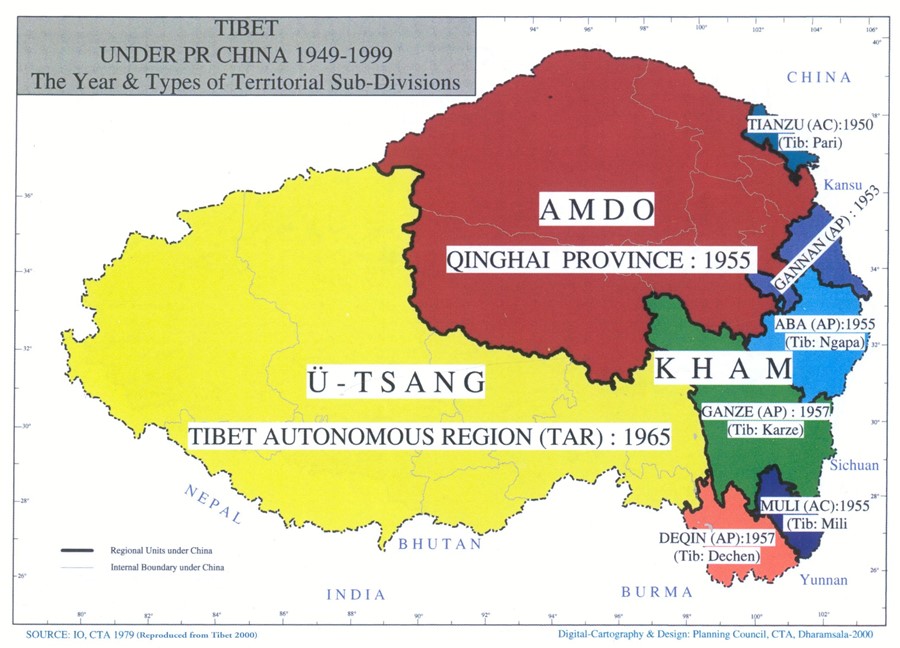
a. At present, there are no radio teams remaining inside Tibet. Radio teams continue to function [less than 1 line of source text not declassified] although much of their information comes from the debriefing of traders and refugees. Singleton resident agent operations in Tibet, regarded as being the long-range replacement of the black radio teams, have not progressed as planned due to continued tightening of Chinese security in the border areas. Intelligence reporting from all sources deals primarily with military, political and construction activities along the Tibetan border. b. The Tibetan paramilitary unit, a remnant of the 1959 resistance force, is dispersed in 15 camps [less than 1 line of source text not declassified]. The Tibetan leadership views the force as the paramilitary arm of its “government-in-exile” [2 lines of source text not declassified]. Because of the diplomatic sensitivity occasioned by the presence of the Tibetan force [less than 1 line of source text not declassified], it has been enjoined from offensive action which might invite Chinese [less than 1 line of source text not declassified] retaliation. Joint efforts to disperse the force to other uninhabited areas [less than 1 line of source text not declassified] have not been successful because of Chinese [less than 1 line of source text not declassified] reaction or of difficulties in resupply. c. [1 line of source text not declassified] responsible for radio contact with and operational direction of the radio teams, the paramilitary resistance force, and the support mechanism [less than 1 line of source text not declassified] continue to serve their intended purpose with a minimum of problems. d. Bi-lateral CIA-Tibetan intelligence collection operations into Tibet, [less than 1 line of source text not declassified] have increased significantly, both in number and in value during the past few years. e. Activities designed to develop a dynamic political program [less than 1 line of source text not declassified] to weld the refugee communities into a cohesive whole under the leadership of the Dalai Lama and his brother, Gyalo Thondup, continue. These include: (1) The Geneva, New York and [less than 1 line of source text not declassified] “Tibet houses” continue in operation. The Geneva office serves as [Page 741]the coordinating point for the resettlement of some 500 Tibetan refugees in Switzerland and other European countries and maintains contact with the international agencies concerned with Tibetan relief. Although time has dimmed some of the effectiveness of its pleas, the New York office continues to lobby among the U.N. delegations for legal and moral support for the Tibetan cause, guided in their efforts by a sitting former U.S. delegate to the U.N. who is also a well-known international lawyer. [2 lines of source text not declassified] (2) The covert training program conducted in the U.S. under which some 250 Tibetans were trained, ended in November 1964. (3) Twenty selected Tibetan junior officers studied at Cornell University, over a three year period. Due to the Katzenbach strictures, this program was concluded in July 1967; CIA is considering a continuation of the program, on a limited scale, [less than 1 line of source text not declassified]. (4) The Tibetan organizational party, the Cho Kha Sum, (i.e. the Defense of Religion by the Three Regions: Kham, Amdo, and U-Tsang), which was established in India in April 1964 by Gyalo Thondup, now has an active press and publications arm. While the future potential of the party is still in question, the Tibetans are making an effort to mold it into an effective organization, aimed at halting a drift towards disunity among the refugees, developing a political consciousness and a political program with which to challenge the Communist efforts inside Tibet.
4.
Significant Previous 303 Committee Approvals—
a. September 1958—initial endorsement of CIA covert support to Tibetan resistance; b. 20 May 1959—initial approval of covert support to the Dalai Lama; c. 14 February 1961—endorsed continuation of the covert program; d. 13 December 1962—approved training of Tibetan guerrilla force; e. 20 February 1964—reviewed and endorsed continuation of covert program; f. 9 April 1965—approved relocation of Tibetan paramilitary force; g. 8 July and 25 November 1966—endorsed the covert paramilitary program [1 line of source text not declassified].
These landmark reviews were interspersed with status reports and briefings of the Committee, in one period at monthly intervals. The basic decisions listed above in several instances were reviewed with Higher Authority.
5. Coordination— a. Department of State—Since the project’s inception, appropriate officials of the Department have approved various elements of the program. [Page 742]Department officers who have been briefed on aspects of this project include Elmer Falk and Clement J. Sobotka, Director and Deputy Director, respectively, of the Office of Refugee and Migration Affairs; Harald Jacobson, Director, Office of Asian Communist Affairs; William Gleysteen, Deputy Director, Office of U.N. Political Affairs; William Bundy, Assistant Secretary of State for East Asian and Pacific Affairs; and Lucius Battle, Assistant Secretary of State for Near East and South Asian Affairs. b. Ambassadors—The past and present Ambassadors to Nepal and India have approved the Tibetan program, [1 line of source text not declassified]. c. [2–1/2 lines of source text not declassified] 6. Projected and Planned Programs— a. On the political front during 1967, the Dalai Lama began what is hoped will be a long-range program of projecting himself and Tibetan affairs on an international basis. He is contemplating visits to Ceylon, Burma, and Cambodia, having visited Japan and Thailand in late 1967. Invitations have also been extended from several European countries having active Tibetan refugee programs or interests. b. Gyalo Thondup, acting for the Tibetan partnership in our liaison with the Indians, has proposed the establishment of a Tibetan Operations Center to represent Tibetan interests [less than 1 line of source text not declassified]. This Tibetan center would conceivably provide greater efficiency in the Tibetan handling of existing operations and in the relegation of operational tasks to Tibetan assets. [1 line of source text not declassified] c. Some elements of the basic covert program remain to be implemented. They include the deployment of landline wiretap teams to selected priority targets within Tibet; the activation of special refugee debriefing teams; a census of some 70,000 Tibetan refugees spread throughout India and its neighboring countries which may locate additional operational assets; and the resupply of arms and ammunition to the Mustang force. 7. Costs—At the time of the February 1964 review by the Committee, the projected annual cost for all Tibetan operations was $1,735,000. With the discontinuation of the training programs in the U.S., [1 line of source text not declassified] a reduction of $570,000 in this estimate for FY68 has been achieved. The remainder of $1,165,000 has been programmed in the CIA budget for FY68 for the activities described in this paper. Of this amount, $650,000 was approved by the 303 Committee on 25 November 1966 in its review of the [less than 1 line of source text not declassified].
Source: Department of State, INR Historical Files, Tibet, 1967–1968. Secret; Eyes Only. The source text bears no drafting information. A March 4 memorandum from Battle to Bohlen describes it as a CIA memorandum. (Ibid.) It was discussed at a March 19 meeting of the 303 Committee. According to Peter Jessup’s memorandum for the record of the meeting, CIA representative James Critchfield stated that “achievements inside Tibet were minimal—outside more substantial.” He observed that “the Tibetans by nature did not appear to be congenitally inclined toward conspiratorial proficiency.” Jessup records no action by the 303 Committee at the meeting. (Johnson Library, National Security File, Intelligence File, 303 Committee)↩
The text of NSC 5913/1, approved September 25, 1959, is printed in Foreign Relations, 1958–1960, vol. XVI, pp. 133– 144. Also, see the record of the NSC discussion of NSC 5913 on September 17, 1959, ibid., pp. 116–127.↩
Foreign Relations of the United States. The Status on Tibetan Operations.














 Whole Dude - Whole Concept