TIBET EQUILIBRIUM – DOCTOR’S ORDER – COMPASSION

TIBET EQUILIBRIUM – DOCTOR’S ORDER – COMPASSION

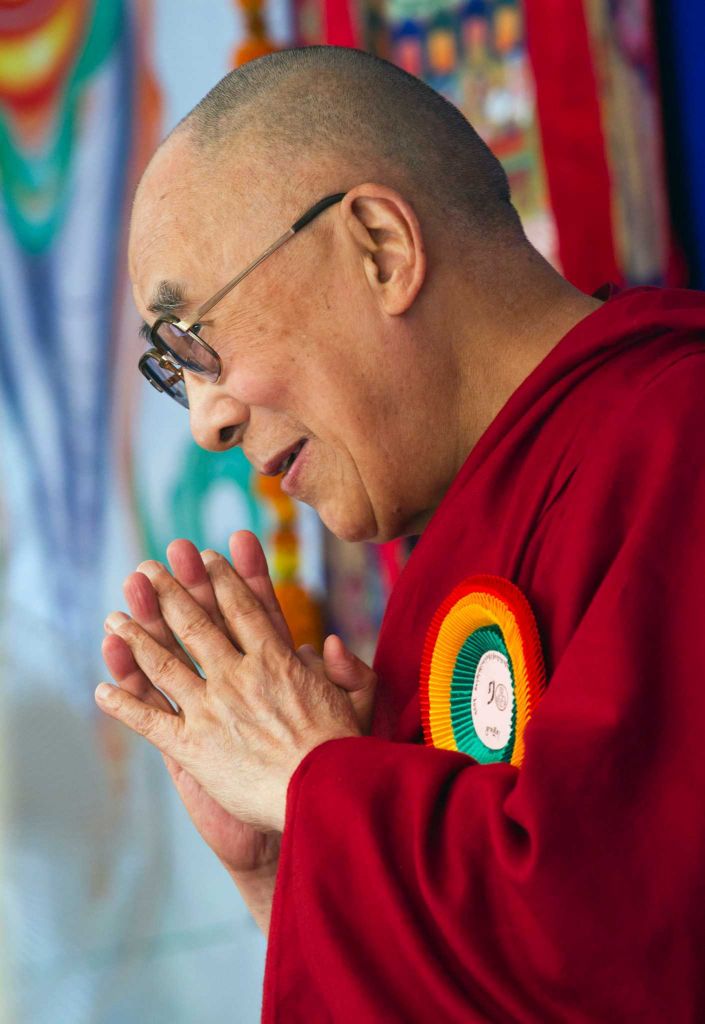
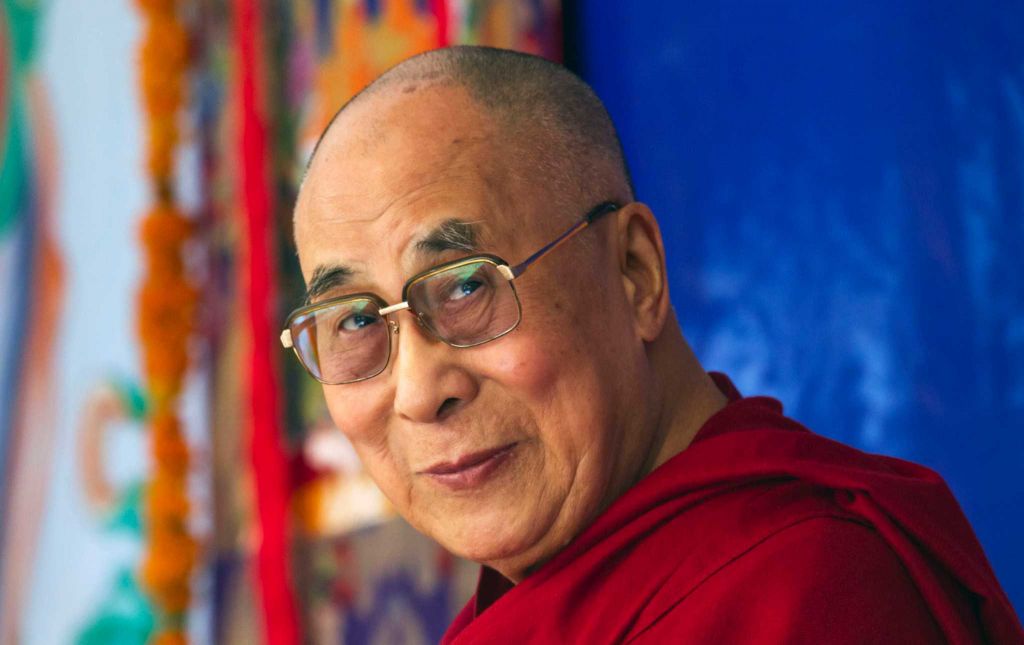
TIBET EQUILIBRIUM – DOCTOR’S ORDER – COMPASSION – DR BARRY KERZIN, DALAI LAMA’S PERSONAL PHYSICIAN.

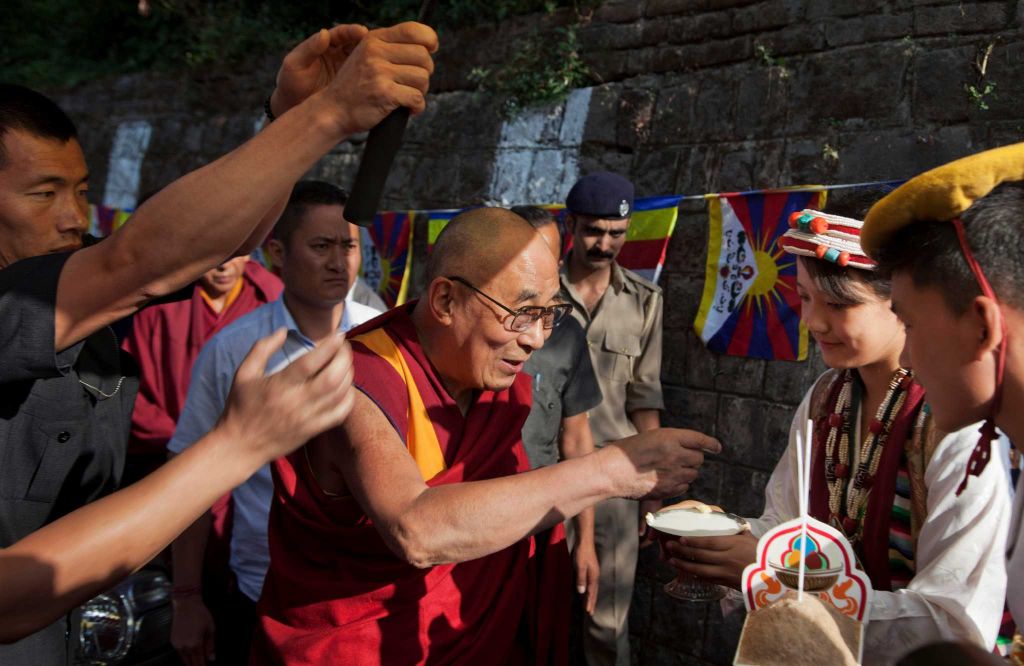
His Holiness the Dalai Lama’s personal physician, Dr. Barry Kerzin who lives in India is prescribing use of Compassion in practice of Medicine. Compassion is an instinct that is evoked when a person witnesses pain and suffering in the lives of other living entities. Compassion provides Motivation or Drive to perform actions that will help to relieve pain experienced by a victim and provide uplift to such victim to overcome feelings of sorrow and misery. Compassion acts like a physical force for it helps the performer of Compassionate action. While acting under the influence of Compassion, the performer acts without experiencing personal hardship or tiredness. Compassion provides additional energy with which performer of Compassionate actions overcomes physical barriers that may limit physical capacity in ordinary circumstances.

In Tibet, I witness action of two opposing forces; 1. Physical Force used by Red China to oppress Tibetans, and 2. Resistance Force used by Tibetans to counteract Oppression. To have Balance and Equilibrium in Tibet, we need both interacting forces to be of same power. I witness pain, suffering, and misery in the lives of Tibetan people as their power of Resistance is not equal to Force of Oppression applied by Red China. This tragic situation in Tibet evokes instinct of Compassion directing me to take action to find Balance and Equilibrium in Tibet. I am seeking Force of Compassion to physically uplift Red Army from Tibet. When this brutalizing force is evicted from Tibet, there will be Peace, Harmony, and Tranquility in Tibet as Balance and Equilibrium will be restored.

Rudranarasimham Rebbapragada
Ann Arbor, MI 48104-4162 USA
SPECIAL FRONTIER FORCE


The Spirits of Special Frontier ForceThe Spirits of Special Frontier Force, Ann Arbor, MI.  At Special Frontier Force, I host ‘The Living Tibetan Spirits’…
 
View on www.Facebook.com


PBS NEWSHOUR
Dalai Lama’s American doctor wants more compassion in medicine

October 27, 2015 at 6:35 PM EDT

Dalai Lama’s doctor wants more compassion in medicine. Before he was a personal physician to the Dalai Lama, Dr. Barry Kerzin never imagined that a professional trip to Tibet would lead him down a decades-long path studying Buddhism and meditation. Special correspondent Fred de Sam Lazaro talks to Kerzin in India about his feeling that compassion and empathy are essential to medical training. 2015-10-27

http://www.pbs.org/newshour/wp-content/uploads/2015/10/20151027_dalailama.mp3


TRANSCRIPT

JUDY WOODRUFF: But, first, the Dalai Lama was supposed to arrive in the U.S. yesterday. He didn’t, because doctors at the Mayo Clinic advised him to rest.
But advice flows both ways in the relationship between the Buddhist leader and his personal physician.

Special correspondent Fred de Sam Lazaro reports on how the Dalai Lama inspired a California native to move halfway across the world and bring compassion back into a medical care system dominated by technology.

The report is part of Fred’s ongoing series Agents for Change.

FRED DE SAM LAZARO: Sixty-eight-year-old California native Barry Kerzin began his career as a professor of family medicine at the University of Washington. He never dreamed it would lead to a pro bono house calls thousands of miles away in Tibetan.

DR. BARRY KERZIN, Buddhist Scholar: I keep pinching myself, Fred. I don’t know.
(LAUGHTER)

FRED DE SAM LAZARO: He first arrived here after hearing that the Dalai Lama had wanted a Western physician to train traditional Tibetan doctors in modern research methods.

DR. BARRY KERZIN, Buddhist Scholar: We did a research study. And we used that pedagogically to train the local Tibetan medicine doctors how to do the research.
And then I got more involved with Buddhism. I had already been very interested. I got more involved with meditation and study. And I ended up extending my stay. And that’s happened again and again and here I am 27 years.

FRED DE SAM LAZARO: He came to India from a life punctuated by pain and loss, at 11, a near fatal brain abscess that required extensive surgery and left a permanent lump on his skull. His mother died young, and a few years later so did his wife, only in her mid-30s, both from cancer.
Buddhism became a sanctuary under the tutelage of the Dalai Lama, who told him to stay connected to the world.

DR. BARRY KERZIN: He always encouraged me to keep my credentials and to continue practicing medicine. Don’t just do the wisdom. Also do the love and the compassion. In fact, do them 50/50. Those were his words.
FRED DE SAM LAZARO: Scholarship in Buddhism led to his ordination as a monk, while meditation has been a path to inner peace and happiness. And that’s translated into empathy, he said.

DR. BARRY KERZIN: It’s slowly moved me along to be more compassionate, to be less selfish.
I don’t get angry very much anymore. I used to be highly competitive. I’m still somewhat competitive, but it’s more now personal, not at the expense of somebody else. I think it’s a combination of meditation and also, as His Holiness calls, emotional hygiene.
FRED DE SAM LAZARO: Kerzin, who now serves as a personal physician to the Dalai Lama, has taken the spiritual leader’s gospel of emotional hygiene and compassion to medical practitioners around the world.
DALAI LAMA (through interpreter): He is my messenger. Go to Japan, go to Mongolia.

FRED DE SAM LAZARO: And full circle to America.

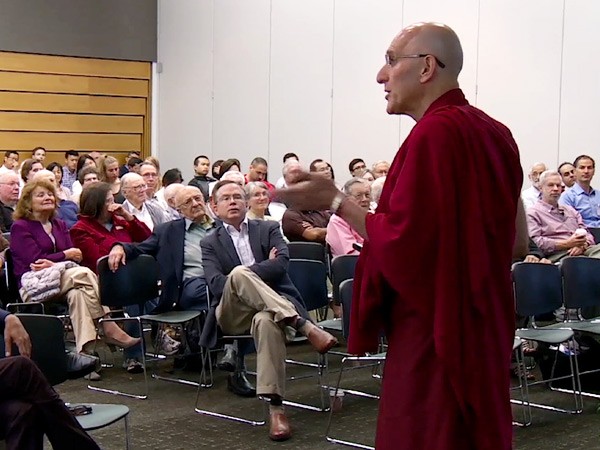
DR. BARRY KERZIN: It’s lovely to be at Stanford.

FRED DE SAM LAZARO: A few years ago, a prestigious lecture at a top U.S. medical school wouldn’t have been given by a man who left American medicine and many stunned colleagues for a very different world, where he doesn’t own a house, car or refrigerator.

DR. BARRY KERZIN: I think initially they thought I went off the deep end. What are you doing living in India? Come on. You know, how can you stay healthy? Why don’t you come back? And you could have a very good life. You could have a very good academic life in medicine. You could have a very comfortable economic life. It’s ridiculous what you’re doing.
So let’s meditate, OK?

FRED DE SAM LAZARO: But on this day, they were listening, even meditating, with him. Kerzin says meditation helps one focus on the now, the present. You tune out the past and all your regrets, tune out planning and worry about the future. It’s taken years, he says, but gotten results, scientifically measured results.

DR. BARRY KERZIN: This is in Madison, the University of Wisconsin, and they’re researching my brain.

FRED DE SAM LAZARO: Kerzin has been part of a series of studies into the impact of meditation on the brain.

DR. BARRY KERZIN: What they found were changes in the prefrontal cortex. This area is called the executive function area, the PFC, and it helps with things like planning, reasoning, imagination, empathy, to feel as — like another person is feeling. So these areas were enhanced, both anatomically and functionally, in long-term meditators.

FRED DE SAM LAZARO: Kerzin’s host at Stanford said there’s an epidemic of dissatisfaction among American doctors today, which likely makes them more receptive to a message like Kerzin’s.

DR. ABRAHAM VERGHESE, Stanford School of Medicine: Fifty percent of them, they say in some studies, are unhappy. And that tells you this is not an individual problem. This is a systemic problem.

FRED DE SAM LAZARO: Dr. Abraham Verghese, well-known author and professor at Stanford, says technology, for all its benefits, leaves doctors little time for the compassion that drew most of them to medicine.

DR. ABRAHAM VERGHESE: There was a chilling paper from the “Journal of Emergency Medicine” titled “4,000 Clicks,” suggesting that an emergency medicine physician does 4,000 clicks a day and spends the great majority of their time on the computer, very little percentage of the time actually with patients, and similar studies that are coming out suggesting the same about residents and medical students and physicians in other specialties.

FRED DE SAM LAZARO: Kerzin says he wants to make compassion as integral to medical education as physiology or biochemistry, more partnerships between scientists and Buddhist scholars, a reconciliation of very different perspectives on life that he said he’s made internally.

DR. BARRY KERZIN: I used to say I wear two hats. So, sometimes, this is the medical hat, this is the Buddhist hat. But I don’t say that any more.

FRED DE SAM LAZARO: Today, he says he wears one scientist monk hat.

For the PBS NewsHour, this is Fred de Sam Lazaro in Dharmsala, India.


© 1996 – 2015 NewsHour Productions LLC.

All Rights Reserved.

Support the kind of journalism done by the NewsHour…Become a member of your local PBS Station.


TIBET EQUILIBRIUM – DOCTOR’S ORDER COMPASSION. THE FORCE OF OPPRESSION IS GREATER THAN THE FORCE OF RESISTANCE. COMPASSION IS TREATMENT TO BRING BALANCE AND EQUILIBRIUM IN TIBET.
TIBET EQUILIBRIUM – DOCTOR’S ORDER – COMPASSION. DR BARRY KERZIN RECOMMENDS TEACHING COMPASSION AS A SUBJECT IN MEDICAL EDUCATION.
TIBET EQUILIBRIUM – DOCTOR’S ORDER – COMPASSION. DR. BARRY KERZIN, DALAI LAMA’S PERSONAL PHYSICIAN RECOMMENDS TEACHING COMPASSION TO DOCTORS.
TIBET EQUILIBRIUM – DOCTOR’S ORDER – COMPASSION. DR. BARRY KERZIN, DALALI LAMA’S PERSONAL PHYSICIAN. TIBET NEEDS UPLIFTING POWER OF COMPASSION TO COUNTERACT FORCE OF OPPRESSION USED BY RED CHINA.


TIBET EQUILIBRIUM – DOCTOR’S ORDER – COMPASSION. DR. BARRY KERZIN, PERSONAL PHYSICIAN OF DALAI LAMA. MY PRESCRIPTION FOR TIBET. COUNTERACT OPPRESSION WITH UPLIFTING PHYSICAL FORCE OF COMPASSION.
TIBET EQUILIBRIUM – DOCTOR’S ORDER – COMPASSION. DR. BARRY KERZIN, DALAI LAMA’S PERSONAL PHYSICIAN. TIBET IS SUFFERING ON ACCOUNT OF LACK OF BALANCE CAUSED BY RED CHINA’S MILITARY OPPRESSION. MY PRESCRIPTION IS USE OF UPLIFTING PHYSICAL FORCE CALLED COMPASSION.

On www.pbs.org

Dr. Barry Kerzin – 2011 | Florida School of Holistic Living
On www.holisticlivingschool.org

Dr. Gervasio Lamas: ‘There is no prevention awareness’ - Worldnews ...
On article.wn.com

TIBET EQUILIBRIUM – DOCTOR ORDERS COMPASSION. DR. BARRY KERZIN, DALAI LAMA’S PERSONAL PHYSICIAN.


TIBET EQUILIBRIUM – RESISTANCE IS A DAILY ROUTINE

TIBET EQUILIBRIUM – RESISTANCE IS A DAILY ROUTINE

TIBET EQUILIBRIUM – RESISTANCE IS A DAILY ROUTINE
TIBET EQUILIBRIUM – RESISTANCE IS DAILY ROUTINE

Tibet’s awareness of military occupation generates a natural response called ‘RESISTANCE’. However, the strategy of Resistance demands recognition of external realities. Tibet’s Enemy is using overwhelming physical force to suppress any sign of Resistance. Tibet needs to use the tactic called Patience and Perseverance while Enemy wears herself out pursuing a course of self-destruction. I ask Tibet to practice Resistance as a Daily Routine. Red China’s Policy of Subjugation, and Tibet’s response of Resistance when practiced with Patience and Perseverance will maintain balance and equilibrium in the lives of Tibetans who may not have ability to confront Occupation using physical force. Tibet need to stay calm and unperturbed for Beijing is Doomed.

Rudranarasimham Rebbapragada
Ann Arbor, MI 48104-4162 USA
SPECIAL FRONTIER FORCE


The Spirits of Special Frontier ForceThe Spirits of Special Frontier Force, Ann Arbor, MI.  At Special Frontier Force, I host ‘The Living Tibetan Spirits’…
 
View on www.Facebook.com


The Dalai Lama’s Daily Routine and Information Diet

“To understand the Dalai Lama … perhaps it’s most useful to see him as a doctor of the soul.”

By Maria Popova

TIBET EQUILIBRIUM – RESISTANCE IS DAILY ROUTINE

I think a great deal about the difference between routine and ritual as a special case of our more general and generally trying quest for balance — ripped asunder by the contrary longings for control and whimsy, we routinize daily life in order to make its inherent chaos more manageable, then ritualize it in order to imbue its mundanity with magic, which by definition violates the predictable laws of the universe. I suspect that our voracious appetite for the daily routines of cultural icons is fueled by a deep yearning to glean some insight on and practical help with this impossible balancing act, from people who seem to have mastered it well enough to lead happy, productive, creatively fruitful, and altogether remarkable lives.
Perhaps the most unexpected yet brilliant master of this elusive modern equilibrium is the Dalai Lama.

TIBET EQUILIBRIUM – RESISTANCE IS DAILY ROUTINE.The Dalai Lama by Manuel Bauer

In the altogether magnificent The Open Road: The Global Journey of the Fourteenth Dalai Lama(public library), writer Pico Iyer — who has known the beloved spiritual leader since adolescence and, by the time he began writing this book, had visited him in his exile home for nearly thirty years — describes how the Dalai Lama begins each day:

[By] nine a.m. … the Dalai Lama himself had already been up for more than five hours, awakening, as he always does, at three-thirty a.m., to spend his first four hours of the day meditating on the roots of compassion and what he can do for his people, the “Chinese brothers and sisters” who are holding his people hostage, and the rest of us, while also preparing himself for his death.

Compressed into this humble and humbling morning routine is the entire Buddhist belief that life is a “joyful participation in a world of sorrows.” This daily rite of body and spirit is the building block of the Dalai Lama’s quiet and steadfast mission to, as Iyer elegantly puts it, “explore the world closely, so as to make out its laws, and then to see what can and cannot be done within those laws.” He writes:

To understand the Dalai Lama … especially if (as in my case) you come from some other tradition, perhaps it’s most useful to see him as a doctor of the soul.

As someone deeply invested in the crucial difference between information and wisdom, I was particularly fascinated by the Dalai Lama’s information diet — that is, what daily facts he chooses to fuse with ancient wisdom in his dedication to unraveling the nature of reality and making use of it in fortifying the soul. Iyer writes:

As a longtime student of real life, ruler of his people before the age of five, he listens every morning to the Voice of America, to the BBC East Asian broadcast, to the BBC World Service — even while meditating — and devours Time and Newsweek and many other news sources (I think of how the Buddha is often depicted with one hand touching the earth, in what Buddhists call the “witnessing the earth” gesture).

And yet the Dalai Lama approaches his information diet like he does his meditation — as a deliberate practice. In that sense, “meaning diet” is far more accurate a term, for he is remarkably deliberate about which aspects of the Information Age to fold into his meaning-making mission and which to sidestep. He chooses, for instance, to avoid one of the most perilous byproducts of our era, which Susan Sontag presaged in 1977 in her famous admonition against “aesthetic consumerism.” Iyer writes:

In the Age of the Image, when screens are so much our rulers, anyone who wishes to grab our attention — and to hold it — does so by converting himself into a “human-interest story,” translating his life into a kind of fable…. Those who long to be entrusted with real consequences in our lives acquire that power increasingly by presenting themselves as fairy tales.

The Dalai Lama, by nature and training, is in the odd position of trying to do the opposite: he comes to us to tell us that he is real, as real as his country, bleeding and oppressed, and that he lives in a world far more complex than a two-year-old’s cries of “Good Tibetans, bad Chinese” (the Dalai Lama would more likely say, “Potentially good Tibetans, potentially good Chinese”).

TIBET EQUILIBRIUM – RESISTANCE IS DAILY ROUTINE.The Dalai Lama by Manuel Bauer

At the heart of this message is a larger testament to the most essential characteristic of reality — something Alan Watts, who began popularizing Eastern philosophy in the West when the Dalai Lama was still a teenager, captured memorably when he wrote: “Life and Reality are not things you can have for yourself unless you accord them to all others.”

Indeed, contacting this interconnectedness of all beings and all lives is the very impetus for the Dalai Lama’s morning routine and his information diet — a beautiful assurance that beneath our obsession with routine and ritual lies a deeper, more expansive longing for meaning, for orienting ourselves in this vibrating universe of interconnectedness that we call reality.

Iyer articulates this elegantly:

Imagine, for a moment, that you are a body (not difficult to do, since in part that is what you are). You have eyes, ears, legs, hands, and, if you are lucky, all of them are in good working order. You never, if you are sane, think of your finger as an independent entity (though you may occasionally say, “My toe seems to have a mind of its own”). You are never, in your right mind, moved to hit your own foot, let alone sever it; the only loser in such an exercise would be yourself.
[…]
This is all simplistic to the point of self-evidence. But when the Buddhist speaks of “interdependence” (the central Buddhist concept of shunyata, often rendered as “emptiness,” the Dalai Lama has translated as “empty of independent identity”), all he is really saying is that we are all a part of a single body, and to think of “I” and “you,” of the right hand’s interests being different from the left’s, makes no sense at all. It’s crazy to impede your neighbor, because he is as intrinsic to your welfare as your thumb is. It’s almost absurd to say you wish to get ahead of your colleague — it’s like your right toe saying it longs to be ahead of the left.
[…]
Perhaps it’s not surprising, then, that the Fourteenth Dalai Lama is famous for his laughter, the sudden eruption of almost helpless giggles or a high-pitched shaking of the body. Seen from the vantage point of one who meditates several hours a day, traveling to the place where everything is connected, much of our fascination with surface or with division seems truly hilarious… Talking about friends and enemies is a little like holding on to this hair on your arm and claiming it as a friend, because you see it daily, and calling the hair on your back an enemy, because you never see it at all. Talking of how you are a Buddhist and therefore opposed to the Judeo-Christian teaching is like solemnly asserting that your right nostril is the source of everything good, and your left nostril a place of evil. The doctrine of “universal responsibility” is not only universal but obvious: it’s like saying that every part of us longs for our legs, our eyes, our lungs to be healthy. If one part suffers, we all do.

Suddenly, the Dalai Lama’s morning routine and his information diet are revealed in a whole new light of meaning — they are a form of self-empowerment in the journey toward shedding self-centeredness. (Lest we forget, as another great Buddhist teacher has put it, “you first need to have an ego in order to be aware that it doesn’t exist.”)

Iyer writes:

Buddhists do not (or need not) seek solutions from outside themselves, but merely awakening within; the minute we come to see that our destinies or well-being are all mutually dependent, they say, the rest naturally follows (meditation sometimes seems the way we come to this perception, reasoning the way we consolidate it). If you believe this, human life offers you many more belly laughs daily, as the Dalai Lama exemplifies.

And there, with a good-humored smirk, Iyer reminds us that his perspective isn’t perched on a holier-than-thou branch in the tree of life but grounded in his reality as a Westerner and a writer, and thus a creature of ego trying to learn the very lesson he is channeling:

Why despair, indeed, when you can change the world at any moment by choosing to see that the person who gave your last book a bad review is as intrinsic to your well-being as your thumb is?

The Open Road is an illuminating read in its totality, propelled by Iyer’s deeply pleasurable prose. Complement it with Iyer on what Leonard Cohen knows about the art of stillness and his superb On Being conversation with Krista Tippett, in which he recounts the experience of shadowing the Dalai Lama in order to capture his inner light:

On Being is one of these nine favorite podcasts for a fuller life — do your soul a favor and subscribe.


donating = loving

Bringing you (ad-free) Brain Pickings takes hundreds of hours each month. If you find any joy and stimulation here, please consider becoming a Supporting Member with a recurring monthly donation of your choosing, between a cup of tea and a good dinner.

Monthly donation

♥ $3 / month
♥ $7 / month
♥ $10 / month
♥ $25 / month


One-time donation

You can also become a one-time patron with a single donation in any amount:

Newsletter


Brain Pickings has a free weekly interestingness digest. It comes out on Sundays and offers the week’s best articles. Here’s an example. Like? Sign up.

Published June 9, 2015

https://www.brainpickings.org/2015/06/09/pico-iyer-the-open-road-dalai-lama/

BP

http://www.brainpickings.org

View Full Site


Brain Pickings participates in the Amazon Services LLC Associates Program, an affiliate advertising program designed to provide a means for sites to earn commissions by linking to Amazon. In more human terms, this means that whenever you buy a book on Amazon from a link on here, I get a small percentage of its price. That helps support Brain Pickings by offsetting a fraction of what it takes to maintain the site, and is very much appreciated


TIBET EQUILIBRIUM – RESISTANCE IS DAILY ROUTINE. THE DALAI LAMA’S DAILY ROUTINE AND INFORMATION DIET. BRAIN PICKINGS.


TIBET EQUILIBRIUM – RESISTANCE IS DAILY ROUTINE.


TIBET EQUILIBRIUM – RESISTANCE IS DAILY ROUTINE.


TIBET EQUILIBRIUM – RESISTANCE IS DAILY ROUTINE


TIBET EQUILIBRIUM – RESISTANCE IS DAILY ROUTINE.


TIBET EQUILIBRIUM – RESISTANCE IS DAILY ROUTINE.


TIBET EQUILIBRIUM – RESISTANCE IS DAILY ROUTINE
TIBET EQUILIBRIUM – RESISTANCE IS DAILY ROUTINE.


TIBET EQUILIBRIUM – RESISTANCE IS DAILY ROUTINE.


TIBET EQUILIBRIUM – RESISTANCE IS DAILY ROUTINE.


TIBET EQUILIBRIUM – RESISTANCE IS DAILY ROUTINE.


TIBET EQUILIBRIUM – RESISTANCE IS DAILY ROUTINE. A DAY IN DALAI LAMA’S LIFE. FORCED TO LIVE IN EXILE FOR RESISTING RED CHINA’S OCCUPATION OF TIBET.
TIBET EQUILIBRIUM – RESISTANCE IS DAILY ROUTINE.


TIBET EQUILIBRIUM – RESISTANCE IS DAILY ROUTINE. PICO IYER’S NEW BOOK.


TIBET CONSCIOUSNESS – GIVE ME LIBERTY OR GIVE ME DEATH

TIBET CONSCIOUSNESS – GIVE ME LIBERTY OR GIVE ME DEATH

TIBET CONSCIOUSNESS – GIVE ME LIBERTY OR GIVE ME DEATH. TIBETAN PRAYER FOR FULFILLMENT IN LIFE. Art Print by Jon Contino

On Monday, October 26, 2015 His Holiness the Dalai Lama is set to receive National Constitution Center’s Liberty Medal in Philadelphia. A moment has arrived in Tibetan history when all Tibetans will demand in no uncertain terms, “GIVE ME LIBERTY OR GIVE ME DEATH.” There is no fulfillment in Tibetan’s life without Freedom.

Rudranarasimham Rebbapragada
Ann Arbor, MI 48104-4162 USA
SPECIAL FRONTIER FORCE


The Spirits of Special Frontier ForceThe Spirits of Special Frontier Force, Ann Arbor, MI. At Special Frontier Force, I host ‘The Living Tibetan Spirits’ to…
 
View on WWW.Facebook.com


Dalai Lama Set To Receive NCC’s Liberty Medal, Although Not In Person

October 25, 2015 5:48 PM By Molly Daly

TIBET CONSCIOUSNESS – GIVE ME LIBERTY OR GIVE ME DEATH. LIBERTY MEDAL AWARD BY NATIONAL CONSTITUTION CENTER, PHILADELPHIA.

(Tibetan spiritual leader the Dalai Lama, in 2013 file photo by Keith Tsuji/ Getty Images)

By Molly Daly
PHILADELPHIA (CBS) – National Constitution Center staffers are getting ready for Monday night’s Liberty Medal Ceremony, although this year’s recipient, the Dalai Lama, won’t be able to accept the honor in person because of health concerns.

After a performance by the all-boy Tibetan Children’s Choir, there’ll be remarks from National Constitution Center CEO Jeffrey Rosen, Mayor Nutter, and Richard Gere — a longtime friend of the Dalai Lama and Delaware Valley native.

“He’s always glad to come back to Philadelphia for a reason, and I think this is a reason that’s deeply personal to Richard Gere as a person, and I think it’s something that he’s going to feel very honored to be participating in,” says the National Constitution Center’s Jenny Parker.

There’ll also be a moving video tribute to His Holiness. Parker says the man of the hour is sending a video of his own:
“One of the things that you might hear in the Dalai Lama’s remarks is the idea that human beings are naturally inclined towards compassion and kindness, but the necessity of liberty and freedom in realizing that full potential is essential.”

Parker says that although His Holiness won’t be there physically, “I think the spirit will be very evident, and will be felt by all the attendees.”
The Dalai Lama is sending two representatives to accept the Liberty Medal on his behalf.

For more information, visit constitutioncenter.org.
Molly Daly

Molly attended Hallahan High School, LaSalle College, and Temple University, but left in her senior year. A woman of exceptional vocal talents, Daly has worked delivering singing telegrams and performing in a rock band. She once worked as a backup…

©2015 CBS Local Media, a division of CBS Radio Inc. All rights reserved.

TIBET CONSCIOUSNESS – GIVE ME LIBERTY OR GIVE ME DEATH. THE DALAI LAMA WILL RECEIVE LIBERTY MEDAL ON MONDAY, OCTOBER 26, 2015.
TIBET CONSCIOUSNESS – GIVE ME LIBERTY OR GIVE ME DEATH. DALAI LAMA TO BE HONORED WITH PHILADELPHIA’S LIBERTY MEDAL.
TIBET CONSCIOUSNESS – GIVE ME LIBERTY OR GIVE ME DEATH. DALAI LAMA TO RECEIVE PHILADELPHIA LIBERTY MEDAL.
TIBET CONSCIOUSNESS – GIVE ME LIBERTY OR GIVE ME DEATH. DALAI LAMA TO GET 2015 LIBERTY MEDAL.
TIBET CONSCIOUSNESS – GIVE ME LIBERTY OR GIVE ME DEATH. DALAI LAMA TO BE HONORED WITH 2015 LIBERTY MEDAL.
TIBET CONSCIOUSNESS – GIVE ME LIBERTY OR GIVE ME DEATH. NATIONAL CONSTITUTION CENTER, PHILADELPHIA TO AWARD 2015 LIBERTY MEDAL TO DALAI LAMA.
TIBET CONSCIOUSNESS – GIVE ME LIBERTY OR GIVE ME DEATH. TIBETANS HAVE NO FULFILLMENT IN LIFE WITHOUT FREEDOM.

TIBET CONSCIOUSNESS – GLOBAL WARMING – CLIMATE ACTION

TIBET CONSCIOUSNESS – GLOBAL WARMING – CLIMATE ACTION

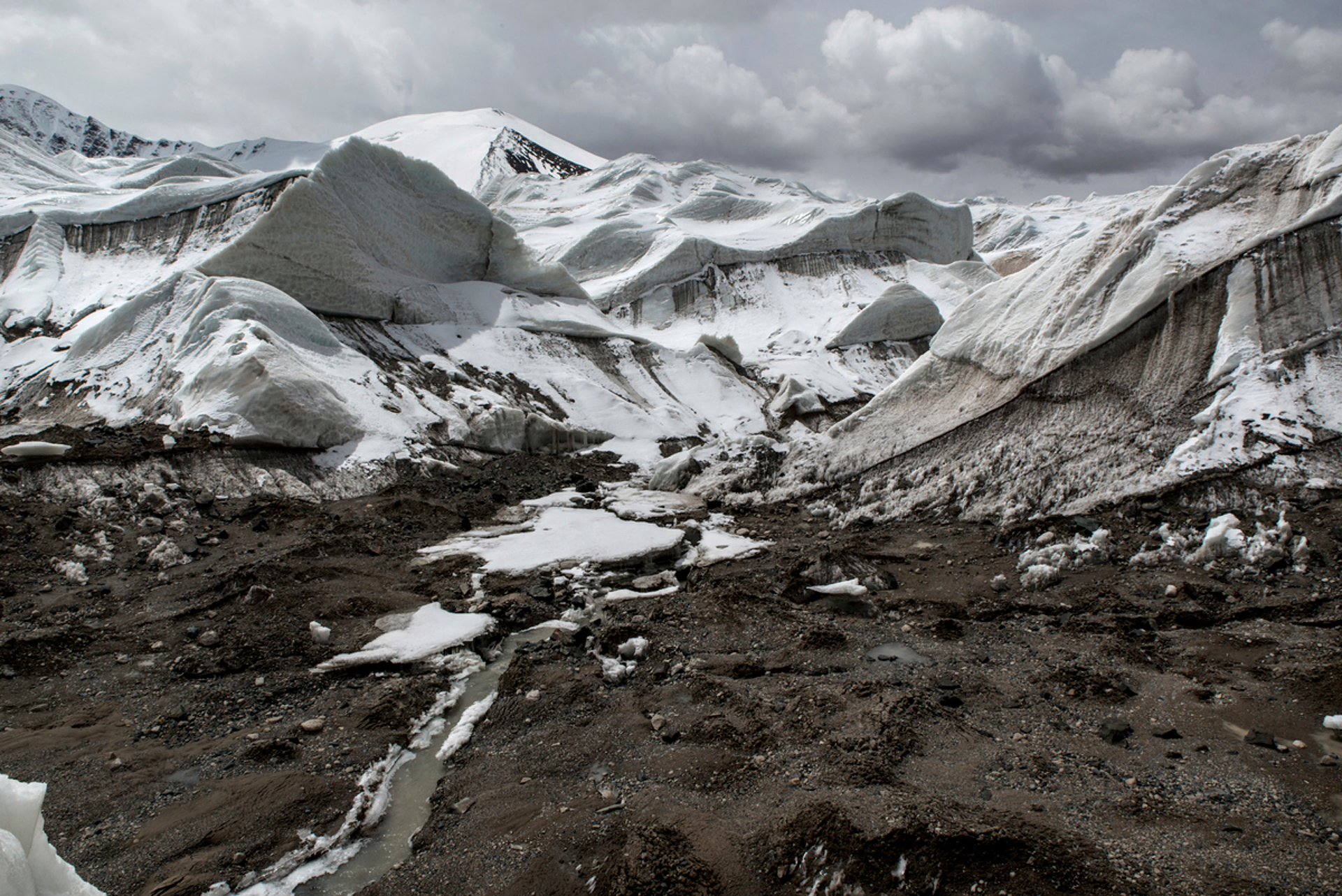
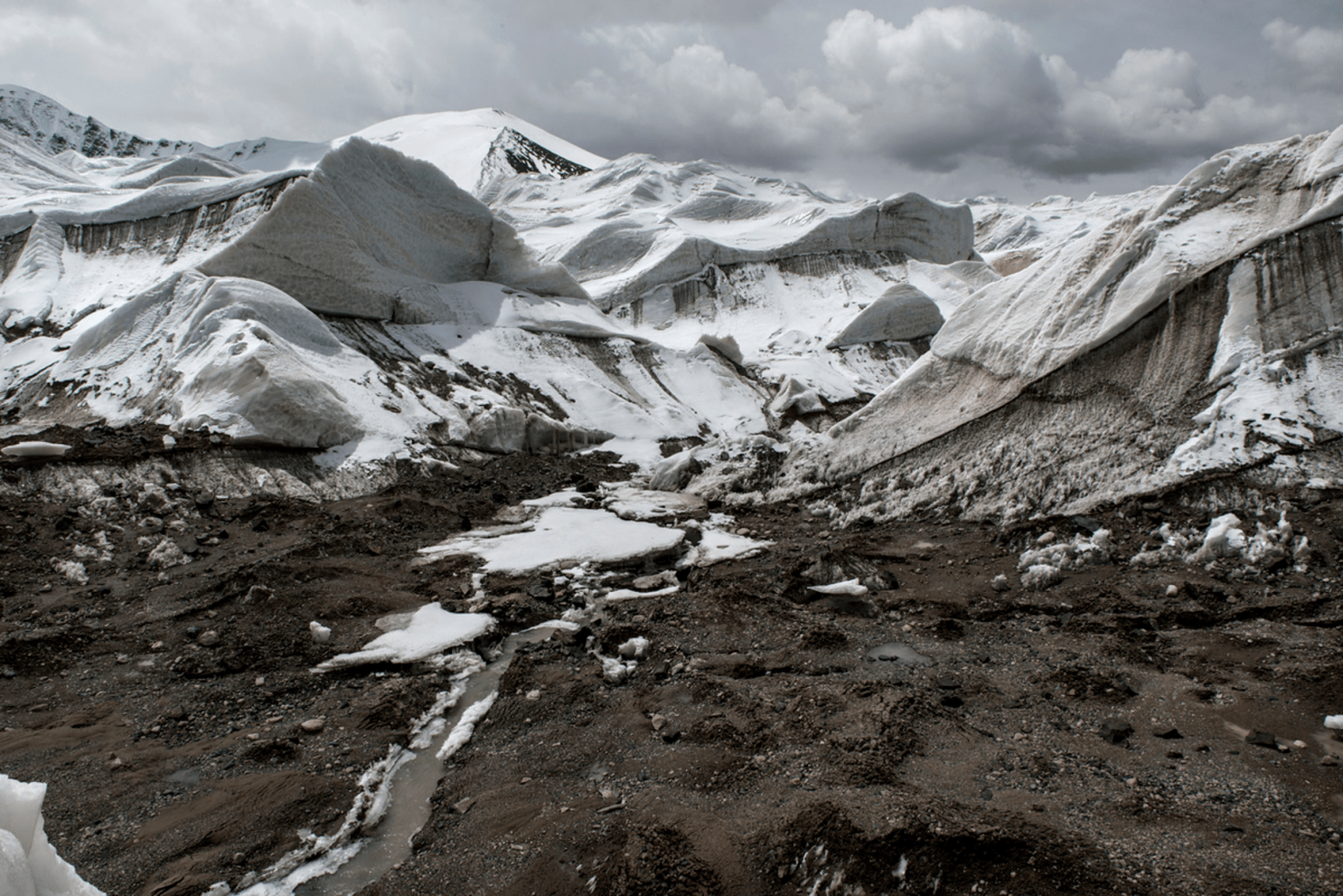
TIBET CONSCIOUSNESS – GLOBAL WARMING – CLIMATE ACTION. JIANGGENDIRU GLACIER. HEADSTREAM OF YANGTZE RIVER. RED CHINA MUST CURB HER GREENHOUSE GAS EMISSIONS. REDUCE USE OF DIRTY FOSSIL FUELS.On www.theguardian.com

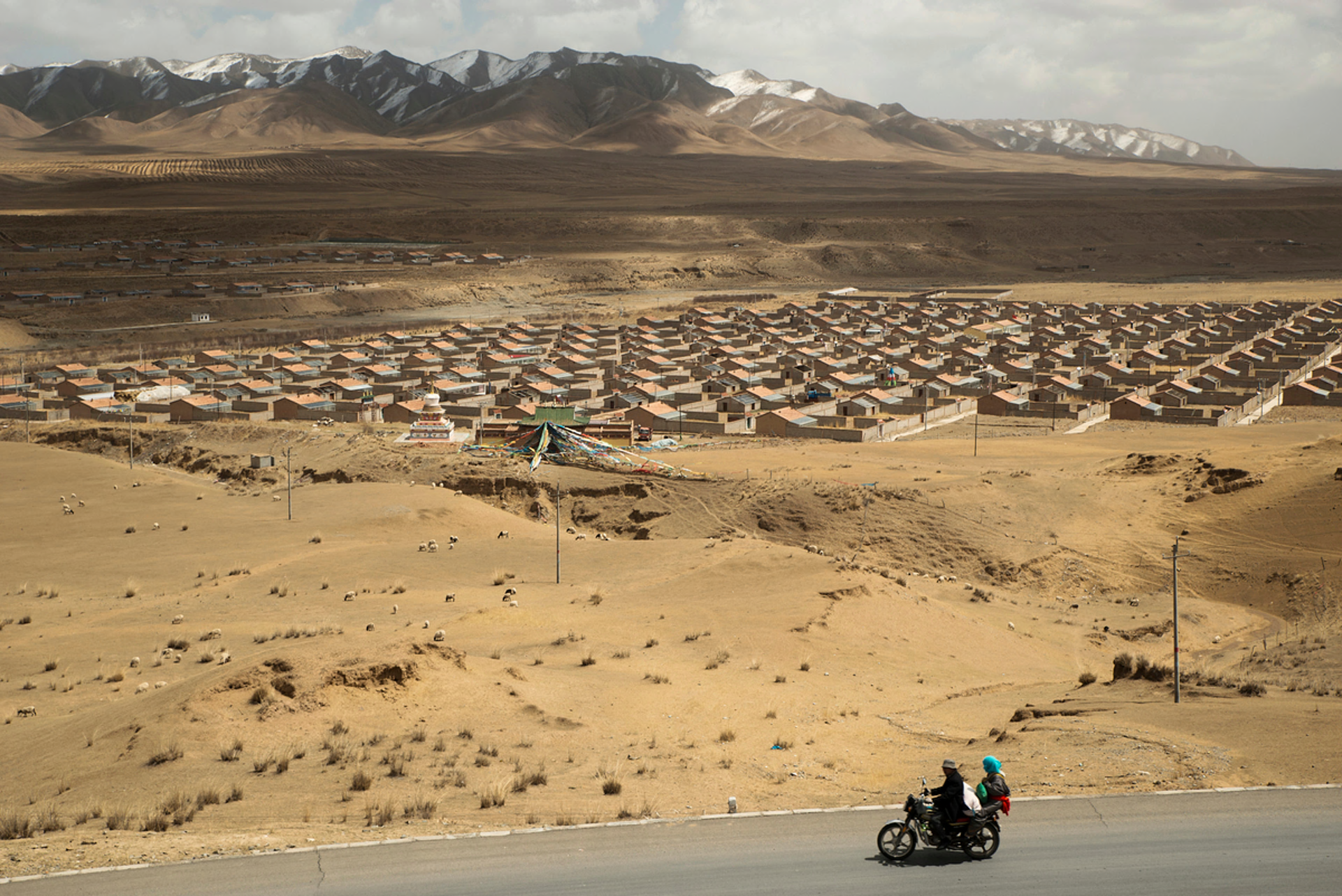
Red China’s use of Coal as fuel is causing global warming and climate change is severe across Tibetan plateau. Red China has to reduce use of fossil fuels and restrict emission of greenhouse gases. About 2.25 million Tibetans live on the Tibetan plateau mostly leading a pastoral life. These Tibetan nomads are forced to live in ‘model villages’ where livestock-rearing as an economic activity is impossible. Tibetans need Freedom to live their lives in harmony with nature. Red China’s attempts to seed clouds with Silver Iodide to promote precipitation will not address the problem caused by industrial activity using dirty fossil fuels.

Rudranarasimham Rebbapragada
Ann Arbor, MI 48104-4162 USA
SPECIAL FRONTIER FORCE

 DALAI LAMA WARNS OVER GLOBAL WARMING ON ‘ROOF OF WORLD’ 
October 20, 2015 5:48 AM

TIBET CONSCIOUSNESS – GLOBAL WARMING – CLIMATE ACTION. THE DALAI LAMA ALERTED GLOBAL COMMUNITY ON IMPORTANCE OF TIBET IN UNDERSTANDING PROBLEMS OF CLIMATE CHANGE AND PROTECTING GLOBAL ENVIRONMENTAL HEALTH.

New Delhi (AFP) – The Dalai Lama on Tuesday urged the world to protect Tibet from global warming, saying his Himalayan homeland was crucial to the health of the world.

The exiled spiritual leader called on the younger generation to play a more active role in fighting climate change as he launched a campaign by the Tibetan leadership ahead of crunch talks beginning in Paris next month.

“This blue planet is our only home and Tibet is its roof. As vital as the Arctic and Antarctic, it is the Third Pole,” he said in a statement.

“The Tibetan Plateau needs to be protected, not just for Tibetans but for the environmental health and sustainability of the entire world.”
Tibet, the world’s largest and highest plateau, is often called the “third pole” because it stores more freshwater in the form of glaciers than any region on Earth, except the North and South poles.

The region is warming at twice the global average, leading to accelerated melting of tens of thousands of glaciers that feed seven major rivers flowing through India, Bangladesh, China and Southeast Asia.

Tibet, the world’s largest and highest plateau, is often called the “third pole.”

China, which has ruled Tibet since 1951 after sending troops into the Himalayan region, has already committed to reduce emissions as a key step toward a global climate pact before the end of the year.

But exiled Tibetan leaders say the Himalayan region must be central to climate change negotiations due to open in Paris on November 30.
They want the meeting of the UN Framework Convention on Climate Change (UNFCCC) to recognise the “global significance of the Tibetan Plateau”.

“Tibetans must have a say on what happens to their land,” said Lobsang Sangay, the head of the exiled Tibetan government, which is based in the northern Indian town of Dharamshala.
“Tibetan nomads are the expert custodians of the alpine pastures and their knowledge and experience must be recognised.”

China has resettled thousands of Tibetan herdsmen in permanent villages and restricted grazing as it tries to protect the fragile ecosystem from increasing desertification.
But for many, resettlement in villages has meant an end to a traditional nomadic life that goes back centuries.

© 2015 AFP

Yahoo – ABC News Network

PHOTOGRAPHER GILLES SABRIE VISITS JIANGGENDIRU GLACIER, QINGHAI TIBETAN PLATEAU

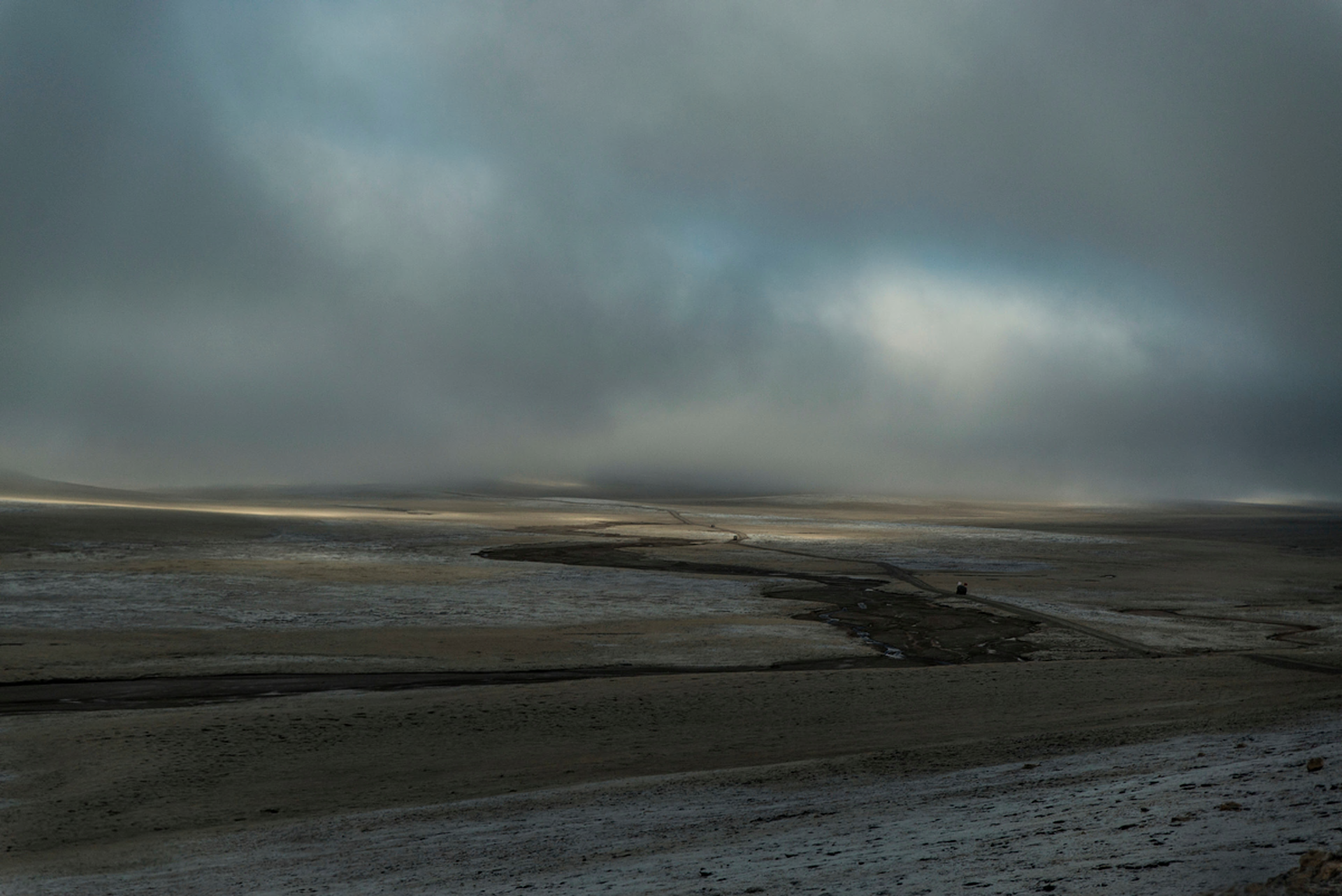
TIBET CONSCIOUSNESS - GLOBAL WARMING - CLIMATE ACTION. YELLOW RIVER NEAR DARLAG, QINGHAI PROVINCE. QINGHAI-TIBET PLATEAU IS THE REGION MOST AT RISK FROM GLOBAL WARMING.
TIBET CONSCIOUSNESS – GLOBAL WARMING – CLIMATE ACTION. YELLOW RIVER NEAR DARLAG, QINGHAI PROVINCE. QINGHAI-TIBET PLATEAU IS THE REGION MOST AT RISK FROM GLOBAL WARMING.
TIBET CONSCIOUSNESS - GLOBAL WARMING - CLIMATE ACTION. GYARING LAKE AT THE SOURCE OF YELLOW RIVER.
TIBET CONSCIOUSNESS – GLOBAL WARMING – CLIMATE ACTION. GYARING LAKE AT THE SOURCE OF YELLOW RIVER.
TIBET CONSCIOUSNESS - GLOBAL WARMING - CLIMATE ACTION. DESERTIFICATION CAUSED BY CLIMATE CHANGE AND LACK OF PRECIPITATION LIKE RAIN AND SNOW.
TIBET CONSCIOUSNESS – GLOBAL WARMING – CLIMATE ACTION. DESERTIFICATION CAUSED BY CLIMATE CHANGE AND LACK OF PRECIPITATION LIKE RAIN AND SNOW. RED CHINA TRIES TO INDUCE PRECIPITATION BY SEEDING CLOUDS WITH SILVER IODIDE. IT DOESN’T HELP.
TIBET CONSCIOUSNESS - GLOBAL WARMING - CLIMATE ACTION. GRASSLANDS FAIL TO THRIVE DUE TO WARMING AND LACK OF PRECIPITATION.
TIBET CONSCIOUSNESS – GLOBAL WARMING – CLIMATE ACTION. GRASSLANDS FAIL TO THRIVE DUE TO WARMING AND LACK OF PRECIPITATION.
TIBET CONSCIOUSNESS - GLOBAL WARMING - CLIMATE ACTION. SOIL EROSION AGGRAVATED BY LOSS OF GRASSLAND.
TIBET CONSCIOUSNESS – GLOBAL WARMING – CLIMATE ACTION. SOIL EROSION AGGRAVATED BY LOSS OF GRASSLAND.
TIBET CONSCIOUSNESS - GLOBAL WARMING - CLIMATE ACTION. FOR CENTURIES TIBETAN NOMADS LIVED IN HARMONY WITH NATURE AS TRUE CUSTODIANS OF GRASSLAND ON THE STEPPES.
TIBET CONSCIOUSNESS – GLOBAL WARMING – CLIMATE ACTION. FOR CENTURIES TIBETAN NOMADS LIVED IN HARMONY WITH NATURE AS TRUE CUSTODIANS OF GRASSLAND ON THE STEPPES.
TIBET CONSCIOUSNESS - GLOBAL WARMING - CLIMATE ACTION. CHINESE HUNTED AND DESTROYED WILDLIFE POPULATION CAUSING ECOLOGICAL IMBALANCE. MARMOT POPULATION IS EXPLODING PUTTING PRESSURE ON GRASSLANDS.
TIBET CONSCIOUSNESS – GLOBAL WARMING – CLIMATE ACTION. CHINESE HUNTED AND DESTROYED WILDLIFE POPULATION CAUSING ECOLOGICAL IMBALANCE. MARMOT POPULATION IS EXPLODING PUTTING PRESSURE ON GRASSLANDS.
TIBET CONSCIOUSNESS - GLOBAL WARMING - CLIMATE ACTION. TIBETAN NOMADS LIVE IN PERFECT HARMONY WITH NATURE LIVING ON LIVESTOCK-REARING. INDUSTRIAL POLLUTION IS THE CHIEF CULPRIT OF GLOBAL WARMING.
TIBET CONSCIOUSNESS – GLOBAL WARMING – CLIMATE ACTION. TIBETAN NOMADS LIVE IN PERFECT HARMONY WITH NATURE LIVING ON LIVESTOCK-REARING. INDUSTRIAL POLLUTION IS THE CHIEF CULPRIT OF GLOBAL WARMING.
TIBET CONSCIOUSNESS - GLOBAL WARMING - CLIMATE ACTION. STEPPE OF SANJIANGYUAN NATIONAL NATURE RESERVE IN QINGHAI PROVINCE. NOMADS ARE FORCED TO LIVE IN CAMPS.
TIBET CONSCIOUSNESS – GLOBAL WARMING – CLIMATE ACTION. STEPPE OF SANJIANGYUAN NATIONAL NATURE RESERVE IN QINGHAI PROVINCE. NOMADS ARE FORCED TO LIVE IN CAMPS.
TIBET CONSCIOUSNESS - GLOBAL WARMING - CLIMATE ACTION. RED CHINA'S POLICY OF FORCED NOMAD RESETTLEMENT IN 'MODEL VILLAGES' WILL NOT SOLVE PROBLEMS CAUSED BY INDUSTRIAL POLLUTION.
TIBET CONSCIOUSNESS – GLOBAL WARMING – CLIMATE ACTION. RED CHINA’S POLICY OF FORCED NOMAD RESETTLEMENT IN ‘MODEL VILLAGES’ WILL NOT SOLVE PROBLEMS CAUSED BY INDUSTRIAL POLLUTION.
TIBET CONSCIOUSNESS
TIBET CONSCIOUSNESS
TIBET CONSCIOUSNESS - GLOBAL WARMING - CLIMATE ACTION.
TIBET CONSCIOUSNESS – GLOBAL WARMING – CLIMATE ACTION.
TIBET CONSCIOUSNESS - GLOBAL WARMING - CLIMATE ACTION. RED CHINA REFUSES TO ACCEPT THE CAUSE OF GLOBAL WARMING. RED CHINA IS USING DECEPTION AND PROPAGANDA INSTEAD OF ADDRESSING CORE ISSUES.
TIBET CONSCIOUSNESS – GLOBAL WARMING – CLIMATE ACTION. RED CHINA REFUSES TO ACCEPT THE CAUSE OF GLOBAL WARMING. RED CHINA IS USING DECEPTION AND PROPAGANDA INSTEAD OF ADDRESSING CORE ISSUES.
TIBET CONSCIOUSNESS - GLOBAL WARMING - CLIMATE ACTION.
TIBET CONSCIOUSNESS – GLOBAL WARMING – CLIMATE ACTION.
TIBET CONSCIOUSNESS – GLOBAL WARMING – CLIMATE ACTION. LIVESTOCK-REARING IS NOT THE CAUSE OF DESERTIFICATION.


TIBET CONSCIOUSNESS – GLOBAL WARMING – CLIMATE ACTION.
TIBET CONSCIOUSNESS – GLOBAL WARMING – CLIMATE ACTION. TRADITIONAL LIFESTYLES OF TIBETAN NOMADS BRING HARMONY IN NATURE.
TIBET CONSCIOUSNESS – GLOBAL WARMING – CLIMATE ACTION. TIBETAN NOMADS LIVE IN HARMONY WITH NATURE.
TIBET CONSCIOUSNESS – GLOBAL WARMING – CLIMATE ACTION. RED CHINA IN TIBET.
TIBET CONSCIOUSNESS – GLOBAL WARMING – CLIMATE ACTION. GLACIERS MELTING.
TIBET CONSCIOUSNESS – GLOBAL WARMING – CLIMATE ACTION – KANDZE COUNTY, TIBET.By reurinkjan on flickr-logo-1x.png
TIBET AWARENESS – GLOBAL WARMING – CLIMATE ACTION. ENVIRONMENTAL DEGRADATION IS CAUSED BY UNREGULATED POLLUTING INDUSTRIES IN CHINA.By reurinkjan on flickr-logo-1x.png
TIBET CONSCIOUSNESS – GLOBAL WARMING – CLIMATE ACTION. TIBETAN WETLANDS ARE AT GREAT RISK.By reurinkjan on flickr-logo-1x.png
TIBET CONSCIOUSNESS – GLOBAL WARMING – CLIMATE ACTION. DESERTIFICATION OF TIBET IS INCREASING ON ACCOUNT OF INDUSTRIAL POLLUTION.By reurinkjan on flickr-logo-1x.png
TIBET AWARENESS – GLOBAL WARMING – CLIMATE ACTION. TRO LA OR CHO LA RANGE. TIBET IS IMPORTANT TO DEFEND GLOBAL ENVIRONMENTAL HEALTH.By reurinkjan on flickr-logo-1x.png
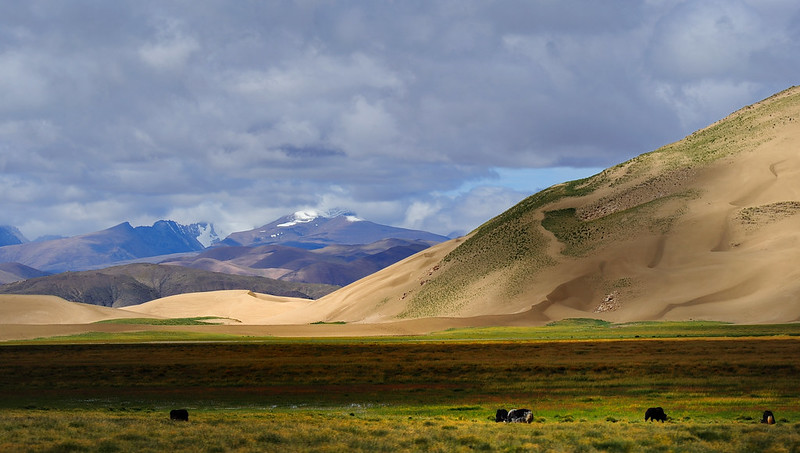
TIBET CONSCIOUSNESS – GLOBAL WARMING – CLIMATE ACTION. DESERT SAND DUNES. DESERTIFICATION OF TIBET.By reurinkjan on flickr-logo-1x.png
TIBET CONSCIOUSNESS – GLOBAL WARMING – CLIMATE ACTION. RIVER YARLUNG TSANGPO OR BRAHMAPUTRA. MOUNTAINS AND SAND DUNES.By reurinkjan on flickr-logo-1x.png
TIBET CONSCIOUSNESS – GLOBAL WARMING – CLIMATE ACTION. ACTION IS NEEDED TO REGULATE POLLUTING INDUSTRIES.By reurinkjan on flickr-logo-1x.png
TIBET CONSCIOUSNESS – GLOBAL WARMING – CLIMATE ACTION. BAYANKARLA RI RGYUD RANGE.RED CHINA’S UNREGULATED INDUSTRIAL POLLUTION IS RUINING ENVIRONMENTAL HEALTH. By reurinkjan on flickr-logo-1x.png
TIBET AWARENESS – GLOBAL WARMING – CLIMATE ACTION. RED CHINA HAS TO CURB INDUSTRIAL EMISSION OF GREENHOUSE GASES.By reurinkjan on flickr-logo-1x.png


Whole Liar – Red China conceals several Truths

Tibet Awareness – Red China does not want the World to know several truths

TIBET AWARENESS - RED CHINA - LIAR. RED CHINA DEMANDS TO CONTROL TIBETAN CULTURAL TRADITIONS AND SOCIAL INSTITUTIONS INCLUDING REINCARNATION OF DALAI LAMA.
Tibet Awareness – Red China does not want the World to know several truths. Red China demands to control Tibetan Cultural Traditions and Social Institutions including Reincarnation of Dalai Lama.

Red China deliberately and purposefully distorts truth about her military occupation of Tibet. Red China claims that she has peacefully liberated Tibet from feudal rule. Apart from illegal occupation of Tibet, Red China conceals several truths which she doesn’t want the world to know. Apart from rest of the world, Chinese people have no access to truth about their own country.

Secrets China doesn’t want the world to know ….

TIBET CONSCIOUSNESS – GLOBAL WARMING – CLIMATE ACTION. RED CHINA REFUSES TO ACCEPT THE CAUSE OF GLOBAL WARMING. RED CHINA IS USING DECEPTION AND PROPAGANDA INSTEAD OF ADDRESSING CORE ISSUES.

1. Poverty.

Even though China is the world’s most populous country, at over 1.35 billion people, it still has some secrets it doesn’t want us to know.

Even though China is the world’s most populous country, at over 1.35 billion people, it still has some secrets it doesn’t want us to know. But we dug some of them up just for you!
For instance, despite the fact that the US borrows a lot of money from China, a lot of it’s population is still living in utter poverty. In fact, about 100 million people in China are surviving on less than $1 a day, which works out to less than $365 a year! And nearly 400 million people live on less than $2 a day!

TIBET’S FREEDOM IS A NATURAL RIGHT .

2. Death Penalty.

NEVER FORGET JUNE 04, 1989 – TIANANMEN ANNIVERSARY – BEIJING DOOMED.

In 2005, China executed more than 4 times as many convicts as the rest of the world combined. That works out to over 1,770 executions, most of them done by firing squad.

3. Air Pollution.

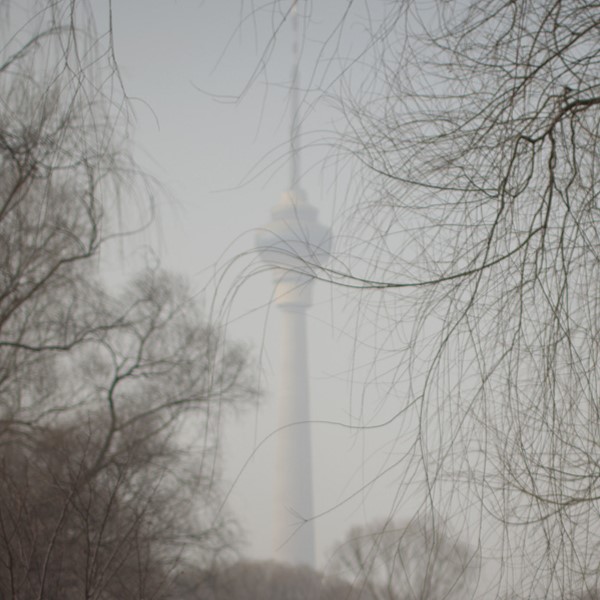
China’s air pollution is so bad from its rapid industrial growth that many people wear masks outside just to be able to breathe.

China’s air pollution is so bad from its rapid industrial growth that many people wear masks outside just to be able to breathe. But their problems aren’t limited to their own country. Due to the jet stream carrying their air over to the United States, much of that pollution has traveled to northern California. In fact, about a third of the air pollution in San Francisco comes from China!

4. Reincarnation.

The Chinese government has actually banned Buddhist monks from reincarnating. That is, unless they get permission from the government first. In reality, what seems ridiculous is actually a move to limit the influence of the Dalai Lama.

5. Empty Mall.

TIBET AWARENESS – RED CHINA – LIAR. EMPTY SHOPPING MALLS IN SHANGHAI.

China can proudly boast that it has the world’s largest mall, the New South China Mall, with space for 2,350 stores and 7,000,000 square feet of leasable space! The only problem is that 7 years after it opened it is still 99% empty. The only things actually in the mall are a few fast food stores near the entrance.

TIBET AWARENESS – RED CHINA – LIAR. MALL OF CHINA. WORLD’S LARGEST SHOPPING MALL.LONELY, AND EMPTY.
TIBET AWARENESS – RED CHINA – LIAR. NEW SOUTH CHINA MALL. SIGN OF ECONOMIC MELTDOWN.
TIBET AWARENESS – RED CHINA – LIAR. WORLD’S LARGEST SOUTH CHINA MALL IS EMPTY. ECONOMY BUSTED, WASTED, RUINED.
TIBET AWARENESS – RED CHINA – LIAR. SOUTH CHINA MALL. WORLD’S LARGEST ABANDONED MALL.

6. Blocked Sites.

Facebook and Twitter have been blocked sites in China since 2009 and The New York Times has been blocked since a 2012 article didn’t please the government. They are going to lift the ban in what is called the Shanghai Free Trade zone soon but it is more of a business decision than anything else.

7. Cave Dwellers.

About 35 million people in China still live in caves. Most of these live in the Shaanxi province where the porous soil makes the caves easy to dig. They are often decorated or reinforced with bricks.

8. Water Contamination.

About 700 million Chinese people, or about half of their population, drink contaminated water every day. One of the biggest reasons is that only about 10 percent of the raw sewage produced by the big cities is treated and the rest is dumped straight into lakes and rivers where it leaks into ground water

9. Time Zones.

Back in 1949, China’s Communist regime decided that, even though the country is huge, in order to assert more control it all needed to be under the same time zone, Beijing Standard Time. This has led to ridiculous sunrise times such as 10am in certain parts of the country.

10. Piracy.

78% of the software installed on computers in China in 2010 was pirated. That is a really high number no matter how you look at it. Globally, the average piracy rate is still quite high at 42%, but it is almost twice that in China.

11. Birth Defects.

Birth defects are actually increasing in China by a rate of 40% since 2001. About 1.2 million babies are born in China every year with a birth defect, or about one every 30 seconds.

12. Christianity.

When you think of religion in China, probably the last thing that comes to mind is Christianity. But what is really surprising is that China has a booming Christian population of about 54 million people and growing. Soon they will have the largest Christian population in the world! They already have more Christians than Italy!

A note over here . Due to large masses of people turning to Christianity, the government is resorting to a specific quota of Christian conversions per month.

13. Dwarf Theme Park.

There is a place called the Kingdom of the Little People in China where people with dwarfism put on comical shows for tourists. There are over 100 dwarfs employed by the park.

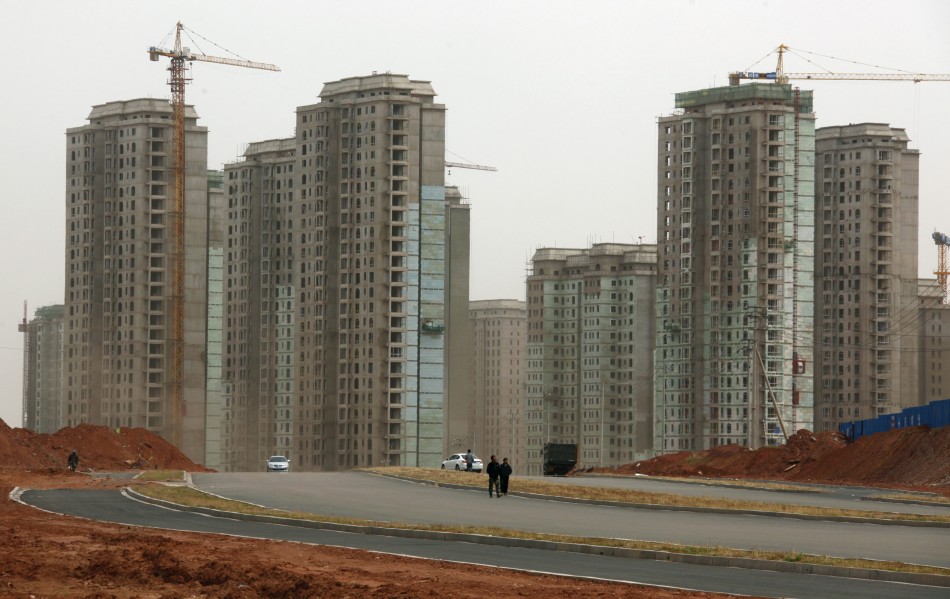
14. Ghost Towns.

TIBET AWARENESS – RED CHINA – LIAR. RED CHINA’S GHOST CITIES.

About 65 million homes sit vacant in China. This includes some entire towns that are completely devoid of people and they sit empty. These aren’t old houses and towns that died out. They are new cities and houses that were built in expectation of a population boom expanding into them that never happened.

TIBET AWARENESS – RED CHINA – LIAR. RED CHINA’S GHOST TOWNS. IMPENDING DEBT CRISIS.
TIBET AWARENESS – RED CHINA – LIAR. CHINA’S GHOST TOWNS.
TIBET AWARENESS – RED CHINA – LIAR. RED CHINA’S ECONOMIC CONTRADICTIONS. INVESTMENT FAILURES NOT REPORTED. CHINESE ECONOMY READY FOR MELTDOWN.

15. Gobi Desert.

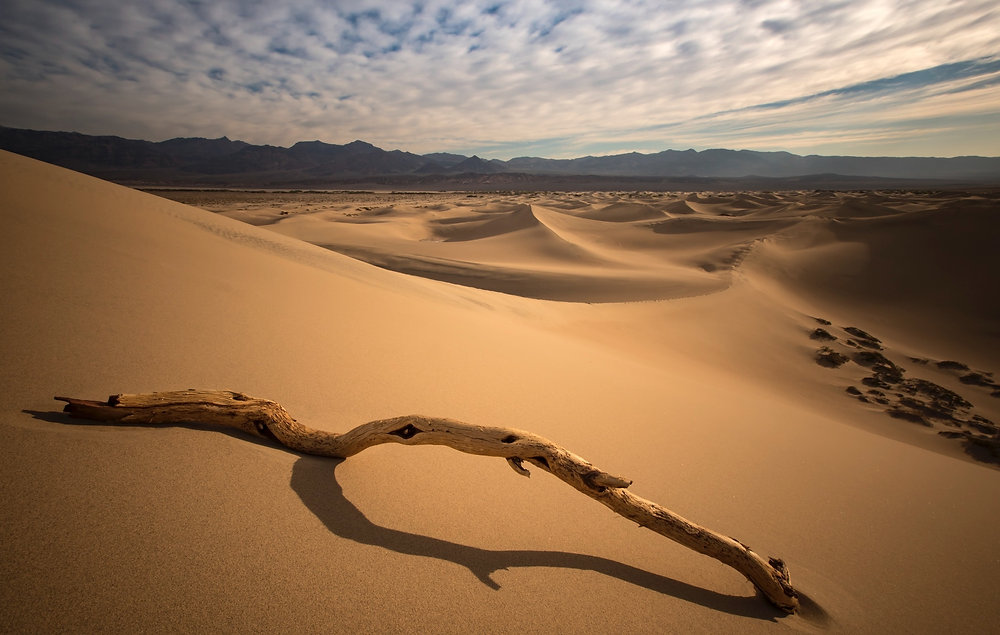
China is home to the enormous Gobi desert which is already about 500,000 square miles or about the size of Peru and it’s only getting bigger.

China is home to the enormous Gobi desert which is already about 500,000 square miles or about the size of Peru and it’s only getting bigger. The Gobi is expanding at a rate of about 1,400 square miles a year due to over grazing, deforestation and water source depletion.

TIBET AWARENESS – RED CHINA – LIAR. CHINA’S WASTEFUL SPENDING. ABANDONED FACTORY.
TIBET AWARENESS – RED CHINA – LIAR. A HORROR STORY. ABANDONED FACTORY OF CHINA.
TIBET AWARENESS – RED CHINA – LIAR. CHINA’S EMPTY FACTORIES.
TIBET AWARENESS – RED CHINA – LIAR. ABANDONED FACTORY. RED CHINA ON A SLIPPERY SLOPE.

TIBET CONSCIOUSNESS – RED CHINA HAS NO REDEEMER

TIBET CONSCIOUSNESS – RED CHINA HAS NO REDEEMER

TIBET CONSCIOUSNESS – RED CHINA HAS NO REDEEMER. RED CHINA’S DESTINY IS NOT DECIDED BY RELATIVE MILITARY STRENGTHS OF CHINA AND UNITED STATES.

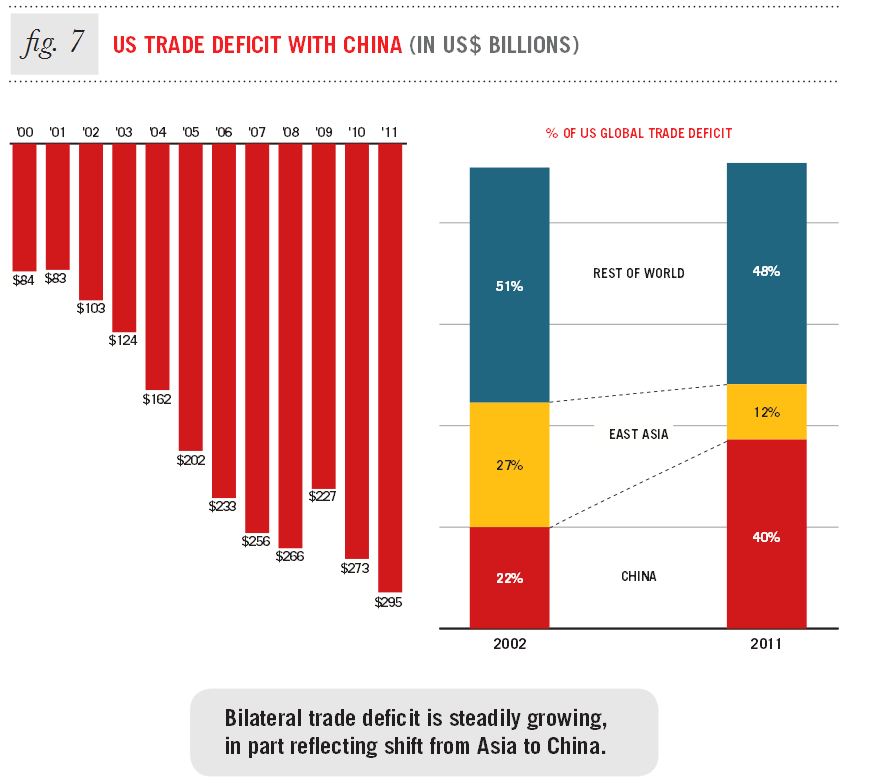
The proud Han Chinese people may choose to ‘love’ or ‘hate’ United States of America. The issue is not that of bilateral US – China relations. Red China would be paid back with the very weapons she used on others. Just as she destroyed Tibet, she would be destroyed. Red China is exhausting herself for nothing. She dominated Tibet but she is wearing herself out. Red China is moving toward her own logical end of self-destruction.

The Evil Red Empire is destined to be uprooted, torn down, and destroyed for Red China has not repented and her evil actions are not forgiven.

Chinese people may love or hate America. But, Red China has no choice. Red China has no Redeemer. No one can save Red China for she pursued a hazardous course of action to the brink of catastrophe. Beijing is Doomed.

Rudranarasimham Rebbapragada
Ann Arbor, MI 48104-4162, USA
SPECIAL FRONTIER FORCE. ESTABLISHMENT 22


The Spirits of Special Frontier ForceThe Spirits of Special Frontier Force, Ann Arbor, MI. At Special Frontier Force, I host ‘The Living Tibetan Spirits’…
 
View on www.Facebook.com


THE NEW YORK TIMES

Contributing Op-Ed Writer

A Land China Loves and Hates

OCT. 13, 2015

TIBET CONSCIOUSNESS – RED CHINA HAS NO REDEEMER. UNITED STATES CANNOT SAVE RED CHINA FROM HER CHOSEN FATE. BEIJING IS DOOMED.

Credit Erik S. Lesser/European Pressphoto Agency

murong-xuecun-contrib-thumbLarge.jpg

MURONG XUECUN

HONG KONG On the 10th anniversary of the Sept. 11 attacks, a major Chinese television network broadcast a documentary that investigated how Chinese people viewed not only those pivotal events but America itself. One man, referring to the slaughter of thousands of Americans, declared, What a beautiful job! Another said, They should give America more of the same. And a student standing in Tiananmen Square said he approved of the attacks because the United States was a bully and a hegemon. Later in the film, the young man in Tiananmen Square went on to describe his plans for the future. He said that he loved America and that he was about to go there to study. If I don’t have to come back, then I won’t, he said.
The Chinese view of America has not changed since this aired four years ago.

On Sept. 3, President Xi Jinping orchestrated an extravagant military parade in Beijing. An acquaintance from my schooldays was so excited by the spectacle, the disciplined troop formations, the advanced equipment that he wrote in a post on WeChat that he could hardly sleep that night. He added that his friends should guard against America because American imperialism still wants to destroy us.

Only a few months earlier, this same man had taken his daughter on a trip to Boston, where he reported enthusiastically on social media about visiting Harvard University and eating a huge lobster. He also pledged to send his daughter to America. We should help our next generation live in a place without pollution, without recycled cooking oil and poisoned milk powder, he wrote.

The young man in Tiananmen Square and my former schoolmate are hardly alone in holding contrasting, schizophrenic views of America. For many Chinese people, the depth of their admiration for the American system and way of life is matched only by their animosity toward the country.

According to a Pew Research Center survey released earlier this year, only 44 percent of Chinese people have a favorable view of America the 33rd lowest approval rating out of 40 countries surveyed, and far lower than the 84 percent reported for South Korea and the 68 percent for Japan.

The Chinese hostility to America is first and foremost the result of government propaganda. Because of censorship, many people lack a basic understanding of life outside China. And although in the past few decades the Chinese government has been careful to avoid a real clash with America, Beijing’s domestic propaganda has never ceased presenting it as the enemy. Stir in 60 years of uninterrupted anti-American schooling, and it is hardly surprising that one result is an irrational hostility toward the United States.

Another Chinese documentary, Silent Contest, from 2013, highlighted one of the major reasons for castigating America as the eternal enemy. In the film, it was said that America’s key strategic objective is to dominate and break up China. You hear a lot of this kind of talk from Chinese officials. Like most despotic governments, the Chinese leadership likes to play the part of defender of the people a role that necessitates the existence of a powerful external enemy. A strong and hostile America is an important source of the legitimacy for Communist Party rule.

But in our globalized age, where there are myriad, multilayered interactions between countries, it is impossible for our government to fully stop people from seeking to research, study and understand the United States.

American films, TV shows and products, and many other aspects of American culture remain influential in everyday Chinese life. On the Internet, Chinese netizens loudly praise America’s system of government and spontaneously rally to America’s defense in global affairs. Some people like to compare America and Russia in recent years Beijing has been cozying up to Moscow and analyze the behavior of the two countries toward China, wondering aloud if we have chosen the right friend.

Many of the same people who are suspicious of America’s intentions are the ones who harbor the most fervent hopes of going to live there. In everyday conversation these people might be ashamed of China’s human rights record and our political situation, or they may talk about how they want to buy an apartment in New York to find a secure place for their money, but when a foreign government or organization (from no matter what country) criticizes the Chinese system, they become defensive. In the case of the United States, they will often fire off a list of America’s failings, such as racism and gun violence.

A mixed view of extremes about America is not uncommon around the world, but what makes it so striking here is that many Chinese government officials and elites seem to hold these contrasting views.
Like the young man in the documentary in Tiananmen Square, the children of many high officials go to America to study, to settle down, to invest in property. For years, the children and grandchildren of the Communist Party elite have been attending America’s top universities. Perhaps most famously, President Xi Jinping’s daughter enrolled at Harvard in 2010.

Many Chinese people can’t help but notice that the elites have no problem taking advantage of what America has to offer, but when they are preaching to the public, they seem to have another view.

Government leaders can’t be relied on to deliver better bilateral relationships, especially not the Chinese government. But its encouraging that, in the shadow of censorship, some ordinary Chinese people are opening their eyes and looking more realistically at our country and its place in the world. American leaders should realize that the best hope for improved Chinese-American relations resides with these Chinese people.

Nevertheless, as long as the Chinese government pretends to be the defender of the people against the United States and persists in its negative propaganda, Chinese-American relations will have a long way to go.

Murong Xuecun is a writer whose latest novel to be published in English is Dancing Through Red Dust. This article was translated by The New York Times from the Chinese.
A version of this op-ed appears in print on October 14, 2015, in The International New York Times.

Copyright 2015 The New York Times Company.

TIBET CONSCIOUSNESS – RED CHINA HAS NO REDEEMER. RED CHINA HAS NOT REPENTED AND HER EVIL ACTIONS ARE NOT FORGIVEN. UNITED STATES CANNOT SAVE RED CHINA AS SHE MOVES ON HER CHOSEN PATH OF SELF-DESTRUCTION.

TIBET CONSCIOUSNESS – RED CHINA HAS NO REDEEMER. CHINA CANNOT SAVE HERSELF FROM RUIN AND CATASTROPHE. UNITED STATES CAN WEEP ALOUD BUT CANNOT SAVE CHINA FROM HER DOWNFALL.


TIBET CONSCIOUSNESS – RED CHINA HAS NO REDEEMER. US AND CHINA RELATIONS ARE STRAINED BY RED CHINA’S EVIL ACTIONS IN TIBET. US CANNOT REPENT ON BEHALF OF CHINA. US CANNOT BEG FOR MERCY ON BEHALF OF CHINA.

TIBET CONSCIOUSNESS – RED CHINA HAS NO REDEEMER. ALL THESE YOUNG PEOPLE CAN DO NOTHING TO SAVE RED CHINA FROM HER SLIDE ON A SLIPPERY SLOPE.

TIBET CONSCIOUSNESS – RED CHINA HAS NO REDEEMER. US – CHINA STARTED THEIR RELATIONS WITH TRADE AND COMMERCE. BUT NO NATION ON EARTH CAN SAVE CHINA FROM HER DOOM.


TIBET CONSCIOUSNESS – RED CHINA HAS NO REDEEMER. US – CHINA RELATIONS WILL NOT BE DECIDED BY US POLICIES TOWARDS CHINA. RED CHINA SEALED HER FATE BY CHOOSING A POLICY TOWARDS TIBET.


TIBET CONSCIOUSNESS – RED CHINA HAS NO REDEEMER. THE RELATIVE STRENGTH OF MAJOR CURRENCIES IS OF NO CONSEQUENCE. BEIJING IS DOOMED BY OVERWHELMING POWER OF HER OWN EVIL ACTIONS.


TIBET CONSCIOUSNESS – RED CHINA HAS NO REDEEMER. NIXON – KISSINGER, FORD – CARTER, REAGAN – BUSH, CLINTON -OBAMA CANNOT REDEEM RED CHINA FOR SHE IS DOOMED.


TIBET CONSCIOUSNESS – RED CHINA HAS NO REDEEMER. RED CHINA WILL FALL INTO A GRAVE THAT SHE PREPARED FOR TIBET.


TIBET CONSCIOUSNESS – RED CHINA HAS NO REDEEMER. US – CHINA ECONOMIC RELATIONSHIP IS OF NO CONSEQUENCE. RED CHINA CANNOT PAY RANSOM TO WARD OFF SUDDEN DISASTER.


TIBET CONSCIOUSNESS – RED CHINA HAS NO REDEEMER. THE EVIL RED EMPIRE, THE RED DRAGON IS DESTINED TO BE UPROOTED, TORN DOWN, AND DESTROYED.

TIBET CONSCIOUSNESS - RED CHINA HAS NO REDEEMER. RED CHINA IS LIVING ON A SLIPPERY SLOPE. NO ONE CAN SAVE FROM DOWNFALL.
TIBET CONSCIOUSNESS – RED CHINA HAS NO REDEEMER. RED CHINA IS LIVING ON A SLIPPERY SLOPE. NO ONE CAN SAVE FROM DOWNFALL.

Whole Awareness – The Colonialist exploitation of Tibet

Tibet Consciousness – Red China – Neocolonialist

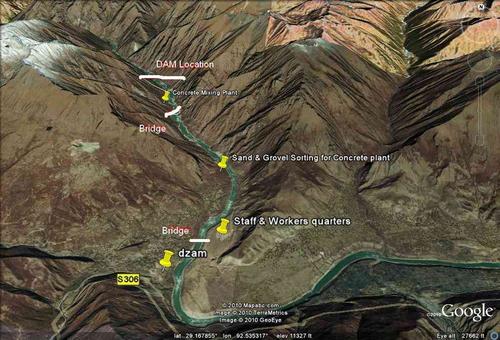
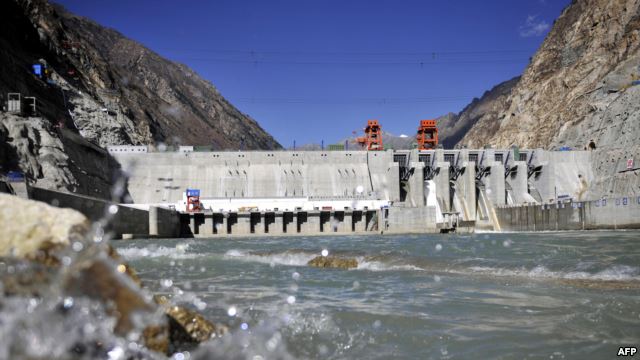
Tibet Consciousness – Red China – Neocolonialist: MEGA DAM ACROSS YARLUNG TSANGPO OR BRAHMAPUTRA RIVER IN OCCUPIED TIBET.

Red China’s Hydroelectric Dam across Yarlung Tsangpo, Yarlung Zangbo or Brahmaputra River in Occupied Tibet is the evidence to establish Red China as a Neocolonialist. Neocolonialism is revival of colonialist exploitation by a foreign power of a nation that has achieved independence. Colonialism is the system or policy by which a country maintains foreign colonies especially in order to exploit them economically. Colonization refers to extension of political and economic control over a nation by an occupying state that has military and technological superiority. Imperialism gets translated into colonizing force. Red China occupied Tibet and is relentlessly oppressing Tibetans to exert pressure to assimilate Tibetans to Red China’s way of life.

China’s 9700 Crore Dam on Brahmaputra in Tibet is Now Working

All India Press Trust of India Updated: October 13, 2015.

TIBET CONSCIOUSNESS – RED CHINA – NEOCOLONIALIST – $ 1.5 BILLION( 9700 CRORE INDIAN RUPEES) DAM ON YARLUNG ZANGBO, YARLUNG TSANGPO OR BRAHMAPUTRA RIVER IN OCCUPIED TIBET.

India is concerned that if the waters are diverted, then projects on the Brahmaputra, especially in Arunachal Pradesh, get affected.

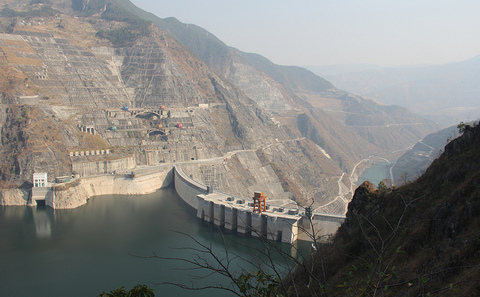
Beijing, China: China today operationalised the largest dam in Tibet, built on river Brahmaputra, raising concerns in India over the likelihood of disrupting water supplies.

The Zam Hydropower Station has been built at a cost of $1.5 billion (approximately Rs 9764 crores).

All six of the station’s units were incorporated into the power grid today, the China Gezhouba Group, a major hydropower contractor based in Wuhan, capital of Hubei Province in central China, told state-run Xinhua news agency.

Located in the Gyaca County, Shannan Prefecture, the Zam Hydropower Station also known as Zangmu Hydropower Station, harnesses the rich water resources of Brahmaputra – known in Tibet as Yarlung Zangbo River – a major river which flows through Tibet into India and later into Bangladesh.

The dam, considered to be the world’s highest-altitude hydropower station and the largest of its kind, will produce produces 2.5 billion kilowatt-hours of electricity a year.

“It will alleviate the electricity shortage in central Tibet and empower the development of the electricity-strapped region. It is also an important energy base in central Tibet,” the company said.

Officials said when the electricity is ample in the summer season, part of the electricity will be transmitted to the neighbouring Qinghai province, Xinhua report said.

The first unit began operations last November.

Reports in the past said besides Zangmu, China is reportedly building few more dams. China seeks to allay Indian fears saying that they are the run-of-the-river projects which were not designed to hold water.

The dams also raised concerns in India over China’s ability to release water in times of conflict which could pose serious risk of flooding.

An Indian Inter-Ministerial Expert Group (IMEG) on the Brahmaputra in 2013 said the dams were being built on the upper reaches and called for further monitoring considering their impact on the flow of waters to the lower reaches.

The IMEG noted that the three dams, Jiexu, Zangmu and Jiacha are within 25 kilometres of each other and are 550 kilometres from the Indian border.

India has been taking up the issue with China for the past few years.

Under the understanding reached in 2013, the Chinese side agreed to provide more flood data of Brahmaputra from May to October instead of June to October in the previous agreements river water agreements in 2008 and 2010.

India is concerned that if the waters are diverted, then projects on the Brahmaputra, particularly the Upper Siang and Lower Subansari projects in Arunachal Pradesh, may get affected.

Story First Published: October 13, 2015 14:08 IST

© Copyright NDTV Convergence Limited 2015. All rights reserved.

TIBET CONSCIOUSNESS – RED CHINA – NEOCOLONIALIST – ZANGMU DAM IN OCCUPIED TIBET.
TIBET CONSCIOUSNESS – RED CHINA – NEOCOLONIALIST – ZANGMU HYDROPOWER STATION IN OCCUPIED TIBET.
TIBET CONSCIOUSNESS – RED CHINA – NEOCOLONIALIST – COLONIAL EXPLOITATION IN OCCUPIED TIBET.
TIBET CONSCIOUSNESS – RED CHINA – NEOCOLONIALIST – DAMMING YARLUNG TSANGPO – BRAHMAPUTRA IN OCCUPIED TIBET
TIBET CONSCIOUSNESS – RED CHINA NEOCOLONIALIST – ZANGMU HYDROELECTRIC PROJECT IN OCCUPIED TIBET.
TIBET CONSCIOUSNESS – RED CHINA – NEOCOLONIALIST – ZANGMU DAM IN OCCUPIED TIBET.
TIBET CONSCIOUSNESS – RED CHINA – NEOCOLONIALIST – HUTOSHAN RESERVOIR IN OCCUPIED TIBET.


TIBET CONSCIOUSNESS – RED CHINA – NEOCOLONIALIST – ZANGMU DAM IN OCCUPIED TIBET.

Whole Awareness – Red China Oppressor of Tibet

Tibet Consciousness – Red China’s actions in Tibet are illegal, unlawful, and despotic

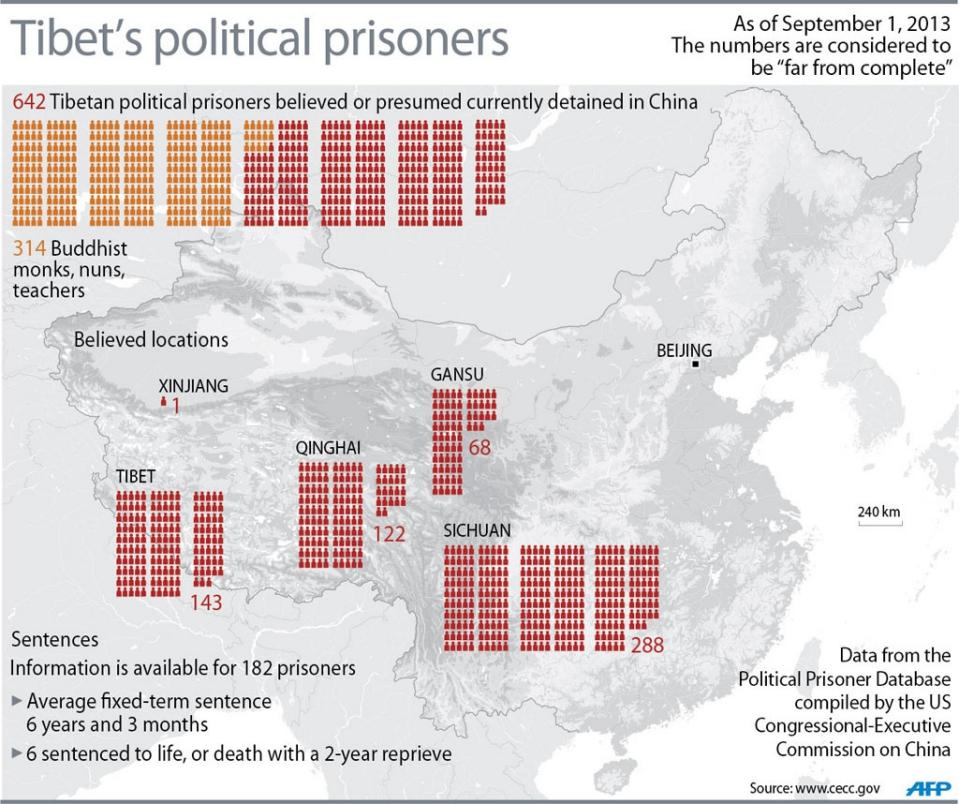
US Congressional-Executive Committee on China (www.cecc.gov) released a 336-page report that describes Communist China’s oppressive, repressive, brutal rule over Tibet. Red China’s use of power is cruel and unjust. Red China uses authority to overpower, to subdue, to crush, and to trample down any sign of Tibetan resistance that may question the legality of Red China’s governance of Tibet. US Congress has to categorically acknowledge Red China as “Usurper” of power in Tibet. Red China has taken, has assumed, has seized, and is in possession of Tibet without right. Red China’s actions in Tibet are illegal, arbitrary, despotic, violent, and remain unlawful.

US CONGRESS: CHINA TODAY IS MORE REPRESSIVE AND MORE BRUTAL

Tibet post International

Monday, 12 October 2015 23:02 Yeshe Choesang, Tibet Post International

Washington, DC — An annual report released this week by the US Congressional-Executive Committee on China (CECC) criticised Beijing’s treatment of ethnic minorities, and noted deteriorating conditions in Xinjiang and Tibet.

The 336-page said it saw “a disturbing deterioration in human rights and rule of law conditions that pose a direct challenge to US national interests and US-China relations”.

The US commission said China was moving further away from a rule of law system and had increased pressure on civil society.

The Commission said that Beijing persists with its repressive policies in Tibet, denying adequate rights to Tibetans from protecting their culture, language, religion, and environment.

The annual report stated that “authorities continued to rein in media, opinion-makers, and Internet and social media users critical of government policies by shutting down popular chat site accounts, requiring real-name registration of accounts, and blocking services that allow Internet users to circumvent China’s “Great Firewall.” Foreign journalists continued to report harassment, surveillance, and restrictions on the free flow of news and information.”

The report recommends “greater public expression, including at the highest levels of the U.S. government, on the issue of press and Internet freedom; the expanded distribution of proven technologies to circumvent Internet restrictions in China; and the inclusion of the freedom of cross-border information as part of negotiations for the U.S.-China Bilateral Investment Treaty or future trade negotiations with China.”

The US report also noted deteriorating conditions in ethnic minority areas, from increased violence in the Xinjiang Uyghur Autonomous Region to harsher security measures and efforts to control Tibetan Buddhism in the so-called Tibet Autonomous Region. In addition, as Tibetan self-immolations continued, the Commission observed no sign of Chinese interest in resuming the long-stalled dialogue with the Dalai Lama’s representatives.

The report concluded that the Chinese government can best promote stability by respecting ethnic minorities’ right to maintain their language and culture and to practice freely their religion and urged Chinese administration to address these issues at bilateral security dialogues and exchanges with Chinese military or police officials.

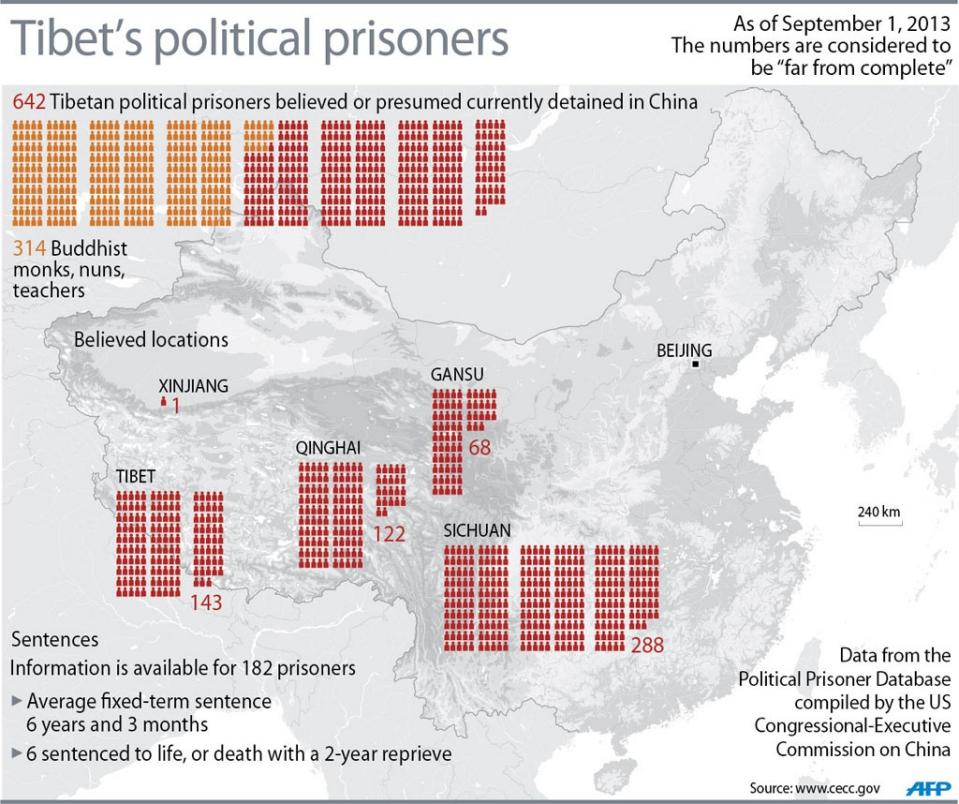
The report contains numerous other recommendations, including advocating the use of the Commission’s extensive Political Prisoner Database, with information on over 1,300 currently detained political and religious prisoners.

The report further recommended the US Congress and administration to urge the Chinese government to allow the free flow of information regarding incidents of violence in ethnic minority regions; allow journalists and international observers access to those areas in line with international standards; and ensure that U.S. counter-terrorism cooperation arrangements do not endorse the Chinese government’s suppression of its people.

Speaking at the release of the report, Representative Chris Smith, Chair of the Commission, said, “It has been another punishing year for human rights in China, as this report documents so well. President Xi has presided over an extraordinary assault on the rule of law and civil society using repressive and retrograde policies that threaten freedom advocates in China and challenge both U.S. interests and U.S.-China cooperation and goodwill.”

“U.S. leadership on human rights is needed now more than ever. We must not compromise on the need for fundamental freedoms or shy away from those who seek them. Clearly, our long-term strategic interests depend on the advance of human rights and the rule of law in China,” he added.

The report provides detailed analysis on 19 human rights and rule of law issues and offers specific recommendations on ways to make progress on these issues in the broader U.S.-China relationship. The full report can be accessed on the CECC’s website(www.cecc.gov).


Chinese Oppression

500 Internal Server Error

... UN to Pressure China over Human Rights Abuses in Tibet | Word Matters

What Is Tibet’s Cause About? | tibettruth

STOP Oppression ***World Wide*** | FREE Tibet | Pinterest

2008 file photo, a Tibetan woman in exile enacts a scene of oppression ...

My Free Tibet tribute to Ani Pachen Dolmo

TIBET CONSCIOUSNESS – SAVING TIBET’S CULTURE

TIBET CONSCIOUSNESS – SAVING TIBET’S CULTURE

TIBET CONSCIOUSNESS – SAVING TIBET’S CULTURE. HIS HOLINESS THE DALAI LAMA VISITS TIBETAN SCHOOL IN DHARAMSHALA ON SATURDAY, OCTOBER 10, 2015.

Tibet’s culture flourished for Tibet existed for centuries in serene, unperturbed condition and Tibetans enjoyed a sense of natural freedom and pursued an independent style of living. Red China’s military occupation since 1950s poses a huge challenge and Tibetans are coping with this problem with much patience and hope of finding a peaceful resolution with or without dialogue.

Rudranarasimham Rebbapragada
Ann Arbor, MI 48104-4162, USA
SPECIAL FRONTIER FORCE. ESTABLISHMENT 22


The Spirits of Special Frontier ForceThe Spirits of Special Frontier Force, Ann Arbor, MI. At Special Frontier Force, I host ‘The Living Tibetan Spirits’…
 
View on www.Facebook.com


The Dalai Lama says Buddhist culture most important to him

Ashwini Bhatia, Associated Press

Updated 5:46 am, Saturday, October 10, 2015
  • Tibetan spiritual leader the Dalai Lama is helped down a path upon arrival at a Tibetan school, his first public function after his return last week from Minnesota in the United States where he had a thorough medical checkup, in Dharmsala, India, Saturday, Oct. 10, 2015. The Dalai Lama says he considers it most important to preserve the Buddhist culture that has helped Tibetan people live together even in exile. Many Tibetans fear that their culture may not endure for long and may weaken after the Dalai Lama is gone. Photo: Ashwini Bhatia, AP / AP
    TIBET CONSCIOUSNESS – SAVING TIBET’S CULTURE. DALAI LAMA ARRIVES AT TIBETAN SCHOOL ON SATURDAY, OCTOBER 10, 2015.
  • Photo: Ashwini Bhatia, AP Tibetan spiritual leader the Dalai Lama is helped down a path upon arrival at a Tibetan school, his first public function after his return last week from Minnesota in the United States where he had a thorough medical checkup, in Dharmsala, India, Saturday, Oct. 10, 2015. The Dalai Lama says he considers it most important to preserve the Buddhist culture that has helped Tibetan people live together even in exile. Many Tibetans fear that their culture may not endure for long and may weaken after the Dalai Lama is gone.


TIBET CONSCIOUSNESS - SAVING TIBET'S CULTURE.
TIBET CONSCIOUSNESS – SAVING TIBET’S CULTURE.

Tibetan spiritual leader the Dalai Lama arrives at a Tibetan school, his first public function after his return last week from Minnesota in the United States where he had a thorough medical checkup, in Dharmsala, India, Saturday, Oct. 10, 2015. The Dalai Lama says he considers it most important to preserve the Buddhist culture that has helped Tibetan people live together even in exile. Many Tibetans fear that their culture may not endure for long and may weaken after the Dalai Lama is gone.
Photo: Ashwini Bhatia, AP

TIBET CONSCIOUSNESS - SAVING TIBET'S CULTURE.
TIBET CONSCIOUSNESS – SAVING TIBET’S CULTURE.

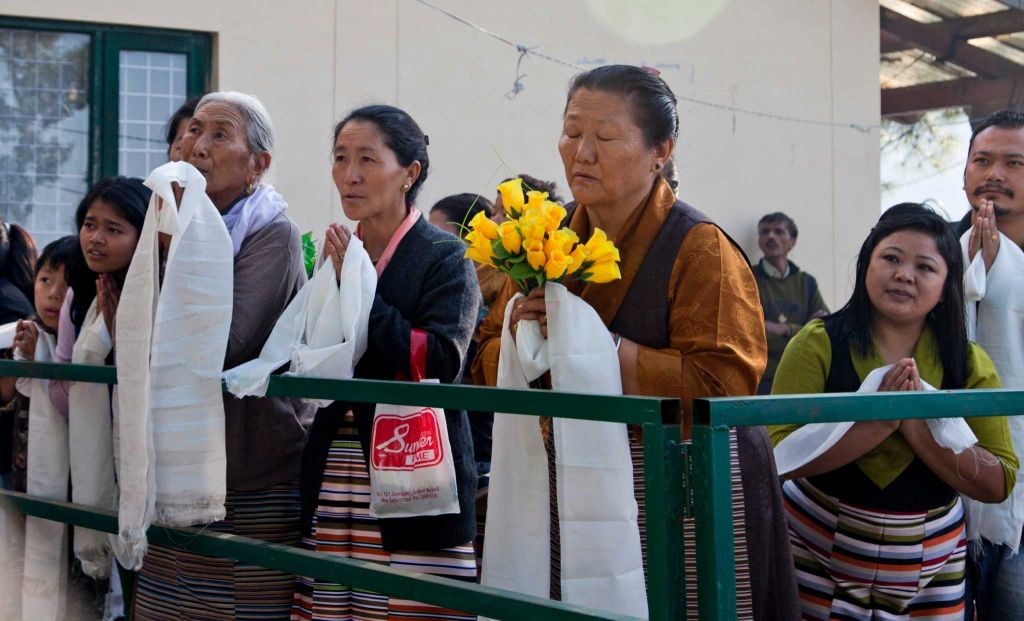
Exile Tibetans hold ceremonial scarves as they wait to greet their spiritual leader the Dalai Lama before his arrival at a Tibetan school in Dharmsala, India, Saturday, Oct. 10, 2015. The Dalai Lama says he considers it most important to preserve the Buddhist culture that has helped Tibetan people live together even in exile. Many Tibetans fear that their culture may not endure for long and may weaken after the Dalai Lama is gone.
Photo: Ashwini Bhatia, AP

TIBET CONSCIOUSNESS - SAVING TIBET'S CULTURE.
TIBET CONSCIOUSNESS – SAVING TIBET’S CULTURE.

Tibetan spiritual leader the Dalai Lama greets children gathered to welcome him upon arrival at a Tibetan school, his first public function after his return last week from Minnesota in the United States where he had a thorough medical checkup, in Dharmsala, India, Saturday, Oct. 10, 2015. The Dalai Lama says he considers it most important to preserve the Buddhist culture that has helped Tibetan people live together even in exile. Many Tibetans fear that their culture may not endure for long and may weaken after the Dalai Lama is gone.
Photo: Ashwini Bhatia, AP

TIBET CONSCIOUSNESS - SAVING TIBET'S CULTURE.
TIBET CONSCIOUSNESS – SAVING TIBET’S CULTURE.

An exile Tibetan holds a ceremonial scarf as she waits to greet her spiritual leader the Dalai Lama at a Tibetan school in Dharmsala, India, Saturday, Oct. 10, 2015. The Dalai Lama says he considers it most important to preserve the Buddhist culture that has helped Tibetan people live together even in exile. Many Tibetans fear that their culture may not endure for long and may weaken after the Dalai Lama is gone.
Photo: Ashwini Bhatia, AP

TIBET CONSCIOUSNESS - SAVING TIBET'S CULTURE.
TIBET CONSCIOUSNESS – SAVING TIBET’S CULTURE.

Tibetan spiritual leader the Dalai Lama greets devotees on his arrival at a Tibetan school, his first public function after his return last week from Minnesota in the United States where he had a thorough medical checkup, in Dharmsala, India, Saturday, Oct. 10, 2015. The Dalai Lama says he considers it most important to preserve the Buddhist culture that has helped Tibetan people live together even in exile. Many Tibetans fear that their culture may not endure for long and may weaken after the Dalai Lama is gone.
Photo: Ashwini Bhatia, AP

DHARMSALA, India (AP) — The Dalai Lama said Saturday he considered it most important to preserve the Buddhist culture that has helped the Tibetan people live together even in exile.
“Our values have helped us Tibetans live together as a people,” the 80-year-old spiritual leader said at his first public event after returning last week from a medical check-up in the U.S. “So after coming into exile, I have considered it most important to preserve this rich and profound culture that we have.”

Many Tibetans fear that their culture may not endure for long and may weaken after the Dalai Lama is gone.
Carrying white silk scarves, dozens of school children in traditional Tibetan costumes welcomed the Dalai Lama to the event, the 10th anniversary of the opening of a Tibetan school in Dharmsala, the Tibetan government-in-exile’s headquarters in northern India.

He also said he regretted that some people were using religion to harm others and said he advocated education of secular values.

Last week, the Dalai Lama said he had a thorough medical checkup at the renowned Mayo Clinic in Minnesota, U.S.A., and was in “excellent condition.” Though advised rest by doctors, the Dalai Lama got out of his car and walked nearly 100 meters (yards) to the school.

His followers lined the path with incense sticks and flowers. The Dalai Lama sat on a chair on a raised platform while others settled on cushions on the floor in a show of respect to him.
The Dalai Lama fled across the Himalayas into India after a failed uprising in Tibet in 1959. Beijing accuses him of seeking to separate Tibet from China. But the Dalai Lama says he simply wants a high degree of autonomy under Chinese rule.

Hearst Newspapers Copyright Hearst Communications, Inc.

Whole Awareness – The Great Masters of Tibetan Buddhism

Tibet Awareness – The Great Masters of Nalanda Mahavihar

Tibet Awareness-17 Nalanda Masters
TIBET AWARENESS – THE GREAT MASTERS OF NALANDA.

I am pleased to share an article titled ‘The Seventeen Pandits of Nalanda Monastery’ by Professor James Blumenthal Ph.D. who gives a brief account of Nalanda University and its great influence upon Tibetan Buddhism. I pay my respectful tribute to Professor Blumenthal who passed away on October 09, 2015. May Lord God bless his soul.

THE GREAT MASTERS OF NALANDA – CENTER OF BUDDHIST LEARNING IN ANCIENT INDIA:

TIBET AWARENESS - THE GREAT MASTERS OF NALANDA.
TIBET AWARENESS – THE GREAT MASTERS OF NALANDA.
TIBET AWARENESS - THE GREAT MASTERS OF NALANDA. ACHARYA NAGARJUNA.
TIBET AWARENESS – THE GREAT MASTERS OF NALANDA. ACHARYA NAGARJUNA.
TIBET AWARENESS - THE GREAT MASTERS OF NALANDA. ACHARYA NAGARJUNA.
TIBET AWARENESS – THE GREAT MASTERS OF NALANDA. ACHARYA NAGARJUNA.
TIBET AWARENESS - THE GREAT MASTERS OF NALANDA. ARYADEVA.
TIBET AWARENESS – THE GREAT MASTERS OF NALANDA. ARYADEVA.
TIBET AWARENESS - THE GREAT MASTERS OF NALANDA. ASANGA.
TIBET AWARENESS – THE GREAT MASTERS OF NALANDA. ASANGA.
TIBET AWARENESS - THE GREAT MASTERS OF NALANDA. VASUBANDHU.
TIBET AWARENESS – THE GREAT MASTERS OF NALANDA. VASUBANDHU.
TIBET AWARENESS - THE GREAT MASTERS OF NALANDA. DIGNAGA.
TIBET AWARENESS – THE GREAT MASTERS OF NALANDA. DIGNAGA.
TIBET AWARENESS - THE GREAT MASTERS OF NALANDA - DHARMAKIRTI.
TIBET AWARENESS – THE GREAT MASTERS OF NALANDA – DHARMAKIRTI.
TIBET AWARENESS - THE GREAT MASTERS OF NALANDA. GUNA PRABHA AND HIS DISCIPLE SHAKYA PRABHA.
TIBET AWARENESS – THE GREAT MASTERS OF NALANDA. GUNA PRABHA AND HIS DISCIPLE SHAKYA PRABHA.
TIBET AWARENESS - THE GREAT MASTERS OF NALANDA. BUDDHAPALITA.
TIBET AWARENESS – THE GREAT MASTERS OF NALANDA. BUDDHAPALITA.
TIBET AWARENESS - THE GREAT TEACHERS OF NALANDA. BHAVAVIVEKA.
TIBET AWARENESS – THE GREAT TEACHERS OF NALANDA. BHAVAVIVEKA.
TIBET AWARENESS - THE GREAT MASTERS OF NALANDA. ACHARYA BHAVAVIVEKA.
TIBET AWARENESS – THE GREAT MASTERS OF NALANDA. ACHARYA BHAVAVIVEKA.
TIBET AWARENESS - THE GREAT MASTERS OF NALANDA. CHANDRAKIRTI.
TIBET AWARENESS – THE GREAT MASTERS OF NALANDA. CHANDRAKIRTI.
TIBET AWARENESS - THE GREAT MASTERS OF NALANDA. SHANTARAKSHITA.
TIBET AWARENESS – THE GREAT MASTERS OF NALANDA. SHANTARAKSHITA.
TIBET AWARENESS - THE GREAT MASTERS OF NALANDA. SHANTARAKSITA.
TIBET AWARENESS - THE GREAT MASTERS OF NALANDA. SHANTARAKSHITA.
TIBET AWARENESS - THE GREAT MASTERS OF NALANDA. KAMALASHILA.
TIBET AWARENESS – THE GREAT MASTERS OF NALANDA. KAMALASHILA.
TIBET AWARENESS - THE GREAT MASTERS OF NALANDA. KAMALASHILA. BHAVANAKRAMA - THREE STAGES OF MEDITATION.
TIBET AWARENESS – THE GREAT MASTERS OF NALANDA. KAMALASHILA. BHAVANAKRAMA – THREE STAGES OF MEDITATION.
TIBET AWARENESS - THE GREAT MASTERS OF NALANDA. HARIBHADRA.
TIBET AWARENESS – THE GREAT MASTERS OF NALANDA. HARIBHADRA.
TIBET AWARENESS - THE GREAT MASTERS OF NALANDA. VIMUKTISENA.
TIBET AWARENESS – THE GREAT MASTERS OF NALANDA. VIMUKTISENA.
TIBET AWARENESS - THE GREAT MASTERS OF NALANDA. SHANTIDEVA.
TIBET AWARENESS – THE GREAT MASTERS OF NALANDA. SHANTIDEVA.
TIBET AWARENESS - THE GREAT MASTERS OF NALANDA. ATISHA.
TIBET AWARENESS – THE GREAT MASTERS OF NALANDA. ATISHA.
TIBET AWARENESS - THE GREAT TEACHERS OF NALANDA. ATISHA.
TIBET AWARENESS – THE GREAT TEACHERS OF NALANDA. ATISHA.
TIBET AWARENESS - GREAT MASTERS OF NALANDA. LAMA ATISHA.
TIBET AWARENESS – GREAT MASTERS OF NALANDA. LAMA ATISHA.
TIBET AWARENESS - GREAT MASTERS OF NALANDA. ATISHA.
TIBET AWARENESS – GREAT MASTERS OF NALANDA. ATISHA.
TIBET AWARENESS - GREAT MASTERS OF NALANDA. ATISHA.
TIBET AWARENESS – GREAT MASTERS OF NALANDA. ATISHA.
TIBET AWARENESS - GREAT TEACHERS OF NALANDA. ATISHA.
TIBET AWARENESS – GREAT TEACHERS OF NALANDA. ATISHA.
TIBET AWARENESS - GREAT MASTERS OF NALANDA. ATISHA.
TIBET AWARENESS – GREAT MASTERS OF NALANDA. ATISHA.

THE SEVENTEEN PANDITS OF NALANDA MONASTERY

BY JAMES BLUMENTHAL, INFO-BUDDHISM.COM
Posted on October 8th, 2015

Oregon, USA — Nalanda Monastic University was the greatest center of Buddhist learning in India’s glorious past. With upwards of 30,000 monks and nuns including 2,000 teachers living, studying and practicing there during its heyday, Nalanda was unmatched.

Established during the Gupta Dynasty in the late 5th to early 6th century C.E. under the patronage of the Gupta king Shakraditra, the institution survived for six hundred years, through the Pala Dynasty, until ultimately being destroyed in 1203 by Turkish Muslim invaders. In 1204 the last throne-holder (abbot) of Nalanda, Shakyashribhadra, fled to Tibet. In the intervening centuries, however, many of India’s greatest Buddhist masters trained and taught at Nalanda.

Nalanda’s renown as a center for higher learning spread far. It attracted students from as far away as Greece, Persia, China, and Tibet. Although Buddhism was naturally the central focus of study, other subjects including astronomy, medicine (Ayurveda), grammar, metaphysics, logic, philosophy of language, classical Hindu philosophy, non-Indian philosophy and so forth were all regularly studied. Chinese pilgrims who visited Nalanda in the 7th century C.E. give detailed accounts of the physical premises and activities in their travelogues. For example, they describe three nine-story buildings comprising the library that housed millions of titles in hundreds of thousands of volumes on a vast variety of topics!

Much like the large Gelug monasteries of Sera, Drepung, and Ganden, living quarters were divided according to regions of the world from which the monks and nuns came. There are clear records of a well-populated Tibet Vihara at Nalanda during the later period. In fact, history reveals that at one point there was a Tibetan gatekeeper at Nalanda. The gatekeepers were traditionally the top scholars/debaters at the institution. Their job was to stand “guard” at the gate and defeat in debate any non-Buddhist who proposed to challenge the scholarship and ideas of the institution. If they could not defeat the gatekeeper in the debate, they would not be allowed further into the monastery.

The Seventeen Pandits of Nalanda Monastery refers to a grouping of seventeen of the most important and influential Mahayana Buddhist masters from India’s past. His Holiness the Dalai Lama frequently refers to himself as a follower of the lineage of the seventeen Nalanda masters today. He even wrote an exquisite poem in praise of the seventeen.
So who were they? Historically speaking, this particular grouping of Indian masters seems to have become prominent quite recently and to be based on attributions of lam-rim (stages of the path) lineages in Tibet. A likely predecessor to this grouping is an Indian reference to the Six Ornaments of the Southern Continent (i.e., India) and the Two Excellent Ones. These eight form the core of the seventeen.

The Six Ornaments first include Nagarjuna (c. 2nd century C.E.), the revealer of the Perfection of Wisdom Sutras and the systematizer and founder of the Middle Way (Madhyamaka) school of Buddhist philosophy. The most famous treatise of his six texts of reasoning is The Fundamental Wisdom of the Middle Way, probably the single most analyzed, commented upon and discussed philosophical treatise in Buddhism’s history.

The second of the six ornaments is Aryadeva (c. 3rd century C.E.) who is sometimes referred to as Nagarjuna’s heart disciple and sometimes simply as his first authoritative commentator. Like Nagarjuna, Aryadeva is universally revered as an authoritative voice for all subsequent Middle Way commentators and is most well-known for his treatise The Four Hundred Stanzas.
Aryadeva was born as the son of a Sinhalese king and is considered the co-founder of Mahayana philosophy

In addition to the two Middle Way schoolmasters, included among the six ornaments are the two earliest masters from the Mind-Only school (Yogachara/Chittamatra): Asanga (300–390 C.E.), the founder, and his disciple and half-brother, Vasubandhu (c. 4th century C.E.) one of the system’s earliest and most authoritative commentators. In addition to his own treatises, Asanga is also famous, according to tradition, for retrieving the five Maitreya Buddha texts¹ directly from Maitreya in his pure land, Tushita. With regards to Vasubandhu, before becoming a leading exponent of the Mind-Only school, he wrote a famous treatise from the perspective of the Great Exposition school (Vaibhashika) entitled The Treasure of Knowledge (Abhidharmakosha) which is utilized extensively in Tibetan scholastic studies. Traditionally, seven years is dedicated to the study of this text in the Gelug geshe curriculum.

Two additional Mind-Only school proponents round out the six ornaments: Dignaga (6th century C.E.) and Dharmakirti (600–660 C.E.). The two are most famous as the groundbreakers in Buddhist logic and epistemology. Specifically, they wrote philosophical treatises on the contents and means of accruing valid knowledge. They argued that from the Buddhist perspective there were two sources of valid knowledge: logical inference and direct perception. Much of their writings were detailed elaborations on these topics.

The Two Excellent Ones refers to the two great Vinaya masters: Gunaprabha (c. 9th century C.E.) andShakyaprabha. Gunaprabha was a disciple of Vasubandhu’s and is most famous for his treatise, the Vinayasutra. Shakyaprabha was a disciple of Shantarakshita’s (also among the seventeen) and the other major teacher of Vinaya among the seventeen. He is particularly associated Mulasarvastivada-Vinaya line which has been followed in Tibet since the time of the early Dharma King, Ralpachen (born c. 806 C.E.). His teacher Shantarakshita began this ordination lineage in Tibet when he ordained the first seven Tibetan monks and founded Samye Monastery.

Beyond the Six Ornaments and Two Excellent Ones, are nine additional Indian Buddhist masters, each of whom profoundly impacted the shapes of Indian and/or Tibetan Buddhism for centuries.

Buddhapalita (470–550 C.E.) was one of the great commentators on Nagarjuna’s Madhyamaka thought. He is the earliest Indian Madhyamaka specifically identified as a proponent of the sub-school of Madhyamaka known in Tibet as the Middle Way Consequence School (Prasangika-Madhyamaka). He received this designation in Tibet due to his use of a form of reasoning that drew out the absurd logical consequences of the philosophical rivals of Madhyamakas when he commented on Nagarjuna’s root text on wisdom.

Buddhapalita was subsequently criticized by another Madhyamaka master, Bhavaviveka (500–578 C.E.). He argued that a proper Madhyamaka commentator ought to do more than show the absurdities of other’s views; they also have a responsibility to establish the view of emptiness and to do so with autonomous inferences (svatantranumana). He subsequently became known in Tibet as the “founder” and primary proponent of a sub-school of Madhyamaka known as the Middle Way Autonomy school (Svatantrika-Madhyamaka).

Chandrakirti (600–650 C.E.) is revered by many in Tibet as the founder of the Middle Way Consequence school, often regarded as the highest Buddhist philosophical explanation of reality. He famously came to the defense of Buddhapalita’s use of consequentialist reasoning contra Bhavaviveka’s criticism. In a line of thinking further developed by Je Tsongkhapa (1357–1419 CE), they argued that a Madhyamaka philosopher ought not to utilize autonomous inferences because the very use of that sort of reasoning entailed the acceptance of an inherent nature in the subject of the argument. Since the existence of an inherent nature in anything was precisely what Nagarjuna was refuting, the use of autonomous inference seemed like a fatal flaw for a Madhyamaka. Though historical evidence suggests that Chandrakirti’s views likely did not have extensive support in India until the late period there, by the 13th century in Tibet, his views on a proper understanding of Madhyamaka began to dominate the philosophical landscape and continue to today.

Shantarakshita (725–788 C.E.) was a towering figure in late Indian Buddhist philosophy and immensely influential in Tibet. Philosophically, he is famous for integrating the three major lines of Mahayana philosophy into an integrated coherent system. These were the Madhyamaka, the Yogachara and the logico-epistemological thought of Dharmakirti. Beyond India, he spent the last seventeen years of his life in Tibet, ordaining its first monks and serving as abbot of it first monastery. Moreover, probably nobody has exerted a greater influence on Tibetan Buddhism in terms of the way in which Tibetans approach philosophy. Shantarakshita virtually taught Tibetans how to do philosophy during the early dissemination of the Dharma there.
Two of Shantarakshita’s disciples (in addition to Shakyabhadra mentioned above) are also included in the list of seventeen. Kamalashila (c. 8th century C.E.) likewise was an immensely important figure in India and Tibet. Like his teacher, Kamalashila wrote extensively on Madhyamaka and pramana (logic and epistemology) as well as on meditation theory and practice.
His three Stages of Meditation (Bhavanakrama) texts are among the most cited in traditional Tibet expositions on the topics. Moreover, also like his teacher, he spent extensive time in Tibet during the early dissemination. He famously and successfully defended the Indian gradual approach to enlightenment at the Great Debate at Samye (also called the Council of Lhasa) against the instantaneous approach advocated by Hvashang Mohoyen, the Chinese master. Tibetan histories often recount that since that time Tibetan have followed the Indian method.

Haribhadra (700–770 C.E.), the last of Shantarakshita’s disciples included in the group of seventeen, wrote the most famous and commonly utilized of the 21 Indian commentaries on The Ornament of Clear Realizations by Maitreya and the Mahayana path system in general. The other major commentator on The Ornament of Clear Realizations to be included among the seventeen is Vimuktisena (c. 6th century C.E.) whose text Illuminating the Twenty Thousand: A Commentary on the Ornament is likewise extensively cited by subsequent Tibetan authors.

Shantideva (c. 8th century C.E.) composed what is perhaps the most important and influential classic on how to practice in the Mahayana tradition: A Guide to the Bodhisattva’s Way of Life (Bodhisattvacaryavatara) while a monk at Nalanda. His text on the development of bodhicitta and the practice of the six perfections is revered and studied extensively by all Tibetan traditions. His Holiness the Dalai Lama often refers to his favorite passage in Buddhist literature as coming from the dedication section of this text: “As long as space endures, as long as sentient being remain, may I too remain, to dispel the miseries of the world.”

The final master included among the seventeen was the Bengali scholar-adept Atisha (980–1054 C.E.), who was a critical figure in the later dissemination of Buddhism in Tibet. Like many of the others on this list, Atisha’s impact on the shape of Tibetan Buddhism was immense. His classic, The Lamp for the Path to Enlightenment (Bodhipathpradipa) is widely regarded as the root text on the graduated stages of the path presentation found in Tibetan classics like Je Tsongkhapa’s The Great Treatise on the Stages of the Path to Enlightenment (also commonly referred to by the abbreviated Tibetan name, Lamrim Chenmo), Gampopa’s Jeweled Ornament of Liberation and Patrul Rinpoche’s The Words of My Perfect Teacher among others. In addition to the stages of the path teachings, Atisha also introduced the lojong, or mind training, the tradition of Mahayana practice in Tibet. Lojong teachings are quintessential Mahayana teachings in that their aim is to eliminate both the self-cherishing attitude and self-grasping by teaching means to cultivate the altruistic compassion of bodhicitta and the direct realization of emptiness. Like the stages of the path teachings, the mind training tradition is one that is embraced by all Tibetan lineages.

Together the seventeen great masters of Nalanda monastery represent the real high points of Indian Mahayana. The inspiration and teachings of these great masters continue to bless practitioners of the Mahayana to the present day.

Notes

¹ The five Maitreya texts are The Ornament of Clear Realization (Abhisamayalamkara), The Ornament of Mahayana Sutras (Mahayanasutralamkara), Distinguishing the Middle from the Extremes (Madhyantavibhaga), Distinguishing Phenomena and the Nature of Phenomena (Dharma-dharmata-vibhaga), and The Sublime Continuum (Uttaratantra).

http://buddhistchannel.tv/index.php?id=70,12493,0,0,1,0#.VhaCC_mqqko

JAMES BLUMENTHAL, Ph.D. is an associate professor of Buddhist philosophy at Oregon State University and professor of Buddhist Studies at Maitripa College. He is the author of The Ornament of The Middle Way: A Study of the Madhyamika Thought of Shantarakshita along with more than 40 articles in scholarly journals and popular periodicals on various aspects of Buddhist thought and practice. He recently finished work with Geshe Lhundup Sopa on Steps on the Path: Vol. IV, a commentary on the ‘ Shamatha’ chapter of Lamrim Chanmo of Tsongkhapa which is due for publication in the fall.

Copyright © 2015 LankaWeb.com. All Rights Reserved.

TIBET AWARENESS – GREAT MASTERS OF NALANDA. BUDDHIST CENTER OF LEARNING WHICH FLOURISHED FROM 427 TO 1197 CE. AT NALANDA, BIHAR, INDIA.
TIBET AWARENESS – GREAT MASTERS OF NALANDA UNIVERSITY. NALANDA TRADITION OF MAHAYANA BUDDHISM.
TIBET AWARENESS – SEVENTEEN GREAT MASTERS OF MIDDLE WAY BUDDHIST TRADITION OF NALANDA MAHAVIHAR. THE FOUNDATIONS OF TIBETAN BUDDHISM.
TIBET AWARENESS – SEVENTEEN GREAT MASTERS OF NALANDA MONASTIC UNIVERSITY.
TIBET AWARENESS – SEVENTEEN MASTERS OF NALANDA MONASTIC UNIVERSITY. THIS CENTER OF BUDDHIST LEARNING FLOURISHED FOR 600 YEARS. THE CAMPUS COMMUNITY OF 30,000 MONKS, NUNS INCLUDED 2,000 TEACHERS.
TIBET AWARENESS – SEVENTEEN GREAT MASTERS OF NALANDA MONASTIC UNIVERSITY.
TIBET AWARENESS – SEVENTEEN GREAT MASTERS OF NALANDA BUDDHIST TRADITION OF MADHYAMAKA OR MIDDLE WAY.On www.photodharma.net
TIBET AWARENESS – SEVENTEEN GREAT MASTERS OF NALANDA BUDDHIST TRADITION. INDIA REOPENED NALANDA UNIVERSITY 800 YEARS AFTER ITS DESTRUCTION IN 1203 CE.
TIBET AWARENESS – GREAT MASTERS OF NALANDA UNIVERSITY. THE GREAT CENTER OF BUDDHIST LEARNING WAS DESTROYED BY ISLAMIC CONQUESTS OF INDIA.On hlaoo1980.blogspot.com
TIBET AWARENESS – SEVENTEEN GREAT MASTERS OF NALANDA MADHYAMAKA MIDDLE WAY BUDDHIST TRADITION.On www.photodharma.net
TIBET AWARENESS – SEVENTEEN GREAT MASTERS OF MIDDLE WAY BUDDHIST TRADITION OF NALANDA MAHAVIHAR.
TIBET AWARENESS – SEVENTEEN GREAT MASTERS OF MIDDLE WAY BUDDHIST TRADITION OF NALANDA MAHAVIHAR.On www.photodharma.net
TIBET AWARENESS – SEVENTEEN GREAT MASTERS OF MIDDLE WAY BUDDHIST TRADITION OF NALANDA MAHAVIHAR.
TIBET AWARENESS – SEVENTEEN GREAT MASTERS OF MIDDLE WAY BUDDHIST TRADITION OF NALANDA MAHAVIHAR.On www.photodharma.net