Whole Colonialism – Upstream Occupation and Downstream Worries

The woes of Tsangpo-Brahmaputra River – Upstream Occupation and Downstream Worries

The Woes of Tsangpo-Brahmaputra River. The Upstream Occupation and the Downstream Worries.

The woes of Yarlung Tsangpo-Brahmaputra River describe the tragedy of upstream occupation causing the downstream worries. The massive landslide in Tibet blocking Yarlung Tsangpo River symbolizes the woes of military conquest of Tibet and its colonization by Communist China.

The Woes of Tsangpo-Brahmaputra River. The Upstream Occupation and the Downstream Worries.

China orders evacuations after landslide blocks Tibet River

Clipped from: https://www.msn.com/en-us/news/world/china-orders-evacuations-after-landslide-blocks-tibet-river/ar-BBOx93t

The Woes of Tsangpo-Brahmaputra River. The Upstream Occupation and the Downstream Worries.

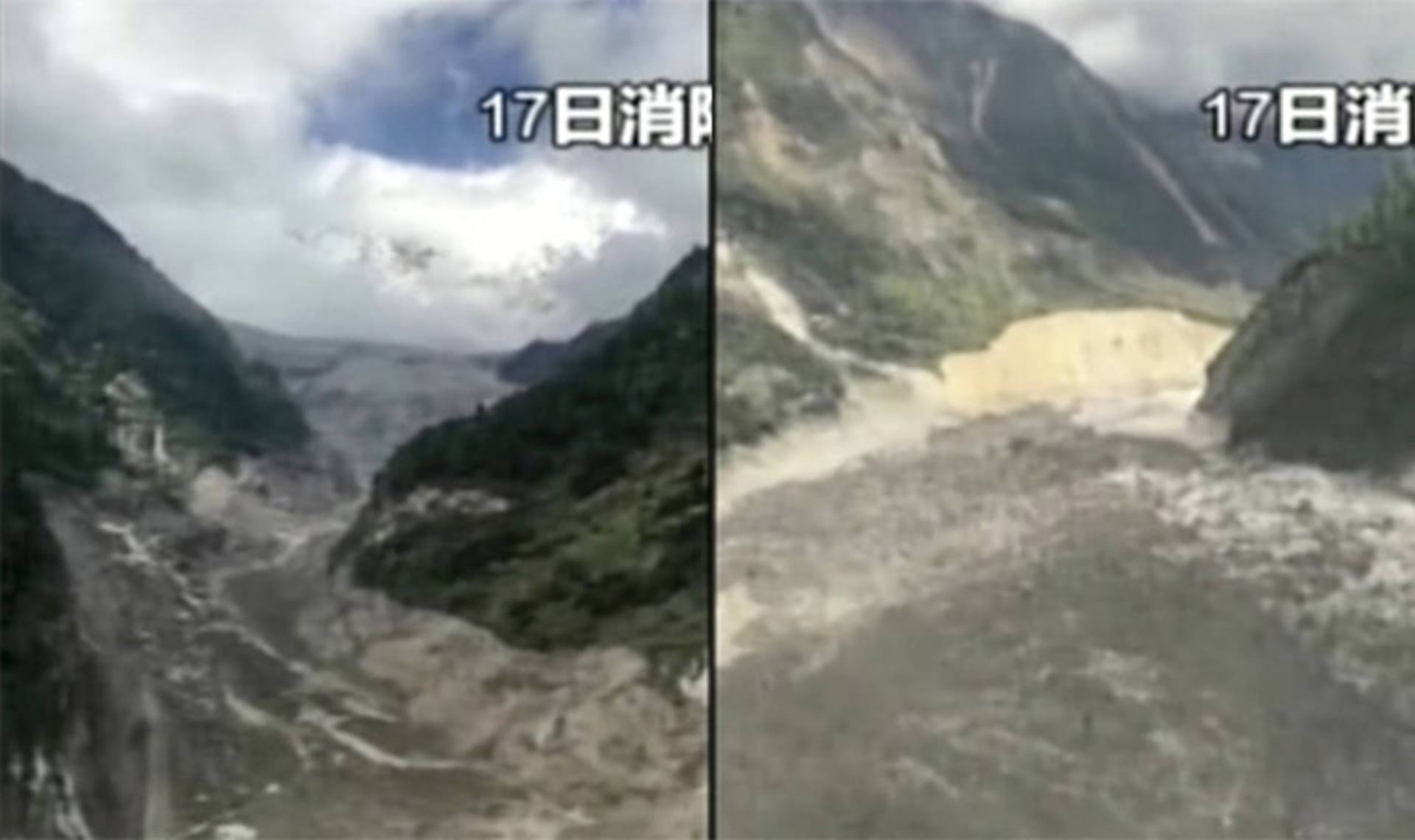
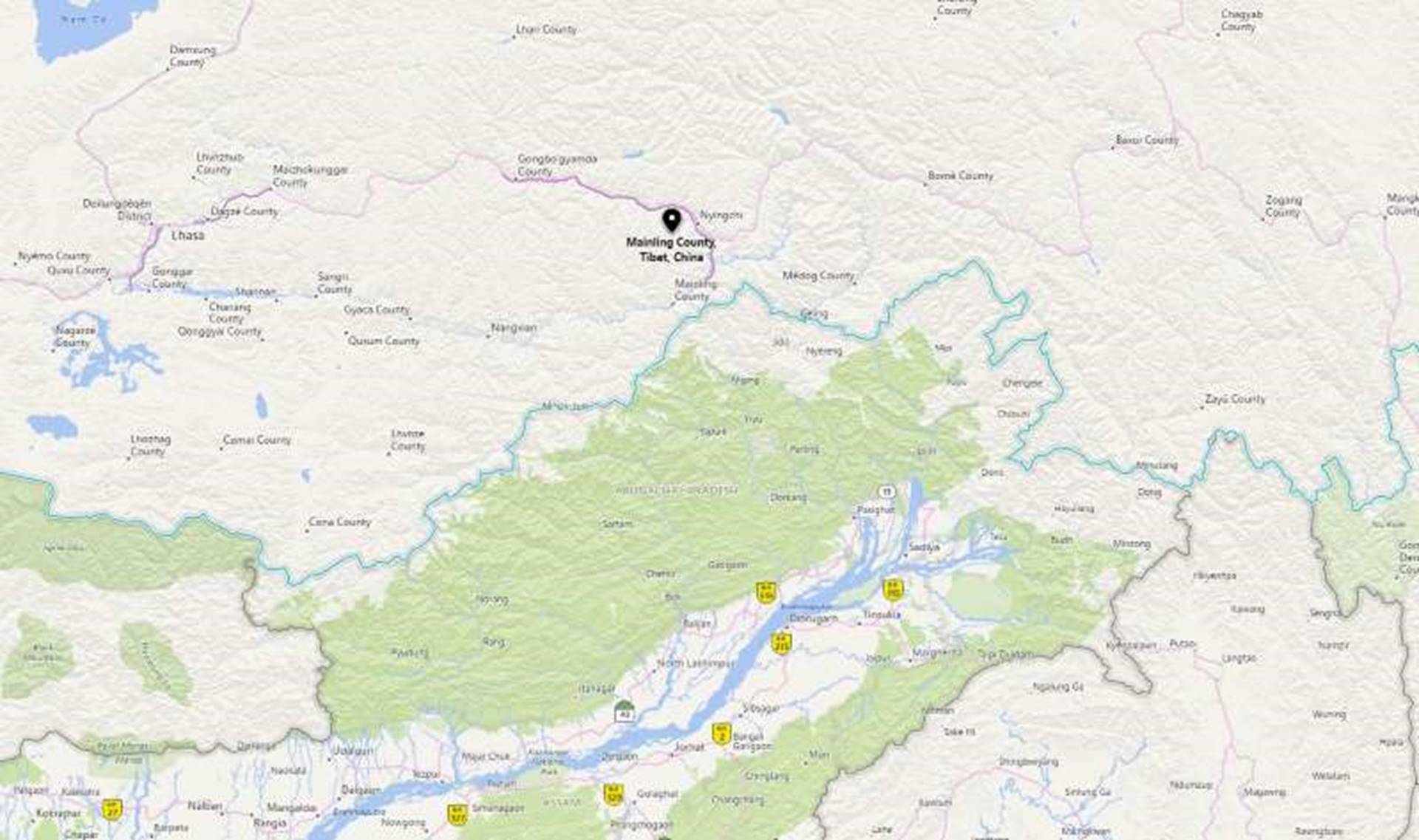
© Bing Maps © 2018/Microsoft Mainling County, Tibet, China BEIJING — Around 6,000 people have been evacuated following a landslide in Tibet that blocked the flow of one of the region’s key rivers, China’s emergency services said Thursday.

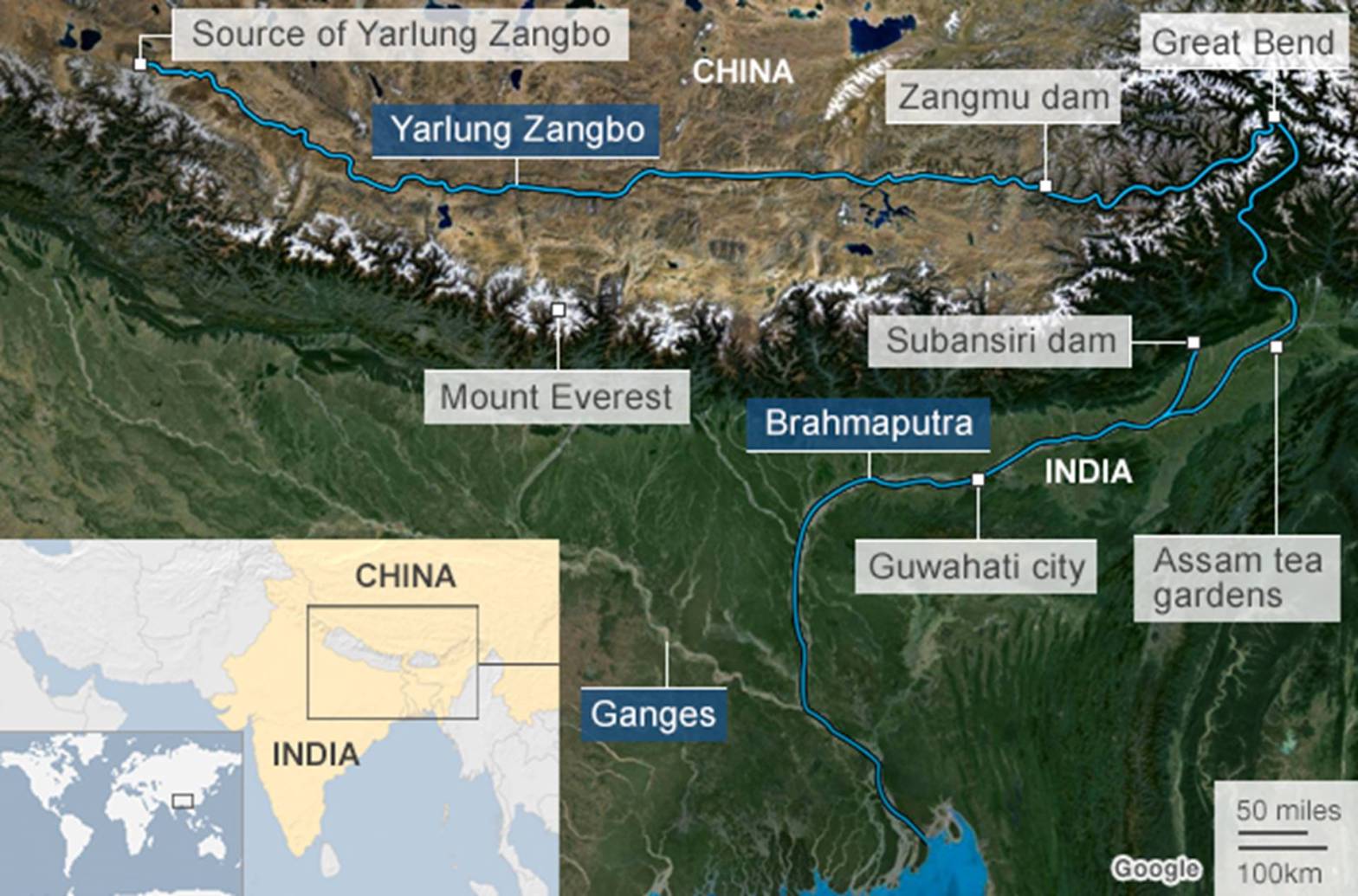
A barrier lake was formed on the Yarlung Tsangpo, the headwater of India’s Brahmaputra River, following the Wednesday morning collapse of a cliff in the deep valley through which the river flows, the local emergency response bureau said in a report carried by state media.

No deaths or injuries have been reported and the bureau said China has been keeping India updated on the blockage, which could potentially affect water levels in lower regions.

The landslide struck near a village in Menling County and water in the lake had risen to a height of 40 meters (131 feet) by Thursday, the bureau said.

With its towering peaks and glaciers, Tibet is the source of numerous Asian rivers, adding to China’s strategic influence over its southern neighbors. Fast-rising temperatures have caused those glaciers to melt at an increasing pace, throwing a shadow over future water resources for China and other Asian nations.

The Woes of Tsangpo-Brahmaputra River. The Upstream Occupation and the Downstream Worries.

Though there were no reports of deaths or injuries after the landslide, it is the second landslide that has rocked the Tibet. A massive landslide hit Derge in the Traditional Tibetan province of Kham and completely blocked the Dri Chu river earlier this week on Oct 11.

Landslide and flooding of villages in Tibet are linked to Chinese construction projects, the London-based advocacy group Free Tibet said on Oct 15 after the landslide that cut off Drichu.

“Chinese authorities have been conducting excessive mining, development and dam construction projects in the area which, according to the local population, are directly linked to the increased occurrences of flooding, particularly in the regions of Karze and Ngawa. Chinese sources claim these incidents are natural and unrelated,” Free Tibet stated

The group further noted that of late, China’s exploitation of Tibet’s natural resources has gathered pace significantly.

The ill-advised developmental projects being carried out in Tibet by the Chinese regime at the cost of the fragile Tibetan environment.

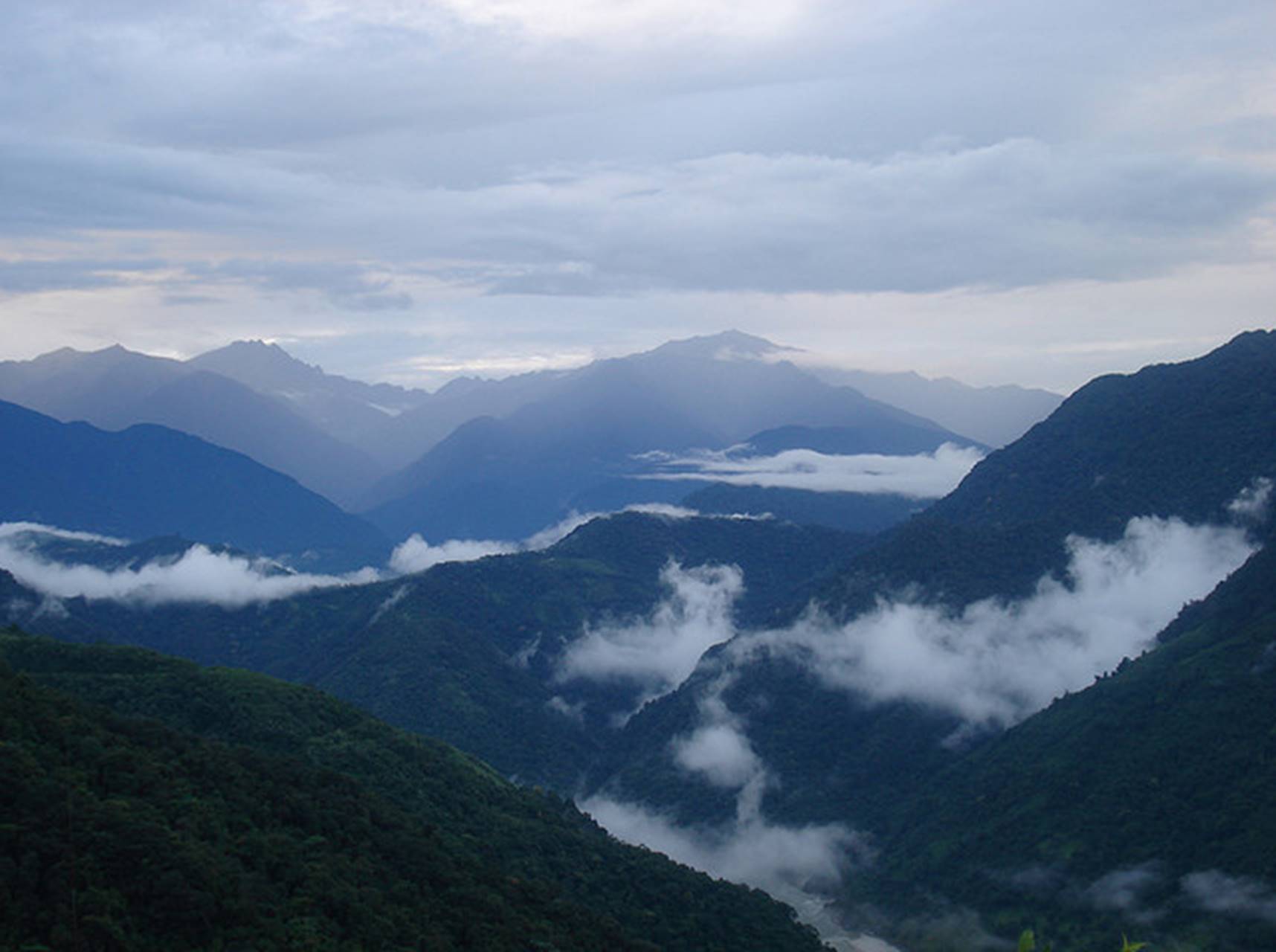
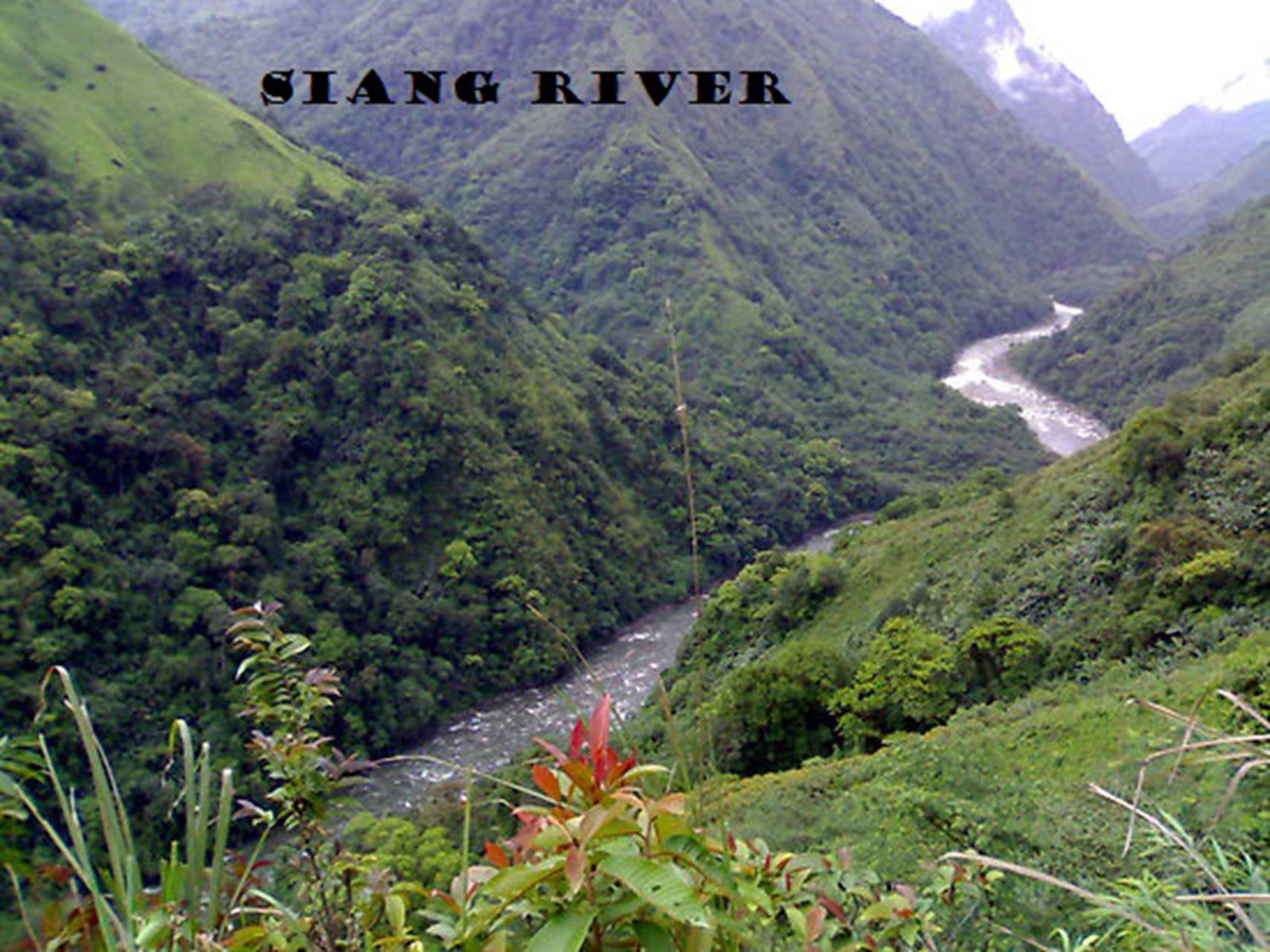
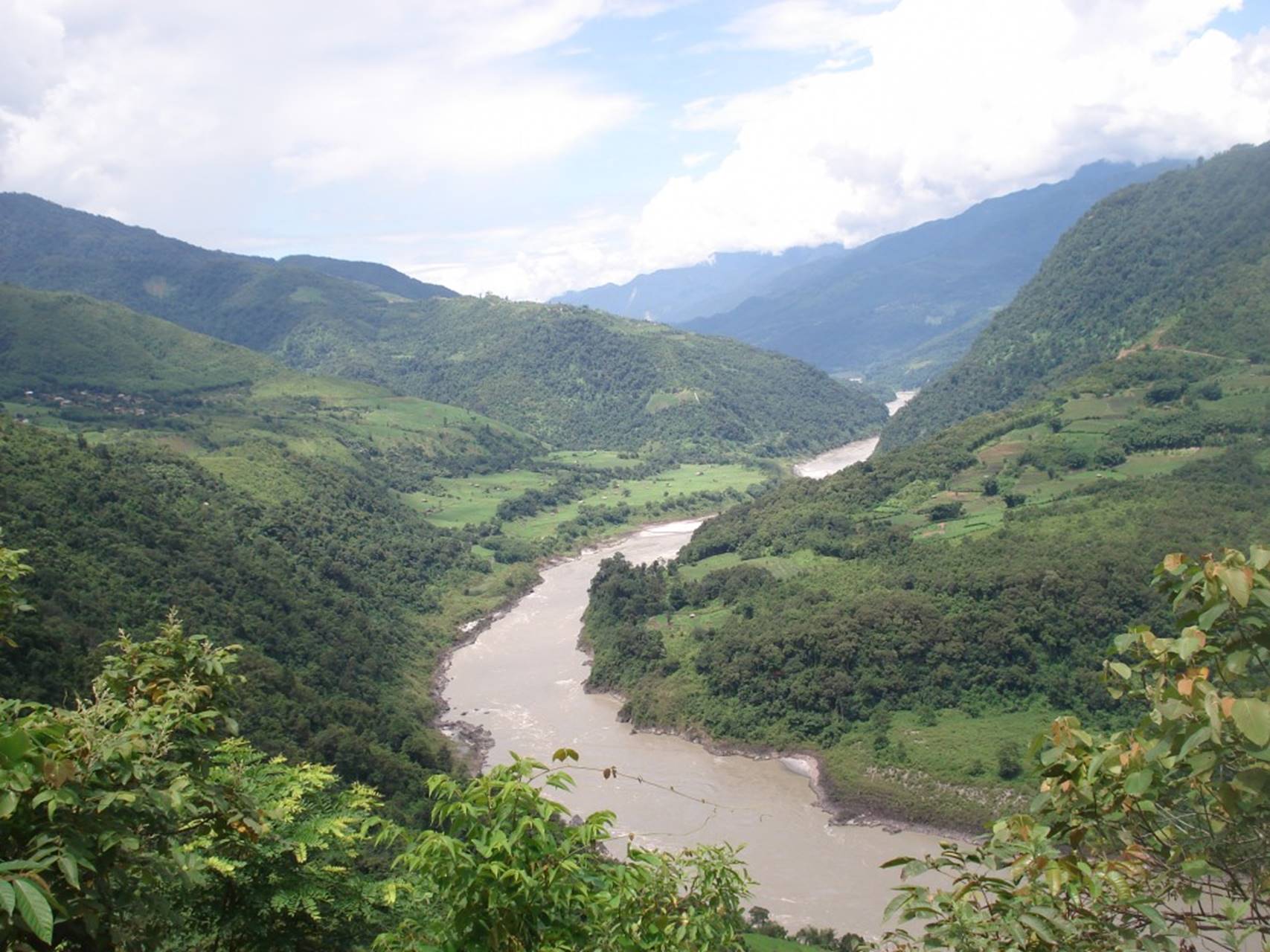
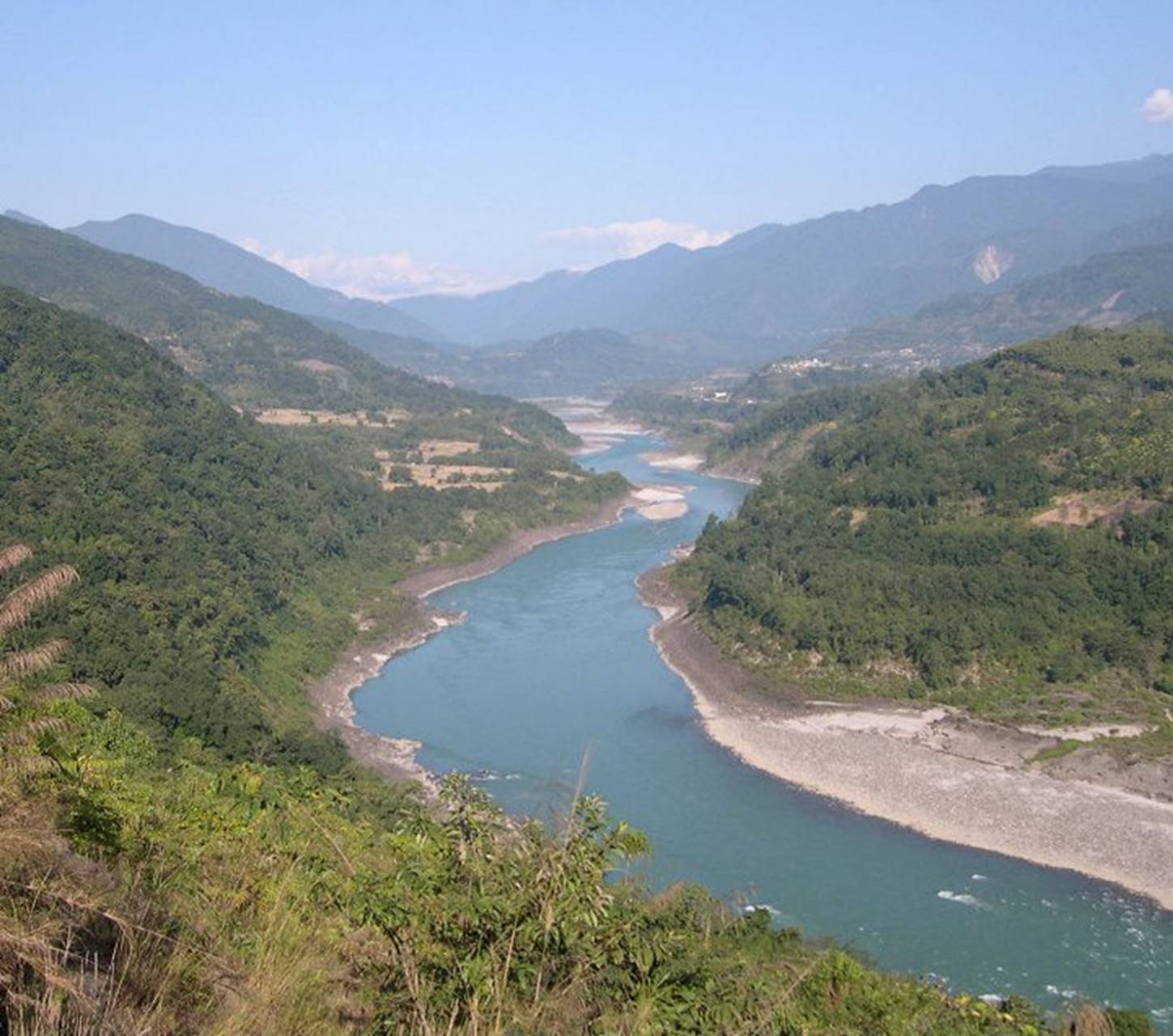
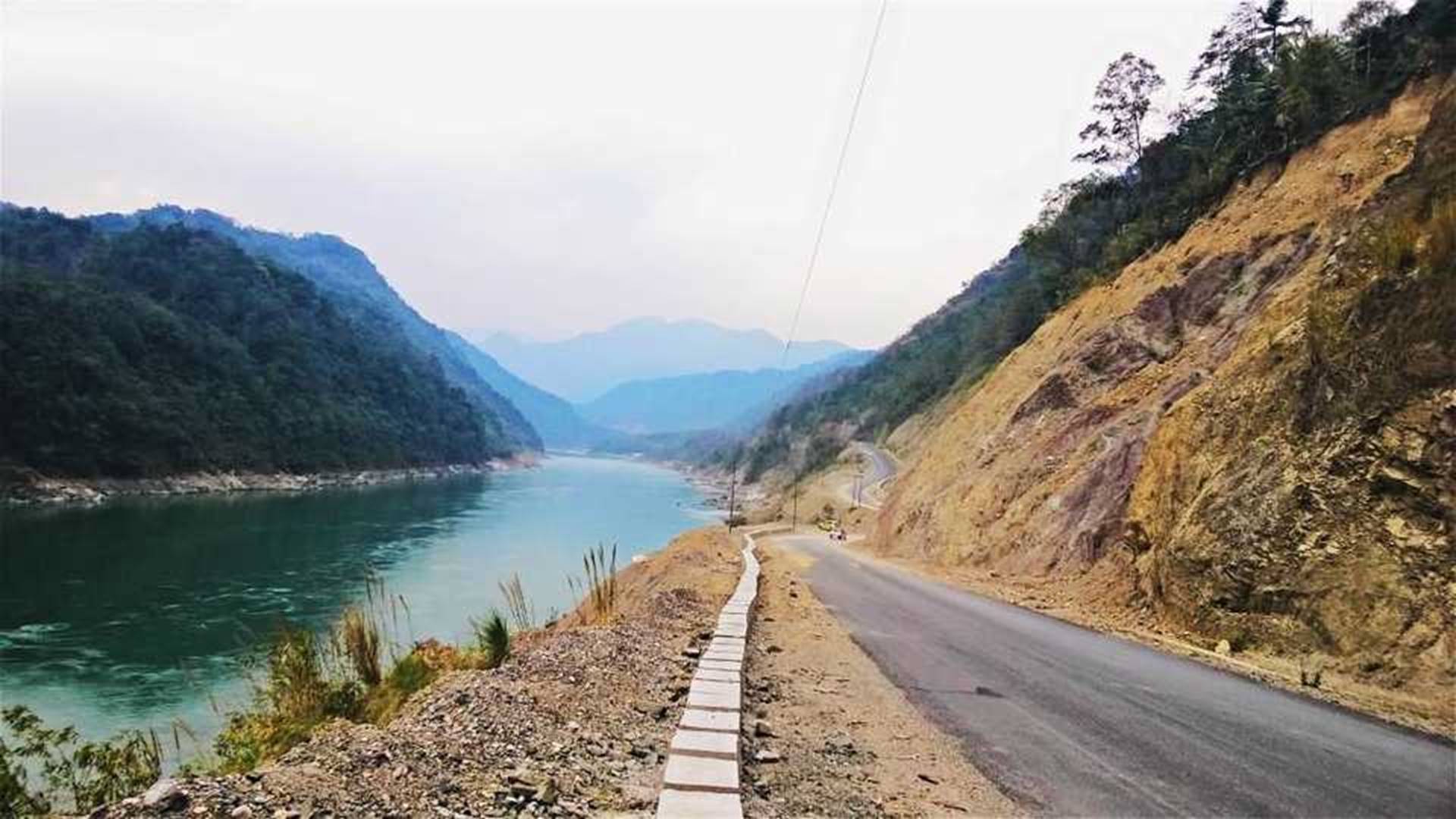
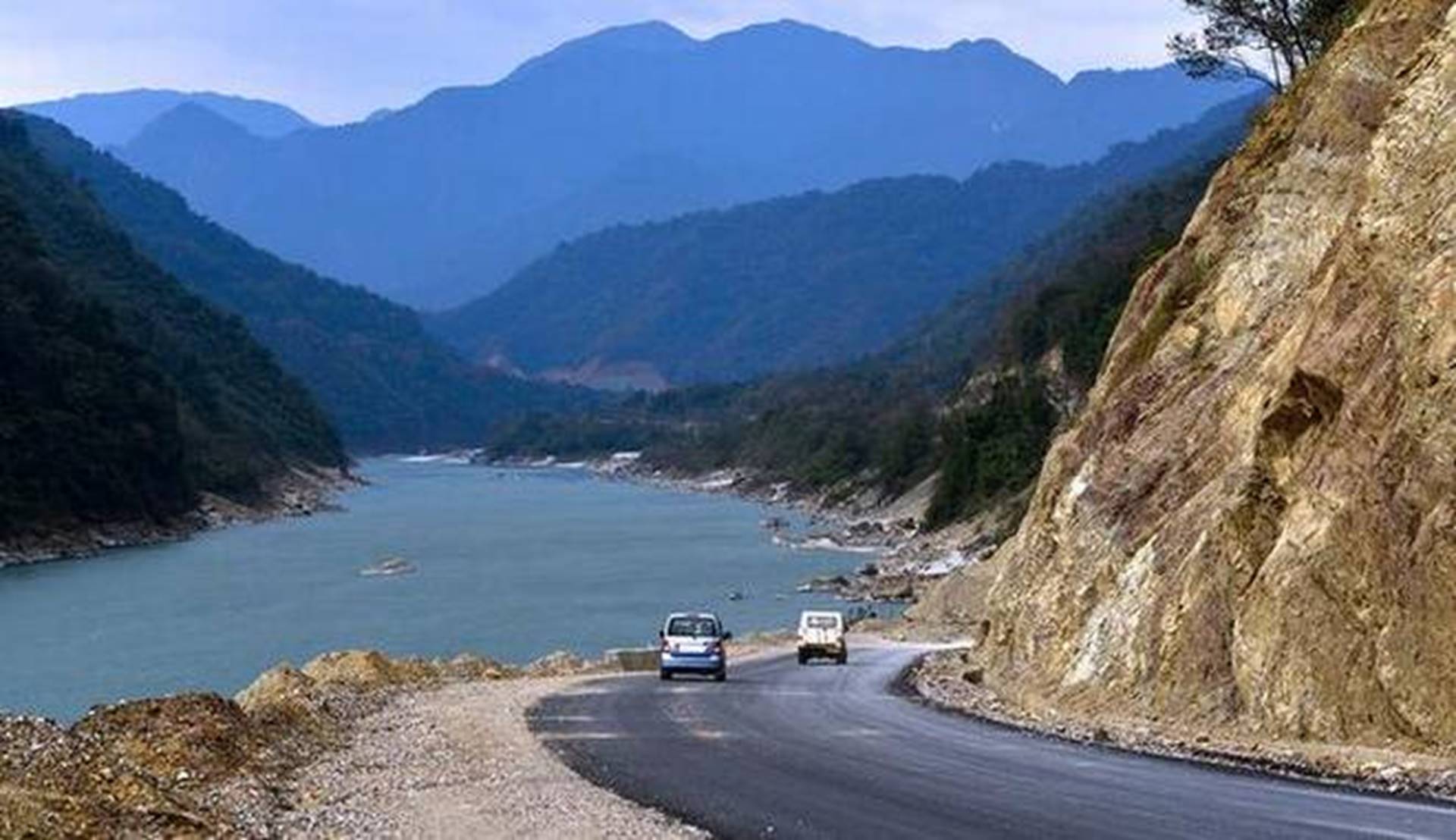
The Woes of Tsangpo-Brahmaputra River. The Upstream Occupation and the Downstream Worries. View of Siang District, Arunachal Pradesh, India.
The woes of Tsangpo-Brahmaputra River – Upstream Occupation and Downstream Worries
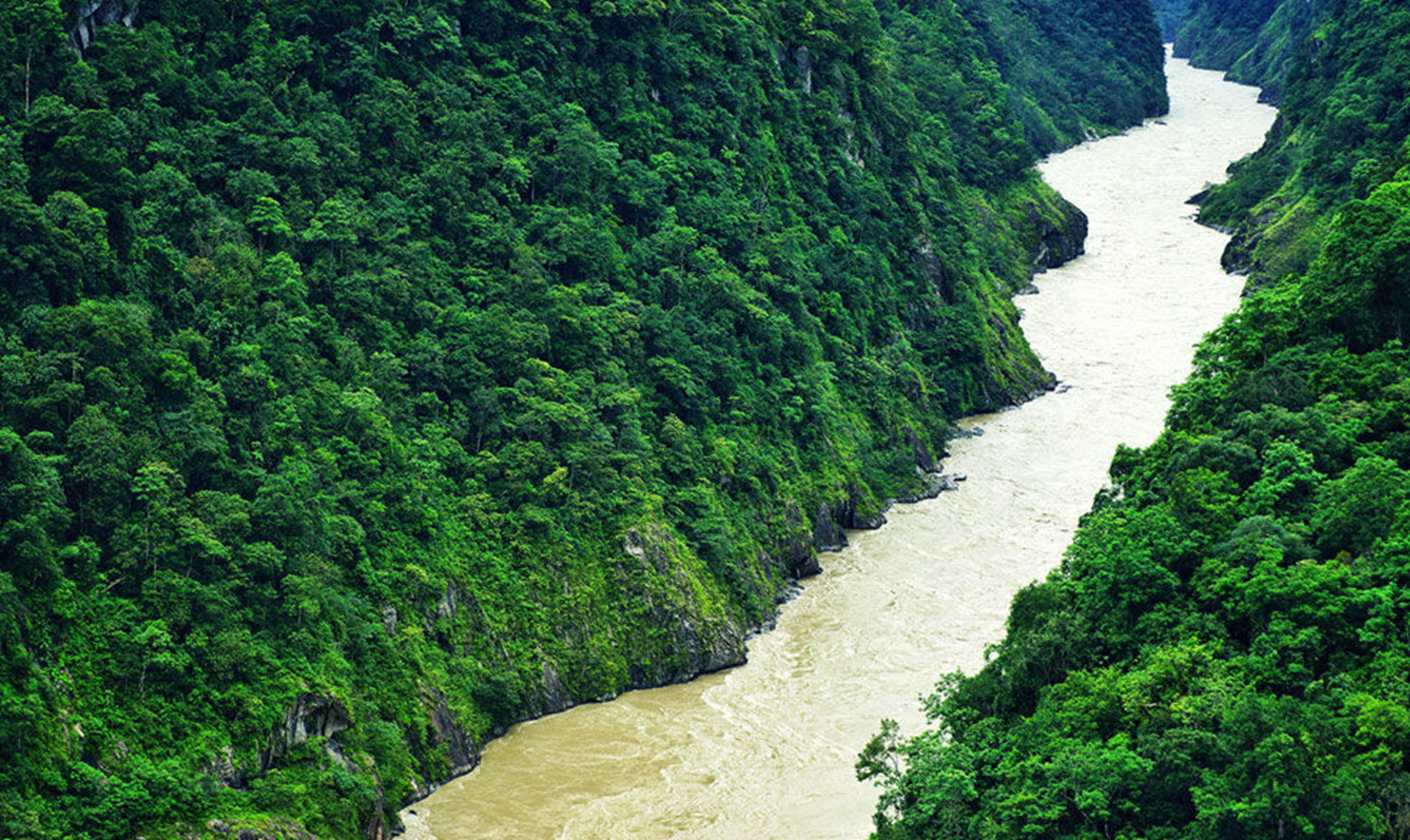
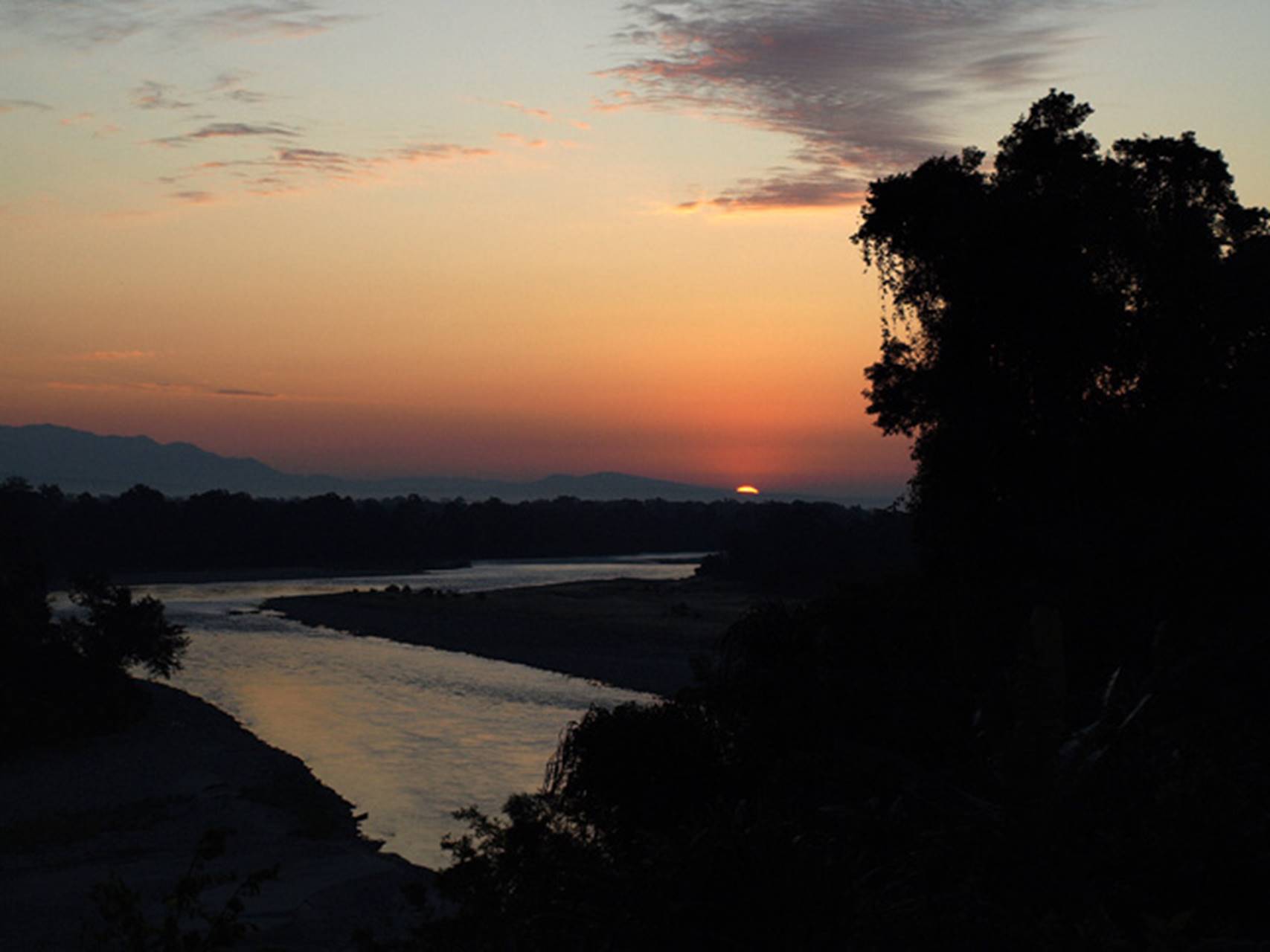
The Woes of Tsangpo-Brahmaputra River. The Upstream Occupation and the Downstream Worries. Siang River near Pasighat, Siang District, Arunachal Pradesh, India.


Whole Trouble – The Evil, Bloodthirsty Dracula’s relationship with Tibetans

Bloodthirsty Dracula symbolizes the relationship between Han Chinese and Tibetans

Han Chinese and Tibetans. The Blood Relationship. Han Chinese are like the Teeth. The Tibetans are like the Lips. The Evil, Bloodthirsty Dracula’s Relationship with Tibet.

“The Tibetans and the Han Chinese are like lips and teeth, we are linked by Blood.”

Han Chinese and the Tibetans. The Blood Relationship. Chinese are like the Teeth and the Tibetans are like the Lips. The Evil, Bloodthirsty Dracula’s Relationship with Tibet.

Han Chinese are like the teeth of ‘The Dracula’. Innocent Tibetans are like the lips of The Dracula’s Bride. Instead of kissing the lips, Han Chinese thirst for the blood of the Tibetans. Indeed, it is a true story about Blood Relationship.

Clipped from: https://www.nbcnews.com/news/world/china-spends-big-tibet-avert-crisis-when-dalai-lama-dies-n904676

China spends big in Tibet to avert a crisis when the Dalai Lama dies

Global Power

China is increasingly trying to enhance its image by casting itself as the largest nation of Buddhist believers.

by Eric Baculinao and Jason Cumming / Aug.30.2018 / 3:53 AM ET / Updated Aug.30.2018 / 4:09 AM ET

Han Chinese and The Tibetans. The Blood Relationship. Chinese are like the Teeth and the Tibetans are like the Lips. The Evil, Bloodthirsty Dracula’s Relationship with Tibet.

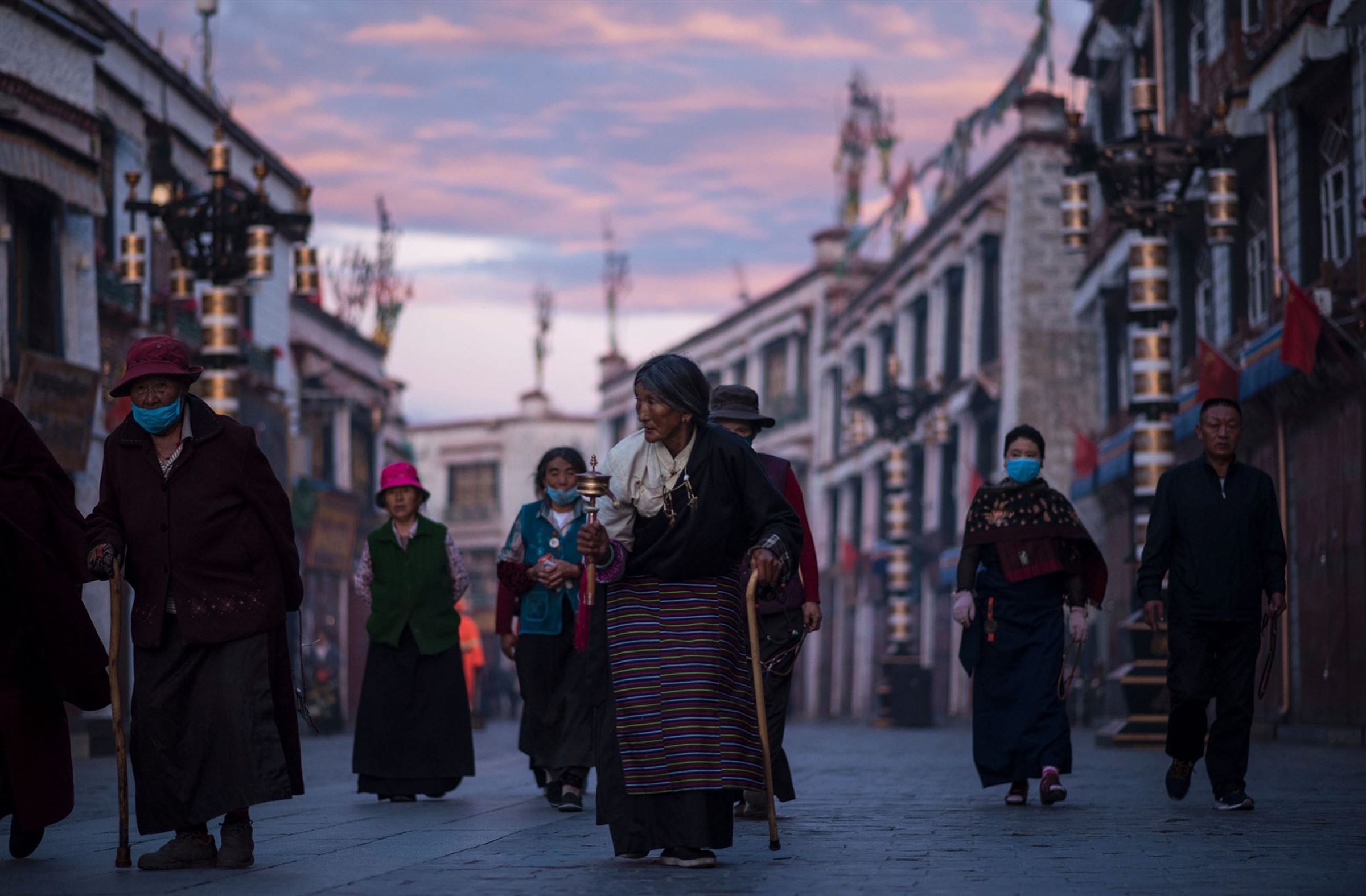
Pilgrims near the Jokhang Temple in Lhasa. Johannes Eisele file / AFP/Getty Images

LHASA, China: China is pouring billions of dollars into Tibet as Beijing seeks to cement its control before the succession struggle that is likely to follow the death of the Dalai Lama.

During a rare Chinese government-organized visit to the region, local officials described a development program that they contend will bring prosperity to the 3.3 million Tibetans who inhabit a vast area roughly double the size of Texas.

The massive infrastructure projects include new airports and highways that cut through the world’s highest mountains, with planned investment totaling $97 billion.

The investment plan aims to protect Tibetan Buddhism’s holy sites while building a sustainable “green economy” that safeguards the fragile environment that is an average elevation of 13,000 feet above sea level.

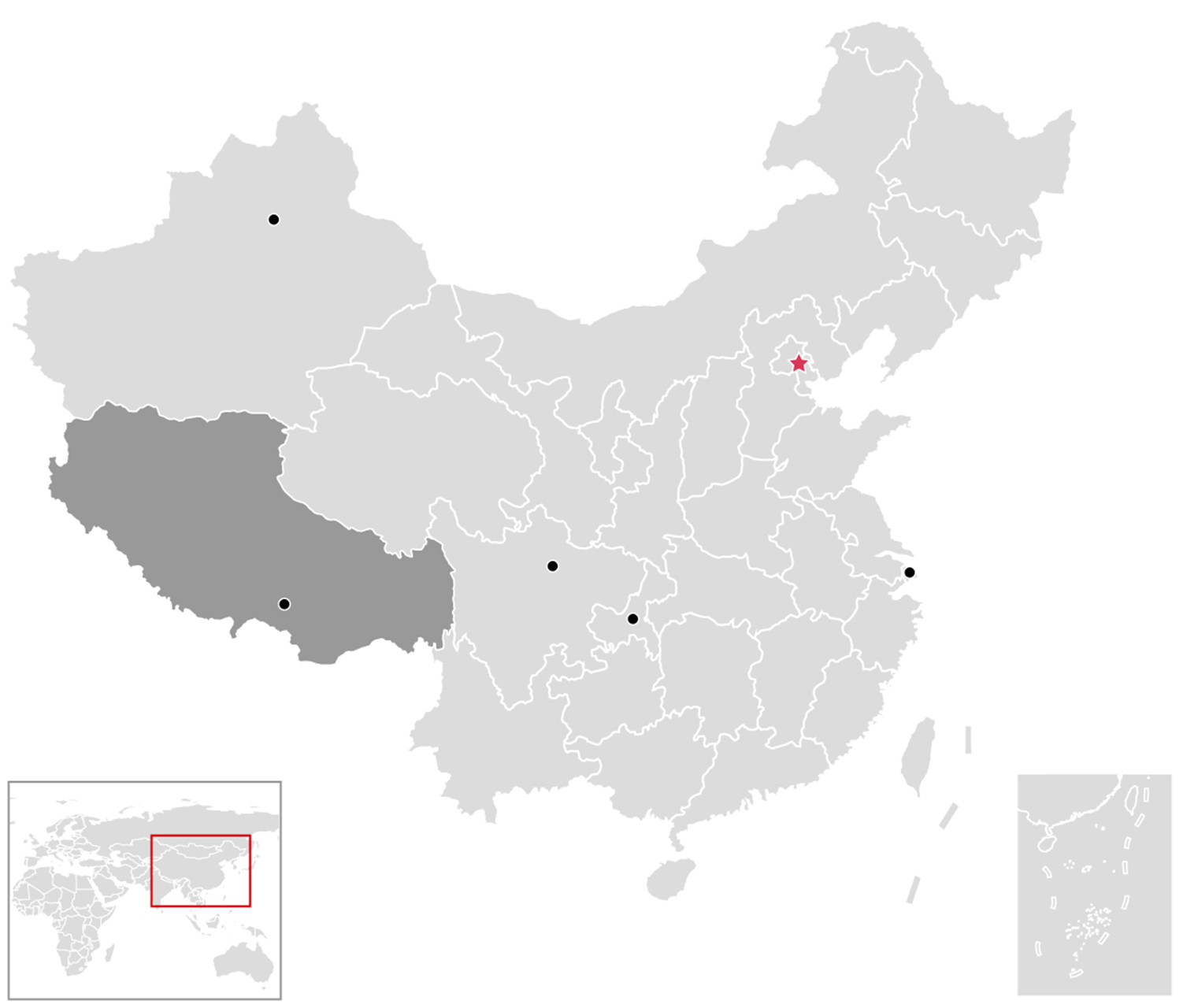
The roof of the world

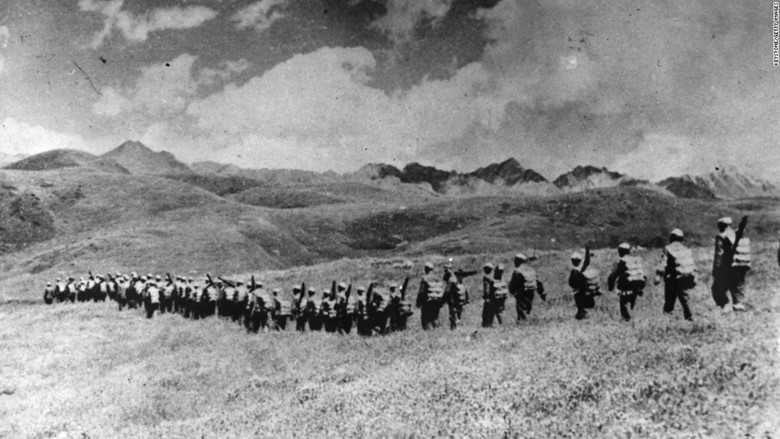
Chinese troops marched into Tibet in 1950 in what Beijing officially terms a peaceful liberation. China has long aimed to reduce the influence of the Dalai Lama, who lives in exile in India.

Han Chinese and The Tibetans. The Blood Relationship. Chinese are like the Teeth and the Tibetans are like the Lips. The Evil, Bloodthirsty Dracula’s Relationship with Tibet.

Source: Natural Earth

Graphic: Jiachuan Wu / NBC News

According to official figures, China has also already spent over $450 million renovating Tibet’s major monasteries and other religious sites since the 1980s. An additional $290 million has been budgeted for the next five years.

The huge investment by China comes as the officially atheist country increasingly tries to enhance its image by casting itself as the largest nation of Buddhist believers. China claims some 300 million Buddhists of various schools, of which Tibetan Buddhism is one.

The effort comes as China faces charges from rights groups and exiles of repressing the Tibetan people. China has ruled Tibet with an iron fist since 1951, a year after its troops marched in.

Han Chinese and the Tibetans. The Blood Relationship. Chinese are like the Teeth. The Tibetans are like the Lips. The Evil, Bloodthirsty Dracula’s Relationship with Tibet.

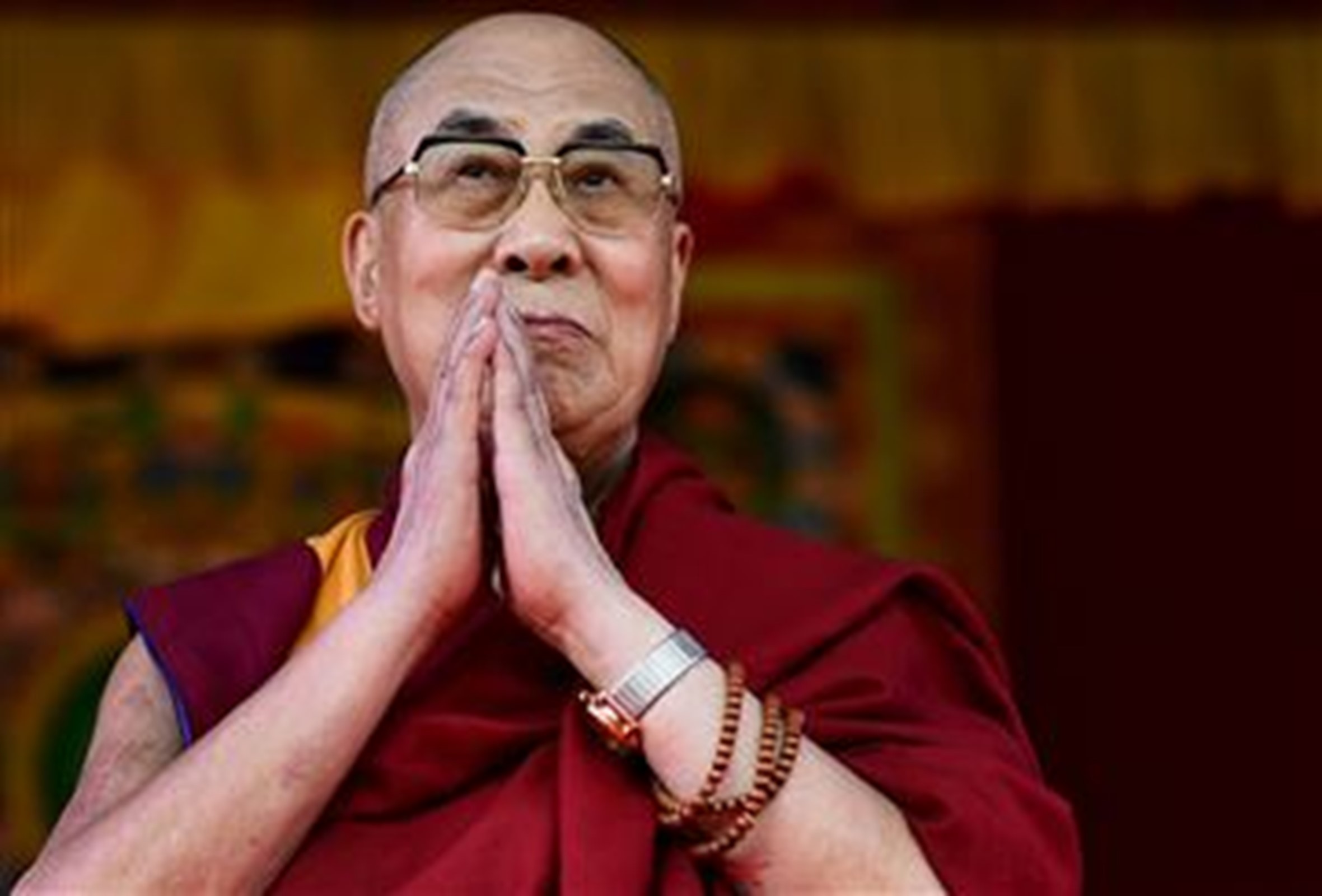
The Dalai Lama in 2015.Ben Stansall / AFP – Getty Images file

Last month, Vice President Mike Pence said Tibet’s people “have been brutally repressed by the Chinese government.” And in June, the U.N. High Commissioner for Human Rights said conditions were “fast deteriorating” in Tibet.

Beijing routinely denies charges of repression, saying that its rule ended serfdom and brought prosperity to what was a backward region and that it fully respects the rights of the Tibetan people.

It insists Tibet has historically been part of its territory since the mid-13th century. Many Tibetans, though, say the region has been effectively independent for most of its history.

While Beijing regards the Dalai Lama as a dangerous separatist who seeks to split off nearly a quarter of the land mass of the People’s Republic of China, the Nobel Peace Prize-winning Tibetan spiritual leader says he only seeks greater rights for Tibetans, including religious freedom and autonomy.

Reincarnation

For supporters of the Dalai Lama, China’s Tibet strategy is “aimed at increasing its control and limiting the personal freedom of the Tibetan people,” said Matteo Mecacci, a former lawmaker in Italy and president of the International Campaign for Tibet.

He called the infrastructure improvements and monastery renovations “superficial.”

Mecacci said Tibetans are “not even allowed to receive teachings from the Dalai Lama.”

Han Chinese and the Tibetans. The Blood Relationship. Chinese are like the Teeth and the Tibetans are like the Lips. The Evil, Bloodthirsty Dracula’s Relationship with Tibet.

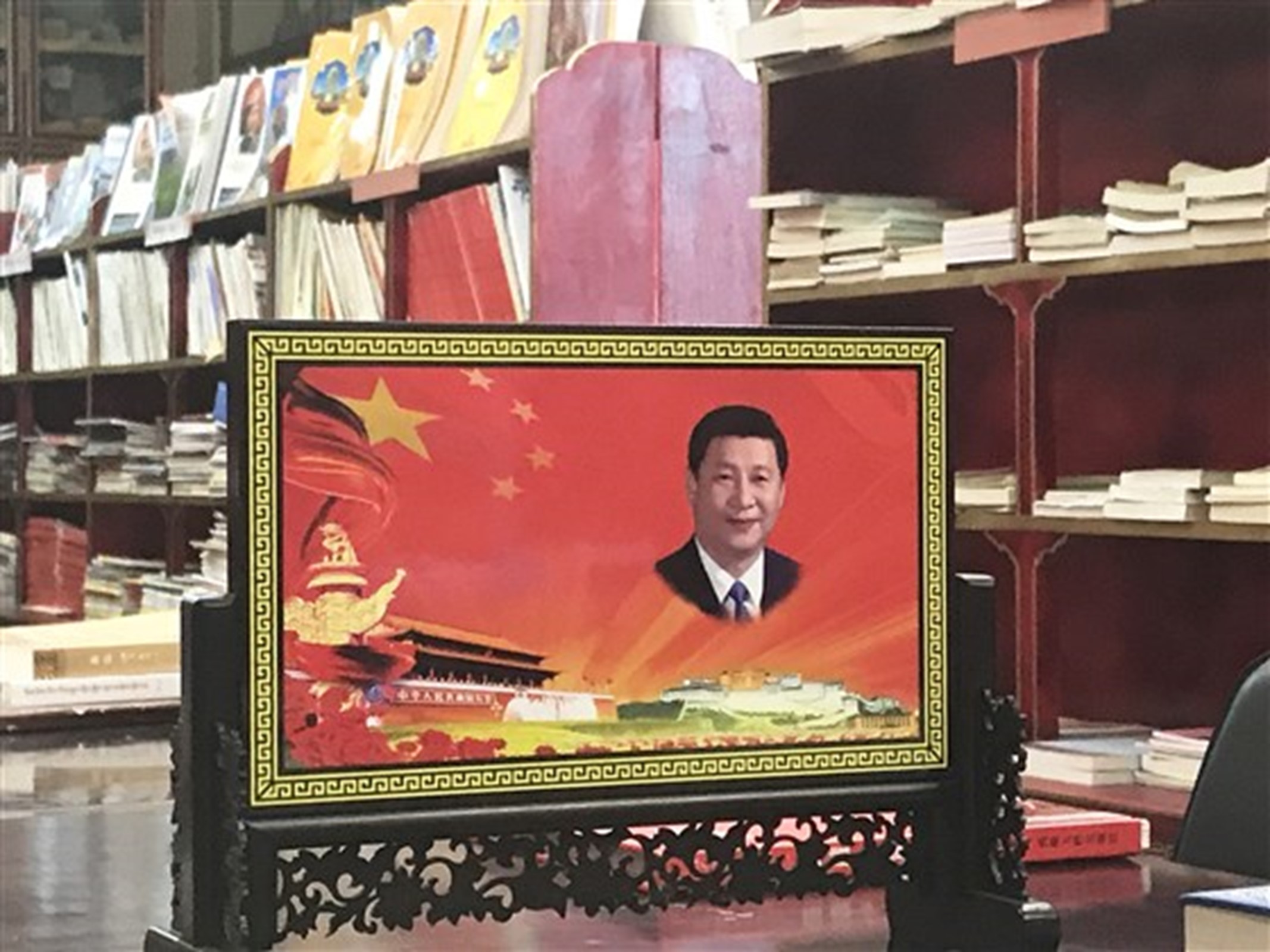
A portrait of Chinese President Xi Jinping at the Sera Monastery in Tibet. Eric Baculinao / NBC News

He added, “When it comes to the real practice of Buddhism, China continues to increase restrictions.”

With the Dalai Lama now 83, many Tibetans fear that China will use the succession issue to split Tibetan Buddhism, with a new Dalai Lama named by exiles and another by the government after his death.

(Barry Kerzin, an American monk and the Dalai Lama’s personal physician, told NBC News that he is “perfectly fit.”)

The Dalai Lama, who fled Tibet and went into exile in India in 1959, has repeatedly tussled with China’s ruling Communist Party over who has final authority on the issue of reincarnation.

“The Tibetans and the Han Chinese are like lips and teeth, we are linked by blood.”

Tibetan Buddhism holds that the soul of a senior lama is reincarnated in the body of a child on his death.

China says it must approve the next Dalai Lama, and the Dalai Lama has said his biggest concern is that China will try to name his successor.

Han Chinese and the Tibetans. The Blood Relationship. Chinese are like the Teeth and the Tibetans are like the Lips. The Evil, Bloodthirsty Dracula’s Relationship with Tibet.

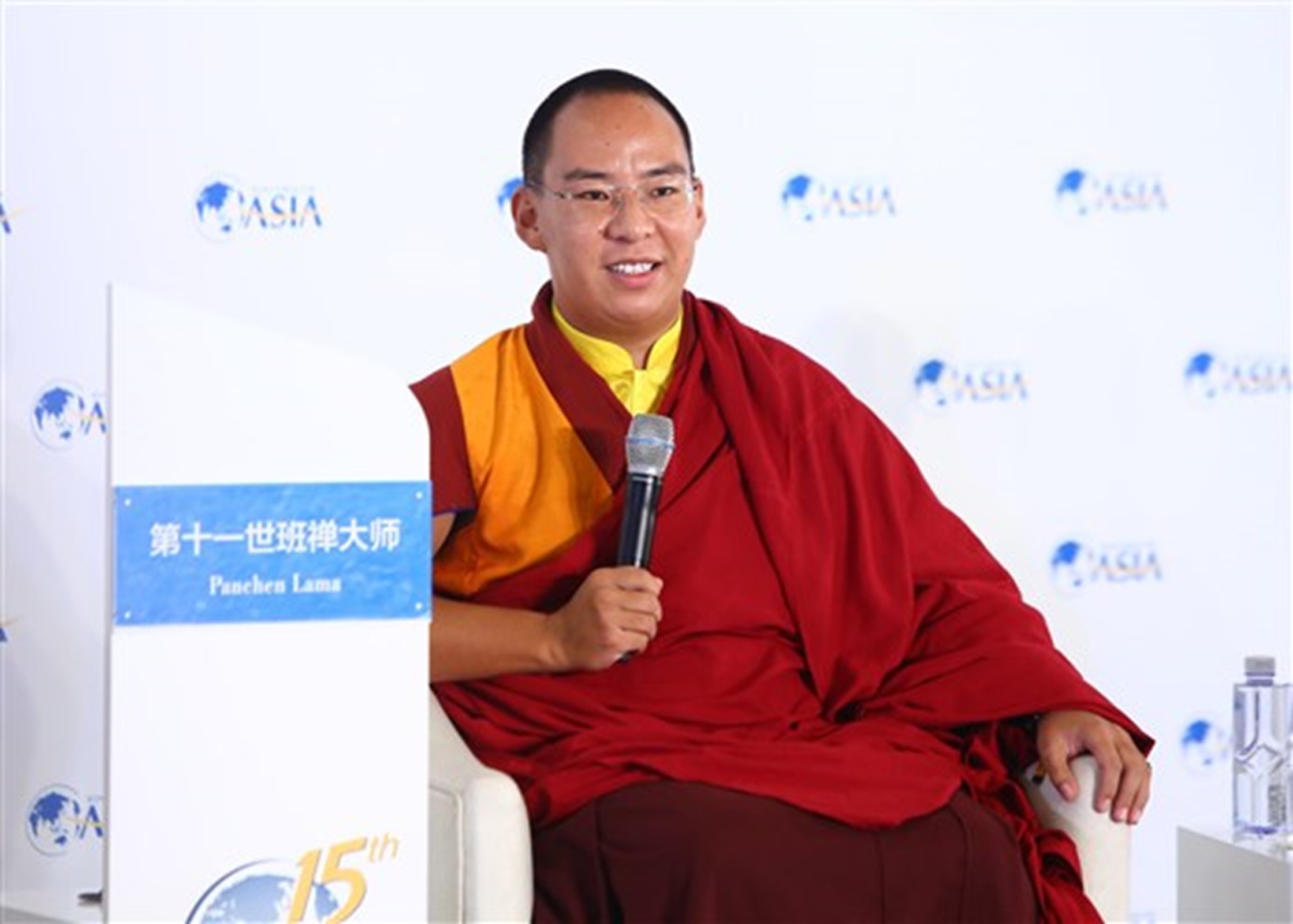
The Panchen Lama who was installed by the Chinese government attends an event in 2016.Cui hao / Imaginechina/Getty file

In 1995, after the Dalai Lama named a boy in Tibet as the reincarnation of the previous Panchen Lama, the second-highest figure in Tibetan Buddhism, China put the boy under house arrest and installed another instead.

Many Tibetans are torn between accepting and spurning the Chinese-appointed Panchen Lama.

Palaces and shrines

Explaining the seeming contradictions in China’s policy, Tibet’s foreign affairs deputy chief, Ma Qiang, said that while the Community Party “doesn’t believe in religion,” China’s government was “duty-bound to protect Tibetan Buddhism and restore and preserve its holy sites because that is also what the Tibetan people want so they can exercise their freedom of worship.”

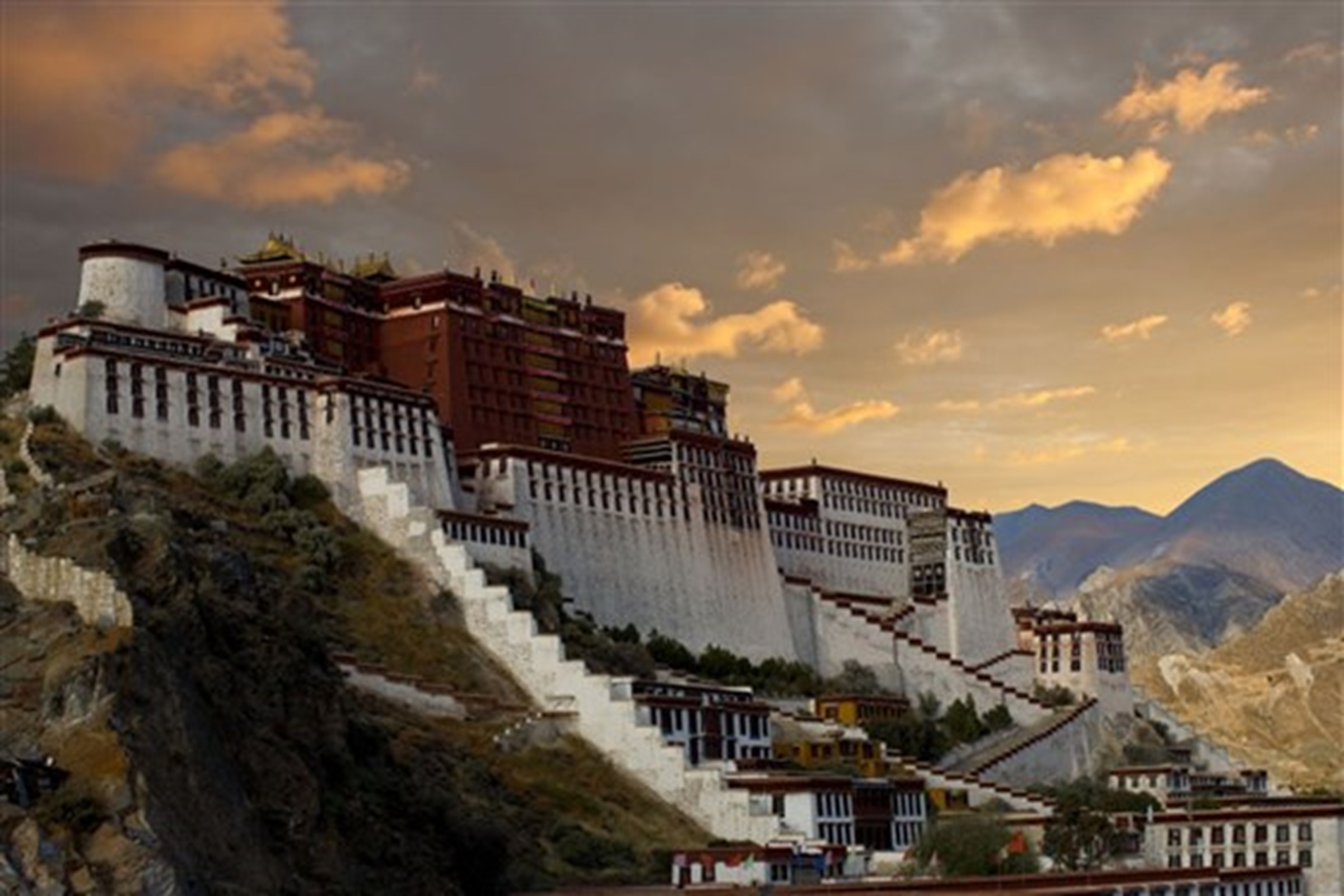
The most iconic landmark to receive Chinese funding is the imposing Potala Palace, the thousand-room residence that overlooks Lhasa. It houses the tombs of all but one of the Dalai Lamas who have died since 1682.

Han Chinese and the Tibetans. The Blood Relationship. Chinese are like the Teeth and the Tibetans are like the Lips. The Evil, Bloodthirsty Dracula’s Relationship with Tibet.

Lhasa’s Potala Palace. iStock / Getty

According to the museum’s deputy director, Gonga Zhaxi, the 13-story palace has undergone two major renovations on which Beijing spent $37 million. Another $4.4 million has been budgeted for the repair of its ornate golden roofs.

To protect its priceless Buddha statues, frescoes and scriptures, a limit has been set of 5,000 pilgrims and tourists per day, and cats have been deployed against the colony of rats, he said.

Other sites that have benefited from Chinese cash include:

  • The seventh-century Jokhang Temple is Tibet’s holiest shrine as it houses a life-sized statue of Buddha (Jowo Shakyamuni) at the age of 12. The labyrinth of chapels thick with the smoke of incense and prayer candles is visited daily by around 12,000 pilgrims and tourists. Buddha’s statue was the gift of the Chinese Tang dynasty Princess Wencheng when she married Tibetan King Songtsan Gambo around 1,300 years ago. The union is now immortalized in a spectacular open-air opera with a cast of 800. A private production company has invested more than $80 million to promote this narrative of Tibet-China unity. Lhagba, a prominent monk and the site’s management director, said Beijing has spent $14.7 million on major repairs there in the past 10 years.
  • Beijing has also helped with major renovations at Drepung Monastery and Sera Monastery, two of Tibet’s most influential Buddhist academies, with grants of $30 million and $8 million. Thanks to government help, the monks can focus on their studies and need not bother with the monastery’s repairs, according to Awang Ciren, the monastery’s academic head. To increase its enrollment of 480 monks, Beijing is building a new dormitory that can accommodate 170 monks, he added.

In addition, 46,000 monks and nuns are now covered by health insurance and social security, officials said.

And with Beijing’s “preferential” policy and massive budget subsidies, Tibet’s economy has been growing faster than the rest of China.

Some $170 million was spent on environmental projects last year, part of a 23-year plan unveiled in 2009 that’s worth $2 billion.

“In Tibet, we don’t allow the burning of coal, and since 2011, we have stopped approving any new mining projects,” said Luo Jie, Tibet’s environmental protection chief, adding that more than one-third of Tibet’s territory consisted of nature reserves. “We also don’t tolerate river pollution.”

Developing a “green economy” is the future of Tibet, according to economic planning official Jiang Taichang

Tourism is also an industry that is drawing more focus. Last year, more than 25 million tourists and pilgrims visited Tibet, generating more than $5.5 billion or one-third of Tibet’s income, and their number is expected to rise to 70 million in four years. (The majority of tourists are Chinese, as security has been ratcheted up significantly in the decade since anti-government protests spread through Tibetan areas in 2008 and Tibet remains mostly off-limits to foreigners.)

Han Chinese and the Tibetans. The Blood Relationship. Chinese are like the Teeth and the Tibetans are like the Lips. The Evil, Bloodthirsty Dracula’s Relationship with Tibet.

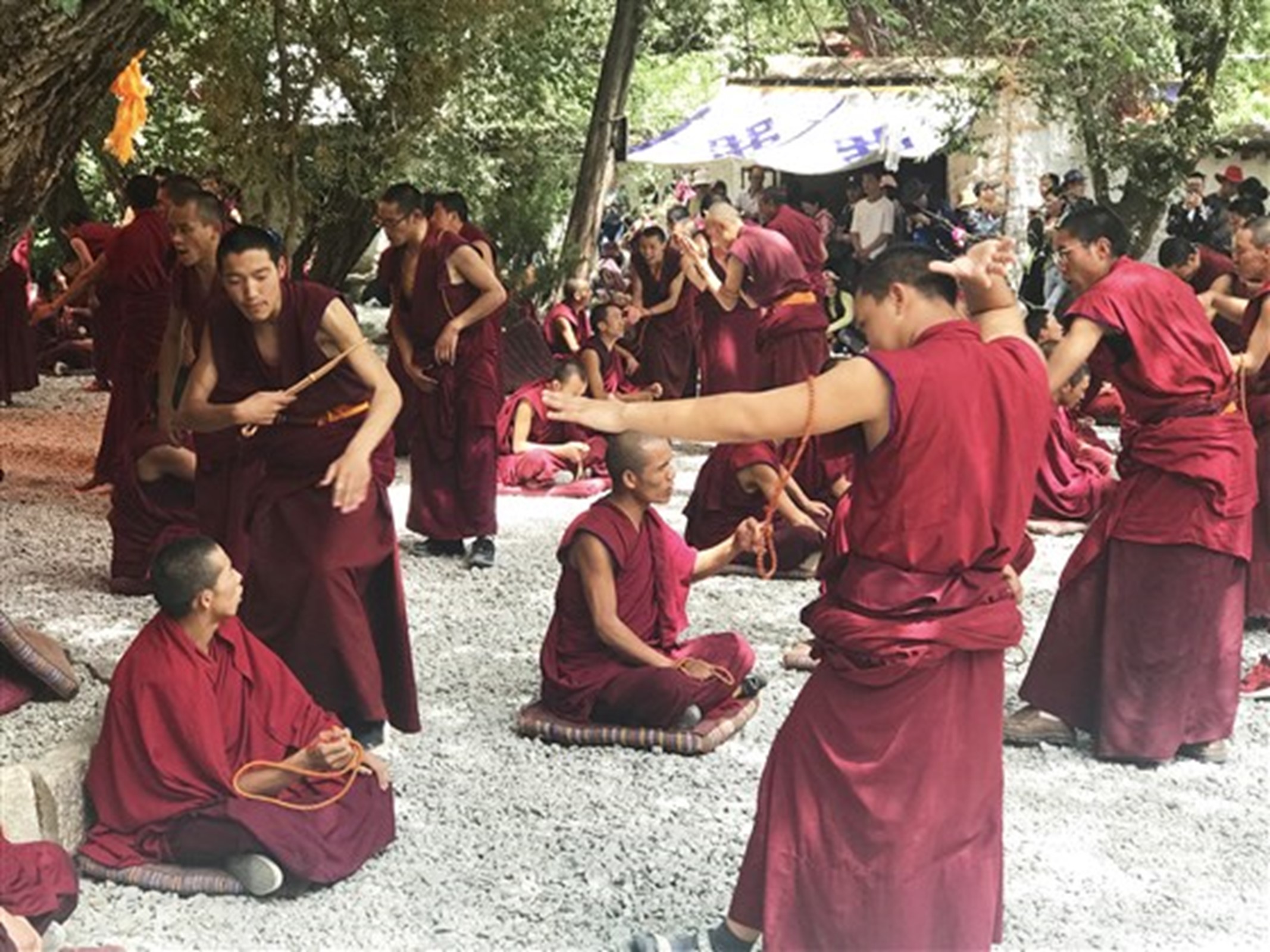
Monks at Tibet’s Sera Monastery debate Buddhist teachings. Eric Baculinao / NBC News

Lhasa’s special economic zone, built with a $30 million investment from Beijing, is already fully leased out, with 200 enterprises producing a range of products from beer to medicines. A new technology zone and financial district are being planned.

Norbu Thondup, the Beijing-appointed executive vice chairman of the Tibet Autonomous Region, Tibet’s administrative name, condemned the “sabotage” activities aimed at the “harmony and happiness in today’s Tibet” by groups supporting the Dalai Lama.

He reiterated China’s policy that the “gate is open” if the Dalai Lama abandons the idea of “splitting” Tibet from China.

“The decision is for the Dalai to make,” Thondup said of him returning to his homeland. “The Tibetans and the Han Chinese are like lips and teeth, we are linked by blood.”

But Mecacci, of the International Campaign for Tibet, said it was important for China to engage with the Dalai Lama.

“Only a serious dialogue while the Dalai Lama is alive can provide a lasting political solution in Tibet,” he said. “Finding an agreement with the Tibetans would help China because it’s the right thing to do and because it will help China both domestically and internationally.”

Eric Baculinao reported from Lhasa and Jason Cumming from London.

© 2018 NBC UNIVERSAL

Han Chinese and the Tibetans. The Blood Relationship. Chinese are like the Teeth and the Tibetans are like the Lips. The Evil, Bloodthirsty Dracula’s Relationship with Tibet.

Whole Awareness – A Charming Way to Fight Against The Evil Dragon

Tibet Awareness – Unconventional Warfare to Fight Against the Devil

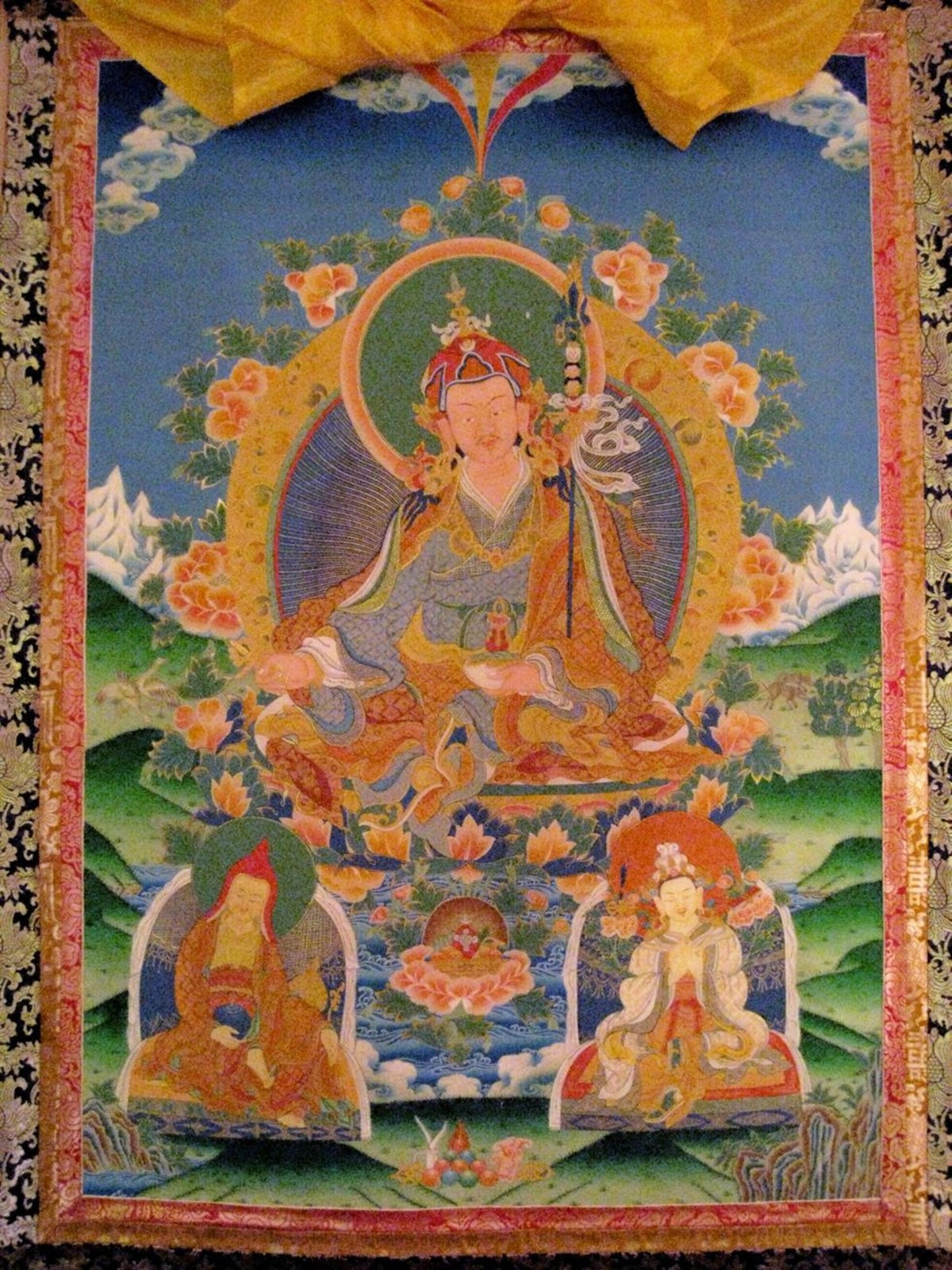
Blessings for Peace. A Charming Way to Fight Against The Devil. Guru Padmasambhava, Shantirakshita (Protector of Peace).

Living Tibetan Spirits seek the Blessings of Guru Padmasambhava, Shantarakshita (Protector of Peace) to fight against the Devil giving us pain, and misery by robbing the Natural Freedom that Tibetans inherited entirely due to Natural Conditions, Natural Causes, Natural Factors, and Natural Mechanisms. Freedom in Tibet is the gift of Mother Nature. Whereas Occupation is the Sickness imposed by the Evil Power called The Red Dragon. In the fight against the Evil Power occupying Tibet, Living Tibetan Spirits embrace both conventional, and unconventional tactics of Warfare.

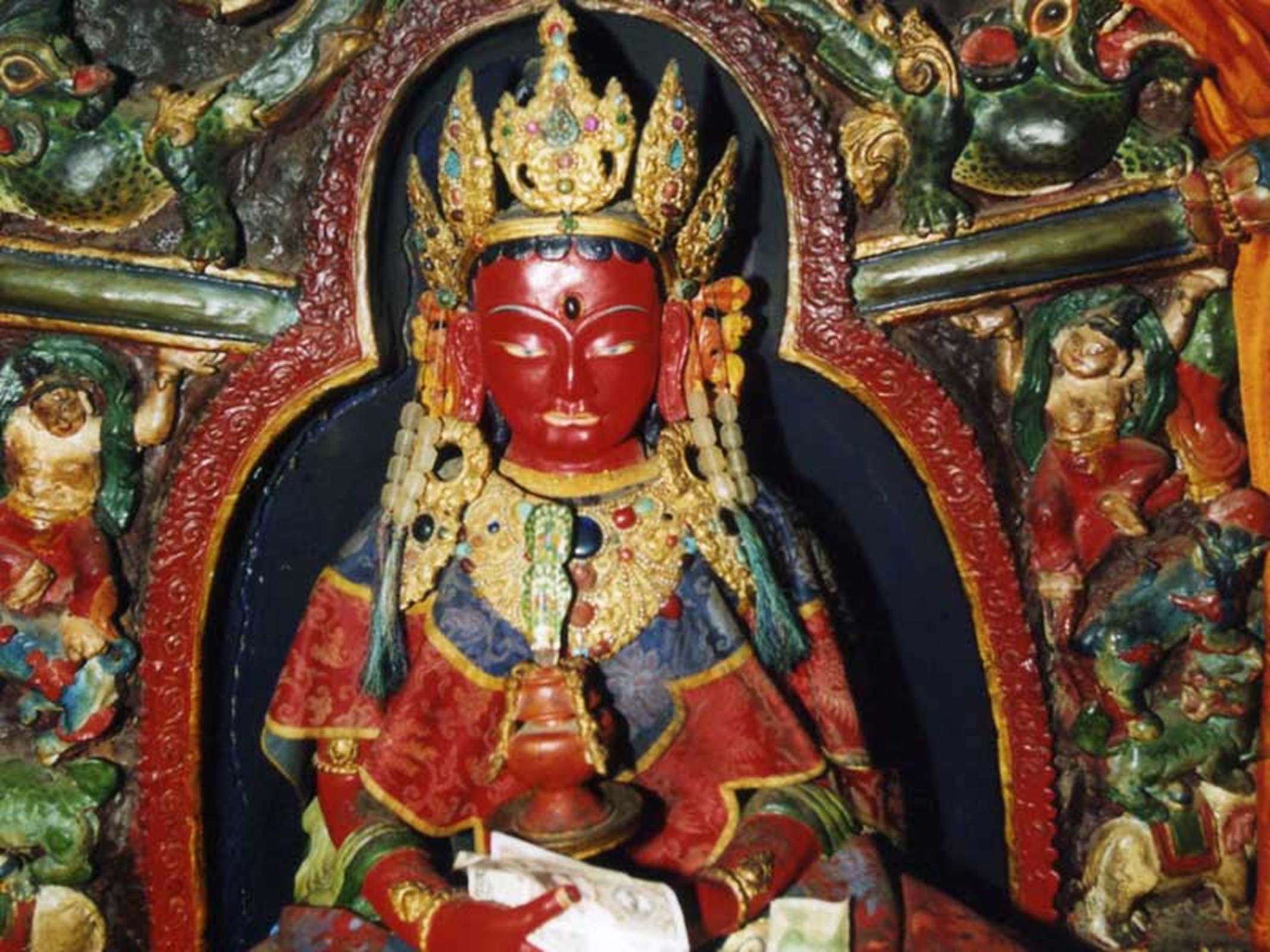
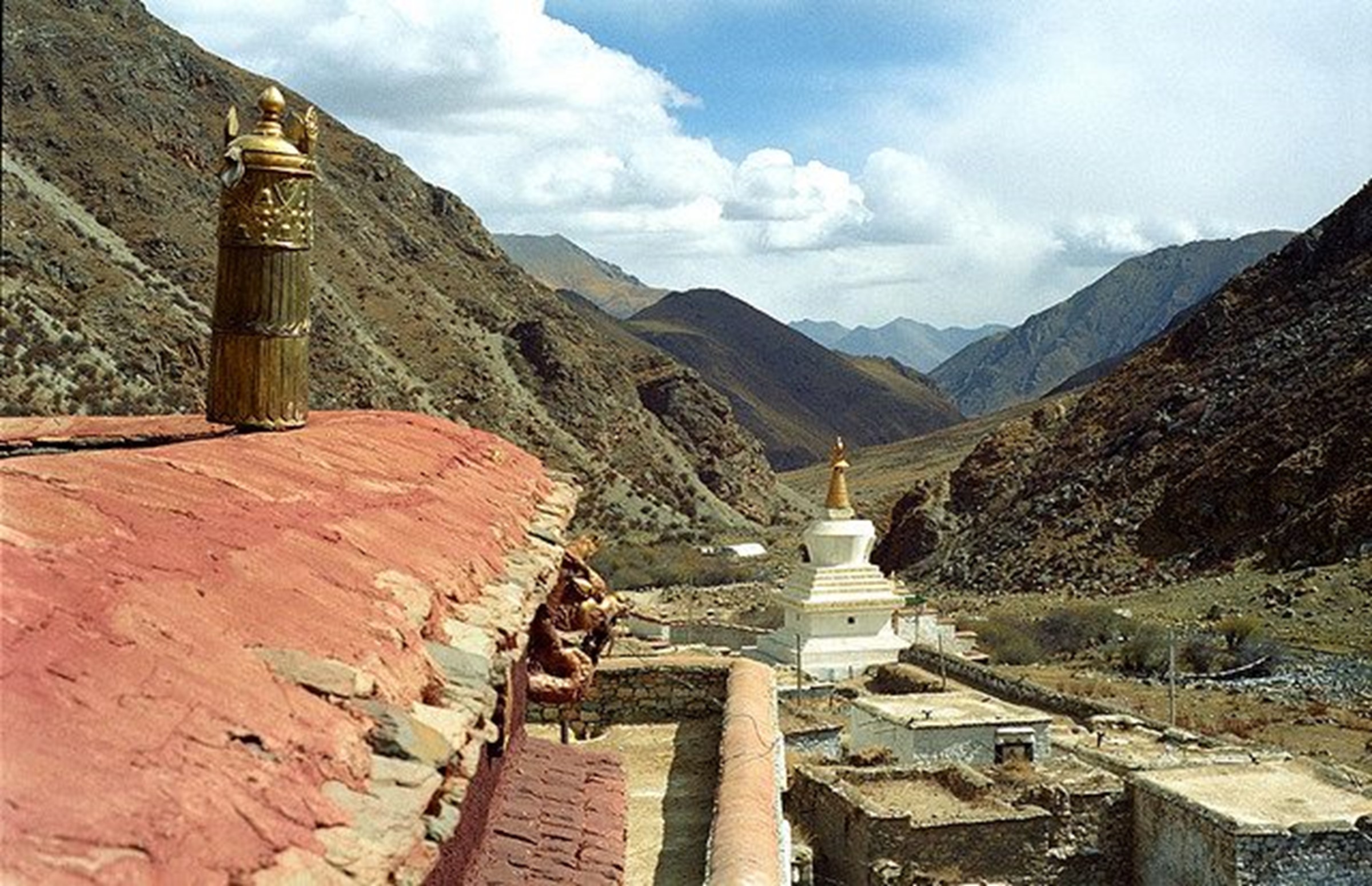
Blessings for Peace. A Charming Way to Fight Against The Devil. The Protector of Peace at Tsurphu Monastery, Tibet.

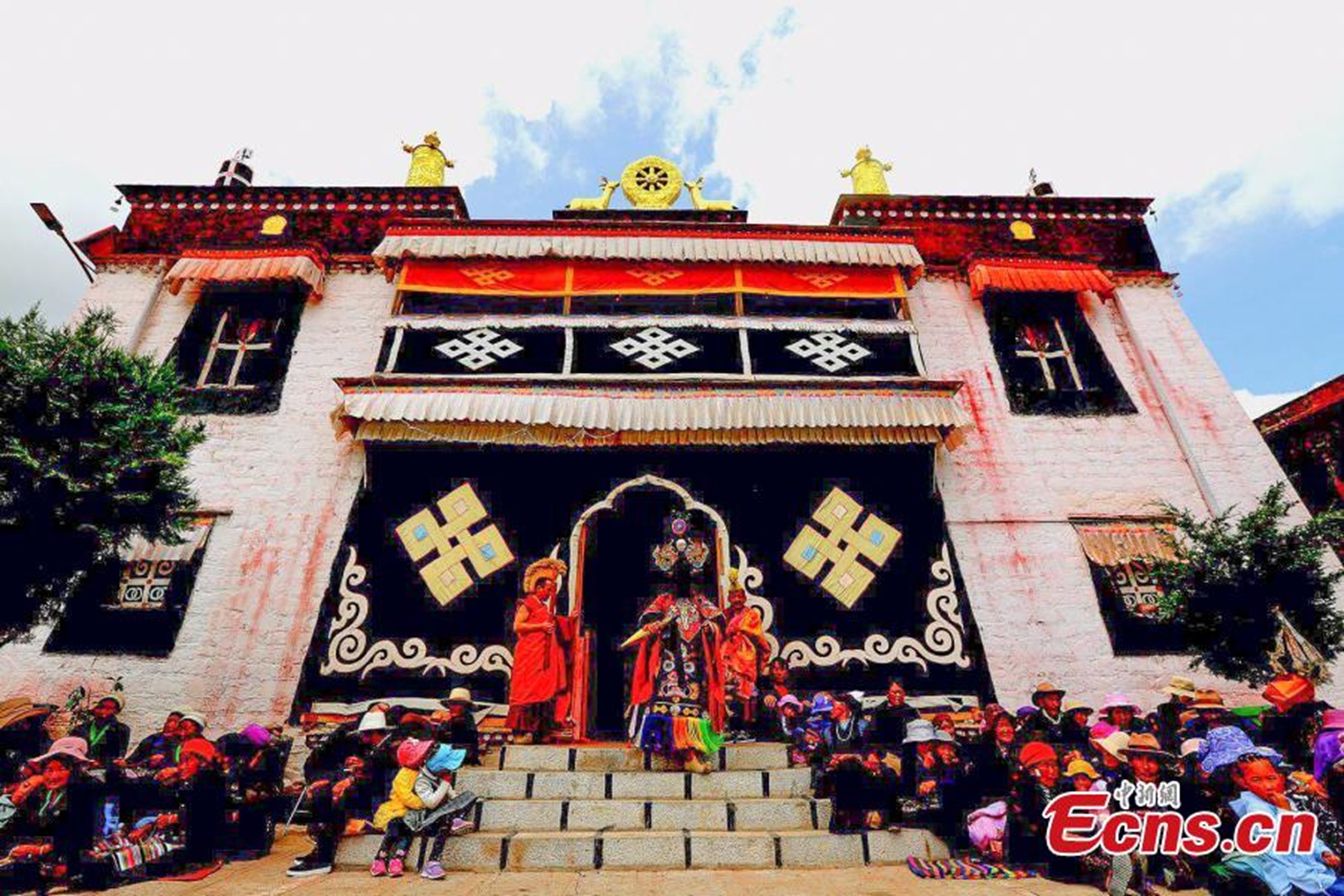
TSURPHU CHAM DANCE FESTIVAL, TSURPHU MONASTERY FESTIVAL

Clipped from: https://www.tibettravel.org/tibetan-festivals/tsurphu-festival.html

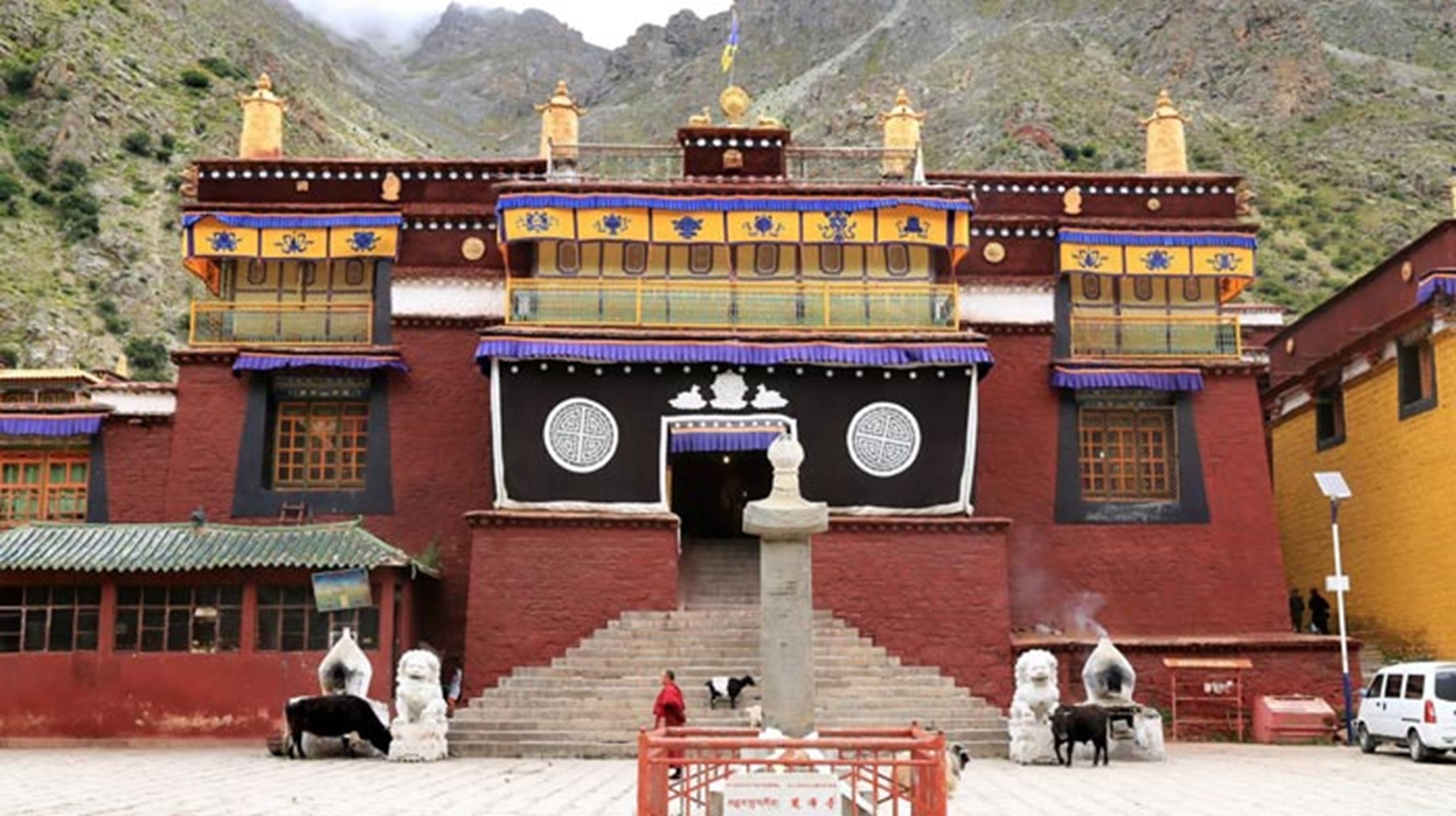
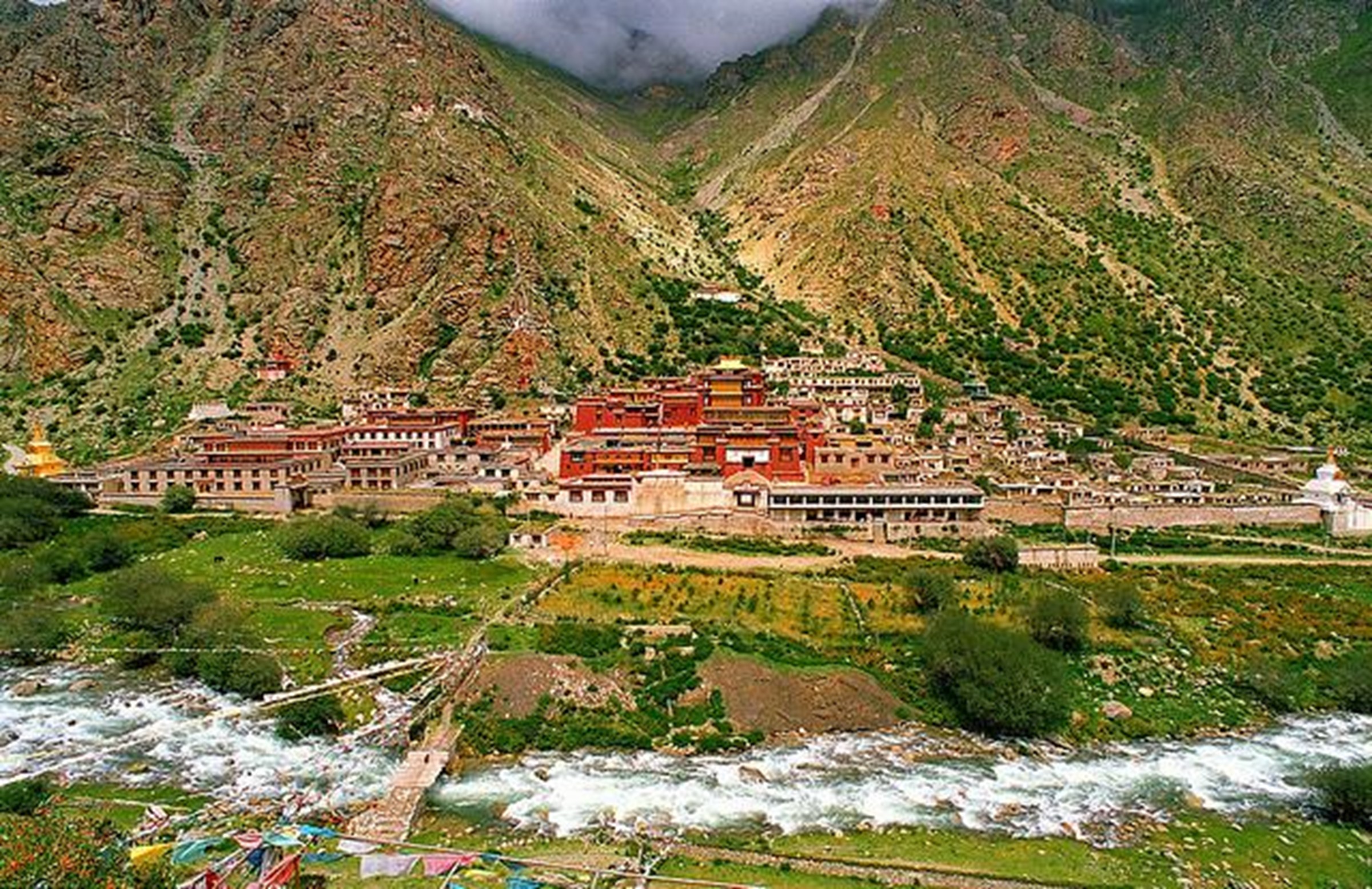
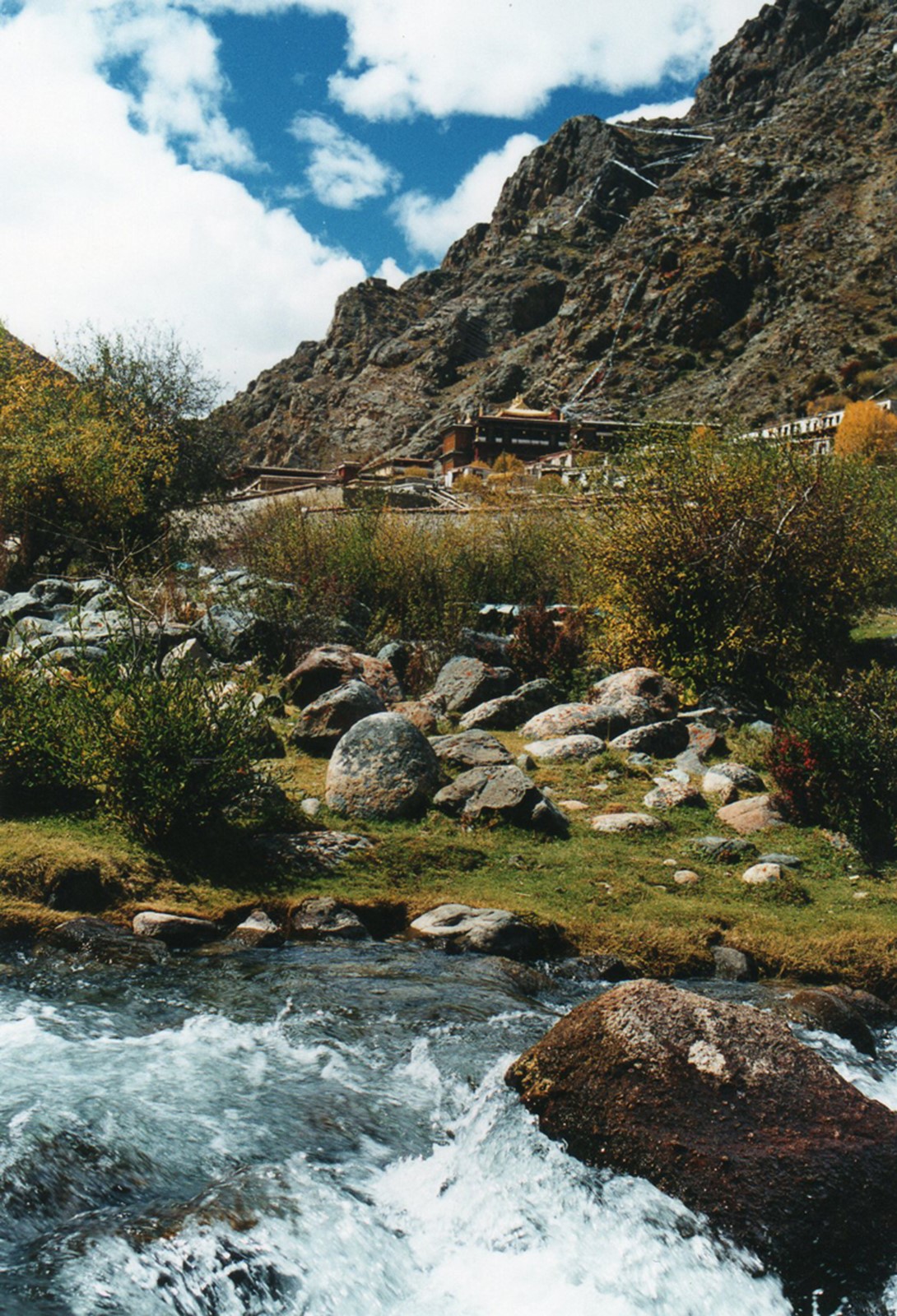
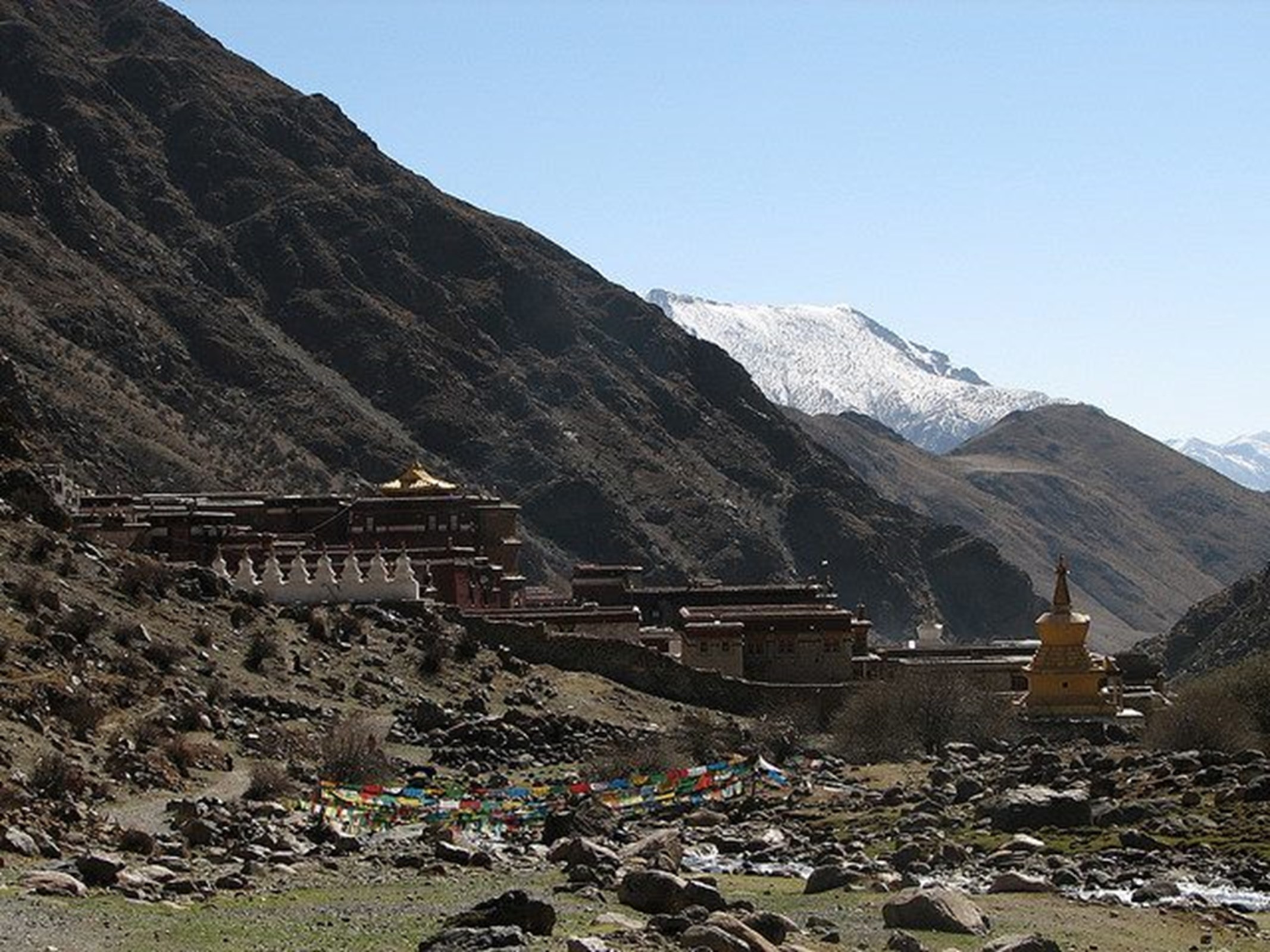
With the altitude of 4,300m, Tsurphu Monastery lies at the upper reach of Tsurphu river, about 70 km to the west of Lhasa. It was established by Dusum Khyenpa, the 1st Karmapa, and became the patriarch temple for Karma Kargyu to pass on and carry forward Tibetan Buddhism. Tsurphu Monastery has already been 800 years of history.

Blessings for Peace. A Charming Way to Fight Against The Devil. Tsurphu Cham Dance Festival.

Tsurphu Monastery is the most important temple for Karma Kargyu in Tibet.

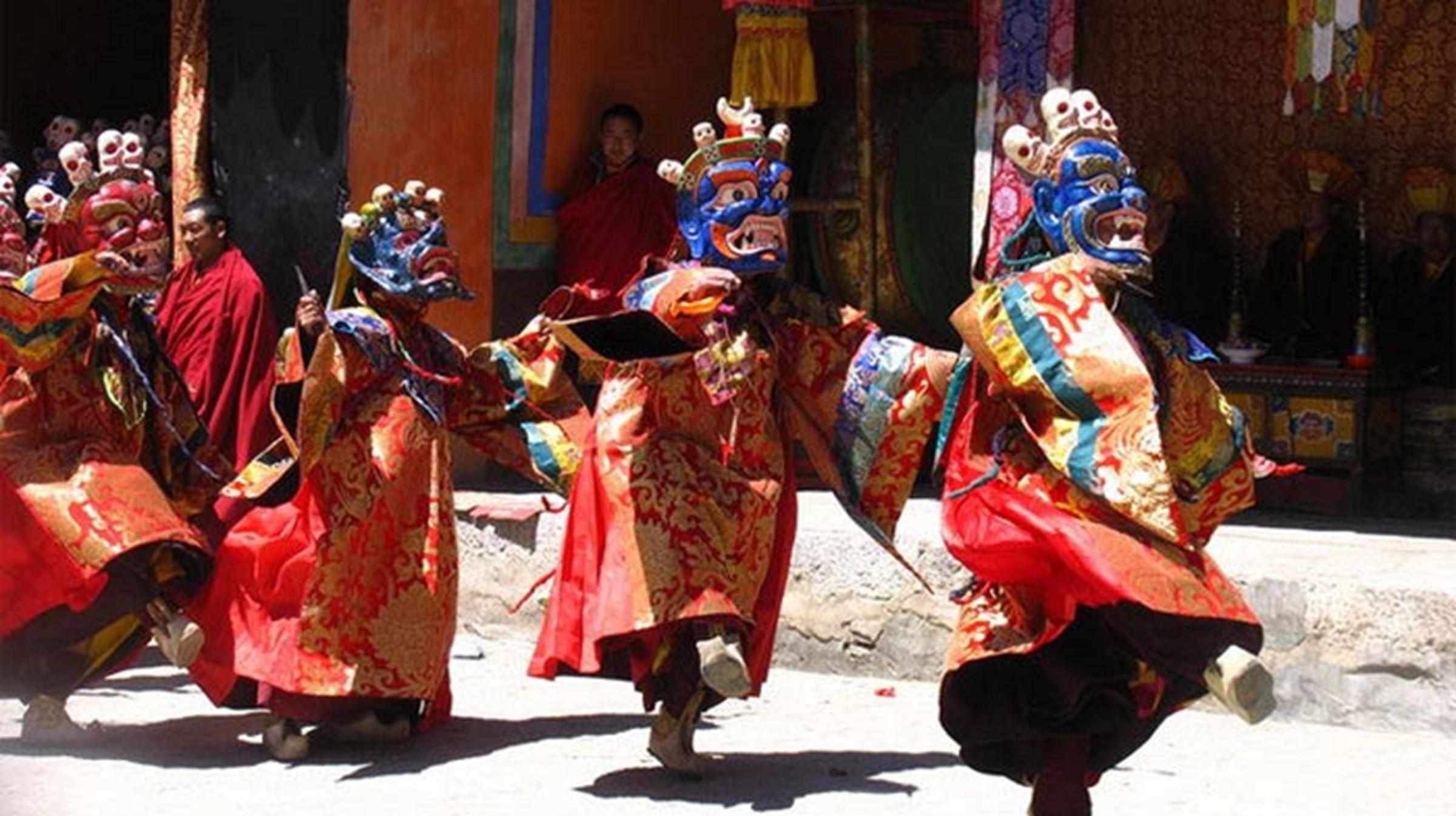
Tsurphu Cham Dance Festival falls on the 10th day of the fourth month in Tibetan Calendar. This Cham dance festival is celebrated to commemorate the great Indian guru Padmasambhava who came to Tibet and devoted himself in promoting Buddhism. During the Tsurphu Festival, you can also observe some other religious activities, like grand dharma assembly, Buddha exhibition, etc.

Blessings for Peace. A Charming Way to Fight Against The Devil. Tsurphu Cham Dance Festival.

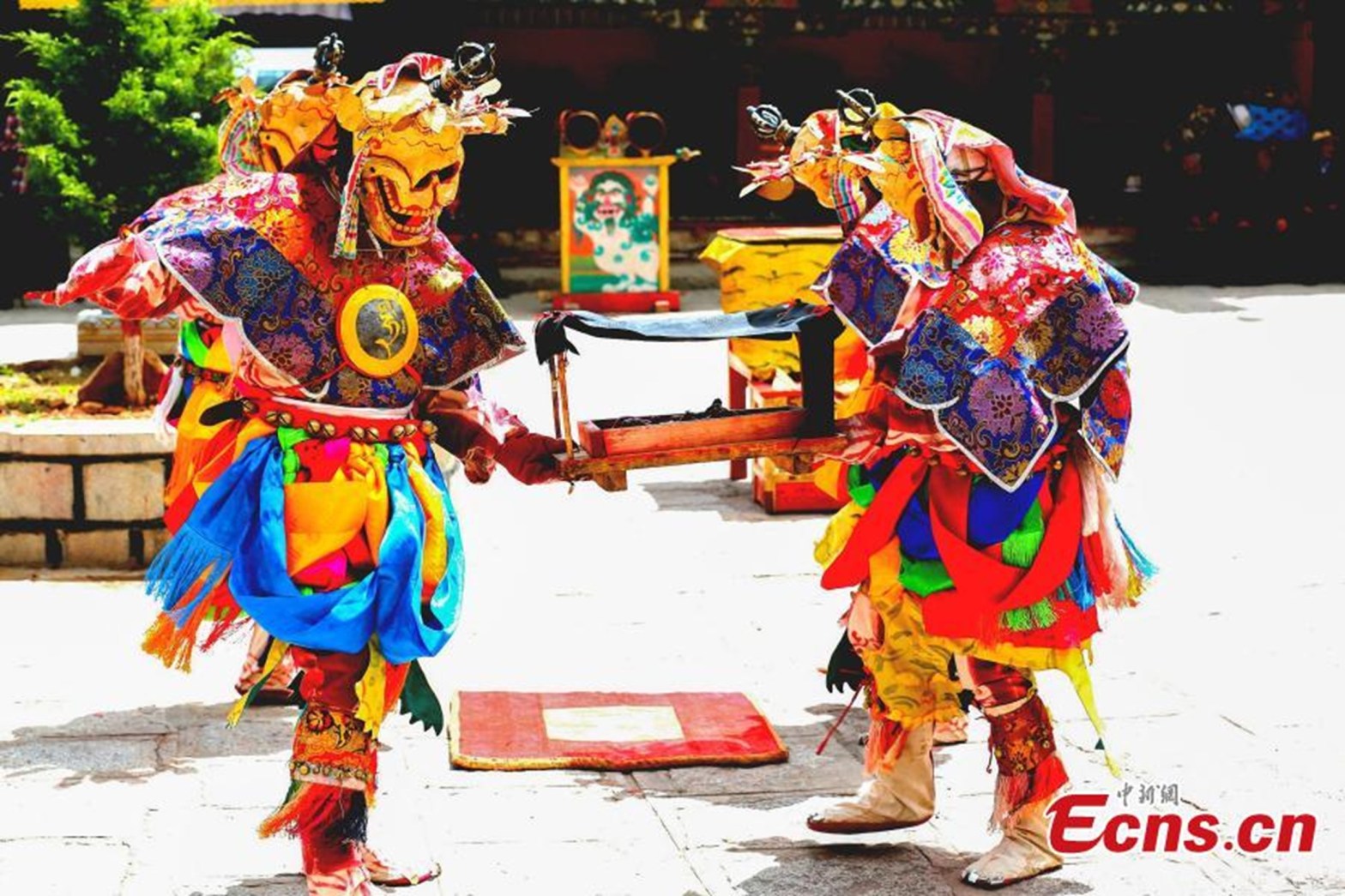
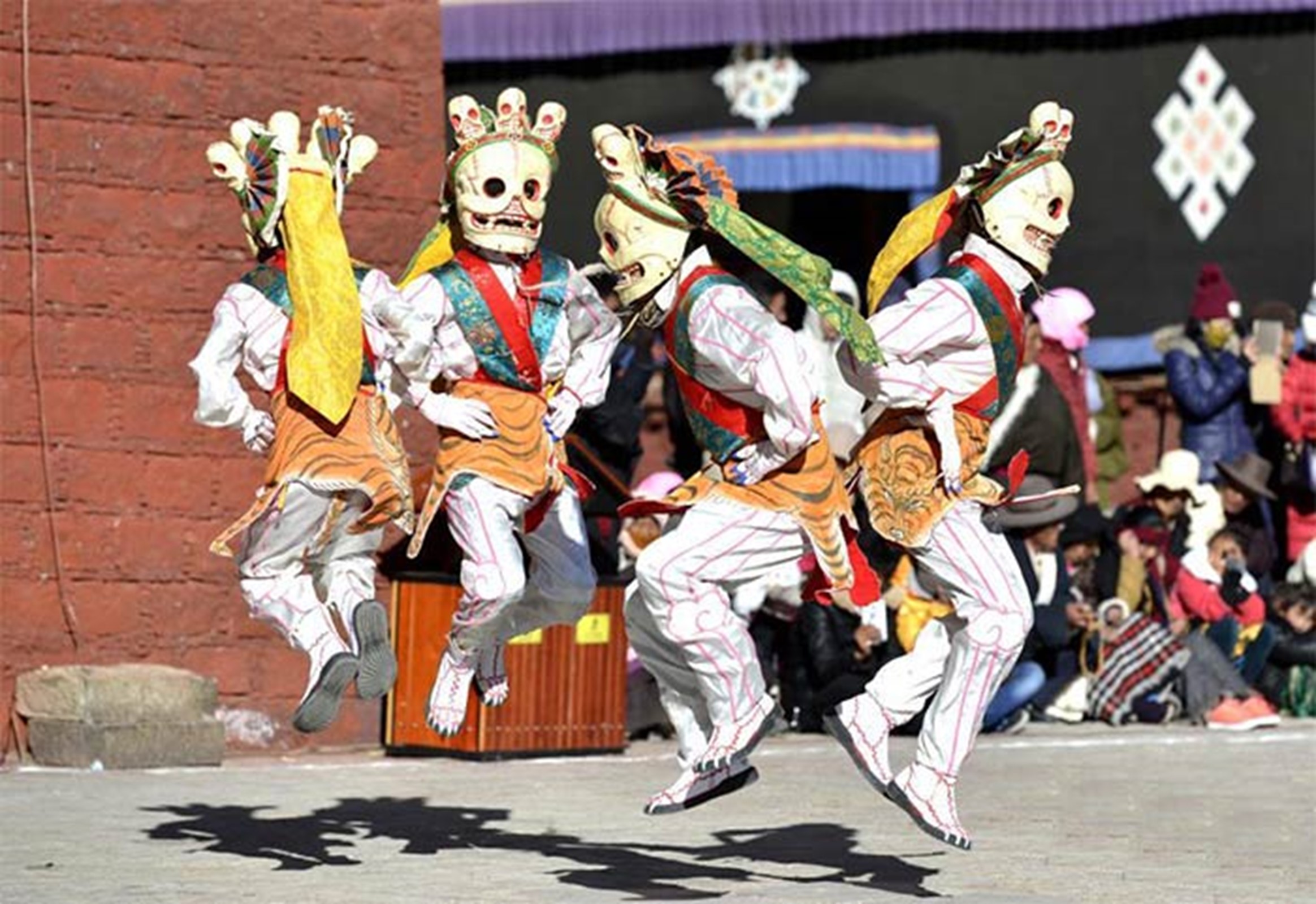
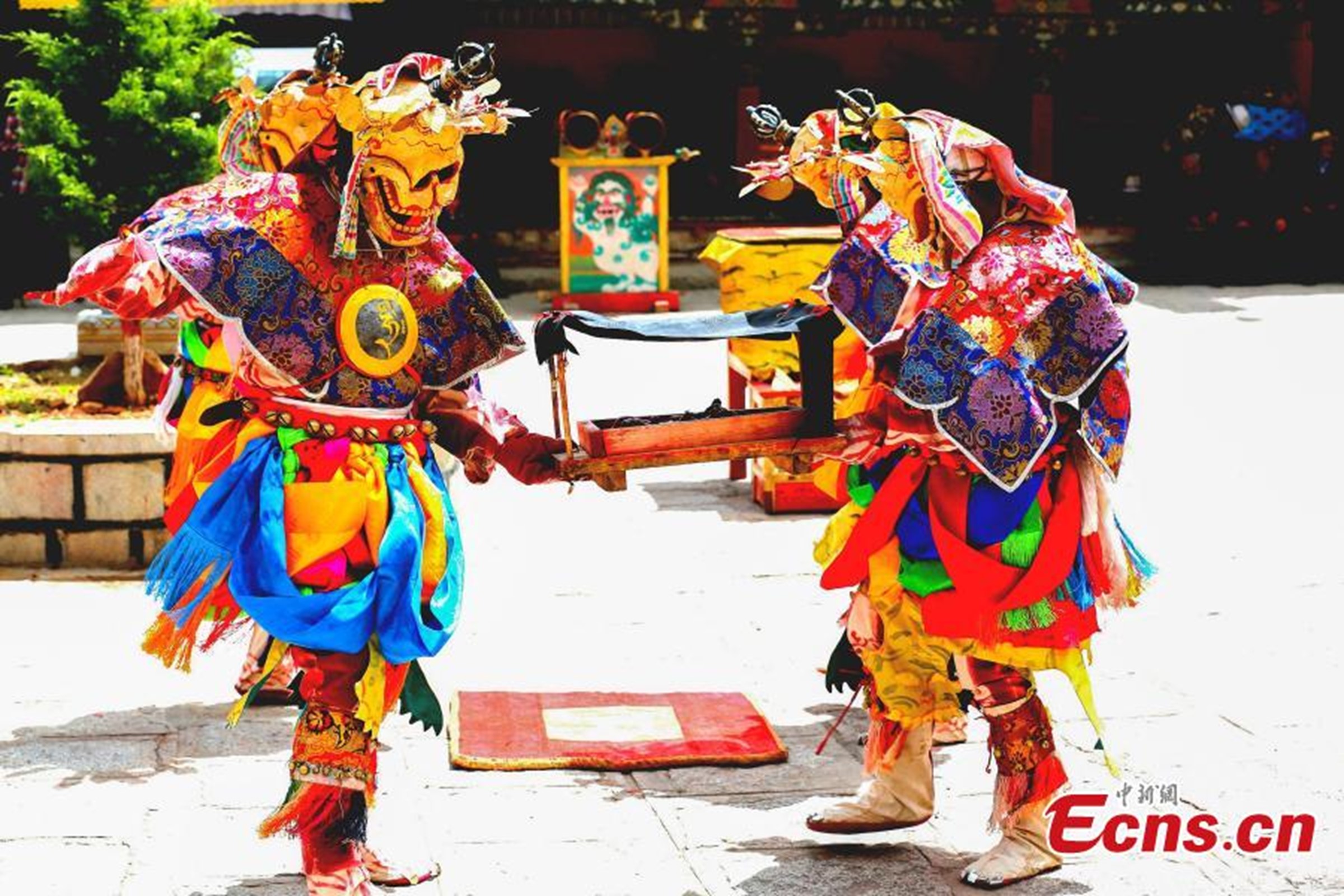
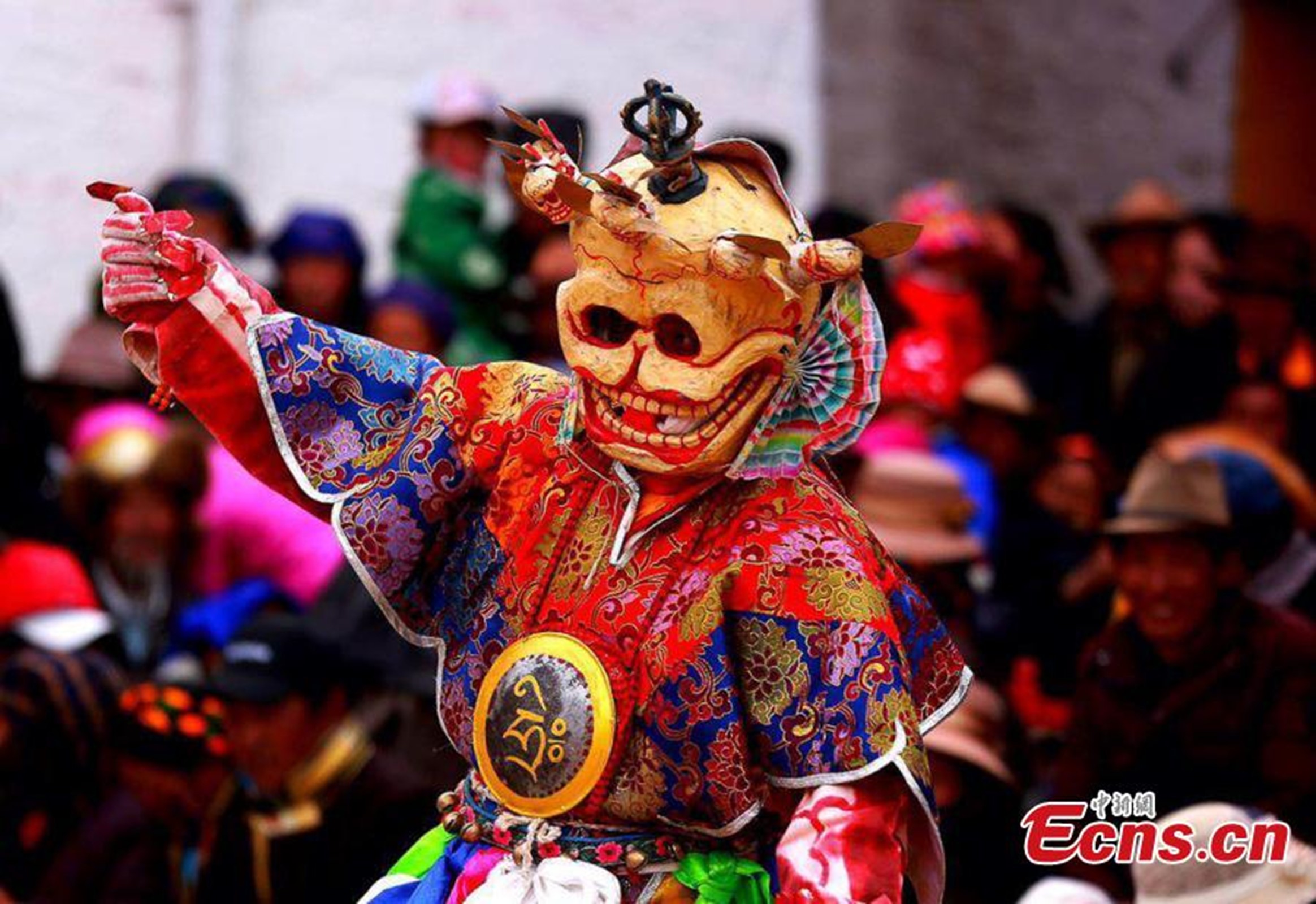
Cham dance is performed during Tsurphu Festival.

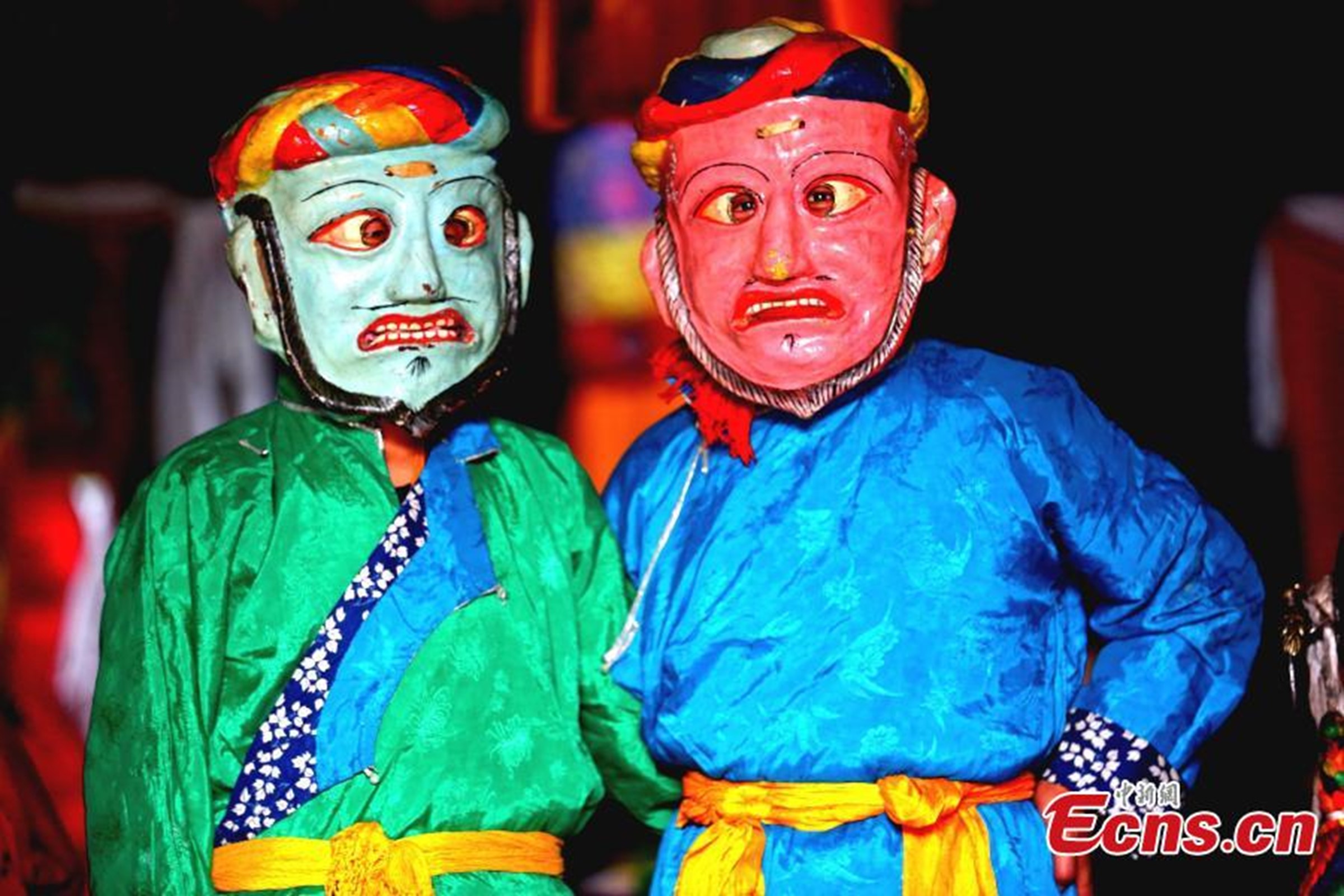
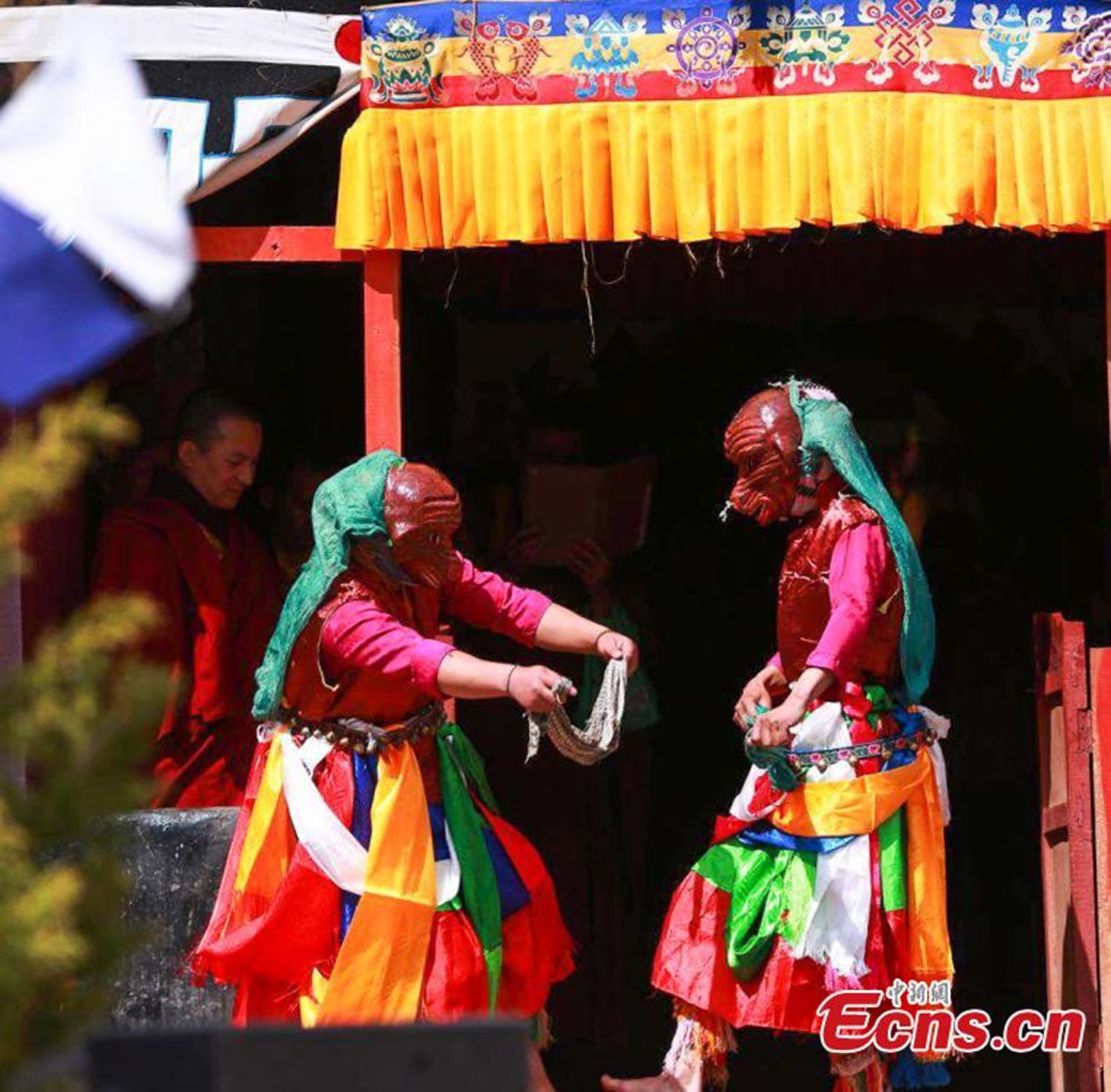
Cham dance in Tsurphu Monastery is a kind of Tibetan art and performance. It has plots, characters, music and dances. However, Cham dance is different from Tibetan Opera and has greater significance in religion. Not only can it entertain the audience but also advocate Tibetan Buddhism. It’s a grand religious activity organized by the temple. As for famous Tibetan monasteries, they have their own Cham group and make uniform Cham masks, dance costumes, ornamentations and musical instruments, etc. Usually, those items are treasured very well in the temple. Cham dancers have to pass through several religious rituals before using them.

Blessings for Peace. A Charming Way to Fight Against The Devil. Tsurphu Cham Dance Festival.

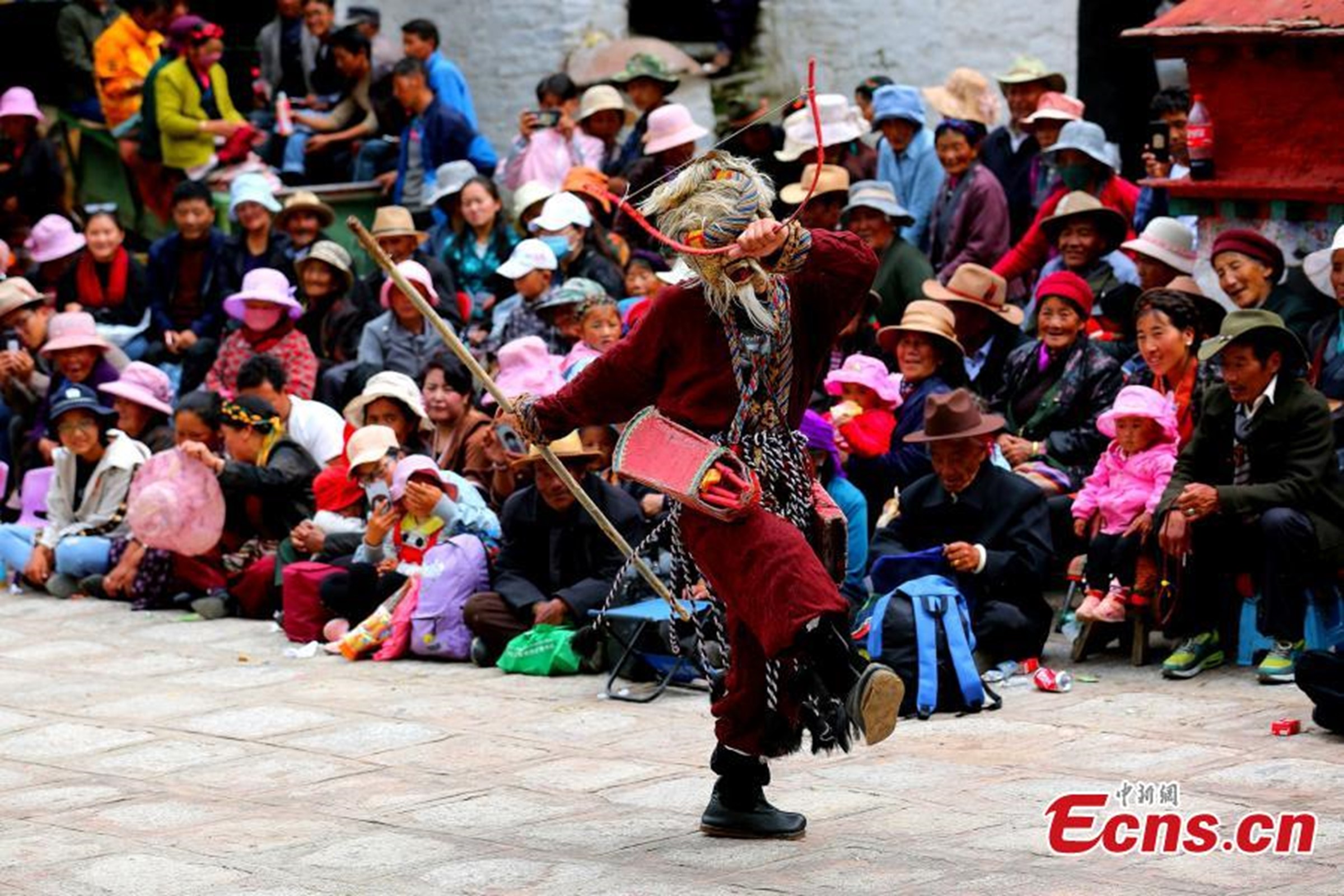
Lots of Tibetans are watching Cham dance outside Tsurphu Temple.

There are many strict rules on Cham performance. Major roles are played by monks and dancers should be flexible and alert. All of them shall be completely into the roles even before the play. Body movements, facial expressions, hand gestures and dance steps must be elegant and smooth. In other words, as long as they put on Cham costumes and masks, they need to be like the real deities. It’s said that deities would get angry if they failed to meet those requirements and something bad would happen to relevant personnel. In addition to appreciating the Cham dance, Tibetan people also worship Buddha and receive blessings at Tsurphu Monastery.

If you are interested in Tibetan Buddhism and Cham dance, taking part in Tsurphu Cham Dance Festival is an excellent chance to feel religious atmosphere you couldn’t afford to miss. After visiting Tsurphu Monastery, you can also try to trek from Tsurphu to Yampachen and the scenery along the route will never let you down.

Blessings for Peace. A Charming Way to Fight Against The Devil. Tsurphu Cham Dance Festival at Tsurphu Monastery, Tibet.
Blessings for Peace. A Charming Way to Fight Against The Devil. Tsurphu Monastery, Tibet.
Blessings for Peace. A Charming Way to Fight Against The Devil at Tsurphu Monastery, Tibet.
Blessings for Peace. A Charming Way to Fight Against The Devil at Tsurphu, Tibet. Freedom and Peace are gifts of Mother Nature.
Blessings for Peace. A Charming Way to Fight Against The Devil at Tsurphu Monastery.
Blessings for Peace. A Charming Way to Fight Against The Devil. Freedom and Peace are the gifts of Mother Nature at Tsurphu, Tibet.
Blessings for Peace. A Charming Way to Fight Against The Devil. Peace and Freedom are the gifts of Mother Nature at Tsurphu, Tibet.
Blessings for Peace. A Charming Way to Fight Against The Devil at Tsurphu Monastery, Tibet.
Blessings for Peace. Prayer Flags at Tsurphu, Tibet describe Peace and Freedom as the gifts of Mother Nature.
Blessings for Peace. A Charming Way to Fight Against The Devil at Tsurphu Monastery, Tibet.
BLESSINGS FOR PEACE. A CHARMING WAY TO FIGHT AGAINST THE DEVIL AT TSURPHU Monastery, Tibet.


Whole Aggressor – Red China, Aggressor Nation Occupying Tibet

Red China – Aggressor Nation Occupying Tibet

Red China – Aggressor Nation Occupying Tibet. In my analysis, Communist China, Red China is aggressor, hegemonist, imperialist, Expansionist,Neocolonialist, and Evil One occupying Tibet using military force. I do not consider the actions of Tibet, or of India to explain as to why Tibet lost Freedom in 1950.

In my analysis, Communist China, Red China is aggressor, hegemonist, imperialist, Expansionist,Neocolonialist, and Evil One occupying Tibet using military force. I do not consider the actions of Tibet, or of India to explain as to why Tibet lost Freedom in 1950.

Red China, Aggressor Nation Occupying Tibet: In my analysis, Communist China, Red China is aggressor, hegemonist, imperialist, Expansionist,Neocolonialist, and Evil One occupying Tibet using military force. I do not consider the actions of Tibet, or of India to explain as to why Tibet lost Freedom in 1950.

How Tibet Lost Its Independence and India Its Gentle Neighbor

Clipped from: http://www.asianage.com/books/230318/how-tibet-lost-its-independence-and-india-its-gentle-neighbour.html

It relates to the sequence of events and the role of KM Panikkar, the Indian Ambassador in China, during the weeks after the invasion of Tibet.

Red China – Aggressor. Indian Mission in Lhasa till 1952. In my analysis, Communist China, Red China is aggressor, hegemonist, imperialist, Expansionist,Neocolonialist, and Evil One occupying Tibet using military force. I do not consider the actions of Tibet, or of India to explain as to why Tibet lost Freedom in 1950.

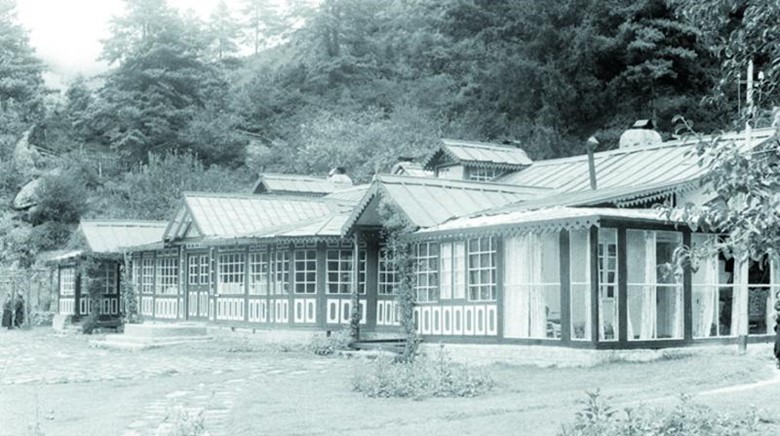
 Dekyi Linka, the Indian Mission in Lhasa till 1952 (thereafter the Indian Consulate-General).

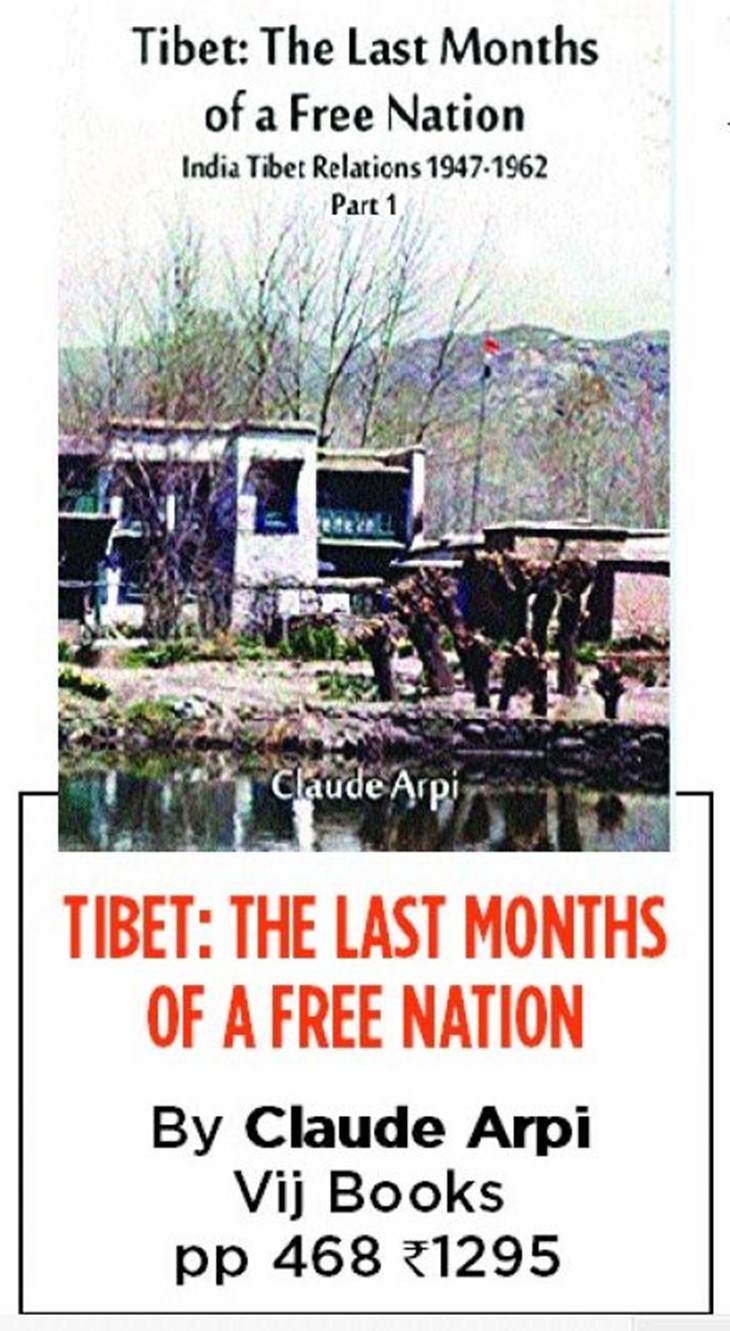
Claude Arpi, holding the Field Marshal KM Cariappa Chair of Excellence from the United Service Institution of India (USI), for his research on the Indian Presence in Tibet 1947-1962 (in 4 volumes), has extensively worked in the National Archives of India and well the Nehru Library (on the Nehru Papers) on the history of Tibet, the Indian frontiers and particularly the Indian Frontier Administrative Service.

The Last Months of a Free Nation — India Tibet Relations (1947-1962) is the first volume of the series, using never-accessed-before Indian archival material. Though Tibet’s system of governance had serious lacunae, the Land of Snows was a free and independent nation till October 1950, when Mao decided to “liberate”it. But “liberate” from what, was the question on many diplomats’ and politicians’ lips in India; they realized that it would soon be a tragedy for India too; Delhi would have to live with a new neighbor, whose ideology was the opposite of Tibet’s Buddhist values; the border would not be safe anymore.

The narrative starts soon after Independence and ends with the signing, under duress, of the 17-Point Agreement in Beijing in May 1951, whose first article says: “The Tibetan people shall unite and drive out imperialist aggressive forces from Tibet; the Tibetan people shall return to the big family of the Motherland-the People’s Republic of China.”  Tibet had lost its Independence …and India, a gentle neighbour.

Reproduced below are extracts from a chapter The View from the South Block.

It relates to the sequence of events and the role of KM Panikkar, the Indian Ambassador in China, during the weeks after the invasion of Tibet.

It is usually assumed that Sardar Patel, the Deputy Prime Minister wrote his “prophetic” letter to Jawaharlal Nehru, the Prime Minister, detailing the grave implications for India of Tibet’s invasion. In fact, he used a draft sent to him by Sir Girija Shankar Bajpai, the Secretary General of the Ministry of External Affairs and Commonwealth.

On November 7, 1950, just a month after the entry of the People’s Liberation Army in Tibet, Patel sent Bajpai’s note to Nehru under his own signature  Bajpai, the top-most Indian diplomat, was deeply upset by the turn of events; he also shared his note with President Rajendra Prasad, C. Rajagopalachari and others. Nehru ignored Patel’s letter and the views of his colleagues.

Red China – Aggressor. In my analysis, Communist China, Red China is aggressor, hegemonist, imperialist, Expansionist,Neocolonialist, and Evil One occupying Tibet using military force. I do not consider the actions of Tibet, or of India to explain as to why Tibet lost Freedom in 1950.

November 1950
It is usually assumed that Sardar Patel, the Deputy Prime Minister of India wrote the “prophetic” letter to Jawaharlal Nehru, the Prime Minister, detailing the grave implications for India of Tibet’s invasion. In fact, he used a draft sent to him by Sir Girija Shankar Bajpai, the Secretary General of the Ministry of External Affairs and Commonwealth.  On November 7, 1950, a month after the entry of the People’s Liberation Army in Tibet, Patel sent Bajpai’s note under his own signature, to Nehru, who ignored Patel’s letter.

Bajpai, deeply upset by the turn of events, had also sent his note to President Rajendra Prasad and C Rajagopalachari.

Girija Shankar Bajpai’s Note of October 31
Bajpai first noted that on July 15, 1950, the Governor of Assam had informed Delhi that, according to information received by the local Intelligence Bureau, Chinese troops, “in unknown strength, had been moving towards Tibet from three directions, namely the north, north-east and south-east.” The same day, the Indian Embassy in China reported that rumours in Beijing had been widely “prevalent during the last two days that military action against Tibet has already begun.” Though Panikkar was unable to get any confirmation, he virtually justified Beijing’s military action by writing: “in view of frustration in regard to Formosa, Tibetan move was not unlikely.”  A few days later], Bajpai remarked that the Ambassador [Panikkar] had answered [Delhi] that he did not consider the time suitable for making a representation to the Chinese Foreign Office.  Bajpai is more and more frustrated with Panikkar’s surrender to Chinese interests and perhaps also by the support that the ambassador gets from the Prime Minister. The Secretary General is clearly in a difficult position. Already on July 20, Panikkar’s attention had been drawn by South Block to the fact that Beijing’s argument that the “Tibetans had been stalling the talks,” was wrong.  Panikkar had been informed by Delhi that the Tibetan Delegation should not be blamed for something they are not responsible for…

Panikkar brings in philosophical issues
India [Panikkar] attempted to change the Communist regime’s decision to “liberate” Tibet, by bringing a philosophical angle to the issue: “In the present dangerous world situation, a military move can only bring a world nearer [to a conflict], and any Government making such a move incurs the risk of accelerating the drift towards that catastrophe.”

Mao was not in the least bothered about such niceties.

Another Aide-Memoire
Delhi again repeats its “philosophical” position: it would be bad for Beijing to invade Tibet: “The Government of India would desire to point out that a military action at the present time against Tibet will give those countries in the world which are unfriendly to China a handle for anti-Chinese propaganda at a crucial and delicate juncture in inter-national affairs.” Delhi is convinced that “the position of China will be weakened” by a (Chinese) military solution.

The Chinese plans are clear
The objective of Mao and the Southwestern Bureau in Chengdu is to occupy Chamdo, it is therefore clear that the PLA is preparing to enter “Tibet proper”. …The objective remains the fall of Chamdo before the winter, ambassador or no ambassador, negotiation or no negotiations.

As Tibet is invaded, Sir Girija’s narrative continues:
On October 17, the Indian Ambassador receives the full details of the Chinese invasion of Tibet. South Block confirms that Tibet has been invaded, it was “brought to our notice at the request of the Tibetan Government in a message sent through our Mission in Lhasa,” says a cable from Delhi. The next day, Panikkar continues to argue against the invasion having happened; he says that out of the incidents to which Lhasa has drawn Delhi’s attention, only one appears to be new.

Bajpai more upset
Sir Girija Bajpai is further upset when Panikkar argues: “Further I should like to emphasise that the Chinese firmly hold that Tibet is purely an internal problem and that while they are prepared in deference to our wishes to settle question peacefully they are NOT prepared to postpone matters indefinitely.”

This is written by the Ambassador of India.

(On October 22], Nehru cables the Ambassador in Beijing: “I confess I am completely unable to understand urgency behind Chinese desire to ‘liberate’ when delay CANNOT possibly change situation to her disadvantage.”

Finally on October 24, the Ambassador presents an aide-memoire to the Chinese Foreign Office. Bajpai notes “The contrast between the tone and content of the instructions sent to the Ambassador, and his feeble and apologetic ‘note’ deserves notice.” This raises a question, how could the ambassador present an aide-memoire without its content being vetted by South Block? It is a mystery.

Bajpai could only conclude that “from the foregoing narrative which I have been at some pains to document, that ever since the middle of July, at least, Peking’s objective has been to settle the problem of its relations by force.” From Mao’s cables, [one can see that] the invasion (or “liberation” for the Chinese side) did not at all depend on “negotiations” or “talks” with Tibetans. The army action had been decided since months.

Though Bajpai says that he is not interested to find “scapegoats”, he finally blames his ambassador to China: “The search for scapegoats is neither pleasant nor fruitful, and I have no desire to indulge in any such pastime. …however, I feel it my duty to observe that, in handling the Tibetan issue with the Chinese Government, our Ambassador has allowed himself to be influenced more by the Chinese point of view, by Chinese claims, by Chinese maps and by regard for Chinese susceptibilities than by his instructions or by India’s interests.” This is a strong, though late indictment of Panikkar.

Patel replies to Bajpai
…When on October 31, Sardar Patel wrote back to Bajpai: “The Chinese advance into Tibet upsets all our security calculations. …I entirely agree with you that a reconsideration of our military position and disposition of our forces are inescapable.” A few days later, Bajpai would write a note for Patel who sent it to Nehru, who did not even acknowledge it…  Patel passed away five weeks later.

The rest is history.

Red China – Aggressor. Invasion of Tibet in 1950. In my analysis, Communist China, Red China is aggressor, hegemonist, imperialist, Expansionist,Neocolonialist, and Evil One occupying Tibet using military force. I do not consider the actions of Tibet, or of India to explain as to why Tibet lost Freedom in 1950.

Whole Awareness – Look at Tibet Issue From All Angles

Tibet Awareness – Look at Tibet Issue From All Angles

We look at Tibet issue from all angles to openly declare that Red China is an Evil Power, a Tyrant, an Aggressor, a Neocolonialist, an Expansionist, an Oppressor, and a Subjugator of Tibet.

We look at Tibet issue from all angles to openly declare that Red China is an Evil Power, a Tyrant, an Aggressor, a Neocolonialist, an Expansionist, an Oppressor, and a Subjugator of Tibet.

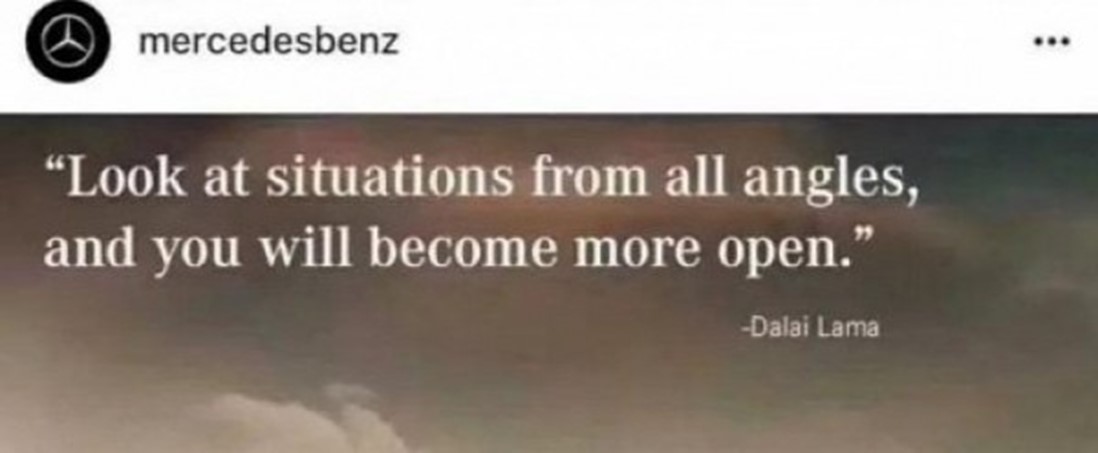
Mercedes-Benz Apologizes to China Over Dalai Lama Post

We look at Tibet issue from all angles to openly declare that Red China is an Evil Power, a Tyrant, an Aggressor, a Neocolonialist, an Expansionist, an Oppressor, and a Subjugator of Tibet.

Mercedes-Benz has become the latest major global brand to offer a public apology after upsetting the Chinese government on a sensitive subject.

Clipped from: http://money.cnn.com/2018/02/07/technology/mercedes-benz-tibet-china-apology/index.html

We look at Tibet issue from all angles to openly declare that Red China is an Evil Power, a Tyrant, an Aggressor, a Neocolonialist, an Expansionist, an Oppressor, and a Subjugator of Tibet.

The carmaker apologized Tuesday for hurting “the feelings” of Chinese people by quoting the Dalai Lama in a post on its Instagram account. The move comes just weeks after Marriott, Delta Air Lines and other big names found themselves in trouble with Beijing over how they described politically sensitive places like Taiwan and Tibet.

The Chinese government has launched frequent attacks on the Dalai Lama, the exiled spiritual leader of Tibet, calling him a “traitor” and a separatist. Beijing considers Tibet to be part of its territory and comes down hard on any suggestions to the contrary.

Mercedes, which is owned by Daimler, (DDAIF) ran afoul of China’s stance when it paired a quote attributed to the Dalai Lama with a photo of one of its luxury sedans on Instagram — a social media platform that is banned in China.

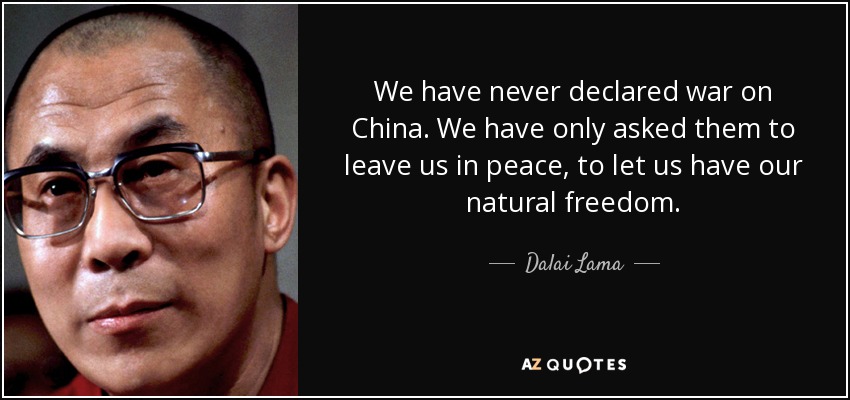
“Look at situations from all angles, and you will become more open,” the quote read.

The ad was posted on Monday and garnered nearly 90,000 likes before Mercedes deleted it the following day, according to a screenshot posted by Chinese state media.

The Global Times, a state-run newspaper that often strikes a nationalistic tone, criticized Mercedes, saying the company was quick to respond to the incident but shouldn’t make such mistakes in the first place.

Mercedes issued a statement in Chinese about the incident on Weibo, China’s equivalent of Twitter (TWTR), offering a “sincere apology” three separate times.

“We fully understand how it has hurt the feelings of people in the country, including our colleagues working in China, we sincerely apologize for this,” Mercedes said, adding that the post contained “extremely erroneous information.”

With its rising middle class and growing economic might, China is a key market for many global brands. Mercedes is no exception.

Of the nearly 2.4 million vehicles it sold worldwide last year, more than a quarter were snapped up by Chinese buyers.

A growing number of international companies have recently found themselves in hot water in China over politically sensitive issues.

Authorities last month blocked Marriott’s websites and apps for a week in China after it listed Tibet, Hong Kong, Macau and Taiwan as separate countries in its emails and apps. Marriott (MAR) apologized profusely, saying it respects and supports the sovereignty and territorial integrity of China.

Shortly after that, Delta (DAL) came under fire for similarly listing Taiwan and Tibet as countries. It said it was “an inadvertent error with no business or political intention” in its apology.

At the same time, the owner of European clothing brand Zara was chastised by regulators for listing Taiwan as a country and ordered to rectify the situation.

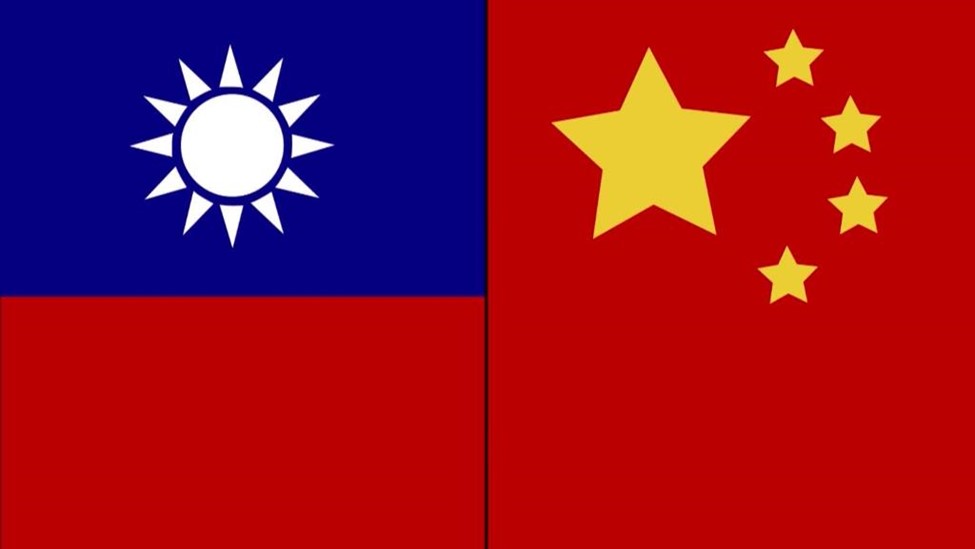
China and Taiwan — officially the People’s Republic of China and the Republic of China — separated in 1949 following the Communist victory on the mainland after a civil war.

They have been governed separately since, though a shared cultural and linguistic heritage mostly endures, with Mandarin spoken as the official language in both places. The government in Beijing has always maintained that Taiwan is a renegade province that is part of its sovereign territory.

Communist China sent troops into Tibet in 1950 to enforce its claim on the region and has controlled it since 1951 — though the central government in Beijing has faced repeated bouts of unrest from ethnic Tibetans unhappy over its rule.

— Nanlin Fang contributed to this report.

CNNMoney (Hong Kong) First published February 7, 2018: 2:43 AM ET

We look at Tibet issue from all angles to openly declare that Red China is an Evil Power, a Tyrant, an Aggressor, a Neocolonialist, an Expansionist, an Oppressor, and a Subjugator of Tibet.


Whole Trouble – The Decline of American Century

The Rise of Evil Red Empire – The Cold War in Asia

Whole Trouble – The Decline of American Century. The Rise of Evil Red Empire – The Cold War in Asia. Nixon-Kissinger Vietnam Treason initiated Doomed American China Fantasy in 1972.

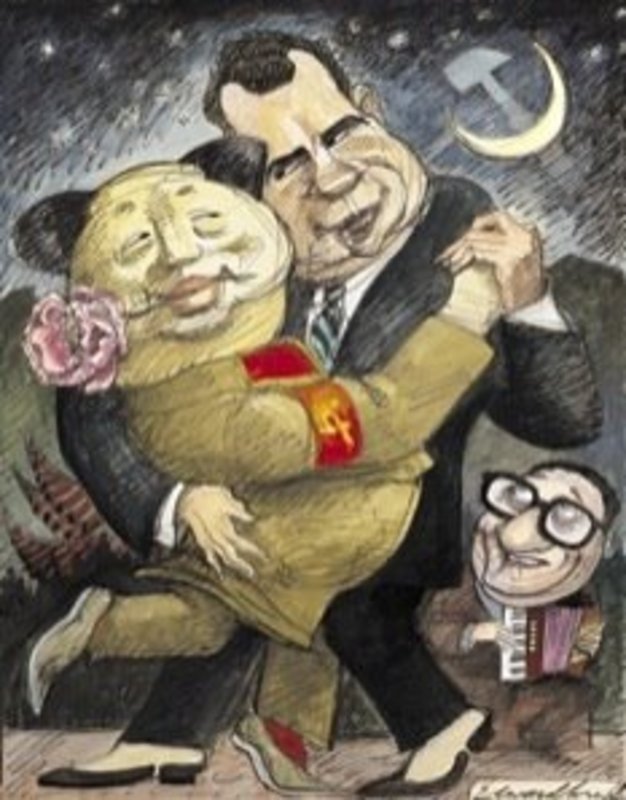
In my analysis, Nixon-Kissinger Vietnam Treason caused the ‘Decline of American Century’ and the ‘Rise of Evil Red Empire’. I ask my readers to remember July 15, 1971 as “Black Day to Freedom” , the Day on which US President Nixon publicly announced his decision to befriend Communist China while Americans were bleeding and dying in Vietnam to combat the spread of Communism in Asia.

Whole Trouble – The Decline of American Century. The Rise of Evil Red Empire – The Cold War in Asia. Nixon-Kissinger Vietnam Treason initiated Doomed American China Fantasy in 1972.

Nixon-Kissinger Vietnam Treason initiated Doomed American China Fantasy in 1972. Since that time, USA as a global power is on steady decline, while Red China remains in hot pursuit of her doctrine of Expansionism, a State Policy of using Military and Economic Power to subjugate people and control natural resources in weaker nations of Asia, Africa, and Europe.

Whole Trouble – The Decline of American Century. The Rise of Evil Red Empire – The Cold War in Asia. Nixon-Kissinger Vietnam Treason initiated Doomed American China Fantasy in 1972.
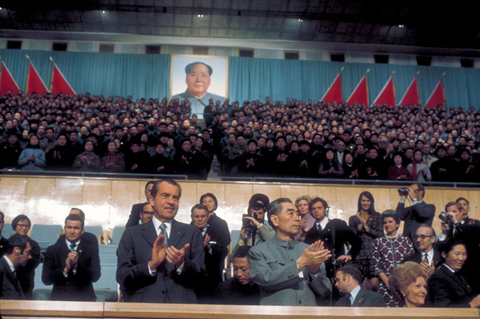
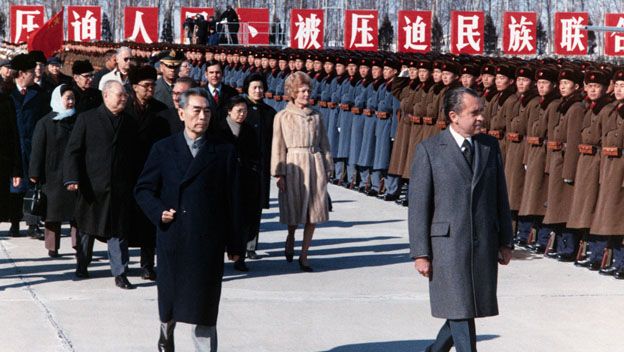
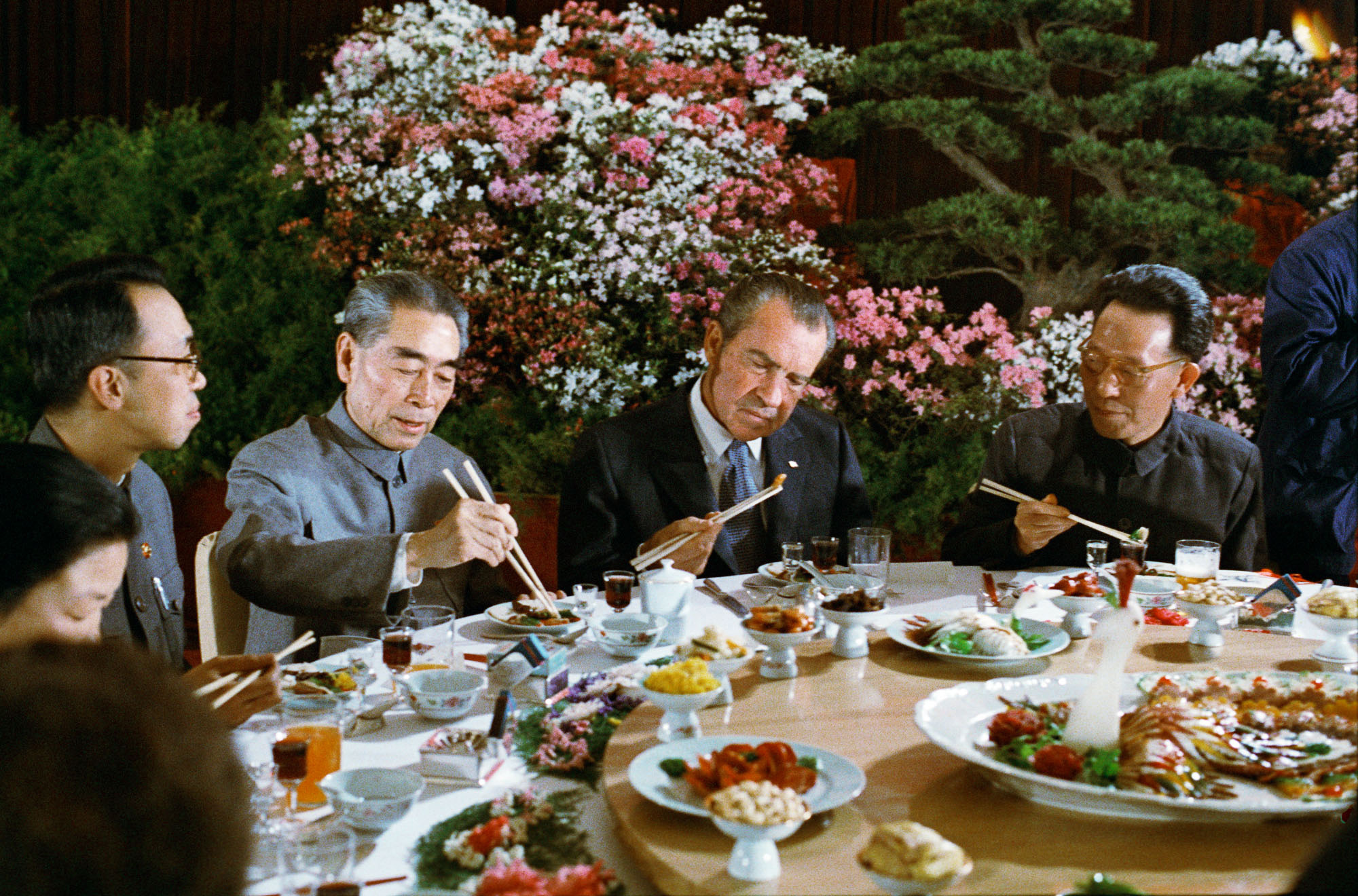
President Nixon met Communist China’s Prime Minister Chou Enlai. Did this act of friendship help the US Army in the Vietnam War? Could it stop Communist North Vietnam from launching its major invasion of South Vietnam during March 1972? Using this friendship, both President Nixon and Dr. Kissinger tried their best to stop India from Liberating Bangladesh during 1971. This Nixon and Chou Enlai friendship did not stop the Liberation of Bangladesh which India initiated with Operation Eagle 1971 in the Chittagong Hill Tracts.
Whole Trouble – The Decline of American Century. The Rise of Evil Red Empire – The Cold War in Asia. Nixon-Kissinger Vietnam Treason initiated Doomed American China Fantasy in 1972.
TIBET CONSCIOUSNESS – UNDYING HOPE FOR FREEDOM. US PRESIDENT NIXON’S VISIT TO COMMUNIST CHINA IS BLACK DAY TO FREEDOM.
Whole Trouble – The Decline of American Century. The Rise of Evil Red Empire – The Cold War in Asia. Nixon-Kissinger Vietnam Treason initiated Doomed American China Fantasy in 1972.
REMEMBERING CHINESE PRIME MINISTER ZHOU ENLAI ON JANUARY 08, 2017, HIS 41st DEATH ANNIVERSARY. I KEEP ZHOU ENLAI, MAO ZEDONG, RICHARD NIXON ALIVE IN MY THOUGHTS FOR TIBET REMAINS UNDER MILITARY OCCUPATION.

Military & Defense

Whole Trouble – The Decline of American Century. The Rise of Evil Red Empire – The Cold War in Asia. Nixon-Kissinger Vietnam Treason initiated Doomed American China Fantasy in 1972.

China held a massive military parade showing off its might – and it could surpass the US by 2030


Alex Lockie

Whole Trouble – The Decline of American Century. The Rise of Evil Red Empire – The Cold War in Asia. Nixon-Kissinger Vietnam Treason initiated Doomed American China Fantasy in 1972.

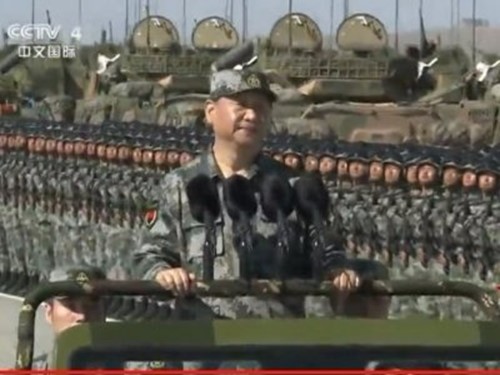
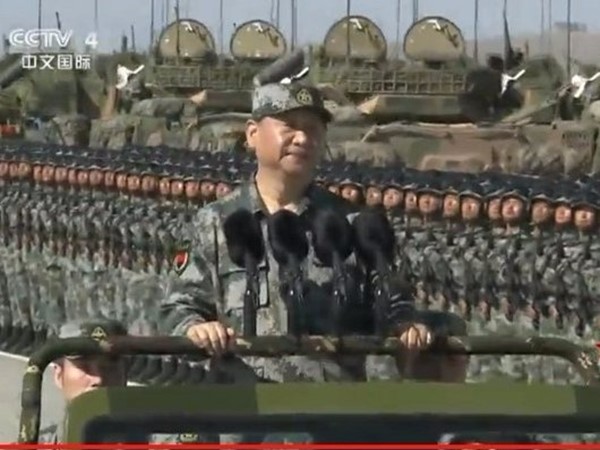
China’s president, Xi Jinping, presiding over the country’s massive military parade in inner Mongolia. CCTV

Chinese President Xi Jinping on Sunday presided over a massive military parade from an open-topped jeep, declaring, “The world is not peaceful, and peace needs to be defended.”

And as China’s show of force demonstrates, Beijing may have the will and the strength to replace the US as the world’s defender of peace.

“Our heroic military has the confidence and capabilities to preserve national sovereignty, security, and interests … and to contribute more to maintaining world peace,” Xi said at the parade, one day after US President Donald Trump lashed out at Beijing for its inaction regarding North Korea’s nuclear and ballistic missile programs.

China’s massive military modernization and increasing assertiveness have irked many of its neighbors in the region, and even as the US attempts to reassure its allies that US power still rules the day, that military edge is eroding.

China showed off new, mobile intercontinental ballistic missiles that it says can reach the US in 30 minutes, along with its J-20 stealth interceptor jets. And Xi inspected thousands of troops drawn from the 2 million-strong People’s Liberation Army’s on its 90th anniversary.

The historian Alfred McCoy estimates that by 2030, China, a nation of 1.3 billion, will surpass the US in both economic and military strength, essentially ending the American empire and Pax Americana the world has known since the close of World War II.

Whole Trouble – The Decline of American Century. The Rise of Evil Red Empire – The Cold War in Asia. Nixon-Kissinger Vietnam Treason initiated Doomed American China Fantasy in 1972.

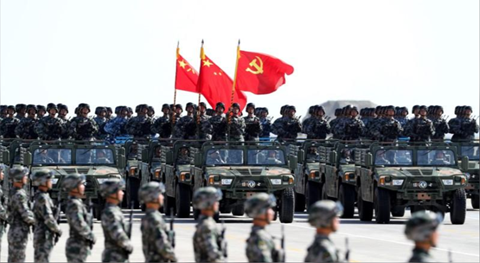
Soldiers marching to celebrate the 90th anniversary of the founding of China’s People’s Liberation Army. Xinhua

But China could achieve this goal patiently and without a violent struggle. China has employed a “salami-slicing” method of slowly but surely militarizing the South China Sea in incremental steps that have not prompted a strong military response from the US. However, the result is China’s de facto control over a shipping lane that sees $5 trillion in annual traffic.

“The American Century, proclaimed so triumphantly at the start of World War II, may already be tattered and fading by 2025 and, except for the finger pointing, could be over by 2030,” McCoy wrote in his new book, “In the Shadows of the American Century: The Rise and Decline of US Global Power.”

Whole Trouble – The Decline of American Century. The Rise of Evil Red Empire – The Cold War in Asia. Nixon-Kissinger Vietnam Treason initiated Doomed American China Fantasy in 1972.

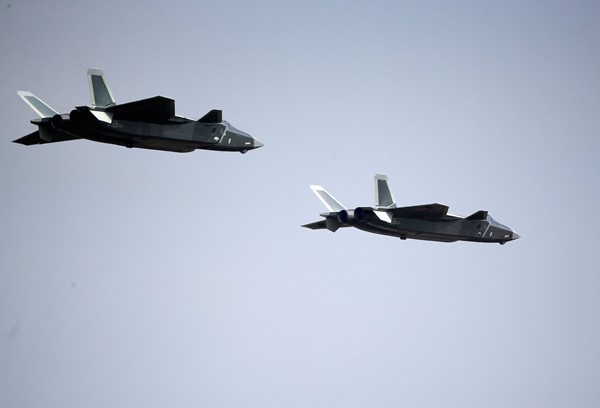
China unveiled its J-20 stealth fighter at an air show in November. China Daily/via REUTERS

China’s J-20 jet also most likely borrows from stealth secrets stolen from the US through a sophisticated hacking regime. Though China hasn’t mastered stealth technology in the way the US has, the jet still poses a real threat to US forces.

Meanwhile, the US is stretched thin. It has had been at war in Afghanistan for 16 years and in Iraq for 14, and it has been scrambling to curtail Iranian and Russian influence in Syria while reassuring its Baltic NATO allies that it’s committed to their protection against an aggressive Russia.

Under Xi, who pushes an ambitious foreign policy, China’s eventual supremacy over the US seems inevitable.

  • * Copyright © 2017 Business Insider Inc. All rights reserved. Registration on or use of this site constitutes acceptance of our Terms of Service and Privacy Policy.

Inserted from <http://www.businessinsider.com/china-military-parade-superior-to-us-by-2030-2017-7>

Whole Trouble – The Decline of American Century. The Rise of Evil Red Empire – The Cold War in Asia. Nixon-Kissinger Vietnam Treason initiated Doomed American China Fantasy in 1972. Black Day to Freedom – Whole Villain – Nixon – Mao cartoon

TIBET – JOURNEY FROM NATURAL FREEDOM TO LAOGAI PRISON SYSTEM

TIBET – JOURNEY FROM NATURAL FREEDOM TO LAOGAI PRISON SYSTEM
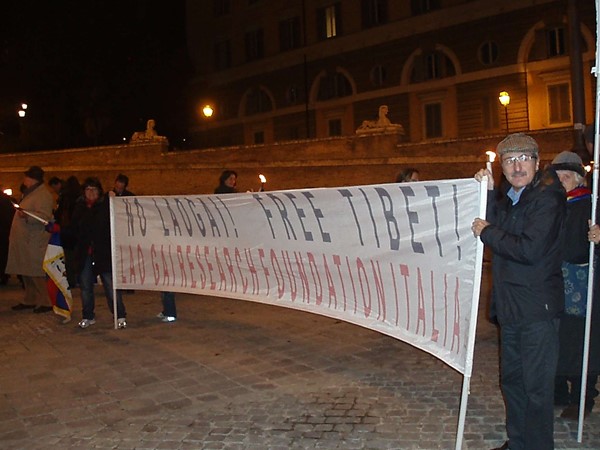
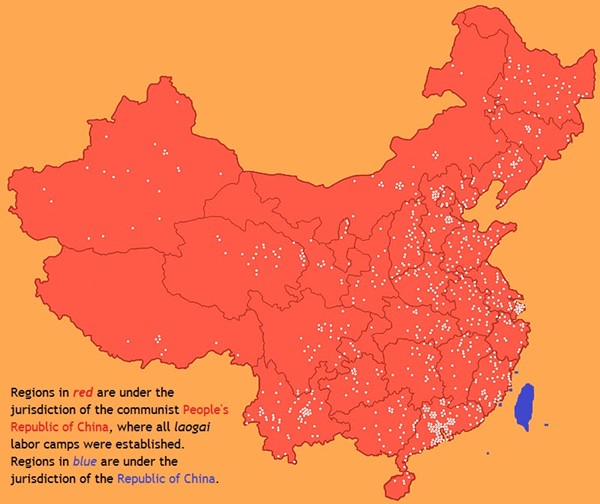
The uplift of Tibetan Plateau began about 45 million years ago. Natural Forces acting upon Tibet shaped Natural Tranquility of Tibetan Existence which defines Independent Lifestyles of Tibetans. Unfortunately, Red China’s Occupation shattered this Natural Balance, Natural Equilibrium, Natural Order, Natural Peace, and Natural Freedom of Tibetan Existence. The vastness, and empty spaces that characterize Tibetan Landscape transformed into Laogai Prison System used in Subjugation of Tibet.
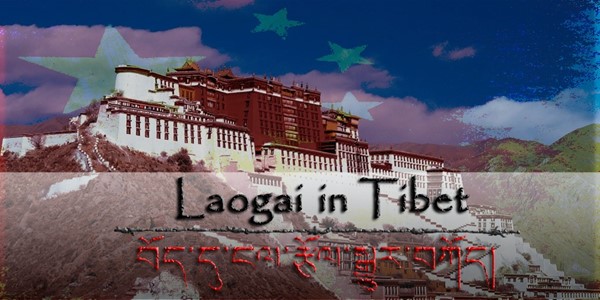
Tibet’s Occupation needs description that includes use of words like, detention, arrest, imprisonment, beating, cruelty, brutality, torture, execution, labor reform, reeducation, Gulag, Concentration Camp, starvation, hunger, thirst, death, hardship, pain, suffering, misery, repression, suppression, oppression, tyranny, and Laogai.


Rudranarasimham Rebbapragada

DOOM DOOMA DOOMSAYER


HOW THE WHOLE OF TIBET WAS TURNED INTO A HELLISH PRISON – CENTRAL TIBETAN ADMINISTRATION


Clipped from: http://tibet.net/2017/07/how-the-whole-of-tibet-was-turned-into-a-hellish-prison/


The DailyO, 10 July 2017

Thousands and thousands of people were driven into prisons like sheep, innocent people mown down like hay, rolled like paper, kneaded like hide, crammed into the dark recesses of dungeons; bound with steel wire when there were no handcuffs and leg irons left; their socks and belts confiscated; made to wear black hoods; subjected to wooden and iron clubs and mechanical and electrical punishment devices, a degree of torment possible only in the worst of hells. It was not a matter of just getting knocked about; with deliberate malice, they went for the genitals of those who father the next generation, the laymen, and for the vital organs of those who do not, the monks.

The henchmen of the lord of death made threats like spitting bile: “These guns of ours are made to kill you Tibetans. If you take a single step I will shoot you dead, and your corpse will be thrown on the rubbish heap” (the words of the Labrang monk Jigmé, as reported on the website of the Voice of America‘s Tibetan language service).

Destroying people’s dignity by hanging them upside down from the ceiling and stamping on their foreheads is something one might expect to see only in a film about Fascist or Nazi atrocities. Never mind that “Chinese prisoners are allowed to learn literacy, but Tibetans are not… Tibetan prisoners are only allowed to speak to each other in Chinese, not in Tibetan… not allowed to speak their own language or to express their own identity” (from Jamyang Kyi’s A Sequence of Tortures), even to describe being deprived of sleep during days and nights on end of interrogation to break the will, and the physical beating, hitting and lashing, these three, could barely match even a small fraction of the torment.
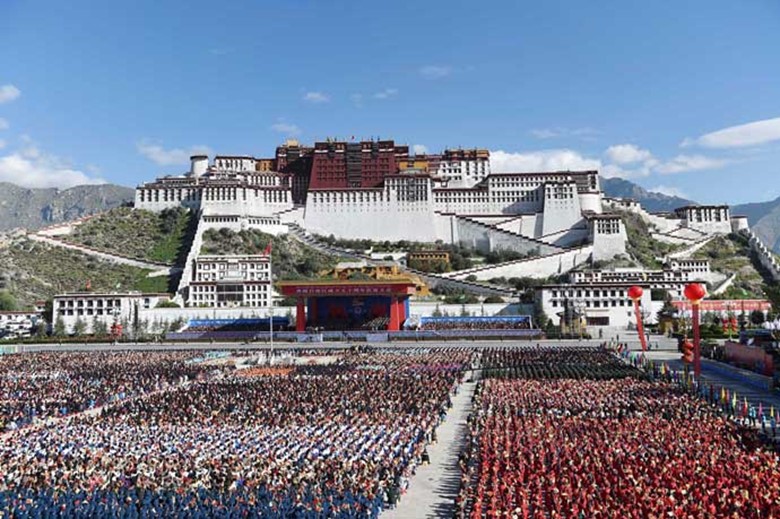
A ceremony marking the 50th anniversary of the founding of the “Tibet Autonomous Region’ is held at the square of the Potala Palace in Lhasa. Photo: Reuters (2015)

As we read in Te’urang’s Written in Blood, “The hardest thing to endure is not the physical torture but the invasion of one’s thoughts”; and in Jamyang Kyi’s A Sequence of Tortures, “One day during interrogation, the thought suddenly came to me that, rather than go through this, I would prefer to be shot dead with a single bullet. My family and relatives might be upset, but for me at least it would be over and done with”, this is the kind of torment one would rather die than endure, and under this constant, unthinkable torture, many brave Tibetan souls with the limitless courage of the imperial spirit were broken and maimed, and came to the end of their lives.

The torture of deprivation of food and water, designed to turn them all into hungry ghosts, drove people to the edge of life and death, and for those not finished by hunger, the torment of thirst led “more than 60 among us to drink their own urine” (from Gartsé Jigmé’s The Courage of the Emperors, vol 1).

This inhumane brutality of torturing people through hunger and thirst is no different from the past. Not only did innumerable people die of hunger, for the living too:

with the flames of the suffering of hunger blazing bright, even things like Bacha [the cake residue of pressed oil seeds] and Pukma [the chaff of harvested grain] which used to be given to horses, donkeys and cattle became like nutritious food and hard to obtain. To maximize the amount of food and relieve hunger, those running communal kitchens used to quite openly pick not just edible grasses but inedible tree bark and leaves, grass roots and grains, and after processing them, mix them with a little food grain and make a kind of slop like pigswill, which they fed to people. Eventually, when even this became limited, there was not enough of it for people to eat to satisfaction. (70,000 Character Petition)

Thus when the torments of hunger passed beyond all limits, those in prison were said to have “grown a tail” (that is, become like herbivorous cattle, a term taken from Tsering Dondrup’s Raging Red Wind). Even worse things happened, for example:

During the 1958 famine, since he was a “hatted” reactionary, he was given the job of carrying out corpses. One day, one of his friends who was about to die of starvation asked him to bring back some human flesh when he went to dispose of the corpses. He tried once or twice, but could not find any flesh to bring back, because the dead were people who had also died of starvation, and their bodies were just skin and bone, with no flesh at all. One day, he found a body with a little flesh on it and brought some back. Next day, that person told him “That meat you brought yesterday, I cooked it up with a piece of willow bark and drank the soup, and last night I slept very well.” (The Courage of the Emperors, vol. 1)

Or again: “The prisoners were driven by hunger to eat flesh taken from human corpses” (My Homeland and the Peaceful Liberation). So isn’t this just like revisiting the years when we were driven by starvation even beyond the refusal to eat the flesh of human corpses? Throughout the history of the Tibetan people, far from having to drink their own urine and eat human flesh, one cannot even find records of people starving to death. The incidence of such total horrors in recent history is the accomplishment of those who claim always to be “serving the people”.

The punishment ground in hell

Up to now, famous, knowledgeable, capable, courageous, brave and farsighted Tibetans have been falsely accused by the dictators and punished with deprivation of freedom. For example, the 10th Panchen Lama expressed limitless praise and flattery for them, saying things like: “In the case of our own Tibet region, we are on the point of transforming from the old society to the new, from darkness to bright light, from suffering to happiness, from exploitation to equality, and from poverty to progress, and have started on a new and brilliant era in our history” (70,000 Character Petition), but even he was locked away for almost a decade.

Likewise, no end of able individuals were unfairly sentenced and imprisoned, and in this year’s peaceful revolution too, more than 200 people have been sentenced so far, as can be seen from unofficial reports published on the internet.20 Since this was simply for breaking laws passed by the dictators with the sole intention of preserving their hold on power, it is only the continuation of their practice of legal prosecution in violation of morality and principle. From time to time, autocratic régimes pass various legal edicts designed to consolidate their hold on power that violate universal values, and these edicts that they hold to be vital are precisely edicts from hell for those who favor freedom, equality and democracy.
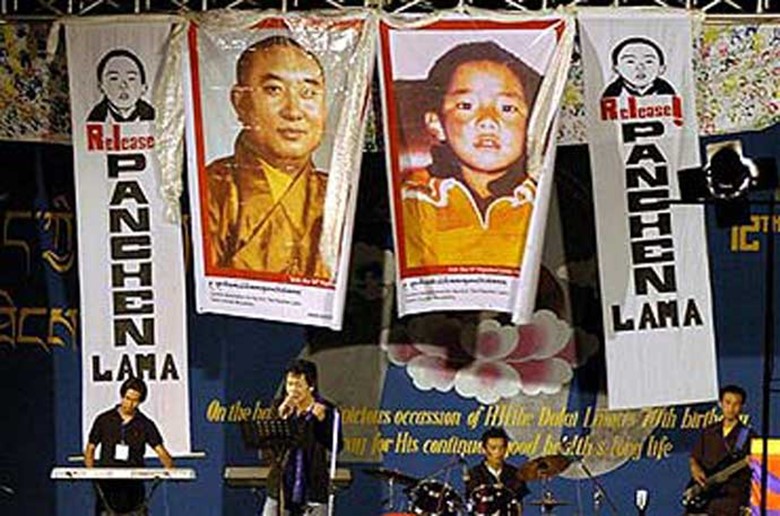
A few years ago, the five-year-old 11th Panchen Lama was put under house arrest. Photo: AP

While subjecting those detained in the course of the peaceful revolution to brutal discipline and terrifying intimidation, they were interrogated about which organization they belonged to, what was their plan, who supported them, who were their collaborators; and when these investigations proved fruitless, innocent people were and continue to be charged under whichever provisions from the relevant edicts from hell, and prosecuted in secret. From start to finish, their crimes were given as nothing other than: “Seeking to split the country”, “Seeking to overthrow state authority”, “Leaking state secrets” and so on. They are ever sensitive to anything concerning “the state” and “state authority”, regarding it as vital, and whoever they decide has jeopardized “the state” or “state authority” is punished with anything from several years in prison to execution.

This is supposed to be like the saying “If the head is tied down, the body will tremble” (with fear). The dictators always and in all respects conflate the particular interests of their faction with those of “the state” and “state authority”, and constantly use these terms to enforce their power over the people.

For them, this year’s peaceful revolution was “not about nationality issues or religious issues or human rights issues, but about the issue of state authority”. Anyone they charge with opposing a basic principle of their rule, such as “state authority”, becomes what we would call a “political prisoner”. The given charge of “endangering the state and state authority” really means that the accused is suspected of posing a threat to the power of the dictators.

In a totalitarian state, there are many examples of crimes that would never be considered as such in the rest of the world, like the political offences for which five-year-old children and 81-year-old seniors have been imprisoned. A few years ago, the five-year-old 11th Panchen Lama was put under house arrest, and during this year’s peaceful revolution, the 81-year-old printer of religious books, Peljor Norbu, was sentenced to seven years in prison.

Never mind robbing the youth, who have just begun to experience life’s joys and sorrows, of their liberty, where else would one see a judicial process so barbaric as to insist on prosecuting an 81-year-old, in violation of all moral, natural and humane norms, but under a totalitarian régime? The youngest political prisoner in the world is to be found in Tibet, and the oldest. It is because the Tibetan people are human cattle that they have to bear the burden of such imprisonment, and it is because Tibetan heads are made of stone that they must be labelled with false accusations.

The terrifying battlefield

Since the peaceful revolution broke out, central hubs and junctions have all been turned into firing ranges, guns and artillery put in place, an atmosphere to make your hair bristle. Towns and monasteries are patrolled by police and filled with informers; there is fear and terror, snipers lie concealed on rooftops and on street corners, spies lie in wait, enough to make your flesh crawl and your bones shiver.

Anyone going to town or visiting a monastery is searched, questioned and registered at gunpoint, enough to make you shake and tremble. Monks are mostly forced back to the villages, villagers mostly confined in their homes, telephone lines and internet, tea shops and eating houses are all watched and listened to, whether near or far, all have been reduced to paralysis and desperation. By day they prowl like jackals and wolves, by night they move stealthily like thieves, staging sudden raids on monasteries and households, searching them from top to bottom and bottom to top for photos of the Dalai Lama, for hidden weapons, and for cash and valuables while they are at it, throwing Lama photos on the floor and treading on them.

The Division of Heaven and Earth: On Tibet’s Peaceful Revolution; Shokdung; Translated by Matthew Akester

They call Him a “beast with a human face”, and a “wolf in monk’s robes”. They show the signs of both intoxication and planetary affliction (for Red Army soldiers with heads but no brains, tanked up on the firewater of “Motherland” and “Great China”, this is hardly surprising). When they see the implements of the Dharmapala in the protector chapels and get hold of them, they say it is evidence of hidden weapons. They show all the signs of idiocy and stupidity, even persisting with far-fetched allegations they know to be wrong. They take valuables and non-valuables too, even taking half-cooked Momos from the saucepan and eating them like a gang of bandits and thieves working together.

So it is that no Tibetan any longer has the right to take a hotel room in Chinese cities, and at airports they are greeted with the order to remove their hats and shoes. They are not given tickets and their money is not taken. Under the influence of deceptive propaganda, Tibetans are seen with a mixture of fear and loathing, and everyone is in a state of cautious suspicion. In short, Tibetans as a whole are seen as terrorists, and under such pressure, this includes even children too young to understand.

In fact, this is by no means the first time that Tibet was turned into a terrifying battlefield, for ever since coming under the rule of the dictatorship, the beatings, struggles, arrests, detentions, punishments and executions that accompanied each successive political campaign made people incapable of movement, speech or thought, and out of constant fear, everyone became like walking corpses. This is what happened fifty years ago, through the most inhumane means, as can be seen from the following accounts, like scenes from a film:

More than ten days later, the whole valley was covered with the corpses of men and horses killed in the fighting at Kyépur Nakdzup, and the orphaned children and elderly unable to move elsewhere, and there were many fearsome sights to be seen, the writhing of the wounded among the dead, the babes still sucking at the breasts of their dead mothers. (from Jamdo Rinsang’s My Homeland and the Peaceful Liberation)

Those labelled “rebels” being driven to hellish prisons were treated worse than animals, as related by Tibetans incapable of making such things up: “next day we were tied suspended from the high beams across the back of the truck, so our feet did not touch the ground, and taken like that as far as Chabcha”; and “We were taken through Trika. On the way to Trika, three people in our truck died. When the truck was moving fast, the corpses were thrown to the ground off the back of the truck” (from Jamdo Rinsang’s Listening to my Homeland).

Of the imprisoned, those driven to their deaths by abuse, beatings and starvation were innumerable, and the way they were tortured and terrorized can be seen from the following: “There were many prisoners whose limbs became paralyzed, their legs folded at the hips and arms folded on their chests. They were told that they had to straighten their limbs, the soldiers tied ropes around their arms and legs to pull them apart, and many died from the pain” (from Jamdo Rinsang’s My Homeland and the Peaceful Liberation).

One old woman said: “Shot in the right thigh [considered a center of vitality] am I, get up and go on I cannot, but though they carry me away on a stretcher, fight I did!” and that fight goes on until the “stench of the fallen” of Tséring Dondrup’s Raging Red Wind. “Aku Kalden-tsang wanted to take back the bones of his dead mother and asked for them. The Peoples [Liberation] Army soldiers told him ‘If we put your mother’s bones in Aku Tsang’s mouth, will you want to eat them? What do you want to keep them for?’, and beat him up.”

They showed an utterly inhumane and appalling cruelty, difficult to hear about, much less witness, such that the sky itself can barely encompass. In prison: the Lamas were made to carry the corpses of dead prisoners, which they dumped in a ravine a little way off. The way they dumped those bodies was like the way they compress garbage in big cities today. Then that ravine became almost completely filled. They were stacked one on top of another. An average of four people

the Lamas were made to carry the corpses of dead prisoners, which they dumped in a ravine a little way off. The way they dumped those bodies was like the way they compress garbage in big cities today. Then that ravine became almost completely filled. They were stacked one on top of another. An average of four people were dying in each work team every day. There were 20 work teams. One day when the ravine was almost full, a kind of bulldozer came and dug some earth, and completely buried the piles of corpses. The cavity left by the digging was also a kind of ravine, and they dumped corpses in there too, but it filled up after two or three days. Then they dug another, on the near side. That filled up too. I know for sure that there were 15 or more of those ravines. There must have been at least 250 bodies in each of them.

Nothing could be worse than this, but take the question of weapons: the international community has managed to ban, on humanitarian grounds, the use of certain kinds of weapons in warfare by treaty agreements, such as the Dum-dum bullet and chemical weapons.

Yet the national army of the autocratic régime has used and tested such weapons in Tibet, which it turned into a terrifying battlefield, as we see from this: [speaking of bullets fired at civilians] during the so-called “uprising” [1958], “if you pressed on the wound left by those bullets, there was nothing more than a slight depression, as they tore clean through the body and came out the other side”.

“One time, whether because of starvation, or because of a cloud of chemical vapor I am not sure, the senses and perceptions of men and cattle became dulled. Some said it was poison gas used in warfare.”

If they even used internationally banned bullets and toxic weapons, who will deny that they turned, and continue to turn, Tibet into a terrifying battlefield?

From the above, we can see that there is no greater terrorist than the totalitarian régime.

What is terrorism other than forcing and suppressing people, deluding and stupefying them, inflicting pain, contempt and torment with cruel and merciless intent, all the while keeping them in fear of their lives?

Whatever is there in totalitarianism is also there in terrorism. In particular, the terrorism of sealing down the bodies of the common Tibetan people, sealing up the mouths of the eminent ones, and sealing off the minds of the unthinking population, and the methods of state terrorism are something they have been practicing for the last half century, so who can deny that it is their basic character? If the despicable hypocrisy of handing out a brick of tea, a sack of flour and a few red Yuan [cash notes] to the poor as “Aid” for public display did not buy off the Tibetans’ incipient sense of warrior-like courage and rock-hard solidarity in the past, how will it do so now?

In brief, there are two reasons for my feeling sad: the first is that up to now the Tibetans have not developed universal conviction with respect to the universal values of freedom, equality, democracy and so on; and without the acculturated view, way of thinking, consciousness and practical application which are the roots, the foundation and the condition for such values, they will have only the view of the Buddhas and Bodhisattvas, not the view of living in this world; they will have only the thought of all sentient beings, not of one’s own people and lineage; they will have only the consciousness of the cosmic realm, not of one’s own land and territory; they will have only the practice of seeking refuge and prostrating themselves before the enlightened ones, not of achieving freedom and equality; they will have only the sense of royal authority, not the sense of rights and their value; they will have only inclination towards the divine and spirit worlds, and not for the human, secular realm. Having all of these haves has meant not having all the not-haves, and as these haves and not-haves came to exclude each other, so we had to suffer such consequences as these.

Second, the Karmic outcome of this was that the totalitarians turned Tibet into the lord of death’s slaughterhouse, a hellish prison, a punishment ground in hell and a terrifying battlefield following the principle of one-party rule, the way of suppressing the individual and civil society, the policy of restricting public expression and deluding the masses, the particularity of holding power by force, the extreme of eliminating distinct peoples and so forth, not just now but for over half a century.

What do I have left? Not even the right to live a simple life in freedom… Watching out for who they want to kill, who they want to arrest/Doing whatever they want with us, we who are without freedom… There is no way our lives will be spared… We who are without the slightest freedom or equality/That is how the Tibetans languishing in jail are called.

These are the words of the young poet Yung Lhundrup: “I consider myself a singer who puts the Tibetan peoples’ feelings into song”, who passed away, leaving behind many “laments of inestimable value” like “Freedom, oh freedom that is sought/You are watching over us, come what may…”, taken from his Tibetans Languishing in Jail.

The whole of Tibet turned into a prison, the brutality of massacres to eliminate whole populations; the torment of imprisonment survived by less than 10 per cent (“Of about 1,000 children and 600 elders, apart from a few children with parents and elders taken [by relatives], there were now 50 odd children left in the three work teams, and over ten elders. The rest had all died within half a year, or to be precise, within two or three months.” From Naktsang Nulo’s Fortunes of a Naktsang Kid); the yoke of an unjust and immoral legal system; the agony of hungry ghosts reduced to eating human waste and human flesh; the continuation of such hellish horrors into the present, are all a cause for terrible sadness.

(Excerpted with permission from Speaking Tiger Books.)
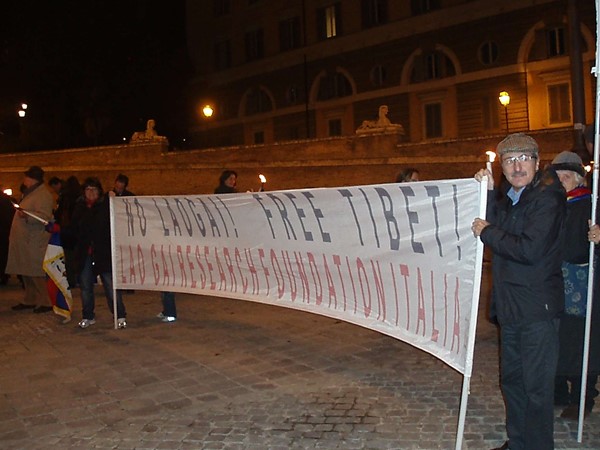
Whole Trouble – Red China invents Border disputes to justify Occupation

Red China invents Border Disputes to perpetuate Tibet’s Occupation

Red China invents these Border Disputes to legitimize illegal Occupation of Tibet

The root cause of territorial disputes in Himalayan Plateau is an Unnatural event called ‘Occupation’ that shattered Tibet’s experience of Natural Balance, Natural Order, Natural Equilibrium, Natural Harmony, Natural Peace, and Natural Freedom. India and Bhutan must primarily focus upon return of Tibet to its Natural State or Condition, a condition that never threatened the existence of its immediate neighbors. Red China invents these Border Disputes to legitimize illegal Occupation of Tibet

Red China invents these Border Disputes to legitimize illegal Occupation of Tibet

Clipped from: https://www.washingtonpost.com/world/asia_pacific/china-pushes-hard-in-border-dispute-with-india/2017/07/06/52adc41e-619b-11e7-80a2-8c226031ac3f_story.html?utm_term=.9bc54d806201

Red China invents these Border Disputes to legitimize illegal Occupation of Tibet

China pushes hard in border dispute with India

The Washington Post

Red China invents these Border Disputes to legitimize illegal Occupation of Tibet


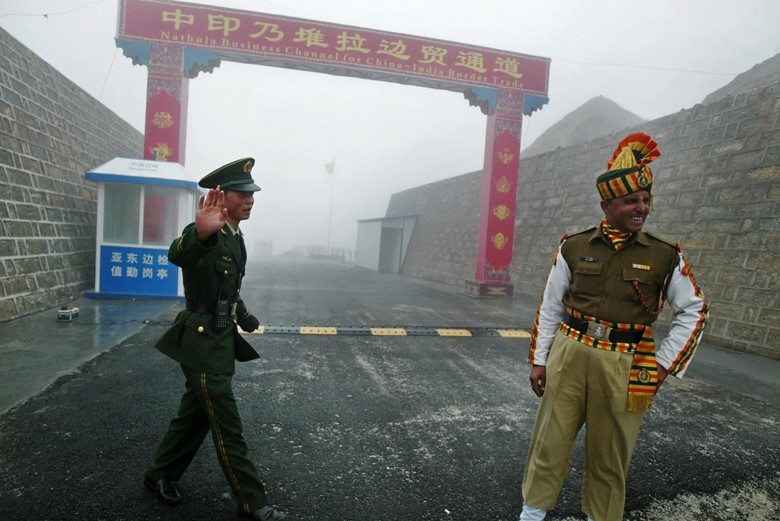
This photo from 2008 shows a Chinese soldier, left, next to an Indian soldier at the Nathu La border crossing between India and China. (Diptendu Dutta/Agence France-Presse via Getty Images)
NEW DELHI — Their meeting is likely to be all smiles and polite handshakes, as world leaders look on. But as Indian Prime Minister Narendra Modi and his Chinese counterpart Xi Jinping left for Friday’s Group of 20 summit in Hamburg, tensions between the rising Asian powers had escalated over a patch of disputed territory claimed by both China and the tiny Himalayan kingdom of Bhutan.

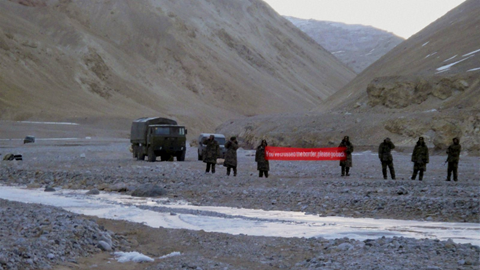
Border scuffles between India and China have simmered in the past, but analysts from both sides said the latest spat has the potential to spiral into conflict between the two nuclear-armed nations. So far, the countries’ troops, who are usually unarmed to avoid provocation, have engaged in what is known as “jostling,” when soldiers attempt to physically push rivals back.

The standoff began at the end of June, while Modi was meeting President Trump, prompting some Indian analysts to wonder whether the timing had anything to do with China’s disdain for India’s increasingly close ties to the United States.

“The Chinese are making their unhappiness clear on India and America’s relationship,” said Sameer Patil, director at an India-based foreign policy think tank called Gateway House.

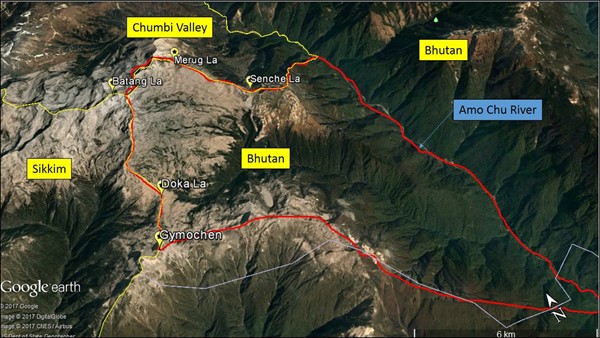
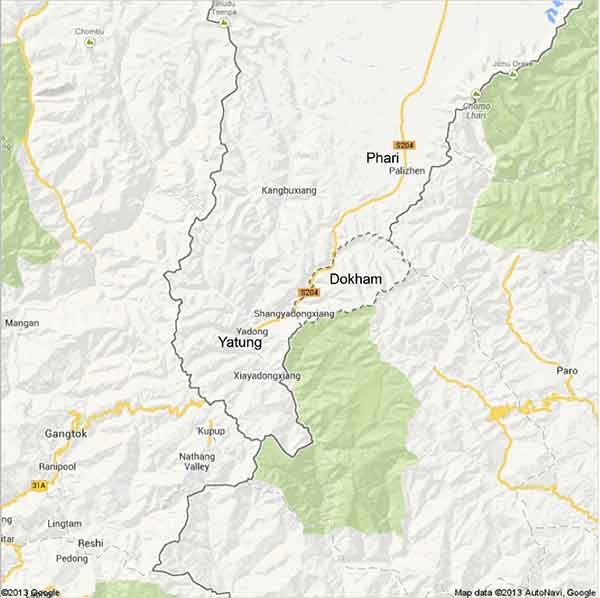
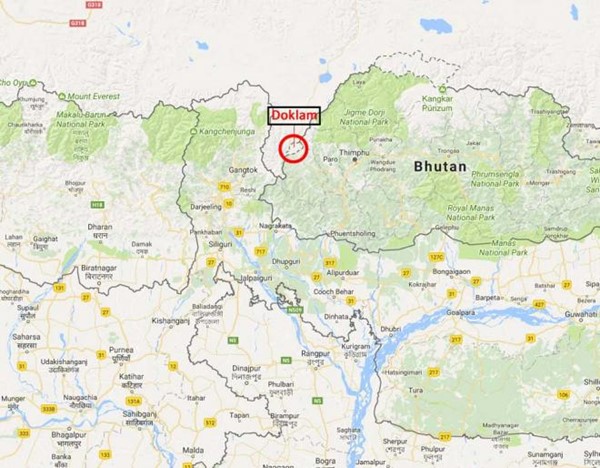
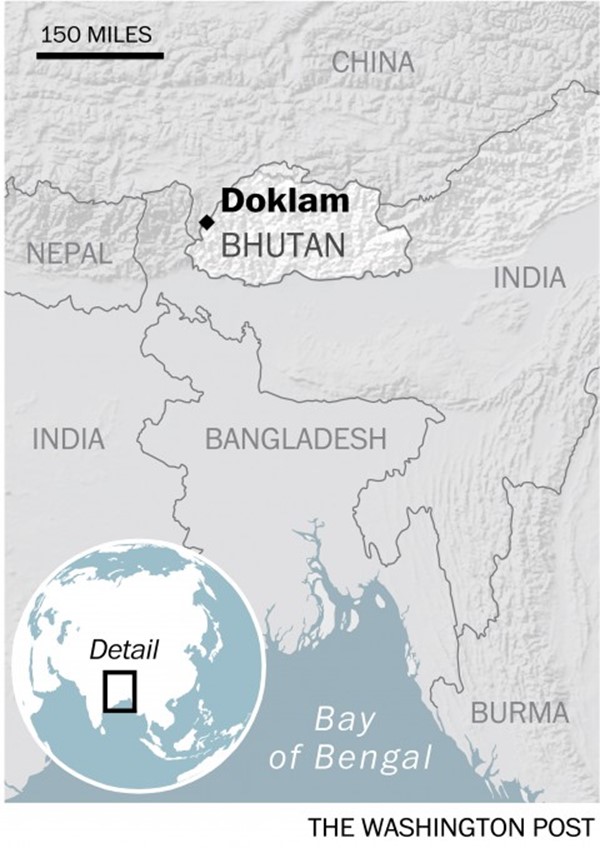
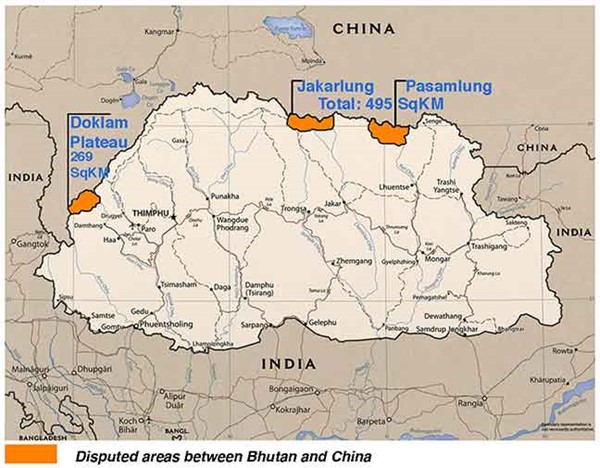
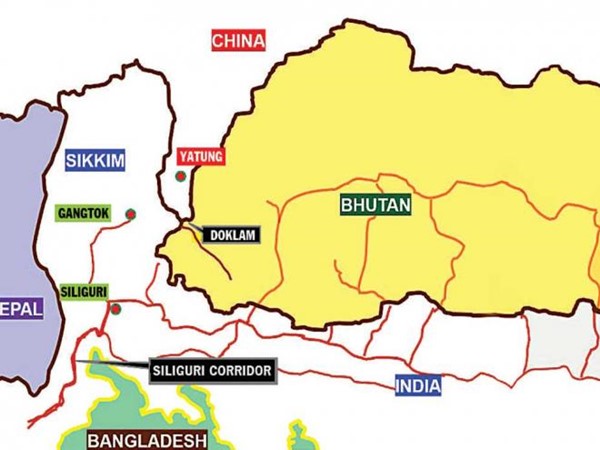
The dispute started after Chinese construction trucks, accompanied by soldiers, rolled south in the disputed region of Doklam to build a road. India and Bhutan consider the region to be Bhutanese territory; China claims the land as its own. The countries disagree on the exact location of the “tri-junction,” where the three borders meet.

Red China invents these Border Disputes to legitimize illegal Occupation of Tibet

The argument bears some of the hallmarks of China’s efforts to fortify islands in the disputed South China Sea, where it has riled the Philippines and Vietnam and risked confrontation with the U.S. Navy.

India and Bhutan have traditionally been close allies; India often provides the small country with financial and military assistance. It was the first country Modi visited after being elected.

Indian analysts say China’s move in Doklam threatens a narrow sliver of strategically important land, known as the “chicken’s neck,” which connects central India to its remote northeast. In response to what it believed was extraterritorial Chinese road-building, New Delhi sent reinforcements supporting Bhutan — according to ex-Indian army officials, at Bhutan’s request.

Chinese officials say India’s intervention amounted to a provocation, violating an 1890 treaty with Britain that appears to grant China access to the region. According to Chinese Foreign Ministry spokesman Geng Shuang, the pact was affirmed by Indian leaders after independence.

“As to the boundary negotiation between China and Bhutan,” he said Wednesday, “we have repeatedly stated that Doklam has always been part of China’s territory and under China’s effective jurisdiction without disputes.”

The government’s messages were bolstered by stern statements in China’s state-run media. The Global Times newspaper printed a furious editorial warning India of China’s military might. “The Indian military can choose to return to its territory with dignity, or be kicked out of the area by Chinese soldiers,” it said.

Wang Dehua, from the Shanghai Municipal Center for International Studies, said, “By continuing to increase deployment of troops at the border, India once again underestimates China’s capability and determination to safeguard its territory. It also fails to estimate the cost of confrontation.”

Hopes for a discussion between Modi and Xi on the Doklam dispute on the sidelines of the G-20 summit were scuppered after Indian media reported that the government had not requested a one-on-one meeting. Instead, Xi and Modi will meet among leaders from other G-20 countries to discuss international issues.

“China has taken a very stubborn attitude, and there is little appetite in India to accommodate China’s behavior,” Patil said.

Modi had come into office with high hopes of building Sino-
Indian relations; experts called him the most pro-China prime minister since the two countries’ 1962 border war. Xi met Modi in India in 2014 shortly after the latter was elected, in the first visit by a Chinese leader in eight years.

Instead, the two nations have become increasingly suspicious of one another. During Modi’s recent visit to the United States, a deal was struck to buy surveillance drones that could be used to monitor Chinese naval activity in the Indian Ocean. In April, China fulminated over the Dalai Lama’s tour of Arunachal Pradesh in northeast India, known in China as south Tibet. China considers the Dalai Lama an opponent and a separatist whose power threatens its control over Tibet.

India also refused to join China’s “One Belt, One Road” program, a massive infrastructure project involving 70 countries aimed at reviving old Silk Road trade routes. Plans include an improved connection between China and Pakistan and would allow Pakistan access to other countries in Central Asia.

China, on the other hand, blocked efforts to designate a Pakistan-based militant outfit, Jaish-e-Muhammad, as a terrorist organization. It has also stood in the way of India’s bid for membership in the Nuclear Suppliers Group, an organization of countries that supply — and control — the export of nuclear materials, equipment and technology.

China has billions of dollars in investment deals with Sri Lanka and Nepal and this year took part in a joint military training exercise with Nepal. India considers both neighbors to be allies.

“I think the root cause is that the Chinese feel that their moment has arrived and that they do not need to accommodate Indian interests in any way, given the huge power differential in their favor,” said India expert Ashley Tellis, senior fellow at the Carnegie Endowment for International Peace. “Chinese suspicion that India was casting its lot entirely with the United States has only intensified Beijing’s determination to be even less accommodative towards New Delhi.”

Politically, neither Modi nor Xi can be seen to be giving in to the other’s demands. Modi’s nationalist government has insisted upon maintaining the integrity of Indian borders, banning maps and representations of disputed regions in the north. Xi, too, cannot be seen to be relenting on what the Global Times called “unruly provocations” from India, as he prepares to face a Chinese Communist Party conference in the fall.

Denyer reported from Beijing.

China demands India leave Himalayan plateau in rising spat

Red China invents these Border Disputes to legitimize illegal Occupation of Tibet

Whole Awareness – The Burden of Tibet’s Unequal Yoking

The Burden of Tibet’s Unequal Yoking

TIBET AWARENESS – UNEQUAL YOKING. TIBET IS SUBJECT TO BURDEN IMPOSED BY UNEQUAL YOKING WITH A MONSTROUS BEAST, UNEQUAL IN SIZE AND POWER.

Red China, using military force, yoked with Tibet. To perform farm work, farmers generally use two animals of same type, size, and strength to get work done without imposing unequal burden on animals yoked together. Red China is a huge, monstrous beast, and her Unequal Yoking with Tibet imposes burden called Subjection, Bondage, Servitude, Enslavement, Hardship, Trouble, Pain, and Suffering upon Tibetans.

TIBET AWARENESS – UNEQUAL YOKING. TIBET IS SUBJECT TO BURDEN IMPOSED BY UNEQUAL YOKING WITH A MONSTROUS BEAST, UNEQUAL IN SIZE AND POWER.

Tibet is under the Yoke of Burden, Control, Subjugation to become subservient to Red China’s Doctrine of Neocolonialism.

THINGS THAT SURPRISED ME ABOUT TIBET – FUN AND INTERESTING FACTS

Clipped from: https://www.onceinalifetimejourney.com/once-in-a-lifetime-journeys/9-things-surprised-tibet/

Tibet Awareness – Unequal Yoking. The Burden of Military Occupation.

The country at the roof of the world, was very different from what I expected. Tibet, often considered the spiritual center of the world has more Buddhist monks, stupas and gods than any other place, yet it was anything but the peaceful and calm realm I had envisioned. Not that the available online resources lie about it, but more that there is a general lack of information beyond the Dalai Lama and the Chinese-Tibetan political situation, so my mind veered towards red-robed monks and the magical image of the Potala Palace. The list of things that surprised me about Tibet is quite long, but I will attempt to highlight the most relevant, the top 17 things that most people don’t know about Tibet or that will surprise any traveler to the oft-called Shangri-la.

1. Tibet facts – Tibet is developed and it has incredible infrastructure

Tibet Awareness – Unequal Yoking. Red China’s Subjugation of Tibet.

I visited with the utopian idea in my head that Tibet was going to be a peaceful and isolated place resembling Bhutan. But Tibet, or the Tibetan Autonomous Region, is a Chinese occupied territory that became part of China in 1950 and, as a result, for good or for bad, infrastructure has developed dramatically. Even the road that leads to the world’s highest mountain, Everest, is paved almost all the way, a far cry from the 9-14 day trek from Lukla Airport (the world’s most dangerous airport) to reach the Nepalese equivalent. In fact, we drove all the way to 5,200m to the tourist Everest Base Camp. Roads throughout the country are smooth and paved, including the Friendship Highway that links Shanghai with Kathmandu and runs for 5,900km, practically crossing Tibet.
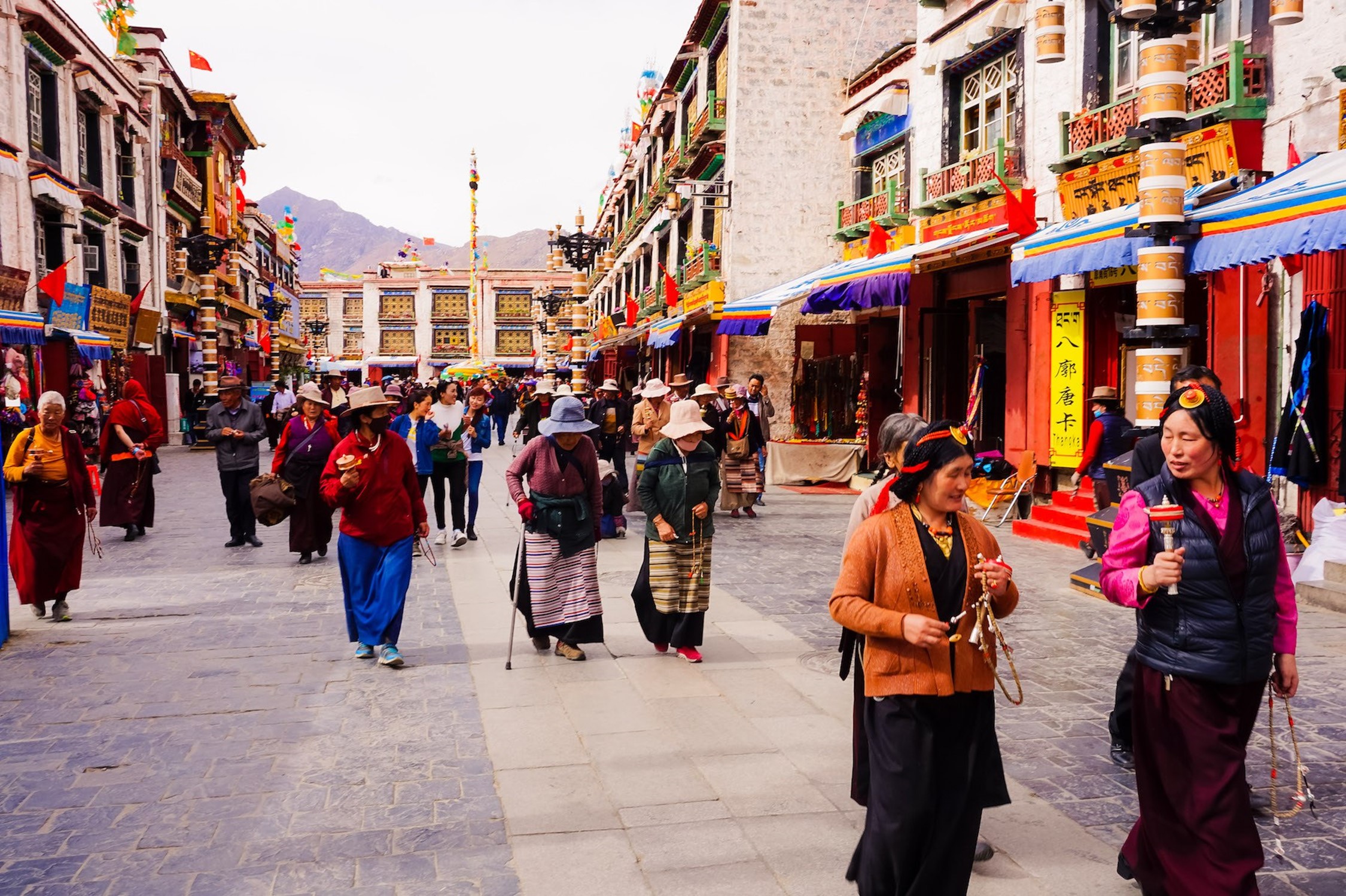
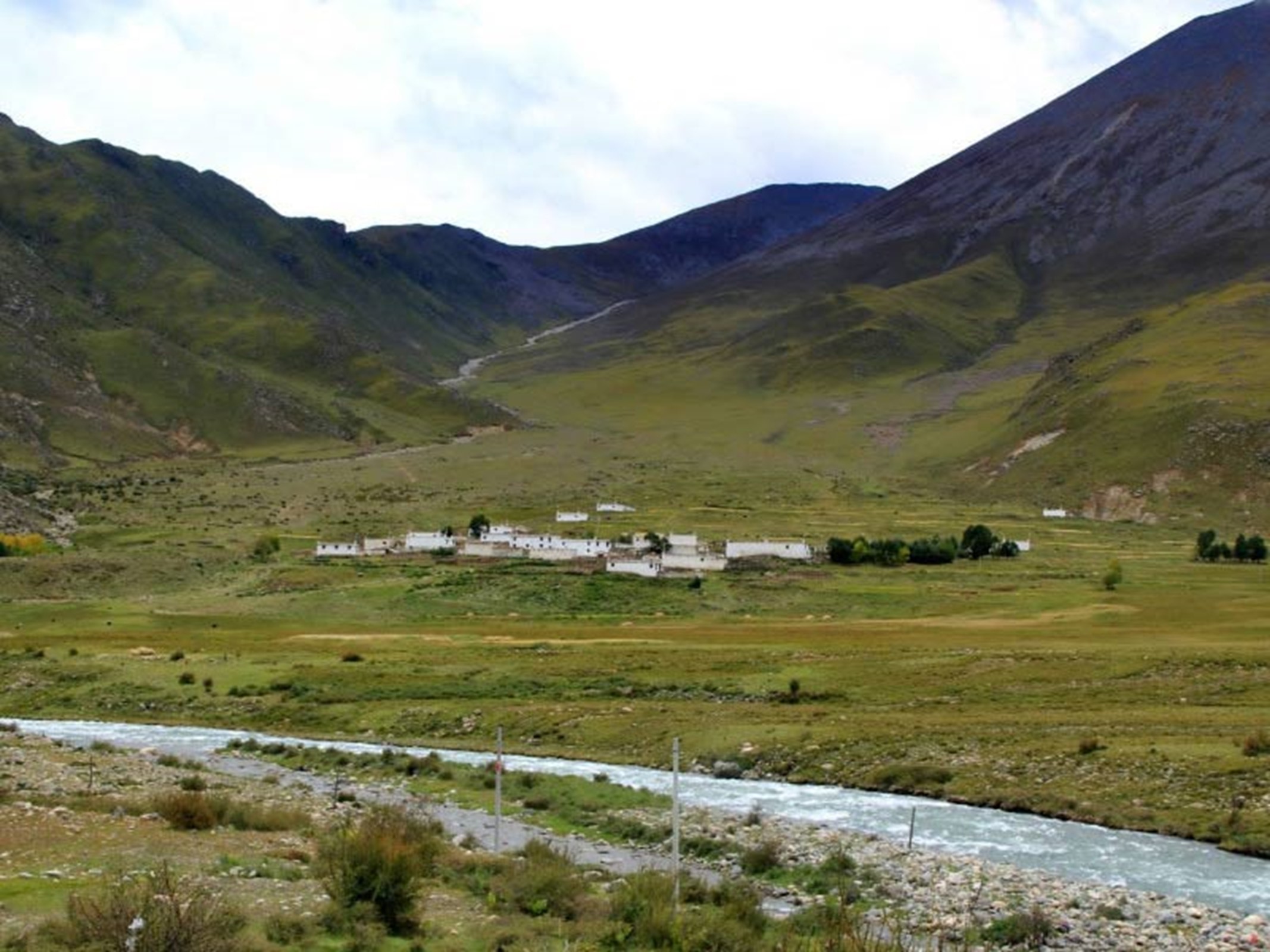
Countless electricity lines crisscross the arid landscapes, at times, several electricity posts slashed my photographs. Even the most remote of villages have electricity and solar panels. Why? Tibet is China’s richest province, with deep reserves of gold, copper and other precious and valuable resources and infrastructure is essential to mine and exploit this natural wealth. As our train to Lhasa glided through the middle of nowhere, high up in the Tibetan Plateau, the lights of trucks carrying minerals to processing factories provided a continuous source of light in the darkest of nights. Those factories lit the horizon in sudden outbursts. Next to them, nomad villages built to accommodate the workers supporting the factories sprung as if mushrooming from the rocks and sand. There were many, and we were to see even more across Tibet.

2. Tibet facts – The issue of the Dalai Lama and the Panchen Lama

Tibet Awareness – Unequal Yoking. The Great Problem of Tibet.

The 14th Dalai Lama left Tibet after disagreement with the Chinese government about his successor, which made it too dangerous for him to stay and has lived in exile in Dharamsala, India, ever since. This shows his opposition to the occupation and his demands for true autonomy (not independence) for Tibet. The Chinese government recognizes Buddhism, a religion that is widely spread in the country despite communism, but nominated their own Panchen Lama, the successor to the Dalai Lama, in 1995, six years after the death of the previous Panchen Lama, following a traditional process using a golden urn that was used for the 10th, 11th and 12th Dalai Lamas. Their choice did not match that of the current Dalai Lama, whose successor has been kept in an unknown location in China ever since.

The Panchen Lama nominated by the Chinese Government has been receiving education in Buddhism and Tibetan culture since his enthronement at the Panchen Lama’s seat in Xigatse. His photograph can be seen across Tibet whereas having a photo of the 14th Dalai Lama is illegal and can carry fines or imprisonment. Tibetans often claim this misalignment about who the next Dalai Lama will be as the main attempt by the Chinese to eradicate Tibetan culture and identity.

3. Tibet facts – The highest country on the planet

Tibet Awareness – Unequal Yoking. Natural Freedom violated by Unnatural Occupation.

When I visited Bhutan I thought I was high. High on life, high on spirituality and high up in the mountains! One of the country’s nickname, “The Kingdom in the clouds”, clearly reflects its high altitude, with the capital at 2,300m and several peaks above 7,000m. Bhutan ranks as the highest country in the world when average altitudes are taken, despite some of the lowest parts are almost at sea level.

But that is just because Tibet is not officially recognized as a country by the UN because of Chinese veto, so it is just a region of China. Before Chinese occupation, Lhasa was the highest capital in the world as per the Guinness World Book of Records, but La Paz in Bolivia has taken that prize since Tibet became a part of China.

What makes Tibet’s altitude extra special is that, not only does it have the highest mountain in the world (Mount Everest), but also the highest average altitudes at 4,575m above sea level, the highest road, the highest toilet, the highest town (Whenzuan), the highest monastery and the highest train. Everything in Tibet is made of superlatives. We drove up mountain passes that are at 5,200m, we used the highest toilet in the world, located on the same mountain pass top, we took the train to Lhasa, which climbs to 4,500m and visited the world’s highest monastery, Rongbuk, at the foot of Everest Base Camp. Altitude is an undetachable synonym with Tibet.

4. Tibet facts – 40% less oxygen

Tibet Awareness – Unequal Yoking. Natural Conditions, Natural Factors, Natural Mechanisms, and Natural Events produce Natural Freedom in Tibet.

Tibet’s high altitude is the cause for the traveler’s worst nightmare: Altitude sickness. Because it is so high, the pressure is lower giving the sensation that there is less oxygen. I have extensively covered the topic of altitude sickness, because we felt it and felt it badly, but what I found most interesting is that it is not possible to descend in Tibet, the lowest altitude is already a whooping 3,500m above sea level.

5. Tibet facts – Permits, permits, permits

Tibet Awareness – Unequal Yoking.

Getting to Tibet is not particularly difficult. Travel restrictions have been lifted and you can go on a small private tour like I did with WildChina, without issues. It was a similar process to that for North Korea. You cannot travel independently, but you can pretty much visit anything as long as you are entering with a tour company. And, unlike North Korea, you can freely wander the streets or explore anything without a chaperon.

However, visiting Tibet does require a lot of planning ahead. You will need a Chinese visa first, which is required by almost all citizens and can take up to two weeks to process depending on your country of residence and which can be very costly (US$100 in Singapore). With a photocopy of that in hand, the travel agent will apply for a Tibetan permit which will be linked to your detailed itinerary. The permit can take anything from a week to 3 weeks so you should start the entire process about two months ahead to ensure everything is done on time as the processing timelines vary vastly from country to country (e.g. one of my friends took 2 weeks for the Chinese visa and 3 days for the Permit whereas I took 3 days for the visa and 3 weeks for the permit).

The permit is your passport into the Tibetan Autonomous Region and will be checked and rechecked a million times throughout the trip. Your guide will keep the permit with him or her throughout your stay. Every time you reach a new village the guide will be registering you, even for just one night, with the local Police, so your whereabouts are being monitored at all times. There were also 20 road checks through our 9 day journey and we were thoroughly scrutinized at the train station and airport before boarding. If you plan to visit Everest Base Camp, then you will need an additional permit and to go through a Military check-point at the park’s entry.

6. Tibet facts – Big Brother is watching

Tibet Awareness – Unequal Yoking.

The controls of visitors extend to the cars as well. All cars that take tourists around the country are owned by the government and kitted with two cameras and a radio system that communicates a central office to all the drivers. The cameras are constantly monitoring the driver and making sure that he is not doing anything against the Chinese rules. Every time the speed went above the marked limit, a message came through on the radio speakers to slow down. The speakers also shared a regular amount of updates and reminders about safety on the road. It was a constant reminder that our every move was being watched.

7. Tibet facts – Cold and high, but without snow

Tibet Awareness – Unequal Yoking.

I was expecting the landscapes to be rocky, mountainous and majestic and for the snow to cap all mountain tops but Tibetan landscapes are rather brown and grey with very little snow. In fact, although we saw some snowflakes as we traversed the highest pass, at 5,200m, the majority of the mountains were devoid of that delicate white veil that tops other mountain ranges. Our guide confirmed that it does snow very little in Tibet and that pretty much all the snow we were seeing was permanent. The glaciers, receding as a result of global warming, were also perennial. The lack of snow is caused by the high Himalayan mountains that stop the clouds from emptying their bowels and providing rain or snow.

8. Tibet facts – Tibet was not always a peaceful nation

Tibet Awareness – Unequal Yoking.

I associated Tibet with peace, not least because the Dalai Lama has been an example of opposition to the Chinese occupation, something which got him the Nobel Peace Prize. But Tibet’s past wasn’t always as spiritual and peaceful as Buddhism advocates. Tibetan Kings fought and defended Tibet from assailants for centuries. Remnants of Medieval fortresses, city walls and castles can be seen across the country. Unlike Bhutan, who was never occupied by an international power, the English had several incursions in Tibet, as did the Mongols, Indians, Afghans, Nepali and various Chinese dynasties. So monks, and the Tibetan Kings, were a fearless army defending their territory since the 17th century until the Chinese occupation in the 1950s.

9. Tibet facts – Yak meat, yak butter, yak hair

Tibet Awareness – Unequal Yoking.

Tibet’s high altitudes and harsh conditions make life extremely hard and yaks are the lifeline for most Tibetans. Yak meat, leaner and lighter than beef, is ever present. Yaks are also used for milk and butter and their hair is used to make rugs and clothes, even to weave the cover ups that protect the Potala Palace – delicate paintings and carvings from the sun. Even yak dung is collected and dried to be used as fuel in the winter months. However, yaks are an endangered species and most of the animals seen roaming the fields are actually a blend between yak and cow.

10. Tibet facts – Photos of the Dalai Lama are illegal

Tibet Awareness – Unequal Yoking.

Almost everyone has a clear image in their heads of the current Dalai Lama. However, carrying or having his photo in Tibet could lead to imprisonment and punishment. None of the houses or temples we visited had any. Instead, the Panchen Lama, nominated by the Chinese Government, is to be displayed in homes and businesses. The prohibition extends to the Tibetan Flag, which does not fly anywhere in the country. Bright Chinese flags are hung on rooftop of houses, next to the colorful prayer flags.

11. Tibet facts – Shangri-la is the result of a misspelling

Tibet Awareness – Unequal Yoking.

Tibet is often referred to as the Shangri-la. The word has no meaning in Tibetan, although La does mean mountain pass and is attached to the end of all passes in Tibet. The word was first coined by the writer of the most famous novel about Tibet, Lost Horizon, in 1933. James Hilton probably misunderstood the word Shambala, which has a similar meaning in Tibetan Buddhism, and wrote Shangri-la instead. Since then, the word has been assimilated to a mythical place somewhere high in the mountains, a Heaven of sorts, a paradise on Earth, and is even the brand name of a luxury hotel chain whose eponymous Lhasa hotel I stayed at during my visit.

12. Tibet facts – The prostrations

Tibet Awareness – Unequal Yoking.

I had seen some images of devout Buddhists prostrating in key Buddhist temples and landmarks but nothing could prepare me for the absolute devotion and extreme prostrations that some engage in. Some people would spend their entire day prostrating and praying, continuously kneeling down and lying flat on the floor then standing up again. Most will be dressed appropriately, with hand and knee protection to allow them to glide. At some particularly holy places, like in front of the Jokhang Monastery or the Potala Palace, some extreme devotees would prostrate in the middle of the pavement and receive donations from passers-by.

13. Tibet facts – The toilets

I cannot talk about things which surprised me about Tibet and not mention the toilets. Although there are public toilets across the cities and main road stops, they smelled so bad and were so dirty at times that we opted for the nature toilet: behind a rock (because there are no trees in the mountains). Bringing wet wipes and tissue is not enough, one needs to bring a sort of perfume to put a couple of drops under the nose to enter some of the public toilets. All of Tibet’s toilets, barring the hotels, are squat toilets consisting of a hole on the floor with a drop which may sometimes not be very long. There are no doors to the public toilets which often times will have more than one hole next to each other. You may do your thing next to someone who is doing her thing, in the open. And if that was not enough, many people miss and the toilets are never cleaned. You get the picture. This remained the main topic of discussion among my group, a source of constant jokes and laughter, as we hunted for the cleanest, least smelling holes. I will leave it there.

14. Tibet facts – Kora

Tibet Awareness – Unequal Yoking.

Tibetans go on walking and praying pilgrimages around main landmarks and monasteries. Much like the Camino de Santiago or the trip to Mecca, only shorter and more frequent. These walks are called Kora and can be taken around any monastery. The most common one is the one in Lhasa, around the Potala Palace or the Sera Monastery. Locals pray as they walk around, many of them will spin prayer wheels like in Bhutan. Some of the Kora can take up to a full day and the elderly may repeat them every day.

15. Tibet facts – Temple smell

Tibet Awareness – Unequal Yoking.

All temples and monasteries in Tibet have the same common smell of yak butter used in the butter lamps and fresh incense also burned across the country in houses and burners that can be found in public places.

16. Tibet facts – Paying for photographs

Tibet Awareness – Unequal Yoking.

In Bhutan taking photos of temples and monasteries is simply not allowed. The interiors of the Buddhist buildings are usually covered from floor to ceiling with paintings and offerings in bright colors and gold and they are incredible to see and experience and provide a deep sense of spirituality. In Tibet you can photograph almost every landmark and interior as long as you pay a donation. At first we were surprised but relaxed as the money seemed more like a voluntary donation which we diligently dropped in bowls. But in some monasteries the monks would chase us for the donation, making us drop cameras for those who did not pay to avoid any photos being taken, and the initially innocuous amount started to amount to a small fortune as some temples started to ask for up to US$350 per hall for video, like in Shigatse. At US$2-4 per hall and an average of 3-5 halls worthwhile per monasteries I probably spent upwards of US$100 in photo donations, on top of the entry tickets. Considering these were religious places that were already filled with pilgrim donations (and stacks of money were stuffed inside God’s enclosures), the additional donation started to feel a bit much.

17. Tibet facts – Commercialized Everest Base Camp

Tibet Awareness – Unequal Yoking.

I can speak for myself, who paid a handsome amount to take a helicopter to the Nepali Base Camp well before this was a commercial venture offered to tourists. But on the Tibetan side, thanks to very good infrastructure, the Base Camp has been commercialized extensively. We slept 8km from the climber’s Base Camp in a tourist tented camp which advertised free WiFi and was filled with souvenir stalls albeit it offered very basic accommodation at sub-zero temperatures without heating. The Chinese government has announced plans to build a resort, museum and helipad a few kilometers from Base Camp, in Gangkar, to offer greater comfort and drive more tourism dollars into the country, although most visitors to Tibet are still local Chinese from other provinces. Serious trekkers no longer consider Everest a hard climb since so many people are attempting and reaching the summit every year. I can tell you the acclimatization to 5,200m was very tough.

18. Tibet facts – Speed limits

Tibet Awareness – Unequal Yoking.

We regularly saw cars stopped in the middle of the road. The Chinese authorities control speed limits in a very comical and questionable way: By putting road controls and checking how long it took you to get from one to the next. The speed limits on the road are low, about 35 km/h for many roads, making the trips longer than they should take given the great infrastructure. I already discussed before that the tourism vehicles cannot surpass the speed limit and if you do, the driver gets an announcement through the radio system. But, in addition, most roads have controls. You will get a stamp on a paper with the time you crossed the previous one and the policeman will check that it took you the stipulated amount of time to cover the distance. This was not an issue for us because we were not in a rush and were making plenty of photo stops. But the locals had to stop by the side of the road to waste some time before going through controls or speed cameras.

Tibet Awareness – Unequal Yoking.


DOOMED AMERICAN CHINA FANTASY – ONE BELT, ONE ROAD TO OPPRESSION

DOOMED AMERICAN CHINA FANTASY – ONE BELT, ONE ROAD TO OPPRESSION

DOOMED AMERICAN CHINA FANTASY – ONE BELT, ONE ROAD TO OPPRESSION.

America’s participation in Red China’s One Belt, One Road Initiative accomplishes continued Occupation, Oppression, and Suppression in Tibet undermining American core values of Freedom, Peace, Democracy, and Natural Justice.

Rudranarasimham Rebbapragada
Ann Arbor, MI 48104-4162 USA
SPECIAL FRONTIER FORCE


Doomed American China Fantasy – One Belt, One Road to Oppression.


http://m.dailyhunt.in/news/india/english/oneindia-epaper-oneindia/us+u+turn+on+china+puts+india+in+a+fix-newsid-67592793?ss=twt&s=wi

US U-turn on China puts India in a fix

Doomed American China Fantasy – One Belt, One Road to Oppression.

In a step which could see India put under tremendous pressure, the United States of America has decided to take a U-Turn from its initial position and is set to participate in China’s One Belt, One Road (OBOR) initiative, being organised in Beijing.

The event, is to showcase and build momentum for its new 21st-century silk route, both land and maritime, and other similar initiatives which would lead to increasing connectivity with Asian and European countries and solidify its place in the world as a major trading partner.
In India, along with concerns over its sovereignty, it is also seen as a continuation of Chinese strategy of ‘strings of pearls’ which China uses to flex its muscle in India’s neighbourhood.

The step of the US has put India in a dilemma as the change in its stance is early signal that the Trump administration is reframing the US-China relationship, according to Jagannath Panda, from the Institute for Defense Studies and Analysis, New Delhi.

India, which is still undecided on whether to send its representatives to the event to be held this Sunday and Monday, maintains that China has not built an environment of trust to carry out the belt and road projects.

The country’s concerns on the Chinese project stem from what it perceives to be a lack of regard shown to issues raised by it that projects which are part of OBOR impinge its sovereignty.

For example, the China-Pakistan Economic Corridor, which is a part of the larger project, by which China is set to link the Xinjiang province with the Gwadar port in Pakistan and is to be built-in Balochistan, passes through Gilgit-Baltistan region which India claims as its own.

Concerns such as these have led to the serious thoughts whether to send representatives to the event or not and if yes, officials of what level are to attend. Reports have claimed that the country may be represented by junior embassy level officials.
The thinking is that even if it does not attend, it may not lead to any immediate material loss to it as OBOR is not a membership-based organisation, and may even get India praise in certain quarters for taking a principled stand.

Other than officials, academics from India may be present at the meet which is to see representation from over 50 countries including organisations such the World Bank.

The US has now decided to send senior representation to the event, with an inter-agency delegation led by Matthew Pottinger, a top adviser to the Trump administration and National Security Council senior director for East Asia to take part.

But many see it to be a trade-off between the country and China after the latter’s commitment to buy American beef as part of the Donald Trump’s 100-day plan’ agreement, and in return, the US will not only attend the event but also allow Chinese banks to expand their operation in the US.

The decision seems to be a direct result of the meeting between Trump and the Chinese President Xi Jinping when the Chinese leader visited the US last month. Chinese vice-finance minister Zhu Guangyao is reported to have said, ‘We welcome all countries to attend. And we welcome the United States’ attendance as the world’s largest economy.’

Out of the representatives of different countries, head of state’s of more than 29 countries are to be present for the programme. And now with the entry of the US into the fray, along with countries like Britain and Germany, China’s dominant position in the programme may be somewhat diluted.

Other countries that are taking part include Japan and South Korea, which have military differences with China, as well as other countries engaged in territorial disputes with China over the South China Sea issue, including Vietnam and Indonesia. Pakistan, Nepal and Sri Lanka will also take part.

China may be put under pressure on the issue of transparency as other developed countries may ask for more details related to its plans, and whether it would follow internationally accepted standards on environment and labour in the projects which include six economic corridors but have not seen any reliable map made available.

According to reports, Tom Miller, author of a recent book, China’s Asian Dream, said, ‘What actually gets built will depend on what deals Chinese companies or the government make with other countries, abroad or on the deals that the Chinese government makes with other governments abroad, and no one knows exactly what those are going to be.’

OneIndia News

Doomed American China Fantasy – One Belt, One Road to Oppression. On tibettruth.com

Doomed American China Fantasy – One Belt, One Road to Oppression. On forcechange.com