Where is Tibet? Where is the Dialogue?

WHERE IS TIBET? WHERE IS THE DIALOGUE?

Where is Tibet? Where is the Dialogue?

In my view, if China fails to recognize the existence of Tibet, there can be no dialogue between China and the Dalai Lama which is the Lawful political institution chosen by Tibetans to govern their nation. To make the dialogue happen, China must know that Tibet is not a part of China in spite of China’s occupation of Tibet since the 1950s.

Rudranarasimham Rebbapragada

SPECIAL FRONTIER FORCE
Where is Tibet? Where is the Dialogue?

It’s impossible to hold negotiations with Dalai Lama without conditions – Global Times
Where is Tibet? Where is the Dialogue?

It has been reported that US Ambassador to China Terry Branstad paid an official visit to China’s Tibet Autonomous Region in May. Yet it is hard to figure out his true feelings about Tibet. On the one hand, he spoke positively of Tibet’s economic and social development, which disproved the Dalai Lama group’s lie about the destruction of Tibet’s environment by the Qinghai-Tibet Railway. On the other, he repeated the hackneyed remarks of the US government, “I encourage the Chinese government to engage in substantive dialogue with the Dalai Lama or his representatives, without preconditions, to seek a settlement that resolves differences.”

The problem lies not only in Ambassador Branstad’s interference in China’s internal affairs, but also in his understanding of “seeking a settlement that resolves differences without preconditions” and “substantive dialogue.”

The Dalai Lama group takes splitting the country as its goal. However, the Central Committee of the Communist Party of China (CPC) has not closed its door of contacts and negotiation with the Dalai Lama. Yet the proposed negotiation comes with preconditions. 

First, it must be made clear that in nature, contact and consultation are not talks between China’s central government and the Tibetan government-in-exile or “Central Tibetan Administration,” nor are “Tibetan-Han Talks” or “Tibetan-China Talks.” The Dalai separatist political group is illegitimate and ineligible to have a “dialogue” with representatives of the CPC Central Committee. 

Second, it needs to be clarified that the Dalai Lama must accept Tibet as an integral part of China, abandon all attempts about so-called Tibet independence, stop all separatist and destructive activities, and recognize Taiwan as an integral part of China. 

The two preconditions mentioned above underline that there is no so-called Tibet issue but just the problem of the Dalai Lama. The Dalai group, whose existence is against the Chinese Constitution, is not at all eligible to discuss Tibetan affairs with the CPC Central Committee.

While suggesting that the Chinese government engage in a “substantive” dialogue with the Dalai Lama, Ambassador Branstad, like his government, has once again avoided explaining what a “substantive” issue is.

The “substantive” issues in the eyes of the Dalai Lama at least include denying that Tibet has been a part of China since ancient times; defining Tibet as a “state” occupied by China; demanding his “rule” be extended to the whole of Tibet, Qinghai, as well as two autonomous prefectures in Sichuan, one in Yunnan and one in Gansu – an area equal to one fourth of China’s territory; requiring the People’s Liberation Army (PLA) withdraw from Tibetan areas and make it a so-called international zone of peace under the control of Western countries; requiring all the Han people who settled down in Tibet return to where they came from – in other words, to implement ethnic cleansing in all Tibetan areas.

If the US government insists that “substantive” dialogue means meeting all the aforementioned requests of the Dalai Lama, then its hopes would be dashed. 

During his visit to Tibet, Branstad met with the leaders of the Tibet Autonomous Region and Lhasa city, visited local communities, educational and cultural institutions and religious sites, which at least improved his understanding of Tibet. I believe that the knowledge he gained from the trip will help him in his career. 

Since the peaceful liberation, especially since the reform and opening-up, Tibet has witnessed rapid economic and social development, with people’s livelihood improving and the environment getting better and better. From my point of view, China could and should create conditions for more foreigners to visit Tibet and encourage them to draw their own conclusions based on what they see. Tibet’s door has always been open to foreigners. Though under special situations when the Dalai clique has created a disturbance, administrative measures are enhanced for a certain period of time, but after that, the further opening-up follows. 

We must start from the needs of stability and development in Tibet. Of course, we hope that more foreign friends will know about Tibet and foreign media will report positive things about the region. But the most important thing is to avoid violating the interests of the country and the people.

The author is former head of the Ethnic and Religious Affairs Committee of the National Committee of the Chinese People’s Political Consultative Conference.

Where is Tibet? Where is the Dialogue?

THE SPIRITS OF SPECIAL FRONTIER FORCE ASK THE US TO TALK TO THE DALAI LAMA

THE SPIRITS OF SPECIAL FRONTIER FORCE ASK THE US TO TALK TO THE DALAI LAMA

The Spirits of Special Frontier Force ask the US to talk to the Dalai Lama.

I thank the US Ambassador Terry Branstad for inviting China to talk to the Dalai Lama. The Spirits of Special Frontier Force invite the US President Donald Trump to talk to the Dalai Lama.

Rudranarasimham Rebbapragada

Special Frontier Force

US Envoy Makes Rare Visit to Tibet

Clipped from: https://www.voanews.com/a/us-envoy-makes-rare-visit-to-tibet/4932845.html

The Spirits of Special Frontier Force ask the US to talk to the Dalai Lama.

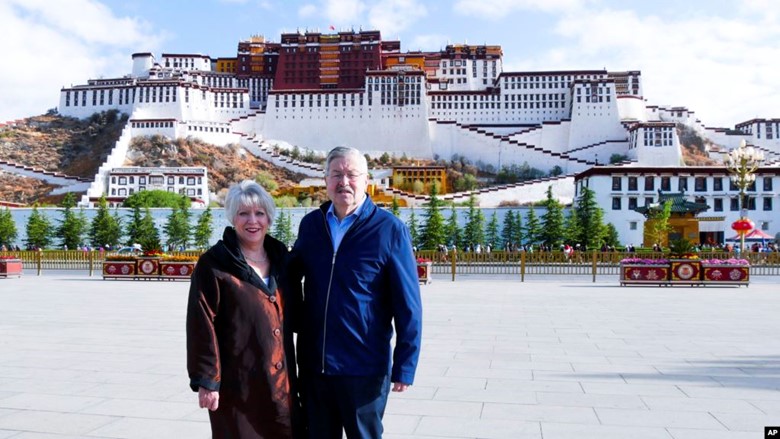
U.S. Ambassador to China Terry Branstad and his wife, Christine, pose in front of the Potala Palace in Lhasa in western China’s Tibet Autonomous Region, May 22, 2019.

In a rare visit to Tibet, U.S. Ambassador to China Terry Branstad urged Beijing to engage in substantive dialogue with exiled Tibetan Buddhist leader the Dalai Lama, a spokesperson to the U.S. Embassy said Saturday.

Branstad also “expressed concerns regarding the Chinese government’s interference in Tibetan Buddhists’ freedom to organize and practice their religion,” an embassy statement said.

The U.S. envoy also raised long-standing worries about the lack of consistent access to the Tibetan Autonomous Region, or TAR.

The Spirits of Special Frontier Force ask the US to talk to the Dalai Lama.

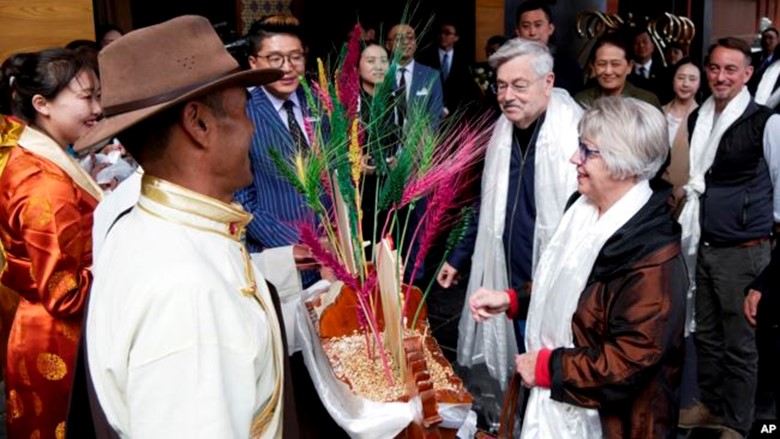
U.S. Ambassador to China Terry Branstad and his wife, Christine, are greeted in Lhasa in western China’s Tibet Autonomous Region, May 21, 2019. Branstad made a rare visit to Tibet to meet local officials and raise concerns about restrictions on Buddhist practices and the preservation of the Himalayan region’s unique culture and language.

China restricts access to Tibet by foreigners, especially journalists and diplomats. But, during the trip hosted by the Tibet Autonomous Region government, Branstad was given access to important religious and cultural sites, including the Potala Palace, Jokhang Temple, Norbulingka and Sera Monastery in the Tibetan capital, Lhasa. He also met with senior Tibetan religious and cultural leaders, the embassy said.

In addition to the TAR, Branstad also visited neighboring Qinghai province. Qinghai is a traditionally Tibetan region also known as Amdo and the birthplace of the Dalai Lama, Tibet’s exiled Buddhist leader.
The Chinese government is accused of committing human rights violations and imposing harsh restrictions on the practice of religion and culture in the region. But Beijing insists that Tibetans enjoy extensive freedoms and economic growth.

Regarding the U.S. envoy’s trip, Chinese Foreign Ministry spokesman Lu Kang said China welcomed Branstad to witness the “earthshaking changes in the people’s production and life since Tibet’s peaceful liberation more than 60 years ago.”

Branstad’s trip to Tibet was the first to the region by an American envoy in four years. The rare visit to the TAR and neighboring Qinghai province began May 19 and ended Saturday.

The Spirits of Special Frontier Force ask the US to talk to the Dalai Lama.


THE SUPREME RULER OF TIBET RETURNS TO HIS BASE

THE SUPREME RULER OF TIBET RETURNS TO HIS BASE

The Supreme Ruler of Tibet returns to his base after treatment in a hospital for a chest infection.

Rudranarasimham Rebbapragada

SPECIAL FRONTIER FORCE

DALAI LAMA BACK HOME AFTER TREATMENT IN A HOSPITAL

Clipped from: https://home.bt.com/news/world-news/dalai-lama-back-home-after-treatment-in-hospital-for-chest-infection-11364357764794

Hundreds welcomed him home as he described the ailment as ‘a little bit serious’.

The Supreme Ruler of Tibet returns to his base after hospital treatment.

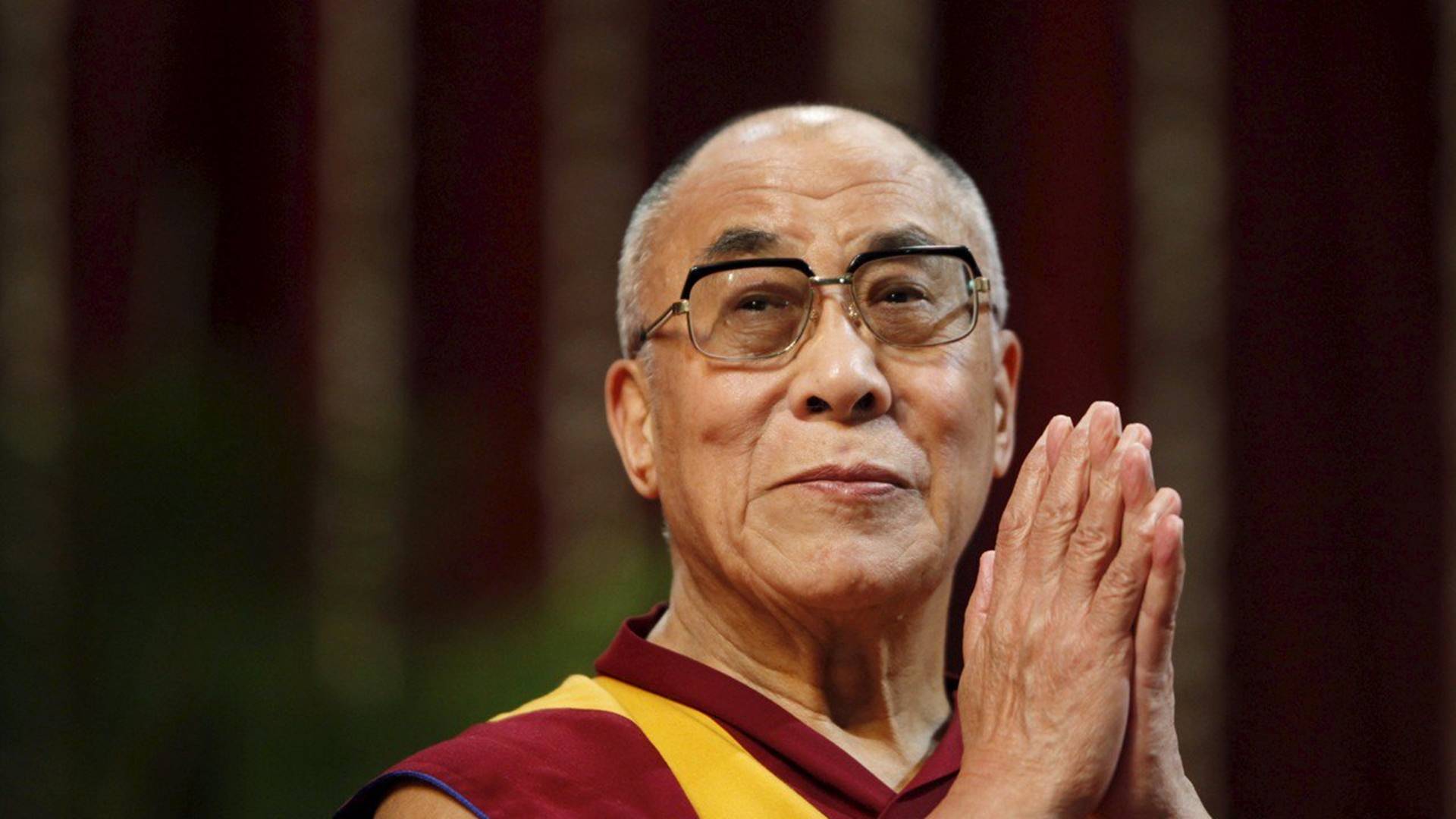
The Dalai Lama has returned to his headquarters in the north Indian hill town of Dharmsala after a brief stay in a hospital in the capital for treatment of a chest infection.

Hundreds of exiled Tibetans lined the streets of Dharamsala carrying ceremonial scarves and incense sticks to welcome the Dalai Lama on Friday.

The 83-year-old Tibetan spiritual leader told reporters that he had fully recovered, but that the illness had been “a little bit serious”.

The Supreme Ruler of Tibet returns to his base after hospital treatment.

The Dalai Lama described the illness as ‘a little bit serious’ (Chris Radburn/PA)

He did not give any details.

The Dalai Lama usually spends several months a year traveling the world to teach Buddhism and highlight Tibetans’ struggle for greater freedom in China.

But he has cut down on his travels in the past year to take care of his health.

TOUGH TIMES NEVER LAST, BUT TOUGH PEOPLE DO: THE ENDURING SAGA OF THE DALAI LAMA

TOUGH TIMES NEVER LAST, BUT TOUGH PEOPLE DO: THE ENDURING SAGA OF THE DALAI LAMA


Sixty Years ago, His Holiness the 14th Dalai Lama survived a very tough ordeal to serve his Land and People to the best of his abilities.


Rudranarasimham Rebbapragada

SPECIAL FRONTIER FORCE


Clipped from: https://www.theguardian.com/theguardian/2011/apr/01/archive-dalai-lama-flees-to-india-1959


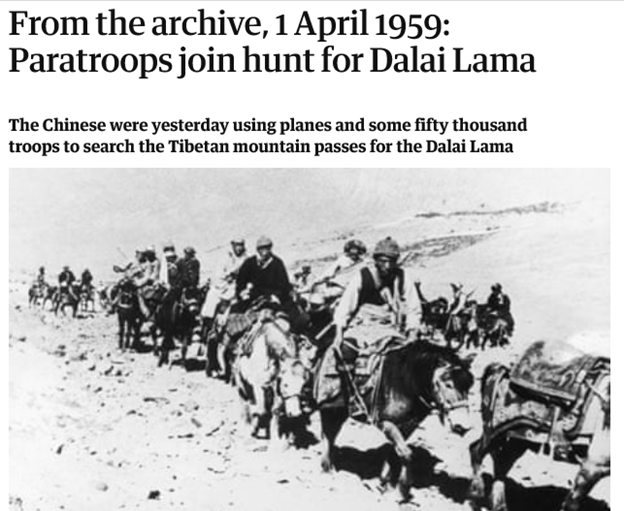
 The 14th Dalai Lama flees from Tibet to India across the Himalayas, 1959. He is riding a white pony, third from the right. Photograph: Popperfoto/Getty Images

The Chinese were yesterday using planes and some fifty thousand troops, including paratroops, to search the Tibetan mountain passes for the Dalai Lama. But according to reports from Kalimpong, in North-east India, the Tibetan religious leader, moving only by night, was expected to cross the frontier within a few days.

Meanwhile in New Delhi, Mr. Silun Lukhangwa, a former Tibetan Premier, said it was hoped to send a delegation to the United Nations to protest against Chinese action in his country. He was speaking after two Tibetan groups had appealed for Indian aid in the crisis in an interview with Mr. Nehru. An Indian official press release merely said: “Mr. Nehru spoke to them briefly, expressing the hope that the present difficulties in Tibet would end peacefully. He made it clear that India was not in a position to intervene and in fact would not like to take any steps which might aggravate the situation there.”

The Dalai Lama is accompanied on his flight by his mother and sisters, as well as most members of the Tibetan Cabinet, it was learned yesterday. His progress on the 200-mile trek to safety is slow, but it was believed in Kalimpong yesterday that reports that he had been injured in a fall were incorrect. The territory through which he is believed to be moving is the roadless mountainous region of the Tibetan plateau, south-east of Lhasa, bordering Bhutan and the Indian North-east Frontier Agency. The Indian north-east frontier region has been closed to anyone without a permit, and it was stated in New Delhi that no permits could be issued at present.

Reports said the Chinese were dropping paratroopers in an effort to intercept the Dalai Lama. Other troops were going from village to village and monastery to monastery “harassing” inhabitants and monks to try to extort information about him. Strong cordons of Chinese soldiers were being thrown round many monasteries, including the one at Rongbuk, near Mount Everest.

The Tibetan delegation gave Mr. Nehru a memorandum asking him:

1. To lend his active support in securing the personal safety of the Dalai Lama.

2. To send immediately a mercy mission to Tibet with medical supplies.

3. To sponsor the Tibetan cause before the United Nations.

4. To permit Tibetan refugees to cross over freely into India.

It was thought in New Delhi that Mr. Nehru might well pass on the memorandum to the Chinese for their information. The Tibetan groups’ leader, Mr. Lukhangwa, told reporters: “The Dalai Lama’s wishes are the wishes of the people of Tibet. Whatever he says, we will follow him.”


THE EXILED TIBETAN RULER LIVES IN THE HEARTS OF NATIVE TIBETANS

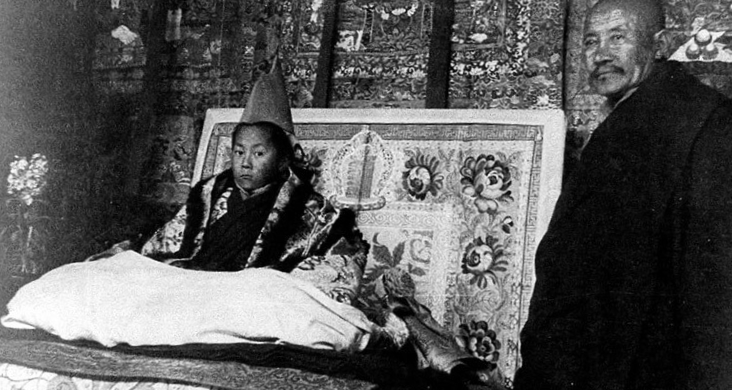
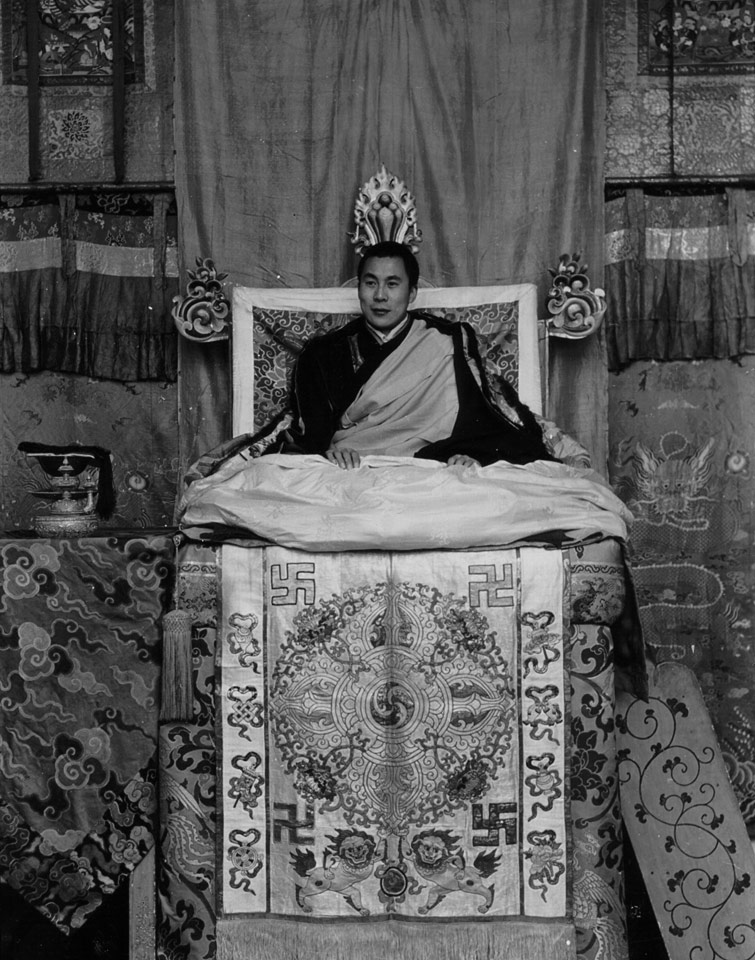
The Official Enthronement Ceremony of the 14th Dalai Lama in Lhasa.
THE EXILED TIBETAN RULER LIVES IN THE HEARTS OF NATIVE TIBETANS

Six decades ago, the Supreme Ruler of Tibet, His Holiness the 14th Dalai Lama was forced to live in exile. He still lives in the hearts of native Tibetans of Occupied Tibet.

Rudranarasimham Rebbapragada

SPECIAL FRONTIER FORCE

Clipped from: https://www.reuters.com/article/us-china-tibet-idUSKBN1QT32M

After 60 years in exile, Dalai Lama’s still remembered in his homeland

Philip Wen

TAKTSER, China (Reuters) – It may have been six decades since the Dalai Lama fled into exile, but in the isolated mountain hamlet where he was born, he remains very much on the minds of devotees and Chinese authorities alike.

The Exiled Tibetan Ruler lives in the hearts of the Native Tibetans in Occupied Tibet.

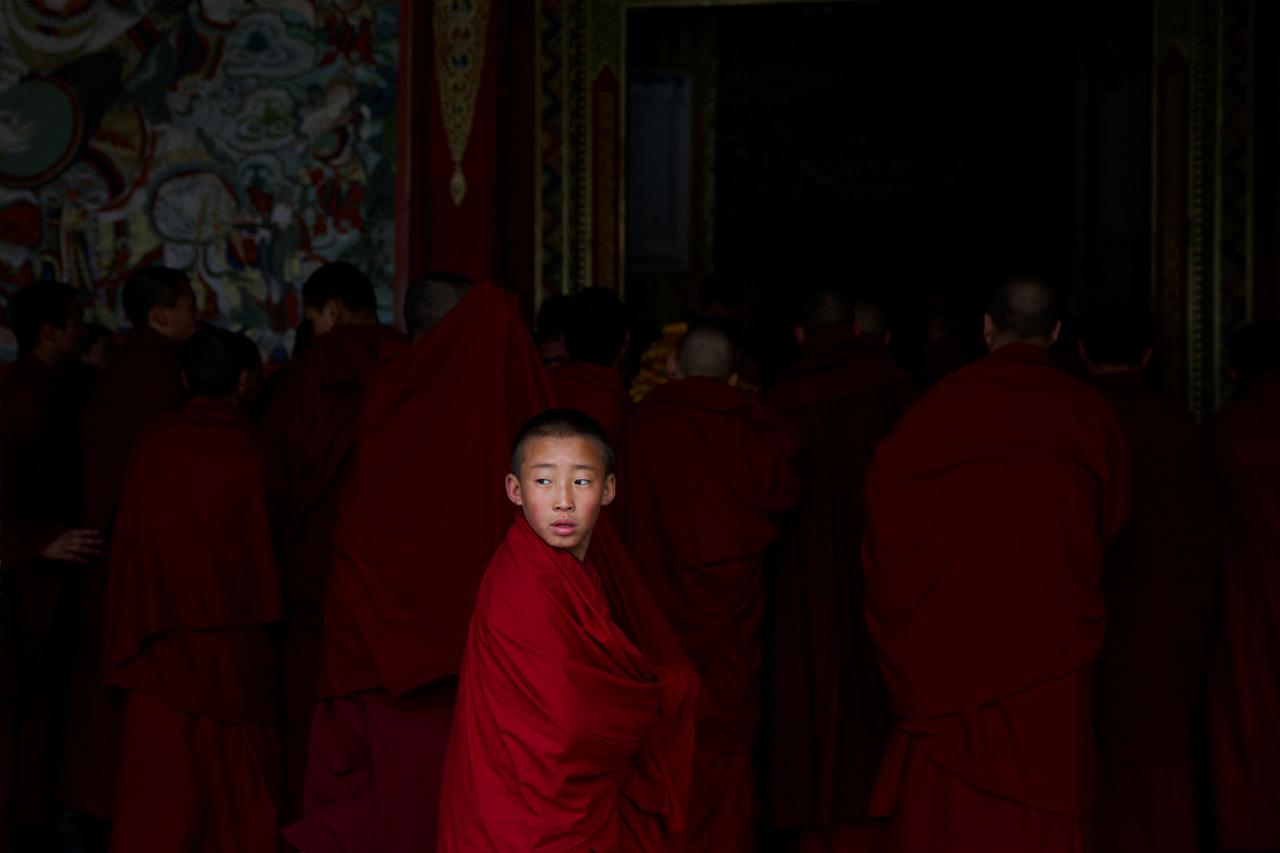
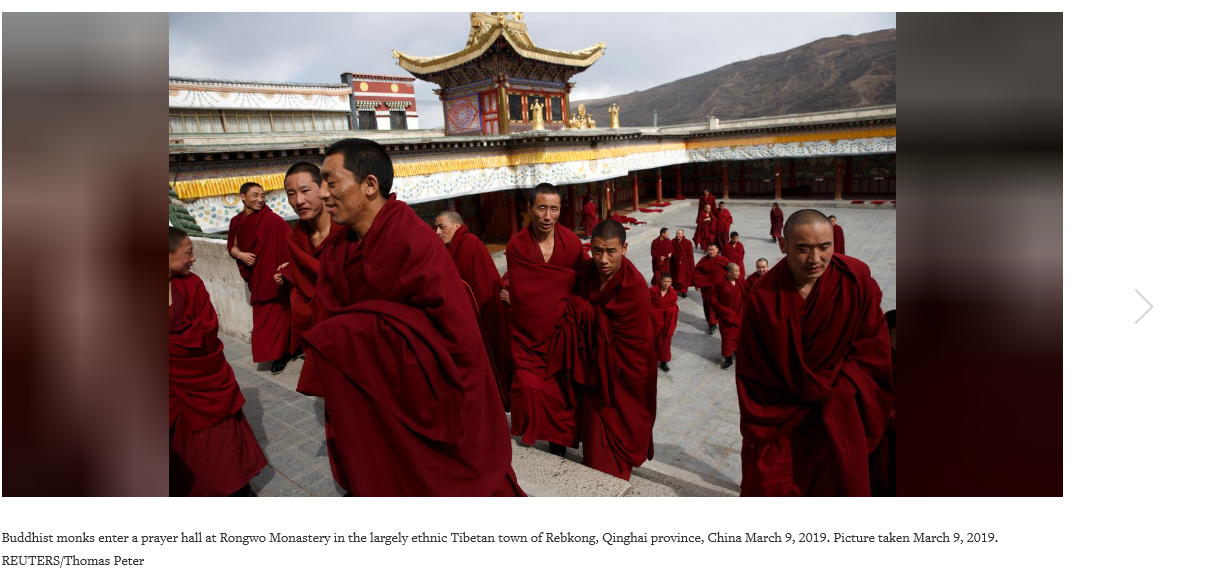
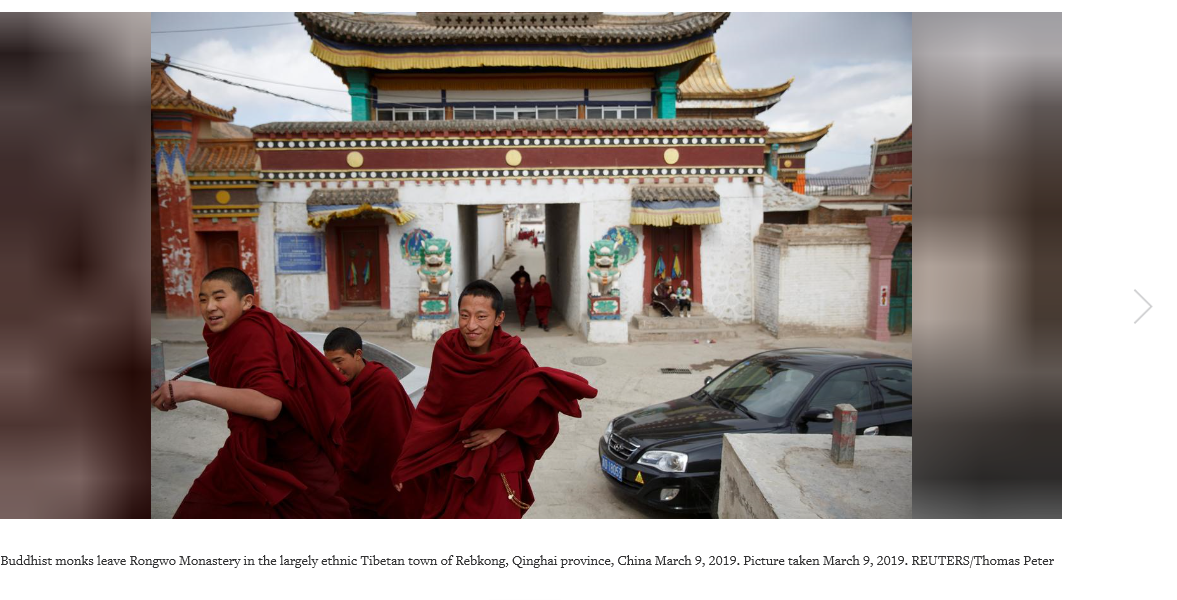
Buddhist monks enter a prayer hall at Rongwo Monastery in the largely ethnic Tibetan town of Rebkong, Qinghai province, China March 9, 2019. The picture was taken on March 9, 2019. REUTERS/Thomas Peter

On the northeastern edge of the Tibetan plateau, Taktser, in Qinghai province, where the Dalai Lama was born in 1935 to parents who farmed buckwheat and barley, is a magnet to worshippers and foreign tourists – and security personnel.

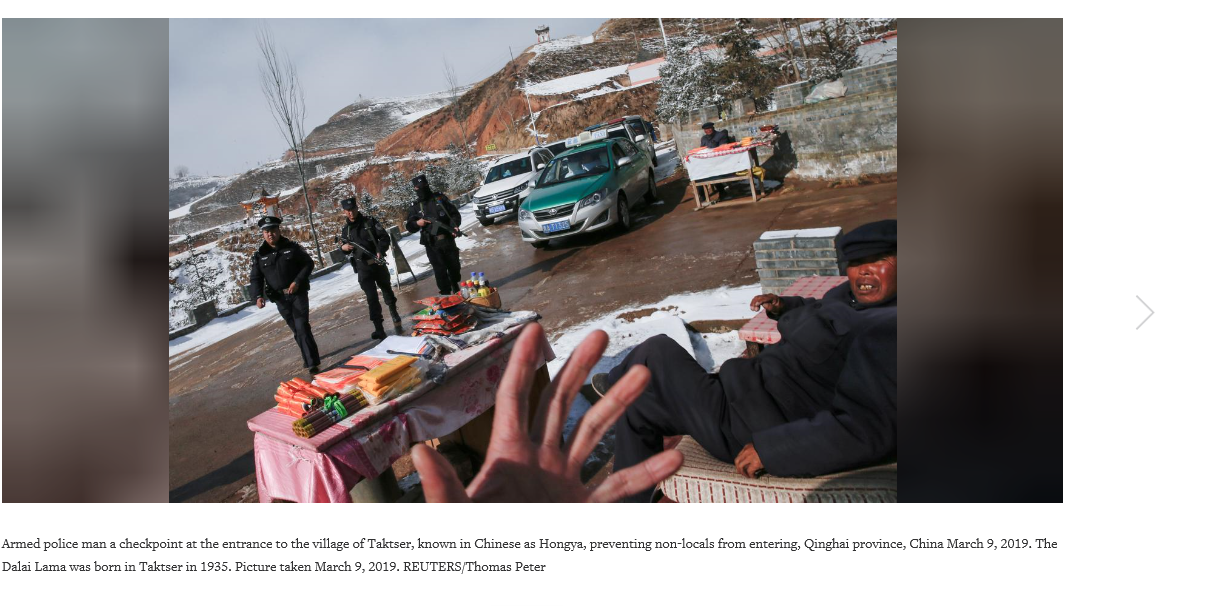
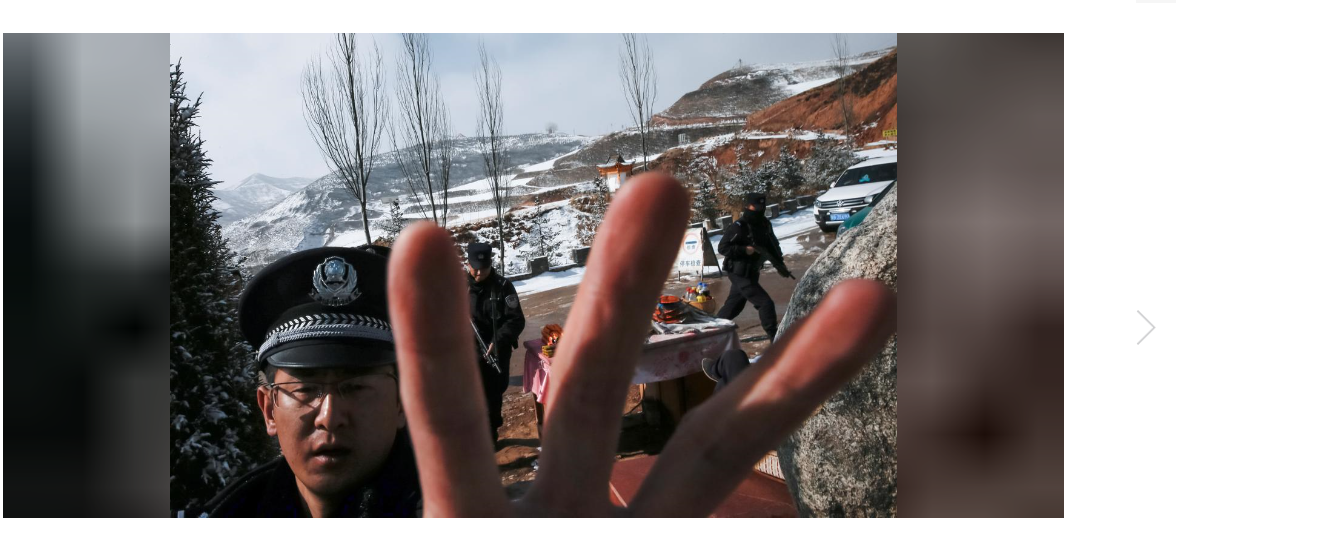
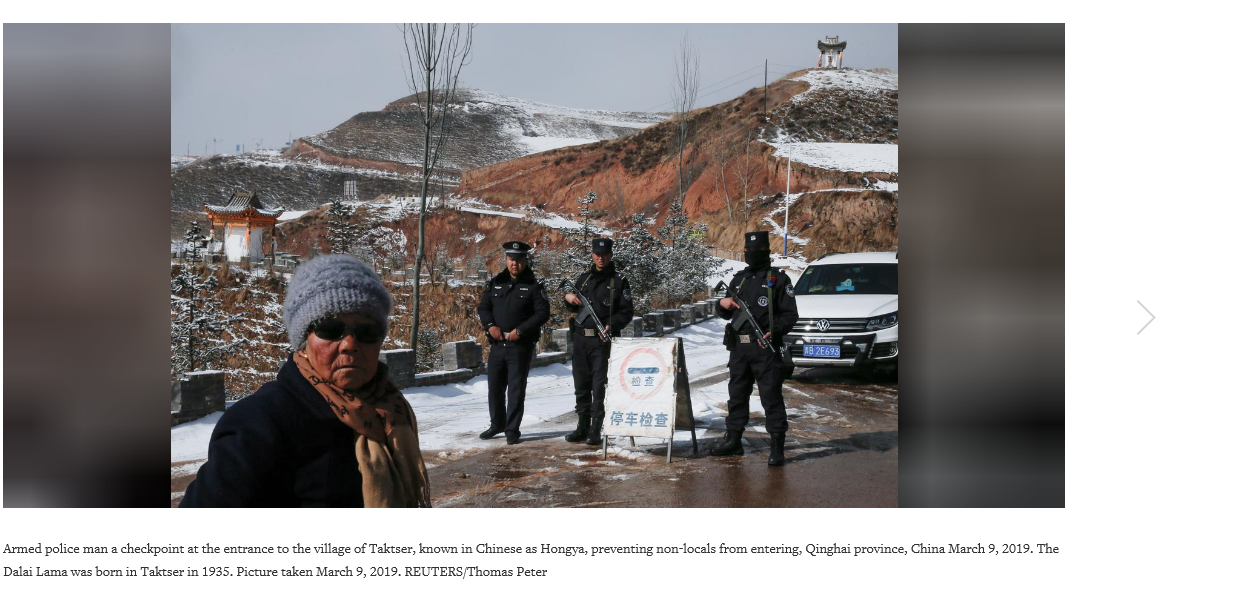
During a recent Reuters visit to Taktser, known in Chinese as Hongya, police armed with automatic weapons blocked the winding road leading into the village of some 60 houses.

The Exiled Tibetan Ruler Lives in the hearts of the Native Tibetans in Occupied Tibet.

Police and more than a dozen plain-clothed officials who declined to identify themselves refused Reuters entry, saying the village was private and not open to the public.

The Qinghai government and China’s State Council Information Office, which doubles as the Communist Party’s spokesman’s office, did not respond to requests for comment.

Beijing views the Nobel Peace Prize laureate as a dangerous separatist and has denounced the 83-year-old spiritual leader as a “wolf in monk’s robes”. The Dalai Lama denies espousing violence and says he only wants genuine autonomy for Tibet.

The Exiled Tibetan Ruler Lives in the hearts of the Native Tibetans in Occupied Tibet.

Many of China’s more than 6 million Tibetans still venerate the Dalai Lama, despite government prohibitions on displays of his picture or any public display of devotion.

This Sunday marks 60 years since the Dalai Lama, disguised as a soldier, fled the Potala Palace in Lhasa, the Tibetan capital after rumors that Chinese troops were planning his abduction or assassination fomented an abortive popular uprising.

The Dalai Lama crossed into India two weeks later and has not set foot in Tibet since.
Despite the passage of time, during sensitive political anniversaries, China’s security apparatus routinely restricts access to the village where the Dalai Lama’s old family is located, behind a pair of wooden doors and high concrete walls.

‘IN YOUR HEART’

One 29-year-old Tibetan man in the largely ethnic Tibetan town of Rebkong, set in a precipitous valley in Qinghai with a large monastery adorned in rich colors, enthusiastically recounted to Reuters his pilgrimage to Taktser years ago.

He said Tibetans were well aware of the upcoming 60th anniversary of the Dalai Lama’s exile, even if public commemorations of any sort were banned.

“You can only bury it in your heart, we just don’t speak about it,” he said, declining to be identified due to the sensitivity of the matter.

“We have no ability to go against politics, we can only just go with society.”

Born Lhamo Thondup, the Dalai Lama was just two years old when identified by a search party as the new incarnation of Tibet’s most important spiritual leader, and was whisked from the family home to live in Lhasa.

The anniversary of his escape over the mountains into exile in India is one of several politically sensitive dates in China this year, including the 30th anniversary of the crackdown on pro-democracy demonstrators in Tiananmen Square in June, that the ruling Communist Party wants to ensure passes without controversy.

Speaking on the sidelines of China’s annual meeting of parliament this month, Tibet’s Communist Party chief Wu Yingjie said the Tibetan people felt greater affection toward the government than the Dalai Lama, who “hasn’t done a single good thing for the people of Tibet”.

As the Dalai Lama ages, many Tibetans fear that Beijing will simply appoint its own replacement.

The Dalai Lama has suggested that his incarnation might be found outside Chinese-controlled territory, or that the centuries-old Dalai Lama institution could die with him.

The Exiled Tibetan Ruler Lives in the Hearts of the Native Tibetans in Occupied Tibet.


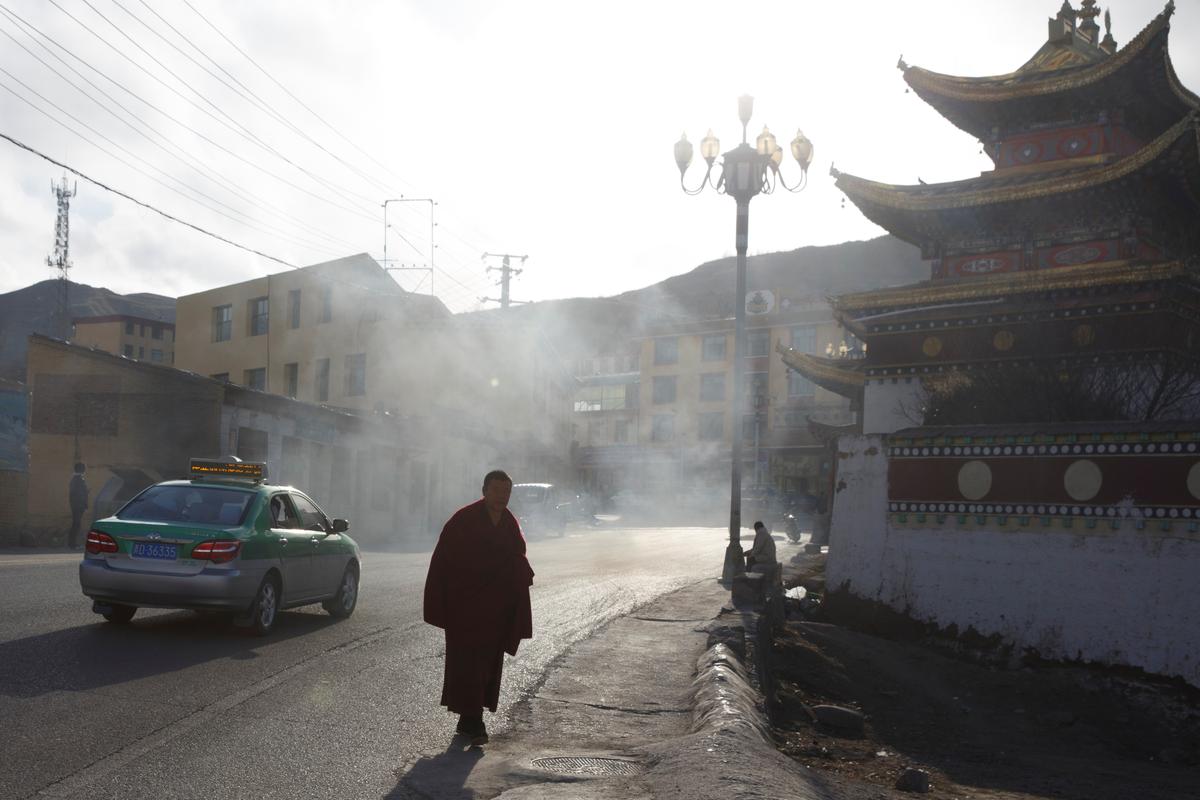
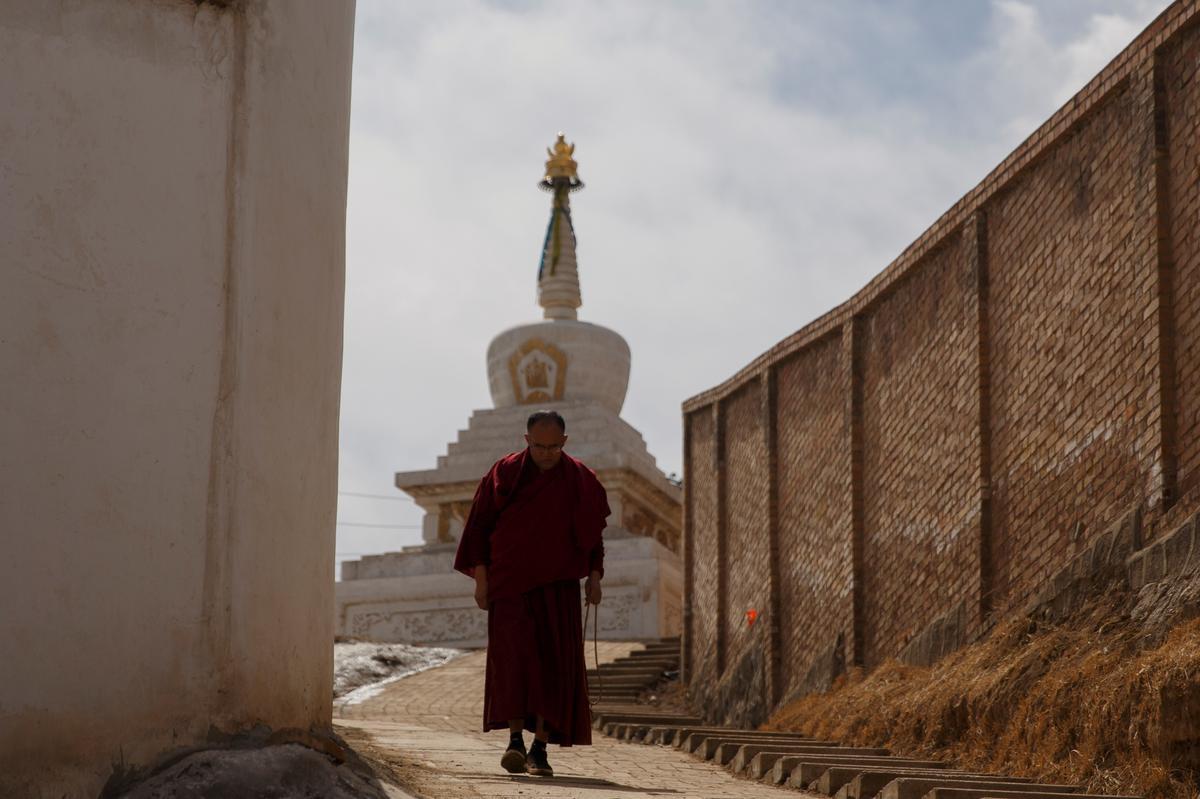
A Buddhist monk walks outside Rongwo Monastery in the largely ethnic Tibetan town of Rebkong, Qinghai province, China March 9, 2019. The Picture was taken on March 9, 2019. REUTERS/Thomas Peter
The Exiled Tibetan Ruler Lives in the Hearts of the Native Tibetans in Occupied Tibet.


Monks walk in the Tibetan Buddhist Kumbum Monastery outside Xining, Qinghai province, China March 10, 2019. The picture was taken on March 10, 2019. REUTERS/Thomas Peter
The Exiled Tibetan Ruler Lives in the Hearts of the Native Tibetans in Occupied Tibet.


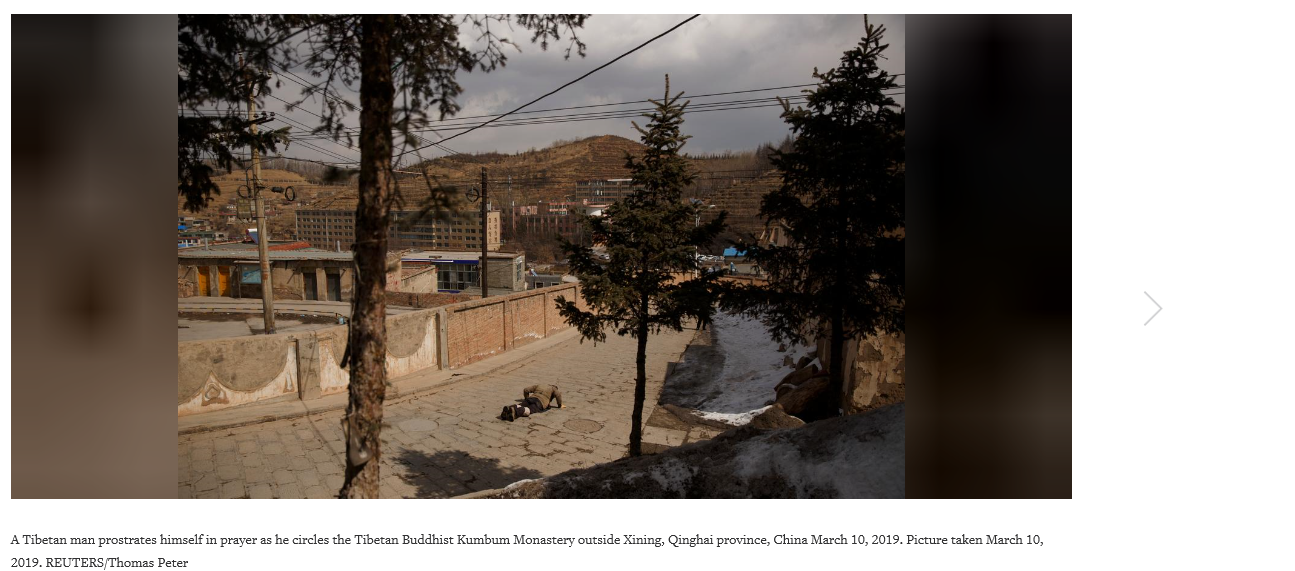
A monk circles the Tibetan Buddhist Kumbum Monastery during a prayer ritual outside Xining, Qinghai province, China March 10, 2019. The picture was taken on March 10, 2019. REUTERS/Thomas Peter

Reporting by Philip Wen; Editing by Tony Munroe, Robert Birsel

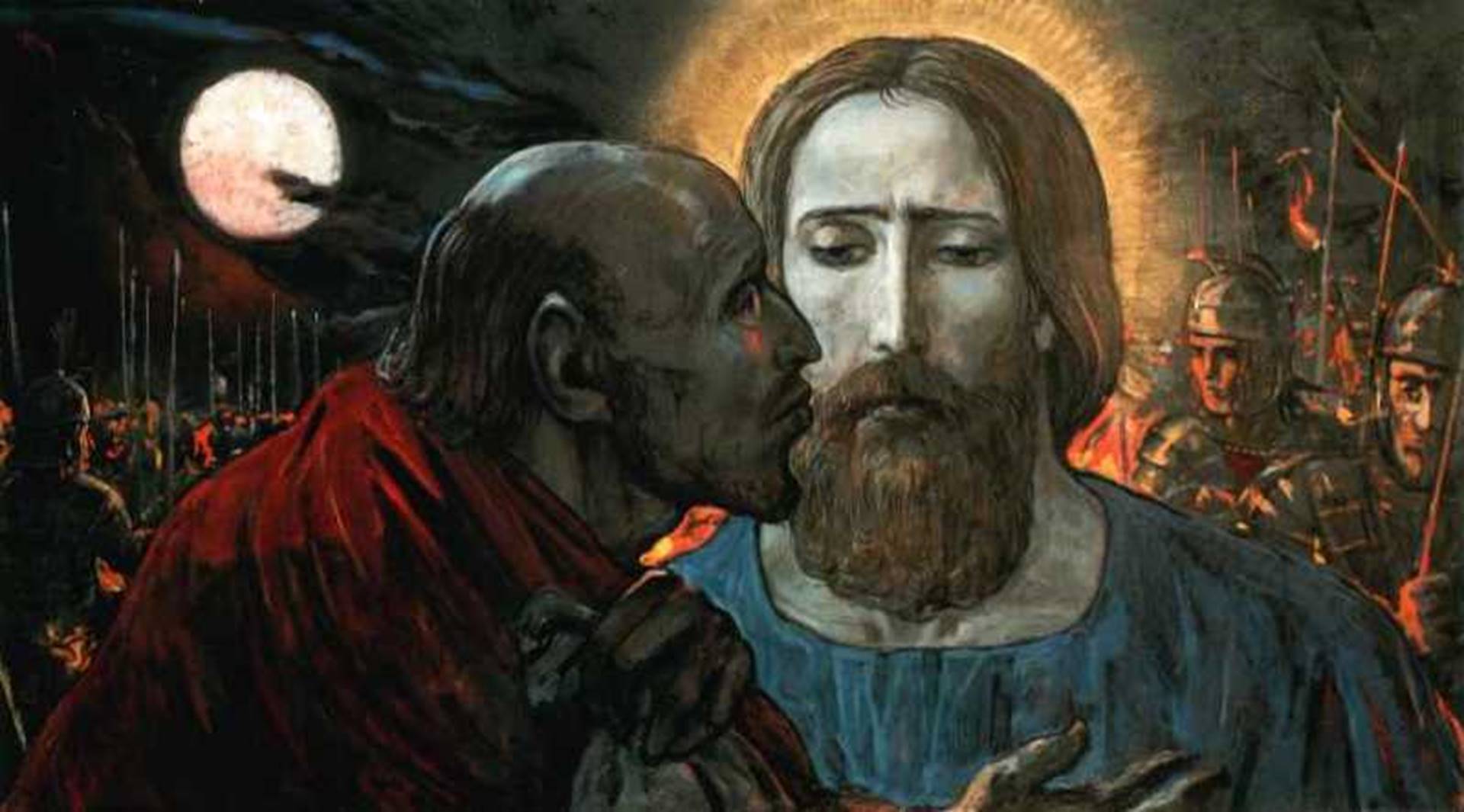
THE POPE’S JUDAS KISS TO SEAL THE DEAL WITH COMMUNIST CHINA

THE POPE’S JUDAS KISS TO SEAL THE DEAL WITH COMMUNIST CHINA

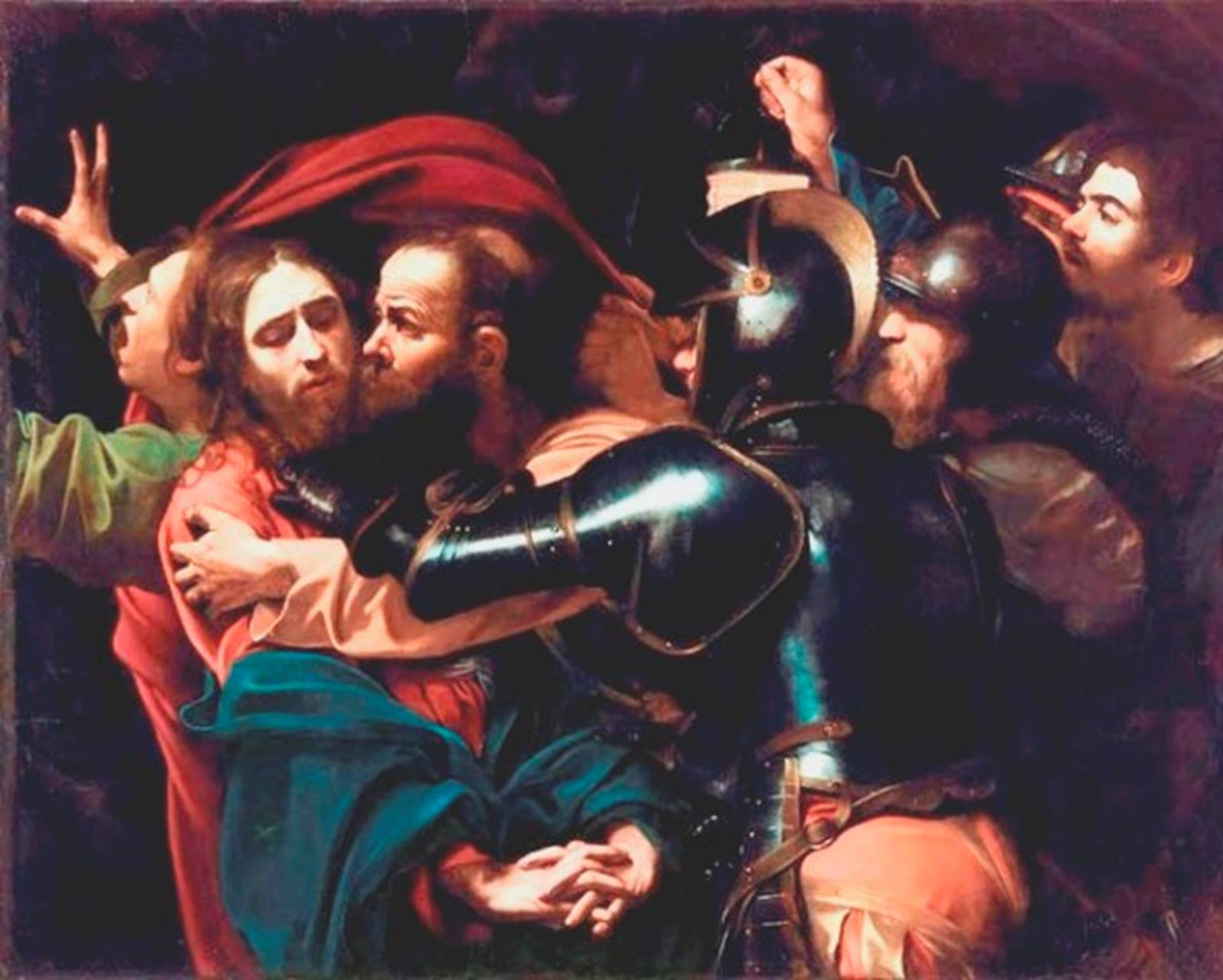
The Pope’s Judas Kiss to Seal the Deal with Communist China.

In my analysis, the Vatican deal with Communist China represents an act of betrayal. Pope Francis betrayed Jesus Christ to permit Communist China a role in the selection of Archbishops for Catholic Churches in China.

The Living Tibetan Spirits would not expect His Holiness the Dalai Lama to walk in the footsteps of Pope Francis to forsake his faith to save the Dalai Lama Institution of Tibet.

Rudranarasimham Rebbapragada

SPECIAL FRONTIER FORCE

The Pope’s Judas Kiss to Seal the Deal with Communist China.

The Pope has kissed and made up with China. Can the Dalai Lama?

The Pope’s Judas Kiss to Seal the Deal with Communist China.

Pope Francis has pulled off a landmark deal by getting Beijing to recognize the Vatican’s influence – and his approach may impart valuable lessons to the Dalai Lama, should there be any hope for reconciliation with Tibet on the cards

By Sourabh Gupta

28 Sep 2018

Clipped from: https://www.scmp.com/week-asia/geopolitics/article/2166226/pope-has-made-china-can-dalai-lama

Pope Francis has pulled off a landmark deal by getting Beijing to recognize the Vatican’s influence – and his approach may impart valuable lessons to the Dalai Lama, should there be any hope for reconciliation with Tibet on the cards

The Pope’s Judas Kiss to Seal the Deal with Communist China.

The Dalai Lama must make his peace with an antithetical political authority and persevere in good faith. Photo: Reuters

The reigning Bishop of Rome, Francis, is not your typical stodgy pontiff. In the five short years since his elevation as the first non-European head of the Roman Catholic Church since 741 AD, he has displayed latitude of mind, the courage of conviction, and deftness of diplomatic skill that is rare even among statesmen.

In August 2014, on entering Chinese airspace during a flight to Seoul, he broke six decades of silence between the Vatican and the head of China’s government by posting a message of goodwill to President Xi Jinping. Fittingly, on his birthday later that December, talks brokered by Francis were announced that would in time lead to the normalization of ties between the Castro regime in Cuba and the Obama administration. The US-Cuba agreement was signed at the Vatican Secretariat of State. In February 2016, almost a thousand years after the rupture of the Eastern and Western branches of Christianity, Pope Francis held the first meeting with his Russian Orthodox counterpart, Patriarch Kirill, in Havana. Francis’ millennia-spanning achievements are not one for the faint-hearted.
Last week, Pope Francis registered his biggest diplomatic breakthrough yet: a landmark agreement with the government of the People’s Republic on the ordination of bishops in China. As per the agreement, Beijing – 67 years after snapping ties with the Vatican – will formally recognize the Pope’s jurisdiction as the head of the Catholic Church in China as well as the final authority in deciding on candidates for bishops in the country.

The Chinese Catholic Patriotic Association (CCPA), the “self-run Church” hitherto established and controlled by the state, is to be downgraded and reoriented. In exchange, Pope Francis is expected to lift the excommunications of seven CCPA-installed bishops and formally recognize them as the leaders of their dioceses. More broadly, a mechanism that enables Beijing to provide its acceptable slate of candidates and the Vatican to have a final say in selection will now be formalized.

The fate of the three dozen or so Vatican-approved prelates, some of whom are in prison, who are not recognized by the CCPA is unclear at this time. The larger hope, though, is that as the splintering of the Catholic Church in China is reversed, the churches above and underground will in time be reconciled. Perhaps, a papal visit could be on the cards, too.

The Pope’s Judas Kiss to Seal the Deal with Communist China.

Pope Francis’ list of achievements span millennia of history. Photo: AFP

Both sides stand to gain handsomely from the compromise. For the Vatican, its pre-eminence on all matters ecclesiastical in the sovereign territorial space of China has been formally confirmed for the first time by the communist government in Beijing. For the Chinese Communist Party, its overarching and “guiding” role in harnessing religious belief to “help social harmony, modernization [and a] healthy civilization” – a key principle of its post-1980s religious policy – is vindicated without having to cede (though having to share) control on key decision-making to an entity that is housed beyond its sovereign territorial space.

Now, if the Vatican can pull off a deal with Beijing, what about the Dalai Lama? As plausible as it may look in theory, the ramifications for the Tibetan Buddhist leader are more profound. And the bottom line is equally stark: while Beijing could in theory share, it will never cede control over key Tibetan Buddhism-related personnel matters, notably the recognition of tulkus (or “living Buddhas”), as long as the Dalai Lama remains in exile. And given that the Dalai Lama is double-hatted in Tibet’s theocratic political structure as its secular leader over a defined territorial space (unlike the Pope), it is all the more likely that Beijing will refuse to share – let alone cede – practical control over key personnel matters until the Dalai Lama returns to Tibet.

The failed effort in arriving at a consensual selection of a new Panchen Lama in the mid-1990s holds cautionary lessons. Following the untoward death of the revered lama in 1989, Beijing announced a search, selection and recognition process for his successor that initially ruled out a role for the Dalai Lama. Convinced otherwise by resident high lamas, Beijing reversed course in due time and accepted the involvement of the Dalai Lama in principle – if only to rubber-stamp its anointed choice.

By 1995, however, Beijing allegedly went so far as to turn a blind eye to a slate of candidates that it’s officially sanctioned search party (headed by a respected lama from Shigatse) had clandestinely submitted to the Dalai Lama for his prior approval. The process broke down in May that year, following the Dalai Lama’s fait accompli announcement of a young boy from northwest Tibet as the reincarnation of the 10th Panchen Lama.

The Pope’s Judas Kiss to Seal the Deal with Communist China.

The Vatican’s China deal has profound ramifications for the Tibetan Buddhist leader. Photo: Getty

Beijing’s essential bottom line remained consistent throughout while the prerogative of the Dalai Lama could be acknowledged and religious authority shared, akin to the China-Vatican accord, the overarching guiding role over religion in sovereign Tibetan territory rested ultimately with Beijing.

Four hundred years ago, the great Qing dynasty emperor, Kangxi – a patron of Jesuit cartography, astronomy and engineering – had insisted that Chinese rites of ancestor worship and public homage to Confucius, being civil rather than religious practices, should continue to be practiced by his converted Christian subjects. Conflating Kangxi’s injunction with an intrusion on the paramountcy of church doctrine, Pope Clement XI forbade Catholic missionaries from following the Emperor’s orders.

The episode did not end well for the Church. No less than China’s communist rulers today, the Kangxi Emperor refused to cede Beijing’s overarching guiding role over religion – and that too to an entity housed beyond its sovereign territorial space.

While one does not know if the Communist Party’s rule in Beijing will last as long the Qing dynasty’s multi-century reign, it is not about to disappear any time soon. The onus resides on the Dalai Lama’s shoulders to find a way to make peace and comity with Beijing – at least on matters that touch wholly and exclusively on Tibetan Buddhism. Dealing with the fraught issue of the limits of Tibet’s political and territorial autonomy is a different matter.

In March 2014, standing at the UNESCO headquarters in Paris, President Xi Jinping extolled the profound impact of Buddhism in China. If a monotheist leader from distant Latin America carrying the Catholic Church’s dubious historical baggage can arrive at a principled compromise with the leadership in Beijing, surely the Dalai Lama could – or should – be able to do better. But for that, the Dalai Lama must heed the lessons of Francis – foremost, make one’s peace with and accommodate an antithetical political authority and, secondarily, persevere in good faith to realize this accommodation. Is his Excellency listening?

Sourabh Gupta is a senior fellow at the Institute for China-America Studies in Washington

The Pope’s Judas Kiss to Seal the Deal with Communist China.

TIBET EQUILIBRIUM – THE BALANCE OF POWER – CHINA WANTS A PUPPET DALAI LAMA

TIBET EQUILIBRIUM – THE BALANCE OF POWER – CHINA WANTS A PUPPET DALAI LAMA

Tibet Equilibrium. The Balance of Power. China Wants a Puppet Dalai Lama.

The Great Problem of Tibet cannot be resolved as Communist China demands a Dalai Lama it can control. China views Tibet as a Puppet Nation and wants the Dalai Lama to dance to the tune played in Beijing.

Rudranarasimham Rebbapragada

SPECIAL FRONTIER FORCE

https://wholedude.com/2016/06/25/future-of-tibet-hangs-in-the-balance/

Rare Tibet trip shows China only wants a Dalai Lama it can control

Clipped from: https://www.msn.com/en-gb/news/world/rare-tibet-trip-shows-china-only-wants-a-dalai-lama-it-can-control/ar-AAAEmjC?srcref=rss

Tibet Equilibrium. The Balance of Power. China Wants a Puppet Dalai Lama.

Luis Sinco/Los Angeles Times/TNS/File

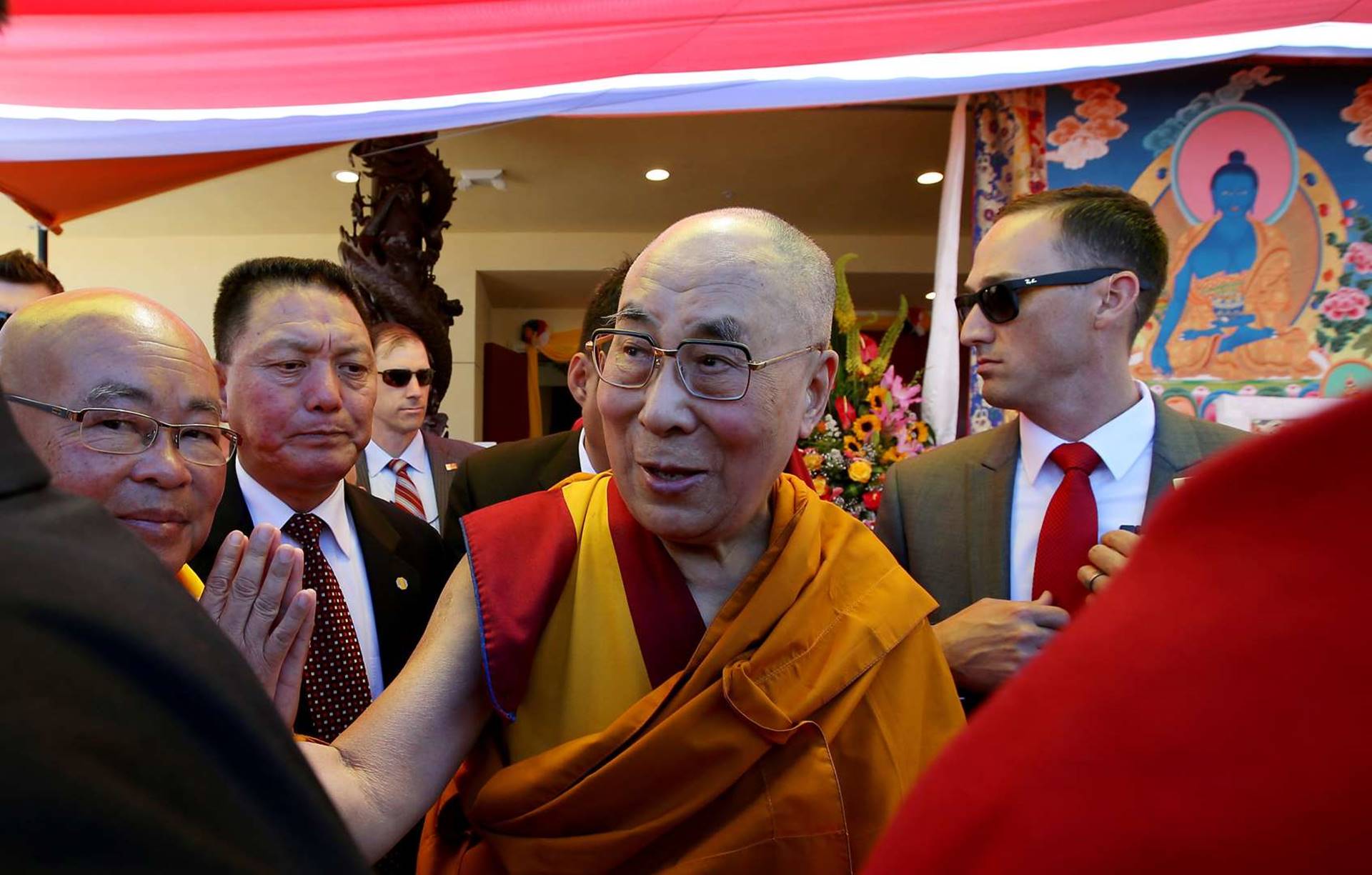
The Dalai Lama greets members of the Vietnamese American community during the opening of Chua Dieu Ngu Buddhist temple in Westminster, Calif., on Saturday, June 18, 2016.

The Dalai Lama greets members of the Vietnamese American community during the opening of Chua Dieu Ngu Buddhist temple in Westminster, Calif., on Saturday, June 18, 2016.

BEIJING For three centuries, a succession of Tibetan spiritual and political leaders known as Dalai Lama ruled from a crimson-and-white castle overlooking the city of Lhasa.

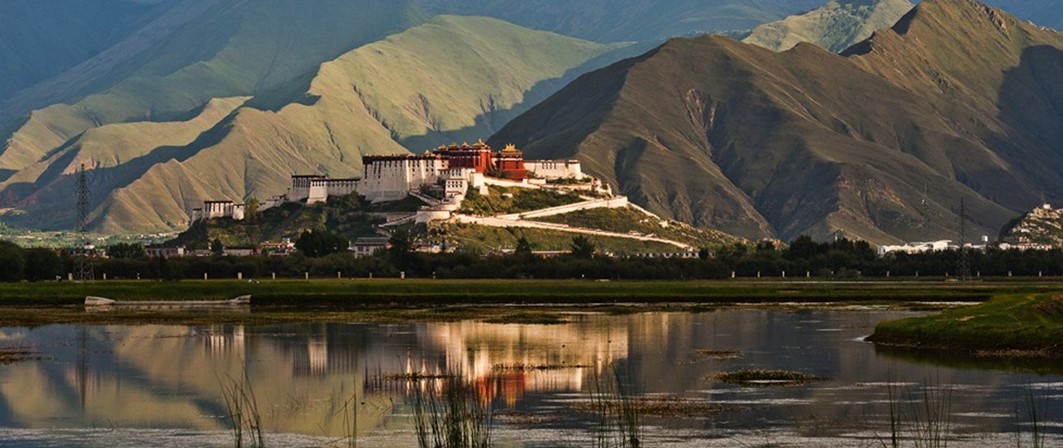
The Potala Palace as it’s known was the start of a rare tour of Tibet last month. The Chinese foreign ministry and local government hosted international journalists on a trip to the mountainous region, and I was one of them.

While the Potala Palace still dominates Lhasa’s skyline, the current Dalai Lama hasn’t lived there since 1959, when the twenty-something fled to India as the People’s Liberation Army quashed a revolt against Chinese rule. In the six decades since, the question of his return has been a persistent source of tension between China and the West.

The Chinese government says the Dalai Lama can return only if he gives up any pretensions for an independent Tibet. The Dalai Lama and his supporters say they don’t seek independence but instead greater autonomy within China’s system, including an elected legislature and independent judicial system. Beijing rejects that claim as insincere.

But with the spiritual leader now 83, his return has also become a question of succession. In a move that could rile China’s ties with Western democracies, Beijing has begun laying out the case for why it should appoint the Dalai Lama’s successor instead of his exiled supporters in northern India.

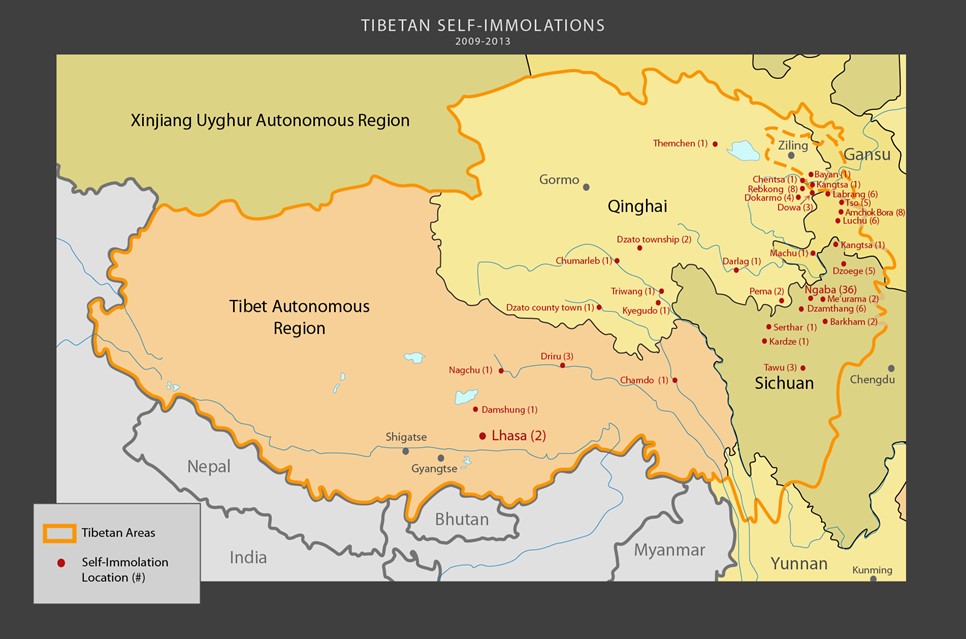
It was a topic that came up frequently on our government-organized trip, which has long been the sole way foreign journalists could travel to Tibet the only part of China where written permission is required to visit. Such trips have also become rarer after a spate of self-immolations earlier this decade prompted tightened security. Beijing blames the Dalai Lama, who it says has fomented the unrest, while his followers and human-rights activists say the cause is government oppression.

Tibet stands out as the only Chinese area where ethnic Han Chinese are a small minority. Of the 3.2 million who live in the mountainous region, more than 90 percent are ethnic Tibetan. China’s total population of 1.4 billion, by contrast, is more than 90 percent Han.

In April, the U.S. State Department blasted China for “severe” repression in Tibet, including arbitrary detention, censorship and travel restrictions. It counted five incidences of self-immolation in 2017 a drop-off from 83 in 2012 and noted the arrest of Tibetans who speak with foreigners, particularly journalists.

The Potala Palace was the first of many stops in our packed itinerary, which also included visits to businesses, holy sites, an orphanage, the home of a herdsman, a school teaching traditional Thangka painting and interviews with various local authorities. At each stop, we were able to ask whatever we wanted as officials looked on.

At the Dalai Lama’s former residence, we saw pilgrims leaving offerings of money in the room where he once received guests. On the wall was a portrait of the 13th Dalai Lama, the predecessor of the current reincarnation.

While our questions about the Dalai Lama at the palace and other stops were mostly met with polite reticence, the reverence he still commands were noticeable. Several local officials said he’s still held in esteem by many as a spiritual leader.

The Potala Palace also holds the tombs of eight past Dalai Lama. The title passes from generation to generation through a process that selects successors in their childhood as reincarnations. Supporters of the current Dalai Lama fear that upon his death, there will be two claimants to the position: one selected by them and another by the Chinese government.

A similar power struggle played out with the Panchen Lama, the second-most prominent figure in Tibetan Buddhism. After the death of the 10th Panchen Lama in 1989, both the Chinese government and the Dalai Lama identified reincarnations. The man selected by Beijing is now a senior adviser to the nation’s parliament. The Dalai Lama’s choice hasn’t been seen in two decades, and his followers say he was abducted at the age of six.

His disappearance has become a political issue. In April, the U.S. State Department issued a statement marking his birthday and called on Chinese authorities to release him immediately, provoking a furious response from Beijing.

The Central Tibetan Administration, which represents the Dalai Lama’s followers in northern India, says the reincarnation of the Dalai Lama should be in the hands of Tibetan Buddhist leaders. “The Chinese government should not interfere in the religious practices of Tibetan Buddhism,” said spokesman Sonam Dagpo.

When we discussed this with officials our trip, they argued that there’s precedent for Beijing to be involved. The current Dalai Lama, they say, ascended to the position in 1939 after being approved by Chiang Kai-Shek, who was president of the Republic of China before the Communist Party took power in 1949.

They also said the Communist Party has done just fine running Tibet. Some data points they reeled off: The economy has seen double-digit growth in each of the last 25 years; average life expectancy doubled to 68.2 in 2017 from 32.7 years in 1959; and literacy is now more than 99 percent, up from about 2 percent in 1951.

Central government statistics show that Tibet’s average disposable income was about $5,300 last year. That’s less than the national average but higher than several other regions including Gansu and Heilongjiang in the north.

Signs of growth were evident on the ground. In Lhasa, where we spent most of our time, scores of buildings were under construction. Traffic is bad from morning until as late as 9 p.m. A BMW dealership had opened, as has an enormous JD.com Inc. warehouse.

Tibet’s problems under the Dalai Lama’s rule went beyond economics, said Luobu Dunzhu, the most-senior official we met on our trip. The 57-year-old executive vice chairman of Tibet’s regional government told our group that his parents were slaves in the feudal system the Dalai Lama headed and had no hope for an education or better lives. Tibetans don’t want to go back, he said.

“The Dalai Lama knew about all of these problems and didn’t do anything to solve them,” Luobu Dunzhu said. “It was the Communist Party that changed Tibet and that’s why the people support the party.”

The Dalai Lama’s followers in India say that economic growth has mainly benefited ethnic Han Chinese, and deny they want to reinstate the old feudal system. What they want, spokesman Dagpo said, is for Tibetans to be able to worship and travel freely, to carry photos of the Dalai Lama and to send their children to monasteries. A key problem with Chinese rules is that any advocacy for Tibetan rights is seen as a form of intolerable separatism, he said.

While we saw no signs of unrest during our trip, the concern about separatism was clear. Travelers flying into Lhasa have their identifications checked before they can exit the airport. Roads entering the capital are manned by police checkpoints. Foreign tourists need permission to visit, one official said, to prevent “bad guys” from sneaking in.

That concern was also discernible when we visited the Sera Monastery, which dates back to the 1400s and where monks died in fighting with Chinese troops during the 1959 uprising when the Dalai Lama fled Tibet.

The monks there still practice many of its oldest traditions, including debate sessions in which participants whirl in circles and slap their hands together. But there’s also been change. In addition to Buddhist scriptures, its library also carries copies of President Xi Jinping’s book, “The Governance of China.”

Suo Lang Ci Ren, a member of the Sera monastery’s management committee, articulated a view we heard from several religious figures one that Beijing may also like to hear from the next Dalai Lama.

“Loving your country and loving your religion,” he said, “are things a monk must do in parallel.”

(Iain Marlow and Xiaoqing Pi contributed to this report.)

Tibet Equilibrium. The Balance of Power. China Wants a Puppet Dalai Lama.


BLESSINGS OF PEACE AND LONG LIFE

BLESSINGS OF PEACE AND LONG LIFE

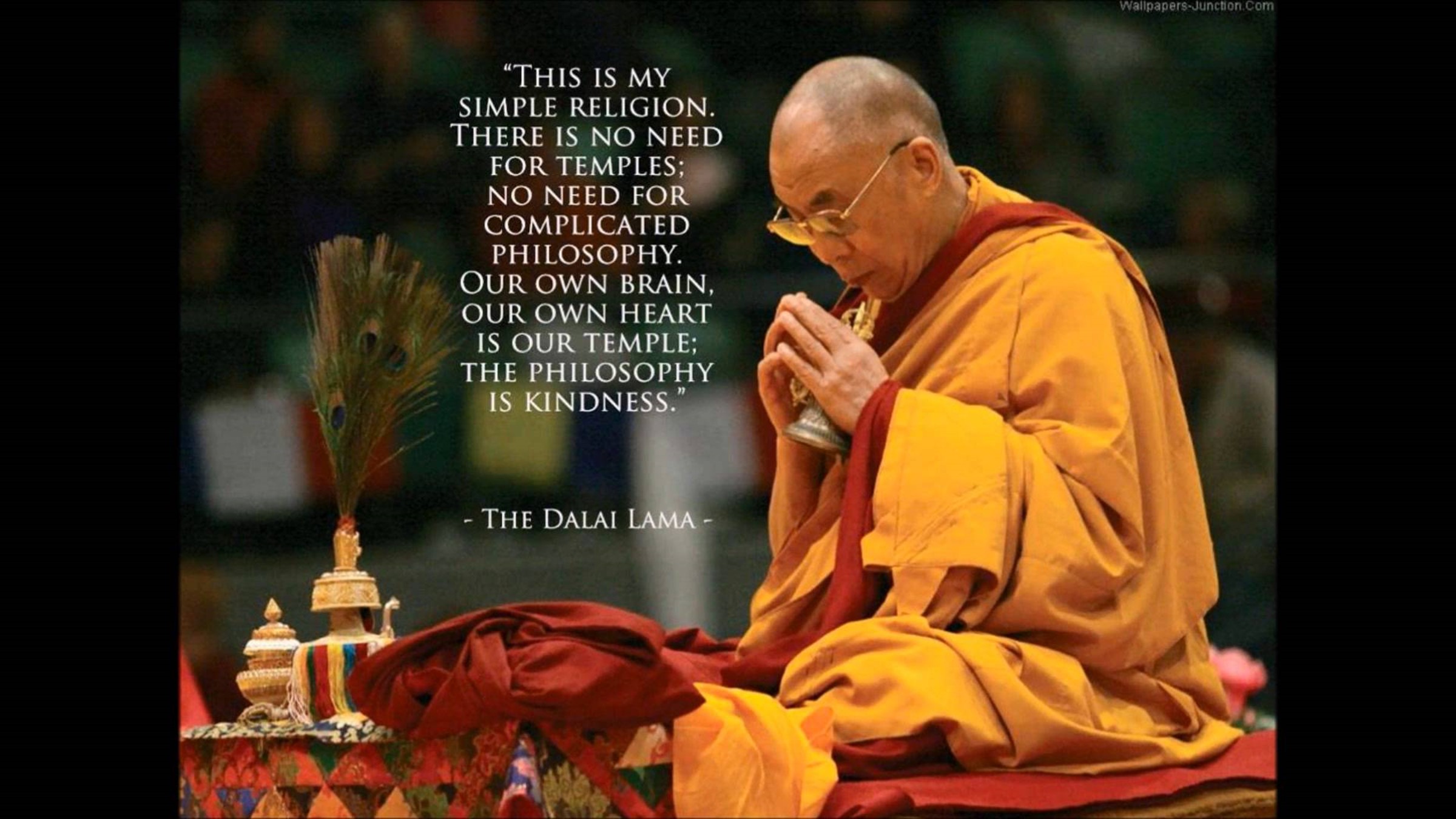
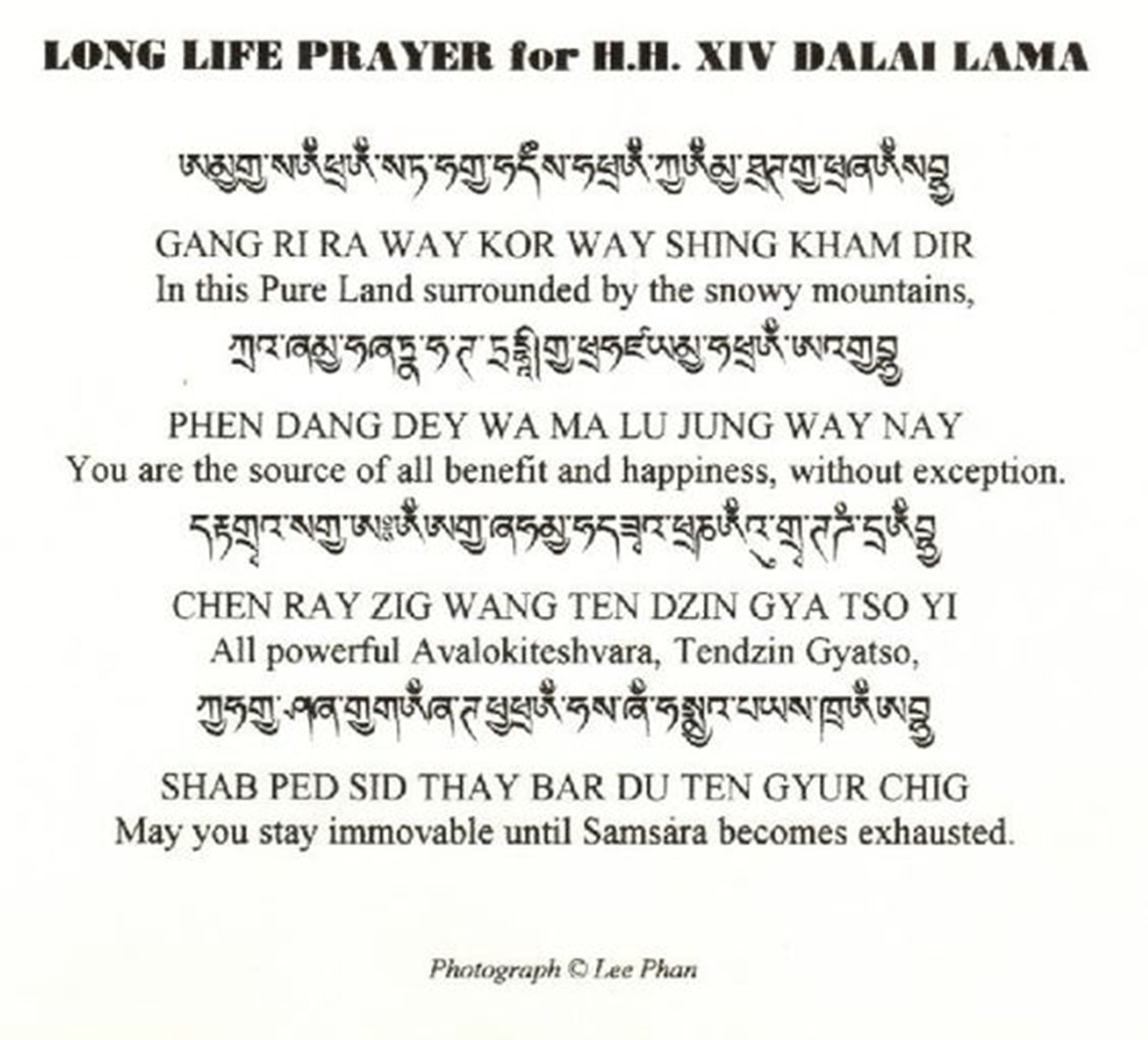
Living Tibetan Spirits invoke the Blessings of Peace and Long Life of His Holiness the Dalai Lama.

Living Tibetan Spirits offer prayers invoking the blessings of peace and long life to His Holiness the 14th Dalai Lama.

Rudranarasimham Rebbapragada

SPECIAL FRONTIER FORCE

Living Tibetan Spirits invoke the Blessings of Peace and Long Life of His Holiness the Dalai Lama.

WILL LIVE FOR 100 YEARS, SAYS DALAI LAMA

Clipped from: https://www.tribuneindia.com/news/himachal/will-live-for-100-years-says-dalai-lama/647688.html

Living Tibetan Spirits invoke the Blessings of Peace and Long Life of His Holiness the Dalai Lama.

The Dalai Lama speaks on the first day of his four-day teaching at the request of a group from South Asia at the main temple in McLeodganj on Tuesday. Photo: Kamaljeet

Tribune News Service

Dharamshala, September 4

Amid concerns regarding his health, Tibetan spiritual leader Dalai Lama said he would live around 100 years.

“With your prayers and wishes, I assure you I would live around 100 years,” said the Dalai Lama, addressing representatives of three regions of Tibet at Tsuglagkhang, the main temple in Dharamshala, yesterday. “I would serve the humanity,” he said.

Recently, news reports had raised concerns regarding the health of the Dalai Lama and suggesting that he was suffering from prostate cancer. However, later both the Dalai Lama and his personal physician declined the reports.

Tibetans representing Tibet’s three traditional provinces and Tibetans from Kalimpong, Gangtok, Darjeeling and Ravangla offered long life prayers to the Dalai Lama yesterday.

Thanking the participants and organizers for the ceremony, the Dalai Lama praised the 17 pandits of Nalanda for their logical way of teaching the Buddhism.

“The detailed explanation of the ancient Nalanda teachings has only been preserved in the Tibetan language which is why people from China are interested in learning the Buddhism,” said the Dalai Lama.

Speaking of the ancient Nalanda Buddhist teaching, he said the ancestors of Tibetans had well-preserved this knowledge which enabled Tibetans to get expertise in promoting the knowledge in their language. The Dalai Lama said it was the duty of the Tibetans to continue the practical teachings of the ancestors while, at the same time, taking pride in possessing such a vast knowledge.

“I respect all kinds of religious beliefs which only teach love and compassion as the ultimate source of human happiness,” he said.

Meanwhile, drawing the attention of the gathering, the Dalai Lama emphasized that the masters of Nalanda encouraged its followers to approach their teaching with logic and reason rather than following it blindly.

Living Tibetan Spirits invoke the Blessings of Peace and Long Life of His Holiness the Dalai Lama.


Whole Ruler – Dalai Lama Represents the Political Rights of Tibetans

Institution of Dalai Lama Represents the Political Rights of Tibetans to Self-Governance

The Institution of Dalai Lama stands for the Ganden Phodrang Government of Tibet which represents political rights of Tibetans for Self-Governance.

In my analysis, ‘Institution of Dalai Lama’ remains relevant to Tibetans in Occupied Tibet. The Institution of Dalai Lama represents The Ganden Phodrang Government of Tibet, the political symbol of Tibetan Rights to Self-Governance. The Seal that represents the Institution of Dalai Lama does not include the image of any of the Dalai Lamas that ruled over Tibet for centuries.

Dalai Lama Says, ‘Institution of Dalai Lama’ No More Politically Relevant

Clipped from: https://timesofindia.indiatimes.com/india/dalai-lama-says-institution-of-dalai-lama-no-more-politically-relevant/articleshow/65322625.cms

Whole Ruler – Dalai Lama Represents the Political Rights of Tibetans

PANAJI: Tibetan spiritual leader Dalai Lama on Wednesday said the “institution of Dalai Lama” is no longer politically relevant and it was up to the people of Tibet to decide whether the age-old tradition should continue or not.

He said the Chinese government was more concerned about this institution than him for political reasons.

Dalai Lama is a title given to spiritual leaders of Tibetan people. This title is given to those who are considered among the most important monks of the Gelug school, the newest school of Tibetan Buddhism.

Addressing an event at the Goa Institute of Management, the 14th Dalai Lama said, “As early as in 1969, I had formally made a statement whether this very institution of Dalai Lama should continue or not, it is up to the Tibetan people to decide.”

Replying to students’ queries after an hour-long address, he said, “I have no concerns. Nowadays, the Chinese government is more concerned about the Dalai Lama institution than me. The Chinese government is concerned because of political reasons,”

During the 1959 Tibetan uprising, the Dalai Lama had fled to India.

He said in 2001, the elected political leadership was appointed (by the people in exile) and for the next 10 years, he remained in semi-retired position.
“Then in 2011, I totally retired from the political responsibility. Now, the elected political leadership carries the full responsibility, I don’t get involved in their decision,” he said.

“Now, no longer Dalai Lama institution is politically relevant,” the 1989 Nobel Peace Prize winner said.
About the future Dalai Lama, he said all leaders of different Buddhist traditions hold a meeting in Tibet every year in November.


“This November, we are meeting again. In the previous meetings, they had decided that when my age reaches around 90 years, then the group of leaders will decide about the future Dalai Lama,” the 83-year-old spiritual leader said.


When asked about his own selection to the chair, Lama recalled, “According to my mother, the very day when the search party set by the Tibetan government reached my place… That very day our family was completely ignorant.”


“But that very day, I was a 2-3-year-old boy… I was so much excited. I myself don’t know why… The search party got some indications that day. When they reached our house, I ran towards them and recognized each persons’ name,” he said.


“At that time, I had some sort of some memory about past life,” the Dalai Lama said.

Institution of Dalai Lama Represents the Political Rights of Tibetans to Self-Governance

LIVING TIBETAN SPIRITS DEMAND US-DALAI LAMA DIRECT-DIALOGUE

 LIVING TIBETAN SPIRITS DEMAND US–DALAI LAMA DIRECT-DIALOGUE

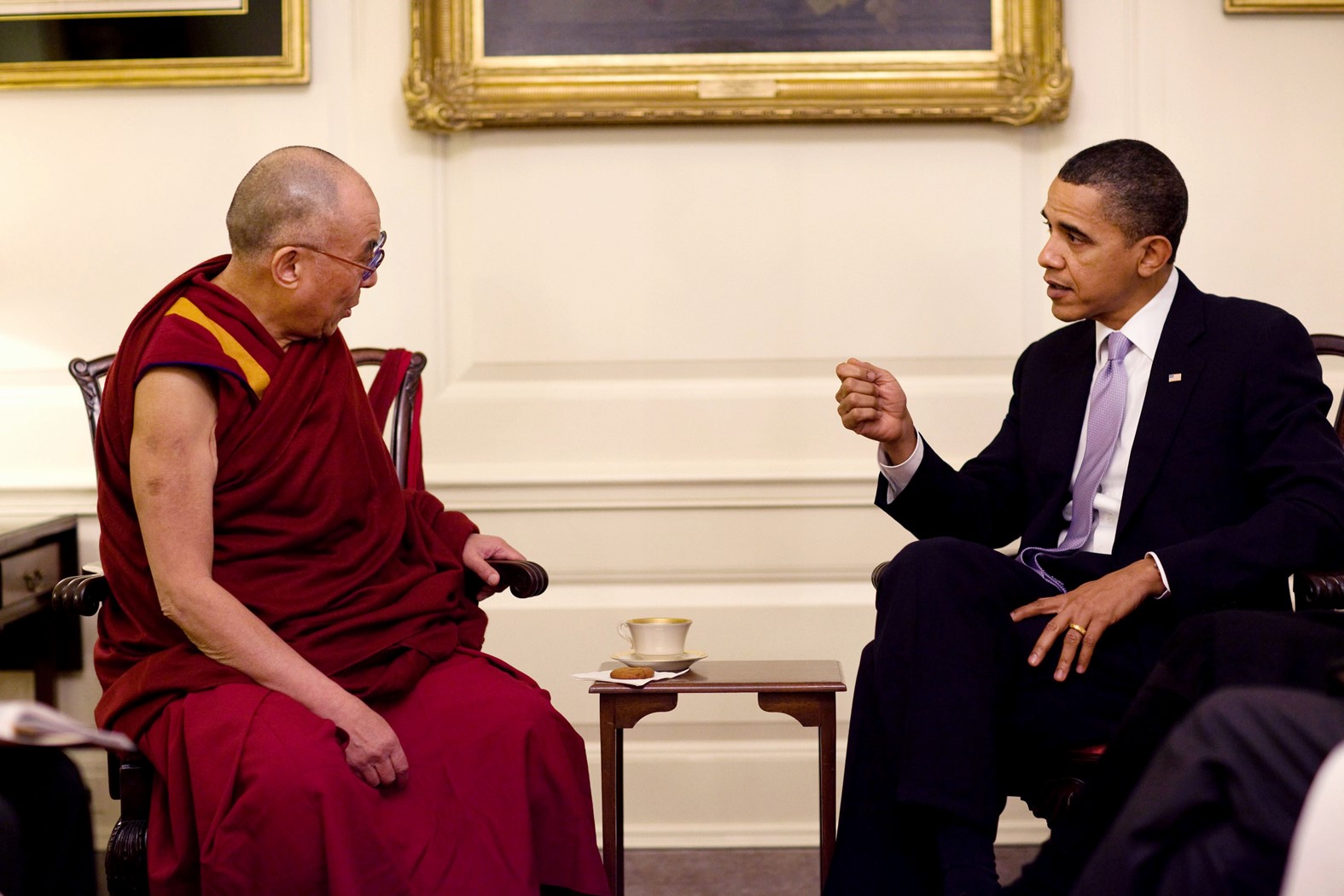
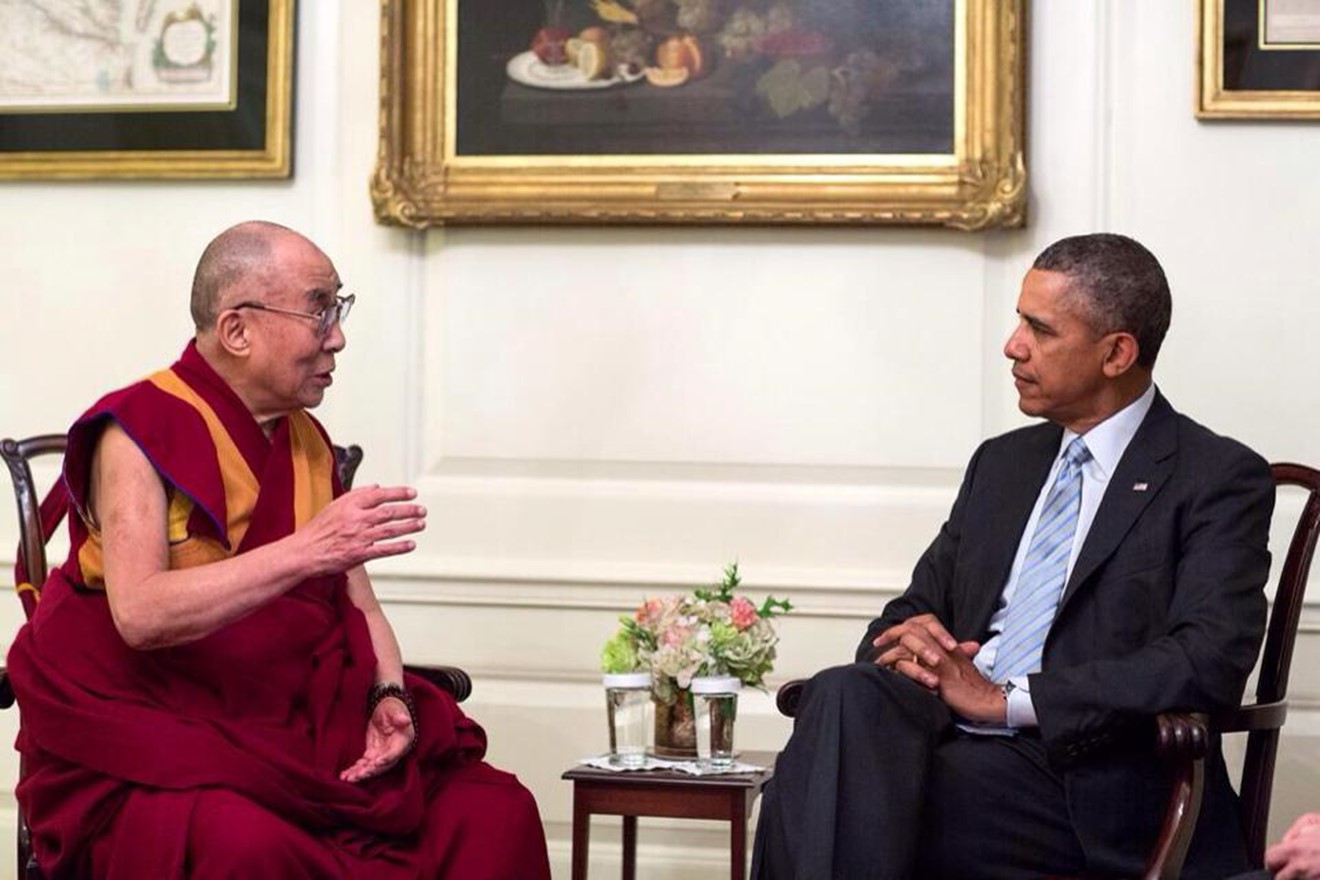
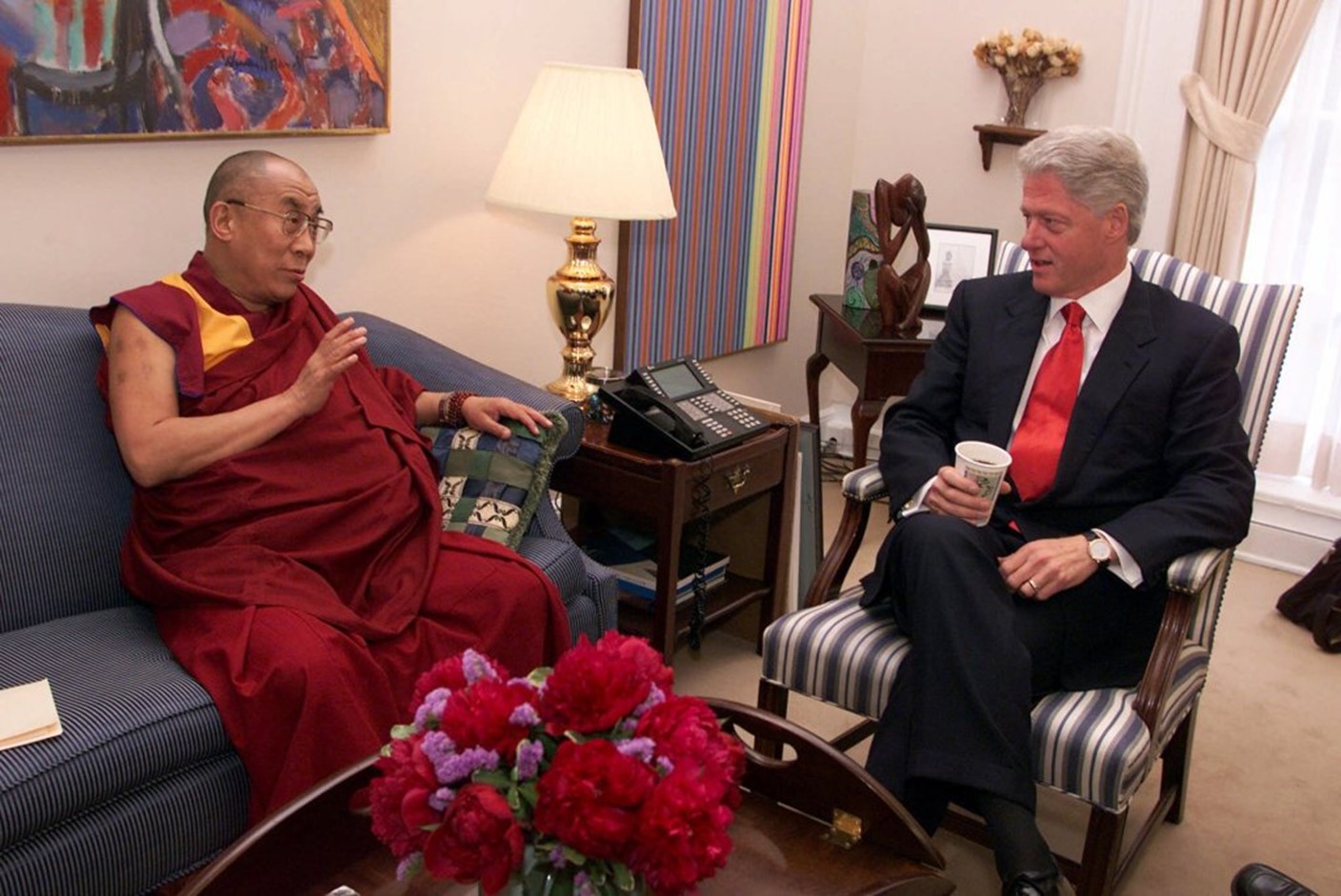
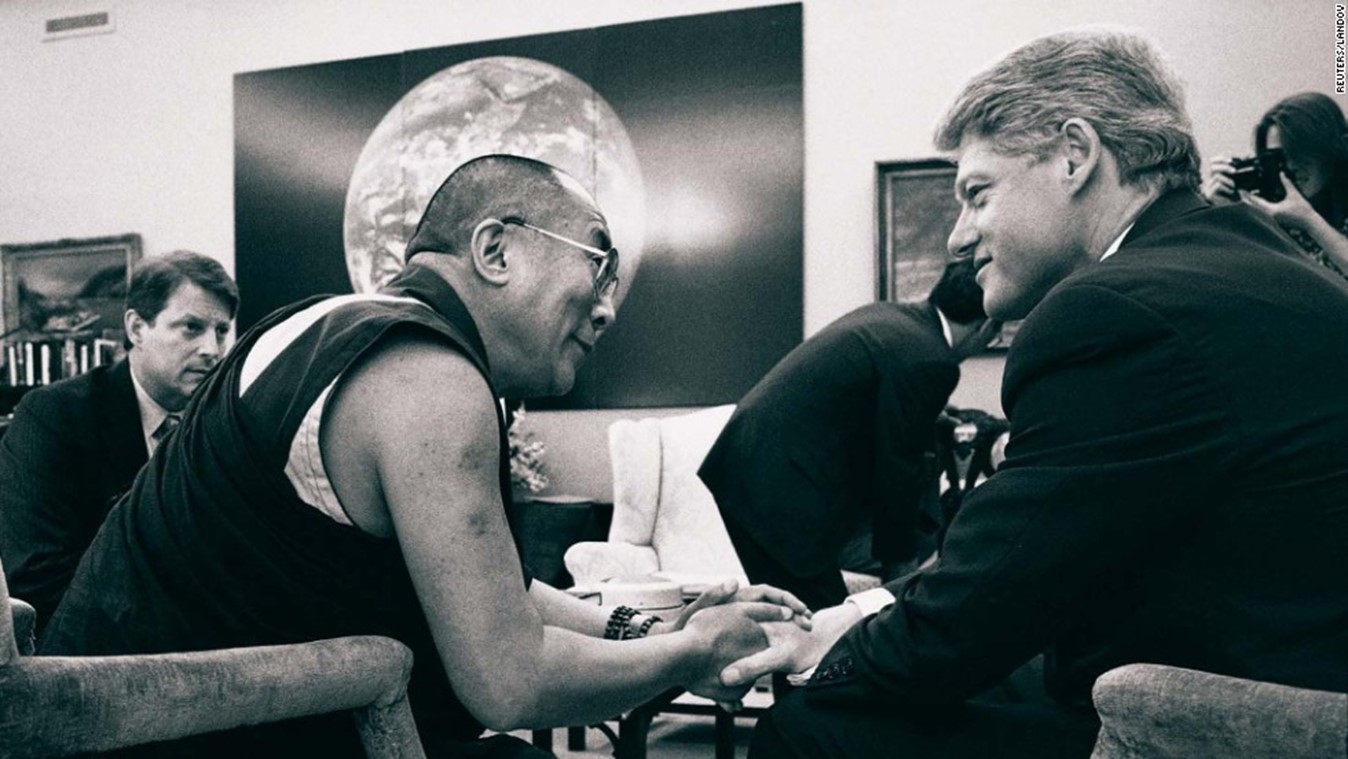
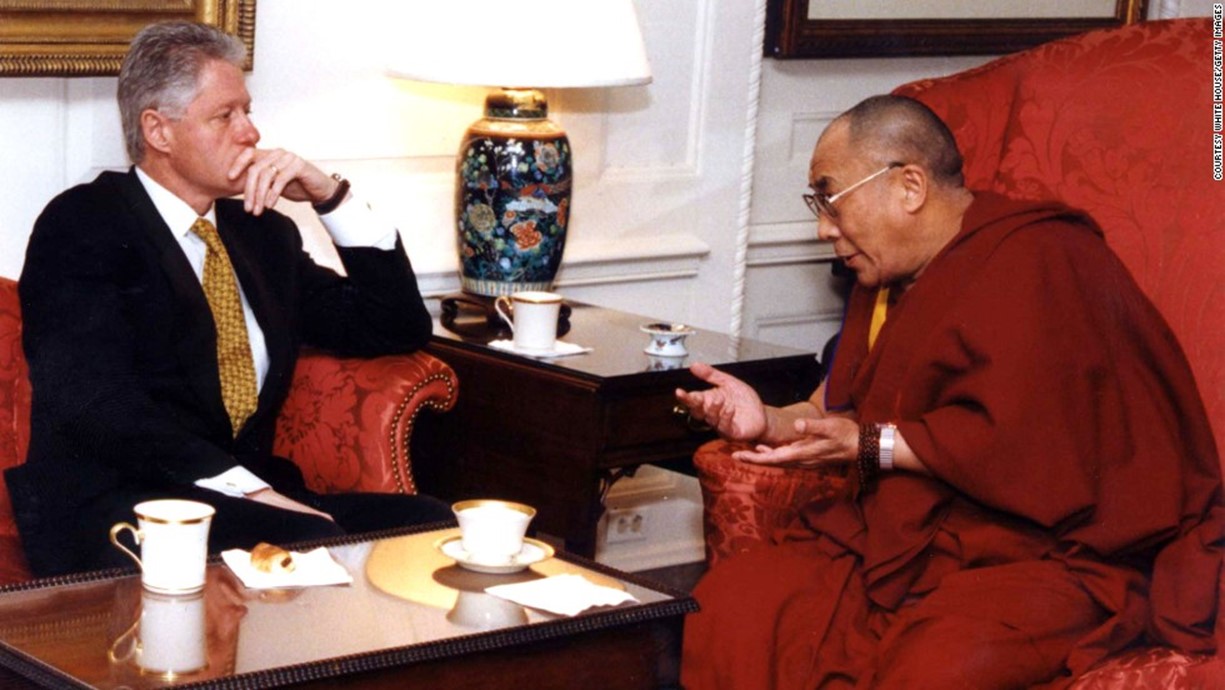
Living Tibetan Spirits demand US–Tibet direct-dialogue. Firstly, United States must accord formal diplomatic recognition to Tibetan Government-in-Exile to facilitate direct-dialogue between US President and Dalai Lama. I am demanding putting an end to close door secret diplomacy. What China must do can be discussed by holding direct talks between US and Tibet. I do not account for past White House meetings between Dalai Lama and US President as “direct-dialogue.”

Rudranarasimham Rebbapragada

SPECIAL FRONTIER FORCE

CHINA NEEDS TO ENGAGE IN DIRECT-DIALOGUE WITH DALAI LAMA: POMPEO

Clipped from: https://in.news.yahoo.com/china-needs-engage-direct-dialogue-070501846.html

China needs to engage in direct-dialogue with Dalai Lama: Pompeo

13 Jun 2018: China needs to engage in direct-dialogue with Dalai Lama: Pompeo

Ahead of his Beijing visit, US Secretary of State Mike Pompeo said the US should express publicly that China needs to engage in meaningful and direct dialogue with Dalai Lama or his representatives, without preconditions, to lower tensions.

Pompeo also said, “I will urge China to cease restrictions on human rights of Tibetans as well as their religious, linguistic and cultural traditions.”

Here’s more.

Discussion: Pompeo to discuss bilateral ties with Chinese counterpart tomorrow

Pompeo, who was responding to questions asked by Members of the US Senate Foreign Relations Committee, said: “I will also raise concerns (with China) about the lack of regular access to the Tibetan Autonomous Region (TAR) for US journalists, diplomats, academics and others.”

Pompeo will visit China tomorrow and will discuss the bilateral ties and major global and regional issues of common concern.

Tibetan Policy Act: Will fully implement the Tibetan Policy Act: Pompeo to lawmakers

The top American diplomat assured the lawmakers that he will fully implement the Tibetan Policy Act and in particular “will urge China for the release of Tibetan political prisoners.”

Pompeo said he will also press the Chinese Government to respect the decision of Tibetan Buddhists in selecting, educating, and venerating the lamas who lead the faith, such as the Dalai Lama.

Fact: Dalai Lama’s successor should take approval from Communist Party: China

China said that the successor to Dalai Lama must be chosen according to the religious rituals and historical conventions as well as the backing from ruling Communist Party.