Mao Zedong proclaims the founding of the People’s Republic of China in Beijing on Oct. 1, 1949.
The Evil Red Empire called Red China or People’s Republic of China(Mandarin. Zhonghua Renmin Gongheguo) was proclaimed at Peking( now Beijing) by Communist Party Chairman Mao Zedong or Mao Tse-Tung on October 01, 1949. He formulated a vision of Empire building using a Policy of Expansionism during the late 1940s. Red China expanded its territory after the Communist victory in all of China. Apart from keeping territories gained by China in its historical past, Red China during 1950 attacked Tibet which had declared its independence after the downfall of Manchu China( the Ch’ing or Manchu dynasty) that ruled China from 1644 to 1912. The following Provinces and Autonomous Regions of Red China bear mute testimony to the great problem of its Territorial Expansionism:
The problem of Red China’s Expansionism in South China Sea must be studied in conjunction with the above problems of annexed territory. The United States will not succeed in its efforts to address the problem of Red China’s land reclamation activities in South China Sea without resolving The Great Problem of Tibet.
BEIJING — The United States and China held firm Saturday to deep disagreements over increasingly assertive Chinese activity in disputed areas of the South China Sea, as Beijing politely but pointedly rejected U.S. Secretary of State John Kerry’s push for it to reduce tensions.
After meeting in the Chinese capital, both Kerry and China’s Foreign Minister Wang Yi stressed the importance of dialogue to resolve the competing claims, but neither showed any sign of bending in their positions over Chinese land reclamation projects that have alarmed the United States and China’s smaller neighbors. The U.S. and most members of the Association of Southeast Asian Nations want a halt to the projects, which they suspect are aimed at building islands and other land features over which China can claim sovereignty.
“We are concerned about the pace and scope of China’s land reclamation in the South China Sea,” Kerry said, urging China to speed up talks with ASEAN on binding guidelines on how maritime activity in disputed areas should be handled. “And, I urged China, through Foreign Minister Wang, to take actions that will join with everybody in helping to reduce tensions and increase the prospect of diplomatic solutions.”
“I think we agree that the region needs smart diplomacy in order to conclude the ASEAN-China code of conduct and not outposts and military strips,” Kerry told reporters at a joint news conference with Wang.
But Wang signaled that while China was prepared to talk, it would not back down on the construction which he said “is something that falls fully within the scope of China’s sovereignty.”
“The determination of the Chinese side to safeguard our own sovereignty and territorial integrity is as firm as a rock, and it is unshakable,” he said. “It has always been our view that we need to find appropriate solutions to the issues we have through communications and negotiations that we have among the parties directly concerned with peaceful and diplomatic means on the basis of respecting historical facts and international norms. This position will remain unchanged in the future.”
Wang added that the differences between China and the U.S. could be managed “as long as we can avoid misunderstanding and, even more importantly, avoid miscalculation.”
The Chinese claims and land reclamation projects have rattled the region where South China Sea islands and reefs are contested by China and five other Asian governments and activities have led to clashes, accompanied by nationalistic protests and occasional serious diplomatic implications.
The U.S. says it takes no position on the sovereignty claims but insists they must be negotiated. Washington also says ensuring maritime safety and access to some of the world’s busiest commercial shipping routes is a U.S. national security priority.
China has bristled at what it sees as U.S. interference in the region and wants to negotiate with the ASEAN countries individually, something those much smaller nations fear will not be fair.
In one disputed area, the Spratly Islands, U.S. officials say China has reclaimed about 2,000 acres of dry land since 2014 that could be used as airstrips or for military purposes. The U.S. argues that man-made constructions cannot be used to claim sovereignty.
Obama administration officials have declined to comment on reports that it may deploy military assets, or that it is considering a demonstration of freedom of navigation within 12 nautical miles of the islands’ notional territorial zone. But they have said many of the features claimed by China in the disputed Spratlys are submerged and do not carry territorial rights, and said that China cannot “manufacture sovereignty.”
Despite the clear disagreements over the South China Sea, Kerry and Wang said they were on track to make progress in other areas, notably on climate change, the fight against violent extremism and preparations for the next round of the U.S.-China Strategic and Economic Dialogue in June and Chinese President Xi Jinping’s visit to Washington in September. They expressed pleasure with their cooperation in the ongoing Iran nuclear talks, their solidarity in trying to denuclearize North Korea and combat diseases such as the deadly Ebola virus.
Kerry will wrap up the China portion of his Asia trip in meetings with Xi, Chinese State Councilor Yang Jiechi and the country’s top military officer.
On Sunday, Kerry heads to Seoul where he will be meeting senior South Korean officials and deliver a speech on cyber security and related issues.
Kerry will return to Washington after delivering a speech on a proposed Trans-Pacific trade agreement in Seattle on Tuesday.
S. Secretary of State John Kerry, left, talks with Chinese Foreign Minister Wang Yi after their joint press conference at the Ministry of Foreign Affairs in Beijing Saturday, May 16, 2015. Kerry is in China to press Beijing to halt increasingly assertive actions it is taking in the South China Sea that have alarmed the United States and China’s smaller neighbors. (Saul Loeb/Pool Photo via AP)
S. Secretary of State John Kerry speaks during a joint press conference following meetings with Chinese Foreign Minister Wang Yi at the Ministry of Foreign Affairs in Beijing, China, Saturday, May 16, 2015. Kerry is in China to press Beijing to halt increasingly assertive actions it is taking in the South China Sea that have alarmed the United States and China’s smaller neighbors. (Saul Loeb/Pool Photo via AP)
S. Secretary of State John Kerry at the Ministry of Foreign Affairs in Beijing, China, Saturday, May 16, 2015. Kerry is in China to press Beijing to halt increasingly assertive actions it is taking in the South China Sea that have alarmed the United States and China’s smaller neighbors. (Saul Loeb/Pool Photo via AP)
S. Secretary of State John Kerry, left, and Chinese Foreign Minister Wang Yi hold a joint press conference following meetings at the Ministry of Foreign Affairs in Beijing Saturday, May 16, 2015. Kerry is in China to press Beijing to halt increasingly assertive actions it is taking in the South China Sea that have alarmed the United States and China’s smaller neighbors. (Saul Loeb/Pool Photo via AP)
S. Secretary of State John Kerry, left, and Chinese Vice Chairman of the Central Military Commission General Fan Changlong, right, shake hands prior to a meeting at the Ministry of
National Defense in Beijing Saturday, May 16, 2015. Kerry is in China to press Beijing to halt increasingly assertive actions it is taking in the South China Sea that have alarmed the United States and China’s smaller neighbors. (Saul Loeb/Pool Photo via AP)
5 of 5
the evil red empire kerry 11
the evil red empire kerry 21
the evil red empire kerry 31
the evil red empire kerry 41
the evil red empire map of tibet1
Mao Zedong proclaims the founding of the People’s Republic of China in Beijing on Oct. 1, 1949.
the evil red empire general fan changlong vice chairman central militray commission1
Mao Zedong proclaims the founding of the People’s Republic of China in Beijing on Oct. 1, 1949.
The term “The Evil Red Empire” describes the national entity founded by Communist leader Mao Zedong on October 01, 1949. To build an Empire, Mao Zedong formulated a Policy of Expansionism in late 1940s.
the evil red empire airspace expansionism
Airspace is the space extending up above an area of the earth’s surface; specifically, airspace refers to the space above a nation over which it can claim jurisdiction. Red China’s maritime expansionism in South China Sea poses a security threat as it involves the rights to use the airspace by other countries. With its land reclamation activities, Red China has expanded its claims to Land, Sea, and Airspace and is further willing to control that airspace by establishing its own Air Defence Identification Zone.
the evil red empire airspace nine dash expansionism
United States Navy and Air Force have no option other than that of challenging Red China’s illegal claim to sovereignty using land reclamation and building activity without any approval from its neighbors who have legitimate claims in that region.
the evil red empire airspace south china sea expansionism
By Greg Torode
.
An aerial photo taken though a glass window of a Philippine military plane shows the alleged on-going …
By Greg Torode
HONG KONG (Reuters) – When the U.S. navy sent a littoral combat ship on its first patrol of the disputed Spratly islands in the South China Sea during the past week, it was watching the skies as well.
The USS Fort Worth, one of the most modern ships in the U.S. navy, dispatched a reconnaissance drone and a Seahawk helicopter to patrol the airspace, according to a little-noticed statement on the navy’s website.
While the navy didn’t mention China’s rapid land reclamation in the Spratlys, the ship’s actions were a demonstration of U.S. capabilities in the event Beijing declares an Air Defence Identification Zone (ADIZ) in the area – a move experts and some U.S. military officials see as increasingly likely.
“It’s not inevitable but if we are betting paychecks I’ll bet that they will eventually declare one, I just don’t know when,” said a senior U.S. commander familiar with the situation in Asia.
ADIZs are not governed by formal treaties or laws but are used by some nations to extend control beyond national borders, requiring civilian and military aircraft to identify themselves or face possible military interception.
China sparked condemnation from the United States and Japan when it imposed an ADIZ in the East China Sea, above uninhabited islands disputed with Tokyo, in late 2013.
Chinese military facilities now under construction on Fiery Cross Reef in the Spratlys, including a 3,000-metre (10,000-foot) runway and airborne early warning radars, could be operational by the year-end, said the U.S. commander, who declined to be identified.
Recent satellite images also show reclamation work on Subi Reef creating landmasses that, if joined together, could make space for a similar sized airstrip.
Growing concern in Washington that China might impose air and sea restrictions in the Spratlys once it completes work on its seven artificial islands is likely to be on the agenda when U.S.
Secretary of State John Kerry meets Chinese leaders in Beijing this weekend for previously scheduled talks.
TOUGH TO ENFORCE
Asia’s rising power claims sovereignty over most of the South China Sea, through which $5 trillion in ship-borne trade passes every year. The Philippines, Vietnam, Malaysia, Taiwan and Brunei also have overlapping claims.
China has said it had every right to set up an ADIZ but that current conditions in the South China Sea did not warrant one.
Enforcing such an ADIZ would be difficult even with two airstrips capable of handling fighter planes in the Spratlys, as well as an expanded airstrip on Woody island in the disputed Paracel island chain further north because of the distances involved, regional military officials and experts said.
The Spratlys for example lie more than 1,100 km (680 miles) from the Chinese mainland, putting China’s well-equipped airbases along its coastline well out of reach.
“Even with the new reclamations, it is going to be a stretch for China to routinely enforce such a zone that far south,” said Richard Bitzinger, a regional security analyst at Singapore’s S. Rajaratnam School of International Studies.
The Japanese and U.S. military ignore the ADIZ above the East China Sea, as does Japan’s two major carriers, ANA Holdings <9202.T> and Japan Airlines <9201.T>.
A study produced by the independent U.S. Congressional Research Service earlier this year noted that while China’s air force actively monitors that zone with ground radar from its coastline, it had generally shown restraint in enforcement.
China’s planes were unlikely to maintain a constant presence over the East China Sea, the study noted, citing a U.S. air force assessment.
RISK OF ESCALATION
The South China Sea might prove more problematic for China given the complexity of the dispute and the possibility of challenges from the U.S. navy and air force.
Indeed, on Tuesday, a U.S. official said the Pentagon was considering sending military aircraft and ships to assert freedom of navigation around the Chinese-made islands.
China’s Foreign Ministry responded by saying Beijing was “extremely concerned” and demanded clarification.
On Friday it accused the Philippines of working together with the United States to “exaggerate the China threat” over the Spratlys.
China had recently warned Philippine air force and navy planes at least six times to leave the Spratlys, the Philippine military commander responsible for the region said last week. The planes refused.
Zhang Baohui, a mainland security expert at Hong Kong’s Lingnan University, said he was worried about the risk of confrontation from any U.S. show of force.
“It’s reckless,” he said, referring to Washington’s latest plans.
“It has a built-in dynamic for unintended escalation,” he added. “Are they willing to take the consequences of this escalation?”
At sea, tensions are already apparent.
The naval statement about the USS Fort Worth, which can also hunt submarines and support amphibious landings, noted the ship “encountered multiple People’s Liberation Army-Navy warships” during its patrol. It did not go into detail.
“Our interactions with Chinese ships continue to be professional and (the Code for Unplanned Encounters at Sea) helps clarify intentions and prevent miscommunication,” Commander
Matt Kawas, the Fort Worth’s commanding officer, said in the statement.
(Additional reporting by Tim Kelly and Nobuhiro Kobu in YOKOHAMA, Japan; Editing by Dean Yates)
the evil red empire airspace south china seathe evil red empire airspace south china sea expansionismthe evil red empire airspace maritime expansionismthe evil red empire airspace expansionism air defence zones
the evil red empire airspace nine dash expansionism
the evil red empire airspace maritime expansionism
the evil red empire airspace south china sea expansionism
the evil red empire airspace south china sea
Mao Zedong proclaims the founding of the People’s Republic of China in Beijing on Oct. 1, 1949.
the evil red empire airspace expansionism air defence zones
THE EVIL RED EMPIRE – MILITARY EXPANSIONISM : THE RED DRAGON’S EXPANSIONISM USING ITS SUPERIOR MILITARY POWER OVER ITS WEAKER NEIGHBORS .
Red China’s land reclamation activities in South China Sea are mere symptoms of a serious disease called Military Expansionism. Red China is projecting its military power by acting against the interests of its neighbors for she thinks there is no one besides her. In Red China’s estimate, all other nations will submit to her superior military power or at a minimum avoid a direct military conflict to change her behavior. The word ‘APOCALYPSE’ means unveiling or revelation, it refers to a revelation depicting symbolically the ultimate destruction of Evil and triumph of Good. The word ‘DOOM’ refers to what is laid down, decree, judgment, a sentence of condemnation, destiny, tragic fate, ruin, to ordain as a penalty. Doomsayer is a person disposed to predicting catastrophe or disaster. As Doomsayer of Doom Dooma, I am predicting the downfall of The Evil Red Empire without the need for fighting against its military power.
“Therefore in one day her plagues will overtake her death, mourning and famine. She will be consumed by fire, for mighty is the Lord God who judges her.” (REVELATION 18:4)
I am not surprised to read REUTERS news story published by David Brunnstrom that the US Secretary of State John Kerry would take tough approach in China over South China Sea during his visit to Beijing on Saturday, May 16, 2015.
U.S. Kerry to take tough approach in China over South China Sea
By David Brunnstrom 16 hours ago
.
Chinese President Xi Jinping (L) speaks with U.S. State Secretary John Kerry (R), through a translator, …
By David Brunnstrom
WASHINGTON (Reuters) – U.S. Secretary of State John Kerry will leave China “in absolutely no doubt” about Washington’s commitment to ensuring freedom of navigation and flight in the South China Sea when he visits Beijing this weekend, a senior State Department official said on Wednesday.
Setting the scene for what could be contentious encounters with Chinese leaders, including President Xi Jinping, the official said Kerry would warn that China’s land reclamation work in contested waters could have negative consequences for regional stability – and for relations with the United States.
On Tuesday, a U.S. official said the Pentagon was considering sending military aircraft and ships to assert freedom of navigation around rapidly growing Chinese-made artificial islands in the disputed South China Sea.
China’s Foreign Ministry responded by saying that Beijing was “extremely concerned” and demanded clarification.
U.S. Assistant Secretary of Defense David Shear told a Senate hearing the United States had right of passage in areas claimed by China. “We are actively assessing the military implications of land reclamation and are committed to taking effective and appropriate action,” he said, but gave no details.
Cui Tiankai, China’s ambassador to the United States, responded by warning Washington not to interfere in the South China Sea dispute and rebuked it for “double standards” in its criticism of Beijing, state news agency Xinhua said on Thursday.
“Just who is creating tensions in the South China Sea?” Cui was quoted as saying. “In the past few years, the United States has intervened in such a high-profile way. Is that to stabilize the situation or to further mess it up? The facts are out there.”
Cui, in an interview with Chinese media in the United States on Wednesday, noted that some countries had already begun reclaiming land on reefs that Beijing says belong to China, but the United States had not singled them out.
On the Pentagon’s plan to send military aircraft and ships to the South China Sea, Cui “stressed that many things in the world cannot rely on a show of force to solve them and that the knee-jerk ‘Cold War’ mentality to use force is outdated”.
The senior State Department official said “the question about what the U.S Navy does or doesn’t do is one that the Chinese are free to pose” to Kerry in Beijing, where he is due on Saturday for meetings with civilian and military leaders.
Kerry’s trip is intended to prepare for the annual U.S.-China Strategic and Economic Dialogue next month in Washington and Xi’s expected visit to Washington in September. But growing strategic rivalry rather than cooperation look set to dominate.
China’s Foreign Ministry spokeswoman Hua Chunying said that freedom of navigation did not mean that foreign military ships and aircraft can enter another country’s territorial waters or airspace at will.
“YOU CAN’T BUILD SOVEREIGNTY”
The State Department official dismissed the idea that constructing islands out of half-submerged reefs gave China any right to territorial claims.
“Ultimately no matter how much sand China piles on top of a submerged reef or shoal … it is not enhancing its territorial claim. You can’t build sovereignty,” he said.
He said Kerry would “reinforce … the very negative consequences to China’s image and China’s relationship with its neighbors on regional stability and potentially on the U.S.- China relationship from their large-scale reclamation efforts and the behavior generally in the South China Sea.”
Beijing claims sovereignty over most of the South China Sea, through which $5 trillion in ship-borne trade passes every year. The Philippines, Vietnam, Malaysia, Taiwan and Brunei have overlapping claims.
Last month, the U.S. military commander for Asia, Admiral Samuel Locklear, said China could eventually deploy radar and missile systems on the islands it is building in the Spratly archipelago that could be used to enforce an exclusion zone should it move to declare one.
The U.S. official who spoke on Tuesday said U.S. Defense Secretary Ash Carter had requested options that include sending aircraft and ships within 12 nautical miles (22 km) of the reefs China has been building up.
U.S. President Barack Obama announced a strategic shift toward Asia in 2011 in response to growing Chinese power and influence, but critics have questioned his commitment to this “rebalance” given U.S. security distractions elsewhere in the world and stretched resources.
News of the possibly tougher U.S. stance came as the key economic pillar of the rebalance suffered a blow at the hands of Obama’s Democrats in the U.S. Senate, who blocked debate on a bill that would have smoothed the path for a 12-nation Trans-Pacific Partnership (TPP) trade deal.
Failure to clinch an agreement could damage Washington’s leadership image in Asia, where China has been forging ahead with a new Beijing-led Asian Infrastructure Investment Bank (AIIB) seen as a challenge to U.S. global financial leadership.
(Additional reporting by Phil Stewart and David Alexander, and Ben Blanchard and Sui-Lee Wee in Beijing; Editing by Emily Stephenson, W Simon, Christian Plumb, Chris Reese and Alex Richardson)
Mao Zedong proclaims the founding of the People’s Republic of China in Beijing on Oct. 1, 1949.
The Evil Red Empire proclaimed by Mao Zedong or Mao Tse-Tung on October 01, 1949 began its existence with ambitious plans to extend its power and influence in all directions. Red China claims that it had released its ‘Nine-Segment Map to demarcate its maritime boundaries.
the evil red empire THE RED DRAGON’S EXPANSIONISM .RED CHINA – EXPANSIONISM – SOUTH CHINA SEA .
Red China’s regional neighbors are left with no choice for they are no match to the Red Dragon’s military power. Red China wants to affix its seal of authority and decide its maritime boundaries as if there is no one besides her. While the United States considers its military options to the security threats posed by Red China, I predict the downfall of The Evil Empire using the prophecy revealed by Prophet Isaiah in The Old Testament Book of Isaiah, Chapter 47, verses # 7 to 15:
the evil red empire the fall of evil empire Prediction by Prophet Isaiah
Please note that Babylon is a byword for Evil and the symbolism of “Babylon The Great” is applicable to The Evil Red Empire, The Red Dragon, The Expansionist, Red China.
“You said, ‘I will continue forever the eternal queen!’ But you did not consider these things or reflect on what might happen.”
“Now then, listen, you wanton creature, lounging in your security and saying to yourself, ‘I am and there is none besides me. I will never be a widow or suffer the loss of children.’
Both of these will overtake you in a moment, on a single day: loss of children and widowhood. They will come upon you in full measure, in spite of your many sorceries and all your potent spells.
You have trusted in your wickedness and have said, ‘No one sees me.’ Your wisdom and knowledge mislead you When you say to yourself, ‘I am, and there is none besides me.’
Disaster will come upon you, and you will not know how to conjure it away. A calamity will fall upon you that you cannot ward off with a ransom; a catastrophe you cannot foresee will suddenly come upon you.
Keep on, then, with your magic spells and with your many sorceries, which you have labored at since childhood. Perhaps you will succeed, perhaps you will cause terror.
All the counsel you have received has only worn you out ! Let your astrologers come forward, those stargazers who make predictions month by month, let them save you from what is coming upon you.
Surely they are like stubble; the fire will burn them up. They cannot even save themselves from the power of the flame. Here are no coals to warm anyone; here is no fire to sit by.
That is all they can do for you- these you have labored with and trafficked with since childhood. Each of them goes on in his error; there is not one that can save you.”
Doomsayer of Doom Dooma predicts, Beijing Is Doomed, and there is no one that can save Beijing for its time of reckoning has arrived.
Washington (AFP) – The United States is weighing sending warships and surveillance aircraft near artificial islands built by China to challenge Beijing’s territorial claims in the South China Sea, officials said.
But the US officials acknowledge Beijing’s massive land reclamation effort, dubbed by an American naval commander as China’s “great wall of sand,” may be difficult to stop.
The Pentagon is weighing a range of options, including sailing destroyers or other naval ships within 12 nautical miles of the man-made islands, as well as flying P-3 and P-8 surveillance planes overhead, two defense officials told AFP on Wednesday.
The maritime and air patrols would be designed “to demonstrate support for freedom of navigation” and “to reassure our allies,” said one official, who spoke on condition of anonymity.
“We have never recognized these artificial islands as legitimate claims,” the official said.
US officials increasingly believe Washington needs to send a clear signal about China’s dredging activities around the Spratly Islands and other disputed territories, though they want to calibrate any military operation to avoid triggering a crisis.
Officials admitted China has been building at a rapid pace in recent years and that concerns expressed by the United States and regional governments so far have had little effect.
Pentagon officials last week revealed that China is building artificial islands on top of coral reefs at an unprecedented pace. The rapid construction comes to 2,000 acres (800 hectares), with 75 percent of the total just in the last five months.
the evil red empire Subi Reef 05 11 2015
Alleged on-going reclamation by China on Subi Reef is seen from Pagasa Island (Thitu Island), in the …
At four reclamation sites, China has moved from dredging to infrastructure work that could include harbors for larger ships, communications systems and at least one airfield, a Defense Department report said.
“We are actively assessing the military implication of land reclamation and are committed to taking effective and appropriate action,” David Shear, assistant secretary of defense for Asian and Pacific security affairs, told senators Wednesday.
Building on submerged features did not qualify as a recognized territorial claim, he said.
“It is difficult to see how Chinese behavior in particular comports with international law,” he said.
NO CHANGE IN BEHAVIOR:
Washington is concerned China’s increasingly assertive stance could undermine the sovereignty of neighboring nations and undercut America’s naval power in the Pacific.
To try to check Beijing’s expansion in the South China Sea, the United States has backed diplomatic efforts by regional governments to defuse rival territorial claims and bolstered its military profile.
the evil red empire manila protest 05 11 2015
Filipino activists rally outside China’s consular office in Manila on May 11, 2015, against Chin …
Washington has started deploying Littoral Combat Ships to Singapore, increased port calls in and around the South China Sea, stepped up reconnaissance flights and tried to bolster coast guard forces in the area.
But lawmakers told Pentagon and State Department officials that the United States needed a tougher policy and that so far China has shrugged off Washington’s objections.
“I don’t see their behavior changing, It seems to me that in a very short amount of time, they are going to have de facto control of the South China Sea,” said Senator Bob Corker, chairman of the Senate Foreign Relations Committee.
Officials told senators that China has had to back off at times when faced with concerted diplomatic pressure and resistance from neighboring countries.
China was forced to withdraw a giant oil rig last year in disputed waters off of Vietnam’s coast, said David Russel, assistant secretary of state for East Asian and Pacific Affairs.
Beijing pulled back the rig after the move prompted repeated clashes at sea between Chinese vessels deployed to guard it and Vietnamese boats.
China on Wednesday denounced any expansion in the US military’s presence in the area.
“Freedom of navigation does not mean that the military vessels or aircraft of a foreign country can willfully enter the territorial waters or airspace of another country,” Chinese foreign ministry spokeswoman Hua Chunying said in Beijing.
China claims nearly all of the South China Sea, even waters approaching the coasts of its Asian neighbors.
The disputed waters are home to vital global shipping lanes and are believed to be rich in oil and gas.
Washington has flexed its military muscle previously to try to counter what it considers Beijing’s aggressive moves.
Last November, two long-range B-52 bombers flew over China’s newly declared Air Defense Identification Zone (ADIZ) in the East China Sea.
China’s dredging work could ultimately hamper America’s ability to project its military power and heighten the risk of a dangerous miscalculation, said Alexander Sullivan of the Center for a New American Security, a Washington think tank.
“Politically, Chinese control over the South China Sea would strike a major blow to perceptions of US power in Asia, the world’s most consequential region,” Sullivan said.
Mao Zedong proclaims the founding of the People’s Republic of China in Beijing on Oct. 1, 1949.
Filipino environmental activists aim water guns at mock Chinese flags as they stage a rally outside the Chinese Consulate in suburban Makati, south of Manila, Philippines on Monday, May 11, 2015 to protest against the continued building of infrastructures along a disputed group of islands known as the Spratlys in the South China Sea. The group is accusing the Chinese military of destroying the fragile ecosystem and livelihood of fishermen during their reclamation projects in the area which both countries have claimed ownership. (AP Photo/Aaron Favila)
the evil red empire manila protest 05 11 2015
the evil red empire mischief reef 05 11 2015
Gen. Gregorio Pio Catapang, second left, the Philippines’ military chief, waves as he is welcomed by residents waving the Philippines flags during his visit at Pag asa Island in the Spratly group of islands in the South China Sea, west of Palawan, Philippines Monday, May 11, 2015. Catapang has flown to a Filipino occupied island in the South China Sea amid territorial disputes in the area with China, vowing to defend the islet and help the mayor develop tourism and marine resources there. (Ritchie B. Tongo/Pool Photo via AP)
Environmental activists display placards as they march towards the Chinese Embassy in Makati City, Metro Manila May 11, 2015. The activists demanded that Chinese authorities immediately put a stop to the ecological destruction caused by the reclamation activities of China in the South China Sea, which the Philippines calls West Philippine Sea. They also condemned what they say is the bullying by Chinese naval and coast guard forces of Filipino fishermen in the disputed seas, a environmental activist said. REUTERS/Romeo Ranoco
the evil red empire subi reef 05 11 2015
the evil red empire the dragon covets the arctic the route to iceland
THE EVIL RED EMPIRE – MILITARY EXPANSIONISM : THE RED DRAGON’S EXPANSIONISM USING ITS SUPERIOR MILITARY POWER OVER ITS WEAKER NEIGHBORS .
Filipino soldiers wave from the dilapidated Sierra Madre ship of the Philippine Navy as it is anchored near Ayungin shoal (Second Thomas Shoal) in the Spratly group of islands in the South China Sea, west of Palawan, Philippines, May 11, 2015. REUTERS/Ritchie A. Tongo/Pool
THE EVIL RED EMPIRE – BEIJING IS DOOMED – NO ONE CAN SAVE RED CHINA: The Fall of Babylon – Evil Empire – Prophet Isaiah
doomsayerofdoomdooma beijingisdoomed asteroid
doomsayerofdoomdooma earth asteroid impact
doomsayerofdoomdooma the evil red empire destroyed in one hour
56th ANNIVERSARY OF TIBETAN NATIONAL UPRISING DAY ON MARCH 10, 2015 :
THE BATTLE OF RIGHT AGAINST MIGHT : SEEKING SOLIDARITY OF GLOBAL COMMUNITY IN SUPPORT OF FREEDOM IN OCCUPIED TIBET .THE BATTLE OF RIGHT AGAINST MIGHT : 56TH ANNIVERSARY OF TIBETAN NATIONAL UPRISING DAY . SEEKING JUSTICE IN OCCUPIED TIBET . OCCUPATION IS UNJUST, ILLEGAL , AND IS A LIE IMPOSED BY CHINA .THE BATTLE OF RIGHT AGAINST MIGHT : 56TH ANNIVERSARY OF TIBETAN NATIONAL UPRISING DAY, MARCH 10, 2015. SEEKING PEACE AND HARMONY IN OCCUPIED TIBET .THE BATTLE OF RIGHT AGAINST MIGHT : 56TH ANNIVERSARY OF TIBETAN NATIONAL UPRISING DAY, MARCH 10, 2015. THE BATTLE WILL CONTINUE TILL THE OCCUPIER IS EVICTED FROM TIBET .
THE TYRANT WILL ALWAYS FIND AN EXCUSE FOR HIS TYRANNY.
This story was told by Aesop, the legendary Greek story-teller. Once upon a time, a Wolf was lapping at a stream. When looking up, the Wolf saw a Lamb just beginning to drink a little down the stream. “There’s my supper,” thought the Wolf. The Lamb looked so very helpless and innocent. The Wolf felt he ought to have an excuse for taking its life. Then he called out to the Lamb, “How dare you muddle the water from which I am drinking?” “No, Master, No,” said the Lamb; “if the water be muddy up there, I cannot be the cause of it, for it runs down from you to me.” “Well then,” said the Wolf, “Why did you call me bad names this time last year?” “That cannot be,” said the Lamb, “I am…
To maintain its supremacy as the world’s Superpower, United States unveils its plan to Divide and Rule India.
THE UNITED STATES UNVEILS ITS PLAN FOR PARTITION OF INDIA : THE US PRESIDENT BARACK OBAMA WHO PLANTED A TREE AT RAJGHAT, MAHATMA GANDHI MEMORIAL DEMANDED IN A PRESS CONFERENCE THAT INDIA MUST UPHOLD RELIGIOUS FREEDOM . THIS IS THE WHOLE MANTRA WHICH CALLS FOR THE RIGHT TO SELF-DETERMINATION AS DEMANDED BY SIKH SEPARATISTS AND KASHMIR SEPARATISTS . RELIGIOUS FREEDOM IS THE “MANTRA” FOR PARTITION OF INDIA USING RELIGION AS A TRUMP CARD .
I want to share my opinion on President Barack Obama’s diabolical demand for “Religious Freedom” in the Republic of India. A radical Sikh organization called “The Dal Khalsa’ stated that it is happy with US President Obama’s call to India to uphold Religious Freedom. I am sharing this opinion on behalf of Special Frontier Force – Establishment Number. 22, a military organization affiliated to the US, India, and Tibet. The US has never demanded that Christian Missionaries be given free access to preach their Gospel inside Occupied Tibet. In fact, President Obama has not spoken about Religious Freedom in Tibet while he is fully aware of Tibetan Government-in-Exile’s existence at Dharamshala, India. President Obama has unveiled the plan of United States and United Kingdom to seek the Partition of the Republic of India on lines similar to partition of India in 1947. Religious Freedom is the “MANTRA” for Partition of India.The strategy followed by the British Raj and the US administration is the same. In 1947, it was very important to defend the rights of Muslims as without partition, Muslims cannot have access to political power and without political power, Muslims would lose their Religious Freedom. In democracy, there is separation of State and Church. In opinion of the West, India can never have true Democracy as a majority of its people may belong to Hindu religion. To counteract the Hindus, the British have formulated the governance policy called “Divide and Rule.” The collapse of the Soviet Union, the breakup of Czechoslovakia, the US sponsored dismemberment of Republic of Yugoslavia, and creation of Kosovo are often cited as examples of bringing “Regime Change” in countries considered to be hostile to the US Foreign Policy Agenda. The 105th US Congress in its First Session passed Resolution # 37 which demands the formation of an Independent Sikh Nation called “KHALISTAN” and the resolution demands the Right to Self-Determination for people who profess or follow the religion called Sikhism. Western powers like Great Britain, United States, Canada, France, Belgium, Australia and others have formulated a political strategy to take full advantage of the religious sentiments of the people of Sikhism to dismember the Republic of India. There is a fundamental hostility for the very existence of India which is known as “BHARAT” because of Hindu religion that many of its people adhere. In a world full of competing religions, Hindus are not allowed to desire any identity of their own. In other words, India’s adherence to the principles of DEMOCRACY is of no consequence and Indian people be separated taking advantage of the differences in religion, language, and history of regional affiliations. The concept of an independent, sovereign Khalistan, the Sikh Homeland was announced on October 7, 1987. These Sikh Separatists claim that Government of India murdered over a million Sikh people and accuse Government of India violates their Rights to Religious Freedom. The annual Sikh March for Khalistan is held on BAISAKHI(Vaisakhi) Day during the month of April. Sikhs living in Washington DC, New York, London, Vancouver(Canada) and other places parade on streets. The US supports these political activities and allows Sikh nationals of India to apply for asylum in the United States for it endorses their claims about religious persecution of Sikhs by Government of India. These Sikh Separatists claim that without political power, religion cannot flourish, their repression will continue and that their Sikh Nation will perish. A similar argument is made by Muslim Separatists who live in the Indian State of Jammu and Kashmir. The advocates of Khalistan do not mention about persecution of Sikhs in Kashmir, and it appears that they have no recollection of the killing of Sikhs at the time of India’s Partition in 1947. When the United States President spoke about Religious Freedom, he did not mention about the Right to Self-Determination of Sikhs in Punjab, and of Muslims in Kashmir. However, Indian people must recognize that the issue of Religious Freedom is not simply about the Rights of Christians to practice their religion. It is important to know that the United States is not demanding Pakistan to support the rights of Christians living in Pakistan. The US is not asking Sikh Separatists and Kashmir Separatists to embrace Christianity or to grant full access to Christian Missionaries to operate in their communities. The fundamental concern is not about religion or Freedom of Religion. The goal of this US Policy is to breakup India and not to allow its people to find Peace, Justice, and Prosperity by choosing DEMOCRACY.
OPEN LETTER TO PRESIDENT BARACK OBAMA ON RELIGIOUS FREEDOM :
This letter was written by an unknown author and I was asked to comment on it. The author had failed to acknowledge the US support for Sikh Separatists and Kashmir Separatists in the name of promoting Religious Freedom. The US deliberately undermined the ideal of Democracy and is endorsing Religious Fundamentalism to defend its vested interests, and to maintain its status of a Superpower at any cost without any concern for its own national values.
You spoke of religious freedom and in favor of the right to proselytize during your recent visit to India. Your words reflect the Christian West’s obsession with religious freedom. We Hindus have little doubt that when you talk of religious freedom you have the freedom of Christians to proselytize Hindus and not the freedom of Hindus to practice Hinduism in mind. In many Islamic countries such as Saudi Arabia, a Hindu cannot even carry pictures of Hindu deities to worship in the confines of one’s home. You have never pontificated to the Saudis about the virtues of religious freedom. In the Christian Greece, it was illegal for a Hindu to cremate the dead until 2007 yet no American president pontificated to the Greeks. So, we rightly conclude that the religious freedom of Hindus is nowhere on your radar.
However, we are not asking you to stand up for our religious freedom. We are, instead, challenging your obsession with religious freedom. Let us begin by talking about some fundamental teachings of Christianity which you are presumably familiar with.
I did not render service. I have been responsible for genocide. It took me 18 years to realize that.
Christianity requires a groom to drag his bride on the nuptial night to her father’s doorstep and stone her to death on the suspicion that she may not be a virgin. It urges onlookers to participate in this violent orgy (Deuteronomy 22:13-21). Jesus sanctified and vowed to fulfill such terrible, misogynistic teachings (Matthew 5:17). We Hindus view the feminine as sacred and will not allow anyone the freedom to spread misogyny. We will not protect the alleged freedom of a misogynist at the expense of the dignity of a woman. We understand that you are not eagerly defending the freedom of the Taliban to spread Islamic misogyny in the USA. We are pleased to inform you that we Hindus will apply the same yardstick to Christian misogyny as well.
The Second Coming of Jesus is a core and fundamental Christian belief. On this occasion, Jesus would torture millions of Hindus for a period of five months, massacre them, and put them on the hell-bound cargo to be condemned to eternal torture (Revelations 9:4-5). Jesus also promises to make the Hindus kneel before the Christians in abject submission (see Hartung, John: Love Thy Neighbor – The Evolution of In-group Morality, pp. 15-16). We Hindus value human rights and will not grant anyone the freedom to spread genocidal hatred or subjugate others. You should be able to relate to our stance because you too aren’t advocating the freedom of Al Qaeda to spread genocidal hatred against Americans, are you?
Misogyny, a craving to subjugate others, and genocidal hatred are poisonous. Giving them a religious sanctity doesn’t make them desirable. Karl Popper cautioned against the tendency to tolerate the intolerant because such a misplaced tolerance would result in the demise of the tolerant and eventually lead to the demise of tolerance itself. His sage advice applies to intolerant, hateful, and misogynistic religious beliefs such as Christianity and Islam. According such religious beliefs even a modicum of freedom would eventually degrade the feminine and extinguish freedom itself.
We Hindus value freedom; not merely freedom of religion as Western Christians mistakenly value. In our reasonable worldview, only freedom is a fundamental right whereas religious freedom is a privilege that is earned only when the religious teachings do not subvert freedom. A religion that subverts the very foundation of freedom and human dignity by advocating misogyny and genocidal hatemongering cannot be accorded that privilege.
In The Religious Crusades of the CIA, Arvind Kumar shows that ‘religious freedom’ is a euphemism for the CIA-led initiatives to destabilize Hindu society. The Tamil writer Jeyamohanshows how the Ford Foundation acted as the front for this imperial agenda by funding Christian missionaries in India’s northeast. These missionaries facilitated the entry of other western-funded groups which sowed division and hatred among the various ethnic groups that had hitherto coexisted for millennia. These imperial-funded and orchestrated initiatives resulted in gruesome riots, bloodshed, and massacre of many a thousand besides sinking the entire northeast into abject poverty. One of the missionaries that had facilitated the pillage eventually had a moment of realization and confessed to Jeyamohan, “I did not render service. I have been responsible for genocide. It took me 18 years to realize that.”
President Obama, we will not allow another genocide by facilitating the spread of imperial-funded Christianity. Instead, we will initiate every measure to curb it. We will bring forth legislation to prevent the CIA and its front agencies such as the Ford Foundation from destabilizing India. We will also prevent western powers from controlling the churches in India by nationalizing India’s churches and NGOs and by empowering the government to nominate priests. In the true spirit of democracy and freedom, and in the spirit of Indian pluralism, these priests would hail from all communities and religions as well as from among the ranks of atheists.
You may also anticipate legislative measures which would protect indigenous religions such as Hinduism, Buddhism, Sikhism, and the various tribal religions. We would reverse the existing system which discriminates against indigenous religions while favoring Christianity and Islam. The state would fund institutions belonging to indigenous religions. We hope this idea would resonate with you; after all, the UK protects the Church of England and funds its educational institutions. America’s Christian churches are the leading beneficiaries of faith-based initiatives. So, this idea is no stranger to westerners.
We hope that not only Hindus and Indians but reasonable Americans too would laud these forthcoming initiatives. After all, a vibrant, democratic, and multicultural India is in the best interests of America as well. On the other hand, an India laid waste to by the predation of Christianity can only harm Indian as well as American interests. A patriotic American should be appalled by the fact that American textbooks indoctrinate defenseless children in Christianity. These textbooks portray Jesus as an embodiment of compassion. One would never tolerate a sanitized portrayal of a terrorist such as Osama bin Laden as compassionate. Yet, Jesus, who isindistinguishable from Osama bin Laden, is hailed as compassionate in textbooks. Such indoctrination is an abuse of the trust children place in adults. It is not only the mind of the American child that is abused. Defenseless children are subject to physical abuse as well because of their parents’ beliefs in biblical teachings. The Bible mandates the circumcision of the male child (Genesis 17). As a result, despite the progress in scientific knowledge, over 58 percent of American male children are subject to genital mutilations. These are examples of serious violation of a child’s freedom.
We hope that America ends such discriminatory practices by emulating the Indian example of curbing Christianity (as well as Islam) through legislation. We look forward to the day when America respects the freedom of a child to grow up unmolested in an environment nourished by reason. We hope you realize that the freedom of a child cannot be sacrificed to propagate Bronze Age superstitions.
Our ghar wapasi program is ready to embrace America’s recovering Christians.
Yours truly,
An imaginary Indian politician
PS: How I wish an Indian politician wrote such a letter! Alas, in all likelihood, an Indian politician or a lay Hindu is likely to appease the Western bully by pleading that India is doing a lot to ensure religious freedom and will do even more. They would then grant more freedom to the rapacious missionaries and foreign NGOs until India becomes another Philippines.
MY THOUGHTS ON PRESIDENT BARACK OBAMA’S INDIA VISIT :
Indian Prime Minister Narendra Modi and the US President Barack Obama shared their views in a radio conversation titled “MAAN KI BAAT”(Mindful Conversation) that was broadcast on January 27, 2015. I am sharing the transcript of this radio conversation. Both the leaders speak about shared values and the basis for friendly relations between both countries in very general terms. They want to speak directly from the heart and share some personal thoughts on issues without specifically touching issues such as foreign policy. It is claimed that enough information on policy matters was shared in the joint press conference. However, I am of the opinion that there is no transparency in their conversation. There is no Peace, there is no Freedom, there is no Justice, there is no democratic governance, and there is no free flow of information in the occupied territories of TIBET and the problem is of great concern since early 1950s. When the 34th President of the United States, Dwight David Eisenhower made his five-day visit to India from 09 December to 14 December, 1959, he expounded the need for relentless effort to secure Peace through promoting Freedom. He used the term “CRUSADE” to communicate the intensity of struggle and sacrifice that is involved if people have to find Peace in their personal lives. There is really no Peace until man enjoys his Natural Right to Freedom. Since 1959, India has been hosting the Tibetan Government-in-Exile, and I am totally surprised to note that these two leaders have not said a word about the plight of Tibetans and their military oppression.
Transcript of the special episode of ”Mann ki Baat”: PM Shri Narendra Modi and US President Shri Barack Obama share their thoughts on Radio
(Hon’ble Shri Narendra Modi):
Today, Shri Barack Obama, President of the United States, joins us in a special programme of Mann Ki Baat. For the last few months, I have been sharing my “Mann Ki Baat” with you. But today, people from various parts of the country have asked questions.
But most of the questions are connected to politics, foreign policy, economic policy. However, some questions touch the heart. And I believe if we touch those questions today, we shall be able to reach out to the common man in different parts of the country. And therefore, the questions asked in press conferences, or discussed in meetings – instead of those – if we discuss what comes from the heart, and repeat it, hum it, we get a new energy. And therefore, in my opinion, those questions are more important. Some people wonder, what does “Barack” mean? I was searching for the meaning of Barack. In Swahili language, which is spoken in parts of Africa, Barack means, one who is blessed. I believe, along with a name, his family gave him a big gift.
African countries have lived by the ancient idea of ‘Ubuntu’, which alludes to the ‘oneness in humanity’. They say – “I am, because we are”. Despite the gap in centuries and borders, there is the same spirit of Vasudhaiva Kutumbakam, which speak of in India. This is the great shared heritage of humanity. This unites us. When we discuss Mahatma Gandhi, we remember Henry Thoreau, from whom Mahatma Gandhi learnt disobedience. When we talk about Martin Luther King or Obama, we hear from their lips, respect for Mahatma Gandhi. These are the things that unite the world.
Today, Barack Obama is with us. I will first request him to share his thoughts. Then, I and Barack will both answer the questions that have been addressed to us.
I request President Barack Obama to say a few words.
(Hon’ble Shri Barack Obama):
Namaste! Thank you Prime Minister Modi for your kind words and for the incredible hospitality you have shown me and my wife Michelle on this visit and let me say to the people of India how honoured I am to be the first American President to join you for Republic Day; and I’m told that this is also the first ever Radio address by an Indian Prime Minister and an American President together, so we’re making a lot of history in a short time. Now to the people of India listening all across this great nation. It’s wonderful to be able to speak you directly. We just come from discussions in which we affirmed that India and the United States are natural partners, because we have so much in common. We are two great democracies, two innovative economies, two diverse societies dedicated to empowering individuals. We are linked together by millions of proud Indian Americans who still have family and carry on traditions from India. And I want to say to the Prime Minister how much I appreciate your strong personal commitment to strengthening the relationship between these two countries.
People are very excited in the United States about the energy that Prime Minister Modi is bringing to efforts in this country to reduce extreme poverty and lift people up, to empower women, to provide access to electricity, and clean energy and invest in infrastructure, and the education system. And on all these issues, we want to be partners. Because many of the efforts that I am promoting inside the United States to make sure that the young people get the best education possible, to make sure that the ordinary people are properly compensated for their labour, and paid fair wages, and have job security and health care. These are the same kinds of issues that Prime Minister Modi, I know cares so deeply about here. And I think there’s a common theme in these issues. It gives us a chance to reaffirm what Gandhi ji reminded us, should be a central aim of our lives. And that is, we should endeavour to seek God through service of humanity because God is in everyone. So these shared values, these convictions, are a large part of why I am so committed to this relationship. I believe that if the United States and India join together on the world stage around these values, then not only will our peoples be better off, but I think the world will be more prosperous and more peaceful and more secure for the future. So thank you so much Mr. Prime Minister, for giving me this opportunity to be with you here today.
(Hon’ble Shri Narendra Modi):
Barack the first question comes from Raj from Mumbai
His question is, the whole world knows about your love for your daughters. How will you tell your daughters about youre experience of India? Do you plan to do some shopping for them?
(Hon’ble Shri Barack Obama):
Well first of all they very much wanted to come. They are fascinated by India, Unfortunately each time that I have taken a trip here, they had school and they couldn’t leave school. And in fact, Malia, my older daughter, had exams just recently. They are fascinated by the culture, and the history of India, in part because of my influence I think, they are deeply moved by India’s movement to Independence, and the role that Gandhi played, in not only the non-violent strategies here in India, but how those ended up influencing the non-violent Civil Rights Movement in the United States. So when I go back I am going to tell them that India is as magnificent as they imagined. And I am quite sure that they are going to insist that I bring them back the next time I visit. It may not be during my Presidency, but afterwards they will definitely want to come and visit.
And I will definitely do some shopping for them. Although I can’t go to the stores myself, so I have to have my team do the shopping for me. And I’ll get some advice from Michelle, because she probably has a better sense of what they would like.
(Hon’ble Shri Narendra Modi):
Barack said he will come with his daughters. I extend an invitation to you. Whether you come as President, or thereafter, India looks forward to welcoming you and your daughters.
Sanika Diwan from Pune, Maharashtra has asked me a question. She asks me, whether I have sought assistance from President Obama for the Beti Bachao, Beti Padhao Mission
Sanika you have asked a good question. There is a lot of worry because of the sex ratio in India. For every 1000 boys, the number of girls is less. And the main reason for this is that, there is a defect in our attitudes towards boys and girls.
Whether or not I seek help from President Obama, his life is in itself an inspiration. The way he has brought up his two daughters, the way he is proud of his two daughters.
In our country too, I meet many families who have only daughters. And they bring up their daughters with such pride, give them such respect, that is the biggest inspiration. I believe that inspiration is our strength. And in response to your question, I would like to say, to save the girl child, to educate the girl child, this is our social duty, cultural duty, and humanitarian responsibility. We should honour it.
Barack, there is a question for you. The second question for President Obama comes through e-mail: Dr. Kamlesh Upadhyay, a Doctor based in Ahmedabad, Gujarat – Your wife is doing extensive work on tackling modern health challenges like obesity and diabetes. These are increasingly being faced in India as well. Would you and the First Lady like to return to India to work on these issues after your Presidency, just like Bill and Melinda Gates?
(Hon’ble Barack Obama):
Well, we very much look forward to partnering with organizations, and the government and non-governmental organizations here in India, around broader Public Health issues including the issue of obesity. I am very proud of the work that Michelle has done on this issue. We’re seeing a world-wide epidemic of obesity, in many cases starting at a very young age. And a part of it has to do with increase in processed foods, not naturally prepared. Part of it is a lack of activity for too many children. And once they are on this path, it can lead to a life time of health challenges. This is an issue that we would like to work on internationally, including here in India. And it is a part of a broader set of issues around global health that we need to address. The Prime Minister and I have discussed, for example, how we can do a better job in dealing with issues like pandemic. And making sure that we have good alert systems so that if a disease like Ebola, or a deadly flu virus, or Polio appears, it is detected quickly and then treated quickly so that it doesn’t spread. The public health infrastructure around the world needs to be improved. I think the Prime Minister is doing a great job in focusing on these issues here in India. And India has a lot to teach many other countries who may not be advancing as rapidly in improving this public health sector. But it has an impact on everything, because if children are sick they can’t concentrate in school and they fall behind. It has a huge economic impact on the countries involved and so we think that there is a lot of progress to be made here and I am very excited about the possibilities of considering this work even after I leave office.
(Hon’ble Shri Narendra Modi):
Mr. Arjun asks me a question. An interesting question. He says he has seen an old photo of me as a tourist outside the White House. He asks me what touched me when I went there last September.
It is true that when I first went to America, I was not lucky enough to visit the White House. There is an iron fence far from the White House. We stood outside the fence and took a photograph. White House is visible in the background. Now that I have become Prime Minister, that photo too has become popular. But at that time, I had never thought that sometime in my life, I would get a chance to visit the White House. But when I visited the White House, one thing touched my heart. I can never forget that. Barack gave me a book, a book that he had located after considerable effort. That book had become famous in 1894. Swami Vivekananda, the inspiration of my life, had gone to Chicago to participate in the World Religions Conference. And this book was a compilation of the speeches delivered at the World Religions Conference. That touched my heart. And not just this. He turned the pages of the book, and showed me what was written there. He had gone through the entire book! And he told me with pride, I come from the Chicago where Swami Vivekananda had come. These words touched my heart a lot. And I will treasure this throughout my life. So once, standing far from the White House and taking a photo, and then, to visit the White House, and to receive a book on someone whom I respect. You can imagine, how it would have touched my heart.
Barack there is a question for you. Himani from Ludhiana, Punjab. Question is for you ……:
(Hon’ble Shri Barack Obama):
Well the question is “Did you both imagine you would reach the positions that you’ve reached today?”
And it is interesting, Mr. Prime Minister, your talking about the first time you visited White House and being outside that iron fence. The same is true for me. When I first went to the White House, I stood outside that same fence, and looked in, and I certainly did not imagine that I would ever be visiting there, much less living there. You know, I think both of us have been blessed with an extraordinary opportunity, coming from relatively humble beginnings. And when I think about what’s best in America and what’s best in India, the notion that a tea seller or somebody who’s born to a single mother like me, could end up leading our countries, is an extraordinary example of the opportunities that exist within our countries. Now I think, a part of what motivates both you and I, is the belief that there are millions of children out there who have the same potential but may not have the same education, may not be getting exposed to opportunities in the same way, and so a part of our job, a part of government’s job is that young people who have talent, and who have drive and are willing to work for, are able to succeed. And that’s why we are emphasizing school, higher education. Making sure that children are healthy and making sure those opportunities are available to children of all backgrounds, girls and boys, people of all religious faiths and of all races in the United States is so important. Because you never know who might be the next Prime Minister of India, or who might be the next President of United States. They might not always look the part right off the bat. And they might just surprise you if you give them the chance.
(Hon’ble Shri Narendra Modi):
Thank you Barack.
Himani from Ludhiana has also asked me this question – did I ever imagine I would reach this high office?
No. I never imagined it. Because, as Barack said, I come from a very ordinary family. But for a long time, I have been telling everyone, never dream of becoming something. If you wish to dream, dream of doing something. When we do something, we get satisfaction, and also get inspiration to do something new. If we only dream of becoming something, and cannot fulfil the dream, then we only get disappointed. And therefore, I never dreamt of becoming something. Even today, I have no dream of becoming something. But I do dream of doing something. Serving Mother India, serving 125 crore Indians, there can be no greater dream than this. That is what I have to do. I am thankful to Himani.
There is a question for Barack from Omprakash. Omprakash is studying Sanskrit at JNU. He belongs to Jhunjunu, Rajasthan. Om Prakash is convener of special centre for Sanskrit Studies in JNU.
(Hon’ble Shri Barack Obama):
Well this is a very interesting question. His question is, the youth of the new generation is a global citizen. He is not limited by time or boundaries. In such a situation what should be the approach by our leadership, governments as well as societies at large.
I think this is a very important question. When I look at this generation that is coming up, they are exposed to the world in ways that you and I could hardly imagine. They have the world at their fingertips, literally. They can, using their mobile phone, get information and images from all around the world and that’s extraordinarily powerful. And what that means, I think is that, governments and leaders cannot simply try to govern, or rule, by a top-down strategy. But rather have to reach out to people in an inclusive way, and an open way, and a transparent way. And engage in a dialogue with citizens, about the direction of their country. And one of the great things about India and the United States is that we are both open societies. And we have confidence and faith that when citizens have information, and there is a vigorous debate, that over time even though sometimes democracy is frustrating, the best decisions and the most stable societies emerge and the most prosperous societies emerge. And new ideas are constantly being exchanged. And technology today I think facilitates that, not just within countries, but across countries. And so, I have much greater faith in India and the United States, countries that are open information societies, in being able to succeed and thrive in this New Information Age; than closed societies that try to control the information that citizens receive. Because ultimately that’s no longer possible. Information will flow inevitably, one way or the other, and we want to make sure we are fostering a healthy debate and a good conversation between all peoples.
(Hon’ble Shri Narendra Modi):
Omprakash wants me too, to answer the question that has been asked to Barack.
Barack has given a very good answer. It is inspiring. I will only say, that once upon a time, there were people inspired primarily by the Communist ideology. They gave a call: Workers of the world, Unite. This slogan lasted for several decades. I believe, looking at the strength and reach of today’s youth, I would say, Youth, Unite the world. I believe they have the strength and they can do it.
The next question is from CA Pikashoo Mutha from Mumbai, and he asks me, which American leader has inspired you
When I was young, I used to see Kennedy’s pictures in Indian newspapers. His personality was very impressive. But your question is, who has inspired me. I liked reading as a child. And I got an opportunity to read the biography of Benjamin Franklin. He lived in the eighteenth century. And he was not an American President. But his biography is so inspiring – how a person can intelligently try to change his life.
If we feel excessively sleepy, how can we reduce that?
If we feel like eating too much, how can we work towards eating less?
If people get upset with you that cannot meet them, because of the pressure of work, then how to solve this problem?
He has addressed such issues in his biography. And I tell everyone, we should read Benjamin Franklin’s biography. Even today, it inspires me. And Benjamin Franklin had a multi-dimensional personality. He was a politician, he was a political scientist, he was a social worker, he was a diplomat. And he came from an ordinary family. He could not even complete his education. But till today, his thoughts have an impact on American life. I find his life truly inspiring. And I tell you too, if you read his biography, you will find ways to transform your life too. And he has talked about simple things. So I feel you will be inspired as much as I have been.
There is a question for Barack, from Monika Bhatia. (Hon’ble Shri Barack Obama):
Well the question is “As leaders of two major economies, what inspires you and makes you smile at the end of a bad day at work?”
And that is a very good question. I say sometimes, that the only problems that come to my desk are the ones that nobody else solves. If they were easy questions, then somebody else would have solved them before they reached me. So there are days when it’s tough and frustrating. And that’s true in Foreign Affairs. That is true in Domestic Affairs. But I tell you what inspires me, and I don’t know Mr. Prime Minister if you share this view – almost every day I meet somebody who tells me, “You made a difference in my life.”
So they’ll say, “The Health-Care law that you passed, saved my child who didn’t have health insurance.” And they were able to get an examination from a Physician, and they caught an early tumour, and now he is doing fine.
Or they will say “You helped me save my home during the economic crisis.”
Or they’ll say, “I couldn’t afford college, and the program you set up has allowed me to go to the university.”
And sometimes they are thanking you for things that you did four or five years ago. Sometimes they are thanking you for things you don’t even remember, or you’re not thinking about that day. But it is a reminder of what you said earlier, which is, if you focus on getting things done as opposed to just occupying an office or maintaining power, then the satisfaction that you get is unmatched. And the good thing about service is that anybody can do it. If you are helping somebody else, the satisfaction that you can get from that, I think, exceeds anything else that you can do. And that’s usually what makes me inspired to do more, and helps get through the challenges and difficulties that we all have. Because obviously we are not the only people with bad days at work. I think everybody knows what it is like to have a bad day at work. You just have to keep on working through it. Eventually you make a difference. (Hon’ble Shri Narendra Modi):
Indeed Barack has spoken words from the heart (Mann Ki Baat). Whatever position we may hold, we are human too. Simple things can inspire us. I also wish to narrate an experience. For many years, I was like an ascetic. I got food at other people’s homes. Whoever invited me, used to feed me as well. Once a family invited me over for a meal, repeatedly. I would not go, because I felt they are too poor, and if I go to eat at their place, I will become a burden on them. But eventually, I had to bow to their request and love. And I went to eat a meal at their home. It was a small hut, where we sat down to eat. They offered me roti made of bajra (millet), and mik. Their young child was looking at the milk. I felt, the child has never even seen milk. So I gave that small bowl of milk to the child. And he drank it within seconds. His family members were angry with him. And I felt that perhaps that child has never had any milk, apart from his mother’s milk. And maybe, they had bought milk so that I could have a good meal. This incident inspired me a lot. A poor person living in a hut could think so much about my well-being. So I should devote my life to their service. So these are the things that serve as inspiration. And Barack has also spoken about what can touch the heart.
I am thankful to Barack, he has given so much time. And I am thankful to my countrymen for listening to Mann Ki Baat. I know radio reaches every home and every lane of India. And this Mann Ki Baat, this special Mann Ki Baat will echo forever.
I have an idea. I share it with you. There should be an e-book made of the talk between Barack and me today. I hope the organizers of Mann Ki Baat will release this e-book. And to you all, who have listened to Mann Ki Baat, I also say, do participate in this. And the best hundred thoughts that emerge out of this, will also be added to this e-book. And I want you to write to us on Twitter, on Facebook, or online, using the hashtag #YesWeCan.
• Eliminate Poverty – #YesWeCan
• Quality Healthcare to All – #YesWeCan
• Youth empowered with Education – #YesWeCan
• Jobs for All – #YesWeCan
• End to Terrorism – #YesWeCan
• Global Peace and Progress – #YesWeCan
I want you to send your thoughts, experiences and feelings after listening to Mann Ki Baat. From them, we will select the best hundred, and we will add them to the book containing the talk that Barack and I have had. And I believe, this will truly become, the Mann Ki Baat of us all.
Once again, a big thank you to Barack. And to all of you. Barack’s visit to India on this pious occasion of 26th January, is a matter of pride for me and for the country.
SPIRITUALITY SCIENCE – AHAM BRAHMASMI – UNITY VS IDENTITY :
SPIRITUALITY SCIENCE – THE ART OF KNOWING : WHICH HAS COME FIRST ??? THE CHICK OR THE EGG ??? SPIRITUALITY IS NOT ABOUT KNOWING THE BEGINNING OR THE ENDING OF THINGS. IT IS ABOUT THINGS THAT EXIST IN THE PRESENT.
SPIRITUALITY SCIENCE – THE ART OF KNOWING : THE HUMAN ORGANISM RUNS ITS LIVING FUNCTIONS AS IF OPERATED BY A PRECISE TIMEKEEPING DEVICE OR BIOLOGICAL CLOCK. MAN’S EXPERIENCE OF TIME IS RELATED TO SUN’S APPARENT MOTIONS IN THE SKY. MAN KNOWS THE REALITY OF TIME BECAUSE OF AN ILLUSION THAT CAUSES DAY AND NIGHT GIVING MAN THE PERCEPTION OF SUN’S APPARENT MOTION WHILE CONCEALING THE REALITY OF SUN’S MOTION IN THE MILKY WAY GALAXY.
SPIRITUALITY SCIENCE – THE ART OF KNOWING : HOW DO PLANTS KNOW WHAT THEY KNOW ??? PLANTS KNOW ABOUT LIGHT, THE LENGTH OF DAY, AND THE DURATION OF DARKNESS CALLED NIGHT. THERE IS NO “INTELLECT” INVOLVED IN THIS PROCESS OF KNOWING. THE ABILITY OF KNOWING LIGHT OR PHOTORECEPTION IS EXPLAINED BY PHOTOCHEMISTRY.
SPIRITUALITY SCIENCE – THE ART OF KNOWING : AT A FUNDAMENTAL LEVEL, LIFE AND LIVING IS ABOUT KNOWING MATTER AS SELF OR NON-SELF. THIS IDENTIFICATION OF MATTER INVOLVES THE ABILITY TO RECOGNIZE MOLECULES OF MATTER . TO LEARN THE ART OF KNOWING, MAN HAS TO KNOW ABOUT THE MOLECULAR BASIS FOR EXISTENCE.
SPIRITUALITY SCIENCE – WHOLE YOGA : SPIRITUALITY IS ABOUT FINDING PEACE, HARMONY, AND TRANQUILITY IN THE LIVING, HUMAN CONDITION. THE SPIRITUAL PRACTICE CALLED YOGA WILL GIVE PEACE AND HARMONY IF MAN IS “YOKED” WITH THE GOOD SHEPHERD.
SPIRITUALITY SCIENCE – THE ART OF KNOWING : HOW DOES THE HUMAN ORGANISM KNOWS ABOUT ITS OWN LIFETIME ??? THE AGING PHENOMENON IS RELATED TO MAN’S PERCEPTION OF TIME. HOW IS TIME CONTROLLING OR OPERATING LIFE EXPERIENCE ???
SPIRITUALITY SCIENCE – THE ART OF KNOWING : BLAISE PASCAL(1623 – 1662), FRENCH SCIENTIST AND RELIGIOUS PHILOSOPHER CLAIMED THAT MAN IS INFINITELY REMOVED FROM COMPREHENDING THE EXTREMES ; THE END OF THINGS AND THEIR BEGINNINGS ARE HIDDEN.
Whole Ruler – The Sovereign Institution of Tibet at The White House. The Institution of Dalai Lama is important to preserve Tibetan Political Identity. The Government of Tibet is represented by this Seal of Ganden Phodrang.
Tibet is a Sovereign Nation and it specifically acknowledges that the Institution of Dalai Lama and the person holding that title as the true independent, ruler of Tibet apart from being a high-ranking priest of Tibetan Buddhism.
Whole Ruler – The Sovereign Institution of Tibet at The White House. The Institution of Dalai Lama is not simply about a person known as Tenzin Gyatso. He is the Supreme Ruler of the Tibetan Nation.Whole Ruler – The Sovereign Institution of Tibet at The White House. His Holiness the 14th Dalai Lama speaking with US President Barack Obama during their meeting in the Map Room of The White House in Washington, DC on Friday, February 21, 2014.(Official White House photo by Pete Souza)
On March 31, 1959, His Holiness the 14th Dalai Lama arrived in India as a political exile and was granted political asylum in India. He established the Tibetan Government-in-Exile which is based in Dharamsala of India. But, for Tibetans living in Tibet, the title Dalai Lama represents their chosen system of governance.
Whole Ruler – The Sovereign Institution of Tibet at The White House. His Holiness the 14th Dalai Lama speaking with US President Barack Obama during their meeting in the Map Room of The White House in Washington, DC on July 16, 2011.
The United States often describes His Holiness the 14th Dalai Lama as a spiritual, and cultural leader of Tibetan people without explaining the cultural aspects of Tibetan governance. In Tibetan Culture, the title Dalai Lama is given to the Leader or Chief who provides a system of Government. The Dalai Lama has the same executive powers that are typically exercised by the Head of State of any independent, sovereign nation. The title of Dalai Lama is the equivalent of titles such as President or Prime Minister who hold the executive power in nations like the United Sates, India, and Great Britain.
Whole Ruler – The Sovereign Institution of Tibet at The White House. His Holiness the 14th Dalai Lama speaking with US President Barack Obama during their meeting in the Map Room of The White House, Washington, DC on February 18, 2010.
The Sovereign, Political Institution of the Dalai Lama
Whole Ruler – The Sovereign Institution of Tibet at The White House. His Holiness the 14th Dalai Lama who has visited The White House on numerous occasions during the last several years is the rebirth of a long line of “TULKUS” who descend from the Compassionate Bodhisattva named “AVALOKITESVARA.”
His Holiness the 14th Dalai Lama who had visited The White House in Washington, DC on February 21, 2014 and on numerous other occasions meeting with various US Presidents during the last 30 years, is the rebirth of a long line of “TULKUS” who descend from the Compassionate Bodhisattva named “AVALOKITESVARA.” In Tibetan Buddhism, a “TULKU” is a particularly high-ranking Lama, of whom the Dalai Lama is one. But, it is very important to recognize Dalai Lama as a ‘Hierarch’, a Leader or Chief who provides a system of Government. The Sovereign, political institution of Dalai Lama is formally known as ‘Ganden Phodrang’. The succession of this ‘hierarchy’ is maintained by the discovery of a child born soon after the death of a Dalai Lama into whom the ‘Spirit’ of the deceased has entered.
Whole Ruler – The Sovereign Institution of Tibet at The White House. Tenzin Gyatso (b. 1935), the 14th Dalai Lama’s Enthronement Ceremony on 22 February, 1940. Dalai Lama is the ruler of Tibet. Whole Ruler – The Sovereign Institution of Tibet at The White House. The 14th Dalai Lama sitting on the throne in this photo image of 1956-57 while Tibet came under Communist China’s military occupation during 1950. With military assistance from the United Sates and India, Tibetans had revolted against the Communists and the Dalai Lama fled into exile when the massive Tibetan Uprising failed during March 1959.Whole Ruler – The Sovereign Institution of Tibet at The White House. The Sovereign, political institution of Dalai Lama is formally known as ‘Ganden Phodrang’ and this is the Official Seal of the Tibetan Government.
The Great Fifth Dalai Lama, Lobsang Gyatso (1617-1682) founded the Ganden Phodrang Government of Tibet in 1642. During his reign, the Potala Palace on the Red Hill in Lhasa was built. The successive Dalai Lamas have headed the Tibetan Nation for nearly four centuries. The name “DALAI” is the anglicized version of Mongolian word “TA -LE” which is used as an honorific title and the equivalent of the Tibetan “RGYA-MTSHO” meaning Sea or Ocean which suggests the breadth and depth of wisdom and the temporal power of Dalai Lama on Tibetan way of life. Tibetans call the Dalai Lama as ‘Rgyal-ba Rin-po-che’ which means ‘Great Precious Conqueror. The Third Dalai Lama, Sonam Gyatso (1543-1588) had received this honorific title during 1578 while on a visit to the Mongol Chief Altan Khan who had applied this title retrospectively to the previous hierarchs making Gendun Drupa (1391-1474) the First Dalai Lama, and Gendun Gyatso (1475-1542) who became the Second Dalai Lama. This strong hierarchical organization of Tibetan Buddhism and the governance of Tibet has become the focus of Tibetan Cultural Identity and Tibetan National Character. The Eighth Dalai Lama, Jamphel Gyatso (1758-1804) fought a war with the Gurkha troops from Nepal and had defeated them with some assistance from Manchu China. Tibet existed in a serene and unperturbed state for several centuries even while Tibet came under the control of the Yuan or Mongol Dynasty of China. In 1644, Chinese Manchu, Qing or Ching Dynasty was established and Tibet during the reign of its Seventh Dalai Lama, Kelsang Gyatso (1708-1757) came under Manchu China’s nominal protection although for the most part, the Tibetans retained full control over their internal affairs. The Manchu China Dynasty was overthrown in 1911 and the 13th Dalai Lama, Thupten Gyatso (1876-1933) had expelled the Manchu China’s troops from Tibet, promptly reasserted Tibet’s full Independence. The Great 13th Dalai Lama ruled with full personal authority and reigned as head of a Sovereign State. He had further formally announced Tibet’s full Independence on February 13, 1913.
Whole Ruler – The Sovereign Institution of Tibet at The White House. The Potala Palace on the Red Hill in Lhasa was built during the reign of Lobsang Gyatso (1617-1682), the Great Fifth Dalai Lama. The Sovereign Authority of the Dalai Lama as the Ruler of Tibet was established before the US President became the Chief Executive of the United States.Whole Ruler – The Sovereign Institution of Tibet at The White House. The Tibetan Nation represented by this Flag. It symbolizes the Supreme Authority of the institution of Dalai Lama.
Tibetans celebrate the 13th day of February as Tibetan Independence Day in recognition of their sovereignty. Being ‘Sovereign’ means that Tibetans do not acknowledge any superior and being a Sovereign Nation, Tibet has the full power to levy War, conclude Peace, contract alliances, establish Commerce and do all other acts and things which independent states may have the right to do. For 39 years, from 1911 to 1950, Tibet had indeed existed as an Independent Nation and had signed the bilateral “Mc Mahon Treaty” in Delhi during 1914 following the ‘Simla Agreement’. During October 1950, Communist China’s People’s Liberation Army invaded Tibetan soil and Tibet has come under China’s military occupation. It will be incorrect to suggest that Tibet is a part of China. Tibetans do not acknowledge China’s rule. I am pleased to share a few photo images of His Holiness the 14th Dalai Lama, the living symbol of the Tibetan Nation when he visited The White House in recent past.
Whole Ruler – The Sovereign Institution of Tibet at The White House. The construction of The White House started in 1792. The United States started diplomatic relations with Tibet as it got alarmed by the Communist takeover of China during 1949. However, the 14th Dalai Lama is the first Dalai Lama who has ever visited The White House.Whole Ruler – The Sovereign Institution of Tibet at The White House. On April 16, 1991, the 14th Dalai Lama met with US President George H.W. Bush during his first visit to The White House. During 1976-77, President Bush served as the Director of Central Intelligence Agency.Whole Ruler – The Sovereign Institution of Tibet at The White House. The 14th Dalai Lama met with US President Bill Clinton on June 20, 2000 at The White House.Whole Ruler – The Sovereign Institution of Tibet at The White House. His Holiness the 14th Dalai Lama speaking with US President George Bush during their meeting in The White House on September 10, 2003.Whole Ruler – The Sovereign Institution of Tibet at The White House. His Holiness the 14th Dalai Lama speaking with US President George Bush during their meeting at The White House in Washington, DC on November 09, 2005.Whole Ruler – The Sovereign Institution of Tibet at The White House. His Holiness the 14th Dalai Lama speaking with US President Bill Clinton during their meeting in The White House in Washington, DC.
I respectfully submit to my readers that the term “Dalai Lama” recognizes the person who represents the sovereign, political institution, the seat of Tibetan Government and Tibetan Sovereignty.
Whole Ruler – The Sovereign Institution of Tibet at The White HouseWhole Ruler – The Sovereign Institution of Tibet at The White HouseWhole Ruler – The Sovereign Institution of Tibet at The White HouseWhole Ruler – The Sovereign Institution of Tibet at The White House. Noble Peace Prize 2002. US President Jimmy Carter maintained a friendly relationship with the Tibetan Leader since 1979.United States Congress honored His Holiness the Dalai Lama with a Gold Medal during a ceremony in Washington,DC in 2007. President George W Bush, US Speaker of the House Nancy Pelosi, and US Senator Robert C Byrd are seen in the photo. Senator Byrd, the longest-serving member of the US Congress has died at the age of 92 after almost six decades in office. America has lost a voice of Principle and Reason. It is a time for us to reflect upon the Problem of Tibet.
Special Frontier Force vs China – Military Might: Mr. Harsh V Pant, Department of Defence Studies, King’s College, London discussed the problem of increased defence spending by China.
Special Frontier Force is a military organization founded by the United States, India, and Tibet to contain the military threat posed by Communist China’s military occupation of Tibet since 1950. Its military mission visualizes the eviction of the military occupier of Tibet through military action. In my opinion, China’s military power, military strategy and military tactics will not assure the inevitability of peace that is imposed by China by its occupation of Tibet. Peace and War are conditions that prevail in relationship with an external reality called Natural Order. Tibetan Resistance is the symptom of the absence of Natural Order. Tibetan Resistance will prevail and Resistance will endure if Natural Order is not restored in Tibet. It is true that China rules Tibet with an Iron Fist. Resistance will endure, and Resistance will prevail to break the knuckles of the military grip over Tibet. I am pleased to share this article written by Mr. Harsh V Pant, Department of Defence Studies, King College, London on the problem of China’s military spending.
Special Frontier Force vs China’s Military Might: Mr. Harsh V Pant, Department of Defence Studies, King’s College, London expressed his serious concern about China’s growing military spending.
Published: 13th February 2014 06:00 AM
The author is a reader in international relations, department of defence studies, King’s College, London.
It is being estimated that China’s defence budget will reach a whopping US $148 billion in 2014, second only to the defence budget of the USA and leaving behind the combined defence budgets of western nations such as Germany, France and the United Kingdom. China’s defence budget has risen each year for two decades and the trend shows no sign of abating. Thanks to rapidly rising defence expenditures by China and Russia, global defence spending is rising for the first time in five years. Across Asia-Pacific, there is an arms race brewing as nations try to secure their interests at a time of geopolitical transition. The region is likely to account for nearly 28 per cent of global defence spending by 2020.
Last year China had hiked its defence budget by 10.7 per cent to USD 115.7 billion, well above India’s defence spending of USD 37.4 billion. While its civilian leadership has tried to downplay the increase suggesting much of it will go to human resources development, infrastructure and training, it is the response of the Chinese military that should be a matter of concern. The military has been unambiguous in suggesting when it comes to military spending, there is no need for China “to care about what others may think”.
Divisions within China about the future course of the nation’s foreign policy are starker than ever before. It is now being suggested that much like young Japanese officers in the 1930s, young Chinese military officers are increasingly taking charge of strategy with the result that rapid military growth is shaping the nation’s broader foreign policy objectives.
Civil-military relations in China are under stress with the PLA asserting its pride more forcefully than even before and demanding respect from other states. Not surprisingly, China has been more aggressive in asserting its interests not only vis-à-vis India but also vis-à-vis the US, the EU, Japan and Southeast Asian states. There is a sense that China can now prevail in conflicts with its regional adversaries. Some voices have openly called for wars.
The Air Force Colonel, Dai Xu, has argued that in light of China’s disputes with Japan in the East China Sea and Vietnam and the Philippines in the South China Sea, a short, decisive war, like the 1962 border clash with India, would deliver long-term peace. This would be possible, as Washington would not risk war with China over these territorial spats, according to this assessment.
The increasing assertion by the Chinese military and changing balance of power in the nation’s civil-military relations is a real cause of concern for China’s neighbours. The pace of Chinese military modernisation has already taken the world by surprise and it is clear that the process is going faster than many had anticipated. China launched its first aircraft carrier last year as well as several versions of new fighter jets including a stealth fighter bracing to deal with big US military push into Asia-Pacific.
A growing economic power, China is now concentrating on the accretion of military might so as to secure and enhance its own strategic interests. China, which has the largest standing army in the world with more than 2.3 million members, continues to make the most dramatic improvements in its nuclear force among the five nuclear powers, and improvements in conventional military capabilities are even more impressive. What has been causing concern in Asia and beyond is the opacity that seems to surround China’s military build-up, with an emerging consensus that Beijing’s real military spending is at least double the announced figure. Tensions are escalating between China and its neighbours. Japanese prime minister Shinzo Abe has suggested the two countries are “in a similar situation” to Germany and Britain just before the outbreak of World War One.
At this critical juncture in the regional strategic landscape, India’s own defence modernisation programme is faltering despite this being at a time when India is expected to spend $112 billion on capital defence acquisitions over the next five years in what is being described as “one of the largest procurement cycles in the world”. Indian military planners are shifting their focus away from Pakistan as China takes centre-stage in future strategic planning.
Over the past two decades, the military expenditure of India has been around 2.75 per cent but since India has been experiencing significantly higher rates of economic growth over the last decade compared to any other time in its history, the overall resources that it has been able to allocate to its defence needs has grown significantly. The armed forces for long have been asking for an allocation of 3% of the nation’s GDP to defence.
The Indian Parliament has also underlined the need to aim for the target of 3% of the GDP. Yet as a percentage of the GDP, the annual defence spending has declined to one of its lowest levels since 1962. And now with a slow-down in the Indian economy, the Indian prime minister has suggested that the golden age of defence modernisation is already over.
But defence expenditure alone will not solve all the problems plaguing Indian defence policy. More damagingly, for the last several years now the defence ministry has been unable to spend its budgetary allocation. The defence acquisition process remains mired in corruption and bureaucratese. India’s indigenous defence production industry has time and again made its inadequacy to meet the demands of the armed forces apparent. The Indian armed forces keep waiting for arms while the finance ministry is left with unspent budget year after year. Most large procurement programmes get delayed resulting in cost escalation and technological or strategic obsolescence of the budgeted items. The present defence minister has been one of the most ineffective leaders of India’s defence establishment.
The Indian government is yet to demonstrate the political will to tackle the defence policy paralysis that is rendering all the claims of India’s rise as a military power increasingly hollow. The capability differential between China and India is rising at an alarming rate. Without a radical overhaul of the national security apparatus, Indian defence planners will not be able to manage China’s rise.
An effective defence policy is not merely about deterring China. But if not tackled urgently, India will lose the confidence to conduct its foreign policy unhindered from external and internal security challenges.
The WordPress.com stats helper monkeys prepared a 2013 annual report for this blog.
BhavanaJagat is inspired by Goddess Sarasvati who personifies Pure Knowledge and Perfect Wisdom.
Here’s an excerpt:
The Louvre Museum has 8.5 million visitors per year. This blog was viewed about 160,000 times in 2013. If it were an exhibit at the Louvre Museum, it would take about 7 days for that many people to see it. My blog post titled “What is Life – Life is Knowledge in Action” has attracted the most number of views.

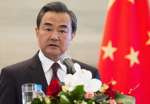
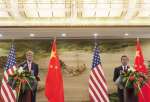

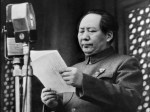
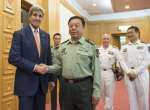




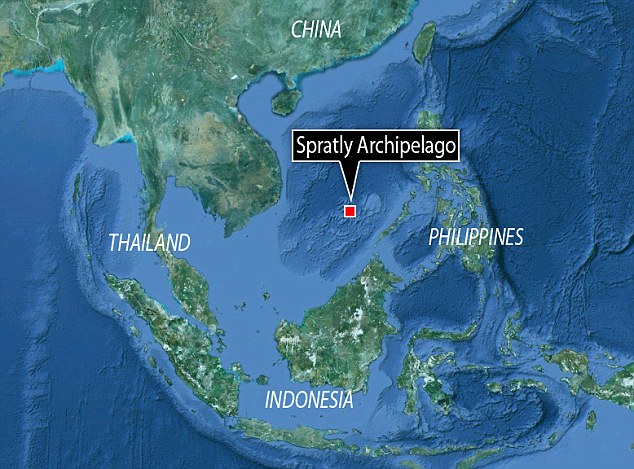
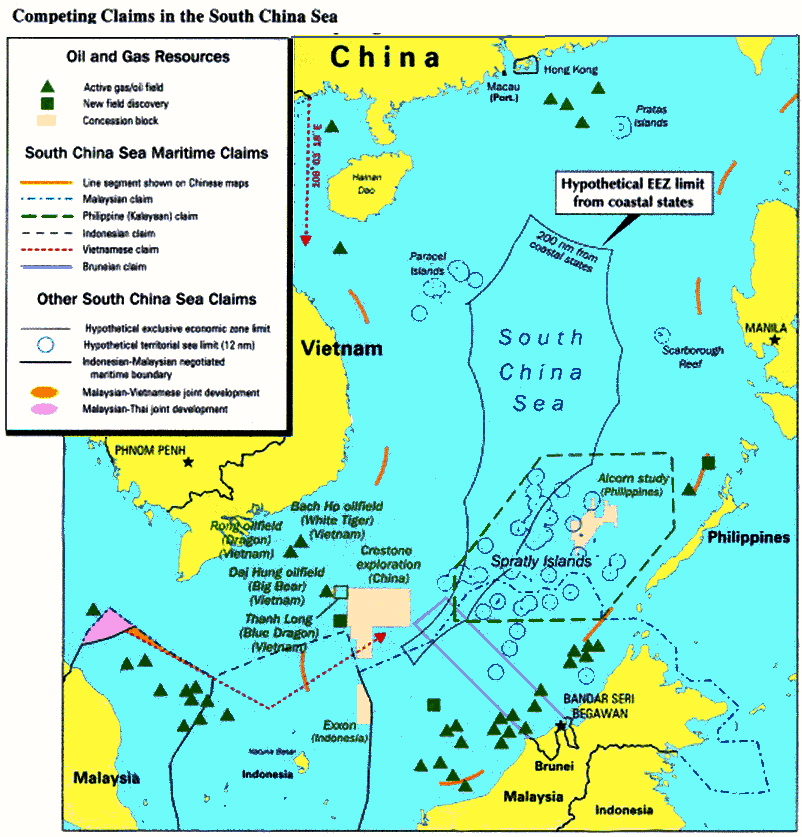
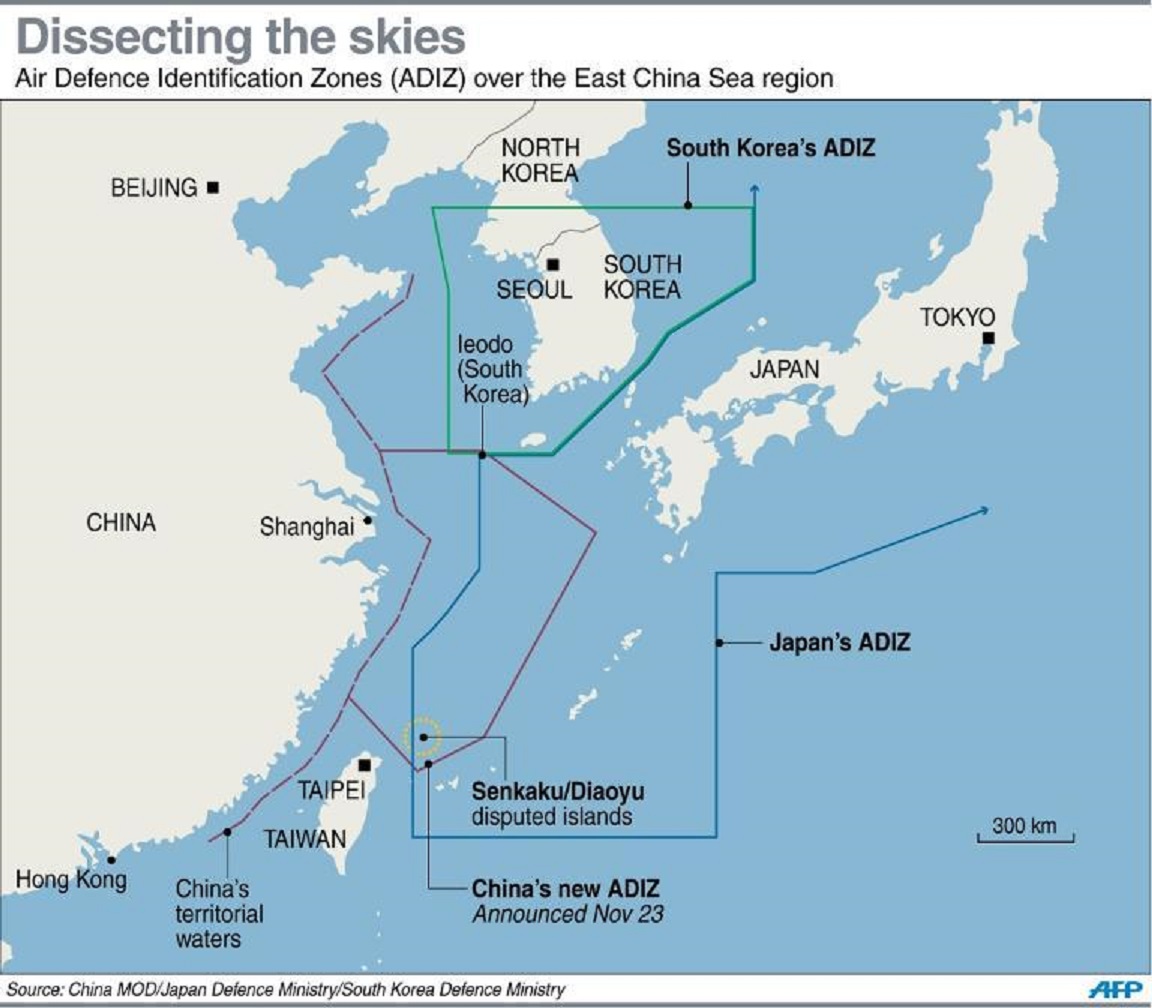
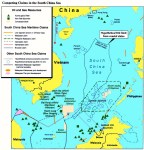

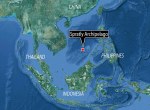
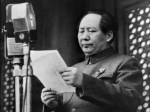

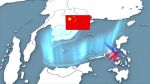



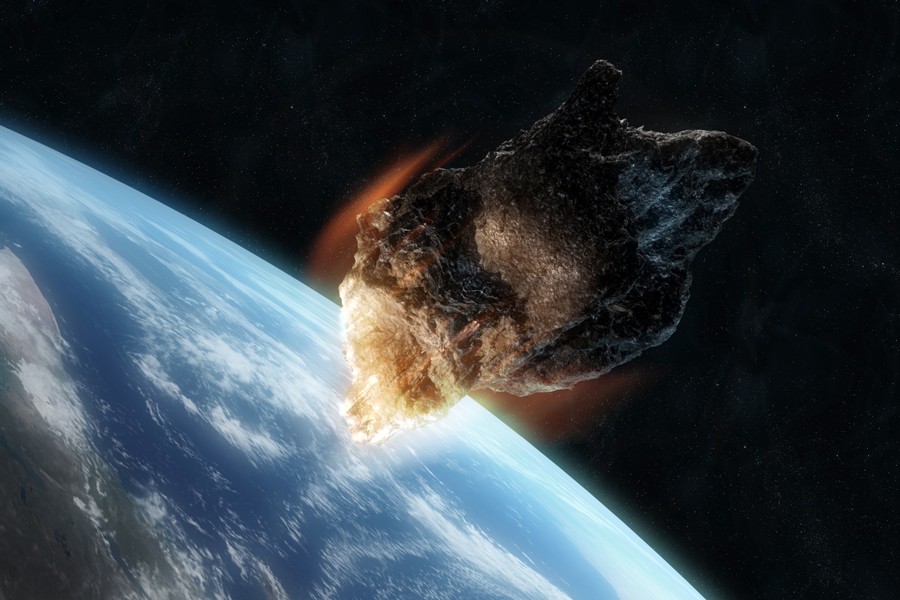


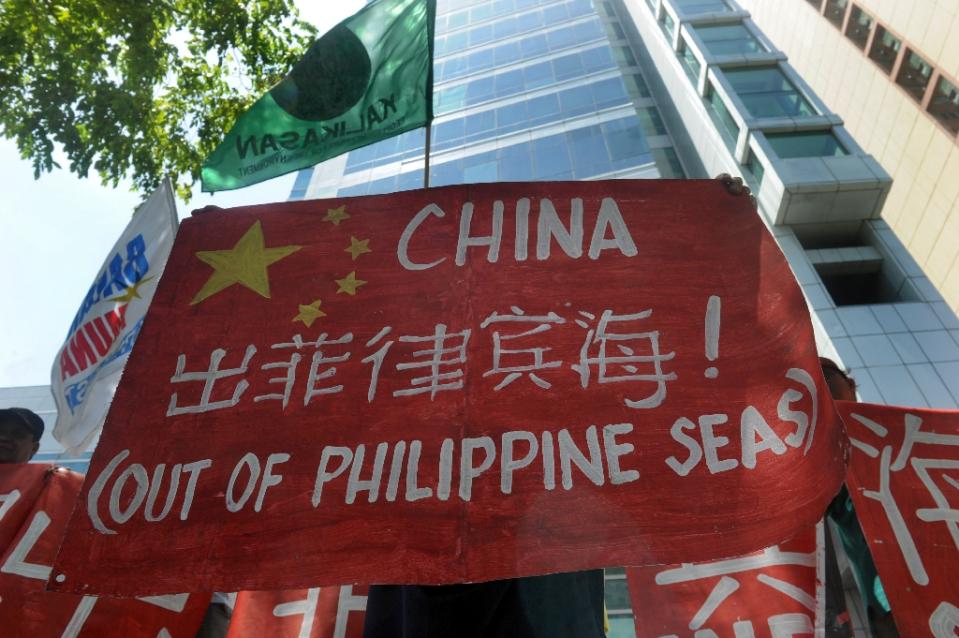


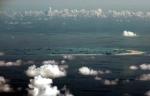

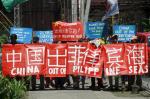
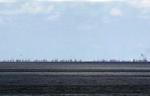

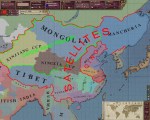






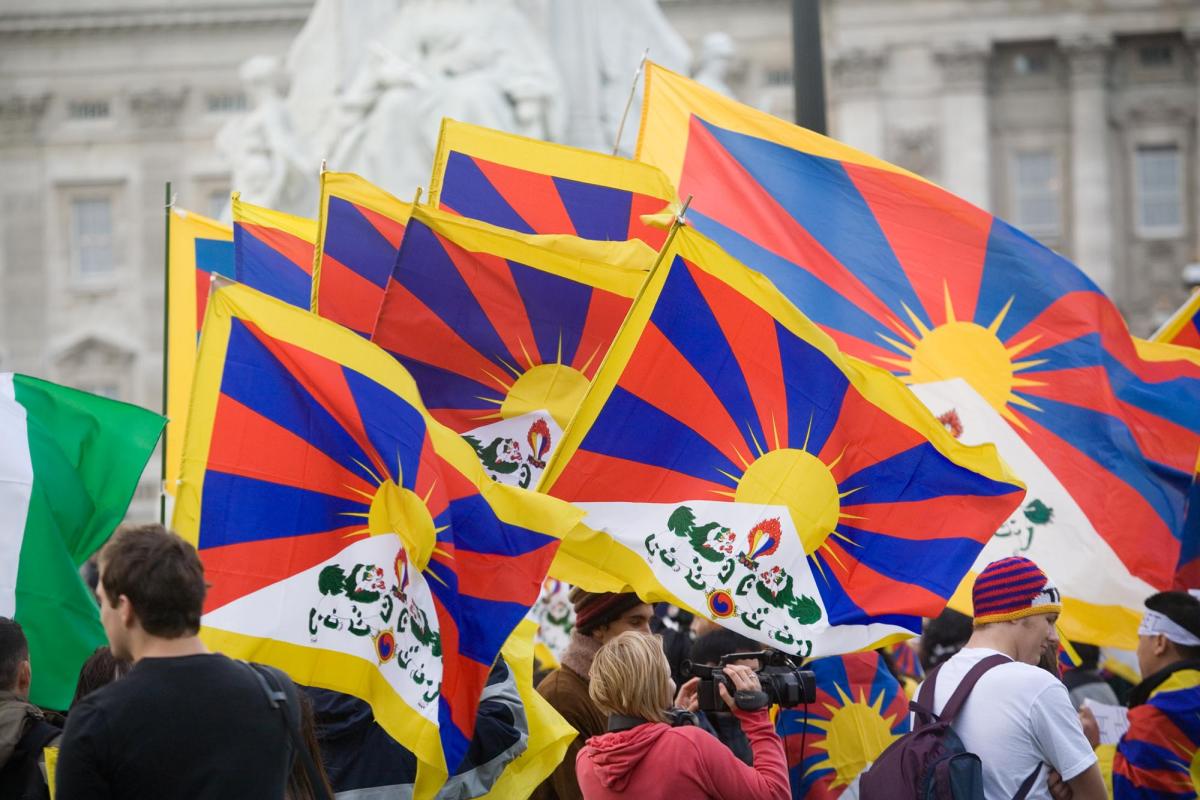

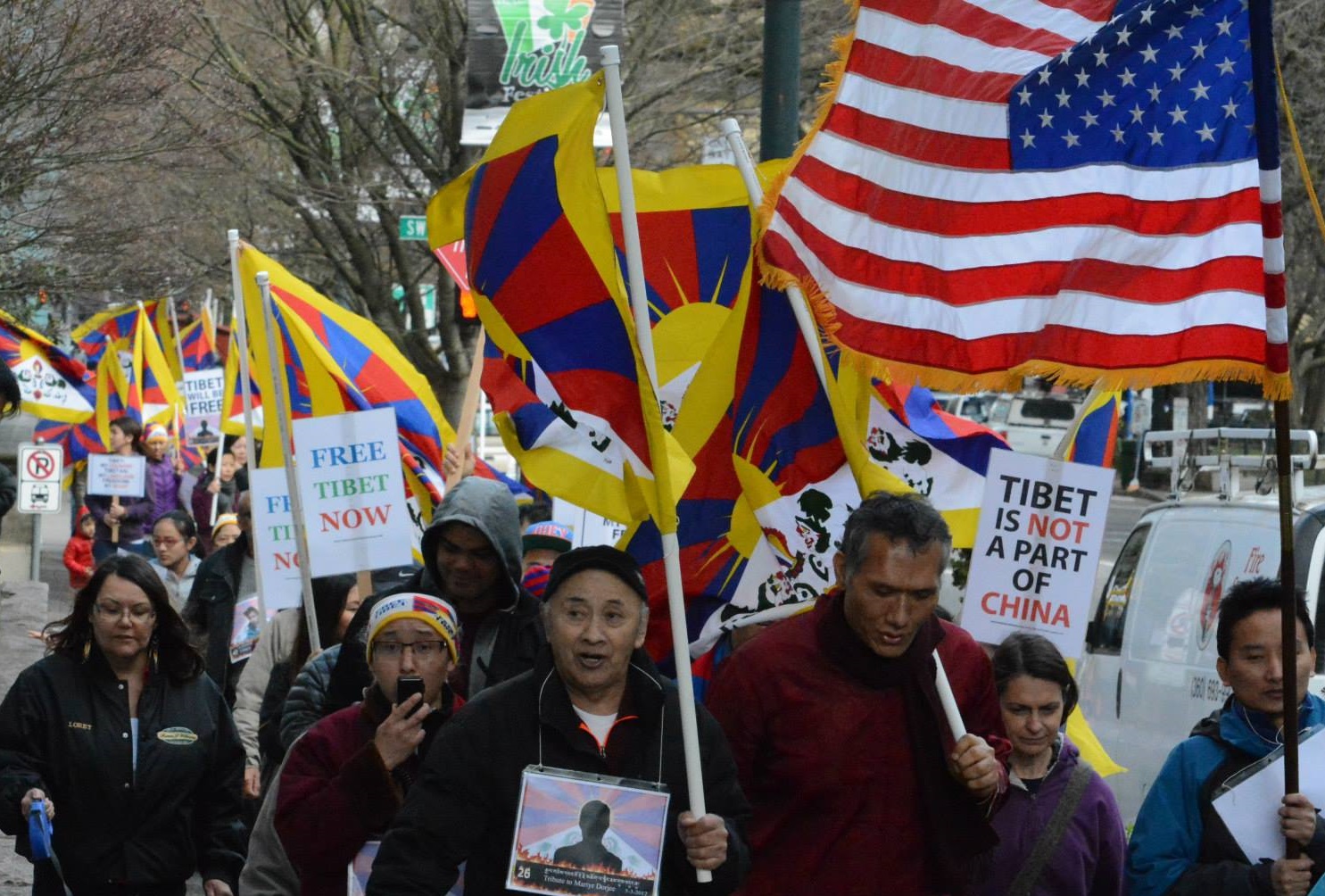


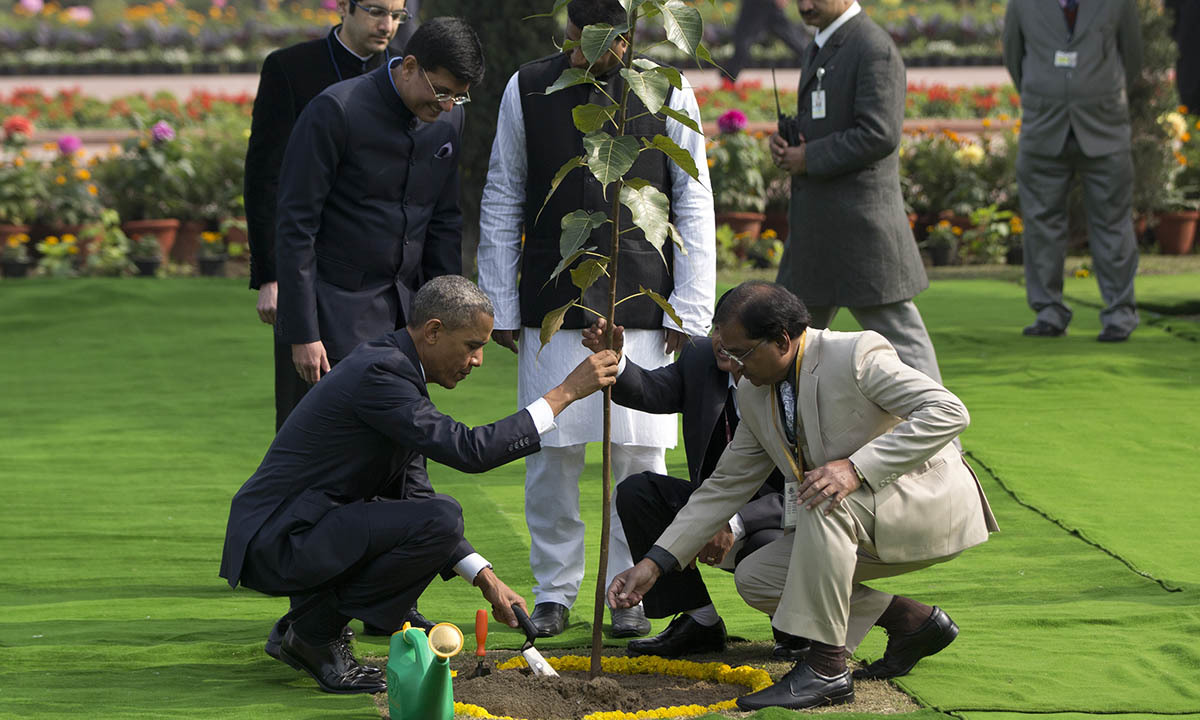








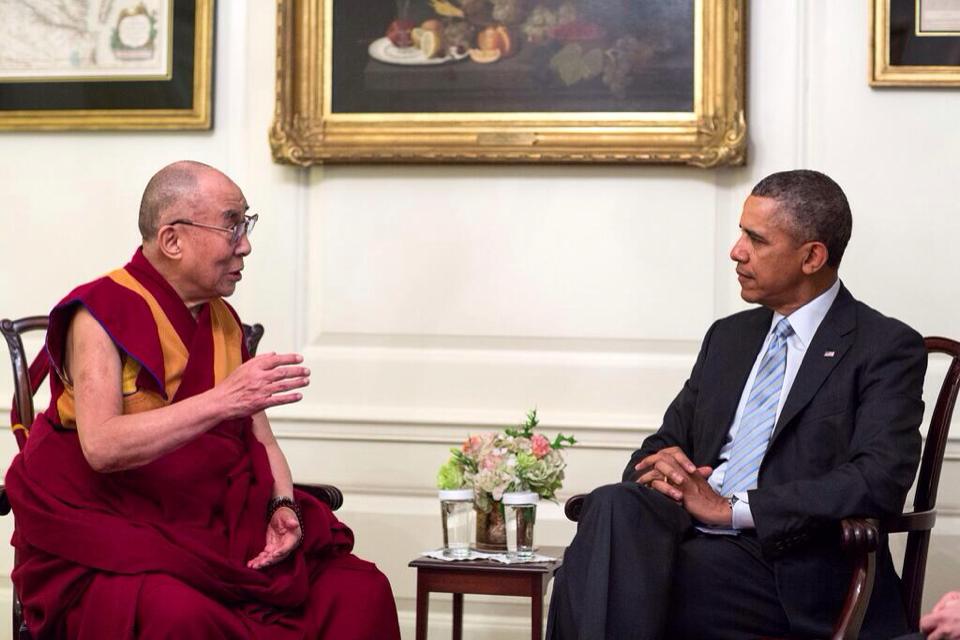
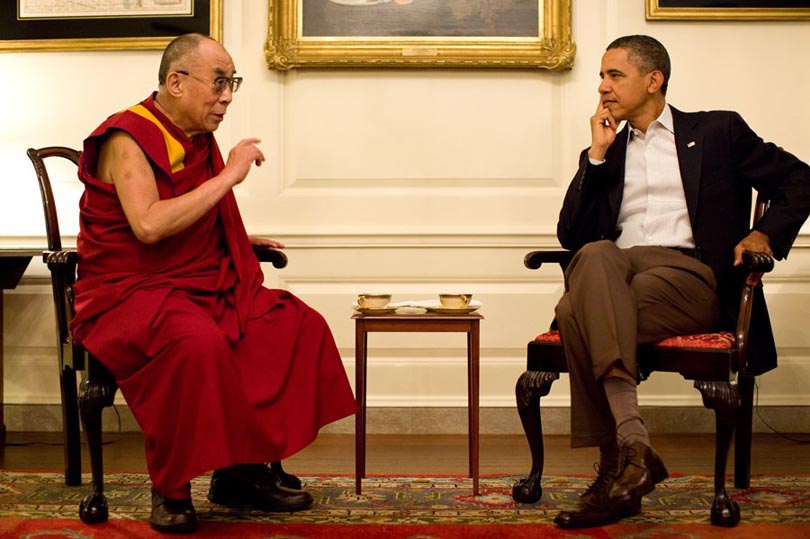
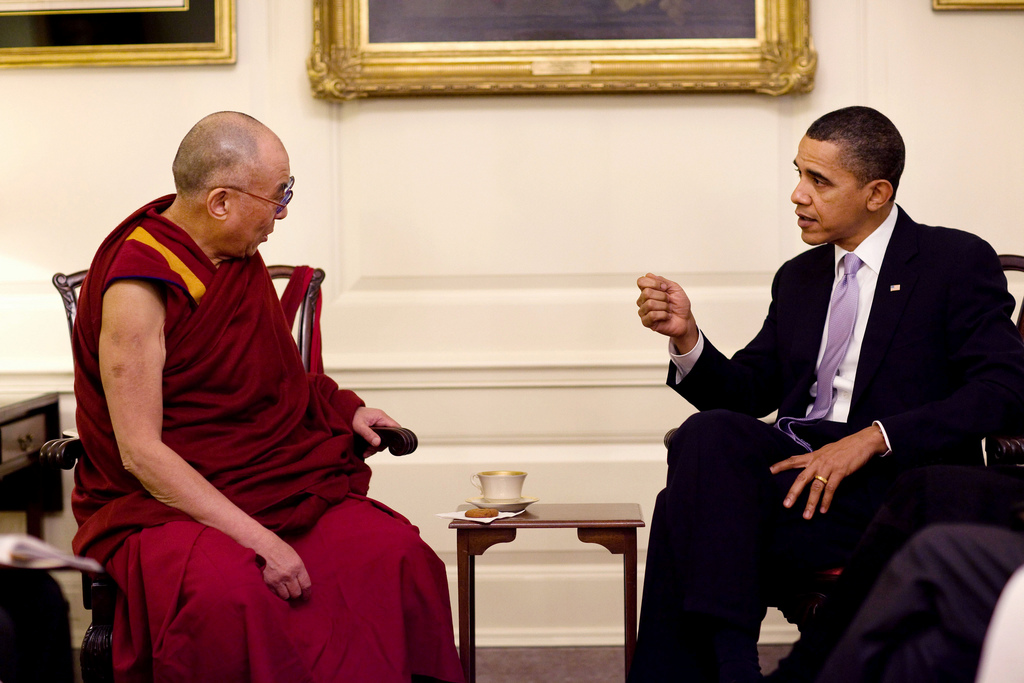


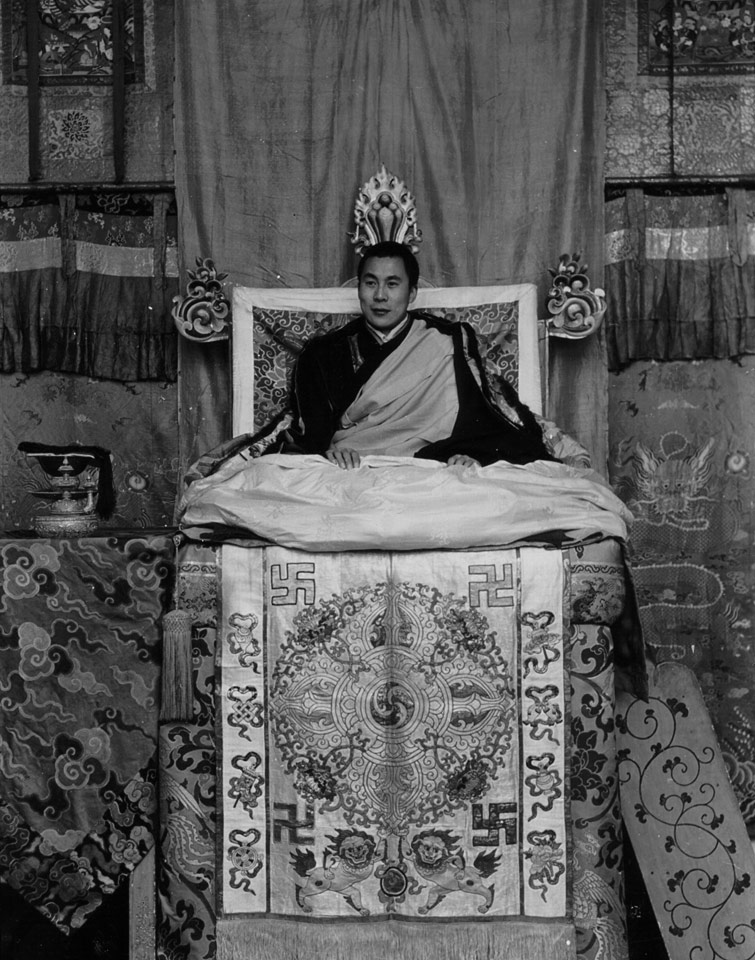
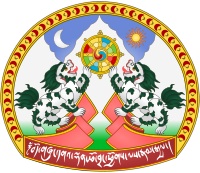

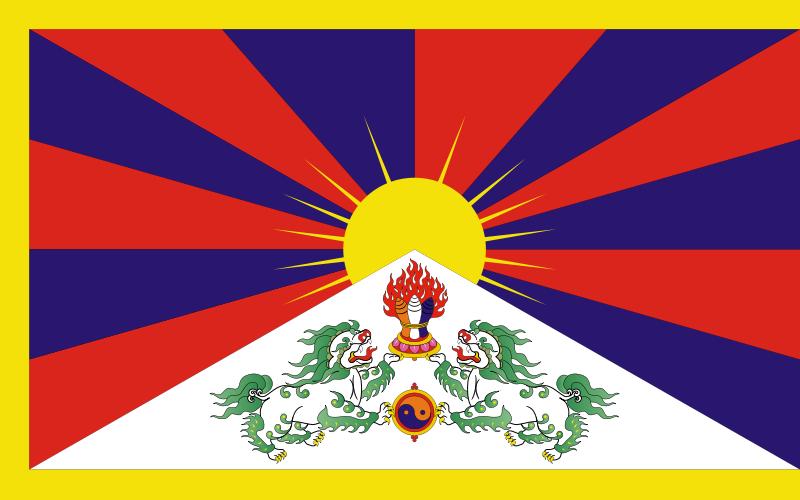

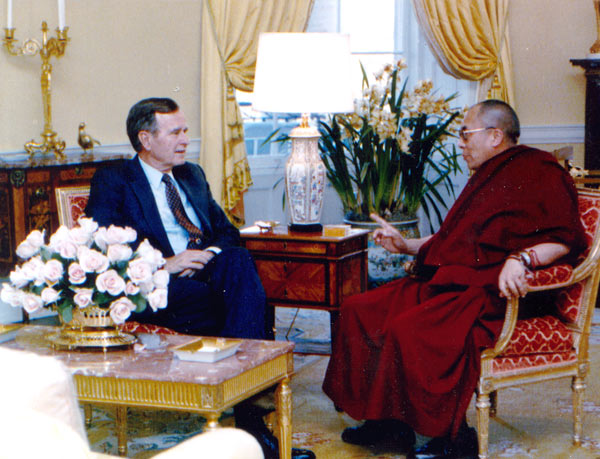
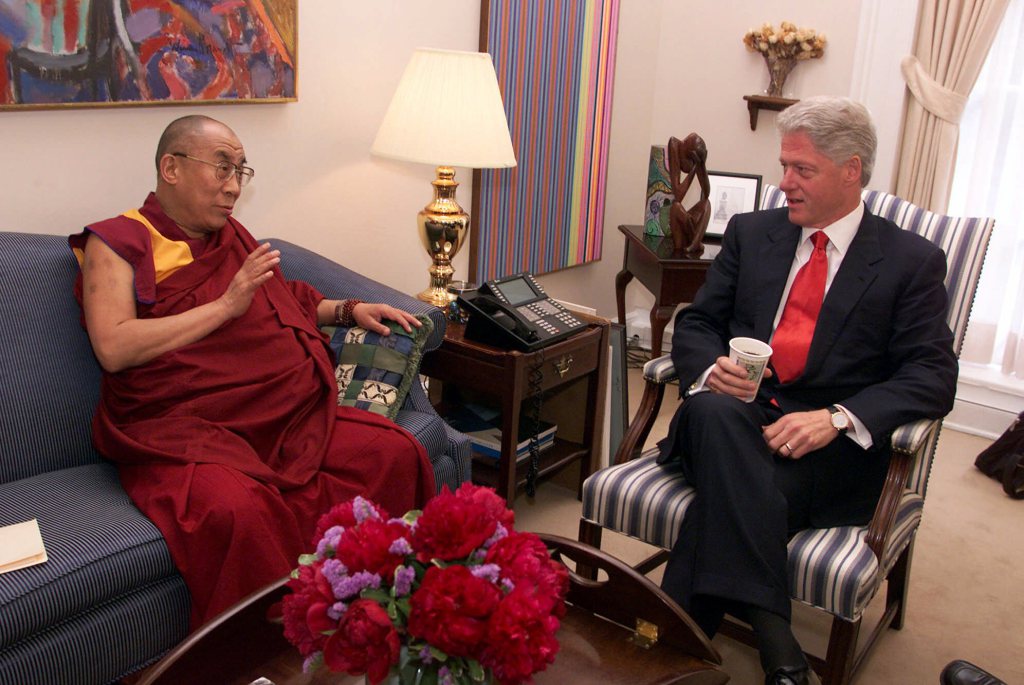
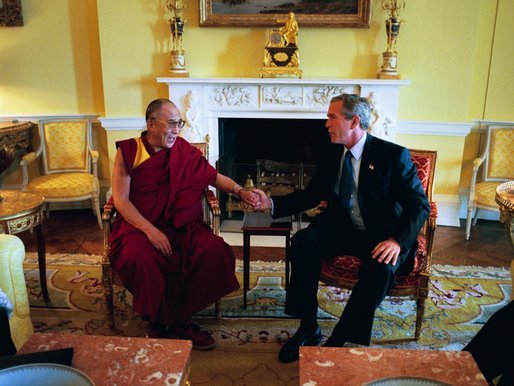


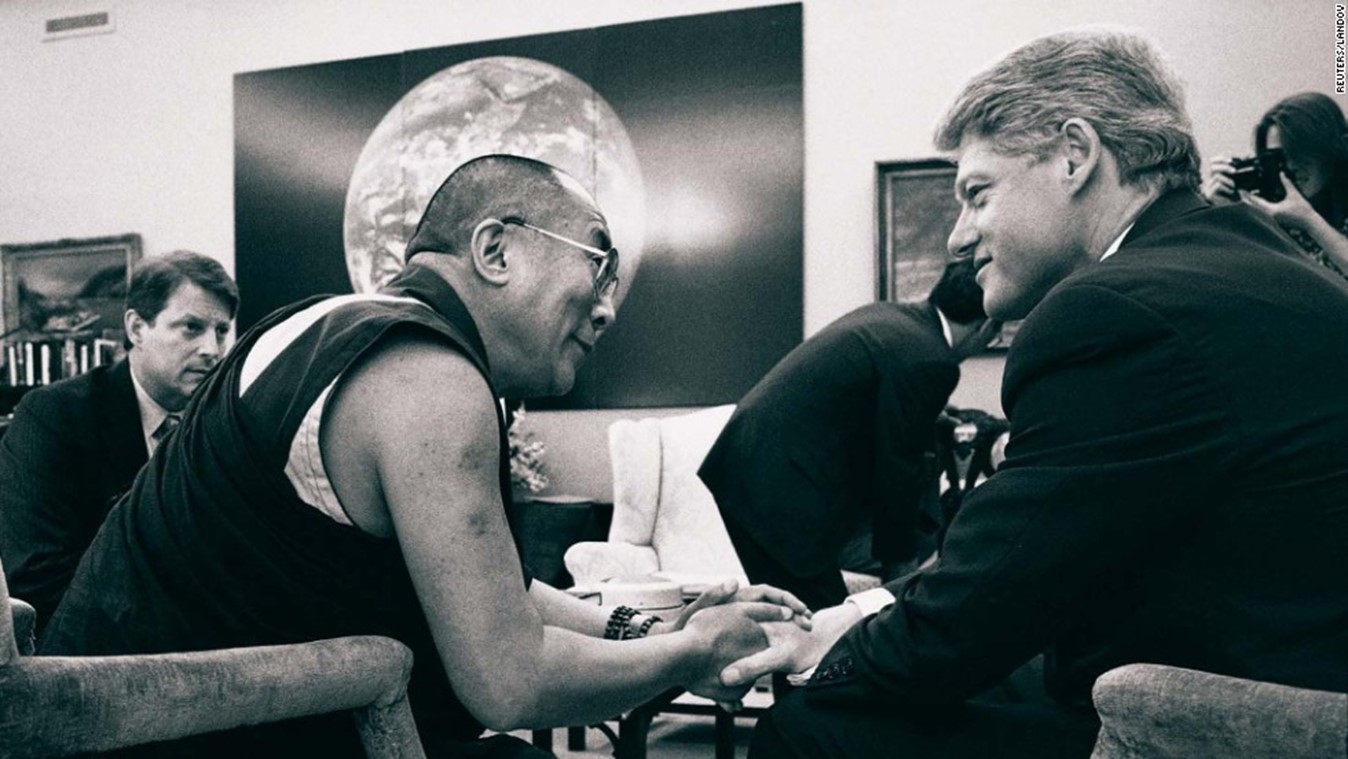
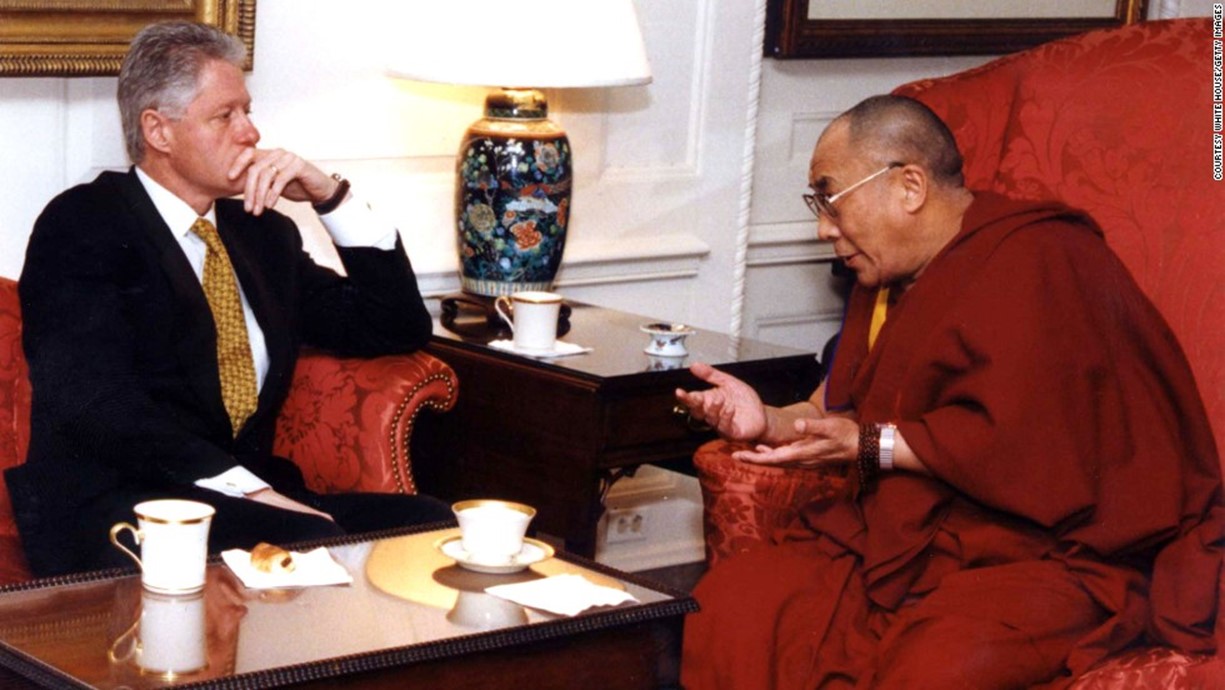

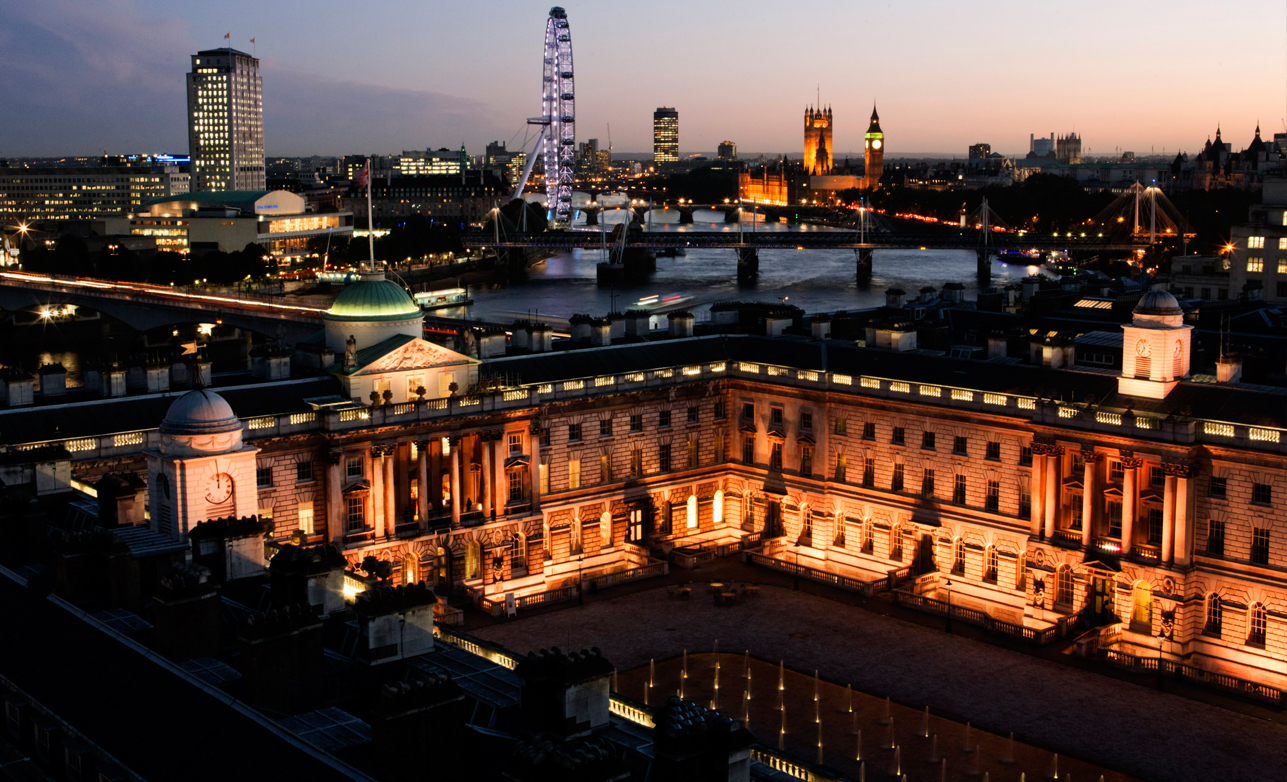


 Whole Dude - Whole Concept