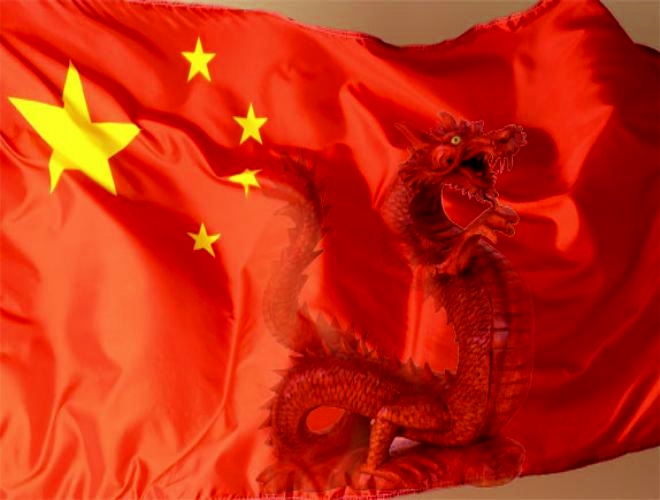
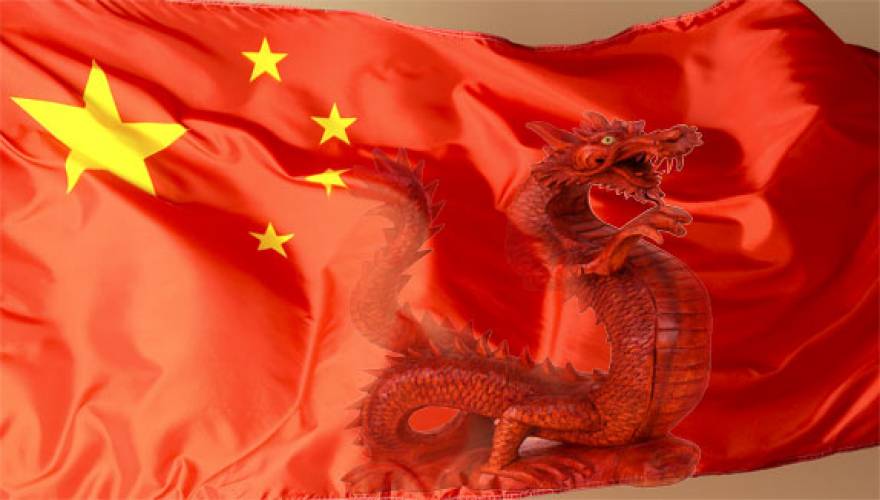
RED DRAGON – RED CHINA – POWER-HUNGRY

RED DRAGON – RED CHINA – POWER-HUNGRY

Red China’s Communist Party Chairman Mao Zedong formulated his plan for creation of Evil Red Empire because of his insatiable desire for power and influence over the lives of all other nations in Southeast Asia.

Rudranarasimham Rebbapragada
Ann Arbor, MI 48104-4162, USA
SPECIALFRONTIERFORCE.ESTABLISHMENT22

image
The Spirits of Special Frontier ForceAt Special Frontier Force, I host ‘The Living Tibetan Spirits’ to promote Tibet Awareness. I…
View on www.facebook.com Preview by Yahoo

ABC News

Analysis: South China Sea dispute pits power-hungry China against weaker regional neighbours

By South-East Asia correspondent SAMANTHA HAWLEY

Updated June 21, 2014 11:53:05

South China Sea dispute


Photo: China and Vietnam are now in the depths of the most serious deterioration of relations since the 1970s. (Wikipedia Commons, File Image)

The dispute over the South China Sea pits China against its smaller, weaker regional neighbours.
Vietnam is one of them, and right now there is a concerning flash point that could have deep, significant implications for the region.

Around Vietnam you find propaganda billboards denouncing China’s actions after it built a billion-dollar oil rig about 200 nautical miles off the Vietnamese coast.
It is condemnation that spilled out onto the streets in the most significant protests seen in the one-party state for many years.

Chinese nationals were forced to flee the country as their businesses were burned to the ground. Beijing says at least four of its nationals were killed.
The oil rig sits about 30 kilometres south of the Paracel Islands, which China says it has irrefutable sovereignty over, along with the Spratly Islands to south.

Vietnam says the islands and the seas around them belong to it, and so the two communist nations are now in the depths of the most serious deterioration of relations since the 1970s.
Vietnam is accusing China of bullying tactics as it tries to force its ships out of the area; China says its smaller neighbour is taunting it, and Beijing has warned its tolerance is low.

In one case Vietnam says a fishing boat was sunk after being rammed by the Chinese.
Beijing rejects the allegation, and accuses Vietnam of sabotage.

China says its boats have been rammed by Vietnam more than 1,000 times and has now gone to the United Nations to try to have the case heard.

Vietnam says there are almost 120 Chinese ships stationed around the oil rig, including warships, but says it will not send military assets to the disputed seas.
It does not want to provoke unwanted hostility from Beijing.

Is China’s stance more a show of strength than oil drilling exercise?

There is a question mark over whether China is actually drilling for oil, or even if there is oil below the sea bed, or whether this is much more about military positioning and a show of strength.

Vietnam has the support of the Philippines, which has its own territorial dispute with China.
Troops from the two nations recently gathered on one of the contested islands to play a game of volleyball, a move condemned by China.

Beijing says Vietnam has been forcibly and illegally disrupting operations on the rig.
Several other countries have territorial claims over the waters, including Malaysia, Taiwan and Brunei.

China claims to have sovereignty over more than 90 per cent of the resource-rich ocean.
Taking a journey close to the Chinese oil rig, you see first-hand the very real tensions at sea.

According to the Vietnamese, just 10 of its coast guard boats are now stationed in the area. One of them is the Coast Guard ship 8003.
With about 40 crew on board, it has been patrolling waters adjacent to the oil rig since May.

Twice a day it ventures closer to within eight nautical miles of the rig and via loudspeaker warns China it is breaching Vietnamese sovereignty and breaking international law and orders them to leave.

In turn, the Chinese chase the ships out of the area, in what looks like a bullfight at sea.
An up-close observation of the tensions provides an appreciation of a maritime power play where the most powerful nation is winning. And it’s not Vietnam.

Vietnam, China, Malaysia have eyes on the prize

Explore the conflicting territorial claims in the South China Sea

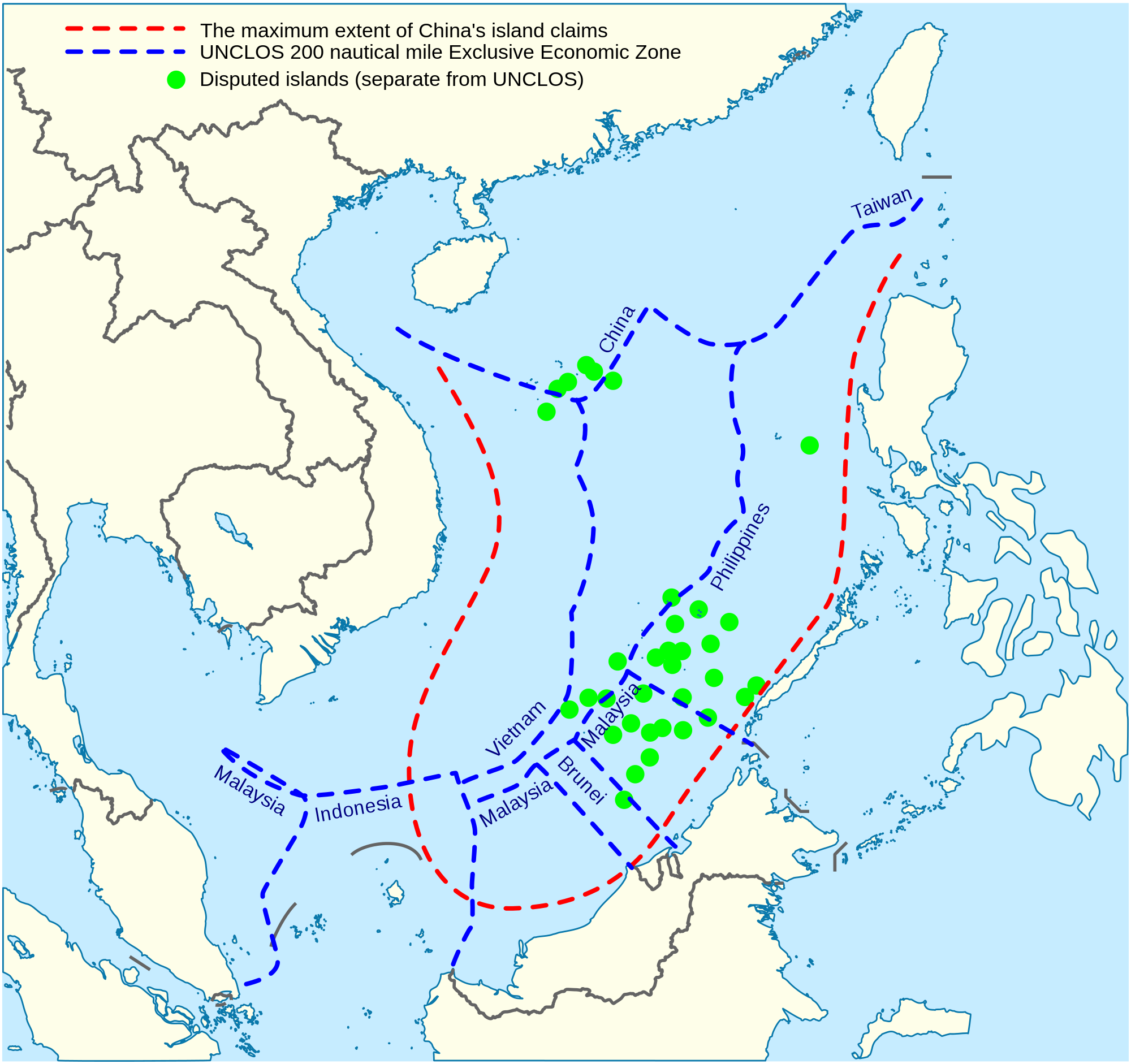
cell-slides Rich in resources and traversed by a quarter of global shipping, the South China Sea is the stage for several territorial disputes that threaten to escalate tensions in the region.At the heart of these disputes are a series of barren islands in two groups – the Spratly Islands, off the coast of the Philippines, and the Paracel Islands, off the coasts of Vietnam and China. Both chains are essentially uninhabitable, but are claimed by no fewer than seven countries, eager to gain control of the vast oil and gas fields below them, as well as some of the region’s best fishing grounds.Indonesia, Malaysia and Brunei have made claims to part of the Spratlys based on the internationally recognised Exclusive Economic Zone (EEZ), which extends 200 hundred nautical miles from a country’s coastline. Based on the EEZ, the Philippines has the strongest claim on the Spratlys and their resources, with its EEZ covering much of the area. However the lure of resources, and prospect of exerting greater control over shipping in the region, means that greater powers are contesting the Philippines’ claims. China has made extensive sovereignty claims on both the Spratlys and the Paracels to the north, based largely on historic claims outlined in a map from the middle part of the 20th Century known as the ‘Nine Dash Map’.Taiwan also makes claims based on the same map, as it was created by the nationalist Kuomintang government, which fled to Taiwan after the communists seized power in China. Vietnam also claims the Spratlys and the Paracels as sovereign territory, extending Vietnam’s EEZ across much of the region and bringing it into direct conflict with China.There have been deadly protests in Vietnam over China’s decision to build an oil rig off the Paracels.One Chinese worker in Vietnam was killed and a dozen injured in riots targeting Chinese and Taiwanese owned factories, prompting 3,000 Chinese nationals to flee the country. EEZ can only be imposed based on boundaries of inhabitable land, and this has prompted all the countries making claims on the region to station personnel, and in some cases build military bases out of the water, to bolster their claim.Building and protecting these structures has resulted in a series of stand-offs between countries in the region, each with the potential to escalate.China has been leading the charge with these installations, and has deployed vessels to the region to protect their interests. Chinese coast guard vessels have used a water cannon on Vietnamese vessels, as well as blockading an island where the Philippines has deployed military personnel.

This service may include material from Agence France-Presse (AFP), APTN, Reuters, AAP, CNN and the BBC World Service which is copyright and cannot be reproduced.
AEST = Australian Eastern Standard Time which is 10 hours ahead of UTC (Greenwich Mean Time)

© 2015 ABC

THE PROBLEM OF RED CHINA’S AGGRESSION IN WEST PHILIPPINE SEA

THE PROBLEM OF RED CHINA’S AGGRESSION IN WEST PHILIPPINE SEA

RED CHINA'S AGGRESSION IN WEST PHILIPPINE SEA DEMANDS FULL UNDERSTANDING OF HER EXPANSIONIST POLICY.
RED CHINA’S AGGRESSION IN WEST PHILIPPINE SEA DEMANDS FULL UNDERSTANDING OF HER EXPANSIONIST POLICY.

I am pleased to note that United States is giving support to Philippines to confront the problem of Red China’s aggression in West Philippine Sea. Resolution of this problem demands a proper understanding of Red China’s Expansionist Policy and containing and resisting all manifestations of Red China’s Expansionism. Tibet is Red China’s first victim and Southeast Asia’s nations have to seek justice for Tibetans if they want to protect their own national interests from Red China’s Imperialism.

Rudranarasimham Rebbapragada
Ann Arbor, MI 48104-4162, USA
The Spirits of Special Frontier Force

 
  image          
The Spirits of Special Frontier ForceAt Special Frontier Force, I host ‘The Living Tibetan Spirits’ to promote Tibet Awareness. I…
 
View on www.facebook.com Preview by Yahoo
 
 Close

VOICE OF AMERICA

US, PHILIPPINES URGE END TO ISLAND-BUILDING IN S. CHINA SEA

FILE - Foreign Minister of the Philippines Albert del Rosario (L) and U.S. Secretary of State John Kerry shake hands before a meeting.
FILE – Foreign Minister of the Philippines Albert del Rosario (L) and U.S. Secretary of State John Kerry shake hands before a meeting.

SIMONE ORENDAIN

August 04, 2015 8:17 AM

MANILA—

The Philippines says it will back calls by the United States for a series of measures aimed at reducing tensions in the South China Sea during a regional security forum in Kuala Lumpur Wednesday. Washington wants countries to stop building artificial islands and carrying out military activities.

The Philippines is expected to raise the issue of China’s activities in the South China Sea during meetings of the 10-member Association of Southeast Asian Nations (ASEAN) this week.
Foreign Affairs Secretary Albert del Rosario released a statement Tuesday saying that his country would also endorse a U.S. call for stopping all work on disputed outcroppings and any military activities.

“As a means of de-escalating tensions in the region, the Philippines fully supports and will pro-actively promote the call of the United States on the ‘three halts’ — a halt in reclamation, halt in construction and a halt in aggressive actions that could further heighten tensions,” Del Rosario said.

However, he said the Philippines back those measures only if other claimants, including China, do the same. And he said this does not mean that China’s island construction on at least seven outcroppings is legitimate.

In recent months the U.S. has been raising concerns over China’s project to convert reefs and shoals in the Spratlys into manmade islands.
“This has been the American position for what, almost two years now, saying that everyone should stop developing their particular areas that they hold,” explained Carl Baker, programs director at the Pacific Forum of the Washington-based Center for Strategic and International Studies. “But everybody knows that this is really directed at China.”
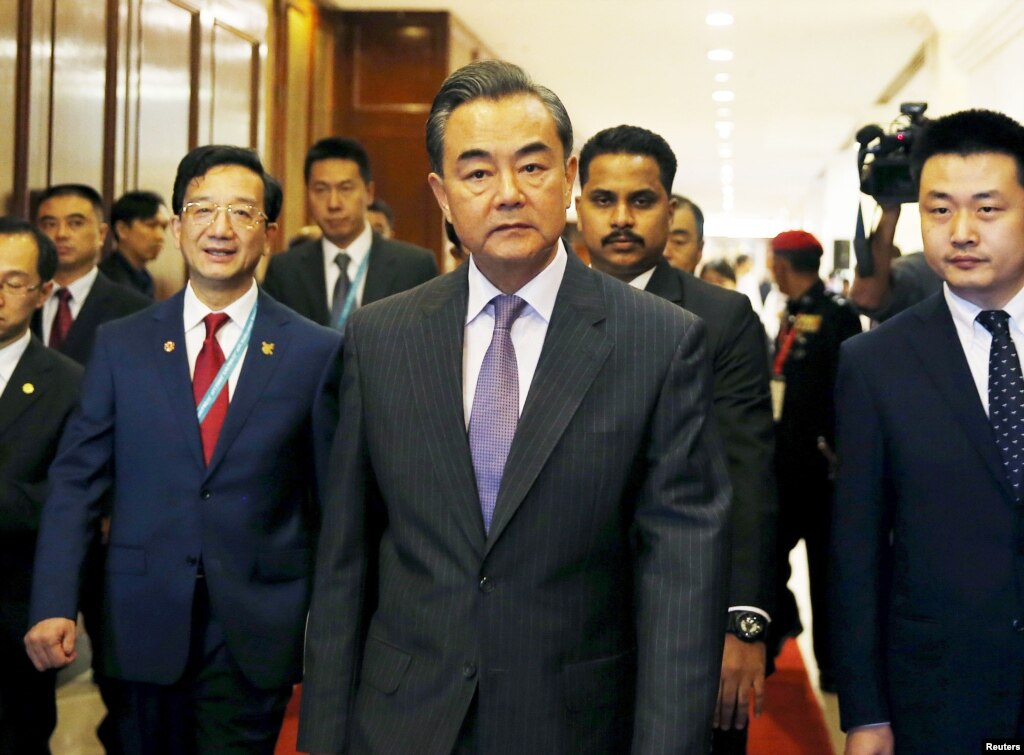
China's Foreign Minister Wang Yi arrives at a meeting during the 48th Association of Southeast Asian Nations (ASEAN) foreign ministers meeting in Kuala Lumpur, Malaysia, Aug. 4, 2015.

China’s Foreign Minister Wang Yi arrives at a meeting during the 48th Association of Southeast Asian Nations (ASEAN) foreign ministers meeting in Kuala Lumpur, Malaysia, Aug. 4, 2015.

CHINA’S STANCE

China insists that ASEAN forums are not the place to raise these territorial disputes.

Beijing claimed nearly the entire South China Sea, while the Philippines, Vietnam, Malaysia, Brunei and Taiwan also have overlapping claims. The Philippines has filed a case with the Permanent Court of Arbitration to question what it calls China’s “excessive claims” in the sea. China rejected the case and is not participating.

Baker does not foresee any change in the U.S. position and nor does he see a shift in China’s stance, especially since it already built the islands. He predicts that the standoff will “inhibit security cooperation” in Southeast Asia.

On Monday in Singapore, China’s foreign minister, Wang Yi, downplayed the concerns over Beijing’s island building, which has rapidly built airstrips and buildings on top of what were until recently mostly submerged rocks and reefs.

“At the moment the general situation in the South China Sea is stable, and China is steadfastly committed to working with the parties to maintain the situation which has not come easily. And we will never allow any country to destabilize the South China Sea,” said Wang.

Wang made a pitch for peacefully resolving the disputes through “consultations and negotiations” among what he called “five commitment points” of China regarding the contested sea.

RED CHINA – RED ALERT – CHINA THE MAIN ECONOMIC ESPIONAGE THREAT TO UNITED STATES
RED CHINA – RED ALERT – CHINA THE MAIN ECONOMIC ESPIONAGE THREAT TO UNITED STATES

Red China’s spying is not limited to stealing military secrets. Red China poses most serious threat to Americans because Red China is stealing Intellectual Property, and is causing economic loss of hundreds of billions dollars. Military can defend vital national security interests in spite of Enemy’s spying. The loss of Trade Secrets robs economic vitality and productivity of United States and it is not easy to defend economic interests as Enemy robs, steals, and plunders without firing a bullet.

Rudranarasimham Rebbapragada
Ann Arbor, MI 48104-4162, USA
The Spirits of Special Frontier Force

image
The Spirits of Special Frontier ForceAt Special Frontier Force, I host ‘The Living Tibetan Spirits’ to promote Tibet Awareness. I…
View on www.facebook.com Preview by Yahoo

THE ECONOMIC TIMES

CHINA THE MAIN ECONOMIC ESPIONAGE THREAT TO US: FBI


By PTI | 26 Jul, 2015, 02.44PM IST

Coleman said there has been a 53 per cent increase in economic espionage
cases, or the theft of trade secrets leading to the loss of hundreds of
billions of dollars.

WASHINGTON: The US has witnessed a 53 per cent spike in economic espionage
cases aimed at American firms, with a vast majority of the perpetrators
originating from China with ties to the government, the FBI said.

The head of the Federal Bureau of Investigation’s counterintelligence
division, Randall Coleman, said there has been a 53 per cent increase in
economic espionage cases, or the theft of trade secrets leading to the loss
of hundreds of billions of dollars, over the past year.

Coleman said at a recent briefing that state-sanctioned corporate theft by
China is at the core of the problem.

Coleman said that China is the most predominant threat facing the US from
the standpoint of economic espionage.

He cited examples of large corporations successfully targeted in the past
such as DuPont, Lockheed Martin and Valspar, who have since worked with the
FBI to further safeguard their intellectual property.

To highlight this growing threat to the US economy, the FBI has launched a
nationwide campaign intended to warn industry leaders of the danger they
face from foreign actors. But the FBI not only considers this a threat to
American economic prosperity, but to its physical security as well.

“Economic security is national security,” said Bill Evanina, the head of the
National Counterintelligence and Security Center and one of the agents
leading the charge in stemming the threat to corporations. Many of the tools
used are the same as the ones used to track terrorists, he said.

Half of the 165 private companies that participated in a survey conducted by
the FBI have claimed to be victims of economic espionage or theft of trade
secrets, and 95 per cent of those attempts originated from individuals
associated with the Chinese government, CNN reported.

One of the most concerning means of obtaining sensitive industry secrets is
through the use of “insider threats,” or employees who are familiar with the
inner workings of a particular technology being recruited by foreign agents
in exchange for large amounts of cash.

The FBI continues to see spear phishing attempts, when an email or link
appears legitimate but is in fact a bogus message intended on tricking
recipients into offering up personal information. Social media and sites
like LinkedIn are also being utilised in economic espionage where potential
recruits can be found and contacted based on relevant knowledge and work
experience, officials said.

“The Chinese government plays a significant role” in economic espionage,
Evanina said. “The playing field is not level” when a single company faced
with relentless targeting by individuals or entities who have the backing of
a foreign government, he said.

Other big targets for economic spies are specifications for US military
technology and proprietary information on everything from superconductors to
seed-and-grain hybrids.

“It’s across the board,” said Dean Chappell, a section chief in the FBI’s
counterintelligence division. “It’s not high-end avionics for military
aircraft; it’s not joint strike fighter stuff. It’s all of the things that
we see every day.”

In a change from more traditional modes of economic espionage, such spies
are appearing as non-traditional actors, serving as insider threats within
organisations and institutions, officials say.

William Evanina, head of the National Counterintelligence and Security
Center, said such individuals have been observed in the US serving as
professors, engineers, travelling students and businessmen.

Officials also warn of cyber tactics used to hijack intellectual property
and trade secrets.

In particular, actors, predominantly from China, are known to employ mass
spear-phishing campaigns to coax employees inside companies into clicking
tainted links or attachments, Fox News reported.

If successful, the actor could get critical data off of the organisation’s
computer network.

China in particular has been publicly outed on multiple occasions by the
Obama administration for its efforts geared toward breaching private sector
interest.

US economists blame China for contributing to an increasingly uneven playing
field on the world economic scene.

“To sustain its phenomenal growth rate, China must employ cyberattacks to
steal information,” said Scott Borg, director and chief economist of US
Cyber Consequences Unit, a non- profit research institute.

“Cyberattacks stealing competitively important business information are a
fundamental part of the national economic development strategy of China. For
this reason, getting China to moderate this behaviour will be extremely
difficult,” Borg said.

As a result, The FBI has announced a nationwide awareness campaign and
continues to develop relationships within U.S. industry.

The agency has provided over 1,300 in-person briefings on the economic
espionage threat to companies and industry leaders over the past year, using
a FBI-produced video entitled ‘The Company Man: Protecting America’s
Secrets’, as a training tool.

READ MORE ON » Valspar | US economy | US | united states | Randall Coleman |
obama administration | National Counterintelligence and Security Center


The Economic Times

Copyright © 2015 Bennett, Coleman & Co. Ltd. All rights reserved.

WHO CAN FIGHT AGAINST RED CHINA?

WHO CAN FIGHT AGAINST RED CHINA?

If United States is not “NEUTRAL” in South China Sea Disputes, it demands action to join the dispute for its complete resolution. Red China is unwilling to settle her territorial dispute with Tibet and the same unwillingness is clearly displayed in her attitude that is manifested as South China Sea Disputes. Red China has become very assertive and is very confident of her military and economic power. Red China ignores pronouncements made by diplomats for she truly believes that no one can fight against her. At Special Frontier Force, we express a willingness, a readiness, a preparedness to fight against Red China for we think that is the right thing to do and for we believe it is ‘The Battle of Right Against Might’.

Rudranarasimham Rebbapragada
Ann Arbor, MI 48104-4162, USA
The Spirits of Special Frontier Force

image
The Spirits of Special Frontier ForceAt Special Frontier Force, I host ‘The Living Tibetan Spirits’ to promote Tibet Awareness. I…
View on www.facebook.com Preview by Yahoo

The Diplomat

The Rebalance

US Not ‘Neutral’ in South China Sea Disputes: Top US Diplomat
The Nimitz-class aircraft carrier USS George Washington underway in the South China Sea.
Image Credit: U.S. Navy Photo

US Not ‘Neutral’ in South China Sea Disputes: Top US Diplomat

America’s top diplomat for East Asia clarifies the country’s outlook in a keynote speech.

7XRzjYON

By PRASHANTH PARAMESWARAN for The Diplomat

July 22, 2015

The United States is not neutral when it comes to following international law in the South China Sea and will come down forcefully to ensure that all parties adhere to the rules, Washington’s top diplomat for East Asia said Tuesday.

The United States has repeatedly said that while it takes no position on competing sovereignty claims over disputed land features in the South China Sea, it does want these maritime claims to be advanced in accordance with international law and without the use of coercion. That hedged position has led some to incorrectly read the U.S. stance on the issue as being ‘neutral,’ with China in particular accusing Washington of ‘taking sides.’

But in response to a question by a Chinese participant on perceived U.S. ‘neutrality’ in the South China Sea, U.S. Assistant Secretary of State Daniel Russel firmly clarified at a think tank conference in Washington, D.C. that this neutrality only extended to the competing claims, rather than the way in which the disputes were resolved.

“We are not neutral when it comes to adhering to international law. We will come down forcefully when it comes to following the rules,” Russel said during a keynote speech delivered at the Center for Strategic and International Studies.

In this vein, Russel said in his speech that the United States was currently encouraging relevant parties in the South China Sea to create the atmosphere and conditions necessary to manage the disputes peacefully, diplomatically and lawfully despite escalating tensions there partly caused by China’s assertive actions.

“We’re pushing the parties to revive the spirit of cooperation,” Russel said.

The focus, Russel said, would be on lowering the temperature and creating the breathing room necessary to pursue peaceful paths toward resolving disputes, such as negotiations and arbitration. He encouraged all actors – not just China – to cease actions that run contrary to this spirit, including reclaiming land, building facilities and militarizing features. Beijing has been engaging in an extensive land reclamation activities in the South China Sea to the alarm of claimants and outside actors.

Russel said that U.S. Secretary of State John Kerry would push for progress on this front at the upcoming ASEAN Regional Forum, which will be held next month in Malaysia, this year’s chair of the Association of Southeast Asian Nations.
“He’ll push for progress. This is an important priority,” Russel said.

On the first peaceful path to resolving disputes – bilateral negotiations – Russel acknowledged it was challenging to pursue this course under the current atmosphere. While not directly mentioning China by name, he noted that “absolutist” statements by certain countries that their claims were “indisputable” made going down this path even more challenging.

But he also said that there were several cases in the region where this had worked, including between Indonesia and the Philippines, Malaysia and Singapore, and Bangladesh and Myanmar.

“Hey, it can be done,” Russel argued.
On the second path – arbitration – Russel specifically referenced the Philippines ongoing case against China at the United Nations Permanent Court of Arbitration at The Hague. He stressed that regardless of the outcome, both Beijing and Manila had to abide by the court’s legally binding decision as they were both signatories to the United Nations Convention on the Law of the Sea (UNCLOS).
“In keeping with the law, both China and the Philippines are obligated to follow the decision whether they like it or not,” Russel said.

In the meantime, Russel said that the United States would safeguard its own interests in various ways, including honoring its alliances and security commitments and aiding the development of effective regional organizations. This included taking steps such as investing in maritime domain awareness for coastal states and carrying out freedom of navigation operations in the South China Sea.

“We the United States are obligated to protect U.S. interests,” Russel said.

Summarizing the essence of the U.S. position on the South China Sea disputes, Russel reiterated that it was not about rocks but about rules for the Asia-Pacific region.
“It’s really not about the rocks and the shoals. It’s about rules. It’s about the kind of neighborhood we all want to live in,” he said.

Confronting China’s 'New' Military Challenge in the South China Sea
© 2015 The Diplomat. All Rights Reserved.

The Diplomat

Whole Subjugation – The Military Oppression of Tibet is a crime against humanity

The Subjugation of Tibet is a crime against humanity

THE SUBJUGATION OF TIBET : RED CHINA'S ILLEGAL, AND UNJUST OCCUPATION OF TIBET IS A CRIME AGAINST HUMANITY.
THE SUBJUGATION OF TIBET: RED CHINA’S ILLEGAL, AND UNJUST OCCUPATION OF TIBET IS A CRIME AGAINST HUMANITY.

I am pleased to share this article authored by Patrick Boehler, “FROM THE ARCHIVES: DALAI LAMA’S ACCESSION TO THRONE AND FLIGHT TO INDIA” in The New York Times blog called ‘Sinosphere’ that includes dispatches from China. This blog post includes a series of news stories published by The New York Times. Just like India which was part of British Empire for several centuries, Tibet was part of Mongol, and later Manchu China Empires for several centuries. But, at no time India was a part of a national entity called Great Britain. Similarly, at no time Tibet is part of a national entity called China or People’s Republic of China. Red China’s Expansionist Policy and acts of aggression have no legitimacy. Red China’s illegal, unjust military occupation of Tibet is a Crime Against Humanity.

SINOSPHERE : DISPATCHES FROM CHINA

Sinosphere - Dispatches From China

From the Archives: Dalai Lama’s Accession to Throne and Flight to India

BY PATRICK BOEHLER July 6, 2015 7:55 am July 6, 2015 7:55 am

Photo

An op-ed by the Dalai Lama in The New York Times on Feb. 3, 1979.
THE SUBJUGATION OF TIBET: RED CHINA’S ILLEGAL, AND UNJUST OCCUPATION OF TIBET IS A CRIME AGAINST HUMANITY.

An op-ed by the Dalai Lama in The New York Times on Feb. 3, 1979.Credit John Faber

As the Dalai Lama celebrates his 80th birthday on Monday, here is a look at how The New York Times covered his early years as the spiritual leader of Tibet, a time when rare glimpses into the Himalayan territory’s politics came mostly from radio broadcasts from India and a few travelers and missionaries from war-torn China.

In December 1933, The Times reported the death of the Dalai Lama’s predecessor, the 13th in the line of spiritual rulers. That was followed by the start of a mission to find his reincarnation in a newborn child, and by international wrangling for influence in the capital, Lhasa.

“The question of succession has its ramifications in widely separated places,” The Times noted in 1934. “In the offices of the Indian government at Delhi; in the India office of London’s Downing Street; in the Kremlin of Moscow; at Kuomintang headquarters in Nanking; at the Japanese military headquarters in Manchuria; at the court of the Manchu Pu Yi; and in the inner councils of the militarists in Tokyo.”

Sir Francis Younghusband, who had led a British expedition to Lhasa 30 years earlier, described the search for a successor in an article for The Times in 1934. “What changes may come, who can say?” he wrote. “British influence may wane. Chinese influence may wax. Or the reverse may happen. In any case, the Tibetans will strive to preserve their soul.”

The current Dalai Lama was born a year later, in 1935. His discovery as the reincarnation of his predecessor seemingly went unreported. In 1940, The Times carried a report from Lhasa describing the child’s enthronement ceremony.

Photo The first image of the 14th Dalai Lama to appear in The New York Times in 1940.

The first image of the 14th Dalai Lama to appear in The New York Times in 1940.Credit The New York Times

“Wearing a scarlet cloak and riding through reverent crowds in a great golden palanquin, a 6-year-old Chinese peasant boy today was enthroned as the 14th Dalai Lama, chief civil and religious ruler of this monastic kingdom,” The Times wrote.

“Monks from the hundreds of monasteries scattered throughout the kingdom blessed the boy as he passed,” the report added. “The entire city was perfumed by incense burners that lined the route.”

The report noted that a portrait of Sun Yat-sen, the founder of the Chinese republic, and Chinese flags were hung in the throne room to reflect acceptance of Chinese claims of sovereignty over Tibet. In Nanking, officials and monks kowtowed to the Dalai Lama’s image, The Times reported.

The first reports of Chinese Communist forces entering Tibet appeared in The Times in 1950, “blurred by cloudy gulfs of time and distance,” months after Mao Zedong proclaimed the People’s Republic in Beijing.

In November 1950, Indian government sources tole The Times that they had lost radio contact with Lhasa, “now under imminent threat of capture by the invading Chinese Communist forces.” The Dalai Lama had fled the capital, according to the report. A truce, with a reported assurance that Beijing would accept “internal autonomy in Tibet while the Chinese Communists take over the frontier patrol,” was reported on a Times front page in March 1951.

In August 1951, The Times reported the arrival of the Dalai Lama’s brother in the United States. In September, the People’s Liberation Army said it had entered Lhasa. “There is considerable opposition to the Communist regime in Lhasa, according to the latest news received at this border from the Tibetan capital,” a Times correspondent wrote from Kalimpong, in West Bengal, India.

“Resentment against the loss of their ancient freedom to the Chinese Communists smoulders angrily beneath the surface of the present apparent subservience of Tibet to Red occupation,” The Times’s longtime correspondent Robert Trumbull wrote in 1952. “It waits an opportune moment to burst into flame,” as it has always eventually done “in previous Chinese attempts to subjugate the Himalayan Lamaist state.”

Photo The Dalai Lama seen next to Premier Zhou Enlai of China in Beijing in 1954.

The Dalai Lama seen next to Premier Zhou Enlai of China in Beijing in 1954.Credit The New York Times

The same year, it was reported that Soviet engineers planned to rapidly industrialize the territory, starting with a wool processing plant. “This will serve a twofold purpose of providing employment and to some extent reducing Tibet’s dependence on foreign countries, especially the United States, for marketing raw wool,” The Times wrote.

Mr. Trumbull reported that the Dalai Lama openly defied the Chinese authorities in 1953 by refusing to fly the Chinese flag. Still, he stayed in power. “It is known from a high Tibetan source available in India that the Dalai Lama’s position, as the highest spiritual and temporal authority in the Buddhist state, has been too secure with his people for the Communists to override entirely,” Mr. Trumbull wrote.

Photo

The Chinese premier announced the end of the Dalai Lama's rule over Tibet in a radio broadcast in 1959.
THE SUBJUGATION OF TIBET: RED CHINA’S ILLEGAL, AND UNJUST OCCUPATION OF TIBET IS A CRIME AGAINST HUMANITY.

The Chinese premier announced the end of the Dalai Lama’s rule over Tibet in a radio broadcast in 1959.Credit The New York Times
Reports of clashes in Tibet and efforts by Beijing to control the territory increased in frequency during the years leading up to the rebellion of 1959. On March 21, Elie Abel reported the first fighting in Lhasa. “Virtually the entire population of Lhasa had joined rebellious Khamba tribesmen in an unequal struggle against Chinese troops,” Mr. Abel wrote from New Delhi.

In a message broadcast on March 28, Premier Zhou Enlai of China said the Panchen Lama would replace the Dalai Lama, who Mr. Zhou said was being held by rebels, The Times reported. A week later, the newspaper reported the Dalai Lama’s arrival in India, the beginning of the life in exile he has led ever since.

“An envoy of the young god-king had reached the border Sunday, stating that the Dalai Lama had requested political asylum,” The Times reported, adding that the State Department was “greatly pleased” at the news.

Sinosphere, the China blog of The New York Times, delivers intimate, authoritative coverage of the planet’s most populous nation and its relationship with the rest of the world. Drawing on timely, engaging dispatches from The Times’ distinguished team of China correspondents, this blog brings readers into the debates and discussions taking place inside a fast-changing country and details the cultural, economic and political developments shaping the lives of 1.3 billion people.

Copy right 2015 The New York Times Company

Whole Alert – Red China’s Policy of Brinkmanship

Red China – Red Alert – The policy of Brinkmanship

RED DRAGON - RED CHINA - RED ALERT - BRINKMANSHIP - MILITARY DOMINANCE : AN IMMINENT THREAT TO PEACE AND SECURITY OF ALL NATIONS.
RED DRAGON – RED CHINA – RED ALERT – BRINKMANSHIP – MILITARY DOMINANCE : AN IMMINENT THREAT TO PEACE AND SECURITY OF ALL NATIONS.

The term ‘brink’ means the edge, especially at the top of a steep place. Very often ‘brink’ is used figuratively such as “At the brink of War.” Brinkmanship refers to the policy of pursuing a hazardous course of action to the brink of catastrophe. Red China’s Policy of Economic Expansionism draws support from her Policy of Military Expansionism. Red China’s pursuit of world’s territories, and natural resources is accompanied by her aggressive expansion of political influence over other nations to cause nations to become subservient to Red China’s ambitions. Red China’s Policy of ‘Brinkmanship’ has to be exposed, has to be effectively contained and has to be resisted at every place apart from South China Sea where the dispute is receiving attention of news media.

5 MILLION REASONS CHINA MAY BE DRAWN INTO GLOBAL CONFLICTS

By DAVID TWEED

BLOOMBERG

With five million offshore citizens to protect and billions of investment dollars at stake, China is rethinking its policy of keeping out of other countries’ affairs.

China has long made loans conditional on contracts for its companies. In recent years it has sent an army of its nationals to work on pipelines, roads and dams in such hot spots as South Sudan, Yemen and Pakistan. Increasingly, it has to go across borders to protect or rescue them.

That makes it harder to stick to the policy espoused by then-premier Zhou Enlai in 1955 of not interfering in “internal” matters, something that has seen China decline to back international sanctions against Russia over Ukraine or the regime of Syrian President Bashar al-Assad.

As President Xi Jinping’s “Silk Road” program of trade routes gets under way, with infrastructure projects planned across Central Asia, the Indian Ocean and the Middle East to Europe, China’s footprint abroad will expand from the $108 billion that firms invested abroad in 2013, up from less than $3 billion a decade earlier.

That is forcing China to take a more proactive approach to securing its interests and the safety of its people. With more engagement abroad there’s a risk that China, an emerging power with a military to match, is sucked into conflicts and runs up against the U.S. when tensions are already flaring over China’s disputed claims in the South China Sea.

“It is going to be a long, hard haul,” said Kerry Brown, director of the University of Sydney’s China Studies Centre. “You either have disruption as a new power rips up the rule book and causes bedlam or you’ve got a gradual transition where China is ceded more space but also expected to have more responsibility.”

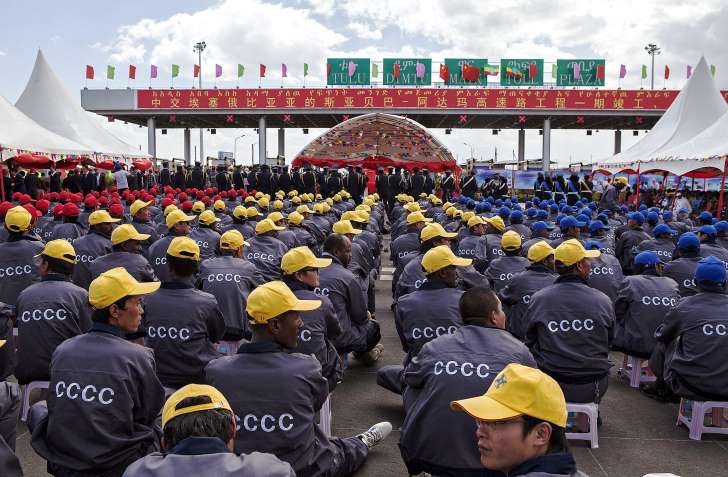
RED CHINA - RED ALERT - BRINKMANSHIP : RED CHINA IS INVESTING BILLIONS OF DOLLARS AND DISPATCHING MILLIONS OF CHINESE WORKERS TO FURTHER ITS EXPANSIONIST POLICY THAT MAKES CONFLICTS WITH OTHER NATIONS INEVITABLE. IN THIS PHOTO IMAGE, ETHIOPIAN AND CHINESE CONSTRUCTION WORKERS SEEN WAITING NEAR CHINA COMMUNICATION CONSTRUCTION COMPANY BUILDING ADDIS ABABA - ADAMA TOLL ROAD.
RED CHINA – RED ALERT – BRINKMANSHIP : RED CHINA IS INVESTING BILLIONS OF DOLLARS AND DISPATCHING MILLIONS OF CHINESE WORKERS TO FURTHER ITS EXPANSIONIST POLICY THAT MAKES CONFLICTS WITH OTHER NATIONS INEVITABLE. IN THIS PHOTO IMAGE, ETHIOPIAN AND CHINESE CONSTRUCTION WORKERS SEEN WAITING NEAR CHINA COMMUNICATION CONSTRUCTION COMPANY BUILDING ADDIS ABABA – ADAMA TOLL ROAD.

© Zacharias Abuker/AFP/Getty Images Ethiopian and Chinese workers of the China Communication Construction Company sit at the site of the Addis Ababa-Adama toll road on May 5, 2014. The site was christened by Chinese Prime Minister Li Keqiang. Li arrived in Ethiopia for the start of a four-nation African tour, his first visit to the continent since assuming his position a little over a year ago.

Yemen, Myanmar

For more than a half century China stuck to Zhou’s policy predicated on non-interference and respect for the sovereignty of others. The policy partly reflected a focus on domestic stability and economic development by governments that lacked the means or interest to play a more active role offshore. It also led President Barack Obama to last year describe China’s leaders as “free riders” while others carried the global security burden.

China’s greater involvement in projects around the world comes along its military expansion, as it seeks to project its power abroad and challenge decades of U.S. dominance of the global economic and strategic order. U.S. policymakers are debating whether to find ways to accommodate China’s rise or to seek to contain it.
As China’s policy evolves its leaders are dipping their toe into areas once considered taboo, including the practice of dealing only with a country’s leaders.

Myanmar Meeting

Xi met Myanmar opposition leader Aung San Suu Kyi in Beijing on June 11 to lay the foundation for improved ties ahead of a November election in Myanmar, and there are reports China has hosted peace talks between the Afghan government and Taliban.

On June 9 China called for a cease-fire in Yemen, during a teleconference between China’s ambassador Tian Qi and the United Nations envoy to Yemen, according to a posting on the website of China’s embassy.

China sent naval vessels into Yemen’s waters in April to rescue 629 Chinese citizens and 279 foreign nationals from escalating violence, the first time the People’s Liberation Army helped other countries evacuate their citizens.

“Protection of nationals and interests abroad particularly with big new projects like the Silk Road in the works, is likely to be long-term very significant for China’s evolution as a great power,” said Jonas Parello-Plesner, a diplomat at the Danish embassy in Washington, DC. “How China behaves in other parts of world will be a litmus test on its road to great power status.”

Five Million

Chinese investment abroad picked up from 2002 after then Premier Jiang Zemin championed a “going out” policy, even as he repeated China would not meddle in the internal affairs of other countries.

Parello-Plesner and Mathieu Duchatel, who co-wrote “China’s Strong Arm: Protecting Citizens and Assets Abroad” estimate there are five million workers offshore, based on research and interviews with officials, a figure that’s about five times larger than that given by the Ministry of Commerce.

The official data reflect a lack of systemic consular registration and the absence of formal reporting by subcontractors sending workers abroad, according to Parello- Plesner and Duchatel, who estimate about 80 Chinese nationals were killed overseas between 2004 and 2014. Duchatel is a Beijing-based senior researcher at the Stockholm International Peace Research Institute.

‘Greater Range’

“There are now several countries that – in terms of the number of Chinese citizens there – are ‘too big to fail’,” said Parello-Plesner. “The business-oriented ‘going-out’ strategy now has to be squared with broader strategic calculations.”

China’s foreign-policy evolution is becoming institutionalized. The concept of protecting nationals was added to the priority list at the 18th Communist Party Congress in 2012. The PLA’s role in protecting China’s interests abroad was enshrined in the 2013 Defense White Paper for the first time.

This year’s Defense White paper went further, noting the “national security issues facing China encompass far more subjects, extend over a greater range, and cover a longer time span than at any time in the country’s history.”

“While China is not likely to publicly drop the non – interference principle what we’ll see is increasing fluctuation in how it is applied — or not applied,” said Alexander Sullivan, an associate fellow at the Center for a New American Security in Washington.

South Sudan

“The departures from this policy that we have seen thus far have been driven generally by commercial and resource interests that for one reason or another come under threat.”
Sullivan said Sudan and South Sudan have been a testing ground for China policy. After the outbreak of civil war in South Sudan, China persuaded other members of the Security Council in May last year to extend the United Nations peacekeeping mandate to South Sudan, where China National Petroleum Corp. has oilfield investments. China has sent 700 troops to join that mission.

China’s biggest overseas intervention was in Libya in 2011, when 35,000 workers were transported out at the start of the uprising against Muammar Qaddafi’s regime, mostly by air and sea.

As the trade route projects get under way, Pakistan will pose one of the biggest risks to the security of Chinese workers. The first investment of China’s $40 billion Silk Road infrastructure fund is $1.65 billion for the Karot dam on the Jhelum river in northern Pakistan.

Pakistan Force

Before announcing the project, Pakistan agreed to train a 10,000-strong security force to protect Chinese nationals building a $45 billion economic corridor from China to the deep – water port of Gwadar on the Arabian Sea. The route runs through Baluchistan, a thinly populated Pakistan province where an insurgency has killed thousands.

“Chinese foreign policy is taking a bigger role in global problem solving,” said Pang Zhongying, dean of the Institute of International Affairs at Sun Yat-sen University in Guangzhou. “The Silk Road is in essence bringing a lot of foreign policy changes but we still know little about its prospects.”

–With assistance from Kamran Haider in Islamabad and Daniel Petrie in Sydney.


RED DRAGON – RED CHINA – RED ALERT – BRINKMANSHIP – MILITARY DOMINANCE : AN IMMINENT THREAT TO PEACE AND SECURITY OF ALL NATIONS.

Whole Alert – Freedom in Tibet is at Extreme Danger

Red China Poses Red Alert – Freedom in Tibet is at Extreme Danger

Whole Alert – Red China poses Red Alert – Freedom in Tibet is at Extreme Danger
Whole Alert – Red China poses Red Alert -Freedom in Tibet is at Extreme Danger

On behalf of Special Frontier Force I share my concern about Tibet’s Freedom. Decades of military occupation and repressive rule by Red China could not wipe out Tibetan Identity. As long as Tibetan Identity lives, Tibetans will continue to resist military occupation and will continue to seek their natural rights. The problem is indeed about the loss of American Identity. Americans have lost connection with values that shaped founding of their nation. Democracy, Freedom, Human Rights, and Peace do not continue to inspire the minds of American people. Tibet’s Freedom is at risk as American Values have evaporated.

RED CHINA - RED ALERT - TIBET'S FREEDOM : ON BEHALF OF SPECIAL FRONTIER FORCE I SHARE MY CONCERN ABOUT TIBET'S FREEDOM. IF NOT NOW, WHEN ???
Whole Alert – Red China poses Red Alert – Freedom in Tibet is at Extreme Danger

Tibet Isn’t Free Yet; That Doesn’t Mean the Dalai Lama Has Failed

Freya Putt Headshot
Freya Putt, Human rights activist & Deputy Director at Tibet Action Institute: Tibet Isn’t Free Yet; That Doesn’t Mean the Dalai Lama Has Failed

Posted: 06/25/2015 3:38 pm EDT

In recent years, I’ve noticed an increasing trend of articles and commentaries examining the Dalai Lama’s life and legacy that conclude Tibetans, and he as their leader, have failed in their cause to restore freedom to Tibet. Having worked for this movement for 18 years, I can understand having doubts about what the future holds. But really? Failed? It’s a done deal?

2015-06-25-1435264174-3698126-HHDL.jpg
Tibet Isn’t Free Yet; That Doesn’t Mean the Dalai Lama Has Failed

Some voiced similar sentiments in the 1960s and 1970s, when most people had never heard of Tibet, and certainly no countries were bothering to advocate for Tibetan political prisoners or other rights. China had been “lost” by the west and Tibetans were unfortunate casualties.

But the gloom-and-doom analysis proved to be misguided then, as the mere handful of Tibetan refugees who had resettled globally built awareness and inspired activism. Huge protests in Lhasa in the late 1980s, as well as the Dalai Lama’s Nobel Peace Prize, Hollywood and the Tibetan Freedom Concerts, drove Tibet into international public consciousness. Likewise, this frame of analysis is misguided now.

2015-06-25-1435267455-9869619-TFC.jpg
Tibet Isn’t Free Yet; That Doesn’t Mean the Dalai Lama Has Failed

Perhaps I’m just too invested to acknowledge that the cause is lost. But I don’t think so.

First of all, it’s human nature that where there’s injustice, there’s struggle. People don’t just give up trying to make their lives better because the odds are against them; the daily effort to resist indignities and oppose oppression continues regardless of what the endgame might be. Tibetans demonstrate this constantly, showing their opposition to China’s occupation by wearing traditional clothes, patronizing Tibetan-owned shops, holding onto their language and fighting for its use in schools, deploying art, music and poetry to express themselves and rally each other, using blockades and other direct action to protect lands, and even making the extreme choice to light themselves on fire in defiance of Chinese rule.

In fact, while state oppression has increased in recent years, resistance in Tibet has grown and deepened. A decade ago, opposition to Chinese rule seemed to manifest mainly through small, unplanned protests, which though symbolically powerful, are easily countered by China. Today, resistance is constant, sophisticated, and waged on many fronts.

2015-06-25-1435266564-2796226-Rebkong.jpg
Tibet Isn’t Free Yet; That Doesn’t Mean the Dalai Lama Has Failed

And while our collective memory is short, it shouldn’t be too much of a stretch to remember that many — perhaps most — conflicts about rights, territory and self-governance have taken decades or centuries to resolve. Think slavery and civil rights in the U.S.A., Irish independence, the anti-apartheid struggle in South Africa, Indian independence and decolonization the world over.

The conditions affecting rights and freedom for Tibet are daunting, to say the least. China has steadily gained economic clout and countries increasingly react in fear when it flexes its economic muscle. Tibetans number roughly six million, Chinese 1.3 billion. Tibet’s high, mountainous plateau has kept it isolated and made it easier for China to severely limit both physical and virtual interaction between Tibetans and the outside world. And Tibet’s mineral and water resources and strategic location in the heart of Asia make it an economic and geopolitical prize.

Looking at these factors, it shouldn’t be a big surprise that the Tibetan struggle hasn’t yet been won.

But not having yet won a struggle is very different from having lost it. Bill Moyer, an American theorist and activist, developed a strategic model for explaining the progress of social movements and used case studies to illustrate eight distinct phases. He emphasized that after substantial gains, such as building a mass movement, achieving popular support and defining an issue as a problem on society’s agenda, movements often find themselves mired in a sense of despair and powerlessness based on a misperception of their progress. 

Tibetan freedom movement has made significant strides toward its goals: establishing the legitimacy of Tibetans’ claims to freedom, building a mass base of popular global support, overpowering China’s propaganda factory in the media, and making Tibet a constant challenge to China’s reputation on the global stage. There is much more to be done, clearly, but the critical foundation has already been built.

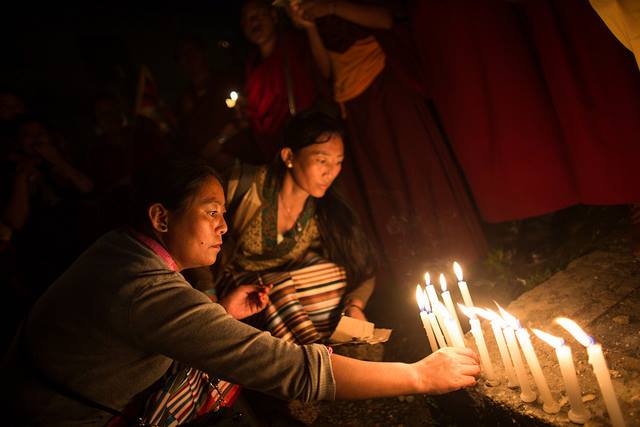
2015-06-25-1435268540-5096752-Vigil.jpg
Tibet Isn’t Free Yet; That Doesn’t Mean the Dalai Lama Has Failed

In fact, amidst all the tragedy, suffering and daily hardship that Tibetans face, there is much to celebrate. Far from having failed, the Dalai Lama should be recognized as one of the global leaders of the 20th and 21st century who has made an indelible, positive impact on the world.

The Dalai Lama brought the issue of Tibet to the world and inspired tens if not hundreds of thousands of people to support the cause. He bridged the various religious, regional and other divides within the Tibetan community to unify Tibetans behind a strategic approach to the struggle that included making it visible internationally — despite China’s constant objections and best efforts

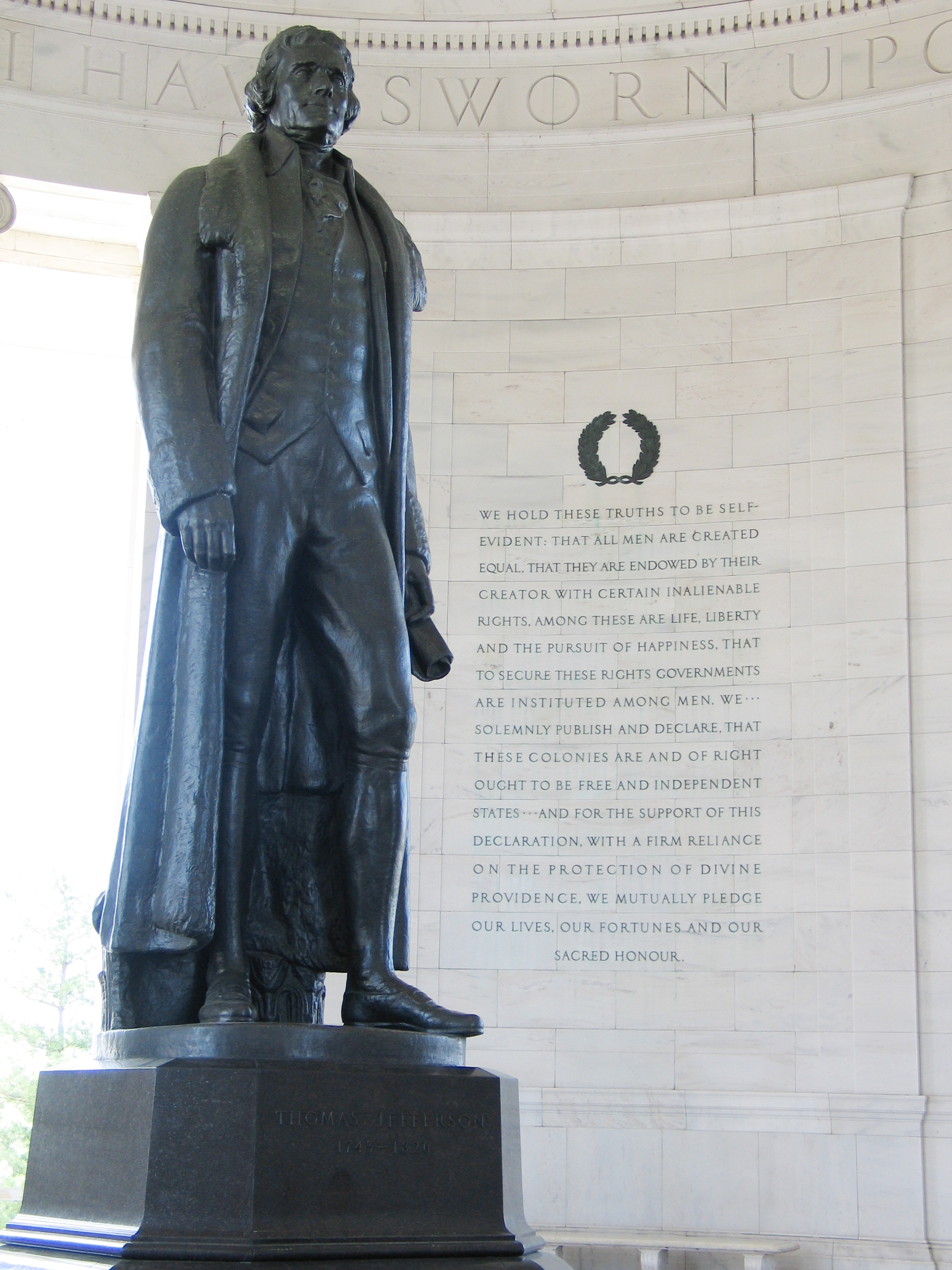
RED CHINA - RED ALERT - TIBET'S FREEDOM : TIBETANS NATURAL RIGHT TO FREEDOM IS AT RISK. WHERE ARE THOSE VALUES ENSHRINED IN THE DECLARATION OF INDEPENDENCE ???
RED CHINA – RED ALERT – TIBET’S FREEDOM: TIBET’S NATURAL RIGHT TO FREEDOM IS AT RISK. WHERE ARE THOSE VALUES ENSHRINED IN THE DECLARATION OF INDEPENDENCE?
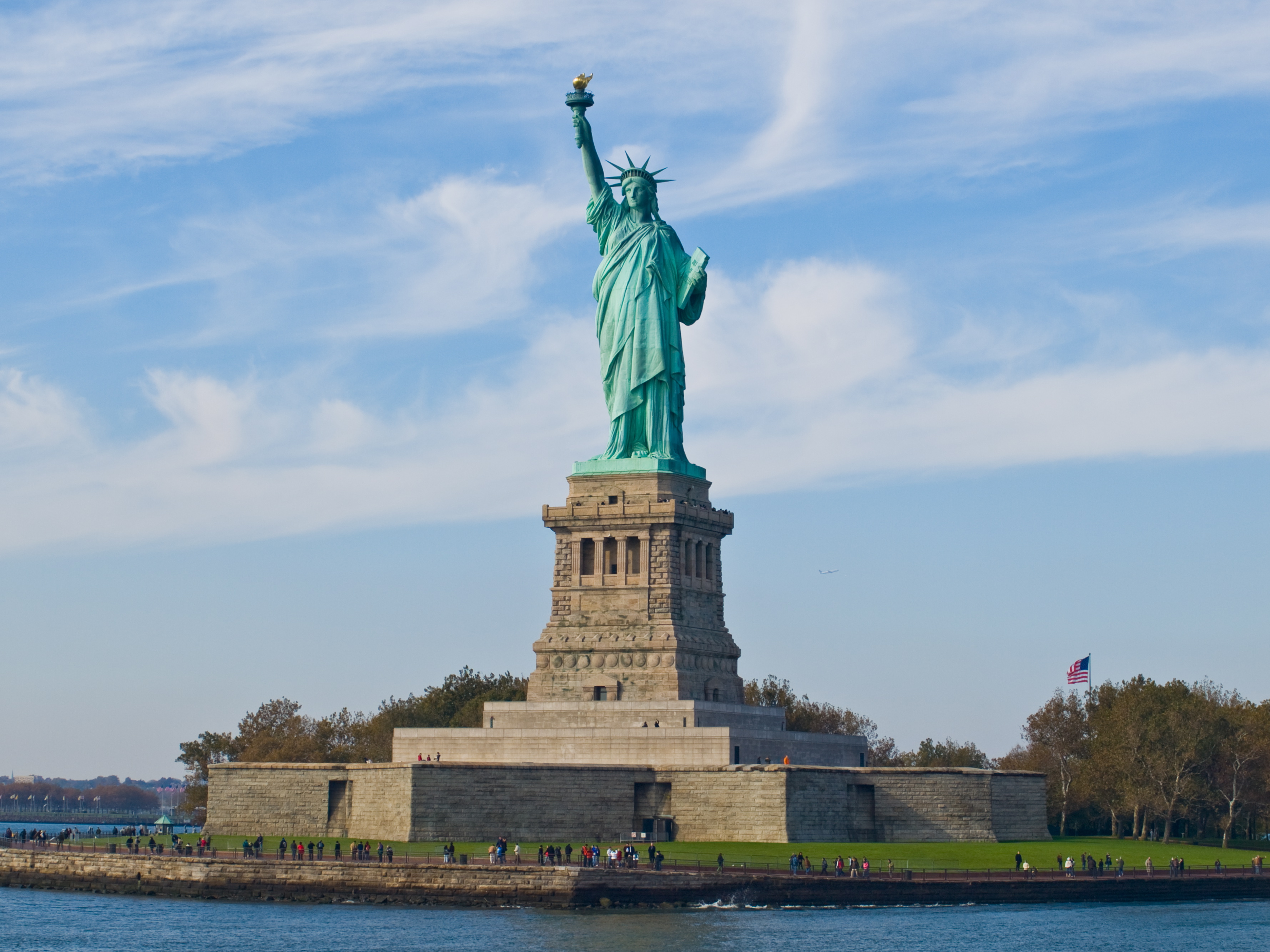
RED CHINA - RED ALERT - TIBET'S FREEDOM : AMERICA HAS TO REDISCOVER HER OWN VALUES THAT DEFINE HER NATIONAL IDENTITY . Statue of Liberty seen from the Circle Line ferry, Manhattan, New York
RED CHINA – RED ALERT – TIBET’S FREEDOM : AMERICA HAS TO REDISCOVER HER OWN VALUES THAT DEFINE HER NATIONAL IDENTITY.
RED CHINA - RED ALERT - TIBET'S FREEDOM : AMERICANS HAVE TO RECALL THEIR PAST TO REDISCOVER VALUES THAT DEFINE AMERICAN NATION.
RED CHINA – RED ALERT – TIBET’S FREEDOM: AMERICANS HAVE TO RECALL THEIR PAST TO REDISCOVER VALUES THAT DEFINE AMERICAN NATION.
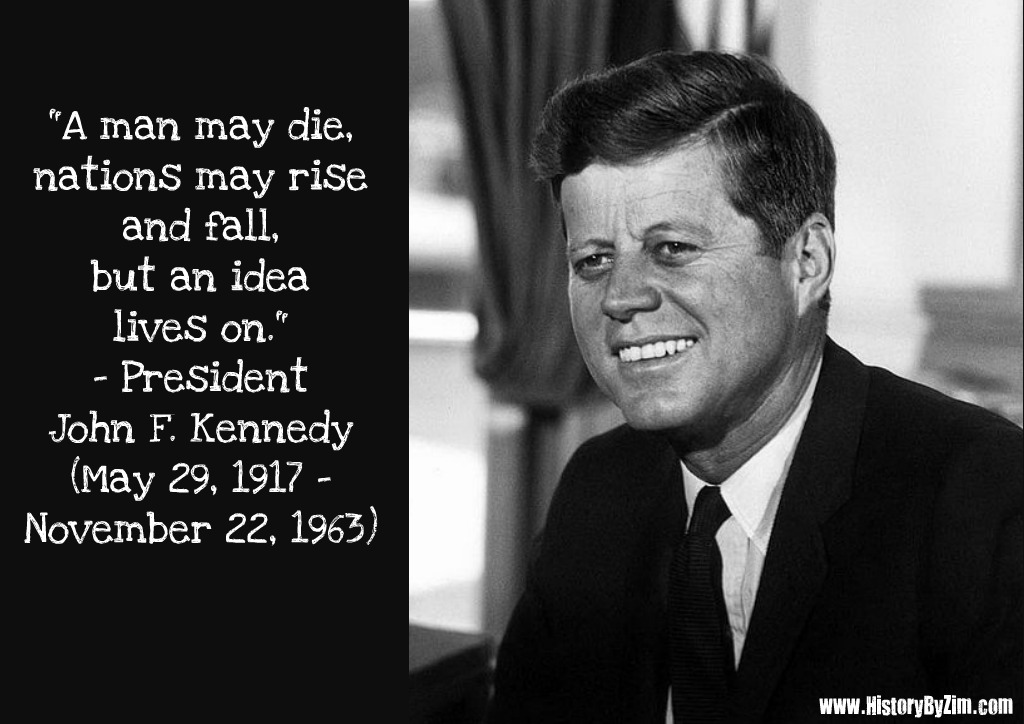
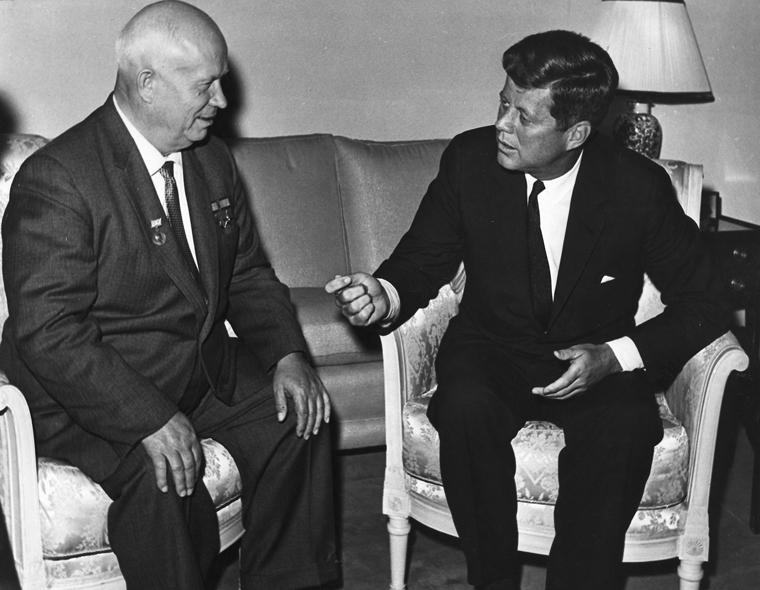
RED CHINA - RED ALERT - TIBET'S FREEDOM: I ASK AMERICANS TO RECALL PRESIDENT KENNEDY'S VITAL CONTRIBUTION TO TIBETAN RESISTANCE MOVEMENT.
RED CHINA – RED ALERT – TIBET’S FREEDOM: I ASK AMERICANS TO RECALL PRESIDENT KENNEDY’S VITAL CONTRIBUTION TO TIBETAN RESISTANCE MOVEMENT.
RED CHINA - RED ALERT - TIBET'S FREEDOM : TIBET'S FREEDOM IS AT RISK. IT IS TIME TO REVITALIZE AMERICANS.
RED CHINA – RED ALERT – TIBET’S FREEDOM: TIBET’S FREEDOM IS AT RISK. IT IS TIME TO REVITALIZE AMERICANS.
Whole Alert – Red China poses Red Alert – Freedom in Tibet is at Extreme Danger

Whole Evil – Who can make War against Red China?

The Evil Red Empire – Who can make War against Red China?

THE EVIL RED EMPIRE - RED DRAGON - WHO CAN FIGHT A WAR AGAINST RED CHINA?
The Evil Red Empire – Who can make War against Red China?

Red Dragon is impressing nations of this world by expanding her military power. The New Testament Book Revelation, Chapter 13 describes a scenario which is relevant to the rising power of Red Dragon. I am quoting verses 1,2, and 4 from Revelation, Chapter 13:

THE EVIL RED EMPIRE - RED CHINA - THE BEAST - WHO CAN MAKE WAR AGAINST THE BEAST?
The Evil Red Empire – Who can make War against Red China?

1. And the Dragon stood on the shore of the sea. And I saw a Beast coming out of the sea. He had ten horns and seven heads, with ten crowns on his horns, and on each head a blasphemous name.

2. The Beast I saw resembled a leopard, but had feet like those of a bear and a mouth like that of a lion. The Dragon gave the Beast his power and his throne and great authority.

4. Men worshiped the Dragon because he had given authority to the Beast, and they also worshiped the Beast and asked, “Who is like the Beast? Who can make war against him?”

THE EVIL RED EMPIRE - RED CHINA - RED DRAGON - WHO CAN MAKE WAR AGAINST RED CHINA?
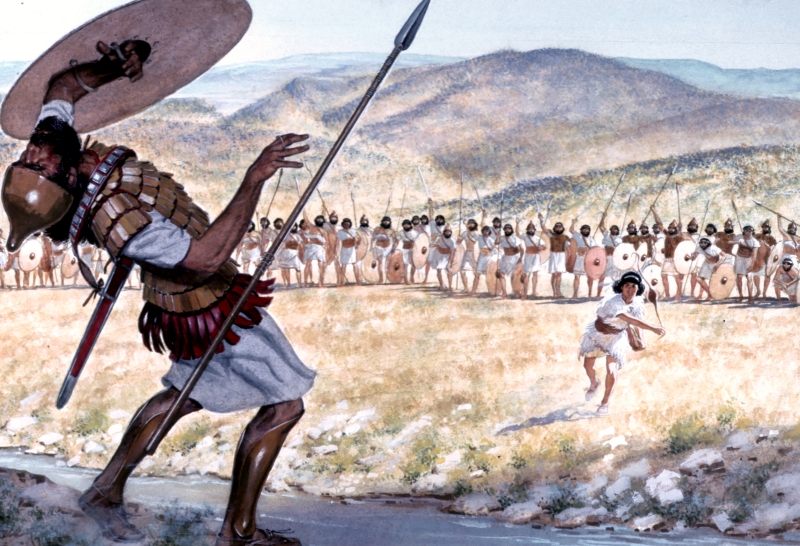
The Evil Red Empire – Who can make War against Red China? Red China vs Tibet – David vs Goliath – Who can make War against the Beast?
RED CHINA VS TIBET - DAVID VS GOLIATH - WHO CAN MAKE WAR AGAINST THE BEAST?
The Evil Red Empire – Who can make War against Red China? Red China vs Tibet – David vs Goliath – Who can make War against the Beast?

At Special Frontier Force, we do not worship The Dragon or The. We are trained to recognize Red China, Red Dragon, Scarlet Beast, and The Beast as our Adversary, Opponent, or Enemy. We describe War against Red China as a ‘Battle of Right Against Might’. Red Dragon used her military power and great authority to illegally occupy Tibet, her weak neighbor. If a War against Red China is the only solution to wipe out injustice in Tibet, we will confront Red China just like David challenged Goliath with a sling and a smooth pebble as his weapon of War.

The Evil Red Empire – Who can make War against Red China? Red China vs Tibet – David vs Goliath – Who can make War against the Beast?

China: Milestones in the Dragon’s Rise

BY JOSEPH V. MICALLEF

Joseph V. Micallef Headshot

JOSEPH V. MICALLEF

Best Selling Military History and World Affairs Author and Keynote Speaker

Posted: 06/20/2015 8:29 am EDT Updated: 06/20/2015 1:59 pm

2015-06-19-1434675657-5514509-ChineseAircraftCarrier.jpg
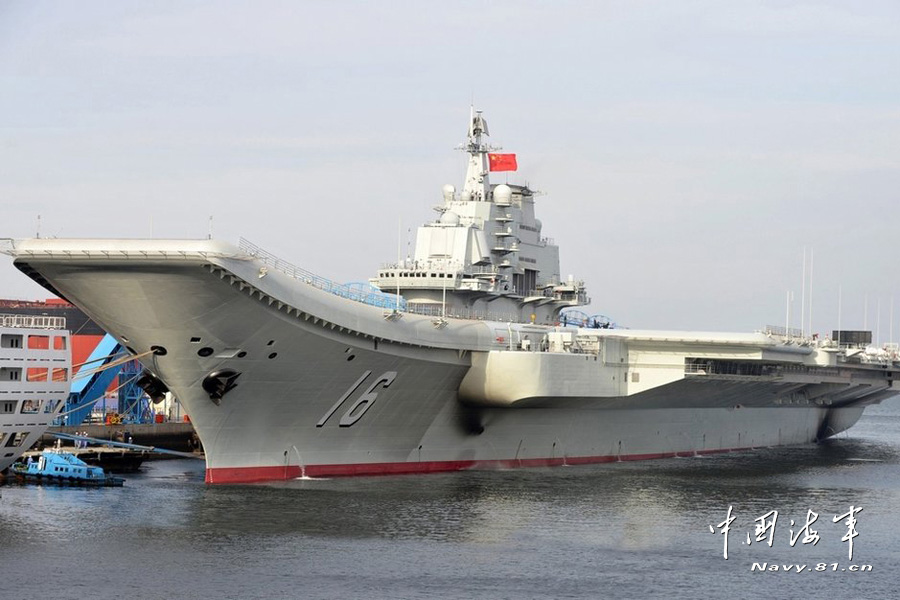
The Evil Red Empire – Who can make War against Red China? Red China vs Tibet – David vs Goliath – Who can make War against the Beast? China’s First Aircraft Carrier

The passage of history is often marked by milestones whose significance lies less in the events they commemorate then it does in the underlying trends that they confirm and validate. These last weeks, were punctuated by a series of such milestones. By themselves, these events mark noteworthy developments in China’s contemporary history. Collectively, they underscore the far reaching changes that are transforming China and its growing role on the international stage.

Last week, the collective valuation of China’s publicly traded equity exceeded 10 trillion dollars for the first time in its history. Considering that forty odd years ago China’s equity markets were moribund, the benchmark is astonishing.

The Amsterdam, now part of the Euronext, and London stock exchanges, the world’s oldest, both of which have been around since the seventeenth centuries, are well below this level. The combined European exchanges, at 15 trillion dollars in valuation, and the combined value of the U.S. stock exchanges at 20 trillion, however, still, at least for now, exceed the capitalization of China’s public equity market by a considerable margin.

2015-06-19-1434675955-7937565-Shanghai_Pudong.jpg
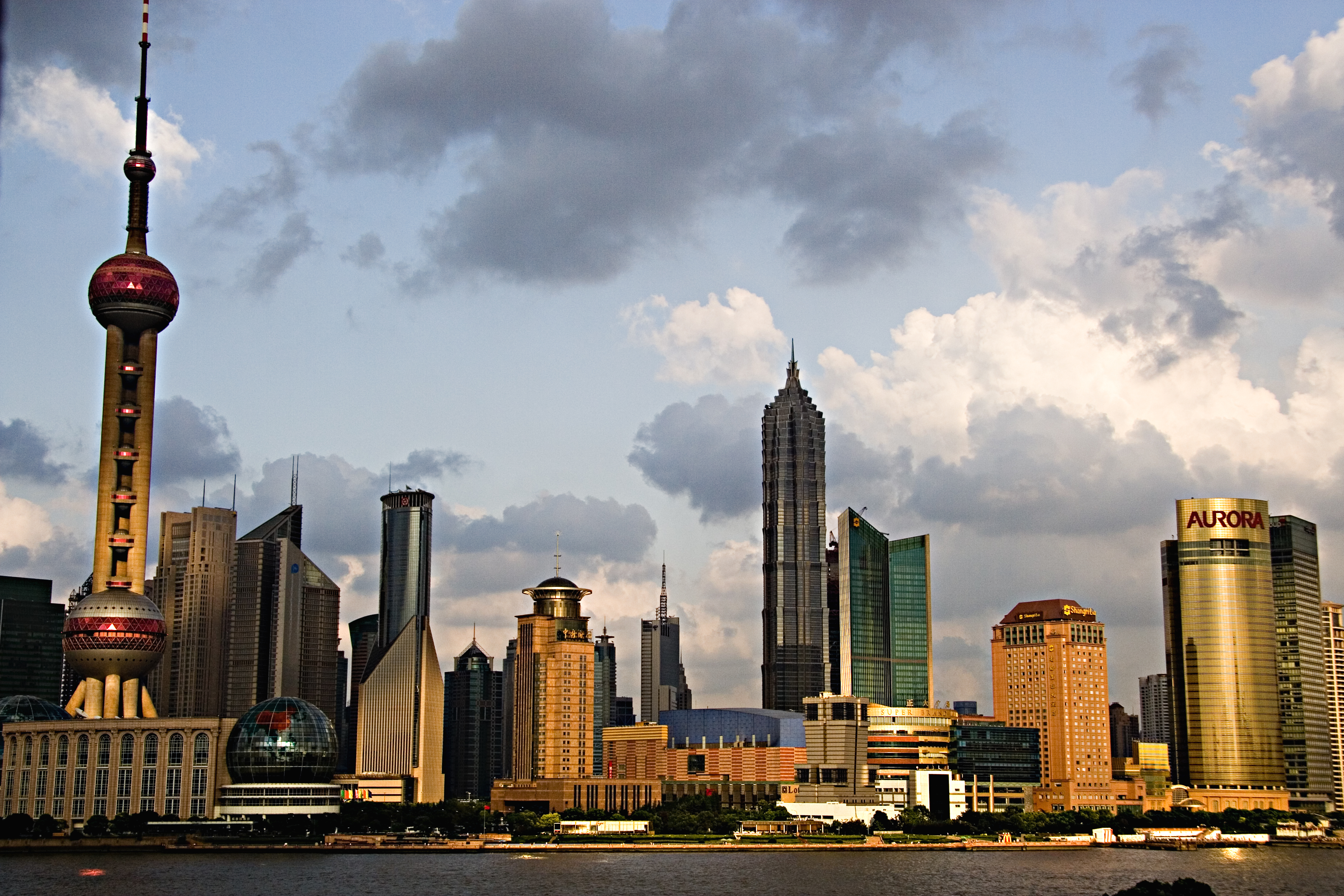
The Evil Red Empire – Who can make War against Red China? Red China vs Tibet – David vs Goliath – Who can make War against the Beast? Shanghai, Pudong Skyline

No doubt the “loose” monetary policies pursued by the major central banks has facilitated the rise in the value of China’s stock markets. Since the introduction of “quantitative easing” by the U.S. Federal reserve Bank in 2008 and similar policies by other central banks, the value of the world’s stock markets have doubled. China’s markets have more than quadrupled. Collectively, the world’s stock markets now represent about a quarter of the world’s combined financial assets.

In one sense the fact that China, the world’s second largest economy, should also have the world’s second highest valued equity market should not come as a big surprise. The two, while not inexorably linked, do tend to proceed in tandem. The rise in China’s economic power, which the rise in its stock markets underscore, however, has also fuelled a concomitant rise in China’s international military and political ambitions. Those ambitions and their consequences were driven home last week by a number of other events.

On June 6, Hungary became the first European nation to formally sign a cooperation agreement for China’s new “Silk Road” initiative to develop trade and transport infrastructure across Asia. The historic “silk road” was a system of overland caravan routes across central Asia that linked China, via the Black Sea and the Caspian Sea, with the Middle East, Russia and Europe. The trade route flourished in particular during the 13th and 14th century as a result of the Mongol conquest of much of Central Asia and China and resulted in the first significant and sustained contact between Medieval Europe and China.

This new initiative, first unveiled in 2014, represents a far more ambitious undertaking and consists of a number of far-ranging infrastructure projects including a network of railways, highways, oil and gas pipelines, power grids, Internet networks, maritime and other infrastructure links across Central, West and South Asia extending from the coastal cities of the South and East China Seas as far as Greece, Russia and Oman,

2015-06-19-1434675489-3777696-ChineseRussioanSummit.jpg
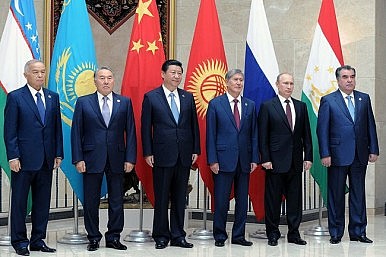
The Evil Red Empire – Who can make War against Red China? Red China vs Tibet – David vs Goliath – Who can make War against the Beast? Chinese Russian Summit, March 2015

This multi-trillion dollar investment program would represent an unprecedented expansion of Chinese political and economic influence across Central Asia resulting in trillions of dollars in trade and facilitate the expansion of Chinese exports to Europe. It would allow China to further cement its economic and trade relationships in the oil and mineral rich countries of Central Asia. Many of these nations, former Soviet Republics, are also being heavily wooed by Moscow to become part of Russia’s Eurasian Economic Union.

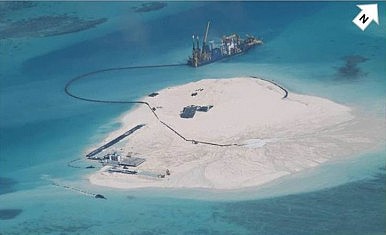
In the meantime along the South China Sea littoral, two other developments underscore the far reaching ripples of China’s ambitions. In recent months, Beijing has undertaken a massive land reclamation project designed to increase the surface area of a number of contested shoals in the South China Sea and allow the construction of air fields and permanent military facilities. The shoals are part of two island groups, the Paracel and the Spratly Islands.

Control of these islands has been disputed by the nations surrounding the South China Sea since at least the 3rd century BC. At stake, are fishing rights and the potential for vast untapped hydrocarbon reserves below the seafloor. The region also contains key maritime transit routes that are vital to the countries that border the South China Sea or its peripheral areas.

2015-06-19-1434676205-2256419-South_China_Sea_vector_svg.png
The Evil Red Empire – Who can make War against Red China? Red China vs Tibet – David vs Goliath – Who can make War against the Beast? Competing Territorial Claims in the South China Sea

Ironically, the practice of building up the shoals to allow permanent facilities was a practice that began with the Philippine and Vietnamese governments. China was late to the party but is now making up for its tardiness with an unprecedented program of land reclamation. Should Beijing succeed in enforcing its claims, the South China Sea would become a virtual Chinese lake and allow China to project military force from a string of newly created islands along its periphery.

China’s ambitions to control the South China Sea and its potential resources has raised concerns among the other countries that border the region. Two events in recent weeks, marking unprecedented cooperation among former enemies, underscore the gravity of those concerns.

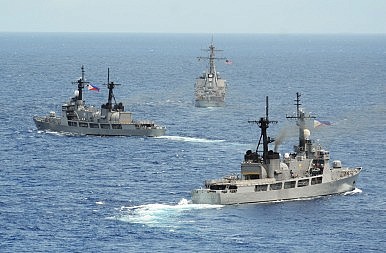
On June 5, Japanese and Philippine media disclosed that from June 22 through the 26th Japan and the Philippines planned to hold a joint maritime drill in the South China Sea. This was the second such drill in as many months although Philippine government sources described this drill as the first “official” joint exercise between the two countries since the end of the Second World War.

2015-06-19-1434676303-6261223-thediplomat_20141208_194608386x253.jpg
The Evil Red Empire – Who can make War against Red China? Red China vs Tibet – David vs Goliath – Who can make War against the Beast? Japanese and Philippine Naval Forces Conduct Joint Drills in the South China Sea, May 2015

More significantly, in addition to pledging to strengthening security cooperation between the two countries and to concluding an agreement for the transfer of “defense equipment and technology and expanding bilateral and multilateral trainings and exercises”, the two countries also agreed to open discussions on a visiting forces agreement that would allow Tokyo access to Philippine military bases.

This is the first time that Japanese forces would have ongoing access to Philippine military facilities since the end of WW II. While the agreement stops short of a permanent Japanese military presence in the Philippines it does allow for a continuous rotation of Japanese Military Self Defense Forces (JMSDF) that would result in much the same thing.

The presence of Japanese military forces on the Philippines is not without some controversy. Eighty years of Philippine-Japanese cooperation have not entirely healed the scars of Japan’s brutal occupation of the Philippines during the Second World War.

In the meantime, on the opposite end of the South China Sea, two other historic enemies, Vietnam and the United States, announced that in July, Nguyen Phu Trong, the General Secretary of the Communist Party of Vietnam was expected to visit the United States.

2015-06-19-1434675780-1977796-IslandBuildingintheSouthChinaSea.jpg
The Evil Red Empire – Who can make War against Red China? Red China vs Tibet – David vs Goliath – Who can make War against the Beast? Chinese Island Building in the South China Sea

The visit caps a process of reconciliation between the two former combatants that began in 1995 when Washington finally opened diplomatic relations with Hanoi and which has seen the execution of a broad range of agreements between the two countries including, significantly, in 2014, the lifting of the U.S. embargo against supplying military hardware to Vietnam.

More significantly, Vietnam’s growing cooperation with the United States heralds a profound realignment of Hanoi’s foreign policy from an “unofficial” strategic partnership with China to a defacto strategic alignment with the United States. The fact that Hanoi is prepared to undertake such a realignment, notwithstanding its still broad ideological differences with Washington, underscores how significantly its attitude towards its former “strategic protector” and “big brother has changed.

Three events, none of which elicited more than a ripple of interest in the western media and which individually are unlikely to merit much more than a footnote in the broad sweep of China’s history. Collectively however, they underscore the profound, far-reaching changes that are realigning the political and strategic landscape of East Asia.

Follow Joseph V. Micallef on Twitter: www.twitter.com/JosephVMicallef

Copyright ©2015 TheHuffingtonPost.com, Inc. “The Huffington Post” is a registered trademark of TheHuffingtonPost.com, Inc. All rights reserved.

Part of HPMG News

The Evil Red Empire – Who can make War against Red China? Red China vs Tibet – David vs Goliath – Who can make War against the Beast?

Whole Evil – Red China – Whole Villain

The Evil Red Empire – Red China – Whole Villain

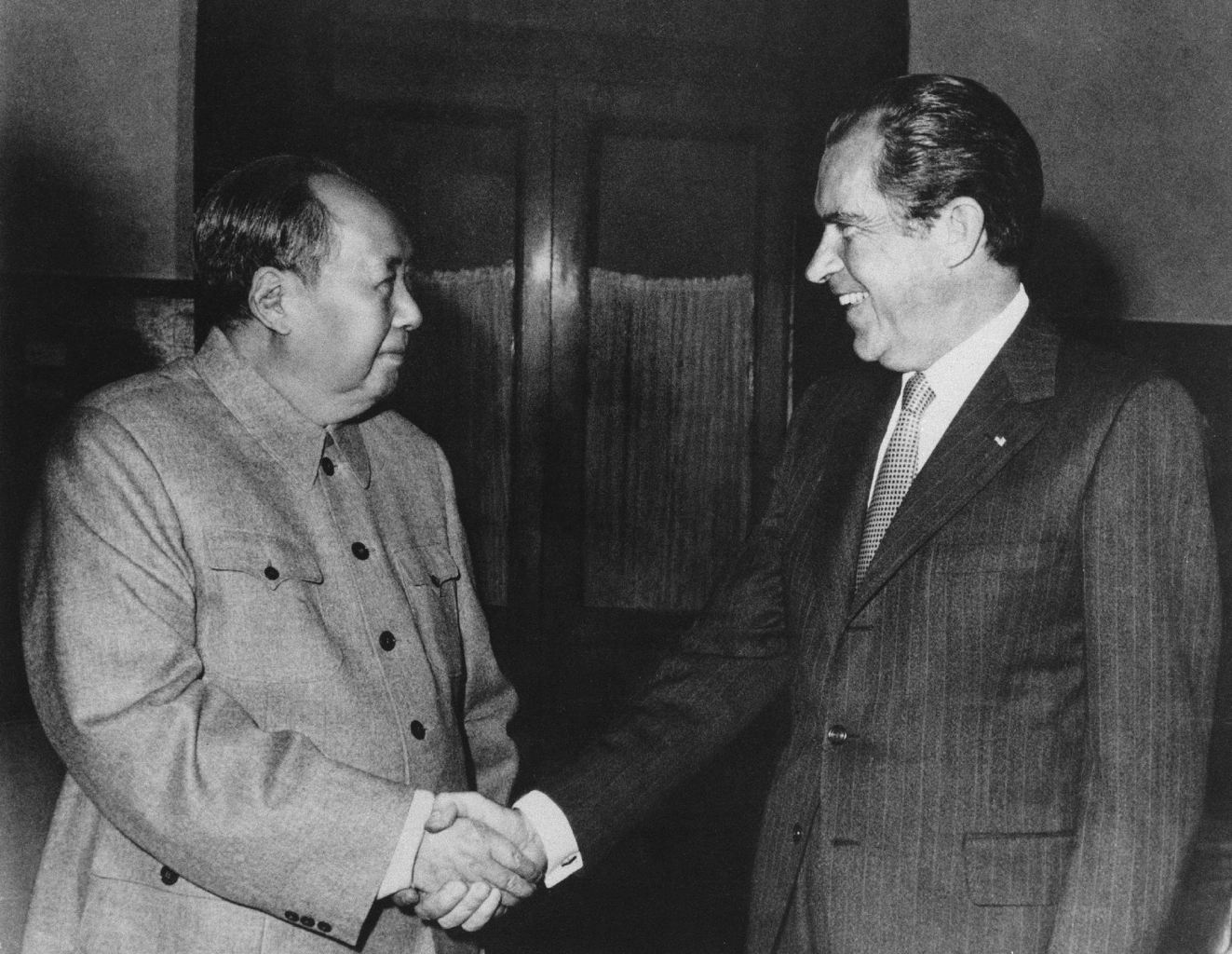
Nixon-Kissinger US administration in 1971-72 took advantage of the split between Soviet Union and Red China to formulate US foreign policy that initiated trade and commerce relations with Red China.

Red China openly confessed its sense of deep fear about Western Democratic Ideals. In her view, Internet poses a grave challenge to her one-party governance inspired by Communist ideology. This fear of Democracy, Freedom, and Individual Liberties shaped the split between Red China and Soviet Union during late 1950s.

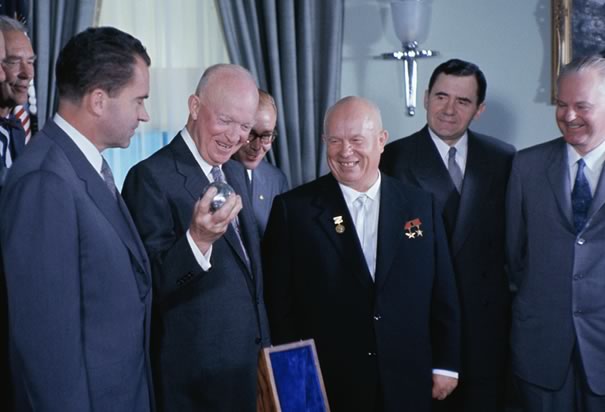
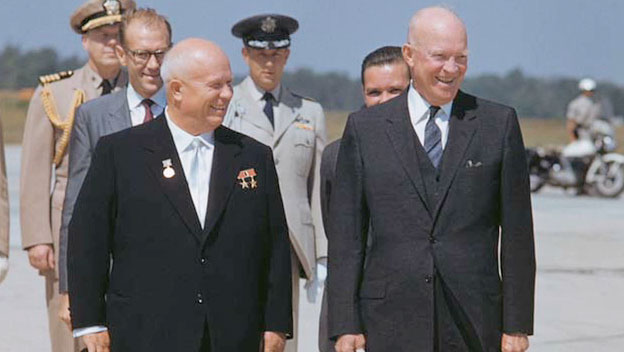
The Evil Red Empire - Red China - Whole Villain : President  Eisenhower welcomes Premier Nikita Khrushchev.  This Policy is important to contain and isolate Red China's Imperialism.
The Evil Red Empire – Red China – Whole Villain: President Eisenhower welcomes Premier Nikita Khrushchev. This Policy is important to contain and isolate Red China’s Imperialism.

Nikita Sergeyevich Khrushchev (April 17, 1894 – September 11, 1971), leader of the USSR from 1956 (Premier from 1958) to 1964 traveled to United States in 1959 and 1960. His insistence on “peaceful coexistence” with the West contributed to a rupture with Communist government of Red China. Khrushchev stopped assisting Chinese nuclear program on June 20, 1959. Red China’s Chairman Mao Tse-Tung criticized Khrushchev as a “palm-singing buffoon who underestimated the nature of Western Imperialism.”

Nikita Sergeyevich Khrushchev (April 17, 1894 – September 11, 1971), leader of the USSR from 1956 (Premier from 1958) to 1964 traveled to United States in 1959 and 1960.
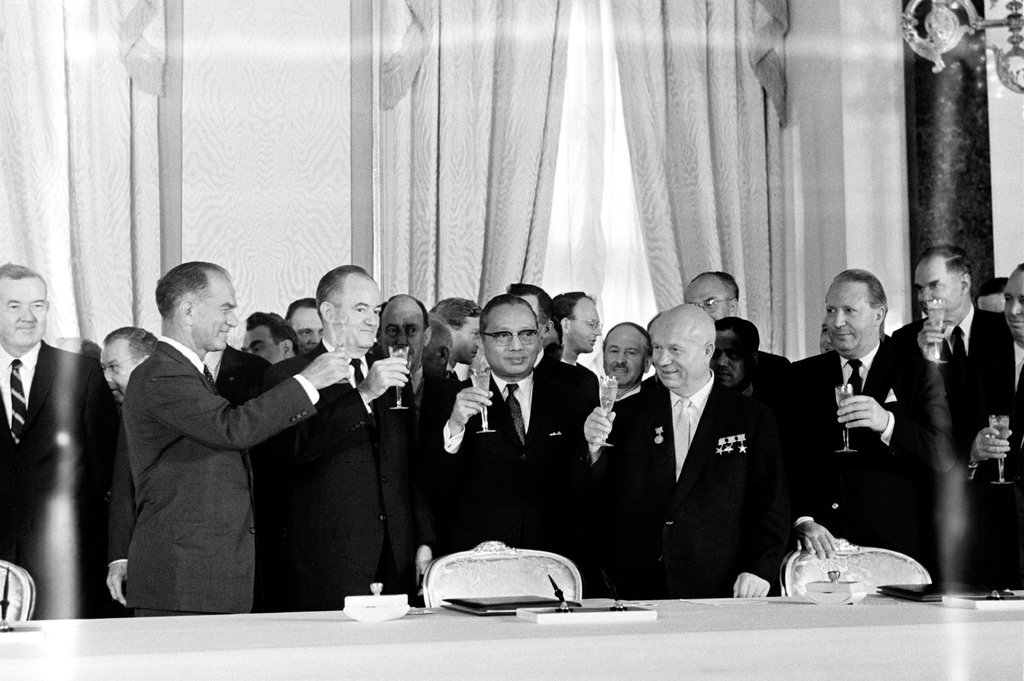
Khrushchev agreed for the first Nuclear Test-Ban Treaty of 1963. The Moscow Agreement banned testing nuclear weapons in the atmosphere, in outer space, and under water
The Evil Red Empire - Red China - Whole Villian : Moscow, August 05 ,1963. It was a very good beginning that has full potential to curb Red China's Expansionist Policy.
The Evil Red Empire – Red China – Whole Villian: Moscow, August 05 ,1963. It was a very good beginning that has full potential to curb Red China’s Expansionist Policy.
Khrushchev agreed for the first Nuclear Test-Ban Treaty of 1963. The Moscow Agreement banned testing nuclear weapons in the atmosphere, in outer space, and under water

Khrushchev agreed for the first Nuclear Test-Ban Treaty of 1963. The Moscow Agreement banned testing nuclear weapons in the atmosphere, in outer space, and under water. It paved the way to 1968 Nuclear Non-Proliferation Treaty or The Limited Test-Ban Treaty that tried to restrict the size of the “Nuclear Club.” Khrushchev further eased relations with the West by agreeing to limit central strategic forces. Strategic Arms Limitation Talks (SALT) began in 1969 and SALT I Treaty was signed in May 1972. Two arms-control agreements were made, 1. The Anti-Ballistic Missile (ABM) Treaty that agreed to limit antiballistic missiles, and 2. Interim Agreement on Offensive Nuclear Weapons that imposed freeze on long-range land- and sea-based ballistic missile launchers. Soviet Union did not violate provisions of these treaties.

Nixon-Kissinger US administration in 1971-72 took advantage of the split between Soviet Union and Red China to formulate US foreign policy that initiated trade and commerce relations with Red China. Nixon-Kissinger had clearly underestimated the nature of Red China’s Imperialism and failed to recognize threats posed to Peace and Freedom by Red China’s Policy of Expansionism.

The rupture between Soviet Union and Red China initiated by Premier Khrushchev in 1959 is in the interests of promoting Western Values of Democracy, Freedom, and Peace. The current US foreign policy of containing and isolating Russia is driving Russia to seek healing of rupture of 1959 and is forcing Russia to rebuild broken relations with Red China.

China has taken up Russia’s Deepest Fear

Business Insider

By Linette Lopez

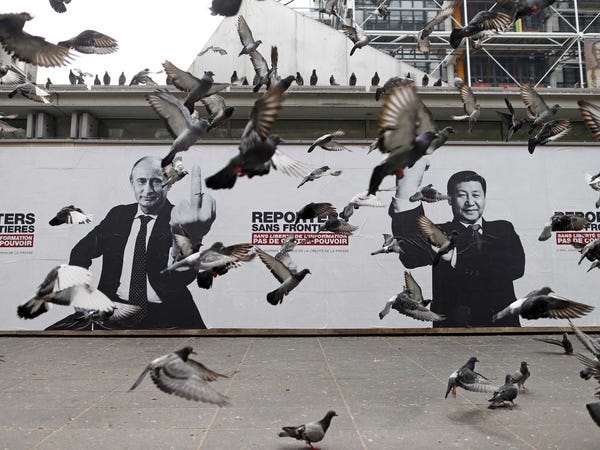
(Reuters) A poster depicting Russian President Vladimir Putin and his Chinese counterpart Xi Jinping pasted on the Brancusi Atelier by activists from Reporters Without Borders to mark the 20th annual World Press Freedom day in Paris in 2013.

(Reuters) A poster depicting Russian President Vladimir Putin and his Chinese counterpart Xi Jinping pasted on the Brancusi Atelier by activists from Reporters Without Borders to mark the 20th annual World Press Freedom day in Paris in 2013.

President Xi Jinping wants his people to know that the greatest threat to China is an insidious export from the West — ideas that could lead to a color revolution.
“The one non-neglectable factor [in the development of] color revolutions in these countries is the spreading of Western ideology, especially from the US,” Xu Songwen of the Chinese Academy of Social Sciences wrote Sunday in The People’s Daily(via The South China Morning Post).

The People’s Daily is a Chinese Communist Party paper known to reflect the sentiments of Jinping’s regime.
Songwen wasn’t alone either. In the same issue, four other academics also shared their thoughts on the dangers of color revolutions. The message was clear. There will be no nonviolent political movements in China. There will be no regime change. This will not be Lebanon or Ukraine in 2005. This will not be the Middle East in 2011.

Don’t even think about it.

That’s where the danger is, after all — in the thinking.

China has been systematically shutting out Western ideals from research centers, school curriculums, and higher learning for some time now, but this is the first time a government mouthpiece has made it clear that these thoughts are an intentional aggression from the West.

The basic gist of all of the papers in Sunday’s People’s Daily is fairly simple. It’s like this: The proliferation of Western democratic ideals are a Cold War tactic that helped bring about the end of the Soviet Union.

The ideas bring unrest and discontent to populations and ultimately lead to bloodshed. They also tend to end in failure (see: Arab Spring). Those who foment this kind of unrest are enemies of the state.

There is “a high price to pay for nations that fall into the trap of color revolutions,” one article said, according to the South China Morning Post.
Besides, a People’s Daily commentary that ran Friday said, the Chinese Communist Party is “rigid enough to protect against threats, and resilient against internal problems and external shocks.”

So don’t even try it.

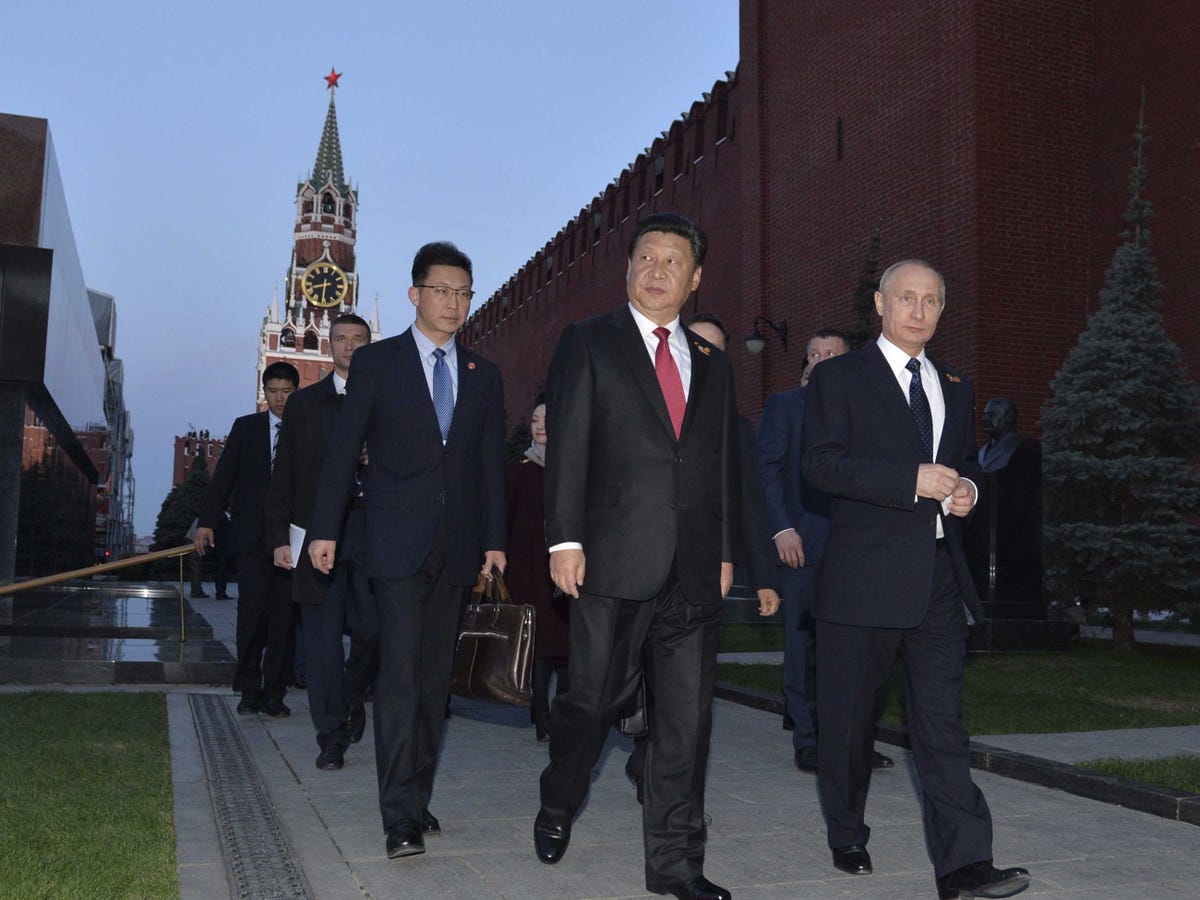
(Reuters) Putin and Xi arriving for a festive concert marking the 70th anniversary of the end of World War II in Europe, at Red Square in Moscow on May 9, 2015.

China is taking a play right out of Russia’s book with this one. In March, Security Council of Russia railed against the US security strategy, writing: “In relation to Russia, there is a high probability of the US using extensively advanced means for ‘color revolutions’ to eliminate unwanted political regimes.”

So where do color revolutions start?

Aside from schools and research centers, they start on the internet. The People’s Liberation Army knows that all too well, having released a chilling memo last month that said “the internet has become the main battlefront for struggle in the ideological area.”

Western hostile forces and a small number of “ideological traitors” in our country use the network, and relying on computers, mobile phones and other such information terminals, maliciously attack our Party, blacken the leaders who founded the New China, vilify our heroes, and arouse mistaken thinking trends of historical nihilism, with the ultimate goal of using “universal values” to mislead us, using “constitutional democracy” to throw us into turmoil, use “color revolutions” to overthrow us, use negative public opinion and rumours to oppose us, and use “de-partification and depoliticization of the military” to upset us.

Hours after these papers appeared in The People’s Daily, Hong Kong authorities said they had taken nine people into custody for potentially attempting to plan an attack on a legislative building on the island. Officials think they may advocate “localism,” or the belief that the mainland should stay out of Hong Kong affairs, according to The New York Times.

Bad timing.

Nixon-Kissinger US administration in 1971-72 took advantage of the split between Soviet Union and Red China to formulate US foreign policy that initiated trade and commerce relations with Red China.

THE EVIL RED EMPIRE – RED CHINA – COMMUNIST

THE  EVIL  RED  EMPIRE  -  RED  CHINA  -  COMMUNIST :  ONE - PARTY  GOVERNANCE  OF  RED  CHINA  HAS  NO  RESPECT  FOR  NATURAL  RIGHTS  OF  PEOPLE .
THE EVIL RED EMPIRE – RED CHINA – COMMUNIST: ONE – PARTY GOVERNANCE OF RED CHINA HAS NO RESPECT FOR NATURAL RIGHTS OF PEOPLE .

I am asking my readers to acknowledge Red China’s one-party governance as “COMMUNIST.” In the years ahead, the United States and others will be left with no political alternatives as there is fundamental incompatibility between the systems of governance called ‘Democracy’, and ‘Communism’.

THE  EVIL  RED  EMPIRE  -  RED  CHINA  -  COMMUNIST  :   COMMUNISM  LAYS  EMPHASIS  ON  THE  REQUIREMENTS  OF  THE  STATE  WITH  NO  CONCERN  FOR  INDIVIDUAL  LIBERTIES .  COMMUNIST  GOVERNANCE  IS  NOT  BASED  UPON  SOCIAL  CONTRACT .  COMMUNISTS  RULE  WITHOUT  CONSENT  OF  THEIR  PEOPLE .
THE EVIL RED EMPIRE – RED CHINA – COMMUNIST : COMMUNISM LAYS EMPHASIS ON THE REQUIREMENTS OF THE STATE WITH NO CONCERN FOR INDIVIDUAL LIBERTIES . COMMUNIST GOVERNANCE IS NOT BASED UPON SOCIAL CONTRACT . COMMUNISTS RULE WITHOUT CONSENT OF THEIR PEOPLE .

Communism is the form of government by a one-party political structure which lays emphasis on the requirements of the State rather than on individual liberties. State is primarily involved in planning and control of economy without transparency and public accountability. Democracy is a form of government based on the theory of “Natural Rights” and the doctrine of government by “Social Contract.” In Democracy, government is instituted among men deriving its just powers from consent of the governed. Communism includes an unmistakable design to establish tyranny.

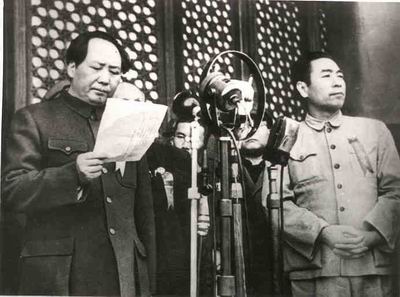
Red China’s Communist Party Chairman Mao Tse-Tung or Mao Zedong established a national entity on October 01, 1949 where the Communist Party can rule or govern people without their consent. Red China entered the Korean War against UN forces in 1950, participating on a large scale until the armistice of 1953. Red China invaded and occupied its weak neighbor Tibet during October 1950. A liberal “Hundred Flowers” period of 1957 was followed by a harsh crackdown on intellectuals. Red China demonstrated its ambitions to become a global superpower by exploding an atomic bomb in 1964 and the launching of its first satellite in 1970. Nixon-Kissinger “TREASON” in Vietnam paved the way for Red China’s entry to the United Nations. While the United States was engaged in a bloody war in Vietnam to resist and contain Communism, Nixon-Kissinger visited Peking in February 1972. US and Red China normalized diplomatic relations on January 01, 1979.

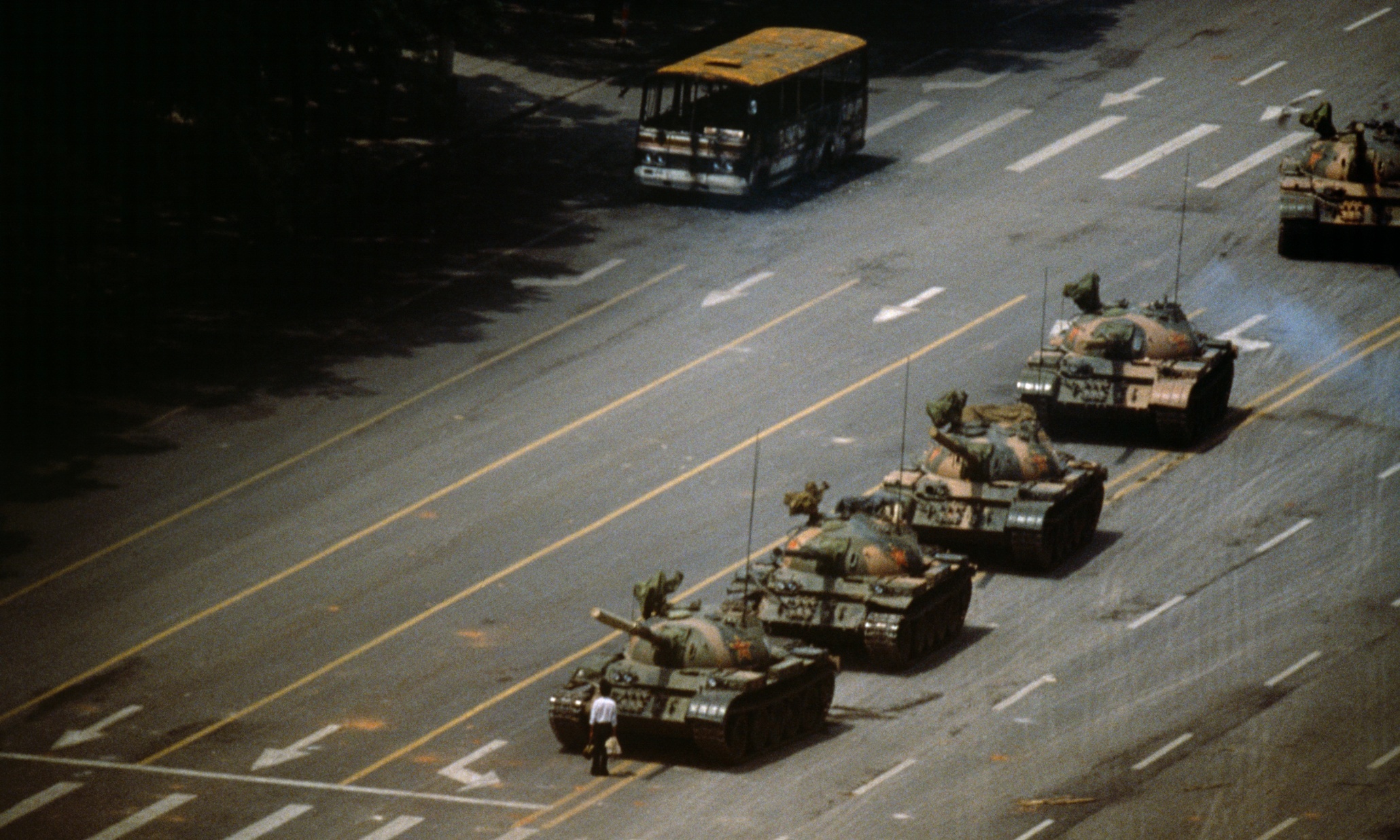
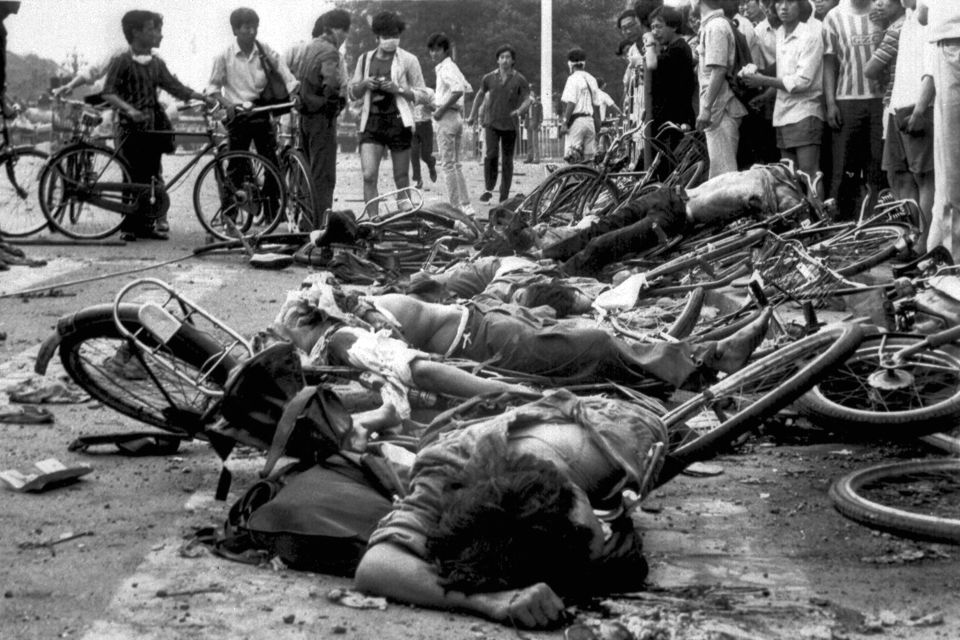
In 1981, Red China’s Communist Party severely criticized Mao Tse-Tung’s policies in the last years of his life in a public document and in 1982 Maoist ideology and political structure were curbed through the adoption of new Party and national constitution. The events commonly described as “TIANANMEN SQUARE MASSACRE” during May-June 1989 is clear evidence of a system of governance inspired by ideology of Communism which has no respect for “Natural Rights” of people.

THE EVIL RED EMPIRE - RED CHINA - COMMUNIST :  Beijing. Tien An Men Square. 'The Tank Man' stopping the column of T59 tanks. 4th June 1989.
THE EVIL RED EMPIRE – RED CHINA – COMMUNIST: Beijing. Tien An Men Square. ‘The Tank Man’ stopping the column of T59 tanks. 4th June 1989.

Red China has not accounted for her “Crimes Against Humanity” during a period of her history called the “Cultural Revolution.” Communist Party Chairman Mao Tse-Tung launched a massive upheaval in August 1966 to physically destroy all ‘liberal’ elements who in his view posed a threat to China’s “Red Revolution.” It was a mass campaign to revitalize revolutionary fervor by attacking people and cultural institutions perceived as liberal or so-called “BOURGEOIS” elements in cultural circles. Tibetan religious and political institutions that define Tibetan national character and Tibetan national identity became the targets of vicious attacks that aimed to physically destroy persons and material properties associated with Tibetan Culture using State-sponsored violence. Cultural Revolution ended in 1976 with the death of Chairman Mao and the purging of the “Gang of Four.” However, Communist misrule, xenophobia, and anti-intellectualism continue unabated in Occupied Tibet.

Rudra Narasimham Rebbapragada
Ann Arbor, MI 48104-4162, USA
The Spirits of Special Frontier Force


Here’s how The Washington Post covered Tiananmen Square in 1989

By SWATI SHARMA June 4

In 1989, the chinese military descended on Tiananmen Square and moved to end pro-democracy demonstrations. The event, which resulted in several hundred to several thousand dead, is considered one of the most brutal crackdowns in modern history. At the height of the protests, which were sparked by the death of a Communist Party leader who wanted reform, at least a million people were estimated to have participated in the demonstrations. Here is a look back at the Tiananmen Square massacre through the pages of The Washington Post.

May 20: Students defy martial law orders

“[T]he government today declared martial law ‘in certain areas’ of the capital to meet the growing defiance by Chinese citizens. Martial law provisions included a ban on demonstrations, and restrictions on the movements of Chinese citizens and the activities of foreign journalists.”

may20
June 3: Troops are blocked for a second time

Although 200,000 troops surrounded Tiananmen Square, citizens were able to stop them from entering. “The citizens shouted ‘Go home,’ and called on people in the area to join them in opposition to the troops. The troops continued to press forward but were channeled into the left-hand side of the street, when a mass of people now numbering more than 1,000 stopped the soldiers in their tracks. The troops then seemed to give up.”

june3military
Tiananmen Square Massacre June 1989

June 3: Frightened students worry about what comes next

After troops were blocked from entering the square twice, concerned students and media contemplate the military’s next move. Staff writer Jay Mathews poses a simple question: “Would they come?”

june3students
Tiananmen Square Massacre June 1989.

June 4: The massacre

Here is the front page, leading with staff reporter Daniel Southerland’s coverage.

june4
Tiananmen Square Massacre June 1989.

June 4: The legacy of Tiananmen Square

The front of The Post’s Outlook section: “‘There’s been nothing like it in human history,’CBS’s Charles Kuralt proclaimed on Sunday morning.”

june-4-legacy1.jpg&w=480
Tiananmen Square Massacre June 1989.

June 5: Death in Tiananmen

june5
Tiananmen Square Massacre June 1989.

June 6: An infamous photo is born

june6
July 1: An avenue full of corpses

Shen Tong became the first Chinese student to speak publicly about the massacre. He told reporters: “People around me were being shot because they could not believe the army was shooting at them, so they did not move.”

july1
Massacre in Tiananmen Square June 1989.

Note: This post was originally published on June 3, 2014.

Swati Sharma is a digital editor for World and National Security and previously worked at the Boston Globe.

red china communist protest june03 1989
The Evil Red Empire: Red China Communist: PRO-DEMOCRACY  PROTEST  June 03, 1989
red china communist tien an men square 1989
The Evil Red Empire: Red China Communist t. Tiananmen Square Protests 1989
1989, Beijing, China, Bodies of protestors shot by the Chinese army piled up in the corner of Capital hospital after the Chinese army occupation of Tiananmen Square on the 4th June, 1989.,; date created: 2008:05:06; Tiananmen Square Massacre
1989, Beijing, China, Bodies of protestors shot by the Chinese army piled up in the corner of Capital hospital after the Chinese army occupation of Tiananmen Square on the 4th June, 1989. Tiananmen Square Massacre
red china communist bodies mangled bicycles 1989
The Evil Red Empire: Red China Communist. Bodies and mangled bicycles. Pro Democracy Protests 1989.
red china communist pro democracy protests june05 1989
The Evil Red Empire: Red China Communist. Pro Democracy protests June 05 1989