Tibet Consciousness – Red China – Neocolonialist: MEGA DAM ACROSS YARLUNG TSANGPO OR BRAHMAPUTRA RIVER IN OCCUPIED TIBET.
Red China’s Hydroelectric Dam across Yarlung Tsangpo, Yarlung Zangbo or Brahmaputra River in Occupied Tibet is the evidence to establish Red China as a Neocolonialist. Neocolonialism is revival of colonialist exploitation by a foreign power of a nation that has achieved independence. Colonialism is the system or policy by which a country maintains foreign colonies especially in order to exploit them economically. Colonization refers to extension of political and economic control over a nation by an occupying state that has military and technological superiority. Imperialism gets translated into colonizing force. Red China occupied Tibet and is relentlessly oppressing Tibetans to exert pressure to assimilate Tibetans to Red China’s way of life.
China’s 9700 Crore Dam on Brahmaputra in Tibet is Now Working
All India Press Trust of India Updated: October 13, 2015.
TIBET CONSCIOUSNESS – RED CHINA – NEOCOLONIALIST – $ 1.5 BILLION( 9700 CRORE INDIAN RUPEES) DAM ON YARLUNG ZANGBO, YARLUNG TSANGPO OR BRAHMAPUTRA RIVER IN OCCUPIED TIBET.
India is concerned that if the waters are diverted, then projects on the Brahmaputra, especially in Arunachal Pradesh, get affected.
Beijing, China: China today operationalised the largest dam in Tibet, built on river Brahmaputra, raising concerns in India over the likelihood of disrupting water supplies.
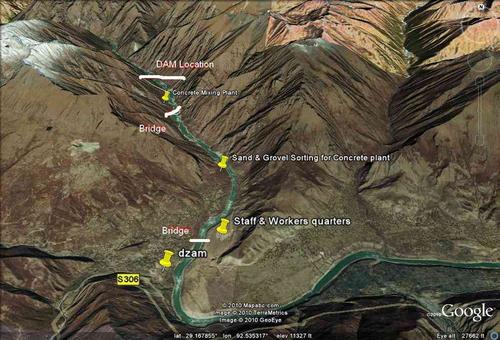
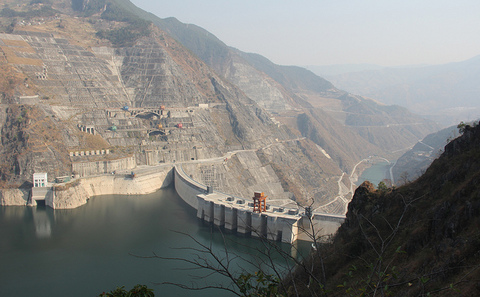
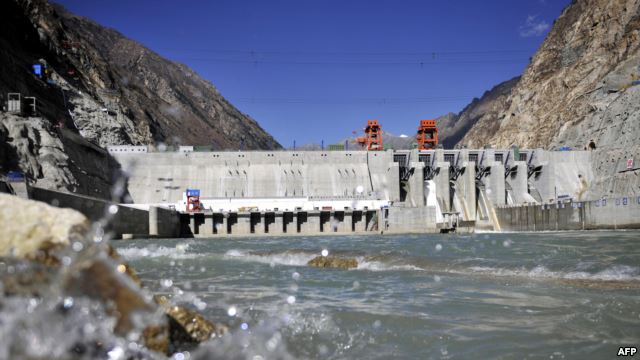
The Zam Hydropower Station has been built at a cost of $1.5 billion (approximately Rs 9764 crores).
All six of the station’s units were incorporated into the power grid today, the China Gezhouba Group, a major hydropower contractor based in Wuhan, capital of Hubei Province in central China, told state-run Xinhua news agency.
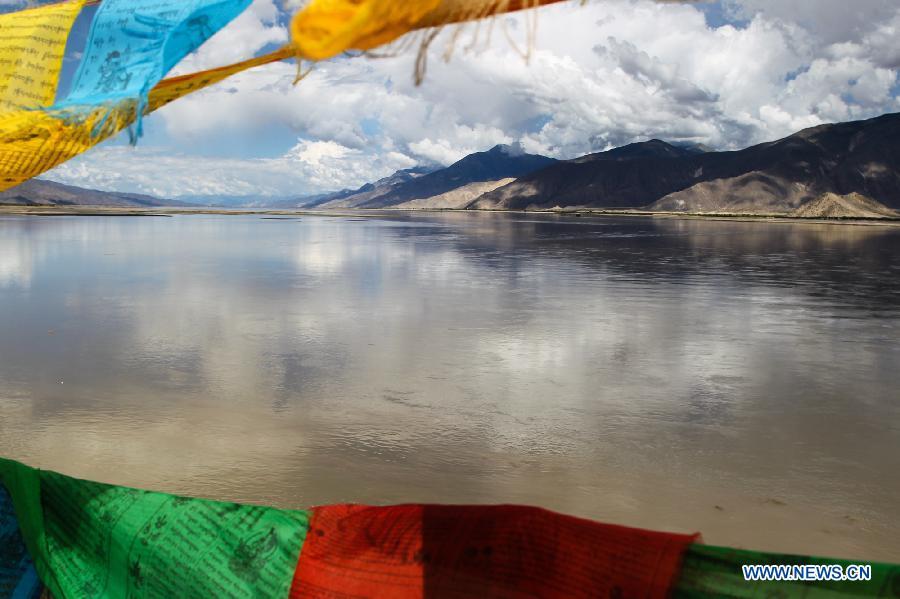
Located in the Gyaca County, Shannan Prefecture, the Zam Hydropower Station also known as Zangmu Hydropower Station, harnesses the rich water resources of Brahmaputra – known in Tibet as Yarlung Zangbo River – a major river which flows through Tibet into India and later into Bangladesh.
The dam, considered to be the world’s highest-altitude hydropower station and the largest of its kind, will produce produces 2.5 billion kilowatt-hours of electricity a year.
“It will alleviate the electricity shortage in central Tibet and empower the development of the electricity-strapped region. It is also an important energy base in central Tibet,” the company said.
Officials said when the electricity is ample in the summer season, part of the electricity will be transmitted to the neighbouring Qinghai province, Xinhua report said.
The first unit began operations last November.
Reports in the past said besides Zangmu, China is reportedly building few more dams. China seeks to allay Indian fears saying that they are the run-of-the-river projects which were not designed to hold water.
The dams also raised concerns in India over China’s ability to release water in times of conflict which could pose serious risk of flooding.
An Indian Inter-Ministerial Expert Group (IMEG) on the Brahmaputra in 2013 said the dams were being built on the upper reaches and called for further monitoring considering their impact on the flow of waters to the lower reaches.
The IMEG noted that the three dams, Jiexu, Zangmu and Jiacha are within 25 kilometres of each other and are 550 kilometres from the Indian border.
India has been taking up the issue with China for the past few years.
Under the understanding reached in 2013, the Chinese side agreed to provide more flood data of Brahmaputra from May to October instead of June to October in the previous agreements river water agreements in 2008 and 2010.
India is concerned that if the waters are diverted, then projects on the Brahmaputra, particularly the Upper Siang and Lower Subansari projects in Arunachal Pradesh, may get affected.
TIBET CONSCIOUSNESS – RED CHINA – NEOCOLONIALIST – ZANGMU DAM IN OCCUPIED TIBET.TIBET CONSCIOUSNESS – RED CHINA – NEOCOLONIALIST – ZANGMU HYDROPOWER STATION IN OCCUPIED TIBET.TIBET CONSCIOUSNESS – RED CHINA – NEOCOLONIALIST – COLONIAL EXPLOITATION IN OCCUPIED TIBET.TIBET CONSCIOUSNESS – RED CHINA – NEOCOLONIALIST – DAMMING YARLUNG TSANGPO – BRAHMAPUTRA IN OCCUPIED TIBETTIBET CONSCIOUSNESS – RED CHINA NEOCOLONIALIST – ZANGMU HYDROELECTRIC PROJECT IN OCCUPIED TIBET.TIBET CONSCIOUSNESS – RED CHINA – NEOCOLONIALIST – ZANGMU DAM IN OCCUPIED TIBET.TIBET CONSCIOUSNESS – RED CHINA – NEOCOLONIALIST – HUTOSHAN RESERVOIR IN OCCUPIED TIBET.
TIBET CONSCIOUSNESS – RED CHINA – NEOCOLONIALIST – ZANGMU DAM IN OCCUPIED TIBET.TIBET CONSCIOUSNESS – RED CHINA – NEOCOLONIALIST – ZANGMU DAM IN OCCUPIED TIBET.
Tibet Consciousness – Red China’s actions in Tibet are illegal, unlawful, and despotic
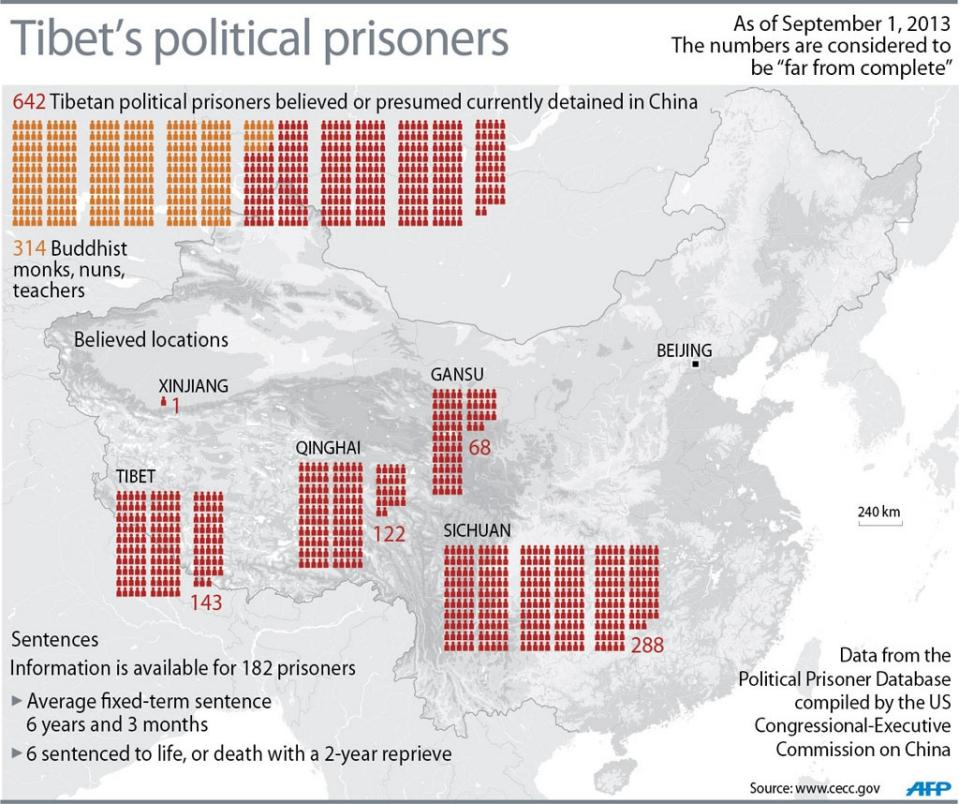
US Congressional-Executive Committee on China (www.cecc.gov) released a 336-page report that describes Communist China’s oppressive, repressive, brutal rule over Tibet. Red China’s use of power is cruel and unjust. Red China uses authority to overpower, to subdue, to crush, and to trample down any sign of Tibetan resistance that may question the legality of Red China’s governance of Tibet. US Congress has to categorically acknowledge Red China as “Usurper” of power in Tibet. Red China has taken, has assumed, has seized, and is in possession of Tibet without right. Red China’s actions in Tibet are illegal, arbitrary, despotic, violent, and remain unlawful.
US CONGRESS: CHINA TODAY IS MORE REPRESSIVE AND MORE BRUTAL
Monday, 12 October 2015 23:02 Yeshe Choesang, Tibet Post International
Washington, DC — An annual report released this week by the US Congressional-Executive Committee on China (CECC) criticised Beijing’s treatment of ethnic minorities, and noted deteriorating conditions in Xinjiang and Tibet.
The 336-page said it saw “a disturbing deterioration in human rights and rule of law conditions that pose a direct challenge to US national interests and US-China relations”.
The US commission said China was moving further away from a rule of law system and had increased pressure on civil society.
The Commission said that Beijing persists with its repressive policies in Tibet, denying adequate rights to Tibetans from protecting their culture, language, religion, and environment.
The annual report stated that “authorities continued to rein in media, opinion-makers, and Internet and social media users critical of government policies by shutting down popular chat site accounts, requiring real-name registration of accounts, and blocking services that allow Internet users to circumvent China’s “Great Firewall.” Foreign journalists continued to report harassment, surveillance, and restrictions on the free flow of news and information.”
The report recommends “greater public expression, including at the highest levels of the U.S. government, on the issue of press and Internet freedom; the expanded distribution of proven technologies to circumvent Internet restrictions in China; and the inclusion of the freedom of cross-border information as part of negotiations for the U.S.-China Bilateral Investment Treaty or future trade negotiations with China.”
The US report also noted deteriorating conditions in ethnic minority areas, from increased violence in the Xinjiang Uyghur Autonomous Region to harsher security measures and efforts to control Tibetan Buddhism in the so-called Tibet Autonomous Region. In addition, as Tibetan self-immolations continued, the Commission observed no sign of Chinese interest in resuming the long-stalled dialogue with the Dalai Lama’s representatives.
The report concluded that the Chinese government can best promote stability by respecting ethnic minorities’ right to maintain their language and culture and to practice freely their religion and urged Chinese administration to address these issues at bilateral security dialogues and exchanges with Chinese military or police officials.
The report contains numerous other recommendations, including advocating the use of the Commission’s extensive Political Prisoner Database, with information on over 1,300 currently detained political and religious prisoners.
The report further recommended the US Congress and administration to urge the Chinese government to allow the free flow of information regarding incidents of violence in ethnic minority regions; allow journalists and international observers access to those areas in line with international standards; and ensure that U.S. counter-terrorism cooperation arrangements do not endorse the Chinese government’s suppression of its people.
Speaking at the release of the report, Representative Chris Smith, Chair of the Commission, said, “It has been another punishing year for human rights in China, as this report documents so well. President Xi has presided over an extraordinary assault on the rule of law and civil society using repressive and retrograde policies that threaten freedom advocates in China and challenge both U.S. interests and U.S.-China cooperation and goodwill.”
“U.S. leadership on human rights is needed now more than ever. We must not compromise on the need for fundamental freedoms or shy away from those who seek them. Clearly, our long-term strategic interests depend on the advance of human rights and the rule of law in China,” he added.
The report provides detailed analysis on 19 human rights and rule of law issues and offers specific recommendations on ways to make progress on these issues in the broader U.S.-China relationship. The full report can be accessed on the CECC’s website(www.cecc.gov).
TIBET AWARENESS – RED CHINA – NEOCOLONIALIST – MICROMANAGES TIBET. TIBET WILL SURVIVE. TIBET WILL ENDURE. TIBET WILL REEMERGE FROM THE SHADOWS OF OCCUPATION.
Red China after invading Tibet in 1950, systematically consolidated its occupation controlling every aspect of Tibetan life, economy, and governance. I predict Beijing’s sudden downfall due to a catastrophic event in her own territory. Tibet will survive. Tibet will endure. Tibet will reemerge from dark shadows of occupation.
China micromanages Tibet, floods it with money to woo locals
LHASA, China (AP) — Ji Yunpeng misses hot-pot dinners with his wife and daughter back in Beijing and fights insomnia caused by the high altitude in the Tibetan capital by playing computer games, and, occasionally, studying Tibetan Buddhism.
“It’s just out of pure intellectual curiosity,” he said, aware that genuine religious interest would be a breach of discipline in China’s nominally atheist Communist Party.
Ji is in Lhasa on a three-year loan from the Beijing municipal government to oversee the school curriculum in Tibetan classrooms. In return, he gets a double salary and a shortcut up the party ladder. Nearly 6,500 civil servants like him have been dispatched to manage hefty budgets and shape Tibet’s modernization.
They are the human face of top-down development that has poured more than $100 billion dollars into the region since 1952. Critics say that Beijing’s obsession with social stability also has led to widespread human right abuses. But as incomes finally begin to increase across the Tibetan countryside, Chinese authorities are hopeful they can dispel international criticism over their rule in Tibet while winning the hearts of Tibetans and pulling some of their loyalty away from the exiled Dalai Lama.
“The strategy for Tibet is now shifting from the overall kind of repression that we have seen in the past to actually moving toward luring sections of the community and trying to work with those who cooperate with the authorities,” Tibet researcher Tsering Shakya said in an interview from University of British Columbia in Vancouver.
For most Tibetans in exile, the region has been unlawfully occupied by China since it was overrun by the People’s Liberation Army in 1951, and no material gains justify Beijing’s repression. But even skeptics like Shakya acknowledge that “without its intervention, the disparities between the development in Tibet and in China would be even greater.”
In a sign of new confidence, authorities this month invited a handful of foreign media organizations, including The Associated Press, on a tightly scripted visit to showcase Tibet’s development, timed to the 50th anniversary of the creation of the Tibet Autonomous Region.
STRINGS-ATTACHED DEVELOPMENT
Ji oversees the $40 million dollar Lhasa-Beijing Experimental Middle School, where many of the 2,500 students are from rural Tibet. Acting as deputy to the head of Lhasa’s education bureau, Ji explains how the pupils are entitled to nine years of free schooling.
As government minders watched, a Tibetan teacher wrote in Tibetan on a chalkboard crowned by the national flag, the Communist Party emblem and a portrait of President Xi Jinping. School officials explained that all subjects are taught in Mandarin, China’s official language, but that the curriculum includes mandatory Tibetan language.
In Lhasa, Beijing has also paid for housing projects, hospitals, an amusement park, an $80 million stadium and the Tibet Yak Museum, honoring the “hairy cow” of the grasslands. “Beijing and Lhasa are still like two worlds apart,” Ji says. “But in a place like this, where things are still backward, there is a sense of achievement in every step forward.”
Robert Barnett, leading academic of Tibetan studies at Columbia University in New York, questions whether the two-decade-old policy is truly benefiting Tibetans. Economic gains of the development have for decades gone largely to migrants from China’s ethnic Han minority, who make up only 8 percent of the Tibet’s 3.2 million inhabitants. Only recently, he said, have they started to trickle down to the countryside.
“If you pour in money in that amount to an area that is fragile in its ecosystem and social composition and you just remove barriers for migration, you attract income seekers, with a huge negative effect and a domination of the economy,” Barnett said.
MOVING IN FROM GRASSLANDS
Perfectly identical “new socialist villages” have sprouted in the countryside of the Tibetan plateau during the past decade, compelling former nomads to take on a sedentary lifestyle, but also giving them immaculate two-floor villas with running water, latrines and biogas cookers.
Dawa, a 55 year-old herder resettled in Lhoka prefecture’s Gongkar county, proudly showed visiting officials and journalists how each member of the family now has a separate room. “Even in my dreams I never thought of having a house like this,” he said.
When repeatedly prompted about what he misses from his old life, Dawa paused and stared at the officials seated in his living room before answering. “We have become selfish,” he said finally. “Now that living standards have improved, eating a piece of meat doesn’t make me as happy as eating a potato once did.”
THE INFLUX OF TOURISTS
Looking ahead, the government hopes to develop the mineral water industry, wool garment weaving workshops and factories of byproducts of traditional Tibetan medicine that will directly benefit the locals. Tourism development is, however, the biggest priority.
With plans to go from 15.5 million tourists in 2014 — five times Tibet’s population and most of them Chinese — to 20 million in the next five years, the industry already is transforming Lhasa’s landscape. Four huge pyramids of concrete and glass, the skeleton of a 2,000 room five-star resort, are joining new shopping malls, karaoke parlors and theme parks. Visitors sweep through chambers of the labyrinthine Potala palace and compete for space with local pilgrims at the iconic Jokhang temple.
“There is a great deal of unhappiness and resentment among Tibetans over the way their culture and religion is being exploited,” said spokesman Alistair Currie of the London-based activist group Free Tibet, which is campaigning against foreign hotel chains in the autonomous region.
STABILITY ON THE PLATEAU
More than 140 Tibetans, men and women, lay people and monks, have died since 2009 protesting Beijing’s rule and demanding the return of the Dalai Lama, who fled to exile in 1959 following an aborted uprising by Tibet’s elites against the Communist Party.
Tibet’s security budget increased by 28 percent annually from 2007 to 2012, a similar pace as in Xinjiang, home to the Turkic-speaking and Islam-practicing Uighurs. The per capita spending in Tibet was 3.6 times the national average in 2012, said the Center for Human Rights and Democracy in Tibet.
Penpa Tashi, an ethnic Tibetan party member who is the region’s vice chairman, blames the tight security on unrest linked to the Dalai Lama, the spiritual leader of Tibetans, many of whom revere him as a demigod. “Only by remaining stable can we achieve development and improve people’s livelihood,” he said.
The paramilitary police who were ubiquitous following deadly riots in 2008 have retreated from the spotlight, leaving the streets in the hands of lightly armed patrols and police stations on every block. More subtle forms of surveillance — from CCTV cameras to plainclothes agents and monitored communications —have taken the lead.
COMMUNISTS IN THE MONASTERY
The party in the past installed “special working groups” at Tibet’s county levels to ensure patriotism. Those groups now have been extended to every village and every monastery, exercising an unprecedented level of control while also funneling money and resources to groups who cooperate.
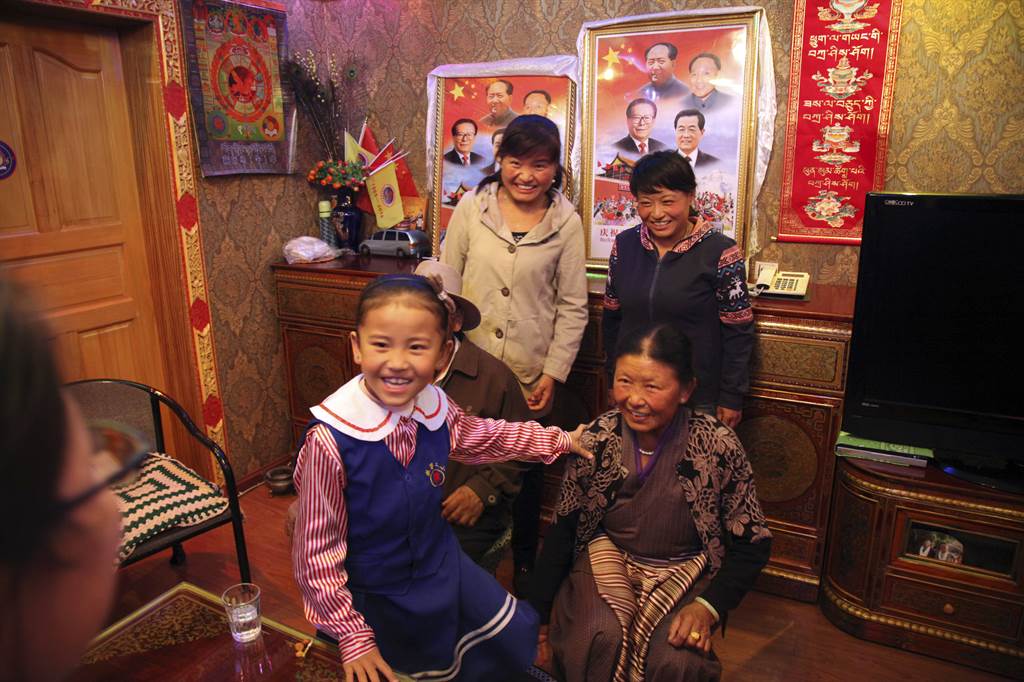
In Lhoka’s Tradruk monastery, the secular management office has obtained funds for the latest renovation of this 12-century-old institution, one of the earliest Buddhist constructions in Tibet. As Han Chinese workers placed the last slate slabs in a courtyard, congregation head Migmar Tsering explained how the monastery can get electricity, televisions and libraries in exchange for displaying the Communist leaders’ portraits and topping the complex with the red flag of China.
In addition, monks meet once a week with the monastery’s Communist Party branch to receive legal and patriotic education.
“We now enjoy complete freedom of religion,” Migmar Tsering, 43, said in an interview arranged by the county propaganda office. Shakya said the new system is actually helping to revive Buddhism throughout Tibet, although under the controlling eyes of the party.
However, other experts dispute that there has been any revival, especially given that the government has been providing the same figure of nearly 1,800 religious sites and more than 46,000 monks and nuns in the autonomous region since the early 90’s.
“You can have television sets, roads and flags in monasteries but you are not allowing the number of people to grow,” said Barnett, the Columbia University professor. “It’s hard to have monastic life thrive if you have a cadre team overseeing them.”
DALAI LAMA’S LONG SHADOW
The current, 14th Dalai Lama, who is now 80, remains the nemesis of China’s interests in Tibet. Despite an obsessive vilification of the man by Chinese government and party officials, he remains immensely popular and influential among Tibetan Buddhists.
He has said he may not reincarnate, to undercut Beijing’s plans to pick his successor. This has forced the atheist Communist Party to embrace a practice introduced seven centuries ago by a Qing dynasty emperor to control the selection by having names drawn from a government-controlled golden urn.
The region’s vice governor, Penpa Tashi, told reporters over a dinner of yak meat that, without doubt, the 15th Dalai Lama will be approved by the Chinese government and that the 14th has been an “anomaly” who made no contribution to Tibet’s development and sought only to split the region away from China.
“His attempt to split and destroy will never be realized,” he said. “The 14th Dalai is just like a pustule or a weed. A pustule must be squeezed to make the body healthier, the same way that a weed must be uprooted.”
TIBET AWARENESS – RED CHINA – NEOCOLONIALIST – MICROMANAGES TIBET. TIBET WILL SURVIVE. TIBET WILL ENDURE. TIBET WILL REEMERGE FROM SHADOWS OF OCCUPATION.TIBET AWARENESS – RED CHINA – NEOCOLONIALIST – MICROMANAGES TIBET. TIBET WILL SURVIVE. TIBET WILL ENDURE. TIBET WILL REEMERGE FROM SHADOWS OF OCCUPATION.TIBET AWARENESS – RED CHINA – NEOCOLONIALIST – MICROMANAGES TIBET. TIBET WILL SURVIVE. TIBET WILL ENDURE. TIBET WILL REEMERGE FROM SHADOWS OF OCCUPATION.TIBET AWARENESS – RED CHINA – NEOCOLONIALIST – MICROMANAGES TIBET. TIBET WILL SURVIVE. TIBET WILL ENDURE. TIBET WILL REEMERGE.TIBET AWARENESS – RED CHINA – NEOCOLONIALIST – MICROMANAGES TIBET. TIBET WILL SURVIVE. TIBET WILL ENDURE.TIBET AWARENESS – RED CHINA – NEOCOLONIALIST – MICROMANAGES TIBET. TIBET WILL SURVIVE. TIBET WILL ENDURE. BARLEY FIELD, NEYMO, TIBET.TIBET AWARENESS – RED CHINA – NEOCOLONIALIST. TIBET WILL SURVIVE. TIBET WILL ENDURE.TIBET AWARENESS – RED CHINA – NEOCOLONIALIST – MICROMANAGES TIBET. TIBET WILL SURVIVE. TIBET WILL ENDURE.TIBET AWARENESS – RED CHINA – NEOCOLONIALIST – MICROMANAGES TIBET. TIBET WILL SURVIVE. TIBET WILL ENDURE.TIBET AWARENESS – RED CHINA – NEOCOLONIALIST – MICROMANAGES TIBET. TIBET WILL SURVIVE. TIBET WILL ENDURE.TIBET AWARENESS – RED CHINA – NEOCOLONIALIST – MICROMANAGES TIBET. TIBET WILL SURVIVE. TIBET WILL ENDURE.TIBET AWARENESS – RED CHINA – NEOCOLONIALIST – MICROMANAGES TIBET. TIBET WILL SURVIVE. TIBET WILL ENDURE.TIBET AWARENESS – RED CHINA – NEOCOLONIALIST – MICROMANAGES TIBET. TIBET WILL SURVIVE. TIBET WILL ENDURE. TIBET WILL REEMERGE.
TIBET AWARENESS – RED CHINA – HEGEMONIST – CHINESE PREMIER DENG XIAOPING IN HIS SPEECH AT UN GENERAL ASSEMBLY DELIBERATELY, PURPOSEFULLY LIED ABOUT RED CHINA’S HEGEMONIST POLICY.
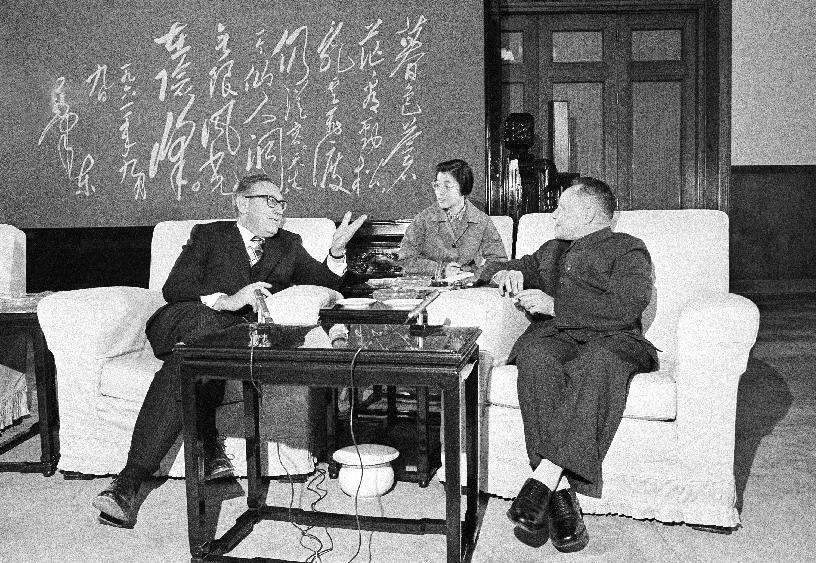
Chinese Premier Deng Xiaoping in 1974 during his maiden appearance at United Nations General Assembly assured UN members that China is not and never will be a superpower or seek dominance over others. Deng Xiaoping carefully avoided using the term “Hegemon” while describing Communist China’s state policy. Hegemonism is the policy or practice of a nation in aggressively expanding its influence over other countries. Hegemony refers to dominance of one nation over others. Tibet is the first victim of Red China’s Hegemonist Policy.
Tracing China’s long, convoluted relationship with the UN
BEIJING (AP) — China’s President Xi Jinping is poised to address the U.N. General Assembly for the first time on Monday. Here are some milestones in China’s long, convoluted relationship with the world body:
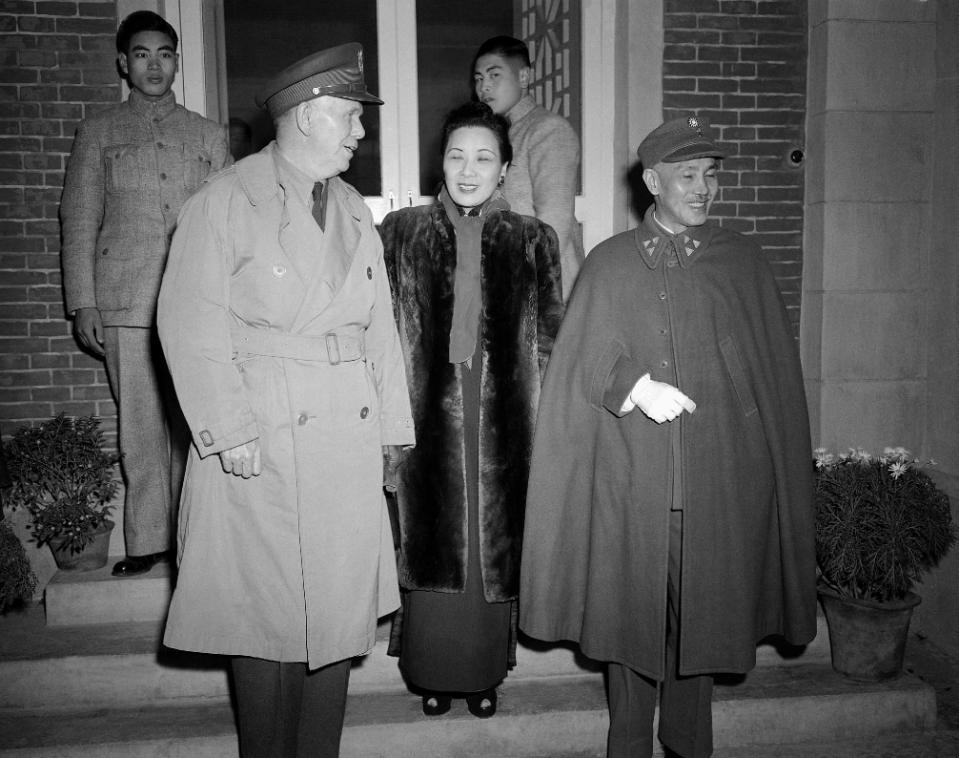
1945 — The Republic of China, led by Chiang Kai-shek, becomes the first nation to sign the U.N. charter. As one of the victors in World War II, China assumes one of five permanent seats on the U.N. Security Council over the objections of some world leaders, including Britain’s Winston Churchill. Chinese representatives also help draft and sign the Universal Declaration of Human Rights.
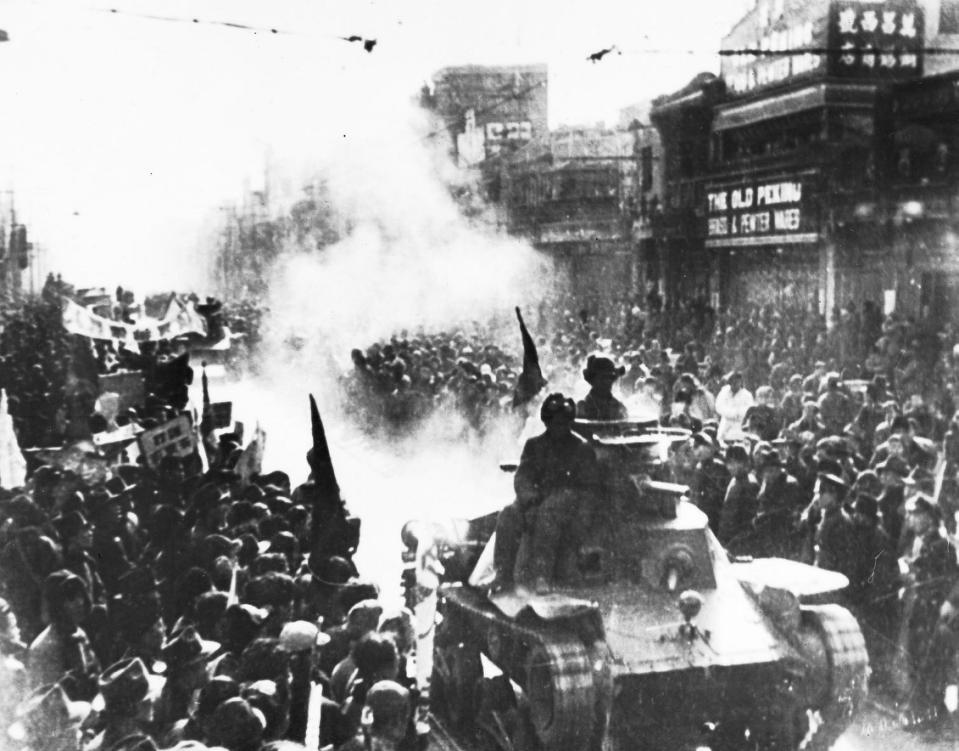
1949 — Chiang’s Nationalists lose the Chinese civil war to Mao Zedong’s Communists and retreat from the Chinese mainland to the island of Taiwan. The Republic of China, however, retains China’s Security Council seat with the key backing of the U.S. in order to restrain Mao’s ally, the Soviet Union, as the Cold War unfolds.
1950 — The Korean War breaks out. With Soviet encouragement, Chinese forces are sent to bolster North Korea’s military. The Security Council recognizes North Korea’s attack on the South as an invasion and dispatches a 21-nation force led by the U.S. to repulse the aggression. U.N. forces frequently fight against Chinese troops until the signing of an armistice in 1953.
1950s and 1960s — Mao’s People’s Republic of China attempts repeatedly to replace the ROC as the legitimate representative of China at the U.N. However, with Washington’s strong support, the Republic of China manages to hang on even as support in the General Assembly steadily erodes.
1971 — Amid a thaw in relations between Beijing and Washington, the People’s Republic of China secures the votes of 26 newly independent African nations and finally prevails in its campaign to win the China seat. Passed on the 21st attempt, U.N. Resolution 2758 expels the representatives of Chiang Kai-shek from the body, effectively casting Taiwan into the diplomatic wilderness.
1974 — Soon-to-be paramount leader Deng Xiaoping becomes the first major Chinese politician to address the General Assembly. In his speech, Deng assures the body that China is not and never will be a superpower or seek dominance over others (replacing “hegemon”), assertions increasingly at odds with China’s rising global influence in the 21st century.
1991 — The Republic of China applies to join the U.N. separately from mainland China as the representative of Taiwan and its related islands, saying that Resolution 2758 was irrelevant to Taipei’s status. The move is fiercely condemned by China and is never included in the General Assembly’s agenda or put to a formal vote.
1992 — Having dropped its objections to U.N. peacekeeping on grounds of non-intervention, China sends its first contribution in the form of an engineering company to join in a mission in Cambodia. In subsequent years, China becomes far and away the biggest contributor of personnel to peacekeeping operations among the five permanent Security Council, with more than 3,000 troops and police committed as of this year.
2013 — China is granted a seat on the U.N. human rights council despite frequent criticisms of its authoritarian political system and heavy restrictions on civil liberties. Opponents say that move not only provides cover for China’s detention of political opponents and other abuses, but also allows it to suppress all U.N. human rights initiatives and attempts to hold rights violators accountable.
Copyright 2015 The Associated Press. All rights reserved. This material may not be published, broadcast, rewritten or redistributed.
Yahoo – ABC News Network
Tibet is the first victim of Red China’s Hegemonist Policy.
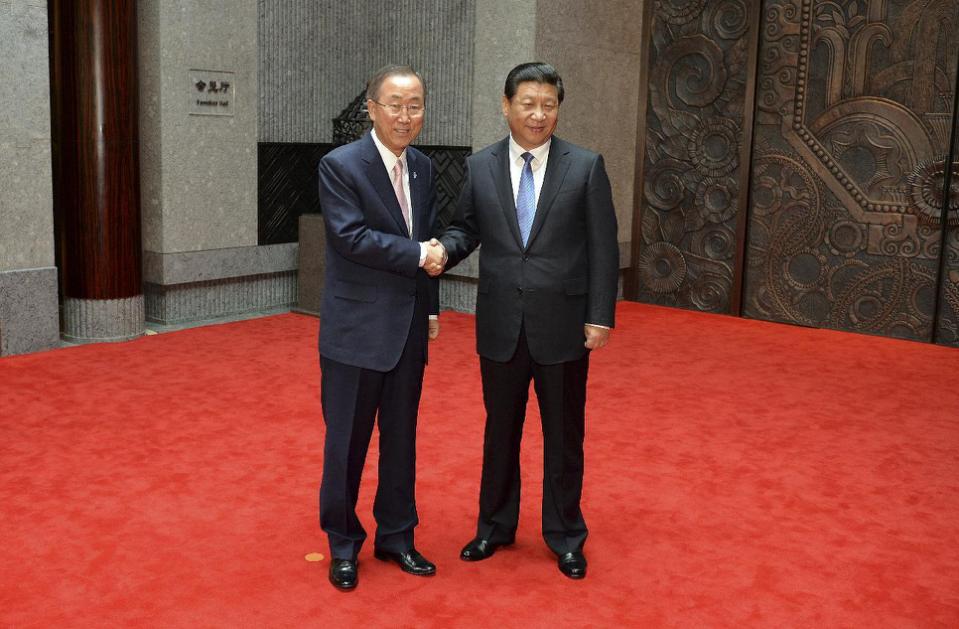
FILE In this May 2, 1949 file photo, a column of Chinese Communist light tanks enter the streets of Peking, which are filled with people watching the conquerors pass. In 1949, Chiang Kai sheks Nationalists lost the Chinese civil war to Mao Zedongs Communists and retreat from the Chinese mainland to the island of Taiwan. The Republic of China, however, retained Chinas Security Council seat with the key backing of the U.S. in order to restrain Maos ally, the Soviet Union, as the Cold War unfolds. (AP Photo, File)FILE In this Dec. 22, 1945 file photo, Gen. George C. Marshall, left, special envoy of U.S. President Harry Truman to China with rank of ambassador, poses with Generalissimo Chiang Kai Shek, right, and Madame Chiang at Chiang’s Nanking home shortly after his arrival in Nanjing. In 1945 the Republic of China, led by Chiang Kai shek, became the first nation to sign the U.N. charter. As one of the victors in World War II, China assumed one of five permanent seats on the U.N. Security Council over the objections of some world leaders, including Britains Winston Churchill. Chinese representatives also helped draft and sign the Universal Declaration of Human Rights. (AP Photo, File)FILE In this Nov. 27, 1974 file photo, Chinese Premier Deng Xiaoping, right, listens to U.S. Secretary of State Henry Kissinger, left, during their meeting in Beijing. In 1974, soon to be paramount leader Deng became the first major Chinese politician to address the General Assembly. In his speech, Deng assured the body that China is not and never will be a superpower or seek dominance over others (replacing hegemon), assertions increasingly at odds with Chinas rising global influence in the 21st century. (AP Photo, File)FILE In this May 19, 2014 file photo, Chinese President Xi Jinping, right, shakes hands with United Nations Secretary General Ban Ki moon, left, as they pose for photos on the eve of the fourth Conference on Interaction and Confidence Building Measures in Asia (CICA) summit at the Xijiao State Guesthouse in Shanghai, China. Chinas President Xi is poised to address the U.N. General Assembly for the first time on Monday, Sept. 28, 2015. (Mark Ralston/Pool Photo via AP, File)
Tibet is the first victim of Red China’s Hegemonist Policy.
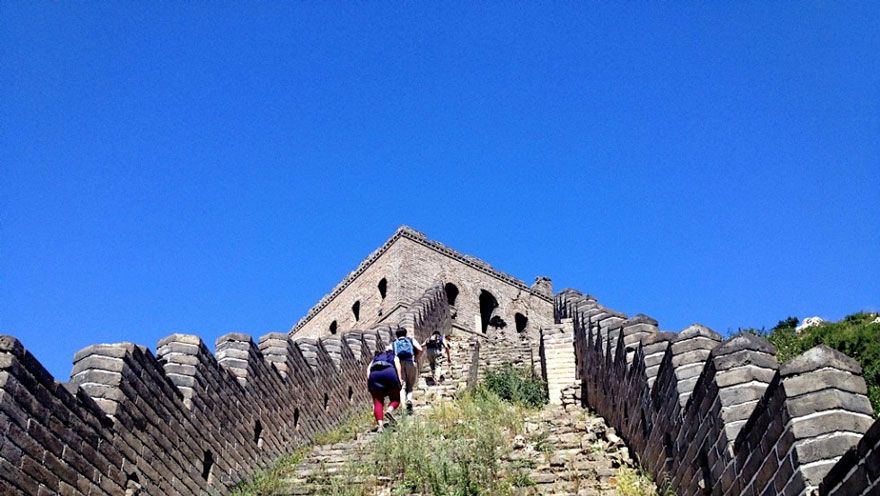
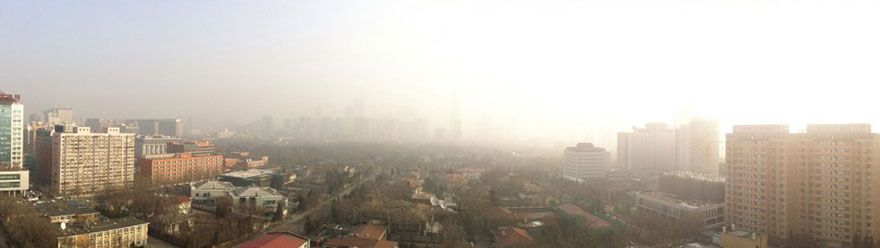
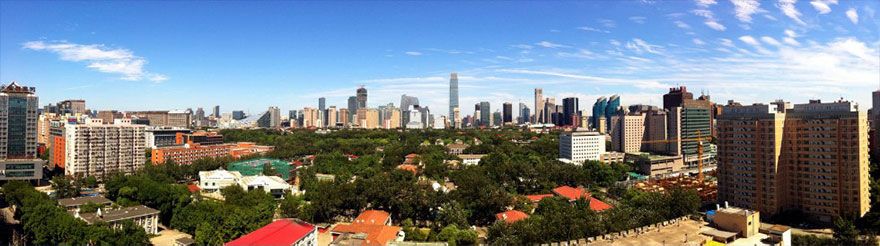
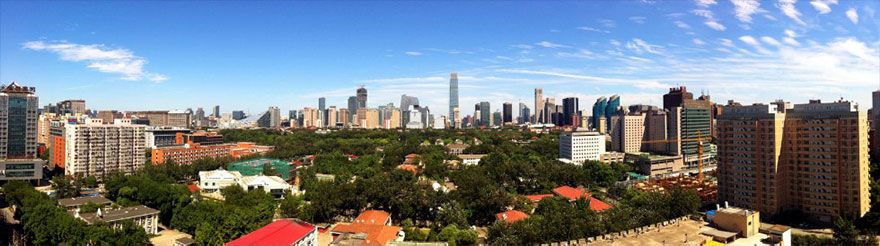
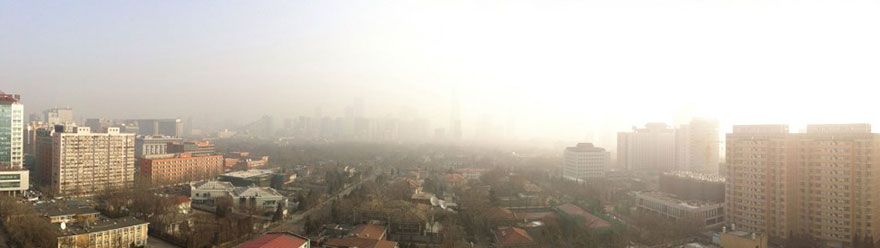
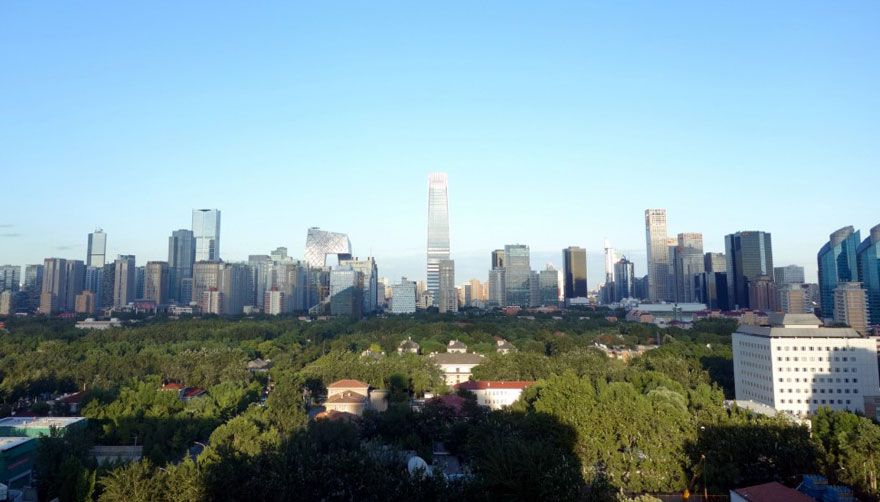
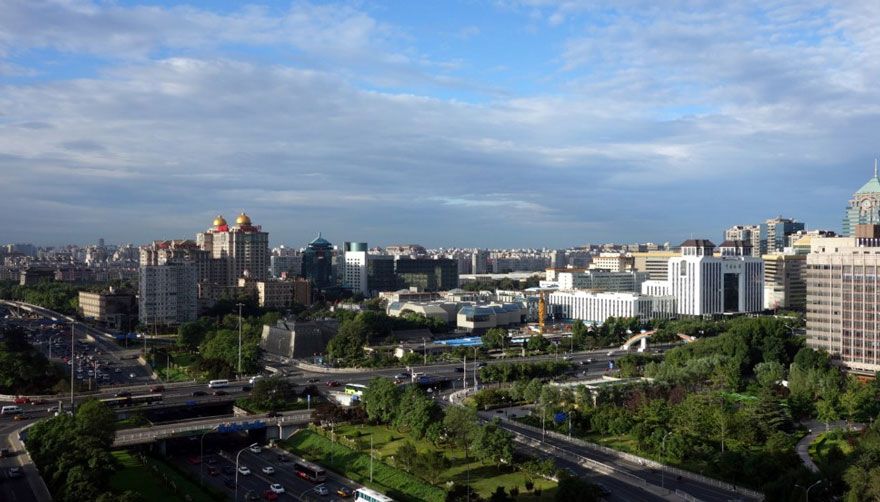
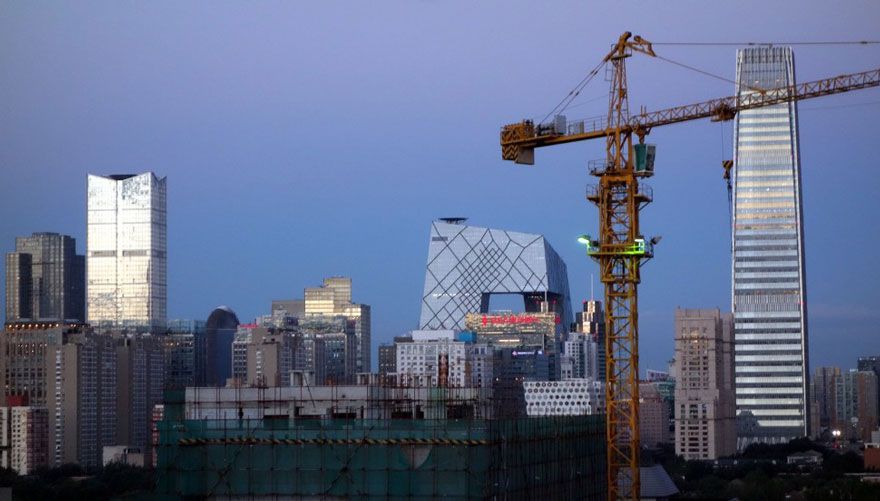
TIBET AWARENESS – TIBET IS NOT PART OF CHINA . URBAN SMOG AND AIR POLLUTION MASK OR CONCEAL REALITY OF A PLACE. OCCUPATION CONCEALS REALITY OF TIBET. TIBET IS FREE AND FREEDOM IS A NATURAL CONDITION.TIBET AWARENESS – TIBET IS NOT PART OF CHINA. OCCUPATION IS LIKE POLLUTION AND URBAN SMOG. THE REALITY OF BEIJING IS REVEALED BY BANNING CARS. THE REALITY OF TIBET WILL BE REVEALED BY REMOVING OCCUPATION.
I am sharing photo images of Beijing that demonstrate Red China has awareness and has ability to find solutions to problems of urban smog, and atmospheric pollution. Occupation is like pollution and urban smog. The reality of Beijing is revealed by banning cars. I am asking Red China to use the same awareness to know Tibet and its reality. Tibet is not a part of China. The reality of Tibet will be revealed by removing occupation. Tibet in reality is Free and Tibet’s Freedom is its Natural State or Natural Condition.
2.5 Million Banned Cars Show Blue Skies For First Time
5 million cars were forced to drive on alternating days in Beijing.
Tibet is not a part of China. The reality of Tibet will be revealed by removing occupation. Tibet in reality is Free and Tibet’s Freedom is its Natural State or Natural Condition. Tibet is not a part of China. The reality of Tibet will be revealed by removing occupation. Tibet in reality is Free and Tibet’s Freedom is its Natural State or Natural Condition.
Tibet is not a part of China. The reality of Tibet will be revealed by removing occupation. Tibet in reality is Free and Tibet’s Freedom is its Natural State or Natural Condition.
During the ban, Beijing’s average levels of PM (particulate matter) dropped by 73.2% compared to the last year.
Tibet is not a part of China. The reality of Tibet will be revealed by removing occupation. Tibet in reality is Free and Tibet’s Freedom is its Natural State or Natural Condition.
40,000 construction sites in and around Beijing were also shut down for the duration.
Tibet is not a part of China. The reality of Tibet will be revealed by removing occupation. Tibet in reality is Free and Tibet’s Freedom is its Natural State or Natural Condition.
An international standard for measuring the severity of air pollution dipped to a pristine 17 out of 500, signifying very healthy air.
Tibet is not a part of China. The reality of Tibet will be revealed by removing occupation. Tibet in reality is Free and Tibet’s Freedom is its Natural State or Natural Condition.
This is how the Great Wall should look every day!
Tibet is not a part of China. The reality of Tibet will be revealed by removing occupation. Tibet in reality is Free and Tibet’s Freedom is its Natural State or Natural Condition. Tibet is not a part of China. The reality of Tibet will be revealed by removing occupation. Tibet in reality is Free and Tibet’s Freedom is its Natural State or Natural Condition.
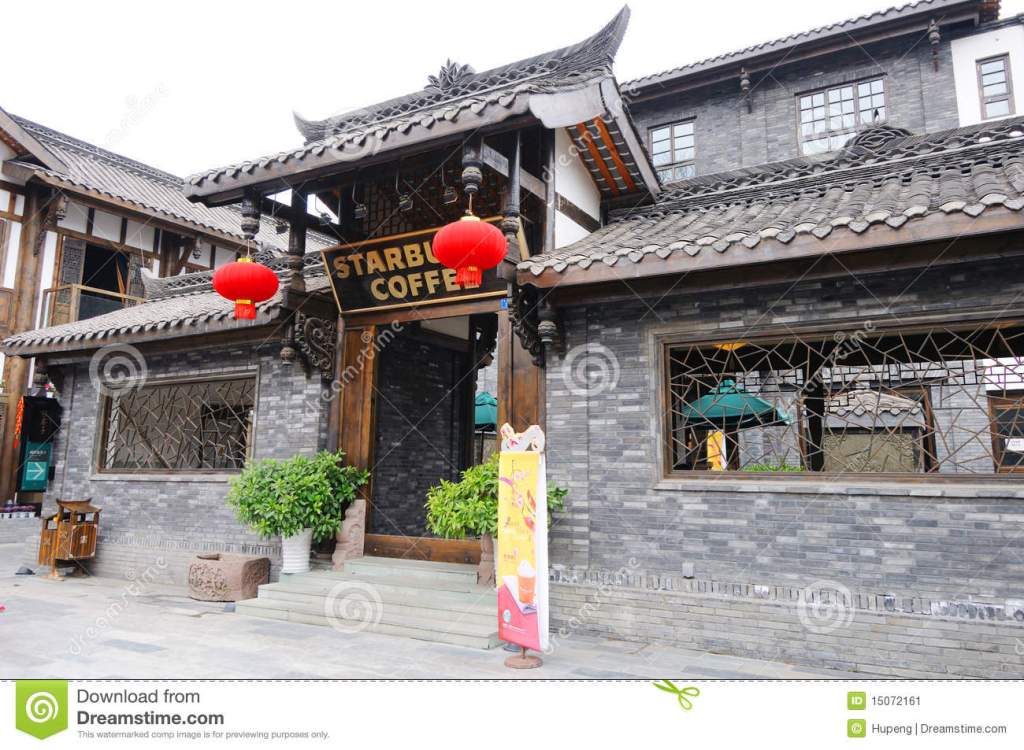
Tibet Awareness – Starbucks Opens Up Shops on the Tibetan Plateau
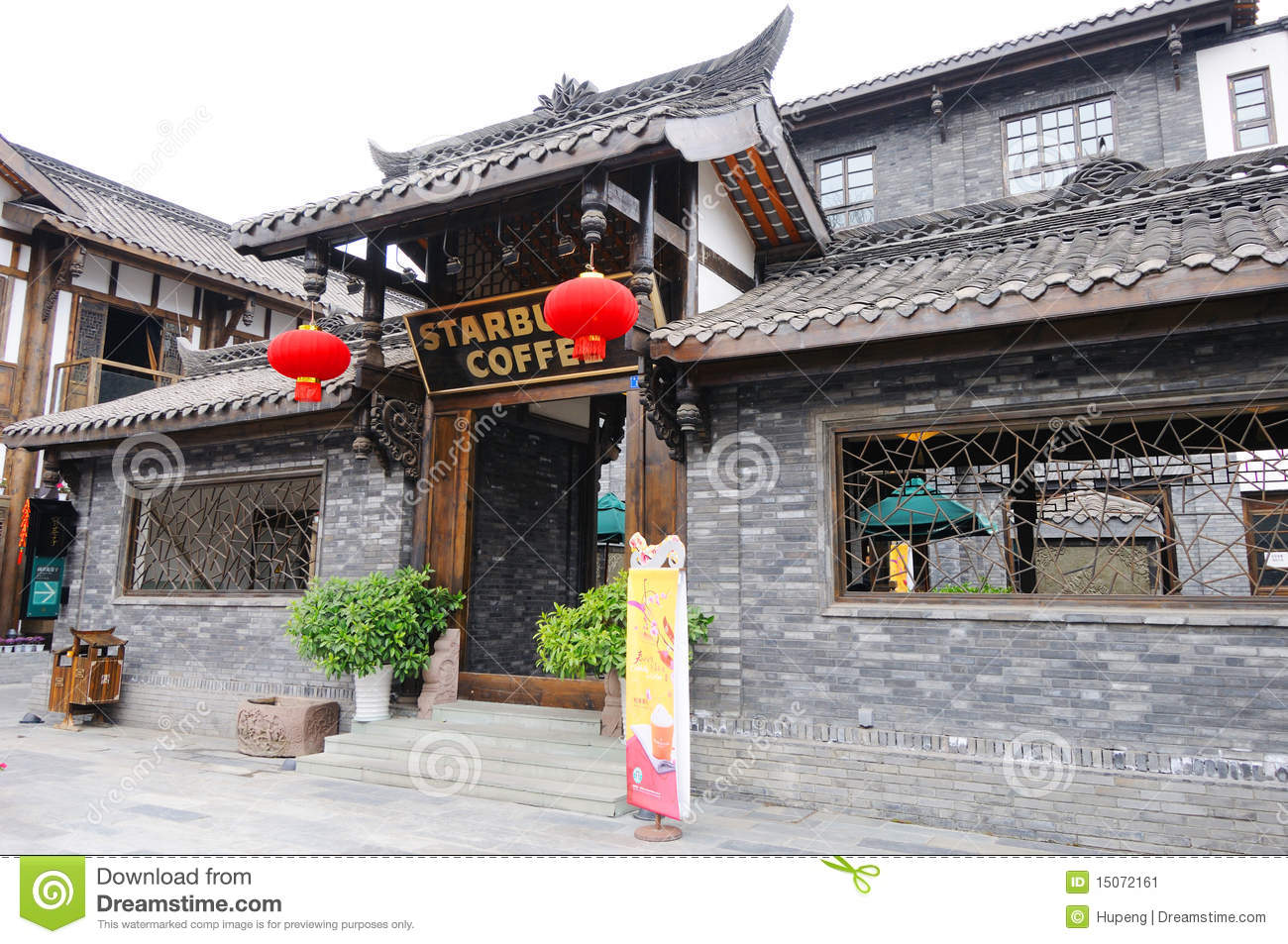
Whole Dream – Starbucks Coffee Tastes Better if there is Freedom in the Air. I would be happy to sip a cup of hot, freshly brewed Starbucks coffee to begin my day in Lhasa on a bright note. The Coffee is going to taste better when there is Freedom in the thin air of Tibetan Plateau.
Any mountain climber will be able to describe the shortness of breath that normally comes with altitude. It’s not that the air has a lower percentage of oxygen – it’s around 21% wherever you stand in the world. But air pressure decreases the further you walk or fly from the sea’s surface, allowing the gas molecules to spread out in all directions, and a lung can only stretch so far to compensate. The Tibetan plateau is one of the highest regions on Earth. It has an average elevation of ∼4,000 m, a barometric pressure of <500 mmHg, and an ambient partial pressure of oxygen (Po2) of 80 mmHg. At more than 4,000m (13,000ft) above Sea Level, each breath contains around a third less oxygen than the same breath far below. At this altitude, the oxygen level in the air is roughly 60% of what is found at sea level, meaning people breathe in considerably less oxygen with each breath. Low oxygen levels can cause various health issues including nausea, dizziness, headaches, fatigue, and in severe cases, altitude sickness.
I am sharing this story published by Brandchannel with the hope generated by my prediction of Red China’s sudden downfall. There is a chance that I may be attending festivities in Lhasa to celebrate Tibet’s Liberation from Communist occupation. I would be happy to sip a cup of hot, freshly brewed Starbucks coffee to begin my day in Lhasa on a bright note. The Coffee is going to taste better when there is Freedom in the thin air of Tibetan Plateau.
BRANDCHANNEL:
Starbucks Opens Up Shops on the Tibetan Plateau
Posted September 15, 2015 by MARK J. MILLER
A trip to Tibet has long been considered a journey one takes when seeking internal peace. Escaping Western creature comforts can help an individual reprioritize what life is all about.
That image may still be true, but Starbucks is inching closer to getting its caffeine and sugar into the country. On Friday, it opened two locations on the Tibetan Plateau over the border in the northern Chinese city of Xining.
The locations are strangely only 300 meters away from each other in a city of 2.2 million people. “Young people are very excited by the Starbucks,” student Padma Yangkyi told the Xinhua News Agency. “The fondness for traditional buttered tea and Tibetan opera doesn’t weaken our love for coffee and pop songs.”
China now has about 1,700 Starbucks, passing Canada as the country with the second-most locations outside the US, according to Quartz. The plan is to double that number in the next five years.
It isn’t clear when Starbucks will get to Tibet proper but it seems inevitable. The Australian reports that new Sinopec gas stations have popped up, there’s a shiny new Tibet Tiandi Green Barley brewery, and China is pumping “capital into the area, funding new infrastructure and providing subsidies and assistance, including free education, to many of its population.”
A railway opened in 2006 that brings travelers from Qinghai, Tibet, saw 15 million tourists last year, up 20 percent from 2013. Where the people go, Starbucks will surely follow.
I would be happy to sip a cup of hot, freshly brewed Starbucks coffee to begin my day in Lhasa on a bright note. The Coffee is going to taste better when there is Freedom in the thin air of Tibetan Plateau.I would be happy to sip a cup of hot, freshly brewed Starbucks coffee to begin my day in Lhasa on a bright note. The Coffee is going to taste better when there is Freedom in the thin air of Tibetan Plateau.I would be happy to sip a cup of hot, freshly brewed Starbucks coffee to begin my day in Lhasa on a bright note. The Coffee is going to taste better when there is Freedom in the thin air of Tibetan Plateau.I would be happy to sip a cup of hot, freshly brewed Starbucks coffee to begin my day in Lhasa on a bright note. The Coffee is going to taste better when there is Freedom in the thin air of Tibetan Plateau.
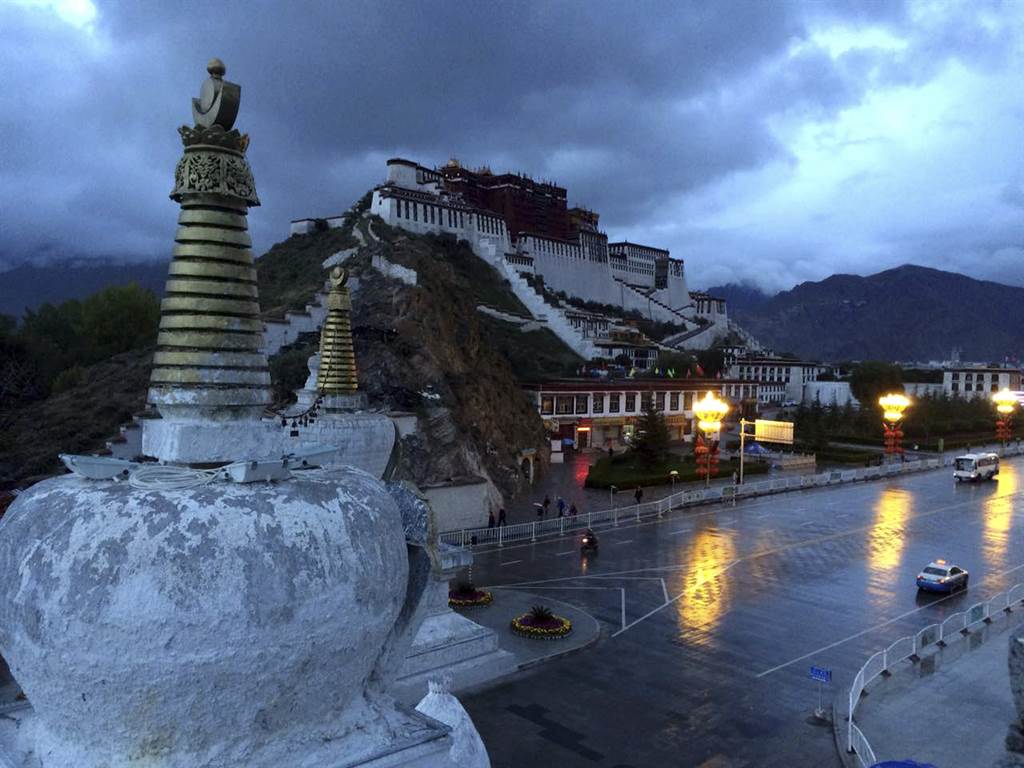
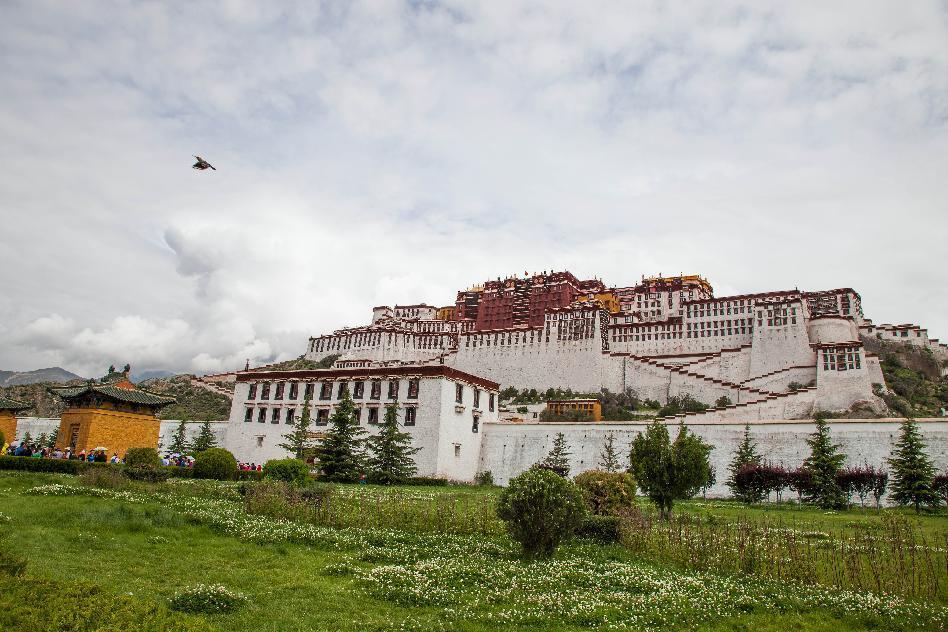
Tibet Awareness – The Reality of Potala Palace, Lhasa, Tibet
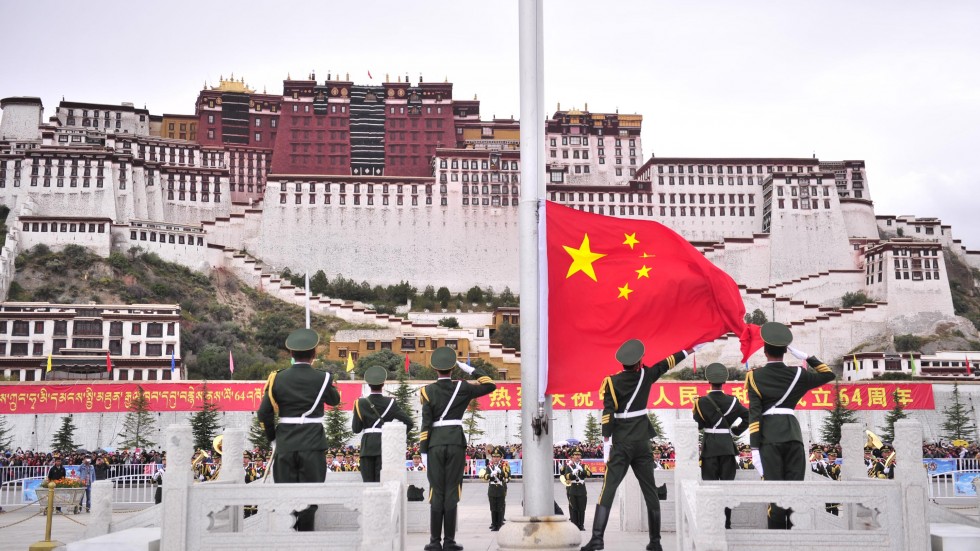
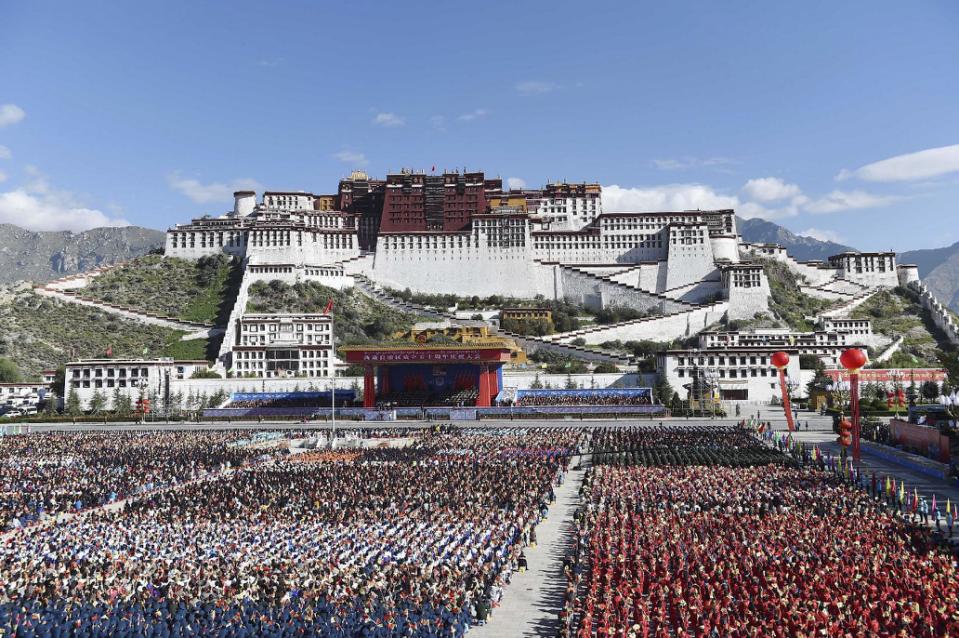
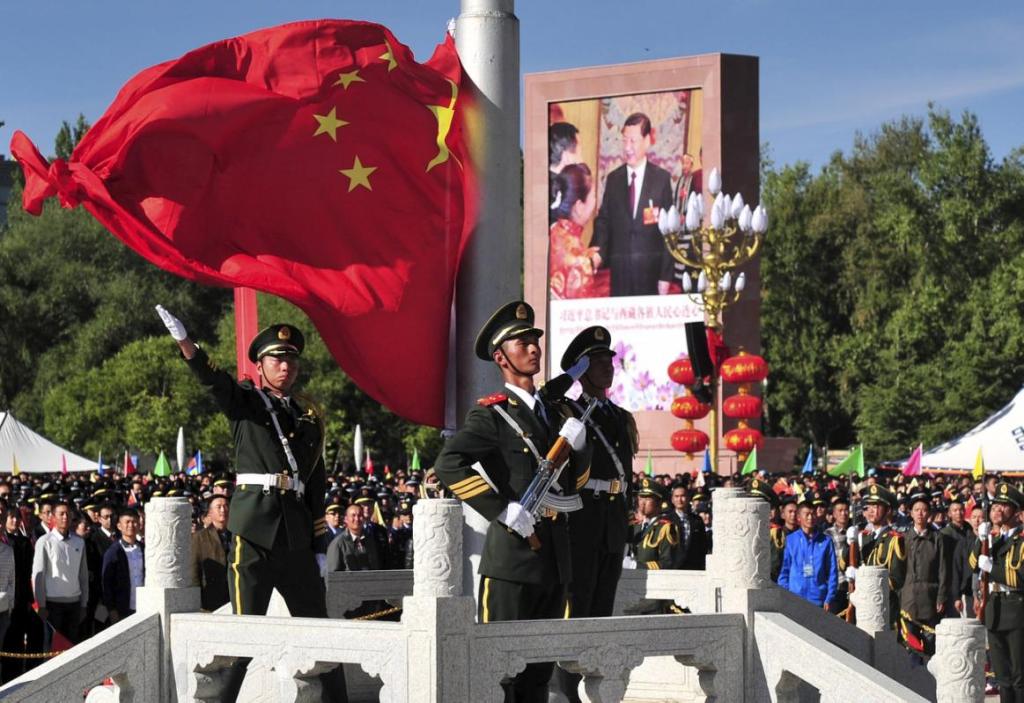
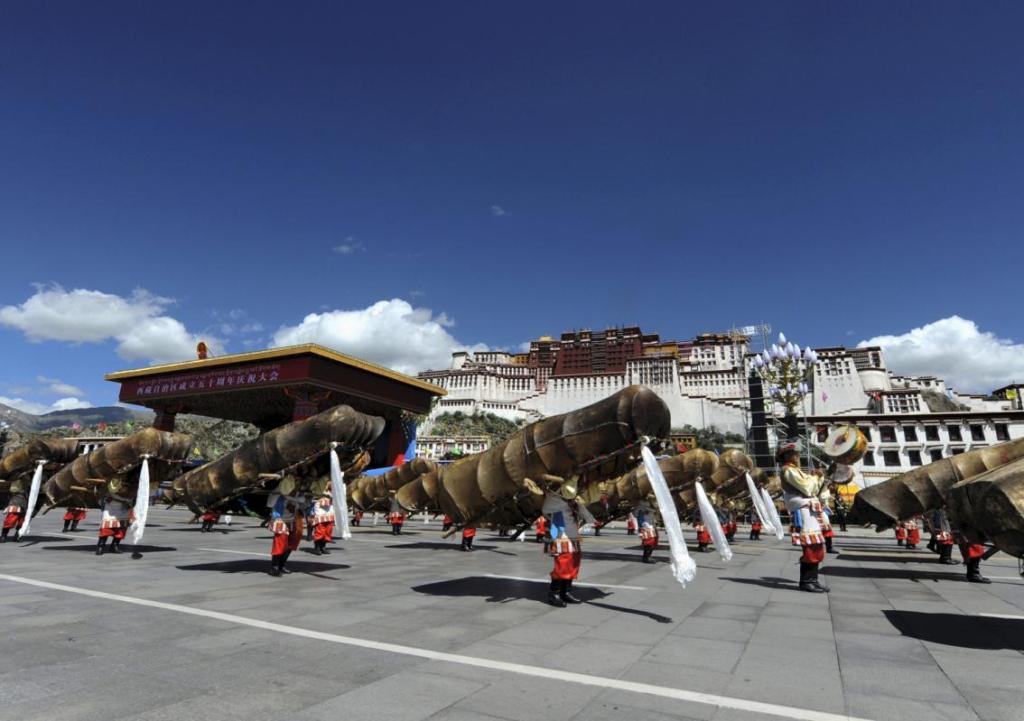
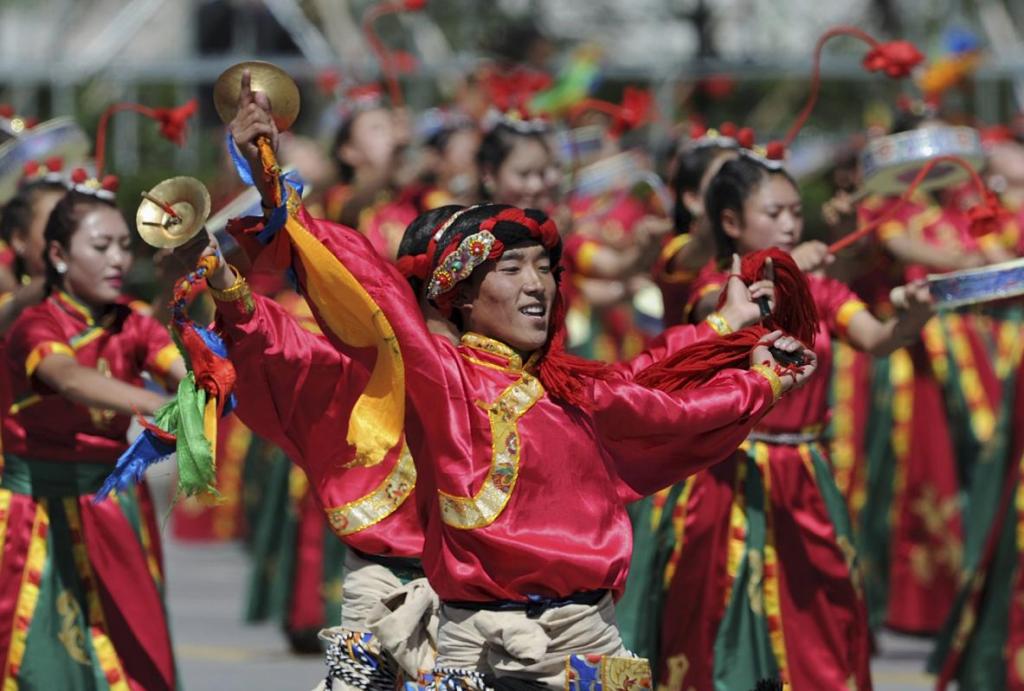
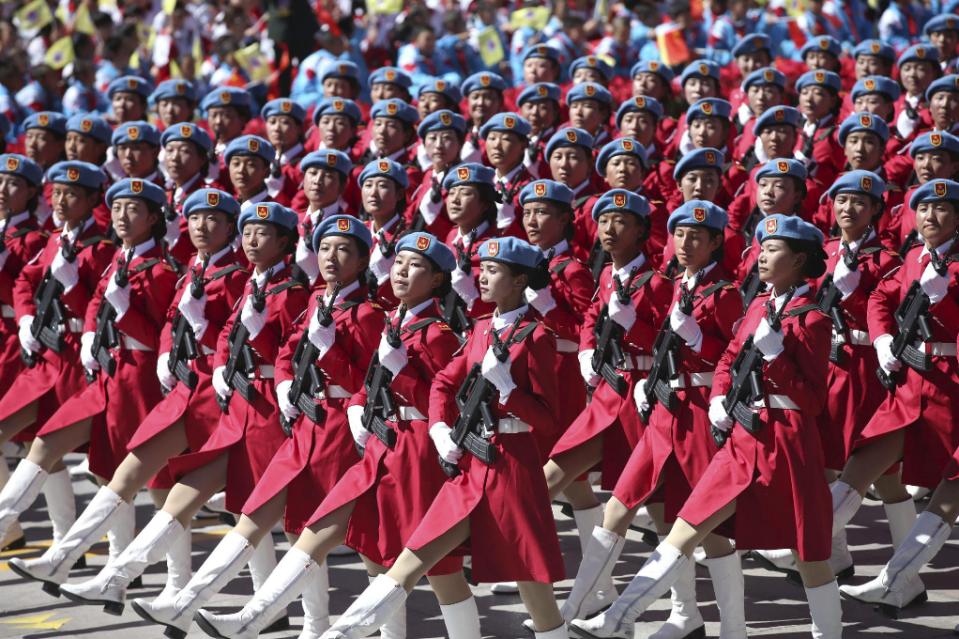
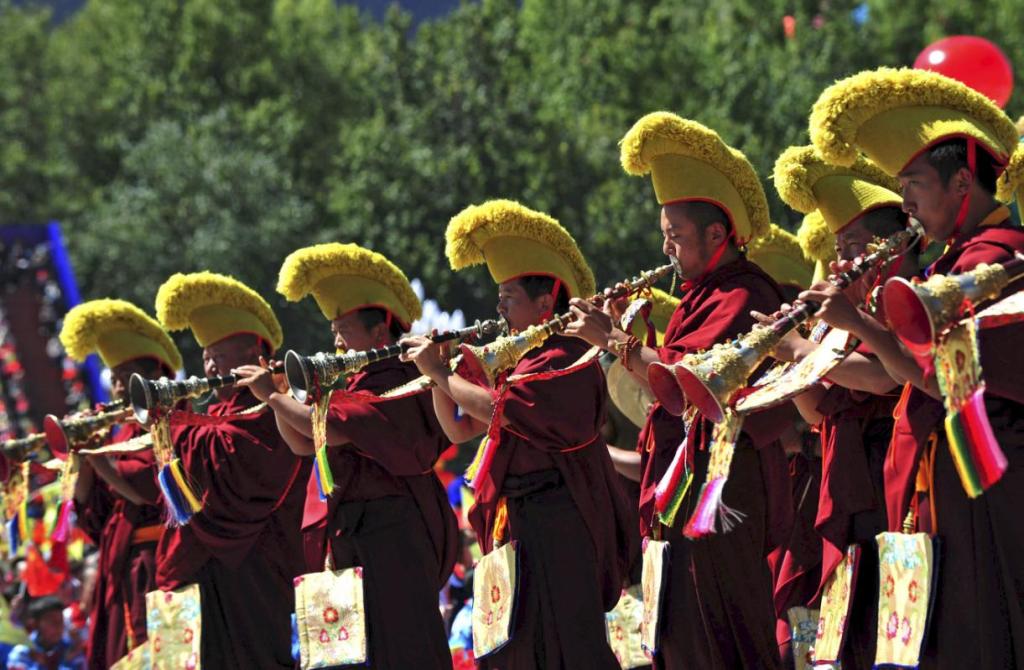
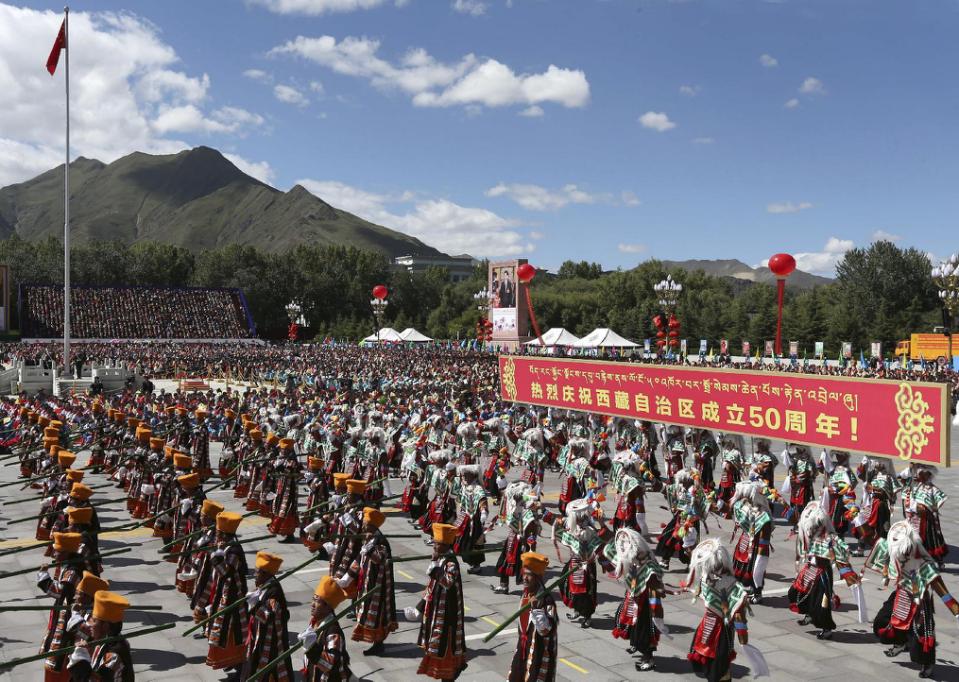
Tibet Awareness – The Yoke of Occupation. Potala Palace, Lhasa, Tibet. China Showcases 50 Years of hold on Tibet with Big Parade.
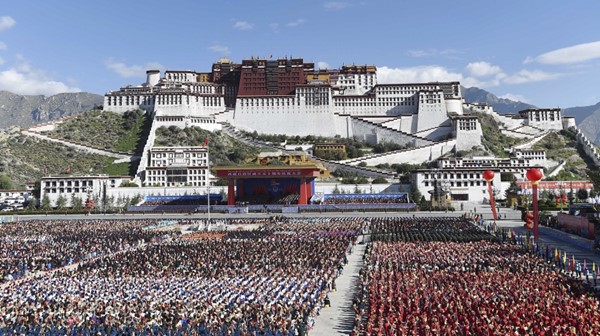
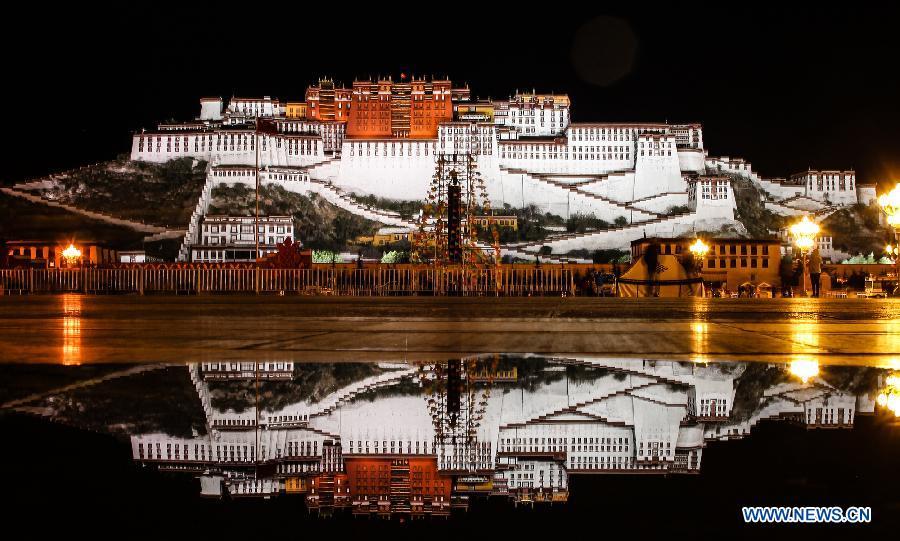
On Tuesday, September 08, 2015, Red China hosted a ceremony in the square of Potala Palace, Lhasa, Tibet to celebrate formation of Tibet Autonomous Region or TAR on September 01, 1965. This celebration does not change the reality of Potala Palace. It stands as a proud symbol of Tibetan Independence and Tibetan Sovereignty. Potala Palace like the White House can only represent one form of national government. As long as the name ‘Potala Palace’ survives, it stands for a political institution called Ganden Phodrang.
CHINA SHOWCASES 50 YEARS OF HOLD ON TIBET WITH BIG PARADE
THE HINDU
BEIJING, September 8, 2015 Updated: September 8, 2015 18:38 IST
CHINA SHOWCASES 50 YEARS OF HOLD ON TIBET WITH BIG PARADE
PTI
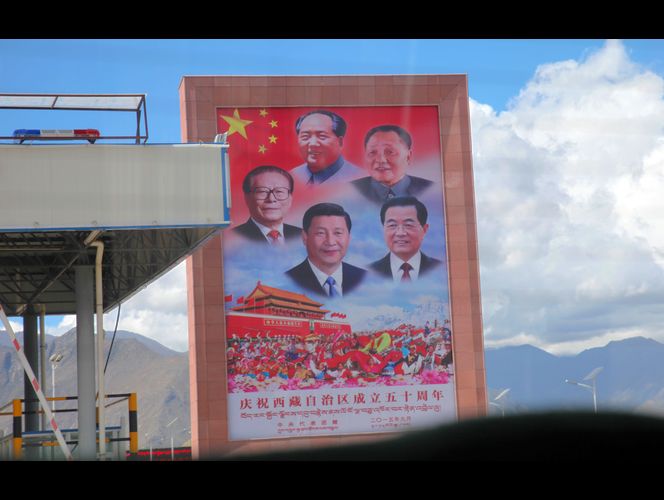
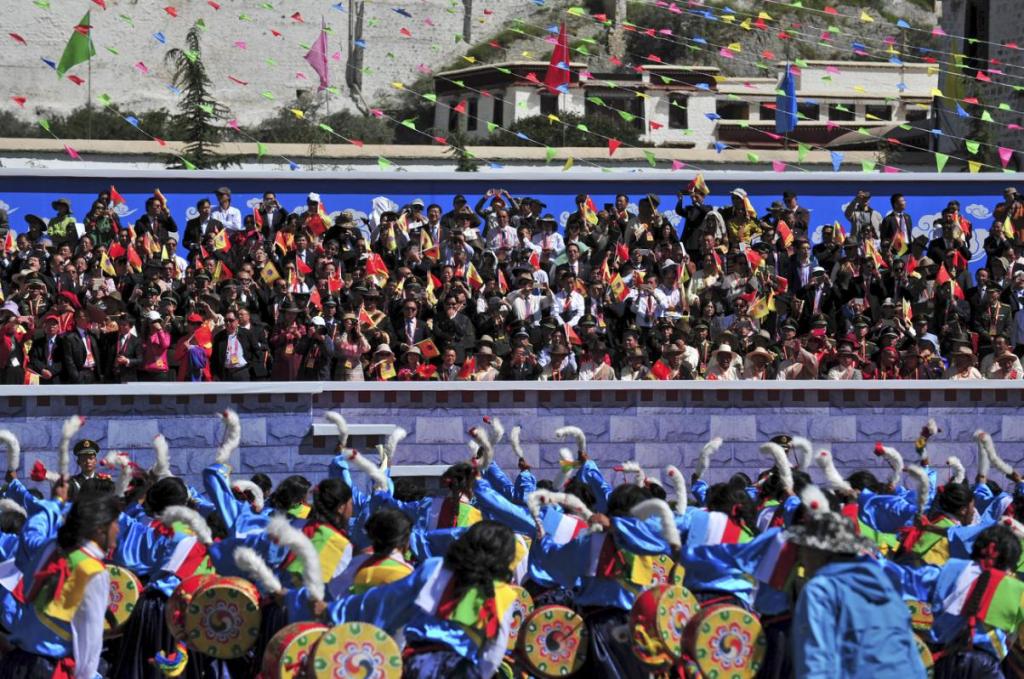
CHINA SHOWCASES 50 YEARS OF HOLD ON TIBET WITH BIG PARADE. Performers carry a giant Chinese national emblem (right) and pictures of Chinese government leaders including President Xi Jinping, former leaders Hu Jintao, Jiang Zemin, Deng Xiaoping and Mao Zedong, during the celebration event at the Potala Palace marking the 50th anniversary of the founding of the Tibet Autonomous Region, in Lhasa, Tibet Autonomous Region, China, on Tuesday.
REUTERS
Performers carry a giant Chinese national emblem (right) and pictures of Chinese government leaders including President Xi Jinping, former leaders Hu Jintao, Jiang Zemin, Deng Xiaoping and Mao Zedong, during the celebration event at the Potala Palace marking the 50th anniversary of the founding of the Tibet Autonomous Region, in Lhasa, Tibet Autonomous Region, China, on Tuesday.
V GEETANATH
B RISHIKESH BAHADUR DESAI
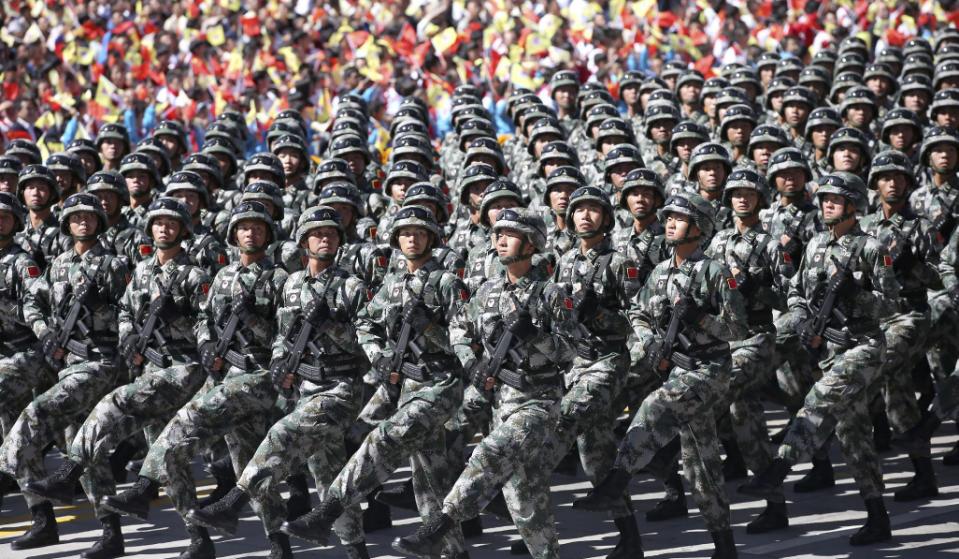
China on Tuesday marked 50 years of Tibet’s amalgamation with the Communist giant, holding a grand parade in Lhasa showcasing its grip on the strategic Himalayan region even as it adopted a tough stance against the Dalai Lama, Tibetan religious leader, calling for a crackdown on “separatist forces.” A big meeting followed by a grand parade was held in front of the Potala Palace, traditional home of the Dalai Lama from where he fled to India in 1959, attended among others by senior official of the ruling Communist Party of China (CPC), Yu Zhengsheng, to mark 50 years of Tibet being declared as an autonomous province of China.
China’s claim
China says Tibet became a part of the country by “peaceful liberation” when Chinese troops invaded the Himalayan plateau in 1950 establishing Beijing’s control over it. The Tibet Autonomous Region was founded on September 1, 1965, after the establishment of the regional People’s Congress, the local legislature. Addressing the colourful ceremony, Mr. Yu, who is in-charge of minorities in China, stressed the legality of crackdown on separatists, the official characterisation of supporters of the Dalai Lama including Buddhist monks.
High-handedness charge
Overseas Tibetan groups accused the Chinese authorities of high-handed methods in dealing with those supporting the Dalai Lama, widely regarded as the spiritual head of Tibetan Buddhism.
Over 130 Tibetans, including monks, have committed self immolations in the recent years demanding the return of the Dalai Lama to Tibet. Calling for “strict adherence to the law in managing religious affairs in Tibet,” Mr. Yu said “law-based governance is fundamental to the long-term stability of Tibet.”
Policing of separatism
In a nationally telecast ceremony, Mr. Yu said policing of separatism must also be done legally while asserting that the crackdown on separatists would continue, scotching any hopes of reconciliation with the Dalai Lama under the new leadership headed by President Xi Jinping. Law-based governance in Tibet was also highlighted in a speech by Mr. Xi last month, state-run Xinhua news agency reported. Referring to security of Tibet which formed part of the India-China border, Mr. Yu also said: “Border areas must be well managed to successfully govern the country, and stability in Tibet is paramount to the management of these areas.”
Tibet Awareness – The Yoke of Occupation. Potala Palace, Lhasa, Tibet. China Showcases 50 Years of hold on Tibet with Big Parade.Tibet Awareness – The Yoke of Occupation. Potala Palace, Lhasa, Tibet. China Showcases 50 Years of hold on Tibet with Big Parade.Tibet Awareness – The Yoke of Occupation. Potala Palace, Lhasa, Tibet. China Showcases 50 Years of hold on Tibet with Big Parade.Tibet Awareness – The Yoke of Occupation. Potala Palace, Lhasa, Tibet. China Showcases 50 Years of hold on Tibet with Big Parade.Tibet Awareness – The Yoke of Occupation. Potala Palace, Lhasa, Tibet. China Showcases 50 Years of hold on Tibet with Big Parade.Tibet Awareness – The Yoke of Occupation. Potala Palace, Lhasa, Tibet. China Showcases 50 Years of hold on Tibet with Big Parade.Tibet Awareness – The Yoke of Occupation. Potala Palace, Lhasa, Tibet. China Showcases 50 Years of hold on Tibet with Big Parade.Tibet Awareness – The Yoke of Occupation. Potala Palace, Lhasa, Tibet. China Showcases 50 Years of hold on Tibet with Big Parade.Tibet Awareness – The Yoke of Occupation. Potala Palace, Lhasa, Tibet. China Showcases 50 Years of hold on Tibet with Big Parade.Tibet Awareness – The Yoke of Occupation. Potala Palace, Lhasa, Tibet. China Showcases 50 Years of hold on Tibet with Big Parade.Tibet Awareness – The Yoke of Occupation. Potala Palace, Lhasa, Tibet. China Showcases 50 Years of hold on Tibet with Big Parade.Tibet Awareness – The Yoke of Occupation. Potala Palace, Lhasa, Tibet. China Showcases 50 Years of hold on Tibet with Big Parade.
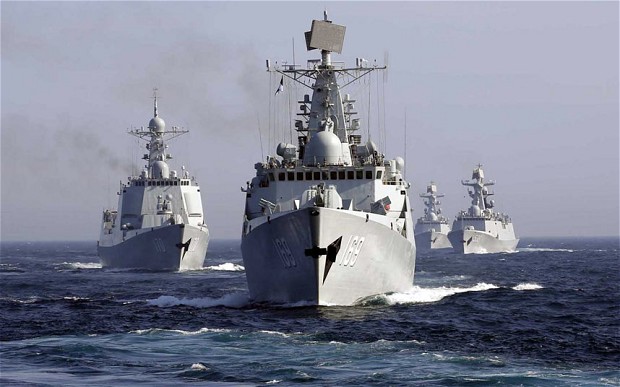
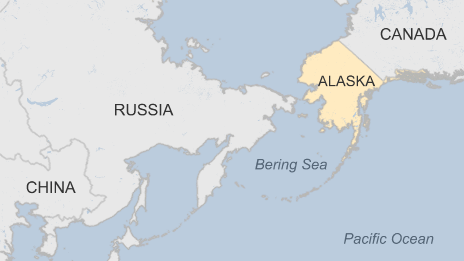
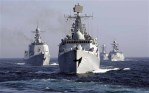
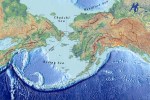
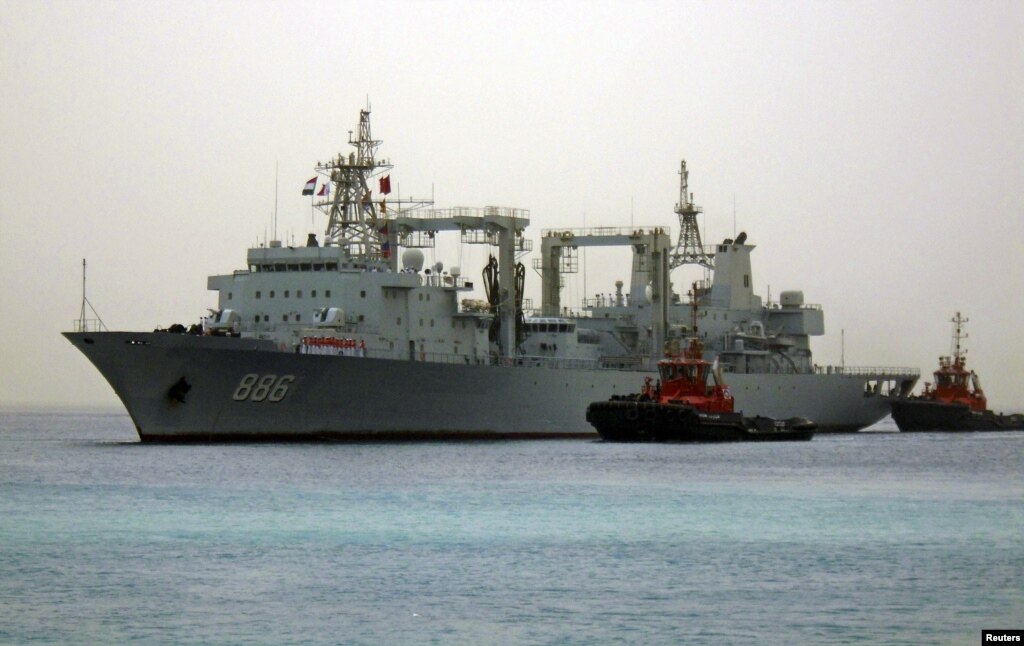
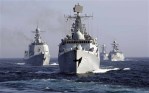
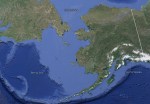
RED CHINA – RED ALERT – RED DRAGON COVETS ARCTIC: CHINESE NAVY DESTROYER WUHAN LEADS FIVE-SHIP SURFACE ACTION GROUP FROM CHINESE PEOPLE’S LIBERATION ARMY NAVY OR PLAN AS THEY MOVE INTO BERING SEA FOR THE FIRST TIME IN US HISTORY.
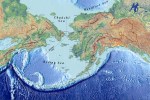
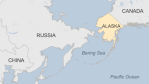
Five-ship Surface Action Group, three combat ships, a resupply vessel, and an amphibious ship, from Chinese People’s Liberation Army Navy or ‘PLAN’ for the first time in US history are spotted in Bering Sea while US President Barack Obama is visiting Alaska.
RED CHINA – RED ALERT – RED DRAGON COVETS ARCTIC. US JOINT CHIEFS OF STAFF GENERAL MARTIN DEMPSEY BRIEFED NEWS MEDIA AND FAILED TO ACKNOWLEDGE RED DRAGON’S INTENTIONS IN BERING SEA AND IN ARCTIC OCEAN.
US General Martin Dempsey assured news media that these Chinese navy vessels do not pose any threat to United States while they use international waters in close proximity to Alaska. Some news analysts have speculated that Red China is flexing her muscles to retaliate for US naval presence in South China Sea. In my view, Red Dragon covets Arctic to exploit its vast energy resources. Red China’s policy of Economic Expansionism aims at controlling world’s natural resources for her own economic advantage and to dominate nations of the world.
Five Chinese naval ships are currently positioned in the Bering Sea off the coast of Alaska, US officials confirm. It is believed to be the first time Chinese military vessels have been seen operating in the area.
Officials say they have been monitoring the ships’ activities, but said they were operating in international waters. In recent years Beijing has taken a more assertive stance on maritime territorial disputes with Japan and South East Asian nations.
‘Not threatening’
US defence officials have spotted three Chinese combat ships, a supply vessel and an amphibious ship moving toward the Aleutian Islands which is split between Russian and US control, according to the Wall Street Journal.
They were seen not far from where US President Barack Obama is visiting as part of his three-day tour of Alaska to raise awareness of the effects of climate change on the state.
“We are aware of the five People’s Liberation Army Navy (PLAN) ships in the Bering Sea. This is the first time we have observed PLAN ships in the Bering Sea,” US defence department spokesman Bill Urban told the BBC on Wednesday.
“We respect the freedom of all nations to operate military vessels in international waters in accordance with international law,” he said.
Another official told the Wall Street Journal the defence department did not “characterise anything they’re doing as threatening”. Peter Dutton, director of the China Maritime Studies Institute, described it as a big advancement in the way Chinese ships operate.
But, he tells the BBC, “it’s not a surprise in a sense that the Chinese have been continually expanding their presence in Eurasia”.
“They have conducted exercises with Russia in the Mediterranean and in the Sea of Japan… they have interest in the northern sea route so to see them off the coast of Alaska is the next evolutionary step along these lines.”
RED CHINA – RED ALERT – RED DRAGON COVETS ARCTIC: WHAT ARE RED CHINA’S TRUE INTENTIONS IN BERING SEA???
Patrick Cronin, of the Center for a New American Security, agrees, saying: “It’s part of a pattern over the last six years or so of China getting tougher in maritime space.” China wants to rewrite international maritime laws so that they are more favourable to its own interests, particularly in the South China Sea where rival countries are wrangling over territory, Mr Cronin adds.
China this year boosted its defence spending in a bid to modernise its forces, including developing stealth fighters and anti-satellite missiles, a move that has unnerved the US and its allies in the Asia-Pacific region.
President Xi Jinping will on Thursday preside over an enormous military parade in Beijing in commemoration of China’s World War Two victory over Japan 70 years ago.
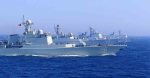
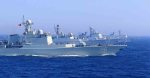
Red China – Red Alert – Red Dragon Covets Arctic: Red Navy Missile Frigate Yancheng
RED CHINA – RED ALERT – RED DRAGON COVETS ARCTIC: WHAT ARE RED CHINA’S TRUE INTENTIONS IN BERING SEA???
red navy bering sea chinese destroyer wuhan leads1
red navy bering sea mockery1
red navy bering sea red china mocker1
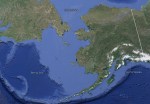
red navy bering sea map1
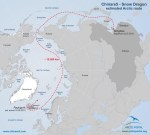
the evil red empire the dragon covets the arctic the route to iceland1
RED CHINA – RED ALERT – RED DRAGON COVETS ARCTIC. US JOINT CHIEFS OF STAFF GENERAL MARTIN DEMPSEY BRIEFED NEWS MEDIA AND FAILED TO ACKNOWLEDGE RED DRAGON’S INTENTIONS IN BERING SEA AND IN ARCTIC OCEAN.
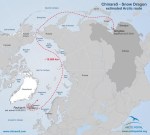
During the US President Barack Obama’s three-day visit to Alaska, Red China dispatched five of its naval vessels to Bering Sea. Red China became a permanent observer to the Arctic Council in 2013. Arctic Council’s members are eight Arctic States, Canada, Denmark, Finland, Iceland, Norway, Sweden, Russia, and the United States. Red China is interested in Arctic region’s vast energy reserves. This demonstration of Red China’s naval power is a clear indication of Red China’s assertion of her right to drill for Oil and Gas in Arctic Sea with or without consent of Arctic Council.
Chinese Navy Ships Spotted Off Alaska During Obama Visit
U.S. President Barack Obama (L) tours the Kotzebue Shore Avenue Project, an effort to protect against rising sea levels in Kotzebue, Alaska Sept. 2, 2015.
WILLIAM GALLO, VICTOR BEATTLE
Last updated on: September 03, 2015 7:31 AM
Five Chinese Navy ships have been spotted in international waters off the coast of Alaska, according to U.S. officials, in what many analysts see as a fresh attempt by Beijing to project military power far from its shores.
Pentagon spokesman Bill Urban on Wednesday confirmed the presence of the five vessels, noting that it is the first time the U.S. has observed Chinese Navy ships in the Bering Sea.
“We respect the freedom of all nations to operate military vessels in international waters in accordance with international law,” he said, adding that the U.S. military is tracking the ships.
White House spokesman Josh Earnest said U.S. officials have not detected any “threatening activities” by the ships, but said the intent of their presence was “still unclear.”
The Chinese ship deployment came as President Barack Obama visited Alaska to build support for his environmental policies to combat climate change.
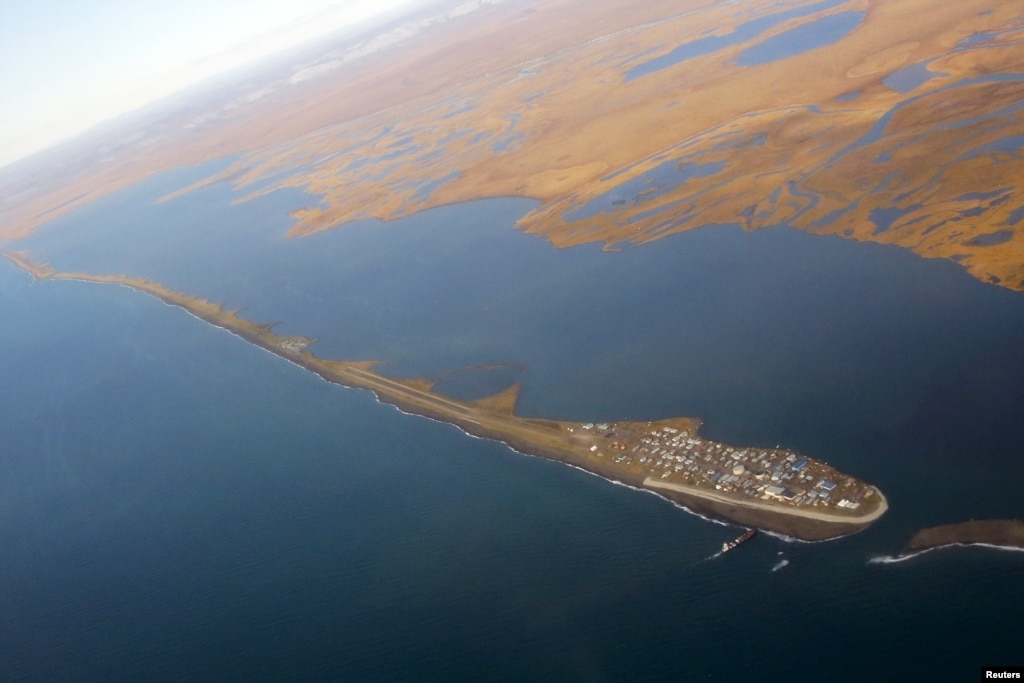
The island village of Kivalina, an Alaska Native community of 400 people the White House chose to highlight as a community at risk from rising sea levels, can be seen from Air Force One as U.S. President Barack Obama flies to Kotzebue, Alaska Sept. 2, 201
Coincidence?
But it is not likely Beijing planned the deployment to coincide with Obama’s trip, said Ralph Cossa with the Center for Strategic and International Studies.
“I would guess that their presence during Obama’s visit is coincidental more than deliberate. Because deployment like that is normally planned months in advance and I don’t think anyone knew Obama was going to be in Alaska until a few days ago,” Cossa told VOA.
However, the presence of the ships is meant to send a message to the U.S., he added.
“What it’s saying is that at some point the Chinese are going to be just as obnoxious as we are when it comes to sailing around in international waters close to the other country’s shores, and we should get used to it,” he said.
The U.S. military has numerous bases in Asia and regularly conducts various air-and-ship-based activities off China’s coasts in international waters.
“And China has repeatedly expressed its concerns about that,” noted VOA Beijing correspondent William Ide. “It feels like China’s trying to say if you’re going to continue to do this, we’re going to do the same.”
U.S. officials say the Chinese flotilla is made up of three surface warfare ships, one amphibious assault ship, and a replenishment vessel.
If that is the case, the deployment represents less of a threat, and more of a projection of power, according to Scott Harold of the RAND Corporation.
“A replenishment vessel says to me this is in part a demonstration of its capacity to operate far from their shores,” Harold told VOA.
“And an amphibious assault vessel would be absurd as a threat. No one is going to invade the United States by ground or by sea, much less are they going to do it in Alaska. But it is a symbol of China’s ability to project naval or amphibious forces at some distance from China,” he said.
FILE – Chinese navy warships arrive at the seaport of Port Sudan.
Near-Arctic power
The deployment fits a larger pattern by China’s navy, which is rapidly modernizing and attempting to venture out well beyond its shores.
And even though it does not border the resource-rich polar region, Beijing has made it clear that it wants to be regarded internationally as a “near-Arctic power,” said Harold.
“Chinese leaders have clearly recognized that the resources that may be in the Arctic, the sea lines of communications that transit through the Arctic passageways that may open up as the ice melts are of tremendous potential value to China,” he said.
Underscoring the strategic importance of the Arctic, Obama this week used his Alaskan tour to push lawmakers to speed up construction of a new heavy icebreaker ship that can navigate the region year-round.
The U.S. has just two functioning icebreakers, while Russia has 41. China unveiled its own icebreaker vessel in 2012, and plans to finish construction of another by 2016.
ARCTIC DRAWS INTERNATIONAL COMPETITON FOR OIL
A new geopolitical “Great Game” is underway in earth’s northernmost region, the Arctic, where Russia has claimed a large area for resource development and President Barack Obama recently approved Shell Oil Company’s test-drilling project in an area under U.S. control. Greg Flakus reports.
red navy bering sea map
red navy in bering sea
the evil red empire the dragon covets the arctic the route to iceland
the evil red empire the dragon covets the arctic
RED CHINA – RED ALERT – RED DRAGON COVETS ARCTIC: CHINESE NAVY DESTROYER WUHAN LEADS FIVE-SHIP SURFACE ACTION GROUP FROM CHINESE PEOPLE’S LIBERATION ARMY NAVY OR PLAN AS THEY MOVE INTO BERING SEA FOR THE FIRST TIME IN US HISTORY.
red navy yancheng missile frigate
red navy bering sea red china mocker
red china red alert joint chiefs of staff general martin dempsey
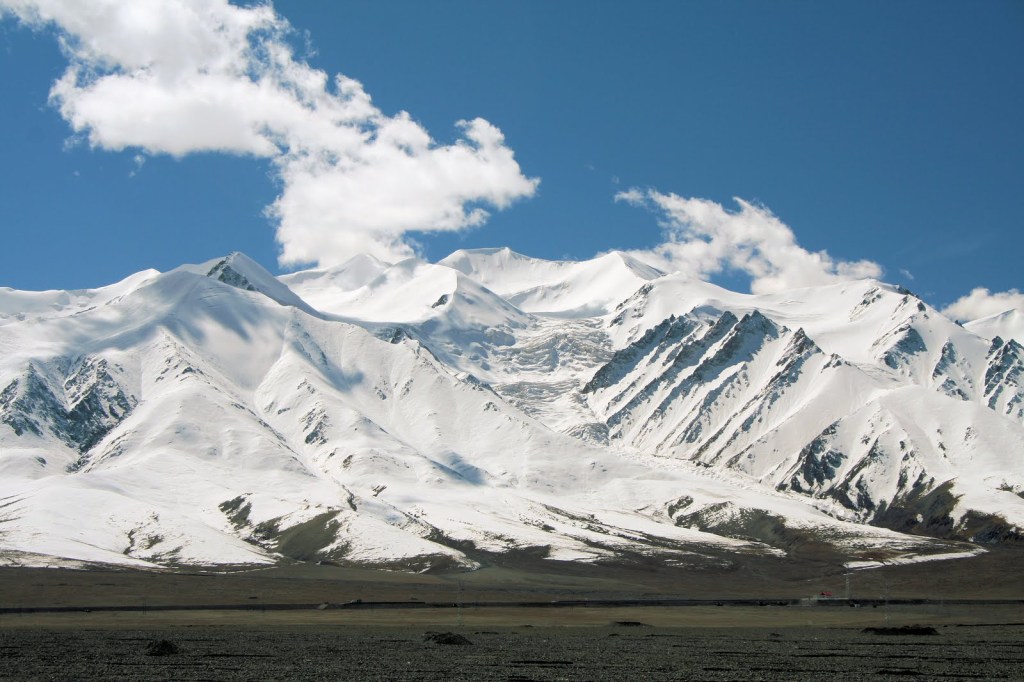
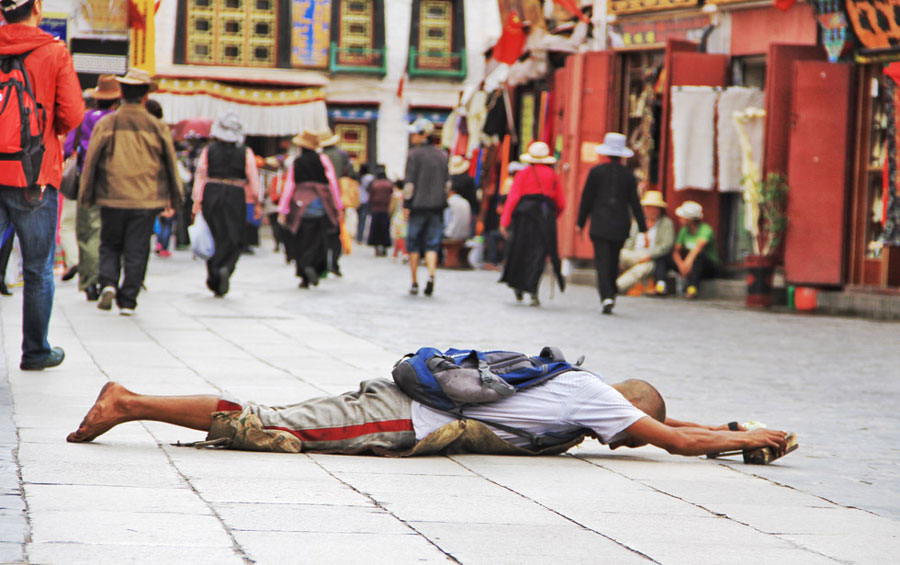
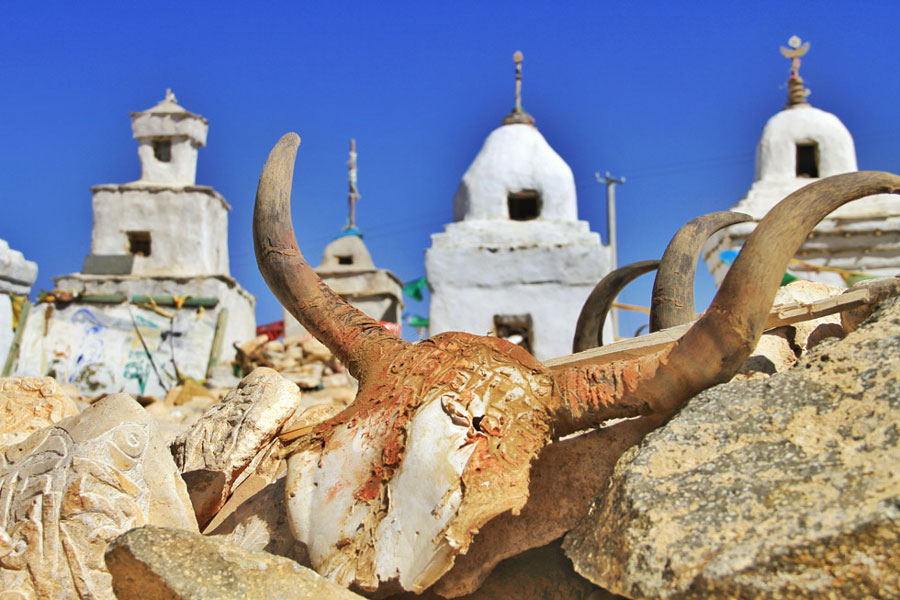
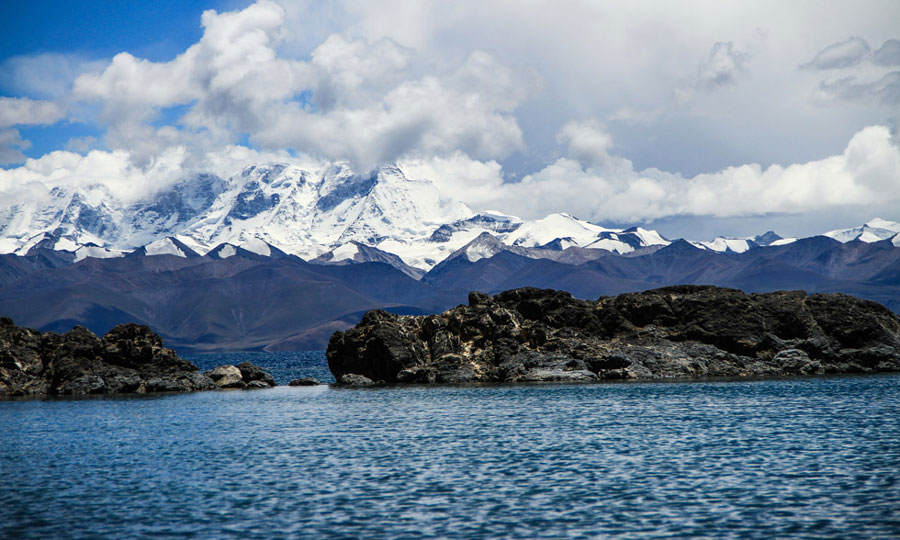
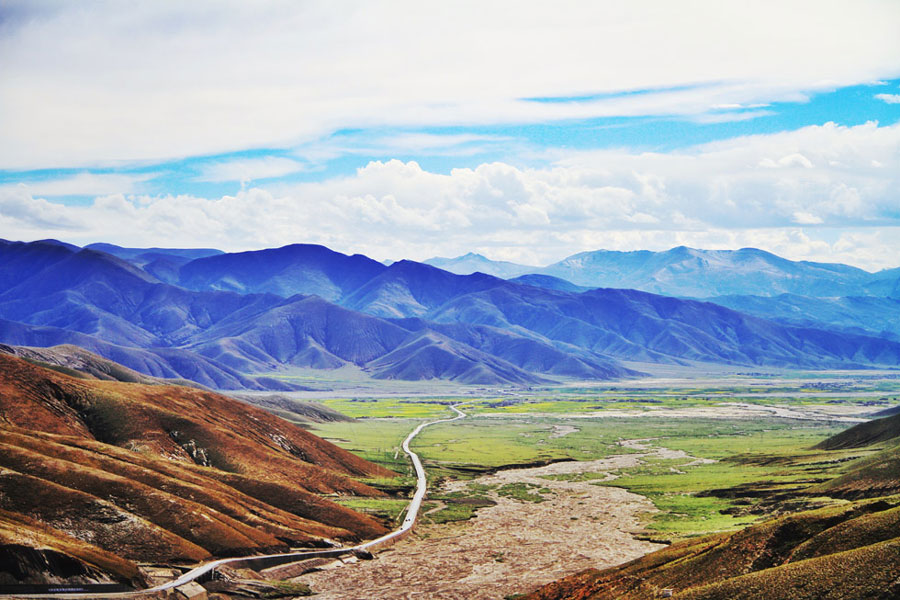
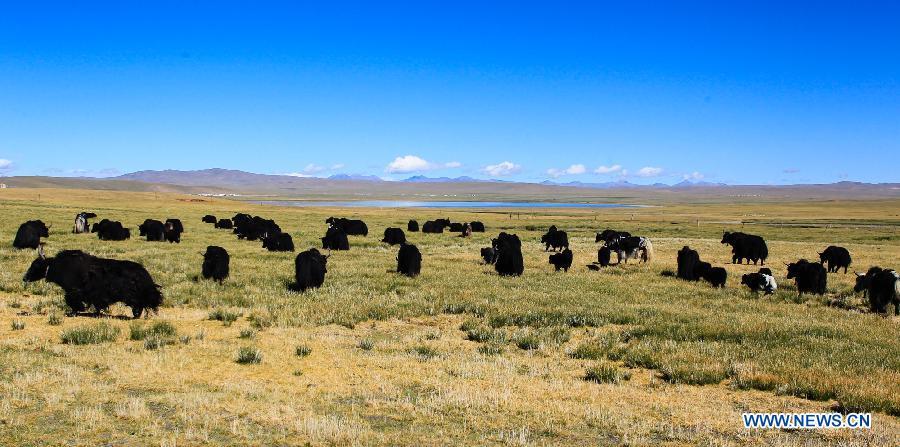
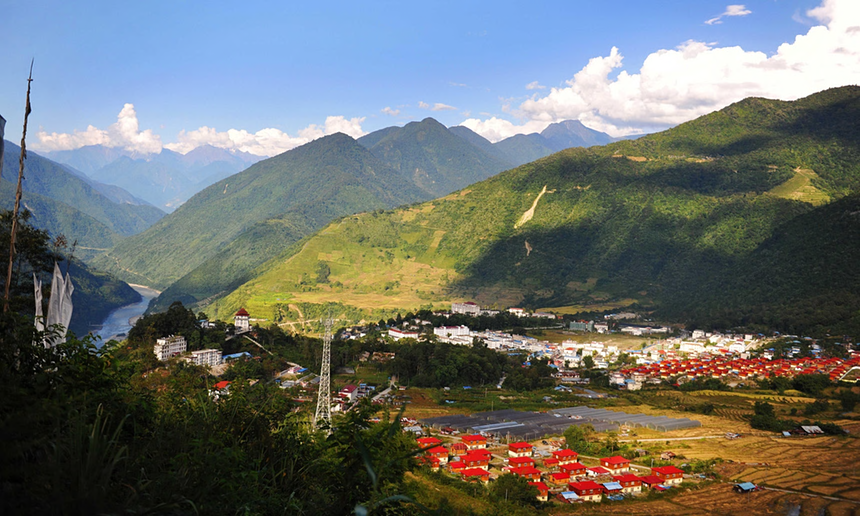
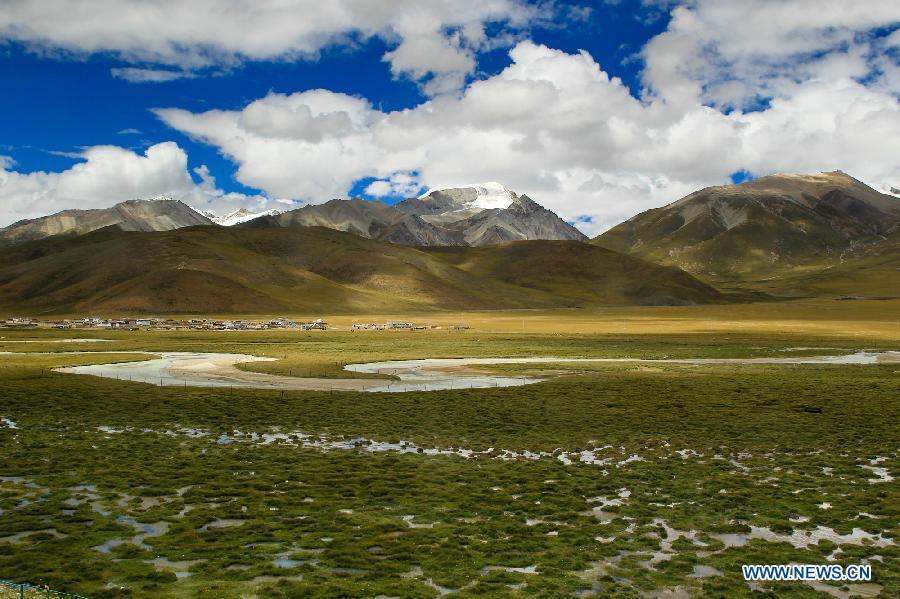
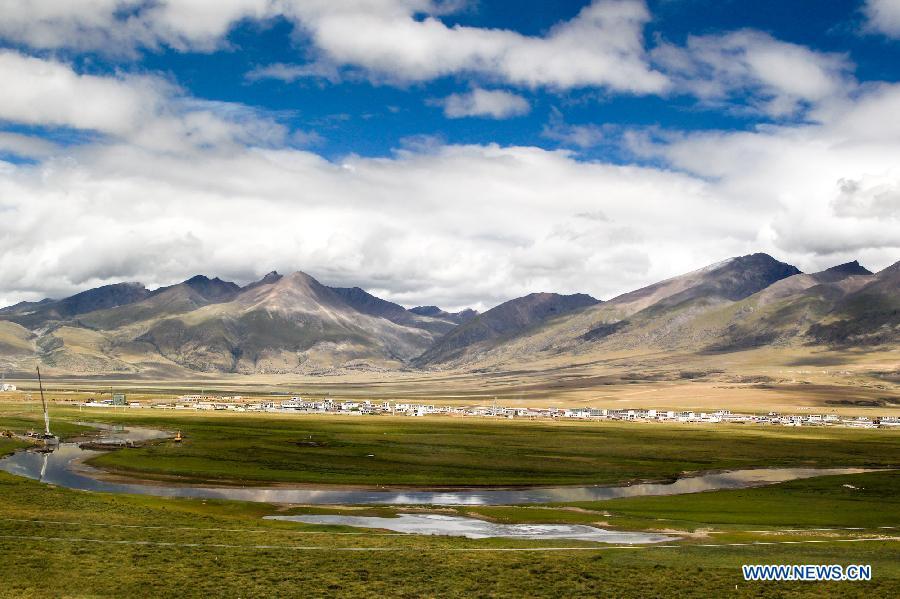
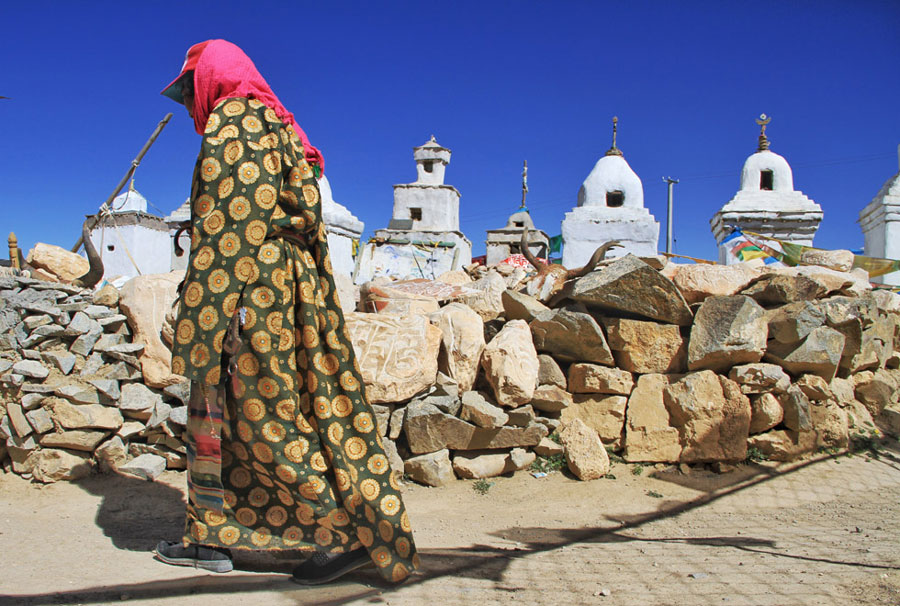
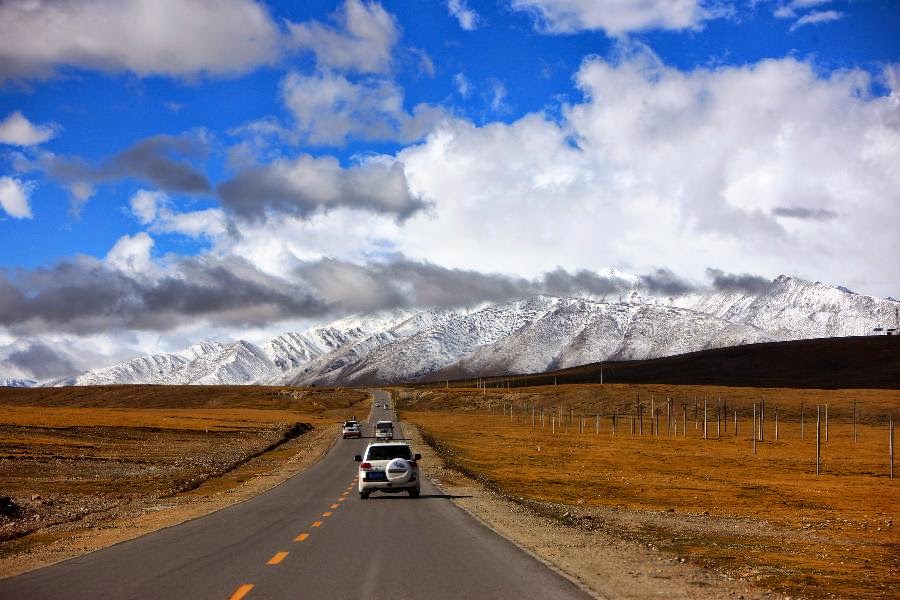
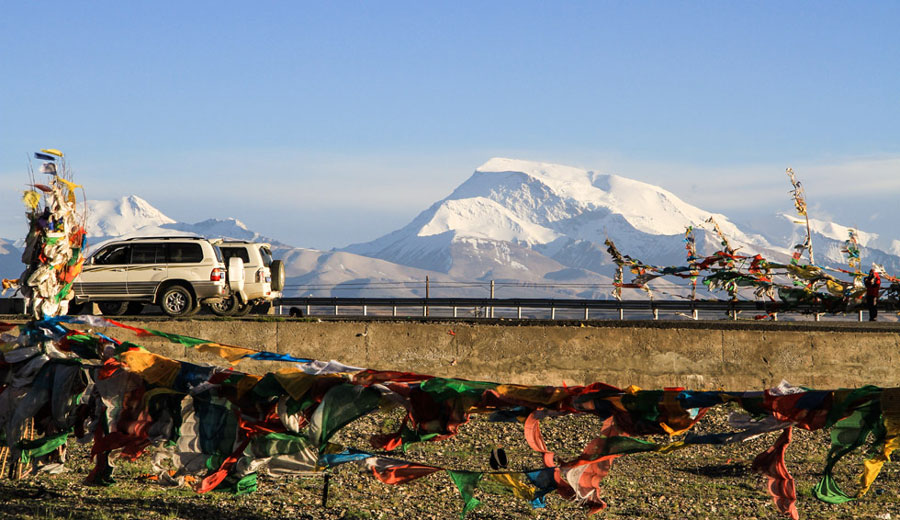
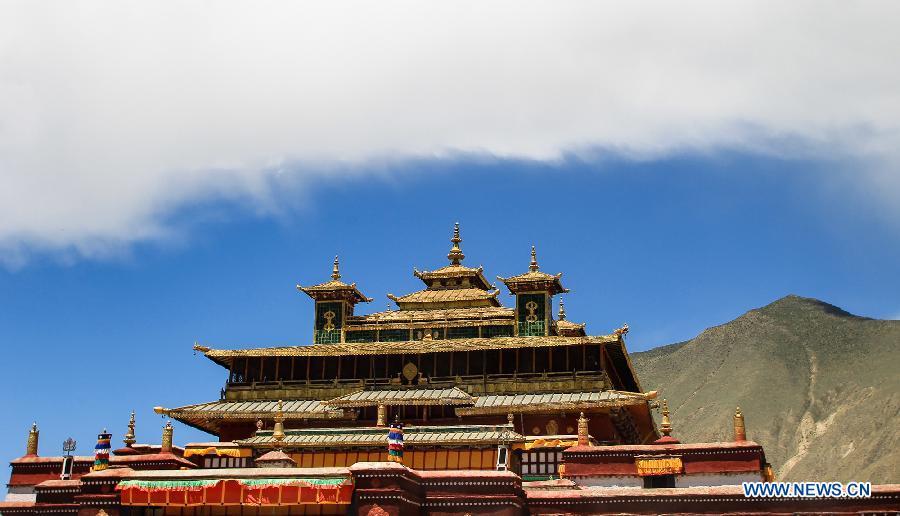
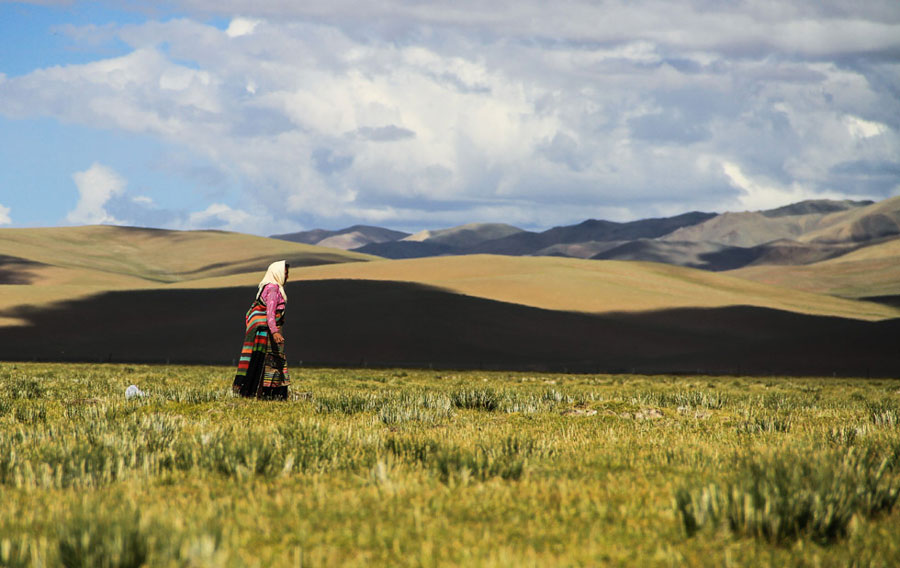
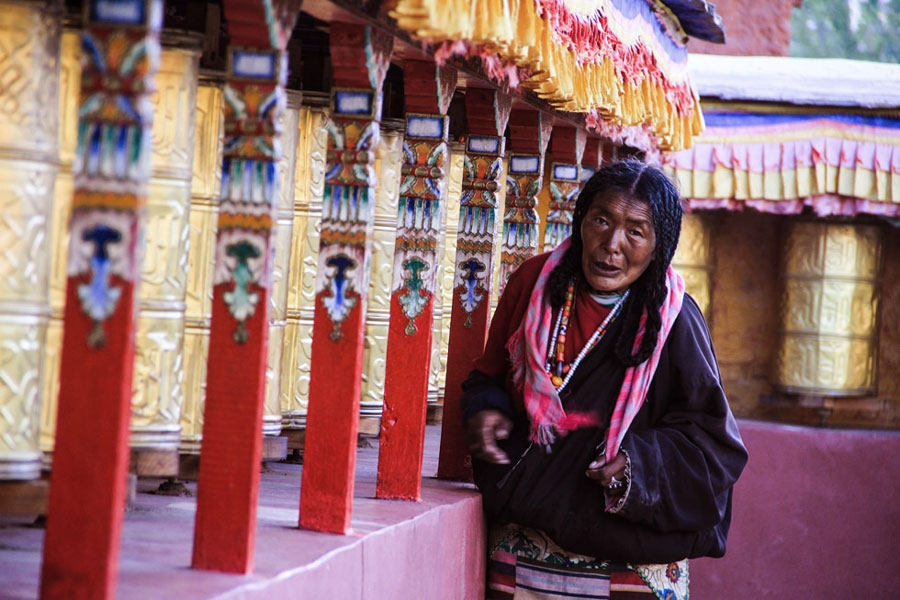
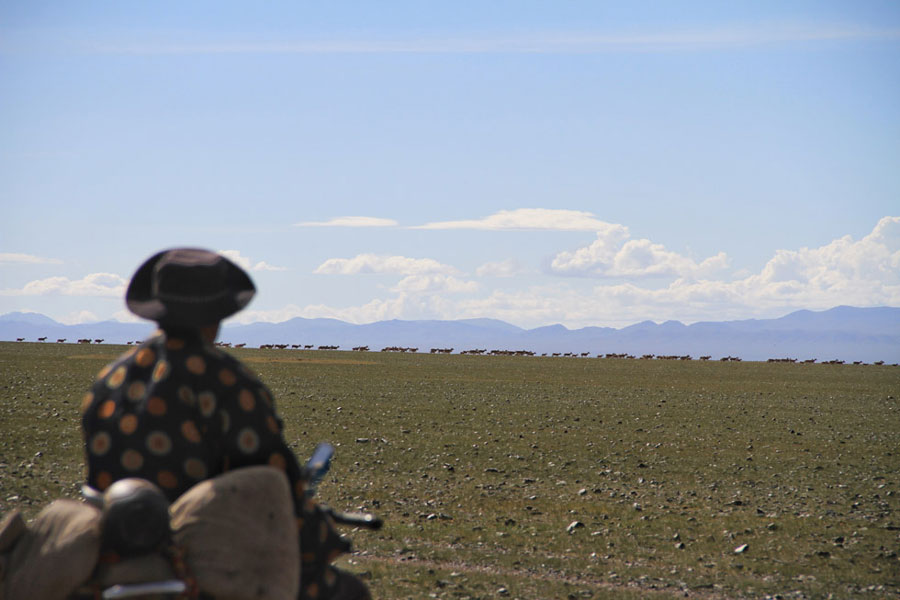
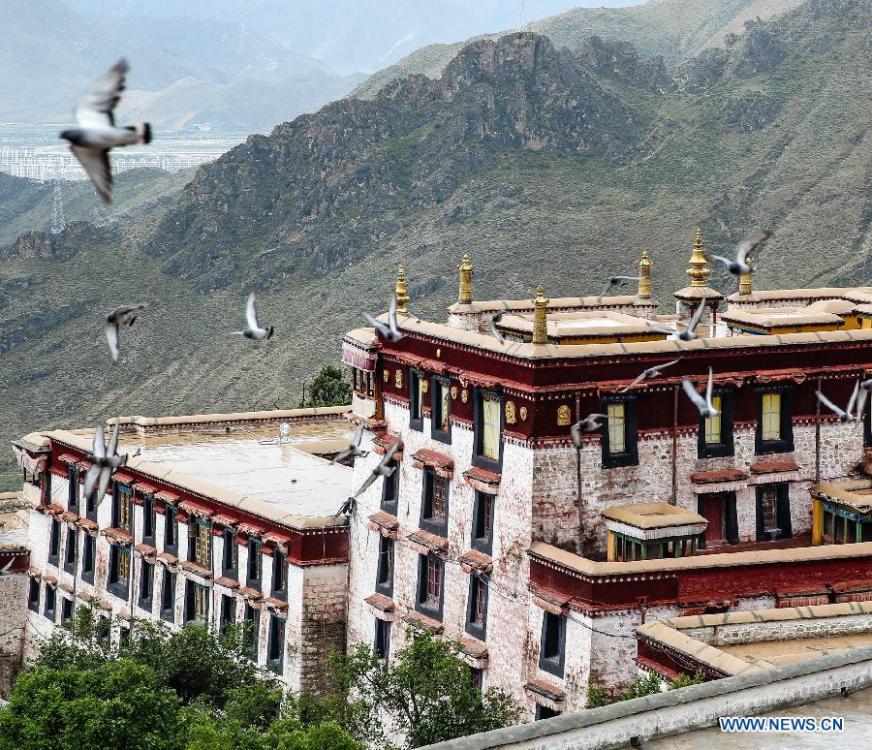
TIBET AWARENESS – POTALA PALACE, LHASA, TIBET – TIBET IS UNDER OCCUPATION. Red China has been using photo images of Tibet to promote Tibetan Tourism which fails to acknowledge Tibet’s Independence and Tibetans’ Right to Natural Freedom.
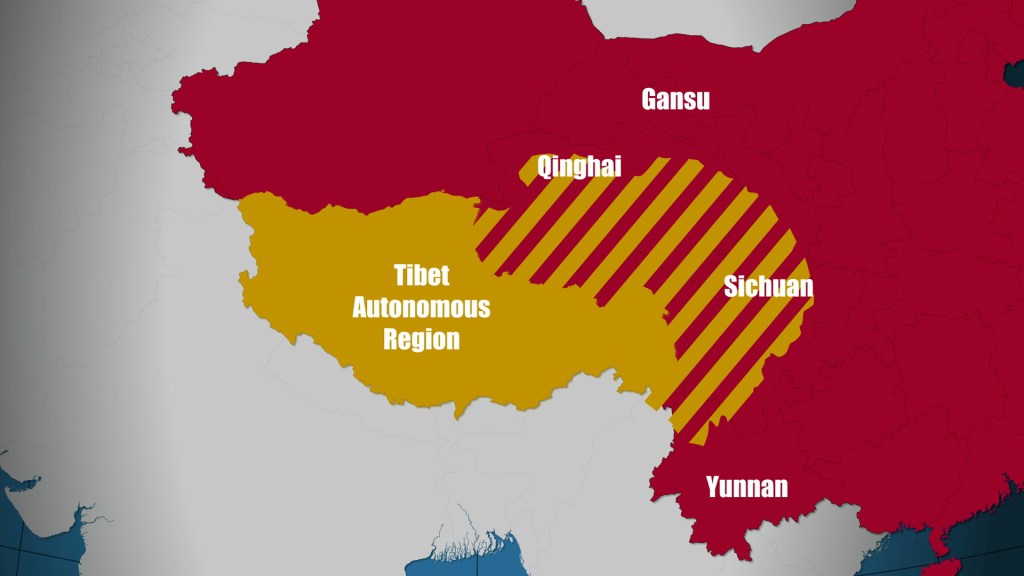
On September 01, 2015, Red China is celebrating a historical event that scars the beauty of Tibetan landscape. Red China brutally carved out a province that she calls Tibetan Autonomous Region or TAR where Tibetans have no autonomy and are denied Right to Self-Determination. Tibet has a total area of 965, 000 square miles and as such in terms of size, Tibet is world’s tenth largest nation.
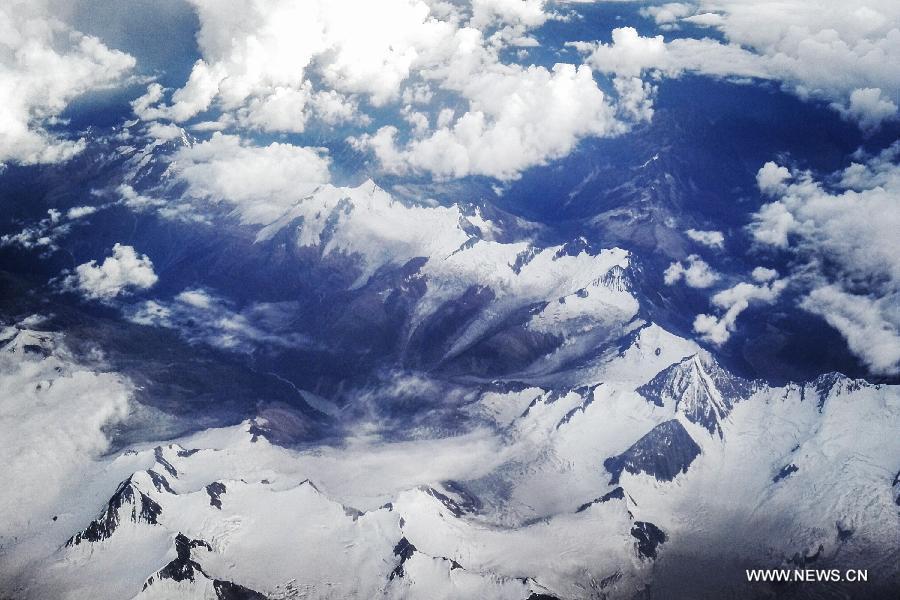
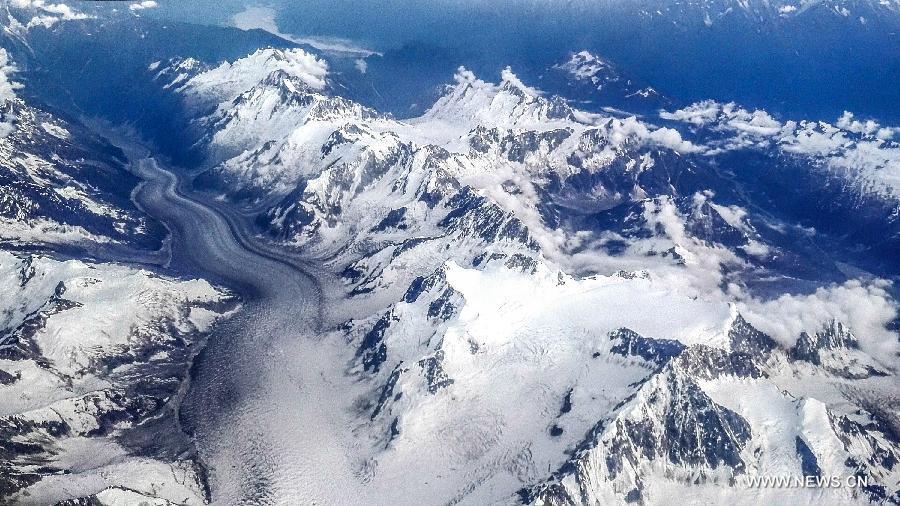
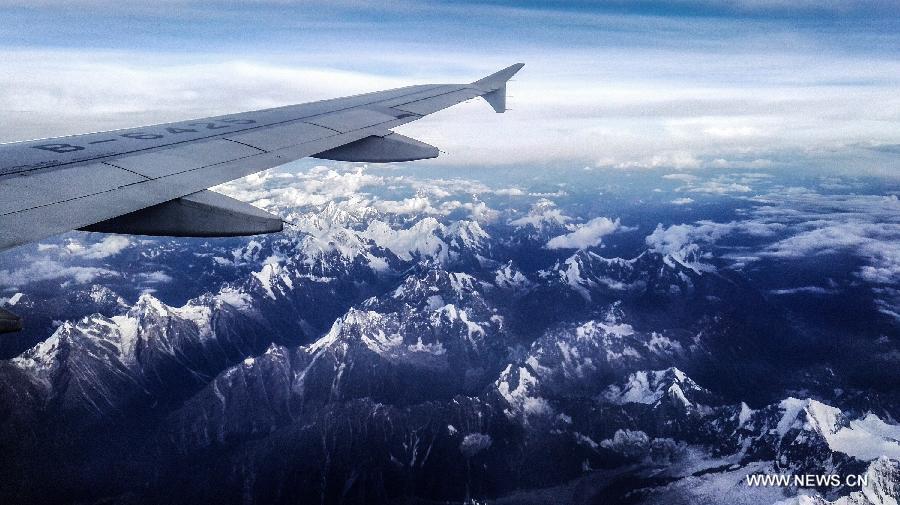
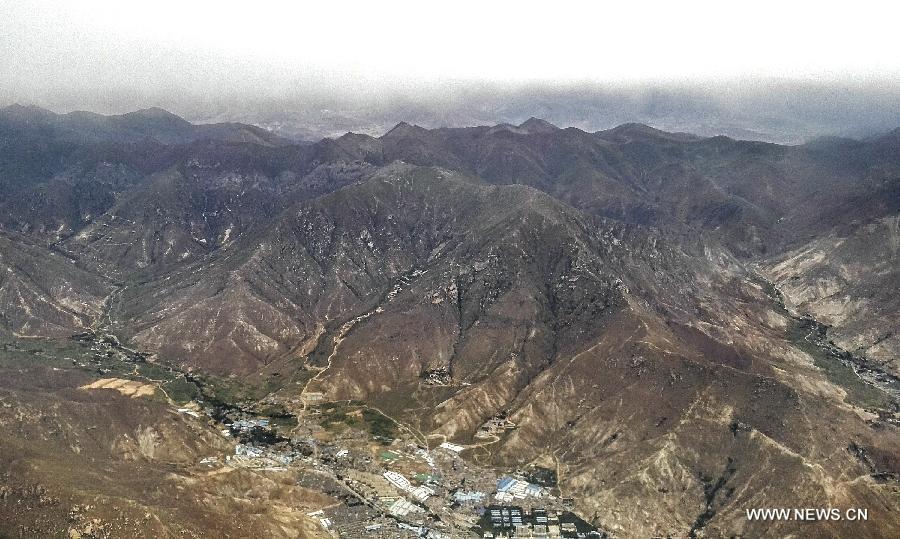
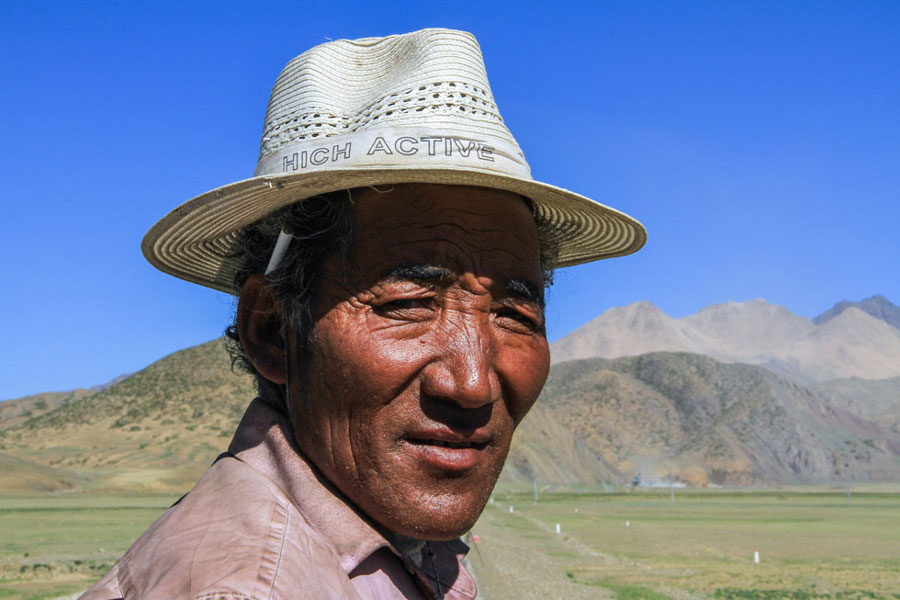
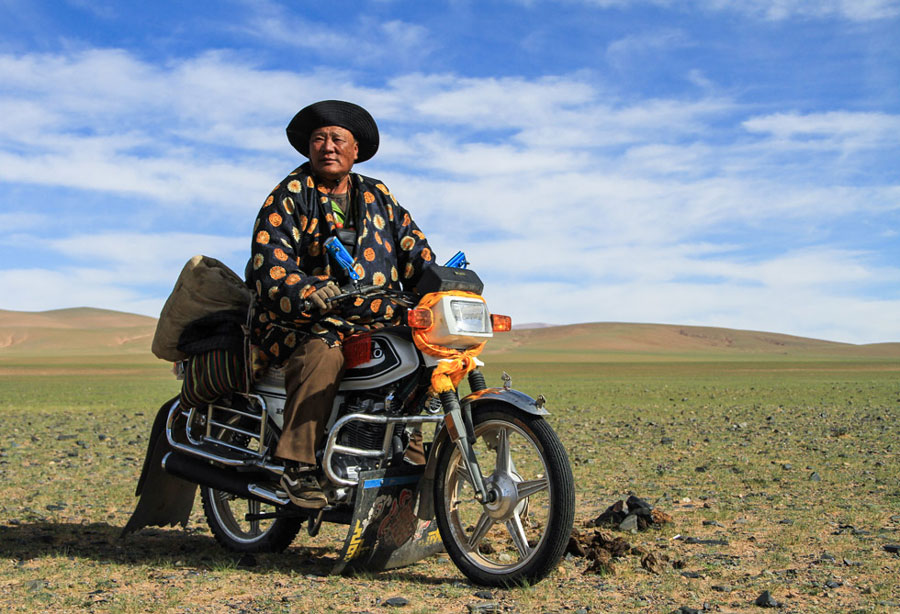
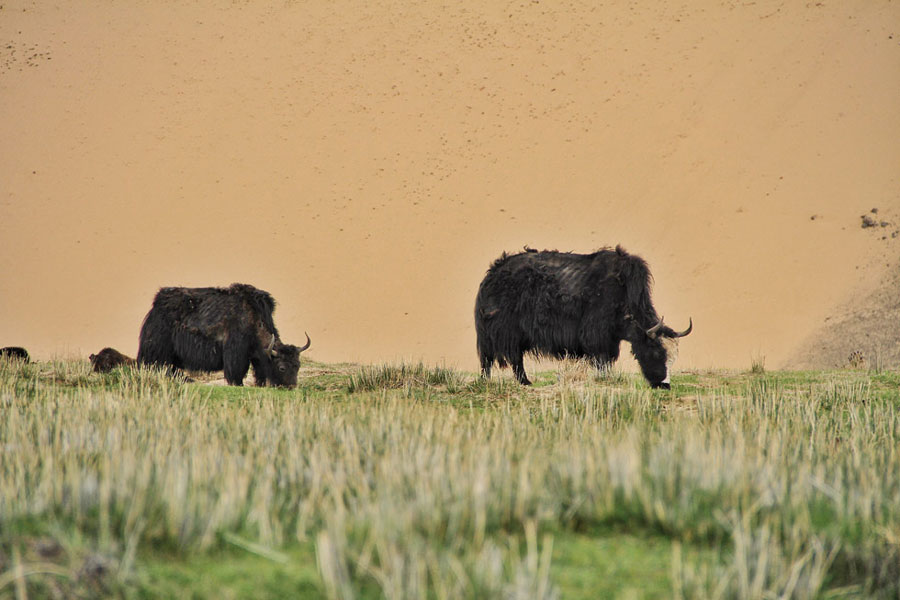
I am sharing a few photo images of Tibet, its landscape and its people. Red China has been using photo images of Tibet to promote Tibetan Tourism which fails to acknowledge Tibet’s Independence and Tibetans’ Right to Natural Freedom.
TIBET AWARENESS – TIBET IS UNDER OCCUPATION. QINGHAI. TIBET PLATEAU.Red China has been using photo images of Tibet to promote Tibetan Tourism which fails to acknowledge Tibet’s Independence and Tibetans’ Right to Natural Freedom.TIBET AWARENESS – TIBET IS UNDER OCCUPATION. QINGHAI – TIBET PLATEAU.Red China has been using photo images of Tibet to promote Tibetan Tourism which fails to acknowledge Tibet’s Independence and Tibetans’ Right to Natural Freedom.TIBET AWARENESS – TIBET IS UNDER OCCUPATION. QINGHAI TIBET PLATEAU.Red China has been using photo images of Tibet to promote Tibetan Tourism which fails to acknowledge Tibet’s Independence and Tibetans’ Right to Natural Freedom.TIBET AWARENESS – TIBET IS UNDER OCCUPATION. QINGHAI. TIBET. Red China has been using photo images of Tibet to promote Tibetan Tourism which fails to acknowledge Tibet’s Independence and Tibetans’ Right to Natural Freedom.Red China has been using photo images of Tibet to promote Tibetan Tourism which fails to acknowledge Tibet’s Independence and Tibetans’ Right to Natural Freedom.Red China has been using photo images of Tibet to promote Tibetan Tourism which fails to acknowledge Tibet’s Independence and Tibetans’ Right to Natural Freedom.Red China has been using photo images of Tibet to promote Tibetan Tourism which fails to acknowledge Tibet’s Independence and Tibetans’ Right to Natural Freedom.Red China has been using photo images of Tibet to promote Tibetan Tourism which fails to acknowledge Tibet’s Independence and Tibetans’ Right to Natural Freedom.Red China has been using photo images of Tibet to promote Tibetan Tourism which fails to acknowledge Tibet’s Independence and Tibetans’ Right to Natural Freedom.Red China has been using photo images of Tibet to promote Tibetan Tourism which fails to acknowledge Tibet’s Independence and Tibetans’ Right to Natural Freedom.Red China has been using photo images of Tibet to promote Tibetan Tourism which fails to acknowledge Tibet’s Independence and Tibetans’ Right to Natural Freedom.Red China has been using photo images of Tibet to promote Tibetan Tourism which fails to acknowledge Tibet’s Independence and Tibetans’ Right to Natural Freedom.Red China has been using photo images of Tibet to promote Tibetan Tourism which fails to acknowledge Tibet’s Independence and Tibetans’ Right to Natural Freedom.Red China has been using photo images of Tibet to promote Tibetan Tourism which fails to acknowledge Tibet’s Independence and Tibetans’ Right to Natural Freedom.Red China has been using photo images of Tibet to promote Tibetan Tourism which fails to acknowledge Tibet’s Independence and Tibetans’ Right to Natural Freedom.Red China has been using photo images of Tibet to promote Tibetan Tourism which fails to acknowledge Tibet’s Independence and Tibetans’ Right to Natural Freedom.Red China has been using photo images of Tibet to promote Tibetan Tourism which fails to acknowledge Tibet’s Independence and Tibetans’ Right to Natural Freedom.Red China has been using photo images of Tibet to promote Tibetan Tourism which fails to acknowledge Tibet’s Independence and Tibetans’ Right to Natural Freedom.Red China has been using photo images of Tibet to promote Tibetan Tourism which fails to acknowledge Tibet’s Independence and Tibetans’ Right to Natural Freedom.Red China has been using photo images of Tibet to promote Tibetan Tourism which fails to acknowledge Tibet’s Independence and Tibetans’ Right to Natural Freedom.Red China has been using photo images of Tibet to promote Tibetan Tourism which fails to acknowledge Tibet’s Independence and Tibetans’ Right to Natural Freedom.Red China has been using photo images of Tibet to promote Tibetan Tourism which fails to acknowledge Tibet’s Independence and Tibetans’ Right to Natural Freedom.Red China has been using photo images of Tibet to promote Tibetan Tourism which fails to acknowledge Tibet’s Independence and Tibetans’ Right to Natural Freedom.Red China has been using photo images of Tibet to promote Tibetan Tourism which fails to acknowledge Tibet’s Independence and Tibetans’ Right to Natural Freedom.Red China has been using photo images of Tibet to promote Tibetan Tourism which fails to acknowledge Tibet’s Independence and Tibetans’ Right to Natural Freedom.Red China has been using photo images of Tibet to promote Tibetan Tourism which fails to acknowledge Tibet’s Independence and Tibetans’ Right to Natural Freedom.Red China has been using photo images of Tibet to promote Tibetan Tourism which fails to acknowledge Tibet’s Independence and Tibetans’ Right to Natural Freedom.Red China has been using photo images of Tibet to promote Tibetan Tourism which fails to acknowledge Tibet’s Independence and Tibetans’ Right to Natural Freedom.