RED CHINA – RED ALERT – MARITIME EXPANSIONISM

RED CHINA – RED ALERT – MARITIME EXPANSIONISM

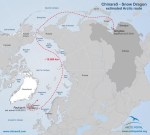
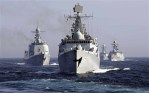
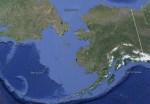
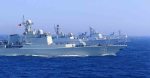
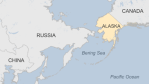
During the US President Barack Obama’s three-day visit to Alaska, Red China dispatched five of its naval vessels to Bering Sea. Red China became a permanent observer to the Arctic Council in 2013. Arctic Council’s members are eight Arctic States, Canada, Denmark, Finland, Iceland, Norway, Sweden, Russia, and the United States. Red China is interested in Arctic region’s vast energy reserves. This demonstration of Red China’s naval power is a clear indication of Red China’s assertion of her right to drill for Oil and Gas in Arctic Sea with or without consent of Arctic Council.

Rudranarasimham Rebbapragada
Ann Arbor, MI 48104-4162, USA
SPECIALFRONTIERFORCE.ESTABLISHMENT22

image
The Spirits of Special Frontier ForceAt Special Frontier Force, I host ‘The Living Tibetan Spirits’ to promote Tibet Awareness. I…
View on www.facebook.com Preview by Yahoo


VOA

NEWS/USA

Chinese Navy Ships Spotted Off Alaska During Obama Visit

U.S. President Barack Obama (L) tours the Kotzebue Shore Avenue Project, an effort to protect against rising sea levels in Kotzebue, Alaska Sept. 2, 2015.

U.S. President Barack Obama (L) tours the Kotzebue Shore Avenue Project, an effort to protect against rising sea levels in Kotzebue, Alaska Sept. 2, 2015.

WILLIAM GALLO, VICTOR BEATTLE

Last updated on: September 03, 2015 7:31 AM

Five Chinese Navy ships have been spotted in international waters off the coast of Alaska, according to U.S. officials, in what many analysts see as a fresh attempt by Beijing to project military power far from its shores.

Pentagon spokesman Bill Urban on Wednesday confirmed the presence of the five vessels, noting that it is the first time the U.S. has observed Chinese Navy ships in the Bering Sea.
“We respect the freedom of all nations to operate military vessels in international waters in accordance with international law,” he said, adding that the U.S. military is tracking the ships.

White House spokesman Josh Earnest said U.S. officials have not detected any “threatening activities” by the ships, but said the intent of their presence was “still unclear.”
The Chinese ship deployment came as President Barack Obama visited Alaska to build support for his environmental policies to combat climate change.
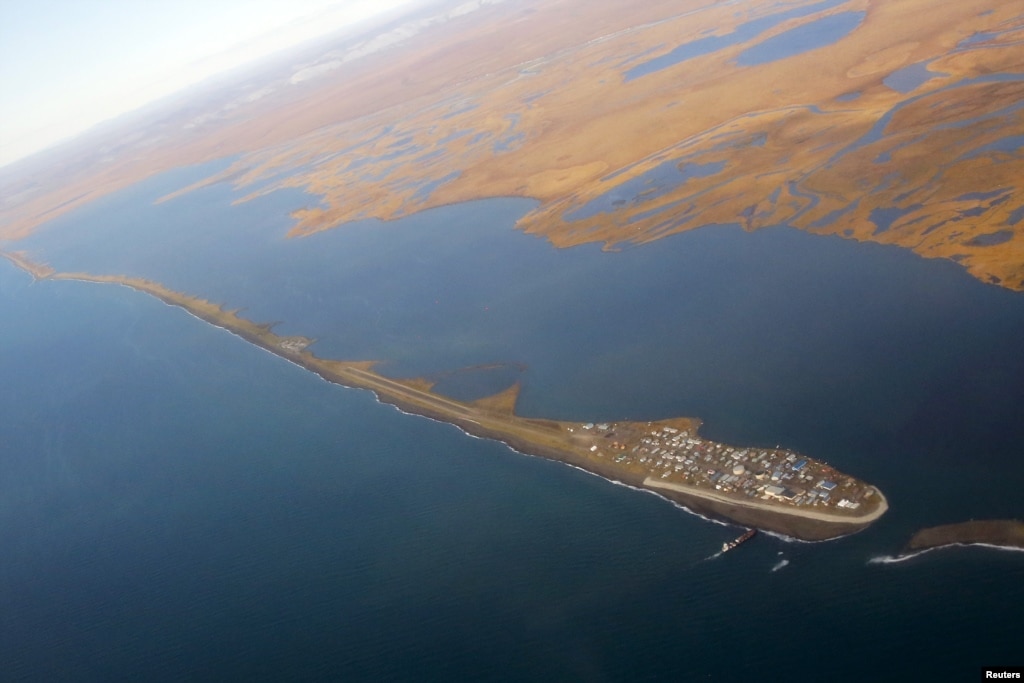
The island village of Kivalina, an Alaska Native community of 400 people the White House chose to highlight as a community at risk from rising sea levels, can be seen from Air Force One as U.S. President Barack Obama flies to Kotzebue, Alaska Sept. 2, 201

The island village of Kivalina, an Alaska Native community of 400 people the White House chose to highlight as a community at risk from rising sea levels, can be seen from Air Force One as U.S. President Barack Obama flies to Kotzebue, Alaska Sept. 2, 201

Coincidence?

But it is not likely Beijing planned the deployment to coincide with Obama’s trip, said Ralph Cossa with the Center for Strategic and International Studies.

“I would guess that their presence during Obama’s visit is coincidental more than deliberate. Because deployment like that is normally planned months in advance and I don’t think anyone knew Obama was going to be in Alaska until a few days ago,” Cossa told VOA.

However, the presence of the ships is meant to send a message to the U.S., he added.
“What it’s saying is that at some point the Chinese are going to be just as obnoxious as we are when it comes to sailing around in international waters close to the other country’s shores, and we should get used to it,” he said.

The U.S. military has numerous bases in Asia and regularly conducts various air-and-ship-based activities off China’s coasts in international waters.
“And China has repeatedly expressed its concerns about that,” noted VOA Beijing correspondent William Ide. “It feels like China’s trying to say if you’re going to continue to do this, we’re going to do the same.”

U.S. officials say the Chinese flotilla is made up of three surface warfare ships, one amphibious assault ship, and a replenishment vessel.
If that is the case, the deployment represents less of a threat, and more of a projection of power, according to Scott Harold of the RAND Corporation.

“A replenishment vessel says to me this is in part a demonstration of its capacity to operate far from their shores,” Harold told VOA.

“And an amphibious assault vessel would be absurd as a threat. No one is going to invade the United States by ground or by sea, much less are they going to do it in Alaska. But it is a symbol of China’s ability to project naval or amphibious forces at some distance from China,” he said.
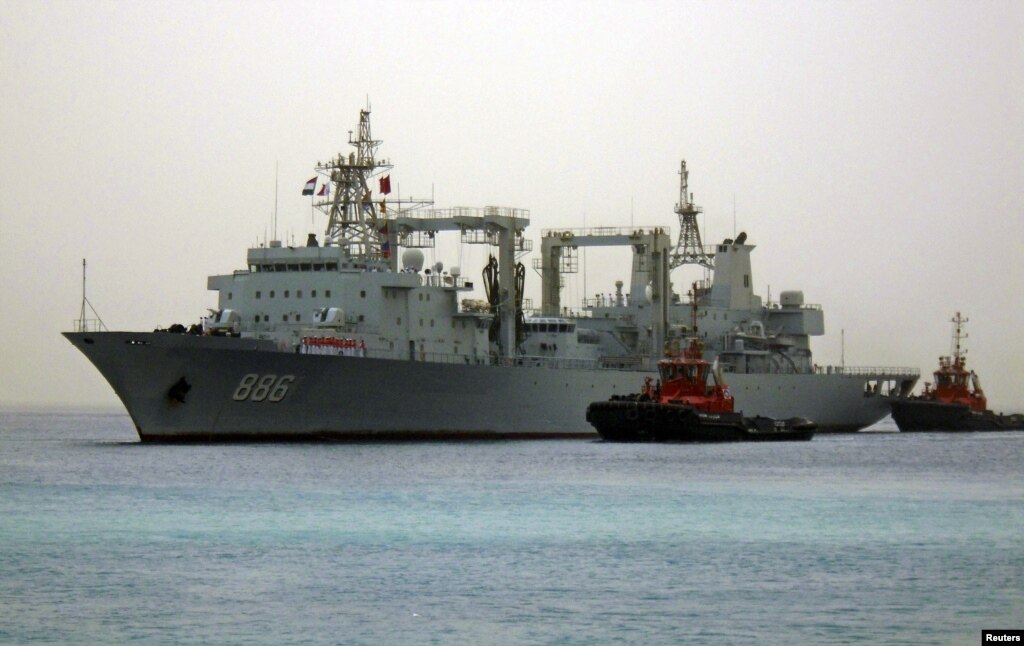
FILE - Chinese navy warships arrive at the seaport of Port Sudan.

FILE – Chinese navy warships arrive at the seaport of Port Sudan.

Near-Arctic power

The deployment fits a larger pattern by China’s navy, which is rapidly modernizing and attempting to venture out well beyond its shores.
And even though it does not border the resource-rich polar region, Beijing has made it clear that it wants to be regarded internationally as a “near-Arctic power,” said Harold.

“Chinese leaders have clearly recognized that the resources that may be in the Arctic, the sea lines of communications that transit through the Arctic passageways that may open up as the ice melts are of tremendous potential value to China,” he said.

Underscoring the strategic importance of the Arctic, Obama this week used his Alaskan tour to push lawmakers to speed up construction of a new heavy icebreaker ship that can navigate the region year-round.

The U.S. has just two functioning icebreakers, while Russia has 41. China unveiled its own icebreaker vessel in 2012, and plans to finish construction of another by 2016.

ARCTIC DRAWS INTERNATIONAL COMPETITON FOR OIL

A new geopolitical “Great Game” is underway in earth’s northernmost region, the Arctic, where Russia has claimed a large area for resource development and President Barack Obama recently approved Shell Oil Company’s test-drilling project in an area under U.S. control. Greg Flakus reports.
Whole Awareness – Tibet is under Occupation

Tibet Awareness – Tibet is under Occupation

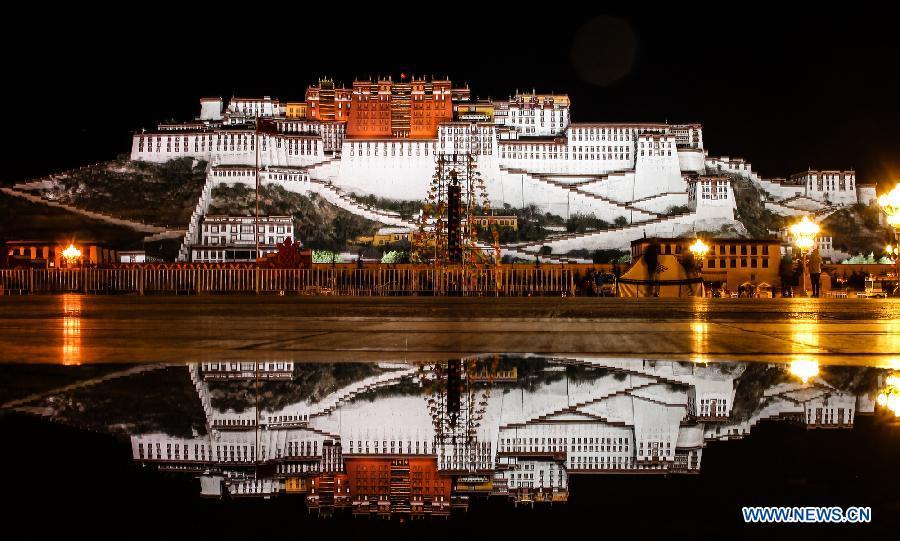
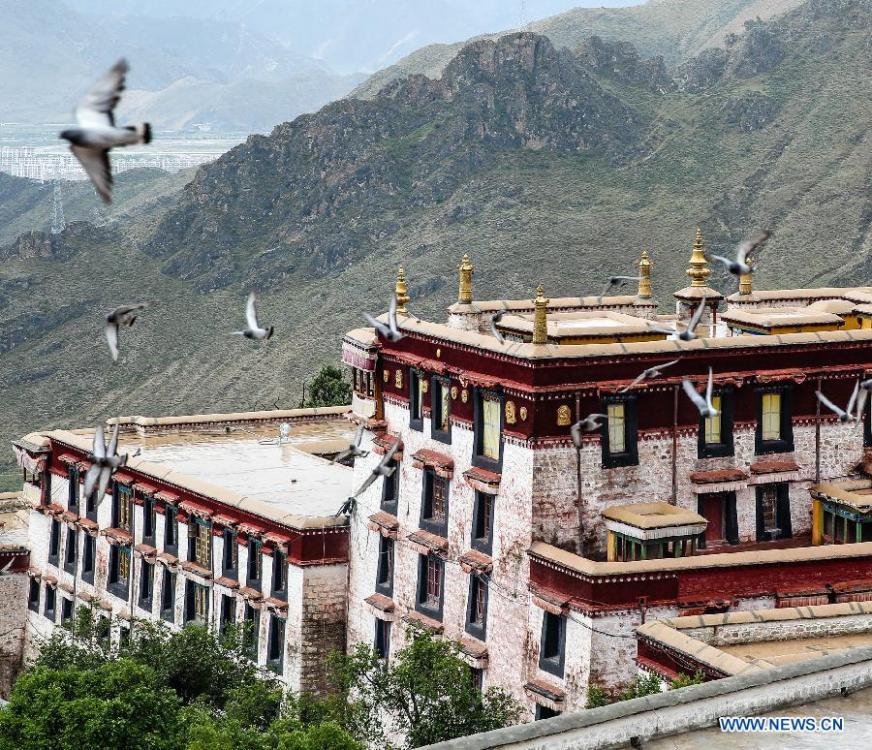
TIBET AWARENESS - POTALA PALACE, LHASA, TIBET  -  TIBET IS UNDER OCCUPATION.
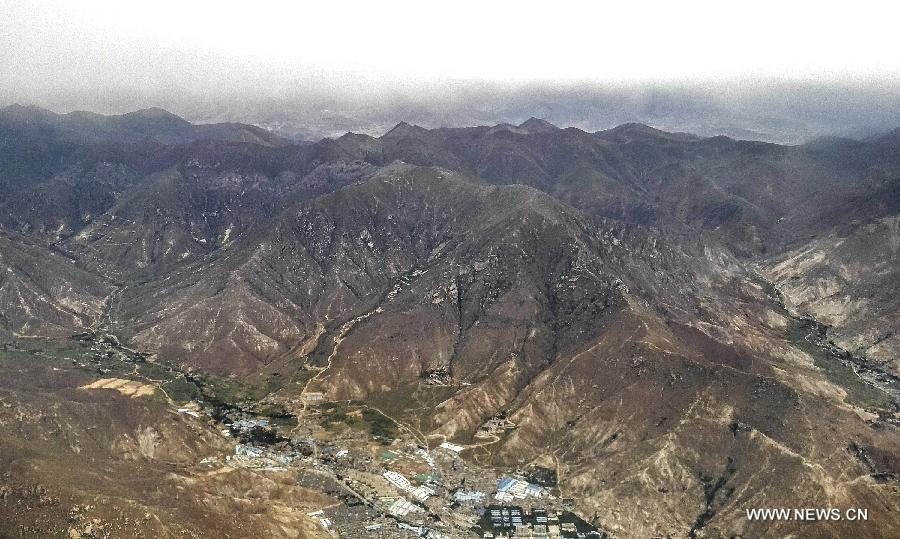
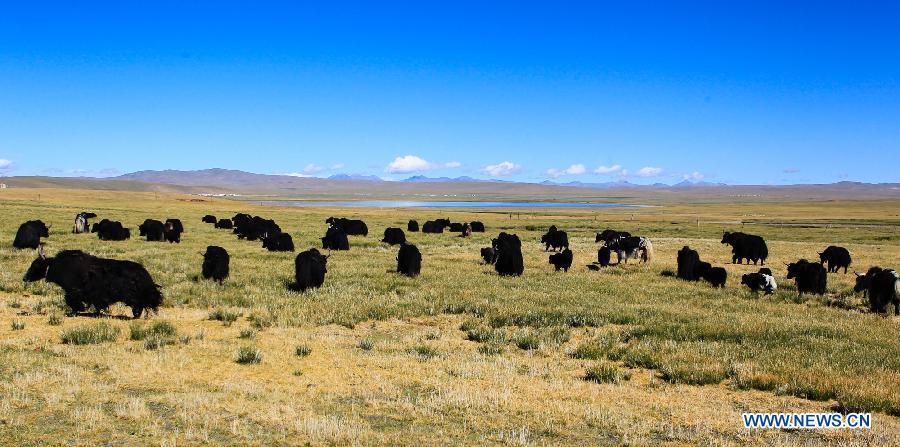
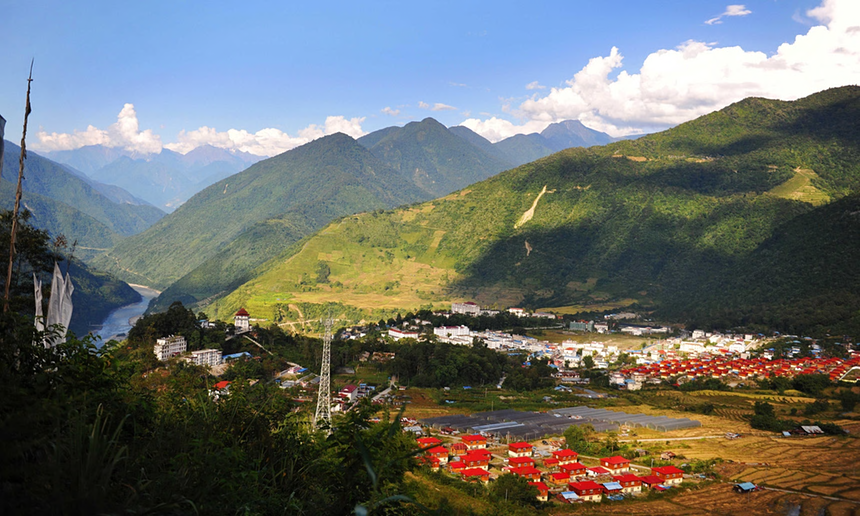
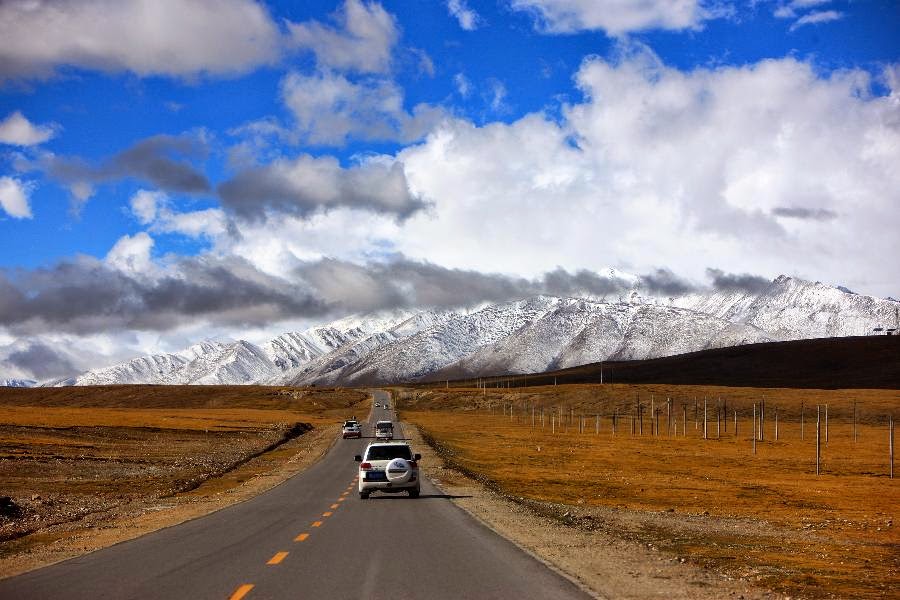
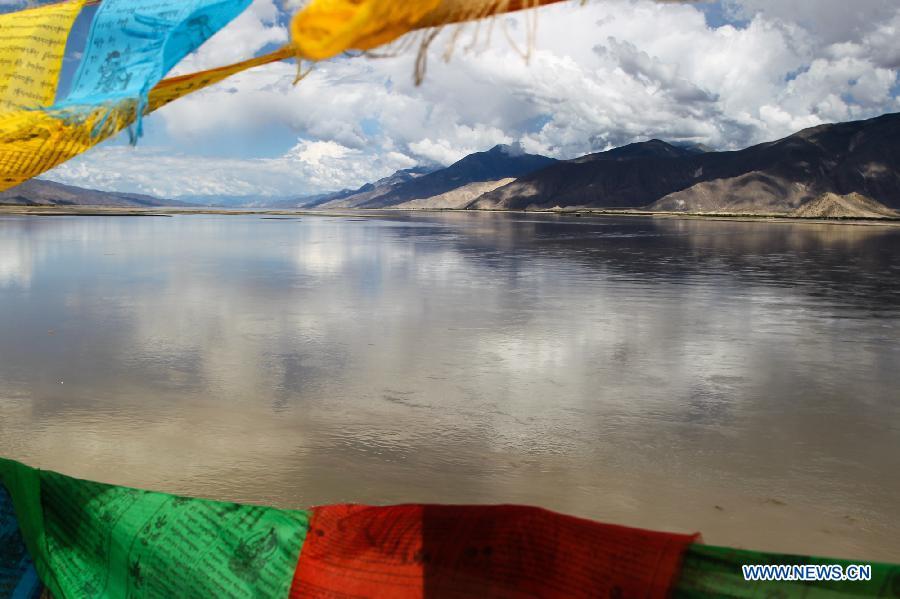
TIBET AWARENESS – POTALA PALACE, LHASA, TIBET – TIBET IS UNDER OCCUPATION. Red China has been using photo images of Tibet to promote Tibetan Tourism which fails to acknowledge Tibet’s Independence and Tibetans’ Right to Natural Freedom.

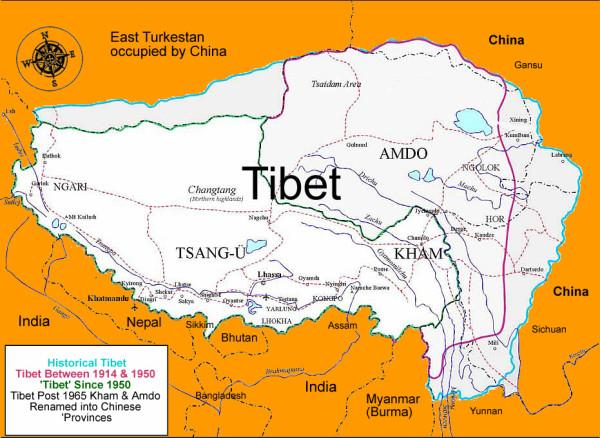
On September 01, 2015, Red China is celebrating a historical event that scars the beauty of Tibetan landscape. Red China brutally carved out a province that she calls Tibetan Autonomous Region or TAR where Tibetans have no autonomy and are denied Right to Self-Determination. Tibet has a total area of 965, 000 square miles and as such in terms of size, Tibet is world’s tenth largest nation.

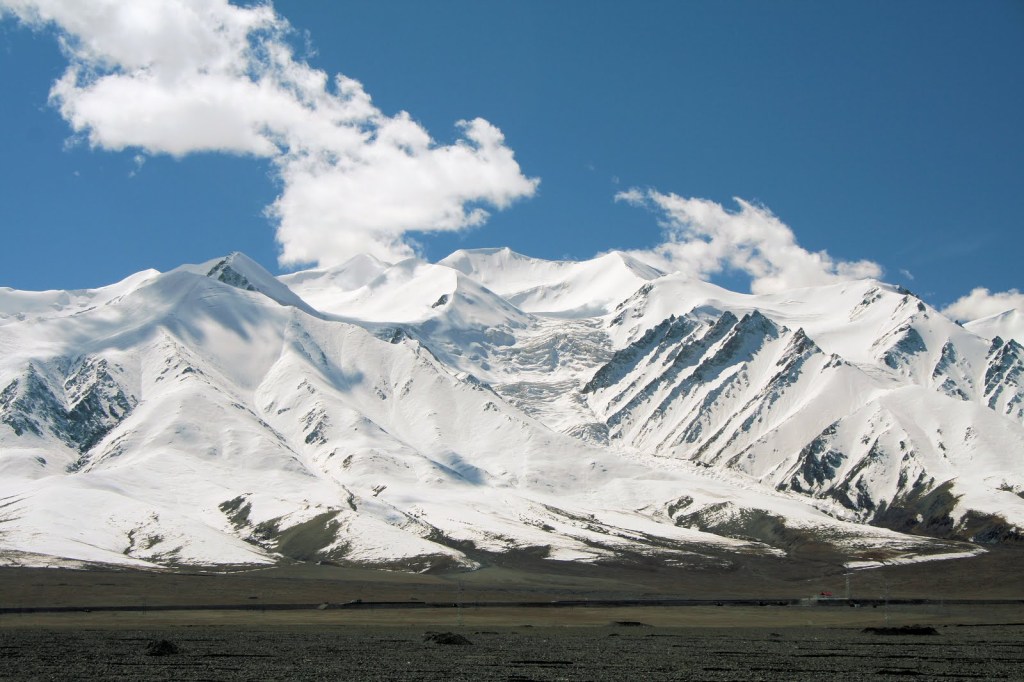
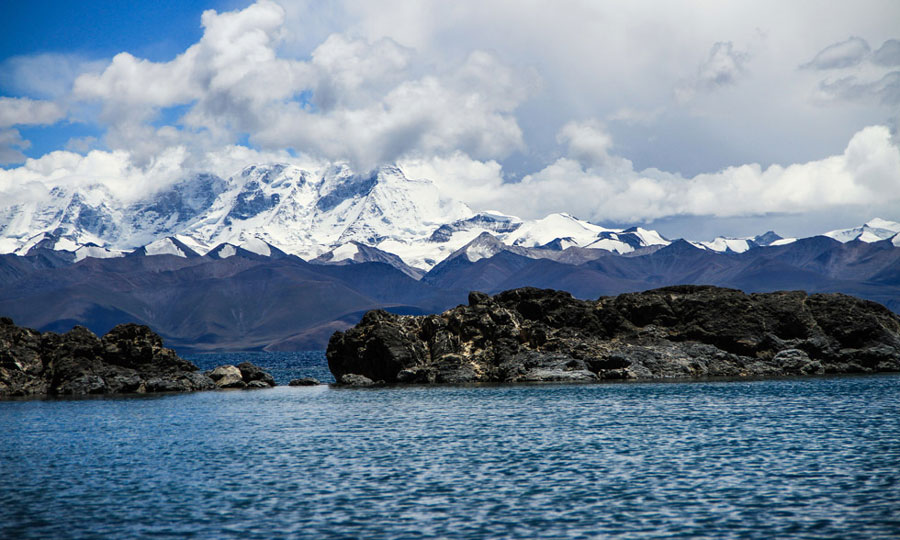
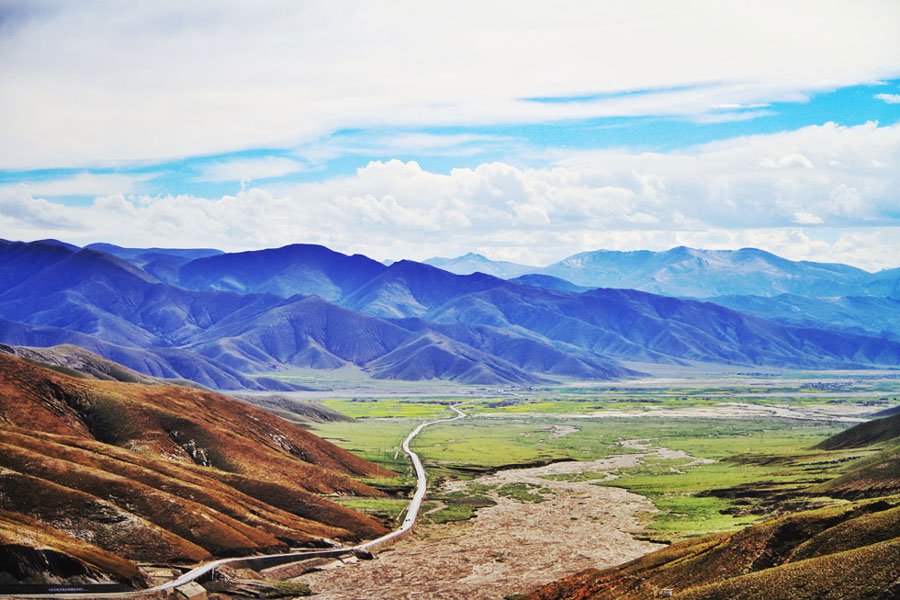
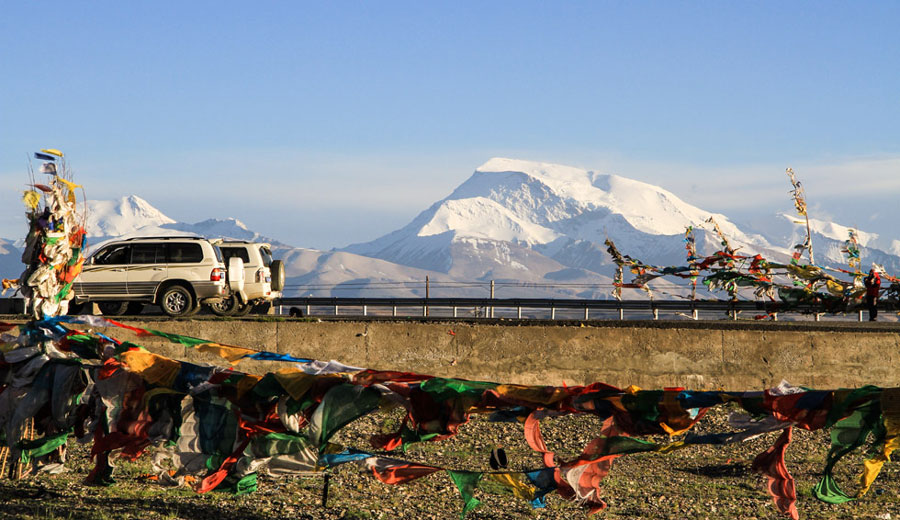
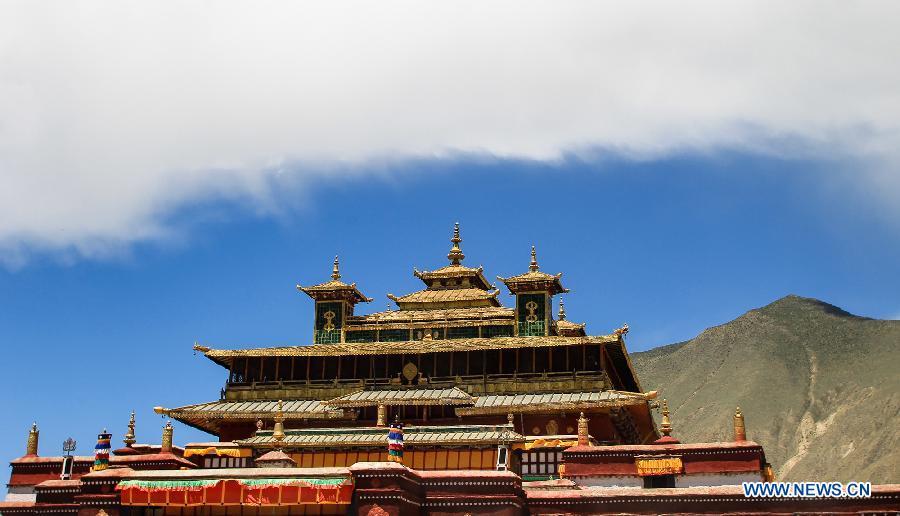
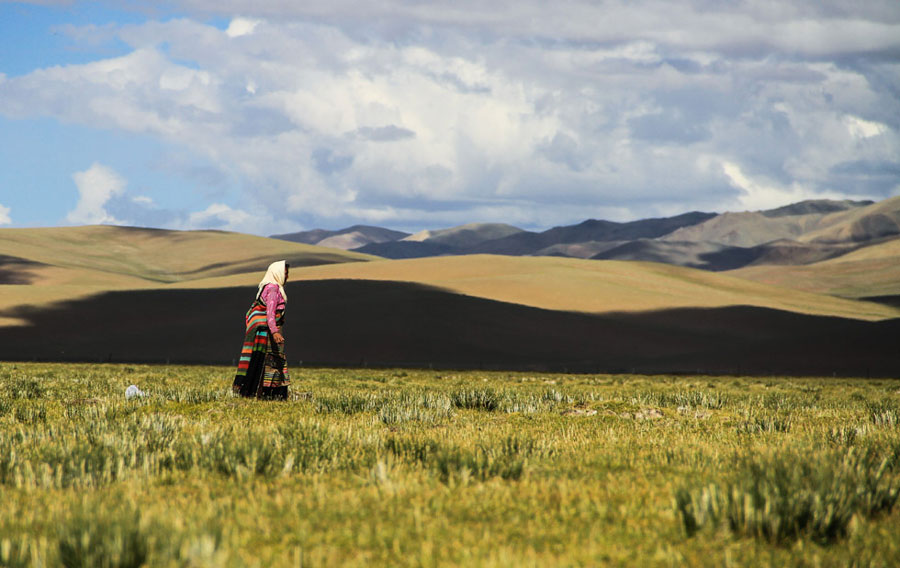
I am sharing a few photo images of Tibet, its landscape and its people. Red China has been using photo images of Tibet to promote Tibetan Tourism which fails to acknowledge Tibet’s Independence and Tibetans’ Right to Natural Freedom.

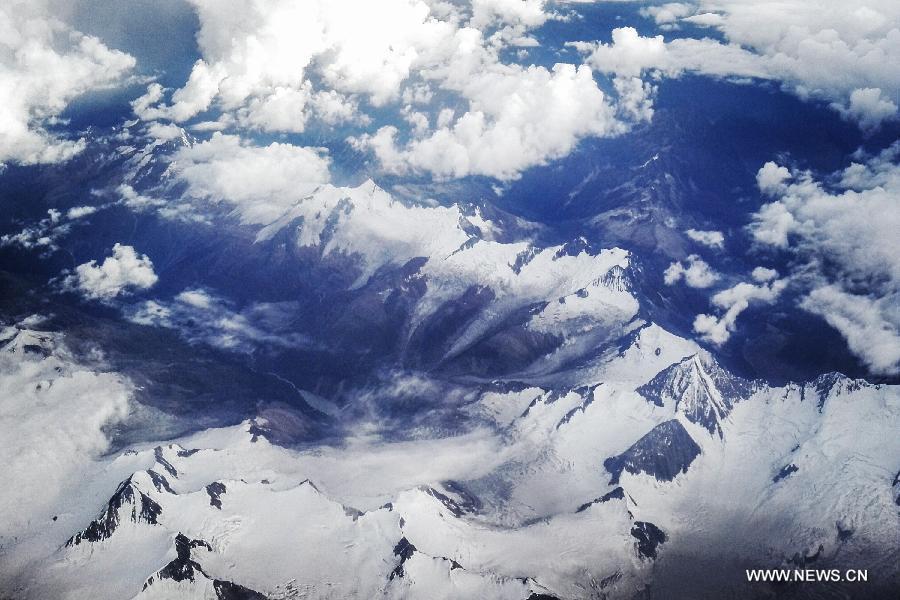
TIBET AWARENESS - TIBET IS UNDER OCCUPATION. QINGHAI. TIBET PLATEAU.
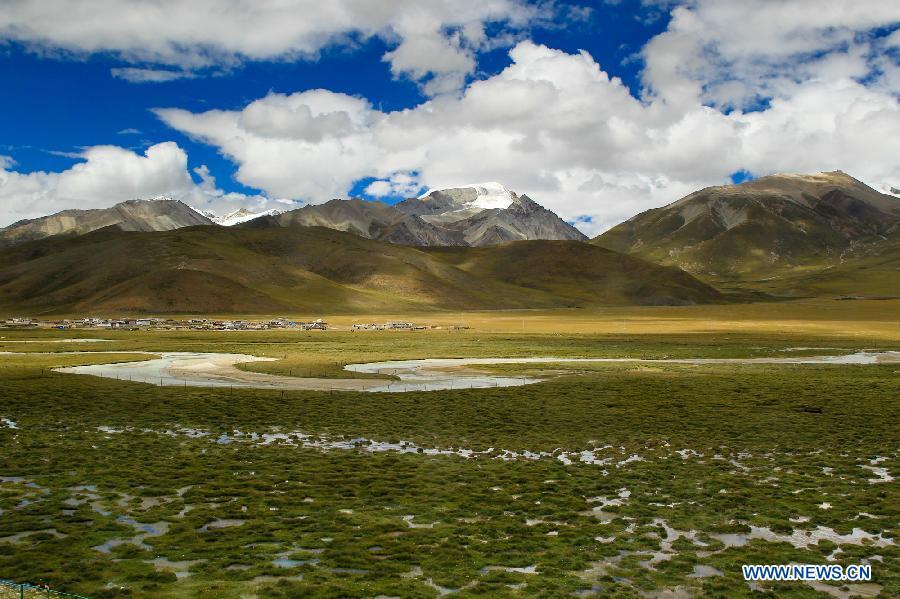
TIBET AWARENESS – TIBET IS UNDER OCCUPATION. QINGHAI. TIBET PLATEAU. Red China has been using photo images of Tibet to promote Tibetan Tourism which fails to acknowledge Tibet’s Independence and Tibetans’ Right to Natural Freedom.
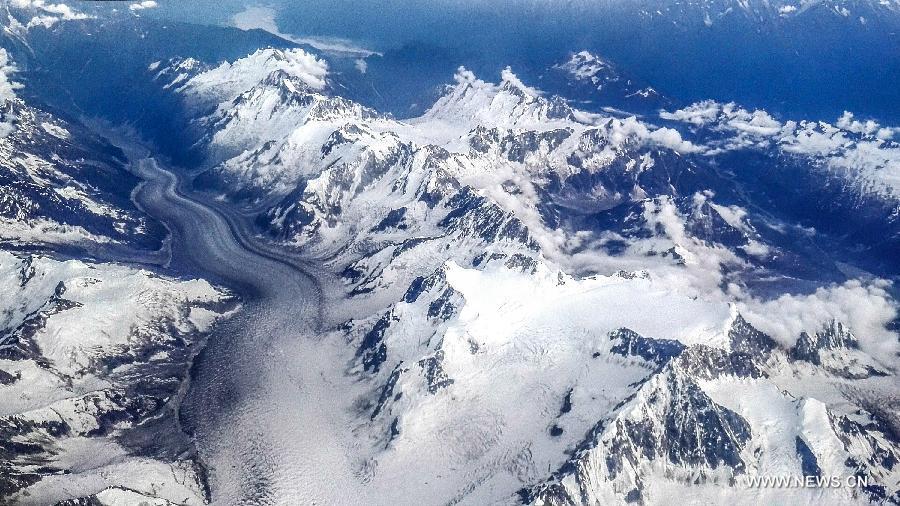
TIBET AWARENESS - TIBET IS UNDER OCCUPATION. QINGHAI - TIBET PLATEAU.
TIBET AWARENESS – TIBET IS UNDER OCCUPATION. QINGHAI – TIBET PLATEAU. Red China has been using photo images of Tibet to promote Tibetan Tourism which fails to acknowledge Tibet’s Independence and Tibetans’ Right to Natural Freedom.
TIBET AWARENESS - TIBET IS UNDER OCCUPATION. QINGHAI TIBET PLATEAU.
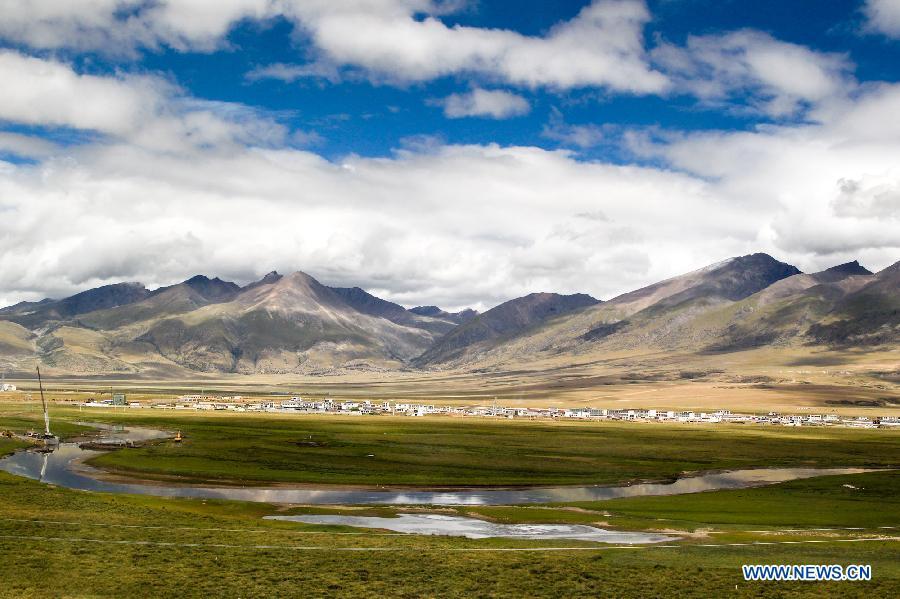
TIBET AWARENESS – TIBET IS UNDER OCCUPATION. QINGHAI TIBET PLATEAU. Red China has been using photo images of Tibet to promote Tibetan Tourism which fails to acknowledge Tibet’s Independence and Tibetans’ Right to Natural Freedom.
TIBET AWARENESS - TIBET IS UNDER OCCUPATION. QINGHAI. TIBET
TIBET AWARENESS – TIBET IS UNDER OCCUPATION. QINGHAI. TIBET. Red China has been using photo images of Tibet to promote Tibetan Tourism which fails to acknowledge Tibet’s Independence and Tibetans’ Right to Natural Freedom.
Red China has been using photo images of Tibet to promote Tibetan Tourism which fails to acknowledge Tibet’s Independence and Tibetans’ Right to Natural Freedom.

Whole Tyrant – Red Dragon – Red China – Dictatorial Regime

Red Dragon – Red China – Dictatorial Regime

RED DRAGON – RED CHINA – DICTATORIAL REGIME: RED CHINA IS AUTOCRATIC, DOMINEERING, AND TYRANNICAL. RED CHINA’S MAO TSE-TUNG RULED OVER CHINA AS A DICTATOR AND THE COMMUNIST PARTY OF CHINA INHERITED HIS LEGACY.

Red China is autocratic, domineering, and tyrannical for she exercises power suppressing the views of other nations. Her actions are arbitrary, unreasoned, and unpredictable. Red China uses power or authority in accord only with her own will or desire. Red China’s Communist Party is a dictatorial regime that created territorial disputes with Tibet and all other regional neighbors to dominate them with her superior military power.

RED DRAGON - RED CHINA - DICTATORIAL REGIME: RED CHINA IS AUTOCRATIC, DOMINEERING, AND TYRANNICAL. RED CHINA'S MAO TSE-TUNG RULED OVER CHINA AS A DICTATOR AND THE COMMUNIST PARTY OF CHINA INHERITED HIS LEGACY.
RED DRAGON – RED CHINA – DICTATORIAL REGIME: RED CHINA IS AUTOCRATIC, DOMINEERING, AND TYRANNICAL. RED CHINA’S MAO TSE-TUNG RULED OVER CHINA AS A DICTATOR AND THE COMMUNIST PARTY OF CHINA INHERITED HIS LEGACY.

ValueWalk

BRINDA BANERJEE

HERE’S THE LATEST ON THE SOUTH CHINA SEA ISSUE

The Philippines has confirmed that it will meet the United States’ appeals to resolve the South China Sea dispute. Following a regional security conference organized at Kuala Lampur, Albert del Rosario, the Secretary of Foreign Affairs of the Philippines, stated that, “As a means of de-escalating tensions in the region, the Philippines fully supports and will pro-actively promote the call of the United States on the ‘three halts’- a halt in reclamation, halt in construction and a halt in aggressive actions that could further heighten tensions.”

RED DRAGON – RED CHINA – DICTATORIAL REGIME. RED CHINA CREATED TERRITORIAL DISPUTES WITH ALL OF HER REGIONAL NEIGHBORS FOR SHE IS EVIL POWER.

The Foreign Affairs Secretary was quick to add that the Philippines would only observe these commitments if other claimants in the South China Sea dispute, including China, agree to do the same.

The South China Sea Issue

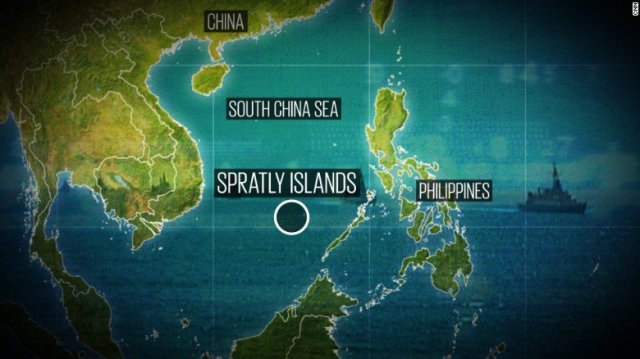
The South China Sea issue is one of the most compelling examples of maritime geopolitical disputes in the modern-day, with several nation-states laying claim over the sea. The claimants include Brunei, China, Malaysia, the Philippines, Taiwan and Vietnam.

The Spratly Islands – at the heart of the dispute, are a collection of 750 islands, reefs, cays and atolls in the South China Sea. The region is rich in extensive natural gas and oil reserves and is recognized for the fishing opportunities it offers. The islands enjoy a strategic location in Northeast Asia’s most prominent maritime commerce routes; the waterway
facilitates international sea-borne trade worth $5 trillion every year.

It is widely acknowledged that authority over the islands will allow the controlling party unprecedented clout over any and all maritime activity in the region. As such, whoever controls the South China Sea will enjoy a monopoly over resources, commerce, military influence and geopolitical power in the region.

Tensions came to a head in 2014 when China began construction artificial islands in the sea. China has staked a claim over 3000 acres in the region, over the course of the last one-and-a-half years. The figure far outstrips the comparatively paltry 100 acres that have been reclaimed by Malaysia, the Philippines, Taiwan and Vietnam spread over four decades.

U.S. Concerns Over South China Sea ‘Militarization’

The United States remains opposed to the South China Sea island building project over the threat it poses to peace and security in the region. The South China Sea has become a severely disputed region, with numerous claimants, and the United States is concerned that any move to further these declarations will escalate hostilities.

Even as the primary players continue to debate the economic and trade repercussions of China establishing control over the entire sea, Washington’s reservations are rooted along security and military lines. The construction of military structures on the islands creates a severe threat to stability in the region an issue that has become a priority matter ever since the proposed use of the South Johnson Reef as a Chinese air base has come to light. Both the United States and Japan have formally expressed reservations over the possibility of China establishing maritime monopoly in the region.

U.S. Calls For ‘Three Halts’

In a bid to stabilize the situation and prevent the militarization of what is primarily a political and diplomatic conflict as yet, the United States has called for all the disputants in the South China Sea issue to observe ‘three halts’:

The stoppage of building infrastructure and islands in the sea. A stop to repossessing and reoccupying different islands in the sea. Desisting from any provocative action that carries the potential to exacerbate the conflict.Washington is committed to helping all the involved actors contain the conflict and solve the same through diplomatic channels.

The Chinese Position

Beijing maintains that China’s activities in the South China Sea fall within the purview of the country’s sovereign territorial rights. Asked to comment on the issue in March 2015, Foreign Ministry Spokesperson Hua Chunying said, “China’s normal construction activities on our own islands and in our own waters are lawful, reasonable and justifiable”.
In the months since, China has offered greater insight into its actions in the region, claiming that the work on the islands was aimed at improving the livings conditions of those already inhabiting the islands. In a statement in April 2015, Ms. Chunying asserted that China has worked on the garrisons on the islands with a view to “Optimizing their functions, improving the living and working conditions of personnel stationed there, better safeguarding territorial sovereignty and maritime rights and interests, as well as better performing China’s international responsibility and obligation in maritime search and rescue, disaster prevention and mitigation, marine science and research, meteorological observation, environmental protection, navigation safety, fishery production service and other areas.”
By way of these explanations, Beijing has sought to establish its historical claim to the islands, stressing the existence of its structures and properties in the region prior to the dispute becoming an international issue. Beijing has also emphasized its intention to use the islands for public benefit, advancement and security.

In the time since, Chinese Foreign Minister Wang Yi, speaking at the recent bilateral talks, has shared that the general situation in the region is stable and that China is ready to work with all the concerned parties vis-a-vis regional peace and stability. Wang has asked that the dispute be resolved peacefully through negotiations and consultations.

International Law And Island Building

Under the United Nations Convention on the Law of the Sea (UNCLOS), countries must abide by the maritime jurisdiction awarded to them as per international law and recognise the rights of other countries over their portions of the world’s oceans. As such, countries cannot lay claims to the islands, marine life, natural resources and trade activities in the waters belonging to another country. The convention also stipulates that submerged entities that cannot sustain human habitation or economic activities will not be recognized as exclusive economic zones. This means that even if China were to establish its claim on the Spratly Islands,it would still control only 12 nautical miles of territorial waters without any exclusive economic privileges over at the same.

Other states in the region have recognized a catch in the aforementioned law: if any of the submerged entities are converted into islands capable of and characterized by human habitation, the UNCLOS stipulations would cease to apply. This realization has served as the primary driving force for the other states’ opposition to China’s construction of manmade islands on submerged bodies in the South China Sea.

The Chinese constructions are also in direct violation of the 2002 Declaration on the Conduct of Parties in the South China Sea. As per the treaty, the signees are to desist from engaging in any actions that carry the potential to escalate tensions amongst them. The agreement parties, of which China is one, have also vowed to refrain.

About the author

Brinda Banerjee is a researcher working on security, armed conflict and military policies.

BRINDA BANERJEE

Brinda Banerjee is a researcher working on security, armed conflict and military policies. She holds a Bachelor’s in Journalism (with Honors), a Master’s in Peace and Conflict Studies and is currently pursuing her Ph.D. in state responses to internal conflict. Brinda writes extensively about current events, conflict resolution and geopolitical dynamics in the modern world.

Copyright © 2015 ValueWalk

RED DRAGON – RED CHINA – DICTATORIAL REGIME. RED CHINA CREATED TERRITORIAL DISPUTES WITH ALL OF HER REGIONAL NEIGHBORS FOR SHE IS EVIL POWER.
Red China Expansionism South China Sea. RED DRAGON – RED CHINA – DICTATORIAL REGIME. RED CHINA CREATED TERRITORIAL DISPUTES WITH ALL OF HER REGIONAL NEIGHBORS FOR SHE IS EVIL POWER.
RED DRAGON – RED CHINA – DICTATORIAL REGIME. RED CHINA CREATED TERRITORIAL DISPUTES WITH ALL OF HER REGIONAL NEIGHBORS FOR SHE IS EVIL POWER.

Whole Evil – Red Dragon – Red China – Real Evil Face

Red Dragon – Red China – Real Evil Face

Red Dragon – Red China – Real Evil Face: Cultural Genocide, and Ecocide, deliberate destruction of Tibet’s delicate Ecological Systems.

I am fully aware of Red China’s darkest side and I have seen her real ‘evil’ face, the face that had driven thousands of innocent Tibetans to seek protection in India and to live in exile.

Red Dragon - Red China - Real Evil Face: Cultural Genocide, and Ecocide, deliberate destruction of Tibet's delicate Ecological Systems.
Red Dragon – Red China – Real Evil Face: Cultural Genocide, and Ecocide, deliberate destruction of Tibet’s delicate Ecological Systems.

MELTDOWN IN TIBET

BY T R RAMACHANDRAN August 09, 2015

Red Dragon – Red China – Real Evil Face: Cultural Genocide, and Ecocide, deliberate destruction of Tibet’s delicate Ecological Systems.

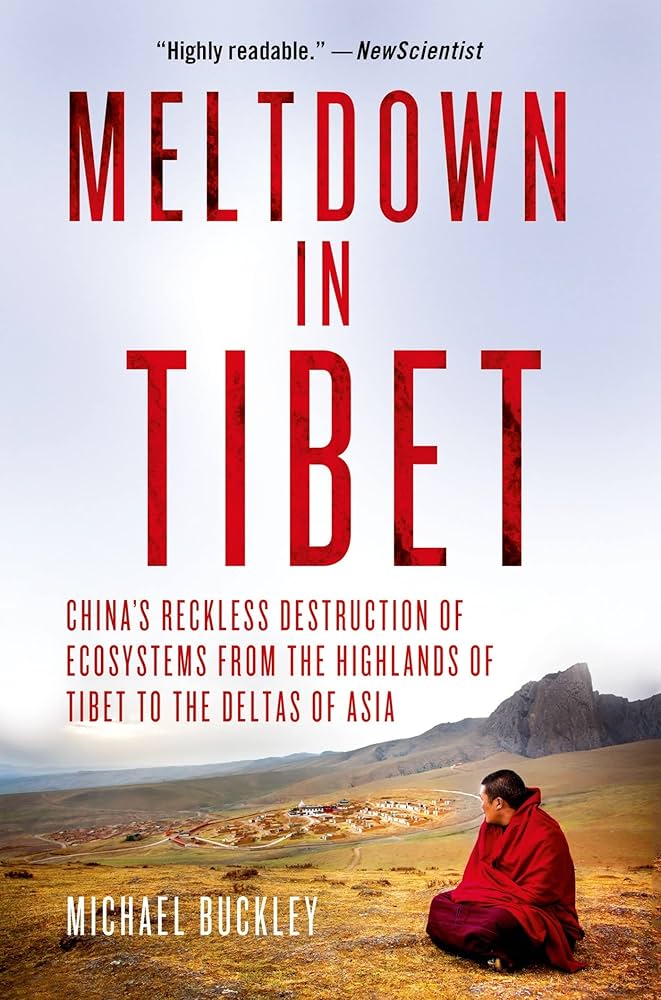
In Meltdown in Tibet, Michael Buckley turns the spotlight on the darkest side of China’s emergence as a global super power.

Canadian adventure travel writer and environmentalist Michael Buckley has blown the lid of China’s ecocide of the fragile, high altitude environment of Tibet. The scenario is frightening which can severely impact the Indian subcontinent and countries in Southeast Asia. Even the Spiritual head of the Tibetans, His Holiness the Dalai Lama is deeply concerned. He drew pointed attention to this book and observed it “should be part of a wake-up call to the international community and China to seriously assess the ecological and environmental conditions on the Tibetan plateau and take remedial measures before it is too late”. The author warns that the Himalayan snow caps are in meltdown mode due to climate change accelerated by a rain of black soot from massive burning of coal and other fuels in both China and India.

Tibetans have experienced waves of genocide since the 1950s. Now they are facing ecocide with the reckless destruction of their fragile, high altitude environment. It is widely believed there is urgent need for an International Law to protect downstream nations — something the United Nations agreed a decade ago but has never acted on it. The health of all the rivers in Tibet are of vital concern to all the nations of Asia. Bhutan is light years ahead of its Asian neighbours in its environmental vision. The quixotic nation has become the environmental innovator of Asia.
The mighty rivers of Tibet are being dammed extensively by Chinese engineering consortiums for the mainland’s thrust for power. The land is being relentlessly mined to feed China’s industrial complex. Massive engineering projects are diverting water from Tibet’s abundant rivers to water starved regions of China. Simply put the global supply of fresh water is dwindling at an alarming rate. This will lead to major tension between nations over shared water resources. The rivers of Tibet are so important to Southeast Asia and the Indian subcontinent.

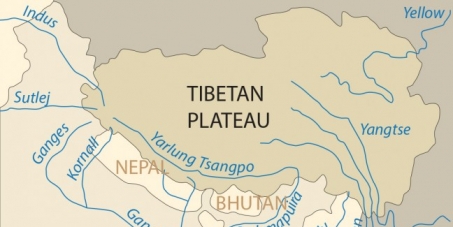
The Tibetan plateau is the source of the major rivers of this vast region stretching all the way from the coast of China in the East to Pakistan in the West. Ninety per cent of the run off from Tibetan rivers flows downstream into China, Vietnam, Cambodia, Laos, Thailand, Burma, Bangladesh, India, Nepal, Bhutan and Pakistan. At the tail end of these same rivers lie the world’s largest deltas. One way or another close to two billion people rely on Tibet’s waters — for drinking, for agriculture, for fishing, for industry.

Red Dragon – Red China – Real Evil Face: Cultural Genocide, and Ecocide, deliberate destruction of Tibet’s delicate Ecological Systems. Author Michael Buckley with His Holiness the Dalai Lama.

Meltdown In Tibet

Michael Buckley

Publisher: Pan Macmillan

Pages: 248; Price: Rs 499

Water not oil is becoming the world’s most important resource. Though we live in a planet covered by water, very little of it is accessible. More than 90 per cent is sea water which is too salty. Roughly two per cent of the water resources is locked in ice and snow. That leaves a paltry one per cent to supply drinking water, grow crops, run factories, cool power plants, and handle all the other roles that water plays. It is possible that half of the paltry one per cent is polluted or contaminated water, which is not usable. As non-renewable ground resource are used up, the global supply of water is dwindling at an alarming rate. This had the portends of leading to great tensions between nations over shared water resources. Tibet is often referred to as the “Third Pole” because it is the third largest source of water locked in ice and snow.

It is unique in the world as a mass provider of water via rivers to a dozen countries downstream. It is the source of major headwaters for the rivers of Asia and the Himalayas, and additionally provides key tributaries or feeders for other major rivers such as the Ganges. There is no parallel to this situation anywhere in the world. Tibetan glaciers are melting rapidly, and its lakes are drying up. This plateau is under siege from climate change factors, but instead of seeking ways to minimise the impact of all this, China is aggravating the situation.
Chinese hydro consortiums are blocking the flow of waters. Extensive mining is degrading the land with high potential of rivers being polluted downstream. The grasslands of Tibet are being encroached upon by desert. Ultimately this will become a global problem because there are no boundaries when it comes to environmental impact.

The massive clear cutting of forests in Tibet and expanding desertification of grasslands have severely impacted regional ecosystems and may influence extreme weather patterns in Asia. Tibet sits on the largest permafrost layer outside the North and the South Poles. “We have only one Tibet. There are no backups, no second chances. If the water resources of the Tibetan plateau should be blocked or diverted, or become polluted, then Asia will tumble into chaos. In his Preface to the book, His Holiness the Dalai Lama warned that pursuing economic development at the expense of the ecological balance will lead to drastic and unforseen consequences.

In the case of China, many environmental experts consider the economic accomplishments are already exerting a heavy environmental price. They bemoan the threat of China’s disappearing lakes, shrinking and increasingly polluted rivers and smog filled skies that will have long-term consequences for public health. The ability to breathe clean air and drink clean water is a human right. “But it is a right threatened by focussing only on economic development that pays inadequate attention to ecological well-being,” the Dalai Lama observed. His Holiness had no doubt that this is a wake up call to the international community and China to seriously assess ecological and environmental conditions on the Tibetan plateau and take remedial measures before it is too late.

Tagged with: Adventure writer, book review, environmentalist, Michael Buckley, Tibet, Tibet Meltdown

The Free Press Journal is one of the oldest English Daily newspapers from Mumbai with a heritage of more than 80 years. And yet, The Free Press Journal is a contemporary paper and rooted in current urban realities.

Copyright © 2015 . All Rights Reserved.

Red Dragon - Red China - Real Evil Face:
The mighty rivers of Tibet are being dammed extensively by Chinese engineering consortiums for the mainland’s thrust for power. The land is being relentlessly mined to feed China’s industrial complex. Massive engineering projects are diverting water from Tibet’s abundant rivers to water starved regions of China. Simply put the global supply of fresh water is dwindling at an alarming rate. This will lead to major tension between nations over shared water resources. The rivers of Tibet are so important to Southeast Asia and the Indian subcontinent.


RED DRAGON – RED CHINA – OCCUPIER OF TIBET

RED DRAGON – RED CHINA – OCCUPIER OF TIBET

RED DRAGON - RED CHINA - OCCUPIER OF TIBET: ARCHAEOLOGICAL FINDINGS SUGGEST THAT PEOPLE OF ANCIENT TIBET HAD FACED THREATS OF FOREIGN CONQUESTS.
RED DRAGON – RED CHINA – OCCUPIER OF TIBET: ARCHAEOLOGICAL FINDINGS SUGGEST THAT PEOPLE OF ANCIENT TIBET HAD FACED THREATS OF FOREIGN CONQUESTS.

Red China took possession of Tibet or seized Tibet using her superior military power. Red China told a lie when she claimed about peaceful liberation of Tibet by People’s Liberation Army. Red China is an occupying force that faces eviction from Tibet when Peace, Freedom, and Justice will prevail again. It is interesting to note that people of ancient Tibet had faced similar threats from external aggressors.

Rudranarasimham Rebbapragada
Ann Arbor, MI 48104-4162, USA
SPECIALFRONTIERFORCE.ESTABLISHMENT22

 
  image          
The Spirits of Special Frontier ForceAt Special Frontier Force, I host ‘The Living Tibetan Spirits’ to promote Tibet Awareness. I…
 
View on www.facebook.com Preview by Yahoo


Popular Archaeology


Archaeologist explores the first civilization of ancient Tibet

Mon, Aug 10, 2015

Vestiges of a once flourishing prehistoric civilization dot the landscape of Upper Tibet.

Archaeologist explores the first civilization of ancient Tibet
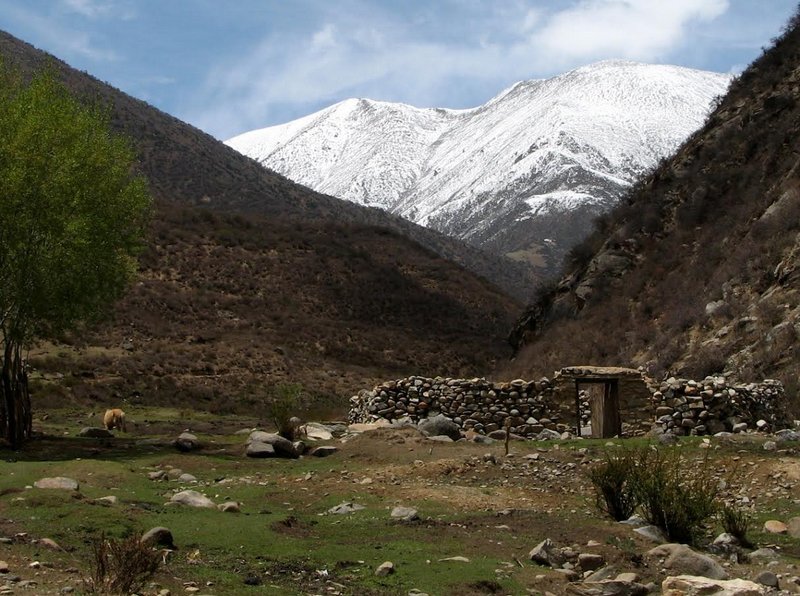
For more than two decades, University of Virginia Tibet Center archaeologist and historian John Vincent Bellezza has been exploring highland central Asia, going places where few archaeologists and explorers have ventured. Since 1992, he has investigated and documented scores of monumental sites, rock art, castles, temples, residential structures, and other features on the desolate reaches of the TIBETAN PLATEAU, building a knowledge base on a vast archaic civilization and ancient religion that flourished long before Buddhism emerged and dominated this otherwise comparatively sparsely populated high altitude region.

“Commonly, when people think of Tibet, Buddhism comes to mind,” writes Bellezza in his newest book, THE DAWN OF TIBET. By this he also implies the better-known and popular images of the imposing, sky-high, mountaintop monumental wonders of Buddhist centers such as Lhasa. But, he continues, “before Buddhism was introduced, a different type of civilization reigned in Tibet, one with monuments, art, and ideas alien to those of more recent times……….Demarcated through an enormous network of citadels and burial centers spanning one thousand miles from east to west, it would endure for some fifteen hundred years.”*

Bellezza is describing an archaic civilization known as ZHANG ZHUNG, which flourished from about 500 BC to 625 AD and encompassed most of the western and northwestern regions of the Tibetan Plateau. Mastering an ancient technology base not normally attributed to people of this region in the popular perception, the people of Iron Age Zhang Zhung, according to Bellezza, built citadels, elite stone-corbelled residential structures, temples, necropolises featuring stone pillars, sported metal armaments and a strong equestrian culture, established links with other cultures across Eurasia, and exhibited a relatively uniform and standardized cultural tradition rich in ritualistic religious practice, where kings and priests dominated the highest rungs of power. These are all characteristics of stratified, centralized and developed societies most often associated with the more southerly, lower-altitude great Old World Bronze and Iron Age civilizations that ringed the Mediterranean as well as the advanced civilizations of Mesoamerica and South America. The supporting findings on the landscape, when considered across two decades of investigation, have been nothing less than prolific.

tibetmckaysavage1

The Tibetan Plateau features ancient stone structures, many of which date back to the First Millennium B.C. McKay Savage, Wikimedia Commons

But this archaeological evidence, according to Bellezza, also opened a window on a civilization that heavily fortified itself from threats both within and without. The struggle for resources in a land where climate gradually changed over preceding millennia from one that was relatively warmer and moist to one that was cold and dry may have played a significant role in this. Competing external and internal forces may have played another. “Most archaic era residential facilities in Upper Tibet were built on unassailable high ground, on inaccessible islands, or in hidden spots, “ writes Bellezza. “This insularity indicates that defense was a preoccupation of the population. Eternal Bon historical sources speak of the martial character of Zhang Zhung society and its political nexus of kings and priests.” Even the priests were depicted in the literature as possessing arms. On the other hand, notes Bellezza, “these literary accounts also hold that the ancient priesthood was very adept in the practice of astrology, divination, magic, and medicine.”*

With much still awaiting discovery and study, Bellezza continues to explore and analyze the massive trove of data he has already compiled on this ancient people. In time, he and other researchers hope, by merging references in the literary sources with the accumulating new archaeological evidence, a sharper focus on an otherwise obscure and ill-understood civilization will emerge.

dawnoftibetpic

Readers can learn more about Zhang Zhung in Belezza’s book, THE DAWN OF TIBET, and in an upcoming article about Zhang Zhung authored by Bellezza in the Fall issue of Popular Archaeology Magazine.

Copyright © 2015POPULAR ARCHAEOLOGY


RED DRAGON – RED CHINA – POWER-HUNGRY

RED DRAGON – RED CHINA – POWER-HUNGRY

Red China’s Communist Party Chairman Mao Zedong formulated his plan for creation of Evil Red Empire because of his insatiable desire for power and influence over the lives of all other nations in Southeast Asia.

Rudranarasimham Rebbapragada
Ann Arbor, MI 48104-4162, USA
SPECIALFRONTIERFORCE.ESTABLISHMENT22

image
The Spirits of Special Frontier ForceAt Special Frontier Force, I host ‘The Living Tibetan Spirits’ to promote Tibet Awareness. I…
View on www.facebook.com Preview by Yahoo

ABC News

Analysis: South China Sea dispute pits power-hungry China against weaker regional neighbours

By South-East Asia correspondent SAMANTHA HAWLEY

Updated June 21, 2014 11:53:05

South China Sea dispute


Photo: China and Vietnam are now in the depths of the most serious deterioration of relations since the 1970s. (Wikipedia Commons, File Image)

The dispute over the South China Sea pits China against its smaller, weaker regional neighbours.
Vietnam is one of them, and right now there is a concerning flash point that could have deep, significant implications for the region.

Around Vietnam you find propaganda billboards denouncing China’s actions after it built a billion-dollar oil rig about 200 nautical miles off the Vietnamese coast.
It is condemnation that spilled out onto the streets in the most significant protests seen in the one-party state for many years.

Chinese nationals were forced to flee the country as their businesses were burned to the ground. Beijing says at least four of its nationals were killed.
The oil rig sits about 30 kilometres south of the Paracel Islands, which China says it has irrefutable sovereignty over, along with the Spratly Islands to south.

Vietnam says the islands and the seas around them belong to it, and so the two communist nations are now in the depths of the most serious deterioration of relations since the 1970s.
Vietnam is accusing China of bullying tactics as it tries to force its ships out of the area; China says its smaller neighbour is taunting it, and Beijing has warned its tolerance is low.

In one case Vietnam says a fishing boat was sunk after being rammed by the Chinese.
Beijing rejects the allegation, and accuses Vietnam of sabotage.

China says its boats have been rammed by Vietnam more than 1,000 times and has now gone to the United Nations to try to have the case heard.

Vietnam says there are almost 120 Chinese ships stationed around the oil rig, including warships, but says it will not send military assets to the disputed seas.
It does not want to provoke unwanted hostility from Beijing.

Is China’s stance more a show of strength than oil drilling exercise?

There is a question mark over whether China is actually drilling for oil, or even if there is oil below the sea bed, or whether this is much more about military positioning and a show of strength.

Vietnam has the support of the Philippines, which has its own territorial dispute with China.
Troops from the two nations recently gathered on one of the contested islands to play a game of volleyball, a move condemned by China.

Beijing says Vietnam has been forcibly and illegally disrupting operations on the rig.
Several other countries have territorial claims over the waters, including Malaysia, Taiwan and Brunei.

China claims to have sovereignty over more than 90 per cent of the resource-rich ocean.
Taking a journey close to the Chinese oil rig, you see first-hand the very real tensions at sea.

According to the Vietnamese, just 10 of its coast guard boats are now stationed in the area. One of them is the Coast Guard ship 8003.
With about 40 crew on board, it has been patrolling waters adjacent to the oil rig since May.

Twice a day it ventures closer to within eight nautical miles of the rig and via loudspeaker warns China it is breaching Vietnamese sovereignty and breaking international law and orders them to leave.

In turn, the Chinese chase the ships out of the area, in what looks like a bullfight at sea.
An up-close observation of the tensions provides an appreciation of a maritime power play where the most powerful nation is winning. And it’s not Vietnam.

Vietnam, China, Malaysia have eyes on the prize

Explore the conflicting territorial claims in the South China Sea

cell-slides Rich in resources and traversed by a quarter of global shipping, the South China Sea is the stage for several territorial disputes that threaten to escalate tensions in the region.At the heart of these disputes are a series of barren islands in two groups – the Spratly Islands, off the coast of the Philippines, and the Paracel Islands, off the coasts of Vietnam and China. Both chains are essentially uninhabitable, but are claimed by no fewer than seven countries, eager to gain control of the vast oil and gas fields below them, as well as some of the region’s best fishing grounds.Indonesia, Malaysia and Brunei have made claims to part of the Spratlys based on the internationally recognised Exclusive Economic Zone (EEZ), which extends 200 hundred nautical miles from a country’s coastline. Based on the EEZ, the Philippines has the strongest claim on the Spratlys and their resources, with its EEZ covering much of the area. However the lure of resources, and prospect of exerting greater control over shipping in the region, means that greater powers are contesting the Philippines’ claims. China has made extensive sovereignty claims on both the Spratlys and the Paracels to the north, based largely on historic claims outlined in a map from the middle part of the 20th Century known as the ‘Nine Dash Map’.Taiwan also makes claims based on the same map, as it was created by the nationalist Kuomintang government, which fled to Taiwan after the communists seized power in China. Vietnam also claims the Spratlys and the Paracels as sovereign territory, extending Vietnam’s EEZ across much of the region and bringing it into direct conflict with China.There have been deadly protests in Vietnam over China’s decision to build an oil rig off the Paracels.One Chinese worker in Vietnam was killed and a dozen injured in riots targeting Chinese and Taiwanese owned factories, prompting 3,000 Chinese nationals to flee the country. EEZ can only be imposed based on boundaries of inhabitable land, and this has prompted all the countries making claims on the region to station personnel, and in some cases build military bases out of the water, to bolster their claim.Building and protecting these structures has resulted in a series of stand-offs between countries in the region, each with the potential to escalate.China has been leading the charge with these installations, and has deployed vessels to the region to protect their interests. Chinese coast guard vessels have used a water cannon on Vietnamese vessels, as well as blockading an island where the Philippines has deployed military personnel.

This service may include material from Agence France-Presse (AFP), APTN, Reuters, AAP, CNN and the BBC World Service which is copyright and cannot be reproduced.
AEST = Australian Eastern Standard Time which is 10 hours ahead of UTC (Greenwich Mean Time)

© 2015 ABC

THE PROBLEM OF RED CHINA’S AGGRESSION IN WEST PHILIPPINE SEA

THE PROBLEM OF RED CHINA’S AGGRESSION IN WEST PHILIPPINE SEA

RED CHINA'S AGGRESSION IN WEST PHILIPPINE SEA DEMANDS FULL UNDERSTANDING OF HER EXPANSIONIST POLICY.
RED CHINA’S AGGRESSION IN WEST PHILIPPINE SEA DEMANDS FULL UNDERSTANDING OF HER EXPANSIONIST POLICY.

I am pleased to note that United States is giving support to Philippines to confront the problem of Red China’s aggression in West Philippine Sea. Resolution of this problem demands a proper understanding of Red China’s Expansionist Policy and containing and resisting all manifestations of Red China’s Expansionism. Tibet is Red China’s first victim and Southeast Asia’s nations have to seek justice for Tibetans if they want to protect their own national interests from Red China’s Imperialism.

Rudranarasimham Rebbapragada
Ann Arbor, MI 48104-4162, USA
The Spirits of Special Frontier Force

 
  image          
The Spirits of Special Frontier ForceAt Special Frontier Force, I host ‘The Living Tibetan Spirits’ to promote Tibet Awareness. I…
 
View on www.facebook.com Preview by Yahoo
 
 Close

VOICE OF AMERICA

US, PHILIPPINES URGE END TO ISLAND-BUILDING IN S. CHINA SEA

FILE - Foreign Minister of the Philippines Albert del Rosario (L) and U.S. Secretary of State John Kerry shake hands before a meeting.
FILE – Foreign Minister of the Philippines Albert del Rosario (L) and U.S. Secretary of State John Kerry shake hands before a meeting.

SIMONE ORENDAIN

August 04, 2015 8:17 AM

MANILA—

The Philippines says it will back calls by the United States for a series of measures aimed at reducing tensions in the South China Sea during a regional security forum in Kuala Lumpur Wednesday. Washington wants countries to stop building artificial islands and carrying out military activities.

The Philippines is expected to raise the issue of China’s activities in the South China Sea during meetings of the 10-member Association of Southeast Asian Nations (ASEAN) this week.
Foreign Affairs Secretary Albert del Rosario released a statement Tuesday saying that his country would also endorse a U.S. call for stopping all work on disputed outcroppings and any military activities.

“As a means of de-escalating tensions in the region, the Philippines fully supports and will pro-actively promote the call of the United States on the ‘three halts’ — a halt in reclamation, halt in construction and a halt in aggressive actions that could further heighten tensions,” Del Rosario said.

However, he said the Philippines back those measures only if other claimants, including China, do the same. And he said this does not mean that China’s island construction on at least seven outcroppings is legitimate.

In recent months the U.S. has been raising concerns over China’s project to convert reefs and shoals in the Spratlys into manmade islands.
“This has been the American position for what, almost two years now, saying that everyone should stop developing their particular areas that they hold,” explained Carl Baker, programs director at the Pacific Forum of the Washington-based Center for Strategic and International Studies. “But everybody knows that this is really directed at China.”
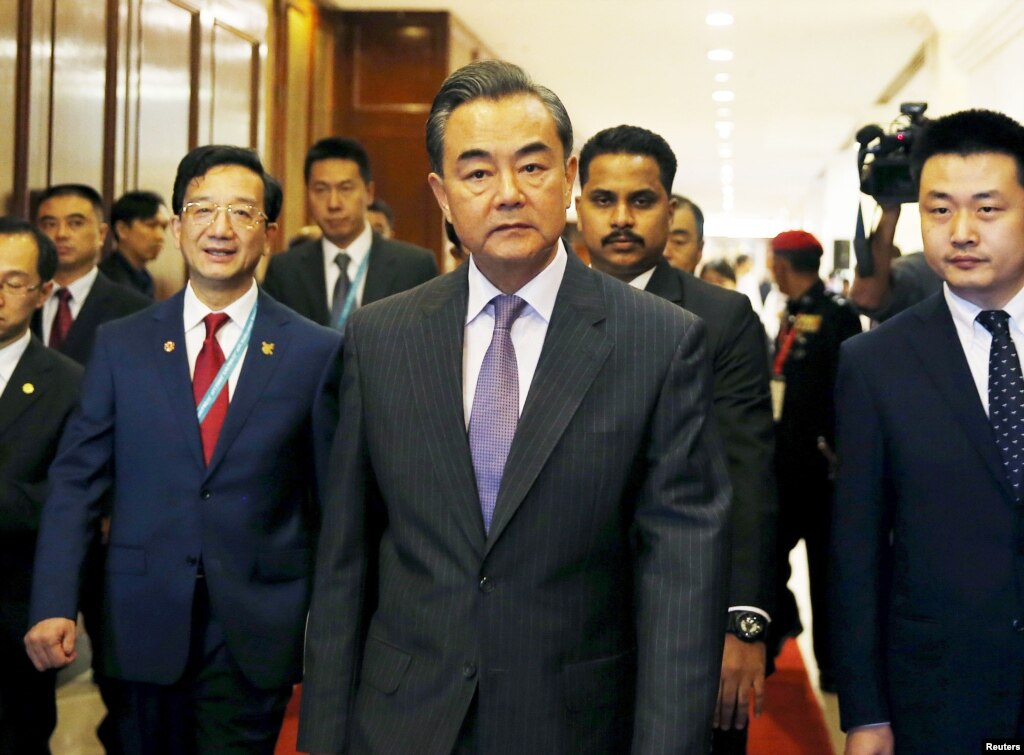
China's Foreign Minister Wang Yi arrives at a meeting during the 48th Association of Southeast Asian Nations (ASEAN) foreign ministers meeting in Kuala Lumpur, Malaysia, Aug. 4, 2015.

China’s Foreign Minister Wang Yi arrives at a meeting during the 48th Association of Southeast Asian Nations (ASEAN) foreign ministers meeting in Kuala Lumpur, Malaysia, Aug. 4, 2015.

CHINA’S STANCE

China insists that ASEAN forums are not the place to raise these territorial disputes.

Beijing claimed nearly the entire South China Sea, while the Philippines, Vietnam, Malaysia, Brunei and Taiwan also have overlapping claims. The Philippines has filed a case with the Permanent Court of Arbitration to question what it calls China’s “excessive claims” in the sea. China rejected the case and is not participating.

Baker does not foresee any change in the U.S. position and nor does he see a shift in China’s stance, especially since it already built the islands. He predicts that the standoff will “inhibit security cooperation” in Southeast Asia.

On Monday in Singapore, China’s foreign minister, Wang Yi, downplayed the concerns over Beijing’s island building, which has rapidly built airstrips and buildings on top of what were until recently mostly submerged rocks and reefs.

“At the moment the general situation in the South China Sea is stable, and China is steadfastly committed to working with the parties to maintain the situation which has not come easily. And we will never allow any country to destabilize the South China Sea,” said Wang.

Wang made a pitch for peacefully resolving the disputes through “consultations and negotiations” among what he called “five commitment points” of China regarding the contested sea.

RED CHINA – RED ALERT – CHINA THE MAIN ECONOMIC ESPIONAGE THREAT TO UNITED STATES

RED CHINA – RED ALERT – CHINA THE MAIN ECONOMIC ESPIONAGE THREAT TO UNITED STATES

Red China’s spying is not limited to stealing military secrets. Red China poses most serious threat to Americans because Red China is stealing Intellectual Property, and is causing economic loss of hundreds of billions dollars. Military can defend vital national security interests in spite of Enemy’s spying. The loss of Trade Secrets robs economic vitality and productivity of United States and it is not easy to defend economic interests as Enemy robs, steals, and plunders without firing a bullet.

Rudranarasimham Rebbapragada
Ann Arbor, MI 48104-4162, USA
The Spirits of Special Frontier Force

image
The Spirits of Special Frontier ForceAt Special Frontier Force, I host ‘The Living Tibetan Spirits’ to promote Tibet Awareness. I…
View on www.facebook.com Preview by Yahoo

THE ECONOMIC TIMES

CHINA THE MAIN ECONOMIC ESPIONAGE THREAT TO US: FBI


By PTI | 26 Jul, 2015, 02.44PM IST

Coleman said there has been a 53 per cent increase in economic espionage
cases, or the theft of trade secrets leading to the loss of hundreds of
billions of dollars.

WASHINGTON: The US has witnessed a 53 per cent spike in economic espionage
cases aimed at American firms, with a vast majority of the perpetrators
originating from China with ties to the government, the FBI said.

The head of the Federal Bureau of Investigation’s counterintelligence
division, Randall Coleman, said there has been a 53 per cent increase in
economic espionage cases, or the theft of trade secrets leading to the loss
of hundreds of billions of dollars, over the past year.

Coleman said at a recent briefing that state-sanctioned corporate theft by
China is at the core of the problem.

Coleman said that China is the most predominant threat facing the US from
the standpoint of economic espionage.

He cited examples of large corporations successfully targeted in the past
such as DuPont, Lockheed Martin and Valspar, who have since worked with the
FBI to further safeguard their intellectual property.

To highlight this growing threat to the US economy, the FBI has launched a
nationwide campaign intended to warn industry leaders of the danger they
face from foreign actors. But the FBI not only considers this a threat to
American economic prosperity, but to its physical security as well.

“Economic security is national security,” said Bill Evanina, the head of the
National Counterintelligence and Security Center and one of the agents
leading the charge in stemming the threat to corporations. Many of the tools
used are the same as the ones used to track terrorists, he said.

Half of the 165 private companies that participated in a survey conducted by
the FBI have claimed to be victims of economic espionage or theft of trade
secrets, and 95 per cent of those attempts originated from individuals
associated with the Chinese government, CNN reported.

One of the most concerning means of obtaining sensitive industry secrets is
through the use of “insider threats,” or employees who are familiar with the
inner workings of a particular technology being recruited by foreign agents
in exchange for large amounts of cash.

The FBI continues to see spear phishing attempts, when an email or link
appears legitimate but is in fact a bogus message intended on tricking
recipients into offering up personal information. Social media and sites
like LinkedIn are also being utilised in economic espionage where potential
recruits can be found and contacted based on relevant knowledge and work
experience, officials said.

“The Chinese government plays a significant role” in economic espionage,
Evanina said. “The playing field is not level” when a single company faced
with relentless targeting by individuals or entities who have the backing of
a foreign government, he said.

Other big targets for economic spies are specifications for US military
technology and proprietary information on everything from superconductors to
seed-and-grain hybrids.

“It’s across the board,” said Dean Chappell, a section chief in the FBI’s
counterintelligence division. “It’s not high-end avionics for military
aircraft; it’s not joint strike fighter stuff. It’s all of the things that
we see every day.”

In a change from more traditional modes of economic espionage, such spies
are appearing as non-traditional actors, serving as insider threats within
organisations and institutions, officials say.

William Evanina, head of the National Counterintelligence and Security
Center, said such individuals have been observed in the US serving as
professors, engineers, travelling students and businessmen.

Officials also warn of cyber tactics used to hijack intellectual property
and trade secrets.

In particular, actors, predominantly from China, are known to employ mass
spear-phishing campaigns to coax employees inside companies into clicking
tainted links or attachments, Fox News reported.

If successful, the actor could get critical data off of the organisation’s
computer network.

China in particular has been publicly outed on multiple occasions by the
Obama administration for its efforts geared toward breaching private sector
interest.

US economists blame China for contributing to an increasingly uneven playing
field on the world economic scene.

“To sustain its phenomenal growth rate, China must employ cyberattacks to
steal information,” said Scott Borg, director and chief economist of US
Cyber Consequences Unit, a non- profit research institute.

“Cyberattacks stealing competitively important business information are a
fundamental part of the national economic development strategy of China. For
this reason, getting China to moderate this behaviour will be extremely
difficult,” Borg said.

As a result, The FBI has announced a nationwide awareness campaign and
continues to develop relationships within U.S. industry.

The agency has provided over 1,300 in-person briefings on the economic
espionage threat to companies and industry leaders over the past year, using
a FBI-produced video entitled ‘The Company Man: Protecting America’s
Secrets’, as a training tool.

READ MORE ON » Valspar | US economy | US | united states | Randall Coleman |
obama administration | National Counterintelligence and Security Center


The Economic Times

Copyright © 2015 Bennett, Coleman & Co. Ltd. All rights reserved.

WHO CAN FIGHT AGAINST RED CHINA?

WHO CAN FIGHT AGAINST RED CHINA?

If United States is not “NEUTRAL” in South China Sea Disputes, it demands action to join the dispute for its complete resolution. Red China is unwilling to settle her territorial dispute with Tibet and the same unwillingness is clearly displayed in her attitude that is manifested as South China Sea Disputes. Red China has become very assertive and is very confident of her military and economic power. Red China ignores pronouncements made by diplomats for she truly believes that no one can fight against her. At Special Frontier Force, we express a willingness, a readiness, a preparedness to fight against Red China for we think that is the right thing to do and for we believe it is ‘The Battle of Right Against Might’.

Rudranarasimham Rebbapragada
Ann Arbor, MI 48104-4162, USA
The Spirits of Special Frontier Force

image
The Spirits of Special Frontier ForceAt Special Frontier Force, I host ‘The Living Tibetan Spirits’ to promote Tibet Awareness. I…
View on www.facebook.com Preview by Yahoo

The Diplomat

The Rebalance

US Not ‘Neutral’ in South China Sea Disputes: Top US Diplomat
The Nimitz-class aircraft carrier USS George Washington underway in the South China Sea.
Image Credit: U.S. Navy Photo

US Not ‘Neutral’ in South China Sea Disputes: Top US Diplomat

America’s top diplomat for East Asia clarifies the country’s outlook in a keynote speech.

7XRzjYON

By PRASHANTH PARAMESWARAN for The Diplomat

July 22, 2015

The United States is not neutral when it comes to following international law in the South China Sea and will come down forcefully to ensure that all parties adhere to the rules, Washington’s top diplomat for East Asia said Tuesday.

The United States has repeatedly said that while it takes no position on competing sovereignty claims over disputed land features in the South China Sea, it does want these maritime claims to be advanced in accordance with international law and without the use of coercion. That hedged position has led some to incorrectly read the U.S. stance on the issue as being ‘neutral,’ with China in particular accusing Washington of ‘taking sides.’

But in response to a question by a Chinese participant on perceived U.S. ‘neutrality’ in the South China Sea, U.S. Assistant Secretary of State Daniel Russel firmly clarified at a think tank conference in Washington, D.C. that this neutrality only extended to the competing claims, rather than the way in which the disputes were resolved.

“We are not neutral when it comes to adhering to international law. We will come down forcefully when it comes to following the rules,” Russel said during a keynote speech delivered at the Center for Strategic and International Studies.

In this vein, Russel said in his speech that the United States was currently encouraging relevant parties in the South China Sea to create the atmosphere and conditions necessary to manage the disputes peacefully, diplomatically and lawfully despite escalating tensions there partly caused by China’s assertive actions.

“We’re pushing the parties to revive the spirit of cooperation,” Russel said.

The focus, Russel said, would be on lowering the temperature and creating the breathing room necessary to pursue peaceful paths toward resolving disputes, such as negotiations and arbitration. He encouraged all actors – not just China – to cease actions that run contrary to this spirit, including reclaiming land, building facilities and militarizing features. Beijing has been engaging in an extensive land reclamation activities in the South China Sea to the alarm of claimants and outside actors.

Russel said that U.S. Secretary of State John Kerry would push for progress on this front at the upcoming ASEAN Regional Forum, which will be held next month in Malaysia, this year’s chair of the Association of Southeast Asian Nations.
“He’ll push for progress. This is an important priority,” Russel said.

On the first peaceful path to resolving disputes – bilateral negotiations – Russel acknowledged it was challenging to pursue this course under the current atmosphere. While not directly mentioning China by name, he noted that “absolutist” statements by certain countries that their claims were “indisputable” made going down this path even more challenging.

But he also said that there were several cases in the region where this had worked, including between Indonesia and the Philippines, Malaysia and Singapore, and Bangladesh and Myanmar.

“Hey, it can be done,” Russel argued.
On the second path – arbitration – Russel specifically referenced the Philippines ongoing case against China at the United Nations Permanent Court of Arbitration at The Hague. He stressed that regardless of the outcome, both Beijing and Manila had to abide by the court’s legally binding decision as they were both signatories to the United Nations Convention on the Law of the Sea (UNCLOS).
“In keeping with the law, both China and the Philippines are obligated to follow the decision whether they like it or not,” Russel said.

In the meantime, Russel said that the United States would safeguard its own interests in various ways, including honoring its alliances and security commitments and aiding the development of effective regional organizations. This included taking steps such as investing in maritime domain awareness for coastal states and carrying out freedom of navigation operations in the South China Sea.

“We the United States are obligated to protect U.S. interests,” Russel said.

Summarizing the essence of the U.S. position on the South China Sea disputes, Russel reiterated that it was not about rocks but about rules for the Asia-Pacific region.
“It’s really not about the rocks and the shoals. It’s about rules. It’s about the kind of neighborhood we all want to live in,” he said.

Confronting China’s 'New' Military Challenge in the South China Sea
© 2015 The Diplomat. All Rights Reserved.

The Diplomat

Whole Subjugation – The Military Oppression of Tibet is a crime against humanity

The Subjugation of Tibet is a crime against humanity

THE SUBJUGATION OF TIBET : RED CHINA'S ILLEGAL, AND UNJUST OCCUPATION OF TIBET IS A CRIME AGAINST HUMANITY.
THE SUBJUGATION OF TIBET: RED CHINA’S ILLEGAL, AND UNJUST OCCUPATION OF TIBET IS A CRIME AGAINST HUMANITY.

I am pleased to share this article authored by Patrick Boehler, “FROM THE ARCHIVES: DALAI LAMA’S ACCESSION TO THRONE AND FLIGHT TO INDIA” in The New York Times blog called ‘Sinosphere’ that includes dispatches from China. This blog post includes a series of news stories published by The New York Times. Just like India which was part of British Empire for several centuries, Tibet was part of Mongol, and later Manchu China Empires for several centuries. But, at no time India was a part of a national entity called Great Britain. Similarly, at no time Tibet is part of a national entity called China or People’s Republic of China. Red China’s Expansionist Policy and acts of aggression have no legitimacy. Red China’s illegal, unjust military occupation of Tibet is a Crime Against Humanity.

SINOSPHERE : DISPATCHES FROM CHINA

Sinosphere - Dispatches From China

From the Archives: Dalai Lama’s Accession to Throne and Flight to India

BY PATRICK BOEHLER July 6, 2015 7:55 am July 6, 2015 7:55 am

Photo

An op-ed by the Dalai Lama in The New York Times on Feb. 3, 1979.
THE SUBJUGATION OF TIBET: RED CHINA’S ILLEGAL, AND UNJUST OCCUPATION OF TIBET IS A CRIME AGAINST HUMANITY.

An op-ed by the Dalai Lama in The New York Times on Feb. 3, 1979.Credit John Faber

As the Dalai Lama celebrates his 80th birthday on Monday, here is a look at how The New York Times covered his early years as the spiritual leader of Tibet, a time when rare glimpses into the Himalayan territory’s politics came mostly from radio broadcasts from India and a few travelers and missionaries from war-torn China.

In December 1933, The Times reported the death of the Dalai Lama’s predecessor, the 13th in the line of spiritual rulers. That was followed by the start of a mission to find his reincarnation in a newborn child, and by international wrangling for influence in the capital, Lhasa.

“The question of succession has its ramifications in widely separated places,” The Times noted in 1934. “In the offices of the Indian government at Delhi; in the India office of London’s Downing Street; in the Kremlin of Moscow; at Kuomintang headquarters in Nanking; at the Japanese military headquarters in Manchuria; at the court of the Manchu Pu Yi; and in the inner councils of the militarists in Tokyo.”

Sir Francis Younghusband, who had led a British expedition to Lhasa 30 years earlier, described the search for a successor in an article for The Times in 1934. “What changes may come, who can say?” he wrote. “British influence may wane. Chinese influence may wax. Or the reverse may happen. In any case, the Tibetans will strive to preserve their soul.”

The current Dalai Lama was born a year later, in 1935. His discovery as the reincarnation of his predecessor seemingly went unreported. In 1940, The Times carried a report from Lhasa describing the child’s enthronement ceremony.

Photo The first image of the 14th Dalai Lama to appear in The New York Times in 1940.

The first image of the 14th Dalai Lama to appear in The New York Times in 1940.Credit The New York Times

“Wearing a scarlet cloak and riding through reverent crowds in a great golden palanquin, a 6-year-old Chinese peasant boy today was enthroned as the 14th Dalai Lama, chief civil and religious ruler of this monastic kingdom,” The Times wrote.

“Monks from the hundreds of monasteries scattered throughout the kingdom blessed the boy as he passed,” the report added. “The entire city was perfumed by incense burners that lined the route.”

The report noted that a portrait of Sun Yat-sen, the founder of the Chinese republic, and Chinese flags were hung in the throne room to reflect acceptance of Chinese claims of sovereignty over Tibet. In Nanking, officials and monks kowtowed to the Dalai Lama’s image, The Times reported.

The first reports of Chinese Communist forces entering Tibet appeared in The Times in 1950, “blurred by cloudy gulfs of time and distance,” months after Mao Zedong proclaimed the People’s Republic in Beijing.

In November 1950, Indian government sources tole The Times that they had lost radio contact with Lhasa, “now under imminent threat of capture by the invading Chinese Communist forces.” The Dalai Lama had fled the capital, according to the report. A truce, with a reported assurance that Beijing would accept “internal autonomy in Tibet while the Chinese Communists take over the frontier patrol,” was reported on a Times front page in March 1951.

In August 1951, The Times reported the arrival of the Dalai Lama’s brother in the United States. In September, the People’s Liberation Army said it had entered Lhasa. “There is considerable opposition to the Communist regime in Lhasa, according to the latest news received at this border from the Tibetan capital,” a Times correspondent wrote from Kalimpong, in West Bengal, India.

“Resentment against the loss of their ancient freedom to the Chinese Communists smoulders angrily beneath the surface of the present apparent subservience of Tibet to Red occupation,” The Times’s longtime correspondent Robert Trumbull wrote in 1952. “It waits an opportune moment to burst into flame,” as it has always eventually done “in previous Chinese attempts to subjugate the Himalayan Lamaist state.”

Photo The Dalai Lama seen next to Premier Zhou Enlai of China in Beijing in 1954.

The Dalai Lama seen next to Premier Zhou Enlai of China in Beijing in 1954.Credit The New York Times

The same year, it was reported that Soviet engineers planned to rapidly industrialize the territory, starting with a wool processing plant. “This will serve a twofold purpose of providing employment and to some extent reducing Tibet’s dependence on foreign countries, especially the United States, for marketing raw wool,” The Times wrote.

Mr. Trumbull reported that the Dalai Lama openly defied the Chinese authorities in 1953 by refusing to fly the Chinese flag. Still, he stayed in power. “It is known from a high Tibetan source available in India that the Dalai Lama’s position, as the highest spiritual and temporal authority in the Buddhist state, has been too secure with his people for the Communists to override entirely,” Mr. Trumbull wrote.

Photo

The Chinese premier announced the end of the Dalai Lama's rule over Tibet in a radio broadcast in 1959.
THE SUBJUGATION OF TIBET: RED CHINA’S ILLEGAL, AND UNJUST OCCUPATION OF TIBET IS A CRIME AGAINST HUMANITY.

The Chinese premier announced the end of the Dalai Lama’s rule over Tibet in a radio broadcast in 1959.Credit The New York Times
Reports of clashes in Tibet and efforts by Beijing to control the territory increased in frequency during the years leading up to the rebellion of 1959. On March 21, Elie Abel reported the first fighting in Lhasa. “Virtually the entire population of Lhasa had joined rebellious Khamba tribesmen in an unequal struggle against Chinese troops,” Mr. Abel wrote from New Delhi.

In a message broadcast on March 28, Premier Zhou Enlai of China said the Panchen Lama would replace the Dalai Lama, who Mr. Zhou said was being held by rebels, The Times reported. A week later, the newspaper reported the Dalai Lama’s arrival in India, the beginning of the life in exile he has led ever since.

“An envoy of the young god-king had reached the border Sunday, stating that the Dalai Lama had requested political asylum,” The Times reported, adding that the State Department was “greatly pleased” at the news.

Sinosphere, the China blog of The New York Times, delivers intimate, authoritative coverage of the planet’s most populous nation and its relationship with the rest of the world. Drawing on timely, engaging dispatches from The Times’ distinguished team of China correspondents, this blog brings readers into the debates and discussions taking place inside a fast-changing country and details the cultural, economic and political developments shaping the lives of 1.3 billion people.

Copy right 2015 The New York Times Company