Whole Dude at Whole Foods Wishes You all Tashi Delek
On behalf of Special Frontier Force-Establishment 22-Vikas Regiment, I greet Tibetans on Losar, Tibetan New Year 2153. I pledge to renew support to Tibetans to help them find Happiness in Tibetan New Year beginning on Wednesday, February 18, 2026.
Losar 2026, the Tibetan New Year, will be celebrated on February 18, 2026, marking the start of the 2153rd year, which is the Year of the Fire Horse. This 15-day festival (with main festivities lasting 3 days) represents a time for cleansing, family gatherings, and renewal.
On behalf of Special Frontier Force-Establishment 22-Vikas Regiment, I greet Tibetans on Losar, Tibetan New Year 2153. I pledge to renew support to Tibetans to help them find Happiness in Tibetan New Year beginning on Wednesday, February 18, 2026.
Key Details for Losar 2026 (Year of the Fire Horse):
Date:February 18, 2026, falls on a Wednesday.
Significance:The Fire Horse is associated with movement, strength, and transformation.
Duration:The main, most significant celebrations occur over three days (Feb 18–20), though festivities can last up to 15 days.
Preparations:Homes are cleaned and painted, and a special noodle soup called guthuk is prepared on New Year’s Eve (Feb 17).
Celebration Activities:People wear new clothes, visit monasteries (like the Potala Palace or Sera Monastery), exchange greetings of “Tashi Delek,” and witness masked dances to ward off evil spirits.
Regions: It is a major holiday in Tibet, Bhutan, Nepal, and parts of India.
On behalf of Special Frontier Force-Establishment 22-Vikas Regiment, I greet Tibetans on Losar, Tibetan New Year 2153. I pledge to renew support to Tibetans to help them find Happiness in Tibetan New Year beginning on Wednesday, February 18, 2026.
It is a time to pay homage to deities, make offerings, and enjoy traditional food like kapse (fried pastries).
Tibet Equilibrium 2026: Special Frontier Force shares Happy Losar Tashi Delek Greetings
On behalf of Special Frontier Force-Establishment 22-Vikas Regiment, I greet Tibetans on Losar, Tibetan New Year 2153. I pledge to renew support to Tibetans to help them find Happiness in Tibetan New Year beginning on Wednesday, February 18, 2026.On behalf of Special Frontier Force-Establishment 22-Vikas Regiment, I greet Tibetans on Losar, Tibetan New Year 2153. I pledge to renew support to Tibetans to help them find Happiness in Tibetan New Year beginning on Wednesday, February 18, 2026.
On behalf of Special Frontier Force-Establishment 22-Vikas Regiment, I greet Tibetans on Losar, Tibetan New Year 2153. I pledge to renew support to Tibetans to help them find Happiness in Tibetan New Year beginning on Wednesday, February 18, 2026.
On behalf of Special Frontier Force-Establishment 22-Vikas Regiment, I greet Tibetans on Losar, Tibetan New Year 2153. I pledge to renew support to Tibetans to help them find Happiness in Tibetan New Year beginning on Wednesday, February 18, 2026.On behalf of Special Frontier Force-Establishment 22-Vikas Regiment, I greet Tibetans on Losar, Tibetan New Year 2153. I pledge to renew support to Tibetans to help them find Happiness in Tibetan New Year beginning on Wednesday, February 18, 2026.On behalf of Special Frontier Force-Establishment 22-Vikas Regiment, I greet Tibetans on Losar, Tibetan New Year 2153. I pledge to renew support to Tibetans to help them find Happiness in Tibetan New Year beginning on Wednesday, February 18, 2026.On behalf of Special Frontier Force-Establishment 22-Vikas Regiment, I greet Tibetans on Losar, Tibetan New Year 2153. I pledge to renew support to Tibetans to help them find Happiness in Tibetan New Year beginning on Wednesday, February 18, 2026.On behalf of Special Frontier Force-Establishment 22-Vikas Regiment, I greet Tibetans on Losar, Tibetan New Year 2153. I pledge to renew support to Tibetans to help them find Happiness in Tibetan New Year beginning on Wednesday, February 18, 2026.On behalf of Special Frontier Force-Establishment 22-Vikas Regiment, I greet Tibetans on Losar, Tibetan New Year 2153. I pledge to renew support to Tibetans to help them find Happiness in Tibetan New Year beginning on Wednesday, February 18, 2026.
Tibet Consciousness – The Undying Hope for Freedom
Hope for Tibet’s Freedom comes from a belief that predicts Red China’s sudden downfall similar to fall of the Evil Empire identified as Babylon in Revelation, Chapter 18.Hope for Tibet’s Freedom comes from a belief that predicts Red China’s sudden downfall similar to fall of the Evil Empire identified as Babylon in Revelation, Chapter 18.Hope for Tibet’s Freedom comes from a belief that predicts Red China’s sudden downfall similar to fall of the Evil Empire identified as Babylon in Revelation, Chapter 18.
On behalf of Special Frontier Force, Establishment 22, I host the Living Tibetan Spirits. These are Spirits of young Tibetan soldiers who lost their lives with the hope for Freedom in Tibet. We have not given up on our hope.
At Special Frontier Force, the concern is not about scoring a military victory. Occupation of Tibet is unjust, is illegal, and we stand opposed to it and resist as best as possible. Victory in War is not always decided by relative strengths of parties involved. Red China’s act of aggression is Evil and hence Red China is destined to fail.
Hope for Tibet’s Freedom comes from a belief that predicts Red China’s sudden downfall similar to fall of the Evil Empire identified as Babylon in Revelation, Chapter 18.
Hope for Tibet’s Freedom comes from a belief that predicts Red China’s sudden downfall similar to fall of the Evil Empire identified as Babylon in Revelation, Chapter 18.TIBET CONSCIOUSNESS – UNDYING HOPE FOR FREEDOM – THIS CIA – TRAINED TIBETAN FREEDOM FIGHTER SHARED A PHOTO TAKEN BY UNKNOWN CHINESE SPY WITH JOURNALIST NOLAN PETERSON, THE DAILY SIGNAL. BOTH OF THEM HAVE TO ACCOUNT FOR THE POSSESSION OF THAT PHOTO.
I am pleased to share a story published by Nolan Peterson, foreign correspondent of The Daily Signal. Hopefully, media will give attention to the foul game played by Nixon-Kissinger during 1970-72. Special Frontier Force/Establishment 22 initiated Liberation of Bangladesh with military action in the Chittagong Hill Tracts in response to Genocide in East Pakistan. India’s Prime Minister Mrs. Indira Gandhi met US President Richard M Nixon in Washington DC on November 03/04, 1971 to enlist his support for India’s military intervention in East Pakistan. President Nixon announced his plan to visit Communist China on July 15, 1971. I call it as “Black Day to Freedom” and characterize Nixon as Backstabber of Tibet. I have known Richard M Nixon and his association with Tibetan Freedom Movement during the years he served as US Vice President during the presidency of Dwight David Eisenhower. Later, President Nixon denied support to India and Tibet for he needed help of General Yahya Khan, Pakistan’s military dictator to befriend Chairman Mao Zedong of Communist China who was known for his crimes against humanity including killing of millions of innocent civilians during infamous Cultural Revolution. I may not agree with Nolan Peterson’s analysis of events, but it doesn’t really matter. The only thing that matters to me is that of hosting undying hope for Freedom in Tibet.
Rudra Narasimham Rebbapragada Ann Arbor, MI 48104-4162 USA Special Frontier Force-Establishment 22-Vikas Regiment
A CIA-Trained Tibetan Freedom Fighter’s Undying Hope for Freedom
TIBET CONSCIOUSNESS – UNDYING HOPE FOR FREEDOM. TSERING TUNDUK OF SPECIAL FRONTIER FORCE. ESTABLISHMENT 22. HE AND PETERSON HAVE TO EXPLAIN THEIR CONNECTION TO CHINA.
Tsering Tunduk fled Tibet in 1959 after Chinese soldiers executed his parents. (Photo: Nolan Peterson/The Daily Signal)
PANGONG LAKE, India—At dawn, the old man stood outside his home on the Indian side of Pangong Lake, thumbing his prayer beads and chanting, “Om mani padme hum.” The sun was rising from behind a wall of Himalayan peaks on the opposite shore, which was Tibet.
The old man’s face, which had been darkly tanned by a lifetime in the high-altitude sun, was as carved and as wrinkled as the Himalayas. His mouth moved almost imperceptibly as he chanted his mantra and stared across the burning blue water toward his homeland, from which he has been exiled for more than half a century.
The old man, whose name is Tsering Tunduk, fled Tibet in 1959 with his little sister, Khunda, after Chinese soldiers executed their parents. It was the same year the Dalai Lama escaped Chinese artillery in the Tibetan capital of Lhasa to seek exile in India.
Orphaned and alone, Tunduk and his sister joined a group of refugees for a treacherous two-month-long journey across the Himalayas into India. Along the way they faced hypothermia and frostbite, a lack of food, and persistent attacks by Chinese troops. Once they arrived in India, the two children began the hard life of refugees.
Ten years later, after he had completed his studies in Mussoorie in 1969, Tunduk volunteered for a secretive all-Tibetan unit in the Indian army called Establishment 22, which the U.S. CIA helped stand up and train when China attacked India in the 1962 Sino-Indian War. Tunduk went through six months of basic training, which included jump training taught by CIA instructors, whom Tunduk remembered as “blond and tall.”
As a new recruit Tunduk made only 80 rupees a month (when he retired in 1996 he made 1,300 rupees a month, about $20), but life in the military offered Tunduk an opportunity more valuable to him than money.
TIBET CONSCIOUSNESS – UNDYING HOPE FOR FREEDOM. PANGONG LAKE NEAR INDIA – TIBET BORDER. Photo. Nolan Peterson. The Daily Signal. CIA – TRAINED TIBETAN FREEDOM FIGHTER IS NOT DEFENDING INDIA-TIBET BORDER.
Pangong Lake, which is 83 miles long, forms part of the border between India and Tibet. (Photo: Nolan Peterson/The Daily Signal)
“China killed my parents, and I wanted revenge,” Tunduk, who is now 70 years old, said during an interview from his home on Pangong Lake. He spoke in halting, accented English as he peeled potatoes in preparation for dinner. A CD playing the Buddhist, “Om mani padme hum,” mantra set to music was on an endless loop in the background. A shrine to the Dalai Lama, draped in a Khata scarf and with offerings of fruit laid out before it, was on a shelf over the table.
“I would have fought them with a knife at that time,” Tunduk added, not looking up. “I wanted to kill them all.”
Even now, at 70, Tunduk says that when he closes his eyes to sleep at night, he is haunted by images of his dead parents. As he describes their murder, Tunduk’s face muscles relax. His usual smile is replaced by something cold and expressionless. His mind is back in a time and place that no words, not even from one’s native tongue, have the power to faithfully recreate.
Tunduk grew up in an area called Nangchen, in the Kham region of Tibet. “They went through my village to get to Lhasa,” he said.
Tunduk’s father was the village boss, he explained, and when the Chinese soldiers took over, they hauled his father and mother into the town square where the soldiers had gathered all the villagers for the Thamzing, or “struggle session”—a public spectacle used to humiliate, torture, or execute Tibetans who oppose Chinese rule.
The Chinese soldiers tied Tunduk’s father’s arms and legs behind his back, beat him, and then shot him in the head. Next, they painted a target in charcoal on Tunduk’s mother’s chest, suspended her by her arms from two wood poles, and used her for target practice, pumping her body with bullets long after she was dead.
The Chinese soldiers made Tunduk and his sister watch. “I cried, and my sister cried,” he said. “There was nothing left to do but cry.” Tunduk remembers looking into the faces of the Chinese soldiers and seeing nothing—neither pleasure nor pain. It was as if they had no emotions, he said.
A SECRET WAR
After China invaded Tibet in 1950, a grassroots resistance movement sprang up across the Himalayan kingdom. By 1956, tens of thousands of Tibetans were fighting an insurgency against Communist China’s People’s Liberation Army (PLA). These bands of guerrilla warriors, mainly comprising Tibetans from the eastern Kham region (known for its fierce warriors and bandits), coalesced into a resistance army called the Chushi-Gangdruk, which Tibetan resistance leader Gompo Tashi headed. The Chushi-Gangdruk (which translates to “Four Rivers, Six Ranges,” signifying unity among all the regions of Tibet) played a key role in the Dalai Lama’s escape from Tibet in 1959. The resistance army also provided armed escorts for the tens of thousands of refugees who followed in the exiled leader’s footsteps to seek sanctuary in India and Nepal.
The Chushi-Gangdruk fought the modern, mechanized Chinese army on horseback, wielding swords and World War I-era weapons such as British .303 Lee-Enfield rifles. Their fighting spirit and tactical successes eventually spurred the CIA to begin an operation in 1957 to airdrop supplies and train hand-picked fighters as paratroopers at secret bases in Saipan; Camp Hale, Colorado; and Camp Peary, Virginia—at a CIA training facility also called the “farm.” The Tibetans’ training was eclectic, including espionage tradecraft, paramilitary and small unit combat tactics, and Morse code and radio communication. The CIA operation to train and assist Tibetan fighters was code-named ST CIRCUS, and the over flights and airdrop missions were named ST BARNUM.
Over the span of the CIA’s secret war in Tibet, which lasted until 1972, Tibetan agents were dropped into Tibet from aircraft ranging from World War II B-17s, which were painted all black, to C-130s from secret bases in East Pakistan (now Bangladesh). At first the CIA used East European pilots whom the CIA had previously recruited to drop anti-Soviet operatives into Ukraine. The idea was that the East European pilots would give the U.S. plausible deniability of its involvement if an aircraft went down. Later flights, however, used Air America aircrews and U.S. Forest Service smokejumpers the CIA recruited as jumpmasters and loadmasters. Special U-2 spy plane flights were also ordered to provide more intelligence about the geography of inner Tibet, much of which was still uncharted in the 1960s.
The CIA’s Tibetan operation ultimately failed to make a large-scale impact on the Chinese occupation, and many of the CIA-trained Tibetan fighters were killed in combat or captured. But the operation scored a few key tactical victories and raised the morale of exiled Tibetans. It did create an awkward situation for the Dalai Lama, however, who owed his life to the Chushi-Gangdruk warriors but was also trying to court the favor of the Indian government to secure a home for his exiled nation—backing a secret CIA war in Chinese-occupied Tibet was not in India’s interest at the time.
The CIA continued training Tibetan freedom fighters in Colorado until 1964. And support for Tibetan guerrillas based in the Mustang region of Nepal continued until President Richard Nixon’s normalization of relations with China in 1972. Yet after CIA support dried up, approximately 10,000 Tibetan guerrilla fighters continued serving in Establishment 22.
TIBET CONSCIOUSNESS – UNDYING HOPE FOR FREEDOM. SPECIAL FRONTIER FORCE. ESTABLISHMENT NO. 22 Photo (Possibly taken by unknown Chinese Spy.) Shared by Nolan Peterson. The Daily Signal. BOTH TSERING AND PETERSON HAVE TO ACCOUNT FOR THIS PHOTO. WHICH OF THESE TWO IS CONNECTED WITH CHINESE INTELLIGENCE???
Tunduk, third from left, during jump training with the Indian army. (Photo: Shared by Nolan Peterson/The Daily Signal)
In 1962, the CIA’s Tibet operation was in limbo. The Kennedy administration questioned the utility of the mission due to the botched Bay of Pigs invasion and a budding rapprochement with India—Indian Prime Minister Jawaharlal Nehru was reluctant to support Tibet in a way that might antagonize China. The Dalai Lama’s presence in India and the CIA’s recruitment of Tibetan fighters from refugee communities made the CIA’s mission in Tibet a political liability for India’s fragile relations with Beijing.
But the political calculus for both the U.S. and India changed on Oct. 22, 1962, when China attacked India along the Himalayan frontier. India scrambled to mount a military response as 25,000 PLA troops invaded over the Thang La Ridge. Nehru’s longstanding efforts to downplay the Tibetan situation to appease Beijing were exposed as misleading, and he faced scathing criticism at home. Humiliated, Nehru turned to the U.S. to help stand up an all-Tibetan guerrilla warfare unit, tapping into the CIA’s existing recruiting and training networks for the Chushi-Gangdruk mission.
The original purpose of Establishment 22 was to use Tibetans’ fighting prowess and genetic ability to physically perform at high altitude to wage a guerrilla war against China in the Himalayas. Initially, the CIA provided much of the unit’s weapons and training. But the 1962 Sino-Indian War cooled before the Tibetan unit could be trained and fielded. India, however, recognized the combat potential of the unit and kept it active. The unit deployed to combat for the first time in East Pakistan (in hot and humid lowland conditions) in 1971 as part of Operation EAGLE, and later faced Pakistani troops in the Himalayas. Establishment 22, however, never officially faced Chinese soldiers in combat.
The use of Tibetans in operations against Pakistan was controversial among the Tibetan exile community. But the government in exile in Dharamsala ultimately supported the move out of deference to their Indian hosts. The U.S. opposed Establishment 22’s operations against Pakistan. But in 1975 the CIA rekindled its support for the Tibetan unit, sending two airborne advisers to train the Tibetans in high-altitude parachute jumps, using drop zones in Ladakh. India later tagged Establishment 22 for counterterrorism operations. Based in Chakrata, Uttarakhand, the unit continues to serve along India’s Himalayan border as part of the Special Frontier Force.
ENEMIES
Many young Tibetan men joined the Indian military due to both the promise of exacting revenge on China and a lack of better career alternatives. When Tunduk arrived in India, he was a 14-year-old orphan unable to communicate by means other than hand signals. “When we fled to India across the mountains we had problems with cold and food, and the Chinese were shooting at us,” he said. “And when we arrived, we had a big language problem.”
Once in India, Tunduk finished school and studied languages—he can now speak eight, he says, including English. Following graduation, however, Tunduk found that his status as a refugee afforded him few appealing career options. India conscripted many Tibetan refugees into road construction and repair teams for India’s Himalayan highways. That life didn’t appeal to Tunduk. And there was something else: he couldn’t shake his hatred for China.
“Army life was a very crazy life, but it was my best option,” he said. “I had no hope at that time to do anything else. No hope, and no aim. I faced a lot of problems, and I was affected by what happened to my parents. It made me angry. The truth is I joined the army to have revenge.” “The army gave me a good life,” he added. “But I was always fighting for Tibet, not for India.”
Tunduk first saw combat in East Pakistan in 1971, and he fought in the 1986 battle on Siachen Glacier against Pakistani troops, in which 17 Tibetans died. “Sometimes I became frustrated when I had to fight in other wars,” Tunduk said. “Our aim was to fight with China. Pakistan is not my enemy. China killed my parents and captured my country. China is my enemy.”
HOPE
Tunduk lives at an isolated collection of stone huts and seasonal tents called Man on the Indian shore of Pangong Lake, a thin 83-mile-long lake at an altitude of 13,940 feet, which forms part of the border between India and China in the Ladakhi Himalayas. Only nine families permanently inhabit Man, and Tunduk is the only Tibetan among them. The lake, which is about three miles across at its widest point, is the highest saltwater lake in the world. It is the epitome of a Tibetan landscape. “After 27 years in the army, I came here because it reminds me of Tibet,” Tunduk said.
It is a long, difficult journey to Pangong Lake from the Ladhaki capital of Leh. The road is sometimes almost indiscernible as it cuts across steep mountain faces and down arid, high-altitude valleys. This road, like many in Ladakh, was constructed and maintained by Tibetan refugees pressed into construction gangs by the Indian government in the 1960s. Even today, small troupes of Tibetan road workers, comprising both men and women, are constantly at work in some of the harshest conditions imaginable. They keep India’s Himalayan roads clear, removing large rocks deposited by landslides or filling in potholes. All by hand. They live in small encampments made from old parachutes, located on what little flat ground there is. There are no trees for shade, and there is no water except for a trickle of snowmelt. Living their lives above 15,000 feet, they endure a lonely and miserable existence.
The road to Pangong Lake crosses the Chang La pass, which tops out at 17,688 feet, roughly the same height as Mt. Everest base camp in Nepal. There is an Indian army camp here, where soldiers deployed to the Himalayan border with China are sent to acclimate to the altitude. Past Chang La there are a few scattered settlements, but the Indian army constitutes most of the human footprint in this part of the Himalayas, underscoring lingering tensions with China about territorial rights in this barren, rugged territory, which date back to the 1962 Sino-Indian War. After hours of weaving up and down mountain passes and endless switchbacks, the road enters a long valley and rounds the base of a mountain, where the ridgelines ahead seem to peel apart like curtains, revealing Pangong Lake.
TIBET CONSCIOUSNESS – UNDYING HOPE FOR FREEDOM. SPECIAL FRONTIER FORCE. ESTABLISHMENT 22, LEH, LADHAK, INDIA. ROAD TO PANGONG LAKE. Photo. Nolan Peterson. The Daily Signal.
The road to Pangong Lake from the Ladhaki capital of Leh. (Photo: Nolan Peterson/The Daily Signal)
The lake is complete, abandoned isolation. The water is a collage of deep blue and aquamarine, contrasting sharply with the earthen oranges, browns, and reds of the surrounding mountains. All the colors, made more brilliant and crisp by the thin air, seem to swirl together; it’s like looking at a Monet painting up close. Distances seem to disappear across the massive landscape due to the increased definition of light at high altitude.
The sun’s radiation is pulsing and hot, but noticed only when the nearly constant wind settles for a brief and rare moment. The only hints of humanity are several small settlements of seasonal tents and primitive homes on the Indian lakeshore.
Tunduk is short but well-built. He stands straight and moves purposefully. His body and features have been hardened by a difficult life, not broken by it. He smiles constantly and speaks excitedly in English. He uses his hands a lot as he talks, placing a hand over his heart to show sincerity and a hand on your shoulder or knee when he addresses you. His clothes are worn and sullied by the hard years of sustaining life in this inhospitable place. Around his neck he wears a necklace with an amulet given to him by the Dalai Lama. He handles the intricately woven design like a priceless work of art. “The Dalai Lama is my God and my king,” he said.
Tunduk used to graze cows, but the extended periods spent in the harsh climate around Pangong Lake became too demanding as he grew older. In the winter, when the temperatures sometimes drop to -40 Celsius, his cheeks and the tip of his nose would turn black from frostbite, he said. Now Tunduk sticks with growing barley and black peas—the same crops that his parents grew in Tibet when he was a boy.
“It’s a very hard life here,” he said. “We live like nomads, as my parents did.” He stockpiles food, fuel, and other supplies for the winter in case snow closes the roads and he is cut off. The roof of his home is covered with firewood and dried saucers of yak and cow dung. The walls inside are lined with bags of rice and other foodstuff. And above the dinner table is a shrine to the Dalai Lama.
Only about two miles of water separate Tunduk’s home from Tibet. Tantalizingly close, but Tunduk has not set foot in his homeland since 1959. And as he grows older he admits the chances of him ever returning home are fading. Yet he has not given up hope. “I’m still waiting for freedom,” he said. “And when Tibet is free one day, I will walk back home from here. I will try my best.”
Different Techniques
Tunduk married his wife, Ganyen Tsultime, on Dec. 10, 1989—the same day the Dalai Lama received the Nobel Peace Prize. “We met too late to have children,” Tunduk said. His younger sister, Khunda now lives in Simla, India, and has a daughter who is a nurse in California.
TIBET CONSCIOUSNESS – UNDYING HOPE FOR FREEDOM. SPECIAL FRONTIER FORCE, ESTABLISHMENT 22 TSERING TUNDUK. Photo. Nolan Peterson. The Daily Signal. I HAVE REASONS TO DOUBT THIS MAN’S LOYALTY TO SPECIAL FRONTIER FORCE AND ITS MISSION.
Tsering Tunduk outside his home on the Indian side of Pangong Lake. (Photo: Nolan Peterson/The Daily Signal)
Tunduk and his wife spend nights in the sanctuary of their home. They sleep, eat, and pass time in the main room, which is heated by a stove that burns a combination of wood and yak dung. As the roof timbers creak in the Himalayan wind, Tunduk plays cards with a neighbor. There is a TV, and it is tuned to Indian news. Despite his isolation, Tunduk uses television to stay apprised of what’s happening in the world, and he is well versed in foreign affairs. He compares the current plight of Syrian refugees with that of Tibetans.
“I see a lot of countries with problems today; Syria, Iraq, Afghanistan, Lebanon, Ukraine,” he said. “I see these things, and I know what these people are going through. We had our dark times, too. Where there is a war, there is a sad story. Orphans and casualties—it’s always the same.”
Tunduk, who is devoutly Buddhist, believes that he is a sinner because of what he did as a soldier. He killed in combat and is deeply ashamed of it. To atone for the sins he believes he has committed, Tunduk has resolved to live life according to the teachings of the Dalai Lama.
“My medicine is to be kind, to make others happy,” Tunduk said as he sat outside his home, sipping on butter tea on a cloudless morning. The sun was bright and strong and still low over the Tibetan mountains on the opposite side of the lake.
“We are all the same in our hearts,” he went on, looking toward Tibet. “We want to be happy and to not suffer. We all believe in the same God (In my analysis, no Tibetan Buddhist expresses his religious belief using the term God); we just have different techniques.”
Nolan Peterson, a former special operations pilot and a combat veteran of Iraq and Afghanistan, is The Daily Signal’s foreign correspondent based in Ukraine.
Related
Hope for Tibet’s Freedom comes from a belief that predicts Red China’s sudden downfall similar to fall of the Evil Empire identified as Babylon in Revelation, Chapter 18.
Tibet: The Forgotten Refugee Crisis
TIBET CONSCIOUSNESS – UNDYING HOPE FOR FREEDOM. SPECIAL FRONTIER FORCE. ESTABLISHMENT 22 THERE IS NO CONTROVERSY. TIBETAN EXILE PARTICIPATION IN OPERATION EAGLE 1971 WAS ON A VOLUNTARY BASIS, AND TIBETAN COMMUNITY FULLY SUPPORTED THIS OPERATIONAL TASK. THIS PHOTO WAS TAKEN BY A CHINESE SPY.On bhavanajagat.comTIBET CONSCIOUSNESS – UNDYING HOPE FOR FREEDOM. US PRESIDENT RICHARD M NIXON HAS TO BE KNOWN AS BACKSTABBER OF TIBET. THE HOPE FOR TIBET’S FREEDOM IS STLL ALIVE.TIBET CONSCIOUSNESS – UNDYING HOPE FOR FREEDOM. US PRESIDENT RICHARD M NIXON IS TO BE KNOWN AS BACKSTABBER OF TIBET. THE HOPE FOR TIBET’S FREEDOM IS STILL ALIVE.TIBET CONSCIOUSNESS – UNDYING HOPE FOR FREEDOM. US PRESIDENT RICHARD M NIXON PURPOSEFULLY, DELIBERATELY IGNORED THE PROBLEM OF GENOCIDE IN EAST PAKISTAN.TIBET CONSCIOUSNESS – UNDYING HOPE FOR FREEDOM. US PRESIDENT RICHARD NIXON PURPOSEFULLY IGNORED GENOCIDE IN EAST PAKISTAN AND BEFRIENDED PAKISTAN’S MILITARY DICTATOR, A BUTCHER OF HIS OWN PEOPLE.TIBET CONSCIOUSNESS – UNDYING HOPE FOR FREEDOM. DR HENRY KISSINGER(HE WAS NOT US SECRETARY OF STATE AND MADE ILLEGAL CONTACT WITH A FOREIGN HEAD OF STATE TO FORMULATE US FOREIGN POLICY) WITH GENERAL YAHYA KHAN, PAKISTAN’S MILITARY DICTATOR WHO WAS GUILTY OF GENOCIDE. BLACK DAY TO FREEDOM.TIBET CONSCIOUSNESS – UNDYING HOPE FOR FREEDOM. A BLACK DAY TO FREEDOM. Original caption: Washington, DC.: President Nixon meets with General Agha Yahya Khan, President of Pakistan, at the White House. Khan was among six heads of state to call on Nixon following his banquet 10/24, to mark the 25th anniversary of the United Nations. October 25, 1970 Washington, DC, USATIBET CONSCIOUSNESS – UNDYING HOPE FOR FREEDOM. ON NOVEMBER 03, 1971, US PRESIDENT RICHARD M NIXON REFUSES TO CONSIDER INDIA’S PLEA FOR ASSISTANCE TO RESPOND TO HUMANITARIAN CRISIS IN EAST PAKISTAN.TIBET CONSCIOUSNESS – UNDYING HOPE FOR FREEDOM. ON NOVEMBER 03, 1971 US PRESIDENT RICHARD NIXON DECLINED TO INTERVENE IN EAST PAKISTAN TO STOP GENOCIDE.
#WHOLEVILLAIN – WHOLEVILLAIN – WHOLE VILLAIN – HISTORY OF THE US-INDIA-TIBET RELATIONS: OCTOBER 19, 1973. THIS ARTICLE ACCORDS A SPECIAL RECOGNITION TO DR HENRY ALFRED KISSINGER FOR HIS ACTIONS THAT SHAPED US-TIBET RELATIONS FROM 1969 TO 1977.
On behalf of Special Frontier Force (#SpecialFrontierForce), Establishment 22 (#Establishment22), and Vikas Regiment I acknowledge the role of Dr. Henry Alfred Kissinger as that of #WholeVillain, WholeVillain, and Whole Villain in the history of the US-Tibet relations. I ask my readers to give special attention to some of the aspects of US-Tibet relations. These are:
1. From 1911 to 1950, for about 39-years, Tibet was an independent, sovereign nation. However, Tibet chose a political policy called ‘Isolationism’ and limited its interactions with foreign powers. Tibet had diplomatic relations with a few of its immediate neighbors like India, Nepal, and China. For Tibet had no formal diplomatic relationships with the United States, their relations always existed under the shadow of US-India relations. It should not be of any surprise for both India, and Tibet face a common external enemy.
2. People’s Republic of China as a national entity came into existence on October 01, 1949 following the Communist October Revolution that seized political power in China after defeating the nationalists or Kuomintang who fled mainland China to establish Republic of China popularly known as Taiwan.
3. The security threat posed by People’s Republic of China is the driving force that still shapes the US-India-Tibet relations. After Communist China’s illegal invasion and military occupation of Tibet since 1950s, the history of the US-India-Tibet relations is shaped entirely with the sole purpose of resisting China’s military occupation of Tibet.
4. During the long course of 66-years, the US-India-Tibet relations are primarily based on the principles on which the United States declared its independence from its rule by Great Britain. In the words used by US President Eisenhower, the US-India-Tibet relations represent a “Crusade for Peace through Freedom” in Occupied Tibet.
5. I am a witness to the history of US-India-Tibet relations on account of my affiliation with a military organization called Special Frontier Force (#SpecialFrontierForce) or Establishment 22 (#Establishment22) or Vikas Regiment. I have no particular need to cite any government documents to support my statements. However, I have to acknowledge the vastly superior intelligence capabilities of People’s Republic of China which gave it a clear insight about the US-India-Tibet relations. China expressed its displeasure by attacking India along its Himalayan Frontier during October-November 1962. The US-India-Tibet relations survived and in this article I give special recognition to diabolic actions of Dr. Henry Alfred Kissinger, PhD from 1968 to 1977 with emphasis on his illegal/unconstitutional actions during 1969 to 1972.
#WHOLEVILLAIN – WHOLEVILLAIN – WHOLE VILLAIN – HISTORY OF THE US-INDIA-TIBET RELATIONS: MARCH 17, 2015. THE GREAT HALL OF THE PEOPLE IN PEKING (BEIJING). DR HENRY ALFRED KISSINGER WITH CHINESE PRESIDENT XI JINPING . I AM ASKING MY READERS TO RECOGNIZE THE FACE OF WHOLE VILLAIN IN THE HISTORY OF THE US-INDIA-TIBET RELATIONS .#WHOLEVILLAIN – WHOLEVILLAIN – WHOLE VILLAIN – HISTORY OF THE US-INDIA-TIBET RELATIONS: MARCH 17, 2015. THE GREAT HALL OF THE PEOPLE IN PEKING (BEIJING). DR HENRY ALFRED KISSINGER WITH CHINESE PRESIDENT XI JINPING. I ASK MY READERS TO RECOGNIZE THE FACE OF WHOLE VILLAIN IN THE HISTORY OF THE US-TIBET RELATIONS .
Dr. Henry Kissinger is given due credit for initiating diplomatic relations between the United States and People’s Republic of China. I am asking my readers to recognize the faces of those Chinese leaders and the military dictator of Pakistan whom he befriended. Dr. Kissinger was appointed Assistant National Security Affairs in December 1968 and worked as National Security Adviser from 1969. During the years 1969 to September 1973, Kissinger had no constitutional power or authority to meet or engage foreign leaders and set the direction for the US foreign policy.
#WHOLEVILLAIN – WHOLEVILLAIN – WHOLE VILLAIN – HISTORY OF THE US-INDIA-TIBET RELATIONS: 37TH US PRESIDENT RICHARD M NIXON WITH DR HENRY ALFRED KISSINGER. TELL ME THE NAMES OF YOUR FRIENDS, I’LL TELL WHO YOU ARE.
“Tell Me The Names of Your Friends, I’ll Tell Who You Are.”
TELL ME THE NAMES OF YOUR FRIENDS, I’LL TELL WHO YOU ARETELL ME THE NAMES OF YOUR FRIENDS, I’LL TELL WHO YOU ARETELL ME THE NAMES OF YOUR FRIENDS, I’LL TELL WHO YOU ARE
Dr Henry Alfred Kissinger PhD who served as National Security Adviser from 1969 to 1975 selected People’s Republic of China’s Communist Party leaders Mao Zedong and Zhou En-Lai to befriend China and to begin trade and commerce relations between these two countries.
#WHOLEVILLAIN – WHOLEVILLAIN – WHOLE VILLAIN – HISTORY OF THE US-INDIA-TIBET RELATIONS: WHO IS DR HENRY ALFRED KISSINGER PHD? TELL ME THE NAMES OF HIS FRIENDS, I’LL TELL YOU WHO HE IS.#WHOLEVILLAIN – WHOLEVILLAIN – WHOLE VILLAIN – HISTORY OF THE US-INDIA-TIBET RELATIONS: WHO IS DR HENRY ALFRED KISSINGER PHD? TELL ME THE NAMES OF HIS FRIENDS, I’LL TELL YOU WHO HE IS.
Dr Henry Alfred Kissinger in his book “On China” failed to account for his own diabolic, villainous actions that recklessly undermined history of the US-India-Tibet relations.
#WHOLEVILLAIN – WHOLEVILLAIN – WHOLE VILLAIN – HISTORY OF THE US-INDIA-TIBET RELATIONS: THE STATUE OF LIBERTY SYMBOLIZES THE VALUES THAT GUIDE AND SHAPE THE US FOREIGN POLICY. THE US -TIBET-INDIA RELATIONS AIM AT RESTORING FREEDOM IN OCCUPIED TIBET. THIS RELATIONSHIP WAS ESTABLISHED SOON AFTER COMMUNIST CHINA’S INVASION AND OCCUPATION OF TIBET IN 1950.#WHOLEVILLAIN – WHOLEVILLAIN – WHOLE VILLAIN – HISTORY OF THE US-INDIA-TIBET RELATIONS: I ASK MY READERS TO REFLECT UPON THE VALUES THAT GUIDED THE UNITED STATES TO DECLARE ITS INDEPENDENCE. THE SAME VALUES SHAPED THE US FOREIGN POLICY WHEN IT COUNTERACTED THE THREAT POSED BY COMMUNISM.HISTORY OF THE US-INDIA-TIBET RELATIONS: CRUSADE FOR PEACE THROUGH FREEDOM .
The Crusade for Peace through Freedom in Occupied Tibet:
HISTORY OF THE US-INDIA-TIBET RELATIONS: THE BIRTH OF THE RED DRAGON. OCTOBER 01, 1949.
I ask my readers to explore the history of the US-India-Tibet relations formulated on the principles of Freedom and Democracy from 1949 by 33rd US President Harry S Truman (1949-1952). Dwight David Eisenhower, 34th President of the US (1953-1961) continued President Truman’s foreign policy of containing Communism. John Fitzgerald Kennedy, 35th President of the US (1961-1963) and Lyndon Baines Johnson, 36th President of the US (1963-1969) continued to checkmate Communist Cold War strategy. To gain a correct historical perspective, I have to mention that Richard Milhous Nixon served as Vice President (1953-1956, & 1957-1960) under President Eisenhower and was intimately involved in implementing President Eisenhower’s policy of containing Communism in Southeast Asia. I am pleased to share some of these photo images that help me to recapitulate the historical ties between the United States, India, and Tibet. Because of the silence and secrecy imposed by Cold War Era, the connections between these three nations are often misunderstood.
HISTORY OF THE US-INDIA-TIBET RELATIONS: 33rd US President Harry S. Truman (1949-1952)HISTORY OF THE US-INDIA-TIBET RELATIONS: 34th US President Dwight D. Eisenhower (1953-1961)HISTORY OF THE US-INDIA-TIBET RELATIONS: 35th US President John F. Kennedy (1961-1963)HISTORY OF THE US-INDIA-TIBET RELATIONS: 36th US President Lyndon B. Johnson (1963-1969)HISTORY OF THE US-INDIA-TIBET RELATIONS. The Crusade for Peace through Freedom in Occupied Tibet.HISTORY OF THE US-INDIA-TIBET RELATIONS: FORMER CIA OFFICIALS KENNETH KNAUS AND JOHN GREANEY SHARED THEIR PERSONAL EXPERIENCES OF THE US-INDIA-TIBET RELATIONS. The Crusade for Peace through Freedom in Occupied Tibet.HISTORY OF THE US-INDIA-TIBET RELATIONS: BRUCE WALKER , FORMER OFFICIAL OF CIA. The Crusade for Peace through Freedom in Occupied Tibet.HISTORY OF THE US-INDIA-TIBET RELATIONS: OCTOBER 11, 1949. The Indian Prime Minister visit to the USA.HISTORY OF THE US-INDIA-TIBET RELATIONS: OCTOBER 11, 1949. The Indian Prime Minister’s visit to the USA.HISTORY OF THE US-INDIA-TIBET RELATIONS: OCTOBER 11, 1949. The Indian Prime Minister’s visit to the USA.
The History of The US-India-Tibet Relations: The US President Eisenhower with the US Secretary of State. The Crusade for Peace through Freedom in Occupied Tibet.
HISTORY OF THE US-INDIA-TIBET RELATIONS: DECEMBER 16, 1956. The Indian Prime Minister’s visit to the USA. Both India and the US desired for Peace through Freedom in Occupied Tibet.#WHOLEVILLAIN Nixon served as the US Vice President for two terms during the presidency of Eisenhower. He knows about the Crusade for Peace through Freedom in Occupied Tibet.The history of the US-India-Tibet relations. #WHOLEVILLAIN Nixon served as the US Vice President for two terms during the presidency of Eisenhower. He knows about the Crusade for Peace through Freedom in Occupied Tibet.The history of the US-India-Tibet Relations. #WHOLEVILLAIN – APRIL 1958. Nixon served as the US Vice President for two terms during the presidency of Eisenhower. He knows about the Crusade for Peace through Freedom in Occupied Tibet.#WHOLEVILLAINWhole Villain. Nixon served as the US Vice President for two terms during the presidency of Eisenhower. He knows about the Crusade for Peace through Freedom in Occupied Tibet.#WHOLEVILLAIN Whole Villain. Nixon served as the US Vice President for two terms during the presidency of Eisenhower. He knows about the Crusade for Peace through Freedom in Occupied Tibet.#WHOLEVILLAIN Whole Villain. 17 NOVEMBER 1954. Vice President Nixon with the Vice President of India. Nixon served as the US Vice President for two terms during the presidency of Eisenhower. He knows about the Crusade for Peace through Freedom in Occupied TibetHISTORY OF THE US-INDIA-TIBET RELATIONS: SEPTEMBER 1957. PEKING. Indian Vice President’s visit to Peking. Initially, both India and Tibet believed the assurances offered by Communist China and desired a peaceful resolution of Tibet’s Occupation.HISTORY OF THE US-INDIA-TIBET RELATIONS : SEPTEMBER 1957. INDIAN VICE PRESIDENT IN PEKING. Initially, both India and Tibet believed the assurances offered by Communist China and desired for a peaceful resolution of the conflict provoked by the Chinese aggression in Tibet.The History of the US-India-Tibet Relations. Nixon-Kissinger #WHOLEVILLAIN Whole Villain. Nixon served as the US Vice President for two terms during the presidency of Eisenhower. The US policy of the Crusade for Peace through Freedom in Occupied Tibet was clearly understood by the Enemy.The history of the US-India-Tibet relations.#WHOLEVILLAIN – 1960. Nixon served as the US Vice President for two terms during the presidency of Eisenhower. He knows the US policy of the Crusade for Peace through Freedom in Occupied TibetHISTORY OF THE US-INDIA-TIBET RELATIONS: DECEMBER 09, 1959. Crusade for Peace through Freedom in Occupied Tibet. India was a free country and the call was for Freedom in Occupied Tibet. The US President’s visit to India.History of the US-India-Tibet Relations – DECEMBER 10, 1959. Crusade for Peace through Freedom in Occupied Tibet. The US President’s visit to India.HISTORY OF THE US-INDIA-TIBET RELATIONS: Crusade for Peace through Freedom in Occupied Tibet. The US President’s visit to India In December 1959.HISTORY OF THE US-INDIA-TIBET RELATIONS: Crusade for Peace through Freedom in Occupied Tibet. The US President’s visit to India in December 1959.#WHOLEVILLAIN – NIXON, EISENHOWER, AND JUSTICE WARREN. Nixon served as the US Vice President for two terms during the presidency of Eisenhower. He knows the US policy, Crusade for Peace through Freedom in Occupied Tibet.The History of the US-India-Tibet Relations. Crusade for Peace through Freedom in Occupied Tibet. The Prince of Peace, the US President’s visit to India in December 1959.The History of the US-India-Tibet Relations. Crusade for Peace through Freedom in Occupied Tibet. The Prince of Peace, the US President’s visit to India in December 1959.THE HISTORY OF THE US-INDIA-TIBET RELATIONS: Nixon served as the US Vice President for two terms during the presidency of Eisenhower. He knows the US policy, the Crusade for Peace through Freedom in Occupied TibetThe History of the US-India-Tibet Relations. Crusade for Peace through Freedom in Occupied Tibet.The History of the US-India-Tibet Relations. Crusade for Peace through Freedom in Occupied TibetThe History of the US-India-Tibet Relations. His Holiness the 14th Dalai Lama arrived in India on March 31, 1959 seeking political asylum as Communist China persisted with its brutal occupation of Tibet.The History of the US-India-Tibet Relations. His Holiness the 14th Dalai Lama arrived in India on March 31, 1959 seeking political asylum as Communist China persisted with its brutal occupation of Tibet.The History of the US-India-Tibet Relations. His Holiness the 14th Dalai Lama arrived in India on March 31, 1959 seeking political asylum as Communist China persisted with its brutal occupation of Tibet.The History of the US-India-Tibet Relations. His Holiness the 14th Dalai Lama arrived in India on March 31, 1959 seeking political asylum as Communist China persisted with its brutal occupation of Tibet.The History of the US-India-Tibet Relations. His Holiness the 14th Dalai Lama arrived in India on March 31, 1959 seeking political asylum as Communist China persisted with its brutal occupation of Tibet. The History of the US-India-Tibet Relations. His Holiness the 14th Dalai Lama arrived in India on March 31, 1959 seeking political asylum as Communist China persisted with its brutal occupation of Tibet. SEPTEMBER 04, 1959, His Holiness the 14th Dalai Lama and Ms. Indira Gandhi, daughter of the Indian Prime Minister. .HISTORY OF THE US-INDIA-TIBET RELATIONS : INDIA-TIBET RELATIONS ARE ALWAYS A REFLECTION OF THE US-TIBET RELATIONS. The Crusade for Peace through Freedom in Occupied Tibet.#WHOLEVILLAIN – WHOLEVILLAIN – WHOLE VILLAIN – HISTORY OF THE US-TIBET RELATIONS: THIS PHOTO IMAGE OF KENNETH KNAUS OF CIA WITH HIS HOLINESS THE 14TH DALAI LAMA SPEAKS OF HISTORY OF THE US-TIBET RELATIONS. The Crusade for Peace through Freedom in Occupied Tibet.#WHOLEVILLAIN Whole Villain 1960. Nixon served as the US Vice President for two terms during the presidency of Eisenhower. He knows about the Crusade for Peace through Freedom in Occupied Tibet.HISTORY OF THE US-INDIA-TIBET RELATIONS: APRIL 22, 1961. CAMP DAVID, MARYLAND. The Crusade for Peace through Freedom in Occupied Tibet.The History of the US-India-Tibet Relations. The Indian Prime Minister’s visit to the US in September 1961. The Crusade for Peace through Freedom in Occupied Tibet.HISTORY OF THE US-INDIA-TIBET RELATIONS: SEPTEMBER 1961. The Indian Prime Minister’s visit to the US, The Crusade for Peace through Freedom in Occupied Tibet.HISTORY OF THE US-INDIA-TIBET RELATIONS: SEPTEMBER 07, 1961. The Crusade for Peace through Freedom in Occupied Tibet.HISTORY OF THE US-INDIA-TIBET RELATIONS: NOVEMBER 07, 1961. The Crusade for Peace through Freedom in Occupied Tibet.HISTORY OF THE US-INDIA-TIBET RELATIONS: SEPTEMBER 09, 1961. The Crusade for Peace through Freedom in Occupied Tibet.HISTORY OF THE US-INDIA-TIBET RELATIONS: CHINA-INDIA WAR OF OCTOBER-NOVEMBER 1962. China retaliated against the US-India-Tibet policy of Crusade for Peace through Freedom in Occupied Tibet.HISTORY OF THE US-INDIA-TIBET RELATIONS: THE 1962 INDIA – CHINA WAR FOR ALL PRACTICAL CONSIDERATIONS IS THE PHYSICAL EVIDENCE FOR THE US-INDIA-TIBET RELATIONS WHICH REMAIN SHROUDED BY SILENCE AND SECRECY IMPOSED BY COLD WAR ERA DIPLOMACY. The History of the US-India-Tibet Relations. The policy of Crusade for Peace through Freedom in Occupied Tibet remains unchanged after the China-India War of 1962. JUNE 03, 1963, the Indian President’s visit to the United States.The History of the US-India-Tibet Relations. The policy of Crusade for Peace through Freedom in Occupied Tibet remains unchanged after the China-India War of 1962. JUNE 04, 1963, the Indian President’s visit to the United States.The History of the US-India-Tibet Relations. The policy of Crusade for Peace through Freedom in Occupied Tibet remains unchanged after the China-India War of 1962. JUNE 03/04, 1963, the Indian President’s visit to the United States.The History of the US-India-Tibet Relations. The policy of Crusade for Peace through Freedom in Occupied Tibet remains unchanged after the China-India War of 1962. JUNE 03/04, 1963, the Indian President’s visit to the United States.The History of the US-India-Tibet Relations. The policy of Crusade for Peace through Freedom in Occupied Tibet remains unchanged after the China-India War of 1962. JUNE 03/04, 1963, the Indian President’s visit to the United States.The History of the US-India-Tibet Relations. The policy of Crusade for Peace through Freedom in Occupied Tibet remains unchanged after the China-India War of 1962. JUNE 03/04, 1963, the Indian President’s visit to the United States..HISTORY OF US-INDIA-TIBET RELATIONS: 1964. NEW DELHI. Indian Prime Minister with His Holiness the 14th Dalai Lama. The US-India-Tibet policy of Crusade for Peace through Freedom in Occupied Tibet persisted after the 1962 China-India War.
America’s 1971 Opening to Peking (Beijing):
#WHOLEVILLAIN Whole Villain. Nixon served as the US Vice President for two terms during the presidency of Eisenhower. He knows about the Crusade for Peace through Freedom in Occupied Tibet.#WHOLEVILLAIN Whole Villain. Nixon served as the US Vice President for two terms during the presidency of Eisenhower. He knows about the Crusade for Peace through Freedom in Occupied Tibet.#WHOLEVILLAIN WHOLEVILLAIN WHOLE VILLAIN – HISTORY OF THE US-INDIA-TIBET RELATIONS: OCTOBER 24, 1970. PRESIDENT NIXON BEFRIENDED PAKISTAN’S MILITARY DICTATOR GENERAL AGHA YAHYA KHAN IGNORING HIS CRIMES AGAINST HUMANITY, THE CRIME OF GENOCIDE IN EAST PAKISTAN.#WHOLEVILLAIN WHOLEVILLAIN WHOLE VILLAIN – HISTORY OF THE US-INDIA-TIBET RELATIONS: Dr Henry Kissinger with Pakistan’s Military Dictator. Tell me who your friends are, I’ll tell you who you are.#WHOLEVILLAIN WHOLEVILLAIN WHOLE VILLAIN – HISTORY OF THE US-INDIA-TIBET RELATIONS. The US President befriends Pakistan’s military dictator ignoring his crimes against humanity, genocide in East Pakistan.The History of the US-India-Tibet Relations. The problem of Freedom in Occupied Tibet was placed on the Back Burner while Nixon-Kissinger changed the Course of the US Policy
#WHOLEVILLAIN AUGUST 10, 1971
#WHOLEVILLAIN JULY 09-11, 1971. The History of the US-India-Tibet Relations. The problem of Freedom in Occupied Tibet was placed on the Back Burner while Nixon-Kissinger changed the Course of the US Policy#WHOLEVILLAIN Whole Villain. The History of the US-India-Tibet Relations. The problem of Freedom in Occupied Tibet was placed on the Back Burner while Nixon-Kissinger changed the Course of the US Policy#WHOLEVILLAIN Whole Villain. The History of the US-India-Tibet Relations. The problem of Freedom in Occupied Tibet was placed on the Back Burner while Nixon-Kissinger changed the Course of the US Policy#WHOLEVILLAIN Whole Villain. The History of the US-India-Tibet Relations. The problem of Freedom in Occupied Tibet was placed on the Back Burner while Nixon-Kissinger changed the Course of the US Policy#WHOLEVILLAIN WHOLEVILLAIN WHOLE VILLAIN – The History of the US-India-Tibet Relations. The problem of Freedom in Occupied Tibet was placed on the Back Burner while Nixon-Kissinger changed the Course of the US Policy#WHOLEVILLAIN Whole Villain. JULY 1971. The History of the US-India-Tibet Relations. The problem of Freedom in Occupied Tibet was placed on the Back Burner while Nixon-Kissinger changed the Course of the US Policy#WHOLEVILLAIN Whole Villain. The History of the US-India-Tibet Relations. The problem of Freedom in Occupied Tibet was placed on the Back Burner while Nixon-Kissinger changed the Course of the US Policy in 1971.THE ORIGINAL SIN: The misuse and abuse of political power. Dr. Henry Kissinger had lacked Constitutional Power to conduct secret diplomacy on behalf of the people of the United States.The History of the US-India-Tibet Relations. The problem of Freedom in Occupied Tibet was placed on the Back Burner while Nixon-Kissinger changed the Course of the US PolicyTHE CHECKS AND BALANCES IN GOVERNMENT BY LAW: What is the source of Power which Dr. Henry Kissinger may have used to usurp the role of the Secretary of State while he was at the National Security Council from 1968 to 1973? The History of the US-India-Tibet Relations. The problem of Freedom in Occupied Tibet was placed on the Back Burner while Nixon-Kissinger changed the Course of the US Policy#WHOLEVILLAIN Whole Villain. The History of the US-India-Tibet Relations. The problem of Freedom in Occupied Tibet was placed on the Back Burner while Nixon-Kissinger changed the Course of the US Policy in 1971.#WHOLEVILLAIN WHOLEVILLAIN WHOLE VILLAIN – The History of the US-India-Tibet Relations. The problem of Freedom in Occupied Tibet was placed on the Back Burner while Nixon-Kissinger changed the Course of the US Policy in 1971.#WHOLEVILLAIN WHOLEVILLAIN.The History of the US-India-Tibet Relations. The problem of Freedom in Occupied Tibet was placed on the Back Burner while Nixon-Kissinger changed the Course of the US Policy in 1971.#WHOLEVILLAIN WHOLEVILLAIN WHOLE VILLAIN – HISTORY OF THE US-INDIA-TIBET RELATIONS : INDIA’S PRIME MINISTER MRS. INDIRA GANDHI MADE A FUTILE TRIP TO WASHINGTON D.C. ON NOVEMBER 03, 1971 TO GET THE US SUPPORT TO STOP GENOCIDE IN EAST PAKISTAN .HISTORY OF THE US-INDIA-TIBET RELATIONS: THE LIBERATION OF BANGLADESH ON DECEMBER 16, 1971. India and Tibet worked together in support of this Liberation while the US opposed the LiberationHISTORY OF THE US-INDIA-TIBET RELATIONS: THE LIBERATION OF BANGLADESH ON DECEMBER 16, 1971. India and Tibet worked together while the US opposed the Liberation.#WHOLEVILLAIN Whole Villain. The History of the US-India-Tibet Relations. The problem of Freedom in Occupied Tibet was placed on the Back Burner while Nixon-Kissinger changed the Course of the US Policy#WHOLEVILLAIN Whole Villain. The History of the US-India-Tibet Relations. The problem of Freedom in Occupied Tibet was placed on the Back Burner while Nixon-Kissinger changed the Course of the US Policy#WHOLEVILLAIN Whole The History of the US-India-Tibet Relations. The problem of Freedom in Occupied Tibet was placed on the Back Burner while Nixon-Kissinger changed the Course of the US Policy#WHOLEVILLAIN Whole Villain. The History of the US-India-Tibet Relations. The problem of Freedom in Occupied Tibet was placed on the Back Burner while Nixon-Kissinger changed the Course of the US PolicyThe legacy of Dr. Henry Kissinger.#WHOLEVILLAIN Whole Villain. The History of the US-India-Tibet Relations. The problem of Freedom in Occupied Tibet was placed on the Back Burner while Nixon-Kissinger changed the Course of the US PolicyThe actions taken by Dr. Henry Alfred Kissinger prior to September 22, 1973 to foment relations between United States and Communist China by conducting secret visits to Peking and by holding secret negotiations with the Head of State and Prime Minister of Communist China are illegal, and unconstitutional. These actions have undermined the trust placed in the office of the Secretary of State and reveal Dr. Kissinger’s mockery of the United States Constitution.
Dr. Henry Alfred Kissinger takes credit for the relations between the United States and Communist China that he had helped to shape following his secret visit to Peking (Beijing) during 1971. Dr. Kissinger published the book, “On China” on May 17, 2011 and most recently this book got reviewed by N. Narasimhan, the former Chief of India’s External Intelligence Agency. I am publishing the guest column that has appeared in Southasiaanalysis.org paper dated 31 December, 2011. Both Dr. Kissinger and N. Narasimhan fail to address a fundamental question about the legitimacy of the actions taken during 1971-72 that paved the way for normalization of U.S. – China relationship. Dr. Kissinger’s mischief began with his appointment as Assistant for National Security Affairs in December 1968. While working on behalf of National Security Council, Dr. Kissinger conducted secret negotiations with Heads of State and Prime Ministers without participation of Mr. William P. Rogers, the Secretary of State. Dr. Kissinger was sworn in as Secretary of State on September 22, 1973. Dr. Kissinger had grossly misused his position as an adviser and his actions during 1971-1973 prior to his appointment as Secretary of State were illegal and unconstitutional. The United States Constitution demands that the U.S. Administration is held fully accountable for all of its actions, and the U.S. Congress acts on behalf of the people to demand that public accountability. The actions of Dr. Kissinger during 1971-72 were a clear violation of trust placed in the office of the Secretary of State. For Constitution is the source of Power, it has provisions to check the use of power. The abuse of power is accomplished by separation of powers. A system of checks and balances limits the power of each branch of the Government and permits the Law of the Constitution to be applied when its officials usurp powers not granted by the Constitution or otherwise act unconstitutionally. Dr. Kissinger was not vested with powers to conduct secret diplomatic negotiations with officials of foreign governments while he was at National Security Council.
#WHOLEVILLAIN – WHOLEVILLAIN – WHOLE VILLAIN – HISTORY OF THE US-TIBET RELATIONS: DR HENRY ALFRED KISSINGER WON THE 1973 NOBEL PEACE PRIZE FOR MAKING A CEASE-FIRE AGREEMENT WITH NORTH VIETNAM. IT WAS SOON FOLLOWED BY UTTER DISASTER. THE US ARMY WAS BETRAYED. SAIGON WAS CAPTURED BY NORTH VIETNAM .#WHOLEVILLAIN WHOLEVILLAIN WHOLE VILLAIN: A HISTORICAL FALL FROM GRACE. PRESIDENT RICHARD MILHOUS NIXON RESIGNED ON AUGUST 09, 1974.The History of the US-India-Tibet Relations. The problem of Freedom in Occupied Tibet was placed on the Back Burner while Nixon-Kissinger changed the Course of the US PolicyThe history of the US-India-Tibet relations. The legacy of Dr. Henry Kissinger #WHOLEVILLAIN Whole Villain, APRIL 29, 1975 FALL OF SAIGONThe history of the US-India-Tibet relations. The legacy of Dr. Henry Kissinger. #WHOLEVILLAIN Whole VillainThe legacy of Dr. Henry Kissinger #WHOLEVILLAIN Whole Villain. The History of the US-India-Tibet Relations. The problem of Freedom in Occupied Tibet was placed on the Back Burner while Nixon-Kissinger changed the Course of the US PolicyTHE LEGACY OF DR HENRY ALFRED KISSINGER. The History of the US-India-Tibet Relations. The problem of Freedom in Occupied Tibet was placed on the Back Burner while Nixon-Kissinger changed the Course of the US PolicyTHE LEGACY OF DR HENRY ALFRED KISSINGER. The History of the US-India-Tibet Relations. The problem of Freedom in Occupied Tibet was placed on the Back Burner while Nixon-Kissinger changed the Course of the US Policy
The Living Tibetan Spirits:
HISTORY OF THE US-INDIA-TIBET RELATIONS SINCE 1949. THERE IS HOPE FOR FUTURE AND THERE IS HOPE FOR VICTORY IN THE CRUSADE FOR PEACE THROUGH FREEDOM IN OCCUPIED TIBET .
I speak on behalf of the Living Tibetan Spirits, the spirits of the young Tibetan men who live in my consciousness. Myself, and the Living Tibetan Spirits feel dismayed by Dr. Kissinger’s book “On China”, and its review by the former chief of India’s External Intelligence Agency. Both of them fail to speak about the United States-Tibet relations that established the multinational defense pact or alliance called Establishment Number. 22 (1962) and later named as Special Frontier Force (1966) to secure Freedom, Liberty, and Democracy in the occupied Land of Tibet. There was a basic and fundamental understanding between the people of Tibet and the United States to defend the Freedom of Tibet. Dr. Kissinger has caused a breach of trust between these two parties which have agreed to work together to defend the rights of Tibetan people to regain their lost freedom. The ideological rift between the US and Communist China is as wide as it was during 1949. The US-India-Tibet Relations survived the test of times and there is hope for a better future. There is hope for victory in the ‘Crusade for Peace through Freedom in Occupied Tibet’.
Rudra N. Rebbapragada,
Ann Arbor, Michigan, U.S.A.
Service Information: Service Number: MS-8466/MR-03277K; Rank: Major; Branch: Army Medical Corps/Short Service Regular Commission/Direct Permanent Commission (1969-1984); Medical Officer, South Column, Operation Eagle (1971-72), Headquarters Establishment No. 22 C/O 56 APO (1971-74), Directorate General of Security, Office of Inspector General Special Frontier Force, East Block V, Level IV, R. K. Puram, New Delhi – 110 022
“ Relations Between Great Powers cannot b sustained by inertia, commerce or mere sentiments” Aaron Freidburg in New Republic, August 4, 2011.
That this Book is unique in many ways is quite obvious. Not just because of the Statistics. that Dr.Kissinger has counted having made about 50 trips to Beijing and the sheer mental and physical stamina on display. Hypothetically, someone can beat that in numerical terms. Or can conceivably even carry out missions of comparable importance in future. But there is not even a “ghostly” chance of any one replicating the meetings he has had with Mao, Deng, and the successor Chairmen of CPC/CMC/PRC; or the meticulous manner he has kept a record of these and shared them with the world.
For good or bad, this review will be understandably in the nature of lessons to be learnt, in the light of where we are now, our system and other deficiencies, and that have contributed calling for remedial action with urgency, to safeguard long and continually being neglected vital national interests.
India – China Border Dispute and War:
The India – China border war of 1962 has been covered here more in the perspective of a major illustration of Dr.K’s basic thesis on China’s “exceptionalism” and “singularity”, as characteristic style of statecraft distilled in which principles of “deterrent co-existence”, and “offensive-deterrence”(being defined as “luring in the opponents and then dealing them a sharp and stunning blow”) are important components.
Parenthetically, the India – China Border War has also been given dubious pride of place, as a dramatic opening prop for the Prologue with which Dr.K has begun the book ! Not being a critical element to his main purpose of the Book, in Dr.K’s broad brush treatment of the history and actual developments preceding the October – November 1962 Chinese attack on India, the facts are smudgy and a number of crucial issues have been glossed over. In fact, there are arguably many historic inaccuracies.
The Chinese Attack was a well planned meticulous attack This Book has done yeoman service to the Indian cause by conclusively demonstrating that the Chinese attack was a well planned and meticulously executed “malice aforethought”, which was personally handled by Mao himself. The quotes attributed to Mao in this Section almost all have been sourced from an article by one John K.Garver.
Some of Dr.K’s assessments of Chinese working and decision-making style described in this Section, which get repeated often in different forms, throughout the Book are worth reproduction for ready perusal.
“It was not yet an order for military confrontation; rather a kind of alert to prepare a strategic plan. As such, it triggered the familiar Chinese style of dealing with strategic decisions: thorough analysis; careful preparation; attention to psychological and political factors; quest for surprise; and rapid conclusion“. (Page 188, Chapter 7 – from an account of Mao’s meeting with Chinese Military Commanders in 1962)
Dr.K goes on to mention two specific points which demonstrated the comprehensive way in which Chinese policy was being planned. The Chinese leaders were concerned that the U.S might use the Sino – Indian conflict they were preparing for to unleash Taiwan against the Mainland. Also the U.S may start some mischief in Indo – China, in the developments of the then current edition of the Vietnam War, and use it for an American attack on Southern China through Laos.
They used a simple subterfuge to obtain quick reassurance on the first point. At the routine Ambassador level meetings then under way at far away Warsaw, they got the U.S. Representative to deny any American intention of armed action in Taiwan by making a false allegation that the U.S. had amassed troops for this purpose, and getting it refuted by him. Remarkable in itself, Dr.K also highlights this to additionally emphasize the difference between a comprehensive approach to policy making (Chinese model) and a segmented one (by others).
Then Chinese Ambassador Wang Bingnan at Warsaw had claimed in his Memoirs that this information played a very “big role” in Beijing’s final decision to proceed with the operations in the Himalayas. (Page-189, Chapter -7).
The role of the Soviet Union, Khrushchev and the Cuban missile crisis finds a mention in this Section, with references to Soviet flip-flops. But Dr.K does not make a specific point that the then raging Sino – Soviet ideological war may have played any significant role in the Chinese decisions and actions leading to the 1962 war – the point (the cruciality of the Soviet/Russian factor and role) he has made in every other of the three major comparable international conflicts/crises he has elaborated on, namely, the Korean war, the Taiwan Straits crises and the third Vietnam war (“We touched the Tiger’s buttocks”), to exemplify China’s use of armed action as a policy tool in its international relations. (Page-340, Chapter-13).
It needs to be noted though that Dr.K has graphically/gleefully, but briefly, described, in different places, caustic /acerbic exchanges between the Chinese and Soviet leaders and their publications, to show China’s irritation and indignation at different aspects of Indo-Soviet relations. But not as significant factor in China launching the Border War. The so-called 1961 “Indian Forward Policy/Nehru’s Forward Policy” gets mention, as occasion to quote Mao epigrammatically telling the Central Military Commission (CMC) and top leaders, “a person sleeping in comfortable bed is not easily roused by someone else’s snoring”. (Page 187, Chapter 7). (What or whom, did he have in mind in this allusion?!)
Tibet, Tripartite Agreement and Neville Maxwell’s Thesis”
Neville Maxwell who had made much of this “Forward Policy” as the main reason for “India’s China War”, in his eponymous Book sponsored by the PRC, (he was a State guest in Beijing writing the Book) gets a small foot note reference (Serial # 7, Page-545, Notes), in the early tracing of the history of the Simla Tripartite negotiations leading to the McMahon Line Agreement (1914), to quote the Emperor’s then Representatives in Calcutta, Lu Hsing – Chi on the Middle Kingdom’s positive attitude to the Simla Meeting; “We must exert muscles to the utmost during this Conference”, (Page-186, Chapter 7)
Dr.K, however fails to note that the main reason for the then Chinese Central Government’s refusal to fully “sign” the Tripartite Agreement was their non acceptance of the border between “Inner” (Sichuan and Yunnan provinces) and “Outer” (present Autonomous Region area) Tibet, and not the India – Tibet segment of the Line, while he elaborates on the significance/ difference in Diplomatic Practice between “initialling” and “signing” an International Agreement.
Though mentioning Tibet in the context of the evolution the McMahon Line aspect of the border dispute, Dr.K briefly refers to HH the Dalai Lama (DL) taking asylum in India in 1959 in this Section, only to the extent of China beginning “to treat the issue of demarcation line increasingly in strategic terms”, not as a significant trigger for the Border War China launched three and a half years later. (Page 187, Chapter 7).
There is an amazing passage of brutal frankness, in a book replete with breath-taking dialogue scripts, on the 1959 Tibetan Revolt and the D.L’s escape – a verbatim record of a macabre exchange between Mao and Khrushchev during the latter’s visit to Beijing in October, 1959, that has to be highlighted . (Page-171, Chapter-6)
Three Mao quotes given by Dr.K in this Section on India – China 1962 War are worth reproducing, as they unambiguously establish the “malice aforethought” of Mao to unleash the War on India, as supplementary Diplomacy, with meticulous preparedness. (i)“You (perhaps referring Nehru) wave a gun, and I will wave a gun. We will stand face to face and can each practice our courage.” Mao defined it as policy of “armed coexistence” (to the CMC – page 188, Chapter-7). (ii) “Lack of forbearance in small matters upsets great plans. We must pay attention to the situation”. (to the CMC – Page 188, Chapter-7) (iii) “We fought a war with old Chiang (Kai-shek). We fought a war with Japan, and with America. With none of these did we fear. And in each case we won. Now the Indians want to fight a war with us. Naturally, we don’t have fear. We cannot give ground, once we give ground it would be tantamount to letting them seize a big piece of land equivalent to Fujian province……Since Nehru sticks his head out and insists on us fighting him, for us not to fight with him would not be friendly enough. Courtesy emphasizes reciprocity”.(In early October 1962 – “to assembled Chinese leaders to announce the final decision, which was for war” – Page 190, Chapter-7)
Other Aspects of Indian Interest
It is somewhat disappointing for the Indian observer that Dr.K. had not found time and space to cover China – Pakistan relations despite their having been found to be crucial in U.S – China bilateral talks, and had apparently been dealt with as such at top leadership meetings, from two important perspectives, namely, nuclear/missile proliferation and international terrorism, during the Clinton and George W.Bush, Presidencies.(On Terrorism, Dr.K evocatively describes China as an “agnostic bystander” – till America’s “9/11”)
However, all that he has to say on the bilateral, collusive violations of international agreements and commitments on nuclear and missile non proliferation areas by the two “rogue” friends of the U.S. is :–
“Finally, the experience with the “Private” proliferation network of apparently friendly Pakistan with North Korea, Libya, and Iran demonstrates the vast consequences to the international order of the spread of nuclear weapons, even when the proliferating country does not meet the formal criteria of a rogue state.” (Page-496 – Chapter-18).
The following passage from Huang Hua’s harangue to Brzezinski in the segment relating to the third Vietnam War (page 352, Chapter 13) has something India can ponder over, in the light of its so far ineffective responses to Pakistan’s long persisting Low Intensity War strategy, to expose the fallacious perceptions it is based on. “As for the argument that the Soviet Union would not dare to use conventional arms for fear of nuclear attack from the West, this is only wishful thinking. To base a strategic stance on this thinking is not only dangerous but also unreliable”. (citation # 15, page 352, Chapter 13 and page 555 of Notes ).
The suggestion is that India needs to drastically change the ambiance of bilateral equations in Subcontinent, and gain “strategic space and strategic autonomy”, by appropriate actions and responses to periodic provocations by Pakistan, so that its “all weather friend” China, as ever pragmatic, finds it prudent to read the wisdom of the above quote to its permanently parasitic neighbour – with two small changes, inserting “India” in place of “Soviet Union” and “you” in place of “the West”, as highlighted in passage above.
Four major Historic Occurrences in US-China Relations: Principled?
These figure repeatedly in the context of the four major historic occurrences, marking the evolution of U.S – China bilateral relations, post October 1949, namely; the triangle of U.S – Soviet Union – China, Cold War era and beyond, the tortuous negotiations over Taiwan, the Korean and Vietnam wars, as well as the domestic convulsions engineered by Mao in revolutionary zeal.
Behind the facade of fiery militancy bordering on nuclear war mongering/of “principled” ideological firmness/political toughness/historic Civilizational patience, drawing inspiration from Confucius, Sun Tzu, and so on, the PRC leadership is capable of extreme elasticity and pliability, surpassing the marvels witnessed in the fantastic physical contortions of the famed Chinese Circus Gymnasts.
The only principle of their “Principled stand” is pragmatic achievement of the desired goal, by hook or crook, which may be battle for survival against, or keeping at bay, the Polar Bear time and again, checkmate the U.S. Imperialism in Korea, Vietnam, Taiwan, Southeast Asia, and of late, the East Pacific, or determined pursuit of pulling the country out of backwardness, poverty, towards economic domination of the world.
It looks like the hoary Middle Kingdom Statecraft culture held the concept of “consistency” at arm’s length and use of the ideograph to depict this. Or that it had been banned along the way by Emperor Chin Shi Huang Di, with the writings of Confucius and other Chinese wise men.
Dr.K’s dramatic, ‘blow – by – blow’ account of how the Chinese Leadership desperately sought to settle the crisis precipitated by Fang Lizhi, (China’s Andrei Sakhrov sans the Noble and perhaps the Hydrogen bomb), suddenly seeking refuge in the US Embassy in Beijing with his wife on June 4 1989, fearing the worst to his safety following the Tiananmen (TAM) crack down, is a vivid, “no-holds-barred” play out of most of the above “Chinese characteristics” (pages 428-432, Chapter 15). It is also the high point of the trust Chinese Leaders had in Dr.K and his (brain) power to deliver them from the most awkward of situations (they were many) when he specially undertook this mission (November 1989) as a non official. The passage “At this point Deng got up from his seat and unscrewed the phones between his seat and mine as a symbol that he wanted to talk privately” (page 430) and what followed to a happy, face-saving package deal end, epitomizes the quintessential spirit and substance of Dr.K’s Book, on himself, China, and all in between. Point to note:- When the chips are down, there is no scale to measure the depth of a Chinese climb down.
The Chinese Leadership of all generations practices with consummate success all verbal and physical feints, duplicity, outright lies, wrapped in deliberate studied ambiguity, grandstanding calls for World Revolutions against Imperialism, Revisionism, Hegemonism, Brinkmanship in readiness to risk nuclear war annihilation, as a tool of blackmail, and so on, to achieve well planned, meticulously executed, long-range objectives of domination, even from an intrinsically weak position – Wei Qi style.
The “Chinese characteristics”- the world should take note of:
The known history of the 1962 India-China Border War, and the “unknown” developments in this area of the past three decades since the resumption of the dialogue between the two countries, post the 1962 War hiatus, (dealt with in detail elsewhere in this Paper), are the close-to-home, hurtful, demonstration of these “Chinese Characteristics”.
Most of the time they have succeeded in pulling the wool over the eyes of “friends” as well as “foes” at the given point of time. (many times the same entity is simultaneously invested with both the roles and dealt with).
PRC’s ‘cohort’-ing with impunity with “rogue”countries and their discredited leaders, shunned by most the world at a given point of time, like those of Sudan, Zimbabwe, Ethiopia, Somalia, Cambodia, Myanmar and many despots of later America, inter alias for crass material benefits like access to oil and other commodities, or for diplomatic purposes, uniquely sets them apart as unafraid of isolation or widespread unpopularity. Eventually they have the last laugh.
There have been, inevitably, a few misfires and failures, in this approach, and the PRC has taken the tumble, at times grievous hurt, on the chin, and continued to march forward.
Now the Chinese involvement with Col. Gaddafi in Libya and the temporary set-back in their oil fortunes there are the latest illustration. Their cozy relationship with Bangladesh after a short interregnum, despite their support to the hilt to Pakistani suppression in the East, prior to and during 1981 war, is another classic of adroit, nimble footwork, turning 180 degrees, sans any qualms.
All along, the Chinese Leadership has demonstrated extraordinary capacity to mobilize resources, man power, material and what have you, on a stupendous scale, and concentrate these to tackle the tasks on hand, be it the Korean War, Taiwan Straits crises, border show downs with the Soviets in Siberia, or the ill-conceived, force-marching of the country to instant economic Utopia, through the Great Leap Forward steroid administration, the Societal Purification and perpetual Revolution sought in the GPCR and dazzling achievements in putting up modern Infrastructure show pieces or disconcerting cyber attacks on strategic assets of countries all over the world with uncanny ease which can poise them to the role of Hitler of the future e-universe.
Aggressive Postures of Chinese Diplomacy:
To illustrate (one of many) the confidence and aggressive facet of Chinese diplomacy, even when in a hole of relative weakness, Dr.K cites detailed accounts of meetings of not only Deng, but also of second tier leaders like Foreign Minister Huang Hua, where they passionately hector his successor NSA, Zbig. Brzezinski, on the wrong line of policy and approach, in their view, adopted by the U.S towards the Soviet Union, (in the backdrop of the 3rd Vietnam War) which, inter alias allowed the Soviets various concessions in areas of trade and technology, instead of putting military pressure on it, that would rebound to haunt the U.S. through competition and challenge in future (Page 351- 353 Chapter 13).
It is ironic that, now, the shoe is on the other foot. The accommodative policy adopted by the U.S towards China in the past two decades, 1990-2010, in trade and technology transfer areas, have made China a major challenge to U.S, while the Soviet Union had withered away. Throughout the Book Dr.K gives invaluable insights into the PRC and CPC inner working, and thought – cum – decision-making processes at the highest levels from extensively researched authentic records, mostly of U.S provenance, but also plenty of Chinese and Soviet origin. It is felt that China watching scholars and diplomats will reap adequate dividends if they strive to access similar archival records of Albania, under Enver Hoxha / Mehmet Shehu the only country which PRC/CPC had kept close relations with during its decades of “revolutionary” isolation, including the domestically turbulent GPCR years, when it strove to be the center / leader of World Revolution and Communist Orthodoxy. In particular, significant keys to the mystery of Lin Piao’s death and the rise and fall of the Gang of Four may be available here.
“Insistent Posture” of the Chinese:
The most important take for me personally from Dr.K’s Book, in dealing with China is the phrase “Insistent Posture” (IP). This occurs obscurely (Page 508) in the last brilliant Chapter-18, “The New Millennium”, in the context of Dr.K comprehensively analyzing a December, 2010 seminal, authoritative Statement on PRC Foreign Policy by State Councillor Dai Bingguo in its multifaceted aspects. It has apparently been used by the “Triumphalist” school in the ongoing “The National Destiny Debate”, exemplified by two very popular, “deeply nationalistic” Books, “China is Unhappy”, a 2009 collection of essays, and “China Dream” a 2010 publication by PLA Senior Colonel Liu Mingfu, both of which advocate that China should stand up and follow aggressive measures “to become the number one in the world”. One ostensible purpose of Dai Bingguo is to distance the PRC leadership from this popular, almost militarist posture, carry conviction with and reassure the world about the bonafides of the Official policy, namely, “peaceful rise” – since revised to “peaceful development” – and “harmonious world”. (Pages 504 onwards, Chapter-18).
All the above three offerings have been expertly summarized and analyzed by Dr.K, with appreciable objectivity and thoroughness, as well as realism of an American strategic thinker. Hence, one should refrain from seeking to gild the lily, as it were, but recommend that this Chapter should be read in full, along with the succeeding, equally brilliant, “Epilogue”, where, after drawing parallel from the developments leading to World War-I, with the help of a U.K. diplomatic study, “The Crowe Memorandum”, he weighs in, ever so gently, in favour of a non-confrontationist development of U.S – China relations, in future, in the face of real, strong, inevitable challenges.
I have plumbed that “Insistent Posture” should be the watch word hereafter which should guide India’s approach to all aspects of bilateral relations with the PRC.
Obiter on India – China relations The Indian Public Should be taken into Confidence:
The nitty-gritty of the post Nehru era India – China border dispute negotiations have been marked by near total secrecy. This has been plainly proven to be purposeless, self-defeating, counterproductive, and arguably much worse. This has given rise to lot of unhealthy speculation about various proposals proffered by either side.
One of these is a “swap”, attributed to different Chinese Leaders including Mao, Chou, Deng, at different points of time. In essence this amounted to a Chinese offer that they would allow India to keep the disputed area in the Eastern sector, in return for India’s acceptance of the Chinese claims in the Western (Ladakh) sector.
Dr.K’s Book refers to this Swap in suitably authentic tone, as having been offered by Chou Enlai, and its non acceptance by India, without however any specific official level citation at this point (page 187, Chapter 7). Other references allude to this subject else were in the Book in general terms, basing on the secondary source, Mr John Garver.
Ambassador C.V.Ranganathan Book, “India and China, The Way Ahead”, second edition, 2004, (herein after referred to as “CVR – ICWA”), gives strong credence to this thesis, with a detailed narrative of the 1979 talks in Beijing between Deng and the visiting then Indian External Affairs Minister, Mr. Vajpayee, wherein the Swap had figured (Pages 166 – 168, CVR – ICWA). No documentary authority has however been cited. The narrative also shies away from authoritatively spelling out details of the Swap. It however avers that India rejected the PRC proposals on Constitutional legal, technical grounds, again without citing any authority.
“CVR – ICWA” nevertheless speculates that difficulties envisaged in “selling” any line of territorial compromise to the Indian public to settle the Border issue would be electoral hot potato. Does this mean that India just kept mum without any response, beyond, “Sorry we cannot accept this for domestic political reasons”?. Or they discussed their problems with their counterparts, in whatever fashion, but had chosen to hide it from the Indian public?
Whichever way, even if essentially correct, this premise is a totally fallacious, escapist, if not a “cop-out”, showing poor appreciation and judgement of the dynamics of India’s domestic polity.
India’s relations with the PRC is one area which can be safely postulated as extrinsic to, and fairly well insulated from the vagaries of domestic electoral politics, which can be safely kept that way unless violently mishandled.
Whatever the assessed obstacles, these will not go away with time, but only assume more dangerous dimensions, eventually bringing greater grief to the country, through the tactics of “seeping aggression” being successfully pursued by the PRC, through more frequent, enlarging, and growingly emphatic references to their claims to Tawang and “South Tibet”, which had not been seen till recently.
Recently, there was an article in Chinese media in which the author discussed in detail the relative merits of China handing over to India areas claimed by it in the Eastern Sector (Arunachal Pradesh), in return for India agreeing to China’s retention of the area under its occupation in the Ladakh Sector (Aksai Chin).
Probably for the first time, this author claimed at length that Chairman Mao had himself convincingly advanced in detail (obviously before his death) the strategic advantages of China retaining Aksai Chin, compared to lesser purchase in keeping Arunachal Pradesh. This seemed to indicate the existence of an ongoing debate, or its recrudescence, on the subject within China and a serious attempt being made by some section of the leadership to gain wider acceptance among the country’s population for this move, in the face of internal opposition.
This clearly calls for India to have a goal and a strategy to take advantage of such debates in China by appropriate, adroit modifications in negotiating positions / postures.
India Should produce a White paper on Border Negotiations:
In view of these developments, it is time that Government of India sets all speculation on this at rest without further delay, with an authentic, comprehensive report on Border negotiations held so far since 1963-1964, on the lines of the White Papers published prior to 1963 events. Simultaneously, Government of India should make public every aspect of what all has transpired in bilateral negotiations between the two countries covering all subjects, beyond the Border Dispute too.
The paradox and contrast with Government of India in keeping its “Aam Admi”( general public ) in total darkness on momentous external relations issues affecting national security, thereby denying itself the strength and support of the masses, needs to be taken note of and corrected.
Issue of River Waters:
There is a special urgency to do this immediately in respect of negotiations on the exploitation of waters of international rivers flowing out of Tibet for which both the Governments have constituted the “India – China Expert Level Mechanism on Trans – Border Rivers” which holds annual meetings.
The potential long-term adverse effects of the River Waters issue are much more damaging to the future of the Nation and its population, than even the dispute over Border territorial claims, whose (mis) handling over the years has proved dangerous enough to National security. The absence so far of any meaningful detailed disclosures on this subject, covering Government of India’s attitude and actions, if any, as well as PRC’s responses, if any, evoke an eerie, nightmarish feeling of replay of the Border dispute tragedy of the 1954 – 1962 vintage.
In the absence of more detailed information, the PM’s recent statement on the River Waters, in the current Parliament Session, gives the impression that Government of India may be following a wrong course of action intending to domestically down play the problems with the PRC, in the misplaced assessment that this is either necessary, or will lead to maintaining over all, friction – free, “friendly” relations with the PRC. If so, there has been a culpable failure to learn the lessons from the tragic experiences of Mr.Nehru which led to his refusal to a January, 7 1963 oral message of Chou Enlai requesting to meet personally and discuss the six (Non-Aligned Movement) nation Colombo proposals, with the observation “matters are gone too far and the people of India could not be persuaded to accept Chinese ‘bluff and nonsense’ any more”. (Pages 99 – 101 of India’s CDA in Beijing, Dr.P.K.Banerjee Memoirs of the Chinese Invasion of India).
White papers published by Government of India on the 1962 War graphically show the background for Mr.Nehru’s above frustration. That it is fatal to second guess PRC’s intentions and meanings from their cleverly ambiguous statements, especially from a self-induced, preconceived naive mind-set, resulting in make-believe or wishful interpretations of what one wants to see and hear, rather than nailing the PRC in writing on what they had specifically intended or wanted say.
Two letters exchanged between the two Prime Ministers, one of Mr Nehru dated May, 22, 1959 where he sought it interpret Chou Enlai on having accepted the McMahon Line during his visit to India in January, 1957 (letter written after a lapse of two years after the visit!) and Chou Enlai’s flat contradiction of the same in his reply dated September, 8, 1959 are prime examples of the failure to adopt the methodology of “Insistent Posture” (refer Para 73).
An extract of Diplomatic Note dated 31 May 1962 by the Chinese Foreign Ministry to the Indian Embassy in Beijing at Appendix – II is another shining illustration of the dangers of the preconceived mind-set in dealing with the PRC (Page-142, CVR – ICWA).
There was no Dr.K in the 1950s to wise up the world with experience to share in dealing with latter-day Middle Kingdom Mandarins who have carried the same Imperial DNA for millennia, mutated for good measure with dyed – in – the wool , Marxist – Leninist Revolutionary ambitions.
Government of India will be well advised even now to go over with fine tooth comb what all have been officially exchanged with the PRC, on the subject of River Waters, what replies the PRC had given in writing, including the record of exchanges at annual meetings of Experts. ( hopefully they are comprehensive.
The Concept of “Line of Actual Control”:
The Line of Actual Control (LAC) is a crucial concept, which unfortunately has remained only that, for decades now, in India – China Border negotiations. The PRC has successfully evaded giving any meaningful idea of their version of this LAC, in spite of undertaking to do so in solemn bilateral undertakings in Agreements signed by Heads of States and Governments of the two countries periodically. Absence “Insistent Posture” on Government of India’s part, the PRC has merrily gotten away without giving any concrete description of the LAC, so that they can draw it any time in future South of Tawang and tell Government of India that they have never said anything contradictory before officially and they cannot be proven wrong. And they will get Neville Maxwells of 21st century (perhaps some Indians too!) to paint them as paragons of all Celestial virtues, attributed to Confucius, Sun Tzu etc.
Singularity and Exceptionalism:
Dr.K devotes time and space in the Book to highlight China’s “Singularity” and “Exceptionalism”. One salient aspect emphasized is the great influence of China’s ancient Civilizational history, Culture, and writings of Philosophers like Confucius, Sun Tzu as the bedrock and guiding force throughout the many millennia, to the cataclysmic contemporary developments of 20th/21st Century, and the strength and sustenance Mao and his successors had drawn from this, to the extent of even using the same ancient elliptical, allegoric, epigrammatic, vague circumlocutory verbiage to hide and fudge, so as to thrive and succeed.
India too has a great History:
India has also been blessed with ancient history and civilization and great philosophers and thinkers whose teachings had served generations of Rulers and the Ruled for millennia. Except that in Indian case there seems to be a disastrous break in the past couple of centuries under British colonialism, and contemporary Rulers seem unaware of and unwilling to draw strength, sustenance and guidance from their Heritage, in meaningful, practical ways. This is an important point to ponder over while learning from the successful Chinese experience, so rivetingly told in the Book by the master practitioner of International Diplomacy. Another noteworthy/mentionable fact is that the PRC has been most successful in educating and sensitizing the entire country without significant distinction among populations in rural and urban areas, on the major aspects of its Foreign Policies and external relations with important countries at any given point of time, (dealt with in the Book), both in broad strategic long-term perspective and nuances, as well as immediate tactical moves, as situations develop, so as to be able to demonstrate massive support on the street, especially when it concerns countries like Japan, Soviet Union, Vietnam and the U.S.
Even allowing for the differences in the systems of government, control over media etc., this gulf is a major, self-inflicted failure which is regrettably and totally unjustified. (The writer is a former chief of India’s External Intelligence Agency)
Dr. Kissinger’s diplomatic initiatives totally failed the US Policy in Southeast Asia. Communist China remains a huge military threat in this region and the United States failed in its mission to curb the expansion of Communist Power.The History of the US-India-Tibet Relations. The problem of Freedom in Occupied Tibet was placed on the Back Burner while Nixon-Kissinger changed the Course of the US Policy
THE EVIL RED EMPIRE – RED CHINA – THE GREAT PROBLEM OF TIBET: TIBET HAS LAND AREA OF 870, 000 SQUARE MILES. TIBET IS LARGER IN SIZE COMPARED TO ASIAN NATIONS LIKE JAPAN, TAIWAN, PHILIPPINES, INDONESIA, MALAYSIA, VIETNAM, AND BRUNEI. TIBET IS THREE-TIMES LARGER THAN TEXAS STATE OF UNITED STATES .
Red China released a new map showing the totality of Beijing’s territorial claims. The word ‘cartography’ describes the art or work of making maps or charts. Red China claims this “10-Dash” new map serves to educate Chinese people about their country and her territory. I consider this map as an act of ‘cartographical’ or ‘cartographic’ aggression. Military always prepares maps and charts to plan its war operations much ahead of launching offensive or defensive military actions. Publication of this map is an act of hostility, a prelude to military aggression, and preparation forWar. As such all affected nations must not hesitate to take retaliatory actions to resist Red China’s acts of aggression. The first step is to prepare people to recognize Red China as an Enemy, Adversary, and an Opponent whose actions have to be challenged.
On behalf of Special Frontier Force, I reject Red China’s new map for I do not recognize Beijing’s claim of Tibet and its territory. Republic of India does not share a border with Red China.
Rudra Narasimham Rebbapragada Ann Arbor, MI 48104-4162, USA Special Frontier Force-Establishment 22-Vikas Regiment
Could this map of China start a war?
By ISHAAN THAROOR June 27, 2014
On behalf of Special Frontier Force, I reject Red China’s new map for I do not recognize Beijing’s claim of Tibet and its territory. Republic of India does not share a border with Red China.
(Hunan Map Press/Xinhua)
Chinese authorities unveiled this week a new map showing the totality of Beijing’s territorial claims. It supplants an earlier map which had a cutaway box displaying China’s declared claims over the South China Sea. Now, Chinese citizens can “fully, directly know the full map of China,” wrote the People’s Daily, a state paper. “Readers won’t ever think again that China’s territory has primary and secondary claims,” said the editor of the map press that published it.
On the face of it, the map shouldn’t be too much of a surprise to China’s neighbors. It counts Taiwan, which Beijing considers a renegade province, as part of China. It shows China’s longstanding belief in its suzerainty over the Spratlys and Paracels, the two main archipelagos of the South China Sea, which are contested to varying degrees by Vietnam, the Philippines and a number of other Southeast Asian nations. A 10-dash line (as opposed to China’s earlier nine-dash line) encircles most of the South China Sea, a body of water which sees some $5.3 trillion worth of trade pass through it every year.
Here’s a useful interactive built by the Council on Foreign Relations on the overlapping maritime claims
The new map also shows China’s claim over the Indian state of Arunachal Pradesh. China and India have one of the world’s most intractable and long-running land border disputes, which flared during a brief, bloody war in 1962. Arunachal Pradesh is fully integrated into India’s federal system, with regular state elections. But China claims most of it as part of “Southern Tibet.”
While it may seem silly to some, maps like this routinely flare tensions in Asia, where many nations are still wrangling with the complicated geography left behind by lapsed empires. Two years ago, a map published in new Chinese passports sparked a diplomatic firestorm , with foreign ministries in Vietnam and India both voicing protests and adopting counter-measures.
On behalf of Special Frontier Force, I reject Red China’s new map for I do not recognize Beijing’s claim of Tibet and its territory. Republic of India does not share a border with Red China.
Laris Karklis/The Washington Post)
China’s economic rise has led to an increasing assertiveness in the region, with its expanding navy worrying neighbors and challenging U.S. dominance in the Pacific. It has triggered an arms race in Asia, punctuated by a growing number of dangerous incidents, including frequent maritime standoffs and altercations with Vietnamese and Philippine vessels and risky fighter jet flybys over Japanese ships.
While other countries complain, Beijing is steadily changing facts on the ground. It is building up a city in the Paracels. In May, China deployed a $1 billion oil rig in waters claimed by Vietnam, which led to violent protests and riots in Ho Chi Minh City. China is now moving in a second oil rig, despite the vociferous objections of Vietnamese officials.
The new map is an echo of this provocative worldview. But Beijing officials have sought to play it down. “The goal is to serve the Chinese public,” said a Foreign Ministry spokesperson. “As for the intentions, I think there is no need to make too much of any association here.”
Ishaan Tharoor writes about foreign affairs for The Washington Post. He previously was a senior editor at TIME, based first in Hong Kong and later in New York.
On behalf of Special Frontier Force, I reject Red China’s new map for I do not recognize Beijing’s claim of Tibet and its territory. Republic of India does not share a border with Red China.On behalf of Special Frontier Force, I reject Red China’s new map for I do not recognize Beijing’s claim of Tibet and its territory. Republic of India does not share a border with Red China.On behalf of Special Frontier Force, I reject Red China’s new map for I do not recognize Beijing’s claim of Tibet and its territory. Republic of India does not share a border with Red China.On behalf of Special Frontier Force, I reject Red China’s new map for I do not recognize Beijing’s claim of Tibet and its territory. Republic of India does not share a border with Red China.On behalf of Special Frontier Force, I reject Red China’s new map for I do not recognize Beijing’s claim of Tibet and its territory. Republic of India does not share a border with Red China.On behalf of Special Frontier Force, I reject Red China’s new map for I do not recognize Beijing’s claim of Tibet and its territory. Republic of India does not share a border with Red China.On behalf of Special Frontier Force, I reject Red China’s new map for I do not recognize Beijing’s claim of Tibet and its territory. Republic of India does not share a border with Red China.On behalf of Special Frontier Force, I reject Red China’s new map for I do not recognize Beijing’s claim of Tibet and its territory. Republic of India does not share a border with Red China.
THE EVIL RED EMPIRE – RED CHINA – IMPERIAL POWER – A GLOBAL THREAT TO PEACE : RED CHINA’S $ 1 BILLION HAIYANG – SHIYOU OIL RIG 981 .
During 1970-71, Nixon-Kissinger changed direction of US Foreign Policy that has consistently addressed the problem of Communism and the threat it posed to World Peace. Nixon-Kissinger utterly failed to evaluate dangers posed by Red China’s Expansionist Policy which is extending Chinese territory by conquering her weak neighbors like Tibet. Red China is using her economic and military power in forming and maintaining an Empire to control natural resources and thereby dominate world markets.
Red China’s Expansionism is imposing a severe stress and strain as weaker nations like Vietnam, and Philippines have to increase their defense spending in an attempt to safeguard their national interests.
Rudra Narasimham Rebbapragada Ann Arbor, MI 48104-4162, USA Special Frontier Force-Establishment 22-Vikas Regiment
THE $1 BILLION CHINESE OIL RIG THAT HAS VIETNAM IN FLAMES
Protests spurred by the planned construction of a Chinese oil rig in a disputed area of the South China Sea escalated Tuesday into Wednesday in Binh Duong province, Vietnam. (Sarah Parnass/The Washington Post)
Early Wednesday, protesters began looting and burning factories at industrial parks near Ho Chi Minh City, in what is being called the worst outbreak of public disorder in Vietnam for years. Up to 20,000 people had been involved in relatively peaceful protests on Tuesday in Binh Duong province, according to the Associated Press, but smaller groups of men later ran into foreign-owned factories and caused mayhem.
Although some of the factories were owned by companies from Taiwan and South Korea, they were not thought to be the real target of the protesters’ anger.
Red China’s Expansionism is imposing a severe stress and strain as weaker nations like Vietnam, and Philippines have to increase their defense spending in an attempt to safeguard their national interests.
(Laris Karklis / The Washington Post)
That prize belongs to China and its now-infamous “nine-dash line.”
The protests were sparked when Beijing deployed an oil rig in waters claimed by Vietnam on May 1. The Haiyang Shiyou 981 now sits about 70 miles inside the exclusive economic zone (EEZ) that extends 200 miles from the Vietnamese shore as part of the 1982 U.N. Convention on the Law of the Sea.
The problem is that China doesn’t really care about Vietnam’s EEZ. What matters to Beijing is the nine-dash line: A loosely defined maritime claim based on historical arguments which China uses to claim much of the land mass in the South China Sea. That nine-dash line (which, as the name implies, looks like nine dashes on a map) runs remarkably close to Vietnam’s shoreline, and though its nature is imprecise, Beijing seems to claim economic rights within the line.
Beijing has been using maps featuring the line since the 1950s, but it was only in the late 1960s that the issue really became a problem, after a U.N. report concluded that the area has large hydrocarbon deposits.
It has caused big rifts between China and Vietnam, which have a complicated relationship at the best of times. In 1974, after attempts by the South Vietnamese government to expel Chinese fishing ships, the Chinese navy seized the historically unoccupied Paracel Islands after a short battle and has held them since, despite a 1988 skirmish that left more than 70 Vietnamese soldiers dead. China later built a city on the largest island in the archipelago, long claimed by Vietnam, and it appears to claim an EEZ around the islands which includes the location of the Haiyang Shiyou 981.
The nine-dash line isn’t a problem just for Vietnam. Going by its U-shaped curve, the larger group of the Spratly Islands also falls within Chinese territory, despite competing claims by the Philippines, Brunei, Malaysia, Taiwan and Vietnam. The 200 or so mostly uninhabitable islands and rocks also are thought to be rich in oil and gas. In addition, China has a serious maritime dispute with Japan in the East China Sea.
Red China’s Expansionism is imposing a severe stress and strain as weaker nations like Vietnam, and Philippines have to increase their defense spending in an attempt to safeguard their national interests.
A Chinese coast guard ship is seen near the Chinese oil rig Haiyang Shiyou 981 in the South China Sea, about 130 miles off Vietnam’s shore. (Nguyen Minh/Reuters)
Vietnam and China had shown some signs of rapprochement in recent years, signing an agreement in 2011 aimed at solving the South China Sea Disputes and Hanoi had already offered the waters near where the rig is sitting for exploration by energy companies. However, with the arrival of the oil rig – said to have cost $1 billion to produce – relations are looking their worst in years. The timing of the move is worth noting, coming shortly after President Obama’s trip to Asia and just before a recent meeting of the Association of Southeast Asian Nations.
It’s a big problem for Vietnam, which is largely impotent in any battle against China. As a recent Washington Post Editorial noted, Vietnam lacks strong military ties with the United States and is ruled by a powerful Communist Party that includes a strong pro-Beijing faction. It can’t hope to compete with China’s navy, and Chinese President Xi Jinping has made it clear that he would use military strength to protect what he views as Chinese territory: A graphic example of that is the videos posted online last week that appeared to show the oil rig’s Chinese escort ramming and shooting water cannons at Vietnamese boats trying to stop the flotilla.
The protests within Vietnam seem to be a result of that impotence. Although unauthorized protests are rarely tolerated in Vietnam, the anti-China demonstrations seem to have the government’s blessing. The AP reports that signs have been handed out at protests that read : “We entirely trust the party, the government and the people’s army.” It is unclear whether the violence Wednesday morning was part of the plan, however, and Hanoi may find itself torn between two difficult choices – facing the military and economic wrath of China or its own increasingly furious domestic audience.
CORRECTION: An earlier version of this post incorrectly described the basis for China’s territorial claim there. China asserts sovereignty over land features in South China Sea that lie within a so-called nine dash line on Chinese maps; it does not assert a claim to all waters within that line. China’s assertion of a right to deploy the oil rig in its current location appears to be based a Chinese claim to the nearby Paracel Islands, not the waters themselves. The article also incorrectly stated the islands were historically unoccupied; in fact, they were once sparsely populated.
Adam Taylor writes about foreign affairs for The Washington Post. Originally from London, he studied at the University of Manchester and Columbia University.
The Washington Post
Red China’s Expansionism is imposing a severe stress and strain as weaker nations like Vietnam, and Philippines have to increase their defense spending in an attempt to safeguard their national interests.
The Institution of Dalai Lama is important to preserve Tibetan Political Identity. The Government of Tibet is represented by this Seal of Ganden Phodrang. The Seal represents the Spirit of Tibetan Nation that governs Tibet.The Institution of Dalai Lama is important to preserve Tibetan Political Identity. The Government of Tibet is represented by this Seal of Ganden Phodrang. The Seal represents the Spirit of Tibetan Nation that governs Tibet.
A Turning Point in the History of Tibet
A historical occasion: The Separation of Church and State: The Separation of Spiritual and Temporal Powers of the Dalai Lama.
The institution of Dalai Lama or Gaden Phodrang dates back to 1642 when the Great 5th Dalai Lama assumed Tibet’s political leadership role. The 3rd Dalai Lama while on a visit to the Mongol Chief Altan Khan, received from that ruler the honorific title “TA-LE” which got anglicized as “DALAI”, the Mongolian equivalent of the Tibetan “RGYA-MTSHO” meaning “Ocean”. Tibet existed in a serene and unperturbed state for several centuries until October 1950 when Communist China’s People’s Liberation Army invaded Tibetan soil. Tenzin Gyatso, the present 14th Dalai Lama fled from Tibet following the failed Tibetan National Uprising in 1959.
52nd Anniversary of the Tibetan National Uprising – March 10, 2011 :
The 14th Dalai Lama has voluntarily relinquished his political powers. The Tibetan Parliament-in-Exile must derive its power from The Constitution of Tibet. The power of the people of Tibet must be now vested in the Constitution of Tibet. Amendments in Charter of Tibetans in Exile to pass political authority to an elected leadership would not suffice.
March 10, 2011 could be marked as a historical moment in the long history of Tibet. The 14th Dalai Lama had issued a statement to voluntarily relinquish his political leadership role. The Dalai Lama formally communicated his decision to the 15th Tibetan Parliament-in-Exile on March 14, 2011. He has recommended a democratic system of governance for the Tibetan polity. He has recommended Amendments in Charter of Tibetans in Exile to pass political authority to an elected leadership.
The Separation of Temporal and Spiritual Powers:
The Tibetan Parliament-in-Exile must derive its authority and power from the Constitution of Tibet. Amendments in Charter of Tibetans-in-Exile will not help this transition of political power from the Dalai Lama to the people of Tibet.
I welcome this statement from the 14th Dalai Lama seeking the separation of temporal and spiritual powers from the Institution of Dalai Lama or Gaden Phodrang. The Dalai Lama Institution will continue to exist and the Dalai Lama continues as the Spiritual Leader of the people of Tibet. The Living Tibetan Spirits tell me that they would accept this decision made by the 14th Dalai Lama. Now, the people of Tibet need to derive their rights from a duly established Constitution of Tibet, a written document that states the fundamental laws and the principles of governance for Tibetan people. The Tibetan Parliament-in-Exile must derive its authority and power from the Constitution of Tibet. Amendments in Charter of Tibetans-in-Exile will not help this transition of political power from the Dalai Lama to the people of Tibet. The Tibetan community in Exile must draft the Constitution of Tibet and get it ratified by all people of Tibetan origin and Tibetans inside Tibet should be given an opportunity to ratify this Constitution of Tibet at a later date when the foreign occupier of Tibet is evicted from the Land of Tibet. Tibetans are not seeking separation from China. Tibet is not a part of China and the Problem of Tibet is its military occupation. Special Frontier Force is a multinational defense plan that aims to establish freedom and democracy in the Land of Tibet.
Rudra Narasimham, Rebbapragada,
Ann Arbor, Michigan, 48104-4162
How Does the Dalai Lama Change the Tibet Question?
By Bhaskar Roy
Although the 14th Dalai Lama has been talking about stepping down from the leadership of the Tibetan Government in Exile for some time, his final decision announced on March 10, did shock his people to an extent, and posed big question mark to the world at large. The effect has not fully sunk in yet. It will, when the new Kalon Tripa (Prime Minister) is elected on March 20 by the All Tibetan People’s Deputies (ATPD), which gathered in Dharamsala from March 14.
It is to be noted that the Dalai Lama chose March 10, the 52nd anniversary of the Tibetan peaceful uprising against the Chinese. Some may interpret this as the Dalai Lama’s decision to give up his peaceful struggle for the autonomy of Tibet within the Chinese constitution. This is not correct, though the outgoing Kalon Tripa, Prof. Samdong Rimpoche was dismayed that the way the Dalai Lama was received around the world was unique, and his political successor may not achieve such status.
While that is true, one needs to carefully study his March 10 statement. The 76-year-old religious leader revered all over the world said his desire to devolve authority had nothing to do with a wish to shirk responsibility. It would benefit the Tibetans in the long run, and that he was committed to playing his part in the just cause for Tibet. The Dalai Lama made it clear that the Tibet cause and the Tibetan people would remain his highest consideration. He would be available for consultations and advice. He would be travelling the globe where he is welcome, meet the world’s leaders both political and religious but as a monk reminding the world that Tibetan Buddhism, language and culture was on the verge of extinction in China controlled Tibet. As a religious leader, these activities are well within his bound. Although the Chinese leaders and officials will continue to attack him, they would risk doing so without legitimate basis.
Within hours of the Dalai Lama’s announcement, Chinese Foreign Ministry spokesperson Jiang Yu said “He has talked often about retirement in the past few years”’ adding these were “tricks to deceive the international community”. This was brave face but other official statements do not effuse a lot of confidence.
Tibet’s Communist Party Secretary Zhang Qingli, used insulting language describing the Dalai Lama as a “wolf in monk’s robes”, and again charged him for trying to “split” China. But ethnic Tibetan leaders of Tibet were a little more circumspect. Qiangba Puncog, Chairman of the Standing Committee of Tibet autonomous region’s people’s congress commented that he could not deny that the Dalai Lama, as Living Buddha and a religious leader did have some influence on his believers, and his death would have “ some minor impact on Tibet”. Padma Choling, Chairman of the Tibet autonomous regional government went even further. He told the official China Daily that the reincarnation of the institutions of the Dalai Lama and Panchen Lama have been carried on for several hundred years, these historical institutions and religious rituals of Tibetan Buddhism must be respected, and it was not up to anyone to abolish the reincarnation institutions.
It must be said that both the ethnic Tibetan leaders, though sworn to protect the party and government, allowed a glimpse into their inner thinking. They made it clear that while they were committed to perform their official duties, they do not condone insult of the Dalai Lama and do not contribute to the Chinese government’s policy appointing their own Living Buddhas especially the Dalai Lamas and the Panchen Lamas. This mind-set will play a significant role in the future politics in Tibet.
The Dalai Lama’s decision to devote his political responsibility was deeply thought over for several years. He is also similarly thinking whether he should leave the directions for the search of the 15th Dalai Lama after his death, and who should be appointed with the responsibility for the search. There could be problems like the search for the 17th Gyalwa Karmapa of the Karma-Kargyu sect, where the four regents fought and there is now more than one claimant to the 17th Karmapa’s throne. The Chinese would get into the fray as they did in the case of the 17 Karmapa, and declare their own 15th Dalai Lama. The gap between the 14th Dalai Lama’s death and finding the real successor will be very crucial. Hence a purely political set up to fill this gap would be very important. If need be, only the political leadership would continue with the Tibetan agenda.
There is also the question of Ughen Thinley Dorjee (UTD), the most talked about 17th Karmapa, though Thaye Dorjee, then other claimant has also significant following among the Karma-Kargyu community both inside and outside Tibet. Both have following among foreigners in the West and South East Asia. This is a very difficult problem. The Dalai Lama would have to resolve it in some manner.
The Indian government is hardly in any position to intervene in and resolve the 17th Karma dispute. It has taken the only sensible step it could. The seat of the Karma-Kargyu sect, Rumtek monastery in Sikkim, has been locked in the interest of peace till the real 17th Karmapa is agreed to by all concerned. India has been keeping away any kind of Tibetan politics including against China, and the Chinese acknowledge that officially.
Ughen Thinley Dorjee is recognized by both the Chinese and the Dalai Lama. The Dalai Lama played no direct role in the UTD case. He only accorded his recognition in 1992 while he was in Rio de Janero, when Tai Situ Rimpoche, the Regent promoting UTD, told him over telephone that UTD was recognized by all the Rumtek Regents as a consensus.
Sections of the Indian media created a mess recently when they called UTD a Chinese “spy” over unaccounted foreign currency found at his monastery. The confusion was due to the fact that UTD’s office failed to follow the process to legalize the donation from his followers the world over including from China.
There has been a lingering doubt about UTD and his loyalty especially because the manner by which escaped from Lhasa to India over five days and four nights without being detected by the Chinese security. Further, the Chinese government never criticised him, nor has UTD stood up vocally for the aspirations of the Tibetans. He is, therefore, not yet a candidate to take the Dalai Lama’s place as a religious or political leader of the Tibetans. UTD will have to prove his position one way or the other. He is 24-year-old, and the Dalai Lama demonstrated his religious and political leadership at a younger age.
What is moot, however, is how the new structure in Dharamsala will impact the main support bases of the Dalai Lama and the issue of human rights in Tibet. The mainstay has been the US especially the White House. The Dalai Lama has significant support in Europe, but not always steady. There are Japan, Taiwan and Australia. But the Chinese have used their economic muscle to buy out the western human rights critics. Nevertheless, the instrument of pressure on China are very much there and could be turned on and off depending on China’s political and strategic behaviour.
There will be quite some challenges for the Tibetan movement in the initial stages. But eventually the move can work out right. The Dalai Lama would have more time to concentrate on religious groups in the USA and Europe who have significant political influence and are livid with Beijing’s religious persecution. The fires can be stoked. And such fire can easily spread to China’s western region of Xinjiang which witnessed bloody anti-Han riots by Muslim Uighurs in July 2009. That region remains restive.
The political Tibetan government in-exile would have a much freer hand. They are not expected to foment unrest inside Tibet. They are wise enough to know that just simple unrest cannot stand up to the Chinese security forces and the army. But the people inside Tibet do not need orders from outside. Most of these are coming to an understanding they are losers any way, and will keep opposing the Chinese regime.
The political leadership of the Tibetan government in exile, though not recognised officially by any country, will have the latitude to lobby more actively in the United Nations, the Unrepresented Nations and People’s Organization (UNPO) in Europe, and important capitals of the world. If they get sufficient support and work unitedly without squabbling among themselves, they can raise a huge movement which could seriously challenge Beijing’ unreasonable attitude.
India may face a politically sensitive situation with China. The Chinese are convinced that it is the Americans who are at the root of the strength of the Tibetan movement. They are not sure how much India is a party to this conspiracy, but they will harden their attitude towards India. India must tell the political government in-exile that there are boundaries in India that cannot be crossed. But at the same time, must allow them to work within what India’s constitution and laws allow them to. New Delhi must also weigh its policies in the light of revelations how China and Chinese agencies have been assisting Indian insurgents in the north-east to wage war against the state. It will have to be a balanced approach.
In sum, the future is not yet clear. But in the long-term the Dalai Lama’s decision could greatly change the dimensions of the Tibetan movement in their favour unless they directly confront Beijing. Big issues must be left to big powers.
(The author is an eminent China analyst with many years of experience. )
The Institution of Dalai Lama is important to preserve Tibetan Political Identity. The Government of Tibet is represented by this Seal of Ganden Phodrang. The Seal represents the Spirit of Tibetan Nation that governs Tibet.
Red China lives by the sword and shall perish by the sword
TIBET CONSCIOUSNESS – RED CHINA – LIVE BY THE SWORD – PERISH BY THE SWORD. THERE ARE NO EXCEPTIONS TO THIS GOLDEN RULE.
Red China conquered Tibet using the power of her Sword and she oppresses Tibet with her Sword’s Power. I have to share these words with Red China: “Put your sword in its place, for all who take the sword will perish by the sword.” If Red China Lives by the Sword, surely, She will Die by the Sword. No exceptions to this Golden Rule (Reference. Book of Matthew 26:52).
Rudra Narasimham Rebbapragada Ann Arbor, MI 48104-4162 USA Special FrontierForce-Establishment 22-Vikas Regiment
TIBET CONSCIOUSNESS – RED CHINA – LIVE BY THE SWORD – PERISH BY THE SWORD. NO EXCEPTIONS TO THIS GOLDEN RULE.Tibet Consciousness – Red China – Live by the Sword – Red China shall Die by the Sword.Tibet Consciousness – Red China Slain Tibet with the Sword – Red China Must be Killed with the Sword. No Exceptions to Golden Rule – The Book of Revelation 13:10Tibet Consciousness. Those who use the sword will die by the sword says LORD Jesus. No exceptions to this Golden Rule. Red China slain Tibet with Sword and hence will perish by the Sword.
NDTV
China has turned Tibetan Plateau into vast military zone, claims Core Group
PRESS TRUST OF INDIA Updated: November 05, 2015 01:13 IST
TIBET CONSCIOUSNESS – RED CHINA – LIVE BY THE SWORD – PERISH BY THE SWORD. CHINA TURNED TIBETAN PLATEAU INTO VAST MILITARY ZONE.
A Tibetan monk stands outside a temple near Mount Kailash in Ngari, Tibet Autonomous Region September 3, 2011. (Reuters)
Guwahati: China has turned the Tibetan Plateau into a “vast military zone” deploying a large number of troops with most of them along the Indian sub-continent, claimed the Core Group for Tibetan Cause (CGTC).
“China has turned the once peaceful and buffer state between India and China into a vast military zone. The militarisation of the Tibetan Plateau profoundly affects the geopolitical balance of the region, which causes serious international tension, particularly in the Indian sub-continent,” claimed the Core Group for Tibetan Cause, an apex coordinating body of Tibet Support Groups all over India.
In a publication distributed in the 5th All India Tibet Support Groups Conference that concluded here yesterday, it claimed that as part of its militarisation, China has “17 secret radar stations, 14 military airfields, eight missile bases with eight Intercontinental Ballistic Missiles and 20 intermediate range missiles.”
Referring to the China’s 1,118-km railway project in Tibet connecting Gormo to Lhasa, it claimed that “China’s determination to construct the rail link to Lhasa is of political and military need.”
The CGTC held its 5th All India Tibet Support Groups conference here on November 2 and 3 which was addressed by Tibetan Government in-exile in India Prime Minister Dr Lobsang Sangay and Information and International Relations Minister Dicki Chhoyang.
Story First Published: November 05, 2015 01:13 IST
TIBET CONSCIOUSNESS – RED CHINA – LIVE BY THE SWORD – PERISH BY THE SWORD. 5th ALL INDIA TIBET SUPPORT GROUPS CONFERENCE, GUWAHATI. TIBET IS TRANSFORMED INTO A VAST MILITARY ZONE.TIBET CONSCIOUSNESS – RED CHINA – LIVE BY THE SWORD – PERISH BY THE SWORD. RED CHINA RULES TIBET BY THE SWORD. TIBET ADVOCACY GROUPS 5th MEETING IN GUWAHATI.TIBET CONSCIOUSNESS – RED CHINA – LIVE BY THE SWORD – PERISH BY THE SWORD. CORE GROUP FOR TIBETAN CAUSE. 4th ALL INDIA TIBET SUPPORT GROUPS CONFERENCE JUNE 09, 2012, DHARAMSALA.TIBET CONSCIOUSNESS – RED CHINA – LIVE BY THE SWORD – PERISH BY THE SWORD. A LESSON FROM THE BOOK OF MATTHEW.TIBET CONSCIOUSNESS – RED CHINA – LIVE BY THE SWORD – PERISH BY THE SWORD. A LESSON FROM BIBLE.TIBET CONSCIOUSNESS – RED CHINA – LIVE BY THE SWORD – PERISH BY THE SWORD. RED CHINA KILLS WITH THE SWORD. SHE MUST BE KILLED BY THE SWORD. TIBET CONSCIOUSNESS – RED CHINA – LIVE BY THE SWORD – PERISH BY THE SWORD. FOR RED CHINA KILLED WITH THE SWORD, SHE MUST BE SLAIN WITH THE SWORD. JESUS IS LORD, SPOKE THE GOLDEN RULE.
HIS HOLINESS THE 14th DALAI LAMA – PRINCE OF PEACE: The Dalai Lama is seen seated on his throne in Potala Palace, Lhasa, Tibet in this photo image from 1956/1957.
The Great Fifth Dalai Lama founded the Ganden Phodrang Government of Tibet in 1642. The successive Dalai Lamas have headed Tibet for nearly four centuries. The Institution of Dalai Lama is the central focus of Tibetan Cultural Identity and Tibetan National Character. Very often, news media stories refer to His Holiness the 14th Dalai Lama as a Buddhist monk and ignore the fact that he was seated on a throne in a ceremonial function when he assumed the Office of the Dalai Lama. For that reason, I would like to categorically name him as “Prince of Peace” who is promoting peace in both Tibetan and International affairs.
Prince of Peace – Book of Isaiah, Chapter 9:6
His Holiness The Dalai Lama – Prince of Peace: He will be called Wonderful Counselor, Prince of Peace for he will shatter the Yoke that burdens Tibet.
His Holiness The Dalai Lama was not born as a Prince. He was chosen by Tibetan tradition and custom to occupy the position of The Dalai Lama which makes him as an exalted person clothed with authority. In Tibetan tradition, the Dalai Lama is a monarch or a King, a Leader who rules over Tibet with full public consent and the political institution of the Dalai Lama and his governance of Tibet is a system of government approved by Social Contract.
His Holiness the 14th Dalai Lama – Prince of Peace: He will ease the burden of Yoke imposed by Communist China’s Oppressive rule of Tibet.
The Dalai Lama as Prince of Peace will ease the burden of Yoke imposed by Red China’s oppressive occupation of Tibet.
Rudra Narasimham Rebbapragada Ann Arbor, MI 48104-4162, USA Special Frontier Force-Establishment 22-Vikas Regiment
Tibet: News International Top US official calls HH the Dalai Lama of Tibet “ambassador for peace”
Monday, 27 July 2015 12:58 Yangchen Dolma, Tibet Post International
The Dalai Lama as Prince of Peace will ease the burden of Yoke imposed by Red China’s oppressive occupation of Tibet.
Washington DC — White House senior adviser praised His Holiness the Dalai Lama of Tibet and described him as “an ambassador for peace, for justice, and for nonviolence.”
Valerie Jarrett, Senior Advisor to President Obama made the following remarks at NATA’s event to honor His Holiness the Dalai Lama, the spiritual leader of Tibet.
“His Holiness the Dalai Lama, to the monks and the people of Tibet, to the leaders and dignitaries and incredible performers who are here today, and to all of you, gathered in this amazing room, good afternoon.
And what an amazing afternoon it is. It is an honor to be among so many friends of His Holiness as we celebrate his extraordinary life of a man that we all admire and respect. I come here today on behalf of President Barack Obama, to convey the birthday wishes of the American people to His Holiness the Dalai Lama. There are very few individuals that have a truly global presence, and even fewer who have used that presence to make such a powerful and positive contribution to humanity.
Both through his words and importantly his deeds, His Holiness the Dalai Lama has become an ambassador for peace, for justice, and for nonviolence. He has inspired us all to speak up for the dignity of every human being, and he has been unwavering in his conviction that there is most certainly more that unifies us than could possibly divide us. In this sense, he is a man for this moment: at a time when voices of intolerance seek to sow division along religious and racial and ethnic lines, the Dalai Lama serves as a powerful counterweight, for he is a uniter. His teachings challenge us to promote religious harmony among all faiths and traditions, and the unwavering persistence of his message of compassion serves as a moral compass for all of us during this extraordinarily challenging time in our world’s history.
But the Dalai Lama is not a billboard who merely looks good from a distance. I know this from personal experience that I am humbled to say. I had the incredible opportunity of visiting His Holiness in Dharamsala back in 2009. I spent time at his private residence and I visited the community that has thrived under his spiritual leadership in exile for 56 years. The Dalai Lama and I discussed the importance of a lifelong commitment to giving voice to the voiceless, and by the example he has set, he truly gave me a renewed strength to never lose sight of our collective and our individual responsibility to be unwavering forces for good.
I felt the profound connection between he and his many followers; I visited a monastery, I visited a school, I visited an orphanage—all that he had established. I saw the extraordinary efforts that he had undertaken to preserve the Tibetan religious, cultural, and linguistic traditions. And I will never, ever forget the joyful healthy children who I met who were being raised by loving and nurturing adults in an orphanage that is 54 years old. And, in fact, I discovered that many of the adults in the orphanage had been raised in that very same orphanage and were giving back to the children of today. After that amazing trip to Dharamsala, I returned to the United States and I told President Obama that His Holiness had changed my life, and I meant it.
Now, I hasten to add that later His Holiness said to the President that he thought I was exaggerating when I said that, but I was not. He truly changed my life. And each time our paths have crossed since that very first visit to Dharamsala, the Dalai Lama has touched my heart, and has been an ongoing source of deep and true inspiration for me as I know he is for all of you.
On a personal note, I just want to say publicly what I hope you know privately, which is: I treasure you, and I am humbled, deeply humbled, to be able to call you my friend.
And so today, as we join here and so many people around the world in celebration of an extraordinary life of this great leader, a good and a decent man, a compassionate and honest man, a spiritual and intellectual man, a man, I hasten to say, with amazing grace. And so I close the way I began, which is to say to you on behalf of President Barack Obama, I wish you Sir, a continued health, and strength, and vigor, for at least until you reach the age of a hundred and twenty. Thank you very much.”
Last Updated ( Monday, 27 July 2015 13:04 )
His Holiness the 14th Dalai Lama – Prince of Peace: He will resist the Prince of Darkness, the Evil One, The Evil Red Empire.His Holiness the 14th Dalai Lama – Prince of Peace: He will shatter the YOKE that burdens Tibet.His Holiness The Dalai Lama – Prince of Peace: For he will shatter the rod of Communist China’s oppression in Tibet.
The Dalai Lama as Prince of Peace will ease the burden of Yoke imposed by Red China’s oppressive occupation of Tibet.The Dalai Lama as Prince of Peace will ease the burden of Yoke imposed by Red China’s oppressive occupation of Tibet.The Dalai Lama as Prince of Peace will ease the burden of Yoke imposed by Red China’s oppressive occupation of Tibet.The Dalai Lama as Prince of Peace will ease the burden of Yoke imposed by Red China’s oppressive occupation of Tibet.The Dalai Lama as Prince of Peace will ease the burden of Yoke imposed by Red China’s oppressive occupation of Tibet.
Tibet Consciousness – The Dalai Lama’s Birthplace, Taktser, Amdo, Tibet,
Special Frontier Force shares with pleasure a story, “In the Dalai Lama’s home town, a moment of limbo,” published in The Washington Post.
Rudra Narasimham Rebbapragada Ann Arbor, MI 48104-4162 USA Special Frontier Force-Establishment 22-Vikas Regiment
Tibet Consciousness – The Dalai Lama’s Birthplace, Taktser, Amdo, Tibet,
THE WASHINGTON POST
In the Dalai Lama’s home town, a moment of limbo
TIBET CONSCIOUSNESS – THE 14th DALAI LAMA’S BIRTHPLACE, TAKTSER, AMDO, TIBET.
What the birthplace of the Dalai Lama looks like
The spiritual leader was born Lhamo Dondrub to parents who farmed barley and potatoes in the village of Taktser.
The spiritual leader was born Lhamo Dondrub to parents who farmed barley and potatoes in the village of Taktser. The simple farmer’s home where the Dalai Lama once lived was leveled long ago and has been reconstructed several times during his exile. The latest changes, announced in 2013, cost $400,000 and saw the addition of a 10-foot-high wall. Emily Rauhala/The Washington Post
BY EMILY RAUHALA NOVEMBER 19 at 10:35 PM
Taktser, Amdo, Tibet — The first snow of the season lies light on the hills and the air smells of wood smoke; the police who guard this village on the eastern edge of the Tibetan Plateau must be inside by the stove.
Beyond a solitary checkpoint, a paved road rises up and around and passes a high-walled courtyard with a richly painted gate. Nearby, a sheep picks through a pile of hay, unobserved except by security cameras.
It was here, in what Tibetans call Amdo (and the People’s Republic named Qinghai province), that a boy named Lhamo Dondrub was born in 1935 to parents who farmed barley and potatoes.
Identified as the next reincarnation of the Dalai Lama at age 2, he left for Lhasa in 1939 and fled to India in 1959. But in his birthplace — known to the Tibetans as Taktser — and across the plateau, his presence is still keenly, if quietly, felt — much to Beijing’s dismay.
In 2006, a top Chinese official called the battle against him a “fight to the death.” With each year that passes — he turned 80 in July — that looks to be increasingly true.
Last year, the Dalai Lama raised the possibility that his title may die with him, musing also that he might reincarnate as a woman, reincarnate outside Tibet or not reincarnate at all.
Beijing countered that the man they call a “wolf in monk’s robes” must absolutely reincarnate. It seeks to control what happens when he dies by, among other things, staking a claim on his place of birth.
That leaves Taktser in limbo. “In a way, his birthplace represents and embodies the Tibet problem: It’s there, and the Chinese authorities cannot make it disappear,” said Yangdon Dhondup, a research associate at London’s School of Oriental and African Studies.
“To find a way around this is to make it as difficult as possible to access it so that slowly, this place — and in extension, the Tibet problem — is forgotten from the mind and from history,” she said. On the road to Taktser, the sweep of history is in full view.
From the provincial capital, Xining, you drive east on a freeway flanked by half-built high-rises, and then south along a valley floor, passing villages being razed and rebuilt with state money — mud-brown courtyards resurrected in grayish white, often with standard-issue stenciling on the walls.
Roadside billboards feature the face of President Xi Jinping and praise the Communist Party. “Deeply implement the spirit of the 18th Party congress,” reads one. There are few signs, though, marking the way to Taktser.
Beijing’s strategy in Tibetan areas is twofold: forcibly restrict religious practice while pumping money into development in a bid to control, and eventually change, the Tibetan way of life. Some Tibetans call it colonization. Beijing has long preferred “liberation,” and state media regularly tout expensive efforts in road and rail construction, mass resettlement and the restoration of historic sites.
Migration is changing many towns and cities on the plateau, including Taktser. In 2011, a Chinese state media report noted that the once-Tibetan town was home to 44 Tibetan families and 25 Han Chinese families.
The simple farmer’s home where the Dalai Lama once lived was leveled long ago and has been reconstructed several times during his exile. The latest changes, announced in 2013, cost $400,000 and included the addition of a 10-foot-high wall.
That money was part of a $250 million effort to urbanize the district. A local official, Sun Xiuzong, in 2013 cast the plan as a triumph. “Today, the once bleak, underdeveloped county is closer to a boom town,” he told the Xinhua News Agency, praising better tap water and “blacktop roads.”
Critics counter that here and elsewhere, investment comes with conditions: Some visitors who make the trip are welcome, some of the time — but only if they check in with the police. And by staking its claim on the Dalai Lama’s birthplace, the state signals something more: plans to control his lineage after death. When a search party from Lhasa set out to find the next incarnation of the Dalai Lama in 1935, its members followed a series of signals, sustaining centuries-old tradition.
Today, the toddler they found in Taktser wonders whether it’s time to end that system. “The Dalai Lama institution will cease one day,” he told the BBC last year. Better to end it with a “popular” leader, he said, than to risk a “stupid” one.
That did not please Beijing. At an annual meeting last March, members of the officially atheist Communist Party said that the Dalai Lama must reincarnate — according to their dictates.
“Decision-making power over the reincarnation of the Dalai Lama, and over the end or survival of this lineage, resides in the central government of China,” said party official Zhu Weiqun, according to state media reports.
“The party will try every single way to intervene and control the reincarnation,” said Woeser, a Tibetan poet and blogger, who like many Tibetans uses one name.
There is precedent. In 1995, the Dalai Lama named a 6-year-old as the reincarnation of the Panchen Lama, the second-most important figure in Tibetan Buddhism. China declared the appointment illegitimate, the boy and his family disappeared, and Beijing appointed its own Panchen Lama.
Many believe they have a similar plan in the works for when the Dalai Lama dies — raising the possibility of rival candidates and a succession struggle.
“China is convinced that it simply has to wait out death, then appoint their own Dalai Lama,” said Elliot Sperling, an associate professor at Indiana University who studies Tibet. “Even if Tibetans don’t accept it, Beijing believes it has enough control, and enough in terms of the mechanism of repression.”
For now, Beijing’s tight grip on Tibetan areas prevents most locals from speaking candidly on the issue. As dusk settled over Taktser, villagers declined to chat, ducking inside or simply saying, apologetically, “I can’t.”
Over tea and Tibetan bread, one family said they indeed appreciated improvements to their housing over the years and hoped the village would continue to prosper. Their names have been withheld because they are not allowed to speak to visitors.
Asked about the Dalai Lama, a farmer in his 30s shook his head, looked at the ground, then nodded toward the spiritual leader’s rebuilt house. “Shuo bu shang,” he said in Chinese. “It’s hard to say.”
Gu Jinglu in Hongya and Liu Liu in Beijing contributed to this report.
Emily Rauhala is a China Correspondent for the Post. She was previously a Beijing-based correspondent for TIME, and an editor at the magazine’s Hong Kong office.
That leaves Taktser in limbo. “In a way, his birthplace represents and embodies the Tibet problem: It’s there, and the Chinese authorities cannot make it disappear,” said Yangdon Dhondup, a research associate at London’s School of Oriental and African Studies.That leaves Taktser in limbo. “In a way, his birthplace represents and embodies the Tibet problem: It’s there, and the Chinese authorities cannot make it disappear,” said Yangdon Dhondup, a research associate at London’s School of Oriental and African Studies.That leaves Taktser in limbo. “In a way, his birthplace represents and embodies the Tibet problem: It’s there, and the Chinese authorities cannot make it disappear,” said Yangdon Dhondup, a research associate at London’s School of Oriental and African Studies.That leaves Taktser in limbo. “In a way, his birthplace represents and embodies the Tibet problem: It’s there, and the Chinese authorities cannot make it disappear,” said Yangdon Dhondup, a research associate at London’s School of Oriental and African Studies.That leaves Taktser in limbo. “In a way, his birthplace represents and embodies the Tibet problem: It’s there, and the Chinese authorities cannot make it disappear,” said Yangdon Dhondup, a research associate at London’s School of Oriental and African Studies.That leaves Taktser in limbo. “In a way, his birthplace represents and embodies the Tibet problem: It’s there, and the Chinese authorities cannot make it disappear,” said Yangdon Dhondup, a research associate at London’s School of Oriental and African Studies.That leaves Taktser in limbo. “In a way, his birthplace represents and embodies the Tibet problem: It’s there, and the Chinese authorities cannot make it disappear,” said Yangdon Dhondup, a research associate at London’s School of Oriental and African Studies.TIBET CONSCIOUSNESS – LABRANG, AMDO REGION, EASTERN TIBET. THE 14th DALAI LAMA WAS BORN IN A SMALL VILLAGE CALLED TAKTSER.
Tibet Consciousness – Glimpses of Tibetan Identity – Images of Yamdrok Lake
TIBET CONSCIOUSNESS – THE YAMDROK LAKE – LET IT SNOW, LET IT SNOW, LET IT SNOW FOR FREEDOM IS NEAR. TIBET’S FREEDOM AS WHITE AS SNOW.
Tibet, known as the Land ofSnows, is a country of immense natural beauty. The landscape is intrinsically linked to the lives of holy enlightened beings and imbued with the mystique of powerful mountain gods and goddesses. There are many places of power and natural beauty in the country and one such place is Yamdrok Yumtso Lake.
Yamdrok Yumtso is a freshwater lake that lies around 90 kilometres to the east of Gyantse and 100 kilometres southwest of Lhasa. The largest lake in all of southern Tibet, it is roughly 638 kilometres2 and its average depth is about 30 metres, although it can reach 60 metres at its deepest. Its waters are a deep turquoise which is where it gets its name — roughly translated as ‘Turquoise Lake of the Upper Pasture‘ — and is fed by numerous streams from the surrounding snow-capped mountains.
Yamdrok Yumtso is considered to be one of the four largest sacred lakes of Tibet, the other three being Lhamo La Tso, Namtso and Manasarovar. According to local legend, the lake is the physical manifestation of the goddess known as Dorje Geg Kyi Tso.
The landscape of Tibet is sacred to the Tibetan people. Just as how mountains are believed to be the homes of gods and goddesses, so are Tibet’s great lakes. As they are considered the earthly abodes of powerful protective deities, Tibet’s lakes are intrinsically invested with spiritual power. Yamdrok Yumtso is one such lake and is believed to have the power to grant divinatory visions to those who meditate upon her serene yet supernatural waters.
Local villagers and high lamas alike make the pilgrimage to her shores, and they can be seen walking along the lake’s shores in prayer. To complete a circumambulation of the lake within seven days is said to purify tremendous amounts of negative karma.
Tibet, known as the Land ofSnows, is a country of immense natural beauty. The landscape is intrinsically linked to the lives of holy enlightened beings and imbued with the mystique of powerful mountain gods and goddesses. There are many places of power and natural beauty in the country and one such place is Yamdrok Yumtso Lake.
Her waters are said to have powerful properties, which include healing diseases, granting long-life and increasing one’s intellect. The lake is so revered that it is said if her waters dry up, the entire land of Tibet will no longer be habitable for humans.
Together with Lhamo La Tso, it is one of two lakes which are said to provide visions that can help locate the reincarnations of high lamas. According to tradition, an appointed search party will travel to the lake to engage in lengthy prayers. Throwing a khata, a Tibetan silk scarf, into the waters along with other ritual objects and medicines, one of the party then has visions. When correctly interpreted, these visions can lead to the successful recognition of a high lama’s reincarnation.
Dorje Geg Kyi Tso, the goddess of Yamdrok Yumtso, is part of a group of such deities known as the Tenma Chunyi, who opposed the growth of Buddhism in Tibet.
The lake and its islands are closely associated with Guru Rinpoche or Padmasambhava, the great 8th century Indian mahasiddha who was invited to Tibet to tame the local deities that hindered the spread of Buddhism in the country.
Dorje Geg Kyi Tso, the goddess of Yamdrok Yumtso, is part of a group of such deities known as the Tenma Chunyi, who opposed the growth of Buddhism in Tibet.
I am pleased to share pictures of The Yamdrok Lake taken on October 31, 2015. The Lake is covered with fresh snow and its pure whiteness gives me a sense of Hope and my heart tells me that ‘Freedom is Near.’
TIBET CONSCIOUSNESS – LET IT SNOW, LET IT SNOW, LET IT SNOW, FOR I HEAR THE BELLS OF FREEDOM RINGING, FREEDOM IS NEAR, TIBET BLANKETED BY FREEDOM.
Let it Snow, Let it Snow, Let it Snow,
For I hear the Bells of Freedom ringing,
Freedom is Near, Tibet blanketed by Freedom.
Rudra Narasimham Rebbapragada Ann Arbor, MI 48104-4162 USA Special Frontier Force-Establishment 22-Vikas Regiment
Snow scenery of Yamdrok Lake in Tibet
2015-11-02 10:22 Xinhua Editor:Li Yan 1
TIBET CONSCIOUSNESS – THE YAMDROK LAKE – LET IT SNOW, LET IT SNOW, LET IT SNOW, FREEDOM IS NEAR, TIBET’S FREEDOM ASWHITE AS SNOW.
Photo taken on Oct. 31 shows the snow scenery at the Yamdrok Lake in Nagarze County of Shannan Prefecture, southwest Tibet.The Yamdrok Lake, about 100 kilometers south of Lhasa, is one of the four holy lakes in Tibet. (Photo: Xinhua/Liu Dongjun)
TIBET CONSCIOUSNESS – THE YAMDROK LAKE – LET IT SNOW, LET IT SNOW, LET IT SNOW FOR FRREDOM IS NEAR. TIBET’S FREEDOM AS WHITE AS SNOW.TIBET CONSCIOUSNESS – THE YAMDROK LAKE – LET IT SNOW,LET IT SNOW, LET IT SNOW FOR FREEDOM IS NEAR. TIBET’S FREEDOM AS WHITE AS SNOW.TIBET CONSCIOUSNESS – THE YAMDROK LAKE – LET IT SNOW, LET IT SNOW, LET IT SNOW FOR FREEDOM IS NEAR. TIBET’S FREEDOM AS WHITE AS SNOW.TIBET CONSCIOUSNESS – THE YAMDROK LAKE – LET IT SNOW, LET IT SNOW, LET IT SNOW FOR FREEDOM IS NEAR. TIBET’S FREEDOM AS WHITE AS SNOW.TIBET CONSCIOUSNESS – THE YAMDROK LAKE – LET IT SNOW, LET IT SNOW, LET IT SNOW FOR FREEDOM IS NEAR. TIBET’S FREEDOM AS WHITE AS SNOW.TIBET CONSCIOUSNESS – THE YAMDROK LAKE – LET IT SNOW, LET IT SNOW, LET IT SNOW FOR FREEDOM IS NEAR. TIBET’S FREEDOM AS WHITE AS SNOW.TIBET CONSCIOUSNESS – THE YAMDROK LAKE – LET IT SNOW, LET IT SNOW, LET IT SNOW FOR FREEDOM IS NEAR. TIBET’S FREEDOM AS WHITE AS SNOW.TIBET CONSCIOUSNESS – THE YAMDROK LAKE – LET IT SNOW, LET IT SNOW, LET IT SNOW FOR FREEDOM IS NEAR. TIBET’S FREEDOM AS WHITE AS SNOW.TIBET CONSCIOUSNESS – THE YAMDROK LAKE – FREEDOM IS NEAR.THE BELLS OF FREEDOM RINGING IN TIBET.TIBET CONSCIOUSNESS – THE YAMDROK LAKE – FREEDOM IS NEAR. I HEAR THE RINGING OF BELLS OF FREEDOM.TIBET CONSCIOUSNESS – THE YAMDROK LAKE – FREEDOM IS NEAR. I HEAR THE RINGING OF BELLS OF FREEDOM. TIBET’S FREEDOM AS WHITE AS SNOW.TIBET CONSCIOUSNESS – THE YAMDROK TSO LAKE. FREEDOM IS NEAR. I HEAR THE RINGING OF BELLS OF FREEDOM.TIBET CONSCIOUSNESS – THE YAMDROK LAKE – A LAKE TO HERALD DAWN OF FREEDOM IN TIBET. FREEDOM BELLS RINGING IN TIBET.TIBET CONSCIOUSNESS – THE YAMDROK LAKE WELCOMES SNOW. LET IT SNOW, LET IT SNOW, LET IT SNOW FOR FREEDOM IS NEAR.TIBET CONSCIOUSNESS – THE YAMDROK LAKE WELCOMES FREEDOM IN TIBET.TIBET CONSCIOUSNESS – LET THE HOLY LAKES OF TIBET GIVES THE TASTE OF FREEDOM. LET US HEAR THE BELLS OF FREEDOM RINGING IN TIBET.TIBET CONSCIOUSNESS – THE YAMDROK YUMTSO LAKE – BRING US GOOD TIDINGS OF FREEDOM. LET THE BELLS OF FREEDOM RING IN TIBET.TIBET CONSCIOUSNESS – LET CHARMING HOLY LAKE YAMDROK GIVE US BLESSINGS OF FREEDOM. I HEAR THE RINGING OF BELLS OF FREEDOM.TIBET CONSCIOUSNESS – LET HEAVENLY LAKES OF TIBET DELIVER US HEAVENLY JOY OF FREEDOM. I HEAR THE BELLS OF FREEDOM RINGING IN TIBET.TIBET CONSCIOUSNESS – THE YAMDROK LAKE – LAKE IS EXOTIC BEAUTY. FREEDOM IS SIMPLE AND ELEGANT. I HEAR THE BELLS OF FREEDOM RINGING IN TIBET.TIBET CONSCIOUSNESS – BEAUTIFUL LAKE – LET YAMDROK GIVE US BLESSINGS OF PEACE, JOY, AND FREEDOM.TIBET CONSCIOUSNESS – I HEAR THE FREEDOM BELLS RINGING IN TIBET. FREEDOM IS NEAR. DISCOVER FREEDOM IN TIBET.

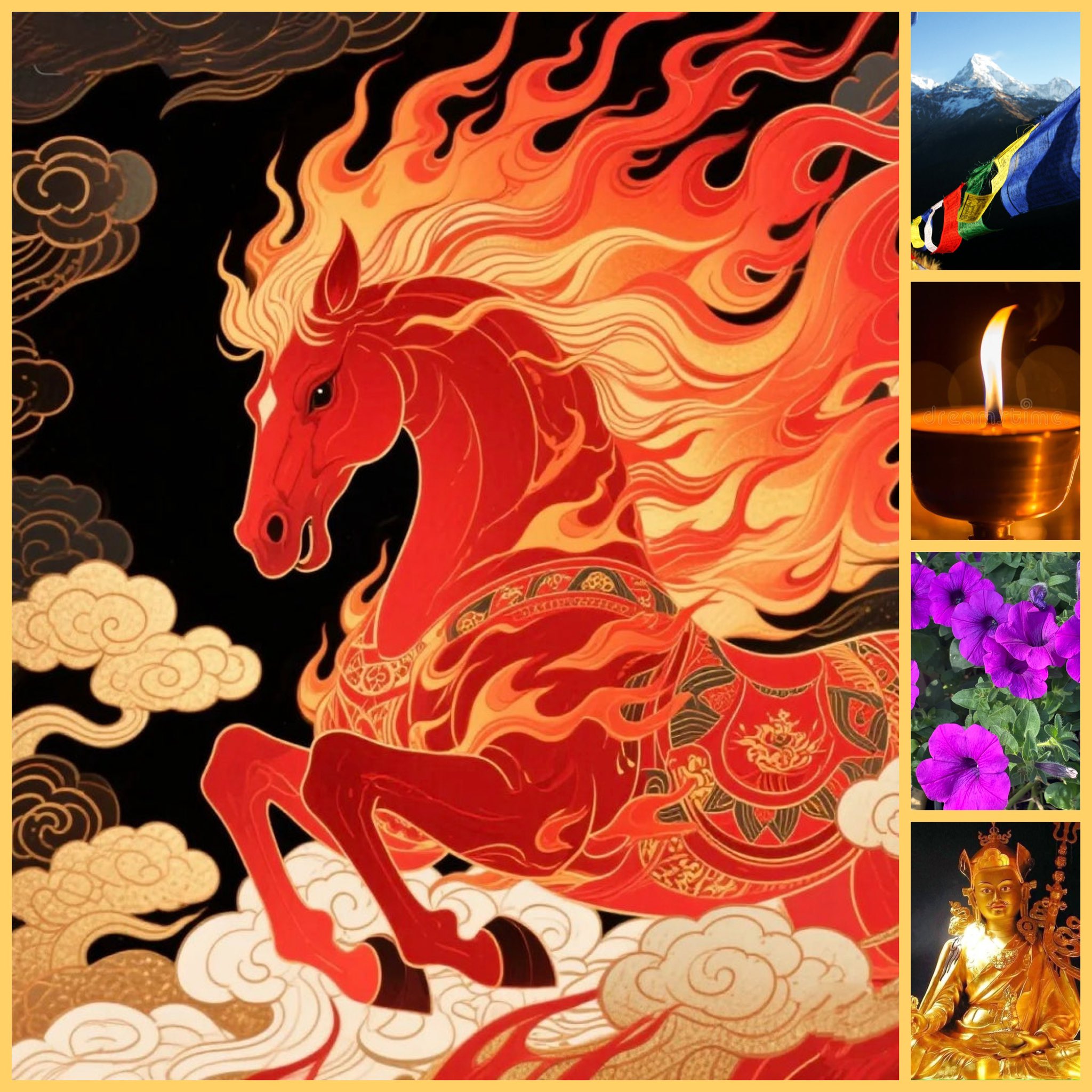
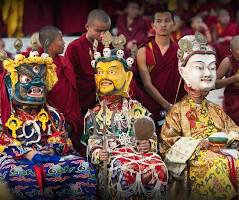


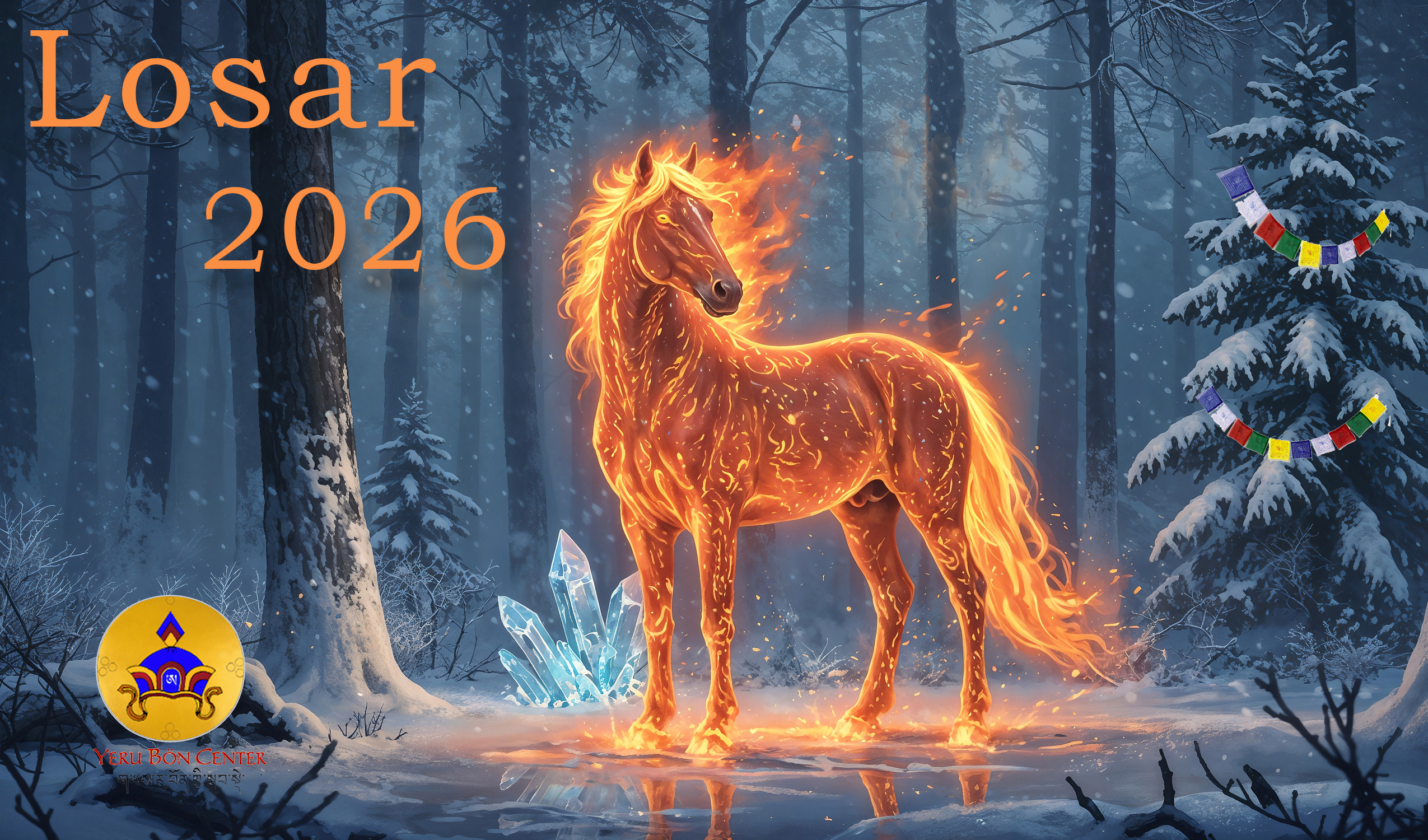
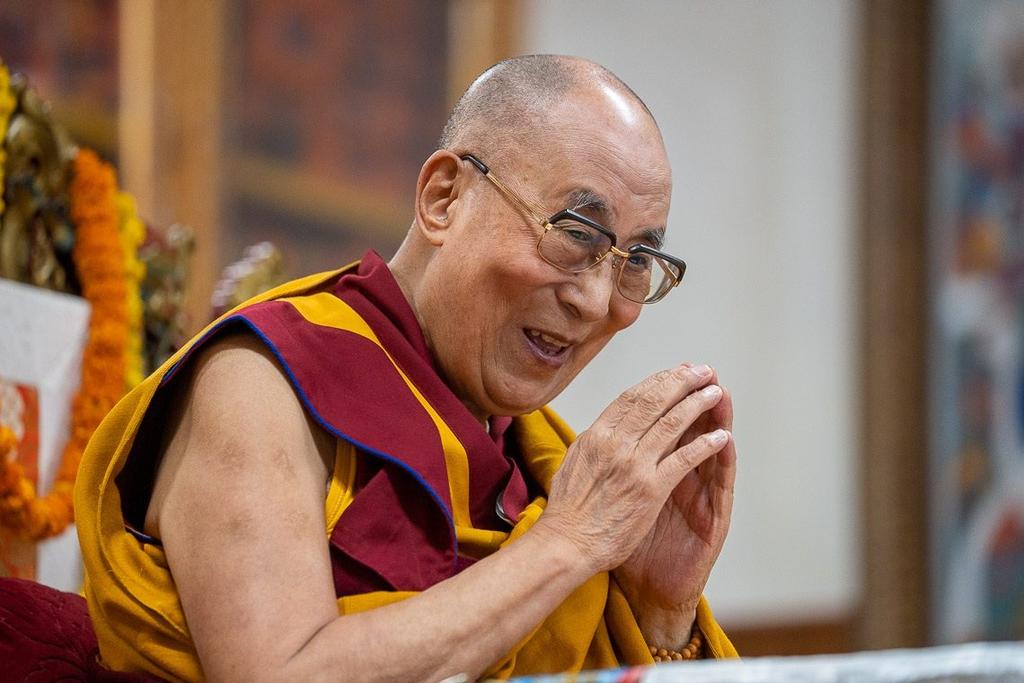
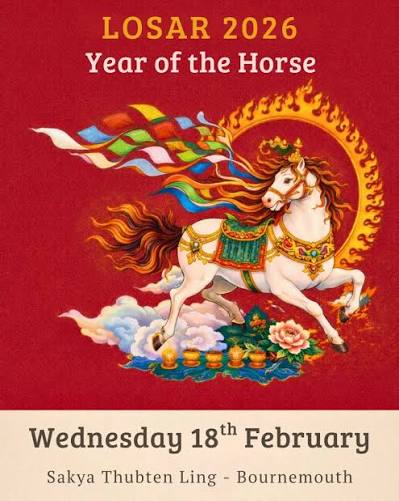


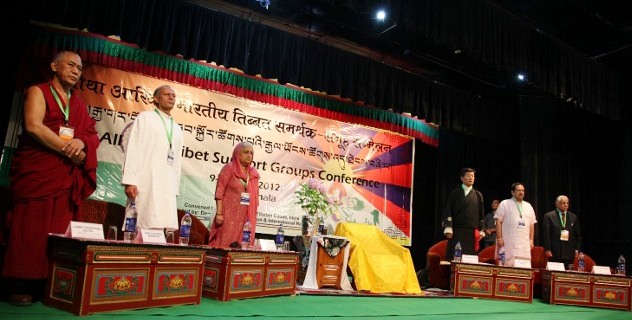


 International


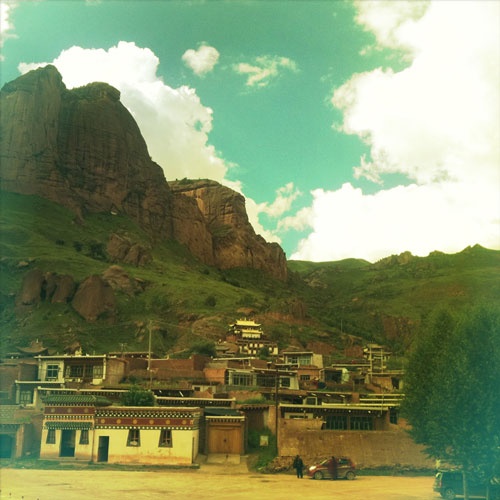


 Whole Dude - Whole Concept