Whole Dude – Whole Dedication

Special Service Award presented by all Officers, D-Sector, Establishment 22 in appreciation of my Service in the North East Frontier Agency/Arunachal Pradesh in January 1973.

Excerpt: I love the Service Award I earned at Doom Dooma without using any Service Weapon. I love Doom Dooma for the opportunity it gave to me to demonstrate my commitment to serve the men who serve our country without any concern for my personal safety.

Sainya Seva Medal. Service Award without Service Weapon.

SAINYA  SEVA MEDAL

The Government of India awards Sainya Seva  Medal to Service Personnel serving in Indian Armed Forces in recognition of ‘non-operational’ services under conditions of special hardship and severe climate. The bar or clasp shows the words ” NEFA ” in Hindi. To qualify for this award, an aggregate of one- year service in the North-East Frontier Agency (NEFA) is required. The Medal shows an image of Nanda Devi Himalayan mountain peak with a bamboo stand in the foreground.

REMEMBERING A WAR:THE 1962 INDIA-CHINA WAR: This is a photo image taken in 1972, ten years after the 1962 War, while I had proudly served the Nation in North East Frontier Agency. There was no schism or division among the Officers Corps. The Men and the Officers were totally united and were fully motivated to fight the Enemy and we had patrolled the border along the McMahon Line and went beyond the border for Operational reasons. There was no Fear and we were Prepared for the Challenge.

I am proud of my military service in North East Frontier Agency (renamed Arunachal Pradesh) for several reasons. These are;

Special Frontier Force – Sainya Seva Medal – Service Award without Service Weapon

In 1962, Communist China’s War of  Aggression across Himalayan Frontier motivated me to Resist, to Oppose and to Fight against Red China’s military threat posed from Occupied Tibet. 54 Years after the 1962 War, India is unwilling to part with her territory. India lost control of her territory in the Ladakh region as Tibet still remains under Chinese occupation.

REMEMBERING THE 1962 INDIA – CHINA WAR: The McMahon Line in India’s North East Frontier Agency or the State of Arunachal Pradesh. The Top Secret of 1962 War is the number of Chinese soldiers that were killed and injured during their military attack. Communist China must take courage and admit the true numbers. This War was not a total loss. India learned its lesson. We had a spectacular Military Victory in 1971 during our Bangladesh Liberation War.

Fortunately, in the North-East Himalayan Sector, India retains control over territory which we initially lost in the 1962 War. In 1972, I was very glad to serve in this area for one complete year and I could personally witness the fact that India is fully prepared to fight against Red China one more time. We are willing to do our best to keep ‘NEFA’ (Arunachal Pradesh) under our control whatever may be the Chinese threats protests, and claims to territory she calls “Southern Tibet.” China, apart from the illegal military occupation of Tibet, claims Indian territory publishing maps showing international borders. In recent years, China refused to issue a visa to an Officer of the Indian Administrative Service who had earlier served in this region.

Special Frontier Force – Sainya Seva Medal – Service Award without Service Weapon

The tensions still exist and I am glad for we are better prepared now and if war is inevitable, we welcome that challenge. To serve in NEFA, I was stationed at Doom Dooma, Tinsukia District, Assam. When I first arrived in Doom Dooma to join my Unit, the first thing that I was told by my Unit Adjutant was, ” Rudra, if you need a copy of your most recent photo, ask the Chinese Intelligence, and they could provide you one.” The Chinese Intelligence operatives or spies keep tabs on each Officer who is entering this area while keeping a close watch on our movements.

To my utter surprise, my Indian Army Picture ID Card stolen during 1972 resurfaces in the Indian Movie titled TE3N. Doomsayer of Doom Dooma earns Sainya Seva Medal – Service Award Without Service Weapon.

We are neither threatened nor intimidated by this kind of Chinese surveillance. We want to assure China that we will not be deterred by their superior Intelligence capabilities.

Special Frontier Force – Sainya Seva Medal. Service Award without Service Weapon.

I arrived in Doom Dooma without my Service Weapon issued by Indian Army as I am expected to participate in operations not known to Indian Army.

Special Frontier Force – Sainya Seva Medal – Service Award without Service Weapon. Doomed Gun of Doom Dooma

My Unit in Doom Dooma is fully armed and equipped by the United States. While I arrived in Doom Dooma, US President Richard M. Nixon arrived in Peking seeking Communist Party Chairman Mao Zedong’s hand in friendship.

Special Frontier Force – Sainya Seva Medal – Service Award without Service Weapon. Richard Nixon Visits China. The Last Week of February 1972 My Life Doomed.

I was not amused. I had no choice, no alternative for providing Military Service using the US Infantry Weapon for my personal protection. At Doom Dooma, I am predestined to oppose Red China without access to any Service Weapon. I moved around in NEFA performing military tasks sanctioned by my Unit without carrying any Military Weapon.

Indian Army’s Commitment to its Men:

In the Indian Army, we take pride in looking after our men and very often we stretch ourselves to do our best to safeguard the welfare of our men even under the most difficult circumstances. And we maintain this attitude while extending help to others who may not be members of our Service.

I remember my visit to a Forward Company location when a Sub-Inspector of Police came to me asking for medical attention. He belonged to the Central Reserve Protection Force and was dispatched to this difficult area without any prior health screening. I will not be surprised if the same thing is happening today. We deploy police personnel to work in remote areas and we do not care and value their services. This Police Officer was not medically fit to serve in this area and no attempt was made to ascertain his physical fitness to perform the task for which he was sent. Fortunately, he survived the long trek and the very difficult and physically challenging climb to reach the Village where I am camping. The Village has a Government Clinic and as there was no Doctor posted at the Clinic, I was voluntarily providing services to all civilians residing in that area.

I examined him and found his blood pressure to be very high and he was at great risk of suffering from a stroke which could be fatal or cause paralysis. Apparently, he had undiagnosed high blood pressure for a long time and I could also find evidence that his kidneys were already damaged. To bring his blood pressure under control, he needed immediate hospital treatment and required emergency medical evacuation.

His Police Department never cared to inquire about his well-being before giving him the posting order. Whereas in the Armed Forces, we routinely interview the men and get them medically examined before they are sent to difficult areas.

I prepared a note about his medical condition and the Signal Company Operators immediately dispatched this message. Within minutes, my request for Emergency Medical Evacuation was approved. Doom Dooma Air Force Station was asked to send a helicopter. After a short while, I received a call from the helicopter pilot who spoke to me on his radio and informed me that he was sitting in his helicopter and was ready to take off as soon as the weather permits. That was a particularly, rainy and cloudy day with very poor visibility and the mission was really challenging. The pilot had assured me that he would fly in spite of all odds and would pick up my patient. The control tower was closely monitoring the clouds and they were waiting for a window of opportunity to make this trip while the cloud system moves through the mountain valley. He had asked me to keep the patient ready at the helipad and that he would not be able to spend even an extra minute on the ground. 

Special Frontier Force – Sainya Seva Medal – Service Award without Service Weapon. Mi- 4 Helicopter provided airlift service for our operations in NEFA (Arunachal Pradesh)

Instantly, the whole scenario at my Company location got transformed. The day started on a very dull note. It was raining and there was dense fog. Suddenly, everybody got busy. As per standing orders, armed men were sent to secure our landing strip, weather signs were posted, the helipad was marked with fresh paint. Equipment for Fire-Fighting and Smoke Signaling were positioned on the ground. We erected a small shelter for the patient to rest while awaiting evacuation. A Sub-Inspector of Police suddenly became the focus of attention literally transforming him into a ‘VIP’ or Very Important Person. He was worried about his senior officers who dispatched him to this station. He was concerned that he might offend them by leaving his duty station without their prior permission. I reassured him and told him that the Indian Army would accept total responsibility for sending him to the hospital. I informed him that we value him and care for his well-being and that we would not expect any person to perform duty when their personal health is at risk. 

The pilot made the bold trip as promised and safely transported him to Service Hospital at Air Force Station, Jorhat. The Sub-Inspector of Police told me that he would never forget this particular day of his life on which he could directly experience the sense of urgency with which we acted and treated him as if he is the most precious thing on earth.

I love the Service Award I earned at Doom Dooma without using any Service Weapon. I love Doom Dooma for the opportunity it gave to me to demonstrate my commitment to serve the men who serve our country without any concern for my personal safety.

Doomsayer of Doom Dooma Earns Bharat Sarkar, Indian Army Sainya Seva Medal -Service Award for Military Service Without Military Service Weapon.
Doomsayer of Doom Dooma Earns Sainya Seva Medal – Service Award Without Service Weapon.
Doomsayer of Doom Dooma Earns Sainya Seva Medal – Service Award Without Service Weapon. Walong War Memorial.
Special Frontier Force – Sainya Seva Medal – Service Award without Service Weapon.
During 1962 Chinese aggression Indian Army had valiantly resisted the enemy’s attack in a historical battle at Namti Plains, near Walong, Arunachal Pradesh.
Special Frontier Force – Lohit River: “WALONG WILL NEVER FALL AGAIN.”
Special Frontier Force – Sainya Seva Medal – Special Service Award for Service without Service Weapon

Whole Dude – Whole Forfeiture

Whole Dude – Whole Forfeiture: From Victory Day to forfeit of Freedom – My Journey from December 16, 1971 to December 16, 2023

From Victory Day to forfeit of Freedom – My Journey from December 16, 1971 to December 16, 2023

I participated in Bangladesh Ops, code-named ‘Operation Eagle’, initiating the Liberation of Bangladesh with military action in the Chittagong Hill Tracts, starting from November 03/04, 1971.

Whole Dude – Whole Forfeiture: From Victory Day to forfeit of Freedom – My Journey from December 16, 1971 to December 16, 2023

In my expectation, I visualized Operation Eagle as physical and mental training to prepare me to fulfill my challenging military mission that aims at securing Freedom, Democracy, Peace, and Justice in Occupied Tibet.

Whole Dude – Whole Forfeiture: From Victory Day to forfeit of Freedom – My Journey from December 16, 1971 to December 16, 2023

Today, I need to take stock of the ground realities. Both the United States, and India have missed several opportunities to dispatch me on my military mission. Apparently, people have forfeited Freedom and Liberty in pursuit of wealth and material prosperity which they hope will provide ‘Security’.

Whole Dude – Whole Forfeiture: From Victory Day to forfeit of Freedom – My Journey from December 16, 1971 to December 16, 2023

Rudra Narasimham Rebbapragada

Special Frontier Force

Ann Arbor, Michigan, USA 48104-4162

Whole Dude – Whole Forfeiture: From Victory Day to forfeit of Freedom – My Journey from December 16, 1971 to December 16, 2023

VIJAY DIWAS: A TIME TO CELEBRATE AND TAKE STOCK

Clipped from: https://swarajyamag.com/defence/vijay-diwas-a-time-to-celebrate-and-take-stock

Whole Dude – Whole Forfeiture: From Victory Day to forfeit of Freedom – My Journey from December 16, 1971 to December 16, 2023

Lt Gen Niazi signing the Instrument of Surrender under the gaze of Lt Gen Aurora. (Indian Navy)

Snapshot

· Forty-six years ago today, more than 3,500 warriors of the Indian Army crafted a victory that resulted in the capture of 93,000 Pakistani prisoners of war and delivered a new nation in 14 days.

But how many of the young Indians know that 16 December is marked as Vijay Diwas?

Ask new generation Indians, the predominant group in our nation, what Vijay Diwas is all about and you are more likely to get a blank response. For a few who know anything at all, a war was fought and won, Bangladesh was created and that is all. That over 3,500 warriors of the Indian Armed Forces made the ultimate sacrifice in the war that ended in India’s victory on 16 December 1971, that we captured 93,000 Pakistani prisoners of war (PoWs) and delivered a new nation in 14 days of a two front conventional military engagement is hardly known to them.

The 1971 India-Pakistan war saw the execution of a well-considered strategy, evolved by the redoubtable Field Marshal Sam Manekshaw, even as he convinced then prime minister Indira Gandhi and her close cabinet colleagues and aides on the necessity of going slow and not being tempted by the evolving situation in March 1971. The Field Marshal had the professional courage to parry demands and shun any talk of immediate war in early 1971 when the crisis in the then East Pakistan had brewed and spilled over beyond retrieval, triggering the first reactions in South Block.

The backdrop to the situation related to the state of politics in Pakistan where the Bengali Muslims of East Pakistan were clearly resistant to the idea of being subjugated by the dominant Punjabi and Mohajir influence. The issue of language had been the touchy beginning to the standoff between East Pakistan (Bengali speaking and resistant to Urdu) and West Pakistan. Sheikh Mujibur Rahman, father of the current Prime Minister of Bangladesh Sheikh Hasina Wajed, was illegally denied his electoral victory in 1970 by Pakistan’s ruling coterie, which was influenced by Zulfiqar Bhutto. The crisis spilled into the streets and became a point of no return in March 1971. The Pakistan Army’s reign of terror on the hapless Bengalis exacerbated the situation with an initial displacement of a million refugees who spilled across the border into India. The figure progressively moved up to 10 million.

The Field Marshal famously faced the powerful coterie of Indira Gandhi and gave them a lesson in strategy. He reminded them of his demands for an enhanced budget to buy more spares for the tanks and sufficient ammunition for the artillery which had not been granted. He let them know that a war in April or May meant for the standing crop of wheat all over Western India which would be destroyed by movement of the Army thus leading to a major food crisis in India. Among other cautionary, he stated that war in June-August would be a major problem with moving dual task Army formations west to east or vice versa due to the floods and shaky railway infrastructure besides the state of the terrain in East Pakistan.
The prime minister gave in to the Army Chief’s advice and trusted him to evolve the war fighting plans should Pakistan decide to go to war. The war finally broke out on 3 December 1971 but preceding that a series of clashes occurred at the borders some of them well above the classical description of patrol and border clashes. The Indian Army followed a simple strategy.

Firstly, the war effort would be focused on the eastern theatre where the impact would have to be decisive; there was total clarity about this.

Secondly, the western front could not be ignored as Pakistan would want India’s attention to be diverted and resources divided. The western theatre was largely to be in holding mode but that would not restrict offensive operations where ever opportunities arose.

Thirdly, for the eastern theater the strategy included speedy thrusts, bypassing main opposition which would be contained or masked to allow the main advance to progress unhindered to the identified center of gravity, Dacca.

The early multi-directional threat to Dacca would unnerve the Pakistani military leadership and force it to capitulate. The role of the Indian Air Force was crucial and it led to some decisive actions such as at Longewala (Rajasthan) where a large Armoured column of the Pakistan Army was decimated in the morning after it was brought to a standstill by a single company with two recoilless guns of 23 Punjab. The Indian Air Force also ensured total domination of the air above East Pakistan. The Indian Navy not to be left behind was entrusted the task of intimidating Pakistan with a virtual blockade of Karachi, Pakistan’s only port. The Navy went well beyond its brief and achieved total domination of the sea and even raided Karachi harbor with missile attacks.

The Indian forces in the eastern theatre comprised 4 Corps under Lt Gen Sagat Singh, 33 Corps under Lt Gen M L Thapar and the newly raised 2 Corps under Lt Gen T N Raina. In less than 14 days, the Indian troops were at the doorstep of Dacca having bypassed all islands of resistance and making use of the distinct corridors provided by the riverine terrain. A parachute drop of the 2nd Para at Tangail secured the final bridges and crossings enabling the troops to make an early entry into the outskirts of Dacca even as radio messages were transmitted to the Pakistani leadership that further resistance would only result in more bloodshed while a surrender would ensure full safety of troops.

The Pakistan Army as is well known had sufficient stocks of ammunition and other logistics wherewithal. It could have fought long and resisted to the end but devoid of any air power with its forward locations under Indian siege the only thing that the Pakistanis could fight for was their honor and name as a fighting force. Lt Gen A A K Niazi, the overall commander of Pakistani forces in the eastern theatre weighed his options and made the final decision for surrender, the details of which were negotiated by Maj Gen (later Lt Gen) JFR Jacob. The surrender ceremony which was impromptu involved the signing of the surrender document by Lt Gen Niazi and its handing over to Lt Gen Jagjit Aurora, Army Commander Eastern Command. The photograph of the ceremony is now folklore and adorns every military museum, motivation hall and officers mess of the Indian Army.

The western front saw action all along, from Naya Chor in Rajasthan to Turtuk in Ladakh. Some intense armour battles were fought in the Shakargarh Bulge. 10 Para (Commando) now 10 SF under Lt Col Bhawani Singh, MVC conducted a series of raids across the international border in the Barmer sector. 9 Para (Commando) similarly earned glory for its action in Jammu and Kashmir. The Lipa Valley was captured by the famous Dagger Division among many other gains by the Indian Army on the western front.

Among the famous battles of 1971 were Akhaura, Sylhet, Hilli, Basantar, Longewala, Lipa Valley and Naya Chor. There are many heroes of 1971 whose names need to be folklore and whose deeds must be brought to the knowledge of young Indians of today. A nation which does not sufficiently glorify its military heroes is not a nation with sufficient self-esteem. India is surely not in that category as the public loves the Armed Forces, respects them immensely but unfortunately is completely divorced from knowledge about the deeds of the very forces they revere.

The names of 2/Lt Arun Khetarpal, Major Hoshiyar Singh, Flt Lt Nirmaljeet Singh Sekhon and L/Naik Albert Ekka, all winners of the Param Vir Chakra (India’s highest wartime award for valor in the face of the enemy) need to be known to India’s young. India needs a public relations outreach to educate the public about the sacrifice of its heroes. There are many patriotic organizations which are organizing events to mark Vijay Diwas, but this really needs a major push to make it a movement.

The Indian Armed Forces need to provide an example of doing something different on Vijay Diwas. It would be good to see that along with traditional ‘barakhana’ and pep talks by commanders which are routine, all units and establishments must undertake an exercise of self-appraisal and identification of strengths and weaknesses. This should be done through an exercise of mutual discussion and consultation with all stakeholders and result in identification of one or two themes from different domains (operations, training, administration, equipment management etc.) to be undertaken for rectification over the next year.

It should be entirely an internal exercise with no checks and in an environment which promotes trust and ability to function unsupervised. Subsequently the Armed Forces should project this model of self-appraisal across the nation for all civil establishments to conduct in the same spirit. Vijay Diwas must ultimately emerge as a day beyond just ceremonials. It should be seen as a day synonymous with victory over inertia and victory over inefficiency.

We can ill-afford to forget the India-Pakistan War of 1971; it is just too important an event in India’s post-1947 history. Progressive nations move on and shape their destinies with hard work and initiatives but equally draw inspiration from the achievements of the past. We cannot allow our young not to be aware of our modern day history and therefore much more effort is needed to spread the word of India’s military heritage. Fortunately, there is deep interest in this, but not enough people to explain and render assistance to educational institutions in the field of military history and strategic culture. An odd lone ranger is doing it, but it needs to become a movement.

Happy Vijay Diwas to the nation!

Whole Dude – Whole Forfeiture: From Victory Day to forfeit of Freedom – My Journey from December 16, 1971 to December 16, 2023

Whole Dude – Whole Evil

Whole Dude – Whole Evil

Excerpt: The article discusses the controversial foreign policies of former US Secretary of State, Henry Alfred Kissinger, who passed away at age 100. He’s criticized for providing aid to China during the Vietnam War which allegedly supported the spread of communism in Asia, and for ignoring human rights violations during China’s Cultural Revolution. The author aligns Kissinger’s strategies with treason, blaming him for postponing the liberation of Tibet from Chinese occupation. Despite these critiques, Kissinger is also credited with ending American involvement in the Vietnam War, opening China to the West, and easing US-Soviet relations. Throughout his life, he was awarded several recognitions, including the Nobel Peace Prize and the Presidential Medal of Freedom.

Whole Villain – Whole Sin

In my analysis, I often describe Dr Henry Alfred Kissinger as Whole Villain for his foreign policy initiative can be best described as the “Original Sin” for it violates the “In God We Trust” National Motto of the United States.

Whole Villain – Whole Sin

I ask our readers to kindly review his actions before he was appointed as the US Secretary of State. He betrayed the US Constitution, usurped the powers of the duly appointed US Secretary of State when he visited Pakistan and China to arrange for a meeting between the US president Richard M Nixon and China’s Communist Party Chairman Mao Zedong.

SPECIAL FRONTIER FORCE VS THE EVIL RED EMPIRE: RED CHINA FOUNDED BY MAO TSE-TUNG IS MORE EVIL THAN HITLER’S NAZI GERMANY. AFTER THE FALL OF SOVIET UNION, RED CHINA HAS BECOME THE MOST EVIL EMPIRE OF THE PRESENT DAY WORLD .

His sin involves ignoring the atrocities of China’s Cultural Revolution. Chairman Mao Zedong is guilty of killing millions of his own people apart from killing his own party members.

Whole Villian – Whole Sin: Doomed Gun of Doom Dooma

I was stationed in Doom Dooma, Tinsukia District, Assam when President Nixon visited Peking during February 1972. I describe myself as the Doom Dooma Doomsayer. I served in the North East Frontier Agency (NEFA, Arunachal Pradesh) and I refused to carry the US Infantry weapon provided for my personal protection.

Whole Villain – Whole Sin

He provided comfort and protection to the Enemy while the US troops were fighting a bitter and bloody war on the ground in Vietnam. He should have been tried for treason for betraying the nation during wartime.

Whole Villain – Whole Sin: Establishment No. 22 – Operation Eagle: This badge represents a military alliance/pact between India, Tibet, and the United States of America. Its first combat mission was in the Chittagong Hill Tracts which unfolded on 03 November 1971. It was named Operation Eagle. It accomplished its mission of securing peace in the region that is now known as Republic of Bangladesh.

All said and done, I speak of the Unfinished Korea-Vietnam War. The true adversary of America is neither Korea nor Vietnam. The real concern is about the spread of Communism to Asia. The first victim of Communist Expansionism is Tibet, the third largest nation of Asia. We have yet to fight a war to evict the occupier of Tibet. Kissinger has postponed this Battle for Democracy, Peace, and Justice in Asia.

US foreign policy stalwart Henry Kissinger dies at 100

Henry Kissinger, the 56th US Secretary of State known to be as one of the most influential foreign policy figures in American history, has passed away at the age of 100.

Without providing a cause of death, his consulting firm Kissinger Associates said that he died on Wednesday at his home in Connecticut, CNN reported.

Born in Germany in 1923, he is survived by his wife of nearly 50 years, Nancy Maginnes Kissinger, two children by his first marriage, David and Elizabeth, and five grandchildren.

Kissinger became a naturalised US citizen in 1943 before serving in World War II.

Before his government service, he served on the faculty at Harvard University, where he ran the International Seminar from 1952 to 1969.

Kissinger began consulting with the State Department and Pentagon on national security matters before serving as National Security Adviser (January 1969–November 1975) and then Secretary of State (September 1973–January 1977) to former President Richard Nixon.

Henry Kissinger was synonymous with US foreign policy in the 1970s.

He received a Nobel Peace Prize for helping arrange the end of American military involvement in the Vietnam War and is credited with secret diplomacy that helped then President Nixon open communist China to the US and the West, highlighted by the latter’s visit to the country in 1972.

But he was also reviled by many over the bombing of Cambodia during the Vietnam War that led to the rise of the genocidal Khmer Rouge regime and for his support of a coup against a democratic government in Chile.

In the Middle East, Kissinger performed what came to be known as “shuttle diplomacy” to separate Israeli and Arab forces after the fallout of the 1973 Yom Kippur War.

His “detente” approach to US-Soviet relations, which helped relax tensions and led to several arms control agreements, largely guided American posture until the Reagan era.

Though his era as a high-powered architect of US foreign policy waned with the decline of Nixon amid the Watergate scandal, Kissinger continued to be an independent mover and shaker whose musings on diplomacy always found an ear.

Nixon’s successor, Gerald Ford, retained Kissinger as the Secretary of State.

He ultimately left office in 1977.

After 9/11, the President George W. Bush asked him to chair the investigation into the attacks on New York and Washington, but he was forced to stand down within weeks after refusing to reveal his consultancy’s list of clients and answer questions about conflicts of interest.

He held meetings with President Bush and Vice-President Dick Cheney, to advise them over policy in Iraq following the 2003 invasion.

Kissinger had also briefed Donald Trump on foreign affairs after his election in 2017. suggesting, among other things, acceptance of Russian President Vladimir Putin’s occupation of Ukraine’s Crimea.

When he turned 100 in 2023, he had changed his view on Ukraine.

After the February 2022 Russian invasion, Kissinger argued that Ukraine should join NATO after peace was secured.

Throughout his lifetime, Kissinger was the recipient of a number of awards and recognitions.

In 1945, he was awarded a Bronze Star from the US Army for meritorious service.

He received the Nobel Peace Prize in 1973, the same year a Gallup Poll of Americans listed him as the most admired person in the world.

Kissinger was also awarded the nation’s highest civilian honor, the Presidential Medal of Freedom, in 1977 and the Medal of Liberty, given one time to 10 foreign-born American leaders, in 1986.

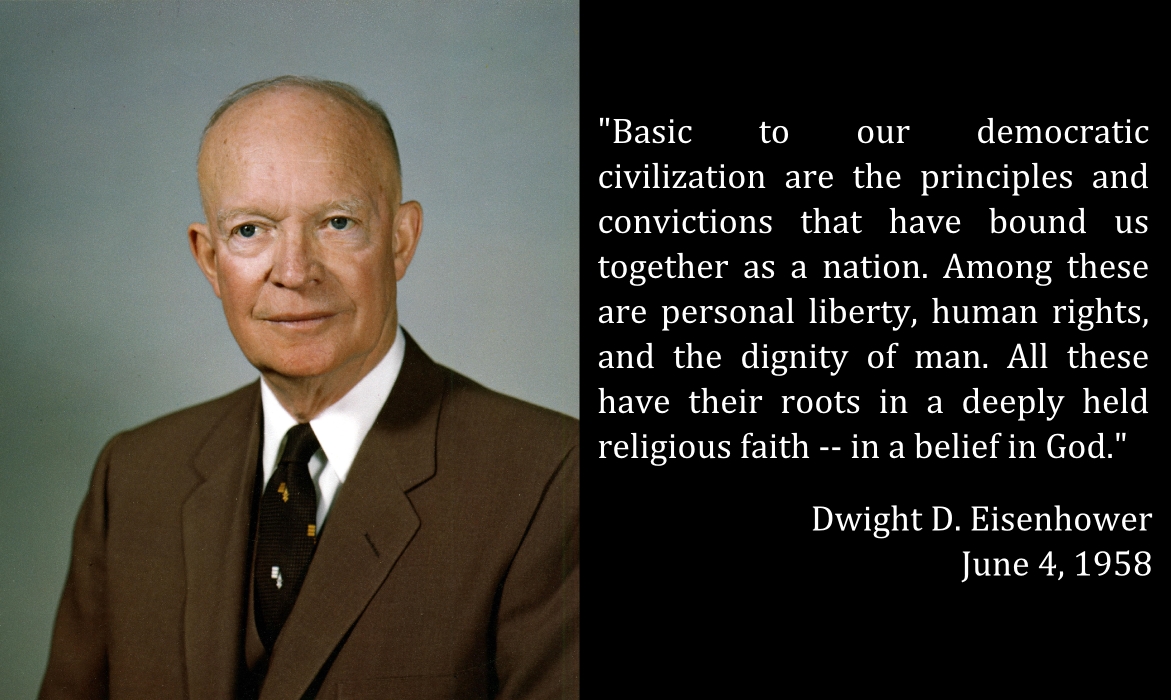
DOOMSAYER OF DOOM DOOMA – BEIJING IS DOOMED: US PRESIDENT DWIGHT EISENHOWER TOOK ACTION TO DEFINE VALUES THAT ESTABLISH MY CONNECTION WITH THE UNITED STATES THROUGH MY AFFILIATION WITH SPECIAL FRONTIER FORCE.

Tibet Equilibrium 2021. Defining America’s Mission on the Sixth Day of February

Tibet Equilibrium 2021. Defining America’s Mission on the Sixth Day of February.
Tibet Equilibrium 2021. Defining America’s Mission on the Sixth Day of February.

The Special Frontier Force which represents The Tibetan Resistance Movement to contain, to resist, to engage, to counteract, to “Roll-Back” the Spread of Communism, asks Americans to define their Mission on February 06, 2021 to restore Tibetan Equilibrium using the guidance provided by ‘The Reagan Doctrine of 1985’. Using President Reagan’s words, I ask Americans to do what is “Morally Right.”

Rudra Narasimham Rebbapragada
Special Frontier Force-Establishment No. 22-Vikas Regiment

Tibet Equilibrium 2021. Defining America’s Mission on the Sixth Day of February.T

FEBRUARY 06, 1985. THE REAGAN DOCTRINE

Tibet Equilibrium 2021. Defining America’s Mission on the Sixth Day of February.

The “Reagan Doctrine” was used to characterize  the Reagan administration’s (1981-1988) policy of supporting anti-Communist insurgents wherever they might be. In his 1985 State of the Union address, President Ronald Reagan called upon Congress and the American people to stand up to the Soviet Union, what he had previously called the “Evil Empire”:

Reagan began his foreign policy comments with the dramatic pronouncement that, “Freedom is not the sole prerogative of a chosen few; it is the universal right of all God’s children.” America’s “mission” was to “nourish and defend freedom and democracy.” More specifically, Reagan declared that, “We must stand by our democratic allies. And we must not break faith with those who are risking their lives—on every continent, from Afghanistan to Nicaragua—to defy Soviet-supported aggression and secure rights which have been ours from birth.” He concluded, “Support for freedom fighters is self-defense.”

“We must stand by all our democratic allies. And we must not break faith with those who are risking their lives—on every continent, from Afghanistan to Nicaragua—to defy Soviet-supported aggression and secure rights which have been ours from birth.”

Breaking with the doctrine of “Containment,” established during the Truman administration—President Ronald Reagan’s foreign policy was based on John Foster Dulles’ “Roll-Back” strategy from the 1950s in which the United States would actively push back the influence of the Soviet Union. Reagan’s policy differed, however, in the sense that he relied primarily on the overt support of those fighting Soviet dominance. This strategy was perhaps best encapsulated in NSC National Security Decision Directive 75. This 1983 directive stated that a central priority of the U.S. in its policy toward the Soviet Union would be “to contain and over time reverse Soviet expansionism,” particularly in the developing world. As the directive noted:

“The U.S. must rebuild the credibility of its commitment to resist Soviet encroachment on U.S. interests and those of its Allies and friends, and to support effectively those Third World states that are willing to resist Soviet pressures or oppose Soviet initiatives hostile to the United States, or are special targets of Soviet policy.”

To that end, the Reagan administration focused much of its energy on supporting proxy armies to curtail Soviet influence. Among the more prominent examples of the Reagan Doctrine’s application, in Nicaragua, the United States sponsored the contra movement in an effort to force the leftist Sandinista government from power. And in Afghanistan, the United States provided material support to Afghan rebels—known as the mujahadeen—helping them end Soviet occupation of their country.

Tibet Equilibrium 2021. Defining America’s Mission on the Sixth Day of February.
Tibet Equilibrium 2021. Defining America’s Mission on the Sixth Day of February.


India vs China Dispute. Tibet is not a part of China

India vs China Dispute. Tibet is not a part of China.TIBET EQUILIBRIUM.

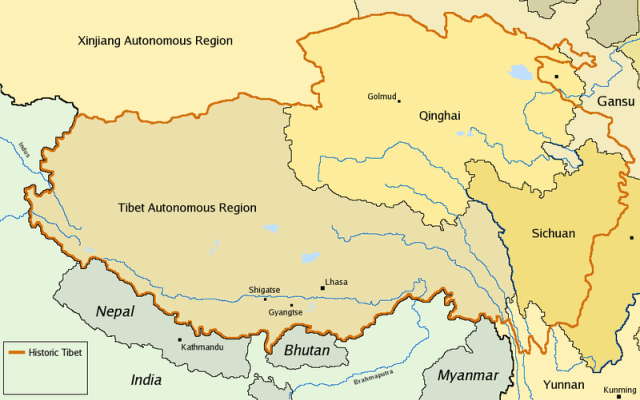
In my analysis, the dispute between India and China relates to the status of Tibet. China is in Tibet. But, Tibet is not a part of China. The dispute can be resolved by the eviction of the military occupier of Tibet.

Rudra Narasimham Rebbapragada

Special Frontier Force-Establishment No. 22-Vikas Regiment

A border dispute with China may push India closer to some of Beijing’s top rivals

CNN June 18, 2020, 12:59 AM EDT

Relations between China and India have always been complicated.

During British colonialism, India was the source of opium foreign traders forced onto Chinese markets, sparking war between the UK and the Qing Empire that ended in humiliation for China. Since independence, India’s relations with its largest neighbor have been tested by issues such as Tibet, Pakistan and the countries’ shared Himalayan border.

This week, that border blew up into renewed conflict, in the bloodiest engagement in 40 years, which left more than 20 soldiers dead after a brutal fight with fists and clubs high in the mountains amid freezing temperatures and scant oxygen.

While both governments are now scrambling to deescalate, the conflict could provide the final push for a pivot already begun by New Delhi, away from Beijing and towards China’s traditional rivals, the United States and Japan, as well as a growing regional one, Australia. As India seeks to push back against what many in the country view as Chinese aggression, it will rely on these allies more than ever.

“The sacrifice made by our soldiers will not go in vain,” Indian Prime Minister Narendra Modi said Wednesday. “India’s integrity and sovereignty is supreme for us, and no one can stop us from defending it. Nobody should have an iota of doubt about this. India wants peace. But when provoked, India will give a befitting reply.”

Rahul Gandhi, leader of the main opposition Congress Party, put it more bluntly: “How dare China kill our soldiers? How dare they take our land?”

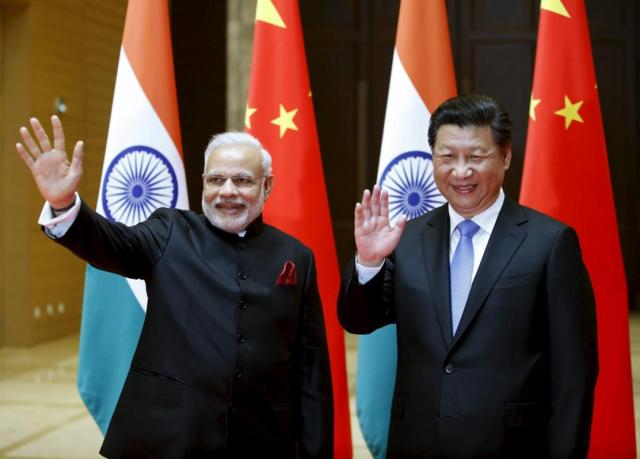
India vs China Dispute. Tibet is not a part of China. Indian Prime Minister Narendra Modi (L) and Chinese President Xi Jinping wave to journalists before they hold a meeting in Xian, Shaanxi province, China, May 14, 2015. REUTERS/Kim Kyung-Hoon

Encircling China

In an editorial Wednesday, the influential Hindustan Times said that “China wants to limit New Delhi’s power and ambition; it wants India to accept Beijing’s primacy in Asia and beyond.”

In response, the newspaper urged, New Delhi should “double down on its partnership with the US, make Quad … a more permanent arrangement, and be a part of any club that seeks to contain Chinese power.”

The Quad, or Quadrilateral Security Dialogue, is an informal strategic forum for the US, Japan, Australia and India, featuring semi-regular summits, information exchanges and military drills. While not a formal military alliance like NATO, it is seen by some as a potential counterweight to growing Chinese influence and alleged aggression in Asia-Pacific.

While members have emphasized the more benign aspects of the relationship, such as recent cooperation on the coronavirus pandemic, the potential for military encirclement by countries has not gone unnoticed by Beijing.

As early as 2007, when the first Quad meetings were proposed, China issued formal diplomatic protests to all parties involved, and later that year Australia pulled out over fears of offending Beijing, and the alliance was put on hold until 2017, when meetings resumed, in large part due to growing concerns over Chinese advances in the South China Sea.

Potentially, an anti-China bloc led by the US could be far larger than the Quad. During a telephone call earlier this month between Modi and US President Donald Trump, the American leader invited India to join the next G7 summit. They also, according to White House spokeswoman Kayleigh McEnany, discussed “the situation on the India-China border.”

Trump has previously spoken of wanting to expand the traditional grouping of mostly European and North American states to include Washington’s allies Australia and South Korea, as well use this year’s planned meeting to “discuss China’s future.”

India has traditionally been wary of getting too close to the US, seeking to balance that relationship with strong economic — if not always diplomatic — ties to Beijing. Amid growing pressure on its border, however, and what appears to be a strong personal bond between Trump and Modi, this could be the perfect time for such a pivot.

Greater Indian participation in both the Quad and other military alliances with the US would have benefits for Washington, according to foreign affairs analyst Amrita Jash, who wrote this week that “India’s strong foothold in the Indo-Pacific provides a counterbalance to China’s growing footprint in the Indian Ocean.”

Not without cost

Both Delhi and Beijing have spoken of the desire to deescalate and preserve a peaceful relationship following this week’s clash in the Himalayas, but many experts are skeptical about how feasible, or sustainable this is.

Aidan Milliff, an expert on political violence and South Asia at the Massachusetts Institute of Technology, predicted this month that the latest conflict could “portend the development of a Sino-Indian situation that reflects an ‘ugly stability’ between India and Pakistan: persistent low-level conflicts and political-military crises that simmer below the threshold of conventional war.”

Already shaky ties between Beijing and Delhi had already been harmed by the coronavirus pandemic, with many in India blaming China for its initial mishandling of the crisis and Chinese officials frustrated by their Indian counterparts’ perceived failure to express support for Beijing at the World Health Organization and other international forums.

Any major shift towards the Quad or Washington alone would likely only take place if Delhi believes relations with Beijing are beyond repair, however, as they could come with high costs for both India and China.

Under Modi, India’s economic engagement with China has been increasing. Together, the two countries account for 17.6% of the global economy. But although China is India’s largest trading partner, their estimated $84 billion bilateral trade in 2017/18 was a mere fraction of the US-China trade volume, which stood at almost $600 billion.

Before the coronavirus pandemic, China was gradually emerging as a major foreign investor in the growing Indian market, but that trend has been halted by new investment rules passed by Delhi widely seen as aimed at Chinese firms.

Economic pain is not the only thing that will be jointly shared. While Beijing may be loathe to see India cosying up to the US and Japan, it can respond by increasing support for Delhi’s major rival: Pakistan.

China has close economic, diplomatic and military ties with Pakistan, making it one of the nation’s closest allies in the region. Between 2008 and 2017, Islamabad purchased more than $6 billion of Chinese arms, according to think tank CSIS. China has also invested billions in the China-Pakistan Economic Corridor, an integral part of Xi’s Belt and Road trade and infrastructure mega-project.

Protecting that corridor was seen by some analysts as a driving factor behind the recent spat in the Himalayas, another factor in which was recent Indian moves over Kashmir, in which China supported Pakistan in a failed attempt to censure Delhi at the United Nations.

Similarly, China has made diplomatic and economic inroads in countries traditionally considered as within Delhi’s sphere of influence, including Nepal, Sri Lanka and Bangladesh.

India’s South Asian neighbors have also increasingly looked to China for assistance during the coronavirus pandemic, accelerating a trend that seen Beijing invest heavily in the region.

The willingness of Nepal, in particular, to work with Beijing has led to concerns in Delhi of potential geopolitical realignment. Nepal, which is sandwiched between India and China, and has recently butted heads with its southern neighbor over a decision to approve a revised map that includes areas claimed by Delhi.

Part of the problem in the region are the messy, widely disputed borders that many of the countries share. If relations continue to worsen between Beijing and Delhi, however, they may seem like nothing compared to the nightmare of geopolitical complications that could arise across all of Asia-Pacific.

India vs China Dispute. Tibet is not a part of China.

THE DOOMED PRESIDENCY OF NIXON AND FORD

THE DOOMED PRESIDENCY OF NIXON AND FORD. DOOMED FOR NOT PLAYING THE ‘TIBET CARD’.

The doomed presidency of Nixon and Ford. Doomed for not playing the ‘Tibet Card’.
The doomed Presidency of Nixon and Ford. Doomed for not playing the ‘Tibet Card’.
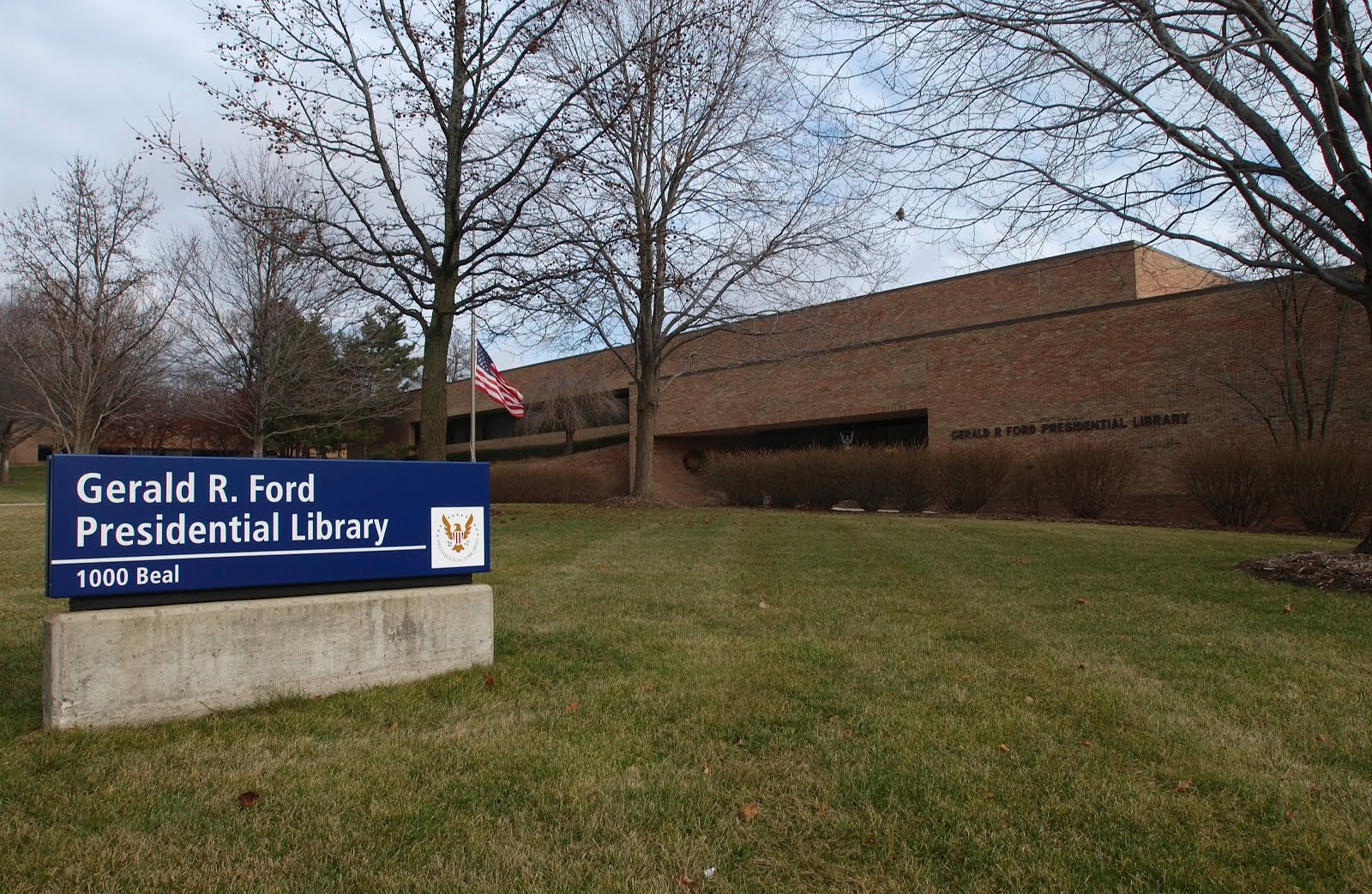
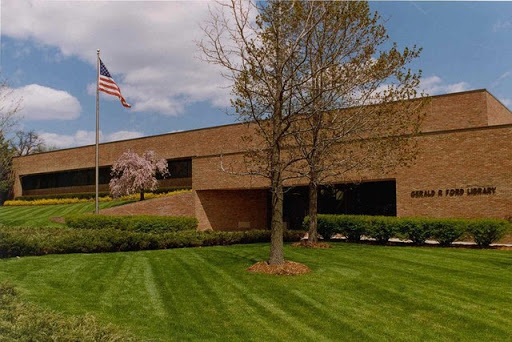
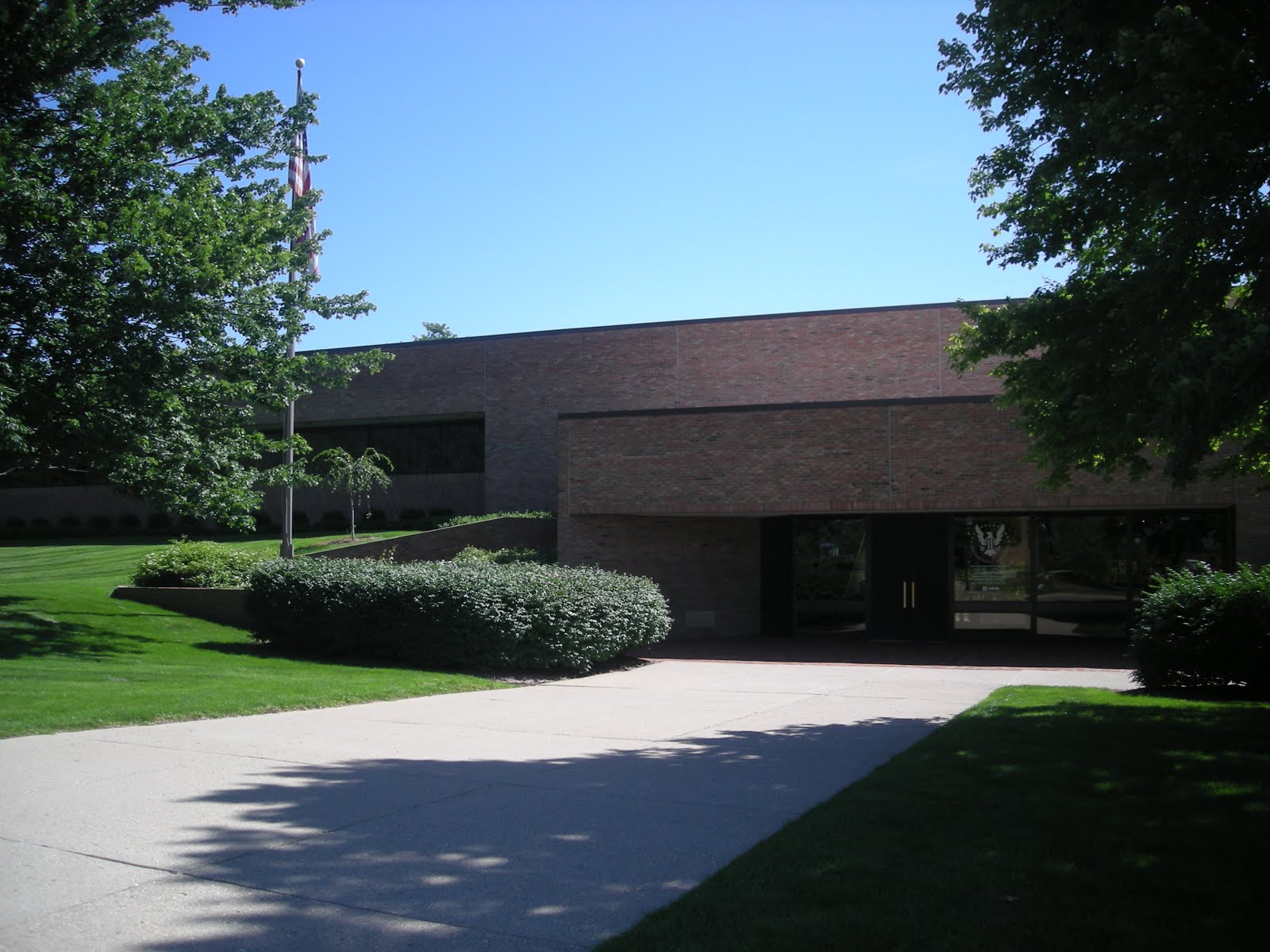
The doomed Presidency of Nixon and Ford stands in Ann Arbor. Doomed for not playing the ‘Tibet Card’.
The doomed Presidency of Nixon and Ford. Doomed for not playing the ‘Tibet Card’.
The doomed Presidency of Nixon and Ford. Backstabbers of Tibetan Nation.
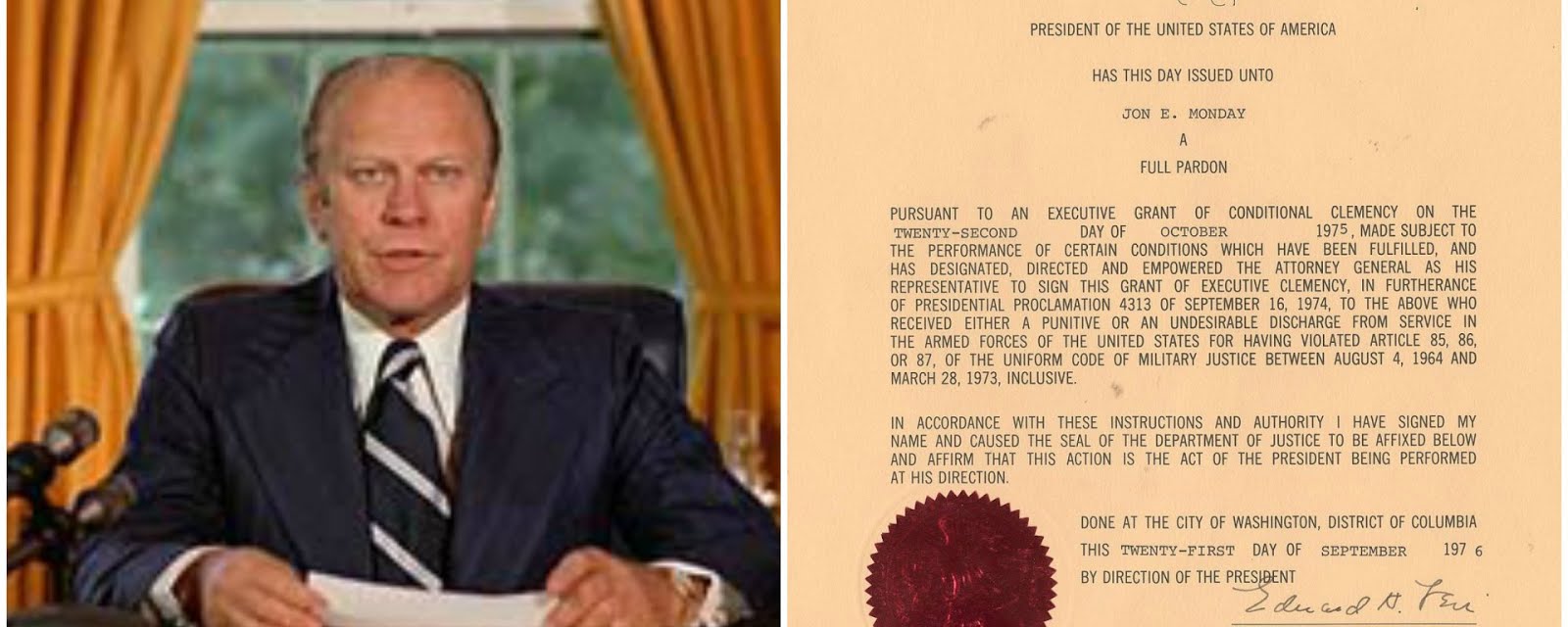
September 08, 1974. President Ford grants pardon to President Nixon. The doomed presidency of Nixon and Ford. Doomed for not playing the ‘Tibet Card’.

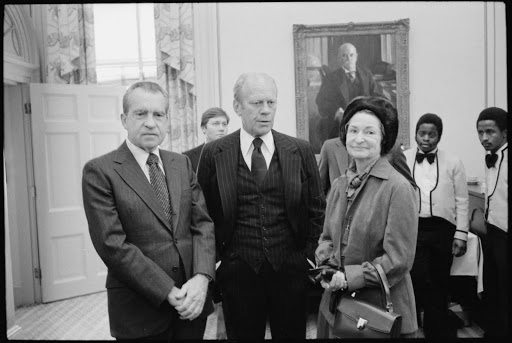
On September 08, 1974, President Gerald R. Ford grants unconditional pardon to Richard M Nixon, 37th President of the United States of America. I served in Special Frontier Force during the presidency of Nixon and Ford. I live in Ann Arbor, Michigan where I have the opportunity to visit Gerald R. Ford’s Presidential Library on the University of Michigan Campus. 

The doomed Presidency of Nixon and Ford. Nixon and Kissinger treacherous actions in the Vietnam War cannot be pardoned.
In my opinion, President Ford’s pardon may not include Nixon’s Vietnam Treason. I cannot grant pardon to Nixon for he had never admitted his crime of Betrayal, Treachery in the conduct of the Vietnam War. I still recognize Nixon and Ford as Backstabbers of Tibetan Nation. Their Presidency doomed for they failed to play the ‘Tibetan Card’.
 
Rudra Narasimham Rebbapragada
Ann Arbor, MI 48104-4162 USA


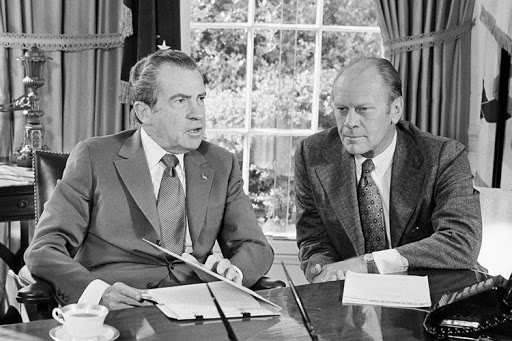
Nixon and Ford attending the funeral function of President Lyndon B. Johnson. The doomed Presidency of Nixon and Ford.

This Day in History: Ford pardons Nixon

SEPTEMBER 08
 
 
  •  
The Watergate scandal erupted after it was revealed that Nixon and his aides had engaged in illegal activities during his reelection campaign–and then attempted to cover up evidence of wrongdoing. With impeachment proceedings underway against him in Congress, Nixon bowed to public pressure and became the first American president to resign. At noon on August 9, Nixon officially ended his term, departing with his family in a helicopter from the White House lawn. Minutes later, Vice President Gerald R. Ford was sworn in as the 38th president of the United States in the East Room of the White House. After taking the oath of office, President Ford spoke to the nation in a television address, declaring, “My fellow Americans, our long national nightmare is over.”
 
Ford, the first president who came to the office through appointment rather than election, had replaced Spiro Agnew as vice president only eight months before. In a political scandal independent of the Nixon administration’s wrongdoings in the Watergate affair, Agnew had been forced to resign in disgrace after he was charged with income tax evasion and political corruption. Exactly one month after Nixon announced his resignation, Ford issued the former president a “full, free and absolute” pardon for any crimes he committed while in office. The pardon was widely condemned at the time.
 
Decades later, the John F. Kennedy Library Foundation presented its 2001 Profile in Courage Award to Gerald Ford for his 1974 pardon of Nixon. In pardoning Nixon, said the foundation, Ford placed his love of country ahead of his own political future and brought needed closure to the divisive Watergate affair. Ford left politics after losing the 1976 presidential election to Democrat Jimmy Carter. Ford died on December 26, 2006, at the age of 93.


The doomed presidency of Nixon and Ford. September 08, 1974. Doomed for not playing the 'Tibet Card'.
September 08, 1974. President Ford grants pardon to President Nixon. The doomed Presidency of Nixon and Ford. Doomed for not playing the ‘Tibet Card’.


MARCH 29, 1973: THE UNFINISHED WAR TO CONTAIN COMMUNISM

MARCH 29, 1973: THE UNFINISHED WAR TO CONTAIN COMMUNISM


On March 29, 1973, the U.S. withdraws combat troops from Vietnam after the signing of the Vietnam Peace Agreement in Paris on January 29, 1973. However, the War to contain the threat posed by the spread of Communism to Asia is not over.


Rudranarasimham Rebbapragada

SPECIAL FRONTIER FORCE


Clipped from:

U.S. Withdraws from Vietnam-History


1973

U.S. withdraws from Vietnam


March 29. U.S. withdraws from Vietnam


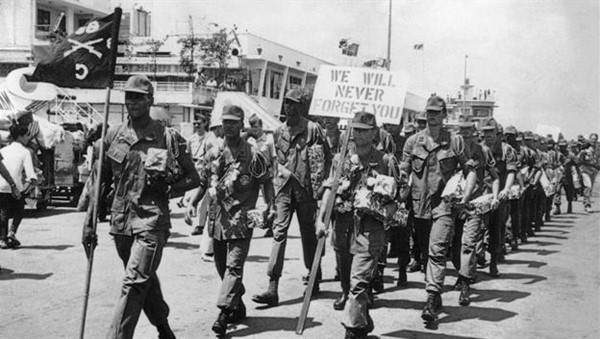
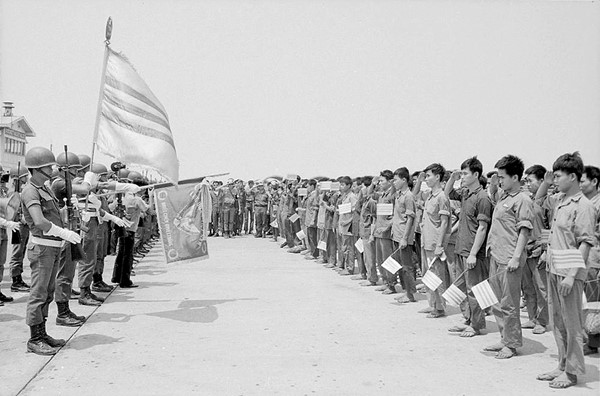
Two months after the signing of the Vietnam peace agreement, the last U.S. combat troops leave South Vietnam as Hanoi frees the remaining American prisoners of war held in North Vietnam. America’s direct eight-year intervention in the Vietnam War was at an end. In Saigon, some 7,000 U.S. Department of Defense civilian employees remained behind to aid South Vietnam in conducting what looked to be a fierce and ongoing war with communist North Vietnam.

In 1961, after two decades of indirect military aid, U.S. President John F. Kennedy sent the first large force of U.S. military personnel to Vietnam to bolster the ineffectual autocratic regime of South Vietnam against the communist North. Three years later, with the South Vietnamese government crumbling, President Lyndon B. Johnson ordered limited bombing raids on North Vietnam, and Congress authorized the use of U.S. troops. By 1965, North Vietnamese offensives left President Johnson with two choices: escalate U.S. involvement or withdraw. Johnson ordered the former, and troop levels soon jumped to more than 300,000 as U.S. air forces commenced the largest bombing campaign in history.


During the next few years, the extended length of the war, the high number of U.S. casualties, and the exposure of U.S. involvement in war crimes, such as the massacre at My Lai, helped turn many in the United States against the Vietnam War. The communists’ Tet Offensive of 1968 crushed U.S. hopes of an imminent end to the conflict and galvanized U.S. opposition to the war. In response, Johnson announced in March 1968 that he would not seek reelection, citing what he perceived to be his responsibility in creating a perilous national division over Vietnam. He also authorized the beginning of peace talks.


Thanks for watching!

In the spring of 1969, as protests against the war escalated in the United States, U.S. troop strength in the war-torn country reached its peak at nearly 550,000 men. Richard Nixon, the new U.S. president, began U.S. troop withdrawal and “Vietnamization” of the war effort that year, but he intensified bombing. Large U.S. troop withdrawals continued in the early 1970s as President Nixon expanded air and ground operations into Cambodia and Laos in attempts to block enemy supply routes along Vietnam’s borders. This expansion of the war, which accomplished few positive results, led to new waves of protests in the United States and elsewhere.


Finally, in January 1973, representatives of the United States, North and South Vietnam, and the Vietcong signed a peace agreement in Paris, ending the direct U.S. military involvement in the Vietnam War. Its key provisions included a cease-fire throughout Vietnam, the withdrawal of U.S. forces, the release of prisoners of war, and the reunification of North and South Vietnam through peaceful means. The South Vietnamese government was to remain in place until new elections were held, and North Vietnamese forces in the South were not to advance further nor be reinforced.


However, the agreement was little more than a face-saving gesture by the U.S. government. Even before the last American troops departed on March 29, the communists violated the cease-fire, and by early 1974 full-scale war had resumed. At the end of 1974, South Vietnamese authorities reported that 80,000 of their soldiers and civilians had been killed in fighting during the year, making it the costliest of the Vietnam War.


On April 30, 1975, the last few Americans still in South Vietnam were airlifted out of the country as Saigon fell to communist forces. North Vietnamese Colonel Bui Tin, accepting the surrender of South Vietnam later in the day, remarked, “You have nothing to fear; between Vietnamese there are no victors and no vanquished. Only the Americans have been defeated.” The Vietnam War was the longest and most unpopular foreign war in U.S. history and cost 58,000 American lives. As many as two million Vietnamese soldiers and civilians were killed.


TRUMP TALKS AND DALAI LAMA LISTENS – DALAI LAMA DISPATCHES ENVOY TO CHINA

TRUMP TALKS AND DALAI LAMA LISTENS – DALAI LAMA DISPATCHES ENVOY TO CHINA

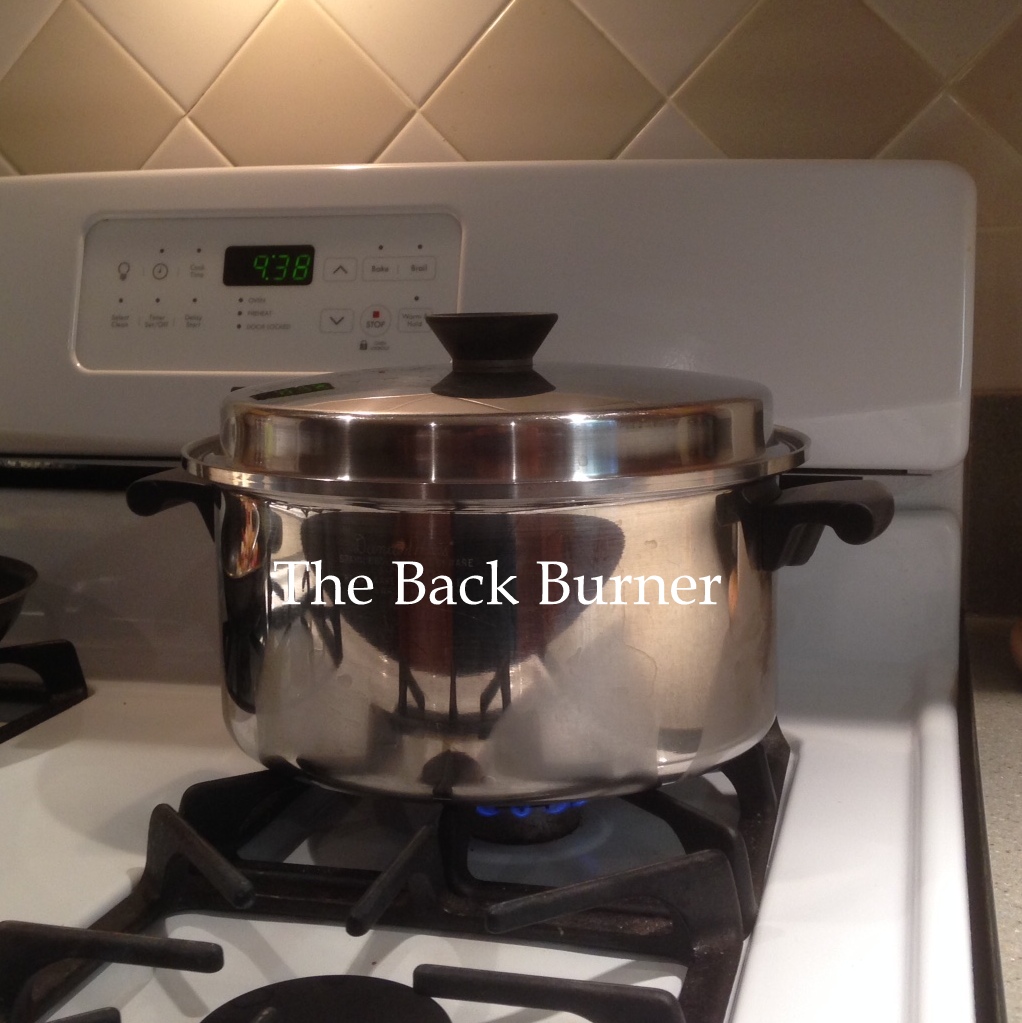
TIBET CONSCIOUSNESS – TIBET PROBLEM ON THE BACK BURNER ...
Trump Talks and Dalai Lama Listens – Dalai Lama Dispatches Envoy to China. Tibet Consciousness – Tibet Problem on ‘The Back Burner’. On wholedude.com

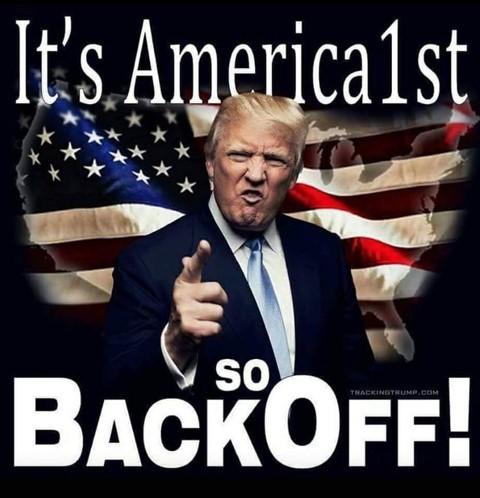
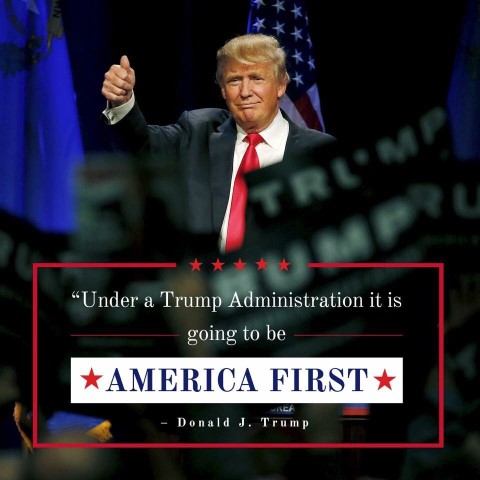
Tibet issue remained on ‘The Back Burner’ for a long time. The Supreme Ruler of Tibet is clearly getting tired, frustrated, disappointed, and disenchanted with President Trump’s America or Americans First foreign policy. When Trump talks, the Dalai Lama listens.

Trump Talks and Dalai Lama Listens – Dalai Lama Dispatches Envoy to China.

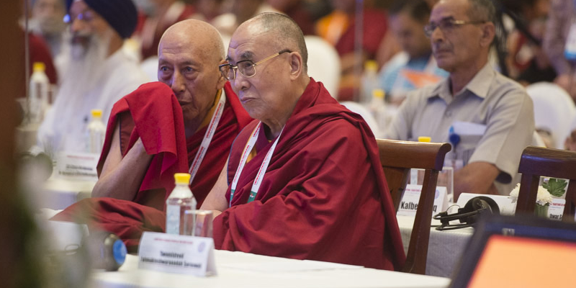
His Holiness the Dalai Lama listened to Trump’s demand and I am not surprised to find Tibet’s willingness to Back Off.

Rudranarasimham Rebbapragada
DOOM DOOMA DOOMSAYER

Trump Talks and Dalai Lama Listens – Dalai Lama Dispatches Envoy to China.

DALAI LAMA’S ENVOY SAMDONG RINPOCHE DISCREETLY VISITED CHINA

Trump Talks and Dalai Lama Listens – Dalai Lama Dispatches Envoy to China.

Clipped from: http://www.tibetanjournal.com/index.php/2017/12/05/dalai-lamas-envoy-samdhong-rinpoche-visited-china/

In one of the hottest news unfolding recently is that His Holiness the Dalai Lama’s personal emissary, the former Prime Minister of Tibetan government in Exile, His Eminence the Samdong Rinpoche is being said to have made a discreet visit to China! Besides the discussions going on in the Social media, an article in a major online media suggests the same.
“In a rapidly unfolding development, the Dalai Lama may have sent his envoy Samdong on a discreet visit to Kunming (China). Samdong’s visit, starting from mid November, must have been facilitated by no less than You Quan – newly-appointed head of the United Front Work Department that overseas Tibetan affairs. Quan, who formerly served as party secretary of Fujian, is a close associate of President Xi. He had earlier successfully dealt with Hong Kong, Macau and Taiwan’s business communities.” suggested the report in The Wire.
However, there are no any official information available about the visit. The article which titled as ‘The Dalai Lama Wants to Return Home’ suggested that the Dalai Lama appointing the emissaries and lessened foreign visits recently have significantly pleased China.
“Appointing personal emissaries satisfies China. Beijing has been emphatically asking Dalai Lama to stop travelling to Western capitals, if talks are to be resumed. At the 19th party congress, the Tibet Work Forum chief told reporters that international figures have no excuse for meeting with the Dalai Lama. Recently, the Dalai Lama even had to abort his planned visit to Botswana, citing physical “exhaustion”.” added the report.
Besides the article also suggests, the former prime minister’s visit to China meant the working at the Five year’s plan to resolve the Tibet issue while the incumbent Prime Minister Dr. Sangay’s foreign visit during the same period meant the sustaining of Tibet issue for the next fifty years if the need be for the struggle. This discusses about the Five-Fifty policy being endorsed by the Tibetan Administration.
The article also noted that there is some hope in this juncture over the dialogue in view of the fact that the Chinese President Xi is reportedly known for having a soft side for Tibet while His Holiness himself has called President Xi being open-minded and a realist leader. However, the facts are yet to be seen and the past is very bitter despite having held more than ten rounds of talks between the two!

Trump Talks and Dalai Lama Listens – Dalai Lama Dispatches Envoy to China.


PRESIDENT TRUMP’S DEFINING MOMENT – ARE YOU FRIEND OF FREEDOM AND DEMOCRACY?

PRESIDENT TRUMP’S DEFINING MOMENT – ARE YOU FRIEND OF FREEDOM AND DEMOCRACY?


On Tuesday September 19, 2017, President Trump will address the UN General Assembly. It will be President Trump’s defining moment. He must prove his credentials to the world.


On behalf of Special Frontier Force, I ask Mr. President, “Are You Friend of Freedom and Democracy?”


Trump must verify his love, hate relationship with American Values. While defending Freedom and Democracy, the US lost its battle in Vietnam. Now, I must know as to how President Trump plans to “WIN” ‘The Cold War in Asia’.


Rudranarasimham Rebbapragada

Ann Arbor, Michigan, USA 48104 – 4162

SPECIAL FRONTIER FORCE


TRUMP’S LOVE, HATE RELATIONSHIP WITH THE UNITED NATIONS – ABC NEWS


Clipped from: http://abcnews.go.com/Politics/president-trumps-love-hate-relationship-united-nations/story?id=49925472

Evan Vucci/AP

President Trump will make his first speech before the United Nations General Assembly on Tuesday. Will he bring the world together or sow division? Will he embrace an institution that he has previously called weak and incompetent?

His relationship with the New York-based global organization is long and complicated.

Trump, the candidate, says UN “not a friend of freedom”

During his March 23, 2016 speech before the American Israel Public Affairs Committee’s conference, then-candidate Trump issued some of his toughest commentary, speaking of the “utter weakness and incompetence of the United Nations.”

“The United Nations is not a friend of democracy. It’s not a friend to freedom,” Trump said. “It’s not a friend even to the United States of America, where, as you know, it has its home. And it surely is not a friend to Israel.”

Though a 2016 Global Attitudes Survey by Pew Research Center showed that 64 percent of Americans had a favorable view of the United Nations, Trump’s campaign promises for a protectionist economic policy and an aggressive approach to China come into conflict with the goals of multilateralism and the UN charter. His promotion of interrogation techniques “worse than waterboarding,” his push for a temporary ban on Muslims from entering the U.S. and his decision to pull out of the Paris Climate Accords have also put Trump at odds with UN allies.

Last December, Trump continued his assault on the institution, tweeting: “The United Nations has such great potential but right now it is just a club for people to get together, talk and have a good time. So sad!”

Trump, the real estate magnate: “I’m a big fan” of the UN

In 2005, Trump testified before a subcommittee looking at UN spending, calling himself a “big fan of the United Nations and all it stands for.” He told lawmakers the institution was one of the reasons he chose to build Trump World Tower, one of his luxury residential properties, where he did in 1998.

“If the United Nations weren’t there, perhaps I wouldn’t have built it in that location,” said Trump. “So it means quite a bit to me.” When Trump was planning the building, many UN officials, including Secretary General Kofi Annan, expressed disapproval of the massive construction project.

Trump’s renovation hopes

At a 2005 hearing, a Senate Homeland Security and Governmental Affairs subcommittee was looking at renovations at the UN New York headquarters and estimated development costs for similar projects in New York. Trump had met with UN officials to pitch his services, but they were refused. He told members he thought the project could cost $700 million, and he predicted the UN would end up spending upwards of $3 billion.

“You have to deal in New York City construction to see what tough people are all about,” Trump said at the time. “I listen to these people and they’re very naive, I respect them, but they’re very naive in this world. I might be naive in their world. But in this world, they’re naive.”

He also noted at a 2005 hearing that it was a dream of his to move the United Nations headquarters to the World Trade Center.

Seven years later, he shared another UN preoccupation, tweeting on Oct. 3, 2012: “The cheap 12 inch sq. marble tiles behind speaker at UN always bothered me. I will replace with beautiful large marble slabs if they ask me.”

On Tuesday, Trump will address the United Nations General Assembly and the world without his “beautiful large marble slabs” as a backdrop.

SEPTEMBER 10, 2017 – THE COLD WAR IN ASIA – TELL THE COMMUNISTS, “WE STILL MEAN BUSINESS”

SEPTEMBER 10, 2017 – THE COLD WAR IN ASIA – TELL THE COMMUNISTS, “WE STILL MEAN BUSINESS”

A Brief History of False Flag Attacks: Or Why Government ...

SEPTEMBER 10, 2017 – THE COLD WAR IN ASIA – TELL THE COMMUNISTS, “WE STILL MEAN BUSINESS”

The Great Society 50 Years Later: How We're Failing ...

On September 10, 2017, United States must tell the Communists, “We mean Business.” The time has come to squarely address the problem of Communism that spread to mainland China in 1949.

Rudranarasimham Rebbapragada
DOOM DOOMA DOOMSAYER

Ch22 sec1&2 new2012

PRESIDENT JOHNSON SENDS SIGNAL TO BOTH NORTH AND SOUTH VIETNAMESE – SEPTEMBER 10, 1964

Clipped from: http://www.history.com/this-day-in-history/president-johnson-sends-signal-to-both-north-and-south-vietnamese?

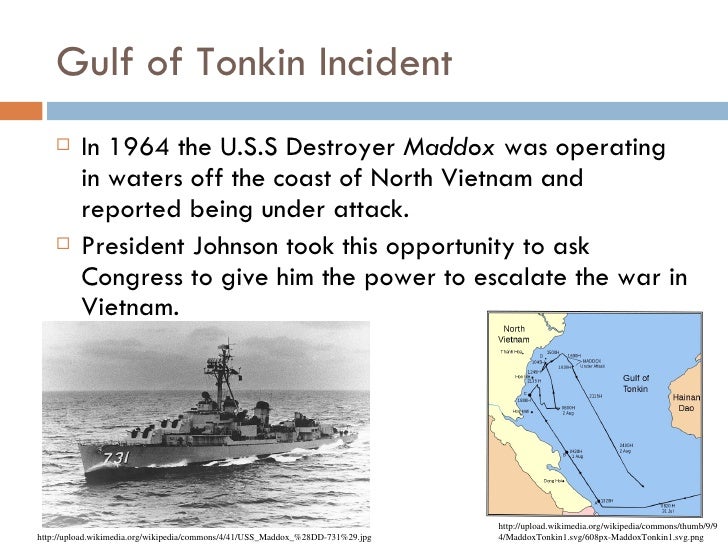
Following the Tonkin Gulf incidents, in which North Vietnamese torpedo boats attacked U.S. destroyers, and the subsequent passage of the Tonkin Gulf Resolution empowering him to react to armed attacks, President Lyndon Johnson authorizes a series of measures “to assist morale in South Vietnam and show the Communists [in North Vietnam] we still mean business.” These measures included covert action such as the resumption of the DeSoto intelligence patrols and South Vietnamese coastal raids to harass the North Vietnamese. Premier Souvanna Phouma of Laos was also asked to allow the South Vietnamese to make air and ground raids into southeastern Laos, along with air strikes by Laotian planes and U.S. armed aerial reconnaissance to cut off the North Vietnamese infiltration along the route that became known as the Ho Chi Minh Trail. Eventually, U.S. warplanes would drop over 2 million tons of bombs on Laos as part of Operations Steel Tiger and Tiger Hound between 1965 and 1973.

Also on this day

Vietnam War

Vietnam war architect Robert McNamara dies | US news | The ...

1963

President Kennedy gets mixed signals

Maj. Gen. Victor Krulak, USMC, Special Assistant for Counterinsurgency and Special Activities to the Joint Chiefs of Staff, and Joseph Mendenhall of the State Department report to President John F. Kennedy on their fact-finding mission to Vietnam. The president had sent them to make a firsthand assessment of the situation in Vietnam…

THE COLD WAR IN ASIA CHINA and KOREA. - ppt download