Vikas Regiment regrets Tiananmen Massacre on June 04, 1989
Vikas Regiment regrets Tiananmen Massacre on June 04, 1989.
I ask my readers to remember the events of June 04, 1989. Beijing Doomed because of her own evil actions.
On Wednesday, June 4, 2025, the 36th Anniversary of Tiananmen Square Massacre, The Living Tibetan Spirits revisit the past; the spread of Communism to mainland China in 1949.
Special Frontier Force Reviews Hump Airlift Operation 1942-1945. The Legacy of the Hump Operation lives to this day.
Today, on Wednesday, June 04, 2025 The Living Tibetan Spirits regret Tibet’s decision to pursue the policy of Isolationism while confronting the grave threat posed by Communist takeover of mainland China. In 1943, Tibet had the opportunity to establish formal diplomatic relationships with the United States and other countries of Free World to prevent the spread of Communism to Asia.
Tibet’s unwillingness to openly resist Communism in 1943 is a crucial factor contributing to the loss of human rights in mainland China apart from the misery and suffering imposed on the lives of Tibetan people.
Rudra Narasimham Rebbapragada
DOOM DOOMA DOOMSAYER
Vikas Regiment regrets Tiananmen Massacre on June 04, 1989
Learn from us on Democracy, Taiwan tells China on Tiananmen Anniversary
Sun Jun 4, 2017, | 8:49am EDT
NEVER FORGET JUNE 04, 1989 – TIANANMEN ANNIVERSARY – BEIJING DOOMED.
A paramilitary policeman keeps watch underneath the portrait of former Chinese Chairman Mao Zedong in Beijing’s Tiananmen Square, China June 4, 2017. REUTERS/Thomas Peter
By J.R. Wu and Katy Wong | TAIPEI/HONG KONG
Taiwan’s president on Sunday offered to help China to transition to democracy, on the 28th anniversary of China’s bloody crackdown on pro-democracy protests in and around Beijing’s Tiananmen Square, as thousands gathered in Hong Kong for an evening vigil.
Nearly three decades after Beijing sent tanks and troops to quell the 1989 pro-democracy, student-led protests, Chinese authorities ban any public commemoration of the subject on the mainland and have yet to release an official death toll.
Hong Kong, a former British colony that returned to Chinese rule in 1997, is the only place on Chinese soil where a large-scale commemoration takes place, symbolizing the financial hub’s relative freedoms compared with the mainland.
This year’s events are especially politically charged, coming just a month before an expected visit of President Xi Jinping to mark 20 years since Hong Kong was handed back to China.
“When Xi Jinping comes, he’ll know the people of Hong Kong have not forgotten,” said Lee Cheuk-yan, a veteran democracy activist and an organizer of the annual candlelight vigil.
“The students who died still haven’t got what they deserve. They fought for their future, in the same way, we’re fighting for our future,” 17-year-old Yanny Chan, a high school student, said.
In Taiwan, President Tsai Ing-wen said that the biggest gap between Taiwan and China was democracy and freedom, needling Beijing at a time when relations between China and the self-ruled island are at a low point.
“For democracy: some are early, others are late, but we all get there in the end,” Tsai said, writing in Chinese on her Facebook page and tweeting some of her comments in English on Twitter.
“Borrowing on Taiwan’s experience, I believe that China can shorten the pain of democratic reform.”
Beijing distrusts Tsai and her ruling Democratic Progressive Party because it traditionally advocates independence for Taiwan. Beijing says the island is part of China and has never renounced the use of force to bring it under its control.
After nearly 40 years of martial law, the island in the late 1980s began its own transition to democracy with presidential elections being held since 1996.
On Friday, Chinese Foreign Ministry spokeswoman Hua Chunying said China had long ago reached a conclusion about June 4.
“I hope you can pay more attention to the positive changes happening in all levels of Chinese society,” she said without elaborating. In Beijing, security was tight as usual at Tiananmen Square, with long lines at bag and identity checks. The square itself was peaceful, thronged with tourists taking photos. One elderly resident of a nearby neighborhood, out for a stroll at the edge of the square, said he remembered the events of 28 years ago clearly.
“The soldiers were just babies, 18, 19 years old. They didn’t know what they were doing,” he told Reuters, asking to be identified only by his family name, Sun.
While some search terms on China’s popular Twitter-like microblog Weibo appeared to be blocked on Sunday, some users were able to post cryptic messages.
“Never forget,” wrote one, above a picture of mahjong tiles with the numbers 6 and 4 on them, for the month and day of the anniversary.
(Reporting by J.R. Wu; Additional reporting by Ben Blanchard and Philip Wen in BEIJING; Venus Wu and James Pomfret in HONG KONG; Editing by Tony Munroe, Kim Coghill, and Jane Merriman)
Reuters is the news and media division of Thomson Reuters. Thomson Reuters is the world’s largest international multimedia news agency, providing investing news, world news, business news, technology news, headline news, small business news, news alerts, personal finance, stock market, and mutual funds information available on Reuters.com, video, mobile, and interactive television platforms. Learn more about Thomson Reuters products:
Vikas Regiment regrets Tiananmen Massacre on June 04, 1989Vikas Regiment regrets Tiananmen Massacre on June 04, 1989Vikas Regiment regrets Tiananmen Massacre on June 04, 1989Vikas Regiment regrets Tiananmen Massacre on June 04, 1989Vikas Regiment regrets Tiananmen Massacre on June 04, 1989
The Cold War in Asia – The Unfinished Korea-Vietnam War
BITTER MEMORIES OF APRIL 30, 1975 – VIETNAM WAR’S NEVER ENDING PAIN. CIA OFFICER JAMES E. PARKER Jr., IN VIETNAM.
James E. Parker Jr., CIA’s last Vietnam evacuee shares his bitter memories of April 30, 1975 in a story published by The Washington Times. Mr. Parker joined the CIA in 1970. I joined the Indian Army on July 26, 1970 after grant of Short Service Regular Commission during September 1969. Both of us served the CIA’s Mission in Southeast Asia with different expectations. My sadness, and mental pain continue in the context of Tibet’s continued Military Occupation since 1950s. Vietnam War gave me hope of USA’s willingness to engage and contain the threat posed by Communist Expansionism in Southern Asia.
I am still patiently waiting for the US to fulfill its Mission to evict the Military Occupier of Tibet.
Rudra Narasimham Rebbapragada
Special Frontier Force – Establishment 22 – Vikas Regiment
James Parker, CIA’s last Vietnam evacuee, holds bitter memories of fateful day – Washington Times
Sunday, April 30, 2017, 8:18 PM
Last CIA evacuee bitterly recalls U.S. Embassy cowardice, betrayals as Saigon fell to North Vietnam
BITTER MEMORIES OF APRIL 30, 1975 – VIETNAM WAR’S NEVER ENDING PAIN.
James Parker (right) received the CIA’s Intelligence Medal of Merit from CIA Director William Colby in 1975. This photograph is signed: “To James Parker – with thanks and applause for a job well done in Vietnam. William Colby.
By Richard C. Ehrlich – Special to the Washington Times – – Sunday, April 30, 2017
BANGKOK— Time has done little to dull the anger of James Parker James Parker, the last CIA officer to evacuate Vietnam, as the world marks the latest anniversary of the U.S. evacuation of its embassy in Saigon just ahead of advancing North Vietnamese forces in 1975.
When South Vietnam’s capital fell on the last day of April that year, the intelligence officer’s two best military sources committed suicide and the actions of an American diplomat endangered the lives of escaping diplomats and CIA personnel, the 73-year-old Mr. Parker recalled in an interview. Off the coast of Danang, panicked South Vietnamese who evacuated onto a U.S. ship shot, stabbed, raped, trampled and executed one another in revenge attacks.
But much of his anger targets Mr. Parker‘s fellow Americans as they stumbled through one of the low points of the postwar era in their nation’s history.
“As for my experiences, back in Vietnam at the end, [I remember] the absolute chickens—t character of the men in the U.S. Embassy in Saigon, how they were so petty and self-indulgent, so pedantic and so distant from the fighting,” Mr. Parker said in an interview with The Washington Times.
He said the attitude in the embassy contributed to the ignominious defeat.
“Their pusillanimity disrespected the men, American and Asian, I had known who died fighting the good fight,” he said. “The State Department people were not folks to look up to in a combat zone.”
Mr. Parker lives in Las Vegas after a 32-year career in the CIA that started in 1970. He has written several books about his experiences in Southeast Asia, including his newest volume published last year, “The Vietnam War: Its Own Self.” The colorful, 706-page book includes photographs of CIA officers, Hmong and Vietnamese soldiers, maps of bomb sites, and pictures of dead bodies and one nude Lao bar girl.
His memories of the bitter end remain especially vivid. One week before the communist North defeated the U.S.-backed South Vietnamese government, the “evacuation plan for the consulate” in Can Tho city where Mr. Parker was based degenerated into chaos.
“Jim D., a career Central Intelligence Operations officer and chief of the CIA base in the Delta of South Vietnam” insisted that the safest, most reliable evacuation would be in helicopters, Mr. Parker said in the interview, declining to reveal Jim D.’s full name. But Consul General Terry McNamara did not trust that the CIA‘s battle-hardened Air America pilots would fly them to a waiting U.S. Navy ship.
Mr. McNamara yelled: “They could leave us all here. They are wild, uncontrollable animals, the Air America people. We control our own destiny if we go out by boat” on a 60-mile Bassac River route to the South China Sea.
Jim D. replied: “I have my people to protect, and I have [Air America] helicopters. My people go out by helicopter.”
Mr. Parker‘s and his CIA colleagues’ escape was also at risk.
“Mr. McNamara’s plan did not provide for the safety of the CIA officers,” he wrote. “We had no cover. If we were captured by the North Vietnamese, as was entirely possible, McNamara suggested we tell them that we were USAID engineers, which would not have held up during any type of serious interrogation.”
Mr. McNamara, his diplomatic staff and some South Vietnamese nationals went on boats down the “extremely dangerous” river, Mr. Parker said in the interview. “He must have known his plan would leave CIA agents behind. And I don’t think he cared.”
The State Department eventually overruled Mr. McNamara and cleared an evacuation by air.
This allowed Mr. Parker, Jim D. and others to arrange Air America helicopter flights to U.S. Navy ships for themselves, the consulate, embassy and CIA, plus more than 100 CIA key local allies during the final 48 hours.
LOSING SOURCES
One week before the war’s end, Mr. Parker‘s best South Vietnamese source, Gen. Tran Van Hai, predicted the April 30 deadline of North Vietnam’s victory. But the CIA station chief in Saigon, Tom Polgar, and CIA head analyst Frank Snepp refused to believe Mr. Parker.
backed South Vietnamese Rangers also climbed aboard.
“The Vietnamese Rangers took over my ship. Killed, raped, robbed. You could hear gunshots all the time. Soldiers were walking around with bloody knives,” Capt. Flink told Mr. Parker. “We had to lock ourselves in the pilot house. I only had a crew of 40 plus some security, but there were thousands of those wild, crazy Vietnamese people.
They insisted that North Vietnam would allow Saigon and the southern Delta to remain under U.S. protection after a cease-fire, he said.
On May 1, 1975, Gen. Hai was found dead.
“General Hai lay face down at his desk. Alone during the night, without saying good-bye to anyone, he had committed suicide. A half-empty glass of brandy, laced with poison, was near an outstretched hand,” Mr. Parker wrote.
“That report Hai gave me [predicting] the day Saigon would fall to the NVA” probably helped Mr. Parker win a top citation from his Langley bosses, the agent bitterly recalled in the interview.
Hours after Hanoi’s victory, South Vietnamese Gen. Le Van Hung — Mr. Parker‘s other top intelligence source — saluted his troops “and then shook each man’s hand. He asked everyone to leave. Some of his men did not move, so he pushed them out the door, shook off his wife’s final pleas and finally was alone in his office.
“Within moments there was a loud shot. General Hung was dead,” he wrote.
There were other bitter memories in those final days. One month before the final defeat, Merchant Marine Capt. Ed Flink aboard the Pioneer Contender — a U.S. ship chartered to the Military Sealift Command — was evacuating Americans and thousands of South Vietnamese civilians from Danang when it fell to the communists. As the mission proceeded, however, some U.S.-
“They finally shot some of the worst, once we docked but I’ll tell you, son, it was hell. We found bodies all over the ship after everyone got off. Babies, old women, young boys. Cut, shot and trampled to death.”
Mr. Parker said in the interview: “It was Vietnamese officials who shot the rioters.”
Capt. Flink later told interviewers that Vietnamese conducted onboard “kangaroo courts” and executed suspected communists.
Mr. Parker was the last CIA officer to evacuate Vietnam, escaping on May 1, 1975, two days after the U.S. abandoned the embassy in Saigon.
He joined the CIA in 1971 as a paramilitary case officer fighting alongside ethnic Hmong guerrillas and Thai forces against Lao and North Vietnamese communists inside Laos until 1973. In 1974, he became a CIA intelligence officer in South Vietnam handling Vietnamese agents and South Vietnam’s military.
He retired in 1992 but returned to the CIA on Sept. 11, 2001, as a contractor to “teach tradecraft to new hires” and work inside Cambodia, Afghanistan and elsewhere before retiring again in 2011.
I describe Red China’s Communist Face using terms such as Evil, Aggressor, Public Enemy No. 1,Tyrant, Occupier, Subjugator, Wicked, Cunning, Jackal, Expansionist, Neocolonialist, Obstructionist, Jackass, and Trojan Horse.
Red China’s global ambitions cannot be trusted because of her One-Party Governance with no Public Accountability and Transparency. I describe Red China’s Communist Face using terms such as Evil, Aggressor, Public Enemy No. 1,Tyrant, Occupier, Subjugator, Wicked, Cunning, Jackal, Expansionist, Neocolonialist, Obstructionist, Jackass, and Trojan Horse.
Rudra Narasimham Rebbapragada
Special Frontier Force – Establishment 22 – Vikas Regiment
CHINA’S GLOBAL AMBITIONS: ARE THERE LESSONS TO BE LEARNT FROM TIBET?
I describe Red China’s Communist Face using terms such as Evil, Aggressor, Public Enemy No. 1,Tyrant, Occupier, Subjugator, Wicked, Cunning, Jackal, Expansionist, Neocolonialist, Obstructionist, Jackass, and Trojan Horse.
The man who replaced the Dalai Lama as the head of Tibet’s government-in-exile has brought a troubling message to Australia. The Chinese military forcibly annexed Tibet in the 1950s, sending the Dalai Lama into hasty exile in India. The Dalai Lama retains his role as spiritual leader. But the Tibetan diaspora elected Lobsang Sangay as their political leader six years ago. He spoke at the National Press Club in Canberra earlier this month. The Harvard-educated lawyer’s message to Australia: “It happened to Tibet – you could be next.”
This is a disturbing idea, but surely a fanciful one? As president of the Tibetan government-in-exile, Sangay’s main agenda is to stir international empathy for Tibet. Encouraging us to identify with Tibet, putting us in Tibet’s shoes, is surely a clever technique for achieving his aim.
Does have anything to support his assertion? His case: “If you understand the Tibetan story, the Chinese government [before the military takeover] started building a road – our first ever highway in Tibet.
“Now, we were promised peace and prosperity with the highway, and our parents and grandparents joined in building the road. In fact, they were paid silver coins to help them build the road…
I describe Red China’s Communist Face using terms such as Evil, Aggressor, Public Enemy No. 1,Tyrant, Occupier, Subjugator, Wicked, Cunning, Jackal, Expansionist, Neocolonialist, Obstructionist, Jackass, and Trojan Horse.
“So my parents told me the Chinese soldiers with guns were so polite, so nice, the kids used to taunt them and taunt them, they always smiled. They never said anything. Then they built the road. Once the road reached Lhasa – the capital city of Tibet – first trucks came, then guns came, then tanks came. Soon, Tibet was occupied. So it started with the road.
“Then another strategy that they deployed was divide and rule, co-opting our ruling elite… They were paid, I think, in Australian context, huge consultation fees.” This brought knowing guffaws from the Australian audience.
“So,” Sangay concluded, “what you see in Australia and around the world – co-optation of ruling elites, getting high consultation fees, business leaders supporting the Chinese line of argument, and even the religious figures – we have seen all that in Tibet. So it started with the road.”
And he compared China’s current international infrastructure project with that road: “So that was the consequence of One Belt, One Road in Tibet.”
One Belt, One Road is President Xi Jinping’s signature foreign policy project. So far, 68 countries have signed up to the mighty vision of an interconnected system of road, rail, ports and bridges embracing most of the world’s population and connecting Europe to Asia and the Pacific through China on land and at sea.
I describe Red China’s Communist Face using terms such as Evil, Aggressor, Public Enemy No. 1,Tyrant, Occupier, Subjugator, Wicked, Cunning, Jackal, Expansionist, Neocolonialist, Obstructionist, Jackass, and Trojan Horse.
However, this is just a beginning; One Belt, One Road was only launched formally in May. Beijing’s plan ultimately encompasses more than 100 countries and at an estimated total cost of between $US1 trillion ($1.26 trillion) and $US4 trillion or more. China has offered to link it with Australia’s Northern Australia Infrastructure Fund, although the Turnbull government has so far declined.
I describe Red China’s Communist Face using terms such as Evil, Aggressor, Public Enemy No. 1,Tyrant, Occupier, Subjugator, Wicked, Cunning, Jackal, Expansionist, Neocolonialist, Obstructionist, Jackass, and Trojan Horse.
In the weekend edict from Beijing clamping down on Chinese foreign investment for fear of excess capital flight, Xi’s government nonetheless encouraged Chinese firms to redirect their money into projects in the One Belt, One Road plan.
Could Chinese infrastructure be a Trojan horse for Chinese takeover of foreign countries? In May, Pakistan’s English-language newspaper Dawn exposed a detailed, 231-page Chinese plan for its 15-year infrastructure rollout in Pakistan. The newspaper’s Khurram Husain described it as “a deep and broad-based penetration of most sectors of Pakistan’s economy as well as its society by Chinese enterprises and culture”.
In Australia, some of China’s proposed infrastructure investments have been prohibited on national security grounds. Last year the Turnbull government blocked a $10 billion Chinese plan to buy into NSW power distribution company Ausgrid. China’s Huawei communications firm has been barred from any investment in Australia’s National Broadband Network. And, as Fairfax’s David Wroe reported on the weekend, the federal intelligence agencies are troubled by Huawei’s buy-in to the proposed 4500 kilometer fiber optic cable connecting the Solomon Islands to Sydney. They fear it is a Chinese state-sponsored effort to find a backdoor into Australia’s critical infrastructure.
A Chinese firm’s purchase of the Port of Darwin raised deep concerns in Washington. Ructions over the decision moved the federal government to change the way the Foreign Investment Review Board reviews proposals – the board is now chaired by a former head of ASIO.
I describe Red China’s Communist Face using terms such as Evil, Aggressor, Public Enemy No. 1,Tyrant, Occupier, Subjugator, Wicked, Cunning, Jackal, Expansionist, Neocolonialist, Obstructionist, Jackass, and Trojan Horse.
Chinese soldiers with fixed bayonets attend the flag-raising ritual at dawn in Tiananmen Square.
Is Sangay right? Geremie Barme, former head of ANU’s Centre for China in the World, is both deeply knowledgeable about China and highly skeptical of its party-state apparatus. He says that Sangay is wrong on two counts. First, says Barme, it’s a “false comparison” to put Tibet with Australia and other countries in the Chinese worldview. “China went into Tibet to extract resources and for military reasons, it was not a big market for China,” says Barme, now an independent scholar and publisher of chinaheritage.net. “China as an economic and political entity is deeply implicated with global economics and politics and it needs not only resources, it needs markets.” Tibet was about resources, in other words, while it sees most of the rest of the world as markets.
I describe Red China’s Communist Face using terms such as Evil, Aggressor, Public Enemy No. 1,Tyrant, Occupier, Subjugator, Wicked, Cunning, Jackal, Expansionist, Neocolonialist, Obstructionist, Jackass, and Trojan Horse.
Second, the Chinese ruling class has not yet decided the scope of their global ambitions, according to Barme. “There is a debate in China at the moment – what responsibilities will they take in the world, and what can they afford?
“They have been studying the US imperium closely for 70 years, and studying why the Soviet Union collapsed. They do know that imperial expansion comes at a very heavy price, and are they prepared to pay that price? They don’t know yet. They do debate it.”
Depending on China’s choice, Lobsang Sangay will turn out to be either a far-seeing prophet or Chicken Little.
Peter Hartcher is the international editor.
I describe Red China’s Communist Face using terms such as Evil, Aggressor, Public Enemy No. 1,Tyrant, Occupier, Subjugator, Wicked, Cunning, Jackal, Expansionist, Neocolonialist, Obstructionist, Jackass, and Trojan Horse.
Special Frontier Force Remembers the Legacy of 35th US President
Special Frontier Force, a military organization in India was established during the Cold War Era while the US fought wars in the Korean Peninsula and Vietnam. In my view, Special Frontier Force is the relic of Unfinished Vietnam War, America’s War against the spread of Communism in South Asia.
On behalf of Special Frontier Force, I feel honored to share John F Kennedy’s Legacy. Due to Cold War Era secret diplomacy, Kennedy’s role in Asian affairs is not fully appreciated both in the US and India. In 1962, during presidency of Dr. Sarvepalli Radhakrishnan, the second President of Republic of India, Kennedy joined hands with India and Tibet to transform the Tibetan Resistance Movement into a regular fighting force.
On behalf of Special Frontier Force, I feel honored to share John F Kennedy’s Legacy. Due to Cold War Era secret diplomacy, Kennedy’s role in Asian affairs is not fully appreciated both in the US and India. In 1962, during presidency of Dr. Sarvepalli Radhakrishnan, the second President of Republic of India, Kennedy joined hands with India and Tibet to transform the Tibetan Resistance Movement into a regular fighting force.
Special Frontier Force, a military organization in India was established during the Cold War Era while the US fought wars in the Korean Peninsula and Vietnam. In my view, Special Frontier Force is the relic of Unfinished Vietnam War, America’s War against the spread of Communism in South Asia.
On behalf of Special Frontier Force, I feel honored to share John F Kennedy’s Legacy. Due to Cold War Era secret diplomacy, Kennedy’s role in Asian affairs is not fully appreciated both in the US and India. In 1962, during presidency of Dr. Sarvepalli Radhakrishnan, the second President of Republic of India, Kennedy joined hands with India and Tibet to transform the Tibetan Resistance Movement into a regular fighting force.
Remembering John F. Kennedy’s Legacy on his 100th birthday
SPECIAL FRONTIER FORCE REMEMBERS JOHN F KENNEDY’S LEGACY ON 35th PRESIDENT’S 100th BIRTHDAY.
Published May 29, 2017
Fox News
On behalf of Special Frontier Force, I feel honored to share John F Kennedy’s Legacy. Due to Cold War Era secret diplomacy, Kennedy’s role in Asian affairs is not fully appreciated both in the US and India. In 1962, during presidency of Dr. Sarvepalli Radhakrishnan, the second President of Republic of India, Kennedy joined hands with India and Tibet to transform the Tibetan Resistance Movement into a regular fighting force.
In this Feb. 27, 1959 file photo, Sen. John F. Kennedy, D-Mass., is shown in his office in Washington. Monday, May 29, 2017 marks the 100-year anniversary of the birth of Kennedy, who went on to become the 35th President of the United States. (AP Photo, File) (AP 1959)
As Americans celebrate this Memorial Day, they also will remember the life and legacy of President John F. Kennedy who was born 100 years ago this Monday.
While the 35th president left a mixed legacy following his assassination in Dallas in 1963, Kennedy remains nearly as popular today as he did during his time in office, and he arguably created the idea of a president’s “brand” that has become commonplace in American politics.
“President Kennedy and First Lady Jacqueline Kennedy worked hard to construct a positive image of themselves, what I call the Kennedy brand,” Michael Hogan, author of ‘The Afterlife of John Fitzgerald Kennedy: A Biography.’ “And because history is as much about forgetting as remembering, they made every effort to filter out information at odds with that image.”
In commemoration of JFK’s 100th birthday, Fox News has compiled a rundown on the life of the 35th president:
Born on May 29, 1917 in Brookline, Massachusetts to Joseph “Joe” Kennedy and Rose Elizabeth Fitzgerald Kennedy
In 1940, Kennedy graduated cum laude from Harvard College with a Bachelor of Arts in government
From 1941 to 1945, Kennedy commanded three patrol torpedo boats in South Pacific during World War II, including the PT-109 which was sunk by a Japanese destroyer
In 1946, Kennedy was elected to Congress for Massachusetts’s 11th congressional district and served three terms
Elected to the U.S. Senate to represent Massachusetts in 1952
Kennedy marries Jacqueline Bouvier, a writer with the Washington Times-Herald, in 1953
Receives the Pulitzer Prize in 1957 for his book “Profiles in Courage”
Elected President of the United States in 1960, becoming the youngest person elected to the country’s highest office, and the first Roman Catholic president.
He is credited with overseeing the creation and launch of the Peace Corps
Sent 3,000 U.S. troops to support the desegregation of the University of Mississippi after riots there left two dead and many others injured
Approved the failed Bay of Pigs invasion in April 1961 intending to overthrow Cuban leader Fidel Castro
In 1962, Kennedy oversaw the Cuban Missile Crisis — seen as one of the most crucial periods of the U.S.’s Cold War with the Soviet Union
Signed a nuclear test ban treaty with the Soviet Union in July 1963
Asked Congress to approve more than $22 billion for Project Apollo with the goal of landing an American on the moon by the end of the 1960s
Escalated involvement in the conflict in Vietnam and approved the overthrow of Vietnam’s President Ngô Đình Diệm. By the time of the war’s end in 1975, more than 58,000 U.S. troops were killed in the conflict
Assassinated by Lee Harvey Oswald in Dallas, Texas on November 22, 1963
The Associated Press contributed to this report.
On behalf of Special Frontier Force, I feel honored to share John F Kennedy’s Legacy. Due to Cold War Era secret diplomacy, Kennedy’s role in Asian affairs is not fully appreciated both in the US and India. In 1962, during presidency of Dr. Sarvepalli Radhakrishnan, the second President of Republic of India, Kennedy joined hands with India and Tibet to transform the Tibetan Resistance Movement into a regular fighting force.
On behalf of Special Frontier Force, I feel honored to share John F Kennedy’s Legacy. Due to Cold War Era secret diplomacy, Kennedy’s role in Asian affairs is not fully appreciated both in the US and India. In 1962, during presidency of Dr. Sarvepalli Radhakrishnan, the second President of Republic of India, Kennedy joined hands with India and Tibet to transform the Tibetan Resistance Movement into a regular fighting force.
Bruce Riedel Reveals the Failed CIA Operations in Tibet and Cuba
Whole Review – JFK’s Forgotten Crisis, Book by Bruce Riedel. I reject Prime Minister Narendra Modi’s interpretation of Prime Minister Nehru’s Policy since 1947. In fact, Bruce Riedel reveals the failed CIA operations in Tibet and Cuba.
U.S. President John F. Kennedy faced two great crises in 1962 – the Cuban missile crisis and the Sino-Indian War. While his part in the missile crisis that threatened to snowball into a nuclear war has been thoroughly studied, his critical role in the Sino-Indian War has been largely ignored. Bruce Riedel fills that gap with JFK’s Forgotten Crisis: Tibet, the CIA, and the Sino-Indian War. Riedel’s telling of the president’s firm response to China’s invasion of India and his deft diplomacy in keeping Pakistan neutral provides a unique study of Kennedy’s leadership. Embedded within that story is an array of historical details of special interest to India, remarkable among which are Jacqueline Kennedy’s role in bolstering diplomatic relations with Prime Minister Jawaharlal Nehru and Pakistan President Ayub Khan, and the backstory to the China-India rivalry – what is today the longest disputed border in the world.
Bruce Riedel is senior fellow and director of the Brookings Intelligence Project. He joined Brookings following a thirty-year career at the CIA. His previous books include The Search for al Qaeda: Its Leadership, Ideology, and Future; Deadly Embrace: Pakistan, America, and the Future of the Global Jihad; and Avoiding Armageddon: America, India, and Pakistan to the Brink and Back.
In my analysis, Indian Prime Minister Nehru and the US President John F. Kennedy are not accountable for the Failed CIA Operations in Tibet and Cuba. THE 1962 INDIA – CHINA WAR AND THE US FACTOR. PRESIDENT KENNEDY PLANNED TO NUKE CHINA IN 1962.
The great conspiracy hatched by the UK and the US to dismember India in 1947 is not mentioned in JFK’s Forgotten Crisis Book Review. The First Kashmir War of 1947-48 is not because of Nehru’s incompetence. Following this unfair and unjust attack on India in 1947, Nehru acted in the interests of India and obtained the Soviet support for Kashmir without any concern for his own policy of Non-Alignment. He was indeed a great diplomat who performed a balancing act. The Communist takeover of mainland China and Chairman Mao Zedongs’s Expansionist Doctrine compelled Nehru to visit Washington D.C. in 1949 to initiate the Tibetan Resistance Movement and Nehru kept it as a covert operation to avoid provoking the Soviets. Nehru offered the UN Security Council seat to Red China to please the Soviets for they are the only people who fully supported India on the Kashmir issue.
It is the US policy which helped Red China to occupy Aksai Chin area of Ladakh. The US claims Kashmir as the territory of Pakistan. The US policy does not recognize India’s right to Kashmir.
It is the US policy which helped Red China to occupy Aksai Chin area of Ladakh. The US claims Kashmir as the territory of Pakistan. Even today, the official maps of the US show Kashmir as Pakistan’s territory and the US continues to support Pakistan with an aim to dismember India. These covert operations have extended to Punjab and to the Northeast. Nehru kept his cool and obtained the US support to defend the Northeast Frontier. Kennedy did not hesitate to use the Nuke threat and it forced Red China to declare unilateral ceasefire. India regained the full control of the Northeast Frontier while the Chinese still occupy Ladakh which clearly reveals the nature of the US policy which does not recognize India’s right to Kashmir. Too much attention is given by Indian readers to Mrs. Kennedy’s sleeping arrangements during her visit to New Delhi in March 1962. She came with two other ladies. I know the man who cleans the trash cans of that suite. She was experiencing her monthly period during her stay in New Delhi. Nehru may wear a Red Rose but he was not fond of mating women during their monthly periods. Feel free to ask the CIA or Bruce Riedel to refute my account. The evidence is in the trash can, the dust bin called History. All said and done, the CIA failed in 1959 for they underestimated the capabilities of the Enemy in Tibet. The Tibet Uprising of 1959 was brutally crushed and CIA helped the Dalai Lama to find shelter in India. The CIA again failed in Cuba for they underestimated the capabilities of the Enemy in Cuba. Basically, the CIA lacks intelligence capabilities and gave false assurances to Nehru about China’s intentions and preparedness to wage a war across the Himalayan Frontier. Ask Chairman Mao Zedong as to why he attacked India in 1962. What did he say about his own attack? Indians keep repeating the false narrative shared by Neville Maxwell, a communist spy. What about Indian Army Chief? What was his name? Was he related to Nehru clan? Who appointed him to that position? Was there any favoritism? India honored all the military leaders who defended Kashmir.
Tell me about the Battlefield casualties. How many killed and wounded during the 1962 War? Ask Red China to give me its numbers. What is the secret about it? Ask Red China to declassify its War Record to get a perspective on the Himalayan Blunders of Nehru.
Whole Review – JFK’s Forgotten Crisis, Book by Bruce Riedel. On behalf of Special Frontier Force – Vikas Regiment, I reject Prime Minister Narendra Modi’s interpretation of Prime Minister Nehru’s Policy since 1947.
Rudra Rebbapragada
Special Frontier Force/Establishment 22/Vikas Regiment
Whole Review – JFK’s Forgotten Crisis, Book by Bruce Riedel. I reject Prime Minister Narendra Modi’s interpretation of Prime Minister Nehru’s Policy since 1947.
PM Modi urged the MPs to read ‘JFK’s Forgotten Crisis’ in his Parliament speech.
JFK’s Forgotten Crisis: Tibet, the CIA, and the Sino-Indian War, Bruce O. Riedel, Brookings Institution, 2015
Bruce Riedel’s book is written in an accessible style and adds considerably to our understanding of the limitations of Nehru, the India-friendliness of JFK, and the Sino-Indian War of ’62.
Occurring in the shadows of the Cuban Missile Crisis, the Sino-Indian War of 1962 is a forgotten slice of history that is remembered vividly only in India.
With it is buried an important episode of US president John Fitzgerald Kennedy’s diplomacy, an intriguing ‘what-if’ of Indo-US relations, and perhaps the most active chapter in the neglected history of Tibet’s resistance to China’s brutal occupation.
The war, however, brought about significant geopolitical changes to South Asia that shape it to this day. Bruce Riedel’s JFK’s Forgotten Crisis: Tibet, the CIA, and the Sino-Indian War is a gripping account of the United States’ involvement in South Asia and Kennedy’s personal interest in India.
In it, he dispels the commonly held belief that India was not a priority of US foreign policy in the early 1960s and that Kennedy was too preoccupied with events in his own backyard to pay any attention to a “minor border skirmish” on the other side of the world.
Except perhaps among historians of the Cold War, it is not widely known that the United States cosied up to Pakistan during the Eisenhower administration not to buttress South and West Asia against communism but to secure permission to fly reconnaissance missions into the Soviet Union, China, and Tibet.
Initiated in 1957, the US-Pakistan agreement allowed the Central Intelligence Agency (CIA) to operate U-2 reconnaissance planes from Lahore, Peshawar, and other airbases in West Pakistan over Communist territory. Airfields in East Pakistan, such as at Kurmitola, were also made available to the United States. Some of the missions were flown by the Royal Air Force as well.
These overflights provided a wealth of information about the Soviet and Chinese militaries, economies, terrain, and other aspects important to Western military planners. Particularly useful was the information on China, which was otherwise sealed off to Western eyes and ears.
Ayub Khan, the Pakistani president, claimed his pound of flesh for the agreement – Washington and Karachi signed a bilateral security agreement supplementing the CENTO and SEATO security pacts that Pakistan was already a member of and American military aid expanded to include the most advanced US jet fighter of the time, the F-104.
In addition to intelligence gathering, the United States was also involved – with full Pakistani complicity – in supporting Tibetan rebels fight the Chinese army.
The CIA flew out recruits identified by Tibetan resistance leaders, first to Saipan and then on to Camp Hale in Colorado or to the Farm – the CIA’s Virginia facility – to be trained in marksmanship, radio operations, and other crafts of insurgency. The newly-trained recruits were then flown back to Kurmitola, from where they would be parachuted back into Tibet to harass the Chinese military.
No one in Washington had any illusion that these rebels stood any chance against any professionally trained and equipped force, especially one as large as the People’s Liberation Army, but US policymakers were content to harass Beijing in the hope of keeping it off balance.
Jawaharlal Nehru knew of US activities in Tibet, for his Intelligence Bureau chief, BN Mullick, had his own sources in Tibet. It is unlikely, however, that he knew of Pakistan’s role in the United States’ Tibet operations.
In any case, Nehru did not believe that it was worth antagonising the Chinese when there was no hope of victory; India had to live in the same neighbourhood and hence be more cautious than the rambunctious Americans.
Furthermore, it was the heyday of non-alignment and panchsheel, and the Indian prime minister did not wish to upset that applecart if he could help it. In fact, Nehru urged US President Dwight Eisenhower during their 1956 retreat to the latter’s Gettysburg farmhouse to give the UN Security Council seat held by Chiang Kai-shek’s Nationalist China to Mao Zedong’s Communist China.
As Nehru saw it, a nation of 600 million people could not be kept outside the world system for long, but Ike, as the US president was known, still had bitter memories of the Chinese from Korea fresh in his mind. Yet three years later, when Ike visited India and Chinese perfidy in Aksai Chin had been discovered, the Indian prime minister’s tone was a contrast.
To most, Cuba defines the Kennedy administration: JFK had got off to a disastrous start in his presidency with the Bay of Pigs fiasco in Cuba, an inheritance from his predecessor’s era.
His iconic moment, indisputably, came two years later in the showdown with Nikita Khrushchev over Soviet nuclear missiles in Cuba. Less well known is the president’s interest in South Asia and India in particular.
Riedel explains how, even before assuming the presidency, Kennedy had made a name for himself in the US Senate with his powerful speeches on foreign policy.
In essence, he criticised the Eisenhower government for its failure to recognise that the era of European power was over; Kennedy wanted to fight a smarter Cold War, embracing the newly liberated peoples of Asia and Africa and denying the Communists an opportunity to fan any residual anti-imperialism which usually manifested itself as anti-Westernism.
Riedel points to a speech in May 1959 as a key indicator of the future president’s focus:
In May 1959, JFK declared, “…no struggle in the world today deserves more of our time and attention than that which now grips the attention of all Asia. That is the struggle between India and China for leadership of the East…” China was growing three times as fast as India, Kennedy went on, because of Soviet assistance; to help India, the future president proposed, NATO and Japan should put together an aid package of $1 billion per year that would revitalise the Indian economy and set the country on a path to prosperity.
The speech had been partially drafted by someone who would also play a major role in the United States’ India policy during Kennedy’s presidency: John Kenneth Galbraith.
Riedel shows how, despite his Cuban distraction, Kennedy put India on the top of his agenda. A 1960 National Intelligence Estimate prepared by the CIA for the new president predicted a souring of India-China relations; it further predicted that Delhi would probably turn to Moscow for help with Beijing.
However, the border dispute with the Chinese had shaken Nehru’s dominance in foreign policy and made Indian leaders more sympathetic of the United States. The NIE also projected the military gap between India and China to increase to the disadvantage of the former.
The PLA had also been doing exceedingly well against Tibetan rebels, picking them off within weeks of their infiltration. By late 1960, a Tibetan enclave had developed in Nepal; Mustang, the enclave was called, became the preferred site for the CIA to drop supplies to the rebels.
Galbraith, the newly appointed ambassador to India, disapproved of the CIA’s Tibetan mission, which had delivered over 250 tonnes of arms, ammunition, medical supplies, communications gear, and other equipment by then.
Like Nehru, he thought it reckless and provocative without any hope of achieving a favourable result. There were, however, occasional intelligence windfalls coming from Tibet and Kennedy overruled Galbraith for the moment. JFK’s Forgotten Crisis shows how Galbraith was far more attuned to India than he is usually given credit for. He is most famously remembered – perhaps only among Cold War historians – for nixing a Department of Defence proposal in 1961 that proposed giving India nuclear weapons.
Then, he predicted – most likely accurately – that Nehru would denounce such an offer and accuse the United States of trying to make India its atomic ally. Now, the Harvard professor pushed for Nehru and Kennedy to meet.
This would give the Indian prime minister, Galbraith hoped, an opportunity to remove any lingering suspicions he may have had about US foreign policy in South Asia. The large aid package Washington had planned for India would only sweeten the meeting.
This was not to be: Nehru remained most taciturn and almost monosyllabic during his visit to Jacqueline Kennedy’s home in Newport. However, he was quite enamoured by the First Lady, and Jackie Kennedy later said that she found the Indian leader to be quite charming; she, however, had much sharper things to say about the leader’s daughter!
Washington’s outreach to Delhi annoyed Karachi. Though ostensibly the US-Pakistan alliance was to fight communism, the reality was that Pakistan had always been preoccupied with India.
Ayub Khan felt betrayed that the United States would give India, a non-aligned state, economic assistance that would only assist it in developing a stronger military to be deployed against Pakistan. Riedel’s account highlights the irresistible Kennedy charm – when Pakistan suspended the Dragon Lady’s flights from its soil, JFK was able to woo Khan back into the fold.
However, the Pakistani dictator had a condition – that Washington would discuss all arms sales to India with him. This agreement would be utterly disregarded during the Sino-Indian War and Pakistan would start looking for more reliable allies against their larger Hindu neighbour.
Riedel reveals how Pakistan had started drifting into the Chinese orbit as early as 1961, even before China’s invasion of India, an event commonly believed to have occurred after India’s Himalayan humiliation.
When India retook Goa from the Portuguese, a NATO country, it caused all sorts of difficulties for the United States.
On the one hand, Kennedy agreed with the notion that colonial possessions should be granted independence or returned to their original owners but on the other, Nehru and his minister of defence, Krishna Menon, had not endeared themselves to anyone with their constant moralising; their critics would not, now, let this opportunity to call out India’s hypocrisy on the use of force in international affairs pass.
The brief turbulence in relations was set right, oddly, by the First Lady again. On her visit to India, she again charmed the prime minister and he insisted that he stay with him instead of the US embassy and had the room Edwina Mountbatten had often used on her visits readied. The play of personalities, an often ignored facet of diplomacy, has been brought out well by Riedel.
Ironically, China believed that the Tibetan resistance movement was being fuelled by India with US help. India’s granting of asylum to the Dalai Lama did not help matters either, even though it was Nehru who had convinced the young Dalai Lama to return to Tibet in 1956 and have faith in Beijing’s promises of Tibetan autonomy.
Although Indian actions did factor into the Chinese decision to invade India in October 1962, records from Eastern European archives indicate that the Sino-Soviet split was also partly to blame. Humiliating India served two purposes for Mao: first, it would secure Chinese access to Tibet via Aksai Chin, and second, it would expose India’s Western ties and humiliate a Soviet ally, thereby proclaiming China to be the true leader of the communist world.
Riedel’s treatment of the war and the several accounts makes for interesting reading, though his belief that there is rich literature on the Indian side about the war is a little puzzling.
Most of what is known about the Sino-Indian War comes from foreign archives – primarily the United States, Britain, and Russia but also European archives as their diplomats recorded and relayed to their capitals opinions they had formed from listening to chatter on the embassy grapevine.
There is, indeed, literature on the Indian side but much of it seeks to apportion blame rather than clarify the sequence of events. Records from the Prime Minister’s Office, the Ministry of External Affairs, or the Ministry of Defence are yet to be declassified, though the Henderson-Brooks-Bhagat Report was partially released to the public by Australian journalist Neville Maxwell.
Chinese records, though not easily accessible, have trickled out via the most commendable Cold War International History Project. The Parallel History Project has also revealed somewhat the view from Eastern Europe.
Riedel dispels the notion of Nehru’s Forward Policy as the cassus belli. According to Brigadier John Dalvi, a prisoner of war from almost the outset, China had been amassing arms, ammunition, winter supplies, and other materiel at its forward bases since at least May 1962.
This matches with an IB report Mullick had provided around the same time. Furthermore, the Indian forces were outnumbered at least three-to-one all along the border and five-to-one in some places. The troops were veterans of the Korean War and armed with modern automatic rifles as compared to Indian soldiers’ 1895 issue Lee Enfield.
Though Riedel exonerates Nehru on his diplomacy, he does not allow the prime minister’s incompetence to pass: the political appointment of BM Kaul, the absolute ignorance of conditions on the ground, and the poor logistics and preparation of the troops on the border left them incapable of even holding a Chinese assault, let alone breaking it.
JFK’s Forgotten Crisis brings out a few lesser known aspects of the Sino-Indian War. For example, India’s resistance to the PLA included the recruitment of Tibetan exiles to harass the PLA from behind the lines. Nehru was approached by the two men most responsible for the debacle on the border – Menon and Kaul – with the proposal which Nehru promptly agreed.
A team, commanded by Brigadier Sujan Singh Uban and under the IB, was formed. A long-continuing debate Riedel takes up in his work is the Indian failure to use air power during the conflict in the Himalayas.
It has been suggested that had Nehru not been so timid and fearful of retaliation against Indian cities but deployed the Indian air force, India may have been able to repel or at least withstand the Chinese invasion. One wonders how effective the Indian Air Force really might have been given the unprepared state of the Army.
In any case, Riedel points out that the Chinese air force was actually larger than the IAF – the PLAAF had over 2,000 jet fighters to India’s 315, and 460 bombers to India’s 320. Additionally, China had already proven its ability to conquer difficult terrain in Korea.
Throughout the South Asian conflict, the United States was also managing its relationship with Pakistan. Despite the Chinese invasion, the bulk of India’s armies were tied on the Western border with Pakistan and Ayub Khan was making noises about a decisive solution to the Kashmir imbroglio; it was all the United States could do to hold him back.
However, Ayub Khan came to see the United States as a fair-weather friend and realised he had to look elsewhere for support in his ambitions against India: China was the logical choice. Thus, the 1962 war resulted in the beginning of the Sino-Pakistani relationship that would blossom to the extent of Beijing providing Islamabad with nuclear weapon and missile designs in the 1980s.
The Chinese had halted after their explosive burst into India on October 20. For a full three weeks, Chinese forces sat still while the Indians regrouped and resupplied their positions. On November 17, they struck again and swept further south. The Siliguri corridor, or the chicken neck, was threatened , and India stood to lose the entire Northeast.
In panic, Kaul asked Nehru to invite foreign armies to defend Indian soil. A broken Nehru wrote two letters to Washington on the same day, asking for a minimum of 12 squadrons of jet fighters, two B-47 bomber squadrons, and radar installations to defend against Chinese strikes on Indian cities.
These would all be manned by American personnel until sufficient Indians could be trained. In essence, India wanted the United States to deploy over 10,000 men in an air war with China on its behalf.
There is some doubt as to what extent the United States would have gone to defend India. However, that November, the White House dispatched the USS Kitty Hawk to the Bay of Bengal (she was later turned around as the war ended).
After the staggering blows of November 17, the US embassy, in anticipation of Indian requests for aid, had also started preparing a report to expedite the process through the Washington bureaucracy.
On November 20, China declared a unilateral ceasefire and withdrew its troops to the Line of Actual Control. A cessation of hostilities had come on Beijing’s terms, who had shown restraint by not dismembering India.
Riedel makes a convincing case that Kennedy would have defended India against a continued Chinese attack had one come in the spring of the following year, and that overt US support may have influenced Mao’s decision.
In the immediate aftermath of the war, the United States sent Averell Harriman of Lend-Lease fame to India to assess the country’s needs. Washington had three items on its agenda with India:
1. Increase US economic and military aid to India;
2. Push India to negotiate with Pakistan on Kashmir as Kennedy had promised Ayub Khan; and
3. Secure Indian support for the CIA’s covert Tibetan operations.
The first met with little objection, and though Nehru strongly objected to talks with Pakistan, he obliged. Predictably, they got to nowhere. On the third point, Riedel writes that India agreed to allow the CIA to operate U-2 missions from Char Batia.
This has usually been denied on the Indian side though one senior bureaucrat recently claimed that Nehru had indeed agreed to such an arrangement but only two flights took off before permission was revoked.
Nonetheless, the IB set up a Special Frontier Force of Tibetans in exile and the CIA supported them with equipment and air transport from bases in India. All this, however, withered away as relations again turned sour after the Indo-Pakistan War of 1965 and the election of Richard Nixon.
Most of the sources JFK’s Forgotten Crisis uses are memoirs and prominent secondary sources on South Asia and China. Riedel also uses some recently declassified material from the John F. Kennedy Presidential Library that sheds new light on the president’s views on South Asia.
Despite the academic tenor of the book, it is readily accessible to lay readers as well; personally, I would have preferred a significantly heavier mining of archival documents and other primary sources but that is exactly what would have killed sales and the publisher would not have liked!
Overall, Riedel gives readers a new way to understand the Kennedy years; he also achieves a fine balance in portraying Nehru’s limitations and incompetence. The glaring lack of Indian primary sources also reminds us of the failure of the Indian government to declassify its records that would inform us even more about the crisis.
As Riedel notes, the Chinese invasion of India created what they feared most and had not existed earlier: the United States and India working together in Tibet. This was largely possible also because of the most India-friendly president in the White House until then.
Yet Pakistan held great sway over American minds thanks to the small favours it did for the superpower. It was also the birth of the Sino-Pakistani camaraderie that is still going strong. The geopolitical alignment created by the Sino-Indian War affects South Asian politics to this day. Yet it was a missed opportunity for Indo-US relations, something that had to await the presidency of George W. Bush.
There are two things Indian officials would do well to consider.
First, Pakistan’s consistent ability to extract favours from Washington is worth study: if small yet important favours can evince so much understanding from the White House, it would be in Indian interests to do the same.
Second, Jaswant Singh’s comment to Strobe Talbott deserves reflection: “Our problem is China, we are not seeking parity with China. we don’t have the resources, and we don’t have the will.” It is time to develop that will.
Special Frontier Force Pays Tribute to President John F. Kennedy
The History of Special Frontier Force-Establishment No. 22: People’s Republic of China could not alter the course of India’s foreign policy. The 1962 War launched by China ended very abruptly when China declared unilateral ceasefire and withdrew from the captured territory on November 21, 1962. President Kennedy played a decisive role by threatening to “NUKE” China.
While sharing an interesting story titled Cold War Camelot published by The Daily Beast which includes excerpts from the book JFK’s Forgotten CIA Crisis by Bruce Riedel, I take the opportunity to pay tribute to President John F. Kennedy for supporting the Tibetan Resistance Movement initiated by President Dwight David Eisenhower. Both Tibet, and India do not consider Pakistan as a partner in spite of the fact of Pakistan permitting the use of its airfields in East Pakistan. Red China has formally admitted that she had attacked India during October 1962 to teach India a lesson and to specifically discourage India from extending support to Tibetan Resistance Movement. Red China paid a huge price. She is not able to truthfully disclose the human costs of her military aggression in 1962. She failed to achieve the objectives of her 1962 War on India. President Kennedy threatened to “Nuke” China and forced her to declare unilateral cease-fire on November 21, 1962. China withdrew from territories she gained using overwhelming force. People’s Liberation Army (PLA) sustained massive casualties and their brief victory over India did not give them any consolation. Red China’s 1962 misadventure forged a stronger bonding between Tibet, India, and the United States.
Special Frontier Force, a military organization in India was established during the Cold War Era while the US fought wars in the Korean Peninsula and Vietnam. In my view, Special Frontier Force is the relic of Unfinished Vietnam War, America’s War against the spread of Communism in South Asia.
On behalf of Special Frontier Force, I feel honored to share John F Kennedy’s Legacy. Due to Cold War Era secret diplomacy, Kennedy’s role in Asian affairs is not fully appreciated both in the US and India. In 1962, during the presidency of Dr. Sarvepalli Radhakrishnan, the second President of Republic of India, Kennedy joined hands with India and Tibet to transform the Tibetan Resistance Movement into a regular fighting force.
Special Frontier Force, a military organization in India was established during the Cold War Era while the US fought wars in the Korean Peninsula and Vietnam. In my view, Special Frontier Force is the relic of Unfinished Vietnam War, America’s War against the spread of Communism in South Asia.
Cold War Camelot
SPECIAL FRONTIER FORCE PAYS TRIBUTE TO PRESIDENT JOHN K. KENNEDY. SUPPORTING TIBET WAS PRESIDENT KENNEDY’S MAIN REASON FOR HOSTING A STATE DINNER AT MOUNT VERNON ON JULY 11, 1961.
Bruce Riedel
11.08.1512:01 AM ET
JFK’s Forgotten CIA Crisis
During a spectacular dinner at Mount Vernon, Kennedy pressed Pakistan’s leader for help with a sensitive spy operation against China.
At Mount Vernon
The magic of the Kennedy White House, Camelot, had settled in at Mount Vernon. It was a dazzling evening, a warm July night, but a cool breeze came off the Potomac River and kept the temperature comfortable. It was Tuesday, July 11, 1961, and the occasion was a state dinner for Pakistan’s visiting president, General Ayub Khan, the only time in our nation’s history that George Washington’s home has served as the venue for a state dinner.
President John F. Kennedy had been in office for less than six months, but his administration had already been tarnished by the failed CIA invasion of Cuba at the Bay of Pigs and a disastrous summit with Soviet leader Nikita Khrushchev in Vienna, Austria. Ayub Khan wrote later that the president was “under great stress.” The Kennedy administration was off to a rocky start: It needed to show some competence.
The idea of hosting Ayub Khan at Mount Vernon came from Kennedy’s wife, Jacqueline Bouvier Kennedy, who was inspired by a dinner during the Vienna summit held a month earlier at the Schönbrunn Palace, the rococo-style former imperial palace of the Hapsburg monarchy built in the seventeenth century. Mrs. Kennedy was impressed by the opulence and history displayed at Schönbrunn and at a similar dinner held on the same presidential trip at the French royal palace of Versailles. America had no royal palaces, of course, but it did have the first president’s mansion just a few miles away from the White House on a bluff overlooking the Potomac River. The history of the mansion and the fabulous view of the river in the evening would provide a very special atmosphere for the event.
On June 26, 1961, the First Lady visited Mount Vernon privately and broached the idea with the director of the Mount Vernon Ladies’ Association, which manages the estate. It was a challenging proposal. The old mansion was too small to host an indoor dinner so the event would have to take place on the lawn. The mansion had very little electricity in 1961 and was a colonial antique, without a modern kitchen or refrigeration, so that the food would have to be prepared at the White House and brought to the estate and served by White House staff. But the arrangements were made, with the Secret Service and Marine Corps providing security, and the U.S. Army’s Third Infantry Regiment from Fort Myers providing the colonial fife and drum corps for official presentation of the colors. The National Symphony Orchestra offered the after-dinner entertainment. Tiffany and Company, the high-end jewelry company, provided the flowers and decorated the candlelit pavilion in which the guests dined.
The guests arrived by boat in a small fleet of yachts led by the presidential yacht, Honey Fitz, and the secretary of the navy’s yacht, Sequoia. They departed from the Navy Yard in Washington and sailed the fifteen miles down river to Mount Vernon past National Airport and Alexandria, Virginia; the trip took an hour and fifteen minutes. On arrival the most vigorous guests, such as the president’s younger brother, Attorney General Robert Kennedy, climbed the hill to the mansion on foot, but most took advantage of the limousines the White House provided.
Brookings Institution
The guest list was led by President Ayub Khan and his daughter, Begum Nasir Akhtar Aurangzeb, and included the Pakistani foreign minister and finance minister, as well as Pakistan’s ambassador to the United States, Aziz Ahmed, and various attaches from the embassy in Washington. Initially the ambassador was upset that the dinner would not be in the White House, fearing it would be seen as a snub. The State Department convinced Ahmed that having it at Mount Vernon was actually a benefit and would generate more publicity and distinction. The Americans invited to the dinner were the elite of the new administration. In addition to the president, attorney general, and vice president and their wives, Secretary of State Dean Rusk, Secretary of Defense Robert McNamara, Secretary of the Navy John Connally, Chairman of the Joint Chiefs of Staff Lyman Lemnitzer, and their wives joined the party. Six senators, including J. W. Fulbright, Stuart Symington, Everett Dirksen, and Mike Mansfield were joined by the Speaker of the House and ten congressmen, including a future president, Gerald Ford, and their wives. The U.S. ambassador to Pakistan, William Roundtree; the chief of the United States Air Force, General Curtis Lemay; Assistant Secretary of State Phillip Talbott; Peace Corps Director Sargent Shriver; and the president’s military assistant, Maxwell Taylor, were also in attendance. Walter Hoving, chairman of Tiffany, and Mrs. Hoving, and a half-dozen prominent Pakistani and American journalists, such as NBC correspondent Sander Vanocur, attended from outside the government. In total more than 130 guests were seated at sixteen tables.
Perhaps the guest most invested in the evening, however, was the director of the Central Intelligence Agency, Allen W. Dulles. The Kennedys had long been friends of Allen Dulles. A few years before the dinner Mrs. Kennedy had given him a copy of Ian Fleming’s James Bond novel, From Russia, with Love, and Dulles, like JFK, became a big fan of 007. Dulles was also a holdover from the previous Republican administration. He had been in charge of the planning and execution of the Bay of Pigs fiasco that had tarnished the opening days of the Kennedy administration, but Dulles still had the president’s ear on sensitive covert intelligence operations, including several critical clandestine operations run out of Pakistan with the approval of Field Marshal Ayub Khan.
Before sitting down for dinner just after eight o’clock, the guests toured the first president’s home and enjoyed bourbon mint juleps or orange juice. Both dressed in formal attire for the occasion, Kennedy took Ayub Khan for a walk in the garden alone. At that time, the CIA was running two very important clandestine operations in Pakistan. One had already made the news a year earlier when a U-2 spy plane had been shot down over the Soviet Union by Russian surface-to-air missiles; this plane had started its top-secret mission, called Operation Grand Slam, from a Pakistani Air Force air base in Peshawar, Pakistan. The U-2 shoot down had wrecked a summit meeting between Khrushchev and President Eisenhower in Paris in 1960 when Ike refused to apologize for the mission. The CIA had stopped flying over the Soviet Union, but still used the base near Peshawar for less dangerous U-2 operations over China.
The history of Special Frontier Force-Establishment No. 22: 1957 was a turning point. India had recognized that its foreign policy of political neutralism was of no use and had started depending upon the United States to address the military threat posed by China’s occupation of Tibet. But, the effort was too modest and both India and the United States had grossly underestimated the strength of the People’s Liberation Army.
The second clandestine operation also dated from the Eisenhower administration, but was still very much top-secret. The CIA was supporting a rebellion in Communist China’s Tibet province from another Pakistani Air Force air base near Dacca in East Pakistan (what is today Bangladesh). Tibetan rebels trained by the CIA in Colorado were parachuted into Tibet from CIA transport planes that flew from that Pakistani air base, as were supplies and weapons. U-2 aircraft also landed in East Pakistan after flying over China to conduct photo reconnaissance missions of the communist state.
Ayub Khan had suspended the Tibet operation earlier that summer. The Pakistani president was upset by Kennedy’s decision to provide more than a billion dollars in economic aid to India. Pakistan believed it should be America’s preferred ally in South Asia, not India, and shutting down the CIA base for air drops to Tibet was a quiet way to signal displeasure at Washington without causing a public breakdown in the U.S.-Pakistan relationship. Ayub Khan wanted to make clear to Kennedy that an American tilt toward India at Pakistan’s expense would have its costs. In his memoirs, Khan later wrote that he sought to press Kennedy not to “appease India.”
Before the Mount Vernon dinner, Allen Dulles had asked Kennedy to meet alone with Ayub Khan, thinking that perhaps a little Kennedy charm and the magic of the evening would change his mind. The combination worked; the Pakistani dictator told Kennedy he would allow the CIA missions over Tibet to resume from the Pakistani Air Force base at Kurmitula outside of Dacca.
Ayub Khan did get a quid pro quo for this decision later in his visit: Kennedy promised that, even if China attacked India, he would not sell arms to India without first consulting with Pakistan. However, when China did invade India the following year, Kennedy ignored this promise and provided critical aid to India, including arms, without consulting Ayub Khan, who was deeply disappointed.
The main course for dinner was poulet chasseur served with rice and accompanied by Moët and Chandon Imperial Brut champagne (at least for the Americans), followed by raspberries in cream for dessert. President Kennedy hosted a table at which sat Begum Aurangzeb, who wore a white silk sari. Khan enjoyed the beauty of a Virginia summer evening with America’s thirty-one-year-old First Lady; he sat next to Jackie, who wore a Oleg Cassini sleeveless white organza and lace evening gown sashed at the waist in Chartreuse silk. In his toast the Pakistani leader warned that “any country that faltered in Asia, even for only a year or two, would find itself subjugated to communism.” In turn Kennedy hailed Ayub Khan as the George Washington of Pakistan. After midnight the guests were driven back to Washington down the George Washington Parkway.
The CIA operation in Tibet had its detractors in the Kennedy White House, including Kennedy’s handpicked ambassador to India, John Kenneth Galbraith, who called it “a particularly insane enterprise” involving “dissident and deeply unhygienic tribesmen” that risked an unpredictable Chinese response. However, the operation did produce substantial critical intelligence on the Chinese communist regime from captured documents seized by the Tibetans at a time when Washington had virtually no idea what was going on inside Red China. The U-2 flights from Dacca were even more important to the CIA’s understanding of China’s nuclear weapon development at its Lop Nor nuclear test facility.
But Galbraith was in the end correct to be skeptical. The operation did have an unpredicted outcome: The CIA operation helped persuade Chinese leader Mao Zedong to invade India in October 1962, an invasion that led the United States and China to the brink of war and began a Sino-India rivalry that continues today. It also created a Pakistani-Chinese alliance that still continues. The contours of modern Asian grand politics thus were drawn in 1962. The dinner at Mount Vernon was a spectacular social success for the Kennedys, although they received some predictable criticism from conservative newspapers over its cost. It was also a political success for both Kennedy and the CIA, keeping the Tibet operation alive. As an outstanding example of presidential leadership in managing and executing covert operations at the highest level of government, it is an auspicious place to begin an examination of JFK’s forgotten crisis.
From JFK’s FORGOTTEN CRISIS: TIBET, THE CIA, AND THE SINO-INDIAN WAR,by Bruce Riedel, Brookings Institution Press, November 6, 2015.
SPECIAL FRONTIER FORCE PAYS TRIBUTE TO PRESIDENT JOHN F. KENNEDY FOR HIS SUPPORT TO TIBET. DINNER HOSTED AT PRESIDENT GEORGE WASHINGTON’S MOUNT VERNON ESTATE ON JULY 11, 1961.On www.mountvernon.orgSPECIAL FRONTIER FORCE PAYS TRIBUTE TO PRESIDENT JOHN F. KENNEDY WHO HOSTED STATE DINNER AT GEORGE WASHINGTON’S MOUNT VERNON ESTATE ON JULY 11, 1961 TO GET SUPPORT FOR TIBET OPERATIONS FROM PRESIDENT AYUB KHAN OF PAKISTAN.SPECIAL FRONTIER FORCE PAYS TRIBUTE TO PRESIDENT JOHN F. KENNEDY. A STATE DINNER HOSTED ON JULY 11, 1961 WAS USED TO GET SUPPORT FOR TIBET OPERATIONS FROM PRESIDENT AYUB KHAN OF PAKISTAN.On www.jfklibrary.orgSPECIAL FRONTIER FORCE PAYS TRIBUTE TO PRESIDENT JOHN F. KENNEDY FOR ENLISTING SUPPORT FOR TIBET OPERATIONS DURING THIS DINNER AT MOUNT VERNON ON JULY 11, 1961. On www.jfklibrary.orgSPECIAL FRONTIER FORCE PAYS TRIBUTE TO PRESIDENT JOHN F. KENNEDY FOR ENLISTING SUPPORT FOR TIBET OPERATIONS DURING THIS DINNER AT MOUNT VERNON ON JULY 11, 1961.On www.jfklibrary.orgSPECIAL FRONTIER FORCE PAYS TRIBUTE TO PRESIDENT JOHN F. KENNEDY FOR ENLISTING SUPPORT FOR TIBET OPERATIONS DURING DINNER AT MOUNT VERNON ON JULY 11, 1961.On www.jfklibrary.orgSPECIAL FRONTIER FORCE PAYS TRIBUTE TO PRESIDENT JOHN F. KENNEDY FOR ENLISTING SUPPORT FOR TIBET OPERATIONS DURING DINNER AT MOUNT VERNON ON JULY 11, 1961.On www.jfklibrary.orgSPECIAL FRONTIER FORCE PAYS TRIBUTE TO PRESIDENT JOHN F. KENNEDY FOR ENLISTING SUPPORT FOR TIBET OPERATIONS DURING DINNER AT MOUNT VERNON ON JULY 11, 1961.On www.jfklibrary.orgSPECIAL FRONTIER FORCE PAYS TRIBUTE TO PRESIDENT JOHN F. KENNEDY FOR ENLISTING SUPPORT FOR TIBET OPERATIONS DURING DINNER AT MOUNT VERNON ON JULY 11, 1961.On www.jfklibrary.orgSPECIAL FRONTIER FORCE PAYS TRIBUTE TO PRESIDENT JOHN F. KENNEDY FOR ENLISTING SUPPORT FOR TIBET OPERATIONS DURING DINNER AT MOUNT VERNON ON JULY 11, 1961.On www.jfklibrary.orgSPECIAL FRONTIER FORCE PAYS TRIBUTE TO PRESIDENT JOHN F. KENNEDY FOR GETTING PAKISTAN’S SUPPORT FOR TIBET OPERATIONS DURING DINNER AT MOUNT VERNON ON JULY 11, 1961.On www.jfklibrary.orgSPECIAL FRONTIER FORCE PAYS TRIBUTE TO PRESIDENT JOHN F. KENNEDY FOR GETTING PAKISTAN’S SUPPORT FOR TIBET OPERATIONS DURING DINNER AT MOUNT VERNON ON JULY 11, 1961.On www.mountvernon.orgSPECIAL FRONTIER FORCE PAYS TRIBUTE TO PRESIDENT JOHN F. KENNEDY FOR GETTING PAKISTAN’S SUPPORT FOR TIBET OPERATIONS DURING DINNER AT MOUNT VERNON ON JULY 11, 1961. On www.jfklibrary.org
Military Service at D Sector, Vikas Regiment is not regulated by Army Act, Army Rules and Defence Service Regulations
Sainya Seva Medal – Service Award without Service Weapon: Special Service Award, a Silver Plate presented by all Officers, D-Sector, Establishment 22 in appreciation of my Service in the North East Frontier Agency/Arunachal Pradesh in January 1973. Vikas Regiment, D Sector, Establishment-22 Special Service Award: I participated in military operations without carrying my Service Weapon for my Service at D Sector, Vikas Regiment, Establishment-22 is not regulated by Army Act, Army Rules and Defence Service Regulations which have remained unchanged over the decades.
Excerpt: I love the Service Award I earned at Doom Dooma without using any Service Weapon. I love Doom Dooma for the opportunity it gave to me to demonstrate my commitment to serve the men who serve our country without any concern for my personal safety. I participated in military operations without carrying my Service Weapon for my Service at D Sector, Vikas Regiment, Establishment-22 is not regulated by Army Act, Army Rules and Defence Service Regulations which have remained unchanged over the decades.
Vikas Regiment, D Sector, Establishment-22 Special Service Award: I participated in military operations without carrying my Service Weapon for my Service at D Sector, Vikas Regiment, Establishment-22 is not regulated by Army Act, Army Rules and Defence Service Regulations which have remained unchanged over the decades.
SAINYA SEVA MEDAL
Sainya Seva Medal. Service Award without Service Weapon. Vikas Regiment, D Sector, Establishment-22 Special Service Award: I participated in military operations without carrying my Service Weapon for my Service at D Sector, Vikas Regiment, Establishment-22 is not regulated by Army Act, Army Rules and Defence Service Regulations which have remained unchanged over the decades.
The Government of India awards Sainya Seva Medal to Service Personnel serving in Indian Armed Forces in recognition of ‘non-operational’ services under conditions of special hardship and severe climate. The bar or clasp shows the words ” NEFA ” in Hindi. To qualify for this award, an aggregate of one- year service in the North-East Frontier Agency (NEFA) is required. The Medal shows an image of Nanda Devi Himalayan mountain peak with a bamboo stand in the foreground.
REMEMBERING A WAR:THE 1962 INDIA-CHINA WAR: This is a photo image taken at D Desctor, Vikas Regiment in 1972, ten years after the 1962 War, while I proudly served the Nation in the North East Frontier Agency. Vikas Regiment, D Sector, Establishment-22 Special Service Award: I participated in military operations without carrying my Service Weapon for my Service at D Sector, Vikas Regiment, Establishment-22 is not regulated by Army Act, Army Rules and Defence Service Regulations which have remained unchanged over the decades.
I am proud of my military service in North East Frontier Agency (renamed Arunachal Pradesh) for several reasons. These are;
Special Frontier Force – Sainya Seva Medal – Service Award without Service Weapon. Vikas Regiment, D Sector, Establishment-22 Special Service Award: I participated in military operations without carrying my Service Weapon for my Service at D Sector, Vikas Regiment, Establishment-22 is not regulated by Army Act, Army Rules and Defence Service Regulations which have remained unchanged over the decades.
In 1962, Communist China’s War of Aggression across Himalayan Frontier motivated me to Resist, to Oppose and to Fight against Red China’s military threat posed from Occupied Tibet. 54 Years after the 1962 War, India is unwilling to part with her territory. India lost control of her territory in the Ladakh region as Tibet still remains under Chinese occupation.
REMEMBERING THE 1962 INDIA – CHINA WAR: The McMahon Line in India’s North East Frontier Agency or the State of Arunachal Pradesh. Vikas Regiment, D Sector, Establishment-22 Special Service Award: I participated in military operations without carrying my Service Weapon for my Service at D Sector, Vikas Regiment, Establishment-22 is not regulated by Army Act, Army Rules and Defence Service Regulations which have remained unchanged over the decades.
Fortunately, in the North-East Himalayan Sector, India retains control over territory which we initially lost in the 1962 War. In 1972, I was very glad to serve in this area for one complete year and I could personally witness the fact that India is fully prepared to fight against Red China one more time. We are willing to do our best to keep ‘NEFA’ (Arunachal Pradesh) under our control whatever may be the Chinese threats protests, and claims to territory she calls “Southern Tibet.” China, apart from the illegal military occupation of Tibet, claims Indian territory publishing maps showing international borders. In recent years, China refused to issue a visa to an Officer of the Indian Administrative Service who had earlier served in this region.
Special Frontier Force – Sainya Seva Medal – Service Award without Service Weapon. Vikas Regiment, D Sector, Establishment-22 Special Service Award: I participated in military operations without carrying my Service Weapon for my Service at D Sector, Vikas Regiment, Establishment-22 is not regulated by Army Act, Army Rules and Defence Service Regulations which have remained unchanged over the decades.
The tensions still exist and I am glad for we are better prepared now and if war is inevitable, we welcome that challenge. To serve in NEFA, I was stationed at Doom Dooma, Tinsukia District, Assam. When I first arrived in Doom Dooma to join my Unit, the first thing that I was told by my Unit Adjutant was, ” Rudra, if you need a copy of your most recent photo, ask the Chinese Intelligence, and they could provide you one.” The Chinese Intelligence operatives or spies keep tabs on each Officer who is entering this area while keeping a close watch on our movements.
To my utter surprise, my Indian Army Picture ID Card stolen during 1972 resurfaces in the Indian Movie titled TE3N. Doomsayer of Doom Dooma earns Sainya Seva Medal – Service Award Without Service Weapon. Vikas Regiment, D Sector, Establishment-22 Special Service Award: I participated in military operations without carrying my Service Weapon for my Service at D Sector, Vikas Regiment, Establishment-22 is not regulated by Army Act, Army Rules and Defence Service Regulations which have remained unchanged over the decades.
We are neither threatened nor intimidated by this kind of Chinese surveillance. We want to assure China that we will not be deterred by their superior Intelligence capabilities.
Special Frontier Force – Sainya Seva Medal. Service Award without Service Weapon. Vikas Regiment, D Sector, Establishment-22 Special Service Award: I participated in military operations without carrying my Service Weapon for my Service at D Sector, Vikas Regiment, Establishment-22 is not regulated by Army Act, Army Rules and Defence Service Regulations which have remained unchanged over the decades.
I arrived in Doom Dooma without my Service Weapon issued by Indian Army as I am expected to participate in operations not known to Indian Army and not regulated by Army Act, Army Rules and Defence Service Regulations.
Special Frontier Force – Sainya Seva Medal – Service Award without Service Weapon. Doomed Gun of Doom Dooma. Vikas Regiment, D Sector, Establishment-22 Special Service Award: I participated in military operations without carrying my Service Weapon for my Service at D Sector, Vikas Regiment, Establishment-22 is not regulated by Army Act, Army Rules and Defence Service Regulations which have remained unchanged over the decades.Vikas Regiment, D Sector, Establishment-22 Special Service Award: I participated in military operations without carrying my Service Weapon for my Service at D Sector, Vikas Regiment, Establishment-22 is not regulated by Army Act, Army Rules and Defence Service Regulations which have remained unchanged over the decades.
My Unit in Doom Dooma is fully armed and equipped by the United States. While I arrived in Doom Dooma, US President Richard M. Nixon arrived in Peking seeking Communist Party Chairman Mao Zedong’s hand in friendship.
Special Frontier Force – Sainya Seva Medal – Service Award without Service Weapon. Richard Nixon Visits China. The Last Week of February 1972 My Life Doomed. Vikas Regiment, D Sector, Establishment-22 Special Service Award: I participated in military operations without carrying my Service Weapon for my Service at D Sector, Vikas Regiment, Establishment-22 is not regulated by Army Act, Army Rules and Defence Service Regulations which have remained unchanged over the decades.
I was not amused. I had no choice, no alternative for providing Military Service using the US Infantry Weapon for my personal protection. At Doom Dooma, I am predestined to oppose Red China without access to any Service Weapon. I moved around in NEFA performing military tasks sanctioned by my Unit without carrying any Military Weapon.
Indian Army’s Commitment to its Men:
Vikas Regiment, D Sector, Establishment-22 Special Service Award: I participated in military operations without carrying my Service Weapon for my Service at D Sector, Vikas Regiment, Establishment-22 is not regulated by Army Act, Army Rules and Defence Service Regulations which have remained unchanged over the decades.
In the Indian Army, we take pride in looking after our men and very often we stretch ourselves to do our best to safeguard the welfare of our men even under the most difficult circumstances. And we maintain this attitude while extending help to others who may not be members of our Service.
I remember my visit to a Forward Company location when a Sub-Inspector of Police came to me asking for medical attention. He belonged to the Central Reserve Protection Force and was dispatched to this difficult area without any prior health screening. I will not be surprised if the same thing is happening today. We deploy police personnel to work in remote areas and we do not care and value their services. This Police Officer was not medically fit to serve in this area and no attempt was made to ascertain his physical fitness to perform the task for which he was sent. Fortunately, he survived the long trek and the very difficult and physically challenging climb to reach the Village where I am camping. The Village has a Government Clinic and as there was no Doctor posted at the Clinic, I was voluntarily providing services to all civilians residing in that area.
I examined him and found his blood pressure to be very high and he was at great risk of suffering from a stroke which could be fatal or cause paralysis. Apparently, he had undiagnosed high blood pressure for a long time and I could also find evidence that his kidneys were already damaged. To bring his blood pressure under control, he needed immediate hospital treatment and required emergency medical evacuation.
His Police Department never cared to inquire about his well-being before giving him the posting order. Whereas in the Armed Forces, we routinely interview the men and get them medically examined before they are sent to difficult areas.
I prepared a note about his medical condition and the Signal Company Operators immediately dispatched this message. Within minutes, my request for Emergency Medical Evacuation was approved. Doom Dooma Air Force Station was asked to send a helicopter. After a short while, I received a call from the helicopter pilot who spoke to me on his radio and informed me that he was sitting in his helicopter and was ready to take off as soon as the weather permits. That was a particularly, rainy and cloudy day with very poor visibility and the mission was really challenging. The pilot had assured me that he would fly in spite of all odds and would pick up my patient. The control tower was closely monitoring the clouds and they were waiting for a window of opportunity to make this trip while the cloud system moves through the mountain valley. He had asked me to keep the patient ready at the helipad and that he would not be able to spend even an extra minute on the ground.
Special Frontier Force – Sainya Seva Medal – Service Award without Service Weapon. Mi- 4 Helicopter provided airlift service for our operations in NEFA (Arunachal Pradesh) Vikas Regiment, D Sector, Establishment-22 Special Service Award: I participated in military operations without carrying my Service Weapon for my Service at D Sector, Vikas Regiment, Establishment-22 is not regulated by Army Act, Army Rules and Defence Service Regulations which have remained unchanged over the decades.
Instantly, the whole scenario at my Company location got transformed. The day started on a very dull note. It was raining and there was dense fog. Suddenly, everybody got busy. As per standing orders, armed men were sent to secure our landing strip, weather signs were posted, the helipad was marked with fresh paint. Equipment for Fire-Fighting and Smoke Signaling were positioned on the ground. We erected a small shelter for the patient to rest while awaiting evacuation. A Sub-Inspector of Police suddenly became the focus of attention literally transforming him into a ‘VIP’ or Very Important Person. He was worried about his senior officers who dispatched him to this station. He was concerned that he might offend them by leaving his duty station without their prior permission. I reassured him and told him that the Indian Army would accept total responsibility for sending him to the hospital. I informed him that we value him and care for his well-being and that we would not expect any person to perform duty when their personal health is at risk.
The pilot made the bold trip as promised and safely transported him to Service Hospital at Air Force Station, Jorhat. The Sub-Inspector of Police told me that he would never forget this particular day of his life on which he could directly experience the sense of urgency with which we acted and treated him as if he is the most precious thing on earth.
I love the Service Award I earned at Doom Dooma without using any Service Weapon. I love Doom Dooma for the opportunity it gave to me to demonstrate my commitment to serve the men who serve our country without any concern for my personal safety.
Doomsayer of Doom Dooma Earns Bharat Sarkar, Indian Army Sainya Seva Medal -Service Award for Military Service Without Military Service Weapon.Vikas Regiment, D Sector, Establishment-22 Special Service Award: I participated in military operations without carrying my Service Weapon for my Service at D Sector, Vikas Regiment, Establishment-22 is not regulated by Army Act, Army Rules and Defence Service Regulations which have remained unchanged over the decades.Doomsayer of Doom Dooma Earns Sainya Seva Medal – Service Award Without Service Weapon. Vikas Regiment, D Sector, Establishment-22 Special Service Award: I participated in military operations without carrying my Service Weapon for my Service at D Sector, Vikas Regiment, Establishment-22 is not regulated by Army Act, Army Rules and Defence Service Regulations which have remained unchanged over the decades.
Doomsayer of Doom Dooma Earns Sainya Seva Medal – Service Award Without Service Weapon. Walong War Memorial. Vikas Regiment, D Sector, Establishment-22 Special Service Award: I participated in military operations without carrying my Service Weapon for my Service at D Sector, Vikas Regiment, Establishment-22 is not regulated by Army Act, Army Rules and Defence Service Regulations which have remained unchanged over the decades.
Doomsayer of Doom Dooma Earns Sainya Seva Medal – Service Award Without Service Weapon. Walong War Memorial. Vikas Regiment, D Sector, Establishment-22 Special Service Award: I participated in military operations without carrying my Service Weapon for my Service at D Sector, Vikas Regiment, Establishment-22 is not regulated by Army Act, Army Rules and Defence Service Regulations which have remained unchanged over the decades.During 1962 Chinese aggression Indian Army had valiantly resisted the enemy’s attack in a historical battle at Namti Plains, near Walong, Arunachal Pradesh. Vikas Regiment, D Sector, Establishment-22 Special Service Award: I participated in military operations without carrying my Service Weapon for my Service at D Sector, Vikas Regiment, Establishment-22 is not regulated by Army Act, Army Rules and Defence Service Regulations which have remained unchanged over the decades.Special Frontier Force – Lohit River: “WALONG WILL NEVER FALL AGAIN.” Vikas Regiment, D Sector, Establishment-22 Special Service Award: I participated in military operations without carrying my Service Weapon for my Service at D Sector, Vikas Regiment, Establishment-22 is not regulated by Army Act, Army Rules and Defence Service Regulations which have remained unchanged over the decades.Special Frontier Force – Sainya Seva Medal – Service Award without Service Weapon. Vikas Regiment, D Sector, Establishment-22 Special Service Award: I participated in military operations without carrying my Service Weapon for my Service at D Sector, Vikas Regiment, Establishment-22 is not regulated by Army Act, Army Rules and Defence Service Regulations which have remained unchanged over the decades.Special Frontier Force – Sainya Seva Medal – Service Award without Service Weapon. Vikas Regiment, D Sector, Establishment-22 Special Service Award: I participated in military operations without carrying my Service Weapon for my Service at D Sector, Vikas Regiment, Establishment-22 is not regulated by Army Act, Army Rules and Defence Service Regulations which have remained unchanged over the decades
Richard Nixon’s flight to Peking on February 21, 1972 changed the World for Worse. The Most Unfortunate Week in the US History
The most unfortunate week in the US history-February 21-27, 1972.
While the US troops fight the biggest battle on February 25, 1972, near Saigon in Vietnam, the US President Richard Nixon spent time in Peking befriending the adversary, giving care and comfort to the Enemy while Americans bled on the battlefield.
Monday, February 21, 1972
At 7 a.m., Guam time, the President and Mrs. Nixon left Guam International Airport for Shanghai, their first stop in the People’s Republic of China. They arrived, after a 4-hour flight, at Hung Chiao (Rainbow Bridge) Airport, Shanghai, at 9 a.m., China time, where they were greeted by officials of the People’s Republic, headed by Vice Minister of Foreign Affairs Ch’iao Kuan-hua. After refreshments and a tour of the terminal, the Presidential party again boarded the Spirit of ’76, accompanied by Vice Minister Ch’iao, Chang Wen Chen and Wang Hai-jun of the Foreign Ministry, a Chinese navigator, radio operator, and three interpreters, for the final leg of the flight to Peking.
At about 11:30 a.m., China time, the party arrived at Capital Airport near Peking. Premier Chou En-lai greeted the President and members of his party, stood with the President for the playing of the national anthems of the two countries, and accompanied the President in a review of the troops.
The Premier then accompanied the President in a motorcade to Peking, to Tiao Yu Tai (Angling Terrace), the guest house where the President and Mrs. Nixon would stay during their visit.
In the afternoon, the President met for an hour with Chairman Mao Tse-tung at the Chairman’s residence and for an hour with Premier Chou and other officials in plenary session at the Great Hall of the People.
The President and Mrs. Nixon were guests of Premier Chou at a banquet in the Great Hall of the People in the evening.
Tuesday, February 22, 1972
After a morning of staff meetings and attention to other White House business, the President met for 4 hours with Premier Chou in the Great Hall.
The First Lady visited the kitchen of the Peking Hotel, where she toured food preparation and cooking areas, and talked with cooks and helpers. She was accompanied by Mme. Lin Chia-mei, wife of Vice Premier Li Hsien Nien, Mme. Chi Peng-fei, wife of the Minister of Foreign Affairs, and Sun Hsin-mang, head of the revolutionary committee of the hotel. During the tour, Mrs. Nixon told reporters of plans for the People’s Republic to present to the people of America two giant pandas, in appreciation for the two musk oxen which were to be given to the Peking Zoo on behalf of the people of the United States.
In the afternoon, Mrs. Nixon visited the Sununer Palace, an imperial residence and garden during the Ching Dynasty. She toured rooms used by the Empress Tzu Hsi and walked in the gardens, viewing the lake Kunming and Longevity Hill. She then went to the Peking Zoo and saw the zoo’s pandas.
In the evening, the President and First Lady attended a cultural program with Premier and Madame Chou and Chiang Ch’ing, the wife of Chairman Mao Tse-tung. They saw a performance of the ballet, “The Red Detachment of Women.”
Wednesday, February 23, 1972
The President and Premier Chou met in the afternoon for four hours of discussions at the guest house where the President was staying.
The First Lady visited the Evergreen People’s Commune on the west edge of Peking. In her hour-long tour, she visited the commune’s clinic, where she observed acupuncture treatments, second- and third-grade classrooms, a commune home, agricultural areas and greenhouses, and a dri goods store.
In the afternoon, Mrs. Nixon visited the Peking Glassware Factory and talked with workers making glass flowers and animals.
In the evening, with Premier Chou En-lai, the President and Mrs. Nixon attended a public exhibition of gymnastics, badminton, and table tennis at the Capital Gymnasium.
Thursday, February 24, 1972
The President and Mrs. Nixon, accompanied by Vice Premier Li Hsien-nien, drove 35 miles north of Peking to visit the Ba Da Ling portion of the Great Wall of China, and then the tombs of the emperors of the Ming Dynasty.
In the afternoon, the President and Premier Chou met again for three hours of discussion. The President and Mrs. Nixon later attended an informal private dinner hosted by Premier Chou in the Great Hall.
Friday, February 25, 1972
In the morning, the President and Mrs. Nixon went to the Forbidden City, the site in Peking of the residence of the emperors for some 8oo years prior to the early 20th century. They were accompanied by Marshal Yeh Chien-ying, Vice Chairman of the Military Affairs Commission.
In the afternoon, the President met again with Premier Chou for an hour.
The First Lady toured the Peking Children’s Hospital.
Marking the final evening of their Peking, stay, the President and the First Lady hosted a banquet honoring Premier Chou and other Chinese officials in the Great Hall.
Saturday, February 26, 1972
At the Peking Airport, the President and Premier Chou and other officials of the United States and the People’s Republic met in plenary session for approximately one hour.
The President and the First Lady, with Premier Chou, then boarded the Premier’s plane for the flight to Hangzhou, People’s Republic of China. From Hangzhou Airport, they drove to a guest house on West Lake, a park and recreational site. where they were to spend the night.
In the afternoon, they joined in a walking tour of Flower Fort Park and a boat tour of West Lake, stopping briefly at the Island of Three Towers Reflecting the Moon. Mrs. Nixon also visited the Temple of the Great Buddha.
They were entertained in the evening at a banquet given by the Chekiang Province Revolutionary Committee.
Sunday, February 27, 1972
With Premier Chou, the President and the First Lady flew in the Premier’s plane from Hangzhou Airport to Shanghai. From Shanghai Airport, they motorcaded to the Shanghai Industrial Exhibition, where, with Premier Chou, they toured exhibits of heavy machinery and electronic equipment, handicrafts, surgical techniques, textiles, light industry, musical instruments, toys, and arts and crafts.
Mrs. Nixon also visited the Shanghai Municipal Children’s Palace, where she watched demonstrations of dancing, gymnastics, a puppet show, theatrics, swordplay, and art by students at the center. Her guide was Chang Hong, a fifth-grade student.
In the late afternoon, the joint communique agreed upon by the President and Premier Chou was released.
In the evening, the President and First Lady were guests at a banquet in the Shanghai Exhibition Hall hosted by the Shanghai Municipal Revolutionary Committee. Premier Chou and Committee Chairman Chang Ch’un-ch’iao then accompanied the President and Mrs. Nixon to a cultural program of acrobatics in the Exhibition Hall.
Monday, February 28, 1972
Premier Chou visited with the President for an hour at the Ching Kiang guest house and then accompanied the Presidential party to the airport for official farewells before the takeoff for the return flight at 10 a.m.
Crossing the International Date Line, the Spirit of ’76 arrived at Elmendorf Air Force Base, Anchorage, Alaska, at midnight on Sunday, February 27, Alaska time. The President and the First Lady spent the night at the residence of the Commanding General and left for the final leg of the flight to Washington at 9:40 a.m. on Monday, February 28, Alaska time.
The official party arrived at Andrews Air Force Base near Washington at 9:15 p.m, E.S.T.
U.S. troops fight the biggest battle in nearly a year
The most unfortunate week in the US history-February 21-27, 1972. Black Day to Freedom. Vietnamese soldiers survey the ruins of An Loc during a lull in the two-month battle for the province town in Vietnam on June 28, 1972. The North Vietnamese used armor in the siege of the major rubber town, but failed to take An Loc.
U.S. troops clash with North Vietnamese forces in a major battle 42 miles east of Saigon, the biggest single U.S. engagement with an enemy force in nearly a year. The five-hour action around a communist bunker line resulted in four dead and 47 wounded, almost half the U.S. weekly casualties.
The most unfortunate week in the US history-February 21-27, 1972. Black Day to FreedomThe most unfortunate week in the US history-February 21-27, 1972. BLACK DAY TO FREEDOMThe most unfortunate week in the US history-February 21-27, 1972. TIBET CONSCIOUSNESS – HOPE FOR FREEDOM. US PRESIDENT NIXON’S VISIT TO COMMUNIST CHINA IS BLACK DAY TO FREEDOM.The most unfortunate week in the US history-February 21-27, 1972. BLACK DAY TO FREEDOM – JULY 15, 1971. US PRESIDENT RICHARD M NIXON ANNOUNCES HIS TRIP TO COMMUNIST CHINA. NIXON-KISSINGER DECISION TO BACKSTAB TIBET TO PLAY A DIRTY SINFUL GAME IN THE NAME OF “REALPOLITIK.” The most unfortunate week in the US history-February 21-27, 1972.
RICHARD NIXON’S FLIGHT TO PEKING. THE WEEK THAT CHANGED THE WORLD FOR WORSE.
Richard Nixon Visits Peking. The Week That Doomed My World. The most unfortunate week in the US history-February 21-27, 1972
My arrival at the US built airfield in Doom Dooma, Tinsukia District, Assam, India during the Week of February 1972 marks an event that Doomed my World.
Richard Nixon Visits Peking. The Week That Doomed My World. The most unfortunate week in the US history-February 21-27, 1972Black Day to Freedom – Whole Villain – Nixon – Mao cartoon. The most unfortunate week in the US history-February 21-27, 1972
I live in the United States, the Leader of the Free World, a Free Nation which gives me no sense of hope for my future Life. I constantly experience the Misery, the Despair, the Frustration, the Disappointment, the Pain, and the Feelings of Hopelessness that describe the lives of Tibetans living in Occupied Tibet.
Richard Nixon visits Peking
The Year 1972
President Richard Nixon visits the People’s Republic of China. After arriving in Peking, the president announced that his breakthrough visitto China is “The week that changed the world.” In meeting with Nixon, Prime Minister Zhou Enlai urged early peace in Vietnam but did not endorse North Vietnam’s political demands. North Vietnamese officials and peace negotiators took a dim view of Nixon’s trip, fearing that China and the United States would make a deal behind their backs. Nixon’s promise to reduce the U.S. military presence on Taiwan seemed to confirm North Vietnam’s fears of a Chinese-American sellout-trading U.S. military reduction in Taiwan for peace in Vietnam.
Despite Hanoi’s fears, China continued to supply North Vietnam levels of aid that had increased significantly in late 1971. This aid permitted the North Vietnamese to launch a major new offensive in March 1972.
1972
Richard Nixon makes the first U.S. presidential visit to Peking
President Richard M. Nixon arrives in Peking, the capital of the People’s Republic of China, on the first presidential visit to the world’s most populous nation. The U.S. federal government had formally opposed China’s communist government since it took power in 1949,
1848
Karl Marx publishes the Communist Manifesto
On February 21, 1848, The Communist Manifesto, written by Karl Marx with the assistance of Friedrich Engels, is published in London by a group of German-born revolutionary socialists known as the Communist League.
Vietnam War
1970
Kissinger begins secret negotiations with North Vietnamese
National Security Advisor Henry Kissinger begins secret peace talks with North Vietnamese representative Le Duc Tho, the fifth-ranking member of the Hanoi Politburo, at a villa outside Paris.
1972
Nixon arrives in Peking for talks
In an amazing turn of events, President Richard Nixon takes a dramatic first step toward normalizing relations with the communist People’s Republic of China (PRC) by traveling to Peking for a week of talks.
Richard Nixon Visits Peking. The Week My World Doomed. The most unfortunate week in the US history-February 21-27, 1972The most unfortunate week in the US history-February 21-27, 1972. The Vietnam War Memorial reminds me of the Unfinished Korea-Vietnam War.
Whole Doom – Doomsayer of Doom DoomaWhole Dude – Whole Doom: Predicting the Sudden Downfall of The Evil Red Empire.
Excerpt: President Reagan suggests that the answers for all the problems men face are found within the covers of The Bible. The problems of man do not always need human interventions like insurrection, rebellion, warfare, and other forms of physical force that man uses to resolve conflicts. President Reagan shares a hope that human struggle for Freedom, Fairness, and Justice could be resolved without using bombs, rockets, armies, or military might. In the last book of The New Testament called ‘Revelation’ I discovered a hidden prophecy that graphically describes the downfall of The Evil Red Empire.
Doom Dooma Doomsayer predicts heavenly strike by asteroid – Beijing is doomedDoom Dooma Doomsayer predicts heavenly strike by asteroid – Beijing is doomed
At Establishment 22, Special Frontier Force, I am known as ‘Doom Dooma Doomsayer’ for I predict Evil Red Empire’s Downfall because of a cataclysmic event which she cannot ward off by paying a ransom.
Doom Dooma Doomsayer predicts heavenly strike by asteroid – Beijing is doomed
My predisposition is inherited at a place known as Doom Dooma, Assam, in Northeast India. I am not a prophet and I am not claiming that I am making a new prophetic revelation.
Doom Dooma Doomsayer predicts heavenly strike by asteroid – Beijing is doomed
By divine guidance, I received the opportunity to read the Book of Isaiah, and the Book of Revelation to learn that the term Evil is always associated with Calamity, Disaster, Downfall, Catastrophe, Cataclysm, Trouble, and Woe for evil action always brings its own punishment as a consequence. Evildoer is judged, condemned, and is punished. Evil moves towards its own end of self-destruction.
Doom Dooma Doomsayer predicts heavenly strike by asteroid – Beijing is doomed
The term ‘apocalypse’ means unveiling or revelation; it depicts destruction of ‘Evil’ and triumph of Good. Apocalypse often refers to a striking disclosure of something not previously realized.
Doom Dooma Doomsayer predicts heavenly strike by asteroid – Beijing is doomed
The term ‘prophecy’ means declaration or prediction of something under the influence of divine guidance. In Bible, the term ‘Prophet’ describes person who speaks for God as though under divine guidance, and Prophet often predicts future events.
Doom Dooma Doomsayer predicts heavenly strike by asteroid – Beijing is doomed
The term ‘Doom’ means ‘what is laid down’,decree, judgment, sentence of condemnation, destiny, tragic fate, ruin, and to ordain as penalty. I am named ‘Doomsayer’ for I am predisposed to predicting catastrophe or disaster, calamity, or ‘The Deluge’.
Doom Dooma Doomsayer predicts heavenly strike by asteroid – Beijing is doomed
Evil Red Empire, Red Dragon, Red China embraced self-destruction for her evil actions. Hence, with no further doubt, I pronounce, “Beijing Doomed.”
Doom Dooma Doomsayer predicts heavenly strike by asteroid – Beijing is doomed
I am not predicting a random, spontaneous, purposeless strike or impact by an asteroid. I am predicting Heavenly Strike that is Precise, Selective, Guided, Goal-Oriented and Purposeful for it delivers Justice while destroying Evil.
Doom Dooma Doomsayer predicts heavenly strike by asteroid – Beijing is doomed
A prophecy revealed by Ronald Reagan, 40th President of the US (1981 – 1989). DOOMSAYER OF DOOM DOOMA – BEIJING IS DOOMED
I respectfully dedicate this post to the memory of Ronald Wilson Reagan, 40th President of the United States.
A prophecy revealed by Ronald Reagan, 40th President of the US (1981 – 1989).
President Reagan suggests that the answers for all the problems men face are found within the covers of The Bible. The problems of man do not always need human interventions like insurrection, rebellion, warfare, and other forms of physical force that man uses to resolve conflicts. President Reagan shares a hope that human struggle for Freedom, Fairness, and Justice could be resolved without using bombs, rockets, armies, or military might. In the last book of The New Testament called ‘Revelation’ I discovered a hidden prophecy that graphically describes the downfall of The Evil Red Empire.
A prophecy revealed by Ronald Reagan, 40th President of the US (1981 – 1989).
Trusting in God, I made my journey to the United States in 1986 during the presidency of Ronald Reagan.
I identify myself as Doomsayer of Doom Dooma and my prediction about the sudden downfall of Beijing (Beijing Doomed) is revealed to me by Ronald Wilson Reagan, 40th President of the US (1981-89).
I want to share my connection to Doom Dooma (Dum Duma), Beijing (Peking), and the United States and I shall describe the reason for predicting a catastrophic event that will destroy Beijing’s power and wealth in an apocalyptic event.
A prophecy revealed by Ronald Reagan, 40th President of the US (1981 – 1989). DOOMSAYER OF DOOM DOOMA – BEIJING IS DOOMED : THIS IS A GOOGLE MAP IMAGE OF DOOM DOOMA WHERE I WAS STATIONED FROM 1972 TO 1973 . A CHINESE SPY LIVED IN MY MILITARY CAMP AT DOOM DOOMA AIRFIELD BUILT BY US ENGINEERS DURING WORLD WAR II .
Doom Dooma, Tinsukia District, Assam, is in Northeast India, popularly known as the Tea City.
A prophecy revealed by Ronald Reagan, 40th President of the US (1981 – 1989). DOOM SAYER OF DOOM DOOMA – BEIJING IS DOOMED :Whole Dude – Whole Secret: The US military support to Tibet began during Hump Airlift Operation. I served at Dum Duma (Doom Dooma, Assam). Some flights delivered weapons and ammunition to Tibet. Special Frontier Force Reviews Hump Airlift Operation 1942 – 1945. A prophecy revealed by Ronald Reagan, 40th President of the US (1981 – 1989).
I was stationed at D Sector of Establishment 22, a military camp at Doom Dooma (Dum Duma) airfield built by US Engineers who came to India during World War II to prevent the spread of Communism to Asia and to checkmate Imperial Japan’s invasion of India .
A prophecy revealed by Ronald Reagan, 40th President of the US (1981 – 1989). DOOM SAYER OF DOOM DOOMA – BEIJING IS DOOMED : Special Service Award presented by all Officers, D-Sector, Establishment 22 in appreciation of my Service in the North East Frontier Agency/Arunachal Pradesh in January 1973.
My affiliation with the United States was discovered by a Chinese spy who lived in our Special Frontier Force military camp. He reported my presence to Beijing and my photo image was shared with China’s Intelligence Agency. At Doom Dooma during 1972, Beijing registered my existence and my affiliation with a military organization called Special Frontier Force or Establishment No. 22.
A prophecy revealed by Ronald Reagan, 40th President of the US (1981 – 1989). DOOMSAYER OF DOOM DOOMA – BEIJING IS DOOMED: IN 1972, A CHINESE SPY IDENTIFIED ME AND SENT MY PHOTO IMAGE TO BEIJING .
My affiliation with Special Frontier Force is based on values which defined the national character of the United States.
A prophecy revealed by Ronald Reagan, 40th President of the US (1981 – 1989). DOOMSAYER OF DOOM DOOMA – BEIJING IS DOOMED: US PRESIDENT DWIGHT EISENHOWER TOOK ACTION TO DEFINE VALUES THAT ESTABLISH MY CONNECTION WITH THE UNITED STATES THROUGH MY AFFILIATION WITH SPECIAL FRONTIER FORCE .
President Reagan shares his belief in God using terms that I can easily understand. The United States proclaims its national motto, “In God We Trust”, and I share that feeling of trust in making decisions about my life’s journey.
A prophecy revealed by Ronald Reagan, 40th President of the US (1981 – 1989). DOOMSAYER OF DOOM DOOMA – BEIJING IS DOOMED : FOR WE TRUST IN GOD, WE ARE ONE NATION UNDER GOD .
President Reagan clearly articulated the core values which are pillars on which the national entity called the United States proudly stands.
A prophecy revealed by Ronald Reagan, 40th President of the US (1981 – 1989). DOOMSAYER OF DOOM DOOMA – BEIJING IS DOOMED .A prophecy revealed by Ronald Reagan, 40th President of the US (1981 – 1989). DOOMSAYER OF DOOM DOOMA – BEIJING IS DOOMED .A prophecy revealed by Ronald Reagan, 40th President of the US (1981 – 1989). DOOMSAYER OF DOOM DOOMA – BEIJING IS DOOMED .A prophecy revealed by Ronald Reagan, 40th President of the US (1981 – 1989). DOOMSAYER OF DOOM DOOMA – BEIJING IS DOOMED .
President Reagan suggests that the answers for all the problems men face are found within the covers of The Bible. The problems of man do not always need human interventions like insurrection, rebellion, warfare, and other forms of physical force that man uses to resolve conflicts.
A prophecy revealed by Ronald Reagan, 40th President of the US (1981 – 1989). DOOMSAYER OF DOOM DOOMA – BEIJING IS DOOMED :A prophecy revealed by Ronald Reagan, 40th President of the US (1981 – 1989). DOOMSAYER OF DOOM DOOMA – BEIJING IS DOOMED: I RESPECT PRESIDENT REAGAN FOR HE WAS ANTI-NIXON/KISSINGER . REAGAN WAS A STRONG ADVOCATE OF PERSECUTED PEOPLE .A prophecy revealed by Ronald Reagan, 40th President of the US (1981 – 1989). DOOMSAYER OF DOOM DOOMA – BEIJING IS DOOMED :A prophecy revealed by Ronald Reagan, 40th President of the US (1981 – 1989). In Man’s Plan, I exist as a mere Pawn used in War on Communism, the Legacy of Cold War Era Geopolitics. What is God’s Plan?A prophecy revealed by Ronald Reagan, 40th President of the US (1981 – 1989). DOOMSAYER OF DOOM DOOMA – BEIJING IS DOOMED
President Reagan shares a hope that human struggle for Freedom, Fairness, and Justice could be resolved without using bombs, rockets, armies, or military might. In the last book of The New Testament called ‘Revelation’ I discovered a hidden prophecy that graphically describes the downfall of The Evil Red Empire.
In human history, mighty empires have risen and mighty empires have fallen.
A prophecy revealed by Ronald Reagan, 40th President of the US (1981 – 1989). The Rise and the Fall of Mighty Empires. Beijing is Doomed.A prophecy revealed by Ronald Reagan, 40th President of the US (1981 – 1989). DOOMSAYER OF DOOM DOOMA – BEIJING IS DOOMED : THE WOMAN ON THE SCARLET BEAST. THE WOMAN I SAW IS BEIJING .
The Book of Revelation describes in great detail the downfall of an Evil Empire which it code-named as “BABYLON.” In present day world, there is no evil empire called Babylon for it got wiped out long before The Book of Revelation was written by Saint John. Revelation, Chapter 18 describes the scenario of a catastrophic event which is very similar to the K-T Event, a major extinction event that wiped out existence of Dinosaurs that ruled planet Earth over millions of years.
A prophecy revealed by Ronald Reagan, 40th President of the US (1981 – 1989). Beijing is Doomed. Revelation Chapter 18 reveals a catastrophic event similar to the K-T EventA prophecy revealed by Ronald Reagan, 40th President of the US (1981 – 1989). Beijing is Doomed. Revelation Chapter 18 reveals a catastrophic event similar to the K-T EventA prophecy revealed by Ronald Reagan, 40th President of the US (1981 – 1989). Beijing is Doomed. Revelation Chapter 18 reveals a catastrophic event similar to the K-T EventA prophecy revealed by Ronald Reagan, 40th President of the US (1981 – 1989). Beijing is Doomed. Revelation Chapter 18 reveals a catastrophic event similar to the K-T EventA prophecy revealed by Ronald Reagan, 40th President of the US (1981 – 1989). Beijing is Doomed. Revelation Chapter 18 reveals a catastrophic event similar to the K-T EventA prophecy revealed by Ronald Reagan, 40th President of the US (1981 – 1989). Beijing is Doomed. Revelation Chapter 18 reveals a catastrophic event similar to the K-T EventA prophecy revealed by Ronald Reagan, 40th President of the US (1981 – 1989). Beijing is Doomed. Revelation Chapter 18 reveals a catastrophic event similar to the K-T Event
The Book of Revelation reveals Beijing’s sudden downfall and the Scripture, Chapter 18, Verse 21 reads:
Then a mighty angel picked up a boulder the size of a large millstone and threw it into the sea, and said:
“With such violence the great city of Babylon will be thrown down,
Never to be found again.”
A prophecy revealed by Ronald Reagan, 40th President of the US (1981 – 1989). Beijing is Doomed. Revelation Chapter 18 reveals a catastrophic event similar to the K-T Event
This is a Prophecy that will come true in the history of Red China which I describe as The Evil Red Empire.
A prophecy revealed by Ronald Reagan, 40th President of the US (1981 – 1989). Beijing is Doomed. Revelation Chapter 18 reveals a catastrophic event similar to the K-T Event
Whole Dude – Whole Frontier: The military occupation of Tibet poses a serious security threat to India across the entire Himalayan Frontier.
Whole Dude – Whole Seva:
In my analysis, the Seva or the Service in Uniform is truly about Serving the Men who Defend our Nation with utmost Loyalty.
Whole Dude – Whole Seva
Selfless Service
Whole Dude – Whole Frontier: The military occupation of Tibet poses a serious security threat to India along the entire Himalayan Frontier.
Seva comes from the Sanskrit root sev-, “to serve”, and is a central concept in both contemporary Hinduism and Sikhism. In Hinduism, seva means selfless service and is often associated with karma yoga, disciplined action, and bhakti yoga, disciplined devotion.
Silver Plate presented by all Officers, D-Sector, Establishment 22 in appreciation of my Service in the North East Frontier Agency/Arunachal Pradesh in January 1973
Excerpt: I love the Service Award I earned at Doom Dooma without using any Service Weapon. I love Doom Dooma for the opportunity it gave to me to demonstrate my commitment to serve the men who serve our country without any concern for my personal safety.
Sainya Seva Medal. Service Award without Service Weapon.
SAINYA SEVA MEDAL
The Government of India awards Sainya Seva Medal to Service Personnel serving in Indian Armed Forces in recognition of ‘non-operational’ services under conditions of special hardship and severe climate. The bar or clasp shows the words ” NEFA ” in Hindi. To qualify for this award, an aggregate of one- year service in the North-East Frontier Agency (NEFA) is required. The Medal shows an image of Nanda Devi Himalayan mountain peak with a bamboo stand in the foreground.
REMEMBERING A WAR:THE 1962 INDIA-CHINA WAR: This is a photo image taken in 1972, ten years after the 1962 War, while I had proudly served the Nation in North East Frontier Agency. There was no schism or division among the Officers Corps. The Men and the Officers were totally united and were fully motivated to fight the Enemy and we had patrolled the border along the McMahon Line and went beyond the border for Operational reasons. There was no Fear and we were Prepared for the Challenge.
I am proud of my military service in North East Frontier Agency (renamed Arunachal Pradesh) for several reasons. These are;
Special Frontier Force – Sainya Seva Medal – Service Award without Service Weapon
In 1962, Communist China’s War of Aggression across Himalayan Frontier motivated me to Resist, to Oppose and to Fight against Red China’s military threat posed from Occupied Tibet. 54 Years after the 1962 War, India is unwilling to part with her territory. India lost control of her territory in the Ladakh region as Tibet still remains under Chinese occupation.
REMEMBERING THE 1962 INDIA – CHINA WAR: The McMahon Line in India’s North East Frontier Agency or the State of Arunachal Pradesh. The Top Secret of 1962 War is the number of Chinese soldiers that were killed and injured during their military attack. Communist China must take courage and admit the true numbers. This War was not a total loss. India learned its lesson. We had a spectacular Military Victory in 1971 during our Bangladesh Liberation War.
Fortunately, in the North-East Himalayan Sector, India retains control over territory which we initially lost in the 1962 War. In 1972, I was very glad to serve in this area for one complete year and I could personally witness the fact that India is fully prepared to fight against Red China one more time. We are willing to do our best to keep ‘NEFA’ (Arunachal Pradesh) under our control whatever may be the Chinese threats protests, and claims to territory she calls “Southern Tibet.” China, apart from the illegal military occupation of Tibet, claims Indian territory publishing maps showing international borders. In recent years, China refused to issue a visa to an Officer of the Indian Administrative Service who had earlier served in this region.
Special Frontier Force – Sainya Seva Medal – Service Award without Service Weapon
The tensions still exist and I am glad for we are better prepared now and if war is inevitable, we welcome that challenge. To serve in NEFA, I was stationed at Doom Dooma, Tinsukia District, Assam. When I first arrived in Doom Dooma to join my Unit, the first thing that I was told by my Unit Adjutant was, ” Rudra, if you need a copy of your most recent photo, ask the Chinese Intelligence, and they could provide you one.” The Chinese Intelligence operatives or spies keep tabs on each Officer who is entering this area while keeping a close watch on our movements.
To my utter surprise, my Indian Army Picture ID Card stolen during 1972 resurfaces in the Indian Movie titled TE3N. Doomsayer of Doom Dooma earns Sainya Seva Medal – Service Award Without Service Weapon.
We are neither threatened nor intimidated by this kind of Chinese surveillance. We want to assure China that we will not be deterred by their superior Intelligence capabilities.
Special Frontier Force – Sainya Seva Medal. Service Award without Service Weapon.
I arrived in Doom Dooma without my Service Weapon issued by Indian Army as I am expected to participate in operations not known to Indian Army.
Special Frontier Force – Sainya Seva Medal – Service Award without Service Weapon. Doomed Gun of Doom Dooma
My Unit in Doom Dooma is fully armed and equipped by the United States. While I arrived in Doom Dooma, US President Richard M. Nixon arrived in Peking seeking Communist Party Chairman Mao Zedong’s hand in friendship.
Special Frontier Force – Sainya Seva Medal – Service Award without Service Weapon. Richard Nixon Visits China. The Last Week of February 1972 My Life Doomed.
I was not amused. I had no choice, no alternative for providing Military Service using the US Infantry Weapon for my personal protection. At Doom Dooma, I am predestined to oppose Red China without access to any Service Weapon. I moved around in NEFA performing military tasks sanctioned by my Unit without carrying any Military Weapon.
Indian Army’s Commitment to its Men:
Whole Dude – Whole Seva: In my analysis, the Service in Uniform is truly about Serving the Men who Defend our Nation with utmost Loyalty.
In the Indian Army, we take pride in looking after our men and very often we stretch ourselves to do our best to safeguard the welfare of our men even under the most difficult circumstances. And we maintain this attitude while extending help to others who may not be members of our Service.
I remember my visit to a Forward Company location when a Sub-Inspector of Police came to me asking for medical attention. He belonged to the Central Reserve Protection Force and was dispatched to this difficult area without any prior health screening. I will not be surprised if the same thing is happening today. We deploy police personnel to work in remote areas and we do not care and value their services. This Police Officer was not medically fit to serve in this area and no attempt was made to ascertain his physical fitness to perform the task for which he was sent. Fortunately, he survived the long trek and the very difficult and physically challenging climb to reach the Village where I am camping. The Village has a Government Clinic and as there was no Doctor posted at the Clinic, I was voluntarily providing services to all civilians residing in that area.
I examined him and found his blood pressure to be very high and he was at great risk of suffering from a stroke which could be fatal or cause paralysis. Apparently, he had undiagnosed high blood pressure for a long time and I could also find evidence that his kidneys were already damaged. To bring his blood pressure under control, he needed immediate hospital treatment and required emergency medical evacuation.
His Police Department never cared to inquire about his well-being before giving him the posting order. Whereas in the Armed Forces, we routinely interview the men and get them medically examined before they are sent to difficult areas.
I prepared a note about his medical condition and the Signal Company Operators immediately dispatched this message. Within minutes, my request for Emergency Medical Evacuation was approved. Doom Dooma Air Force Station was asked to send a helicopter. After a short while, I received a call from the helicopter pilot who spoke to me on his radio and informed me that he was sitting in his helicopter and was ready to take off as soon as the weather permits. That was a particularly, rainy and cloudy day with very poor visibility and the mission was really challenging. The pilot had assured me that he would fly in spite of all odds and would pick up my patient. The control tower was closely monitoring the clouds and they were waiting for a window of opportunity to make this trip while the cloud system moves through the mountain valley. He had asked me to keep the patient ready at the helipad and that he would not be able to spend even an extra minute on the ground.
Special Frontier Force – Sainya Seva Medal – Service Award without Service Weapon. Mi- 4 Helicopter provided airlift service for our operations in NEFA (Arunachal Pradesh)
Instantly, the whole scenario at my Company location got transformed. The day started on a very dull note. It was raining and there was dense fog. Suddenly, everybody got busy. As per standing orders, armed men were sent to secure our landing strip, weather signs were posted, the helipad was marked with fresh paint. Equipment for Fire-Fighting and Smoke Signaling were positioned on the ground. We erected a small shelter for the patient to rest while awaiting evacuation. A Sub-Inspector of Police suddenly became the focus of attention literally transforming him into a ‘VIP’ or Very Important Person. He was worried about his senior officers who dispatched him to this station. He was concerned that he might offend them by leaving his duty station without their prior permission. I reassured him and told him that the Indian Army would accept total responsibility for sending him to the hospital. I informed him that we value him and care for his well-being and that we would not expect any person to perform duty when their personal health is at risk.
The pilot made the bold trip as promised and safely transported him to Service Hospital at Air Force Station, Jorhat. The Sub-Inspector of Police told me that he would never forget this particular day of his life on which he could directly experience the sense of urgency with which we acted and treated him as if he is the most precious thing on earth.
I love the Service Award I earned at Doom Dooma without using any Service Weapon. I love Doom Dooma for the opportunity it gave to me to demonstrate my commitment to serve the men who serve our country without any concern for my personal safety.
Doomsayer of Doom Dooma Earns Bharat Sarkar, Indian Army Sainya Seva Medal -Service Award for Military Service Without Military Service Weapon.Doomsayer of Doom Dooma Earns Sainya Seva Medal – Service Award Without Service Weapon.
Doomsayer of Doom Dooma Earns Sainya Seva Medal – Service Award Without Service Weapon. Walong War Memorial.
Doomsayer of Doom Dooma Earns Sainya Seva Medal – Service Award Without Service Weapon. Walong War Memorial.Special Frontier Force – Sainya Seva Medal – Service Award without Service Weapon.During 1962 Chinese aggression Indian Army had valiantly resisted the enemy’s attack in a historical battle at Namti Plains, near Walong, Arunachal Pradesh.Special Frontier Force – Lohit River: “WALONG WILL NEVER FALL AGAIN.”Special Frontier Force – Sainya Seva Medal – Service Award without Service WeaponWhole Dude – Whole Frontier: The military occupation of Tibet poses a serious security threat to India across the entire Himalayan Frontier.
Esprit de corps is a feeling of loyalty and pride that is shared by the members of a group who consider themselves to be different from other people in some special way. In my analysis, the Seva or the Service in Uniform is truly about Serving the Men who Defend our Nation with utmost Loyalty. My Devotion to Duty is purely reflected in my Devotion to Serve my Comrades.
Silver Plate presented by all Officers, D-Sector, Establishment 22 in appreciation of my Service in the North East Frontier Agency/Arunachal Pradesh in January 1973
Excerpt: I love the Service Award I earned at Doom Dooma without using any Service Weapon. I love Doom Dooma for the opportunity it gave to me to demonstrate my commitment to serve the men who serve our country without any concern for my personal safety.
Sainya Seva Medal. Service Award without Service Weapon.
SAINYA SEVA MEDAL
The Government of India awards Sainya Seva Medal to Service Personnel serving in Indian Armed Forces in recognition of ‘non-operational’ services under conditions of special hardship and severe climate. The bar or clasp shows the words ” NEFA ” in Hindi. To qualify for this award, an aggregate of one- year service in the North-East Frontier Agency (NEFA) is required. The Medal shows an image of Nanda Devi Himalayan mountain peak with a bamboo stand in the foreground.
REMEMBERING A WAR:THE 1962 INDIA-CHINA WAR: This is a photo image taken in 1972, ten years after the 1962 War, while I had proudly served the Nation in North East Frontier Agency. There was no schism or division among the Officers Corps. The Men and the Officers were totally united and were fully motivated to fight the Enemy and we had patrolled the border along the McMahon Line and went beyond the border for Operational reasons. There was no Fear and we were Prepared for the Challenge.
I am proud of my military service in North East Frontier Agency (renamed Arunachal Pradesh) for several reasons. These are;
Special Frontier Force – Sainya Seva Medal – Service Award without Service Weapon
In 1962, Communist China’s War of Aggression across Himalayan Frontier motivated me to Resist, to Oppose and to Fight against Red China’s military threat posed from Occupied Tibet. 54 Years after the 1962 War, India is unwilling to part with her territory. India lost control of her territory in the Ladakh region as Tibet still remains under Chinese occupation.
REMEMBERING THE 1962 INDIA – CHINA WAR: The McMahon Line in India’s North East Frontier Agency or the State of Arunachal Pradesh. The Top Secret of 1962 War is the number of Chinese soldiers that were killed and injured during their military attack. Communist China must take courage and admit the true numbers. This War was not a total loss. India learned its lesson. We had a spectacular Military Victory in 1971 during our Bangladesh Liberation War.
Fortunately, in the North-East Himalayan Sector, India retains control over territory which we initially lost in the 1962 War. In 1972, I was very glad to serve in this area for one complete year and I could personally witness the fact that India is fully prepared to fight against Red China one more time. We are willing to do our best to keep ‘NEFA’ (Arunachal Pradesh) under our control whatever may be the Chinese threats protests, and claims to territory she calls “Southern Tibet.” China, apart from the illegal military occupation of Tibet, claims Indian territory publishing maps showing international borders. In recent years, China refused to issue a visa to an Officer of the Indian Administrative Service who had earlier served in this region.
Special Frontier Force – Sainya Seva Medal – Service Award without Service Weapon
The tensions still exist and I am glad for we are better prepared now and if war is inevitable, we welcome that challenge. To serve in NEFA, I was stationed at Doom Dooma, Tinsukia District, Assam. When I first arrived in Doom Dooma to join my Unit, the first thing that I was told by my Unit Adjutant was, ” Rudra, if you need a copy of your most recent photo, ask the Chinese Intelligence, and they could provide you one.” The Chinese Intelligence operatives or spies keep tabs on each Officer who is entering this area while keeping a close watch on our movements.
To my utter surprise, my Indian Army Picture ID Card stolen during 1972 resurfaces in the Indian Movie titled TE3N. Doomsayer of Doom Dooma earns Sainya Seva Medal – Service Award Without Service Weapon.
We are neither threatened nor intimidated by this kind of Chinese surveillance. We want to assure China that we will not be deterred by their superior Intelligence capabilities.
Special Frontier Force – Sainya Seva Medal. Service Award without Service Weapon.
I arrived in Doom Dooma without my Service Weapon issued by Indian Army as I am expected to participate in operations not known to Indian Army.
Special Frontier Force – Sainya Seva Medal – Service Award without Service Weapon. Doomed Gun of Doom Dooma
My Unit in Doom Dooma is fully armed and equipped by the United States. While I arrived in Doom Dooma, US President Richard M. Nixon arrived in Peking seeking Communist Party Chairman Mao Zedong’s hand in friendship.
Special Frontier Force – Sainya Seva Medal – Service Award without Service Weapon. Richard Nixon Visits China. The Last Week of February 1972 My Life Doomed.
I was not amused. I had no choice, no alternative for providing Military Service using the US Infantry Weapon for my personal protection. At Doom Dooma, I am predestined to oppose Red China without access to any Service Weapon. I moved around in NEFA performing military tasks sanctioned by my Unit without carrying any Military Weapon.
Indian Army’s Commitment to its Men:
In the Indian Army, we take pride in looking after our men and very often we stretch ourselves to do our best to safeguard the welfare of our men even under the most difficult circumstances. And we maintain this attitude while extending help to others who may not be members of our Service.
I remember my visit to a Forward Company location when a Sub-Inspector of Police came to me asking for medical attention. He belonged to the Central Reserve Protection Force and was dispatched to this difficult area without any prior health screening. I will not be surprised if the same thing is happening today. We deploy police personnel to work in remote areas and we do not care and value their services. This Police Officer was not medically fit to serve in this area and no attempt was made to ascertain his physical fitness to perform the task for which he was sent. Fortunately, he survived the long trek and the very difficult and physically challenging climb to reach the Village where I am camping. The Village has a Government Clinic and as there was no Doctor posted at the Clinic, I was voluntarily providing services to all civilians residing in that area.
I examined him and found his blood pressure to be very high and he was at great risk of suffering from a stroke which could be fatal or cause paralysis. Apparently, he had undiagnosed high blood pressure for a long time and I could also find evidence that his kidneys were already damaged. To bring his blood pressure under control, he needed immediate hospital treatment and required emergency medical evacuation.
His Police Department never cared to inquire about his well-being before giving him the posting order. Whereas in the Armed Forces, we routinely interview the men and get them medically examined before they are sent to difficult areas.
I prepared a note about his medical condition and the Signal Company Operators immediately dispatched this message. Within minutes, my request for Emergency Medical Evacuation was approved. Doom Dooma Air Force Station was asked to send a helicopter. After a short while, I received a call from the helicopter pilot who spoke to me on his radio and informed me that he was sitting in his helicopter and was ready to take off as soon as the weather permits. That was a particularly, rainy and cloudy day with very poor visibility and the mission was really challenging. The pilot had assured me that he would fly in spite of all odds and would pick up my patient. The control tower was closely monitoring the clouds and they were waiting for a window of opportunity to make this trip while the cloud system moves through the mountain valley. He had asked me to keep the patient ready at the helipad and that he would not be able to spend even an extra minute on the ground.
Special Frontier Force – Sainya Seva Medal – Service Award without Service Weapon. Mi- 4 Helicopter provided airlift service for our operations in NEFA (Arunachal Pradesh)
Instantly, the whole scenario at my Company location got transformed. The day started on a very dull note. It was raining and there was dense fog. Suddenly, everybody got busy. As per standing orders, armed men were sent to secure our landing strip, weather signs were posted, the helipad was marked with fresh paint. Equipment for Fire-Fighting and Smoke Signaling were positioned on the ground. We erected a small shelter for the patient to rest while awaiting evacuation. A Sub-Inspector of Police suddenly became the focus of attention literally transforming him into a ‘VIP’ or Very Important Person. He was worried about his senior officers who dispatched him to this station. He was concerned that he might offend them by leaving his duty station without their prior permission. I reassured him and told him that the Indian Army would accept total responsibility for sending him to the hospital. I informed him that we value him and care for his well-being and that we would not expect any person to perform duty when their personal health is at risk.
The pilot made the bold trip as promised and safely transported him to Service Hospital at Air Force Station, Jorhat. The Sub-Inspector of Police told me that he would never forget this particular day of his life on which he could directly experience the sense of urgency with which we acted and treated him as if he is the most precious thing on earth.
I love the Service Award I earned at Doom Dooma without using any Service Weapon. I love Doom Dooma for the opportunity it gave to me to demonstrate my commitment to serve the men who serve our country without any concern for my personal safety.
Doomsayer of Doom Dooma Earns Bharat Sarkar, Indian Army Sainya Seva Medal -Service Award for Military Service Without Military Service Weapon.Doomsayer of Doom Dooma Earns Sainya Seva Medal – Service Award Without Service Weapon.
Doomsayer of Doom Dooma Earns Sainya Seva Medal – Service Award Without Service Weapon. Walong War Memorial.
Doomsayer of Doom Dooma Earns Sainya Seva Medal – Service Award Without Service Weapon. Walong War Memorial.Special Frontier Force – Sainya Seva Medal – Service Award without Service Weapon.During 1962 Chinese aggression Indian Army had valiantly resisted the enemy’s attack in a historical battle at Namti Plains, near Walong, Arunachal Pradesh.Special Frontier Force – Lohit River: “WALONG WILL NEVER FALL AGAIN.”Special Frontier Force – Sainya Seva Medal – Service Award without Service Weapon


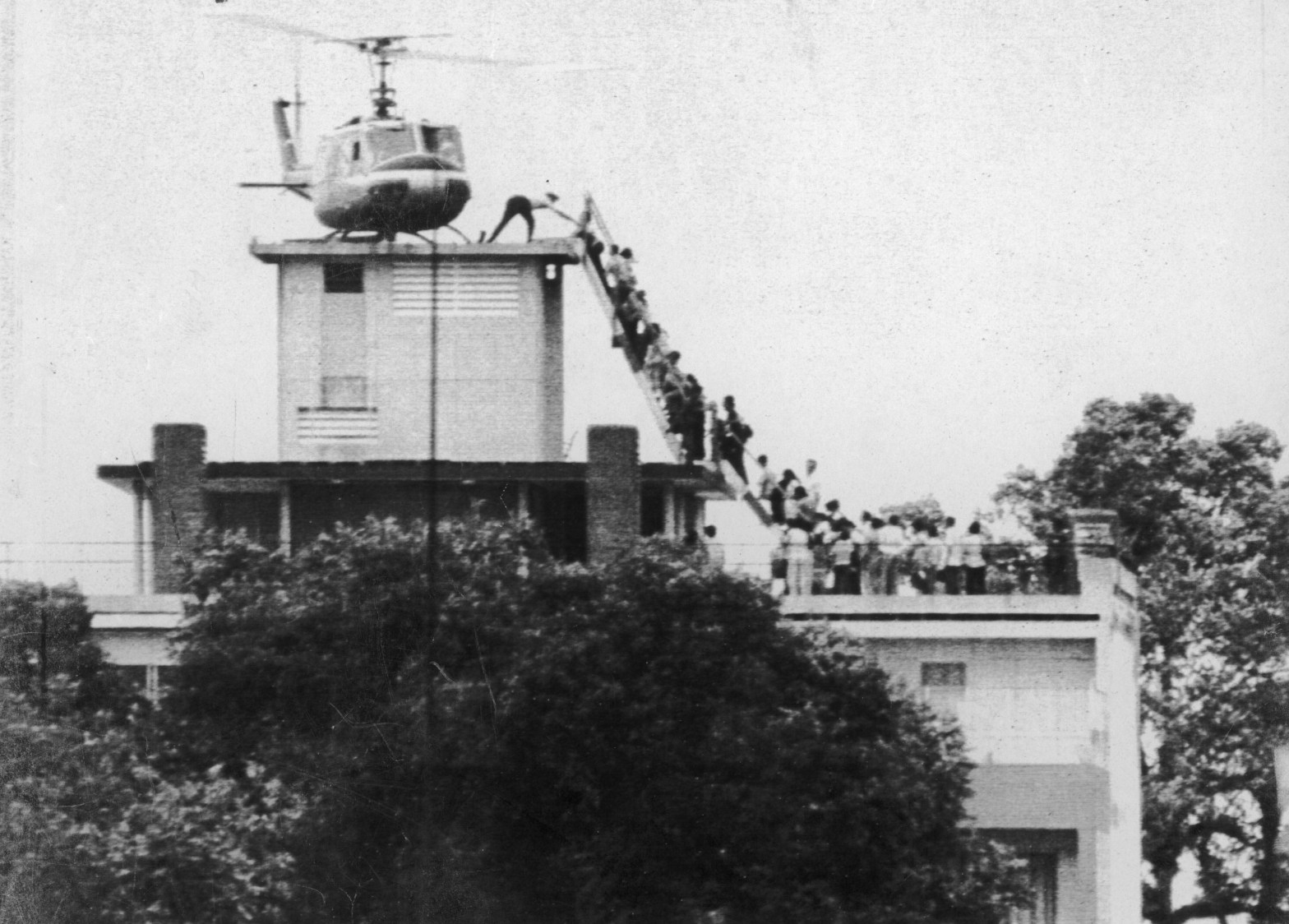


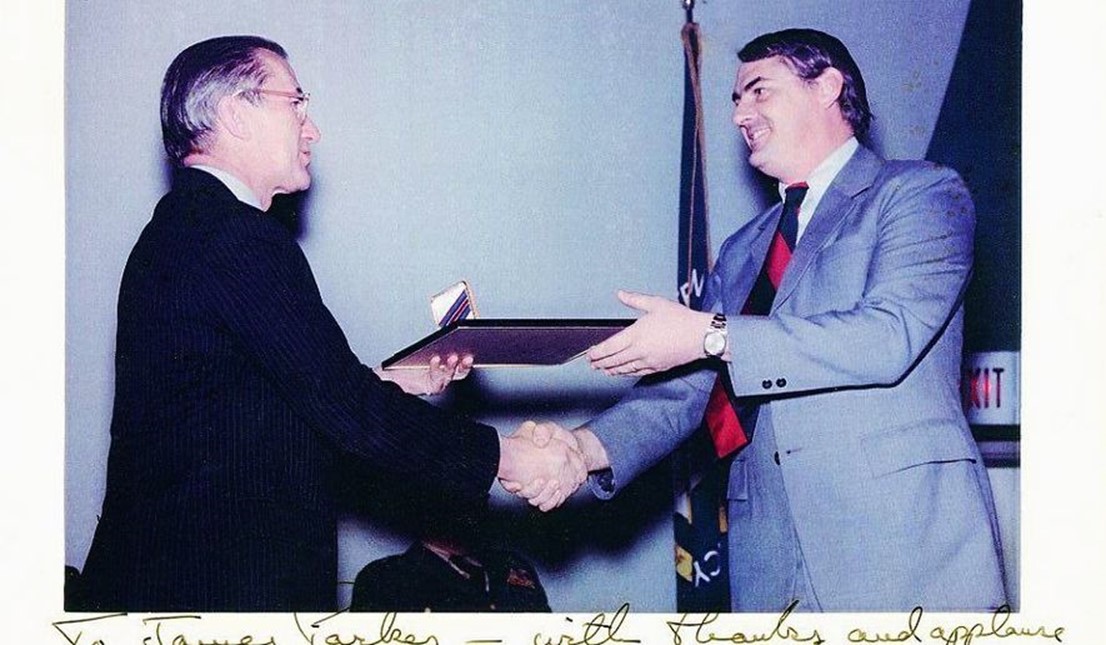
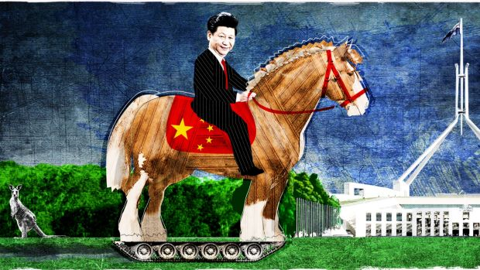


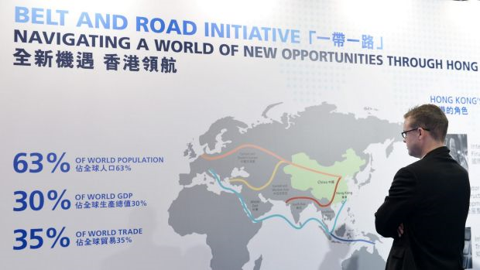
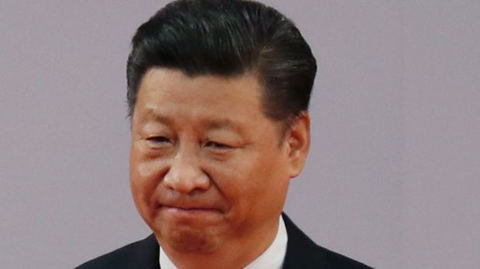
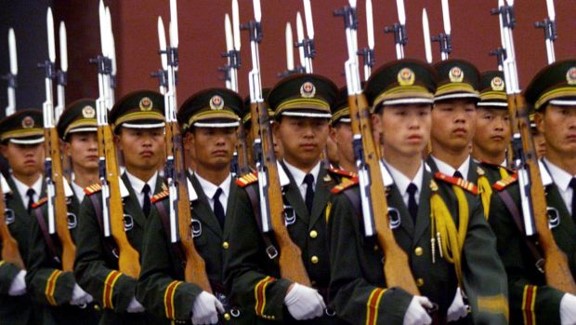
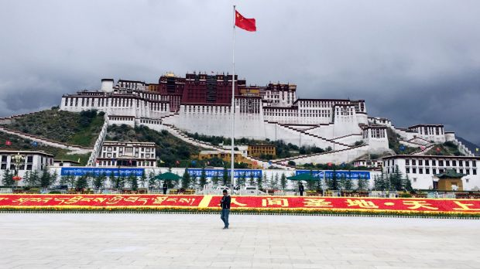


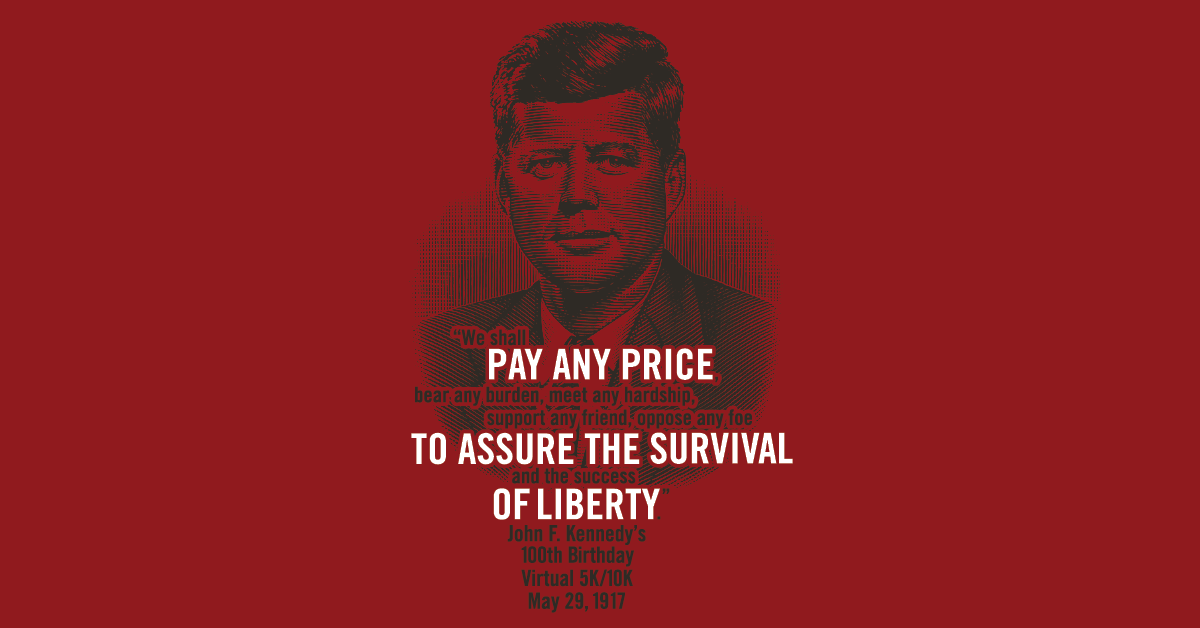

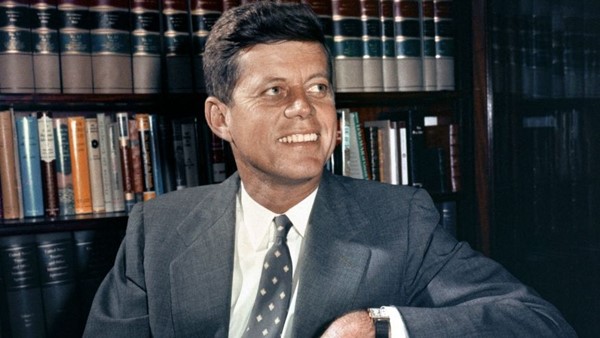
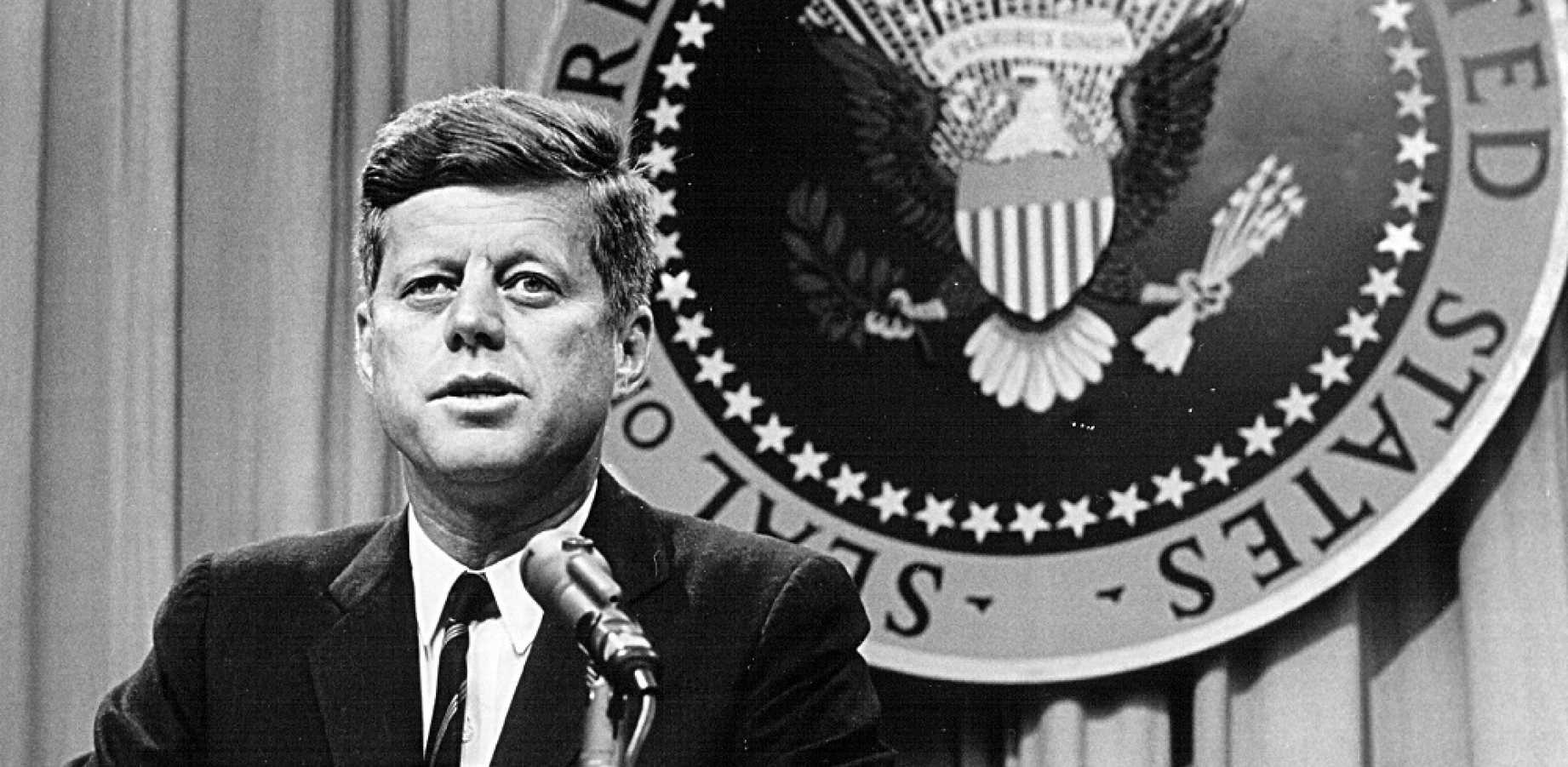
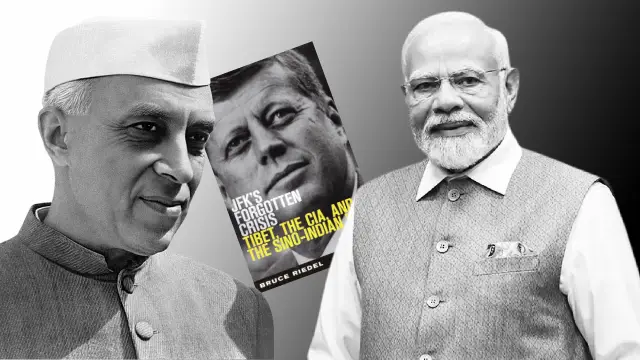

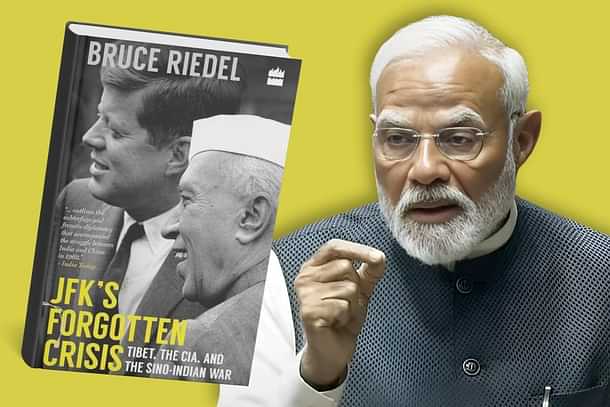


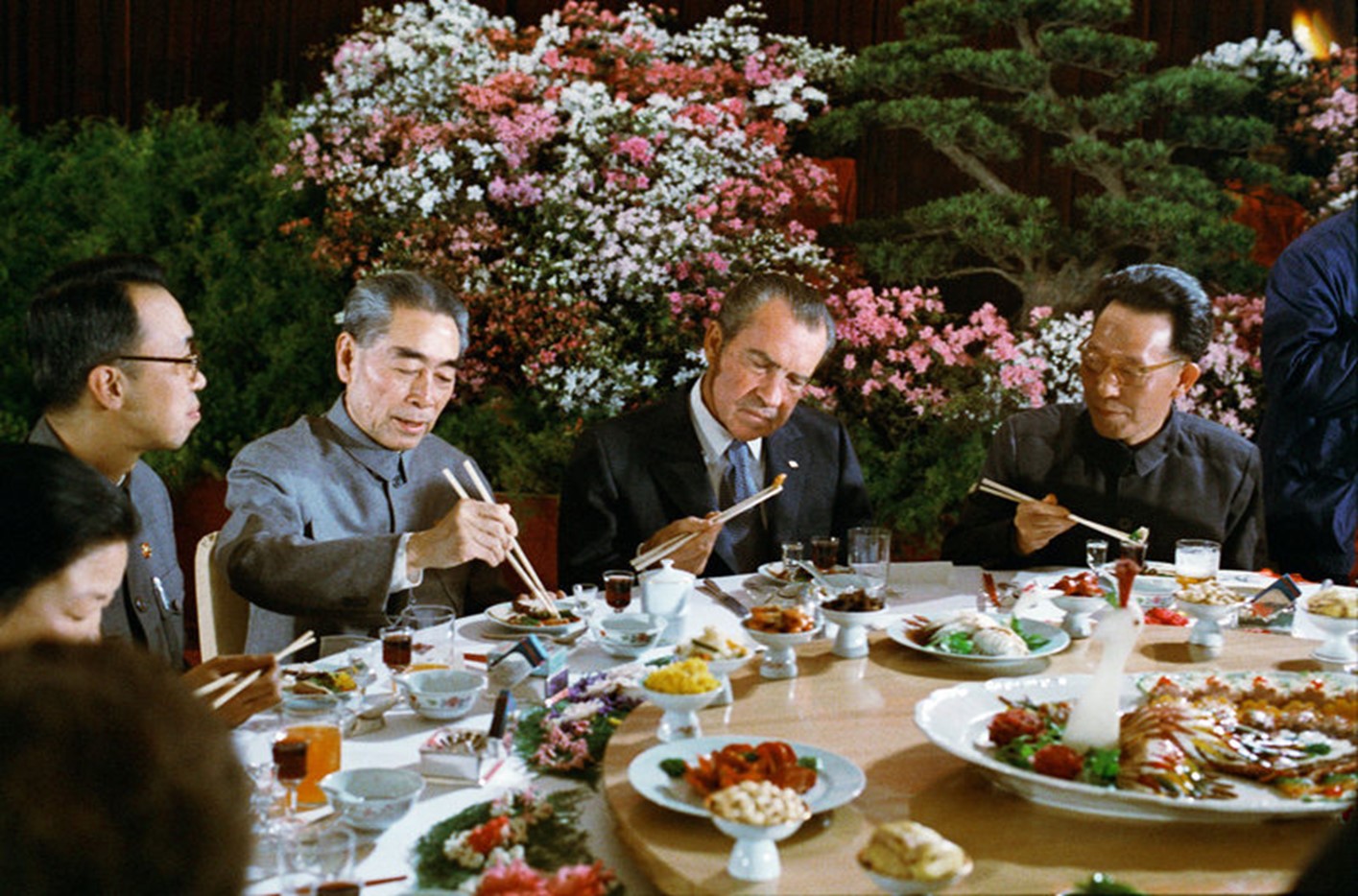

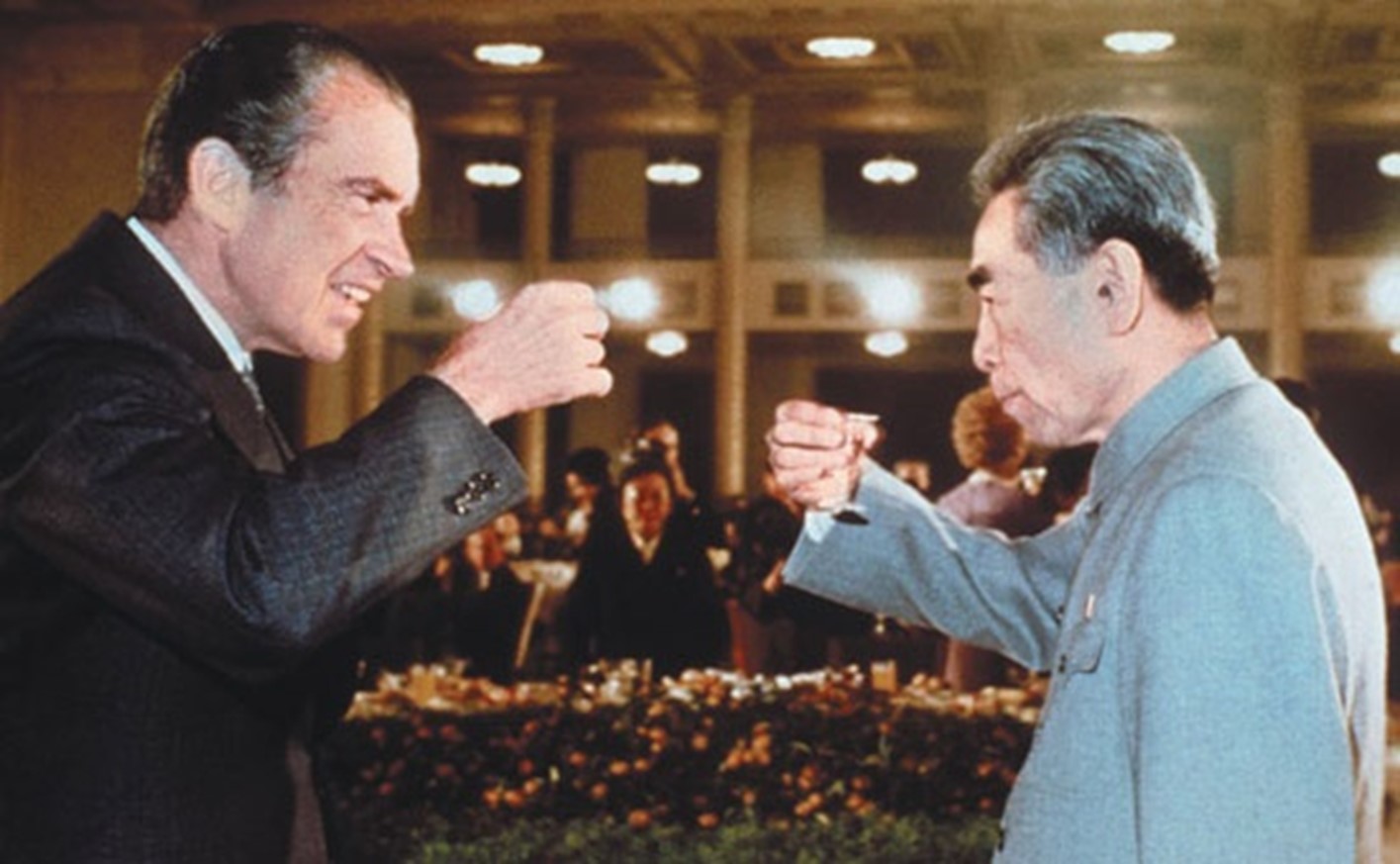

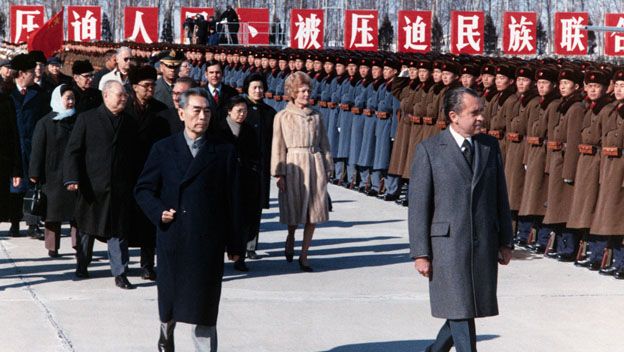


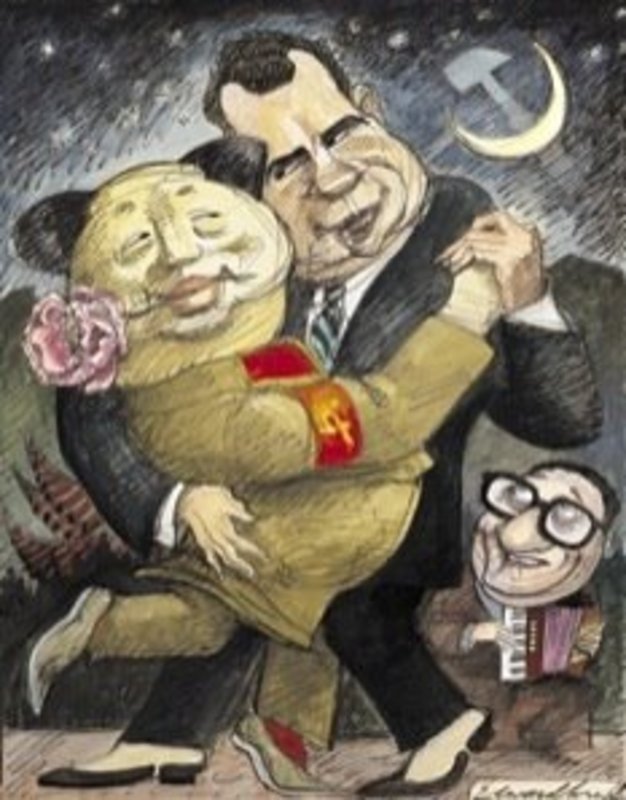

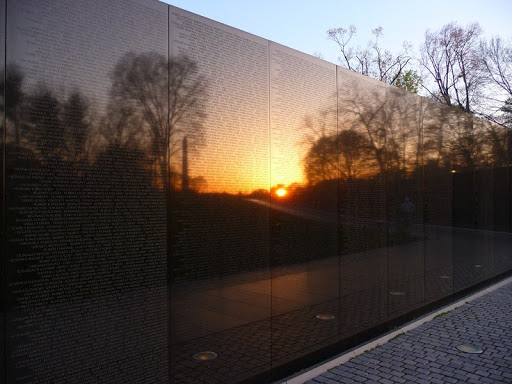


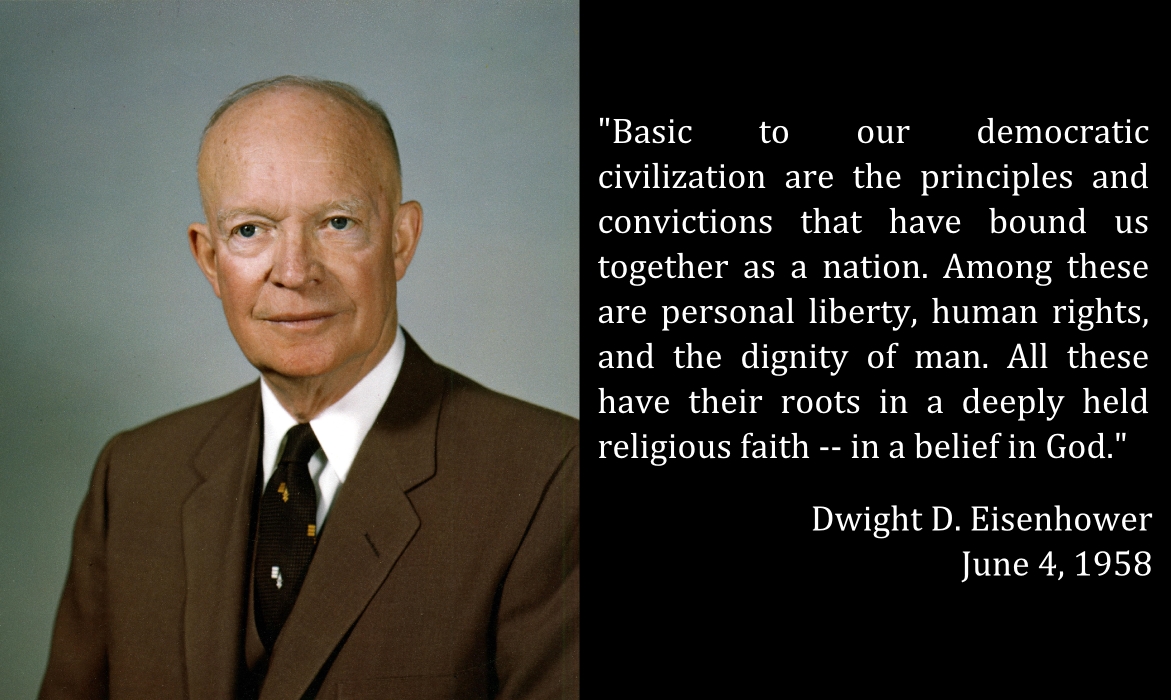


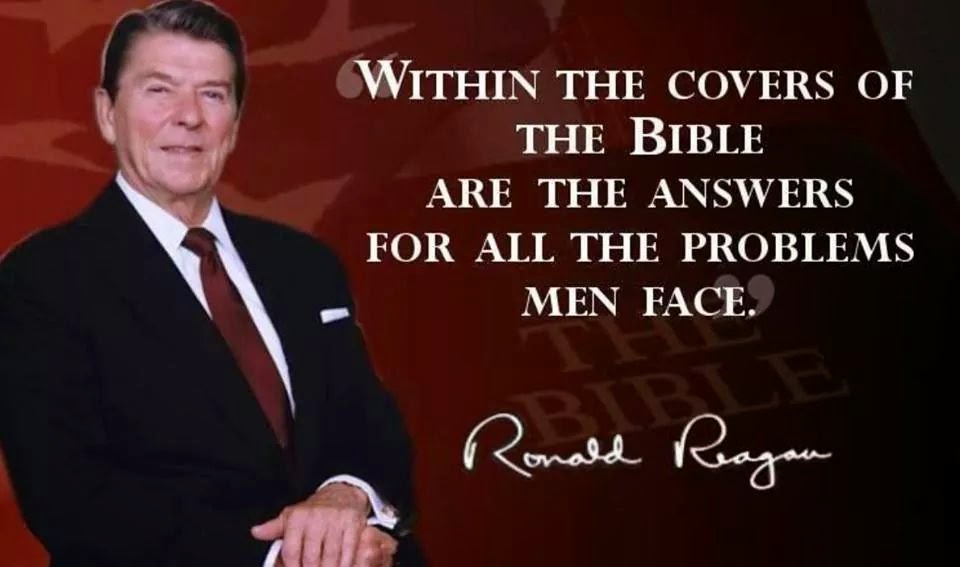


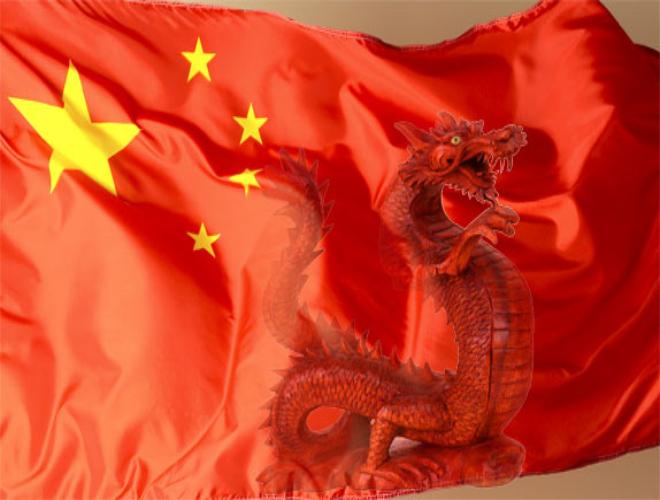


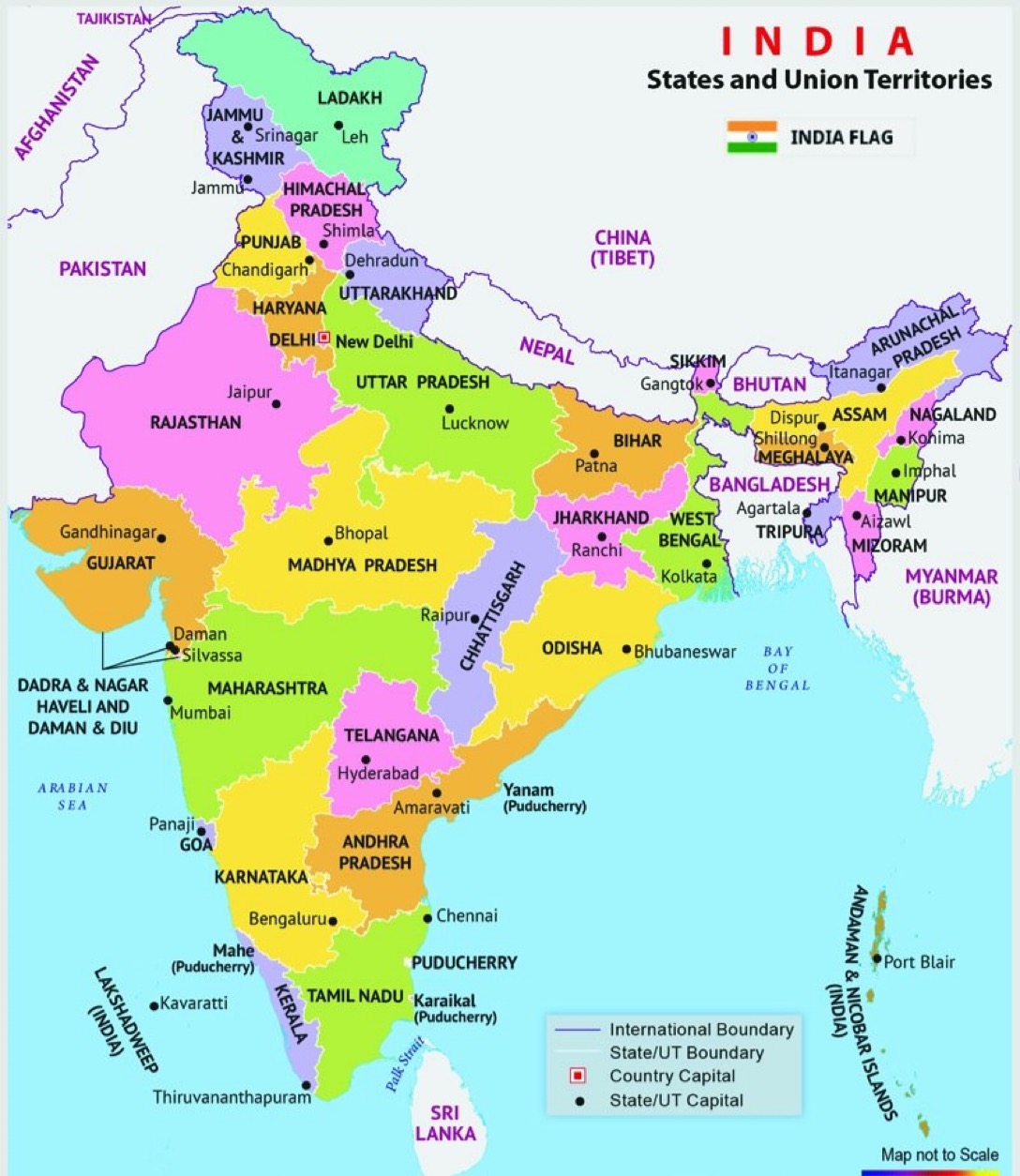

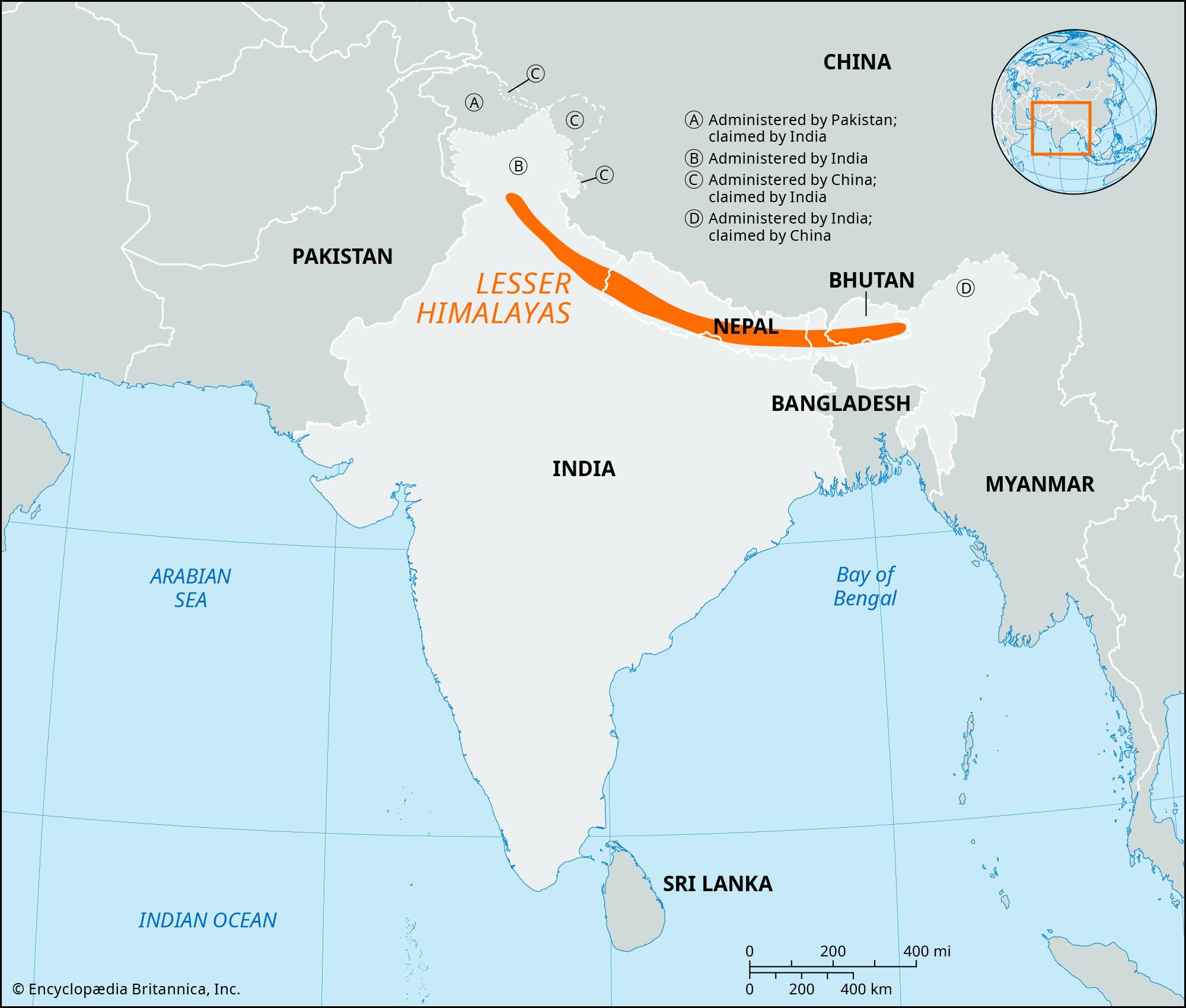

 Whole Dude - Whole Concept