The journey to Mount Kailash is not for the faint-hearted, but it still draws thousands of pilgrims every year.
Every year, faith inspires thousands of Indians to undertake the grueling trek to Mount Kailash in Tibet. Those who choose the 24-day pilgrimage organized by the External Affairs Ministry enter Tibet either through the Lipulekh Pass in Uttarakhand or the Nathu La Pass in Sikkim.
At the snow-covered Lipulekh Pass on a chilly August morning, we watched one of the 18 batches of yatris (pilgrims) cross over to India after completing the pilgrimage. At the same time, the next batch entered Tibet. On a rainy afternoon, we spoke to some of the yatris (pilgrims)— a young baba, an officer from the armed forces, a doctor, a homemaker, and many retired men and women — at Yama Dwar, the gateway to the abode of Shiva. This is where the parikrama, or circumambulation, of Mount Kailash, begins. It is believed that the virtues and sins of all those who cross this territory are evaluated by Lord Shiva.
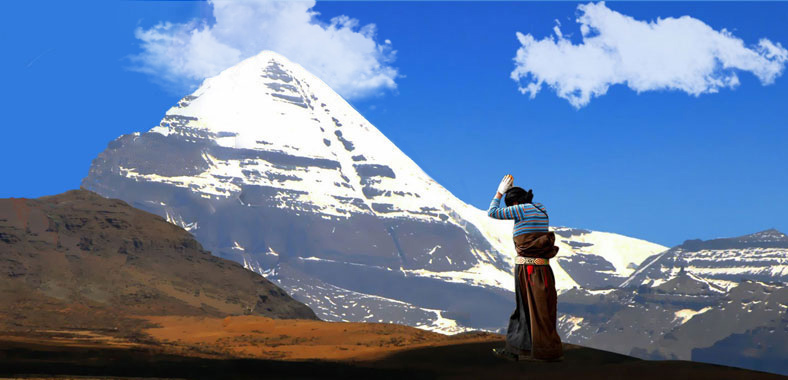
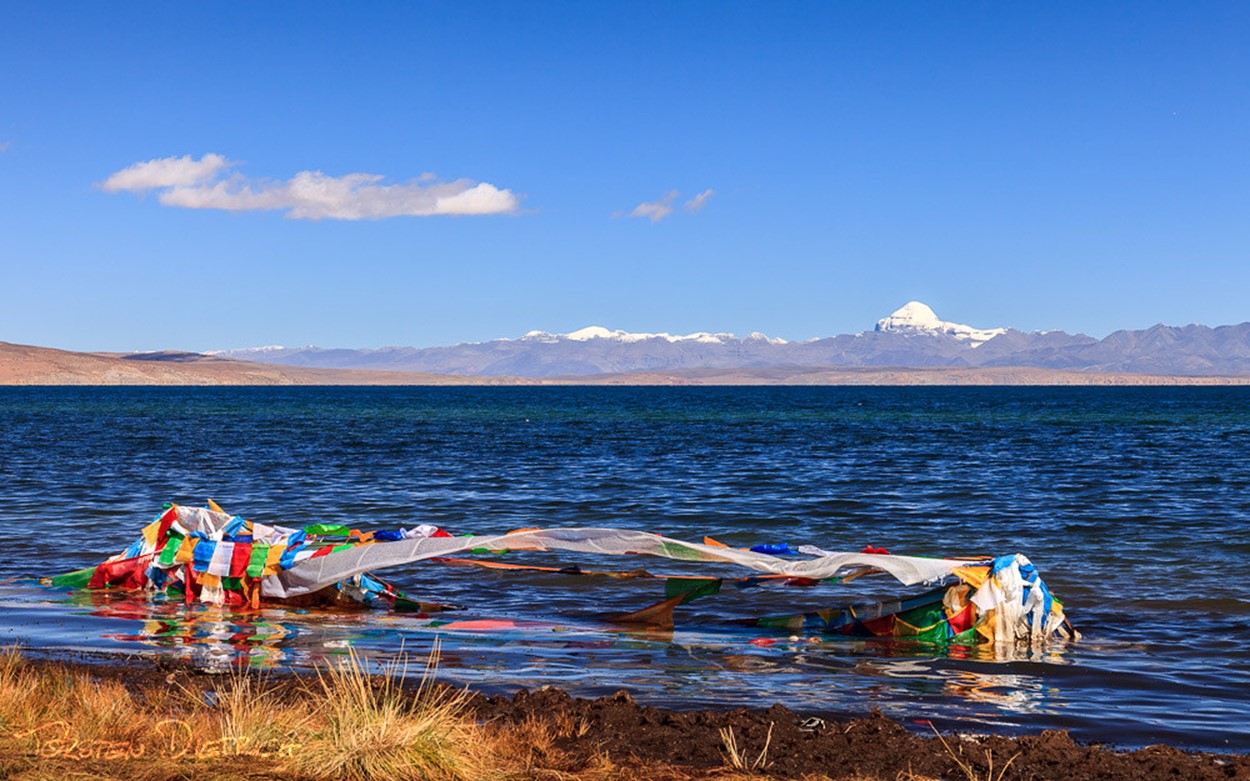
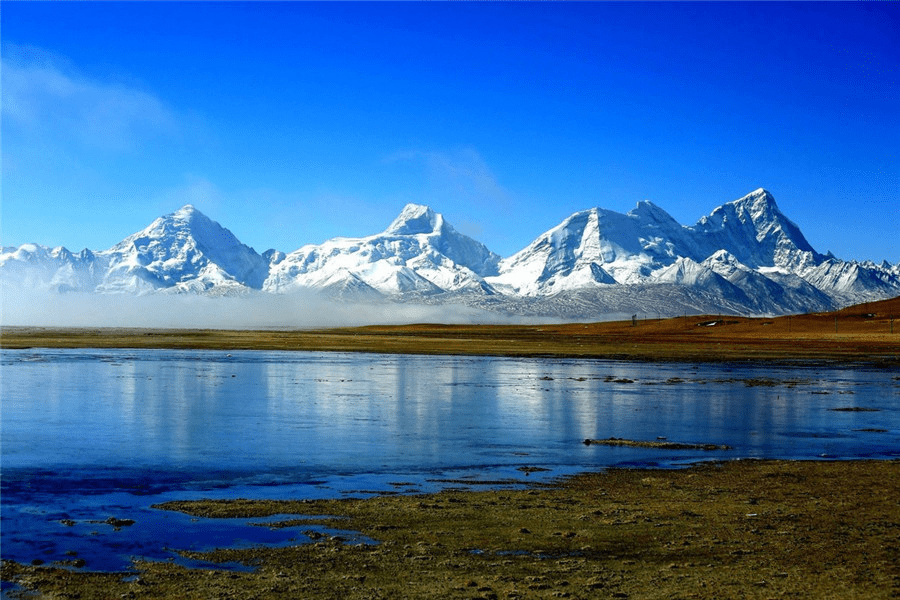
On another day, we found pilgrims resting near the north face of Mount Kailash. The wispy clouds covering the mountain had floated away as soon as we reached the spot, giving us a spectacular view of the sacred peak. We also sat with the yatris on the banks of the azure blue Manasarovar lake as they performed a havan.
The External Affairs Ministry’s yatra package, for those aged between 18 and 70, began on June 8 and ends on September 8. Private tour operators also organize the yatra. The pilgrimage involves trekking in inhospitable conditions at very high altitudes. “But it is worth it,” said a 70-year-old yatri (pilgrim) from Bengaluru.
Tibet in Trouble – Peace and Justice will prevail in Occupied Tibet with the Blessings of Palden Lhamo
Tibet in Trouble – Peace and Justice will prevail in Occupied Tibet with the Blessings of Palden Lhamo
Palden Lhamo – The Protector of Dharma
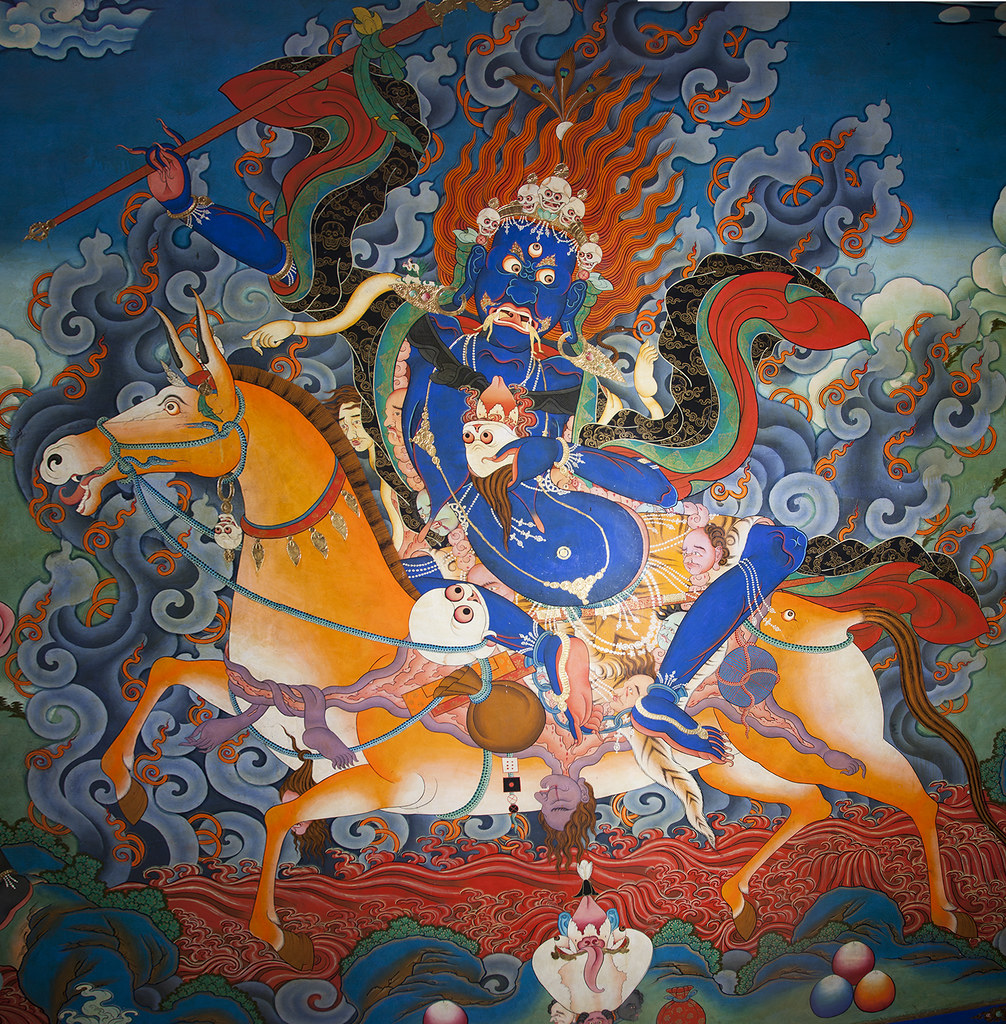
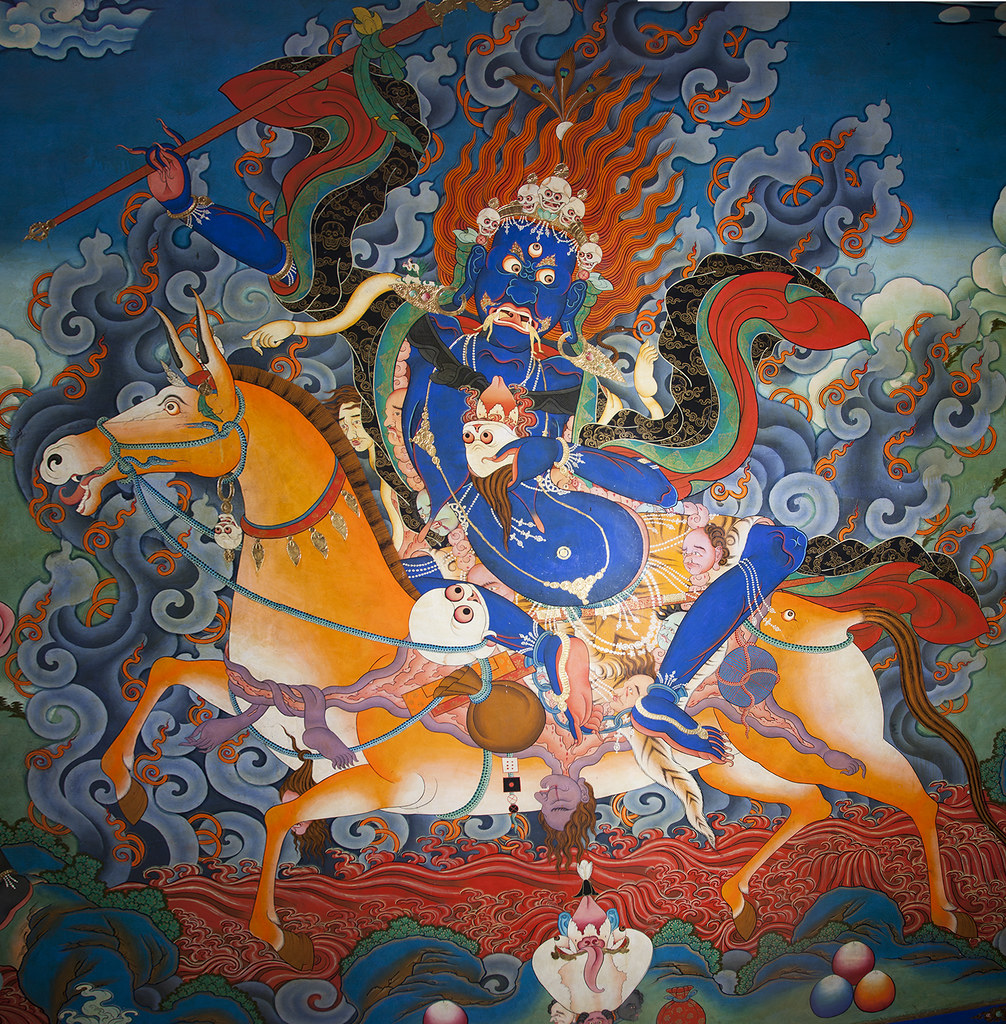
Palden Lhamo, Shri Devi (Sanskrit), is a protecting Dharmapala of the teachings of Gautama Buddha in the Gelug school of Tibetan Buddhism. She is also called Remati. She is the wrathful deity considered to be the principal Protectress of Tibet. Palden Lhamo is the consort of Mahakala and has been described as “the tutelary deity of Tibet and its government”, and as “celebrated all over Tibet and Mongolia, and the potent protector of the Dalai and Panchen Lamas and Lhasa.” She is said to reside in a lake within Tibet, called Lhamo Latso. The lake is charged with spiritual energy and is said to bestow visions of the future. One of the methods to search for a new incarnation of the Dalai Lama, the search party will meditate and propitiate Palden Lhamo by this lake.
I will live to be 110 years: Dalai Lama assures followers
Aug 28, 2019, | IANS
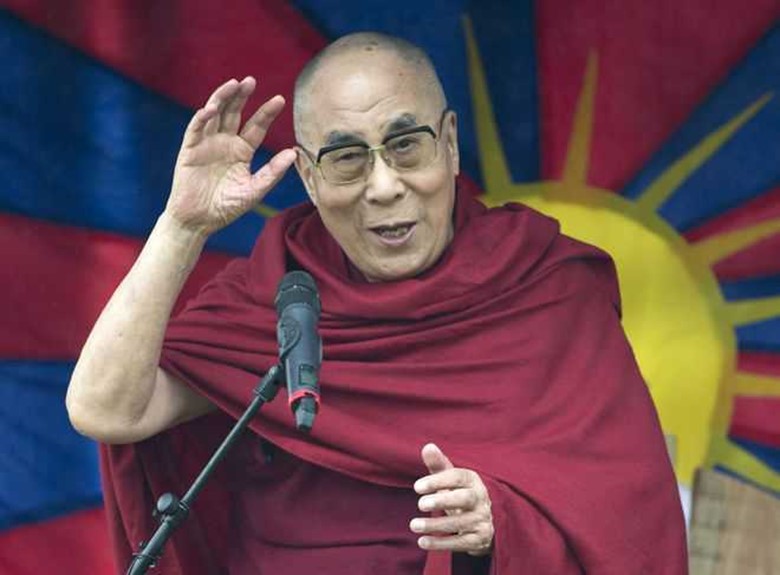
Dharamshala, Aug 27: Brushing aside concerns about his health, the Dalai Lama, 84, has assured his followers, especially Tibetans, that he is in the best of health and will live to be 110 years old.
A video of his address to members of the Minnesota Tibetan Association at the Von Ngari Monastery on August 18 has been widely circulated on social media and was received with joy and relief by his followers around the world.
Concerns about his health were voiced following news that he had been admitted to a private hospital in Delhi due to a chest infection in April. In his address, while consoling his followers, some of who could be heard weeping occasionally, the Dalai Lama recalled a dream in which the goddess of glory, one of the eight Dharma protectors and the protector deity of Tibet, Palden Lhamo riding on the back of the Dalai Lama proclaims that he will live for 110 years. The Dalai Lama also said that the other divinations carried similar foretelling, a statement from the Central Tibetan Administration said.
Holding a letter presented by the representative of Tibetans in Minnesota, the Dalai Lama reassured them again about his health while humorously remarking about the good functioning of his digestive tract.
He also mentioned about the attention, support and best of medical services that were being provided to him by the Indian government.
Many among the six million Tibetans watched the video with tearful eyes and shared it with friends, parents, families and colleagues.
“Tibetans have not forgotten me, and I will not forget you,” said the Dalai Lama, as he patted one of the followers on the back while recounting a moment when thoughts of the Tibetan people flashed through his mind.
The Dalai Lama has lived in self-imposed exile in India since fleeing his homeland in 1959.
The Blessings of Peace and Justice in Tibet bestowed by Palden Lhamo, Goddess Shri Devi.
NATURE NURTURES TIBETAN IDENTITY OF TIBETAN NATION
NATURE NURTURES TIBETAN IDENTITY OF TIBETAN NATION.
Nature, natural forces, natural mechanisms, natural factors, and natural conditions work in conjunction to nurture and shape the Tibetan Identity of Tibetan Nation.
Rudra Narasimham Rebbapragada
SPECIAL FRONTIER FORCE
NATURE NURTURES TIBETAN IDENTITY OF TIBETAN NATION.
Tibet has seen significant progress in restoring biodiversity.
BEIJING, Aug. 17, 2019 (Xinhua) — Tibet has seen significant progress in restoring biodiversity, with a forest coverage rate of 12.14 percent, said a white paper released in March this year by China’s State Council Information Office.
The population of Tibetan antelopes has grown from 60,000 in the 1990s to more than 200,000 and Tibetan wild donkeys have increased in numbers from 50,000 to 80,000, noted the document, titled “Democratic Reform in Tibet — Sixty Years On.”
Since the Qomolangma Nature Reserve was established in 1988, Tibet has set up 47 nature reserves of all kinds, including 11 at the state level, with the total area of nature reserves accounting for more than 34.35 percent of the total area of the autonomous region, the white paper said. Tibet has 22 eco-protection areas, including one at the state level, 36 counties in receipt of transfer payments from central finance for their key ecological roles, four national scenic areas, nine national forest parks, 22 national wetland parks, and three national parks, figures showed.
The central government has continued to increase eco-compensation for Tibet in return for its cost for protecting the eco-environment and the consequent losses in development opportunities. The white paper said that since 2001, the central government has paid 31.6 billion yuan (4.71 billion U.S. dollars) in eco-compensation to Tibet for protecting forests, grassland, wetland, and key ecological reserves.
Tourists visit the Tibet Garden at the Beijing International Horticultural Exhibition in Beijing, capital of China. (Xinhua/Ren Chao)
Tourists visit the Tibet Garden at the Beijing International Horticultural Exhibition in Beijing, capital of China. (Xinhua/Ren Chao)
Yaks on a wetland in northern Tibet. (Xinhua/Purbu Zhaxi)
Sea of clouds over Medog County, Tibet. (Xinhua/Li Xin)
The scenery of Bome County of Nyingchi, Tibet. (Xinhua/Li Xin)
The scenery of Nam Co Lake in Tibet. (Xinhua/Li Xin)
The scenery of the Yamzbog Yumco Lake in Shannan, Tibet. (Xinhua/Jigme Dorje)
Tibetan wild donkeys on a pasture in Zanda County, Tibet. (Xinhua/Jigme Dorje)
The scenery of a part of a glacier in Rutog County of Ngari Prefecture, Tibet. (Xinhua/Jigme Dorje)
Banggong Co in Ngari Prefecture, Tibet. (Xinhua/Jigme Dorje)
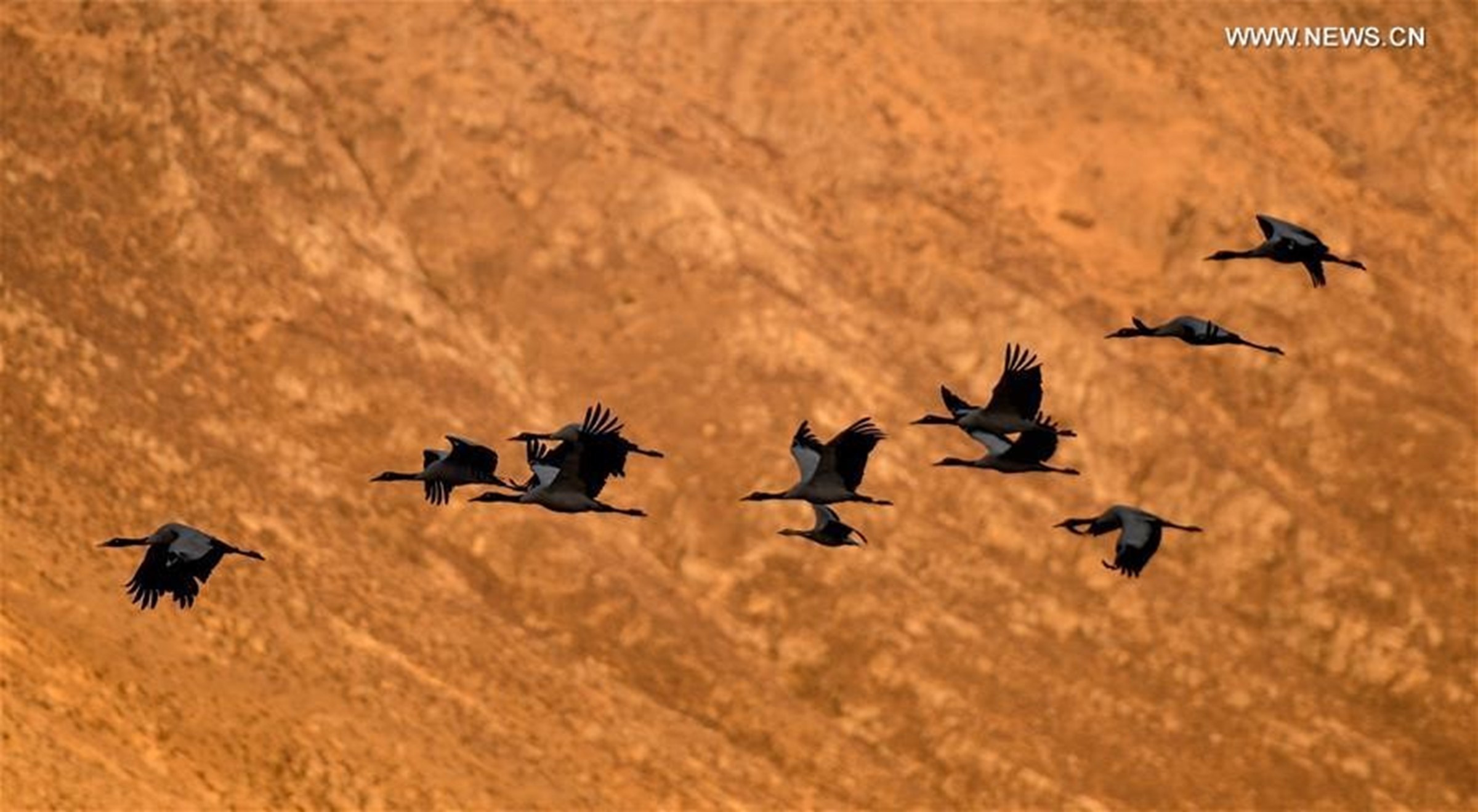
Black-necked cranes in Linzhou County of Lhasa, Tibet. (Xinhua/Zhang Rufeng)
Glacier on the foot of Mount Qomolangma (Mount Everest) in Tibet. (Xinhua/Purbu Zhaxi)
Tangra Yumco Lake in Nagqu, Tibet. (Xinhua/Purbu Zhaxi)
Tibetan antelopes in Qiangtang National Nature Reserve in Tibet. (Xinhua/Purbu Zhaxi)
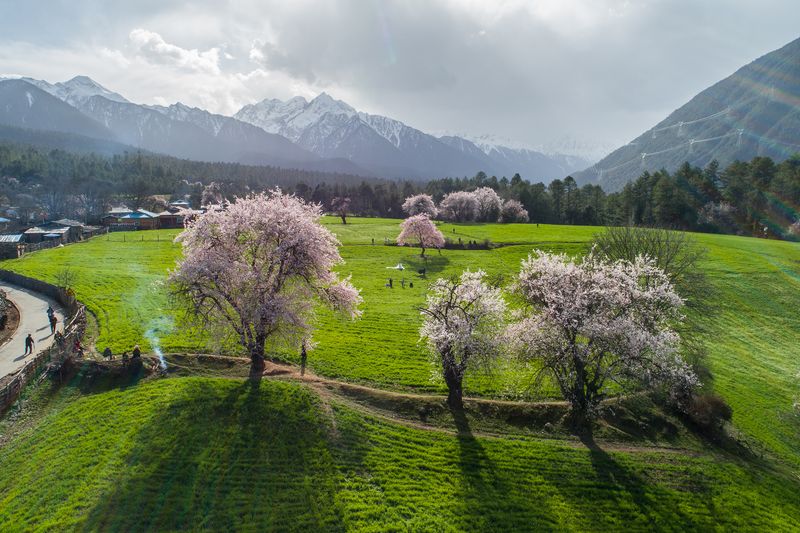
Peach flowers in the suburb of Lhasa, Tibet. (Xinhua/Purbu Zhaxi)
Trees planted along banks of the Yarlung Zangbo River (Brahmaputra River) in Tibet. (Xinhua/Purbu Zhaxi)
Lhalu Wetland National Nature Reserve in Lhasa, Tibet. (Xinhua/Purbu Zhaxi)
Stunning aerial shots display captivating scenery of Lhasa at an altitude of 3,650 meters above sea level.
LHASA, Aug. 15, 2019 (Xinhua) — Lhasa, capital of Tibet, saw more than 6.42 million visitors to the city in the first half of 2019, up 18.72 percent year on year, according to the local tourism authorities.
The city raked in 10.9 billion yuan (1.58 billion U.S. dollars) from tourism in the same period, up 25.46 percent year on year, according to the Lhasa tourism development bureau.
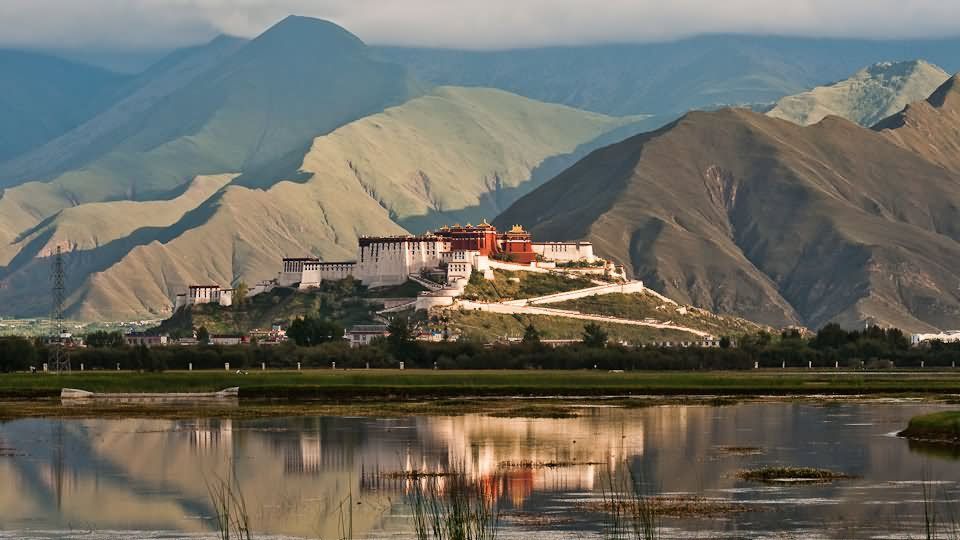
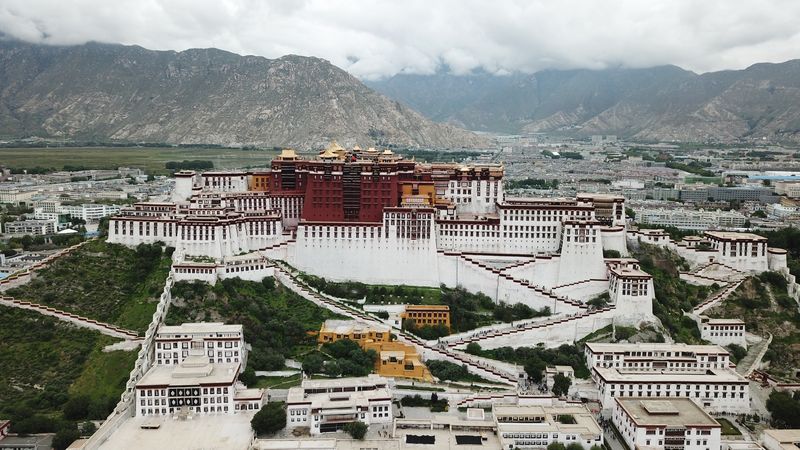
Lhasa is home to some of the most renowned cultural and tourist sites such as the Potala Palace and Jokhang Temple.
The Potala Palace in Lhasa, the capital city of Tibet, Aug. 10, 2019. (Xinhua/Wang Yiliang)
Aerial view of the old town of Lhasa, the capital city of Tibet, Aug. 10, 2019. (Xinhua/Purbu Zhaxi)
The Potala Palace in Lhasa, the capital city of Tibet, Aug. 10, 2019. (Xinhua/Hou Dongtao)
Aerial view of the old town of Lhasa, the capital city of Tibet, May 16, 2019. (Xinhua/Zhang Rufeng)
The Potala Palace in Lhasa, the capital city of Tibet, Aug. 10, 2019. (Xinhua/Jigme Dorje)
The Lhalu wetland in Lhasa, the capital city of Tibet, June 5, 2019. (Xinhua/Purbu Zhaxi)
The Potala Palace square in Lhasa, Capital City of Tibet, Aug. 10, 2019. (Xinhua/Wang Yiliang)
Aerial view of the old town of Lhasa, the capital city of Tibet, Aug. 10, 2019. (Xinhua/Jigme Dorje)
The Jokhang Temple in Lhasa, the capital city of Tibet, Aug. 10, 2019. (Xinhua/Purbu Zhaxi)
Aerial photo taken on Aug. 10, 2019, shows the Jokhang Temple in Lhasa, the capital city of Tibet, Aug. 10, 2019. (Xinhua/Purbu Zhaxi)
Aerial photo taken on Aug. 10, 2019, shows the Jokhang Temple in Lhasa, capital city Tibet. (Xinhua/Purbu Zhaxi)
The New Bridge in Lhasa, the capital city of Tibet, April 3, 2019. (Xinhua/Jigme Dorje)
The old town of Lhasa, the capital city of Tibet, Aug. 10, 2019. (Xinhua/Purbu Zhaxi)
TIBETAN NATIONAL IDENTITY BLESSED BY LAKE MANASAROVAR
Tibetan National Identity Blessed by Lake Manasarovar.
Tibetan National Identity is blessed by Lake Manasarovar.
Rudranarasimham Rebbapragada
SPECIAL FRONTIER FORCE
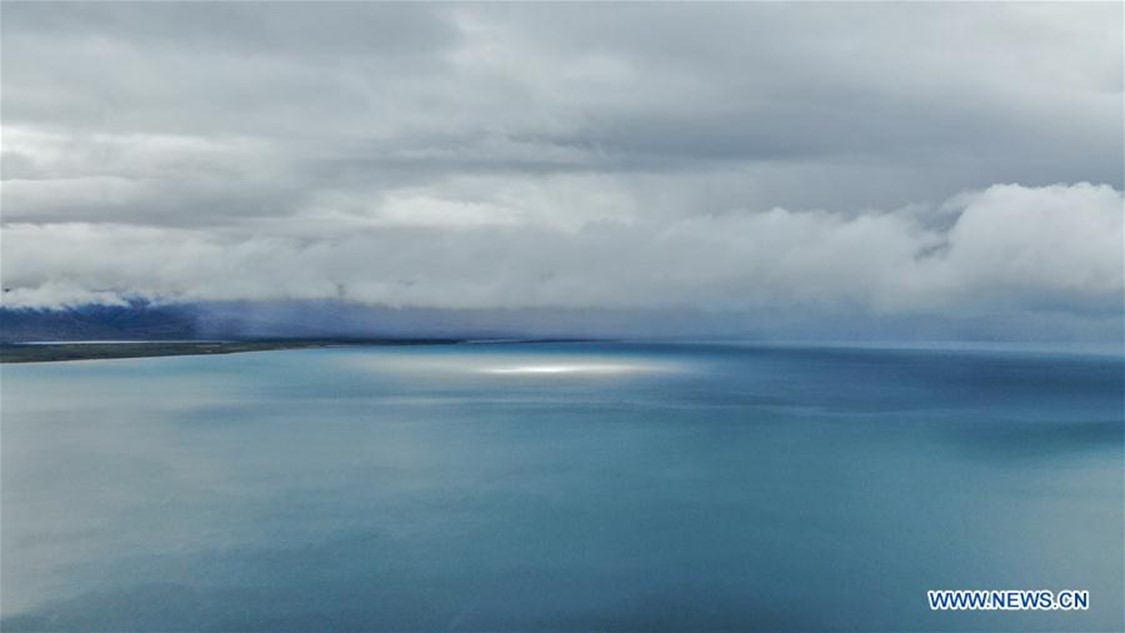
The scenery of Lake Manasarovar, Tibet
Tibetan National Identity Blessed by Lake Manasarovar.
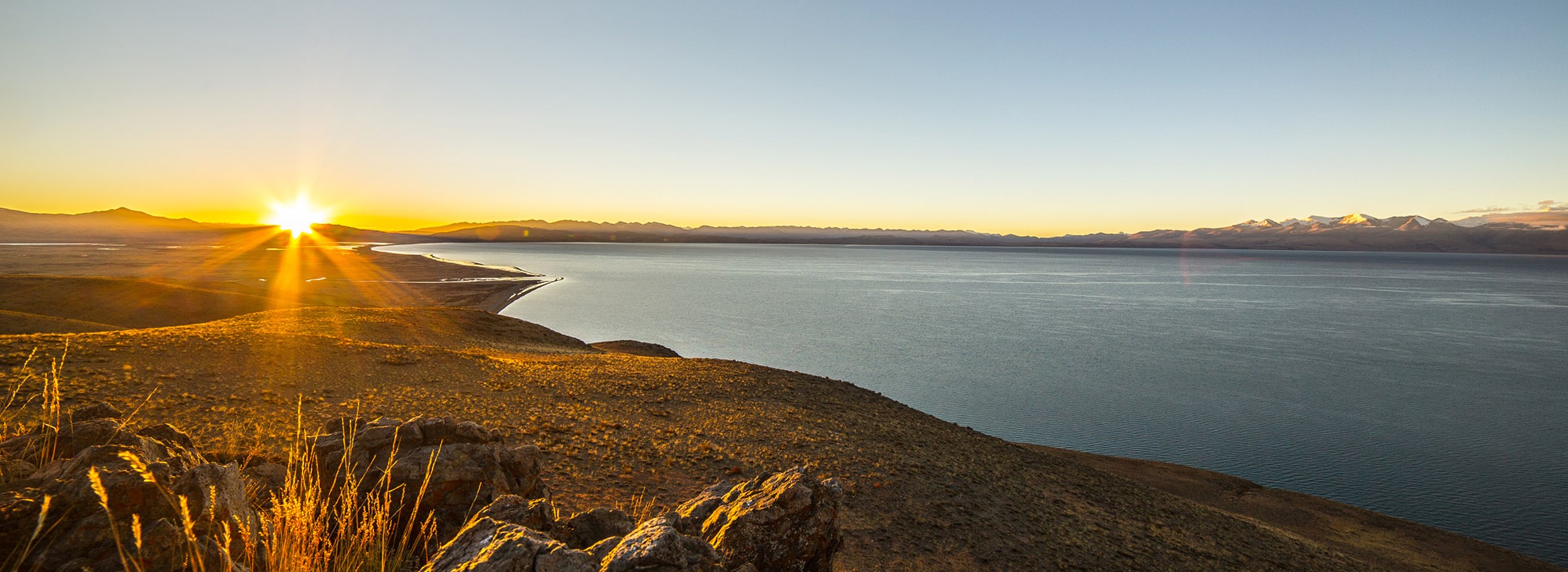
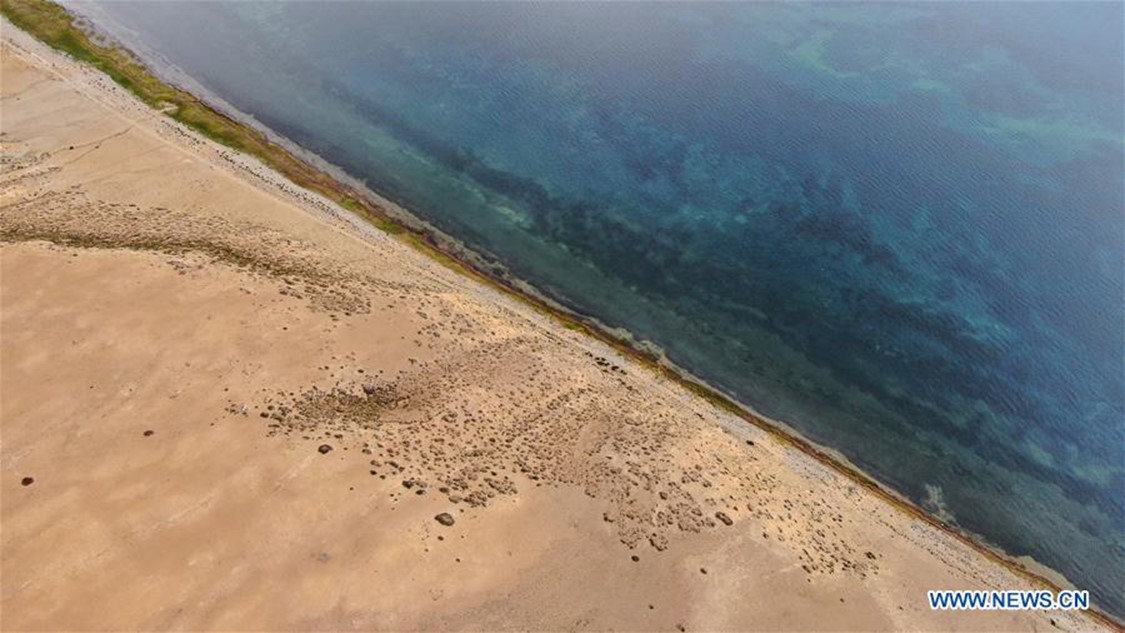
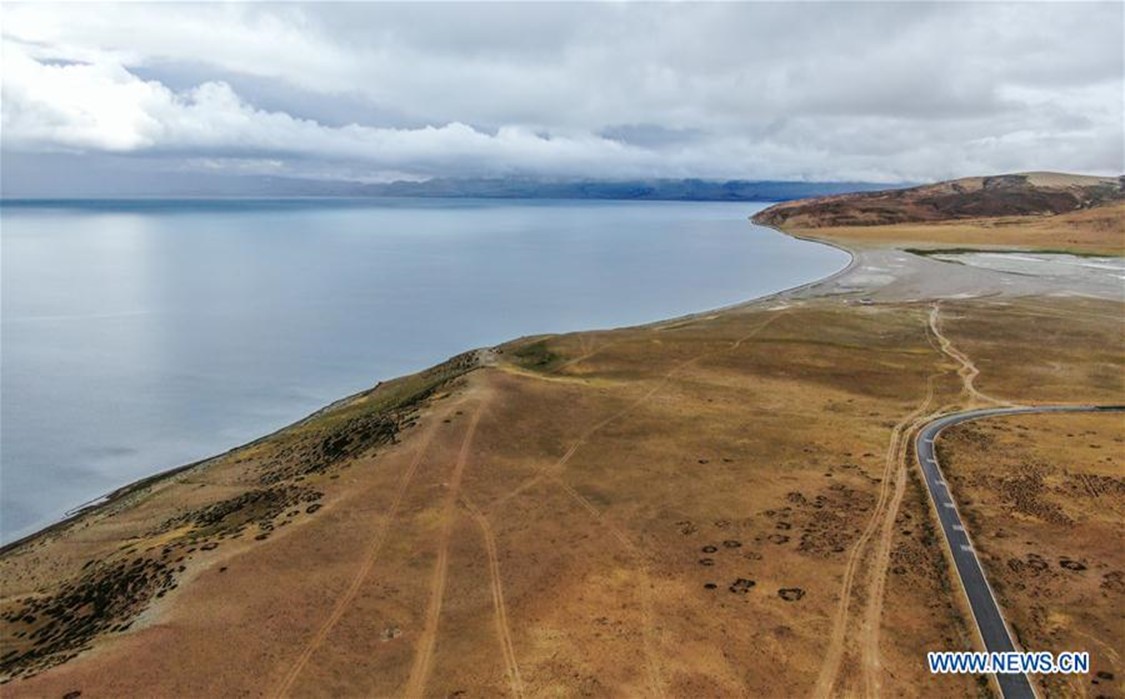
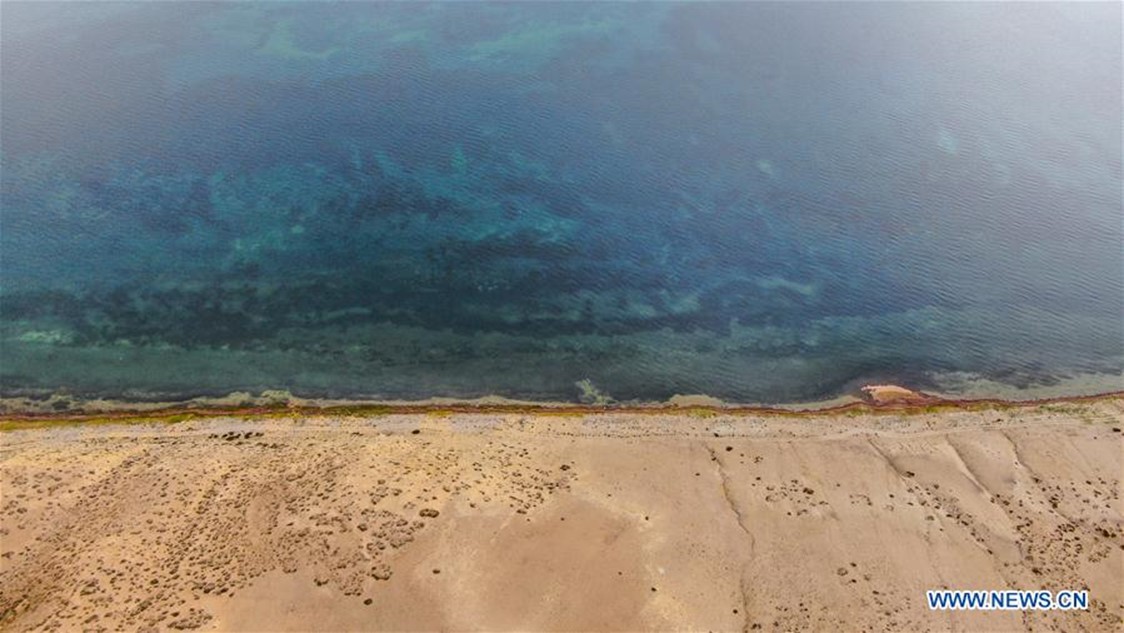
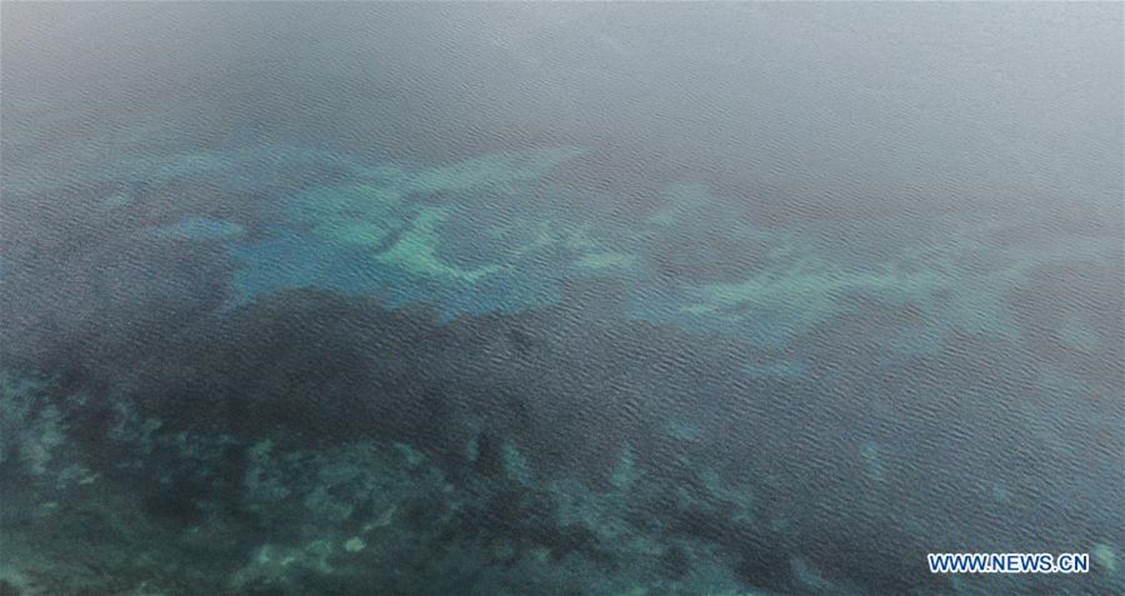
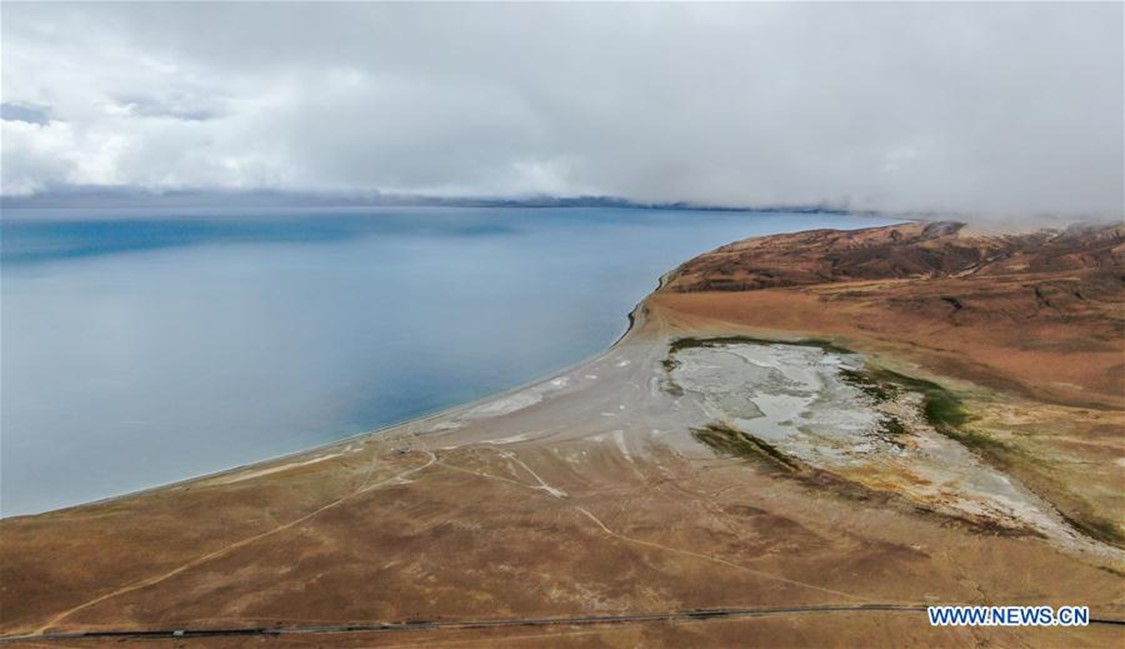
The aerial photo was taken on July 27, 2019, shows Lake Manasarovar, a holy lake, in Ali Prefecture, Tibet. Lake Manasarovar, along with Lake Namtso and Lake Yamzhog Yumco, is regarded as the three holy lakes of Tibet. (Xinhua/Jigme Dorje)
Tibetan National Identity Blessed by Lake Manasarovar.
The aerial photo was taken on July 27, 2019, shows Lake Manasarovar. (Xinhua/Jigme Dorje)
Tibetan National Identity Blessed by Lake Manasarovar.
The aerial photo was taken on July 27, 2019, shows Lake Manasarovar, a holy lake, in Ali Prefecture, Tibet. Lake Manasarovar, along with Lake Namtso and Lake Yamzhog Yumco, is regarded as the three holy lakes of Tibet. (Xinhua/Jigme Dorje)
Tibetan National Identity Blessed by Lake Manasarovar.
The aerial photo was taken on July 27, 2019, shows Lake Manasarovar, a holy lake, in Ali Prefecture, Tibet. Lake Manasarovar, along with Lake Namtso and Lake Yamzhog Yumco, is regarded as the three holy lakes of Tibet. (Xinhua/Jigme Dorje)
Tibetan National Identity Blessed by Lake Manasarovar.
The aerial photo was taken on July 27, 2019, shows Lake Manasarovar, a holy lake, in Ali Prefecture, Tibet. Lake Manasarovar, along with Lake Namtso and Lake Yamzhog Yumco, is regarded as the three holy lakes of Tibet. (Xinhua/Jigme Dorje)
Tibetan National Identity Blessed by Lake Manasarovar.
The aerial photo was taken on July 27, 2019, shows Lake Manasarovar, a holy lake, in Ali Prefecture, Tibet. Lake Manasarovar, along with Lake Namtso and Lake Yamzhog Yumco, is regarded as the three holy lakes of Tibet. (Xinhua/Jigme Dorje)
Tibetan National Identity Blessed by Lake Manasarovar.
The aerial photo was taken on July 27, 2019, shows Lake Manasarovar, a holy lake, in Ali Prefecture, Tibet. Lake Manasarovar, along with Lake Namtso and Lake Yamzhog Yumco, is regarded as the three holy lakes of Tibet. (Xinhua/Jigme Dorje)
Tibetan National Identity Blessed by Lake Manasarovar.
Tibet Awareness – Blessings of Mount Chomolhari proclaim Tibet is Never a Part of China
Tibet Awareness – Blessings of Mount Chomolhari proclaim Tibet is Never a Part of China
Tibet Awareness – Blessings of Mount Chomolhari proclaim Tibet is Never a Part of China
Tibet Awareness – Blessings of Mount Chomolhari proclaim Tibet is Never a Part of China Tibet Awareness – Blessings of Mount Chomolhari proclaim Tibet is Never a Part of China
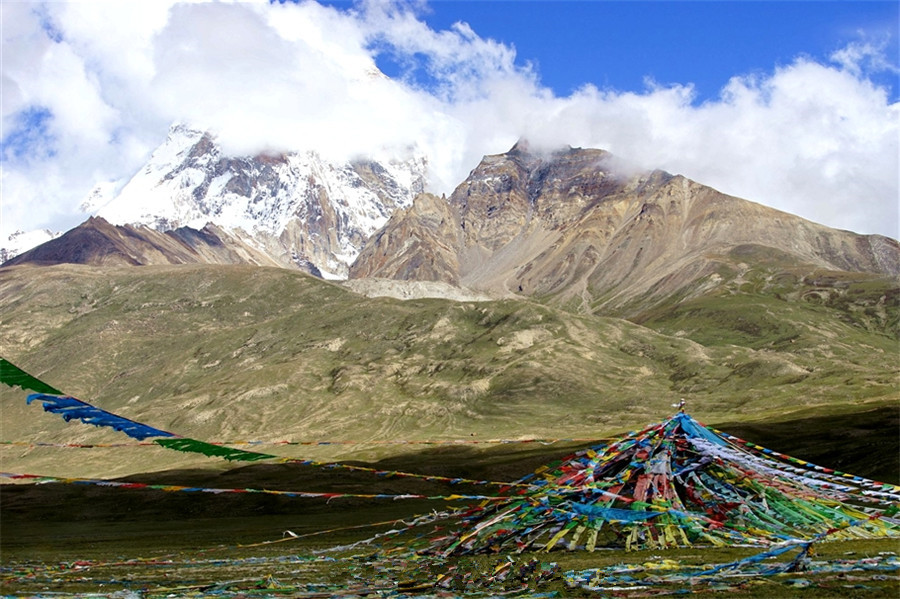
Wetland scenery near Mount Chomolhari in Shigatse, Tsang Province, Tibet
Tibet Awareness – Blessings of Mount Chomolhari proclaim Tibet is Never a Part of China
A local villager herds sheep at a wetland near Mount Chomolhari in Tsang Province, Dromo County of Shigatse City, Tibet, June 20, 2019. (Xinhua/Li Xin)
Tibet Awareness – Blessings of Mount Chomolhari proclaim Tibet is Never a Part of China
The photo was taken on June 20, 2019, shows the scenery of Mount Chomolhari and a village in Tsang Province, Dromo County of Shigatse City, Tibet. (Xinhua/Li Xin)
Tibet Awareness – Blessings of Mount Chomolhari proclaim Tibet is Never a Part of China
The photo was taken on June 20, 2019, shows the scenery of Mount Chomolhari and wetland in Tsang Province, Dromo County of Shigatse City, Tibet. (Xinhua/Li Xin)
Tibet Awareness – Blessings of Mount Chomolhari proclaim Tibet is Never a Part of China
Horses search for food at a wetland near Mount Chomolhari in Tsang Province, Dromo County of Shigatse City, Tibet. The photo was taken on June 20, 2019. (Xinhua/Li Xin)
Tibet Awareness – Blessings of Mount Chomolhari proclaim Tibet is Never a Part of China
Herds of cattle walk across a wetland near Mount Chomolhari in Tsang Province, Dromo County of Shigatse City, Tibet. The photo was taken on June 20, 2019. (Xinhua/Li Xin)
Tibet Awareness – Blessings of Mount Chomolhari proclaim Tibet is Never a Part of China Tibet Awareness – Blessings of Mount Chomolhari proclaim Tibet is Never a Part of China Tibet Awareness – Blessings of Mount Chomolhari proclaim Tibet is Never a Part of China
TIBET CAN HELP THE REVIVAL OF SANATANA DHARMA IN INDIA
Tibet can help in the revival of Sanatana Dharma in India.
The most important dimension of religion is that of choosing an ideal course of life called the righteous living. I am not surprised to hear that Tibetans can help Indians in the revival of Sanatana Dharma.
Rudranarasimham Rebbapragada
SPECIAL FRONTIER FORCE
Tibetans can help revive ancient knowledge, says Dalai Lama
At least 10,000 trained Tibetan monks and nuns can help revive traditional Indian knowledge.
This was stated by the Dalai Lama while interacting with a delegation of Indian scholars from various institutions here on Thursday. The Dalai Lama proposed that reviving ancient Indian understanding of the mind and emotions, reason and logic, in modern India, was a contribution Tibetans could make.
The Dalai Lama said that although such knowledge developed in India, in the course of time, interest in it diminished. “However, we Tibetans have kept it alive and have brought it back to the land of its birth,” he said.
“In China, there are millions of Buddhists, but they do not pay attention to the study of Buddhist philosophy and logic. On the other hand, Tibetans have only pursued the study of Buddhist logic and philosophy and we always use the logical approach in our pursuit,” he said. The Dalai Lama said that in the re-established monastic universities in India, there were 10,000 monks and nuns who were trained and equipped to teach the ancient Indian wisdom. “Now, we have 10,000 monk students who have studied this tradition for 20 to 30 years,” he said.
“At the age of 83, I have committed myself with the help of the monastic community to revive the ancient Indian knowledge through education based on the Indian secular understanding,” he said.
Tibet can help in the revival of Sanatana Dharma in India.
SEPTUAGENARIAN CELEBRATES 70th REPUBLIC DAY OF INDIA
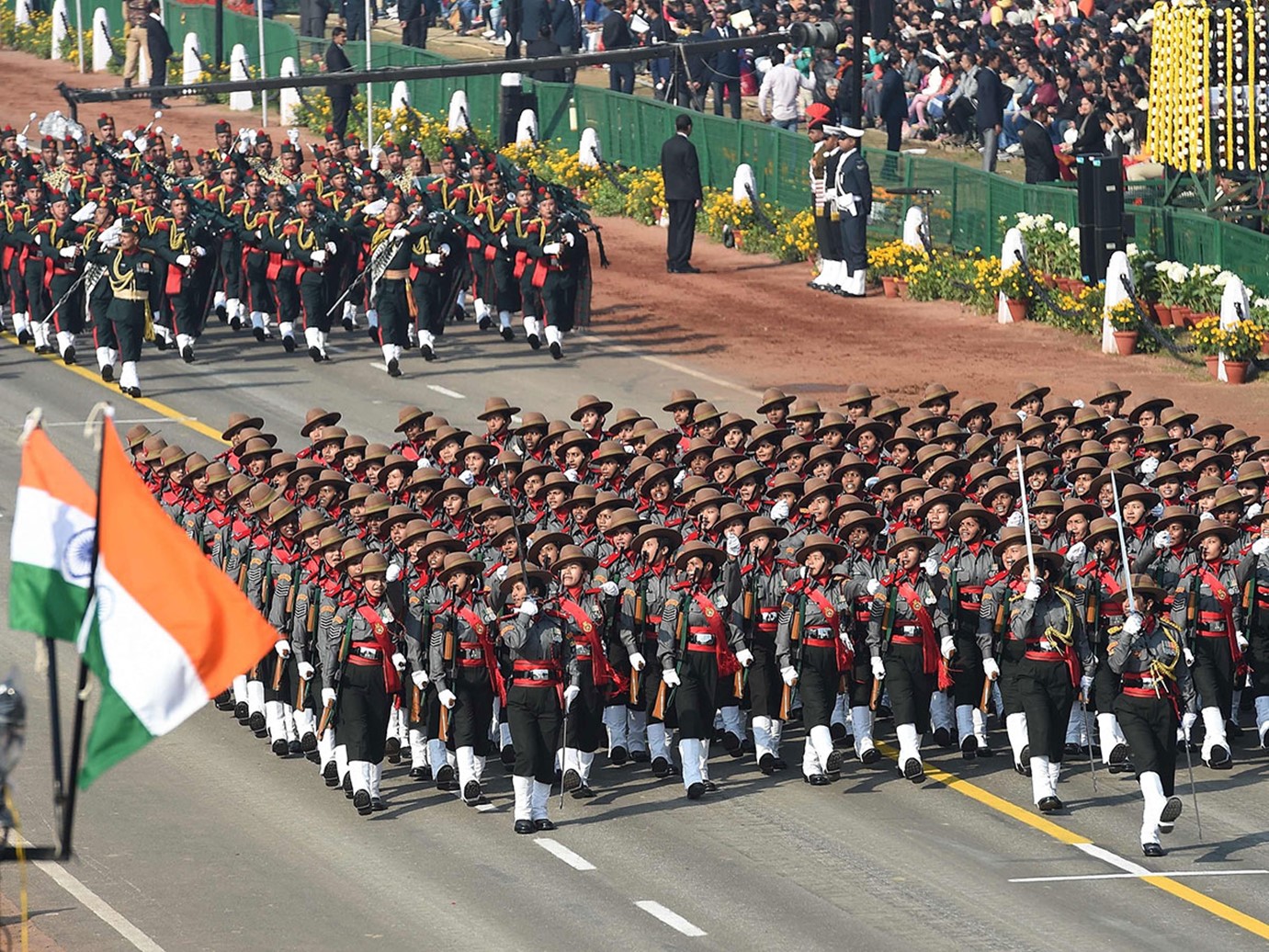
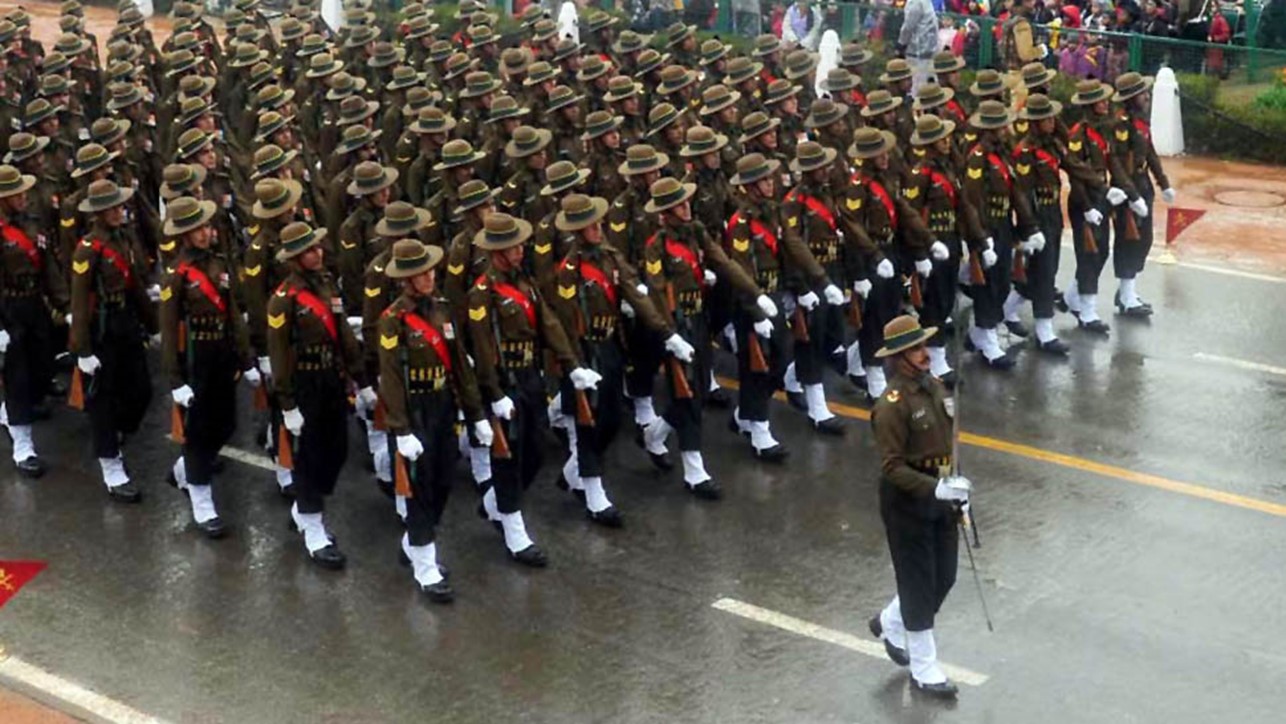
Septuagenarian celebrates the 70th Republic Day of India on January 26, 2019, paying homage to all people who gave their precious lives defending the Republic of India. I offer my hearty congratulations to India’s All-Women Assam Rifles contingent which participated in the Parade.
Rudranarasimham Rebbapragada
SPECIAL FRONTIER FORCE
Republic Day 2019: India’s military might, cultural diversity on display
Republic Day parade highlights 22 tableaux of states, central government departments
Indian Army’s T-90 Bhishma tanks are displayed during the Republic Day parade. Image Credit: Reuters
NEW DELHI: An incredible spectacle was on display as India’s 70th Republic Day celebrations began on Saturday amidst tight security in the national capital, with the traditional grand military parade on Rajpath.
India’s Air Force’s (IAF) C-17 Globemaster and two Sukhoi Su-30MKI aircraft fly past during the Republic Day parade. Image Credit: Reuters
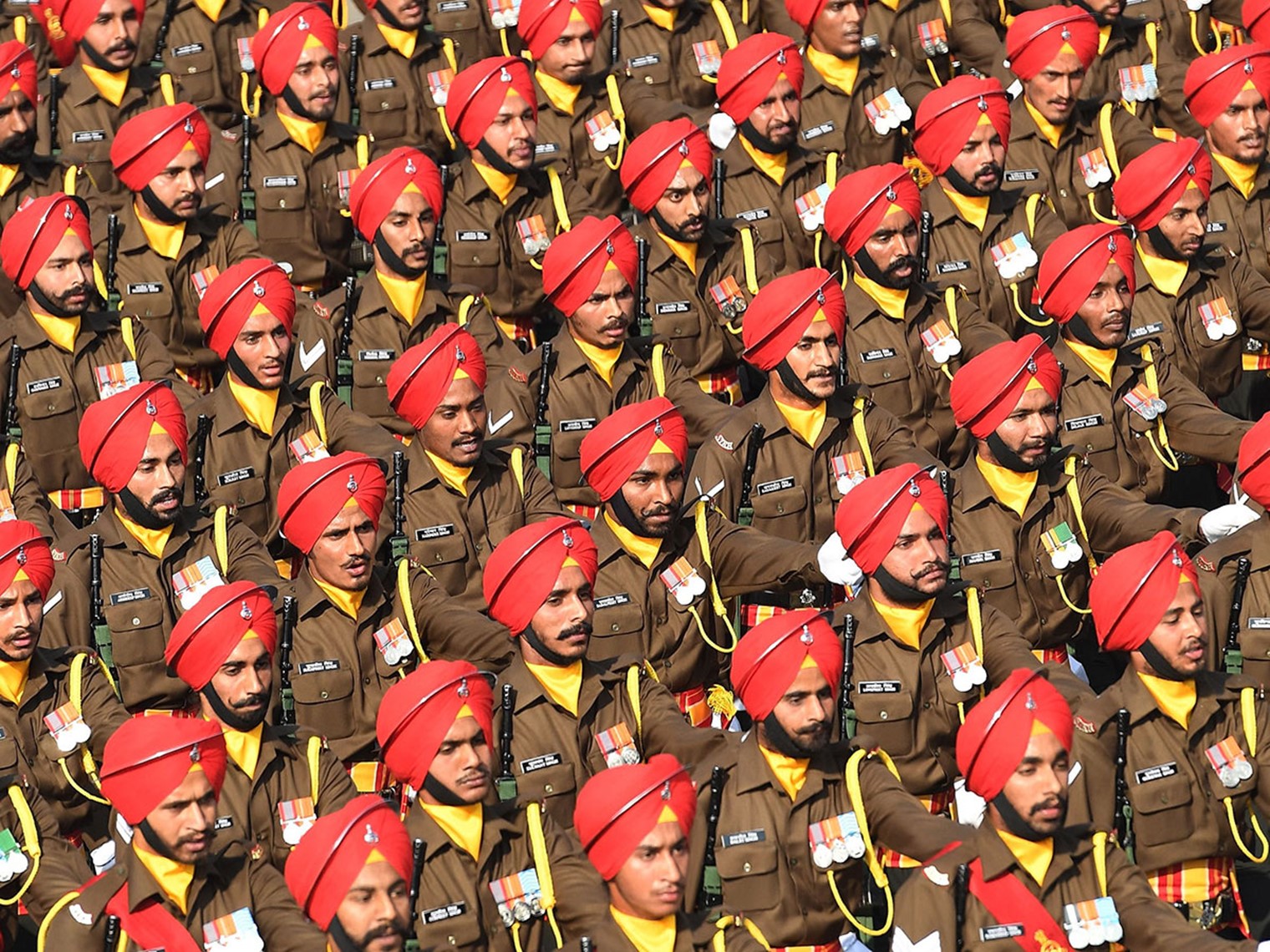
An Indian Army Sikh Contingent marches during the 70th Republic Day parade. Image Credit: AFP
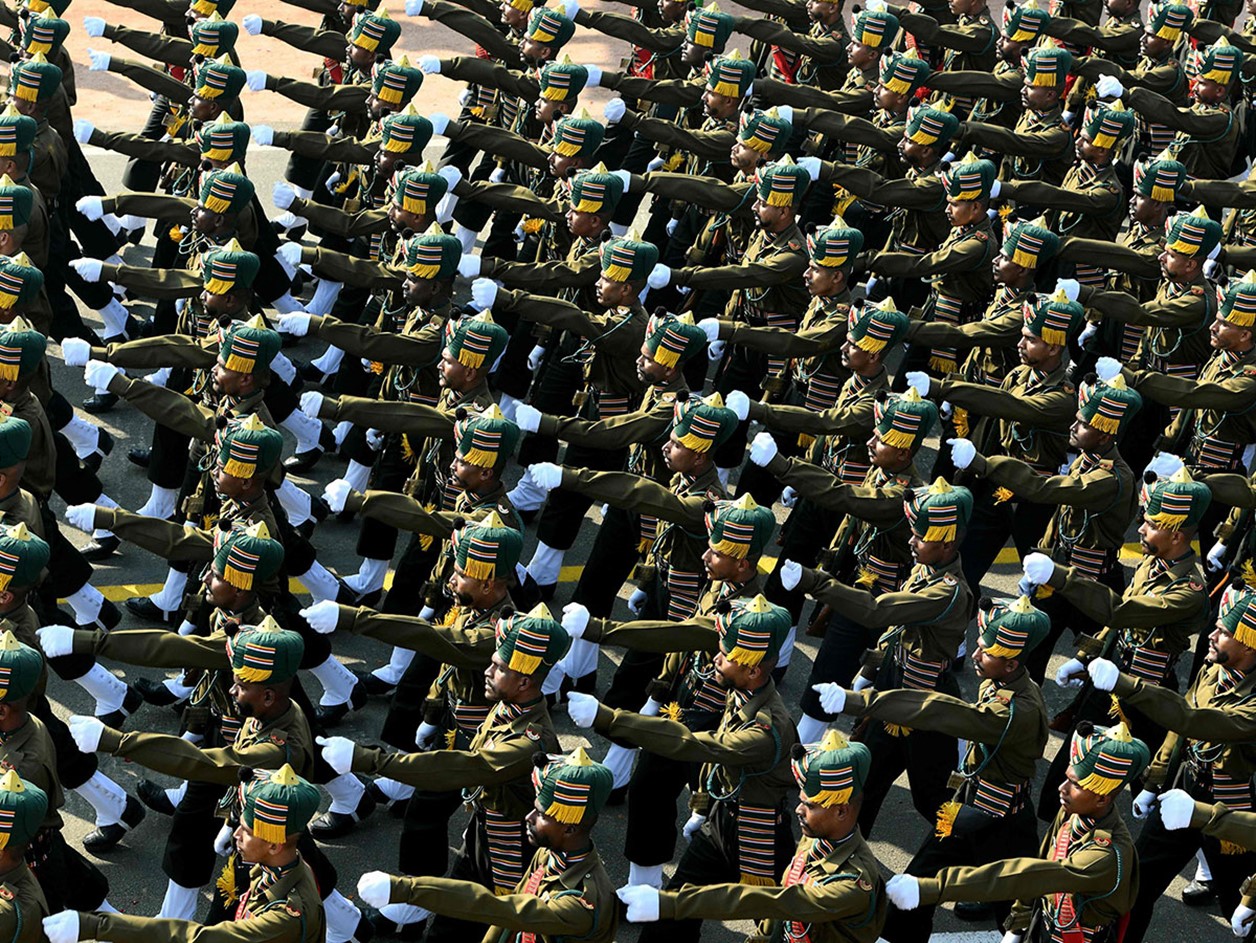
An Indian army contingent marches during the Republic Day parade. Image Credit: AFP
Prime Minister Narendra Modi laid a wreath at the Amar Jawan Jyoti memorial at India Gate and along with the three chiefs of the armed forces paid homage to soldiers who lost their lives in combat.
President Ram Nath Kovind, the first lady and the South African President Cyril Ramaphosa who is the chief guest this year, arrived in a cavalcade escorted by 46 President’s Bodyguards.
Prime Minister Narendra Modi greets President Ramnath Kovind and South Africa’s President Cyril Ramaphosa Image Credit: Reuters
The open buggy traditionally used to escort the chief guest was done away this year owing to security concerns, news agency ANI reported.
An Indian Air Force contingent marches during the Republic Day parade. Image Credit: AFP
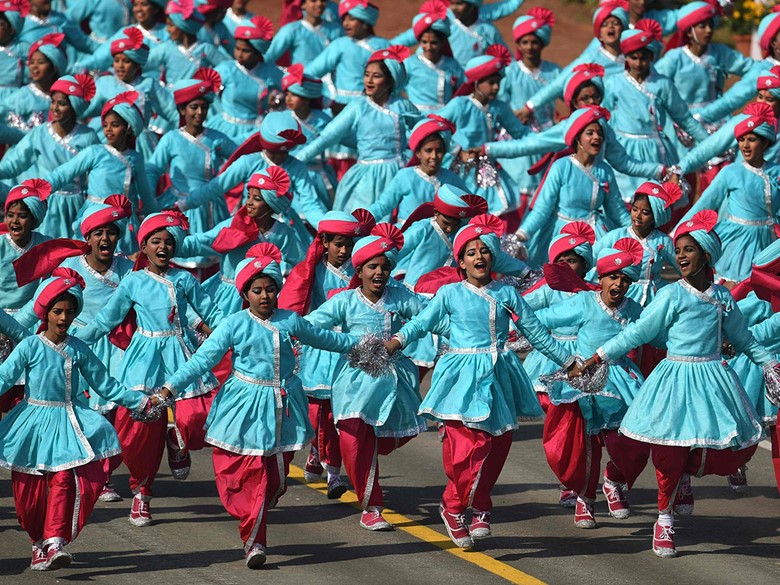
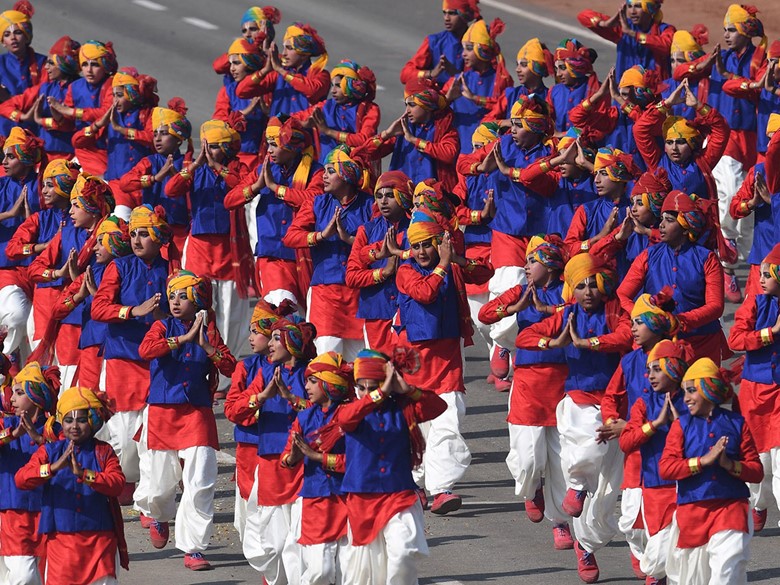
Fifty-eight tribal guests from various parts of the country, 22 tableaux of states and central government departments and performance by school children formed part of the 90-minute Republic Day parade.
Indian school children perform during the 70th Republic Day parade. Image Credit: AFP
Indian school children perform during the 70th Republic Day parade. Image Credit: AFP
India’s All-Women Assam Rifles contingent marches during the 70th Republic Day parade. Image Credit: AFP
For the first time in the history of the paramilitary, an all-women contingent from the Assam Rifles participated in the parade.
INTERNET SEARCH ENGINES MUST DEFEND FREE SPEECH RIGHTS
January 18. Internet Freedom Day. Internet Search Engines must defend Free Speech Rights.
In celebration of Internet Freedom Day on January 18, 2019, I advocate that Internet Search Engines must defend Free Speech Rights.
Rudranarasimham Rebbapragada
SPECIAL FRONTIER FORCE
Activists at Google’s London HQ protest Project Dragonfly | Business | Techworld
Google’s leaked plans for a censored Chinese search engine has sparked anger globally
This afternoon outside Google’s King’s Cross headquarters, a small group of protesters gathered to put pressure on the firm to scrap leaked plans for a censored Chinese search engine, codenamed Project Dragonfly.
The protest was orchestrated under the Stop Google Censorship campaign, which is comprised of groups associated with SumOfUs, the Tibetan independence movement, and Uighur Muslims. It was planned on the same day as Internet Freedom Day and was mirrored by planned gatherings outside Google offices in the US, Canada, India, Mexico, Chile, Argentina, Sweden, Switzerland, and Denmark.
January 18. Internet Freedom Day. Internet Search Engines must defend Free Speech Rights.
When Techworld arrived, two security guards were talking to the protest organizers, but they quickly departed on reassurances that the protest would be peaceful.
Outside the glass-fronted headquarters, based in Granary Square near King’s Cross Station, a group of between 10 to 15 protesters were gathered, some of them tending to clump of red balloons emblazoned with the Google logo dappled with the gold stars of the Chinese flag.
The Intercept first revealed the Dragonfly Project in August 2018, citing insider sources and a leaked company memo. Google was reportedly harvesting information from 265.com, a Chinese-language web directory purchased by the company in 2008 that redirected any search traffic to the biggest Chinese search engine, Baidu.
The Intercept claimed the project had been underway since spring of 2017, however, it was alleged by the publication that Google’s privacy team wasn’t notified of the use of 265.com in this way.
If launched, the search engine would have to cooperate with censorship laws from the Chinese government, including barring search results of certain publications such as the BBC, and certain search terms such as news, academic studies, and sex, as well as references to Tiananmen square and Tibetan independence.
But this isn’t the protester’s only qualm with the project, it’s also due to the requirements to comply with new Chinese Internet Security law introduced in 2018.
“One of the most damaging aspects of that law is that internet service providers are required to capture details of people using their services, and that would include Dragonfly,” John Jones, Free Tibet’s campaigns and communications manager told Techworld.
The law requires that the details of searchers on the service be made available to security services should they request them.
“In theory, someone could be arrested and imprisoned based on what they search for using Google’s search engine in China,” points out Jones. He says this is a particular concern for the group based on their understanding that there have been past incidences where Chinese citizens are imprisoned for searches through Chinese websites.
The Intercept reported in December 2018 that in the aftermath of their revelations, the project has stalled. Google itself also stated that it has no ambitions to launch in China. However, many see this as not truly indicative that its interest in the rising superpower has been extinguished.
“We can’t take anything for granted so we’re going to keep putting pressure on them and hopefully get some sort of acknowledgment from the company itself that this project has been scrapped,” says Jones.
Jones says the fact that Google has now distanced itself from the allegations shows that the company was cognizant of the bad optics surrounding developing something like this. But he doesn’t see the business as monolithic.
“There are the executives and there are the people developing the project, but then there’s also many of the staff who are decent people who are ideologically opposed to this,” says Jones, pointing to dissent from within the tech giant. “They’ve been the ones leaking the information about it, contacting journalists and in some cases even resigning – because they think it violates the vision they had when they started working for Google.”
The group claim that some of the employees emerging from Google had engaged with the protest, with one signaling support, and another saying that this was a topic of intense discussion within the offices too. Techworld can’t confirm this as no one approached the protesters during the time we were present.
The project also seems to signal a pivot in Google’s former position when it pulled out of the China market, citing – in addition to a cybersecurity attack – censorship and the company’s principles for free internet.
Although in its early days the company preached somewhat utopian ideals it recently dropped its infamous ‘don’t be evil’ slogan from its code of conduct.
The Project Dragonfly revelations came amidst domestic controversies in Silicon Valley. Google had been working with the US government on a drone program called Project Maven, while Amazon workers protested their company aiding Trump’s deportation agency ICE.
Jones sees this as a blueprint for what pressure on the company could potentially achieve in regard to China.
Success, according to Jones, would look like an open acknowledgment of Google that it will be canceling the Project Dragonfly search project. But he did acknowledge when asked by Techworld that China is not the only region where the titans of Silicon Valley have wormed their way into the state surveillance apparatus.
“From my point of view, any time they violate their own principles by handing over information that the user doesn’t know is being handed over they probably do need to examine themselves and be challenged for it and it doesn’t matter if it’s in China or the US,” Jones says. “The only difference is the extent to which they’re doing it and the possible penalty that someone can be paying. I’m sure if I was working on civil rights in the US I’d be up in arms about their past cases.”
The earlier Snowden revelations, meanwhile, proved that the intelligence agencies of the ‘Five Eyes’ governments – the USA, Canada, Britain, New Zealand, and Australia – had been collaborating on an intricate worldwide surveillance dragnet.
And amid questionable fears that Russian bot networks had impacted the result of the US presidential election in 2016, Facebook and other Silicon Valley companies have been working to black-ball news sources that they have labeled as ‘divisive’ – aided by the unabashedly pro-NATO think tank The Atlantic Council.
A separate media relations volunteer, Business Insider journalist Michael Selby-Green, acknowledged that most of the people in attendance were volunteers or full-timers at groups relating to Tibet or other NGOs that exert pressure in China. He said that the protest was kept deliberately small – with minimal public outreach – because the intention was to picket Google employees and passers-by.
Jones says the problem isn’t Google offering a service in China per se.
“We have absolutely no problem in theory if Google were to open a search engine in China free from constraints of the government, we’d be completely happy with it,” he says. “The minute they start colluding with governments that are repressing human rights and develop a tool that could help them such as tracking peoples’ searches, that’s when they’ve got to be challenged.”
Some would say that from a business perspective, that the company is loath to ignore such a vast emerging and potentially extremely lucrative market, however, Selby-Green says that this doesn’t make it justifiable.
“I don’t think the ends justify the means, you’ve got to say what your values are, and you have to stick to those I think,” Selby-Green says. “If Google’s values are internet freedom and things we hold dear in the west or think we do, then I think Google has to stand by that and sacrifice that market and the profits in that market if that’s what they hold dear.”
In 2018 Samm Sacks of the Henry Kissinger-supported think tank the CSIS detailed the ins and outs of the Cyber Internet Security Law – which was inspired at least in part by Europe’s General Data Protection Regulation, putting Chinese data regulations on more of an even footing with American and European laws, at least concerning personal data held by private companies.
She added at the time that for successful companies operating within the valuable China market, success is only possible with the support of the government. Countries seeking closer ties with China, meanwhile, are approaching its government for advice on how to govern the internet.
It could be argued that Google, which was reached for comment but has not responded, is stuck between a rock and a hard place concerning China.
Google will not want to ignore the country’s growing economy, but the project was leaked during a climate of increased western scrutiny directed at China, as well as an ongoing trade war between the USA and China and the arrest of Huawei CFO Meng Wanzhou in Canada.
Western intelligence has, meanwhile, warned of the over-reliance of Chinese infrastructure equipment from Huawei – although the German technology watchdog found no evidence of wrongdoing and the company has long been under the watch of cybersecurity experts at a center in Banbury, Oxfordshire.
January 18. Internet Freedom Day. Internet Search Engines must defend Free Speech Rights.
























 Whole Dude - Whole Concept