On the Tenth Day of January, 2019, Septuagenarian Discovers the Septuagint
On the Tenth Day of January, Septuagenarian Discovers the Septuagint.
On the tenth day of January, Septuagenarian Discovers the Septuagint.
I acknowledge the fulfillment of Isaiah’s prophecy on the Tenth Day of January 2019. At any given place, and time, the external circumstances impacting our living conditions vary as all of us have individualistic life experiences even while sharing common living environment.
I seek Emotional Equilibrium or Emotional Balance or Mood Balance while preparing to face challenges posed in the new year of my life. I seek Wisdom shared by Septuagint, the Greek version of the Bible known to Jesus during His lifetime. He cautions people about hardened hearts, spiritual blindness, and deafness that makes people unresponsive to human pain and suffering. I should not hope or desire to find people who have the heart to know my problems, who have eyes to see my difficulties, and who have ears to listen to my pitiable groans.
On the Tenth Day of January, Septuagenarian Discovers the Septuagint.
It helps me to secure my Emotional Equilibrium by knowing Septuagint, particularly, the ideas shared by Prophet Isaiah which guided Jesus during His very difficult Life Journey.
On the Tenth Day of January, Septuagenarian Discovers the Septuagint.
I am not surprised to find that people do not understand the pain that I reveal in my writing. I am not surprised to find that people do not perceive the hardships that I endure. I am not surprised to find that people cannot hear my voice filled with desperation.
On the Tenth Day of January, Septuagenarian Discovers the Septuagint.
I am not perturbed for I live among people whose hearts have become dull. At least for now, I must live without the benefit of healing promised by Jesus.
Jesus speaks of conversion that leads to healing of hearts. Time has healing power of its own. Both physical wounds and emotional injuries heal under the influence of Time. In 2019, I need to wait with patience and ask for blessings of perseverance for the healing process to manifest its results.
On the Tenth Day of January, Septuagenarian Discovers the Septuagint.On the Tenth Day of January, Septuagenarian Discovers the Septuagint.
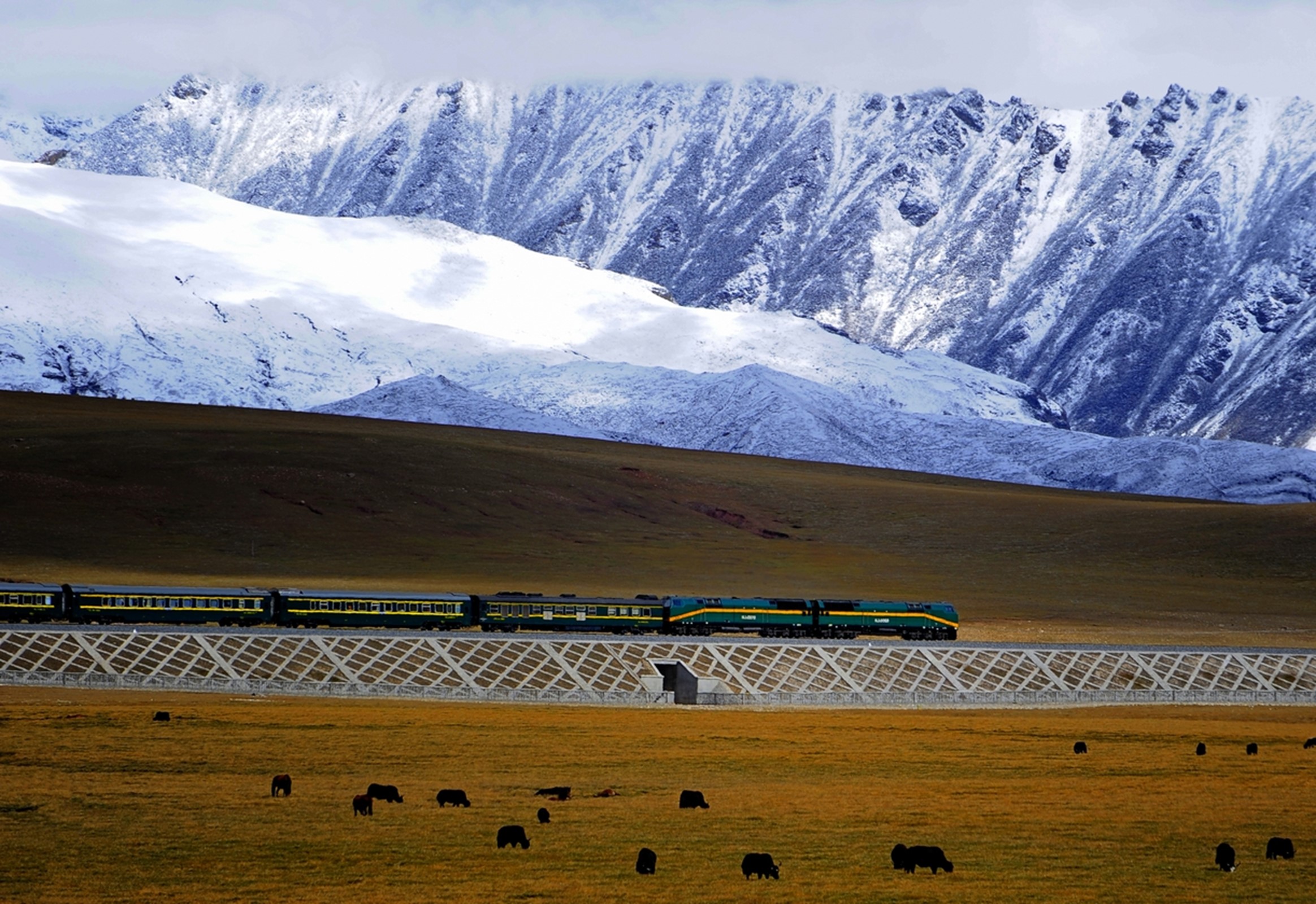
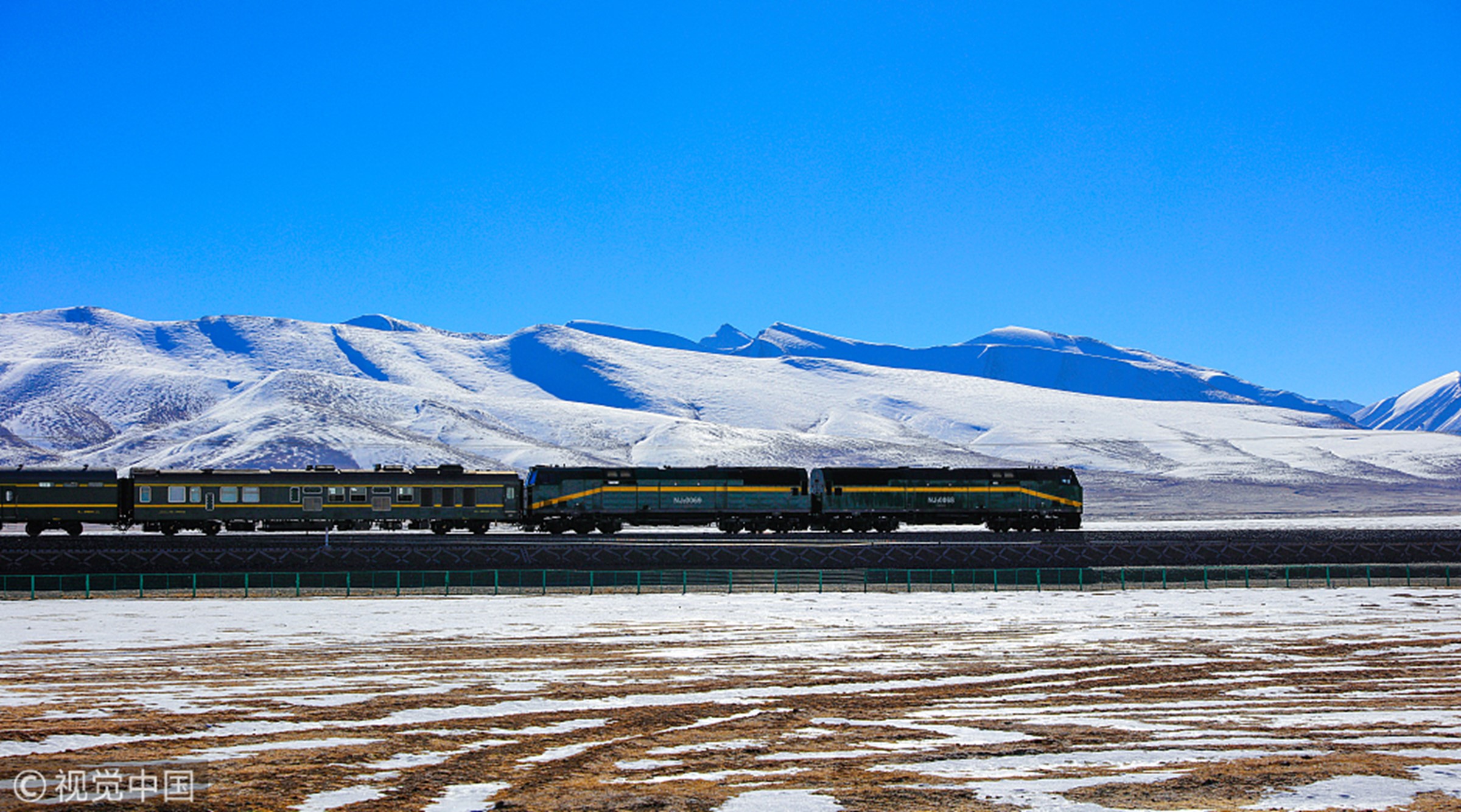
In my analysis, the Qinghai-Tibet Railway symbolizes the relentless pace of colonization of Occupied Tibet.
The Relentless Colonization of Occupied Tibet.
During the 1950s, both Tibet and India failed to imagine the real consequences of Communist China’s military invasion of Tibet. The leaders of both countries made futile attempts to appease Communist China for they had grossly underestimated China’s capabilities to occupy Tibetan Plateau building roads, bridges, and railway lines. These infrastructure projects across the vast Tibetan Plateau tremendously boosted China’s defense capabilities. Evicting the Occupier of Tibet may indeed pose a super challenge. For I trust in God, I conclude that ‘Nothing is Impossible’.
The Relentless Colonization of Occupied Tibet.
Rudranarasimham Rebbapragada
SPECIAL FRONTIER FORCE
Qinghai-Tibet Railway carries record-high passengers in
2018
The Relentless Colonization of Occupied Tibet.
[Photo/IC]
The Qinghai-Tibet Railway, the world’s highest and longest plateau railroad, last year carried around 16.56 million passengers.
The figure represents a 10 percent year-on-year increase and a new record since the railway began operating in 2006.
The railway delivered 34 million tons of cargo in 2018, an increase of 5.8 percent in 2017, according to the Qinghai-Tibet Railway Company. The railway has in 12 years transported a total of 182 million passengers and 552 million tons of goods.
The railway’s capacity has improved significantly since the Golmud-Lhasa section, an extension of the railway, was completed in August last year. New management and mechanisms were introduced to improve efficiency.
During peak times the railway company also ran additional or temporary trains to meet increasing ticket demands.
The enhanced transportation capacity has been a catalyst for social and economic development in Tibet autonomous region and Qinghai province, as well as a driving force for tourism in the regions.
In my analysis, the Great Problem of Tibet cannot be resolved by sanctioning “Meaningful Autonomy” to Tibetan people as demanded by His Holiness the 14th Dalai Lama. In fact, Tibetans cannot hope for any kind of autonomy if the military occupation of Tibet prevails across Tibetan Territory.
Rudranarasimham Rebbapragada
SPECIAL FRONTIER FORCE
The Dangerous Military Occupation of Tibet.
Chinese military equips troops in Tibet with mobile howitzers: Report | India News – India TV
The Dangerous Military Occupation of Tibet.
Tuesday, January 08, 2019
Chinese military equips troops in Tibet with mobile
howitzers: Report
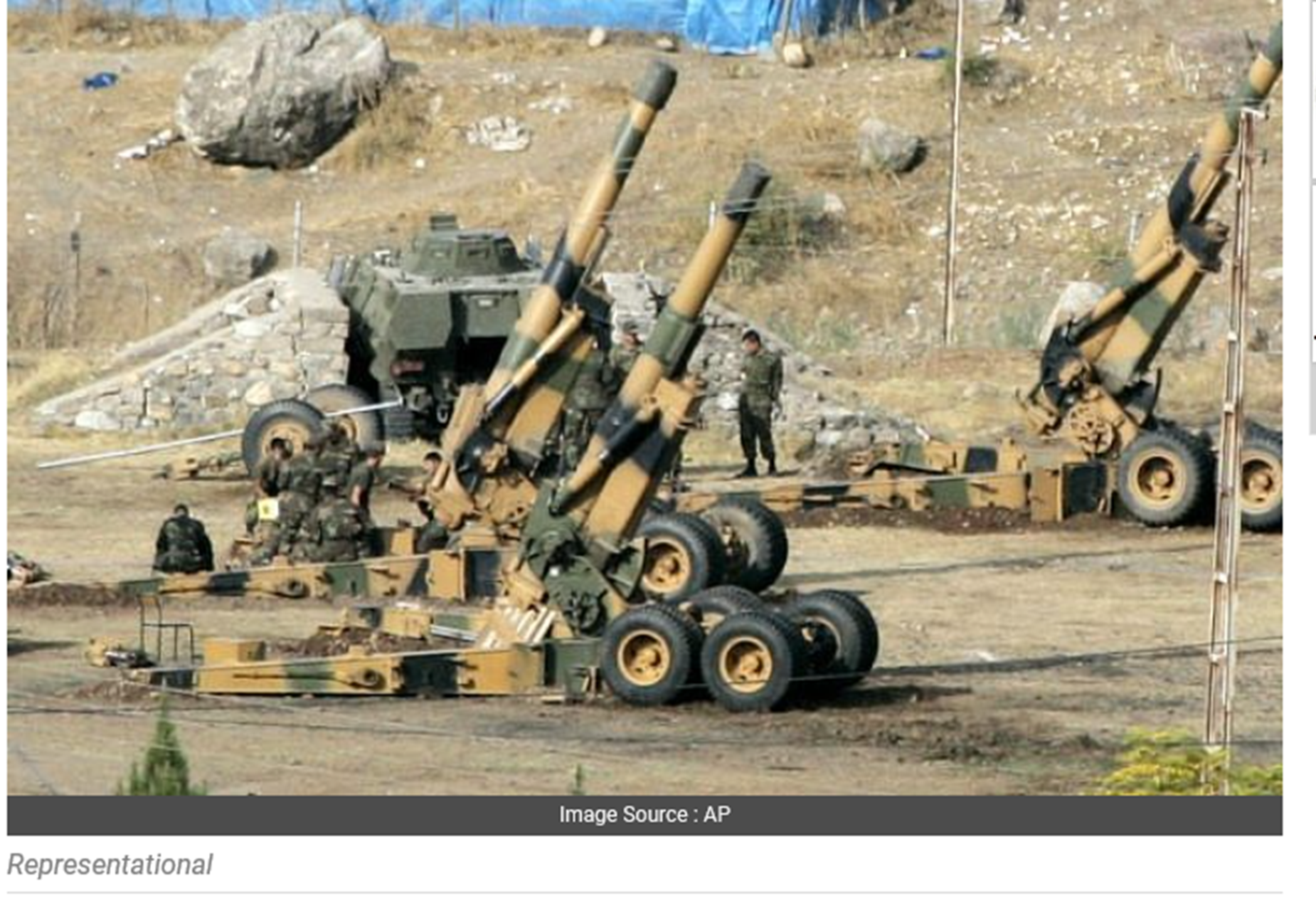
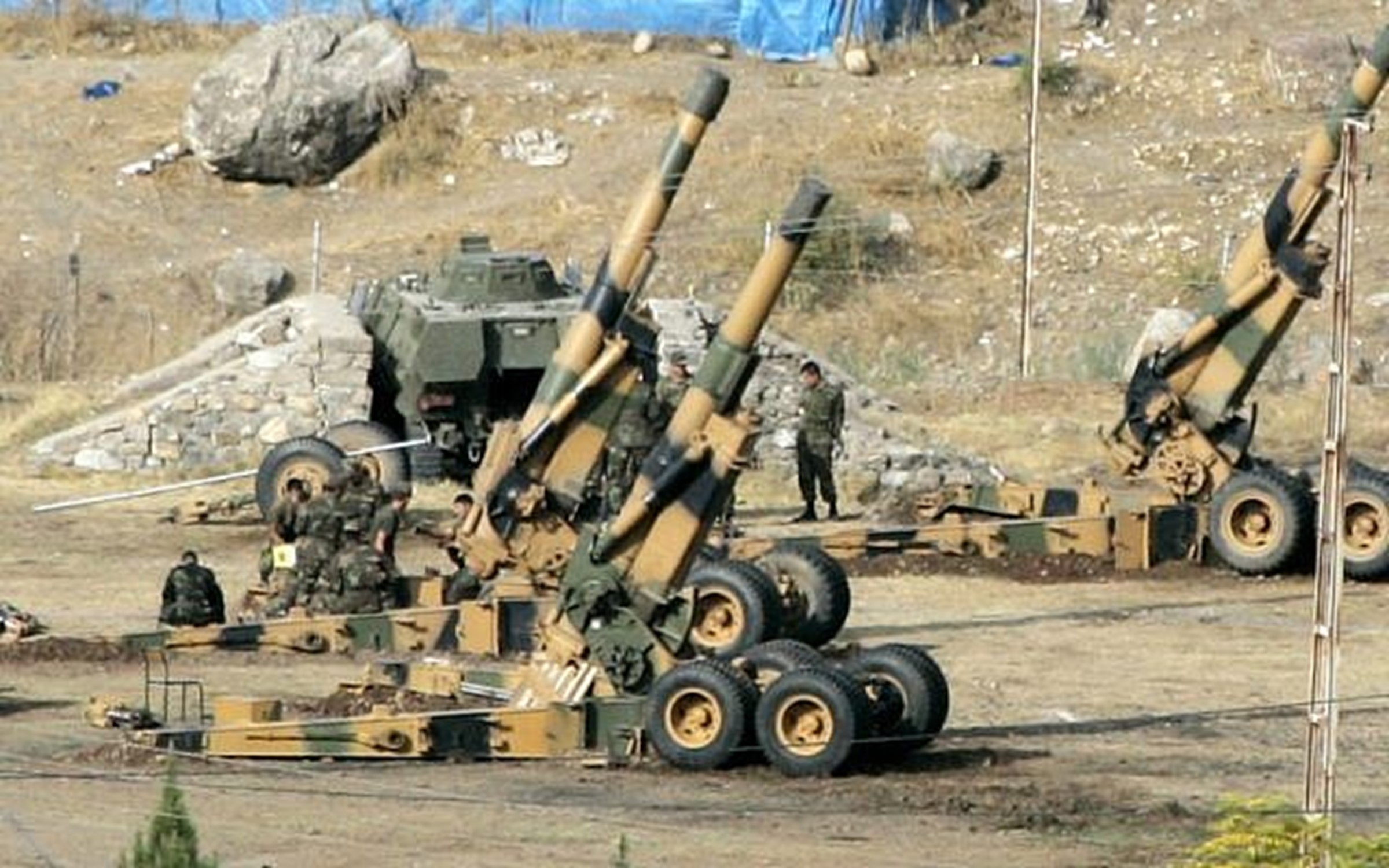
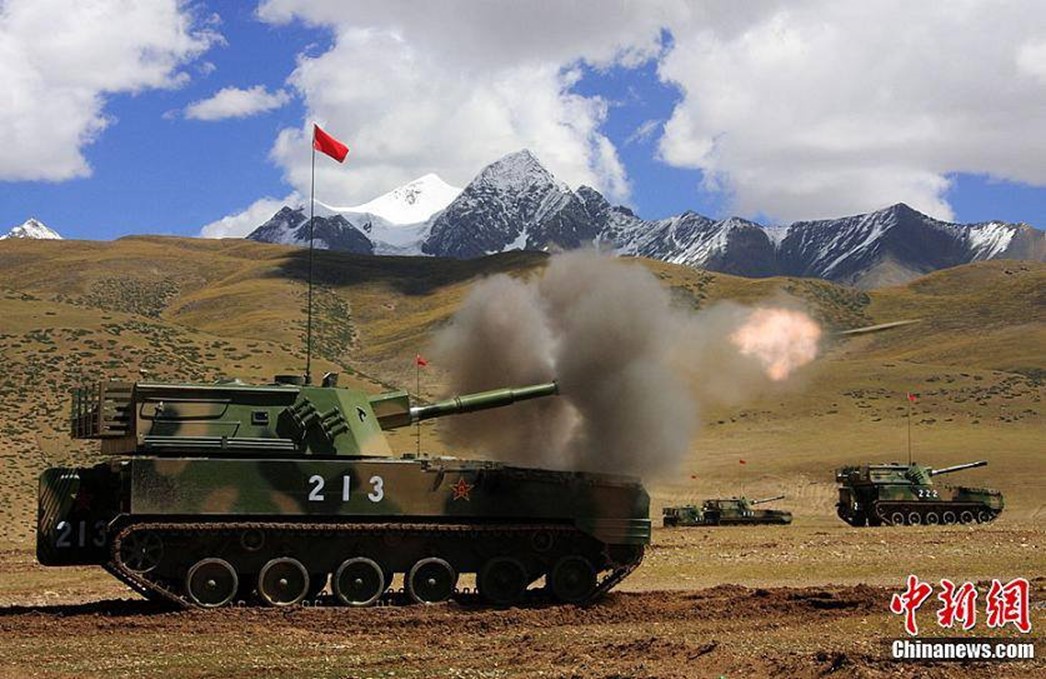
China’s People’s Liberation Army (PLA) stationed in Tibet Autonomous Region has been equipped with mobile howitzers which aims to boost the troops’ high-altitude combat capability to improve border security, state-run Global Times reported.
Reported by: PTI, Beijing [ Updated: January 08, 2019 16:53 IST ]
The Dangerous Military Occupation of Tibet.
Image Source: AP
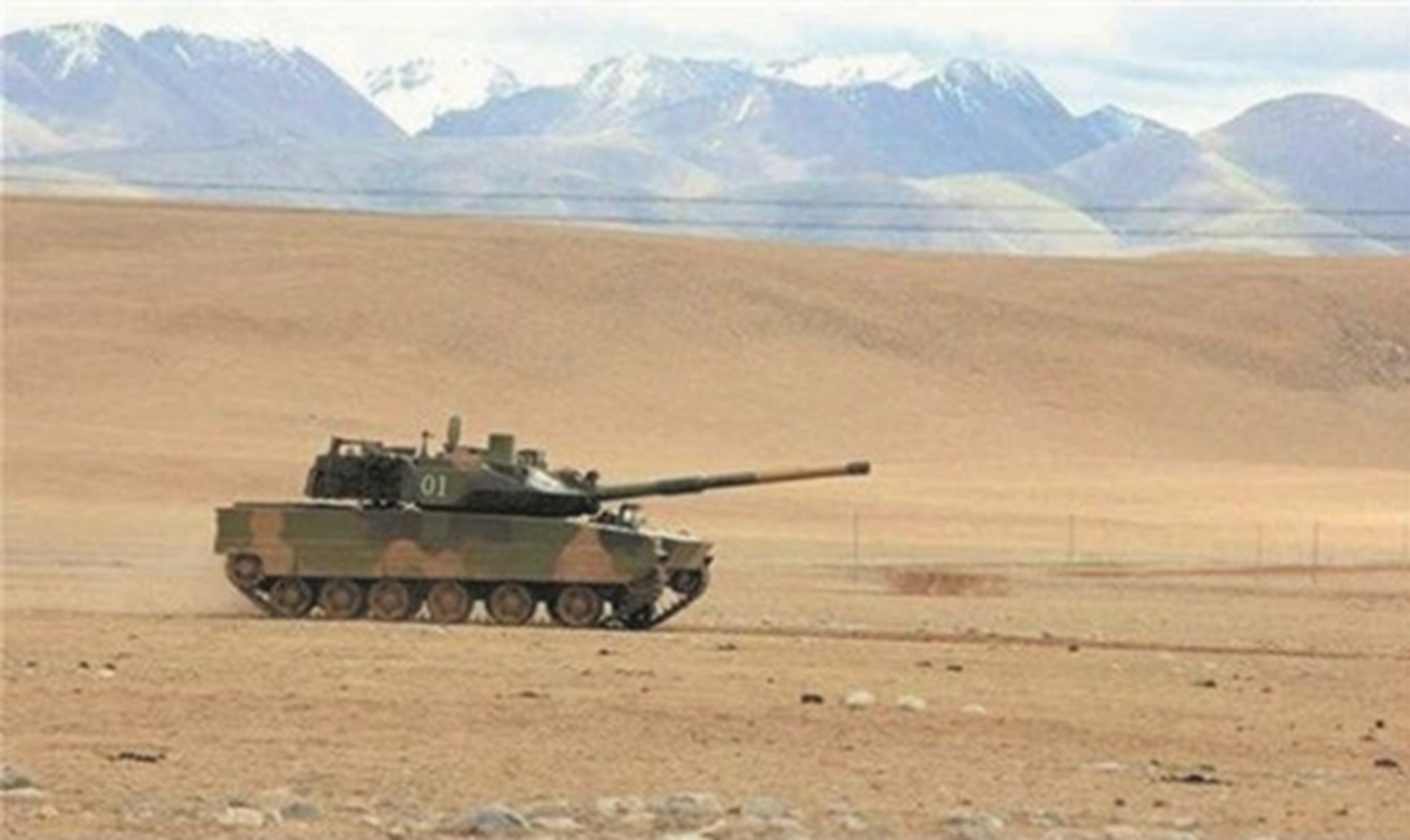
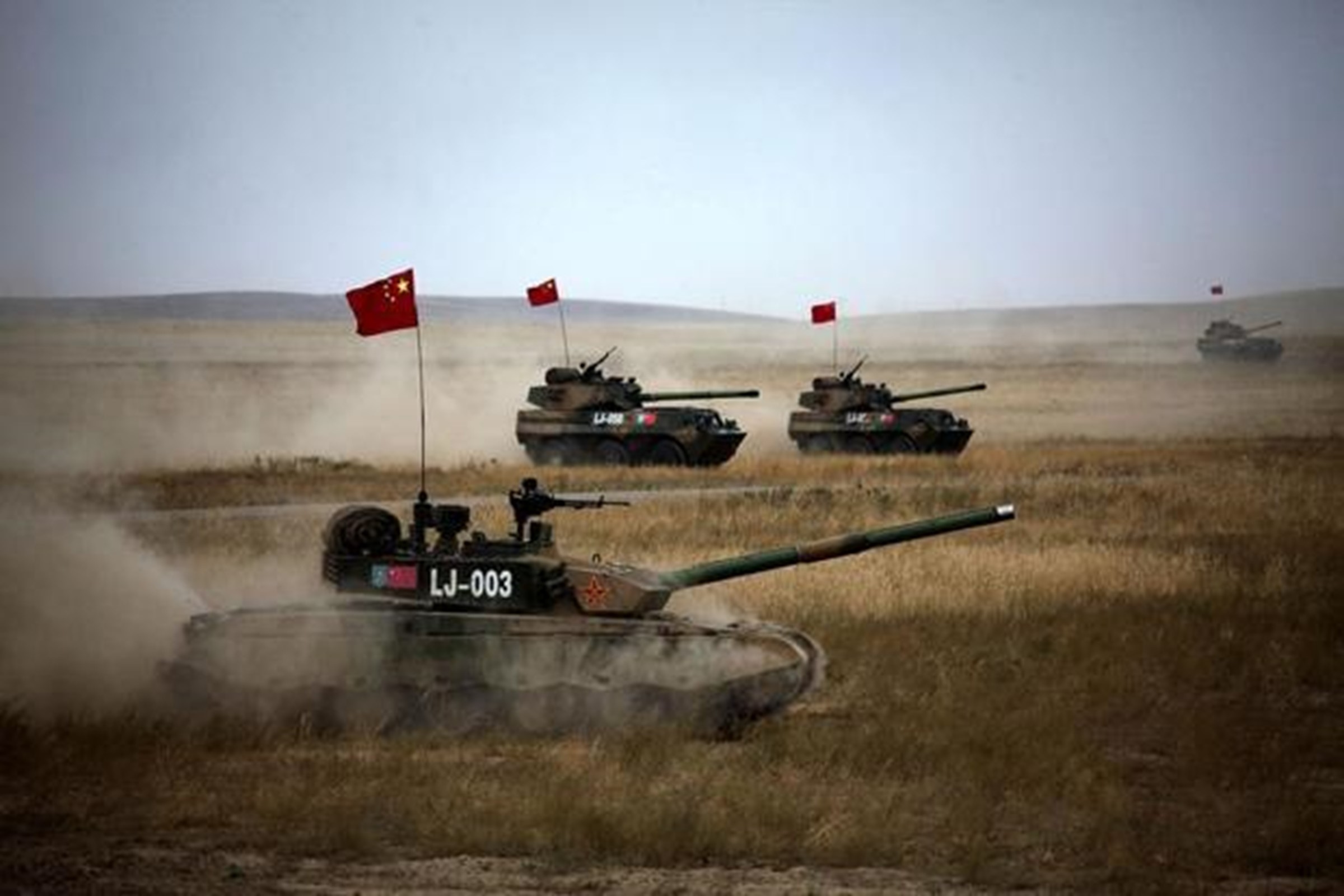
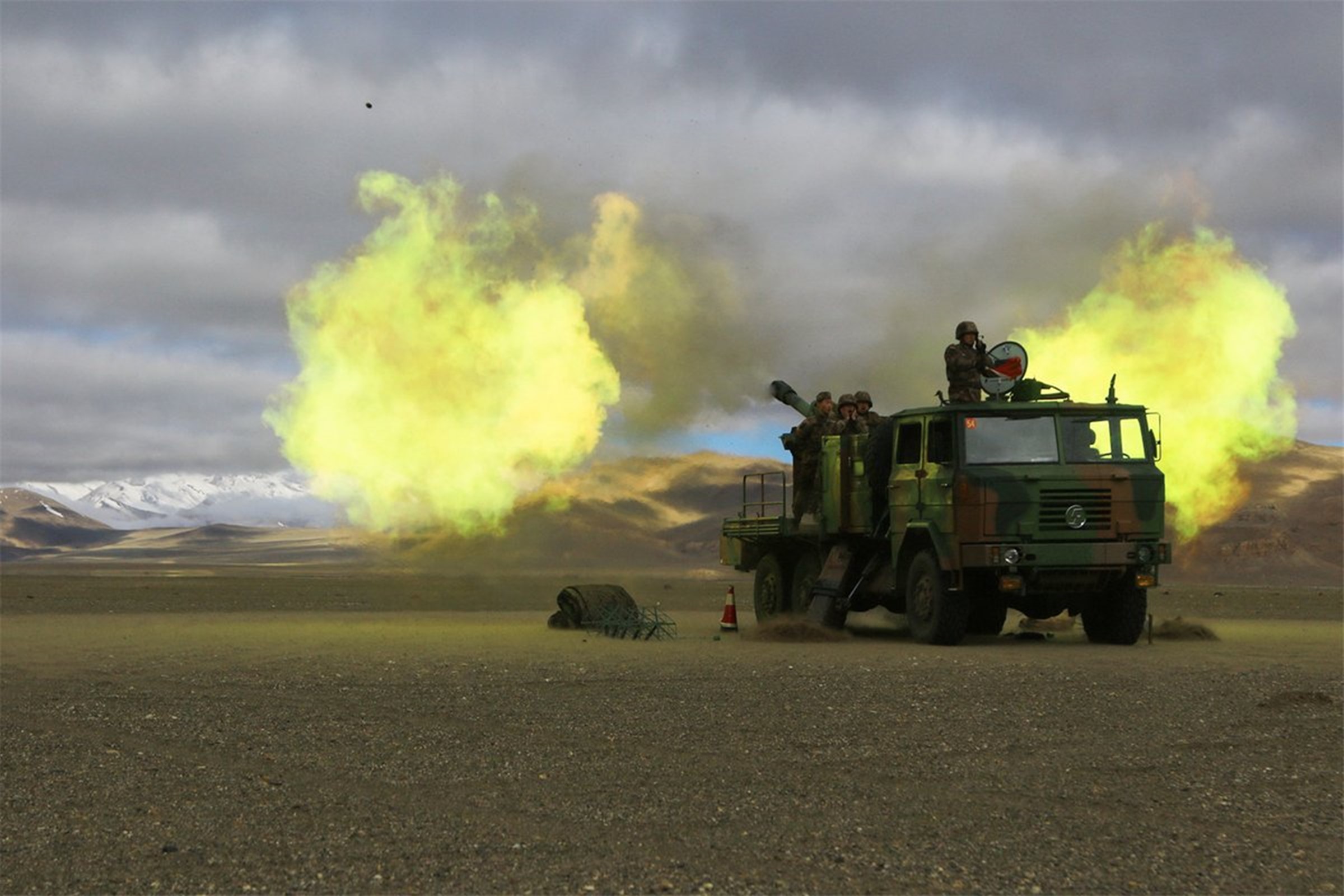
After the recent induction of lightweight battle tank in Tibet bordering India, the Chinese military has equipped its troops stationed at the Himalayan plateau with new vehicle-mounted howitzers to improve their combat capability, official media here reported on Tuesday.
China’s People’s Liberation Army (PLA) stationed in Tibet Autonomous Region has been equipped with mobile howitzers which aims to boost the troops’ high-altitude combat capability to improve border security, state-run Global Times reported.
It quoted Chinese military analysts as saying that the new equipment would be the PLC-181 vehicle-mounted howitzer. The announcement was made in an article released by the WeChat account of the PLA Ground Force on Saturday, the report said.
The equipment was used in an artillery brigade in Tibet during the 2017 China-India stand-off at Doklam, it said. Song Zhongping, a military expert and TV commentator, told Global Times that the howitzer has a 52-caliber cannon with a range of over 50 km and shoots laser-guided and satellite-guided projectiles.
It will boost the high-altitude combat capability of the PLA in Tibet, Song said.
The induction of the mobile howitzers followed the move by the PLA to put into service the lightweight battle tank, which was tested by its military during exercises in Tibet held at the peak of the Doklam standoff.
The Type 15 has an engine capable of 1,000 horsepower and is significantly lighter than the PLA’s other main battle tanks in service, weighing about 32 to 35 tons. The tank meant for rugged and mountainous terrain of the Himalayan region.
The induction of the tank and the mobile howitzers highlighted the PLA’s efforts to reinforce its troops with new equipment despite steady normalization of military relations since last year.
As part of the military training in 2019, an artillery brigade in the Tibet Military Command ordered soldiers to take part in a military skills competition at a training ground on the Qinghai-Tibet Plateau 3,700 meters above sea level, the report said.
Last week, President Xi Jinping, who also heads the military, ordered the armed forces to enhance their combat readiness to make sure they are always ready for battle, saying risks and challenges for China are on the rise.
China’s border issue has not been completely resolved, and was challenged by pro-Tibet independence forces and terrorists, the report quoted analyst as saying.
Zhao Gancheng, director of the Centre for Asia-Pacific Studies at the Shanghai Institute for International Studies, told the daily that the military investment in Tibet has been rising, but is primarily meant for defense and not to provoke conflict with neighboring countries.
He said the PLA troops stationed in Tibet need to improve their combat capabilities in plateau areas and strengthen their willpower in extreme weather as they are primarily responsible for the border defense against terrorists and foreign invaders, he said.
To cope with altitude sickness, the PLA built oxygen stations for the soldiers in Tibet in 2015, which were used for medical purposes, but are now also being used regularly in training.
I am not a photographer, but my heart captures the brutality of Tibet’s military occupation without the use of any lens.
Rudranarasimham Rebbapragada
SPECIAL FRONTIER FORCE
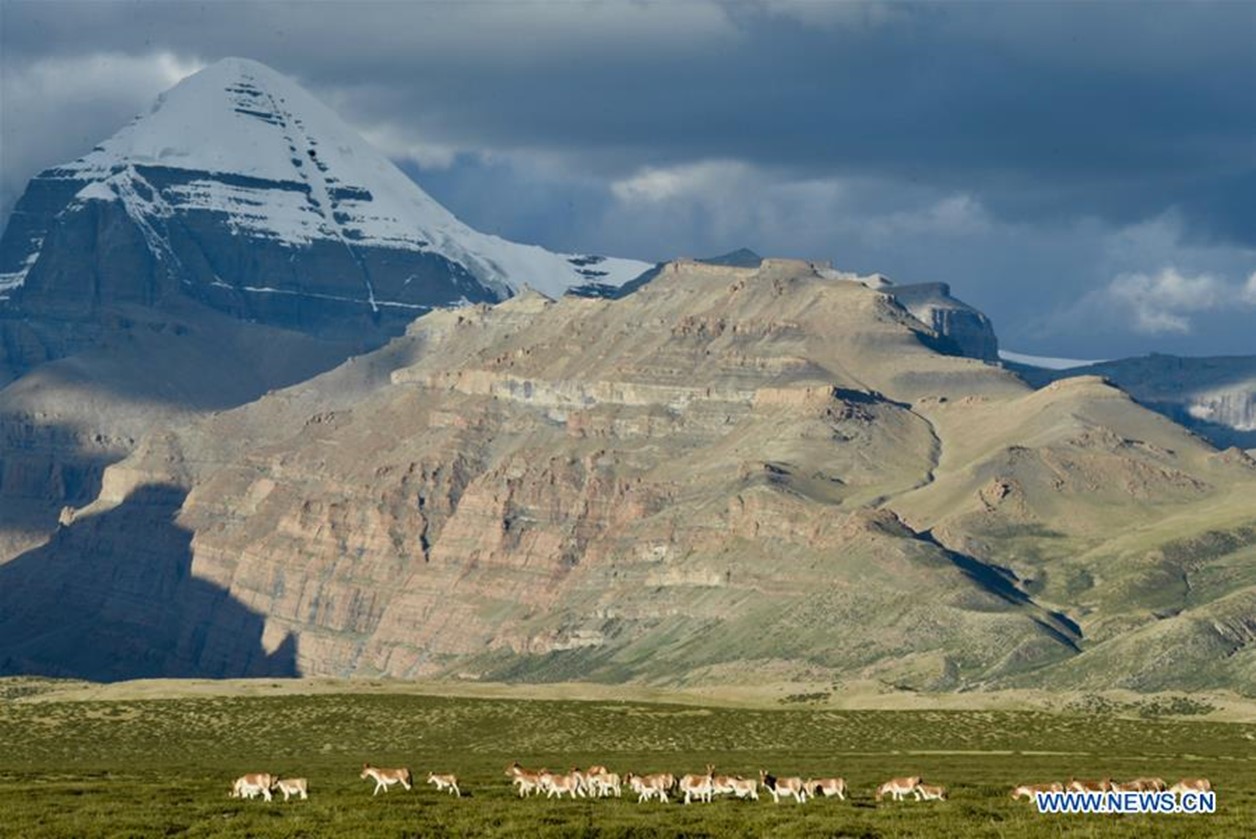
AMAZING TIBET – PHOTOS SHOT BY XINHUA PHOTOGRAPHERS
AMAZING TIBET. BRUTAL MILITARY OCCUPATION.
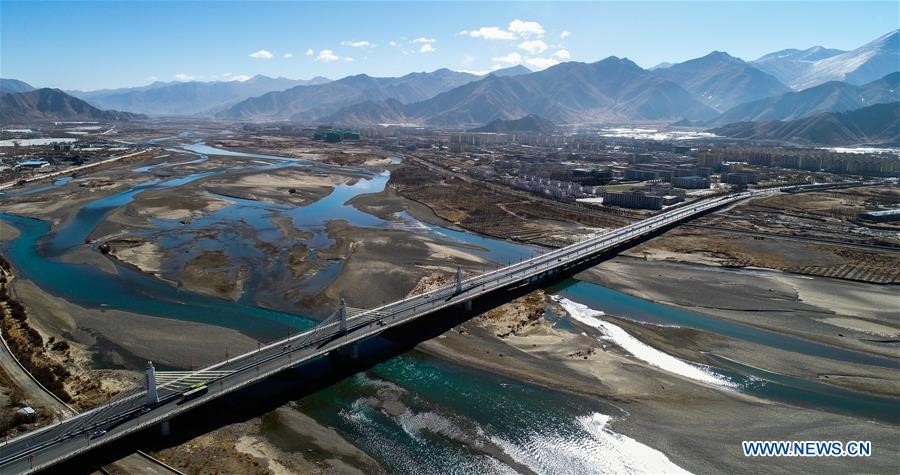
The aerial photo was taken on March 4, 2018, shows a newly-built bridge across the Lhasa River, a tributary of the Yarlung Zangbo River, Tibet. Amazing shots of Tibet in 2018 are seen through lenses of Xinhua photographers. (Xinhua/Jigme Dorje)
AMAZING TIBET. BRUTAL MILITARY OCCUPATION.
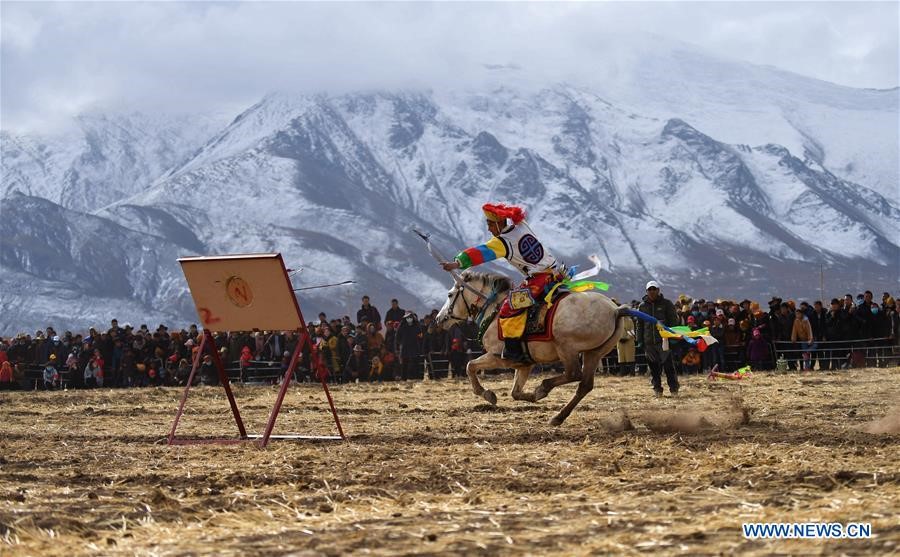
An archer shoots on horseback in an equestrian event in Jiangjiao Village of Lhasa, capital of Tibet, Feb. 25, 2018. Amazing shots of Tibet in 2018 are seen through lenses of Xinhua photographers. (Xinhua/Jigme Dorje)
AMAZING TIBET. BRUTAL MILITARY OCCUPATION.
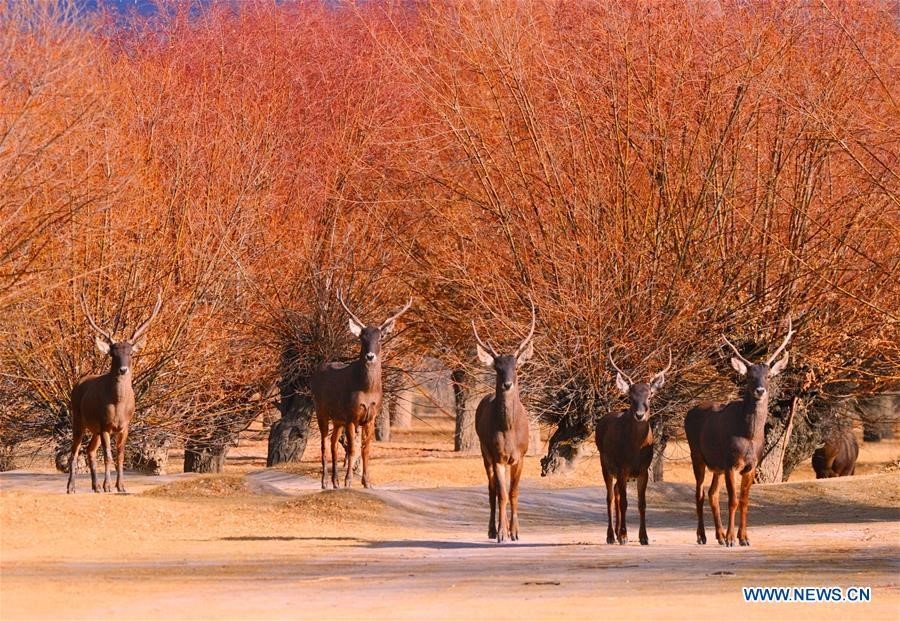
The photo was taken on Jan. 6, 2018 shows red deer in a forest of the nature reserve in Shannan City, Tibet. Amazing shots of Tibet in 2018 are seen through lenses of Xinhua photographers. (Xinhua/Zhang Rufeng)
AMAZING TIBET. BRUTAL MILITARY OCCUPATION.
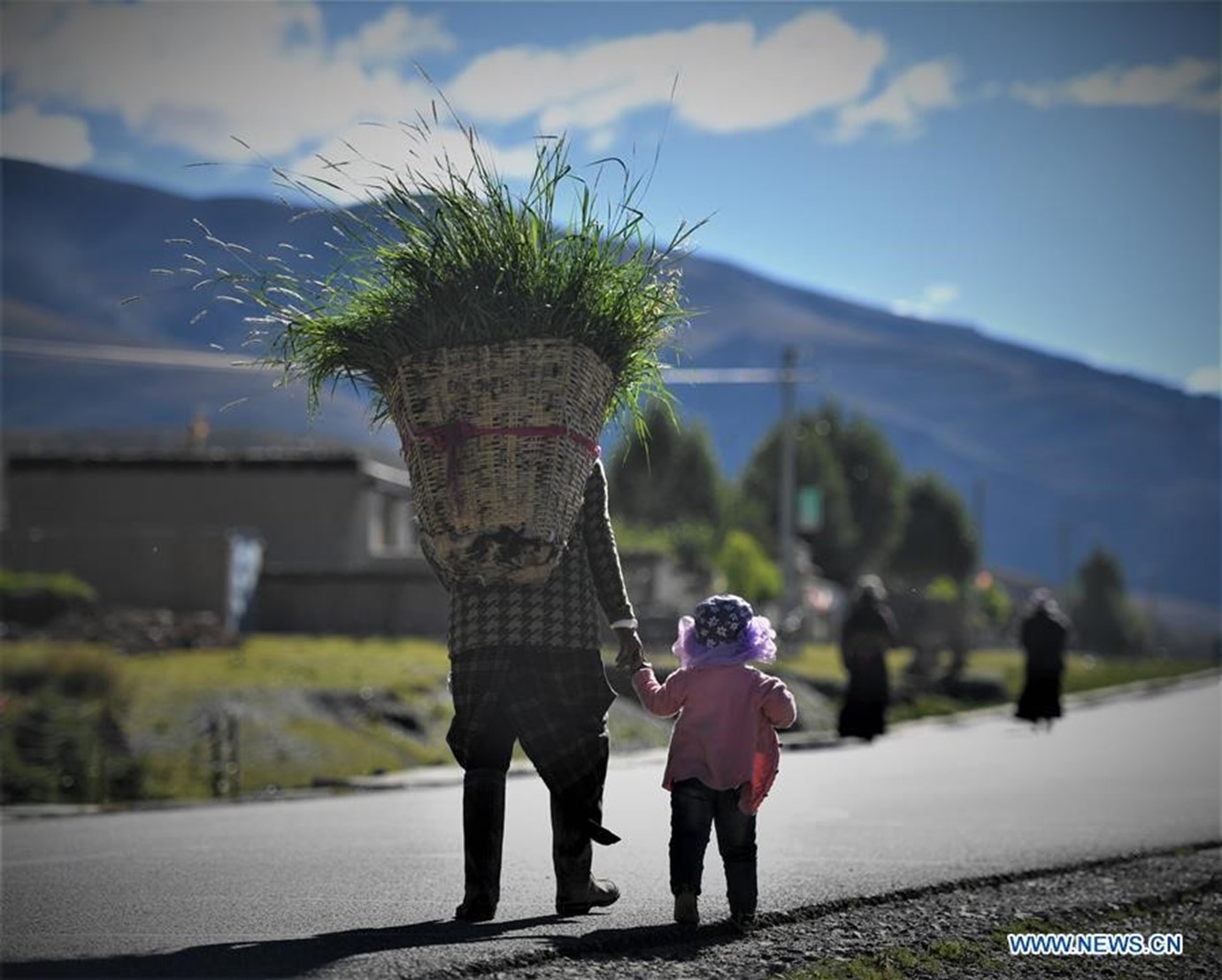
A woman carrying forage grass on her back is seen with her daughter in Dingri County in Xigaze, Tibet, Sept. 13, 2018. Amazing shots of Tibet in 2018 are seen through lenses of Xinhua photographers. (Xinhua/Purbu Zhaxi)
AMAZING TIBET. BRUTAL MILITARY OCCUPATION.
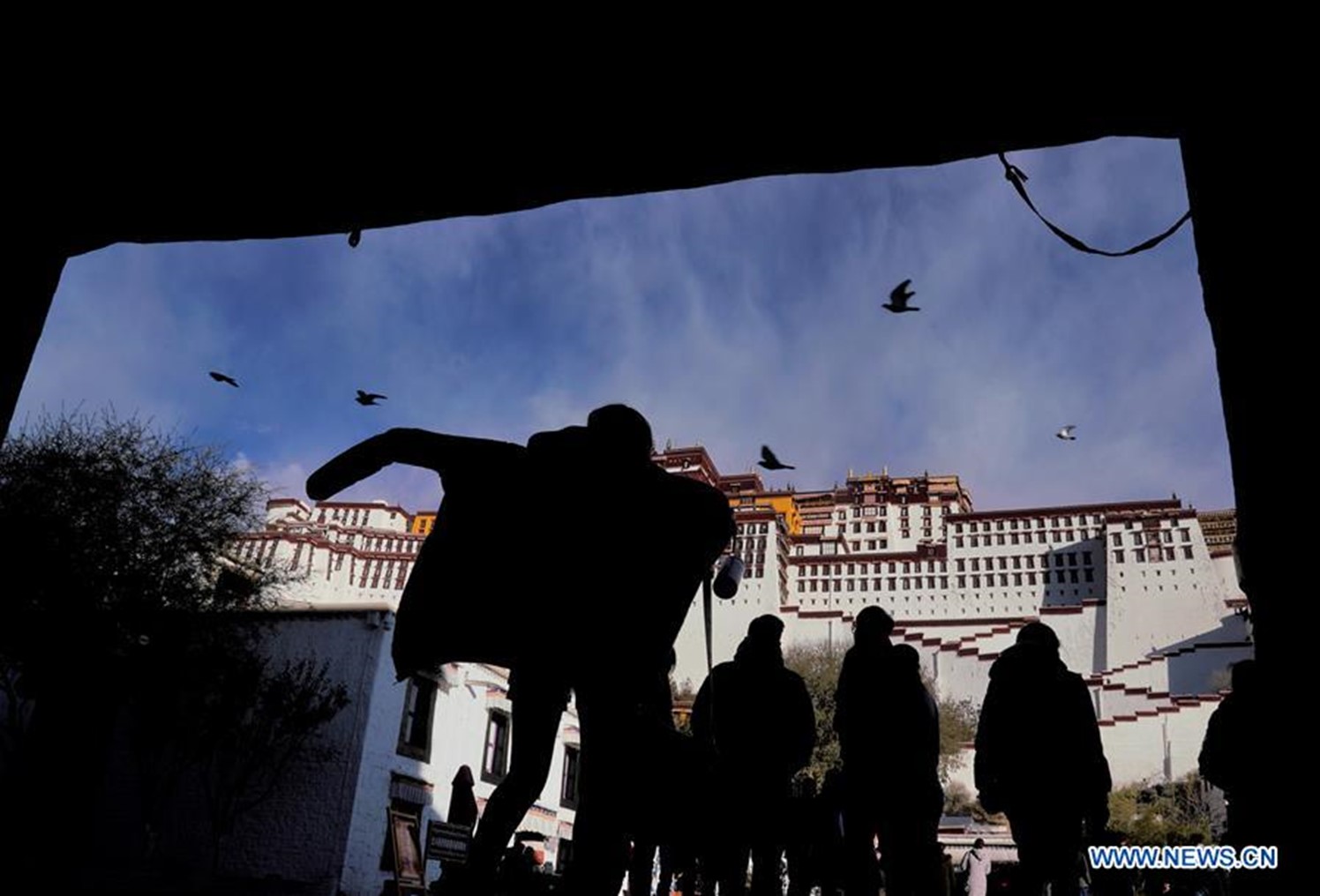
Tourists walk into the Potala Palace in Lhasa, Tibet, Nov. 15, 2018. Amazing shots of Tibet in 2018 are seen through lenses of Xinhua photographers. (Xinhua/Purbu Zhaxi)
A woman looks after her child during the break of mowing on a pasture in Damxung County, Tibet, Oct. 2, 2018. Amazing shots of Tibet in 2018 are seen through lenses of Xinhua photographers. (Xinhua/Purbu Zhaxi)
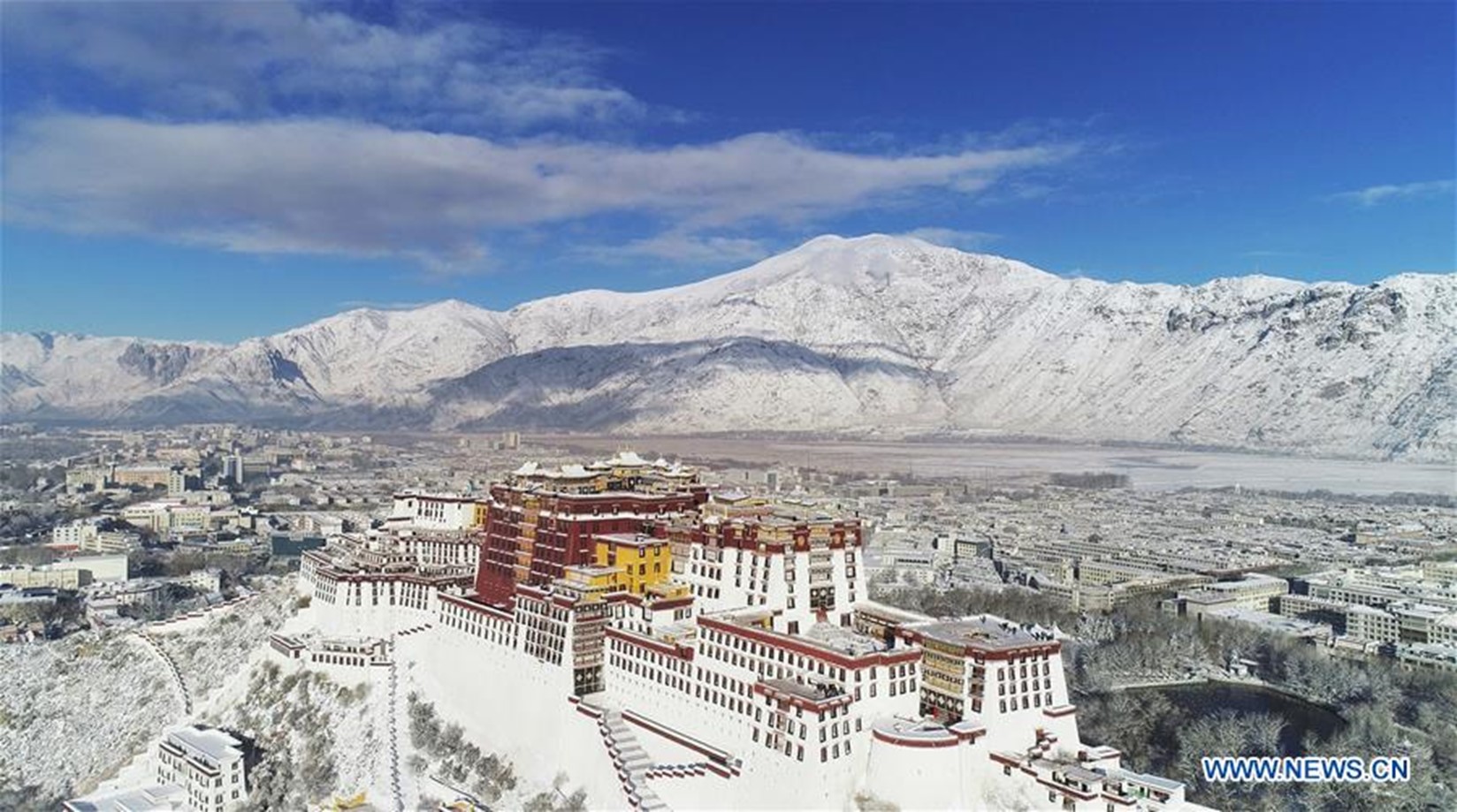
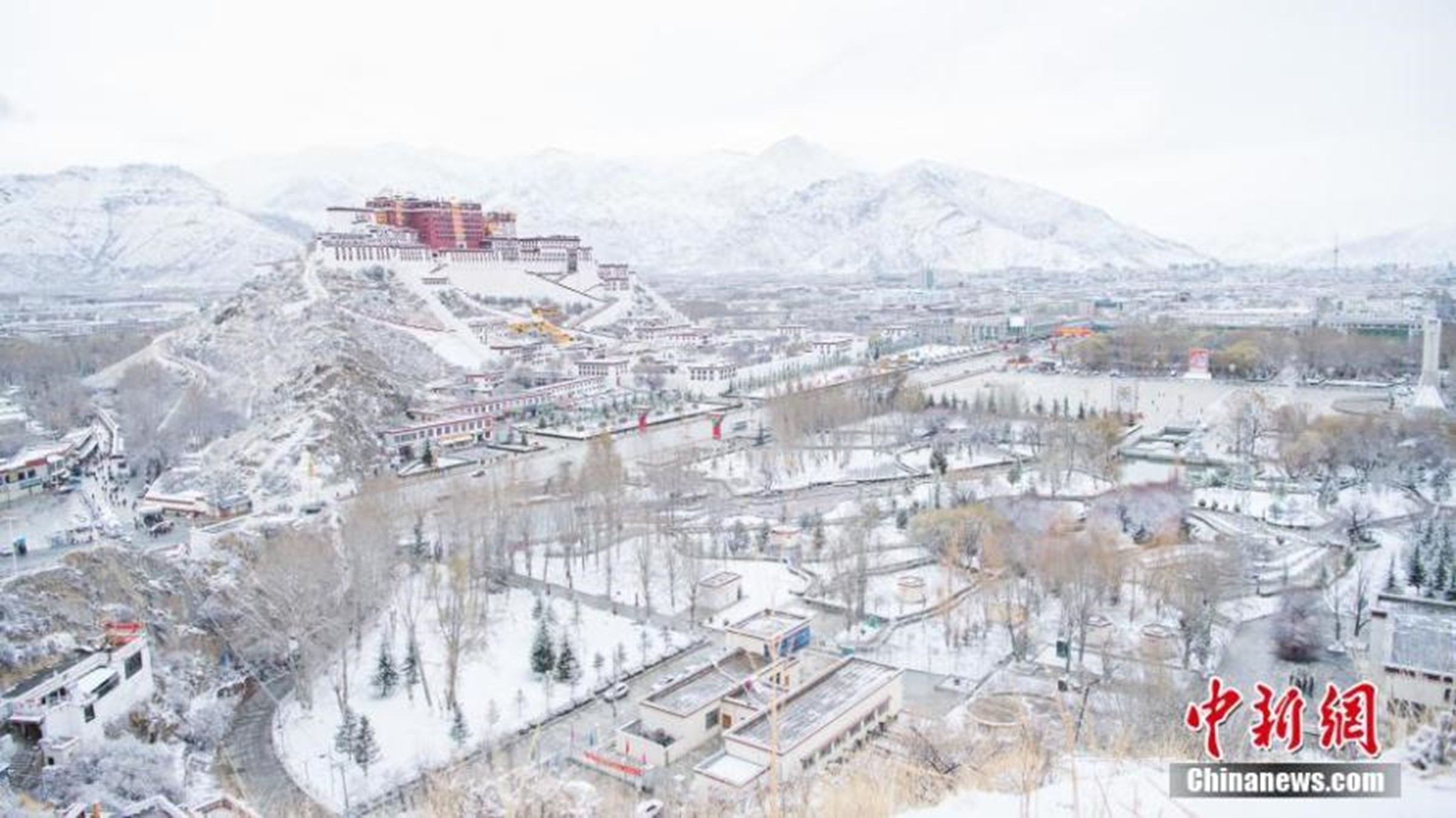
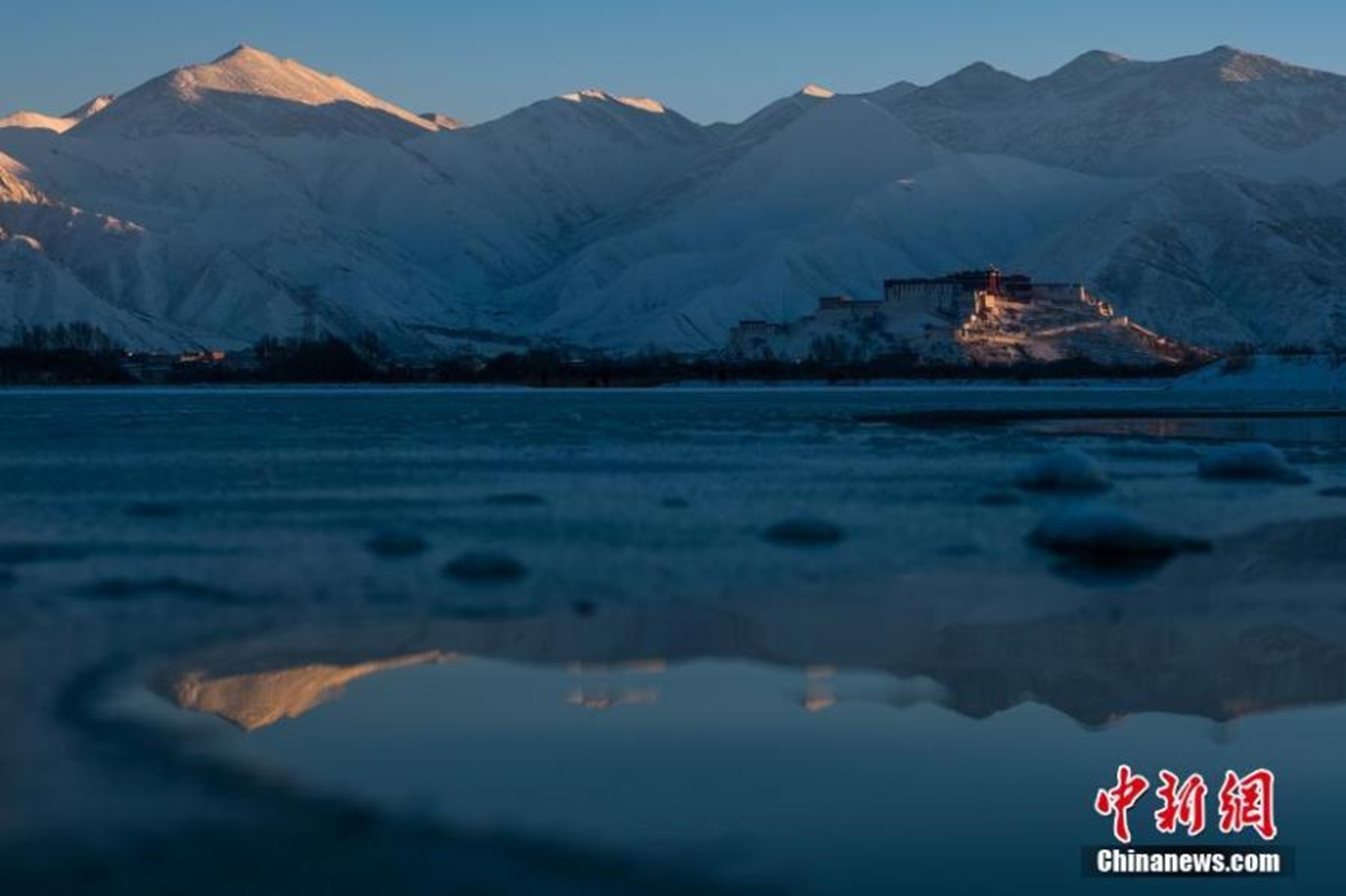
An aerial photo shows the snow-covered Potala Palace in Lhasa, capital of Tibet, Dec. 19, 2018. Amazing shots of Tibet in 2018 are seen through lenses of Xinhua photographers. (Xinhua/Purbu Zhaxi)
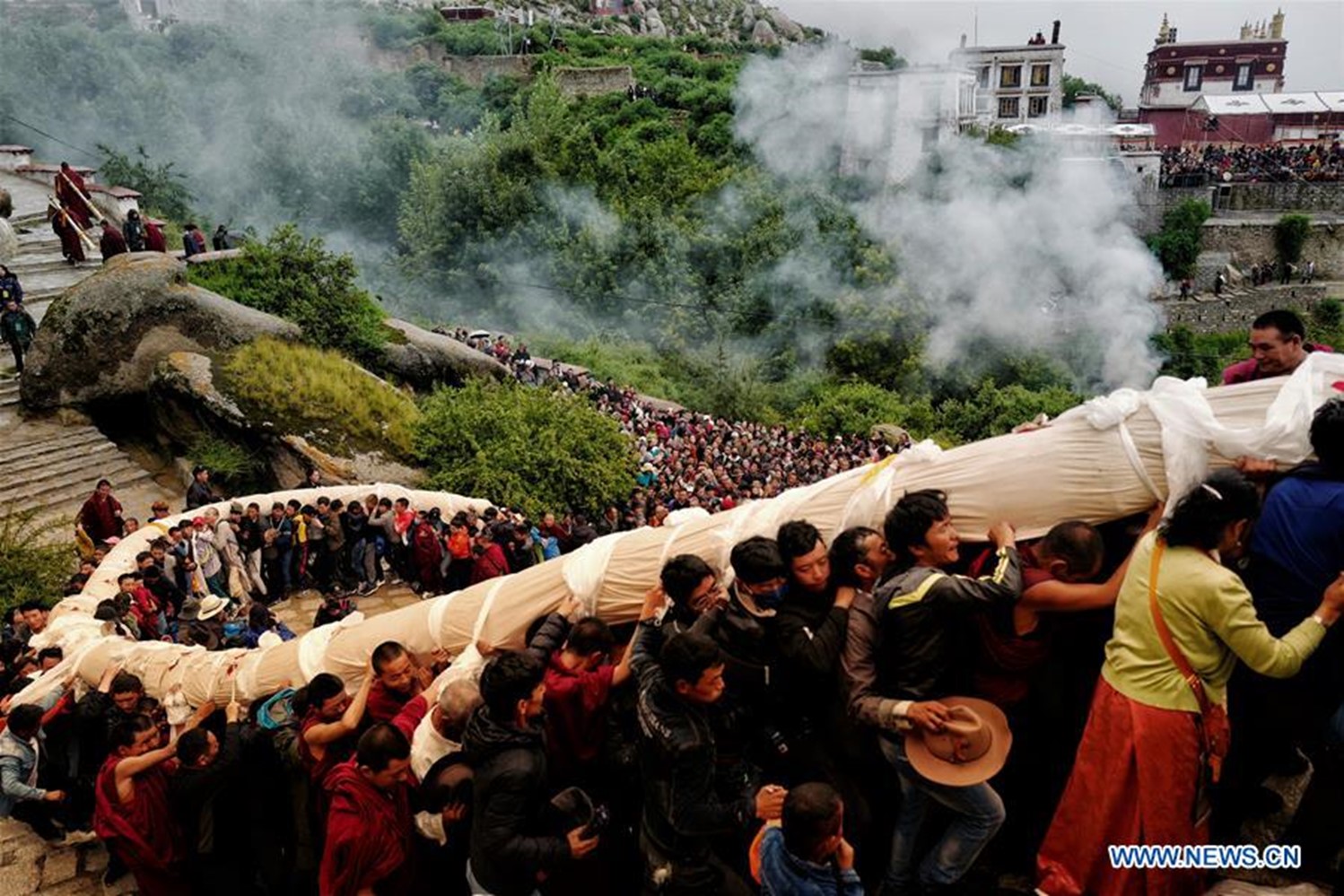
Buddhists and tourists participate in the sacred “sunning of the Buddha” ceremony to mark the start of the annual Shoton festival at the Zhaibung Monastery in Lhasa, capital of Tibet, Aug. 11, 2018. Amazing shots of Tibet in 2018 are seen through lenses of Xinhua photographers. (Xinhua/Purbu Zhaxi)
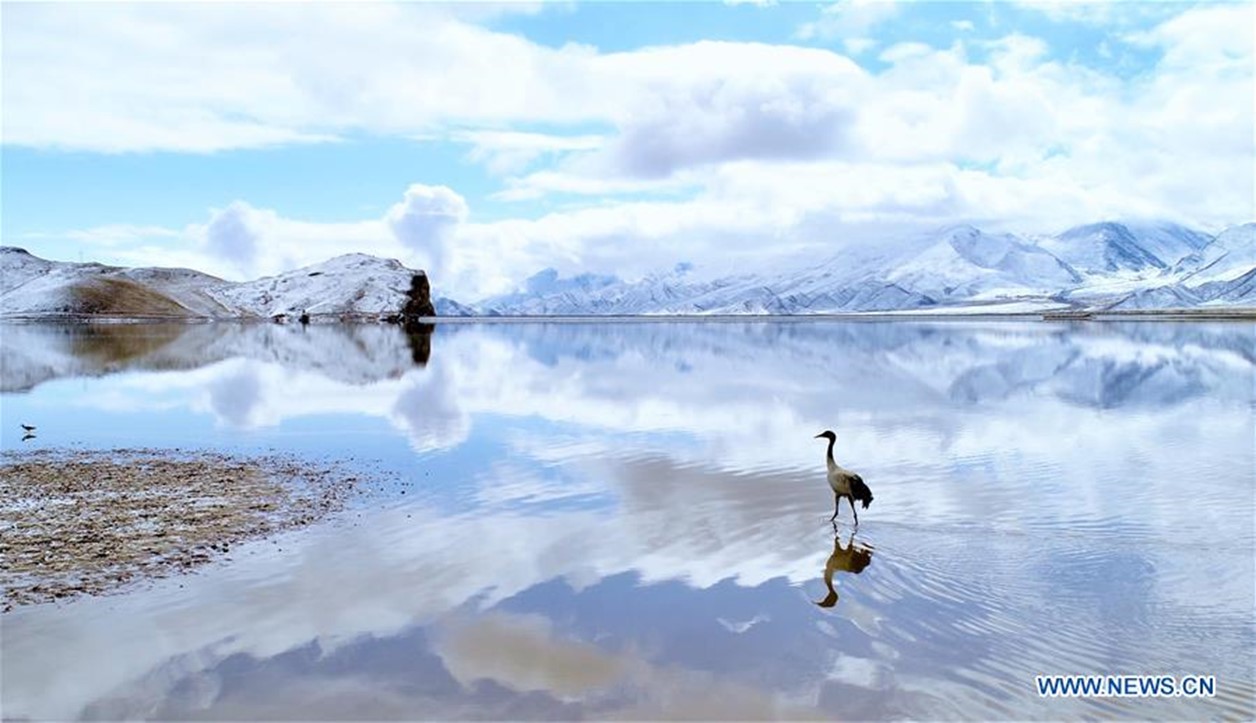
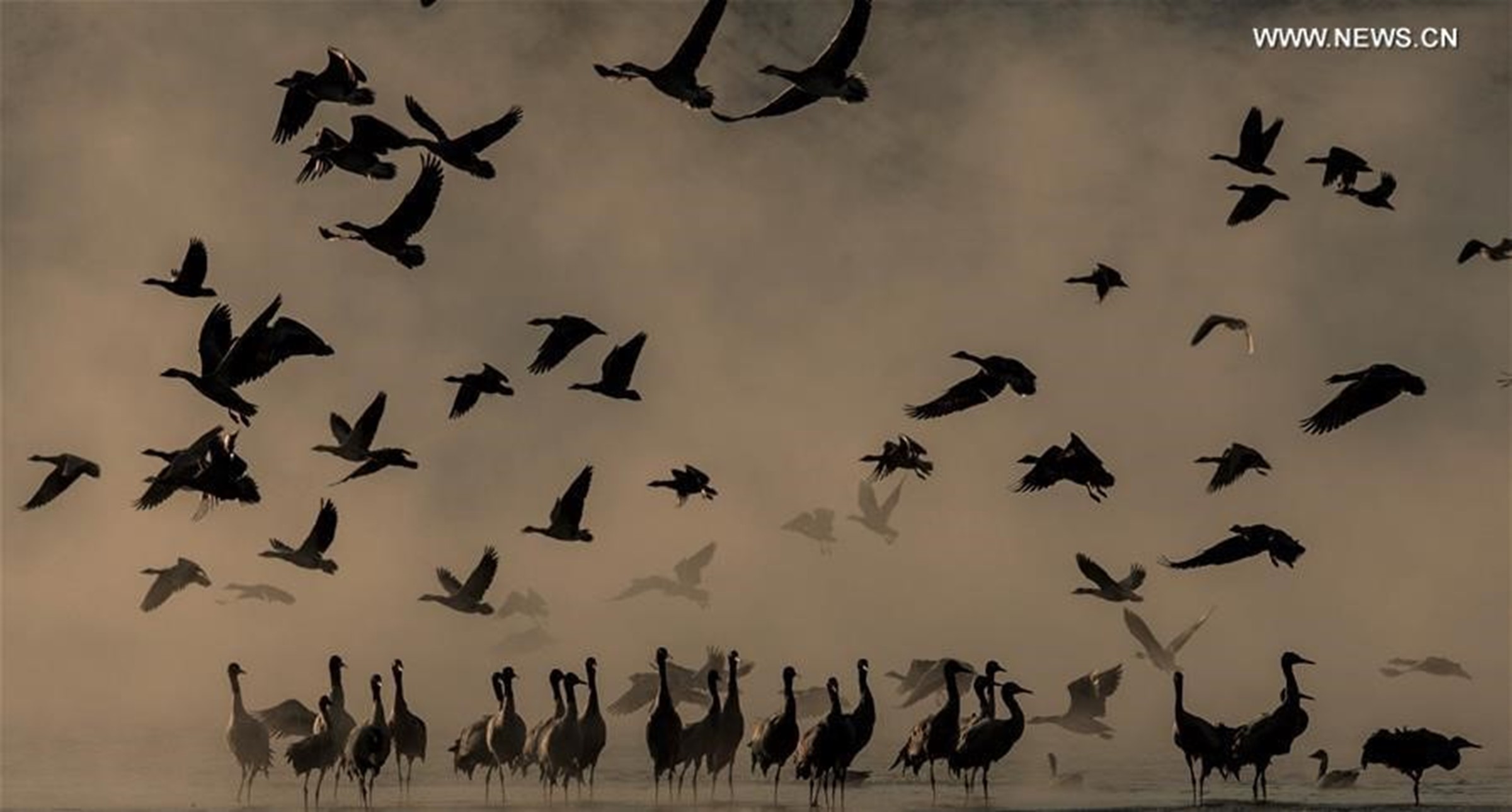
The aerial photo was taken on March 10, 2018 shows a black-necked crane in Linzhou County,Tibet. Amazing shots of Tibet in 2018 are seen through lenses of Xinhua photographers. (Xinhua/Purbu Zhaxi)
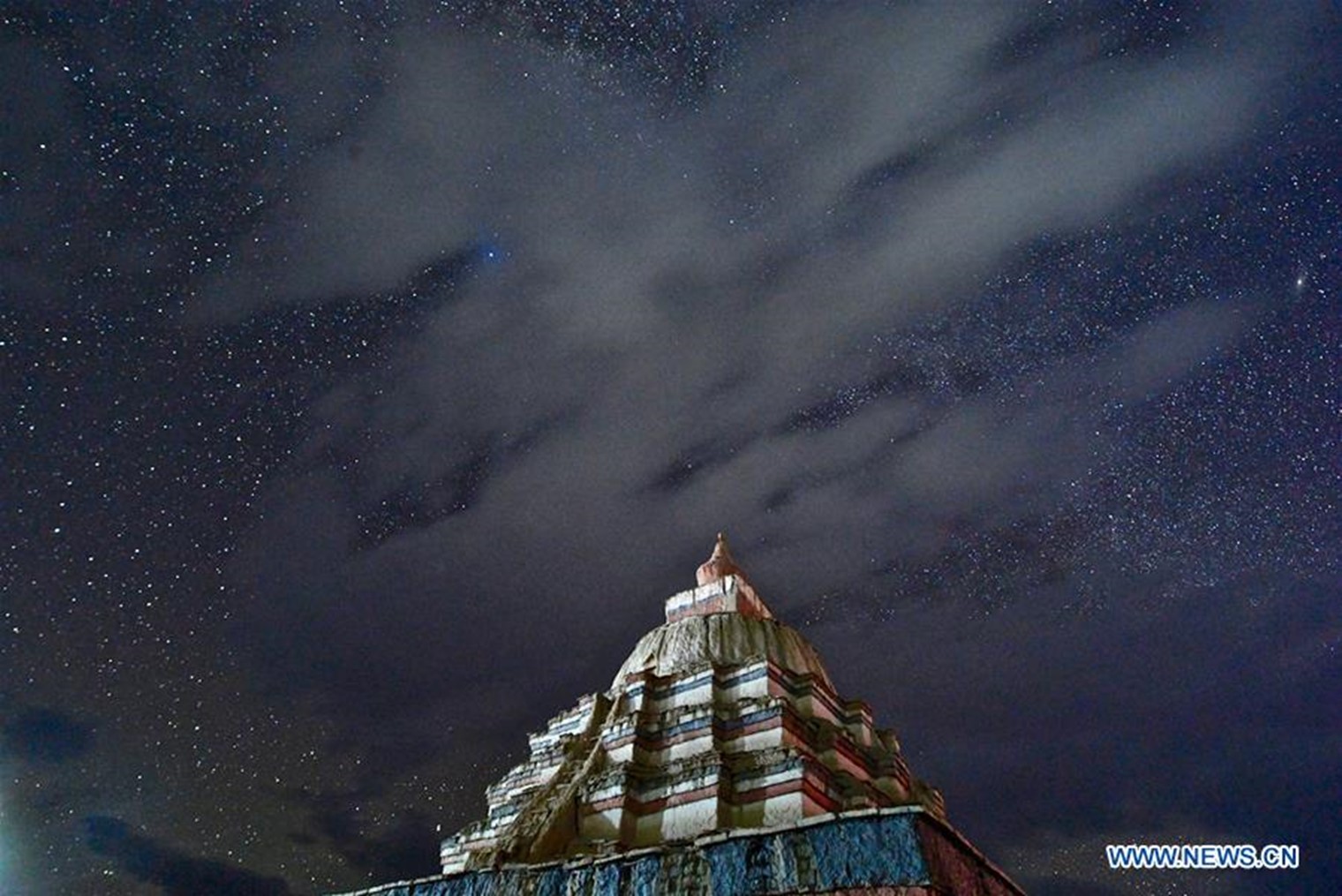
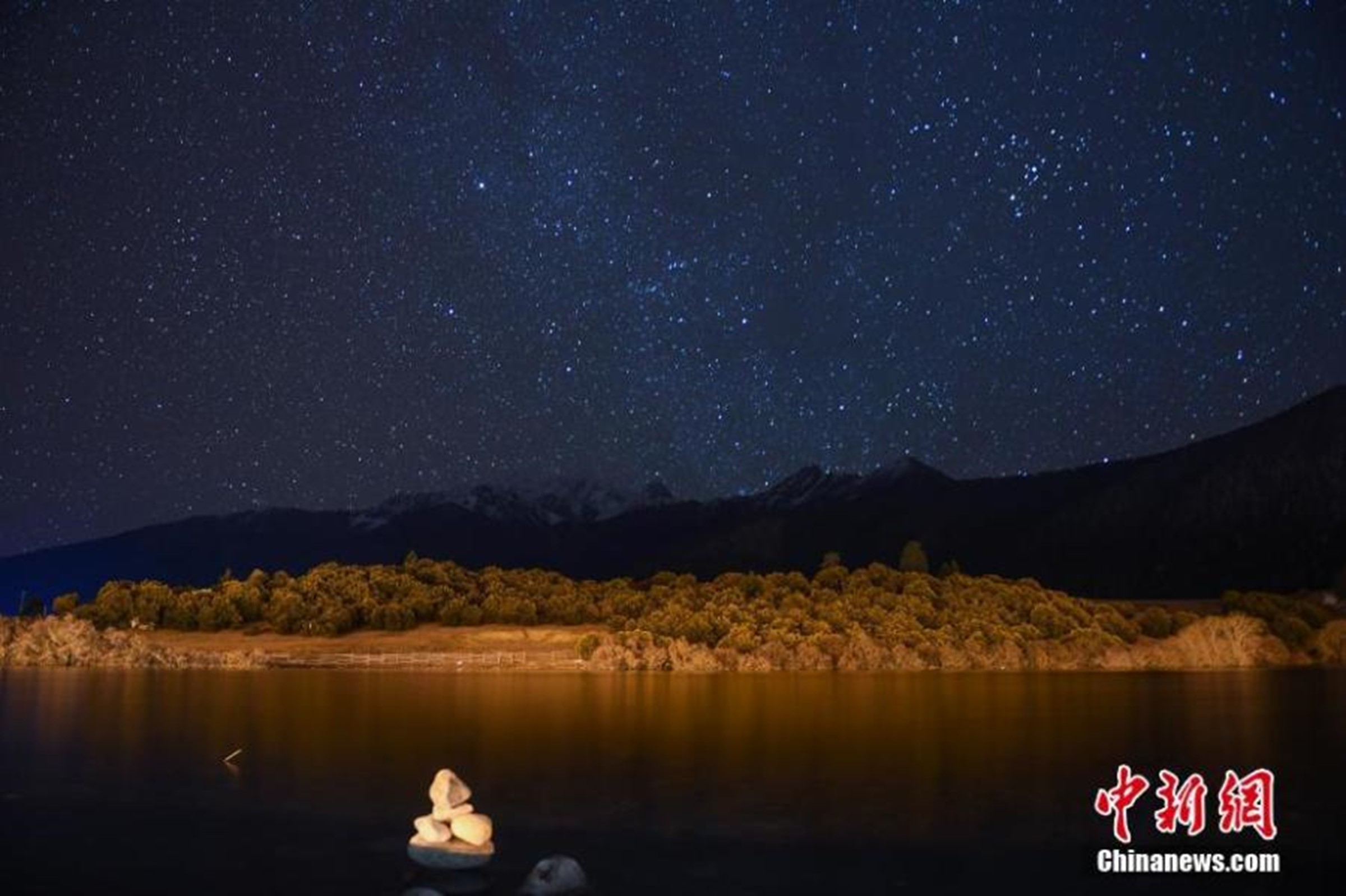
Photo taken on Sept. 11, 2018, shows the starry sky in Ngari, Tibet. The Ngari area has an average altitude of over 4,000 meters above sea level. Amazing shots of Tibet in 2018 are seen through lenses of Xinhua photographers. (Xinhua/)
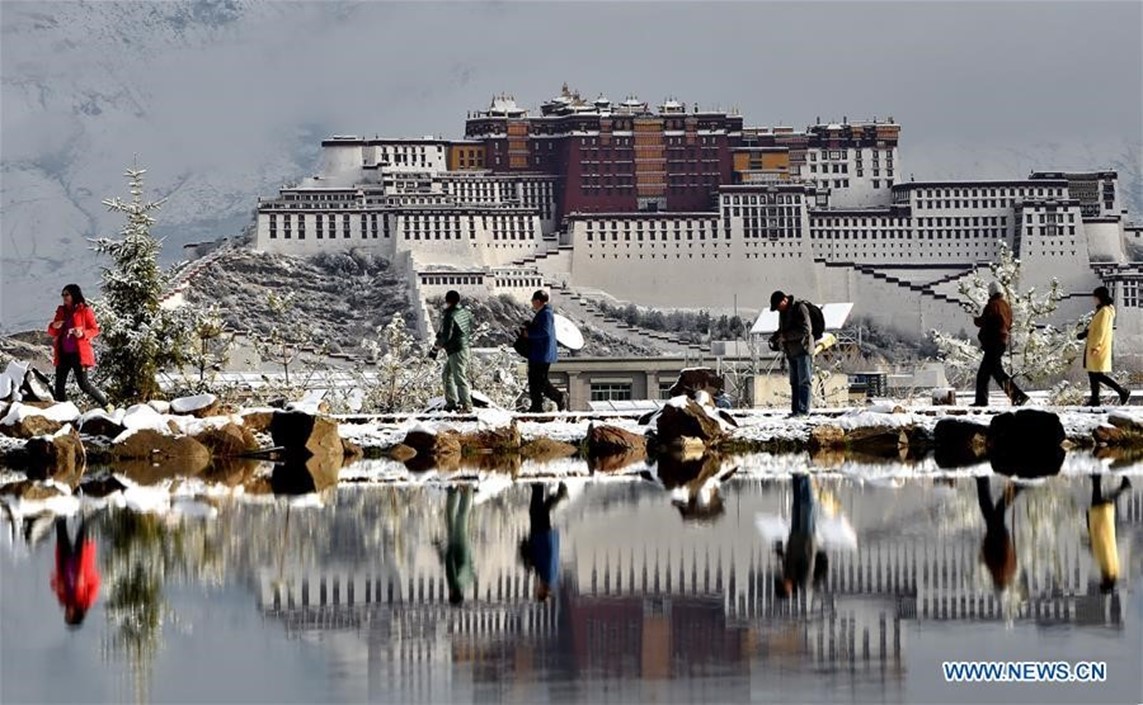
Photo taken on March 30, 2018, shows the Potala Palace after a snowfall in Lhasa, Tibet. Amazing shots of Tibet in 2018 are seen through lenses of Xinhua photographers. (Xinhua/Chogo)
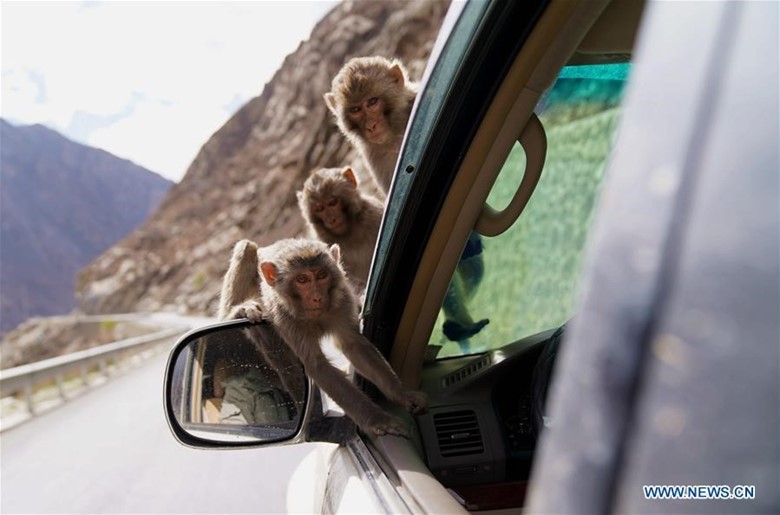
Wild monkeys cling to a car along the Provincial Highway No. 306 at Gyaca County, Tibet, April 23, 2018. Amazing shots of Tibet in 2018 are seen through lenses of Xinhua photographers. (Xinhua/Jigme Dorgi)
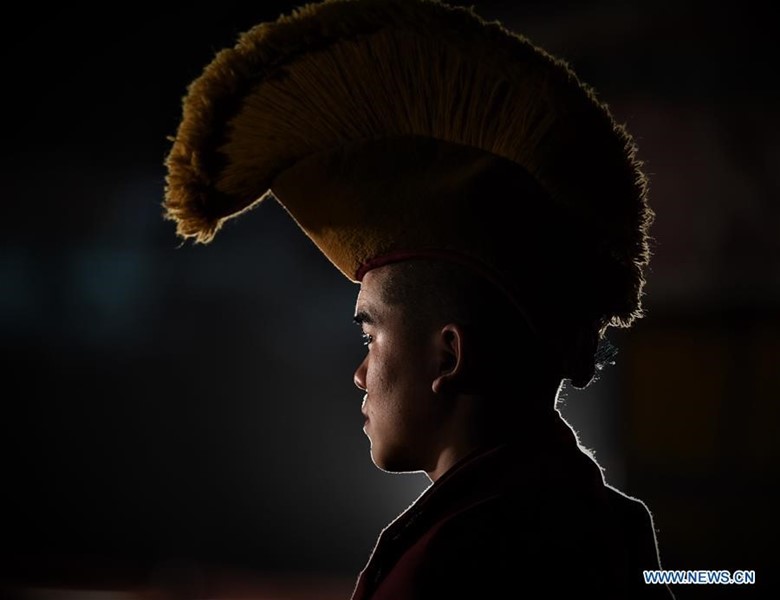
A monk is seen during the butter lamps lighting event at the Jokhang Temple in Lhasa, Tibet, Dec. 2, 2018. Amazing shots of Tibet in 2018 are seen through lenses of Xinhua photographers. (Xinhua/)
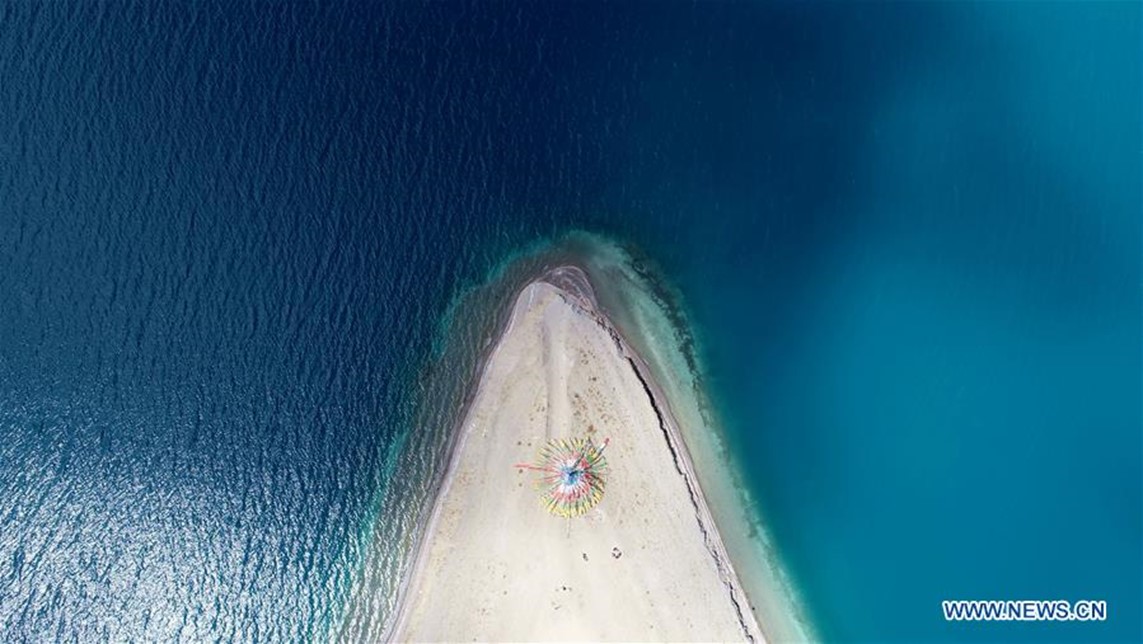
Aerial photo taken on May 27, 2018, shows the scenery of the Yamdrok Lake in Nagarze County of Shannan City, Tibet. Amazing shots of Tibet in 2018 are seen through lenses of Xinhua photographers. (Xinhua/Jigme Dorgi)
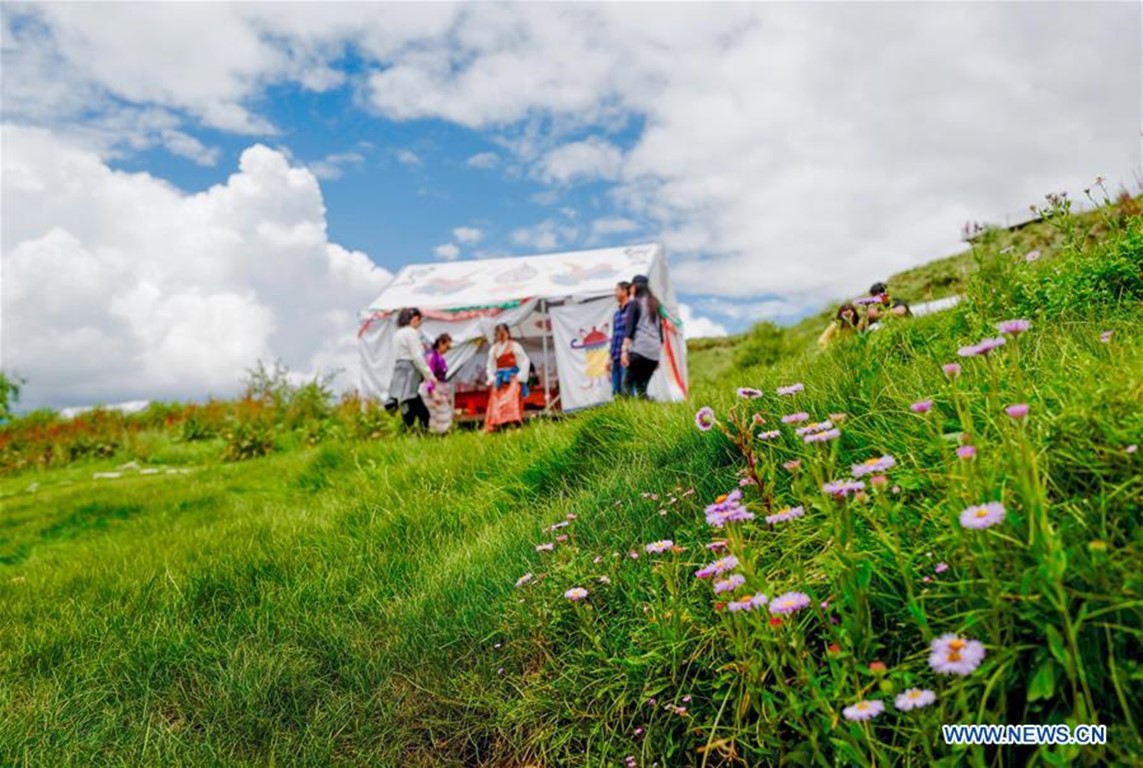
People enjoy “lingka”, meaning leisure time in woods, in the outskirts of Lhasa, Tibet, Aug. 4, 2018. Amazing shots of Tibet in 2018 are seen through lenses of Xinhua photographers. (Xinhua/Liu Jie)
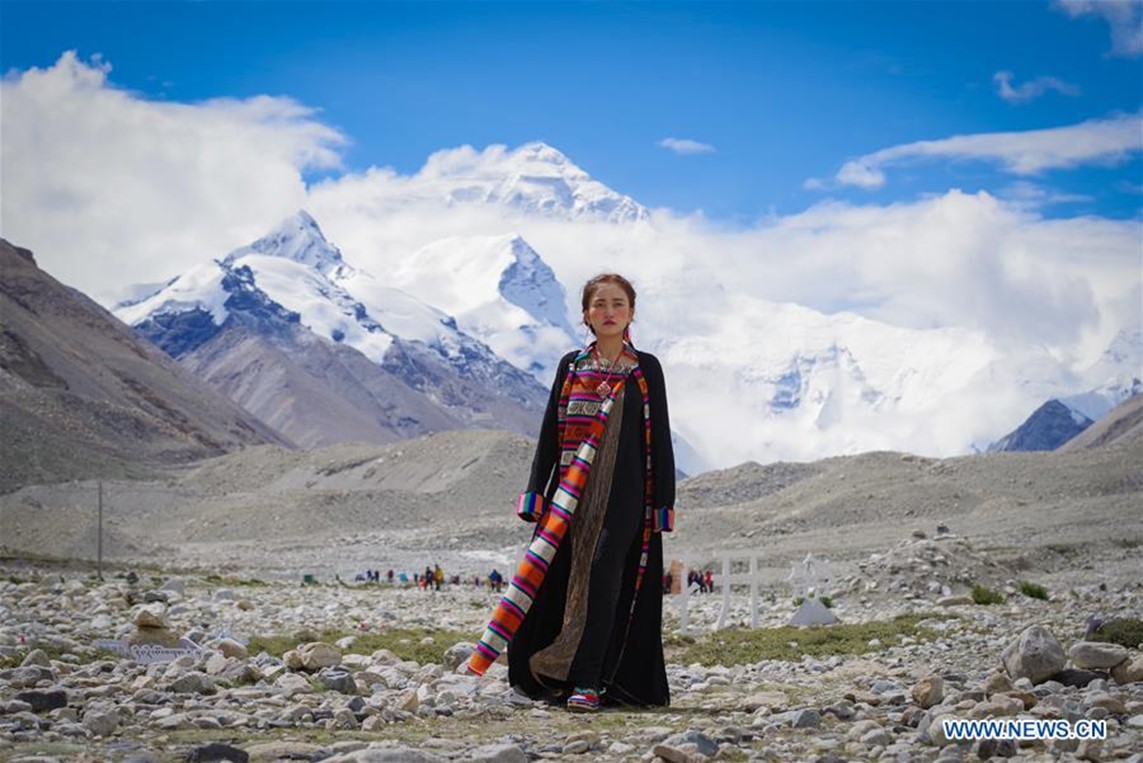
A model presents a creation during a folk costume show at the 5,200-meter-high base camp of the world’s highest peak Qomolangma, in Tibet, Aug. 18, 2018. Amazing shots of Tibet in 2018 are seen through lenses of Xinhua photographers. (Xinhua/Liu Dongjun)
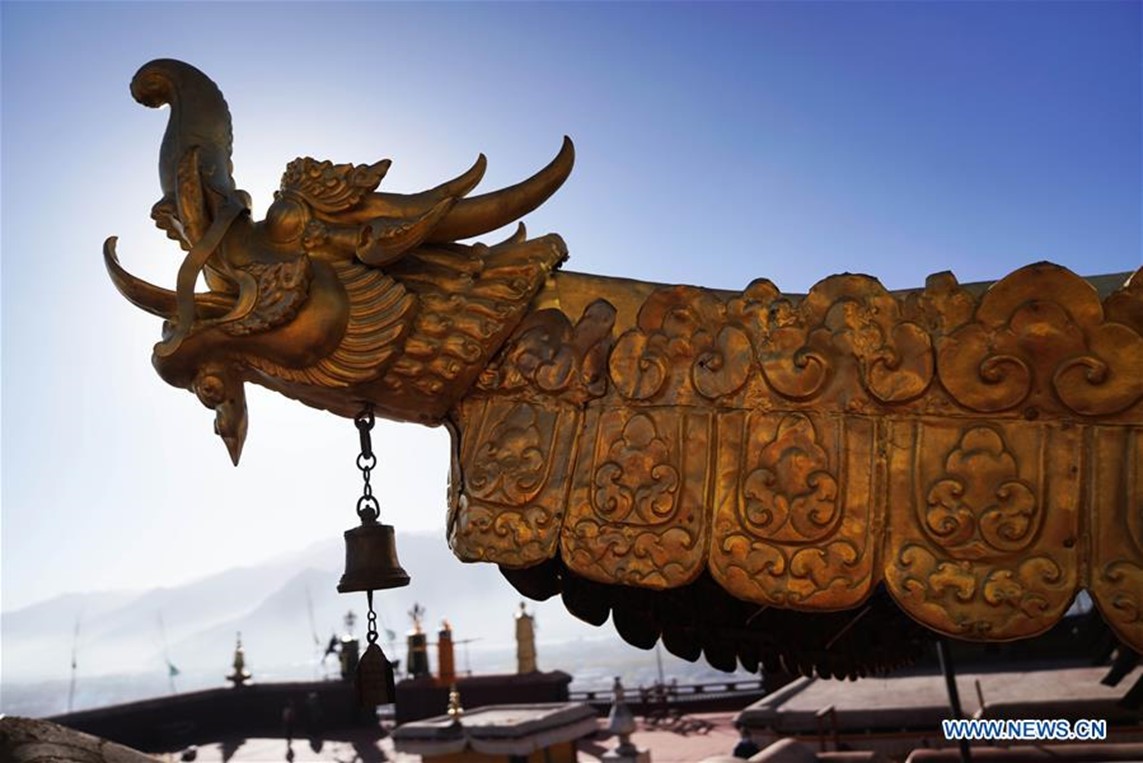
Photo taken on Nov. 7, 2018 shows a roof decoration of the Potala Palace in Lhasa, capital of southwest China’s Tibet Autonomous Region. The golden roofs of the Potala Palace shine in glory after more than 18 months of renovation work. Amazing shots of Tibet in 2018 are seen through lenses of Xinhua photographers. (Xinhua/Purbu Zhaxi)
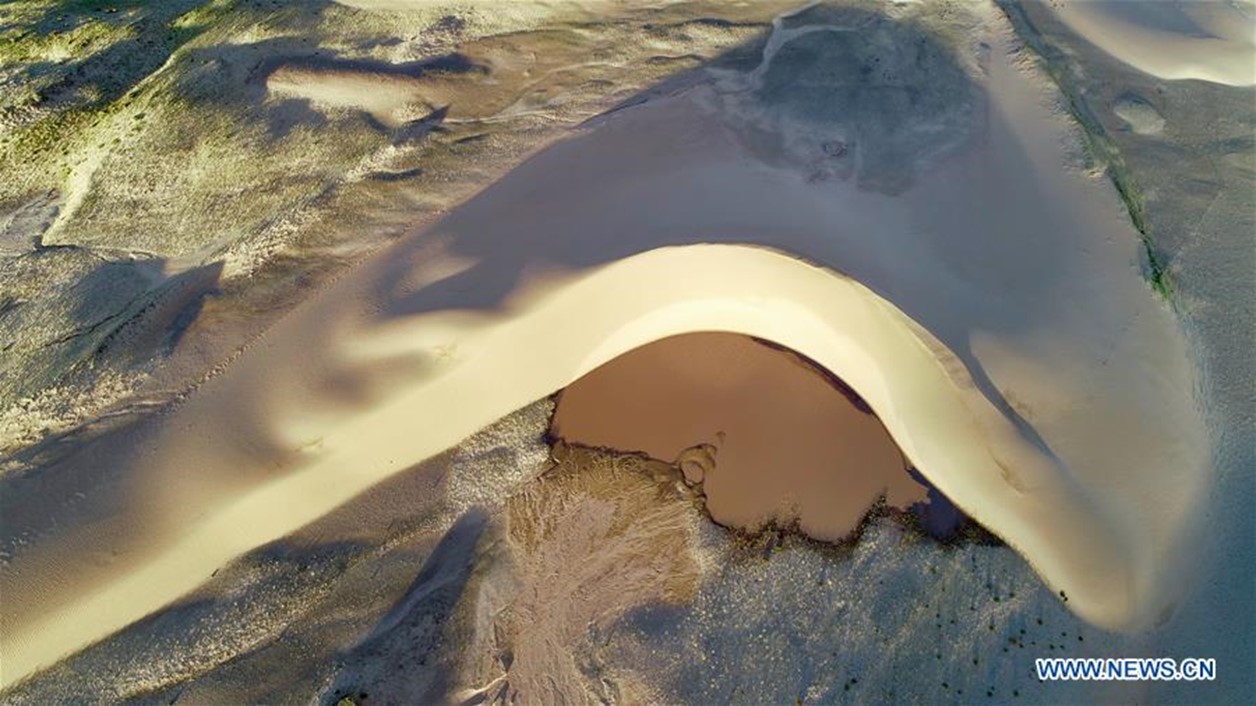
Photo taken on Sept. 8, 2018, shows sand dunes near the source of the Yarlung Zangbo River in Zhongba County of Xigaze, Tibet. Amazing shots of Tibet in 2018 are seen through lenses of Xinhua photographers. (Xinhua/)
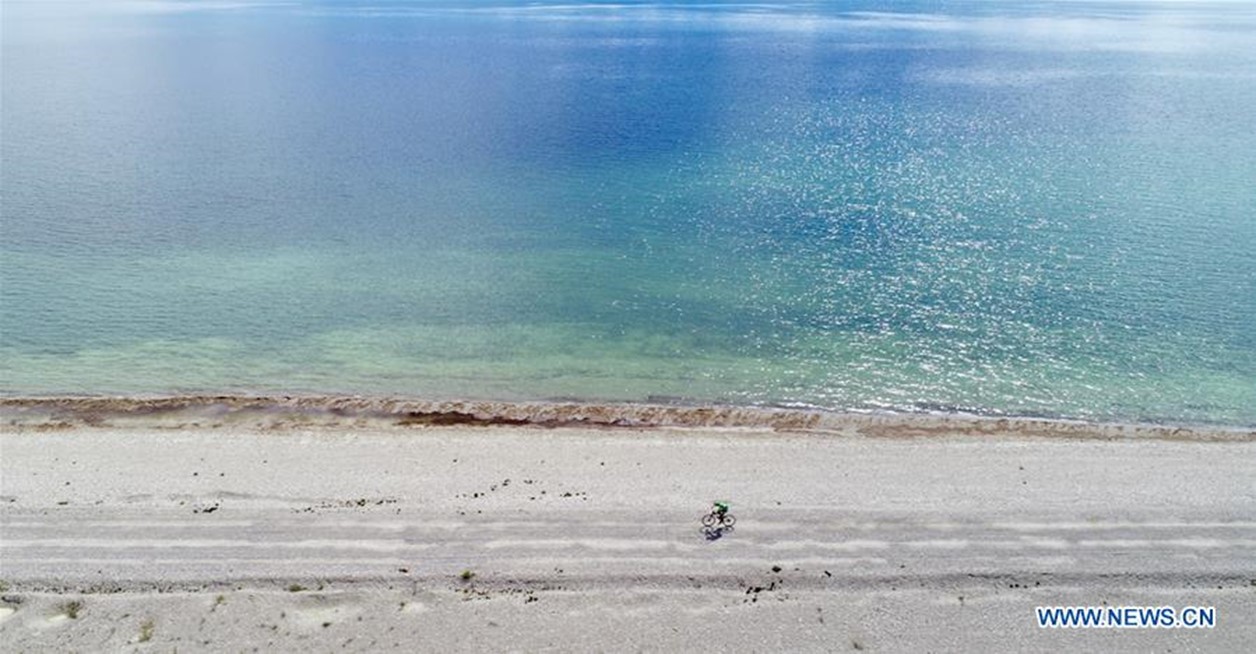
A cyclist rides during a cycling race around the holy lake Mapham Yutso in Pulan County of Ngari Prefecture, Tibet, Sept. 9, 2018. Amazing shots of Tibet in 2018 are seen through lenses of Xinhua photographers. (Xinhua/Purbu Zhaxi)
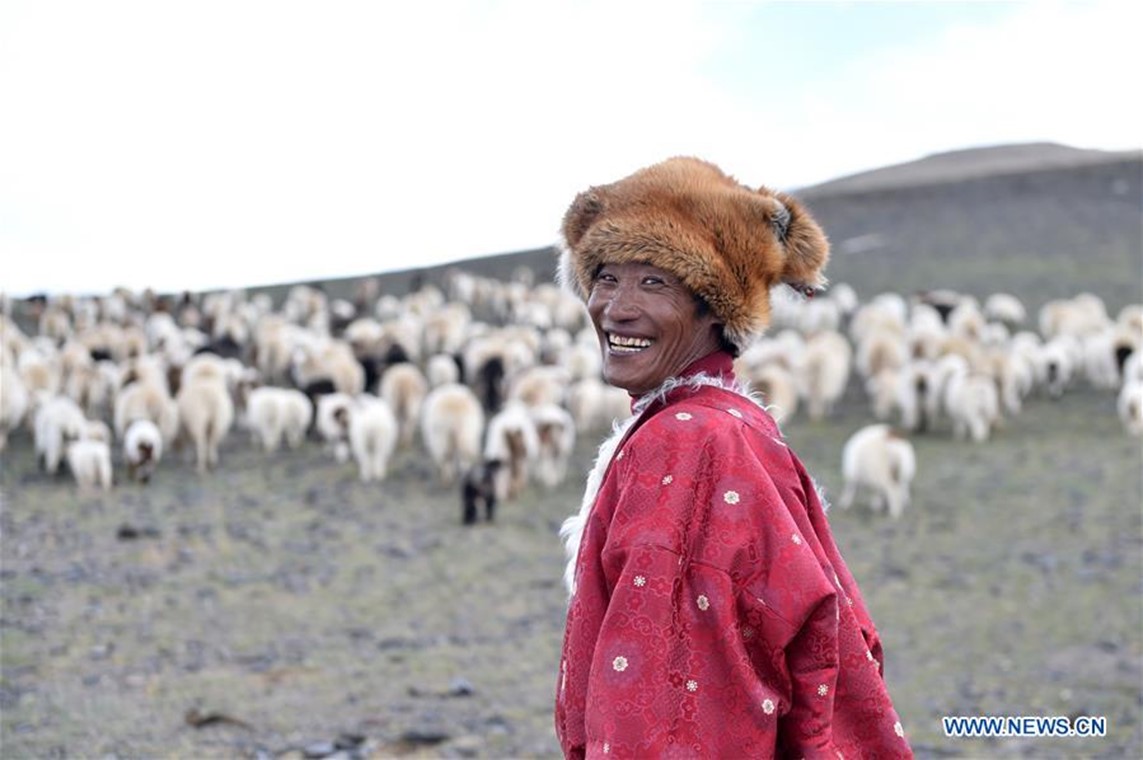
Rigzin, 49, smiles while grazing a flock of sheep in Rungma Town of Nyima County, Tibet, June 14, 2018. Rigzin and his family are to be relocated to a new home in Lhasa. Amazing shots of Tibet in 2018 are seen through lenses of Xinhua photographers. (Xinhua/Chogo)
In my Theory of Man, I describe the Seven Dimensions of Man, the Physical, the Mental, the Social, the Moral, the Spiritual, the Rational, and the Creative that constitute the Singularity that is recognized as Man. For the he Man’s Existence can only be accounted as a creative event, the problem of Despair can be outweighed by placing the Trust in the LORD God Creator.
Wisdom to Guide in 2019. Trust vs Despair.
In my rational analysis, the Subjective and the Objective Reality of the Man’s Existence in the Physical World can only be accounted by the Unity between Man and his Creator. The Man-God Connection, Relationship, Partnership, Association, Coming Together, Bonding, and Yoking is the fundamental basis of Human Existence at any stage of existence, at any given time, and any given place.
Wisdom to Guide in 2019. Trust vs Despair.
I acknowledge the problems of extreme hardship confronting me from various directions and yet they cannot totally crush my Spirit. I am perplexed but not destroyed.
Welcome to New Year 2019. If the New Year is like a blank book, and I hold the pen in my hands, I would love to send you these New Year Greetings from Tibet.
THE BUSINESS OF PEACEMAKING–BLESSED ARE THE PEACEMAKERS
The Business of Peacemaking. Blessed are the Peacemakers.
I commend the U.S. Institute of Peace for organizing a two-day Peace Conclave in Dharamshala to give encouragement to 27 youth peace activists by directly meeting with His Holiness the Dalai Lama. I warmly congratulate these young participants for their efforts to promote Peace, Harmony, and Tranquility in the communities where they live.
The 14th Dalai Lama, a Tibetan spiritual leader, was self-deprecating and even playful to put his guests at ease, but peacemaking is serious business.
The Business of Peacemaking. Blessed are the peacemakers.
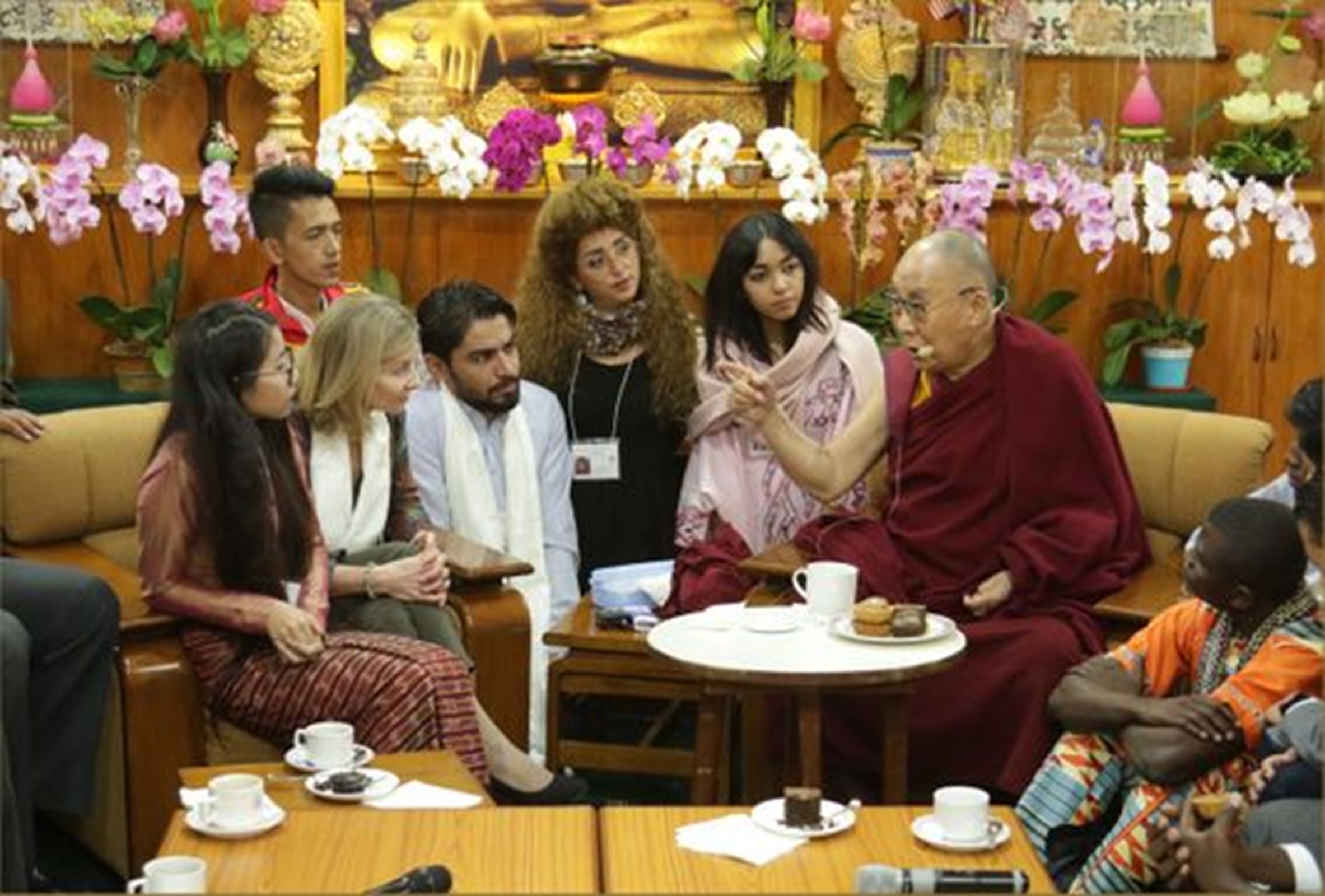
The Dalai Lama meets with young people in Dharamsala, India, in October 2018. (Photo: Rohini Das/U.S. Institute of Peace)
DHARAMSALA, India — For a few days this fall, more than two dozen educated and articulate young peacekeepers from some of the most dangerous countries in the world gathered at the feet of the Dalai Lama eager for solace, guidance and comfort.
They described experiences alien to anything that young Americans could understand: working to quell misery in places where governments are repressive, ethnic or tribal conflict is rife, or religious extremist groups such as the Islamic State or Boko Haram are savage.
One of them was Sulaiman Qauymi, 28, a journalist and co-founder of a conflict-resolution group in Afghanistan. “I’m living in a country where the people start the day talking about war, battle, conflict, suicide attack, terror and killing,” he told the Dalai Lama. “It’s a major topic of my life and my people each day until we go to bed.”
Su Su, 26, is a peace activist from strife-torn Myanmar. (She and a few others asked that their full names be withheld because of safety concerns.) “I want inspiration from you,” she told the 83-year-old Tibetan spiritual leader, the 14th Dalai Lama.
The U.S. Institute of Peace helped arrange the conclave in this nearly mile-high city in the foothills of the Himalayas. The theory was simple. The world-renowned spiritual leader who had led his Tibetan government into exile at age 24 six decades before, fleeing brutal Chinese communist aggression, could galvanize 27 youth leaders whose age averages 25.
I was one of a handful of older professionals invited to accompany the pilgrimage. The event lasted two days in a wood-paneled hall of the Dalai Lama’s residence as the young adults, against a backdrop of orchids and Buddha tapestries, implored the holy man for guidance.
Thrilling feminists
He was attentive and generous with his time, at moments self-deprecating and even playful to put his guests at ease. He thrilled feminists in the room one morning with the revelation that a female Dalai Lama could certainly be a reality one day.
But as the hours passed and the youth leaders unburdened themselves, the Dalai Lama would almost sag under the weight of their frustrations and doubts about resolve.
Kode Kenaime, 27, a peace activist with twin graduate degrees from the Central African Republic, where Muslim-Christian violence has left thousands dead, talked of slain family members and “darkness in my mind, my heart (and) full feelings of revenge. It’s not easy for me, but I keep working as a peace-builder.”
Meron Kocho, 28, an activist and ethnic Yazidi from northern Iraq, said Islamic State fighters made refugees of his family, turned girls into sex slaves and conscripted boys as soldiers. “We saw so much hate that we started to hate,” he told the Dalai Lama.
An end to empathy
Wadi Ben-Hirki, who at 21 has earned awards for her work educating children, seeking to empower women, and pushing to end child marriage and genital mutilation in her native Nigeria, talked of becoming inured to the depredations of the notorious Boko Haram terror group. “I’m scared of not being able to empathize anymore because I’m used to the pain,” she said.
Others — Mohamed Ahmed, 22, co-founder of a peace group in Somalia; Dalia Anez, 26, a Venezuelan lawyer who trains human rights leaders; and Hayder Ghanimi, 28, who leads a peace workshop in Baghdad — questioned the feasibility of success.
“Have you ever lost hope?” Hayder asked.
The Dalai Lama steered them back to basics. The paths they have chosen to educate, to promote dialogue, to build peaceful coexistence is long and difficult. “I don’t expect some overnight change is possible,” the Dalai Lama told them, hearkening back to his many decades of struggle. “A peaceful world within my lifetime will not be achieved.”
They must be patient, he told them. And the antidote to feelings of anger or despair is the compassion and optimism that gave seed to their commitment to peace. “Optimism is the source of success,” he said. “Pessimism is the source of defeat.”
Is change possible? “Yes, 100 percent.”
It was a pep talk one could only pray would succeed. Harsh realities awaited the youth leaders back in Iraq, Syria, Libya, and Tunisia; in Somalia, Nigeria, South Sudan and the Central African Republic; in Myanmar and Afghanistan; and in Venezuela and Colombia.
They seemed happy, fulfilled and inspired as they left Dharamsala and the Dalai Lama.
They were, without question, inspiring.
Gregg Zoroya is a USA TODAY editorial writer and author of “The Chosen Few: A Company of Paratroopers and Its Heroic Struggle to Survive in the Mountains of Afghanistan.” Follow him on Twitter: @greggzoroya
The Business of Peacemaking. Blessed are the peacemakers.
Tibet Awareness – Defend the Rights of Endangered Tibetans
Tibet Awareness. Defend Rights of Endangered Tibetans.
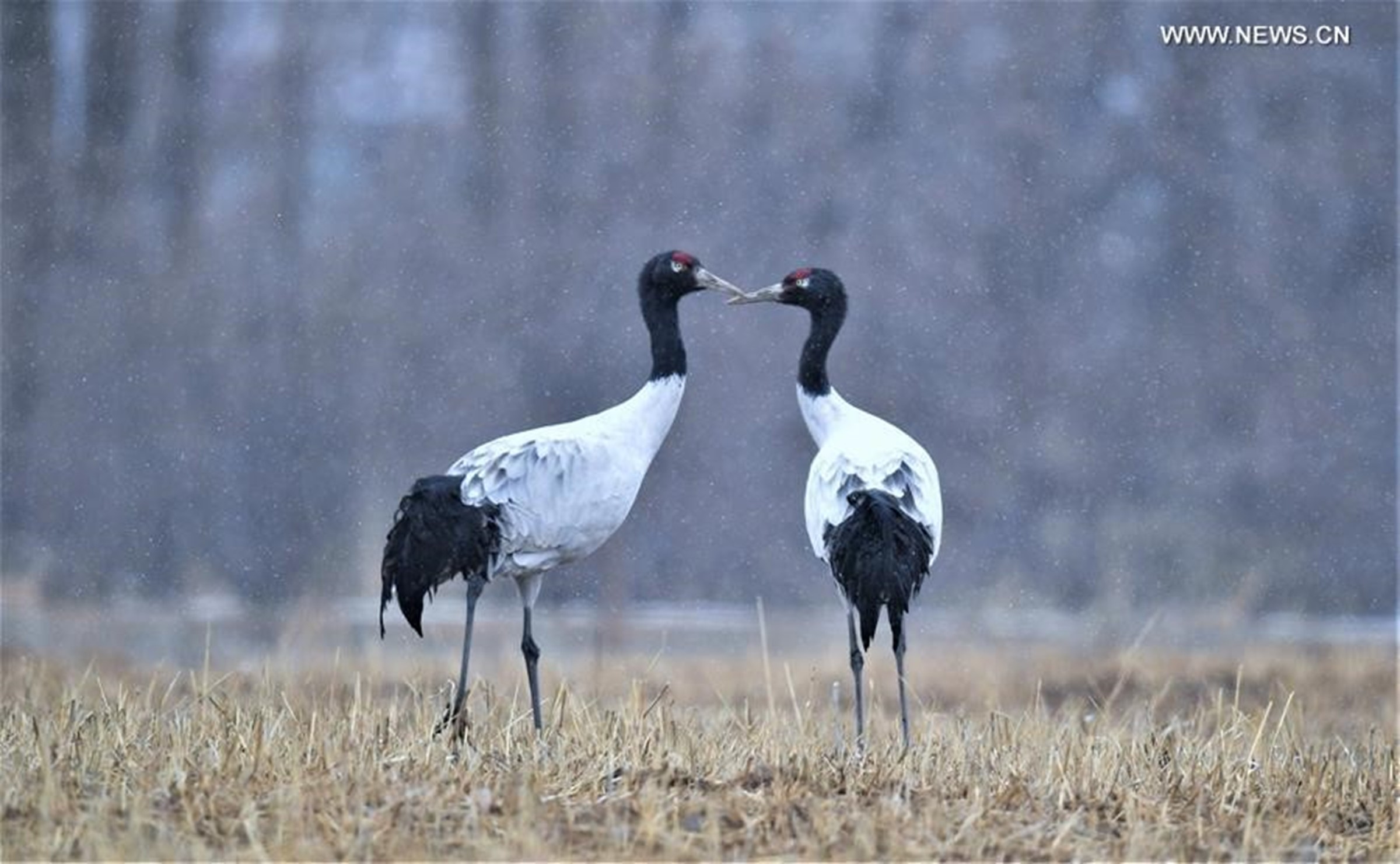
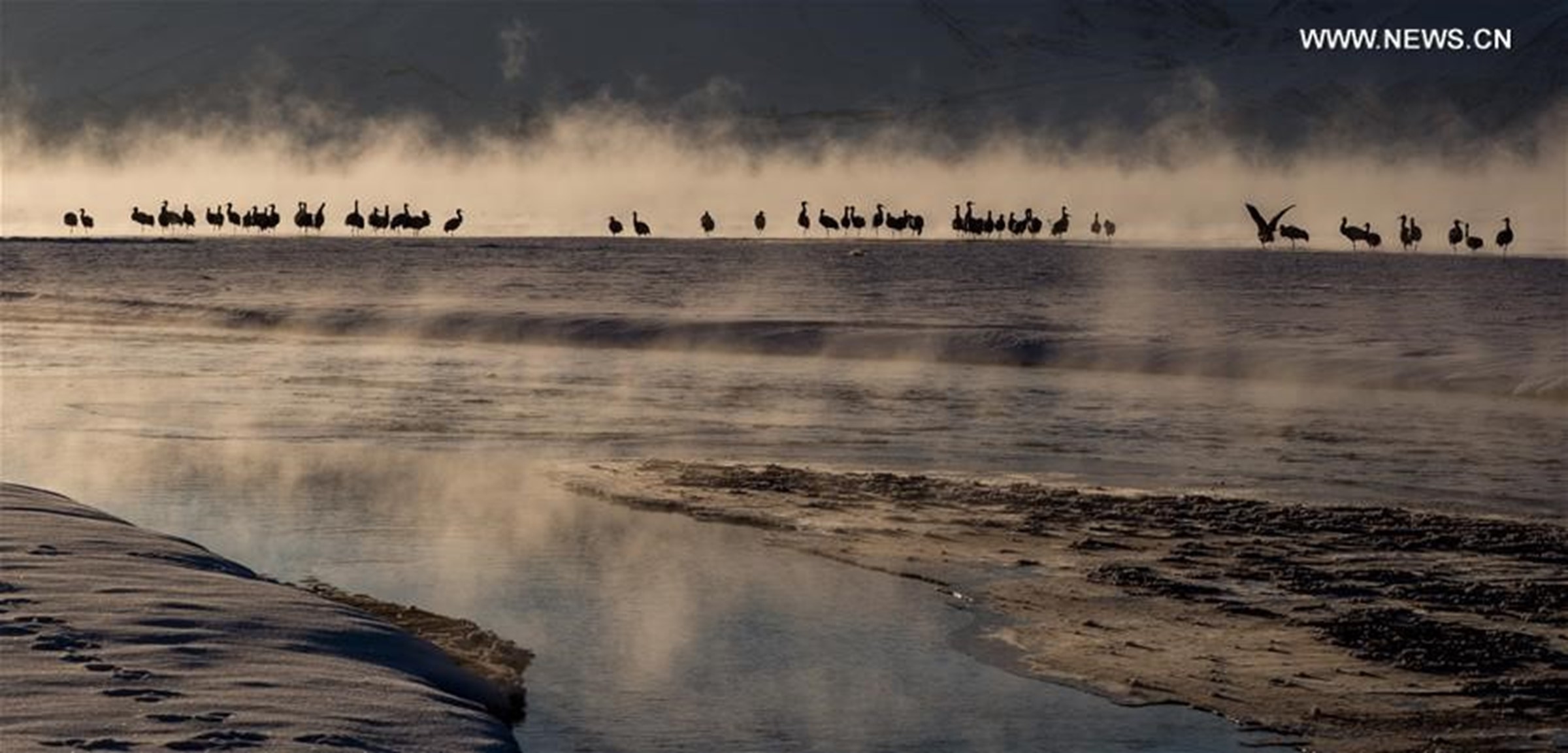
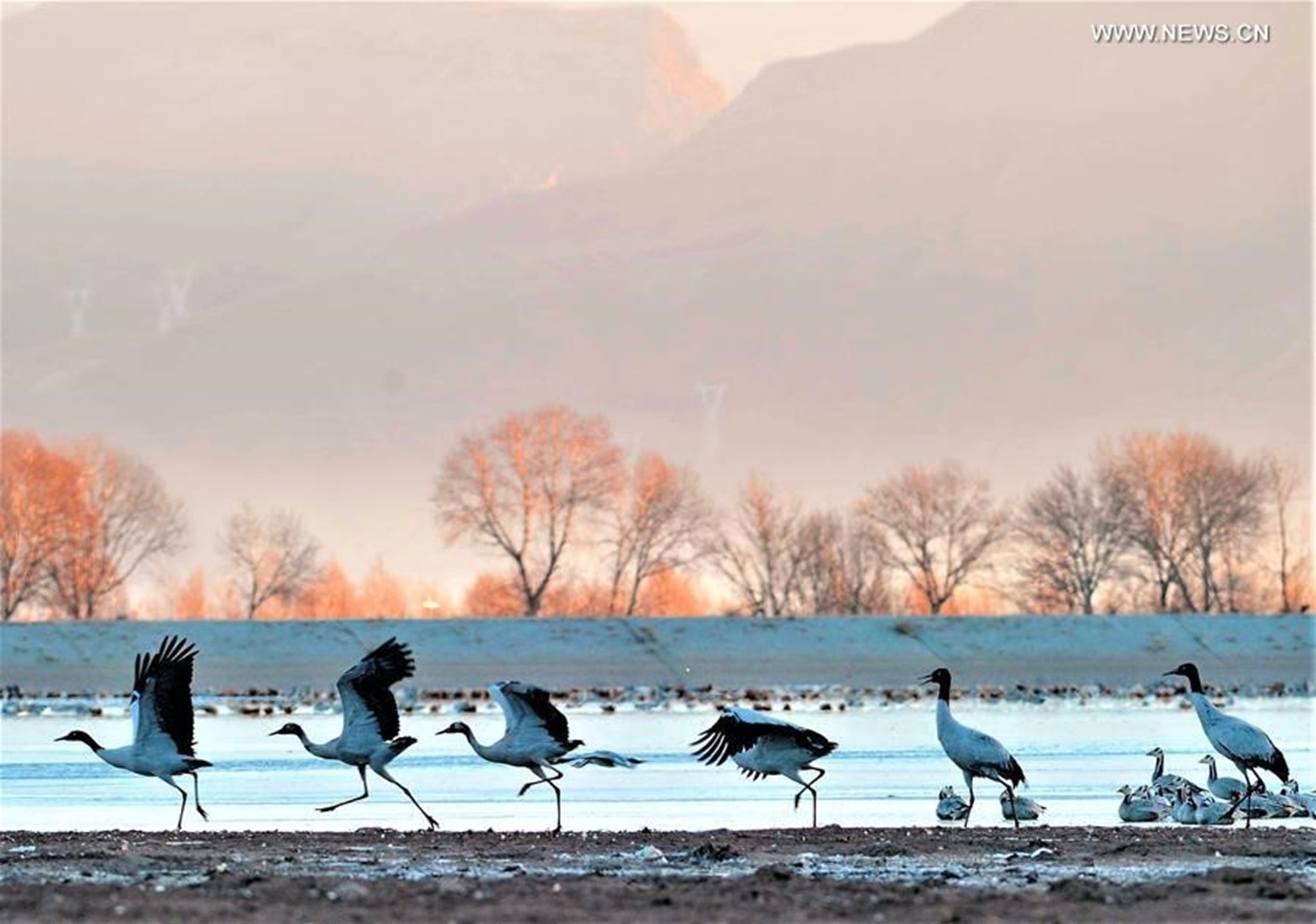
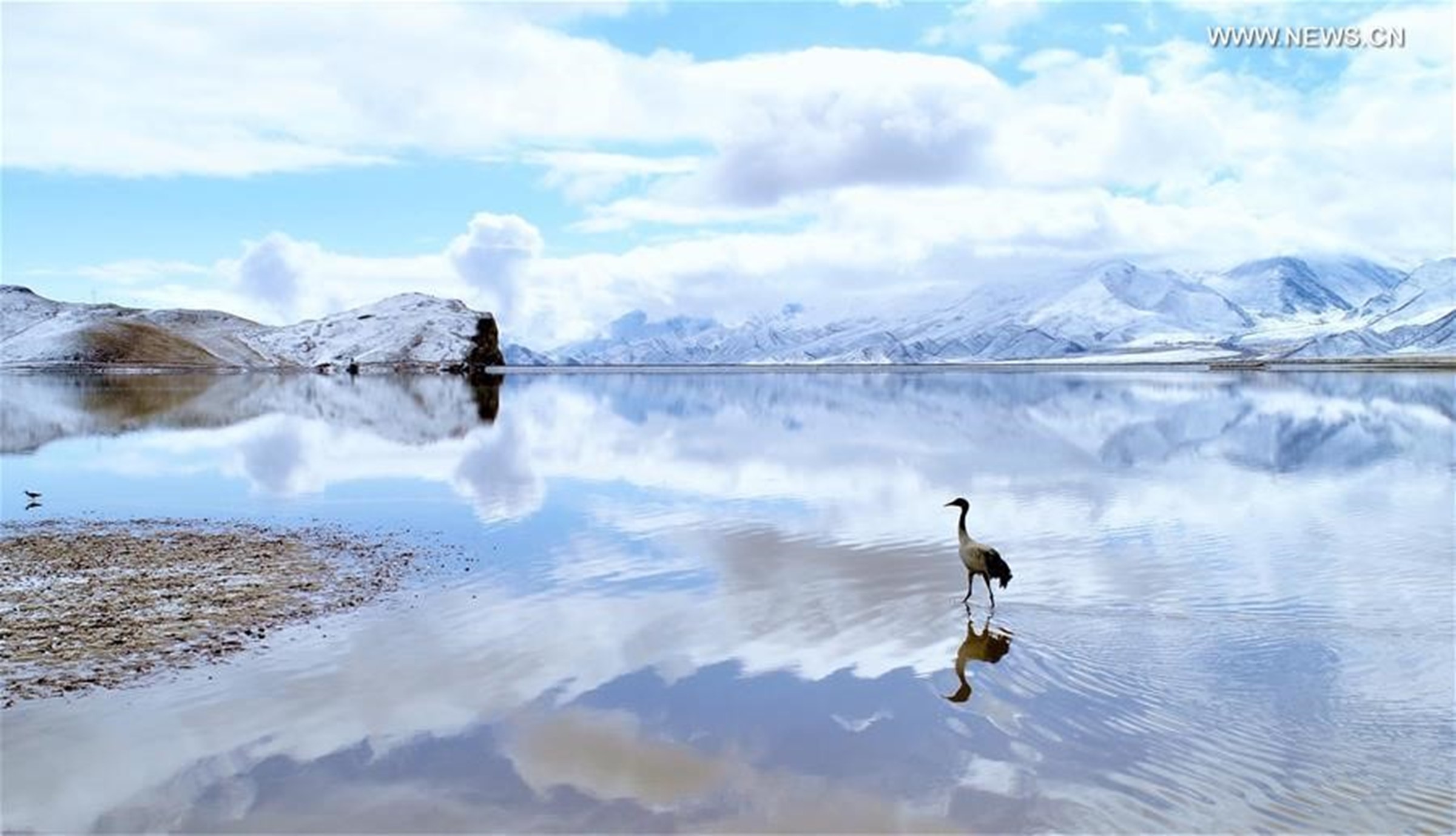
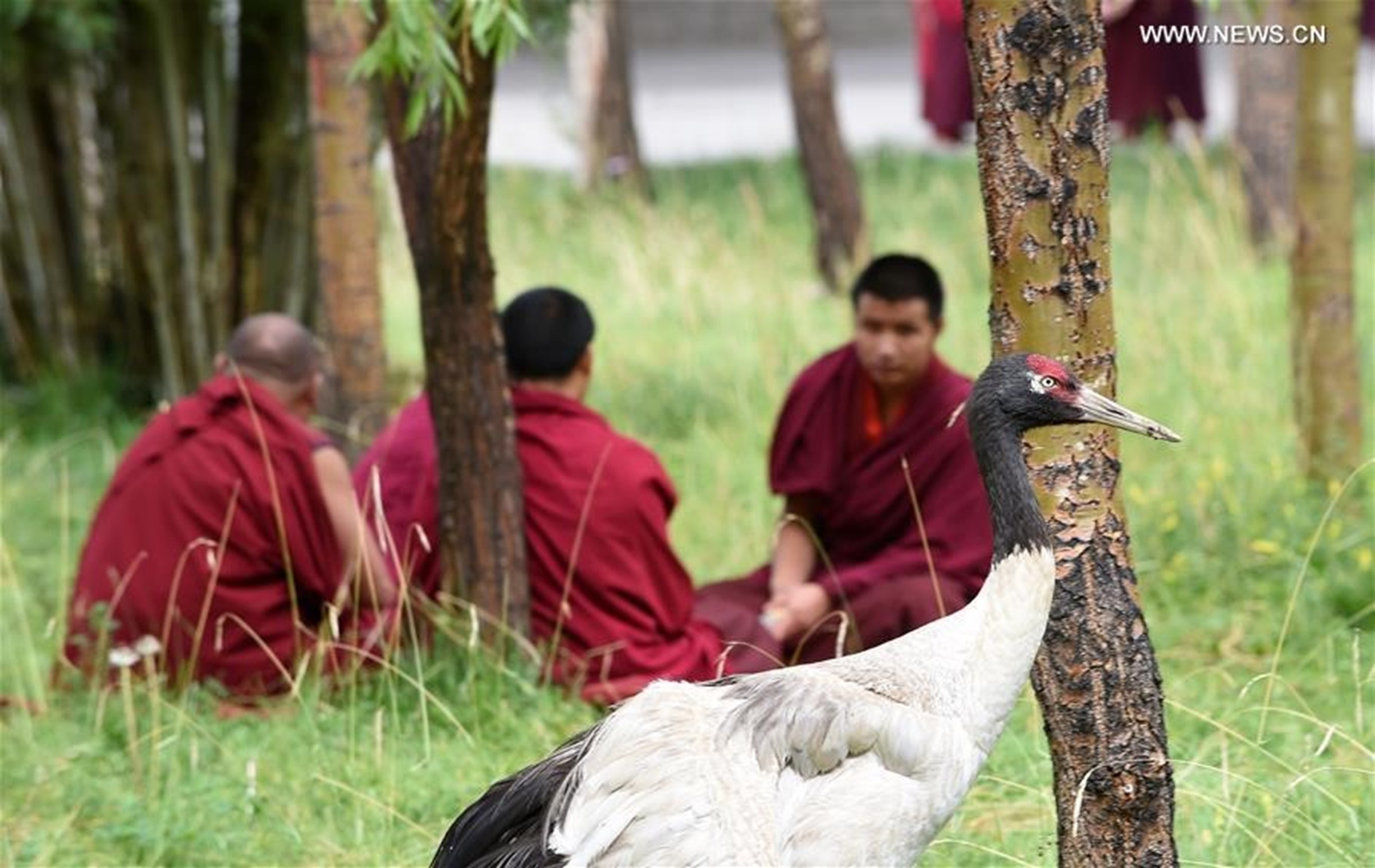
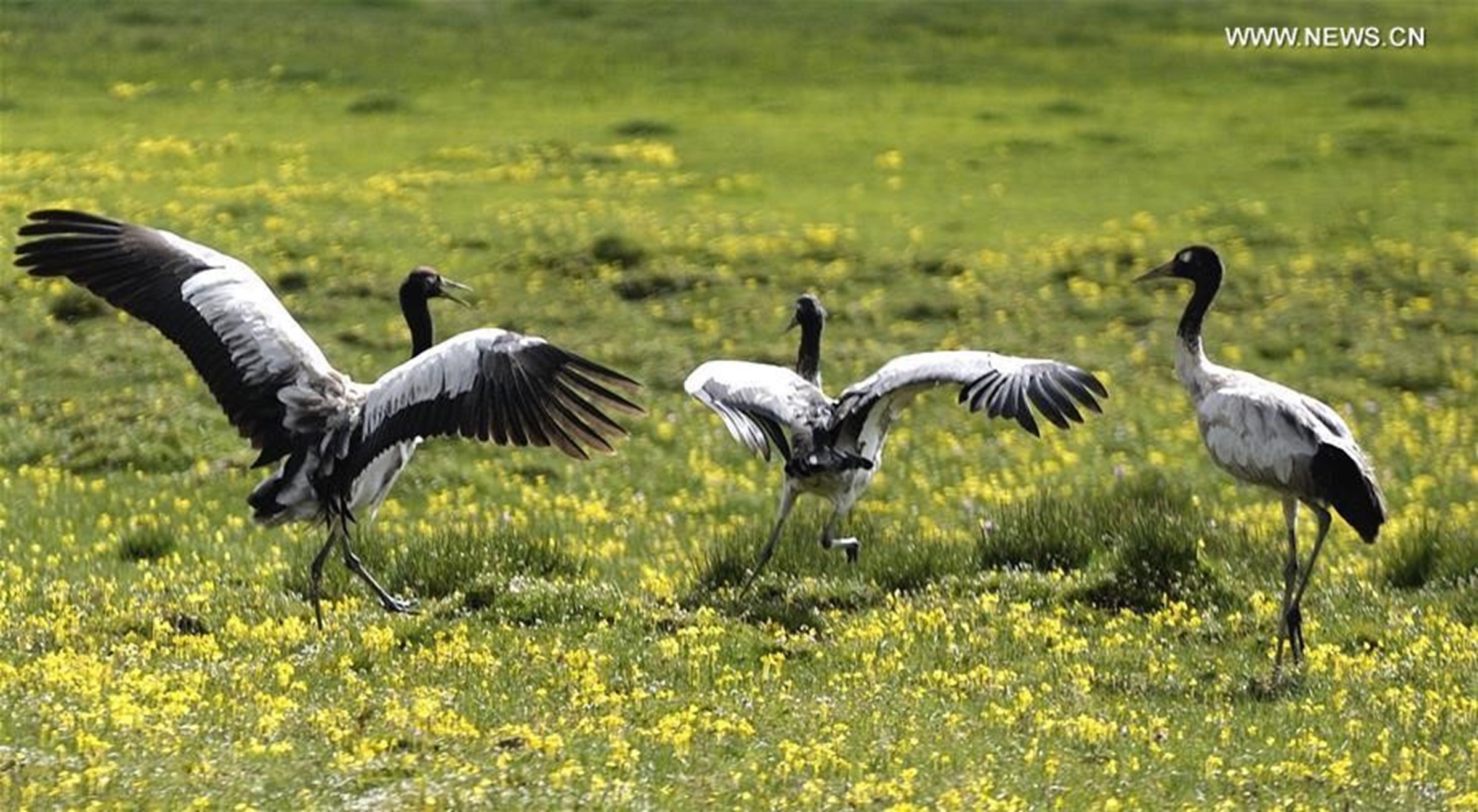
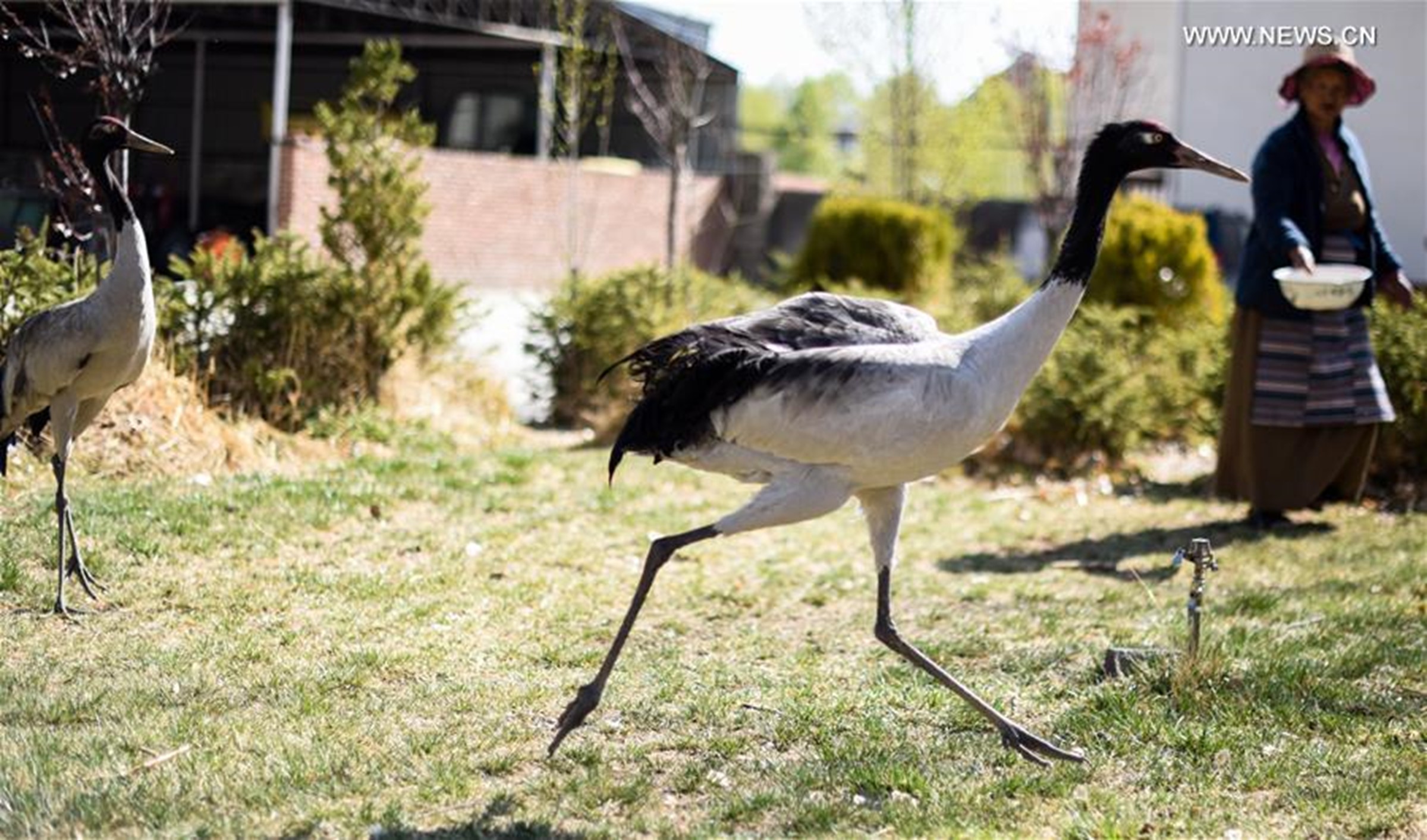
I am sharing photo images of endangered Black-necked Cranes visiting Tibet to promote Tibet Awareness. Since 1950, Tibetans lost their Natural Freedom because of China’s military conquest and occupation. I am asking the global community of nations to defend the Rights of Endangered Tibetans and to restore the Political Rights of Tibetans.
Tibet Awareness. Defend Rights of Endangered Tibetans.
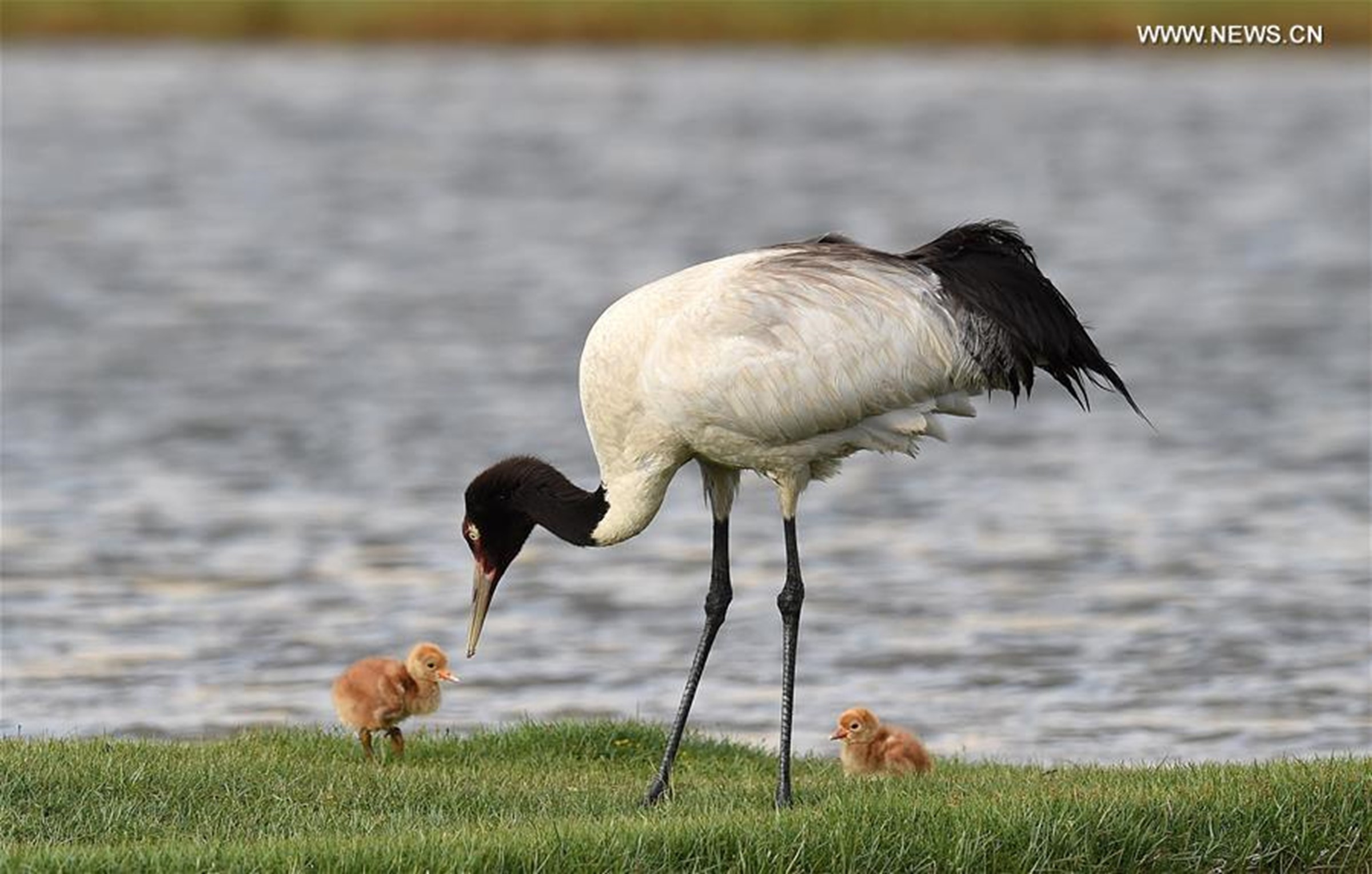
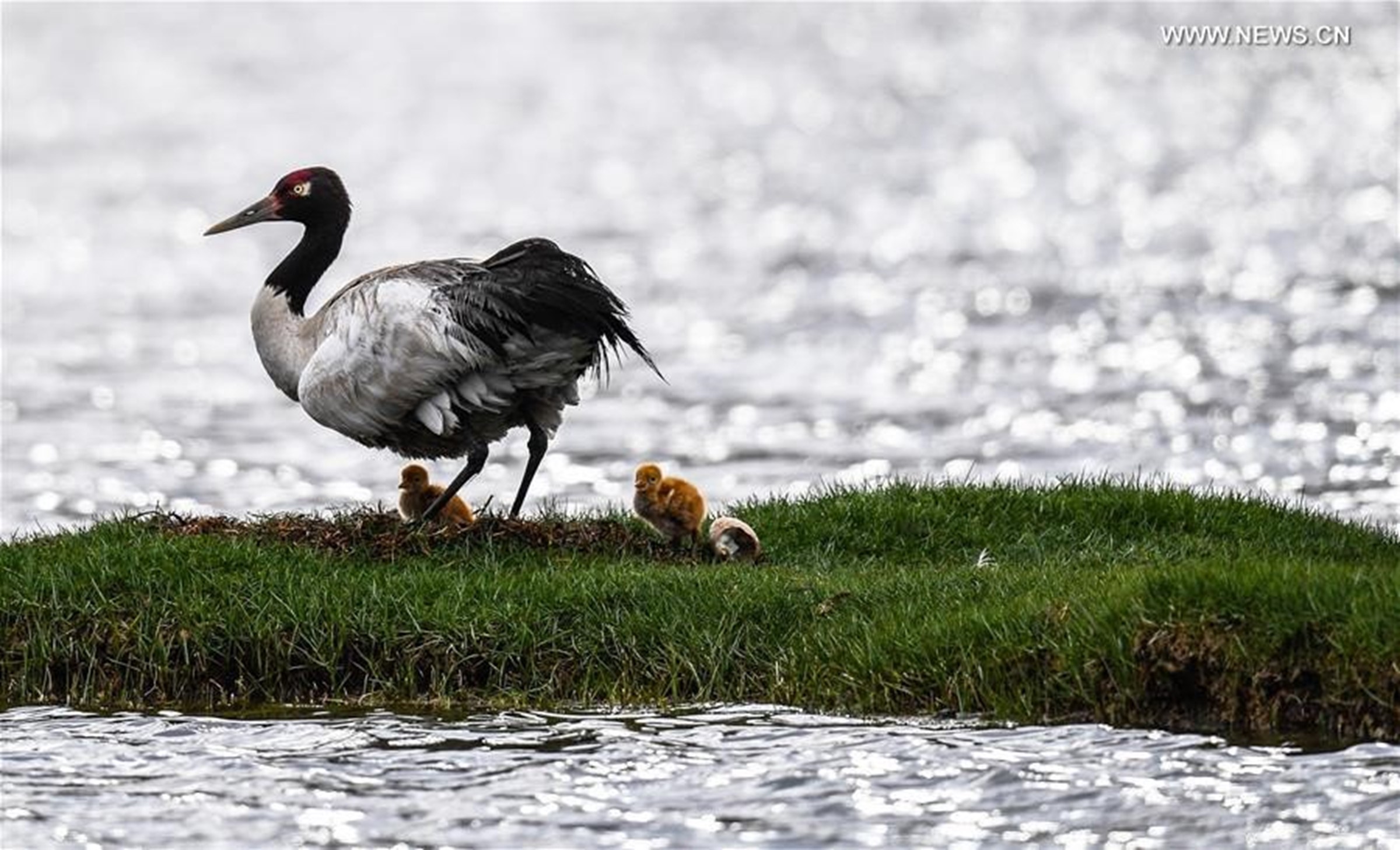
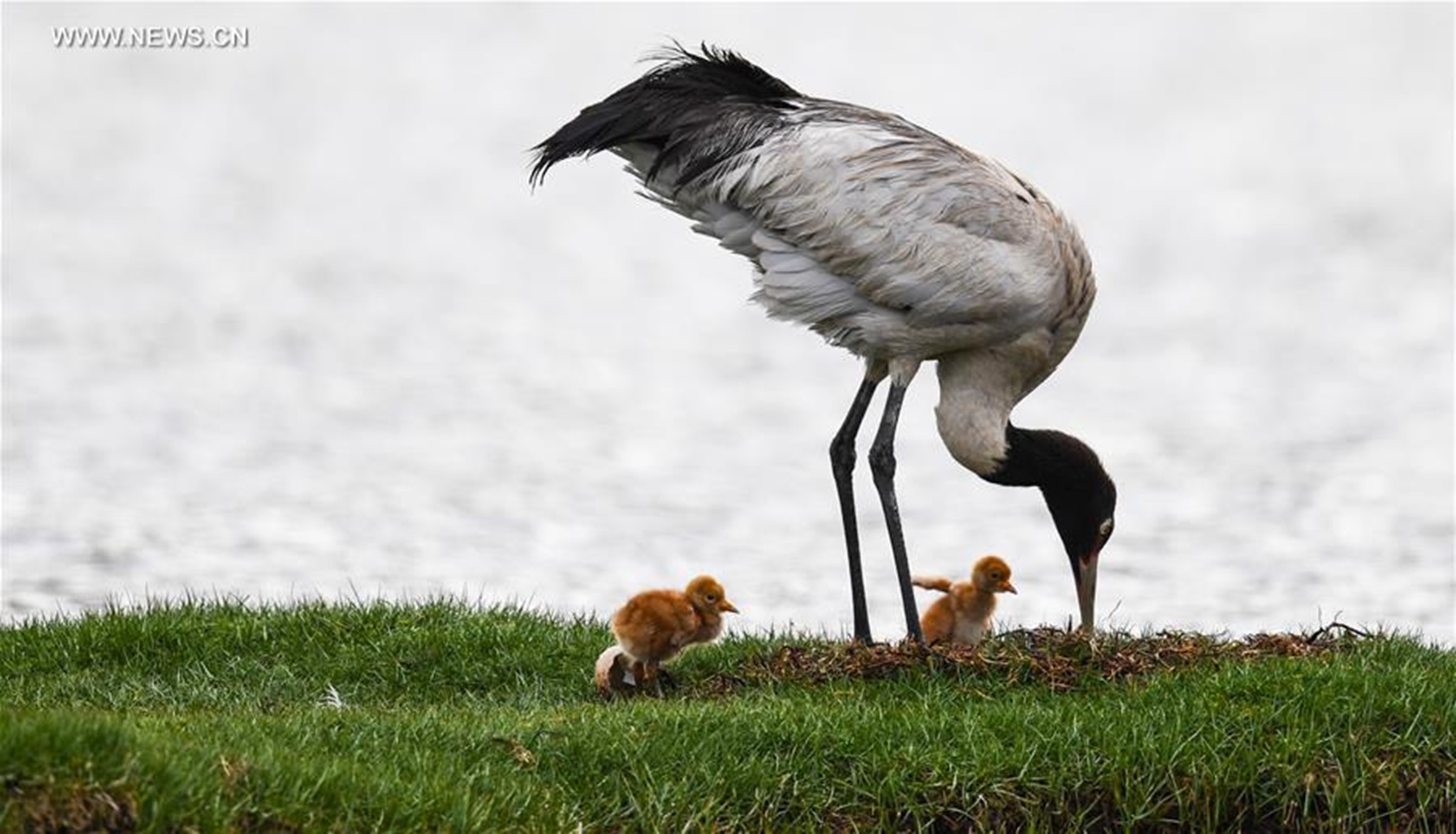
A black-necked crane looks after its chicks in the Qiangtang nature reserve, Tibet, in June of 2017. Black-necked cranes are often seen in Tibet’s river valleys and the region’s barley and wheat fields in winter. With an estimated population of around 10,200, the species is classified as “vulnerable” by the International Union for Conservation of Nature (IUCN). (Xinhua/Chogo)
LHASA, Dec. 26 (Xinhua) — Every year, black-necked cranes arrive in Tibet, where they are welcomed by locals and tourists.
“This is the only time of the year when we can see flocks of these birds. It’s spectacular!” said Toinzhub Cering, a wildlife ranger in Lhundrup County, which is about 87 miles northeast of Lhasa, Tibet’s capital.
Black-necked cranes are often seen in Tibet’s river valleys and the region’s barley and wheat fields in winter. And Toinzhub knows exactly where to find them.
For ten years, the 42-year-old has patrolled the nature reserve in Lhundrup, one of the major habitats of black-necked cranes.
With an estimated population of around 10,200, the species is classified as “vulnerable” by the International Union for Conservation of Nature (IUCN).
The black-necked crane is the most recently identified among 15 kinds of cranes worldwide. They are also the only kind that inhabits plateau areas with an altitude of 2,500-5,000 meters.
Toinzhub Cering feels passionate about protecting the species and has been doing his part to help. He is always the first person to call media and authorities each year when the rare birds come and go.
Now that he has learned how to use social media, he often shares photos of the cranes with his friends.
Thanks to efforts made by locals and authorities, these exhausted birds, after flying for over 1,000 km, don’t have to face hunger, pesticide, or poachers.
Instead, they can now easily find pollutant-free highland barley and wheat left by farmers.
But endangered animal protection efforts in Tibet cover more than just birds, with the Tibetan antelope also under people’s watch, among other wildlife.
As for damage and losses caused by such animals, residents can claim compensation from the government.
Between mid-March and late April, black-necked cranes migrate to northern Tibet to reproduce in the lakeside marshes, far beyond human touch.
Yet not all journeys go so well for some cranes. Wounded birds are often left behind by the flock.
Two cranes with broken wings were found in Dazi County near Lhasa this spring. The local forestry authority has been caring for them ever since, and, hopes they can catch up with their flock during next year’s migration.
There have also been cases whereby wounded cranes have become permanent residents after recovery.
Black-necked cranes mainly live in the highlands of Tibet, India, Bhutan, and Nepal. Tibet is home to about 80 percent of the world’s total.
Tibet Awareness. Defend Rights of Endangered Tibetans.
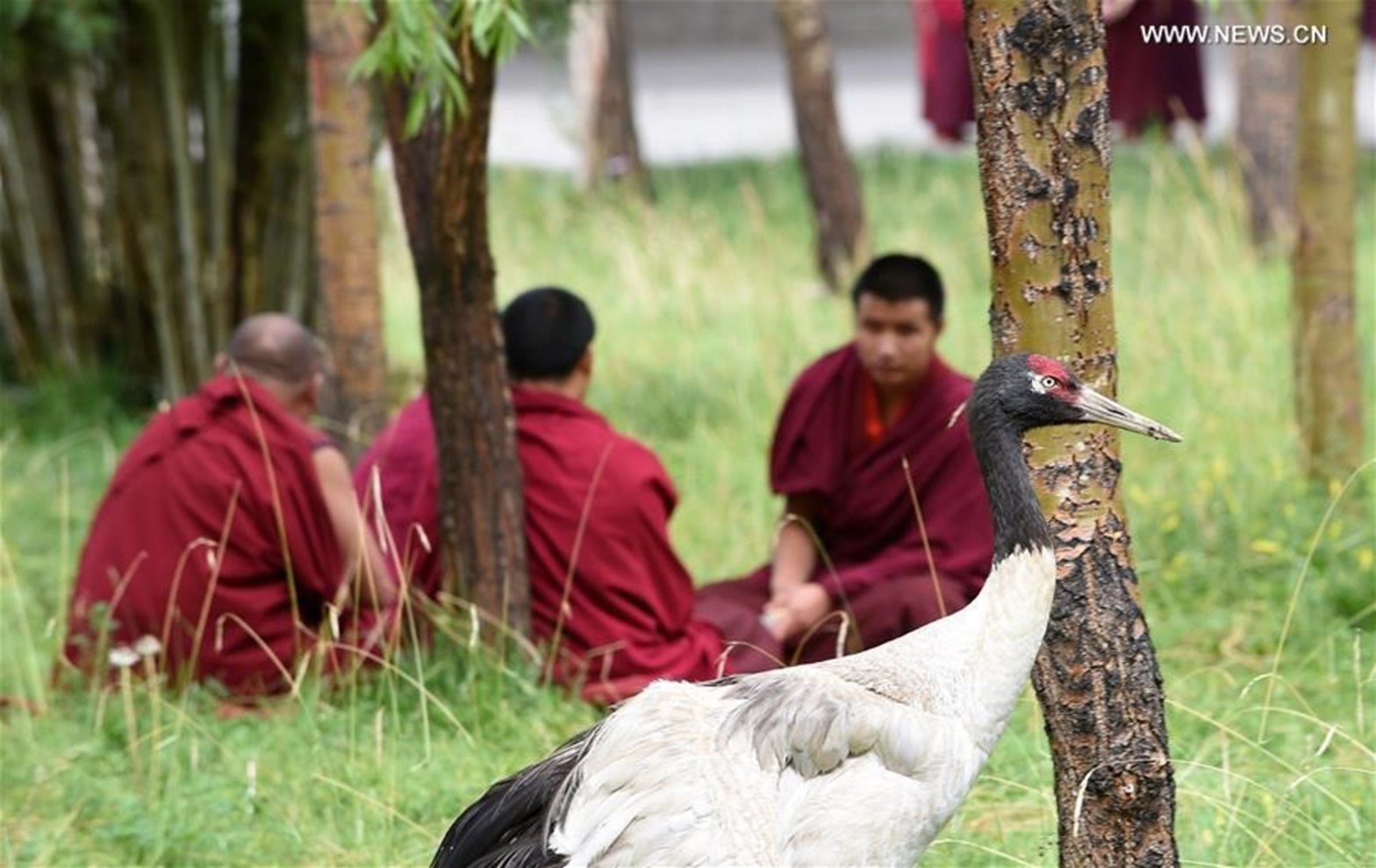
A black-necked crane, once wounded during migration, becomes a permanent resident at a temple near Shigatse, U-Tsang region of Tibet, Sept. 27, 2014. (Xinhua/Chogo)
Tibet Awareness. Defend Rights of Endangered Tibetans.
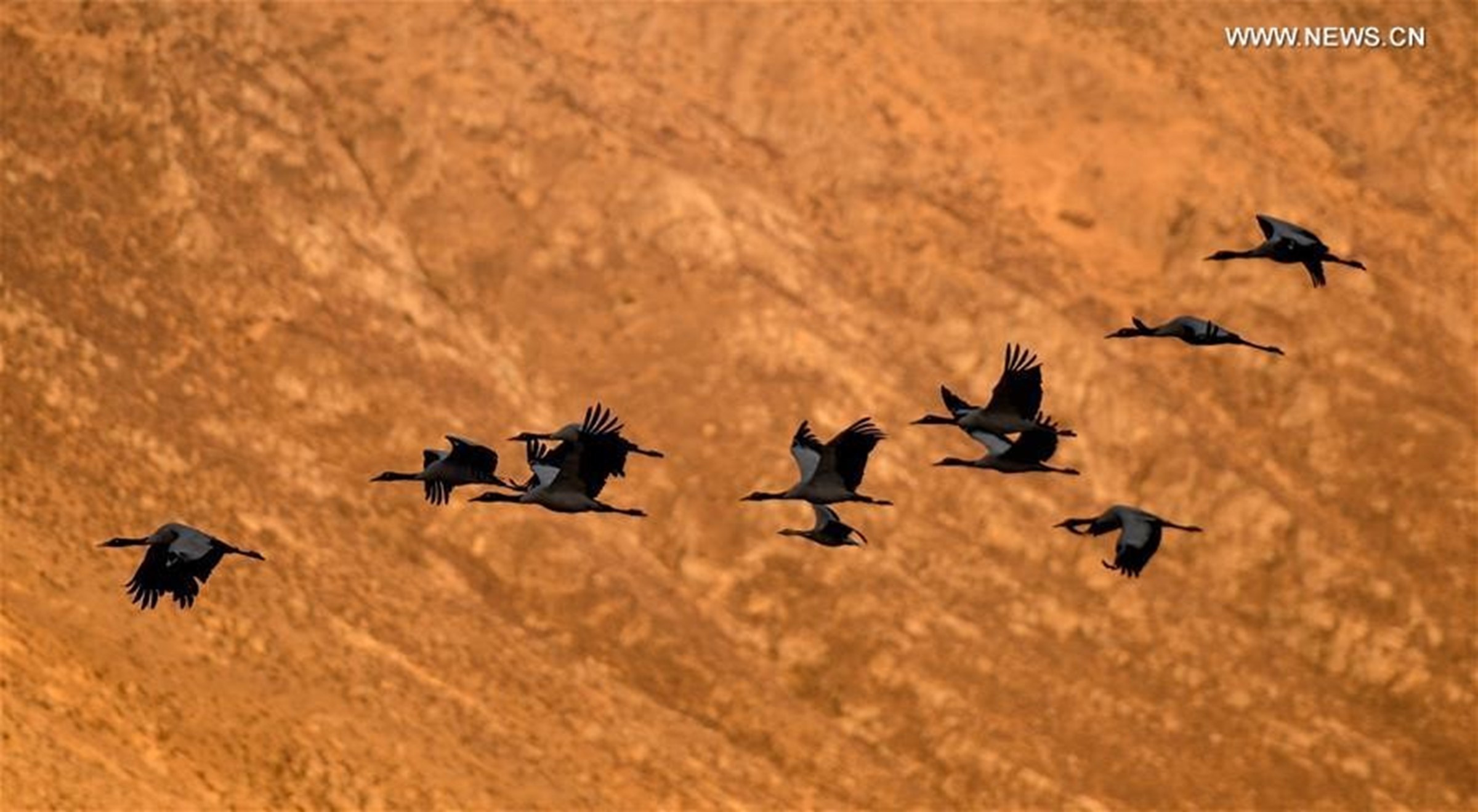
Group of black-necked cranes flying over Lhasa River Valley, Tibet, Nov. 23, 2017. (Xinhua/Purbu Zhaxi)
Tibet Awareness. Defend Rights of Endangered Tibetans.
A black-necked crane looks after its chicks in the Qiangtang nature reserve, Tibet, June 24, 2017. (Xinhua/Purbu Zhaxi)
Tibet Awareness. Defend Rights of Endangered Tibetans.
Photo taken on Dec. 18, 2018 shows black-necked cranes in Lhunzhub County of Lhasa, capital of Tibet. (Xinhua/Purbu Zhaxi)
Tibet Awareness. Defend Rights of Endangered Tibetans.
Black-necked cranes are seen in the Lhunzhub County, Tibet, Jan. 9, 2015. (Xinhua/Purbu Zhaxi)
Tibet Awareness. Defend Rights of Endangered Tibetans.
Black-necked crane chicks are seen in the Qiangtang nature reserve, Tibet, June 24, 2017. (Xinhua/Purbu Zhaxi)
Tibet Awareness. Defend Rights of Endangered Tibetans.
Black-necked cranes are seen in a reservoir where they spend the winter in Lhunzhub County of Lhasa City, capital of Tibet, in January of 2017. (Xinhua/Liu Dongjun)
Tibet Awareness. Defend Rights of Endangered Tibetans.
A black-necked crane looks after its chicks in the Qiangtang nature reserve, Tibet, June 24, 2017. (Xinhua/Purbu Zhaxi)
Tibet Awareness. Defend Rights of Endangered Tibetans.
Aerial photo taken on March 10, 2018 shows a black-necked crane in Lhunzhub County, Tibet. (Xinhua/Purbu Zhaxi)
Tibet Awareness. Defend Rights of Endangered Tibetans.
A black-necked crane, once wounded during migration, becomes a permanent resident at a temple near Shigatse, Tibet, Sept. 5, 2016. (Xinhua/Chogo)
Tibet Awareness. Defend Rights of Endangered Tibetans.
A black-necked crane family is seen near Yamdrok Lake,Tibet, Aug. 16, 2009. The little black-necked crane (C) broke the wing during migration, and the whole family became permanent residents after the little one’s recovery near the lake. (Xinhua/Purbu Zhaxi)
Tibet Awareness. Defend Rights of Endangered Tibetans.
Two black-necked cranes, wounded in wings during migration, are cared at a forestry authority in Dagze County, April 12, 2016. (Xinhua/Purbu Zhaxi)
Tibet Awareness. Defend Rights of Endangered Tibetans.
Black-necked cranes fly in the Lhunzhub County, Tibet, Jan. 9, 2015. (Xinhua/Purbu Zhaxi)
Tibet Awareness. Defend Rights of Endangered Tibetans.
Wildlife rangers are seen in the Qiangtang nature reserve, Tibet, Sept. 22, 2012. (Xinhua/Liu Hongming)
Tibet Awareness. Defend Rights of Endangered Tibetans.
CHOOSING THE DALAI LAMA SUCCESSOR IS NOT CHINA’S BUSINESS
Choosing the Dalai Lama Successor is not China’s Business.
The discovery of the Dalai Lama Successor is not China’s business. In fact, China’s Government and Communist Party officials are not even competent to discuss the subject of the Dalai Lama succession.
In an interview with Hindustan Times, Dalai Lama said the dialogue process for reincarnation had not even started. He said that this should be decided through an international conference after his natural death.
Shishir Gupta
Choosing the Dalai Lama Successor is not China’s Business.
Tibetan spiritual leader Dalai Lama addresses a gathering at Kalachakra ground, in Bodh Gaya on Monday. (Parwaz Khan / HTPhoto)
The temporal and spiritual world of Tibetan Buddhism seems headed for a period of uncertainty and possible turmoil in the near future with Lobsang Yeshi Tenzin Gyatso, the 14th Dalai Lama, leaving the question of his reincarnation and the continuation of the very institution of the Dalai Lama to Buddhists living in the Himalayan belt, Mongolia, and outside Tibet.
In an interview, he said this should be decided through an international conference after his natural death and that it is “not his business” to decide on his successor through either reincarnation or emanation. He admitted the dialogue process for reincarnation had not even started.
Talking exclusively to Hindustan Times, the Dalai Lama said that his anointed 17th Karmapa Ogyen Trinley Dorje “most probably” would return to India.
But that, he said, was a concern of the Karma Kagyu school head and the Indian government as he had no role to play in the matter.
While the highest lama and head of the Gelug school of Tibetan Buddhism called the meeting of Ogyen Dorje and co-claimant Trinley Thaye Dorje in France this year a “rightful beginning”, he said he did not want to play the mediator between the two reincarnations of the 16th Karmapa.
Thaye Dorje, who was anointed by rival regent Shamar Rinpoche, is currently preaching in Bodh Gaya to many foreigners from the US and Europe and has not met the 14th Dalai Lama.
Ogyen Trinley Dorje, supported by both the Dalai Lama and China, left for the US in May 2017, ostensibly for medical reasons. He then acquired a Dominican passport in March this year without informing India. He has been laying down conditions for his return – for instance, that he be allowed to visit the Rumtek Monastery in Sikkim which is the seat of the Karmapa outside Tibet and at the heart of the Karmapa controversy, with the two rival factions laying claim to its ownership – but New Delhi isn’t playing ball.
While he said that it was possible for the 16th Karmapa to have a few reincarnations, the Dalai Lama made it amply clear that there should be only one holder of the seat of the 17th Karmapa. The 14th Dalai Lama chose to remain quiet as to who will decide on the holder of the heads of Tibetan schools of Buddhism with the presence of two Panchen Lamas, two Karmapas and the Chinese government already initiating the process of anointing the 15th Dalai Lama.
The Dalai Lama confirmed that his anointed Panchen Lama Gedhun Choekyi was alive with another co-claimant. Gyaltsen Norbu is sponsored by the Chinese regime and said to be sitting on the throne in Shigatse and mostly stays in Beijing.
The Dalai Lama confirmed that there was only informal dialogue on with the Chinese government through retired officials and businessmen after all formal channels were closed in June 2010. He said that he did not want an independent Tibet since 1974 but wanted the protection of Tibetan people living even outside Tibetan Autonomous Region of China in terms of language, culture, religious affairs and environment. He said he was committed to “middle approach” when dealing with Beijing and admitted that the Tibetan people will gain financially from the rise of China.
The Dalai Lama dismissed news reports about Dr. Lobsang Sangay, President of the Central Tibetan Administration in Dharamshala, not heeding his advice as “small rumors” and said that the politically elected leader trusted and believed in him.
The 84-year-old head of Yellow Hat Gelug school of Buddhism confirmed that he had been successfully treated for what he called “traces of prostate cancer” through radiation but added that he is in good health.
First Published: Dec 25, 2018, 06:56 IST
Choosing the Dalai Lama Successor is not China’s Business.
China ‘Resolutely Opposes’ the US-Tibet Relations.
In my analysis, the ‘Tibet Crisis’ began with the Communist takeover of mainland China in 1949. Communist Party Chairman Mao Zedong took the blessings of the Soviet Union to launch a military attack on Tibet for China wanted to resolutely oppose the US-Tibet relations formulated by the US President Franklin D. Roosevelt.
China ‘Resolutely Opposes’ the US-Tibet Relations.
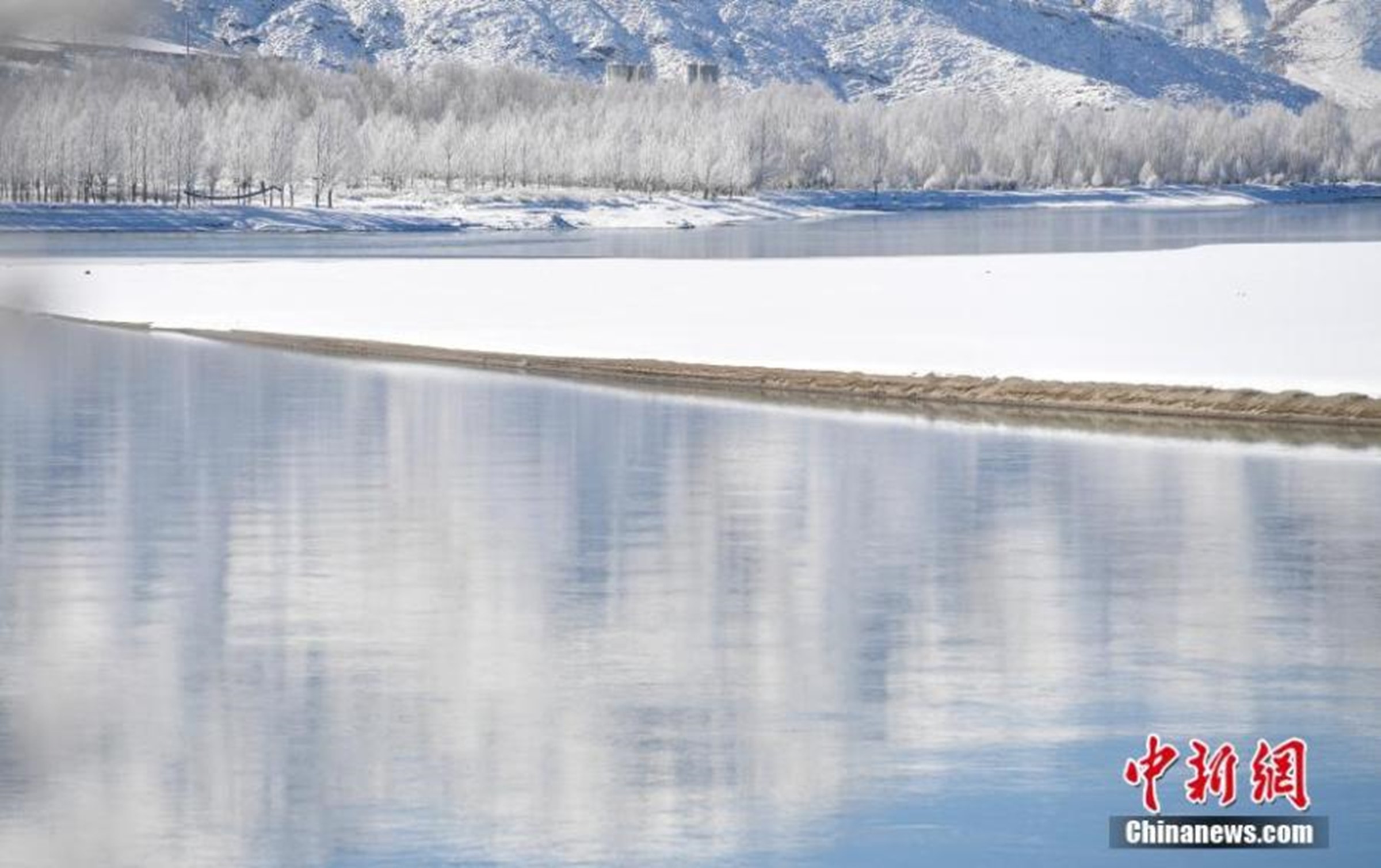
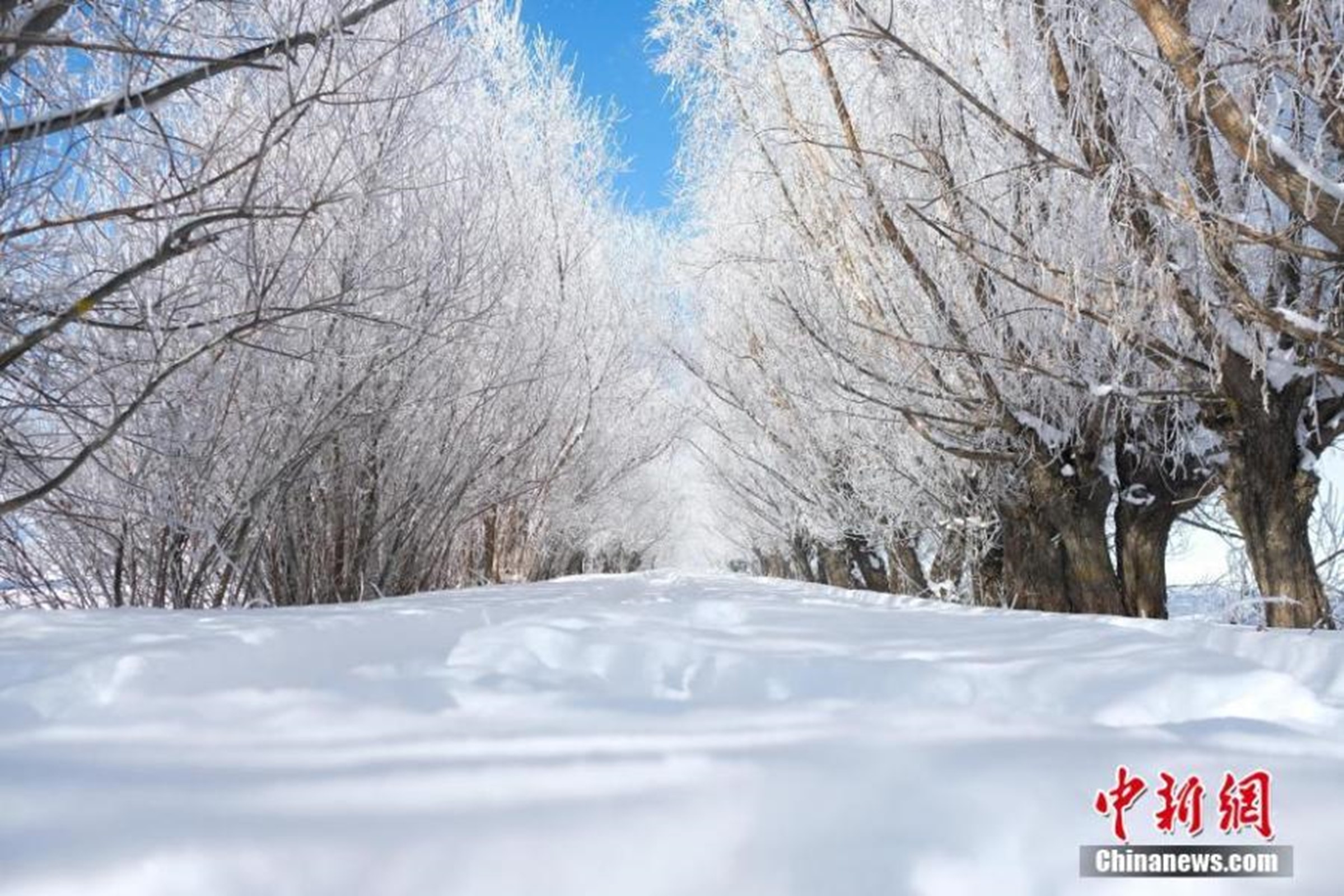
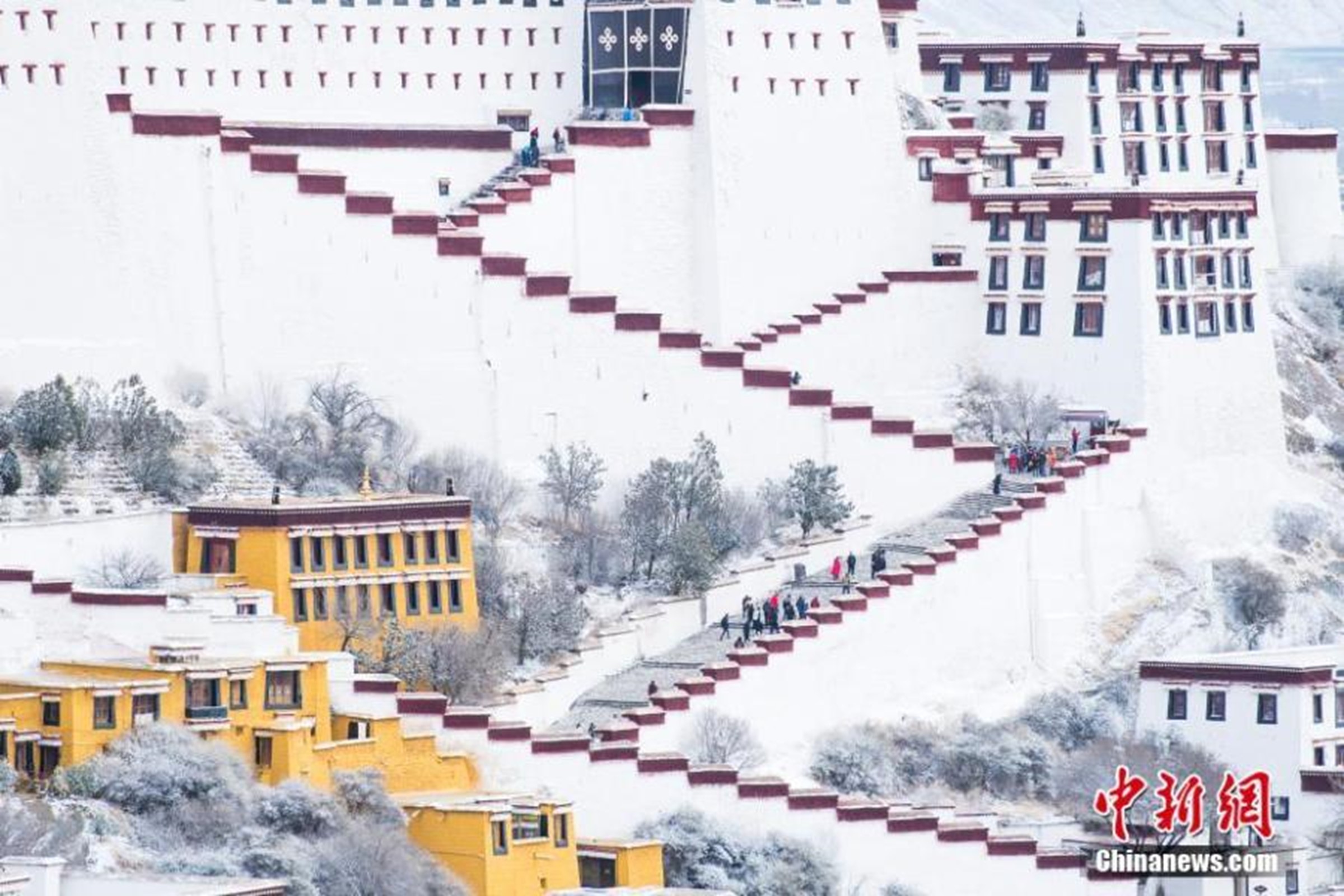
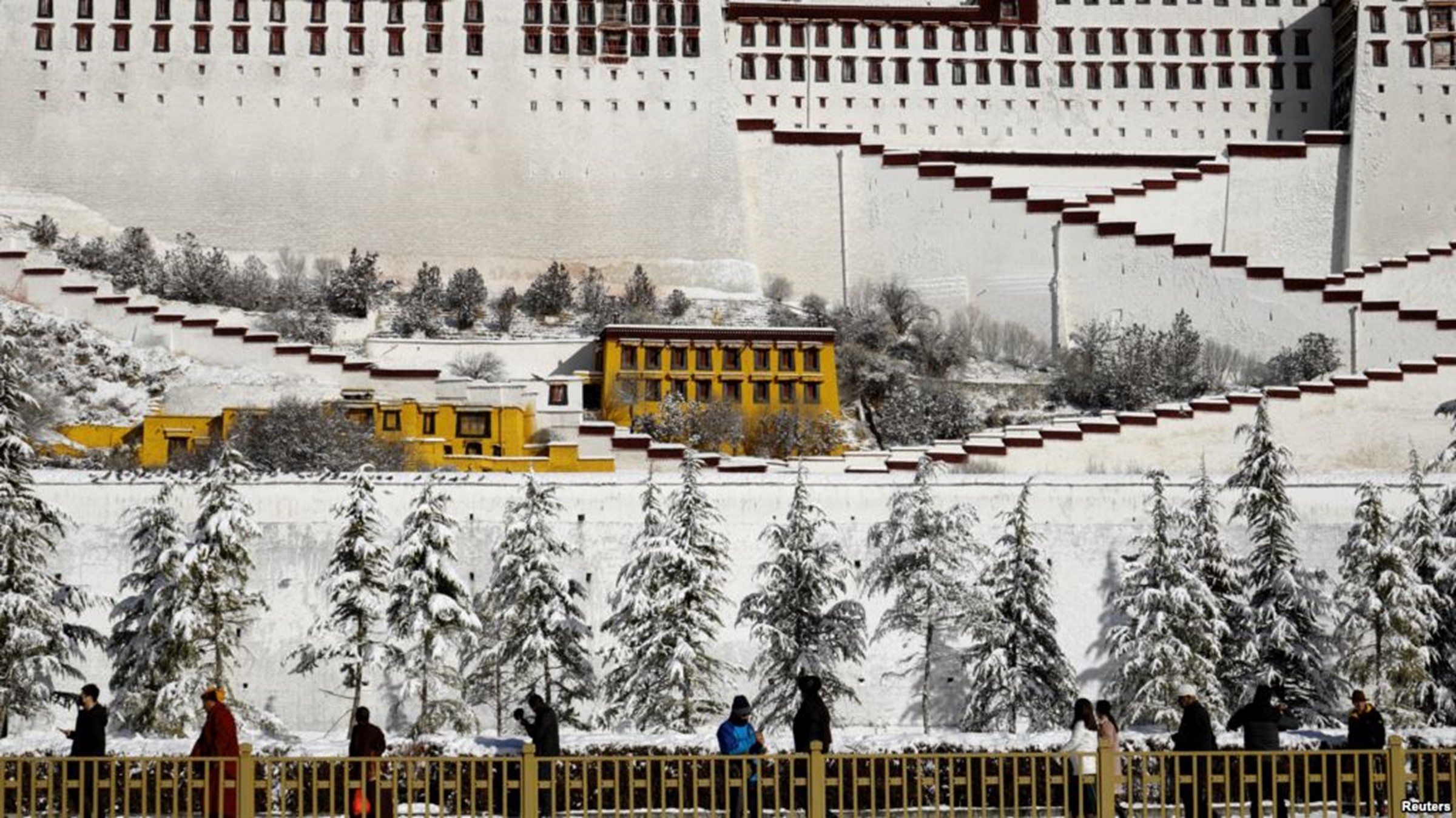
People walk past snow-covered trees outside the Potala Palace in Lhasa, Tibet Autonomous Region, China, Dec. 19, 2018.
BEIJING —
President Trump signs Reciprocal Access to Tibet into Law: “A Message of hope and justice to Tibetans in Tibet….”
China ‘Resolutely Opposes’ the US-Tibet Relations.
China ‘Resolutely Opposes’ the US-Tibet Relations.
China ‘Resolutely Opposes’ the US-Tibet Relations.
Lobsang Sangay @Drlobsangsangay Following @Drlobsangsangay
I extend profound appreciation to the President Donald Trump for signing the Reciprocal Access to Tibet Act into law,” CTA President said.
Dharamshala: US President Donald Trump has signed into law the Reciprocal Access to Tibet Act of 2018, which will impose a visa ban on Chinese officials who deny American citizens, government… tibet.net
China denounced the United States on Thursday for passing a new law on restive Tibet, saying it was “resolutely opposed” to the U.S. legislation on what China considers an internal affair, and it risked causing “serious harm” to their relations.
U.S. President Donald Trump on Wednesday signed into law the Reciprocal Access to Tibet Act.
The law seeks to promote access to Tibet for U.S. diplomats and other officials, journalists and other citizens by denying U.S. entry for Chinese officials deemed responsible for restricting access to Tibet.
Beijing sent troops into remote, mountainous Tibet in 1950 in what it officially terms a peaceful liberation and has ruled there with an iron fist ever since.
China: wrong signals
Chinese foreign ministry spokeswoman Hua Chunying told a daily briefing that the law “sent seriously wrong signals to Tibetan separatist elements,” as well as threatening to worsen bilateral ties strained by trade tension and other issues.
“If the United States implements this law, it will cause serious harm to China-U.S. relations and to the cooperation in important areas between the two countries,” Hua said.
The United States should be fully aware of the high sensitivity of the Tibet issue and should stop its interference, otherwise the United States would have to accept responsibility for the consequences, she added, without elaborating.
Difficult life in Tibet
Rights groups say the situation for ethnic Tibetans inside what China calls the Tibet Autonomous Region remains extremely difficult. The U.N. High Commissioner for Human Rights said in June conditions were “fast deteriorating” in Tibet.
All foreigners need special permission to enter Tibet, which is generally granted to tourists, who are allowed to go on often tightly monitored tours, but very infrequently to foreign diplomats and journalists.
Hua said Tibet was open to foreign visitors, as shown by the 40,000 American visitors to the region since 2015.
At the same time, she said it was “absolutely necessary and understandable” that the government-administered controls on the entry of foreigners given “local geographic and climate reasons.”
Rights groups welcome law
Tibetan rights groups have welcomed the U.S. legislation. The International Campaign for Tibet said the “impactful and innovative” law marked a “new era of American support” and was a challenge to China’s policies in Tibet.
“The U.S. let Beijing know that its officials will face real consequences for discriminating against Americans and Tibetans and has blazed a path for other countries to follow,” the group’s president, Matteo Mecacci, said in a statement.
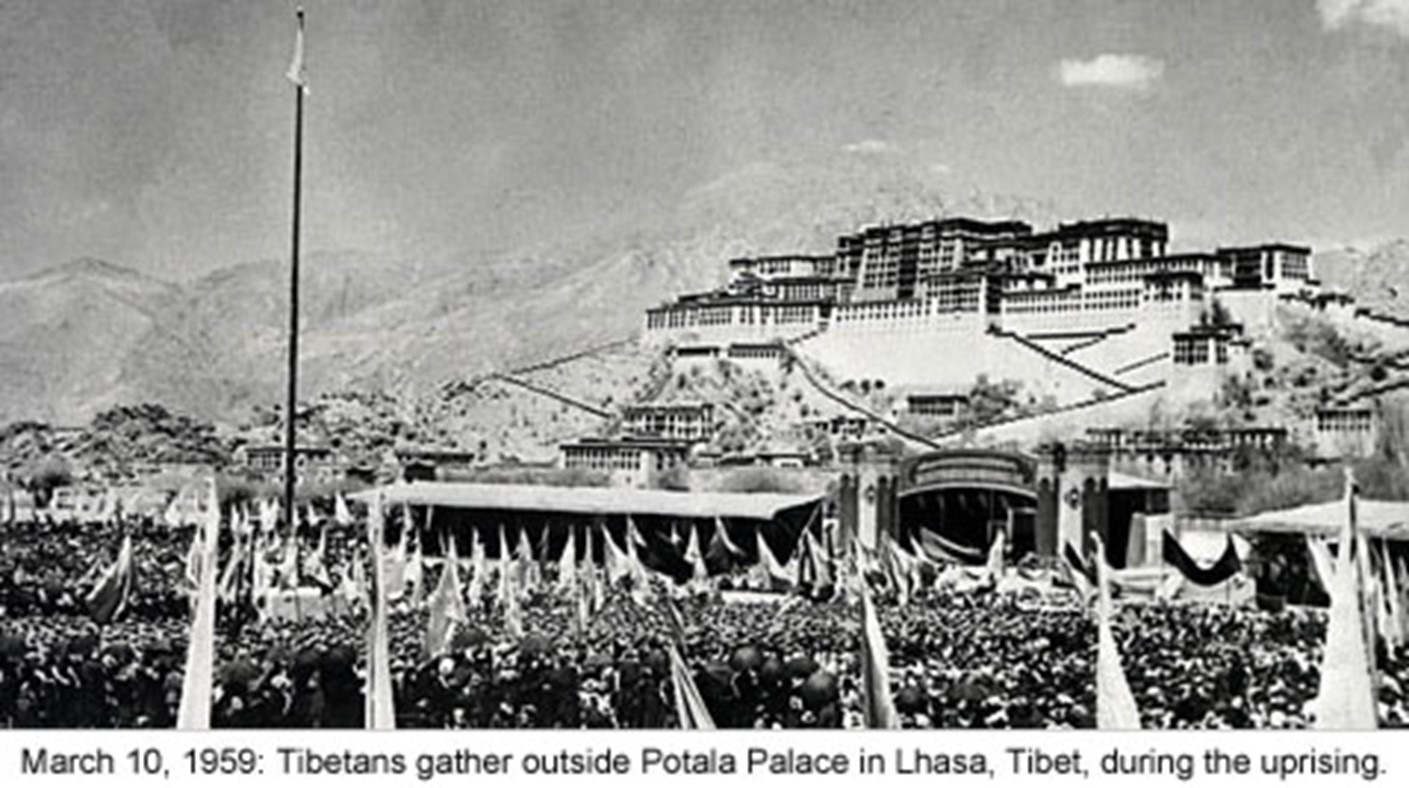
Next year marks the sensitive 60th anniversary of the flight into exile in India of the Dalai Lama, the highest figure in Tibetan Buddhism, after a failed uprising against Chinese rule.
China routinely denounces him as a dangerous separatist, although the Dalai Lama says he merely wants genuine autonomy for his homeland.
China ‘Resolutely Opposes’ the US-Tibet Relations.


























 Whole Dude - Whole Concept