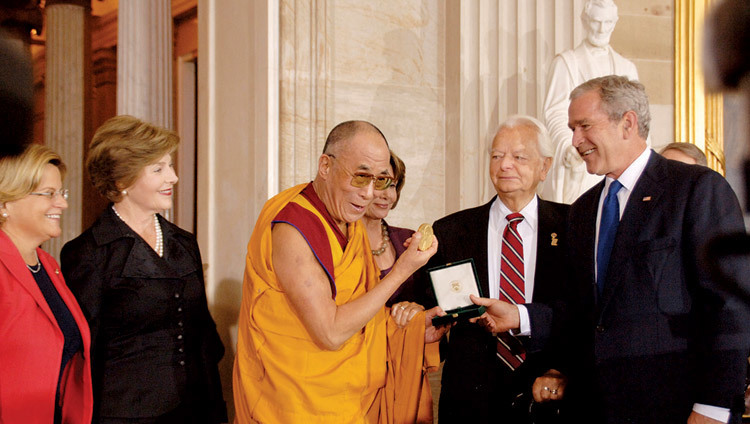
The Dalai Lama holds up his Congressional Gold Medal after being presented the award by (L-R) Speaker of the House Nancy Pelosi (D-CA), Sen. Robert Byrd (D-WV) and President George W. Bush in the U.S. Capitol Rotunda October 17, 2007, in Washington, DC. President Bush participated in the ceremony despite Beijing’s strong disapproval of the recognition for the 72-year-old exiled leader from Tibet.
US Congress Resolution Commends Dalai Lama For His Commitment To Global Peace
The resolution recognizes the cultural and religious significance of a genuinely autonomous Tibet and the deep bond between people of America and Tibet.
83-year-old Dalai Lama lives in exile in the hill town of Dharamsala WASHINGTON:
A group of four influential US lawmakers has introduced a resolution in Congress commending the Tibetan spiritual leader the Dalai Lama for his commitment to global peace and non-violence.
The resolution, introduced in the House of Representatives, came weeks after US ambassador-at-large for Religious Freedom Samuel D Brownback traveled to Dharamsala in India and met the Dalai Lama and discussed ways to advance religious freedom.
The 83-year-old Dalai Lama, a globally revered figure and recipient of the Nobel Peace Prize, lives in exile in the hill town of Dharamsala. He fled to India in early 1959 to escape from the Chinese occupation.
The House resolution — introduced by Congressman Ted Yoho and co-sponsored by Michael McCaul, Chris Smith, and George McGovern — recognizes the significance of the genuine autonomy of Tibet and the Tibetan people and the work the 14th Dalai Lama has done to promote global peace, harmony, and understanding.
The resolution recognizes the cultural and religious significance of a genuinely autonomous Tibet and the deep bond between the American and Tibetan people.
It commends the 14th Dalai Lama for his commitment to global peace and non-violence.
It would be beneficial to convene a bipartisan, bicameral forum, either through a joint meeting of Congress, a teleconference broadcast in the Auditorium at the Capitol Visitor Center, or roundtable between members of Congress and the Dalai Lama to discuss peaceful solutions to international conflicts, the resolution notes.
China, which firmly opposes any contact with the Dalai Lama by any foreign official, says the successor to the Dalai Lama must be chosen according to religious rituals and historical conventions as well as the backing from the ruling Communist Party.
His Holiness the Dalai Lama receiving the US Congressional Gold Medal from US President George W. Bush at Capitol Hill in Washington DC, the USA on October 17, 2007.
The Resurrection of American Values to reject the power of Evil.
On behalf of the Living Tibetan Spirits, I pray for the Resurrection of American Values, the foundational values that define America as a nation. My concern is not about the reincarnation of the Dalai Lama. The United States must overcome fear to expose evil actions of People’s Republic of China to occupy Tibet through acts of military aggression.
Rudra Narasimham Rebbapragada
Special Frontier Force-Establishment N0. 22-Vikas Regiment
Living Tibetan Spirits Pray for the Resurrection of American Values.
US Wants UN To Take Up Dalai Lama Succession: Envoy
The United States wants the United Nations to take up the Dalai Lama’s succession in an intensifying bid to stop China from trying to handpick his successor, an envoy said after meeting the Tibetan spiritual leader.
Sam Brownback, the US ambassador-at-large for international religious freedom, said he spoke at length about the succession issue with the 84-year-old Dalai Lama last week in the monk’s home-in-exile of Dharamsala, India.
Brownback said he told the Dalai Lama that the United States would seek to build global support for the principle that the choice of the next spiritual chief “belongs to the Tibetan Buddhists and not the Chinese government.”
Living Tibetan Spirits Pray for the Resurrection of American Values.
The Dalai Lama arrives for prayers wishing him a long life at the Tsuglagkhang temple in McLeod Ganj, India in September 2019 — the US wants the UN to look at the issue of who will succeed him Photo: AFP / Lobsang Wangyal
“I would hope that the UN would take the issue up,” Brownback told AFP after returning to Washington.
He acknowledged that China, with its veto power on the Security Council, would work strenuously to block any action, but he hoped countries could at least raise their voices at the United Nations.
“I think it’s really important to have an early global conversation because this is a global figure with a global impact,” he said.
“That’s the big thing that we’re really after now, to stir this before we’re right in the middle of it — if something happens to the Dalai Lama, that there has been this robust discussion globally about it ahead of time,” he said.
Living Tibetan Spirits Pray for the Resurrection of American Values.
US religious freedom envoy Sam Brownback, seen here at a July 2019 ministerial meeting in Washington, is raising pressure over the Dalai Lama’s succession Photo: AFP / MANDEL NGAN
“My estimation undoubtedly is that the (Chinese) communist party has thought a lot about this. So they’ve got a plan and I think we have to be equally aggressive with a plan.”
The Dalai Lama once traveled incessantly, drawing huge Western audiences with his good-humored lectures on compassion and happiness.
But the Nobel Peace Prize winner has slowed down and earlier this year suffered a chest infection, although he is not known to have serious health issues.
Brownback said he found the Dalai Lama “quite jovial” and that the monk had told him, “‘Look, I’m going to live another 15, 20 years; I’m going to outlast the Chinese government.'”
Living Tibetan Spirits Pray for the Resurrection of American Values.
A Tibetan-in-exile carries a photograph of the Dalai Lama during celebrations marking the Lunar New Year in Kathmandu in February 2018 Photo: AFP / PRAKASH MATHEMA
But Beijing has indicated it is waiting out the Dalai Lama, believing his campaign for greater Tibetan autonomy will end with him.
China, which argues that it has brought modernization and development to the Himalayan region, has increasingly hinted that it could name the next Dalai Lama, who would presumably be groomed to support Chinese rule.
In 1995, the officially atheist government selected its own Panchen Lama and detained a six-year-old identified for the influential Buddhist position — whom rights groups called the world’s youngest political prisoner.
Living Tibetan Spirits Pray for the Resurrection of American Values.
Indian police detain Tibetan students as they protest against the visit of China’s President Xi Jinping in Chennai in October 2019 Photo: AFP / STR
Mindful of Beijing’s plans, the 14th Dalai Lama has mused about breaking with the centuries-old tradition in which wandering monks look for signs that a young boy is a reincarnation.
He has said that he could pick his own successor, possibly a girl, or even declare himself the final Dalai Lama.
The US Congress has also stepped up efforts, including by mandating visa denials by the end of the year for Chinese officials unless Beijing eases restrictions on US diplomats, journalists and ordinary people seeking to visit Tibet.
Brownback said he would like access to Tibet, “but I want it unfettered.”
He said he similarly hoped to visit the western region of Xinjiang, which has drawn intense US scrutiny over the incarceration of one million Uighurs and other Turkic-speaking Muslims.
“It is part of the same war on faith,” Brownback said of Tibet and Xinjiang.
Brownback also visited Nepal, historically the gateway for Tibetans fleeing to India but which has increasingly clamped down under pressure from its giant northern neighbor.
Brownback said he raised fears for Tibetans with Nepal’s foreign minister, Pradeep Gyawali.
But he acknowledged Nepal’s difficult situation and said: “I would hate to be very harsh on the Nepalese because they’ve been so good over so many years to help the Tibetans.”
Brownback said that the burden was ultimately with China to allow freedom of movement — and not to interfere in Tibetan Buddhism.
“A government doesn’t own a religion,” he said. “A religion runs itself.”
“We hope we’ll get a number of other communities around the world to express similar positions and concerns.”
Living Tibetan Spirits Pray for the Resurrection of American Values.
Tarangini – The Flowing Stream. A compilation of poems penned by my father, R. Suryanarayana Murty.
THE DIVINE GARB
The Divine Garb. What is the “Connection” between man and the Sun? Does man have the physical and intellectual ability or capacity to harness Solar Energy to maintain his living functions?
I see a divine garb hanging around my body
In the early morning hours when I still feel bodily pains
And warding off all attempts to bring to an end
Night’s dreamy splendor
I see the crimson colors of the divine garb
Absorbing the cooling effect of the early morning rays
The garb giving me the feel
That I am something of the very special
The divine garb is not like the one
Faked by rogue weavers
To make a gullible king walk half-naked in the streets
The garment is indeed woven like a web
Where threads are smeared with thoughts pure and holy
To give them dazzle and sheen
I get up not knowing what to do
Is the garment meant to convey a message
That I should play the role of a missionary
To make the man in the street learn his relationship with Almighty
Though a devoted soul I know I am hardly fitted to play such a role
My inadequacies are too many and too glaring
To dare and challenge those already in the field
Is the garment meant to wake up in me thoughts lying dormant
Like particles floating in the rays of the morning sun
To enable me to join the ranks of knowledgeable souls
Whose message conveyed through word and print
Makes them unrivaled in the field of poetry or art
Here again, I feel humbled
As the gumption that produced those wizards
Whose classics enthralled humanity over the centuries
Is not what I can lay claim to with confidence
I pick up a few granites of hard history
Which is all I could gather after digging over the years into realms of past
Though the effort is not much I can see the road ahead
I have an understanding of how the world is what it is today
The chronicles are there for anybody to read
To understand the myriad efforts put forth by man to achieve progress
I find the divine garb is sent with a mission
To give cheer and hope to an agonized soul
Perplexed with dismay and despair
Facing the trauma of a life besieged with problems of aging and health
Its message is not to waver but put forth the best effort
In the service of man even in a limited way
As the last days could also be best days at times
The mind cast in a mold of peace and content,
And God remains sheet-anchor in thought and deed.
R. Suryanarayana Murthy
The Language of the Heart
The Language of the Heart.
The language of the heart is a language rarely heard
It originates from the inner recesses of the body
From a point nearer to the heart
In the passionate love between a lover and his beloved
Sanctified by the sacerdotal string tied during matrimony
Round the bridal neck
It is the language marked by deep emotional fervor
Spoken in whispers of cadences sweet
Providing the balm to their daily chores
Help the boat in sail through calm or perilous waters
Bind the souls together with hoops of steel
It is also the language of truth, of sound reasoning
Making their thought transparent as in a mirror.
The language of the heart gets added strength
With new colors added like the flowers blossoming during spring
When the family base gets widened
The birth of a child, bursting flood banks of love,
Gives the language a new warmth and greater depth
The total innocence of the child and its shining face
Providing the rich tapestry
To sing the song to lull the child to sleep
Or stop it from crying
Its twitters providing a stream of endless joy.
The language of the heart gets further enriched
With the child growing in age
With new vocabulary added to give strategic strength
To build a canopy, to help the child grow in freedom and joy
To ward off evil forces
The child deeply aware of the flow of love around
Storing in the subconscious
Scenes of the enchanting days
Memories which will never fade
And help to serve as the bedrock
To mitigate life’s myriad troubles.
The language of the heart gets bogged
Its frontiers getting pierced with the teacher entering the scene
Laying emphasis on acquiring skills and smartness of usage
Adding richly to the child’s mental kit
Helping him to acquire a new appearance, the adolescent youth
With a buoyancy of spirit, rugged and wild,
To start a new career
To seek a partner in life, in happy wedlock
To live in a dream world of their own
The heart establishes its regime again
Making full use of the strength extended of the mind
________
R. Suryanarayana Murthy
Hyderabad – 7
October 05, 2000
Rule of Law.
“MIND LIKE THE PROTECTING ANGEL TO STEER THE BODY”
I have a rule of law for myself
I need no external aid for this regime of mine
Its strength lies in its vast assets
Built-up over the years
Based on internal purity of the mind
Of body too as both are linked in many ways
Body oft taking orders from the mind
Mind like the protecting angel to steer the body
Through eddies and whirlpools but always into the harbor
But at times mind fails to provide the signal
Gets bogged with conflicting thoughts
Like the ocean when churned by the Devas and the Asuras
Emanating poisonous fumes
Body in deep agony and forlorn
Dwelves deep into the inner recesses
And lo a thud, deep and sonorous in tone
Its source scarcely visible
Could it be the inner voice, the voice of conscience
It’s message clear like the Commandments of yore,
All doubts get doused, all illusions vanish,
A new regime is launched, a new pathway found,
The mind becomes the Conqueror, a Mahavira,
Its enemies are driven in all directions
While the body becomes the Kingdom, where peace reigns eternal.
R. Suryanarayana Murty
SATYA KIDNEY CENTRE: THE MODERN MEDICINE MAN
CHARAKA SAMHITA – SCIENCE OF LIFE AND LONGEVITY
In the world of disease, where billions are prey to myriad troubles,
Giving them sleepless nights,
When anxiety and worry about the dawn of the morrow
Keeps persons in high tension and low spirits
The presence of a doctor by the bedside
It could be the greatest of boons.
Not for nothing, the medicine man was glorified by the early tribes
He is nicknamed sorcerer by modern pundits
But could be truly a scientist with an all-embracing role
Using his medical knowledge for political gain
While compelling death to take a glance and pass by
Instead of pouncing on his patients with its piercing claws.
In ancient Taxila a student searches and searches in vain
To find one plant or herb not useful for man
In the vast herbal garden adjacent to his school
Is it an insignia of the acquisition of the highest knowledge?
Or is it the starting point of research?
As no visible sign there is to set a limit to the horizons of knowledge
Which seem to recede further and further
The more the knowledge is acquired.
In Mahabharata a tribal chief,
Practicing the highest arts in the life-saving game
Befools Takshaka, the serpent king,
By bringing back to life a tree
Reduced into cinder by its venomous fangs
A miracle indeed but medical science presents many such miracles
What more classic example can one have
Or ancient India’s pristine effort
To practice the art of healing for the needy and the suffering.
The great Asoka built many a hospital for man and beast
To restore life and give it a fresh lease
A time when sciences and arts mingled in harmony
To make life less miserable to man.
In the Satya Kidney Centre, I see
Something of the glow of the golden past
A medical team wedded to service
Practicing the latest arts in medical surgery
Headed by a chief with skillful fingers
Piercing the interior of the body, the invisible and the unseen,
Unearthing the devil inside
Scorching it to see it will never raise its head again
I see here human effort at its best to serve humanity
Let Satya Centre thrive
And be a beacon for the country and the world.
R. Suryanarayana Murty
Hyderabad – 7
October 29, 1999.
N.B. Composed after the author underwent surgery for prostate gland enlargement in the Satya Kidney Centre, Himayatnagar on October 09, 1999.
Prayer
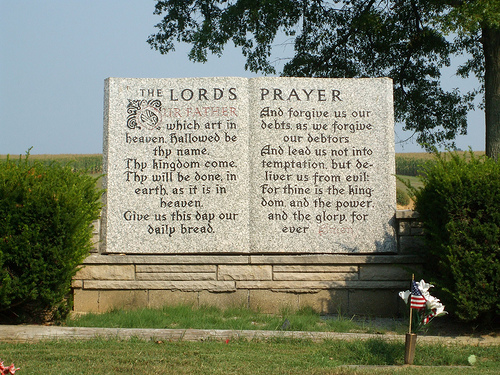
The Lord’s Prayer from the Book of Matthew. “To Cancel or Remit a Debt”
(A Prose Poem)
1. Ye up from bed, it is prayer time,
Pure in mind, raise your voice in his praise,
Is it one god or many
Is it one shape or many shapes
Or is it shapeless
Or is it female form
Makes no difference to the devotee
As each form touches deep chords of devotion
Each has regal splendor of its own
And makes you feel equally at home
Instills in you high moral virtues
Of love, sympathy, and forgiveness
Lays claim to govern the moral order
The cosmic phenomena
While being part thereof
To sustain it, to keep it going,
Each endowed with enormous power
To subdue the mind, to thwart evil,
To make you feel humble, to flush out all impurities
(As no prayer is worthwhile with mind remaining impure) And allow peace to reign while the prayer goes on.
2) Ye up from bed to sing the song of prayer
Each prayer an offering to almighty
A garland of pearls offered in love
To seek pardon for sins committed
In thought, word or deed,
The list can be long, as the mind can never be stable,
(Unless trained in a different way)
Mind, a cauldron, grilled in many ways,
Victim of tempests rising inside
No escape route to avoid committing sin
Each act planned in the silence of the chamber
With doors closed
To grab a larger slice of material riches
Or satisfy lustful cravings
To which the body succumbs so very easily
Or get at power by methods twisted and tainted
Or by wading through a pool of blood
Prayer the biggest antidote to mitigate sin
And to escape it’s after effects
Achievement grooved in sin
Is a life condemned
Acts marking success circumventing sin
Will rank among the best of prayers.
3) Ye up from bed lest you miss the prayer
For there is no better way to cleanse the mind
Prayer the only escape route for the woes of man
To provide the grip to lift yourself up
To rouse the divine in you
Or bring you near to the divine
To bid goodbye to all that is ephemeral
And aspire to become part of the great Reality
Hyderabad – 7
August 04, 1997
R. Suryanarayana Murty
Right and wrong
(Triumphant) are those who turn repentant( to ALLAH ), those who serve( Him ), those who praise ( Him ), those who fast, those who bow down, those who fall prostrate ( in worship ), those who enjoin the right and who forbid the wrong and those who keep the limits ( ordained ) of ALLAH – And give glad tiding to believers! – Holy Quran, At-Taubah, Surah IX, verse 112.
I live in the corridor in between right and wrong
The right is the area of righteousness
Where only good deeds are performed
Where good neighborhood, charity, and love are practiced
Where nobody’s bonafide suspected
Where heroic deeds re-performed with a spirit of sacrifice
Where death produces no ripples of fear
But deemed as the culmination of a well-lived life
Where forces of evil have no chance to penetrate
As each house is built on the hard granite rock of faith
Where each ore makes his life one of triumphant glory
Revolving the dharma chakra
To live a life of subdued joy and inner peace.
The wrong is the area where evil has its perpetual sway
Where people wallow in crime, sedition, and intrigue
Where evil is not confined to a small part but spread all over the body
Where shafts of cruelty and barbarism are used to pull to ground
Pieces of art soaked in the sanctity of a glorious past
Where pride of place is given to the cult of bomb
And diabolical plans are nurtured and used with devastating effect
To target the citadels of power and authority
Where people steeped in a philosophy of obscurantism call the shots
And the law is demonized to impose bondage and servitude.
As for myself, I have chosen my path long back
To live in the safety zone of the corridor
Where honest people live
Still, I watch with dismay the predations of evil forces into the area
To carry away sheep and cattle in revelry
To make a bonfire, to indulge
Still, I live in hope the corridor will one day become a land
Where peace and joy prevail.
R. Suryanarayana Murty
Hyderabad
June 25, 2002.
The Dame Obeys No Laws
“What is this dame that obeys no laws”
1) what is this dame that obeys no laws
And claims its origin in some dim, dark days
When man had yet to learn to walk,
Conjures the mind with visions of the past
Giving no clues to the tangled web of events,
Putting at the helm now one, then another,
Each claiming superior to the other
Every time springing a surprise
An election debacle, a military coup,
Or the more daunting assassin’s hand
Settling the issue for the while;
Or when things take a dramatic turn
An invader from outside or a revolution inside
To claim the mandate, but all the while,
“It is the people that rule always”
The highest bidder proclaims each time
While always it is the people
That is taken for the ride.
2) There are no set rules for the drama that is history
It is a paradise where you can roam as you like;
There is no need to go step by step,
To provide the right answer for the right question;
The historical process none can analyze
Where millions are involved in money and men
And ideas too sprouting from nowhere;
We may begin hoping we are at the end
But find ourselves still very near the beginning
But if the issues are more tangled,
We may be hoping we are at the beginning of the end
But end only where no end is seen;
We claim it is typical of our studies
Where glory and power collude and reign.
3) But where power corrupts, glory depts.,
And blemishes are galore where ends only count,
But all this is our preserve, we hold dear,
To stigmatize or eulogize, to cover up or dress up,
But always the motive with no one to suspect
As ours is the last word, with no ax to grind,
The gospel we proclaim with all our strength,
“There is nothing heinous in the pursuit of power
The shield we provide is the shield of Art
And swear always we are guided by truth”.
4) Still, we lay claim to the portals of science
Building the biggest bastion of variegated colors
Portraying the expanse of the human mind
And of achievements in Peace and War
Of infinite variety and ineffable charm
No other science to compete or compare
To scale the heights, or see the grandeur around,
But dealing with those in the corridors of power
Is our hobby and our pleasure
We make the laws and give the judgment
And confer greatness where it is due
While many a Utopia of a distant dream Ushered with fanfare and held aloft,
Marking the dawn of the Millennium
Lie disheveled, disrobed and smothered,
Smitten to pieces under the quicksands of history
But inspire still, defying time
Sparkle and glitter in their broken might
With their message all too wise,
“Past is to dead and never will die,
And shadows the present and is very much in the Present”.
Dt. June 09, 1993 Hyderabad – 7
R. Suryanarayana Murty
I AM A TEACHER
A PROSE POEM
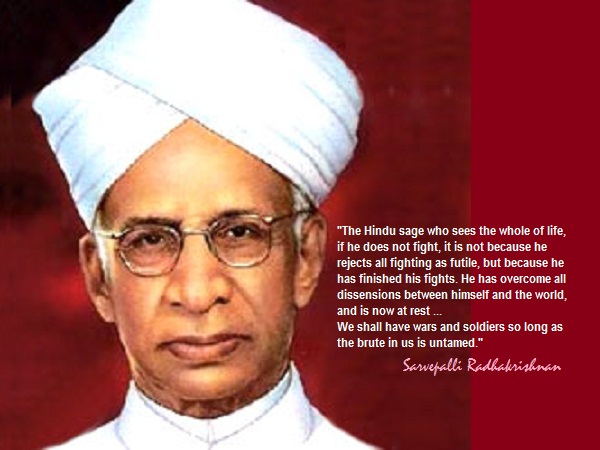
Dr. Sarvepalli Radhakrishnan and the history of Special Frontier Force-Establishment No. 22: In India, school children celebrate Dr. Radhakrishnan’s birthday(05 September) as Teacher’s Day and every year that I spent as a student, I had a special reason to remember my family connection with his daughter.
I am a teacher and destined to be one
For me to be a teacher is a matter of pride
I find no need to covet another’s wealth
As the wealth, I won is itself so vast
The more I draw on it the more it grows;
Nor need I speak anything verging on falsehood
Since my job is to disseminate what all I know
Which is all culled from different masterminds
Whose sense of veracity was never in doubt;
But never I own this knowledge as a monopoly right
To be used to expose or exploit or make fun at someone
Who revel in ignorance giving ear to none;
Nor am I to strike awe and wonder in gullible minds
It is not to seek praise nor win glory I teach,
The knowledge I have I hold in deep trust
To be called a Trustee in the true Gandhian sense
To make it available to as many as desire
And as freely too as the rain that comes
Making myself available even in odd hours
Using sparkling sentences and phrases conveying deep meaning
Always ensuring I am clear and carry conviction
The greater the knowledge and larger the circle it reaches
Greater is the joy and the Peace that ensues.
2) But there is an ultimate to what one professes to know
There is a limit beyond which mind refuses to be strained
To be ranked among the Grand Masters is given only to the few
They are the stars which are resplendent
Theirs is the luster of the Divine Grace
To become a teacher one has to learn and learn
But as something new is added something may also go
And as the age advances the problem complicates
And makes you realize that the tree can grow no further,
But for the art of spinning and weaving words
Making a garb of great beauty and charm
There seems to be no limit to the foliage it puts forth
Ranging in colors from crimson red to dark green
Oh what a joy it gives to make a thundering speech
Using flowing words sparkling with deep resonance and pellucid thought
It is a gift which can make angels envy,
But here lurks the danger of getting engulfed in pride
For one may occasionally fumble and mumble
With thoughts getting jammed in a gorge reaching a dead end
The patience of the audience getting sorely tested
A sensible teacher guards himself against all pitfalls
And is rarely jubilant even when the audience gives a resounding cheer
And grafts in the subconscious the homily of the Mean
That anything going to the head will have its fall.
3) There are some teachers who excel as preachers
(and there is an element of moral in all good teaching)
But to be a moralist without being truly moral
Own make you sound hollow with derision to boot
For it is always better to be a moralist in thought and action
Then pretend to be naïve while preaching so many isms
\But where a teacher has a message to convey
And knows he is sure of his ground
His message conveyed in golden letters and in glittering print
He has no fear, his bonafide is above board
There is what is called the courage of conviction
Then the teacher ceases to be a mere preacher
He will attain a stature which is all too different
And when he departs shedding his earthly coil
He will be remembered as one who toiled hard
Leaving many a footprint on the High Road of Eternal Quest.
By
R. Suryanarayana Murty
Tarangini. The Flowing Stream. The Wave Theory of Immortality.
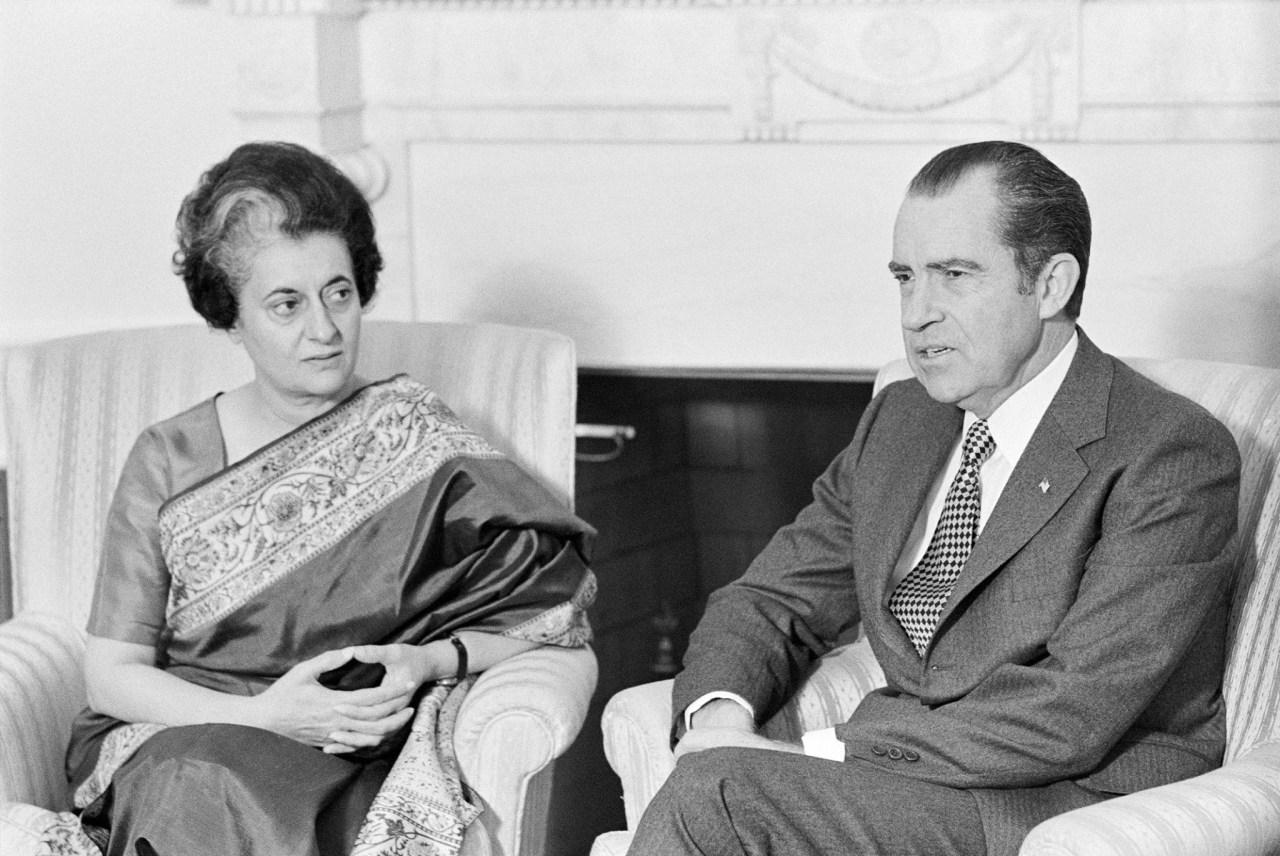
Special Frontier Force-Establishment No. 22-Vikas Regiment-Operation Eagle 1971 and the Vietnam War.The Bald Eagle-The Golden Eagle-Operation Eagle: What is the Connection? Indian Prime Minister Indira Gandhi with the US President Richard Nixon at the White House, Washington, D.C. on November 04, 1971. The US did not sanction Operation Eagle.The Bald Eagle-The Golden Eagle-Operation Eagle: What is the Connection? Indian Prime Minister Indira Gandhi with the US President Richard Nixon in Washington, D.C. on November 03/04, 1971. The US did not sanction Operation Eagle.The Bald Eagle-The Golden Eagle-Operation Eagle: What is the Connection? Indian Prime Minister Indira Gandhi with the US President Richard Nixon in the White House, Washington, D.C. on November 03/04, 1971. The US did not sanction Operation Eagle. The Bald Eagle-The Golden Eagle-Operation Eagle: What is the Connection? Indian Prime Minister Indira Gandhi with the US President Richard Nixon in Washington, D.C. on November 04, 1971. The US did not sanction Operation Eagle.The Bald Eagle-The Golden Eagle-Operation Eagle: What is the Connection? Indian Prime Minister Indira Gandhi with the US President Richard Nixon in Washington, D.C. on November 03, 1971. The US did not sanction Operation Eagle.
SPECIAL FRONTIER FORCE-ESTABLISHMENT NO. 22-VIKAS REGIMENT- OPERATION EAGLE 1971 AND THE VIETNAM WAR:
THE EAGLE CONNECTION: THE BALD EAGLE-THE GOLDEN EAGLE-OPERATION EAGLE – WHAT IS THE CONNECTION?
The military action in the Chittagong Hill Tracts that initiated the Liberation of Bangladesh during 1971 is known as Operation Eagle. This military action used the military power of ‘The Bald Eagle’ and is executed by ‘The Golden Eagle’ without getting the formal approval or sanction of the US President.
Operation Eagle was a very modest military confrontation as compared to the Vietnam War. However, a comparison must be made to understand the use of military force to defeat an enemy to obtain a political objective. The Operation Eagle was executed using US weapons, ammunition, US military radios, medical supplies, assorted tools and equipment, field gear, and U.S. Military Field Rations-Meals Ready to Eat or MREs that the US Army was using in the conduct of the Vietnam War.
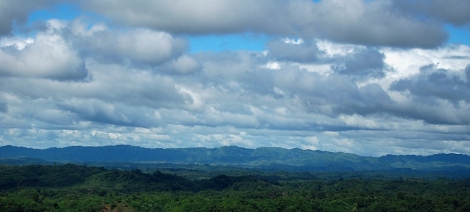
In a hilly, forest terrain, the use of aerial firepower or bombing campaigns will not dislodge the enemy. The enemy must be found on the ground and must be directly attacked. This is a view of Mizo Hills of India taken from Chittagong Hill Tracts in the foreground.
The military objectives of the Vietnam War could not be accomplished because of the reliance placed upon aerial bombardment to defeat the enemy. Operation Eagle was small in its scope and size. But, it did not rely upon the use of aerial bombardment. We operated on a ‘manpack’ basis, went in search of enemy positions, and directly challenged the enemy at his own post. United States failed to attack the enemy on the ground during the Vietnam War. To defend South Vietnam, the military strategy and planning would call for Infantry attacks on the enemy inside North Vietnam. United States used more bombs as compared to the number of bombs that were dropped during the Second World War and yet could not dislodge the enemy from his entrenched positions. We need to fight and engage the enemy on the ground. Secondly, during Nixon’s presidency(1969-1974), while engaged in War, the President conceded the battle by befriending the Enemy.
OPERATION EAGLE 1971 AND THE VIETNAM WAR INFANTRY WEAPONS AND FIELD GEAR:
OPERATION EAGLE 1971 AND THE VIETNAM WAR INFANTRY WEAPONS, FIELD GEAR AND COMMUNICATION EQUIPMENT. INDIA’S GOLDEN EAGLE SYMBOLIZES THE MILITARY OPERATION THAT WAS WAGED WITH THE MILITARY EQUIPMENT PROVIDED BY THE BALD EAGLE THAT SYMBOLIZES AMERICAN MILITARY POWER.
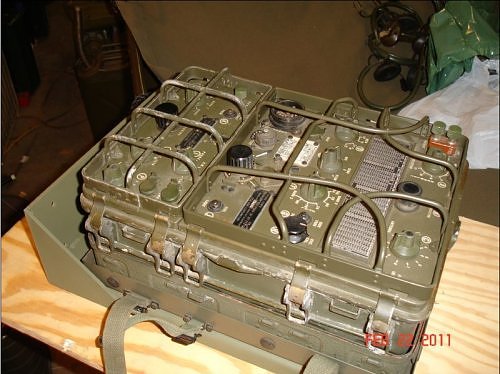
A military action by Infantry is best understood by examining the weapons that are used. During Operation Eagle 1971 and the Vietnam War, the Infantry used the same kinds of Infantry weapons. We must ignore the sophisticated technology and the firepower of United States Navy and Air Force. The battle must be won on the ground. During Operation Eagle 1971 we used the same Infantry weapons, equipment, and other supplies more effectively in our battle as compared to US Armyin its combat missions against its enemy in Vietnam. We did not use helicopters as gunships or to attack the enemy in support of ground troops. I would like to share some of the photo images of the Infantry Weapons and equipment that were used in the Vietnam War and which I have seen during Operation Eagle 1971.
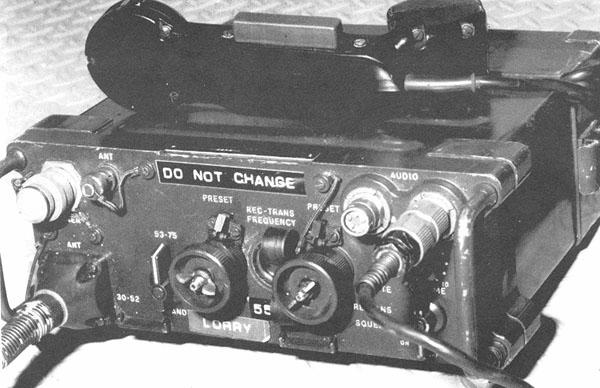
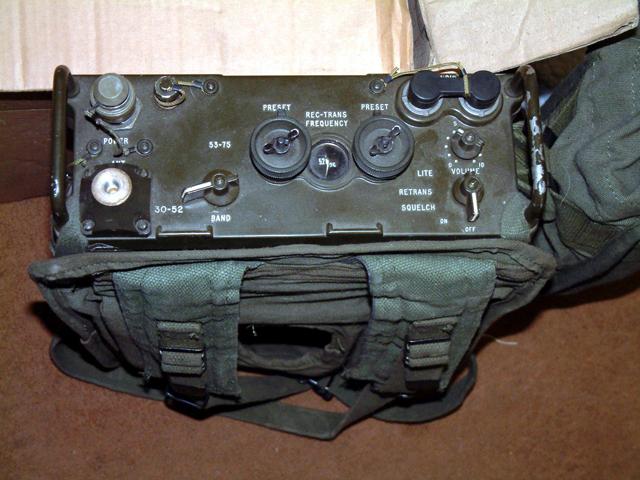
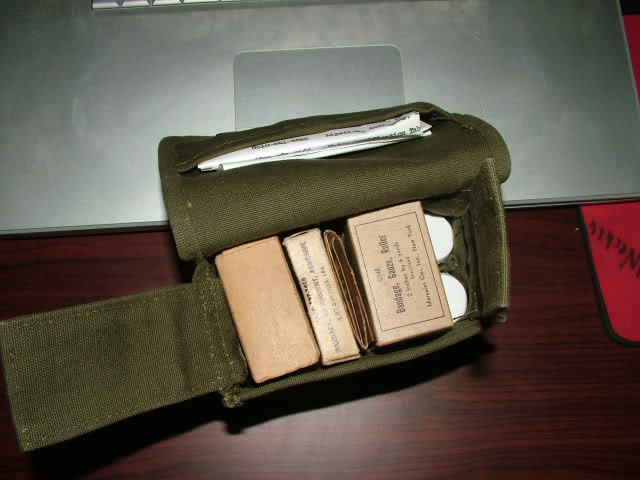
The General Purpose Machine Gun M60 was designed for use in the Vietnam War was equally useful for Operation Eagle in the Chittagong Hill Tracts.M1 Muzzle loading 81mm Mortar is a heavy piece of Infantry weapon which provides indirect fire support. During Operation Eagle, our men carried them on their backs and used them to fire upon the enemy patrols and enemy posts. The most common weapon used by American Infantry Battalions in World War II, Korea, and Vietnam. Operation Eagle was fought on a manpack basis and this short-range, lightweight mortar was very useful.Rifle is the most basic Infantry weapon. M14 Infantry Assault Rifle was used in Vietnam. During Operation Eagle 1971, I politely refused to use this M14 Rifle as my personal weapon.The men used this Rifle. During Operation Eagle 1971, I could not bring my Sub Machine Gun or SMG and willingly participated in the battle without carrying the M14 Rifle.During Operation Eagle 1971 we were not allowed the use of cameras or photography. I would have looked like this man wearing Olive Green Coat Poncho. I used US Army Cap-Field.A Soldier needs his gun, boots, and clothing to protect himself. During Operation Eagle 1971, I used this US Army Nylon Poncho with Hood(Olive) to sleep on the ground and as a coat to protect myself from intense fog and dew prevalent in the Chittagong Hill Tracts.Short-range, manpack, portable, frequency modulated(FM) transceiver that provides two-way voice communication. Radio Set AN/PRC – 25 is used in the Vietnam War and I used the same in Operation Eagle. Two-way voice communications could be easily monitored by the enemy. Fortunately, It posed no problem as the enemy in the Chittagong Hill Tracts had no linguistic experts. I openly communicated with my Unit Commander in my native language of Telugu and there was absolutely no risk of revealing any sensitive information.The Bald Eagle-The Golden Eagle-Operation Eagle: What is the Connection?The Bald Eagle-The Golden Eagle-Operation Eagle: What is the Connection?The U.S. Army uses a variety of Individual Field Medical Kits. The Kits issued to us during Operation Eagle 1971 were Olive Green Canvas pouches worn on the belts by each individual. The medical supplies included Water Purification Tablets for use in water bottles, anti-Malaria pills, Insect Repellent Solution(DBP), Insect Repellent Cream(DMP), Injectable Tubonic Morphine, tetracycline tablets, Multivitamin tablets, Field dressings, bandages and others. The Kits were not stamped but the contents reveal the place of origin.Infantry marches on its feet. Boots are the most important equipment apart from Guns. I used Ankle Canvas Boots during Operation Eagle and marched on feet to fight and dislodge the enemy from the Chittagong Hill Tracts. The Canvas Boots lasted for the entire duration of Operation Eagle. They were better than the leather boots that I would use in other operational areas.
WAR AND PEACE – A FAILURE OF U.S. DIPLOMACY:
United States failed in Vietnam as it failed to develop a clear vision to achieve its goal of resisting and containing the expansion of Communist Power in Southeast Asia. U.S. efforts to stop the spread of Communism got derailed by Dr. Henry Kissinger who chose the option of backstabbing people who support the United States in its global mission to oppose Communism using diplomacy and military power. U.S. gave away a lot during the Paris Peace Talks basically defeating the accomplishments of its military and literally ridiculing their sacrifices. The several concessions given to the Peoples’ Republic of China to win its cooperation failed to stop the flow of military assistance to North Vietnam.
The establishment of US-China relations gave no advantage to the United States for its War in Vietnam. United States added insult to its own injuries by seeking the support of Communist China to attack India across its Himalayan frontier in the North East Frontier Agency in a vain bid to stop India in its efforts to liberate Bangladesh during 1971.
President Nixon and Dr Henry Kissinger failed in their attempt to block the launching of Operation Eagle, the Bangladesh Ops of 1971.During 1971, Richard Nixon and Dr. Kissinger played on the Sino-Soviet Split. United States moved to normalize trade with China. Dr. Kissinger and President Nixon visited Peking(Beijing) to befriend Communist China. Did it stop China from delivering military assistance to North Vietnam? Did this famous meeting stop Hanoi’s EASTER OFFENSIVE in March 1972?President Nixon met Communist China’s Prime Minister Chou Enlai. Did this act of friendship help the US Army in the Vietnam War? Could it stop Communist North Vietnam from launching its major invasion of South Vietnam during March 1972? Using this friendship, both President Nixon and Dr. Kissinger tried their best to stop India from Liberating Bangladesh during 1971. This Nixon and Chou Enlai friendship did not stop the Liberation of Bangladesh which India initiated with Operation Eagle in the Chittagong Hill Tracts.Dr. Kissinger’s diplomatic initiatives totally fail the US Policy in Southeast Asia. Communist China remains a huge military threat in this region and United States fails in its mission to curb the expansion of Communist Power.
THE BALD EAGLE AND THE GOLDEN EAGLE CONNECTION :
The Bald Eagle and the Golden Eagle came together as Operation Eagle.
My Unit participated in Operation Eagle during 1971-72 to gain practical experience of Infantry Combat Operations to fight against Communists in a future battle.
The Operation Eagle 1971-72 was inclined towards peace. It intended to deliver peace to the people of Bangladesh who declared their independence from Pakistan during March 1971.
The War in Vietnam is over and yet the threat of Communism still persists in Southeast Asia. To deliver peace to people of Southeast Asia, the United States must learn from its failure in Vietnam. The failure was not that of the US Army which willingly sacrificed the lives of over 58,000 of its fighting men and women. The US political leadership had failed the US military mission in Vietnam. United States must seek assistance from the people of Southeast Asia and fight its enemy on the ground and dislodge the enemy in a ground battle.
Dr. R. R. Narasimham, B.Sc., M.B.B.S.,
Service Number: MS-8466, Rank. Captain,
Branch: Army Medical Corps/Short Service Regular Commission. Designation: Medical Officer, South Column Operation Eagle 1971-72.
The Succession of the Dalai Lama is the exclusive Political Right of Tibetans.
In my analysis, the Succession of the Dalai Lama is the exclusive Political Right of Tibetans. The primary concern is not that of Religious Freedom of Tibetans to practice their religion. The real concern is about the Political Rights of Tibetans to Self-Determination, the Right to choose their own Supreme Ruler of Tibet.
The Fundamental Right to choose the Successor of the Dalai Lama belongs to Tibetans and it does not belong to anybody else, not any government or any entity.
Rudra Narasimham Rebbapragada
Special Frontier Force-Establishment No.22
The Succession of the Dalai Lama is the exclusive Political Right of Tibetans.
Only the Tibetan system to choose Dalai Lama’s successor: US
Oct 28, 2019, | IANS
The Succession of the Dalai Lama is the exclusive Political Right of Tibetans.
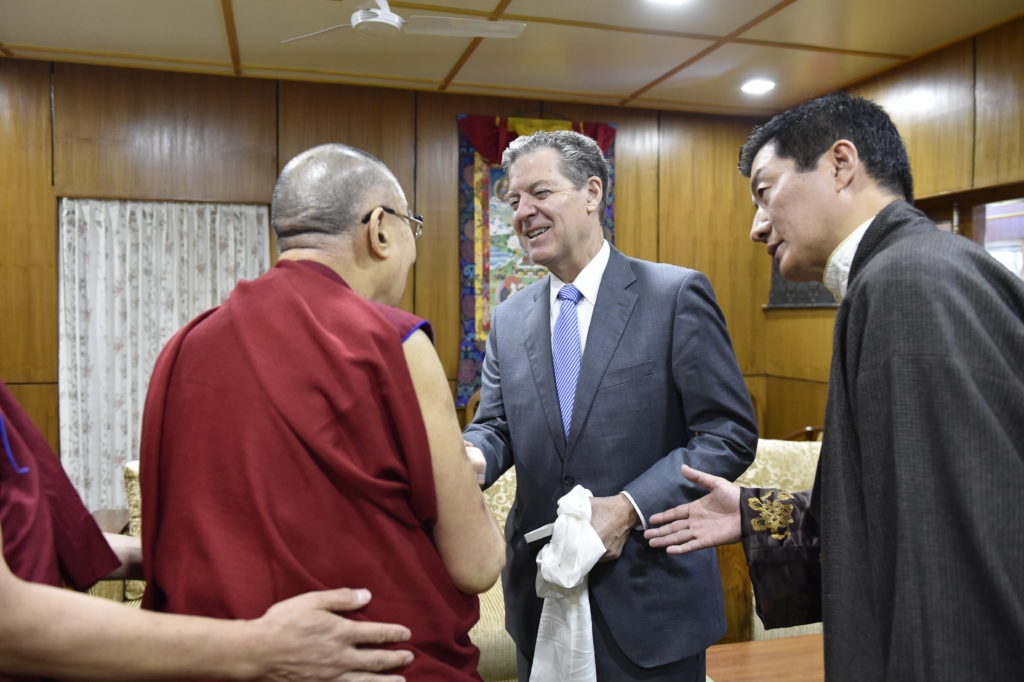
Dharamsala, Oct 28: US Ambassador at large for International Religious Freedom, Samuel D. Brownback, called on the Dalai Lama at his official palace here on Monday and favored that successor to the spiritual leader belongs to the Tibetan Buddhist system. During the two-day visit, which began on Sunday, the Ambassador met high-ranking officials of Central Tibetan Administration (CTA), including ‘Prime Minister’ Lobsang Sangay.
The Ambassador was accompanied by three members from the US State Department’s Office of International Religious Freedom and two from the US Embassy in New Delhi.
The Dalai Lama, who believes in the “middle-path” policy that advocates “greater autonomy” for the people in Tibet, is viewed by the Chinese as a hostile element who is bent on splitting Tibet from China.
Speaking to CTA-run Tibet News Bureau, Brownback said the purpose of his visit is to send a clear message that “the United States government supports the Tibetan people, the Dalai Lama and that the role of picking a successor to the Dalai Lama belongs to the Tibetan Buddhist system, the Dalai Lama and other Tibetan Buddhist leaders”.
“It does not belong to anybody else, not any government or any entity,” he said.
“I want to express clearly the US government supports the Dalai Lama and supports the succession of the Dalai Lama to be done by the Tibetan Buddhist leadership.”
Prior to the meeting with Sangay on Sunday, Brownback met a group of survivors of religious persecution who had recently escaped from Tibet.
In the hour-long meeting, the Ambassador asked questions to each of the survivors and listened to their accounts.
He thanked them for their courage and expressed his full support and earnest efforts towards advancing religious freedom inside Tibet, a post on the CTA website said.
“We believe in religious freedom; the United States strongly supports religious freedom. We believe people all over the world deserve this right and they should be able to practice theirs peacefully and freely. Unfortunately, Tibetans aren’t allowed to practice their faith freely in Tibet and they have to get out to India and other places to practice their faith. So I was hearing with some people who had recently left and all for the reason of wanting to practice their faith freely,” the post quoting the Ambassador added.
This is Brownback’s second visit to Dharamsala this year. Last time he called on the elderly Buddhist spiritual leader in March.
The Dalai Lama lives in exile along with some 140,000 Tibetans, over 100,000 of them in India. Over six million Tibetans live in Tibet.
The Tibetan-in-exile administration is based in this northern Indian hill town but is not recognized by any country.
The Succession of the Dalai Lama is the exclusive Political Right of Tibetans.
Tibetans View Freedom as a Natural Condition, a Natural Law of their Land
Tibet Awareness. Military Power Seized Tibetan Freedom.
In my analysis, the Tibetan Resistance Movement can only be described as the Struggle for Natural Freedom. Tibetans resist military occupation of Tibet by a foreign invader for occupation totally undermines the Tibetan National Experience of Natural Freedom that defines the Land and its denizens. Freedom is not viewed as a Political Right. Tibetans cherish Freedom as a Nature’s Gift which no man has the power to trample upon.
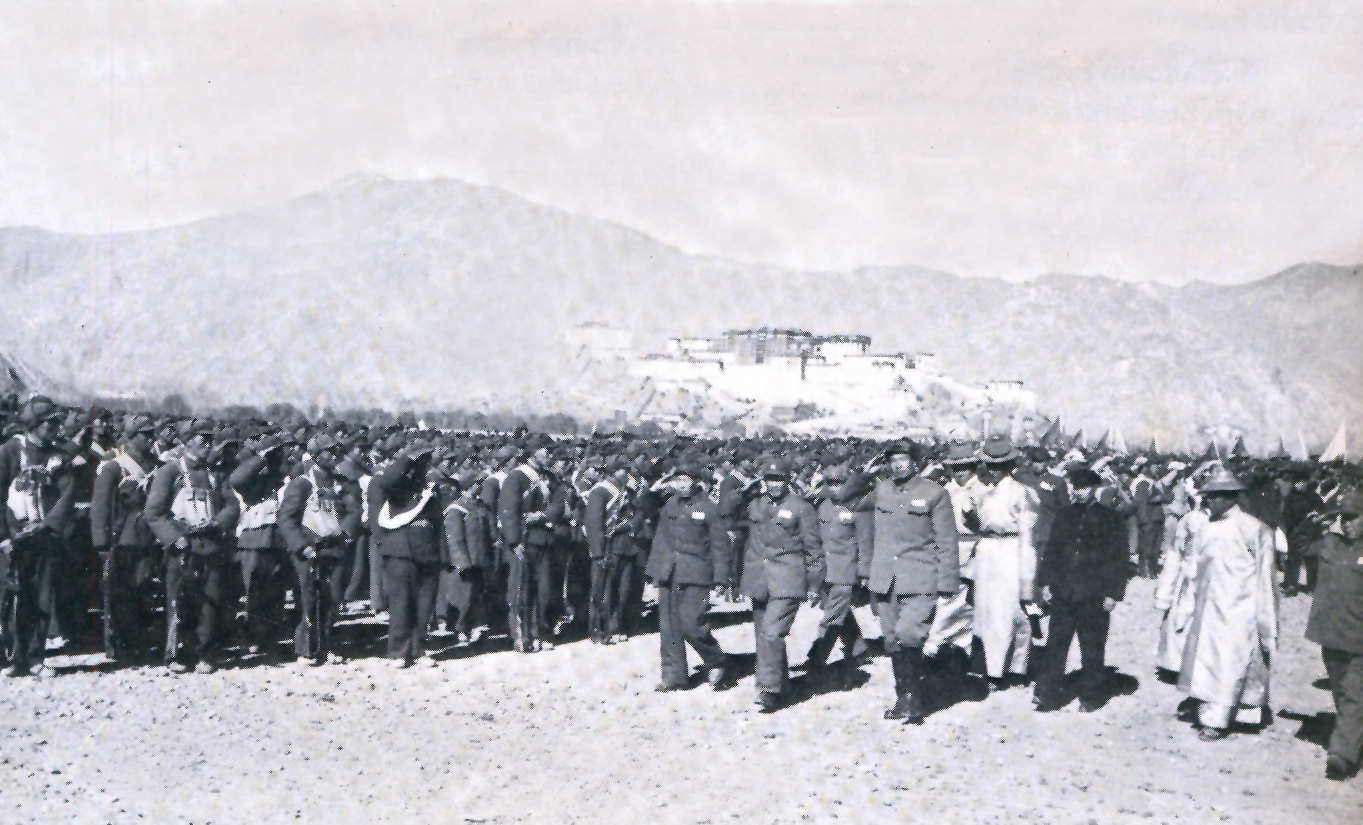
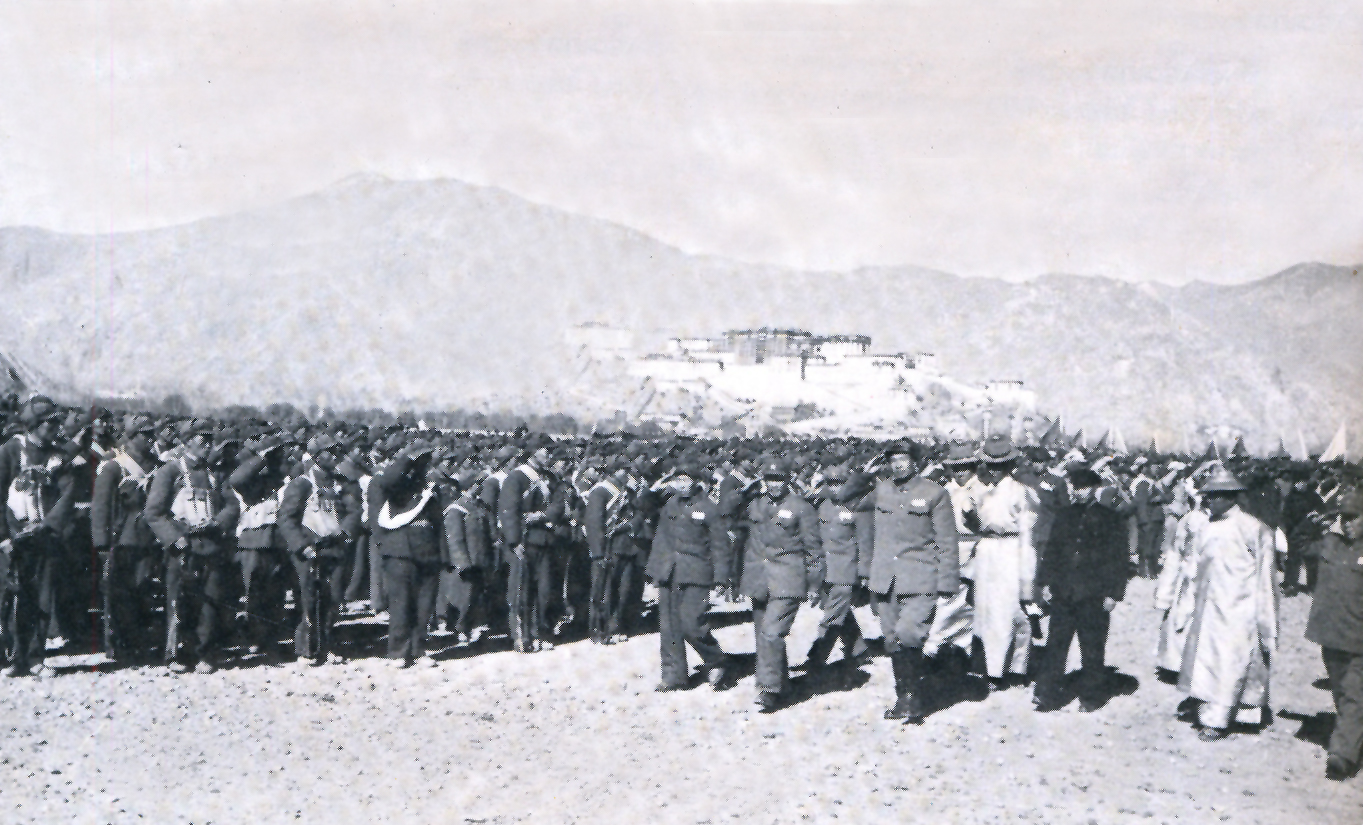
Tibet Awareness. Military Power Seized Tibetan Freedom. A PLA air defense unit of the Tibet Military Command has recently held a drill at an area, 4,500 meters above the sea level, in Occupied Tibet. The live-fire drill aimed to improve air defense preparedness in complex weather conditions. (Photo: China News Service/Zhu Jian)Tibet Awareness. Military Power Seized Tibetan Freedom. A PLA air defense unit of the Tibet Military Command has recently held a drill at an area, 4,500 meters above the sea level, in Occupied Tibet. The live-fire drill aimed to improve air defense preparedness in complex weather conditions. (Photo: China News Service/Zhu Jian)Tibet Awareness. Military Power Seized Tibetan Freedom. A PLA air defense unit of the Tibet Military Command has recently held a drill at an area, 4,500 meters above the sea level, in Occupied Tibet. The live-fire drill aimed to improve air defense preparedness in complex weather conditions. (Photo: China News Service/Zhu Jian)Tibet Awareness. Military Power Seized Tibetan Freedom. A PLA air defense unit of the Tibet Military Command has recently held a drill at an area, 4,500 meters above the sea level, in Occupied Tibet. The live-fire drill aimed to improve air defense preparedness in complex weather conditions. (Photo: China News Service/Zhu Jian)Tibet Awareness. Military Power Seized Tibetan Freedom. A PLA air defense unit of the Tibet Military Command has recently held a drill at an area, 4,500 meters above the sea level, in Occupied Tibet. The live-fire drill aimed to improve air defense preparedness in complex weather conditions. (Photo: China News Service/Zhu Jian)Tibet Awareness. Military Power Seized Tibetan Freedom. A PLA air defense unit of the Tibet Military Command has recently held a drill at an area, 4,500 meters above the sea level, in Occupied Tibet. The live-fire drill aimed to improve air defense preparedness in complex weather conditions. (Photo: China News Service/Zhu Jian)Tibet Awareness. Military Power Seized Tibetan Freedom. A PLA air defense unit of the Tibet Military Command has recently held a drill at an area, 4,500 meters above the sea level, in Occupied Tibet. The live-fire drill aimed to improve air defense preparedness in complex weather conditions. (Photo: China News Service/Zhu Jian)Tibet Awareness. Military Power Seized Tibetan Freedom. A PLA air defense unit of the Tibet Military Command has recently held a drill at an area, 4,500 meters above the sea level, in Occupied Tibet. The live-fire drill aimed to improve air defense preparedness in complex weather conditions. (Photo: China News Service/Zhu Jian)Tibet Awareness. Military Power Seized Tibetan Freedom. A PLA air defense unit of the Tibet Military Command has recently held a drill at an area, 4,500 meters above the sea level, in Occupied Tibet. The live-fire drill aimed to improve air defense preparedness in complex weather conditions. (Photo: China News Service/Zhu Jian)Tibet Awareness. Military Power Seized Tibetan Freedom in 1950-51.Tibetans Struggle for Natural Freedom.
I AM A REFUGEE. I DO NOT ENJOY AMERICA’S FREEDOM. MY FREEDOM IS STOLEN.
His Holiness the Dalai Lama had to flee from Tibet in 1959 for he sensed a threat to his life from the Chinese authority. I joined the Tibetan Resistance Movement in India on September 22, 1971. I experienced threat to my existence on three separate occasions from the Chinese authority that forces the Dalai Lama to live in Exile. The threat posed by China has stolen my freedom.
I AM A REFUGEE. I DO NOT ENJOY AMERICA’S FREEDOM.
I have chosen the profile imageof my stolen Indian Army picture ID to describe my plight on account of my stolen freedom. My Indian Army picture ID was stolen in 1972 at Cuttack, near CharbatiaAir Base operated by Aviation Research Centre (ARC). My Indian Army picture ID was purposefully stolen because of my association with The Research and Analysis Wing (R&AW or RAW), the Intelligence Agency of India which formulated my association with The U.S. Central Intelligence Agency (CIA). My stolen Indian Army ID of 1972 resurfaced in Indian Movie TE3Nin 2016. It accounts for the loss of my freedom and the fear it arouses in my heart since 1972.
Rudra Narasimham Rebbapragada
SPECIAL FRONTIER FORCE-ESTABLISHMENT NO. 22
Am a refugee but I enjoy India’s freedom: Dalai Lama
By: FE Online | Published: October 14, 2019, 4:16:48 PM
I am a Refugee. I do not enjoy America’s Freedom for I have no Refuge.
Dalai Lama has been living in India since 1959. He had to flee Tibet after he sensed a threat to his life from the Chinese authority in the wake of Tibetan uprising. Former Prime Minister Jawahar Lal Nehru offered Dalai Lama to set up the Government of Tibet in Exile in Dharamshala, Himachal Pradesh.
I am a Refugee. I do not enjoy America’s Freedom.
Tibetan spiritual leader Dalai Lama on Sunday hailed India for its freedom and said that he has been here for the last 60 years as a refugee but still enjoys the freedom that this country offers. “We already enjoy freedom in India. It’s been 60 years…one way, I am a refugee, but I enjoy India’s freedom,” he said while responding to a question on his freedom struggle for Tibet. When asked about whether he thinks that Tibetans can get freedom by living in India, Dalai Lama said that he had tried to go back to Tibet but that could not happen because there was no freedom to preserve “our own culture”. The spiritual leader said that he had also appealed to the United Nations in this regard.
“At that time Pandit (Jawahar Lal) Nehru advised me that the United Nations can not do much…sooner or later much better to approach Chinese and talk to China. I think that was realistic advice. And in 74, we decide(ed) not to take independence, (we) tried to remain within the Republic of China but we should have got certain rights (from China) for the preservation of our own culture,” he told news agency ANI.
HISTORY OF THE US-INDIA-TIBET RELATIONS. I AM A REFUGEE. I DO NOT ENJOY AMERICA’S FREEDOM.
The Supreme Ruler of Tibet cannot be chosen by any foreign government.
India must resist China’s Tibet plan
PM Modi should encourage Beijing to talk to the Tibetans, and facilitate a Xi-Dalai Lama meeting
ANALYSIS Updated: Oct 08, 2019 19:25 IST
Amitabh Mathur
Chinese President Xi Jinping is expected to arrive soon for his second informal meeting with Prime Minister Narendra Modi. The coming summit is taking place in the backdrop of important developments on which the two countries have taken confronting stands.
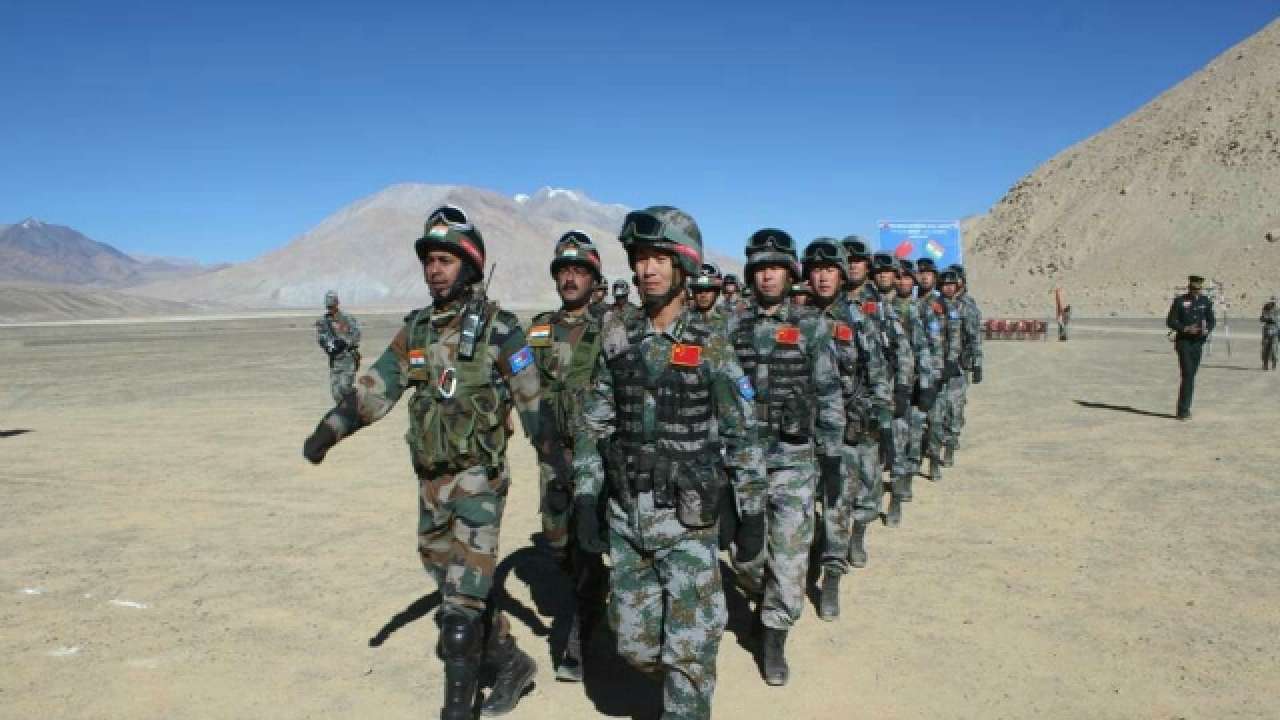
While China advised restraint on rising tensions with Pakistan following the Pulwama and Balakot episodes, it has openly criticized India on the recent constitutional and administrative changes in Jammu and Kashmir. It reiterated its claim on all of Ladakh, stating the changes violated China’s territorial integrity which it would not “idly watch”. It supported Pakistan in the United Nations and has additionally objected to the army exercise currently underway in Arunachal Pradesh, which it claims as its own. So, apart from the usual irritants in bilateral relations such as the border dispute and trade imbalance, not much progress is expected on the traditional faultlines in Sino-Indian relations.
Even though Tibet does not seem to figure on the agenda, the meeting will be followed by a particular interest in Dharamshala. This follows misgivings in some Tibetan quarters that New Delhi is gradually diluting its support to the Tibetan cause. This impression gained ground following the government’s direction to tone down the “Thank You India” program that the central Tibetan administration had planned in January 2018, and the subsequent directive that elected leaders and senior government officials should avoid sharing a public platform with the Dalai Lama. The recent war of words over the issue of Dalai Lama’s reincarnation has led to questions about whether there is an adequate realization, willingness, and preparation within the Government of India to thwart China’s design to ultimately install its own candidate in Potala Palace.
Though the Dalai Lama has spoken of various possibilities regarding his reincarnation, he has consistently rejected any Chinese government role in the process. He has stated that if he reincarnates, it will be in a free country, thereby ruling out China or Chinese-controlled Tibet. He has instructed Tibetans to reject any Chinese appointee as an imposter. The Chinese have been equally emphatic, declaring that choosing the next Dalai Lama is their historical prerogative. Chinese officials conveyed a blunt message to the Government of India by visiting Indian journalists that New Delhi’s failure to not recognize Beijing’s candidate would adversely affect bilateral ties.
To the Tibetans, the struggle to choose the Dalai Lama’s reincarnation reflects the struggle for the leadership of Tibetan Buddhism. More than political, the Tibetan struggle is a civilizational one for the survival of its unique culture and identity. It is sustained by a deep attachment to their spiritual leaders, the highest of whom is the Dalai Lama. China has not been able to dilute this loyalty to any significant extent. Its experiment to install an imposter Panchen Lama has failed. Attempts to mold an indoctrinated monastic order have also not succeeded. Its repressive measures indicate China remains wary of civil unrest of the kind that erupted in Tibet in 2008.
An authoritarian regime cannot countenance an institution not under its control. Therefore, appointing its own Dalai Lama is a strategic priority. What has encouraged Beijing to vehemently assert its intentions is its perception that international support for Tibet is flagging, and with its political and economic clout, it can deter countries from coming forward on the issue. It perhaps also believes that Tibetans, who identify all hopes and aspirations with the person of the 14th Dalai Lama, will not only be demoralized at his passing on, but also fragment into ineffectual uncoordinated groups, bereft of financial and political backers.
For New Delhi to acquiesce to any such Chinese design would be a folly. It must not fall prey to arguments that the passing on of the Dalai Lama would remove an obstacle to border settlement and normalize relations with China. Given its policy of regaining its lost territories, assertions on Arunachal Pradesh and Ladakh, its military build-up in Tibet, plans to build dams and divert river waters, and its undermining of India in its neighborhood, there can be no assuaging China. On the contrary, supporting the Tibetans strengthens India’s hand in dealing with China. New Delhi should take immediate steps to ascertain the Dalai Lama’s wishes on his reincarnation, and act proactively to ensure these will be endorsed by not just the Tibetans but for the Buddhist world at large. The US Congress has already passed the “Tibetan Policy and Support Act of 2019”, which has officially declared China has no role in selecting the reincarnation of the Dalai Lama.
Some Chinese scholars have argued that the approach to suppress Tibetan civilizational aspirations has neither succeeded nor is likely to. This should be our advice too to President Xi. The time has come for India to encourage China to convert its intermittent contacts with the Dalai Lama into formal or structured talks to find an acceptable solution. A bold step for Modi could be to facilitate a meeting between Xi Jinping and the Dalai Lama, like the one the latter held with Premier Chou en-Lai in New Delhi in 1956.
Amitabh Mathur is a former adviser to the ministry of home affairs on Tibetan affairs. The views expressed are personal
WHERE IS TIBET? INDIA AND CHINA ARE NOT NEIGHBORS.
HIS HOLINESS THE 14th DALAI LAMA – PRINCE OF PEACE: The Dalai Lama is seen seated on his throne in Potala Palace, Lhasa, Tibet in this photo image from 1956/1957.
Tibetan government passes a resolution on ‘reincarnation of Dalai Lama’
Tibetan parliament-in-exile speaker Pema Jungney. Photograph:( ANI ) Dharamsala, Himachal Pradesh, India Oct 06, 2019, 04.47 PM (IST)
In a strong message to China, Tibetan government-in-exile has passed a resolution reaffirming that the successor of Dalai Lama will be chosen by the spiritual leader himself and no nation has locus standi on the issue.
“No nation, government, entity or any individual can claim to recognize the reincarnation of His Holiness the Dalai Lama. The final authority on decisions regarding the reincarnation of His Holiness the Dalai Lama rests indisputably and completely with His Holiness the Dalai Lama himself and the concerned authorities of the Gaden Phodrang Trust,” Speaker Pema Jungney, Tibetan Parliament-in-Exile, told ANI on Saturday.
The resolution comes days ahead of Chinese President Xi Jinping’s visit to India.
Jungney made these remarks after a special meeting by Tibetan Parliament-in-Exile-at the Tibetan headquarters.
During the meeting, the two-page resolution was adopted which outrightly rejected China’s preposterous interference in the institution of Tibetan reincarnation and affirms the supreme authority of the Dalai Lama over Tibetan Buddhism.
The official document further challenged China’s advancing measures of control over Tibetan Buddhism and expressed outright rejection and contempt of the Order Number 5, a regulation issued in 2007 by China’s State Administration of Religious Affairs (SARA) for the so-called “management of the reincarnation of living Buddhas”.
The meeting was attended by 340 Tibetan authorities representing the three pillars of Tibetan democracy: The Kashag (cabinet); Tibetan Parliament-in-Exile and Tibetan Supreme Justice Commission.
STORY HIGHLIGHTS
The resolution comes days ahead of Chinese President Xi Jinping’s visit to India.
The Supreme Ruler of Tibet cannot be chosen by any foreign government.




























 Whole Dude - Whole Concept