Whole Trouble – The Evil, Bloodthirsty Dracula’s relationship with Tibetans

Bloodthirsty Dracula symbolizes the relationship between Han Chinese and Tibetans

Han Chinese and Tibetans. The Blood Relationship. Han Chinese are like the Teeth. The Tibetans are like the Lips. The Evil, Bloodthirsty Dracula’s Relationship with Tibet.

“The Tibetans and the Han Chinese are like lips and teeth, we are linked by Blood.”

Han Chinese and the Tibetans. The Blood Relationship. Chinese are like the Teeth and the Tibetans are like the Lips. The Evil, Bloodthirsty Dracula’s Relationship with Tibet.

Han Chinese are like the teeth of ‘The Dracula’. Innocent Tibetans are like the lips of The Dracula’s Bride. Instead of kissing the lips, Han Chinese thirst for the blood of the Tibetans. Indeed, it is a true story about Blood Relationship.

Clipped from: https://www.nbcnews.com/news/world/china-spends-big-tibet-avert-crisis-when-dalai-lama-dies-n904676

China spends big in Tibet to avert a crisis when the Dalai Lama dies

Global Power

China is increasingly trying to enhance its image by casting itself as the largest nation of Buddhist believers.

by Eric Baculinao and Jason Cumming / Aug.30.2018 / 3:53 AM ET / Updated Aug.30.2018 / 4:09 AM ET
Han Chinese and The Tibetans. The Blood Relationship. Chinese are like the Teeth and the Tibetans are like the Lips. The Evil, Bloodthirsty Dracula’s Relationship with Tibet.

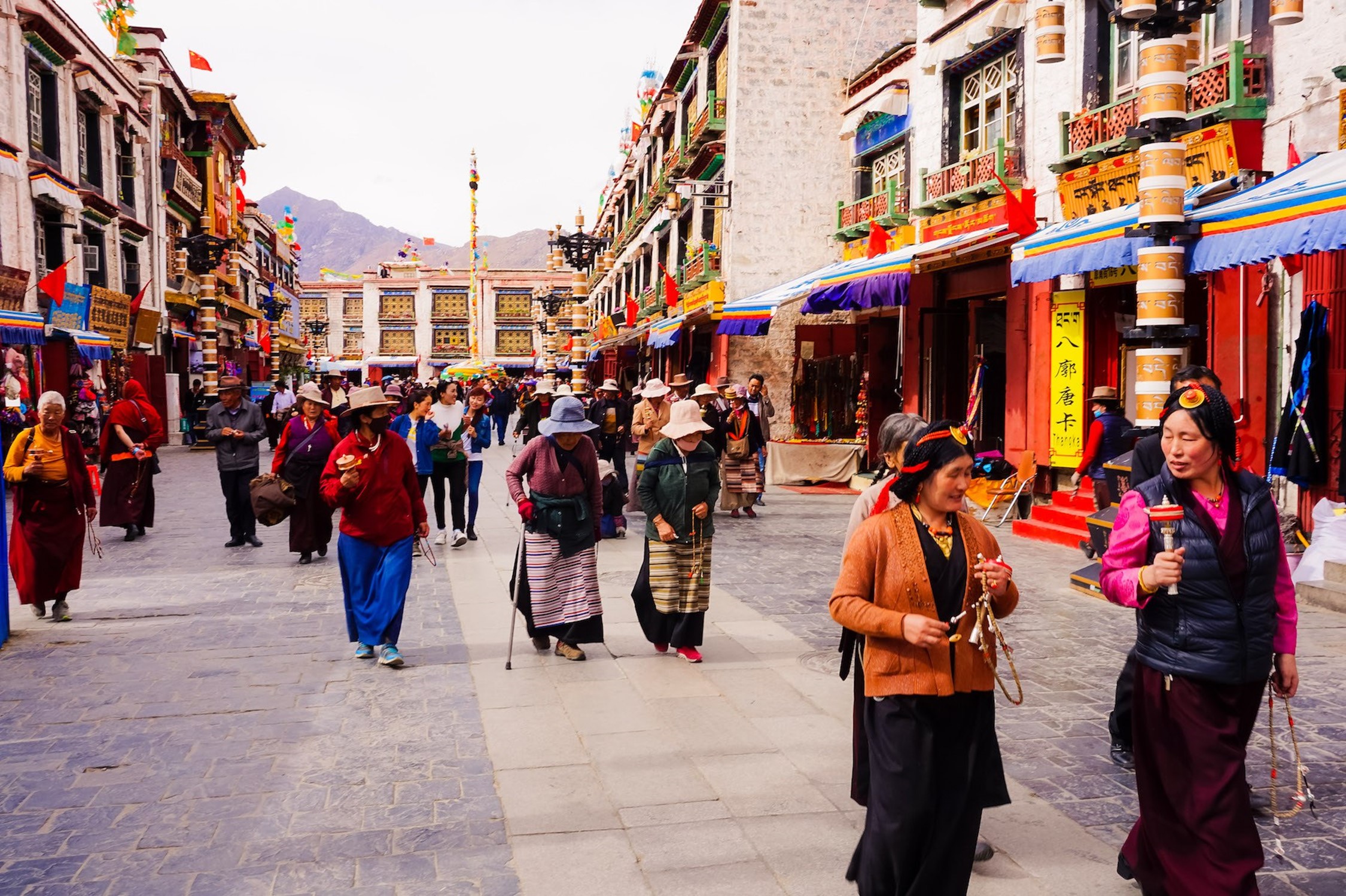
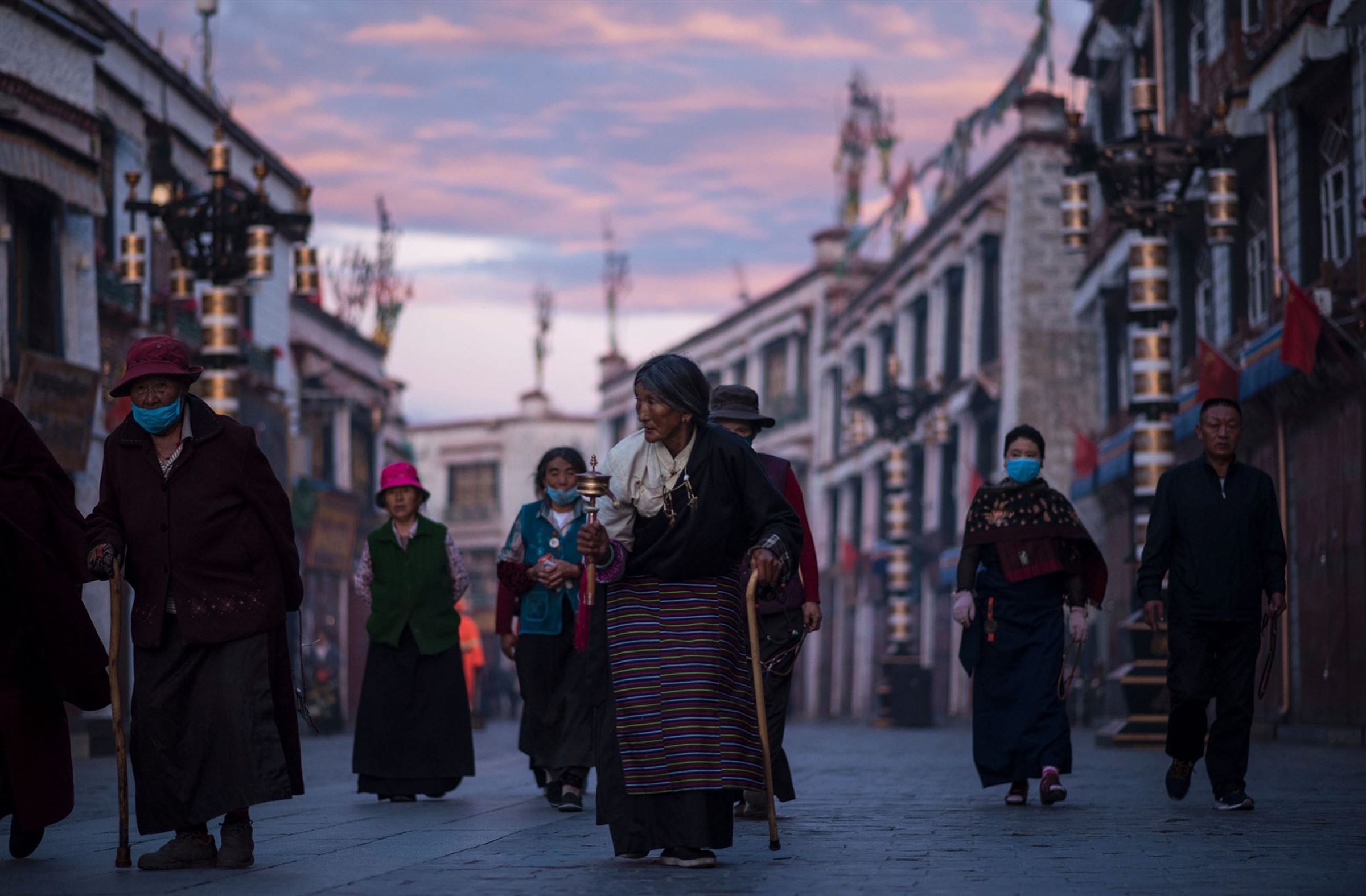
Pilgrims near the Jokhang Temple in Lhasa. Johannes Eisele file / AFP/Getty Images

LHASA, China: China is pouring billions of dollars into Tibet as Beijing seeks to cement its control before the succession struggle that is likely to follow the death of the Dalai Lama.

During a rare Chinese government-organized visit to the region, local officials described a development program that they contend will bring prosperity to the 3.3 million Tibetans who inhabit a vast area roughly double the size of Texas.

The massive infrastructure projects include new airports and highways that cut through the world’s highest mountains, with planned investment totaling $97 billion.

The investment plan aims to protect Tibetan Buddhism’s holy sites while building a sustainable “green economy” that safeguards the fragile environment that is an average elevation of 13,000 feet above sea level.

The roof of the world

Chinese troops marched into Tibet in 1950 in what Beijing officially terms a peaceful liberation. China has long aimed to reduce the influence of the Dalai Lama, who lives in exile in India.
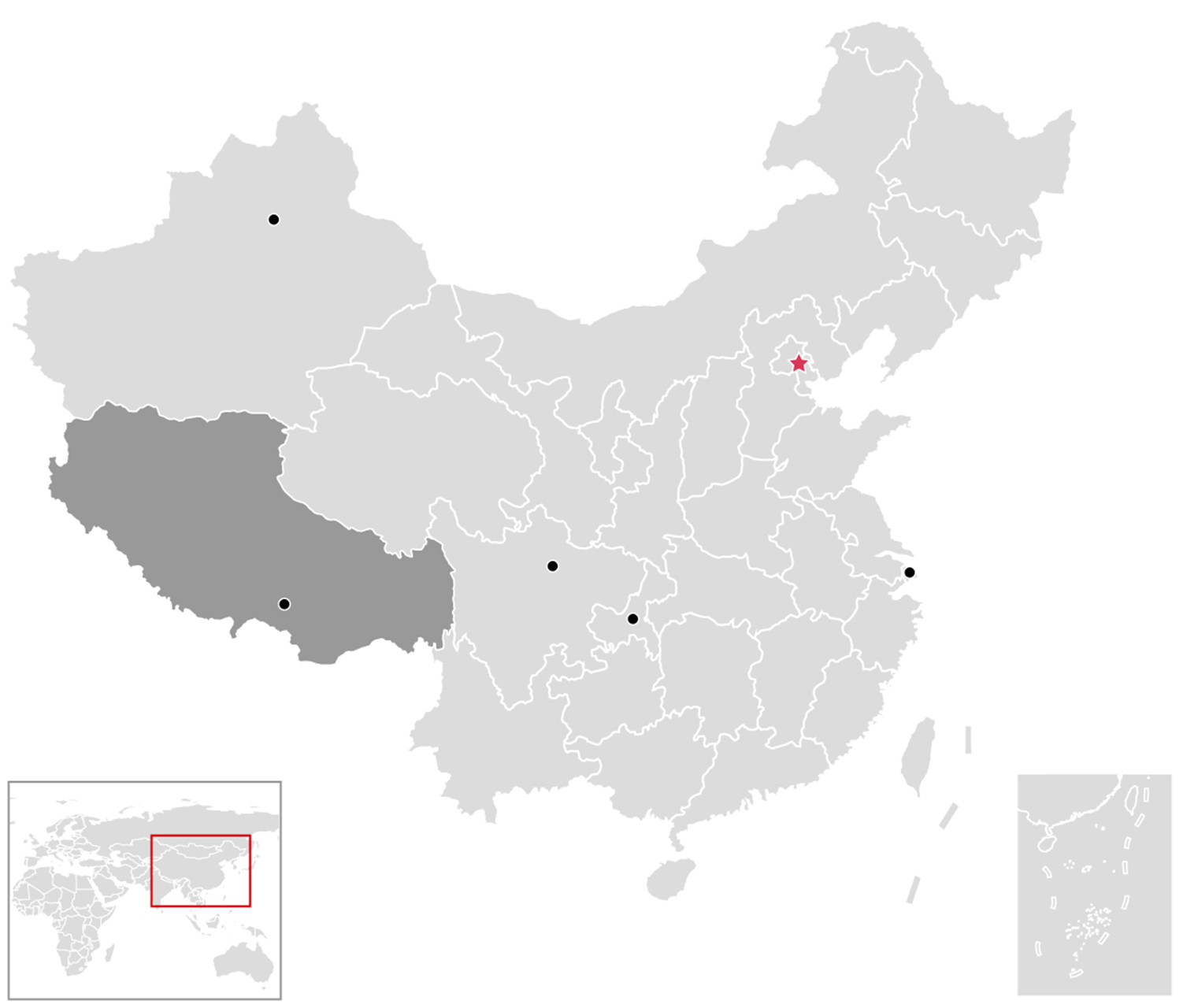
Han Chinese and The Tibetans. The Blood Relationship. Chinese are like the Teeth and the Tibetans are like the Lips. The Evil, Bloodthirsty Dracula’s Relationship with Tibet.

Source: Natural Earth

Graphic: Jiachuan Wu / NBC News

According to official figures, China has also already spent over $450 million renovating Tibet’s major monasteries and other religious sites since the 1980s. An additional $290 million has been budgeted for the next five years.

The huge investment by China comes as the officially atheist country increasingly tries to enhance its image by casting itself as the largest nation of Buddhist believers. China claims some 300 million Buddhists of various schools, of which Tibetan Buddhism is one.

The effort comes as China faces charges from rights groups and exiles of repressing the Tibetan people. China has ruled Tibet with an iron fist since 1951, a year after its troops marched in.
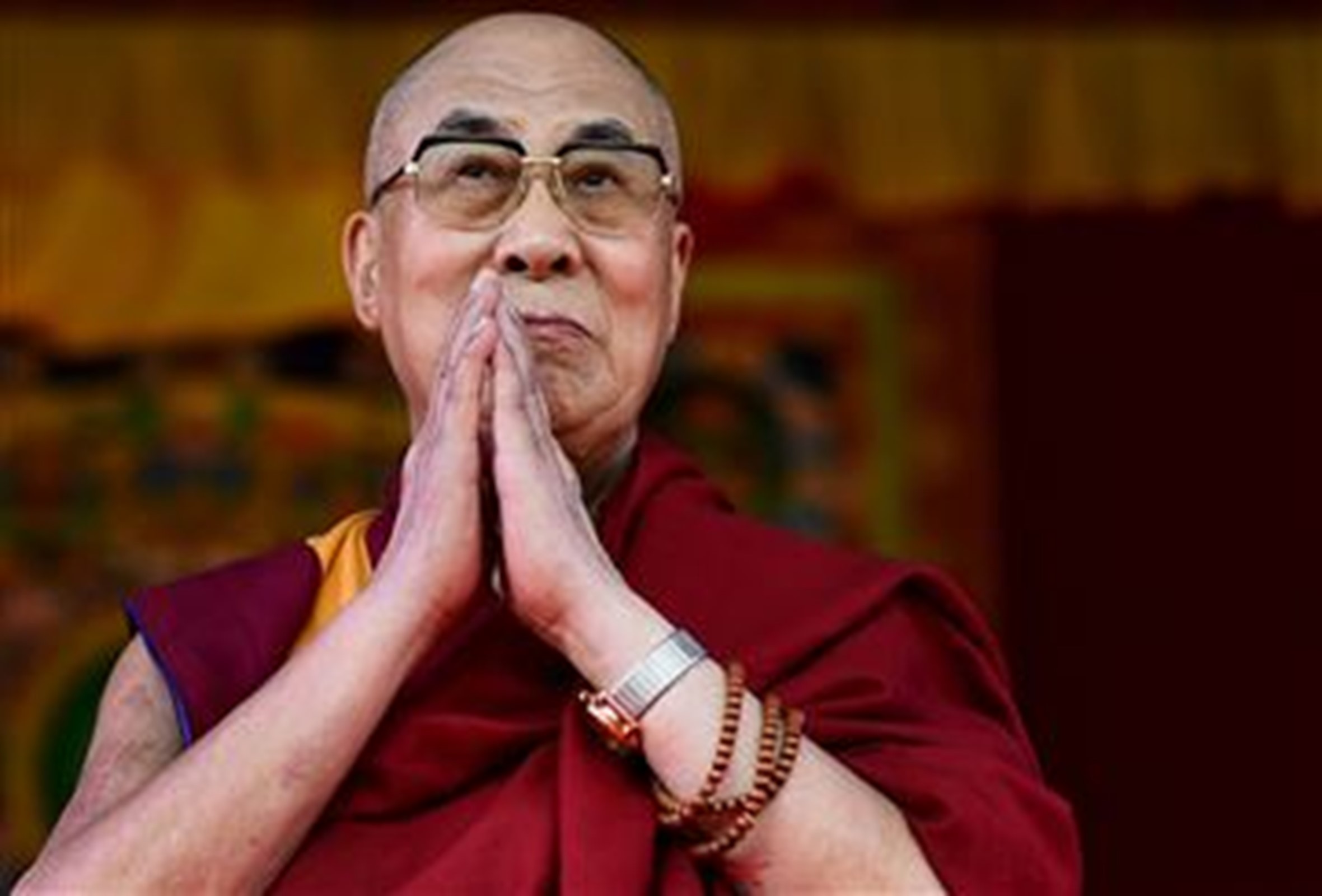
Han Chinese and the Tibetans. The Blood Relationship. Chinese are like the Teeth. The Tibetans are like the Lips. The Evil, Bloodthirsty Dracula’s Relationship with Tibet.

The Dalai Lama in 2015.Ben Stansall / AFP – Getty Images file

Last month, Vice President Mike Pence said Tibet’s people “have been brutally repressed by the Chinese government.” And in June, the U.N. High Commissioner for Human Rights said conditions were “fast deteriorating” in Tibet.

Beijing routinely denies charges of repression, saying that its rule ended serfdom and brought prosperity to what was a backward region and that it fully respects the rights of the Tibetan people.

It insists Tibet has historically been part of its territory since the mid-13th century. Many Tibetans, though, say the region has been effectively independent for most of its history.

While Beijing regards the Dalai Lama as a dangerous separatist who seeks to split off nearly a quarter of the land mass of the People’s Republic of China, the Nobel Peace Prize-winning Tibetan spiritual leader says he only seeks greater rights for Tibetans, including religious freedom and autonomy.

Reincarnation

For supporters of the Dalai Lama, China’s Tibet strategy is “aimed at increasing its control and limiting the personal freedom of the Tibetan people,” said Matteo Mecacci, a former lawmaker in Italy and president of the International Campaign for Tibet.

He called the infrastructure improvements and monastery renovations “superficial.”

Mecacci said Tibetans are “not even allowed to receive teachings from the Dalai Lama.”
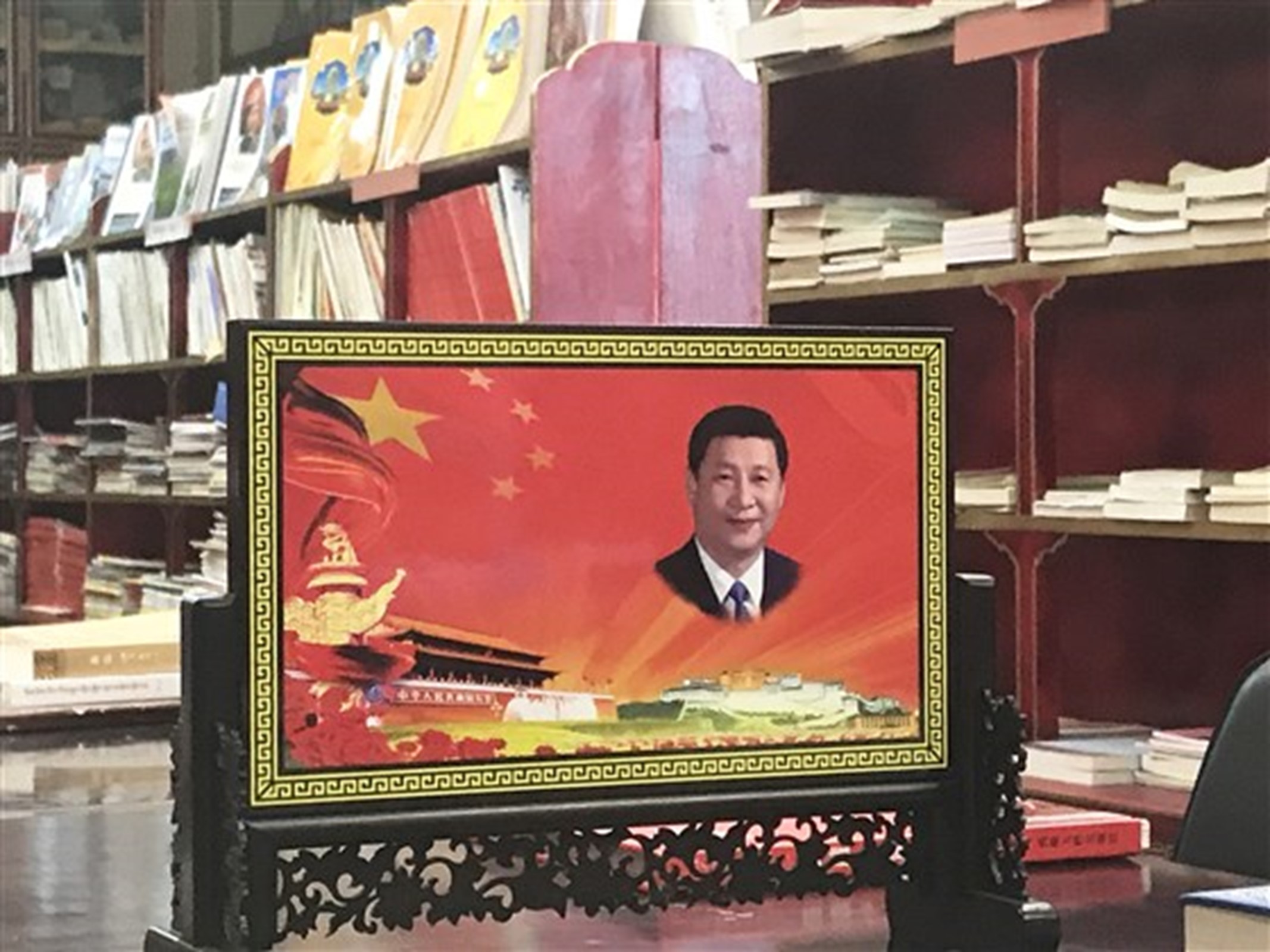
Han Chinese and the Tibetans. The Blood Relationship. Chinese are like the Teeth and the Tibetans are like the Lips. The Evil, Bloodthirsty Dracula’s Relationship with Tibet.

A portrait of Chinese President Xi Jinping at the Sera Monastery in Tibet. Eric Baculinao / NBC News

He added, “When it comes to the real practice of Buddhism, China continues to increase restrictions.”

With the Dalai Lama now 83, many Tibetans fear that China will use the succession issue to split Tibetan Buddhism, with a new Dalai Lama named by exiles and another by the government after his death.

(Barry Kerzin, an American monk and the Dalai Lama’s personal physician, told NBC News that he is “perfectly fit.”)

The Dalai Lama, who fled Tibet and went into exile in India in 1959, has repeatedly tussled with China’s ruling Communist Party over who has final authority on the issue of reincarnation.

“The Tibetans and the Han Chinese are like lips and teeth, we are linked by blood.”

Tibetan Buddhism holds that the soul of a senior lama is reincarnated in the body of a child on his death.

China says it must approve the next Dalai Lama, and the Dalai Lama has said his biggest concern is that China will try to name his successor.
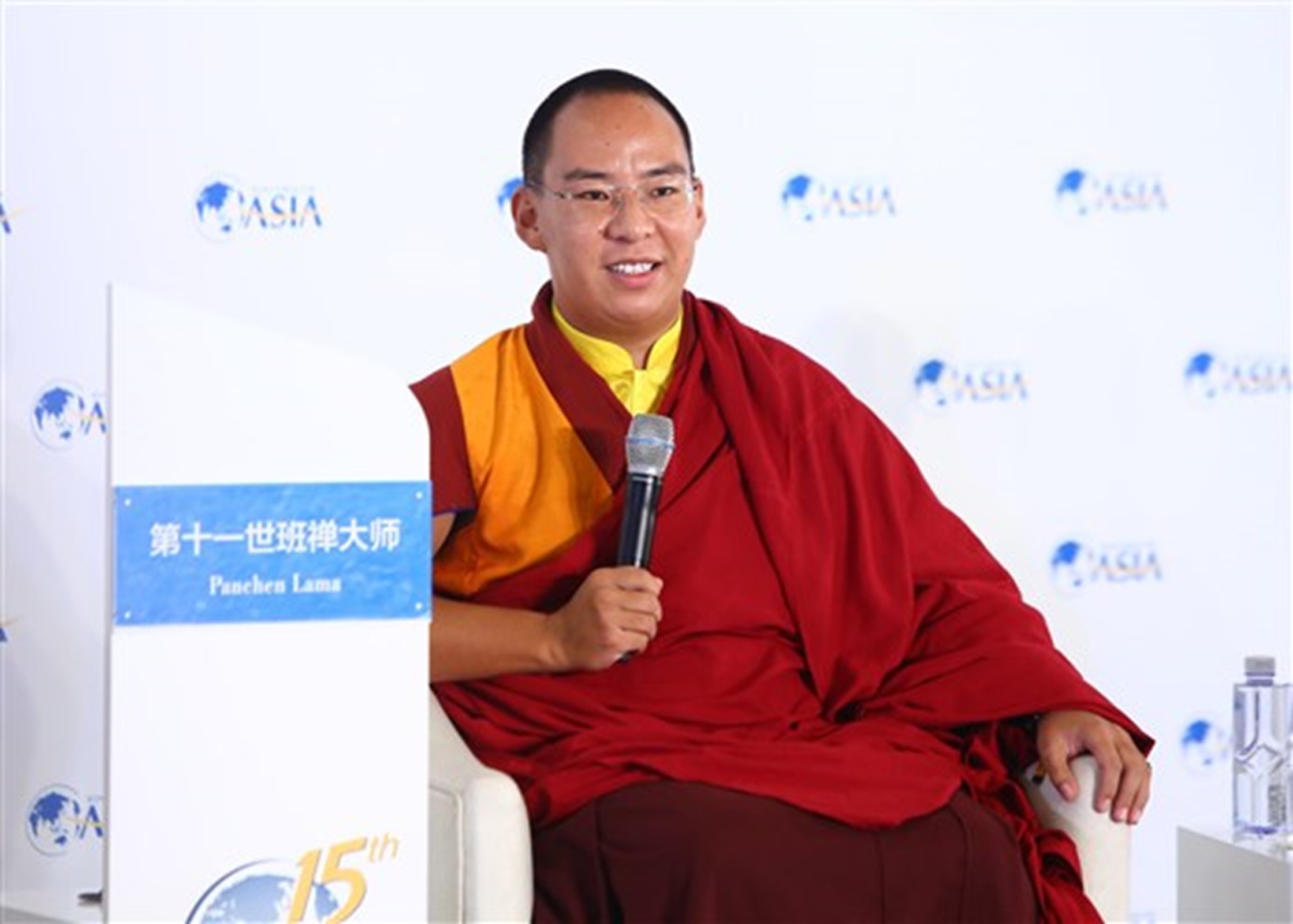
Han Chinese and the Tibetans. The Blood Relationship. Chinese are like the Teeth and the Tibetans are like the Lips. The Evil, Bloodthirsty Dracula’s Relationship with Tibet.

The Panchen Lama who was installed by the Chinese government attends an event in 2016.Cui hao / Imaginechina/Getty file

In 1995, after the Dalai Lama named a boy in Tibet as the reincarnation of the previous Panchen Lama, the second-highest figure in Tibetan Buddhism, China put the boy under house arrest and installed another instead.

Many Tibetans are torn between accepting and spurning the Chinese-appointed Panchen Lama.

Palaces and shrines

Explaining the seeming contradictions in China’s policy, Tibet’s foreign affairs deputy chief, Ma Qiang, said that while the Community Party “doesn’t believe in religion,” China’s government was “duty-bound to protect Tibetan Buddhism and restore and preserve its holy sites because that is also what the Tibetan people want so they can exercise their freedom of worship.”

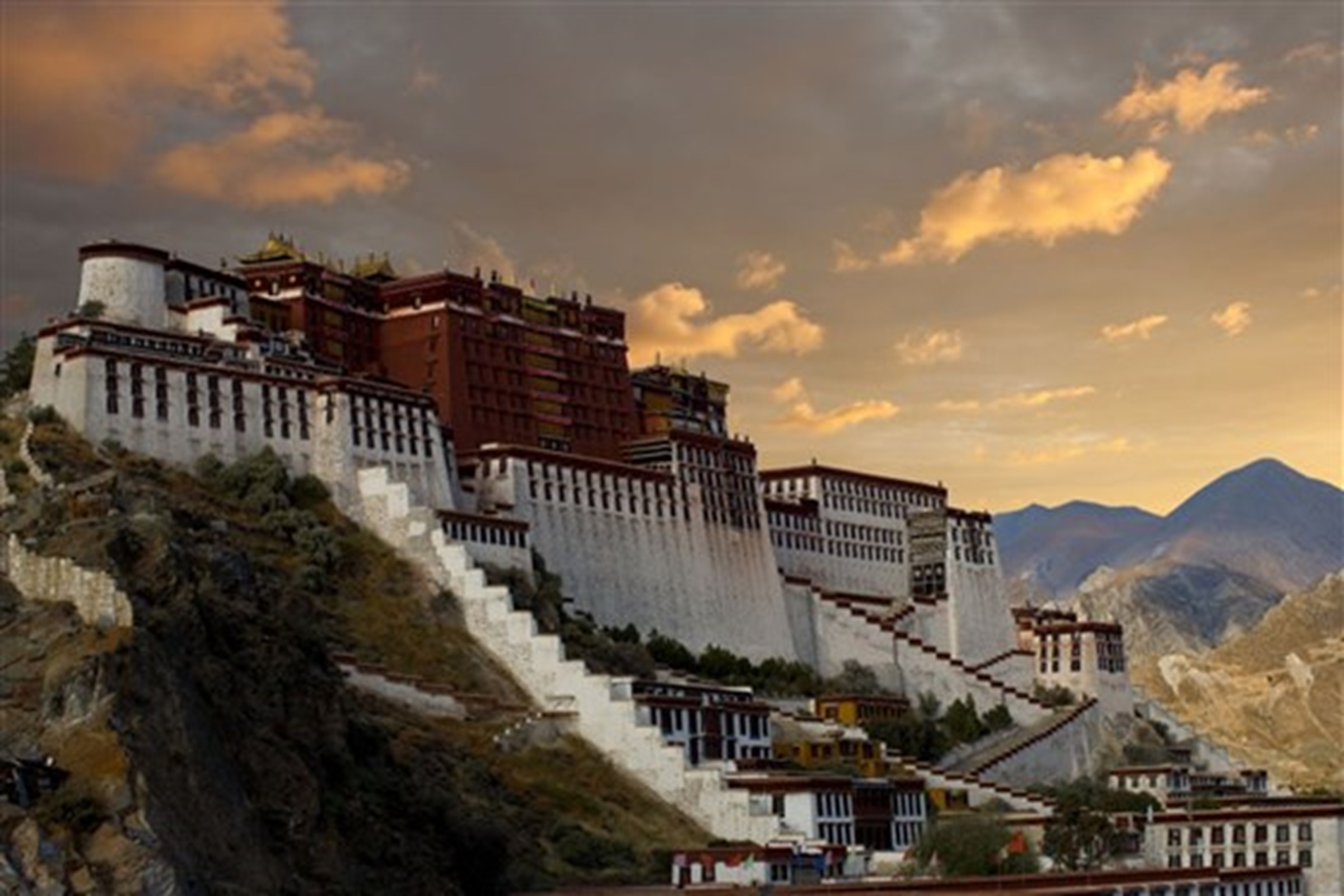
The most iconic landmark to receive Chinese funding is the imposing Potala Palace, the thousand-room residence that overlooks Lhasa. It houses the tombs of all but one of the Dalai Lamas who have died since 1682.
Han Chinese and the Tibetans. The Blood Relationship. Chinese are like the Teeth and the Tibetans are like the Lips. The Evil, Bloodthirsty Dracula’s Relationship with Tibet.

Lhasa’s Potala Palace. iStock / Getty

According to the museum’s deputy director, Gonga Zhaxi, the 13-story palace has undergone two major renovations on which Beijing spent $37 million. Another $4.4 million has been budgeted for the repair of its ornate golden roofs.

To protect its priceless Buddha statues, frescoes and scriptures, a limit has been set of 5,000 pilgrims and tourists per day, and cats have been deployed against the colony of rats, he said.

Other sites that have benefited from Chinese cash include:

  • The seventh-century Jokhang Temple is Tibet’s holiest shrine as it houses a life-sized statue of Buddha (Jowo Shakyamuni) at the age of 12. The labyrinth of chapels thick with the smoke of incense and prayer candles is visited daily by around 12,000 pilgrims and tourists. Buddha’s statue was the gift of the Chinese Tang dynasty Princess Wencheng when she married Tibetan King Songtsan Gambo around 1,300 years ago. The union is now immortalized in a spectacular open-air opera with a cast of 800. A private production company has invested more than $80 million to promote this narrative of Tibet-China unity. Lhagba, a prominent monk and the site’s management director, said Beijing has spent $14.7 million on major repairs there in the past 10 years.
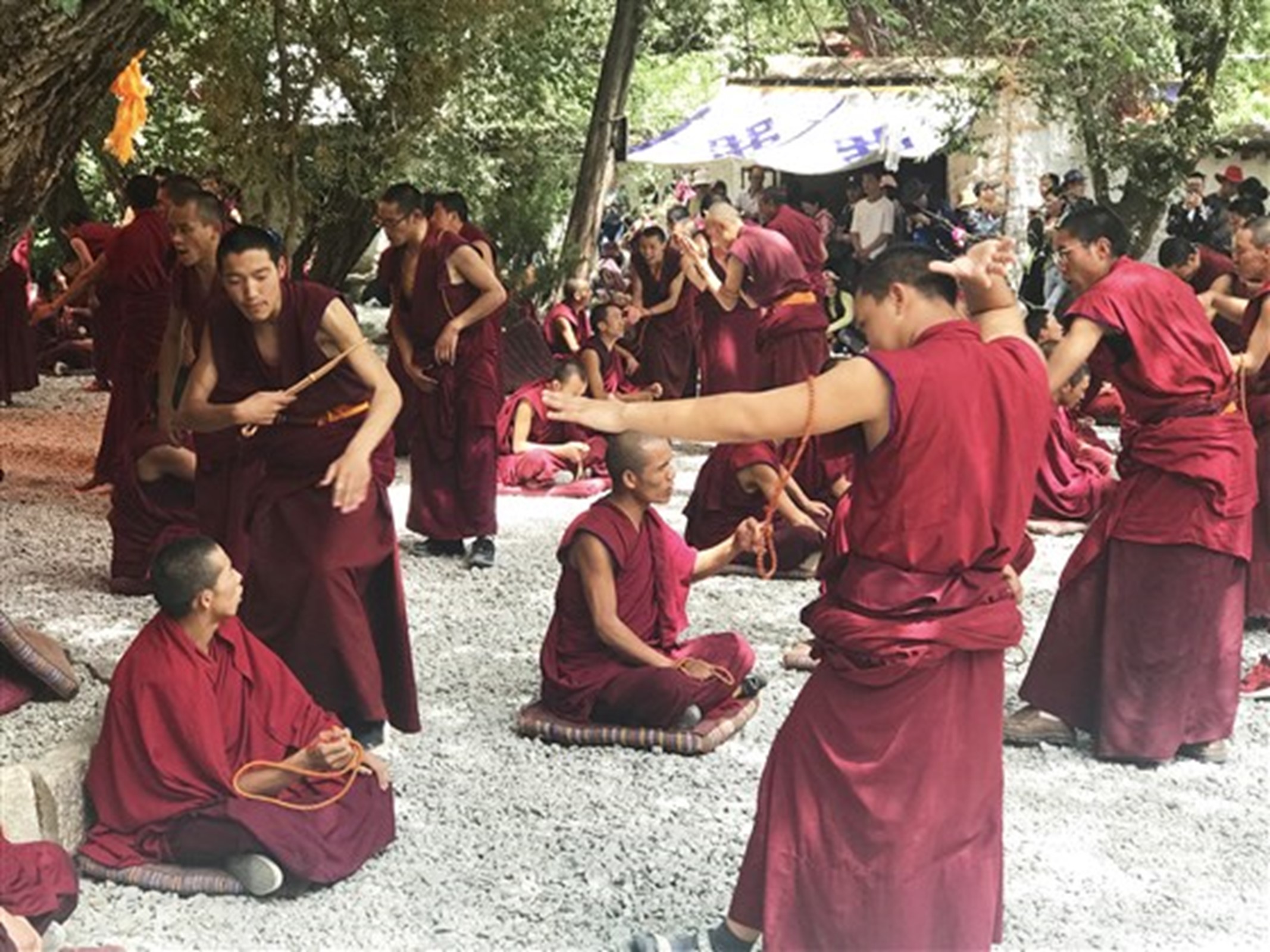
  • Beijing has also helped with major renovations at Drepung Monastery and Sera Monastery, two of Tibet’s most influential Buddhist academies, with grants of $30 million and $8 million. Thanks to government help, the monks can focus on their studies and need not bother with the monastery’s repairs, according to Awang Ciren, the monastery’s academic head. To increase its enrollment of 480 monks, Beijing is building a new dormitory that can accommodate 170 monks, he added.

In addition, 46,000 monks and nuns are now covered by health insurance and social security, officials said.

And with Beijing’s “preferential” policy and massive budget subsidies, Tibet’s economy has been growing faster than the rest of China.

Some $170 million was spent on environmental projects last year, part of a 23-year plan unveiled in 2009 that’s worth $2 billion.

“In Tibet, we don’t allow the burning of coal, and since 2011, we have stopped approving any new mining projects,” said Luo Jie, Tibet’s environmental protection chief, adding that more than one-third of Tibet’s territory consisted of nature reserves. “We also don’t tolerate river pollution.”

Developing a “green economy” is the future of Tibet, according to economic planning official Jiang Taichang

Tourism is also an industry that is drawing more focus. Last year, more than 25 million tourists and pilgrims visited Tibet, generating more than $5.5 billion or one-third of Tibet’s income, and their number is expected to rise to 70 million in four years. (The majority of tourists are Chinese, as security has been ratcheted up significantly in the decade since anti-government protests spread through Tibetan areas in 2008 and Tibet remains mostly off-limits to foreigners.)
Han Chinese and the Tibetans. The Blood Relationship. Chinese are like the Teeth and the Tibetans are like the Lips. The Evil, Bloodthirsty Dracula’s Relationship with Tibet.

Monks at Tibet’s Sera Monastery debate Buddhist teachings. Eric Baculinao / NBC News

Lhasa’s special economic zone, built with a $30 million investment from Beijing, is already fully leased out, with 200 enterprises producing a range of products from beer to medicines. A new technology zone and financial district are being planned.

Norbu Thondup, the Beijing-appointed executive vice chairman of the Tibet Autonomous Region, Tibet’s administrative name, condemned the “sabotage” activities aimed at the “harmony and happiness in today’s Tibet” by groups supporting the Dalai Lama.

He reiterated China’s policy that the “gate is open” if the Dalai Lama abandons the idea of “splitting” Tibet from China.

“The decision is for the Dalai to make,” Thondup said of him returning to his homeland. “The Tibetans and the Han Chinese are like lips and teeth, we are linked by blood.”

But Mecacci, of the International Campaign for Tibet, said it was important for China to engage with the Dalai Lama.

“Only a serious dialogue while the Dalai Lama is alive can provide a lasting political solution in Tibet,” he said. “Finding an agreement with the Tibetans would help China because it’s the right thing to do and because it will help China both domestically and internationally.”

Eric Baculinao reported from Lhasa and Jason Cumming from London.

© 2018 NBC UNIVERSAL

Han Chinese and the Tibetans. The Blood Relationship. Chinese are like the Teeth and the Tibetans are like the Lips. The Evil, Bloodthirsty Dracula’s Relationship with Tibet.

Whole Ruler – Dalai Lama Represents the Political Rights of Tibetans

Institution of Dalai Lama Represents the Political Rights of Tibetans to Self-Governance

The Institution of Dalai Lama stands for the Ganden Phodrang Government of Tibet which represents political rights of Tibetans for Self-Governance.

In my analysis, ‘Institution of Dalai Lama’ remains relevant to Tibetans in Occupied Tibet. The Institution of Dalai Lama represents The Ganden Phodrang Government of Tibet, the political symbol of Tibetan Rights to Self-Governance. The Seal that represents the Institution of Dalai Lama does not include the image of any of the Dalai Lamas that ruled over Tibet for centuries.

Dalai Lama Says, ‘Institution of Dalai Lama’ No More Politically Relevant

Clipped from: https://timesofindia.indiatimes.com/india/dalai-lama-says-institution-of-dalai-lama-no-more-politically-relevant/articleshow/65322625.cms

Whole Ruler – Dalai Lama Represents the Political Rights of Tibetans

PANAJI: Tibetan spiritual leader Dalai Lama on Wednesday said the “institution of Dalai Lama” is no longer politically relevant and it was up to the people of Tibet to decide whether the age-old tradition should continue or not.

He said the Chinese government was more concerned about this institution than him for political reasons.

Dalai Lama is a title given to spiritual leaders of Tibetan people. This title is given to those who are considered among the most important monks of the Gelug school, the newest school of Tibetan Buddhism.

Addressing an event at the Goa Institute of Management, the 14th Dalai Lama said, “As early as in 1969, I had formally made a statement whether this very institution of Dalai Lama should continue or not, it is up to the Tibetan people to decide.”

Replying to students’ queries after an hour-long address, he said, “I have no concerns. Nowadays, the Chinese government is more concerned about the Dalai Lama institution than me. The Chinese government is concerned because of political reasons,”

During the 1959 Tibetan uprising, the Dalai Lama had fled to India.

He said in 2001, the elected political leadership was appointed (by the people in exile) and for the next 10 years, he remained in semi-retired position.
“Then in 2011, I totally retired from the political responsibility. Now, the elected political leadership carries the full responsibility, I don’t get involved in their decision,” he said.

“Now, no longer Dalai Lama institution is politically relevant,” the 1989 Nobel Peace Prize winner said.
About the future Dalai Lama, he said all leaders of different Buddhist traditions hold a meeting in Tibet every year in November.


“This November, we are meeting again. In the previous meetings, they had decided that when my age reaches around 90 years, then the group of leaders will decide about the future Dalai Lama,” the 83-year-old spiritual leader said.


When asked about his own selection to the chair, Lama recalled, “According to my mother, the very day when the search party set by the Tibetan government reached my place… That very day our family was completely ignorant.”


“But that very day, I was a 2-3-year-old boy… I was so much excited. I myself don’t know why… The search party got some indications that day. When they reached our house, I ran towards them and recognized each persons’ name,” he said.


“At that time, I had some sort of some memory about past life,” the Dalai Lama said.

Institution of Dalai Lama Represents the Political Rights of Tibetans to Self-Governance

Whole Awareness – Look at Tibet Issue From All Angles

Tibet Awareness – Look at Tibet Issue From All Angles

We look at Tibet issue from all angles to openly declare that Red China is an Evil Power, a Tyrant, an Aggressor, a Neocolonialist, an Expansionist, an Oppressor, and a Subjugator of Tibet.

We look at Tibet issue from all angles to openly declare that Red China is an Evil Power, a Tyrant, an Aggressor, a Neocolonialist, an Expansionist, an Oppressor, and a Subjugator of Tibet.

Mercedes-Benz Apologizes to China Over Dalai Lama Post

We look at Tibet issue from all angles to openly declare that Red China is an Evil Power, a Tyrant, an Aggressor, a Neocolonialist, an Expansionist, an Oppressor, and a Subjugator of Tibet.

Mercedes-Benz has become the latest major global brand to offer a public apology after upsetting the Chinese government on a sensitive subject.

Clipped from: http://money.cnn.com/2018/02/07/technology/mercedes-benz-tibet-china-apology/index.html

We look at Tibet issue from all angles to openly declare that Red China is an Evil Power, a Tyrant, an Aggressor, a Neocolonialist, an Expansionist, an Oppressor, and a Subjugator of Tibet.

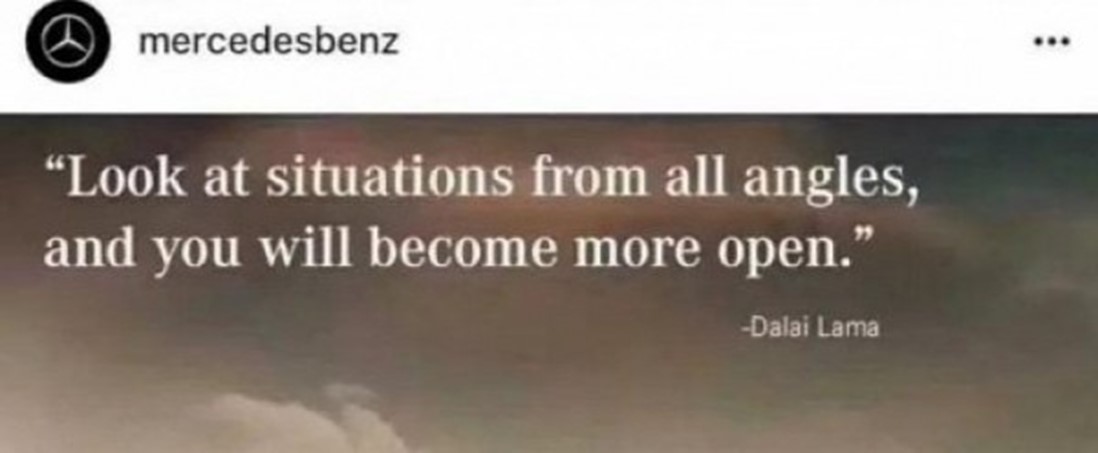
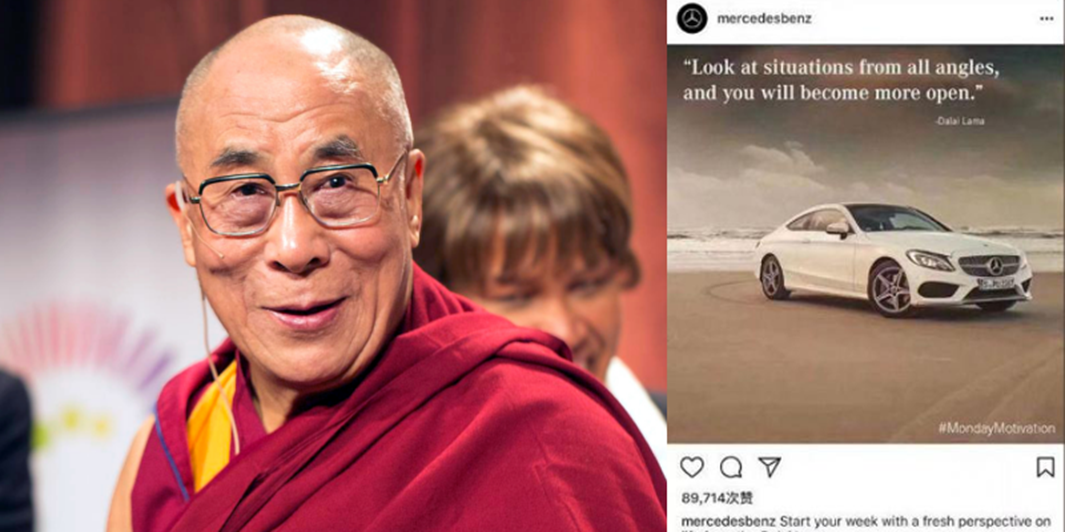
The carmaker apologized Tuesday for hurting “the feelings” of Chinese people by quoting the Dalai Lama in a post on its Instagram account. The move comes just weeks after Marriott, Delta Air Lines and other big names found themselves in trouble with Beijing over how they described politically sensitive places like Taiwan and Tibet.

The Chinese government has launched frequent attacks on the Dalai Lama, the exiled spiritual leader of Tibet, calling him a “traitor” and a separatist. Beijing considers Tibet to be part of its territory and comes down hard on any suggestions to the contrary.

Mercedes, which is owned by Daimler, (DDAIF) ran afoul of China’s stance when it paired a quote attributed to the Dalai Lama with a photo of one of its luxury sedans on Instagram — a social media platform that is banned in China.

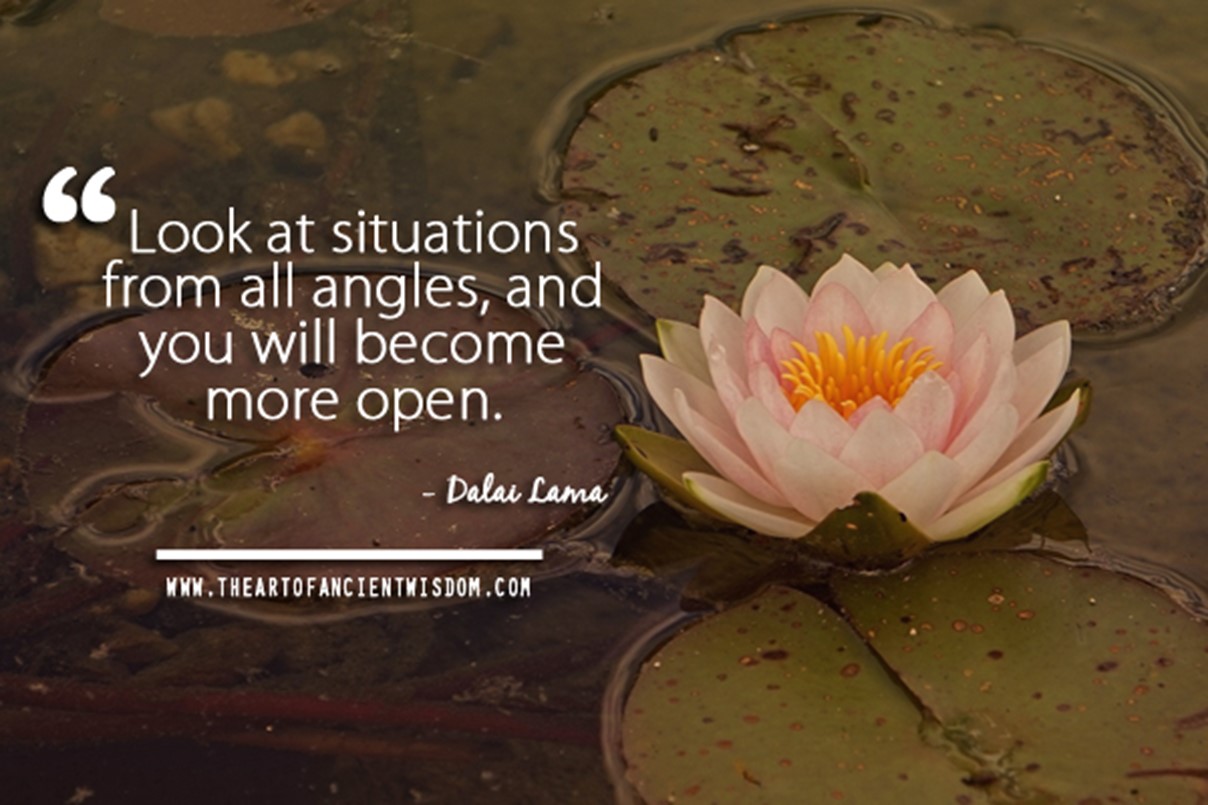
“Look at situations from all angles, and you will become more open,” the quote read.

The ad was posted on Monday and garnered nearly 90,000 likes before Mercedes deleted it the following day, according to a screenshot posted by Chinese state media.

The Global Times, a state-run newspaper that often strikes a nationalistic tone, criticized Mercedes, saying the company was quick to respond to the incident but shouldn’t make such mistakes in the first place.

Mercedes issued a statement in Chinese about the incident on Weibo, China’s equivalent of Twitter (TWTR), offering a “sincere apology” three separate times.

“We fully understand how it has hurt the feelings of people in the country, including our colleagues working in China, we sincerely apologize for this,” Mercedes said, adding that the post contained “extremely erroneous information.”

With its rising middle class and growing economic might, China is a key market for many global brands. Mercedes is no exception.

Of the nearly 2.4 million vehicles it sold worldwide last year, more than a quarter were snapped up by Chinese buyers.

A growing number of international companies have recently found themselves in hot water in China over politically sensitive issues.

Authorities last month blocked Marriott’s websites and apps for a week in China after it listed Tibet, Hong Kong, Macau and Taiwan as separate countries in its emails and apps. Marriott (MAR) apologized profusely, saying it respects and supports the sovereignty and territorial integrity of China.

Shortly after that, Delta (DAL) came under fire for similarly listing Taiwan and Tibet as countries. It said it was “an inadvertent error with no business or political intention” in its apology.

At the same time, the owner of European clothing brand Zara was chastised by regulators for listing Taiwan as a country and ordered to rectify the situation.

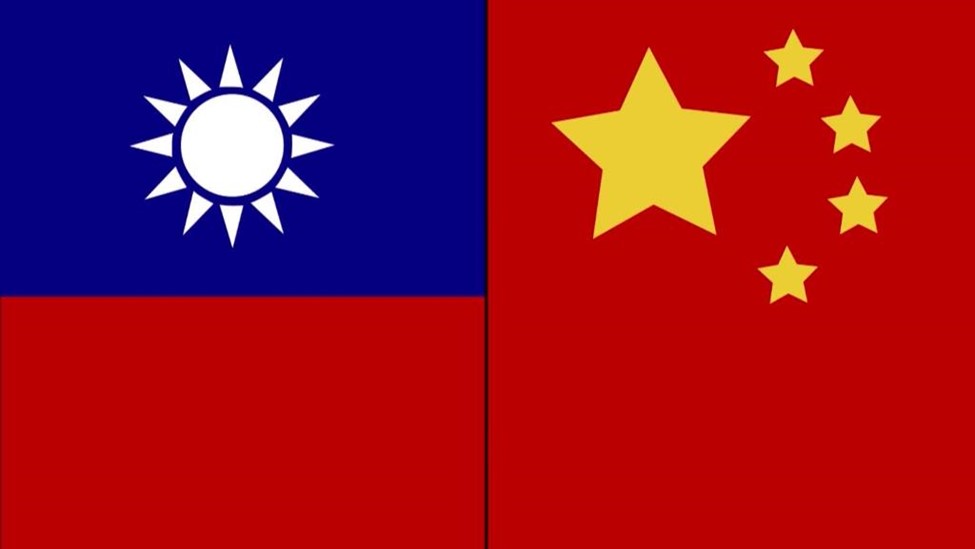
China and Taiwan — officially the People’s Republic of China and the Republic of China — separated in 1949 following the Communist victory on the mainland after a civil war.

They have been governed separately since, though a shared cultural and linguistic heritage mostly endures, with Mandarin spoken as the official language in both places. The government in Beijing has always maintained that Taiwan is a renegade province that is part of its sovereign territory.

Communist China sent troops into Tibet in 1950 to enforce its claim on the region and has controlled it since 1951 — though the central government in Beijing has faced repeated bouts of unrest from ethnic Tibetans unhappy over its rule.

— Nanlin Fang contributed to this report.

CNNMoney (Hong Kong) First published February 7, 2018: 2:43 AM ET

We look at Tibet issue from all angles to openly declare that Red China is an Evil Power, a Tyrant, an Aggressor, a Neocolonialist, an Expansionist, an Oppressor, and a Subjugator of Tibet.


Whole Awareness – The Burden of Tibet’s Unequal Yoking

The Burden of Tibet’s Unequal Yoking

TIBET AWARENESS – UNEQUAL YOKING. TIBET IS SUBJECT TO BURDEN IMPOSED BY UNEQUAL YOKING WITH A MONSTROUS BEAST, UNEQUAL IN SIZE AND POWER.
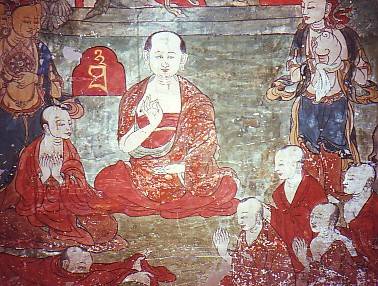
Red China, using military force, yoked with Tibet. To perform farm work, farmers generally use two animals of same type, size, and strength to get work done without imposing unequal burden on animals yoked together. Red China is a huge, monstrous beast, and her Unequal Yoking with Tibet imposes burden called Subjection, Bondage, Servitude, Enslavement, Hardship, Trouble, Pain, and Suffering upon Tibetans.

TIBET AWARENESS – UNEQUAL YOKING. TIBET IS SUBJECT TO BURDEN IMPOSED BY UNEQUAL YOKING WITH A MONSTROUS BEAST, UNEQUAL IN SIZE AND POWER.

Tibet is under the Yoke of Burden, Control, Subjugation to become subservient to Red China’s Doctrine of Neocolonialism.

THINGS THAT SURPRISED ME ABOUT TIBET – FUN AND INTERESTING FACTS

Clipped from: https://www.onceinalifetimejourney.com/once-in-a-lifetime-journeys/9-things-surprised-tibet/

Tibet Awareness – Unequal Yoking. The Burden of Military Occupation.

The country at the roof of the world, was very different from what I expected. Tibet, often considered the spiritual center of the world has more Buddhist monks, stupas and gods than any other place, yet it was anything but the peaceful and calm realm I had envisioned. Not that the available online resources lie about it, but more that there is a general lack of information beyond the Dalai Lama and the Chinese-Tibetan political situation, so my mind veered towards red-robed monks and the magical image of the Potala Palace. The list of things that surprised me about Tibet is quite long, but I will attempt to highlight the most relevant, the top 17 things that most people don’t know about Tibet or that will surprise any traveler to the oft-called Shangri-la.

1. Tibet facts – Tibet is developed and it has incredible infrastructure

Tibet Awareness – Unequal Yoking. Red China’s Subjugation of Tibet.

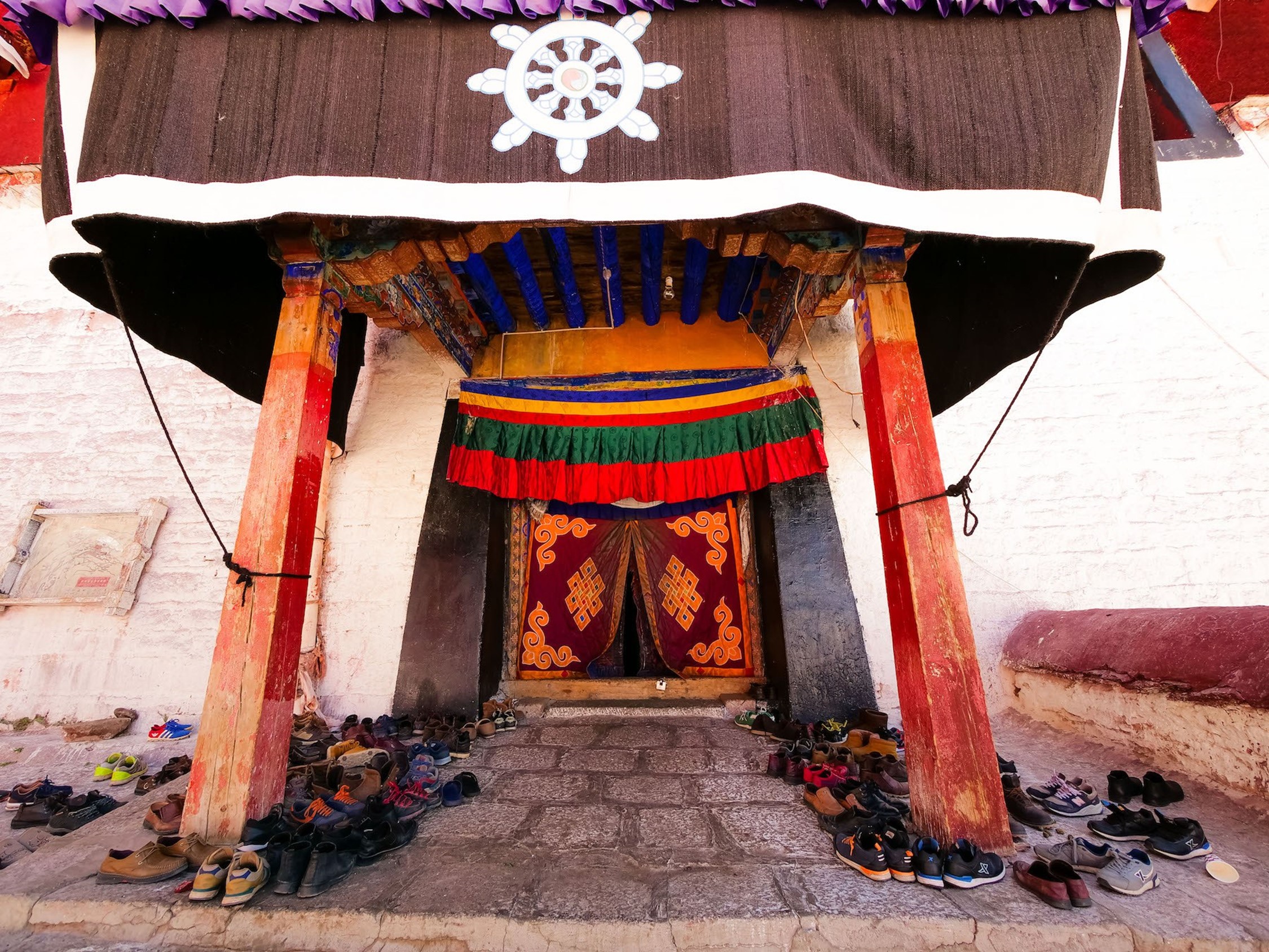
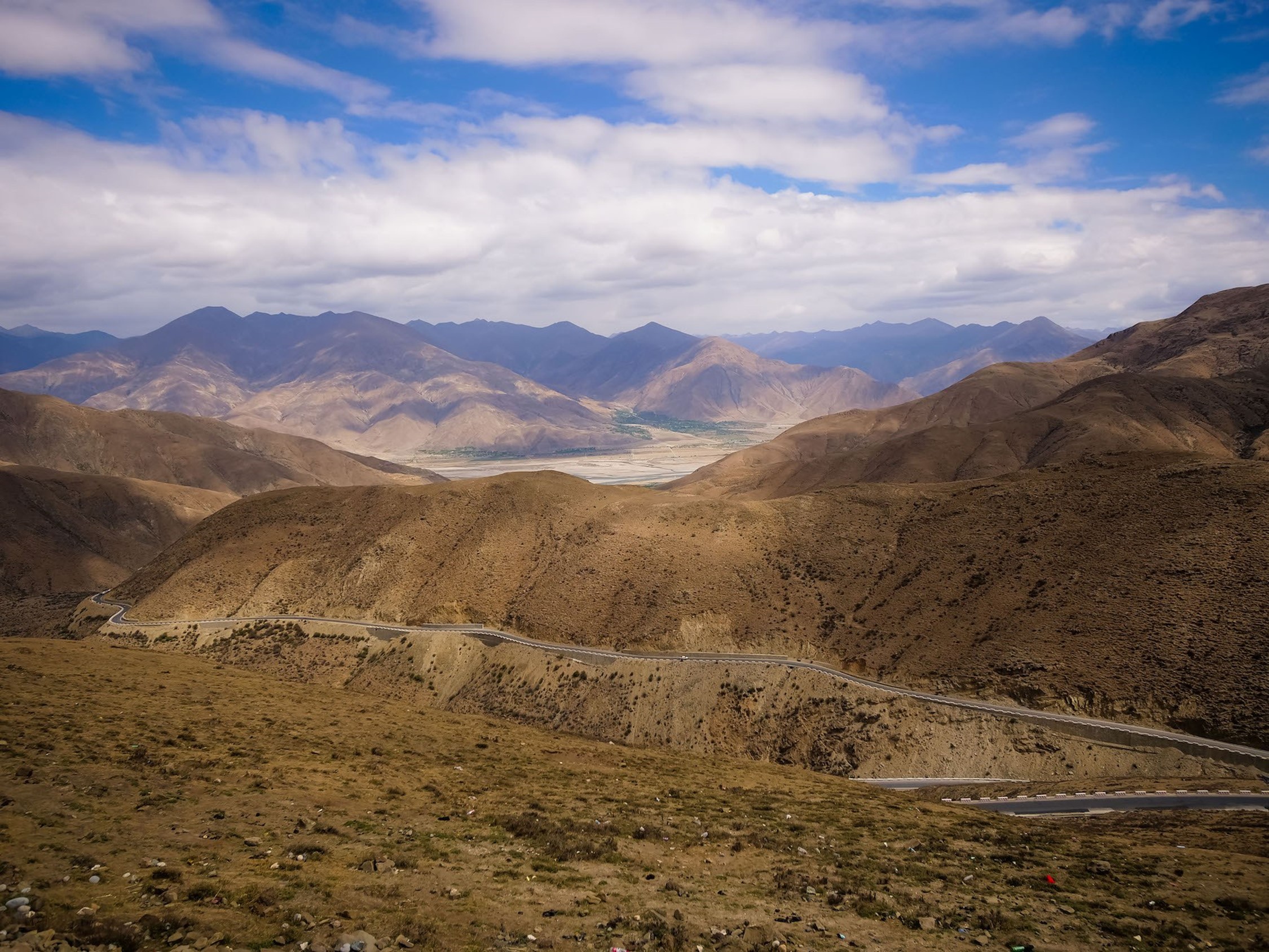
I visited with the utopian idea in my head that Tibet was going to be a peaceful and isolated place resembling Bhutan. But Tibet, or the Tibetan Autonomous Region, is a Chinese occupied territory that became part of China in 1950 and, as a result, for good or for bad, infrastructure has developed dramatically. Even the road that leads to the world’s highest mountain, Everest, is paved almost all the way, a far cry from the 9-14 day trek from Lukla Airport (the world’s most dangerous airport) to reach the Nepalese equivalent. In fact, we drove all the way to 5,200m to the tourist Everest Base Camp. Roads throughout the country are smooth and paved, including the Friendship Highway that links Shanghai with Kathmandu and runs for 5,900km, practically crossing Tibet.

Countless electricity lines crisscross the arid landscapes, at times, several electricity posts slashed my photographs. Even the most remote of villages have electricity and solar panels. Why? Tibet is China’s richest province, with deep reserves of gold, copper and other precious and valuable resources and infrastructure is essential to mine and exploit this natural wealth. As our train to Lhasa glided through the middle of nowhere, high up in the Tibetan Plateau, the lights of trucks carrying minerals to processing factories provided a continuous source of light in the darkest of nights. Those factories lit the horizon in sudden outbursts. Next to them, nomad villages built to accommodate the workers supporting the factories sprung as if mushrooming from the rocks and sand. There were many, and we were to see even more across Tibet.

2. Tibet facts – The issue of the Dalai Lama and the Panchen Lama

Tibet Awareness – Unequal Yoking. The Great Problem of Tibet.

The 14th Dalai Lama left Tibet after disagreement with the Chinese government about his successor, which made it too dangerous for him to stay and has lived in exile in Dharamsala, India, ever since. This shows his opposition to the occupation and his demands for true autonomy (not independence) for Tibet. The Chinese government recognizes Buddhism, a religion that is widely spread in the country despite communism, but nominated their own Panchen Lama, the successor to the Dalai Lama, in 1995, six years after the death of the previous Panchen Lama, following a traditional process using a golden urn that was used for the 10th, 11th and 12th Dalai Lamas. Their choice did not match that of the current Dalai Lama, whose successor has been kept in an unknown location in China ever since.

The Panchen Lama nominated by the Chinese Government has been receiving education in Buddhism and Tibetan culture since his enthronement at the Panchen Lama’s seat in Xigatse. His photograph can be seen across Tibet whereas having a photo of the 14th Dalai Lama is illegal and can carry fines or imprisonment. Tibetans often claim this misalignment about who the next Dalai Lama will be as the main attempt by the Chinese to eradicate Tibetan culture and identity.

3. Tibet facts – The highest country on the planet

Tibet Awareness – Unequal Yoking. Natural Freedom violated by Unnatural Occupation.

When I visited Bhutan I thought I was high. High on life, high on spirituality and high up in the mountains! One of the country’s nickname, “The Kingdom in the clouds”, clearly reflects its high altitude, with the capital at 2,300m and several peaks above 7,000m. Bhutan ranks as the highest country in the world when average altitudes are taken, despite some of the lowest parts are almost at sea level.

But that is just because Tibet is not officially recognized as a country by the UN because of Chinese veto, so it is just a region of China. Before Chinese occupation, Lhasa was the highest capital in the world as per the Guinness World Book of Records, but La Paz in Bolivia has taken that prize since Tibet became a part of China.

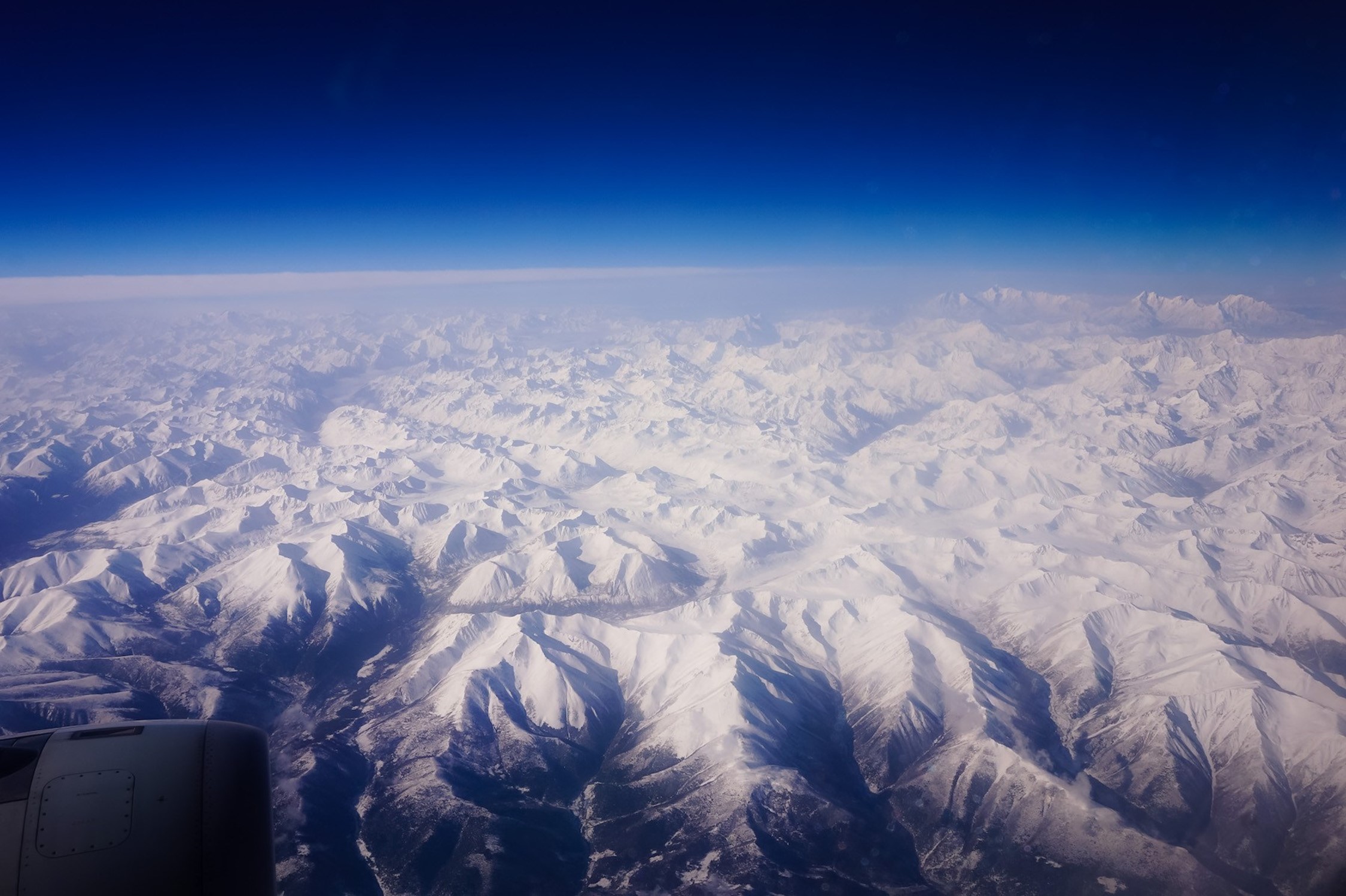
What makes Tibet’s altitude extra special is that, not only does it have the highest mountain in the world (Mount Everest), but also the highest average altitudes at 4,575m above sea level, the highest road, the highest toilet, the highest town (Whenzuan), the highest monastery and the highest train. Everything in Tibet is made of superlatives. We drove up mountain passes that are at 5,200m, we used the highest toilet in the world, located on the same mountain pass top, we took the train to Lhasa, which climbs to 4,500m and visited the world’s highest monastery, Rongbuk, at the foot of Everest Base Camp. Altitude is an undetachable synonym with Tibet.

4. Tibet facts – 40% less oxygen

Tibet Awareness – Unequal Yoking. Natural Conditions, Natural Factors, Natural Mechanisms, and Natural Events produce Natural Freedom in Tibet.

Tibet’s high altitude is the cause for the traveler’s worst nightmare: Altitude sickness. Because it is so high, the pressure is lower giving the sensation that there is less oxygen. I have extensively covered the topic of altitude sickness, because we felt it and felt it badly, but what I found most interesting is that it is not possible to descend in Tibet, the lowest altitude is already a whooping 3,500m above sea level.

5. Tibet facts – Permits, permits, permits

Tibet Awareness – Unequal Yoking.

Getting to Tibet is not particularly difficult. Travel restrictions have been lifted and you can go on a small private tour like I did with WildChina, without issues. It was a similar process to that for North Korea. You cannot travel independently, but you can pretty much visit anything as long as you are entering with a tour company. And, unlike North Korea, you can freely wander the streets or explore anything without a chaperon.

However, visiting Tibet does require a lot of planning ahead. You will need a Chinese visa first, which is required by almost all citizens and can take up to two weeks to process depending on your country of residence and which can be very costly (US$100 in Singapore). With a photocopy of that in hand, the travel agent will apply for a Tibetan permit which will be linked to your detailed itinerary. The permit can take anything from a week to 3 weeks so you should start the entire process about two months ahead to ensure everything is done on time as the processing timelines vary vastly from country to country (e.g. one of my friends took 2 weeks for the Chinese visa and 3 days for the Permit whereas I took 3 days for the visa and 3 weeks for the permit).

The permit is your passport into the Tibetan Autonomous Region and will be checked and rechecked a million times throughout the trip. Your guide will keep the permit with him or her throughout your stay. Every time you reach a new village the guide will be registering you, even for just one night, with the local Police, so your whereabouts are being monitored at all times. There were also 20 road checks through our 9 day journey and we were thoroughly scrutinized at the train station and airport before boarding. If you plan to visit Everest Base Camp, then you will need an additional permit and to go through a Military check-point at the park’s entry.

6. Tibet facts – Big Brother is watching

Tibet Awareness – Unequal Yoking.

The controls of visitors extend to the cars as well. All cars that take tourists around the country are owned by the government and kitted with two cameras and a radio system that communicates a central office to all the drivers. The cameras are constantly monitoring the driver and making sure that he is not doing anything against the Chinese rules. Every time the speed went above the marked limit, a message came through on the radio speakers to slow down. The speakers also shared a regular amount of updates and reminders about safety on the road. It was a constant reminder that our every move was being watched.

7. Tibet facts – Cold and high, but without snow

Tibet Awareness – Unequal Yoking.

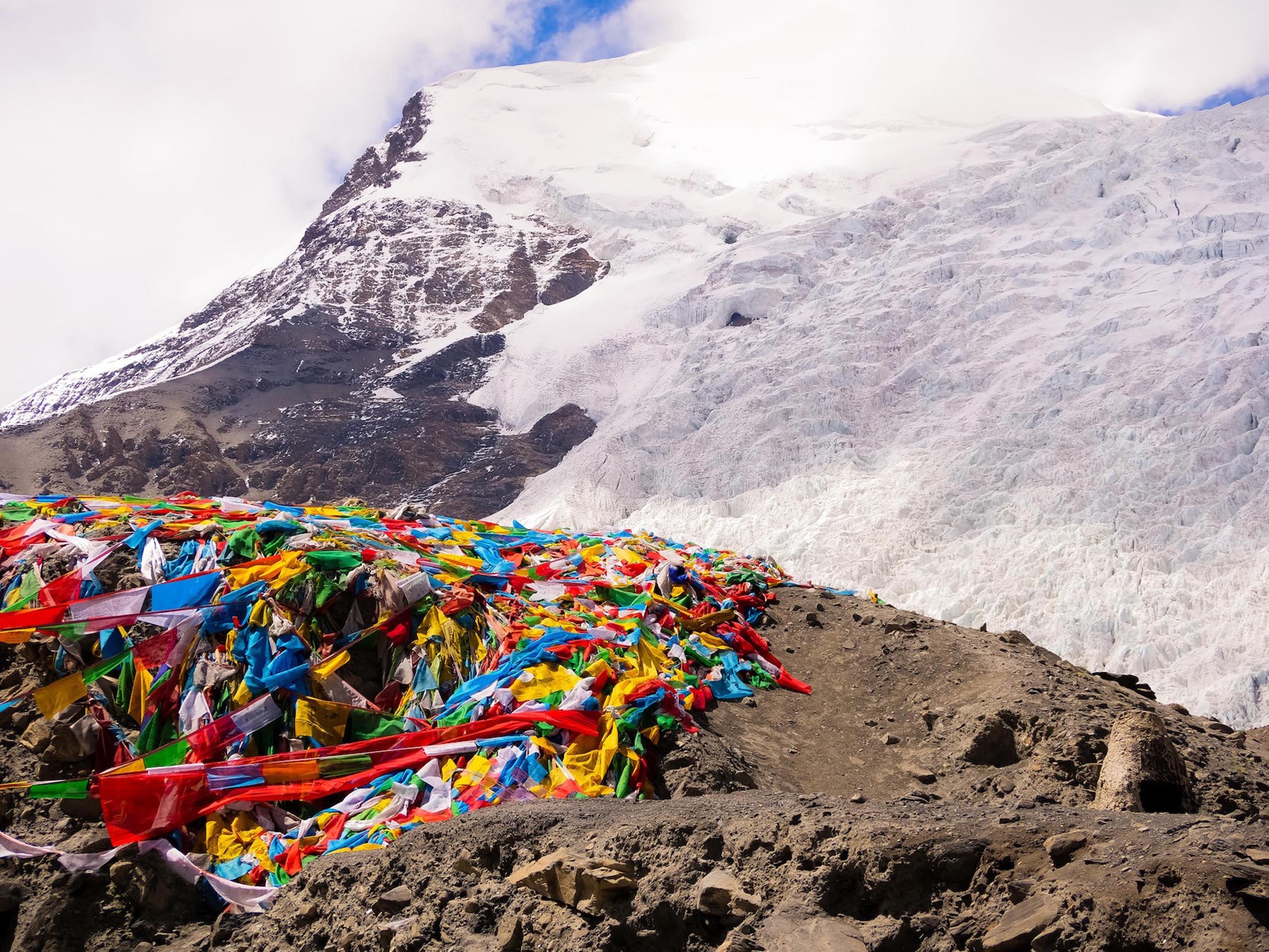
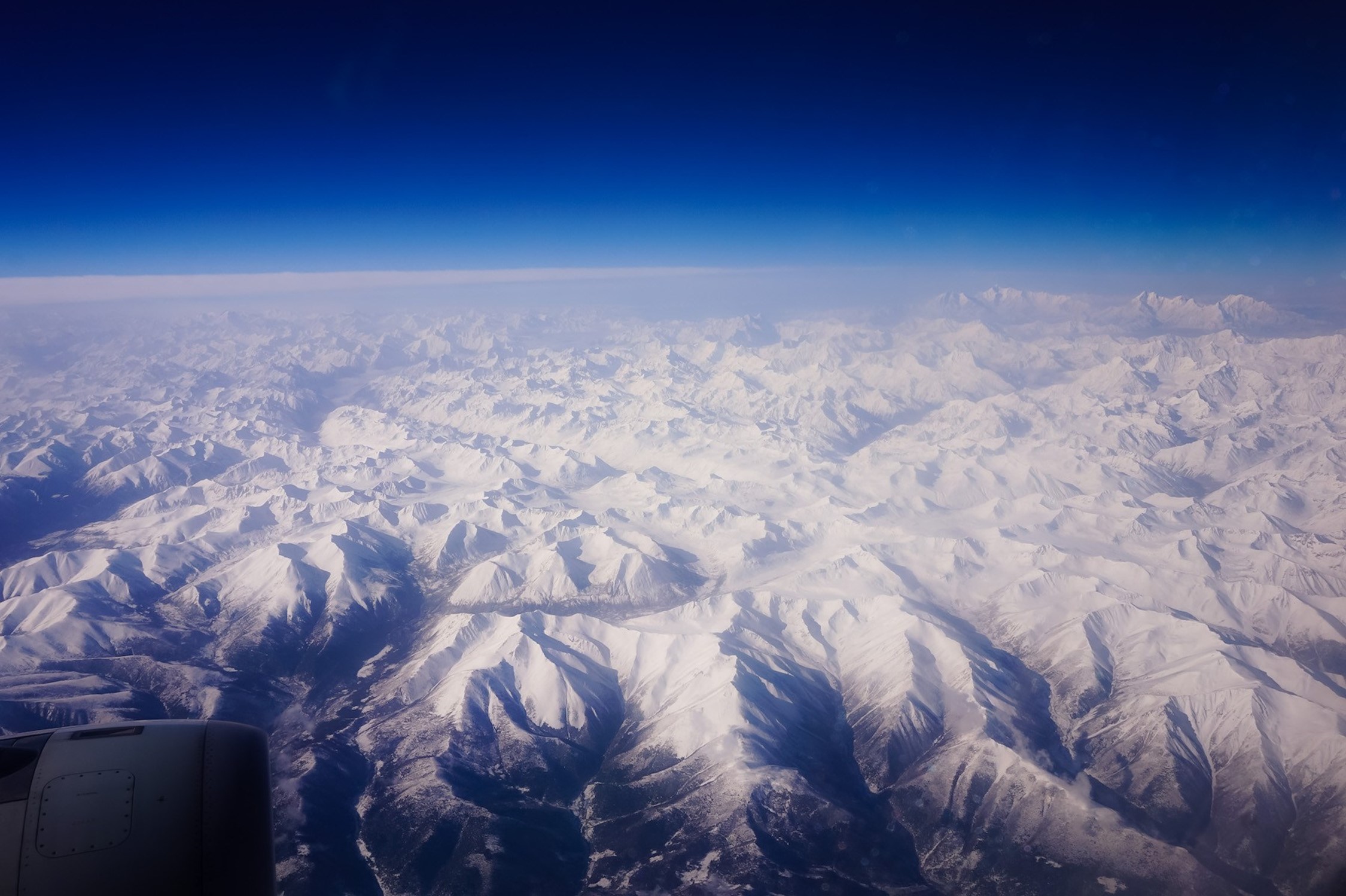
I was expecting the landscapes to be rocky, mountainous and majestic and for the snow to cap all mountain tops but Tibetan landscapes are rather brown and grey with very little snow. In fact, although we saw some snowflakes as we traversed the highest pass, at 5,200m, the majority of the mountains were devoid of that delicate white veil that tops other mountain ranges. Our guide confirmed that it does snow very little in Tibet and that pretty much all the snow we were seeing was permanent. The glaciers, receding as a result of global warming, were also perennial. The lack of snow is caused by the high Himalayan mountains that stop the clouds from emptying their bowels and providing rain or snow.

8. Tibet facts – Tibet was not always a peaceful nation

Tibet Awareness – Unequal Yoking.

I associated Tibet with peace, not least because the Dalai Lama has been an example of opposition to the Chinese occupation, something which got him the Nobel Peace Prize. But Tibet’s past wasn’t always as spiritual and peaceful as Buddhism advocates. Tibetan Kings fought and defended Tibet from assailants for centuries. Remnants of Medieval fortresses, city walls and castles can be seen across the country. Unlike Bhutan, who was never occupied by an international power, the English had several incursions in Tibet, as did the Mongols, Indians, Afghans, Nepali and various Chinese dynasties. So monks, and the Tibetan Kings, were a fearless army defending their territory since the 17th century until the Chinese occupation in the 1950s.

9. Tibet facts – Yak meat, yak butter, yak hair

Tibet Awareness – Unequal Yoking.

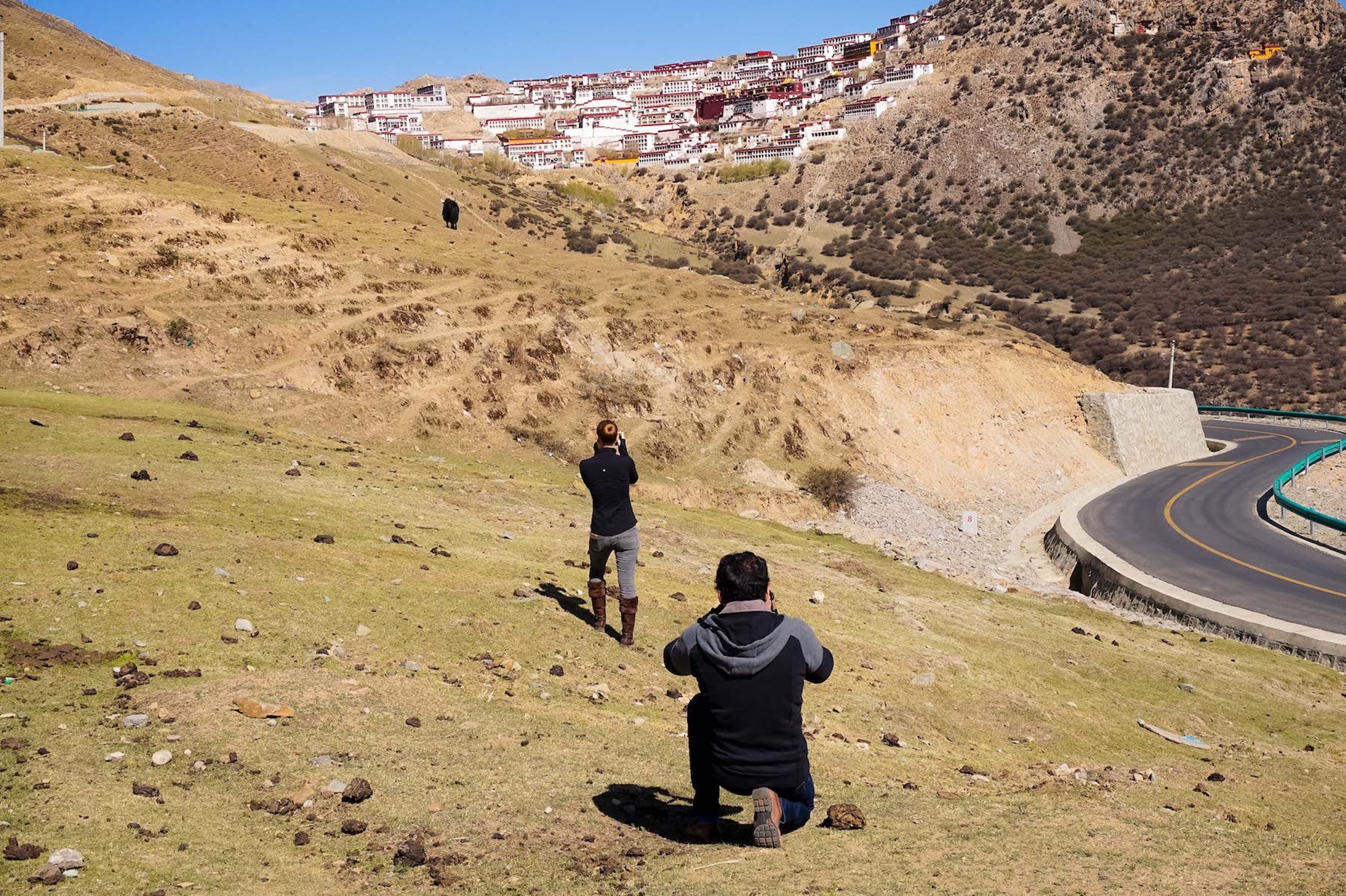
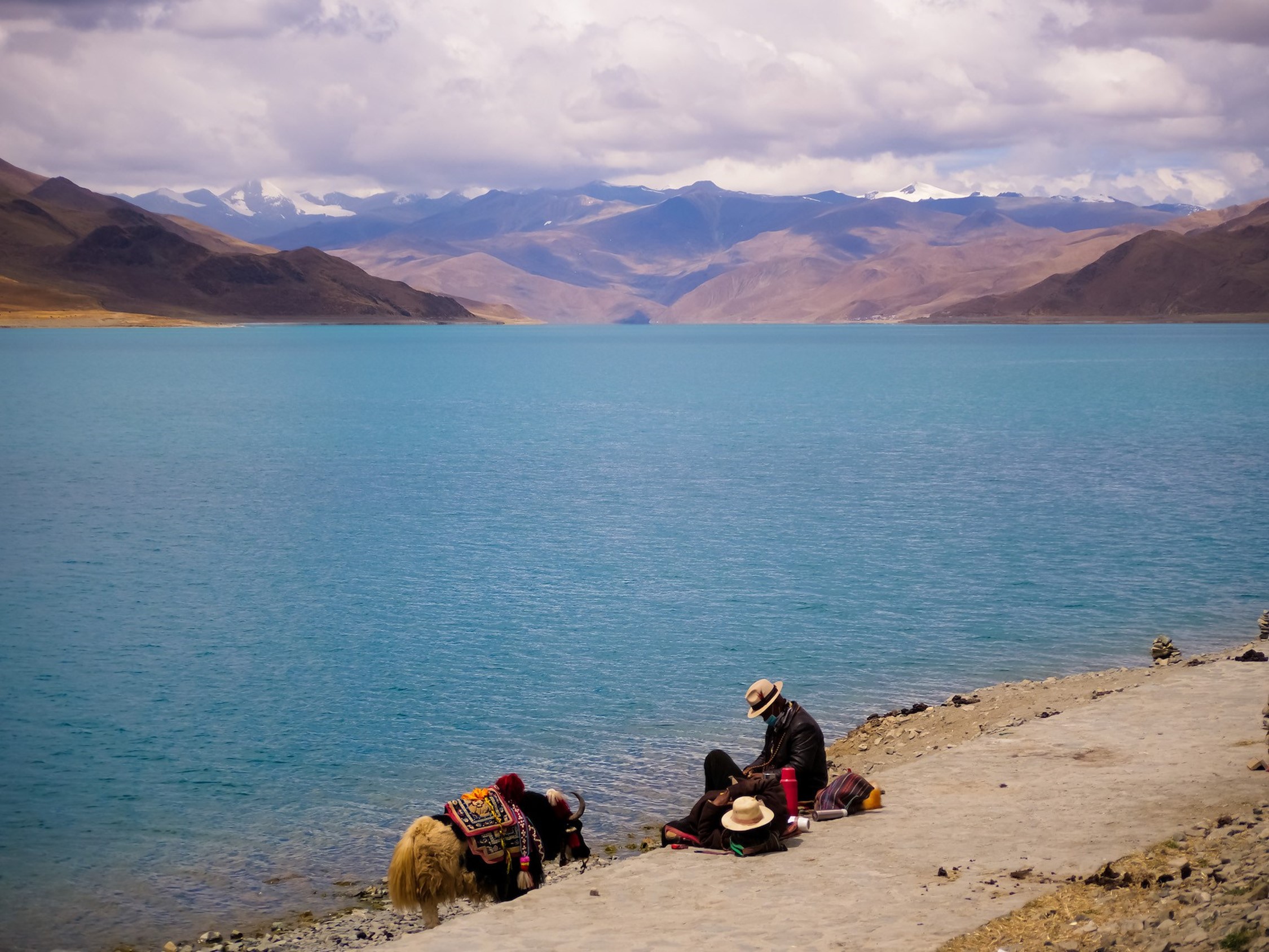
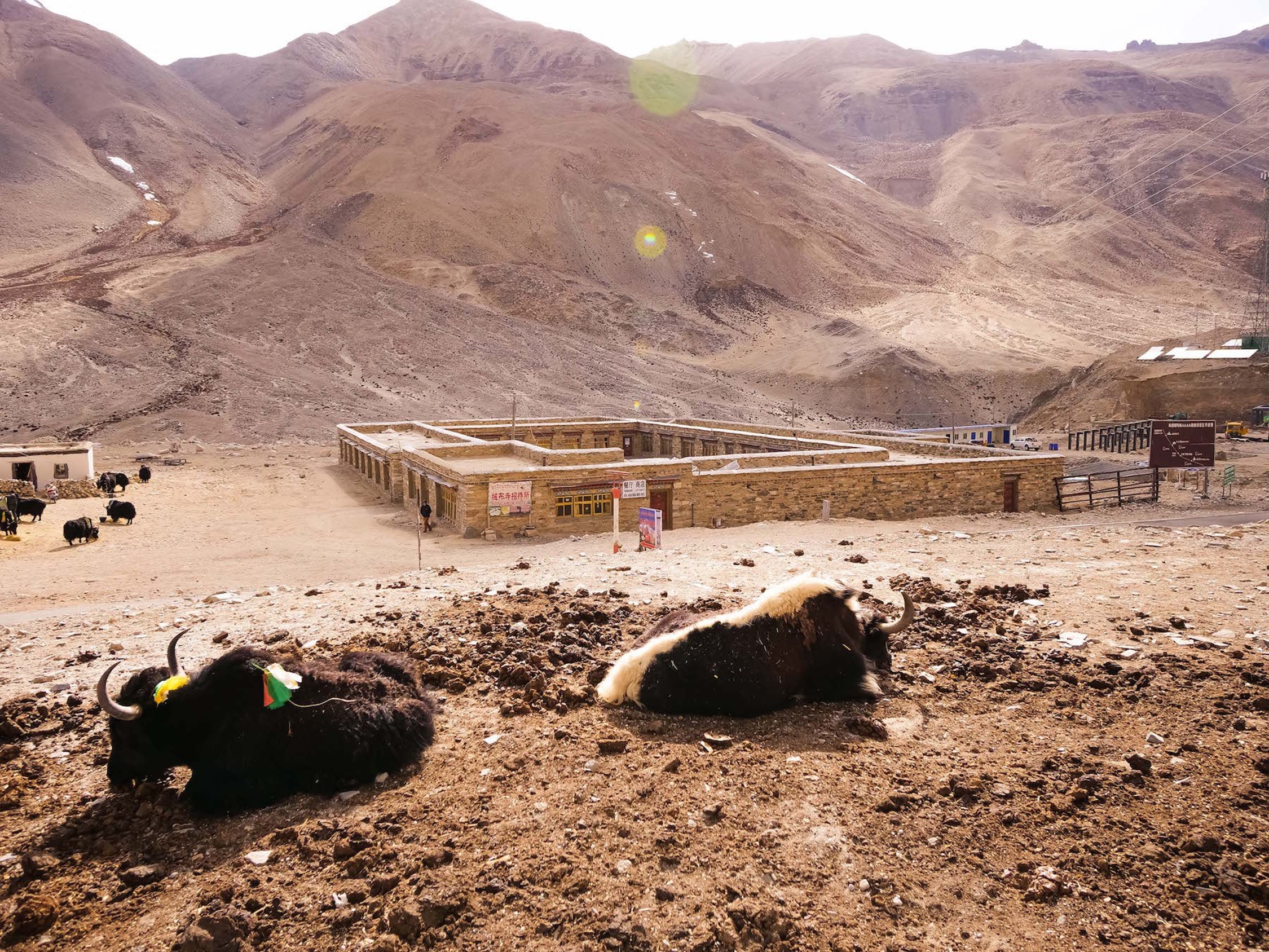
Tibet’s high altitudes and harsh conditions make life extremely hard and yaks are the lifeline for most Tibetans. Yak meat, leaner and lighter than beef, is ever present. Yaks are also used for milk and butter and their hair is used to make rugs and clothes, even to weave the cover ups that protect the Potala Palace – delicate paintings and carvings from the sun. Even yak dung is collected and dried to be used as fuel in the winter months. However, yaks are an endangered species and most of the animals seen roaming the fields are actually a blend between yak and cow.

10. Tibet facts – Photos of the Dalai Lama are illegal

Tibet Awareness – Unequal Yoking.

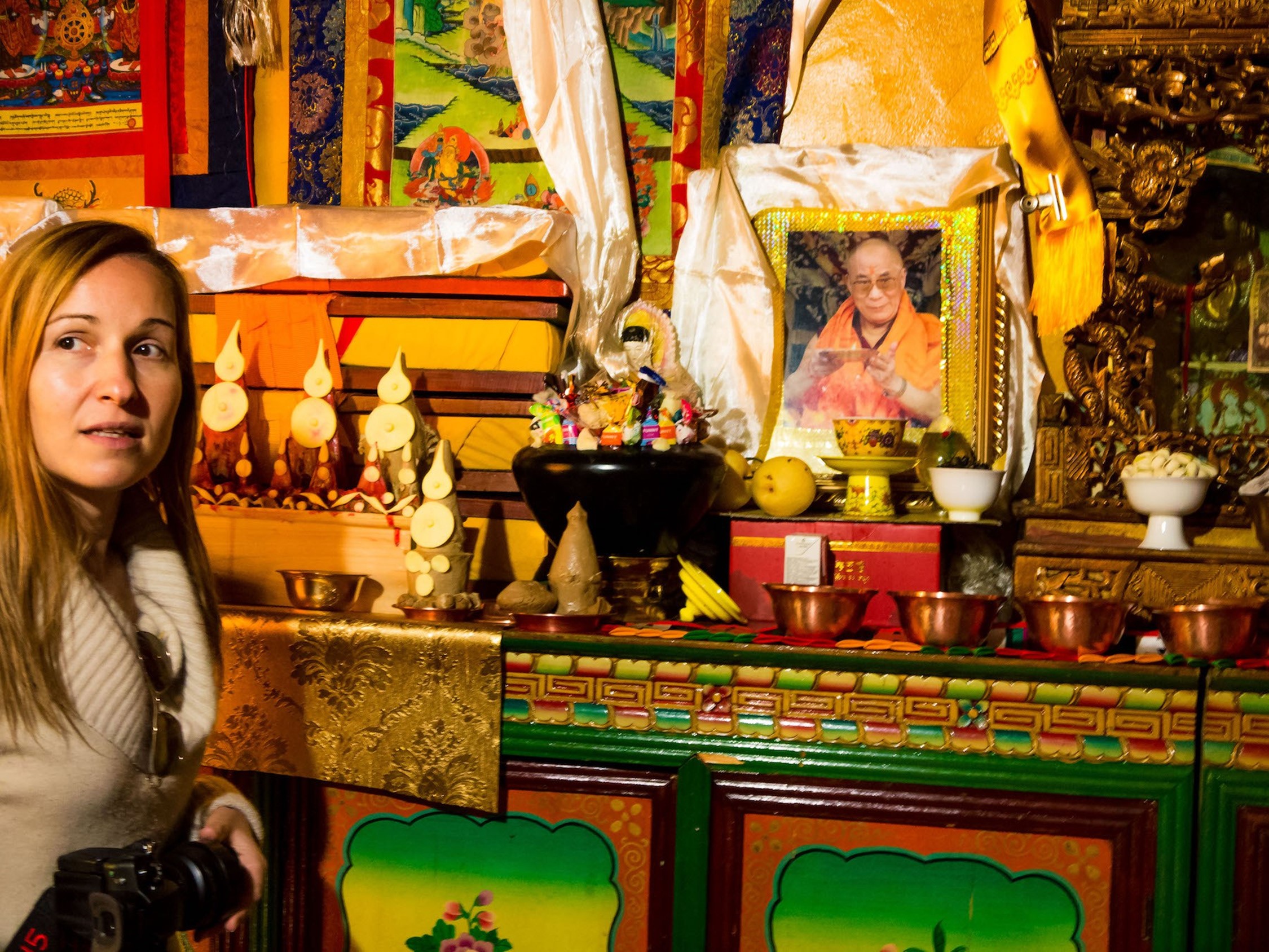
Almost everyone has a clear image in their heads of the current Dalai Lama. However, carrying or having his photo in Tibet could lead to imprisonment and punishment. None of the houses or temples we visited had any. Instead, the Panchen Lama, nominated by the Chinese Government, is to be displayed in homes and businesses. The prohibition extends to the Tibetan Flag, which does not fly anywhere in the country. Bright Chinese flags are hung on rooftop of houses, next to the colorful prayer flags.

11. Tibet facts – Shangri-la is the result of a misspelling

Tibet Awareness – Unequal Yoking.

Tibet is often referred to as the Shangri-la. The word has no meaning in Tibetan, although La does mean mountain pass and is attached to the end of all passes in Tibet. The word was first coined by the writer of the most famous novel about Tibet, Lost Horizon, in 1933. James Hilton probably misunderstood the word Shambala, which has a similar meaning in Tibetan Buddhism, and wrote Shangri-la instead. Since then, the word has been assimilated to a mythical place somewhere high in the mountains, a Heaven of sorts, a paradise on Earth, and is even the brand name of a luxury hotel chain whose eponymous Lhasa hotel I stayed at during my visit.

12. Tibet facts – The prostrations

Tibet Awareness – Unequal Yoking.

I had seen some images of devout Buddhists prostrating in key Buddhist temples and landmarks but nothing could prepare me for the absolute devotion and extreme prostrations that some engage in. Some people would spend their entire day prostrating and praying, continuously kneeling down and lying flat on the floor then standing up again. Most will be dressed appropriately, with hand and knee protection to allow them to glide. At some particularly holy places, like in front of the Jokhang Monastery or the Potala Palace, some extreme devotees would prostrate in the middle of the pavement and receive donations from passers-by.

13. Tibet facts – The toilets

I cannot talk about things which surprised me about Tibet and not mention the toilets. Although there are public toilets across the cities and main road stops, they smelled so bad and were so dirty at times that we opted for the nature toilet: behind a rock (because there are no trees in the mountains). Bringing wet wipes and tissue is not enough, one needs to bring a sort of perfume to put a couple of drops under the nose to enter some of the public toilets. All of Tibet’s toilets, barring the hotels, are squat toilets consisting of a hole on the floor with a drop which may sometimes not be very long. There are no doors to the public toilets which often times will have more than one hole next to each other. You may do your thing next to someone who is doing her thing, in the open. And if that was not enough, many people miss and the toilets are never cleaned. You get the picture. This remained the main topic of discussion among my group, a source of constant jokes and laughter, as we hunted for the cleanest, least smelling holes. I will leave it there.

14. Tibet facts – Kora

Tibet Awareness – Unequal Yoking.

Tibetans go on walking and praying pilgrimages around main landmarks and monasteries. Much like the Camino de Santiago or the trip to Mecca, only shorter and more frequent. These walks are called Kora and can be taken around any monastery. The most common one is the one in Lhasa, around the Potala Palace or the Sera Monastery. Locals pray as they walk around, many of them will spin prayer wheels like in Bhutan. Some of the Kora can take up to a full day and the elderly may repeat them every day.

15. Tibet facts – Temple smell

Tibet Awareness – Unequal Yoking.

All temples and monasteries in Tibet have the same common smell of yak butter used in the butter lamps and fresh incense also burned across the country in houses and burners that can be found in public places.

16. Tibet facts – Paying for photographs

Tibet Awareness – Unequal Yoking.

In Bhutan taking photos of temples and monasteries is simply not allowed. The interiors of the Buddhist buildings are usually covered from floor to ceiling with paintings and offerings in bright colors and gold and they are incredible to see and experience and provide a deep sense of spirituality. In Tibet you can photograph almost every landmark and interior as long as you pay a donation. At first we were surprised but relaxed as the money seemed more like a voluntary donation which we diligently dropped in bowls. But in some monasteries the monks would chase us for the donation, making us drop cameras for those who did not pay to avoid any photos being taken, and the initially innocuous amount started to amount to a small fortune as some temples started to ask for up to US$350 per hall for video, like in Shigatse. At US$2-4 per hall and an average of 3-5 halls worthwhile per monasteries I probably spent upwards of US$100 in photo donations, on top of the entry tickets. Considering these were religious places that were already filled with pilgrim donations (and stacks of money were stuffed inside God’s enclosures), the additional donation started to feel a bit much.

17. Tibet facts – Commercialized Everest Base Camp

Tibet Awareness – Unequal Yoking.

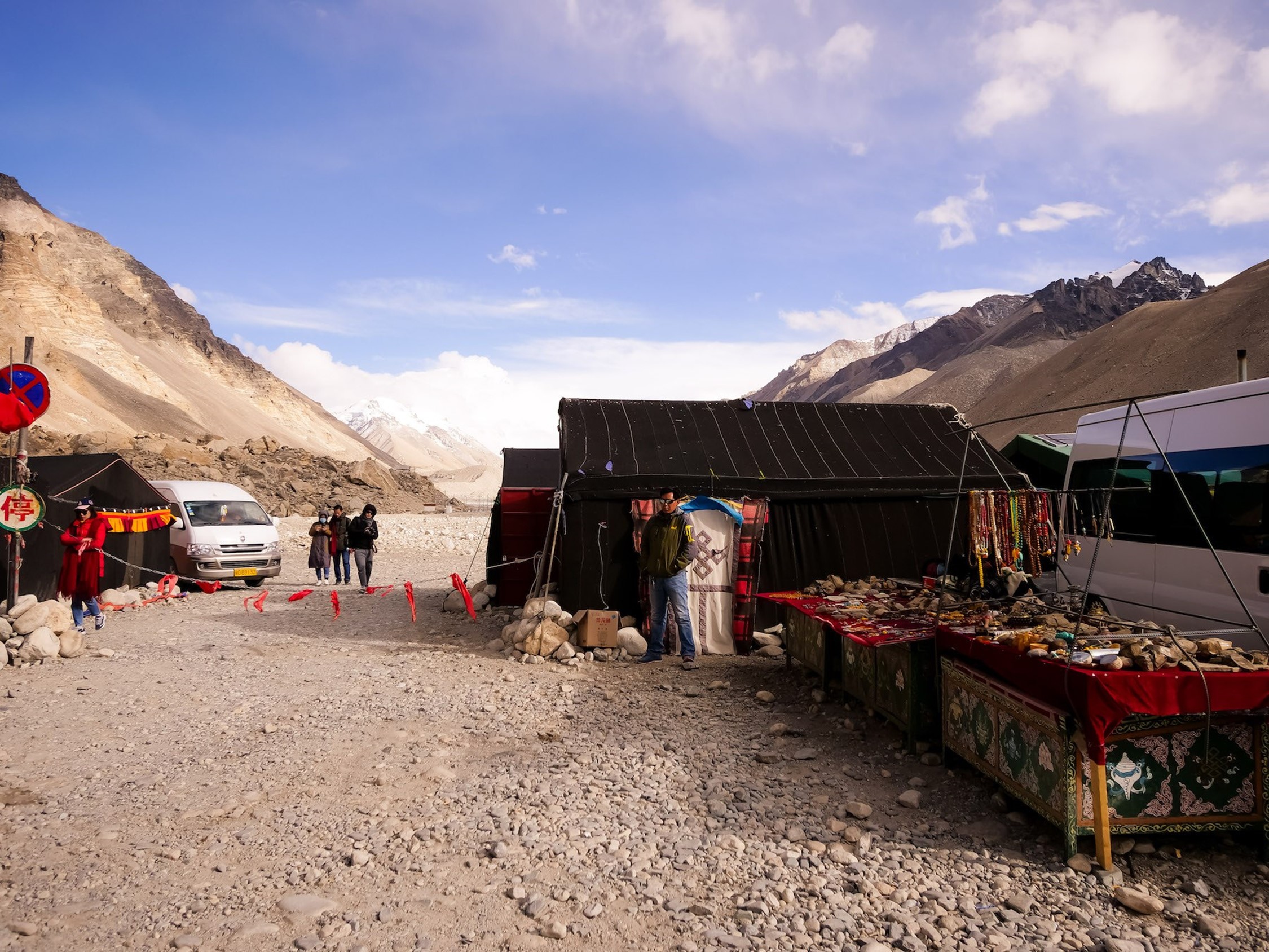
I can speak for myself, who paid a handsome amount to take a helicopter to the Nepali Base Camp well before this was a commercial venture offered to tourists. But on the Tibetan side, thanks to very good infrastructure, the Base Camp has been commercialized extensively. We slept 8km from the climber’s Base Camp in a tourist tented camp which advertised free WiFi and was filled with souvenir stalls albeit it offered very basic accommodation at sub-zero temperatures without heating. The Chinese government has announced plans to build a resort, museum and helipad a few kilometers from Base Camp, in Gangkar, to offer greater comfort and drive more tourism dollars into the country, although most visitors to Tibet are still local Chinese from other provinces. Serious trekkers no longer consider Everest a hard climb since so many people are attempting and reaching the summit every year. I can tell you the acclimatization to 5,200m was very tough.

18. Tibet facts – Speed limits

Tibet Awareness – Unequal Yoking.

We regularly saw cars stopped in the middle of the road. The Chinese authorities control speed limits in a very comical and questionable way: By putting road controls and checking how long it took you to get from one to the next. The speed limits on the road are low, about 35 km/h for many roads, making the trips longer than they should take given the great infrastructure. I already discussed before that the tourism vehicles cannot surpass the speed limit and if you do, the driver gets an announcement through the radio system. But, in addition, most roads have controls. You will get a stamp on a paper with the time you crossed the previous one and the policeman will check that it took you the stipulated amount of time to cover the distance. This was not an issue for us because we were not in a rush and were making plenty of photo stops. But the locals had to stop by the side of the road to waste some time before going through controls or speed cameras.

Tibet Awareness – Unequal Yoking.


Whole Trouble – Stop the Cultural Genocide in Tibet

Trouble in Tibet – Stop the Cultural Genocide

TROUBLE IN TIBET - STOP THE CULTURAL GENOCIDE.
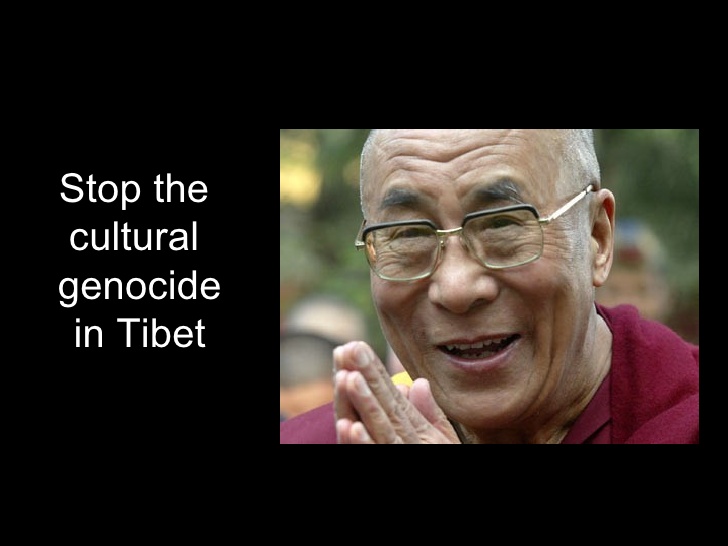
TROUBLE IN TIBET – STOP THE CULTURAL GENOCIDE. Disorienting social and economic change is under way in Tibet. The exiled Dalai Lama accuses China of “cultural genocide” (monasteries are being harassed, and in some parts of the plateau Chinese-language education erodes traditional ways).

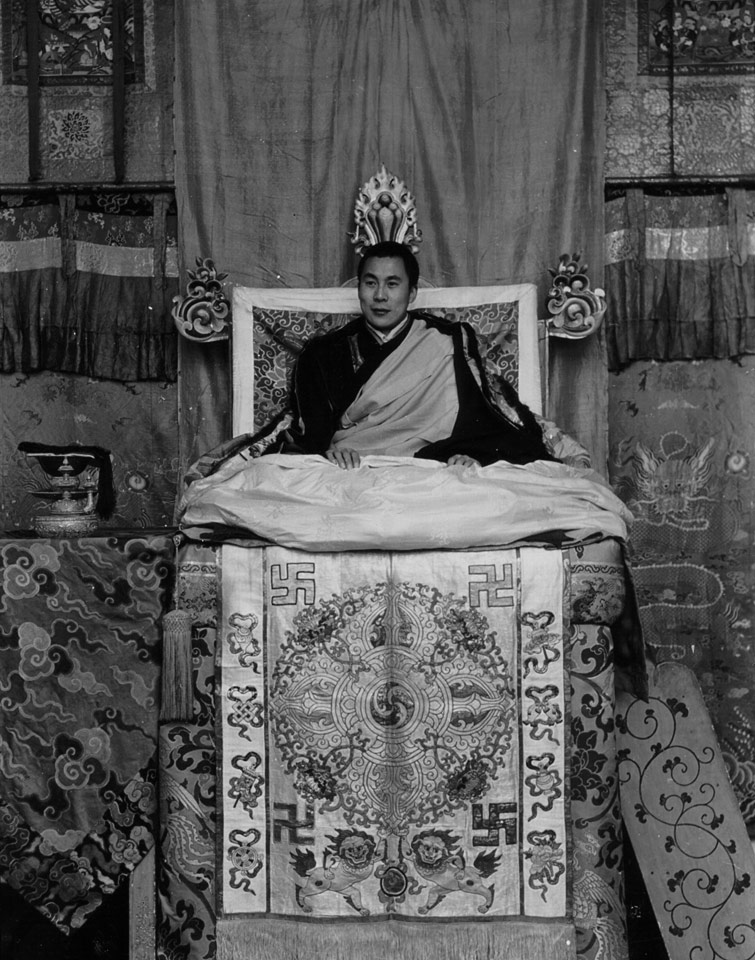
The Exiled Supreme Ruler of Tibet His Holiness the 14th Dalai Lama expressed deep concern about Cultural Genocide in Occupied Tibet.

TROUBLE IN TIBET – STOP THE CULTURAL GENOCIDE: Disorienting social and economic change is under way in Tibet. The exiled Dalai Lama accuses China of “cultural genocide” (monasteries are being harassed, and in some parts of the plateau Chinese-language education erodes traditional ways).

UNPACIFIED PLATEAU: TIBET

Disorienting social and economic change is under way in Tibet. The exiled Dalai Lama accuses China of “cultural genocide” (monasteries are being harassed, and in some parts of the plateau Chinese-language education erodes traditional ways).

Government infrastructure investment in the Tibetan Autonomous Region has spurred mass tourism, but Tibetan resentment at missing out on tourism – and construction-related jobs was a big cause of rioting in Lhasa and elsewhere in 2008. Nor do the 6 million Tibetans (seen as troublemakers by China) migrate much to places with more opportunities: only around 1% have settled outside the plateau. The few private-sector jobs in Tibet mostly go to Han Chinese, so educated Tibetans mostly work for the government. The Chinese name for Tibet, Xizang, means “western treasure house” but Tibetans have little share in its spoils.

Disorienting social and economic change is under way in Tibet. The exiled Dalai Lama accuses China of “cultural genocide” (monasteries are being harassed, and in some parts of the plateau Chinese-language education erodes traditional ways).

Whole Trouble – A Total Wake-Up Call for Regime Change in Tibet

Trouble in Tibet – Regime Change through Meditation

Whole Trouble – A Total Wake-Up Call for Regime Change in Tibet. How to change the Regime in Occupied Tibet? The Role of Meditation. The Great Masters of Nalanda. Acharya Kamalashila explained Three Stages of Meditation.

The problem of military occupation in Tibet needs resolution which demands a ‘Regime Change’. If military occupation poses problem, it exists outside the mind of a person experiencing the problem of occupation. Meditation may bring about some change in electrical activity of the brain and that change in activity can only be experienced by the person who practices meditation. However, there is no reason to suggest or expect any change in electrical activity of brain of a person who imposes the burden called military occupation. Can I hope to change the mental activity of Red China’s President through the practice of very rigorous meditation?

Meditation helps to bring Regime Change if the practitioner of meditation takes full advantage of changes in the electrical activity of his brain induced by the practice of meditation to perform specific physical actions to vacate the problem of occupation by evicting the Occupier.

Trouble in Tibet – Regime Change through Meditation. Can I hope to change the mental activity of Red China’s President through the practice of very rigorous meditation?

“Since you cannot tame the minds of others, until you have tamed your own, begin by taming your own mind.” – Acharya Atisha.

Neuroscientist Richie Davidson Says Dalai Lama Gave Him ‘a Total Wake-Up Call’ that Changed His Research Forever

By Lauren Effron

Jul 27, 2016, 2:00 PM ET

TROUBLE IN TIBET – REGIME CHANGE THROUGH MEDITATION. Dr. RICHIE DAVIDSON, NEUROSCIENTIST INVESTIGATES EFFECTS OF MEDITATION ON HUMAN BRAIN.

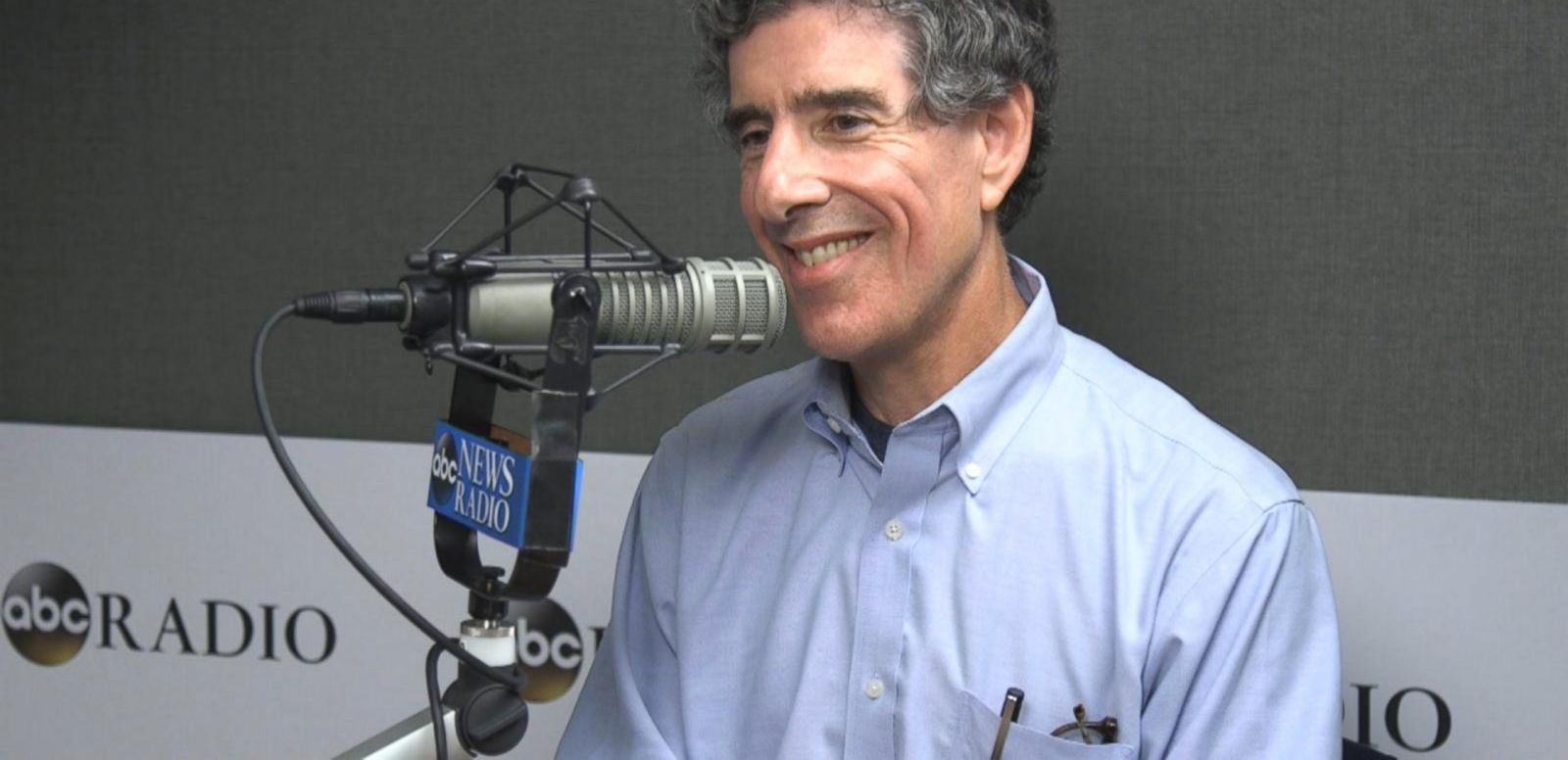
Dr. Richie Davidson, a neuroscientist at the University of Wisconsin-Madison, has been meditating for more than 40 years, but it was the Dalai Lama himself who convinced him to dedicate his life to researching the effects of meditation on the brain.

“He challenged me, saying, ‘You’ve been using the tools of modern neuroscience to mostly study anxiety, depression and fear, all these negative feelings. Why can’t you use these same tools to study qualities like kindness and compassion and equanimity?’ And I didn’t have a very good answer for him,” Davidson said. “It was a total wake-up call for me and really was a pivotal catalyst.”

Davidson, who founded the Center for Healthy Minds, met the Dalai Lama in 1992 and has since gone on to conduct multiple studies on mindfulness, compassion and cognitive therapy training. He talked about his research and personal meditation practice with ABC News’ Dan Harris for his “10% Happier” live stream/podcast show.

Early in his career, Davidson said he “became a closet meditator and didn’t talk to any of my colleagues about my interest in meditation … [the Dalai Lama] played a major role in me coming out of the closet and encouraging serious scientific research in this area.”

His relationship with His Holiness led to Davidson and his colleagues to conduct a study a few years ago looking at the brain scans of Buddhist monks as they meditated. The Dalai Lama had granted permission for his monks to have their brains studied at the University of Wisconsin-Madison, home to one of the most renowned brain labs in the world.

Davidson’s team flew in monks from Tibet and Nepal for the study and asked them to meditate while undergoing EEG, MRI and FMRI (functional magnetic resonance imaging) scans. When they first looked at the scans, Davidson said the results were so shocking, he thought the equipment was malfunctioning.

“What we saw in these individuals, not a burst of gamma, but a long duration [of activity] for minutes while they were meditating, which is crazy,” Davidson said. “This had never been seen in a human brain before.” Typically in an “untrained mind,” Davidson said, a burst of activity would last for about one second, but the monks could sustain it.
“And [they] can turn it on pretty much at will,” he said. “Any of us can have it and we may not be able to sustain it, that’s the difference … a thought will come into our mind and we’ll get lost in it for a few minutes, and so the ability to sustain it I think really requires much more practice.”

As a scientist, Davidson has been criticized in the past for his close relationship with the Dalai Lama, a religious figure. Davidson also has been questioned about whether he is biased toward a certain outcome in his research because he has been practicing meditation for decades. But Davidson argued that his personal practice and the Dalai Lama’s support are beneficial to his work.

“I understand the concern and really my push back is simply that we are trying to do the science at the highest possible level with the most integrity,” Davidson said. “And I actually believe that if you’re going to study meditation scientifically then you’ve got to meditate yourself…. It would be like telling a cardiologist that they can’t do any physical exercise for the rest of their active career because they’re biased.”

Every morning, Davidson said he will do a period of meditation and then take two to three minutes to scan his calendar for meetings. Then for a few seconds, Davidson said he pauses to reflect on how he can bring “the right stuff” to each meeting in order to “be present and be most helpful.”

“I can go through a day where I have 10 straight hours of meetings and at the end of that period feel totally nourished and refreshed,” he said.

His advice for those who want to start meditating was to commit to a daily practice for at least 30 days, but set a reasonable amount of time.

“There are published studies which show as little as eight minutes of meditation can actually produce a measurable objective change, but again it says nothing about how long these changes will last,” Davidson said. “It doesn’t matter how small that number is, but do it every day.”

Whole Trouble – A Total Wake-Up Call for Regime Change in Tibet. How to change the Regime in Occupied Tibet? Tibetan Resistance: The Doctrine and the Philosophy of Tibetan Resistance to China’s War of Occupation is based on the Force or Power of an Idea that concludes that the Enemy has no Power over your Mind and the Enemy cannot exercise authority over your Mind. Resistance begins when man sets his Mind Free. Resistance is Freedom in Action without any sense of Fear.
Whole Trouble – A Total Wake-Up Call for Regime Change in Tibet. How to change the Regime in Occupied Tibet? Tibetan Resistance: The Doctrine and the Philosophy of Tibetan Resistance to China’s War of Occupation is based on the Force or Power of an Idea that concludes that the Enemy has no Power over your Mind and the Enemy cannot exercise authority over your Mind. Resistance begins when man sets his Mind Free. Resistance is Freedom in Action without any sense of Fear. Great Masters of Nalanda. Acharya Atisha.

Whole Trouble – The Legacy of the Biggest Mass Murderer of the World

Trouble in Tibet – The Legacy of the Biggest Mass Murderer of the World

TROUBLE IN TIBET – LEGACY OF THE BIGGEST MASS MURDERER OF THE WORLD.

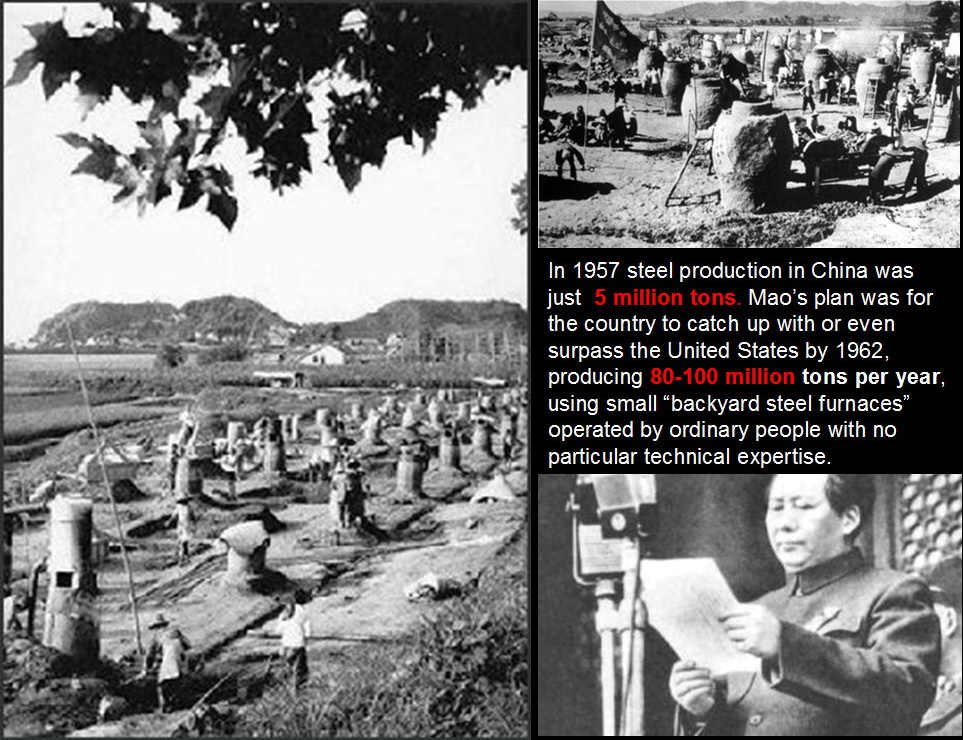
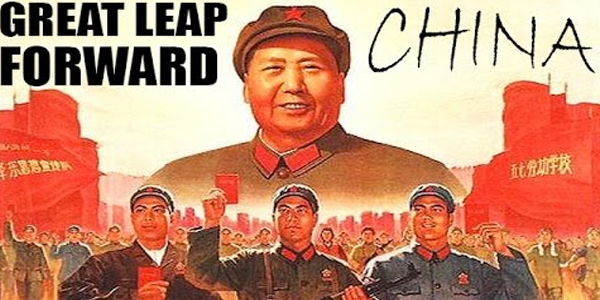
Trouble in Tibet stands for Legacy of the Biggest Mass Murderer of the world. It is not a past historical event. His Legacy is alive today for the Monster that he created lives in pursuit of the Doctrine of Expansionism.

The Washington Post

Remembering the biggest mass murder in the history of the world

BY ILYA SOMIN AUGUST 03

Victims of the Great Leap Forward.
Remembering the biggest mass murder in the history of the world. Chinese peasants suffering from the effects of the Great Leap Forward.

Chinese peasants suffering from the effects of the Great Leap Forward.

Who was the biggest mass murderer in the history of the world? Most people probably assume that the answer is Adolf Hitler, architect of the Holocaust. Others might guess Soviet dictator Joseph Stalin, who may indeed have managed to kill even more innocent people than Hitler did, many of them as part of a terror famine that likely took more lives than the Holocaust. But both Hitler and Stalin were outdone by Mao Zedong. From 1958 to 1962, his Great Leap Forward policy led to the deaths of up to 45 million people – easily making it the biggest episode of mass murder ever recorded.
Historian Frank Dikötter, author of the important book Mao’s Great Famine recently published an article in History Today, summarizing what happened:

Mao thought that he could catapult his country past its competitors by herding villagers across the country into giant people’s communes. In pursuit of a Utopian paradise, everything was collectivised. People had their work, homes, land, belongings and livelihoods taken from them. In collective canteens, food, distributed by the spoonful according to merit, became a weapon used to force people to follow the party’s every dictate. As incentives to work were removed, coercion and violence were used instead to compel famished farmers to perform labour on poorly planned irrigation projects while fields were neglected.

A catastrophe of gargantuan proportions ensued. Extrapolating from published population statistics, historians have speculated that tens of millions of people died of starvation. But the true dimensions of what happened are only now coming to light thanks to the meticulous reports the party itself compiled during the famine….
What comes out of this massive and detailed dossier is a tale of horror in which Mao emerges as one of the greatest mass murderers in history, responsible for the deaths of at least 45 million people between 1958 and 1962. It is not merely the extent of the catastrophe that dwarfs earlier estimates, but also the manner in which many people died: between two and three million victims were tortured to death or summarily killed, often for the slightest infraction. When a boy stole a handful of grain in a Hunan village, local boss Xiong Dechang forced his father to bury him alive. The father died of grief a few days later. The case of Wang Ziyou was reported to the central leadership: one of his ears was chopped off, his legs were tied with iron wire, a ten kilogram stone was dropped on his back and then he was branded with a sizzling tool – punishment for digging up a potato.

The basic facts of the Great Leap Forward have long been known to scholars. Dikötter’s work is noteworthy for demonstrating that the number of victims may have been even greater than previously thought, and that the mass murder was more clearly intentional on Mao’s part, and included large numbers of victims who were executed or tortured, as opposed to “merely” starved to death. Even the previously standard estimates of 30 million or more,would still make this the greatest mass murder in history.

While the horrors of the Great Leap Forward are well known to experts on communism and Chinese history, they are rarely remembered by ordinary people outside China, and has had only a modest cultural impact. When Westerners think of the great evils of world history, they rarely think of this one. In contrast to the numerous books, movies, museums, and and remembrance days dedicated to the Holocaust, we make little effort to recall the Great Leap Forward, or to make sure that society has learned its lessons. When we vow “never again,” we don’t often recall that it should apply to this type of atrocity, as well as those motivated by racism or antisemitism.

The fact that Mao’s atrocities resulted in many more deaths than those of Hitler does not necessarily mean he was the more evil of the two. The greater death toll is partly the result of the fact that Mao ruled over a much larger population for a much longer time. I lost several relatives in the Holocaust myself, and have no wish to diminish its significance. But the vast scale of Chinese communist atrocities puts them in the same general ballpark. At the very least, they deserve far more recognition than they currently receive.

I. Why We so Rarely Look Back on the Great Leap Forward

What accounts for this neglect? One possible answer is that the most of the victims were Chinese peasants – people who are culturally and socially distant from the Western intellectuals and media figures who have the greatest influence over our historical consciousness and popular culture. As a general rule, it is easier to empathize with victims who seem similar to ourselves.

But an even bigger factor in our relative neglect of the Great Leap Forward is that it is part of the general tendency to downplay crimes committed by communist regimes, as opposed to right-wing authoritarians. Unlike in the days of Mao, today very few western intellectuals actually sympathize with communism. But many are reluctant to fully accept what a great evil it was, fearful – perhaps – that other left-wing causes might be tainted by association.

The social-political movement launched in May 1966 by Mao Zedong followed a botched industrialization campaign where millions starved. It’s a sensitive period in modern China’s history. That’s why this museum filled with relics from China’s “Red Era”, is one of a kind. From busts to badges, plates to posters – Chairman Mao and his vision are everywhere. (Reuters)

In China, the regime has in recent years admitted that Mao made “mistakes” and allowed some degree of open discussion about this history. But the government is unwilling to admit that the mass murder was intentional and continues to occasionally suppress and persecute dissidents who point out the truth.

This reluctance is an obvious result of the fact that the Communist Party still rules China. Although they have repudiated many of Mao’s specific policies, the regime still derives much of its legitimacy from his legacy. I experienced China’s official ambivalence on this subject first-hand, when I gave a talk about the issue while teaching a course as a visiting professor at a Chinese University in 2014.

II. Why it Matters.

For both Chinese and westerners, failure to acknowledge the true nature of the Great Leap Forward carries serious costs. Some survivors of the Great Leap Forward are still alive today. They deserve far greater recognition of the horrible injustice they suffered. They also deserve compensation for their losses, and the infliction of appropriate punishment on the remaining perpetrators.

In addition, our continuing historical blind spot about the crimes of Mao and other communist rulers, leads us to underestimate the horrors of such policies, and makes it more likely that they might be revived in the future. The horrendous history of China, the USSR, and their imitators, should have permanently discredited socialism as completely as fascism was discredited by the Nazis. But it has not – so far – fully done so.

Just recently, the socialist government of Venezuela imposed forced labor on much of its population. Yet most of the media coverage of this injustice fails to note the connection to socialism, or that the policy has parallels in the history of the Soviet Union, China, Cuba, and other similar regimes. One analysis even claims that the real problem is not so much “socialism qua socialism,” but rather Venezuela’s “particular brand of socialism, which fuses bad economic ideas with a distinctive brand of strongman bullying,” and is prone to authoritarianism and “mismanagement.” The author simply ignores the fact that “strongman bullying” and “mismanagement” are typical of socialist states around the world. The Scandinavian nations – sometimes cited as examples of successful socialism- are not actually socialist at all, because they do not feature government ownership of the means of production, and in many ways have freer markets than most other western nations.

Venezuela’s tragic situation would not surprise anyone familiar with the history of the Great Leap Forward. We would do well to finally give history’s largest episode of mass murder the attention it deserves.


Somin_Ilya_90x90.jpg&w=180&h=180
Ilya Somin is Professor of Law at George Mason University. His research focuses on constitutional law, property law, and popular political participation. He is the author of “The Grasping Hand: Kelo v. City of New London and the Limits of Eminent Domain” and “Democracy and Political Ignorance: Why Smaller Government is Smarter.”

1163

© 1996-2016 The Washington Post On http://www.glogster.comOn http://www.telegraph.co.uk

Trouble in Tibet – The Legacy of the Biggest Mass Murderer of the World.

Whole Trouble – India – China War of 1967 describes illegal occupation of Tibet

Trouble in Tibet – India – China Wars are mere Symptoms of a serious malady

Whole Trouble – India – China War of 1967 describes illegal occupation of Tibet. India – China War of 1962 and 1967 cannot be described as border conflicts for India and China do not share a common border. These conflicts are signs and symptoms of a serious malady called ‘Trouble in Tibet’, the Trouble caused by Tibet’s illegal occupation.

India – China War of 1962 and 1967 cannot be described as border conflicts for India and China do not share a common border. These conflicts are signs and symptoms of a serious malady called ‘Trouble in Tibet’, the Trouble caused by Tibet’s illegal occupation.

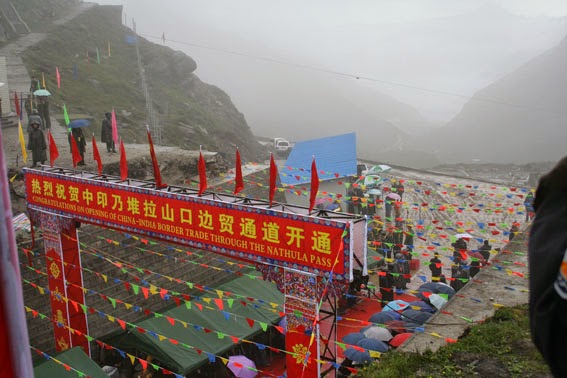
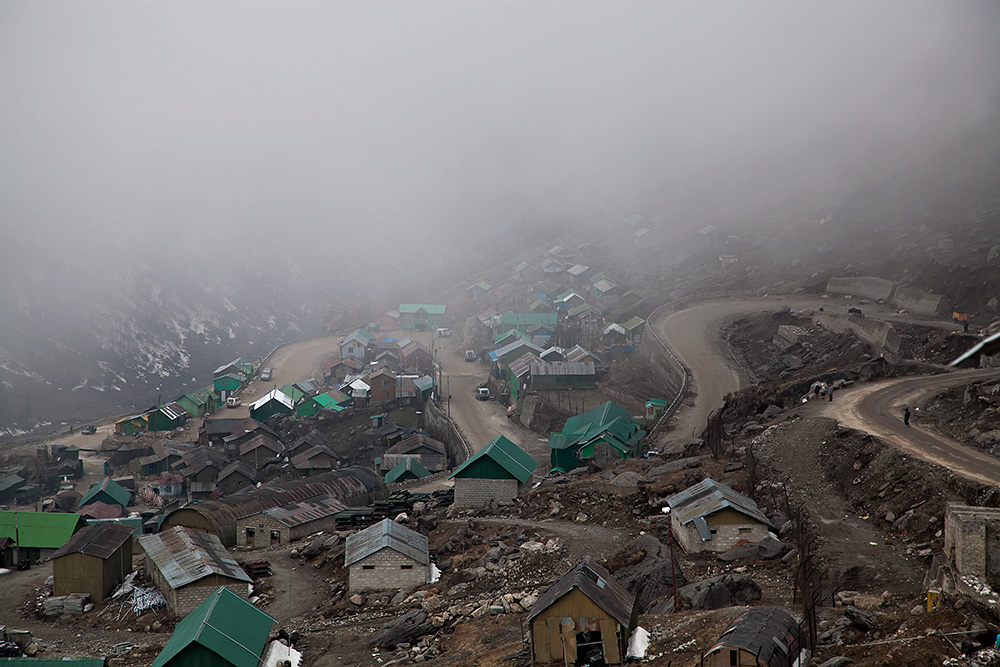
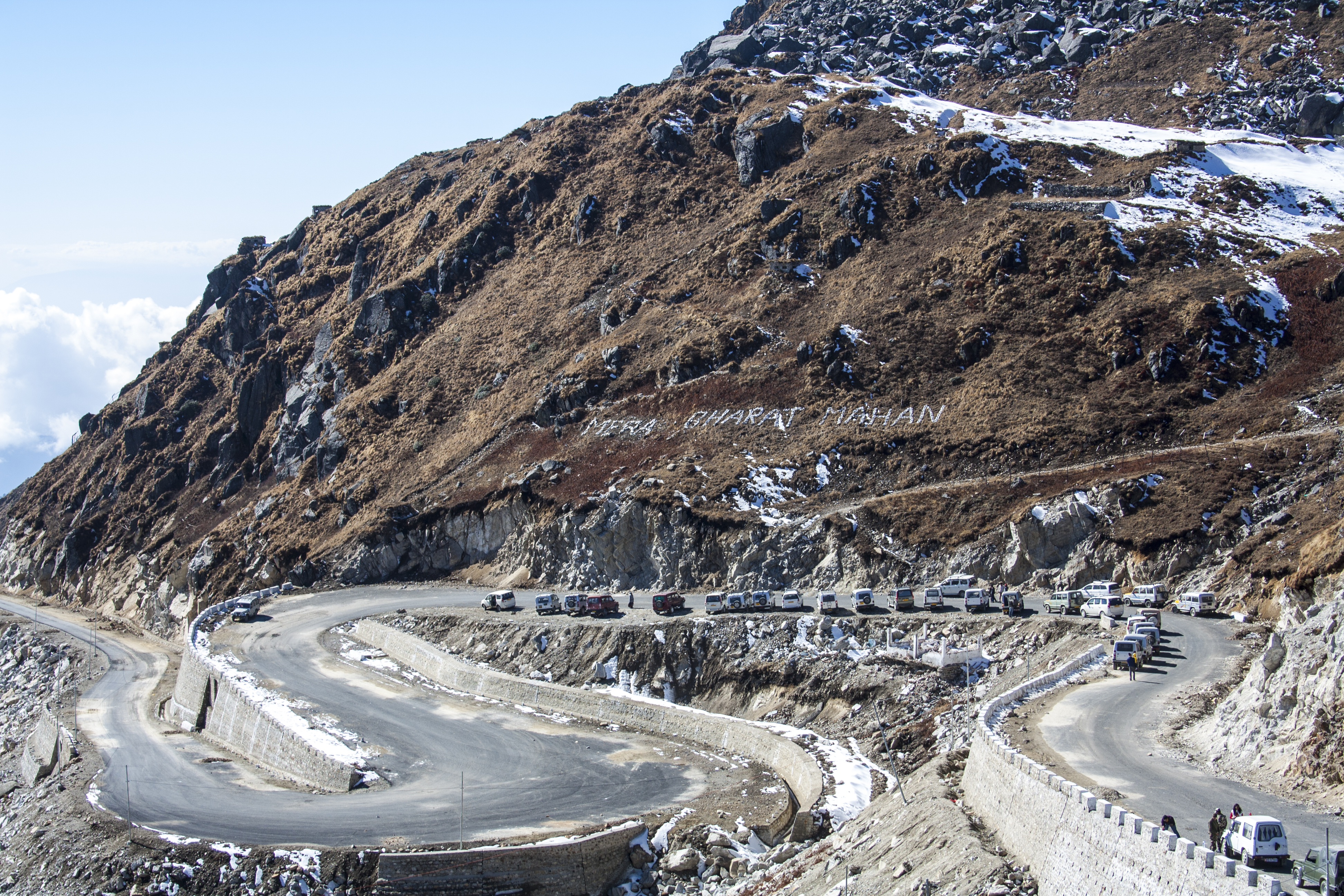
Trouble in Tibet – India – China Wars are mere Symptoms of a serious malady. A view of Nathu La pass, India – Tibet Border. India – China War of 1962 and 1967 cannot be described as border conflicts for India and China do not share a common border. These conflicts are signs and symptoms of a serious malady called ‘Trouble in Tibet’, the Trouble caused by Tibet’s illegal occupation.

The Story of Indian Army’s Nathu La & Cho La Stands that saved Sikkim from the Chinese Army!

Trouble in Tibet – India – China War of 1967. On any day, I can see Trouble in Tibet when I stand near Nathu La Pass, the Pass of “Listening Ears.” India – China War of 1962 and 1967 cannot be described as border conflicts for India and China do not share a common border. These conflicts are signs and symptoms of a serious malady called ‘Trouble in Tibet’, the Trouble caused by Tibet’s illegal occupation.
India – China War of 1962 and 1967 cannot be described as border conflicts for India and China do not share a common border. These conflicts are signs and symptoms of a serious malady called ‘Trouble in Tibet’, the Trouble caused by Tibet’s illegal occupation.

This is how it happened at Nathu La ::

Nathu La was the only place in 4000 km long Indo-China border where two armies were separated by a meagre 30 yards.

Chinese held the northern shoulder of the pass while Indian Army had the southern shoulder. Two dominating features south and north of Nathu La namely Sebu La and Camel’s back were held by the Indians.

It started with scuffle between sentries ::
Sentries of both the forces used to stand barely one meter apart in the centre of the Pass which is marked by Nehru Stone, commemorating Pandit Jawaharlal Nehru’s trek to Bhutan through Nathu La and Chumbi Valley in 1959.

On 6 September 1967, an argument soon turned into a scuffle in which the Chinese Political Commissar fell down and broke his spectacles. Chinese went back since they were thin in size. Indian Army, however, in order to de-escalate the tension decided the lay a wire in the centre of the Pass from Nathu La to Sebu La to demarcate the perceived border. The task was given to jawans of 70 Field Company of Engineers assisted by a company of 18 Rajput deployed at Yak La pass further north of Nathu La.

The actual face-off ::

The wire laying was to commence at first light on the fateful morning of 11 September 1967. With first light, the engineers and jawans started their bit of erecting long iron pickets from Nathu La to Sebu La along the perceived border while 2 Grenadiers and Artillery Observation Post Officers (AOPO) at Sebu La and Camel’s Back were on alert.

Soon, the Chinese arrived. Their Political Commissar, with a section of Infantry came to the centre of the Pass where Lt. Col Rai Singh, Commanding Officer (CO) of 2 Grenadiers was standing with his commando platoon.

The Chinese asked CO to stop the fencing. But Lt. Col was adamant as orders were clear. The argument soon turned into scuffle and once again the tiny Chinese Commissar got roughed up.

Chinese went back to their bunkers, but this time returned to salvage their insult. Minutes later a murderous medium machine gun fire from north shoulder of Nathu La ran riot and jawans of 70 Field Company and 18 Rajput were caught in the open.

Among the Indian causalities was Col Rai Singh who succumbed to the bullet injuries. He was awarded MVC later. Two other brave officers – Capt Dagar of 2 Grenadiers and Major Harbhajan Singh of 18 Rajput rallied a few troops and tried to assault the Chinese MMG but both died a heroic death. They were posthumously awarded Vir Chakra and MVC respectively. Within the ten minutes, there were nearly seventy dead and scores wounded lying in the open on the pass.

Indians in retaliation opened fire from artillery observation posts and as a result, most of the Chinese bunkers on North shoulder and in depth were completely destroyed and Chinese suffered very heavy casualties which by their own estimates were over 400. It was followed by a ferocious counter strike from the Mountaineers, Grenadiers and Rajputs which included close quarter combat also.

The artillery duel thereafter carried on relentlessly, day and night. For the next three days, the Chinese were taught a very good lesson.

On September 14th, Chinese threatened to use Air Force if shelling didn’t stop.

But by then a lesson was taught to the Chinese. Col Raj Singh and Maj Harbhajan Singh were awarded the Maha Vir Chakra posthumously while Capt Dagar was awarded the Vir Chakra.

Another duel at Cho La (1st October 1967) ::

It again started with sentries.

Minor scuffle between Sikh sentries and the Chinese on 30th September on a flat patch of icy land of about five metres on the unmarked boundary was the start of the stand off.

Information of scuffle reached late to CO, Major KB Joshi, but he didn’t waste anytime in telling Lt Rathore about anticipating a Nathu La like backlash. The CO decided to take stoke of the situation and thus reached Rai Gap area on the way to De Coy positions in morning.

While the Indian Sentry at post 15450 was visible, Major Joshi also observed that the post was being surrounded by a section strength of Chinese troops. Major Joshi at once informed Lt. Rathore of what he had seen. The later informed Major Joshi that the Chinese Coy Commander and the political commissar were staking claims to the boulder at the sentry post.

When Gorkha taught them a lesson ::

Naib Subedar Gyan Bahadur Limbu was having a heated argument with his counterpart at the sentry post during which he rested his right foot on the boulder under dispute. The Chinese kicked his foot away. Gyan put his foot back and challenged them. Events were moving quickly.

By this time the Chinese had taken up position, presumably because their commander had already taken a decision to escalate the incident. And one of the Chinese sentries bayoneted Gyan wounding him in the arm.

The Gorkha’s response was swift and soon both arms of the Chinese who hit the JCO were chopped off with a Khukri. At this point the Chinese opened fire and the two sides engaged in a firefight at close range. Lance Naik Krishna Bahadur, the Post Commander, then led a charge against the Chinese in the vicinity who were forming up for an assault. Although hit and incapacitated, he continued to harangue his men forward.

Rifleman Devi Prasad Limbu directly behind his Post Commander was already engaged in a close quarter battle with the enemy and his Khukri took off five Chinese heads.

But he was soon claimed by a direct hit. For his actions he was awarded a Vir Chakra, Posthumous. Meanwhile at Pt. 1540 Lt. Rathore was wounded in his left arm as soon as the firing started. He nevertheless continued to lead until he was hit in the chest and abdomen and died thereafter.

From here on Major Joshi took over immediately and his accurate mortar fire on Chinese positions around Point 15450 put an end to further activity in this area.

CO took matter in his hands ::

While Point 15450 was temporarily quiet, Tamze and the Rai Gap area came under rocket and RCL fire at around 10:50 am. The mortar position at Tamze came under heavy pressure as it threatened the rear of the Chinese positions. J&K Rifles stationed there suffered heavy casualties when one of their bunkers received a direct hit by RCL fire.

Soon, Major Joshi’s escort was killed and a handful of Chinese soldiers tried to move towards Major Joshi’s party. These troops withdrew after Major Joshi took down two Chinese. The fighting, however, continued.

Chinese wanted to shift the location of fight and hence stopped firing. But immediately retaliated by bringing down fire on Timjong’s position, another position closer by.

Major Joshi, undaunted, even though alone, continued to fire until all ammunition was exhausted. By 11:30 am troops were withdrawn back from Pt. 15450 under covering fire from MMGs on Pt. 15180.

Though the Chinese shot green lights indicating a ceasefire but at Pt. 15180 Major Joshi noticed some enemy troops lined up just below the crest at Rai Gap and engaged them, forcing them to scatter. while thwarting them back into their territory, Major Joshi shot four more.

The last assault ::

Despite great show, Pt 15540 was still under Chinese control. Thus operation was launched at 1700 hours after he met his men at camp. Soon Captain Parulekar and B Coy were given the task to capture Pt 15540, but they fumbled in dark.

Chinese fired magnesium flares to see the activity but failed. Captain Parulekar realized it was risky to move further, thus he waited. At 06:40 pm, Major Joshi ordered Parulekar and the platoon to outflank the enemy from a north-west direction, while the rest of the company and supporting mortars were readied for a frontal assault.

The offensive was about to be launched when the Chinese saw Indians occupying key positions to nail them. Thus they retreated and Pt 15540 was captured without firing a single shot.

During the whole standoff, the Chinese lost more than 50 soldiers while Indian Army conceded 15 of its valiant soldiers.

Near Nathu La Sikkim India | Sikkim | Pinterest

It is beautiful pass between India-China border.

Nathu La | Sightseeing in Gangtok | HappyTrips.com

World / India / Sikkim / Gangtok World / India / Sikkim / East

Nathu La route for Tibet pilgrimage for Indians to open in June ...

Trouble in Tibet – India – China War of 1967. Nathu La Pass, Sikkim, India. India – China War of 1962 and 1967 cannot be described as border conflicts for India and China do not share a common border. These conflicts are signs and symptoms of a serious malady called ‘Trouble in Tibet’, the Trouble caused by Tibet’s illegal occupation.

Nathu La Border, Sikkim | 1001 Things About North Bengal, North East ...

Trouble in Tibet – India – China War of 1967. On any day, I can see Trouble in Tibet when I stand near Nathu La Pass, the Pass of “Listening Ears.” India – China War of 1962 and 1967 cannot be described as border conflicts for India and China do not share a common border. These conflicts are signs and symptoms of a serious malady called ‘Trouble in Tibet’, the Trouble caused by Tibet’s illegal occupation.


Whole Trouble – The Walk for Talks – How to get Red China to Walk to the Conference Table?

Trouble in Tibet – Red China’s Road Block

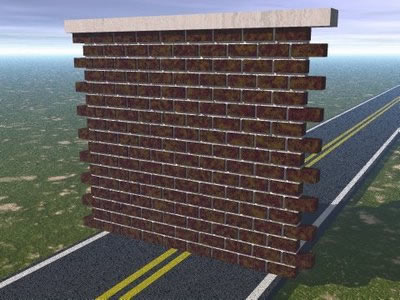
Trouble in Tibet – Walk The Talk – Red China’s Road Block. Peaceful Conflict Resolution in Occupied Tibet is impossible while Red China erects Road Block halting The Walk for Talks.

The Road Map for Peace and Reconciliation in Occupied Tibet is presented as “Umaylam” or Middle Way Approach. However, Red China is unwilling to talk or negotiate with the Dalai Lama on the issue of introducing ‘Meaningful Autonomy’ in Occupied Tibet. While it is commendable to recommend ‘Talk’ as a tool for Peaceful Conflict Resolution, how to get Red China to Walk to The Conference Table? If China refuses to Talk, How to Walk The Talk on Peaceful Conflict Resolution? Peaceful Conflict Resolution in Occupied Tibet is impossible while Red China erects Road Block halting The Walk for Talks.

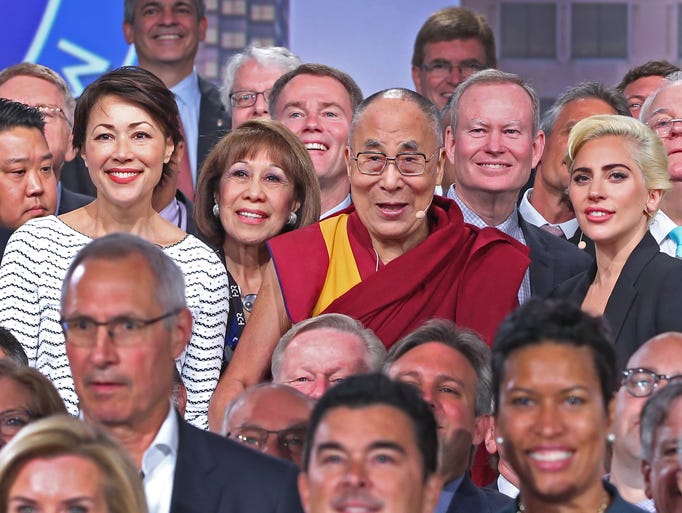
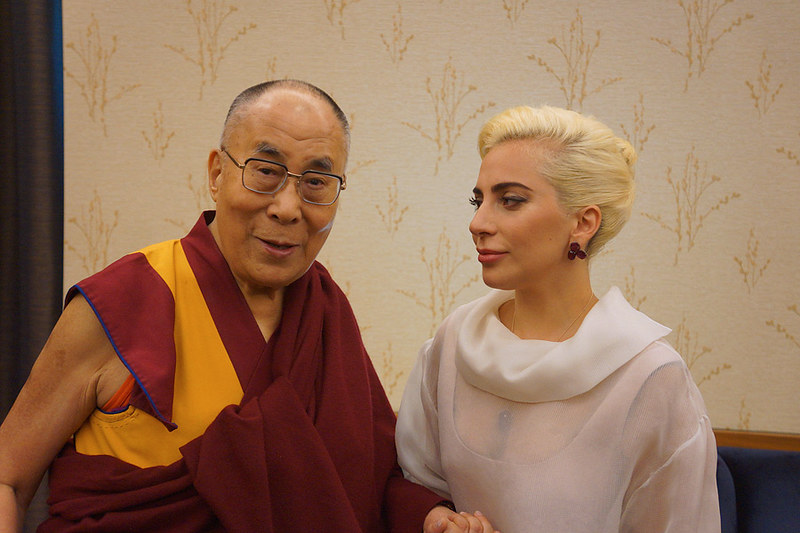
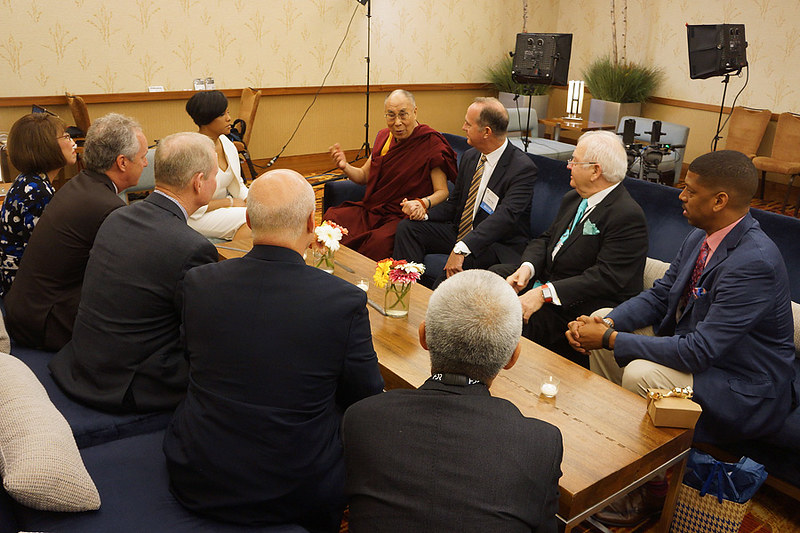
Trouble in Tibet – Walk The Talk – Red China’s Road Block. Dalai Lama and Lady Gaga talked about the role of compassion to resolve conflicts in changing world. If China is Unwilling to Talk, How to Walk The Talk on Peaceful Conflict Resolution?

OUR OPINION: GOOD ADVICE FROM THE DALAI LAMA WE SHOULD ALL FOLLOW

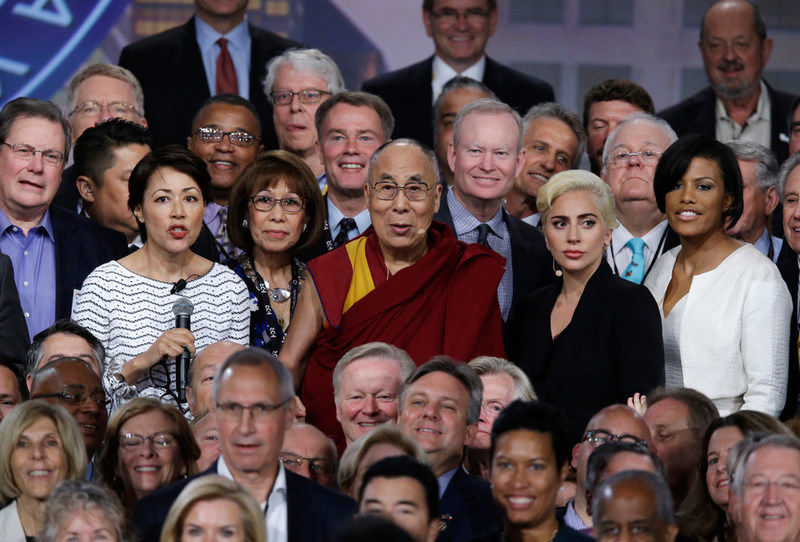
Trouble in Tibet – Walk The Talk – Red China’s Road Block. The Dalai Lama and Lady Gaga at the U.S. Conference of Mayors in Indianapolis. If China is Unwilling to Talk, how to Walk The Talk on Peaceful Conflict Resolution?

The Dalai Lama and Lady Gaga pose for a photo with mayors attending the U.S. Conference of Mayors in Indianapolis on Sunday. 

The message was simple, but in the midst of a presidential campaign filled with mean tweets, name-calling and a general air of nastiness, it sounded downright revolutionary and refreshing.

Be kind. Practice compassion.

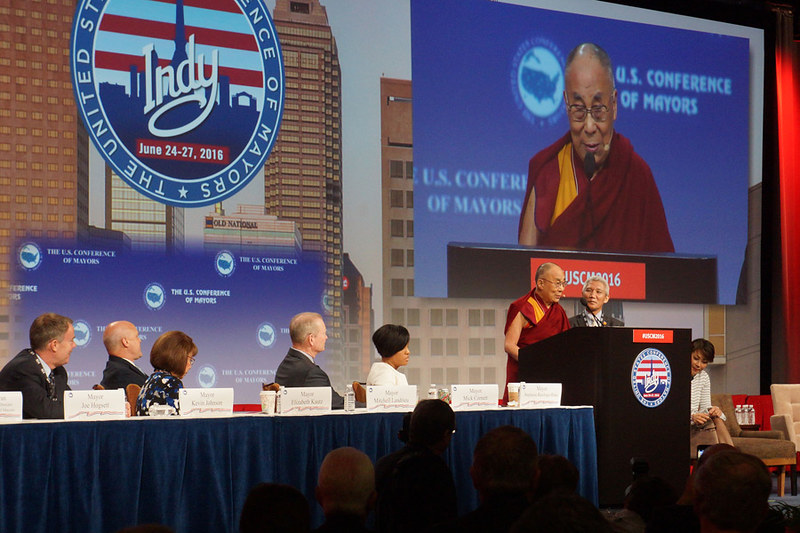
That was a theme of the keynote address delivered by the Dalai Lama Sunday at the U.S. Conference of Mayors annual meeting in Indianapolis. According to an Indianapolis Star report, in a discussion that followed the address, the Buddhist leader, along with entertainer Lady Gaga and philanthropist Philip Anschuwitz, talked to more than 200 of the nation’s city mayors about the importance of being kind in a violent and angry world.

He said that people are compassionate by nature, and that enemies can be the best of friends.He also noted that the time has come for America to be the leading nation in the promotion of human compassion, human love in order to achieve compassionate world.

While there are compassionate people to be found in communities such as ours, there is no denying that the national discourse has deteriorated over the years. That’s thanks in no small part to a Congress where inflexibility is prized, demonizing the opposition plays well and failure to compromise on such mammoth challenges as immigration reform is the norm. And four months from the election of a new president, things are certain to get even uglier and more divisive.

In a panel discussion short on policy proposals and heavy on philosophy, the Dalai Lama called the 20th century the century of violence,and suggested that the 21st century should be one of talk.

That sounds good to us. Now if only he can get certain folks in Washington, D.C. and on the campaign trail to listen.

 © Copyright 2016 SouthBendTribune.com, 225 West Colfax Ave South Bend, IN

Trouble in Tibet – Walk The Talk – Red China’s Road Block. His Holiness the Dalai Lama at the U.S. Conference of Mayors in Indianapolis. If China is Unwilling to Talk, How to Walk The Talk on Peaceful Conflict Resolution?
Trouble in Tibet – Walk The Talk – Red China’s Road Block. His Holiness the Dalai Lama and Lady Gaga talked about Compassion at the U.S. Conference of Mayors in Indianapolis. How to get Red China to the Conference Table?
Trouble in Tibet – Walk The Talk – Red China’s Road Block. His Holiness the Dalai Lama at the U.S. Conference of Mayors in Indianapolis. How to get Red China to The Conference Table?
Trouble in Tibet - Walk The Talk - Red China's Road Block. His Holiness the Dalai Lama, Lady Gaga, and the U.S. Mayors held Talks at the U.S. Conference of Mayors in Indianapolis. The Talks are Over. Who is going to Walk The Talk???
Trouble in Tibet – Walk The Talk – Red China’s Road Block. His Holiness the Dalai Lama, Lady Gaga, and the U.S. Mayors held Talks at the U.S. Conference of Mayors in Indianapolis. The Talks are Over. Who is going to Walk The Talk?

Whole Awareness – Restore Tibet’s Serenity

Tibet Awareness – Restore Tibet’s Serenity

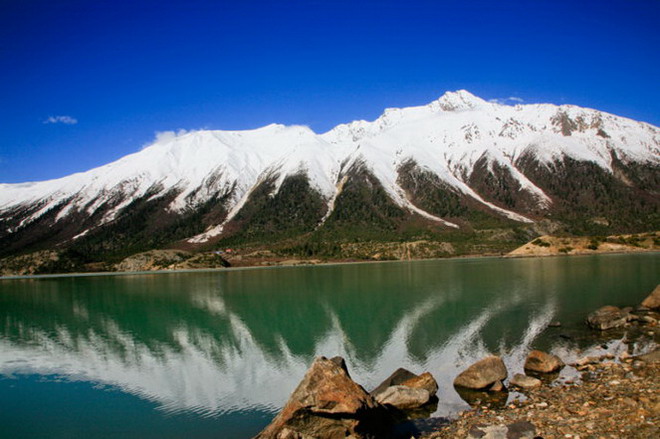
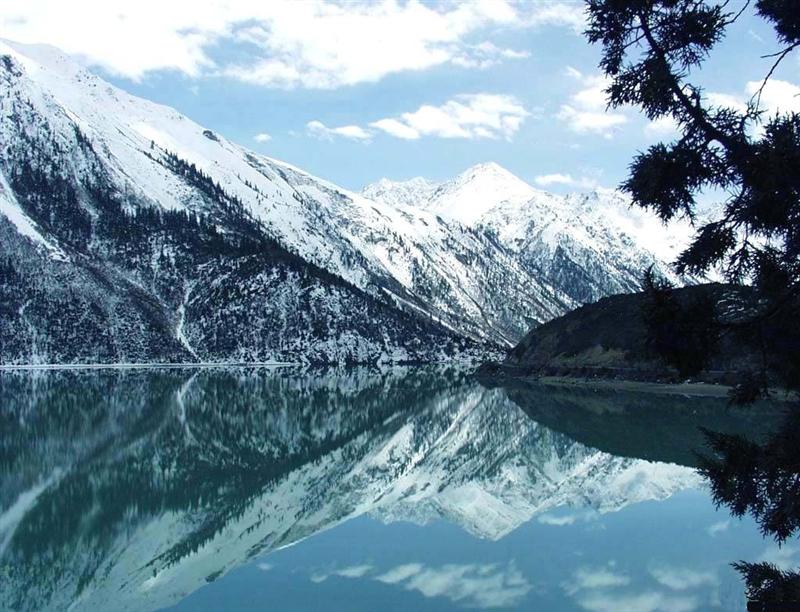
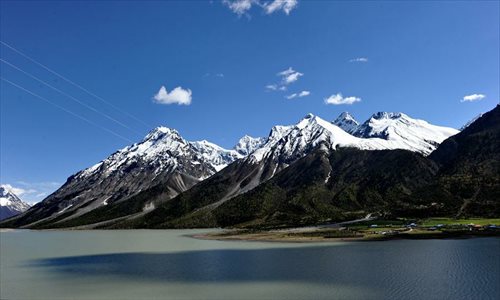
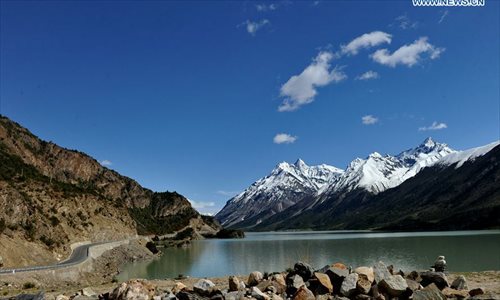
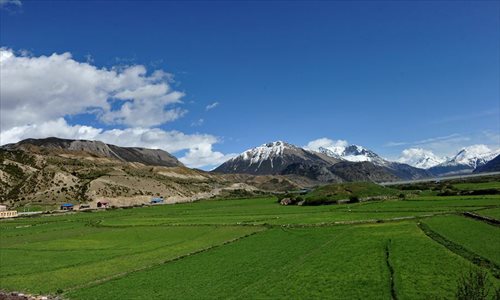
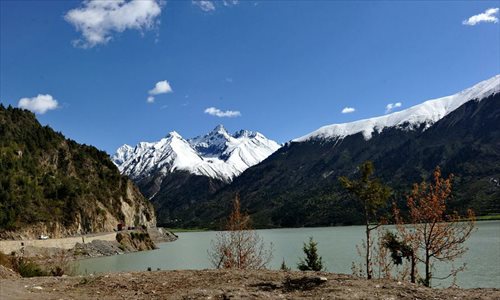
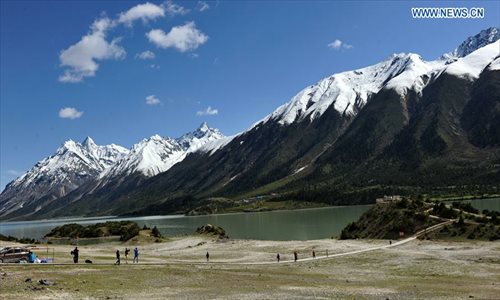
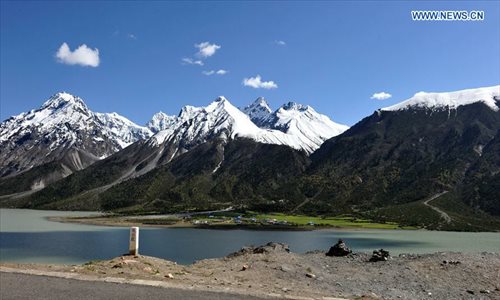
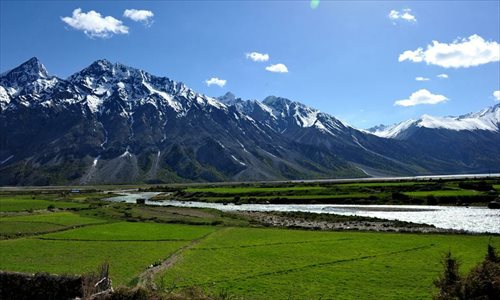
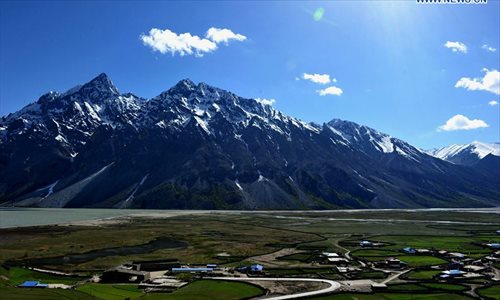
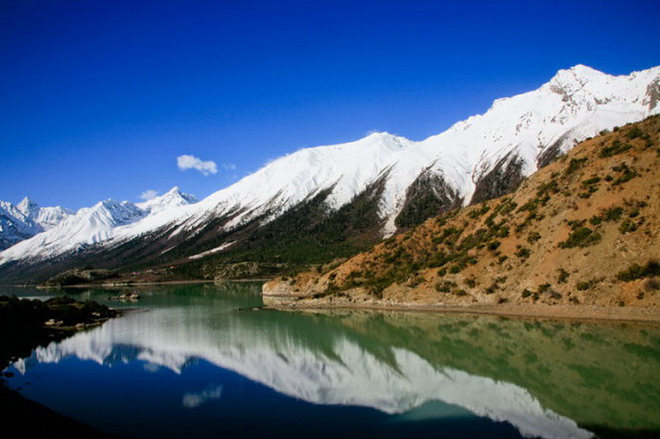
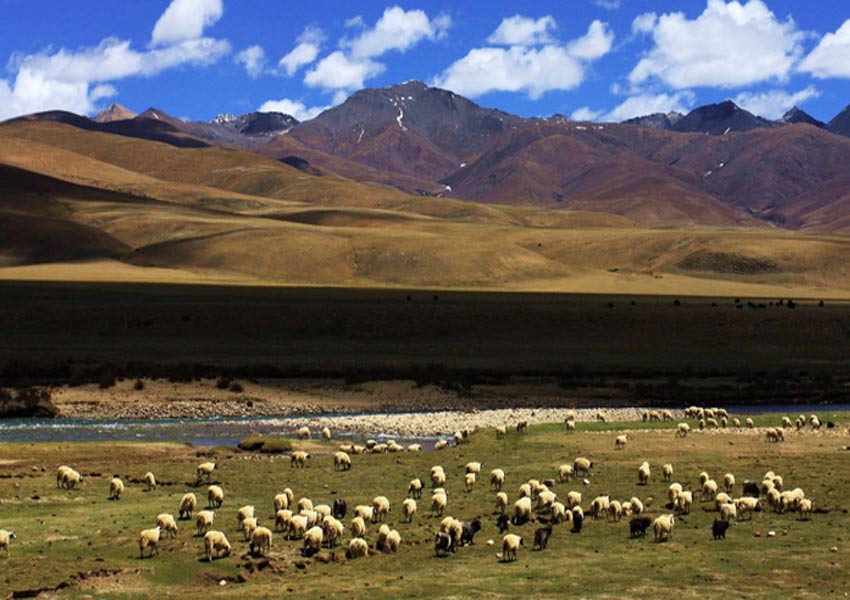
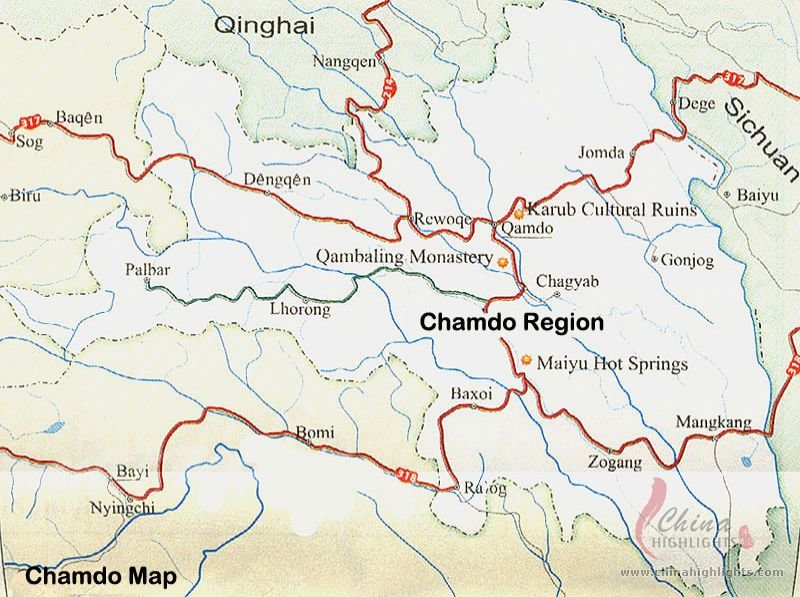
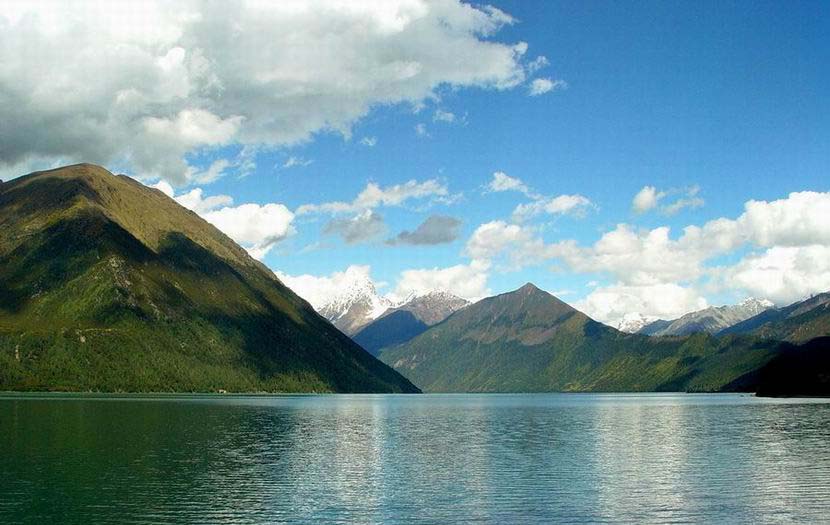
TIBET AWARENESS – RESTORE TIBET’S SERENITY. KEEPING TIBET CALM, PEACEFUL, UNDISTURBED BY OCCUPATION. RANWU LAKE, QAMDO, KHAM PROVINCE.

Prayers for restoration of Tibet’s Serenity; Calm, Peaceful, and Undisturbed by military Occupation.

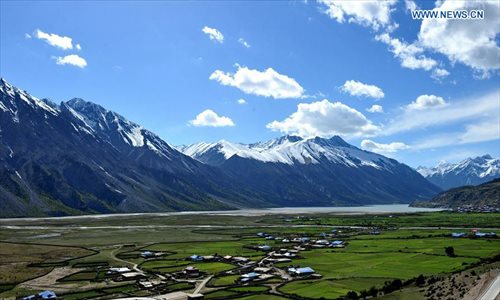
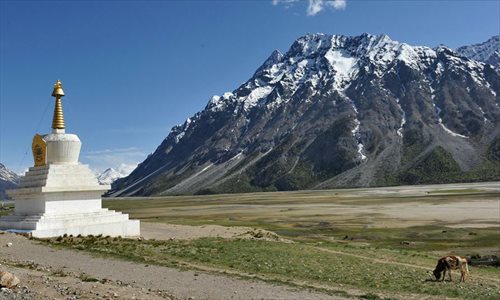
SCENERY OF QAMDO CITY, KHAM PROVINCE, TIBET

Source:Xinhua Published: 2016-6-6 10:10:49

Tibet Awareness – Restore Tibet’s Serenity. Keep Tibet Calm, Peaceful, and Undisturbed by Occupation. Ranwu Lake, Qamdo, Kham Province.

Photo taken on June 4, 2016 shows the scenery of Ranwu Lake in Basu County of Qamdo City, Kham Province, Tibet. (Xinhua/Zhang Rufeng)

Tibet Awareness – Restore Tibet’s Serenity. Keep Tibet Calm, Peaceful, and Undisturbed by Occupation. Ranwu Lake, Qamdo, Kham Province.

Photo taken on June 4, 2016 shows the scenery of Ranwu Lake in Basu County of Qamdo City, Kham Province, Tibet. (Xinhua/Zhang Rufeng)

Tibet Awareness – Restore Tibet’s Serenity. Keep Tibet Calm, Peaceful, Undisturbed by Occupation. Ranwu Lake, Qamdo, Kham Province.

Photo taken on June 4, 2016 shows the scenery of Ranwu Lake in Basu County of Qamdo City, Kham Province, Tibet. (Xinhua/Zhang Rufeng)

Tibet Awareness – Restore Tibet’s Serenity. Keep Tibet Calm, Peaceful, Undisturbed by Occupation. Ranwu Lake, Qamdo, Kham Province.

Photo taken on June 4, 2016 shows the scenery of Ranwu Lake in Basu County of Qamdo City, Kham Province,Tibet. (Xinhua/Zhang Rufeng)

Tibet Awareness – Restore Tibet’s Serenity. Keep Tibet Calm, Peaceful, and Undisturbed by Occupation. Ranwu Lake, Qamdo, Kham Province.

Photo taken on June 4, 2016 shows the scenery of Ranwu Lake in Basu County of Qamdo City, Kham Province,Tibet. (Xinhua/Zhang Rufeng)

Tibet Awareness – Restore Tibet’s Serenity. Keep Tibet Calm, Peaceful, and Undisturbed by Occupation. Ranwu Lake, Qamdo, Kham Province.

Photo taken on June 4, 2016 shows the scenery of Ranwu Lake in Basu County of Qamdo City, Kham Province,Tibet. (Xinhua/Zhang Rufeng)

Tibet Awareness – Restore Tibet’s Serenity. Keep Tibet Calm, Peaceful, and Undisturbed by Occupation. Ranwu Lake, Qamdo, Kham Province.

Photo taken on June 4, 2016 shows the scenery of Ranwu Lake in Basu County of Qamdo City, Kham Province,Tibet. (Xinhua/Zhang Rufeng)

Tibet Awareness – Restore Tibet’s Serenity. Keep Tibet Calm, Peaceful, and Undisturbed by Occupation. Ranwu Lake, Qamdo, Kham Province.

Photo taken on June 4, 2016 shows the scenery of Ranwu Lake in Basu County of Qamdo City, Kham Province,Tibet. (Xinhua/Zhang Rufeng)

Tibet Awareness – Restore Tibet’s Serenity. Keep Tibet Calm, Peaceful, and Undisturbed by Occupation. Ranwu Lake, Qamdo, Kham Province.

Photo taken on June 4, 2016 shows the scenery of Ranwu Lake in Basu County of Qamdo City, Kham Province,Tibet. (Xinhua/Zhang Rufeng)

Tibet Awareness – Restore Tibet’s Serenity. Keep Tibet Calm, Peaceful, and Undisturbed by Occupation. Ranwu Lake, Qamdo, Kham Province.

Photo taken on June 4, 2016 shows the scenery of Ranwu Lake in Basu County of Qamdo City, Kham Province,Tibet. (Xinhua/Zhang Rufeng)

Tibet Awareness – Restore Tibet’s Serenity. Keep Tibet Calm, Peaceful, and Undisturbed by Occupation. Ranwu Lake, Qamdo, Kham Province.

Photo taken on June 4, 2016 shows the scenery of Ranwu Lake in Basu County of Qamdo City, Kham Province, Tibet. (Xinhua/Zhang Rufeng)

Tibet Awareness – Restore Tibet’s Serenity. Keep Tibet Calm, Peaceful, and Undisturbed by Occupation. Ranwu Lake, Qamdo, Kham Province.

Photo taken on June 4, 2016 shows the scenery of Ranwu Lake in Basu County of Qamdo City, Kham Province,Tibet. (Xinhua/Zhang Rufeng)

Tibet Awareness – Restore Tibet’s Serenity. Keep Tibet Calm, Peaceful, and Undisturbed by Occupation. Ranwu Lake, Qamdo, Kham Province.
Tibet Awareness – Restore Tibet’s Serenity. Keep Tibet Calm, Peaceful, and Undisturbed by Occupation.
Tibet Awareness – Restore Tibet’s Serenity. Keep Tibet Calm, Peaceful, and Undisturbed by Occupation. Qamdo City, Kham Province.
Tibet Awareness – Restore Tibet’s Serenity. Keep Tibet Calm, Peaceful, and Undisturbed by Occupation. Ranwu Lake, Qamdo, Kham Province.
Tibet Awareness – Restore Tibet’s Serenity. Qamdo Region, Kham Province.
Tibet Awareness – Restore Tibet’s Serenity. Keep Tibet Calm, Peaceful, and Undisturbed by Occupation. Draksum Tso Lake.