The Discovery of Whole Joy, Whole Bliss, and Whole Satisfaction
The Discovery of Bliss on Akshaya Tritiya
The festival of Akshaya Tritiya is celebrated by Hindus and Jains around the world. Also known as Akti or Akha Teej, this day is believed to be one of the most auspicious occasions. This year, it falls on Wednesday, April 30.
The Discovery of Bliss on Akshaya Tritiya.
According to the Hindu calendar, Akshaya Tritiya falls on the third tithi called Tadiya (lunar day) of Shukla Paksha of the Vaisakha month. Going by the Gregorian calendar, it falls somewhere around April and May.
The Discovery of Bliss on Akshaya Tritiya. Wednesday, April 30, 2025 is the third day of the Waxing Crescent phase of the Moon in the Second Month of Vaisaka of Hindu Calendar.
One of the most important rituals includes worshipping Lord Vishnu on this day. For Hindus, the Sanskrit meaning of Akshaya Tritiya, the two words, holds a lot of importance. “Akshaya” means “never diminishing” and the term “Tritiya” signifies the third day of the illuminated half of Vaisakha month.
History and significance
The Discovery of Bliss on Akshaya Tritiya
People celebrate Akshaya Tritiya to bring good luck to their lives. As per common belief, buying gold and properties on this day brings prosperity and wealth in the future.
The Discovery of Bliss on Akshaya Tritiya.
Going by mythology, it is believed that a number of events took place on Akshaya Tritiya, making it an auspicious day.
The Discovery of Bliss on Akshaya Tritiya
As per one legend, on Akshaya Tritiya, Treta Yuga, the second of the four yugas, started and the sixth incarnation of Lord Vishnu, Parshuram, was born.
The Discovery of Bliss on Akshaya Tritiya.
Also, it is considered that Maharishi Ved Vyasa, the author of Mahabharata, started narrating the epic to Lord Ganesh on this day.
The Discovery of Bliss on Akshaya Tritiya.
It was on this occasion that Lord Krishna met his childhood friend Sudama.
The Discovery of Bliss on Akshaya Tritiya.
As per Hindu tradition, the river Ganga descended on Earth from heaven on Akshaya Tritiya.
The Discovery of Bliss on Akshaya Tritiya.
THE STORY OF AKSHAYA PATRA:
Akshaya Patra. Discover Bliss From an Empty Pot.
DHARMA RAJA, THE ELDEST OF PANDAVA PRINCES RECEIVING “AKSHAYA PATRA” FROM ‘SURYA BHAGAWAN’
The word ‘Akshaya Patra’ in Sanskrit language means an inexhaustible vessel. This pot could supply delicious meals in an endless manner. This story is found in the Indian Epic poem of Mahabharata. Akshaya Patra was a divine gift given to Dharmaraj by the Sun god, Surya. The pot was given to help the princely family of Pandavas to tide over their difficulties while they spent twelve years in the forest. They had to spend time in exile after losing their kingdom in a game of dice. Akshaya Patra would provide meals so that the Pandava family could keep up with the Indian traditions of hospitality.Also keeping in line with the tradition, each day Akshaya Patra would serve the final and last meal to the hostess. The hostess, Draupadi was very mindful of her traditional role and each day she would feed all the guests, all the dependents, all the family members and would then take the last meal.
THE DISCOVERY OF BLISS FROM AN EMPTY POT:
Akshaya Patra. Discover the Bliss From an Empty Pot.
As per the story from Mahabharata, one evening, Princess Draupadi finds herself in a troubled situation. A Hindu sage by the name of Durvasa with a large entourage of his disciples arrives at the forest abode of Pandava princes after hostess Draupadi took the last meal from Akshaya Patra. Since the pot cannot serve any more food, she prays to Lord Krishna seeking help to feed her guests. Lord Krishna appears before her and asks her to feed Him from Akshaya Patra. Draupadi regretfully answers that the pot is empty. He directs her to take a closer look. Princess Draupadi carefully reexamines the pot and discovers a single grain of rice that remained stuck in the pot. As instructed, she feeds the last grain from the pot to Lord Krishna and now the pot gets truly empty. However, Lord Krishna derived His satiation, complete satisfaction when the last grain from the pot got removed. Along with Lord Krishna’s experience of full satisfaction from eating a morsel of food, the entire party of guests experience full satiation and inform Princess Draupadi that she need not serve them any meal. Thus Princess Draupadi escapes from the duty of the hospitality tradition of actually feeding them that evening.
Discovery of Bliss on Akshaya Tritiya.
I am speaking of this story about Akshaya Patra to understand the concept about emptying the mind to discover pure consciousness. In Indian literature and idiom, the mind is often compared to a vessel or a pot. When all thoughts (or desires) are taken out of the mind, what would remain in the mind is like that single grain of rice that Draupadi discovered in the otherwise empty Akshaya Patra. In my analysis, this last grain of food represents the desire or attachment to life. When the desire or attachment to life is surrendered, the man attains the state of pure consciousness which discovers its unity with the Divine consciousness to provide the experience of Pure Bliss and Joy. Lord Krishna could have easily provided a hearty meal to the entire party of guests. He did not choose to provide happiness through gratification of the physical needs of the body. The pot, if seen as the representation of the mind, the mind gets truly emptied when the last grain or desire, or craving, or attachment is removed from it. Lord Krishna demonstrates that there is no need to fill-up the pot to feed our desires. He delivered Joy, Bliss, and the experience of perfect satisfaction after emptying the pot. Just like the empty Akshaya Patra that provided Bliss, when the last grain of desire or attachment is removed from the mind and given in offering to the Lord, the Lord would provide all that you may need without the physical gratification of the senses. Man at any given age, under all given circumstances, in good health, or ill-health exists in this physical world because of ‘God-Connection’, the Connection between man, the energy seeker, and God, the energy provider. When the God-Connection is recognized, the man experiences a sense of satisfaction, mental satiation, and he would have no desires to be gratified.
Bharat Darshan Discovers Bliss on Akshaya Tritiya.
The Discovery of Whole Joy, Whole Bliss, and Whole Satisfaction
The Discovery of Bliss on Akshaya Tritiya
The festival of Akshaya Tritiya is celebrated by Hindus and Jains around the world. Also known as Akti or Akha Teej, this day is believed to be one of the most auspicious occasions. This year, it falls on Friday, May 10.
The Discovery of Bliss on Akshaya Tritiya.
According to the Hindu calendar, Akshaya Tritiya falls on the third tithi called Tadiya (lunar day) of Shukla Paksha of the Vaisakha month. Going by the Gregorian calendar, it falls somewhere around April and May.
The Discovery of Bliss on Akshaya Tritiya. Friday, May 10, 2024 is the third day of the Waxing Crescent phase of the Moon in the Second Month of Vaisaka of Hindu Calendar.
One of the most important rituals includes worshipping Lord Vishnu on this day. For Hindus, the Sanskrit meaning of Akshaya Tritiya, the two words, holds a lot of importance. “Akshaya” means “never diminishing” and the term “Tritiya” signifies the third day of the illuminated half of Vaisakha month.
History and significance
The Discovery of Bliss on Akshaya Tritiya
People celebrate Akshaya Tritiya to bring good luck to their lives. As per common belief, buying gold and properties on this day brings prosperity and wealth in the future.
The Discovery of Bliss on Akshaya Tritiya.
Going by mythology, it is believed that a number of events took place on Akshaya Tritiya, making it an auspicious day.
The Discovery of Bliss on Akshaya Tritiya
As per one legend, on Akshaya Tritiya, Treta Yuga, the second of the four yugas, started and the sixth incarnation of Lord Vishnu, Parshuram, was born.
The Discovery of Bliss on Akshaya Tritiya.
Also, it is considered that Maharishi Ved Vyasa, the author of Mahabharata, started narrating the epic to Lord Ganesh on this day.
The Discovery of Bliss on Akshaya Tritiya.
It was on this occasion that Lord Krishna met his childhood friend Sudama.
The Discovery of Bliss on Akshaya Tritiya.
As per Hindu tradition, the river Ganga descended on Earth from heaven on Akshaya Tritiya.
The Discovery of Bliss on Akshaya Tritiya.
THE STORY OF AKSHAYA PATRA:
Akshaya Patra. Discover Bliss From an Empty Pot.
DHARMA RAJA, THE ELDEST OF PANDAVA PRINCES RECEIVING “AKSHAYA PATRA” FROM ‘SURYA BHAGAWAN’
The word ‘Akshaya Patra’ in Sanskrit language means an inexhaustible vessel. This pot could supply delicious meals in an endless manner. This story is found in the Indian Epic poem of Mahabharata. Akshaya Patra was a divine gift given to Dharmaraj by the Sun god, Surya. The pot was given to help the princely family of Pandavas to tide over their difficulties while they spent twelve years in the forest. They had to spend time in exile after losing their kingdom in a game of dice. Akshaya Patra would provide meals so that the Pandava family could keep up with the Indian traditions of hospitality.Also keeping in line with the tradition, each day Akshaya Patra would serve the final and last meal to the hostess. The hostess, Draupadi was very mindful of her traditional role and each day she would feed all the guests, all the dependents, all the family members and would then take the last meal.
THE DISCOVERY OF BLISS FROM AN EMPTY POT:
Akshaya Patra. Discover the Bliss From an Empty Pot.
As per the story from Mahabharata, one evening, Princess Draupadi finds herself in a troubled situation. A Hindu sage by the name of Durvasa with a large entourage of his disciples arrives at the forest abode of Pandava princes after hostess Draupadi took the last meal from Akshaya Patra. Since the pot cannot serve any more food, she prays to Lord Krishna seeking help to feed her guests. Lord Krishna appears before her and asks her to feed Him from Akshaya Patra. Draupadi regretfully answers that the pot is empty. He directs her to take a closer look. Princess Draupadi carefully reexamines the pot and discovers a single grain of rice that remained stuck in the pot. As instructed, she feeds the last grain from the pot to Lord Krishna and now the pot gets truly empty. However, Lord Krishna derived His satiation, complete satisfaction when the last grain from the pot got removed. Along with Lord Krishna’s experience of full satisfaction from eating a morsel of food, the entire party of guests experience full satiation and inform Princess Draupadi that she need not serve them any meal. Thus Princess Draupadi escapes from the duty of the hospitality tradition of actually feeding them that evening.
Discovery of Bliss on Akshaya Tritiya.
I am speaking of this story about Akshaya Patra to understand the concept about emptying the mind to discover pure consciousness. In Indian literature and idiom, the mind is often compared to a vessel or a pot. When all thoughts (or desires) are taken out of the mind, what would remain in the mind is like that single grain of rice that Draupadi discovered in the otherwise empty Akshaya Patra. In my analysis, this last grain of food represents the desire or attachment to life. When the desire or attachment to life is surrendered, the man attains the state of pure consciousness which discovers its unity with the Divine consciousness to provide the experience of Pure Bliss and Joy. Lord Krishna could have easily provided a hearty meal to the entire party of guests. He did not choose to provide happiness through gratification of the physical needs of the body. The pot, if seen as the representation of the mind, the mind gets truly emptied when the last grain or desire, or craving, or attachment is removed from it. Lord Krishna demonstrates that there is no need to fill-up the pot to feed our desires. He delivered Joy, Bliss, and the experience of perfect satisfaction after emptying the pot. Just like the empty Akshaya Patra that provided Bliss, when the last grain of desire or attachment is removed from the mind and given in offering to the Lord, the Lord would provide all that you may need without the physical gratification of the senses. Man at any given age, under all given circumstances, in good health, or ill-health exists in this physical world because of ‘God-Connection’, the Connection between man, the energy seeker, and God, the energy provider. When the God-Connection is recognized, the man experiences a sense of satisfaction, mental satiation, and he would have no desires to be gratified.
Bharat Darshan Discovers Bliss on Akshaya Tritiya.
How to regulate the Feeding Behavior? The Principles of Obesity Prevention
Whole Dude – Whole Foods – Whole Planet – Whole Family – Whole Spirituality – Whole Definition: Salutations to Mother Annapurna. The name Annapurna is the Original Source of Whole or Purna Concept (Always Full, Complete and Perfect). My mother’s name is the equivalent of Whole Foods.
This article examines the relationship between food, man, and the world in which he exists to formulate a Food Theory that may provide the principles for preventing the medical problem described as obesity.
Whole Dude – Whole Foods – Whole Spirituality: Goddess Annapurna is depicted as The Mother Principle of human creation and existence. The celebration of Whole Food as a Spiritual Substance of Human Nourishment. Salutations to Mother Annapurna. The name Annapurna is the Original Source of Whole or Purna Concept (Always Full, Complete and Perfect). My mother’s name is the equivalent of Whole Foods.
What it is to be a Substance? and What it is to Exist? We need to establish knowledge about the man and the world on a firm basis and the information it provides must be tested for its accuracy and consistency with an external reality.
Whole Dude – Whole Regulation: How to Regulate the Feeding Behavior? The Principles of Obesity Prevention.Whole Dude – Whole Regulation: How to Regulate the Feeding Behavior? The Principles of Obesity Prevention. What are the non-optical functions of the light? Photosynthesis is the Divine non-optical function of Light that supports the existence of Life.
We need a methodology to study philosophy and to understand philosophical statements. Logical Positivism, also known as Scientific Empiricism aims to clarify concepts in both everyday and scientific language. It describes analysis of language as the function of philosophy. This analysis of language and of concepts is important to understand questions of belief and ideology which affect what we think we ought to do individually and socially. I use this method of ‘Applied Philosophy’ to analyze the concept of Spiritual Optics, the spiritual dimension of the relationship between the man and the substances he consumes as food.
SPIRITUALITY SCIENCE – THE ART OF KNOWING: HOW DO PLANTS KNOW WHAT THEY KNOW? PLANTS KNOW ABOUT LIGHT, THE LENGTH OF DAY, AND THE DURATION OF DARKNESS CALLED NIGHT. THERE IS NO “INTELLECT” INVOLVED IN THIS PROCESS OF KNOWING. THE ABILITY OF KNOWING LIGHT OR PHOTORECEPTION IS EXPLAINED BY PHOTOCHEMISTRY.
For example, photosynthesis represents the most important non-optical function of Light instituted by Providence in support of the existence of Life on Earth. The prevention of Obesity demands the formulation of a correct and valid theory of Food.
WHOLE FOOD AND WHOLE SCIENCE:
Whole Dude – Whole Regulation: How to Regulate the Feeding Behavior? The Principles of Obesity Prevention. The Chemical Energy Molecule called Adenosine triphosphate or ATP. The creative mechanism called Photosynthesis transforms one form of energy into another form of energy used by the living organisms.
Life comes into existence when energy-yielding molecules and energy-demanding molecules come together in a spiritual relationship.In my analysis, the Science of Nutrition reveals the purpose of food as that of a spiritual medium that fosters unity between man and Divine Providence using a corporeal substance called Protoplasm or Cytoplasm.
Whole Dude – Whole Regulation: How to Regulate the Feeding Behavior? The Principles of Obesity Prevention. What are the non-optical functions of the light? Photosynthesis is the Divine non-optical function of Light that supports the existence of Life
The definition of food as any substance consumed to provide the nutritional support to an organism is incomplete as it fails to describe the totality of the relationship between food and its consumer. I describe the Seven Dimensions of the man. These are, 1. The Physical, 2. The Mental, 3. The Social, 4. The Moral, 5. The Spiritual, 6. The Creative, and 7. The Rational. I define Whole Food as substances consumed by the man to provide support to the Seven Dimensions of the man. Hence, Whole Food is defined as the Spectrum of Seven Colors for the generation of food involves a creative mechanism operating the fundamental Light and Matter photochemical interactions.
WHOLE FOOD AND THE WHOLE THEORY:
Whole Dude – Whole Foods – Whole Planet – Whole Family – Whole Spirituality: Salutations to Mother Annapurna. The name Annapurna is the Original Source of Whole or Purna Concept (Always Full, Complete and Perfect). My mother’s name is the equivalent of Whole Foods.
I define the term ‘Whole Food’ as follows taking into consideration the seven dimensions of Food in supporting the biological existence of the man in his community, and environment. Indeed, no man is truly capable of an existence that excludes the social community and the physical environment in which he exists:
1. Whole Food provides the nutritional substances for the Physical well-being of man and supports his living functions.
2. Whole Food provides the psychological satisfaction, the mental contentment that a man needs to support his Mental well-being.
3. Whole Food provides the stimulus for social relationships and social bonding that a man needs to support his Social well-being.
4. Whole Food provides the ability to a man to express his moral and ethical principles to support his Moral well-being.
5. Whole Food provides the spiritual basis for the man’s relationship with Divine Providence to support the Spiritual well-being of man.
6. The creative dimension of the man is reflected by the imagination and the skills deployed by the man in the preparation of his food and the artistic presentation of the food.
7. In the final analysis, the man as a Rational Being will choose to eat to live with a purpose rather than to live to eat without any purpose in life.
Whole Food comprises of the nutritional substances that support a man’s Physical, Mental, Social, Moral, and Spiritual well-being. These five components of well-being are important to generate the experience of peace, harmony, and tranquility in human Life and the human existence.
OBESITY-THE PROBLEM OF EXCESSIVE EATING:
Whole Dude – Whole Regulation: How to Regulate the Feeding Behavior? The Principles of Obesity Prevention. It requires the formulation of Eating Behavior that is consistent with inner cues of Hunger and Satiety. A Balanced Diet may or may not provide the experience called Satiation.
The word ‘obese’ is derived from Latin word “obedere” which means to devour (ob + edere means about + eat). Obesity is the result of excessive eating. Obesity is the commonest effect of continued over consumption of calories. This blog post intends to explore the preventive principles that could be applied to curb the behavior that leads to excessive eating. Preventive principles could be different from principles used in the treatment of obesity. Prevention of excessive eating would be of value in the clinical management of obese patients but should not be viewed as a curative regime. Obese patients may need other interventions apart from restriction of dietary intake. In my opinion, the prevention of obesity involves the ability to formulate eating behavior that is consistent with inner cues of hunger and satiety.
Whole Dude – Whole Regulation: How to Regulate the Feeding Behavior? The Principles of Obesity Prevention. The measurement of body weight is the simplest and the least direct method of measuring the fat content in the body.
Obesity is the most common nutritional disorder of modern times. Obesity can occur at any stage of life. Obesity in childhood and adolescence has become common and is viewed with a sense of alarm. Obesity is defined as a condition in which there is an excess deposit of fat in (and on) the body with an increase in body weight more than 10 percent above the normal for the age, sex, height, and stock or clan. Body weight is a valuable screening measure for obesity. The measurement of body weight is the simplest and the least direct method of measuring the fat content in the body. It must be very carefully noted that we have tools to measure body weight and that we have no tools to measure or estimate the sensations called Hunger and Satiety. Hence, the preventive principles are not evidence-based, and are only reason-based. It will not be practical to provide consistent results while we depend upon criteria such as Hunger and Satiety which are not measurable quantities that could be stated using a precise, scientifically accurate method. To deal with the problem of obesity, we have to deal with the issues of Hunger and Satiety to regulate feeding behavior and to control caloric intake. Patterns of eating behavior and physical activity are influenced by social, cultural, and economic factors. Hence, obesity is a complex issue but the complexity should not stop us from preventing the problem of excessive eating. Genetic factors may influence total body fat and its distribution. However, the epidemic of obesity is not caused by the prevalence of a defective gene or genes.
Whole Dude – Whole Regulation: How to Regulate the Feeding Behavior? The Principles of Obesity Prevention. The brain mechanisms involved in Feeding Motivation include a complex network that involves the Limbic System that controls the Emotional States and the Hypothalamus at the base of the brain.Whole Dude – Whole Regulation: How to Regulate the Feeding Behavior? The Principles of Obesity Prevention. Hypothalamus has nerve centers that are sensitive to changes in blood chemistry, water, products of digestion, and temperature. Hunger, Thirst, and Satiety are regulated by Hypothalamus.
Readers may like to view the Map of Hypothalamus
Whole Dude – Whole Regulation: How to Regulate the Feeding Behavior? The Principles of Obesity Prevention. Hypothalamus has nerve centers that are sensitive to changes in blood chemistry, water, products of digestion, and temperature. Hunger, Thirst, and Satiety are regulated by Hypothalamus.
The brain mechanisms involved in feeding motivation include a complex network that involves the Limbic System that controls the emotional states and the Hypothalamus at the base of the brain. Hypothalamus has nerve centers sensitive to changes in blood chemistry, water, products of digestion and temperature. A nerve center called Ventromedial Nucleus is described as the ‘Satiety Center’. It is the clearing house for satiety signals. Lesions in this area cause gross overeating or hyperphagia. The nerve center in the lateral hypothalamic area is described as the ‘Eating Center’ or ‘Hunger Center’. It facilitates feeding responses. Electrical stimulation of this area elicits voracious feeding and lesions in this area cause prolonged noneating or aphagia. Glucose receptors are present in the cells of the above nuclei which monitor the level of the circulating blood glucose in order to produce the appropriate response. Excessive eating can be controlled by direct electrical stimulation of Satiety Center.
Internal changes that initiate behavioral changes are commonly termed ‘Drive’ or ‘Motivation’. Hunger is a sensation associated with various physiological changes that stimulate the drive to search for food. Most people are familiar with the sensation described as hunger pangs. The responsiveness of the brain mechanisms for feeding is governed by messages reporting the nutritional state of the body. Responsiveness is higher with increasing lack of food in the body. The contents of these messages are primary determinants of the level of feeding motivation. Hunger and Satiety represent high and low levels of feeding motivation.
FOOD AND ENERGY CONSUMPTION-THE WHOLE REGULATION:
Whole Dude – Whole Regulation: How to Regulate the Feeding Behavior? The Principles of Obesity Prevention. Hypothalamus has nerve centers that are sensitive to changes in blood chemistry, water, products of digestion, and temperature. Hunger, Thirst, and Satiety are regulated by Hypothalamus.
Life depends upon a virtually uninterrupted supply of materials for its metabolism. For purposes of survival, metabolic expenditure cannot exceed food intake for very long period. In principle, feeding must proceed throughout life at a pace equal to that of metabolism. In many cases, food intake does not closely follow caloric expenditure. It is permissible for food intake to lag when there are reserves in the body. Discrepancies between intake and expenditure leads to distortion of the basic pattern of caloric regulation. The capacity of the digestive system may set a limit on nutrient supply to the body. Such limitations play a role in human feeding behavior. In man, the capacity of food-gathering and of the digestive system exceed the demands of metabolism. The man has the inherent physiological capabilities and anatomical capacity to consume food and calories in excess of his normal metabolic requirements. It should not be a surprise to observe a similar predisposition to obesity among human pet animals like dogs and cats.
The lack of fuel in the body can be corrected by intake of food that provides energy. Ingested food (calories) passes from 1. the mouth to 2. the digestive tract to 3. the blood stream, and then to 4. storage sites such as liver and fat tissues. These four regions are continuously monitored using a variety of receptors:
1. Organs for taste, smell, and touch in the mouth region. 2. Distension receptors or mechanoreceptors in the stomach and gastrointestinal tract that monitor the volume. 3. Chemoreceptors that monitor the nature of contents of the blood stream. 4. Receptors in Hypothalamus and Liver for monitoring of fat tissues.
The signals converge on the brain mechanism for the feeding motivation using nervous and humoral or chemical pathways. The signals have two kinds of effects; 1. if signals from the four regions report increased fuel contents, the feeding motivation is lowered and satiety is raised, and 2. if taste, visual, and smell receptors are stimulated by palatable food the feeding motivation is increased. The signals for satiation override the signals for hunger and feeding stimulation. Food intake stops when feeding motivation drops below a critical level. When food is catabolized, it causes fuel depletion. Gastric emptying and emptying of Colon and Rectum also stimulate hunger sensation causing resumption of feeding. Once feeding is resumed, intake is enhanced by the positive effects of food stimulus. The interplay of positive and negative feedbacks from food intake tends to maintain a balance between caloric intake and energy output so that body fuel content or body weight in fully grown individuals remains constant. Few people adjust their food intake to meet their needs on a daily basis. The excess Glucose that is not utilized by the body is stored in the Liver as Glycogen which is further converted into fat. The excess amount of fat remains stored in the body fat tissues. The control of the amount of energy reserve in the fat tissue and the nature of control system is not fully understood. The physiological stimuli and changes associated with hunger could be stimuli for coordinating the long-term regulation of the reserve energy. However, it must be noted that a man can accumulate energy reserves and yet experience hunger sensation that is normally generated by a lack of fuel in the body.
FOOD AND ENERGY-THE WHOLE BALANCE:
Whole Dude – Whole Regulation: How to Regulate the Feeding Behavior? The Principles of Obesity Prevention. Hypothalamus has nerve centers that are sensitive to changes in blood chemistry, water, products of digestion, and temperature. Hunger, Thirst, and Satiety are regulated by Hypothalamus. The regulation of energy balance. Energy homeostasis relies on controls exerted on both energy intake and energy expenditure. The control of energy expenditure can be exerted on the muscle activity as well as on BAT thermogenesis. Those controls are insured by different brain structures that compose the cortical executive circuits, reward circuits, and autonomic circuits. The activity of the brain networks is influenced by peripheral homeostatic signals that inform the central nervous system about energy stores. Palatable food also influences cognitive aspects including motivation and pleasure. 2AG, 2-arachidonoylglycerol; ACC, anterior cingulate cortex; CB1R, cannabinoid receptor 1; D2R, dopamine receptor 2; DVC, dorsal-vagal complex; MBH, mediobasal hypothalamus; NAc, nucleus accumbens; PFC, prefrontal cortex; SN, substancia nigra; VTA, ventral tegmental area.
Exercise consumes carbohydrates and most of the fat. Obesity or excess fat accumulation is the consequence of imbalance between energy intake and energy expenditure. Obesity develops if physical activity or energy expenditure becomes very low and the person is not able to reduce food intake or energy intake. In modern times, people are able to obtain their food with little or no physical effort. New sources of power do the work formerly carried out by human muscles. Large number of people spend time without physical activity. People have appetites and are seldom really hungry. A very small excess of calories if habitual, can lead eventually to a large accumulation of fat. It has been reported that if a person eats a slice (20 g) of bread that is not needed each day or goes by car instead of walking for 20 minutes, the daily extra 48 KCal or 200 KJ will build up over 10 years to 20 Kg of fat deposited. In simplest terms, obesity is the outcome of consistent consumption of more calories than are required to meet the energy expenditure of that particular person.
FOOD AND OBESITY-THE WHOLE PROBLEM:
Whole Dude – Whole Regulation: How to Regulate the Feeding Behavior? The Principles of Obesity Prevention. Hypothalamus has nerve centers that are sensitive to changes in blood chemistry, water, products of digestion, and temperature. Hunger, Thirst, and Satiety are regulated by Hypothalamus.
The causation of obesity is still difficult to explain. There are differences between obese and non-obese individuals in respect of hormone secretion and metabolism. Endocrine changes at puberty, during pregnancy, and at menopause may contribute to obesity at these stages of life. The effects of obesity are better understood than the causes of obesity. In Medicine, obesity is described as a clinical condition with several probable causes. Some of the organic pathological causes of obesity include endocrine disorders such as hypopituitarism, hypothyroidism and hypogonadism. Hormonal changes associated with menopause, Anterior Pituitary tumor causing Cushing’s Syndrome, Dercum’s disease (Adiposis dolorosa), and Frohlich’s Syndrome (Posterior Pituitary Deficiency) are causes of obesity. In a few obese individuals, psychiatric mood disorders such as depression and anxiety could be present. Depressed or anxious patients or the emotionally deprived may seek solace in food and such emotional factors play a role in the predisposition towards excessive eating. Overeating could be a symptom of boredom or emotional frustration. In mental diseases, bizarre disturbances of appetite, taste , and food preference may be seen. Some well-known examples are Anorexia nervosa and Bulimia. Self-imposed starvation may develop after bereavement or after disappointment in love. It must be understood that the functions of food include that of obtaining a sense of emotional satisfaction apart from satiation of hunger. The most important and the most universal cause of obesity among otherwise normal people is overeating and lack of exercise.
Whole Dude – Whole Regulation: How to Regulate the Feeding Behavior? The Principles of Obesity Prevention. The measurement of body weight is the simplest and the least direct method of measuring the fat content in the body.
The prevalence of obesity has increased worldwide in the past ~50 years, reaching pandemic levels. Obesity represents a major health challenge because it substantially increases the risk of diseases such as type 2 diabetes mellitus, fatty liver disease, hypertension, myocardial infarction, stroke, dementia, osteoarthritis, obstructive sleep apnea and several cancers, thereby contributing to a decline in both quality of life and life expectancy. Obesity is also associated with unemployment, social disadvantages and reduced socio-economic productivity, thus increasingly creating an economic burden. Thus far, obesity prevention and treatment strategies — both at the individual and population level — have not been successful in the long term. Lifestyle and behavioral interventions aimed at reducing calorie intake and increasing energy expenditure have limited effectiveness because complex and persistent hormonal, metabolic and neurochemical adaptations defend against weight loss and promote weight regain. Reducing the obesity burden requires approaches that combine individual interventions with changes in the environment and society. Therefore, a better understanding of the remarkable regional differences in obesity prevalence and trends might help to identify societal causes of obesity and provide guidance on which are the most promising intervention strategies. (Blüher, M. Obesity: global epidemiology and pathogenesis. Nat Rev Endocrinol 15, 288–298 (2019). https://doi.org/10.1038/s41574-019-0176-8
WHOLE FOOD AND WHOLE SATISFACTION:
Whole Dude – Whole Regulation: How to Regulate the Feeding Behavior? The Principles of Obesity Prevention. What is the original source of the experience called Satiety?
The word desire or craving involves the feelings to wish, covet, or long for something. Similarly, the word appetite describes a desire to satisfy some craving of the body. The term greed describes excessive desire especially for wealth or food. The term lust describes a passionate sexual desire without idealized or spiritualized feelings. The word glutton describes someone who indulges excessively in eating and drinking. All of these kinds of passionate desires or appetites have a common feature. The behavior that is attributable to greed, lust, and gluttony could be influenced by man’s sense of contentment. The role of contentment could be explained by understanding the following quote from the Books of The Old Testament, The Ecclesiastes, Chapter 5, verse 18:
Whole Dude – Whole Regulation: How to Regulate the Feeding Behavior? The Principles of Obesity Prevention. Eat and Drink to find Satisfaction in Life.
“Then I realized that is good and proper for a man to eat and drink, and to find satisfaction in his toilsome labor under the sun during the few days of his life God has given him – for this is his lot.”
While it is good and proper for a man to eat and drink, the acts of gratification; eating, and drinking may not provide a sense of satisfaction that is complete and that overcomes the craving for food and drink. Contentment is the factor which determines as to the degree of gratification that is needed for producing the effect called satisfaction. The man can choose to set the bar called contentment at a high or a low-level and experience the effect called satisfaction while seeking gratification of his desires. To conquer the insatiable enemy called desire, to achieve the result called satisfaction, one must overcome the senses, the mind, and intelligence which are the sitting places of desire. To accomplish the purpose of restraining the senses, the mind, and intelligence, we must know the man as the Whole Organism. I divide man into two categories; 1. The Self (the Lower-Self)that represents the man as a physical, mental, and social being, and 2. The Knowing-Self ( the Higher-Self)that represents the man as the moral, and spiritual being. The Knowing-Self is the Higher-Self and hence it can exercise control and restraint over the Lower-Self which includes the physical body, the sense organs, the mind and intellect, which are the seats of all passionate desires.
Whole Dude – Whole Regulation: How to Regulate the Feeding Behavior? The Principles of Obesity Prevention. The problem of food cravings and food addiction.
In obese people, eating is less often determined by internal cues like hunger and satiety. For many obese people, the craving to eat is very strong and is similar to the craving for alcohol in the alcoholic and for a cigarette in a person addicted to tobacco smoke. The problem of food cravings is a significant factor in the management of obesity. The failure to respond to a dietary plan that restricts food and caloric intake is often caused by the inability to overcome food cravings which leads to non-compliance. The eating or feeding behavior is influenced by the man’s sense of contentment. A person who lives in a state of self-contentment experiences a little less hunger and experiences a sense of satiation or satisfaction more easily after a routine meal. Such a person who is self-contented is not prone to food cravings. He may not need a dietary plan and may not need to count the calories he consumes. He is more likely to maintain a steady body weight without the requirement of changing the level of physical activities. The man has the ability to set his expectations at a level and experience contentment with what he has. If there is contentment, the desire for food and drink is easily satisfied. A contented man is more likely to meet the daily requirements of calories for optimal physiological functioning without gaining body weight. The prevention of obesity could be helped by a proper understanding of food, its nature, and its functions.
Whole Dude – Whole Regulation: How to Regulate the Feeding Behavior? The Principles of Obesity Prevention. Food is a substance eaten for nourishment, for psychological satisfaction, and to support Social Bonding. There is Spiritual Relationship between Food and its Consumer. The Concept of Balanced Diet is silent about the relationship between Food and its Consumer.
Food is a substance eaten for nourishment. Food serves functions other than nutrition. Food plays a vital role in the development, and the maintenance of social interactions, social relationships, and is the fundamental basis for the man’s spiritual relationship with a source of energy and its provider which sustains life and existence.
WHOLE FOOD AND WHOLE LIFE:
Most important biological processes involve Oxidation-Reduction or Redox Reactions to acquire Oxidative energy from other substances termed nutrients. The burning of a substance in air is rapid Oxidation or Combustion which is not of much use for living systems. Plants and Animals use a form of Oxidation called Respiration to liberate energy stored in food materials.
Food describes any substance which a living organism can convert into energy and new tissue using the process of metabolism. The body fluids surrounding each cell are the immediate source of nutrients. The nutrients supplied by food are either used as building blocks in synthesizing large molecules or they are oxidized producing a form of energy that is further used for powering the activities of the cell. To maintain life, an organism not only repairs or replaces (or both) its structures by a constant supply of the materials of which it is composed but also keeps its life processes in operation by a steady supply of energy. The Living Systems must be supplied energy for continual synthesis of new organic molecules and to replace or to repair broken organic molecules. Dr. Oliver Wendell Holmes, Professor of Anatomy and Physiology, Dean of the Harvard Medical School (1847 to 1882) defines life, “To live is to function; and that is all there is in living.” At the cellular level, the living functions include uptake and conversion of nutrients, synthesis of new molecules, production of energy, and regulation and coordination of metabolic sequences.
Whole Dude – Whole Regulation: How to Regulate the Feeding Behavior? The Principles of Obesity Prevention. The Living Cell is a thermodynamically unstable system. This means that without a continuous input of Energy, a Living Cell will degrade spontaneously into a collection of nonliving molecules.
The processes of synthesis and breakdown of the organic molecules of the cell are termed metabolism. Metabolism is divided into two categories; 1. Anabolism- it describes the processes of maintenance and growth, and 2. Catabolism- it describes the processes that breaks down molecules to release energy. The Living Cell depends on a virtually uninterrupted supply of materials for its metabolism. The Living Cell is a thermodynamically unstable system. This means that without a continuous input of energy, a Cell will degrade spontaneously into a nonliving collection of molecules. Food supplies organic molecules and other substances as nourishment to sustain life. Life is characterized by the presence of complex transformation of organic molecules and by the organization of such molecules into successively larger units of protoplasm, cells, organs, and tissues.
WHOLE FOOD AND WHOLE POWER:
Whole Dude – Whole Regulation: How to Regulate the Feeding Behavior? The Principles of Obesity Prevention. Protoplasm or Cytoplasm is the clear, soft, gelatinous living substance found inside all living cells. A most striking characteristic of Protoplasm is its vital property of Nutrition. Nutrition is the power which Protoplasm has of attracting to itself the materials that provide energy and are necessary for its growth and maintenance.
All the tissues and organs of which the human body is composed, consists of building blocks called Cells. Each Living Cell contains soft, gelatinous, semi-fluid, viscous, clear or translucent, colloidal living substance or matter called Protoplasm or Cytoplasm or Cytosol. A most striking characteristic of protoplasm is its vital property of ‘Nutrition’. Nutrition is described as the ‘power’ which protoplasm has of attracting to itself the materials that provide the energy, and the substances for its growth and maintenance from surrounding matter/environment. Nutrition, as a biological function and activity, is the evidence for the operation of Consciousness at cellular level. The Living Cell is conscious or aware of its own existence in its given environment, it is conscious or aware of its energy dependent state of internal condition, and consciously uses its power of nutrition to attract substances from its immediate environment. The Living Cell displays its living functions while it exists as a conscious entity. The Cell Death is characterized by the absence of the power of nutrition, and in the absence of energy input or food intake, the Cell dies. Consciousness and Food are related to each other. Consciousness gives the power of attracting Food and Food provides the ability to live with Consciousness which is the most important characteristic of life. The human organism exists because of the functions of the trillions of cells. The purpose of consciousness is to foster functional unity of the multicellular organism and establish it as an individual. This conscious individual experiences hunger, and thirst which provide the drive or motivation to initiate his feeding behavior. Each individual cell uses its own power of Nutrition to attract the nutrients from the body fluids that are present in its immediate environment. Certain metabolic disorders and conditions like Diabetes are associated with problems of food intake at cellular level. The man may feed himself, and nutrients like glucose accumulate in the blood stream and fail to provide the nourishment needed by the cells. Similarly, there are several mental diseases that are associated with a variety of eating disorders, and bizarre disturbances of appetite, taste, and food preference.
WHOLE FOOD AND WHOLE NUTRITION:
Whole Dude – Whole Regulation: How to Regulate the Feeding Behavior? The Principles of Obesity Prevention. The Protoplasm has the power of Nutrition. The Cell Membrane or the Biological Membrane is not a simple physical barrier separating the Cell from its surrounding environment. The Cell Membrane plays an active role in food intake.
The Biological Membrane, the Cell Membrane or the Plasma Membrane separates the living cell from its environment and from other cells. It helps to maintain a constant ‘milieu’ in which intracellular reactions occur. The Plasma Membrane allows a highly controlled exchange of matter across the barrier it poses; some compounds are able to pass through the Membrane easily, others are completely blocked. Food must provide adequate amounts of all chemical elements needed by the Cells. Of the approximately 35 elements known to occur in cells, four (Oxygen, Carbon, Hydrogen, and Nitrogen) make up about 95 percent of the cell weight. Nine elements (Calcium, Phosphorus, Chlorine, Sulfur, Potassium, Sodium, Magnesium, Iodine, and Iron) contribute about 4 percent of the cell weight. The remaining 20+ elements together constitute less than 1 percent of cell weight and are called trace elements because they occur in minute quantities. However, many such as Copper, and Zinc fulfil vital functions. Animal cells do not have the ability to synthesize certain complex organic molecules from simple inorganic compounds. Certain large organic molecules that serve as building blocks that must be supplied by food are known as essential dietary components. They include Vitamins, Essential Amino Acids, and Essential Fatty Acids. The man has restricted synthetic powers as compared to the bacteria and hence needs greater number of essential foodstuffs. The man derives energy solely from the breakdown of complex organic molecules, mainly Carbohydrates and Fats. Fuel for the maintenance of life comes from other living organisms or their products. Human life ultimately depends on the existence of green plants that can use inorganic source of energy such as Solar radiation. Terrestrial life depends upon an extraterrestrial source of Energy. All terrestrial organisms live as energy dependent entities and live by establishing a relationship with a source of energy.
WHOLE FOOD AND THE WHOLE CONNECTION:
Whole Dude – Whole Regulation: How to Regulate the Feeding Behavior? The Principles of Obesity Prevention. The human life begins as a single cell, the fertilized Ovum. How does it obtain food and energy? The man exists because of a “Connection” with an Energy Provider.Whole Dude – Whole Regulation: How to Regulate the Feeding Behavior? The Principles of Obesity Prevention. The man’s life journey begins as an Embryo which gets implanted into the maternal tissues by about 6 days after its conception. Thus, mother is the source of Food and Energy to establish human life.
The man exists because of a “Connection.” In nature, a man exists as an energy seeker or heterotroph. The human existence becomes possible only when a man is connected to an energy provider. This biological connection to a source of energy is made possible when biological information is implanted in the single, fertilized Egg Cell which begins its journey to grow and develop into a new organism. If Sun is viewed as a source of energy for all life on this planet, the man is not directly connected to that source of energy. The man exists as a multicellular organism and each cell derives its energy from powerhouses called mitochondria; the intracellular membrane bound organelles found in all living cells.
Whole Dude – Whole Regulation: How to Regulate the Feeding Behavior? The Principles of Obesity Prevention. The man exists as energy seeker. Mitochondria are the powerhouses found inside all living cells. They establish the ‘Connection’ between the energy seeker and the energy provider.
The mitochondria have the necessary biological information to transform oxidative energy into a form of chemical energy that the cell could further use for its living functions. In nature, the man obtains food from other organisms. Only the green-celled plants known as autotrophs can directly convert light energy into chemical energy that they can further use.
Whole Dude – Whole Regulation: How to Regulate the Feeding Behavior? The Principles of Obesity Prevention. Green-celled plants are known as autotrophs. They can directly convert light energy into chemical energy that they further use to manufacture plant substances and products. The Chloroplasts act like Solar Panels to capture inorganic light energy. The Chloroplasts act like a relay station in the flow of energy from the Sun to Man who uses the Mitochondria to establish this Connection.
The man is connected to these Chloroplasts of green plant cells that have the ability to trap Sun’s light energy. Sun’s energy is an extraterrestrial source of energy and it is provided to man by the intervention of Chloroplasts and the Mitochondria which man directly acquires from his mother’s Egg Cell. These biological mechanisms are put in place and they operate outside the intellectual or physical abilities of the man. In my blog post titled, ‘The Divine Mother of Life, Energy, and Knowledge, I describe the mother as the source of life, energy, and knowledge, which is often described as the Cytoplasmic Inheritance.
WHOLE FOOD AND WHOLE BONDING:
The Rudolf-Rudi Connection at Whole Foods. The Prevention of Obesity.The act of consuming or eating Food establishes Social Bonding between the Food Provider and the Food Consumer. Feeding has a social purpose and it initiates social interactions. There is always a spiritual relationship between Mother and the Baby, a relationship based upon sympathy, understanding, affection, feelings, and Love.
Apart from nutrition, a man consumes food for psychological satisfaction or to derive a sense of emotional contentment, and for the benefit of other individuals. A pregnant woman consumes food to provide a direct benefit to the baby growing in her womb. This placental connection between mother and her fetus establishes an anatomical relationship and a social relationship and social bonding between the two both during the duration of pregnancy and after the delivery of the baby. The man’s feeding behavior and feeding activities are influenced by social, and external environmental factors. Both, the timing of feeding, and the choice of food are affected by social facilitation. Food-directed activities in social situations demonstrate the ability of food to establish connection between food provider and the food consumer. Hunger and Satiety operate the physiological mechanisms related to food intake. The psychological, and emotional contentment derived from food is related to Social Bonding and Social Relationships that are fostered by Food. I describe spirituality as a relationship based upon sympathy, understanding, affection, feelings of care and love. Food has the intrinsic ability to nurture a spiritual relationship between the provider of the food and its consumer. There is also a direct emotional relationship between man and the food he consumes. The causes for excessive or overeating are not yet fully understood. The physiological mechanisms of hunger and thirst cannot fully account for the feeding behavior of man. Just like lust, and greed, the man has psychological desire or craving for food and develops an intimate relationship with the food and drink he consumes. However, a man can always express his craving for food in a spiritual context and seek the satisfaction provided by knowing the nature of God-Connection.
WHOLE FOOD AND WHOLE COVENANT
The Rudolf-Rudi Connection at Whole Foods. The Prevention of Obesity. Discover the purpose of food. Salt enjoys a special status among all food substances that man consumes. The intimate connection of salt with the idea of a “COVENANT” or binding contract or binding relationship, as a mark of Loyalty and Faithfulness, between man and God and between man and man is recognized in all human cultures.
Salt is universally used as a seasoning and as a preservative of food. Salt enjoys a special status among all food substances that man consumes. The status of salt as a life-giving and life-sustaining substance is well-founded. The intimate connection of salt with the idea of a “COVENANT” or binding relationship between man and God, and between man and man is recognized in all human cultures. The idea of “a covenant of salt forever” is found in The Fourth Book of Moses, The Old Testament Book of Numbers, Chapter 18, verse 19: “It is an everlasting covenant of salt before the Lord for both you and your offspring.” Similarly, The Third Book of Moses, The Old Testament Book of Leviticus, Chapter 2, verse 13 reads: “Season all your grain offerings with salt. Do not leave the salt of the covenant of your God out of your grain offerings, add salt to all your offerings.” The special status enjoyed by salt is reflected in the phrases popularly used in the languages of different people; “Untrue to Salt”(Persian), “Trespass not against the Salt”(Greek), “There is Salt between Us”(Arabic), “Injury or Harm to Salt”(“Namaq or Namak Haram” – Indian). Jesus very effectively communicates the relationship between the status of salt and the nature of man. The nature of man is understood in terms of his behavior, character, and conduct. It is expected of man to display respect, faithfulness, and loyalty in his relationship with other persons where the relationship is established by the covenant of salt. Jesus directly instructs people to reject any person who has lost the fundamental characteristics of character and integrity and states His view by comparing the man to salt. “You are the salt of the earth, but if salt has lost its taste, how shall its saltiness be restored? It is no longer good for anything except to be thrown out and trampled under people’s feet.” (Matthew 5:13)
Theory of Whole Food and the Prevention of Obesity. Food that is seasoned with salt and is given as offering to God, and food that is seasoned with salt and is given to another person establishes a binding contract, a covenant, a binding relationship which has validity of its own. The nature of this social bonding and binding social relationship is reflected in the words used by Jesus while He delivered His Sermon on the Mount: “You are the Salt of the earth. But, if the Salt loses its saltiness, how can it be made salty again? It is no longer good for anything except to be thrown out and trampled by men.”
By accepting food, by consuming food, and by deriving nourishment and sustenance from food, the man establishes a binding relationship forever with his food provider.
WHOLE FOOD AND WHOLE RELATIONSHIP:
Theory of Whole Food and the Prevention of Obesity. The purpose in Life and the purpose in eating. The Last Supper- The Gospel according to Saint Mark, Chapter 14, verse 22, and the Gospel according to Saint Matthew, Chapter 26, verse 26 and the Gospel according to Saint Luke, Chapter 22, verse 19, depict the scene called the Last Supper. The ritual instituted by Jesus establishes the Sacrament of the Lord’s Supper or Holy Communion. Judas Iscariot, one of the twelve apostles was the betrayer and is depicted by the person who is leaving the dinner table with bread in his hand.
Jesus Christ describes Himself as the Spiritual Food of man. In the Gospel according to Saint John, Chapter 6, verse 35, Jesus declares, “I am the bread of life. He who comes to me will never go hungry, and he who believes in me will never be thirsty.” Further, the Book of John, Chapter 6, verse 48 also reveals the purpose of Jesus, “I am the bread of life. I am the living bread that came down from heaven.” Virtually all Christian Churches celebrate the practice of Communion such as Mass, Eucharist, or Lord’s Supper in some form or the other.
Theory of Whole Food and the Prevention of Obesity. A purpose for living and a purpose for eating.
The First Epistle of Apostle Paul to the Corinthians, Chapter 10, verse 31 instructs, “so whether you eat or drink or whatever you do, do it all for the glory of God.” Apart from the satisfaction of hunger and thirst, man uses food and drink to derive a psychological satisfaction by establishing a spiritual connection with God who is the ultimate Food Provider.
In all religious traditions and cultures of this world, food is associated with God. Food is used in the ritualistic worship of God, food is offered to God, and food is consumed in the name of God. Most religious festivals involve the use of food in celebration of God’s Mercy, Grace and Compassion. Food is traditionally used as the medium for fomenting a spiritual relationship with God.
WHOLE FOOD AND WHOLE UNITY:
Theory of Whole Food and the Prevention of Obesity. “Annam Brahma, RasO Vishnu, Bhokta DevO MaheswaraH” – The Divine Trinity-Brahma, Vishnu, and Shiva define the Indian tradition about Food and Spirituality. Lord Brahma, the Creator symbolizes solid food called Annam, Lord Vishnu the Protector symbolizes liquid food called Rasa, and Lord Shiva the Destroyer symbolizes the Food Consumer called Bhokta. Food and Drink are described as Bhojan, the person who consumes Food and Drink is described as Bhokta. Both Food and the Food Consumer symbolize the Divine Entity. Both man and food are created by God using the powers of Creativity. The nature of man, and the synthesis of food by plants using the process called Photosynthesis involve the use of creative mechanisms and the implantation of supernatural knowledge.
The Indian tradition describes Food and Drink as God and man the consumer of Food and Drink is also described as God. The man must view food as a spiritual substance; spiritual nourishment provided by the LORD God Creator and that devotional attitude towards food would provide nutrition, psychological satisfaction, and social bonding which is complete and wholesome. The creation of Earth, and the Status of Man in nature are the fundamental attributes of the Divine Being and His Divine Powers. The physical, mental, and social well-being of a man is nourished by food that formulates the man’s spiritual relationship with food and the food provider.
WHOLE FOOD AND THE WHOLE PRINCIPLES OF OBESITY PREVENTION:
Theory of Whole Food and the Whole Principles of Obesity Prevention. The Higher-Self can regulate the feeding behavior of the Lower-Self.
1. The man has to eat and drink all his life. 2. The man has a predisposition to obesity as his anatomical structure and physiological functions may not prevent excessive consumption of calories even when the body has satisfactory energy reserve. 3. The man derives nutrients, psychological satisfaction, and develops social bonding by using food. 4. Food when used as a spiritual medium, provides a complete sense of satisfaction and leads to contentment in life. 5. The man has the ability to control his senses, his feelings, and his intellect by acquiring knowledge about food. The Higher-Self can regulate the feeding behavior of the Lower-Self. 6. The man can choose and set limits to his experience of contentment in life. He can set the level of expectation in a manner that the gratification of his desires produces the effect called satiation or satisfaction to defend his physical, mental, social, moral, and spiritual well-being.
Whole Dude – Whole Regulation: How to Regulate the Feeding Behavior? The Principles of Obesity Prevention. The Whole Attitude of Shopping for Whole Food.
Whole Foods, Whole People, and Whole Planet come together in a Wholesome Relationship as God is the Energy Provider, the Original Source of Matter and Energy for Life.
Whole Dude – Whole Foods – Whole Planet – Whole Family – Whole Spirituality: Salutations to Mother Annapurna. The name Annapurna is the Original Source of Whole or Purna Concept (Always Full, Complete and Perfect). My mother’s name is the equivalent of Whole Foods.
Whole Dude – Whole Food – Whole Spirituality: Goddess Annapurna is depicted as The Mother Principle of human creation and existence. The celebration of maternal cytoplasmic inheritance.Whole Dude – Whole Food – Whole Planet – Whole Family – Whole Spirituality: Salutations to Mother Annapurna the Original Source of Whole or Purna Concept (Always Full, Complete and Perfect). My mother’s name is the equivalent of Whole Food.Whole Dude – Whole Food – Whole Planet – Whole Family – Whole Spirituality: Salutations to Mother Annapurna. The name Annapurna is the Original Source of Whole or Purna Concept (Always Full, Complete and Perfect). My mother’s name is the equivalent of Whole Food.Whole Dude – Whole Food – Whole Spirituality: What is Food? Human Foods are divided into Classes and the basic nutritional goal is to have a Balanced Diet with items from all of the major Food Groups. The Balanced Diet may or may not provide the experience called ‘SATIATION’Whole Dude – Whole Food – Whole Spirituality: What is Food? Human Foods are divided into Classes and the basic nutritional goal is to have a Balanced Diet with items from all of the major Food Groups. The Balanced Diet may or may not provide the experience called ‘SATIATION’
WHAT IS FOOD?
Whole Dude – Whole Food – Whole Spirituality: What is Food? Human Foods are divided into Classes and the basic nutritional goal is to have a Balanced Diet with items from all of the major Food Groups. The Balanced Diet may or may not provide the experience called ‘SATIATION’
Man is constituted as a Physical being that is made up of about 100 trillion individual living cells that are structurally and functionally differentiated as the tissues, organs and organ systems of the human body. Each living, individual cell is thermodynamically unstable. It means that the living system that is represented by the cell will dissolve into its non-living molecules and elements if not supplied energy from an external source. Food provides those energy-yielding molecules to energy-demanding molecules that constitute the Physical being.
Food is used as a general term to describe substances consumed by man for nourishment. Food is defined as any substance which a living organism can convert into its own living substance from which it grows and develops new tissue, manipulates energy, etc., using a process called ‘metabolism’. The term ‘nutrient’ is explained as a substance that serves as food, or provides nourishment. The term ‘nutrition’ refers to the process of feeding or being nourished. As mentioned earlier, all the tissues and organs of which the human body is composed, consists of building blocks called cells. Every cell contains a spherical body called nucleus and a ground material, living substance, or living matter called ‘protoplasm’. The most striking characteristic of protoplasm is its vital property called ‘Nutrition’. In Human Physiology, the term ‘Nutrition’ is used to describe the ‘power’ which protoplasm has of attracting to itself the materials that provide energy, and the substances for its growth and maintenance from surrounding matter or extracellular environment. Man must feed himself and yet he depends upon the ability of cells to recognize the specific nutrient substances and take action to absorb them and process them for further use.
Whole Dude – Whole Food – Whole Spirituality: What is Food? Human Foods are divided into Classes and the basic nutritional goal is to have a Balanced Diet with items from all of the major Food Groups. The Balanced Diet may or may not provide the experience called ‘SATIATION’
Nutritional Science describes three major functions of food; 1. food generates energy for growth, maintenance and activity, 2. food supplies agents like vitamins and others that are needed to make or to help enzymes which carry out a variety of cellular processes, and 3. food provides the building materials like proteins and amino acids that are used for building cells and tissues of the body. The essential human nutrients are proteins, carbohydrates, fats, minerals, and vitamins. Human body cannot synthesize some of these nutrients and they must be supplied. To make this easy for understanding, human foods are divided into classes and the basic nutritional goal is to have a ‘Balanced Diet’ with items from all of the major Food Groups to perform all the living functions such as the uptake and conversion of nutrients, making, breaking, and repairing of organic molecules, production of energy, and regulation and coordination of various metabolic sequences.
WHAT IS WHOLE FOOD?
Whole Dude – Whole Food – Whole Spirituality: What is Food? Human Foods are divided into Classes and the basic nutritional goal is to have a Balanced Diet with items from all of the major Food Groups. The Balanced Diet may or may not provide the experience called ‘SATIATION’ – This image called ‘MyPlate’ depicts important Food Groups such as Vegetables,Fruits, Grains, Proteins and Dairy. Could we be able to say that these substances together be called as WHOLE FOOD?
The term ‘WHOLE’ is often used to describe something that is entire or complete to signify that it has all the elements or parts constituting the entire amount and it is not broken, damaged, or defective. The term ‘WHOLE’ also means auspicious, healthy, or uninjured and not diseased. We need to define human being as a ‘Whole Person’ to understand the complete entity that exists as man. There are five aspects of ‘Whole Person’:1. Man-the Physical being, 2. Man-the Mental being, 3. Man- the Social being, 4. Man- the Moral being, and 5. Man-the Spiritual being. These five components have to come together to establish the reality of man’s biological existence in the physical world.
Whole Dude – Whole Food – Whole Spirituality: What is Food? Human Foods are divided into Classes and the basic nutritional goal is to have a Balanced Diet with items from all of the major Food Groups. The Balanced Diet may or may not provide the experience called ‘SATIATION’
In the context of ‘Whole Food’, we need to find qualities that fit this description of being ‘Whole’ and its ability to perform all the functions that are attributed to Food. There is a huge growing concern about the substances that are added to food by food industry. The concern involves the use of synthetic or artificial colors, flavors, and preservatives. Food that may contain artificial colors, artificial flavors and chemical preservatives may not promote good health and are even suspected to cause injury or disease. Hence, the concept of ‘Whole Food’ demands the exclusion of such artificial colors and flavors and all synthetic preservatives from the food products used by man for his nutrition. Even when chemicals are not added to food, there is a concern about chemicals like synthetic pesticides, fertilizers and hormones that are used by the food and agriculture industry. It calls for understanding the term called ‘Natural Food’. To be called ‘natural’, food must not be exposed or tainted by chemicals that are not ‘naturally’ present in the substances that are consumed as Food. This concern is often reflected in the demand for ‘Organic Food’ that calls for the exclusion of synthetic pesticides, chemical fertilizers, and growth hormones in the production of food. Apart from these considerations, the use of additives to change the taste, texture, and appearance of food have caused several health-related concerns. Some of them relate to the use of artificial sweeteners, and the use of partially hydrogenated oils. To qualify as ‘Whole Food’, it may require the exclusion of artificial sweeteners and the so-called ‘transfats’ from food. This concern is also extended to genetically modified organisms or GMOs that have become common. The genetically modified trait may impart some benefit to the substance and yet it may not qualify to be described as ‘Whole Food’.
Whole Food – Whole Satisfaction:
WholeDude – WholeDesigner – Phytochemistry: Quinoa seeds are Gluten-Free. It is also Cholesterol-free, low-fat, and high in protein. Throughout the ages many foods have been considered sexual stimulants. Quinoa has a special reason to be recognized as an Aphrodisiac, a chemical agent that can enhance sexual performance. Such a claim can be based upon the study of Polyamines found in its leaves and seeds.
Man is constituted to exist as a Mental being. Man relates to himself, his physical body with the help of his thoughts and moods. It seems that man often tries to discover his ‘essence’ or true identity not in his physical, living substance, but by knowing his ideas, thoughts, and imagination which describes his physical identity. These mental concepts that relate to identity are always associated with emotional feelings and moods that give meaning to the living condition or living state. Food provides substances to constitute the body and it also affects man’s thoughts and moods. The problems related to man’s feeding behavior will not be eliminated by supplying him what could be defined as ‘Balanced Diet’.
The health problems associated with food consumption and caloric intake seem to persist even when man consumes ‘Balanced Diet’. It calls for further understanding of the functions of Food and we have to define the term ‘Whole Food’ by sharing the ‘Whole Story’ about Food and its role in human life. There are two important aspects of Food that are not taken into consideration by Nutritional Science. The Law may require that food products that are sold by retail food stores or grocery stores must provide adequate ‘Nutritional Information’. The products are labeled to provide information about the ingredients, allergens, and nutritional facts to help the consumer of food to make an informed choice about the food that is consumed. Such nutritional choices are helpful and yet there is a problem about the Food. There are two roles performed by Food and the concept of ‘Whole Food’ may have to give recognition to the role of Food apart from its function as the supply of nutrients. Food has to provide Satiation or the experience of mental contentment or psychological satisfaction from its consumption.
Whole Food – Whole Community:
Whole Dude – Whole Food – Whole Spirituality: Man is the natural host of trillions of microbes. It adds a new dimension to the social aspects of man’s existence in the natural world
Man is constituted to exist as a Social being. Man’s growth and development demands social support. Man as a biological living entity could only be described as an association of trillions of individual cells. At the same time, there are about 10 times 100 trillion microbes that inhabit the human gastrointestinal tract. Man is a natural host and there is a mutually beneficial relationship between man the host, and the microbes that reside in his body. During the entire course of his life, man shares his food and drink with the guests who have taken residence in his body. These guests perform the function of an internal organ system and are important for man’s health and well-being. Man will always exist as a member of a Biotic or Biological community without any chance of true independence. This understanding is promoting the consumption of foods that are popularly termed as ‘PROBIOTIC’. Man to support his health and well-being has to consume some living organisms on a regular basis to replenish the microbes that are lost due to excretion.
Whole Dude – Whole Food – Whole Spirituality: What is Food? Human Foods are divided into Classes and the basic nutritional goal is to have a Balanced Diet with items from all of the major Food Groups. The Balanced Diet may or may not provide the experience called ‘SATIATION’
Food plays a vital role in the development, and the maintenance of social interactions, and social relationships.Food-directed activities of man often need social situations and social bonding. Food has the intrinsic ability to nurture a relationship between the provider of the food and the food consumer. At the same time, there is a direct emotional relationship between man and the Food he consumes. Man derives emotional satisfaction called ‘Satiation’ when he consumes Food. It contributes to satisfaction or a sense of mental contentment to shape his living experience. Man lives to experience satisfaction or mental contentment by gratifying his desires or cravings. Food craving is very important part of man’s life and biological existence. Balanced Diet may or may not provide the psychological contentment that man wants to derive by consuming Food. Such satisfaction demands social bonding between man and the food and between man and his provider of food. Hence, we have to develop our understanding of Food as a medium or as a substance that has the potency to develop and form relationships, association, connection, and bonding between man and his social community and environment in which man exists, and by the consumption of ‘Whole Food’ man may find ‘Whole Satisfaction’ in his living experience.
Food = Energy = Life = Whole Ecology:
Whole Dude – Whole Food – Whole Planet – Whole Family – Whole Spirituality : Salutations to Mother Annapurna. The name Annapurna is the Original Source of Whole or Purna Concept (Always Full, Complete and Perfect). My mother’s name is the equivalent of Whole Food.Whole Dude – Whole Food – Whole Life -Whole Spirituality: Food is the medium through which interrelatedness, interdependence, and the interconnectedness of living organisms is expressed.
Man is constituted to exist as a Spiritual being. The term Spiritual refers to relationships that are based upon feelings of sympathy and understanding. Man has to define the spiritual basis of his relationship with the rest of the biological community and the physical environment that is common to all of them. Ecology is the Science that is concerned with the relation between organisms and their environment. ‘Food Chain’ in Ecology describes the sequence of transfers of matter and energy from organism to organism in the form of food. Food is the medium through which interrelatedness, interdependence, and the interconnectedness of organisms that are members of an Ecological System is expressed. A balanced growth of organisms that are connected in an Ecosystem demands the concept of ‘Sustainable Development’. Natural resources have to be used wisely to sustain the qualities of environment that support living systems.
Man needs food for his nourishment and to find this nourishment, man may have to stop environmental pollution and degradation that may upset the delicate Ecological Balance that operates in Nature. The manner in which man acquires energy-yielding molecules from his environment will define man’s definition of Food.
Whole Food – Whole Morality:
Whole Dude – Whole Food – Whole Planet – Whole Family – Whole Spirituality: Salutations to Mother Annapurna. The name Annapurna is the Original Source of Whole or Purna Concept (Always Full, Complete and Perfect). My mother’s name is the equivalent of Whole Food.
Man is constituted to exist as a Moral Being. Man is intrinsically endowed with a nature that displays the ability called discernment. Man has the ability to choose right conduct and right behavior as he has the ability to discern right from wrong, and distinguish good from bad. This human nature called discernment is related to the nature of the living substance or living matter called protoplasm. I have described its vital property called the Power of Nutrition. It uses this power with a sense of discernment. Protoplasm while attracting substances found in its external environment, it uses a very selective uptake process. Some substances are accepted and tolerated and some are rejected. It expresses intolerance to the presence of certain substances and its response may cause a severe and sometimes life-threatening allergic reaction.
Man has no ability to consume all substances as Food. Man has to know about good and bad food choices, and man has to know as to which food is right and as to which food is wrong. Human beings acting individually and collectively have developed ‘Food Culture’ and Food Traditions to express their moral and ethical principles in all of their food-directed activities and behavior. In recent times, these concerns have developed into ideas such as ‘FAIR-TRADE’, ‘WHOLE-TRADE’ and ‘ECO-TRADE’. There is a growing genuine moral and ethical concern to support the living conditions of people and communities involved in growing Food. There is a growing interest to consume Food that is called ‘LOCAL’; food that is grown or manufactured in the local communities. Man must consume Food for his living and he may have to do it in a morally and ethically responsible manner. These concerns have generated the demand for ethical and compassionate treatment of all animals used as Food for human consumption. Food and Agriculture Industry are developing standards for Compassionate Treatment of Animals. The concept of ‘Whole Food’ would include the moral and ethical principles that man would apply to define his food-related behavior.
Whole Food – Whole Spirituality:
Whole Dude – Whole Food – Whole Planet – Whole Family – Whole Spirituality: Salutations to Mother Annapurna. The name Annapurna is the Original Source of Whole or Purna Concept (Always Full, Complete and Perfect). My mother’s name is the equivalent of Whole Food.
Food is defined as any substance which a living organism can convert into its own living substance or living matter called protoplasm, the physical basis of Life. This substance could be viewed as a spiritual substance as it has the potency to formulate functional harmony and mutually beneficial relationship among the cells, tissues, and organ systems that grow and develop using the energy and organic molecules synthesized by protoplasm. The concept of ‘Whole Food’ will naturally include the concept of Food as a Whole Spiritual Substance that must be treated with respect and devotion. Such an attitude of respect and devotion would help man to use Food as a Spiritual Medium to establish a Connection, a Relationship, an Association, a Partnership, and Bonding between the Food Consumer and the Divine Providence.
Whole Food – Whole Life:
Whole Dude – Whole Food – Whole Planet – Whole Family – Whole Spirituality: Salutations to Mother Annapurna. The name Annapurna is the Original Source of Whole or Purna Concept (Always Full, Complete and Perfect). My mother’s name is the equivalent of Whole Food.Whole Dude – Whole Food – Whole Spirituality: What is Food? Human Foods are divided into Classes and the basic nutritional goal is to have a Balanced Diet with items from all of the major Food Groups. The Balanced Diet may or may not provide the experience called ‘SATIATION’
I define the term ‘Whole Food’ as follows taking into consideration the five aspects of the role of Food in supporting the biological existence of man in his community, and environment as no man is truly capable of independent existence that excludes the social community and the physical environment in which he exists:
1. Whole Food provides the nutritional substances for the Physical well-being of man and supports his living functions.
2. Whole Food provides the satisfaction, the mental contentment that man needs to support his Mental well-being.
3. Whole Food provides the stimulus for social relationships and social bonding that man needs to support his Social well-being.
4. Whole Food provides the ability to man to express his moral and ethical principles to support his Moral well-being.
5. Whole Food provides the Spiritual basis for man’s relationship with Divine Providence to support the Spiritual well-being of man.
Whole Dude – Whole Food – Whole Spirituality
Whole Food is the nutritional substance that supports man’s Physical, Mental, Social, Moral, and Spiritual well-being. These five components of well-being are important to have the experience of Peace, Harmony, and Tranquility in human Life. There is no Joy in Life and there is no Happiness in Mind, and there will be no Love in Heart until man finds Peace, Harmony, and Tranquility in the Living Experience. I say that, Whole Food gives man the experience of Whole Life; a Life of Satisfaction, Contentment, Happiness, and Joy.
Whole Dude – Whole Food – Whole Planet – Whole Family – Whole Spirituality: The name Annapurna is the Original Source of Whole or Purna Concept (Always Full, Complete and Perfect). My mother’s name is the equivalent of Whole Foods.
I say, I Love Whole Food and what do you want to say? Kindly share your thoughts and views about the concept of ‘Whole Food’.
Whole Dude – Whole Food – Whole Planet – Whole Family – Whole Spirituality: The name Annapurna is the Original Source of Whole or Purna Concept (Always Full, Complete and Perfect). My mother’s name is the equivalent of Whole Food.
Tibet Consciousness – Quantum Physics – The Concept of Emptiness
Whole Dude – Whole Emptiness: TIBET CONSCIOUSNESS – QUANTUM PHYSICS – THE CONCEPT OF EMPTINESS. DALAI LAMA SPEAKING AT THE CONFERENCE ON QUANTUM PHYSICS. PHYSICS CANNOT ACCOUNT FOR THE EXPERIENCE OF TASTE SENSATION IMPARTED BY SALT, SODIUM CHLORIDE, A CHEMICAL COMPOUND.
Quantum Physics plays no role in understanding the reality of ‘Consciousness’ which has both Subjective and Objective basis to verify its existence. Quantum Physics encounters a problem in accounting for true nature of Light rays due to Wave vs Particle Dualism. To the same extent, Quantum Physics encounters a problem to account for the Subjective and the Objective Reality of Man’s existence in physical universe.
The condition called Existence can only be experienced by things which have structural and functional complexity. Particles can exist but cannot experience condition of their own existence unless and until they get incorporated into higher levels of structural and functional organization which is displayed by large molecules called polymers.
To explain this, I shall use the analogy of experiencing taste sensation imparted by Salt or Sodium Chloride. This sensation can never, ever be experienced from verifying the reality of its constituent Chemical Elements, Sodium, and Chlorine. Only a Chemical Compound called Salt is associated with Saltiness. Atoms of Sodium or Chlorine and their subatomic particles cannot account for such experience; and it serves no purpose by bringing Quantum Physics into discussion of the concept of Emptiness or Sunyata.
For there is a fundamental division or separation of animate and inanimate matter, the study of Quantum Physics belongs to the realm of Inanimate or Non-Living Matter. The Concept of Emptiness or “SUNYATA” shared by Acharya Nagarjuna has to be interpreted by Biology and not by using principles of Physical Science like Quantum Physics. It should not be of any surprise if Physics and Chemistry fail to account for Buddha’s ‘Enlightenment’ whether it is real or not. As such I have to state that Quantum Physics cannot verify or account for ‘Tibet Consciousness’, the reality of my Subjective and Objective Existence in Physical World.
MOTHERBOARD
Dalai Lama: Religion Without Quantum Physics Is an Incomplete Picture of Reality
Written by
DANIEL OBERHAUS Contributor
Whole Dude – Whole Emptiness: TIBET CONSCIOUSNESS – QUANTUM PHYSICS – THE CONCEPT OF SUNYATA OR EMPTINESS. DANIEL OBERHAUS, AUTHOR OF STORY ON QUANTUM PHYSICS CONFERENCE.
November 17, 2015 // 08:45 AM EST
Whole Dude – Whole Emptiness: TIBET CONSCIOUSNESS – QUANTUM PHYSICS – THE CONCEPT OF SUNYATA OR EMPTINESS. QUANTUM PHYSICS CANNOT VERIFY OR ACCOUNT FOR TIBET CONSCIOUSNESS.
The Dalai Lama in New Delhi. Photo: Daniel Oberhaus
Ever since Copernicus published On the Revolutions of the Heavenly Spheres in 1543 to outline his heliocentric cosmology and thereby kick-start modern scientific inquiry, an uneasy truce has existed between science and religion. Although Copernicus wasn’t persecuted for his views by the dominant religious authorities (in fact,Pope Clement VII expressed great interest in Copernicus’s work, and the latter would end up dedicating his Revolutions to Pope Paul III), his intellectual heir Galileo was not so lucky when he faced down the Roman Inquisition in 1633, a testament to the fragility of this philosophical truce.
This either/or approach to the world, where one considers phenomena through either a scientific or religious lens, has colored scientific inquiry ever since Galileo was placed under house arrest for his heretical (but scientifically accurate) views. Its legacy can still be seen today in the vehement spats between religiously motivated climate deniers and the militaristic guardians of science known as the New Atheists.
Yet what if there was a different approach to the world, which didn’t require planting oneself firmly in either the science or religion camp? This was the question posed by Tenzin Gyatso, the 14th Dalai Lama, as he presided over a two day conference on quantum physics and Madhyamaka philosophy in New Delhi last week. And according to His Holiness, figuring out a way to reconcile scientific and religious philosophies may prove to be essential to the future of our species.
“I hope conferences like this can address two purposes: extending our knowledge and improving our view of reality so we can better tackle our disturbing emotions,” the Dalai Lama said, opening the conference on Thursday. “Early in my lifetime, science was employed to further material and economic development. Later in the 20th century, scientists began to see that peace of mind is important for physical health and well-being… As a result of combining warm-heartedness with intelligence, I hope we’ll be better equipped to contribute to humanity’s well-being.”
The Dalai Lama has never been a stranger to science, and throughout his tenure as Tibet’s leader in exile he has advocated for the collusion of science and Eastern philosophy (even Chairman Mao commended the Dalai Lama for his “scientific mind” directly after reminding His Holiness that “religion is poison”). This intersection of interests was manifest in the diversity of His audience, which was comprised of roughly 150 Tibetan bhikkhus, academics, and students who had piled into the conference center at Jawaharlal Nehru University to listen to the Dalai Lama and a panel of physicists and monastic scholars discuss the intersection of quantum physics and Madhyamaka Buddhist philosophy.
Selections from day 1 of the conference at JNU in New Delhi
As the Dalai Lama noted in his opening remarks at the Delhi conference, he was only alerted to the intersection of quantum science and Madhyamaka, one of the main schools of Buddhist thought, about 20 years ago after having a discussion with the late Indian nuclear physicist Raja Ramanna.
According to His Holiness, Ramanna had been reading the texts of Nagarjuna, and he was struck by just how much the ideas of this 2,000 year old Madhyamaka philosopher matched his own understanding of contemporary quantum physics.
Whole Dude – Whole Emptiness: TIBET CONSCIOUSNESS – QUANTUM PHYSICS – THE CONCEPT OF SUNYATA OR EMPTINESS. IN EXPLAINING THE REALITY OF LIGHT RAYS, QUANTUM PHYSICS ENCOUNTERS THE PROBLEM OF WAVE AND PARTICLE DUALISM, TWO FUNDAMENTAL PROPERTIES OF LIGHT. SIMILARLY, QUANTUM PHYSICS CANNOT ACCOUNT FOR EXPERIENCE CALLED CONSCIOUSNESS AS IT ENCOUNTERS PROBLEM POSED BY INANIMATE – ANIMATE DUALISM.
The Dalai Lama weighs in on a discussion with Geshe Ngawang Sangye and Geshe Ngawang Samten about Cittramatrin’s view of emptiness. Photo: Daniel Oberhaus
There are generally considered to be two main philosophical schools in Buddhism, known as Mahayana and Theravada. Madhyamaka (“one who holds to the middle” or “the middle way”) belongs to the Mahayana school of thought and was developed by Nagarjuna in the second century. Although a staggering number of subtly different interpretations of Nagarjuna’s philosophies have emerged in commentaries on his work over the years, a core idea uniting them all is that of emptiness.
In Madhyamaka thought, all things are empty insofar as they lack any inherent essence or existence. This emptiness applies not just to people and things, but also to the analytic categories which are used to describe them. According to Nagarjuna, this emptiness is the product of the dependent origination of all things. In other words, all phenomena lack their own inherent existence because their very existence is dependent on the conditions that gave rise to them.
Yet for Nagarjuna, to say that nothing has any inherent existence is not the same as saying nothing exists; it is merely to posit that nothing has a “fixed and permanent nature. In order to clarify this, Nagarjuna posited two truths: a conventional truth and an ultimate truth. In so doing, he recognized that it is possible to simultaneously perceive things as actually existing out there in the world (the conventional truth) as well as recognizing that they lack any inherent existence (the ultimate truth). Holding these two seemingly contradictory positions is only possible by recognizing that ‘reality’ is an experiential phenomenon, not one that has an objective existence independent of our experience of it.
If you’re confused as to just what these ancient musings on the nature of reality have to do with contemporary quantum physics, you’re not alone.
One of the most glaring examples of the intersection of Madhyamaka and quantum physics is to be found in the principle of wave-particle duality, which holds that elementary particles (fermions and bosons) can exhibit the characteristics of both particles and waves, yet can be wholly reduced to neither.
“There seems no likelihood for forming a consistent description of the phenomena of light by a choice of only one of the two languages [particle or wave],” Einstein once said while discussing the nature of light. “It seems as though we must use sometimes the one theory and sometimes the other, while at times we may use either. We are faced with a new kind of difficulty. We have two contradictory pictures of reality; separately neither of them fully explains the phenomena of light, but together they do.”
Like the quantum wave function, a probability matrix used by physicists to describe the state of a system at a given time, wave-particle duality points us to one of the central problems at the heart of quantum science: is there an objective, independent reality that is capable of being quantified, or are all such measurements subjective by virtue of the fact that they are always dependent on an observer to take them, thus merely reflecting the observer’s knowledge?
As Einstein and the physicists at the conference pointed out, these seemingly contradictory pictures of reality really only make sense if you take them both together: a middle way, much like the Madhyamaka philosophy.
On the one hand, the act of observation collapses the indeterminacy of the wave function into a definite reality: the cat in the box is either dead or alive, the beam of light is composed of either particles or waves, which is determined through the act of observation. Yet in each case, the underlying reality is that the cat and light don’t inherently have the characteristic of being alive or dead, or a wave or particles; rather, the underlying reality, the wave function, is indeterminate and can only be quantified as a set of probabilities.
Another aspect of quantum mechanics worth mentioning is the principle of entanglement. This principle, tackled by both Einstein and Schrödinger in 1935, occurs when pairs or groups of particles are generated in such a way that the state of any given particular particle cannot be determined. Rather, the observer must measure the state of the quantum system as a whole. With an entangled system, the state of each particle is correlated with the others; therefore, measuring single particle will influence its entangled partners (what Einstein called “spooky action at a distance”), collapsing the superimposed states of the entire quantum system.
His Holiness insisted on the need for both physics and philosophy in the quest to overcome ignorance and end suffering, which are arguably the main aims of Buddhism.
To borrow from the language of Nagarjuna’s philosophy, we might say that quantum physics possesses two truths: a conventional truth (the determinate reality brought about through observation) and the ultimate truth (an indeterminate reality expressed as probabilities). These truths of quantum mechanics mirror Madhyamaka philosophy insofar as the latter professes that things do actually exist out there in the world yet have no intrinsic, objective essence and only derive their essence from our subjective interpretations.
What is more, in both cases, the explanation for the two truths is remarkably similar in both quantum mechanics and Madhyamaka philosophy. In the case of quantum mechanics, entanglement is a quantifiable expression of Nagarjuna’s notion of dependent origination—the state of a particular quantum particle cannot be expressed because it is dependent on the quantum system as a whole, much like Nagarjuna’s phenomena which cannot have their own inherent essences because their existence is dependent on the conditions which brought them forth.
Such were the ideas expressed over the course of the two-day conference at JNU in New Delhi. For the most part, the explicit connections between Madhyamaka and quantum physics were left up to the interpretation of the audience. The physicists stuck to physics and the monastic scholars stuck to Buddhism.
Yet much like each concept itself, composed of seemingly contradictory ideas that nevertheless prove to be complimentary, His Holiness insisted on the need for both physics and philosophy in the quest to overcome ignorance and end suffering, which are arguably the main aims of Buddhism. Both science and religion have their own specific uses, but one without the other can lead to less than desirable results, to say nothing of painting an incomplete picture of reality.
“Right now when we see the sad things going on in the world, crying and prayer won’t achieve very much,” His Holiness said. “Although we may be inclined to pray to God or Buddha to help us solve such problems, they might reply that since we created these problems it is up to us to solve them. Most of these problems were created by human beings, so naturally they require human solutions. We need to take a secular approach to promulgating universal human values. The sense that our basic human nature is positive is a source of hope [that]… If we really make an attempt, we can change the world for the better.”
Whole Dude – Whole Emptiness: TIBET CONSCIOUSNESS – QUANTUM PHYSICS – THE CONCEPT OF SUNYATA OR EMPTINESS. PHYSICS AND CHEMISTRY CANNOT ACCOUNT OR EXPLAIN THE EXPERIENCE OF TASTE IMPARTED BY SODIUM CHLORIDE.Whole Dude – Whole Emptiness: TIBET CONSCIOUSNESS – QUANTUM PHYSICS – THE CONCEPT OF SUNYATA OR EMPTINESS. RELIGION DOES NOT EXPLAIN REALITY USING PHYSICS OR CHEMISTRY. RELIGION IS ABOUT LIFE, AFTERLIFE, AND EVERLASTING LIFE.
The Rudi-Grant Connection nullifies the mental concept of the Buddhist Doctrine of Emptiness or Sunyavada
Whole Dude – Whole Emptiness: My Philosophy of Medicine reviews the Buddhist Doctrine of Dependent Origination of Pain and Suffering.Whole Dude – Whole Emptiness: The Rudi-Grant Connection nullifies the mental concept of the Buddhist Doctrine of Emptiness or Sunyavada.Whole Dude – Whole Emptiness: The Rudi-Grant Connection claims that the Buddhist doctrine of Dependent Origination nullifies the Doctrine of Emptiness or Sunyavada. Credit. Jessica A Grant
In 1965, while I was a student of Human Anatomy at Kurnool Medical College, I had the opportunity to know about Dr. J. C. B. Grant (1886-1973), the author of Grant’s Atlas of Anatomy. The 5th Edition of his Atlas was published in 1962 and was available in India in our Medical College Library.
Born in Loanhead (south of Edinburgh) in 1886, Grant studied medicine at the University of Edinburgh Medical School and graduated with an M.B., Ch.B. degree in 1908. While at Edinburgh, he worked under the renowned anatomist Daniel John Cunningham.
badge, headdress, British, Royal Army Medical Corps (INS 8067) Brass cap badge of the rod of Aesculapius with a serpent entwined round it, head uppermost and looking left, all within a laurel wreath. Above, an Imperial (King’s) crown and below, a scroll bearing ROYAL ARMY MEDICAL CORPS. Slider to reverse. Copyright: � IWM. Original Source: http://www.iwm.org.uk/collections/item/object/30078877The Cap Badges and the Insignia of the British Royal Medical Corps and the Indian Army Medical Corps reveal the Rudi-Grant Connection. The Indian Army Medical Corps was created from the British Royal Army Medical Corps.
Grant became a decorated serviceman of the Royal Army Medical Corps during the First World War before moving to Canada. He established himself as an ‘anatomist extraordinary’ at the University of Toronto, publishing three textbooks that form the basis of Grant’s Anatomy. The textbooks are still used in anatomy classes today, and made unforgettable memories for those who found themselves in his classes nearly a century ago. One of Grant’s many accomplishments was establishing a division of histology within the department.
Whole Dude – Whole Emptiness: The Rudi-Grant Connection claims that the Buddhist doctrine of Dependent Origination nullifies the Doctrine of Emptiness or Sunyavada
As a medical student, I used Grant’s Atlas of Anatomy, the seminal work of Scottish-born Dr. John Charles Boileau Grant, who would become the chair of Anatomy at the University of Toronto in 1930 and retired in 1965.
John Charles Boileau Grant (1886–1973)
The Rudi-Grant Connection: The Cap Badges and the Insignia of the British Royal Medical Corps and the Indian Army Medical Corps reveal the Rudi-Grant Connection. The Indian Army Medical Corps was created from the British Royal Army Medical Corps.
The author of Grant’s Atlas of Anatomy (1943), Grant used to train thousands of medical students around the world. He came to University of Toronto’s Faculty of Medicine from University of Manitoba (and previously Edinburgh), and was Chair of the Department of Anatomy there from 1930 to 1965. Although he is best known for this famous atlas, his research and teaching also included biological anthropology, as evidenced by such work as Anthropometry of the Cree and Saulteaux Indians in Northeastern Manitoba (Archaeological Survey of Canada 1929). The human skeletal collection he formed, the “J.C.B. Grant Collection,” is still a core collection for human osteology in the Department of Anthropology at University of Toronto. He is also remembered in the Grant’s Museum at the Medical Sciences Building at the University of Toronto. This museum, with its displays of anatomical specimens, many of which were dissected by Grant himself, continues to be used in an active learning environment by more than 1000 students each year.
Students continue to use Grant’s textbooks today, and for the more artistic anatomist there’s even a Grant’s Anatomy Coloring Book, published in 2018.
The Rudi-Grant Connection claims that the Buddhist doctrine of Dependent Origination nullifies the Doctrine of Emptiness or Sunyavada
At the University of Toronto, Dr.McMurrich, Chair of Anatomy was succeeded as chairman in 1930 by Dr. John Charles Boileau Grant. Dr. Grant wrote three text books, of which “An Atlas of Anatomy” (published in 1943) rapidly gained international prominence and is still, one of the most widely used anatomical atlases in the world. It is now known as “Grant’s Atlas of Anatomy” and is in its tenth edition. The atlas was based on a series of elegant dissections done either by Grant or by others under his supervision. Many of these dissections are currently housed in Grant’s Museum at the University of Toronto.
The Rudi-Grant Connection is about knowing the man, the building blocks and the structural units and organization of the human body. To defend human existence, the Rudi-Grant Connection lays the emphasis on knowing the person who is at risk apart from knowing the agent posing the risk.
The Identity of Multicellular Human Organism:
The Rudi-Grant Connection claims that the Buddhist doctrine of Dependent Origination nullifies the Doctrine of Emptiness or Sunyavada. Cunningham’s Manuals of Practical Anatomy provide me the learning tools to know and understand Man’s External and Internal Reality and its Identity as described by Cells, Tissues, Organs,and Organ Systems.
Daniel John Cunningham was born on 15 April 1850 in Scotland. After his initial schooling at his home town, Crieff, he took up the study of medicine at the University of Edinburgh and passed with honours. He is best known for the excellent series of dissection manuals, namely Cunningham’s Dissection Manuals. Cunningham’s Manual of Practical Anatomy has provided me the learning tools to know and understand Man’s External and Internal Reality and its Identity described by Cells, Tissues, Organs,and Organ Systems.
The Rudi-Grant Connection claims that the Buddhist doctrine of Dependent Origination nullifies the Doctrine of Emptiness or Sunyavada. Cunningham’s Manuals of Practical Anatomy provide me the learning tools to know and understand Man’s External and Internal Reality and its Identity described by Cells, Tissues, Organs,and Organ Systems.The Rudi-Grant Connection claims that the Buddhist doctrine of Dependent Origination nullifies the Doctrine of Emptiness or Sunyavada. Cunningham’s Manuals of Practical Anatomy provide me the learning tools to know and understand Man’s External and Internal Reality and its Identity described by Cells, Tissues, Organs,and Organ Systems.The Rudi-Grant Connection claims that the Buddhist doctrine of Dependent Origination nullifies the Doctrine of Emptiness or Sunyavada. Cunningham’s Manuals of Practical Anatomy provide me the learning tools to know and understand Man’s External and Internal Reality and its Identity described by Cells, Tissues, Organs,and Organ Systems.The Rudi-Grant Connection claims that the Buddhist doctrine of Dependent Origination nullifies the Doctrine of Emptiness or Sunyavada. Cunningham’s Manuals of Practical Anatomy provide me the learning tools to know and understand Man’s External and Internal Reality and its Identity described by Cells, Tissues, Organs,and Organ Systems.The Rudi-Grant Connection claims that the Buddhist doctrine of Dependent Origination nullifies the Doctrine of Emptiness or Sunyavada. Cunningham’s Manuals of Practical Anatomy provide me the learning tools to know and understand Man’s External and Internal Reality and its Identity described by Cells, Tissues, Organs,and Organ Systems.The Rudi-Grant Connection claims that the Buddhist doctrine of Dependent Origination nullifies the Doctrine of Emptiness or Sunyavada. Cunningham’s Manuals of Practical Anatomy provide me the learning tools to know and understand Man’s External and Internal Reality and its Identity described by Cells, Tissues, Organs,and Organ Systems.The Rudi-Grant Connection claims that the Buddhist doctrine of Dependent Origination nullifies the Doctrine of Emptiness or Sunyavada. Cunningham’s Manuals of Practical Anatomy provide me the learning tools to know and understand Man’s External and Internal Reality and its Identity described by Cells, Tissues, Organs,and Organ Systems.
I learned about the human body while dissecting the body in a systematic manner. The Manual of Practical Anatomy which guides us through this entire process was published in England. The author Dr. Daniel John Cunningham prepared the Manual while dissecting cadavers of British or Irish citizens. He had never encountered cadavers of Indian citizens. At Kurnool Medical College, Kurnool, Andhra Pradesh, India, where I was a student, the Department of Anatomy obtains dead bodies from Government General Hospital Kurnool and most of the deceased are the poor, illiterate, and uneducated people of that region. None of the deceased had the chance to know this man called Cunningham and Cunningham had no knowledge about the existence of these people who arrive on our dissection tables. But, as the dissection of the human body proceeds, inch, by inch, we recognize the anatomical parts as described by Cunningham. The manual also lists some anatomical variations and we very often exchange information between various dissection tables and recognize the variations mentioned. The dissections also involve slicing the organs and studying them, both macroscopically, and microscopically. We did not miss any part of the human body. So what is the Identity of this Human person or Human subject? How does the living Human organism maintain its Identity and Individuality? Apart from the Cultural Traditions of India, several Schools of Religious Thought claim that the Human Individual and its Identity is represented by Human Soul. Where does this soul exist in the human body? What is the location if the soul is present in the living person? Does man have a soul?How does the human organism acquires Knowledge about its own structures and the functions they perform?
There is Joy in Emptiness
Whole Dude – Whole Emptiness: The Rudi-Grant Connection claims that the Buddhist doctrine of Dependent Origination nullifies the Doctrine of Emptiness or Sunyavada. There is Joy in Emptiness. ‘Engaging Wisdom and Compassion’. The Dalai Lama spoke at Crisler Arena, Ann Arbor.
The Dalai Lama is believed to be a manifestation of Avalokiteshvara or Chenrezig, the Bodhisattva of Compassion and the patron saint of Tibet. Bodhisattvas are enlightened beings who have postponed their own nirvana and chosen to take rebirth in order to serve humanity.
Tenzin Gyatso, the 14th Dalai Lama, was born in 1935 in a small hamlet in northeastern Tibet. At the age of 2, the child who was named Lhamo Dhondup, was recognized as the reincarnation of the 13th Dalai Lama, Thubten Gyatso.
The 14th Dalai Lama visited Ann Arbor for a series of talks in Crisler Arena at the University of Michigan on Saturday and Sunday April 19 and 20, 2008. His presentation of the University of Michigan’s annual Peter M. Wege Lecture on Sustainability is in celebration of Earth Day. The Wege Lecture is sponsored by the Center for Sustainable Systems at the School of Natural Resources and Environment. He also presented a two-day program with two sessions on April 19 and 20. The focus of the session was on “Engaging Wisdom and Compassion.” The teaching is based on Acharya Nagarjuna’s Commentary on Ultimate Compassion and Je Tsong Khapa’s “In Praise of Dependent Origination.”
The Nature of Existence – The concept of Sunyata (Emptiness or Nothingness):
Whole Dude – Whole Emptiness: The Rudi-Grant Connection claims that the Buddhist doctrine of Dependent Origination nullifies the Doctrine of Emptiness or Sunyavada. There is Joy in Emptiness. Acharya Nagarjuna (A.D. 150-A.D. 250), the proponent of the ‘Sunyata’ doctrine.
Acharya Nagarjuna (A.D. 150- A.D. 250) born into a Brahmin family had lived in the present State of Andhra Pradesh, India. The emptying of the mind and the attainment of an undifferentiated unity is the theme of the ‘SUNYATA’ doctrine developed by Acharya Nagarjuna. ‘Sunyata’ is described as a state of “Pure Consciousness” in which the mind has been emptied of all particular objects and images. The emptied mind reflects or manifests the undifferentiated reality in which the world appears without distinctions and multiplicity. Nagarjuna was critical of both Buddhist and Hindu views on existence. According to Nagarjuna, the individual person is empty and lacks an eternal self. He extended the concept of ‘Sunyata’ to cover all concepts and all entities. Nagarjuna’s philosophy is also called ‘Madhyamika’ because it claims to tread the middle path. As per Nagarjuna, the nature of existence is relational. There is no eternal reality behind changing forms of existence. There is no soul, no thing, no concept independent of its context, all things are empty of an absolute reality and exist only in relation to conditions. The knowledge, perceiving the emptiness of all things and hence becoming detached from them, would help us to practice “nonattachment” in our engagement with people. If “Emptiness” is the highest Wisdom, it would help us to develop a sense of detachment and enable us to act with Compassion.
Engaging Wisdom and Compassion
Whole Dude – Whole Emptiness: The Rudi-Grant Connection claims that the Buddhist doctrine of Dependent Origination nullifies the Doctrine of Emptiness or Sunyavada. There is Joy in Emptiness. His Holiness the 14th Dalai Lama spoke on ‘Engaging Wisdom and Compassion’ on April 19-20, 2008 at Ann Arbor.
“At the root of all our suffering lies a form of ignorance, a form of unknowing”. The origin of suffering is attachment. “Self-grasping (or self-focus) gives rise to suffering. It is the root of all afflictions.” “Self-grasping” leads to attachment to impermanent things or thoughts which gives rise to suffering. Emptiness is created by casting aside the attachment to everyday things and worries. “The ultimate awakening mind is the Wisdom that directly realizes emptiness.”
Whole Dude – Whole Emptiness: The Rudi-Grant Connection claims that the Buddhist doctrine of Dependent Origination nullifies the Doctrine of Emptiness or Sunyavada
H.H. Dalai Lama advised practicing loving kindness to eliminate the afflictions caused by attachment. The ultimate goal, he said is “cultivating the Wisdom of no self”, a sense of grand emptiness that leaves behind everyday pollutants that can take both physical or emotional form.
Whole Dude – Whole Emptiness: The Rudi-Grant Connection claims that the Buddhist doctrine of Dependent Origination nullifies the Doctrine of Emptiness or Sunyavada. There is Joy in Emptiness. Is there Joy in receiving the Nobel Peace Prize?
The Rudi-Grant Connection examines the Buddhist Doctrine of Causality or Dependent Origination
Whole Dude – Whole Emptiness: The Rudi-Grant Connection nullifies the mental concept of the Buddhist Doctrine of Emptiness or Sunyavada
Dependent Origination (pratītyasamutpadā/ paṭiccasmuppāda) is the Buddhist doctrine of causality. This system of thought maintains that everything has been caused into existence. Nothing has been created ex nihilo.
Whole Dude – Whole Emptiness: The Rudi-Grant Connection claims that the Buddhist doctrine of Dependent Origination nullifies the Doctrine of Emptiness or Sunyavada.
In my analysis, the Law of Dependent Origination or the Doctrine of Causality must deal with the dependent or conditioned nature of all existence. At a fundamental level, living things exist on the surface of fast spinning Earth on account of ignorance or the lack of sensory awareness of the realities of Earth’s motions. The Fundamental Force called Gravitation imposes this state of ignorance giving the man an opportunity to formulate mental concepts or perspectives such as the Law of Dependent Origination and the Law of Emptiness or Sunyavada shared by Buddhist thinker Acharya Nagarjuna.
The man’s wisdom is strictly dependent upon the ignorance imposed by the Fundamental Force Gravitation. To that extent, it can be asserted that there is no Nirvana without the blessings of ignorance imposed by the Fundamental Force to facilitate the existence of the entity seeking Nirvana or Wisdom or Liberation from Ignorance.
The Rudolf-Rudi Connection Formulates the Biological Dictum, I am Consciousness, Therefore I am. Cunningham’s Manuals of Practical Anatomy provide me the learning tools to know and understand Man’s External and Internal Reality and its Identity described by Cells, Tissues, Organs,and Organ Systems.
According the Madhyamika, or Middle Way Buddhist philosophy, ordinary beings misperceive all objects of perception in a fundamental way. The misperception is caused by the psychological tendency to grasp at all objects of perception as if they really existed as independent entities. This is to say that ordinary beings believe that such objects exist ‘out there’ as they appear to perception. Another way to frame this is to say that objects of perception are thought to have svabhava or ‘inherent existence’—’own being’ or ‘own power’—which is to say that they are perceived and thought to exist ‘from their own side’ exactly as they appear. In this light, sunyata is the concept that all objects are Empty of svabhava, they are Empty of ‘inherent existence’. Therefore, emptiness refers to Emptiness of inherent existence. The Buddhist concept of Emptiness is a very subtle concept. In the Mūlamadhamaka kārikas, Śūnyatā is qualified as “…void, unreal, and non-existent.” Rawson states that: “one potent metaphor for the Void, often used in Tibetan art, is the sky. As the sky is the emptiness that offers clouds to our perception, so the Void is the ‘space’ in which objects appear to us in response to our attachments and longings.”
The Rudi-Grant Connection claims that the Buddhist doctrine of Dependent Origination nullifies the Doctrine of Emptiness or Sunyavada
However, ‘Emptiness’ is not the same as ‘Nothingness’, a mistake which is often made. Emptiness does not negate the play of appearances which manifest to a multitude of sentient beings, it asserts that they are insubstantial.
The Rudi-Grant Connection claims that the Buddhist doctrine of Dependent Origination nullifies the Doctrine of Emptiness or Sunyavada
The theme of śūnyatā emerged from the Buddhist doctrines of Anatta (nonexistence of the self) and Pratitya-samutpada (Interdependent Arising or the Law of Dependent Origination). The Suñña Sutta, part of the Pali Canon, relates that monk Ananda, the attendant to Gautama Buddha asked, “It is said that the world is empty, the world is empty, lord. In what respect is it said that the world is empty?” The Buddha replied, “Insofar as it is empty of a self or of anything pertaining to a self: Thus it is said, Ananda, that the world is empty.”
The Madhyamika School of Thought on Human Essence and Human Identity
Whole Dude – Whole Emptiness: Svabhava (Sanskrit: स्वभाव, svabhāva; Pali: सभाव, sabhāva; Chinese: 自性; pinyin: zìxìng; Tibetan: རང་བཞིན, Wylie: rang-bzhin) literally means “own-being” or “own-becoming”. It is the intrinsic nature, essential nature or essence of beings.
The Doctrine of Emptiness or Sunyavada represents that all things are, in very broad strokes, empty of inherent existence and Nature or Svabhava because of the Law of Dependent Origination. Madhyamika is based on the text called Mulamadhyamaka Karika which describe the Middle Way, the path between self-indulgence and self-denial. The Law of Dependent Origination considers all phenomenal existence is characterized by 1.Impermanence or Transient, 2. Unsatisfactory (not self-sufficient), and 3. Lack inherent existence.
Whole Dude – Whole Emptiness: The Rudi-Grant Connection nullifies the mental concept of the Buddhist Doctrine of Emptiness or Sunyavada.
Svabhava (Sanskrit: स्वभाव, svabhāva; Pali: सभाव, sabhāva; Chinese: 自性; pinyin: zìxìng; Tibetan: རང་བཞིན, Wylie: rang-bzhin) literally means “own-being” or “own-becoming”. It is the intrinsic nature, essential nature or essence of beings. The three dimensions of Svabhava are, 1. Essence, the essential property of that object. It denotes a property of that thing by which we can identify that object. This property is fundamental to the being of the object; it is the property without which that object ceases to be that very thing. 2. Absolute Svabhava, a property which is regarded as the true ultimate nature of things, and 3. Substance, which is not dependent on anything else. An object which has Substance or Svabhava is fundamental, irreducible and does not depend for its existence on being constructed mentally or linguistically.
In my analysis, the Essence of Life is the biological characteristic called Consciousness, the essential property of a Living Thing is the Cognitive ability called awareness of the fact or reality of its own condition called Existence. The true, ultimate nature of all Living Things or Absolute Svabhava is the Spiritual Nature of the Living, Corporeal Matter that essentially constitutes the Life of the Living Thing. This Living Matter is constituted by Substance described as the Chemical Elements, the fundamental building blocks of all that lives. The Chemical Elements are Irreducible, Immutable, Imperishable, Immortal, Eternal and even Unborn. Because of this fundamental attributes of the Chemical Elements, Life is existing on planet Earth which experienced numerous events called Extinction which wiped out the existence of some Life Forms while others continue to reproduce as if Life is Imperishable.
The Emotional Experience of Atman as Ananda, Pure Joy, or Pure Bliss:
SPIRITUALITY SCIENCE: THE SPIRIT, SOUL, OR ATMAN HAS TO BE INTERPRETED AS THE VITAL, ANIMATING PRINCIPLE THAT IS PRIMARILY INVOLVED IN ESTABLISHING MAN’S PHYSICAL EXISTENCE IN THE WORLD AND THE ISSUE IS NOT ABOUT ITS EXISTENCE WHEN SEPARATED FROM HUMAN BODY.
Atman is a Sanskrit term which describes the spiritual life principle found in all living things, especially regarded as inherent in the real or true Self of the human individual. For all purposes of conversation, Indians use the term Atman to speak about a person’s Soul which is distinct from the Body, and Mind of the person.
Bharat Darshan: The Atman or the Soul and its emotional experience as Ananda, Pure Joy, or Pure Bliss.
Indian thinkers speak extensively describing in great detail the concept of the Atman. Apart from characteristics such as imperishable, indestructible, and immutable, the Atman is viewed as ‘Light’ that dispels the darkness called Ignorance. Indian thinkers adamantly refuse to describe the structural and the functional attributes of the Atman making it difficult to define the term Atman using the information provided by Human Anatomy and Human Physiology. However, there is general agreement among the Indian thinkers about the nature of the Atman. There are four recurrent themes in the discourse about the Atman. These are, 1. The association of the Atman as the ultimate source of Great Knowledge to overcome the veiling effects of Maya or the Grand Illusion, 2. The experience of the Atman is the prerequisite to find Peace, Harmony, and Tranquility in the conditioned nature of the human existence characterized by pain, and suffering, 3. The Atman is manifested as the emotional experience of Ananda, Pure Joy, Perfect Happiness, and Pure Bliss Consciousness, and 4. The Atman is the Fourth Condition, the Fourth State, or the Fourth Quarter of Consciousness which is Pure for it is devoid of all contents, has no functional attributes, and most importantly, cannot be described.
The Emotional Experience of The Atman or the Soul as Ananda, Pure Joy, or Pure Bliss.
In my analysis, the concept of the Atman, or the Soul is useful and when validated, the concept will provide the tools for practical application to promote human well-being. To that extent, I invite my readers to study the Functional Anatomy of the Reticular Formation of the Brainstem to interpret it as the structural and functional organization called the Soul. Please review the concept of ‘Emotional Brainstem’ to understand the anatomical and physiological basis of the human emotional experience called Ananda, Pure Joy, Perfect Happiness, and Pure Bliss.
SPIRITUALITY SCIENCE – THE KNOWER – THE KNOWING-SELF: IN THIS IMAGE OF HUMAN BRAIN, THE GREEN PORTION OF BRAINSTEM IS CALLED THE RETICULAR FORMATION. I AM PROPOSING TO CALL IT AS THE KNOWING-SELF AND IT IS THE “KNOWER” OF THE HUMAN BODY WHICH CONSTANTLY CHANGES ITS MORPHOLOGICAL APPEARANCE UNDER THE INFLUENCE OF TIME CALLED THE AGING PROCESS.
In 1949 Moruzzi and Magoun first described the activating role of a wide area within the brainstem. They defined some physiological features of what they called the ascending reticular activating system, setting the scene for the discovery of the multifaceted roles of the reticular formation. In particular, beyond the original effects on behavioral arousal, a variety of effects is generated in the brain by the activation of these discrete nuclei population of the brainstem. In this way, physiological conditions such as the sleep-waking cycle, the level of arousal and attention, the drive for novelty seeking behaviors, the mood states and other brain activities were shown to depend on the ascending reticular formation. Meanwhile, it became more and more evident that an equal amount of processes is controlled by its descending pathways. More specifically, the reticular formation plays a key role in the modulation of posture, extrapyramidal movements, cardiovascular activity, breathing and a variety of harmonic variations in the sympathetic and parasympathetic systems which accompanies motor activity. The descending fibers of the reticular formation, as well as the ascending system, are critical in gating the sensory inputs and play a critical role in pain modulation, mainly by acting on the posterior horn of the spinal cord.
All these activities are impaired when a damage affects critical nuclei of the reticular formation. This may occur either suddenly, due to vascular disorders, or progressively, as it happens in neurodegenerative conditions. Interestingly, in this latter case the spreading of neurodegeneration has been attributed to the rich collaterals connecting various reticular nuclei, which are more and more involved in later stages of many neurodegenerative disorders.
During the last decades the anatomical counterparts of the reticular formation have been further investigated, even though a comprehensive description is still missing. Thus, the present research topic is designed to welcome contributions both defining the updated anatomy of the reticular formation and its physiological functions (sleep-wake cycle, EEG synchronization, postural control, etc.) as well as its involvement in a wide array of neuropsychiatric disorders (Parkinson and extrapyramidal disorders, epilepsy, sleep disorders, ADHD, degenerative dementia, neurovascular disorders, etc.).
The brainstem reticular formation (RF) represents the archaic core of those pathways connecting the spinal cord and the encephalon. It subserves autonomic, motor, sensory, behavioral, cognitive, and mood-related functions. Its activity extensively modulates cortical excitability, both in physiological conditions (i.e., sleep-wake cycle and arousal) and in disease (i.e., epilepsies). Such a wide variety of effects arises from the long course and profuse axonal branching of isodendritic reticular neurons, which allows the neuronal message to travel toward the entire cerebral cortex and downstream to the spinal cord. On the other hand, the isodendritic architecture featuring a monoplanar branching allows most RF neurons to cover roughly half of the brainstem and to be impinged by ascending and descending pathways. In parallel, such a generalized influence on CNS activity occurs in combination with highly focused tasks, such as those involved in the coordination of gaze.
The Journal Frontiers in Neuroanatomy offers an updated view to define the anatomical correlates of the multiple and interconnected roles played by the brainstem reticular formation in health and disease.
In fact, the integration of multiple activities within the brainstem reticular circuitries may explain why alterations of each of these domains may affect the emotional sphere, paving the way to the concept of emotional brainstem (Venkatraman et al.).
The Brainstem in Emotion: A Review
Anand Venkatraman1, Brian L. Edlow2 and Mary Helen Immordino-Yang3,4,5*
1*. Department of Neurology, University of Alabama at Birmingham, Birmingham, AL, USA
2*.Department of Neurology, Massachusetts General Hospital and Harvard Medical School, Boston, MA, USA
3*.Brain and Creativity Institute, University of Southern California, Los Angeles, CA, USA
4*.Rossier School of Education, University of Southern California, Los Angeles, CA, USA
5*.Neuroscience Graduate Program, University of Southern California, Los Angeles, CA, USA
Emotions depend upon the integrated activity of neural networks that modulate arousal, autonomic function, motor control, and somatosensation. Brainstem nodes play critical roles in each of these networks, but prior studies of the neuroanatomic basis of emotion, particularly in the human neuropsychological literature, have mostly focused on the contributions of cortical rather than subcortical structures. Given the size and complexity of brainstem circuits, elucidating their structural and functional properties involves technical challenges. However, recent advances in neuroimaging have begun to accelerate research into the brainstem’s role in emotion. In this review, we provide a conceptual framework for neuroscience, psychology and behavioral science researchers to study brainstem involvement in human emotions. The “emotional brainstem” is comprised of three major networks – Ascending, Descending and Modulatory. The Ascending network is composed chiefly of the spinothalamic tracts and their projections to brainstem nuclei, which transmit sensory information from the body to rostral structures. The Descending motor network is subdivided into medial projections from the reticular formation that modulate the gain of inputs impacting emotional salience, and lateral projections from the periaqueductal gray, hypothalamus and amygdala that activate characteristic emotional behaviors. Finally, the brainstem is home to a group of modulatory neurotransmitter pathways, such as those arising from the raphe nuclei (serotonergic), ventral tegmental area (dopaminergic) and locus coeruleus (noradrenergic), which form a Modulatory network that coordinates interactions between the Ascending and Descending networks. Integration of signaling within these three networks occurs at all levels of the brainstem, with progressively more complex forms of integration occurring in the hypothalamus and thalamus. These intermediary structures, in turn, provide input for the most complex integrations, which occur in the frontal, insular, cingulate and other regions of the cerebral cortex. Phylogenetically older brainstem networks inform the functioning of evolutionarily newer rostral regions, which in turn regulate and modulate the older structures. Via these bidirectional interactions, the human brainstem contributes to the evaluation of sensory information and triggers fixed-action pattern responses that together constitute the finely differentiated spectrum of possible emotions.
Introduction
Emotions are mental and bodily responses that are deployed automatically when an organism recognizes that a situation warrants such a reaction (Damasio, 1994). Due to humans’ intellectual capacities, human emotional reactions are not necessarily triggered by immediate (real) physical or social circumstances, but can also be precipitated by inferences, memories, beliefs or imaginings (Immordino-Yang, 2010). Although human emotions can involve complex cognitive deliberations (Immordino-Yang, 2010, 2015) their activating power fundamentally depends upon the modulation of arousal, motor control and somatosensation. Emotions are therefore regulated by a broad range of subcortical and cortical structures, with a critical role being played by subcortical nuclei in the pontine and midbrain tegmentum (Nauta, 1958; Parvizi and Damasio, 2001), as well as by autonomic and cardiorespiratory nuclei in the medulla (Edlow et al., 2016). Currently, most investigations of human emotion, especially in the neuropsychology literature, have focused on contribution of cortical rather than subcortical structures to human emotion, with a few notable exceptions (Buhle et al., 2013). Given that the brainstem plays a critical role in regulating and organizing emotion-related processing, the aim of this review is to provide a conceptual framework for affective researchers to study the brainstem’s role in human emotion.
Organization of Brain Regions Involved in Emotion
For the purpose of studying its role in emotion, the brainstem can be conceptualized as being composed of Ascending, Descending, and Modulatory networks. The gray matter nodes and white matter connections within each of these networks are summarized in Table 1, while Figure 1 provides a schematic overview of the networks’ brainstem nodes.
TABLE 1. The three networks of brainstem structures involved in emotion processing, and their components.FIGURE 1. Brainstem nuclei involved in human emotion. (A) Sagittal view and (B) Coronal view. DR, Dorsal Raphe; LC, Locus coeruleus; LDT, Laterodorsal tegmental nucleus; Mb, Midbrain; MR, Median raphe; P, Pons; PAG, Periaqueductal gray; PBC, Parabrachial nuclear complex; PPN, Pedunculopontine nucleus; VTA, Ventral tegmental area. The substantia nigra and the nucleus of the tractus solitarius are not shown to optimize visibility of the other structures.
Integration of signaling within these three networks occurs at all levels of the brainstem, while progressively more complex levels of integration occur in the thalamus, hypothalamus and cerebral cortex. This encephalization and hierarchical organization allows phylogenetically older pathways in the brainstem, which evaluate sensory information and give rise to fixed-action pattern responses, to be regulated by evolutionarily newer rostral regions (Tucker et al., 2000). It is important to emphasize here that this conceptual model is based upon limited information about the functioning of the human brainstem, and will likely require revision and further differentiation as new evidence arises (Seeley et al., 2007; Coenen et al., 2011; Hermans et al., 2014).
Ascending Network
Damasio’s (1996) Somatic Markers Hypothesis suggests that emotion processing incorporates somatosensory and visceral feedback from the periphery, either directly or through intervening sensory representations in caudal structures. Multiple representations of the body state in the brainstem and in the insular cortices are believed to enable simulation of future actions and sensations to guide decision making, as well as to contribute to empathy and theory of mind in humans. Self-awareness may arise from successive temporal representations of the body with increasing levels of detail (Craig, 2003a). Even the simple sensory representations of the body in the brainstem nuclei can alter affective experience, as demonstrated by studies showing that subtle modulation of a subject’s facial expressions can change self-reported affect (Harrison et al., 2010).
Interoception, which is the sense of the internal condition of the body, and emotional feeling, may share a common route through the brainstem to the anterior insular cortex (Craig, 2003a; Drake et al., 2010). The interoceptive system, represented in the cortex by the insula and adjacent regions of the frontal operculum, is particularly important for the internal simulation of observed emotion in humans (Preston et al., 2007; Pineda and Hecht, 2009) and for the experience of complex social emotions (Immordino-Yang et al., 2009, 2014, 2016). The other body map in the somatosensory cortex, which is built from dorsal column inputs and segments of the anterolateral pathway, contributes to affective understanding by simulation of facial expressions (Pineda and Hecht, 2009), analogous to the proposed function of primate mirror neurons in perception/action coupling (Rizzolatti and Craighero, 2004).
The neuroanatomic basis for the Ascending sensory network and the mechanisms by which it modulates human emotion remain poorly understood. Although the structural and functional properties of these ascending pathways have been studied extensively in rodents and non-human primates using premortem tract-tracing and invasive electrophysiological studies, these techniques cannot be applied in humans. Recent studies using diffusion tractography and resting-state functional connectivity techniques in humans have found that forebrain regions involved in regulation of mood and affect are interconnected not only with mesencephalic and pontine arousal nuclei, but also with medullary cardiorespiratory and autonomic nuclei through the medial and lateral forebrain bundles (Vertes, 2004; Edlow et al., 2016). Figure 2 provides an overview of the main structures in the Ascending network.
FIGURE 2. Major structures involved in the Ascending network. (1) Spinothalamic tracts. (2) Nucleus of the tractus solitarius. (3) Parabrachial nuclear complex. (4) Thalamus. Green arrows: Ascending projections.
It is well established that sensations from the human body are carried in two major ascending pathways in the brainstem – the dorsal columns of the spinal cord, which continue as the medial lemnisci, carry discriminatory sensation, deep touch and proprioception; the anterolateral pathway, composed of the spinothalamic tracts, carries nociceptive and temperature-related signals (Nogradi et al., 2000-2013).
The Anterolateral Pathway
The nociceptive fibers in the anterolateral pathway give off collaterals at every level that converge with projections from visceral sensory neurons in the brainstem, thereby ensuring close coordination of pain and autonomic processing (Craig, 2003b). The pathway begins with small-diameter fibers that transmit signals of fast and slow pain, chemical changes, temperature, metabolic state of muscles, itch, and sensual or light touch to lamina I of the spinal cord, from where ascending projections arise. In the caudal brainstem, these projections target the nucleus of the tractus solitarius in the medulla (Figure 2), which is also innervated by visceral and taste sensations through the vagus, glossopharyngeal and facial nerves.
The Parabrachial Complex
Tract-tracing studies in rodent models have revealed that ascending projections from the nucleus of the tractus solitarius travel to the parabrachial complex (Figures 1, 2) in the upper pons (Herbert et al., 1990), which also receives direct projections from lamina I neurons (Craig, 2003b), in addition to other inputs such as balance (Balaban, 2002). Rat studies suggest that the parabrachial complex integrates multiple types of converging sensory inputs and in turn projects to rostral regions such as the thalamus, hypothalamus, basal forebrain and amygdala, and may play an important role in arousal (Fuller et al., 2011; Edlow et al., 2012). The upper brainstem, where the parabrachial complex lies, is therefore the most caudal structure where a topographically complete map of the body can be assembled that includes all manner of interoceptive information (Damasio and Carvalho, 2013). There is also ongoing investigation of the role played by the superior colliculus, a structure in the dorsal aspect of the upper brainstem, in sensory and emotional processing in humans, but the available evidence is sparse (Celeghin et al., 2015).
The Thalamus
Immediately rostral to the upper brainstem is the thalamus, and the spinothalamic tracts, as their name indicates, end in the thalamus. A subset of thalamic nuclei function as relay structures between the emotional brainstem and rostral brain structures. The ventral posteromedial nuclei of the thalamus, which receive projections from the parabrachial complex and other parts of the anterolateral pathway, project to the insular cortex, particularly the mid/posterior dorsal part. Craig and colleagues suggested that the posterior part of the ventral medial nucleus of the thalamus, or VMPo, was uniquely involved in pain processing, particularly in primates (Craig, 2003a), but other authors had questioned the separate existence of this nucleus (Willis et al., 2002).
The intralaminar nuclei of the thalamus receive non-topographical sensory input from the spinal cord, which are in turn projected to the orbitofrontal and anterior cingulate cortices. The intralaminar nuclei are involved in orienting and attention, while arousal and visceral sensation are subserved by the midline nuclei (Morgane et al., 2005). In primates a direct pathway from lamina I to the anterior cingulate through the medial dorsal nucleus is also present (Craig, 2003a), and it has been suggested that these pathways may mediate the affective aspect of pain (Tucker et al., 2005). Indeed, the mediodorsal nucleus progressively increases in cytoarchitectonic complexity in higher animals, and is also known to project to the frontal and prefrontal cortices (Morgane et al., 2005). Thus, the thalamus contains multiple structures that appear to play a role in transmitting the signals essential for emotion processing from the brainstem to the forebrain.
Summary statement: Representations of the body of varying degrees of complexity that exist at multiple levels in the Ascending network, including the nucleus of the tractus solitarius and the parabrachial nucleus, are believed to be give rise to the “feeling” of an emotion.
Descending Network
The chief descending pathway in the human brainstem is composed of large, myelinated axons of the corticospinal tracts, transmitting motor impulses to the anterior horn cells of the spinal cord and thereafter to skeletal musculature (Nogradi and Gerta, 2000–2013). In addition, the midbrain and pontine tegmentum, as well as the medulla, contain several structures that serve as the output centers for motor and autonomic regulatory systems, which in turn regulate the bodily manifestations of the “emotion proper” (Damasio, 1994). Holstege (2009) considered the interconnected network of descending fibers and effector regions in the brainstem an “emotional motor system,” distinct from the corticospinal somatic motor pathway, each of which they divided into lateral and medial parts [Figure 3, adapted from (Holstege, 2016)].
FIGURE 3. Holstege’s conception of the Emotional and Somatic motor systems. (Adapted from Holstege, 2016).
The brainstem, as noted previously, contains a hierarchy of circuits linking ascending sensory neurons and descending effector neurons. Evidence from rat and cat studies indicates that the lower-level circuits enable quick stereotypical responses to stimuli, while the higher-level involvement of rostral centers allows for complex motor and autonomic activity and action specificity (Bandler et al., 2000; Gauriau and Bernard, 2002). This close relationship between sensory and effector networks in emotion processing is best illustrated by the close overlap seen between sites involved in emotional vocalization and pain processing in animals. Both physical and psychological pain (caused by separation from caregivers, for example) can produce distress vocalizations in animals, with the caudal brainstem containing multiple regions that control the respiratory and phonetic changes of vocalization (Tucker et al., 2005) and cardiorespiratory function during emotion (Lovick, 1993; Rainville et al., 2006; Edlow et al., 2016). The rostral nuclei are able to modulate the activity of caudal nuclei that control cardiorespiratory control and vocalization in a coordinated manner that makes the resultant action more complex and nuanced.
Lateral Part of the Emotional Motor System
The emotional motor system’s lateral part consists of projections primarily from the periaqueductal gray, as well as more rostral structures such as the amygdala and hypothalamus, to the lateral tegmentum in the caudal pons and medulla (Figures 3, 4). This lateral part of the emotional motor system is involved in specific motor actions invoked in emotions, as well as in the control of heart rate, respiration, vocalization, and mating behavior (Holstege, 2009). Studies in multiple animal models as well as in humans have revealed that the periaqueductal gray (Figures 1, 4) is a major site of integration of affective behavior and autonomic output, with strong connections to other brainstem structures (Behbehani, 1995).
Several fixed patterns of behavior, particularly those related to responding to external threats, with accompanying autonomic changes, are organized in the different columns of the periaqueductal gray in rats (Brandao et al., 2008). The lateral/dorsolateral column receives well-localized nociceptive input (superficial ‘fast’ pain, as might be expected from bites or scratches) and is believed to organize fight-or-flight reactions. When stimulated this column produces emotional vocalization, confrontation, aggression and sympathetic activation, shown by increased blood pressure, heart rate, and respiration. Many of these responses are mediated by descending projections to the paragigantocellularis lateralis nucleus in the rostral ventrolateral medulla (respiratory rhythm), the dorsal motor nucleus of the vagus (heart rate and rhythm), and caudal raphe (cardiorespiratory integration; Lovick, 1993; Edlow et al., 2016). Within this dorsolateral/lateral column itself, there are two parts. The rostral part is responsible for power/dominance (producing a “fight” response), while the caudal part invokes fear (producing a “flight” response) with blood flow to the limbs (Sewards and Sewards, 2002).
The ventrolateral column of the periaqueductal gray receives poorly localized “slow, burning” somatic and visceral pain signals, and on stimulation produces passive coping, long-term sick behavior, freezing with hyporeactivity and an inhibition of sympathetic outflow (Parvizi and Damasio, 2001; Craig, 2003b; Brandao et al., 2005; Benarroch, 2006). In this way, it is likely involved in background emotions such as those that contribute to mood. Rat studies have further revealed that lesions of the dorsolateral periaqueductal gray reduce innate defensive behaviors, while lesions of the caudal ventrolateral part reduce conditioned freezing and increase locomotor activity (Brandao et al., 2005). When the predator is far away, the ventromedial prefrontal cortex and the hippocampus, through the amygdala, activate midbrain structures centered around the ventrolateral periaqueductal gray, which results in freezing (Tucker et al., 2000). In the “circa-strike” stage when the predator is imminent, forebrain pathways are silenced, and the dorsolateral periaqueductal gray is activated, resulting in fight-or-flight reactions.
The Periaqueductal Gray in Human Emotion
Though the reactions detailed above are almost certainly incorporated into human emotion, the precise mechanisms have not been elucidated. One study involving high-resolution MRI of the human periaqueductal gray indicated that this structure has discrete functional subregions that parallel the divisions seen in animals – aversive stimuli caused activation in the ventrolateral regions of the caudal periaqueductal gray and in the lateral/dorsomedial regions of the rostral periaqueductal gray (Satpute et al., 2013). The periaqueductal gray threat response system is likely co-opted in the pathophysiology of conditions such as panic disorder and generalized anxiety disorder. Blood flow analysis suggests that the inhibitory influence of the cortex over the fight-or-flight mechanisms in the periaqueductal gray is reduced in panic disorder (Del-Ben and Graeff, 2009). Functional MRI has also revealed activation of the human periaqueductal gray in complex emotions such as frustration (Yu et al., 2014), admiration and compassion (Immordino-Yang et al., 2009), in addition to more immediate threat responses (Lindner et al., 2015).
Medial Part of the Emotional Motor System
The medial part of the emotional motor system (Figures 3, 4) consists of descending projections from the reticular formation that are involved in level-setting and modulatory functions (Holstege, 2009). Once again, the vast majority of the research on this subject has been in animals. The caudal third of the locus coeruleus (Sasaki et al., 2008) and the caudal raphe nuclei both send projections downward to the spinal cord, as depicted in Figure 4, and are responsible for descending pain modulation (Renn and Dorsey, 2005). The effect of norepinephrine from the locus coeruleus is mostly antinociceptive, while serotonin from the raphe nuclei can have varying effects depending upon the type of receptor activated (Benarroch, 2008). In rats, it has been shown that the midbrain tectum and the dorsal/lateral periaqueductal gray indirectly produce the analgesia that occurs in fear (Coimbra et al., 2006), through a primarily non-opioid mechanism involving GABAergic and serotonergic neurons (as opposed to the ventrolateral periaqueductal gray that produces a long-lasting opioid mediated analgesia; Gauriau and Bernard, 2002). It is likely that this system of fear suppressing the pain system is still present in humans, allowing us to act and move rapidly in situations of threat (Mobbs et al., 2007).
FIGURE 4. Major structures involved in the Descending network. (5) Periaqueductal gray. (6) Locus coeruleus. (7) Caudal raphe nuclei. (8) Rostral ventrolateral medullary nuclei. (9) Dorsal motor nucleus of the vagus nerve. Green arrows: Descending projections from periaqueductal gray. Blue arrows: Descending projections from the caudal raphe and locus coeruleus.
In addition to nociceptive modifications, the medial part of the emotional motor system is also involved in level-setting for arousal levels and muscle function – studies on rodents and monkeys indicate that this is accomplished through norepinephrine secretion from the locus coeruleus (Aston-Jones and Cohen, 2005; Lang and Davis, 2006) and cholinergic projections from the pedunculopontine tegmental nucleus in the upper pons (Bechara and van der Kooy, 1989; Homs-Ormo et al., 2003). Further detail regarding these important structures is provided in the section below on the Modulatory network.
Summary statement: The Descending network, otherwise referred to here as the emotional motor system, has a lateral part that triggers patterned emotional behaviors, while the medial part is responsible for level-setting in sensory and arousal systems that might be important in emotionally charged situations.
Modulatory Neurotransmitter Network – Valence, Arousal, and Reward
Since a major characteristic of an adaptive emotional behavioral response is flexibility, a network that modulates the autonomic, motor, affective and memory changes brought about by different stimuli is needed. The chief upper brainstem structures involved in this modulation are the neurotransmitter pathways arising from the upper raphe nuclei (serotonergic), the ventral tegmental area-substantia nigra pars compacta complex (dopaminergic), and the upper locus coeruleus (noradrenergic), which project widely throughout the hypothalamus, cortex and other parts of the forebrain. In addition, the laterodorsal and the pedunculopontine tegmental nuclei are sources of cholinergic fibers, which stimulate cortical activation through the thalamus. These structures are depicted in Figures 1, 5. Ascending projections from the brainstem to subcortical and cortical structures communicate the states of brainstem structures to more rostral regions of the nervous system, where these states contribute to affective experience. Since these pathways are involved in arousal and in the maintenance of consciousness (Jones, 2003), they are sometimes called the Ascending Reticular Activating System or Ascending Arousal Network (Moruzzi and Magoun, 1949; Edlow et al., 2012). The following sections on the various pathways that comprise the Modulatory network are in large part descriptions of the Ascending Reticular Activating System, albeit with a focus on how these relate to emotion.
FIGURE 5. The nuclei of the Modulatory network. (10) Substantia nigra. (11) Ventral tegmental area. (12) Raphe nuclei. (6) Locus coeruleus. (13) Pedunculopontine nucleus. (14) Laterodorsal tegmental nucleus.
The Valence-Arousal Model of Emotion and Its Critiques
The modulation of affective states by these upper brainstem-based pathways has been expressed through the two domains of valence and arousal. According to the circumplex model of emotions, each basic emotion is postulated to be a combination of these two domains, in differing degrees (Russell, 1980; Zald, 2003; Posner et al., 2009). In humans, valence correlates with pleasantness ratings, heart rate, and facial muscle activity, while arousal correlates with skin conductance, interest ratings and viewing time for stimuli (Lang and Davis, 2006). Both valence and arousal have significant impact on an organism’s relationship with the environment, influencing, for example, the allocation of attention and long term memory formation (Arbib and Fellous, 2004).
Recent work, especially in the neuroimaging literature, has raised questions about whether complex neurological processes like emotions can actually be represented by reducing to dimensions of valence and arousal. Kragel and LaBar (2016), in an interesting review of the nature of brain networks that subserve human emotion, argue that each emotion uniquely correlates with activation of a constellation of cortical and subcortical structures (Kragel and LaBar, 2016), and that the current neuroimaging data do not support the valence-arousal model of emotions. They focused on fMRI studies which have applied novel statistical methods collectively known as multivoxel pattern analysis to identify mappings between mental states and multiple measures of neural activity. The mainstay of earlier neuroimaging research on emotion was univariate pattern analysis, but multivariate analyses have the advantages of higher sensitivity, and the ability to detect counterintuitive relationships because of the lack of reliance on a priori hypotheses. These approaches also have the advantage of overcoming the assumption that dedicated modules or homogeneous neural units subserve each emotion, because they can investigate various neuronal populations at much larger spatial scales.
Kragel and LaBar (2016) suggest that while the use of machine learning approaches to large neuroimaging datasets is likely to expand in the near future, it might be premature to draw conclusions about neural substrates underlying each emotion, because the current studies using multivariate analyses have not all been consistent with one another. These differences may be coming from technical variations in the methods used to induce and assess the emotion and associated neural activations, but might also represent fundamental variations in the circuitry employed in different individuals, or even a lack of emotional “essences” that can be studied in a standardized manner across people and cultures. While this is a valid critique, we believe that the older valence-arousal classification still holds value in furthering our understanding of brainstem contributions to emotions and especially to basic emotions shared with intelligent animals. This debate may eventually be resolved with technical advances in functional neuroimaging and multidisciplinary approaches to studying emotional experiences (Immordino-Yang and Yang, 2017, in press).
Conclusion and Future Directions
The Emotional Experience of Atman as Ananda, Pure Joy, or Pure Bliss. In the final analysis, the study of human emotions involves knowing the Emotional Experience of the human subject by the study of the muscles of Facial Expression.
The brainstem contains several structures that are likely of critical importance in the generation and experience of emotion. Most prior research on human emotion has focused on cortical mechanisms, largely because of the complexity of the brainstem coupled with the difficulty of analyzing brainstem functioning using current technologies. We have provided a conceptual overview of how tegmental structures of the brainstem are involved in emotion-related processes. Future research on the structural and functional connectivity of the human brainstem is needed to further understand its role in emotion. Such work will undoubtedly contribute to a more enriched and nuanced understanding of the neurobiology of human emotion in psychology and in affective neuroscience.
The Emotional Experience of Atman as Ananda, Pure Joy, or Pure Bliss. In the final analysis, all kinds of human emotions are revealed by the muscles of Facial Expression. Illustration of the anatomy of a female human face.Whole Dude – Whole Emptiness: The Rudi-Grant Connection nullifies the mental concept of the Buddhist Doctrine of Emptiness or Sunyavada.
Whole Dude – Whole BlissWhole Dude – Whole Bliss: Akshaya Paatra – Discover Bliss from an empty pot.
DHARMA RAJA, THE ELDEST OF PANDAVA PRINCES RECEIVING “AKSHAYA PAATRA” FROM ‘SURYA BHAGAWAN’
Whole Dude – Whole Bliss: Akshaya Patra. Discover Bliss From an Empty Pot.
THE STORY OF AKSHAYA PAATRA:
Whole Dude – Whole Bliss: Akshaya Paatra – Discover Bliss from an empty pot. There are several interesting legends associated with Akshaya Tritiya.
The word ‘Akshaya Paatra’ in the Sanskrit language means an inexhaustible vessel. This pot could supply delicious meals in an endless manner. This story is found in the Indian Epic poem of Mahabharata. Akshaya Paatra was a divine gift given to Dharmaraj by the Sun god, Surya. The pot was given to help the princely family of Pandavas to tide over their difficulties while they spent twelve years in the forest. They had to spend time in exile after losing their kingdom in a game of dice. Akshaya Paatra would provide meals so that the Pandava family could keep up with the Indian traditions of hospitality.Also keeping in line with the tradition, each day Akshaya Paatra would serve the final and last meal to the hostess. The hostess, Draupadi was very mindful of her traditional role and each day she would feed all the guests, all the dependents, all the family members and would then take the last meal.
THE DISCOVERY OF BLISS FROM AN EMPTY POT:
Whole Dude – Whole Bliss: Akshaya Paatra – Discover Bliss from an empty pot.
As per the story from Mahabharata, one evening, Draupadi found herself in a troubled situation. A Hindu sage by the name of Durvasa with a large entourage of his disciples arrived at the forest abode of Pandavas after Draupadi had taken the last meal from Akshaya Paatra. She prayed to Lord Krishna seeking help to feed her guests. Lord Krishna appeared before her and asked her to feed Him from Akshaya Paatra. Draupadi regretfully answered that the pot was empty. He directed her to take a closer look. Draupadi carefully reexamined the pot and discovered a single grain of rice that was stuck in the pot. As instructed, she fed the last grain from the pot to Lord Krishna and now the pot became truly empty. Lord Krishna derived His satisfaction when the last grain from the pot was removed and simultaneously, the entire party of guests experienced full satiation and Draupadi escaped from the burden of actually feeding them that evening.
I am speaking of this story about Akshaya Paatra to understand the concept about emptying the mind to discover pure consciousness. In Indian literature and idiom, the mind is often compared to a vessel or a pot. When all thoughts ( or desires) are taken out of the mind, what would remain in the mind is like that single grain of rice that Draupadi had discovered in the otherwise empty Akshaya Paatra. This last grain would represent the pure consciousness which discovers its unity with the Divine consciousness to provide pure Bliss and Joy. Lord Krishna could have easily provided a hearty meal to the entire party of guests. He did not choose to provide happiness through gratification of the physical needs of the body. Akshaya Paatra if seen as the representation of the mind, the mind was truly emptied when the last grain was removed from it and Lord Krishna demonstrated that there is no need to fill-up the pot to feed our desires. He delivered Joy, Bliss, and a total sense of perfect satisfaction while the pot remained empty. Just like the empty Akshaya Paatra that provided Bliss, when the last grain of desire is removed from the mind and given in offering to the Lord, the Lord would provide all that you may need without physical gratification of the senses.
Man at any given age, under all given circumstances, in good health, or ill-health exists in this physical world because of ‘God-Connection’, the Connection between man, the energy seeker, and God, the energy provider. When the God-Connection is recognized, man experiences a sense of satisfaction, mental satiation, and he would have no desires to be gratified.
Whole Dude – Whole Bliss: Akshaya Patra. Discover the Bliss From an Empty Pot.
Whole Dude – Whole Man: Holistic Education for Whole Man or Whole Dude.One Body with all its many parts constitutes the Whole Body. God is the True Provider of Whole Satisfaction.
I describe the Seven Dimensions of the Man to define the phrase Whole Man or Whole Dude. These dimensions are 1. Man, the Physical Being with cells, tissues, organs, and organ systems, 2. Man, the Mental Being with thoughts, feelings, and moods, 3. Man, the Social Being, in which the Singularity of Man, in reality, represents a vast biological or biotic community of interacting individual, independent cells apart from trillions of organisms, 4. Man, the Moral Being who can choose good or evil actions and make the distinction between right and wrong in the performance of his living activities, 5. Man, the Spiritual Being who desires Peace, Harmony, and Tranquility in his Living Experience, 6. Man, the Created Being who has no choice other than that of existing as an Individual with Individuality, and 7. Man, the Rational Being who accounts for the Subjective and Objective Reality of his Physical Existence in the Natural World.
A Mantra to Save Whole Man: The Mantra of Sukama Ba – Sukuma Ba- Sukuma Ba:
Whole Dude – Whole Man: The sacrifice of Issac by Father Abraham in obedience to LORD GOD’s command. The genesis of the ‘MANTRA’; “SUKUMA BA, SUKUMA BA, SUKUMA BA.”God is the True Provider of Whole Satisfaction.
This is a true story about the ‘Mantra’ called “Sukuma Ba, Sukuma Ba, Sukuma Ba” revealed by my friend Hoshea (Hebrew – Salvation).
I received a phone call while I was extremely busy and the person who called me was asking if I could provide something that was missing. I was pained that I was not able to provide the product or service that was urgently needed. I was struggling to find the right words as I wanted to give an assurance and a sense of hope that I could deliver or provide the product if I am given sufficient amount of time. My friend Hoshea, who was listening to my phone conversation, recognized my sense of agony, and the feelings of disappointment for my inability to provide what was needed by the caller. Hoshea told me that my response to the phone call was not proper. He told me the secret of providing and revealed to me the nature of the True Provider and the concept of Whole Satisfaction.
Whole Dude – Whole Man: Lord is True Provider of Whole Satisfaction.
Hoshea assured me that the LORD is the True Provider and directed me that man must always invoke the blessings of the LORD, the True Provider. I asked Hoshea as to what is the correct way to respond to such a phone call or when people ask for help which I may not be able to provide. Then Hoshea, true to his name, revealed the ‘Mantra’ that he learned from Prophet Moses. Hoshea chanted the ‘Mantra’ for my benefit: “Sukuma Ba, Sukuma Ba, Sukuma Ba.” He told me that the magical potency of this ‘Mantra’ invokes the blessings of the LORD as the LORD is the True Provider. The Lord hears the prayer, and knows the nature of the problem, and provides what is needed or a replacement to provide the Whole Satisfaction that would uplift man from his misery and plight.
I asked Hoshea to explain the meaning of the words of this ‘Mantra’ of “Sukuma Ba, Sukuma Ba, Sukuma Ba.” He narrated the story from the First Book of Moses, Genesis, the First Book of The Old Testament.
Whole Dude – Whole Man:
Whole Dude – Whole Man: The creation of man as a Whole and Complete person in God’s own image.
The First Book of Moses, Genesis describes the creation of man: “So God created man in His own image; in the image of God. He created him; male and female. He created them.” (Genesis, Chapter 1, verse 27).
Whole Dude – Whole Man: God created man in His own image and for that reason, man is a Whole Man.
Man is a perfect creation and hence the man created by God is a Whole Man which means that man is auspicious, in sound health, not diseased, not injured, not broken, not damaged, not defective, intact, containing all the elements or parts and is complete.
A Test for Whole Man’s Obedience and the Saving of Whole Man by Sukuma Ba ‘Mantra’:
Whole Dude – Whole Man: In obedience to LORD GOD’s Command, Father Abraham decided to sacrifice his only son Issac at an altar chosen by God. Issac who was fully conscious, cried loudly, “SUKUMA BA, SUKUMA BA, SUKUMA BA.” LORD GOD heard Issac’s prayer, was satisfied with Father Abraham’s obedience, sent a male sheep (RAM) to replace Issac for the ritualistic sacrifice.
The Book of Genesis, Chapter 22 describes the story of Issac, the only son of Father Abraham.
Whole Dude – Whole Man: God is the True Provider of Whole Satisfaction.
God wanted to test Abraham : “Then He said, “Take now your son, your only son Issac, whom you love, and go the Land of Moriah, and offer him there as a burnt offering on one of the mountains of which I shall tell you.” (Genesis 22:2).
Whole Dude – Whole Man: God is True Provider of Whole Satisfaction
While Abraham and Issac proceeded to the designated place of worship, Issac spoke to his father: “But Issac spoke to Abraham his father and said, “My father!” And he said, “Here I am my son.” Then he said, “Look, the fire and the wood, but where is the lamb for a burnt offering?” (Genesis 22:7). And Abraham said, “My son, God will provide for Himself the lamb for a burnt offering.” (Genesis 22:8)
Whole Dude – Whole Man: God is the True Provider of Whole Satisfaction.
Then Abraham built an altar at the place God had told him, and Abraham placed the wood in order; and bound Issac his son and laid him on the altar, upon the wood (Genesis 22:9).
Whole Dude – Whole Man: God is the True Provider of Whole Satisfaction.
Hoshea revealed that, it was at that moment of desperation, Issac had yelled to express his sense of shock and disappointment that he had become the sacrificial Lamb chosen by LORD GOD. Issac loudly protested saying the magical words, “Sukuma Ba, Sukuma Ba, Sukuma Ba.” The ‘Mantra worked and God listened to the prayer and took action to Provide the Lamb for the burnt offering.
Whole Dude – Whole Man: God is the True Provider of Whole Satisfaction.
Then Abraham lifted his eyes and looked, and there behind him was a ramcaught in a thicket by its horns.
Whole Dude – Whole Man: God is the True Provider. God Provided His Only Son as the Sacrificial Lamb and forced him to carry the burden of the Cross.
So Abraham went and took the ram, and offered it up for a burnt offering instead of his son (Genesis 22:13) and Abraham called the name of the place, “The-LORD-Will-Provide”; as it is said to this day.” (Genesis 22:14)
Whole Dude – Whole Man: God is the True Provider of Whole Satisfaction.
WholeDude.com Customer Care Policy:
Whole Dude – Whole Man: WHOLEDUDE.COM CUSTOMER CARE POLICY: WholeDude.Com formulated a Marketing Philosophy or Marketing Strategy to help and guide Retail Business operations. Customer Satisfaction is very important but the man has his own limitations. Since the LORD GOD is the True Provider of Whole Satisfaction, if a product or service is not available, the Customer would be given a free Lollipop, the Sucker Candy as a replacement for the missing product or service. The Sucker Candy is delivered to the Customer using the magical Mantra of “SUKUMA BA, SUKUMA BA, SUKUMA BA.”
WholeDude.com formulated a Marketing Philosophy or Marketing Strategy to help and guide Retail Business Operations. It recognizes the problems involved in providing the product or service demanded by the Customer. If a product or service is not available due to circumstances beyond the control of the Retail Business, a replacement product would be given to the Customer free of cost. Typically, the replacement product would be a Lollipop, the Candy on a Stick, popularly known as the “Sucker.” The Retail Business would deliver the “Sucker” while chanting the magical ‘Mantra’ of “Sukuma Ba, Sukuma Ba, Sukuma Ba.”
Whole Dude – Whole Man: WholeDude.com Customer Care Policy provides Whole Satisfaction for it is based upon the Principle, ‘Lord is my Provider’.
The LORD is the True Provider and He is the Shepherd and the men are the Sheep who if in trouble or pain may cry out loud and say, “Baa, Baa, Baa.” What can the Sheep Say?
Whole Dude – Whole Man: God is the True Provider of Whole Satisfaction. What can the Sheep Say?
Whole Dude says, “Baa, Baa, Baa” and what have you got to say. Please join me in the Whole Conversation.
Whole Dude – Whole Man: If I am the Substitute, I will helplessly cry, “Baa, Baa, Baa.”
Whole Dude – Whole Contentment: Akshaya Paatra – Discover Bliss from an empty pot.
Excerpt: When the God-Connection is recognized, man experiences a sense of satisfaction, mental satiation, and contentment and he would have no further desires to be gratified.
Dharmaraja, the eldest of Pandava Princes receiving “Akshaya Paatra” from Surya Bhagavan
Whole Dude – Whole Contentment: Akshaya Patra. Discover Bliss From an Empty Pot.
The Story of Akshaya Paatra:
Whole Dude – Whole Contentment: Akshaya Paatra – Discover Bliss from an empty pot. There are several interesting legends associated with Akshaya Tritiya.
The word ‘Akshaya Paatra’ in the Sanskrit language means an inexhaustible vessel. This pot could supply delicious meals in an endless manner. This story is found in the Indian Epic poem of Mahabharata. Akshaya Paatra was a divine gift given to Dharmaraj by the Sun god, Surya. The pot was given to help the princely family of Pandavas to tide over their difficulties while they spent twelve years in the forest. They had to spend time in exile after losing their kingdom in a game of dice. Akshaya Paatra would provide meals so that the Pandava family could keep up with the Indian traditions of hospitality.Also keeping in line with the tradition, each day Akshaya Paatra would serve the final and last meal to the hostess. The hostess, Draupadi was very mindful of her traditional role and each day she would feed all the guests, all the dependents, all the family members and would then take the last meal.
The Discovery of Bliss from an Empty Pot:
Whole Dude – Whole Contentment: Akshaya Paatra – Discover Bliss from an empty pot.
As per the story from Mahabharata, one evening, Draupadi found herself in a troubled situation. A Hindu sage by the name of Durvasa with a large entourage of his disciples arrived at the forest abode of Pandavas after Draupadi had taken the last meal from Akshaya Paatra. She prayed to Lord Krishna seeking help to feed her guests. Lord Krishna appeared before her and asked her to feed Him from Akshaya Paatra. Draupadi regretfully answered that the pot was empty. He directed her to take a closer look. Draupadi carefully reexamined the pot and discovered a single grain of rice that was stuck in the pot. As instructed, she fed the last grain from the pot to Lord Krishna and now the pot became truly empty. Lord Krishna derived His satisfaction when the last grain from the pot was removed and simultaneously, the entire party of guests experienced full satiation and Draupadi escaped from the burden of actually feeding them that evening.
I am speaking of this story about Akshaya Paatra to understand the concept about emptying the mind to discover pure consciousness. In Indian literature and idiom, the mind is often compared to a vessel or a pot. When all thoughts ( or desires) are taken out of the mind, what would remain in the mind is like that single grain of rice that Draupadi had discovered in the otherwise empty Akshaya Paatra. This last grain would represent the pure consciousness which discovers its unity with the Divine consciousness to provide pure Bliss and Joy. Lord Krishna could have easily provided a hearty meal to the entire party of guests. He did not choose to provide happiness through gratification of the physical needs of the body. Akshaya Paatra if seen as the representation of the mind, the mind was truly emptied when the last grain was removed from it and Lord Krishna demonstrated that there is no need to fill-up the pot to feed our desires. He delivered Joy, Bliss, and a total sense of perfect satisfaction while the pot remained empty. Just like the empty Akshaya Paatra that provided Bliss, when the last grain of desire is removed from the mind and given in offering to the Lord, the Lord would provide all that you may need without physical gratification of the senses.
Man at any given age, under all given circumstances, in good health, or ill-health exists in this physical world because of ‘God-Connection’, the Connection between man, the energy seeker, and God, the energy provider. When the God-Connection is recognized, man experiences a sense of satisfaction, mental satiation, and contentment and he would have no further desires to be gratified.
Whole Dude – Whole Contentment: Akshaya Patra. Discover the Bliss From an Empty Pot.
To welcome New Year 2015, WholeDude made a New Year Resolution for promoting Whole Team Member Happiness.
WHOLE TEAM – WHOLE DEAL – WHOLE STORY : #WHOLEDEAL THIS NEW YEAR 2015, WHOLEDUDE MADE A RESOLUTION TO PROMOTE WHOLE TEAM MEMBER HAPPINESS.
My Resolution for this New Year 2015 is to achieve Whole Team Member Excellence by contributing to Whole Team Member Happiness.
WHOLE TEAM – WHOLE DEAL – WHOLE STORY : #WHOLEDEAL WHOLEDUDE’S NEW YEAR 2015 RESOLUTION IS TO PROMOTE WHOLE TEAM MEMBER EXCELLENCE BY CONTRIBUTING TO WHOLE TEAM MEMBER HAPPINESS.
Whole Team Members are not finding Happiness in Life for they lost the habit of reading Good Books. They do not recognize “VALUE” of reading Good Books and they do not acknowledge the “Whole Value” of owning Good Books.
WHOLE TEAM – WHOLE DEAL – WHOLE STORY : #WHOLEDEAL WHOLE TEAM MEMBERS LIVE IN HOMES WITHOUT GOOD BOOKS. IT IS LIKE LIVING IN A BODY WITHOUT SOUL. WHOLEDUDE WANTS TO ENCOURAGE WHOLE TEAM MEMBERS TO OWN GOOD BOOKS.
During this Holiday Season, no Whole Team Member has purchased a book to give it as a gift, and no Whole Team Member has received a Good Book as a gift. WholeDude wants to encourage Whole Team Members to own Good Books. The ‘Whole Idea’ is to impart ‘Whole Consciousness’ that goes beyond eating good food and drinking the choicest beverages during lifetime.
WHOLE TEAM – WHOLE DEAL – WHOLE STORY : #WHOLEDEAL TO ENCOURAGE WHOLE TEAM MEMBERS TO LEARN ABOUT THE WHOLE VALUE OF READING GOOD BOOKS, WHOLEDUDE RESOLVED TO OFFER A WHOLE DEAL.
To encourage Whole Team Members to learn about the Whole Value of Reading Books, WholeDude has resolved to offer a Whole Deal. WholeDude is conscious of the fact that a Whole Team Leader has a huge collection of Comic Books that are carefully preserved in the basement of his house. WholeDude wants to awaken the Whole Consciousness of Whole Team Members to gain maturity and Wisdom using the ancient Mystic Practice of India called the ‘KUNDALINI YOGA’. “CONSCIOUS CAPITALISM” is a Good Book and it is based on the Whole Idea of awakening the Coiled Serpent called “KUNDALINI” that rests at the base of Spine in a dormant condition.
WHOLE TEAM – WHOLE DEAL – WHOLE STORY : WHOLE TEAM MEMBERS WHO ACCEPT THE WHOLE DEAL #WHOLEDEAL MUST BUY THEIR COPY OF “CONSCIOUS CAPITALISM” BOOK AT WHOLE FOODS.
These are the Terms and Conditions of WholeDude’s Whole Deal to promote Whole Team Member Excellence by contributing to their Whole Happiness.
1. Must purchase a copy of “CONSCIOUS CAPITALISM” at Whole Foods Market and obtain a valid cash register receipt as the proof of purchase.
2. Whole Team Members must show the sale receipt to obtain $5.00 instant cash rebate. In addition to $5.00 cash rebate, deserving Whole Team Members will get assistance to defray the cost of the book. They need to request for Sales Tax Rebate.
3. Whole Team Members have to seek an appointment for Book Reading, and in our recommendation this book can be enjoyed as a Bedtime Story.
4. Whole Team Members are to fully relax during the Story Reading Session and can fall asleep while listening to the book.
5. Whole Team Member will receive a gentle, sweet Goodnight Kiss after they fall asleep. The bed sheets are tucked in, and the lights are switched off to give chance of good sleep and Sweet Dreams.
WHOLE TEAM – WHOLE DEAL – WHOLE STORY : WHOLE TEAM MEMBERS MUST AWAKEN THEIR CONSCIOUSNESS BY AROUSING THE DORMANT VITAL FORCE CALLED “KUNDALINI.” THEY NEED TO READ GOOD BOOKS WHICH HAVE WHOLE VALUE LIKE PRODUCTS THAT CARRY THE LABEL POPULARLY KNOWN AS “365 EVERYDAY VALUE.”
WHOLE TEAM – WHOLE DEAL – WHOLE RESOLUTION : THE CELEBRATION OF KISS IN FAIRY TALE “SLEEPING BEAUTY .” #WHOLEKISS IS PERFECTION OF THE ART OF KISSING .
WHOLE TEAM – WHOLE DEAL – WHOLE RESOLUTION : FAIRY TALE “SNOW WHITE AND SEVEN DWARFS” CELEBRATES THE MIRACLE KISS THAT SAVED SNOW WHITE’S LIFE FROM THE EFFECTS OF A DANGEROUS POISON . #WHOLEKISS IS PERFECTION OF THE ART OF KISSING .
WHOLE TEAM – WHOLE DEAL – WHOLE RESOLUTION : FAIRY TALE “FROG PRINCE” CELEBRATES THE MAGICAL TRANSFORMATION OF A TINY GREEN FROG INTO A HANDSOME PRINCE BY THE POWER OF KISS . #WHOLEKISS IS THE PERFECTION OF THE ART OF KISSING .
Whole Team Members need to grow up and seek Wisdom from Reading Books. Bedtime reading is a good habit, but the Book must have 365 Everyday Value if they want to benefit from Reading.
WHOLE TEAM – WHOLE DEAL – WHOLE STORY : #WHOLEDEAL READING BOOKS AT BEDTIME IS A GOOD HABIT. WHOLE TEAM MEMBERS MUST MAKE APPOINTMENTS FOR THE BEDTIME READING SESSION.
Reading Books at Bedtime is a good habit. But, reading Comic Books at Bedtime will not give any Wisdom. Whole Team Members have to read to awaken their dormant Consciousness to attain Full Consciousness or Whole Consciousness.
WHOLE TEAM – WHOLE DEAL – WHOLE STORY : WHOLEDUDE’S WHOLE DEAL #WHOLEDEAL INCLUDES A GENTLE AND SWEET GOODNIGHT KISS TO MAKE SURE THAT THE WHOLE TEAM MEMBER ENJOYS GOOD SLEEP WITH SWEET DREAMS.
Most Whole Team Members do not receive a Goodnight Kiss and hence they do not get good sleep and fail to get good rest. Fortunately, WholeDude’s Whole Deal includes a Goodnight Kiss and as always the Whole Team Member’s Satisfaction is 100% guaranteed.
WHOLE TEAM – WHOLE DEAL – WHOLE STORY : WHOLEDUDE’S WHOLE DEAL #WHOLEDEAL INCLUDES BEDTIME READING, GOODNIGHT KISS TO GIVE THE WHOLE TEAM MEMBER WHOLE SLEEP – GOOD REST AND SWEET DREAMS THAT MAKES THE MEMBER FULLY REFRESHED.
WholeDude’s Whole Deal(#WHOLEDEAL) includes Bedtime Reading, and Goodnight Kiss to give the Whole Team Member to enjoy ‘Whole Sleep’; Good Rest, and Sweet Dreams that makes the Whole Team Member feel fully refreshed.
WHOLE TEAM – WHOLE DEAL – WHOLE STORY : WHOLE TEAM IS FORTUNATE IN HAVING #ARCHANGEL WHO DELIVERS WHOLE HAPPINESS .
WHOLE TEAM – WHOLE DEAL – WHOLE STORY : WHOLEDUDE’S WHOLE DEAL #WHOLEDEAL INCLUDES BEDTIME READING. 365 EVERYDAY VALUE MISMATCHED SANDWICH CREMES WILL BE SERVED AS A BEDTIME SNACK. SORRY. MILK IS NOT INCLUDED IN THIS WHOLE DEAL.
Whole Team Members must accept this Whole Deal(#WholeDeal) in writing by posting a comment( Click on the ‘Leave a Comment’ icon) and state that they read the Terms and Conditions of this Whole Deal Promotion. Wait, the Story is not over. Whole Team Members must display Good Behavior during Bedtime Reading Session. If any Whole Team Member behaves badly during the Bedtime Session, particularly by making naughty comments like, “I am TERRORIZED by the Bedtime Story Reading”, will be dealt with severely. For bad behavior, WholeDude promises to plant a “JUDAS KISS” instead of a gentle, sweet Goodnight Kiss.
WHOLE TEAM – WHOLE DEAL – WHOLE STORY : WHOLEDUDE’S WHOLE DEAL #WHOLEDEAL INCLUDES A GOODNIGHT KISS FOR GOOD BEHAVIOR DURING THE BEDTIME READING SESSION. FOR BAD BEHAVIOR, WHOLE TEAM MEMBER WILL RECEIVE A “JUDAS KISS” WITH SERIOUS CONSEQUENCES.
Whole Team Members who accept Whole Deal(#WholeDeal) must know that Good Behavior will bear Good Fruits, and Bad Behavior will bring serious consequences.
WHOLE TEAM – WHOLE DEAL – WHOLE STORY : THIS IS THE WHOLE STORY ABOUT WHOLEDUDE’S WHOLE DEAL. A WHOLE SWAT WILL BE FULLY READY AND WILL BE WAITING OUTSIDE THE HOUSE DURING THE BEDTIME READING SESSION. IF A WHOLE TEAM MEMBER GETS A “JUDAS KISS” FOR BAD BEHAVIOR, THE WHOLE SWAT TEAM MOVES IN IMMEDIATELY AND THE OFFENDING WHOLE TEAM MEMBER GETS BUSTED.
This is the Whole Story about WholeDude’s Whole Deal(#WholeDeal) with Whole Value. A Whole Swat Team will be fully ready and will be waiting outside the house of the Whole Team Member during the Bedtime Reading Session. If a Whole Team Member gets a “JUDAS KISS” for bad behavior, the Whole Swat Team moves in immediately and the offending Whole Team Member gets busted. The Whole Idea is to promote Whole Excellence by giving the Whole Opportunity to enjoy Whole Happiness. The Whole Deal(#WholeDeal) promises to deliver Whole Satisfaction.
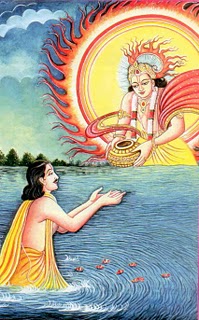


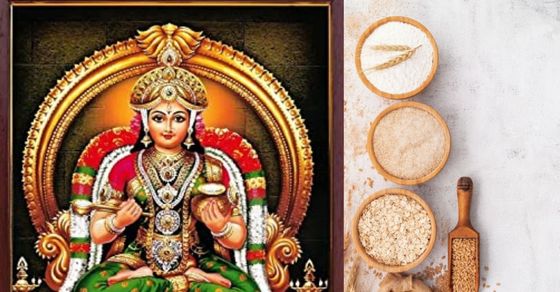




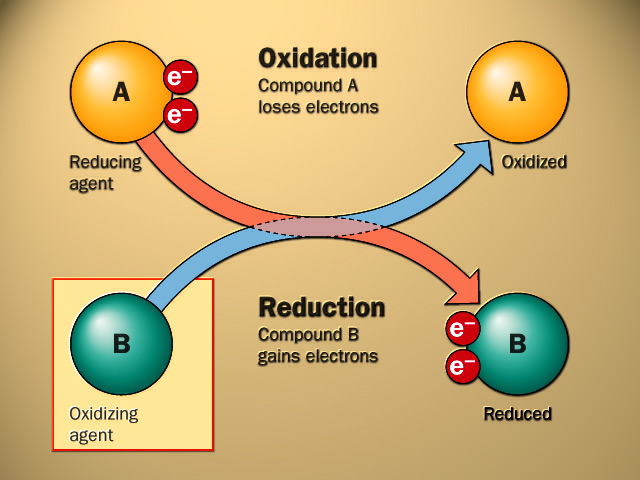



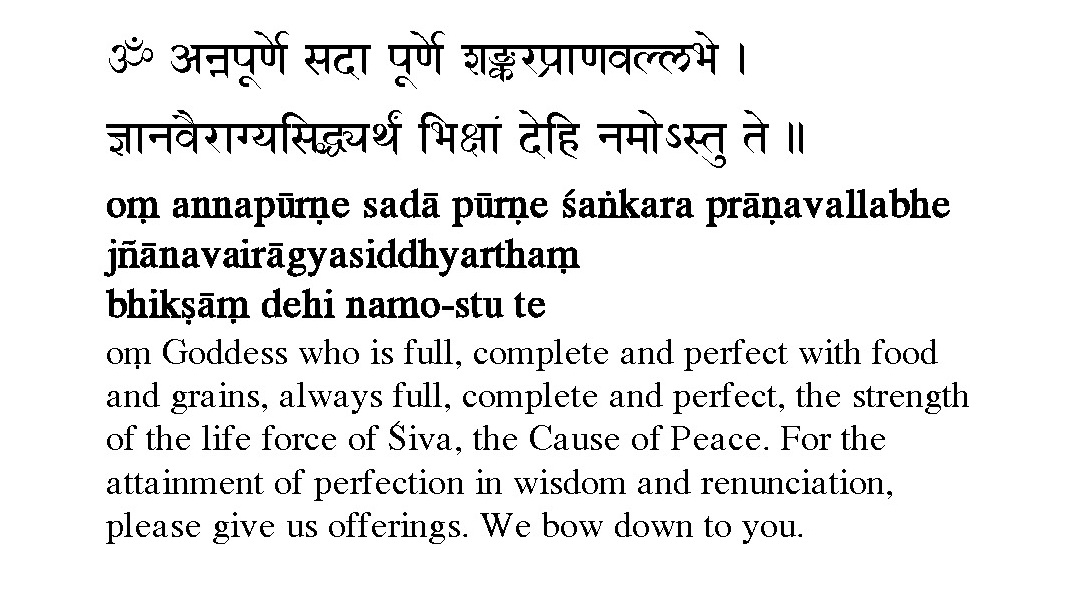


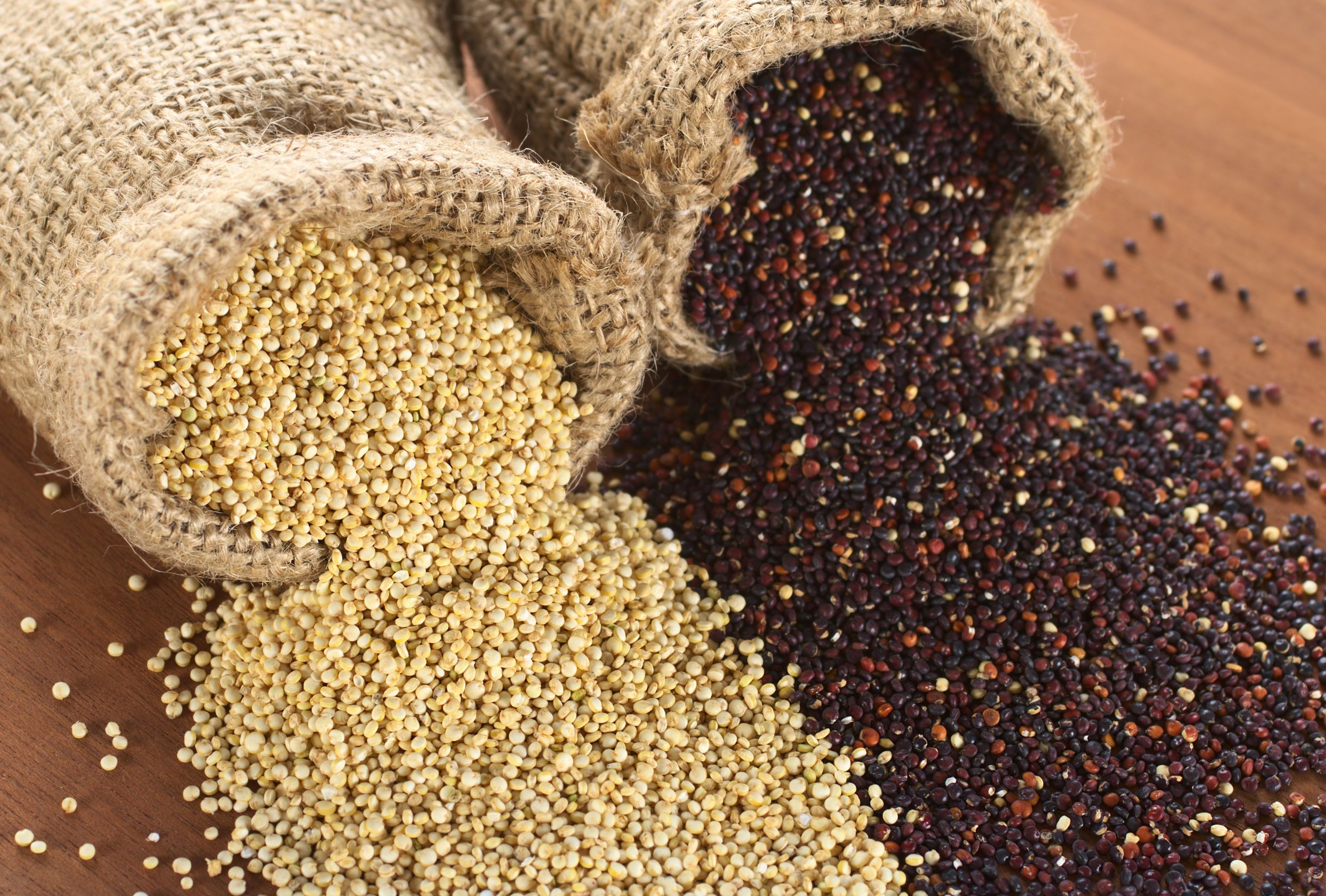




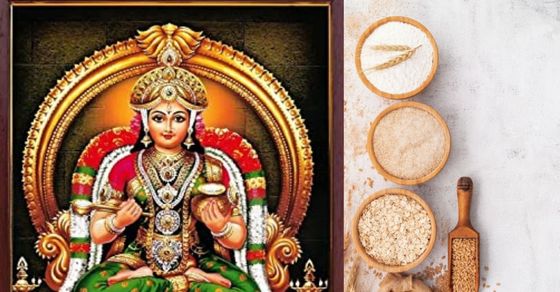






 Filippo S. Giorgi1,2 and Francesco Fornai1,3*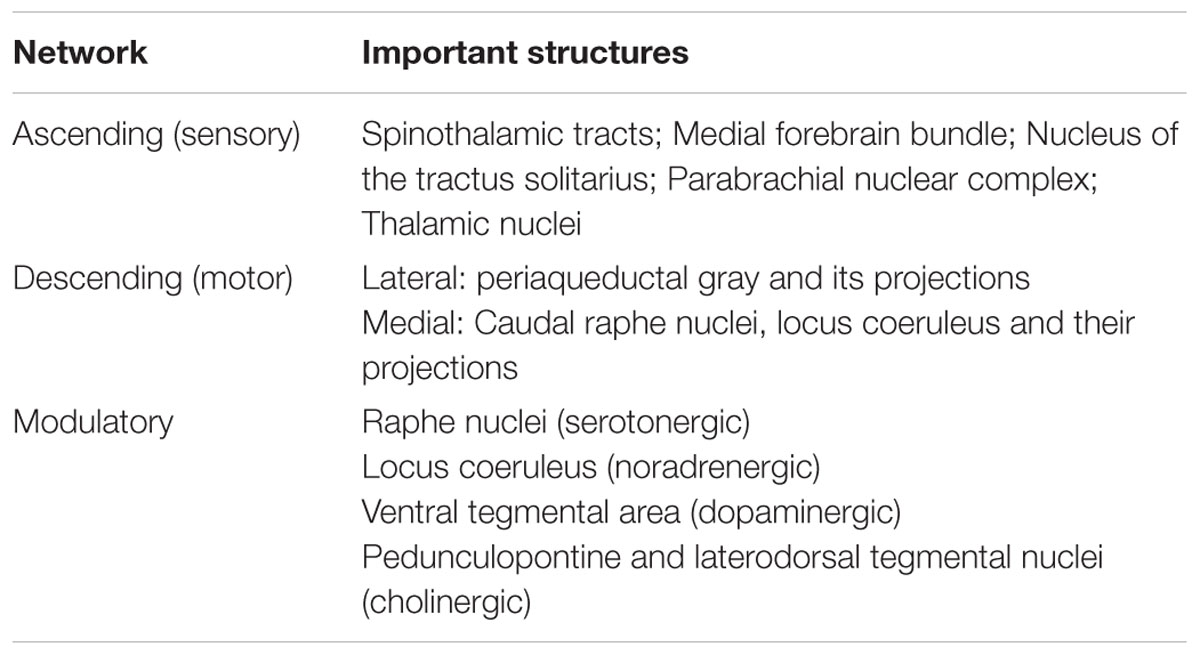
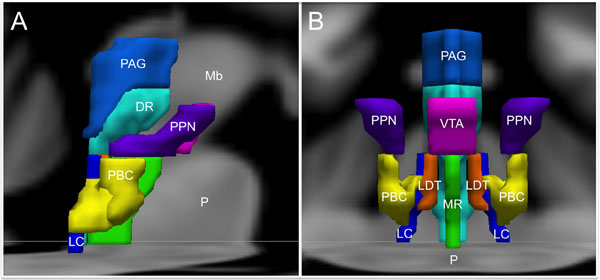
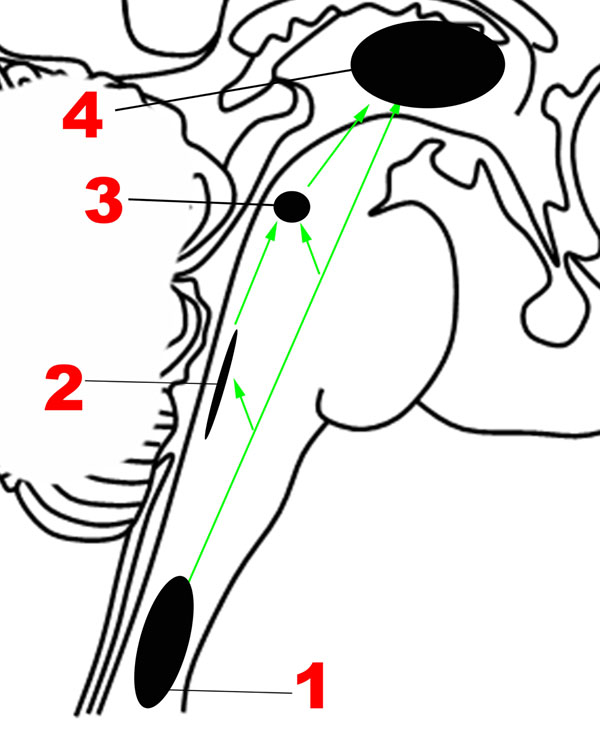



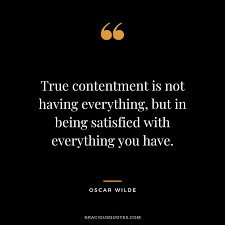













 Whole Dude - Whole Concept
