Father’s Day, Sunday, June 15, 2025. Heavenly Father vs Earthly Father
Whole Dude – Whole Father – Whole Alienation: Father’s Day, Sunday, June 15, 2025. Heavenly Father vs Earthly FatherWhole Dude – Whole Father – Whole Alienation: Father’s Day, Sunday, June 15, 2025. Heavenly Father vs Earthly Father
Yes indeed, Life is complicated. The complexities of Life demand the understanding of the Regulative and the Constitutive Principles of Human Existence. On Sunday, June 15, 2025, I reflect upon the Fundamental Dualism that I describe as Heavenly Father vs Earthly Father. Being constituted as an earthly dad, I have no options other than that of repeating the famous last words of Jesus Christ, the Earthly Father when he breathed for the last time on the Cross. “ My God, My God, Why Have You Forsaken Me?”
Whole Dude – Whole Father – Whole Alienation: Father’s Day, Sunday, June 15, 2025. Heavenly Father vs Earthly Father: The Agony of the Cup vs The Burden of the Cross. The transformation of personal God to impersonal God.
On Sunday, June 15, 2025, Father’s Day, I reflect upon the unique and special relationship between God and Jesus, the Son of Man, whom I identify as my Earthly Father. I am alien, foreigner, sojourner, stranger, tenant and traveler with no place to call home.
Whole Dude – Whole Father – Whole Alienation: Father’s Day, Sunday, June 15, 2025. Heavenly Father vs Earthly Father: The Agony of the Cup vs The Burden of the Cross. The transformation of personal God to impersonal God.Whole Dude – Whole Father – Whole Alienation: Father’s Day, Sunday, June 15, 2025. Heavenly Father vs Earthly Father: The Agony of the Cup vs The Burden of the Cross. The transformation of personal God to impersonal God.
I describe myself as the alien who carries the burden of the cross as Jesus slowly moves to reach His earthly destination. Jesus is spared from the burden of carrying the cross on the day of His crucifixion.
Whole Dude – Whole Father – Whole Alienation: Father’s Day, Sunday, June 15, 2025. Heavenly Father vs Earthly Father: The Agony of the Cup vs The Burden of the Cross. The transformation of personal God to impersonal God.Whole Dude – Whole Father – Whole Alienation: Father’s Day, Sunday, June 15, 2025. Heavenly Father vs Earthly Father: The Agony of the Cup vs The Burden of the Cross. The transformation of personal God to impersonal God.Whole Dude – Whole Father – Whole Alienation: Father’s Day, Sunday, June 15, 2025. Heavenly Father vs Earthly Father: The Agony of the Cup vs The Burden of the Cross. The transformation of personal God to impersonal God.Whole Dude – Whole Father – Whole Alienation: Father’s Day, Sunday, June 15, 2025. Heavenly Father vs Earthly Father: The Agony of the Cup vs The Burden of the Cross. The transformation of personal God to impersonal God.Whole Dude – Whole Father – Whole Alienation: Father’s Day, Sunday, June 15, 2025. Heavenly Father vs Earthly Father: The Agony of the Cup vs The Burden of the Cross. The transformation of personal God to impersonal God.
I describe myself as Simon a Cyrenian bearing the burden of the cross under compulsion and following Jesus. I am in the City of Jerusalem and yet I am an alien for I am not a citizen of Rome, not a citizen of Israel, not a citizen of Judea, and not a citizen of Galilee. I follow Jesus but I have not yet entered the Kingdom of Heaven on Earth to claim the citizenship status. I reflect upon the Great Struggle, the Agony of the Cup held by Jesus and the Burden of the Cross I carry. The completed act of Crucifixion resolved the Agony of the Cup, the Great Struggle endured by Jesus. I am the alien who is present when Jesus, my Earthly Father cries out as the Agony of the Cup comes to its conclusion. For my Earthly Father, the completed act of Crucifixion, was the end of the Great Struggle. For me, the Agony remains the same for I have to carry the Burden of the Cross until I reach my earthly destination.
Whole Dude – Whole Father – Whole Alienation: Father’s Day, Sunday, June 15, 2025. Heavenly Father vs Earthly Father: The Agony of the Cup vs The Burden of the Cross. The transformation of personal God to impersonal God.Whole Dude – Whole Father – Whole Alienation: Father’s Day, Sunday, June 15, 2025. Heavenly Father vs Earthly Father: The Agony of the Cup vs The Burden of the Cross. The transformation of personal God to impersonal God.Whole Dude – Whole Father – Whole Alienation: Father’s Day, Sunday, June 15, 2025. Heavenly Father vs Earthly Father: The Agony of the Cup vs The Burden of the Cross. The transformation of personal God to impersonal God.Whole Dude – Whole Father – Whole Alienation: Father’s Day, Sunday, June 15, 2025. Heavenly Father vs Earthly Father: The Agony of the Cup vs The Burden of the Cross. The transformation of personal God to impersonal God.Whole Dude – Whole Father – Whole Alienation: Father’s Day, Sunday, June 15, 2025. Heavenly Father vs Earthly Father: The Agony of the Cup vs The Burden of the Cross. The transformation of personal God to impersonal God.Whole Dude – Whole Father – Whole Alienation: Father’s Day, Sunday, June 15, 2025. Heavenly Father vs Earthly Father: The Agony of the Cup vs The Burden of the Cross. The transformation of personal God to impersonal God.Whole Dude – Whole Father – Whole Alienation: Father’s Day, Sunday, June 15, 2025. Heavenly Father vs Earthly Father: The Agony of the Cup vs The Burden of the Cross. The transformation of personal God to impersonal God.Whole Dude – Whole Father – Whole Alienation: Father’s Day, Sunday, June 15, 2025. Heavenly Father vs Earthly Father: The Agony of the Cup vs The Burden of the Cross. The transformation of personal God to impersonal God.Whole Dude – Whole Father – Whole Alienation: Father’s Day, Sunday, June 15, 2025. Heavenly Father vs Earthly Father: The Agony of the Cup vs The Burden of the Cross. The transformation of personal God to impersonal God.
I reflect upon the words of Jesus on this Father’s Day. Before getting nailed to the Cross, Jesus expresses His special and unique relationship to God by addressing God as Abba or Father. After getting nailed to the Cross, I hear the final seven words cried out by Jesus. The special and unique relationship between the Father and the Son of Man suddenly disappears. The personal God gets transformed into impersonal God.
Whole Dude – Whole Father – Whole Alienation: Father’s Day, Sunday, June 15, 2025. Heavenly Father vs Earthly Father: The Agony of the Cup vs The Burden of the Cross. The transformation of personal God to impersonal God.Whole Dude – Whole Father – Whole Alienation: Father’s Day, Sunday, June 15, 2025. Heavenly Father vs Earthly Father: The Agony of the Cup vs The Burden of the Cross. The transformation of personal God to impersonal God.Whole Dude – Whole Father – Whole Alienation: Father’s Day, Sunday, June 15, 2025. Heavenly Father vs Earthly Father: The Agony of the Cup vs The Burden of the Cross. The transformation of personal God to impersonal God.Whole Dude – Whole Father – Whole Alienation: Father’s Day, Sunday, June 15, 2025. Heavenly Father vs Earthly Father: The Agony of the Cup vs The Burden of the Cross. The transformation of personal God to impersonal God.Whole Dude – Whole Father – Whole Alienation: Father’s Day, Sunday, June 15, 2025. Heavenly Father vs Earthly Father: The Agony of the Cup vs The Burden of the Cross. The transformation of personal God to impersonal God.
On this Father’s Day, I reflect upon the final words of the Son of Man. His words relate to the words of pain and anguish shared by King David, the King of Israel and the author of the Book of Psalms. The pain is the same. But, the Agony of the Cup and the Burden of the Cross are different. The Agony of the Cup gets revealed to Father. The pain of Crucifixion gets revealed to God. Father vs God. What is the difference? What makes the difference? What is the difference between personal God and impersonal God?
Whole Dude – Whole Father – Whole Alienation: Father’s Day, Sunday, June 15, 2025. Heavenly Father vs Earthly Father: The Agony of the Cup vs The Burden of the Cross. The transformation of personal God to impersonal God.Whole Dude – Whole Father – Whole Alienation: Father’s Day, Sunday, June 15, 2025. Heavenly Father vs Earthly Father: The Agony of the Cup vs The Burden of the Cross. The transformation of personal God to impersonal God.Whole Dude – Whole Father – Whole Alienation: Father’s Day, Sunday, June 15, 2025. Heavenly Father vs Earthly Father: The Agony of the Cup vs The Burden of the Cross. The transformation of personal God to impersonal God.Whole Dude – Whole Father – Whole Alienation: Father’s Day, Sunday, June 15, 2025. Heavenly Father vs Earthly Father: The Agony of the Cup vs The Burden of the Cross. The transformation of personal God to impersonal God.Whole Dude – Whole Father – Whole Alienation: Father’s Day, Sunday, June 15, 2025. Heavenly Father vs Earthly Father: The Agony of the Cup vs The Burden of the Cross. The transformation of personal God to impersonal God.Whole Dude – Whole Father – Whole Alienation: Father’s Day, Sunday, June 15, 2025. Heavenly Father vs Earthly Father: The Agony of the Cup vs The Burden of the Cross. The transformation of personal God to impersonal God.
On this Father’s Day, I am reflecting upon the difference between the words Father and God, the two different words used by Son of Man before getting nailed to the Cross, and after the completion of the act of Crucifixion that is nearing its conclusion. In my analysis, the difference between Father and God reflects upon the nature of the relationship. The Father-Son relationship, partnership, bonding, association, the coming together, and the yoking cannot be experienced in the God-man relationship which imposes a degree of detachment, estrangement, separation, and alienation. For I describe myself as an alien, I bear the burden of the Cross as I painfully march to the destination when the struggle finally reaches its conclusion, at the ninth hour, I ask myself, “My God, My God, Why Have You Forsaken me.”
Whole Dude – Whole Father – Whole Alienation: Father’s Day, Sunday, June 15, 2025. Heavenly Father vs Earthly Father: The Agony of the Cup vs The Burden of the Cross. The transformation of personal God to impersonal God.
Whole Dude – Whole Father – Whole Alienation: Father’s Day, Sunday, June 15, 2025. Heavenly Father vs Earthly Father: The Agony of the Cup vs The Burden of the Cross. The transformation of personal God to impersonal God.Whole Dude – Whole Father – Whole Alienation: Father’s Day, Sunday, June 15, 2025. Heavenly Father vs Earthly Father: The Agony of the Cup vs The Burden of the Cross. The transformation of personal God to impersonal God. A biblical perspective on Fatherhood.
Vikas Regiment regrets Tiananmen Massacre on June 04, 1989
Vikas Regiment regrets Tiananmen Massacre on June 04, 1989.
I ask my readers to remember the events of June 04, 1989. Beijing Doomed because of her own evil actions.
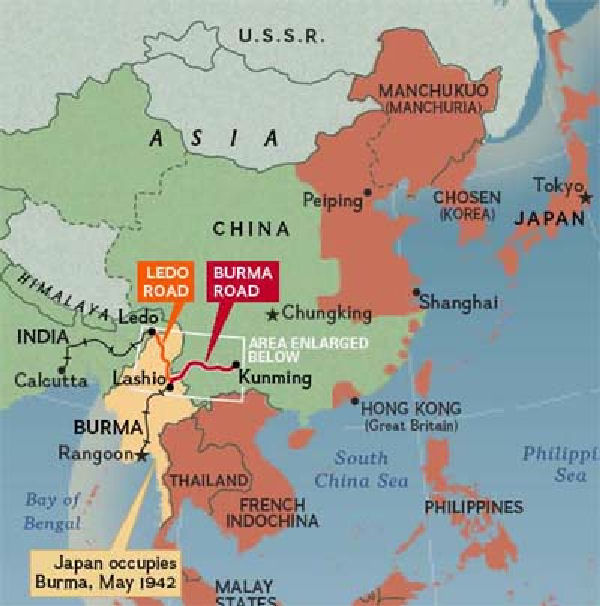
On Wednesday, June 4, 2025, the 36th Anniversary of Tiananmen Square Massacre, The Living Tibetan Spirits revisit the past; the spread of Communism to mainland China in 1949.
Special Frontier Force Reviews Hump Airlift Operation 1942-1945. The Legacy of the Hump Operation lives to this day.
Today, on Wednesday, June 04, 2025 The Living Tibetan Spirits regret Tibet’s decision to pursue the policy of Isolationism while confronting the grave threat posed by Communist takeover of mainland China. In 1943, Tibet had the opportunity to establish formal diplomatic relationships with the United States and other countries of Free World to prevent the spread of Communism to Asia.
Tibet’s unwillingness to openly resist Communism in 1943 is a crucial factor contributing to the loss of human rights in mainland China apart from the misery and suffering imposed on the lives of Tibetan people.
Rudra Narasimham Rebbapragada
DOOM DOOMA DOOMSAYER
Vikas Regiment regrets Tiananmen Massacre on June 04, 1989
Learn from us on Democracy, Taiwan tells China on Tiananmen Anniversary
Sun Jun 4, 2017, | 8:49am EDT
NEVER FORGET JUNE 04, 1989 – TIANANMEN ANNIVERSARY – BEIJING DOOMED.
A paramilitary policeman keeps watch underneath the portrait of former Chinese Chairman Mao Zedong in Beijing’s Tiananmen Square, China June 4, 2017. REUTERS/Thomas Peter
By J.R. Wu and Katy Wong | TAIPEI/HONG KONG
Taiwan’s president on Sunday offered to help China to transition to democracy, on the 28th anniversary of China’s bloody crackdown on pro-democracy protests in and around Beijing’s Tiananmen Square, as thousands gathered in Hong Kong for an evening vigil.
Nearly three decades after Beijing sent tanks and troops to quell the 1989 pro-democracy, student-led protests, Chinese authorities ban any public commemoration of the subject on the mainland and have yet to release an official death toll.
Hong Kong, a former British colony that returned to Chinese rule in 1997, is the only place on Chinese soil where a large-scale commemoration takes place, symbolizing the financial hub’s relative freedoms compared with the mainland.
This year’s events are especially politically charged, coming just a month before an expected visit of President Xi Jinping to mark 20 years since Hong Kong was handed back to China.
“When Xi Jinping comes, he’ll know the people of Hong Kong have not forgotten,” said Lee Cheuk-yan, a veteran democracy activist and an organizer of the annual candlelight vigil.
“The students who died still haven’t got what they deserve. They fought for their future, in the same way, we’re fighting for our future,” 17-year-old Yanny Chan, a high school student, said.
In Taiwan, President Tsai Ing-wen said that the biggest gap between Taiwan and China was democracy and freedom, needling Beijing at a time when relations between China and the self-ruled island are at a low point.
“For democracy: some are early, others are late, but we all get there in the end,” Tsai said, writing in Chinese on her Facebook page and tweeting some of her comments in English on Twitter.
“Borrowing on Taiwan’s experience, I believe that China can shorten the pain of democratic reform.”
Beijing distrusts Tsai and her ruling Democratic Progressive Party because it traditionally advocates independence for Taiwan. Beijing says the island is part of China and has never renounced the use of force to bring it under its control.
After nearly 40 years of martial law, the island in the late 1980s began its own transition to democracy with presidential elections being held since 1996.
On Friday, Chinese Foreign Ministry spokeswoman Hua Chunying said China had long ago reached a conclusion about June 4.
“I hope you can pay more attention to the positive changes happening in all levels of Chinese society,” she said without elaborating. In Beijing, security was tight as usual at Tiananmen Square, with long lines at bag and identity checks. The square itself was peaceful, thronged with tourists taking photos. One elderly resident of a nearby neighborhood, out for a stroll at the edge of the square, said he remembered the events of 28 years ago clearly.
“The soldiers were just babies, 18, 19 years old. They didn’t know what they were doing,” he told Reuters, asking to be identified only by his family name, Sun.
While some search terms on China’s popular Twitter-like microblog Weibo appeared to be blocked on Sunday, some users were able to post cryptic messages.
“Never forget,” wrote one, above a picture of mahjong tiles with the numbers 6 and 4 on them, for the month and day of the anniversary.
(Reporting by J.R. Wu; Additional reporting by Ben Blanchard and Philip Wen in BEIJING; Venus Wu and James Pomfret in HONG KONG; Editing by Tony Munroe, Kim Coghill, and Jane Merriman)
Reuters is the news and media division of Thomson Reuters. Thomson Reuters is the world’s largest international multimedia news agency, providing investing news, world news, business news, technology news, headline news, small business news, news alerts, personal finance, stock market, and mutual funds information available on Reuters.com, video, mobile, and interactive television platforms. Learn more about Thomson Reuters products:
Vikas Regiment regrets Tiananmen Massacre on June 04, 1989Vikas Regiment regrets Tiananmen Massacre on June 04, 1989Vikas Regiment regrets Tiananmen Massacre on June 04, 1989Vikas Regiment regrets Tiananmen Massacre on June 04, 1989Vikas Regiment regrets Tiananmen Massacre on June 04, 1989
On the 36th Anniversary of Tiananmen Square Massacre, the Living Tibetan Spirits regret Tibet’s Policy of Isolationism
The Living Tibetan Spirits revisit the past on the 36th Anniversary of Tiananmen Square Massacre. Tibet’s unwillingness to openly resist Communism in 1943 is a crucial factor contributing to the loss of human rights in mainland China.The Living Tibetan Spirits revisit the past on the 36th Anniversary of Tiananmen Square Massacre. Tibet’s unwillingness to openly resist Communism in 1943 is a crucial factor contributing to the loss of human rights in mainland China.
On Wednesday, June 4, 2025, the 36th Anniversary of Tiananmen Square Massacre, The Living Tibetan Spirits revisit the past; the spread of Communism to mainland China in 1949.
The Living Tibetan Spirits revisit the past on the 36th Anniversary of Tiananmen Square Massacre. Tibet’s unwillingness to openly resist Communism in 1943 is a crucial factor contributing to the loss of human rights in mainland China.
Today, on Wednesday, June 04, 2025 The Living Tibetan Spirits regret Tibet’s decision to pursue the policy of Isolationism while confronting the grave threat posed by Communist takeover of mainland China. In 1943, Tibet had the opportunity to establish formal diplomatic relationships with the United States and other countries of Free World to prevent the spread of Communism to Asia.
The Living Tibetan Spirits revisit the past on the 36th Anniversary of Tiananmen Square Massacre. Tibet’s unwillingness to openly resist Communism in 1943 is a crucial factor contributing to the loss of human rights in mainland China.
Tibet’s unwillingness to openly resist Communism in 1943 is a crucial factor contributing to the loss of human rights in mainland China.
The Living Tibetan Spirits revisit the past on the 36th Anniversary of Tiananmen Square Massacre. Tibet’s unwillingness to openly resist Communism in 1943 is a crucial factor contributing to the loss of human rights in mainland China.
Special Frontier Force-Establishment No. 22-Vikas Regiment regrets Tibet’s Policy of Isolationism in 1943
The Living Tibetan Spirits revisit the past on the 36th Anniversary of Tiananmen Square Massacre. Tibet’s unwillingness to openly resist Communism in 1943 is a crucial factor contributing to the loss of human rights in mainland China.
CALLS FOR CHINA TO FACE GHOSTS OF ITS PAST ON TIANANMEN ANNIVERSARY
The Living Tibetan Spirits revisit the past on the 36th Anniversary of Tiananmen Square Massacre. Tibet’s unwillingness to openly resist Communism in 1943 is a crucial factor contributing to the loss of human rights in mainland China.
FILE – A Chinese man stands alone to block a line of tanks heading east on Beijing’s Cangan Boulevard in Tiananmen Square, June 5, 1989.
BEIJING —
The United States has added its voice to international calls for China’s communist-led government to give a full public accounting of those who were killed, detained or went missing during the violent suppression of peaceful demonstrations in and around Tiananmen Square on June 4, 1989.
In a bold statement from Washington to mark the 29th anniversary of a bloody crackdown that left hundreds — some say thousands — dead, Secretary of State Mike Pompeo called on Chinese authorities to release “those who have been jailed for striving to keep the memory of Tiananmen Square alive; and to end the continued harassment of demonstration participants and their families.”
The Living Tibetan Spirits revisit the past on the 36th Anniversary of Tiananmen Square Massacre. Tibet’s unwillingness to openly resist Communism in 1943 is a crucial factor contributing to the loss of human rights in mainland China.
University students place flowers on the “Pillar of Shame” statue, a memorial for those injured and killed in the Tiananmen crackdown, at the University of Hong Kong, June 4, 2018.
To this day, open discussion of the topic remains forbidden in China and the families of those who lost loved ones continue to face oppression. Chinese authorities have labeled the protests a counter-revolutionary rebellion and repeatedly argued that a clear conclusion of the events was reached long ago.
In an annual statement on the tragedy, the group Tiananmen Mothers urged President Xi Jinping in an open letter to “re-evaluate the June 4th massacre” and called for an end to their harassment.
“Each year when we would commemorate our loved ones, we are all monitored, put under surveillance, or forced to travel” to places outside of China’s capital, the letter said. The advocacy group Human Rights in China released the open letter from the Tiananmen Mothers ahead of the anniversary.
“No one from the successive governments over the past 29 years has ever asked after us, and not one word of apology has been spoken from anyone, as if the massacre that shocked the world never happened,” the letter said.
The Living Tibetan Spirits revisit the past on the 36th Anniversary of Tiananmen Square Massacre. Tibet’s unwillingness to openly resist Communism in 1943 is a crucial factor contributing to the loss of human rights in mainland China.
FILE – A woman reacts during a candlelight vigil to mark the 28th anniversary of the crackdown of the pro-democracy movement at Beijing’s Tiananmen Square in 1989, at Victoria Park in Hong Kong, China June 4, 2017.
In his statement, Pompeo also said that on the anniversary “we remember the tragic loss of innocent lives,” adding that as Liu Xiaobo wrote in his 2010 Nobel Peace Prize speech, “the ghosts of June 4th have not yet been laid to rest.”
The Living Tibetan Spirits revisit the past on the 36th Anniversary of Tiananmen Square Massacre. Tibet’s unwillingness to openly resist Communism in 1943 is a crucial factor contributing to the loss of human rights in mainland China.
FILE – Liu Xia, wife of deceased Chinese Nobel Peace Prize-winning dissident Liu Xiaobo and other relatives attend his sea burial off the coast of Dalian, China, in this photo released by Shenyang Municipal Information Office July 15, 2017.
Liu was unable to receive his Nobel prize in person in 2010 and died in custody last year. The dissident writer played an influential role in the Tiananmen protests and was serving an 11-year sentence for inciting subversion of state power when he passed.
At a regular press briefing on Monday, Foreign Ministry spokeswoman Hua Chunying said China had lodged “stern representations” with the United States over the statement on Tiananmen.
“The United States year in, year out issues statements making ‘gratuitous criticism’ of China and interfering in China’s internal affairs,” Hua said. “The U.S. Secretary of State has absolutely no qualifications to demand the Chinese government do anything,” she added.
In a statement on Twitter, which is blocked in China like many websites, Hu Xijin, the editor of the party-backed Global Times, called the statement a “meaningless stunt.”
In another post he said: “what wasn’t achieved through a movement that year will be even more impossible to be realized by holding whiny commemorations today.”
Commemorations for Tiananmen are being held across the globe to mark the anniversary and tens of thousands are expected to gather in Hong Kong, the only place in China such large-scale public rallies to mark the incident can be held.
The Living Tibetan Spirits revisit the past on the 36th Anniversary of Tiananmen Square Massacre. Tibet’s unwillingness to openly resist Communism in 1943 is a crucial factor contributing to the loss of human rights in mainland China.
A man wipes the face of a statue of the Goddess of Democracy at Hong Kong’s Victoria Park Monday, June 4, 2018.
Exiled Tiananmen student protest leader Wu’Er Kaixi welcomed the statement from Pompeo.
However, he added that over the past 29 years western democracies appeasement of China has nurtured the regime into an imminent threat to freedom and democracy.
“The world bears a responsibility to urge China, to press on the Chinese regime to admit their wrongdoing, to restore the facts and then to console the dead,” he said. “And ultimately to answer the demands of the protesters 29 years ago and put China on the right track to freedom and democracy.”
Wu’er Kaixi fled China after the crackdown and now resides in Taiwan where he is the founder of Friends of Liu Xiaobo. The group recently joined hands with several other non-profit organizations and plans to unveil a sculpture in July — on the anniversary of his death — to commemorate the late Nobel laureate. The sculpture will be located near Taiwan’s iconic Taipei 101 skyscraper.
In Taiwan, the self-ruled democracy that China claims is a part of its territory, political leaders from both sides of the isle have also urged China’s communist leaders to face the past.
On Facebook, Taiwan’s President Tsai Ing-wen noted that it was only by facing up to its history that Taiwan has been able to move beyond the tragedies of the past.
“If authorities in Beijing can face up to the June 4th incident and acknowledge that at its roots it was a state atrocity, the unfortunate history of June 4th could become a cornerstone for China to move toward freedom and democracy,” Tsai said.
Tsai’s predecessor, Ma Ying-jeou, a member of the opposition Nationalist Party or KMT, who saw close ties with China while in office, also urged Beijing to face up to history and help heal families’ wounds.
“Only by doing this can the Chinese communists bridge the psychological gap between the people on both sides of the [Taiwan] Strait and be seen by the world as a real great power,” Ma said.
The Living Tibetan Spirits revisit the past on the 36th Anniversary of Tiananmen Square Massacre. Tibet’s unwillingness to openly resist Communism in 1943 is a crucial factor contributing to the loss of human rights in mainland China. The Living Tibetan Spirits revisit the past on the 36th Anniversary of Tiananmen Square Massacre. Tibet’s unwillingness to openly resist Communism in 1943 is a crucial factor contributing to the loss of human rights in mainland China. Special Frontier Force Reviews Hump Airlift Operation 1942 – 1945. The Legacy of the Hump Operation lives to this day.
India is not a US ally for the US-India relations exist as a trilateral partnership with Tibet
Human Misery Formulates India-US-Tibet Trilateral Relationship. India is not a US ally for the US-India relations exist as a trilateral partnership with Tibet. These three Strange Bedfellows come together to give identity to a military partnership called Special Frontier Force – Establishment 22 – Vikas Regiment.
“Strange bedfellows” is an idiom that refers to an unlikely or unusual combination of people, ideas, or things who are associated or working together, often in a way that is unexpected. It suggests that the individuals or entities involved would not typically be seen together.
Human Misery Formulates India-US-Tibet Trilateral Relationship. India is not a US ally for the US-India relations exist as a trilateral partnership with Tibet. These three Strange Bedfellows come together to give identity to a military partnership called Special Frontier Force – Establishment 22 – Vikas Regiment.
The phrase “strange bedfellows” is adapted from a line in Shakespeare’s play, The Tempest: “Misery acquaints a man with strange bedfellows”. It describes an unusual or unexpected alliance or combination of people or things, often due to circumstances. The original context in The Tempest is a jester finding shelter with a monster, but the phrase has evolved to have a metaphorical meaning, like in the common saying “Politics makes strange bedfellows”.
Human Misery Formulates India-US-Tibet Trilateral Relationship. India is not a US ally for the US-India relations exist as a trilateral partnership with Tibet. These three Strange Bedfellows come together to give identity to a military partnership called Special Frontier Force – Establishment 22 – Vikas Regiment.In 2007, His Holiness the 14th Dalai Lama received the Congressional Gold Medal. He represents the third face of Strange Bedfellows. Human Misery Formulates India-US-Tibet Trilateral Relationship. India is not a US ally for the US-India relations exist as a trilateral partnership with Tibet. These three Strange Bedfellows come together to give identity to a military partnership called Special Frontier Force – Establishment 22 – Vikas Regiment.
It is entirely true to claim that India is not a US ally. Soon after India’s independence in 1947, the US and the UK joined forces to instigate an unprovoked attack to occupy Kashmir illegally while India was waiting with patience to obtain the merger of Kashmir with India using the due process. The First Kashmir War of 1947-48 provides the evidence to show that India is not a US ally.
Special Frontier Force – Establishment 22 – Vikas Regiment represents the three faces of “Strange Bedfellows.” Human Misery Formulates India-US-Tibet Trilateral Relationship. India is not a US ally for the US-India relations exist as a trilateral partnership with Tibet. Special Frontier Force – Establishment No. 22 – Vikas Regiment – Photo image taken at Chakrata, India on June 03, 1972.
But, it is indeed true to claim that the convergence of interests govern relationships between nations. In 1949, with the birth of Communist China on October 01, the Indian Prime Minister visited the US seeking friendship to formulate a trilateral relationship between the US, India, and Tibet. Since then, the relationship has endured strictly as a trilateral relationship and not a bilateral relationship.
Special Frontier Force at the White House: On April 16, 1991, the 14th Dalai Lama met with US President George H.W. Bush during his first visit to The White House. Human Misery Formulates India-US-Tibet Trilateral Relationship. India is not a US ally for the US-India relations exist as a trilateral partnership with Tibet. These three Strange Bedfellows come together to give identity to a military partnership called Special Frontier Force – Establishment 22 – Vikas Regiment.Special Frontier Force at the White House: The 14th Dalai Lama met with US President Bill Clinton on June 20, 2000 at The White House. Human Misery Formulates India-US-Tibet Trilateral Relationship. India is not a US ally for the US-India relations exist as a trilateral partnership with Tibet. These three Strange Bedfellows come together to give identity to a military partnership called Special Frontier Force – Establishment 22 – Vikas Regiment.Special Frontier Force at The White House: His Holiness the 14th Dalai Lama speaking with US President George Bush during their meeting in The White House on September 10, 2003. Human Misery Formulates India-US-Tibet Trilateral Relationship. India is not a US ally for the US-India relations exist as a trilateral partnership with Tibet. These three Strange Bedfellows come together to give identity to a military partnership called Special Frontier Force – Establishment 22 – Vikas Regiment.Special Frontier Force at The White House: His Holiness the 14th Dalai Lama speaking with US President Barack Obama during their meeting in the Map Room of The White House in Washington, DC on July 16, 2011. Human Misery Formulates India-US-Tibet Trilateral Relationship. India is not a US ally for the US-India relations exist as a trilateral partnership with Tibet. These three Strange Bedfellows come together to give identity to a military partnership called Special Frontier Force – Establishment 22 – Vikas Regiment.HISTORY OF THE US-INDIA-TIBET RELATIONS : BRUCE WALKER , FORMER OFFICIAL OF CIA . Human Misery Formulates India-US-Tibet Trilateral Relationship. India is not a US ally for the US-India relations exist as a trilateral partnership with Tibet. These three Strange Bedfellows come together to give identity to a military partnership called Special Frontier Force – Establishment 22 – Vikas Regiment.HISTORY OF THE US-INDIA-TIBET RELATIONS : FORMER CIA OFFICIALS KENNETH KNAUS AND JOHN GREANEY SHARED THEIR PERSONAL EXPERIENCES OF THE US-INDIA-TIBET RELATIONS . Human Misery Formulates India-US-Tibet Trilateral Relationship. India is not a US ally for the US-India relations exist as a trilateral partnership with Tibet. These three Strange Bedfellows come together to give identity to a military partnership called Special Frontier Force – Establishment 22 – Vikas Regiment.The history of Special Frontier Force-Establishment No. 22 can be traced back to 1957-58 when the CIA launched Operation ST CIRCUS. This Commemoration on September 10, 2010 was the first time that US had officially acknowledge the CIA operation with the Tibetans and it includes the Mustang(Nepal) Operation. Human Misery Formulates India-US-Tibet Trilateral Relationship. India is not a US ally for the US-India relations exist as a trilateral partnership with Tibet. These three Strange Bedfellows come together to give identity to a military partnership called Special Frontier Force – Establishment 22 – Vikas Regiment.The quest for Freedom in Tibet. A military training Camp known as Camp Hale was established in Colorado under the supervision of CIA officers Roger E. McCarthy and John Reagan. Human Misery Formulates India-US-Tibet Trilateral Relationship. India is not a US ally for the US-India relations exist as a trilateral partnership with Tibet. These three Strange Bedfellows come together to give identity to a military partnership called Special Frontier Force – Establishment 22 – Vikas Regiment.
If the third partner of this relationship is excluded for any reason, the US-India relationship just dissipates as the US continues to support the plan to dismember the Republic of India in the name of advocating the human rights of Muslims, Sikhs, and other ethnic minorities of India.
Rudra Narasimham Rebbapragada,
Special Frontier Force – Establishment No. 22 – Vikas Regiment
Special Frontier Force – Establishment No. 22 – Vikas Regiment: This badge represents a military alliance/pact between India, Tibet, and the United States of America. Its first combat mission was in the Chittagong Hill Tracts which unfolded on 03 November 1971. It was named Operation Eagle. It accomplished its mission of securing peace in the region that is now known as the Republic of Bangladesh.Human Misery Formulates India-US-Tibet Trilateral Relationship. India is not a US ally for the US-India relations exist as a trilateral partnership with Tibet. These three Strange Bedfellows come together to give identity to a military partnership called Special Frontier Force – Establishment 22 – Vikas Regiment.
India Is Not a U.S. Ally—and Has Never Wanted to Be
Human Misery Formulates India-US-Tibet Trilateral Relationship. India is not a US ally for the US-India relations exist as a trilateral partnership with Tibet. These three Strange Bedfellows come together to give identity to a military partnership called Special Frontier Force – Establishment 22 – Vikas Regiment.
BY ALYSSA AYRES
JUNE 21, 2023 6:00 AM EDT
Ayres is dean and professor of history and international affairs at the George Washington University Elliott School of International Affairs, and adjunct senior fellow for India, Pakistan, and South Asia at the Council on Foreign Relations. She is the author of OurTimeHasCome: HowIndia is Making Its Place in the World.
With Indian Prime Minister Narendra Modi slated for a June 22 State Visit to Washington, India will, if briefly, be front-page news in the United States. Since President Clinton ended a chill in U.S.-India relations almost 25 years ago, successive American and Indian administrations across political parties have worked to strengthen ties. So it’s fair to ask: how robust is this relationship today? As with the blind men and the elephant, the answer varies. Is India a bad bet, or is it, as the White House senior Asia policy official said recently, “the most important bilateral relationship with the United States on the global stage”?
Despite careful nurturing by Washington over the years, many aspects of U.S. ties with India remain challenging. Bilateral trade has grown tenfold since 2000, to $191 billion in 2022, and India became the ninth-largest US trading partner in 2021. But longstanding economic gripes persist, meriting 13 pages in the 2023 ForeignTradeBarriers report from the U.S. Trade Representative. Multilaterally, India’s role in the fast-consolidating “Quad” consultation (comprised of the United States, Australia, India, and Japan) has brought shared purpose to Washington and New Delhi, both of which harbor concerns about China. But New Delhi also champions alternative non-Western groupings like the BRICS, and it remains outside bodies central to U.S. diplomacy like the U.N. Security Council and the G7.
Today, U.S.-India cooperation spans defense, global health, sustainable development, climate, and technology, among other things. But deep differences remain, including concerns in Washington about India’s democratic backsliding under Modi, and India’s failure to condemn the Russian invasion of Ukraine. In other words, the U.S.-India relationship has been transformed over the past quarter-century, but that transformation has not delivered a partnership or alignment similar to the closest U.S. alliances
This shouldn’t surprise anyone. India is not a U.S. ally, and has not wanted to become one. To see relations with rising power India as on a pathway that culminates in a relationship like that the United States enjoys with Japan or the United Kingdom creates expectations that will not be met. Indian leaders across parties and over decades have long prioritized foreign policy independence as a central feature of India’s approach to the world. That remains the case even with Modi’s openness to the United States.
For India’s first Prime Minister, Jawaharlal Nehru, protecting his country’s hard-fought independence was a guiding principle for foreign policy. Speaking in the Indian Parliament in March 1951, Nehru noted that “By aligning ourselves with any one Power, you surrender your opinion, give up the policy you would normally pursue because somebody else wants you to pursue another policy.” Twelve years later, evaluating his country’s nonalignment policy in the pages of Foreign Affairs, Nehru went on to observe that it had not “fared badly,” and that “essentially, ‘non-alignment’ is freedom of action which is a part of independence.”
American President Harry S. Truman shakes hands with Indian Prime Minister Jawaharlal Nehru on the tarmac as Nehru’s sister, diplomat Vijaya Pandit, and daughter, future Indian Prime Minister Indira Gandhi, stand with them, in Washington D.C., on October 11, 1949. Human Misery Formulates India-US-Tibet Trilateral Relationship. India is not a US ally for the US-India relations exist as a trilateral partnership with Tibet. These three Strange Bedfellows come together to give identity to a military partnership called Special Frontier Force – Establishment 22 – Vikas Regiment. PhotoQuest/Getty Images)
For famously allied Washington, nonalignment in the 20th century was a bridge too far; in 1956 then-Secretary of State John Foster Dulles proclaimed that neutrality was “an obsolete conception…immoral and shortsighted.” It did not help matters that the United States had entered an alliance with India’s arch-rival Pakistan in 1954, and sided with the Pakistani military in the bloody civil war that gave birth to Bangladesh in 1971. Nor, too, when Indian Prime Minister Indira Gandhi signed a “Treaty of Peace, Friendship, and Cooperation” with the USSR in 1971, definitively tilting India toward the Soviet Union even as the United States had tilted toward Pakistan.
Especially since the end of the Cold War, Indian leaders have sought to improve ties with Washington, but not by curtailing India’s independent approach to foreign policy. Former Prime Minister Atal Bihari Vajpayee proclaimed India and the United States “natural allies” in a landmark 1998 speech in New York. Yet this was perhaps more a term of art than a call for an alliance as it occurred against the backdrop of India’s nuclear tests, underscoring New Delhi’s willingness to upset global nuclear nonproliferation conventions, which it never joined. Indian Prime Minister Manmohan Singh, whose 10 years at the helm greatly improved Indo-U.S. relations, pursued a civil-nuclear agreement with Washington and ushered in new cooperation in high technology, defense, and clean energy. But his government too defended its principle of “strategic autonomy” as a redline for its foreign policy even as it moved closer to Washington than ever in the past. Defending the civil-nuclear deal with Washington before Parliament in 2008, Singh twice asserted that “Our strategic autonomy will never be compromised.”
In important ways, Prime Minister Modi represents a break with India’s past, most notably in his emphasis on India’s Hindu, rather than syncretic and secular, cultural heritage. But his approach to the United States remains consistent with the history of his country’s foreign policy independence.
Modi has deepened ties with the United States, now across three U.S. presidents, through increased partnership in defense, in advanced technology, and in energy, just to name a few, as well as through moments of high symbolism, like his 2015 RepublicDay invitation to former President Barack Obama, the first time an American president joined this day honoring India’s constitution. Even so, Modi has leaned into the United States while leaning into many other partners around the world. The Modi government invokes a Sanskrit saying, the “world is one family” (vasudhaiva kutumbakam), to frame Indian diplomacy. This approach has been termed “multialignment,” a theory of seeking positive ties as far and as widely as possible, without seeing contradictions in this approach.
In practice, New Delhi has carefully managed its relationships with Saudi Arabia as well as Iran; with Israel as well as the Palestinian Territories; with the United States as well as Russia. India’s G20 presidency this year encapsulates this orientation, with its Sanskritic theme of “One Earth, One Family, One Future,” and its twin efforts to lead the forum for the world’s 20 largest economies while self-consciously presenting itself as the “Voice of the Global South.”
With this history in mind, it’s easier to perceive that momentum in the U.S.-India relationship does not necessarily imply a path to a formal alliance or mutual defense treaty. In the United States, the mental model for positive international cooperation defaults to seeing “ally” as the ultimate endpoint. For India, that suggests a curtailment of independence. And with India, even as cooperation becomes more extensive than ever in the past, consequential differences remain.
For many in Washington, the dramatic growth of coordination and joint activities under the Quad consultative group fills a growing need in light of China’s rise, encompassing subjects as far-flung as maritime security, infrastructure, climate and resilience, vaccines, technology standards, and higher education—all underlining Indian strategic convergence with the United States in the Indo-Pacific. Yet strategic convergence there does not mean everywhere: Russia’s invasion of Ukraine and its year-long war has elicited a tepid tut-tut from New Delhi, while India has escalated its purchases of cheap Russian oil at a time Washington seeks to isolate Moscow.
On closer examination this foreign policy independence and desire to define its own path so prized by India may offer lessons for U.S. foreign policy. The unipolar moment has passed; in its place we have more actors with their own perspectives, and a rising China with global ambitions and its own priorities increasingly shaping the priorities of others. The array of special relationships and alliances nurtured by the United States over decades are still in place, but many of these are now inflected by divergences with Washington. Take Turkey, or France, or Egypt, Pakistan, or Brazil. These U.S. allies do not always see their alliance relationship with Washington as barriers to taking decisions that contradict U.S. preferences. Indeed, President Emmanuel Macron too invokes “strategicautonomy.”
It’s here that India’s ambivalence offers a lens onto the world Washington is likely to encounter on a growing scale. In this world of more diffused power—a world with more diverse actors taking more distinctive foreign policy steps—partnerships and even alliances marked by substantial disagreements might be the new normal. In fact, managing ambivalence may be the central skill for American foreign policy in the years ahead.
THE EAGLE CONNECTION: THE BALD EAGLE – THE GOLDEN EAGLE – OPERATION EAGLE – WHAT IS THE CONNECTION?The Institution of Dalai Lama is important to preserve Tibetan Political Identity. The Government of Tibet is represented by this Seal of Ganden Phodrang.Human Misery Formulates India-US-Tibet Trilateral Relationship. India is not a US ally for the US-India relations exist as a trilateral partnership with Tibet. These three Strange Bedfellows come together to give identity to a military partnership called Special Frontier Force – Establishment 22 – Vikas Regiment.
Whole Dude – Whole Misery: October 01, 1949 – I can never ever live my life as a normal person. Long life is indeed a burden when it’s spent in Misery. Questions are a burden to others; answers are a prison for oneself.
Excerpt: The content discusses the historical event of October 1, 1949, when Mao Zedong, Chairman of the Communist Party, announced the creation of the People’s Republic of China. The author refers to the immediate imposition of misery on the Tibetan population and the author’s personal life as not being ‘normal’. The piece reflects on the US’s reaction to communist China, the nuclear threat from the Soviet Union, and accusations of the Truman administration mishandling the situation. It also recounts US refusal to acknowledge communist China and the eventual diplomatic recognition in 1979 as part of President Richard Nixon’s visit.
OCTOBER 01, 1949 – I CAN NEVER EVER LIVE MY LIFE AS A NORMAL PERSON
Whole Dude – Whole Misery: October 01, 1949 – I can never ever live my life as a normal person. Long life is indeed a burden when it’s spent in Misery. Questions are a burden to others; answers are a prison for oneself.
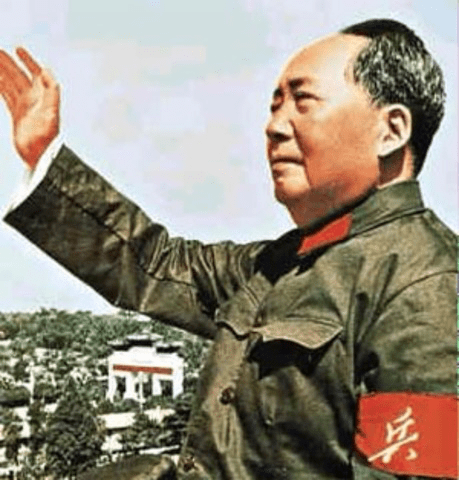
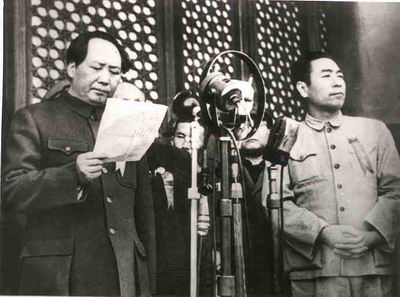
On ‘This Day in History’, October 01, 1949, Communist Party Chairman Mao Zedong proclaimed the founding of People’s Republic of China with profound consequences to lives of individuals as well as nations of Asia and World. Communist China wasted no time to impose a life of Whole Misery on the lives of Tibetan people.
Whole Dude – Whole Misery: October 01, 1949 – I can never ever live my life as a normal person. Long life is indeed a burden when it’s spent in Misery. Questions are a burden to others; answers are a prison for oneself.
Long life is indeed a burden when it’s spent in misery. Questions are a burden to others; answers are a prison for oneself. On Tuesday, October 01, 2024, I live in a free country without freedom for I am a refugee without a refuge.
Whole Dude – Whole Misery: October 01, 1949 – I can never ever live my life as a normal person. Long life is indeed a burden when it’s spent in Misery. Questions are a burden to others; answers are a prison for oneself.
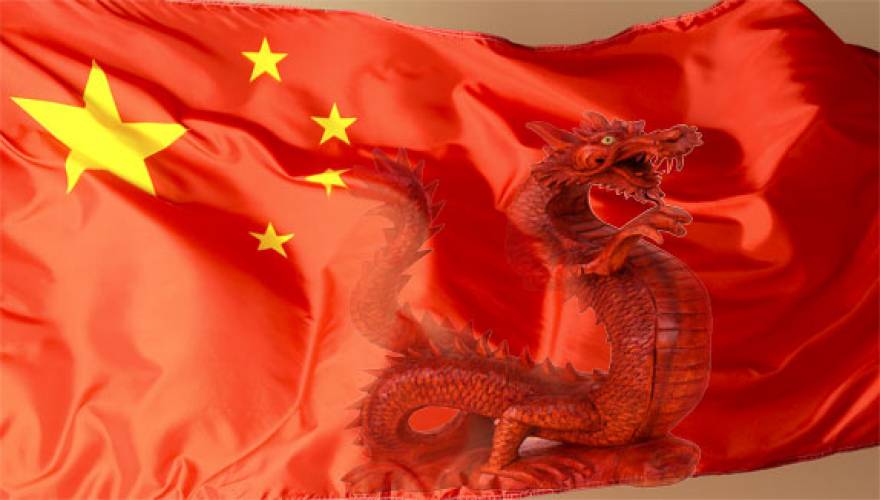
Whole Dude – Whole Misery: October 01, 1949 – I can never ever live my life as a normal person. Long life is indeed a burden when it’s spent in Misery. Questions are a burden to others; answers are a prison for oneself. RED CHINA IS OBSESSED WITH A PASSIONATE DESIRE TO EXPAND HER INFLUENCE IN THE ENTIRE WORLD .
Naming himself head of state, communist revolutionary Mao Zedong officially proclaims the existence of the People’s Republic of China; Zhou Enlai is named premier. The proclamation was the climax of years of battle between Mao’s communist forces and the regime of Nationalist Chinese leader Chiang Kai-Shek, who had been supported with money and arms from the American government. The loss of China, the largest nation in Asia, to communism was a severe blow to the United States, which was still reeling from the Soviet Union’s detonation of a nuclear device one month earlier.
State Department officials in President Harry S. Truman’s administration tried to prepare the American public for the worst when they released a “white paper” in August 1949. The report argued that Chiang’s regime was so corrupt, inefficient, and unpopular that no amount of U.S. aid could save it. Nevertheless, the communist victory in China brought forth a wave of criticism from Republicans who charged that the Truman administration lost China through gross mishandling of the situation. Other Republicans, notably Senator Joseph McCarthy, went further, claiming that the State Department had gone “soft” on communism; more recklessly, McCarthy suggested that there were procommunist sympathizers in the department.
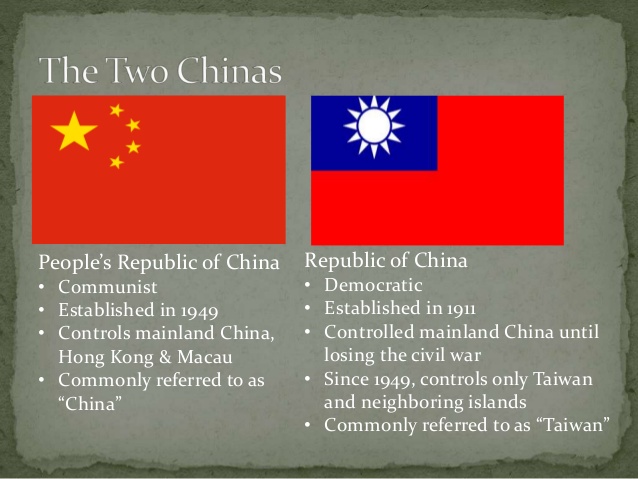
The United States withheld recognition from the new communist government in China. The outbreak of the Korean War in 1950, during which communist Chinese and U.S. forces did battle, drove an even deeper wedge between the two nations. In the ensuing years, continued U.S. support of Chiang’s Republic of China, which had been established on the island of Taiwan, and the refusal to seat the People’s Republic of China at the United Nations made diplomatic relations impossible. President Richard Nixon broke the impasse with his stunning visit to communist China in February 1972. The United States extended formal diplomatic recognition in 1979.
Also on this day
Whole Dude – Whole Misery: October 01, 1949 – I can never ever live my life as a normal person. Long life is indeed a burden when it’s spent in Misery. Questions are a burden to others; answers are a prison for oneself. Yosemite, Yo-Che-Ma-Te (Some Among Them Are Killers) National Park.
1890
Yosemite National Park established
On this day in 1890, an act of Congress creates Yosemite National Park, home of such natural wonders as Half Dome and the giant sequoia trees. Environmental trailblazer John Muir (1838-1914) and his colleagues campaigned for the congressional action, which was signed into law by President Benjamin Harrison.
Congress creates Yosemite National Park
On this day in 1890, the United States Congress decrees that about 1,500 square miles of public land in the California Sierra Nevada will be preserved forever as Yosemite National Park.
Once the home to Indians whose battle cry Yo-che-ma-te (“some among them are killers”) gave the park its name.
Whole Dude – Whole Misery: October 01, 1949 – I can never ever live my life as a normal person. Long life is indeed a burden when it’s spent in Misery. Questions are a burden to others; answers are a prison for oneself. Yosemite, Yo-Che-Ma-Te (Some Among Them Are Killers) National Park.Whole Dude – Whole Misery: October 01, 1949 – I can never ever live my life as a normal person. Long life is indeed a burden when it’s spent in Misery. Questions are a burden to others; answers are a prison for oneself. RED CHINA IS OBSESSED WITH A PASSIONATE DESIRE TO EXPAND HER INFLUENCE IN THE ENTIRE WORLD .















 Whole Dude - Whole Concept