TIBETAN NATIONAL SECURITY PLAN – NEGOTIATE WITH A TYRANT FOR PEACE
Tibetan National Security Plan – Negotiate with a Tyrant for Peace.
In the absence of Tibetan National Security Plan, Tibetans are left with no choice. To keep their mortal existence, the Tibetan people may have to negotiate with a Tyrant for Peace.
Tibetan spiritual leader the Dalai Lama courted controversy by stating that Tibet is ready to be part of China provided Beijing agrees to guarantee certain rights.
Tibetan National Security Plan. Negotiate with a Tyrant for Peace.
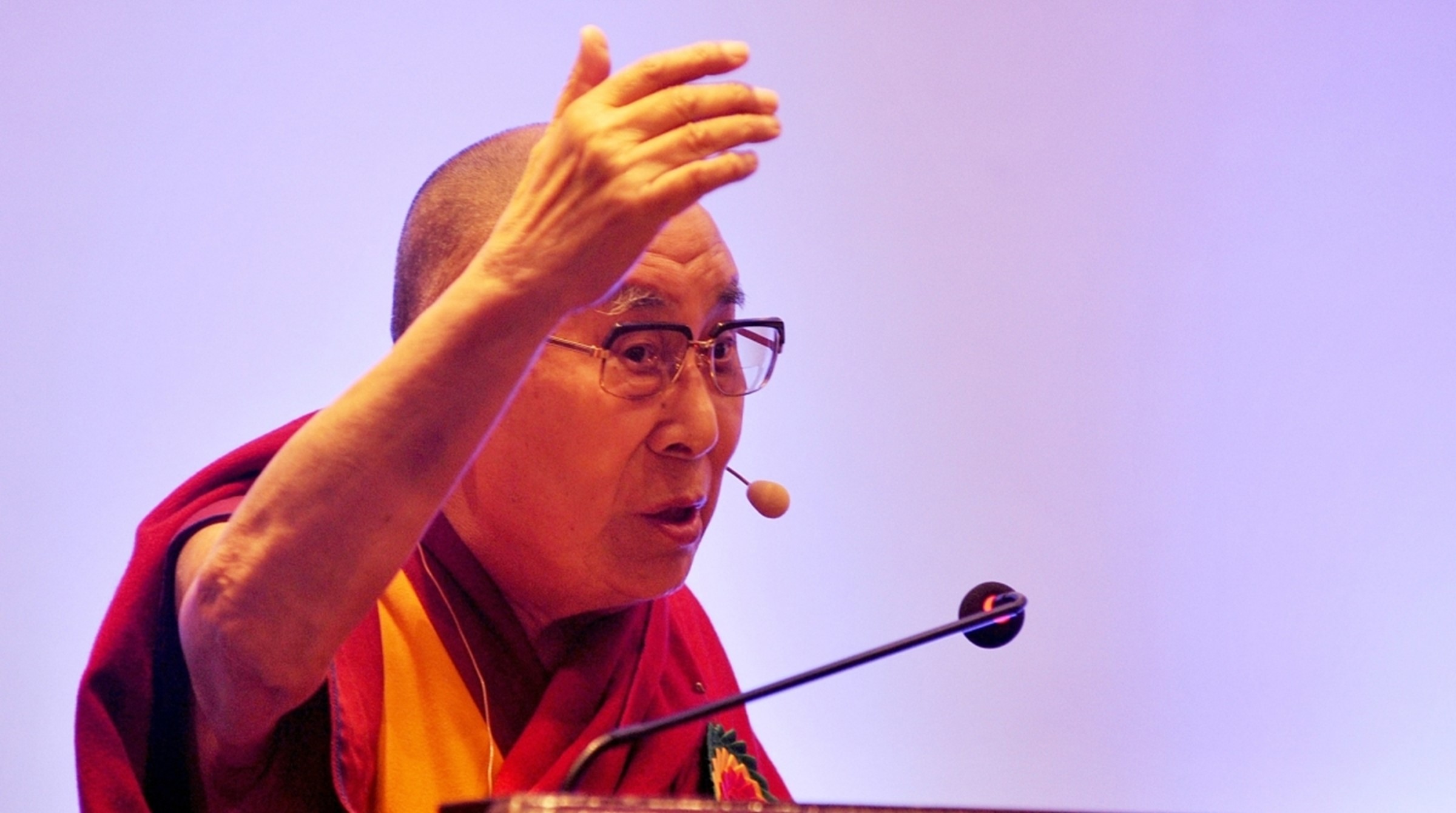
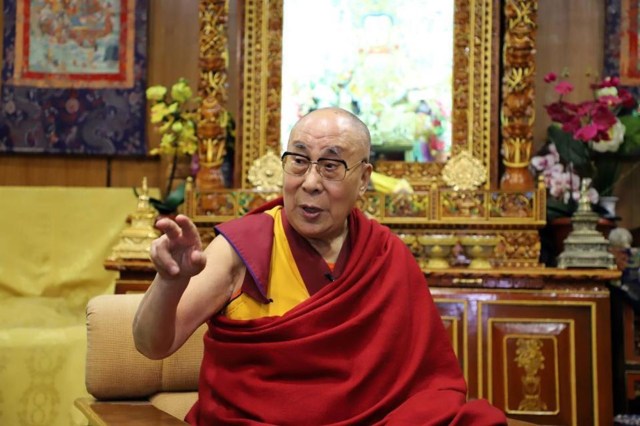
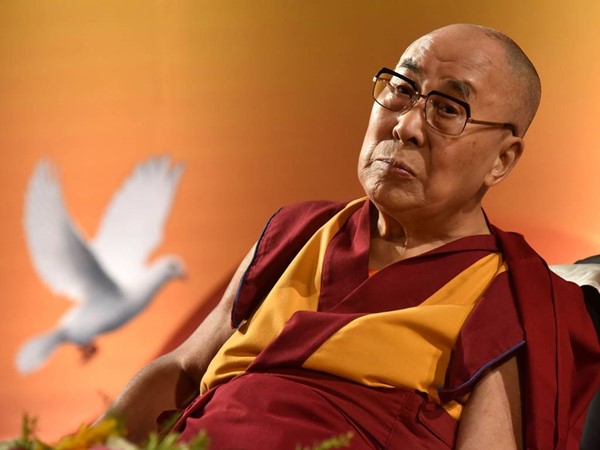
Tibetan spiritual leader the Dalai Lama addresses during “Thank You Karnataka” an event to mark the 60th year of Tibetan arrival to India, in Bengaluru on Aug 10, 2018. (Photo: IANS)
Two days after he triggered a major controversy by praising Muhammed Ali Jinnah over Jawaharlal Nehru, Tibetan spiritual leader the Dalai Lama stoked a political flame by stating that Tibet is ready to be part of China provided Beijing agrees to guarantee certain rights.
Speaking at an event organized by the Central Tibetan Administration (CTA) in Bengaluru, the Dalai Lama said, “Tibetans are not asking for independence. We are okay with remaining with the People’s Republic of China, provided we have full rights to preserve our culture.”
At the “Thank You Karnataka” event, the 83-year-old Nobel Peace laureate said, “Several of Chinese citizens practicing Buddhism are keen on Tibetan Buddhism as it is considered scientific.”
Only two days ago, the 14th Dalai Lama enraged many by saying that India would not have been partitioned had Pakistan’s founding father Muhammed Ali Jinnah become the Prime Minister instead of Jawaharlal Nehru.
During an interaction with students in Goa, the Dalai Lama said, “Mahatma Gandhi wanted to give the prime ministership to (Mohammad Ali) Jinnah. But Nehru refused. He was self-centered. He said, ‘I wanted to be Prime Minister’. India and Pakistan would have been united (had Jinnah been made Prime Minister at the time). Pandit Nehru was wise and experienced. But mistakes do happen.”
As his remarks triggered outrage, the Dalai Lama on Thursday tendered an apology. “My statement has created controversy, I apologize if I said something wrong,” he said.
“I had a close relationship with Nehru, who suggested having separate schools to preserve the Tibetan thought. He (Nehru) supported the Tibetans’ cause,” the 14th Dalai Lama said.
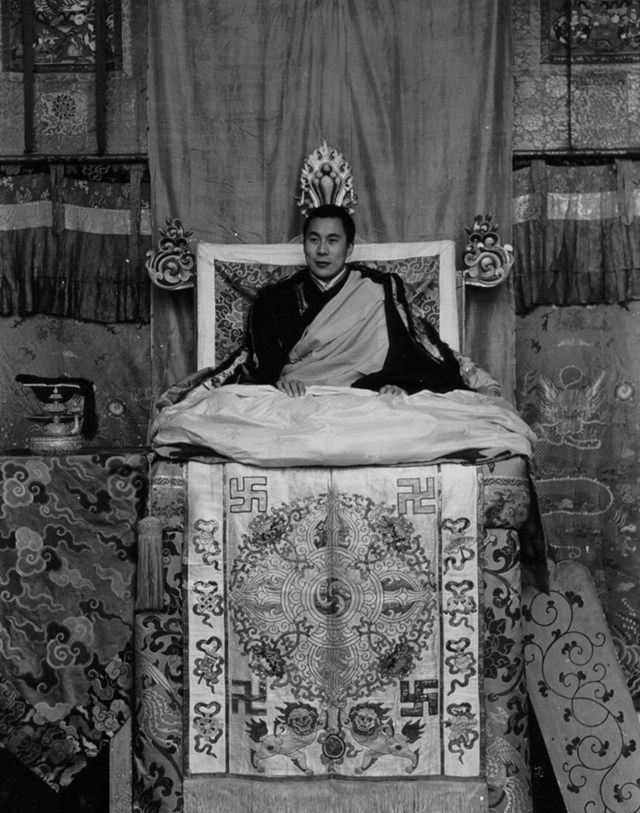
Born in Taktser hamlet in northeastern Tibet, the Dalai Lama was recognized at the age of two as the reincarnation of the 13th Dalai Lama, Thubten Gyatso. He fled to India from Tibet after a failed uprising against the Chinese rule in 1959.
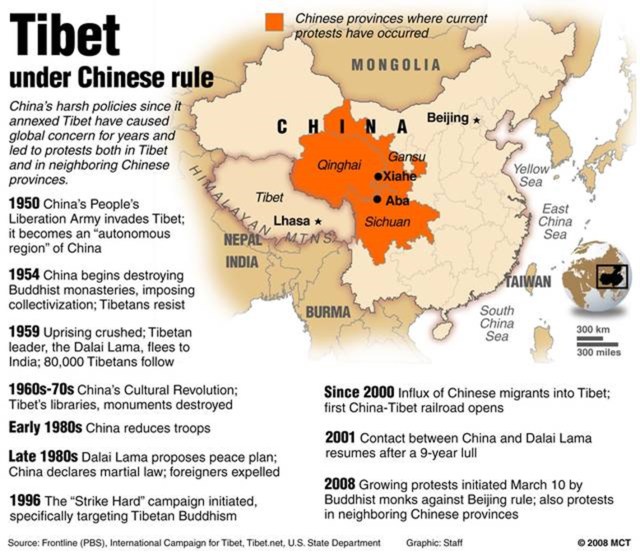
China annexed Tibet in 1950, forcing thousands of Tibetans, including monks, to flee the mountain country and settle in India as refugees.
Since then, India has been home to over 100,000 Tibetans majorly settled in Karnataka, Himachal Pradesh among other states.
Tibetan National Security Plan – Negotiate with a Tyrant for Peace.
NATIONAL SECURITY BILL FOR TIBET – GOD HAS A PLAN FOR TIBET
August 10, 1949. National Security Bill for Tibet. God has a Plan for Tibet. In the absence of National Security Plan or Strategy, Tibet has become dependent upon The US National Security Bill and its execution by different US Administrations.
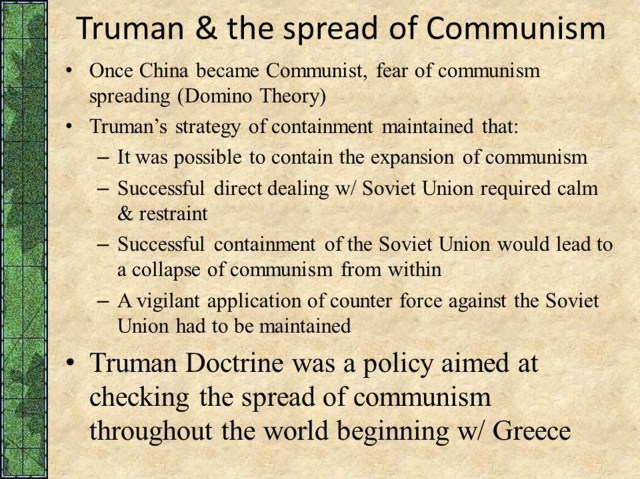
On August 10, 1949, the US President Harry Truman signed The National Security Bill creating The Department of Defense to prepare the United States for Cold War as containment of Communist Expansionism requires a complex strategy.
Tibet declared full independence on February 13, 1913, taking advantage of the downfall of the Qing Dynasty or Ch’ing, or Manchu Chinese Empire during 1911-1912.
Tibet never had a National Security Plan or Security Strategy to defend its existence. During 1948-49, Tibet experienced the first major threat to existence with the spread of Communism to mainland China during World War II. It is no surprise to find Tibetans unprepared. In the absence of National Security Plan or Strategy, Tibet has become dependent upon The US National Security Bill and its execution by different US Administrations.
Tibetans are very fearful of Chinese people as Chinese ruled over Tibet with the utmost brutality, unlike the Mongols who had earlier ruled over Tibet for a long time. Tibetans are not concerned about the political ideology of Chinese people. Tibetans are simply afraid of the Chinese race known for their arrogance and unjustified use of power to subjugate innocent, undefended Tibetan people.
August 10, 1949. National Security Bill for Tibet. God has a Plan for Tibet. For Tibet has no Security Plan or Strategy, Tibet has become dependent upon the US National Security Bill and its execution by different US Administrations.
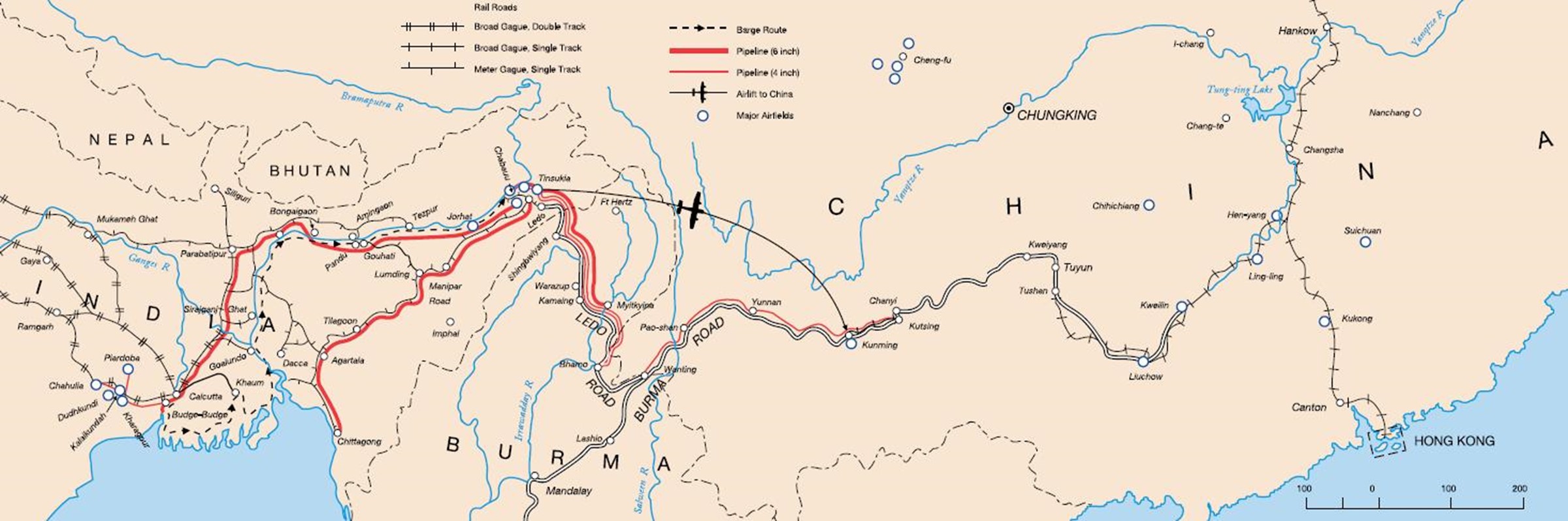
Living Tibetan Spirits trace their American Support from the period of Hump Airlift Operations from April 1942 to November 1945 in China Burma India Theater (CBI) of World War II. While the British fought against the Japanese invasion of Burma, the US worked to extend support to Nationalist forces engaged in bitter Civil War to oppose the Communist takeover of mainland China. Apart from the use of Tibetan airspace, some Hump Airlift Operations delivered weapons and ammunition to Tibet.
For both Tibet and India have no Security Plan or Strategy to defend Tibet from military conquest, they used the opportunity provided by the US President Harry Truman who signed The National Security Bill with plans to fight against Communist Expansionism.
Tibet, India, and the United States agreed to work together in support of the US Plan to contain the spread of Communism. But, as we have seen, it is not good enough. In fact, Communist China consolidated her tight grip over Tibet.
August 10, 1949. National Security Bill for Tibet. God has a Plan for Tibet. In the absence of National Security Plan or Strategy, Tibet has become dependent upon The US National Security Bill and its execution by different US Administrations.
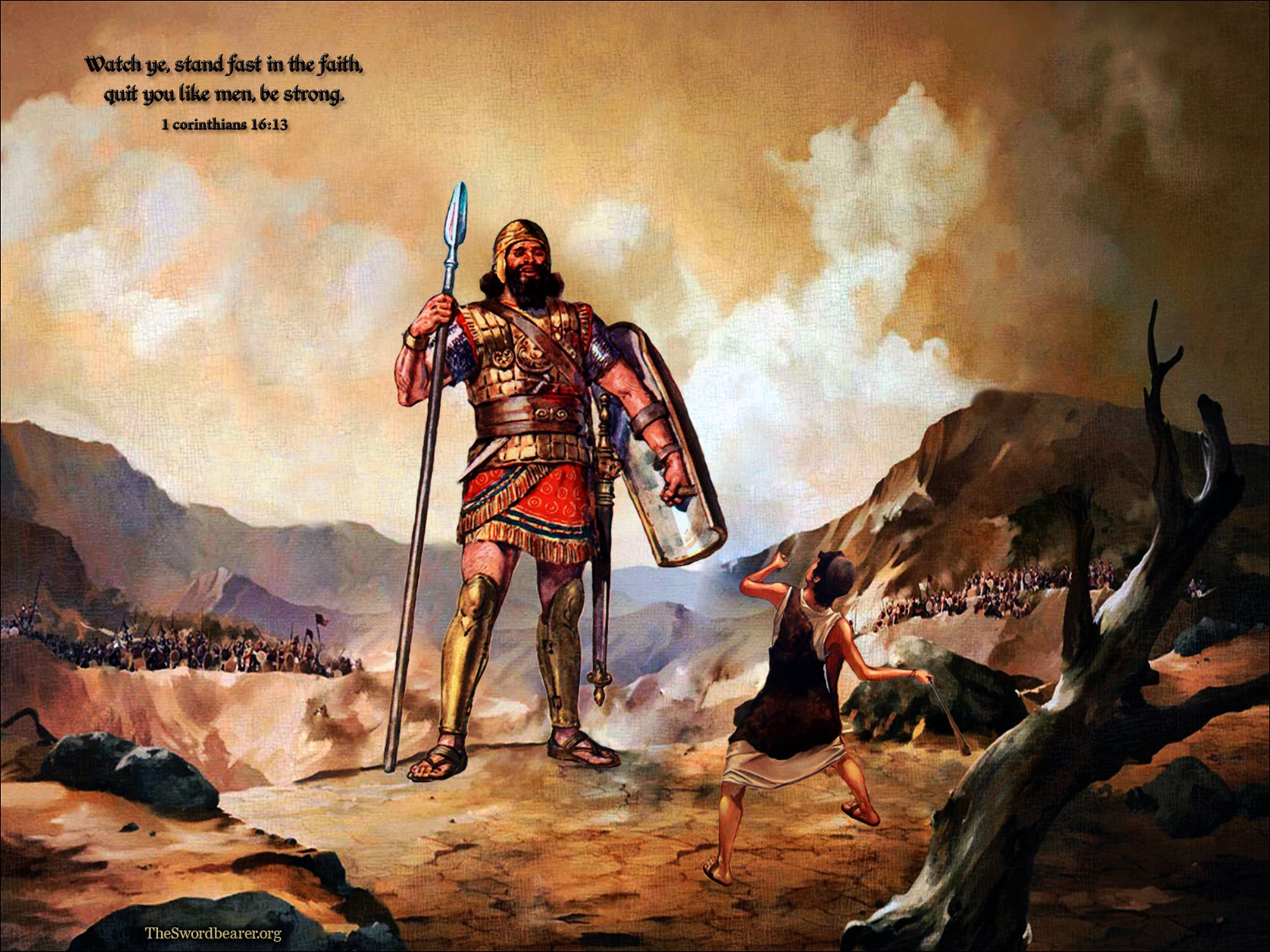
For countries of the World have no Security Plan for Tibet, I asked God for His Security Plan for Tibet. God referred me to the story of David and Goliath described in The Old Testament Book, 1 SAMUEL, Chapter 17. God assures me that it takes only a single ‘Sling Shot’ to utterly defeat Tibet’s Enemy. Beijing’s Downfall is just a ‘Stone’s Throw Away’. I call God’s Plan as ‘The Sling Shot’ Option for Tibet’s Security.
President Harry S. Truman signs the National Security Bill, which establishes the Department of Defense. As the Cold War heated up, the Department of Defense became the cornerstone of America’s military effort to contain the expansion of communism.
In 1947, the National Security Act established the Cabinet-level position of secretary of defense, which oversaw a rather unwieldy umbrella military-defense agency known as the National Military Establishment. The secretary of defense, however, was just one of a number of military-related cabinet positions, including the pre-existing secretaries for the Army, Navy, and Air Force. The growing complexity of the Cold War, a war in which the mishandled application of military force could lead to a world war of cataclysmic proportions, convinced U.S. officials that the 1947 act needed to be revised.
In 1949, the National Security Bill streamlined the defense agencies of the U.S. government. The 1949 bill replaced the National Military Establishment with the Department of Defense. The bill also removed the cabinet-level status of the secretaries of the Army, Navy, and Air Force, who would henceforth be subordinate to the Secretary of Defense. The first person to hold this position was Louis Johnson. Finally, the bill provided for the office of chairman of the Joint Chiefs of Staff in an effort to bring to end to the inter-service bickering that had characterized the Joint Chiefs in recent years. World War II hero General Omar Bradley was appointed the first Chairman of the Joint Chiefs of Staff.
The National Security Bill of 1949 was the result of the realization that more coordination and efficiency were needed for America’s military-defense bureaucracy, which had experienced tremendous growth during and after World War II. The Cold War was a new and dangerous kind of war for America, and the 1949 reorganization was recognition of the need for a different approach to U.S. defense.
August 10, 1949. National Security Bill for Tibet. God has a Plan for Tibet. I describe God’s Plan as ‘The Sling Shot’ Option.
Foreign Relations of the United States. Status on Tibetan Operations.
On behalf of Living Tibetan Spirits, I can review the status on Tibetan Operations because of my lifetime affiliation with the military organization called Special Frontier Force. In my review of foreign relations of the United States, I conclude making amendments to the US policy which essentially aims to contain the threat of the spread of Communism to mainland China. 1. In the present times of ‘The Information Era’, there is no need for The Cold War Era of secret diplomacy and covert operations. Information is the most important tool to decide the outcome of the battle between Democracy and Communism. 2. The United States must seek Direct Dialogue with Tibet and Tibetan Institutions of Government and, 3. The United States must recognize Tibet as the third largest nation of Asia. This country because of its size and location is vital to the US interests to maintain The Balance of Power.
1. Summary—The CIA Tibetan program, parts of which were initiated in 1956 with the cognizance of the Committee, is based on U.S. Government commitments made to the Dalai Lama in 1951 and 1956. The program consists of political action, propaganda, paramilitary and intelligence operations, appropriately coordinated with and supported by [less than 1 line of source text not declassified]. This program was last reviewed and endorsed by the Committee on 20 February 1964. Current activities have been coordinated with and have the approval of [1 line of source text not declassified], Mr. William Bundy, Assistant Secretary of State for East Asian and Pacific Affairs, and Mr. Lucius Battle, Assistant Secretary of State for Near East and South Asian Affairs. 2. Program Objectives—In the political action and propaganda field, Tibetan program objectives are aimed toward lessening the influence and capabilities of the Chinese regime through support, among Tibetans and among foreign nations, of the concept of an autonomous Tibet under the leadership of the Dalai Lama; toward the creation of a capability for resistance against possible political developments inside Tibet; and the containment of Chinese Communist expansion—in pursuance of U.S. policy objectives stated initially in NSC 5913/1.2 [6 lines of source text not declassified] 3.
Appraisal of Current Programs—The cultural revolution in China expanded into Tibet bringing with it tremendous disturbances including the disruption of internal transportation, communication, travel and, to a significant extent, peace and order. Unfortunately, there are no apparent signs that the Tibetan people are capitalizing upon this internal chaos to seek further autonomy. Chinese security has shown no signs of deterioration [Page 740]and their control over Tibet, both political and military remains as pervasive as ever. Tibetan leadership has been purged, leaving the Chinese in direct control of the local administration, and a large number of underground assets have been uncovered and neutralized.
The Tibetan program has a potential for operational success based on a reservoir of trained agent material, the location in a safe-haven of the Dalai Lama together with the nucleus of new young leaders, widespread sympathy for the Tibetan cause, indications of a more positive Indian attitude toward the political aspirations of the Tibetan government, and evidence of considerable disarray among the Chinese stationed in Tibet.
a. At present, there are no radio teams remaining inside Tibet. Radio teams continue to function [less than 1 line of source text not declassified] although much of their information comes from the debriefing of traders and refugees. Singleton resident agent operations in Tibet, regarded as being the long-range replacement of the black radio teams, have not progressed as planned due to continued tightening of Chinese security in the border areas. Intelligence reporting from all sources deals primarily with military, political and construction activities along the Tibetan border. b. The Tibetan paramilitary unit, a remnant of the 1959 resistance force, is dispersed in 15 camps [less than 1 line of source text not declassified]. The Tibetan leadership views the force as the paramilitary arm of its “government-in-exile” [2 lines of source text not declassified]. Because of the diplomatic sensitivity occasioned by the presence of the Tibetan force [less than 1 line of source text not declassified], it has been enjoined from offensive action which might invite Chinese [less than 1 line of source text not declassified] retaliation. Joint efforts to disperse the force to other uninhabited areas [less than 1 line of source text not declassified] have not been successful because of Chinese [less than 1 line of source text not declassified] reaction or of difficulties in resupply. c. [1 line of source text not declassified] responsible for radio contact with and operational direction of the radio teams, the paramilitary resistance force, and the support mechanism [less than 1 line of source text not declassified] continue to serve their intended purpose with a minimum of problems. d. Bi-lateral CIA-Tibetan intelligence collection operations into Tibet, [less than 1 line of source text not declassified] have increased significantly, both in number and in value during the past few years. e. Activities designed to develop a dynamic political program [less than 1 line of source text not declassified] to weld the refugee communities into a cohesive whole under the leadership of the Dalai Lama and his brother, Gyalo Thondup, continue. These include: (1) The Geneva, New York and [less than 1 line of source text not declassified] “Tibet houses” continue in operation. The Geneva office serves as [Page 741]the coordinating point for the resettlement of some 500 Tibetan refugees in Switzerland and other European countries and maintains contact with the international agencies concerned with Tibetan relief. Although time has dimmed some of the effectiveness of its pleas, the New York office continues to lobby among the U.N. delegations for legal and moral support for the Tibetan cause, guided in their efforts by a sitting former U.S. delegate to the U.N. who is also a well-known international lawyer. [2 lines of source text not declassified] (2) The covert training program conducted in the U.S. under which some 250 Tibetans were trained, ended in November 1964. (3) Twenty selected Tibetan junior officers studied at Cornell University, over a three year period. Due to the Katzenbach strictures, this program was concluded in July 1967; CIA is considering a continuation of the program, on a limited scale, [less than 1 line of source text not declassified]. (4) The Tibetan organizational party, the Cho Kha Sum, (i.e. the Defense of Religion by the Three Regions: Kham, Amdo, and U-Tsang), which was established in India in April 1964 by Gyalo Thondup, now has an active press and publications arm. While the future potential of the party is still in question, the Tibetans are making an effort to mold it into an effective organization, aimed at halting a drift towards disunity among the refugees, developing a political consciousness and a political program with which to challenge the Communist efforts inside Tibet.
4.
Significant Previous 303 Committee Approvals—
a. September 1958—initial endorsement of CIA covert support to Tibetan resistance; b. 20 May 1959—initial approval of covert support to the Dalai Lama; c. 14 February 1961—endorsed continuation of the covert program; d. 13 December 1962—approved training of Tibetan guerrilla force; e. 20 February 1964—reviewed and endorsed continuation of covert program; f. 9 April 1965—approved relocation of Tibetan paramilitary force; g. 8 July and 25 November 1966—endorsed the covert paramilitary program [1 line of source text not declassified].
These landmark reviews were interspersed with status reports and briefings of the Committee, in one period at monthly intervals. The basic decisions listed above in several instances were reviewed with Higher Authority.
5. Coordination— a. Department of State—Since the project’s inception, appropriate officials of the Department have approved various elements of the program. [Page 742]Department officers who have been briefed on aspects of this project include Elmer Falk and Clement J. Sobotka, Director and Deputy Director, respectively, of the Office of Refugee and Migration Affairs; Harald Jacobson, Director, Office of Asian Communist Affairs; William Gleysteen, Deputy Director, Office of U.N. Political Affairs; William Bundy, Assistant Secretary of State for East Asian and Pacific Affairs; and Lucius Battle, Assistant Secretary of State for Near East and South Asian Affairs. b. Ambassadors—The past and present Ambassadors to Nepal and India have approved the Tibetan program, [1 line of source text not declassified]. c. [2–1/2 lines of source text not declassified] 6. Projected and Planned Programs— a. On the political front during 1967, the Dalai Lama began what is hoped will be a long-range program of projecting himself and Tibetan affairs on an international basis. He is contemplating visits to Ceylon, Burma, and Cambodia, having visited Japan and Thailand in late 1967. Invitations have also been extended from several European countries having active Tibetan refugee programs or interests. b. Gyalo Thondup, acting for the Tibetan partnership in our liaison with the Indians, has proposed the establishment of a Tibetan Operations Center to represent Tibetan interests [less than 1 line of source text not declassified]. This Tibetan center would conceivably provide greater efficiency in the Tibetan handling of existing operations and in the relegation of operational tasks to Tibetan assets. [1 line of source text not declassified] c. Some elements of the basic covert program remain to be implemented. They include the deployment of landline wiretap teams to selected priority targets within Tibet; the activation of special refugee debriefing teams; a census of some 70,000 Tibetan refugees spread throughout India and its neighboring countries which may locate additional operational assets; and the resupply of arms and ammunition to the Mustang force. 7. Costs—At the time of the February 1964 review by the Committee, the projected annual cost for all Tibetan operations was $1,735,000. With the discontinuation of the training programs in the U.S., [1 line of source text not declassified] a reduction of $570,000 in this estimate for FY68 has been achieved. The remainder of $1,165,000 has been programmed in the CIA budget for FY68 for the activities described in this paper. Of this amount, $650,000 was approved by the 303 Committee on 25 November 1966 in its review of the [less than 1 line of source text not declassified].
Source: Department of State, INR Historical Files, Tibet, 1967–1968. Secret; Eyes Only. The source text bears no drafting information. A March 4 memorandum from Battle to Bohlen describes it as a CIA memorandum. (Ibid.) It was discussed at a March 19 meeting of the 303 Committee. According to Peter Jessup’s memorandum for the record of the meeting, CIA representative James Critchfield stated that “achievements inside Tibet were minimal—outside more substantial.” He observed that “the Tibetans by nature did not appear to be congenitally inclined toward conspiratorial proficiency.” Jessup records no action by the 303 Committee at the meeting. (Johnson Library, National Security File, Intelligence File, 303 Committee)↩
The text of NSC 5913/1, approved September 25, 1959, is printed in Foreign Relations, 1958–1960, vol. XVI, pp. 133– 144. Also, see the record of the NSC discussion of NSC 5913 on September 17, 1959, ibid., pp. 116–127.↩
Foreign Relations of the United States. The Status on Tibetan Operations.
Tibetan Resistance Movement failed because of Covert Actions.
In my analysis, American actions in support of the Tibetan Resistance Movement failed because of the choice of covert operations to accomplish their mission. On behalf of Living Tibetan Spirits, I demand direct dialogue between the US and Tibet after due recognition of Tibetan Government-in-Exile as the sole representative of Tibetan people.
TIBETAN RESISTANCE MOVEMENT FAILED BECAUSE OF COVERT ACTIONS.Tibetan Resistance Movement Failed Because of Covert Actions. Living Tibetan Spirits Demand US-Tibet Direct Dialogue.
Living Tibetan Spirits welcome the view shared by US Representatives Nancy Pelosi and James McGovern desiring the return of Dalai Lama to Tibet from his exile home in India.
Living Tibetan Spirits desire Supreme Ruler of Tibet to go home if the following two conditions are fully satisfied:
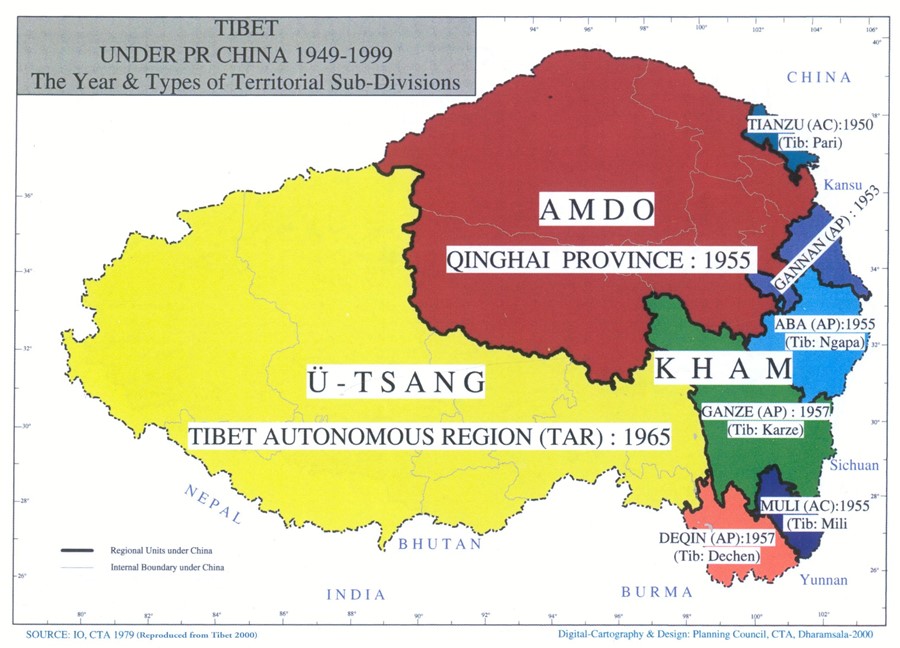
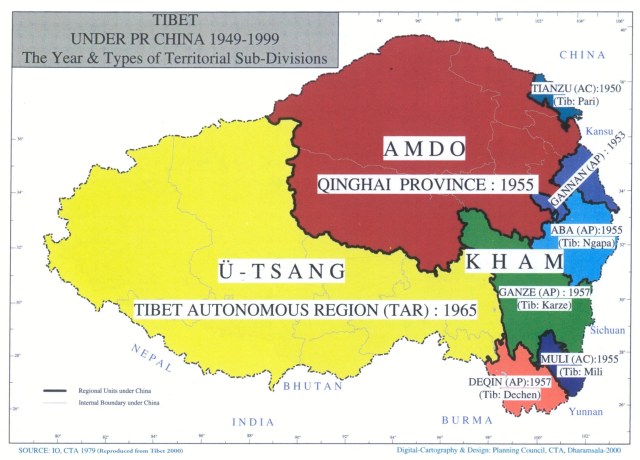
Restore identity of entire Tibetan territory by demarcating political boundaries of Tibet and
Supreme Ruler of Tibet be replaced by Head of State elected by Tibetan citizens. The political institution of Ganden Phodrang which governs lives of Tibetans must be replaced by elected Government of Tibet.
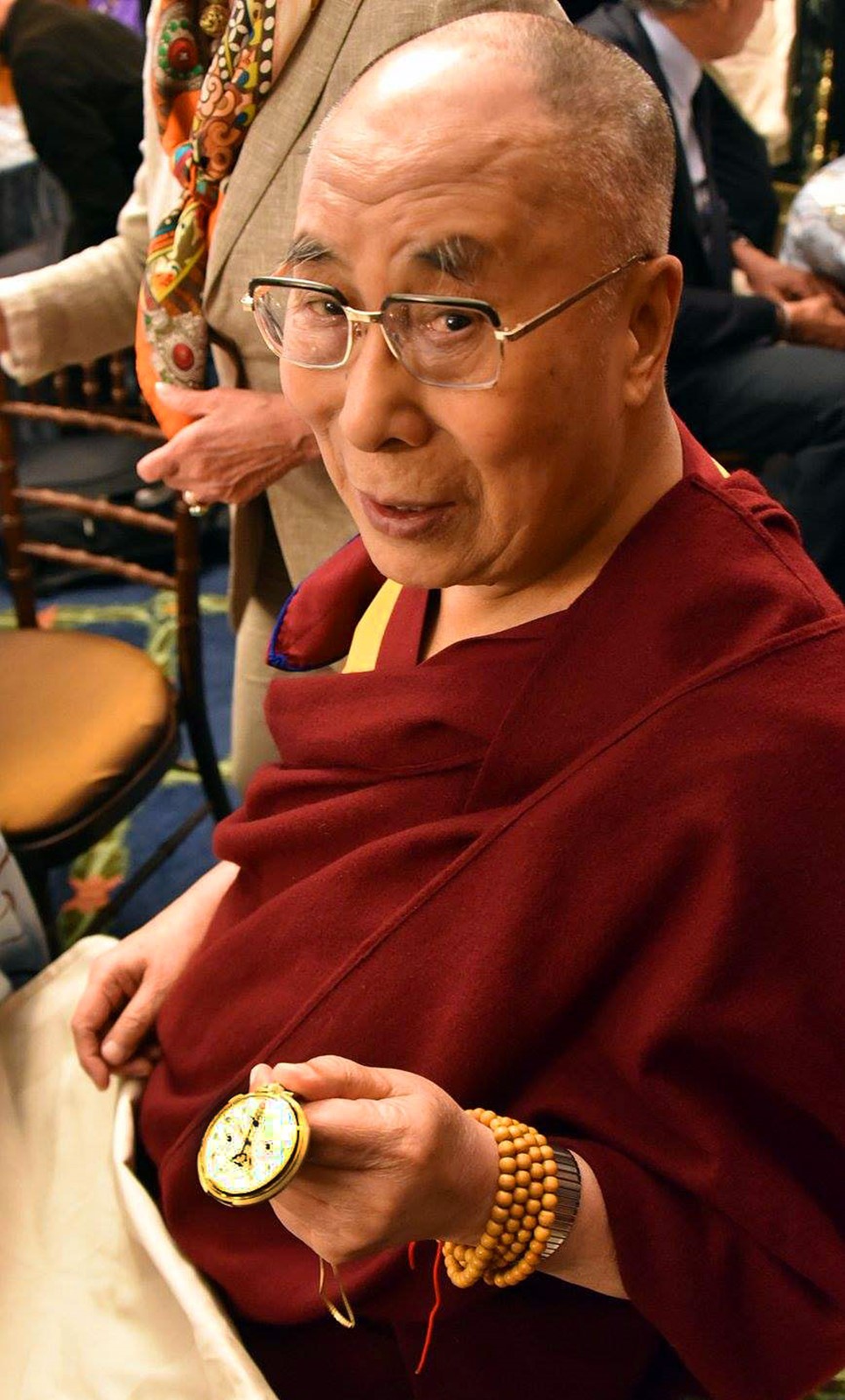
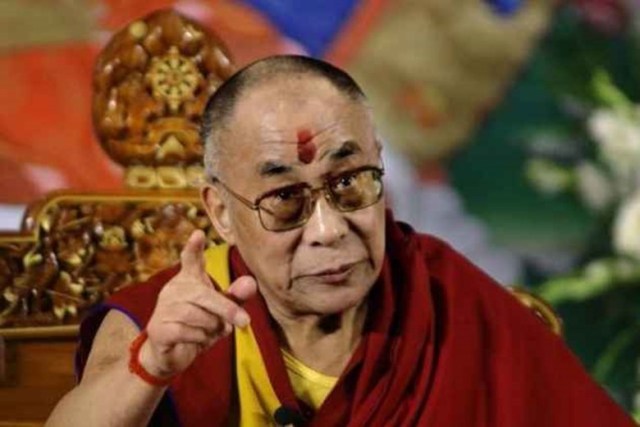
The Dalai Lama during an interview in Dharamasala, northern India, on June 26, 2018.
Tenzin Gyatso, the 14th Dalai Lama, celebrated his 83rd birthday last week. What a wonderful gift it would be if China would treat the Tibetan people with the dignity and respect they deserve, and let the Dalai Lama go home to Tibet, whether to visit or to stay.
The Dalai Lama was born and educated in Tibet. He was recognized as the reincarnation of the 13th Dalai Lama when he was only 2, and he was just 6 when he began his monastic studies. While the Dalai Lama is the spiritual leader of Tibet, he humbly describes himself as a simple Buddhist monk.
Before the Dalai Lama could finish his education, he was called to assume the leadership of his people, after China’s invasion of Tibet, in 1950. He worked to preserve Tibetan autonomy and culture, until years of growing resentment against restrictions imposed by the Chinese Communists led to a full-scale revolt in March 1959. As the uprising was crushed by Chinese troops, the Dalai Lama was forced to flee, and he eventually settled in Dharamsala, in northern India.
Since then, the Dalai Lama has been forced by China to remain in exile. For nearly 60 years, he has not been able to return to his homeland and the people he leads. This is wrong.
Article 13 of the Universal Declaration of Human Rights affirms, “Everyone has the right to leave any country, including his own, and to return to his country.” As American citizens, we have that right and exercise it.
The Dalai Lama is renowned the world over for his commitment to peace. He has consistently advocated for nonviolence, even in the face of extreme aggression. In 1989, he won the Nobel Peace Prize in recognition of his decades-long nonviolent campaign to end China’s domination of his homeland. In 2007, when Congress awarded the Dalai Lama the Congressional Gold Medal, then-president George W. Bush called him “a man of faith and sincerity and peace.”
Living within China, the Tibetan people have many grievances. Although Chinese authorities see the Dalai Lama as part of the problem, we have long believed that he is part of the solution.
There was a time when the Tibetan goal was independence. But since the 1970s, the Dalai Lama has sought redress through negotiations. In the late 1980s, he proposed the Middle Way Approach as a path toward Tibetan autonomy within China.
Today, his commitment to nonviolence and his recognition as the spiritual leader of Tibetans worldwide confer on him an undeniable legitimacy that would be of great benefit were China willing to restart the dialogue that has been suspended since 2010.
But China has not taken advantage of this opportunity to move toward peace. Instead, authorities view the Dalai Lama with suspicion, disparage him, and accuse him of fomenting separatism. They seem to believe that with his eventual, inevitable death, they will be assured of consolidating their hold on Tibet.
We are not so sure. Today, all around the world, we see the consequences of the repression of religious and ethnic minorities.
There is still time. It is not too late for China to choose a different path. Imagine the world’s reaction if Chinese authorities were to affirm the right of the 14th Dalai Lama to return to his homeland if he so desires. Imagine if they were to afford His Holiness the respect he deserves as a man of peace. Imagine if through good-faith dialogue they sought to ease tensions, rather than implementing policies that exacerbate them. Imagine.
We urge our fellow Americans to join in calling on Chinese leaders to let the Dalai Lama go home.
US Representative Nancy Pelosi of California is House minority leader. US Representative James McGovern of Massachusetts is a ranking member of the House Rules Committee.
TIBET’S PROBLEMS RESULT OF SPREAD OF COMMUNISM TO MAINLAND CHINA
In my analysis, Tibet’s problems result of spread of Communism to mainland China in 1949. I view Tibet’s problems as mere symptoms of The Cold War in Asia. Most unfortunately, the US efforts to contain spread of Communism to mainland China failed. This setback does not mean that the world can ignore Tibet’s problems.
Tibetan spiritual leader Dalai Lama on Monday said Tibetans believed in the law of causality and the Tibetan problem was a consequence of old causes that had ripened.
Talking to Australian audience in Sydney through video conferencing, Dalai Lama said according to Chinese history book, in 7th, 8th and 9th century, there were three major empires: the Chinese, Mongol and the Tibetan empire.
In the 9th century, due to some quarrel among the Tibetan emperor, Tibet disintegrated. The problem started during that century. After that I think Tibetans paid attention to their own small circle, including the lamas, locals and landlords in different parts of Tibet, resulting in disintegration, he said.
“History had produced that way. Old causes have already there, so there will be consequences. Nobody can change that,” Dalai Lama said.
He said Tibet remained as one entity because of the Tibetan Buddhist tradition. “300 volumes of Buddhist texts translated from India and the language that covered the whole Tibetan area was what kept Tibetans as one entity. Otherwise in the political matter, for several centuries, we really neglected” he further stated.
Talking about global conflicts and lack of moral consciousness in societies, the Nobel laureate pressed for the need for a more complete education system that caters to the overall well being of a human being.
“Every 7 billion human being have every right to be a happy human being. Now the concern is the existing modern education. It is very much oriented towards material value.
Therefore the generation who receive that kind of education eventually goes on to create materialist life and materialistic culture. When they are faced with mental level problems, they are helpless,” he said.
Talking about mistakes in his life, he said ‘I think in political matter I feel there have been no major mistakes. At the age 16, I took the responsibility.
Then Tibet’s situation was very difficult and delicate so the Regent asked me to take the responsibility. The previous Dalai Lama took the responsibility at the age of 18. I told him that 16 was too early but the circumstances forced me to take the responsibility.
So I lost my own freedom.
At 24, I lost my country, then there were a lot of problems. But I think, now looking back, during those difficult periods, no major mistakes. I think all my major decisions eventually seem very correct, he added.
His Holiness mentioned an old Tibetan official who remained skeptical of His Holiness’ decision to flee Lhasa in 1959, but after the events of the Cultural Revolution, he concluded that the decision was correct.
LIVING TIBETAN SPIRITS DISCOVER INVASIVE SPECIES IN TIBET
Living Tibetan Spirits acknowledge Han Chinese as the most dangerous invasive species found in Tibet since 1950. Tibet Plateau is recognized as ‘Protective Shield’ and invasion by Han Chinese species endangers Tibet Equilibrium.
Rudranarasimham Rebbapragada
SPECIAL FRONTIER FORCE
OVER 150 INVASIVE SPECIES DISCOVERED IN TIBET – XINHUA
LHASA, June 11 (Xinhua) — Scientists have found over 150 unsafe invasive species in Tibet Autonomous Region after two years of research.
Led by Tibet’s regional institute of plateau biology, the research team found over 130 invasive plants including cotton weed, and more than 20 invasive animals in the region, like bull frogs and the red-eared slider (a type of turtle), both on the list of the world’s 100 most invasive species. They are also found in other parts of China.
Tu Yanli, associate researcher with the institute, said the drastic increase of these species in the area is due to the rapidly growing economy and the more convenient transportation.
The Qinghai-Tibet Plateau, where Tibet is located, has long been recognized as a natural biological shield.
To prevent the invasive species from damaging the local environment, the regional government has taken various measures such as strengthening border inspection and establishing quarantine zones.
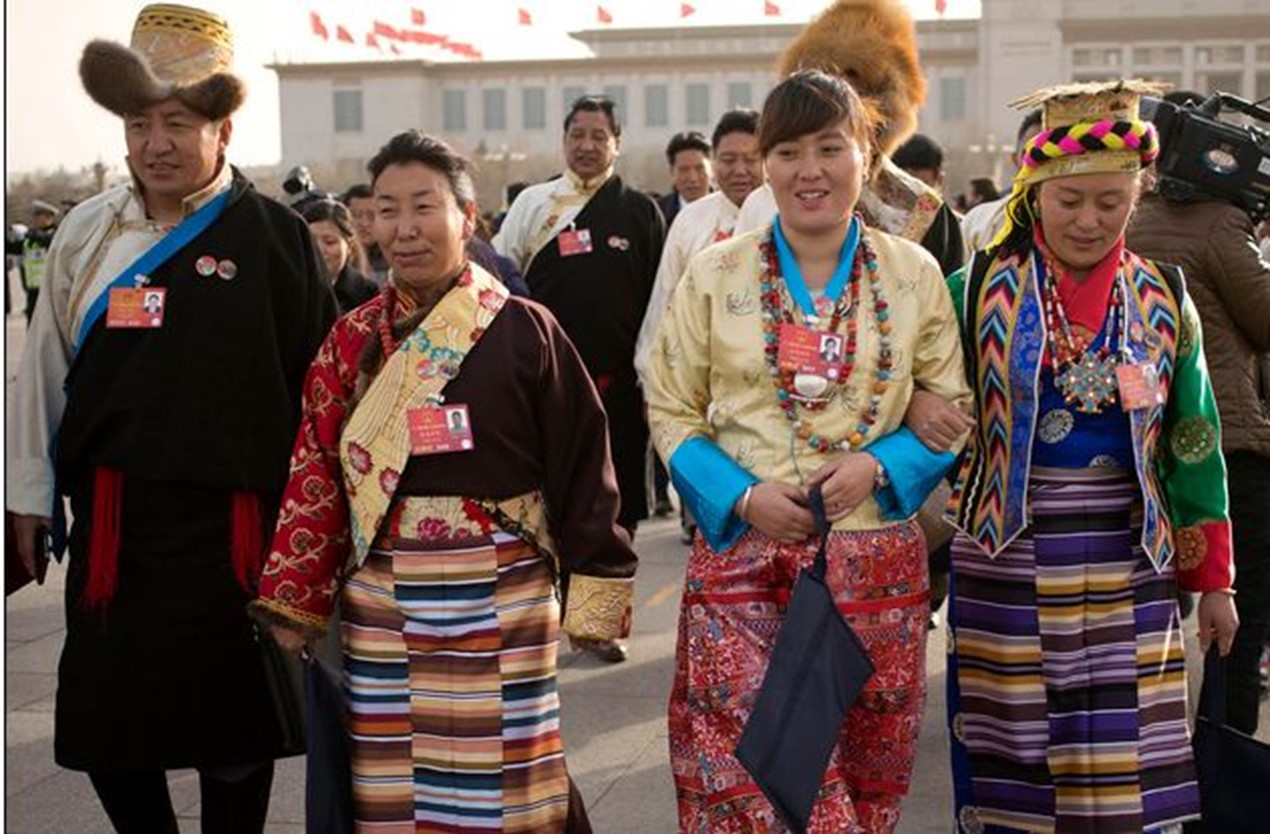
Living Tibetan Spirits reject China Warning. Tibetan delegates of National People’s Congress of Communist China which is in Tibet and not where it truly belongs.
Global Times of China reports that National People’s Congress delegates of Tibet asked the US Congress members not to support the “Dalai Lama clique.” Further, these Chinese delegates of National People’s Congress demand recognition of Tibet as part of China. For now, Living Tibetan Spirits acknowledge the problem of Tibet’s status. The problem is, China is in Tibet and not where it truly belongs.
Amid the trade war with the US, China has also asked the former to desist from supporting the “Dalai Lama clique” in Tibet in an attempt to reiterate China’s sovereignty over Tibet, the country’s Global Times cited a home-based expert as saying on Tuesday, May 15.
Living Tibetan Spirits reject China Warning. China is in Tibet and not where it truly belongs.
A team of the National People’s Congress comprising legislators from the Tibet Autonomous Region of China concluded a six-day trip of the US on Monday, May 14, with an aim for the same, the expert said.
Xinhua news agency reported on Tuesday that the delegation, led by the deputy of the People’s Congress of the Tibet Autonomous Region, Baima Wangdui, met a number of US senators and officials of the department of state in Washington DC.
The Chinese delegation told the US members about the importance of a good US-China relationship but also reiterated that Tibet was about China’s sovereignty and it is a question of core interest of China, Xinhua added.
Xinhua also said that Wangdui urged the US to recognize the Dalai clique’s anti-China nature and avoid any kind of contact with them. It also said the US assured the Chinese delegates that it recognized Tibet as a part of China and would not back “Tibetan independence”.
However, not all in China are convinced about the Americans’ ploy.
“Although the US said they recognize Tibet as part of China and would not support ‘Tibetan independence’, they have been meeting the Dalai Lama and, in the past, have funded the Tibetan ‘government-in-exile’,” Global Times quoted Qin Yongzhang, an ethnologist at the Chinese Academy of Social Sciences, as saying.
Qin also said only time could tell whether the latest visit by the Chinese delegation would change America’s “double-faced actions”, adding that it was important to make clear China’s position.
Zhu Weiqun, a former chairman of the ethnic and religious committee of the Chinese People’s Political Consultative Conference, told Global Times that Washington recently approved “a new batch of funding to support the Dalai Lama, even more than the sum back in the Obama days” and said he didn’t find any reason to believe the current Donald Trump administration of the US would be any different in supporting the Dalai clique compared to the earlier administrations.
Living Tibetan Spirits reject China Warning. China is in Tibet and not where it truly belongs.
THE TIBET QUESTION – TERMS FOR TIBET’S NATURAL FREEDOM
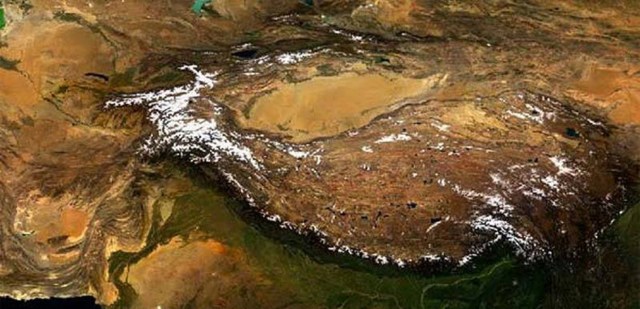
The Tibet Question revolves around the terms for Tibet’s Natural Freedom consistent with Natural History of Tibetan Plateau. China’s domination, subjugation, occupation, and colonization of Tibet must fail for it compromises Natural Inheritance of Tibetans.
Rudranarasimham Rebbapragada
SPECIAL FRONTIER FORCE
TIBET CAN REMAIN IN CHINA ONLY IF BEIJING RECOGNIZES OUR CULTURE AND SPECIAL HISTORY: DALAI LAMA
The Dalai Lama on Sunday said that Tibet can remain in China, only if Beijing recognized and respected the region’s distinct culture and autonomy.
Speaking at a lecture on ‘Role of Ethics and Culture in Promoting Global Peace and Harmony’ here, organized by Nehru Memorial Museum and Library and Antar-Rashtriya Sahyog Parishad, the Dalai Lama said, “Historically and culturally, Tibet has been independent. China took control of Tibet in 1950 in what it called a ‘peaceful liberation’. So, as long as the Constitution of China recognizes our culture and Tibetan autonomous region’s special history, it (Tibet) can remain there.”
The event was being held to commemorate the 60th anniversary of the 82-year-old Tibetan spiritual icon’s exile to India.
The Dalai Lama also expressed concerns on the ethnic violence against the Rohingyas in Myanmar, calling it as sad and terrifying. Also, he underscored the need to iron out differences and to work for all-round development and peace together.
Calling on the inclusion of ancient Indian traditions in the country’s education, the Dalai Lama added, “Discussions on how to include ancient Indian traditions in educational system should begin. India has the ability to combine modern education with its ancient traditions to help solve problems in the world. This would help India to fight against terrorism and global warming.”
Also, pressing on efforts to spread Indian traditions globally, like how China was able to spread its traditions, he further said, “Try to revive ancient Indian traditions. Actual change does not come from prayer, it comes from action. Wherever Chinese go, they have a ‘China Town’. Why not an ‘India Town’ by Indians?”
The Dalai Lama also went to say that the global warming had adversely affected the amount of snowfall in Dharamshala, where he resided and also the seat of the Tibetan government-in-exile.
Terming Buddha as an ‘ancient Indian scientist’, the 82-year-old spiritual leader added that he considered himself as “a half-scientist and a half-monk.”
Throwing light on the teachings of Tibetan Buddhism, the Dalai Lama said, ” The greatness of the Indian civilization is its spiritual brotherhood and harmony. It has helped to produce the greatest philosophical thinkers and preachers who gave rise to the Nalanda tradition of Buddhism based on reason and logical conclusion.”
The Dalai Lama, along with his followers, fled to India from Tibet in 1959 in a massive uprising by the Chinese forces.
Beijing calls the 82-year-old Buddhist monk a ‘separatist,’ seeking to secede Tibet from China.
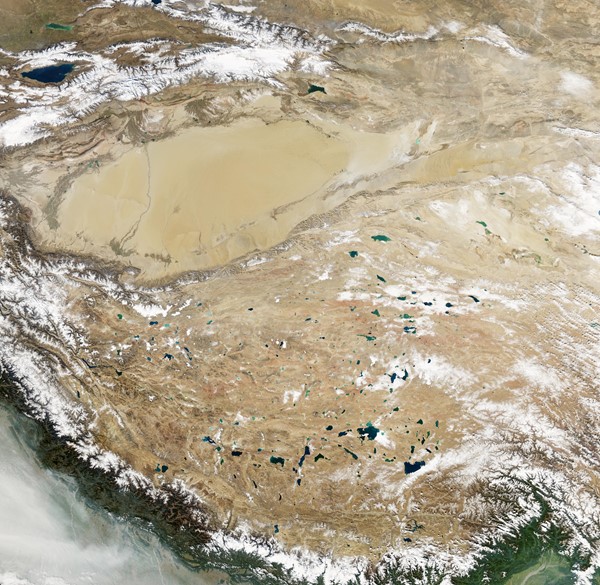
NATURAL HISTORY OF TIBETAN PLATEAU – INDIA’S TIBET POLICY
India’s Tibet Policy must reflect reality of Tibet as established by Natural History of Tibetan Plateau. This reality of Tibet cannot be rewritten. To defend Democracy, Freedom, Peace, and Justice, India has to contain, restrain, oppose, and confront the problem posed by expansion of Communism in Asia. India as a democratic nation must pursue Tibet Policy using standards of Transparency and Public Accountability. The Cold War in Asia remains Unfinished and yet there is no need for Cold War Era secret diplomacy.
Rudranarasimham Rebbapragada
DOOM DOOMA DOOMSAYER
India should support Tibet’s historical status as an Independent country: Former Defence Minister
July 20, 2017
Posted in News Flash
By Staff Writer
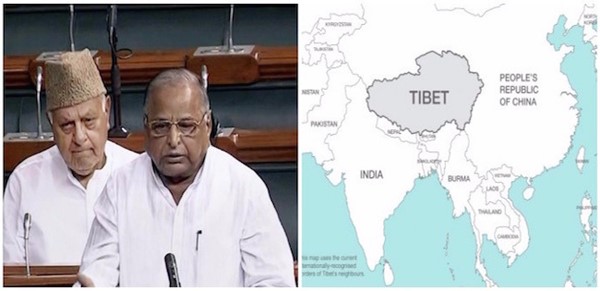
(L) Mulayam Singh Yadav speaking in Lok Sabha, (R) Map/FreeTibet
New Delhi: Samajwadi Party leader and former Defence Minister Mulayam Singh Yadav on Wednesday raised the issue of Tibet in the Parliament. India’s former Defence Minister said that India’s stand on Tibet, a reference to its acceptance that the region was part of China, was a “mistake” and the time has come to support its status as an historically independent country as it had been a traditional buffer between the two big nations.
He also urged the Indian Central Government to give maximum support to His Holiness the Dalai Lama.
Speaking during the zero hour, Yadav called China India’s “real enemy” rather than Pakistan and claimed that China was ready to attack India in collaboration with Pakistan.
“If need be, we should have a rethink on diplomatic relations with China,” Yadav said.
The veteran leader also demanded a “ban on Chinese products in India in the nation’s interest”.












 Whole Dude - Whole Concept