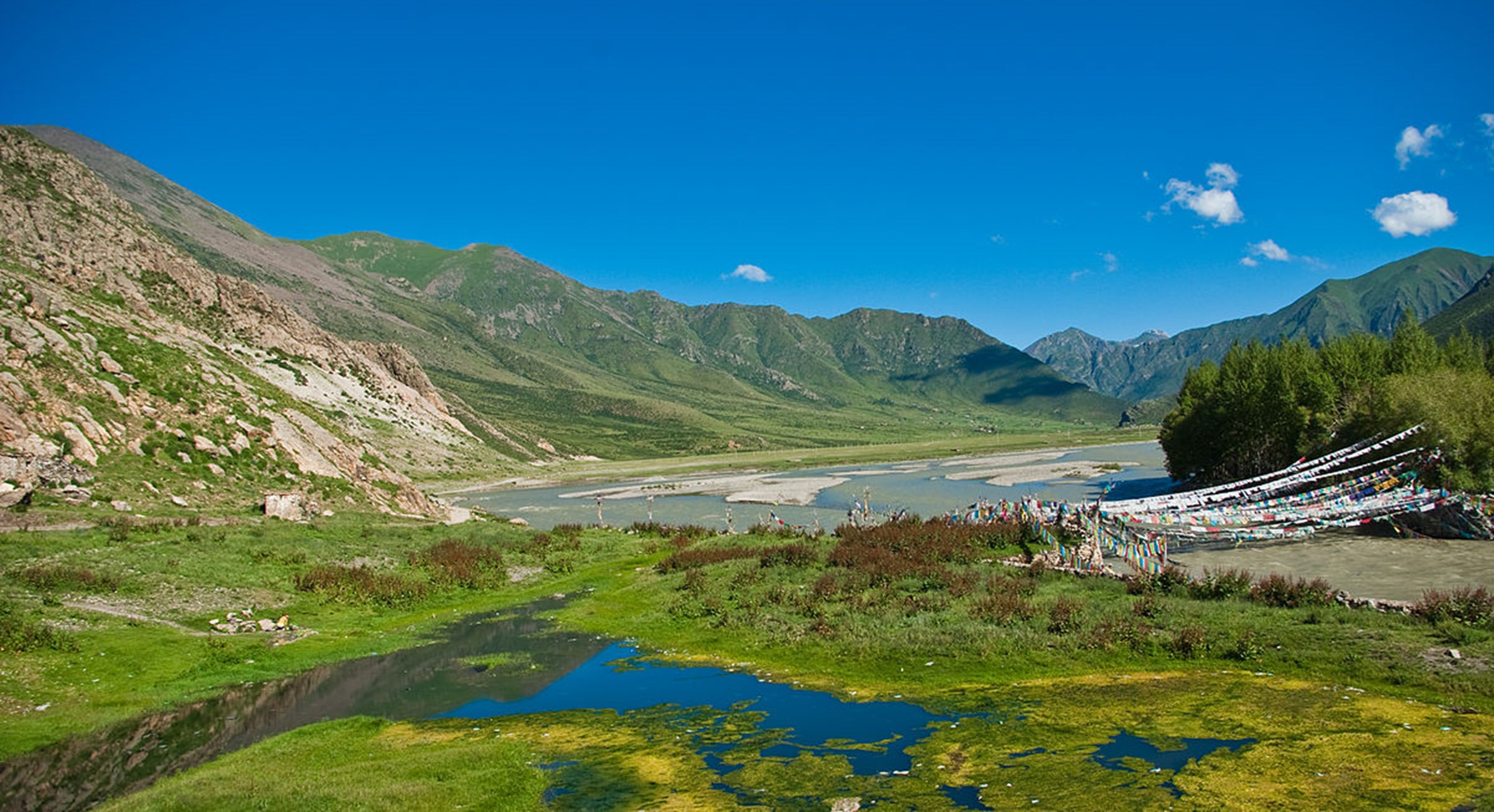
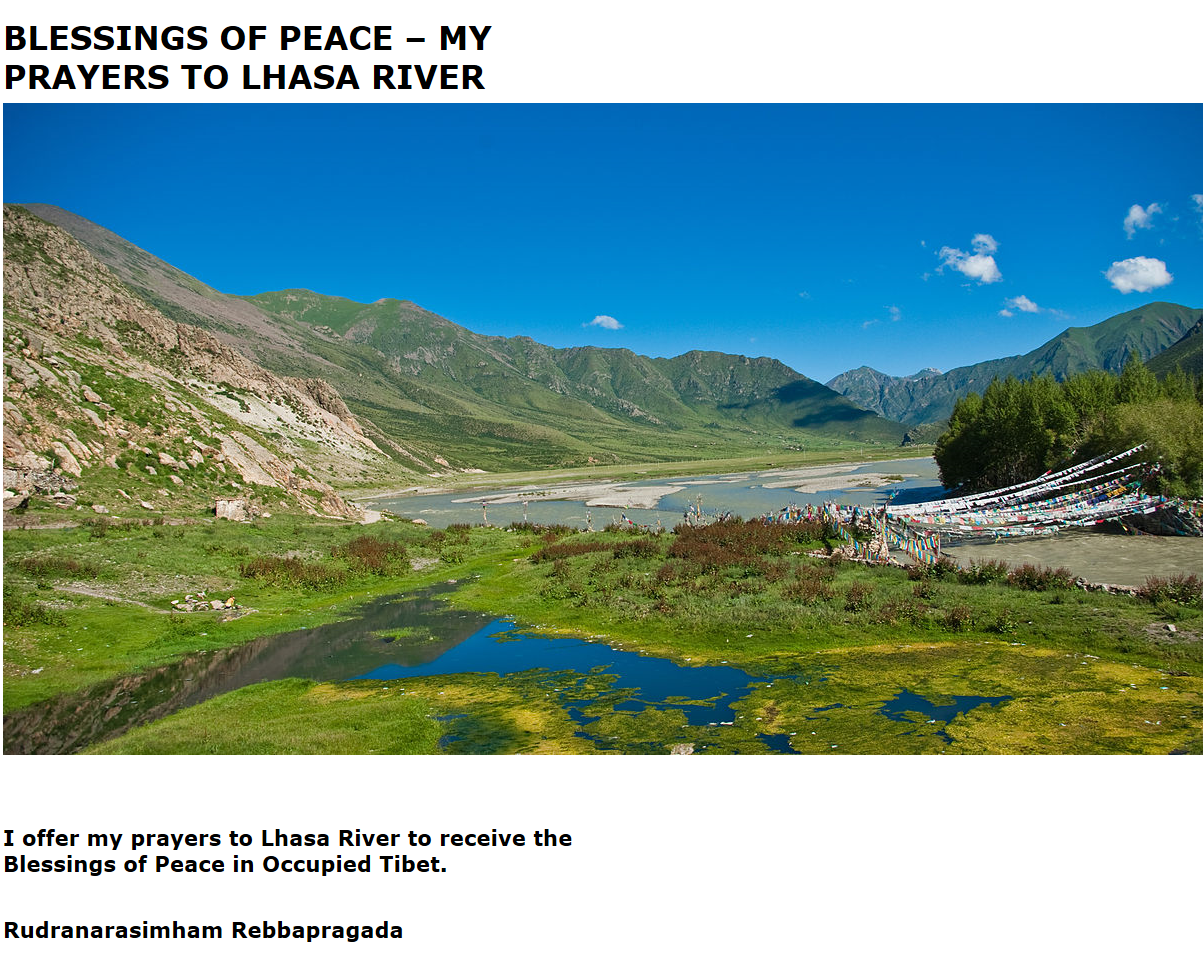
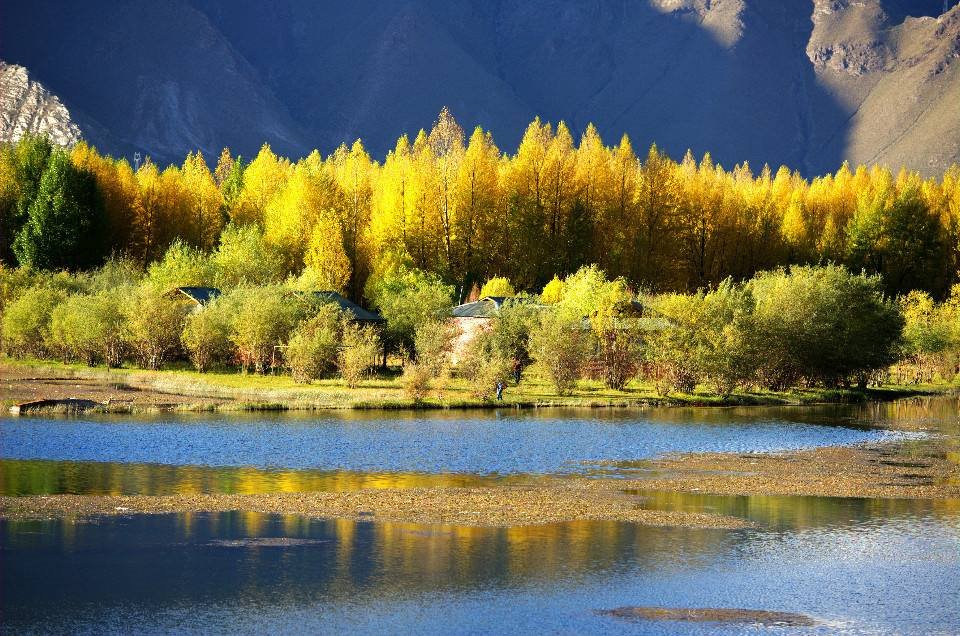
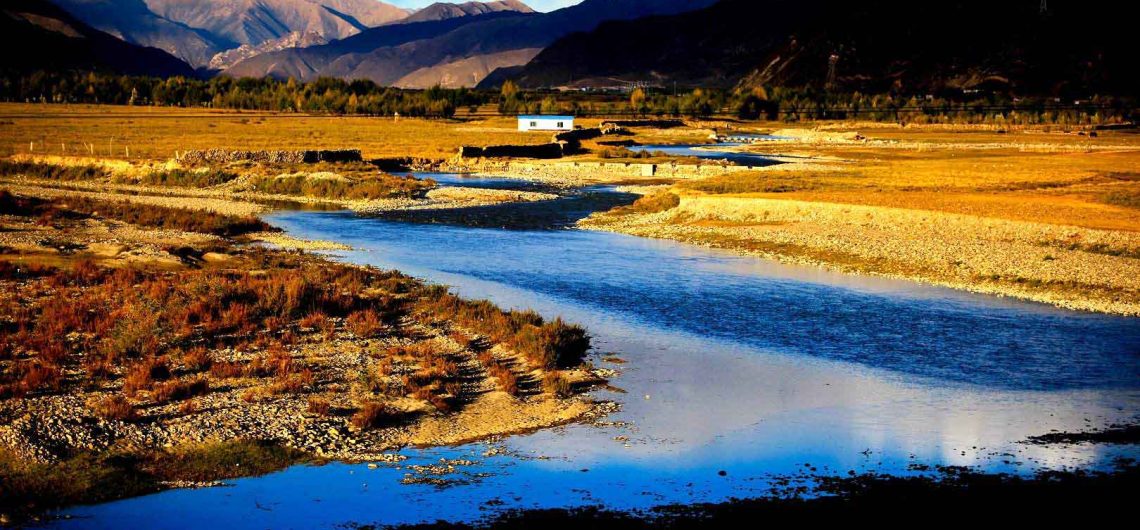
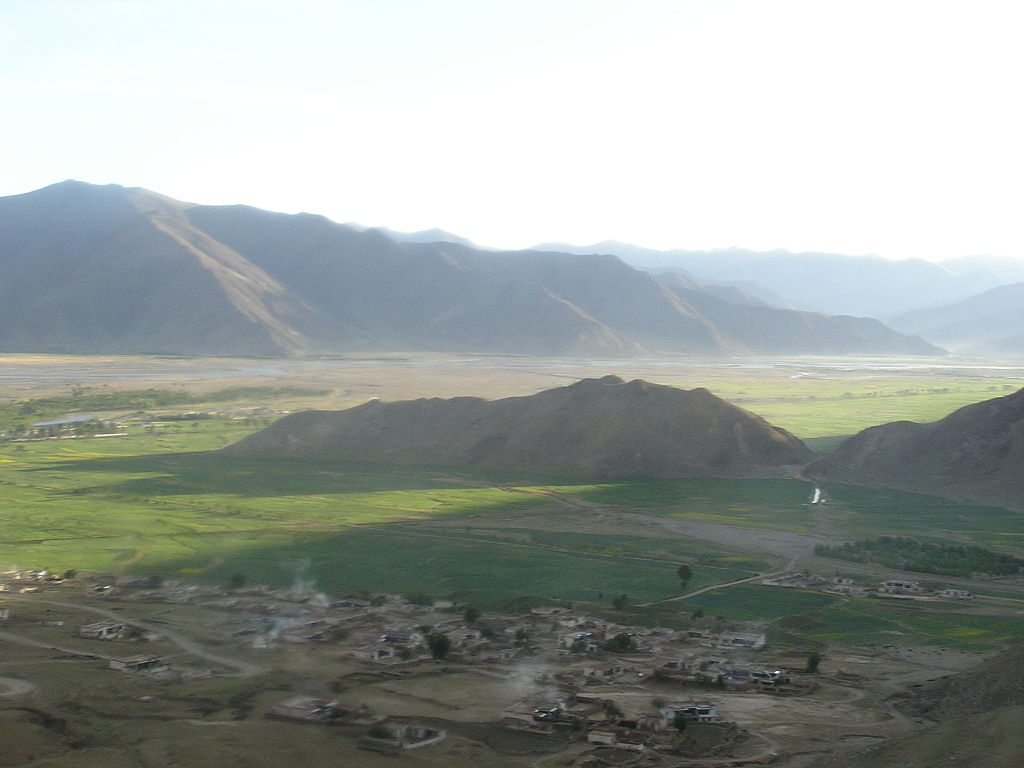
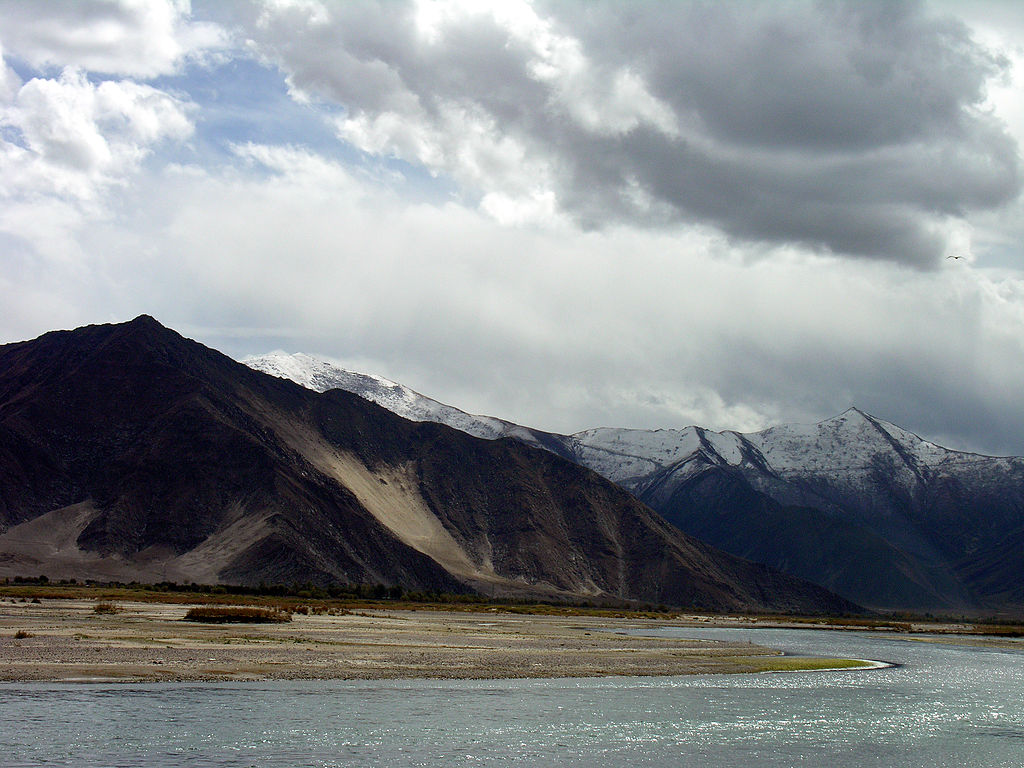
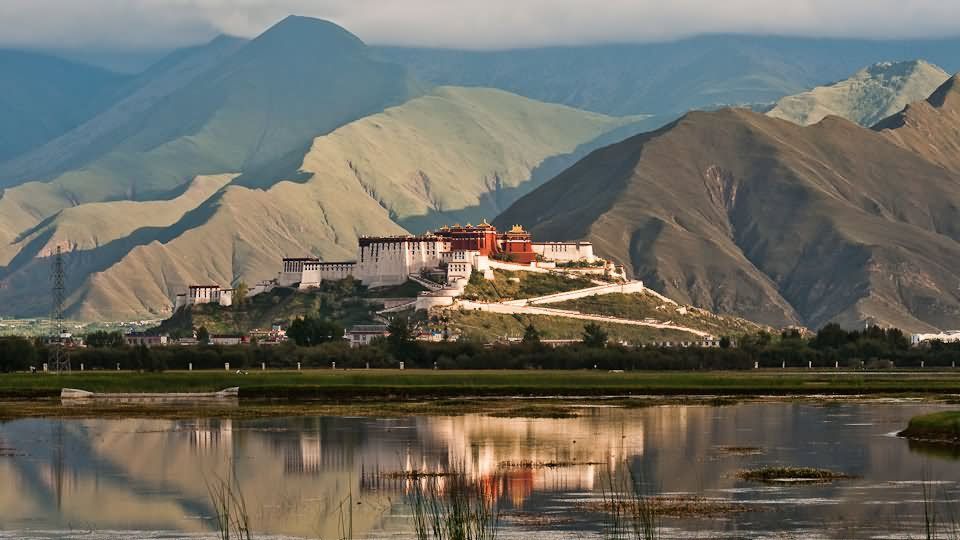
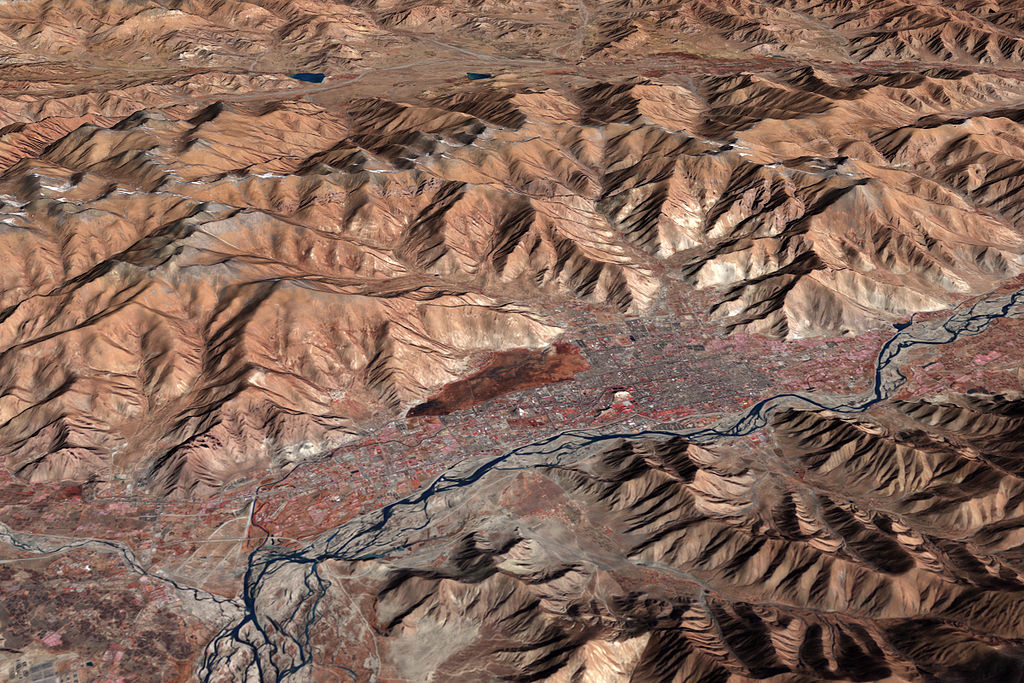
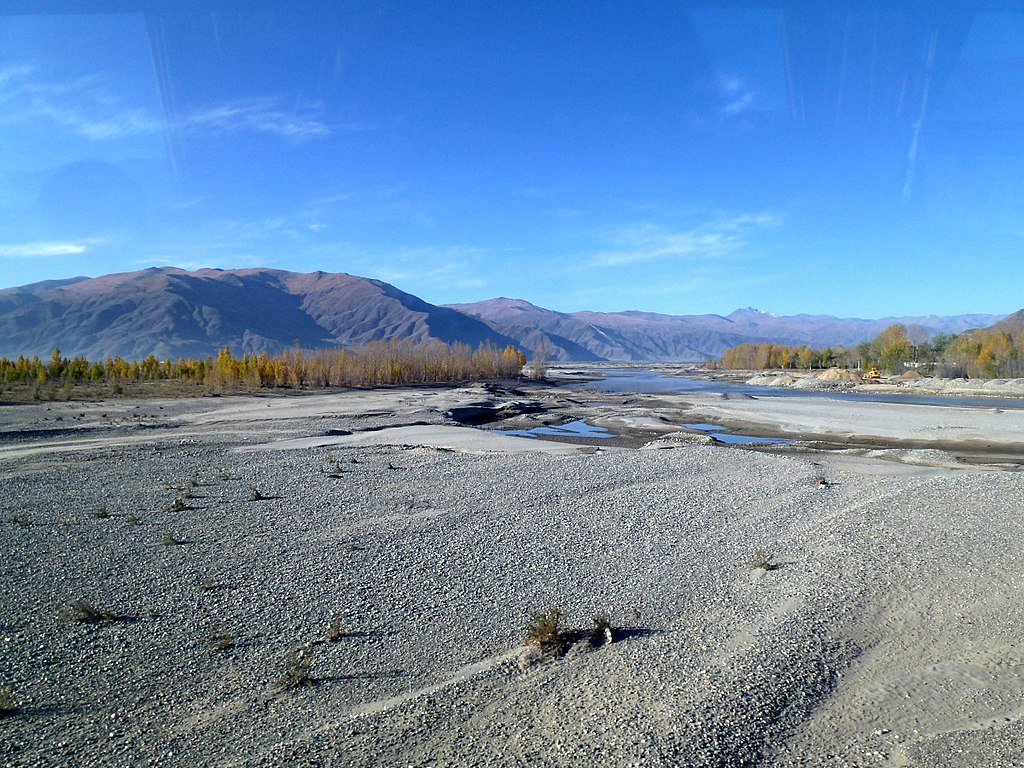
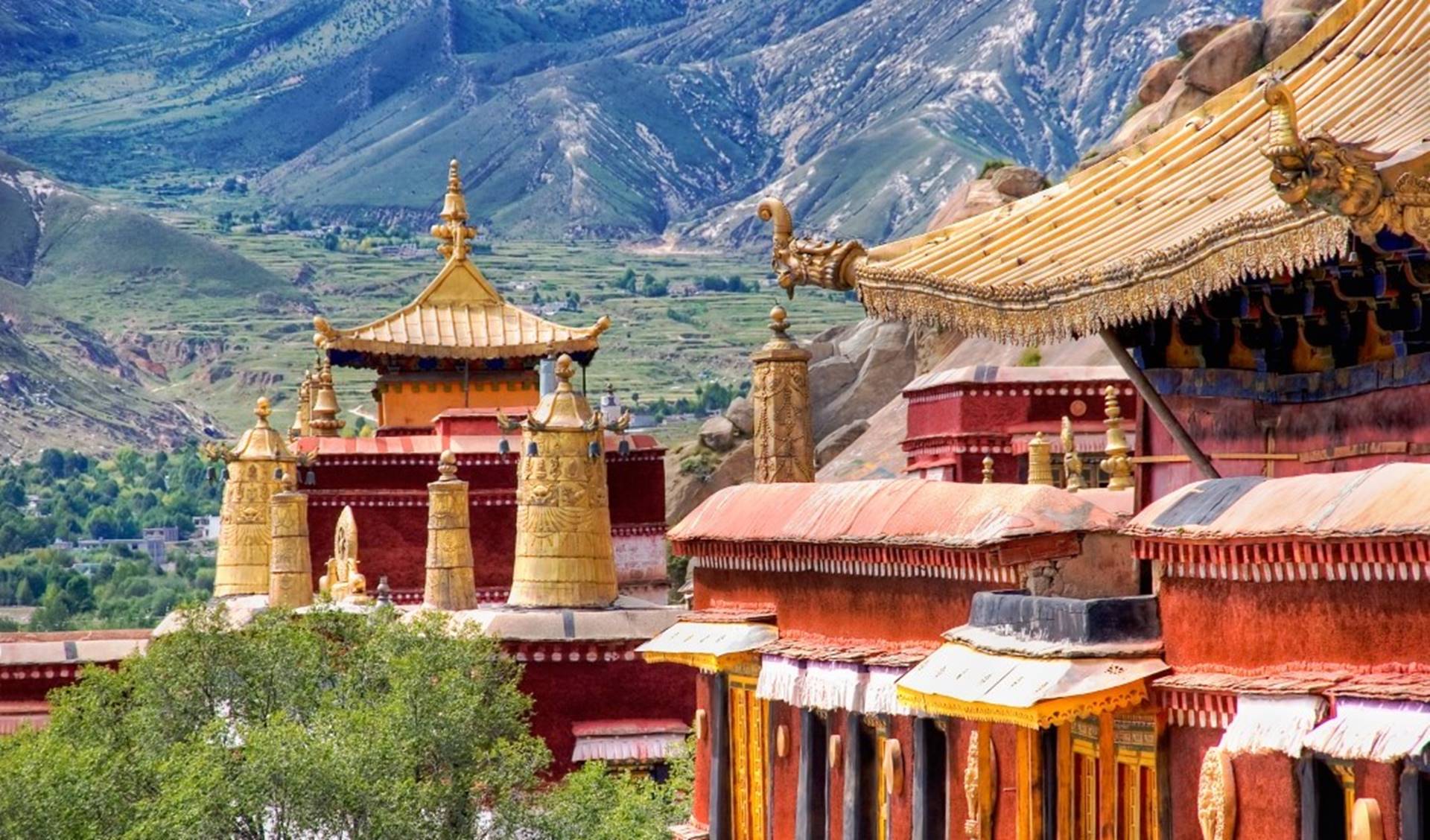
Prayers to Lhasa RiverMy Prayers to the Mother River of Tibet.My Prayers to the River of Happiness.My Prayers to Kyi-chu River.My Prayers to Holy River of Tibet.My Prayers to Lhasa River.Lhasa, Potala und Medizinberg von Osten. My Prayers to Lhasa River.My Prayers to Lhasa River.My Prayers to Lhasa River.My Prayers to Lhasa River.My Prayers to Lhasa River.My Prayers to Lhasa River.
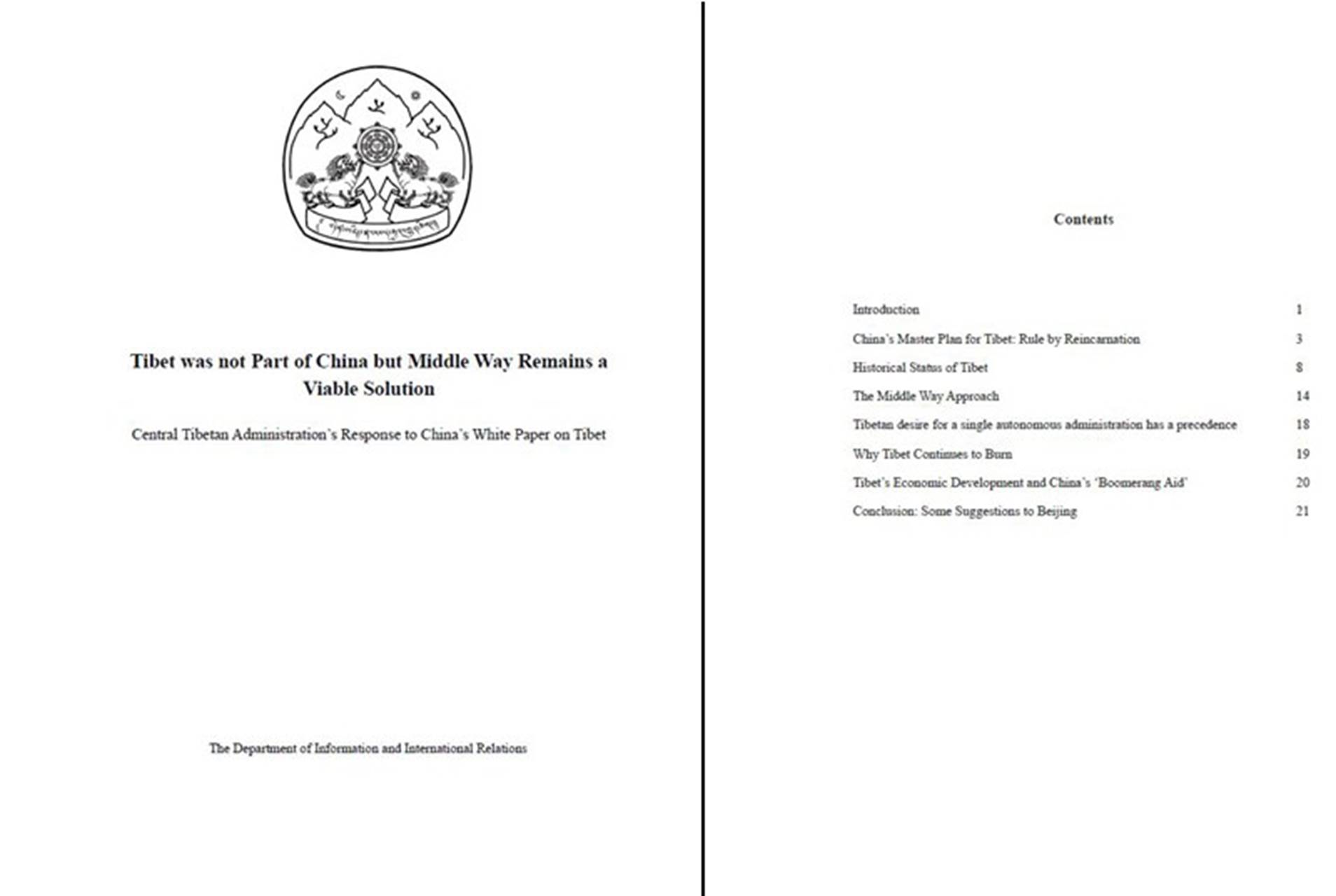
The Department of Information and International Relations (DIIR) of Central Tibetan Administration (CTA) released a new report on Tibet titled ‘Tibet Was not Part of China But Middle Way Remains a Viable Solution’.
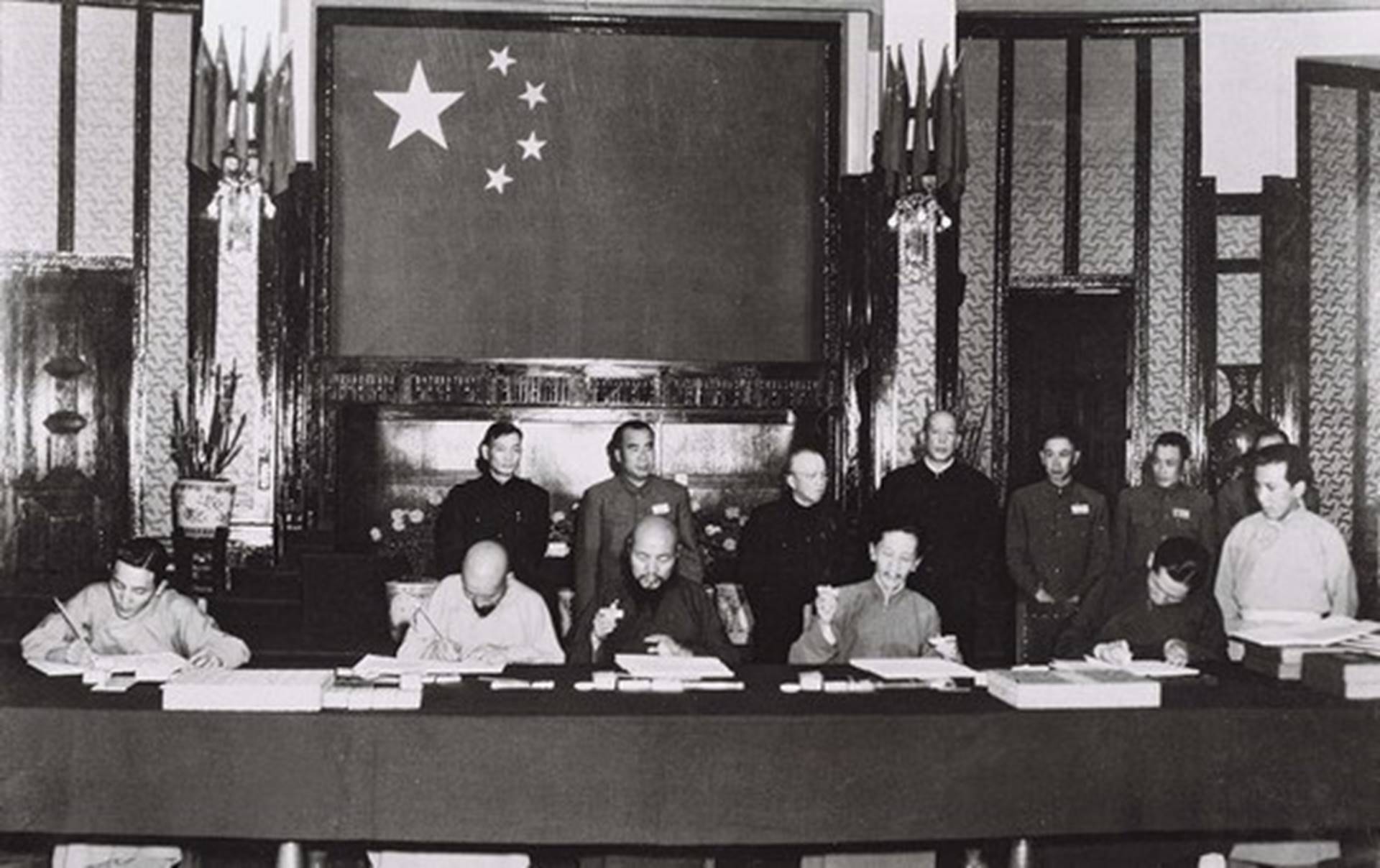
New Report on Tibet – Once Bitten, Twice Shy. Tibet’s attempt to secure meaningful autonomy on May 23, 1951, was disastrous.
But, we tried this Middle Way Approach on May 23, 1951, with disastrous consequences. As the saying goes, “Once Bitten, Twice Shy” Tibet cannot afford to bite the Bullet twice. Communist China insists that she has the right to control the Reincarnation of the Dalai Lama. The discussion about ‘Meaningful Autonomy’ has become redundant for Chinese Colonization of Tibet includes total Subjugation of all Social and Political Institutions of Tibet that give “Meaning” to Tibetan Identity.
New Delhi, Oct 30: From incidents of self-immolations, human rights, cultural genocide to the history of Tibet’s status and reincarnation of His Holiness the Dalai Lama — a new report released on Tuesday highlights the contemporary and prevalent issues faced by Tibet.
The report titled ‘Tibet Was Never A Part Of China But The Middle Way Approach Remains a Viable Solution’ was launched by the Department of Information and International Relations (DIIR) of Central Tibetan Administration (CTA).
The report, organized into nine chapters, covers self-immolations, human rights, cultural genocide, the history of Tibet’s status, the environment, urbanization, economic development, the reincarnation of His Holiness the Dalai Lama, and the Middle Way Policy.
“The chapters aim to be comprehensive but digestible. Given that each topic could be a book of its own, the report serves as an overview of the most pressing issues in Tibet for those involved with or interested in the Tibetan cause,” DIIR’s Information Secretary Dhardon Sharling said during the launch of the report.
Published in Tibetan, English and Chinese languages, the report was unveiled by Prof. Anand Kumar and Dr Lobsang Sangay, President, Central Tibetan Administration here.
“For Tibetans, information is a precious commodity. Severe restrictions on expression accompanied by a relentless disinformation campaign engender facts, knowledge and truth to become priceless. This has long been the case with Tibet. This report marks the CTA’s current contribution to this effort,” said CTA President Dr Lobsang Sangay.
COMMUNIST CHINA IS USING BUDDHISM AS A TOOL FOR HER EXPANSIONIST REGIME
Communist China is using Buddhism as a tool for her Expansionist Regime.
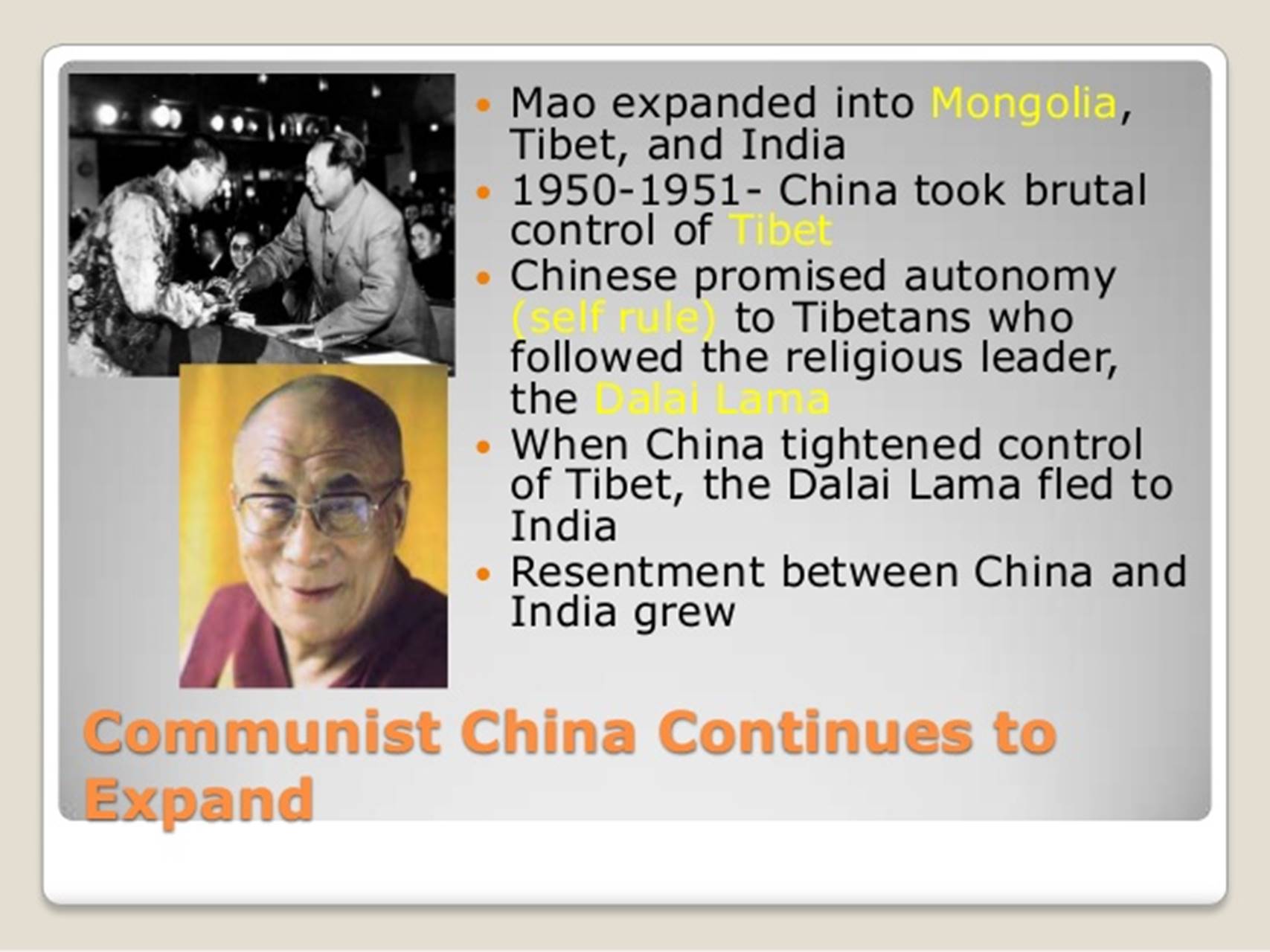
During 1950-1951 Communist China took brutal control of Tibet using her hard military power. Now, the Communist Party of China is demanding Buddhists and others to subjugate their religion and culture to serve the needs of China’s Expansionist Regime.
Buddhist scholars had gathered this week in northwest China’s Qinghai province to discuss how to leverage Buddhism in constructing and expanding the BRI.
Sutirtho Patranobis
Hindustan Times, Beijing
Communist China is using Buddhism as a tool for her Expansionist Regime.
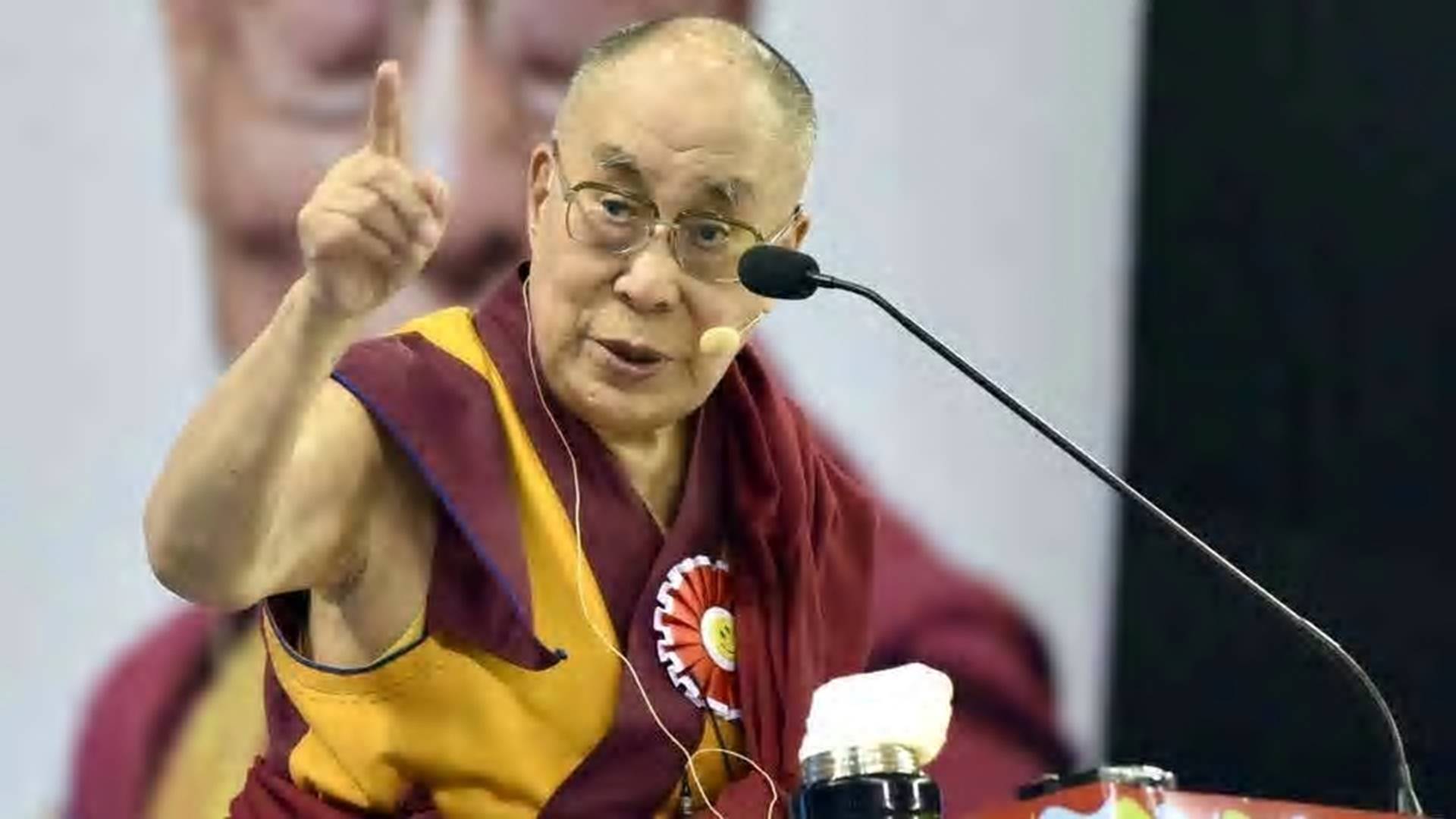
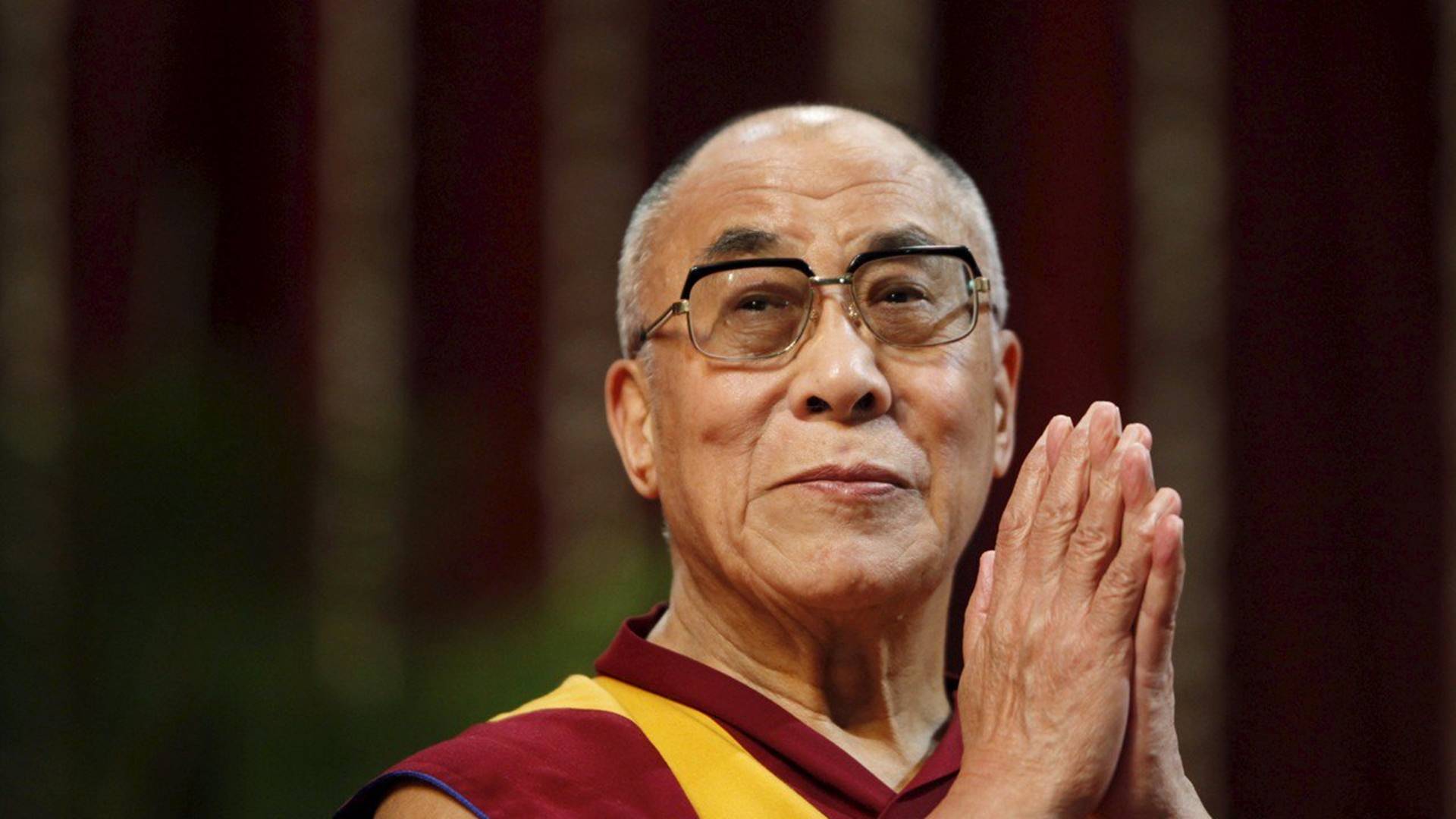
His Holiness Dalai Lama addresses teachers after the inauguration of Happiness Curriculum of the Delhi government at Thyagraj Sports Complex in New Delhi, in July 2018. (Sonu Mehta/HT File Photo)
India is the biggest challenge for Beijing to use Buddhism in support of President Xi Jinping’s Belt and Road Initiative (BRI) to tackle terrorism and separatism and for strategic purposes, leading Chinese scholars have said.
For one, the Chinese Buddhist scholars argued at a recent symposium, the Dharamshala-based Dalai Lama has established a “separatist” base in India and promotes traditional religion and culture – as opposed to the Communist Party’s socialist values – to maintain his base.
India itself is a “stumbling block” as it has not joined BRI, a connectivity project worth billions of dollars, because of geopolitical reasons.
The scholars gathered this week in northwestern Qinghai province to discuss how to leverage Buddhism in constructing and expanding the BRI. The symposium was seemingly focused on “Sinicizing” – and also politicizing – Buddhism for the purpose of statecraft.
“Soft power like religion, if used properly, will convert to hard power,” one scholar said.
“Guided by the core socialist values, the symposium aims to encourage Tibetan Buddhism to adapt to the socialist society and teach the religion to serve the construction of the Belt and Road Initiative,” the sitetibet.cn news website reported.
Tibetan Buddhism can act as a bridge between BRI countries so that they can better communicate with each other since religious and cultural beliefs are similar in Central and South Asia, Qin Yongzhang, a research fellow at the Chinese Academy of Social Sciences (CASS), told Global Times tabloid.
The BRI, for example, has “injected new energy into China-Nepal ties” and China has built a relationship with Mongolia through Tibetan Buddhism.
Not so the case with India.
“One immediate challenge of promoting BRI through Tibetan Buddhism comes from India, which has been holding back for geopolitical reasons,” Qin said.
“The Dalai Lama has established a separatist base in India, and has been advocating the ‘traditional culture’ as leverage to expand his influence.”
Buddhism has a significant role in curbing separatism, religious extremism and terrorism while implementing BRI because it pursues harmony and opposes violence, said Xiong Kunxin, an ethnic studies professor at Tibet University in Lhasa.
The position against India and the Dalai Lama is in line with a recent decision by a Chinese county not to allow India-trained Buddhist monks to teach in China.
In May, the county in southwestern Sichuan province banned Tibetan monks “wrongly educated” in India from teaching Buddhism to prevent the spread of “separatist” ideas.
Officials of Litang county issued the ban, the first such move outside the Tibet Autonomous Region (TAR).
“As some monks received education overseas from the 14th Dalai Lama clique – whom China regards as separatists – it is necessary to tighten supervision so as to prevent the clique from using local Buddhists to conduct separatist activities,” Zhu Weiqun, former head of the ethnic and religious affairs committee of the national committee of the Chinese People’s Political Consultative Conference, had said.
First Published: Oct 18, 2018, 14:52 IST
Communist China is using Buddhism as a tool for her Expansionist Regime.
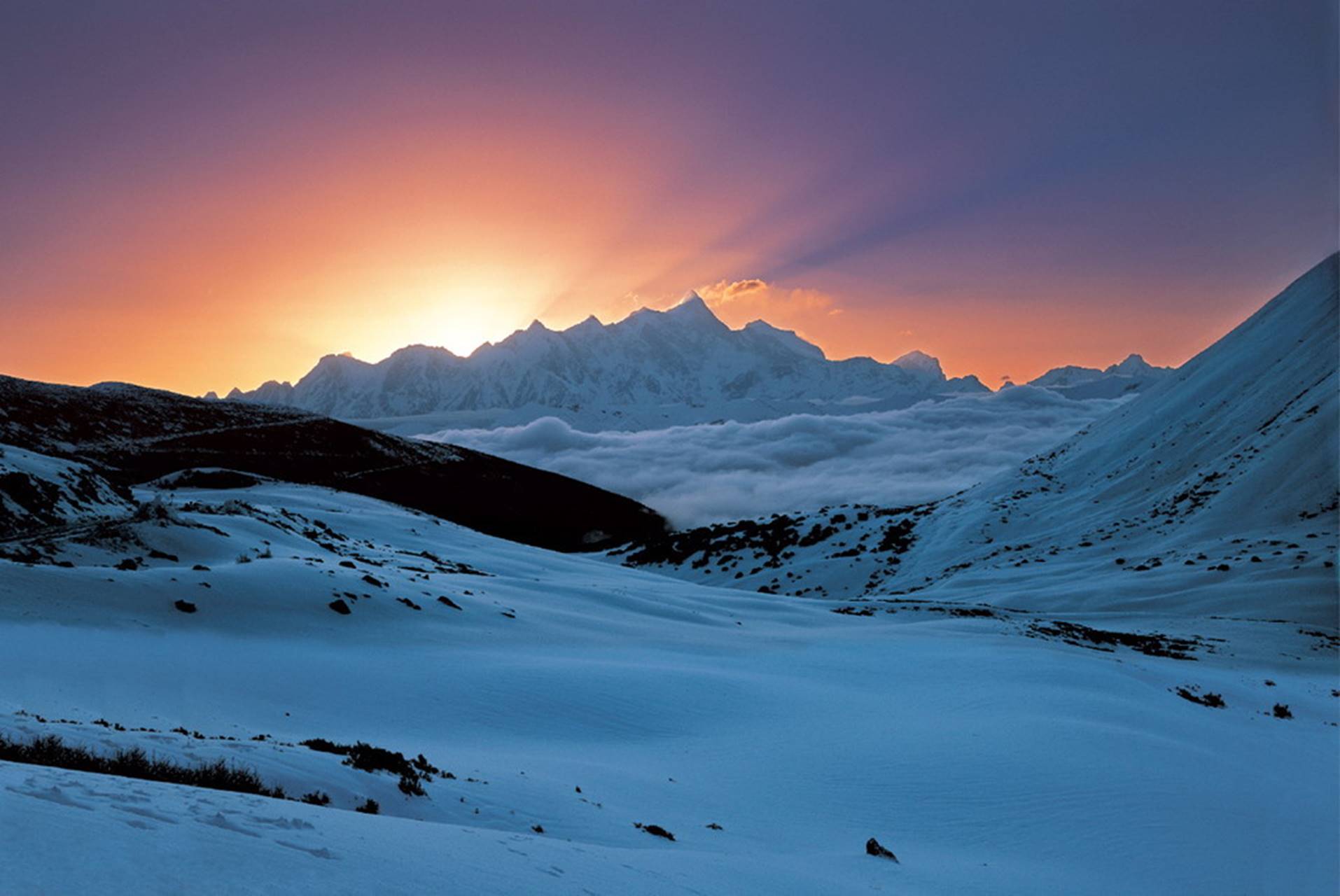
PRAYERS FOR THE DAWN OF FREEDOM AT THE GRAND SEAT OF THE SUN
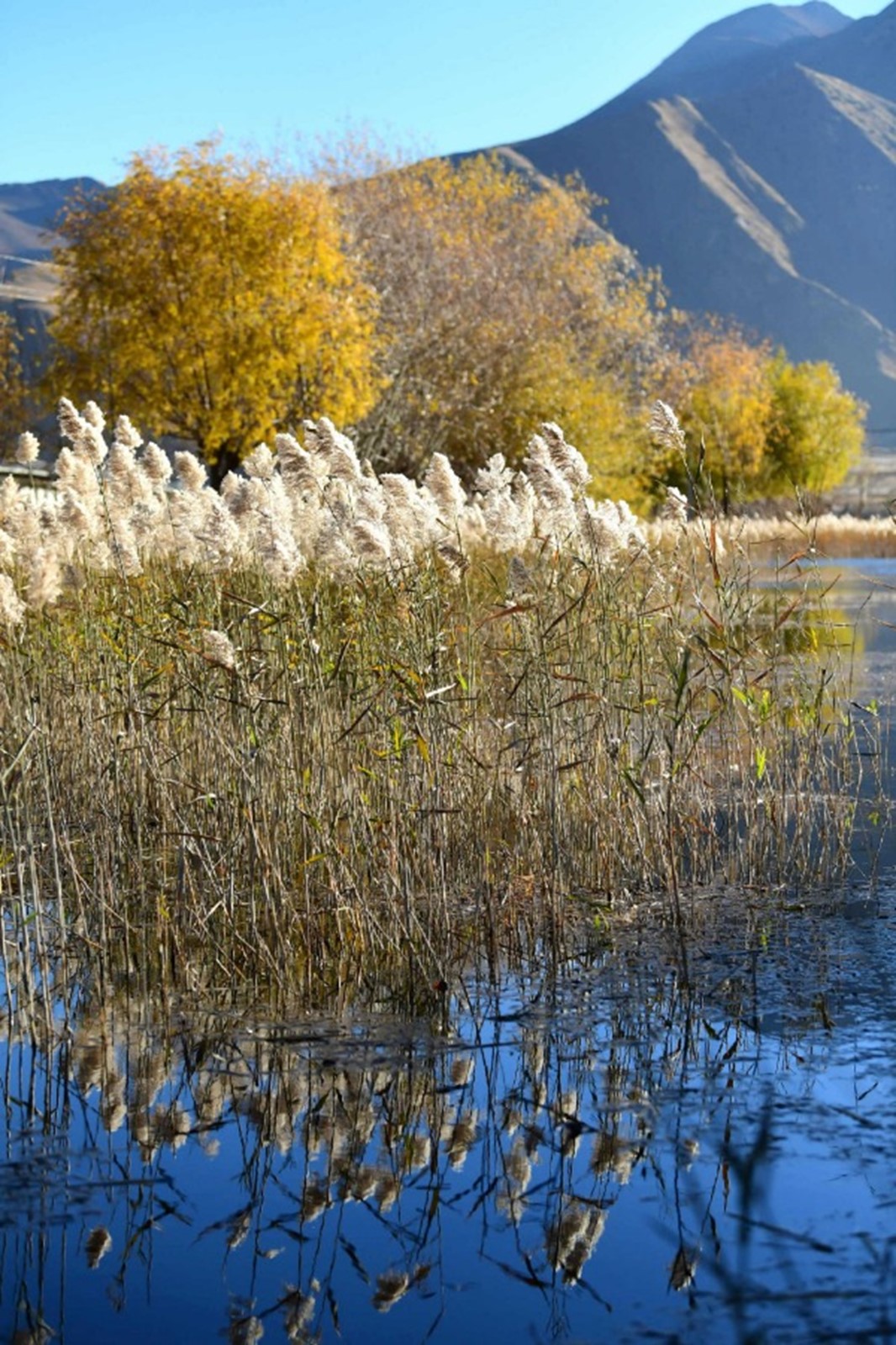
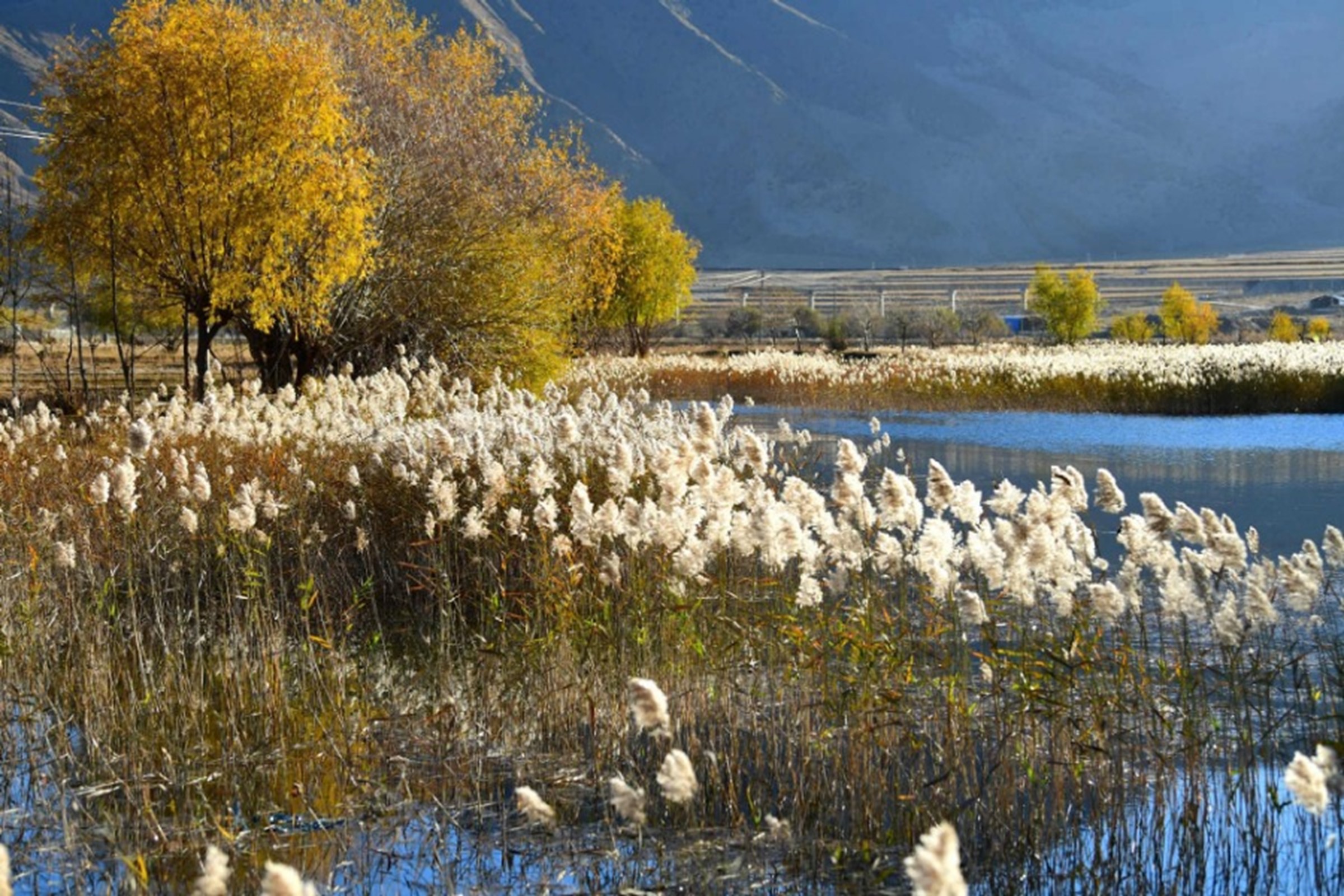
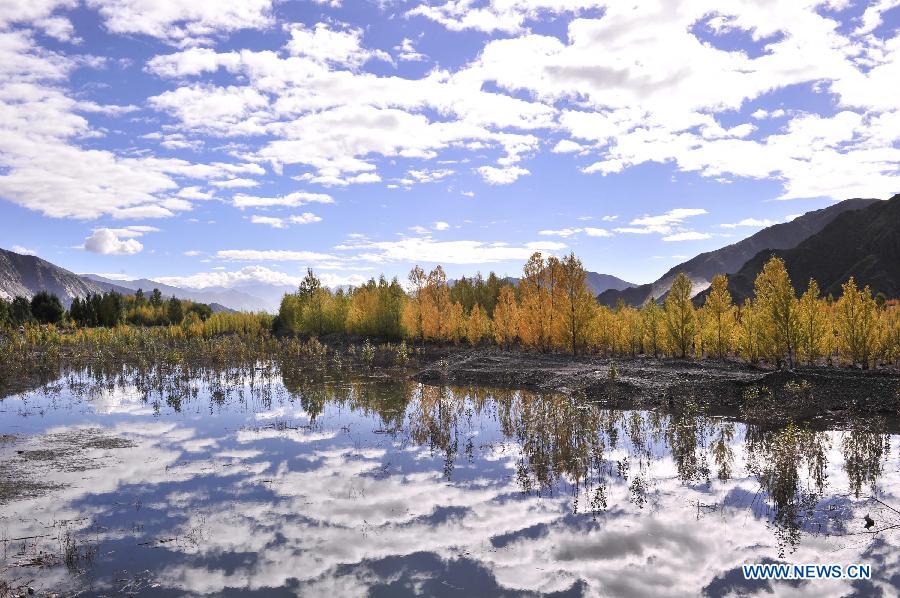
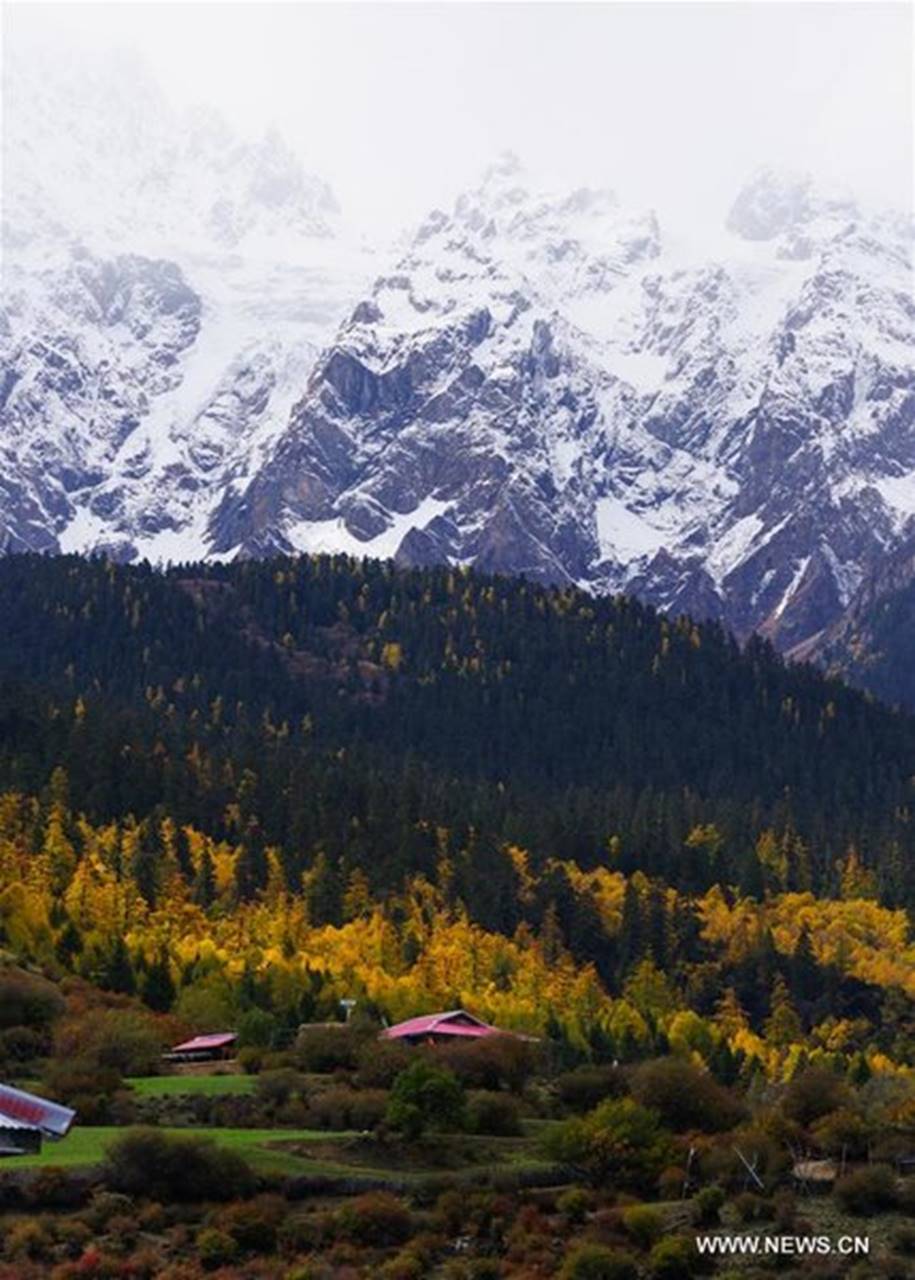
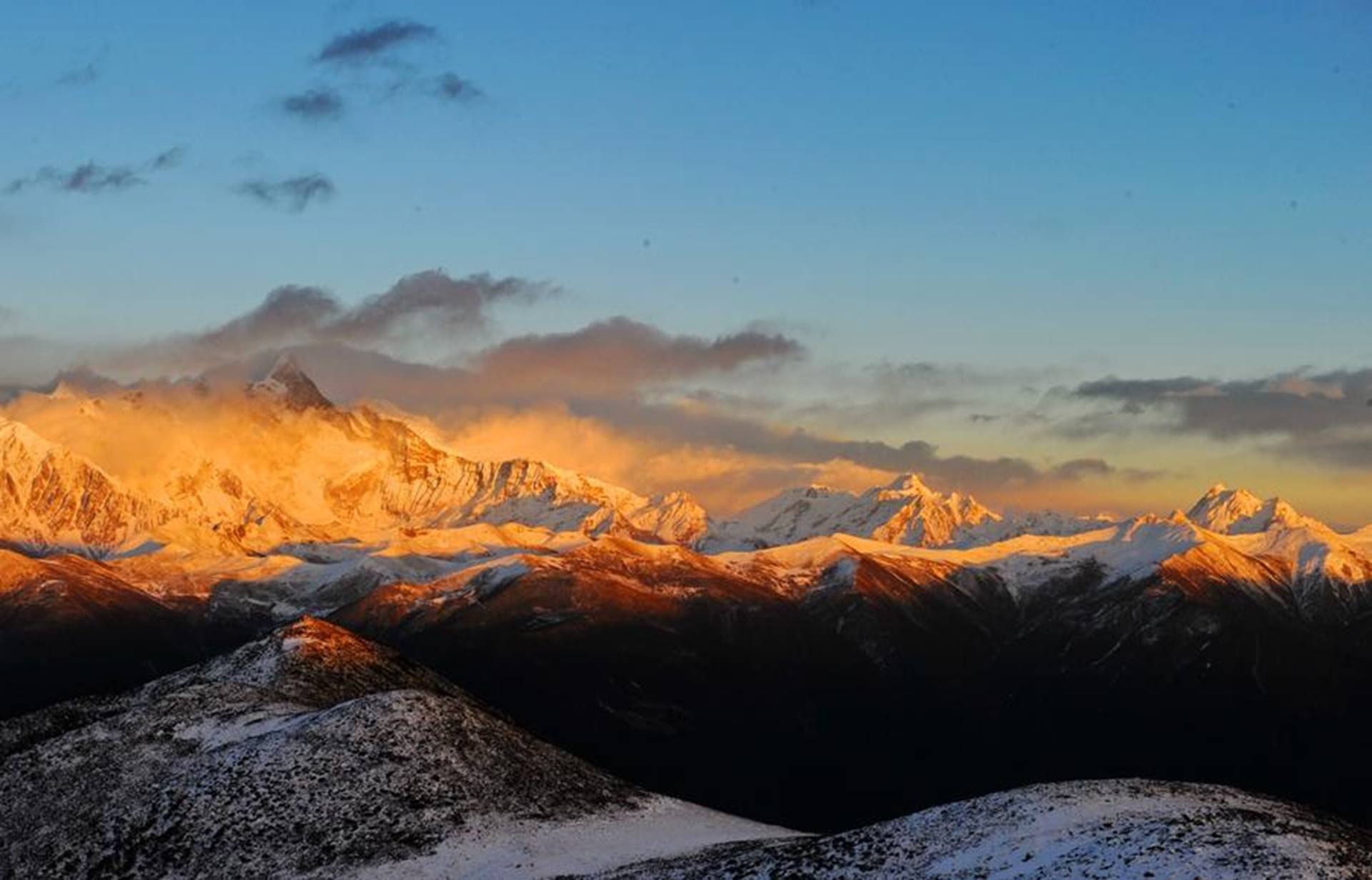
Prayers for the dawn of freedom at The Grand Seat of the Sun, Nyingchi, Tibet.
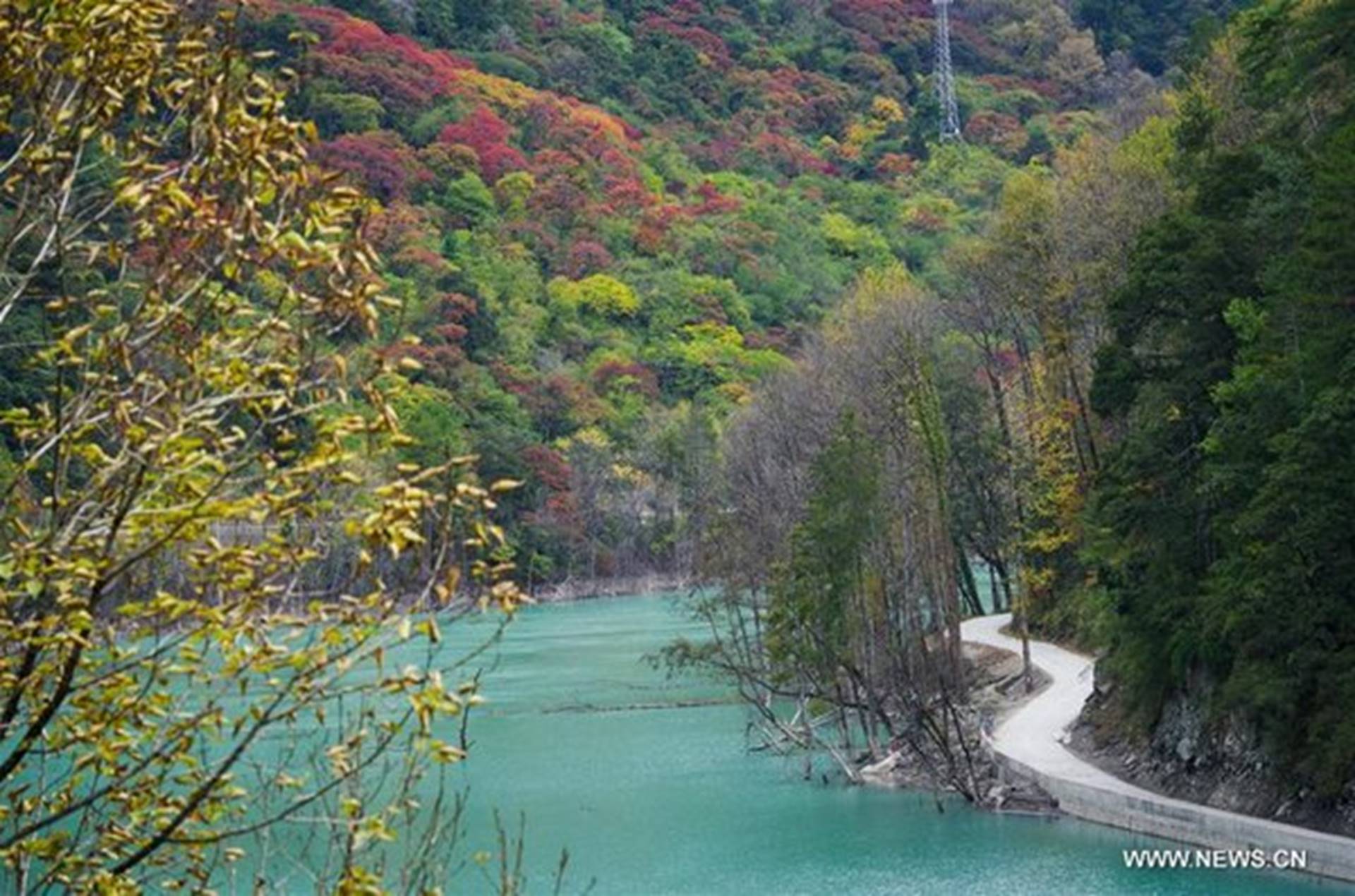
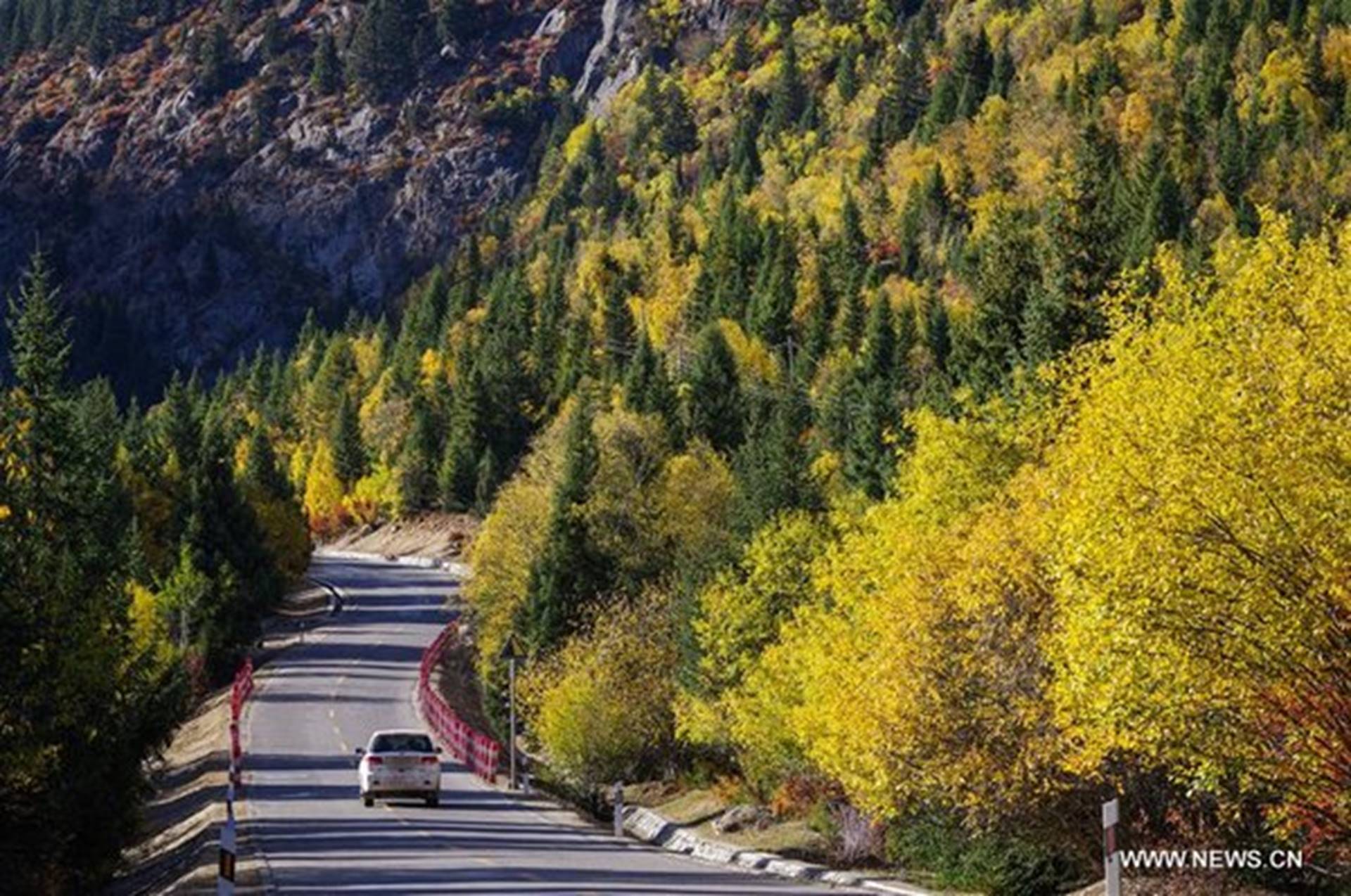
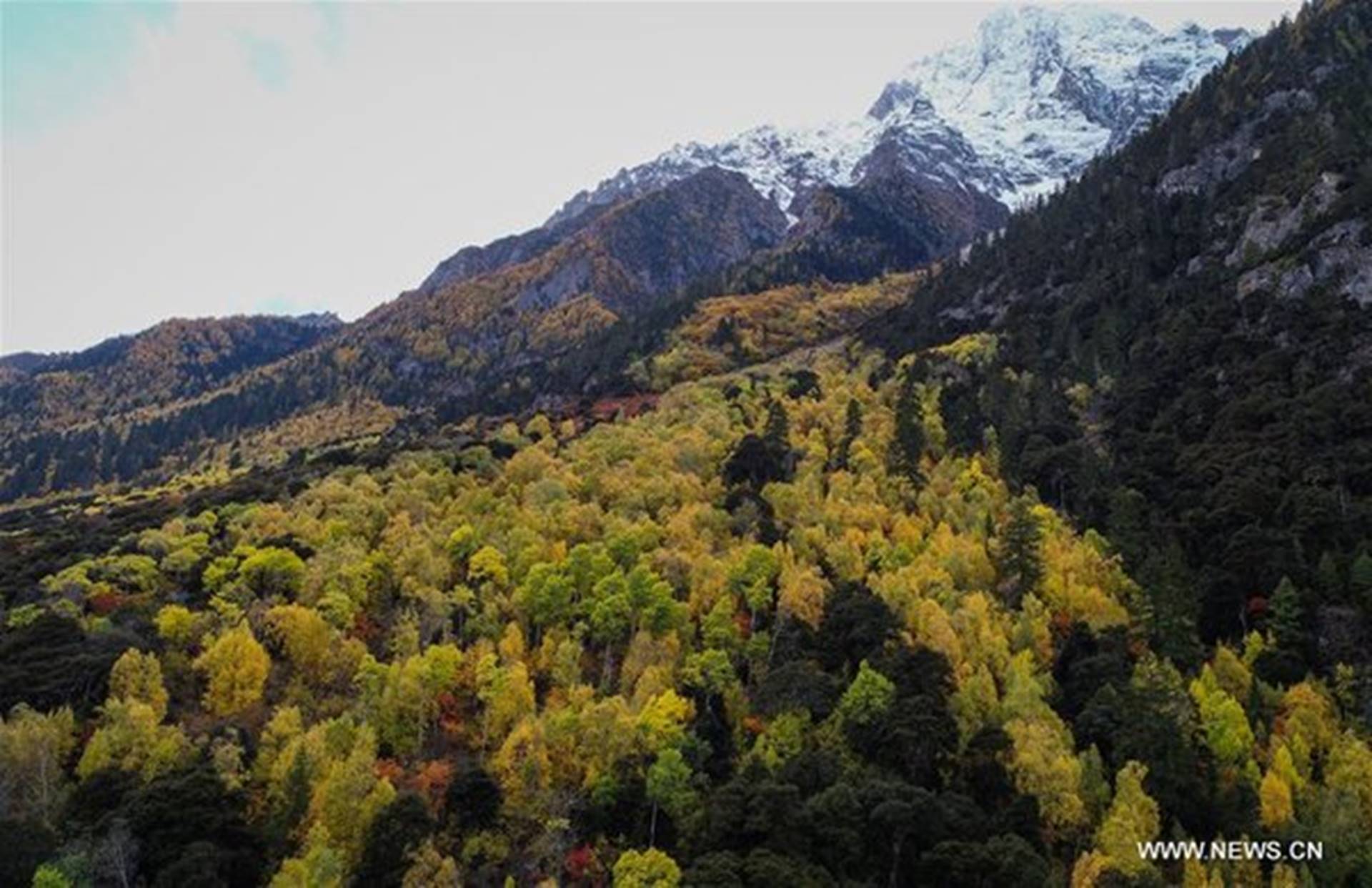
“Nyingchi” means “the Grand Seat of the Sun” in the language of Tibetan. It is noted for its green mountains and clear water. The Himalaya and Tangula Mountains wind their ways from west to east like two colossal dragons and join the Henduan Mountains in the east. The city of Nyingchi, lying in the southeast of Tibet, is in the embrace of these three mountain ranges. Nyingchi is also called “the Switzerland of Tibet” and “the Jiangnan of Tibet” (Jiangnan means the fertile and prosperous area in the south of the Yangtze.)
The primitive forest of Nyingchi is well-preserved in which one can easily find the upright ancient plateau Tibetan cypress, the Himalaya cold cedar, the “living plant fossil”- the tree bracken and a vast variety of azaleas. Nyingchi is therefore entitled “the Natural Museum and “the Natural Gene Pool”. The area around the Buqun Lake is deemed to be the place where the wild man was living.
I am offering my prayers for the dawn of freedom at ‘The Grand Seat of the Sun’.
Colonization of Tibet poses risks to all living downstream
Colonization of Tibet poses risks to all living Downstream.
The major rivers of Asia take origin in Tibet. People living downstream are facing increasing risks as the rivers are drying up due to Communist China’s colonization of Tibet.
Colonization of Tibet poses risks to all living Downstream.
Arunachal Pradesh: Authorities warn of flash floods in East Siang as landslide blocks river in Tibet
Over 6,000 people were evacuated from Tibet’s Menling County after the landslide led to the formation of a barrier lake.
Colonization of Tibet poses risks to all living Downstream.
Sections of the Siang river in Arunachal Pradesh dried up due to landslide upstream | HT photo
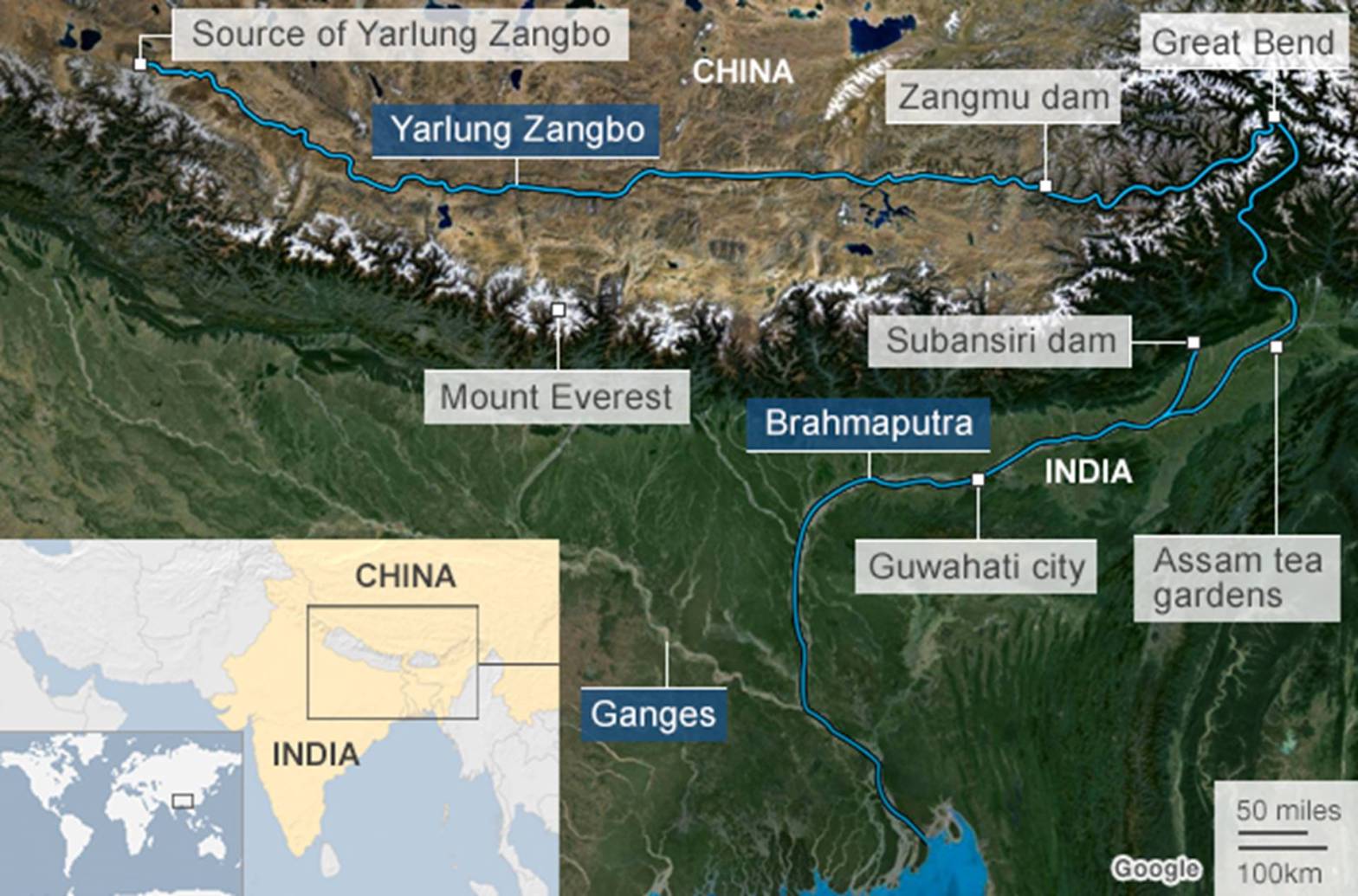
The Arunachal Pradesh government has warned of flash floods downstream of the Siang River after China informed India that a landslide has blocked a section of the river in the Tibet region, The Times of India reported on Friday.
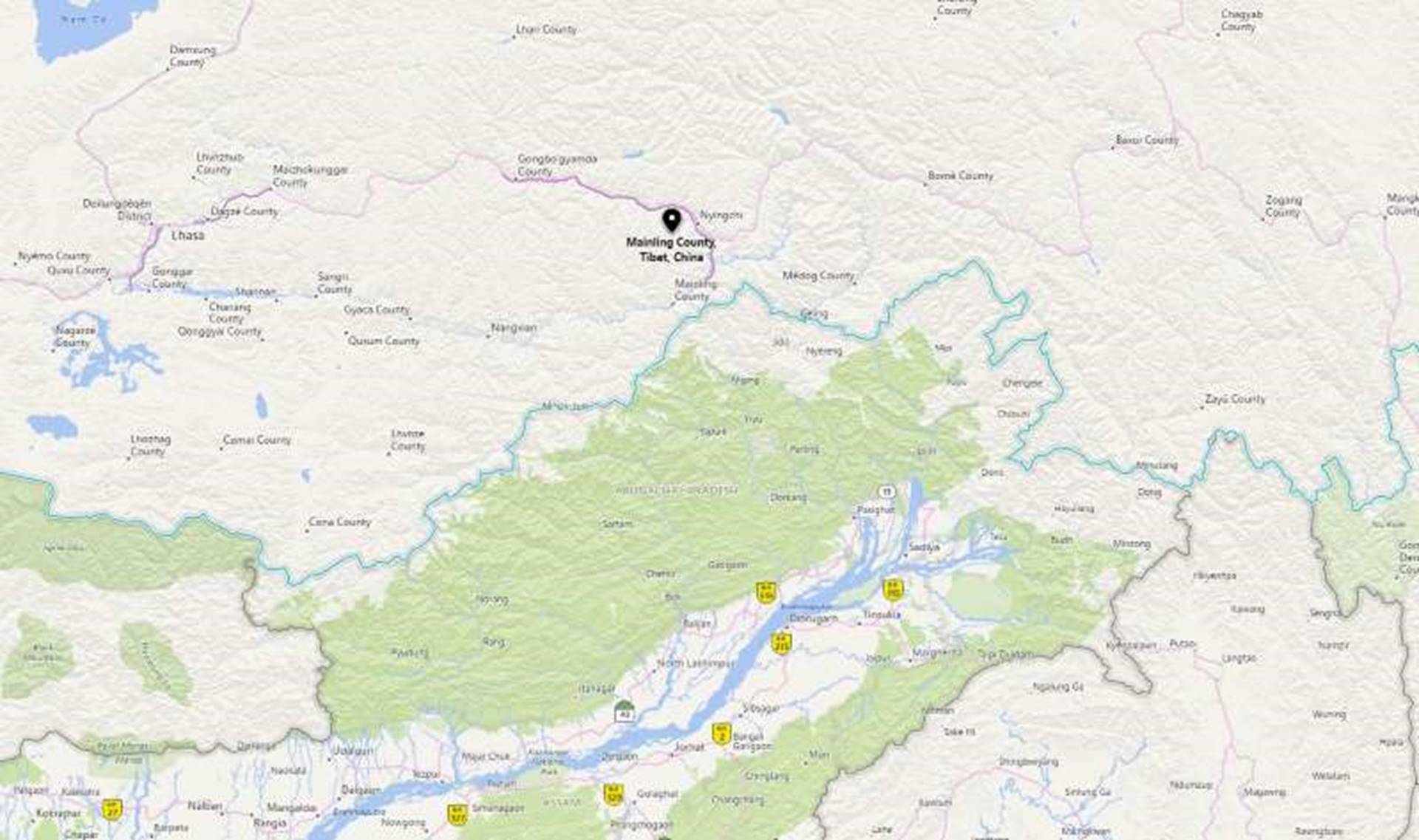
The Yarlung Tsangpo is the upper stream of the Brahmaputra river. It is known as the Siang river once it enters Arunachal Pradesh and the Brahmaputra when it enters Assam.
The East Siang district administration has asked people not to venture near the Siang river and asked them to stay alert. The water level in the Siang river has reduced due to the landslide blocking the flow of water. The landslide has led to the formation of a lake and there are fears of large-scale floods downstream if the lake breaches, reported the Hindustan Times.
“We got a report from the Central Water Commission about the landslide in Tibet,” said Deputy Commissioner of Upper Siang district Duly Kamduk. “The water level in Siang river has gone down by around 2 meters at Tuting in Arunachal Pradesh.”
A statement issued by the East Siang district administration asked people living on the banks of the river in Jarku, Paglek, SS Mission, Jarkong, Banskota, Berung, Jampani, Sigar, Ralling, Borguli, Seram, Kongkul, Namsing, Mer, Gadum not to remove driftwood, tree barks on the banks of the river as these will serve as a natural flood control mechanism, reported Northeast Today.
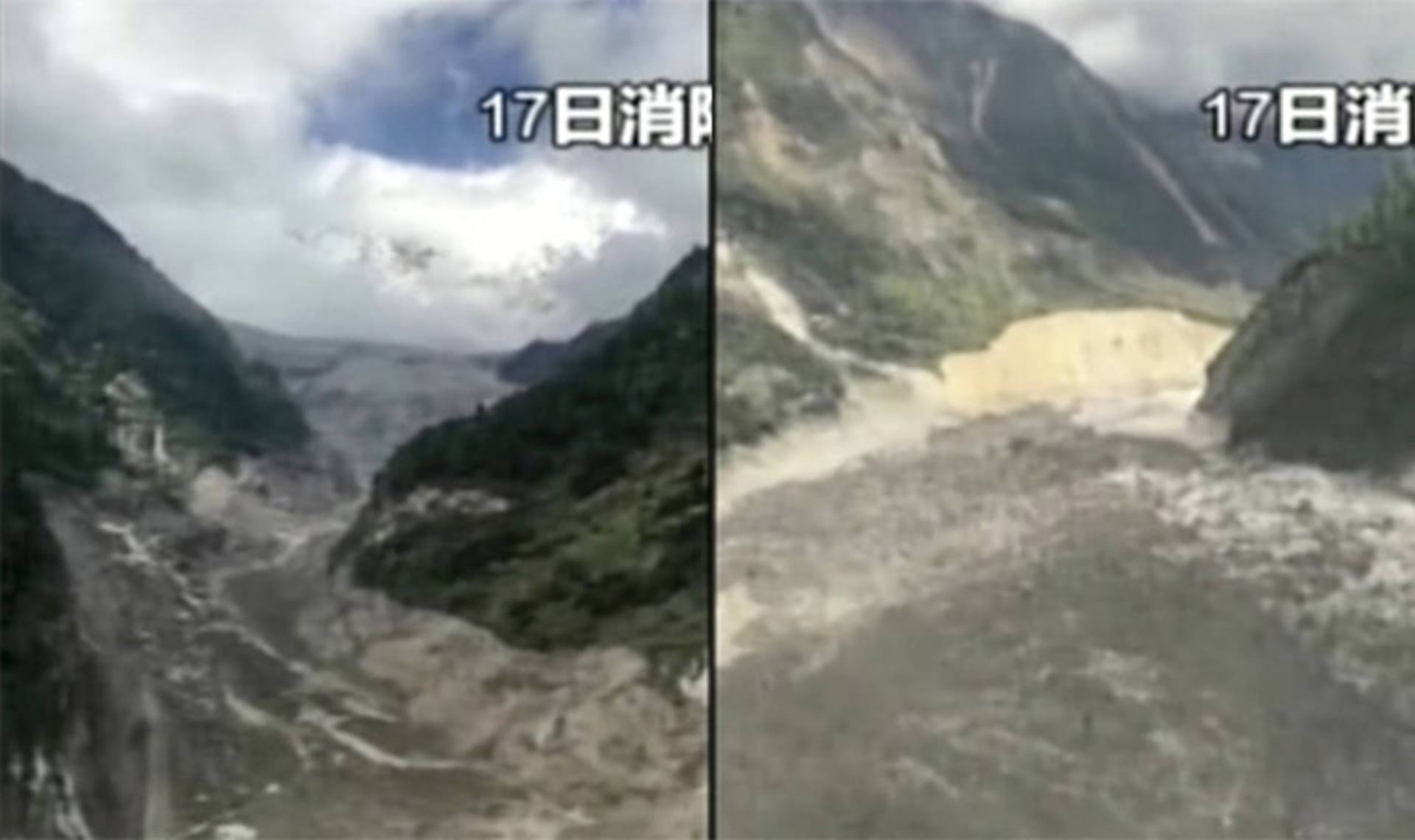
Meanwhile, in China, over 6,000 people were evacuated after a barrier lake was formed following the landslide in the Yarlung Tsangpo River in Tibet’s Menling County, reported Xinhua. The amount of water in the lake is above 300 million cubic meters.
In August, several people were airlifted from Assam’s Dhemaji district as Siang river got flooded due to heavy rainfall in the Chinese portion.
Colonization of Tibet poses risks to all living Downstream.Colonization of Tibet poses risks to all living Downstream.Colonization of Tibet poses risks to all living Downstream.Colonization of Tibet poses risks to all living Downstream
The woes of Tsangpo-Brahmaputra River – Upstream Occupation and Downstream Worries
The Woes of Tsangpo-Brahmaputra River. The Upstream Occupation and the Downstream Worries.
The woes of Yarlung Tsangpo-Brahmaputra River describe the tragedy of upstream occupation causing the downstream worries. The massive landslide in Tibet blocking Yarlung Tsangpo River symbolizes the woes of military conquest of Tibet and its colonization by Communist China.
The Woes of Tsangpo-Brahmaputra River. The Upstream Occupation and the Downstream Worries.
China orders evacuations after landslide blocks Tibet River
A barrier lake was formed on the Yarlung Tsangpo, the headwater of India’s Brahmaputra River, following the Wednesday morning collapse of a cliff in the deep valley through which the river flows, the local emergency response bureau said in a report carried by state media.
No deaths or injuries have been reported and the bureau said China has been keeping India updated on the blockage, which could potentially affect water levels in lower regions.
The landslide struck near a village in Menling County and water in the lake had risen to a height of 40 meters (131 feet) by Thursday, the bureau said.
With its towering peaks and glaciers, Tibet is the source of numerous Asian rivers, adding to China’s strategic influence over its southern neighbors. Fast-rising temperatures have caused those glaciers to melt at an increasing pace, throwing a shadow over future water resources for China and other Asian nations.
The Woes of Tsangpo-Brahmaputra River. The Upstream Occupation and the Downstream Worries.
Though there were no reports of deaths or injuries after the landslide, it is the second landslide that has rocked the Tibet. A massive landslide hit Derge in the Traditional Tibetan province of Kham and completely blocked the Dri Chu river earlier this week on Oct 11.
Landslide and flooding of villages in Tibet are linked to Chinese construction projects, the London-based advocacy group Free Tibet said on Oct 15 after the landslide that cut off Drichu.
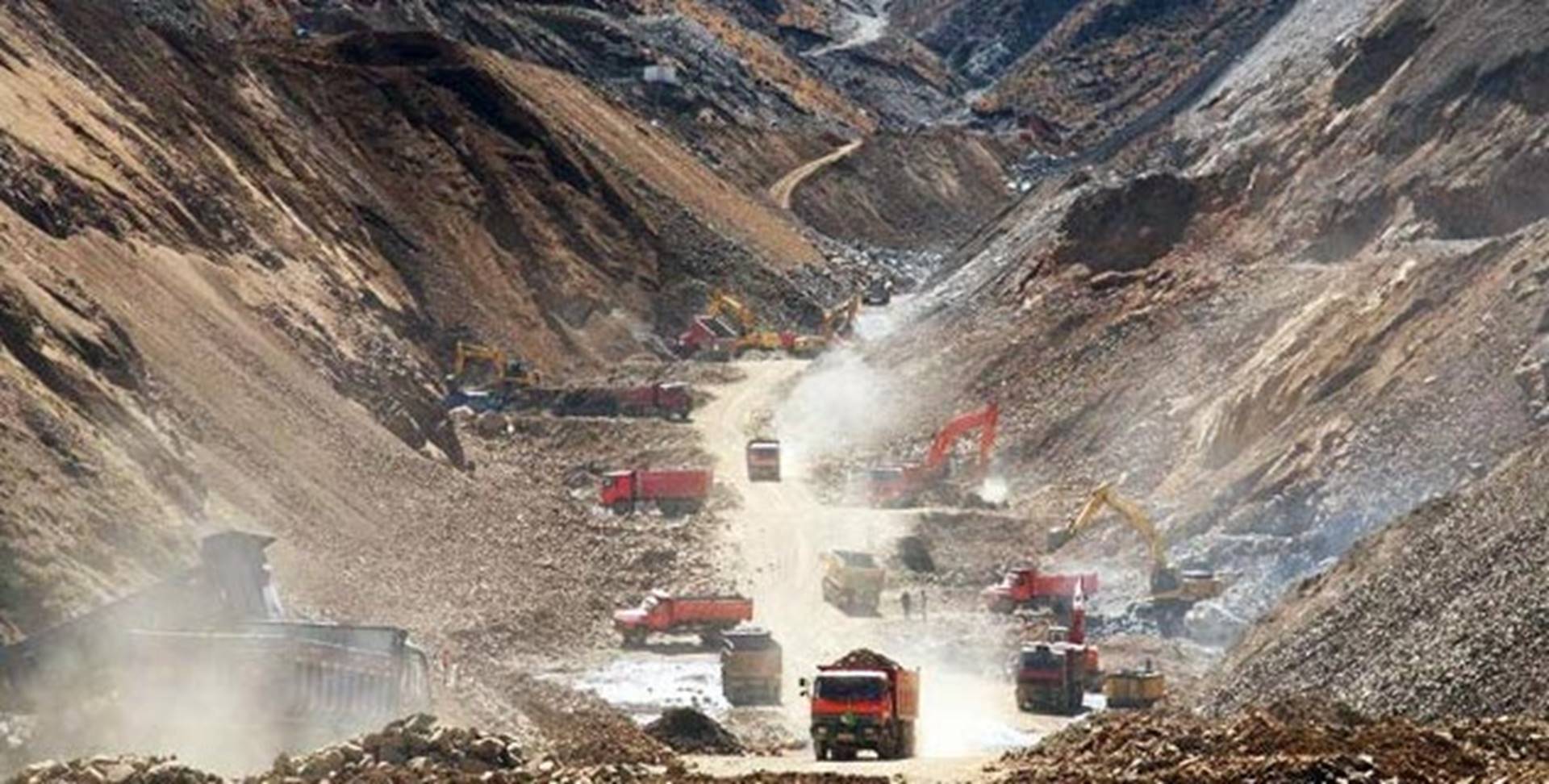
“Chinese authorities have been conducting excessive mining, development and dam construction projects in the area which, according to the local population, are directly linked to the increased occurrences of flooding, particularly in the regions of Karze and Ngawa. Chinese sources claim these incidents are natural and unrelated,” Free Tibet stated
The group further noted that of late, China’s exploitation of Tibet’s natural resources has gathered pace significantly.
The ill-advised developmental projects being carried out in Tibet by the Chinese regime at the cost of the fragile Tibetan environment.
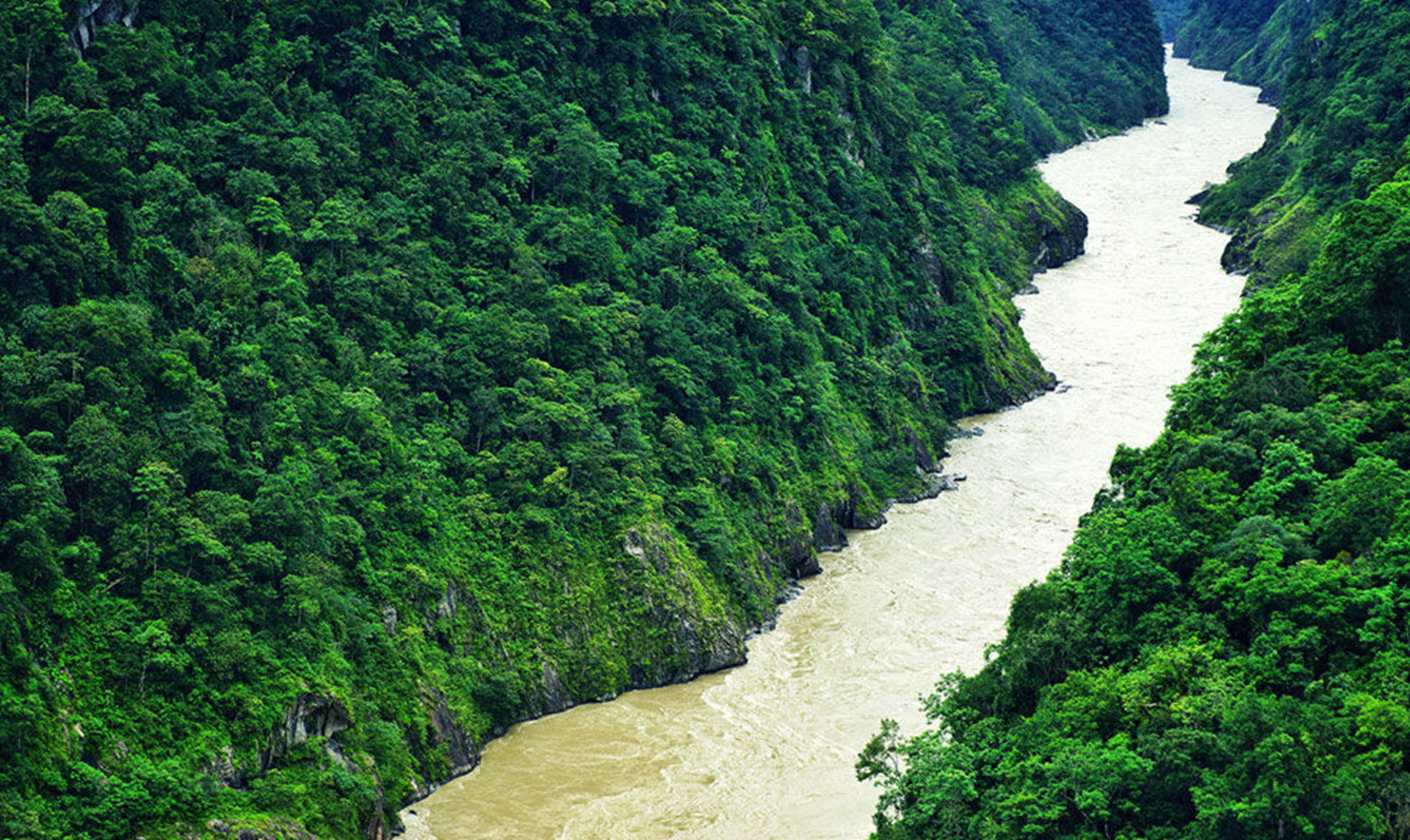
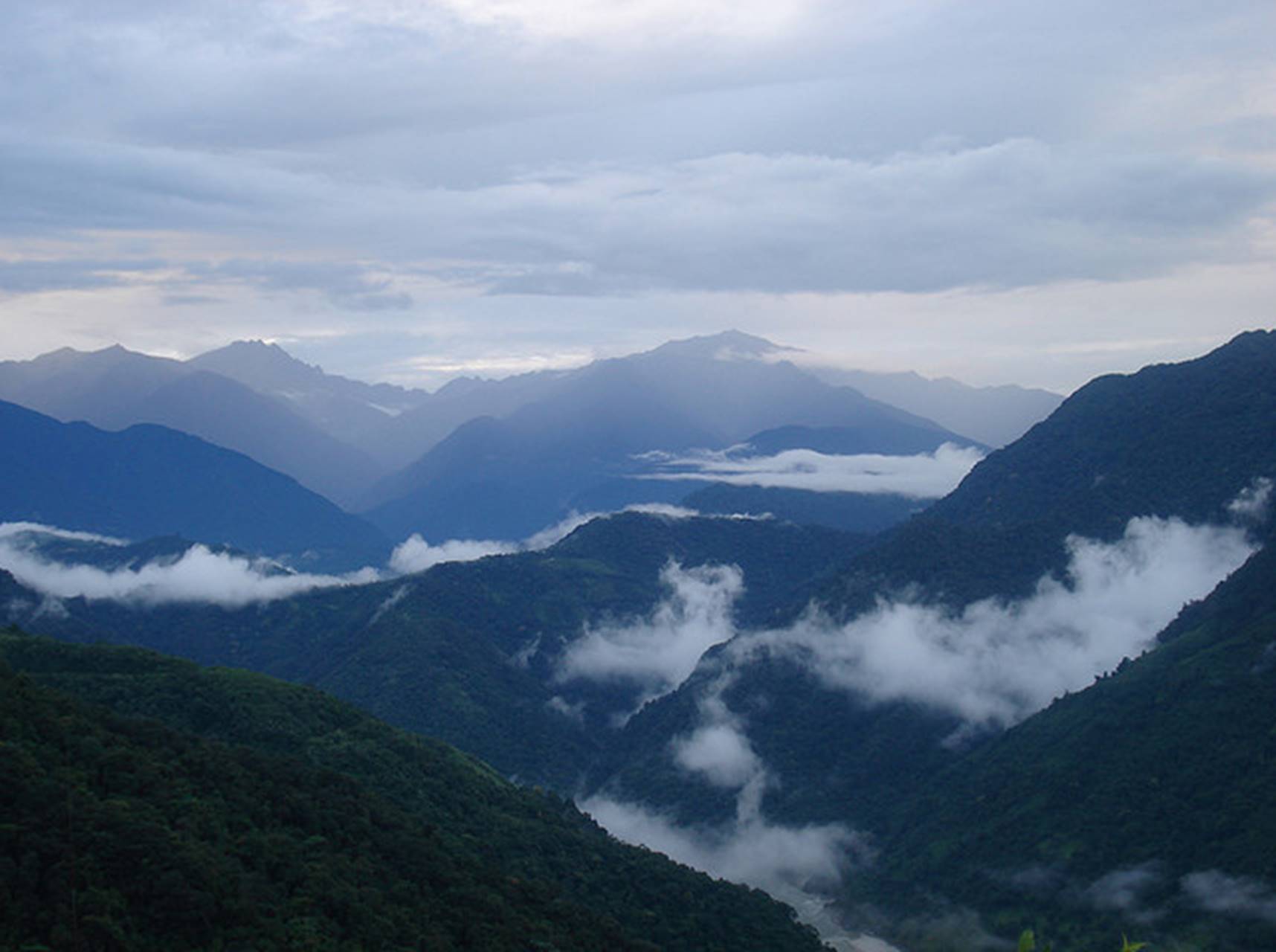
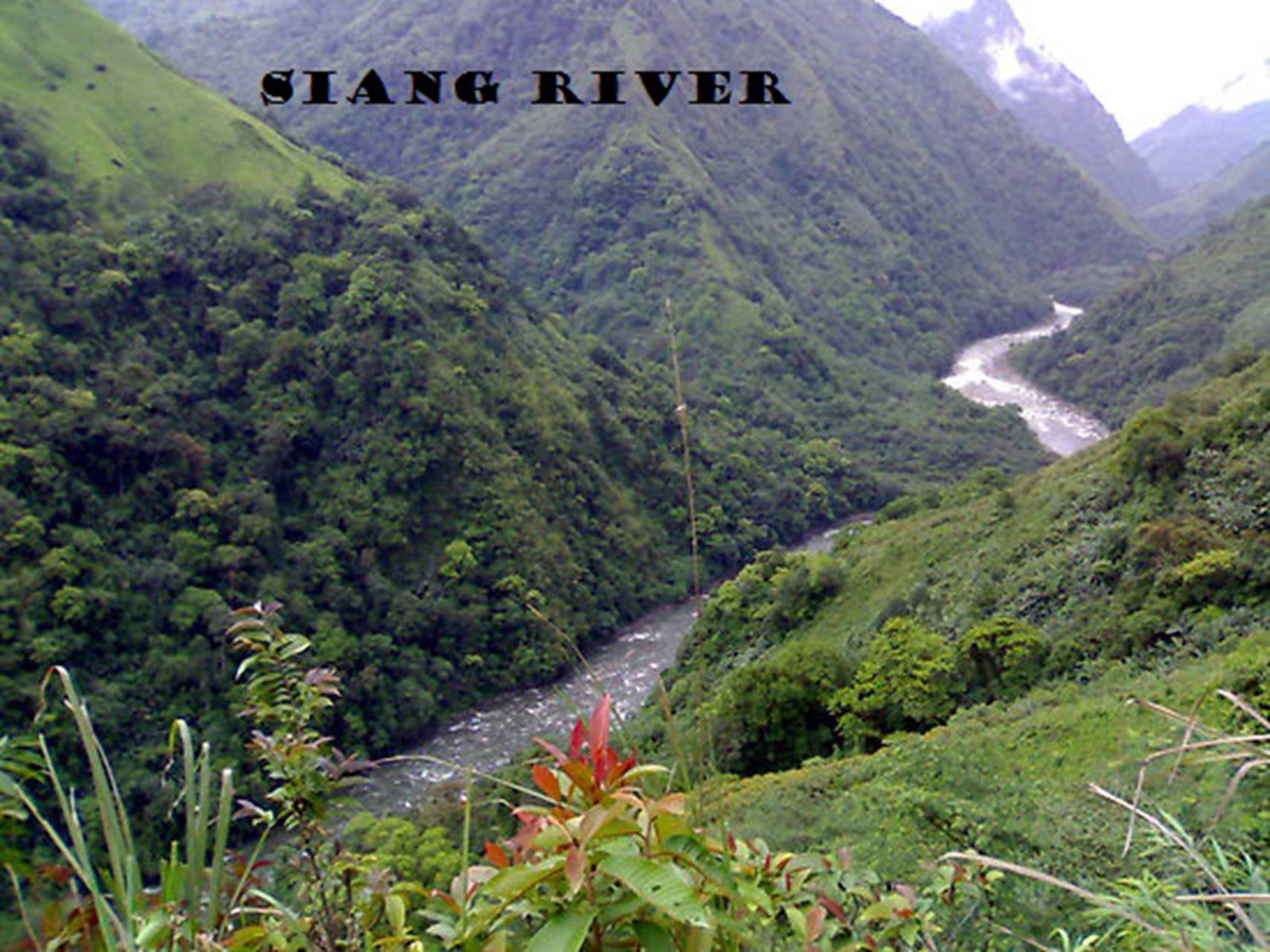
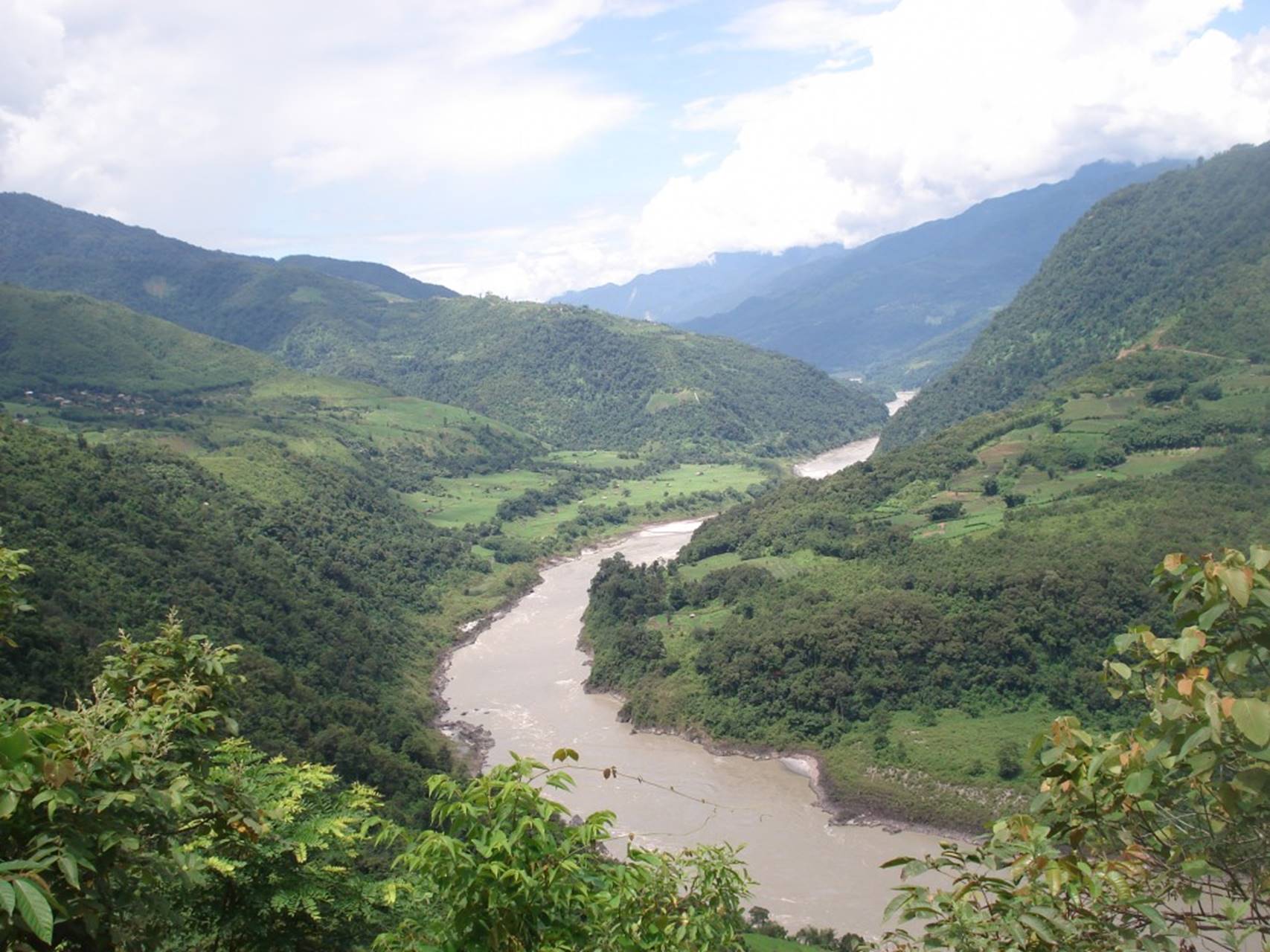
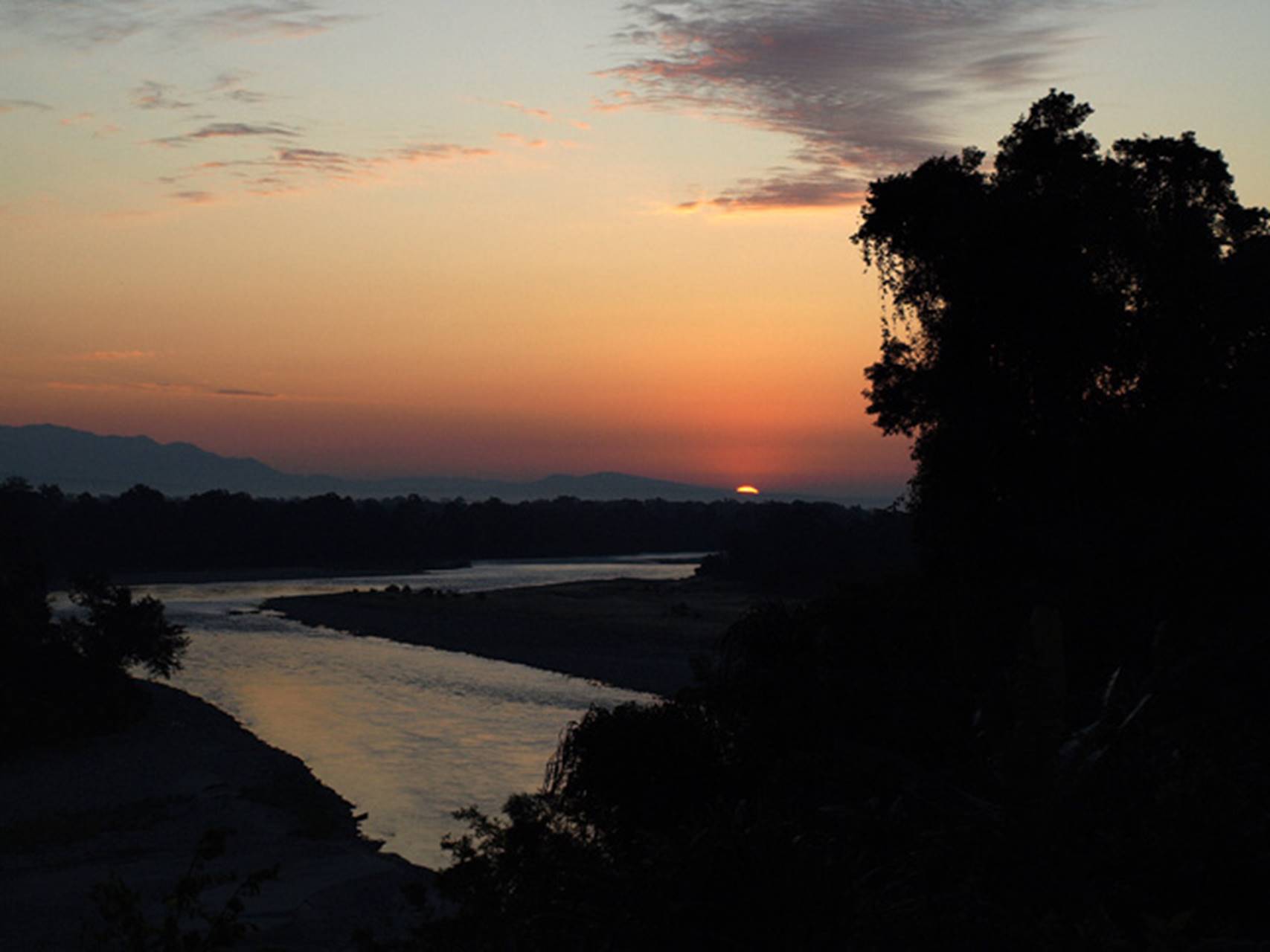
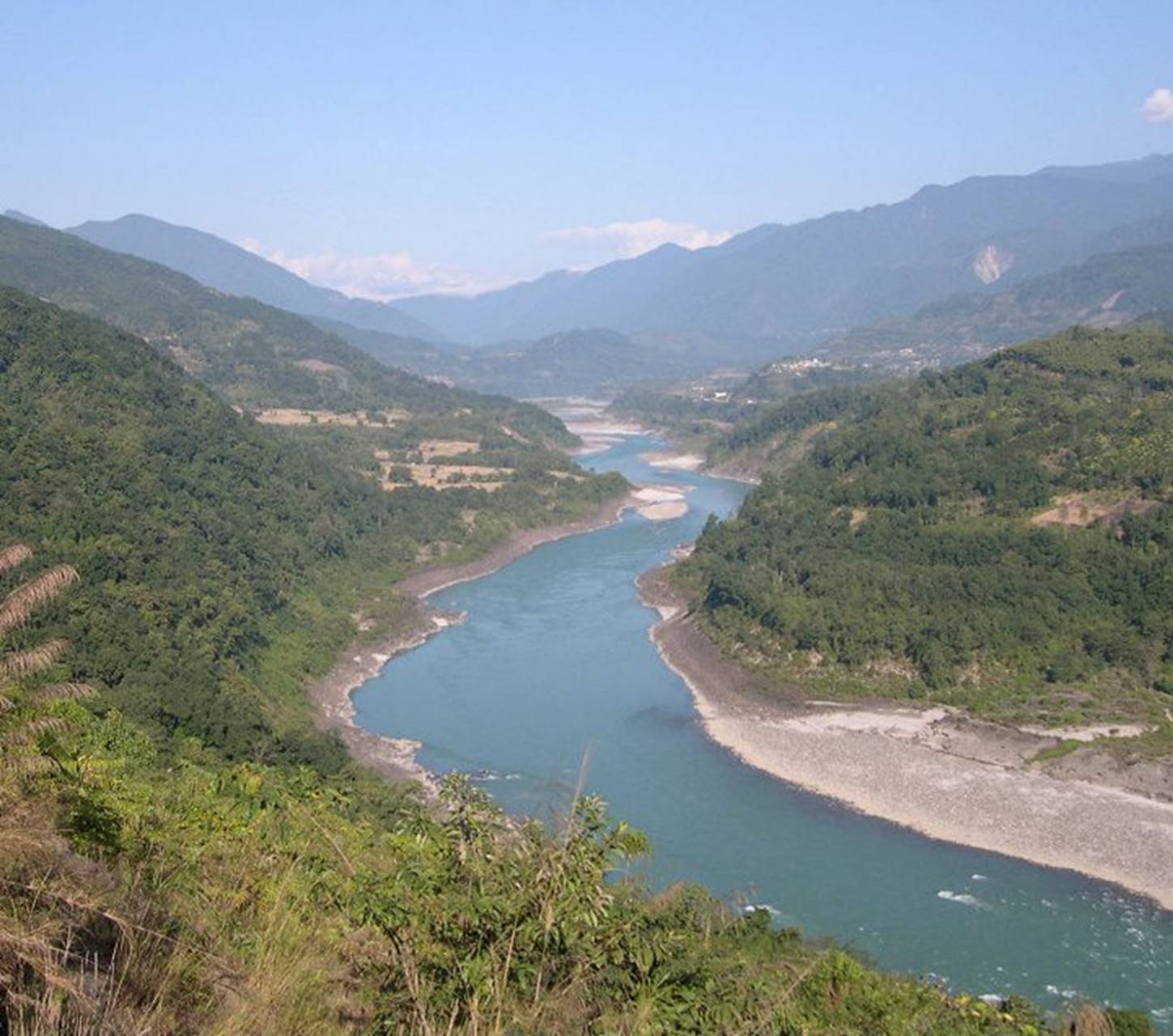
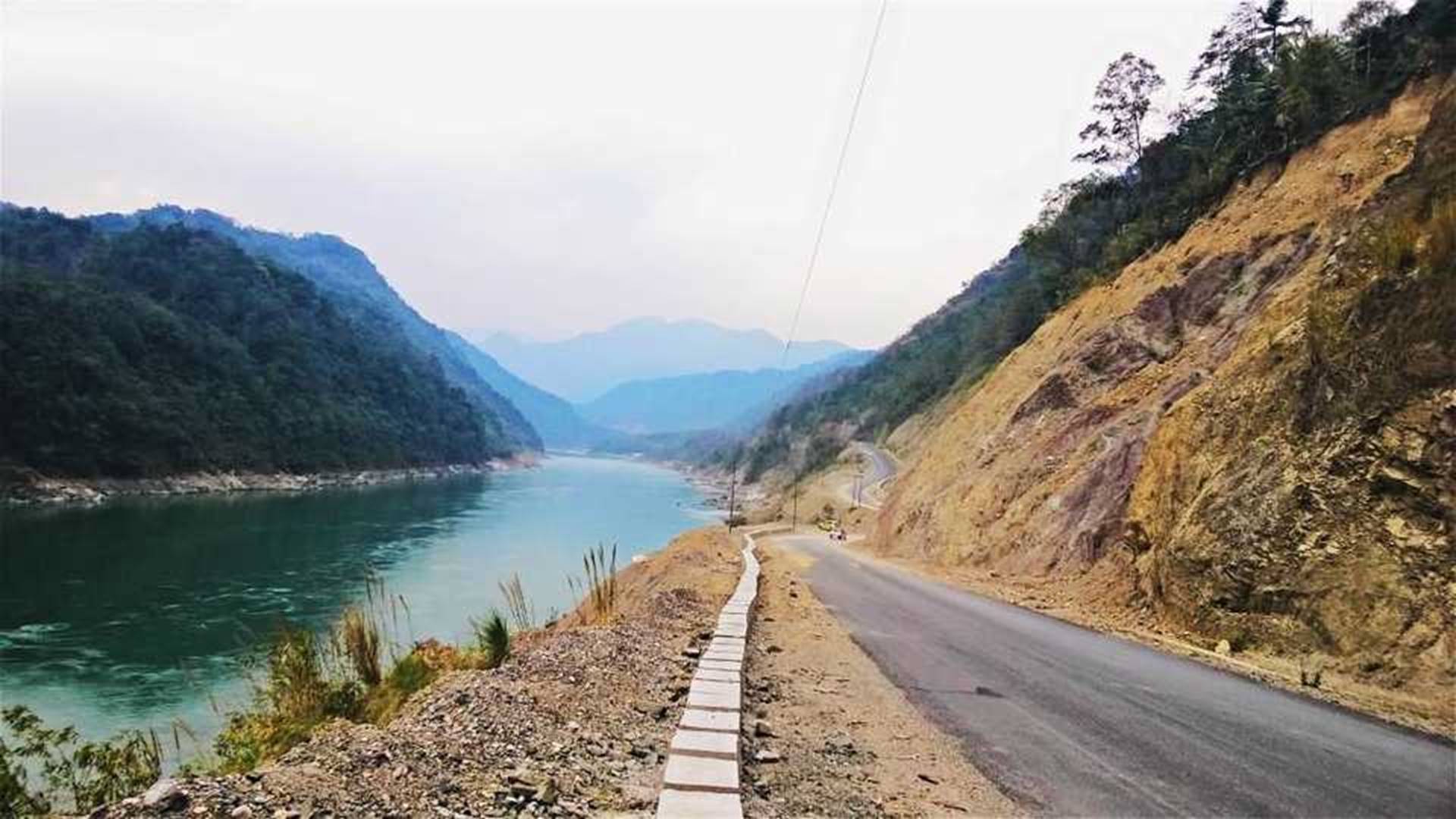
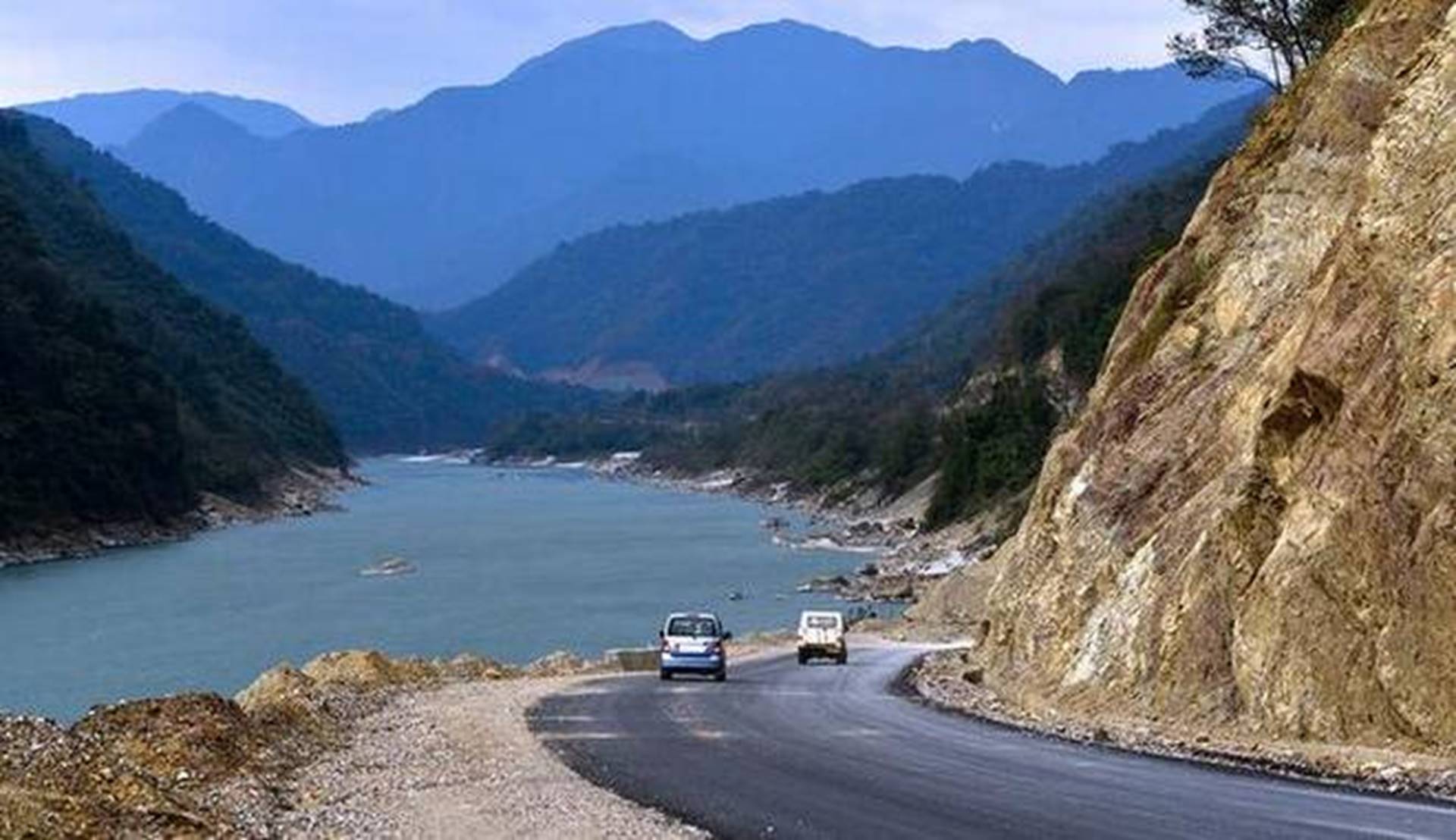
The Woes of Tsangpo-Brahmaputra River. The Upstream Occupation and the Downstream Worries. View of Siang District, Arunachal Pradesh, India.The woes of Tsangpo-Brahmaputra River – Upstream Occupation and Downstream WorriesThe woes of Tsangpo-Brahmaputra River – Upstream Occupation and Downstream WorriesThe woes of Tsangpo-Brahmaputra River – Upstream Occupation and Downstream WorriesThe woes of Tsangpo-Brahmaputra River – Upstream Occupation and Downstream WorriesThe woes of Tsangpo-Brahmaputra River – Upstream Occupation and Downstream WorriesThe Woes of Tsangpo-Brahmaputra River. The Upstream Occupation and the Downstream Worries. Siang River near Pasighat, Siang District, Arunachal Pradesh, India.
BLESSED ARE THE PEACEMAKERS MARCHING FOR PEACE IN OCCUPIED TIBET
Blessed are the peacemakers marching for peace in Occupied Tibet.
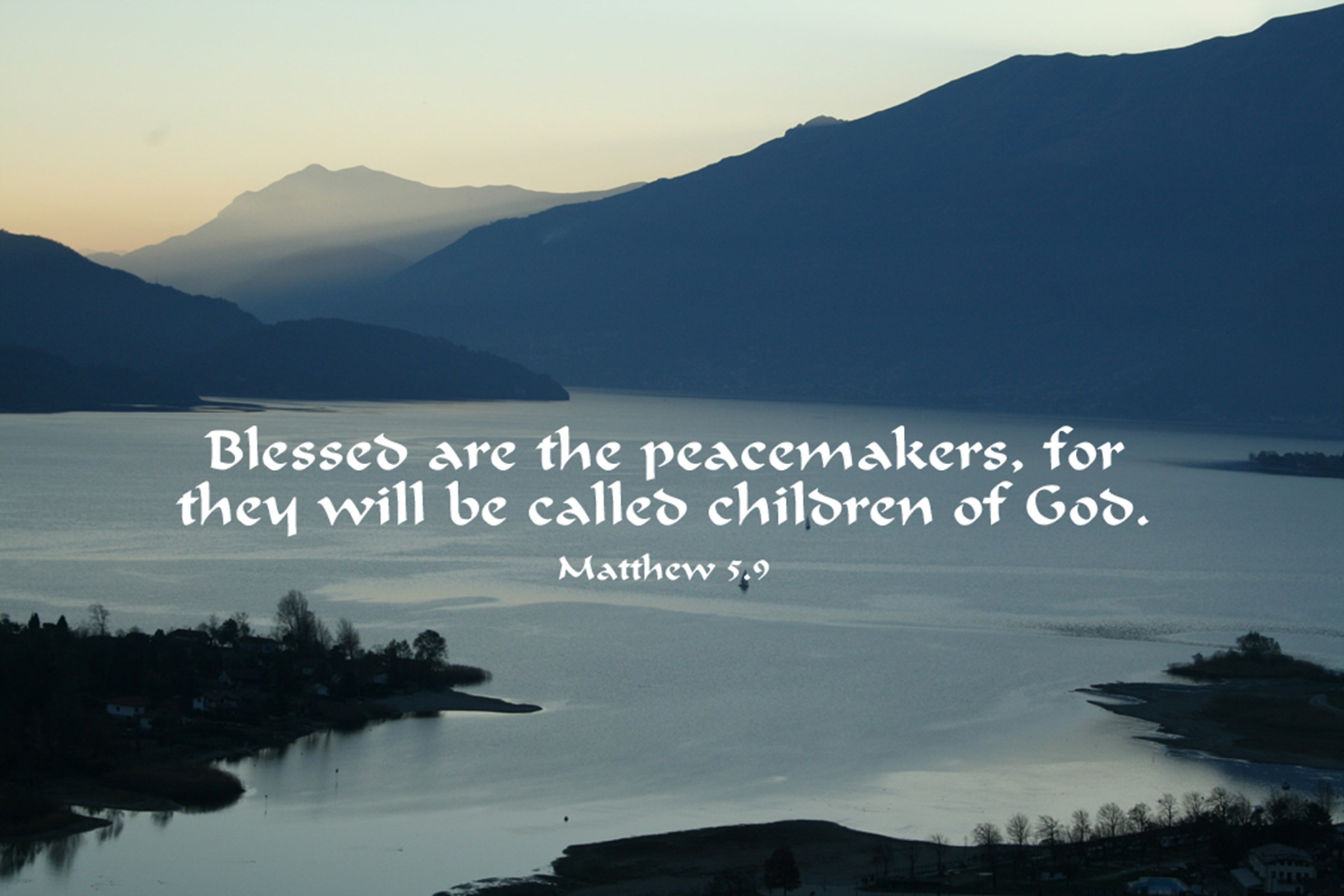
“Blessed are the peacemakers for they shall be called sons of God.” I invoke the blessings of God on Kunga Norbu and Adam Schaeuble who are walking to bring peace in Occupied Tibet by promoting the public awareness of the Great Tibet Problem.
Blessed are the peacemakers marching for peace in Occupied Tibet.
Kunga Norbu left, and Adam Schaeuble pose for a picture on the Big Four Bridge during their multi-state walking campaign to raise awareness about Tibet. Norbu is the nephew of the Dalai Lama, who gave his blessing for the trek, and suggested that the duo “create a wave of positivity.”
As they walked across Big Four Bridge that October Sunday, Kunga Norbu and Adam Schaeuble weren’t protesting anything.
The casual observer, though, might have thought differently.
A multicolored flag rested against Kunga’s shoulder as he strolled down the ramp into Jeffersonville. The emblem on it symbolized the country of his father’s birth, a nation no longer able to control the teachings of its past let alone its own future. Emblazoned on his and Adam’s yellow shirts were the words “Team Tibet” in crimson ink.
“If you walk anywhere and you’ve got a guy with a giant flag, people are probably like eyeballing you asking what kind of a thing is this? That’s the society that we live in,” said Adam. “Is this a good march or a bad march? Is this positive or is it negative? People almost always assume that it’s negative. But when we get to tell people about it, they realize it’s a cool, positive story.”
Louisville was stop number four on the duo’s eight-day walking tour to bring awareness about issues facing Tibet while also supporting and preserving Tibetan culture. On Oct. 4, they finished their journey in Columbus, Ohio with more than 200 miles walked.
“There are six million Tibetans in Tibet now,” Kunga said when discussing the treatment of Tibetan citizens by the Chinese government, the country that invaded Tibet in the 1950s. “We have to do something. We have to do anything. Even walking. Even one-mile.”
Kunga had completed this mileage before. In March of 2013, the Tibetan-American undertook a 230-mile trek from Washington, D.C., to New York City in memory of his brother Jigme. In 2011, Jigme lost his life when a sports utility vehicle struck him on a Florida road during a similar walk for Tibetan independence. He was 45.
But circumstances have since changed for the Bloomington resident. In January of 2015, a stroke wreaked havoc on Kunga’s body. After regaining most of his physical abilities through rehab, speech difficulties are the only remnants of the illness.
“When he starts talking about Tibet, he gets clearer,” Adam said. “Like his speech is more succinct. It’s like he’s talking from his heart. It’s really cool.”
Despite his health setbacks, the 55-year-old still wanted to honor his Tibetan heritage. His father, Thubten Norbu, established the Tibetan and Mongolian Buddhist Cultural Center in Bloomington and was a professor at Indiana University. Thubten, too, was a Buddhist lama, not to mention the older brother of His Holiness the Dalai Lama.
That’s right. Kunga is the Dalai Lama’s nephew.
Adam, on the other hand, has no Tibetan lineage. His friendship with Kunga brought him to this mission. Strangely enough, during high school, the now 38-year-old did a report on Tibet. Part of that assignment consisted of reading a book by — you guessed it — Professor Norbu, Kunga’s father.
Nine years ago, Kunga walked into the gym Adam owns. They quickly became pals. When Kunga’s brother died, Adam organized an Mt. Everest Challenge for his “gym family.” Participants climbed on an apparatus called Jacob’s Ladder in order to finish the steps Jigme wasn’t able to complete.
Knowing about his friend’s wish to do another walk that would bring awareness to Tibetan issues, Adam suggested they do a roughly week-long trek that would finish in Columbus, Ohio. Instead of traversing the whole way by foot on dangerous interstates, the pair would find trails in different Midwest cities. Kunga, Adam and anyone else who might want to come along would walk along these much safer paths to achieve their 200-mile goal.
“I’m like the big, noisy white Sherpa,” Adam said, referencing the Himalayan mountaineers who, at times, help climbers reach Mt. Everest.
Kunga liked the plan. In a March 2018 audience with the Dalai Lama, he asked for his uncle’s blessing. The Dalai Lama freely gave it and suggested to them an optimistic objective: Create a wave of positivity.
“That was his challenge for us, two people from two different cultures that are doing this because they are friends and support each other,” Adam said.
And, by just walking 200-miles with a Tibetan flag and their friendship, Kunga and Adam accomplished just this.
“The culture can’t be stamped out if people are still talking about what’s going on,” Adam said. “That’s the way we keep that culture alive. Just keep talking about it and share and share.”
— Amanda Hillard Beam is a Floyd County resident and Jeffersonville native. Contact her by email at adbeam47@aol.com.
Blessed are the peacemakers marching for peace in Occupied Tibet.
TIBET EQUILIBRIUM IS BALANCE BETWEEN NATURE AND POLITICAL POWER
Tibet Equilibrium is Balance Between Nature and Political Power.
In my analysis, the Tibetan Resistance Movement primarily aims at achieving the Balance between Natural Freedom and Political Power of any entity that rules over the lives of Tibetan People. For centuries, on account of Tibet Equilibrium, Tibetans enjoyed independent lifestyles despite military conquests of Tibet by Yuan and Manchu Dynasties of China. Red China’s military invasion, military occupation and colonization of Tibet impose severe strains on Nature as well as all denizens of Tibetan Plateau.
Tibetans are left with no choice other than that of Resistance for Red China rules over Tibet with Iron Fist severely undermining the experience of Natural Balance, Natural Harmony, and Natural Tranquility, the gifts of Nature and Natural Conditions presiding over Tibetan Existence from the beginning of its long History.
Tibet Equilibrium can be defined as the Balance Between Nature and Political Power.
Nik Fes – Sep 17, 2018
Tibet Equilibrium can be defined as the Balance Between Nature and Political Power.
The Chinese Tibet Autonomous Region wants to put environmental protection measures before the development of tourism. Nature and tourism need to coexist in balance.
The tourism industry in the region has developed rapidly in recent years and has become a growth driver, said Qizhala, the chairman of the local government.
Tourism contributes to Tibet’s GDP with at least 30%, according to him. The number of tourists from home and abroad arriving in Tibet annually is expected to reach 30 million, compared to 10 million in 2012 and 20 million in 2015.
Despite the incredible tourism book, the local government has always emphasized environmental protection. Experts have also advised balancing environmental protection, nature and tourism. Efforts are being made to prevent “blind development and overdevelopment,” as described by Qizhala.
The region plans to reduce the number of tourists who want to visit vantage points near glaciers, such as Qomolangma mountain. A cap on visits to Mount Qomolangma is set to be established and implemented in 2019.
“We always have to keep an eye on the minimum standard of environmental protection,” Qizhala said. Since 2009, a total of 9.6 billion yuan ($1.4 billion) has been invested in environmental protection in the region. Last year alone, 1.14 billion yuan was invested.
In order to protect wildlife better, a mechanism was introduced in 2015 to provide compensation to farmers and shepherds who have suffered wildlife losses. So far, 85 million yuan has been spent on it.
Regarding the future, Yao Tandong, director of the Institute for the Qinghai-Tibet Plateau suggests that more national parks be built to make better use of tourism resources and protect the environment.
The region is considering setting up four national parks. These include Tibet’s largest lake, the mountain Qomolangma, the Yarlung Zangbo, and the earth forest of the Kingdom of Guge. Once these scenic national parks have been established, consistent planning for their protection can be implemented to minimize the environmental damage caused by tourism, Qizhala concluded.
Tibet Equilibrium is Balance Between Nature and Political Power.
THE POPE’S JUDAS KISS TO SEAL THE DEAL WITH COMMUNIST CHINA
The Pope’s Judas Kiss to Seal the Deal with Communist China.
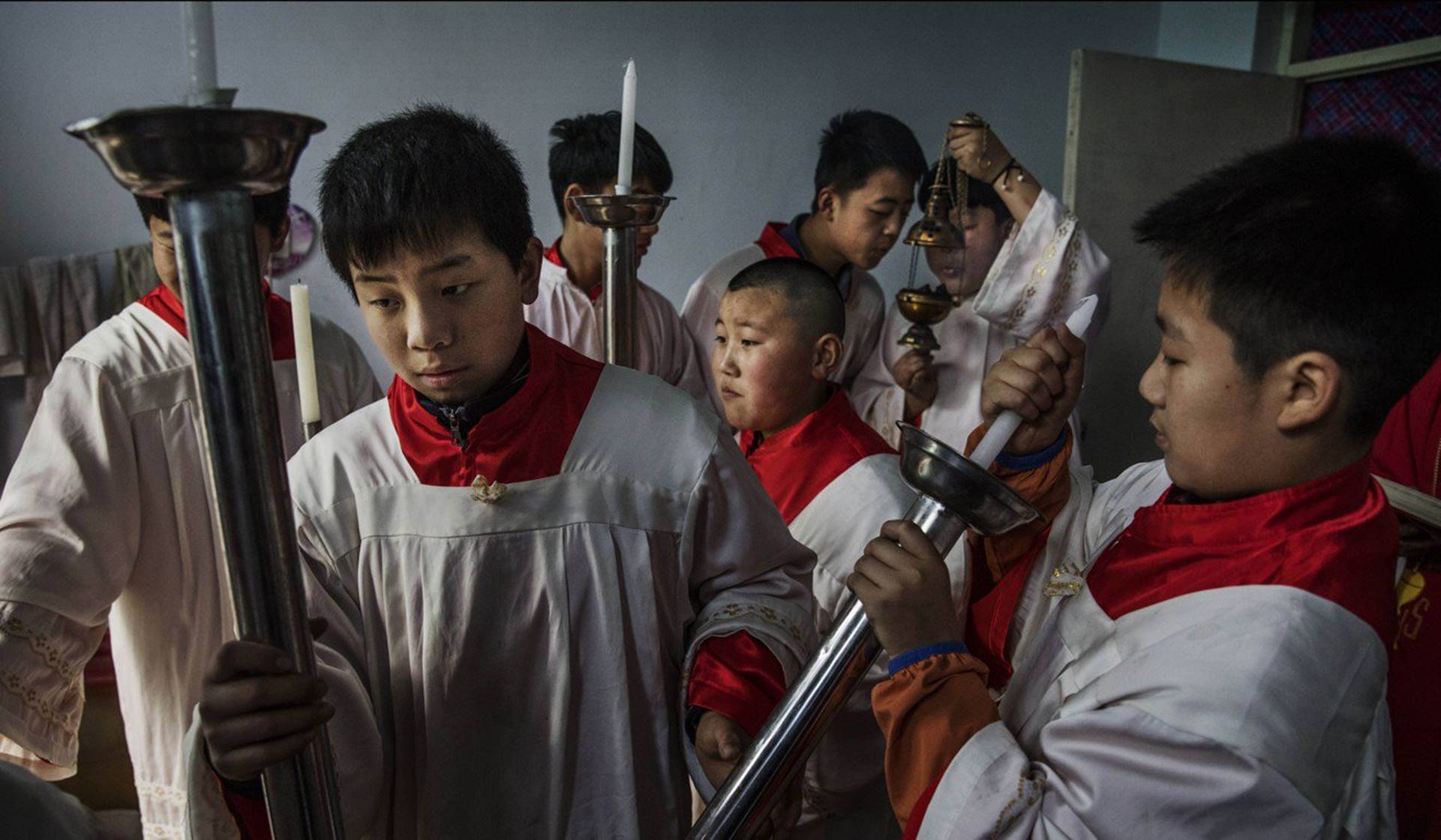
In my analysis, the Vatican deal with Communist China represents an act of betrayal. Pope Francis betrayed Jesus Christ to permit Communist China a role in the selection of Archbishops for Catholic Churches in China.
The Living Tibetan Spirits would not expect His Holiness the Dalai Lama to walk in the footsteps of Pope Francis to forsake his faith to save the Dalai Lama Institution of Tibet.
The Pope’s Judas Kiss to Seal the Deal with Communist China.
The Pope has kissed and made up with China. Can the Dalai Lama?
The Pope’s Judas Kiss to Seal the Deal with Communist China.
Pope Francis has pulled off a landmark deal by getting Beijing to recognize the Vatican’s influence – and his approach may impart valuable lessons to the Dalai Lama, should there be any hope for reconciliation with Tibet on the cards
Pope Francis has pulled off a landmark deal by getting Beijing to recognize the Vatican’s influence – and his approach may impart valuable lessons to the Dalai Lama, should there be any hope for reconciliation with Tibet on the cards
The Pope’s Judas Kiss to Seal the Deal with Communist China.
The Dalai Lama must make his peace with an antithetical political authority and persevere in good faith. Photo: Reuters
The reigning Bishop of Rome, Francis, is not your typical stodgy pontiff. In the five short years since his elevation as the first non-European head of the Roman Catholic Church since 741 AD, he has displayed latitude of mind, the courage of conviction, and deftness of diplomatic skill that is rare even among statesmen.
In August 2014, on entering Chinese airspace during a flight to Seoul, he broke six decades of silence between the Vatican and the head of China’s government by posting a message of goodwill to President Xi Jinping. Fittingly, on his birthday later that December, talks brokered by Francis were announced that would in time lead to the normalization of ties between the Castro regime in Cuba and the Obama administration. The US-Cuba agreement was signed at the Vatican Secretariat of State. In February 2016, almost a thousand years after the rupture of the Eastern and Western branches of Christianity, Pope Francis held the first meeting with his Russian Orthodox counterpart, Patriarch Kirill, in Havana. Francis’ millennia-spanning achievements are not one for the faint-hearted.
Last week, Pope Francis registered his biggest diplomatic breakthrough yet: a landmark agreement with the government of the People’s Republic on the ordination of bishops in China. As per the agreement, Beijing – 67 years after snapping ties with the Vatican – will formally recognize the Pope’s jurisdiction as the head of the Catholic Church in China as well as the final authority in deciding on candidates for bishops in the country.
The Chinese Catholic Patriotic Association (CCPA), the “self-run Church” hitherto established and controlled by the state, is to be downgraded and reoriented. In exchange, Pope Francis is expected to lift the excommunications of seven CCPA-installed bishops and formally recognize them as the leaders of their dioceses. More broadly, a mechanism that enables Beijing to provide its acceptable slate of candidates and the Vatican to have a final say in selection will now be formalized.
The fate of the three dozen or so Vatican-approved prelates, some of whom are in prison, who are not recognized by the CCPA is unclear at this time. The larger hope, though, is that as the splintering of the Catholic Church in China is reversed, the churches above and underground will in time be reconciled. Perhaps, a papal visit could be on the cards, too.
The Pope’s Judas Kiss to Seal the Deal with Communist China.
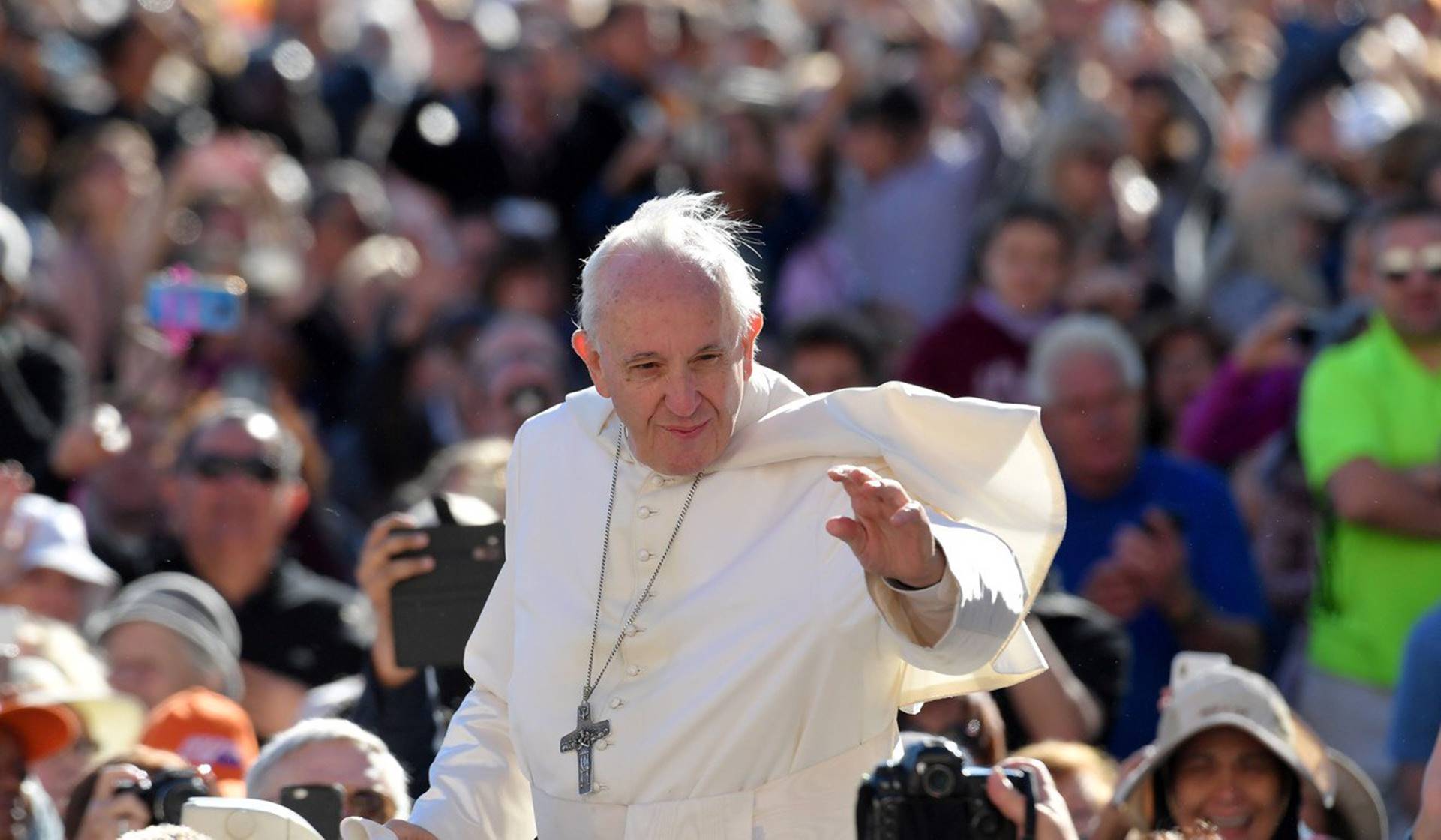
Pope Francis’ list of achievements span millennia of history. Photo: AFP
Both sides stand to gain handsomely from the compromise. For the Vatican, its pre-eminence on all matters ecclesiastical in the sovereign territorial space of China has been formally confirmed for the first time by the communist government in Beijing. For the Chinese Communist Party, its overarching and “guiding” role in harnessing religious belief to “help social harmony, modernization [and a] healthy civilization” – a key principle of its post-1980s religious policy – is vindicated without having to cede (though having to share) control on key decision-making to an entity that is housed beyond its sovereign territorial space.
Now, if the Vatican can pull off a deal with Beijing, what about the Dalai Lama? As plausible as it may look in theory, the ramifications for the Tibetan Buddhist leader are more profound. And the bottom line is equally stark: while Beijing could in theory share, it will never cede control over key Tibetan Buddhism-related personnel matters, notably the recognition of tulkus (or “living Buddhas”), as long as the Dalai Lama remains in exile. And given that the Dalai Lama is double-hatted in Tibet’s theocratic political structure as its secular leader over a defined territorial space (unlike the Pope), it is all the more likely that Beijing will refuse to share – let alone cede – practical control over key personnel matters until the Dalai Lama returns to Tibet.
The failed effort in arriving at a consensual selection of a new Panchen Lama in the mid-1990s holds cautionary lessons. Following the untoward death of the revered lama in 1989, Beijing announced a search, selection and recognition process for his successor that initially ruled out a role for the Dalai Lama. Convinced otherwise by resident high lamas, Beijing reversed course in due time and accepted the involvement of the Dalai Lama in principle – if only to rubber-stamp its anointed choice.
By 1995, however, Beijing allegedly went so far as to turn a blind eye to a slate of candidates that it’s officially sanctioned search party (headed by a respected lama from Shigatse) had clandestinely submitted to the Dalai Lama for his prior approval. The process broke down in May that year, following the Dalai Lama’s fait accompli announcement of a young boy from northwest Tibet as the reincarnation of the 10th Panchen Lama.
The Pope’s Judas Kiss to Seal the Deal with Communist China.
The Vatican’s China deal has profound ramifications for the Tibetan Buddhist leader. Photo: Getty
Beijing’s essential bottom line remained consistent throughout while the prerogative of the Dalai Lama could be acknowledged and religious authority shared, akin to the China-Vatican accord, the overarching guiding role over religion in sovereign Tibetan territory rested ultimately with Beijing.
Four hundred years ago, the great Qing dynasty emperor, Kangxi – a patron of Jesuit cartography, astronomy and engineering – had insisted that Chinese rites of ancestor worship and public homage to Confucius, being civil rather than religious practices, should continue to be practiced by his converted Christian subjects. Conflating Kangxi’s injunction with an intrusion on the paramountcy of church doctrine, Pope Clement XI forbade Catholic missionaries from following the Emperor’s orders.
The episode did not end well for the Church. No less than China’s communist rulers today, the Kangxi Emperor refused to cede Beijing’s overarching guiding role over religion – and that too to an entity housed beyond its sovereign territorial space.
While one does not know if the Communist Party’s rule in Beijing will last as long the Qing dynasty’s multi-century reign, it is not about to disappear any time soon. The onus resides on the Dalai Lama’s shoulders to find a way to make peace and comity with Beijing – at least on matters that touch wholly and exclusively on Tibetan Buddhism. Dealing with the fraught issue of the limits of Tibet’s political and territorial autonomy is a different matter.
In March 2014, standing at the UNESCO headquarters in Paris, President Xi Jinping extolled the profound impact of Buddhism in China. If a monotheist leader from distant Latin America carrying the Catholic Church’s dubious historical baggage can arrive at a principled compromise with the leadership in Beijing, surely the Dalai Lama could – or should – be able to do better. But for that, the Dalai Lama must heed the lessons of Francis – foremost, make one’s peace with and accommodate an antithetical political authority and, secondarily, persevere in good faith to realize this accommodation. Is his Excellency listening?
Sourabh Gupta is a senior fellow at the Institute for China-America Studies in Washington
The Pope’s Judas Kiss to Seal the Deal with Communist China.















 Whole Dude - Whole Concept