The Rudolf-Rudi doctrine describes the spiritual dimension of photoperiodism
What it is to be a Substance? and What it is to Exist? We need to establish knowledge about the man and the world on a firm basis and the information it provides must be tested for its accuracy and consistency with an external reality. We have to make the fundamental distinction between the living and the non-living matter. The scientific advances of the 19th and 20th centuries reinforced the materialistic position concerning the basic similarity of organic living and inorganic physical matter. The man is viewed as a product of natural evolution and is thought to be subject to the same laws of Physics and Chemistry or mechanistic principles.
We need a methodology to study philosophy and to understand philosophical statements. Logical Positivism, also known as Scientific Empiricism aims to clarify concepts in both everyday and scientific language. It describes analysis of language as the function of philosophy. This analysis of language and of concepts is important to understand questions of belief and ideology which affect what we think we ought to do individually and socially. I would use this method of ‘Applied Philosophy’ to analyze the concept of Spiritual Optics, the Spiritual dimension of biological coloration, and the phenomenon of changing Seasons and the behavior of organisms described as Photoperiodism.
.The Rudolf-Rudi doctrine describes the spiritual dimension of photoperiodism
The fall equinox arrives on Thursday, September 22, 2022, at 9:04 P.M. EDT. The equinox occurs at the same moment worldwide. Fall begins in the Northern Hemisphere and Spring begins in the Southern Hemisphere.
The Rudolf-Rudi doctrine describes the spiritual dimension of photoperiodism
The word “equinox” comes from Latin aequus, meaning “equal,” and nox, “night.” On the equinox, day and night are roughly equal in length.
The Rudolf-Rudi doctrine describes the spiritual dimension of photoperiodism
During the equinox, the Sun crosses what we call the “celestial equator”—an imaginary extension of Earth’s equator line into space. The equinox occurs precisely when the Sun’s center passes through this line. When the Sun crosses the equator from north to south, this marks the autumnal equinox; when it crosses from south to north, this marks the vernal equinox.
SPIRITUAL OPTICS – PHOTOPERIODISM – SEPTEMBER EQUINOX OR AUTUMNAL EQUINOX:
The Rudolf-Rudi doctrine describes the spiritual dimension of photoperiodism.The Rudolf-Rudi doctrine describes the spiritual dimension of photoperiodism. Thursday, September 22, 2022. The Magical Spell of Seasons.
SPIRITUALITY SCIENCE – PHOTOPERIODISM – SEPTEMBER EQUINOX. SPRING OR VERNAL EQUINOX AND AUTUMNAL EQUINOX ARE TWO POINTS ON THE CELESTIAL SPHERE WHERE THE PATH OF SUN’S APPARENT MOTION IN SKY OR ECLIPTIC AND THE CELESTIAL EQUATOR INTERSECT. BUT THE SEASONAL CHANGE IS NOT INFLUENCED BY SUN’S REAL MOTION AROUND MILKY WAY GALACTIC CENTER.
The Rudolf-Rudi doctrine describes the spiritual dimension of photoperiodism. Thursday, September 22, 2022. The Magical Spell of Seasons. Reflections on Autumnal Equinox. The changes called Day and Night, and the changes called Autumn, Winter, Spring, and Summer Seasons manifest while the Sun is shining with its full brightness at all times.
In my view, all natural phenomena require the operation of an unchanging condition that gives the opportunity to experience the change that is manifested. The change called Day and Night, and the changes called Autumn, Winter, Spring, and Summer Seasons are manifested because of an unchanging condition; the fact of Sun shining with its full brightness 24-hours, and at all times. The rhythmically recurring phenomena called biological rhythms are manifested for living functions operate under the influence of an unchanging, vital, animating principle called Soul, or Spirit.
The Rudolf-Rudi doctrine describes the spiritual dimension of photoperiodism. Thursday, September 22, 2022. The Magical Spell of Seasons. Reflections on Autumnal Equinox.
Photoperiodism is described as the behavioral or physiological reaction of an organism to changes of duration in daily, seasonal, or yearly periods of light and darkness. The changes in activities occur on daily basis as well as with a consistent pattern when the seasons change. For example, the Autumn or Fall season in the Northern Hemisphere includes the months of September, October, and November. Fall is the season of the year in which many trees change in their appearance; the color of their leaves changes and then trees lose their leaves. Autumn is the season that comes between Summer and Winter seasons. In the astronomical year, the Fall season is the period between the Autumnal Equinox and the Winter Solstice.
The Rudolf-Rudi doctrine describes the spiritual dimension of photoperiodism. Note that fall foliage isn’t due to current weather conditions. This is a common misconception. Leaves change color because of the amount of daylight and photosynthesis.
The characteristic of Fall is the beginning of a decline in activities of several living organisms to prepare for subsequent changes expected to come in future. Daily periods of light and darkness determine to a great extent when seasonal activities occur. An important prerequisite to the response to light that occurs in Winter and Spring is exposure to short days or long nights in Autumn. This phase of the annual cycle is called the Preparatory Phase. This preparation is important for the subsequent response. Under experimental conditions, it is shown that the failure to complete the Preparatory Phase will undermine the organism’s subsequent response to changes in the next phase. Hence, Autumn is a season of preparation for the arrival of Winter and Spring seasons. This preparation has the characteristics of planning and designing the responses of organisms to forthcoming events in the future.
This ability to connect the activities of past and present with activities that occur in the future requires the operation of an unchanging principle that is not influenced by changes of time. The colorful changes that we witness during the Autumn season relate us to works of a Whole Designer, a Whole Architect, a Whole Planner, and a Whole Artist.
The Rudolf-Rudi doctrine describes the spiritual dimension of photoperiodism. Thursday, September 22, 2022. The Magical Spell of Seasons. Reflections on Autumnal Equinox.
Daily periods of light and darkness determine to a great extent when seasonal activities among living organisms occur. The man exists on the surface of planet Earth experiencing the daily alternating periods of light and darkness and marks his calendar as seasons bring changes with marked regularity.
Photoperiodism was first reported in 1920 when the flowering of certain plants was demonstrated to be controlled by the daily duration of light. The photoperiodic response of plants may actually depend on the duration of the darkness. Some of the conspicuous activities of animals closely correlated with certain seasons of the year or with changes in day length are bird migration, reproduction, and changes in coat and plumage. In most birds, mammals, and other vertebrates, breeding is seasonal. For species such as brook trout, deer, sheep, and goats breeding begins in Autumn. The light stimulates the release of special hormones from the brain which in turn stimulate the pituitary gland which secretes the hormones that function to control the growth of the reproductive organs. The length of the dark period and the ratio of light to darkness are important factors in determining the reproductive response. Practical applications of knowledge of photoperiodism are common in poultry management, for the length of daylight affects laying, sperm production, and the bodyweight of the fowl.
The Rudolf-Rudi doctrine describes the spiritual dimension of photoperiodism. The phenomenon of Photoperiodism and Poultry management. Thursday, September 22, 2022. The Magical Spell of Seasons. Reflections on Autumnal Equinox.
The most conspicuous seasonal change in coat and plumage occurs in those mammals and birds that are white in Autumn and Winter and brown in Spring and Summer.
The Rudolf-Rudi doctrine describes the spiritual dimension of photoperiodism. Thursday, September 22, 2022. The Magical Spell of Seasons. Reflections on Autumnal Equinox.
The seasonal change in the coat is conspicuous in this hare which is brown during Spring and Summer, and changes to white during Autumn, and Winter.
The Rudolf-Rudi doctrine describes the spiritual dimension of photoperiodism. Thursday, September 22 2022. The Magical Spell of Seasons. Reflections on Autumnal Equinox.
PHOTOPERIODISM–BIOLOGICAL RHYTHMS AND BIOLOGICAL CLOCK:
The Rudolf-Rudi doctrine describes the spiritual dimension of photoperiodism. Thursday, September 22, 2022. The Magical Spell of Seasons. Reflections on Autumnal Equinox.
Organisms have synchronized their living functions to their rhythmic environments and have become periodic in diverse aspects of their physiology and behavior. Periodic biological phenomena fall into two distinct, different categories: 1. Those correlated with periodic changes of the planet or geophysical correlates, and 2. Those correlated to an internal timing mechanism often called the ‘Biological Clock’.
The Rudolf-Rudi doctrine describes the spiritual dimension of photoperiodism. How does Time flows?
The living things to some extent behave like ‘Living Clocks’; 1. A timing capacity geared to the rhythmic variations of the natural environment, the alternating periods of light and darkness called day and night, and 2. A timing capacity that operates in response to the flow of time as the planet Earth spins and moves without providing sensory stimuli of its motions. Timing information continuously flows in from the environment and no organism can exist under constant conditions of life. All life exists on planet Earth which exists in a constant state of motion as a member of the Solar System which also exists in a constant state of motion. The biological rhythm results in part as a direct response to the environment and in part as an indirect response via the complex clock-timed organization.
The Rudolf-Rudi doctrine describes the spiritual dimension of photoperiodism. Thursday, September 22, 2022. The Magical Spell of Seasons. Reflections on Autumnal Equinox.
There are two kinds of biological responses or rhythms. 1. The activities like Sleep and Wakefulness are related to the fluctuations of the physical environment such as darkness, and light, or night and day variation, and 2. The rhythms such as heartbeat and respiratory rate occur without external geophysical correlates as a consequence of the movements of the Earth.
The man’s biological functions are influenced by Earth’s Rotational Spin. A man has the sensory awareness of an environmental change called Day/Night. Otherwise, man is blissfully unaware of Earth’s Motion that happens all the time. The man is always influenced by the flow of time and his existence is measured as if there is a precise internal clock.
SPIRITUALITY SCIENCE – EARTH’S ROTATIONAL SPIN – REALITY vs ILLUSION:
The Rudolf-Rudi doctrine describes the spiritual dimension of photoperiodism. Thursday, September 22, 2022. The Magical Spell of Seasons. Reflections on Autumnal Equinox.
Earth’s Rotational Spin is a unique mechanism that is indissociable from Life itself. While the Sun shines with all its brightness 24-hours all the time, Earth’s Spin allows the man to experience alternating periods of light (Day), and darkness (Night) to plan his physiological functions and activities in the external environment. There is this equally important aspect of Earth’s Spin; the man’s existence on the surface of planet Earth depends upon the lack of direct sensory awareness of the linear and angular speed/velocity of Earth’s motions.
Biological Clocks time the Solar Day, the period of Earth’s spin or rotation relative to the Sun. While Earth spins or rotates, man experiences the illusion of Sun’s apparent motion across the path called Ecliptic and exists on the surface of Earth in a state of blissful ignorance of Earth’s Angular Speed, and Linear Velocity. The daily rhythm of about 24 hours’ duration makes it appear as though the organism is keeping track of each day and behaves as if it is a Living Clock. Light appears to be the dominant Phase Setter as it synchronizes activity pattern during the 24-hour cycles. The 24-hour rhythms are called Solar Day, Circadian, Diel, Daily, Diurnal (day-active), and Night-Active rhythms. Plants show their daily rhythm in sleep movements such as the daytime raising and nighttime lowering of their leaves, and the timing of flowering activity. In man, the daily alternation of sleep and wakefulness is accompanied by many chemical and physiological changes that include the activities of the nervous, endocrine systems, and the liver and kidneys. Daily variations occur in the body temperature, in the heart and respiratory rates, and in blood pressure and composition of blood. There are daily variations in chemical syntheses and in cell divisions. The Living Systems display a timing capacity and behave as if they contain a highly dependable clock. The specialized properties of this clock suggest that it involves some unique biological mechanism indissociable from life itself.
The Rudolf-Rudi doctrine describes the spiritual dimension of photoperiodism. Thursday, September 22, 2022. Reflections on the first day of the Autumn Season. The world or ‘JAGAT’ exists in a constant state of motion. Fundamentally, there is no possibility of the infinite repetition without alteration of each and every moment. Every instant is a new instant as the planet is changing its location all the time.
The ‘immutability’ of Soul or Spirit can be observed as its operations are not influenced by time or external geophysical correlates.
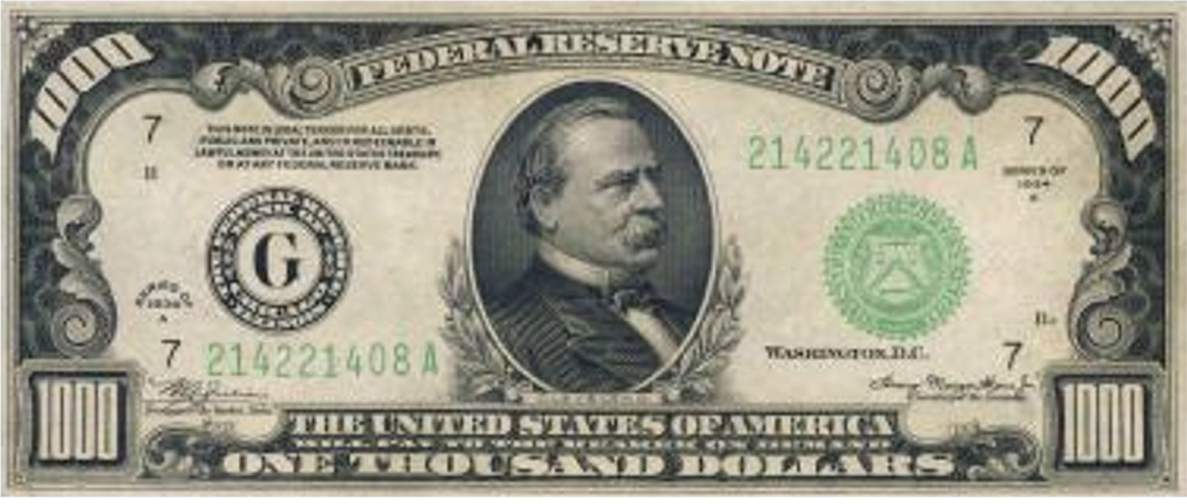
What is Matter? and What is Spirit? What is the Color of Money? If materialism is about the influence of material wealth, I would like to use the Power/Force/Energy called Money to talk about Life and Death. The Laws of Conservation are applicable to both the living, and the non-living matter. Hence, it can be stated that “Life can neither be created nor destroyed.” If any person can refute my claim using valid, scientific information, I would offer the person a US $1,000 bill as a rewardThe Rudolf-Rudi doctrine describes the spiritual dimension of photoperiodism. Thursday, September 22, 2022. Autumnal Equinox brings longer nights starting from today.
The Rudolf-Rudi doctrine of Spiritualism describes Photoreception by Plants as the perception of Spiritual Light
Yes Indeed, Life is Complicated. The complexity of Life involves the Four Fundamental Forces operating in Nature. Fundamental interactions are irreducible forces that act between the elementary particles composing all matter. Physicists have distinguished four fundamental interactions: gravitational, electromagnetic, weak nuclear, and strong nuclear.Physics fails to account for the Fundamental Interaction between Living Matter and Electromagnetic Energy.
The Rudolf-Rudi doctrine of Spiritualism describes Photoreception by Plants as the perception of Spiritual Light
The Four Fundamental Interactions described by Physics do not account for the existence of Life on planet Earth. The Rudolf-Rudi doctrine of Spiritualism describes Photoreception by Plants as a Fundamental Spiritual Interaction.
The Rudolf-Rudi doctrine of Spiritualism describes Photoreception by Plants as the perception of Spiritual Light. Spiritual Optics.
What it is to be a Substance? and What it is to Exist? We need to establish knowledge about the man and the world on a firm basis and the information it provides must be tested for its accuracy and consistency with an external reality. We have to make the fundamental distinction between the living and the non-living matter. The scientific advances of the 19th and 20th centuries reinforced the materialistic position concerning the basic similarity of organic living and inorganic physical matter. The man is viewed as a product of natural evolution and is thought to be subject to the same laws of Physics and Chemistry or mechanistic principles.
We need a methodology to study philosophy and to understand philosophical statements. Logical Positivism, also known as Scientific Empiricism aims to clarify concepts in both everyday and scientific language. It describes analysis of language as the function of philosophy. This analysis of language and of concepts is important to understand questions of belief and ideology which affect what we think we ought to do individually and socially. I would use this method of ‘Applied Philosophy’ to analyze the concept of Spiritual Optics, the Spiritual Connection between Energy and Life. The Laws of Thermodynamics are important unifying principles of Biology. The First Law of Thermodynamics, also known as the Law of Conservation of Energy, states that Energy can neither be created nor destroyed. Spiritual Optics accounts for the capacity of photoreception and the term Spiritual Light refers to the creation of Light by God to begin the designing of Matter.
WHOLE DUDE – WHOLE DESIGNER – PHOTORECEPTION:
Whole Dude – Whole Designer – Photoreception: Photoreception is the biological response of organism to stimulation by light. Such responses to environmental stimuli demonstrate the presence of consciousness, the awareness of an organism of the fact of its own existence in a given external environment.
Photoreception is the biological response of an organism to stimulation by light. It is not the same as the Photoelectric Effect which non-living matter such as metals can exhibit. Among living things, the presence of consciousness is displayed by their biological responses to environmental stimuli. In plants the primary photoreceptive response is described as photosynthesis, a photobiological process which leads to the conversion of carbon dioxide and water to the essential nutritive elements of all life using the energy of the Sun. Photoreception is the mechanism by which animals receive sensory information transmitted by light of different qualities and wavelengths. Just like photosynthesis, the function called vision is a vital photobiological process that is required to support existence. At a fundamental level, the visual function is concerned with supporting existence. Visual clues assist in finding food, to avoid threats to existence, and help to achieve reproductive success. Almost all organisms derive their food directly, or indirectly from the organic compounds formed within plants during photosynthesis. The stored chemical energy in those organic compounds is essential for growth, repair, reproduction, movement, and other vital functions. In animals, the ability of photoreception is dependent upon the chemical energy provided by organic molecules called Adenosine triphosphate or ATP that is produced by intracellular organelles called mitochondria which use the chemical reaction called oxidation-reduction to oxidize the organic molecules created by plants using photosynthetic energy. Thus photoreception is the fundamental photobiological process that maintains life on planet Earth. If God is viewed as the Creator of Light, Photoreception could be stated as the most important feature of a Whole Design to establish life on planet Earth. For the man has the capacity called vision, he should be able to visualize the Whole Design used by the Whole Designer, or Whole Architect, or a Whole Artist. The man gained insights about photoreception and the photosynthetic process over several centuries of careful observations and scientific experimentation.
PHOTORECEPTION AND PLANT GROWTH:
Whole Dude – Whole Designer – Photoreception: Aristotle, 384-322 B.C. Greek philosopher and Father of Science thought that plants grow by obtaining all the components from the soil. For several centuries this view remained unopposed.
It will be interesting to note that Aristotle, 384-322 B.C. Greek philosopher held the view that the plants grow by obtaining all the components from the soil.
Whole Dude – Whole Designer – Photoreception: Jan Baptist van Helmont (1579/1580-1644), Belgian chemist, physiologist, and physician identified the gas carbon dioxide. He conducted experiments and proved that water provided the material for growth of plants.
Johannas (Jan) Baptista van Helmont (1580-1644), Belgian chemist, physiologist, and physician conducted experiments to show that water provided the growth material to plants. He studied gases, and identified carbon dioxide.
Whole Dude – Whole Designer – Photoreception: Stephen Hales (1677-1761), English botanist, physiologist, clergyman pioneered quantitative experimentation in plant and animal physiology. First to note the relationship between plant growth and Sunlight.
Stephen Hales studied plant growth, plant transpiration, and found that air is necessary to the food-making process in plants. He was the first to note the relationship between the process of plant growth and Sunlight.
Whole Dude – Whole Designer – Photoreception: Joseph Priestly(1733-1804)English theologian and scientist used techniques to study gases. He discovered that plants release “dephlogisticated” air, the gas that Lavoisier later named as Oxygen.
Joseph Priestly, during 1774 studied gases and found that plants produced a gas that he called “dephlogisticated” air. He stated that the most important equations for living things are mutually inverse. In terms of gases exchanged, the respiration of humans represented the reverse of what plants do. He had concluded that some of the mass of plants comes from the air.
Whole Dude – Whole Designer – Photoreception: Antoine Laurent Lavoisier (1743-1794), French chemist & physicist, Founder of Modern Chemistry named the gas discovered by Priestly as Oxygen. Lavoisier discovered the chemical composition of water and discovered the concept of Oxidation, a fundamental chemical reaction that characterizes living functions.
Antoine Laurent Lavoisier had correctly identified oxygen and discovered the chemical composition of water. He had described the role of oxygen in respiration.
Whole Dude – Whole Designer – Photoreception: Jan Ingenhousz (1730-1799), Dutch-born British physician is best known for his discovery of the process of Photosynthesis.
Jan Ingenhousz discovered that light plays a major role in the process by which green plants in Sunlight absorb carbon dioxide and release oxygen. In 1779 he published his study on the chemical effects of plant physiology: “Experiments Upon Vegetables, Discovering Their Great Power of Purifying the Common Air in Sun-shine and of Injuring It in the Shade and at Night. He found that light is necessary for the restoration of air quality, only the green parts of the plant actually perform photosynthesis while all living parts of the plant damage the air by respiration.
Whole Dude – Whole Designer – Photoreception: Jean Senebier (1742-1809), Swiss botanist, and naturalist. He had confirmed the findings of Jan Ingenhousz. Green plants consume carbon dioxide and release oxygen under the influence of Sunlight.
Jean Senebier had published several papers on plant physiology: 1782 – Physico-Chemical Memoirs on the influence of Light; 1783 – Research on the Influence of Sunlight; 1788 – Experiments on the Action of Sunlight on Vegetation; and 1800 – Plant Physiology. He had established that Light is the agent responsible for the fixation of carbon dioxide and that oxygen is liberated only in the presence of carbon dioxide.
Whole Dude – Whole Designer – Photoreception: Nicolas Theodore de Saussure (1767-1845), Swiss chemist and plant physiologist proved Stephen Hale’s theory that plants absorb water and carbon dioxide in Sunlight and increase in weight.
Nicolas Theodore de Saussure was a student of Jean Senebier. His published articles include; 1797 – Articles on carbonic acid and its formation in plant tissues; 1804 – Chemical Research on Vegetation; and 1808 – Biochemical Reactions in Plant Cells. He proved Stephen Hale’s theory that plants absorb water and carbon dioxide in Sunlight and increase in weight. He had also demonstrated that plants are dependent upon the absorption of nitrogen from soil.
Whole Dude – Whole Designer – Photoreception: Hugo von Mohl (1805-1872), German botanist did research on the anatomy and physiology of plant cells. In 1837 he had observed tiny, green organelles called chloroplasts that are found in the plant cells.Whole Dude – Whole Designer – Photoreception: Julius Robert von Mayer (1814-1878), German Surgeon and scientist recognized that plants convert solar energy into chemical energy. Oxidation is the primary source of energy.Whole Dude – Whole Designer – Photoreception: Julius von Ferdinand Gustav Sachs (1832-1897), German botanist had greatly advanced the knowledge of Plant Physiology. He had discovered that Starch is produced in Chloroplasts which were exposed to Sunlight.
Julius von Sachs during 1865 proved that Chlorophyll was not generally diffused in all the tissues of a plant but instead was confined to special bodies within the cell which were later named Chloroplasts. His research during 1862-64 proved that the starch present in the chloroplasts is a product that results from the absorption of carbon dioxide, and starch is the first visible product of Photosynthesis.
Whole Dude – Whole Designer – Photoreception: Richard Martin Willstatter (1872-1942), German chemist received the 1915 Nobel Prize for Chemistry. He studied the structure of plant pigments and found that Chlorophyll is a mixture of Chlorophyll a and Chlorophyll b. He had discovered the similarity between blood pigment Heme and Chlorophyll.
Richard Martin Willstatter studied the structure of Chlorophyll and other plant pigments. He found that the blood pigment Heme bears a structural resemblance to the Porphyrin compound found in Chlorophyll. He had also discovered the structure of many of the pigments of flowers and fruits.
Whole Dude – Whole Designer – Photoreception: Robert Hill also known as Robin Hill (1899-1991), British plant biochemist demonstrated “Hill Reaction” of Photosynthesis proving that oxygen evolved during the ‘Light’ phase of photosynthesis.
Robert Hill made significant contribution to the understanding of the photosynthetic process. During 1937, he had established the concept of light-activated electron-transporting photosynthetic chain to release oxygen from water.
The Rudolf-Rudi doctrine of Spiritualism describes Photoreception by Plants as the perception of Spiritual Light.Whole Dude – Whole Designer – Photoreception: Otto Heinrich Warburg (1883-1970), German chemist won the 1931 Nobel Prize for Medicine or Physiology. He had the unique distinction of getting recommended for a second Nobel Prize during 1944. He researched cellular respiration and also studied Photosynthesis.
In this story on Photoreception, I must mention the name of Otto Heinrich Warburg who investigated Photosynthesis and demonstrated that the process consists of several distinct steps and found that a variety of molecules are involved in the photoreaction.
Whole Dude – Whole Designer – Photoreception: Melvin Ellis Calvin (1911-1997), American chemist received the 1961 Nobel Prize for Chemistry. He discovered the Path of Carbon in the entire cycle of Photosynthesis.
Melvin Elvis Calvin worked with Andrew Benson, and James Bassham to trace the path of carbon molecule during the entire process of Photosynthesis.
Whole Dude – Whole Designer – Photoreception: Starting from 1930s attention is focused upon the nature of biological electron-transport molecules involved in Photochemical reactions.Whole Dude – Whole Designer – Photoreception: The membrane proteins are important to make use of the function called Photoreception. Chloroplast is 4 to 6 microns in length, 1 to 2 microns in width, discoid or ellipsoid in shape. It is surrounded by two lipoprotein membranes. Inside the membranes form lamellae in a granular fluid known as stroma. The lamellae form disk-like structures called Thylakoids which are stacked to form structures called grana. The two phases of photosynthesis, 1. Light phase (absorption of light energy) and 2. Dark phase (Carbon fixation) take place inside the Chloroplast. Whole Dude – Whole Design – Photoreception: Electron micrograph of Chloroplast.Whole Dude – Whole Designer – Photoreception: Electron Transfer System of the Photosynthetic Photochemical Reaction.WholeDude – WholeDesigner – Photoreception: Light Harvesting System to establish Photoreception as a biological function.Whole Dude – Whole Designer – Photoreception: The membrane proteins of pigments involved in Photoreception involve the characteristics of intelligent functions or immanent actions that are distinct from mechanical actions.
PHOTORECEPTION – VISION:
The Rudolf-Rudi doctrine of Spiritualism describes Photoreception by Plants as the perception of Spiritual Light.
The photochemical events in vision involve the protein Opsin and the isomers of Retinal. Nerve impulses are generated by changes in the shape of proteins. The activation of visual pigment called Rhodopsin causes the nerve impulse. The photoreceptor cells of eye absorb light through a layer of pigment and convert it into a stimulus directed toward the nervous system where it is recognized. The pigment responsible for nerve excitation consists of the chemical compound Chromophore which absorbs light, and a protein complex known as Opsin. The Chromophore contained in all visual pigments is nearly identical. Variations in the range of wavelength reception by different pigments are the result of differences in the structure of animal proteins. To describe very briefly, the process of photo or light reception involves the conversion of the light stimulus into a nerve response which is caused by changes in the electrochemical equilibrium of cell membranes.
Whole Dude – Whole Designer – Photoreception: Photoreception by human eye requires energy and the energy is acquired by oxidation of organic molecules created during the Photosynthetic process. Plants have the ability called Photoreception and yet they do not have the capacity called Vision. Man has the ability called Photoreception and performs the sensory function called Vision and yet he directly, or indirectly depends upon the photoreceptive abilities of plants that cannot see the products of their photosynthetic function.
Photoreception is an intelligent function that leads to immanent actions in which the living thing senses, grows, and develops performing those actions. Photoreception in living things is unlike the mechanical action performed by a camera made by man. Photoreception is created to synchronize the existence of the two major systems of life; plants and animals perform their living functions to complement the functions and actions of each other. Hence Photoreception could be described as the spiritual basis for all kinds of existence on planet Earth.
Who is the Artist? Who is the Designer?
The Rudolf-Rudi doctrine of Spiritualism describes Photoreception by Plants as the perception of Spiritual Light. Chlorophyll formulates the Spiritual Connection between Energy and Life. Who is the Artist? Who is the Designer? An artist uses colors with imagination to create forms and to generate a desired visual effect. A “Whole Artist” is a person who creates his own canvas, his own tools, his own pigments, and creates the desired visual effects while the forms that are created have no such creative and cognitive abilities.
No single function can explain the coloration of living things. We need a comprehensive theory that predicts the lines and patterns of coloration of plants and animals. An artist’s palette containing only three properly chosen colors is entirely adequate under most circumstances to produce the various visual effects of color that is observed. The optical mechanisms involved in the production of color are complex. Coloration is a dynamic and complex characteristic and the term must be clearly distinguished from the term ‘color’ which only refers to the spectral qualities of emitted or reflected light. It is apparent that plants, and animals have no cognitive abilities to produce the coloration by which they are recognized. However, the coloration displayed gives us a clue about the nature of the “Whole Artist” who could be using imagination, has feelings for the forms created and seeks satisfaction from the visual effects that he produced.
The Rudolf-Rudi doctrine of Spiritualism describes Photoreception by Plants as the perception of Spiritual Light.
If a man has the ability called visual perception, he must use the ability to visualize the “Whole Artist” who is at work. I ask my readers to give attention to the three dimensions of Color Perception. These are, 1. The Designer or the Artist, 2. The Object of Perception, and 3. The visual capacity of the Viewer.
The Rudolf-Rudi doctrine of Spiritualism describes Photoreception by Plants as the perception of Spiritual Light
The Rudolf-Rudi doctrine presents the spiritual dimension of the Blue Sky Experience on planet Earth
Yes Indeed, Life is complicated. The complexity of Life involves the complex nature of the living experience. It is rather easy to explain as to Why is the Sky Blue and yet the explanation is not sufficient to account for the existence of the entity who has the capacity to record the sensory experiencedescribed as the Blue Sky.
The Rudolf-Rudi doctrine presents the spiritual dimension of the Blue Sky Experience on planet Earth
Rayleigh Scattering- The Coming Together of the Man, Earth, Sky, and Light
The Rudolf-Rudi doctrine presents the spiritual dimension of the Blue Sky Experience on planet Earth. Spiritual Optics. The Coming Together of the Man, Earth, Light, and the Sky by accounting for Rayleigh Scattering.
What it is to be a Substance? and What it is to Exist? We need to establish knowledge about the man and the world on a firm basis and the information it provides must be tested for its accuracy and consistency with an external reality. We have to make the fundamental distinction between the living and the non-living matter. The scientific advances of the 19th and 20th centuries reinforced the materialistic position concerning the basic similarity of organic living and inorganic physical matter. The man is viewed as a product of natural evolution and is thought to be subject to the same laws of Physics and Chemistry or mechanistic principles.
The Rudolf-Rudi doctrine presents the spiritual dimension of the Blue Sky Experience on planet Earth
We need a methodology to study philosophy and to understand philosophical statements. Logical Positivism, also known as Scientific Empiricism aims to clarify concepts in both everyday and scientific language. It describes analysis of language as the function of philosophy. This analysis of language and of concepts is important to understand questions of belief and ideology which affect what we think we ought to do individually and socially. I would use this method of ‘Applied Philosophy’ to analyze the concept of Spiritual Optics, the Spiritual dimension of biological coloration.
WHAT IS COLOR AND WHAT IS COLORATION?
The Rudolf-Rudi doctrine presents the spiritual dimension of the Blue Sky Experience on planet Earth. Spiritual Optics. The Coming Together of the Man, Earth, Light, and the Sky by accounting for Rayleigh Scattering: The wave propagation of Light and the visible spectrum.
The term ‘color’ refers to the spectral qualities of emitted or reflected light. The term ‘coloration’ is a dynamic and complex characteristic that has captured human interest and attention for a long time. The human interest to coloration ranges from purely aesthetic to the rigidly pragmatic.
The comprehensive understanding of biological coloration demands a study of Physics, Chemistry, Physiology, Biology, Psychology and other subjects. It is equally important to pay tribute to people who have contributed to a better understanding of the principles involved in color production. I am happy to introduce Lord John William Strutt Rayleigh, 3rd Baron, 1842-1919, British physicist, professor and Superintendent at the Royal Institution, London (1887-1905) to my readers.
WHOLE DUDE – WHOLE DESIGNER – RAYLEIGH:
The Rudolf-Rudi doctrine presents the spiritual dimension of the Blue Sky Experience on planet Earth. Spiritual Optics. The Coming Together of the Man, Earth, Light, and the Sky by accounting for Rayleigh Scattering: Lord John William Strutt Rayleigh, 3rd baron, 1842-1919, English Physicist, Professor at Royal Institution, London(1887-1905). He provided the theoretical explanation for Sky’s Blue Color.
John Tyndall stated that Sky’s Blue color results from the scattering of the Sun’s rays by molecules in the atmosphere. Lord Rayleigh provided the theoretical explanation for Sky’s Blue color. Lord Rayleigh conducted research in Sound (Acoustics), and Light (Optics). He stated the Theory of Wave Propagation of Light. He received the 1904 Nobel prize in Physics for the discovery of Argon, inert atmospheric gas. During 1871, Lord Rayleigh published paper about dispersion of electromagnetic radiation by particles that have a radius less than approximately 1/10th wavelength of radiation.
THE COLOR OF THE SKY:
The Rudolf-Rudi doctrine presents the spiritual dimension of the Blue Sky Experience on planet Earth. Spiritual Optics. The Coming Together of the Man, Earth, Light, and the Sky by accounting for Rayleigh Scattering.The Rudolf-Rudi doctrine presents the spiritual dimension of the Blue Sky Experience on planet Earth. Spiritual Optics. The Coming Together of the Man, Earth, Light, and the Sky by accounting for Rayleigh Scattering: The wave propagation of Light. The scattering effect of submicroscopic particles of the atmosphere.
The atmosphere consists of air molecules, dust particles, and water droplets, most of which are small in size by comparison with the wavelength of visible light. The submicroscopic particles of the atmosphere scatter part of the Sun light.
Rayleigh Scattering occurs when light interacts with particles smaller than 1/10th of the light’s wavelength (visible light has a wavelength between ~400nm for blue light and ~700nm for red light). Any sufficiently small particles will do, but the most common will be molecules of nitrogen and oxygen (which make up about 78% and 21% of the atmosphere, respectively).
The probability of scattering is inversely proportional to the 4th power of the wavelength. Since red light has a wavelength about 1.75 times longer than blue light, blue light is about 9.4 times more likely to scatter than red light.
The scattering is elastic, which means that the photon of light does not gain or lose any energy – it only changes direction.
The Rudolf-Rudi doctrine presents the spiritual dimension of the Blue Sky Experience on planet Earth. Spiritual Optics. The Coming Together of the Man, Earth, Light, and the Sky by accounting for Rayleigh Scattering.
Light reaching us from the sun travels in a straight line. If there was no Rayleigh Scattering, then the sky would appear black (as it does on the moon – which has no atmosphere). Because of Rayleigh Scattering, the sky is filled with scattered light – most of which is blue because it scatters the most.
The Rudolf-Rudi doctrine presents the spiritual dimension of the Blue Sky Experience on planet Earth. Spiritual Optics. The Coming Together of the Man, Earth, Light, and the Sky by accounting for Rayleigh Scattering: A view of Planet Earth from Lunar surface. Photo image by Apollo-8 astronaut taken on December 25, 1968. When viewed from the surface of Moon, the Sky appears dark, and Black.
Violet light whose wavelength is 400nm is scattered more effectively than Red light whose wavelength is 700nm. The color of the Sky is caused by this selective scattering; the scattered light reaching the observer being predominantly Blue.
The Rudolf-Rudi doctrine presents the spiritual dimension of the Blue Sky Experience on planet Earth. Spiritual Optics. The Coming Together of the Man, Earth, Light, and the Sky by accounting for Rayleigh Scattering.
The sky appears reddish around sunrise and sunset because the light has to travel a greater distance through the atmosphere. This results in much of the shorter wavelengths of light (blue and green) scattering long before they reach us, leaving only the longer red wavelengths reaching our eyes. At Sunrise, and Sunset, the light from the Sun loses its short wavelength components by selective scattering before reaching the observer; and the Sky is therefore Yellow, Orange, or even Red at Sunrise, and Sunset. f you observe the sky very carefully during sunrise or sunset, when the top part of the sky is blue and the bottom part is red, you may observe a thin yellow and green band between them. All the colors are a result of Rayleigh Scattering.
The Rudolf-Rudi doctrine presents the spiritual dimension of the Blue Sky Experience on planet Earth. Spiritual Optics. The Coming Together of the Man, Earth, Light, and the Sky by accounting for Rayleigh Scattering: Interference colors from an oil film on water can be related to the thickness of the film. The color seen depends upon the angle of view. The index of refraction of the oil is greater than that of the water.
About 99% of the Earth’s atmosphere is contained between sea level and an altitude of about 18 miles. Above 18 miles, there is very little Rayleigh Scattering and the sky above appears very dark. Rayleigh Scattering still occurs in the atmosphere below and it appears blue.
The Rudolf-Rudi doctrine presents the spiritual dimension of the Blue Sky Experience on planet Earth. Spiritual Optics. The Coming Together of the Man, Earth, Light, and the Sky by accounting for Rayleigh Scattering.The Man is conditioned to exist under the influence of Earth’s Atmosphere.
The appearance of Sky’s color when viewed by an observer on planet Earth is Blue, and yet this appearance is not common in the vast universe that man has explored. It may be suggested that planet Earth is unique, original, distinct, and one of its own kind of celestial object and it meets the criteria that are required to name an object as a designed object.
The Rudolf-Rudi doctrine presents the spiritual dimension of the Blue Sky Experience on planet Earth. Spiritual Optics.The Coming Together of the Man, Earth, Light, and the Sky by accounting for Rayleigh Scattering. Beauty is in the Eye of Beholder.
The fact of Planet Earth’s creation as a designed object could be revealed by the appearance of the color of the Sky when it is viewed from Earth’s surface. The chance of discovering a similar Earth-like Planet appears to be very remote as man has already discovered thousands of planets that exist beyond our Solar System.
The Rudolf-Rudi doctrine presents the spiritual dimension of the Blue Sky Experience on planet Earth
Artist’s rendition of the relationship between the composition of the atmosphere and transmitted colors of light. Top: If the sky has a clear, upward-extended, hydrogen-dominated atmosphere, Rayleigh scattering disperses a large portion of the blue light from the atmosphere of the host while it scatters less of the red light. As a result, a transit in blue light becomes deeper than the one in red light. Middle: If the sky has a less extended, water-rich atmosphere, the effect of the Rayleigh scattering is much weaker than in a hydrogen-dominated atmosphere. In this case, transits in all colors have almost the same transit depths. Bottom: If the sky has extensive clouds, most of the light cannot be transmitted through the atmosphere, even though hydrogen dominates it. As a result, transits in all colors have almost the same transit depths. (Credit: NAOJ)This explanation does not specify if the reality of the Color Experience called Blue can exist without the Observer of the Color Experience.
The Rudolf-Rudi doctrine presents the spiritual dimension of the Blue Sky Experience on planet Earth
The man is conditioned to exist on the surface of Earth under the influence of Earth’s atmosphere. Rayleigh Scattering accounts for the coming together of the man, Earth, Light, and the Sky.
Who is the Artist? Who is the Designer?
The Rudolf-Rudi doctrine presents the spiritual dimension of the Blue Sky Experience on planet Earth. Spiritual Optics. The Coming Together of the Man, Earth, Light, and the Sky by accounting for Rayleigh Scattering. The Designing of Natural Colors. Tyndall Effect. Who is the Artist? Who is the Designer? An artist uses colors with imagination to create forms and to generate a desired visual effect. A “Whole Artist” is a person who creates his own canvas, his own tools, his own pigments, and creates the desired visual effects while the forms that are created have no such creative and cognitive abilities.
No single function can explain the coloration of living things. We need a comprehensive theory that predicts the lines and patterns of coloration of plants and animals and of the World in which they exist. An artist’s palette containing only three properly chosen colors is entirely adequate under most circumstances to produce the various visual effects of color that is observed. The optical mechanisms involved in the production of color are complex. Coloration is a dynamic and complex characteristic and the term must be clearly distinguished from the term ‘color’ which only refers to the spectral qualities of emitted or reflected light. It is apparent that plants, and animals have no cognitive abilities to produce the coloration by which they are recognized. However, the coloration displayed gives us a clue about the nature of the “Whole Artist” who could be using imagination, has feelings for the forms created and seeks satisfaction from the visual effects that he produced. If man has the ability called visual perception, he must use the ability to visualize the “Whole Artist” who is at work. I ask my readers to give attention to the three dimensions of Color Perception. These are, 1. The Designer or the Artist, 2. The Object of Perception, and 3. The visual capacity of the Viewer.
The Rudolf-Rudi doctrine presents the spiritual dimension of the Blue Sky Experience on planet Earth. Spiritual Optics. The Coming Together of the Man, Earth, Light, and the Sky by accounting for Rayleigh Scattering.
The Rudi doctrine of Detached Devotion. Sun is the original source of Life on planet Earth and yet the man and Sun are eternally separated.
Yes Indeed, Life is Complicated. The complexity of Life involves comprehending the problem of separation, estrangement, alienation, and even disinterest that keeps the Original Source of Life aloof from all Living Things while the fact of existence is operated by the principle of Unity between Life and the Original Source of Life.
Spirituality Science – The Concept of Detached Devotion:
Whole Devotion – The Rudi doctrine of Detached Devotion
I carefully examine the Indian Schools of Thought and in general they recommend preparing a seeker’s mind as the first step to commence study of Self or Adhyatma Vidya. The preparation the tradition recommends is that of severing attachments. In my analysis, breaking of attachments involves removal of all desires which includes the desire for Moksha, Mukti, Vimochan, Liberation, Salvation, Eternal Life, Everlasting Life, or Afterlife. The desire for Transcendence or reward of Life in Heaven/Paradise, the desire to avoid punishment of Life in Hell have to be discarded. To some extent, the concept of Nirvana demands not to desire even Higher or Perfect Knowledge.
Whole Devotion – The Rudi doctrine of Detached Devotion
It is apparent to most investigators to find God is in Creation and yet God is Detached. If God is Detached, it is impossible for me to get or seek attachment to God.
Whole Devotion – The Rudi doctrine of Detached Devotion
The entire creation abides in God and yet the Creator does not abide in His own creation. While God is detached, there is still Yoking, Joining, Coming Together, or Partnership, Association, and Bonding between Creation and Creator. I show Devotion for I lead conditioned or dependent Earthly Existence. I am not seeking my emancipation from my Dependence for it is operated by the Principle of Unity called “ASMI”, the Everlasting Principle in the Sanskrit Language. For I recognize my Unity, I have no other desires and I have no desire for some kind of mental attachment to God. The Concept of Personal God of Ramanuja, or of Surrender to God, or Saranagati of Madhva do not call for Attachment to God. In my view, devotional service to God is absence of all Attachments.
Whole Devotion – The Rudi doctrine of Detached Devotion
I accept the above concept of “ISLAM” for it does not demand Attachment to God to receive Higher Reward of Life in Paradise and does not impose the threat or Fear of Life in Hell while the holy scripture Quran speaks extensively about rewards and punishments.
Regulative and Constitutive Principles of Pure Reason:
Whole Devotion – The Rudi doctrine of Detached Devotion
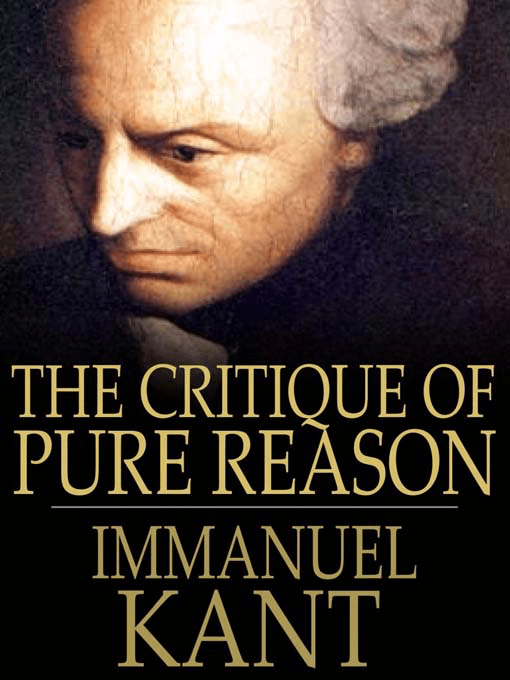
Regulative Concepts & Principles, Constitutive Concepts & Principles are central to Kant’s philosophy. In the Critique of Pure Reason, this distinction marks the division between the Faculty of Reason and the Faculty of Understanding.
Whole Devotion – The Rudi doctrine of Detached Devotion
The Understanding is constitutive of the possibility of Experience. All Experience must conform to the Concepts & Principles of the Understanding, which are realized or instantiated in Experience; Experience contains Substances, Causal Connections and so on.
The Faculty of Reason, by contrast, is merely Regulative in relation to Experience. Although Reason too plays an indispensable role in Experience, the Concepts proper to it – the so-called ideas of Reason, such as the idea of God, or the idea of the World as a complete Totality cannot be realized or instantiated in Experience at all. Nevertheless, ideas of Reason still function legitimately to guide empirical inquiry into the objects that can be given in Experience.
We declare, for example, that the Things in the World must be so considered as if they had their existence from a Highest Intelligence. It indicates not how an Object is Constituted but rather, how we, under its guidance, are to seek the Constitution and Connection of the Objects of Experience in general. Thus, Regulative Concept & Principle helps in complete Understanding of the Constitution and Connection of the Objects of Experience.
In its regulative use, Reason guides our work in striving for Knowledge, helping us to correct errors and arrive at more comprehensive insights.
Regulative Principles govern the Existence of Appearance. Such Principles may not be proven since Existence cannot be constituted. For example, man has no ability to constitute Living Matter called Protoplasm while man has general understanding of its constituents. Man may not be able to prove and verify all the Regulative Principles of Human Existence for he cannot constitute Living Matter.
Kant discusses the Regulative Principles of Reason, which determine the limits of Reason.
Whole Devotion – The Rudi doctrine of Detached Devotion
The Principles that objectively state what is present in the Object itself, that is, what is the Constitution of Appearance. These Principles of Pure Understanding describe standard and necessary Constituents of the World of Appearance. Regulative Principles play no part in determining the Objective Character of the World of Appearance. They are maxims, neither provable nor disprovable and are not to be understood as true or false. They serve to guide our inquiry within Experience and lead us to transgress the limits of Reason from the Conditioned to the Unconditioned. For example, I mentioned several times in the past as to how Human Existence is possible only under the influence of Illusion and not that of Reality of Earth’s Speed.
What is “Pancha Prana?”
Whole Devotion – The Rudi doctrine of Detached Devotion. Cellular respiration is a set of metabolic reactions and processes that take place in the cells of organisms to convert biochemical energy from nutrients into adenosine triphosphate (ATP), and then release waste products.
In the Indian Tradition, Pancha Prana (Breath of Life or VAYU) is described as Vyana, Samana, Udana, Apana and Prana. The term or phrase ‘PRANA’ refers to air that is in the heart, and the word is generally used to describe the act of breathing or respiration, as a sign or mark of Life. In reality, this air or breath, or VAYU exists in the molecules of Hemoglobin contained in Red Blood Cells.
Whole Devotion – The Rudi doctrine of Detached Devotion
No religious doctrine mentions about Cellular Respiration. But, understanding of Existence and Life will be impossible without examining the Connection between Air, Breath, Vayu, Respiration and Food that sustains Life by providing Matter and Energy drawn from an external source. In Medical Science, the understanding of man involves study of Human Anatomy (Structure and Constitution of Cells, Tissues, Organs, and Organ Systems of Human Body), and Human Physiology (Regulation of Functions of various Cells, Tissues, Organs, and Organ Systems of Human Body).
When Does Life Begin?
Whole Devotion – The Rudi doctrine of Detached DevotionWhole Devotion – The Rudi doctrine of Detached Devotion
The understanding of Spirit or Soul begins with knowing as to When Life begins.
Whole Devotion – The Rudi doctrine of Detached Devotion
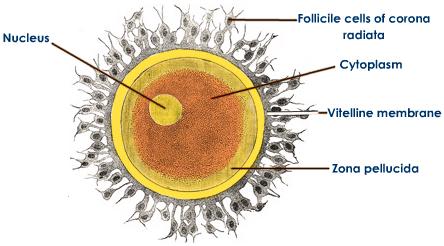
I ask my readers to begin their inquiry by studying the Single, Fertilized Egg Cell which initiates a man’s Life Journey. This Cell has Life, has ‘PRANA’ for it performs the vital function called ‘Cellular Respiration’.
The Rudi Doctrine of Detached Devotion: The existence of Life on planet Earth depends upon an external source of energy. But, Life is eternally separated from its original source of energy. What is the “Connection” between man and Sun? Does man have the physical and intellectual ability or capacity to harness Solar Energy to maintain his living functions?
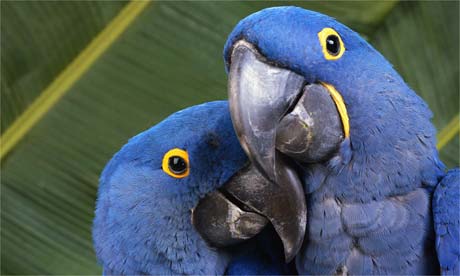
WholeDude-Whole Designer: Biological Coloration. Hyacinthine Macaws – Anodorhynchus hyacinthinus. The visual, sensory experience of this color is a dynamic, complex event.
Yes Indeed, Life is Complicated. The complexity of Life involves the Coloration of Living Things. Physics can easily explain that the White Light is indeed a Spectrum of Seven Colors. But, there is no single function that can fully account for Biological Coloration. Even the Creator of Light has chosen the Rainbow as His Sign of the Everlasting Covenant with all the Living Things He created.
Whole Doctrine – Biological Coloration is a spiritual function of Life. Celebrate the Everlasting Covenant between God and all Living Things
SPIRITUALISM-THE COLORS OF LIFE:
Spiritualism – The Colors of Life: Sir Isaac Newton (1642-1727),English mathematician, physicist, and natural philosopher was the first to explain what he called “the permanent colours of natural bodies.”
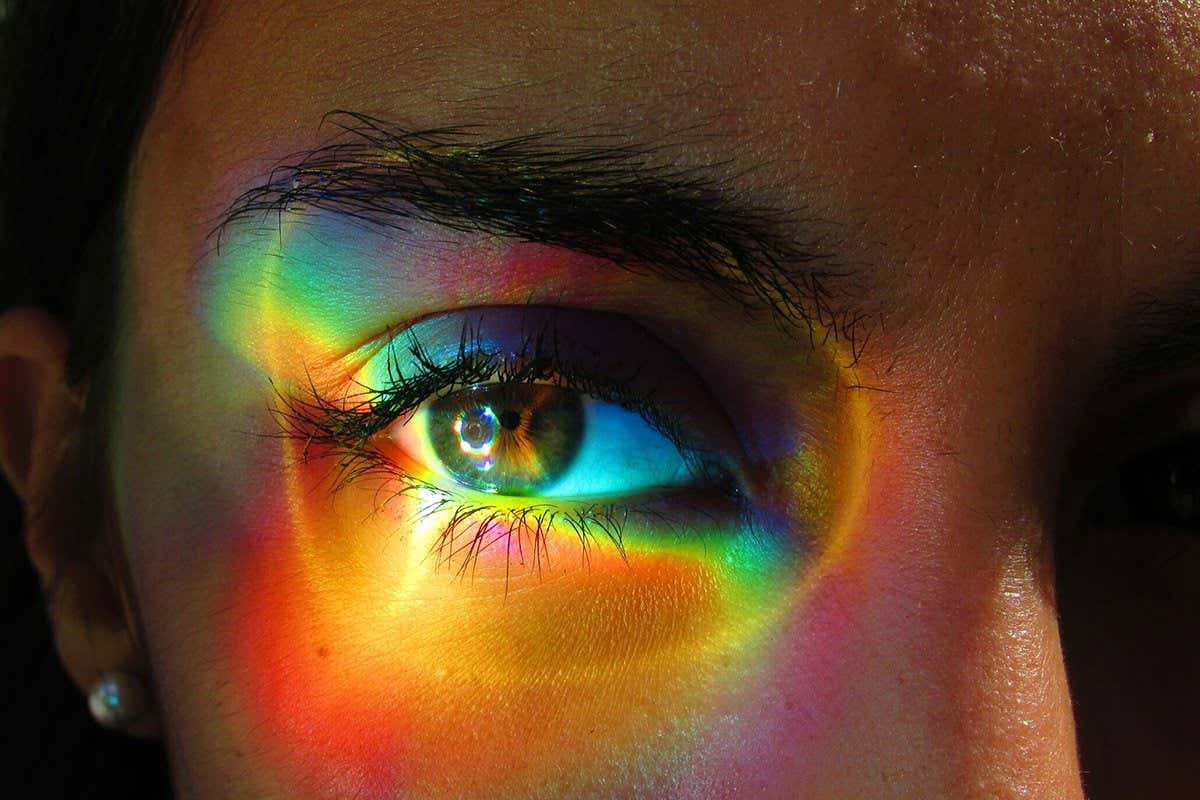
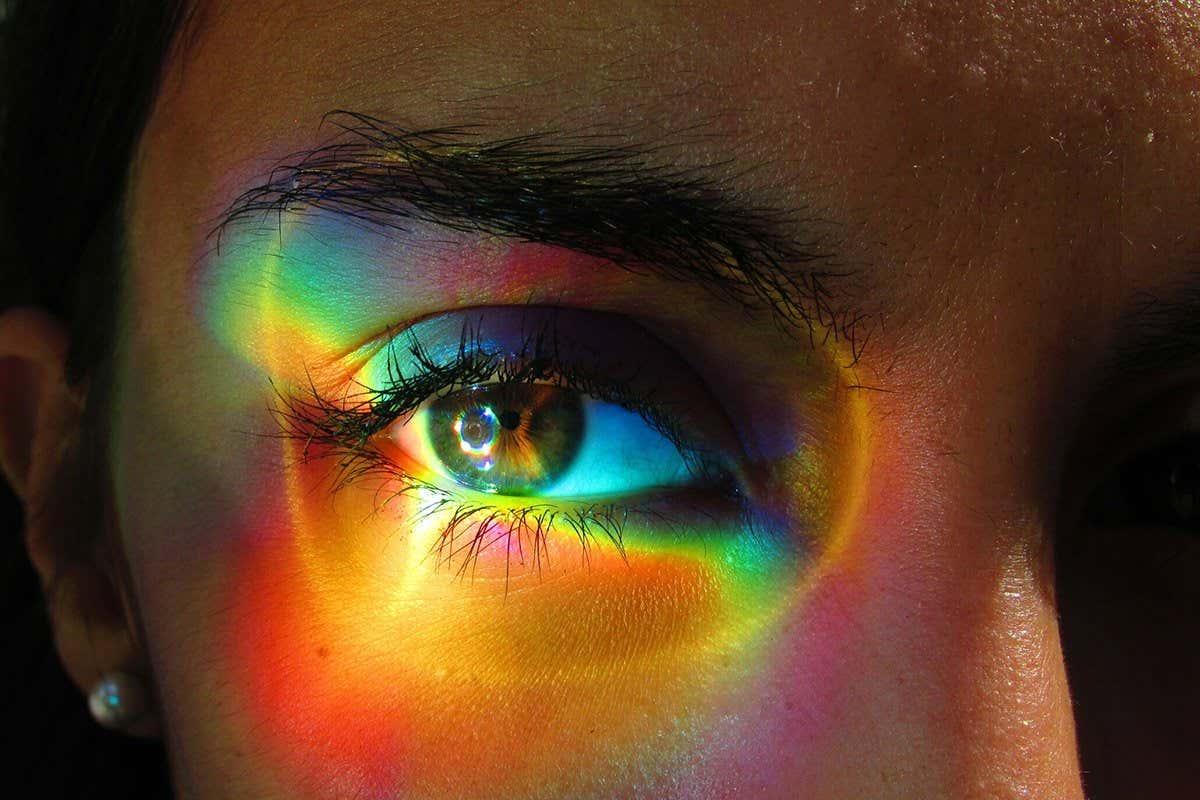
I would like to begin with a special tribute to Sir Isaac Newton who discovered that white light is composed of every color in the spectrum. No single function can fully explain the coloration of living things. We need to integrate the optical, visual, physiological functions of biological coloration. I propose that the understanding of color must include its spiritual dimension. The concept of Natural Selection cannot account for Biological Coloration. Color plays an important role in every aspect of life. Most of us are familiar with coloration changes; the physiological, seasonal, age-related changes in color that are regulated by environmental stimuli such as light and temperature, coloration change due to emotions like excitement, and hormonal changes that are related to color function. Graying hair is a familiar badge of the elderly. The brilliant colors produced by a prism is an optical phenomenon caused by diffraction or dispersion, or interference of light. However, the understanding of color involves not only physics, but physiology and psychology as well. The term ‘Optics’ describes the scientific study of light. Physical Optics is concerned with the genesis, nature, and properties of light. Geometrical Optics is concerned with the Geometry involved in the reflection and refraction of light as encountered in the study of mirror, lens, and prism. Physiological Optics is concerned with the role of light in causing visual sensation. I would like to add the dimension that I often describe as ‘Spiritualism’ to obtain a greater understanding of color as a function of living things.
Whole Doctrine – Biological Coloration is a spiritual function of Life. Celebrate the Everlasting Covenant between God and all Living Things
The New Testament Book John, Chapter 1, verses 3 and 4 reads: ” Through Him all things were made, without Him nothing was made that has been made. In Him was life, and that life was the light of men.” There is a direct relationship between life and light and hence there is a need to describe Spiritual Optics and know the coloration of living things as a spiritual function.
Whole Doctrine – Biological Coloration is a spiritual function of Life. Celebrate the Everlasting Covenant between God and all Living Things – Richard Gere in 2013. We are most familiar with changes in man’s coloration that is related to age. In several cultures, people with silvery gray hair are treated with respect as the color symbolizes maturity, and wisdom.
WHAT IS COLOR?
Whole Dude-Whole Colors: White light is perceived as colorless as only a neutral color sensation is aroused by it. White light is composed of every color in the spectrum. Human civilization has developed taste in color and has attached names, values and functions to the colors it visualizes. A sense of fitness has been acquired concerning the use of color.
Color is a sensation that is aroused when light falls on the retina of the eye. Color is the visual effect resulting from the eye’s ability to distinguish the different wavelengths or frequencies of light. The apparent color of an object depends on the wavelength of the light that it reflects. Light may originate directly from a light source or as reflected light. Color perception depends on the different degrees to which various wavelengths of light stimulate the eye. In white light, an opaque object that reflects all wavelengths appears white and the object that absorbs all wavelengths appears black. White light is perceived as colorless as only a neutral sensation is aroused by it. Any three primary or spectral colors can be combined in various proportions to produce any other color sensation. The ‘additive mixing’ involves combining colored lights. A painter uses a process called ‘subtractive mixing’ to generate colors when pigments are combined to produce the desired visual effect. It must be noted that a strict definition of color is difficult as different observers attach different meanings. The chemist is conscious of color as a quality concerning a pigment or a dye. The psychologist describes color in terms of visual perception, and this perception is further modified by human civilization that attached meanings, qualities, feelings, moods, and other special values to the colors perceived. The physicist may describe color in terms of qualities such as the wavelength of light, its intensity or brightness, and its hue, a particular shade or tint of a given color.
Spiritualism-The Colors of Life: What is Color? The answer depends upon the perspective of the person who may provide the answer to that question. But, it is important to know that colors are generated by either ‘Additive’, or ‘Subtractive Mixing. Additive mixing involves combining colored lights as done in generating color movie pictures. An artist combines dyes or pigments where the pigment absorbs or subtracts certain wavelengths and reflects some wavelengths.Spiritualism-The Colors of Life: What is Color? Munsell Color System. Munsell developed a system to describe a color using three criteria; hue, chroma, and value.Spiritualism-The Colors of Life-What is Color? Munsell System may provide a great understanding of color, but a biologist has to understand the role and purpose of color in relation to a living thing’s ability to survive in nature by defending its existence and through reproductive success and by adapting to variable environmental conditions and factors that are peculiar to its biological community with which it constantly interacts.
BIOLOGICAL COLORATION:
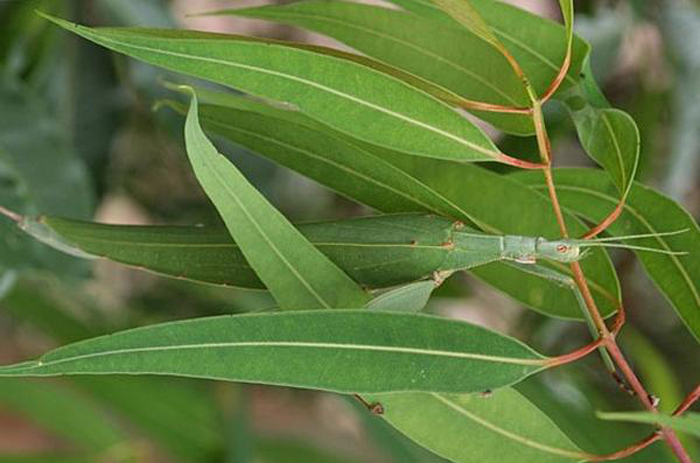
Whole Dude-Whole Colors: What is Color? Color performs a protective function. This insect resembles a twig which is an unrelated species Does this insect have the ability to predetermine its own color and its own appearance in its given environment?
Animals have distinctive color patterns that seem to play an important role to support their existence in a given ecological community that shares a common physical environment. The color may serve the purpose of protection by concealing the organism from predators or its own prey. The term ‘protective coloration’ describes coloration or color pattern that facilitates escape from observation by predators or prey. The color may help reproductive success and is used to attract mates, or to get recognized by the members of its own group. The color may constitute a warning to its natural enemies. Plants extensively use attractive colors to assist the process called pollination.
CRYPTIC COLORATION:
The most widespread form of coloration is called cryptic resemblance or cryptic coloration in which the coloration and pattern on the skin of the animal enables it to blend in with the coloration of its natural habitat. This kind of coloration may conceal the animal from its predator or prey and it involves the use of colors that have general resemblance with its surroundings. The advantageous resemblance of one species to another, often unrelated species or to a feature of its own habitat is predetermined by its own genetic endowment.
Spiritualism-The Colors of Life: What is Color? The purpose of cryptic coloration is that of concealment. because of background resemblance.
IMITATIVE COLORATION:
Coloration is an adaptive mechanism and an animal can conceal its presence by imitating the appearance of a natural object present in its environment.
Whole Dude-Whole Colors: What is Color? The purpose of Coloration could be an adaptive mechanism and this insect very closely imitates the color and appearance of the leaves.Whole Dude-Whole Colors: What is Color? Marine animals often imitate the appearance of Corals or rocks to conceal their presence.
WARNING COLORATION AND BATESIAN MIMICRY:
Warning coloration consists of bold markings that warn predators away from inedible or poisonous animals. Mimicry is a deceptive coloration in which the animal resembles or mimic a warning-colored animal or predator.
Spiritualism-The Colors of Life: What is Color? Color may serve as a warning sign and it involves the use of bold markings. Mimicry involves deceptive coloration in which the animal deceptively uses the warning coloration of another animal.Monarch butterfly/The Viceroy butterfly: The North American Monarch is poisonous and is distasteful and is protected by its Warning Coloration which the Viceroy uses for its Mimicry.
SUDDEN CHANGES IN COLORATION:
Chameleon is famous for its ability to change its color suddenly to express anger or fright. The change is caused by movement of pigment called chromatophores within the cells.
Spiritualism-The Colors of Life: What is Color? The purpose of color could be that of expressing sudden mood changes like that of anger, or excitement. Chameleon is known for such Sudden Change in Coloration.
SEASONAL CHANGES IN COLORATION:
The Snow Hare is white in winter and is Brown during Summer and Autumn.
Spiritualism-The Colors of Life: What is Color? The purpose of Color may relate to change in temperatures, environmental changes associated with changing Seasons. The Snow Hare is white in Winter and is Brown during Summer and Autumn.
COLORATION FOR REPRODUCTIVE SUCCESS:
The use of color may serve the purpose of getting recognition from other members of its own group and it may specifically attract the attention of mates during the reproductive season. Many plants use colors to aid pollination by bees and moths.
Spiritualism-The Colors of Life: What is Color? The purpose of color could be that of promoting reproductive success. A male, marine Stickleback, tiny Bony Fish( 3 to 10 cm long) in reproductive condition with complete armour plates develops special red coloration to attract its mate during breeding season.Spiritualism-The Colors of Life: What is Color? Bees are active during day and are attracted by brightly colored flowers such as the flowers of Milkweed.Spiritualism-The Colors of Life: What is Color? Flowers and Pollination. Flowers may have often bright color markings called ‘honeyguides’ to attract pollinating insects.Spiritualism-The Colors of Life: What is Color? Plants that depend upon moths for pollination generally produce white or dull-colored flowers that open late afternoon or night. Moths are active at dusk or night. These Mayapple white flowers produce ample nectar and carry heavy fragrance to attract the moths.
THE PROBLEM OF ALBINISM:
Albino describes animal or plant lacking normal pigmentation. The albino body covering such as skin, eyes, hair, and feathers lack pigment. Melanin is the pigment found in human skin, hair, and eyes. The amino acid tyrosine is required for melanin synthesis. An inherited lack of enzyme required for melanin synthesis results in one form of albinism. This defect is inherited as a recessive trait.
Whole Dude-Whole Colors: What is Color? The problem of Albinism helps in the understanding of the purpose of Biological Coloration. The Tiger with stripes and color has a better ability to conceal itself from its prey before attacking the unsuspecting prey.Whole Dude-Whole Colors: What is Color? This is definitely a pretty sight. This albino Peacock would not have the advantage of attracting its mate during the mating season as compared to its normal colored partner.
Biological Coloration is genetically determined and the living organism does not voluntarily select the colors it may display. Human beings could be an exception as man uses colors for purposes other than those designed by Nature for human existence.
WHAT IS THE COLOR OF MAN?
Whole Dude-Whole Colors: What is Color? What is the Color of Man? All newborn babies of all human races appear pinkish-red when they are just born. A process of maturation that extends over weeks is needed for the development of skin pigmentation.Spiritualism-The Colors of Life: What is Color? Man uses the tactic called ‘Camouflage and Concealment’ to fight a battle against his enemy.Spiritualism-The Colors of Life: What is Color? This man has used the military tactic called Camouflage and Concealment. What is the true Color of Man?
WHAT IS THE TRUE COLOR OF MAN?
To explore the spiritual basis of biological coloration, in my next post, I would discuss as to how living things generate colors that play a vital role in biochemical reactions such as photosynthesis, maintenance of thermal balance and other physiological functions.
Whole Dude-Whole Artist: An artist uses colors with imagination to create forms and to generate a desired visual effect. A “Whole Artist” is a person who creates his own canvas, his own tools, his own pigments, and creates the desired visual effects while the forms that are created have no such creative and cognitive abilities. Whole Doctrine – Biological Coloration is a spiritual function of Life.
The Rudi Connection at Whole Foods defines the Concept of Whole Medicine
Yes indeed, Life is Complicated. The complexity of Life includes not only the complicated problems of shopping for healthy foods but also the problems of shopping for Wholesome Health Care.
Spirituality Science – The Art of Medicine
Spirituality Science – The Art of Medicine
The Art of Medicine in its essence is a spiritual practice. It aims to restore the experience of Peace, Harmony, and Tranquility in the living condition of the Man. The fundamental concepts of Medical Theory reflect the Philosophy of Nature and of Man. The term Physician describes the person who practices ‘The Art of Medicine’. This term is derived from the medieval English word ‘PHYSIC'(Latin. physica; Greek. physike which means nature) which is used to describe Natural Science, Medicine, and Nature. This archaic usage of the English word “Physic” as the name for the art, science, practice and profession of Healing suggests what the word’s Greek root signifies, namely that the physician is a student of Nature.
SPIRITUALITY SCIENCE – THE ART OF MEDICINE: Hippocrates, the Greek physician(c.460 – 377 B.C.), the Father of Medicine stated that, The Art of Medicine consists in three things, 1. The Disease, 2. The Patient, and 3. The Physician.
Natural Science provides systematized knowledge of the physical world and its branches include Zoology, Botany, Chemistry, Physics, and Geology. The Faculty of Medicine represents Biological Sciences that are concerned with knowledge bearing on the relation of man to nature. Medical Science as a Natural Science must be concerned with the following two questions:
1. What is the Status of Man in Nature?
2. What is the true or real Nature of Man?
The first question deals with man’s relationship with the physical world in which man exists. The physical world represents the total of all things in Time and Space or the entire physical universe. The term Nature includes the Power, Force, and Laws that regulate or operate in the physical world. In Biology, the Theory of Evolution proposes a view about the origin of species and it describes that things in Nature change under the influence of Time. It opposes various cultural, and religious beliefs about the origin of man and his Status as a Created Being. The second question is about the essential characteristics or qualities that makes or describes man’s essence as a Human Being. The Nature of Man deals with the inborn character, innate disposition, and inherent tendencies of the Whole Person and it includes the instincts, desires, appetites, drives etc., of the Person apart from the vital functions of specialized organs. Man’s Nature could be detected from the activities of the human organism and from the forces that operate and influence these activities.
The Medical Theory – Atomism, Mechanism vs Spiritualism:
SPIRITUALITY SCIENCE – THE ART OF MEDICINE: GALEN, CLADIUS GALENUS(c. 130 – c.200 A.D.), Greek physician who served the Roman Emperors provided a synthesis of the Medicine of the ancient Greek world. In his view, “The true Art of Medicine borrows its method from Nature’s Art.”
There is tremendous increase in our knowledge of the specific diseases and man developed a vast store of well-tested remedies and still the problems of medical practice essentially remain the same. According to Galen, the Art of Healing consists in imitating the health-giving and healing powers of nature itself.
Spirituality Science – The Art of Medicine
Galen thinks of human body as an organic unity and not as a simple aggregation of atoms or a system of interlocking parts. Galen had opposed the views of Atomism, or Mechanism that views the human body as a mechanical assembly of tiny, individual parts. In Galen’s view, Nature works not by the external impact of part upon part, but by its faculties or powers for the performance of natural functions and the production of natural effects. “Nature is not posterior to the corpuscles( small, constituent parts), but a long way prior to them…” writes Galen. “Therefore it is nature which puts together the bodies of both plants and animals; and this she does by virtue of certain faculties which she possesses – these being on the one hand, attractive and assimilative of what is appropriate, and on the other, expulsive of what is foreign. Further, she skillfully moulds everything during the stage of genesis; and she also provides for the creatures after birth employing her other faculties again.”
Spirituality Science – The Art of Medicine
Galen calls Nature the Artist for it produces effects according to its powers and in conformity to its needs. Nature seems to work with intelligence and for an end, not blindly and by chance. Galen stated it as a maxim, “Nothing is done by Nature in Vain.” An Art like Medicine seems to imitate Nature by cooperating with natural process. The Art of Medicine involves following the course of nature, and thereby it enables the natural result to emerge by overcoming the chances of adverse outcome. The interior nature is the Principal cause of Healing with the physician providing exterior or external help. The physician strengthens nature and employs food and medicine to assist the natural mechanism( such as the “Repair and Inflammation” described in the Science called Human Pathology) to achieve the intended end. The subordination of The Art of Medicine to Nature appears to be the keystone of the whole structure of Medical Practice. The patient is guided to regulate and control the various aspects of diet, exercise, and the lifestyle and medicines or drugs perform an auxiliary function. Surgery is used in the treatment of injuries and to resolve problems where medication by itself will not yield good results. However, it is important to remember that surgical procedures and interventions work by cooperating with nature and natural healing process called Repair and Inflammation. In other words, the physician is a servant , not a master of Nature. Medicine as an Art can be compared to Agriculture which helps a natural result to come about but this effect would never occur without the work of the Artist. Plants may grow and reproduce without the help of farmers. A person may regain some health without the care of physicians. But, in reality, it is impossible to raise a crop or to grow an orchard by simply depending upon nature and natural mechanisms.
Spirituality Science – The Spiritual Basis for Health and Wellbeing:
Spirituality Science – The Art of Medicine
If the term Soul or Spirit describes the vital, animating principle that governs and operates the existence of the human organism, its nature and functions can be derived from studying the structure and functions of the Red Blood Cell or Erythrocyte which simply exists to integrate and to harmonize the functions of trillions of individual cells, tissues, and the organ systems that constitute the Whole Person who exists as an Individual with Individuality. Health is that condition of the body in which the physiological elements are in balance and in which the various parts function harmoniously with one another. Health represents harmony or good order, or equilibrium in the body. I describe Spirituality as the operating Principle that generates this functional unity, good order, and equilibrium among the cells, tissues, organs, and the organ systems that comprise the human organism and the human Individual who exists because of these functions experiences Peace, Harmony, and Tranquility in his living condition.
SPIRITUALITY MEDICINE – THE ART OF MEDICINE: The integration of Structure and Function describes the Spiritual Basis for Health and Human Existence. By knowing the structure and function of the Red Blood Cell or Erythrocyte, we can establish the facts of Blood Circulation, the reason for the structure of the Heart and Lungs, their motions and their relation to each other and their relation to the Human Being who exists as an Individual with Individuality.
The Theory of Medicine will determine the nature of The Art of Medicine that is practiced to establish the Physician – Patient Relationship. If The Art of Medicine is based upon Spirituality Science, the Physician – Patient Relationship will have a Spiritual basis. I would ask my readers to give attention to the problems of modern medical practice and we need a Medical Theory that would have a bearing on the following three aspects of The Art of Medicine:
1. Is Health better served by the General Practitioner treating the Whole Man or by a Specialist treating a functionally differentiated Special Organ or Organ System?
2. What should be the nature of the Physician-Patient relationship? Is there a therapeutic factor in the relationship that underlines the effectiveness of the Physician’s skills in all other respects?
3. What is the interaction between mind and body in the origin and in the cure of disease?
SPIRITUALITY SCIENCE – THE ART OF MEDICINE: Sir William Osler(1849-1919) who taught at McGill, the University of Pennsylvania, Johns Hopkins, and Oxford thinks that a Doctor of Medicine is of value to the society even when all medicines are abolished.
Spirituality Science – Holistic Medicine:
SPIRITUALITY SCIENCE – HOLISTIC MEDICINE: The Concept of ‘Holistic Medicine’ is fundamentally flawed. It fails to describe the term “WHOLE PERSON.” If the Person is not known, the concept cannot promote the Health and Well-Being of that Person. The central issue would be about knowing the True or Real Man.
Holistic Medicine is a system of health care based on a concept of the “WHOLE” person as one whose body, mind, spirit, and emotions are in balance with the environment. It is a movement within Medicine that emphasizes the need to perceive patients as “WHOLE” persons and to treat them accordingly. Holistic Medical Care follows three basic tenets; 1. Recognition of the psychological, environmental, and social contributions to disease, 2. Active involvement of the patient in the treatment process, and 3. Emphasis on preventive medicine and on life-styles that lessen the probability of developing disease. Holistic Care stresses the importance of personal responsibility for health without accounting for man’s existence in the physical world. Apart from conventional Medicine, Holistic health care may recommend alternative medicine such as Chiropractic, Acupuncture, Biofeedback, Faith Healing, Folk Medicine like “AYURVEDA”, Megavitamin therapy, Meditation and Yoga. It may avoid Surgery and Prescription Drugs. Holistic Health practitioners may encourage their patients to establish self-regulated regimes to control such illness-related factors as poor diet, smoking, alcohol intake, and stress. It may be noted that the concept of Holistic Medicine and Holistic Health Care is not officially recognized by the American Medical Association.
American Holistic Medical Association – AHMA:
SPIRITUALITY SCIENCE – HOLISTIC MEDICINE: American Holistic Medical Association must define the words it uses in the description of the concept of the “WHOLE” Person. What is Spirit? Where is Spirit in the multicellular Human Organism? What is the Structure and What are the Functions of the Spirit? AHMA must clarify the Biological Basis for Human Existence before sharing its views about the factors that contribute to Human Illness, Sickness, or Disease. IF MEDICINE OR MEDICAL INTERVENTION WORKS, AHMA MUST ALSO EXPLAIN AS TO WHY THE MEDICINE WORKS.
American Holistic Medical Association, AHMA founded in 1978 is serving as the leading advocate for the use of Holistic and Integrative Medicine. AHMA defines Holistic Medicine as the Art and Science of Healing that addresses care of the “WHOLE PERSON” – Body, Mind, and Spirit. It integrates conventional and complementary therapies to promote optimal health, and prevent and treat disease by addressing contributing factors. Holistic Health Care practitioners strive to meet the patient with grace, kindness, acceptance, and “spirit” without condition as Love is Life’s most powerful healer. Each person is seen as a unique individual rather than an example of a particular disease. AHMA states that disease must be understood to be the result of physical, emotional, “spiritual”, social, and environmental imbalance. AHMA concludes that healing takes place naturally when the physical, emotional, “spiritual”, social, and environmental aspects of Life are brought into proper balance. AHMA does not mention as to how the physical, emotional, “spiritual”, social, and environmental aspects of Life establish the reality of the Human Being who may exist in the physical world because of the interaction of these factors that are involved in the causation of Disease.
The Concept of Whole Person, Whole Man, Whole Self, and Whole Dude:
SPIRITUALITY SCIENCE – HOLISTIC MEDICINE: THE DEFINITION OF WHOLE PERSON. 1. CONSCIOUS BEING, 2. PHYSICAL BEING, 3. MENTAL BEING, 4. SOCIAL BEING, 5. MORAL BEING, and 6. SPIRITUAL BEING. This entire Human Organism is derived from a Single, Fertilized Egg Cell.SPIRITUALITY SCIENCE – HOLISTIC MEDICINE: THE WHOLE PERSON, THE WHOLE MAN, THE WHOLE BODY, MIND, AND SPIRIT, THE WHOLE DUDE, OR THE ENTIRE HUMAN ORGANISM IS DERIVED FROM THIS SINGLE, FERTILIZED EGG CELL, OR “THE WHOLE CELL.”
I would ask my readers to give due consideration to the definition of the ‘WHOLE PERSON’. I suggest that the ‘WHOLE PERSON’ is derived from the Single, Fertilized, Egg Cell or Ovum which always comes into existence with a unique Genome that is Original, distinctive, one of its own kind, and a Genome that has not existed in the Past, and will not exist again in the Future. Hence, I claim that the ‘WHOLE PERSON’ always arrives in the World as a Created Being even if man uses the latest reproductive technology to use a fertilized Egg Cell that is cloned. Man always exists as a Created Being with Identity and Individuality without any exceptions. This Person is a Conscious Being and hence is distinct from all other physical matter and all other Living Matter. The Person is Conscious of the fact of his own Existence at any given time, place, and environment. Every aspect of the ‘WHOLE PERSON’ is derived or contributed by this Single, Fertilized Egg Cell which I would like to recognize as the ‘WHOLE CELL’. To promote the health and well-being of man at any stage of his human existence; at any age, any place, any environment, and as a member of any social community, I submit that, the factors that contribute to the establishment of the ‘WHOLE CELL’ and its transformation and existence as the ‘WHOLE PERSON’ must be explained.
Spirituality Science – Holistic Medicine
Spirituality Science – Wholistic Medicine
SPIRITUALITY SCIENCE – WHOLISTIC MEDICINE: THE CELEBRATION OF LIFE. A SPECIAL TRIBUTE TO PROFESSOR RENE JULES DUBOS(February 20, 1901 to February 20, 1982) of The Rockefeller University, a Microbiologist, Humanist-Philosopher.
Holism is described as the view that an organic or integrated whole has an independent reality which cannot be understood simply through understanding of its parts. The term or phrase “HOLISTIC” deals with a view that is concerned with whole or integrated systems rather than with their parts.
SPIRITUALITY SCIENCE – WHOLISTIC MEDICINE: THE CELEBRATION OF LIFE OF PROFESSOR RENE DUBOS AND HIS CONTRIBUTION TO THE DEVELOPMENT OF HOLISTIC OR WHOLISTIC MEDICINE.
I am indeed pleased to write this blog post in Celebration of Life, the life of Professor Rene Jules Dubos of The Rockefeller University, the French-American Microbiologist who had advocated the need to perceive man as a Whole Person. The term ‘Whole’ means auspicious, sound, uninjured, healthy, entire, complete, intact, containing all the elements or parts or constituting the entire amount, extent, and number. When the term ‘Whole’ is applied to a human being, it must state all aspects of one’s being that are instrumental to the establishment of the existence of that Living Being.
SPIRITUALITY SCIENCE – WHOLISTIC MEDICINE: Professor Rene Dubos won the Pulitzer Prize for his work titled “SO HUMAN AN ANIMAL – HOW WE ARE SHAPED BY SURROUNDINGS AND EVENTS” during 1969.
Professor Rene Dubos is credited for discovering the first commercially produced antibiotic, Tyrothricin-Gramicidin, an antibiotic that is effective against Gram-Positive bacteria. He isolated the antibiotic from soil microorganisms. He laid the basis for chemotherapy. Rene Dubos played a great role in promoting our understanding of environmental and social determinants of human health and disease. In his book, ‘Mirage of Health’ (1959) he had expressed the view that man will never be free from disease because man has to continuously adapt to environmental changes. Disease results from the dynamic process of life, a process of adaptation to constant changes, both in the internal living condition, and in the external environment in which man physically exists. In his book, ‘So Human An Animal’, Rene Dubos contends that each human being is unique, unprecedented, and unrepeatable. For the same reasons that Dubos had shared, I describe man as a ‘Created Being’, the being that exists with unique, one of its own kind, original Genome which has never existed in the past, and will never again exist in the future. Rene Dubos expresses the concern that each person faces the critical danger of losing this very humaneness to his mechanized surroundings: “People spend their days in a confusion of concrete and steel, trapped in the midst of noise, dirt, ugliness, and absurdity.”
SPIRITUALITY SCIENCE – WHOLISTIC MEDICINE: Professor Rene Dubos in his book, ‘MAN ADAPTING'(1965) speaks about the man who has to continuously adapt to environmental changes.
The medical term ‘Etiology’ describes the causes or origins of disease. Professor Rene Dubos had promoted the understanding of the disease as a consequence of the relationships between the host, the etiological agents such as the disease-causing bacteria, and parasites under the influence of social, and environmental conditions that demand man to adapt to constant changes in his living conditions.
SPIRITUALITY SCIENCE – WHOLISTIC MEDICINE: In his book, ‘A GOD WITHIN'(1972), Professor Rene Dubos speaks about the importance of developing richness and diversity in Life at various levels. It provides a perspective on Ecological Crisis.
Professor Rene Dubos provides a perspective on Ecological Crisis and seeks positive values in man’s relationship to Nature. He sees hope in Benedictine stewardship. He speaks of “The Demon within”..”The thrust of technology and institutions that may run counter to living in harmony with nature.”
SPIRITUALITY SCIENCE – WHOLISTIC MEDICINE: Professor Rene Dubos in his book, ‘REASON AWAKE : SCIENCE FOR MAN(1970) describes the impact of scientific knowledge and advancement on humanity and civilization.SPIRITUALITY SCIENCE – WHOLISTIC MEDICINE: In his book, ‘THE WOOING OF EARTH'(1980), Professor Rene Dubos stated his famous dictum, “THINK GLOBALLY AND ACT LOCALLY.” He developed a Philosophy of Man in his Environment.SPIRITUALITY SCIENCE – WHOLISTIC MEDICINE: Professor Rene Dubos shared a Philosophy of Man in his Environment. Man always exists in a given physical environment, and lives as a biological member participating in biotic interactions with his biological community.
In various books that Professor Rene Dubos had authored, he developed a Philosophy of Man in his Environment. He stressed the importance of man’s relationship to the natural environment. Some of his works include, ‘Health and Disease'(1965), ‘Man, Medicine, and Environment'(1968), and ‘Beast or Angel'(1974). He described human choices and interventions to shape life, environment, and civilization. He paved the way for social action to combat environmental problems and to prevent environmental degradation that have health consequences.
In his final book, ‘The Celebration of Life'(1981), Professor Rene Dubos stressed the importance of understanding life in the context of the entire web of ecological relationships. The famous dictum of this book is: “WHEREVER HUMAN BEINGS ARE INVOLVED, TREND IS NOT DESTINY.” I am hopeful that this ‘Destiny’ of man will be shaped by God’s Unconditioned Love that flows Beyond the Good and Evil Behavior of Man.
WholeChrist – WholeLove – Nietzsche: “That which is done out of Love always takes place beyond Good and Evil.” Man with his Good or Evil actions and behavior cannot control the flow of God’s Unconditioned or ‘WholeLove’.
Spirituality Science – Whole Medicine:
SPIRITUALITY SCIENCE – WHOLE MEDICINE: The birth of Aesculapius. The Healing Art of Ancient Greece.
Medicine is among the most ancient of human occupations. Evidences of the practice of ritual healing, combining religion, and primitive science, are found in the earliest traces of human society and communal living. The Healing Art of ancient Greece was associated with the worship of Apollo who taught Medicine to Chiron and it was passed on to Aesculapius who could be a real person that lived in Greece around 1,200 B.C. The term ‘Asclepiad’ describes a physician and it was used to designate physicians belonging to a family that had produced well-known physicians for generations.
SPIRITUALITY SCIENCE – WHOLE MEDICINE: While the physician in ancient Greece was called Aesculapius, the place of Healing was known as the Temple of Aesculapius. Healing was considered to be a Divine Function or it involved Divine Mechanisms.
In ancient Greece, the knowledge of Medicine was imparted at Medical Schools and such institutions of Learning were known as ‘Askleipion’.
SPIRITUALITY SCIENCE – WHOLE MEDICINE: This ancient School of Medicine is called the ‘Askleipion’ and this could be the Hippocratic Medical School of Kos, Greece.
Hippocrates – The Father of Medicine:
SPIRITUALITY SCIENCE – WHOLE MEDICINE: Hippocrates, Greek physician of antiquity is traditionally regarded as the Father of Medicine. He belonged to the Greek Island of Kos.
Hippocrates, c. 460 – 377 B.C. was undoubtedly a historical figure in spite of the fact that most accounts about his life could be imaginative. Little is known about him, but a great tradition surrounds his name. Apart from practising his art, he presumably taught at the Medical School at Kos.
SPIRITUALITY SCIENCE – WHOLE MEDICINE: Hippocrates exercised a permanent influence on the development of Medicine and on the ideals and ethics of the medical profession.
Greek philosopher Plato called Hippocrates, “The Asclepiad of Kos.” Greek philosopher Aristotle said that, Hippocrates was called “The Great Physician.” Hippocrates had a philosophical approach to Medicine. He regarded the body as a “WHOLE” – that is, as an Organism. His medical practice resulted from his collection of information regarding parts of the body into an embracing concept and thereafter, the division of the “WHOLE” into its parts. He had promoted Medicine based on objective observation and deductive reasoning.
SPIRITUALITY SCIENCE – WHOLE MEDICINE: Hippocrates stressed the importance of relying on facts, clinical observation, and experiment.
Hippocrates stated that it is more important to know what sort of person has a disease than to know what sort of disease a person has. In a quote attributed to Hippocrates, he claimed that wherever the art of Medicine is loved, there is also a love of humanity. Hippocrates may not have authored the so-called “Hippocratic Oath”, but he could have stressed the ethical code for the medical profession. He had also stressed the importance of diet and hygiene.
SPIRITUALITY SCIENCE – WHOLE MEDICINE: Hippocrates stressed the importance of human nutrition, the role of diet in the causation of disease and the use of food in treating disease.
The principles taught by Hippocrates are, 1. a physician should work not for personal gain but for love of humanity, 2. disease should be studied by meticulous observation, and cases should be carefully recorded and studied to establish a prognosis, 3. disease is often the result of environmental forces, diet, climate, and occupation, and 4. a physician should emphasize simple treatment supplemented with careful diet and surgical intervention when necessary. In spite of the breathtaking rapidity of developments in modern Medicine, the basic concepts are still the same.
THE PHILOSOPHY OF MEDICINE – THE CONCEPT OF WHOLE MEDICINE:
SPIRITUALITY SCIENCE – WHOLE MEDICINE: If man is viewed as a “WHOLE” Organism, the organism is derived by the growth, multiplication, and development of this “Whole Cell”, the fertilized Ovum. I am advocating a systematic study of the Physical, Mental, Moral, Social, and Spiritual aspects of man’s well-being in relation to health and disease. Such as study must include the concept of this “WHOLE CELL” which has all the attributes that can be observed in man.
Medicine is the Science and Art of Diagnosing, Curing, and Preventing Disease and it includes the relief of pain, minimizing of disabilities, improving, preserving and maintaining health. The term ‘Medicine’ is also used to describe any drug or other substance used in treating disease, healing, or relieving pain. In several native traditions across the globe, Medicine may include any object, spell, rite, etc., supposed to have natural or supernatural powers as a remedy, curative, preventive, or protective. The idea of ‘Take One’s Medicine describes the requirement to endure just punishment or accepting the results of one’s action. In my view, Medicine must be concerned with the status of man in the universe, in his natural environment, in his social community while the man exists as an individual with individuality. In other words, Medicine as a Science must primarily be concerned with the biological basis for the reality of man’s physical existence in the world. A systematic study of the biological basis of human existence would demand the study of Soul and Spirit as the vital, animating principle found in all living things. I seek the existence of Soul and Spirit in a substance that is basic to life activities. Spirit or Soul must be found in a living material substance that is responsible for all living processes. The term Soul and Spirit belong to the materialistic realm where the physical reality of man’s biological existence is established. Further, I do not intend to use the term Soul or Spirit as a metaphysical or transcendental reality independent of the living organism. I would define the phrase “Whole Medicine” as a systematic study of the Physical, Mental, Moral, Social, and Spiritual aspects of Man’s Well-Being in relation to health and disease while the man exists as a Created Being.
The Rudi Connection learns the doctrine of predestination to play the Game of Chess.
Yes indeed, Life is Complicated. The complexity of Life involves the moves the man makes to live his life as if he is playing a game of chess. But, everything depends upon the opponent against whom the man is playing his game of chess.
The Rudi Connection learns the doctrine of predestination to play the Game of Chess
Human existence could be viewed as a game of chess. Depending upon the nature of the opponent, human existence faces challenges from several directions which may not be anticipated and man may or may not be able to escape from the danger posed to his existence.
The Rudi Connection learns the doctrine of predestination to play the Game of Chess
The popular game of Chess is played on a Chessboard by two players each with 16 pieces. The game pieces have varying abilities of movement over the Chessboard. The piece identified as ‘King’ can move in all directions but can only move by one space during a given move.
The Rudi Connection learns the doctrine of predestination to play the Game of Chess. Human Existence could be viewed as a Game of Chess. If I am the player, who would be my opponent?The Rudi Connection learns the doctrine of predestination to play the Game of Chess. In the Game of Chess, the King moves one space in any direction.The Rudi Connection learns the doctrine of predestination to play the Game of ChessThe Queen is the most powerful piece on the board. While you can win without her, she will do the most damage and has the most maneuverability of all the pieces. She can move as many moves in ANY direction. forward or backward. The Rudi Connection learns the doctrine of predestination to play the Game of Chess.The Rudi Connection learns the doctrine of predestination to play the Game of ChessThe Rudi Connection learns the doctrine of predestination to play the Game of Chess. The move is known as ‘Checkmate’ – Its relevance to Human Existence
The object of the Game of Chess is to ‘Checkmate’ the opponent player’s King. The move that is known as ‘Checkmate’ wins the Chess game by checking the opponent’s King so that it cannot be protected. The condition of the King after such a move indicates complete defeat or that the King is dead.
The Rudi Connection learns the doctrine of predestination to play the Game of Chess. CHRIST – THE DIVINE CHESS PLAYER
Human Existence could be compared to the Game of Chess. A variety of physical, chemical, and biological factors constantly challenge human existence. The man learns to survive by making the necessary moves and by deploying all of his defensive mechanisms and resources. During his life’s journey, the man eventually finds himself in a position without any escape route. Just like the ‘Checkmated’ King, the man may get cornered in a situation that is beyond his control. The Chess game pieces have no ability other than the movement that is allowed by the rules of the Game. Unlike the Chess Game, the man whose existence is ‘Checkmated’, the man whose existence is undefended; the man who is not capable of making any more moves to protect his own existence, may get rescued by an Uplifting Power; and such an ‘Upward’ move is not described in the Game of Chess.
Man vs God. The Joy of getting Checkmated:
The Rudi Connection learns the doctrine of predestination to play the Game of Chess. MAN vs GOD – THE JOY OF GETTING ‘CHECKMATED’.The Rudi Connection learns the doctrine of predestination to play the Game of Chess. IN HIS AUTOBIOGRAPHICAL SKETCH ‘SURPRISED BY JOY, C.S. LEWIS DESCRIBES A GAME OF CHESS.
Clive Staples Lewis (1898 – 1963), Oxford and Cambridge Scholar, novelist, writer of stories for children, and Literary Critic, in his Autobiographical Sketch titled ‘Surprised by Joy’ visualizes his existence as that of a ‘Divine Pursuit’. It is not the man who searches and eventually finds God. It is rather God who pursues the man throughout his life’s moves. God is the one who searches for man and not vice versa. God goes about seeking the souls that are His. If a man wanders off, God goes to the man in order to reconcile him. God’s searching for man is serious and is not ostensible. If life could be described as Man vs God Chess Game; God skillfully places the man in a position which gives no option of escape and finally God captures the man. C.S. Lewis has entitled the penultimate chapter of his Autobiography as “Checkmate”. Lewis describes God as the Divine Chess player who gradually maneuvers him into an impossible position. “All over the board, my pieces were in the most disadvantageous positions. Soon I could no longer cherish even the illusion that the initiative lay with me. My Adversary began to make His final moves.” When God is the Divine Chess player, getting ‘Checkmated’ is only a moment of great Joy. The man who is defeated, the man who is pursued, and the man who is outmaneuvered, is saved by the ‘Uplifting Power’ of Mercy, Grace, and Compassion of the Divine Chess player.
The Uplifting Power of the Divine Chess Player:
The Rudi Connection learns the doctrine of predestination to play the Game of Chess. THE UPLIFTING POWER OF CHRIST
In the New Testament Book John, Chapter 10, Jesus describes Himself. In verse 11, He states: “I am the Good Shepherd, the Good Shepherd lays down his life for the sheep.” And He further clarifies in verses 14 and 15 by stating: “I am the Good Shepherd; I know my sheep and my sheep know me – just as the Father knows me and I know the Father – and I lay down my life for the sheep.”
The Rudi Connection learns the doctrine of predestination to play the Game of Chess .THE BOOK OF LUKE, CHAPTER 19, VERSE 10: “FOR THE SON OF MAN CAME TO SEEK AND TO SAVE WHAT WAS LOST.”
The Shepherd and His Flock:
As the shepherd marches ahead, the sheep of his flock follow him from behind and recognize him by the commands of his voice. In the Book Matthew, Chapter 18, verses 12 to 14, Jesus describes the Parable of the Lost Sheep: “What do you think? If a man owns a hundred sheep, and one of them wanders away, will he not leave the ninety-nine on the hills and go to look for the one that wandered off? And if he finds it, I tell you the truth, he is happier about that one sheep than about the ninety-nine that did not wander off.” God is not really willing that any of us should be lost. In case we choose to wander off, He is willing to search for us, find us and take us back to His Home. And after saving the lost sheep, Jesus tells about the shepherd: “Rejoice with me; I have found my lost sheep.” (Book of Luke, Chapter 15, verses 3 – 7). God actually delights Himself by finding the lost among us.
The Problem of Black Sheep:
The Rudi Connection learns the doctrine of predestination to play the Game of Chess. BLACK SHEEP – WHAT IS THE PROBLEM ?
The problem of “Black Sheep” is not about its color. The word ‘black’ reflects the discredited status of the sheep. Black Sheep means a member of a family or group regarded as not so respectable or successful as the rest. The flock rejects one of its own, and the discredited member is described as the “Black Sheep”. The Shepherd tends to His flock of sheep who recognize Him and follow Him. In the Book John, Chapter 10, verse 9, Jesus describes Himself as the Gate of His sheep pen, and said: “If anyone enters by Me, he will be saved, and will go in and out and find pasture.” What happens to the “Black Sheep” who is not a member of His flock? The non-member could be described as a disbeliever. Who would rescue the “Black Sheep” that has wandered off? As a discredited member of my community and my country, the concept of “Black Sheep” and its “Uplift” is of great interest and concern to me.
The Rudi Connection learns the doctrine of predestination to play the Game of Chess. THE PROBLEM OF “BLACK SHEEP” – WOULD THE GOOD SHEPHERD LOOK FOR LOST “BLACK SHEEP”?
Jesus assures us that He is aware of the existence of sheep that may not belong to His sheep pen. In the Book John, Chapter 10, verse 16, He gives a sense of great hope to others who may not know Him and may not live under His protection: “I have other sheep that are not of this sheep pen. I must bring them also. They too will listen to My voice, and there shall be One flock and One Shepherd.
The Rudi Connection learns the doctrine of predestination to play the Game of Chess. JESUS WOULD ALSO FIND THE OTHER SHEEP THAT ARE NOT OF HIS SHEEP PEN. THERE SHALL BE ONE FLOCK AND ONE SHEPHERD.
The Joy of getting Checkmated:
The Rudi Connection learns the doctrine of predestination to play the Game of Chess
The Joy of playing the Game of Chess against my Divine Opponent comes from the fact that God knows you, and He takes pleasure in finding you and He gets you back into His Protection even if you have wandered away from Him and got lost. He is aware of the sheep that are not in His sheep pen. Even the “Black Sheep” belong to His sheep pen and He would rejoice when He rescues one lost sheep.
Life is like Chess. I am predestined to lose my Queen and lose the Game:
The Rudi Connection learns the doctrine of predestination to play the Game of Chess
Life is like Chess. I am predestined to lose my Queen and lose my Game. The Divine Player allowed me to make my moves and choose a Queen as per my ideals. But, my ideals lack the uplifting power of grace, mercy, and compassion. My ideal Queen got sidelined and I had no defender, and no protector to make the final push to block my opponent’s Game.
The Rudi Connection learns the doctrine of predestination to play the Game of Chess
But, losing the Game, opened the Door to my salvation. My salvation is not a matter of personal choice. I am saved because my salvation is predestined.
The Rudi Connection learns the doctrine of predestination to play the Game of ChessThe Rudi Connection learns the doctrine of predestination to play the Game of Chess.
SPIRITUALITY – THE SCIENCE OF VIRTUE AND VICE: Socrates(470-399 B.C.), Greek philosopher compares the harmony produced by virtue in the Soul with the harmony of the parts in a healthy body. His view provides a rational basis for seeking a scientific understanding of Virtue and Vice.
Yes indeed, Life is complicated. The complexities of Life demand the understanding of the complex structures and functions of the human organism. The concepts of virtue and vice are intimately related to the phenomenon of existence. The condition called existence is always associated with experience. The term Spirituality relates to the experience of peace, harmony, and tranquility in the living condition.
SPIRITUALITY – THE SCIENCE OF VIRTUE AND VICE:
Greek philosopher Socrates (470-399 B.C.) compares the harmony produced by Virtue in the Soul with the harmony of the parts in a healthy body. He states, “Virtue is the health and beauty and well-being of the Soul, and Vice the disease and weakness and deformity of the same.” His view provides a rational basis for seeking a scientific understanding of Virtue and Vice.
The Rudi-Rudolf Connection Defines Spirituality as the Science of Virtue and Vice.
If Soul or Spirit is defined as the vital, animating principle that operates in all living beings, Spirituality is a Science that describes the establishment and existence of man as a Spiritual Being. I would define Spirituality as an internal, mutually beneficial partnership between the cells, the tissues, the organs, and the organ systems of the human organism and the Whole Organism which exists as the singularity recognized in the external world as a human being. To that extent, I claim, Spirituality brings structural unity and functional harmony in the multicellular human organism. Spirituality involves both intrapersonal, and interpersonal relationships. However, in common usage Spiritual relationships are stated as interpersonal relationships based upon sympathy, and understanding of thoughts and feelings. To develop a basis for scientific understanding of Soul or Spirit and the characteristic attributes of Spiritual functions, I give special attention to the following defining aspects of man, his living condition, and the nature of human existence: 1. Man as a Conscious being, 2. Man as an Intelligent and Mental being, 3. Man as a Moral being with ability called Discernment, 4. Man as a Social being formulating his biological existence through spiritual, biotic interactions both intraspecific and interspecific, and 5. Man as a Physical being making choices between right and wrong in the context of self-preservation or existence. The last is an area where I would emphasize that we have to make a careful distinction between Human Nature and Human Behavior. In my view, I seek to find Human Nature in terms of living functions that the human organism performs to maintain its existence while living in a given environment and participating in interactions with other members of its biotic community and much of these functions can only be understood at molecular and cellular levels. The term Human Behavior is the subject of study of a Science called Psychology. The terms Virtue and Vice are used without making a careful distinction between Human Nature and Human Behavior and hence cause some confusion in defining them.
VIRTUE IS GOOD, AND VICE IS EVIL:
SPIRITUALITY – SCIENCE OF VIRTUE AND VICE: Immanuel Kant (1724-1804), German philosopher states that good and evil occur only in the realm of freedom, not at all in the realm of existence or nature.
Virtue is Good and Vice is Evil. Men tend to estimate or judge all things according to their own condition and the way things affect them. What is the principle of goodness in the virtues? There are several questions about objectivity or subjectivity of good and evil. How to determine good and evil? Are they determined by nature or convention? Are they objects of Knowledge or simply a matter of Opinion? Are they relative to individual desires? The terms Virtue and Vice are related to Morality, consideration of Good and Evil in human life, and with the issue of Right and Wrong in human desires, thoughts, and actions.
However, to make the determination about good and evil, to make the distinction between Virtue and Vice, a few objective principles could be relevant; 1. The Rule of Reason, 2. Confirmity to Nature or Natural Law, 3. The Standard of Utility – useful and profitable nature of Virtue, 4. Obedience to the Moral Law and Moral Duty which is often shaped by acceptable standards established by social conventions or man-made rules and regulations that regulate human actions and behavior in a civilized society, and 5. Submission to God’s Will as dictated by individual’s religious faith. According to Immanuel Kant (1724-1804), German philosopher, good and evil occur only in the realm of freedom, not at all in the realm of existence or nature. Kant asserts that good and evil always imply a reference to the will as determined by the Law of Reason which is the Law of Freedom. In Kant’s view, virtue is the moral strength of a man’s will in his obedience to duty and Free Will is the seat or the source of all the goodness or evil that there is.
The Rudi-Rudolf Connection Defines Spirituality as the Science of Virtue and Vice. The concept of Free Will does not account for man’s existence on the surface of a fast, spinning, celestial object.
While I appreciate the view shared by Kant and its relevance to the understanding of human actions and behavior, the concept of “Free Will” fails to account for man’s biological existence. To exercise “Free Will” man must establish his living condition called existence. The Law of Reason, human rationality, and human knowledge do not fully account for human existence. It is not rational for man to exist on the surface of a very fast spinning object like planet Earth. Man’s power of reasoning has no role. Man’s existence is possible because of the Force of Gravitation, a Law of Nature and its operation can be explained but cannot be accounted by the Law of Reason.
MORAL PHILOSOPHY – THE SCIENCE OF VIRTUE AND VICE:
SPIRITUALITY – THE SCIENCE OF VIRTUE AND VICE: Thomas Hobbes(1588-1679), English philosopher claims, “Moral philosophy is the Science of Virtue and Vice,” – and “Therefore the true doctrine of the Laws of Nature is the true Moral Philosophy.”
According to Thomas Hobbes (1588-1679), English philosopher, “Moral philosophy is the science of virtue and vice” – and “Therefore the true doctrine of the Laws of Nature is the true Moral philosophy.” In Hobbes opinion, virtues derive their goodness from Natural Law or the Laws of Nature. Their contrary are vice. Natural Law demands man to do whatever is required for self-preservation and peace. Self-preservation is the end which determines the direction of virtuous conduct. Hobbes defines human nature as self-interested cooperation. In his view, the goodness of virtues must be praised as the means of peaceable, sociable, and comfortable living.
THE LAW OF REASON, THE LAW OF NATURE, AND DIVINE NATURE:
SPIRITUALITY – THE SCIENCE OF VIRTUE AND VICE: Baruch Spinoza (1632-1677), Dutch philosopher taught that there is but one Infinite Substance, God or Nature having infinite attributes. He held that human mind and human body as merely different aspects of a single Substance and God is Nature in its fullness.
Baruch Spinoza (1632-1677), Dutch philosopher taught that there is one Infinite Substance, God or Nature having infinite attributes of which only thought and extension are knowable. He held that human mind, and human body as merely different aspects of a single Substance and God is Nature in its fullness. Both Spinoza and Hobbes stated a theory of Virtue making self-preservation the end which determines the direction of virtuous conduct. Both consider civil peace or the good of others in relation to self. Whereas Hobbes describes Virtue by reference to Natural Law, Spinoza identifies virtue in terms of adequate ideas of God’s Nature. Spinoza identifies Virtue with power and holds that, “The more each person strives and is able to seek his own profit, that is to say, to preserve his own being, the more virtue does he possess.” “The endeavor after self-preservation…….the primary and only foundation of Virtue.” “To act in confirmity with Virtue is to act according to the guidance of reason……, it is a good which is common to all men, and can be equally possessed by all in so far as they are of the same nature.” In Spinoza’s view, self-preservation has its foundation in knowledge of God. While I generally agree with the view shared by Spinoza, I think that this self-preservation or human existence is fundamentally established by God’s Unconditioned Love which does not demand knowledge about existence of God. In other words, man can maintain his conditioned existence without any basic ability to gain knowledge of God.
THE RELATIONSHIP OF VIRTUE AND VICE WITH HAPPINESS:
SPIRITUALITY – THE SCIENCE OF VIRTUE AND VICE: Aristotle (384-322 B.C.), Greek philosopher states that happiness may be seen as constituted by bodily and external goods such as health, pleasure, friendship, and wealth. Virtue is the good that causes our thinking and acting well with respect to all other goods. Happy man is one who is active in accordance with complete virtue.
Virtue can be viewed in the context of Duty or that of gratification and pleasure. Virtue can be seen as the means to obtain the end called Happiness. Virtue is a natural and necessary condition of Happiness. Virtue and Happiness can be explained as reciprocal notions like Cause and Effect. In Kant’s view, Virtue consists of doing one’s duty to become worthy of happiness. Virtue is related to happiness through the medium of duty. Aristotle (384-322 B.C.), Greek philosopher states a view of Happiness in which it may be seen as constituted by bodily and external goods such as health, pleasure, friendship, and wealth. Virtue is the good that causes our thinking and acting well with respect to all other goods. Happy man is one who is active in accordance with complete Virtue. If the object of Virtue is Happiness, I assert that there will be no Happiness unless and until man discovers Peace, Harmony, and Tranquility in his living condition called existence. The specific quality of the maxims that define the difference between Virtue and Vice are Peace, Harmony, and Tranquility. In my opinion, man the Spiritual Being is known from the nature of his conditioned human existence seeking Peace, Harmony, and Tranquility within himself and with others in his environment, and community. I define the terms Virtue and Vice as relative to man’s experience of Peace, Harmony, and Tranquility in his own life and in his interactions with his external environment and community.
Spiritualism vs Behaviorism
Spiritualism vs Behaviorism. What is Man? The Vitruvian Man c. 1492. The painting by Leonardo da Vinci displays Spirit of Scientific Inquiry. I make distinction between Human Nature and Human Behavior.
Yes indeed, Life is Complicated. The complexity of Life fundamentally involves the Human Behavior and its false interpretation as Human Nature.
What is Man? The motivation for asking this question comes from a statement expressed in Sanskrit language:
Spiritualism vs Behaviorism. WHAT IS MAN? THE MOTIVATION FOR ASKING THE QUESTION COMES FROM SHANTI MANTRA PROMOTING FINDING OF PEACE, HARMONY, AND TRANQUILITY IN MAN’S LIVING EXPERIENCE.
“Sarvesham Svastir Bhavatu”, Shanti Mantra in Sanskrit seeks the well-being of all humans, of all races, of all religions, of all cultures, and of all nations. It promotes finding of Peace, Harmony, and Tranquility in Man’s Living Experience.
Our efforts to support the well-being of Man get affected by our understanding the ‘real’ or ‘true’ nature of Man. I recognize Man’s Existence with Seven Forms or Dimensions. These are, 1. the Physical Being described by Human Anatomy, Human Physiology and other Medical Sciences, the human being in health and sickness, 2. the Mental Being, the intellect, thoughts and emotional states of Man described by Psychology and Psychiatry, 3. the Social Being described by Social Sciences, 4. the Moral Being described by Moral Science and Ethics, the power of discernment used by Man to make distinction between good and evil, and right and wrong, 5. the Spiritual Being described by Vital Power, Animating /Sensible Properties, and Conscious/Cognitive abilities of Man’s Corporeal Substance that develops and builds the cells, tissues, and organs of Human Body, 6. the Created Being which is reflected in the existence of man as an Individual with Individuality without any choice, and 7. the Rational Being which directs man to reconcile his behavior with his true or real nature that makes the man to review the actions performed in the external environment.
WHAT IS MAN? HUMAN NATURE vs HUMAN BEHAVIOR. MAN’S SPIRITUAL NATURE IS DISPLAYED BY ALTRUISTIC BEHAVIOR OF HIS RED BLOOD CELLS.
I try to know the Spiritual Dimension of Human Nature by observing functional relationships facilitating interactions of cells, tissues, and organs making up the human organism. For Man is a Multicellular organism, Human Nature gets reflected in the biotic interactions of cells, tissues, and organs because of whose functions Man lives in the world. While the cells are Independent, Individual entities, their functional activity is characterized by Mutual Assistance, Mutual Cooperation, Mutual Tolerance, and Mutual Subordination to provide benefit to Man. And lastly, Man’s Identity and Individuality establish him as Created Being, one of its own kind, original, unique and distinctive.
The Six Dimensions of Man contribute to six kinds of Behavior of Man; the physical, mental, social, moral, spiritual and creative facets of Behavior. For example, muscle cell displays the behavior of contraction in response to a stimulus; it is able to contract because of its contractile nature which gives it the power of contracting. I account for Spiritual Dimension of Human Nature as that of generating Singular, Harmonious Effect in the working of trillions of cells giving Man power or ability to perform his living functions such as Respiration and display his characteristic Behaviors like Feeding, and Reproduction.
Human Behavior and Environment:
What is Man? Burrhus Frederick Skinner (1904 – 1990), Professor of Psychology at Harvard University (1948 – 1974) proposes empirical study of human behavior as the only way to arrive at a true theory of human nature. He published several books, The Behavior of Organisms:An Experimental Analysis (1938), Science and Human Behavior (1953), and Verbal Behavior (1957).
B. F. Skinner studied Behavior and the environmental causes of Behavior mediated through conditioning mechanisms. In his opinion, all Behavior is function of environmental variables. He proposes a thesis of ‘Universal Determinism, and thinks that every human event including all human choices has a set of preceding environmental causes.
WHAT IS MAN? HUMAN NATURE vs HUMAN BEHAVIOR. HUMAN BEHAVIOR IS CONDITIONED BY EXTERNAL INFLUENCES OF MATERIAL NATURE.WHAT IS MAN? HUMAN NATURE vs HUMAN BEHAVIOR. THERE ARE FIVE FACTORS TO ACCOUNT FOR HUMAN ACTIONS AND BEHAVIOR.
In Indian tradition, the Bhagavad Gita explains the relation between Human Behavior and Environment or ‘Prakriti’. Chapter XIV, verse 5 states: “Sattvam, rajas, tama iti gunah prakriti sambhavah,” the modes of Human Behavior such as Sattva (the mode of goodness), Rajas (the mode of passion), and Tamas (the mode of ignorance) generated by the interactions between Man and the environment in which he lives. At the same time, Indian tradition makes a very clear distinction between true Human Nature and the three modes of Human Behavior. The real, or true Man is identified by Spiritual attributes of Human Nature.
WHAT IS MAN? HUMAN NATURE vs HUMAN BEHAVIOR. SPIRITUAL NATURE IS UNDIVIDED, IS SEEN IN ALL LIVING ENTITIES.
The Bhagavad Gita in Chapter XVIII, verse 20 claims that all living entities share a single reality even while they are divided into innumerable forms (“Sarva bhutesu yenaikam bhavam avyayam iksate”) and directs us to recognize that Spiritual Nature as the true reality that is common to different living forms.
Skinner gives attention to the external causes or influences that generate or modify Human Behavior. Skinner avoids the study of Innate or Intrinsic Cause of Behavior. He gives no importance to the role of Heredity in Human Behavior. This internal influence on organism’s behavior is not directly observable and an experimenter cannot manipulate such internal influences to conduct experimental studies of Behavior. Skinner’s findings about external influences and environmental conditioning mechanisms explain several aspects of Human behavior but they do not explain the relationship between Human Behavior and Human Existence. To understand Human Existence, we have to learn about the Nature of Man’s Substance and the Behavior of cells, tissues, and organs which formulate the Structures and Functions of Man as a Living Thing.
Man is a very complex living organism showing structural differentiation with functional organization of numerous independent, individual cells, tissues, organs and organ systems. These specialized functions of tissues and organs are possible because of the functional subordination of the cells to the requirements of the organism as a whole. In other words, the specialized functions of tissues and organs could be described as ‘altruistic’ behavior, a behavior that promotes the well-being and appears to favor the individual’s chances of survival and reproduction.
Man may exhibit Behavior under the influence of environment and may act in the Modes of Behavior such as goodness (Sattva), passion (Rajas), or ignorance (Tamas), but his existence is made possible by his Innate Human Nature which as internal or intrinsic guiding influence or controlling mechanism determines the characteristics of biotic interactions between cells, tissues, organs and organ systems of his own body.
The Rudi-Rudolf Connection Makes the Distinction Between Human Nature and Human Behavior
Yes indeed, Life is complicated. To understand the complexities of Life, we need to make the distinction between Human Nature and Human Behavior. The knowledge about the man will be incomplete if the true or real nature of man remains unknown.
What is Matter? and What is Spirit? If materialism is about the influence of money and material wealth, I would like to use the Power/Force/Energy called Money to talk about Life and Death. The Law of Conservation is applicable to both the living, and the non-living matter. Therefore, it can be stated, Life is neither created nor destroyed. If any person can refute my claim using valid, scientific information, I would give the person a US $1,000 bill as a reward
What it is to be a Substance? and What it is to Exist? We need to establish knowledge about the man on a firm basis and the information it provides must be tested for its accuracy and consistency with an external reality. We have to make the fundamental distinction between the living and the non-living matter. The scientific advances of the 19th and 20th centuries reinforced the materialistic position concerning the basic similarity of organic living and inorganic physical matter. The man is viewed as a product of natural evolution and is thought to be subject to the same laws of Physics and Chemistry or mechanistic principles.
We need a methodology to study philosophy and to understand philosophical statements. Logical Positivism, also known as Scientific Empiricism aims to clarify concepts in both everyday and scientific language. It describes analysis of language as the function of philosophy. This analysis of language and of concepts is important to understand questions of belief and ideology which affect what we think we ought to do individually and socially. I would use this method of ‘Applied Philosophy’ to analyze the philosophical doctrine of ‘Materialism’ and to interpret human nature and human existence.
This painting the Vitruvian Man ( c. 1492 ) by Leonardo da Vinci displays a spirit of scientific inquiry. What is Man? The understanding of human nature will help to promote the man’s well-being.
What is Man? The motivation for asking this question comes from a statement expressed in Sanskrit language, ‘Sarvesham Swastir Bhavatu’ which seeks the well-being of all human beings of all races, of all nations, of all cultures, and of all religions. The term altruism describes unselfish concern for the welfare of others. It involves human behavior and actions that appear to favor another individual’s chances of survival and reproduction. The thought expressed in the Sanskrit language reveals human nature. Our efforts to support the well-being of man would be affected by our understanding the ‘real’ or ‘true’ nature of man. All religious and cultural traditions make assumptions about human nature. The basic assumption about human nature is that of finding it displayed in feelings, thoughts, actions, and behavior.
The Rudi-Rudolf Connection makes the distinction between Human Nature and Human Behavior.
If man is viewed as a multicellular organism, we need to discover the human nature of this subject who lives because of the functions of the trillions of cells. Hence, we need to know if human nature is displayed in the functional characteristics that are observable in biotic interactions of cells that constitute the human organism.
The objective of this blog post is to explore the universal principles that determine human nature. Human cultures and religions seek to know human nature as reflected in the man’s thoughts, feelings, moods, actions, and behavior. I seek the knowledge of human nature by describing the characteristics of behavior exhibited by the cells that constitute the human individual.
THE STUDY OF MAN AS A LIVING THING:
Greek philosopher and the founder of Biology Aristotle(384 – 322 B.C.) has observed that there is a science which investigates being as being and the attributes which belong to being in virtue of its own nature.
Greek philosopher and the founder of Biology Aristotle (384 – 322 B.C.) has observed that there is a science which investigates being as being and the attributes which belong to being in virtue of its nature. For a thing to come into being, Aristotle describes four kinds of causes, 1. Efficient Cause, 2. Formal Cause, 3. Material Cause, and 4. Final Cause, the end or purpose for which a thing exists. Aristotle describes corporeal substances are composite of two principles, form, and matter. Matter and Form are the Material and the Formal Cause respectively of what comes to be known as a thing. The matter represents the potentiality of the livng corporeal substance and the form represents the actuality of the living thing. The structure and the behavior of things contribute to their individual being and function. Aristotle did not regard the body and soul as two separate entities as the soul is merely a set of defining features.
I would like to proceed with my presentation keeping the basic criteria that Aristotle would use to know human nature, 1. the human form, 2. the living matter, 3. the human living thing, its nature being a function of its structure and its behavior.
1.The Human Form: In case of man, the human form undergoes changes during every stage of its existence such as infancy, boyhood, youth, adult, and old age.
2. The Living Matter: The living matter or protoplasm continues to live without any apparent changes in its fundamental living properties. The biological functions or the characteristics of the living matter or protoplasm do not evolve or change because of its survival value for the species.
3. The Human Living Thing: The living functions such as consciousness, responsiveness, recognition, communication through signalling, motion, and nutrition are innate properties of the living substance or protoplasm and are not acquired by a learning process. This innate ability of protoplasm to perform functions helps in the development of instinctive behavior that is observed in the organism. It is not surprising to observe that certain important features of human nature are innate rather than learned from experience. There are several factors involved in the development of human nature and in the formation of individual character. We need to recognize the contrast between the innate and the learned, heredity and environment, nature and nurture or social upbringing.
The biological properties such as Motion, and Nutrition, the biological characteristics such as consciousness or awareness of its own condition called existence in a given environment, and the biological nature such as responsiveness, communication, and recognition of other living cells present in its external environment could account for an instinctive behavior pattern observed in all living organisms. This instinctive behavior pattern accounts for the nature of biotic interactions among members of a given biotic community.
To explain human nature, we need to study the character and behavior of man’s corporeal substance or protoplasm and view man as a terrestrial organism represented by a biotic community of trillions of individual living cells and as a natural host to trillions of microbes that inhabit the man’s body and organs such as the gastrointestinal tract. The terms such as spirit or soul must be used by stating its defining features and we need to understand the connection between the feature and the substance that contributes to that feature called soul or spirit that is seen as the vital, animating principle found in all living things.
THE MECHANIST CONCEPT OF LIFE:
There is fundamental distinction between the lifeless and the living, animate and inanimate, living and nonliving matter. The living system cannot maintain its living functions by exclusively using the elementary laws of Physics and Chemistry.
The Mechanist Concept of Life asserts that the phenomena of life are merely processes and transformations obeying elementary laws of Physics and Chemistry. The living system is ultimately reducible to its constituent molecules and atoms. The living cell is a thermodynamically unstable system. This means that without continuous input of energy, a living cell will degrade spontaneously into a nonliving collection of molecules. To maintain life an organism not only repairs or replaces (or both) its structures by a constant supply of the materials of which it is composed but also keeps its life processes in operation by a steady supply of energy. This functional activity of a living cell is called metabolism. Living systems must be supplied energy for continual synthesis of new organic molecules and to replace, or to repair broken organic molecules. We need to explain this functional ability of a living system to acquire energy from its external environment. This ability is not operated by laws of Physics and Chemistry. For example, in Physics, the force by which every mass or particle of matter including photons attracts and is attracted by every other mass or particle is called Gravitation which is the weakest of the four Fundamental Forces operating in nature. A living system does not use the force of Gravitation to attract a substance to use it for its metabolism. Physics explains the process of diffusion and the operation of Osmosis in which a solvent passes through a semipermeable membrane such as the wall of a livng cell, into a solution of higher concentration, so as to equalize concentrations on both sides of the membrane (the osmotic pressure gradient). Osmosis is a relevant biological mechanism but it does not fully account for the energy acquisition by a living cell.
HOW DOES PROTOPLASM ACQUIRES ENERGY?
The Biological Membrane or the Plasma Membrane separates protoplasm of the cell from its environment. It allows a highly controlled exchange of matter across the barrier it poses.
The functional activity called metabolism involves a living system’s continual exchange of some of its materials with its surroundings, principally in the process of building up or destroying its protoplasm. The most striking characteristics of protoplasm are its vital properties of Motion, and Nutrition. By Motion is meant the property which protoplasm has of changing its shape and position by some “intrinsic power” and exhibit amoeboid movement. Ciliary movement or the vibration of hair-like processes from the surface of any cell may also be regarded as a variety of the motion with which protoplasm is endowed.
Nutrition is the “power” which protoplasm has of attracting to itself the materials necessary for its growth and maintenance from surrounding matter. When any foreign particle comes in contact with the protoplasmic substance, it becomes incorporated in it, being enwrapped by one or more processes projected from the parent mass which encloses it. When thus taken up, the foreign particle may remain in the substance of the protoplasm for some time without change, or may be again extruded. The living substance called protoplasm has the “intrinsic power” of motion and uses its power to ingest and to expel foreign particles in the external environment with which it may come into contact. The Biological Membrane or the Plasma Membrane which separates protoplasm of the cell from its environment allows a highly controlled exchange of matter across the barrier it poses; some compounds are able to pass through the membrane easily, others are completely blocked. The screening effect on the substances that enter and leave the cell is perhaps the most important function of the membrane. The actions and behavior of protoplasm, the corporeal substance is dependent upon its innate “power” and may not be attributable to elementary laws of Physics and Chemistry.
SPIRITUALISM AND HUMAN NATURE:
Red Blood Cells provide a very good example of the adaptive subordination of cells to meet the requirements of the Whole Organism. The specialized functions of tissues and organs of human body are possible because of such functional subordination.
The structural differentiation and the functional organization of various organ systems makes man a very complex living organism. This kind of specialized functions of tissues and organs is possible because of adaptive subordination of the cells to the requirements of the Whole Organism. If altruism describes any behavior that appears to favor another individuals’ chances of survival, we can easily recognize this characteristic in the functions performed by the Red Blood Cells. Each Red Blood Cell lives for a very limited life span of its own and during its short period of existence it serves the purpose of the Whole Human Organism with a sense of devotion, with the spirit of cooperation, to provide assistance to all other cells, tissues, and organs of the body in a selfless manner.
I define the term ‘Spiritualism’ as the NATURE of a relationship, a partnership, an association, or bonding between two individual living entities based upon characteristics such as compassion, sympathy, understanding, cooperation, mutual assistance, mutual tolerance, voluntary subservience to provide some benefit to the member participating in the biotic interaction. Spiritualism is innate and is not acquired by learning experience. The man depends upon the protoplasmic substance for his very existence as a human being and to perform the characteristic living functions. The human form becomes the actuality that it represents by the Nature of its spiritual association with the protoplasmic living matter. Man is a spiritual being because of the spiritual nature of his living substance called protoplasm.
The Material Basis of Spirituality. What is Matter? and What is Spirit? If materialism is about the influence of money and material wealth, I would like to use the Power/Force/Energy called Money to talk about Life and Death. The Law of Conservation is applicable to both the living, and the non-living matter. Therefore, it can be stated, Life is neither created nor destroyed. If any person can refute my claim using valid, scientific information, I would give the person a US $1,000 bill as a reward.
Rudolf is reborn as Rudi to describe the spiritual connection between the Cell and its Energy Provider
Rudi acknowledges his German heritage when he discovered the spiritual connection between man, food, and Providence.
Rudolf is Reborn as Rudi to describe the Spiritual Connection between the Cell and its Energy Provider. Photograph, 1893. Rudolf Virchow (1821-1902).
Whole Foods, Whole People, and Whole Planet are connected by a material substance called Protoplasm or Cytoplasm, a divine plan to provide nourishment to Life.
The Rudolf and Rudi Connection can be best described as the concept of Whole Spirituality, the three dimensional spiritual relationship between the multicellular human organism, food, and the Divine Providence.
Rudolf is reborn as Rudi to describe the Spiritual Connection between Cell and its Energy Provider. The 3-Dimensional Spiritual Relationship between Man, Food, and God.
Spiritualism – The Cell Theory of Spirituality:
Rudolf is Reborn as Rudi to describe the Spiritual Connection between the Cell and its Energy Provider. The Discovery of Whole Spirituality at Whole Foods, Ann Arbor.
In Biology, cell is the basic or fundamental unit of structure, function, and organization in all living things or it is the building block of life. Let me begin with my respectful tribute to some of the people who contributed to ‘The Cell Theory’, one of the foundations of Biological Sciences. Cells were first observed in the 17th century shortly after the discovery of the microscope. Robert Hooke, british curator of instruments at The Royal Society of London, during 1665 coined the word cell. Dutch microscopist Antonie Van Leeuwenhoek (1632-1723) made over 247 microscopes and examined microorganisms and tissue samples. He gave the first complete descriptions of bacteria, protozoa (which he called animalcules), spermatozoa, and striped muscle. He also studied capillary circulation and observed Red Blood Cells.
Rudolf is Reborn as Rudi to describe the Spiritual Connection between the Cell and its Energy Provider. Robert Hooke, british curator of instruments at The Royal Society of London coined the term cell during 1665.Rudolf is Reborn as Rudi to describe the Spiritual Connection between the Cell and its Energy Provider. Dutch microscopist Antonie Van Leeuwenhoek (1668-80) studied capillary circulation and observed Red Blood Cells.
Improvements in microscopy during early 19th century permitted closer observation and the significance of cells had received better understanding. Matthias Jakob Schleiden (1838), German botanist, Theodor Schwann (1839), German physiologist, and Rudolf Virchow (1855), German pathologist, and others made important contributions to the Cell Theory that describes cell as the building block of all Life.
Rudolf is Reborn as Rudi to describe the Spiritual Connection between the Cell and its Energy Provider. Schleiden, Professor of Botany, The University of Jena studied plant structure under the microscope, published “Contibutions to Phytogenesis” (1838). He had also published the two-volume text of ‘Principles of Scientific Botany’.Rudolf is Reborn as Rudi to describe the Spiritual Connection between the Cell and its Energy Provider. Schwann founder of modern Histology extended the Cell Theory of Plants to animals in his ‘Microscopic Researches into Accordance in the Structure and Growth of Animals and Plants (1839).Rudolf is Reborn as Rudi to describe the Spiritual Connection between the Cell and its Energy Provider. Schwann discovered Myelin Sheath covering peripheral axons, now termed Schwann Cells. He coined the term ‘Metabolism’ for the chemical changes that take place in living tissues.Rudolf is Reborn as Rudi to describe the Spiritual Connection between the Cell and its Energy Provider. Rudolf Virchow, German pathologist in 1855 coined the biological dictum “OMNIS CELLULA E CELLULA” – All living cells arise only from pre-existing living cells.
The Cell is the smallest unit in the living organism that is capable of carrying on the essential life processes of sustaining metabolism for producing energy and reproducing. Many simple, small, single-celled organisms like Protozoa perform all life functions. In higher, complex, bigger, multicellular organisms, groups of cells are structurally and functionally differentiated into specialized tissues and organ systems. Thus, the Cell Theory includes the following foundational principles of the Biological Sciences:
1. All living things are made up of cells. Cell is the most elementary or basic unit of Life.
2. Cell is a fundamental unit of structure, function, and organization in all living things including plants and animals.
3. Cells only rise from division of previously existing cells.
4. All cells are similar in composition, form, and function. All cells are basically the same in chemical composition (in spite of variations) in organisms of similar species. For example, all the solid tissues in the human body can be shown to consist largely of similar cells; differing it is true, but that are essentially similar to an Ovum.
5. The cells exhibit functional autonomy. The activity of an organism depends on the total activity of ‘INDEPENDENT’ cells.
6. Energy flow (metabolism and biochemistry) occurs within cells.
7. Cells contain hereditary, biological information (DNA) which is passed from cell to cell during cell division.
Rudolf is Reborn as Rudi to describe the Spiritual Connection between the Cell and its Energy Provider.
The Cell Theory of Spirituality:
Rudolf is Reborn as Rudi to describe the Spiritual Connection between the Cell and its Energy Provider. The Discovery of Whole Spirituality at Whole Foods, Ann Arbor.
The basic or fundamental unit of life in the human organism is derived from the fertilized egg cell that eventually develops into a complete organism. The most significant feature of similarity between the cells of the human body is the presence of a soft, gelatinous, semi-fluid, granular material inside the cell. This substance known as Protoplasm or Cytoplasm, or Cytosol is similar to the ground substance found in the Ovum or the Egg Cell.
Rudolf is Reborn as Rudi to describe the Spiritual Connection between the Cell and its Energy Provider. Human Ovum Structure – The Cell Theory of Spirituality is based upon the Substance, Structure, Form, Organization, Function, Action and Interactions of this Single Fertilized Egg Cell that eventually develops into a complete human organism.
This viscous, translucent, colloidal substance is enclosed in a membrane called Cell Membrane, Plasma Membrane or Biological Membrane. A small spherical body called nucleus is embedded in the Protoplasm of the cell. The three essential features of any living cell in the human body are that of the presence of protoplasm, the nucleus, and the cell membrane.
Rudolf is Reborn as Rudi to describe the Spiritual Connection between the Cell and its Energy Provider.
Protoplasm – The Ground Substance of Spiritualism and Spirituality:
Rudolf is Reborn as Rudi to Describe the Spiritual Connection between the Cell and its Energy Provider.
I seek the existence of Soul or Spirit in a substance that is basic to life activities, and in a material that is responsible for all living processes. I, therefore, propose that the understanding of the true or real nature of this ground substance of all living matter will help man to discover peace, harmony, and tranquility in all of his internal and external relationships while man exists in a physical environment as a member of a social group, social community, and Society. In this blog post, I would like to pay my respectful tribute to Jan Evangelista Purkinje and Hugo Von Mohl for their great contribution to the scientific understanding of the living substance, living material, and living matter.
Rudolf is Reborn as Rudi to describe the Spiritual Connection between the Cell and its Energy Provider. Jan Evangelista Purkyne (Czech name), Jan Evangelista Purkinje (German name)also known as Johannes Evangelist Purkinje, b. December 17, 1787, d. July 28, 1869. The pioneer Czech experimental Physiologist whose investigations in the fields of Histology, Embryology,and Pharmacology helped create a modern understanding of the eye and vision, brain and heart function, mammalian reproduction, and the composition of cells.
Purkinje conducted his research on human vision at the University of Prague and later on, he served there as a Professor of Physiology (1850-69). He went to Germany and was appointed the Chair of Physiology and Pathology (1823-50) at the University of Breslau, Prussia. There Purkinje created the world’s first independent Department of Physiology (1839) and the first Physiological Laboratory (Physiological Institute, 1842). He is best known for his discovery of large nerve cells with many branching extensions found in the cortex of Cerebellum of the brain (Purkinje Cells, 1837). He discovered the fibrous tissue that conducts electrical impulses from the ‘pacemaker’ called Atrioventricular node or A-V node along the inside walls of the ventricles to all parts of the heart to help in Cardiac contractile function (Purkinje Fibers, 1839). In 1835, he invented and introduced the scientific term ‘Protoplasm’ to describe the ground substance found inside young animal embryo cells. He discovered the sweat glands of the skin (1833); he discovered the nine configuration groups of Fingerprints used in biometric identification of man (1823); he described the germinal vesicle or nucleus of the unripe ovum that now bears his name (1825), and he noted the protein digesting power of pancreatic extracts (1836).
Rudolf is Reborn as Rudi to describe the Spiritual Connection between the Cell and its Energy Provider. Hugo Von Mohl, b. April 08, 1805, d. April 01, 1872, German Botanist noted for his research on the anatomy and physiology of plant cells.
Hugo Von Mohl named the granular, colloidal material that made up the main substance of the plant cell as “Protoplasm” in 1846. Purkinje invented the word, but Hugo gave more clarity, understanding, and knowing the nature of this ground substance. He viewed cell as an “elementary organ” and in Physiology he explained Protoplasm as an organ of Motion or Movement, Nutrition, and Reproduction. It is the preliminary material in cellular generation. He was the first to propose that new cells are formed by division of preexisting cells and he had observed this process of Cell Division in the algal cells of Conferva glomerata. His observations are very important to understand the Cell Theory that explains cells as the basic building blocks of Life. He was the first to investigate the phenomenon of the stomatal openings in leaves.
Rudolf is Reborn as Rudi to describe the Spiritual Connection between the Cell and its Energy Provider. The Ground Substance of Spiritualism and Spirituality. The vital characteristics, the animating principles of Protoplasm could be known by observing Amoeba proteus. The Living Substance works as an organ of Motion or Movement, as an organ of Nutrition, and as an organ of Reproduction to generate new cells which have a life span of their own. In these physiological functions, I describe the characteristics such as Cognition, Consciousness, Memory, and Intelligence which have a Spiritual role as they bring functional unity and harmony in the interactions between different parts of the same individual organism while it exists in an environment as a member of a biological community.
Protoplasm is a complex, viscous, translucent solution of such materials as salts and simple sugars with other molecules, mostly proteins and fats, in a colloidal state, that is dispersed but not dissolved in one another. Carbon, Hydrogen, Oxygen, and Nitrogen constitute more than 90 percent of Protoplasm.
God created Cytoplasm or Protoplasm as the Ground Substance of Spirituality.God created Cytoplasm or Protoplasm as the Ground Substance of Spirituality.
It exhibits properties such as Protoplasmic Streaming or Cytoplasmic Streaming or Motion that is called “Amoeboid Movement.” It has the intrinsic power to change its shape and position.
Rudolf is Reborn as Rudi to describe the Spiritual Connection between the Cell and its Energy Provider. The importance of Protoplasmic or Cytoplasmic Streaming is displayed in the transportation of Neuropeptides from the sites of their Synthesis to the sites of their action at the axon terminal of the Nerve Cells.
Protoplasm has the power of Nutrition by which it can attract and obtain the materials necessary for its growth and maintenance from surrounding matter/environment.
God created Cytoplasm or Protoplasm as the Ground Substance of Spirituality.
The living functions such as Nutrition, Cellular Respiration, and Reproduction performed by Cytoplasm involve acquiring, processing, retaining, and using information to perform tasks in a sequential manner for a predetermined purpose and hence describe Consciousness, Memory, and Intelligence.
God created Cytoplasm or Protoplasm as the Ground Substance of Spirituality. Cellular respiration is a set of metabolic reactions and processes that take place in the cells of organisms to convert biochemical energy from nutrients into adenosine triphosphate (ATP), and then release waste products.God created Cytoplasm or Protoplasm as the Ground Substance of Spirituality.God created Cytoplasm or Protoplasm as the Ground Substance of Spirituality.God created Cytoplasm or Protoplasm as the Ground Substance of Spirituality.
The terms Soul and Spirit belong to the materialistic realm where the Physical Reality of man’s biological existence is established. I have not yet discovered any good reason to use the terms Soul and Spirit as a metaphysical or transcendental Reality.
The Inheritance of Cytoplasmic Membrane or Cell or Plasma Membrane:
God created Cytoplasm or Protoplasm as the Ground Substance of Spirituality. Living cells have a corporeal substance called Protoplasm that has the ability of Spiritual Biotic Interactions. The Biological Membrane or Cell Membrane separates the cell from its environment and other living cells present in the environment. Cells use unique proteins, biological molecules and receptor sites to recognize the other living cells and use chemical signals to facilitate the interactions. Such interactions between living cells have the characteristics of consciousness or awareness.God created Cytoplasm or Protoplasm as the Ground Substance of Spirituality. Cytoplasmic Membrane or Cell Membrane is an integral feature of Cytoplasm, a limiting membrane devised by Cytoplasm to create boundaries to perform its numerous living functions.
The Functions of Cytoplasmic Membrane or Cell Membrane or Biological Membrane:
1. Protection: It protects the cell from its surroundings or extracellular environment. Plant cell possess wall over the plasma membrane for extra protection and support.
2. Holding cell contents: Plasma membranes hold the semi fluid protoplasmic contents of the cell intact; thus keeping the individuality of the cell.
3. Selective Permeability: Cell membrane allows only selected or specific substances to enter into the cell and are impermeable to others.
Gases like O2 and CO2 can diffuse rapidly in solution through membranes.
Small compounds like H2O and methane can easily pass through where as sugars, amino acids and charged ions are transported with the help of transport proteins.
The size of the molecules which can pass through the plasma membrane is 1-15 A0. This property is responsible for keeping a cell ‘as a cell’, an individual unit.
4. Shape: It maintains form and shape of the cell. It serves as site of anchorage or attachment of the cytoskeleton; thus providing shape to the cell (especially in animal cells without cell wall).
5. Organelles: Cell membrane delimits or covers all sub-cellular structures or organelles like nucleus, mitochondria, plastids, Golgi apparatus, endoplasmic reticulum, microbodies etc. thus protecting them form the surroundings and also helps in maintaining a constant internal environment.
6. Compartmentalization: Cell membrane separate the cells from their external environment and cell organelle from cytosol. It help the cells and their organelles to have their own microenvironments, structural and functional individuality.
7. Cell Recognition: With the help of glycolipids and glycoproteins on its surface, cell membranes are able to differentiate similar cells from dissimilar ones, foreign substances and cells own materials. Cell recognition is useful for tissue formation and defence against microbes.
8. Antigens: Cell membranes possess antigens which determine blood grouping, immune response, acceptance or rejection of a transplant (graft rejection by MHC’s on plasma membrane).
9. Microvilli: They are microscopic finger like projections of plasma membrane present on some cells like intestinal epithelial cells, which are involved in a wide variety of functions, including increasing surface area for absorption, secretion, cellular adhesion etc.
10. Sheaths of cilia and flagella: Cilia and flagella are projections from the cell; made up of microtubules which are covered by an extension of the plasma membrane.
11. Cytoplasmic bridges in plasmodesmata and gap junctions: Plasmodesmata in plant cells and gap junctions in animal cells; meant for intercellular transport and communication, form cytoplasmic bridges between adjacent cells through plasma membrane.
12. Endocytosis and Exocytosis: Bulk intake of materials or endocytosis occurs through development of membrane vesicles or invagination and engulfing by plasma membrane.
Exocytosis: It is reverse of endocytosis that provides for releasing waste products and secretory materials ot of the cells with the help of plasma membrane.
13. Impulse transmission in neurons: The transmission of a nerve impulse along a neuron from one end to the other occurs as a result of electrical changes across the plasma membrane of the neuron
14. Cell metabolism: Cell membranes control cell metabolism through selective permeability and retentivity of substances in a cell.
15. Electron transport chain in bacteria: In bacteria; Electron transport chain is located in cell membrane.
16. Osmosis through cell membrane: It is movement of solvent molecules (generally water) from the region of less concentrated solution to the region of high concentrated solution through a semi permeable membrane. Here the semi permeable membrane that helps in osmosis is the cell membrane. Eg: Root cells take up water from the soil by osmosis
17. Carrier proteins for active transport: They occur in the cell membranes and control active transport of substances. Example, GLUT1 is a named carrier protein found in almost all animal cell membranes that transports glucose across the bilayer or plasma membrane.
18. Plasma Membrane enzymes: Many enzymes are present on the plasma membrane with wide variety of catalytic activity. Example: Red blood cell plasma membranes contain a number of enzymes such as ATPases, anion transport protein, glyceraldehyde 3-phosphate dehydrogenase, protein kinases, adenylate cyclase, acetylcholinesterase.
19. Cell Membrane Receptors: Receptor on the plasma membrane performs signal transduction, converting an extracellular signal into an intra-cellular signal. Membrane possess receptors for hormones, neurotransmitters, antibodies and several other biochemicals.
20. Plasma membrane assisted Cell movements: Undulation and pseudopodia are cell membrane phenomenon involved in cell movement. Amoeba, macrophages and WBCs move with the helps of temporary organelles like pseudopodia. Pseudopods are temporary cytoplasmic projections of the cell membrane in certain unicellular protists such as Amoeba. Some mammalian cells such as fibroblasts can move over a solid surface by wave like undulations of the plasma membrane.
The Ground Substance of Spiritualism and Spirituality. The vital characteristics, the animating principles of Protoplasm could be known by observing Amoeba proteus. The Living Substance works as an organ of Motion or Movement, as an organ of Nutrition, and as an organ of Reproduction to generate new cells which have a life span of their own. In these physiological functions, I describe the characteristics such as Cognition, Consciousness, Memory, and Intelligence as spiritual attributes of Life as they bring functional unity and harmony in the interactions between different parts of the same individual organism while it exists in an environment as a member of a biological community.
Rudolf is Reborn as Rudi to Describe the Spiritual Connection between the Cell and its Energy Provider.
The Spirituality of Substance, Function, Organization, Action, and Interactions:
Rudolf is Reborn as Rudi to describe the Spiritual Connection between the Cell and its Energy Provider. The Discovery of Whole Spirituality at Whole Foods, Ann Arbor.
To establish the biological existence of the human organism, I add the concept of Spiritualism and Spirituality to the Cell Theory.
God created Cytoplasm or Protoplasm as the Ground Substance of Spirituality.
The Single Fertilized Egg Cell has ground substance that is of Spiritual nature and the Spiritualism and Spirituality consists of the following functional, and organizational characteristics:
1. The Cell is Conscious of its own existence and knows its internal condition and knows it external environment.
2. The Cell is intelligent and it has the cognitive abilities like perception and memory to acquire information, to retain information, to recall information, and to use information in the performance of its complex tasks in a sequential manner.
3. The Cell has the ability to show characteristics such as mutual cooperation, mutual tolerance, and display functional subordination and subservience while being independent.
4. The Cell grows, divides, and develops into a complete organism while it acquires substances and energy from an external environment. The power of Protoplasm/Cytoplasm to attract matter found in its external environment is called Nutrition. The Cell continuously transforms matter to build matter of its own kind for its own benefit to sustain its existence with its own identity and individuality. The Organism represents a social group or a biological community of Cells. The Spiritual nature of Protoplasm/Cytoplasm brings this functional harmony and unity in the Social Group or Biotic Community of Cells by bringing together its Essence and Existence.
5. The Cell Theory is incomplete for it does not describe the conditioned nature of the Cell’s existence. The Cell represents a Living System that is thermodynamically unstable. It requires a constant supply of matter and energy from its external environment to sustain its living functions. The concept of Whole Spirituality formulates the connection between the Cell and its external source of matter and energy.
The Rudolf and Rudi Connection. The Discovery of Whole Spirituality. The Bone Marrow smear from a patient of Leukemia or Blood Cancer helps to illustrate the nature of Biotic Interactions in the Social Group or Biotic Community that represents the singularity called man. The true or real man can only be discovered by the microscopic study of the Cells that constitute the Organism.
The theoretical claims about Spirit and Soul, the religious and philosophical doctrines of Spiritualism and Spirituality must be verified using the Cell Theory that defines the human organism. To describe Soul or Spirit as nonmaterial or immaterial Self will not help man to know the real or true man.
God created Cytoplasm or Protoplasm as the Ground Substance of Spirituality.
Whole Foods, Whole People, and Whole Planet come together in a Wholesome Relationship as God is the Energy Provider, the Original Source of Matter and Energy for Life.
Rudolf is Reborn as Rudi to Describe the Spiritual Connection between the Cell and its Energy Provider.Spiritualism vs Behaviorism: Rudolf is Reborn as Rudi to describe the Spiritual Connection between the Cell and its Energy Provider.
The Rudolf-Rudi Connection formulates a Theory of Human Existence that refutes the doctrine of Existentialism
What is Matter? and What is Spirit? If materialism is about the influence of material wealth, I would like to use the Power/Force/Energy called Money to talk about Life and Death. The Laws of Conservation are applicable to both the living, and the non-living matter. Hence, it can be stated that “Life can neither be created nor destroyed.” If any person can refute my claim using valid, scientific information, I would give the person a US $1,000 bill as a reward.
Yes indeed, Life is complicated. The complexities of Life involve knowing What You Are (Essence) and What You Do (Existence). But, Existence precedes Essence.
What it is to be a Substance? and What it is to Exist? We need to establish knowledge about the man on a firm basis and the information it provides must be tested for its accuracy and consistency with an external reality. We have to make the fundamental distinction between the living and the non-living matter. The scientific advances of the 19th and 20th centuries reinforced the materialistic position concerning the basic similarity of organic living and inorganic physical matter. The man is viewed as a product of natural evolution and is thought to be subject to the same laws of Physics and Chemistry or mechanistic principles.
We need a methodology to study philosophy and to understand philosophical statements. Logical Positivism, also known as Scientific Empiricism aims to clarify concepts in both everyday and scientific language. It describes analysis of language as the function of philosophy. This analysis of language and of concepts is important to understand questions of belief and ideology which affect what we think we ought to do individually and socially. I would use this method of ‘Applied Philosophy’ to analyze the philosophical doctrine of ‘Existentialism’ and to study the views and philosophy of Jean Paul Sartre and his efforts to interpret the human nature and the human existence.
The Vitruvian Man c. 1492. The painting by Leonardo da Vinci displays the spirit of scientific inquiry. We must investigate the biological basis of Human Existence to know about Human Nature. The Nature is a reflection of the potency that keeps the Object existing.
What is man? The motivation for asking this question comes from a statement expressed in Sanskrit language, “Sarvesham Swastir Bhavatu”, which seeks the well-being of all humans, of all races, of all religions, of all cultures, and of all nations. Our efforts to support the well-being of man would be affected by our understanding the ‘real’ or ‘true’ nature of man. All human traditions, including religious, cultural, literary, philosophical, and scientific traditions make assumptions about human nature. The basic assumption about human nature is that of finding it displayed in thoughts, feelings, moods, and the actions and the behaviors that proceed from such mental states of the human individual.
I ask my readers to discover Human nature by understanding the biological basis for human existence. Human nature is a reflection of that potency that keeps the human object existing. To describe human nature from mental life or mental states of an individual causes Subject-Object Dualism. I try to know human nature by knowing the characteristics of the substance that exists. The substance when it performs its functions, the characteristics of its behavior could be observed in biotic interactions, the interactions of the cells, the tissues, the organs and the organ systems that constitute the human organism. I try to discover human nature of a subject who objectively exists because of the functions of the cells, the tissues, organs and organ systems that provide the basis for that existence.
Existentialism – The Philosophy of Human Existence:
Jean Paul Sartre (1905 – 1980), French novelist, playwright, and exponent of Existentialism.
The philosophical focus of Existentialism is concerned with the uniqueness of the individual human being, the meaning or purpose of human life as a subjective experience, and with the freedom of human individual. Sartre believed in the ability of every person to choose for himself his attitudes, purposes, values, and a way of life. Sartre’s thesis is that humans are essentially free, free to choose (though not free not to choose) and free to negate the given features of the world. In his novel, “Being and Nothingness” (1943), Sartre expresses an opinion that the only ‘authentic’ and genuine way of life is that freely chosen by each individual for himself. Sartre’s driving belief in Radical Freedom involves the ability to choose not only a course of action but also what one would become. According to Sartre, man is truly free, the world, whether material or social can place no constraints on him, not even to the extent of determining what would or would not be good reasons for following a given course of action. Sartre thought that there are no transcendent or objective values set for human beings and that there is no ultimate meaning or purpose inherent in human life. Sartre insists that the only foundation for values is human freedom and that there can be no external or objective justification for the values anyone chooses to adopt.
Human Consciousness and Human Existence:
Sartre divides the being, the existing realities into two categories;1. one category is called being- in-itself (L’etre- en-soi) which comprises the inanimate things such as rocks, and 2. the second category is being- for-itself (L’etre- pour-soi) which comprises beings that have feelings such as human beings. Sartre has effectively excluded a vast majority of living organisms from the category that he called being-for-itself. Sartre understands consciousness as an ability to know or be aware of feelings. His view is only partly correct. The true function of consciousness is awareness of the state, condition, and the fact of living. Hence, this Amoeba proteus is a conscious entity while it is living in its given environment.
Sartre makes a radical distinction between consciousness (L’etre-pour- soi, being-for-itself) and non-conscious objects (L’etre-en-soi, being-in-itself). Though it is correct that human beings have emotional feelings, thoughts, and moods, the nature of consciousness is the same in all living entities. The presence or absence of feelings is of no consideration to make the fundamental distinction between inanimate and animate beings. He focused on the opposition between objective things and human consciousness. This basic dualism is shown by the fact that consciousness necessarily has an object; it is always consciousness of something which is not itself. Consciousness makes the distinction between itself and its object. Sartre makes a conceptual connection between consciousness and nothingness. Human consciousness is a non-thing as its reality consists in standing back from things and taking a point of view on them. Because consciousness is a non-thing (Sartre’s “neant” literally means “nothingness”), it does not have any of the causal involvements that things have with other things. This means that consciousness and thus humans themselves are essentially free. In Sartre’s view, to pretend that we are not free is that of self-deception or bad faith (mauvaise foi). According to Sartre, the freedom of human consciousness is experienced by humans as a burden and it causes anguish. Sartre’s most basic point is that to be conscious is to be ‘free’.
In my view, the physiological function called consciousness primarily involves the awareness of my own energy dependent existence at a given particular time and place. In other words, I am Conscious for I know that I am not Free. Sartre’s concept of human freedom is a simple mental entity and it involves the freedom of imagination. However, man has a very limited freedom to convert his imagination into an external actuality. The man lacks total freedom and has no true freedom as he does not directly rule or govern even a single cell in his body which comprises of trillions of individual living cells which have functional autonomy and are independent entities while being part of a group.
Human Consciousness and Human Freedom:
Human Consciousness and Human Freedom – Sartre contends that we can never be just objects to be observed and accurately described. However, Biology describes man as a multicellular organism, man can view a cell from his own body and then the Subject viewing the Object and the Object that is viewed are the same and the Subject can accurately describe the Object. I observe cell structure and functions to understand human consciousness and human freedom.
I disagree with the view shared by Sartre and various others about the nature of human consciousness. The problem involves the description of consciousness as a mental function. Consciousness is a neurobiological function, and more importantly it is the basic living function. The living cell is aware or conscious of the fact of its own existence, it is conscious of itself and its internal condition, and it is conscious of its external environment and objects found in its external environment. Hence, consciousness must be described as a biological characteristic of living cells and living organisms. Consciousness describes the nature of the substance that is living, the matter that lives and is known as living matter. The living matter is conscious of its internal condition, a condition that demands the supply of energy from an external source to keep its existence. The biological properties of motion, and nutrition come into play because of this biological characteristic called consciousness. Hence it is a vital, or animating principle of all living cells and living organisms. The living cell because of its consciousness knows its nature of energy dependent existence and uses its power of motion and nutrition to attract substances found in its external environment to perform all other living functions to support its growth and maintenance. The fact of energy dependent existence and the consciousness of that conditioned existence displays the lack of human freedom in matters that pertain to human existence. A complex human living system exists because of harmonious interactions, partnership, relationship, and association between the cells, the tissues, the organs, and the organ systems that constitute the human individual. These biotic interactions display behavioral characteristics such as mutual assistance, mutual cooperation, mutual tolerance, mutual subservience, mutual functional subordination to provide benefits to each other to support the survival and reproductive success of each other. There is sympathy, compassion, and understanding for the needs of each other, the participants of a biotic or biological community or association of living cells that comprise the human person.
I observe the human organism and I can accurately describe that Spiritualism is the chief attribute of human existence and human nature. The man has no freedom and the man has no choice other than that of existing as a Spiritual Being. It is ironic that the man has no cortical or mental awareness of the spiritual nature of his own body and the substance that lives because of its nature. By seeking awareness of the underlying spiritual nature, the man will be able to live in harmony and peace within himself and with others in his environment. I agree with the view of Sartre and suggest that man’s existence precedes his essence. Sartre has failed to contemplate upon the biological basis of human existence and hence could not describe the reality of human essence and human nature. The Subjective Reality of physical existence precedes and defines the nature of human being. Who you are (your Essence) is defined by what you do (your Existence). To know the man’s essence, to describe the human nature, we need a man who is existing. If there is no living, physical being called man, it would serve us no purpose to know its nature or essence. In Spiritualism, the man’s essence and existence come together to establish the purpose of man in Life.
THE ART OF RECEIVING AND THE ART OF GIVING:
Ecology is the Science that deals with the relations between living organisms and their environment. Humans as individuals and as social or national groups have to make adjustments to their geographical, social, and biotic environments to live in peace and harmony. The Art of Receiving and The Art of Giving is inescapable and is inevitable consequence of human living and human life.
Sir Winston Churchill said, “You make a living by what you get. You make a life by what you give.” To add clarity to this quote, I would like to say that human existence depends upon receiving energy from an external source. Human nature involves sharing that energy with others. The human person comprises of about 100 trillion individual, living cells and at the same time there are about 10 times 100 trillion microorganisms that inhabit the human gastrointestinal tract. There is a mutually beneficial relationship between man the host and the microbes that inhabit the gastrointestinal tract. These microbes receive a fair share of energy and material that man consumes as food and drink. This relationship persists during the entire course of man’s life. If receiving is inescapable, giving is inevitable consequence of human living and human life. Spiritualism is the potency that gives the man the ability to Receive and to Give to others.
What is Matter? and What is Spirit? If materialism is about the influence of material wealth, I would like to use the Power/Force/Energy called Money to talk about Life and Death. The Laws of Conservation are applicable to both the living, and the non-living matter. Hence, it can be stated that “Life can neither be created nor destroyed.” If any person can refute my claim using valid, scientific information, I would give the person a US $1,000 bill as a reward
Rudolf is reborn as Rudi to describe the spiritual connection between the Cell and its Energy Provider
Rudi acknowledges his German heritage when he discovered the spiritual connection between man, food, and Providence.
Rudolf is Reborn as Rudi to describe the Spiritual Connection between the Cell and its Energy Provider. Photograph, 1893. Rudolf Virchow (1821-1902).
Whole Foods, Whole People, and Whole Planet are connected by a material substance called Protoplasm or Cytoplasm, a divine plan to provide nourishment to Life.
The Rudolf and Rudi Connection can be best described as the concept of Whole Spirituality, the three dimensional spiritual relationship between the multicellular human organism, food, and the Divine Providence.
Rudolf is reborn as Rudi to describe the Spiritual Connection between Cell and its Energy Provider. The 3-Dimensional Spiritual Relationship between Man, Food, and God.
Spiritualism – The Cell Theory of Spirituality:
Rudolf is Reborn as Rudi to describe the Spiritual Connection between the Cell and its Energy Provider. The Discovery of Whole Spirituality.
In Biology, cell is the basic or fundamental unit of structure, function, and organization in all living things or it is the building block of life. Let me begin with my respectful tribute to some of the people who contributed to ‘The Cell Theory’, one of the foundations of Biological Sciences. Cells were first observed in the 17th century shortly after the discovery of the microscope. Robert Hooke, british curator of instruments at The Royal Society of London, during 1665 coined the word cell. Dutch microscopist Antonie Van Leeuwenhoek (1632-1723) made over 247 microscopes and examined microorganisms and tissue samples. He gave the first complete descriptions of bacteria, protozoa (which he called animalcules), spermatozoa, and striped muscle. He also studied capillary circulation and observed Red Blood Cells.
Rudolf is Reborn as Rudi to describe the Spiritual Connection between the Cell and its Energy Provider. Robert Hooke, british curator of instruments at The Royal Society of London coined the term cell during 1665.Rudolf is Reborn as Rudi to describe the Spiritual Connection between the Cell and its Energy Provider. Dutch microscopist Antonie Van Leeuwenhoek (1668-80) studied capillary circulation and observed Red Blood Cells.
Improvements in microscopy during early 19th century permitted closer observation and the significance of cells had received better understanding. Matthias Jakob Schleiden (1838), German botanist, Theodor Schwann (1839), German physiologist, and Rudolf Virchow (1855), German pathologist, and others made important contributions to the Cell Theory that describes cell as the building block of all Life.
Rudolf is Reborn as Rudi to describe the Spiritual Connection between the Cell and its Energy Provider. Schleiden, Professor of Botany, The University of Jena studied plant structure under the microscope, published “Contibutions to Phytogenesis” (1838). He had also published the two-volume text of ‘Principles of Scientific Botany’.Rudolf is Reborn as Rudi to describe the Spiritual Connection between the Cell and its Energy Provider. Schwann founder of modern Histology extended the Cell Theory of Plants to animals in his ‘Microscopic Researches into Accordance in the Structure and Growth of Animals and Plants (1839).Rudolf is Reborn as Rudi to describe the Spiritual Connection between the Cell and its Energy Provider. Schwann discovered Myelin Sheath covering peripheral axons, now termed Schwann Cells. He coined the term ‘Metabolism’ for the chemical changes that take place in living tissues.Rudolf is Reborn as Rudi to describe the Spiritual Connection between the Cell and its Energy Provider. Rudolf Virchow, German pathologist in 1855 coined the biological dictum “OMNIS CELLULA E CELLULA” – All living cells arise only from pre-existing living cells.
The Cell is the smallest unit in the living organism that is capable of carrying on the essential life processes of sustaining metabolism for producing energy and reproducing. Many simple, small, single-celled organisms like Protozoa perform all life functions. In higher, complex, bigger, multicellular organisms, groups of cells are structurally and functionally differentiated into specialized tissues and organ systems. Thus, the Cell Theory includes the following foundational principles of the Biological Sciences:
1. All living things are made up of cells. Cell is the most elementary or basic unit of Life.
2. Cell is a fundamental unit of structure, function, and organization in all living things including plants and animals.
3. Cells only rise from division of previously existing cells.
4. All cells are similar in composition, form, and function. All cells are basically the same in chemical composition (in spite of variations) in organisms of similar species. For example, all the solid tissues in the human body can be shown to consist largely of similar cells; differing it is true, but that are essentially similar to an Ovum.
5. The cells exhibit functional autonomy. The activity of an organism depends on the total activity of ‘INDEPENDENT’ cells.
6. Energy flow (metabolism and biochemistry) occurs within cells.
7. Cells contain hereditary, biological information (DNA) which is passed from cell to cell during cell division.
Rudolf is Reborn as Rudi to describe the Spiritual Connection between the Cell and its Energy Provider.
The Cell Theory of Spirituality:
Rudolf is Reborn as Rudi to describe the Spiritual Connection between the Cell and its Energy Provider. The Discovery of Whole Spirituality at Whole Foods, Ann Arbor.
The basic or fundamental unit of life in the human organism is derived from the fertilized egg cell that eventually develops into a complete organism. The most significant feature of similarity between the cells of the human body is the presence of a soft, gelatinous, semi-fluid, granular material inside the cell. This substance known as Protoplasm or Cytoplasm, or Cytosol is similar to the ground substance found in the Ovum or the Egg Cell.
Rudolf is Reborn as Rudi to describe the Spiritual Connection between the Cell and its Energy Provider. Human Ovum Structure – The Cell Theory of Spirituality is based upon the Substance, Structure, Form, Organization, Function, Action and Interactions of this Single Fertilized Egg Cell that eventually develops into a complete human organism.
This viscous, translucent, colloidal substance is enclosed in a membrane called Cell Membrane, Plasma Membrane or Biological Membrane. A small spherical body called nucleus is embedded in the Protoplasm of the cell. The three essential features of any living cell in the human body are that of the presence of protoplasm, the nucleus, and the cell membrane.
Rudolf is Reborn as Rudi to describe the Spiritual Connection between the Cell and its Energy Provider.
Protoplasm – The Ground Substance of Spiritualism and Spirituality:
In the middle of the 19th century, various biologist started to recognize the importance of Juicy or Slimy contents of the cells. Purkinje (1839) gave the name protoplasm (Gr., Protos- primitive or first, plasma- substance) to the contents of the cells. This theory states that the cell is an accumulation of living substance or protoplasm, definitely limited in space and possessing a nucleus and a cell membrane .Rudolf is Reborn as Rudi to Describe the Spiritual Connection between the Cell and its Energy Provider.
I seek the existence of Soul or Spirit in a substance that is basic to life activities, and in a material that is responsible for all living processes. I, therefore, propose that the understanding of the true or real nature of this ground substance of all living matter will help man to discover peace, harmony, and tranquility in all of his internal and external relationships while man exists in a physical environment as a member of a social group, social community, and Society. In this blog post, I would like to pay my respectful tribute to Jan Evangelista Purkinje and Hugo Von Mohl for their great contribution to the scientific understanding of the living substance, living material, and living matter.
Rudolf is Reborn as Rudi to describe the Spiritual Connection between the Cell and its Energy Provider. Jan Evangelista Purkyne (Czech name), Jan Evangelista Purkinje (German name)also known as Johannes Evangelist Purkinje, b. December 17, 1787, d. July 28, 1869. The pioneer Czech experimental Physiologist whose investigations in the fields of Histology, Embryology,and Pharmacology helped create a modern understanding of the eye and vision, brain and heart function, mammalian reproduction, and the composition of cells.
Purkinje conducted his research on human vision at the University of Prague and later on, he served there as a Professor of Physiology (1850-69). He went to Germany and was appointed the Chair of Physiology and Pathology (1823-50) at the University of Breslau, Prussia. There Purkinje created the world’s first independent Department of Physiology (1839) and the first Physiological Laboratory (Physiological Institute, 1842). He is best known for his discovery of large nerve cells with many branching extensions found in the cortex of Cerebellum of the brain (Purkinje Cells, 1837). He discovered the fibrous tissue that conducts electrical impulses from the ‘pacemaker’ called Atrioventricular node or A-V node along the inside walls of the ventricles to all parts of the heart to help in Cardiac contractile function (Purkinje Fibers, 1839). In 1835, he invented and introduced the scientific term ‘Protoplasm’ to describe the ground substance found inside young animal embryo cells. He discovered the sweat glands of the skin (1833); he discovered the nine configuration groups of Fingerprints used in biometric identification of man (1823); he described the germinal vesicle or nucleus of the unripe ovum that now bears his name (1825), and he noted the protein digesting power of pancreatic extracts (1836).
Rudolf is Reborn as Rudi to describe the Spiritual Connection between the Cell and its Energy Provider. Hugo Von Mohl, b. April 08, 1805, d. April 01, 1872, German Botanist noted for his research on the anatomy and physiology of plant cells.
Hugo Von Mohl named the granular, colloidal material that made up the main substance of the plant cell as “Protoplasm” in 1846. Purkinje invented the word, but Hugo gave more clarity, understanding, and knowing the nature of this ground substance. He viewed cell as an “elementary organ” and in Physiology he explained Protoplasm as an organ of Motion or Movement, Nutrition, and Reproduction. It is the preliminary material in cellular generation. He was the first to propose that new cells are formed by division of preexisting cells and he had observed this process of Cell Division in the algal cells of Conferva glomerata. His observations are very important to understand the Cell Theory that explains cells as the basic building blocks of Life. He was the first to investigate the phenomenon of the stomatal openings in leaves.
Rudolf is Reborn as Rudi to describe the Spiritual Connection between the Cell and its Energy Provider. The Ground Substance of Spiritualism and Spirituality. The vital characteristics, the animating principles of Protoplasm could be known by observing Amoeba proteus. The Living Substance works as an organ of Motion or Movement, as an organ of Nutrition, and as an organ of Reproduction to generate new cells which have a life span of their own. In these physiological functions, I describe the characteristics such as Cognition, Consciousness, Memory, and Intelligence which have a Spiritual role as they bring functional unity and harmony in the interactions between different parts of the same individual organism while it exists in an environment as a member of a biological community.
Protoplasm is a complex, viscous, translucent solution of such materials as salts and simple sugars with other molecules, mostly proteins and fats, in a colloidal state, that is dispersed but not dissolved in one another. Carbon, Hydrogen, Oxygen, and Nitrogen constitute more than 90 percent of Protoplasm.
God created Cytoplasm or Protoplasm as the Ground Substance of Spirituality.God created Cytoplasm or Protoplasm as the Ground Substance of Spirituality.
It exhibits properties such as Protoplasmic Streaming or Cytoplasmic Streaming or Motion that is called “Amoeboid Movement.” It has the intrinsic power to change its shape and position.
Rudolf is Reborn as Rudi to describe the Spiritual Connection between the Cell and its Energy Provider. The importance of Protoplasmic or Cytoplasmic Streaming is displayed in the transportation of Neuropeptides from the sites of their Synthesis to the sites of their action at the axon terminal of the Nerve Cells.
Protoplasm has the power of Nutrition by which it can attract and obtain the materials necessary for its growth and maintenance from surrounding matter/environment.
God created Cytoplasm or Protoplasm as the Ground Substance of Spirituality.
The living functions such as Nutrition, Cellular Respiration, and Reproduction performed by Cytoplasm involve acquiring, processing, retaining, and using information to perform tasks in a sequential manner for a predetermined purpose and hence describe Consciousness, Memory, and Intelligence.
God created Cytoplasm or Protoplasm as the Ground Substance of Spirituality. Cellular respiration is a set of metabolic reactions and processes that take place in the cells of organisms to convert biochemical energy from nutrients into adenosine triphosphate (ATP), and then release waste products.God created Cytoplasm or Protoplasm as the Ground Substance of Spirituality.God created Cytoplasm or Protoplasm as the Ground Substance of Spirituality.God created Cytoplasm or Protoplasm as the Ground Substance of Spirituality.
The terms Soul and Spirit belong to the materialistic realm where the Physical Reality of man’s biological existence is established. I have not yet discovered any good reason to use the terms Soul and Spirit as a metaphysical or transcendental Reality.
The Inheritance of Cytoplasmic Membrane or Cell or Plasma Membrane:
God created Cytoplasm or Protoplasm as the Ground Substance of Spirituality. Living cells have a corporeal substance called Protoplasm that has the ability of Spiritual Biotic Interactions. The Biological Membrane or Cell Membrane separates the cell from its environment and other living cells present in the environment. Cells use unique proteins, biological molecules and receptor sites to recognize the other living cells and use chemical signals to facilitate the interactions. Such interactions between living cells have the characteristics of consciousness or awareness.God created Cytoplasm or Protoplasm as the Ground Substance of Spirituality. Cytoplasmic Membrane or Cell Membrane is an integral feature of Cytoplasm, a limiting membrane devised by Cytoplasm to create boundaries to perform its numerous living functions.
The Functions of Cytoplasmic Membrane or Cell Membrane or Biological Membrane:
1. Protection: It protects the cell from its surroundings or extracellular environment. Plant cell possess wall over the plasma membrane for extra protection and support.
2. Holding cell contents: Plasma membranes hold the semi fluid protoplasmic contents of the cell intact; thus keeping the individuality of the cell.
3. Selective Permeability: Cell membrane allows only selected or specific substances to enter into the cell and are impermeable to others.
Gases like O2 and CO2 can diffuse rapidly in solution through membranes.
Small compounds like H2O and methane can easily pass through where as sugars, amino acids and charged ions are transported with the help of transport proteins.
The size of the molecules which can pass through the plasma membrane is 1-15 A0. This property is responsible for keeping a cell ‘as a cell’, an individual unit.
4. Shape: It maintains form and shape of the cell. It serves as site of anchorage or attachment of the cytoskeleton; thus providing shape to the cell (especially in animal cells without cell wall).
5. Organelles: Cell membrane delimits or covers all sub-cellular structures or organelles like nucleus, mitochondria, plastids, Golgi apparatus, endoplasmic reticulum, microbodies etc. thus protecting them form the surroundings and also helps in maintaining a constant internal environment.
6. Compartmentalization: Cell membrane separate the cells from their external environment and cell organelle from cytosol. It help the cells and their organelles to have their own microenvironments, structural and functional individuality.
7. Cell Recognition: With the help of glycolipids and glycoproteins on its surface, cell membranes are able to differentiate similar cells from dissimilar ones, foreign substances and cells own materials. Cell recognition is useful for tissue formation and defence against microbes.
8. Antigens: Cell membranes possess antigens which determine blood grouping, immune response, acceptance or rejection of a transplant (graft rejection by MHC’s on plasma membrane).
9. Microvilli: They are microscopic finger like projections of plasma membrane present on some cells like intestinal epithelial cells, which are involved in a wide variety of functions, including increasing surface area for absorption, secretion, cellular adhesion etc.
10. Sheaths of cilia and flagella: Cilia and flagella are projections from the cell; made up of microtubules which are covered by an extension of the plasma membrane.
11. Cytoplasmic bridges in plasmodesmata and gap junctions: Plasmodesmata in plant cells and gap junctions in animal cells; meant for intercellular transport and communication, form cytoplasmic bridges between adjacent cells through plasma membrane.
12. Endocytosis and Exocytosis: Bulk intake of materials or endocytosis occurs through development of membrane vesicles or invagination and engulfing by plasma membrane.
Exocytosis: It is reverse of endocytosis that provides for releasing waste products and secretory materials ot of the cells with the help of plasma membrane.
13. Impulse transmission in neurons: The transmission of a nerve impulse along a neuron from one end to the other occurs as a result of electrical changes across the plasma membrane of the neuron
14. Cell metabolism: Cell membranes control cell metabolism through selective permeability and retentivity of substances in a cell.
15. Electron transport chain in bacteria: In bacteria; Electron transport chain is located in cell membrane.
16. Osmosis through cell membrane: It is movement of solvent molecules (generally water) from the region of less concentrated solution to the region of high concentrated solution through a semi permeable membrane. Here the semi permeable membrane that helps in osmosis is the cell membrane. Eg: Root cells take up water from the soil by osmosis
17. Carrier proteins for active transport: They occur in the cell membranes and control active transport of substances. Example, GLUT1 is a named carrier protein found in almost all animal cell membranes that transports glucose across the bilayer or plasma membrane.
18. Plasma Membrane enzymes: Many enzymes are present on the plasma membrane with wide variety of catalytic activity. Example: Red blood cell plasma membranes contain a number of enzymes such as ATPases, anion transport protein, glyceraldehyde 3-phosphate dehydrogenase, protein kinases, adenylate cyclase, acetylcholinesterase.
19. Cell Membrane Receptors: Receptor on the plasma membrane performs signal transduction, converting an extracellular signal into an intra-cellular signal. Membrane possess receptors for hormones, neurotransmitters, antibodies and several other biochemicals.
20. Plasma membrane assisted Cell movements: Undulation and pseudopodia are cell membrane phenomenon involved in cell movement. Amoeba, macrophages and WBCs move with the helps of temporary organelles like pseudopodia. Pseudopods are temporary cytoplasmic projections of the cell membrane in certain unicellular protists such as Amoeba. Some mammalian cells such as fibroblasts can move over a solid surface by wave like undulations of the plasma membrane.
The Ground Substance of Spiritualism and Spirituality. The vital characteristics, the animating principles of Protoplasm could be known by observing Amoeba proteus. The Living Substance works as an organ of Motion or Movement, as an organ of Nutrition, and as an organ of Reproduction to generate new cells which have a life span of their own. In these physiological functions, I describe the characteristics such as Cognition, Consciousness, Memory, and Intelligence as spiritual attributes of Life as they bring functional unity and harmony in the interactions between different parts of the same individual organism while it exists in an environment as a member of a biological community.
Rudolf is Reborn as Rudi to Describe the Spiritual Connection between the Cell and its Energy Provider.
The Spirituality of Substance, Function, Organization, Action, and Interactions:
Rudolf is Reborn as Rudi to describe the Spiritual Connection between the Cell and its Energy Provider. The Discovery of Whole Spirituality at Whole Foods, Ann Arbor.
To establish the biological existence of the human organism, I add the concept of Spiritualism and Spirituality to the Cell Theory.
God created Cytoplasm or Protoplasm as the Ground Substance of Spirituality.
The Single Fertilized Egg Cell has ground substance that is of Spiritual nature and the Spiritualism and Spirituality consists of the following functional, and organizational characteristics:
1. The Cell is Conscious of its own existence and knows its internal condition and knows it external environment.
2. The Cell is intelligent and it has the cognitive abilities like perception and memory to acquire information, to retain information, to recall information, and to use information in the performance of its complex tasks in a sequential manner.
3. The Cell has the ability to show characteristics such as mutual cooperation, mutual tolerance, and display functional subordination and subservience while being independent.
4. The Cell grows, divides, and develops into a complete organism while it acquires substances and energy from an external environment. The power of Protoplasm/Cytoplasm to attract matter found in its external environment is called Nutrition. The Cell continuously transforms matter to build matter of its own kind for its own benefit to sustain its existence with its own identity and individuality. The Organism represents a social group or a biological community of Cells. The Spiritual nature of Protoplasm/Cytoplasm brings this functional harmony and unity in the Social Group or Biotic Community of Cells by bringing together its Essence and Existence.
5. The Cell Theory is incomplete for it does not describe the conditioned nature of the Cell’s existence. The Cell represents a Living System that is thermodynamically unstable. It requires a constant supply of matter and energy from its external environment to sustain its living functions. The concept of Whole Spirituality formulates the connection between the Cell and its external source of matter and energy.
The Rudolf and Rudi Connection. The Discovery of Whole Spirituality. The Bone Marrow smear from a patient of Leukemia or Blood Cancer helps to illustrate the nature of Biotic Interactions in the Social Group or Biotic Community that represents the singularity called man. The true or real man can only be discovered by the microscopic study of the Cells that constitute the Organism.
The theoretical claims about Spirit and Soul, the religious and philosophical doctrines of Spiritualism and Spirituality must be verified using the Cell Theory that defines the human organism. To describe Soul or Spirit as nonmaterial or immaterial Self will not help man to know the real or true man.
God created Cytoplasm or Protoplasm as the Ground Substance of Spirituality.
Whole Foods, Whole People, and Whole Planet come together in a Wholesome Relationship as God is the Energy Provider, the Original Source of Matter and Energy for Life.
Rudolf is Reborn as Rudi to Describe the Spiritual Connection between the Cell and its Energy Provider.Rudolf is Reborn as Rudi to describe the Spiritual Connection between the Cell and its Energy Provider.
Bharat Darshan. Defining Indian Identity What’s in a Name? My personal name was decided under the influence of the Date, the Time, and the Place of my birth. Even the LORD’s incarnation was decided under the influence of the Date, the Time, and the Place predetermined for the killing of the Demon King Hiranyakashipu.
Narasimha Jayanti is an important festival of the Hindu community. This auspicious day is grandly celebrated on Vaisakh Chaturdashi (14th day) of the Shukla Paksha or the Waxing Phase of the Moon. Also known as Narasimha Chaturdashi, this sacred festival will be marked on 14 May, (Saturday) this year.
Bharat Darshan. Defining Indian Identity. What’s in a Name?My personal name was decided under the influence of the Date, the Time, and the Place of my birth.Even the incarnation of Lord Vishnu was predestined, the Date, the Time, and the Place of destroying the Demon King was predetermined.
As per scriptures, on this day, Lord Vishnu appeared in the form of Narasimha, (half lion and half man) to kill Demon Hiranyakashipu. He appeared with the face and features of a lion but the body of a man. Lord Narasimha is the fourth incarnation or avatar of Lord Vishnu.
Bharat Darshan. Defining Indian Identity. What’s in a Name? The Celebration of Narasimha Jayanti, Narasimha Chaturdashi on Saturday, May 14, 2022.The Date, the Time, and the Place of birth are predestined.
Narasimha Chaturdashi Tithi Begins – 03:22 PM on May 14, 2022
Bharat Darshan. Defining Indian Identity. What’s in a Name? The Celebration of Narasimha Jayanti, Narasimha Chaturdashi during the Shukla Paksha or the Waxing Phase of the Moon on Saturday, May 14, 2022.
Narasimha Chaturdashi Tithi Ends – 12:45 PM on May 15, 2022
Bharat Darshan. Defining Indian Identity. What’s in a Name? My personal name was decided under the influence of the Date, the Time, and the Place of my birth.The Lord did not choose the Date, the Time, and the Place of His Appearance. The Demon King made his own fatal choice.Bharat Darshan. Defining Indian Identity. What’s in a name?My personal name was decided under the influence of the Date, the Time, and the Place of my birth. What is Predestination? The Date, the Time, and the Place of Lord’s Appearance was predetermined by the choices made by the Demon King.
The name ‘ Indian ‘ is related to the great river SINDHU which is also known as Indus. In 1492, Christopher Columbus sailed westwards towards setting sun to reach the shores of India. He discovered people living on islands whom he had mistakenly named as Indians. Apart from those island dwellers, the natives of the entire American continent, the so-called NEW WORLD, were named Indians. In spite of concerted efforts to rename them as ” Native Americans ,” the name Indian is still in use.
Name is a very important tool to describe personal identity. The word name as a noun, describes a person, place or thing. It is also a word or words by which an object of thought is known. Indians did not choose the name India or Indian. However, the people of our Land of BHARAT, are extremely fond of choosing names. This fondness for selecting, using and remembering names is an important Cultural attribute which defines our identity.
THE TRADITION OF GIVING NAMES:
Lord Shiva is known as Rudra, Neela Kantha, Pasupati and several other names. This fondness for selecting, using, and remembering names is an important cultural attribute which defines Indian Identity.
The name “RUDRA” is one of the earliest names known to humanity. According to legend, the Vedic God Rudra acquired His name from His Creator Brahma. As per the story, a boy was seen crying and wandering. The Father asked the boy the reason for his ‘howling’. The boy answered that he was ‘weeping’ for he was not given a name. So, the Father created a name by bringing together two Sanskrit words, Ru and Dra which mean ‘crying’ and ‘wandering’. Thus the name Rudra was born. This legend is an example of our emotional dependence upon the need for names. The major Deities such as VISHNU and SHIVA that Indians worship are known by thousands of names and remembering those names is deemed as an act of devoted worship. The use of these names is a fundamental right and I understand the term religious freedom in the context of my freedom to choose the name that I would worship. The religious experience that I gained while growing up in India relates to the use of names as an act of worship. Worship would have no meaning or purpose and would not give me a sense of direction if I do not remember the beautiful names that I have come to know.
A PERSONAL NAME AND A PERSONAL STORY:
This landmark Temple of Kapaleeswarar binds me to my birthplace of Mylapore, Madras(Chennai). The Presiding Deity of this Temple is chosen as my personal Protector and hence I am given the name of “RUDRA.”
My personal name is very much a part of my personal story. The name is chosen entirely due to the circumstances of my birth and I remain connected to the persons and the places for the rest of my life. I describe MYLAPORE of MADRAS City (CHENNAI) as my birth place and I describe RAJAHMUNDRY of East Godavari District as my native place.
Bharat Darshan. Defining Indian Identity. What’s in a Name? My personal name was chosen under the influence of the Date, the Time, and the Place of my birth. A view of Kutcher Road, Mylapore, Madras, Chennai.
My mother gave birth to me at my maternal grandfather’s residence on KUTCHERY Road in Mylapore. I spent the years of my early childhood at my paternal grandfather’s mansion in INNISPETA of Rajahmundry. As per the traditional belief and the practice of Vedic Astrology known as ‘ JYOTISH ‘(Science of Light), my birth star predicted and warned about some forthcoming inauspicious events. The astrological calculations suggested that remedial action is needed to counter the negative aspects of the birth star. Accordingly, my father performed a ritualistic worship popularly known as ” RUDRA ABHISHEKAM ” and worshiped SHIVA at the beautiful KAPALEESWARAR temple of Mylapore. To ensure that I would always enjoy the blessings from SHIVA, my father decided to name me as RUDRA. Hence,this name of Rudra instantly connects me to my birth place of Mylapore and to KAPALEESWARAR as my personal protector. The birth star also forewarned about consequences that would impact my paternal grandfather. There was no easy escape from the influences and the second part of my personal name was carefully chosen to please my paternal grandmother, Srimati. Lakshmi Narasamma. Because of the gender variation, the name Narasamma transformed to Narasimham. This name immediately connects me to the “LAWS OF KARMA.” These names are well-known and particularly in the southern States of India, the name Narasimham or variations of that name are frequently used. As long as I remain a conscious entity, my grandparents live in my consciousness. Astrology or Jyotish may not be a perfect Science. Horoscopes may not predict the future course of events in a person’s life. I exist in this world and I am known by a name which was specifically selected for me because of the predictions cast by my horoscope and the prediction came true and I find enough justification for this Indian Cultural Tradition called Jyotish.
My paternal grandfather. The family astrologer who prepared my horoscope predicted an inauspicious event and the prediction came true five months after my birth. But the prediction did not deter my grandfather in any manner. My grandmother whose name I acquired told me that my grandfather loved me with all his heart without any concern about the astrological prediction.
A UNIQUE NAME AND A UNIQUE PERSPECTIVE:
In 1965, I joined Kurnool Medical College after I obtained a Bachelor of Science degree from Osmania University, Hyderabad. At Kurnool, a batch of B.Sc., degree students were directly admitted into the Second Year of the medical education program that awards the M.B.B.S degree. Professor Rama Murthy of the Anatomy Department was very fond of knowing and recognizing each of his students by their personal names. On the first day of our Anatomy Class, the attendance register was not ready and Professor Rama Murthy decided to call out names from the list of selected candidates. He very solemnly announced to the Class that the roll call begins with a very angry and fiery name. We were intently listening to know what that name could be. Apparently, the list of selected students was prepared according to merit and my name was placed at the top of the list. He called my name and expressed his sense of disbelief. He asked me to verify my name and told the Class that it was the first time in his life that he encountered a person with the given personal name of Rudra Narasimham and both of those names are personifications of extreme anger and fiery temperament. You can easily visualize the angry personality depicted in the images of Lord Narasimha. His statement appears to be right and I have not known any other person who may have the same name. It is one of its own kind and is unique and special.
Socrates implored people to ‘know thy self’. He had stated that the unexamined life is not worth living. Understanding life involves understanding personal identity and name is a word by which an object of thought is known.
The name Rudra is related to SHIVA who is recognized as the God of Learning. Shiva is like Socrates. Socrates of 5th century B.C. is claimed to be the father of western thought. He implores people to “know thy self”.Socrates states that the ‘ unexamined life is not worth living ‘. Shiva guides me to reflect upon life. Shiva encourages introspection, reflecting upon one’s own mind and thoughts. Shiva defines that the purpose of learning is to acquire the ability to think for oneself. The name Narasimham represents to me a person who defends my right to select the Name for my God whom I choose to Worship. The story about Prince Prahlad represents the Cultural importance attached to personal choice in matters of religious worship. Names of persons, places and the legends form a part of Cultural legacy of our Land and define Indian Identity.
Bharat Darshan. Defining Indian Identity. What’s in a Name? My personal name was decided under the influence of the Date, the Time, andthe place of my birth.So also, the LORD’s Appearance was predetermined and the Demon King chose the Date, the Time, and the Place for his own death.
Dr. R. Rudra Narasimham, B.Sc., M.B.B.S.,
Kurnool Medical College, Kurnool, Andhra Pradesh, India,
M.B.B.S., Class of April 1970.
Bharat Darshan. Defining Indian Identity. What’s in a Name? My personal name was decided under the influence of the Date, the Time, and the place of my birth.The LORD’s Appearance on Shukla Paksha Chaturdashi, the 14th Day of the Waxing Phase of the Moon during the month of Vaisakha was predestined.