DOOMED US – CHINA FOREIGN POLICY POSES THREAT TO REPUBLIC OF INDIA
Republic of India since its birth got ensnared by Doomed US Foreign Policy. United States and UK support Pakistan to undermine India’s position and to balance the power and influence of Soviet Union/Russia. This poisonous policy has driven India to seek cooperation of Soviet Union/Russia as India is left with no alternative to neutralize Pakistan’s enhanced military power.
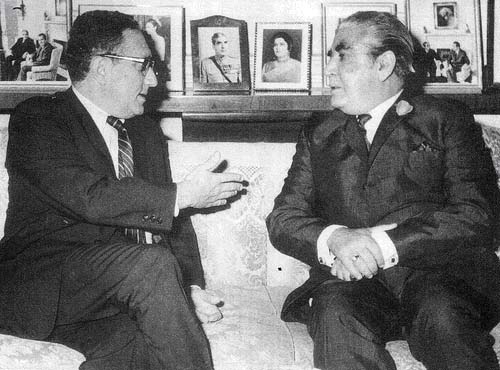
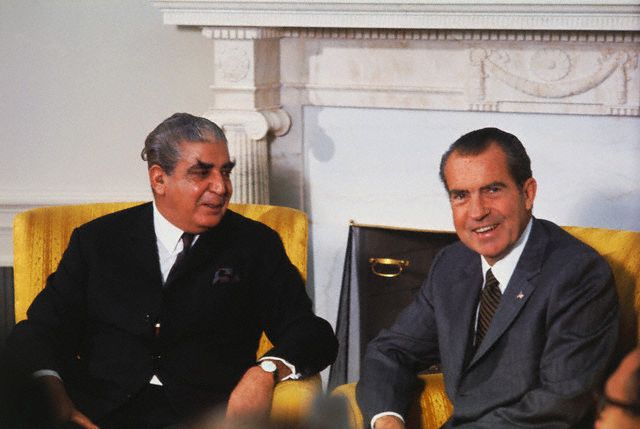
To add insult to India’s injury, US cultivated relationship with Communist China using Pakistan. Dr. Henry Kissinger launched that illicit relationship during 1971 flying to Peking from Pakistan. China took full advantage of Pakistan’s relationship and is able to fully manipulate Pakistan outplaying the US influence. On Kashmir front, as of today, India is facing threat posed by three enemies; 1. US, 2. China, and 3. Pakistan.
My concern is not about UN Support for China’s Project. The real danger comes from Doomed US Foreign Policy.
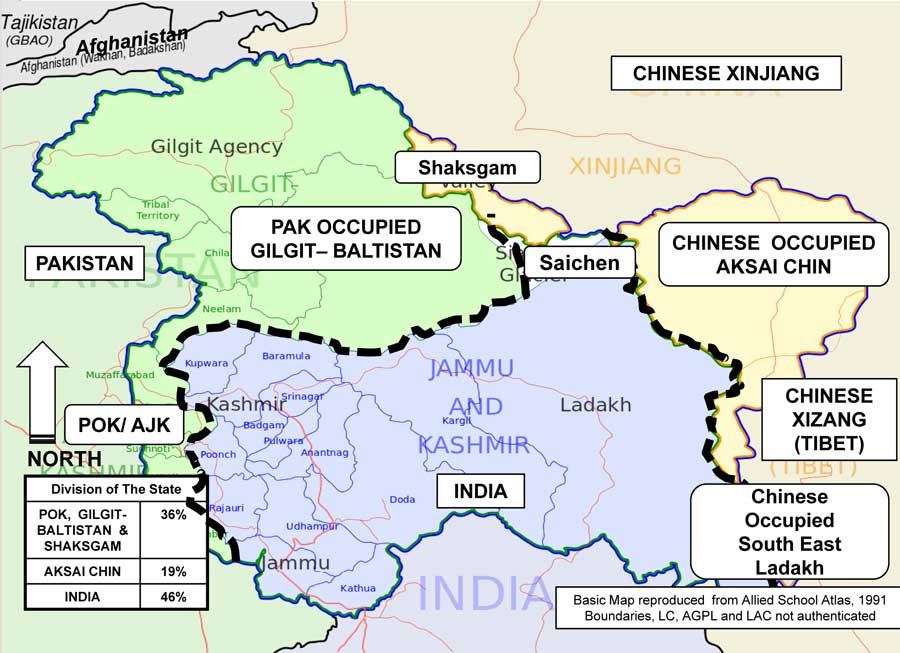
A UN Security Council resolution has for the first time incorporated China’s Belt and Road Initiative (BRI), a multi-billion inter-continental connectivity mission that has a flagship project passing through Pakistan occupied Kashmir (PoK).
The resolution, which extends an ongoing UN assistance mission to Afghanistan, says international efforts should be strengthened to implement the BRI, President Xi Jinping’s legacy project about which he first spoke in 2013.
Beijing claims it has rounded up at least 100 countries in BRI’s support, including Pakistan, Bangladesh and Sri Lanka.
India is yet to sign up for the initiative. Foreign secretary S Jaishankar spelt it out to the Chinese government in February that India has a “sovereignty” issue with the BRI because its flagship project, the China-Pakistan Economic Corridor (CPEC), passes through PoK. According to diplomats, India endorsing the BRI would mean giving up its claims on PoK.
The UN endorsing the BRI could complicate the situation as far as India’s claims are concerned.
The resolution in question renewed the mandate of the UN Assistance Mission in Afghanistan for one year. In it, the 15-nation UN body urged to promote security and stability in Afghanistan and the region “to create a community of shared future for mankind”.
“Also included in the newly adopted council resolution was China’s Belt and Road Initiative, which aims to build a trade and infrastructure network connecting Asia with Europe and Africa along the ancient trade routes,” official news agency Xinhua reported.
The resolution “welcomes and urges further efforts to strengthen the process of regional economic cooperation, including measures to facilitate regional connectivity, trade and transit, including through regional development initiatives such as the Silk Road Economic Belt and the 21st-Century Maritime Silk Road (the Belt and Road) Initiative”.
The council resolution urged “further international efforts to strengthen regional cooperation and implement the Belt and Road Initiative”.
Besides the BRI, the resolution also mentions other projects like “regional development projects, such as the Turkmenistan-Afghanistan-Pakistan-India gas pipeline project, the Central Asia South Asia Electricity Transmission and Trade Project, the Chabahar port project agreed between Afghanistan, India and the Islamic Republic of lran”.
China has taken the inclusion of BRI in a UN resolution as a diplomatic victory of sorts.
Liu Jieyi, the Chinese permanent representative to the UN, told reporters here that the “Chinese concept was put into a Security Council resolution for the first time on Friday, thus showing the consensus of the international community on embracing the concept, and manifesting huge Chinese contributions to the global governance”.
“The Chinese envoy said that latest council move is conducive to creating a favourable atmosphere for China to host a Belt and Road forum for international cooperation in Beijing this May in order to brainstorm on interconnected development,” Xinhua reported.
Liu also said he hoped that all “UN member states will take an active part in the joint efforts to carry out the Chinese initiative and the Chinese concept by implementing the new council resolution. Resolutions adopted by the Security Council are legally binding”.
PROUD TO BE AN INDIAN – THE LEGACY OF RANI PADMINI OF CHITTORGARH
Rani Padmini – Her Essence and Her Existence. She defends her Essence by destroying her physical existence. Rani Padmini’s Essence lives in the heart of Indians giving them Sense of Pride. I am Proud to be Indian for Rani Padmini’s Victory over Death.
Rani Padmini of Chittorgarh is Living Symbol of Indian National Character that makes me Proud to be an Indian. This Cultural Icon of India cannot be tarnished by fiction writers who have no concern for Historical Facts.
RANI PADMINI AND ALAUDDIN KHILJI: SEPARATING FACT FROM FICTION
SWARAJYA
RAM OHRI – Jan 28, 2017, 6:35 pm
PROUD TO BE AN INDIAN – THE LEGACY OF RANI PADMINI OF CHITTORGARH
If reports are to be believed, filmmaker Sanjay Leela Bhansali’s next, Padmavati, is based on Malik Muhammad Jayasi’s poem Padmavat.
Jayasi’s poem about Padmini and Khilji, however, does not have a historical basis.
Historians have some understanding of what may have happened in that fateful chapter of the lives of Rani Padmini and Alauddin Khilji.
After Bajirao Mastani, director Sanjay Leela Bhansali is making another period drama film, Padmavati, this time about Rani Padmini, the queen of Chittorgarh, and Alauddin Khilji, the ruler of Delhi. According to media reports, the film will feature a love story between Padmini and Khilji.
The popular story says that when Khilji attacked Chittor, he fell for Padmini on seeing her reflection in the mirror. This story was woven by a well-known Indian poet, Malik Muhammad Jayasi, in 1540 AD, and finds echo in Jawaharlal Nehru’s Discovery of India as well.
Jayasi’s poem about Padmini and Khilji, however, is not accurate. Historians have, in fact, come up with possible scenarios for what could have actually happened.
According to Jayasi’s poem Padmavat, Rani Padmavati of Chittor was the wife of Raja Ratansen (a name invented by Jayasi with no reference in Mewar history) of Chittor during the reign of Alauddin Khilji. The correct name of Chittor’s then ruler was Rawal Ratan Singh, the thirty-fourth descendant of Bappa Rawal.
What Jayasi’s poem says
There were many talented artists in the court of Ratansen, one of whom was a musician named Raghava Chetan. He was a sorcerer who used his magical powers to target rivals. Once, he was caught red-handed while trying to invoke evil spirits, after which Ratansen banished Raghava from the kingdom after blackening his face. Raghava ran away to Delhi and decided to take revenge by provoking Khilji to attack Chittor.
Raghava knew of a forest near Delhi where Khilji went hunting. One day, he played his flute while Khilji was out hunting. The alluring notes emanating from his flute attracted the attention of Khilji, who then asked his soldiers to fetch the flute player. Thus, Raghava was taken to Khilji’s court.
After reaching Delhi, Raghava told Khilji about the unparalleled beauty of Rani Padmini. That prompted Khilji to attack Chittor, but he found the fort to be heavily defended. So, he laid siege to the fort and forced Ratansen to negotiate with him.
Desperate to capture the beautiful Padmini, Khilji sent a word to Ratansen about him wanting to meet her. The Raja asked Padmini, who flatly refused. However, on being persuaded by her beleaguered husband, Rani Padmini agreed to let Khilji see her in the mirror.
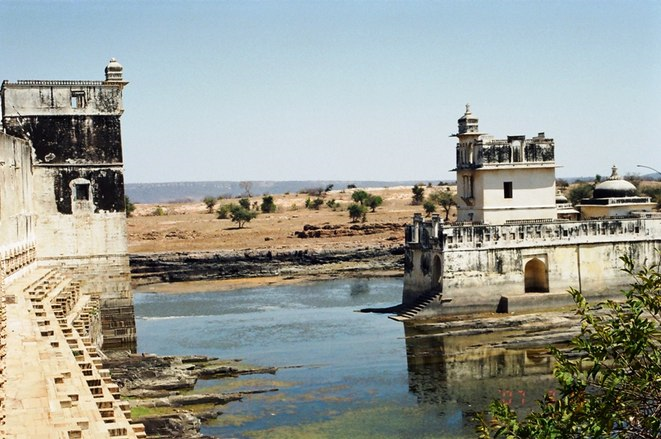
The palace on the right is where Padmini is supposed to have stood. (Sanjeev Nayyar)
Next, Khilji entered the fort with a group of select warriors who had observed the fort’s defenses on their way to the palace. On seeing Padmini in the mirror, Khilji decided that she must be his.
PROUD TO BE AN INDIAN – THE LEGACY OF RANI PADMINI OF CHITTORGARH. THE MIRROR.
The mirror in Chittor in which Khilji is said to have seen Padmini’s reflection (Sanjeev Nayyar)
While returning to his camp, Khilji deceitfully kidnapped Ratansen and took him as prisoner. Thereafter, he informed the Rajput Sardars that Padmini should be handed over to him if they wanted to see their king alive.
The Rajput generals, led by two gutsy warriors, Gora and Badal, who were related to Padmini, decided to beat Khilji at his game. They sent out a word that Padmini would be handed over the next morning.
At the crack of dawn, 150 palanquins (in which royal ladies were carried in medieval times) left the fort and made their way to Khilji’s camp. The palanquins stopped before a tent where King Ratansen was held prisoner. To his surprise, armed Rajputs jumped out from the palanquins, freed Ratansen and galloped away to Chittor, riding the horses grabbed from Khilji’s stable.
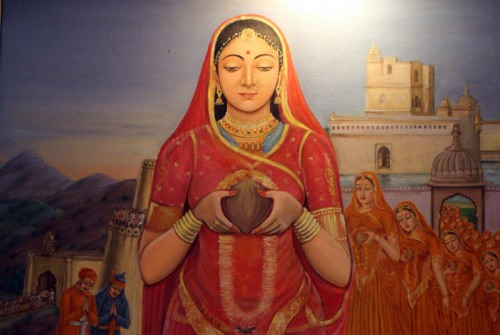
Khilji was furious. He ordered the army to storm Chittorgarh. However, the army could not break into the fort. Due to a prolonged siege, food supplies for the troops were running out. So Ratansen opened the fort gates, and Rajputs rode out to fight. They were overpowered, and achieved martyrdom. Rani Padmini and wives of thousands of warriors preferred jauhar (fire is lit, and women jump into the flames) over losing their honor to Khilji’s army.
PROUD TO BE AN INDIAN – THE LEGACY OF RANI PADMINI OF CHITTORGARH. THE PLACE OF JAUHAR.
Place in Chittor where jauhar was committed (Sanjeev Nayyar)
When Khilji entered the fort, all that he found were ashes of these brave women. Their sacrifice has been kept alive by Bards in their songs, where they praise women who preferred supreme sacrifice to dishonor.
When this author visited Chittorgarh Fort in 2008 and asked the guide about the veracity of the mirror story, he said locals did not believe in it.
Having learnt what Jayasi’s poem says, let us now read what the Bharatiya Vidya Bhavan’s book on Indian History says.
In January 1303, Khilji set out on his memorable campaign for the conquest of Chittor. He received strong resistance from the Rajputs under Rana Ratan Singh. The Rajputs offered heroic resistance for about seven months and then, after the women had perished in the flames of jauhar, the fort surrendered on August 26, 1303.
Whilst later writers like Abu-l Fazl, Haji-ud-Dabir (note these two authors use Padmini not as a name, but as a woman possessing special attributes) have accepted the story that the sole reason for invasion of Chittor was Khilji’s desire to get possession of Padmini, many modern writers are inclined to reject it altogether. They point out that the episode of Padmini was first mentioned by Malik Jayasi in 1540 A.D. in his poem Padmavat, which is a romantic tale rather than historical work. Further, the later day writers who reproduced the story with varying details, flourished long after the event, but their versions differed from one another on essential points.
Yarn 2 by Jayasi
In Padmavat, Jayasi wrote that Padmini was the daughter of Raja Gandharva Sen of Sri Lanka. The Lanka story has many contradictions.
1) The name Raja Gandharva Sen is nowhere found in Sinhalese history. The then Buddhist rulers of Lanka had contacts mainly with the Pandya kings of Tamil Nadu and none with Rajputana. The names of Lanka rulers at the time were Vijayabahu III (1220-24), Bhuvanaikabahu I (1281-83), Interregnum (1283-1302) and Vijayabahu V (1325-26 to 1344-45).
Instead, there is a strong possibility that Padmini was a princess of Jaisalmer or of Sinhala, a village near Sojat in Pali district of Rajasthan. In the history of Rajasthan, there are many references which indicate that Rani Padmini was the eleventh wife of Rawal Ratan Singh among his fifteen wives, as polygamy was prevalent among Rajput rulers then. There is, however, no confirmation of her father being Rana Salsi Tanwar as written in the book The Kingdom of Mewar by Irmgard Meininger, a German author.
2) In Padmavat, there is a reference to a parrot who flew all the way from Sri Lanka to Chittor as a messenger to inform Raja Ratansen, or Rawal Ratan Singh, about the beauty of Padmini, daughter of the Sinhala ruler Gandharvasen, making Ratansen travel all the way to the Sinhala kingdom to win the hand of Padmini. This narrative lacks credibility since Lanka never had a king by that name.
3) Jayasi wrote this poem almost 237 years after Khilji’s attack on Chittor. The literature of that era is full of highly imaginative narratives, and poets were known to gleefully use metaphors, alliterations and imaginary personifications. There is also a reference in Padmavat to a sorcerer called Raghav Chetan, who is believed to have been personified as a parrot.
Contradictions in Jayasi’s poem
Amir Khusro, the court poet of Khilji, who accompanied him during the Chittor attack, did not write about Padmini, nor did he allude any episode to her in his book Twarikh-e-Allai. To be fair, it is possible that Khusro might not have wanted to further spoil the image of Khilji. So, he ignored the reference to Padmini. “According to Prof Habib, there is a covert allusion to Padmini episode by Khusro in his Khazain-ul-Fatuh, where he mentions the Queen of Sheba.”
Equally important is the fact that Col James Tod did not refer to Khilji’s desire to capture the beautiful Padmini in his book The Annals and Antiquities of Rajasthan.
There are many instances in history when court poets and writers have followed the instructions of the ruling kings, and wrote histories accordingly. For instance, the book Ain-i-Akbari by Abul Fazal, where he was instructed not to write about Mehrunissa’s — later known as Nur Jahan, wife of Mughal King Jahangir — first marriage with an Afghan Pathan. However, there is a mention of her in Tuzuk-e-Jahangari as his beloved, and how his father had cheated on him.
It would not be wrong to say that Jayasi’s poem Padmavat is a figment of his poetic imagination. “It has also been argued that the invasion of Chittor was the natural expansionist policy of Khilji and no Padmini was need for his casus belli“.
The story of Khilji watching Padmini’s reflection in a mirror, or in a well, as stated in Discovery of India by Pandit Nehru, could have been based on a latter-day interpolation by some local poets. It could also be a phony myth popularized by some imaginative storytellers.
Having questioned the motive for Khilji’s invasion of Chittor, “it should be remembered that Khilji’s lust for a Hindu queen is proved by the known instances of Queen Kamala Devi of Gujarat and the daughter of King Ramachandra of Devagiri. The story of Padmini should not be totally rejected as a myth. But it is impossible, at the present state of knowledge, to regard it definitely as a historical fact”.
In Bajirao Mastani, Bhansali told audiences what a brave general Bajirao Peshwa was. It prompted Col (retired) Anil Athale to write ‘Why Bajirao is India’s greatest cavalry general‘. Having assuaged Maratha pride, Bhansali got away with some historical distortions.
In Padmavati, Bhansali is trying to do a balancing act and be secular. Thus, he might tell audiences how romantic the Sultan of Delhi was, that his love for Padmini was as pure as the holy water of Zamzama, and the sexual conquest of beautiful Hindu queens was the last thing on his mind.
According to a report in the Indian Express, it is alleged by Rajput protesters that Bhansali has deliberately added a dream sequence in his movie which shows Khilji embracing and kissing Padmini, which is an affront to the honor and name of Rani Padmini. It is also a slur on the valor of thousands of Hindu Veeranganas who preferred to die by fire rather than submit to the lust of barbaric invaders.
Bhansali might take refuge under the excuse that the film is based on the poem Padmavat, whose historical significance is unconfirmed. But in the poem, there is no mention of the so-called dream sequence. Ultimately, Bhansali might change the name of the movie, like he did with Goliyon ki Raasleela Ram-Leela. Will it satisfy the nationalists?
Either way, the movie will attract protest like we saw in Jaipur recently. A few things for sure — it will get free publicity, be discussed on prime-time television and become the next battleground between the nationalists and votaries of selective freedom of speech.
References
1. Volume 6 of the History and Culture and Indian People, published by the Bharatiya Vidya Bhavan, p 23
Ram Ohri is a former IPS officer and writes regularly on security issues, demographics, and occasionally, on policy.
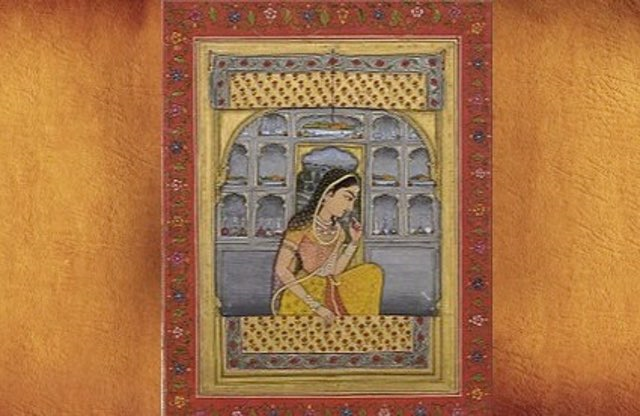
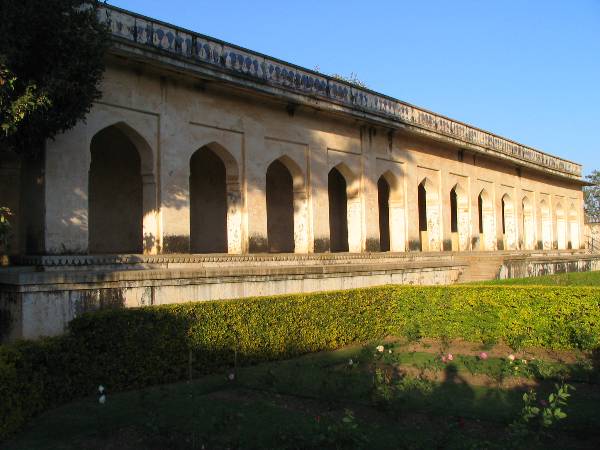
PROUD TO BE AN INDIAN – THE LEGACY OF RANI PADMINI OF CHITTORGARH. RANA RATAN SINGH PALACE.PROUD TO BE INDIAN – THE LEGACY OF RANI PADMINI OF CHITTORGARH. PADMINI MAHAL.PROUD TO BE AN INDIAN – THE LEGACY OF RANI PADMINI OF CHITTORGARH. VIEW OF CORRIDOR AT PADMINI PALACE.Essence and Existence- Indians express their Essence in the manner they Exist. Rani Padmini of Chittorgarh expresses her Essence of Moral, and Spiritual Being by ending her physical existence. Sanskrit is the Cultural tool that Indians use to define their Essence. Rani Padmini is Living Symbol of Indian National Character.
REALITY OF DALAI LAMA REINCARNATION vs RED CHINA’S MISCHIEF IN TIBET.
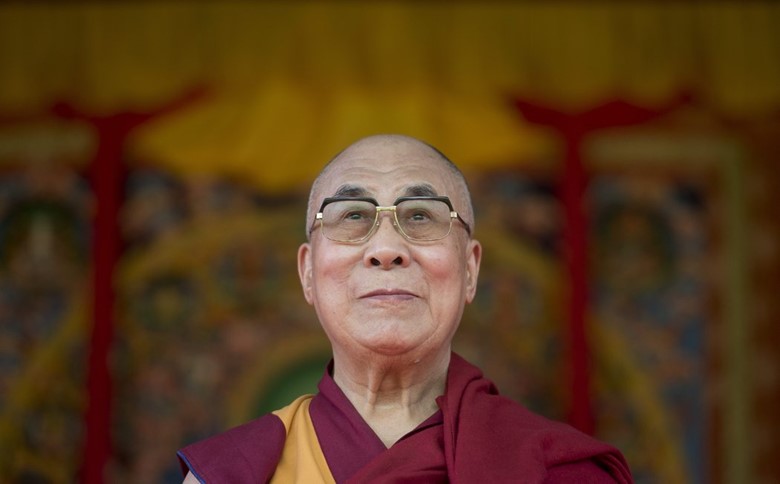
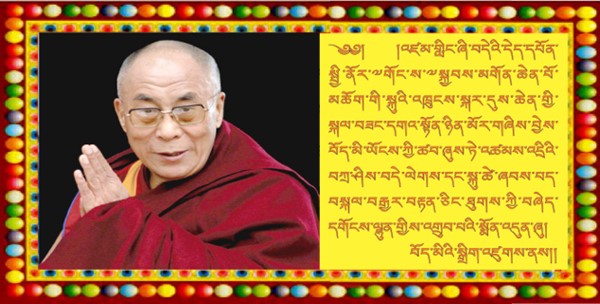
The Dalai Lama a week before his 80th birthday. Credit Will Oliver/European Pressphoto Agency
The Dalai Lama, who may be the only octogenarian spiritual leader with a profoundly mischievous streak, has a suggestion for China’s Communist leaders: Take up reincarnation.
I’m interviewing him in his hotel room in Manhattan, at the end of an overseas tour marking his 80th birthday, and we’re talking about what happens after he dies. He is the 14th Dalai Lama, each considered a reincarnation of the previous one, and usually after one has died a search is undertaken for an infant to become the next. But he has said that he may be the last of the line, or that the next Dalai Lama might emerge outside Tibet — or might even be a girl.
This talk infuriates Beijing, which is determined to choose the next Dalai Lama (to use as a tool to control Tibet). So, startlingly, the atheists in the Chinese Communist Party have been insisting that Buddhist reincarnation must continue.
“The Chinese Communist Party is pretending that they know more about the reincarnation system than the Dalai Lama,” said the Dalai Lama, laughing. “The Chinese Communists should accept the concept of rebirth. Then they should recognize the reincarnation of Chairman Mao Zedong, then Deng Xiaoping. Then they have the right to involve themselves in the Dalai Lama’s reincarnation.”
The Dalai Lama hinted that he would hold some kind of referendum among Tibetan exiles, and consultations among Tibetans within China, about whether a new Dalai Lama should succeed him. The issue will be formally resolved around his 90th birthday, he said.
One reason to end the line, he suggested, is that a future Dalai Lama might be “naughty” and diminish the position. His biggest concern seems to be that after he dies, China will select a new pet Dalai Lama who may act as a quisling to help the Chinese control Tibet and to give legitimacy to their policies there.
“Sadly, the precedent has been set,” he said, referring to the Panchen Lama, the second most important reincarnated lama in Tibetan Buddhism. After the 10th Panchen Lama died in 1989, China kidnapped the baby chosen by Tibetans as his successor and helped anoint a different child as the 11th Panchen Lama. Nobody knows what happened to the real Panchen Lama.
I admire the Dalai Lama enormously, and in 2007 he bravely used my column to send an important olive branch to Beijing — only to be criticized by fellow Tibetans as too conciliatory, and rejected as insincere by China. But I told him that I also thought there were times when he had been too cautious and had missed opportunities for rapprochement with Beijing. My examples: In the 1980s, when the leaders Hu Yaobang and Zhao Ziyang sought compromise on Tibet; after the 10th Panchen Lama died; and in the run-up to the Beijing Olympics.
The Dalai Lama was having none of that — he doesn’t think he missed opportunities. But he acknowledged that Zhao had been sympathetic and added that if Zhao and Hu had not been ousted, “the Tibetan issue would already be solved, no question.”
To my surprise, the Dalai Lama was also enthusiastic about Xi Jinping, the current Chinese leader. He spoke admiringly of Xi’s anticorruption campaign, said Xi’s mother was “very religious, a very devout Buddhist,” and noted Xi himself had spoken positively of Buddhism.
So, President Xi, if you’re reading this, the Dalai Lama would like to visit China. How about an invitation?
I had asked my followers on Twitter and Facebook to suggest questions for the Dalai Lama, and here are his responses to some of the issues they raised:
• On the Myanmar Buddhists who have murdered, raped and oppressed Muslims: As he has before, the Dalai Lama strongly condemned the violence. He added: “If Buddha would come at that moment, he definitely would save or protect those Muslims.”
• On eating meat: The Dalai Lama said he had been a pure vegetarian for 20 months but then developed jaundice, so his doctors told him to start eating meat again. He now eats meat twice a week and is vegetarian the rest of the week, he said, but added that he thinks vegetarianism is preferable.
• On Pope Francis: “I admire his stance,” the Dalai Lama said. “He dismissed one German bishop [for too luxurious living]. I was so impressed. I wrote a letter to him. I expressed my admiration.”
• On gender: The Dalai Lama says he considers himself a feminist and would like to see more women leaders because he thinks women are often innately more sensitive and peaceful. “I insist that women should carry a more active role,” he said. “If eventually most of the leaders of different nations are female, maybe we’ll be safer.”
REALITY OF DALAI LAMA REINCARNATION vs RED CHINA’S MISCHIEF IN TIBET.
NO DALAI LAMA REINCARNATION WITHOUT FREEDOM IN OCCUPIED TIBET
NO REINCARNATION OF DALAI LAMA WITHOUT FREEDOM IN OCCUPIED TIBET.
As Tibet remains under Red China’s military occupation without Freedom, Dalai Lama “REINCARNATION” remains Impossible. To restore normalcy in Tibetan National Life, Military Occupier must be evicted from Tibetan Territory. The Disease called ‘Occupation’ is the Cause and no Reincarnation is its Effect.
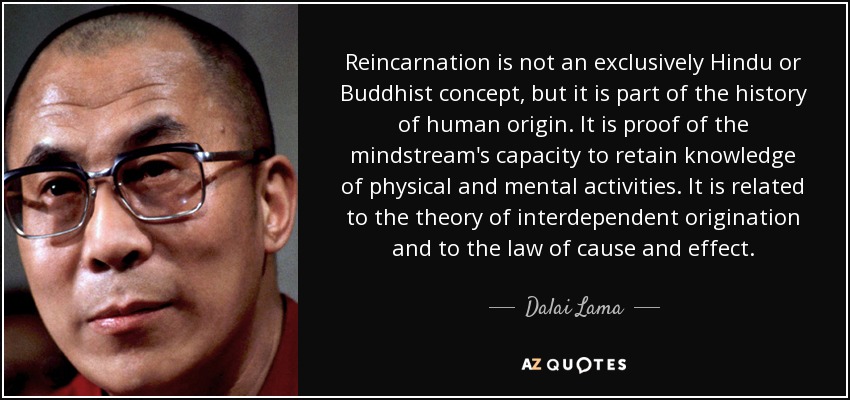
Adherents of Tibetan Buddhism believe the Dalai Lama, the religion’s highest spiritual authority, has been reincarnated in an unbroken line for centuries. But the current Dalai Lama says he may be the last.
In an interview with the BBC this week, the 79-year-old Nobel Peace Prize recipient said that he may not reincarnate after he dies.
“There is no guarantee that some stupid Dalai Lama won’t come next, who will disgrace himself or herself,” he said. “That would be very sad. So, much better that a centuries-old tradition should cease at the time of a quite popular Dalai Lama.”
But what does reincarnation mean, and why would the Dalai Lama not want to have a successor?
How do Tibetan Buddhists believe reincarnation works?
Tibetan Buddhism teaches that after death, nearly all of us are flung back into the world of the living under the influence of harmful impulses and desires. But through compassion and prayer, a few can choose the time, place and the parents to whom they return. This affirms Buddhist teachings that one’s spirit can return to benefit humanity; it also serves to maintain a strong theological and political structure based around monasticism and celibacy.
The process through which reincarnated Buddhist masters, known as “tulkus,” are discovered is not uniform among the four main schools of Tibetan Buddhism. But generally, through dreams, signals, and other clues, senior monks identify candidates from a pool of boys born around the time the previous incarnation died. The current Dalai Lama is the 14th in the line of the Gelug school. The son of a farmer, he was recognized in 1950 after he correctly picked out objects owned by his predecessor, such as a bowl and prayer beads, jumbled among unfamiliar items.
So why would the Dalai Lama refuse to reincarnate?
Almost certainly to prevent the Chinese government from inserting itself into the process for political ends. Tibet was incorporated into China more than 60 years ago; the Dalai Lama went into exile in India in 1959 amid a revolt. China’s government has denounced him as a separatist, but the Dalai Lama currently says he only seeks a high degree of autonomy for Tibet.
In the mid-1990s, the Dalai Lama identified a 6-year-old boy as the Panchen Lama, a position second only to the Dalai Lama himself. But Chinese authorities took custody of the child, and his whereabouts remain unclear. Meanwhile, Chinese authorities identified another youth as the Panchen Lama, but he never won the trust of Tibetans.
In 2011, the Dalai Lama wrote: “Should the concerned public express a strong wish for the Dalai Lamas to continue, there is an obvious risk of vested political interests misusing the reincarnation system to fulfill their own political agenda.” He said then that he would reevaluate whether the custom should go on when he was in his 90s.
Why the statement now?
In fact, the Dalai Lama has claimed that as early as 1969 he made clear that the Tibetan people should decide whether reincarnations should continue. He has previously stated that he would not reincarnate in Tibet if it were not free, and he has mused that the Tibetan people should select their religious leaders democratically. To that effect, he has already divested the political power of his role to an elected official, based in India.
In September, the Dalai Lama stepped up his rhetoric on this point, raising the suggestion that he might be the last of his line. “If a weak Dalai Lama comes along, it will just disgrace the Dalai Lama,” he told the German newspaper Welt am Sonntag.
What do Chinese authorities say?
After the Dalai Lama’s statement in September, the Chinese government issued a firm rebuttal. Foreign Ministry spokeswoman Hua Chunying told reporters, “The title of Dalai Lama is conferred by the central government.” China, which is officially atheist, will follow “set religious procedure and historic custom” to select a successor, she said.
Other officials have followed suit. “Only the central government can decide on keeping, or getting rid of, the Dalai Lama’s lineage, and the 14th Dalai Lama does not have the final say,” Zhu eiqun, chairman of the ethnic and religious affairs committee of a high-ranking advisory body to China’s parliament, told the state-run Global Times newspaper this week. “All [the Dalai Lama] can do is use his religious title to write about the continuation or not of the Dalai Lama to get eyeballs overseas.”
What happens next?
It’s unclear what will happen when the Dalai Lama dies, but the decision is a sensitive one that will put pressure on the Chinese government.
If the Chinese government does select a successor, its choice could be rejected by Tibetans, and that could exacerbate strained relations.
But the Dalai Lama has made nonviolence a key tenet of his teachings, and losing him – and any reincarnation – could also be risky.
Wu Chuke, a professor of social science at Beijing’s Ethnic Studies University, said that if the position is left empty, “many of the Tibetan Buddhists in China will feel like that the not being able to be reincarnated will be due to restrictions from the government and will further damage the relationship between them. This will put new pressure on the Chinese government in how they will deal with this problem.”
REMEMBERING PRIME MINISTER ZHOU ENLAI – DIED ON JANUARY 08, 1976
REMEMBERING CHINESE PRIME MINISTER ZHOU ENLAI ON JANUARY 08, 2017, HIS 41st DEATH ANNIVERSARY. I KEEP HIM ALIVE IN MY THOUGHTS.
Chinese Prime Minister Zhou Enlai died on January 08, 1976. On January 08, 2017, Zhou’s 41st Death Anniversary, I disclose that I keep Zhou Enlai alive in my thoughts for Tibet is still under Military Occupation. I will bury my thoughts of Prime Minister Zhou Enlai when the Military Occupier of Tibet gets evicted from Tibet.
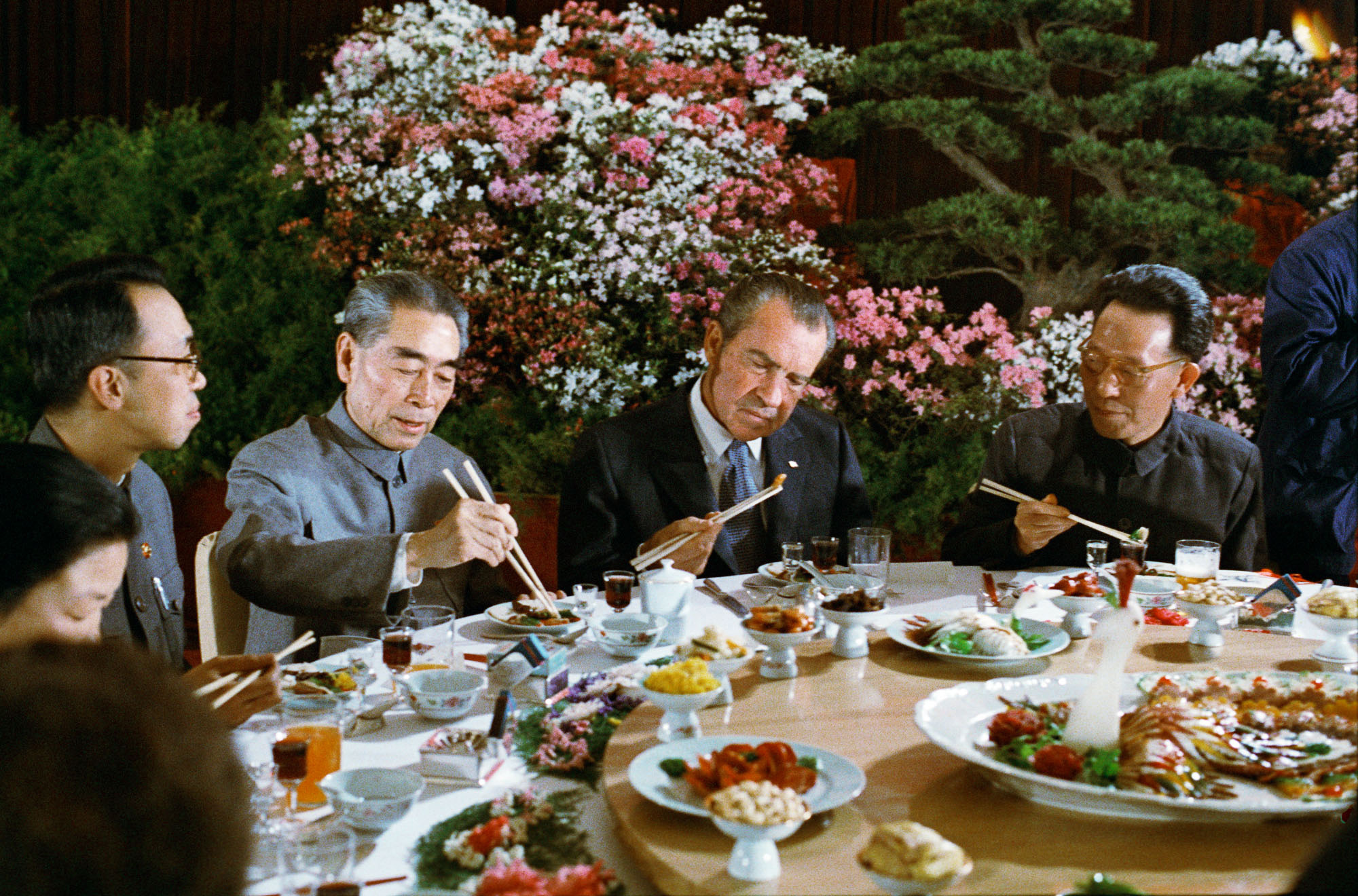
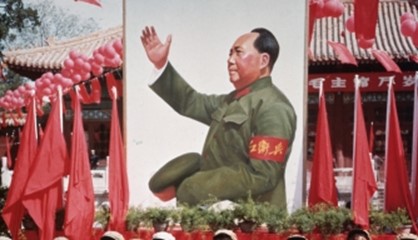
REMEMBERING CHINESE PRIME MINISTER ZHOU ENLAI ON JANUARY 08, 2017, HIS 41st DEATH ANNIVERSARY. I KEEP HIM ALIVE IN MY THOUGHTS.REMEMBERING CHINESE PRIME MINISTER ZHOU ENLAI ON JANUARY 08, 2017, HIS 41st DEATH ANNIVERSARY. I KEEP ZHOU ENLAI, MAO ZEDONG, RICHARD NIXON ALIVE IN MY THOUGHTS FOR TIBET REMAINS UNDER MILITARY OCCUPATION.
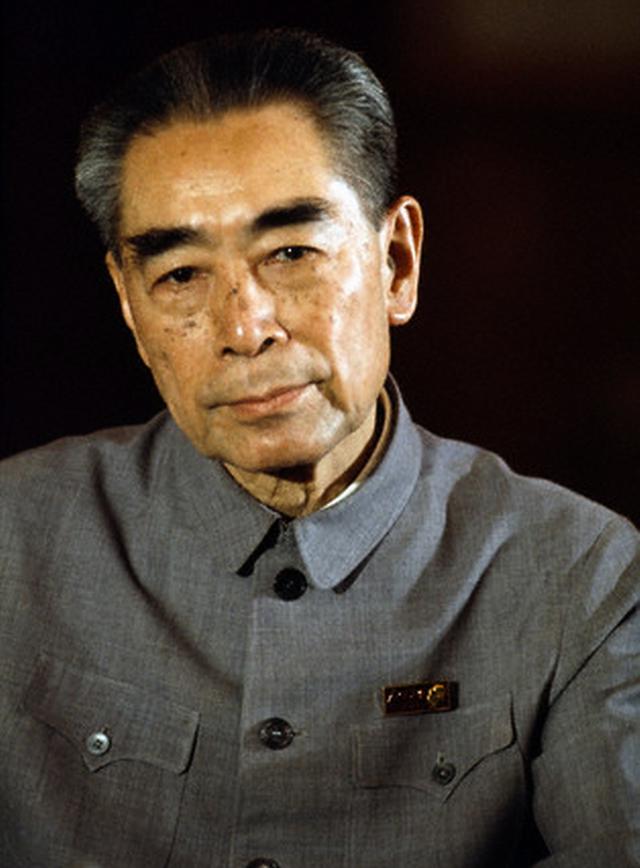
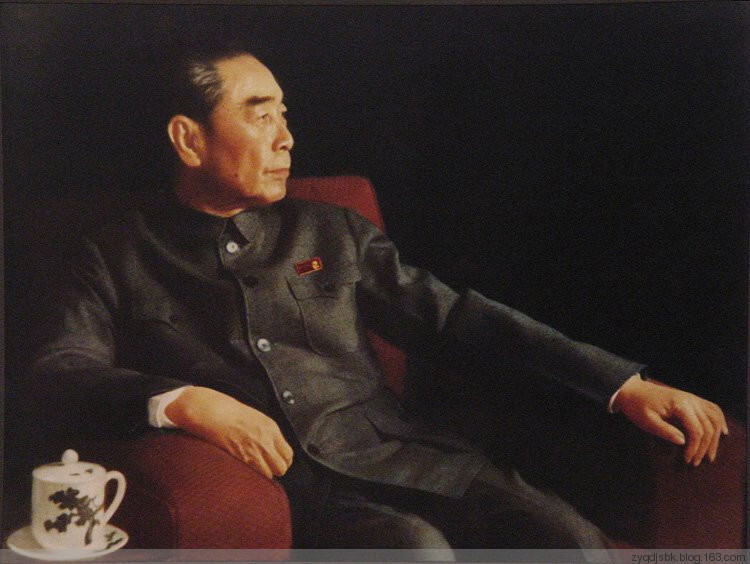
Zhou Enlai, premier of the People’s Republic of China (PRC) since 1949, dies of cancer at age 77. Zhou was second to Mao Zedong, the leader of the revolution that brought a communist regime to China, in terms of importance in the PRC. Beyond his significance as a leader of communist China, Zhou was instrumental in the negotiations that resulted in the U.S. recognition of the PRC in 1979.
Zhou was born in 1898, and he was heavily involved in the Chinese Communist Party (CCP) by the 1920s. He rose quickly through the party ranks and became one of Mao Zedong’s most trusted advisors, particularly valued for his skill at negotiations and diplomacy. These skills were crucial during the 1930s, when the CCP found it necessary to collaborate with its enemy, the Chinese Nationalists, to oppose Japanese aggression. In 1949, the CCP was victorious in its civil war against the Nationalists and Zhou was appointed premier and foreign minister of the new government.
During the 1950s, he represented China at various diplomatic gatherings, including the 1954 Geneva Conference and the 1955 Asian-African Conference in Bandung. He was also a stabilizing force inside China during the tumultuous years of the Cultural Revolution and its resultant political tensions.
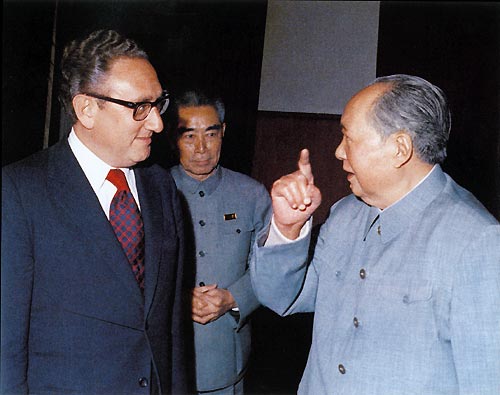
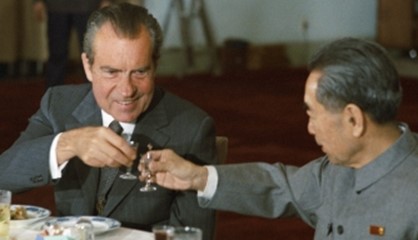
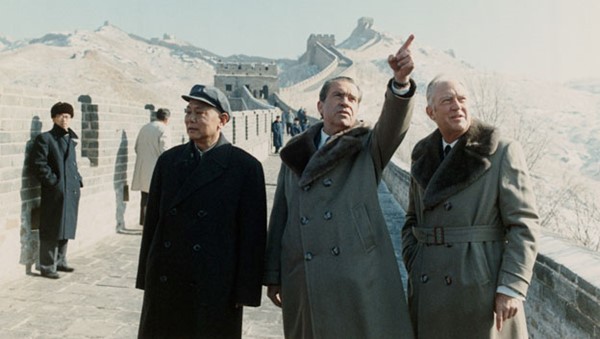
In the early 1970s, Zhou embarked on a program to rebuild relations with the United States, which had refused to recognize the Chinese communist government. In 1972, he and President Richard Nixon shocked the world by meeting and agreeing to work for closer political and economic relations between the two nations. These talks eventually did bear fruit in 1979, when the United States formally recognized the PRC.
Remembering Chinese Prime Minister Zhou Enlai on his 41st Death Anniversary. I keep Zhou alive in my thoughts. Major Milestones in U.S.-China Relations Remembering Chinese Prime Minister on his 41st Death Anniversary. I keep Zhou Enlai, Mao Zedong, and Richard Nixon alive in my thoughts. Cultural Revolution Remembering Chinese Prime Minister Zhou Enlai on his 41st Death Anniversary. I keep Zhou Enlai, Mao Zedong, and Richard Nixon alive in my thoughts. Nixon Returns From China
PEACEMAKING IN OCCUPIED TIBET – DALAI LAMA – PEACEMAKER vs SPIRITUAL HEALER
PEACEMAKING IN OCCUPIED TIBET – DALAI LAMA – PEACEMAKER vs SPIRITUAL HEALER. THE PROBLEM OF JOY AND EVERLASTING HAPPINESS IN TIBET.
Dalai Lama, exiled Ruler of Tibet is often described as Spiritual Leader of Tibet who may provide Spiritual Healing to problems experienced by people all over the world. Dalai Lama recommends Peaceful Resolution of all Conflicts. In Tibet, China’s Military Occupation violates Natural Order and Natural Equilibrium that operates Tibetan National Life. This Violation of Tibetan National Life stimulates ‘Resistance’ as Natural Reaction to Oppression. Peacemaking in Occupied Tibet demands Eviction of Military Occupier which may or may not demand application of Physical Force depending upon Red China’s willingness to seek Peaceful Resolution of Conflict arising from her own actions.
PEACEMAKING IN OCCUPIED TIBET – CIA FUNDING NOT ENOUGH
Cold War Era Secrecy will not secure Peace, Freedom, and Justice in Occupied Tibet. Democracy thrives on the principles of Transparency and Public Accountability. To confront threat posed by Communist Expansionism, the assets of CIA are not enough. It is no surprise to note Tibet exists under Red China’s Subjugation.
United States must correctly assess Enemy’s Military, Economic, and Intelligence capabilities and engage Enemy on various fronts to neutralize Enemy’s assets before meeting Enemy on the Battlefield.
PEACEMAKING IN OCCUPIED TIBET – CIA FUNDING NOT ENOUGH
In my analysis, CIA lacks military, financial, and intelligence capabilities to Evict Military Occupier of Tibet. In this ‘BATTLE OF RIGHT AGAINST MIGHT’ of Red China, I ask World to Unite.
TIBET’S PAST AND FUTURE – JUST A STONE’S THROW AWAY
TIBET’S PAST AND FUTURE – JUST A STONE’S THROW AWAY. TIBETAN GOVERNMENT-IN-EXILE SEARCHING FOR WAY FORWARD TO RESOLVE CRISIS IN TIBET.
Tibet during its past came under attacks by Chinese Empire and British Empire. Fortunately, Russian Empire never attacked Tibet while British had suspicions about Russian Empire’s expansion. After the downfall of Manchu China or Qing Dynasty in 1911, Tibet declared full independence to come under attack by Red China soon after her founding on October 01, 1949.
TIBET’S PAST AND FUTURE – JUST A STONE’S THROW AWAY. THE ANSWER FOR TIBET’S FUTURE – BEIJING DOOMED.
In my analysis, Tibet will regain full independence in near future. In my expectation, human interventions like War or Peace will not decide Tibet’s Future. Calamity, Catastrophe, Disaster, and Doom that will strike Beijing suddenly will decide Tibet’s Future.. My answer for Tibet’s Future: “BEIJING DOOMED.” Tibet’s Future or Destiny involves the Deciding ‘Event; It’s Just A Stone’s Throw Away.
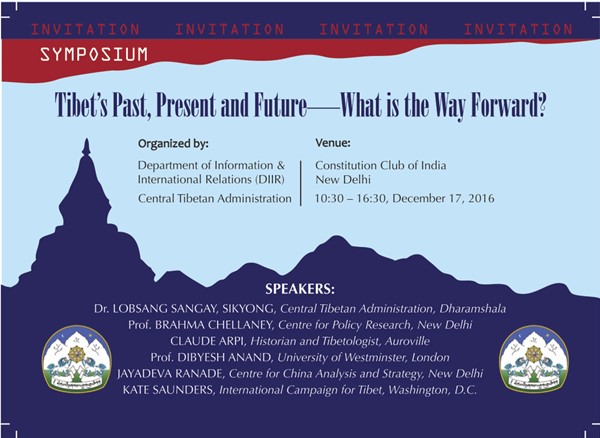
DIIR to Host a Symposium on ‘Tibet’s Past, Present and Future—What is the Way Forward?’
December 15, 2016
By Staff Writer
TIBET’S PAST AND FUTURE – JUST A STONE’S THROW AWAY. TIBET NEVER PART OF CHINA. BEIJING DOOMED.
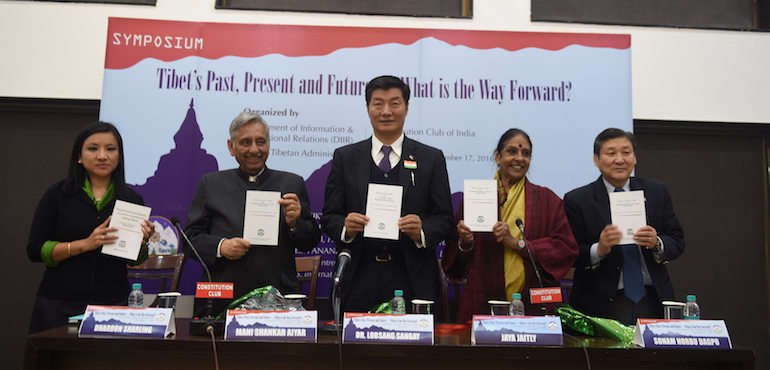
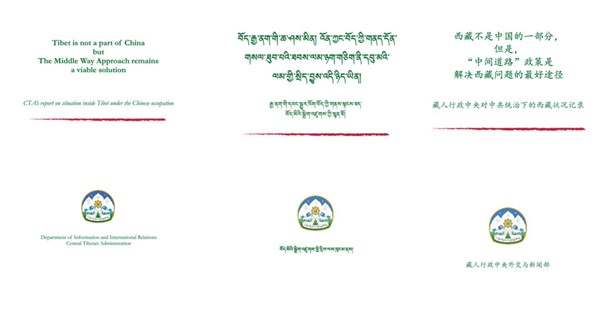
Delhi, December 15, 2016: The Department of Information and International Relations (DIIR) of Central Tibetan Administration (CTA) is releasing a book titled ‘Tibet is not a part of China but the Middle Way remains a Viable Solution.’ The flagship book which is CTA’s report on situation inside Tibet under the Chinese occupation is published in three languages- Tibetan, English and Chinese.
According to Sikyong Dr. Lobsang Sangay, “China has time and again made every effort to create a pristine image of Tibet that is out of touch with reality. Soon after its formation in 1949, the People’s Republic of China occupied Tibet under the guise of ‘liberation.’ Since then, people inside Tibet have expressed their deep resistance against China’s Tibet policies through numerous peaceful protests. It is quite clear that issues such as the reincarnation of His Holiness the Dalai Lama, the degradation of Tibet’s ecosystem, the rapid urbanization of Tibetan rural areas have a direct impact on the world at large. Therefore we are releasing this publication in three languages to present the current situation inside Tibet under the Chinese rule and share our position on these issues in order to draw international attention and generate public discourse on the best way forward to resolving the issue of Tibet, that is through the Middle Way Approach.”
Along with Sikyong Dr. Lobsang Sangay, former diplomat and MP, Shri Mani Shankar Aiyar and academic and writer Prof. Madhu Kishwar will grace the book launch.
DIIR will also organize a symposium on ‘Tibet’s Past, Present and Future—What is the Way Forward?’ Both the book launch and the symposium will take place at the Speaker Hall, Constitution Club of India in New Delhi on December 17, 2017 from 11:00 to 16:30. The event will be streamed live on Tibet TV’s YouTube and Facebook page.
The high-profile symposium, will bring together political leaders, thinkers, intellectuals, academicians and policy makers from across the world to discuss about Tibet. The day-long symposium will feature three plenary sessions to discuss– Tibet’s Historical Past, Current situation in Tibet under China’s occupation and Middle Way Policy—the Way Forward.
Dr. Lobsang Sangay, Sikyong (Political Leader), Central Tibetan Administration, Dharamsala, Prof. Brahma Chellaney, Centre for Policy Research, New Delhi, Claude Arpi, Historian and Tibetologist, Auroville, Prof. Dibyesh Anand, University of Westminster, London, Jayadeva Ranade, Centre for China Analysis and Strategy, New Delhi and Kate Saunders, International Campaign for Tibet, Washington D.C., will speak on the issues informing Tibet’s past, present and future.
“We hope that the symposium will help widen the horizon of intellectual discourse and dialogue on Tibet, it’s history, it’s present status and it’s future directions,”— said Dhardon Sharling, Information Secretary, DIIR.
Press Contact:
Tenzin Lekshey, Media Officer, Tibet Bureau Office in Delhi,-8585901465
DOOMED HUMAN RIGHTS IN OCCUPIED TIBET – NO SAFE PLACE TO LIVE
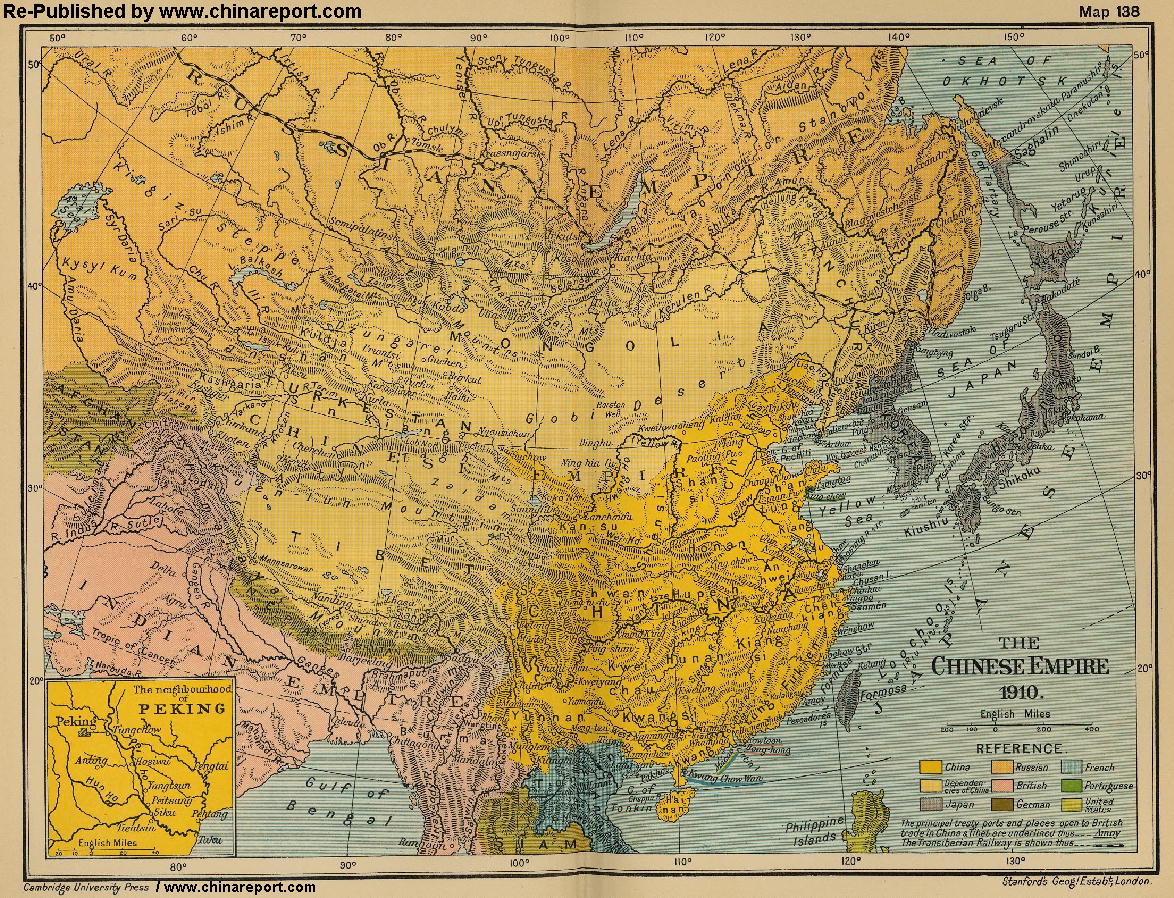
DOOMED HUMAN RIGHTS IN OCCUPIED TIBET – NO SAFE PLACE TO LIVE. MAP OF QING CHINA EMPIRE 1910 A.D.
During its long history, Tibet came under foreign conquest by Mongol Empire and Manchu or Qing Empire which ruled over China. But, Tibetans never lost their traditional independent lifestyle.
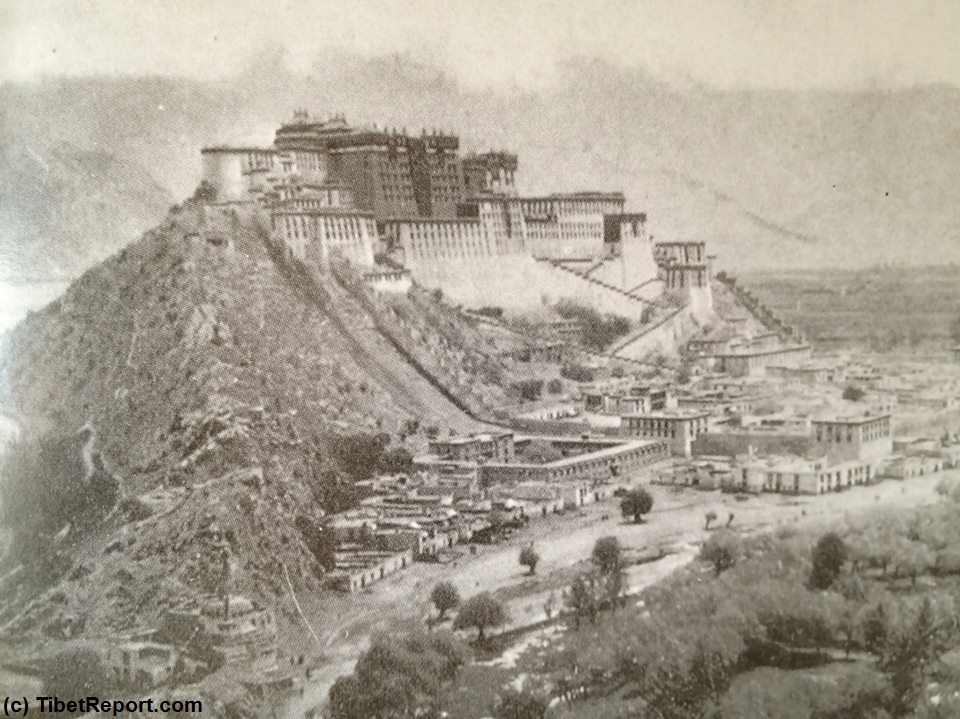
DOOMED HUMAN RIGHTS IN OCCUPIED TIBET – NO SAFE PLACE TO LIVE. POTALA PALACE, LHASA, TIBET IN 1930 A.D. FULLY INDEPENDENT NATION FROM 1911 TO 1950.
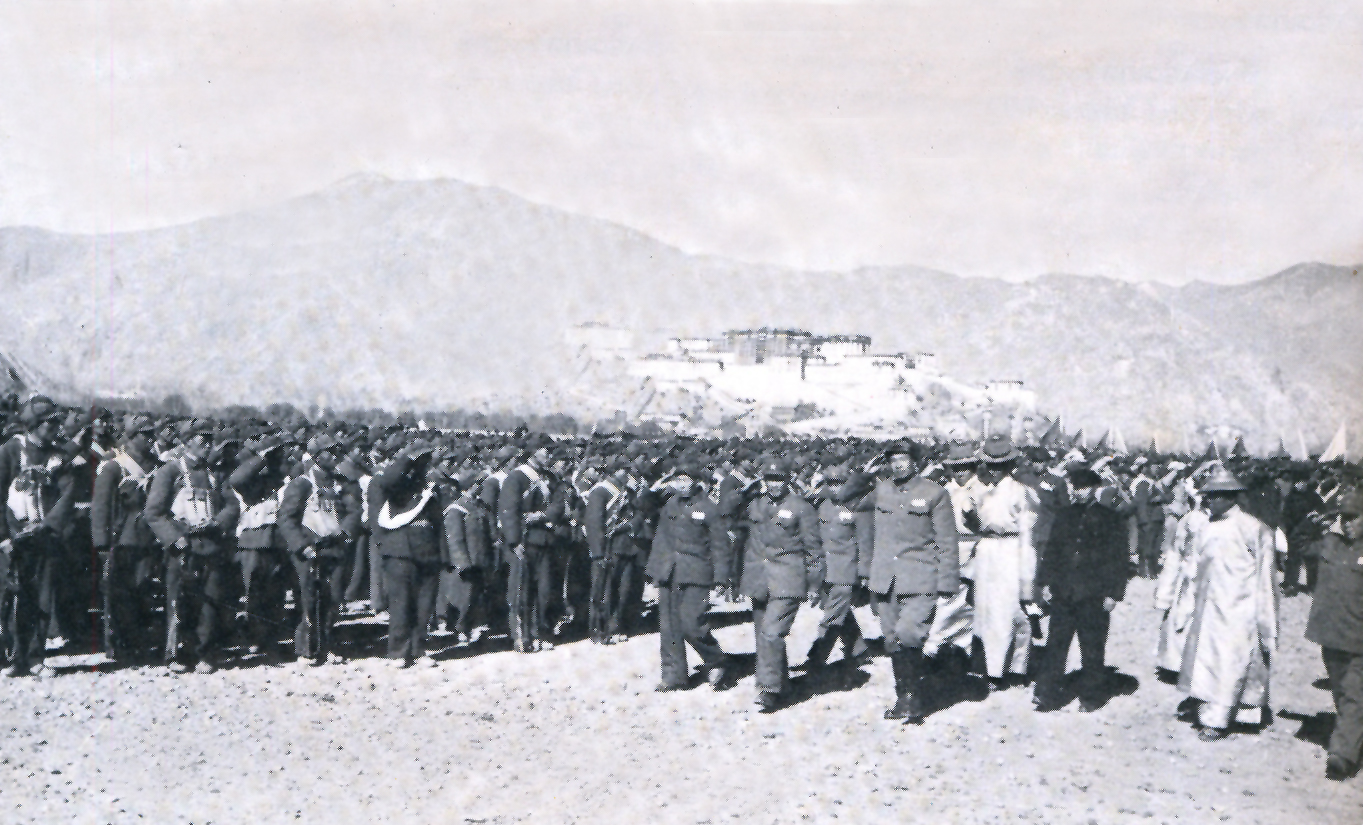
Tibet declared full independence on February 13, 1913 and existed as fully independent national entity until founding of Evil Red Empire on October 01, 1949 by China’s Communist Party Chairman Mao Zedong. Red China’s brutal occupation transformed Tibet into Military Camp leaving no safe place for Tibetans to live.
DOOMED HUMAN RIGHTS IN OCCUPIED TIBET. RED CHINA’S MILITARY CONQUEST OF TIBET. CHINESE ARMY IN LHASA, 1951. TIBETANS HAVE NO SAFE PLACE TO LIVE.
For all practical purposes, Communist Dictator Mao Zedong is alive as his brutal, military occupation of Tibet survived his death in December 1976 which may have marked the end of Red China’s Cultural Revolution.
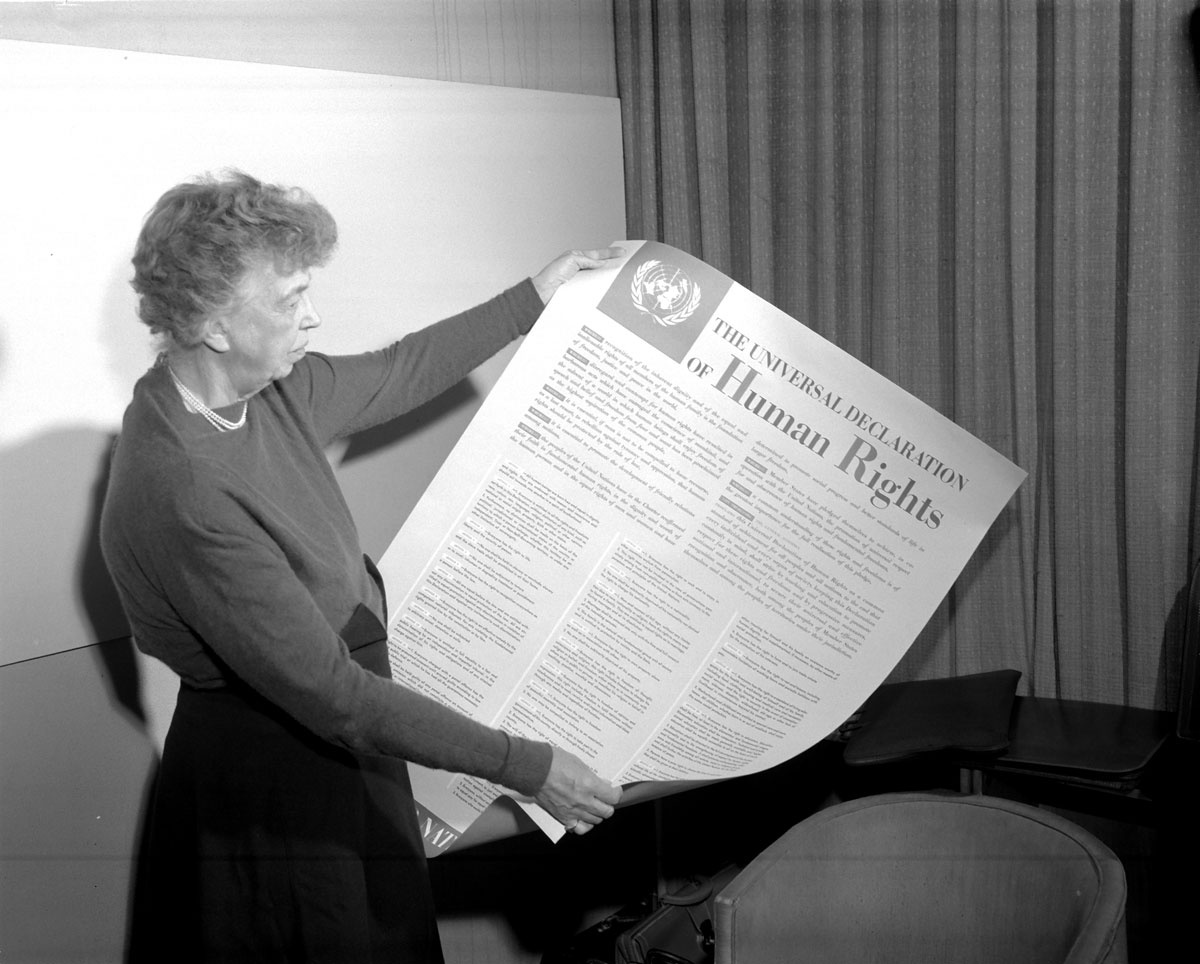
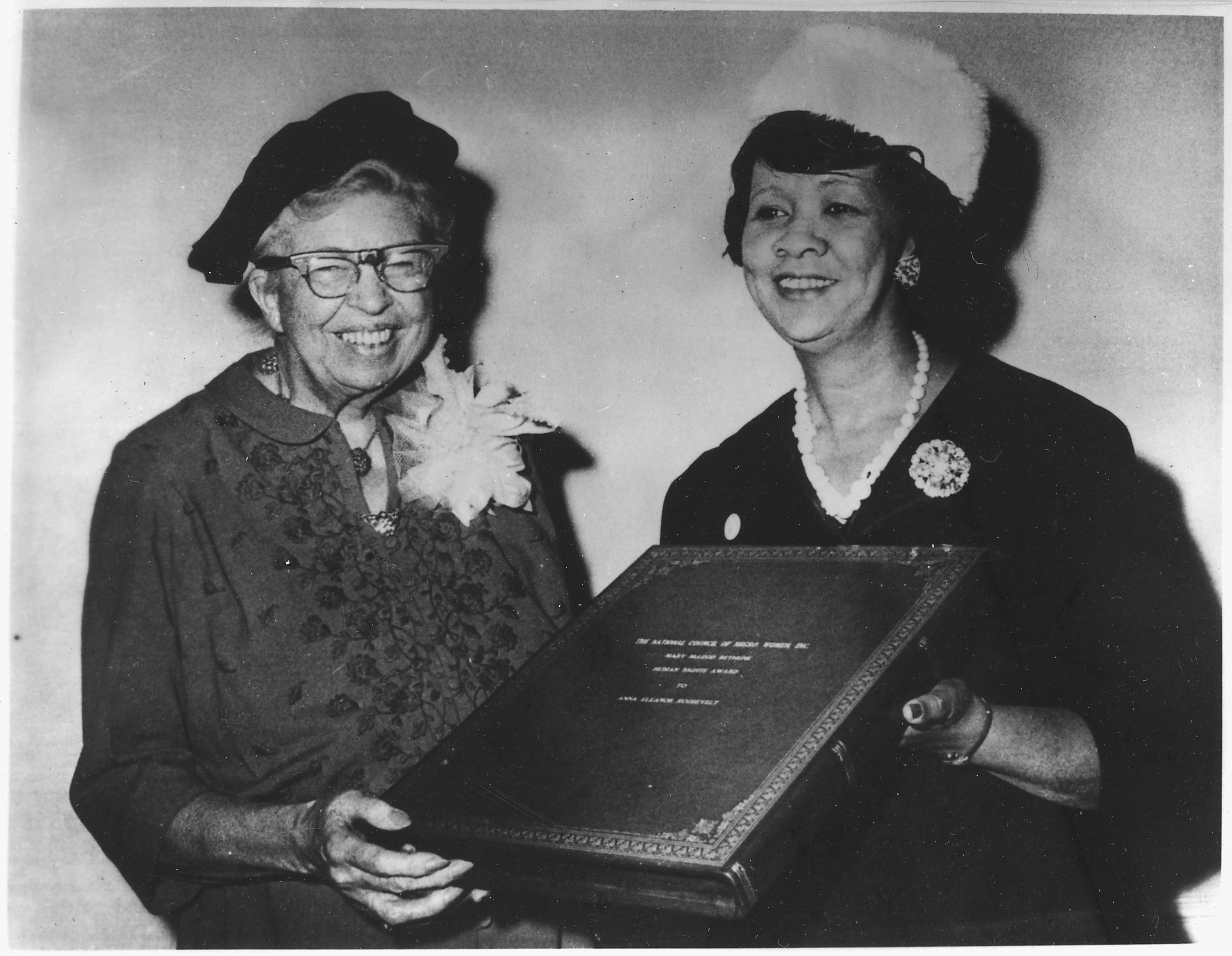
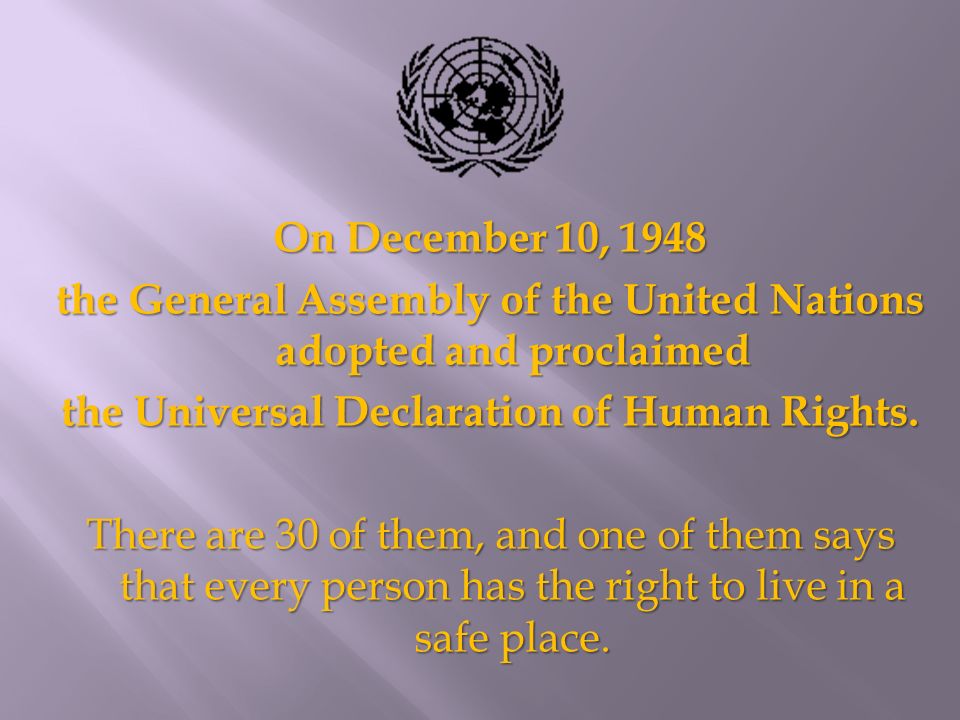
DOOMED HUMAN RIGHTS IN OCCUPIED TIBET. ON DECEMBER 10, 1948, TIBET WAS FULLY INDEPENDENT NATION. ELEANOR ROOSEVELT – DECLARATION OF UNIVERSAL HUMAN RIGHTS.DOOMED HUMAN RIGHTS IN OCCUPIED TIBET. ELEANOR ROOSEVELT RECEIVING MARY McLEOD BETHUNE HUMAN RIGHTS AWARD FROM DOROTHY HEIGHT. SHE DID NOT ANTICIPATE THE GREAT TIBET PROBLEM.DOOMED HUMAN RIGHTS IN OCCUPIED TIBET. DECEMBER 10, 2016. TIBETANS HAVE NO SAFE PLACE TO LIVE.
Where is human rights in Tibet?
December 8, 2016, 11:07 pm IST YOUDON AUKATSANG in Echoes from the Himalayas TOI
We celebrate December 10 as the Human Rights Day to commemorate adoption of the Universal Declaration of Human Rights (UDHR) by the UN General Assembly in 1948. This was a ground-breaking achievement because it was the first time in history that all Member States of the United Nations pledged to work together to promote the thirty Articles of human rights that was enshrined in the document.
This year’s Human Rights Day slogan Stand up for Someone’s Rights Today reaffirms common humanity and universality of humane values. It convinces us that whoever, whatever, whenever and wherever we are, we can make a difference. Each of us has the potential to make a difference in our own unique ways using a medium that comes easiest to us.
The Declaration reminds each one of us to stand up against human rights violations wherever it occurs, in a remote country, in our region, country or even at home.
This day has an added significance for Tibetans. We fondly remember the day as the Nobel Peace Prize Day as it was on this day in 1989 that HH the Dalai Lama was conferred with the Nobel Peace Prize. With this award, the international community not only recognized the commitment of His Holiness the Dalai Lama to non-violence and peace but also applauded his middle way approach and his efforts at resolving the issue of Tibet through dialogue with China.
United Nations did recognize the right to self-determination of the Tibetans and called for respect of basic human rights of Tibetans in the aftermath of Tibetan National Uprising and the coming into exile in India of HH the Dalai Lama in 1959. In fact, there were two other UN General Assembly resolutions in 1961 and 1965 condemning continued human rights violations of Tibetans. Since then, the corridors of UN General Assembly have been silent on Tibet except for rare references made during the Human Rights Council Sessions.
The international community has made out the issue of Tibet to be an issue of human rights. But for Tibetans, it is more critical than human rights violations. The issue of Tibet is about ethnic cleansing and cultural genocide. In fact, the report of ICJ which formed the basis for the UN resolutions on Tibet affirms it as early as 1959 and mentions that “acts of genocide had been committed”, and that “Tibet was at the very least a de facto independent State” before its annexation by the Chinese government in 1951.
The Tibet crisis has continued unabated since the Chinese occupation of Tibet. The Chinese state machinery clamps down on Tibetan religion, culture and language which forms the bedrock of Tibetan identity. Tibetans are arrested and imprisoned for celebrating religious festivals such as Saka Dawa or HH the Dalai Lama’s birthday.
Of the many ongoing campaigns enforced in Tibet by the Chinese regime, the most pervasive is “Patriotic education” aimed at strengthening ties between the public and the Communist Party and denouncing the Dalai Lama and “splittist forces”. According to Tibetan Centre for Human Rights and Democracy (TCHRD), Work Teams are formed under this campaign to cover every section of society including farmers, schools, monastic institutions and general populace.
Under the guise of this campaign, Chinese authorities interfere in the daily lives and religious practices of Tibetans. Influential Tibetans in various strata of the society particularly those with following are targeted and arrested under false allegations. Ceilings are imposed on number of monks and nuns in the monasteries and nunneries.
Recent news of demolition of Larung Gar Institute, one of the largest centers of Buddhist learning in Serthar County in Kardze Tibetan Autonomous Prefecture, Sichuan Province is the most current evidence of religious repression in Tibet. Demolitions are being carried out in line with the order given by the Chinese authorities to cut the number of residents by half to 5000. Central Tibetan Administration has urged UNHCR and the international community to save Larung Gar.
With no freedom to express your identity and the shrinking space for dissent under the Chinese rule, Tibetans have resorted to self-immolation the most extreme form of protesting Chinese repression. The most recent case of self-immolation of an unidentified person was reported on December 8 at 5 pm local time in Machu county, Kanlho Tibetan Autonomous Prefecture, Gansu Province. This has taken the reported cases of self-immolations to 145.
The world can no longer afford to remain a silent spectator, it needs to stand up for the rights of Tibetans in Tibet and urge China to have a dialogue with the representatives of HH the Dalai Lama to resolve the issue of Tibet.
DISCLAIMER : Views expressed above are the author’s own.
Author
Doomed Human Rights in Occupied Tibet. Ms. Youdon Aukatsang, Member of Tibetan Parliament-in-Exile.
YOUDON AUKATSANG
Youdon Aukatsang is currently serving her third term as an elected member of the Tibetan Parliament in Exile (TPIE). She is also the Director of Empowering . . .
Author
WHERE IS HUMAN RIGHTS IN TIBET? ECHOES FROM THE HIMALAYAS, AUTHOR YOUDON AUKATSANG, MEMBER OF TIBETAN PARLIAMENT-IN-EXILE.
Youdon Aukatsang is currently serving her third term as an elected member of the Tibetan Parliament in Exile (TPIE). She is also the Director of Empowering . . .
DOOMED AMERICAN FANTASY – WAKE UP CALL FOR AMERICA
DOOMED AMERICAN FANTASY – WAKE UP CALL FOR AMERICA. DUMP CHINA. MAKE AMERICA GREAT AGAIN.
37th US President Richard M. Nixon’s China Fantasy placed America on a Slippery Slope with tragic consequences including Military Disaster in Vietnam.
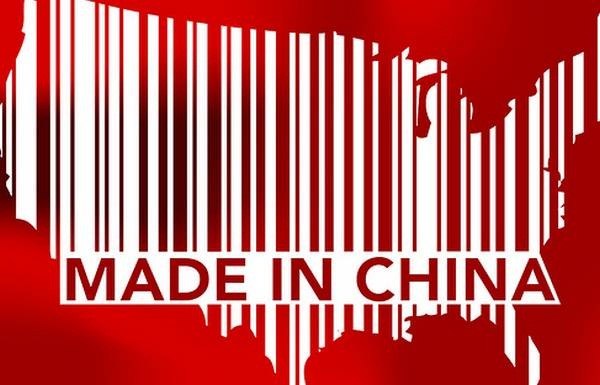
DOOMED AMERICAN FANTASY – WAKE UP CALL FOR AMERICA – READ THE WRITING ON MADE IN CHINA LABEL.
Nixon-Kissinger China Fantasy formulated US Policy of “Conceptual Failure,” and “Strategic Blunder” which holds no Promise for America’s Future.
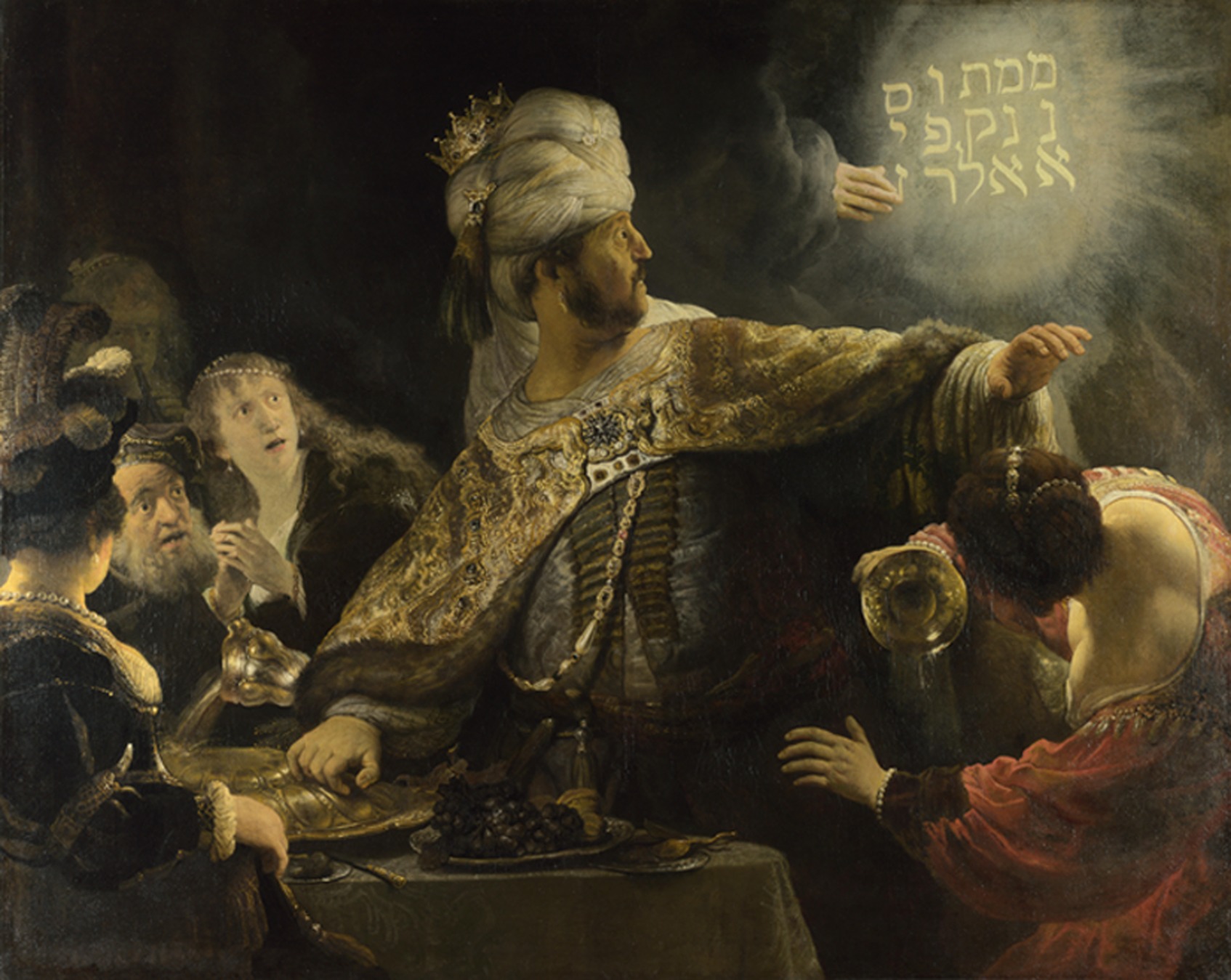
Doomed American Fantasy – Wake Up Call For America. Belshazzar, Doomed last King of Babylon failed to Decipher The Writing On The Wall (DANIEL 5:25).
“The Writing On The Wall” is clear. America need to Read The Writing On Made In China Label. Prophet Daniel warned Belshazzar, last King of Babylon about impending Doom. It’s not too late. To avoid Downfall, to avert Disaster, to prevent Catastrophe, and to halt Calamity in its tracks, America needs to Dump China Fantasy. The next US President Trump has to start afresh to ‘Make America Great Again’.
Doomed American Fantasy – Wake Up Call For America. James Mann, author of “The China Fantasy.”
The New York Times
Op-Ed Contributor
America’s Dangerous ‘China Fantasy’
By JAMES MANN OCT. 27, 2016
Throughout the 1990s and early 2000s, American business executives and political leaders of both parties repeatedly put forward what I label the “China fantasy”: the view that trade, foreign investment and increasing prosperity would lead to political liberalization in the world’s most populous country.
“Trade freely with China, and time is on our side,” said President George W. Bush. He was merely echoing his Democratic predecessor, Bill Clinton, who called the opening of China’s political system “inevitable, just as inevitably the Berlin Wall fell.”
To say the least, things in China haven’t turned out that way.
Over the past few years, the Chinese regime has become ever less tolerant of political dissent – to such an extent that, these days, American leaders have become far more reluctant to make claims about China’s political future or the impact on it of trade and investment. The “China fantasy” got the dynamics precisely wrong: Economic development, trade and investment have yielded greater political repression and a more closed political system.
This amounts to a new China paradigm: an intensely internationalized yet also intensely repressive one-party state. China provides the model that other authoritarian regimes, from Russia to Turkey to Egypt, may seek to replicate. As a result, the United States will find itself struggling with this new China paradigm again and again in the coming years.
In using the word “repression,” I am talking about organized political activity, not private speech. Visitors to China are sometimes surprised to find that cab drivers, tour guides or old friends may speak to them with candor, even about political subjects. However, what such people can’t do is to form an organization independent of the Chinese Communist Party or take independent action to try to change anything.
Doomed American Fantasy – Wake Up Call For America. Wang Qiaoling (Left), and Li Wenzu with photos of their husbands, Human Rights lawyers Detained by Red China.
Wang Qiaoling, left, and Li Wenzu with photos of their husbands, human rights lawyers in China who have been detained since July 2015. Credit How Hwee Young/European Pressphoto Agency
Indeed, over the past two years the Chinese government has been moving in new ways against people and institutions that might, even indirectly, provide support for independent political activity. It has tightened the rules for nongovernmental organizations. More recently, it has been arresting Chinese lawyers. It has also been staging televised confessions, a practice reminiscent of Stalin’s show trials.
Why is it that trade and investment have led to a Chinese regime that represses dissent more than it did five, 10 or 20 years ago? The answer, put simply, is that the regime thinks it needs to do so, can do so and has fewer outside constraints inhibiting it from doing so.
First, it needs to because as the economy develops and grows more complex, Chinese citizens are having new grievances of the sort that would otherwise lead to organized political activity. Environmental problems have multiplied. Consumers worry about product safety (tainted milk, for example) and accidents (like train wrecks). And at least to educated Chinese, internet censorship can be an annoyance, if not an insult.
Second, China’s security apparatus has a much greater capacity to repress dissent than it did in the past. Technology gives it greater capacity to control both physical space (the streets) and cyberspace (the internet).
Finally, the world’s increased commercial involvement with China over the past two decades has made foreign leaders more reluctant to do anything in response to Chinese crackdowns, lest the Chinese regime retaliate. This is in large part a problem of perception: In fact, the Chinese regime cares about its standing in the world and would seek to avoid international condemnation if world leaders took strong stand and work together.
Almost forgotten now is that in the 1990s, the United States, possessing far greater economic leverage in dealing with China than it has today, threatened trade restrictions if Beijing did not improve the human rights climate. After intense debate, the Clinton administration eventually backed away from threats to limit trade with China.
The aftermath of that debate was disastrous. American leaders overreacted by deciding to avoid any further strong actions in support of human rights in China. Instead, they offered the “China fantasy”: the idea that change would come inevitably.
At one point, giving voice to the optimism and the false assumptions about how trade would liberalize China, President Clinton told China’s president, Jiang Zemin, at a Washington news conference, “You’re on the wrong side of history.” History, however, is rendering its own judgment – that America’s confidence in the political impact of trade with China was woefully misplaced.
Looking forward, we are obliged to deal with a China capable of moving endlessly from one crackdown to another, no longer interrupted by the occasional easings or “Beijing Springs” of the past. It will be a different China, in which educated, middle-class people may be less loyal, but their views also less influential.
What we can do is to keep expressing as forcefully as possible the values of political freedom and the right to dissent. Democratic governments around the world need to collaborate more often in condemning Chinese repression – not just in private meetings but in public as well. We should also find new ways to single out and penalize individual Chinese officials involved in repression. Why should there be a one-way street in which Chinese leaders send their own children to America’s best schools, while locking up lawyers at home?
The Chinese regime is not going to open up because of our trade with it. The “China fantasy” amounted to both a conceptual failure and a strategic blunder. The next president will need to start out afresh.
James Mann, a resident fellow at the Johns Hopkins School of Advanced International Studies and former Beijing bureau chief for The Los Angeles Times, is the author of “The China Fantasy.”





















 Whole Dude - Whole Concept