The celebration of Ganesh Chaturthi on Tuesday, August 26, 2025
Bharat Darshan: Tuesday, August 26, 2025, The celebration of Ganesh Chaturthi. A Prayer to Lord Ganesha for Success through Obedience and Humility.
The annual festival of Ganesha Chaturthi marks the birth of Lord Ganesha, the son of Lord Shiva and Goddess Parvati. It involves 10 days of celebration and takes place in the Bhadrapada month (August-September), Shukla Paksha (the Waxing Phase of Moon), the fourth day or Chaturthi as per the Hindu calendar.
Bharat Darshan: Tuesday, August 26, 2025, The celebration of Ganesh Chaturthi. A Prayer to Lord Ganesha for Success through Obedience and Humility.Bharat Darshan. Tuesday, August 26, 2025. The celebration of Ganesh Chaturthi on the fourth day of the Waxing Phase (Shukla Paksha) of Moon of the Month Bhadrapada (August-September)
The auspicious festival begins on Tuesday, August 26. The festival inaugurates with people bringing or making clay idols (murtis) of the Lord, and concludes on the day of Anant Chaturdashi (Saturday, September 06), when the idol is submerged in the nearest body of water, called Ganesha visarjan.
Bharat Darshan: Tuesday, August 26, 2025, The celebration of Ganesh Chaturthi. A Prayer to Lord Ganesha for Success through Obedience and Humility.
A Prayer to Lord Ganesha for Success through Obedience and Humility
Whole Humility: The celebration of Ganesh Chaturthi. A Prayer to Lord Ganesha for Success through Obedience and Humility.Bharat Darshan: Tuesday, August 26, 2025, The celebration of Ganesh Chaturthi. A Prayer to Lord Ganesha for Success through Obedience and Humility.
Lord Ganesha is one of the most worshiped deities among Indian Hindus. Also known as Vinayaka or Ganapati, the elephant God is revered as the God of beginnings and the remover of obstacles.
Whole Dude – Whole Humility: A Prayer to Lord Ganesha for Success with Humility.
Indian Cultural Traditions offer tools for Success in all dimensions of Life including health, education, employment, social status and social relationships. The formula for success is simple; perform all tasks making an estimate to take care of negative consequences or outcomes, and plan for roadblocks or obstacles in the planning stage of executing any action. Indians initiate actions seeking Blessings of Lord Ganesha for their desire for Success in Life should not be directed by intellectual pride or arrogant use of physical or material power.
Bharat Darshan: Tuesday, August 26, 2025, The celebration of Ganesh Chaturthi. A Prayer to Lord Ganesha for Success through Obedience and Humility.Bharat Darshan: Tuesday, August 26, 2025, The celebration of Ganesh Chaturthi. A Prayer to Lord Ganesha for Success through Obedience and Humility.Bharat Darshan: Tuesday, August 26, 2025, The celebration of Ganesh Chaturthi. A Prayer to Lord Ganesha for Success through Obedience and Humility.Bharat Darshan: Tuesday, August 26, 2025, The celebration of Ganesh Chaturthi. A Prayer to Lord Ganesha for Success through Obedience and Humility.Bharat Darshan: Tuesday, August 26, 2025, The celebration of Ganesh Chaturthi. A Prayer to Lord Ganesha for Success through Obedience and Humility.Bharat Darshan: Tuesday, August 26, 2025, The celebration of Ganesh Chaturthi. A Prayer to Lord Ganesha for Success through Obedience and Humility.Bharat Darshan: Tuesday, August 26, 2025, The celebration of Ganesh Chaturthi. A Prayer to Lord Ganesha for Success through Obedience and Humility.
The Divine Mother of Life, Energy and Knowledge. I describe the concept of Whole Motherhood to account for my human existence.
I account for human existence honoring ‘The Divine Mother of Life, Energy, and Knowledge’. The Divine Principle is both male and female and in this article, I present the feminine aspect of Divine Principle as Whole Mother, the harmonious blending or coming together of the Divine Mother of Life, the Divine Mother of Energy and Compassion and the Divine Mother of Knowledge.
The concept of Whole Motherhood, the harmonious coming together of the Divine Mother of Life, the Divine Mother of Energy and Compassion and the Divine Mother of Knowledge.
The Father and the Mother – Principles governing Life:
The Divine Mother of Life, Energy, and Knowledge.Lord Shiva and Goddess Parvati – The Indian Tradition describes them as the First Couple or ‘Adi Dampatulu’ or the Original Father and Mother of humans. The Tradition recognizes existence of a Father and a Mother Principle.
Maatru Devo Bhava, Pitru Devo Bhava – The Divinity of Mother and Father:
Father is described as the male parent, an ancestor, an originator, and as a Controller. Very often, in the Land of India, God is considered as both the Father and the Mother of all life forms. Mother is described as the female parent and something that is regarded as a ‘Source’. In Indian tradition, Father may be viewed as the Prime Cause and Mother is the Source of Prime Energy. Mother is the source of energy in performance of all kinds of actions and in accomplishment of all kinds of work. The Mother Principle represents the Endeavor/Work/Effort that makes action possible. If Life is defined as function at the level of biological molecules, Mother represents the Source or the Origin of these organic molecules; Mother is the Source of Energy for the synthesis of these organic molecules; and Mother is the Source of Knowledge that provides the ability of recognition and the ability to use the molecules in a sequential manner to manage the biochemical reactions of these organic molecules to function as Life.
DEDICATION:
The Divine Mother of Life, Energy, and Knowledge.My Mother is known as “AMMA JI”. Biological Science provides me understanding to recognize her as the Divine Mother of Life, Energy, and Knowledge.
I dedicate this blog post to the memory of my mother. Biological Science provides me the understanding to recognize her as the Divine Mother of Life, Energy, and Knowledge or Whole Mother.
The Divine Mother of Life:
The Divine Mother of Life,Energy, and Knowledge.Goddess Laxmi is the Divine Provider of Life, Food, and Well-being.
The complex, multicellular human organism begins as a single cell. That single cell is the source of life, energy, and knowledge.
The Divine Mother of Life, Energy, and Knowledge.The Biological Dictum states “EX OVO OMNIA” – Everything comes from the Egg.The Divine Mother of Life, Energy, and Knowledge.The Biological Dictum – “OMNIS CELLULA E CELLULA” means all cells from cells.The Divine Mother of Life, Energy, and Knowledge.The Law of Biogenesis states that organisms arise only by the reproduction of other organisms. This cell known as Oocyte develops into Human Ovum or Egg Cell which begins the life of a new human organism after an event called Fertilization.
I, as a human organism exist in this world as I arrived from a previously existing ‘Mother Cell’. By repeated cell growth and cell division or replication known as ‘Mitosis’, the human organism grows and develops into a form containing trillions of cells. This process of development is called ‘Morphogenesis’ which involves not only cell growth but differentiation into specialized types of cells. All the tissues and organs of which the human body is composed have originally developed from a microscopic cell known as ‘Ovum’ or the ‘Egg Cell’. This Ovum or Egg Cell may be regarded as a perfect cell and could be described as ‘Mother Cell’. All the solid tissues in the human body can be shown to consist largely of similar cells; it is true that they may differ, but they are essentially similar to an Ovum. The Ovum is a reproductive cell that is adapted to meet the nutritional requirements of the early developmental stages of the embryo. It is always a large cell because it contains sufficient cytoplasmic substance for the development of a self-sufficient embryo. Some of the substance which is packaged in yolk particles contains cell components; typically an Ovum contains sufficient quantities of components for many cells. Thus the Ovum need not grow as it divides; as the nuclei divide, the cytoplasm subdivides until the Ovum consists of a large number of normal-sized cells. By contrast, the male reproductive cells known as ‘Spermatozoa’ contain very little cytoplasm and they cannot further divide into new cells.
The Source of Life – Protoplasm:
The Divine Mother of Life, Energy, and Knowledge.There is similarity between the cells of a man and that of his Mother Cell or Egg Cell called Ovum.
The most significant feature of the similarity between the cells of a man and that of the ‘Mother Cell’ from which he arrives is the presence of a soft gelatinous, semi-fluid, granular material inside the cell. This substance known as ‘Protoplasm’ is similar to that found in the Ovum. The Ovum consists of this viscous, translucent, colloidal substance enclosed in a membrane called Plasma Membrane. A small spherical body called nucleus is embedded in the protoplasm. The protoplasm could also be differentiated into cytoplasm and nucleoplasm based upon its location. Cytoplasm refers to protoplasm located outside the nucleus. Nucleoplasm refers to protoplasm located inside the nucleus. The two essential features of any living cell in the human body are that of presence of protoplasm and the nucleus.
The Ground Substance of Spiritualism and Spirituality. The vital characteristics, the animating principles of Protoplasm could be known by observing Amoeba proteus. The Living Substance works as an organ of Motion or Movement, as an organ of Nutrition, and as an organ of Reproduction to generate new cells which have a life span of their own. In these physiological functions, I describe the characteristics such as Cognition, Consciousness, Memory, and Intelligence which have a Spiritual role as they bring functional unity and harmony in the interactions between different parts of the same individual organism while it exists in an environment as a member of a biological community.
The most striking characteristics of protoplasm are its vital properties of “Motion” and “Nutrition”. Protoplasm has the intrinsic power to change its shape and position. Motion of protoplasm is called ‘amoeboid movement’ as it resembles the movements observed in the Amoeba proteus animalcule. Nutrition is the power which protoplasm has of attracting to itself the materials necessary for its growth and maintenance from surrounding matter and environment. The Egg Cell or the Ovum is the Source or the Mother of Life.
The Law of Individuality- Heredity and Variation:
The Divine Mother of Life, Energy, and Knowledge. Identity and Individuality. Two-Sides of the same Coin.The Divine Mother of Life, Energy, and Knowledge.A child is always a created object even when it derives its life from a Mother Cell. Life always comes into existence as a new, original object and displays variation from other members of the same or different species.
Heredity is the sum of all biological processes by which particular characteristics are transmitted from parents to their offspring. A child inherits a genetic constitution from its biological parents. This hereditary endowment, the total of the genes that the child has received from both parents is called the genotype. The genotype of an individual is formed from the constituents of the genotypes of his parents. The genotype in a fertilized Egg Cell influences the developmental pattern of the child. Progeny is not exact duplicates of their parents and usually vary in many traits. Heredity and Variation are two sides of the same coin. The outward appearance of an organism is called the phenotype. The same individual shows different phenotypes in childhood, in adulthood, and in old age. The genotype, on the other hand, does not change during an individual’s life. Each cell in the human body contains the same total genetic information that was present in the fertilized Egg. However, the cells are not identical. In different types of cells, groups of genes are controlled (in effect switched on and off) by various biochemical processes, so that each cell manufactures the proteins and structures needed for it to function. Cells are regulated by the DNA in the nucleus and by the transfer of selected portions of the DNA information to the cytoplasm through the intermediate molecules of Messenger RNA. It is estimated that, on average, only about 10 percent of the genes of any cell are functional; selection of functional genes varies with the type of cell. This biological phenomenon of selective gene functioning may contribute to what I term as ‘The Law of Individuality’. Deoxyribonucleic acid or DNA accounts for the ability of all living matter to replicate itself exactly and to transmit genetic information from parent to offspring. The child maintains its individuality by selectively switching the inherited DNA on and off. The Law of Individuality applies to all living organisms. Despite the basic biological, chemical, and physical similarities found in all living things, diversity of life exists not only among and between species but also within every natural population.
The Divine Mother of Life, Knowledge, and Energy.Despite the basic biological, chemical, and physical similarities found in all Living cells, a Diversity of Life exists within every natural population to establish The Law of Individuality.
The Mother Cell is the Source of Life for its child and yet the child comes into existence as a brand new and original product with its own Identity and Individuality. The Mother Cell does not manufacture the new multicellular organism called child. A child is always a created object even when it derives its life from a Mother Cell.
The Divine Mother of Life, Energy, and Knowledge.The Divine Phenomenon – A child always comes into existence as a created object even when it derives its life from a Mother Cell.
The Divine Mother of Energy and Compassion:
Goddess Durga represents the Supreme Being as the source of Energy. There is no choice other than that of leading energy-dependent human existence for the Soul and Spirit that is trapped in the physical, or material realm.
To maintain life an organism not only repairs or replaces (or both) its structures by a constant supply of the materials of which it is composed but also keeps its life processes in operation by a steady supply of energy.
Living systems must be supplied energy for continual synthesis of new organic molecules and to replace or to repair broken organic molecules. This functional activity; the processes of synthesis and breakdown of organic molecules by a living cell, is known as metabolism. Metabolism involves a living system’s continual exchange of some of its materials with its surroundings, principally in the process of building up or destroying its protoplasm. growth involves a higher rate of synthesis of protoplasm than a rate of breakdown of that matter.
Acquisition of Energy:
The Divine Mother of Life, Energy, and Knowledge.Plant Life acquires useful free energy from the energy of Sunlight and hence described as Photoautotrophs.The Divine Mother of Life, Energy, and Knowledge.Plants are known as Photoautotrophs as they have ability to use free energy from the energy of Sunlight. The Divine Mother is the Source of all Material Energies.The Divine Mother of Life, Energy, and Knowledge.Chloroplasts act like Solar Panels to capture Solar Energy, and all terrestrial life forms depend upon energy from an extraterrestrial or Cosmic Source of Energy.
Organisms acquire energy for their metabolism by two general methods and could be classified as autotrophs or self feeders and heterotrophs or feeders of other organisms. Plants are known as Photoautotrophs as they acquire useful free energy from the energy of Sunlight. In a process known as Photosynthesis, plants use Sunlight to break water into Oxygen and Hydrogen. Hydrogen is then combined with Carbon dioxide to produce such energy-rich molecules as Adenosine triphosphate (ATP) and carbohydrates and the Oxygen is released back into the atmosphere. Humans and most other animals are known as heterotrophs – these organisms acquire energy by the controlled breakdown of pre-existing organic molecules (food) supplied by other organisms. Humans utilize the atmospheric Oxygen (released by plant life) to combine chemically with organic matter (food) they have eaten and release Carbon dioxide and water as waste products. Metabolic processes do not occur in one step. It is not similar to burning sugar in air.
Kreb’s Tricarboxylic Acid Cycle:
The Divine Mother of Life, Energy, and Knowledge.Most cells derive their energy from a series of reactions involving Oxygen. In the course of Oxidation, three molecules of energy-rich ATP are generated for each Oxygen atom used to form a molecule of water. The Mitochondria is the cellular site of this respiratory Combustion.
The glucose, a simple sugar is broken down by a series of successive and coordinated steps, each mediated by a particular and specific enzyme. The human organism extracts useful energy by a metabolic process described as Oxidation-Reduction Reactions. The glucose is broken down in a series of about 71 enzymatically catalyzed steps. The first 11 of these biochemical reactions do not involve the use of Oxygen. These Oxidation-Reduction Reactions occur in intracellular organelles known as Mitochondria in the cytoplasm of cells.
Most important biological processes involve Oxidation-Reduction or Redox Reactions to acquire Oxidative energy from other substances termed nutrients. The burning of a substance in air is rapid Oxidation or Combustion which is not of much use for living systems. Plants and Animals use a form of Oxidation called Respiration to liberate energy stored in food materials.
Mitochondria – The Powerhouse of Cells:
The Divine Mother of Life, Energy, and Knowledge.In Mitochondria, many substances are oxidized and ATP, the energy-storing chemical of the cell is produced. This energy is utilized in a variety of cellular functions and activities.
Mitochondria are typically sausage-shaped particles about 0.5 to one micron wide and about 5 to 10 microns long. They are surrounded by an outer unit membrane which controls the passage of material into and out of the mitochondria and govern their internal environment. The inner membrane is the site of the respiratory functions that make the mitochondria the so-called Powerhouse of the Cell. The inner membrane is folded repeatedly into shelf like folds called cristae which contain the enzymes that play an essential role in conversion of the energy of foodstuffs into the energy used for cellular activities.
Mitochondria and Chloroplasts – A Divine Source of Energy Acquisition:
The Divine Mother of Life, Energy, and Knowledge.Both Mitochondria and the Chloroplasts are semi-independent and self-reproducing parts of the Living Cells. It is a Divine Mechanism to provide Energy for Metabolism the characteristic of Living Matter.The Divine Mother of Life, Energy, and Knowledge.The Mitochondria have a degree of “AUTONOMY” and they are unlike the other components of cells.
Mitochondria and Chloroplasts found in the green plant cells perform the same fundamental processes. The Chloroplasts contain the green colored pigment known as Chlorophyll. The Chloroplasts convert the energy of Sunlight into energy-rich ATP and use ATP to convert Carbon into specific organic substances. The most important equations for living things are mutually inverse. Respiration of human organisms represents the reverse of Photosynthesis of Green Plants. Both Mitochondria and the Chloroplasts are semi-independent and self-reproducing parts of the living cells. They have a degree of autonomy and they are unlike the other components of cells. Mitochondria contain DNA in the form of a Chromosome arranged in a ring. The DNA of Mitochondria has different distribution of bases from that of the DNA found in the Chromosomes present in the nucleus. Mitochondria carry the genes for their own replication and for the enzymes found in them. They can synthesize some of their own proteins and reproduce by themselves. In one respect the mitochondria function as the parts of the cells and in another respect, they behave like independent organisms that reproduce on their own.
The Divine Mother of Life, Energy, and Knowledge.A group of Mitochondria – Computer artwork Who has “Designed” the Mitochondria? Do they represent a Divine Mechanism to provide Energy to Energy Dependent Living Organisms?
The Mother Cell is the source of Mitochondria found in all the cells of my human body. During the Growth and Development of Human Embryo and Fetus, all the newly formed cells contain Mitochondria derived from the Egg Cell. Hence, mother as a biological parent represents the Source of Energy for all the Living Functions and activities of her children. I cannot move a muscle in my body without drawing energy supplied by the maternal Mitochondria which continue to live and replicate establishing my mother as the Source of Energy for my existence during my entire Life’s Journey.
The Divine Mother of Knowledge:
Goddess Sarasvati, the Goddess of Knowledge, the Source of Consciousness and Intelligence that is required to establish the living functions of man’s mortal existence.
Life is the state of an individual characterized by the capacity to perform certain functional activities including the ability of responsiveness. Life is further characterized by presence of complex transformation of organic molecules and by organization of such molecules into the successively larger units of protoplasm, cells, organs, and tissues. Hence, I have defined Life as “Knowledge in Action.”
The Divine Mother of Life, Energy, and Knowledge.Goddess Sarasvati is the Divine Mother of Knowledge. Indian Tradition recognizes Mind, and Intellect as aspects of Material Energies. Life functions with Knowledge implanted into Living Organisms which display the characteristics of awareness, responsiveness, alertness, and consciousness.
Responsiveness represents the ability of an organism to change in response to alteration in its environment. Responsiveness, alertness, awareness, and consciousness separates living from nonliving matter and defines life’s underlying principle. Living cells are aware or conscious of the environment in which they exist as well as the state of their own internal environment. The one very important part of environment of a cell is other cells. The ability called awareness and responsiveness is important for recognition, association, and cooperation between cells. Cells function together by exchanging chemical signals.
The Biological Membrane – An Organ of Sense Perception:
The Divine Mother of Life, Energy, and Knowledge.The Biological Membrane or Plasma Membrane functions like an Organ of Sense Perception and it maintains cell’s internal environment and establishes contact with cell’s external environment.
Cell is the most elementary unit of Life. Cell is bounded by a Plasma Membrane which is more correctly described as a Biological Membrane. It separates the cell from the environment and from other cells. It helps to maintain a constant milieu in which intracellular reactions occur. The Biological Membrane allows a highly controlled exchange of matter across the barrier it poses, some compounds are able to pass through the membrane easily, others are blocked. Cells contain various internal structures such as the nucleus, and mitochondria, each of which is enclosed by a Membrane. Both the Biological Membrane and some of the intracellular membranes are parts of a continuous Membrane System that extends through much of the body of the cell. It serves two purposes. A compartmentalization of cell is required for many cellular activities, including uptake and conversion of nutrients, synthesis of new molecules, production of energy, transportation, and release of cell products, and regulation and coordination of metabolic sequences. The cellular organelles are protected from one another’s enzymatic activities, and those of the cytoplasm. The Biological Membrane System functions like an Organ of Sense Perception and maintains the responsiveness of the cell.
The Cytoplasmic or Maternal Inheritance:
Inheritance of DNA in cytoplasm (mitochondria or chloroplasts) Inherited from mother only. Sperm contributes nucleus, but no cytoplasm. Characteristics exhibit extensive phenotypic variation. Each cell can contain hundreds of mitochondria, and may not have same genetic information. Homoplasmy – all the same. Heteroplasmy – different genetic information. Ratio of normal to mutant
Deoxyribonucleic acid or DNA accounts for the ability of all living matter to replicate itself exactly and to transmit genetic information from parent to offspring. While offspring inherit a genetic constitution and hereditary traits from both parents, some characteristics are inherited through the maternal line only. For example, there are no Chlorophyll containing Chloroplasts in pollen grains of (male) flowers. The act of Pollination does not contribute this most important characteristic known as Chloroplasts. Chloroplasts are found only in the Egg Cells of (female) flowers. Similarly, humans inherit the Powerhouses called Mitochondria only from Maternal cytoplasm. A Cytoplasmic Inheritance is entirely Maternal. Human functions that involve Sensory Perception, Mental Cognition, Learning, and the functions of Memory and Consciousness should be viewed as functions of the cytoplasm. Cytoplasm represents the Seat of Knowledge. Man begins Life as a single cell with its cytoplasm. The cell grows and divides while building more of its cytoplasm. Knowledge is the Fact of Knowing, the State of Knowing, and the Act of Knowing a range of information; the Mother or the Source of Knowledge is the Maternal Cytoplasm inherited from the Egg Cell, Ovum, or the Mother Cell.
Rudra Narasimham Rebbapragada,
Ann Arbor, Michigan, 48104-4162, U.S.A.
Goddess Annapurna represents the concept of Whole Motherhood, the Divine Mother of Life, Energy and Knowledge
Red China lives by the sword and shall perish by the sword
TIBET CONSCIOUSNESS – RED CHINA – LIVE BY THE SWORD – PERISH BY THE SWORD. THERE ARE NO EXCEPTIONS TO THIS GOLDEN RULE.
Red China conquered Tibet using the power of her Sword and she oppresses Tibet with her Sword’s Power. I have to share these words with Red China: “Put your sword in its place, for all who take the sword will perish by the sword.” If Red China Lives by the Sword, surely, She will Die by the Sword. No exceptions to this Golden Rule (Reference. Book of Matthew 26:52).
Rudra Narasimham Rebbapragada Ann Arbor, MI 48104-4162 USA Special FrontierForce-Establishment 22-Vikas Regiment
TIBET CONSCIOUSNESS – RED CHINA – LIVE BY THE SWORD – PERISH BY THE SWORD. NO EXCEPTIONS TO THIS GOLDEN RULE.Tibet Consciousness – Red China – Live by the Sword – Red China shall Die by the Sword.Tibet Consciousness – Red China Slain Tibet with the Sword – Red China Must be Killed with the Sword. No Exceptions to Golden Rule – The Book of Revelation 13:10Tibet Consciousness. Those who use the sword will die by the sword says LORD Jesus. No exceptions to this Golden Rule. Red China slain Tibet with Sword and hence will perish by the Sword.
NDTV
China has turned Tibetan Plateau into vast military zone, claims Core Group
PRESS TRUST OF INDIA Updated: November 05, 2015 01:13 IST
TIBET CONSCIOUSNESS – RED CHINA – LIVE BY THE SWORD – PERISH BY THE SWORD. CHINA TURNED TIBETAN PLATEAU INTO VAST MILITARY ZONE.
A Tibetan monk stands outside a temple near Mount Kailash in Ngari, Tibet Autonomous Region September 3, 2011. (Reuters)
Guwahati: China has turned the Tibetan Plateau into a “vast military zone” deploying a large number of troops with most of them along the Indian sub-continent, claimed the Core Group for Tibetan Cause (CGTC).
“China has turned the once peaceful and buffer state between India and China into a vast military zone. The militarisation of the Tibetan Plateau profoundly affects the geopolitical balance of the region, which causes serious international tension, particularly in the Indian sub-continent,” claimed the Core Group for Tibetan Cause, an apex coordinating body of Tibet Support Groups all over India.
In a publication distributed in the 5th All India Tibet Support Groups Conference that concluded here yesterday, it claimed that as part of its militarisation, China has “17 secret radar stations, 14 military airfields, eight missile bases with eight Intercontinental Ballistic Missiles and 20 intermediate range missiles.”
Referring to the China’s 1,118-km railway project in Tibet connecting Gormo to Lhasa, it claimed that “China’s determination to construct the rail link to Lhasa is of political and military need.”
The CGTC held its 5th All India Tibet Support Groups conference here on November 2 and 3 which was addressed by Tibetan Government in-exile in India Prime Minister Dr Lobsang Sangay and Information and International Relations Minister Dicki Chhoyang.
Story First Published: November 05, 2015 01:13 IST
TIBET CONSCIOUSNESS – RED CHINA – LIVE BY THE SWORD – PERISH BY THE SWORD. 5th ALL INDIA TIBET SUPPORT GROUPS CONFERENCE, GUWAHATI. TIBET IS TRANSFORMED INTO A VAST MILITARY ZONE.TIBET CONSCIOUSNESS – RED CHINA – LIVE BY THE SWORD – PERISH BY THE SWORD. RED CHINA RULES TIBET BY THE SWORD. TIBET ADVOCACY GROUPS 5th MEETING IN GUWAHATI.TIBET CONSCIOUSNESS – RED CHINA – LIVE BY THE SWORD – PERISH BY THE SWORD. CORE GROUP FOR TIBETAN CAUSE. 4th ALL INDIA TIBET SUPPORT GROUPS CONFERENCE JUNE 09, 2012, DHARAMSALA.TIBET CONSCIOUSNESS – RED CHINA – LIVE BY THE SWORD – PERISH BY THE SWORD. A LESSON FROM THE BOOK OF MATTHEW.TIBET CONSCIOUSNESS – RED CHINA – LIVE BY THE SWORD – PERISH BY THE SWORD. A LESSON FROM BIBLE.TIBET CONSCIOUSNESS – RED CHINA – LIVE BY THE SWORD – PERISH BY THE SWORD. RED CHINA KILLS WITH THE SWORD. SHE MUST BE KILLED BY THE SWORD. TIBET CONSCIOUSNESS – RED CHINA – LIVE BY THE SWORD – PERISH BY THE SWORD. FOR RED CHINA KILLED WITH THE SWORD, SHE MUST BE SLAIN WITH THE SWORD. JESUS IS LORD, SPOKE THE GOLDEN RULE.
The Clinton Curse – Why the United States failed on August 22, 1996?
I am asking Christians to reject President Clinton’s Public Law 104 – 193. All said and done, President Clinton’s Evil Plan failed to resolve the problem of National Debt. The Repeal Movement exposes President Clinton’s contemptuous violation of Constitutional Principles of equal protection, equal justice and equal treatment under LawThe erosion of Christian Values sets in motion a great economic disaster since August 22, 1996: In this graphic, Julie Peasley shows how many one-dollar bills it would take to stack up to the total U.S. debt of $31.4 trillion.I am asking Christians to reject President Clinton’s Public Law 104 – 193. All said and done, President Clinton’s Evil Plan failed to resolve the problem of National Debt. The Repeal Movement exposes President Clinton’s contemptuous violation of Constitutional Principles of equal protection, equal justice and equal treatment under LawI am asking Christians to reject President Clinton’s Public Law 104 – 193. All said and done, President Clinton’s Evil Plan failed to resolve the problem of National Debt. The Repeal Movement exposes President Clinton’s contemptuous violation of Constitutional Principles of equal protection, equal justice and equal treatment under LawI am asking Christians to reject President Clinton’s Public Law 104 – 193. All said and done, President Clinton’s Evil Plan failed to resolve the problem of National Debt. The Repeal Movement exposes President Clinton’s contemptuous violation of Constitutional Principles of equal protection, equal justice and equal treatment under LawI am asking Christians to reject President Clinton’s Public Law 104 – 193. All said and done, President Clinton’s Evil Plan failed to resolve the problem of National Debt. The Repeal Movement exposes President Clinton’s contemptuous violation of Constitutional Principles of equal protection, equal justice and equal treatment under Law
President Clinton’s New Beginning in 1996. Economic Oppression of alien workers
I am asking Christians to reject President Clinton’s Public Law 104 – 193. All said and done, President Clinton’s Evil Plan failed to resolve the problem of National Debt. The Repeal Movement exposes President Clinton’s contemptuous violation of Constitutional Principles of equal protection, equal justice and equal treatment under Law
On August 22, 1996, US President Bill Clinton (Democrat) signed into Law that reintroduced Slavery, Involuntary Servitude, Serfdom and Forced Labor in the pretext of making ‘A New Beginning’. Welfare Reform Act or Personal Responsibility and Work Opportunity Reconciliation Act (PRWORA) is unjust and unfair for it violates Constitutional Law that defends natural rights of all people living in United States. All US taxpayers must be treated as equals for receiving retirement income benefits for which they paid taxes. President Clinton’s action constitutes a transgression of President Abraham Lincoln’s Emancipation Proclamation that saved US Non-Citizens or Aliens from the indignity of Slavery.
I am asking Christians to reject President Clinton’s Public Law 104 – 193. All said and done, President Clinton’s Evil Plan failed to resolve the problem of National Debt. The Repeal Movement exposes President Clinton’s contemptuous violation of Constitutional Principles of equal protection, equal justice and equal treatment under Law
The Campaign to Repeal the Welfare Reform Act of 1996 is not about giving citizenship rights to non-citizens. It is about upholding the Supreme Law of the Land to abolish bondage, servitude, and slavery. The Reconstruction of America is not yet over. Slavery re-appeared in this Land in a new form and remains hidden or unnoticed. ‘The Clinton Curse’ explains as to why the United States failed on August 22, 1996. The Curse reveals the nature of The Beast that is waiting to overtake this nation.
The Clinton Curse – The Beast is waiting to overtake the United States
The Lord shall bring a nation against thee from far, from the end of the earth, as swift as the eagle flieth; a nation whose tongue thou shalt not understand; Deuteronomy 28:49The Lord shall bring a nation against thee from far, from the end of the earth, as swift as the eagle flieth; a nation whose tongue thou shalt not understand; Deuteronomy 28:49I am asking Christians to reject President Clinton’s Public Law 104 – 193. All said and done, President Clinton’s Evil Plan failed to resolve the problem of National Debt. The Repeal Movement exposes President Clinton’s contemptuous violation of Constitutional Principles of equal protection, equal justice and equal treatment under LawI am asking Christians to reject President Clinton’s Public Law 104 – 193. All said and done, President Clinton’s Evil Plan failed to resolve the problem of National Debt. The Repeal Movement exposes President Clinton’s contemptuous violation of Constitutional Principles of equal protection, equal justice and equal treatment under LawI am asking Christians to reject President Clinton’s Public Law 104 – 193. All said and done, President Clinton’s Evil Plan failed to resolve the problem of National Debt. The Repeal Movement exposes President Clinton’s contemptuous violation of Constitutional Principles of equal protection, equal justice and equal treatment under LawI am asking Christians to reject President Clinton’s Public Law 104 – 193. All said and done, President Clinton’s Evil Plan failed to resolve the problem of National Debt. The Repeal Movement exposes President Clinton’s contemptuous violation of Constitutional Principles of equal protection, equal justice and equal treatment under LawI am asking Christians to reject President Clinton’s Public Law 104 – 193. All said and done, President Clinton’s Evil Plan failed to resolve the problem of National Debt. The Repeal Movement exposes President Clinton’s contemptuous violation of Constitutional Principles of equal protection, equal justice and equal treatment under LawI am asking Christians to reject President Clinton’s Public Law 104 – 193. All said and done, President Clinton’s Evil Plan failed to resolve the problem of National Debt. The Repeal Movement exposes President Clinton’s contemptuous violation of Constitutional Principles of equal protection, equal justice and equal treatment under LawI am asking Christians to reject President Clinton’s Public Law 104 – 193. All said and done, President Clinton’s Evil Plan failed to resolve the problem of National Debt. The Repeal Movement exposes President Clinton’s contemptuous violation of Constitutional Principles of equal protection, equal justice and equal treatment under LawI am asking Christians to reject President Clinton’s Public Law 104 – 193. All said and done, President Clinton’s Evil Plan failed to resolve the problem of National Debt. The Repeal Movement exposes President Clinton’s contemptuous violation of Constitutional Principles of equal protection, equal justice and equal treatment under LawI am asking Christians to reject President Clinton’s Public Law 104 – 193. All said and done, President Clinton’s Evil Plan failed to resolve the problem of National Debt. The Repeal Movement exposes President Clinton’s contemptuous violation of Constitutional Principles of equal protection, equal justice and equal treatment under Law
The Great Awakening Movement – Spiritual Warfare against the Clinton Curse
I am asking Christians to reject President Clinton’s Public Law 104 – 193. All said and done, President Clinton’s Evil Plan failed to resolve the problem of National Debt. The Repeal Movement exposes President Clinton’s contemptuous violation of Constitutional Principles of equal protection, equal justice and equal treatment under LawI am asking Christians to reject President Clinton’s Public Law 104 – 193. All said and done, President Clinton’s Evil Plan failed to resolve the problem of National Debt. The Repeal Movement exposes President Clinton’s contemptuous violation of Constitutional Principles of equal protection, equal justice and equal treatment under LawI am asking Christians to reject President Clinton’s Public Law 104 – 193. All said and done, President Clinton’s Evil Plan failed to resolve the problem of National Debt. The Repeal Movement exposes President Clinton’s contemptuous violation of Constitutional Principles of equal protection, equal justice and equal treatment under Law
US Congress must do the Right thing to Save America from The Clinton Curse, The Economic Disaster of 1996 to 2025.
I ask my readers to review 43-word 13th Amendment and tell me if those words still govern, rule, and operate the lives of all people, wage earners who perform labor paying taxes.
My readers should not be surprised if I describe the US Congress as “Slave Driver.” The reason for my claim is based on PRWORA enacted by the US Congress in 1996 that amended The US Social Security Act of 1935. This legal provision enacted by 104th US Congress is incorporated as Section 202(y) of the Social Security Act. It mandates that no Retirement Income benefits shall be payable to registered alien (non-citizen) taxpayers in the United States without showing proof of lawful residency as determined by the Attorney General. In my view, such proof must not be demanded if a worker has attained full retirement age as determined by law.
I am asking Christians to reject President Clinton’s Public Law 104 – 193. All said and done, President Clinton’s Evil Plan failed to resolve the problem of National Debt. The Repeal Movement exposes President Clinton’s contemptuous violation of Constitutional Principles of equal protection, equal justice and equal treatment under Law
Social Security Act, Section 202(y) violates the principle enshrined in those 43 words called the 13th Amendment. This 1996 amendment to the Social Security Act is fundamentally flawed for it is unconstitutional. It takes away the property rights (earnings, wages, and retirement income) of individuals who paid Federal, State, Local, Social Security and Medicare Taxes working in this country to attain the full retirement age.
The Emancipation Proclamation issued by President Abraham Lincoln (Republican) in September 1862 came into effect on January 01, 1863 freeing slaves in all territory still at War with the Union. These slaves were not citizens of the Land and had no political rights of their own. In Law, Servitude or Slavery refers to the burden imposed upon the property of a person by a specified right another has in its use. Servitude involves labor in which the person who performs labor has no right to his earnings from labor. The Emancipation Proclamation specifically protects, defends, preserves and safeguards rights of aliens or non-citizens residing in the United States.
I am asking Christians to reject President Clinton’s Public Law 104 – 193. All said and done, President Clinton’s Evil Plan failed to resolve the problem of National Debt. The Repeal Movement exposes President Clinton’s contemptuous violation of Constitutional Principles of equal protection, equal justice and equal treatment under Law
The amended Social Security Act unconstitutionally gives power to Social Security Administration to withhold the property (wages, earnings, monthly retirement income benefits) of alien workers who are not convicted by US Court of Law. In my analysis, The Social Security Act of 1935 amended in 1996 fails to uphold the US Constitution as the Supreme Law of this Land.
I ask my readers to make the distinction between Social Security Tax and Monthly Retirement Benefit. The first represents tax paid to the government and the second represents earning or wage entitled to a retired person to provide income and security during old age.
I am asking Christians to reject President Clinton’s Public Law 104 – 193. All said and done, President Clinton’s Evil Plan failed to resolve the problem of National Debt. The Repeal Movement exposes President Clinton’s contemptuous violation of Constitutional Principles of equal protection, equal justice and equal treatment under Law
All said and done, President Clinton’s Evil Plan failed to resolve the problem of National Debt. The Repeal Movement exposes President Clinton’s contemptuous violation of Constitutional Principles of equal protection, equal justice and equal treatment under Law.
I am asking Christians to reject President Clinton’s Public Law 104 – 193. All said and done, President Clinton’s Evil Plan failed to resolve the problem of National Debt. The Repeal Movement exposes President Clinton’s contemptuous violation of Constitutional Principles of equal protection, equal justice and equal treatment under Law
President Clinton’s Slavery Law of 1996 tramples upon fundamental freedoms and human dignity entitled to all human beings without any concern for their country of origin or citizenship status.
The Lord shall bring a nation against thee from far, from the end of the earth, as swift as the eagle flieth; a nation whose tongue thou shalt not understand; Deuteronomy 28:49
The US Congress can levy taxes but cannot deprive any person of Life, Liberty and Property without due process of Law. The United States Cannot Balance the Budget and cannot solve the problem of mounting National Debt without reaping the Blessings of God’s Promise. President Clinton’s tricks and gimmicks will utterly ruin and destroy the Nation for he failed to obey the LORD.
The Lord shall bring a nation against thee from far, from the end of the earth, as swift as the eagle flieth; a nation whose tongue thou shalt not understand; Deuteronomy 28:49I am asking Christians to reject President Clinton’s Public Law 104 – 193. All said and done, President Clinton’s Evil Plan failed to resolve the problem of National Debt. The Repeal Movement exposes President Clinton’s contemptuous violation of Constitutional Principles of equal protection, equal justice and equal treatment under Law
HIS HOLINESS THE 14th DALAI LAMA – PRINCE OF PEACE: The Dalai Lama is seen seated on his throne in Potala Palace, Lhasa, Tibet in this photo image from 1956/1957.
The Great Fifth Dalai Lama founded the Ganden Phodrang Government of Tibet in 1642. The successive Dalai Lamas have headed Tibet for nearly four centuries. The Institution of Dalai Lama is the central focus of Tibetan Cultural Identity and Tibetan National Character. Very often, news media stories refer to His Holiness the 14th Dalai Lama as a Buddhist monk and ignore the fact that he was seated on a throne in a ceremonial function when he assumed the Office of the Dalai Lama. For that reason, I would like to categorically name him as “Prince of Peace” who is promoting peace in both Tibetan and International affairs.
Prince of Peace – Book of Isaiah, Chapter 9:6
His Holiness The Dalai Lama – Prince of Peace: He will be called Wonderful Counselor, Prince of Peace for he will shatter the Yoke that burdens Tibet.
His Holiness The Dalai Lama was not born as a Prince. He was chosen by Tibetan tradition and custom to occupy the position of The Dalai Lama which makes him as an exalted person clothed with authority. In Tibetan tradition, the Dalai Lama is a monarch or a King, a Leader who rules over Tibet with full public consent and the political institution of the Dalai Lama and his governance of Tibet is a system of government approved by Social Contract.
His Holiness the 14th Dalai Lama – Prince of Peace: He will ease the burden of Yoke imposed by Communist China’s Oppressive rule of Tibet.
The Dalai Lama as Prince of Peace will ease the burden of Yoke imposed by Red China’s oppressive occupation of Tibet.
Rudra Narasimham Rebbapragada Ann Arbor, MI 48104-4162, USA Special Frontier Force-Establishment 22-Vikas Regiment
Tibet: News International Top US official calls HH the Dalai Lama of Tibet “ambassador for peace”
Monday, 27 July 2015 12:58 Yangchen Dolma, Tibet Post International
The Dalai Lama as Prince of Peace will ease the burden of Yoke imposed by Red China’s oppressive occupation of Tibet.
Washington DC — White House senior adviser praised His Holiness the Dalai Lama of Tibet and described him as “an ambassador for peace, for justice, and for nonviolence.”
Valerie Jarrett, Senior Advisor to President Obama made the following remarks at NATA’s event to honor His Holiness the Dalai Lama, the spiritual leader of Tibet.
“His Holiness the Dalai Lama, to the monks and the people of Tibet, to the leaders and dignitaries and incredible performers who are here today, and to all of you, gathered in this amazing room, good afternoon.
And what an amazing afternoon it is. It is an honor to be among so many friends of His Holiness as we celebrate his extraordinary life of a man that we all admire and respect. I come here today on behalf of President Barack Obama, to convey the birthday wishes of the American people to His Holiness the Dalai Lama. There are very few individuals that have a truly global presence, and even fewer who have used that presence to make such a powerful and positive contribution to humanity.
Both through his words and importantly his deeds, His Holiness the Dalai Lama has become an ambassador for peace, for justice, and for nonviolence. He has inspired us all to speak up for the dignity of every human being, and he has been unwavering in his conviction that there is most certainly more that unifies us than could possibly divide us. In this sense, he is a man for this moment: at a time when voices of intolerance seek to sow division along religious and racial and ethnic lines, the Dalai Lama serves as a powerful counterweight, for he is a uniter. His teachings challenge us to promote religious harmony among all faiths and traditions, and the unwavering persistence of his message of compassion serves as a moral compass for all of us during this extraordinarily challenging time in our world’s history.
But the Dalai Lama is not a billboard who merely looks good from a distance. I know this from personal experience that I am humbled to say. I had the incredible opportunity of visiting His Holiness in Dharamsala back in 2009. I spent time at his private residence and I visited the community that has thrived under his spiritual leadership in exile for 56 years. The Dalai Lama and I discussed the importance of a lifelong commitment to giving voice to the voiceless, and by the example he has set, he truly gave me a renewed strength to never lose sight of our collective and our individual responsibility to be unwavering forces for good.
I felt the profound connection between he and his many followers; I visited a monastery, I visited a school, I visited an orphanage—all that he had established. I saw the extraordinary efforts that he had undertaken to preserve the Tibetan religious, cultural, and linguistic traditions. And I will never, ever forget the joyful healthy children who I met who were being raised by loving and nurturing adults in an orphanage that is 54 years old. And, in fact, I discovered that many of the adults in the orphanage had been raised in that very same orphanage and were giving back to the children of today. After that amazing trip to Dharamsala, I returned to the United States and I told President Obama that His Holiness had changed my life, and I meant it.
Now, I hasten to add that later His Holiness said to the President that he thought I was exaggerating when I said that, but I was not. He truly changed my life. And each time our paths have crossed since that very first visit to Dharamsala, the Dalai Lama has touched my heart, and has been an ongoing source of deep and true inspiration for me as I know he is for all of you.
On a personal note, I just want to say publicly what I hope you know privately, which is: I treasure you, and I am humbled, deeply humbled, to be able to call you my friend.
And so today, as we join here and so many people around the world in celebration of an extraordinary life of this great leader, a good and a decent man, a compassionate and honest man, a spiritual and intellectual man, a man, I hasten to say, with amazing grace. And so I close the way I began, which is to say to you on behalf of President Barack Obama, I wish you Sir, a continued health, and strength, and vigor, for at least until you reach the age of a hundred and twenty. Thank you very much.”
Last Updated ( Monday, 27 July 2015 13:04 )
His Holiness the 14th Dalai Lama – Prince of Peace: He will resist the Prince of Darkness, the Evil One, The Evil Red Empire.His Holiness the 14th Dalai Lama – Prince of Peace: He will shatter the YOKE that burdens Tibet.His Holiness The Dalai Lama – Prince of Peace: For he will shatter the rod of Communist China’s oppression in Tibet.
The Dalai Lama as Prince of Peace will ease the burden of Yoke imposed by Red China’s oppressive occupation of Tibet.The Dalai Lama as Prince of Peace will ease the burden of Yoke imposed by Red China’s oppressive occupation of Tibet.The Dalai Lama as Prince of Peace will ease the burden of Yoke imposed by Red China’s oppressive occupation of Tibet.The Dalai Lama as Prince of Peace will ease the burden of Yoke imposed by Red China’s oppressive occupation of Tibet.The Dalai Lama as Prince of Peace will ease the burden of Yoke imposed by Red China’s oppressive occupation of Tibet.
Tibetans are celebrating His Holiness the 14th Dalai Lama’s 80th birthday with a photography exhibition, ‘Dalai Lama in Frames’ at Centre Atrium, India Habitat Centre, New Delhi. Dalai Lama relinquished his temporal powers and Tibetan Exile community have a parliament and a Prime Minister to attend to affairs of Tibetan Government in Exile.
Tibetans in Occupied Tibet continue to claim Dalai Lama as the Supreme Ruler of Tibet for they have no opportunity to elect their own representatives. Until Democracy is introduced into Tibet, Tibetans have no choice; His Holiness the Dalai Lama will remain the sole representative of Tibetans.
Rudra Narasimham Rebbapragada Ann Arbor, MI 48104-4162 USA Special Frontier Force-Establishment 22-Vikas Regiment
Shweta Sharma, Dec 29, 2015, DHNS Photo exhibit His Holiness The Dalai Lama turned 80 this year. In Tibetan custom, especially in Amdo, the north eastern part of Tibet, where he was born, family members celebrate the 80th year of one’s birth with great joy. Extending this celebration to the national capital, the Foundation for Universal Responsibility of His Holiness The Dalai Lama (FURHHDL) put together ‘Dalai Lama in Frames’ a photography exhibition based on his life and activities.
“The main idea behind organising this exhibition is to showcase the life and activities of His Holiness the Dalai Lama in visual form. If you check his schedule, you can see that he travels extensively to different parts of the world engaging in talks, teachings, festivals. Even in India, he travels to various parts of the country meeting people, students, and children and participating in many meetings and gatherings,” Thupten Tsewang, director (administration), general manager (programmes), FURHHDL, tells Metrolife.
The exhibition shows the Dalai Lama’s life in pictures through the lens of Tenzin Choejor, his official photographer. So, in one image the Tibetan spiritual leader can be seen with Mahendra Singh Dhoni, captain of Indian cricket team, at Dharamsala (2014); in another picture he is seen offering prayers at the Gupt-Ganga Temple in Srinagar (2012); while another image shows him blessing the patients at Tahirpur Leprosy Complex in New Delhi (2014).
“We did not have any strict system of selecting the images. However, we have tried our best to select those images which depict his genuine effort of reaching out to people of different backgrounds and circumstances,” Tsewang says.
He adds that the images are broadly based on the three main commitments of His Holiness. “Firstly, images such as his engagement with various religious leaders (depict his efforts) to promote religious harmony in the world. (His images) with students, children, patients, politicians, business people depict his efforts of reaching out to people of various backgrounds to engage and promote human values. Thirdly, engaging with Tibetans and Buddhists (depict his effort) to preserve Tibet’s Buddhist culture, a culture of peace and non-violence,” he says.
The exhibition is on at the Centre Atrium, India Habitat Centre until December 31.
Copyright 2014, The Printers (Mysore) Private Ltd., 75, M.G Road, Post Box 5331, Bengaluru – 560001
Tel: +91 (80) 25880000 Fax No. +91 (80) 25880523
Tibet Consciousness – The Supreme Ruler of Tibet.Lhasa, Potala und Medizinberg von Osten. My Prayers to Lhasa River.
Tibet Consciousness – The Dalai Lama’s Birthplace, Taktser, Amdo, Tibet,
Special Frontier Force shares with pleasure a story, “In the Dalai Lama’s home town, a moment of limbo,” published in The Washington Post.
Rudra Narasimham Rebbapragada Ann Arbor, MI 48104-4162 USA Special Frontier Force-Establishment 22-Vikas Regiment
Tibet Consciousness – The Dalai Lama’s Birthplace, Taktser, Amdo, Tibet,
THE WASHINGTON POST
In the Dalai Lama’s home town, a moment of limbo
TIBET CONSCIOUSNESS – THE 14th DALAI LAMA’S BIRTHPLACE, TAKTSER, AMDO, TIBET.
What the birthplace of the Dalai Lama looks like
The spiritual leader was born Lhamo Dondrub to parents who farmed barley and potatoes in the village of Taktser.
The spiritual leader was born Lhamo Dondrub to parents who farmed barley and potatoes in the village of Taktser. The simple farmer’s home where the Dalai Lama once lived was leveled long ago and has been reconstructed several times during his exile. The latest changes, announced in 2013, cost $400,000 and saw the addition of a 10-foot-high wall. Emily Rauhala/The Washington Post
BY EMILY RAUHALA NOVEMBER 19 at 10:35 PM
Taktser, Amdo, Tibet — The first snow of the season lies light on the hills and the air smells of wood smoke; the police who guard this village on the eastern edge of the Tibetan Plateau must be inside by the stove.
Beyond a solitary checkpoint, a paved road rises up and around and passes a high-walled courtyard with a richly painted gate. Nearby, a sheep picks through a pile of hay, unobserved except by security cameras.
It was here, in what Tibetans call Amdo (and the People’s Republic named Qinghai province), that a boy named Lhamo Dondrub was born in 1935 to parents who farmed barley and potatoes.
Identified as the next reincarnation of the Dalai Lama at age 2, he left for Lhasa in 1939 and fled to India in 1959. But in his birthplace — known to the Tibetans as Taktser — and across the plateau, his presence is still keenly, if quietly, felt — much to Beijing’s dismay.
In 2006, a top Chinese official called the battle against him a “fight to the death.” With each year that passes — he turned 80 in July — that looks to be increasingly true.
Last year, the Dalai Lama raised the possibility that his title may die with him, musing also that he might reincarnate as a woman, reincarnate outside Tibet or not reincarnate at all.
Beijing countered that the man they call a “wolf in monk’s robes” must absolutely reincarnate. It seeks to control what happens when he dies by, among other things, staking a claim on his place of birth.
That leaves Taktser in limbo. “In a way, his birthplace represents and embodies the Tibet problem: It’s there, and the Chinese authorities cannot make it disappear,” said Yangdon Dhondup, a research associate at London’s School of Oriental and African Studies.
“To find a way around this is to make it as difficult as possible to access it so that slowly, this place — and in extension, the Tibet problem — is forgotten from the mind and from history,” she said. On the road to Taktser, the sweep of history is in full view.
From the provincial capital, Xining, you drive east on a freeway flanked by half-built high-rises, and then south along a valley floor, passing villages being razed and rebuilt with state money — mud-brown courtyards resurrected in grayish white, often with standard-issue stenciling on the walls.
Roadside billboards feature the face of President Xi Jinping and praise the Communist Party. “Deeply implement the spirit of the 18th Party congress,” reads one. There are few signs, though, marking the way to Taktser.
Beijing’s strategy in Tibetan areas is twofold: forcibly restrict religious practice while pumping money into development in a bid to control, and eventually change, the Tibetan way of life. Some Tibetans call it colonization. Beijing has long preferred “liberation,” and state media regularly tout expensive efforts in road and rail construction, mass resettlement and the restoration of historic sites.
Migration is changing many towns and cities on the plateau, including Taktser. In 2011, a Chinese state media report noted that the once-Tibetan town was home to 44 Tibetan families and 25 Han Chinese families.
The simple farmer’s home where the Dalai Lama once lived was leveled long ago and has been reconstructed several times during his exile. The latest changes, announced in 2013, cost $400,000 and included the addition of a 10-foot-high wall.
That money was part of a $250 million effort to urbanize the district. A local official, Sun Xiuzong, in 2013 cast the plan as a triumph. “Today, the once bleak, underdeveloped county is closer to a boom town,” he told the Xinhua News Agency, praising better tap water and “blacktop roads.”
Critics counter that here and elsewhere, investment comes with conditions: Some visitors who make the trip are welcome, some of the time — but only if they check in with the police. And by staking its claim on the Dalai Lama’s birthplace, the state signals something more: plans to control his lineage after death. When a search party from Lhasa set out to find the next incarnation of the Dalai Lama in 1935, its members followed a series of signals, sustaining centuries-old tradition.
Today, the toddler they found in Taktser wonders whether it’s time to end that system. “The Dalai Lama institution will cease one day,” he told the BBC last year. Better to end it with a “popular” leader, he said, than to risk a “stupid” one.
That did not please Beijing. At an annual meeting last March, members of the officially atheist Communist Party said that the Dalai Lama must reincarnate — according to their dictates.
“Decision-making power over the reincarnation of the Dalai Lama, and over the end or survival of this lineage, resides in the central government of China,” said party official Zhu Weiqun, according to state media reports.
“The party will try every single way to intervene and control the reincarnation,” said Woeser, a Tibetan poet and blogger, who like many Tibetans uses one name.
There is precedent. In 1995, the Dalai Lama named a 6-year-old as the reincarnation of the Panchen Lama, the second-most important figure in Tibetan Buddhism. China declared the appointment illegitimate, the boy and his family disappeared, and Beijing appointed its own Panchen Lama.
Many believe they have a similar plan in the works for when the Dalai Lama dies — raising the possibility of rival candidates and a succession struggle.
“China is convinced that it simply has to wait out death, then appoint their own Dalai Lama,” said Elliot Sperling, an associate professor at Indiana University who studies Tibet. “Even if Tibetans don’t accept it, Beijing believes it has enough control, and enough in terms of the mechanism of repression.”
For now, Beijing’s tight grip on Tibetan areas prevents most locals from speaking candidly on the issue. As dusk settled over Taktser, villagers declined to chat, ducking inside or simply saying, apologetically, “I can’t.”
Over tea and Tibetan bread, one family said they indeed appreciated improvements to their housing over the years and hoped the village would continue to prosper. Their names have been withheld because they are not allowed to speak to visitors.
Asked about the Dalai Lama, a farmer in his 30s shook his head, looked at the ground, then nodded toward the spiritual leader’s rebuilt house. “Shuo bu shang,” he said in Chinese. “It’s hard to say.”
Gu Jinglu in Hongya and Liu Liu in Beijing contributed to this report.
Emily Rauhala is a China Correspondent for the Post. She was previously a Beijing-based correspondent for TIME, and an editor at the magazine’s Hong Kong office.
That leaves Taktser in limbo. “In a way, his birthplace represents and embodies the Tibet problem: It’s there, and the Chinese authorities cannot make it disappear,” said Yangdon Dhondup, a research associate at London’s School of Oriental and African Studies.That leaves Taktser in limbo. “In a way, his birthplace represents and embodies the Tibet problem: It’s there, and the Chinese authorities cannot make it disappear,” said Yangdon Dhondup, a research associate at London’s School of Oriental and African Studies.That leaves Taktser in limbo. “In a way, his birthplace represents and embodies the Tibet problem: It’s there, and the Chinese authorities cannot make it disappear,” said Yangdon Dhondup, a research associate at London’s School of Oriental and African Studies.That leaves Taktser in limbo. “In a way, his birthplace represents and embodies the Tibet problem: It’s there, and the Chinese authorities cannot make it disappear,” said Yangdon Dhondup, a research associate at London’s School of Oriental and African Studies.That leaves Taktser in limbo. “In a way, his birthplace represents and embodies the Tibet problem: It’s there, and the Chinese authorities cannot make it disappear,” said Yangdon Dhondup, a research associate at London’s School of Oriental and African Studies.That leaves Taktser in limbo. “In a way, his birthplace represents and embodies the Tibet problem: It’s there, and the Chinese authorities cannot make it disappear,” said Yangdon Dhondup, a research associate at London’s School of Oriental and African Studies.That leaves Taktser in limbo. “In a way, his birthplace represents and embodies the Tibet problem: It’s there, and the Chinese authorities cannot make it disappear,” said Yangdon Dhondup, a research associate at London’s School of Oriental and African Studies.TIBET CONSCIOUSNESS – LABRANG, AMDO REGION, EASTERN TIBET. THE 14th DALAI LAMA WAS BORN IN A SMALL VILLAGE CALLED TAKTSER.
The Cold War in Asia – Resolve Tibet-China Border Dispute
The Cold War in Asia – Resolve Tibet-China Border Dispute
On behalf of Special Frontier Force, I demand Trump – Dalai Lama Meeting. It is “only logical” for we work together to uphold the doctrine of Democracy when it engages, contains, confronts, and opposes the doctrine of Communism. Tibet is the very first victim of the spread of Communism to Asia. Tibet-China Border Dispute is a mere symptom of the Cold War in Asia.
SPECIAL FRONTIER FORCE DEMANDS TRUMP – DALAI LAMA MEETING. IT IS LOGICAL FOR BOTH OPPOSE COMMUNISM.The Cold War in Asia – Resolve Tibet-China Border Dispute
TIBET LEADER SAYS IT IS ‘ONLY LOGICAL’ TRUMP MEETS DALAI LAMA AFTER VISIT TO 3 MAJOR SACRED PLACES
Tibet’s PM in exile is disappointed that Trump did not visit the Buddhist monk despite touring the Vatican and Saudi Arabia.
BY NANDINI KRISHNAMOORTHY
May 25, 2017 07:06 BST
SPECIAL FRONTIER FORCE DEMANDS TRUMP – DALAI LAMA MEETING. PRESIDENT TRUMP WITH POPE FRANCIS.
Donald Trump meets with Pope Francis in the Vatican. Reuters
After embarking on a visit to Muslim, Jewish and Christian lands during his first official overseas tour, it is now “logical “for US President Donald Trump to visit the Tibetan spiritual leader, the Dalai Lama, Tibet’s prime minister in exile Lobsang Sangay has said.
Trump is scheduled to meet NATO leaders on Thursday (25 May). Earlier in the week, he visited Saudi Arabia, Israel and Palestine and met Pope Francis at the Vatican on Wednesday.
More from IBTimes UK
“Donald Trump … has been to all three major sacred places of three major traditions,” Sangay said on Wednesday (24 May). “So, what is left is Buddhism and his holiness the Dalai Lama is the most prominent Buddhist leaders in the world,” Sangay.
The leader in exile is currently on a visit to Washington and was speaking at the Heritage Foundation think tank there, Reuters reports.
“If he [Trump] can meet with all leaders of major traditions, I think it’s just logical that he meets the most prominent Buddhist leader,” he said.
The Dalai Lama has met all the four previous US presidents, greatly angering China.
Beijing considers Tibet a breakaway province and has accused the Dalai Lama of promoting independence for Tibet from the rest of China. The Nobel Peace Prize-winning monk has been saying that he only wants a higher degree of freedom for his homeland Tibet. He fled his hometown after a failed uprising against Chinese rule in 1959.
Although the Dalai Lama has not yet been invited to meet Trump, Sangay said: “We are Tibetans. We are perennially optimistic.”
If Trump were to meet the spiritual leader, it could put in jeopardy negotiations with Beijing as the US is relying on China to do more to rein in an increasingly belligerent North Korea and its pursuit of nuclear and missile programme. Because of this it would be premature to talk about a meeting between Trump and the Buddhist monk, a Trump administration official told Reuters this week.
Special Frontier Force Demands Trump – Dalai Lama Meeting. It is only logical for both oppose Communism.
The Dalai Lama has met all the four previous US presidents, greatly angering China. Reuters file photo.
The Dalai Lama was reportedly planning to visit the US in April, but it was pushed to June because of a hectic schedule. Washington is still not part of the monk’s June itinerary, Sangay said earlier this month.
China had recently asked Washington to “carefully handle” the Tibetan issue after top US lawmakers, including Nancy Pelosi, visited the Dalai Lama at his headquarters in north India in a bid to draw attention to human rights in Tibet.
The lawmakers vowed to stand by the monk and not give up in their campaign to protect human rights in Tibet, much to the fury of Beijing.
Tibet Consciousness – Glimpses of Tibetan Identity – Images of Yamdrok Lake
TIBET CONSCIOUSNESS – THE YAMDROK LAKE – LET IT SNOW, LET IT SNOW, LET IT SNOW FOR FREEDOM IS NEAR. TIBET’S FREEDOM AS WHITE AS SNOW.
Tibet, known as the Land ofSnows, is a country of immense natural beauty. The landscape is intrinsically linked to the lives of holy enlightened beings and imbued with the mystique of powerful mountain gods and goddesses. There are many places of power and natural beauty in the country and one such place is Yamdrok Yumtso Lake.
Yamdrok Yumtso is a freshwater lake that lies around 90 kilometres to the east of Gyantse and 100 kilometres southwest of Lhasa. The largest lake in all of southern Tibet, it is roughly 638 kilometres2 and its average depth is about 30 metres, although it can reach 60 metres at its deepest. Its waters are a deep turquoise which is where it gets its name — roughly translated as ‘Turquoise Lake of the Upper Pasture‘ — and is fed by numerous streams from the surrounding snow-capped mountains.
Yamdrok Yumtso is considered to be one of the four largest sacred lakes of Tibet, the other three being Lhamo La Tso, Namtso and Manasarovar. According to local legend, the lake is the physical manifestation of the goddess known as Dorje Geg Kyi Tso.
The landscape of Tibet is sacred to the Tibetan people. Just as how mountains are believed to be the homes of gods and goddesses, so are Tibet’s great lakes. As they are considered the earthly abodes of powerful protective deities, Tibet’s lakes are intrinsically invested with spiritual power. Yamdrok Yumtso is one such lake and is believed to have the power to grant divinatory visions to those who meditate upon her serene yet supernatural waters.
Local villagers and high lamas alike make the pilgrimage to her shores, and they can be seen walking along the lake’s shores in prayer. To complete a circumambulation of the lake within seven days is said to purify tremendous amounts of negative karma.
Tibet, known as the Land ofSnows, is a country of immense natural beauty. The landscape is intrinsically linked to the lives of holy enlightened beings and imbued with the mystique of powerful mountain gods and goddesses. There are many places of power and natural beauty in the country and one such place is Yamdrok Yumtso Lake.
Her waters are said to have powerful properties, which include healing diseases, granting long-life and increasing one’s intellect. The lake is so revered that it is said if her waters dry up, the entire land of Tibet will no longer be habitable for humans.
Together with Lhamo La Tso, it is one of two lakes which are said to provide visions that can help locate the reincarnations of high lamas. According to tradition, an appointed search party will travel to the lake to engage in lengthy prayers. Throwing a khata, a Tibetan silk scarf, into the waters along with other ritual objects and medicines, one of the party then has visions. When correctly interpreted, these visions can lead to the successful recognition of a high lama’s reincarnation.
Dorje Geg Kyi Tso, the goddess of Yamdrok Yumtso, is part of a group of such deities known as the Tenma Chunyi, who opposed the growth of Buddhism in Tibet.
The lake and its islands are closely associated with Guru Rinpoche or Padmasambhava, the great 8th century Indian mahasiddha who was invited to Tibet to tame the local deities that hindered the spread of Buddhism in the country.
Dorje Geg Kyi Tso, the goddess of Yamdrok Yumtso, is part of a group of such deities known as the Tenma Chunyi, who opposed the growth of Buddhism in Tibet.
I am pleased to share pictures of The Yamdrok Lake taken on October 31, 2015. The Lake is covered with fresh snow and its pure whiteness gives me a sense of Hope and my heart tells me that ‘Freedom is Near.’
TIBET CONSCIOUSNESS – LET IT SNOW, LET IT SNOW, LET IT SNOW, FOR I HEAR THE BELLS OF FREEDOM RINGING, FREEDOM IS NEAR, TIBET BLANKETED BY FREEDOM.
Let it Snow, Let it Snow, Let it Snow,
For I hear the Bells of Freedom ringing,
Freedom is Near, Tibet blanketed by Freedom.
Rudra Narasimham Rebbapragada Ann Arbor, MI 48104-4162 USA Special Frontier Force-Establishment 22-Vikas Regiment
Snow scenery of Yamdrok Lake in Tibet
2015-11-02 10:22 Xinhua Editor:Li Yan 1
TIBET CONSCIOUSNESS – THE YAMDROK LAKE – LET IT SNOW, LET IT SNOW, LET IT SNOW, FREEDOM IS NEAR, TIBET’S FREEDOM ASWHITE AS SNOW.
Photo taken on Oct. 31 shows the snow scenery at the Yamdrok Lake in Nagarze County of Shannan Prefecture, southwest Tibet.The Yamdrok Lake, about 100 kilometers south of Lhasa, is one of the four holy lakes in Tibet. (Photo: Xinhua/Liu Dongjun)
TIBET CONSCIOUSNESS – THE YAMDROK LAKE – LET IT SNOW, LET IT SNOW, LET IT SNOW FOR FRREDOM IS NEAR. TIBET’S FREEDOM AS WHITE AS SNOW.TIBET CONSCIOUSNESS – THE YAMDROK LAKE – LET IT SNOW,LET IT SNOW, LET IT SNOW FOR FREEDOM IS NEAR. TIBET’S FREEDOM AS WHITE AS SNOW.TIBET CONSCIOUSNESS – THE YAMDROK LAKE – LET IT SNOW, LET IT SNOW, LET IT SNOW FOR FREEDOM IS NEAR. TIBET’S FREEDOM AS WHITE AS SNOW.TIBET CONSCIOUSNESS – THE YAMDROK LAKE – LET IT SNOW, LET IT SNOW, LET IT SNOW FOR FREEDOM IS NEAR. TIBET’S FREEDOM AS WHITE AS SNOW.TIBET CONSCIOUSNESS – THE YAMDROK LAKE – LET IT SNOW, LET IT SNOW, LET IT SNOW FOR FREEDOM IS NEAR. TIBET’S FREEDOM AS WHITE AS SNOW.TIBET CONSCIOUSNESS – THE YAMDROK LAKE – LET IT SNOW, LET IT SNOW, LET IT SNOW FOR FREEDOM IS NEAR. TIBET’S FREEDOM AS WHITE AS SNOW.TIBET CONSCIOUSNESS – THE YAMDROK LAKE – LET IT SNOW, LET IT SNOW, LET IT SNOW FOR FREEDOM IS NEAR. TIBET’S FREEDOM AS WHITE AS SNOW.TIBET CONSCIOUSNESS – THE YAMDROK LAKE – LET IT SNOW, LET IT SNOW, LET IT SNOW FOR FREEDOM IS NEAR. TIBET’S FREEDOM AS WHITE AS SNOW.TIBET CONSCIOUSNESS – THE YAMDROK LAKE – FREEDOM IS NEAR.THE BELLS OF FREEDOM RINGING IN TIBET.TIBET CONSCIOUSNESS – THE YAMDROK LAKE – FREEDOM IS NEAR. I HEAR THE RINGING OF BELLS OF FREEDOM.TIBET CONSCIOUSNESS – THE YAMDROK LAKE – FREEDOM IS NEAR. I HEAR THE RINGING OF BELLS OF FREEDOM. TIBET’S FREEDOM AS WHITE AS SNOW.TIBET CONSCIOUSNESS – THE YAMDROK TSO LAKE. FREEDOM IS NEAR. I HEAR THE RINGING OF BELLS OF FREEDOM.TIBET CONSCIOUSNESS – THE YAMDROK LAKE – A LAKE TO HERALD DAWN OF FREEDOM IN TIBET. FREEDOM BELLS RINGING IN TIBET.TIBET CONSCIOUSNESS – THE YAMDROK LAKE WELCOMES SNOW. LET IT SNOW, LET IT SNOW, LET IT SNOW FOR FREEDOM IS NEAR.TIBET CONSCIOUSNESS – THE YAMDROK LAKE WELCOMES FREEDOM IN TIBET.TIBET CONSCIOUSNESS – LET THE HOLY LAKES OF TIBET GIVES THE TASTE OF FREEDOM. LET US HEAR THE BELLS OF FREEDOM RINGING IN TIBET.TIBET CONSCIOUSNESS – THE YAMDROK YUMTSO LAKE – BRING US GOOD TIDINGS OF FREEDOM. LET THE BELLS OF FREEDOM RING IN TIBET.TIBET CONSCIOUSNESS – LET CHARMING HOLY LAKE YAMDROK GIVE US BLESSINGS OF FREEDOM. I HEAR THE RINGING OF BELLS OF FREEDOM.TIBET CONSCIOUSNESS – LET HEAVENLY LAKES OF TIBET DELIVER US HEAVENLY JOY OF FREEDOM. I HEAR THE BELLS OF FREEDOM RINGING IN TIBET.TIBET CONSCIOUSNESS – THE YAMDROK LAKE – LAKE IS EXOTIC BEAUTY. FREEDOM IS SIMPLE AND ELEGANT. I HEAR THE BELLS OF FREEDOM RINGING IN TIBET.TIBET CONSCIOUSNESS – BEAUTIFUL LAKE – LET YAMDROK GIVE US BLESSINGS OF PEACE, JOY, AND FREEDOM.TIBET CONSCIOUSNESS – I HEAR THE FREEDOM BELLS RINGING IN TIBET. FREEDOM IS NEAR. DISCOVER FREEDOM IN TIBET.
Tibet Consciousness – Tibet Climate Action in New Delhi, India. Tibetans protest ahead of Paris Climate Conference.I coined the phrase Whole Action to demand Freedom, Peace, and Justice for Tibet to save Tibet’s Climate.
To protect Tibet’s fragile environment and to preserve Tibet’s delicate ecological balance, people of world have to join hands to defeat Red China’s policies of Imperialism, and Neocolonialism. This problem of environmental degradation needs a comprehensive approach; its political, economic, and social origins demand response for any meaningful action that intends to Save Climate. I coined the phrase Whole Action to demand Freedom, Peace, and Justice for Tibet to save Tibet’s Climate.
Rudra Narasimham Rebbapragada Ann Arbor, MI 48104-4162 USA Special Frontier Force
GLACIERHUB
Tibet’s Melting Glaciers; The World’s Leaky Roof
Posted by CHRISTINA LANGONE on Dec 2, 2015
Tibet is often referred to as the roof of the world, since it is the world’s largest and highest plateau. The lead-up to the 21st Conference of the Parties in Paris, or COP21, created a push to make Tibet a central part of the discussions, even though it does not have direct representation there. Though some countries, such as Peru and Nepal, incorporate minority peoples into their national delegations at COP21, China has not included Tibetan representation in their delegation. The Climate Action for the Roof of the World campaign is arguing that the COP21 agreement cannot be accomplished, and thus the house cannot be saved, without direct consideration of Tibet.
I coined the phrase Whole Action to demand Freedom, Peace, and Justice for Tibet to save Tibet’s Climate.
This planet is our home and Tibet its roof. We need #climateaction for #Tibet – the #RoofOfTheWorld#COP21#ADP2015https://t.co/5JsgkUwfLb — Dalai Lama (@DalaiLama) November 28, 2015 Tibet is not only the highest plateau, with an average elevation of more than 4000 meters above sea level, it is also known as the Third Pole of the world. With 46,000 glaciers, it is the world’s largest concentration of ice after the Arctic region and Antarctica, at the North and South Poles. Two-thirds of those glaciers may be gone by 2050 if the current rate of retreat is sustained.
TIBET CONSCIOUSNESS – TIBET CLIMATE ACTION. TIBET HOME FOR 46, 000 GLACIERS AND IS KNOWN AS THIRD POLE OF PLANET EARTH. DEMANDING FREEDOM, PEACE, AND JUSTICE FOR TIBET.
In a press release on the campaign’s website there is a powerful quote from the Dalai Lama: “This blue planet is our only home and Tibet is its roof. As vital as the Arctic and Antarctic, it is the ThirdPole…[t]he Tibetan Plateau needs to be protected, not just for Tibetans but for the environmental health and sustainability of the entire world.” The goal of the campaign is to show the world how environmentally critical and fragile Tibet is.
I coined the phrase Whole Action to demand Freedom, Peace, and Justice for Tibet to save Tibet’s Climate.
NASA photo of Himalayan Mountains and Tibetan Plateau (Courtesy of:NASA)
The Roof of the World campaign highlights a few key points that they feel make the Tibetan plateau crucial to the world’s climate and therefore central to COP21; the glaciers provide water for 1.3 billion people in the surrounding area, it influences the region’s monsoons, and there has been a link made connecting thinning Tibetan snow cover with heat waves in Europe.
The campaigners believe that if the Tibetan ecosystem is to be preserved, the Chinese government needs to enforce their Environmental Protection Law more vigorously and the global community needs to engage in robust climate action. The campaign points out a number of critical areas that need to be addressed in a worldwide: retreating glaciers, permafrost melting, the lack of snow accumulation since the 1950s, and threats from deforestation, mining, and dams as.
I coined the phrase Whole Action to demand Freedom, Peace, and Justice for Tibet to save Tibet’s Climate.
The campaign could be seen as a form of “clicktivism” since it is being introduced to the world by way of social media. There is an online photo challenge where people post photos of themselves with their hands above their heads, forming a “roof,” to show their solidarity with the campaign. There are even pictures of the Dalai Lama getting involved, posting his own roof photo. The Dalai Lama has been actively pursuing climate change action since 2011, so it is notable that this is the campaign he has chosen to support. There is also a Thunderclap organization that attempts to amplify users’ messages through way of active social participation that the Roof of the World campaign has used to spread it’s message. The website itself, though, is full of informative guides to help update those who wish to learn more about Tibet and seems to actively push for action beyond the social media campaign.
GlacierHub’s managing editor, Ben Orlove, who is currently in Paris for the COP, met a colleague there who is familiar with Tibet. This source, whose anonymity we are maintaining, states “Tibet.net is directly funded by the Tibetan exile government [in Dharamsala, India]. The website is from Tibet Policy Institute.” The source added that it serves as a lobby group, and that a number of academics find that Tibet Policy Institute is at times unbalanced and extreme with the information on Tibet’s climate and environment. The source adds, “Tibet Policy Institute never claimed to be in the forefront of research on original Tibetan research and their job is to lobby and they are good at making information digestible and engaging for the public.”
The COP21 will begin December 7 and will bring together world leaders with the goal of a global climate agreement. Tibet is not on the agenda, but the Roof of the World Campaign hopes to make Tibet more of a focal point in the coming weeks.
Tibet’s Melting Glaciers; The World’s Leaky Roof
TIBET CONSCIOUSNESS – TIBET CLIMATE ACTION LAUNCHED BY CENTRAL TIBETAN ADMINISTRATION. DEMANDING FREEDOM, PEACE, AND JUSTICE IN TIBET.TIBET CONSCIOUSNESS – TIBET CLIMATE ACTION. TIBETANS DEMAND FREEDOM, PEACE, AND JUSTICE FOR TIBET.Tibet Consciousness – Tibet Climate Action – Tibet Third Pole of Blue Planet. Demanding Freedom, Peace, and Justice for Tibet.On tibet3rdpole.orgTibet Consciousness – Tibet Climate Action. To Save ‘The Roof of the World’, demanding Freedom, Peace, and Justice for Tibet.I coined the phrase Whole Action to demand Freedom, Peace, and Justice for Tibet to save Tibet’s Climate.
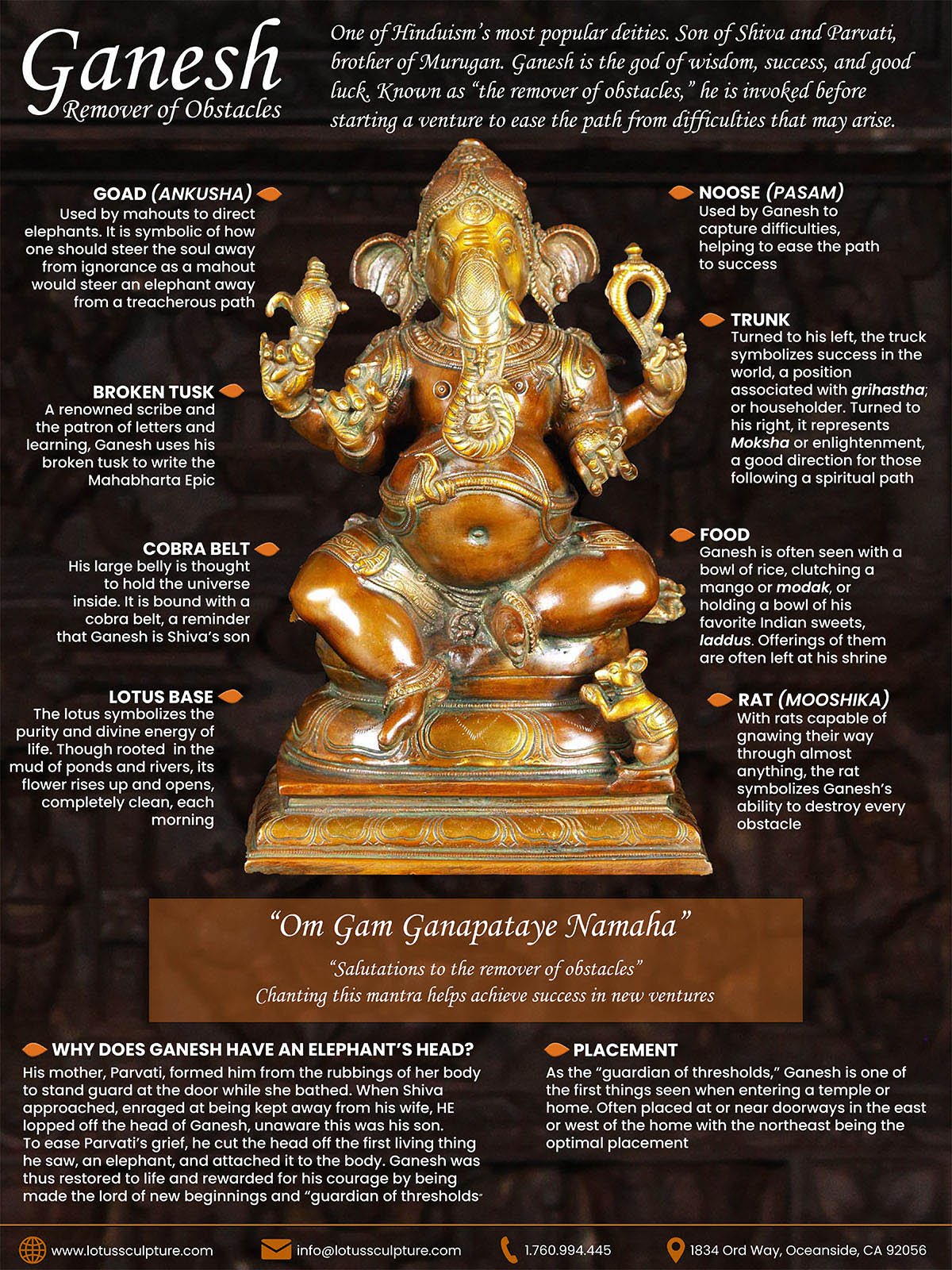


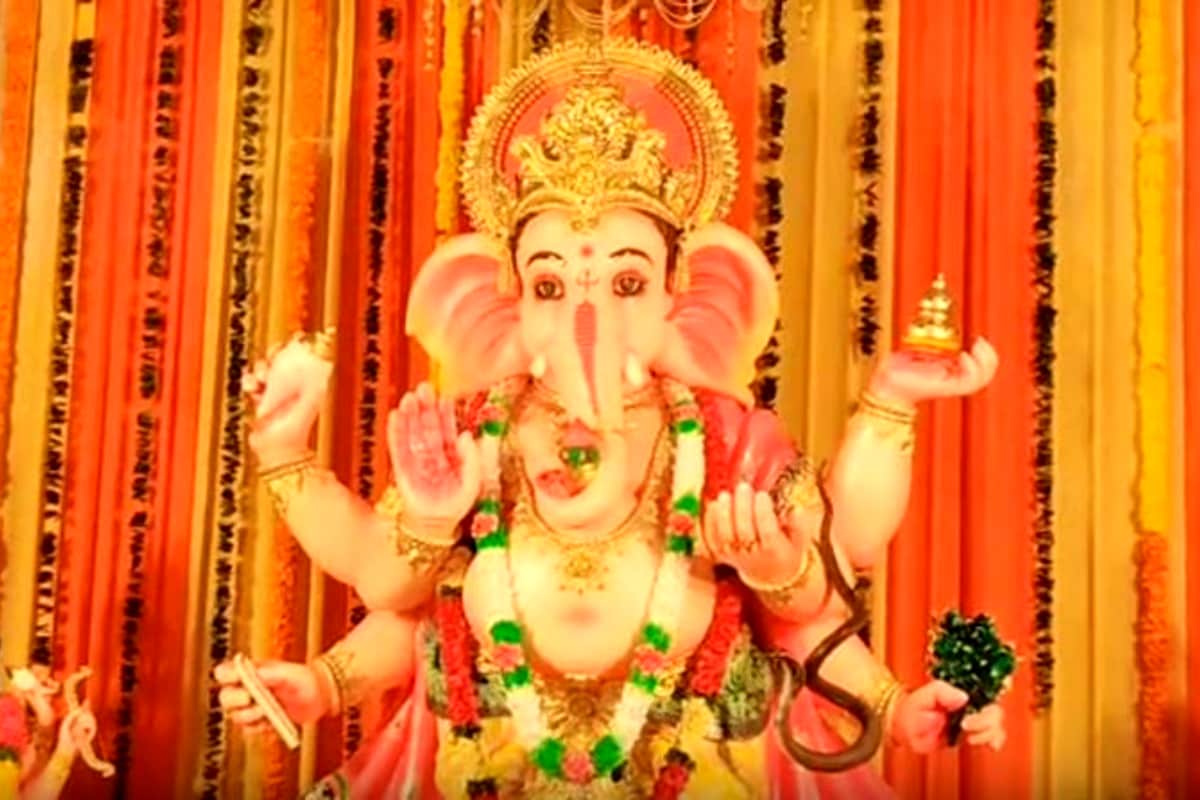







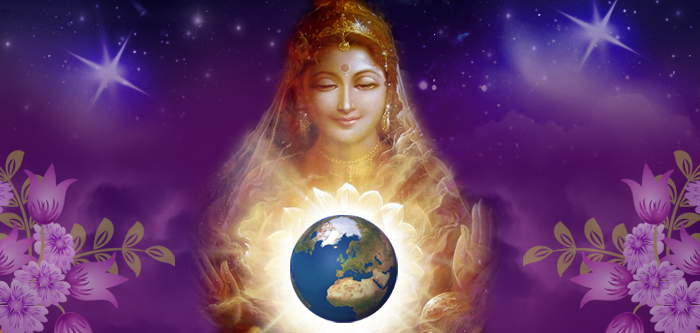


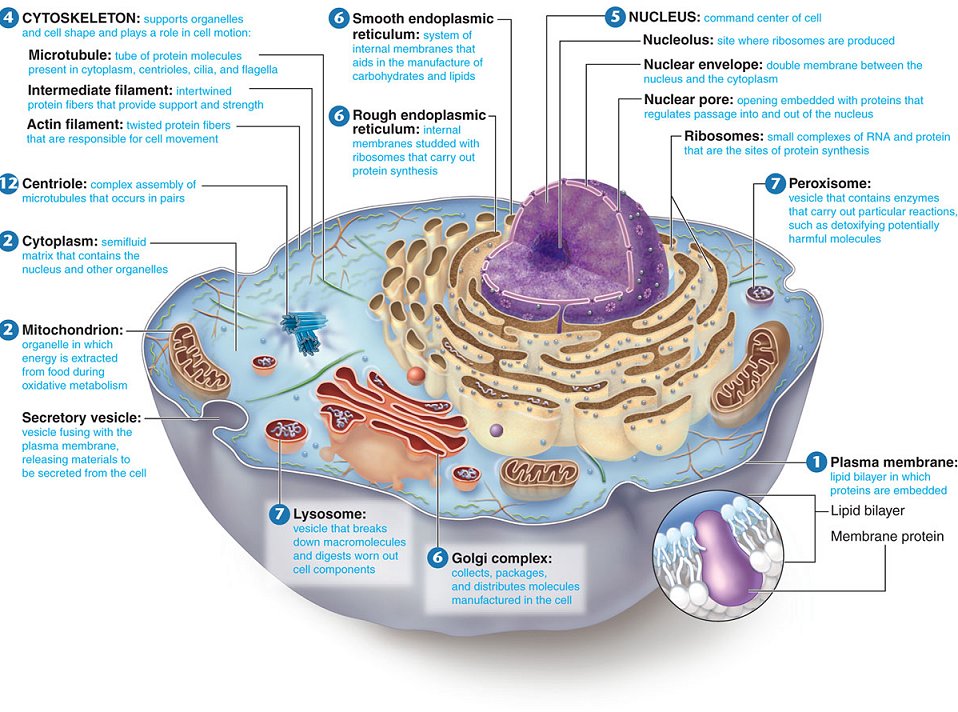


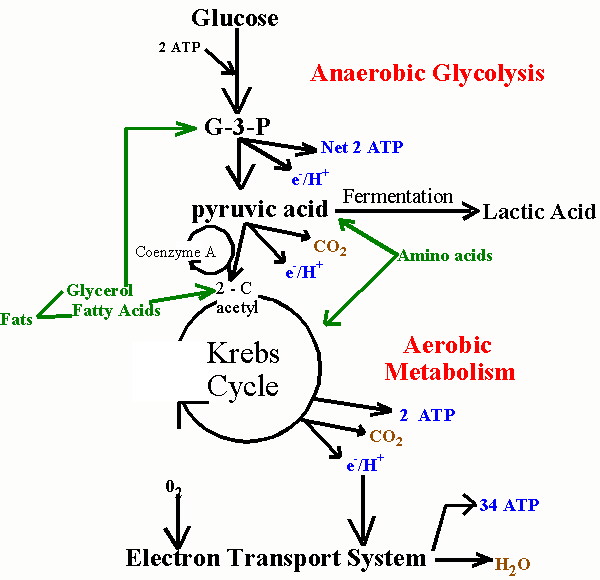


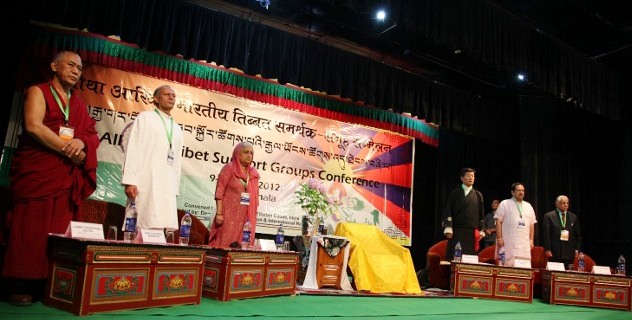



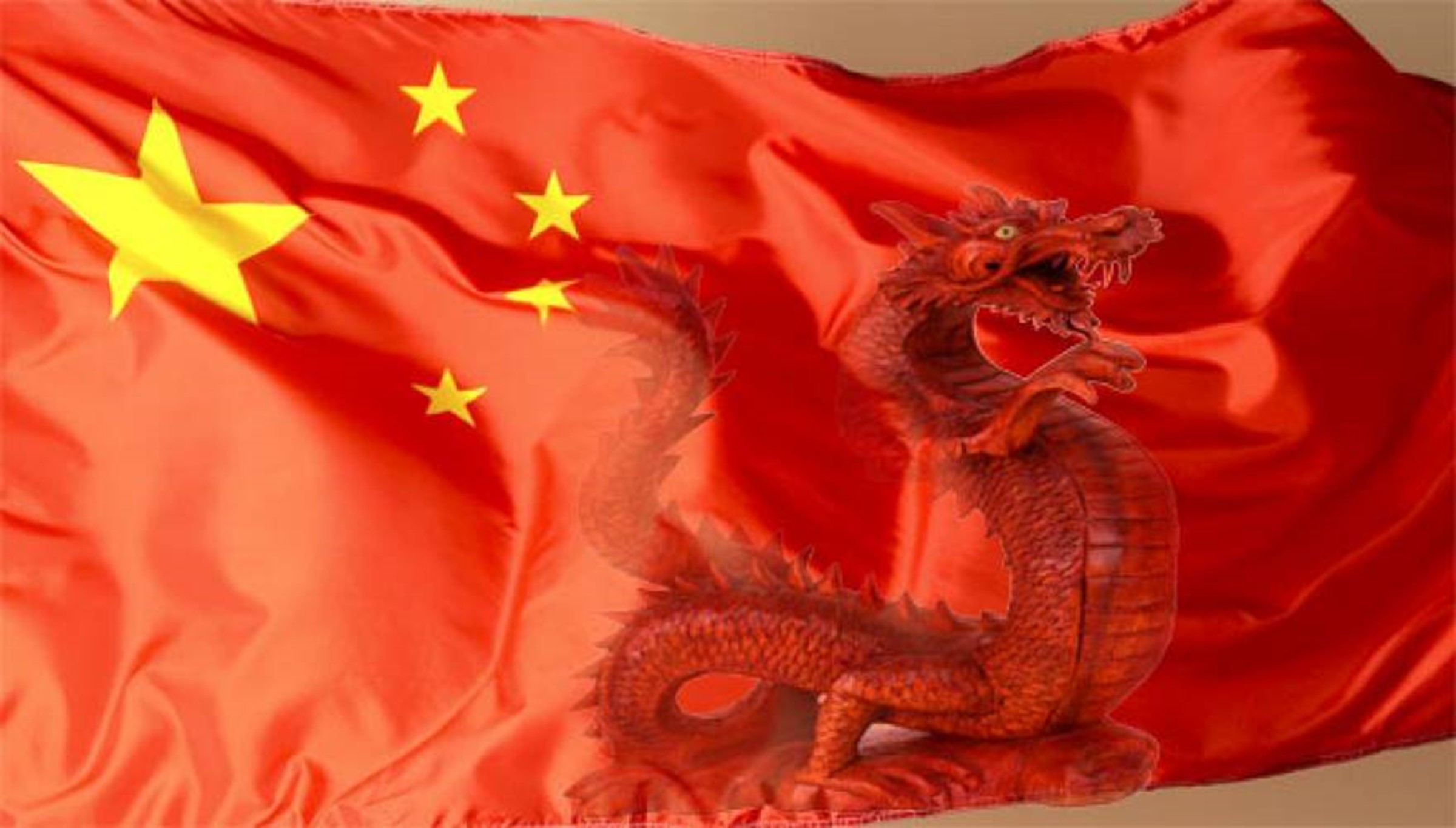



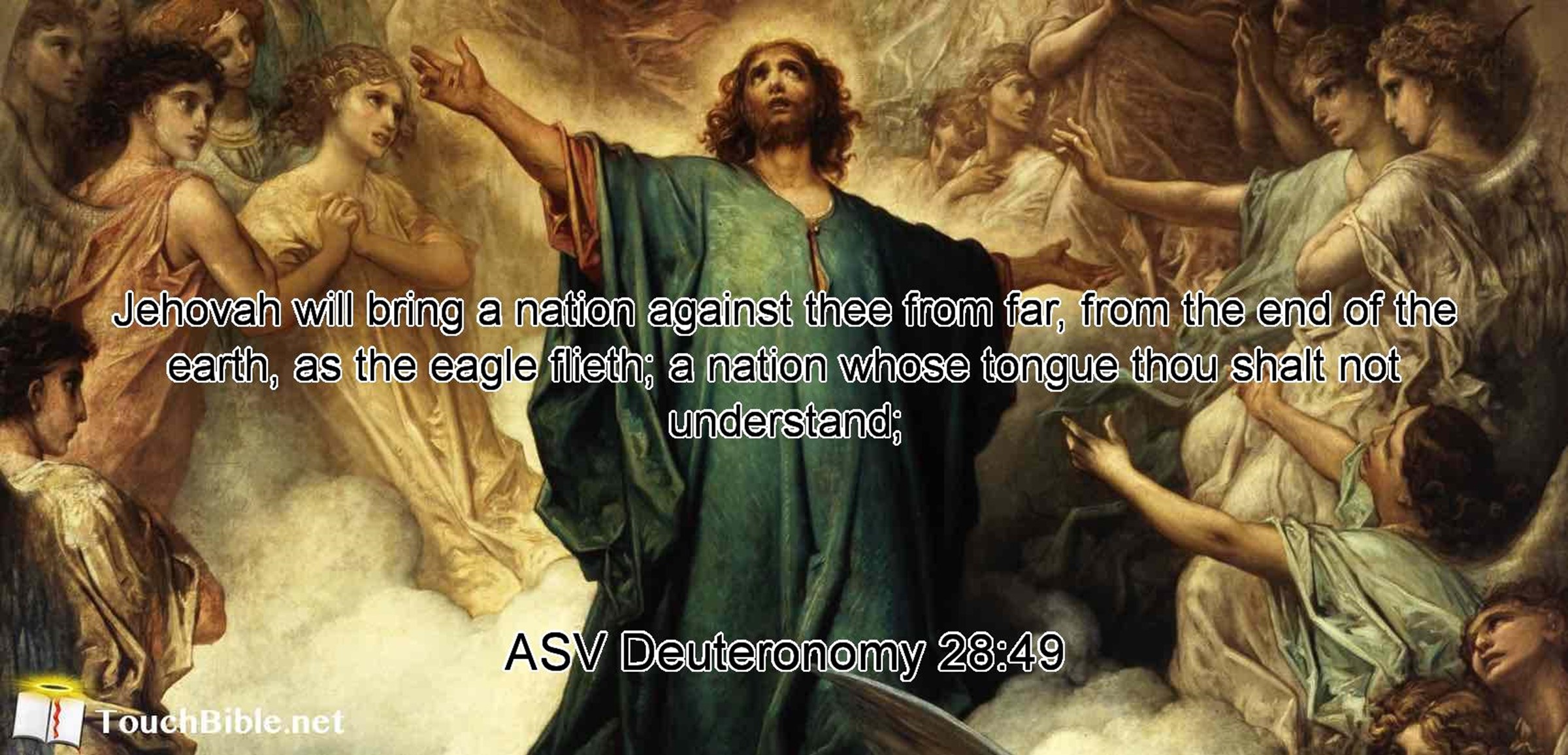







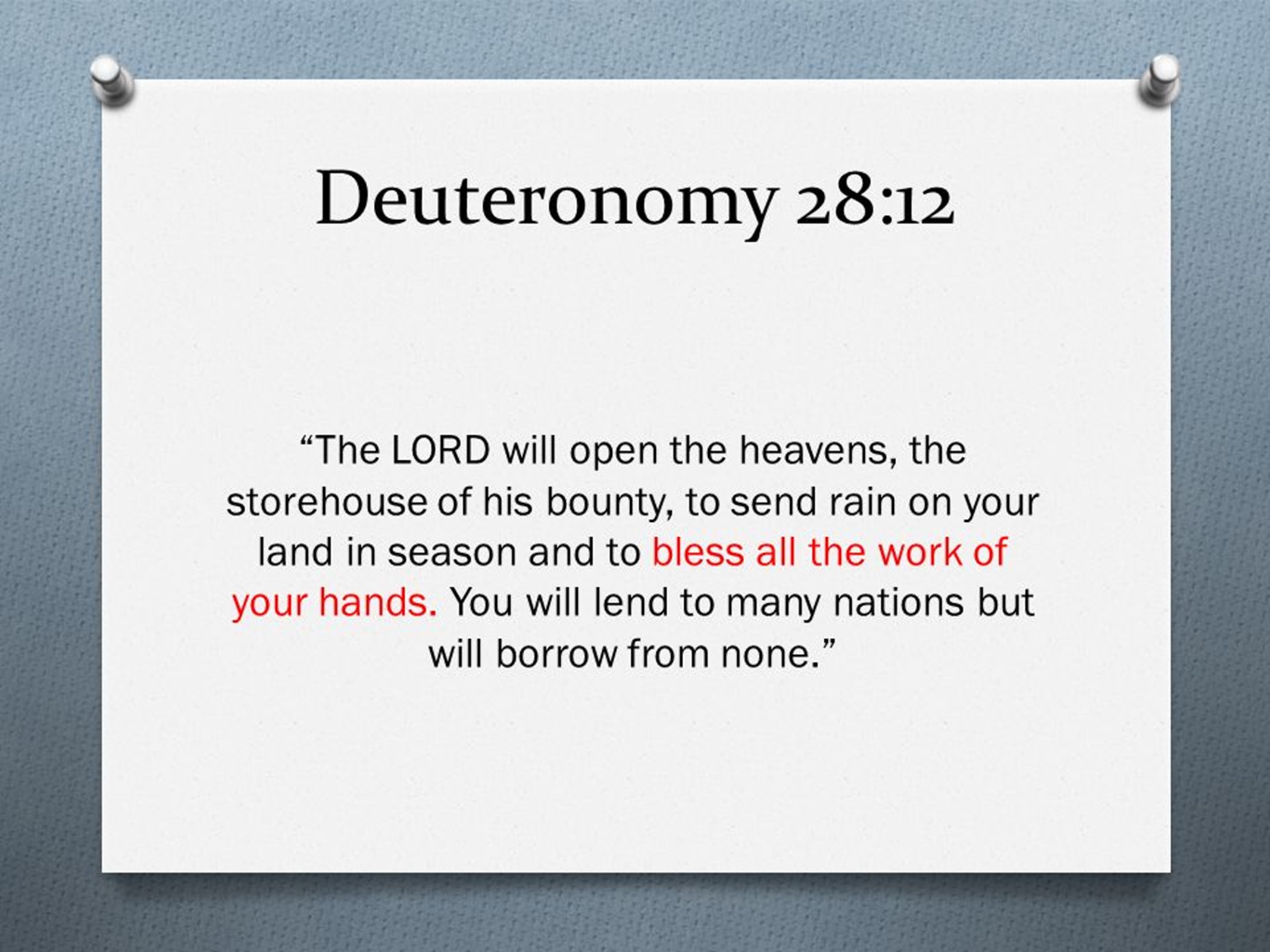




 International


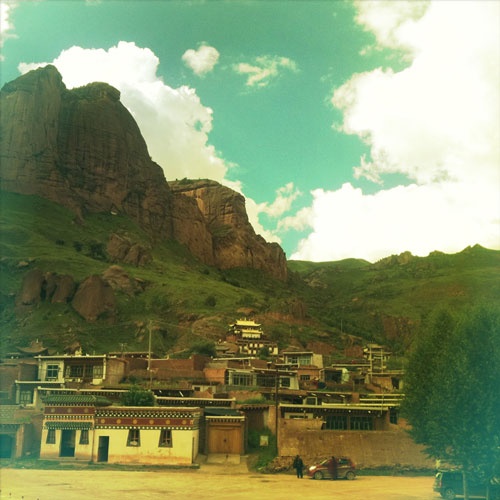


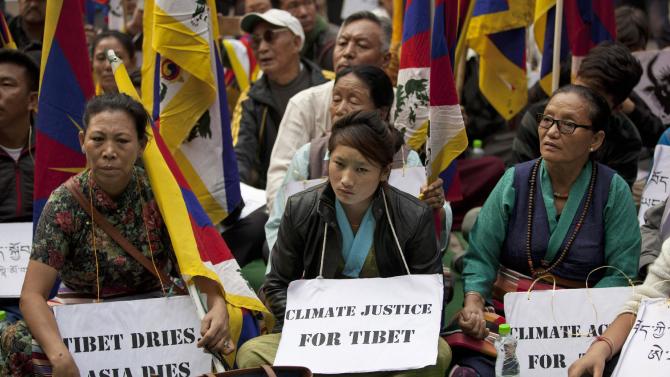




 Whole Dude - Whole Concept