Whole Dude-Whole Designer: Biological Coloration. Hyacinthine Macaws – Anodorhynchus hyacinthinus. The visual, sensory experience of this color is a dynamic, complex event.
The term design means to make a plan, a pattern, or outline and carry out the execution by artistic arrangement in a skillful way. To produce an artistic unit, the designer will arrange the parts; details of form, color, etc., to fit into the artful scheme. Unlike an artist, the Whole Designer creates the whole scene using own imaginative power. In other words, the Whole Designer begins with the creation of Elements before putting them together.
Whole Dude – Whole Designer. The Whole Designer begins with the creation of Elements before putting them together.
Whole Dude – Whole Tweet. When there is no sound, there is no echo.
Whole Dude – Whole Tweet
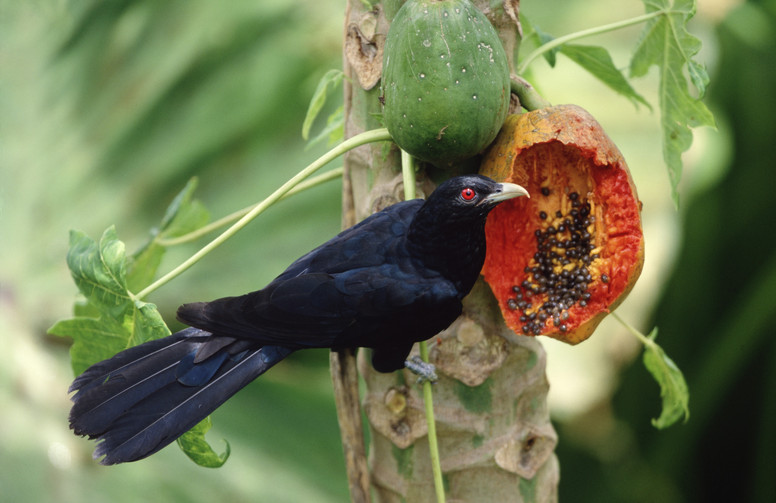
Whole Dude-Whole Tweet: The Cuckoo of India called “KOEL”, Eudynamys scolopacea symbolizes the thoughts that I “Tweet.”
I only want to be heard and I do not want to be seen. I speak about the relation between sound and echo, the song and the singer, the Creator, and the created.
Whole Dude – Whole Artist: An artist uses colors with imagination to create forms and to generate a desired visual effect. A “Whole Artist” is a person who creates his own canvas, his own tools, his own pigments, and creates the desired visual effects while the forms that are created have no such creative and cognitive abilities.
The term artist is used to describe a person who works in, or is skilled in the technique of any of the fine arts, especially in painting, drawing, and sculpture. The term artistry describes the artistic ability which includes the use of imagination, a feeling for form, and a feeling for effect.
Whole Dude – Whole Artist: The term artistry describes the artistic ability which includes the use of imagination, a feeling for form, and a feeling for effect.
I am using the term Whole Artist to discover the person who may have used imagination to create forms to produce desired effects while the form itself lacks the cognitive abilities to generate its own form.
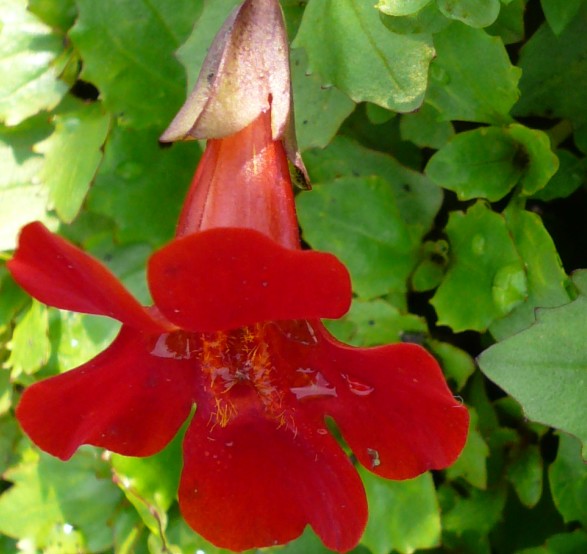
Plants may produce flowers of different colors while they essentially lack cognitive abilities to recognize the visual effect of the color they produce. For example, we can examine the colorful hues of Chilean flowers, Mimulus luteus, Mimulus cupreus (Red Emperor), and Mimulus variegatus.
Whole Dude – Whole Artist: Chilean Mimulus flowers. Mimulus luteus. Who is the artist that caused this visual effect?Whole Dude – Whole Artist : Chilean Mimulus flowers. Mimulus variegatus. Who is the artist who produced this visual effect?Whole Dude – Whole Artist – The Colors of Chilean Mimulus flowers. Mimulus cupreus (Red Emperor). Who is the artist who produced this visual effect?
Arielle Cooley, a researcher at the University of Michigan studied these Chilean Mimulus flowers of different colors and found that the plants make the same type of anthocyanin pigment called cyandin. The study includes Thin Layer Chromatography Analysis of petal extracts. Each flower produces red-hued anthocyanins and the yellow carotenoids. The two pigment types in combination create the fire-hydrant red spots on the yellow flowers of Mimulus luteus. Cooley concluded the observations with the remark: “Like an artist mixing simple colors of paints on a palette to achieve a specific shade, the Chilean flowers achieve their visual effect using varying proportions of red and yellow pigments.”
Whole Dude – Whole Artist: The Colors of Chilean Mimulus flowers. Arielle Cooley, a researcher at the University of Michigan used Thin Layer Chromatography analysis of petal extracts to find the mixing of colors that is needed to produce the visual effects observed by Chilean Mimulus flowers of different hues. Who is the artist that produced these visual effects?
Who is the Artist?
Whole Dude – Whole Artist: Who is the Artist?
No single function can explain the coloration of living things. We need a comprehensive theory that predicts the lines and patterns of coloration of plants and animals. An artist’s palette containing only three properly chosen colors is entirely adequate under most circumstances to produce the various visual effects of color that is observed. The optical mechanisms involved in the production of color are complex. Coloration is a dynamic and complex characteristic and the term must be clearly distinguished from the term ‘color’ which only refers to the spectral qualities of emitted or reflected light.
It is apparent that plants, and animals have no cognitive abilities to produce the coloration by which they are recognized. The coloration displayed gives us a clue about the nature of the Whole Artist who uses imagination, has feelings for the forms created and seeks satisfaction from the visual effects that he produced.
Man must use the ability of visual perception, to visualize the Whole Artist who is at work.
Whole Dude – Whole Artist: Man must use the ability of visual perception to visualize the Whole Artist who is at work.
Spiritualism – The Science of Optics – Spiritual Light – Spiritual Optics – God is Light:
WHOLE DUDE – WHOLE OPTICS: SPIRITUALISM, SPIRITUAL LIGHT AND SPIRITUAL OPTICS INVOLVES A SCIENTIFIC STUDY OF LIGHT OR OPTICS. GOD IS LIGHT OR GOD CREATED LIGHT, LIGHT IS ENERGY, LIGHT IS ENERGY OF LIFE, AND COLOR IS THE EVIDENCE FOR THE USE OF IMAGINATION TO FORMULATE SPIRITUAL RELATIONSHIPS BETWEEN ENERGY DEPENDENT LIFE AND ENERGY PROVIDING SUPREME BEING.
Optics is the scientific study of Light and the study of Light should be concerned with the genesis, nature, properties of Light and its purpose and role in the establishment of life and interactions among living things.
Whole Dude – Whole Optics: Light is the sign of divine operation in the world of chaos and darkness
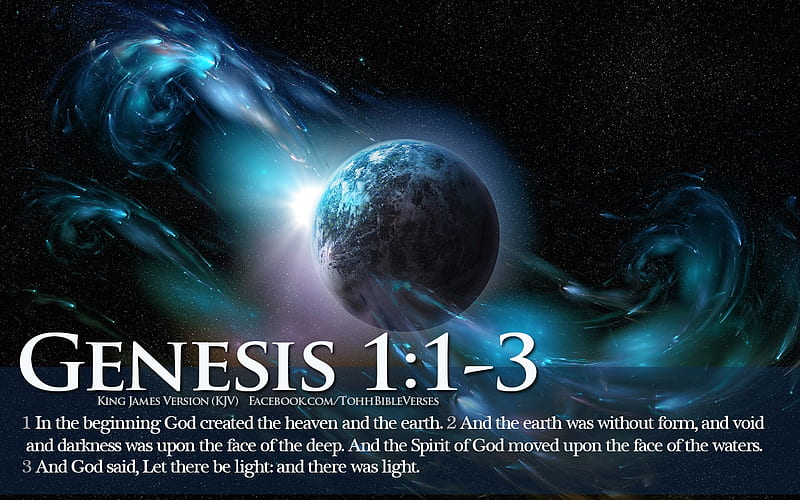
The first recorded utterance of God in the Bible is, “Let there be Light.” (The Old Testament, The First Book of Moses, The Book of Genesis, Chapter 1, verse 3.)
Light is the sign of divine operation in the world of chaos and darkness. Light brings order to the world. Without a source of Light, a primary source of external energy, Life is impossible on planet Earth. Further, it can be stated that Light is essential for Life; for the synchronization of life’s living functions, and to generate the experience of peace, harmony, and tranquility in the living condition, or state.
Whole Dude – Whole Optics: Light is associated with the experience called happiness.
Thus Light is associated with the experience called happiness. “Every good and perfect gift is from above, coming down from the Father of the heavenly lights.” (The New Testament, The Epistle of Apostle James, Chapter 1, verse 17)
WHOLE DUDE – WHOLE COLORS: The most important function of Light is not that of providing visual sensation. Light performs several non optical functions. Plants do not have the visual ability to see Light. But, plants have the ability to use light energy to perform biochemical reactions such as Photosynthesis which is a creative mechanism to trap light energy and convert it into chemical energy that living things can further use to perform a variety of their living functions. Hence Light is Divine Providence to transform non living matter into Living Organisms which can be identified by their color, and appearance.
What is Color and What is Coloration?
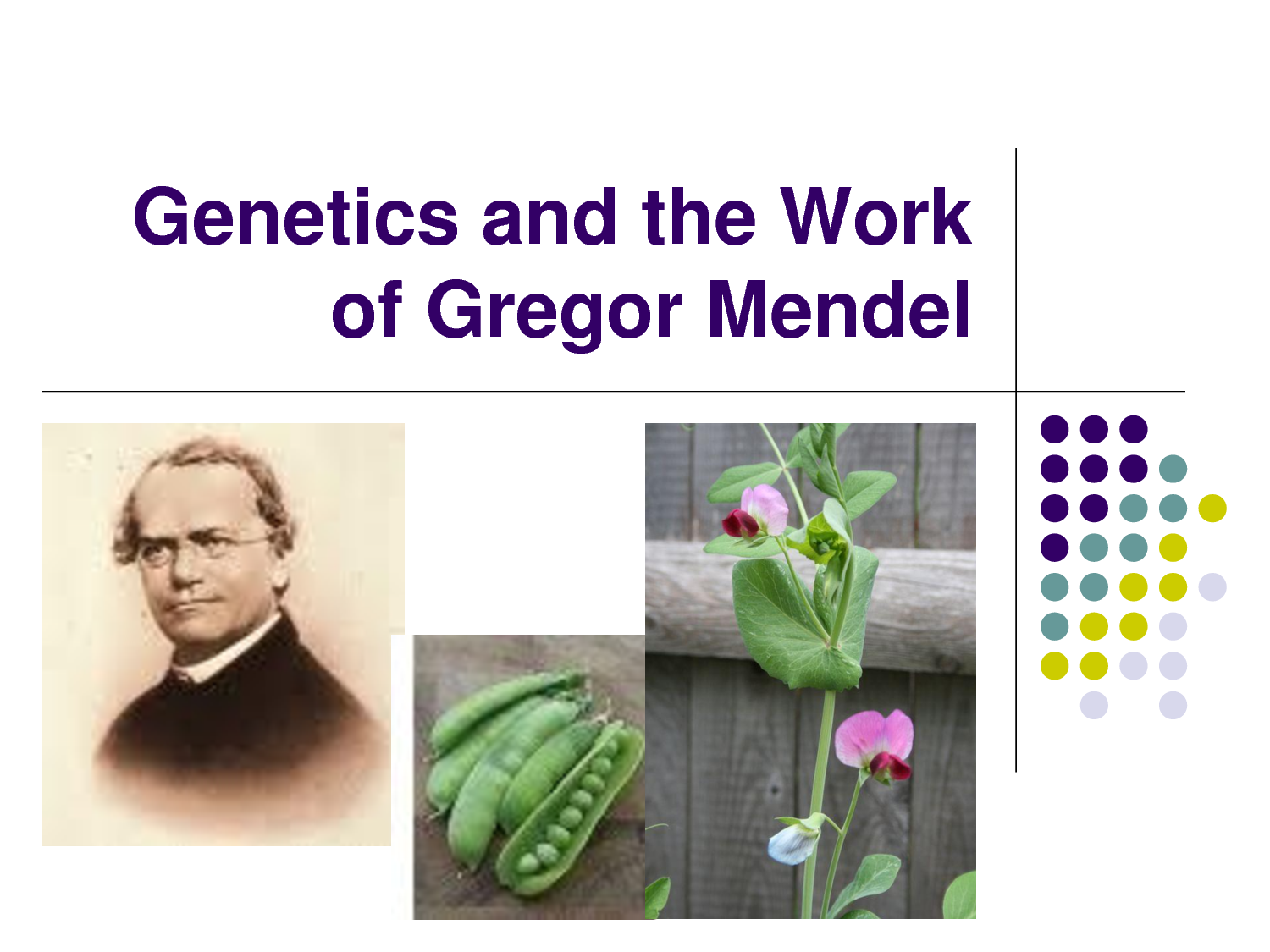
Whole Dude – Whole Optics: Human interest in coloration led to biological studies by the Moravian abbot Gregor Johann Mendel (1822-1884), the botanist who studied inherited characteristics that established the science of Genetics, using visual clues from the coloration of plant flowers.
The term ‘color’ refers to the spectral qualities of emitted or reflected light. The term ‘coloration’ is a dynamic and complex characteristic that has captured human interest and attention for a long time. Human interest to coloration ranges from purely aesthetic to the rigidly pragmatic. Human interest in coloration led to biological studies by the Moravian abbot Gregor Johann Mendel (1822-1884), the botanist who studied inherited characteristics that established the science of Genetics, using visual clues from the coloration of plant flowers.
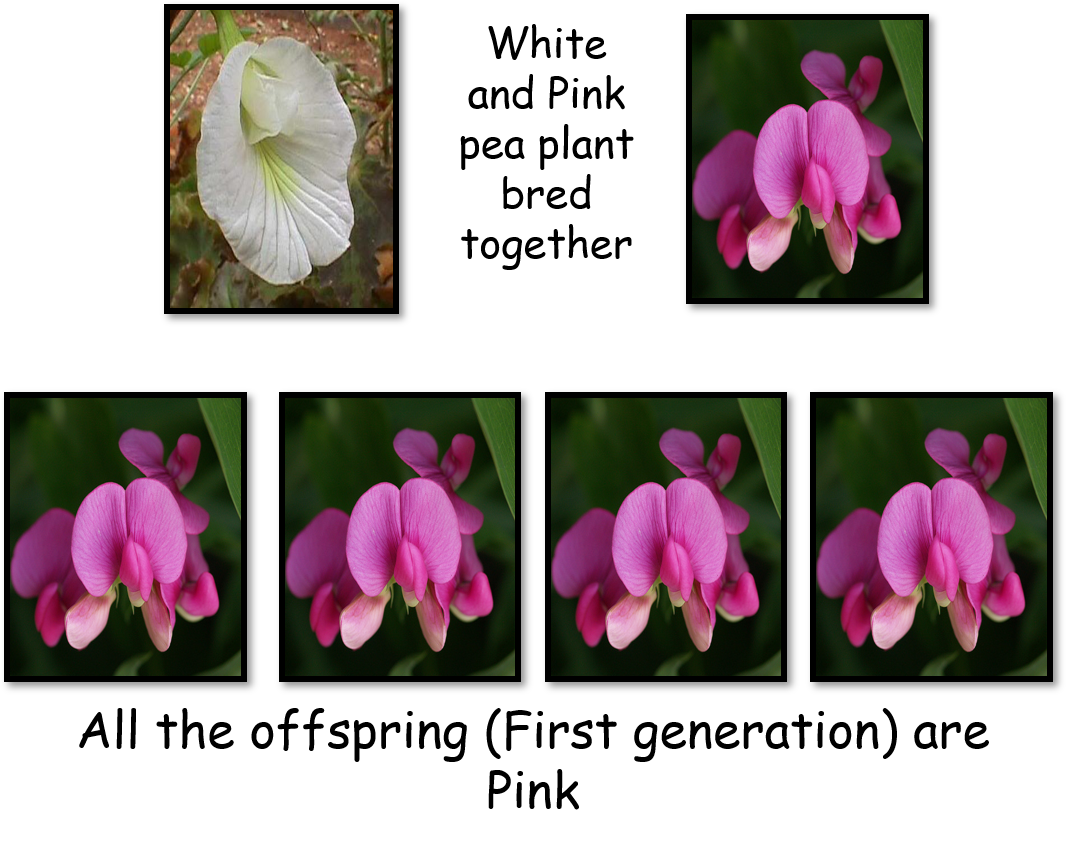
WHOLE DUDE – WHOLE COLORS: Human interest in Coloration lead Gregor Mendel to conduct his famous studies that established the science called Genetics. He conducted experiments studying the white or pinkish flowers of Pea (Pisum sativum) plants.
Biological Coloration:
Whole Dude – Whole Optics: Display Coloration of Cock of the Rock (Rupicola rupicola of Peru).
Biological Coloration refers to the general appearance of an organism as determined by the quality and quantity of light that is reflected or emitted from its surface. This Coloration depends upon several factors:
1. The integrity and deployment of the structural units and features involved in the generation of color,
2. The color and distribution of the organism’s pigments, and the relative location of differently colored areas,
3. The shape, posture, position, and movement of the organism,
4. The quality and quantity of light striking the organism, including the seasonal light and temperature variations,
5. The psychological, behavioral, hormonal, and other physiological conditions associated with the use of color,
6. The visual capacity of the viewer.
The optical and non optical functions of Coloration:
Whole Dude-Whole Optics: Display Coloration. Courtship Coloration of male Mandrill (Mandrillus sphynx).
In plants and animals, coloration serves the function of communication. Plants do not have the ability called visual perception and yet they can transmit optical signals to attract the attention of pollinators to achieve reproductive success. Coloration such as ‘advertising coloration’ may emphasize optical signals and thereby enhance communication. Organisms use such communication to modify biotic interactions with other members of their biological community. The coloration may repel, or attract another organism. However, coloration could also be used to suppress optical signals or to specifically create incorrect signals and thereby reduce communication. Thus coloration contributes to adaptive interactions; and the deceptive coloration serves to lessen detrimental or maladaptive interaction with other organisms.
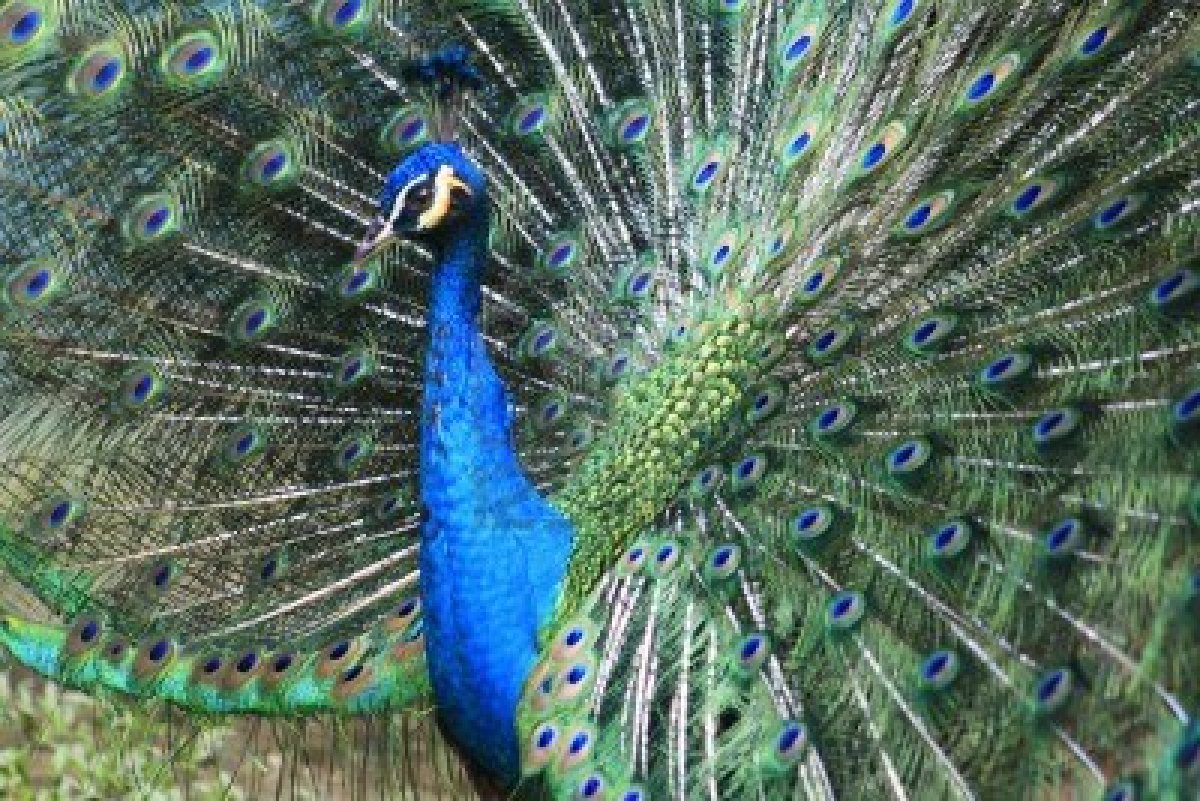
Whole Dude – Whole Optics: Display Coloration, Flash Colors of male frigate bird (Fregata minor) with red throat patch inflated to attract a female.Whole Dude – Whole Optics: Display Coloration. Keel-billed Toucan (Ramphastos sulfuratus) uses color for species recognition.Whole Dude-Whole Optics: Alluring Coloration. The blue-tailed skink (Eumeces skiltonianus) can shed its tail at will and uses it to distract potential predators.Whole Dude-Whole Optics: Display Coloration. Peacock, the male peafowl (Pavo cristatus) displays a stunningly beautiful array of colors to attract the attention of female.
Coloration may affect an organism in ways other than its interaction with other organisms. Such non optical functions of coloration include physiological roles that depend on the molecular properties (e.g., strength and type of chemical bonds) of the chemicals that create color.
Whole Dude – Whole Optics: Structures called Chloroplasts found inside the cells of green plants contain the green pigment known as Chlorophyll is the only substance in nature able to trap and store the energy of Sunlight. The light absorbed by Chlorophyll molecules is mainly in the red and blue-violet parts of the visible spectrum; the green portion is not absorbed but reflected, and thus Chlorophyll appears Green. The function of Light and Color is that of Creation of Life.
Chlorophyll is a green pigment which has the exclusive ability of trapping solar energy. Other examples include, dark hair is mechanically stronger than light hair, and dark feathers resist abrasion better than light feathers. Coloration may play a role in organism’s energy budget because biochromes create color by the differential reflection and absorption of solar energy and can contribute to maintain thermal equilibrium. Color pigments like melanin work as a barrier against the harmful effects of the ultraviolet rays of Sunlight. It is the mechanism for the absorption of heat in cold environments by small cold-blooded animals. Pigments found in the eye limit the incidence of beams of light entering the eye by absorbing scattered light within the eyeball that allows greater visual acuity. Coloration or its pattern affects an animal’s own vision. Surfaces near the eye may be darkly colored to reduce reflectance that interferes with vision. Emitted light or Bioluminescence forms a portion of the coloration of some organisms. It serves as a light source in nocturnal species or in deep water marine animals such as Pinecones Fishes which have bright photophores or bioluminescent organs.
Whole Dude-Whole Optics: Bioluminescence is a non optical function of Coloration as seen in this deep water fish Monocentris japonicus.
Coloration can result from accumulation of by-products of metabolic processes. The abnormal coloration called ‘jaundice’ or ‘icterus’ describes the greenish-yellow condition of the skin, urine, and eyeballs from increased amounts of bile pigments in the blood and it often indicates a diseased condition like hepatitis, a liver disorder. Similarly, Cyanosis describes a bluish or purple coloration of skin, lips, fingers, eyes, and other mucous membranes caused by lack of oxygen, the presence of desaturated hemoglobin, or abnormal hemoglobin in the blood.
Whole Dude-Whole Optics: Coloration may reveal an underlying diseased condition. This yellow discoloration of eyes and face is called ‘Jaundice’ or Icterus often caused by Liver inflammation.Whole Dude-Whole Optics: The bluish skin coloration of this baby is called Cyanosis and the presence of this coloration helps to diagnose the condition of the baby.
Spiritual Light – Spiritual Optics:
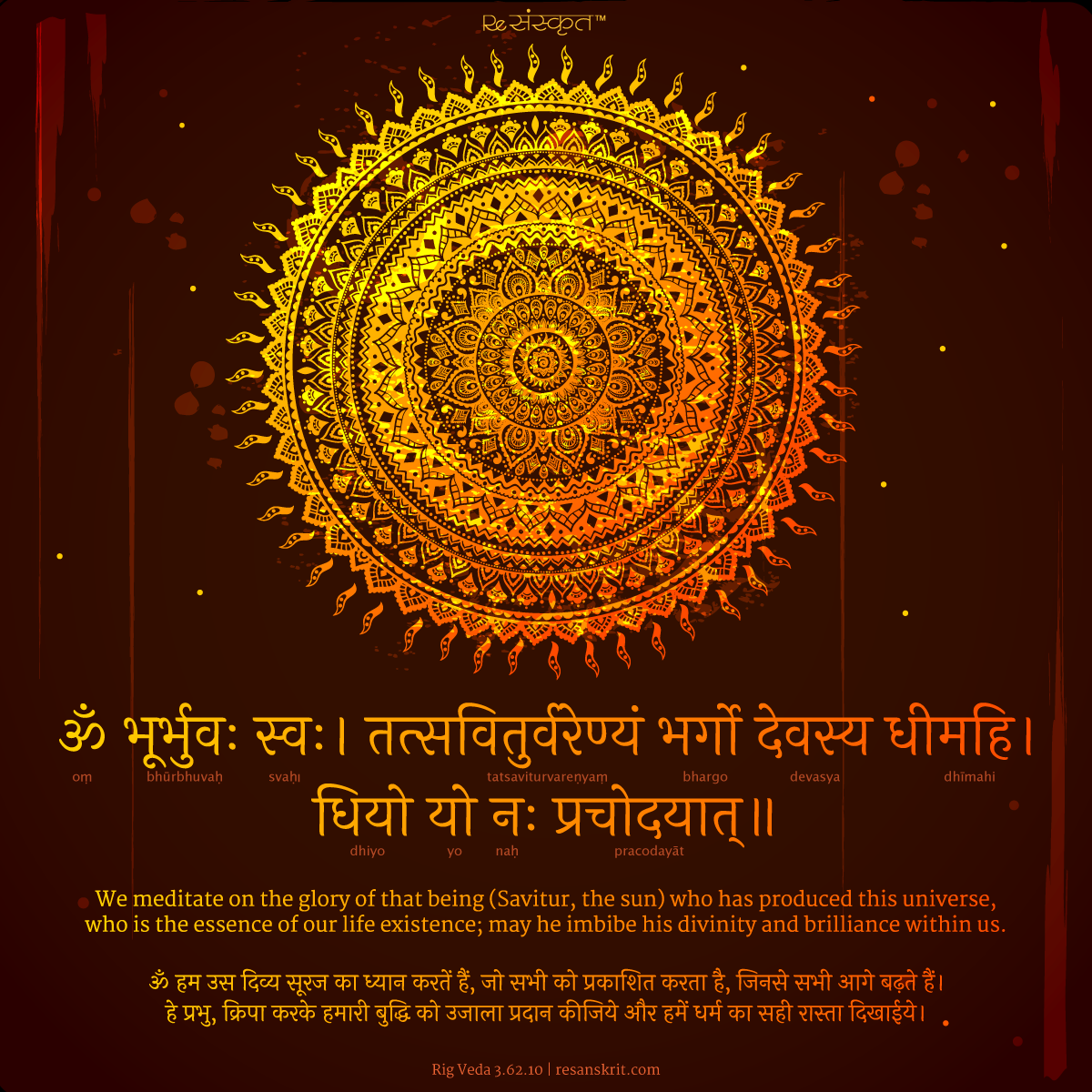
Whole Dude – Whole Optics: SPIRITUAL LIGHT – SPIRITUAL OPTICS: This Vedic Hymn called Gayatri Maha Mantra describes the Spiritual Nature of Light and Spiritual Optics involves the illumination of human mind with true or real Knowledge.
Light is the source of Life. The establishment of Light on planet Earth is a creative process that uses light energy to recreate the spectral colors in the lives of individual organisms.
The Biological Coloration is the most compelling evidence of the fact of creation. Animals, and plants do not have the ability to generate colors by simply depending upon spontaneous, random, and unguided mutations. Biological Coloration requires complex synchronization of morphological appearance, biotic interactions and behavior of living organisms that share a given environment. Light is the primary source of external energy to support the existence of all living things. The principles of Physical Optics, Geometrical Optics, Physiological Optics have to operate in conjunction with Spiritual Optics to generate the experience of peace, harmony, and tranquility that is fundamental to existence.
Life is a manifestation of order to replace disorder, or confusion that could be caused if Light does not provide the stimulus called illumination that drives away darkness. It is no surprise to note that the major Biological Rhythm is called the Diurnal, or Day, or Solar Rhythm.
The Colorful images of Whole Optics:
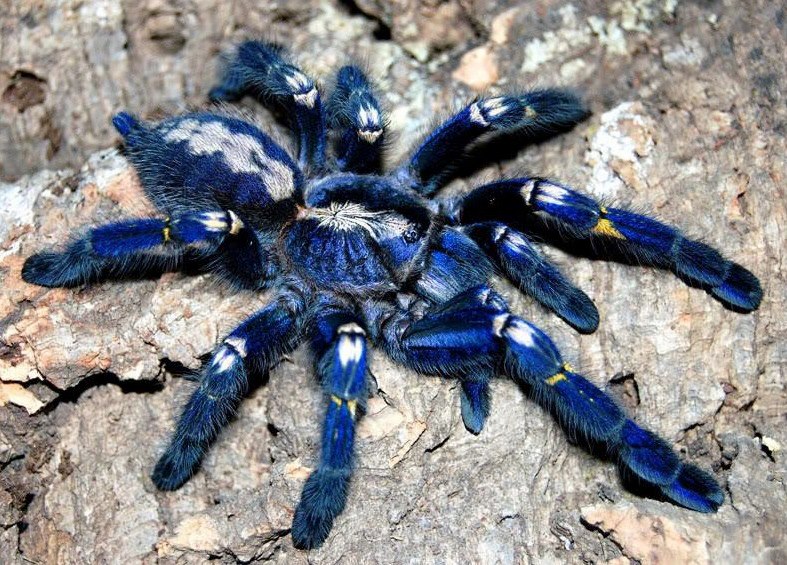
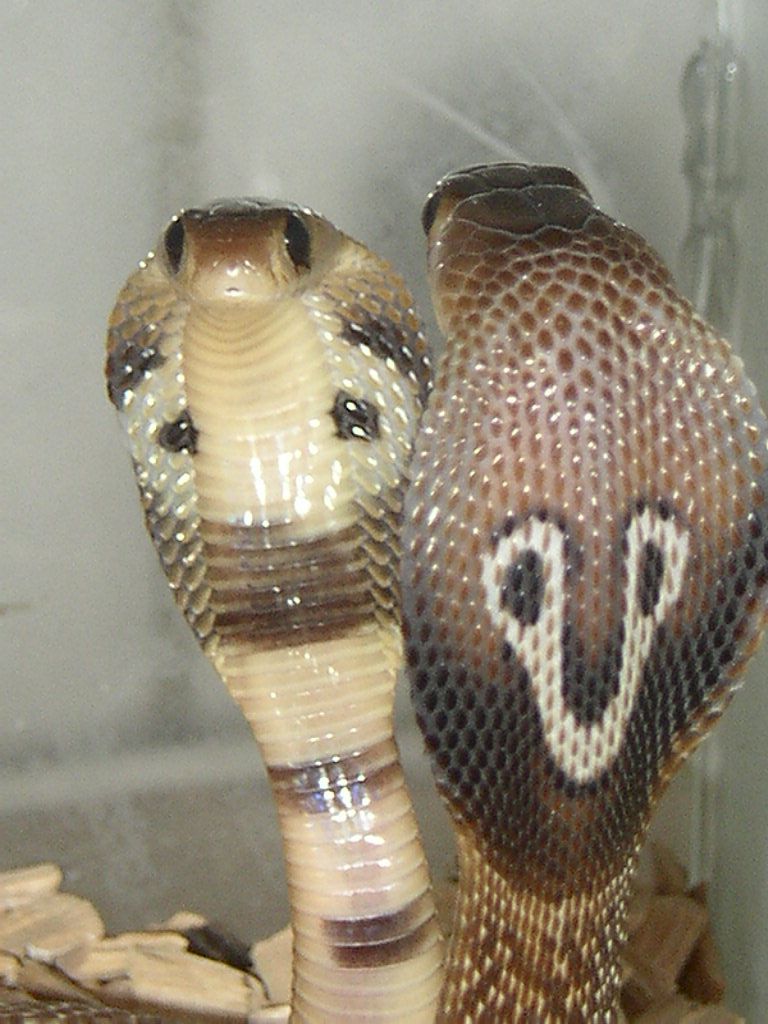
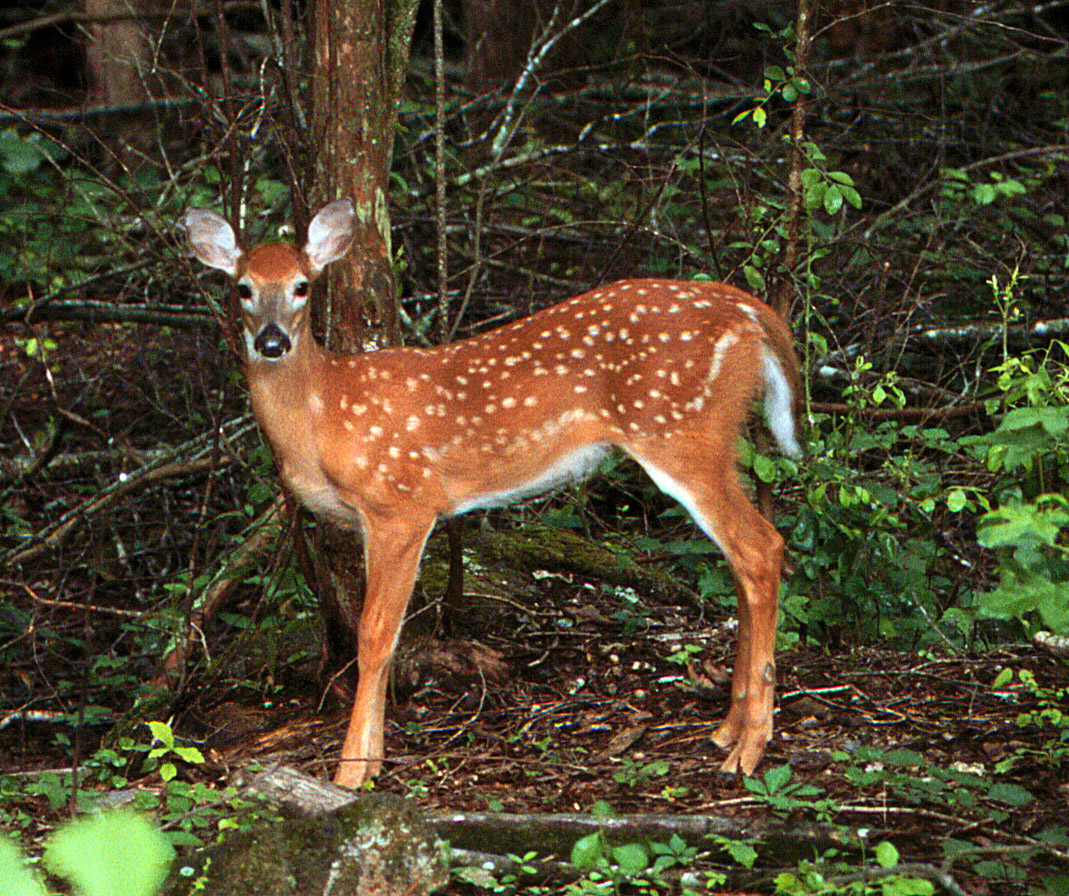
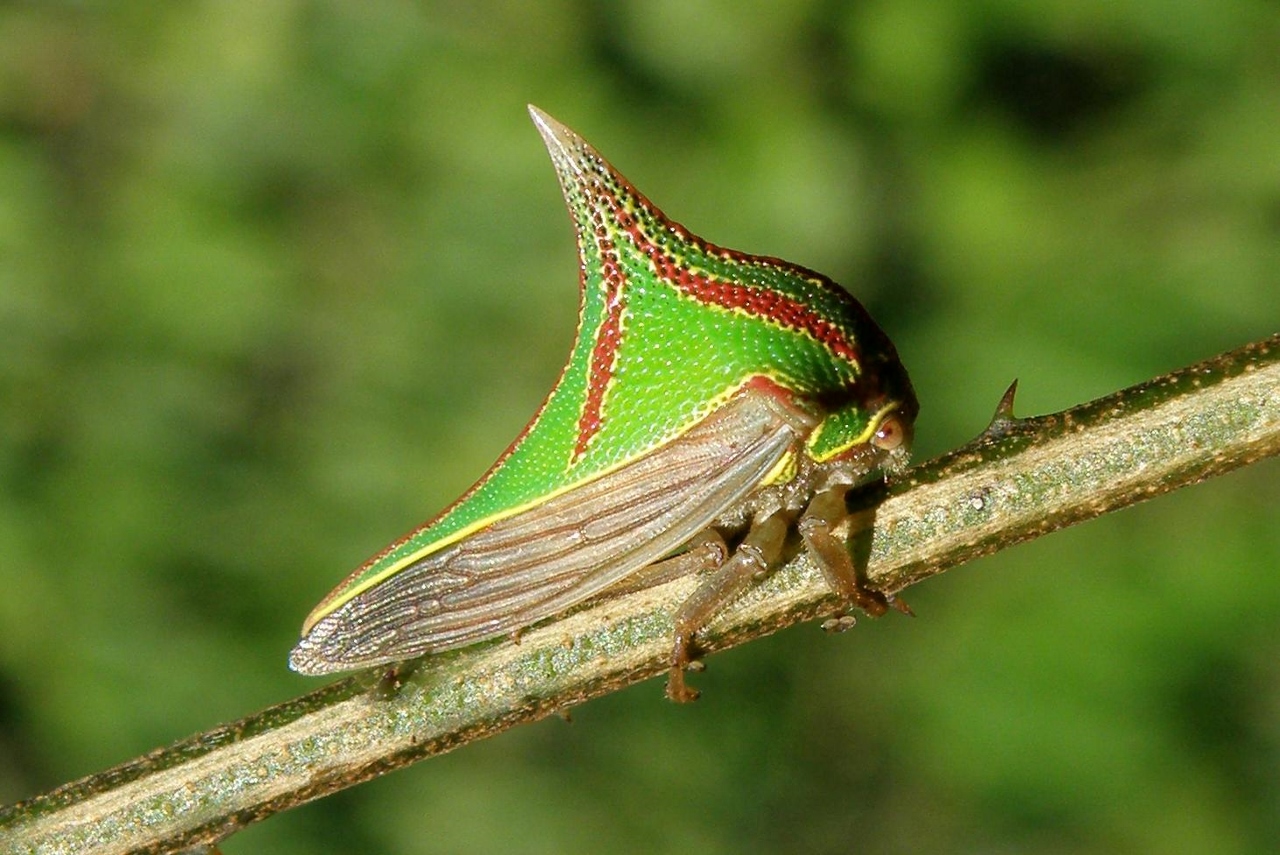
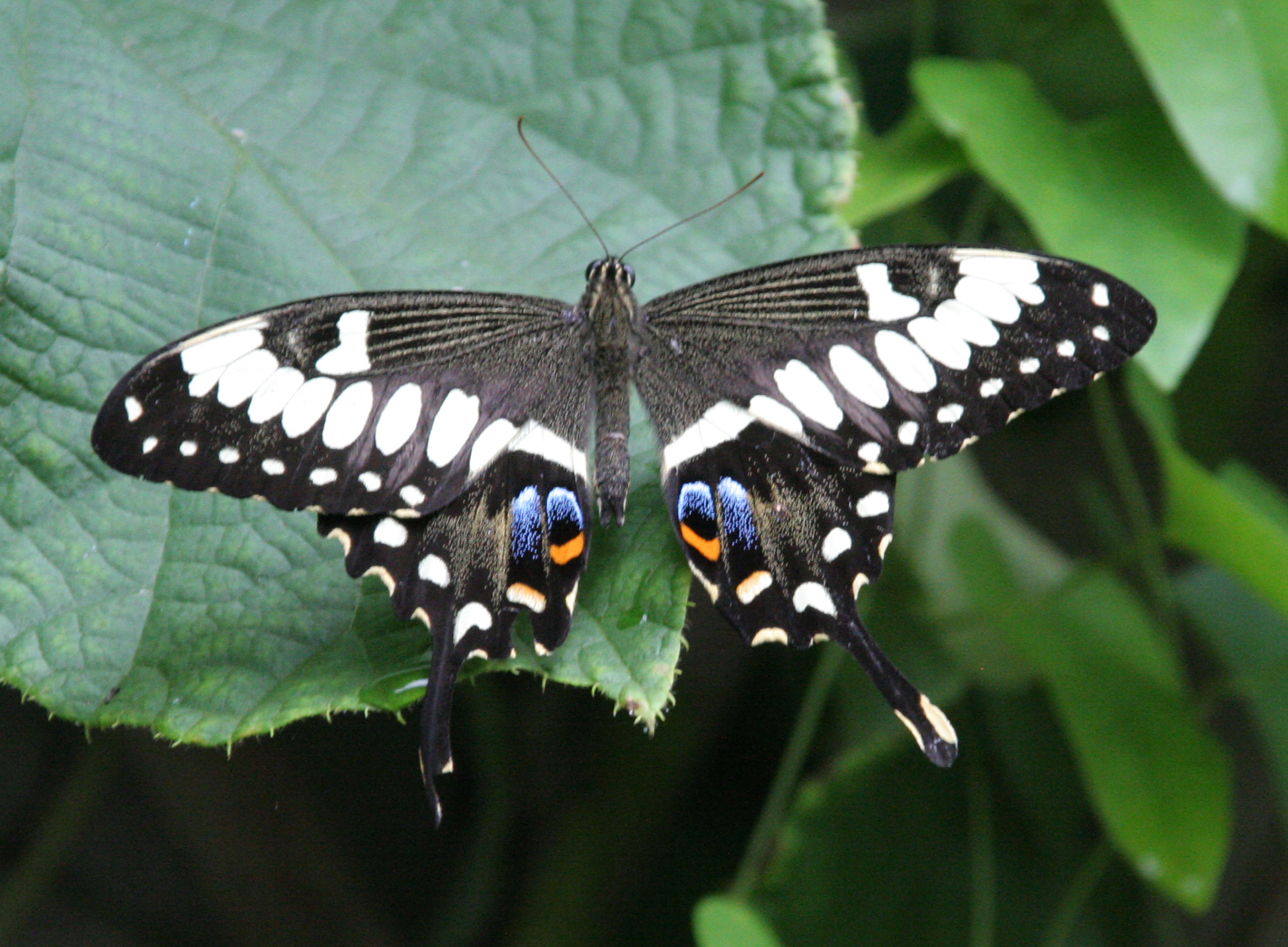
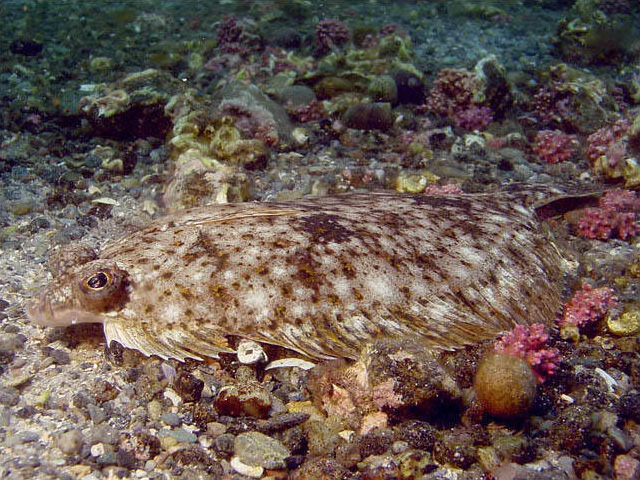
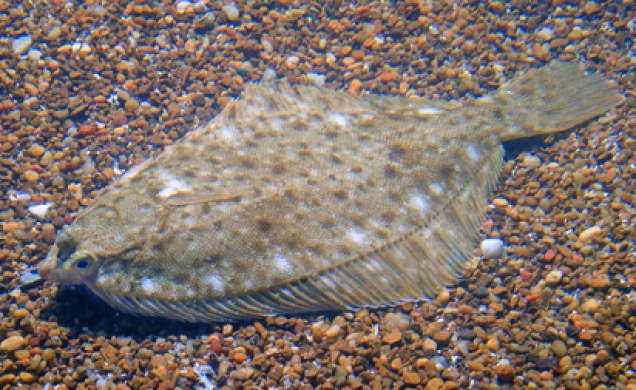
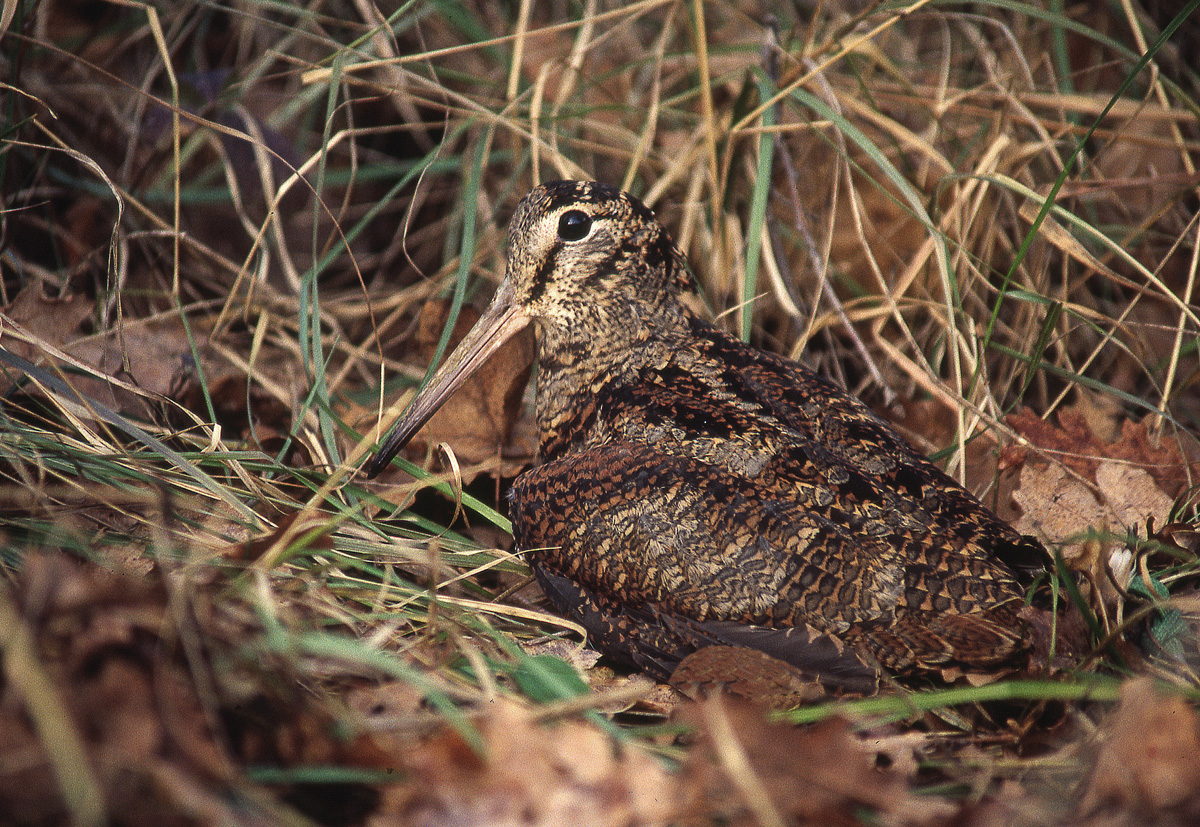
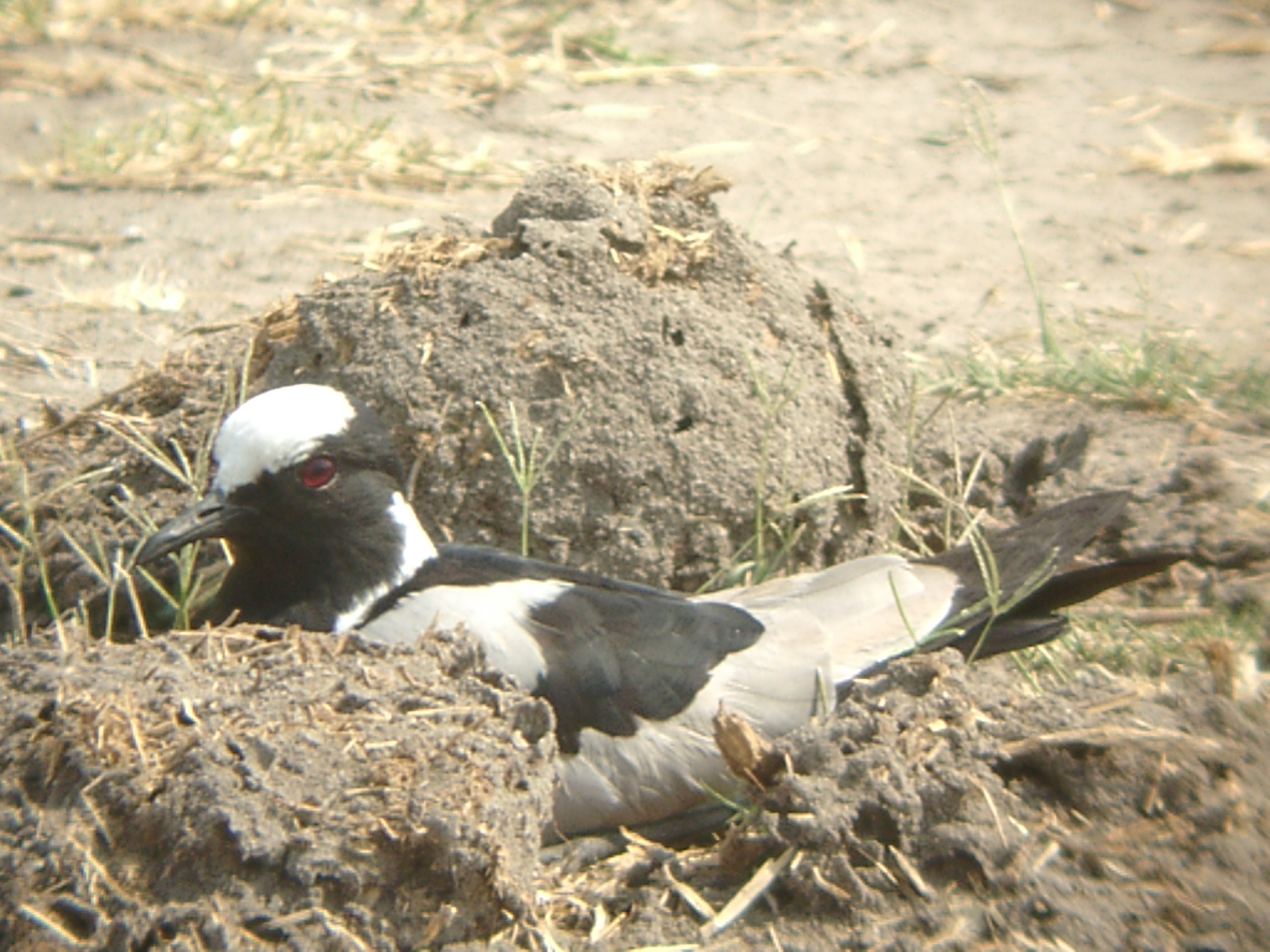
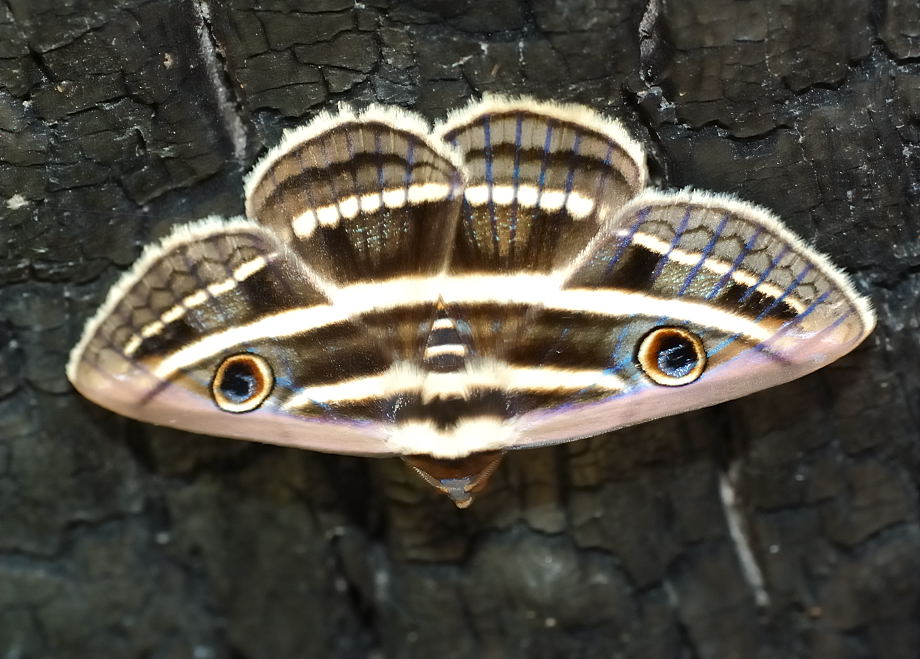
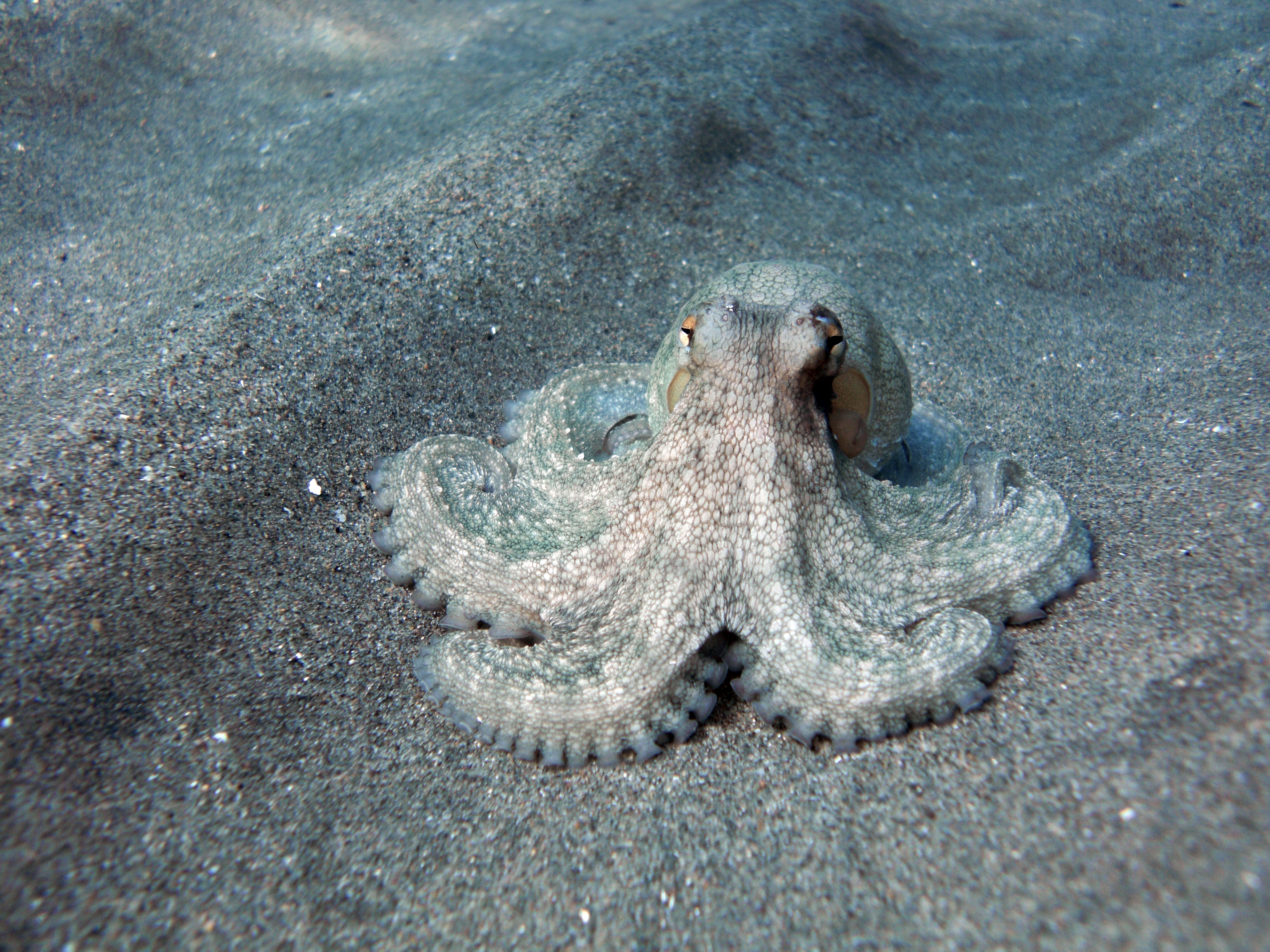
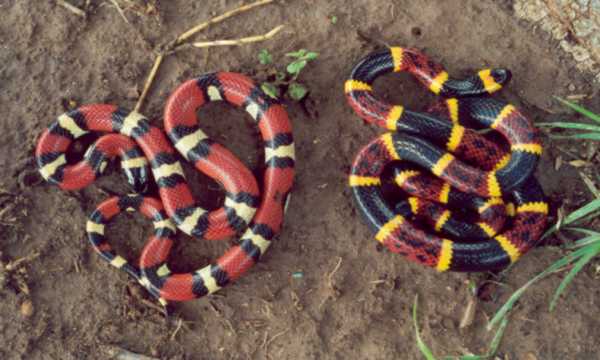
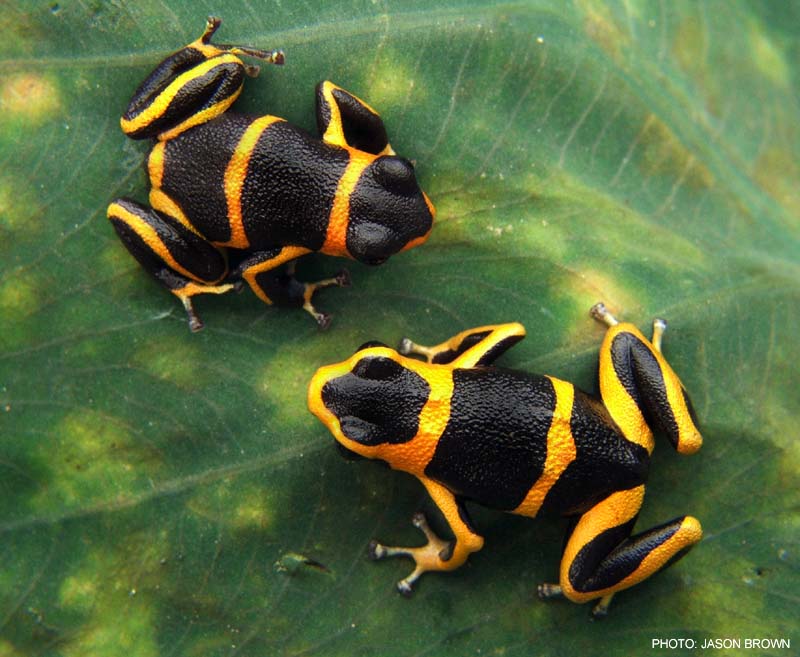
Whole Dude – Whole Optics: TARANTULA SPIDER – Poecilotheria metallica. Spider of Southeast India, and Sri Lanka. What is Color? What generates the Color?Whole Dude – Whole Optics: Naja naja. The Indian snake Cobra with warning coloration on its hood.Whole Dude – Whole Optics: Concealing and Disruptive Coloration of Tiger.Whole Dude – Whole Optics: Disruptive Coloration of Zebras – Equus burchelli.Whole Dude – Whole Optics: Concealing and Protective Coloration – Shadow pattern – Odocoileus virginianus – Mottling of the fawn’s coat.Whole Dude – Whole Optics: Protective Coloration – Counter-shading – Kobus – Kobus – kob – thomasi of Uganda.Whole Dude – Whole Optics: Concealing Coloration. Ceylon leaf insect – Philium.Whole Dude – Whole Optics: Concealing Coloration. Walking stick insect – Phasmatidae – Phraortes illepidus.Whole Dude – Whole Optics: Concealing Coloration – Leaf Butterfly – AnaeaWhole Dude – Whole Optics: Concealing Coloration. Thorn treehopper – Umbonia spinosa.Whole Dude – Whole Optics: Concealing Coloration. Black Swallowtail Butterfly – Papilio.Whole Dude – Whole Optics: Concealing Coloration. Pleuronectiformes – Flatfish.Whole Dude – Whole Optics: Concealing Coloration. Right-eyed Flounder.Whole Dude – Whole Optics: Concealing Coloration. Scolopax rusticola. European Woodcock.Whole Dude – Whole Optics: Disruptive and Concealing Coloration. Blacksmith Plover. Vanellus armatus.Whole Dude – Whole Optics: Concealing and Disruptive Coloration. Willow Ptarmigan. Lagopus lagopus.Whole Dude – Whole Optics: Disruptive and Concealing Coloration. Moorish Idol. Zanclus canescens.Whole Dude – Whole Optics: Concealing Coloration. Orchid Mantis of Malay peninsula. Hymenopus coronatus.Whole Dude – Whole Optics: Disruptive and Protective Coloration. Emperor moth. Saturnia pavonia.Whole Dude – Whole Optics: Protective Coloration. Startle Markings. False eye. Butterfly fish. Chaetodon capistratus.Whole Dude – Whole Optics: Warning Coloration. Puss moth caterpillar Cerura when threatened, raised head and tail thorns displayed.Whole Dude – Whole Optics: Protective Coloration. Startle markings. False eyes on Noctuid moth. Noctuidae. Donuca orbigera.Whole Dude – Whole Optics: Adaptive Coloration. Octopus vulgaris can blanch and change its coloration.Whole Dude – Whole Optics: Adaptive Coloration. Anolis carolinensis can gradually change its coloration from green to brown to match its background.Whole Dude – Whole Optics: Batesian Mimicry. Non-venomous Scarlet King snake mimicking of the venomous Coral snake. Both have colored rings encircling their bodies. Coral snake has black-yellow-red-yellow ring order, and Scarlet snake has black-yellow-black-red ring order. Its predator has no perfect discrimination ability and gets easily confused about its identity.Whole Dude – Whole Optics: Mullerian Mimicry. The black-and-yellow coloration of bees and wasps is an advertising, warning coloration to warn the third-party of dangerous or inedible qualities of the organism. This is not deceptive coloration. Potential predators easily learn and generalize this optic signal.Whole Dude – Whole Optics: Warning Coloration. Yellow and black markings on Poison frogs. Mimic of Ranitomeya summersi.Whole Dude – Whole Optics: What is Color? What generates the Color? The Colors of Eugenes fulgens. It is the radiating Spiritual Light that is reflected and is recognized by the viewer.
Light is the source of Life. The establishment of Light on planet Earth is a creative process that uses light energy to recreate the spectral colors in the lives of individual organisms.
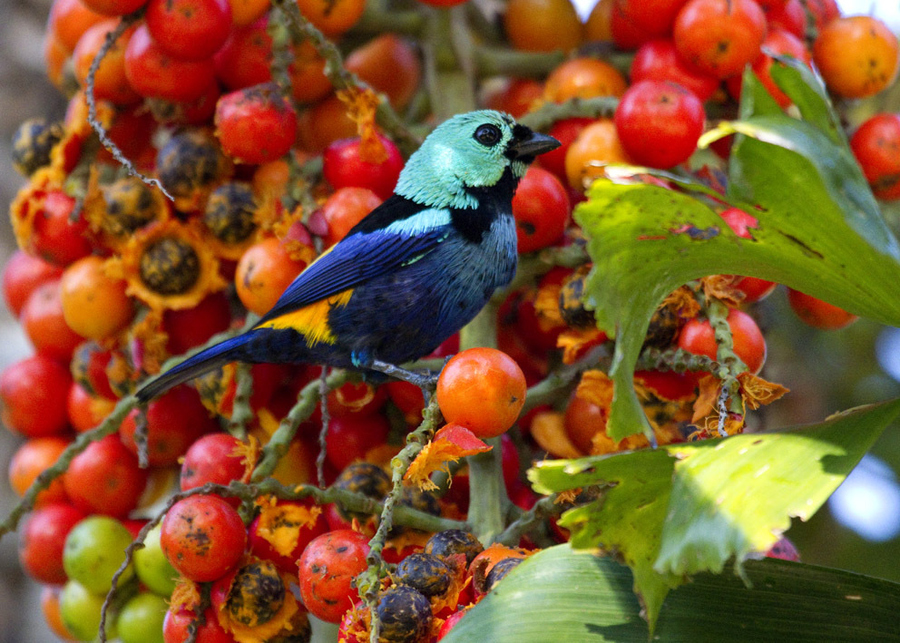
Whole Dude – Whole Optics: The Superb Tanager. Tangara fastuosa. What is Color? What generates the Color? This Superb creature is known for its Tyndall Blue Color. It needs structural elements and pigments to generate these alluring colors it displays.
Whole Dude – Whole Colors: Spiritualism – The Colors of Life: Sir Isaac Newton (1642-1727),English mathematician, physicist, and natural philosopher was the first to explain what he called “the permanent colours of natural bodies.”
I begin with a special tribute to Sir Isaac Newton who discovered that white light is composed of every color in the spectrum.
No single function can fully explain the coloration of living things. We need to integrate the optical, visual, physiological functions of biological coloration.
I describe the spiritual dimension of color as I am not convinced about the role of color in what is described as “Natural Selection.” Color plays an important role in every aspect of life. Most of us are familiar with coloration changes; the physiological, seasonal, age-related changes in color that are regulated by environmental stimuli such as light and temperature, coloration change due to emotions like excitement, and hormonal changes that are related to color function. Graying hair is a familiar badge of the elderly.
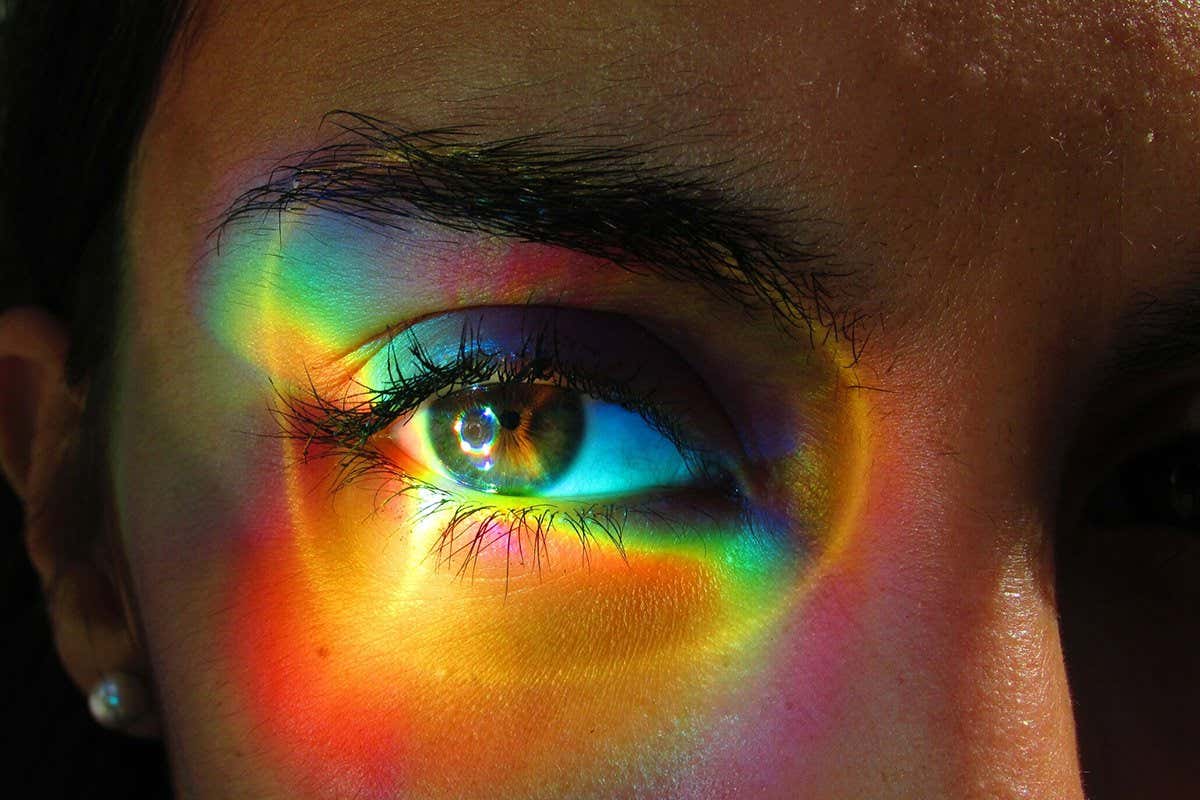
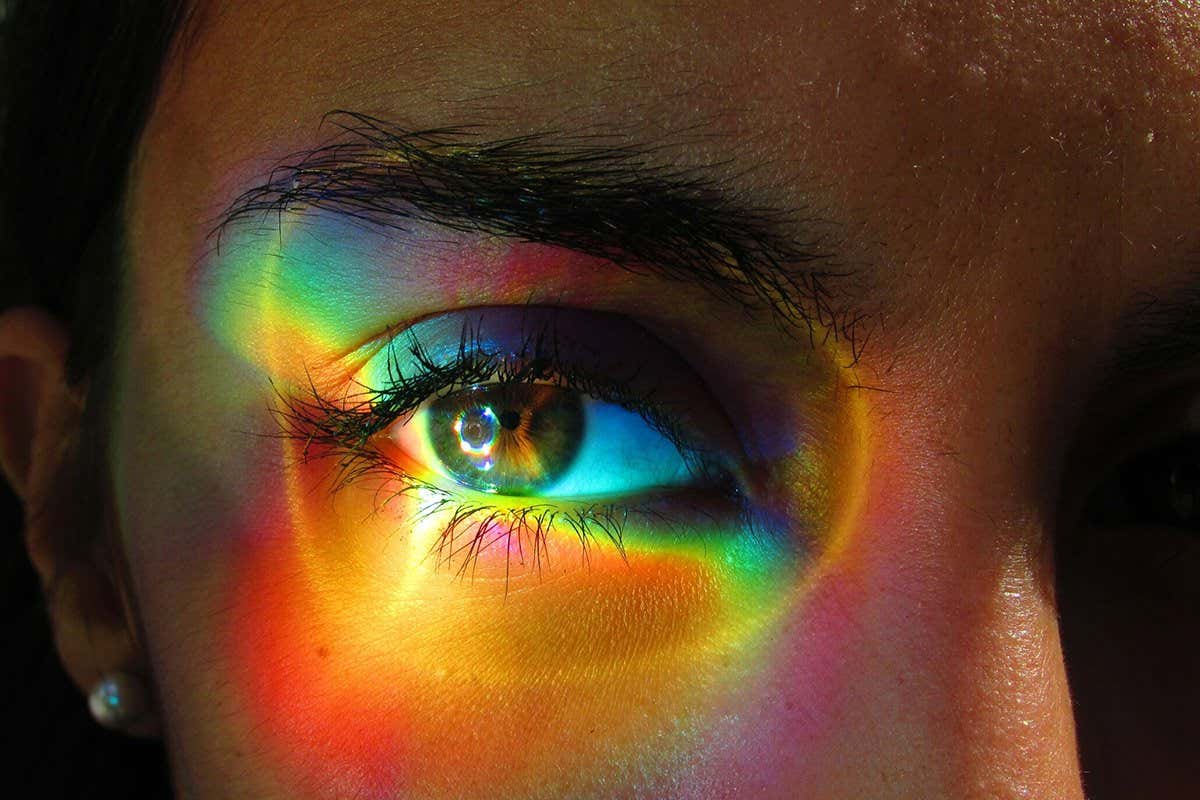
The brilliant colors produced by a prism is an optical phenomenon caused by diffraction or dispersion, or interference of light. However, the understanding of color involves not only physics, but physiology and psychology as well. The term ‘Optics’ describes the scientific study of light. Physical Optics is concerned with the genesis, nature, and properties of light. Geometrical Optics is concerned with the Geometry involved in the reflection and refraction of light as encountered in the study of mirror, lens, and prism. Physiological Optics is concerned with the role of light in causing visual sensation.
Whole Dude – Whole Colors: No single function can fully explain the coloration of living things. We need to integrate the optical, visual, physiological functions of biological coloration
I add the dimension that I often describe as ‘Spiritualism’ to obtain a greater understanding of color as a function of living things. The New Testament Book of The Gospel According to Apostle John, Chapter 1, verses 3 and 4 read: ” Through Him all things were made, without Him nothing was made that has been made. In Him was life, and that life was the light of men.” There is a direct relationship between life and light and hence there is a need to describe Spiritual Optics and know the coloration of living things as a spiritual function.
Whole Dude-Whole Colors – Richard Gere in 2013-We are most familiar with changes in man’s coloration that is related to age. In several cultures, people with silvery gray hair are treated with respect as the color symbolizes maturity, and wisdom.
What is Color?
Whole Dude-Whole Colors: White light is perceived as colorless as only a neutral color sensation is aroused by it. White light is composed of every color in the spectrum. Human civilization has developed taste in color and has attached names, values and functions to the colors it visualizes. A sense of fitness has been acquired concerning the use of color.
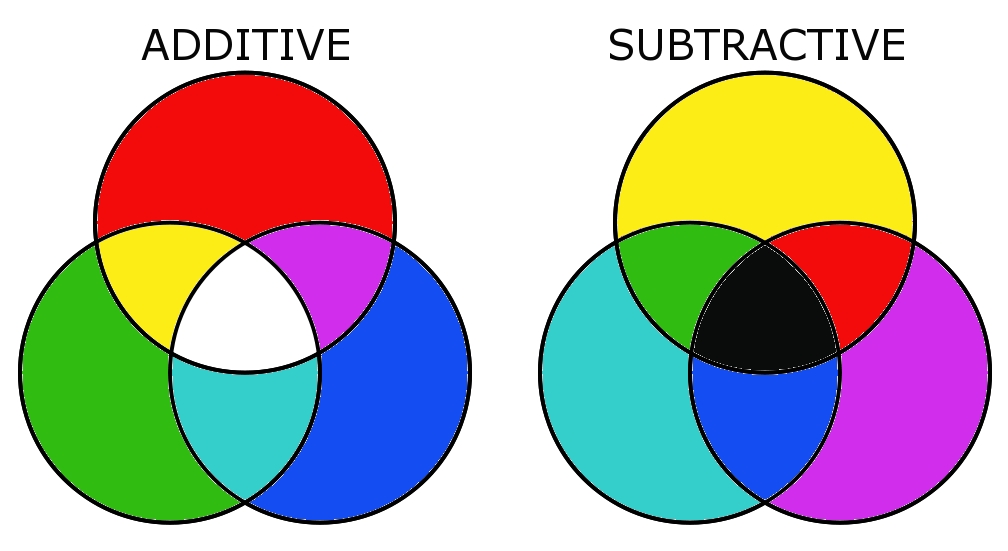
Color is a sensation that is aroused when light falls on the retina of the eye. Color is the visual effect resulting from the eye’s ability to distinguish the different wavelengths or frequencies of light. The apparent color of an object depends on the wavelength of the light that it reflects. Light may originate directly from a light source or as reflected light. Color perception depends on the different degrees to which various wavelengths of light stimulate the eye. In white light, an opaque object that reflects all wavelengths appears white and the object that absorbs all wavelengths appears black. White light is perceived as colorless as only a neutral sensation is aroused by it. Any three primary or spectral colors can be combined in various proportions to produce any other color sensation. The ‘additive mixing’ involves combining colored lights. A painter uses a process called ‘subtractive mixing’ to generate colors when pigments are combined to produce the desired visual effect. It must be noted that a strict definition of color is difficult as different observers attach different meanings. The chemist is conscious of color as a quality concerning a pigment or a dye. The psychologist describes color in terms of visual perception, and this perception is further modified by human civilization that attached meanings, qualities, feelings, moods, and other special values to the colors perceived. The physicist may describe color in terms of qualities such as the wavelength of light, its intensity or brightness, and its hue, a particular shade or tint of a given color.
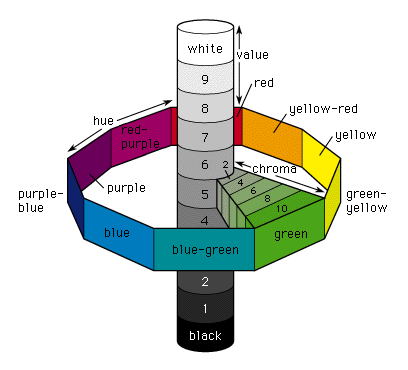
Whole Dude – Whole Colors: Spiritualism – The Colors of Life: What is Color? The answer depends upon the perspective of the person who may provide the answer to that question. But, it is important to know that colors are generated by either ‘Additive’, or ‘Subtractive Mixing. Additive mixing involves combining colored lights as done in generating color movie pictures. An artist combines dyes or pigments where the pigment absorbs or subtracts certain wavelengths and reflects some wavelengths.Whole Dude – Whole Colors: Spiritualism-The Colors of Life: What is Color? Munsell Color System. Munsell developed a system to describe a color using three criteria; hue, chroma, and value.Whole Dude – Whole Colors: Spiritualism-The Colors of Life-What is Color? Munsell System may provide a great understanding of color, but a biologist has to understand the role and purpose of color in relation to a living thing’s ability to survive in nature by defending its existence and through reproductive success and by adapting to variable environmental conditions and factors that are peculiar to its biological community with which it constantly interacts.
Biological Coloration:
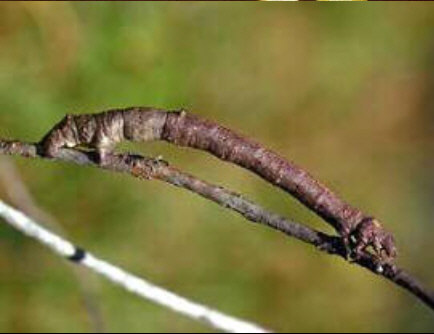
Whole Dude-Whole Colors: What is Color? Color performs a protective function. This insect resembles a twig which is an unrelated species Does this insect have the ability to predetermine its own color and its own appearance in its given environment?
Animals have distinctive color patterns that seem to play an important role to support their existence in a given ecological community that shares a common physical environment. The color may serve the purpose of protection by concealing the organism from predators or its own prey. The term ‘protective coloration’ describes coloration or color pattern that facilitates escape from observation by predators or prey. The color may help reproductive success and is used to attract mates, or to get recognized by the members of its own group. The color may constitute a warning to its natural enemies. Plants extensively use attractive colors to assist the process called pollination.
Cryptic Coloration:
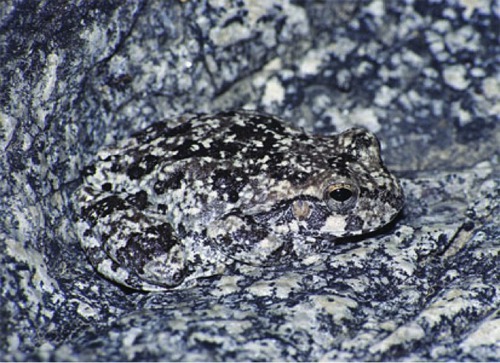
Whole Dude – Whole Colors: Spiritualism-The Colors of Life: What is Color? The purpose of cryptic coloration is that of concealment. because of background resemblance.
The most widespread form of coloration is called cryptic resemblance or cryptic coloration in which the coloration and pattern on the skin of the animal enables it to blend in with the coloration of its natural habitat. This kind of coloration may conceal the animal from its predator or prey and it involves the use of colors that have general resemblance with its surroundings. The advantageous resemblance of one species to another, often unrelated species or to a feature of its own habitat is predetermined by its own genetic endowment.
Imitative Coloration:
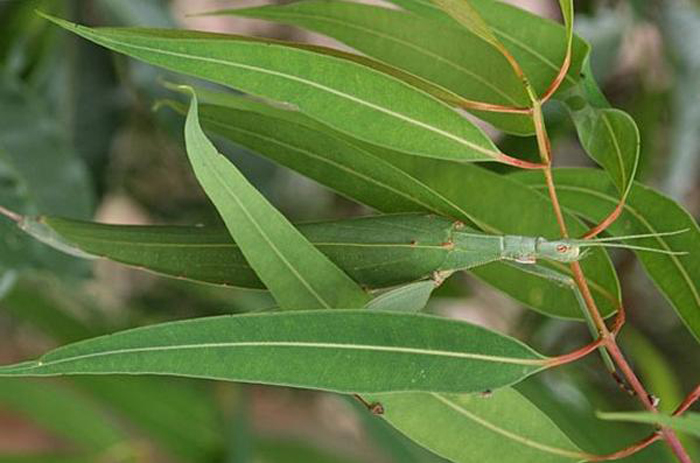
Whole Dude-Whole Colors: What is Color? The purpose of Coloration could be an adaptive mechanism and this insect very closely imitates the color and appearance of the leaves.
Coloration is an adaptive mechanism and an animal can conceal its presence by imitating the appearance of a natural object present in its environment.
Whole Dude-Whole Colors: What is Color? Marine animals often imitate the appearance of Corals or rocks to conceal their presence.
Warning Coloration and Batesian Mimicry:
Whole Dude – Whole Colors: Spiritualism-The Colors of Life: What is Color? Color may serve as a warning sign and it involves the use of bold markings. Mimicry involves deceptive coloration in which the animal deceptively uses the warning coloration of another animal.Monarch butterfly/The Viceroy butterfly: The North American Monarch is poisonous and is distasteful and is protected by its Warning Coloration which the Viceroy uses for its Mimicry.
Warning coloration consists of bold markings that warn predators away from inedible or poisonous animals. Mimicry is a deceptive coloration in which the animal resembles or mimic a warning-colored animal or predator.
Sudden Changes in Coloration:
Whole Dude – Whole Colors: Spiritualism-The Colors of Life: What is Color? The purpose of color could be that of expressing sudden mood changes like that of anger, or excitement. Chameleon is known for such Sudden Change in Coloration.
Chameleon is famous for its ability to change its color suddenly to express anger or fright. The change is caused by movement of pigment called chromatophores within the cells.
Seasonal Changes in Coloration:
Whole Dude – Whole Colors: Spiritualism-The Colors of Life: What is Color? The purpose of Color may relate to change in temperatures, environmental changes associated with changing Seasons. The Snow Hare is white in Winter and is Brown during Summer and Autumn.
The Snow Hare is white in winter and is Brown during Summer and Autumn.
Coloration for Reproductive Success:
Whole Dude-Whole Colors: Display Coloration. Peacock, the male peafowl (Pavo cristatus) displays a stunningly beautiful array of colors to attract the attention of female.
The use of color may serve the purpose of getting recognition from other members of its own group and it may specifically attract the attention of mates during the reproductive season. Many plants use colors to aid pollination by bees and moths.
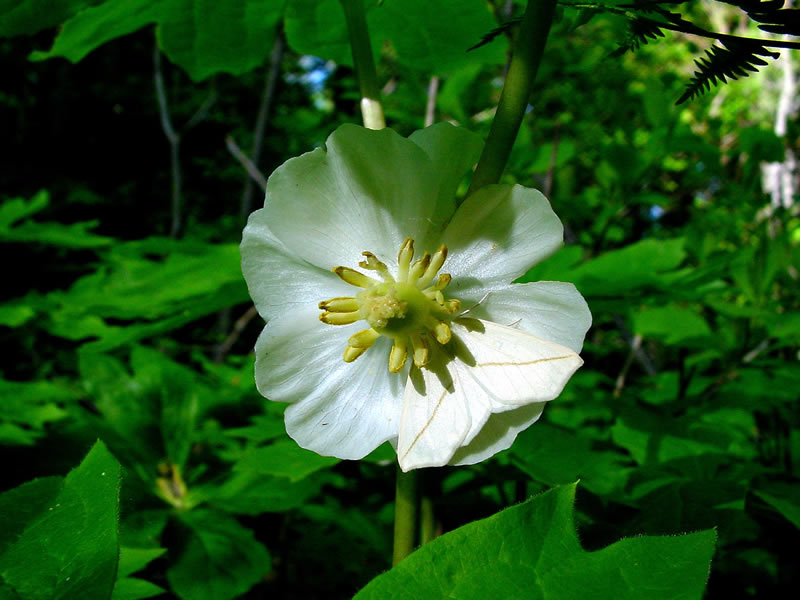
Whole Dude – Whole Colors: Spiritualism-The Colors of Life: What is Color? The purpose of color could be that of promoting reproductive success. A male, marine Stickleback, tiny Bony Fish( 3 to 10 cm long) in reproductive condition with complete armour plates develops special red coloration to attract its mate during breeding season.Whole Dude – Whole Colors: Spiritualism-The Colors of Life: What is Color? Bees are active during day and are attracted by brightly colored flowers such as the flowers of Milkweed.Whole Dude – Whole Colors: Spiritualism-The Colors of Life: What is Color? Flowers and Pollination. Flowers may have often bright color markings called ‘honeyguides’ to attract pollinating insects.Whole Dude – Whole Colors: Spiritualism-The Colors of Life: What is Color? Plants that depend upon moths for pollination generally produce white or dull-colored flowers that open late afternoon or night. Moths are active at dusk or night. These Mayapple white flowers produce ample nectar and carry heavy fragrance to attract the moths.
The Problem of Albinism:
Albino describes animal or plant lacking normal pigmentation. The albino body covering such as skin, eyes, hair, and feathers lack pigment. Melanin is the pigment found in human skin, hair, and eyes. The amino acid tyrosine is required for melanin synthesis. An inherited lack of enzyme required for melanin synthesis results in one form of albinism. This defect is inherited as a recessive trait.
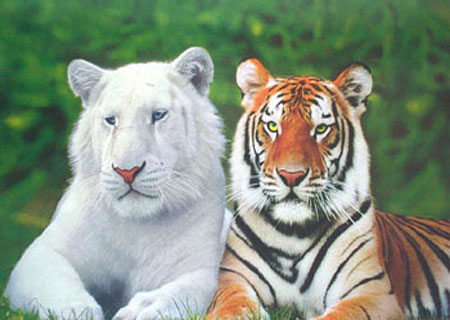
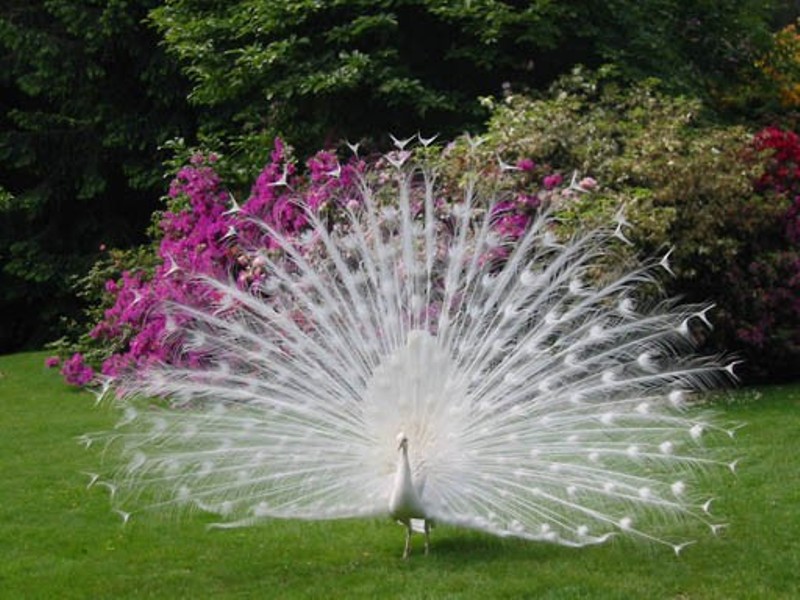
Whole Dude-Whole Colors: What is Color? The problem of Albinism helps in the understanding of the purpose of Biological Coloration. The Tiger with stripes and color has a better ability to conceal itself from its prey before attacking the unsuspecting prey.Whole Dude-Whole Colors: What is Color? This is definitely a pretty sight. This albino Peacock would not have the advantage of attracting its mate during the mating season as compared to its normal colored partner.
Biological Coloration is genetically determined and the living organism does not voluntarily select the colors it may display. Human beings could be an exception as man uses colors for purposes other than those designed by Nature for human existence.
What is the Color of Man?
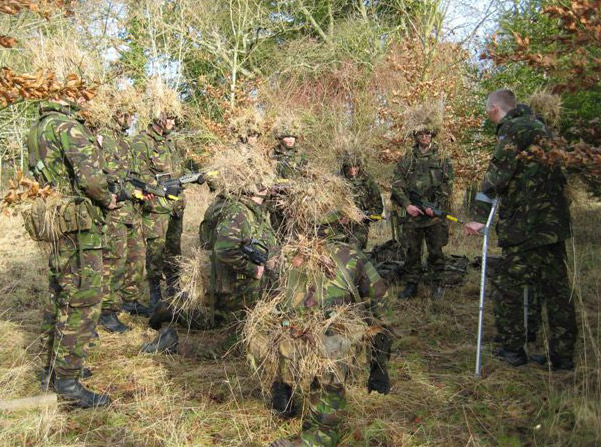
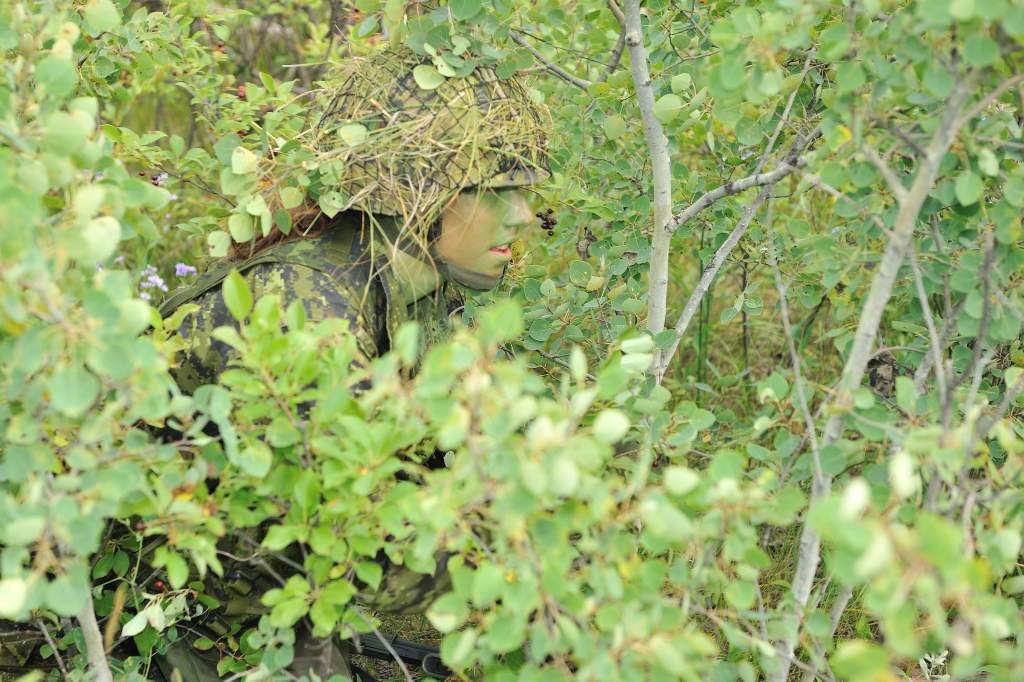
Whole Dude-Whole Colors: What is Color? What is the Color of Man? All newborn babies of all human races appear pinkish-red when they are just born. A process of maturation that extends over weeks is needed for the development of skin pigmentation.Whole Dude – Whole Colors: Spiritualism-The Colors of Life: What is Color? Man uses the tactic called ‘Camouflage and Concealment’ to fight a battle with his enemy.
What is the True Color of Man?
Whole Dude – Whole Colors: Spiritualism-The Colors of Life: What is Color? This man has used the military tactic called Camouflage and Concealment. What is the true Color of Man?
To explore the spiritual basis of biological coloration, in my next post, I would discuss as to how living things generate colors that play a vital role in biochemical reactions such as photosynthesis, maintenance of thermal balance and other physiological functions.
Whole Dude – Whole Colors: What is Color? No single function can fully explain the coloration of living things. We need to integrate the optical, visual, physiological functions of biological coloration
Whole Dude – Whole Intelligence: “The domain of cognitive science occupies the intersection of philosophy, neuroscience, linguistics, cognitive psychology, and computer science (artificial intelligence).” Gerrig et al. (2008, p. 248). Gerrig, R. J., Zimbardo, P. G., Campbell, A. J., Cumming, S. R., & Wilkes, F. J. (2008). Psychology and life (Australian edition). Sydney: Pearson Education Australia. (Photo credit: Wikipedia)
Whole Dude – Whole Intelligence:
The word ‘intelligence’ (Latin. intelligentia) involves perception, discernment, the ability to learn or understand from experience, ability to acquire and retain knowledge. While psychologists are not able to come to a common understanding to define ‘intelligence’, it is clearly understood that ‘intelligence’ can only exist in living entities that have the abilities of perception, cognition, memory, responsiveness, communication, awareness, and consciousness. ‘Intelligence’ is used to indicate all-around effectiveness of an individual’s mental processes, particularly capabilities of comprehension, learning and recall, and thinking and reasoning. I suggest that it would be incorrect to conceive ‘intelligence’ as an innate brain power, an attribute which distinguishes the more highly ‘evolved’ animals from simpler organisms, and geniuses from average persons. I contest this commonly held view or opinion about ‘intelligence’ which defines ‘intelligence’ as a unitary power or faculty of the mind.
Whole Dude – Whole Intelligence: Albert Einstein( b. March 14, 1879, d. April 18, 1955) won Nobel Prize for Physics in 1921, German-American Physicist who developed the Special and General Theories of Relativity,the Photoelectric Law,theoretical physics such as the equivalence of mass and energy, and the Photon Theory of Light. He demonstrated the relationship between Creative and Analytical Thought.
Intelligence and Whole Intelligence:
I would like to pay my tribute to Albert Einstein for his ‘intelligence’ and for demonstrating the relationship between creative thought and analytical thought. While I agree that ‘intelligence’ is the abstract faculty that apprehends, conceptually and perceptually, relations among objects. The size of the object is also important when we consider the existence of microscopic objects like the size of living cells, bacteria, viruses, proteins, and organic and inorganic molecules of numerous varieties. It is now agreed that ‘intelligence’ is a collection of a large number of highly varied, although overlapping skills rather than as a single faculty. ‘Intelligence’ may include 120 specific abilities which could be classified into three categories: logical processes, the kinds of information processed, and the products of such processing. ‘Intelligence’ includes factors such as verbal, spatial, memorizing, and reasoning abilities and needs to connect creative thought with analytical thought. All these things that are mentioned in the context of describing ‘intelligence’ focus on a combination of the innate characteristics of an individual’s Central Nervous System which is molded by experience, learning, heredity, and environmental factors. The term ‘Intelligence Quotient’ or IQ is often used to show the relation of, or ratio of mental to chronological age of the given person. Tests have been devised to measure ‘Intelligence Quotient’ or IQ of people.
I introduce the concept of ‘Whole Intelligence’ and state it as the ability of Living Matter or that of Living Entities to know a range of information, process information, and perform functions using the stored information and that of acquired information. It needs ‘Whole Intelligence’ to perform the numerous, complicated tasks that are essential to maintain life and to sustain the living functions. ‘Whole Intelligence’ is characterized by the presence of knowledge in the Living Matter. Knowledge means the act of knowing, the state of knowing, and the fact of knowing a range of information. Living cell typically uses a vast variety of biological information to perform functions of its metabolism, growth, maintenance, and reproduction. These functions require the abilities of recognition of specific molecules and other microscopic materials and use them or dispose them in a very selective manner involving precise, sequential reactions. Non-living matter has no intelligence. The Laws of Physical Science operate in the material universe. ‘Whole Intelligence’ describes the ability to exploit the Laws of Physical Science for the material benefit of the living, intelligent entity. Physical systems that are non-living do not apply intelligence of their own in their operations and they function according to the design of the system. Whereas a living system uses its ‘Whole Intelligence’ to preserve, to sustain, and to promote its living condition. Myself or Albert Einstein do not have the ‘Whole Intelligence’ capabilities displayed by the cells, tissues, and various organs that constitute our human bodies. We do not have those abilities to perform the tasks they perform. I say, my heart is beating and pumping all the time using ‘Whole Intelligence’ and if not, I would be Brain Dead. What would do you say? Please share your thoughts and views.
Whole Dude – Whole Intelligence: What is Life? Life is Knowledge in Action
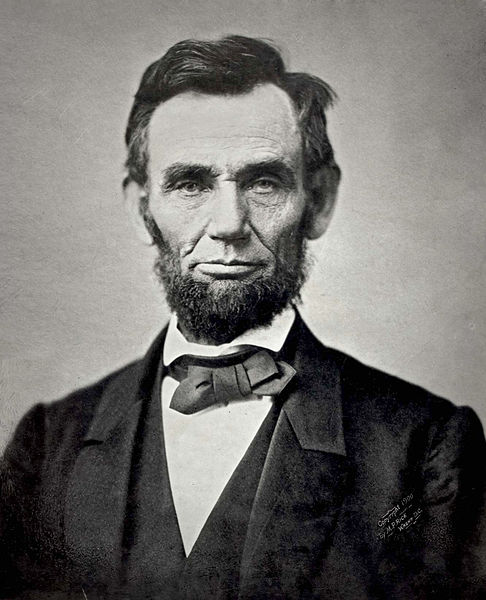
Whole Dude – Whole Prudence: The Peacemakers. (Photo credit: Wikipedia)Whole Dude – Whole Prudence: President Abraham Lincoln, 1809-65, 16th president of the U.S.(1861-65) must be recognized as a man of great prudence. In his famous Gettysburg Address on November 19, 1863 he said: “and that government of the people, by the people, for the people, shall not perish from the earth.”
Abraham Lincoln was elected in 1860, with a minority of the popular vote to become the 16th president of the United States. To the South, Lincoln’s election was a signal for secession. By his Inauguration Day, seven states had seceded, and four more seceded after he issued a summons to the militia. It was a very difficult and challenging time in the entire history of the United States. Lincoln handled the vast problem of the Civil War (1861-65) with prudence, skill, and vigor. In the war between Union and the eleven Southern seceded states (Confederacy), preserving the Union remained his main aim. In 1863 he moved to free the slaves by issuing the Emancipation Proclamation and later U.S. Congress could pass the Thirteenth Amendment. His thoughts on the war and the sacrifice were beautifully expressed in the Gettysburg Address on November 19, 1863. More Americans lost their lives in Civil War as compared to any other war in which the United States has participated. The Union was saved, and slavery was abolished.
Whole Dude – Whole Prudence:
Whole Dude-Whole Prudence: Emancipation Proclamation by President Abraham Lincoln during September 1862. United States has officially abolished the practice of slavery and has now institutionalized the practice of Servitude and the Union has transformed from a ‘Free State’ into a ‘Slave State.’
The quality of prudence is most concerned with action. Prudence is a product of experience and a possession of reason. The maxims of prudence are counsel, deliberation, and judgment. A prudent man knows how to deliberate or calculate well about things to be done. He evaluates the negative as well as the positive consequences of his actions. Prudence shapes the character of the person. Use of unjust or dishonest means to achieve the end is not prudence. One cannot have prudence unless one has the moral virtues; since prudence is right reason about things to be done, to which end man is rightly disposed by moral virtue. The choice of the best means is as important as the election of the right end. The clever thief who plans and executes a successful robbery exhibits no prudence but its counterfeit called cunning. The rightness of the means requires not merely that they be adapted to an end, but that the end itself be right. Prudence has a role in all the concerns of life. The right end whether that be the goal of personal happiness or the common good of society cannot be achieved unless the means to it are rightly chosen. Prudence can be acquired through learning to take sufficient counsel and to deliberate enough before taking action. The habit of prudent action can be gained by remembrance of the past experience, by the understanding of what is present and providing for the future by resolving thoughts and making decisions and commanding their execution.
WholeDude.com aims at presenting a Marketing Strategy or Formula to provide service to people who are identified as Whole Dudes. Prudence is the Core Value chosen by WholeDude.com to provide its service by careful selection of right means to serve its right purpose. I say, we must use prudence to make our choices and to plan our actions in all things of Life. What do you want to say? Please share your thoughts and views.
Spiritualism – Spiritual Being and Self-Realization:
Whole Dude – Whole Being: The Vitruvian Man c. 1492. The painting by Leonardo da Vinci displays the spirit of scientific inquiry. Self-Realization is defined as complete fulfillment of the Self or full development of Self. Man takes birth after full development of True or Real Self and the Newborn is always a Spiritual Being. Man does not acquire Spirituality through Learning and Practice.
What is Man? I want to respectfully begin this conversation by stating my motivation for asking this question. The motivation to ask comes from a statement expressed in the Sanskrit language: “Sarvesham Swastir Bhavatu,” a statement which seeks the well-being of all humans, of all races, of all cultures, of all religions, and of all nations.
The meaning and purpose of human life are affected by whatever we think is the ‘real’, or ‘true’ nature of Man. But, more importantly, our efforts to support the well-being of man would require correct understanding and knowledge of ‘real’, or ‘true’ Man.
In human cultures all over the world, in the history of a variety of religions, we have come to know about people who have distinguished themselves as Prophets, Saints, and as people of Spiritual Knowledge. Several of them have won the recognition of a higher status of being Spiritual Masters, Spiritual Teachers, or Spiritual Gurus and people have given them attention with a sense of humility, and devotion with the hope of obtaining Self-Realization which could be defined as complete fulfillment of the Self or full development of one’s ‘real’, or ‘true’ Self.
I submit to my readers that I do not intend to show any disrespect towards any of these Masters of Spiritual Learning and Teachers of various kinds of Spiritual Practices. I have a basic right to know and understand ‘true’ or ‘real’ Self and I believe that understanding could be applied to promote and preserve the well-being of all humanity. The reasoning process that I use could be called Applied Philosophy which involves the application of conceptual analysis to questions of belief and ideology which affect what we think about ourselves and what we think we ought to do individually and socially. We need to carefully verify the concepts of Soul, and Spirituality to attain Self-Realization.
Human Birth is a Divine Phenomenon:
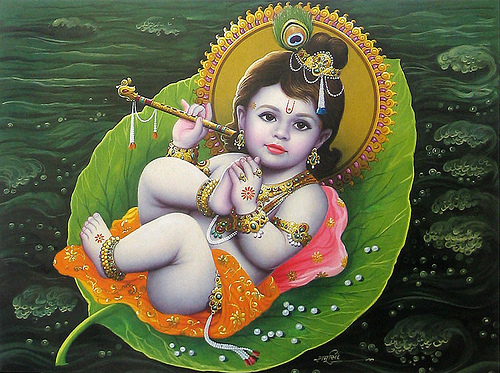
Whole Dude – Whole Being: Lord Krishna, the Divine Supreme Being arrived in this Physical, Material World as a newborn, human baby, a Spiritual Being. Man arrives as a Spiritual Being and Spiritualism is not a Learned or Acquired Knowledge and Behavior.
Spiritualism is the potency that brings Man’s Essence and Man’s Existence to come together to provide Man the Subjective and Objective Reality of his own biological existence in the Physical and Material Realm.
Spiritualism is the potency that determines Man’s Existence as a Spiritual Being. Human birth is a Divine Phenomenon. The newborn baby always arrives as a Spiritual Being. This statement has two important implications;
1. There is complete development and fulfillment at birth for Man to exist as a Spiritual Being, and
2. Spiritualism is not Learned or Acquired Knowledge and Behavior. Man does not transform himself into a Spiritual Being by his physical or mental efforts.
In other words, Spiritualism does not involve learning from Holy Scriptures, practice of techniques like Meditation, and observation of religious rituals like pilgrimage and Temple worship. Man, the Physical Being is created not as an Embodied Soul but as a Living Soul that lives as a Spiritual Being. There could be several important benefits that Man may acquire by reading Holy Scriptures and through religious practices such as Prayer, Meditation, and Worship. While I would not discourage or disrespect such practices and religious behavior, I would like to categorically submit to my readers that Man does not transform himself into a Spiritual Being by virtue of any of his physical, and mental efforts.
To think that Man is born as a Physical Being and slowly transforms himself into a Spiritual Being through a process called Self-Realization is a myth. If the human body is described as a field of activity or ‘KSHETRA’, the Knower, and the Enjoyer of this field of activity called ‘KSHETRAJNA’ exists at birth and this Spiritual Being does not come into existence during a later part of life through a process of Learning from sensory experience or intellectual introspection.
Creation and Self-Realization:
Whole Dude – Whole Being: Man represents a thermodynamically unstable System.
Man, like all other living entities represents a thermodynamically unstable system. Man does not exist in the physical, material world because of his own Power/Force/Energy. Man needs continuous supply of energy from an external source during the entire span of his life. The fact of Man’s Physical Existence in the world could be understood as the manifestation of the Power/Force/Energy of the Supreme Being. The operation of this Divine Power or Potency is revealed as Self-Realization, the process or mechanism by which the Creative Power/Force/Energy establishes the complete Self which for reasons of clarity and understanding could be divided into four stages as follows:
1. First Stage of Self-Realization – The Establishment of Knowledge:
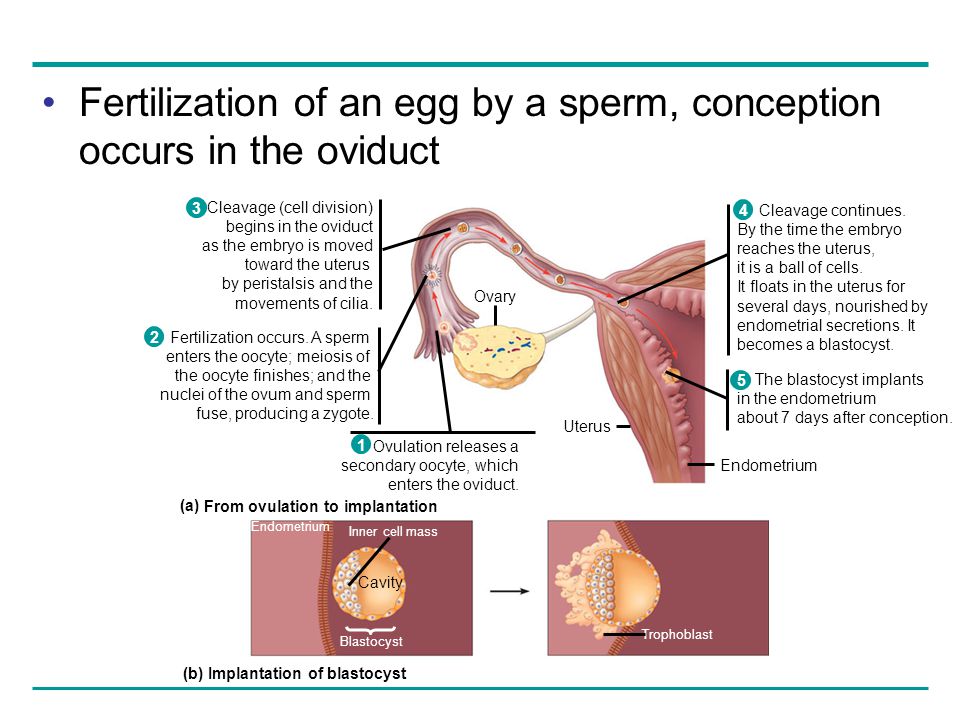
Whole Dude – Whole Being: Fertilization of an egg by a sperm, conception occurs in the oviduct. Cleavage (cell division) begins in the oviduct. as the embryo is moved. toward the uterus. by peristalsis and the. movements of cilia. 3. Cleavage continues. By the time the embryo. reaches the uterus, it is a ball of cells. It floats in the uterus for. several days, nourished by. endometrial secretions. It. becomes a blastocyst. 4. Ovary. Uterus. Endometrium. From ovulation to implantation. Inner cell mass. Cavity. Blastocyst. Trophoblast. (a) Implantation of blastocyst. (b) Fertilization occurs. A sperm. enters the oocyte; meiosis of. the oocyte finishes; and the. nuclei of the ovum and sperm. fuse, producing a zygote. 2. Ovulation releases a. secondary oocyte, which. enters the oviduct. 1. The blastocyst implants. in the endometrium. about 7 days after conception. 5.
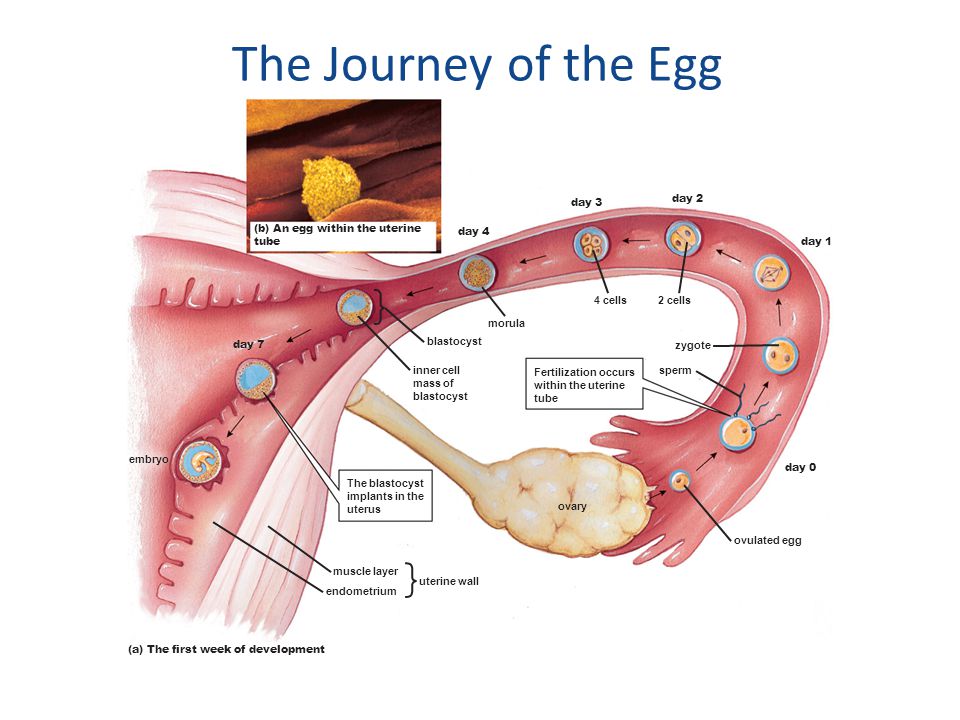
Human life begins at conception as a single, fertilized Egg Cell. This Egg Cell always comes from a previously existing Egg Cell that has grown and developed into a human being. Father is the Originating Principle. Mother, the divine source of Life, Energy, and Knowledge is the Providing Principle. Knowledge is implanted in the substance of the Egg Cell giving its Consciousness, ability to grow and develop into embryo, fetus, and a fully formed human baby. Hence, Life could be defined as “Knowledge in Action.”
Whole Dude – Whole Being: 4 cells. 2 cells. morula. day 7. blastocyst. zygote. inner cell. mass of. blastocyst. Fertilization occurs. within the uterine. tube. sperm. embryo. day 0. The blastocyst. implants in the. uterus. ovary. ovulated egg. muscle layer. uterine wall. endometrium. (a) The first week of development.
In the Indian tradition, this aspect of Self-Realization is described as “Jnanamoya”, the living symptoms that are manifested as Consciousness.
2. The Second Stage of Self-Realization or The Establishment of Vital Functions:
Whole Dude – Whole Being: The newborn baby upon separation from its mother begins life as an independent living entity by initiation of its vital, living functions such as Respiration and Circulation. To survive in physical world, the baby needs the ability to breathe on its own and circulate the vital supply of Oxygen to all tissues and organs of the entire body.
The newborn baby upon separation from its mother, begins life as an independent living entity by initiation of its vital, living functions such as Respiration and Circulation. To survive in the physical world, the baby needs to breathe on its own and circulate the vital supply of Oxygen to all the tissues, and organs of entire human body. In Indian tradition this aspect of Self-Realization is described as “Pranamoya”, the ability to perform vital functions like breathing on its own.
3. The Third Stage of Self-Realization or The Establishment of Nutrition :
Whole Dude – Whole Being: Food and Spirituality: Food is a Spiritual substance and the baby needs Nutrition or Food for the growth, development, maintenance, and repair of its own living substance which is of Spiritual Nature.
During the stages of embryo and fetus, nutritional support is provided by the mother. The newborn baby must continue to feed through all the stages of its physical existence for the rest of its entire life span. In the Indian tradition this dependence upon food for existence is described as “Annamoya”, or the Materialistic Realization of the Supreme Being and Divine Power or Potency.
4. The Fourth Stage of Self-Realization or The Establishment of ‘The Knowing-Self’:
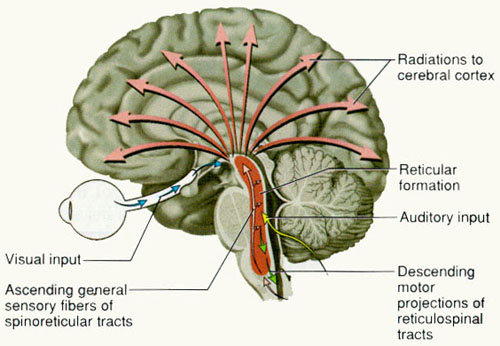
Whole Dude – Whole Being: The anatomical structure known as Reticular Formation shown as a red band in this image is in the Brain Stem. It composes Consciousness and its functions are important to bring Unity of the complex human organism. It is the Knower, and the Enjoyer of the activities of the entire human body.
The cells, tissues, and organ systems of the newborn baby display functional subservience for the benefit of Self which lives because of their living functions. Reticular Formation in the Brain Stem functions as ‘The Knowing-Self’, and is involved in the composition of Consciousness which brings functional unity in the complex, multicellular human organism. It could be described as the “Knower”, and the “Enjoyer” or “Kshetrajna” of the field of activities of human body called “Kshetra.” In the Indian Tradition, the establishment of this “Knower”, “Enjoyer”, or the ‘Knowing-Self’ is described as the Fourth Stage of Self- Realization, or Brahman-Realization and is called “Vijnanamoya.”
Whole Dude – Whole Living: Dr. Oliver Wendell Holmes, Professor of Anatomy and Physiology, Dean of the Harvard Medical School (1847 – 1882) spoke about Life:”To Live is to function” and “That is all there is in Living.” Whole Dude or Whole Person must perform his Living Functions as Existence precedes Essence of Man.
Dr. Oliver Wendell Holmes, Professor of Anatomy and Physiology, Dean of the Harvard Medical School (1847 – 1882) spoke about Life: “To Live is to function” and “That is all there is in Living.”
Man’s Existence precedes Man’s Essence. Life is about its Living Functions. Whole Dude or Whole Person must perform his Living Functions to display his Essence in the world in which he lives. Spiritualism is the potency that brings Man’s Essence and Existence to come together and it describes the spiritual potential of living matter that keeps the existence of the living object.
Whole Dude – Whole Substance: Greek Philosopher Aristotle, Father of Science brings Religion, Philosophy, and Science to come together to know and understand Man as a Whole Person with Form and Matter. Whole Dude comprises of Whole Substance and is not divisible into Body and Soul.
Aristotle states that corporeal substances are composite of two principles; 1. Form, and 2. Matter. What is called Form is actuality, and what is called Matter is potentiality.
We often tend to understand the actuality of human form without giving much attention to the potentiality of its matter or its living substance. Aristotle did not regard the human body and soul as separate as the soul is merely a set of defining features. He states that the structure and behavior of things contribute to their individual being and function. In his opinion, “There is a science which investigates Being as Being and the attributes which belong to Being in virtue of its own nature.”
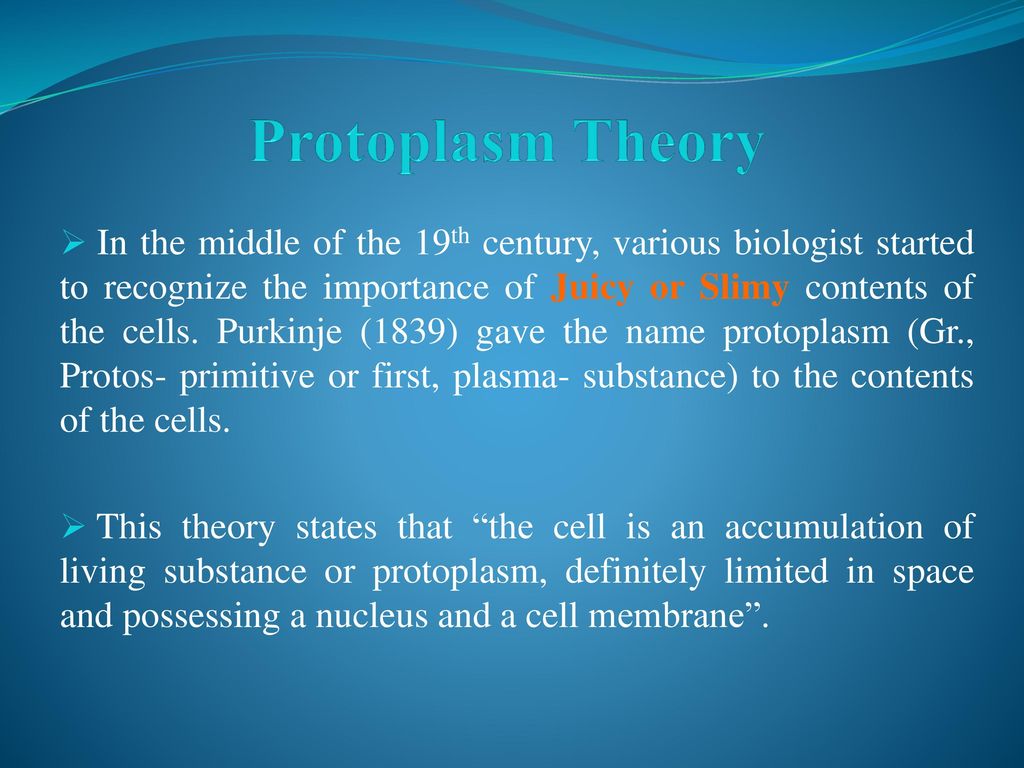
Whole Dude – Whole Substance: In the middle of the 19th century, various biologist started to recognize the importance of Juicy or Slimy contents of the cells. Purkinje (1839) gave the name protoplasm (Gr., Protos- primitive or first, plasma- substance) to the contents of the cells. This theory states that the cell is an accumulation of living substance or protoplasm, definitely limited in space and possessing a nucleus and a cell membrane .
Whole Dude or Whole Person is composed of Whole Substance and that Substance is of Spiritual Nature. Hence, Whole Dude or Whole Person is not divisible into Body and Soul. Whole Dude or Whole Person is not an embodied Soul and is a Living Soul.
Whole Dude – Whole Substance: Whole Dude or Whole Person is composed of Whole Substance and that Substance is of Spiritual Nature.