“The Crusade for Peace through Freedom” is due since March 10, 1959
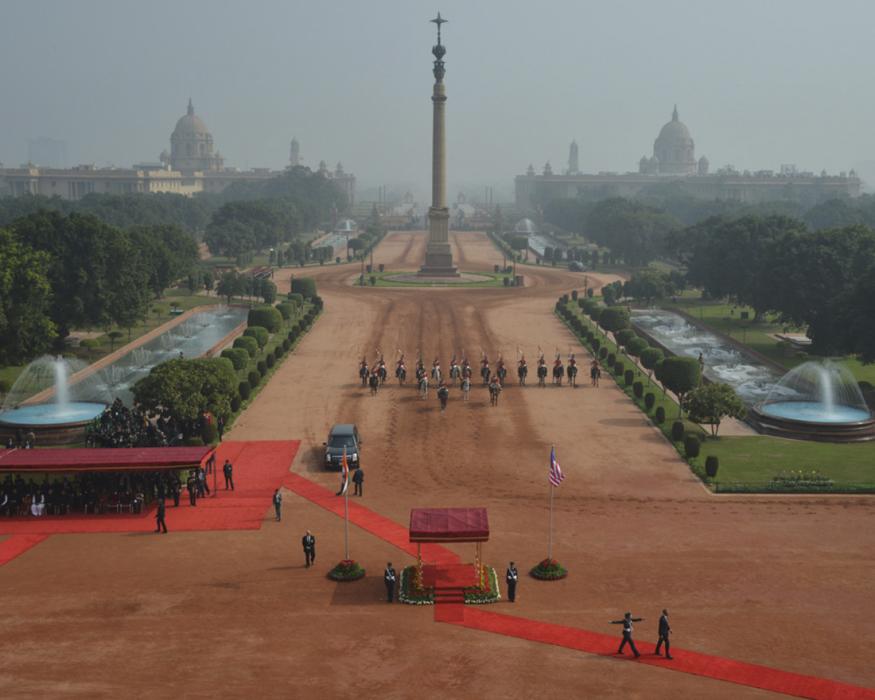
US President Barack Obama was the guest of honor at India’s celebration of its 66th Republic Day on Monday, January 26, 2015. This is the first time in the history of Republic of India, the US President is the guest of honor at the Republic Day ParadeUS President Barack Obama was the guest of honor at India’s celebration of its 66th Republic Day on Monday, January 26, 2015. This is the first time in the history of Republic of India, the US President is the guest of honor at the Republic Day Parade
US President Barack Obama was the guest of honor at India’s celebration of its 66th Republic Day on Monday, January 26, 2015. This is the first time in the history of Republic of India, the US President is the guest of honor at the Republic Day Parade. There is a palpable sense of warmth, friendship, and cordiality between President Obama and India’s Prime Minister Narendra Modi.
US President Barack Obama was the guest of honor at India’s celebration of its 66th Republic Day on Monday, January 26, 2015. This is the first time in the history of Republic of India, the US President is the guest of honor at the Republic Day Parade
Travels of the US Presidents to India:
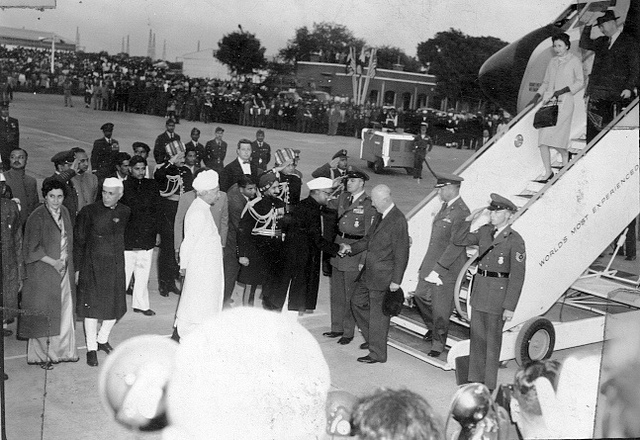
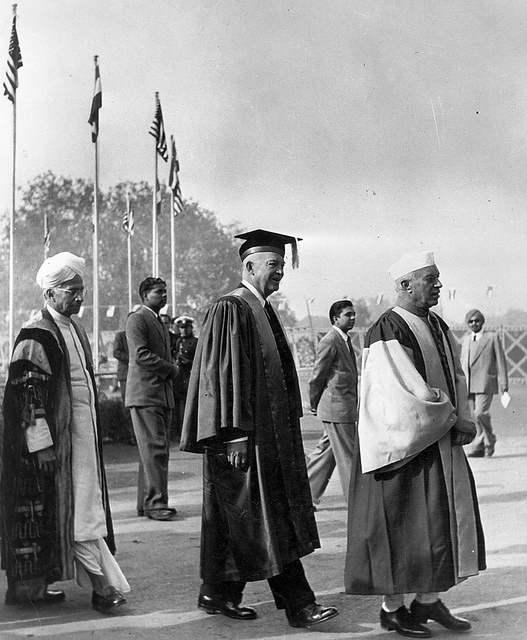
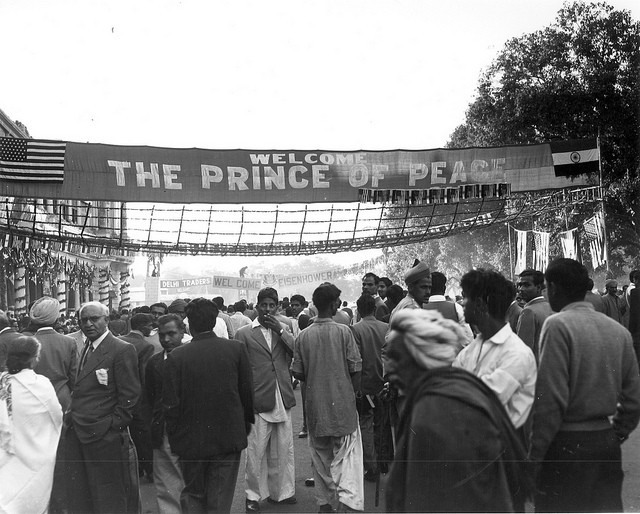
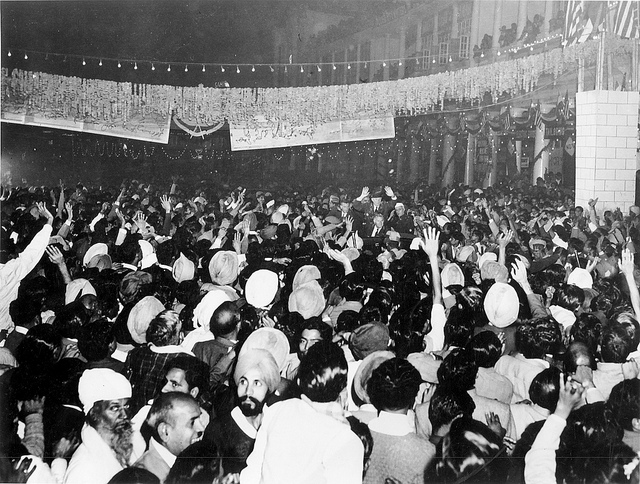
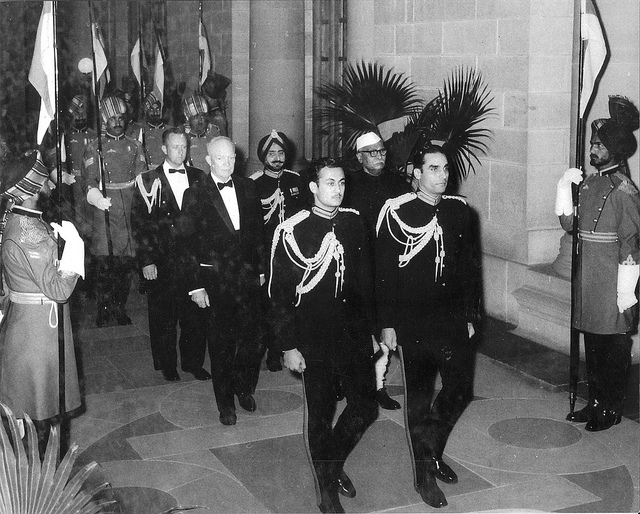
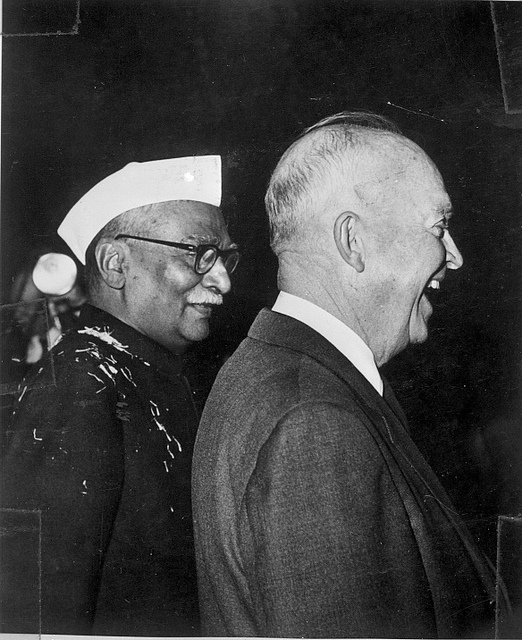
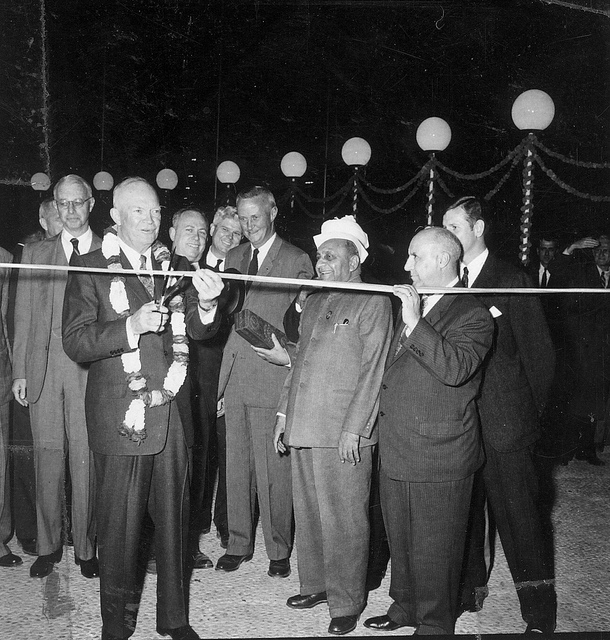
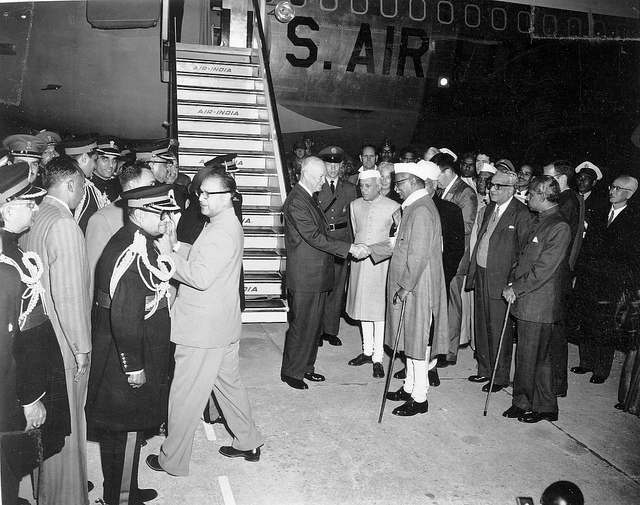
Dwight D. Eisenhower, New Delhi, Agra. Met with President Prasad and Prime Minister Nehru. Addressed Parliament.December 9–14, 1959.
Richard M. Nixon, New Delhi, State visit; met with Acting President Hidayatullah. July 31–August 1, 1969.
Jimmy Carter, New Delhi, Daulatpur-Nasirabad. Met with President Reddy and Prime Minister Desai. Addressed Parliament. January 1–3, 1978.
William J. Clinton, New Delhi, Agra, Jaipur, Hyderabad, Bombay. Met with President Narayanan; signed Joint Statement on Energy and the Environment; addressed the Indian Parliament. March 19–25, 2000.
George W. Bush, New Delhi, Hyderabad. Met with Prime Minister Singh. Signed nuclear cooperation agreement. March 1–3, 2006.
Barack Obama, Mumbai, New Delhi. Attended U.S.-India Business and Entrepreneurship Summit in Mumbai. Met with Prime Minister Singh and President Patil. Addressed the Indian Parliament. November 6–9, 2010.
Barack Obama, New Delhi. Met with President Pranab Mukherjee and Prime Minister Narendra Modi. January 24–27, 2015.
Donald J. Trump, New Delhi. Met with Prime Minister Narendra Modi. February 24–25, 2020.
Joseph R. Biden, New Delhi. Met with Prime Minister Narendra Modi and attended the G20 Leaders’ Summit. September 7–10, 2023.
US President Barack Obama was the guest of honor at India’s celebration of its 66th Republic Day on Monday, January 26, 2015. This is the first time in the history of Republic of India, the US President is the guest of honor at the Republic Day Parade
On behalf of Special Frontier Force, I admit that India and the United States are not marching towards the goal of winning Peace through Freedom, a journey that these two nations started during 1950s. I would like to share the memories of the historical Five-Day visit to India by 34th US President Dwight David Eisenhower from 09 December to 14 December 1959.
India’s Prime Minister Narendra Modi (L) and U.S. President Barack Obama watch India’s Republic Day parade in the rain together from their review stand in New Delhi January 26, 2015. REUTERS/Stephen Crowley/Pool (INDIA Tags: POLITICS)
US President Obama, and Indian Prime Minister Narendra Modi have failed to mention the Great Problem of Tibet which gave the stimulus for formulating friendly relations between the US and India. Even if the word Tibet is not mentioned during President Obama’s visit to India, I most positively assert that Tibet remains the central focus of India’s relationship with the United States.
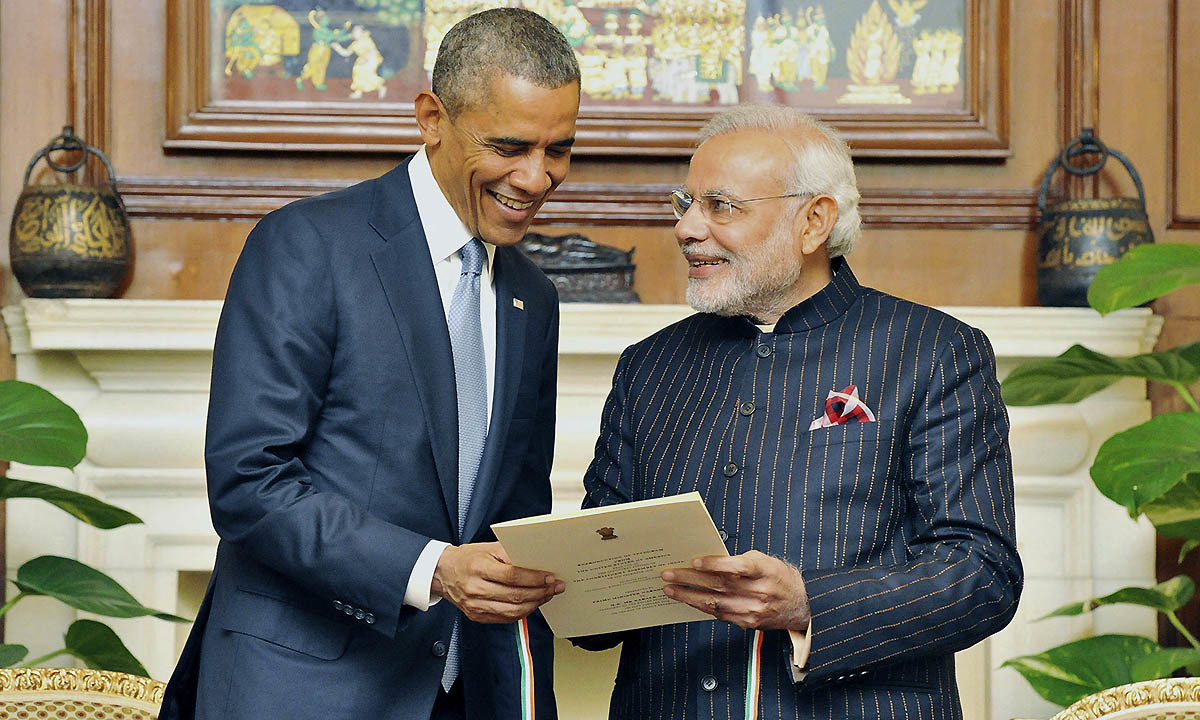
India’s Prime Minister Narendra Modi (R) presents a reproduction of telegram sent by U.S. to the Indian Constituent Assembly in 1946, to U.S. President Barack Obama during their meeting in New Delhi January 25, 2015. In a glow of bonhomie, Obama and Indian Prime Minister Narendra Modi worked on a series of bilateral agreements at a summit on Sunday that both sides hope will establish an enduring strategic partnership. REUTERS/India’s Press Information Bureau/Handout via Reuters.
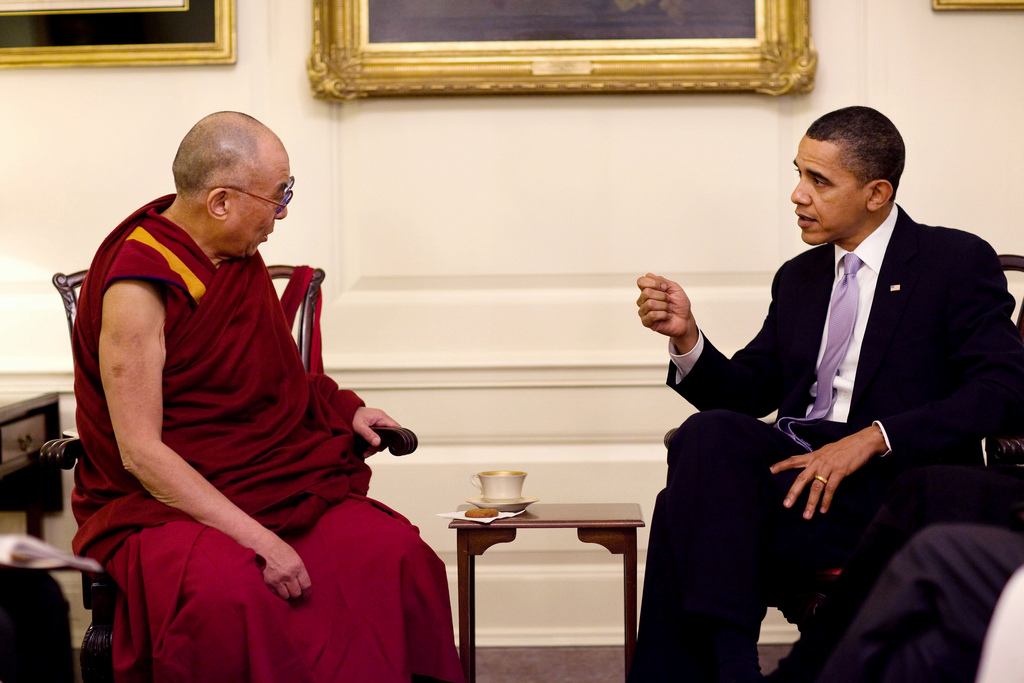
US Presidents who met with His Holiness the 14th Dalai Lama
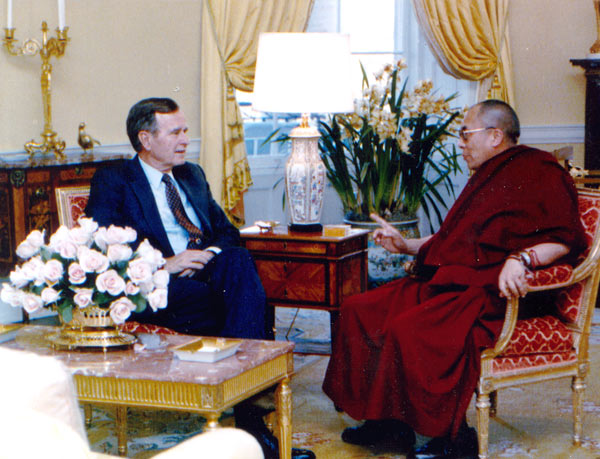
Special Frontier Force at The White House: On April 16, 1991, the 14th Dalai Lama met with US President George H.W. Bush during his first visit to The White House. President George H.W. Bush served at the Director of the US CIA.
Four U.S. presidents—George H.W. Bush, Bill Clinton, George W. Bush, and Barack Obama—have met with His Holiness the 14th Dalai Lama, with the first official meeting occurring in 1991 during the elder Bush’s presidency.
Subsequent meetings have taken place at the White House, including two with Obama in 2010 and 2011.
George H.W. Bush: The first U.S. president to meet with the Dalai Lama during his presidency, in April 1991.
Bill Clinton: Met with the Dalai Lama at the White House in June 2000 and also met with him in November 1998.
George W. Bush: Met with the Dalai Lama multiple times during his presidency, starting in May 2001, with other meetings in 2003, 2005, and 2007. He also met with the Dalai Lama at the George W. Bush Presidential Center after leaving office.
Barack Obama: Met with the Dalai Lama twice in the Map Room of the White House, in February 2010 and July 2011.
The military occupation of Tibet poses the greatest danger to Peace, Freedom, Democracy, and Human Rights in the world. The problem will not go away and the real solution for the military occupation of Tibet is the Eviction of Military Occupier from the territories of Tibet.
US President Barack Obama meets Indian President Pranab Mukherjee at Rashtrapati Bhavan
US President Barack Obama was the guest of honor at India’s celebration of its 66th Republic Day on Monday, January 26, 2015. This is the first time in the history of Republic of India, the US President is the guest of honor at the Republic Day ParadeUS President Barack Obama was the guest of honor at India’s celebration of its 66th Republic Day on Monday, January 26, 2015. This is the first time in the history of Republic of India, the US President is the guest of honor at the Republic Day ParadeUS President Barack Obama was the guest of honor at India’s celebration of its 66th Republic Day on Monday, January 26, 2015. This is the first time in the history of Republic of India, the US President is the guest of honor at the Republic Day ParadeUS President Barack Obama was the guest of honor at India’s celebration of its 66th Republic Day on Monday, January 26, 2015. This is the first time in the history of Republic of India, the US President is the guest of honor at the Republic Day ParadeUS President Barack Obama was the guest of honor at India’s celebration of its 66th Republic Day on Monday, January 26, 2015. This is the first time in the history of Republic of India, the US President is the guest of honor at the Republic Day Parade
India and the United States joined hands to secure Peace and Freedom in the Occupied Land of Tibet . The military organization called Special Frontier Force ( also known as Establishment 22) truly represents the legacy of President Eisenhower who captivated the hearts of Indian people with his call for a Crusade for Peace through Freedom. We have yet to fight this Battle to secure Peace, Freedom, Democracy, and Justice in the Land of Tibet.
India and the United States joined hands to secure Peace and Freedom in the Occupied Land of Tibet . The military organization called Special Frontier Force ( also known as Establishment 22) truly represents the legacy of President Eisenhower who captivated the hearts of Indian people with his call for a Crusade for Peace through Freedom. We have yet to fight this Battle to secure Peace, Freedom, Democracy, and Justice in the Land of Tibet.On behalf of Special Frontier Force, I admit that India and the United States are not marching towards the goal of winning Peace through Freedom, a journey that these two nations started during 1950s. I would like to share the memories of the historical Five-Day visit to India by 34th US President Dwight David Eisenhower from 09 December to 14 December 1959. On behalf of Special Frontier Force, I admit that India and the United States are not marching towards the goal of winning Peace through Freedom, a journey that these two nations started during 1950s. I would like to share the memories of the historical Five-Day visit to India by 34th US President Dwight David Eisenhower from 09 December to 14 December 1959. On behalf of Special Frontier Force, I admit that India and the United States are not marching towards the goal of winning Peace through Freedom, a journey that these two nations started during 1950s. I would like to share the memories of the historical Five-Day visit to India by 34th US President Dwight David Eisenhower from 09 December to 14 December 1959. On behalf of Special Frontier Force, I admit that India and the United States are not marching towards the goal of winning Peace through Freedom, a journey that these two nations started during 1950s. I would like to share the memories of the historical Five-Day visit to India by 34th US President Dwight David Eisenhower from 09 December to 14 December 1959. On behalf of Special Frontier Force, I admit that India and the United States are not marching towards the goal of winning Peace through Freedom, a journey that these two nations started during 1950s. I would like to share the memories of the historical Five-Day visit to India by 34th US President Dwight David Eisenhower from 09 December to 14 December 1959. On behalf of Special Frontier Force, I admit that India and the United States are not marching towards the goal of winning Peace through Freedom, a journey that these two nations started during 1950s. I would like to share the memories of the historical Five-Day visit to India by 34th US President Dwight David Eisenhower from 09 December to 14 December 1959. On behalf of Special Frontier Force, I admit that India and the United States are not marching towards the goal of winning Peace through Freedom, a journey that these two nations started during 1950s. I would like to share the memories of the historical Five-Day visit to India by 34th US President Dwight David Eisenhower from 09 December to 14 December 1959. On behalf of Special Frontier Force, I admit that India and the United States are not marching towards the goal of winning Peace through Freedom, a journey that these two nations started during 1950s. I would like to share the memories of the historical Five-Day visit to India by 34th US President Dwight David Eisenhower from 09 December to 14 December 1959. On behalf of Special Frontier Force, I admit that India and the United States are not marching towards the goal of winning Peace through Freedom, a journey that these two nations started during 1950s. I would like to share the memories of the historical Five-Day visit to India by 34th US President Dwight David Eisenhower from 09 December to 14 December 1959. HISTORY OF THE US-INDIA-TIBET RELATIONS: Crusade for Peace through Freedom in Occupied Tibet. The US President’s visit to India In December 1959.On behalf of Special Frontier Force, I admit that India and the United States are not marching towards the goal of winning Peace through Freedom, a journey that these two nations started during 1950s. I would like to share the memories of the historical Five-Day visit to India by 34th US President Dwight David Eisenhower from 09 December to 14 December 1959. On behalf of Special Frontier Force, I admit that India and the United States are not marching towards the goal of winning Peace through Freedom, a journey that these two nations started during 1950s. I would like to share the memories of the historical Five-Day visit to India by 34th US President Dwight David Eisenhower from 09 December to 14 December 1959. On behalf of Special Frontier Force, I admit that India and the United States are not marching towards the goal of winning Peace through Freedom, a journey that these two nations started during 1950s. I would like to share the memories of the historical Five-Day visit to India by 34th US President Dwight David Eisenhower from 09 December to 14 December 1959. On behalf of Special Frontier Force, I admit that India and the United States are not marching towards the goal of winning Peace through Freedom, a journey that these two nations started during 1950s. I would like to share the memories of the historical Five-Day visit to India by 34th US President Dwight David Eisenhower from 09 December to 14 December 1959. On behalf of Special Frontier Force, I admit that India and the United States are not marching towards the goal of winning Peace through Freedom, a journey that these two nations started during 1950s. I would like to share the memories of the historical Five-Day visit to India by 34th US President Dwight David Eisenhower from 09 December to 14 December 1959. On behalf of Special Frontier Force, I admit that India and the United States are not marching towards the goal of winning Peace through Freedom, a journey that these two nations started during 1950s. I would like to share the memories of the historical Five-Day visit to India by 34th US President Dwight David Eisenhower from 09 December to 14 December 1959. On behalf of Special Frontier Force, I admit that India and the United States are not marching towards the goal of winning Peace through Freedom, a journey that these two nations started during 1950s. I would like to share the memories of the historical Five-Day visit to India by 34th US President Dwight David Eisenhower from 09 December to 14 December 1959.
The military occupation of Tibet poses the greatest danger to Peace, Freedom, Democracy, and Human Rights in the world. The problem will not go away and the real solution for the military occupation of Tibet is the Eviction of Military Occupier from the territories of Tibet.
On behalf of Special Frontier Force, I admit that India and the United States are not marching towards the goal of winning Peace through Freedom, a journey that these two nations started during 1950s. I would like to share the memories of the historical Five-Day visit to India by 34th US President Dwight David Eisenhower from 09 December to 14 December 1959. The History of the US-India-Tibet Relations. Crusade for Peace through Freedom in Occupied Tibet.The military occupation of Tibet poses the greatest danger to Peace, Freedom, Democracy, and Human Rights in the world. The problem will not go away and the real solution for the military occupation of Tibet is the Eviction of Military Occupier from the territories of Tibet.APRIL 22, 1961. CAMP DAVID, MARYLAND: The History of the US-India-Tibet Relations. Crusade for Peace through Freedom in Occupied Tibet. The military occupation of Tibet poses the greatest danger to Peace, Freedom, Democracy, and Human Rights in the world. The problem will not go away and the real solution for the military occupation of Tibet is the Eviction of Military Occupier from the territories of Tibet.Whole Values: Whole Dude at Whole Foods demands the upholding of American Values to defend Personal Liberty, Human Rights, and the Dignity of Man.
Whole Dude at Whole Foods extends Whole Support in Defense of Freedom
Whole Dude at Whole Foods Salutes Vietnam War Veterans for his emotional connection is formulated by Weapons of Warfare we shared hoping to defeat Communism in Asia. Today, on Tuesday, November 11, 2025, Whole Dude Remembers this Unfinished War on Communism.
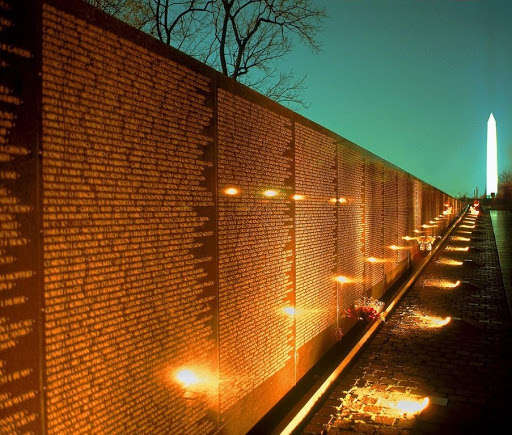
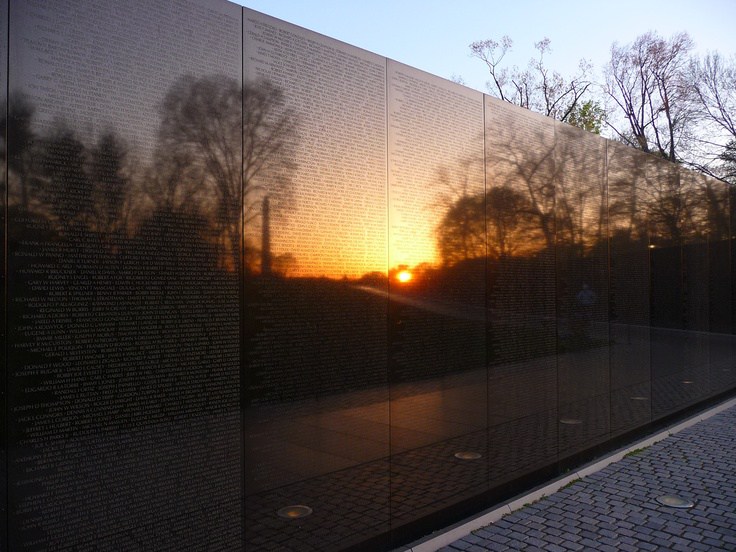
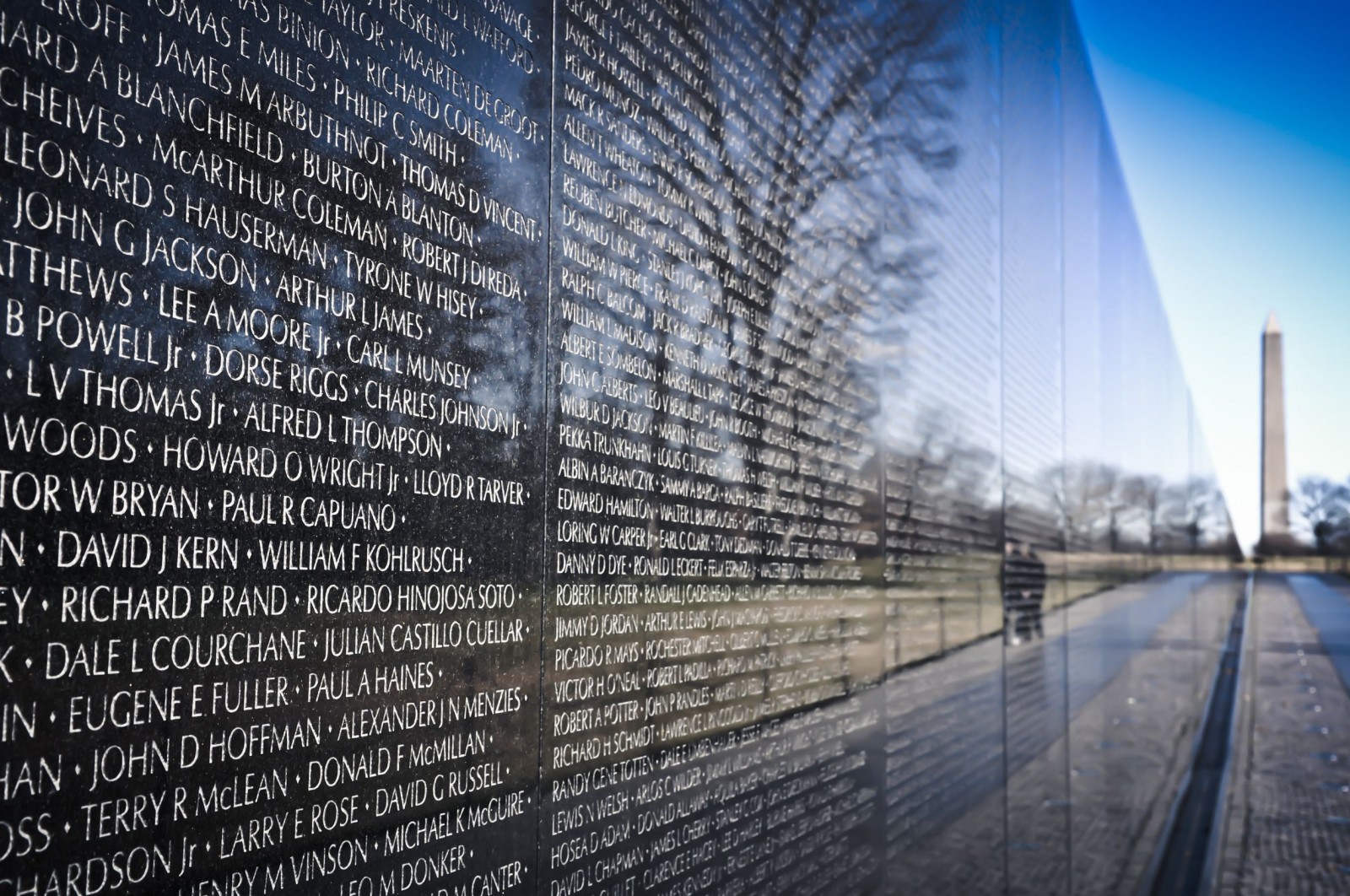
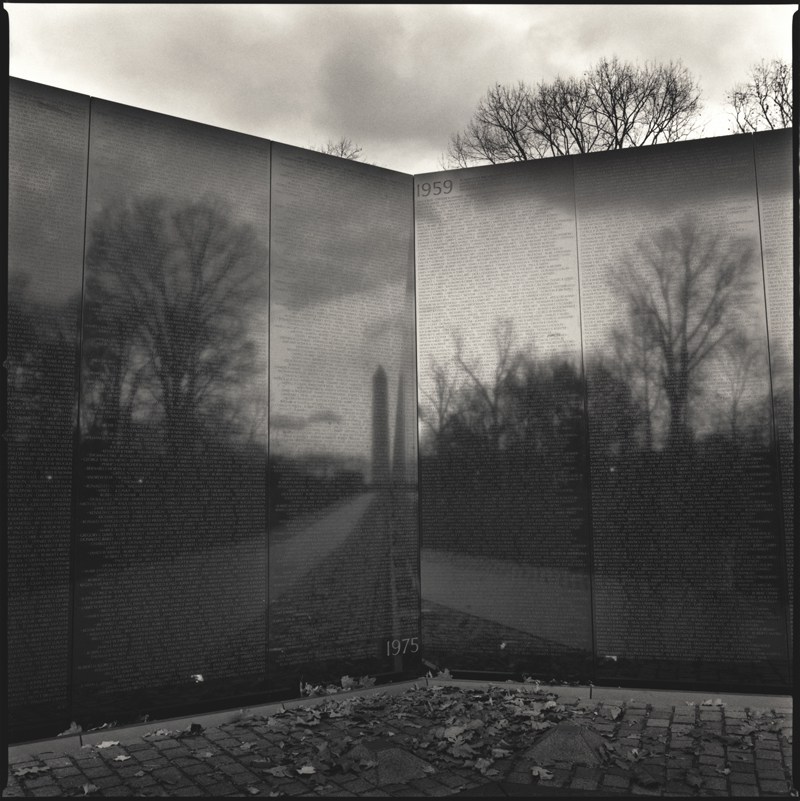
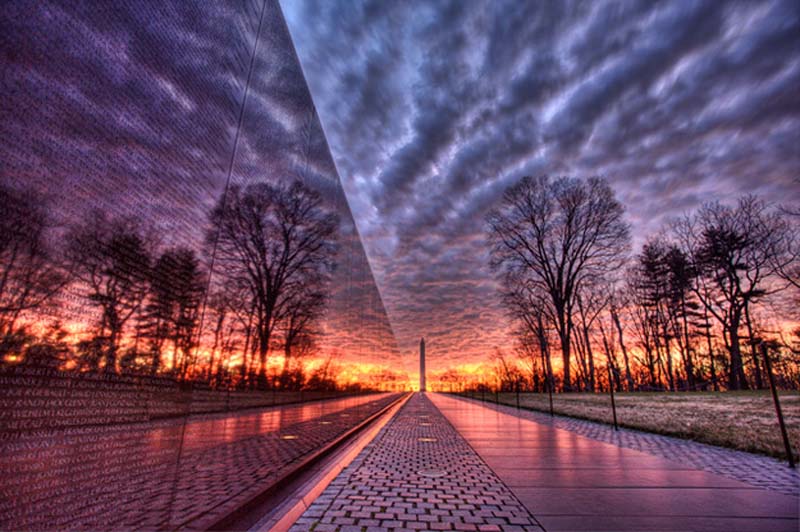
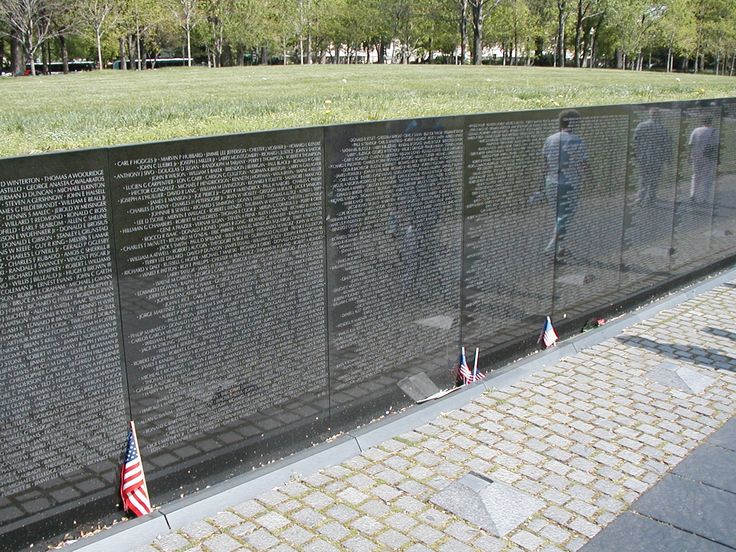
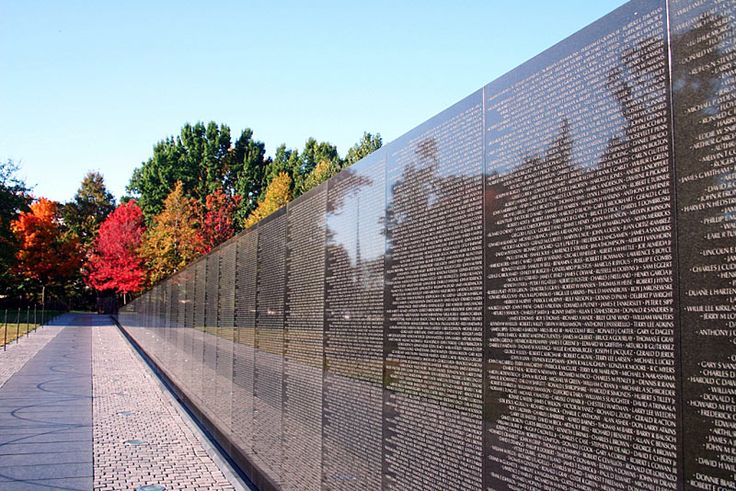
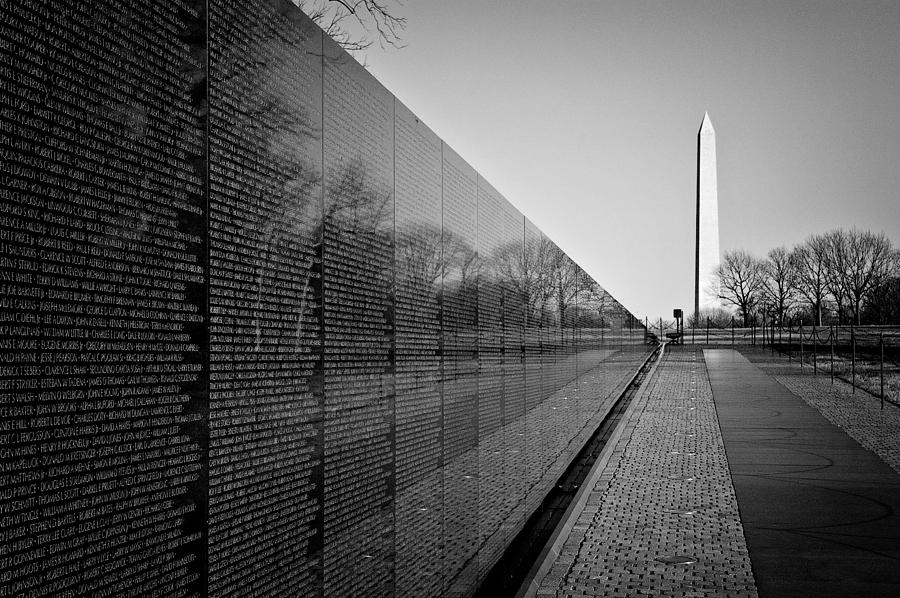
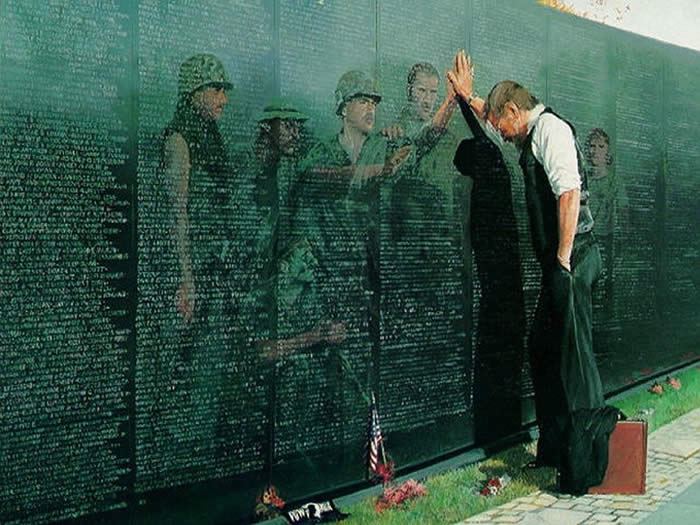
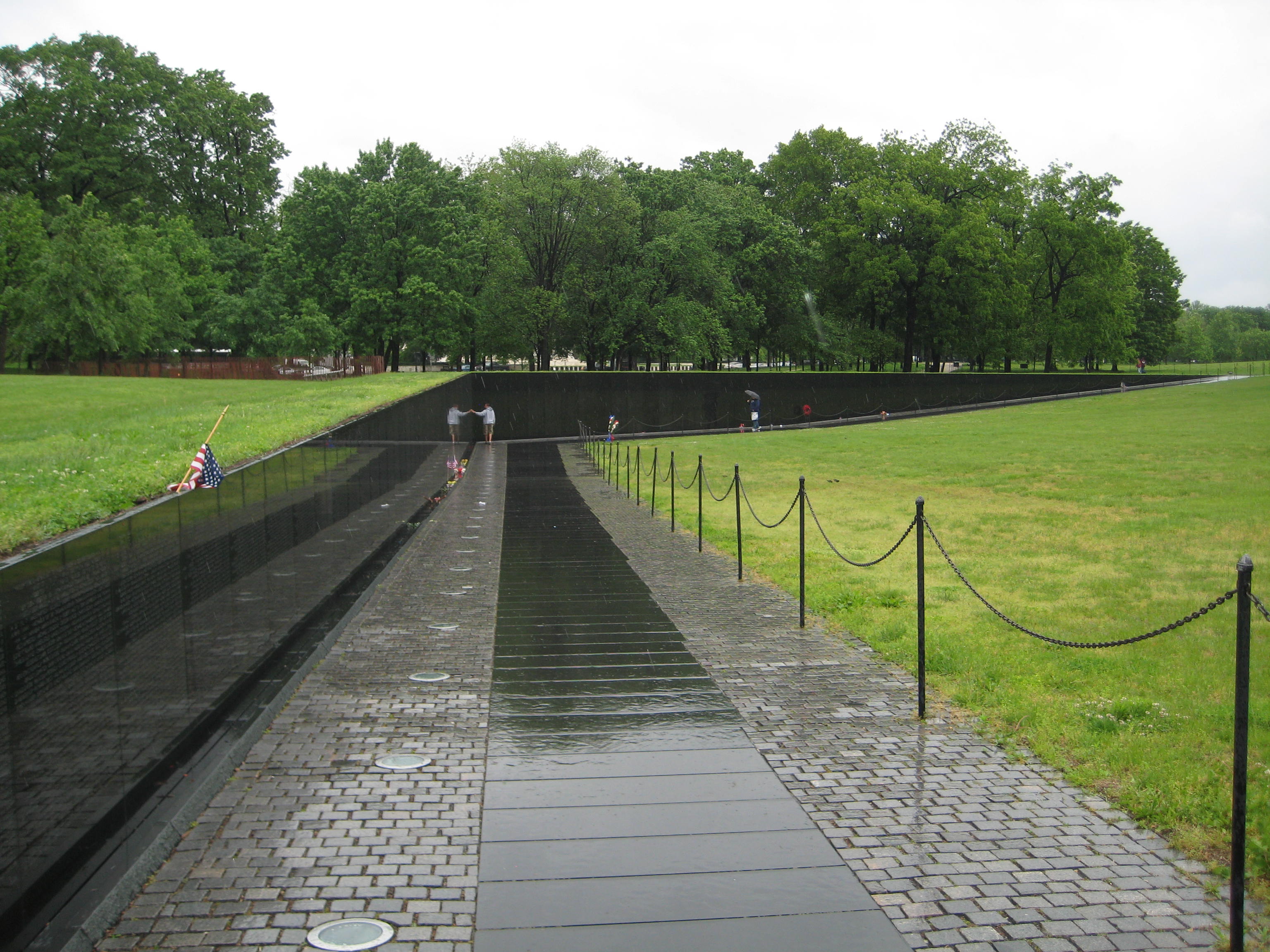
On November 13, 1982, near the end of a week long National Salute to Americans who served in the Vietnam War, the Vietnam Veterans Memorial is in Washington, DC. The Memorial is a simple V-shaped black-granite wall inscribed with names of the 57, 939 Americans who died in the Conflict. Whole Dude at Whole Foods shares their Values and shares this National Grief.
Whole Dude at Whole Foods Salutes Vietnam War Veterans for his emotional connection is formulated by Weapons of Warfare we shared hoping to defeat Communism in Asia. Today, on Tuesday, November 11, 2025, Whole Dude Remembers this Unfinished War on Communism.
Whole Dude at Whole Foods Salutes Vietnam War Veterans for his emotional connection is formulated by Weapons of Warfare we shared hoping to defeat Communism in Asia. Today, on Tuesday, November 11, 2025, Whole Dude Remembers this Unfinished War on Communism.
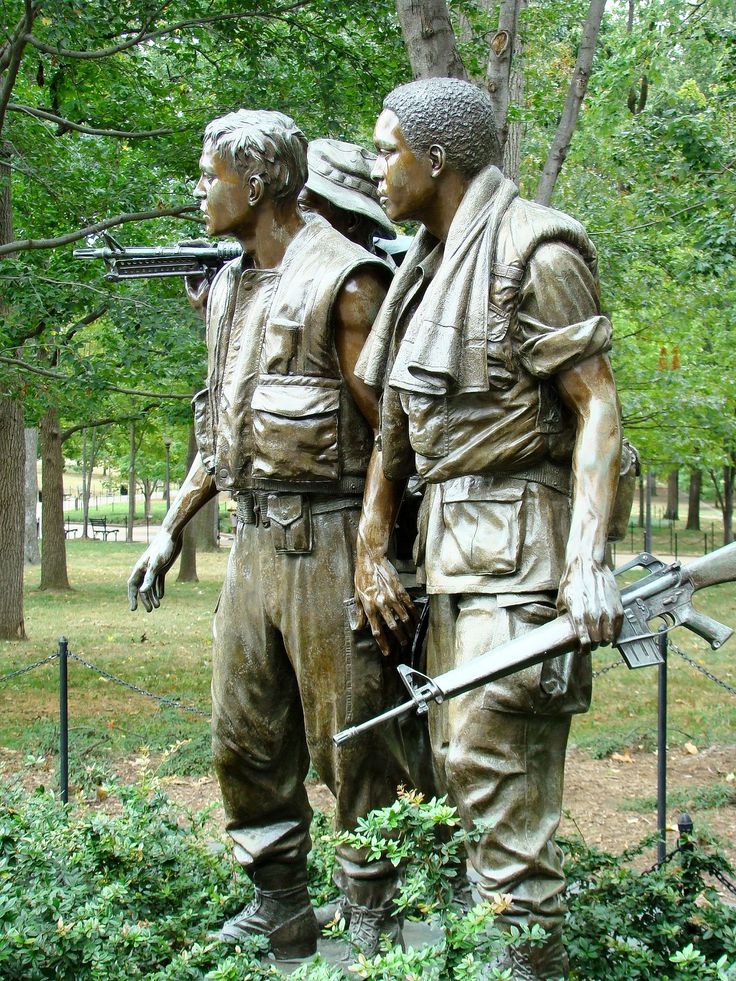
Whole Dude at Whole Foods Salutes Vietnam War Veterans for his emotional connection is formulated by Weapons of Warfare we shared hoping to defeat Communism in Asia. Today, on Tuesday, November 11, 2025, Whole Dude Remembers this Unfinished War on Communism.Whole Dude at Whole Foods Salutes Vietnam War Veterans for his emotional connection is formulated by Weapons of Warfare we shared hoping to defeat Communism in Asia. Today, on Tuesday, November 11, 2025, Whole Dude Remembers this Unfinished War on Communism.Whole Dude at Whole Foods Salutes Vietnam War Veterans for his emotional connection is formulated by Weapons of Warfare we shared hoping to defeat Communism in Asia. Today, on Tuesday, November 11, 2025, Whole Dude Remembers this Unfinished War on Communism.Whole Dude at Whole Foods Salutes Vietnam War Veterans for his emotional connection is formulated by Weapons of Warfare we shared hoping to defeat Communism in Asia. Today, on Tuesday, November 11, 2025, Whole Dude Remembers this Unfinished War on Communism.On November 13, 1982, near the end of a week long National Salute to Americans who served in the Vietnam War, the Vietnam Veterans Memorial is in Washington, DC. The Memorial is a simple V-shaped black-granite wall inscribed with names of the 57, 939 Americans who died in the Conflict. Whole Dude at Whole Foods shares their Values and shares this National Grief. On November 13, 1982, near the end of a week long National Salute to Americans who served in the Vietnam War, the Vietnam Veterans Memorial is in Washington, DC. The Memorial is a simple V-shaped black-granite wall inscribed with names of the 57, 939 Americans who died in the Conflict. Whole Dude at Whole Foods shares their Values and shares this National Grief. On November 13, 1982, near the end of a week long National Salute to Americans who served in the Vietnam War, the Vietnam Veterans Memorial is in Washington, DC. The Memorial is a simple V-shaped black-granite wall inscribed with names of the 57, 939 Americans who died in the Conflict. Whole Dude at Whole Foods shares their Values and shares this National Grief. On November 13, 1982, near the end of a week long National Salute to Americans who served in the Vietnam War, the Vietnam Veterans Memorial is in Washington, DC. The Memorial is a simple V-shaped black-granite wall inscribed with names of the 57, 939 Americans who died in the Conflict. Whole Dude at Whole Foods shares their Values and shares this National Grief. Whole Dude at Whole Foods Salutes Vietnam War Veterans for his emotional connection is formulated by Weapons of Warfare we shared hoping to defeat Communism in Asia. Today, on Tuesday, November 11, 2025, Whole Dude Remembers this Unfinished War on Communism.On November 13, 1982, near the end of a week long National Salute to Americans who served in the Vietnam War, the Vietnam Veterans Memorial is in Washington, DC. The Memorial is a simple V-shaped black-granite wall inscribed with names of the 57, 939 Americans who died in the Conflict. Whole Dude at Whole Foods shares their Values and shares this National Grief. On November 13, 1982, near the end of a week long National Salute to Americans who served in the Vietnam War, the Vietnam Veterans Memorial is in Washington, DC. The Memorial is a simple V-shaped black-granite wall inscribed with names of the 57, 939 Americans who died in the Conflict. Whole Dude at Whole Foods shares their Values and shares this National Grief. Whole Dude at Whole Foods Salutes Vietnam War Veterans for his emotional connection is formulated by Weapons of Warfare we shared hoping to defeat Communism in Asia. Today, on Tuesday, November 11, 2025, Whole Dude Remembers this Unfinished War on Communism.Whole Dude at Whole Foods Salutes Vietnam War Veterans for his emotional connection is formulated by Weapons of Warfare we shared hoping to defeat Communism in Asia. Today, on Tuesday, November 11, 2025, Whole Dude Remembers this Unfinished War on Communism.Whole Dude-Whole Veteran-Whole Remembrance: Remember the Vietnam War. America called its sons and daughters to pledge their Lives, their Fortunes and their sacred Honor to fight the Enemy called Communism.Whole Dude-Whole Veteran-Whole Remembrance: Remember the Vietnam War. America called its sons and daughters to pledge their Lives, their Fortunes and their sacred Honor to fight the Enemy called Communism.Whole Dude at Whole Foods Salutes Vietnam War Veterans for his emotional connection is formulated by Weapons of Warfare we shared hoping to defeat Communism in Asia. Today, on Tuesday, November 11, 2025, Whole Dude Remembers this Unfinished War on Communism.SAN ANTONIO, TEXAS, VIETNAM VETERANS MEMORIAL: This monument reminds people that the sons and daughters of the United States of America have pledged their Lives, their Fortunes, and their sacred Honor to defend Human Freedom, and Democracy and fought the Enemy called Communism.Whole Dude at Whole Foods Salutes Vietnam War Veterans for his emotional connection is formulated by Weapons of Warfare we shared hoping to defeat Communism in Asia. Today, on Tuesday, November 11, 2025, Whole Dude Remembers this Unfinished War on Communism.Whole Dude at Whole Foods Salutes Vietnam War Veterans for his emotional connection is formulated by Weapons of Warfare we shared hoping to defeat Communism in Asia. Today, on Tuesday, November 11, 2025, Whole Dude Remembers this Unfinished War on Communism.
November 11, 2025 – Honoring the Veterans of Special Frontier Force
Whole Dude – Whole Veteran: November 11, 2025. Honoring the Veterans of Special Frontier Force
Excerpt: On November 11, 2025, the Veterans of Special Frontier Force, a military alliance between India, Tibet, and the U.S., was honored for its operations in Bangladesh in 1971-72. The tribute, taking place on Veterans Day, recognized these veterans for their exceptional contributions, amid the general silence from Tibet, India, and the U.S. The force, identified by the U.S. military weapons and supplies they used, executed their inaugural combat mission, Operation Eagle, securing peace in what is now Bangladesh. The extensive list of weapon systems and support supplies used during these operations from the U.S. arsenal signified the close cooperation between the allies during this period.
Whole Dude – Whole Veteran: November 11, 2025. Honoring the Veterans of Special Frontier Force. 1871 and 1971, One Hundred Years Apart, Southern Column vs South Column. The Military Expeditions to Demagiri, Tlabung, Lushai, Mizo Hills. The M14 Rifle was issued to me on Monday, October 25, 1971.Whole Dude – Whole Veteran: November 11, 2025. Honoring the Veterans of Special Frontier Force. The weapon used by the Veterans of Special Frontier Force in Operation Eagle, the Bangladesh Ops of 1971-72.
Veteran’s Day is a tribute to military veterans who have served in the U.S. Armed Forces. Originating in 1919 when President Woodrow Wilson marked a year since the end of the First World War, the day coincides with other days of remembrance around the world including Armistice Day in the United Kingdom and Remembrance Day across the Commonwealth of Nations. Not to be confused with Memorial Day, which honors those who died while in service, Veterans Day honors all military veterans, including the living.
On Tuesday, November 11, 2025, I honor the Veterans of Special Frontier Force while Tibet, India, and the United States remain silent about the contributions of the living and the dead veterans of Special Frontier Force in support of Freedom.
On Tuesday, November 11, 2025, I honor the Veterans of Special Frontier Force while Tibet, India, and the United States remain Silent about the contributions of the living and the dead veterans of Special Frontier Force in support of Freedom.
The military Veterans of Special Frontier Force (particularly Establishment 22 prior to conversion to Vikas Regiment)serve the United States for they used the military weapons and military supplies provided by the United States. A soldier is always identified by the military weapon that he uses in his fight against the enemy.
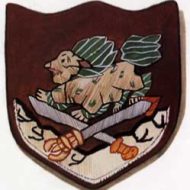
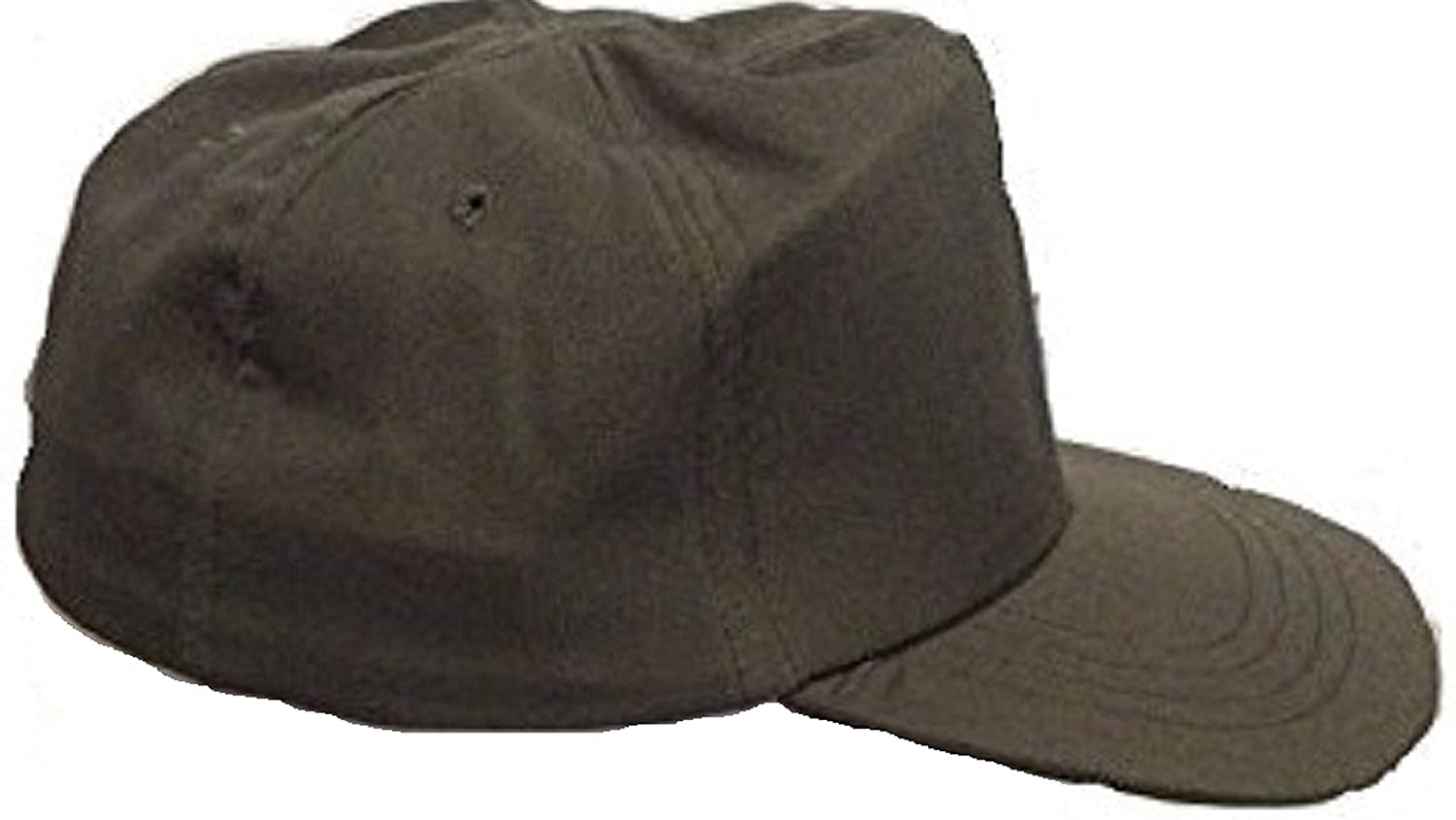
Whole Dude – Whole Veteran: November 11, 2025. Honoring the Veterans of Special Frontier Force. The Fifth Army in Bangladesh. Establishment No. 22 – Operation Eagle: This badge represents a military alliance/pact between India, Tibet, and the United States of America. Its first combat mission was in the Chittagong Hill Tracts which unfolded on Thursday, October 28, 1971 when South Column crossed the international boundary West of Borunasury Border Security Force Company Post. It was named Operation Eagle. It accomplished its mission of securing peace in the region that is now known as Republic of Bangladesh. The Badge is not worn on uniforms during active duty.Whole Dude – Whole Veteran: November 11, 2025. Honoring the Veterans of Special Frontier Force. The weapon used by the Veterans of Special Frontier Force in Operation Eagle, the Bangladesh Ops of 1971-72.Whole Dude – Whole Veteran: November 11, 2025. Honoring the Veterans of Special Frontier Force. 1871 and 1971, One Hundred Years Apart, Southern Column vs South Column. The Military Expeditions to Demagiri, Tlabung, Lushai, Mizo Hills. American made High-Explosive Fragmentation Mark II Hand Grenade. OPERATION EAGLE 1971. During Operation Eagle, the India-Pakistan War of 1971, I collected two such hand grenades at the enemy post that we captured. I removed the Detonator to safely handle the grenade. I took them home and presented them to my father as a piece of evidence of my participation in the War. My father was afraid to keep my evidence. The Grenades were buried in Alcot Gardens, Rajahmundry. Whole Dude – Whole Veteran: November 11, 2025. Honoring the Veterans of Special Frontier Force. 1871 and 1971, One Hundred Years Apart, Southern Column vs South Column. The Military Expeditions to Demagiri, Tlabung, Lushai, Mizo Hills.The General Purpose Machine Gun M60 was designed for use in the Vietnam War was equally useful for our Infantry Operation Eagle in the Chittagong Hill Tracts. Whole Dude – Whole Veteran: November 11, 2025. Honoring the Veterans of Special Frontier Force. 1871 and 1971, One Hundred Years Apart, Southern Column vs South Column. The Military Expeditions to Demagiri, Tlabung, Lushai, Mizo Hills. M1 Muzzle loading 81mm Mortar is a heavy piece of Infantry weapon which provides indirect fire support. During Operation Eagle, our men had carried them on their backs and used them to fire upon the enemy patrols whenever they had confronted us. Whole Dude – Whole Veteran: November 11, 2025. Honoring the Veterans of Special Frontier Force. 1871 and 1971, One Hundred Years Apart, Southern Column vs South Column. The Military Expeditions to Demagiri, Tlabung, Lushai, Mizo Hills. The most common weapon used by American Infantry Battalions in World War II, Korea, and Vietnam. Operation Eagle was fought on a manpack basis and this short-range, lightweight mortar was very useful. Whole Dude – Whole Veteran: November 11, 2025. Honoring the Veterans of Special Frontier Force. 1871 and 1971, One Hundred Years Apart, Southern Column vs South Column. The Military Expeditions to Demagiri, Tlabung, Lushai, Mizo Hills AN/PRC-77 Backpack radio set is similar to the AN/PRC-25 radio set. This has the additional ability to scramble voice communications while being transmitted. The US Army used the same radio sets in Vietnam. .Whole Dude – Whole Veteran: November 11, 2025. Honoring the Veterans of Special Frontier Force. 1871 and 1971, One Hundred Years Apart, Southern Column vs South Column. The Military Expeditions to Demagiri, Tlabung, Lushai, Mizo Hills Short-range, manpack, portable, frequency modulated (FM) transceiver that provides two-way voice communication. Radio Set AN/PRC – 25 is used in the Vietnam War and I had used the same in Operation Eagle. .Whole Dude – Whole Veteran: November 11, 2025. Honoring the Veterans of Special Frontier Force. 1871 and 1971, One Hundred Years Apart, Southern Column vs South Column. The Military Expeditions to Demagiri, Tlabung, Lushai, Mizo Hills Operation Eagle: Fifth Army in Bangladesh. We used the Collapsible, Tri-fold, Entrenching Tool used by the US Army in Vietnam. .Whole Dude – Whole Veteran: November 11, 2025. Honoring the Veterans of Special Frontier Force. 1871 and 1971, One Hundred Years Apart, Southern Column vs South Column. The Military Expeditions to Demagiri, Tlabung, Lushai, Mizo Hills Infantry marches on its feet. Boots are the most important equipment apart from Guns. I had used Ankle Canvas Boots used by the US Army in Vietnam, during Operation Eagle and had marched on feet to fight and dislodge the enemy from the Chittagong Hill Tracts. .Whole Dude – Whole Veteran: November 11, 2025. Honoring the Veterans of Special Frontier Force. 1871 and 1971, One Hundred Years Apart, Southern Column vs South Column. The Military Expeditions to Demagiri, Tlabung, Lushai, Mizo Hills. A Soldier needs his gun, boots, and clothing to protect himself. During Operation Eagle 1971, I had used this US Army Nylon Poncho with Hood (Olive) to sleep on the ground and as a coat to protect myself from intense fog and dew prevalent in the Chittagong Hill Tracts. Whole Dude – Whole Veteran: November 11, 2025. Honoring the Veterans of Special Frontier Force. 1871 and 1971, One Hundred Years Apart, Southern Column vs South Column. The Military Expeditions to Demagiri, Tlabung, Lushai, Mizo Hills.During Operation Eagle 1971 we were not allowed the use of cameras or photography. I would have looked like this man wearing Olive Green Coat Poncho. I had used US Army Cap-Jungle. Whole Dude – Whole Veteran: November 11, 2025. Honoring the Veterans of Special Frontier Force . 1871 and 1971, One Hundred Years Apart, Southern Column vs South Column. The Military Expeditions to Demagiri, Tlabung, Lushai, Mizo Hills. The US Army Lightweight, Olive Green, Field Patrol Cap or Cap Jungle was worn by me during the entire duration of the military expedition.Whole Dude – Whole Veteran: November 11, 2025. Honoring the Veterans of Special Frontier Force . 1871 and 1971, One Hundred Years Apart, Southern Column vs South Column. The Military Expeditions to Demagiri, Tlabung, Lushai, Mizo Hills.U.S. Army uses a variety of Individual Field Medical Kits. The Kits issued to us during Operation Eagle 1971 were Olive Green Canvas pouches worn on the belts by each individual. The medical supplies included Water Purification Tablets for use in water bottles, anti-Malaria pills, Insect Repellent Solution (DBP), Insect Repellant Cream (DMP), Injectable Tubonic Morphine, Oxytetracycline tablets, Multivitamin tablets, Field dressings, bandages and others. The Kits were not stamped but the contents reveal the place of origin. Whole Dude - Whole Veteran: November 11, 2025. Honoring the Veterans of Special Frontier Force. 1871 and 1971, One Hundred Years Apart, Southern Column vs South Column. The Military Expeditions to Demagiri, Tlabung, Lushai, Mizo Hills.Operation Eagle. We used the same Water Purification Tablets and Water Canteens used by the US Army in Vietnam. Whole Dude - Whole Veteran: November 11, 2025. Honoring the Veterans of Special Frontier Force . 1871 and 1971, One Hundred Years Apart, Southern Column vs South Column. The Military Expeditions to Demagiri, Tlabung, Lushai, Mizo Hills. Field Rations supplied in Demagiri. Kraft processed Cheddar Cheese in Blue tins.Whole Dude – Whole Veteran: November 11, 2025. Honoring the Veterans of Special Frontier Force. 1871 and 1971, One Hundred Years Apart, Southern Column vs South Column. The Military Expeditions to Demagiri, Tlabung, Lushai, Mizo Hills. Field Rations supplied in Demagiri. Nestle’s Condensed Milk. Image used for illustrative purpose.Whole Dude – Whole Veteran: November 11, 2025. Honoring the Veterans of Special Frontier Force. 1871 and 1971, One Hundred Years Apart, Southern Column vs South Column. The Military Expeditions to Demagiri, Tlabung, Lushai, Mizo Hills. In 1971, South Column used the US Army 2-piece Aluminum Mess tin kit
Rudra Narasimham Rebbapragada
SPECIAL FRONTIER FORCE
VETERANS DAY – ARMISTICE DAY – HONORING ALL WHO SERVED
Whole Dude – Whole Veteran: November 11, 2025. Honoring the Veterans of Special Frontier Force
Whole Dude – Whole Veteran: November 11, 2025. Honoring the Veterans of Special Frontier Force. Veterans Day Proclamation in 1954 by the US President Dwight Eisenhower.
Many Americans mistakenly believe that Veterans Day is the day America sets aside to honor American military personnel who died in battle or as a result of wounds sustained from combat. That’s not true. Memorial Day is the day set aside to honor America’s war dead.
Veterans Day, on the other hand, honors ALL American veterans, both living and dead. In fact, Veterans Day is largely intended to thank LIVING veterans for dedicated and loyal service to their country. November 11 of each year is the day that we ensure veterans know that we deeply appreciate the sacrifices they have made in the lives to keep our country free.
Armistice Day
To commemorate the ending of the “Great War” (World War I), an “unknown soldier” was buried in the highest place of honor in both England and France (in England, Westminster Abbey; in France, the Arc de Triomphe). These ceremonies took place on November 11th, celebrating the ending of World War I hostilities at 11 a.m., November 11, 1918 (the 11th hour of the 11th day of the 11th month). This day became known internationally as “Armistice Day”.
In 1921, the United States of America followed France and England by laying to rest the remains of a World War I American soldier — his name “known but to God” — on a Virginia hillside overlooking the city of Washington DC and the Potomac River. This site became known as the “Tomb of the Unknown Soldier,” and today is called the “Tomb of the Unknowns.” Located in Arlington National Cemetery, the tomb symbolizes dignity and reverence for the American veteran.
In America, November 11th officially became known as Armistice Day through an act of Congress in 1926. It wasn’t until 12 years later through a similar act that Armistice Day became a national holiday.
The entire World thought that World War I was the “War to end all wars.” Had this been true, the holiday might still be called Armistice Day today. That dream was shattered in 1939 when World War II broke out in Europe. More than 400,000 American service members died during that horrific war.
Veterans Day Creation
In 1954, President Eisenhower signed a bill proclaiming November 11 as Veterans Day and called upon Americans everywhere to rededicate themselves to the cause of peace. He issued a Presidential Order directing the head of the Veterans Administration (now called the Department of Veterans Affairs) to form a Veterans Day National Committee to organize and oversee the national observance of Veterans Day.
Veterans Day National Ceremony
At exactly 11 a.m., each November 11th, a color guard, made up of members from each of the military branches, renders honors to America’s war dead during a heart-moving ceremony at the Tomb of the Unknowns in Arlington National Cemetery.
The President or his representative places a wreath at the Tomb and a bugler sounds Taps. The balance of the ceremony, including a “Parade of Flags” numerous veterans service organizations, takes place inside the Memorial Amphitheater, adjacent to the Tomb.
In addition to planning and coordinating the National Veterans Day Ceremony, the Veterans Day National Committee supports a number of Veterans Day Regional Sites. These sites conduct Veterans Day celebrations that provide excellent examples for other communities to follow.
Veterans Day Observance
Veterans Day is always observed on November 11, regardless of the day of week on which it falls. The Veterans Day National Ceremony is always held on Veterans Day itself, even if the holiday falls on a Saturday or Sunday. However, like all other federal holidays, when it falls on a non-workday — Saturday or Sunday — the federal government employees take the day off on Monday (if the holiday falls on Sunday) or Friday (if the holiday falls on Saturday).
This federal law does not apply to state and local governments. They are free to determine local government closings (including school closings) locally. As such, there is no legal requirement that schools close on Veterans Day, and many do not. However, most schools hold Veterans Day activities on Veterans Day and throughout the week of the holiday to honor American veterans.
Allied Veterans Day Around the World
Many other countries honor their veterans on November 11th of each year. However, the name of the holiday and the types of ceremonies differ from the Veterans Day activities in the United States.
Canada, Australia, and Great Britain refer to their holidays as “Remembrance” Canada and Australia observe the day on November 11, and Great Britain conducts their ceremonies on the Sunday nearest to November 11th.
In Canada, the observance of “Remembrance Day” is actually quite similar to the United States in that the day is set aside to honor all of Canada’s veterans, both living and dead. One notable difference is that many Canadians wear a red poppy flower on November 11 to honor their war dead, while the “red poppy” tradition is observed in the United States on Memorial Day.
In Australia, “Remembrance Day” is very much like America’s Memorial Day, in that it’s considered a day to honor Australian veterans who died in the war.
In Great Britain, the day is commemorated by church services and parades of ex-service members in Whitehall, a wide ceremonial avenue leading from London’s Parliament Square to Trafalgar Square. Wreaths of poppies are left at the Cenotaph, a war memorial in Whitehall, which was built after the First World War. At the Cenotaph and elsewhere in the country, a two-minute silence is observed at 11 a.m., to honor those who lost their lives in wars.
Whole Dude – Whole Veteran: November 11, 2025. Honoring the Veterans of Special Frontier Force. The weapon used by the veterans of Special Frontier Force in Operation Eagle, the Bangladesh Ops of 1971-72.
Whole Dude – Whole Veteran: November 11, 2025. Honoring the Veterans of Special Frontier Force: 1871 and 1971, One Hundred Years Apart, Southern Column vs South Column. The Military Expeditions to Demagiri, Tlabung, Lushai, Mizo Hills. Just like this Camp Hale Memorial Plaque in Colorado, USA, I am asking for a Memorial Plate to be placed in Demagiri, Tlabung, Lushai, Mizo Hills, India.
Karma in Action – Beijing Will Taste The Fruits of Her Own Actions
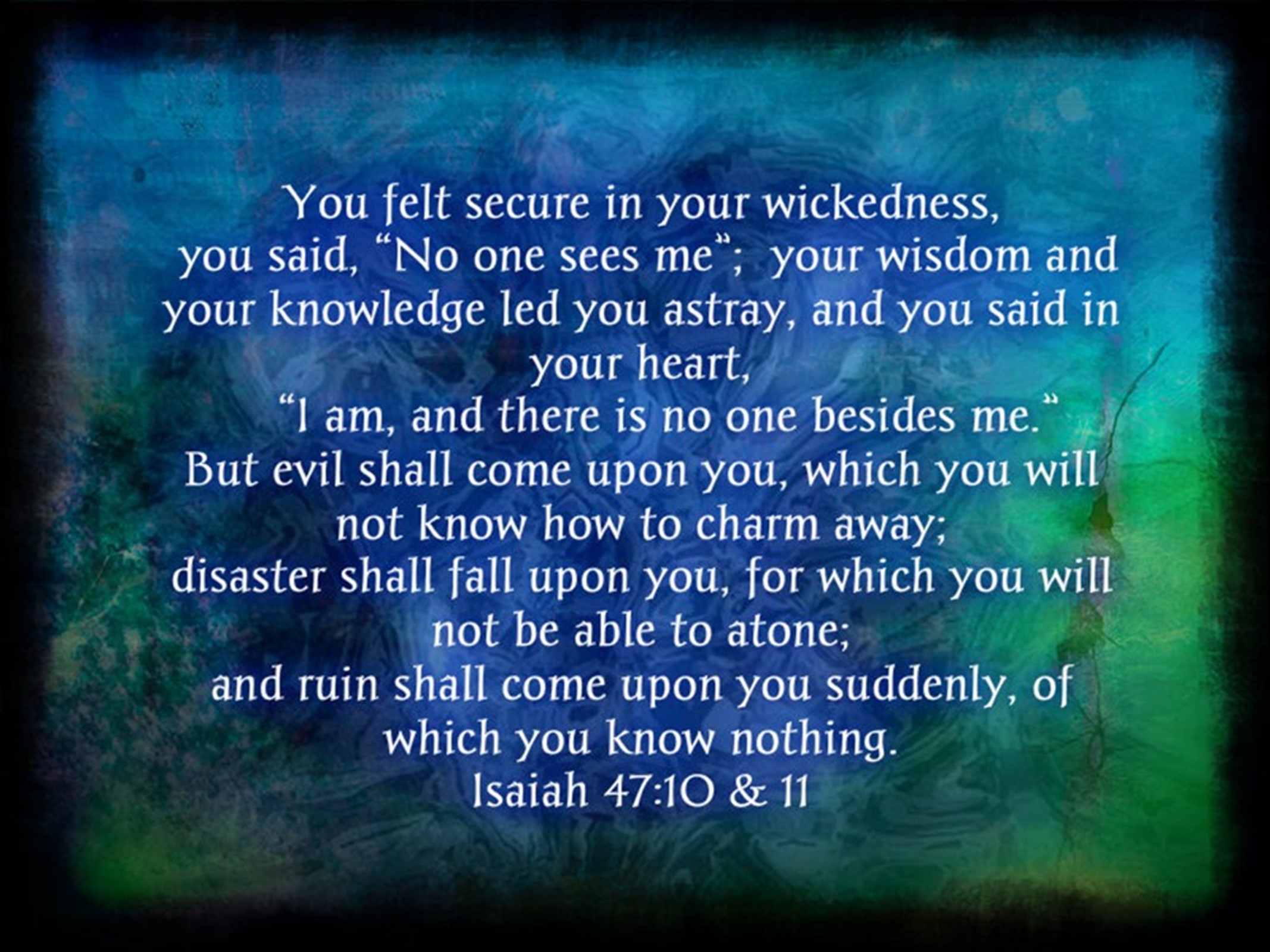
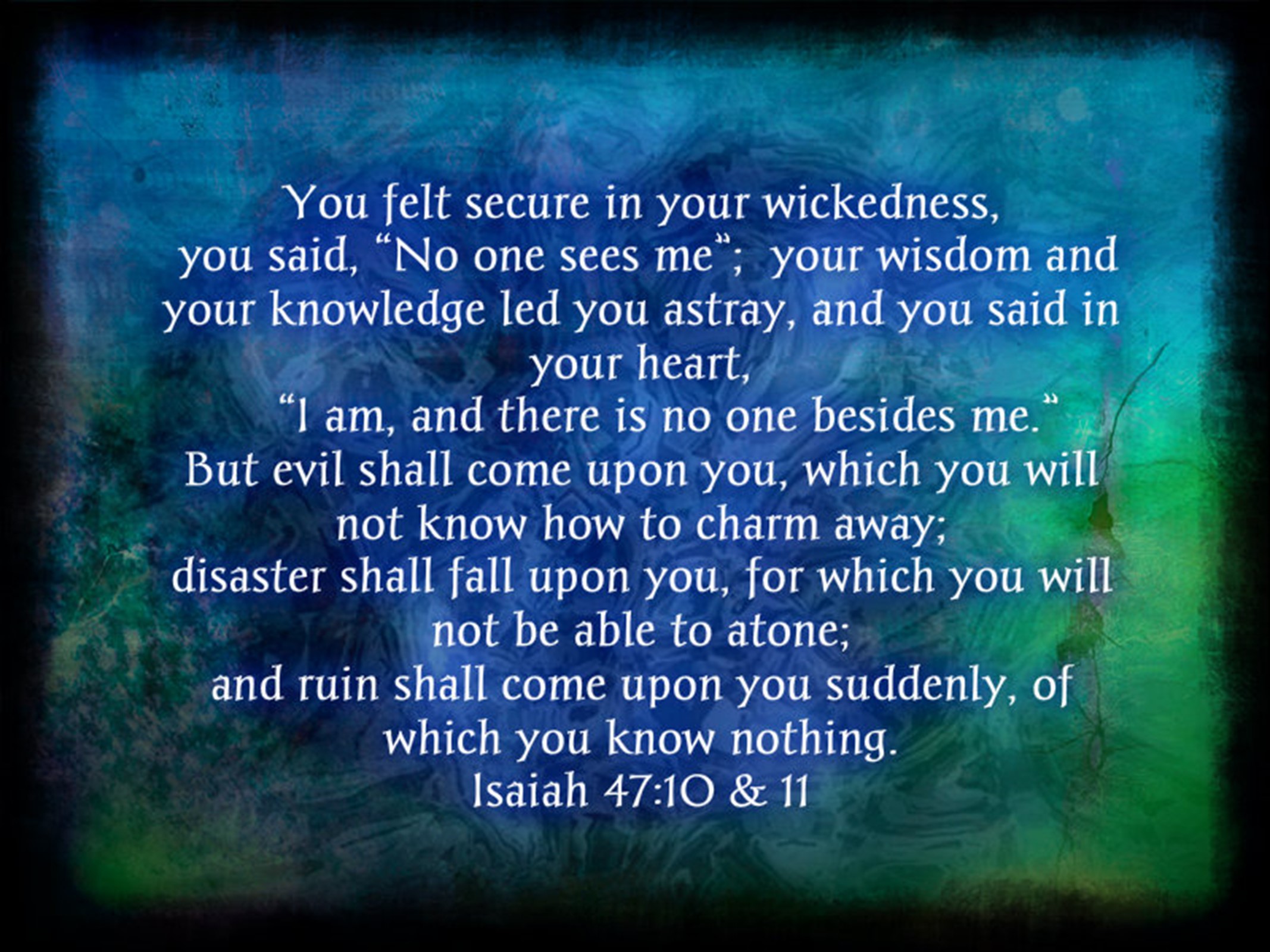
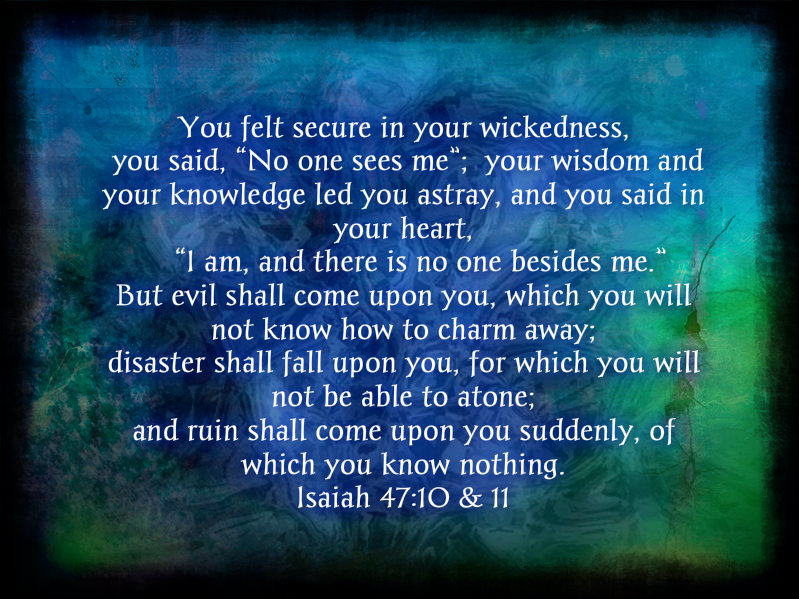
As per my Theory of Karma, the Biblical prophecy of Isaiah will come true. In my analysis, Beijing’s Doom is inevitable. Beijing cannot ward off the ruin, the disaster, the calamity, the catastrophe that shall come upon her as she reaps the fruits of her own evil actions.
As per my Theory of Karma, the Biblical prophecy of Isaiah will come true. In my analysis, Beijing’s Doom is inevitable. Beijing cannot ward off the ruin, the disaster, the calamity, the catastrophe that shall come upon her as she reaps the fruits of her own evil actions.
As per my Theory of Karma, the Biblical prophecy of Isaiah will come true. In my analysis, Beijing’s Doom is inevitable. Beijing cannot ward off the ruin, the disaster, the calamity, the catastrophe that shall come upon her as she reaps the fruits of her own evil actions.
Rudra Narasimham Rebbapragada
Doom Dooma Doomsayer
As per my Theory of Karma, the Biblical prophecy of Isaiah will come true. In my analysis, Beijing’s Doom is inevitable. Beijing cannot ward off the ruin, the disaster, the calamity, the catastrophe that shall come upon her as she reaps the fruits of her own evil actions.
The Sydney Morning Herald
Tibet gets a warmer reception as the world wakes to Beijing’s methods
By Peter Hartcher
11 December 2018 — 12:05am
The leader of Tibet’s government-in-exile has been telling his story about Bob Carr around the world for years and always gets a laugh. Last week he recounted it during a visit to Parliament House in Canberra.
Ever since the Dalai Lama split his job into two some years ago, remaining spiritual leader of the Tibetans in exile and handing over the political leadership to be elected from among the free Tibetans, Lobsang Sangay has been their President.
As per my Theory of Karma, the Biblical prophecy of Isaiah will come true. In my analysis, Beijing’s Doom is inevitable. Beijing cannot ward off the ruin, the disaster, the calamity, the catastrophe that shall come upon her as she reaps the fruits of her own evil actions.
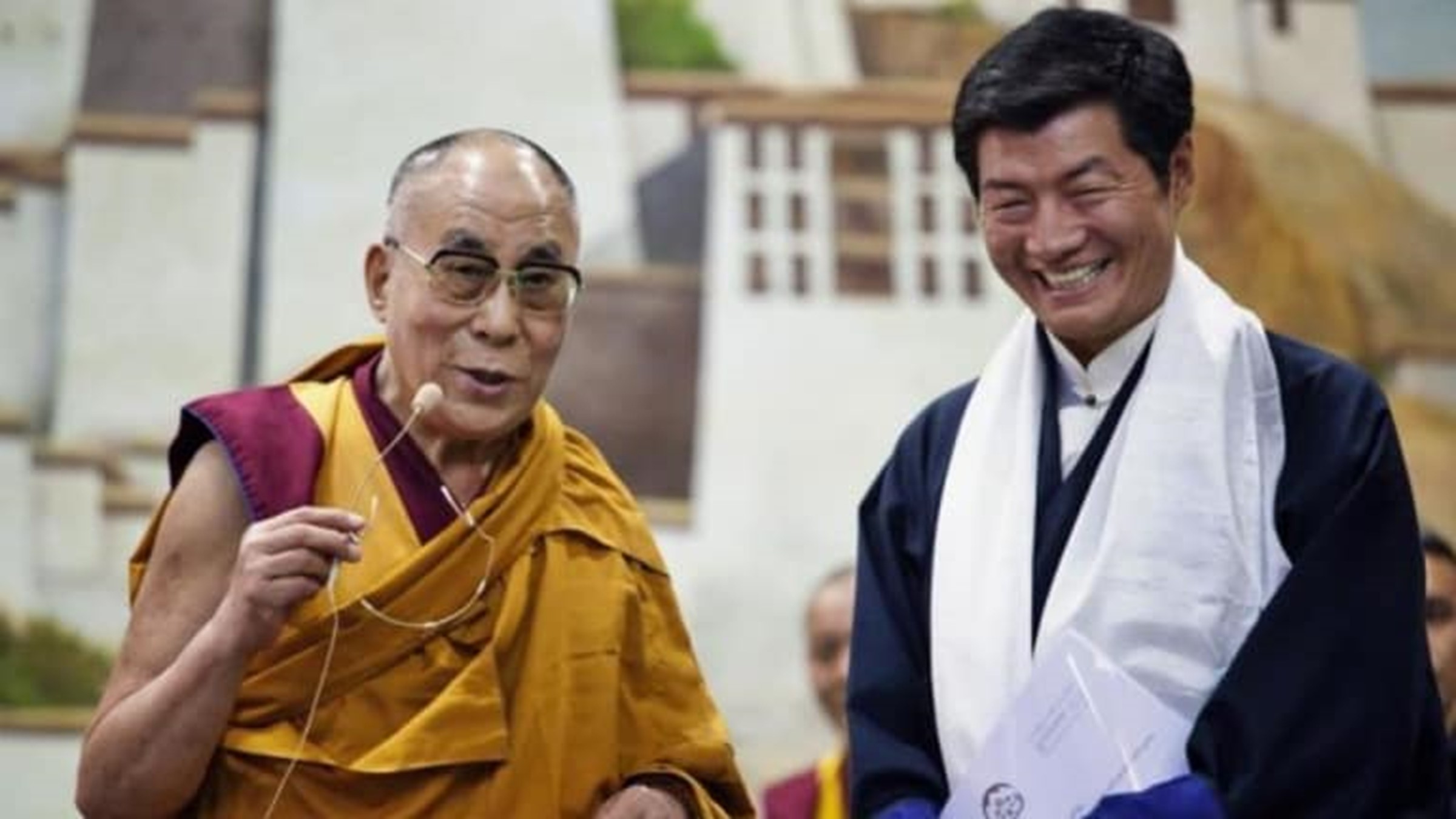
Lobsang Sangay, President of the Tibetan government-in-exile, right, smiles as he listens to the Dalai Lama in Dharamsala, India. Credit: AP
In 2013 Sangay visited Canberra and a reporter asked him whether Carr, Australia’s then foreign affairs minister, would be meeting him. It’s always a delicate matter.
A government that meets the Dalai Lama or Sangay risks the wrath of the Chinese Communist Party, which has claimed to be the sole representative of the Tibetan people ever since its army invaded Tibet in 1950.
“I said I’d love to, but I haven’t asked for a meeting”, not wanting to put Carr in a difficult position, he recalled last week. “I’m sure that, given the choice, Bob Carr would like to meet because that’s the Buddhist culture – we like to believe people are good.”
Later in his visit, the Tibetan leader was riding the lift from Parliament’s subterranean carpark into the building when the lift stopped. “The doors open and Bob Carr walks in,” the Harvard-educated legal scholar tells me. The Labor backbencher Michael Danby, Sangay’s escort for the visit, introduced the two men in the lift: “I had to decide at that moment whether to extend my hand or not. The Tibetan way is to not cause inconvenience, so I nodded and smiled. He kind of nodded – a little bit – then walked past.
“I like to say that we didn’t have a formal meeting but we had a karmic meeting. No matter how powerful the Chinese government may be, it can’t prevent the foreign minister of Australia from meeting me.”
As per my Theory of Karma, the Biblical prophecy of Isaiah will come true. In my analysis, Beijing’s Doom is inevitable. Beijing cannot ward off the ruin, the disaster, the calamity, the catastrophe that shall come upon her as she reaps the fruits of her own evil actions.
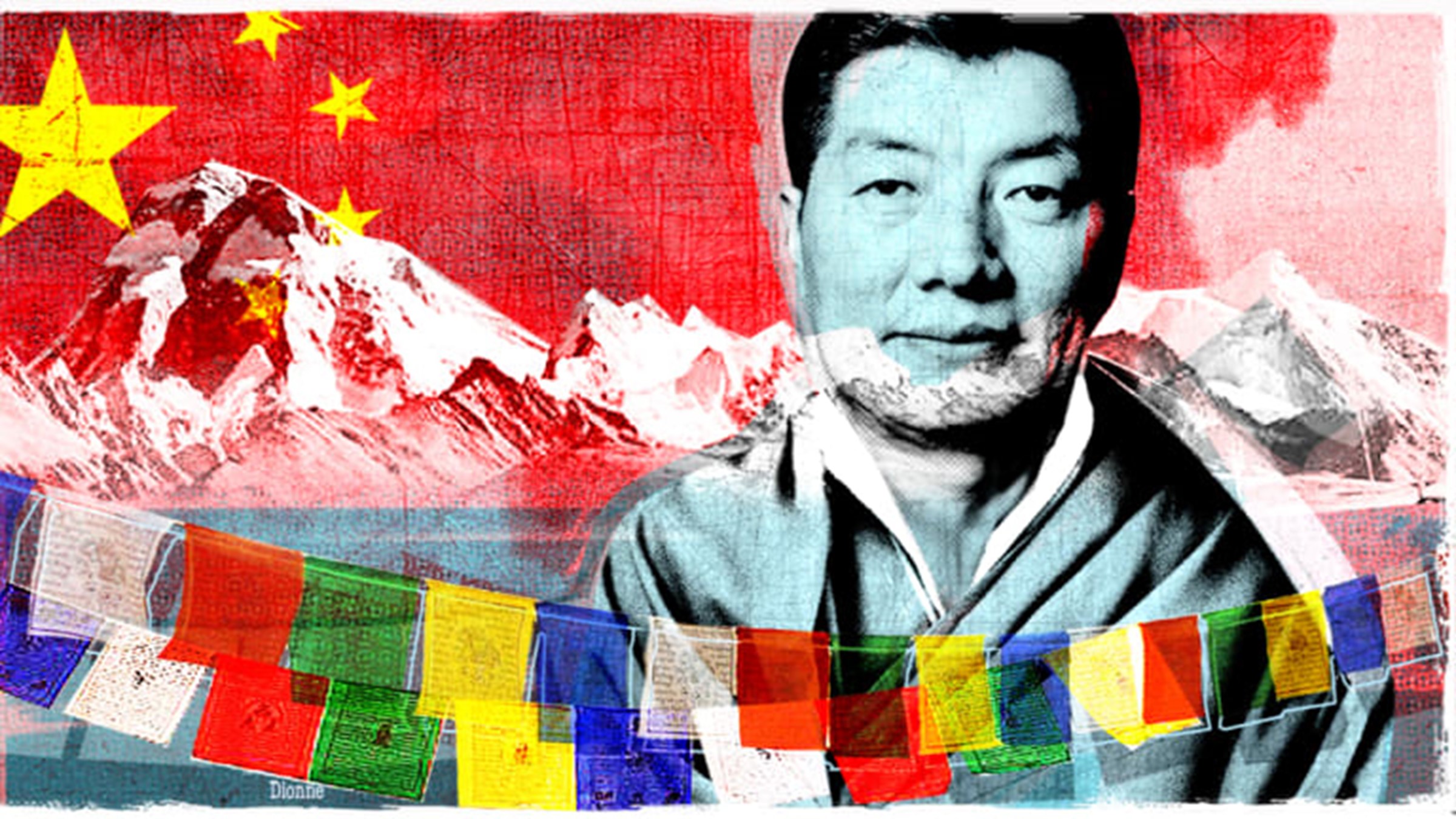
Illustration: Dionne Gain Credit:
Perhaps, but the Chinese Communist Party has certainly managed to hold things up successfully. Paul Keating as prime minister met the Dalai Lama in 1992. John Howard as prime minister met him in 1996 and 2007.
The last time that any Australian prime minister or government minister met either leader of the Tibetan government-in-exile was when Peter Garrett, then School’s education minister in the Gillard government, met the Dalai Lama in private in his hotel room in 2011. Karmic meetings with Carr aside.
Carr is now a cheerleader for the Beijing government as head of the Australia-China Relations Institute.
As per my Theory of Karma, the Biblical prophecy of Isaiah will come true. In my analysis, Beijing’s Doom is inevitable. Beijing cannot ward off the ruin, the disaster, the calamity, the catastrophe that shall come upon her as she reaps the fruits of her own evil actions.
Illustration: Andrew Dyson Credit:
So, for seven years Australian governments, Labor and Liberal, comprehensively shunned the Tibetans, an indicator of the rising power of the Chinese government to intimidate Australia.
Until last week. A minister in the Morrison government, Ken Wyatt, Minister for Aged Care and Minister for Indigenous Health, met Sangay in Parliament House. Not in a lift or in secret or hidden away in a hotel room but during a public ceremony in the main committee room.
“Minister Wyatt is not just principled and brave” for meeting the President of the free Tibetans, “but also a genuinely nice human being”, Sangay tells me after the meeting. “Normally people will meet you when they’re not in government and then when they are in government they say, ‘Understand that I’m in a difficult position’.”
Partly this was a personal commitment from Wyatt to the Tibetan cause. Wyatt, the first Indigenous minister in an Australian federal government, spoke at the ceremony last week of the “parallels between indigenous Australians and the Tibetans”.
But it’s also a marker of Australian relations with the Tibetans in exile and a marker in Australian relations with Beijing. Kyinzom Dhongdue is a member of the Tibetan parliament in exile, representing Tibetans in Australasia and East Asia, and she observes: “Even in the last year or so there’s a more balanced view of China not just as a trading partner but China is being seen as a threat, so Tibetan worries and experience are feeling more relevant. This year I’ve found it easier to get meetings – people are more interested in what we have to say.”
And it wasn’t just Wyatt at the ceremony with Sangay in Parliament House. There were 23 MPs and senators in total including Labor’s Michael Danby and Lisa Singh, Liberals Warren Entsch, Kevin Andrews, Concetta Fierravanti-Wells and Jason Falinski, Greens leader Richard Di Natale, Nationals MP George Christensen, Centre Alliance senator Rex Patrick plus Derryn Hinch, as well as former Labor foreign affairs minister Gareth Evans, now chancellor of ANU.
And how is the Tibetan experience more relevant today? The emerging stories of the shocking mass repression of another of China’s ethnic and religious minorities, the Uighur people of China’s Xinjiang Province, “means that it’s more than about one example”, says Sangay.
As per my Theory of Karma, the Biblical prophecy of Isaiah will come true. In my analysis, Beijing’s Doom is inevitable. Beijing cannot ward off the ruin, the disaster, the calamity, the catastrophe that shall come upon her as she reaps the fruits of her own evil actions.
Uighur residents in Australia holding up photos of relatives who are missing, in internment camps or have passed away. Credit: Alex Ellinghausen
“Now we have a million people in detention in Xinjiang” in what Beijing calls re-education camps. Uighur leader Rebiya Kadeer calls them “concentration camps” where Uighurs, including young children, are imprisoned without due process and held indefinitely.
And then there’s Beijing’s enormous One Belt, One Road international infrastructure program. “We lost our country because of one road,” says Sangay. “First the road came, then the trucks came, then the guns came, then the tanks came. It’s the exact blueprint” for domination now on offer to scores of countries under Belt and Road, he says.
Finally, there’s the experience of what Sangay calls “elite co-option”. “We have seen this for 60 years and now you see it around the world in one country after another”, and he has a litany of examples. Money, contracts, government access, favors are on offer in return for loyalty to Beijing and its agents.
If Tibet’s long-suffering under Chinese Communist Party repression is more relevant to the wider world, the wider world is also waking up to Beijing’s wide-ranging influence programs. The West’s gathering determination to exclude China’s telecoms gear manufacturer Huawei is an example. And Australia’s laws against foreign interference are another.
Those laws took effect on Monday. Anyone in Australia acting as an agent of a foreign power must register with the federal government. If suspected foreign agents fail to register, they can be issued a notice to show cause why they shouldn’t be considered to be working on behalf of a foreign power.
Do more karmic encounters lie ahead?
As per my Theory of Karma, the Biblical prophecy of Isaiah will come true. In my analysis, Beijing’s Doom is inevitable. Beijing cannot ward off the ruin, the disaster, the calamity, the catastrophe that shall come upon her as she reaps the fruits of her own evil actions.
Peter Hartcher is the political editor and international editor of The Sydney Morning Herald. He is a Gold Walkley award winner, a former foreign correspondent in Tokyo and Washington, and a visiting fellow at the Lowy Institute for International Policy.
As per my Theory of Karma, the Biblical prophecy of Isaiah will come true. In my analysis, Beijing’s Doom is inevitable. Beijing cannot ward off the ruin, the disaster, the calamity, the catastrophe that shall come upon her as she reaps the fruits of her own evil actions.
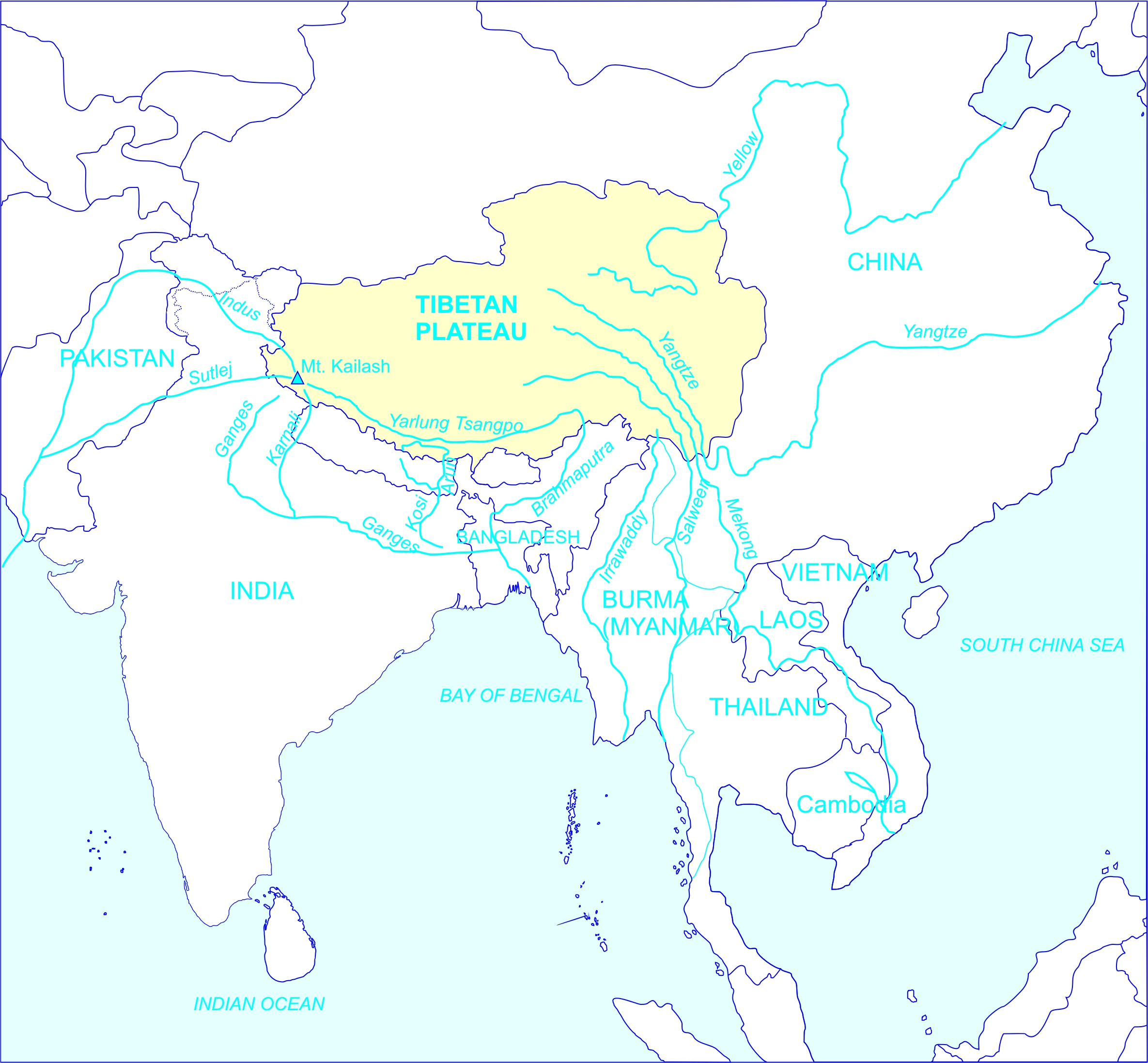
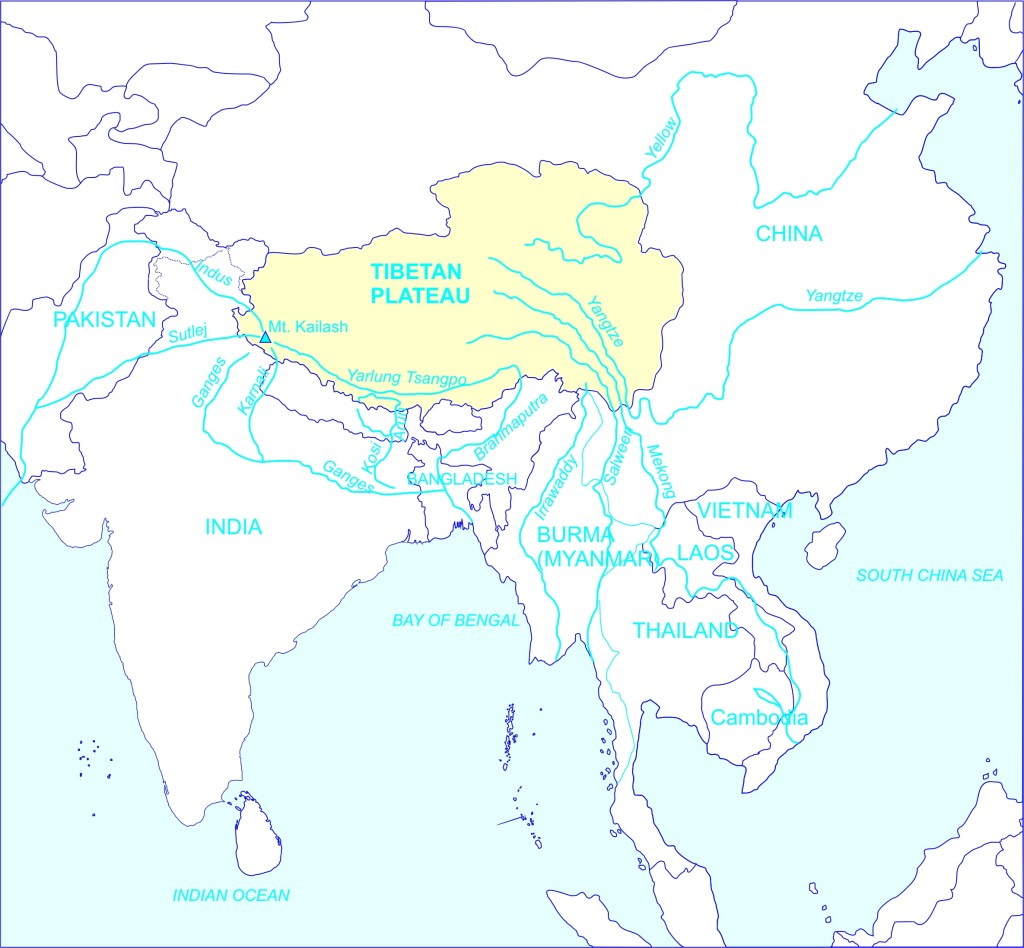
Red China’s malicious destruction, degradation, and exploitation of Tibet must be stopped to save billions of people living in Southeast Asia from consequences of Tibet’s ecological disaster.
Red China’s malicious destruction, degradation, and exploitation of Tibet must be stopped to save billions of people living in Southeast Asia from consequences of Tibet’s ecological disaster.
Rudra Narasimham Rebbapragada Ann Arbor, MI 48104-4162, USA Special Frontier Force-Establishment 22-Vikas Regiment
Red China’s malicious destruction, degradation, and exploitation of Tibet must be stopped to save billions of people living in Southeast Asia from consequences of Tibet’s ecological disaster.
ANI NEWS 50 Years of Chinese rule has pushed Tibet into ecological disaster , AniNews.in
Beta Aug 29 2015, 8:04 pm
50 Years of Chinese rule has pushed Tibet ecological disaster
Aug 29, 8:00 am
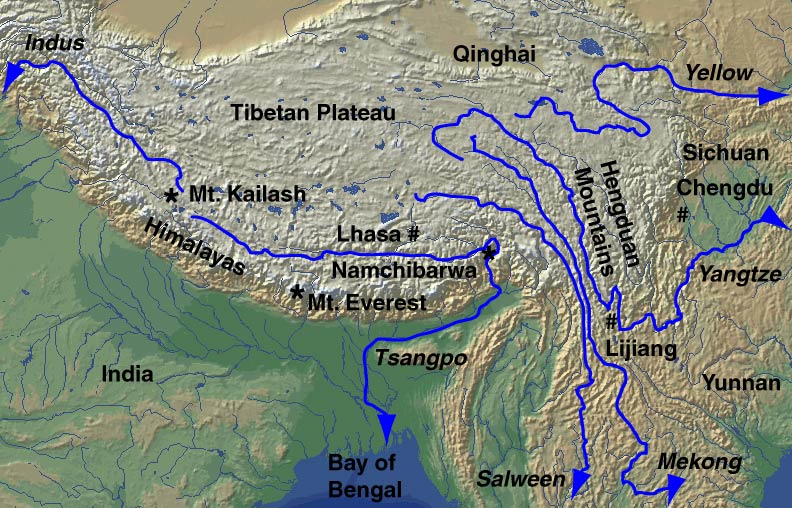
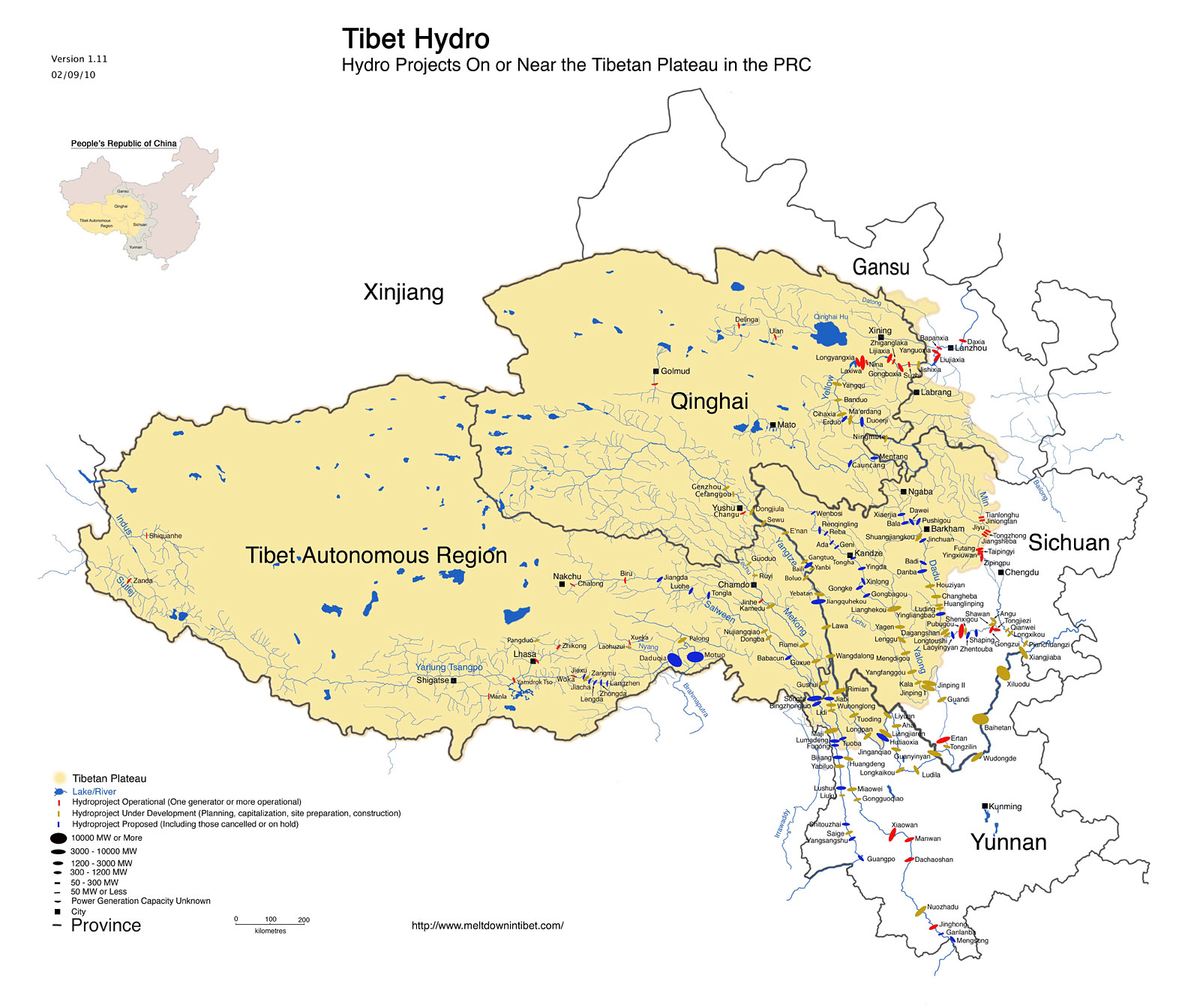
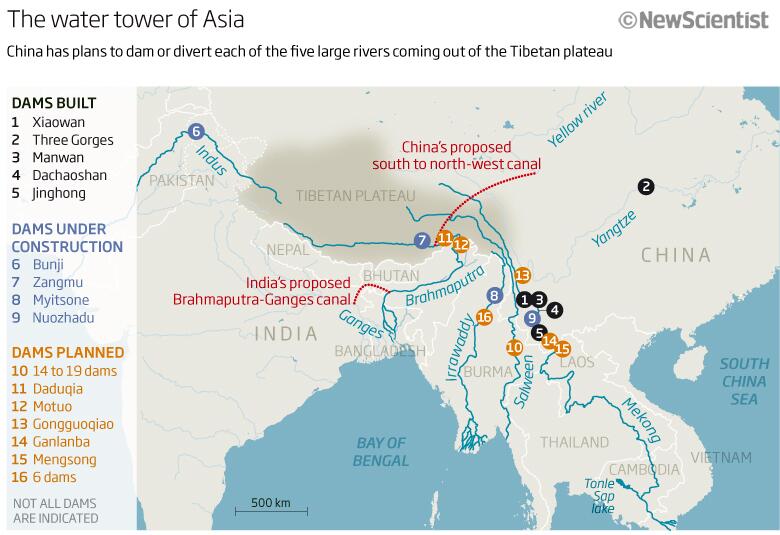
Hong Kong, Aug.29 (ANI): The establishment of People’s Republic of China in 1949 led to efforts to greatly expand agricultural production in China.The ensuing proliferation of irrigation wells sped ahead of the natural rate of replenishment of aquifers that were their source. As a result, regions of China, particularly the arid north, have accumulated a considerable water deficit. This deficit has been further worsened by industrialization and the pollution of groundwater tables. Considering that the Tibetan Plateau is home to some of the world’s most extensive underground aquifers, China’s interest in the exploitation of these resources is obvious. Since the completion of the Golmud-Lhasa Railway in 2006, many such projects have been planned. A Wilson Center report points out that China’s South-North Water Diversion Project has a ‘Western Route’ planned that will tap three tributaries of the Yangtze on the Qinghai-Tibet Plateau.While the route has received extensive criticism from Chinese and foreign academics alike, the line remains planned. The project is “definitely not meant to develop Tibet”, according to Tibetan natural resources expert Tashi Tsering, as it takes water from rivers dependent on glaciers that are receding, and will hurt the availability of water in Tibet itself. In 2014, the Tibet Autonomous Region produced 300,000 tons of bottled water, including the premium brand Tibet Spring 5100 which, as per the Wall Street Journal, has overtaken Evian and Perrier as the most coveted premium water seller in China. Lobsang Gyaltsen, Chairman of the region, has disingenuously claimed that Beijing wished to “strike a balance between economic development and environmental protection” in the development of the bottled water industry. As if this was not enough, several concessions have also been offered to water manufacturers in the region, with authorities hoping to raise bottled water output to five million tons by 2017. Concerns have been raised by academics as to the impact on environmental protection. Canadian water activist Maude Barlow says that “The bottled water industry is one of the most polluting industries on earth, and one of the least regulated.” An article in the Vermont Law School journal reveals that the industry in China has “antiquated and lax regulations”, and highlights the energy intensive nature of bottled water production. Considering that the mega dam projects are routinely being pushed through without adequate environmental impact assessments, it is not a stretch to assume that bottling plants may be getting past with even more lax controls. Known as the world’s Third Pole, the glaciers on the Tibetan Plateau feed the Salween, Mekong, Yangtze, Yellow River, Indus, Ganges and the Brahmaputra. Collectively, these rivers directly sustain 1.3 billion people. Relentless pollution by the expanding footprints of Chinese industry has led to climatic change and to average temperatures on the plateau rising thrice the global speed. Even according to Chinese scientists, 95 percent of these glaciers are now receding. The retreat and melting of these glaciers will first lead to massive flooding along each river, and then rapidly lead to chronic and devastating water shortages for billions. While the development of several hydroelectric power plants in the area is lowering reliance on thermal energy, concerns have arisen over the magnitude of the new construction – and its effect on the paths of the great rivers. Many countries downstream have already protested such development.For Tibetans, more dam construction will lead to a reduced rate of flow of the rivers that sustain them, making subsistence farming unpredictable for those dependent upon it. A 2003 report on “Ecological Improvement and Environmental Protection in Tibet” published by the Chinese authorities, mentions that Tibet before 1950 was “in a state of passive adaptation to natural conditions and one-way exploitation of natural resources”. The Chinese are being disingenuous at best, and malicious at worst, by ignoring the sustainable agriculture practices that existed among nomadic Tibetans. Historically, Tibetan Drogpas have been the protectors of the great Tibetan grasslands. Development policy expert Gabriel Lafitte says that: ‘nomadic knowledge of how, when and where to graze, and the nomadic willingness to live in portable woven yak hair tents, summer and winter, with their animals, kept the pasture free of invasive toxic weeds, erosion, shrub invasion, and infestations of pests’. Under the commune system, starting in 1958, Chinese authorities moved the herders into small communes and stripped them of their possessions. They were forced to adhere to quotas of production, leading to greatly expanded herd sizes. Ignoring nomadic advice as backward and irrational, the authorities pressed forward until the late 1970s, when the communes collapsed, with depleted grasslands and unsustainably large herds. Land reform in the 1990s offered a glimpse of hope in that it gave nomads long-term leases over pastures, encouraging the same traditional modes of care. However, other policies gradually encroached on the mobility of the nomads, and limits on family and herd size were made compulsory. These concurrent policies failed spectacularly due to a lack of understanding on part of the authorities, who promptly scape goateed the nomads, pushing through the Restore Grasslands Policy in 2003. This nullified the traditional biodiversity conservation skills of the nomadic people. Nomads were forcefully resettled into villages. The overuse of the 1950s continues to affect the ecological situation today, which is now being worsened by mining, agriculture and road construction in the region. Indeed, the resettlement of nomads has also led to negative consequences. Research has shown that a certain sustainable amount of grazing is better for the grasslands than leaving them completely open as was done after 2003. The actions of the authorities in the region have exposed the once-vibrant grasslands to desertification, further damaging the ecology of Tibet. Chinese practices in Tibet can be seen at best as damaging, and at worst as actively exploitative. The massive water transfer projects will lead to the diversion of important riverine resources; the bottled water industry is essentially unregulated. Mining projects continue unchecked, with foreign firms invited to participate in the plundering of Tibet. Dam construction threatens local ecosystems and the flow of rivers that sustain billions of people – and is done without environmental impact assessments. The forced resettlement of nomadic tribes has led to the degradation of grasslands and the encroachment of deserts into once-living areas. All of these threaten the people of Asia, dependent upon Tibet as a water source. More acutely, however, they represent the Chinese attitude to Tibet and Tibetans as a people. The lack of respect for native customs is indicative of the disdain with which Tibet is treated; the eager seizure of natural resources shows a lack of willingness to understand Tibet itself. Indeed, the manner in which China is administering Tibet in regards to ecological issues is similar to the way European powers once exploited their colonies for their natural bounties.It would be wise now to remember that those colonies were, and continue to be, ravaged by the damage perpetrated on their environment and their cultures. So, the 50th anniversary of Tibet Autonomous Region on September 1 will be an occasion of pride and self-congratulation for Beijing, but for Tibet, only another opportunity to count what it has lost and might never regain – the autonomy of its ecology, of its culture, and its way of life. The trade-off is scary, but who in Beijing is listening? (ANI)
50 Years, Chinese Rule, Tibet, Ecological Disaster
Red China’s malicious destruction, degradation, and exploitation of Tibet must be stopped to save billions of people living in Southeast Asia from consequences of Tibet’s ecological disaster.
Tibet Awareness – Communist China on a Slippery Slope
By adamantly refusing to consider the generous proposal called ‘Middle Way” offered by His Holiness the 14th Dalai Lama, Red China placed herself on a slippery slope and no one can save the Evil Red Empire from downfall.
By adamantly refusing to consider the generous proposal called ‘Middle Way” offered by His Holiness the 14th Dalai Lama, Red China placed herself on a slippery slope and no one can save the Evil Red Empire from downfall.
Rudra Narasimham Rebbapragada Ann Arbor, MI 48104-4162, USA Special Frontier Force-Establishment 22-Vikas Regiment
By adamantly refusing to consider the generous proposal called ‘Middle Way” offered by His Holiness the 14th Dalai Lama, Red China placed herself on a slippery slope and no one can save the Evil Red Empire from downfall.
September 12, 2015
After 50 years in Tibet, China sees no ‘middle way’
Beijing’s Tibet policies point to legacy of distrust of religious groups
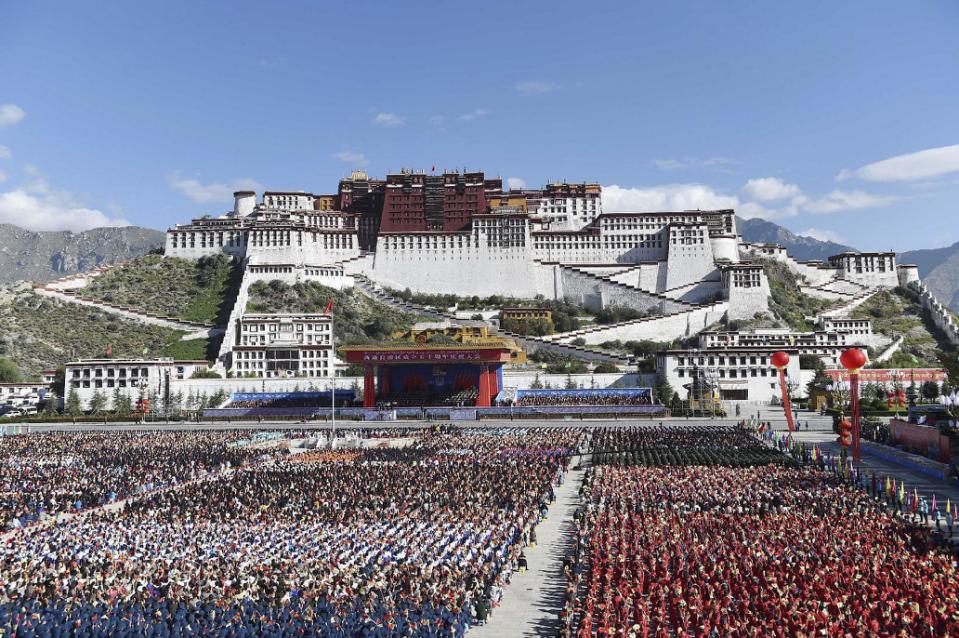
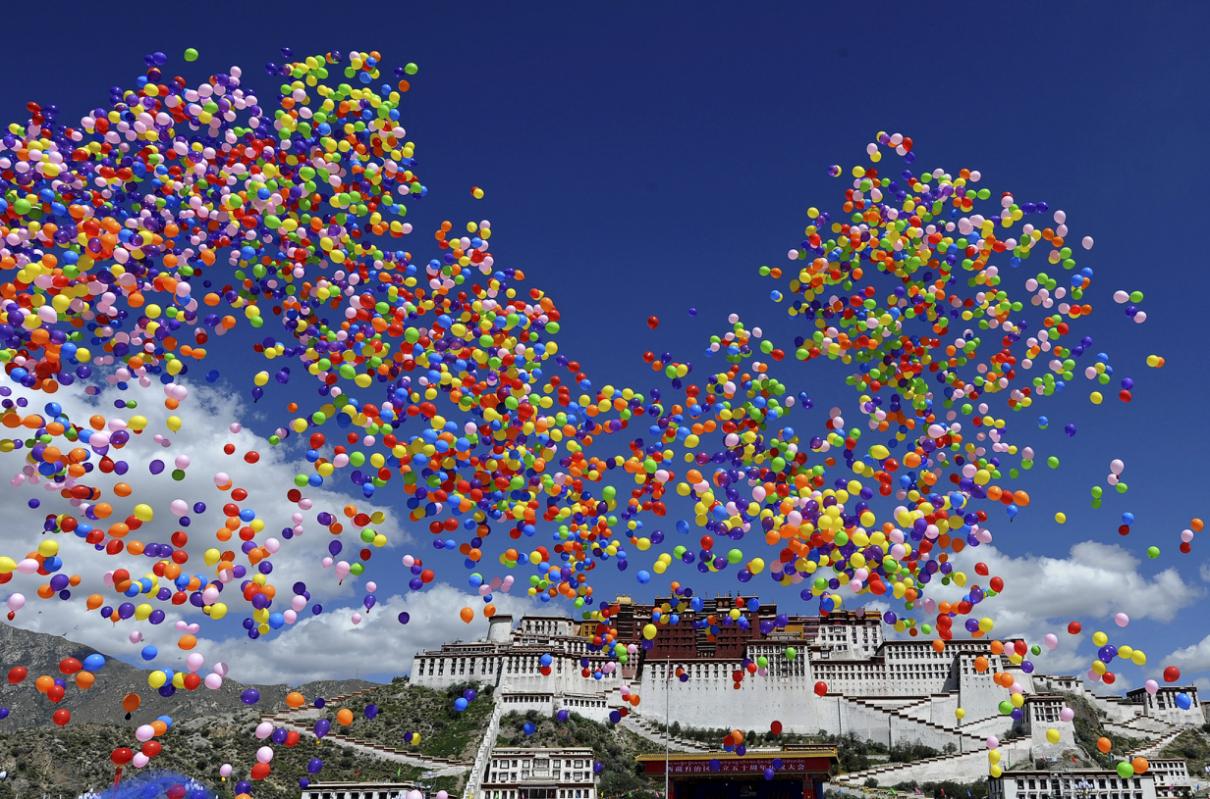
Thousands of people gather in front of the iconic Potala Palace in the regional capital Lhasa on September 8, 2015, for an event billed as marking 50 years since the founding of the administrative area of Tibet. China on September 8 stressed Communist party control over Tibet, with a senior official denouncing the Dalai Lama at a giant ceremony condemned by rights groups. AFP PHOTO CHINA OUT
Thousands of people gather in front of Lhasa’s Potala Palace on Sept. 8 for an event billed as marking 50 years since the founding of the administrative area of Tibet. (Photo by AFP)
ucanews.com reporters, Beijing and Hong Kong
September 11, 2015
Late on Aug. 27, frantic villagers tried to extinguish flames engulfing 55-year-old mother Tashi Kyi. By 3 a.m., on Aug. 28, she was dead. Tashi self-immolated after authorities bulldozed houses that failed to provide the right paperwork in a small Tibetan village in China’s Sangchu County.
Ten other Tibetans in Sangchu have self-immolated over the past three years, including Tashi’s 18-year-old nephew, Sangay Tashi. In 2012, Sangay called for the return of Tibet’s spiritual leader, the Dalai Lama, before setting himself ablaze.
“His self-immolation was also an act of protest against the actions and brutalities of the Chinese government,” Sangay’s brother, Jamyang Jinpa, wrote in a letter published online in early September.
Tibet has been both the testing ground and the blueprint for Beijing’s strategies for dealing with religious minorities in other parts of the country — from Muslim Uighurs, to its long-running campaign against Christianity. And as China marks 50 years of governance in Tibet this week, Beijing continues to ignore complaints over its heavy-handed rule.
On Sept. 8, Beijing staged a huge set-piece anniversary event outside Lhasa’s Potala Palace — the former residence of the Dalai Lama. As part of the event, a 65-member government delegation warned of an even tougher stance against Tibet’s exiled spiritual leader.
“Tibet has entered a new stage of sustained stability after people of all ethnic groups together fought against separatism, successfully foiling attempts by the 14th Dalai Lama group and international hostile forces,” Politburo member Yu Zhengsheng said in a speech at the ceremony where he dished out gifts, including electric blenders for making Tibetan yak butter tea. All week, the Communist Party has presented a positive, unified message on Tibet.
Yu spoke of guaranteeing religious freedom. A new government white paper issued on Sept. 6 offered assurances that the Tibetan people would have the right “to participate equally in the management of state affairs”.
State broadcaster CCTV screened a documentary juxtaposing Tibetan children studying in modern classrooms with the region’s pristine, snow-capped landscape.
And a new museum exhibition, opened in Lhasa on Sept. 7, which displayed photos of development projects and one key economic statistic from Beijing: gross domestic product multiplied almost 300 times in Tibet since the Communist Party took over in 1965. GDP was valued at 92 billion yuan (US$14.4 billion) last year.
By adamantly refusing to consider the generous proposal called ‘Middle Way” offered by His Holiness the 14th Dalai Lama, Red China placed herself on a slippery slope and no one can save the Evil Red Empire from downfall.
Muslim Uighur men walk toward a mosque in Kashgar, in China’s western Xinjiang region. China’s strategy for dealing with Tibetans is reflected in its treatment of other religious groups, including Muslims and Christians. (Photo by Greg Baker/AFP)
Opaque development
Beijing has long justified its heavy-handed development in Tibet as a program that has raised living standards. But separating fact from fiction in Tibet has been difficult. Access to Tibet is restricted — foreigners require special permits to travel to the area and are required to stay in groups, as in North Korea. And foreigners are not allowed in at all during March, the anniversary of one of many Tibetan uprisings under Communist Party rule.
After 50 years of Chinese rule, it’s still “impossible” for outsiders to gain independent access to Tibet, said Michael Buckley, one of just a handful of overseas journalists to spend extended periods there.
“[You are] still blocked off from contact with Tibetans unless you have an interpreter and it’s highly risky for Tibetans to be interviewed,” he said.
Buckley’s book, “Meltdown in Tibet,” published in December 2014, paints a damning picture of the impact of China’s development on the fragile environment, contradicting Beijing’s upbeat narrative.
While party officials speak of the schools built-in Tibet, Buckley counters that China spent more on the railway line to Lhasa completed in 2006 than on the entire health care and education budgets since invading Tibet in 1950.
“The railway is now expanding east and west of Lhasa,” said Buckley. “These railways enable large numbers of Chinese migrant workers to come into Tibet, and enable large-scale exploitation of Tibet’s resources economically.”
Finding out whether the slew of hydropower dams and copper, iron and lead mines built in Tibet in recent years have benefited normal Tibetans is, again, challenging. Tibet Mineral Development Company and China Gold International Resources Corp — both of which operate mines in Tibet — did not respond to emailed questions.
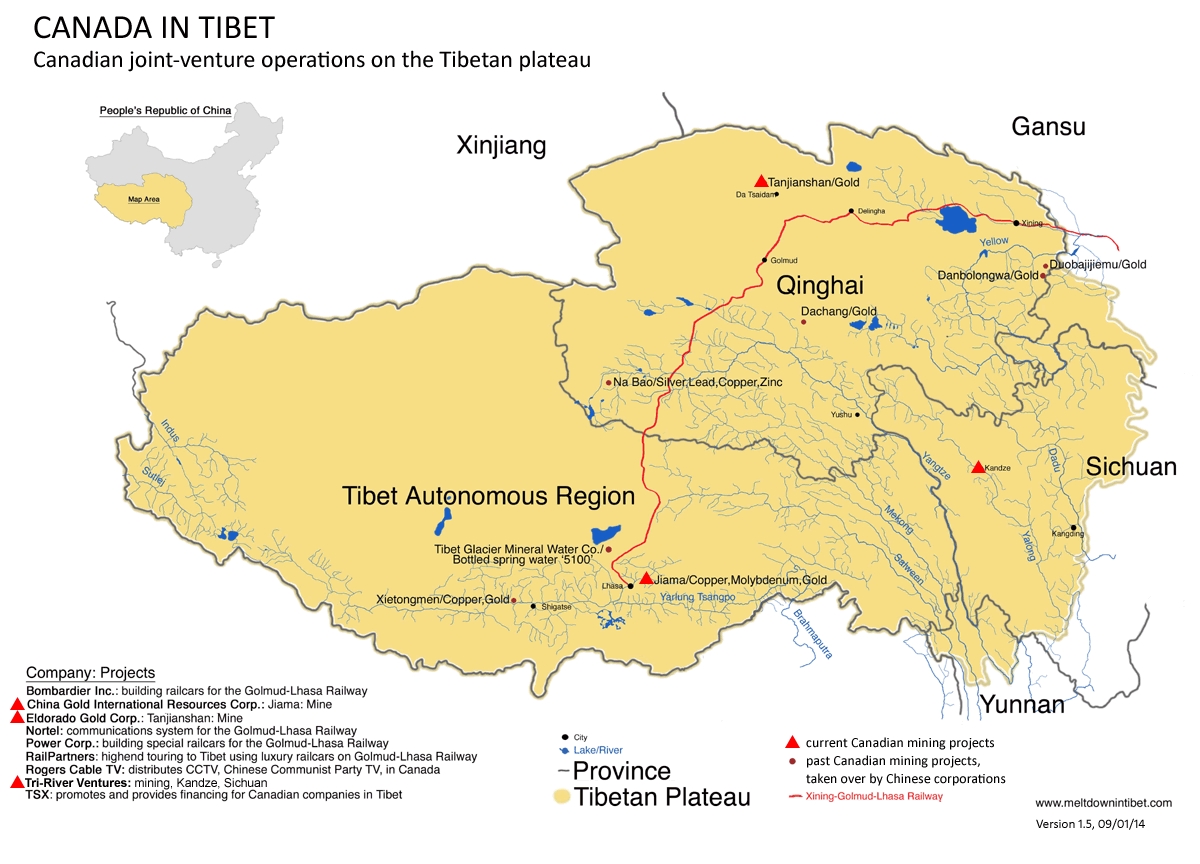
Similarly, campaign groups have complained that the more than one dozen Canadian mining companies operating in Tibetan areas have failed to give feedback on how their operations contribute to the livelihoods of Tibetans.
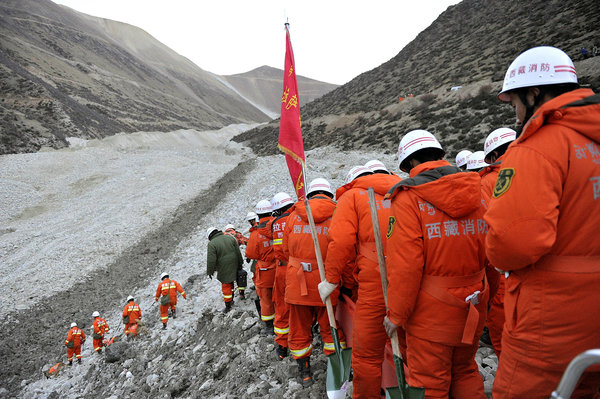
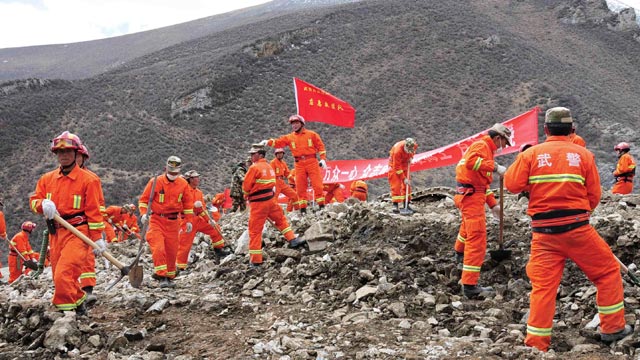
Often, only when tragedies occur has it has been possible to pin down how many ethnic Tibetans work on the big infrastructure projects that dominate Beijing’s GDP figures for the region. Of 83 miners killed in a huge landslide in March 2013 at a site operated by a state-owned company, just two were ethnic Tibetans. The rest were Han Chinese. Anecdotal evidence suggests infrastructure projects in the world’s highest region have devastated the environment, as noted in Buckley’s book. But again, few independent studies exist separating China’s impacts from the effects of global pollution.
Changing landscape
A Chinese priest who declined to be named for security reasons said the negative impacts on Tibet’s environment were evident on repeat visits in recent decades. “When I visited a Tibet county above 5,000 feet [1,500 meters] two years ago, it had changed so much. The snow on the mountain had melted and the water level had dropped,” the priest said.
Like many visitors to Tibet, he noted that Chinese development remains dominated by projects that destroy the environment, raising tensions with ethnic Tibetans who consider the landscape sacred, a part of their Buddhist faith. In the half-century that China has ruled Tibet, similar policies have been instituted in cycles targeting ethnic minorities and religions.
Elsewhere, the government has long suppressed the Muslim Uighur minority. A “strike-hard” campaign initiated in May has triggered a period of intense persecution against Uighurs. In Zhejiang province, Christians have been devastated by a two-year cross-removal campaign. While the actions against Zhejiang Christians have been pushed by local authorities, many observers believe such a long-standing campaign must have tacit approval from Beijing.Taken together, such actions underscore the Communist Party’s fear of organized religion as a potential alternative power base to the party itself. The severity of these actions has depended on the threat level perceived by Beijing, notes Fenggang Yang, director of Purdue University’s Center on Religion and Chinese Society. “At the minimum, the Chinese Communists in their gut have deep suspicion and distrust in religious leaders even if they seem to be amicable toward religious believers and leaders during the good times,” he said.
By adamantly refusing to consider the generous proposal called ‘Middle Way” offered by His Holiness the 14th Dalai Lama, Red China placed herself on a slippery slope and no one can save the Evil Red Empire from downfall.
Exiled Tibetan spiritual leader the Dalai Lama delivers a lecture in Sydney on June 8. (Photo by Saeed Khan/AFP)
Direct control For Tibetans, this week’s anniversary marking Chinese rule only brings more uncertainty. In its Sept. 6 white paper, Beijing rejected a “middle way” approach, put forward by the Dalai Lama, which proposed more autonomy for Tibet.
While sidelining Tibet’s exiled spiritual leader, Chinese authorities have further eroded religious freedoms, said Tsomo Tsering, director of the Tibet Center for Human Rights and Democracy in Dharamsala, northern India.
“It’s ridiculous. Sometimes Tibetans will keep images of the Dalai Lama, and the simple act of keeping pictures of their own spiritual leaders is criminalized,” said Tsomo, who works with informants on the ground in Tibet.
Since 2011, authorities have replaced members of monastery management committees with officials who work directly for the government. Small police stations have been built inside some monasteries. This year, authorities ordered all Buddhist monasteries to fly Chinese flags and display pictures of party leaders. “The problem is that the whole of religion is now directly controlled by the Chinese government,” Tsomo said.
By adamantly refusing to consider the generous proposal called ‘Middle Way” offered by His Holiness the 14th Dalai Lama, Red China placed herself on a slippery slope and no one can save the Evil Red Empire from downfall.
Tibet Awareness – Red China Looting and Plundering Tibet
Red China’s practices in Tibet; her indiscriminate taking of Tibetan national assets causing severe environmental pollution with toxic chemicals, massive hydro projects leading to major ecological disaster in Tibet, have to be treated as War Crimes. Red China must be tried by a War Crimes Tribunal and held accountable for stealing Tibet’s national wealth and property.
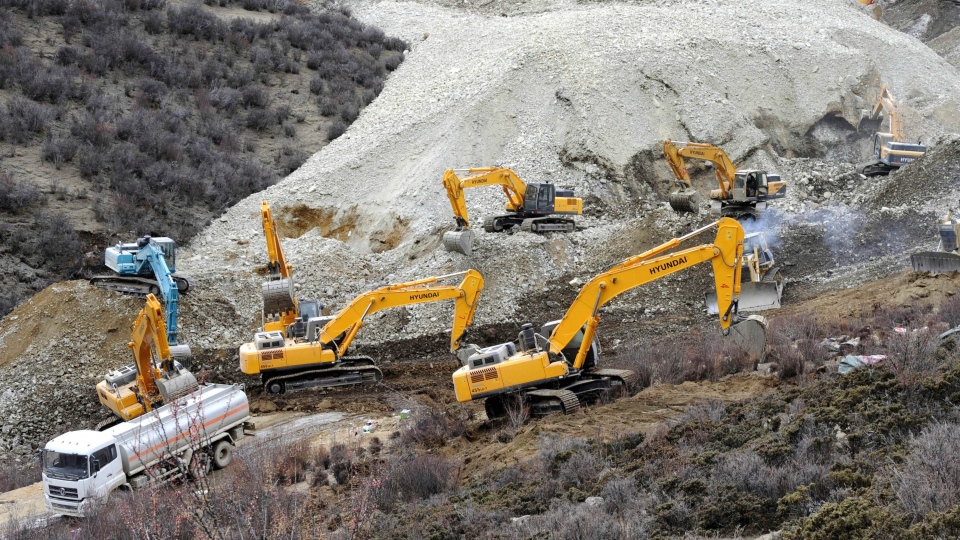
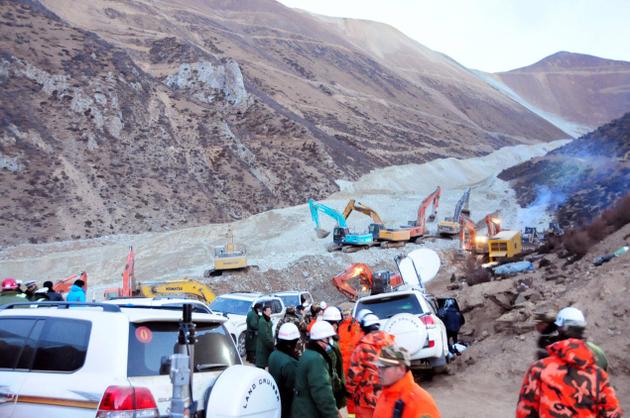
Red China used her military force to attack Tibet and occupied the country since 1950. After driving His Holiness the 14th Dalai Lama into exile, Red China unleashed a systematic campaign to loot, plunder, pillage, sack, ransack, steal, and despoil Tibetan natural resources without any concern for international law. Red China is encouraging foreign companies to join her in illegal exploration for mineral wealth and criminal mining operations. Such activities get media attention if a disaster strikes mining operation. Gold and Copper mining operations in Gyama Valley, Maizhokunggar County of Lhasa came to world’s attention when a massive landslide on March 29, 2013 killed 83 employees of Tibet Huatailong Mining Development Company, subsidiary of the state-run China National Gold Group. Red China is world’s largest producer of Gold and other Rare Earth Minerals. Red China’s practices in Tibet; her indiscriminate taking of Tibetan national assets causing severe environmental pollution with toxic chemicals, massive hydro projects leading to major ecological disaster in Tibet, have to be treated as War Crimes. Red China must be tried by a War Crimes Tribunal and held accountable for stealing Tibet’s national wealth and property.
Rudra Narasimham Rebbapragada Ann Arbor, MI 48104-4162, USA Special Frontier Force-Establishment 22-Vikas Regiment
Red China’s practices in Tibet; her indiscriminate taking of Tibetan national assets causing severe environmental pollution with toxic chemicals, massive hydro projects leading to major ecological disaster in Tibet, have to be treated as War Crimes. Red China must be tried by a War Crimes Tribunal and held accountable for stealing Tibet’s national wealth and property.Red China’s practices in Tibet; her indiscriminate taking of Tibetan national assets causing severe environmental pollution with toxic chemicals, massive hydro projects leading to major ecological disaster in Tibet, have to be treated as War Crimes. Red China must be tried by a War Crimes Tribunal and held accountable for stealing Tibet’s national wealth and property.Red China’s practices in Tibet; her indiscriminate taking of Tibetan national assets causing severe environmental pollution with toxic chemicals, massive hydro projects leading to major ecological disaster in Tibet, have to be treated as War Crimes. Red China must be tried by a War Crimes Tribunal and held accountable for stealing Tibet’s national wealth and property.Red China’s practices in Tibet; her indiscriminate taking of Tibetan national assets causing severe environmental pollution with toxic chemicals, massive hydro projects leading to major ecological disaster in Tibet, have to be treated as War Crimes. Red China must be tried by a War Crimes Tribunal and held accountable for stealing Tibet’s national wealth and property.Red China’s practices in Tibet; her indiscriminate taking of Tibetan national assets causing severe environmental pollution with toxic chemicals, massive hydro projects leading to major ecological disaster in Tibet, have to be treated as War Crimes. Red China must be tried by a War Crimes Tribunal and held accountable for stealing Tibet’s national wealth and property.Red China’s practices in Tibet; her indiscriminate taking of Tibetan national assets causing severe environmental pollution with toxic chemicals, massive hydro projects leading to major ecological disaster in Tibet, have to be treated as War Crimes. Red China must be tried by a War Crimes Tribunal and held accountable for stealing Tibet’s national wealth and property.Red China’s practices in Tibet; her indiscriminate taking of Tibetan national assets causing severe environmental pollution with toxic chemicals, massive hydro projects leading to major ecological disaster in Tibet, have to be treated as War Crimes. Red China must be tried by a War Crimes Tribunal and held accountable for stealing Tibet’s national wealth and property.
China Stages Mass Spectacle in Tibet to Mark 50 Years’ Rule
BEIJING — Sep 8, 2015, 9:22 AM ET
In this photo released by China’s Xinhua News Agency, a grand ceremony marking the 50th anniversary of the founding of the Tibet Autonomous Region is held at the square of the Potala Palace in Lhasa, capital of Tibet Autonomous Region, Tuesday, Sept. 8, 2015. (Chen Yehua/Xinhua via AP) Red China’s practices in Tibet; her indiscriminate taking of Tibetan national assets causing severe environmental pollution with toxic chemicals, massive hydro projects leading to major ecological disaster in Tibet, have to be treated as War Crimes. Red China must be tried by a War Crimes Tribunal and held accountable for stealing Tibet’s national wealth and property.
In this photo released by China’s Xinhua News Agency, a grand ceremony marking the 50th anniversary of the founding of the Tibet Autonomous Region is held at the square of the Potala Palace in Lhasa, capital of southwest China’s Tibet Autonomous Region, Tuesday, Sept. 8, 2015. (Chen Yehua/Xinhua via AP) The Associated Press
Schoolchildren waved flags and paramilitary troops marched in full battle dress at a mass spectacle China staged Tuesday to mark 50 years since establishing Tibet as an ethnic autonomous region firmly under Beijing’s control.
The event lauded Tibet’s economic successes under Communist Party rule, even as activists criticized its record on human rights.
Top political adviser Yu Zhengsheng stressed Tibet’s unity with the rest of China in his address to thousands gathered in front of the stunning Potala Palace in the regional capital of Lhasa, once home to the Dalai Lama and now a museum.
“During the past 50 years the Chinese Communist Party and the Tibetan people have led the transformation from a backward old Tibet to a vibrant socialist new Tibet,” Yu told the audience of schoolchildren, soldiers, armed police and party officials applauding and waving flags.
People’s living standards have improved, infrastructure has been built across Tibet and its gross domestic product had grown 68 times, Yu said at the ceremony broadcast live on state television.
Yu’s speech was followed by a parade of goose-stepping marchers carrying the national emblem of China, along with portraits of past and present leaders, including President Xi Jinping. Dancers and musicians in traditional Tibetan dress also performed, although there was no visible participation by representatives of the Buddhist clergy that forms the backbone of the Himalayan region’s traditional culture.
Beijing sent troops to occupy the Himalayan region following the 1949 communist revolution. The government says the region has been part of Chinese territory for centuries, while many Tibetans say it has a long history of independence under a series of Buddhist leaders.
The region’s traditional Buddhist ruler, the Dalai Lama, fled in 1959 amid an abortive uprising against Chinese rule, and continues to advocate for a meaningful level of autonomy under Chinese rule.
China established the Tibetan autonomous region in 1965, one of five ethnic regions in the country today. While Tibet is nominally in charge of its own affairs, its top officials are appointed by Beijing and expected to rule with an iron fist. The region incorporates only about half of Tibet’s traditional territory, is closed to most foreign media and has been smothered in multiple layers of security ever since deadly anti-government riots in 2008.
Reinforcing the importance of strict control from Beijing, the party’s central committee said in a statement that; “Only by sticking to the CPC’s (Communist Party’s) leadership and the ethnic autonomy system, can Tibetans be their own masters and enjoy a sustainable economic development and long-term stability.” Referring to the Dalai Lama, Yu said activities by him and others to “split China and undermine ethnic unity have been defeated time and time again.”
Free Tibet, a London-based rights group, said Beijing was trying to define Tibetan identity according to its priorities, and that Tibetans suffered restrictions on movement, censorship and lived in a system designed to punish opposition to the Beijing government.
“If Tibet’s people have a good news story to tell, why doesn’t Beijing let them freely tell it or give the world’s media the opportunity to freely see it?” the group said. The 80-year-old Dalai Lama is in Britain this month for speaking engagements and had no immediate comment.
Tuesday’s event reflects Xi’s taste for organized spectacle, in a throwback to the mass rallies common in the early decades of communist rule. It comes less than a week after a massive military parade in Beijing to mark 70 years since Japan’s surrender at the end of World War II.
Red China’s practices in Tibet; her indiscriminate taking of Tibetan national assets causing severe environmental pollution with toxic chemicals, massive hydro projects leading to major ecological disaster in Tibet, have to be treated as War Crimes. Red China must be tried by a War Crimes Tribunal and held accountable for stealing Tibet’s national wealth and property.Red China’s practices in Tibet; her indiscriminate taking of Tibetan national assets causing severe environmental pollution with toxic chemicals, massive hydro projects leading to major ecological disaster in Tibet, have to be treated as War Crimes. Red China must be tried by a War Crimes Tribunal and held accountable for stealing Tibet’s national wealth and property.Red China’s practices in Tibet; her indiscriminate taking of Tibetan national assets causing severe environmental pollution with toxic chemicals, massive hydro projects leading to major ecological disaster in Tibet, have to be treated as War Crimes. Red China must be tried by a War Crimes Tribunal and held accountable for stealing Tibet’s national wealth and property.Red China’s practices in Tibet; her indiscriminate taking of Tibetan national assets causing severe environmental pollution with toxic chemicals, massive hydro projects leading to major ecological disaster in Tibet, have to be treated as War Crimes. Red China must be tried by a War Crimes Tribunal and held accountable for stealing Tibet’s national wealth and property.Red China’s practices in Tibet; her indiscriminate taking of Tibetan national assets causing severe environmental pollution with toxic chemicals, massive hydro projects leading to major ecological disaster in Tibet, have to be treated as War Crimes. Red China must be tried by a War Crimes Tribunal and held accountable for stealing Tibet’s national wealth and property.
Tibet Awareness – A New Model for US-China Relations
Whole Sin – The Model for Great Power Relations: Red China is on a slippery slope and marching towards her self-destruction which no other nation can stop or intervene to help her.
Red China is on a slippery slope and marching towards her self-destruction which no other nation can stop or intervene to help her.
Whole Sin – The Model for Great Power Relations: Red China is on a slippery slope and marching towards her self-destruction which no other nation can stop or intervene to help her.
Rudra Narasimham Rebbapragada Ann Arbor, MI 48104-4162, USA Special Frontier Force-Establishment 22-Vikas Regiment
Whole Sin – The Model for Great Power Relations: Red China is on a slippery slope and marching towards her self-destruction which no other nation can stop or intervene to help her.
China seeks ‘new model’ for relations with US
CARRIE GRACIE CHINA EDITOR 21 September 2015 From the section CHINA
Whole Sin – The Model for Great Power Relations: Red China is on a slippery slope and marching towards her self-destruction which no other nation can stop or intervene to help her.
Image copyright Getty Images
Do you have expectations of this week’s summit between President Obama and President Xi? If so, I suggest you lower them.
The sombre fact is that despite the enormous range and complexity of the US-China relationship, it is becoming ever harder to manage. The smiles and ceremony of a 21-gun salute and state dinner will conceal gritted teeth and crossed fingers.
A game of brinkmanship is afoot and on cyber-hacking and contested atolls, it would need a reclamation project bigger and swifter than the one under way in the South China Sea for guest and host to find a piece of common ground to stand on.
But spin it another way and there should be something to celebrate.
Four and a half decades, five Chinese communist leaders, eight American presidents, and a transition from a world in which China is isolated and marginal to one in which it is increasingly able to meet the United States on equal terms.
And through it all, the US-China relationship has broadly held to the course that President Nixon set out in 1972 as he prepared to travel to Beijing to end two decades of enmity:
“The government of the People’s Republic of China and the government of the United States have had great differences. We will have differences in the future. But what we must do is to find a way to see that we can have differences without being enemies in war.”
Whole Sin – The Model for Great Power Relations: Red China is on a slippery slope and marching towards her self-destruction which no other nation can stop or intervene to help her.
Image copyright Getty Images Image caption Richard Nixon shares a toast with Chinese PM Zhou Enlai in Beijing in 1972 during the first visit by a US president to the People’s Republic of China
Forty-three years later an ambitious Chinese leader is coming for his first state visit in the opposite direction and the challenge is still the same. But now the stakes are even higher for this relationship and it has all the advantages of experience and proven resilience. What makes it so hard then?
‘Properly manage differences‘
Only last week, President Obama issued a blunt warning to China on cyber-hacking: “There comes a point at which we consider this a core national security threat… we can choose to make this an area of competition, which I guarantee you we’ll win if we have to.”
Only a scrambled visit by China’s security chief for what the White House described as “candid, blunt discussions” seems to have averted American sanctions.
Meanwhile, in the South China Sea, the latest satellite imagery from this month suggests that even during a summit countdown, Beijing is ready to defy American warnings and possibly even renege on its own promises to continue reclamation work to turn contested atolls into military outposts.
Is President Xi about to waste a huge opportunity? Ahead of the state visit he said: “Both sides must accommodate each other’s core interests, avoid strategic miscalculation, and properly manage and control differences.”
TIBET AWARENESS – UNITED STATES – CHINA RELATIONS. PRESIDENTIAL CANDIDATE DONALD TRUMP CLAIMED THAT CHINA IS STEALING JOBS.
Image copyright Getty Images Image caption Donald Trump has spoken of China stealing American jobs.
But he needs a much, much better speech writer if he is to get heard amid the US media frenzy of a presidential campaign and a papal visit. Already Republican candidates led by DonaldTrump are lining up to complain that China is stealing American jobs and some have said President Xi’s visit should be cancelled or downgraded. US public opinion is increasingly negative on China. President Obama told the media China’s peaceful, orderly rise is in the US’s interest and good for the world.
But President Xi urgently needs to reach out to American politicians and public to explain how it is in the US’s interest. A mix of reassurance, vision and rigour are required, and a measure of charm would no doubt help.
But with a schedule focused on closed-door sessions with big business and tightly choreographed photo opportunities with tame members of the American public, it looks as if President Xi has opted for a risk-averse strategy with minimal substance and candour.
Return to form
Don’t forget this is the man with the Chinese Dream, a plan for what he calls “the great rejuvenation of the Chinese nation”. Implicit is the argument that a great China is not a novelty but a return to form.
For most of the past 2,000 years, China’s economy has accounted for between a quarter and a third of world output and after traumatic shocks delivered by outsiders in the 19th and 20th Centuries, China is on track to overtake the US within the decade and regain its status as the world’s biggest economy.
Whole Sin – The Model for Great Power Relations: Red China is on a slippery slope and marching towards her self-destruction which no other nation can stop or intervene to help her.
Image copyright Reuters Image caption China wants a foreign policy that reflects its economic rise.
What’s more, China is intent on building military force and diplomatic clout to match its economic might. The swiftest, surest and cheapest way to all three is through US co-operation, and, sound and fury notwithstanding, it has come to count on that co-operation, at least in the economic sphere.
Without American help, how could China have become the world’s largest manufacturing and trading nation in such breathtakingly short order? Without American help how can China confront the daunting economic challenges it faces today?
But expect no warm speeches on that score from President Xi in Washington.
Model v dream
Deaf to American concerns about market access or technology theft, the Chinese narrative of the relationship presents a version of itself as a much-maligned partner, uncomplainingly creating wealth and bankrolling spendthrift American consumers. China does not export its ideology or send troops abroad, it points out.
President Xi’s preferred slogan for the relationship involves not a dream but a model. He raised it again on the eve of the summit, “the new model of great power relations”. This is shorthand for a future in which the US assists China’s inexorable advance in order to avoid the wars and convulsions which have accompanied the rise of other great powers in world history.
Seen from inside his model, the US record is far from benign. Instead, the US threatens China’s political system by pushing democracy, undermines its territorial integrity by supplying arms to Taiwan and schemes to contain China by surrounding it with American alliances and military deployments.
Whole Sin – The Model for Great Power Relations: Red China is on a slippery slope and marching towards her self-destruction which no other nation can stop or intervene to help her.
Image copyright Reuters Image caption Activists want President Obama to call on President Xi to halt the crackdown on Tibetans and Uighurs, and civil society in China.
In fact, part of Mr Xi’s dream is that a rejuvenated China will no longer need to put up with an American security order in Asia at all. But Americans are famous dreamers too.
And especially since China’s opening up and integration into the world economy, many have hoped that in Beijing they might one day have a democratic partner and “responsible stakeholder in keeping the world safe”.
Hostilities
That American version of the Chinese dream is an affront to Mr Xi’s own and as he goes through the protocol motions on the American red carpet, it is no exaggeration to say that he sees his hosts as outright ideological enemies.
He is at least as hostile to their politics as Chairman Mao was in the days of Nixon’s visit, probably more so because of the close and present danger those politics present in a globalised world.
In his first three years in power, President Xi has used anti-corruption and ideological campaigns to stiffen the sinews of the Communist Party and buttress one-party rule. He has censored the discussion of universal values like democracy and freedom of speech, locking up academics, human rights lawyers, civil society activists, journalists, Christians and bloggers.
President Barack Obama meets with His Holiness the Dalai Lama in the Map Room of the White House, Feb. 18, 2010. (Official White House Photo by Pete Souza) This official White House photograph is being made available only for publication by news organizations and/or for personal use printing by the subject(s) of the photograph. The photograph may not be manipulated in any way and may not be used in commercial or political materials, advertisements, emails, products, promotions that in any way suggests approval or endorsement of the President, the First Family, or the White House.
Image copyright The White House Image caption Chinese media has been critical of President Obama’s meetings with the Dalai Lama
Chinese propaganda teaches that the US is just the latest in a long line of hostile foreign powers trying to keep China down with a range of ideological weapons including meddling in Hong Kong and befriending the Dalai Lama.
President Xi makes no apology for his politics. “Shoes do not have to be the same but simply to fit the wearer,” he says. He is an authoritarian by conviction who believes China needs discipline and a sense of shared mission to realize its “great rejuvenation.” All of this is admittedly a difficult message to articulate for an American public. But some truths should be attempted for the sake of candour and connection.
President Xi could say that China still has enormous challenges at home and will avoid clashes with the US where possible. But that at the same time he wants a foreign policy that reflects the reality of China’s rise. And that on a range of issues, including rules for investment and climate change, he will co-operate with the US to the advantage of both countries.
He would be wise to attempt a much more nuanced and persuasive case on areas of competition like cybersecurity and the South China Sea. And he needs to show that he can listen and respond to the concerns of Americans. If not always with agreement, at least with understanding.
Now that would truly be powerful and might even presage a “new model of great power relations”.
Whole Sin – The Model for Great Power Relations: Red China is on a slippery slope and marching towards her self-destruction which no other nation can stop or intervene to help her.
Tibet Awareness – Compassion, the Foundation of Well-being
TIBET AWARENESS – PAIN AND COMPASSION: I AM SEEKING THE APPLICATION OF COMPASSION AS A PHYSICAL FORCE/POWER/ENERGY THAT CAN UPLIFT TIBETANS FROM PAIN, MISERY, SUFFERING, SORROW AND “DUKHA.”
Pain and suffering and experience of sorrow or “dukha” may have a cause according to the Doctrine of ‘Dependent Origination’. Sorrow or dukha is the result of one’s desires for pleasures, power, and continued existence. In case of Tibetan people, the experience of pain and suffering is the direct consequence of military occupation and foreign conquest of their Land. Historically, Tibetans never experienced foreign domination and direct interference in their daily lives until Red China invaded Tibet in 1950. Before intervention by Red China, Tibetans had always enjoyed freedom as a natural right.
TIBET AWARENESS – PAIN AND COMPASSION: I AM SEEKING THE APPLICATION OF COMPASSION AS A PHYSICAL FORCE TO HELP RED CHINA GET OUT OF TIBET WITHOUT EXPERIENCING PAIN AND SUFFERING.
When man recognizes pain, suffering and sorrow in the lives of others, man experiences spontaneous arousal of feelings of compassion which is called in Sanskrit language as ‘Karuna’, ‘Krupa’, or ‘Daya’. Pain and sorrow are an unavoidable part of human existence, while compassion is innate to human nature. The instinctive response of compassion acts like a physical force, power, or energy for it can uplift man from sorrow. I am seeking for the application of this force of compassion not only to uplift Tibetans from pain, and misery but also to help Red China to get out of Tibet without pain and suffering.
Rudra Narasimham Rebbapragada Ann Arbor, MI 48104-4162, USA Special Frontier Force-Establishment 22-Vikas Regiment
TIBET AWARENESS – PAIN AND COMPASSION:Tibetan spiritual leader the Dalai Lama, center, greets devotees as he arrives to give a talk at the Tsuglakhang temple in Dharmsala, India, Monday, Sept. 7, 2015. The four-day religious talk organized for the Southeast Asian Buddhists will end Thursday. (AP Photo/Ashwini Bhatia)
His Holiness the Dalai Lama is to give a public talk at The O2 in London on 19 September 2015. Organized by the Tibet House Trust, the talk, entitled ‘Compassion: the Foundation of Well-Being’, will begin at 1pm and will be followed by a Q&A session chaired by psychologist Daniel Goleman.
The Nobel Peace Prize Laureate and religious leader had celebrated his 80th birthday with an appearance at Glastonbury Festival in June.
His Holiness released a statement ahead of his 10-day visit to the UK, in which he said: “My life is dedicated to the service of all sentient beings, and in particular I try to help my fellow human beings in whatever way I can. “What unites all sentient beings is that we all naturally seek happiness and try to avoid suffering. Therefore, we have a collective responsibility to try to bring about the well-being and happiness of all living beings and help them overcome their suffering.
“This is the basis of hope on which I make an appeal that we all work enthusiastically to promote ethical values imbued with love and compassion and that we do our best to reduce, if not eliminate, the conflicts and violence that currently beset many parts of the world.”
Rebecca Kane Burton, general manager of The O2, said: “We are honoured that His Holiness the Dalai Lama will be making his public address. The Dalai Lama has visited Britain many times over the years but this is the first time he will address the public at the world’s most popular music and entertainment venue. We know it will be an inspiring and enlightening day.”
The talk at The O2 is the main public event of the Dalai Lama’s visit to the UK.
Whole Foundation – Compassion is the Foundation of Well-Being.I am seeking for the application of this force of compassion not only to uplift Tibetans from pain, and misery but also to help Red China to get out of Tibet without pain and suffering.
Whole Compassion – How to resolve the Great Problem of Tibet? Balloons are released during the celebration event at the Potala Palace marking the 50th anniversary of the founding of the Tibet Autonomous Region, in Lhasa on September 8, 2015. REUTERS/China Daily
His Holiness the Dalai Lama shares his view on solving world problems. Since 1950, Tibet is under military occupation. Over the years, Red China strengthened her military grip over Tibet. The Great Problem of Tibet may not be solved through warfare as it cost in terms of human lives and money appear to be prohibitive. While I contemplate on the futility of human effort, I recognize the role of Compassion in mitigating human pain and misery. In my analysis, Compassion is a Fundamental Force/Power/Energy and its application will have both physical and psychological consequences. I am seeking the application of Compassion as a Physical Force to uplift Tibetans from pain and suffering. This uplifting Force would also help Red China to get out of Tibet without the loss of human lives.
Tibet Equilibrium – The Balance of Power – The Future of Red China’s Evil Power. Beijing is Doomed for She is Evil. Prophecy revealed by Isaiah 47 :10 and 11.
Red China is marching towards her own self-destruction as a consequence of her own evil actions. As Doomsayer of Dooma, I predict Red China’s sudden downfall following a sudden, unexpected calamity, catastrophe, disaster, or cataclysmic event which drains Red China’s economic and military power and force her to withdraw People’s Liberation Army from Tibetan territory. As Compassion is the driving Force, Red China gets evicted from Tibet without experiencing pain and suffering that accompanies physical battle.
Rudra Narasimham Rebbapragada Ann Arbor, MI 48104-4162, USA Special Frontier Force-Establishment 22-Vikas Regiment
TIBET EQUILIBRIUM – BALANCE OF POWER IN OCCUPIED TIBET. THE GREAT TIBET PROBLEM WILL EXIST UNTIL THE BALANCE OF POWER IS RESTORED IN OCCUPIED TIBET.
Using force never solves world problems: Spiritual leader of Tibet
Tuesday, 15 September 2015 17:02 Yeshe Choesang, Tibet Post International
Whole Compassion – How to resolve the Great Problem of Tibet? As Compassion is the driving Force, Red China gets evicted from Tibet without experiencing pain and suffering that accompanies physical battle.
Oxford, UK — The spiritual leader of Tibet His Holiness the Dalai Lama has praised those countries’ plan to welcome thousands of refugees but warned that a long-term solution was needed, saying “generally using force never solves these problems.”
His remarks came at a meeting Oxford, where he inaugurated the “Dalai Lama Centre for Compassion” – which will specialise in the study of ethics – at the start of a 10-day visit to the UK which will include addressing thousands of people at the 02 arena on Saturday.
“I am a human being, just one among the 7 billion alive today. We all face problems, many of them of our own making. And because we made them, we surely have the ability to solve them. I sometimes wish that grown human beings were more like children, who are naturally open and accepting of others.”
“Instead, as we grow up, we fail to nurture our natural potential and our sense of fundamental human values. We get bogged down in secondary differences between us and tend to think in terms of ‘us’ and ‘them’. Prayer will not change this the way education and intelligence can. We need to learn to distinguish emotions like anger and attachment that are destructive from positive ones like compassion that are a source of happiness,” he said.
He went on to explain that as a Buddhist monk he tries to promote religious harmony, drawing inspiration from the example of India, where all major religions flourish side by side. He described the problems and violence that seem to arise from religious faith today as unthinkable since all religious traditions teach us to be compassionate, forgiving and contented. These are qualities relevant to day to day life. Warm-heartedness, for example, generates trust, which is the foundation of friendship.
His Holiness also explained that he is Tibetan with a responsibility towards the many Tibetans who place their trust and hope in him. He is concerned to preserve Tibet’s natural environment, as well as its compassionate, non-violent Buddhist culture.
Asking for his impressions on the European response to the refugee crisis, he said: “I think some, especially Germany, have given a very good response, and Austria. And then this country also now is showing serious consideration about that – wonderful.”
“But then you have to think, it is impossible for everyone outside Europe to come to Europe, impossible. They are taking care about these refugees, a small number, but ultimately we have to think how to reduce this killing in their own countries.
“And the way to reduce that is not using force … in certain cases maybe but generally using force never solves these problems. He said that only education, dialogue, and personal contact could resolve conflicts in the long-term.
Asked his response to the refugee crisis affecting Europe, he appreciated that their welfare is being taken seriously, but added: “Ultimately we have to stop the killing and fighting in these people’s countries that is forcing them to become refugees, but without the use of force. Military might never solves problems, but instead tends to produce unexpected results.”
“So taking care of several thousand refugees is wonderful, but in the mean time you have to think about long-term solutions, how to bring genuine peace and genuine development, mainly through education, for these Muslim countries,” he said.
He added: “Talk about a clash between Western civilization and Islam is mistaken. My Muslim friends tell me that a genuine Muslim should not spill blood, but should show respect to all the creatures of Allah.”
With regard to his hopes for the new Dalai Lama Centre for Compassion, he said he thought it was a commendable effort, but it would be better to see how it develops. As to whether material development had brought any benefit to Tibetans in Tibet, he expressed appreciation of such infrastructure as roads, airports and the railway.
He also observed that President Xi Jinping seems to be more realistic than some of his predecessors and has been courageous about tackling corruption. When pressed about the 60th anniversary of the declaration of the Tibet Autonomous Region he remarked that many Tibetans are deeply sad inside despite pretending to officials that they are happy.
When one journalist asked if His Holiness thought members of the media had a duty to be more positive about what they report, he commented that while they can’t change the world by themselves, they can make a positive contribution to doing so.
Unless otherwise indicated, all materials on these pages are copyrighted by The The Tibet Post International.
Whole Compassion – How to resolve the Great Problem of Tibet? As Compassion is the driving Force, Red China gets evicted from Tibet without experiencing pain and suffering that accompanies physical battle.Whole Compassion – How to resolve the Great Problem of Tibet? As Compassion is the driving Force, Red China gets evicted from Tibet without experiencing pain and suffering that accompanies physical battle.Whole Compassion – How to resolve the Great Problem of Tibet? As Compassion is the driving Force, Red China gets evicted from Tibet without experiencing pain and suffering that accompanies physical battle.Whole Compassion – How to resolve the Great Problem of Tibet? As Compassion is the driving Force, Red China gets evicted from Tibet without experiencing pain and suffering that accompanies physical battle.