DOOMED AMERICAN CHINA FANTASY – ONE BELT, ONE ROAD TO OPPRESSION
DOOMED AMERICAN CHINA FANTASY – ONE BELT, ONE ROAD TO OPPRESSION.
America’s participation in Red China’s One Belt, One Road Initiative accomplishes continued Occupation, Oppression, and Suppression in Tibet undermining American core values of Freedom, Peace, Democracy, and Natural Justice.
Doomed American China Fantasy – One Belt, One Road to Oppression.
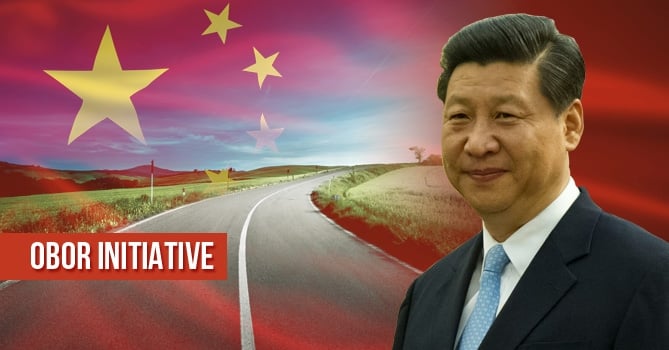
In a step which could see India put under tremendous pressure, the United States of America has decided to take a U-Turn from its initial position and is set to participate in China’s One Belt, One Road (OBOR) initiative, being organised in Beijing.
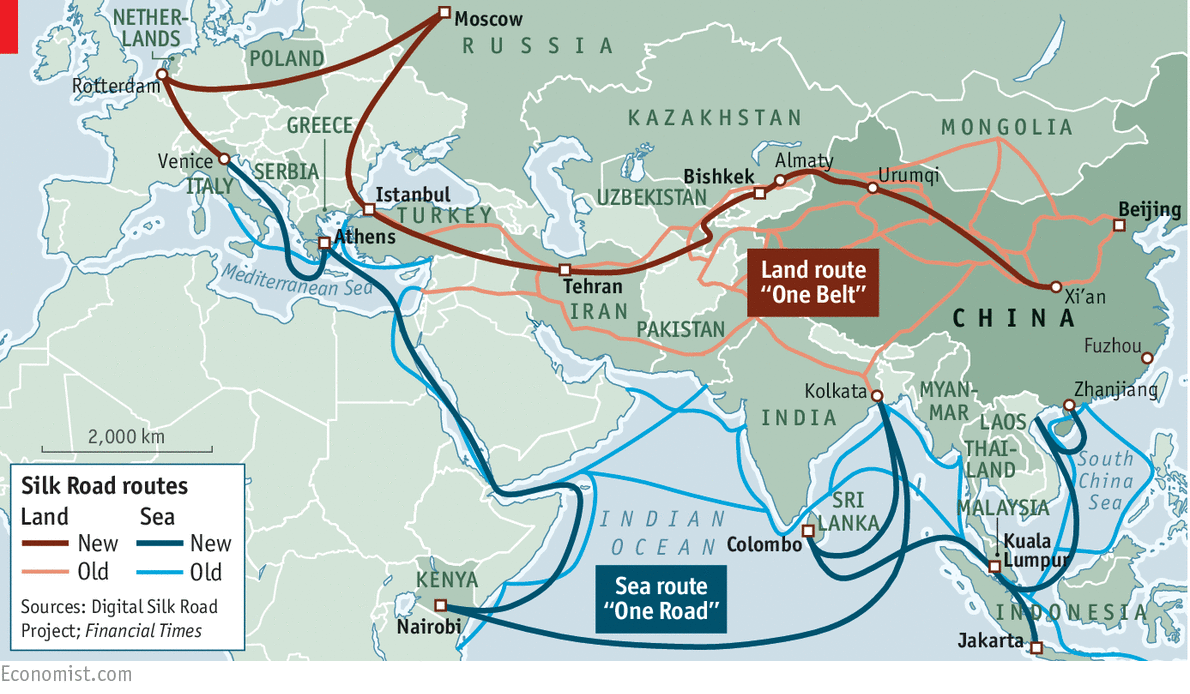
The event, is to showcase and build momentum for its new 21st-century silk route, both land and maritime, and other similar initiatives which would lead to increasing connectivity with Asian and European countries and solidify its place in the world as a major trading partner. In India, along with concerns over its sovereignty, it is also seen as a continuation of Chinese strategy of ‘strings of pearls’ which China uses to flex its muscle in India’s neighbourhood.
The step of the US has put India in a dilemma as the change in its stance is early signal that the Trump administration is reframing the US-China relationship, according to Jagannath Panda, from the Institute for Defense Studies and Analysis, New Delhi.
India, which is still undecided on whether to send its representatives to the event to be held this Sunday and Monday, maintains that China has not built an environment of trust to carry out the belt and road projects.
The country’s concerns on the Chinese project stem from what it perceives to be a lack of regard shown to issues raised by it that projects which are part of OBOR impinge its sovereignty.
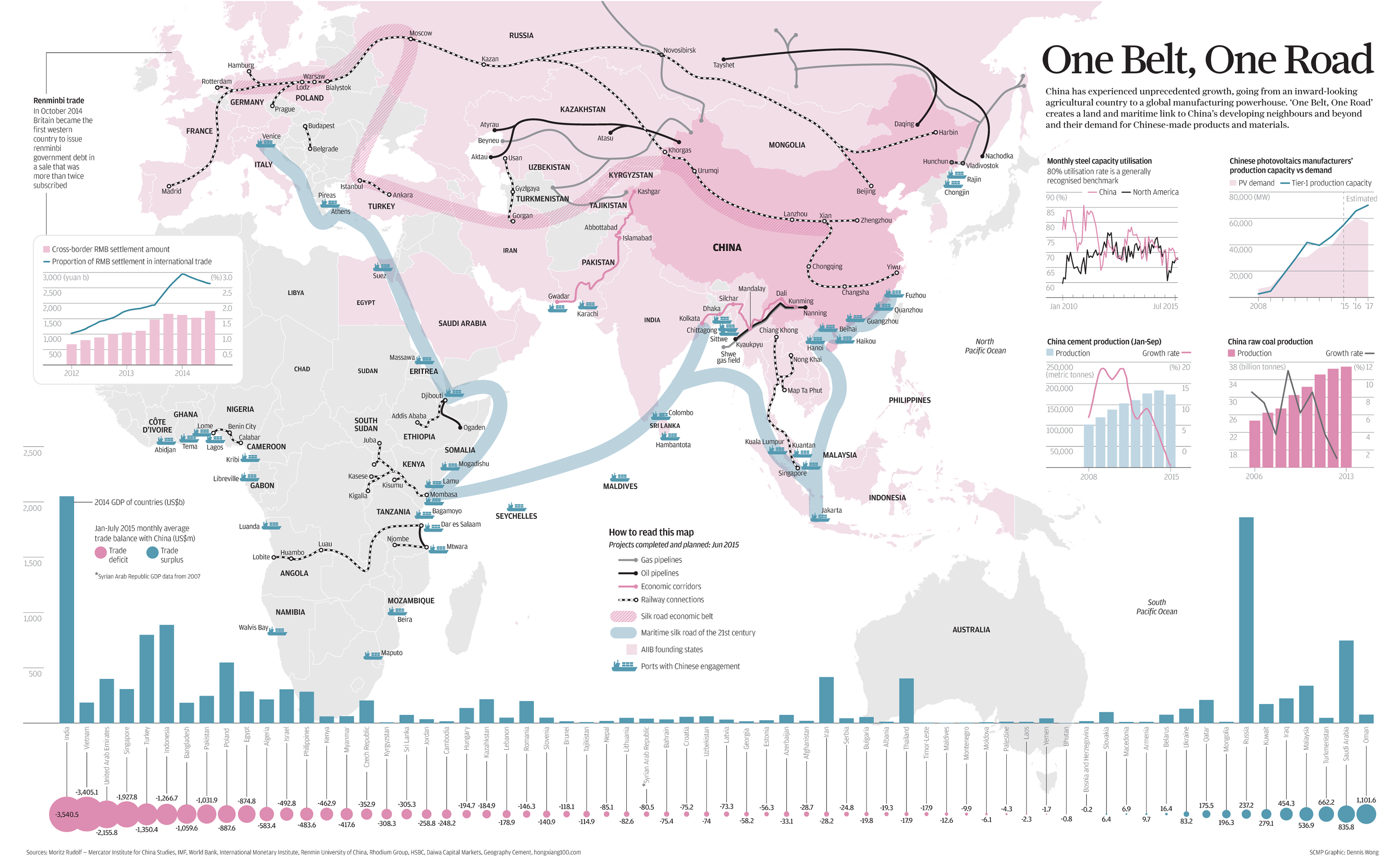
For example, the China-Pakistan Economic Corridor, which is a part of the larger project, by which China is set to link the Xinjiang province with the Gwadar port in Pakistan and is to be built-in Balochistan, passes through Gilgit-Baltistan region which India claims as its own.
Concerns such as these have led to the serious thoughts whether to send representatives to the event or not and if yes, officials of what level are to attend. Reports have claimed that the country may be represented by junior embassy level officials. The thinking is that even if it does not attend, it may not lead to any immediate material loss to it as OBOR is not a membership-based organisation, and may even get India praise in certain quarters for taking a principled stand.
Other than officials, academics from India may be present at the meet which is to see representation from over 50 countries including organisations such the World Bank.
The US has now decided to send senior representation to the event, with an inter-agency delegation led by Matthew Pottinger, a top adviser to the Trump administration and National Security Council senior director for East Asia to take part.
But many see it to be a trade-off between the country and China after the latter’s commitment to buy American beef as part of the Donald Trump’s 100-day plan’ agreement, and in return, the US will not only attend the event but also allow Chinese banks to expand their operation in the US.
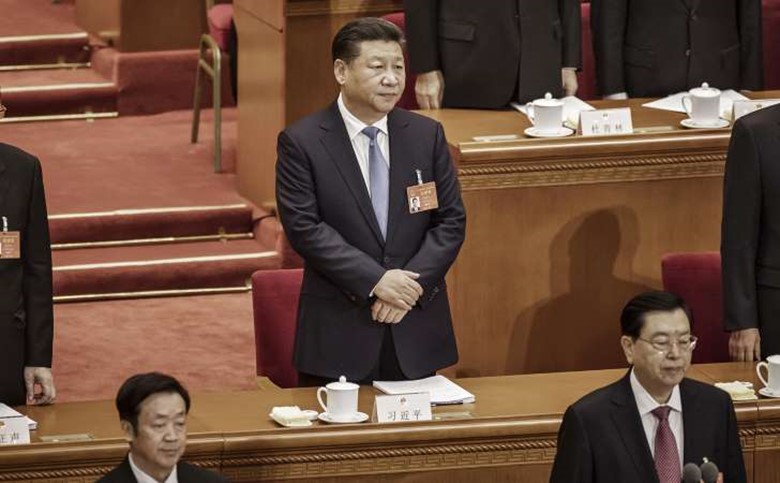
The decision seems to be a direct result of the meeting between Trump and the Chinese President Xi Jinping when the Chinese leader visited the US last month. Chinese vice-finance minister Zhu Guangyao is reported to have said, ‘We welcome all countries to attend. And we welcome the United States’ attendance as the world’s largest economy.’
Out of the representatives of different countries, head of state’s of more than 29 countries are to be present for the programme. And now with the entry of the US into the fray, along with countries like Britain and Germany, China’s dominant position in the programme may be somewhat diluted.
Other countries that are taking part include Japan and South Korea, which have military differences with China, as well as other countries engaged in territorial disputes with China over the South China Sea issue, including Vietnam and Indonesia. Pakistan, Nepal and Sri Lanka will also take part.
China may be put under pressure on the issue of transparency as other developed countries may ask for more details related to its plans, and whether it would follow internationally accepted standards on environment and labour in the projects which include six economic corridors but have not seen any reliable map made available.
According to reports, Tom Miller, author of a recent book, China’s Asian Dream, said, ‘What actually gets built will depend on what deals Chinese companies or the government make with other countries, abroad or on the deals that the Chinese government makes with other governments abroad, and no one knows exactly what those are going to be.’
OneIndia News
Doomed American China Fantasy – One Belt, One Road to Oppression.On tibettruth.comDoomed American China Fantasy – One Belt, One Road to Oppression. On forcechange.com
The Evil Red Empire – The Road to Conquest and Subjugation
Whole Colonialism – Red China’s Road to Conquest and Subjugation
Red China, often recognized as ‘The Evil Red Empire’ is reshaping the world as per its doctrine of Neocolonialism. In the historical past, Colonial Powers of Europe conquered countries using military power to establish Colonies with intent to dominate Land, People and their economic resources. Red China’s Neocolonialism involves use of Economic Power to gain acceptance of other countries to its plan of Expansionism. Red China achieved this military and economic power after her successful military conquest of Tibet in 1950s. Red China’s ‘One Belt-One Road’ (OBOR) simply reflects the reality of Military Conquest and Political Subjugation of Tibet.
The Evil Red Empire – The Road to Conquest and Subjugation
Xi’s $500 billion push to reshape the World in China’s image
China is one of the few countries in the world today with money to spend, and Xi Jinping is ready to write some checks.
China’s president will host some 28 world leaders in Beijing on Sunday at the first Belt and Road Forum, the centerpiece of a soft-power push backed by hundreds of billions of dollars for infrastructure projects. More than 100 countries on five continents have signed up, showing the demand for global economic cooperation despite rising protectionism in the U.S. and Europe.
For Xi, the initiative is designed to solidify his image as one of the world’s leading advocates of globalization while U.S. President Donald Trump cuts overseas funds in the name of “America First.” The summit aims to ease concerns about China’s rise and boost Xi’s profile at home, where he’s become the most powerful leader since Deng Xiaoping died in 1997.
The Belt and Road Initiative “will likely be Xi’s most lasting legacy,” said Trey McArver, the London-based director of China research for TS Lombard, an investment research company. “It has the potential to remake global — particularly Asian — trade and economic patterns.”
The strategy also carries risks. The initiative is so far little more than a marketing slogan that encompasses all sorts of projects that China had initiated overseas for years, and major world leaders like Trump, Angela Merkel and Shinzo Abe are staying away. How Xi answers a range of outstanding questions will go a long way in determining its success.
Key to reducing uncertainty will be addressing the concerns of strategic rivals like India, Russia and the U.S., particularly as China’s growing military prowess lets it be more assertive over disputed territory. Chinese moves to spend more than $50 billion on an economic corridor in Pakistan, build a port in Djibouti and construct oil pipelines in central Asia are all creating infrastructure that could be used to challenge traditional powers.
“China needs to recognize that the way it perceives the Belt and Road Initiative is not necessarily the same way others will,” said Paul Haenle, a former China director on the U.S. National Security Council who now heads the Carnegie-Tsinghua Center in Beijing. For countries like the U.S., he said, “it’s impossible not to view the BRI through a geopolitical lens — a Chinese effort to build a sphere of influence.”
Xi’s $500 billion push to reshape the World in China’s image
In September 2013, when Xi first pitched the plan at an obscure Kazakhstan university, he focused on the Eurasia landmass. Since then, it has repeatedly changed names and expanded to include the entire world, with the main goal of rebuilding the ancient trading routes from China to Europe overland and by sea.
One key driver was economic: China wants to spur growth in underdeveloped hinterlands and find more markets for excess industrial capacity. With more than $3 trillion in international reserves — more than a quarter of the world’s total — China has more resources than developed economies struggling to hit budget targets.
The plan gained steam last year when populist movements spurred a backlash against trade and immigration in the U.S. and Europe. Brexit raised questions about the European Union’s viability, while Trump’s withdrawal from the Trans-Pacific Partnership gutted the biggest U.S. push to shape global economic rules.
Trade Champion
“It was very disappointing, and it makes us feel that there is a big vacuum that Belt and Road can help to fill,” Cheah Cheng Hye, chairman and co-chief investment officer at the Hong Kong-based Value Partners Group. “So all of sudden, we begin to appreciate this Chinese initiative.”
Xi wasted no time filling the void. With exporting nations looking for a free-trade champion, he told the global elite in Davos, Switzerland, to resist protectionism and join China in boosting global commerce.
The U.S. and Europe “almost unwittingly” created space for Xi to push China’s interests, according to Peter Cai, research fellow at the Lowy Institute for International Policy.
“China is offering an alternative to the U.S. version of globalization,” Cai said. “In the Chinese case, it’s globalization paved by concrete: railways, highways, pipelines, ports.”
Related gallery: 33 giant Chinese infrastructure projects that are reshaping the world (provided by Business Insider)
Xi’s $500 billion push to reshape the World in China’s image
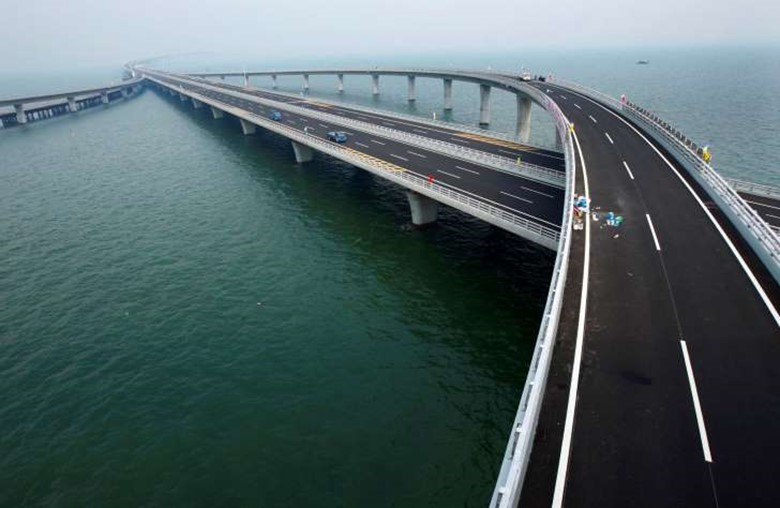
33 giant Chinese infrastructure projects that are reshaping the world
Draft Communique
This year, five European countries — Denmark, Finland, Switzerland, France and Italy — openly voiced support for the initiative. On trips to China in February, Italian President Sergio Mattarella proposed plans for the ports of Genoa and Trieste, while French Prime Minister Bernard Cazeneuve attended the arrival ceremony of a freight train from Lyon.
The summit will feature the likes of Russia’s Vladimir Putin, Greece’s Alexis Tsipras and the Philippines’ Rodrigo Duterte. The U.S. and most Western countries are expected to send lower-level representatives.
A draft communique circulated before the event combined a commitment to open markets with endorsements of China’s diplomatic goals, Bloomberg reported Wednesday, citing people familiar with the document. It also generated some controversy among Beijing-based diplomats who said they didn’t have enough time to vet the document, underscoring the initiative’s potential to cause conflict.
$500 Billion
China has invested more than $50 billion in Belt and Road countries since 2013, according to the official Xinhua News Agency. Credit Suisse Group AG said this month that China could pour more than $500 billion into 62 countries over five years.
China’s state-run companies like China National Petroleum Corp. and China Mobile Ltd. — the world’s largest wireless carrier — are positioned to reap the rewards. Executives from six of China’s largest state-run firms sought to reassure the public this week that the risks were manageable.
China’s three development banks, its Silk Road Fund and China-led Asian Infrastructure Investment Bank were involved in $143 billion of lending outside of the country last year, up more than 140 percent from 2014, according to data compiled by Bloomberg.
Read More: Chinese Largesse Lures Countries to Its Belt and Road Initiative
Still, financial hurdles are starting to appear. China’s slowing economic growth has left fewer resources to spend overseas. Its international reserves have fallen about 6 percent over the past year, and China needs a healthy amount to defend the yuan.
Some previous Chinese ventures abroad have turned sour. While China’s no-strings-attached approach to investment is generally welcomed by developing countries, they often have poor credit ratings and questionable governance. China has struggled to recoup loans in Venezuela and Africa, and several projects in Central Asia have spurred protests. Announcements with big dollar signs often fail to materialize.
Nonetheless, Chinese scholars see the sum of Xi’s plan as bigger than any individual project. It represents a “profound change” in how China interacts with the world, according to Wang Yiwei, director of at Renmin University’s Institute of International Affairs in Beijing, who has written three books on the initiative.
“China has moved from a participant of globalization to a main leader,” he said. “It’s Globalization 2.0.”
To contact Bloomberg News staff for this story: Ting Shi in Hong Kong at tshi31@bloomberg.net, Miao Han in Beijing at mhan22@bloomberg.net. To contact the editors responsible for this story: Daniel Ten Kate at dtenkate@bloomberg.net, Brendan Scott
Xi’s $500 billion push to reshape the World in China’s image
DOOMSAYER OF DOOM DOOMA HINTS AT MAO ZEDONG’S DOWNFALL
DOOMSAYER OF DOOM DOOMA HINTS AT MAO ZEDONG’S DOWNFALL.
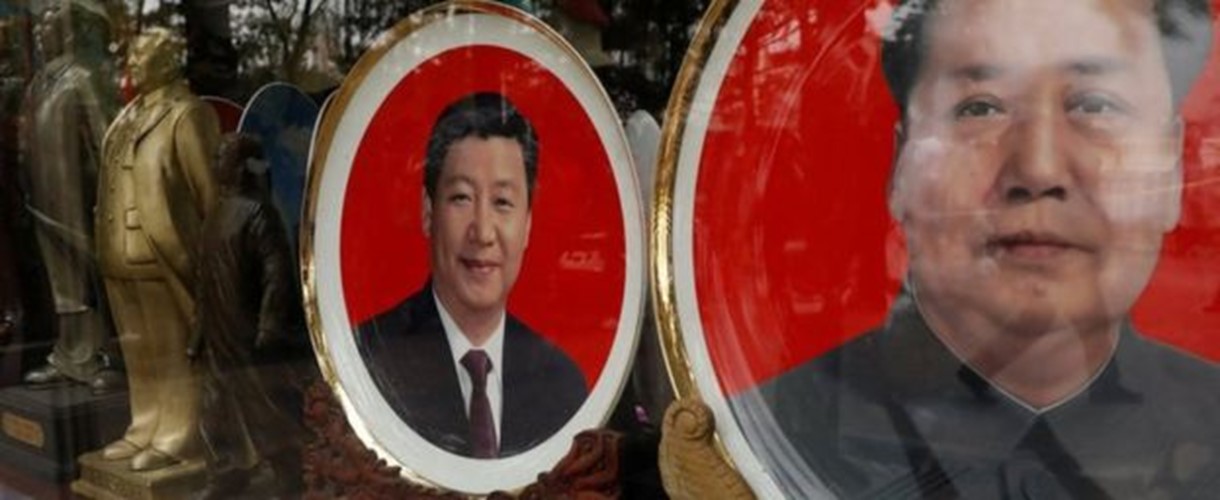
I say, “Mao Zedong Lives” for his Occupation of Tibet survives apart from his Single-Party governance of China that he has put in place shaping lives of millions of people.
I am Witness to his Failure in 1971 when he failed to attack India to abort Liberation of Bangladesh War. He was too busy plotting the murder of his Defence Secretary and purging top-ranking officials of People’s Liberation Army. I am Witness to his Success in Vietnam War when he outmaneuvered Nixon-Kissinger who deserve equal credit for their Vietnam Treason.
Mao Zedong Lives. Red China is still in Tibet. At this moment, Mao Zedong’s Communist Party appears to be invincible. However, I visualize Mao Zedong as Queen of Babylon whose Downfall is Revealed in The New Testament Book ‘REVELATION, Chapter 18, Verses 1-24. Mao Zedong’s Evil Red Empire awaits the Fate of Babylon revealed by Prophet John. Mao Zedong’s Babylon is Doomed. No One on Earth can avert this Calamity, Disaster, and Catastrophe that humbles Mao Zedong.
Doomsayer of Doom Dooma Hints At Mao Zedong’s Downfall. The Evil Red Empire born on October 01, 1949 Lives awaiting her Unavoidable, Inevitable Doom.On wholedude.com
China’s Biggest History “What-If”: If Mao Zedong Died in 1949
Robert Farley September 23, 2016
For thirty-seven years, Mao Zedong occupied a singular position atop the Chinese Communist Party (CCP), governing organization of the world’s largest country. For over a dozen years, Mao had led the CCP through wilderness (literally), fighting off factional opponents, the armies of Chiang Kai Shek, and the invading forces of the Empire of Japan. In the next decades, Mao would put a deep imprint on the politics and history of China, rarely for the good.
Modern scholarship on the history of the CCP has demonstrated that Mao rarely, if ever, had complete control over the Party machinery. He struggled through his entire tenure against competitors, both bureaucratic and ideological. Many of the decisions Mao made had strong support from the rest of the CCP, and emerged more from consensus that from authoritarian diktat. Nevertheless, the CCP and the People’s Republic of China (PRC) bore the special imprint of Mao’s ideological conviction and genius for infighting.
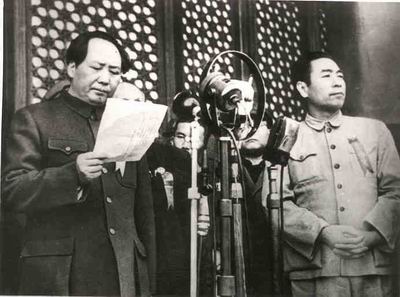
What if Mao had died in 1949, shortly after the declaration of the existence of the People’s Republic of China? How might China’s domestic and foreign policy have fared in the absence of the Great Helmsman?
Ideology and Factionalism:
For better or worse, Mao Zedong supplied a strong ideological foundation for the existence of the CCP, and for its provision of single-party control over the PRC. This melded a modified form of Marxist economic doctrine with Soviet state Leninism, leavened by a strong dose of anti-colonial thought. This ideological foundation, and the cult of personality that the CCP established around Mao, helped provide unity for the party and the state throughout the PRC’s early years, allowing it to weather such crises as the Korean War, the ongoing challenge of the survival of Chiang Kai Shek’s regime on Taiwan, and the Sino-Soviet Split. It also helped drive crises, including the Great Leap Forward, the aforementioned split with the USSR and the Cultural Revolution.
But Mao Zedong was far from the only important figure in the CCP in 1949. The struggle against Chiang and the Japanese had given many prominent commanders and administrators the chance to prove their worth. Other major political players in 1949 included Peng Dehuai, senior PLA commander; Liu Shaoqi, a key theorist and administrator; Zhou Enlai, Mao’s long-time right-hand man; Lin Biao, another senior commander and close confidant of Mao; Zhu De, founder of the PLA; Gao Gang, Bo Yibo, and Chen Yun, chief economic administrators; Deng Xiaoping, protégé of Liu Shaoqi, and Yang Shangkun, military and political leader during the Revolution.
Mao’s prominence among this group played an important role in stifling infighting; he could command sufficient legitimacy inside and outside the party that the other major players remained in check. It is unlikely that any other figure in the PRC could have provided the same degree of prestige and ideological heft. This would have made it difficult, at least in the early going, to pursue a “cult of personality” state-building strategy.
In Mao’s absence, the factions that formed around these prominent figures (and others) might have descended into open combat with one another. As is often the case with revolutionary insurgencies, the Chinese Communist Party was riven with factionalism even as it took power in Beijing in 1949. Different components of the People’s Liberation Army had fought entirely different wars, in different areas, with different tactics and organizational structures. Powerbrokers within the CCP commanded the allegiance of portions of the PLA, which provided them with security from factional conflict. Without Mao to keep them in check, the PLA itself might have become embroiled in political infighting. Moreover, the USSR (which had substantial influence in the 1950s) might have decided to support one faction or another, leading to even more fighting.
Domestic Policy:
Mao Zedong was the primary driver behind the Great Leap Forward, a project designed to spur industrialization but that instead resulted in massive famine. Mao wasn’t alone; much of the rest of the CCP supported, or at least acquiesced, in the project. However, Mao’s idiosyncratic views on expertise, and his faith in the power of the peasantry, made the Great Leap much worse than it otherwise might have been. In the end, millions died in a campaign that Liu Shaoqi himself declared resulted from “70% human error.” The Great Leap also resulted in the purging of Peng Dehuai (critic of Mao), and the sidelining of Mao from the day-to-day domestic decision-making process. Under the guidance of Liu Shaoqi or similar figure, China would likely not have embarked on such a risky, dangerous course towards modernization, and millions might have lived.
The sidelining of Mao after the Great Leap Forward helped set the stage for the next great upheaval. The Cultural Revolution did not spring fully formed from the mind of Mao Zedong, but he did drive most of its main elements, and the ideological brew it created benefitted Mao at the expense of his competitors. Mao fueled the sense of ideological resentment among a younger generation of Chinese students in order to break the back of the parts of the CCP that opposed him and that, in the early 1960s, had worked hard to sideline him. The impact was dreadful in nearly every way imaginable; millions died, Chinese state capacity atrophied, science and innovation slowed, and the PRC withdrew from the international community. While some of the underlying tensions in China would have existed even without Mao, he played a key role in activating those tensions, and creating a political disaster of epic proportions. Without Mao, China might not have lost an entire decade of economic, social, and technical progress.
Foreign Relations:
The PRC stood in precarious position in the wake of its declaration. The Republic of China, led by Chiang Kai Shek, remained in existence on Formosa, with the United States acting as apparent security guarantor. The Soviet Union offered ideological, military, and economic support, but at the price of full alignment. For a decade, the PRC took this deal. The Soviets supplied support for Chinese military operations in Korea, and helped lay the foundation for the PRC’s military-industrial complex. The Soviets also helped jumpstart China’s nuclear weapons program.
In 1956, Nikita Khrushchev’s turn against Stalin’s cult of personality cut hard into Mao’s own ideological foundation. Tensions increased as China and the USSR pursued divergent approaches to confrontation with the West; Mao preferred taking risks, while Khrushchev wanted to play it safe. Mao had managed to maintain control over the greater part of the foreign policy apparatus of the PRC, giving him ample space to carry out a feud with the USSR. While other voices within China also resented the Soviets, Mao’s ideological convictions, along with his special role at the top of the CCP, helped poison Sino-Soviet relations and bring about a dramatic split between the two countries.
Ten years later, Mao would override many of the rest of the senior leadership (Lin Biao, longtime confidant, died under suspicious circumstances) to seek an opening with the United States. This decision, which permanently detached China from the increasingly moribund USSR and paved the way for opening the PRC’s economy and society, remains Mao’s most meaningful positive contribution to China’s success. Without Mao, the PRC might have pursued Lin Biao’s preferred policy of re-engaging with the Soviet Union.
Parting Thoughts:
China would have struggled to emerge from civil war and its agrarian roots regardless of who guided the ship of state. The establishment of the cult of personality around Mao undoubtedly helped prevent some nasty conflicts between the leaders of the CCP, and assured a degree of unity against foreign foes. But it also gave Mao Zedong, a man with a special talent for human misery, the ability to guide the destinies of hundreds of millions of people for several decades.
ROBERT FARLEY, a frequent contributor to TNI, is author of The Battleship Book. He serves as a Senior Lecturer at the Patterson School of Diplomacy and International Commerce at the University of Kentucky. His work includes military doctrine, national security, and maritime affairs. He blogs at Lawyers, Guns and Money and Information Dissemination and The Diplomat.
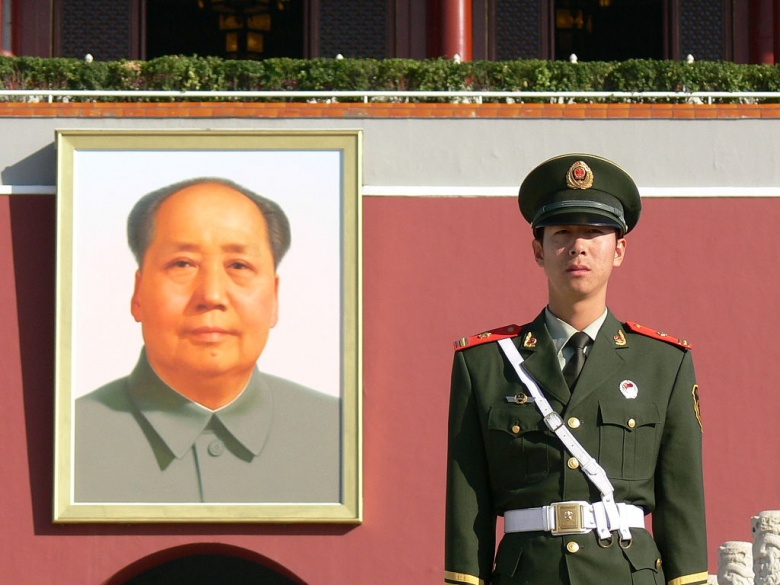
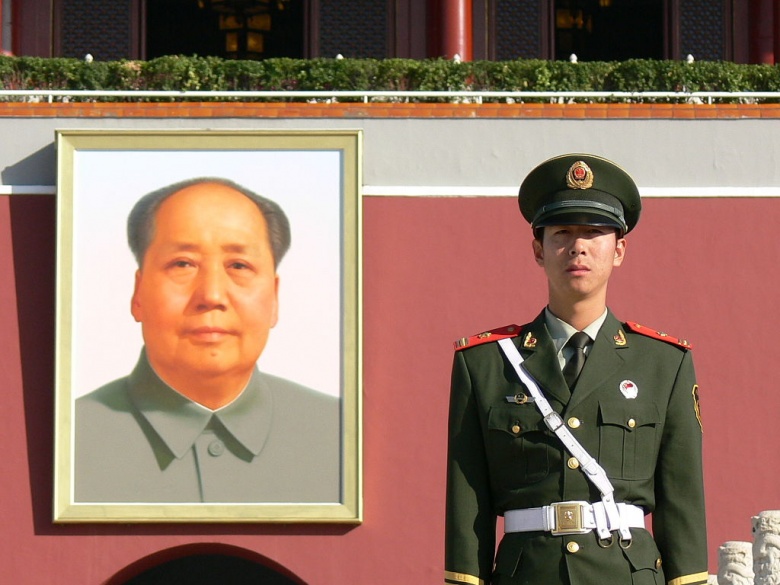
Image: The portrait of Mao Zedong at the Tiananmen Gate. Wikimedia
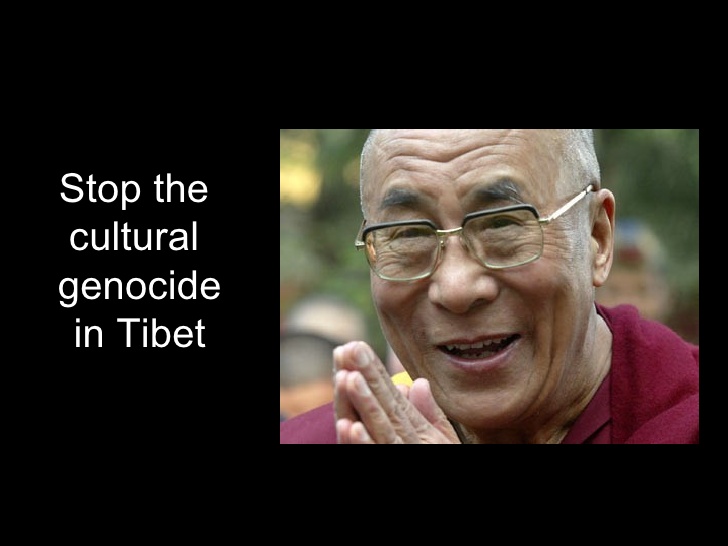
TROUBLE IN TIBET – STOP THE CULTURAL GENOCIDE. Disorienting social and economic change is under way in Tibet. The exiled Dalai Lama accuses China of “cultural genocide” (monasteries are being harassed, and in some parts of the plateau Chinese-language education erodes traditional ways).
The Exiled Supreme Ruler of Tibet His Holiness the 14th Dalai Lama expressed deep concern about Cultural Genocide in Occupied Tibet.
TROUBLE IN TIBET – STOP THE CULTURAL GENOCIDE: Disorienting social and economic change is under way in Tibet. The exiled Dalai Lama accuses China of “cultural genocide” (monasteries are being harassed, and in some parts of the plateau Chinese-language education erodes traditional ways).
UNPACIFIED PLATEAU: TIBET
Disorienting social and economic change is under way in Tibet. The exiled Dalai Lama accuses China of “cultural genocide” (monasteries are being harassed, and in some parts of the plateau Chinese-language education erodes traditional ways).
Government infrastructure investment in the Tibetan Autonomous Region has spurred mass tourism, but Tibetan resentment at missing out on tourism – and construction-related jobs was a big cause of rioting in Lhasa and elsewhere in 2008. Nor do the 6 million Tibetans (seen as troublemakers by China) migrate much to places with more opportunities: only around 1% have settled outside the plateau. The few private-sector jobs in Tibet mostly go to Han Chinese, so educated Tibetans mostly work for the government. The Chinese name for Tibet, Xizang, means “western treasure house” but Tibetans have little share in its spoils.
Disorienting social and economic change is under way in Tibet. The exiled Dalai Lama accuses China of “cultural genocide” (monasteries are being harassed, and in some parts of the plateau Chinese-language education erodes traditional ways).
DOWNFALL OF RED DRAGON – REGIME CHANGE BY BOLIDE IMPACT
DOWNFALL OF RED DRAGON – REGIME CHANGE BY BOLIDE IMPACT. REFER TO REVELATION, 18:1-24.
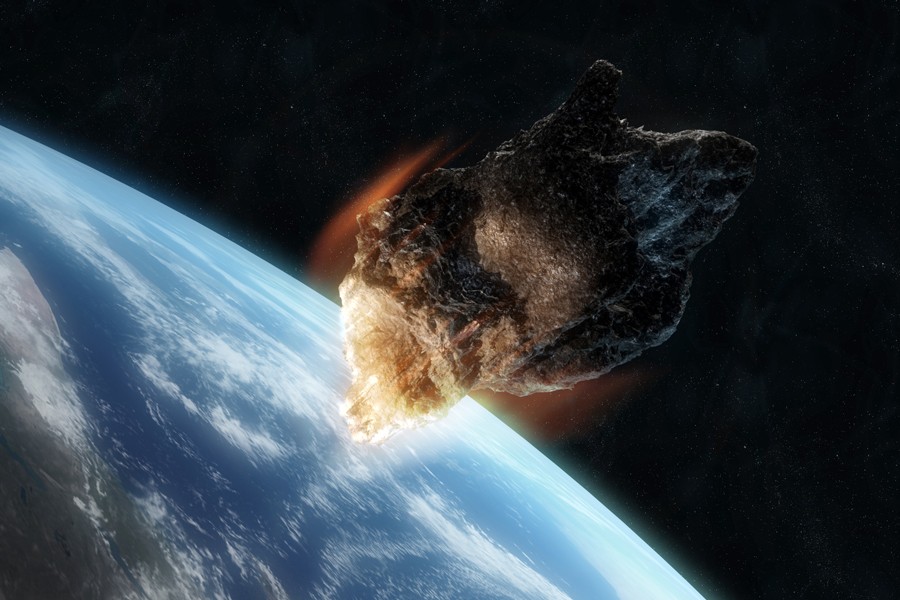
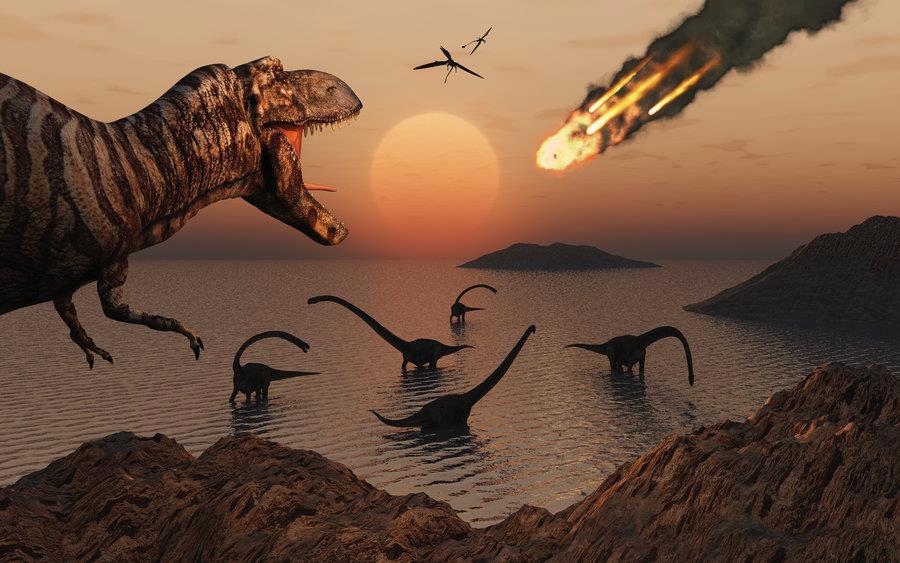
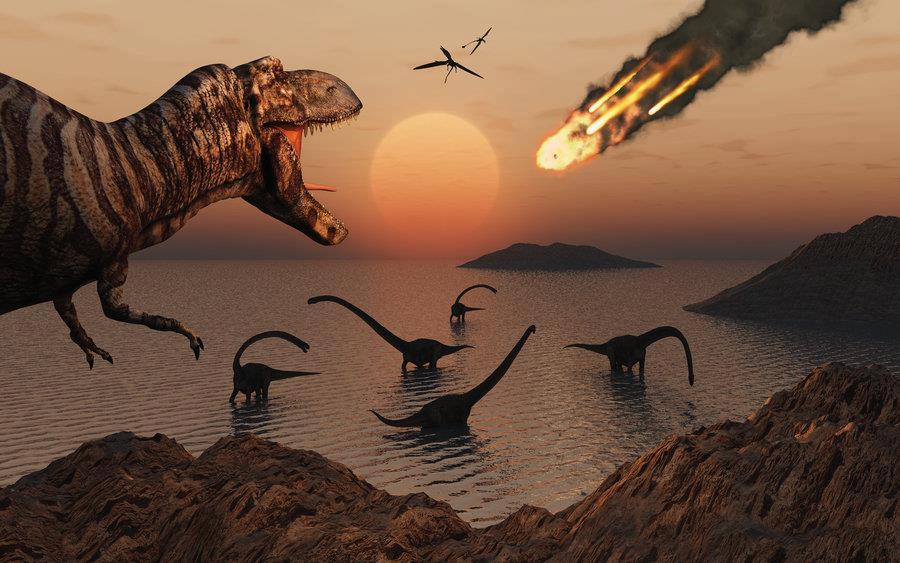
Natural History of planet Earth records sudden demise of Dinosaurs that lived for about 160 million years. Dinosaur Extinction is called Cretaceous – Tertiary or K-T Mass Extinction Event. This downfall of Dinosaurs is attributed to “BOLIDE” impact; a large Meteor or asteroid, or comet exploding in Earth’s atmosphere.
In Human History, powerful regimes have risen and have fallen down. But, there is no historical record of any empire’s downfall caused by ‘Bolide’ impact. Interestingly, The New Testament Book ‘REVELATION’ in Chapter 18 predicts Fall of Babylon by ‘Bolide’ impact. This prophecy has not yet come true.
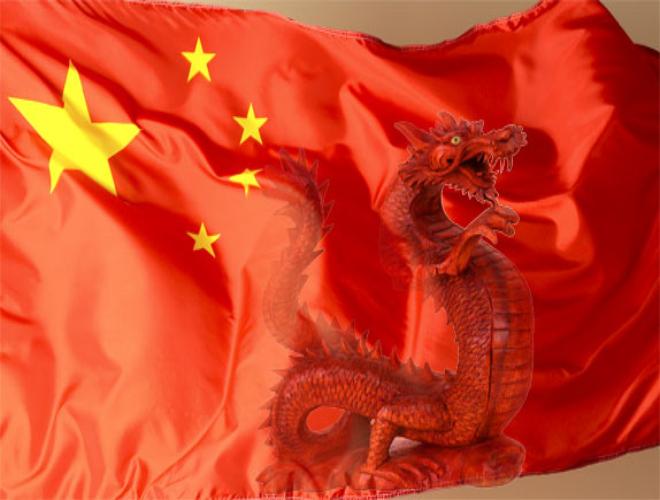
I unsealed this prophecy for I am destined to be known as ‘Doomsayer of Doom Dooma’. For the first time in recorded Human History, I expect Regime Change by ‘Bolide’ Impact causing sudden Downfall of Evil Red Empire which is often represented by ‘Red Dragon’.
THIS DAY IN HISTORY: 08/12/1990 – SKELETON OF T-REX DISCOVERED
Downfall of Red Dragon – Regime Change by Bolide Impact. Tyrannosaurus rex Skeleton Discovered on August 12, 1990.
A full Tyrannosaurus Rex skeleton is discovered on This Day in History. The date is August 12th. Susan Hendrickson, a paleontologist, discovers the T Rex in Faith, South Dakota.
On this day in 1990, fossil hunter Susan Hendrickson discovers three huge bones jutting out of a cliff near Faith, South Dakota. They turn out to be part of the largest-ever Tyrannosaurus rex skeleton ever discovered, a 65 million-year-old specimen dubbed Sue, after its discoverer.
Amazingly, Sue’s skeleton was over 90 percent complete, and the bones were extremely well-preserved. Hendrickson’s employer, the Black Hills Institute of Geological Research, paid $5,000 to the land owner, Maurice Williams, for the right to excavate the dinosaur skeleton, which was cleaned and transported to the company headquarters in Hill City. The institute’s president, Peter Larson, announced plans to build a non-profit museum to display Sue along with other fossils of the Cretaceous period.
In 1992, a long legal battle began over Sue. The U.S. Attorney’s Office claimed Sue’s bones had been seized from federal land and were therefore government property. It was eventually found that Williams, a part-Native American and member of the Cheyenne River Sioux tribe, had traded his land to the tribe two decades earlier to avoid paying property taxes, and thus his sale of excavation rights to Black Hills had been invalid. In October 1997, Chicago’s Field Museum purchased Sue at public auction at Sotheby’s in New York City for $8.36 million, financed in part by the McDonald’s and Disney corporations.
Sue’s skeleton went on display at the Field Museum in May 2000. The tremendous T.rex skeleton–13 feet high at the hips and 42 feet long from head to toe–is displayed in one of the museum’s main halls. Another exhibit gives viewers a close-up view of Sue’s five foot-long, 2,000-pound skull with its 58 teeth, some as long as a human forearm.
Sue’s extraordinarily well-preserved bones have allowed scientists to determine many things about the life of T.rex. They have determined that the carnivorous dinosaur had an incredible sense of smell, as the olfactory bulbs were each bigger than the cerebrum, the thinking part of the brain. In addition, Sue was the first T.rex skeleton to be discovered with a wishbone, a crucial discovery that provided support for scientists’ theory that birds are a type of living dinosaur. One thing that remains unknown is Sue’s actual gender; to determine this, scientists would have to compare many more T.rex skeletons than the 22 that have been found so far.
Trouble in Tibet – Regime Change through Meditation
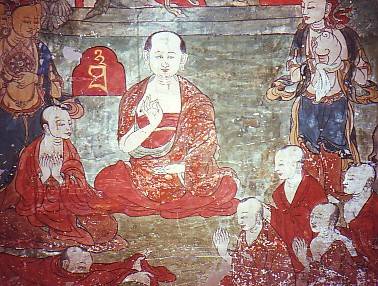
Whole Trouble – A Total Wake-Up Call for Regime Change in Tibet. How to change the Regime in Occupied Tibet? The Role of Meditation. The Great Masters of Nalanda. Acharya Kamalashila explained Three Stages of Meditation.
The problem of military occupation in Tibet needs resolution which demands a ‘Regime Change’. If military occupation poses problem, it exists outside the mind of a person experiencing the problem of occupation. Meditation may bring about some change in electrical activity of the brain and that change in activity can only be experienced by the person who practices meditation. However, there is no reason to suggest or expect any change in electrical activity of brain of a person who imposes the burden called military occupation. Can I hope to change the mental activity of Red China’s President through the practice of very rigorous meditation?
Meditation helps to bring Regime Change if the practitioner of meditation takes full advantage of changes in the electrical activity of his brain induced by the practice of meditation to perform specific physical actions to vacate the problem of occupation by evicting the Occupier.
Trouble in Tibet – Regime Change through Meditation. Can I hope to change the mental activity of Red China’s President through the practice of very rigorous meditation?
“Since you cannot tame the minds of others, until you have tamed your own, begin by taming your own mind.” – Acharya Atisha.
Neuroscientist Richie Davidson Says Dalai Lama Gave Him ‘a Total Wake-Up Call’ that Changed His Research Forever
By Lauren Effron
Jul 27, 2016, 2:00 PM ET
TROUBLE IN TIBET – REGIME CHANGE THROUGH MEDITATION. Dr. RICHIE DAVIDSON, NEUROSCIENTIST INVESTIGATES EFFECTS OF MEDITATION ON HUMAN BRAIN.
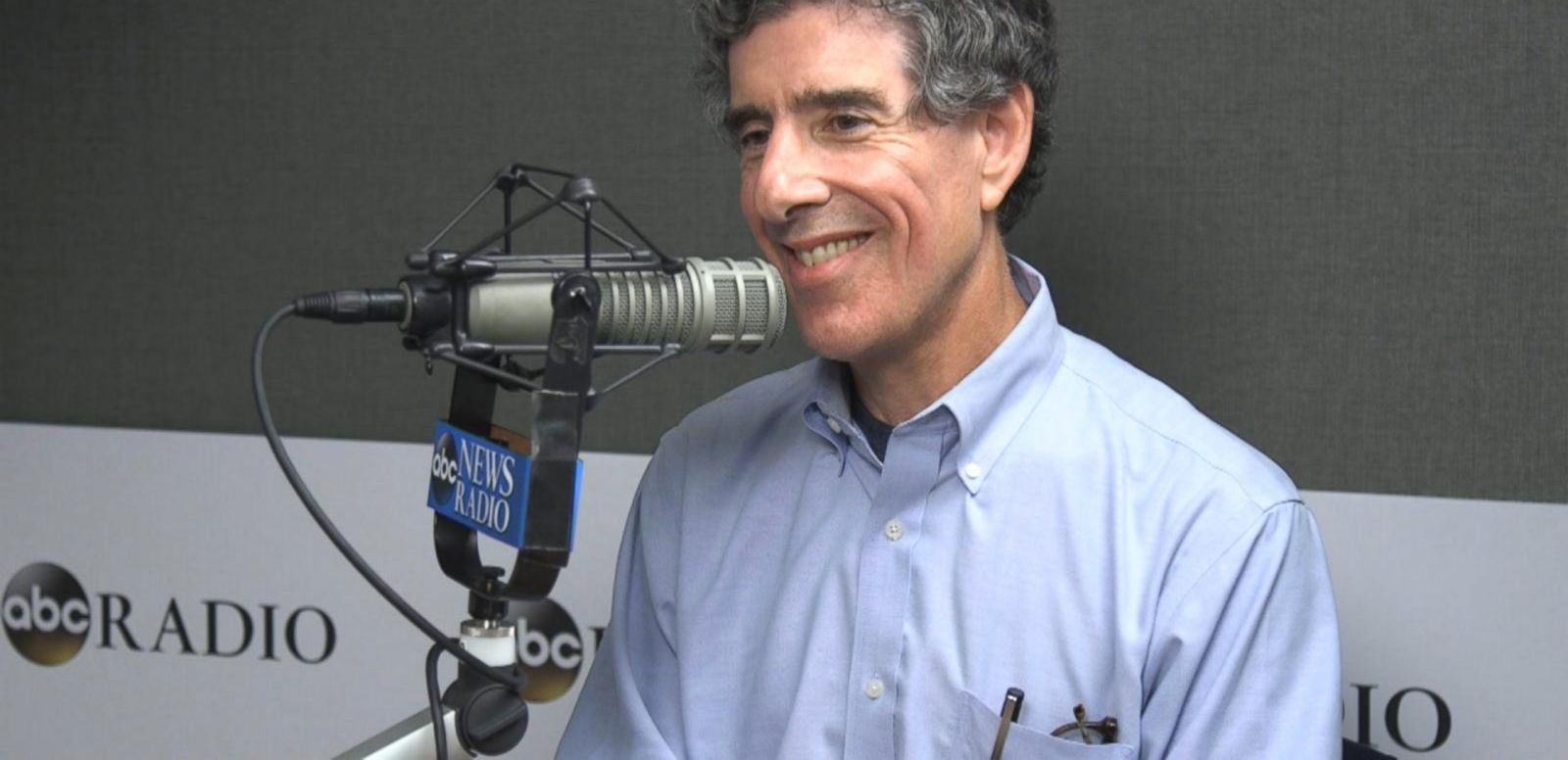
Dr. Richie Davidson, a neuroscientist at the University of Wisconsin-Madison, has been meditating for more than 40 years, but it was the Dalai Lama himself who convinced him to dedicate his life to researching the effects of meditation on the brain.
“He challenged me, saying, ‘You’ve been using the tools of modern neuroscience to mostly study anxiety, depression and fear, all these negative feelings. Why can’t you use these same tools to study qualities like kindness and compassion and equanimity?’ And I didn’t have a very good answer for him,” Davidson said. “It was a total wake-up call for me and really was a pivotal catalyst.”
Davidson, who founded the Center for Healthy Minds, met the Dalai Lama in 1992 and has since gone on to conduct multiple studies on mindfulness, compassion and cognitive therapy training. He talked about his research and personal meditation practice with ABC News’ Dan Harris for his “10% Happier” live stream/podcast show.
Early in his career, Davidson said he “became a closet meditator and didn’t talk to any of my colleagues about my interest in meditation … [the Dalai Lama] played a major role in me coming out of the closet and encouraging serious scientific research in this area.”
His relationship with His Holiness led to Davidson and his colleagues to conduct a study a few years ago looking at the brain scans of Buddhist monks as they meditated. The Dalai Lama had granted permission for his monks to have their brains studied at the University of Wisconsin-Madison, home to one of the most renowned brain labs in the world.
Davidson’s team flew in monks from Tibet and Nepal for the study and asked them to meditate while undergoing EEG, MRI and FMRI (functional magnetic resonance imaging) scans. When they first looked at the scans, Davidson said the results were so shocking, he thought the equipment was malfunctioning.
“What we saw in these individuals, not a burst of gamma, but a long duration [of activity] for minutes while they were meditating, which is crazy,” Davidson said. “This had never been seen in a human brain before.” Typically in an “untrained mind,” Davidson said, a burst of activity would last for about one second, but the monks could sustain it. “And [they] can turn it on pretty much at will,” he said. “Any of us can have it and we may not be able to sustain it, that’s the difference … a thought will come into our mind and we’ll get lost in it for a few minutes, and so the ability to sustain it I think really requires much more practice.”
As a scientist, Davidson has been criticized in the past for his close relationship with the Dalai Lama, a religious figure. Davidson also has been questioned about whether he is biased toward a certain outcome in his research because he has been practicing meditation for decades. But Davidson argued that his personal practice and the Dalai Lama’s support are beneficial to his work.
“I understand the concern and really my push back is simply that we are trying to do the science at the highest possible level with the most integrity,” Davidson said. “And I actually believe that if you’re going to study meditation scientifically then you’ve got to meditate yourself…. It would be like telling a cardiologist that they can’t do any physical exercise for the rest of their active career because they’re biased.”
Every morning, Davidson said he will do a period of meditation and then take two to three minutes to scan his calendar for meetings. Then for a few seconds, Davidson said he pauses to reflect on how he can bring “the right stuff” to each meeting in order to “be present and be most helpful.”
“I can go through a day where I have 10 straight hours of meetings and at the end of that period feel totally nourished and refreshed,” he said.
His advice for those who want to start meditating was to commit to a daily practice for at least 30 days, but set a reasonable amount of time.
“There are published studies which show as little as eight minutes of meditation can actually produce a measurable objective change, but again it says nothing about how long these changes will last,” Davidson said. “It doesn’t matter how small that number is, but do it every day.”
Whole Trouble – A Total Wake-Up Call for Regime Change in Tibet. How to change the Regime in Occupied Tibet? Tibetan Resistance: The Doctrine and the Philosophy of Tibetan Resistance to China’s War of Occupation is based on the Force or Power of an Idea that concludes that the Enemy has no Power over your Mind and the Enemy cannot exercise authority over your Mind. Resistance begins when man sets his Mind Free. Resistance is Freedom in Action without any sense of Fear.Whole Trouble – A Total Wake-Up Call for Regime Change in Tibet. How to change the Regime in Occupied Tibet? Tibetan Resistance: The Doctrine and the Philosophy of Tibetan Resistance to China’s War of Occupation is based on the Force or Power of an Idea that concludes that the Enemy has no Power over your Mind and the Enemy cannot exercise authority over your Mind. Resistance begins when man sets his Mind Free. Resistance is Freedom in Action without any sense of Fear.Whole Trouble – A Total Wake-Up Call for Regime Change in Tibet. How to change the Regime in Occupied Tibet? Tibetan Resistance: The Doctrine and the Philosophy of Tibetan Resistance to China’s War of Occupation is based on the Force or Power of an Idea that concludes that the Enemy has no Power over your Mind and the Enemy cannot exercise authority over your Mind. Resistance begins when man sets his Mind Free. Resistance is Freedom in Action without any sense of Fear. Great Masters of Nalanda. Acharya Atisha.
Red China – The Problem of Transparency in Communist Governance
Red China – The Problem of Transparency in Communist Governance
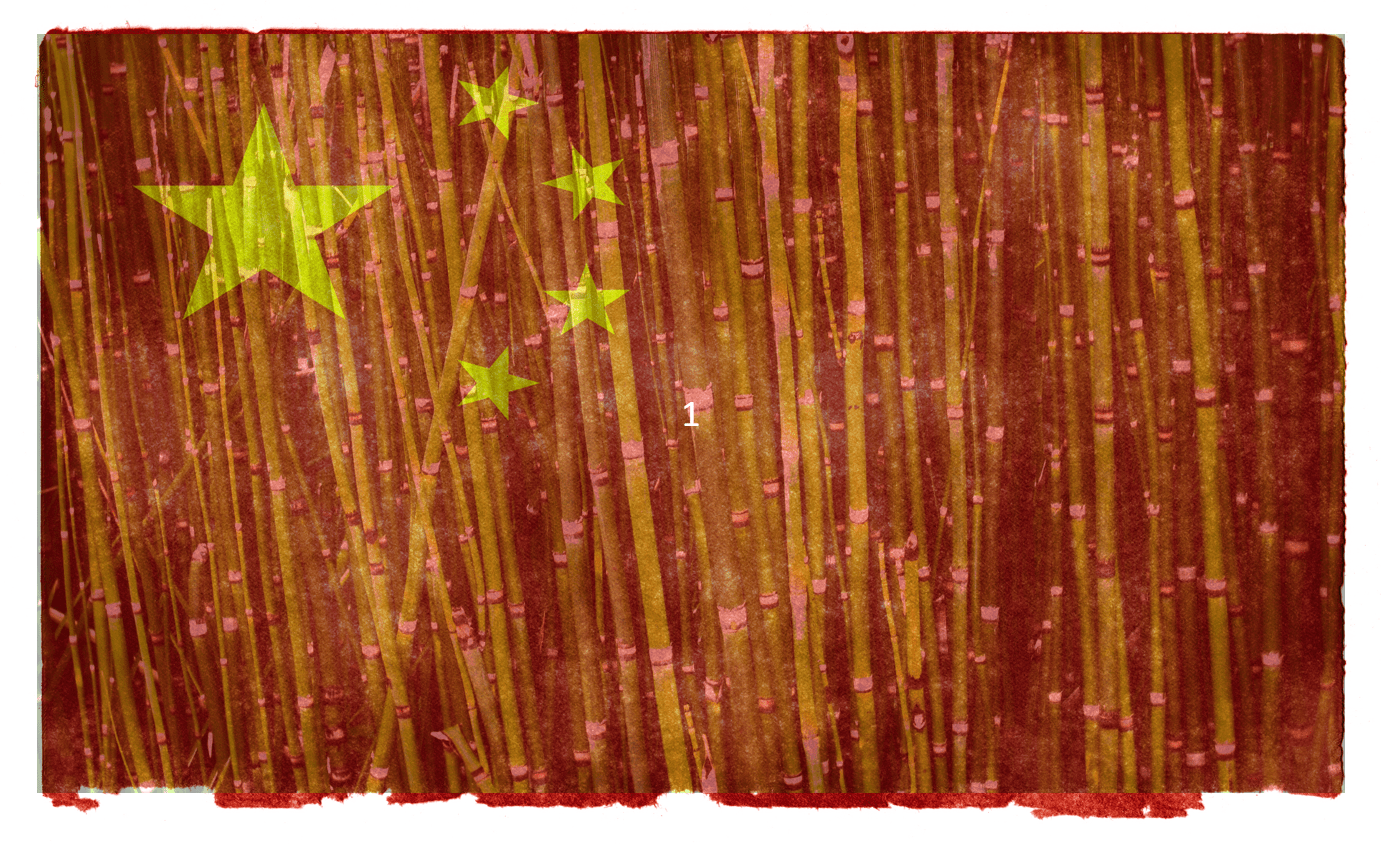
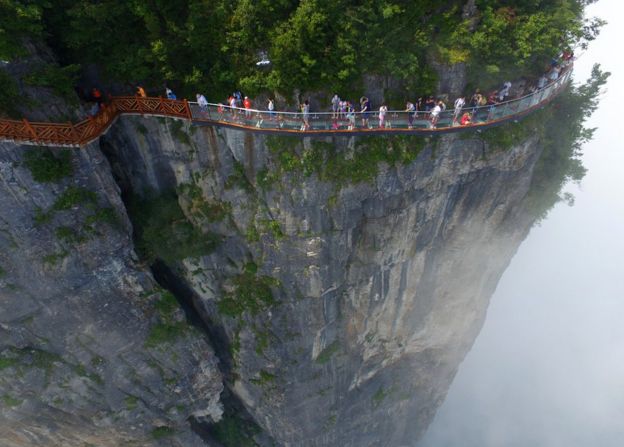
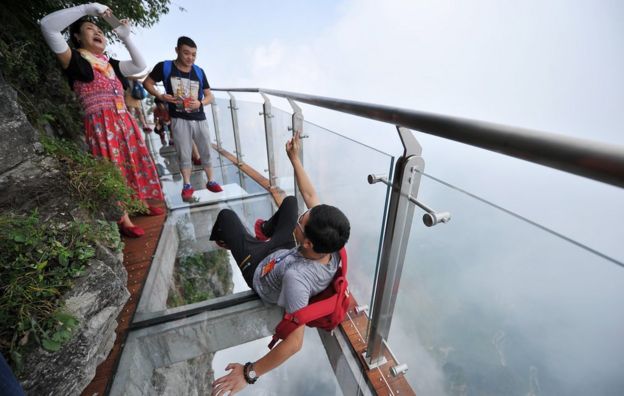
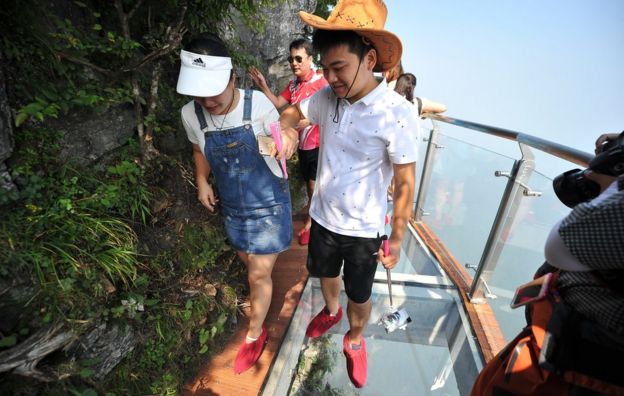
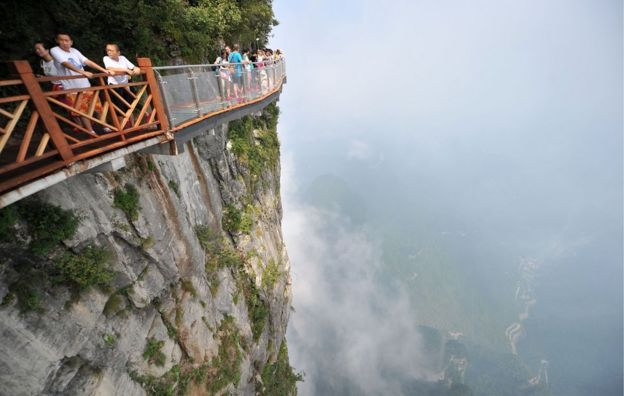
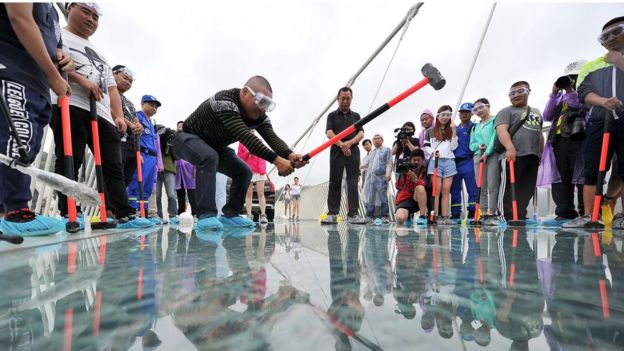
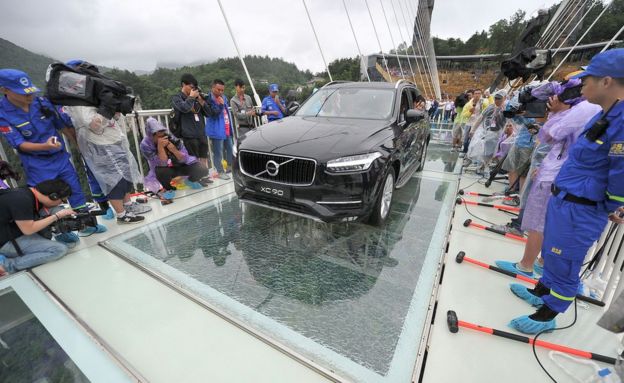
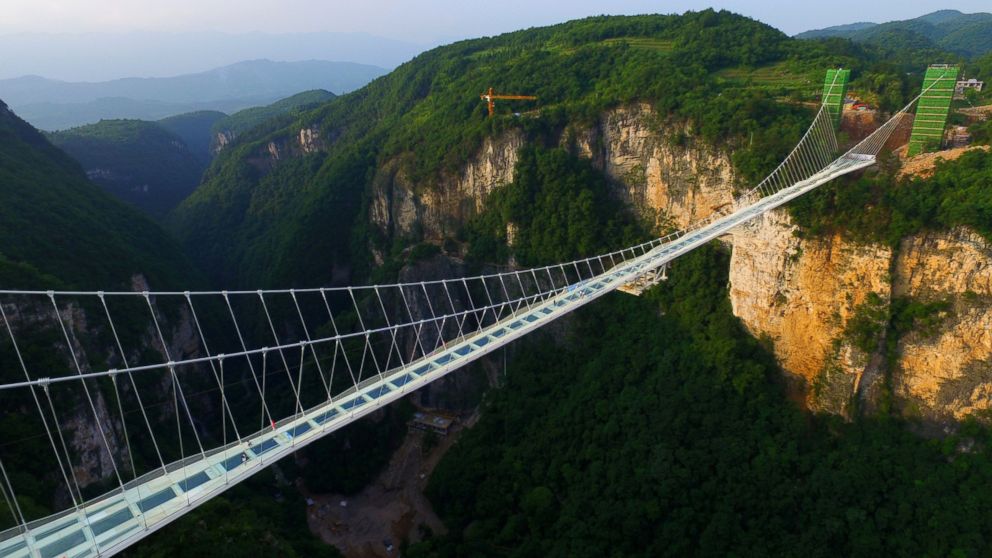
Communist China showcases her technological advancement by erecting structures such as Glass Walkway in Tianmen Mountain. Such use of technology is not resolving the problem of transparency in Communist Governance. In fact, the Glass Walkway symbolizes the lack of transparency of the dictatorial regime in Beijing. Red China must remove the Bamboo Curtain to reveal the full range of its oppressive measures to destroy Tibetan Culture and Identity.
Red China – The Problem of Transparency in Communist Governance: The Glass Walkway in Tianmen Mountain symbolizes the lack of transparency of the dictatorial regime in Beijing.
Glass walkway opens in Tianmen mountain, China
Red China – The Problem of Transparency in Communist Governance: The Glass Walkway in Tianmen Mountain symbolizes the lack of transparency of the dictatorial regime in Beijing.
This terrifying construction is part of the latest addition to China’s glass bridge craze.
Red China – The Problem of Transparency in Communist Governance: The Glass Walkway in Tianmen Mountain symbolizes the lack of transparency of the dictatorial regime in Beijing.
The Coiling Dragon path is in Zhangjiajie National Forest Park in Hunan province, and a new section opened to tourists on Monday.
Red China – The Problem of Transparency in Communist Governance: The Glass Walkway in Tianmen Mountain symbolizes the lack of transparency of the dictatorial regime in Beijing.
The 100-m walkway has 99 turns around the side of the sheer cliff face of Tianmen Mountain. For those immune to the terror of a vertical drop, it’s a perfect photo opp.
Red China – The Problem of Transparency in Communist Governance: The Glass Walkway in Tianmen Mountain symbolizes the lack of transparency of the dictatorial regime in Beijing.
Reassuringly some tourists, in their protective shoes, appeared more keen to cling to the walls and just get it over with.
Red China – The Problem of Transparency in Communist Governance: The Glass Walkway in Tianmen Mountain symbolizes the lack of transparency of the dictatorial regime in Beijing.
Braver tourists can enjoy spectacular views across the Hunan countryside. No, we’re not sure how this picture was taken either.
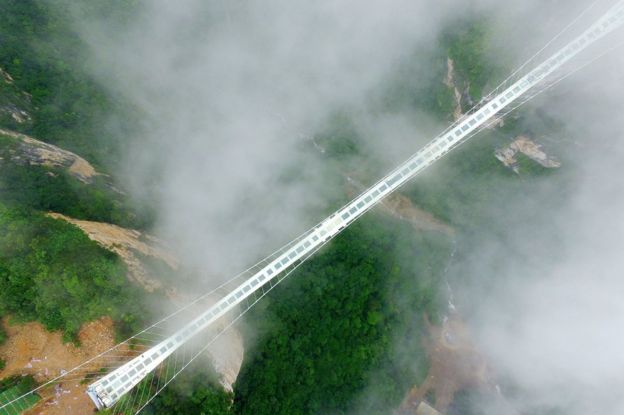
The Zhangjiajie park already offers tourists this – at 430 m (1,410 ft) and suspended over a 300 m-deep valley it is billed as the world’s longest glass bridge.
Glass Bridge in Zhangjiajie National Forest Park, Hunan Province. Red China – The Problem of Transparency in Communist Governance: The Glass Walkway in Tianmen Mountain symbolizes the lack of transparency of the dictatorial regime in Beijing. Glass Bridge in Zhangjiajie National Forest Park Showcases Unsafe Face of Communist Governance.
To assuage fears about safety, in June the park authorities deliberately cracked the glass then drove a car full of people over it. It was fine.
Red China – The Problem of Transparency in Communist Governance: The Glass Walkway in Tianmen Mountain symbolizes the lack of transparency of the dictatorial regime in Beijing. Sledgehammer Red Dragon to Crack Open its Secrets. Glass Bridge in Zhangjiajie National Forest Park, Hunan Province. Glass Bridge Showcases Unsafe Communist Governance.
And for good measure, they hit it with a sledgehammer.
Red China – The Problem of Transparency in Communist Governance: The Glass Walkway in Tianmen Mountain symbolizes the lack of transparency of the dictatorial regime in Beijing. Glass Bridge in Zhangjiajie National Forest Park Showcases Unsafe Face of Communist Governance.Red China – The Problem of Transparency in Communist Governance: The Glass Walkway in Tianmen Mountain symbolizes the lack of transparency of the dictatorial regime in Beijing. Glass Bridge in Zhangjiajie National Forest Park Showcases Unsafe Face of Communist Governance.
Trouble in Tibet – India – China Wars are mere Symptoms of a serious malady
Whole Trouble – India – China War of 1967 describes illegal occupation of Tibet. India – China War of 1962 and 1967 cannot be described as border conflicts for India and China do not share a common border. These conflicts are signs and symptoms of a serious malady called ‘Trouble in Tibet’, the Trouble caused by Tibet’s illegal occupation.
India – China War of 1962 and 1967 cannot be described as border conflicts for India and China do not share a common border. These conflicts are signs and symptoms of a serious malady called ‘Trouble in Tibet’, the Trouble caused by Tibet’s illegal occupation.
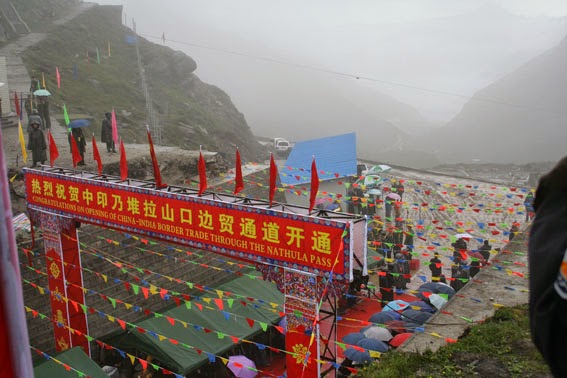
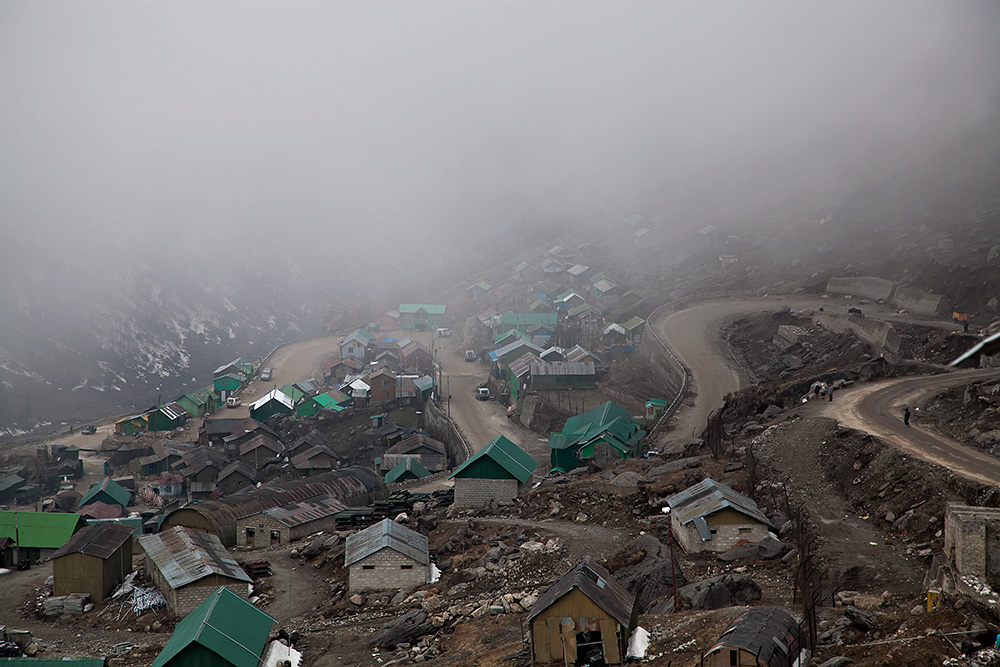
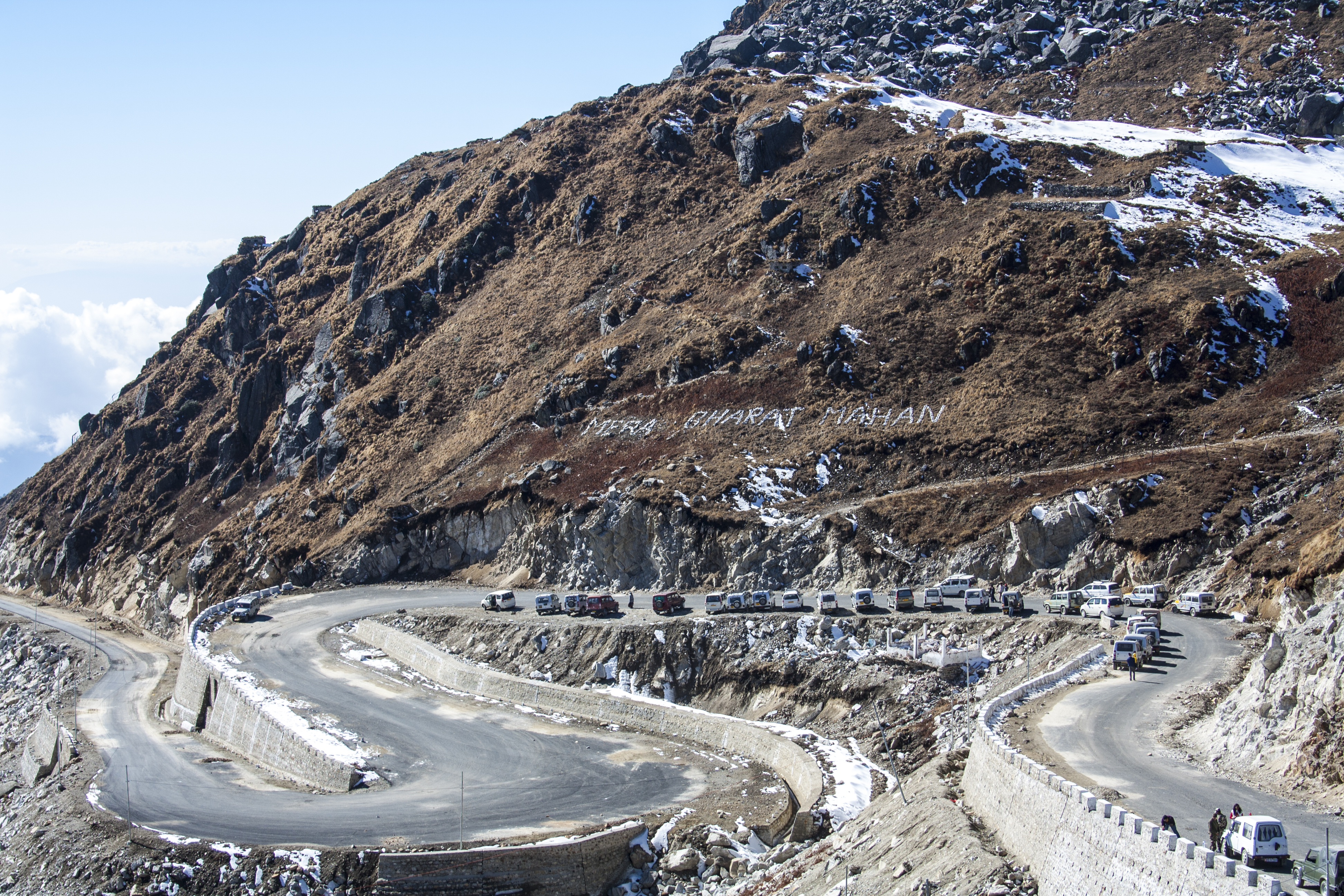
Trouble in Tibet – India – China Wars are mere Symptoms of a serious malady. A view of Nathu La pass, India – Tibet Border. India – China War of 1962 and 1967 cannot be described as border conflicts for India and China do not share a common border. These conflicts are signs and symptoms of a serious malady called ‘Trouble in Tibet’, the Trouble caused by Tibet’s illegal occupation.
The Story of Indian Army’s Nathu La & Cho La Stands that saved Sikkim from the Chinese Army!
Trouble in Tibet – India – China War of 1967. On any day, I can see Trouble in Tibet when I stand near Nathu La Pass, the Pass of “Listening Ears.” India – China War of 1962 and 1967 cannot be described as border conflicts for India and China do not share a common border. These conflicts are signs and symptoms of a serious malady called ‘Trouble in Tibet’, the Trouble caused by Tibet’s illegal occupation.India – China War of 1962 and 1967 cannot be described as border conflicts for India and China do not share a common border. These conflicts are signs and symptoms of a serious malady called ‘Trouble in Tibet’, the Trouble caused by Tibet’s illegal occupation.
This is how it happened at Nathu La ::
Nathu La was the only place in 4000 km long Indo-China border where two armies were separated by a meagre 30 yards.
Chinese held the northern shoulder of the pass while Indian Army had the southern shoulder. Two dominating features south and north of Nathu La namely Sebu La and Camel’s back were held by the Indians.
It started with scuffle between sentries :: Sentries of both the forces used to stand barely one meter apart in the centre of the Pass which is marked by Nehru Stone, commemorating Pandit Jawaharlal Nehru’s trek to Bhutan through Nathu La and Chumbi Valley in 1959.
On 6 September 1967, an argument soon turned into a scuffle in which the Chinese Political Commissar fell down and broke his spectacles. Chinese went back since they were thin in size. Indian Army, however, in order to de-escalate the tension decided the lay a wire in the centre of the Pass from Nathu La to Sebu La to demarcate the perceived border. The task was given to jawans of 70 Field Company of Engineers assisted by a company of 18 Rajput deployed at Yak La pass further north of Nathu La.
The actual face-off ::
The wire laying was to commence at first light on the fateful morning of 11 September 1967. With first light, the engineers and jawans started their bit of erecting long iron pickets from Nathu La to Sebu La along the perceived border while 2 Grenadiers and Artillery Observation Post Officers (AOPO) at Sebu La and Camel’s Back were on alert.
Soon, the Chinese arrived. Their Political Commissar, with a section of Infantry came to the centre of the Pass where Lt. Col Rai Singh, Commanding Officer (CO) of 2 Grenadiers was standing with his commando platoon.
The Chinese asked CO to stop the fencing. But Lt. Col was adamant as orders were clear. The argument soon turned into scuffle and once again the tiny Chinese Commissar got roughed up.
Chinese went back to their bunkers, but this time returned to salvage their insult. Minutes later a murderous medium machine gun fire from north shoulder of Nathu La ran riot and jawans of 70 Field Company and 18 Rajput were caught in the open.
Among the Indian causalities was Col Rai Singh who succumbed to the bullet injuries. He was awarded MVC later. Two other brave officers – Capt Dagar of 2 Grenadiers and Major Harbhajan Singh of 18 Rajput rallied a few troops and tried to assault the Chinese MMG but both died a heroic death. They were posthumously awarded Vir Chakra and MVC respectively. Within the ten minutes, there were nearly seventy dead and scores wounded lying in the open on the pass.
Indians in retaliation opened fire from artillery observation posts and as a result, most of the Chinese bunkers on North shoulder and in depth were completely destroyed and Chinese suffered very heavy casualties which by their own estimates were over 400. It was followed by a ferocious counter strike from the Mountaineers, Grenadiers and Rajputs which included close quarter combat also.
The artillery duel thereafter carried on relentlessly, day and night. For the next three days, the Chinese were taught a very good lesson.
On September 14th, Chinese threatened to use Air Force if shelling didn’t stop.
But by then a lesson was taught to the Chinese. Col Raj Singh and Maj Harbhajan Singh were awarded the Maha Vir Chakra posthumously while Capt Dagar was awarded the Vir Chakra.
Another duel at Cho La (1st October 1967) ::
It again started with sentries.
Minor scuffle between Sikh sentries and the Chinese on 30th September on a flat patch of icy land of about five metres on the unmarked boundary was the start of the stand off.
Information of scuffle reached late to CO, Major KB Joshi, but he didn’t waste anytime in telling Lt Rathore about anticipating a Nathu La like backlash. The CO decided to take stoke of the situation and thus reached Rai Gap area on the way to De Coy positions in morning.
While the Indian Sentry at post 15450 was visible, Major Joshi also observed that the post was being surrounded by a section strength of Chinese troops. Major Joshi at once informed Lt. Rathore of what he had seen. The later informed Major Joshi that the Chinese Coy Commander and the political commissar were staking claims to the boulder at the sentry post.
When Gorkha taught them a lesson ::
Naib Subedar Gyan Bahadur Limbu was having a heated argument with his counterpart at the sentry post during which he rested his right foot on the boulder under dispute. The Chinese kicked his foot away. Gyan put his foot back and challenged them. Events were moving quickly.
By this time the Chinese had taken up position, presumably because their commander had already taken a decision to escalate the incident. And one of the Chinese sentries bayoneted Gyan wounding him in the arm.
The Gorkha’s response was swift and soon both arms of the Chinese who hit the JCO were chopped off with a Khukri. At this point the Chinese opened fire and the two sides engaged in a firefight at close range. Lance Naik Krishna Bahadur, the Post Commander, then led a charge against the Chinese in the vicinity who were forming up for an assault. Although hit and incapacitated, he continued to harangue his men forward.
Rifleman Devi Prasad Limbu directly behind his Post Commander was already engaged in a close quarter battle with the enemy and his Khukri took off five Chinese heads.
But he was soon claimed by a direct hit. For his actions he was awarded a Vir Chakra, Posthumous. Meanwhile at Pt. 1540 Lt. Rathore was wounded in his left arm as soon as the firing started. He nevertheless continued to lead until he was hit in the chest and abdomen and died thereafter.
From here on Major Joshi took over immediately and his accurate mortar fire on Chinese positions around Point 15450 put an end to further activity in this area.
CO took matter in his hands ::
While Point 15450 was temporarily quiet, Tamze and the Rai Gap area came under rocket and RCL fire at around 10:50 am. The mortar position at Tamze came under heavy pressure as it threatened the rear of the Chinese positions. J&K Rifles stationed there suffered heavy casualties when one of their bunkers received a direct hit by RCL fire.
Soon, Major Joshi’s escort was killed and a handful of Chinese soldiers tried to move towards Major Joshi’s party. These troops withdrew after Major Joshi took down two Chinese. The fighting, however, continued.
Chinese wanted to shift the location of fight and hence stopped firing. But immediately retaliated by bringing down fire on Timjong’s position, another position closer by.
Major Joshi, undaunted, even though alone, continued to fire until all ammunition was exhausted. By 11:30 am troops were withdrawn back from Pt. 15450 under covering fire from MMGs on Pt. 15180.
Though the Chinese shot green lights indicating a ceasefire but at Pt. 15180 Major Joshi noticed some enemy troops lined up just below the crest at Rai Gap and engaged them, forcing them to scatter. while thwarting them back into their territory, Major Joshi shot four more.
The last assault ::
Despite great show, Pt 15540 was still under Chinese control. Thus operation was launched at 1700 hours after he met his men at camp. Soon Captain Parulekar and B Coy were given the task to capture Pt 15540, but they fumbled in dark.
Chinese fired magnesium flares to see the activity but failed. Captain Parulekar realized it was risky to move further, thus he waited. At 06:40 pm, Major Joshi ordered Parulekar and the platoon to outflank the enemy from a north-west direction, while the rest of the company and supporting mortars were readied for a frontal assault.
The offensive was about to be launched when the Chinese saw Indians occupying key positions to nail them. Thus they retreated and Pt 15540 was captured without firing a single shot.
During the whole standoff, the Chinese lost more than 50 soldiers while Indian Army conceded 15 of its valiant soldiers.
Trouble in Tibet – India – China War of 1967. Nathu La Pass, Sikkim, India. India – China War of 1962 and 1967 cannot be described as border conflicts for India and China do not share a common border. These conflicts are signs and symptoms of a serious malady called ‘Trouble in Tibet’, the Trouble caused by Tibet’s illegal occupation.
Trouble in Tibet – India – China War of 1967. On any day, I can see Trouble in Tibet when I stand near Nathu La Pass, the Pass of “Listening Ears.” India – China War of 1962 and 1967 cannot be described as border conflicts for India and China do not share a common border. These conflicts are signs and symptoms of a serious malady called ‘Trouble in Tibet’, the Trouble caused by Tibet’s illegal occupation.Trouble in Tibet – India – China War of 1967. On any day, I can see Trouble in Tibet when I stand near Nathu La Pass, the Pass of “Listening Ears.” India – China War of 1962 and 1967 cannot be described as border conflicts for India and China do not share a common border. These conflicts are signs and symptoms of a serious malady called ‘Trouble in Tibet’, the Trouble caused by Tibet’s illegal occupation.
Trouble in Tibet – Walk The Talk – Red China’s Road Block. Peaceful Conflict Resolution in Occupied Tibet is impossible while Red China erects Road Block halting The Walk for Talks.
The Road Map for Peace and Reconciliation in Occupied Tibet is presented as “Umaylam” or Middle Way Approach. However, Red China is unwilling to talk or negotiate with the Dalai Lama on the issue of introducing ‘Meaningful Autonomy’ in Occupied Tibet. While it is commendable to recommend ‘Talk’ as a tool for Peaceful Conflict Resolution, how to get Red China to Walk to The Conference Table? If China refuses to Talk, How to Walk The Talk on Peaceful Conflict Resolution? Peaceful Conflict Resolution in Occupied Tibet is impossible while Red China erects Road Block halting The Walk for Talks.
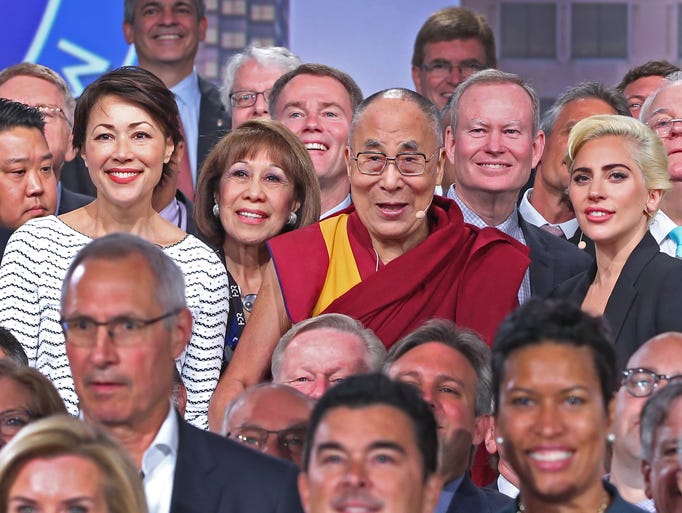
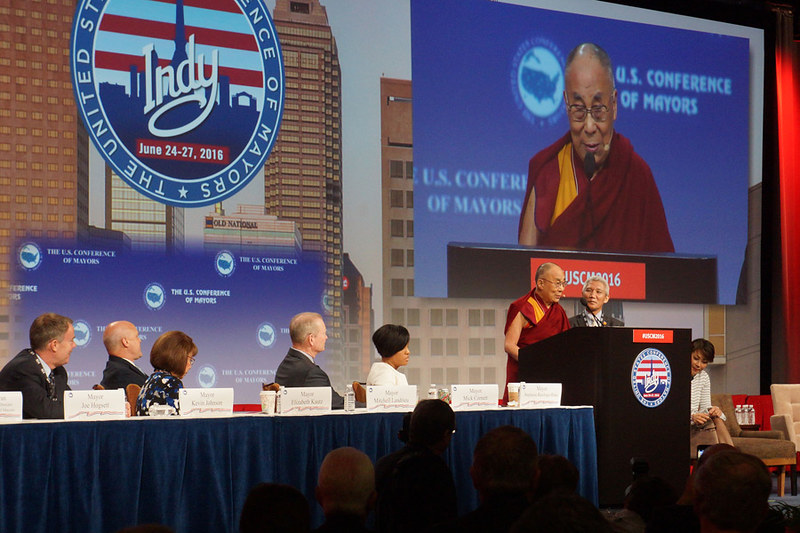
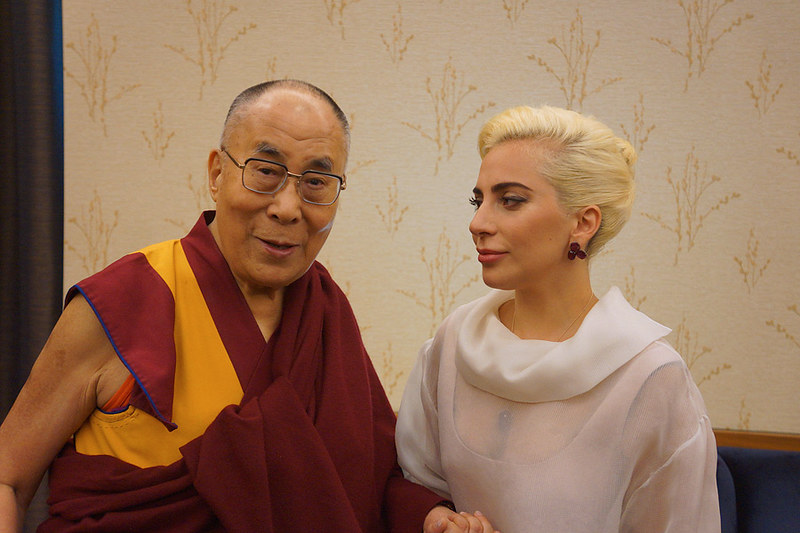
Trouble in Tibet – Walk The Talk – Red China’s Road Block. Dalai Lama and Lady Gaga talked about the role of compassion to resolve conflicts in changing world. If China is Unwilling to Talk, How to Walk The Talk on Peaceful Conflict Resolution?
OUR OPINION: GOOD ADVICE FROM THE DALAI LAMA WE SHOULD ALL FOLLOW
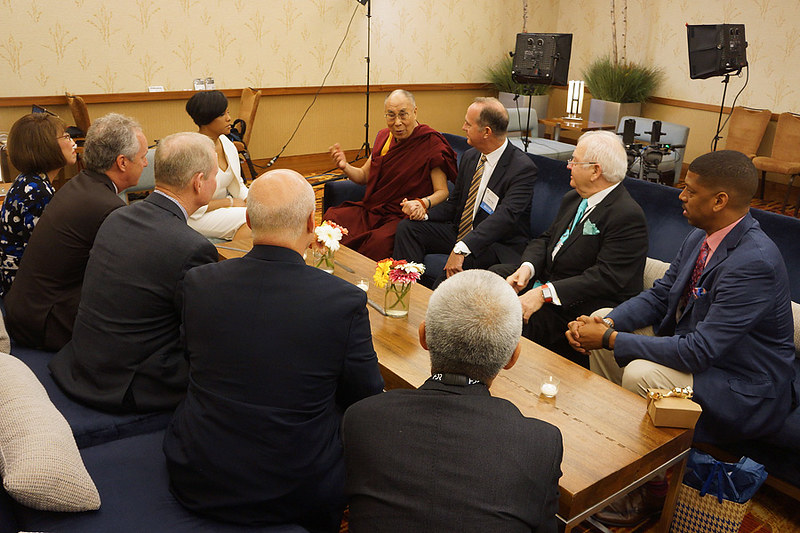
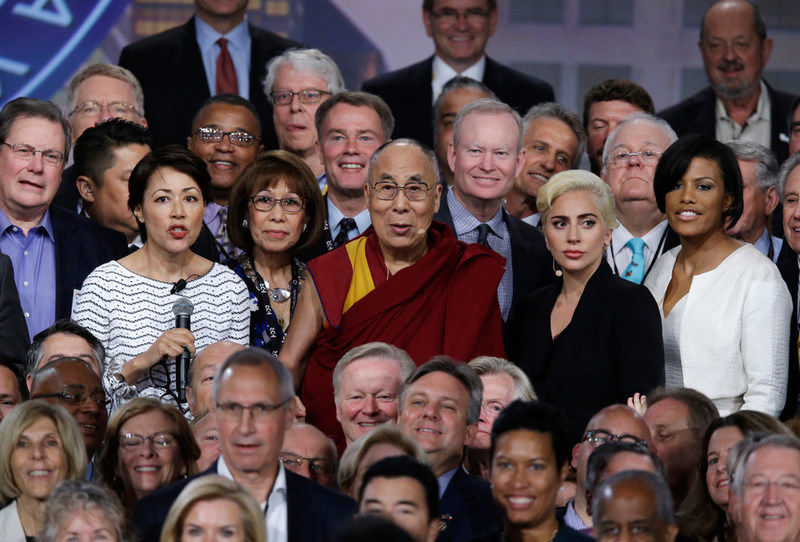
Trouble in Tibet – Walk The Talk – Red China’s Road Block. The Dalai Lama and Lady Gaga at the U.S. Conference of Mayors in Indianapolis. If China is Unwilling to Talk, how to Walk The Talk on Peaceful Conflict Resolution?
The Dalai Lama and Lady Gaga pose for a photo with mayors attending the U.S. Conference of Mayors in Indianapolis on Sunday.
The message was simple, but in the midst of a presidential campaign filled with mean tweets, name-calling and a general air of nastiness, it sounded downright revolutionary and refreshing.
Be kind. Practice compassion.
That was a theme of the keynote address delivered by the Dalai Lama Sunday at the U.S. Conference of Mayors annual meeting in Indianapolis. According to an Indianapolis Star report, in a discussion that followed the address, the Buddhist leader, along with entertainer Lady Gaga and philanthropist Philip Anschuwitz, talked to more than 200 of the nation’s city mayors about the importance of being kind in a violent and angry world.
He said that people are compassionate by nature, and that enemies can be the best of friends.He also noted that the time has come for America to be the leading nation in the promotion of human compassion, human love in order to achieve compassionate world.
While there are compassionate people to be found in communities such as ours, there is no denying that the national discourse has deteriorated over the years. That’s thanks in no small part to a Congress where inflexibility is prized, demonizing the opposition plays well and failure to compromise on such mammoth challenges as immigration reform is the norm. And four months from the election of a new president, things are certain to get even uglier and more divisive.
In a panel discussion short on policy proposals and heavy on philosophy, the Dalai Lama called the 20th century the century of violence,and suggested that the 21st century should be one of talk.
That sounds good to us. Now if only he can get certain folks in Washington, D.C. and on the campaign trail to listen.
Trouble in Tibet – Walk The Talk – Red China’s Road Block. His Holiness the Dalai Lama at the U.S. Conference of Mayors in Indianapolis. If China is Unwilling to Talk, How to Walk The Talk on Peaceful Conflict Resolution?Trouble in Tibet – Walk The Talk – Red China’s Road Block. His Holiness the Dalai Lama and Lady Gaga talked about Compassion at the U.S. Conference of Mayors in Indianapolis. How to get Red China to the Conference Table?Trouble in Tibet – Walk The Talk – Red China’s Road Block. His Holiness the Dalai Lama at the U.S. Conference of Mayors in Indianapolis. How to get Red China to The Conference Table?Trouble in Tibet – Walk The Talk – Red China’s Road Block. His Holiness the Dalai Lama, Lady Gaga, and the U.S. Mayors held Talks at the U.S. Conference of Mayors in Indianapolis. The Talks are Over. Who is going to Walk The Talk?
Trouble in Tibet – Chinese Repression Sealed Off Tibet
I speak about the Political Rights of Tibetans who are opposed to Red China’s military occupation of Tibet. Tibetans are not allowed to exercise any Human Rights. Chinese Repression transformed Tibet into a vast Military Prison.
Trouble in Tibet – Chinese Repression Sealed Off Tibet
Has Chinese repression sealed off Tibet?
Exile arrivals in India have plummeted from 3,320 in 2005 to just six so far this year
By SARANSH SEHGAL
DHARAMSALA/INDIA, 22 June 2016
As Chinese border guards searched the cargo truck he was hiding in, Yonten’s heart began to race. If they discovered him among the boxes, his attempt to escape Tibet would be over and he would end up in prison instead of India.
“I’m lucky I made it,” he said in an interview in Dharamsala, in northern India, where he has been granted asylum. “There are hundreds thinking of fleeing every day, but they fear being caught and further tortured by the Chinese police.”
The Tibetan exile spoke under the assumed name of Yonten for fear of reprisals against his family back home. China’s repressive policies in Tibet have been well documented, and rights groups say that activists and those trying to flee are often detained and tortured.
Following a crackdown on civil unrest in 2008, China stepped up its surveillance of Tibetans, tightened border security, and leaned on neighbouring Nepal to restrict entrance and send refugees back. Data provided to IRIN by the Tibetan Reception Centre in Dharamsala shows that the measures appear to have worked.
The number of Tibetans arriving in India fell from 3,320 in 2005 to 608 in 2008. In 2014, the year Yonten made it across the border into Nepal and onward to India, he was one of only 93 arrivals. So far this year, just six Tibetan refugees have made it.
An official who answered the phone at China’s Foreign Ministry in Beijing declined to answer questions about Tibet, but past official statements have largely ignored allegations of human rights abuses. Instead, China tends to emphasize investment and economic development in Tibet.
For example, the state-owned Xinhua news agency reported that China has invested $4.9 billion in water infrastructure over the past two decades, irrigating 200,000 hectares and providing safe drinking water for 2.4 million people. Another Xinhua article emphasised Tibet’s double-digit economic growth over the same time period.
Bloody crackdown
Economic growth may be convincing some Tibetans to stay home, but it is unlikely to entirely account for the precipitous drop in refugee arrivals in India since 2008. And in the minds of many Tibetan refugees and activists, economic development does not make up for China’s sometimes brutal history in the region.
China annexed Tibet in 1950 and brutally repressed a rebellion in 1959, the year the Dalai Lama escaped with thousands of followers and settled in India. By 2001, at least 110,000 Tibetans had fled to India, according to the UN refugee agency, UNHCR.
But the flood of Tibetan refugees was reduced to a trickle after the unrest of March 2008, which began with protests by Buddhist monks, but turned into riots. Police battled protestors, while some Tibetans also attacked members of communities who had migrated to Tibet from the rest of China. Estimates of the number killed and injured range from scores to hundreds, but it’s difficult to say with any certainty since China strictly limits media access to Tibet.
A two-year investigation on the crackdown by Human Rights Watch found that “Chinese forces broke international law – including prohibitions against disproportionate use of force, torture and arbitrary detention, as well as the right to peaceful assembly”.
Travel restrictions
In addition to imposing measures to prevent Tibetans from leaving their homeland, China has exerted pressure on neighbouring Nepal. Although India and Tibet do share a border, much of the frontier is disputed and militarized, and the rugged territory high in the Himalayas makes it a difficult crossing. Nepal remains the main route from Tibet to India, although it has become more restricted over the past few years.
“As a result of a massive security presence in Tibetan areas of China and increased cooperation between Nepalese and Chinese security forces in recent years, China has been able to stem the flow of Tibetan refugees escaping to Nepal,” said HRW in a 2014 report.
Nepal’s apparent cooperation with China has coincided with a surge of Chinese investment in that country, suggesting that there may be economic factors at play. Nepal’s Foreign Ministry said it would respond to questions from IRIN but did not reply before publication. When the HRW report was released, an official told the AFP news agency that Nepal was not deporting refugees, but was treating them humanely, and was not under pressure from China. Other sources, however, said the allegations were true.
When approached for comment on the number and treatment of Tibetan refugees in Nepal, UNHCR referred IRIN to the Tibetan Refugee Reception Centre, which it works with in that country.
“The Chinese government puts a lot of pressure on the Nepalese government to act against Tibetans escaping across the border and, in that course, hundreds get deported and, thereafter, the Chinese army detains and tortures them,” said a spokesperson from the centre. “This has become a norm since the past five to seven years.”
Even as China has stepped up security along the border, Tibetans are now subject to severe travel restrictions even within Tibet, said Robert Barnett, director of the Modern Tibet Studies Programme at Columbia University.
“Controls have been increased not just at the border itself, but on the roads leading to the border areas, and special permits are required to enter those within about 30 kilometres of the border,” he told IRIN. “There have also been increased controls on travel throughout Tibet as well.” ss/jf/ag
Trouble in Tibet – Which Type of Force Can Evict China? Dalai Lama Opens California Temple With Message of Compassion.




















 Whole Dude - Whole Concept