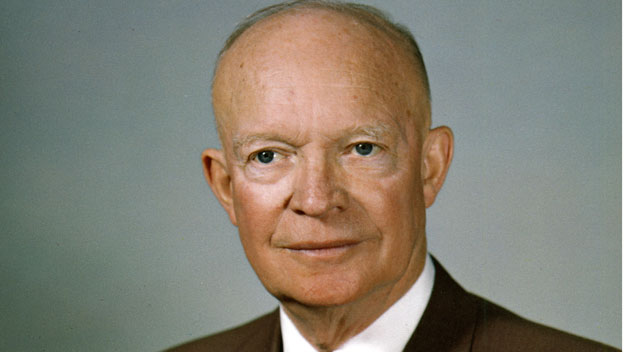
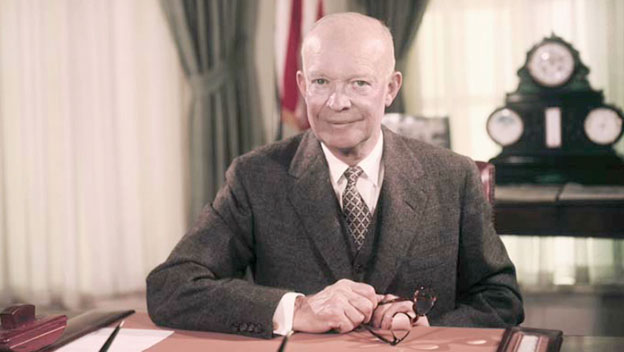
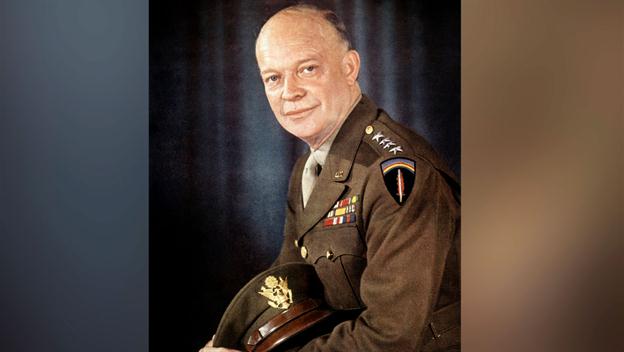
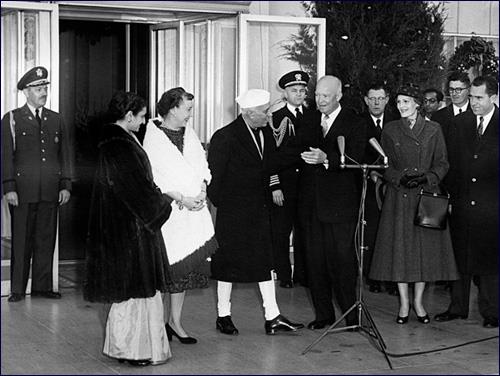
“In God We Trust” – Special Frontier Force trusts President Eisenhower
Whole Dude – Whole Trust: The beginning of the Cold War in Asia in 1949 with the Communist takeover of mainland China.
Excerpt: Both the US Government and the Central Intelligence Agency maintain their silence about the support given to the Tibetan Resistance Movement and the eventual creation of Establishment -22/Special Frontier Force, a military alliance/pact between the US, Tibet, and India to fight the military threat posed by Communist China when it occupied Tibet in 1950 and forced His Holiness the 14th Dalai Lama to lead a life in exile. Indeed, that is the Whole Secret. The US, India and Tibet agreed to keep the US role in Tibet as a Secret and I signed a Declaration in Chakrata, India during September 1971 to keep the Tibet Operation as a Secret under the provisions of the Official Secret Acts of India.
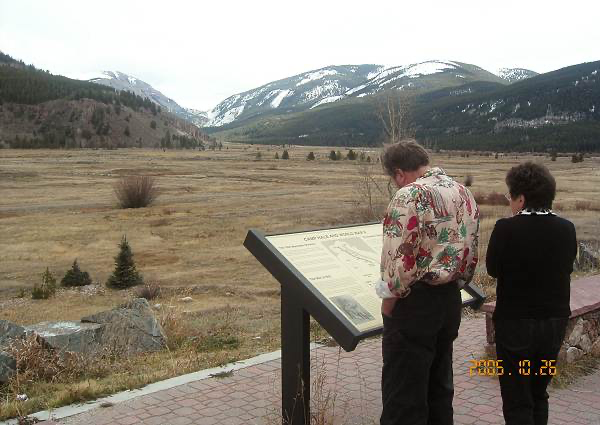
Whole Dude – Whole Secret: The US military support to Tibet began during Hump Airlift Operation. I served at Dum Duma (Doom Dooma, Assam). Some flights delivered weapons and ammunition to Tibet. Special Frontier Force Reviews Hump Airlift Operation 1942 – 1945.TIBET AWARENESS – PROJECT CIRCUS. The quest for freedom in Tibet. A military training camp known as Camp Hale was established in Colorado under the supervision of CIA officers Roger E. McCarthy and John Reagan.Whole Dude – Whole Trust: “In God We Trust.” The Tibetan Resistance Movement trusts President Eisenhower. Mutual Trust, Respect, and Commitment formulate the US-India-Tibet Relations.
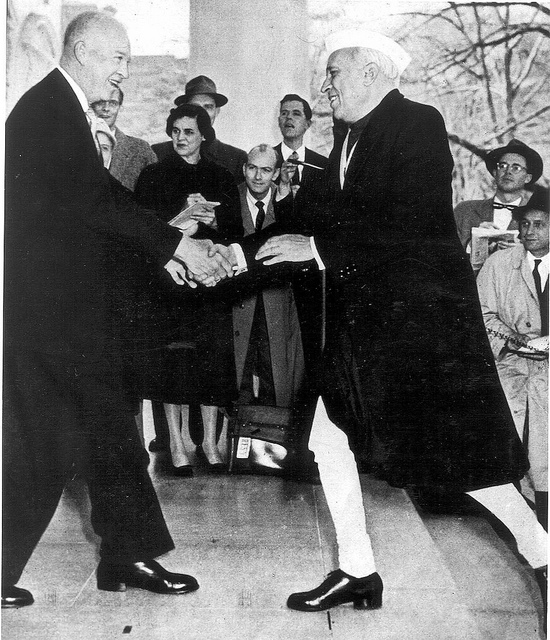
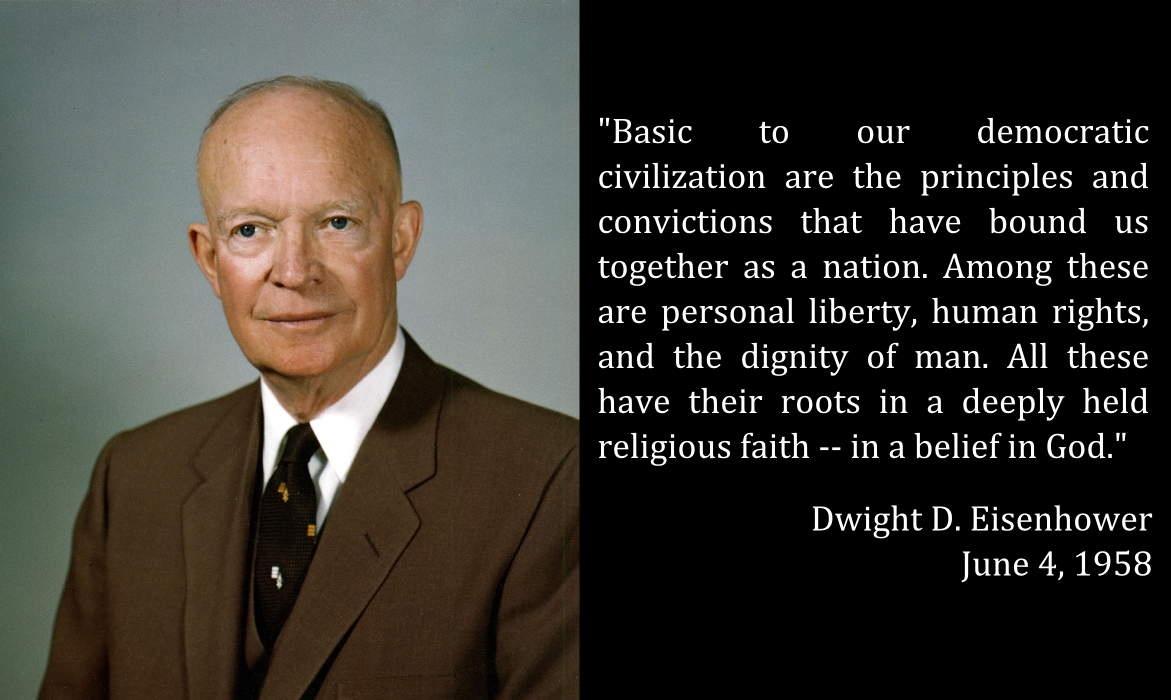
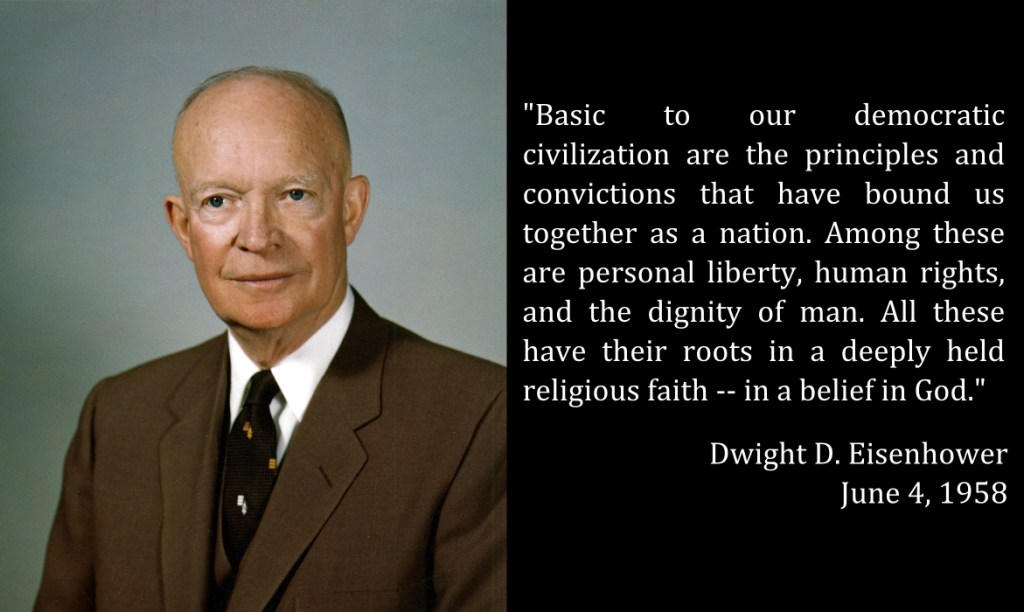
On July 30, 1956, US President Eisenhower signs “In God We Trust” into Law. The same year, President Eisenhower initiated action in support of the Tibetan Resistance Movement which contributed to the creation of Special Frontier Force during the presidency of John F. Kennedy.
Whole Dude – Whole Trust: “In God We Trust.” – Special Frontier Force Trusts President Eisenhower. Trust, Respect, and Commitment formulate Relations between the US, India, and Tibet.
President Eisenhower signs “In God We Trust” into law On this day in 1956, two years after pushing to have the phrase “under God” inserted into the pledge of allegiance, President Dwight D. Eisenhower signs a law officially declaring “In God We Trust” to be the nation’s official motto. The law, P.L. 84-140, also mandated that the phrase be printed on all American paper currency. The phrase had been placed on U.S. coins since the Civil War when, according to the historical association of the United States Treasury, religious sentiment reached a peak. Eisenhower’s treasury secretary, George Humphrey, had suggested adding the phrase to paper currency as well.
Although some historical accounts claim Eisenhower was raised a Jehovah’s Witness, most presidential scholars now believe his family was Mennonite. Either way, Eisenhower abandoned his family’s religion before entering the Army and took the unusual step of being baptized relatively late in his adult life as a Presbyterian. The baptism took place in 1953, barely a year into his first term as president.
Although Eisenhower embraced religion, biographers insist he never intended to force his beliefs on anyone. In fact, the chapel-like structure near where he and his wife Mamie are buried on the grounds of his presidential library is called the “Place of Meditation” and is intentionally inter-denominational. At a Flag Day speech in 1954, he elaborated on his feelings about the place of religion in public life when he discussed why he had wanted to include “under God” in the pledge of allegiance: “In this way we are reaffirming the transcendence of religious faith in America’s heritage and future; in this way we shall constantly strengthen those spiritual weapons which forever will be our country’s most powerful resource in peace and war.”
The first paper money with the phrase “In God We Trust” was not printed until 1957. Since then, religious and secular groups have argued over the appropriateness and constitutionality of a motto that mentions “God,” considering the founding fathers’ dedication to maintaining the separation of church and state.
Whole Dude – Whole Trust: “In God We Trust” – Special Frontier Force Trusts President Eisenhower. CIA Director Allen Welsh Dulles forged Trust derived relationships.Whole Dude – Whole Trust: “In God We Trust” – Special Frontier Force Trusts President Eisenhower. CIA Director Allen Welsh Dulles, and President John F. Kennedy promoted national interests forging relationships.Whole Dude – Whole Trust: The history of Special Frontier Force-Establishment No. 22: 1957 was a turning point. India had recognized that its foreign policy of political neutralism was of no use and had started depending upon the United States to address the military threat posed by China’s occupation of Tibet. But, the effort was too modest and both India and the United States had grossly underestimated the strength of the People’s Liberation Army.Whole Dude – Whole Trust: Establishment No. 22 – Operation Eagle: This shoulder badge represents a military alliance/pact between India, Tibet, and the United States of America. Its first combat mission was in the Chittagong Hill Tracts which unfolded on 03 November 1971. It was named Operation Eagle. It accomplished its mission of securing peace in the region that is now known as Republic of Bangladesh.Whole Dude – Whole Trust: On June 03, 1972, His Holiness The 14th Dalai Lama visited Headquarters Establishment Number.22, C/O 56 APO to inspect the Tibetan soldiers who serve in the multinational military organization called Special Frontier Force. I served as the Medical Officer at this military Establishment and my duties required the verification of mental, and physical preparedness of all the men.Whole Dude – Whole Trust: “In God We Trust” – Special Frontier Force Trusts President Eisenhower. Trust in God is the Foundational Principle to formulate Foreign Relations.Whole Dude – Whole Trust: “In God We Trust” – Special Frontier Force Trusts President Eisenhower. Trust in God is the Foundational Principle to formulate Foreign Relations.Whole Dude – Whole Trust: “In God We Trust” – Special Frontier Force Trusts President Eisenhower. Trust in God is Foundational Principle to define Foreign Policy.Whole Dude – Whole Trust: “In God We Trust” – Special Frontier Force Trusts President Eisenhower. Trust is the Foundational Principle to define Relations.Whole Dude – Whole Trust: “In God We Trust” – Special Frontier Force Trusts President Eisenhower. Belief in God, and Trust in Leadership.Whole Dude – Whole Trust: “In God We Trust” – Special Frontier Force Trusts President Eisenhower. Trust survived the Test of Times.Whole Dude – Whole Trust: “In God We Trust” – Special Frontier Force Trusts President Eisenhower for his principled Belief in God.Whole Dude – Whole Trust: “In God We Trust” – Special Frontier Force Trusts President Eisenhower, his legacy reflects the value of Trust. Whole Dude – Whole Trust: “In God We Trust” – Special Frontier Force Trusts President Eisenhower who initiated Trusting Partnership between the US, India, and Tibet.Whole Dude – Whole Trust: “In God We Trust” – Special Frontier Force Trusts President Eisenhower. December 16, 1956, witnessed a trusting relationship. Vice President Richard M. Nixon is my Witness.Whole Dude – Whole Trust: “In God We Trust” – Special Frontier Force Trusts President Eisenhower. December 16, 1956. The US-India-Tibet Relations endure reflecting Trust.Whole Dude – Whole Trust: “In God We Trust” – Special Frontier Force Trusts President Eisenhower. Relations derive Spiritual Strength from Belief in God.
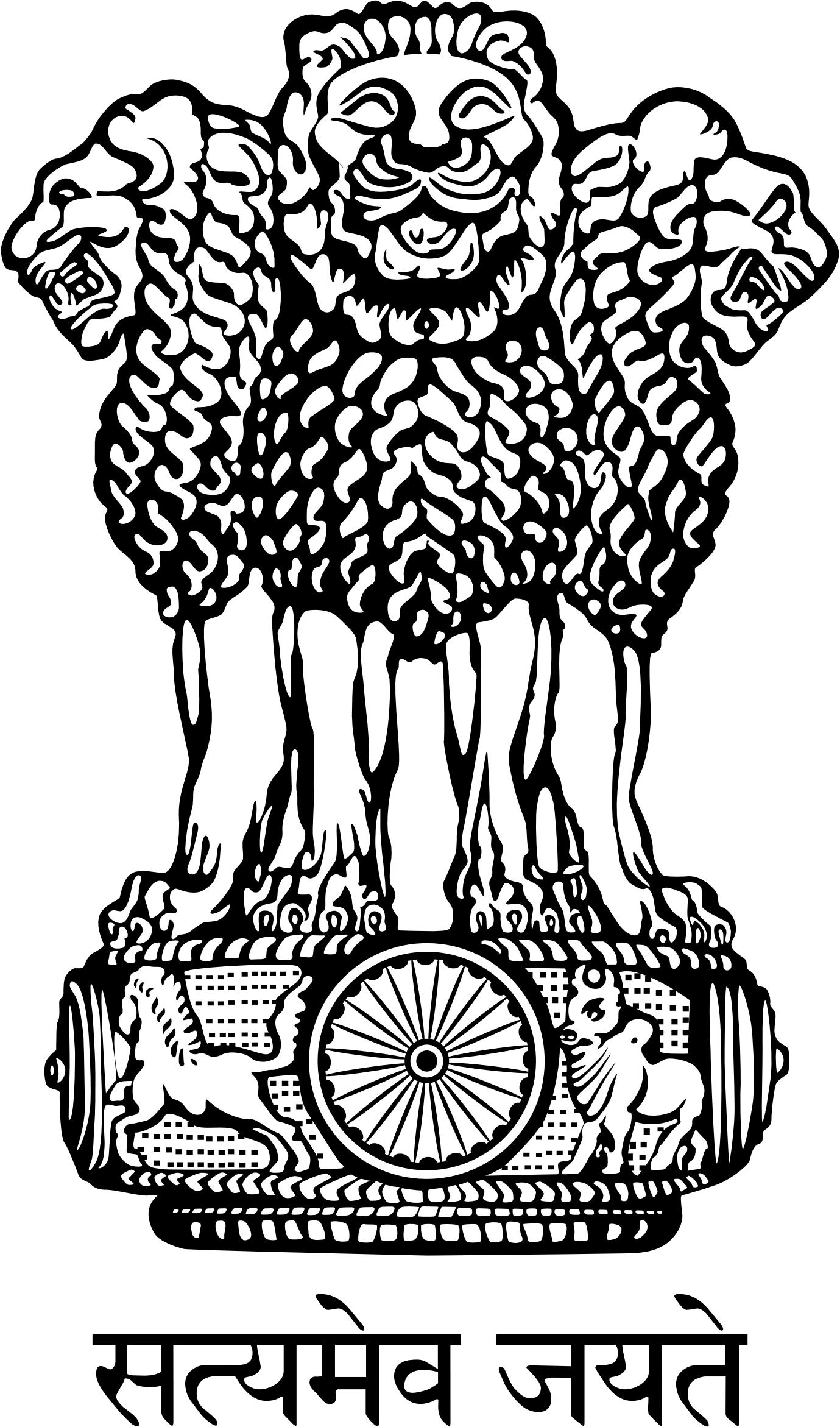
Whole Dude – Whole Secret: SPECIAL FRONTIER FORCE – THE OFFICIAL SECRETS ACT: INDIA’S NATIONAL EMBLEM PROCLAIMS THE OFFICIAL MOTTO OF INDIA, “SATYA MEVA JAYATE,” TRUTH ALONE TRIUMPHS. I SHALL TRUTHFULLY SUPPORT INDIA’S RELATIONS WITH FOREIGN STATES
Tibet Awareness – Project Circus
Whole Dude – Whole Secret: The beginning of the Cold War in Asia in 1949 with the Communist takeover of mainland China.
Excerpt: Both the US Government and the Central Intelligence Agency maintain their silence about the support given to the Tibetan Resistance Movement and the eventual creation of Establishment -22/Special Frontier Force, a military alliance/pact between the US, Tibet, and India to fight the military threat posed by Communist China when it occupied Tibet in 1950 and forced His Holiness the 14th Dalai Lama to lead a life in exile. Indeed, that is the Whole Secret. The US, India and Tibet agreed to keep the US role in Tibet as a Secret and I signed a Declaration in Chakrata, India during September 1971 to keep the Tibet Operation as a Secret under the provisions of the Official Secret Acts of India.
Whole Dude – Whole Secret: The CIA covert operations inside Tibet led to the creation of a military organization called Establishment Number. 22, or Special Frontier Force which was formed in 1962 during the presidency of John F. KennedyTIBET AWARENESS – PROJECT CIRCUS. TRIBUTE TO PRESIDENT DWIGHT DAVID EISENHOWER.
The New York Review of Books reviewed the book, ‘TIBET: THE CIA’S CANCELLED WAR’ by Jonathan Mirsky. My readers may know that the US Central Intelligence Agency or CIA has no constitutional powers to wage wars or to make treaties. I am glad to inform my readers that the War is not over; Tibetan Resistance Movement is alive and Red China’s military occupation is opposed with patience and perseverance while Tibetans continue to endure pain and suffering.
Whole Dude – Whole Secret: “In God We Trust.”
The New York Review of Books
NYR DAILY
TIBET: THE CIA’S CANCELLED WAR
JONATHAN MIRSKY
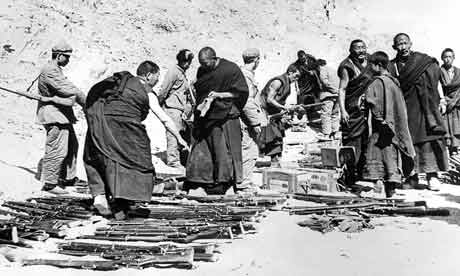
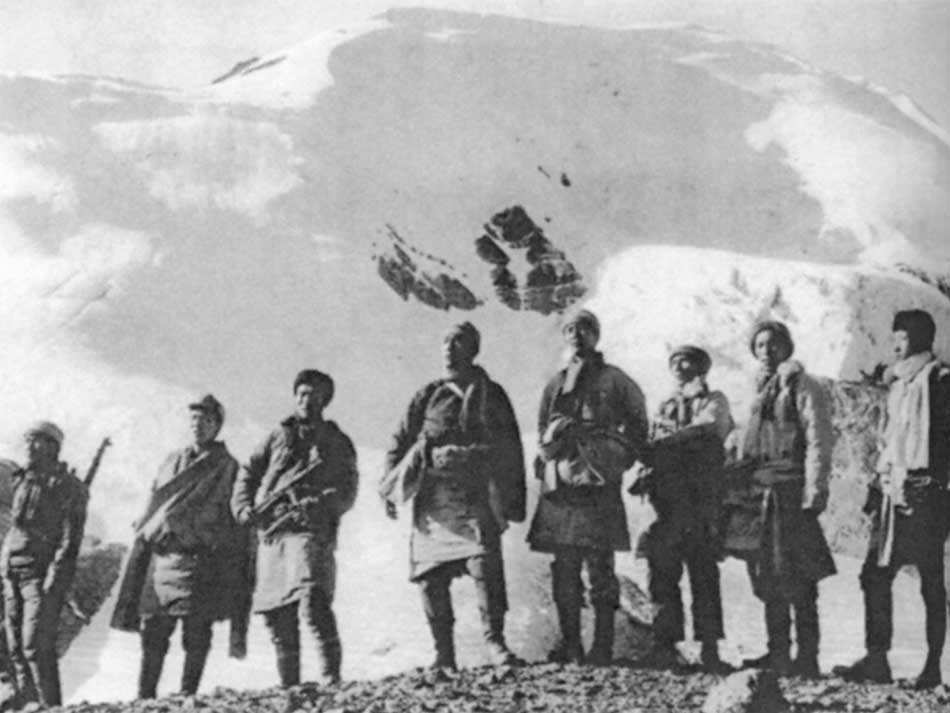
Whole Dude – Whole Secret: Lhamo Tsering Collection Resistance fighters on the Tibetan border during the early years of the CIA’s Tibet program
For much of the past century, US relations with Tibet have been characterized by kowtowing to the Chinese and hollow good wishes for the Dalai Lama. As early as 1908, William Rockhill, a US diplomat, advised the Thirteenth Dalai Lama that “close and friendly relations with China are absolutely necessary, for Tibet is and must remain a portion of the Ta Ts’ing [Manchu] Empire for its own good.” Not much has changed with the Fourteenth Dalai Lama one hundred years later. After a meeting in 2011 with President Obama in the White House Map Room—the Oval Office being too official—the Dalai Lama was ushered out the back door, past the garbage cans. All this, of course, is intended to avoid condemnation from Beijing, which regards even the mildest criticism of its Tibet policy as “interference.”
However there was one dramatic departure from the minimalist approach. For nearly two decades after the 1950 Chinese takeover of Tibet, the CIA ran a covert operation designed to train Tibetan insurgents and gather intelligence about the Chinese, as part of its efforts to contain the spread of communism around the world. Though little known today, the program produced at least one spectacular intelligence coup and provided a source of support for the Dalai Lama. On the eve of Richard Nixon’s historic 1972 meeting with Mao, the program was abruptly cancelled, thus returning the US to its traditional arm’s-length policy toward Tibet.
Whole Dude – Whole Secret: I was serving in D-Sector, Establishment No. 22 during February 1972 while US President Richard M. Nixon visited Peking. I confirm that the CIA Tibet Program was not cancelled but got modified. Special Service Award presented by all Officers D Sector, Establishment -22 on 19 January 1973.
But this did not end the long legacy of mistrust that continues to color Chinese-American relations. Not only was the Chinese government aware of the CIA program; in 1992 it published a white paper on the subject. The paper included information drawn from reliable Western sources about the agency’s activities, but laid the primary blame for the insurgency on the “Dalai Lama clique,” a phrase Beijing still uses today.
The insurgency began after the People’s Liberation Army invaded Tibet following its defeat of the Nationalists, and after Beijing forced the Dalai Lama’s government to recognize Chinese administration over the region. In 1955, a group of local Tibetan leaders secretly plotted an armed uprising, and rebellion broke out a year later, with the rebels besieging local government institutions and killing hundreds of government staff as well as Han Chinese people. In May 1957, a rebel organization and a rebel fighting force were founded, and began killing communist officials, disrupting communication lines, and attacking institutions and Chinese army troops stationed in the region.
Whole Dude – Whole Secret: The US military support to Tibet began during Hump Airlift Operation. I served at Dum Duma (Doom Dooma, Assam). Some flights delivered weapons and ammunition to Tibet. Special Frontier Force Reviews Hump Airlift Operation 1942 – 1945.
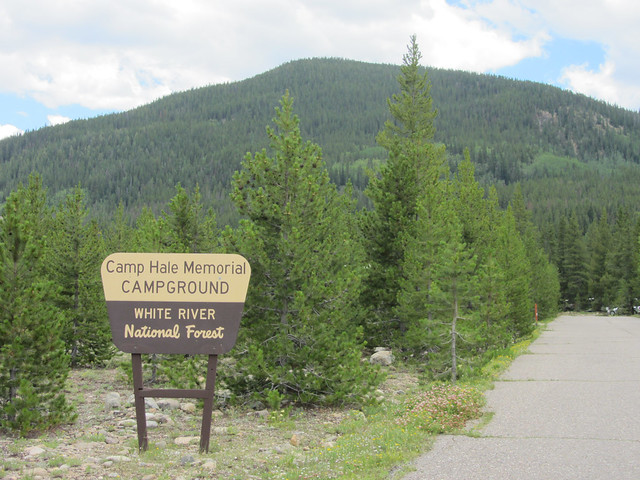
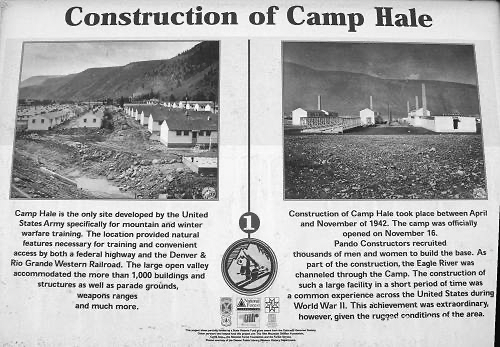
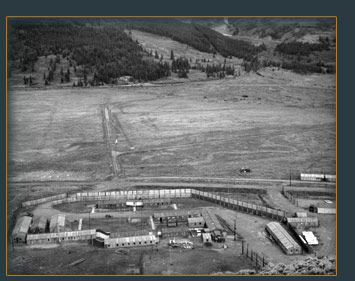
By that point, the rebellion had gained American backing. In the early 1950s, the CIA began to explore ways to aid the Tibetans as part of its growing campaign to contain Communist China. By the second half of the decade, “Project Circus” had been formally launched, Tibetan resistance fighters were being flown abroad for training, and weapons and ammunition were being airdropped at strategic locations inside Tibet. In 1959, the agency opened a secret facility to train Tibetan recruits at Camp Hale near Leadville, Colorado, partly because the location, more than 10,000 feet above sea level, might approximate the terrain of the Himalayas. According to one account, some 170 “Kamba guerrillas” passed through the Colorado program.
Whole Dude – Whole Secret: TIBETAN RESISTANCE MOVEMENT. A DAY TO REMEMBER, MARCH 10, 1959. TIBETAN NATIONAL UPRISING DAY. IN MY ANALYSIS, THE MASS UPRISING IN TIBET IS THE SYMBOL OF CIA TIBET PROGRAM. IT FAILED FOR WE UNDERESTIMATED THE ENEMY’S MILITARY POWER.
While the CIA effort never produced a mass uprising against the Chinese occupiers (I want to correct this statement; CIA Tibet Program helped the Tibetan National Uprising on March 10, 1959), it did provide one of the greatest intelligence successes of the Cold War, in the form of a vast trove of Chinese army documents captured by Tibetan fighters and turned over to the CIA in 1961. These revealed the loss of morale among Chinese soldiers, who had learned of the vast famine that was wracking China during The Great Leap Forward. Over the next decade, however, there was growing disagreement in Washington over the CIA’s activities in Tibet, and in 1971, as Henry Kissinger prepared for Nixon’s meeting with Mao, the program was wound down (I want to confirm that the Program was not cancelled).
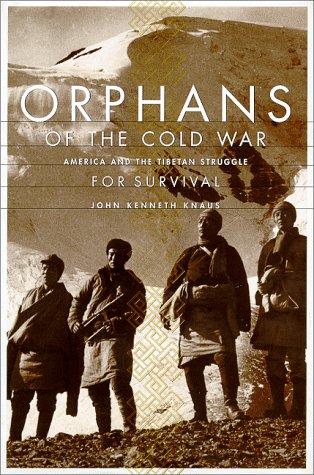
“Although Tibet may not have been on the table in the Beijing talks, the era of official US support for the Tibetan cause was over,” recalled John Kenneth Knaus, a forty-year CIA veteran, in his 1999 book Orphans of the Cold War: America and the Tibetan Struggle for Survival. “There was no role for Tibet in Kissinger’s new equation.” By 1975, President Gerald Ford was able to say to a skeptical Deng Xiaoping, China’s future leader, “Let me assure you, Mr. Vice-Premier, that we oppose and do not support any [United States] governmental action as far as Tibet is concerned.”Indeed, that is the Whole Secret. The US, India and Tibet agreed to keep the US role in Tibet as a Secret and I signed a Declaration in Chakrata, India during September 1971 to keep the Tibet Operation as a Secret under the provisions of the Official Secret Acts of India.
Whole Dude – Whole Secret: SPECIAL FRONTIER FORCE – THE OFFICIAL SECRETS ACT: THE ACT MAY PROHIBIT THE SHARING OF CERTAIN KINDS OF INFORMATION AND AT THE SAME TIME IT DEMANDS ME TO REMEMBER THE AFFILIATION WITH GOVERNMENT OF INDIA AND ITS ORGANIZATIONS DURING MY ENTIRE LIFETIME WITHOUT ANY TIME LIMITS.
Many friends of Tibet and admirers of the Dalai Lama, who has always advocated nonviolence, believe he knew nothing about the CIA program. But Gyalo Thondup, one of the Dalai Lama’s brothers, was closely involved in the operations, and Knaus, who took part in the operation, writes that “Gyalo Thondup kept his brother the Dalai Lama informed of the general terms of the CIA support.” According to Knaus, starting in the late 1950s, the Agency paid the Dalai Lama $15,000 a month. Those payments came to an end in 1974.
In 1999, I asked the Dalai Lama if the CIA operation had been harmful for Tibet. “Yes, that is true,” he replied. The intervention was harmful, he suggested, because it was primarily aimed at serving American interests rather than helping the Tibetans in any lasting way. “Once the American policy toward China changed, they stopped their help,” he told me. “Otherwise our struggle could have gone on. Many Tibetans had great expectations of CIA [air] drops, but then the Chinese army came and destroyed them. The Americans had a different agenda from the Tibetans.”
This was exactly right, and the different goals of the Agency and the Tibetans are explored fully by the Tibetan-speaking anthropologist Carole McGranahan in her Arrested Histories: Tibet, the CIA, and Memories of a Forgotten War (2010). Although sometimes clouded by anthropological jargon, her account fascinatingly explores how differently from their American counterparts the Tibetan veterans remember the CIA operation. A striking example is the matter of the Chinese army documents, whose capture in a Tibetan ambush of a high-ranking Chinese officer is depicted in grisly detail in a huge painting in the CIA’s museum in Washington. In addition to revealing low Chinese morale, the documents disclosed the extent of Chinese violence in Tibet. “This information was the only documentary proof the Tibetan government [in exile] had of the Chinese atrocities and was therefore invaluable,” MacGranahan notes. Yet the documents and their capture rarely came up during her long interview sessions with the veterans. “Why is it that this particular achievement, so valued by the US and Tibetan governments, is not remotely as memorable for [the] soldiers?”
One reason is that the Tibetan fighters were told nothing about the value of the documents, which they couldn’t read. One veteran explains to her:
Our soldiers attacked Chinese trucks and seized some documents of the Chinese government. After that the Americans increased our pay scale. Nobody knew what the contents of those documents were. At that time, questions weren’t asked. If you asked many questions, then others would be suspicious of you.
Whole Dude – Whole Secret: That is the very essence of covert operations. Information is never shared with the person or party who gathers the information.
The leader of the ambush tells her that “as a reward the CIA gave me an Omega chronograph,” but he, too, had little knowledge of the documents’ importance. As McGranahan shows in extensive detail, the veterans were preoccupied above all by their devotion to the Dalai Lama, whom they wanted to resume his position as supreme leader of an independent Tibet.
Whole Dude – Whole Secret: TIBET CONSCIOUSNESS – TIBET PROBLEM ON THE BACK BURNER. IN 1971, INDIA REFUSED TO KEEP THE PROBLEM OF BANGLADESH ON THE BACK BURNER. INDIA TOOK UNILATERAL, DECISIVE ACTION TO RESOLVE HUMANITARIAN CRISIS IN BANGLADESH.
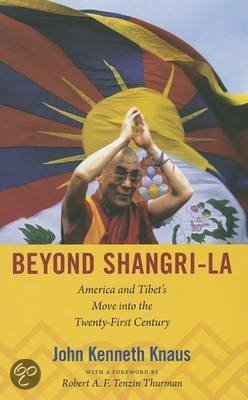
After the CIA mission was ended (I clarify that the CIA mission has not ended but remains on ‘The Back Burner’), Tibet became increasingly marginal to Washington’s China policy, as Knaus has now made clear in a second book, Beyond Shangri-la: America and Tibet’s Move into the Twenty-First Century. The reality is that American presidents now face a world power in Beijing. In language that sums up the cats-cradle of American justifications for ignoring Tibet, ex-Assistant Secretary of State for East Asia Marshall Green recalls to Knaus, “there was nothing we could do to help the Tibetans except by improving our relations with the Chinese Communists so that we might be in a position to exert pressure on them to moderate their policies towards the Tibetans.” Green “admitted that this was ‘perhaps a rationalization.’”
President Obama will soon meet the new Chinese leader, Xi Jinping. His advisers will have reminded him of the encounter between his predecessor, Bill Clinton, and then-Chinese president Jiang Zemin on June 27, 1998. In that meeting, Clinton assured Jiang that, “I agree that Tibet is a part of China, an autonomous region of China. And I can understand why the acknowledgement of that would be a precondition of dialog with the Dalai Lama.” Banking on his well-known charm, Mr. Clinton added, “I have spent time with the Dalai Lama. I believe him to be an honest man, and I believe if he had a conversation with President Jiang, they would like each other very much.” Jiang, it is reported, threw back his head and laughed. Clinton’s suggestion was omitted from the official Chinese transcript.
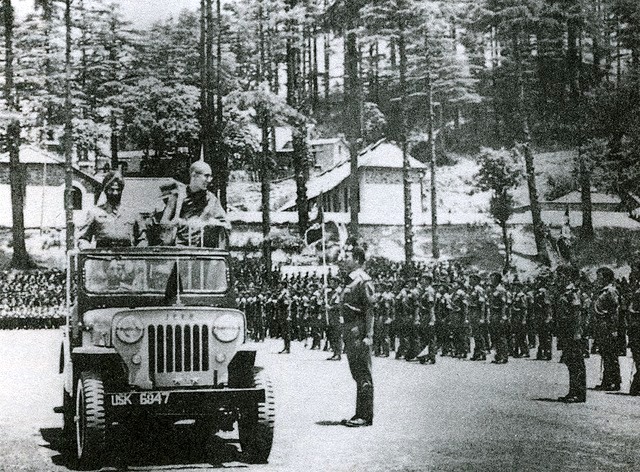
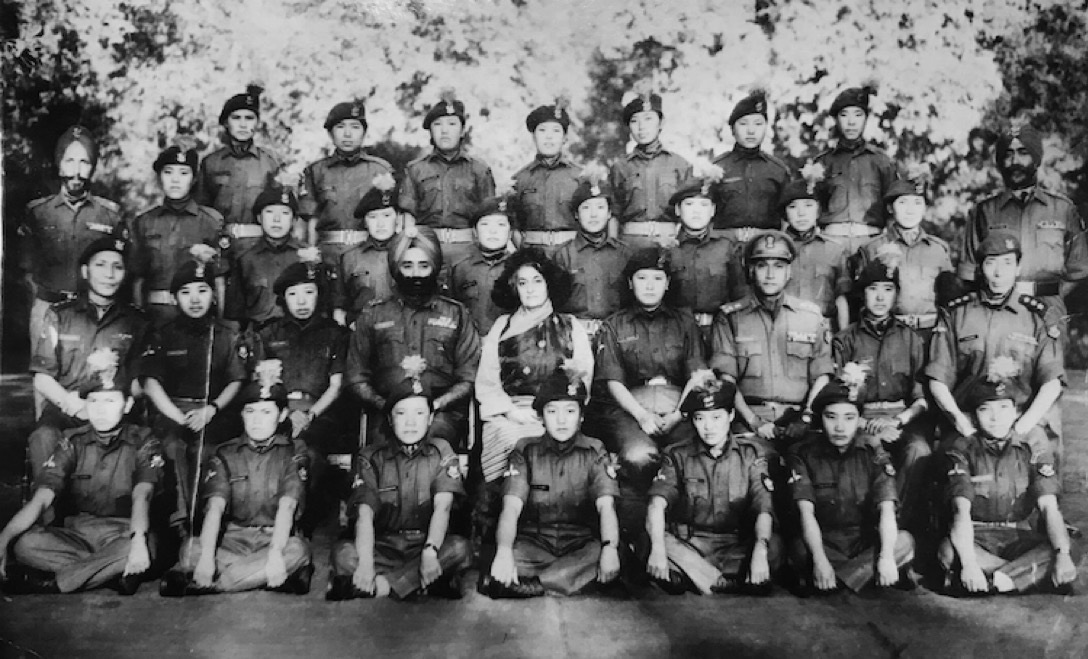
Whole Dude – Whole Secret: The CIA covert operations inside Tibet led to the creation of a military organization called Establishment Number. 22, or Special Frontier Force which was formed in 1962 during the presidency of John F. Kennedy. Indian Prime Minister Mrs. Indira Gandhi’s visit to Hq Establishment 22.Whole Dude – Whole Secret: CIA Tibet Operation.Whole Dude – Whole Secret: CIA Tibet Operation.Whole Dude – Whole Secret: CIA Tibet Operation.Whole Dude – Whole Secret: The CIA Tibet Operation.Whole Dude – Whole Secret: CIA Tibet OperationWhole Dude – Whole Secret: CIA Tibet OperationWhole Dude – Whole Secret: CIA Tibet OperationWhole Dude – Whole Secret: CIA Tibet OperationWhole Dude – Whole Secret: CIA Tibet Operation
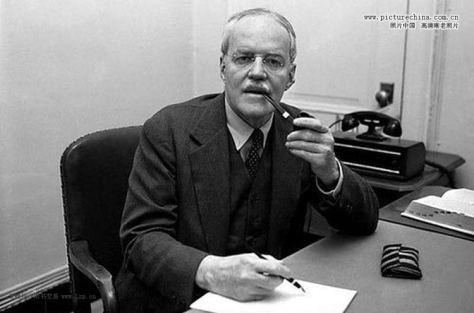
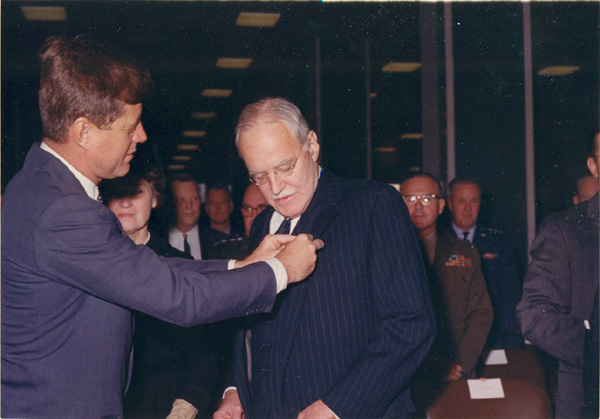
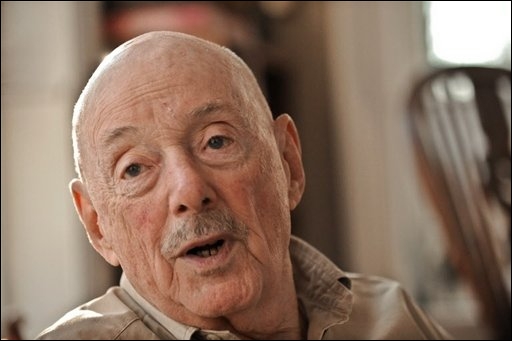
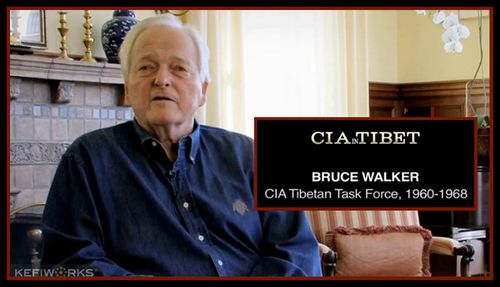
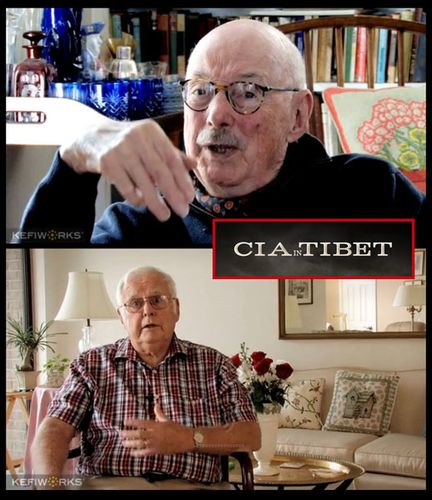
Whole Dude – Whole Secret: TIBET AWARENESS – PROJECT CIRCUS. The quest for Freedom in Tibet. A military training Camp known as Camp Hale was established in Colorado under the supervision of CIA officers Roger E. McCarthy and John Reagan.TIBET AWARENESS – PROJECT CIRCUS . A TRIBUTE TO JOHN KENNETH KNAUS OF CIA FOR RENDERING SERVICE IN SUPPORT OF TIBET’S FREEDOM AND LIBERATION FROM MILITARY OCCUPATION.Whole Dude – Whole Secret: TIBET AWARENESS – PROJECT CIRCUS – BRUCE WALKER, OFFICIAL OF CIA.Whole Dude – Whole Secret: TIBET AWARENESS – PROJECT CIRCUS – CIA OFFICIALS JOHN KENNETH KNAUS AND JOHN GREANEY.Whole Dude – Whole Secret: TIBET AWARENESS – PROJECT CIRCUS – ‘ORPHANS OF THE COLD WAR’ BOOK BY JOHN KENNETH KNAUS.Whole Dude – Whole Secret: TIBET AWARENESS – PROJECT CIRCUS. THE CIA’S SECRET WAR IN TIBET BY KENNETH CONBOY AND JAMES MORRISON.Whole Dude – Whole Secret: Tibet Awareness – Project CIRCUS. A special tribute to Allen Welsh Dulles, the Director of CIA who organized training of Tibetans at Camp Hale, Colorado (May 1959 to November 1964).
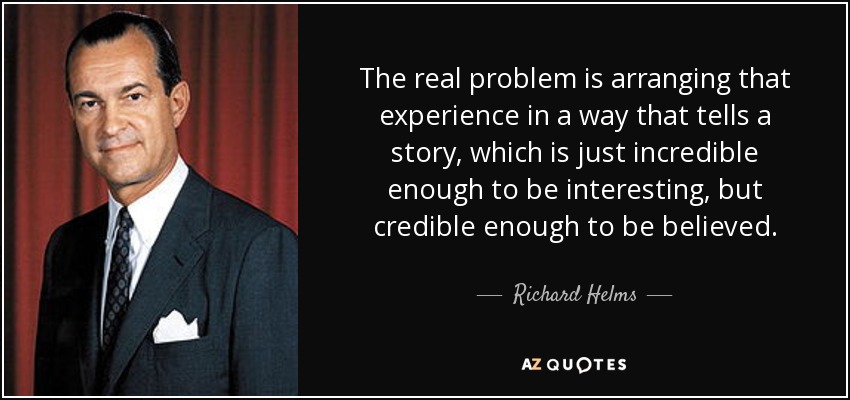
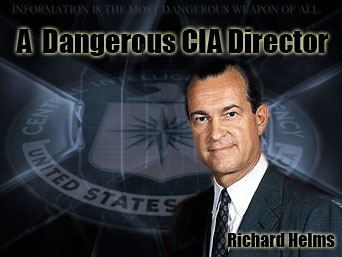
Whole Dude – Whole Director: The Spymaster of Special Frontier Force. The Director of the Central Intelligence Agency Richard Helms. His famous quote: “God did not give prescience to human beings.”
Excerpt: It may be noted that there is not much awareness about CIA’s covert operations inside countries like Tibet. I sincerely appreciate the dedication of CIA officers who had served in Southeast Asia to defend freedom, and democracy in the occupied Land of Tibet.
Whole Dude – Whole Director:
Special Frontier Force pays a respectful tribute to Richard McGarrah Helms (b. March 30, 1913 – d. October 23, 2002, Washington D.C.), the Chief Spymaster of the Central Intelligence Agency from June 1966 to February 1973.
Whole Dude – Whole Director: Richard M Helms during the year 1980, in this White House ceremony received an award from President Ronald Reagan for “Exceptionally Meritorious Service.” It may be noted that George Herbert Walker Bush who was the Vice President at that time had also served as the Director of CIA (1976-1977)during the presidency of Gerald Ford.
Richard M Helms – The Intelligence Professional:
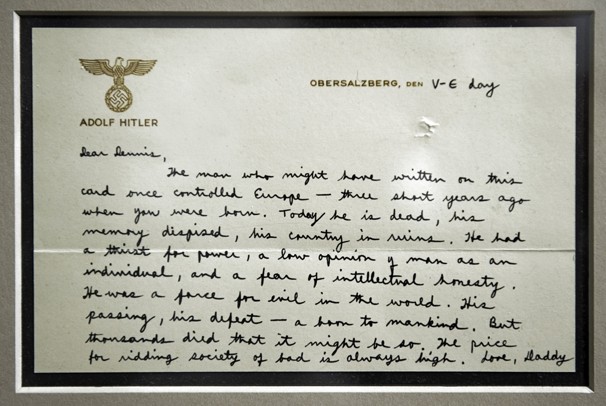
Whole Dude – Whole Director: Richard Helms was appointed as the eighth Director of CIA on June 30, 1966. In a function held in the East Room, White House, President Lyndon B. Johnson is seen speaking to Dennis Helms, son of the newly sworn in CIA Director.Whole Dude – Whole Director: This World War II era letter from Richard Helms to his young son Dennis reveals the long history of meritorious service rendered by Helms since the time he served in the wartime Office of Strategic Services. This letter is most interestingly written on Adolf Hitler’s private stationery.
Richard Helms was the chief architect of the legislation, National Security Act of September 1947 that created the Central Intelligence Agency replacing the wartime Office of Strategic Services. CIA came into existence during the presidency of Harry S Truman, 33rd President of the US (1949-1952). The National Security Council that is chaired by the President was formed in 1949, CIA was established in 1951.
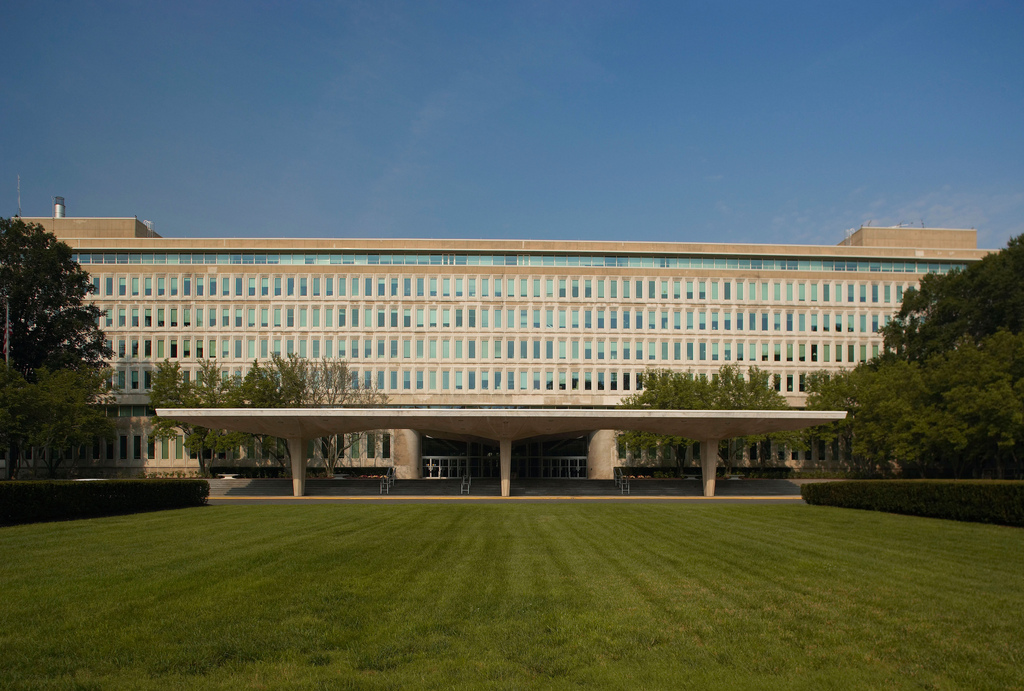
Whole Dude – Whole Director: The Original Headquarters Building (OHB) reflects the vision of Allen Welsh Dulles, the 5th Director of CIA. CIA is the principle Intelligence and Counterintelligence agency of the US Government. It is organized as 1. The Intelligence Directorate, 2. The Directorate of Operations which includes espionage, 3. The Directorate of Science and Technology, and 4. The Directorate of Administration.
Whole Dude – Whole Director: The entrance to the Central Intelligence Agency Headquarters. In a world of sovereign nations, information is a prime element of national power. Intelligence is best defined as evaluated information, is the vital and pivotal foundation for national decisions. The Director of CIA is Adviser to the National Security Council which is chaired by the President. (Photo credit: Wikipedia)
Richard Helms was commissioned into US Naval Reserve during 1942 and served as Lieutenant Commander. He served with Office of Strategic Services and its successors from 1943 to 1947. He held various appointments within the CIA. He was the Deputy Director of Plans from 1962 to 1965. He was the Deputy Director of the CIA from April 28, 1965 to June 1966. Intelligence in service to Liberty found an unsurpassed Champion in Richard Helms who served two presidents, Lyndon B. Johnson, and Richard M. Nixon.
Whole Dude – Whole Director: June 30, 1966 The White House. Richard Helms replaced CIA Director William F. Raborn who served from 1965 to 1966. The 5th Director of CIA, Allen Welsh Dulles attended this swearing-in ceremony.
Allen Welsh Dulles, the 5th Director of CIA told US Congress, “The CIA should be directed by a relatively small but elite corps of men with a passion for anonymity and a willingness to stick at that particular job.” Helms truly depicts the qualities demanded by Allen Welsh Dulles. Helms said, “Intelligence was not merely a job but rather a calling.” He asked his employees to “Make Intelligence a profession, not just an occupation.”
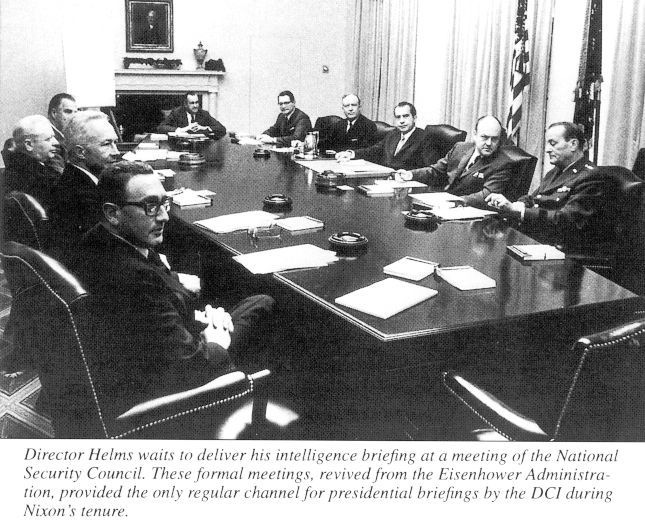
Whole Dude – Whole Director: During the presidency of Richard Nixon, the CIA Director was placed under tremendous pressure to accomplish the political agenda of the President without real concern for national interests.Whole Dude – Whole Director: The National Security Council briefing by CIA Director Richard Helms. It must be noted that Dr. Henry Kissinger used his position to undermine the importance of Central Intelligence Agency. Kissinger also undermined the role of the Secretary of State before he became the Secretary of State. Kissinger’s foreign policy initiatives are not based upon analysis of Intelligence.
Between 1950 and 1973, the CIA had also carried on extensive mind-control experiments at universities, prisons, and hospitals which included the use of LSD and other mind-altering drugs on unwitting test subjects. However, there is a huge concern about CIA tactics to prevent Salvador Allende from winning the 1970 elections in Chile and later when CIA worked to topple him from power. CIA had tried to assassinate several foreign leaders, including Fidel Castro of Cuba. But, the CIA had not acted on its own and was only trying to serve the political bosses of their times.
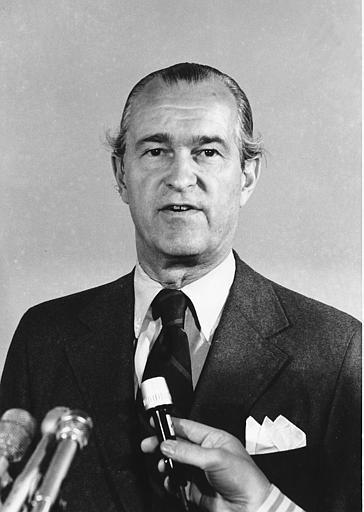
Whole Dude – Whole Director: Richard Helms got ensnared in US Congress’s investigation because a successor, William Colby released a trove of documents, nicknamed “The Family Jewels” detailing the misdeeds of the Agency. Helms testified in Congressional hearings.Whole Dude – Whole Director: Apart from the Congressional hearings, Richard Helms had faced news media during April 1975 and spoke to reporters who had very little understanding of Agency’s great performance in other countries.Whole Dude – Whole Director: Damage was done to the personal reputation of Richard Helms and he was painted as a dangerous CIA Director while he tried his best to serve the President and the country without any political bias.Whole Dude – Whole Director: The CIA celebrated its 50th Anniversary during 1997 and the former Director Helms was most warmly received and was acknowledged for his great contribution to the Organization in a variety of capacities.
It may be noted that there is not much awareness about CIA’s covert operations inside countries like Tibet. I sincerely appreciate the dedication of CIA officers who had served in Southeast Asia to defend freedom, and democracy in the occupied Land of Tibet.
Whole Dude – Whole Director: TIBET AWARENESS – PROJECT CIRCUS. The quest for Freedom in Tibet. A military training Camp known as Camp Hale was established in Colorado under the supervision of CIA officers Roger E. McCarthy and John Reagan.Whole Dude – Whole Director: The history of Special Frontier Force-Establishment No. 22 can be traced back to 1957-58 when the CIA launched Operation ST CIRCUS. This Commemoration on September 10, 2010 was the first time that US had officially acknowledge the CIA operation with the Tibetans and it includes the Mustang(Nepal) Operation.Whole Dude – Whole Director: The CIA covert operations inside Tibet led to the creation of a military organization called Establishment Number. 22, or Special Frontier Force which was formed in 1962 during the presidency of John F. Kennedy.
I would like to recognize Richard M. Helms as a Cold War Era Hero who did his best to support and encourage the cause of political freedom, liberty, and democracy in the world in very difficult times.
Whole Dude – Whole Director: Special Service Award presented by all Officers D Sector, Establishment – 22 on 19 January 1973.Whole Dude – Whole Director: The Spirits of Special Frontier Force recognizes CIA Director Richard Helms as a Cold War Era Hero. Helms was skeptical about the likely success of large-scale covert actions meant to manipulate political and economic events abroad. CIA should not try to bite more than what it can chew.
I say Richard Helms is the greatest Spymaster who had ever served the Central Intelligence Agency and what do you want to say?
Whole Dude – Whole Spy: The Central Intelligence Agency must become the Champion of Freedom and Democracy in the rest of the world. In its entire history of existence, the CIA’s work in Tibet truly reflects the ideals of Human Rights, Peace and Liberty.
Whole Dude – Whole Champion: A special tribute to Spymaster John Alexander McCone, the 6th CIA Director who played a leading role during the Cuban Missile Crisis. EXCOMM meeting at the White House Cabinet Room during the Cuban Missile Crisis on October 29, 1962. (Photo credit: Wikipedia)
Excerpt: Establishment – 22 is the child of CIA’s Secret War in Tibet and it will be correct to recognize CIA as the ‘Mastermind’ of this operation to defend Freedom, and Democracy in the occupied Land of Tibet. Special Frontier Force take this opportunity to pay a special tribute to its ‘Master’, John Alexander McCone (b. January 04, 1902 – d. February 14, 1991) who served as the Director of CIA from November 1961 to April 1965.
Special Frontier Force – The Great Spymaster:
Whole Dude – Whole Champion: A special tribute to Spymaster John Alexander McCone, the 6th CIA Director who played a leading role during the Cuban Missile Crisis. Special Service Award presented by all Officers D Sector, Establishment -22 on 19 January 1973.
Establishment No. 22 is a military establishment that represents a military pact/alliance between the United States, India, and the Tibetan Government -in-Exile. It came into existence during November 1962 and during 1966, this organization was named Special Frontier Force. Between the Central Intelligence Agency and the members of Special Frontier Force there has been a Master-Student relationship. Establishment – 22 is the child of CIA’s Secret War in Tibet and it will be correct to recognize CIA as the ‘Mastermind’ of this operation to defend Freedom, and Democracy in the occupied Land of Tibet. Special Frontier Force take this opportunity to pay a special tribute to its ‘Master’, John Alexander McCone (b. January 04, 1902 – d. February 14, 1991) who served as the Director of CIA from November 1961 to April 1965.
Whole Dude – Whole Champion: This is a special tribute to Spymaster John Alexander McCone who served as CIA’s 6th Director from November 1961 to April 1965.
John A. McCone obtained a bachelor’s degree in Mechanical Engineering from University of California at Berkeley. He built his career in the steel, construction, shipping, shipbuilding, and aircraft production industries. He founded the Bechtel-McCone Steel Company and his role in shipbuilding, and military aircraft production had attracted the attention of President Harry S. Truman who had appointed him to the Air Policy Commission in 1947 to develop strategy for American military airpower. During 1948, he was appointed as the Special Deputy to the Secretary of Defense. In 1950, he was appointed as Undersecretary of the Air Force. President Dwight Eisenhower appointed him as the Chairman of the Atomic Energy Commission during 1958 and held that position until 1961.
Whole Dude – Whole Champion: In this photo taken during 1958, John A. McCone, Chairman of the World Affairs Council is seen with General Lauris Norstad, Supreme Commander of the Allied Powers in Europe.
Whole Dude – Whole Champion: U.S. delegates to the Fourth General Conference of the International Atomic Energy Agency, Vienna, Austria 1960. Left to Right:- Ambassador John S. Graham, Vice Admiral Paul F. Foster, US Navy (Retd), the Permanent U.S. Representative to the IAEA, and John A. McCone, Chairman of the U.S. Atomic Energy Commission.
During his tenure as the Chairman of the U.S. Atomic Energy Commission, John McCone made very significant disclosures about Israel’s nuclear capabilities. After the disaster of the Bay of Pigs Invasion of Cuba, President Kennedy forced the resignation of the CIA director Allen Welsh Dulles and Richard Bissell, the Deputy Director for Plans and Operations who had a major role in making the plan for this CIA’s Black Operation. In a very surprising, and sudden move, President Kennedy called John McCone, a Republican to take charge of the Central Intelligence Agency disregarding the fact that McCone had no prior experience in Intelligence.
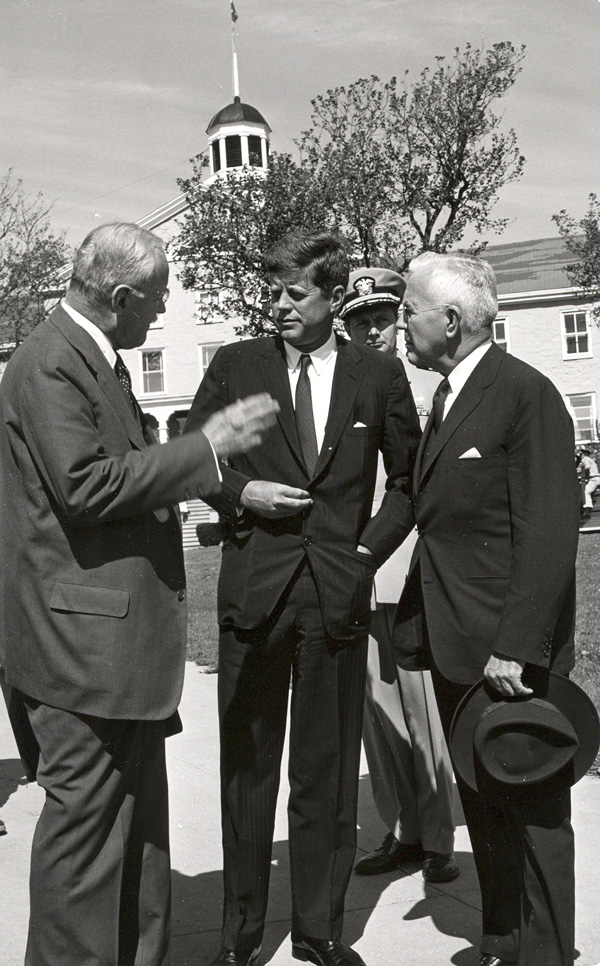
Whole Dude – Whole Champion: President John F. Kennedy’s selection of Spymaster during 1961. Left to Right:- Allen Welsh Dulles, 5th Director of CIA, Richard Bissell, Deputy Director of Plans/Operations, President John F. Kennedy, and the newly selected 6th Director of CIA, John A. McCone.Whole Dude – Whole Champion: September 27, 1961. President Kennedy with CIA Director Allen Dulles and his new pick, John A. McCone.Whole Dude – Whole Champion: November 29, 1961. President John F. Kennedy with outgoing CIA Director Allen Dulles.
Whole Dude – Whole Master: November 29, 1961. President John F. Kennedy welcomes the 6th Director of CIA, John Alexander McCone.
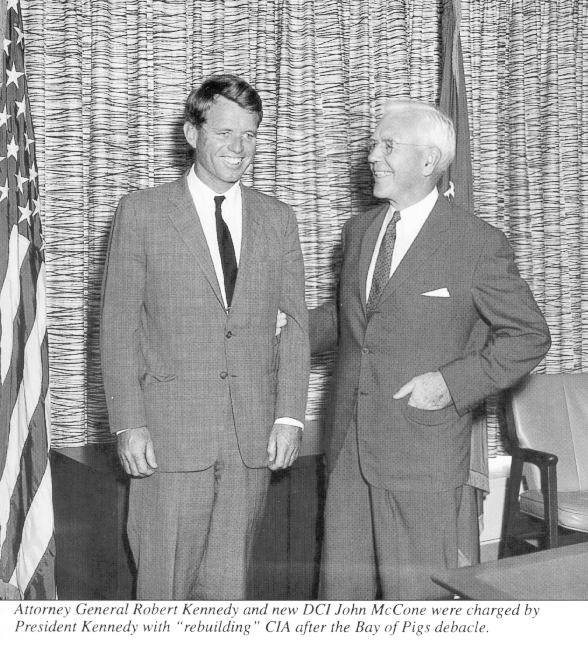
Whole Dude – Whole Champion: John Alexander McCone gets the task of “rebuilding” CIA after the Bay of Pigs debacle.Whole Dude – Whole Champion: A new chapter in the history of CIA. John Alexander McCone became the “Government’s principal foreign intelligence Officer” and he would work the heads of all departments and agencies, such as the State, Defense, the Attorney General, and the Chairman of the Atomic Energy Commission, that have responsibilities in the foreign intelligence field. In this photo McCone is seen with Robert Kennedy, the Attorney General. The DCI would coordinate and direct the total intelligence community.
John McCone played a leading role in strengthening the intelligence gathering abilities of CIA by launching a technological revolution. On August 05, 1963, he created the Directorate of Science and Technology.
Whole Dude – Whole Champion: May 01, 1964. Presidential candidate, New York State Governor, Nelson A. Rockefeller gets Intelligence briefing. Left to Right:John McCone, DIC; Governor Nelson A. Rockefeller; Robert S. McNamara, Defense Secretary; Dean Rusk, Secretary of State. Photo credit: Francis Miller/Time & Life.
McCone was responsible for a number of covert operations in Vietnam, Laos, Cuba, Ecuador, and Brazil. John McCone was present in the meeting held at The White House on November 19, 1962 to enter into an agreement/pact with India, and the Tibetan Government-in-Exile to formulate Establishment No. 22/Special Frontier Force to address the military threat posed by People’s Republic of China’s military occupation of Tibet. This operation that involves India and Tibet remains a secret. McCone was a key figure during the October 1962 Cuban Missile Crisis. He predicted that the Soviet Union would place offensive nuclear weapons in Cuba. However, he had differences with President Lyndon B. Johnson and had resigned from his post during April 1965 and was replaced by Admiral William F. Raborn. President Ronald Reagan during 1987 presented John McCone with the Presidential Medal of Freedom.
I say that John McCone was one of the best managers that CIA ever had. I call him a Whole Champion. What do you want to say?
Whole Dude – Whole Champion: Spymaster John Alexander McCone created the Directorate of Science and Technology on August 05, 1963 and launched technological revolution in Intelligence
Special Service Award presented by all Officers, D-Sector, Establishment 22 in appreciation of my Service in the North East Frontier Agency/Arunachal Pradesh in January 1973.
Excerpt: I love the Service Award I earned at Doom Dooma without using any Service Weapon. I love Doom Dooma for the opportunity it gave to me to demonstrate my commitment to serve the men who serve our country without any concern for my personal safety.
Sainya Seva Medal. Service Award without Service Weapon.
SAINYA SEVA MEDAL
The Government of India awards Sainya Seva Medal to Service Personnel serving in Indian Armed Forces in recognition of ‘non-operational’ services under conditions of special hardship and severe climate. The bar or clasp shows the words ” NEFA ” in Hindi. To qualify for this award, an aggregate of one- year service in the North-East Frontier Agency (NEFA) is required. The Medal shows an image of Nanda Devi Himalayan mountain peak with a bamboo stand in the foreground.
REMEMBERING A WAR:THE 1962 INDIA-CHINA WAR: This is a photo image taken in 1972, ten years after the 1962 War, while I had proudly served the Nation in North East Frontier Agency. There was no schism or division among the Officers Corps. The Men and the Officers were totally united and were fully motivated to fight the Enemy and we had patrolled the border along the McMahon Line and went beyond the border for Operational reasons. There was no Fear and we were Prepared for the Challenge.
I am proud of my military service in North East Frontier Agency (renamed Arunachal Pradesh) for several reasons. These are;
Special Frontier Force – Sainya Seva Medal – Service Award without Service Weapon
In 1962, Communist China’s War of Aggression across Himalayan Frontier motivated me to Resist, to Oppose and to Fight against Red China’s military threat posed from Occupied Tibet. 54 Years after the 1962 War, India is unwilling to part with her territory. India lost control of her territory in the Ladakh region as Tibet still remains under Chinese occupation.
REMEMBERING THE 1962 INDIA – CHINA WAR: The McMahon Line in India’s North East Frontier Agency or the State of Arunachal Pradesh. The Top Secret of 1962 War is the number of Chinese soldiers that were killed and injured during their military attack. Communist China must take courage and admit the true numbers. This War was not a total loss. India learned its lesson. We had a spectacular Military Victory in 1971 during our Bangladesh Liberation War.
Fortunately, in the North-East Himalayan Sector, India retains control over territory which we initially lost in the 1962 War. In 1972, I was very glad to serve in this area for one complete year and I could personally witness the fact that India is fully prepared to fight against Red China one more time. We are willing to do our best to keep ‘NEFA’ (Arunachal Pradesh) under our control whatever may be the Chinese threats protests, and claims to territory she calls “Southern Tibet.” China, apart from the illegal military occupation of Tibet, claims Indian territory publishing maps showing international borders. In recent years, China refused to issue a visa to an Officer of the Indian Administrative Service who had earlier served in this region.
Special Frontier Force – Sainya Seva Medal – Service Award without Service Weapon
The tensions still exist and I am glad for we are better prepared now and if war is inevitable, we welcome that challenge. To serve in NEFA, I was stationed at Doom Dooma, Tinsukia District, Assam. When I first arrived in Doom Dooma to join my Unit, the first thing that I was told by my Unit Adjutant was, ” Rudra, if you need a copy of your most recent photo, ask the Chinese Intelligence, and they could provide you one.” The Chinese Intelligence operatives or spies keep tabs on each Officer who is entering this area while keeping a close watch on our movements.
To my utter surprise, my Indian Army Picture ID Card stolen during 1972 resurfaces in the Indian Movie titled TE3N. Doomsayer of Doom Dooma earns Sainya Seva Medal – Service Award Without Service Weapon.
We are neither threatened nor intimidated by this kind of Chinese surveillance. We want to assure China that we will not be deterred by their superior Intelligence capabilities.
Special Frontier Force – Sainya Seva Medal. Service Award without Service Weapon.
I arrived in Doom Dooma without my Service Weapon issued by Indian Army as I am expected to participate in operations not known to Indian Army.
Special Frontier Force – Sainya Seva Medal – Service Award without Service Weapon. Doomed Gun of Doom Dooma
My Unit in Doom Dooma is fully armed and equipped by the United States. While I arrived in Doom Dooma, US President Richard M. Nixon arrived in Peking seeking Communist Party Chairman Mao Zedong’s hand in friendship.
Special Frontier Force – Sainya Seva Medal – Service Award without Service Weapon. Richard Nixon Visits China. The Last Week of February 1972 My Life Doomed.
I was not amused. I had no choice, no alternative for providing Military Service using the US Infantry Weapon for my personal protection. At Doom Dooma, I am predestined to oppose Red China without access to any Service Weapon. I moved around in NEFA performing military tasks sanctioned by my Unit without carrying any Military Weapon.
Indian Army’s Commitment to its Men:
In the Indian Army, we take pride in looking after our men and very often we stretch ourselves to do our best to safeguard the welfare of our men even under the most difficult circumstances. And we maintain this attitude while extending help to others who may not be members of our Service.
I remember my visit to a Forward Company location when a Sub-Inspector of Police came to me asking for medical attention. He belonged to the Central Reserve Protection Force and was dispatched to this difficult area without any prior health screening. I will not be surprised if the same thing is happening today. We deploy police personnel to work in remote areas and we do not care and value their services. This Police Officer was not medically fit to serve in this area and no attempt was made to ascertain his physical fitness to perform the task for which he was sent. Fortunately, he survived the long trek and the very difficult and physically challenging climb to reach the Village where I am camping. The Village has a Government Clinic and as there was no Doctor posted at the Clinic, I was voluntarily providing services to all civilians residing in that area.
I examined him and found his blood pressure to be very high and he was at great risk of suffering from a stroke which could be fatal or cause paralysis. Apparently, he had undiagnosed high blood pressure for a long time and I could also find evidence that his kidneys were already damaged. To bring his blood pressure under control, he needed immediate hospital treatment and required emergency medical evacuation.
His Police Department never cared to inquire about his well-being before giving him the posting order. Whereas in the Armed Forces, we routinely interview the men and get them medically examined before they are sent to difficult areas.
I prepared a note about his medical condition and the Signal Company Operators immediately dispatched this message. Within minutes, my request for Emergency Medical Evacuation was approved. Doom Dooma Air Force Station was asked to send a helicopter. After a short while, I received a call from the helicopter pilot who spoke to me on his radio and informed me that he was sitting in his helicopter and was ready to take off as soon as the weather permits. That was a particularly, rainy and cloudy day with very poor visibility and the mission was really challenging. The pilot had assured me that he would fly in spite of all odds and would pick up my patient. The control tower was closely monitoring the clouds and they were waiting for a window of opportunity to make this trip while the cloud system moves through the mountain valley. He had asked me to keep the patient ready at the helipad and that he would not be able to spend even an extra minute on the ground.
Special Frontier Force – Sainya Seva Medal – Service Award without Service Weapon. Mi- 4 Helicopter provided airlift service for our operations in NEFA (Arunachal Pradesh)
Instantly, the whole scenario at my Company location got transformed. The day started on a very dull note. It was raining and there was dense fog. Suddenly, everybody got busy. As per standing orders, armed men were sent to secure our landing strip, weather signs were posted, the helipad was marked with fresh paint. Equipment for Fire-Fighting and Smoke Signaling were positioned on the ground. We erected a small shelter for the patient to rest while awaiting evacuation. A Sub-Inspector of Police suddenly became the focus of attention literally transforming him into a ‘VIP’ or Very Important Person. He was worried about his senior officers who dispatched him to this station. He was concerned that he might offend them by leaving his duty station without their prior permission. I reassured him and told him that the Indian Army would accept total responsibility for sending him to the hospital. I informed him that we value him and care for his well-being and that we would not expect any person to perform duty when their personal health is at risk.
The pilot made the bold trip as promised and safely transported him to Service Hospital at Air Force Station, Jorhat. The Sub-Inspector of Police told me that he would never forget this particular day of his life on which he could directly experience the sense of urgency with which we acted and treated him as if he is the most precious thing on earth.
I love the Service Award I earned at Doom Dooma without using any Service Weapon. I love Doom Dooma for the opportunity it gave to me to demonstrate my commitment to serve the men who serve our country without any concern for my personal safety.
Doomsayer of Doom Dooma Earns Bharat Sarkar, Indian Army Sainya Seva Medal -Service Award for Military Service Without Military Service Weapon.Doomsayer of Doom Dooma Earns Sainya Seva Medal – Service Award Without Service Weapon.
Doomsayer of Doom Dooma Earns Sainya Seva Medal – Service Award Without Service Weapon. Walong War Memorial.
Doomsayer of Doom Dooma Earns Sainya Seva Medal – Service Award Without Service Weapon. Walong War Memorial.Special Frontier Force – Sainya Seva Medal – Service Award without Service Weapon.During 1962 Chinese aggression Indian Army had valiantly resisted the enemy’s attack in a historical battle at Namti Plains, near Walong, Arunachal Pradesh.Special Frontier Force – Lohit River: “WALONG WILL NEVER FALL AGAIN.”Special Frontier Force – Sainya Seva Medal – Special Service Award for Service without Service Weapon
Whole Dude – Whole Forfeiture: From Victory Day to forfeit of Freedom – My Journey from December 16, 1971 to December 16, 2023
From Victory Day to forfeit of Freedom – My Journey from December 16, 1971 to December 16, 2023
I participated in Bangladesh Ops, code-named ‘Operation Eagle’, initiating the Liberation of Bangladesh with military action in the Chittagong Hill Tracts, starting from November 03/04, 1971.
Whole Dude – Whole Forfeiture: From Victory Day to forfeit of Freedom – My Journey from December 16, 1971 to December 16, 2023Whole Dude – Whole Forfeiture: From Victory Day to forfeit of Freedom – My Journey from December 16, 1971 to December 16, 2023
In my expectation, I visualized Operation Eagle as physical and mental training to prepare me to fulfill my challenging military mission that aims at securing Freedom, Democracy, Peace, and Justice in Occupied Tibet.
Whole Dude – Whole Forfeiture: From Victory Day to forfeit of Freedom – My Journey from December 16, 1971 to December 16, 2023
Today, I need to take stock of the ground realities. Both the United States, and India have missed several opportunities to dispatch me on my military mission. Apparently, people have forfeited Freedom and Liberty in pursuit of wealth and material prosperity which they hope will provide ‘Security’.
Whole Dude – Whole Forfeiture: From Victory Day to forfeit of Freedom – My Journey from December 16, 1971 to December 16, 2023
Rudra Narasimham Rebbapragada
Special Frontier Force
Ann Arbor, Michigan, USA 48104-4162
Whole Dude – Whole Forfeiture: From Victory Day to forfeit of Freedom – My Journey from December 16, 1971 to December 16, 2023
Lt Gen Niazi signing the Instrument of Surrender under the gaze of Lt Gen Aurora. (Indian Navy)
Snapshot
· Forty-six years ago today, more than 3,500 warriors of the Indian Army crafted a victory that resulted in the capture of 93,000 Pakistani prisoners of war and delivered a new nation in 14 days.
But how many of the young Indians know that 16 December is marked as Vijay Diwas?
Ask new generation Indians, the predominant group in our nation, what Vijay Diwas is all about and you are more likely to get a blank response. For a few who know anything at all, a war was fought and won, Bangladesh was created and that is all. That over 3,500 warriors of the Indian Armed Forces made the ultimate sacrifice in the war that ended in India’s victory on 16 December 1971, that we captured 93,000 Pakistani prisoners of war (PoWs) and delivered a new nation in 14 days of a two front conventional military engagement is hardly known to them.
The 1971 India-Pakistan war saw the execution of a well-considered strategy, evolved by the redoubtable Field Marshal Sam Manekshaw, even as he convinced then prime minister Indira Gandhi and her close cabinet colleagues and aides on the necessity of going slow and not being tempted by the evolving situation in March 1971. The Field Marshal had the professional courage to parry demands and shun any talk of immediate war in early 1971 when the crisis in the then East Pakistan had brewed and spilled over beyond retrieval, triggering the first reactions in South Block.
The backdrop to the situation related to the state of politics in Pakistan where the Bengali Muslims of East Pakistan were clearly resistant to the idea of being subjugated by the dominant Punjabi and Mohajir influence. The issue of language had been the touchy beginning to the standoff between East Pakistan (Bengali speaking and resistant to Urdu) and West Pakistan. Sheikh Mujibur Rahman, father of the current Prime Minister of Bangladesh Sheikh Hasina Wajed, was illegally denied his electoral victory in 1970 by Pakistan’s ruling coterie, which was influenced by Zulfiqar Bhutto. The crisis spilled into the streets and became a point of no return in March 1971. The Pakistan Army’s reign of terror on the hapless Bengalis exacerbated the situation with an initial displacement of a million refugees who spilled across the border into India. The figure progressively moved up to 10 million.
The Field Marshal famously faced the powerful coterie of Indira Gandhi and gave them a lesson in strategy. He reminded them of his demands for an enhanced budget to buy more spares for the tanks and sufficient ammunition for the artillery which had not been granted. He let them know that a war in April or May meant for the standing crop of wheat all over Western India which would be destroyed by movement of the Army thus leading to a major food crisis in India. Among other cautionary, he stated that war in June-August would be a major problem with moving dual task Army formations west to east or vice versa due to the floods and shaky railway infrastructure besides the state of the terrain in East Pakistan.
The prime minister gave in to the Army Chief’s advice and trusted him to evolve the war fighting plans should Pakistan decide to go to war. The war finally broke out on 3 December 1971 but preceding that a series of clashes occurred at the borders some of them well above the classical description of patrol and border clashes. The Indian Army followed a simple strategy.
Firstly, the war effort would be focused on the eastern theatre where the impact would have to be decisive; there was total clarity about this.
Secondly, the western front could not be ignored as Pakistan would want India’s attention to be diverted and resources divided. The western theatre was largely to be in holding mode but that would not restrict offensive operations where ever opportunities arose.
Thirdly, for the eastern theater the strategy included speedy thrusts, bypassing main opposition which would be contained or masked to allow the main advance to progress unhindered to the identified center of gravity, Dacca.
The early multi-directional threat to Dacca would unnerve the Pakistani military leadership and force it to capitulate. The role of the Indian Air Force was crucial and it led to some decisive actions such as at Longewala (Rajasthan) where a large Armoured column of the Pakistan Army was decimated in the morning after it was brought to a standstill by a single company with two recoilless guns of 23 Punjab. The Indian Air Force also ensured total domination of the air above East Pakistan. The Indian Navy not to be left behind was entrusted the task of intimidating Pakistan with a virtual blockade of Karachi, Pakistan’s only port. The Navy went well beyond its brief and achieved total domination of the sea and even raided Karachi harbor with missile attacks.
The Indian forces in the eastern theatre comprised 4 Corps under Lt Gen Sagat Singh, 33 Corps under Lt Gen M L Thapar and the newly raised 2 Corps under Lt Gen T N Raina. In less than 14 days, the Indian troops were at the doorstep of Dacca having bypassed all islands of resistance and making use of the distinct corridors provided by the riverine terrain. A parachute drop of the 2nd Para at Tangail secured the final bridges and crossings enabling the troops to make an early entry into the outskirts of Dacca even as radio messages were transmitted to the Pakistani leadership that further resistance would only result in more bloodshed while a surrender would ensure full safety of troops.
The Pakistan Army as is well known had sufficient stocks of ammunition and other logistics wherewithal. It could have fought long and resisted to the end but devoid of any air power with its forward locations under Indian siege the only thing that the Pakistanis could fight for was their honor and name as a fighting force. Lt Gen A A K Niazi, the overall commander of Pakistani forces in the eastern theatre weighed his options and made the final decision for surrender, the details of which were negotiated by Maj Gen (later Lt Gen) JFR Jacob. The surrender ceremony which was impromptu involved the signing of the surrender document by Lt Gen Niazi and its handing over to Lt Gen Jagjit Aurora, Army Commander Eastern Command. The photograph of the ceremony is now folklore and adorns every military museum, motivation hall and officers mess of the Indian Army.
The western front saw action all along, from Naya Chor in Rajasthan to Turtuk in Ladakh. Some intense armour battles were fought in the Shakargarh Bulge. 10 Para (Commando) now 10 SF under Lt Col Bhawani Singh, MVC conducted a series of raids across the international border in the Barmer sector. 9 Para (Commando) similarly earned glory for its action in Jammu and Kashmir. The Lipa Valley was captured by the famous Dagger Division among many other gains by the Indian Army on the western front.
Among the famous battles of 1971 were Akhaura, Sylhet, Hilli, Basantar, Longewala, Lipa Valley and Naya Chor. There are many heroes of 1971 whose names need to be folklore and whose deeds must be brought to the knowledge of young Indians of today. A nation which does not sufficiently glorify its military heroes is not a nation with sufficient self-esteem. India is surely not in that category as the public loves the Armed Forces, respects them immensely but unfortunately is completely divorced from knowledge about the deeds of the very forces they revere.
The names of 2/Lt Arun Khetarpal, Major Hoshiyar Singh, Flt Lt Nirmaljeet Singh Sekhon and L/Naik Albert Ekka, all winners of the Param Vir Chakra (India’s highest wartime award for valor in the face of the enemy) need to be known to India’s young. India needs a public relations outreach to educate the public about the sacrifice of its heroes. There are many patriotic organizations which are organizing events to mark Vijay Diwas, but this really needs a major push to make it a movement.
The Indian Armed Forces need to provide an example of doing something different on Vijay Diwas. It would be good to see that along with traditional ‘barakhana’ and pep talks by commanders which are routine, all units and establishments must undertake an exercise of self-appraisal and identification of strengths and weaknesses. This should be done through an exercise of mutual discussion and consultation with all stakeholders and result in identification of one or two themes from different domains (operations, training, administration, equipment management etc.) to be undertaken for rectification over the next year.
It should be entirely an internal exercise with no checks and in an environment which promotes trust and ability to function unsupervised. Subsequently the Armed Forces should project this model of self-appraisal across the nation for all civil establishments to conduct in the same spirit. Vijay Diwas must ultimately emerge as a day beyond just ceremonials. It should be seen as a day synonymous with victory over inertia and victory over inefficiency.
We can ill-afford to forget the India-Pakistan War of 1971; it is just too important an event in India’s post-1947 history. Progressive nations move on and shape their destinies with hard work and initiatives but equally draw inspiration from the achievements of the past. We cannot allow our young not to be aware of our modern day history and therefore much more effort is needed to spread the word of India’s military heritage. Fortunately, there is deep interest in this, but not enough people to explain and render assistance to educational institutions in the field of military history and strategic culture. An odd lone ranger is doing it, but it needs to become a movement.
Happy Vijay Diwas to the nation!
Whole Dude – Whole Forfeiture: From Victory Day to forfeit of Freedom – My Journey from December 16, 1971 to December 16, 2023
Remembering and Honoring the Law of Love on Memorial Day
Mark the observance of Memorial Day to Remember and Honor God’s Love. The last Monday in May is observed as Memorial Day in Memory of the Dead Servicemen of all Wars.
The tradition of Memorial Day holiday was instituted in 1868 as ‘Decoration Day’ to honor the Civil War dead. The last Monday in May is observed as a legal holiday in memory of the dead servicemen of all wars for they gave their precious lives to let the countrymen enjoy all their freedoms.
Mark the observance of Memorial Day to Remember and Honor God’s Love. The last Monday in May is observed as Memorial Day in Memory of the Dead Servicemen of all Wars.
On this solemn occasion, I ask the members of the US Congress to pass a decree or law to commence a new tradition in the national life that celebrates the central role of love in developing wholesome human relationships.
Mark the observance of Memorial Day to Remember and Honor God’s Love. The last Monday in May is observed as Memorial Day in Memory of the Dead Servicemen of all Wars. On this solemn occasion, I ask the members of the US Congress to pass a decree or law to commence a new tradition in the national life that celebrates the central role of love in developing wholesome human relationships.
Love is central to a man’s relationship to God and the man’s relations with other persons.
Mark the observance of Memorial Day to Remember and Honor God’s Love. The last Monday in May is observed as Memorial Day in Memory of the Dead Servicemen of all Wars. German philosopher Friedrich Wilhelm Nietzsche (1844-1900) says, “What is done out of love always takes place beyond Good and Evil.” God’s love of man is Unconditioned.
The word Love does not appear in the Torah (Law) given to the Jews at Mount Sinai. I conducted a study of the holiday traditions of the US and I am totally surprised to note that there is no traditional celebration of the Proclamation of the two Great Love Commandments of Jesus.
Mark the observance of Memorial Day to Remember and Honor God’s Love. The last Monday in May is observed as Memorial Day in Memory of the Dead Servicemen of all Wars. On this solemn occasion, I ask the members of the US Congress to pass a decree or law to commence a new tradition in the national life that celebrates the central role of love in developing wholesome human relationships.Mark the observance of Memorial Day to Remember and Honor God’s Love. The last Monday in May is observed as Memorial Day in Memory of the Dead Servicemen of all Wars. On this solemn occasion, I ask the members of the US Congress to pass a decree or law to commence a new tradition in the national life that celebrates the central role of love in developing wholesome human relationships.
While retaining the essence of The Code of The Ten Words Jesus changed the Operating Principle of the TORAH or The Law. Jesus instructs that the Law must be followed by His believers not through the use of force or authority but by simply embracing the equally powerful influence called Love.
Mark the observance of Memorial Day to Remember and Honor God’s Love. The last Monday in May is observed as Memorial Day in Memory of the Dead Servicemen of all Wars. On this solemn occasion, I ask the members of the US Congress to pass a decree or law to commence a new tradition in the national life that celebrates the central role of love in developing wholesome human relationships.
Holiday is a day of freedom from labor sanctioned by God, and it is set aside for leisure and recreation to renew man’s relationship with his Creator. In Civil Society, certain days are set aside by Law or Custom and Traditions for the suspension of official business activities and very often in commemoration of some important events in national life. I am using the term ‘Whole Holiday’ to recognize a specific day that is set aside by Human Law in recognition of the Divine Law that is conducive to the development of harmonious, or wholesome interpersonal relationships that are essential to promote the health, and well-being of all people. In the US, there are several holidays that are legal and none of them directly address the central issue of developing Love relationships.
Mark the observance of Memorial Day to Remember and Honor God’s Love. The last Monday in May is observed as Memorial Day in Memory of the Dead Servicemen of all Wars. On this solemn occasion, I ask the members of the US Congress to pass a decree or law to commence a new tradition in the national life that celebrates the central role of love in developing wholesome human relationships.
Jesus Christ has established ‘LOVE’ as the God’s Greatest Commandment. The Gospel according to Apostle Matthew (Chapter 22, verses 37-40),
Mark the observance of Memorial Day to Remember and Honor God’s Love. The last Monday in May is observed as Memorial Day in Memory of the Dead Servicemen of all Wars. On this solemn occasion, I ask the members of the US Congress to pass a decree or law to commence a new tradition in the national life that celebrates the central role of love in developing wholesome human relationships.Mark the observance of Memorial Day to Remember and Honor God’s Love. The last Monday in May is observed as Memorial Day in Memory of the Dead Servicemen of all Wars. On this solemn occasion, I ask the members of the US Congress to pass a decree or law to commence a new tradition in the national life that celebrates the central role of love in developing wholesome human relationships.
The Gospel according to Apostle Mark (Chapter 12, verses 28-31) describe the Commandments of Love: “Love the LORD your God with all your heart and with all your soul and with all your mind and with all your strength. This is the first great commandment. The second is this: ‘Love your neighbor as yourself.’ There is no commandment greater than these. All the Law and the Prophets hang on these two Commandments.”
Mark the observance of Memorial Day to Remember and Honor God’s Love. The last Monday in May is observed as Memorial Day in Memory of the Dead Servicemen of all Wars. On this solemn occasion, I ask the members of the US Congress to pass a decree or law to commence a new tradition in the national life that celebrates the central role of love in developing wholesome human relationships.Mark the observance of Memorial Day to Remember and Honor God’s Love. The last Monday in May is observed as Memorial Day in Memory of the Dead Servicemen of all Wars. On this solemn occasion, I ask the members of the US Congress to pass a decree or law to commence a new tradition in the national life that celebrates the central role of love in developing wholesome human relationships.
The Gospel according to Apostle John, Chapter 13, verse 34 describes the need for neighborly relations among people based upon Love: “A new command I give you: Love one another, as I have loved you, so you must love one another.”
Mark the observance of Memorial Day to Remember and Honor God’s Love. The last Monday in May is observed as Memorial Day in Memory of the Dead Servicemen of all Wars. On this solemn occasion, I ask the members of the US Congress to pass a decree or law to commence a new tradition in the national life that celebrates the central role of love in developing wholesome human relationships.
In the United States, we have no Law, or a cultural tradition to commemorate the event in which Jesus Christ issued the two great commandments asking people to observe the Law of ‘Whole Love’ which demands, 1. The Love of God with Whole Body, Heart, Mind, and Soul, and 2. The Love of Neighbor as a requirement of God’s Law for man.
Mark the observance of Memorial Day to Remember and Honor God’s Love. The last Monday in May is observed as Memorial Day in Memory of the Dead Servicemen of all Wars. On this solemn occasion, I ask the members of the US Congress to pass a decree or law to commence a new tradition in the national life that celebrates the central role of love in developing wholesome human relationships.
After my discovery of the experience of ‘Whole Love’ at Whole Foods Market, Ann Arbor, Michigan on Wednesday, July 30, 2014, I have decided to promote the establishment of a tradition’ to follow the Spirit of the ‘Whole Law’ to truly observe the Commandment of Love.
Mark the observance of Memorial Day to Remember and Honor God’s Love. The last Monday in May is observed as Memorial Day in Memory of the Dead Servicemen of all Wars. On this solemn occasion, I ask the members of the US Congress to pass a decree or law to commence a new tradition in the national life that celebrates the central role of love in developing wholesome human relationships.
To commemorate my Discovery, I am writing this appeal to ask all the members of the US Congress to approve a new Law to observe the last Wednesday of July as the ‘Whole Love Holiday’. The choice of Wednesday is very appropriate as most other legal holidays are observed on Mondays as a matter of convenience and not for the purposes of obedience of a Divine Law which should be the source and inspiration for the Human Law. The concept of ‘Whole Love’ represents the ‘Whole Law’ that is explicitly pronounced by Jesus Christ as the only Commandment that the man must follow and observe in his lifetime. To acknowledge the ‘Whole Law’, to celebrate its pronouncement, we need a new tradition by instituting a new Holiday.
Mark the observance of Memorial Day to Remember and Honor God’s Love. The last Monday in May is observed as Memorial Day in Memory of the Dead Servicemen of all Wars. On this solemn occasion, I ask the members of the US Congress to pass a decree or law to commence a new tradition in the national life that celebrates the central role of love in developing wholesome human relationships.
Tibet Equilibrium 2021. Defining America’s Mission on the Sixth Day of February.Tibet Equilibrium 2021. Defining America’s Mission on the Sixth Day of February.
The Special Frontier Force which represents The Tibetan Resistance Movement to contain, to resist, to engage, to counteract, to “Roll-Back” the Spread of Communism, asks Americans to define their Mission on February 06, 2021 to restore Tibetan Equilibrium using the guidance provided by ‘The Reagan Doctrine of 1985’. Using President Reagan’s words, I ask Americans to do what is “Morally Right.”
Tibet Equilibrium 2021. Defining America’s Mission on the Sixth Day of February.T
FEBRUARY 06, 1985. THE REAGAN DOCTRINE
Tibet Equilibrium 2021. Defining America’s Mission on the Sixth Day of February.
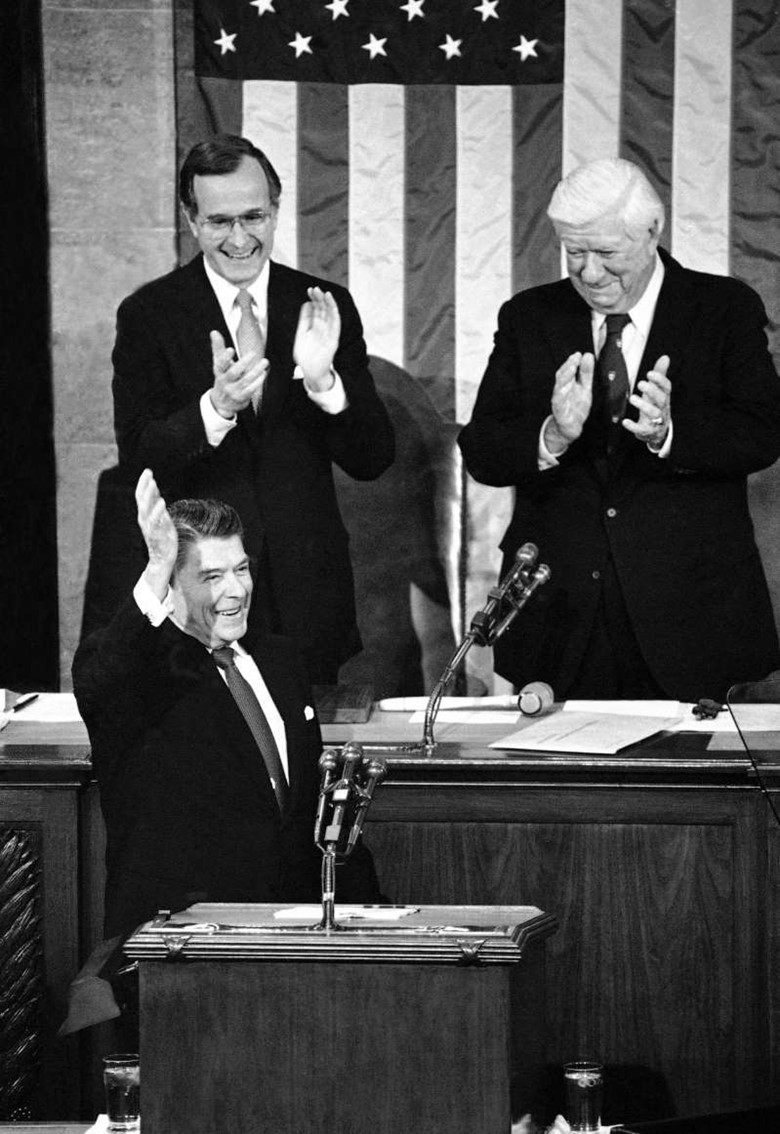
The “Reagan Doctrine” was used to characterize the Reagan administration’s (1981-1988) policy of supporting anti-Communist insurgents wherever they might be. In his 1985 State of the Union address, President Ronald Reagan called upon Congress and the American people to stand up to the Soviet Union, what he had previously called the “Evil Empire”:
Reagan began his foreign policy comments with the dramatic pronouncement that, “Freedom is not the sole prerogative of a chosen few; it is the universal right of all God’s children.” America’s “mission” was to “nourish and defend freedom and democracy.” More specifically, Reagan declared that, “We must stand by our democratic allies. And we must not break faith with those who are risking their lives—on every continent, from Afghanistan to Nicaragua—to defy Soviet-supported aggression and secure rights which have been ours from birth.” He concluded, “Support for freedom fighters is self-defense.”
“We must stand by all our democratic allies. And we must not break faith with those who are risking their lives—on every continent, from Afghanistan to Nicaragua—to defy Soviet-supported aggression and secure rights which have been ours from birth.”
Breaking with the doctrine of “Containment,” established during the Truman administration—President Ronald Reagan’s foreign policy was based on John Foster Dulles’ “Roll-Back” strategy from the 1950s in which the United States would actively push back the influence of the Soviet Union. Reagan’s policy differed, however, in the sense that he relied primarily on the overt support of those fighting Soviet dominance. This strategy was perhaps best encapsulated in NSC National Security Decision Directive 75. This 1983 directive stated that a central priority of the U.S. in its policy toward the Soviet Union would be “to contain and over time reverse Soviet expansionism,” particularly in the developing world. As the directive noted:
“The U.S. must rebuild the credibility of its commitment to resist Soviet encroachment on U.S. interests and those of its Allies and friends, and to support effectively those Third World states that are willing to resist Soviet pressures or oppose Soviet initiatives hostile to the United States, or are special targets of Soviet policy.”
To that end, the Reagan administration focused much of its energy on supporting proxy armies to curtail Soviet influence. Among the more prominent examples of the Reagan Doctrine’s application, in Nicaragua, the United States sponsored the contra movement in an effort to force the leftist Sandinista government from power. And in Afghanistan, the United States provided material support to Afghan rebels—known as the mujahadeen—helping them end Soviet occupation of their country.
Tibet Equilibrium 2021. Defining America’s Mission on the Sixth Day of February.Tibet Equilibrium 2021. Defining America’s Mission on the Sixth Day of February.
India-China Himalayan Frontier Standoff-To Play or Not to Play the ‘Tibet Card’. Public funeral ceremony for Company Leader Nyima Tenzin of Special Frontier Force-Vikas Regiment in Leh, Ladakh on Monday, September 07, 2020.
In my analysis, India-China Standoff across the Himalayan Frontier involves the territory of Tibet, an independent nation under military occupation. Any kind of dispute across the Himalayan Frontier involves Tibet as the Natural Force that created Tibet is still at work forcing the Indian Landmass to collide with the Asian Landmass. The reality of Tibet cannot be ignored as Mother Nature nurtures the Tibetan Identity.
India waving SFF and Tibet cards won’t scare China. Can’t pull levers you don’t have
Bending foreign policy to serve domestic politics is proving to be costly for India. Hyping the use of the Tibetan-majority SFF against China is one such example.
Shyam Saran, September 14, 2020.
India-China Standoff across the Himalayan Frontier-To Play or Not to Play the ‘Tibet Card’.
The Tibet issue played a major role in precipitating the India-China war of 1962. There were localized skirmishes along the border, but these began to be seen in a more ominous light by China in the wake of the Tibetan revolt of 1959 followed by the exile of His Holiness the Dalai Lama to India. The setting up of Indian posts and increased patrolling on our borders were seen as part of a sinister Indian design to subvert Chinese rule in Tibet. The status of the Dalai Lama and the Tibetan issue have remained a shadow over India-China relations even though New Delhi has recognized Chinese sovereignty over Tibet and has under-played official relations with the Dalai Lama.
The Tibet government-in-exile is allowed to function at Dharamsala but is not recognized by the Indian government. For China, Tibet is a “core issue” just as Taiwan and Xinjiang are.
A changing relationship
During the tenure of the Narendra Modi government, there have been instances of open courtship of the Tibetan government-in-exile.
Its ‘Prime Minister’ Lobsang Sangay was an invitee to the swearing-in ceremony of Prime Minister Modi in 2014. The Chief Minister of Arunachal Pradesh, Pema Khandu, declared that his state had a border with Tibet and not with China, in 2017.
But after the Modi-Xi Jinping summit in Wuhan in April 2018, there appeared a rethink on the Tibet issue with the Ministry of External Affairs reissuing instructions to government functionaries to avoid public association with the Dalai Lama and Tibetan representatives of the government-in-exile. An international Buddhist conference, which the Dalai Lama had been encouraged to convene, was cancelled. The Tibetans were advised that the 60th anniversary, in 2019, of the Dalai Lama’s entry into India, should be a low-key affair.
The second Modi-Xi summit in Mamallapuram in October 2019 reinforced this trend. The Modi government was signalling that it was prepared to put the Tibet issue in cold storage while advancing bilateral relations with China.
The wrong card
During the recent clashes between the Indian and Chinese armed forces on the border in eastern Ladakh, the Tibet issue has resurfaced and will add to mutual distrust and suspicion. A deliberately leaked report to the media revealed that the secretive Special Frontier Force (SFF), recruited mainly from the Tibetan community in India, was used in the operations in southern Pangong Tso. One of its soldiers, Tenzin Nyima, died in a mine blast and at his funeral, independent Tibet’s flags were displayed. BJP leader Ram Madhav attended the funeral and tweeted about it. He subsequently took it down, presumably at the behest of the Ministry of External Affairs.
Several commentators were quick to welcome the report on the SFF, no longer secret, as a reminder to China that India still held the “Tibet card” and would be ready to use it to bring it to heel. Like much of the bizarre fantasizing that seems to have taken hold in India, this, too, may only heighten mistrust and hostility in Beijing without inflicting any real pain. In any negotiations with an adversary, one should never provoke a confrontation over an issue where the other side has greater equity and stake than oneself. This is clearly the case here. It is also intriguing that this story was highlighted on the eve of External Affairs Minister S. Jaishankar’s meeting with his Chinese counterpart Wang Yi in Moscow. At the very least, it would have made his interaction more challenging.
The SFF has been in existence for several years. Its efficacy lies in its rigorous training, high morale and professionalism. It should not have become yet another pawn in a political game to convince public opinion that India has more levers of influence than it actually has. In doing so, the potential efficacy of the SFF has been undermined and Chinese suspicions over India’s intentions regarding Tibet would have been aroused to a new intensity.
A crisis of credibility
The tactical use of the Tibetan issue and of the Dalai Lama is both cynical and counter-productive. Ever since his arrival in India, he has enjoyed respect and reverence across the Indian political spectrum as a religious leader. We have consistently maintained the position that he is our welcome guest as a high religious personage and that we do not endorse political activities engaged in by him or the Tibetan community. This has helped manage Tibet as an issue in India-China relations, reducing its salience as an irritant. Unfortunately, this consistent and longstanding position has been severely compromised.
In any India-China border settlement, an understanding over Tibet will need to be arrived at. The best-case scenario for India would be a reconciliation between the Dalai Lama and the Chinese regime, and this seemed possible during the first few years of Xi Jinping’s rule. In our informal conversations with Chinese counterparts, we have conveyed that their assumption of the Tibetan issue being permanently resolved once the Dalai Lama was no longer in the scene was misplaced. In fact, we pointed out, the situation may become even more fraught once the restraining hand of the Dalai Lama was no longer available. The Tibetan community in India, particularly the youth, could become more radicalized.
In Tibet, reconciliation between its people and the Chinese state would be more likely with the blessings of the Dalai Lama rather than in his absence. Both countries, we conveyed, need to have an early and quiet dialogue on this issue and not allow it to become a festering problem for the future. There was receptivity on the Chinese side to these views. However, this waving of the Tibet card, which serves only to irritate and annoy, puts paid to any such engagement on a sensitive issue, with serious implications for the future. It undermines the immense goodwill and gratitude that New Delhi has all along enjoyed with the Dalai Lama and the Tibetan community in India and abroad. The community is disturbed by the manner in which the Indian government plays hot and cold towards it and has become anxious about its future.
The bending of foreign policy issues to serve domestic political ends is proving to be costly for India. The most valuable asset a country and its political leadership possess is credibility with both friends and adversaries alike. When image-making gets unlatched from reality, credibility is the first casualty. And India indeed faces a crisis of credibility.
India-China Standoff across the Himalayan Frontier-To Play or Not to Play the ‘Tibet Card’. Shyam Saran, India’s former Foreign Secretary.
The author is a former Foreign Secretary, and a Senior Fellow at CPR.
India-China Standoff across the Himalayan Frontier-To Play or Not to Play the ‘Tibet Card’.
India-China Standoff is driven by the illegal military occupation of Tibet.
AP Explains: What’s driving India-China military standoff
By AIJAZ HUSSAIN, Associated Press
SRINAGAR, India (AP) — Tensions along the disputed India-China border seem to be getting worse, three months after their deadliest confrontation in decades.
India-China Standoff is driven by the illegal military occupation of Tibet. In this July 20, 2011 file photo, tourists ride double hump camels at Nubra valley, in Ladakh, India. Tensions along the disputed India-China border seem to be getting worse rather than better, three months after their deadliest confrontation in decades in June. The Asian giants accused each other this week of sending soldiers into each other’s territory and fired warning shots for the first time in 45 years, raising the specter of full-scale military conflict. (AP Photo/Channi Anand, File)
The Asian giants accused each other this week of sending soldiers into the other’s territory and fired warning shots fired for the first time in 45 years, raising the specter of full-scale military conflict.
India-China Standoff is driven by the illegal military occupation of Tibet. In this June 18, 2020 file photo, Indian army officers walk past the pyre of their colleague Colonel B. Santosh Babu, who was killed during a clash with Chinese soldiers in Ladakh region, during his funeral at Suryapet, about 140 kilometres (87.5 miles) from Hyderabad, India. Tensions along the disputed India-China border seem to be getting worse rather than better, three months after their deadliest confrontation in decades in June. The Asian giants accused each other this week of sending soldiers into each other’s territory and fired warning shots for the first time in 45 years, raising the specter of full-scale military conflict. (AP Photo/Mahesh Kumar A, File)
Their foreign ministers are expected to discuss the simmering dispute in Moscow on Thursday on the sidelines of a regional security and economic meeting.
The high-altitude standoff along the eastern section of what’s known as the Line of Actual Control — a loose demarcation — risks dramatically altering the already fraught relationship between the nuclear-armed neighbors.
India-China Standoff is driven by the illegal military occupation of Tibet. In this June 22, 2020 file photo, Indian traders burn Chinese products and a poster president Xi Jinping during a protest in New Delhi, India. Tensions along the disputed India-China border seem to be getting worse rather than better, three months after their deadliest confrontation in decades in June. The Asian giants accused each other this week of sending soldiers into each other’s territory and fired warning shots for the first time in 45 years, raising the specter of full-scale military conflict. (AP Photo/Manish Swarup, File)
The face-off began in early May with a fierce brawl before exploding into hand-to-hand combat with clubs, stones and fists on June 15 that left 20 Indian soldiers dead. China is believed to have taken casualties, but has given no numbers.
DECADES OF MISTRUST
India and China inherited their territorial disputes from the period of British colonial rule.
Three years after India’s independence in 1947 and a year after the communists came to power in China, the new government in Beijing began strongly asserting its claims and repudiating earlier treaties it says were signed under duress, but which India says are fixed.
Beijing’s approach has strengthened under Xi Jinping, China’s most powerful leader in decades who has sworn not to surrender even an inch of territory.
In the 1950s, China started building a strategic road on the uninhabited Aksai Chin Plateau to connect its restive regions of Tibet and Xinjiang. India objected and claimed Aksai Chin as part of Ladakh, itself belonging to the former principality of Kashmir now divided between India and Pakistan.
India-China Standoff is driven by the illegal military occupation of Tibet. In this July 10, 2020 file photo, members of the Tibetan Youth Congress participate in a street protest calling for the boycott of Chinese goods in Dharmsala, India. Tensions along the disputed India-China border seem to be getting worse rather than better, three months after their deadliest confrontation in decades in June. The Asian giants accused each other this week of sending soldiers into each other’s territory and fired warning shots for the first time in 45 years, raising the specter of full-scale military conflict. (AP Photo/Ashwini Bhatia, File)
Relations were further strained after India allowed Tibet’s spiritual leader, the Dalai Lama, to establish a self-declared government-in-exile in the northern Indian town of Dharmsala after he fled his homeland in 1959 during an abortive uprising against Chinese rule.
India-China Standoff is driven by the illegal military occupation of Tibet. An Indian army convoy moves on the Srinagar- Ladakh highway at Gagangeer, northeast of Srinagar, Indian-controlled Kashmir, Wednesday, Sept. 9, 2020. Tensions along the disputed India-China border seem to be getting worse rather than better, three months after their deadliest confrontation in decades in June. The Asian giants accused each other this week of sending soldiers into each other’s territory and fired warning shots for the first time in 45 years, raising the specter of full-scale military conflict. (AP Photo/ Dar Yasin)
The differences led to a bitter month-long war in 1962. Firefights broke out again in 1967 and 1975, leading to more deaths on both sides. They’ve since adopted protocols, including an agreement not to use firearms, but those protocols have fractured in this year’s clashes.
China, in the meantime, began cementing its relations with India’s arch-rival Pakistan and backing it on the issue of Kashmir.
India-China Standoff is driven by the illegal military occupation of Tibet. In this file photo taken Friday, Sept. 4, 2020, China’s Minister of National Defence Wei Fenghe, left, Russian Defense Minister Sergei Shoigu, center, and Indian Defense Minister, Rajnath Singh, right, pose for a photo with their colleagues at a Joint Meeting of Defense Ministers of Shanghai Cooperation Organisation, Commonwealth of Independent States and Collective Security Treaty Organization Member States in Moscow, Russia. India and China are accusing each other of violating agreements along their disputed mountain border, even as they engage in talks to end increasing military tensions. (Host Photo Agency sco-russia2020.ru via AP, File)
THE LINE OF ACTUAL CONTROL
The fiercely contested LAC separates Chinese and Indian held territories from Ladakh in the west to India’s eastern state of Arunachal Pradesh, which China claims in its entirety. It is broken in parts where the Himalayan nations of Nepal and Bhutan border China.
India-China Standoff is driven by the illegal military occupation of Tibet. Map shows Ladakh region in disputed area between India and China, where the countries accused each other of firing warning shots;
According to India, the de facto border is 3,488 kilometres (2,167-mile) long, although China promotes a considerably shorter figure. As its name suggests, it divides the areas of physical control rather than territorial claims.
In all, China claims some 90,000 square kilometres (35,000 square miles) of territory in India’s northeast, including Arunachal Pradesh with its mainly Buddhist population.
India says China occupies 38,000 square kilometres (15,000 square miles) of its territory in the Aksai Chin Plateau, which India considers part of Ladakh, where the current face-off is happening.
Despite more than three dozen rounds of talks over the years, and multiple meetings between Indian Prime Minister Narendra Modi and Chinese President Xi Jinping, they are nowhere near settling their dispute.
ECONOMIC AND STRATEGIC RIVALRY
Since the 1962 war, both economies have grown substantially, but China has far outpaced India while enjoying a large trade surplus with its neighbor.
The growing economic rivalry has added to territorial and geostrategic differences. India has tried to capitalize on China’s rising labor costs, and deteriorating ties with the United States and Europe, to become a new base for foreign manufacturers.
India grew concerned after China recently built a road through Pakistani-controlled Kashmir as part of Xi’s signature foreign policy push, the multi billion-dollar Belt and Road Initiative, which India has vehemently opposed.
Meanwhile, India’s growing strategic alliance with the U.S. has ruffled feathers in Beijing, which sees the relationship as a counterweight against China’s rise. Indian fears of Chinese territorial expansion are bolstered by the growing presence of the Chinese navy in the Indian Ocean and Beijing’s efforts to strengthen ties with not only Pakistan but also Sri Lanka and Nepal.
India is jockeying for strategic parity with China, massively ramping up its military infrastructure along the LAC. China for its part has been building roads and defensive positions in the disputed Doklam region and in recent weeks has conducted high-altitude parachute drops and stationed strategic bombers in Tibet.
Adding to the tension, India unilaterally declared Ladakh a federal territory and separated it from disputed Kashmir in August 2019, ending its semi-autonomous status.
Shortly after, lawmakers in India’s ruling party began advocating taking control of some China-run areas, alarming Beijing.
FEARS OF WIDER CONFLICT
Border tensions have persisted despite talks at military, diplomatic and political levels. With strong nationalists leading both countries, the border has taken on a prominence not seen in years.
Having emerged relatively unscathed from the COVID-19 pandemic, China is also perceived regionally as ramping up military ambitions against its neighbors, particularly through the use of “salami slicing” tactics to incrementally gain territory.
While Chinese soldiers remain in what India says is its territory in Ladakh, India occupied at least one unmanned mountain top last week, leading Beijing to furiously demand that New Delhi vacate the area.
Experts warn that if military hostilities are not stopped, war could be next.
“If diplomacy fails, guns talk. That is the natural culmination of what we have been witnessing during last four months,” said Lt. Gen. D.S. Hooda, who was head of the Indian military’s Northern Command from 2014 to 2016. “Things are fast escalating out of control unless there is a breakthrough in talks.”
Wang Lian of Peking University’s international relations department considers the possibility of a wider conflict less likely, despite preparations being made on both sides.
“China has shown restraint in bilateral relations with India, and India may restrain itself from overdoing it in the future,” Wang said.
India-China Standoff is driven by the illegal military occupation of Tibet.The Indian Army will continue to sit it out along the 1,597 km Line of Actual Control in East Ladakh till China restores status quo ante. The PLA, a senior army officer said, wants India to move back from its traditional points where it has had an advantage before it vacates locations where it had moved in April-May.(HT Photo)