The woes of Tsangpo-Brahmaputra River – Upstream Occupation and Downstream Worries
The Woes of Tsangpo-Brahmaputra River. The Upstream Occupation and the Downstream Worries.
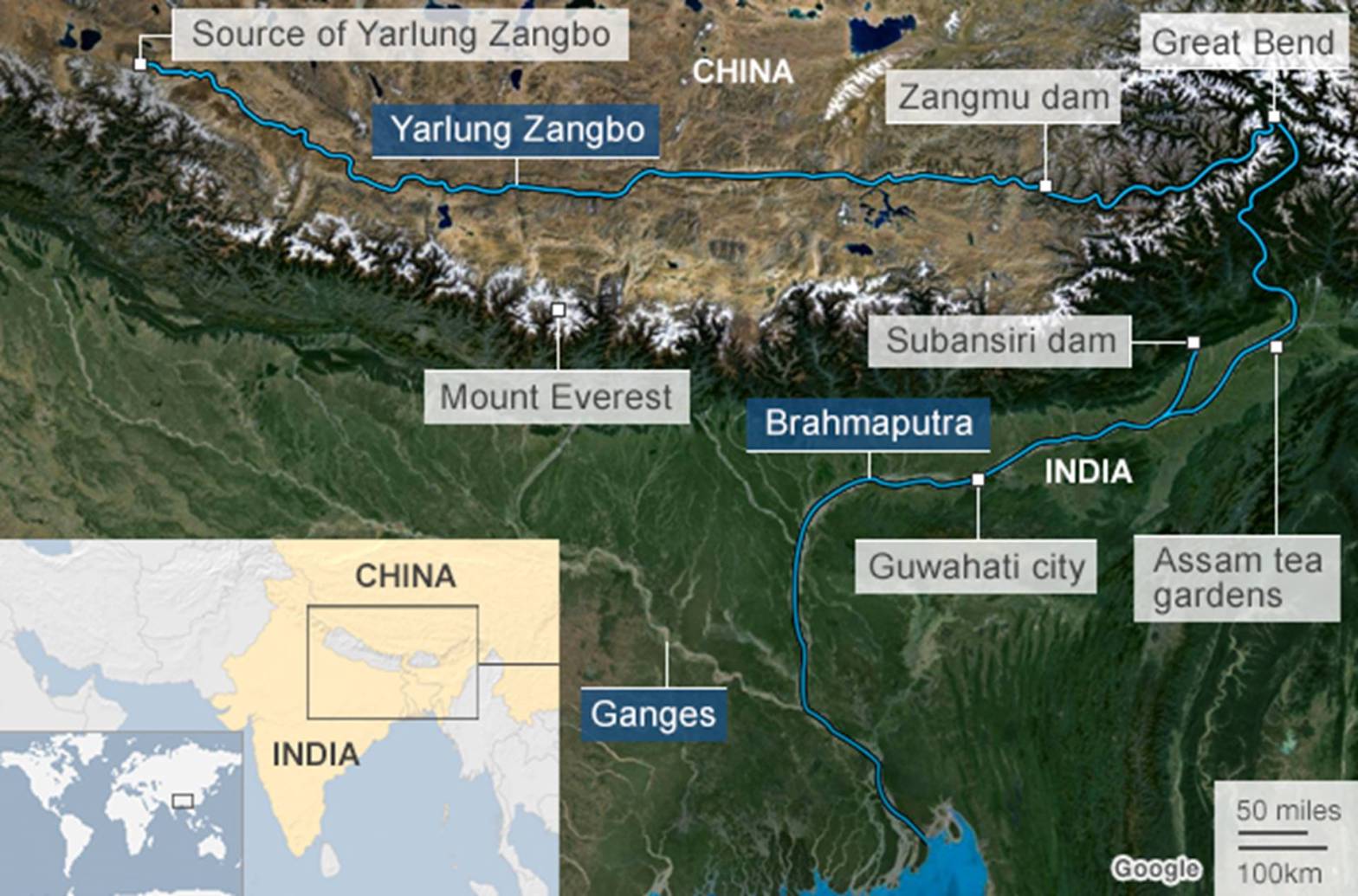
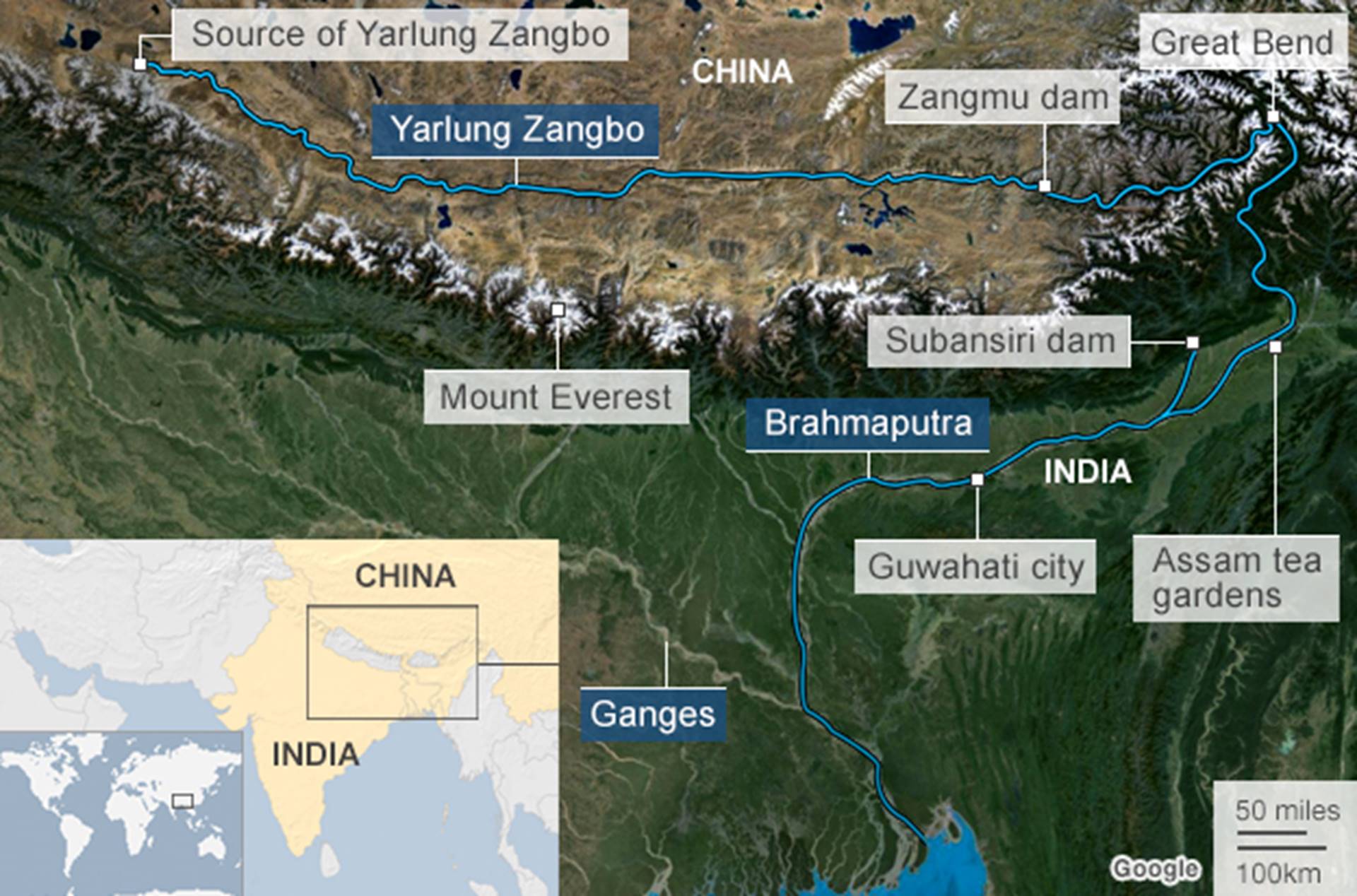
The woes of Yarlung Tsangpo-Brahmaputra River describe the tragedy of upstream occupation causing the downstream worries. The massive landslide in Tibet blocking Yarlung Tsangpo River symbolizes the woes of military conquest of Tibet and its colonization by Communist China.
The Woes of Tsangpo-Brahmaputra River. The Upstream Occupation and the Downstream Worries.
China orders evacuations after landslide blocks Tibet River
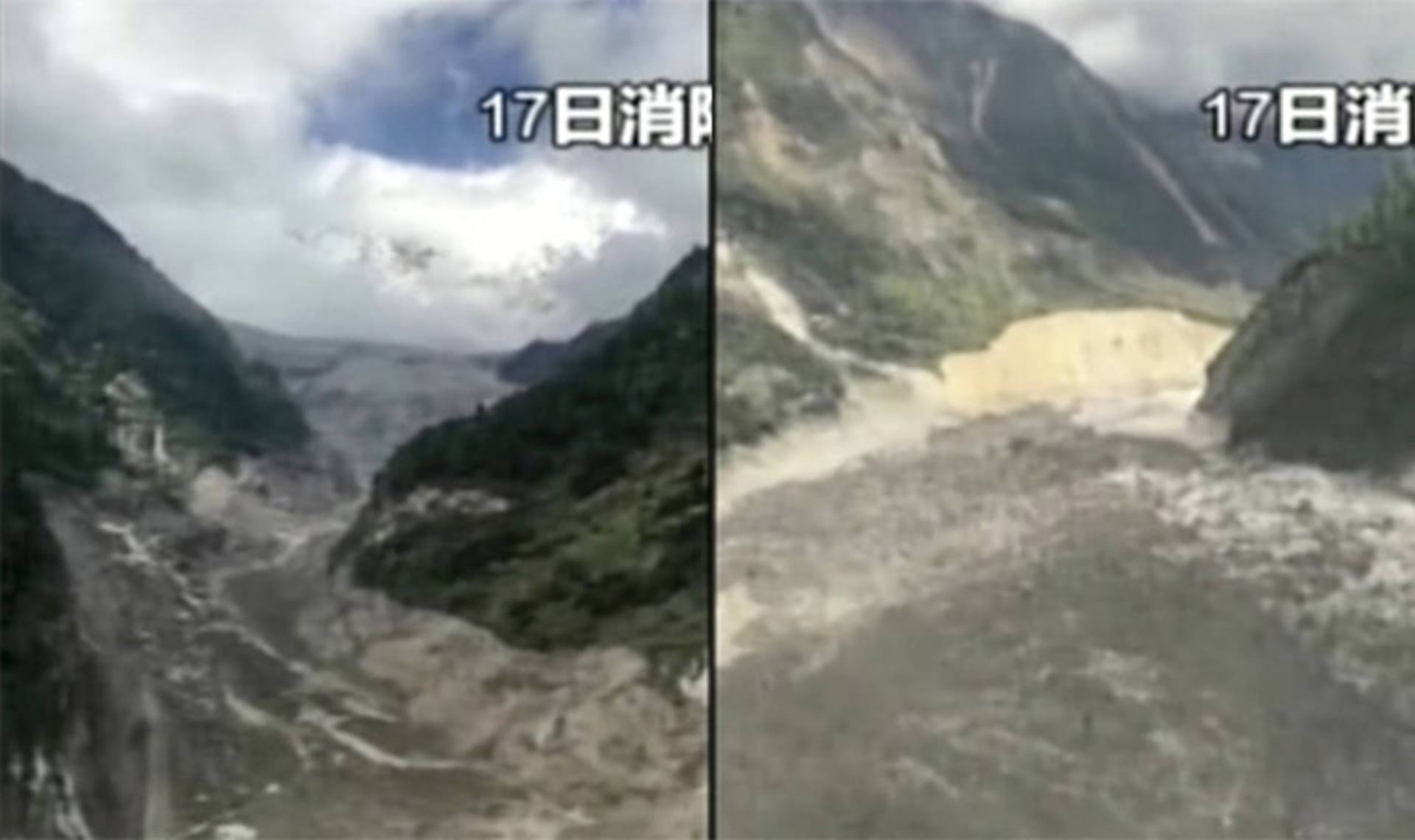
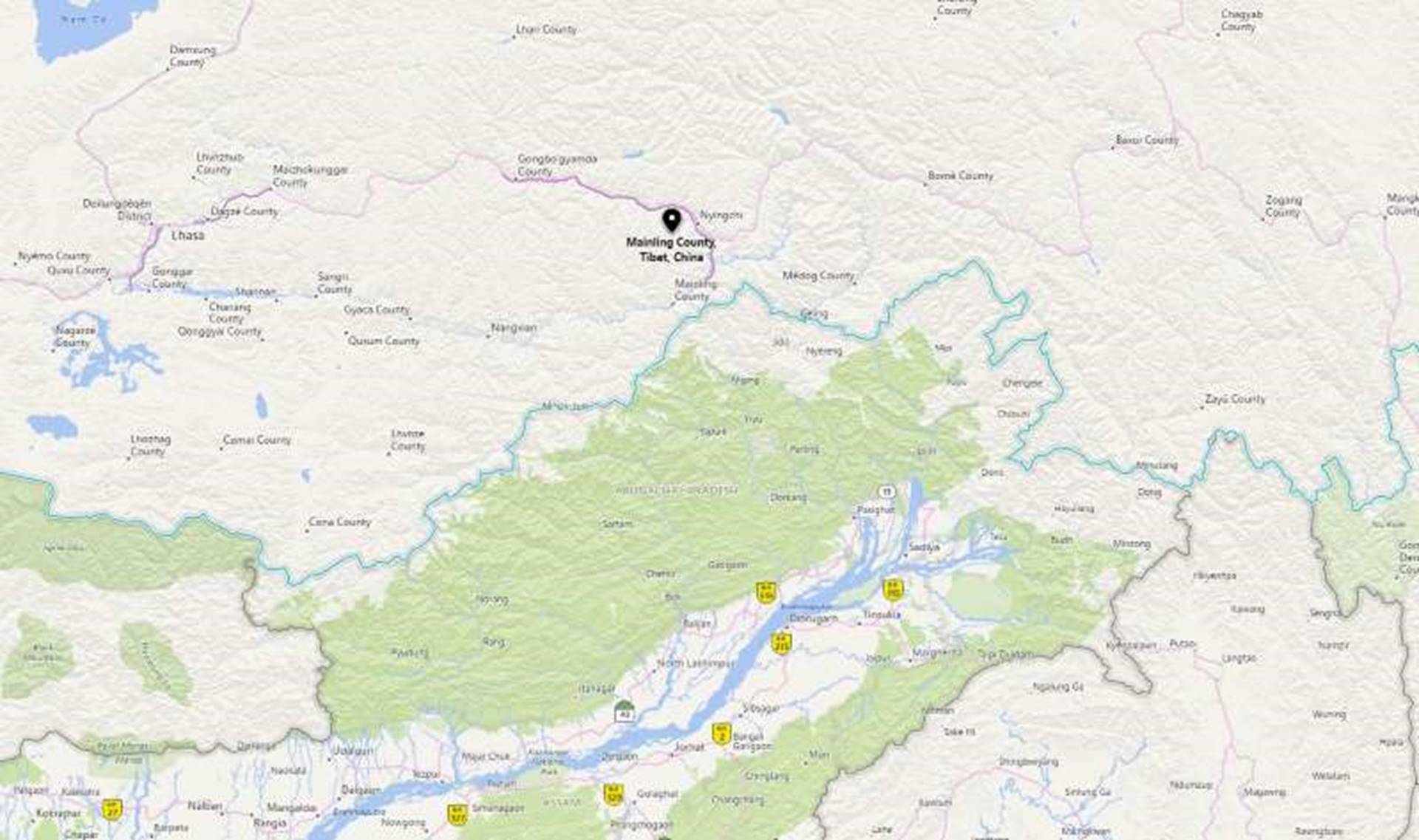
A barrier lake was formed on the Yarlung Tsangpo, the headwater of India’s Brahmaputra River, following the Wednesday morning collapse of a cliff in the deep valley through which the river flows, the local emergency response bureau said in a report carried by state media.
No deaths or injuries have been reported and the bureau said China has been keeping India updated on the blockage, which could potentially affect water levels in lower regions.
The landslide struck near a village in Menling County and water in the lake had risen to a height of 40 meters (131 feet) by Thursday, the bureau said.
With its towering peaks and glaciers, Tibet is the source of numerous Asian rivers, adding to China’s strategic influence over its southern neighbors. Fast-rising temperatures have caused those glaciers to melt at an increasing pace, throwing a shadow over future water resources for China and other Asian nations.
The Woes of Tsangpo-Brahmaputra River. The Upstream Occupation and the Downstream Worries.
Though there were no reports of deaths or injuries after the landslide, it is the second landslide that has rocked the Tibet. A massive landslide hit Derge in the Traditional Tibetan province of Kham and completely blocked the Dri Chu river earlier this week on Oct 11.
Landslide and flooding of villages in Tibet are linked to Chinese construction projects, the London-based advocacy group Free Tibet said on Oct 15 after the landslide that cut off Drichu.
“Chinese authorities have been conducting excessive mining, development and dam construction projects in the area which, according to the local population, are directly linked to the increased occurrences of flooding, particularly in the regions of Karze and Ngawa. Chinese sources claim these incidents are natural and unrelated,” Free Tibet stated
The group further noted that of late, China’s exploitation of Tibet’s natural resources has gathered pace significantly.
The ill-advised developmental projects being carried out in Tibet by the Chinese regime at the cost of the fragile Tibetan environment.
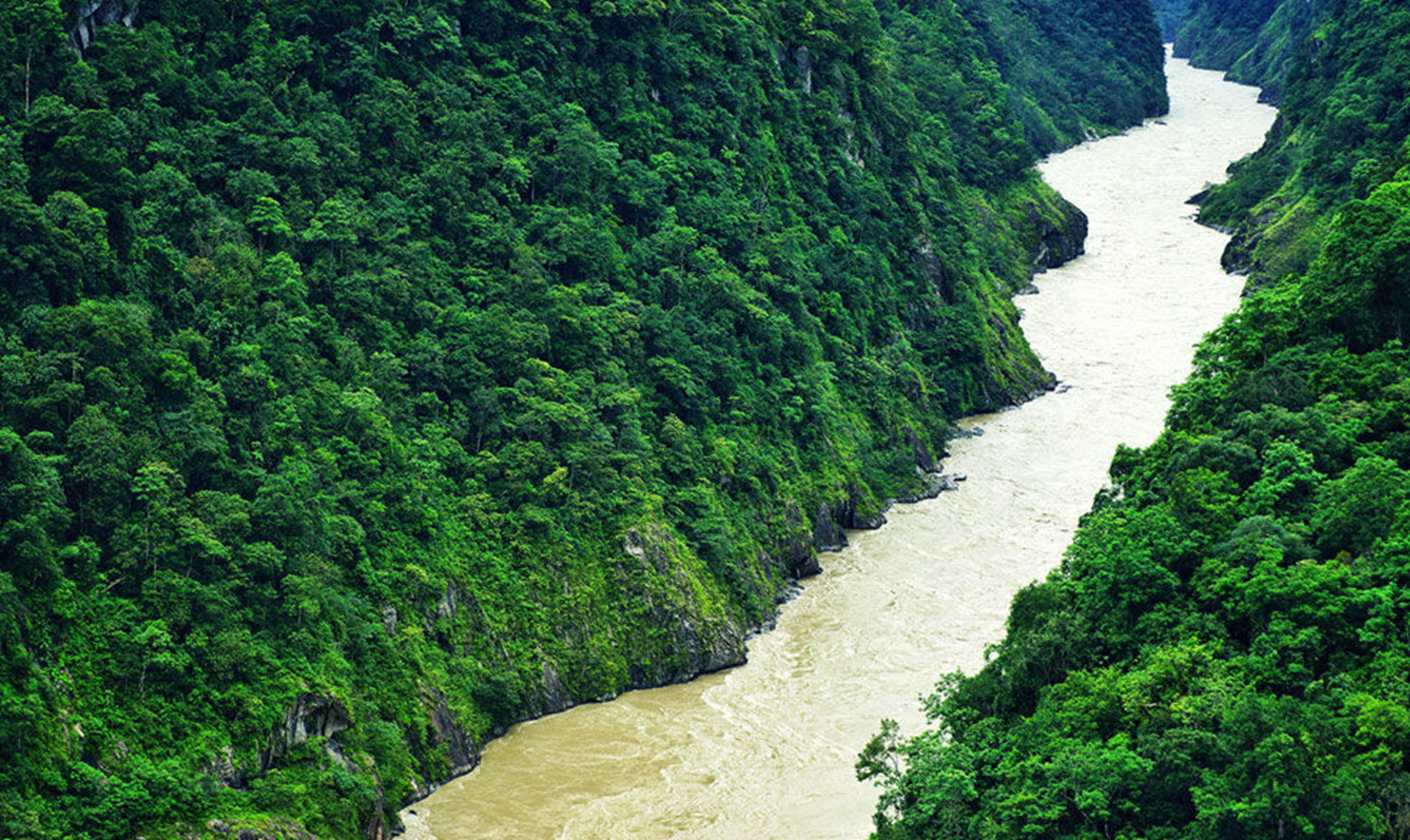
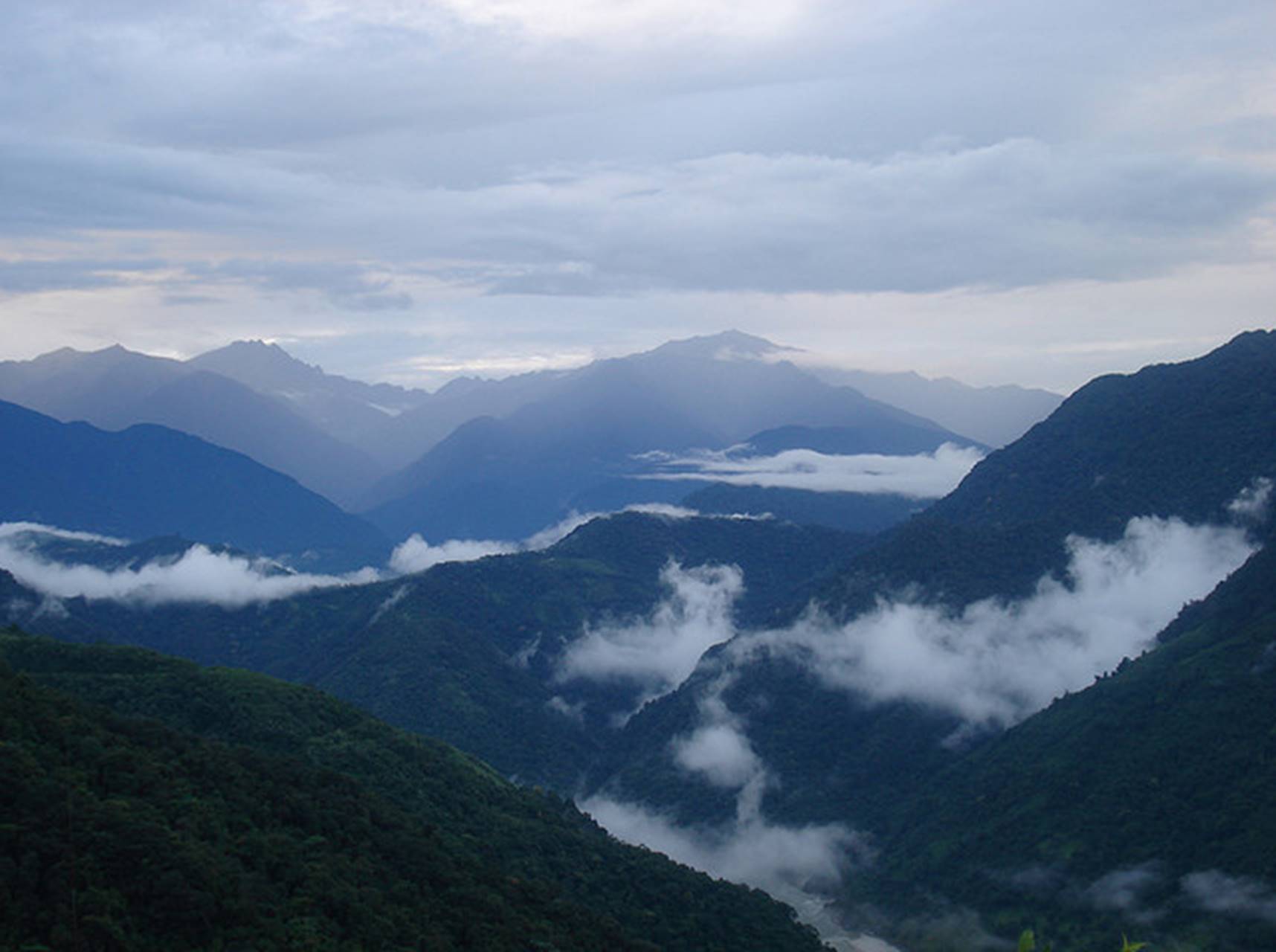
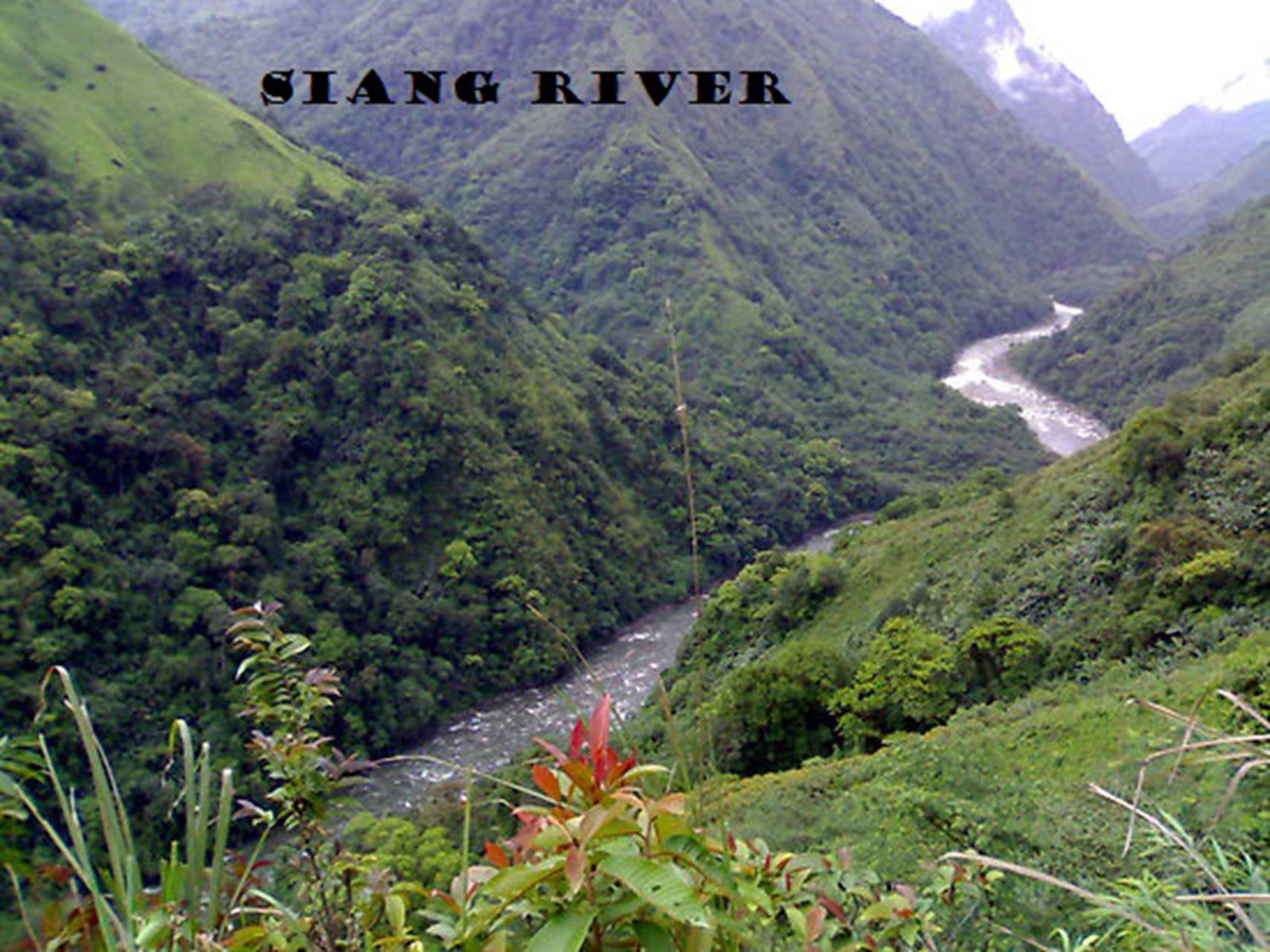
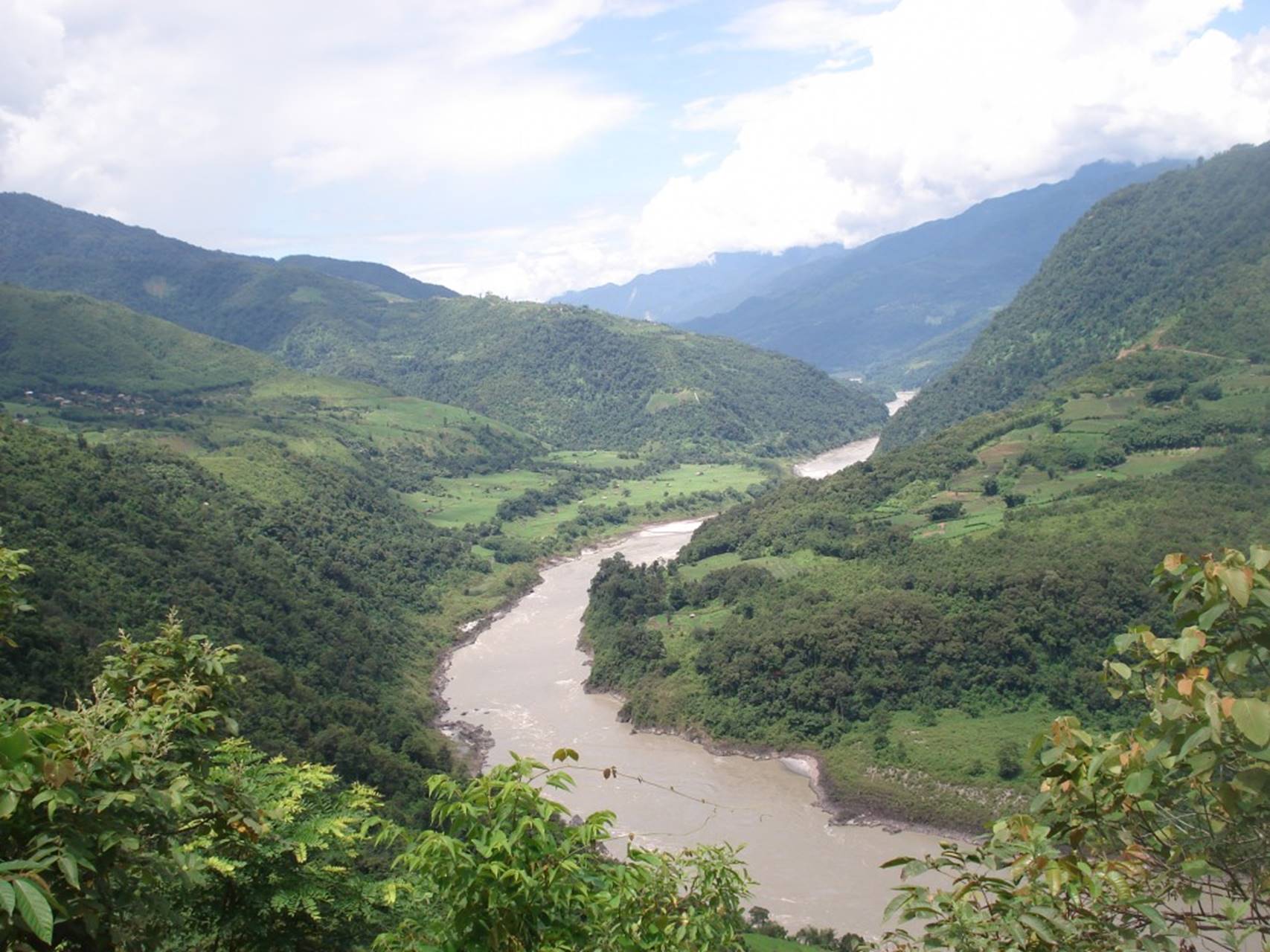
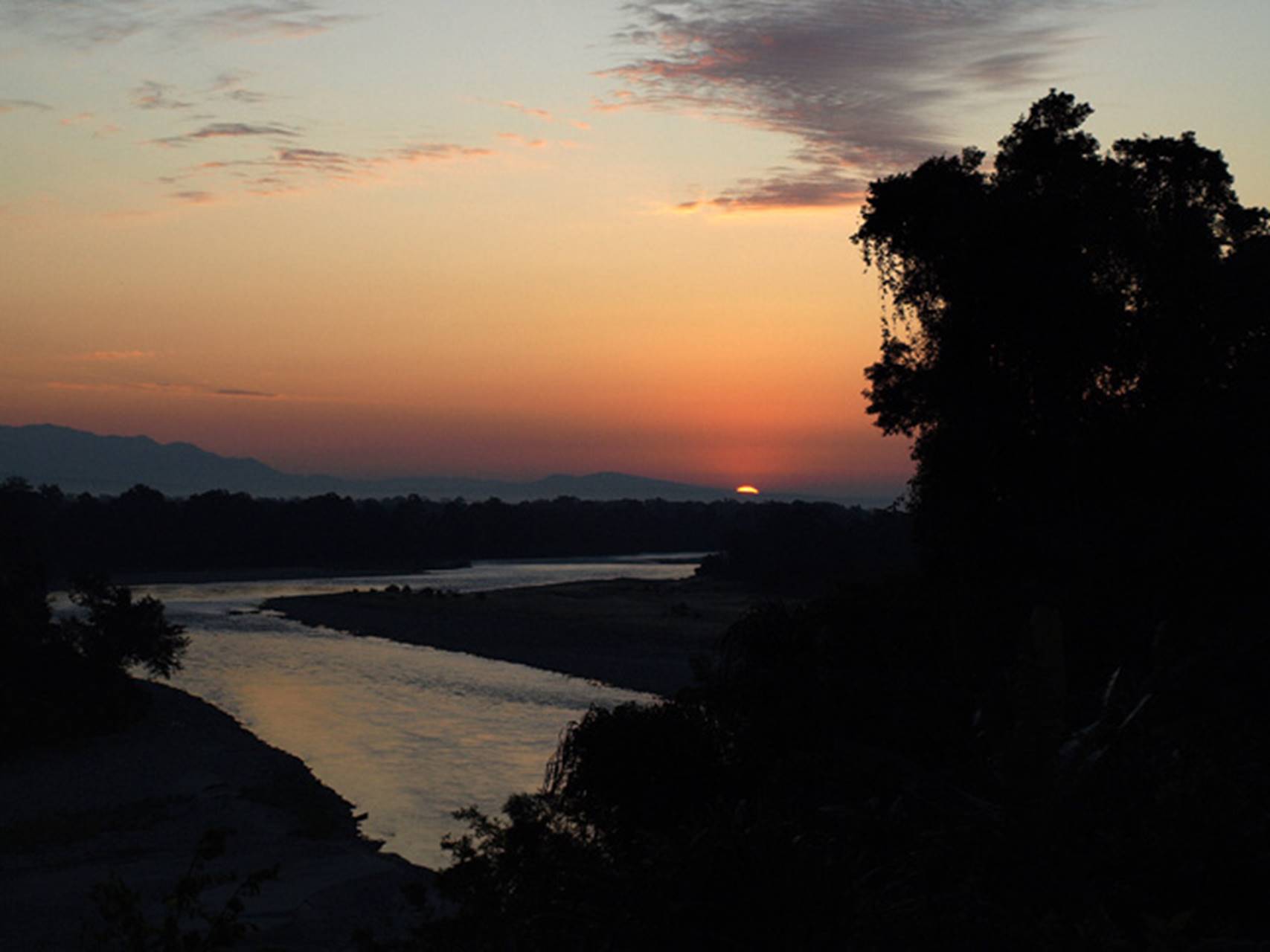
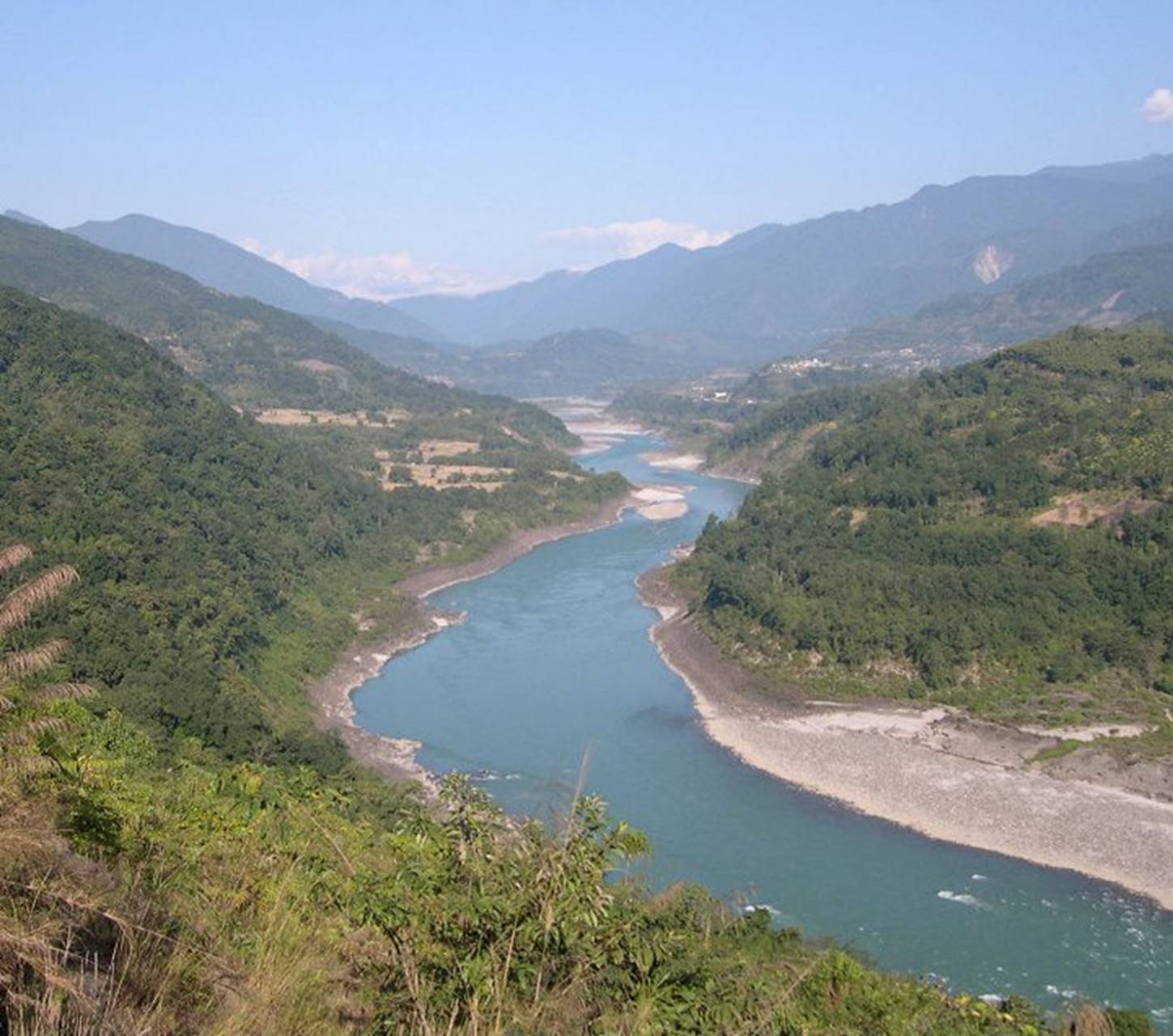
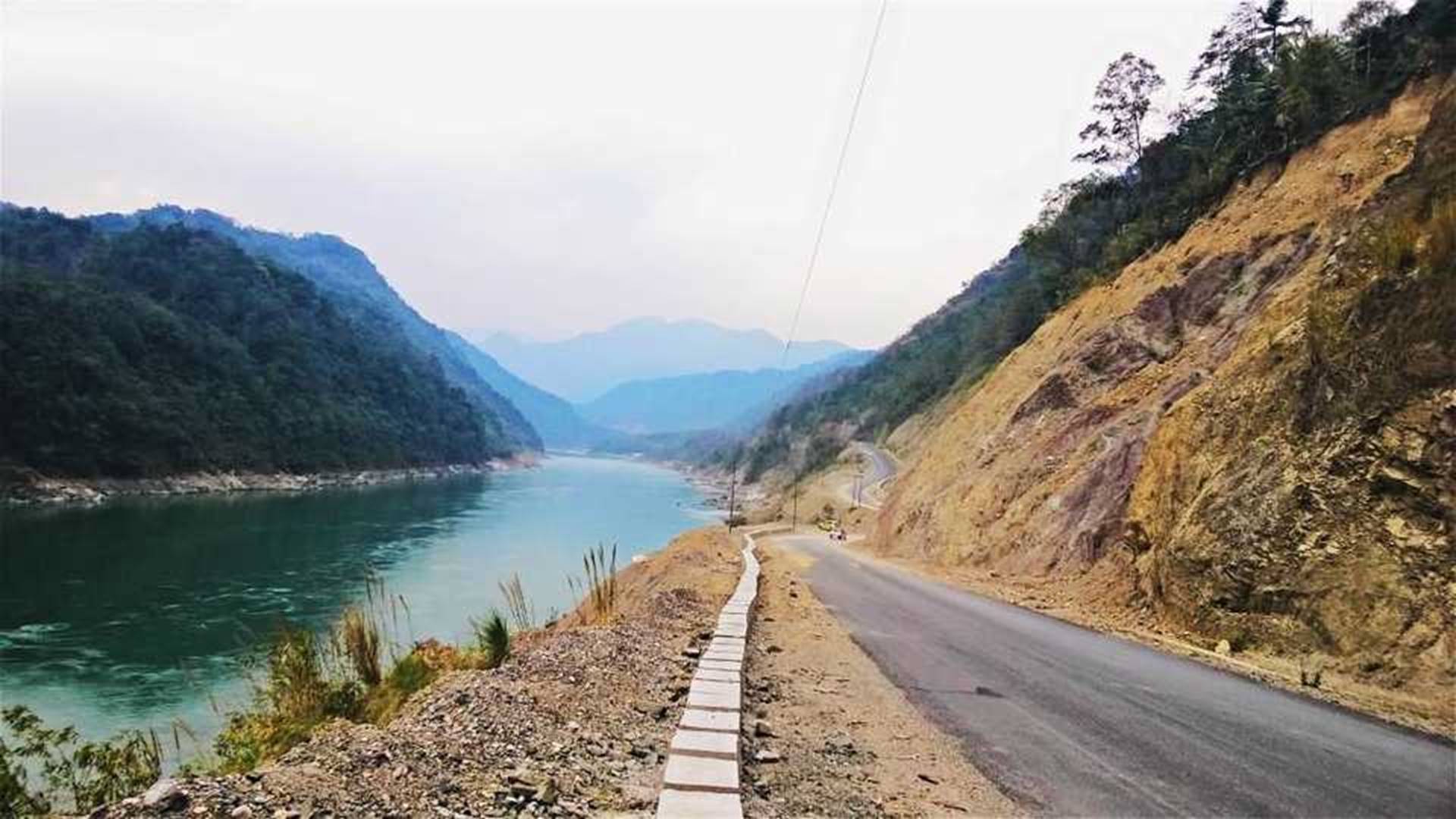
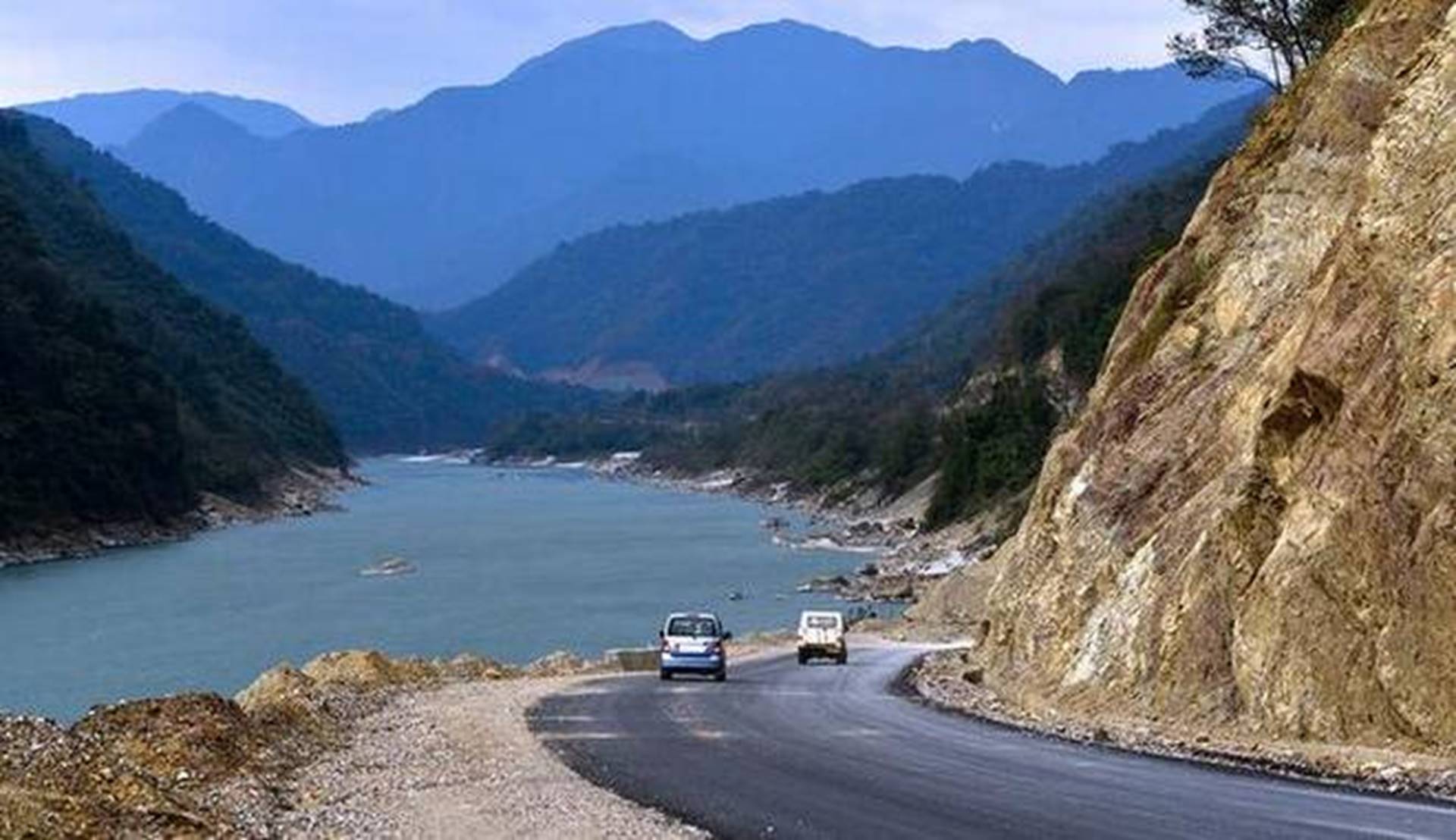
The Woes of Tsangpo-Brahmaputra River. The Upstream Occupation and the Downstream Worries. View of Siang District, Arunachal Pradesh, India.The woes of Tsangpo-Brahmaputra River – Upstream Occupation and Downstream WorriesThe woes of Tsangpo-Brahmaputra River – Upstream Occupation and Downstream WorriesThe woes of Tsangpo-Brahmaputra River – Upstream Occupation and Downstream WorriesThe woes of Tsangpo-Brahmaputra River – Upstream Occupation and Downstream WorriesThe woes of Tsangpo-Brahmaputra River – Upstream Occupation and Downstream WorriesThe Woes of Tsangpo-Brahmaputra River. The Upstream Occupation and the Downstream Worries. Siang River near Pasighat, Siang District, Arunachal Pradesh, India.
Bloodthirsty Dracula symbolizes the relationship between Han Chinese and Tibetans
Han Chinese and Tibetans. The Blood Relationship. Han Chinese are like the Teeth. The Tibetans are like the Lips. The Evil, Bloodthirsty Dracula’s Relationship with Tibet.
“The Tibetans and the Han Chinese are like lips and teeth, we are linked by Blood.”
Han Chinese and the Tibetans. The Blood Relationship. Chinese are like the Teeth and the Tibetans are like the Lips. The Evil, Bloodthirsty Dracula’s Relationship with Tibet.
Han Chinese are like the teeth of ‘The Dracula’. Innocent Tibetans are like the lips of The Dracula’s Bride. Instead of kissing the lips, Han Chinese thirst for the blood of the Tibetans. Indeed, it is a true story about Blood Relationship.
China spends big in Tibet to avert a crisis when the Dalai Lama dies
Global Power
China is increasingly trying to enhance its image by casting itself as the largest nation of Buddhist believers.
by Eric Baculinao and Jason Cumming / Aug.30.2018 / 3:53 AM ET / Updated Aug.30.2018 / 4:09 AM ET
Han Chinese and The Tibetans. The Blood Relationship. Chinese are like the Teeth and the Tibetans are like the Lips. The Evil, Bloodthirsty Dracula’s Relationship with Tibet.
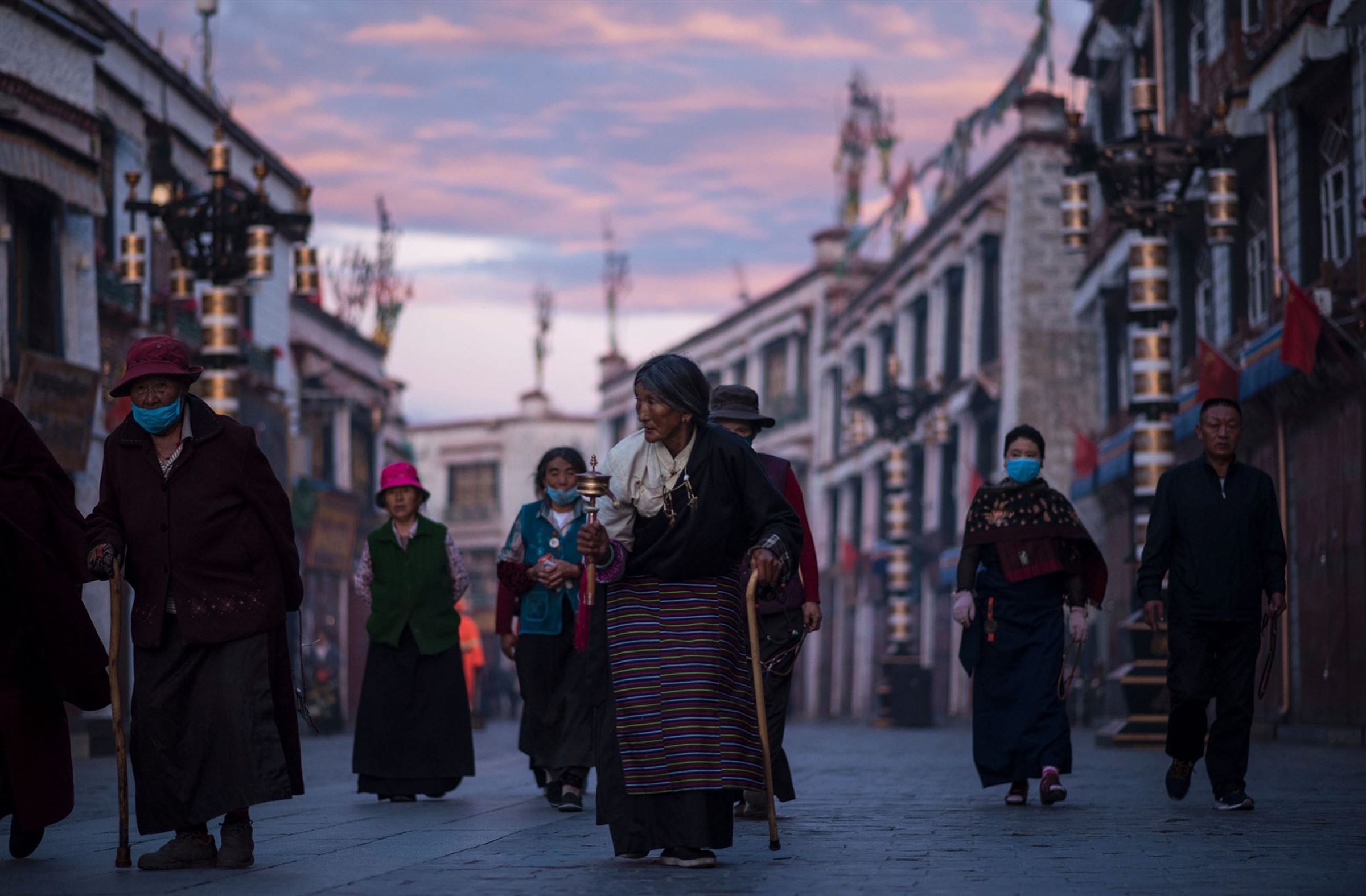
Pilgrims near the Jokhang Temple in Lhasa. Johannes Eisele file / AFP/Getty Images
LHASA, China: China is pouring billions of dollars into Tibet as Beijing seeks to cement its control before the succession struggle that is likely to follow the death of the Dalai Lama.
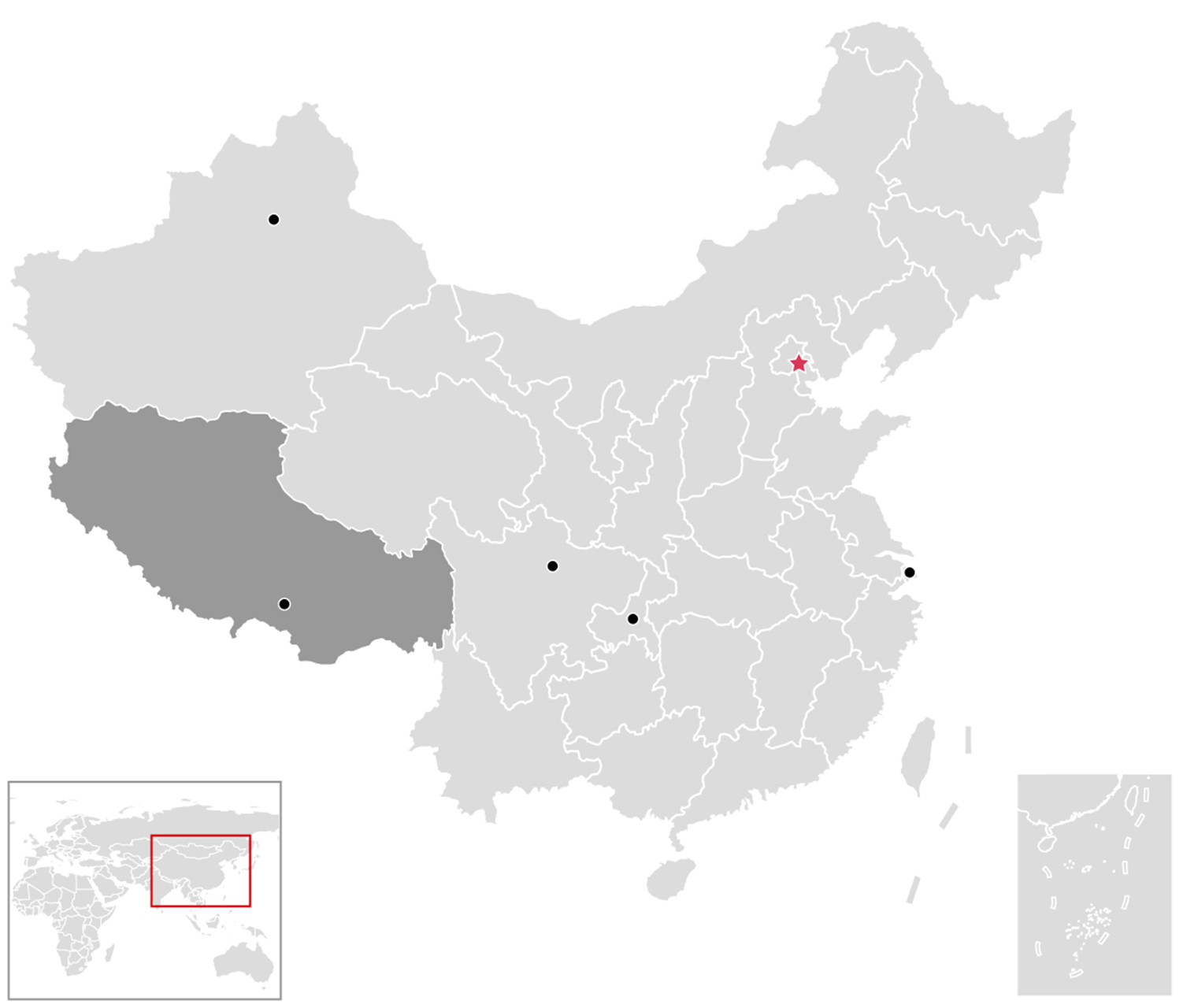
During a rare Chinese government-organized visit to the region, local officials described a development program that they contend will bring prosperity to the 3.3 million Tibetans who inhabit a vast area roughly double the size of Texas.
The massive infrastructure projects include new airports and highways that cut through the world’s highest mountains, with planned investment totaling $97 billion.
The investment plan aims to protect Tibetan Buddhism’s holy sites while building a sustainable “green economy” that safeguards the fragile environment that is an average elevation of 13,000 feet above sea level.
The roof of the world
Chinese troops marched into Tibet in 1950 in what Beijing officially terms a peaceful liberation. China has long aimed to reduce the influence of the Dalai Lama, who lives in exile in India.
Han Chinese and The Tibetans. The Blood Relationship. Chinese are like the Teeth and the Tibetans are like the Lips. The Evil, Bloodthirsty Dracula’s Relationship with Tibet.
Source: Natural Earth
Graphic: Jiachuan Wu / NBC News
According to official figures, China has also already spent over $450 million renovating Tibet’s major monasteries and other religious sites since the 1980s. An additional $290 million has been budgeted for the next five years.
The huge investment by China comes as the officially atheist country increasingly tries to enhance its image by casting itself as the largest nation of Buddhist believers. China claims some 300 million Buddhists of various schools, of which Tibetan Buddhism is one.
The effort comes as China faces charges from rights groups and exiles of repressing the Tibetan people. China has ruled Tibet with an iron fist since 1951, a year after its troops marched in.
Han Chinese and the Tibetans. The Blood Relationship. Chinese are like the Teeth. The Tibetans are like the Lips. The Evil, Bloodthirsty Dracula’s Relationship with Tibet.
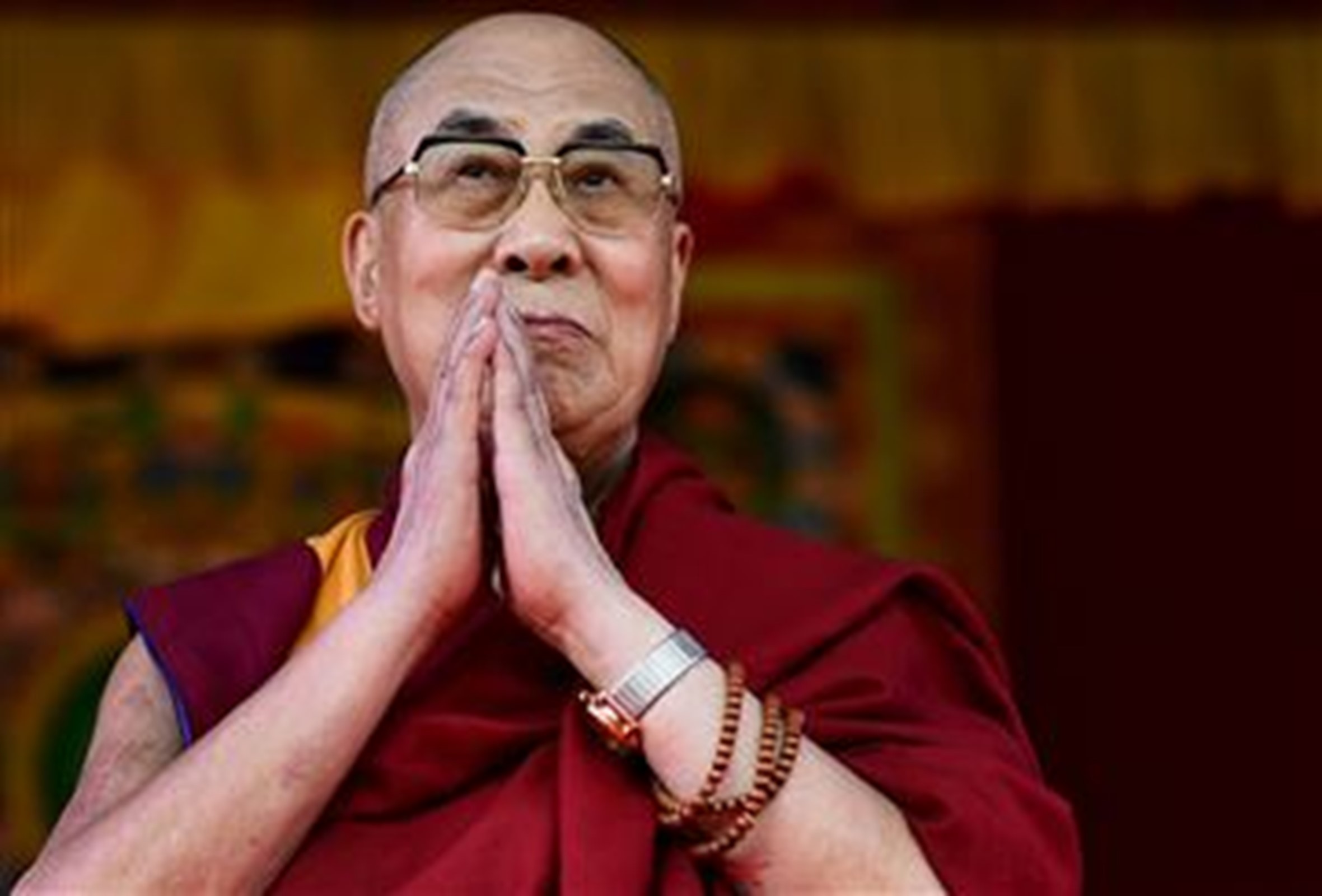
The Dalai Lama in 2015.Ben Stansall / AFP – Getty Images file
Last month, Vice President Mike Pence said Tibet’s people “have been brutally repressed by the Chinese government.” And in June, the U.N. High Commissioner for Human Rights said conditions were “fast deteriorating” in Tibet.
Beijing routinely denies charges of repression, saying that its rule ended serfdom and brought prosperity to what was a backward region and that it fully respects the rights of the Tibetan people.
It insists Tibet has historically been part of its territory since the mid-13th century. Many Tibetans, though, say the region has been effectively independent for most of its history.
While Beijing regards the Dalai Lama as a dangerous separatist who seeks to split off nearly a quarter of the land mass of the People’s Republic of China, the Nobel Peace Prize-winning Tibetan spiritual leader says he only seeks greater rights for Tibetans, including religious freedom and autonomy.
Reincarnation
For supporters of the Dalai Lama, China’s Tibet strategy is “aimed at increasing its control and limiting the personal freedom of the Tibetan people,” said Matteo Mecacci, a former lawmaker in Italy and president of the International Campaign for Tibet.
He called the infrastructure improvements and monastery renovations “superficial.”
Mecacci said Tibetans are “not even allowed to receive teachings from the Dalai Lama.”
Han Chinese and the Tibetans. The Blood Relationship. Chinese are like the Teeth and the Tibetans are like the Lips. The Evil, Bloodthirsty Dracula’s Relationship with Tibet.
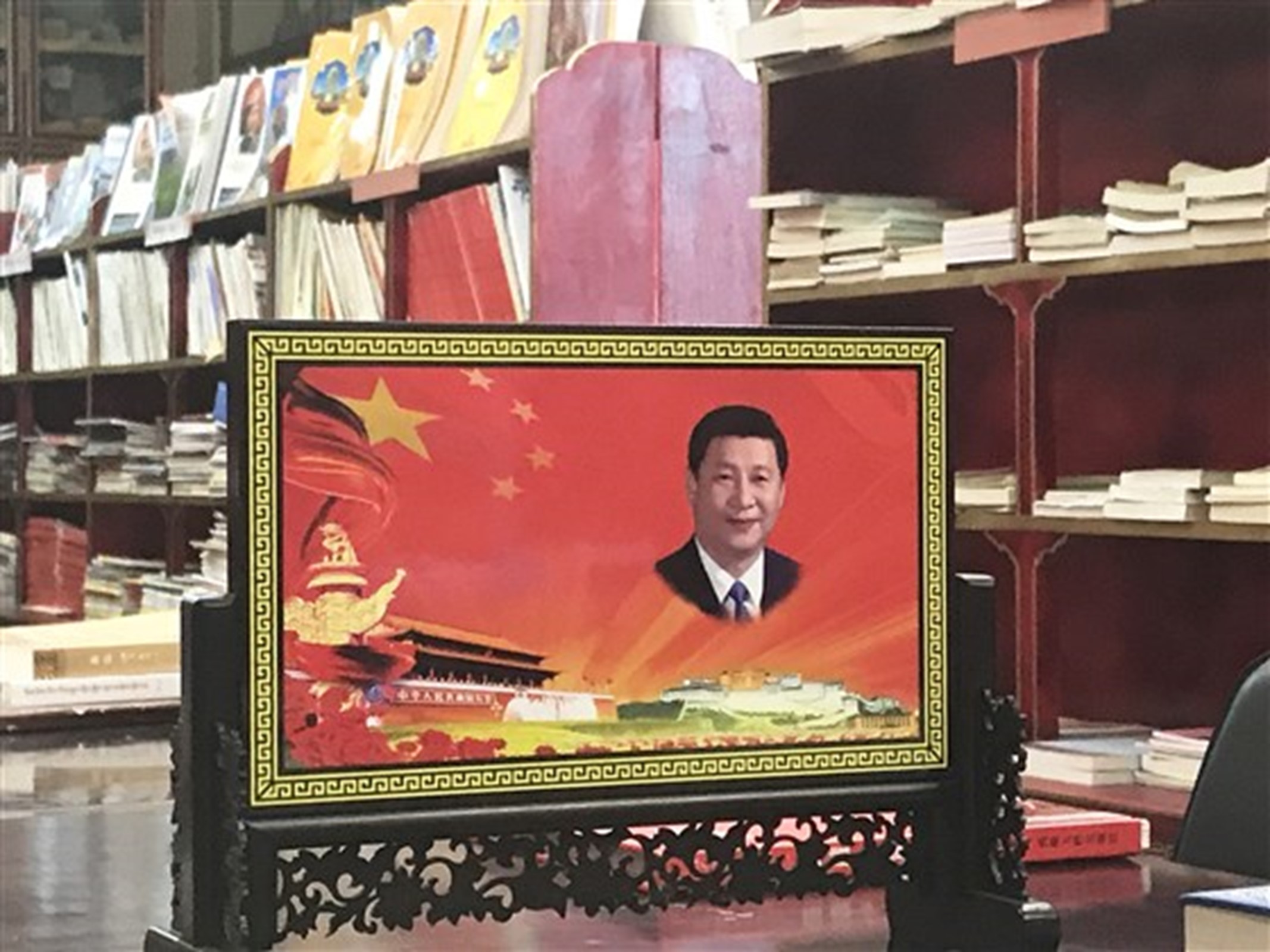
A portrait of Chinese President Xi Jinping at the Sera Monastery in Tibet. Eric Baculinao / NBC News
He added, “When it comes to the real practice of Buddhism, China continues to increase restrictions.”
With the Dalai Lama now 83, many Tibetans fear that China will use the succession issue to split Tibetan Buddhism, with a new Dalai Lama named by exiles and another by the government after his death.
(Barry Kerzin, an American monk and the Dalai Lama’s personal physician, told NBC News that he is “perfectly fit.”)
The Dalai Lama, who fled Tibet and went into exile in India in 1959, has repeatedly tussled with China’s ruling Communist Party over who has final authority on the issue of reincarnation.
“The Tibetans and the Han Chinese are like lips and teeth, we are linked by blood.”
Tibetan Buddhism holds that the soul of a senior lama is reincarnated in the body of a child on his death.
China says it must approve the next Dalai Lama, and the Dalai Lama has said his biggest concern is that China will try to name his successor.
Han Chinese and the Tibetans. The Blood Relationship. Chinese are like the Teeth and the Tibetans are like the Lips. The Evil, Bloodthirsty Dracula’s Relationship with Tibet.
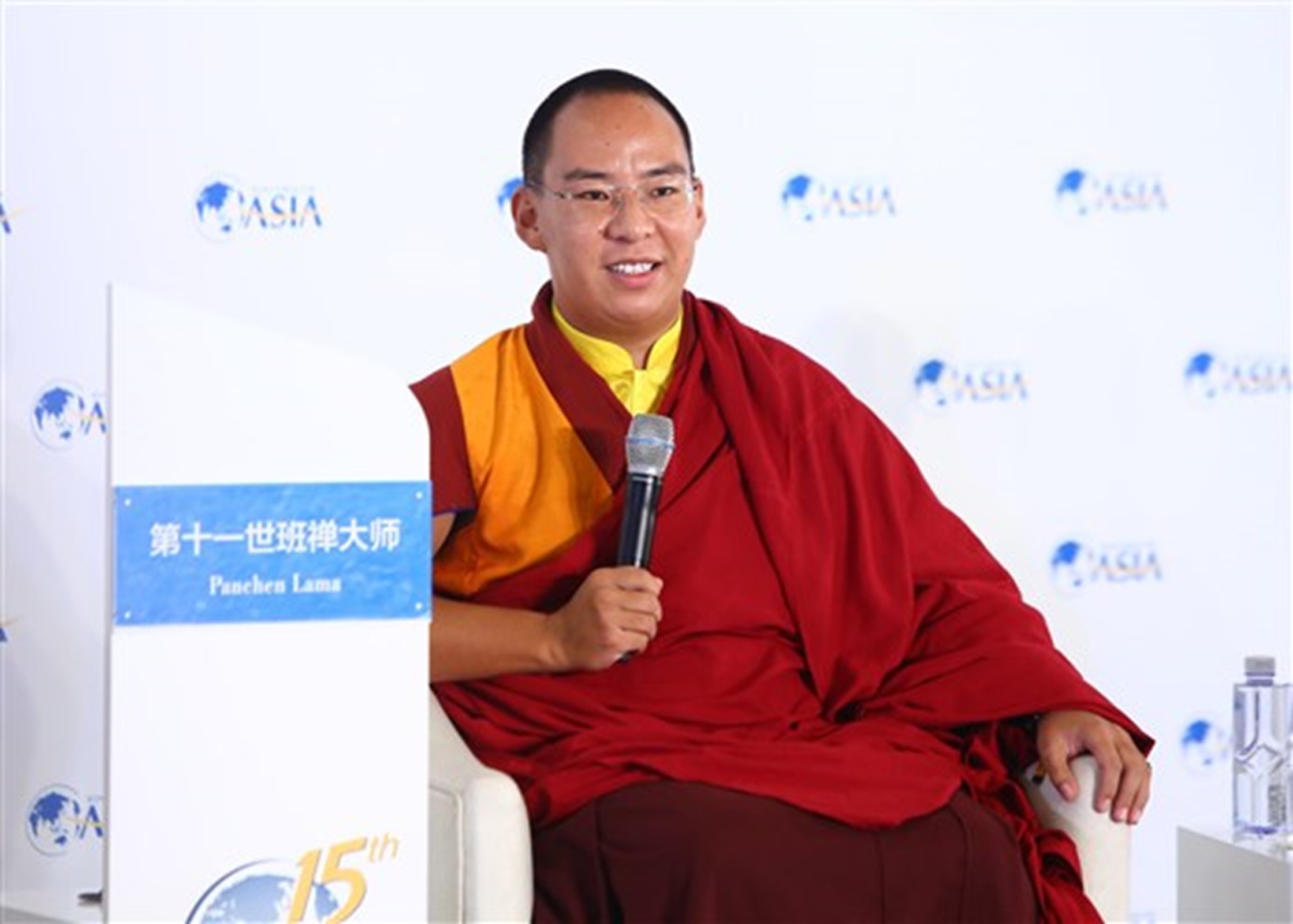
The Panchen Lama who was installed by the Chinese government attends an event in 2016.Cui hao / Imaginechina/Getty file
In 1995, after the Dalai Lama named a boy in Tibet as the reincarnation of the previous Panchen Lama, the second-highest figure in Tibetan Buddhism, China put the boy under house arrest and installed another instead.
Many Tibetans are torn between accepting and spurning the Chinese-appointed Panchen Lama.
Palaces and shrines
Explaining the seeming contradictions in China’s policy, Tibet’s foreign affairs deputy chief, Ma Qiang, said that while the Community Party “doesn’t believe in religion,” China’s government was “duty-bound to protect Tibetan Buddhism and restore and preserve its holy sites because that is also what the Tibetan people want so they can exercise their freedom of worship.”
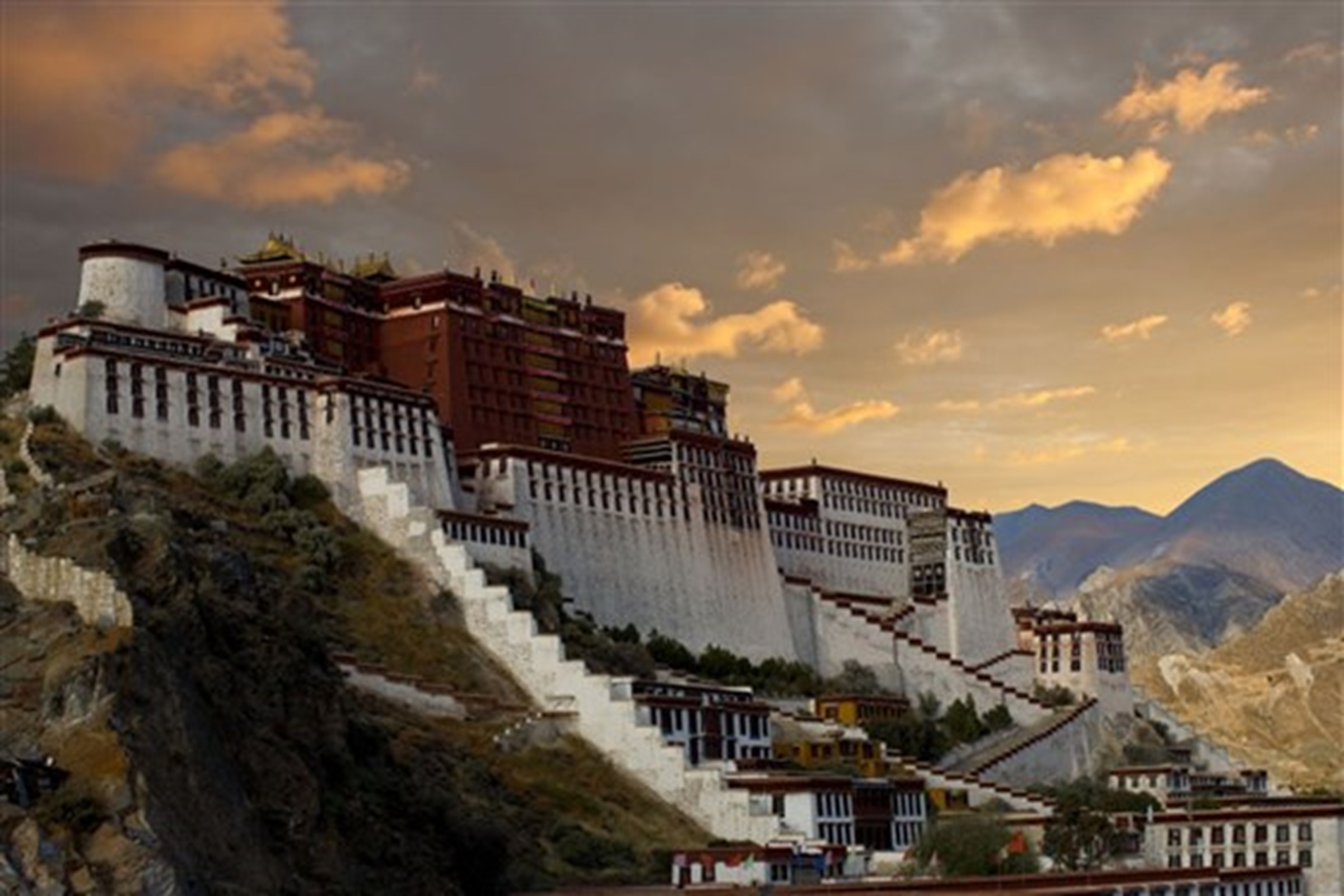
The most iconic landmark to receive Chinese funding is the imposing Potala Palace, the thousand-room residence that overlooks Lhasa. It houses the tombs of all but one of the Dalai Lamas who have died since 1682.
Han Chinese and the Tibetans. The Blood Relationship. Chinese are like the Teeth and the Tibetans are like the Lips. The Evil, Bloodthirsty Dracula’s Relationship with Tibet.
Lhasa’s Potala Palace. iStock / Getty
According to the museum’s deputy director, Gonga Zhaxi, the 13-story palace has undergone two major renovations on which Beijing spent $37 million. Another $4.4 million has been budgeted for the repair of its ornate golden roofs.
To protect its priceless Buddha statues, frescoes and scriptures, a limit has been set of 5,000 pilgrims and tourists per day, and cats have been deployed against the colony of rats, he said.
Other sites that have benefited from Chinese cash include:
The seventh-century Jokhang Temple is Tibet’s holiest shrine as it houses a life-sized statue of Buddha (Jowo Shakyamuni) at the age of 12. The labyrinth of chapels thick with the smoke of incense and prayer candles is visited daily by around 12,000 pilgrims and tourists. Buddha’s statue was the gift of the Chinese Tang dynasty Princess Wencheng when she married Tibetan King Songtsan Gambo around 1,300 years ago. The union is now immortalized in a spectacular open-air opera with a cast of 800. A private production company has invested more than $80 million to promote this narrative of Tibet-China unity. Lhagba, a prominent monk and the site’s management director, said Beijing has spent $14.7 million on major repairs there in the past 10 years.
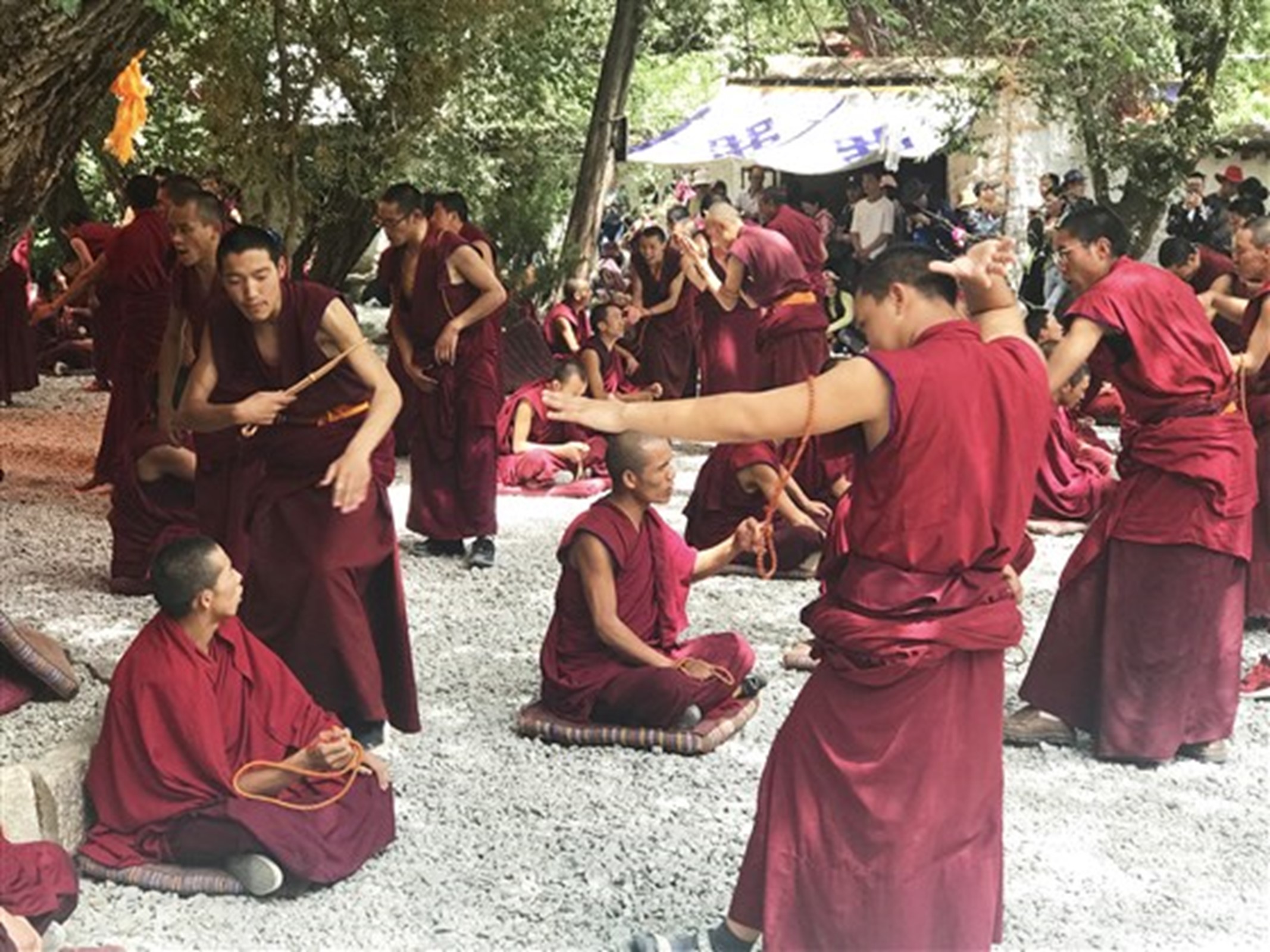
Beijing has also helped with major renovations at Drepung Monastery and Sera Monastery, two of Tibet’s most influential Buddhist academies, with grants of $30 million and $8 million. Thanks to government help, the monks can focus on their studies and need not bother with the monastery’s repairs, according to Awang Ciren, the monastery’s academic head. To increase its enrollment of 480 monks, Beijing is building a new dormitory that can accommodate 170 monks, he added.
In addition, 46,000 monks and nuns are now covered by health insurance and social security, officials said.
And with Beijing’s “preferential” policy and massive budget subsidies, Tibet’s economy has been growing faster than the rest of China.
Some $170 million was spent on environmental projects last year, part of a 23-year plan unveiled in 2009 that’s worth $2 billion.
“In Tibet, we don’t allow the burning of coal, and since 2011, we have stopped approving any new mining projects,” said Luo Jie, Tibet’s environmental protection chief, adding that more than one-third of Tibet’s territory consisted of nature reserves. “We also don’t tolerate river pollution.”
Developing a “green economy” is the future of Tibet, according to economic planning official Jiang Taichang
Tourism is also an industry that is drawing more focus. Last year, more than 25 million tourists and pilgrims visited Tibet, generating more than $5.5 billion or one-third of Tibet’s income, and their number is expected to rise to 70 million in four years. (The majority of tourists are Chinese, as security has been ratcheted up significantly in the decade since anti-government protests spread through Tibetan areas in 2008 and Tibet remains mostly off-limits to foreigners.)
Han Chinese and the Tibetans. The Blood Relationship. Chinese are like the Teeth and the Tibetans are like the Lips. The Evil, Bloodthirsty Dracula’s Relationship with Tibet.
Monks at Tibet’s Sera Monastery debate Buddhist teachings. Eric Baculinao / NBC News
Lhasa’s special economic zone, built with a $30 million investment from Beijing, is already fully leased out, with 200 enterprises producing a range of products from beer to medicines. A new technology zone and financial district are being planned.
Norbu Thondup, the Beijing-appointed executive vice chairman of the Tibet Autonomous Region, Tibet’s administrative name, condemned the “sabotage” activities aimed at the “harmony and happiness in today’s Tibet” by groups supporting the Dalai Lama.
He reiterated China’s policy that the “gate is open” if the Dalai Lama abandons the idea of “splitting” Tibet from China.
“The decision is for the Dalai to make,” Thondup said of him returning to his homeland. “The Tibetans and the Han Chinese are like lips and teeth, we are linked by blood.”
But Mecacci, of the International Campaign for Tibet, said it was important for China to engage with the Dalai Lama.
“Only a serious dialogue while the Dalai Lama is alive can provide a lasting political solution in Tibet,” he said. “Finding an agreement with the Tibetans would help China because it’s the right thing to do and because it will help China both domestically and internationally.”
Eric Baculinao reported from Lhasa and Jason Cumming from London.
Han Chinese and the Tibetans. The Blood Relationship. Chinese are like the Teeth and the Tibetans are like the Lips. The Evil, Bloodthirsty Dracula’s Relationship with Tibet.
Tibet Awareness – Unconventional Warfare to Fight Against the Devil
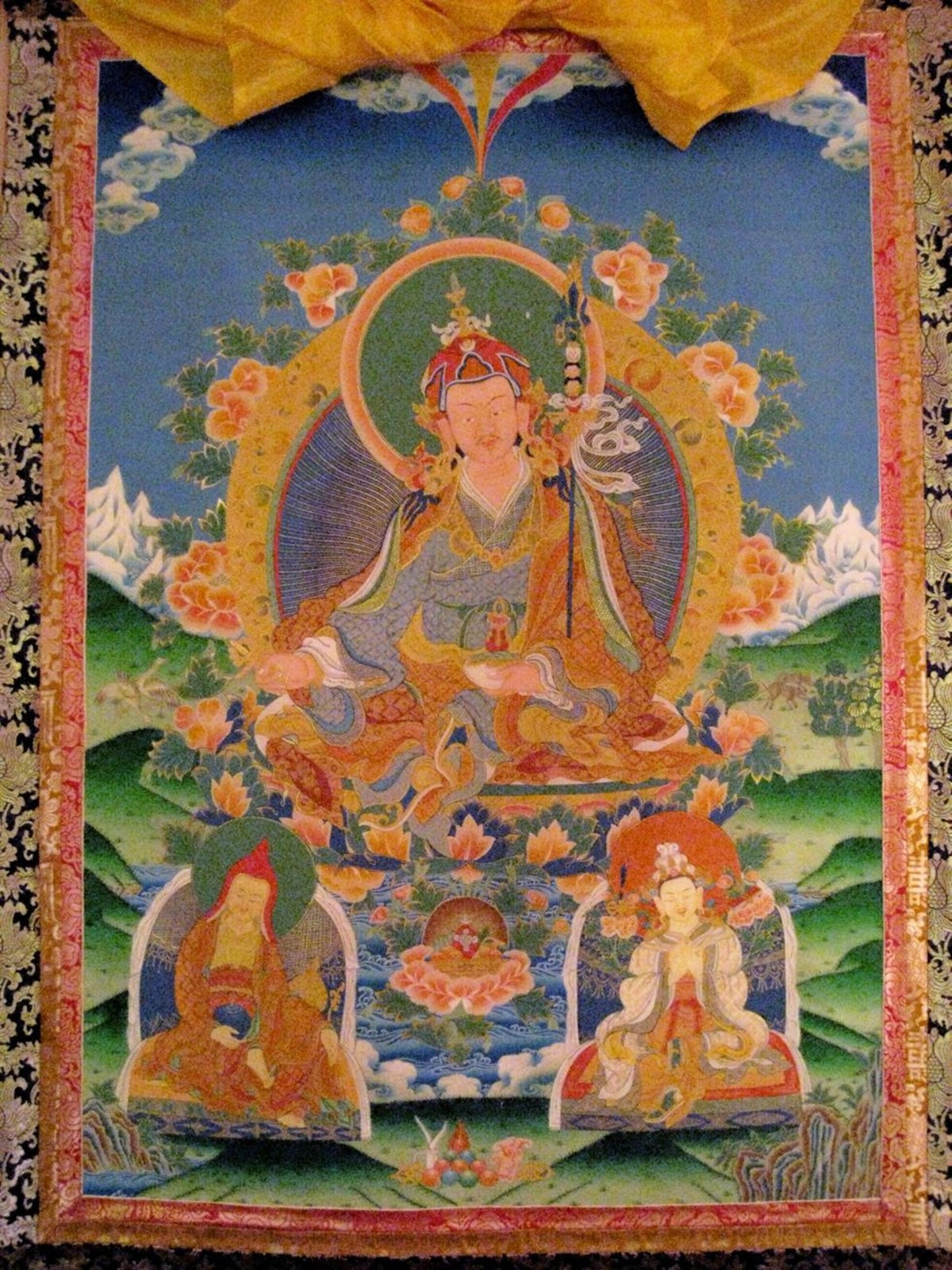
Blessings for Peace. A Charming Way to Fight Against The Devil. Guru Padmasambhava, Shantirakshita (Protector of Peace).
Living Tibetan Spirits seek the Blessings of Guru Padmasambhava, Shantarakshita (Protector of Peace) to fight against the Devil giving us pain, and misery by robbing the Natural Freedom that Tibetans inherited entirely due to Natural Conditions, Natural Causes, Natural Factors, and Natural Mechanisms. Freedom in Tibet is the gift of Mother Nature. Whereas Occupation is the Sickness imposed by the Evil Power called The Red Dragon. In the fight against the Evil Power occupying Tibet, Living Tibetan Spirits embrace both conventional, and unconventional tactics of Warfare.
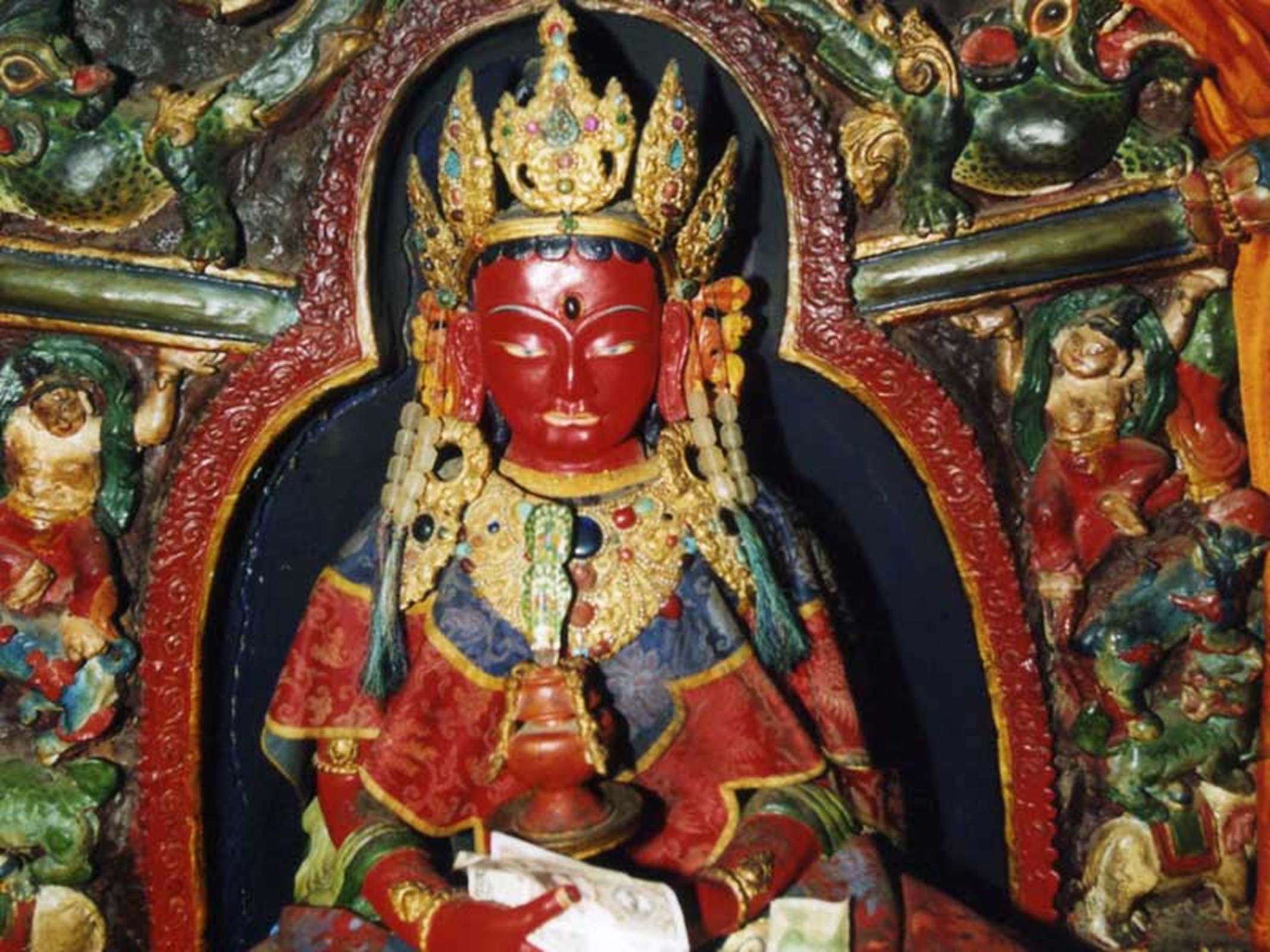
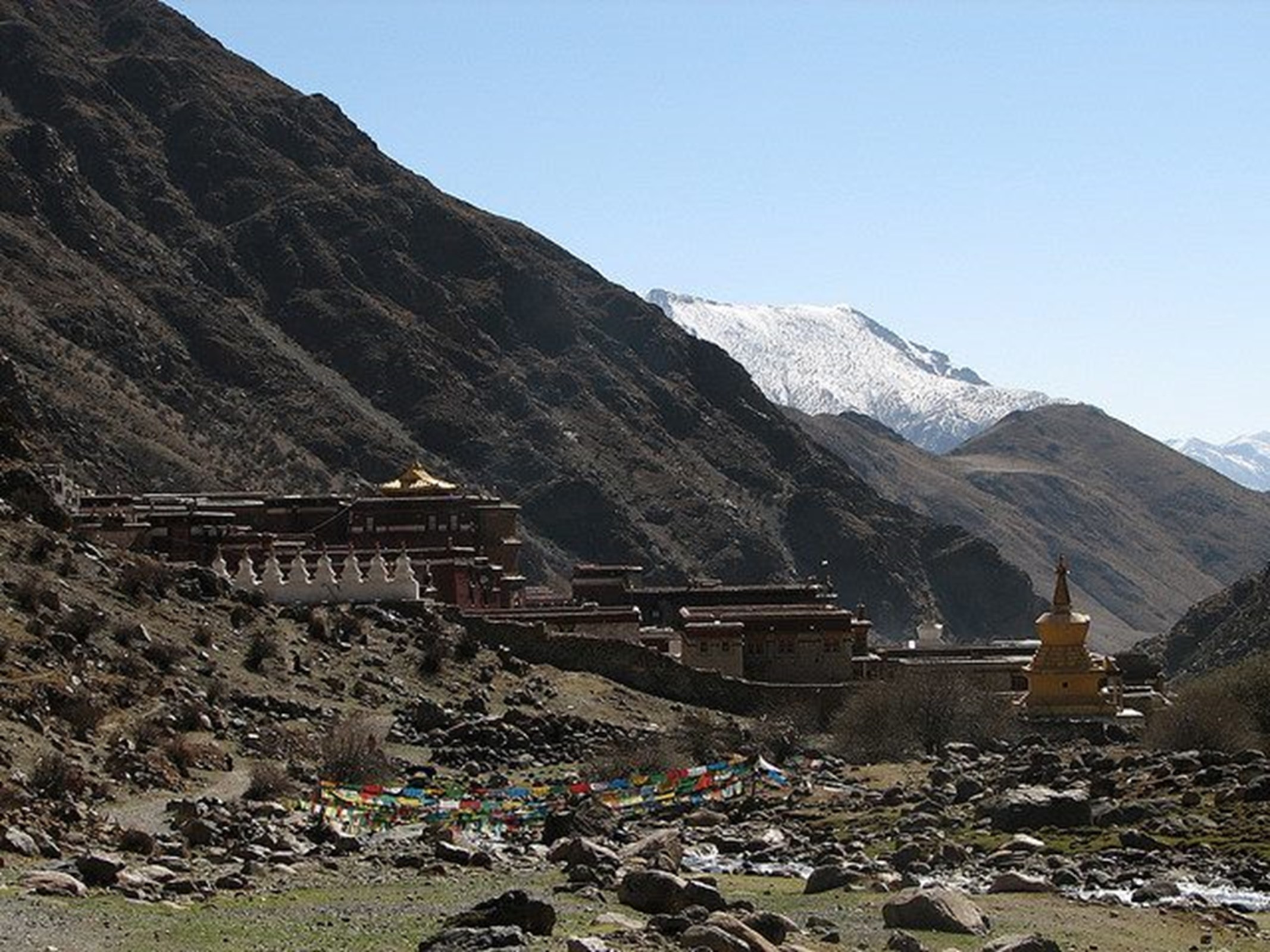
Blessings for Peace. A Charming Way to Fight Against The Devil. The Protector of Peace at Tsurphu Monastery, Tibet.
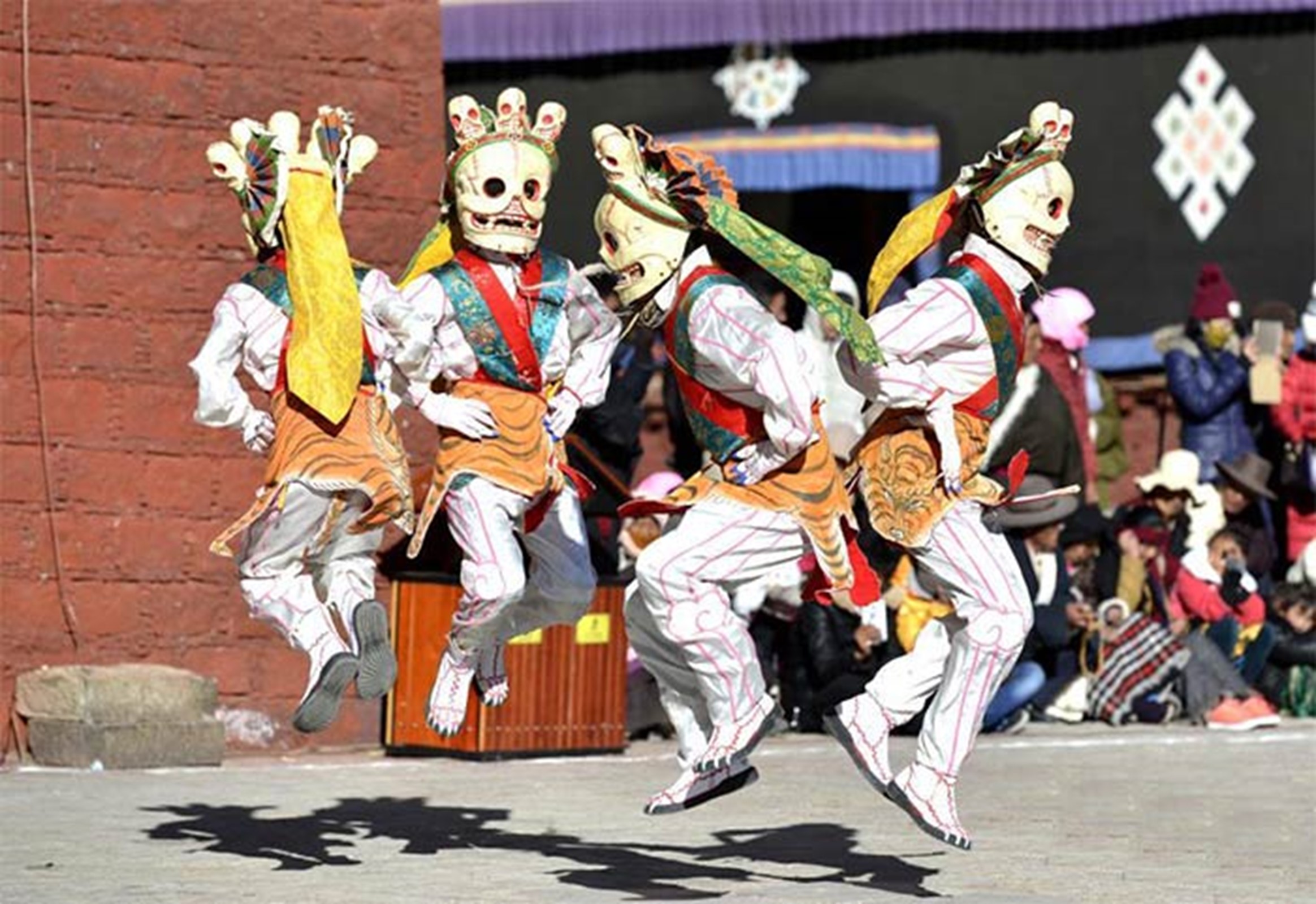
TSURPHU CHAM DANCE FESTIVAL, TSURPHU MONASTERY FESTIVAL
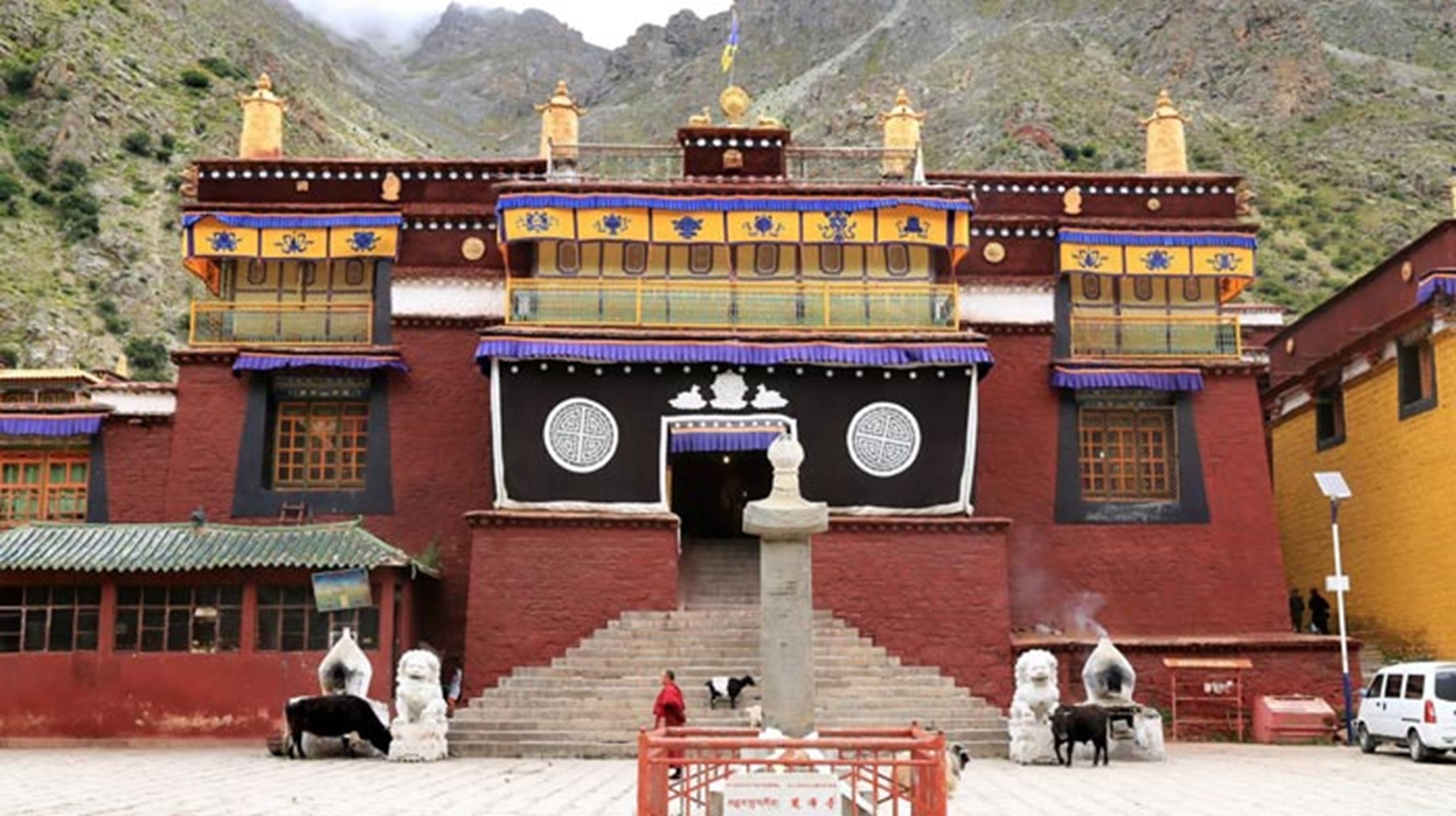
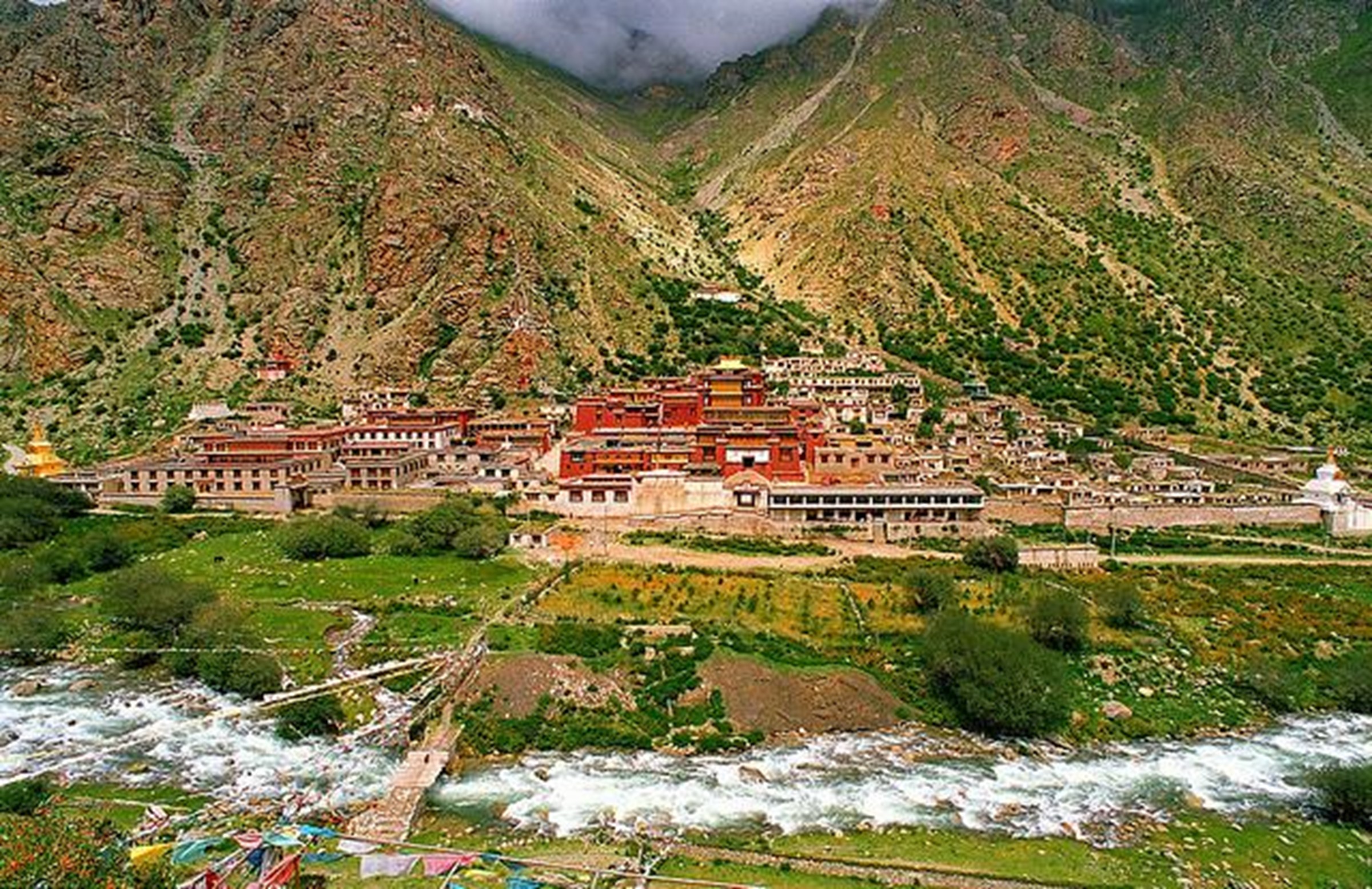
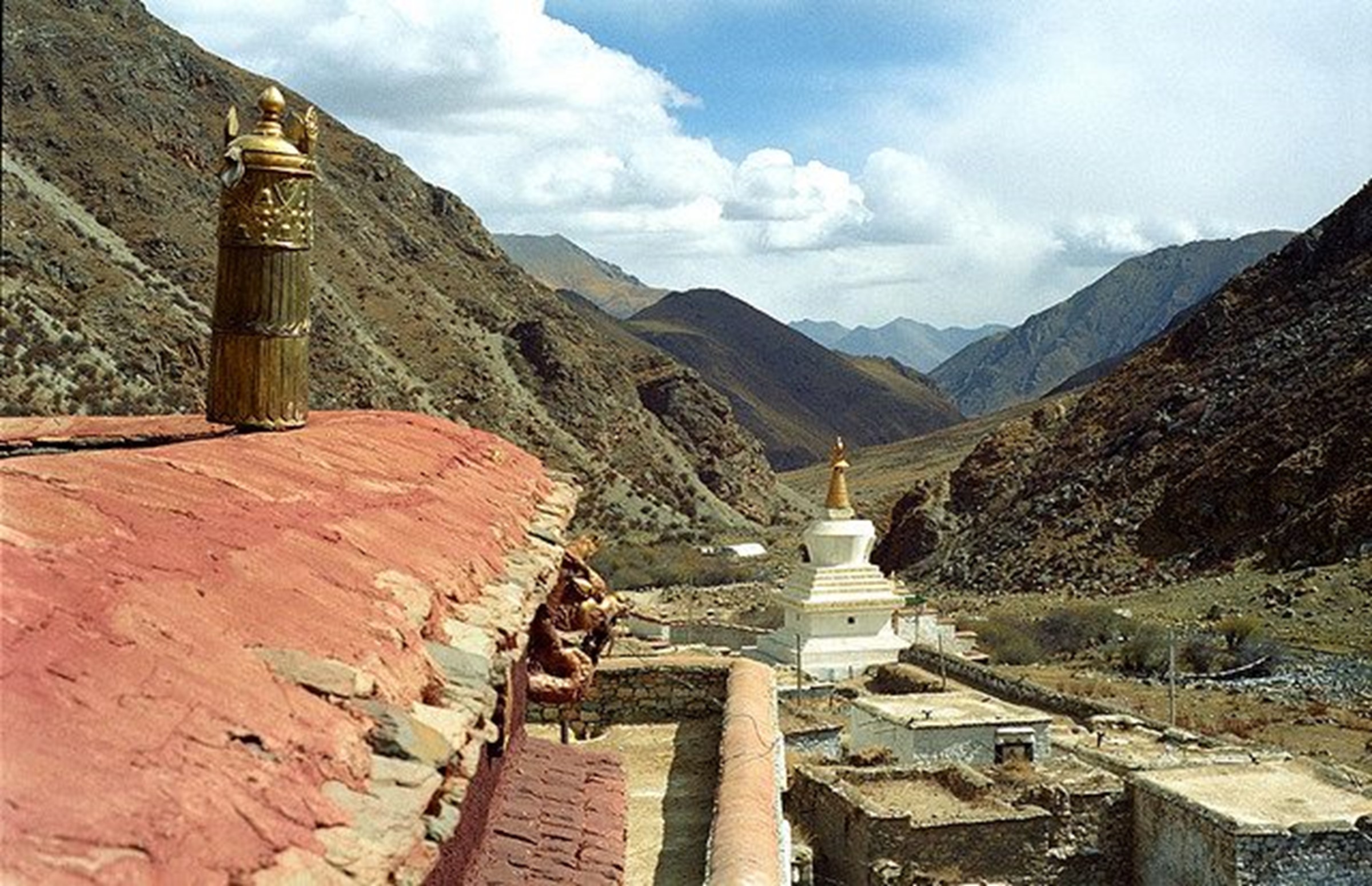
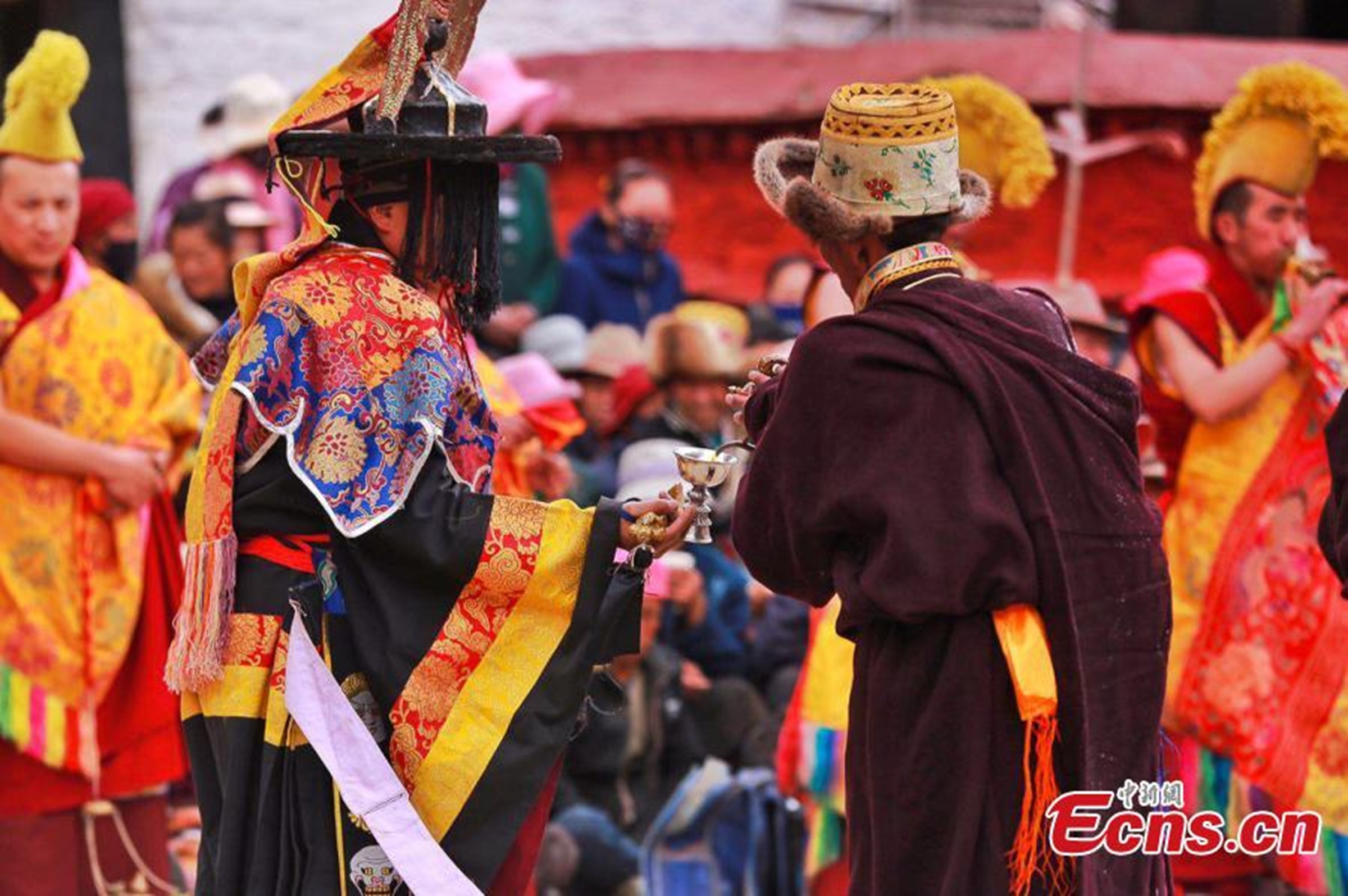
With the altitude of 4,300m, Tsurphu Monastery lies at the upper reach of Tsurphu river, about 70 km to the west of Lhasa. It was established by Dusum Khyenpa, the 1st Karmapa, and became the patriarch temple for Karma Kargyu to pass on and carry forward Tibetan Buddhism. Tsurphu Monastery has already been 800 years of history.
Blessings for Peace. A Charming Way to Fight Against The Devil. Tsurphu Cham Dance Festival.
Tsurphu Monastery is the most important temple for Karma Kargyu in Tibet.
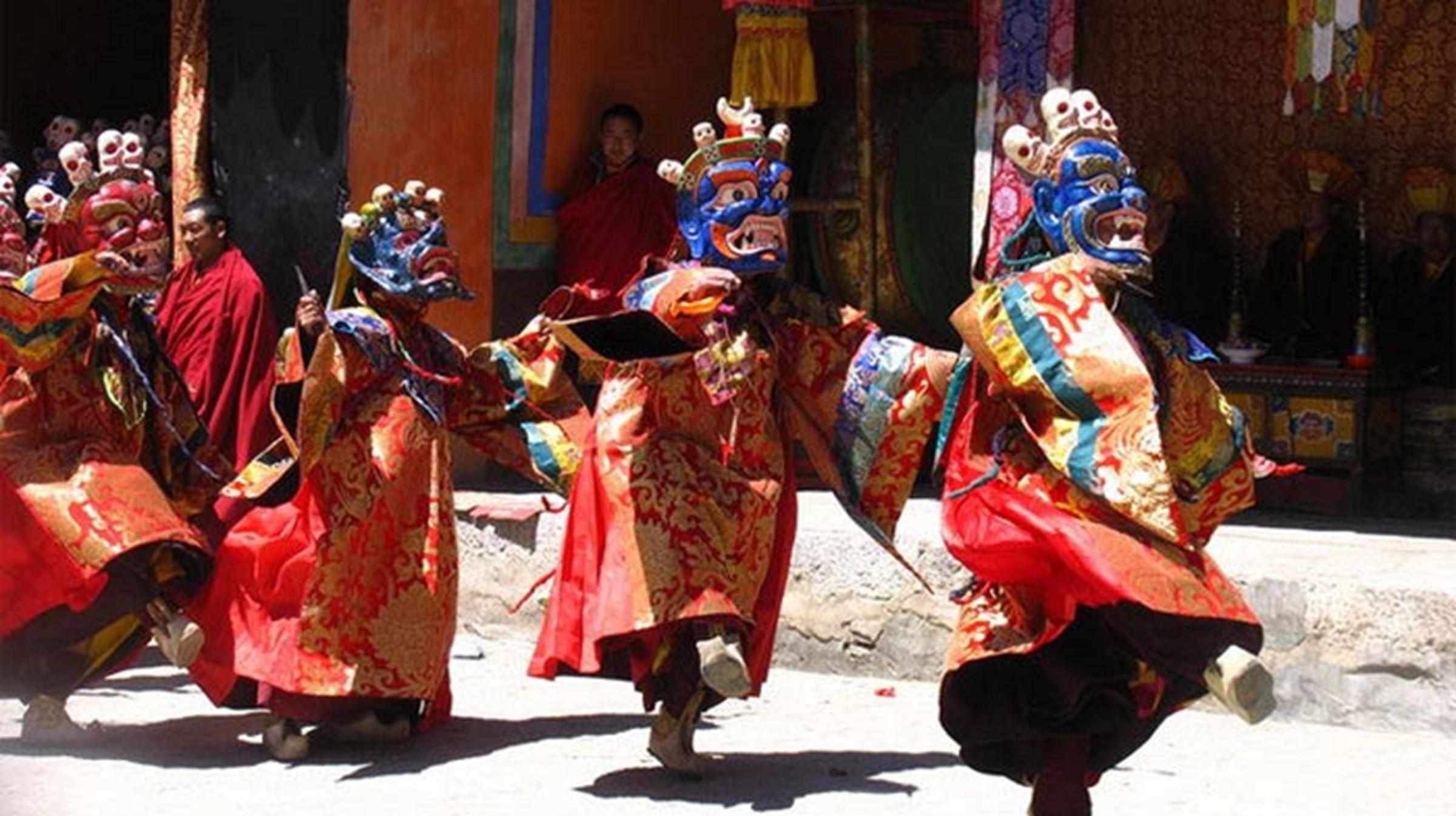
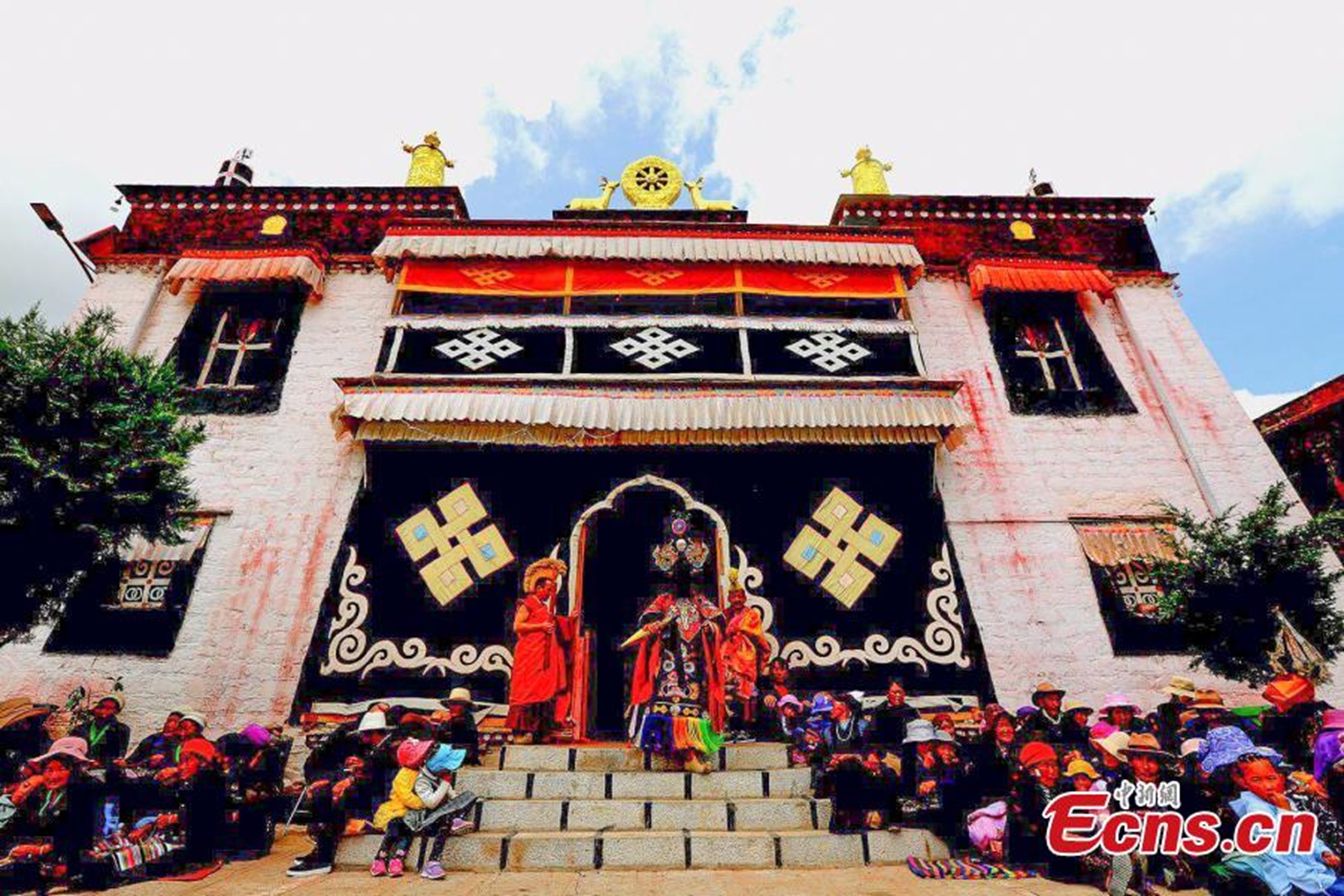
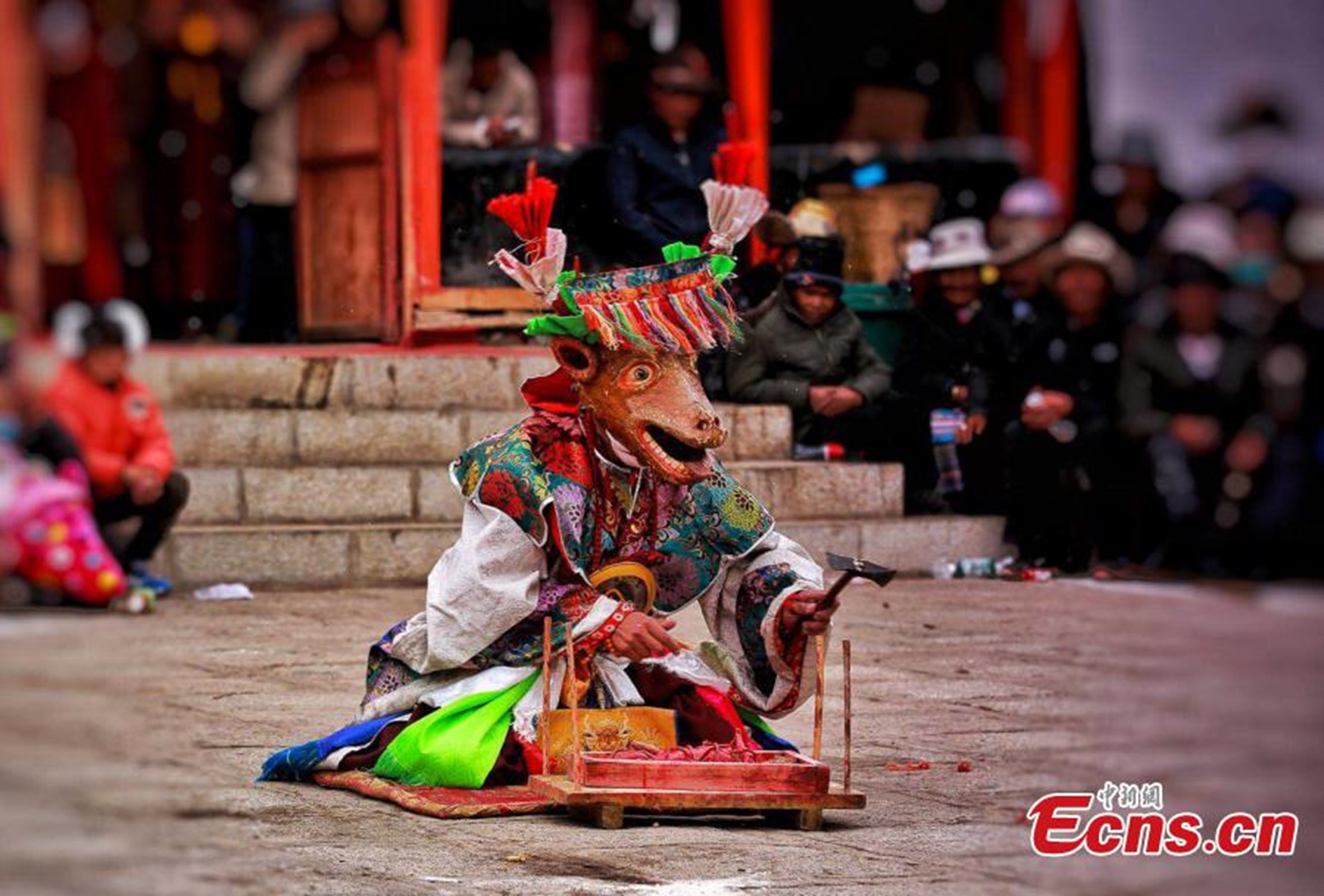
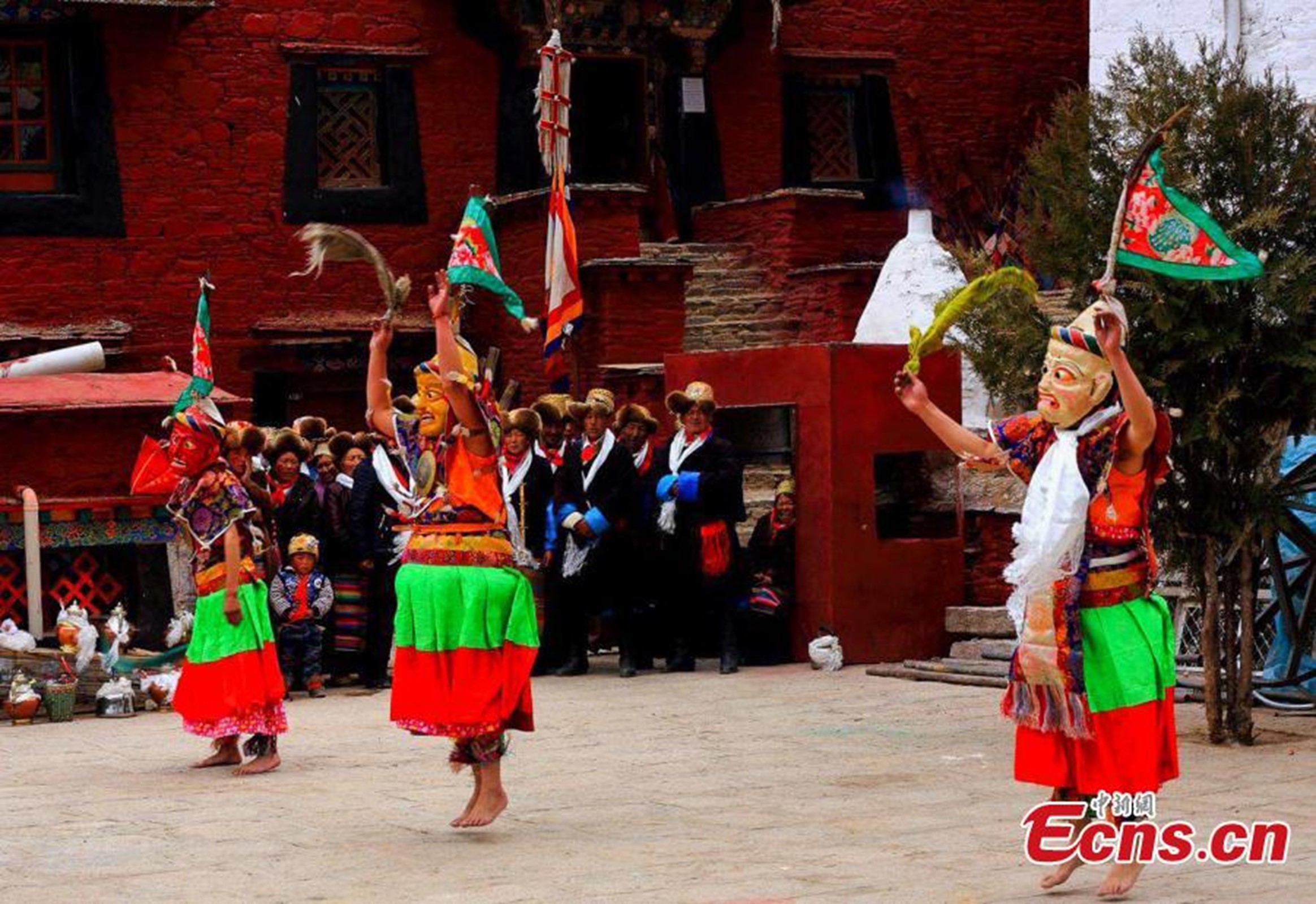
Tsurphu Cham Dance Festival falls on the 10th day of the fourth month in Tibetan Calendar. This Cham dance festival is celebrated to commemorate the great Indian guru Padmasambhava who came to Tibet and devoted himself in promoting Buddhism. During the Tsurphu Festival, you can also observe some other religious activities, like grand dharma assembly, Buddha exhibition, etc.
Blessings for Peace. A Charming Way to Fight Against The Devil. Tsurphu Cham Dance Festival.
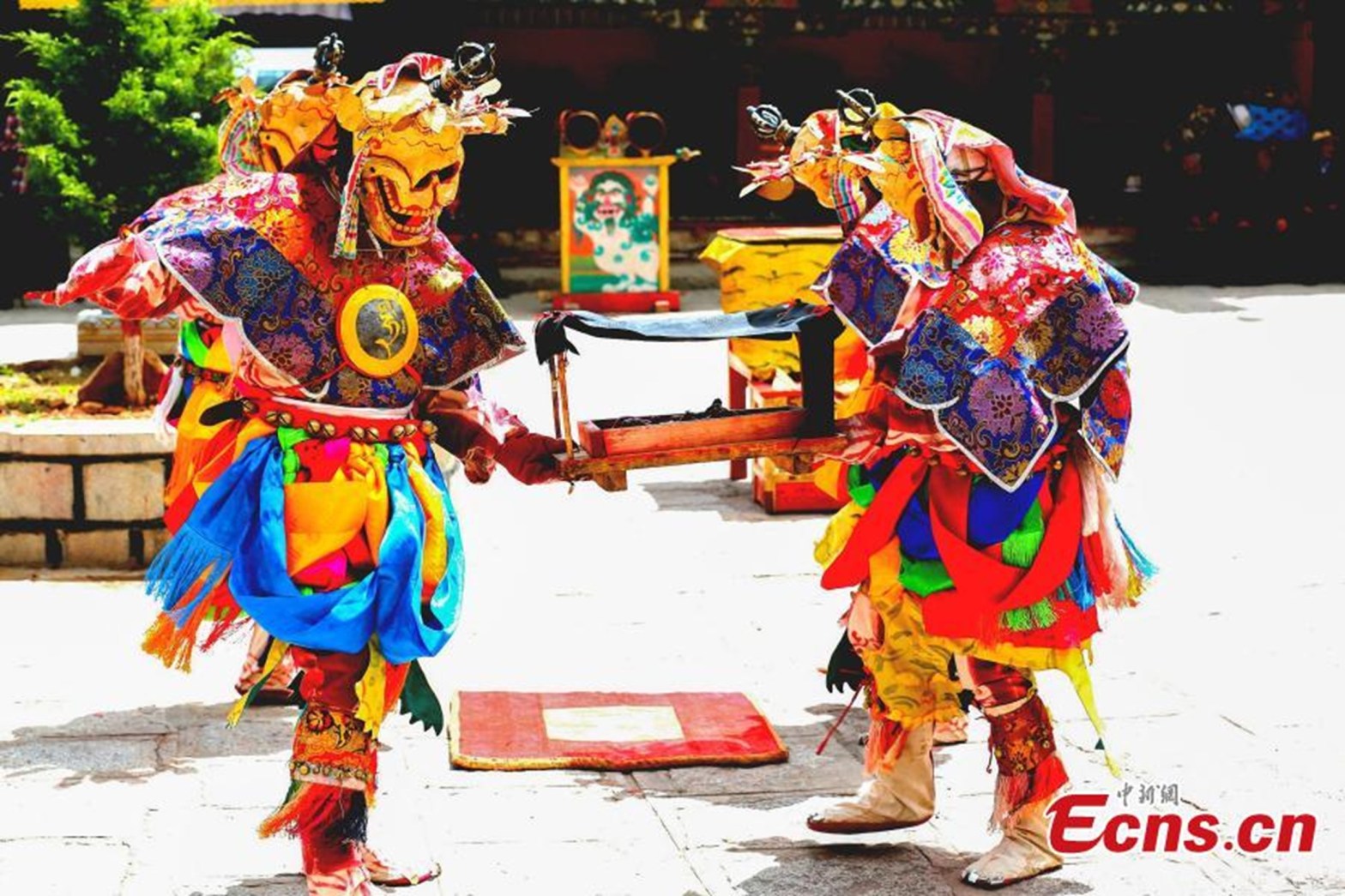
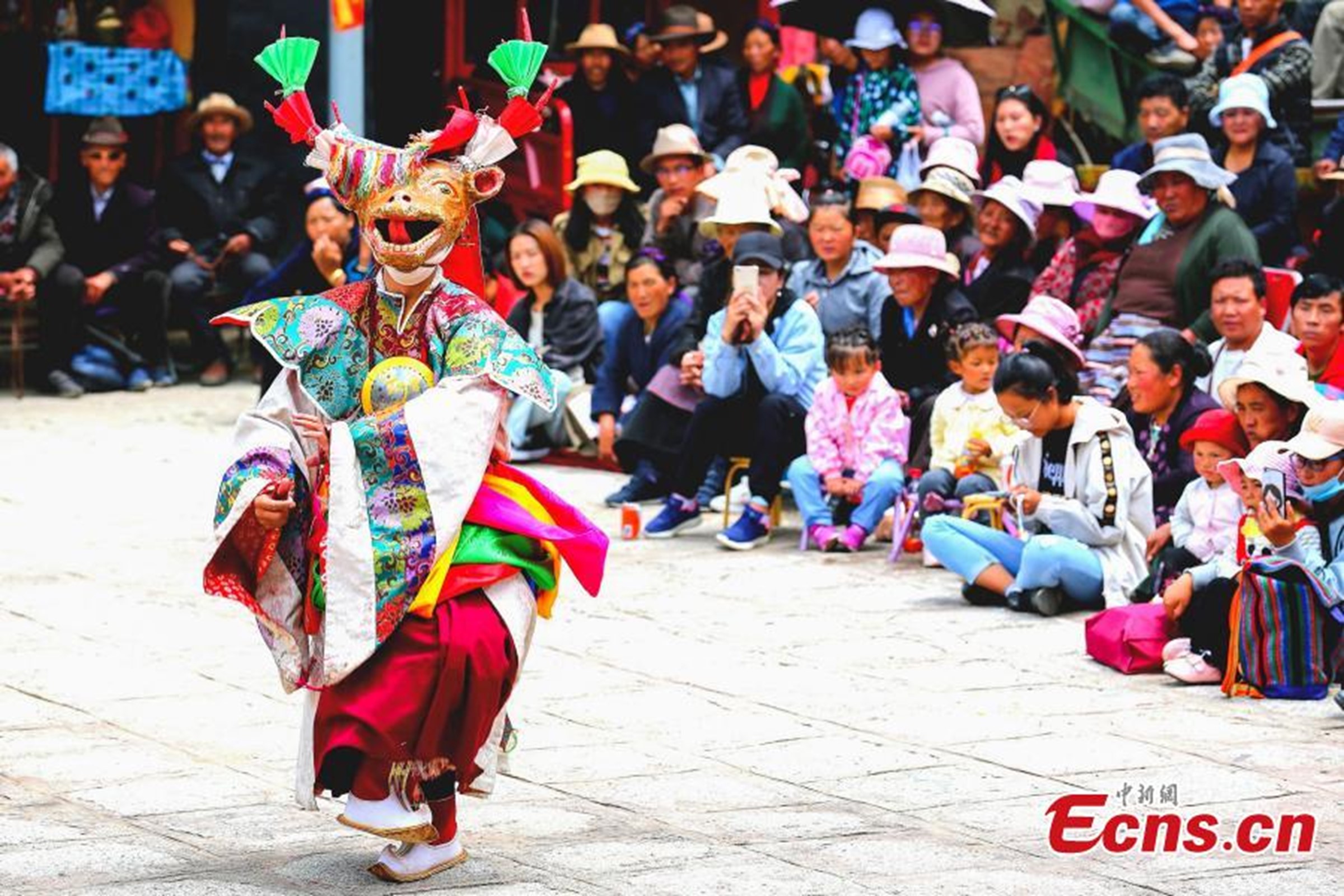
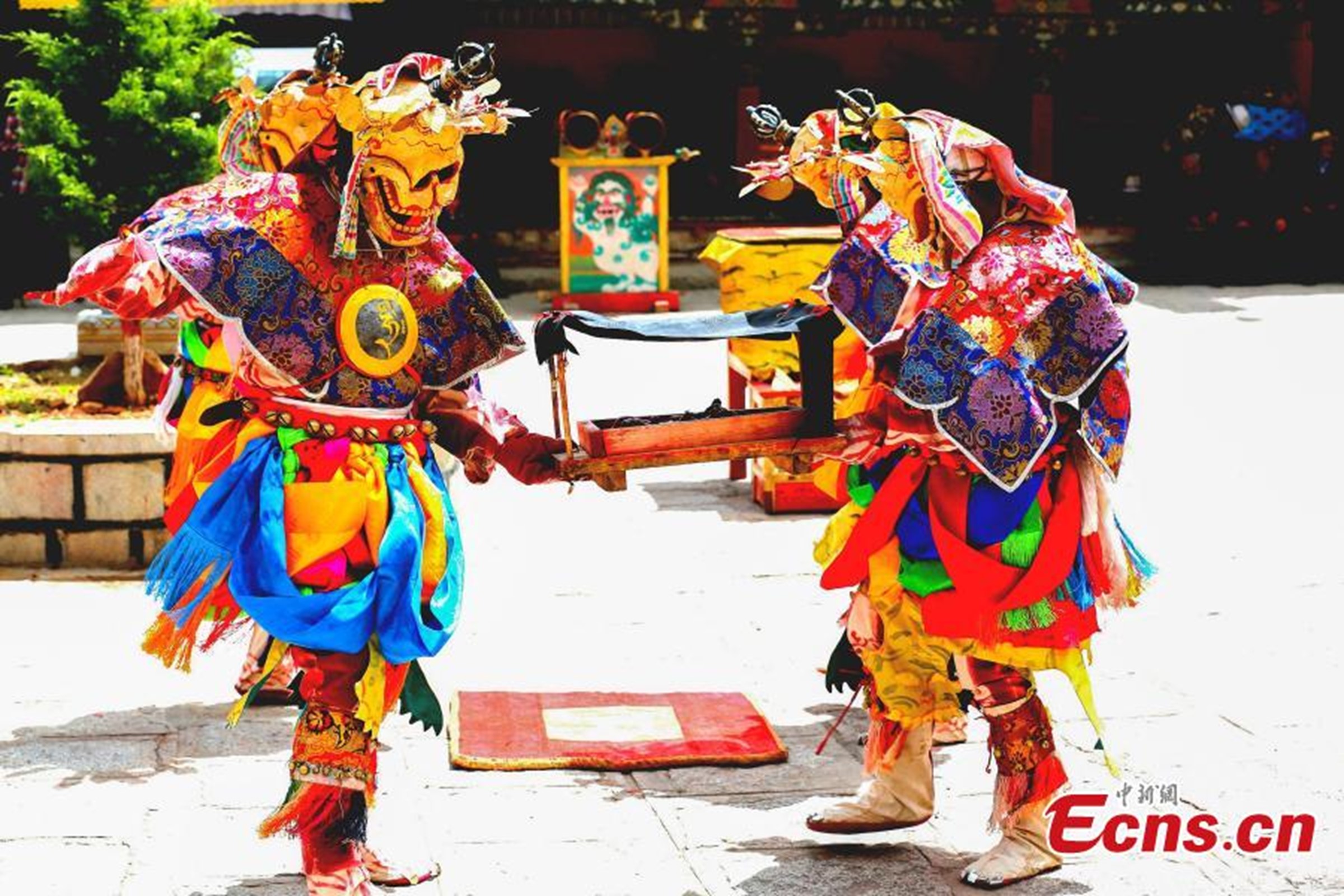
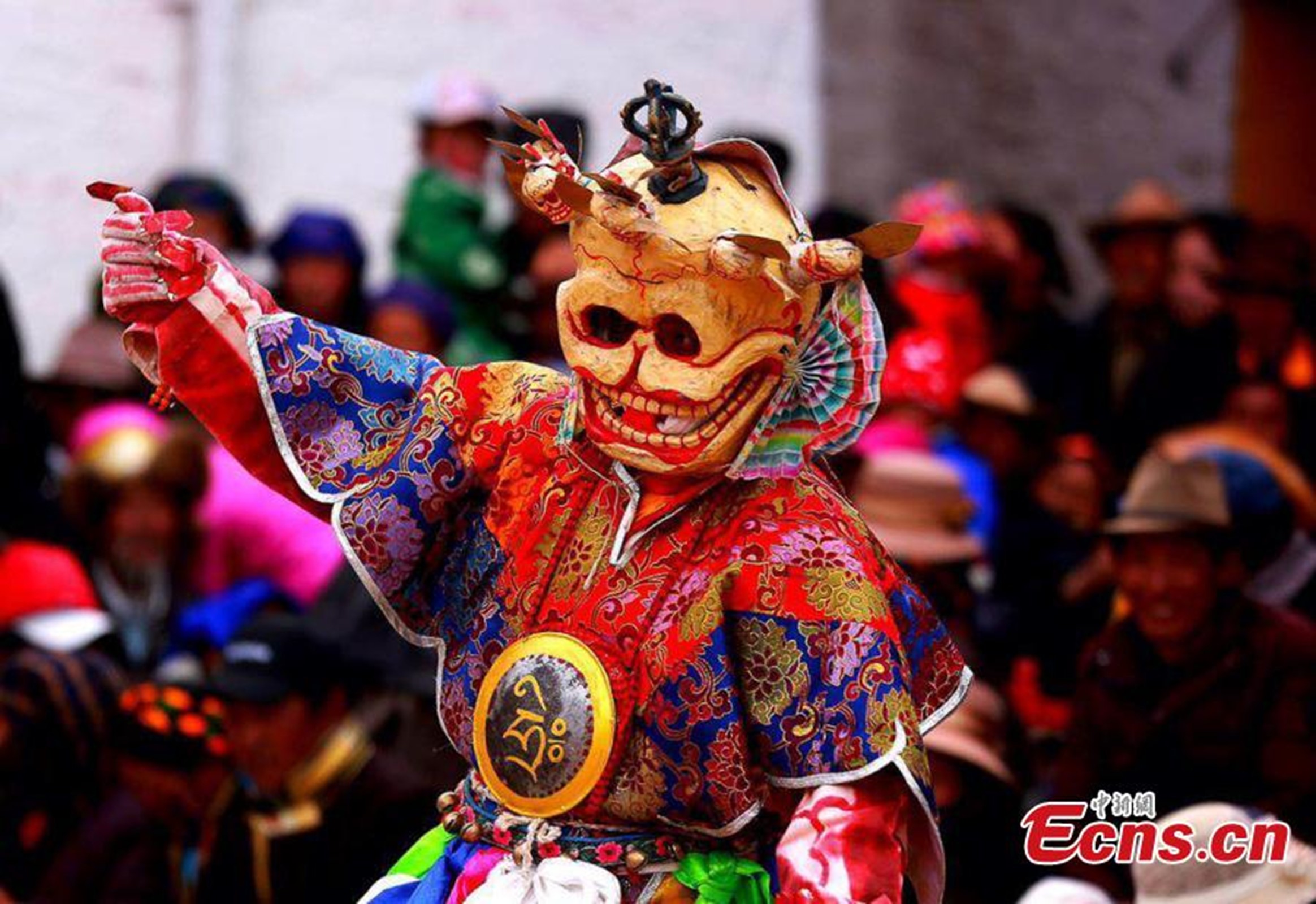
Cham dance is performed during Tsurphu Festival.
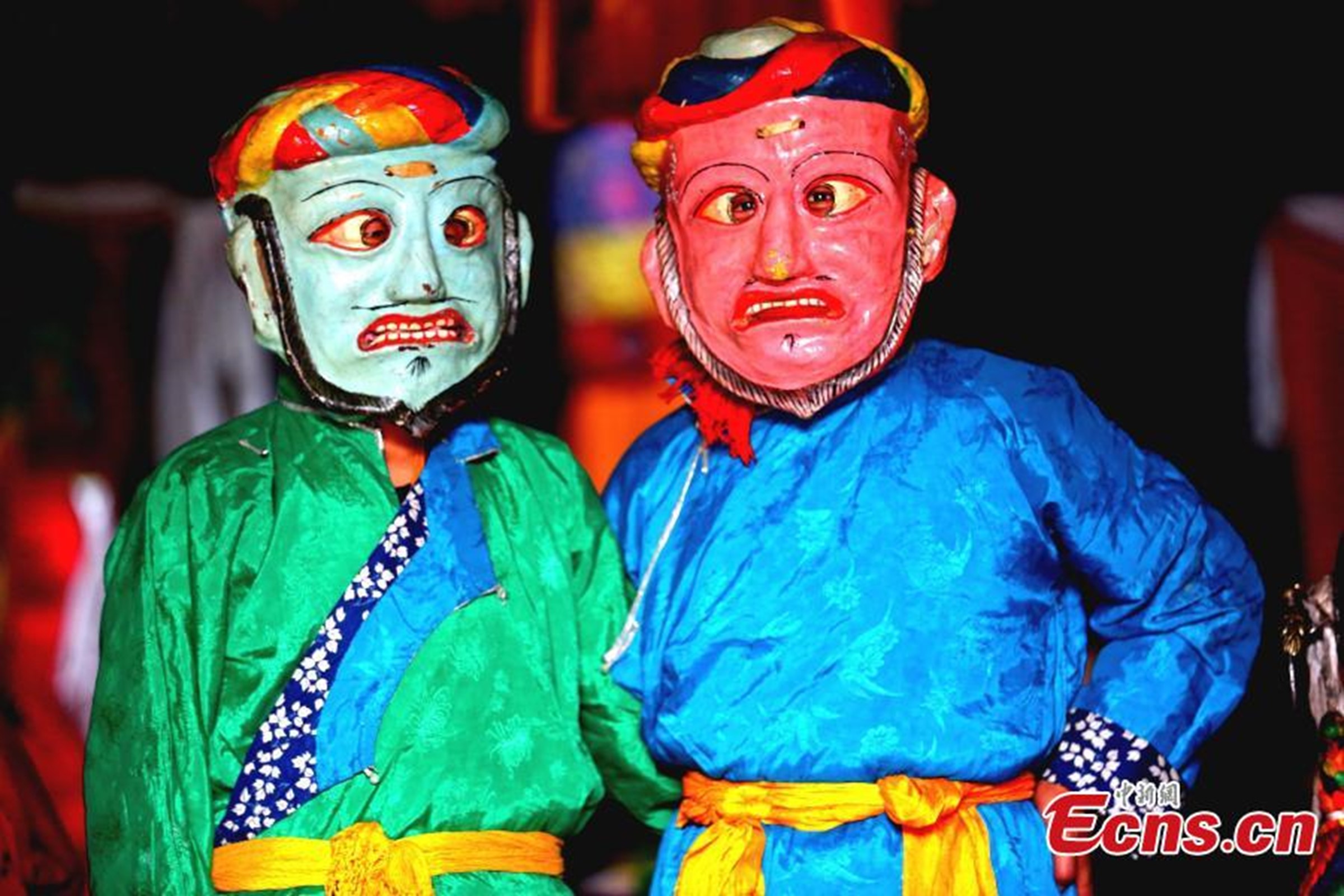
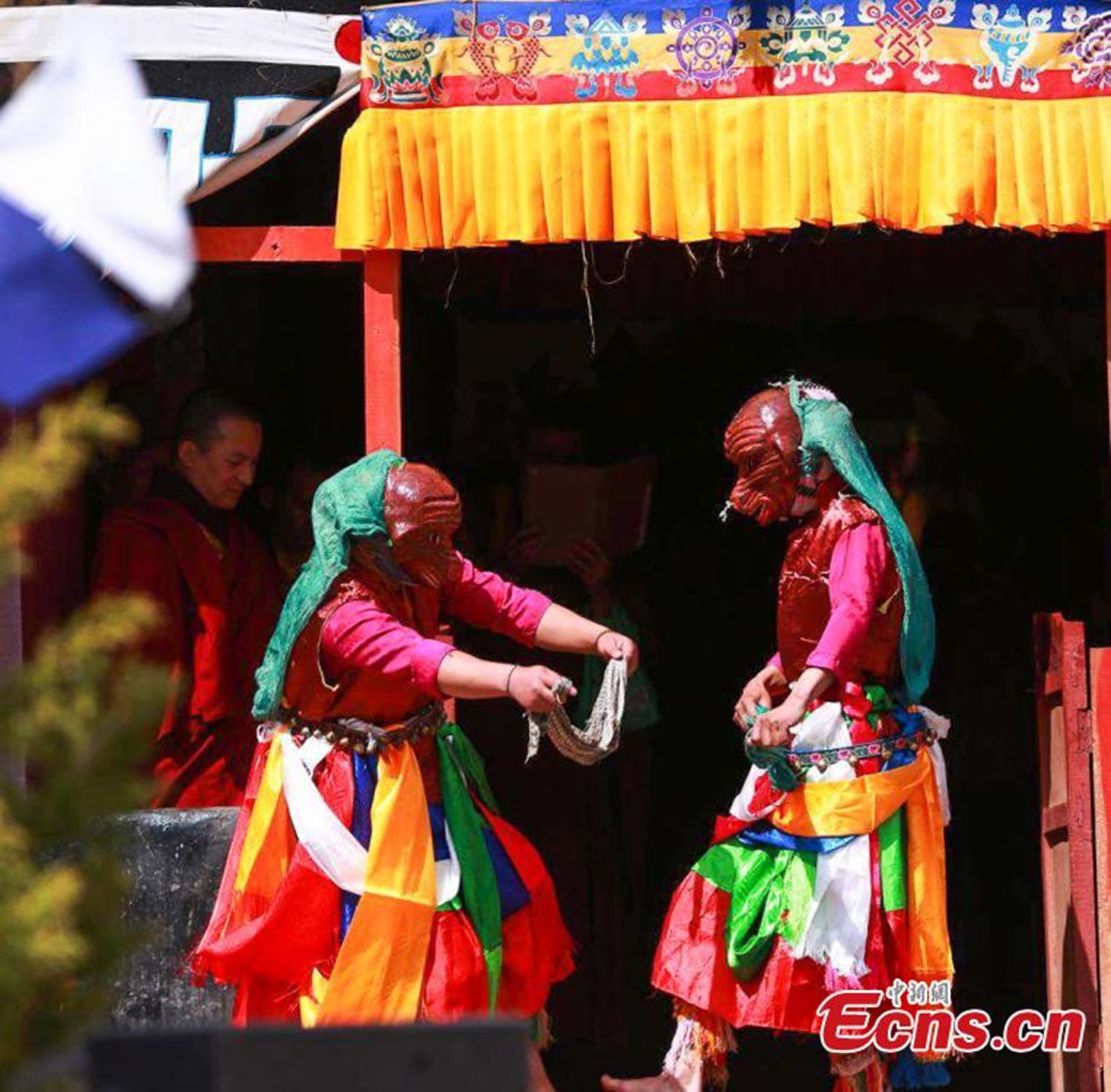
Cham dance in Tsurphu Monastery is a kind of Tibetan art and performance. It has plots, characters, music and dances. However, Cham dance is different from Tibetan Opera and has greater significance in religion. Not only can it entertain the audience but also advocate Tibetan Buddhism. It’s a grand religious activity organized by the temple. As for famous Tibetan monasteries, they have their own Cham group and make uniform Cham masks, dance costumes, ornamentations and musical instruments, etc. Usually, those items are treasured very well in the temple. Cham dancers have to pass through several religious rituals before using them.
Blessings for Peace. A Charming Way to Fight Against The Devil. Tsurphu Cham Dance Festival.
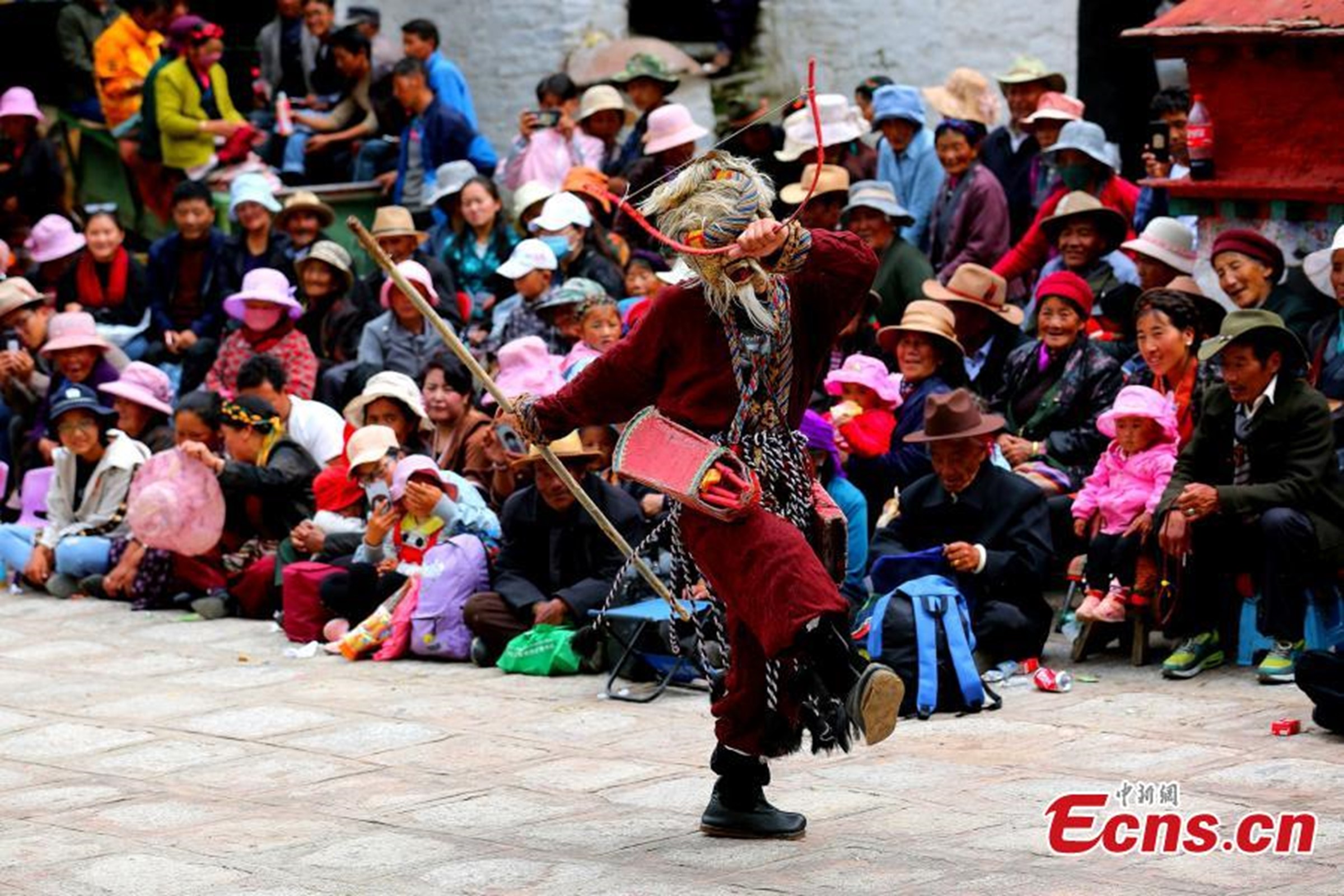
Lots of Tibetans are watching Cham dance outside Tsurphu Temple.
There are many strict rules on Cham performance. Major roles are played by monks and dancers should be flexible and alert. All of them shall be completely into the roles even before the play. Body movements, facial expressions, hand gestures and dance steps must be elegant and smooth. In other words, as long as they put on Cham costumes and masks, they need to be like the real deities. It’s said that deities would get angry if they failed to meet those requirements and something bad would happen to relevant personnel. In addition to appreciating the Cham dance, Tibetan people also worship Buddha and receive blessings at Tsurphu Monastery.
If you are interested in Tibetan Buddhism and Cham dance, taking part in Tsurphu Cham Dance Festival is an excellent chance to feel religious atmosphere you couldn’t afford to miss. After visiting Tsurphu Monastery, you can also try to trek from Tsurphu to Yampachen and the scenery along the route will never let you down.
Blessings for Peace. A Charming Way to Fight Against The Devil. Tsurphu Cham Dance Festival at Tsurphu Monastery, Tibet.Blessings for Peace. A Charming Way to Fight Against The Devil. Tsurphu Monastery, Tibet.Blessings for Peace. A Charming Way to Fight Against The Devil at Tsurphu Monastery, Tibet.Blessings for Peace. A Charming Way to Fight Against The Devil at Tsurphu Monastery, Tibet.Blessings for Peace. A Charming Way to Fight Against The Devil at Tsurphu, Tibet. Freedom and Peace are gifts of Mother Nature.Blessings for Peace. A Charming Way to Fight Against The Devil at Tsurphu Monastery.Blessings for Peace. A Charming Way to Fight Against The Devil. Freedom and Peace are the gifts of Mother Nature at Tsurphu, Tibet.Blessings for Peace. A Charming Way to Fight Against The Devil. Peace and Freedom are the gifts of Mother Nature at Tsurphu, Tibet.Blessings for Peace. A Charming Way to Fight Against The Devil at Tsurphu Monastery, Tibet.Blessings for Peace. Prayer Flags at Tsurphu, Tibet describe Peace and Freedom as the gifts of Mother Nature.Blessings for Peace. A Charming Way to Fight Against The Devil at Tsurphu Monastery, Tibet.Blessings for Peace. A Charming Way to Fight Against The Devil at Tsurphu Monastery, Tibet.Blessings for Peace. A Charming Way to Fight Against The Devil at Tsurphu Monastery, Tibet.Blessings for Peace. A Charming Way to Fight Against The Devil at Tsurphu Monastery, Tibet.Blessings for Peace. A Charming Way to Fight Against The Devil at Tsurphu Monastery, Tibet.Blessings for Peace. A Charming Way to Fight Against The Devil at Tsurphu Monastery, Tibet.Blessings for Peace. A Charming Way to Fight Against The Devil at Tsurphu Monastery, Tibet.Blessings for Peace. A Charming Way to Fight Against The Devil at Tsurphu Monastery, Tibet.BLESSINGS FOR PEACE. A CHARMING WAY TO FIGHT AGAINST THE DEVIL AT TSURPHU Monastery, Tibet.
TIBETAN NATIONAL SECURITY PLAN – NEGOTIATE WITH A TYRANT FOR PEACE
Tibetan National Security Plan – Negotiate with a Tyrant for Peace.
In the absence of Tibetan National Security Plan, Tibetans are left with no choice. To keep their mortal existence, the Tibetan people may have to negotiate with a Tyrant for Peace.
Tibetan spiritual leader the Dalai Lama courted controversy by stating that Tibet is ready to be part of China provided Beijing agrees to guarantee certain rights.
Tibetan National Security Plan. Negotiate with a Tyrant for Peace.
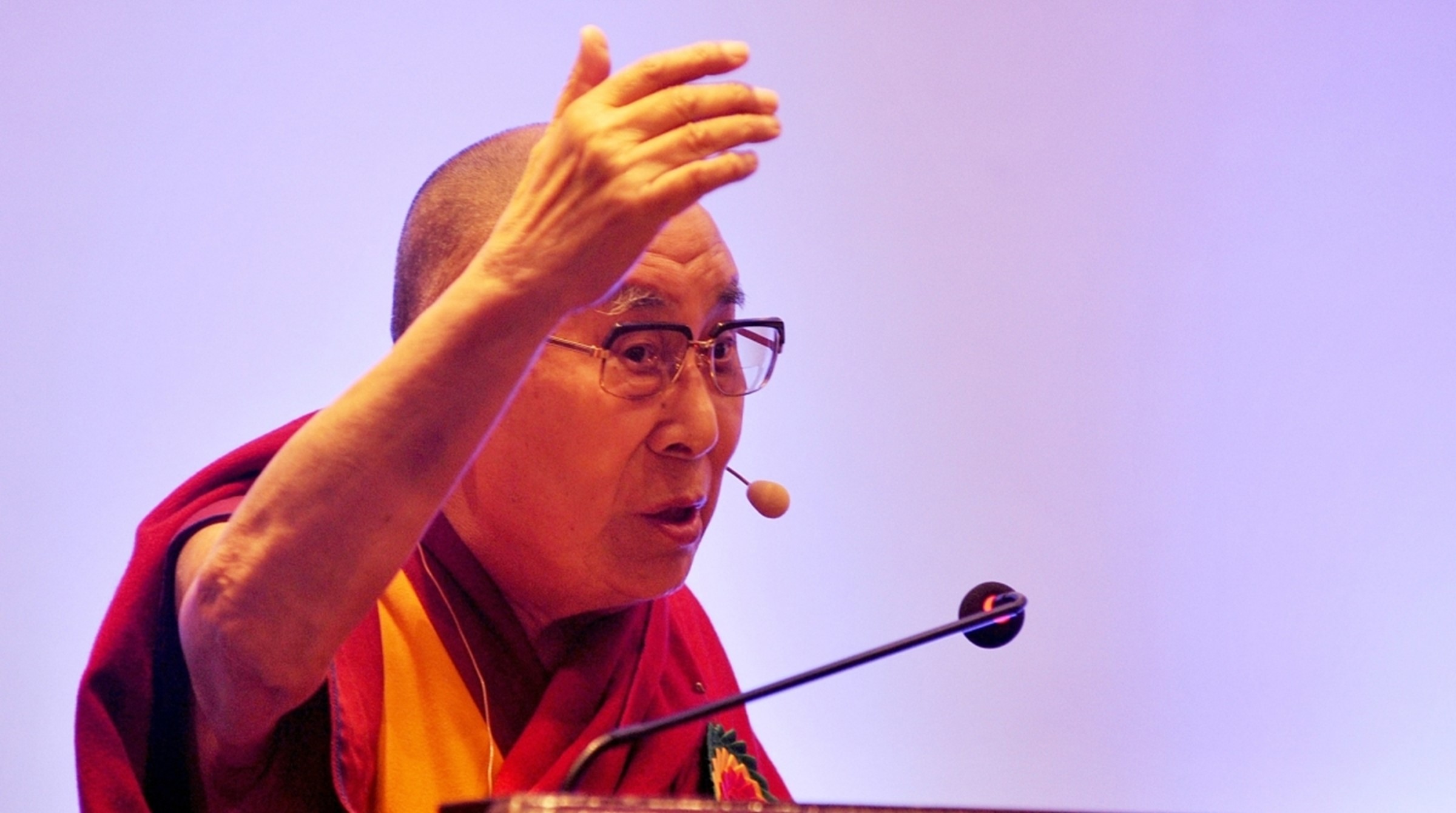
Tibetan spiritual leader the Dalai Lama addresses during “Thank You Karnataka” an event to mark the 60th year of Tibetan arrival to India, in Bengaluru on Aug 10, 2018. (Photo: IANS)
Two days after he triggered a major controversy by praising Muhammed Ali Jinnah over Jawaharlal Nehru, Tibetan spiritual leader the Dalai Lama stoked a political flame by stating that Tibet is ready to be part of China provided Beijing agrees to guarantee certain rights.
Speaking at an event organized by the Central Tibetan Administration (CTA) in Bengaluru, the Dalai Lama said, “Tibetans are not asking for independence. We are okay with remaining with the People’s Republic of China, provided we have full rights to preserve our culture.”
At the “Thank You Karnataka” event, the 83-year-old Nobel Peace laureate said, “Several of Chinese citizens practicing Buddhism are keen on Tibetan Buddhism as it is considered scientific.”
Only two days ago, the 14th Dalai Lama enraged many by saying that India would not have been partitioned had Pakistan’s founding father Muhammed Ali Jinnah become the Prime Minister instead of Jawaharlal Nehru.
During an interaction with students in Goa, the Dalai Lama said, “Mahatma Gandhi wanted to give the prime ministership to (Mohammad Ali) Jinnah. But Nehru refused. He was self-centered. He said, ‘I wanted to be Prime Minister’. India and Pakistan would have been united (had Jinnah been made Prime Minister at the time). Pandit Nehru was wise and experienced. But mistakes do happen.”
As his remarks triggered outrage, the Dalai Lama on Thursday tendered an apology. “My statement has created controversy, I apologize if I said something wrong,” he said.
“I had a close relationship with Nehru, who suggested having separate schools to preserve the Tibetan thought. He (Nehru) supported the Tibetans’ cause,” the 14th Dalai Lama said.
Born in Taktser hamlet in northeastern Tibet, the Dalai Lama was recognized at the age of two as the reincarnation of the 13th Dalai Lama, Thubten Gyatso. He fled to India from Tibet after a failed uprising against the Chinese rule in 1959.
China annexed Tibet in 1950, forcing thousands of Tibetans, including monks, to flee the mountain country and settle in India as refugees.
Since then, India has been home to over 100,000 Tibetans majorly settled in Karnataka, Himachal Pradesh among other states.
Tibetan National Security Plan – Negotiate with a Tyrant for Peace.
Red China’s Information Warfare – Infiltration of American Academic Institutions. FBI Director testifies.
Red China’s Information Warfare – Infiltration of American Academic Institutions. FBI Director testifies.
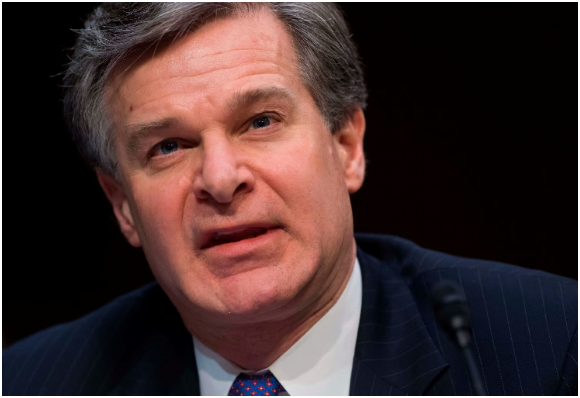
FBI Director Christopher A. Wray testifies during a Senate Intelligence Committee hearing on Capitol Hill on Feb. 13. (Saul Loeb/AFP/Getty Images)
China’s massive foreign influence campaign in the United States takes a long view, sowing seeds in American institutions meant to blossom over years or even decades. That’s why the problem of Chinese financial infusions into U.S. higher education is so difficult to grasp and so crucial to combat.
At last, community of U.S. officials, lawmakers and academics focused on resisting Chinese efforts to subvert free societies is beginning to respond to Beijing’s presence on America’s campuses. One part of that is compelling public and private universities to reconsider hosting Confucius Institutes, the Chinese government-sponsored outposts of culture and language training.
With more than 100 universities in the United States now in direct partnership with the Chinese government through Confucius Institutes, the U.S. intelligence community is warning about their potential as spying outposts. But the more important challenge is the threat the institutes pose to the ability of the next generation of American leaders to learn, think and speak about realities in China and the true nature of the Communist Party regime.
“Their goal is to exploit America’s academic freedom to instill in the minds of future leaders a pro-China viewpoint,” said Sen. Marco Rubio (R-Fla.), co-chair of the Congressional-Executive Commission on China. “It’s smart. It’s a long-term, patient approach.”
This month, Rubio asked all Florida educational institutions that host Confucius Institutes to reconsider those arrangements in light of a growing body of evidence that China seeks to constrain criticism on American campuses, exert influence over curriculum related to China and monitor Chinese students in the United States.
One of the schools Rubio contacted, the University of West Florida, had already decided not to renew its contract with Hanban, the Chinese government entity that manages the institutes. Western Florida joins a growing list of universities that are rejecting the Faustian bargain that comes with accepting Chinese government funding and management for programs meant to expose students to China, including the University of Chicago, Penn State University and Ontario’s McMaster University. West Florida President Martha Saunders told me the decision was primarily due to a lack of student interest, but the rising concerns also contributed.
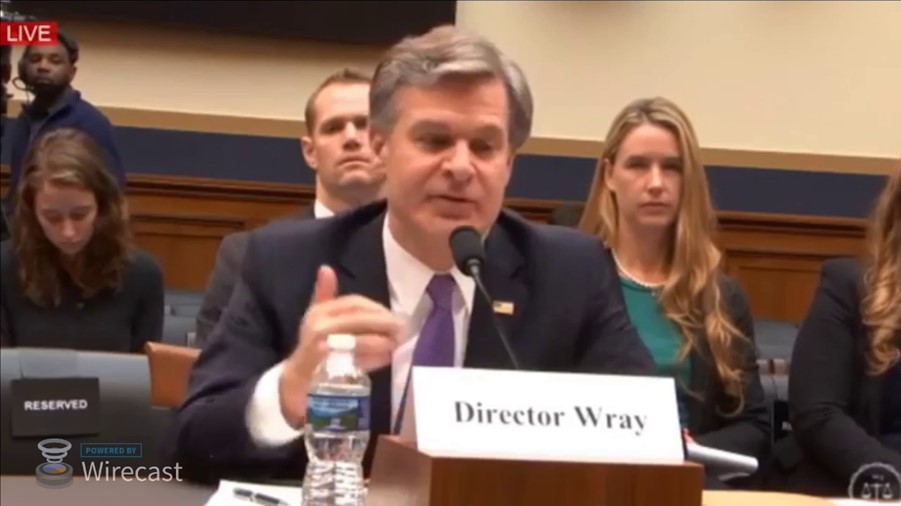
FBI Director Christopher A. Wray articulated those concerns in testimony last week before the Senate Intelligence Committee. He said the FBI is “watching warily” and even investigating some Confucius Institutes. He said “naiveté” in the academic sector was exacerbating the problem and called out the Chinese government for planting spies in American schools.
“They’re exploiting the very open research and development environment that we have, which we all revere. But they’re taking advantage of it,” Wray said.
For Rep. Christopher H. Smith (R-N.J.), that’s a long-awaited acknowledgment. The majority of the institutes’ activity may be benign, and it’s difficult to determine how much self-censorship participating institutions engage in, Smith said. He has commissioned a study of the institutes by the Government Accountability Office to collect data to support his call for their closure.
“They are nests of influence, reconnaissance,” he said. “They keep tabs on Chinese students, and those who attend their classes are getting a Pollyannaish take on what China is about today.”
To understand what Confucius Institutes are really about, it’s necessary to understand their connections to the Communist Party and its history. Peter Mattis, a former U.S. intelligence analyst now with the Jamestown Foundation, said Confucius Institutes can be directly linked to the Communist Party’s “united front” efforts, still described in Maoist terms: to mobilize the party’s friends to strike at the party’s enemies.
For example, Liu Yandong, the Communist Party official who launched the Confucius Institutes and served as chairwoman, was the head of the United Front Work Department when the program began.
“They are instrument of the party’s power, not a support for independent scholarship,” Mattis said. “They can be used to groom academics and administrators to provide a voice for the party in university decision-making.”
At a minimum, Confucius Institutes must be required to provide more transparency, yield full control over curriculum to their American hosts and pledge not to involve themselves in issues of academic freedom for American or Chinese students. If they don’t do this voluntarily, Congress will likely act to compel them. Both Rubio and Smith are working on new legislation to do just that.
More broadly, if we as a country don’t want Confucius Institutes to control discussion of China on campus, we must provide better funding for the study of China and Chinese languages. If we are really headed into a long-term strategic competition with China, there is no excuse for not investing in educating our young people about it — or for letting the Chinese government do it for us.
Red China’s Information Warfare – Infiltration of American Academic Institutions.
Tibet Awareness – Look at Tibet Issue From All Angles
We look at Tibet issue from all angles to openly declare that Red China is an Evil Power, a Tyrant, an Aggressor, a Neocolonialist, an Expansionist, an Oppressor, and a Subjugator of Tibet.We look at Tibet issue from all angles to openly declare that Red China is an Evil Power, a Tyrant, an Aggressor, a Neocolonialist, an Expansionist, an Oppressor, and a Subjugator of Tibet.
We look at Tibet issue from all angles to openly declare that Red China is an Evil Power, a Tyrant, an Aggressor, a Neocolonialist, an Expansionist, an Oppressor, and a Subjugator of Tibet.
Mercedes-Benz Apologizes to China Over Dalai Lama Post
We look at Tibet issue from all angles to openly declare that Red China is an Evil Power, a Tyrant, an Aggressor, a Neocolonialist, an Expansionist, an Oppressor, and a Subjugator of Tibet.
Mercedes-Benz has become the latest major global brand to offer a public apology after upsetting the Chinese government on a sensitive subject.
We look at Tibet issue from all angles to openly declare that Red China is an Evil Power, a Tyrant, an Aggressor, a Neocolonialist, an Expansionist, an Oppressor, and a Subjugator of Tibet.
The carmaker apologized Tuesday for hurting “the feelings” of Chinese people by quoting the Dalai Lama in a post on its Instagram account. The move comes just weeks after Marriott, Delta Air Lines and other big names found themselves in trouble with Beijing over how they described politically sensitive places like Taiwan and Tibet.
The Chinese government has launched frequent attacks on the Dalai Lama, the exiled spiritual leader of Tibet, calling him a “traitor” and a separatist. Beijing considers Tibet to be part of its territory and comes down hard on any suggestions to the contrary.
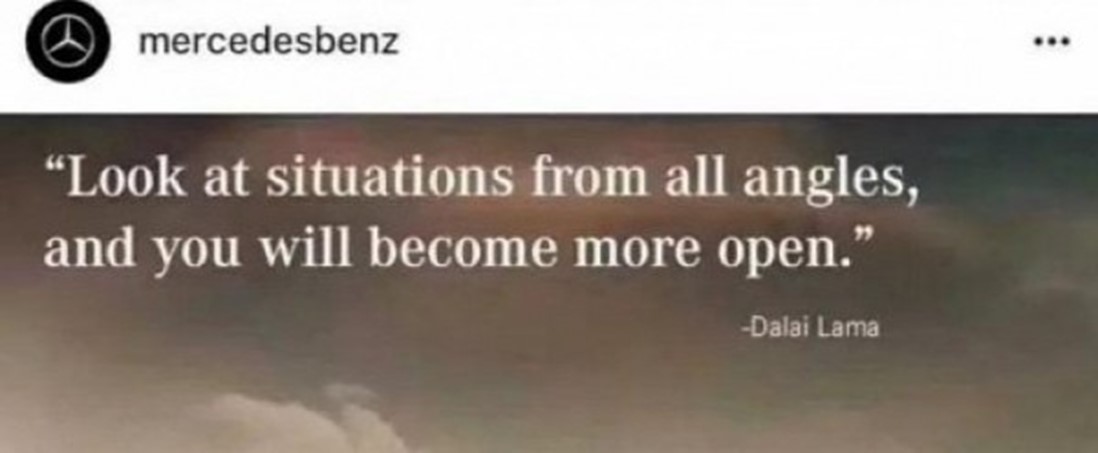
Mercedes, which is owned by Daimler, (DDAIF) ran afoul of China’s stance when it paired a quote attributed to the Dalai Lama with a photo of one of its luxury sedans on Instagram — a social media platform that is banned in China.
“Look at situations from all angles, and you will become more open,” the quote read.
The ad was posted on Monday and garnered nearly 90,000 likes before Mercedes deleted it the following day, according to a screenshot posted by Chinese state media.
The Global Times, a state-run newspaper that often strikes a nationalistic tone, criticized Mercedes, saying the company was quick to respond to the incident but shouldn’t make such mistakes in the first place.
Mercedes issued a statement in Chinese about the incident on Weibo, China’s equivalent of Twitter (TWTR), offering a “sincere apology” three separate times.
“We fully understand how it has hurt the feelings of people in the country, including our colleagues working in China, we sincerely apologize for this,” Mercedes said, adding that the post contained “extremely erroneous information.”
With its rising middle class and growing economic might, China is a key market for many global brands. Mercedes is no exception.
Of the nearly 2.4 million vehicles it sold worldwide last year, more than a quarter were snapped up by Chinese buyers.
A growing number of international companies have recently found themselves in hot water in China over politically sensitive issues.
Authorities last month blocked Marriott’s websites and apps for a week in China after it listed Tibet, Hong Kong, Macau and Taiwan as separate countries in its emails and apps. Marriott (MAR) apologized profusely, saying it respects and supports the sovereignty and territorial integrity of China.
Shortly after that, Delta (DAL) came under fire for similarly listing Taiwan and Tibet as countries. It said it was “an inadvertent error with no business or political intention” in its apology.
At the same time, the owner of European clothing brand Zara was chastised by regulators for listing Taiwan as a country and ordered to rectify the situation.
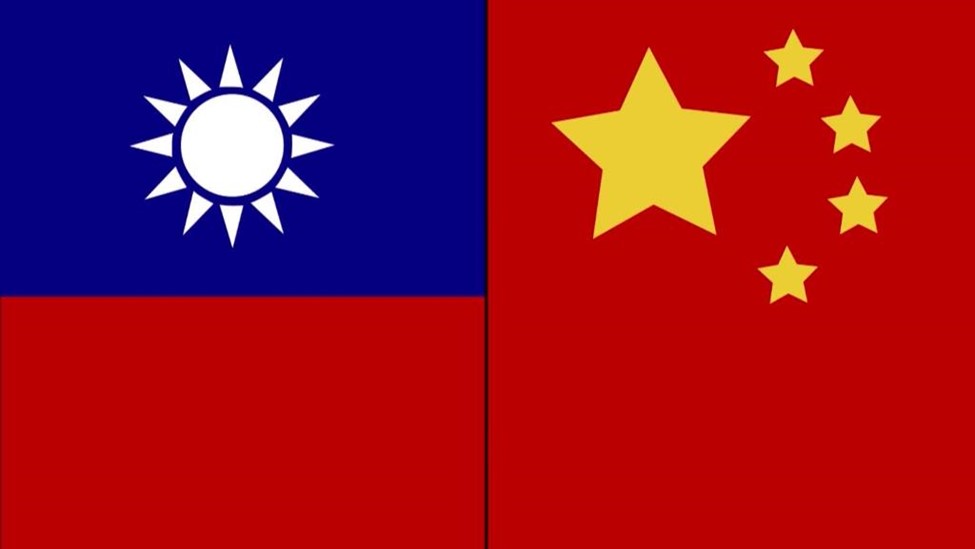
China and Taiwan — officially the People’s Republic of China and the Republic of China — separated in 1949 following the Communist victory on the mainland after a civil war.
They have been governed separately since, though a shared cultural and linguistic heritage mostly endures, with Mandarin spoken as the official language in both places. The government in Beijing has always maintained that Taiwan is a renegade province that is part of its sovereign territory.
Communist China sent troops into Tibet in 1950 to enforce its claim on the region and has controlled it since 1951 — though the central government in Beijing has faced repeated bouts of unrest from ethnic Tibetans unhappy over its rule.
— Nanlin Fang contributed to this report.
CNNMoney (Hong Kong) First published February 7, 2018: 2:43 AM ET
We look at Tibet issue from all angles to openly declare that Red China is an Evil Power, a Tyrant, an Aggressor, a Neocolonialist, an Expansionist, an Oppressor, and a Subjugator of Tibet.
The Rise of Evil Red Empire – The Cold War in Asia
Whole Trouble – The Decline of American Century. The Rise of Evil Red Empire – The Cold War in Asia. Nixon-Kissinger Vietnam Treason initiated Doomed American China Fantasy in 1972.
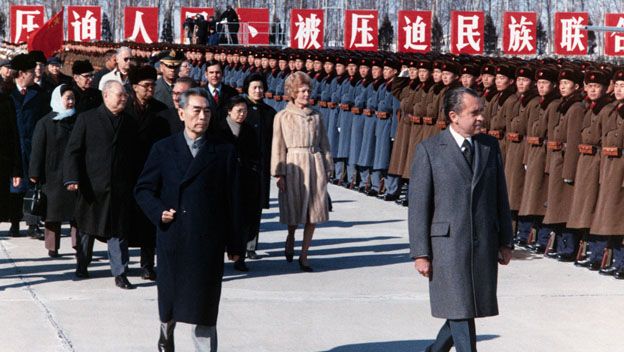
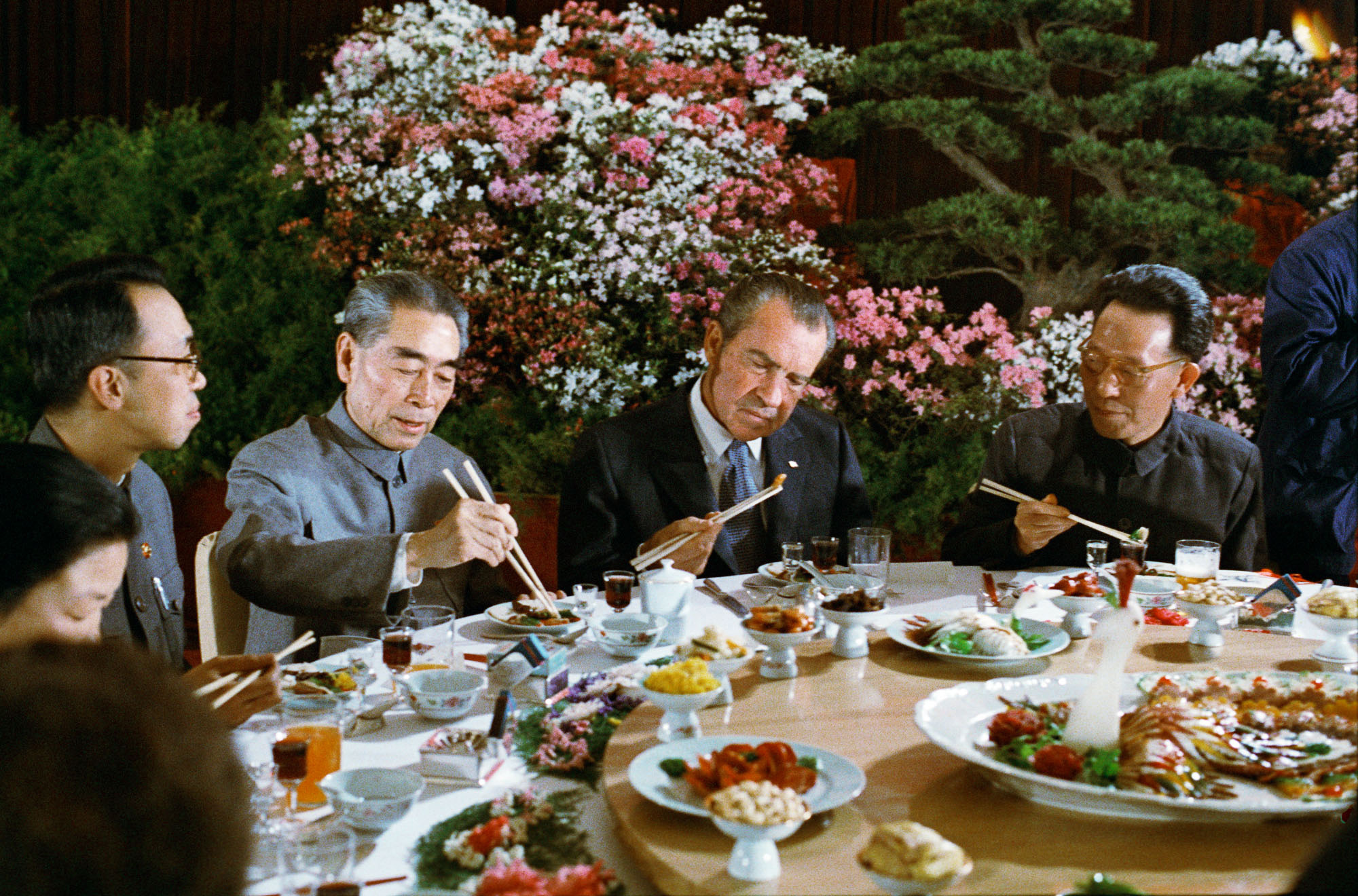
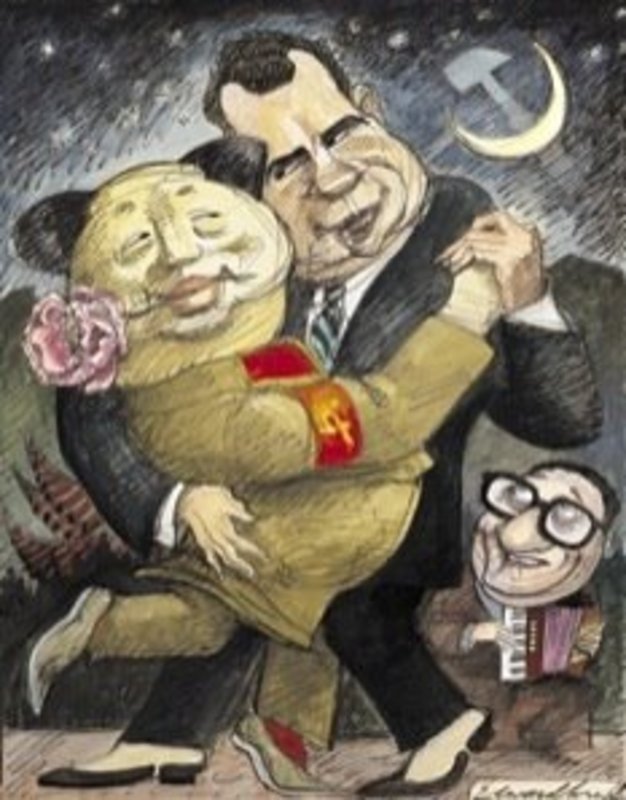
In my analysis, Nixon-Kissinger Vietnam Treason caused the ‘Decline of American Century’ and the ‘Rise of Evil Red Empire’. I ask my readers to remember July 15, 1971 as “Black Day to Freedom” , the Day on which US President Nixon publicly announced his decision to befriend Communist China while Americans were bleeding and dying in Vietnam to combat the spread of Communism in Asia.
Whole Trouble – The Decline of American Century. The Rise of Evil Red Empire – The Cold War in Asia. Nixon-Kissinger Vietnam Treason initiated Doomed American China Fantasy in 1972.
Nixon-Kissinger Vietnam Treason initiated Doomed American China Fantasy in 1972. Since that time, USA as a global power is on steady decline, while Red China remains in hot pursuit of her doctrine of Expansionism, a State Policy of using Military and Economic Power to subjugate people and control natural resources in weaker nations of Asia, Africa, and Europe.
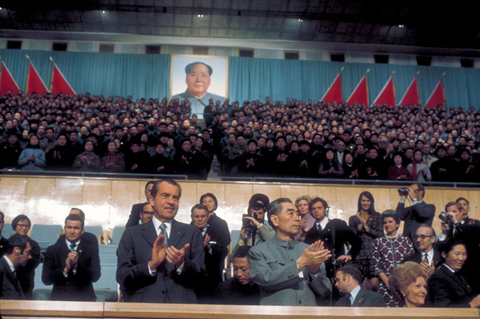
Whole Trouble – The Decline of American Century. The Rise of Evil Red Empire – The Cold War in Asia. Nixon-Kissinger Vietnam Treason initiated Doomed American China Fantasy in 1972.Whole Trouble – The Decline of American Century. The Rise of Evil Red Empire – The Cold War in Asia. Nixon-Kissinger Vietnam Treason initiated Doomed American China Fantasy in 1972.Whole Trouble – The Decline of American Century. The Rise of Evil Red Empire – The Cold War in Asia. Nixon-Kissinger Vietnam Treason initiated Doomed American China Fantasy in 1972.President Nixon met Communist China’s Prime Minister Chou Enlai. Did this act of friendship help the US Army in the Vietnam War? Could it stop Communist North Vietnam from launching its major invasion of South Vietnam during March 1972? Using this friendship, both President Nixon and Dr. Kissinger tried their best to stop India from Liberating Bangladesh during 1971. This Nixon and Chou Enlai friendship did not stop the Liberation of Bangladesh which India initiated with Operation Eagle 1971 in the Chittagong Hill Tracts.Whole Trouble – The Decline of American Century. The Rise of Evil Red Empire – The Cold War in Asia. Nixon-Kissinger Vietnam Treason initiated Doomed American China Fantasy in 1972.TIBET CONSCIOUSNESS – UNDYING HOPE FOR FREEDOM. US PRESIDENT NIXON’S VISIT TO COMMUNIST CHINA IS BLACK DAY TO FREEDOM.Whole Trouble – The Decline of American Century. The Rise of Evil Red Empire – The Cold War in Asia. Nixon-Kissinger Vietnam Treason initiated Doomed American China Fantasy in 1972.REMEMBERING CHINESE PRIME MINISTER ZHOU ENLAI ON JANUARY 08, 2017, HIS 41st DEATH ANNIVERSARY. I KEEP ZHOU ENLAI, MAO ZEDONG, RICHARD NIXON ALIVE IN MY THOUGHTS FOR TIBET REMAINS UNDER MILITARY OCCUPATION.
Military & Defense
Whole Trouble – The Decline of American Century. The Rise of Evil Red Empire – The Cold War in Asia. Nixon-Kissinger Vietnam Treason initiated Doomed American China Fantasy in 1972.
China held a massive military parade showing off its might – and it could surpass the US by 2030
Alex Lockie
Whole Trouble – The Decline of American Century. The Rise of Evil Red Empire – The Cold War in Asia. Nixon-Kissinger Vietnam Treason initiated Doomed American China Fantasy in 1972.
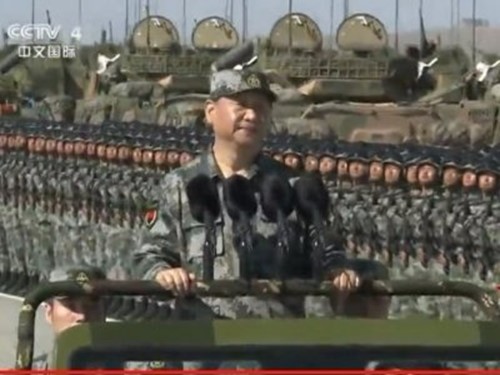
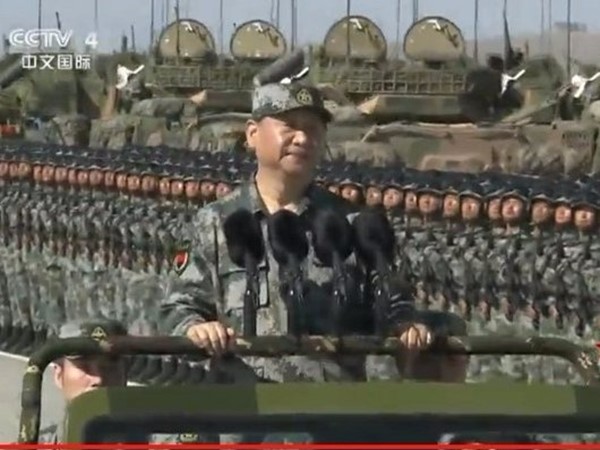
China’s president, Xi Jinping, presiding over the country’s massive military parade in inner Mongolia. CCTV
Chinese President Xi Jinping on Sunday presided over a massive military parade from an open-topped jeep, declaring, “The world is not peaceful, and peace needs to be defended.”
And as China’s show of force demonstrates, Beijing may have the will and the strength to replace the US as the world’s defender of peace.
“Our heroic military has the confidence and capabilities to preserve national sovereignty, security, and interests … and to contribute more to maintaining world peace,” Xi said at the parade, one day after US President Donald Trump lashed out at Beijing for its inaction regarding North Korea’s nuclear and ballistic missile programs.
China’s massive military modernization and increasing assertiveness have irked many of its neighbors in the region, and even as the US attempts to reassure its allies that US power still rules the day, that military edge is eroding.
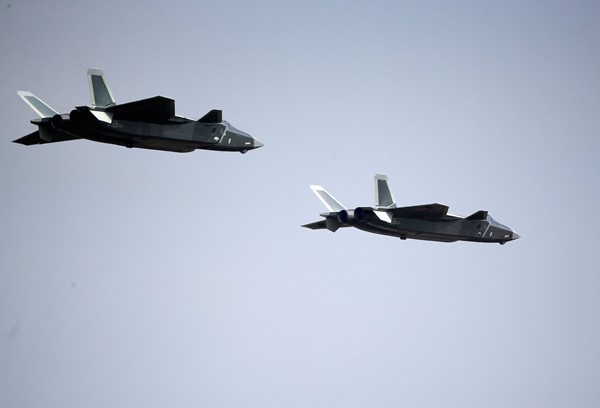
China showed off new, mobile intercontinental ballistic missiles that it says can reach the US in 30 minutes, along with its J-20 stealth interceptor jets. And Xi inspected thousands of troops drawn from the 2 million-strong People’s Liberation Army’s on its 90th anniversary.
The historian Alfred McCoy estimates that by 2030, China, a nation of 1.3 billion, will surpass the US in both economic and military strength, essentially ending the American empire and Pax Americana the world has known since the close of World War II.
Whole Trouble – The Decline of American Century. The Rise of Evil Red Empire – The Cold War in Asia. Nixon-Kissinger Vietnam Treason initiated Doomed American China Fantasy in 1972.
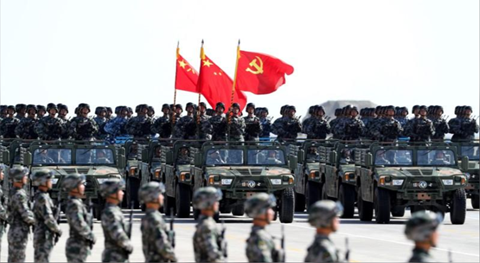
Soldiers marching to celebrate the 90th anniversary of the founding of China’s People’s Liberation Army. Xinhua
But China could achieve this goal patiently and without a violent struggle. China has employed a “salami-slicing” method of slowly but surely militarizing the South China Sea in incremental steps that have not prompted a strong military response from the US. However, the result is China’s de facto control over a shipping lane that sees $5 trillion in annual traffic.
“The American Century, proclaimed so triumphantly at the start of World War II, may already be tattered and fading by 2025 and, except for the finger pointing, could be over by 2030,” McCoy wrote in his new book, “In the Shadows of the American Century: The Rise and Decline of US Global Power.”
Whole Trouble – The Decline of American Century. The Rise of Evil Red Empire – The Cold War in Asia. Nixon-Kissinger Vietnam Treason initiated Doomed American China Fantasy in 1972.
China unveiled its J-20 stealth fighter at an air show in November. China Daily/via REUTERS
China’s J-20 jet also most likely borrows from stealth secrets stolen from the US through a sophisticated hacking regime. Though China hasn’t mastered stealth technology in the way the US has, the jet still poses a real threat to US forces.
Meanwhile, the US is stretched thin. It has had been at war in Afghanistan for 16 years and in Iraq for 14, and it has been scrambling to curtail Iranian and Russian influence in Syria while reassuring its Baltic NATO allies that it’s committed to their protection against an aggressive Russia.
Under Xi, who pushes an ambitious foreign policy, China’s eventual supremacy over the US seems inevitable.
Whole Trouble – The Decline of American Century. The Rise of Evil Red Empire – The Cold War in Asia. Nixon-Kissinger Vietnam Treason initiated Doomed American China Fantasy in 1972. Black Day to Freedom – Whole Villain – Nixon – Mao cartoon
Red China’s Doctrine of Neocolonialism defines Hambantota Port deal with Sri Lanka.
Red China’s Doctrine of Neocolonialism describes Hambantota Port Deal with Sri Lanka.
Red China signed a deal with Sri Lanka to use Hambantota Port in pursuit of her doctrine of Neocolonialism. World must pay attention to China’s aggression in Tibet if it wants to resist, contain, engage, oppose, and confront China’s Neocolonialism threatening Freedom, Democracy, Peace, and Harmony in Asia, Africa, and Europe.
Billion-dollar agreement reached despite trade union opposition and protests over security fears, including from India.
29 Jul 2017 09:54 GMT
Red China’s Doctrine of Neocolonialism describes Hambantota Port Deal with Sri Lanka.
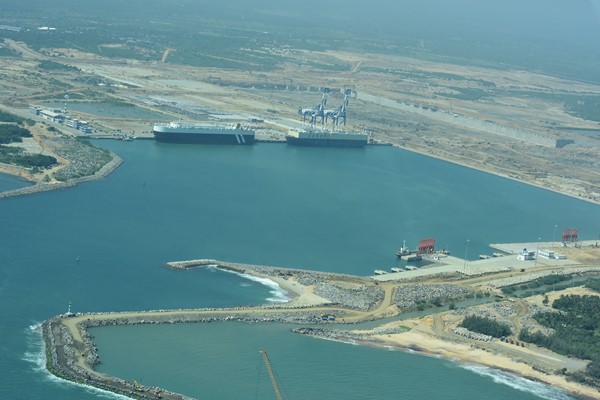
Sri Lanka is selling a 70 percent stake to China Merchants Ports Holdings for $1.12bn [Lakruwan Wanniarachchi/AFP]
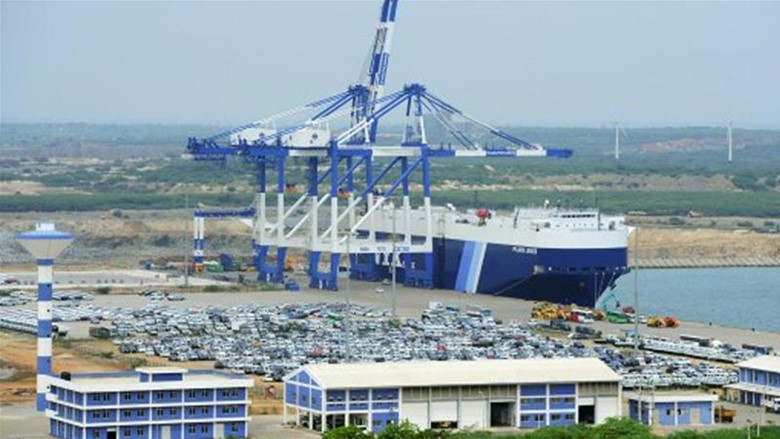
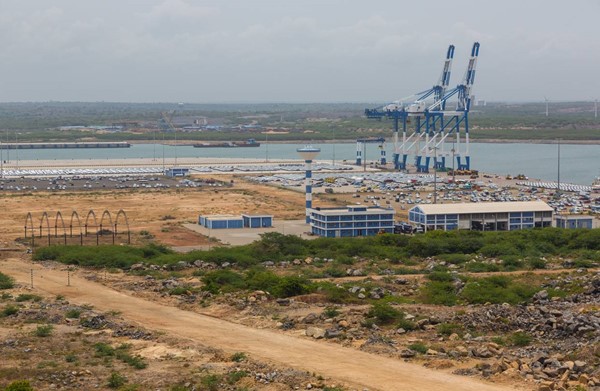
Sri Lanka has signed a $1.12bn agreement with a state-run Chinese firm to operate a port in the southeast of the country, despite security concerns and protests from trade unions.
According to the long-delayed deal reached in the capital Colombo on Saturday, Sri Lanka Ports Authority agreed to sell a 70 percent stake in the Hambantota port to China Merchants Ports Holdings.
The Chinese firm will run the workings of the newly constructed port over a 99-year lease.
The Cabinet approved the agreement on Tuesday, almost six months after the framework deal was signed.
Public anger and protests had delayed the signing.
Demonstrators rallied against the loss of land and concerns that the port could be used by the Chinese military.
Trade unions earlier in the week staged a strike against the deal, temporarily crippling fuel distribution on the island.
They fear the deal gives an advantage to China in the bunkering business, which provides fuel to ships, as the port is located on a key international shipping lane between Europe and Asia.
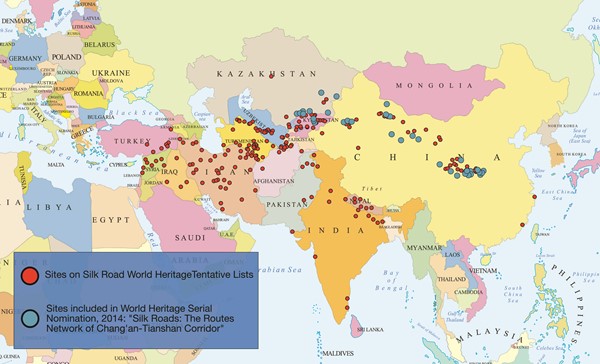
Chinese President Xi Jinping launched the “One Belt, One Road” project in May, pledging tens of billions of dollars to build ports, highways and power grids in about 60 different countries, linking China to much of Asia, Europe and Africa.
Al Jazeera’s Minelle Fernandez, reporting from Colombo, said the Hambantota port located in a strategic position.
“For China to be able to get its foot in, and essentially take over this port, is considered quite an important part of its plan particularly with the new Silk Road initiative,” she said.
Sri Lanka’s government has dismissed the unions’ concerns, saying that the agreement would prove profitable and will help repay loans taken on to build the port.
India voices concern
The government argues that the port has been underused since its opening in 2010. The construction cost more than $361m, with the Export-Import Bank of China providing a large chunk of financing.
Ports Minister Mahinda Samarasinghe told journalists that Sri Lanka “cannot afford to continue to pay” back the loans without better returns at the port.
Only 44 ships have been handled by the Hambantota port since 2015, making it an unprofitable venture, DPA news agency reported.
Neighboring India has also voiced concerns that China could use the deep-sea port in the Indian Ocean to dock military vessels.
Sri Lanka has assured India that there are no security issues over the port, which it says will only be used for commercial purposes.
“No naval ship, including Chinese vessels, can call over at the Hambantota Port without our permission,” Samarasinghe said.
Al Jazeera’s Fernandez said: “The Sri Lankan government has sought to allay fears from both its neighbors and the people in the region that this is a commercial agreement which will help Sri Lanka on its road back to recovery from debt servicing.”
Source: Al Jazeera and news agencies
Red China’s Doctrine of Neocolonialism describes its One Belt, One Road (OBOR), Silk Road Initiative.
Red China’s Doctrine of Neocolonialism defines Hambantota Port Deal with Sri Lanka.
Red China’s Doctrine of Neocolonialism defines Hambantota Port Deal with Sri Lanka.
Red China’s Doctrine of Neocolonialism Defines Hambantota Port Deal with Sri Lanka.
Red China’s Doctrine of Neocolonialism defines Hambantota Port Deal with Sri Lanka.
BEIJING INVITES HER DOOM BY EVIL ACTION IN TIBET.Beijing invites her doom by evil action in Tibet.Beijing invites her doom by evil action in Tibet.Beijing invites her doom by evil action in Tibet.Beijing invites her doom by evil action in Tibet.
Red China finds comfort and security in her military power and thinks that there is no power besides her own. Red China’s action of using military force to subjugate Tibet is Evil action. Beijing sealed her fate for she invited Doom by her own actions.
CHINA FLEXES ITS MILITARY MUSCLE IN TIBET, CLOSE TO BORDER DISPUTE WITH INDIA – SOUTH CHINA MORNING POST
Armed forces take part in live ammunition drill that one observer says was intended as a clear warning to India
Beijing invites her doom by evil action in Tibet.
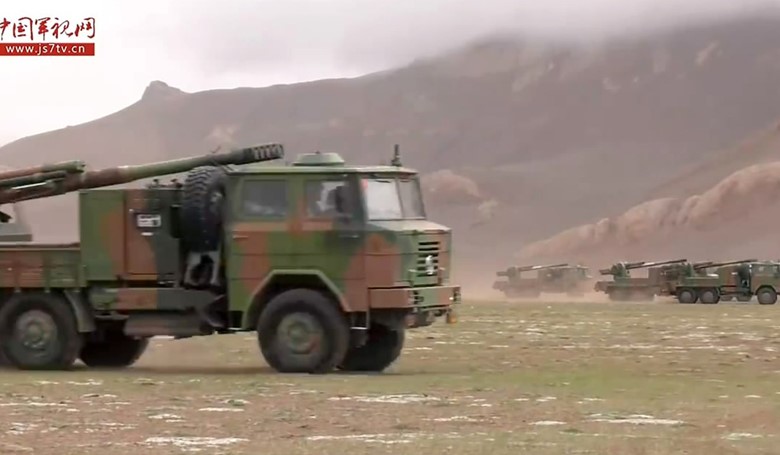
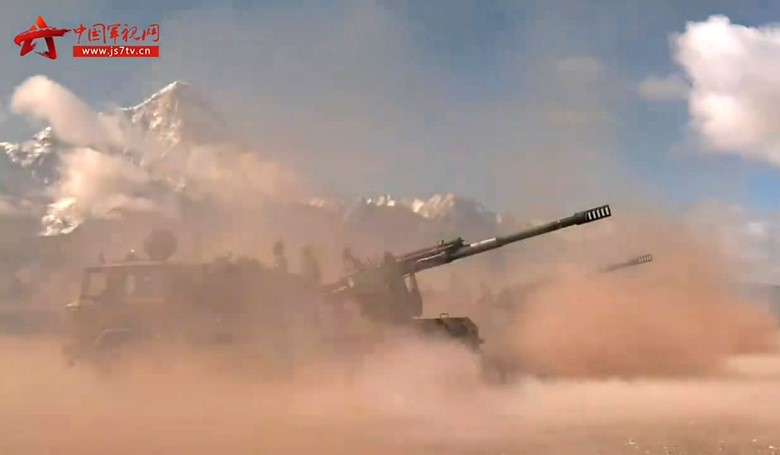
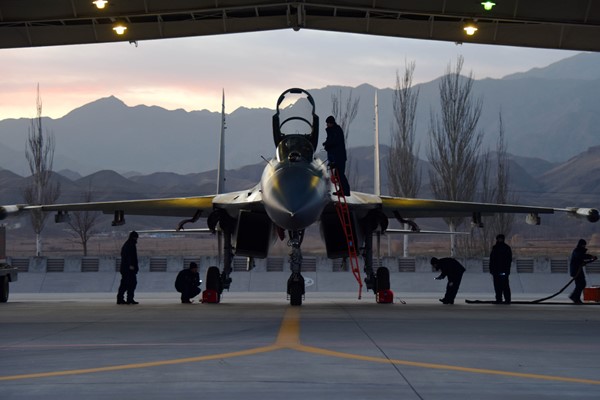
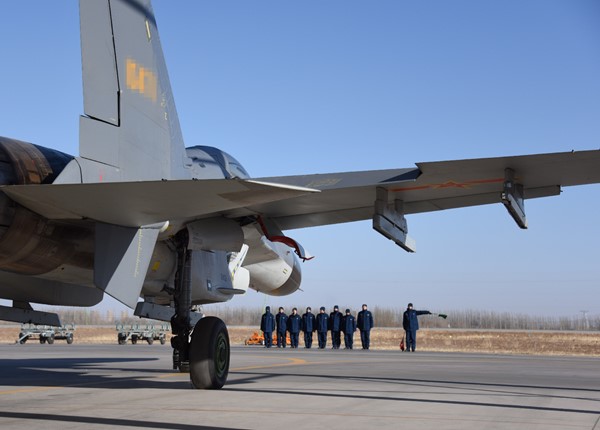
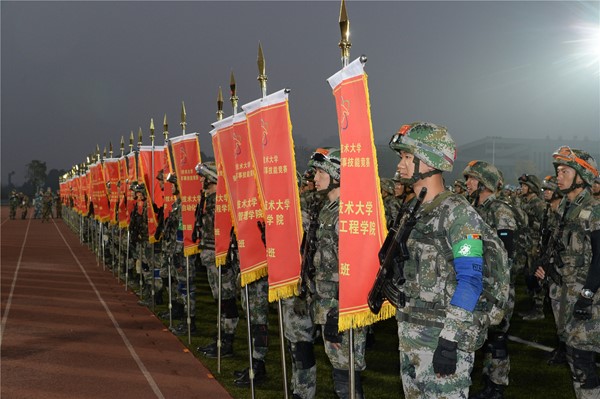
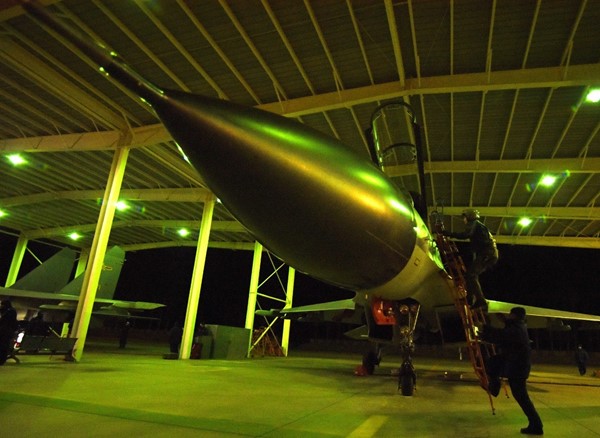
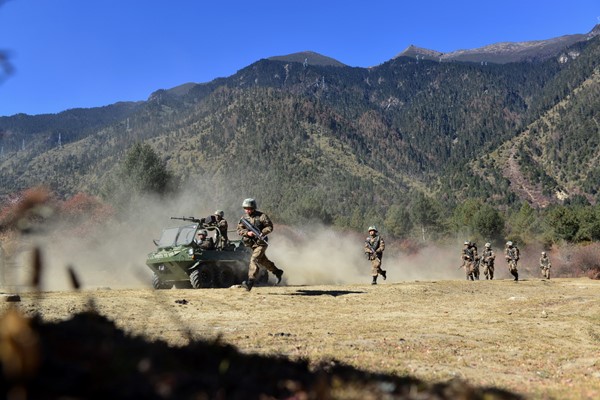
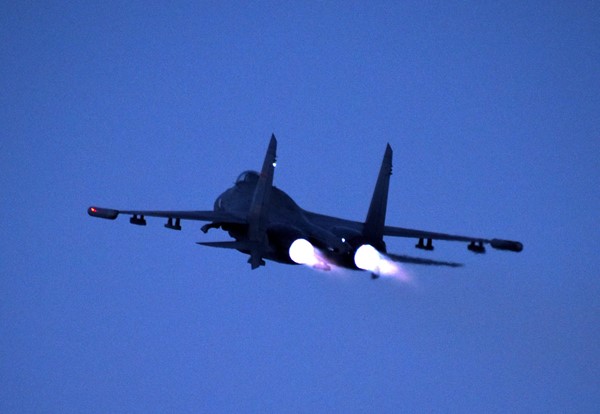
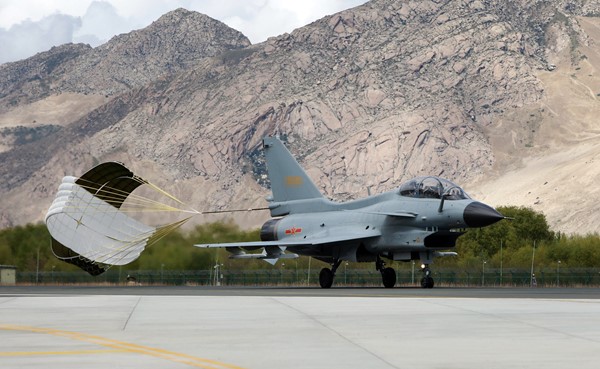
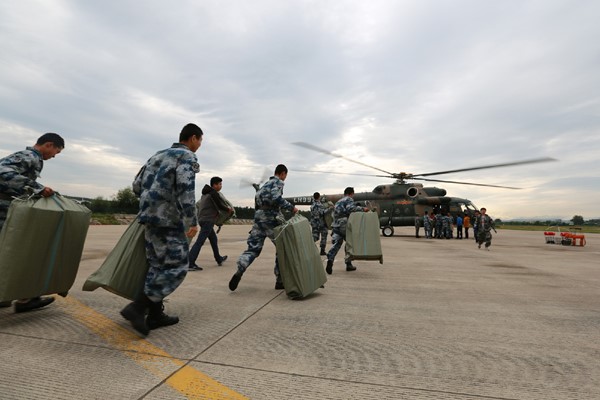
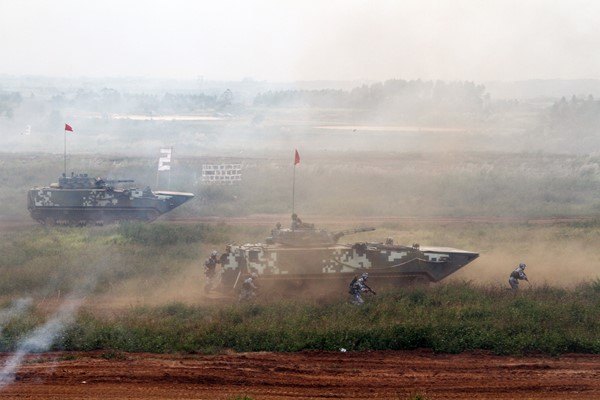
A fully staffed and equipped brigade engaged in various drills involving the rapid movement of troops, use of digital devices and combined attacks by multiple forces on the 5,000m high plateau, China Central Television said over the weekend.
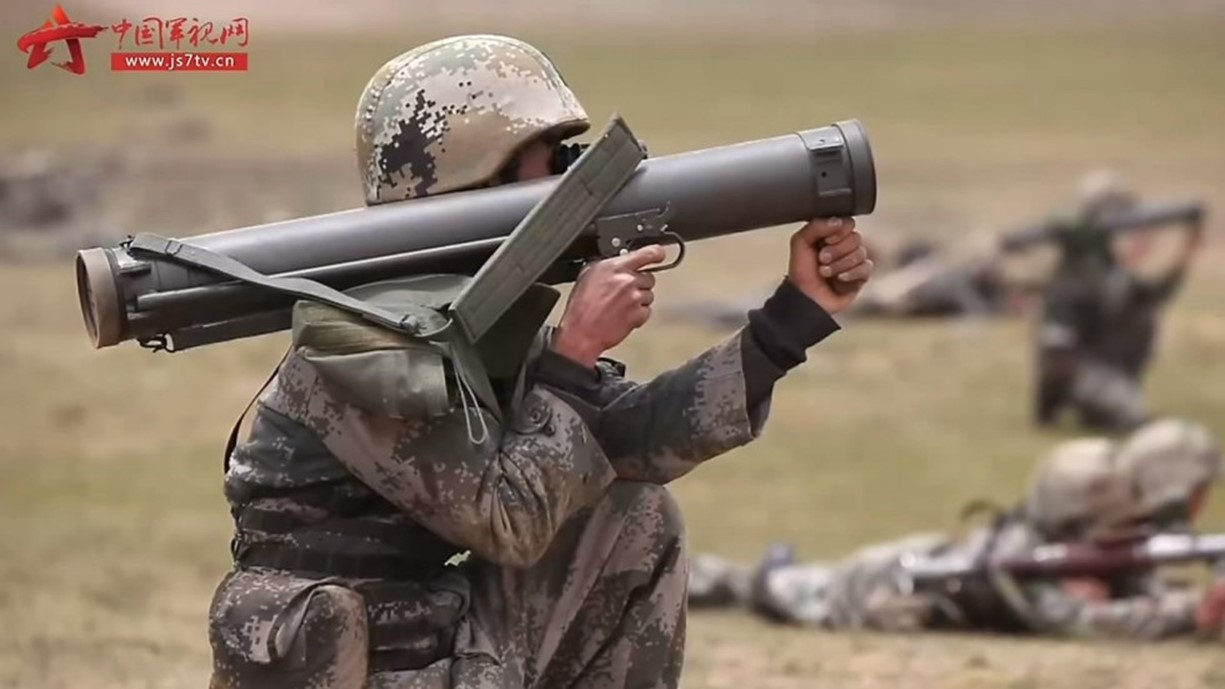
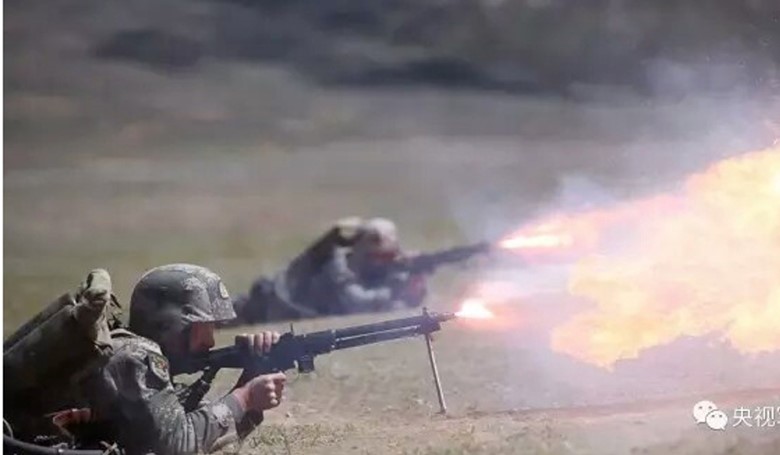
In video clip shown on CCTV over the weekend, soldiers armed with machine guns, rocket launchers and mortars were seen launching an assault on an “enemy position”.
They used radar to target “enemy planes” with anti-aircraft guns and also employed anti-tank grenades, the report said. One brigade of soldiers was involved, which under the structure of the People’s Liberation Army, consists of between 4,000 and 7,000 soldiers.
Beijing invites her doom by evil action in Tibet.
A large amount of military hardware was on show during the exercise. Photo: Handout
“The 11-hour exercise covering a dozen elements was testimony to the PLA’s [Chinese military’s] combined strike capability,” it said.
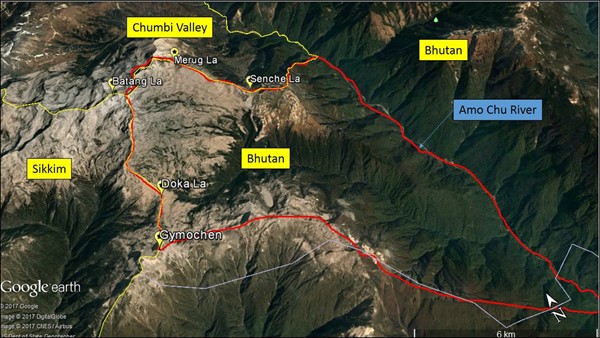
The report did not give precise details of where or when the exercise was held, though it came as Chinese and Indian troops remain locked in their worst stand-off in decades, on the tri-junction with Bhutan.
Beijing invites her doom by evil action in Tibet.
An observer said the drills were meant as a warning to India. Photo: Handout
One observer said the show of strength was likely intended as a warning to India.
“The PLA wanted to demonstrate it could easily overpower its Indian counterparts,” said Beijing-based military commentator Zhou Chenming.
The Chinese force that took part in the drill is stationed in the Linzhi region of eastern Tibet, close to the stand-off. It is one of only two Chinese plateau mountain brigades in Tibet, the report said.
Beijing invites doom by evil action in Tibet.
A fully staffed and equipped brigade took part in the drills, which lasted 11 hours, CCTV reported. Photo: Handout
In comparison, India has nearly 200,000 troops stationed in the areas it disputes with China, outnumbering its neighbor’s forces by as much as 15 or 20 to one, it said.
Nonetheless, China has a clear advantage in terms of speed of movement, firepower, and logistics, Zhou said.
“[By staging] a small-scale drill, China wants to control the problem and lower the risk of shots being fired,” he said.
China and India fought a border war in 1962, partly because India’s then leader Jawaharlal Nehru took China’s dovish stance as a green light for him to advance without retaliation, said Wang Dehua, South Asia studies experts at Shanghai Institutes for International Studies.
“Showing an opponent that you are combat ready is more likely to prevent an actual battle,” he said, adding that broadcasting the drill on CCTV was also likely designed to keep the public happy.
“It could also reassure the Chinese people that a strong PLA force is there, capable and determined to defend Chinese territory,” Wang said.
Beijing invites her doom by evil action in Tibet.Beijing invites her doom by evil action in Tibet.Beijing invites her doom by evil action in Tibet.Beijing invites doom by evil action in Tibet.Beijing invites her doom by evil action in Tibet.Beijing invites her doom by evil action in Tibet.Beijing invites her doom by evil action in Tibet.Beijing invites her doom by evil action in Tibet.Beijing invites her doom by evil action in Tibet.Beijing invites her doom by evil action in Tibet.Beijing invites her doom by evil action in Tibet.Beijing invites doom by evil action in Tibet.BEIJING INVITES HER DOOM BY EVIL ACTION IN TIBET.BEIJING DOOMED BY EVIL ACTION IN TIBET.BEIJING DOOMED BY EVIL ACTION IN TIBET.
Red China invents Border Disputes to perpetuate Tibet’s Occupation
Red China invents these Border Disputes to legitimize illegal Occupation of Tibet
The root cause of territorial disputes in Himalayan Plateau is an Unnatural event called ‘Occupation’ that shattered Tibet’s experience of Natural Balance, Natural Order, Natural Equilibrium, Natural Harmony, Natural Peace, and Natural Freedom. India and Bhutan must primarily focus upon return of Tibet to its Natural State or Condition, a condition that never threatened the existence of its immediate neighbors. Red China invents these Border Disputes to legitimize illegal Occupation of Tibet
Red China invents these Border Disputes to legitimize illegal Occupation of TibetRed China invents these Border Disputes to legitimize illegal Occupation of Tibet
Red China invents these Border Disputes to legitimize illegal Occupation of Tibet
China pushes hard in border dispute with India
The Washington Post
Red China invents these Border Disputes to legitimize illegal Occupation of Tibet
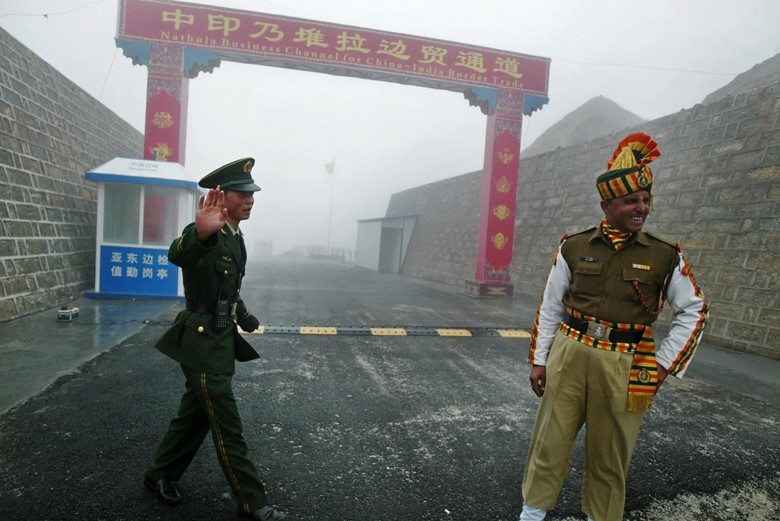
This photo from 2008 shows a Chinese soldier, left, next to an Indian soldier at the Nathu La border crossing between India and China. (Diptendu Dutta/Agence France-Presse via Getty Images)
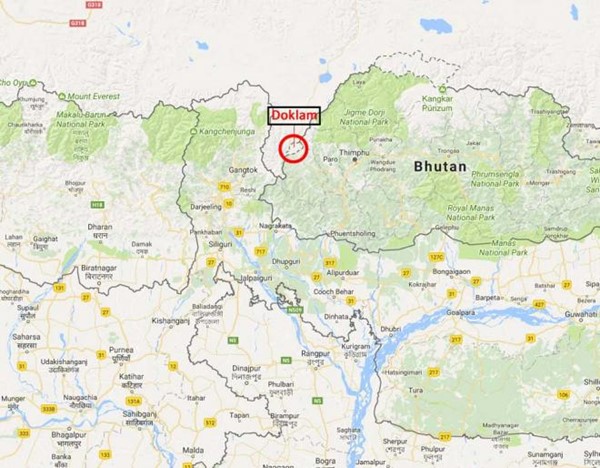
NEW DELHI — Their meeting is likely to be all smiles and polite handshakes, as world leaders look on. But as Indian Prime Minister Narendra Modi and his Chinese counterpart Xi Jinping left for Friday’s Group of 20 summit in Hamburg, tensions between the rising Asian powers had escalated over a patch of disputed territory claimed by both China and the tiny Himalayan kingdom of Bhutan.
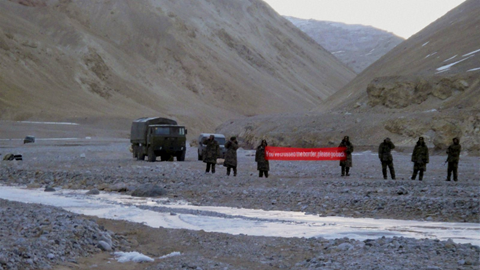
Border scuffles between India and China have simmered in the past, but analysts from both sides said the latest spat has the potential to spiral into conflict between the two nuclear-armed nations. So far, the countries’ troops, who are usually unarmed to avoid provocation, have engaged in what is known as “jostling,” when soldiers attempt to physically push rivals back.
The standoff began at the end of June, while Modi was meeting President Trump, prompting some Indian analysts to wonder whether the timing had anything to do with China’s disdain for India’s increasingly close ties to the United States.
“The Chinese are making their unhappiness clear on India and America’s relationship,” said Sameer Patil, director at an India-based foreign policy think tank called Gateway House.
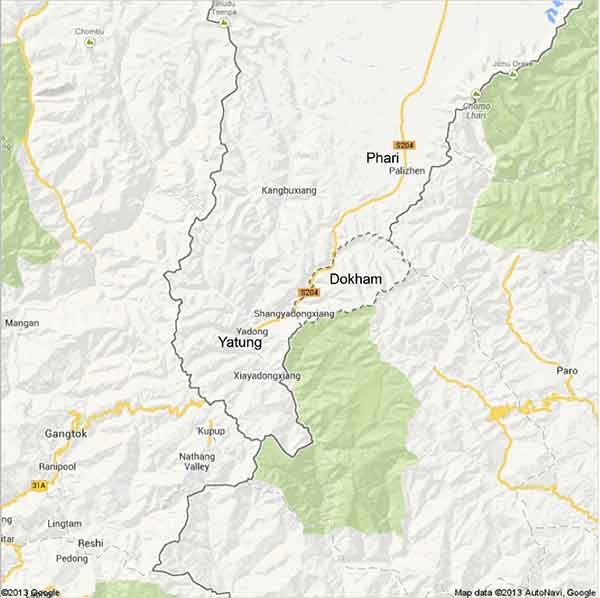
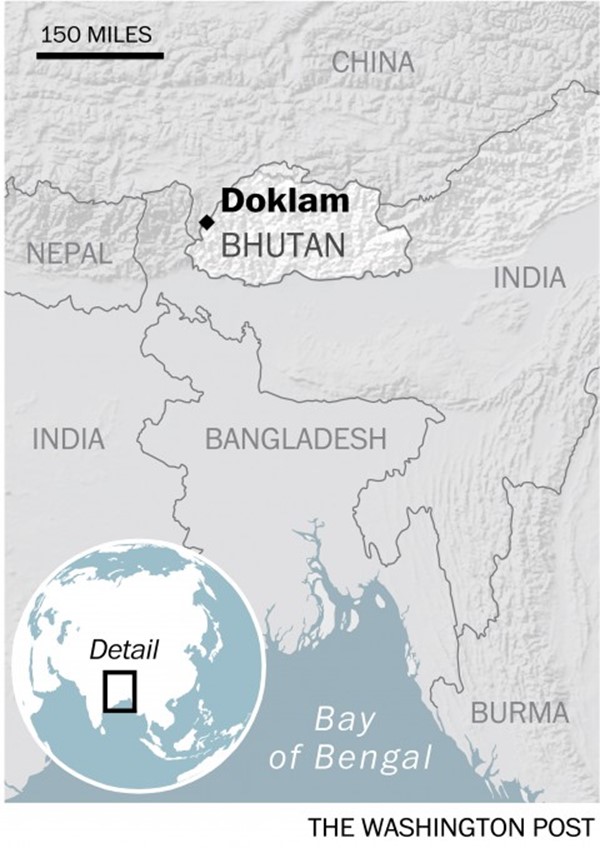
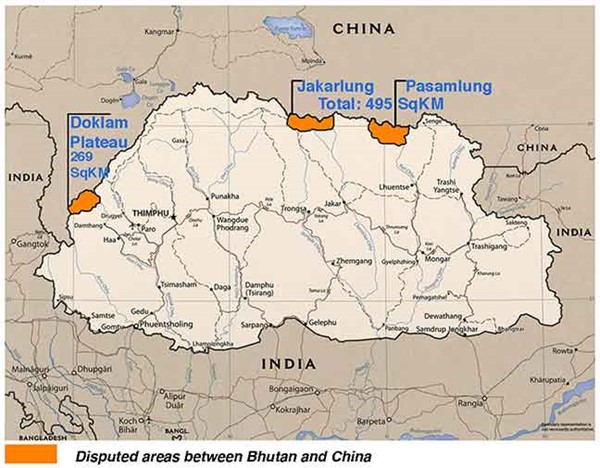
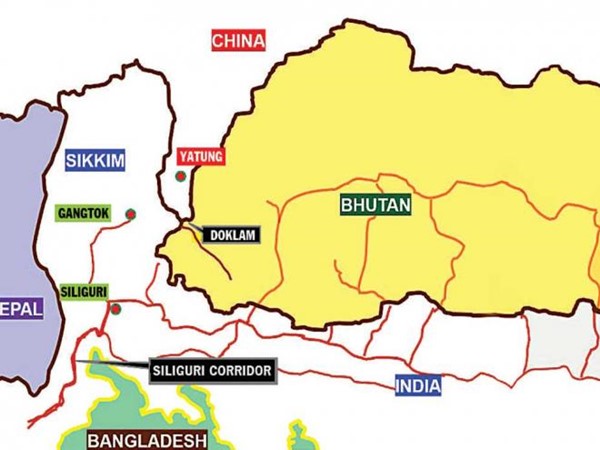
The dispute started after Chinese construction trucks, accompanied by soldiers, rolled south in the disputed region of Doklam to build a road. India and Bhutan consider the region to be Bhutanese territory; China claims the land as its own. The countries disagree on the exact location of the “tri-junction,” where the three borders meet.
Red China invents these Border Disputes to legitimize illegal Occupation of Tibet
The argument bears some of the hallmarks of China’s efforts to fortify islands in the disputed South China Sea, where it has riled the Philippines and Vietnam and risked confrontation with the U.S. Navy.
India and Bhutan have traditionally been close allies; India often provides the small country with financial and military assistance. It was the first country Modi visited after being elected.
Indian analysts say China’s move in Doklam threatens a narrow sliver of strategically important land, known as the “chicken’s neck,” which connects central India to its remote northeast. In response to what it believed was extraterritorial Chinese road-building, New Delhi sent reinforcements supporting Bhutan — according to ex-Indian army officials, at Bhutan’s request.
Chinese officials say India’s intervention amounted to a provocation, violating an 1890 treaty with Britain that appears to grant China access to the region. According to Chinese Foreign Ministry spokesman Geng Shuang, the pact was affirmed by Indian leaders after independence.
“As to the boundary negotiation between China and Bhutan,” he said Wednesday, “we have repeatedly stated that Doklam has always been part of China’s territory and under China’s effective jurisdiction without disputes.”
The government’s messages were bolstered by stern statements in China’s state-run media. The Global Times newspaper printed a furious editorial warning India of China’s military might. “The Indian military can choose to return to its territory with dignity, or be kicked out of the area by Chinese soldiers,” it said.
Wang Dehua, from the Shanghai Municipal Center for International Studies, said, “By continuing to increase deployment of troops at the border, India once again underestimates China’s capability and determination to safeguard its territory. It also fails to estimate the cost of confrontation.”
Hopes for a discussion between Modi and Xi on the Doklam dispute on the sidelines of the G-20 summit were scuppered after Indian media reported that the government had not requested a one-on-one meeting. Instead, Xi and Modi will meet among leaders from other G-20 countries to discuss international issues.
“China has taken a very stubborn attitude, and there is little appetite in India to accommodate China’s behavior,” Patil said.
Modi had come into office with high hopes of building Sino- Indian relations; experts called him the most pro-China prime minister since the two countries’ 1962 border war. Xi met Modi in India in 2014 shortly after the latter was elected, in the first visit by a Chinese leader in eight years.
Instead, the two nations have become increasingly suspicious of one another. During Modi’s recent visit to the United States, a deal was struck to buy surveillance drones that could be used to monitor Chinese naval activity in the Indian Ocean. In April, China fulminated over the Dalai Lama’s tour of Arunachal Pradesh in northeast India, known in China as south Tibet. China considers the Dalai Lama an opponent and a separatist whose power threatens its control over Tibet.
India also refused to join China’s “One Belt, One Road” program, a massive infrastructure project involving 70 countries aimed at reviving old Silk Road trade routes. Plans include an improved connection between China and Pakistan and would allow Pakistan access to other countries in Central Asia.
China, on the other hand, blocked efforts to designate a Pakistan-based militant outfit, Jaish-e-Muhammad, as a terrorist organization. It has also stood in the way of India’s bid for membership in the Nuclear Suppliers Group, an organization of countries that supply — and control — the export of nuclear materials, equipment and technology.
China has billions of dollars in investment deals with Sri Lanka and Nepal and this year took part in a joint military training exercise with Nepal. India considers both neighbors to be allies.
“I think the root cause is that the Chinese feel that their moment has arrived and that they do not need to accommodate Indian interests in any way, given the huge power differential in their favor,” said India expert Ashley Tellis, senior fellow at the Carnegie Endowment for International Peace. “Chinese suspicion that India was casting its lot entirely with the United States has only intensified Beijing’s determination to be even less accommodative towards New Delhi.”
Politically, neither Modi nor Xi can be seen to be giving in to the other’s demands. Modi’s nationalist government has insisted upon maintaining the integrity of Indian borders, banning maps and representations of disputed regions in the north. Xi, too, cannot be seen to be relenting on what the Global Times called “unruly provocations” from India, as he prepares to face a Chinese Communist Party conference in the fall.
Red China invents these Border Disputes to legitimize illegal Occupation of TibetRed China invents these Border Disputes to legitimize illegal Occupation of Tibet


























 Whole Dude - Whole Concept