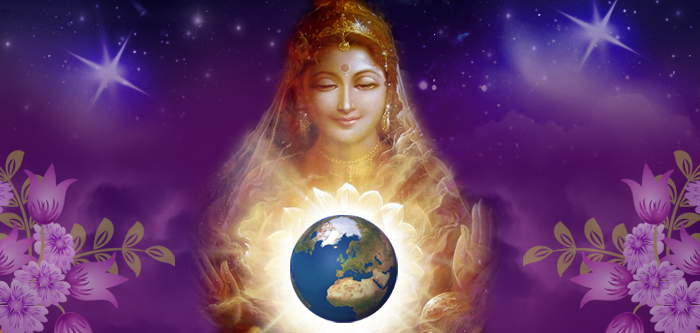
Whole Noble – India, the Land of Gautama Buddha

Whole Noble – India, the Land of Gautama Buddha

Excerpt: The author emphasizes his deep connection with India, the land of Gautama Buddha and the profound influence of Buddhism on Indian culture, identity, and national symbols. This article advocates for the freedom of Tibet, currently occupied by China, highlighting the spiritual, historical, and cultural ties India has with Tibet through Buddhism. The author also calls on the United States to uphold democratic values and support Tibetan freedom. He illustrates his commitment to this cause by sharing his first-hand experiences with Tibetan Buddhists, his participation in a challenging trek to support them, and his published essay criticizing the prioritization of economic ties over human rights.

Whole Dude – Whole Noble: India – The Land of Gautama Buddha. SIDDHARTHA – GAUTAMA BUDDHA (c. 563 to c. 483 BC):”Whatever is born, produced, conditioned, contains within itself the nature of its own dissolution.” Photo by Noelli from Flickr site. http://www.dalekoniedaleko.pl

I belong to ‘The Land of Gautama Buddha’ and I whole heartedly pledge my support to His Holiness the 14th Dalai Lama and to the people of his Land. I firmly believe that we should seek and give our support for a Free Tibet and evict the Occupier of Tibet.

Whole Dude – Whole Noble: India – The Land of Gautama Buddha.

Buddham Saranam Gachhami  

Dhammam Saranam Gachhami  

Sangham Saranam Gachhami 

Whole Dude – Whole Noble: India – The Land of Gautama Buddha

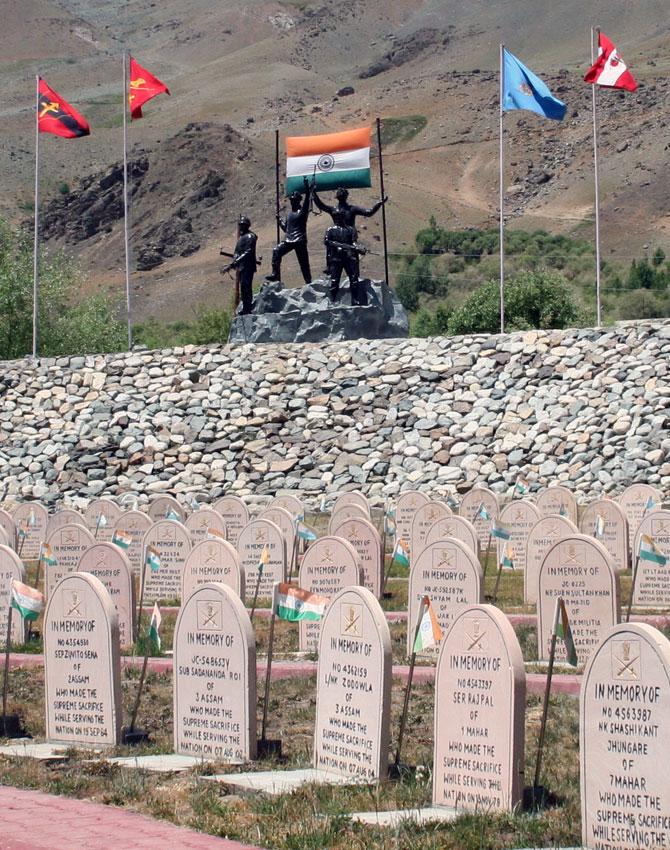
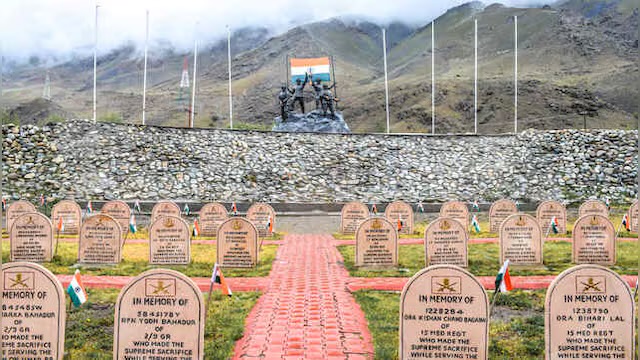
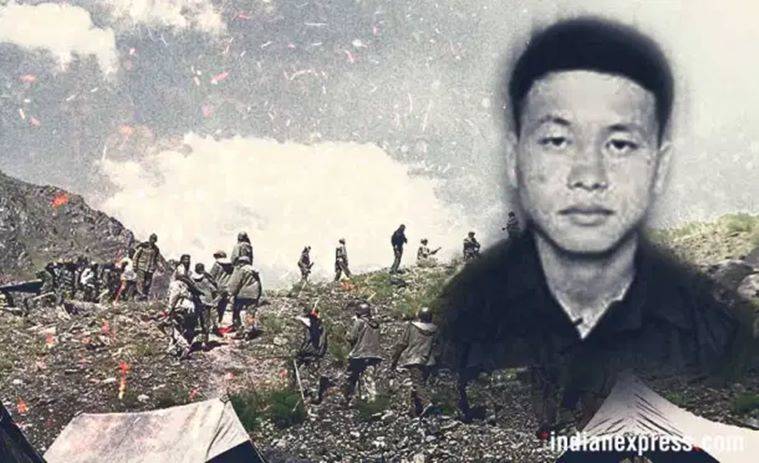
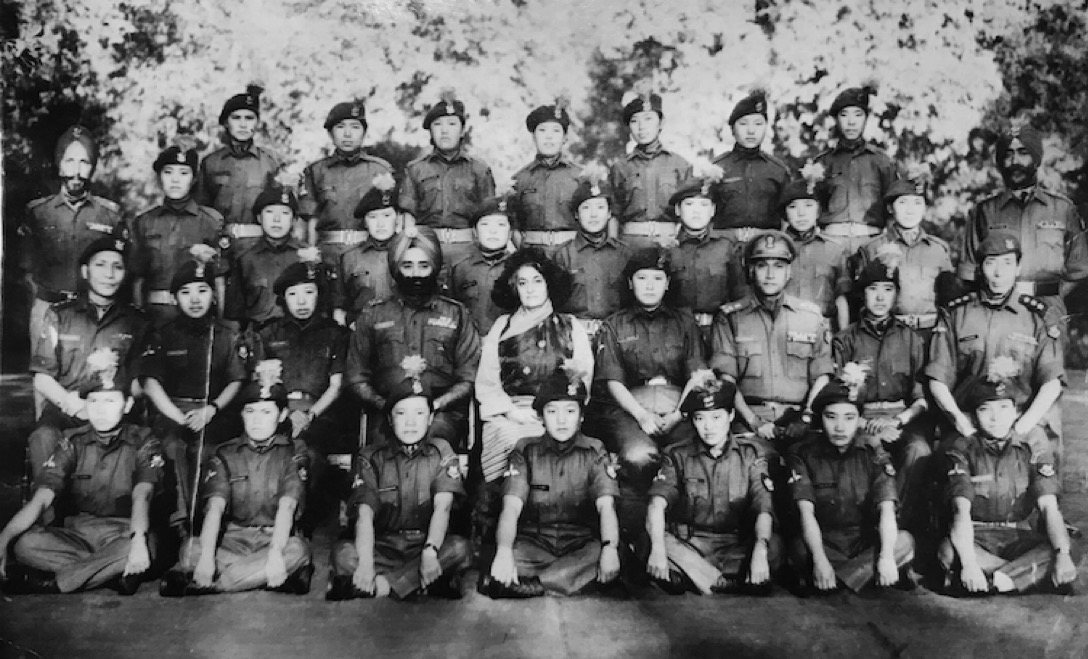
This entry is dedicated to the loving memory of those brave men who sacrificed their lives while nurturing fond hopes to win freedom for Tibet and they cherished a dream to preserve the Tibetan Identity.

Whole Dude – Whole Noble: For India is the Land of Gautama Buddha, we have a duty to defend Tibetan Identity.

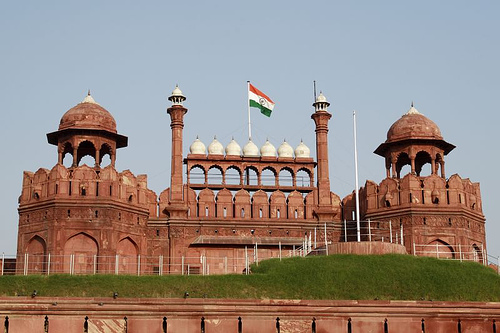
Both Telengana and Andhra Pradesh record the influence of Buddha on our hearts and minds. Acharya Nagarjuna, another great Teacher lived in Nalgonda District.  India is the blessed Land where Lord Gautama Buddha had lived and preached. His great compassion and noble qualities made a great impact on our character and our identity as Indians.The symbols such as the National Flag and the National Emblem that we have chosen to represent us speak volumes about the long-lasting influence of the Buddhist preachings.

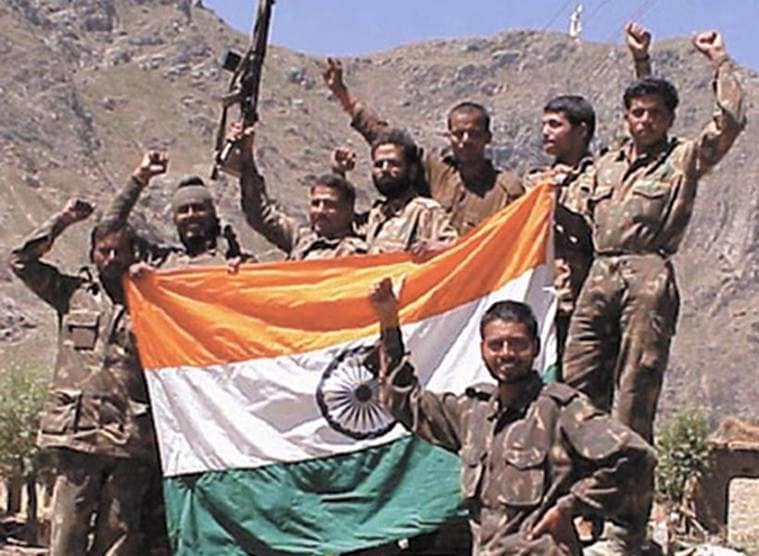
Whole Dude – Whole Noble: India – The Land of Gautama Buddha. The national flag of India is popularly known as ‘TIRANGA’ or ‘TRICOLOR’. The Saffron or subdued Orange represents Courage, Sacrifice, and the Spirit of Renunciation. The White represents Purity, Peace, and Truth. The Green stands for Fertility, Prosperity, and Faith. The Blue Chakra, the 24-spoked Wheel symbolizes the Wheel of Life in Movement and Death in stagnation. It is the same as the DHARMA CHAKRA or the Wheel of Law found in the Saranath Lion Capital of Emperor Ashoka the Great.
Whole Dude – Whole Noble: INDIA – THE LAND OF GAUTAMA BUDDHA: INDIA’S NATIONAL EMBLEM PROCLAIMS THE OFFICIAL MOTTO OF INDIA, “SATYA MEVA JAYATE,” TRUTH ALONE TRIUMPHS.

I had the good fortune to visit Buddhist temples known as Gompas and got acquainted with the Buddhist religious traditions for over four years while I lived with Tibetan Buddhists. I had also visited Tibetan Camps in Bylakuppe and Mundgod in the State of Karnataka.

Whole Dude – Whole Noble: India – The Land of Gautama Buddha. Godparents or Buddhist Temple in Bylakuppe, near Mysuru City, Karnataka

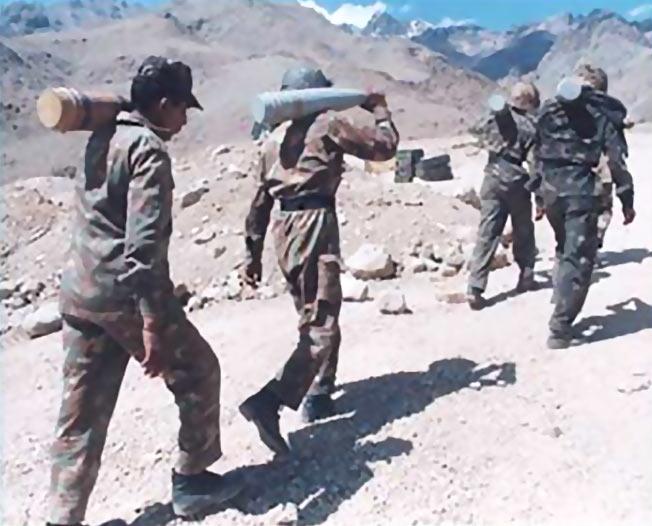
In December 1974, when I arrived in Secunderabad, I thought that I am posted to a military station away from my camp life with Buddhists.The motto of our military formation in Secunderabad is “BASH ON REGARDLESS.” I reached Secunderabad from the Himalayan frontier with the hope that I could bring my wife and my daughter from Kadapa where they had been living while I was serving at a field location where families are not permitted to live. As I arrived at my new Unit, the first thing that I was told was that I need to immediately proceed on a military training exercise and that I am not allowed to bring my family to Secunderabad as my services are urgently needed for the exercise.I dutifully took my place in a military convoy and after a few hours my vehicle went past the government quarters where my parents lived while my father worked as Principal of the Nagarjuna Government Arts College in Nalgonda.

Whole Dude – Whole Noble: India – The Land of Gautama Buddha. Acharya Nagarjuna of Nalgonda District, Telengana, India

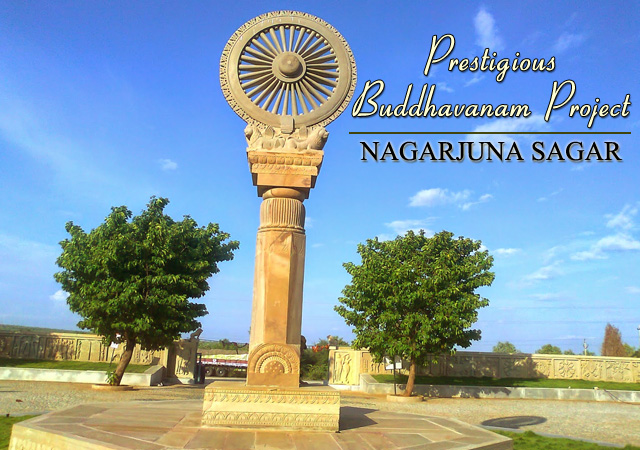
I reached the exercise location near Nagarjuna Sagar and that was my first visit to that area even though I had lived in Andhra Pradesh for a fairly long time.I took the opportunity to visit the historical site of Acharya Nagarjuna’s ‘Vihara’.

Whole Dude – Whole Noble: India – The Land of Gautama Buddha. Nagarjuna Sagar, Nagarjuna Konda, Nagarjuna Vihara, Buddha Vanam, Nalgonda District.

Prince Siddhartha left his wife and infant son in the middle of the night and abandoned his life of comfort in a royal palace as he desired to find the “Truth.” I had no intention to travel in the foot steps of Gautama Buddha, but I chose to stay away from my family if that could help His followers to reclaim their lost possessions and preserve their identity. Even today when I look back, I do not regret the time I spent away from my family and my mission to support Tibetan Buddhists was indeed a serious one. I was willing to put my life on-line if that could make a difference in the lives of those Buddhists who needed my services. I want to share the following essay which was published in ‘The Ann Arbor News’ on Thursday,October 14,1999 and hopefully this essay may convey you the passion with which I had served to support the followers of Gautama Buddha: 

Don’t neglect Tibet for the sake of making money in China: 

Don’t Neglect Tibet For the Sake of Making Money in China.

The United States-China relationship has naturally come under a critical review because of the nuclear espionage charges.It is irrelevant if China has actually benefited from the sensitive information that the U.S. has lost. What is far more important is the fact that the U.S. has lost its ability to keep sensitive information secure. 

Presidential candidate George W.Bush has very correctly pointed out that the U.S. needs to prepare against a potential military threat that China might pose. 

A review of the U.S.-China bilateral relationship should take us back 30 years to the time it actually began. The relationship,from the beginning,has no solid foundation. In spite of the huge trade and commerce relationship that the U.S. built up with China over these years, there is a basic lack of trust. 

The reason for this mistrust is political. The Chinese political system derives its strength from the ideology of communism. The U.S. essentially adheres to the values of democracy, freedom and liberty. 

China, as of today, is not a free society.Its political philosophy does not inspire us and is not trustworthy.Whatever the U.S. business investments may be,whatever the market reforms that China has introduced in recent times may be, there is a huge gap in terms of our political ideologies. 

Communism and democracy cannot become good partners in a bilateral relationship. 

The reason that I believe would end the U.S.-China bilateral relationship is the problem of Tibet. 

The identity of Tibetan people could not be destroyed by all these years of Chinese oppression.The passion of Tibetan people for their freedom could not be subdued by prolonged, brutal occupation. Tibetan people are brave and courageous. They are willing to pay the price to regain their land and liberate it. They have the strength, will power and commitment to achieve this goal. 

I witnessed this fact when I marched with hundreds of Tibetans through dense inhospitable forests for three months some years ago. 

This was not a camping expedition.We had sick people and severely injured people who were sent to hospitals.We had beautiful people who lost their lives in those remote forests and they lay buried or cremated there. Their sacrifices are etched into my memory. 

The only reason for taking that risk to suffer loss of life is the issue of winning back Tibetan freedom. 

I also had an opportunity to speak with hundreds of Tibetan boys. Each one of them had a clear idea of their national identity and a compelling desire to win their freedom even if they had to pay for it with their lives. 

The U.S. should understand that the issue of Tibet is not going to fade away. 

When China occupied Tibet, the U.S. sent its citizens to help these people to plan their resistance.The U.S. sent tons and tons of supplies to aid their struggle. U.S. did not cover itself in glory when it withdrew this support it gave to Tibetans. The U.S. personnel were withdrawn and the aid dried up. That was an intensely painful moment for people like me who were then living with Tibetan people.

All of us had an understanding of the event that led the U.S. to backstab the Tibetan people. The U.S. sacrificed the freedom of the Tibetan people in its quest for establishing bilateral ties with communist China. 

Thirty years after this betrayal, the United States should reevaluate the basic principles for which it stands today. The U.S. flag has been always a symbol of freedom. The issue is not that of containment of China. The issue is not that of engagement of China. The real issue is that of the freedom of the Tibetan people. We need to stand up for our own fundamental values and do the right thing. 

Whole Dude – Whole Noble: India, the Land of Gautama Buddha must secure Peace, Freedom, and Justice in Occupied Tibet.
Whole Dude – Whole Noble: India – The Land of Gautama Buddha.

Whole Existence – A review of Shankara’s doctrine of True or Real Self

Friday, May 02, 2025, Shankaracharya Jayanti. What is Man? What is Soul?

Adi Shankaracharya Jayanti is observed on Panchami Tithi during Shukla Paksha (the Waxing phase of Moon) of Vaishakha month (the second month of Hindu calendar) and it falls between April and May.

In his short life of 32 years, Adi Shankara walked across India – twice. May 2, 2025 is Adi Shankara Jayanti.
Friday, May 02, 2025, Shankaracharya Jayanti. What is Man? What is Soul? Man is Constituted as a Spiritual Being.

On Friday, May 02, 2025, I pay my respectful tribute to Adi Guru Shankaracharya and share my thoughts on the realities of my human existence.

Friday, May 02, 2025, Shankaracharya Jayanti. What is Man? What is Soul? The Man is Constituted as a Spiritual Being.

What it is to be a Substance? and What it is to Exist? We need to establish knowledge about the man on a firm basis and the information it provides must be tested for its accuracy and consistency with an external reality. We have to make the fundamental distinction between the living and the non-living matter. The scientific advances of the 19th and 20th centuries reinforced the materialistic position concerning the basic similarity of organic living and inorganic physical matter. The man is viewed as a product of natural evolution and is thought to be subject to the same laws of Physics and Chemistry or mechanistic principles.

We need a methodology to study philosophy and to understand philosophical statements. Logical Positivism, also known as Scientific Empiricism aims to clarify concepts in both everyday and scientific language. It describes analysis of language as the function of philosophy. This analysis of language and of concepts is important to understand questions of belief and ideology which affect what we think we ought to do individually and socially. I would use this method of ‘Applied Philosophy’ to analyze the philosophical doctrine of ‘Advaita’ and to study the views and philosophy of Adi Shankara and his efforts to interpret the true or real identity of man and the world.

The Material Basis of Spirituality Science. The Truth about Soul or Spirit. Adi Shankara (c. 788 A.D. – c. 820 A.D.), the founder of the Non-Dualist or Advaita School of Indian Philosophy has shared his ideas about human soul or spirit which is called Atma or Atman in the Indian Sanskrit language. What is the Truth about Soul or Spirit?

Truth is the quality of being in accordance with experience, and verified facts. Truth or Reality can be established by using a reasoning process called verification and validation. To verify or refute a theoretical claim, we need to clarify statements by demonstrating relation between the theoretical claim and the observational evidence. Such a reasoning process could be applied in two manners; 1. The Coherence Theory of Truth, and 2. The Correspondence Theory of Truth.

Friday, May 02, 2025, Shankaracharya Jayanti. What is Man? What is Soul? Nietzsche correctly claims that people don’t want to hear the ‘Truth’. As a human being, Nietzsche is not an exception to that Rule. The Truth is, man needs an Illusion if he has to exist on the surface of fast spinning object called planet Earth.

According to the Coherence Theory of Truth, the standard of Truth is the logical consistency of a proposition with a large system of propositions. According to the Correspondence Theory of Truth, Truth is viewed as a relation between an idea or proposition and its object. To verify Truth or Reality, the Subject and Object of an idea or proposition must have a relationship. Truth when applied to statements or ideas is related to the validity of what we mean and hence it requires correspondence between thought and external reality. It is true that a man has the biological ability and capacity called ‘imagination’, but the man may not have the ability and capacity to translate the power of imagination into an actuality, an external experience that could be observed by others. In my imagination, I can seek the existence of an all blissful entity called ‘Shiva’ while in actuality, I exist in the physical world as a fragile, mortal being. Religion, Philosophy, and Science may represent three distinct fields of learning about Truth and Reality. Scientific knowledge not only provides the knowledge that something is true, but it also provides the reason as to why it is true. Religion, and Philosophy could use different methods to study Truth and Reality, but the ideas they share require verification, corroboration, and validation. In the study of a man, the know-er and the known are one. The man is the observer and the observed fact is that of the man’s nature. If a man has to know the truth about his true or real self, the man has to understand the truth and reliability of his own cognitive powers. If the Subject called man is identified as an Object called Soul, or Spirit, the Truth or Reality of Soul, or Spirit involves a structural/functional relationship between the Subject and its Object.

Adi Shankara’s Nirvana Shatakam or Atma Shatakam:

Friday, May 02, 2025, Shankaracharya Jayanti. What is Man? What is Soul? To know man, the Self, Soul, Spirit, or Atman as the Knower of Body is the first step in man’s inquiry about Self. The Knowledge will help and guide man to reach his destination using his body like a chariot.

Adi Shankara (c. 788 – c. 820 A.D.), the founder of the Non-Dualist or the Advaita School of Indian Philosophy called ‘Vedanta’ shared his ideas about human Soul, or Spirit or ‘Atma’ or ‘Atman’ in the Indian Sanskrit language. In six short poems popularly known as ‘Nirvana Shatakam’, or ‘Atma Shatakam’, he presents his mental concepts about human Soul, or Spirit which he calls “Aham” (Subject ‘A’). Adi Shankara’s primary concern is about establishing the perfect Identity between this Subject ‘A’ and its Object called “Chidananda Shivam” (Object ‘C’). However, Adi Shankara makes no attempt in his propositions to establish the basis for this Identity between the Subject A and its Object C. Adi Shankara is proposing that the Subject A or Aham has no structural, functional, mental, moral, social, and spiritual relationship with its human body or ‘B’. In his view, the human soul or spirit is not involved, and is not concerned with the existence of human body in which the soul or spirit is thought to be residing. In an effort to establish the school of thought called “Advaita” or Non-Dualism, he systematically separates the human body from its human soul. Adi Shankara further extends this proposition to claim that the Subject A is the same as the Object C and the reason he has given is that of a lack of relationship between Subject A and the human body B. Since, A is not the same as B, A is not equal to B. And, therefore, Adi Shankara claims that A is the same as C or A is equal to C. He is neither describing nor illustrating that there is or there could be a structural, functional, mental, moral, social, and spiritual relationship between A and C. If such relationship exists between A and C, Adi Shankara has not presented any observational evidence in support of his claim that states A = C.

Let us briefly review the six verses. Kindly note that the verses are composed in the Indian Sanskrit language and there are several minor variations in the words that are attributed to Adi Shankara. The word ‘Nirvana’ means ‘Mukti’ or Release (the release of the conditioned human soul), death, Sunset, and conclusion of an event (such as the end of Life).

I must clarify that ‘death’ may not be viewed as a static, or final event. Death is a dynamic event like Life which is characterized by changes like growth and development and various stages like infancy, youth, adult, and old age. Just like Sunset which is followed by Sunrise, the event called death is followed by regeneration, renewal, and rebirth. Living organisms arrive with a plan for their own dissolution and such organic decay and decomposition is influenced by the cyclical flow of Time.

Man is a Physical, Mortal Being, a Created Being with a Living Soul:

The Material Basis of Spirituality Science. The Truth about Soul or Spirit. Nirvana Shatkam, first verse.

Mano buddhi ahankara chittani naham
Na cha shrotravjihve na cha ghraana netre
Na cha vyoma bhumir na tejo na vayuhu
Chidananda rupah Shivoham Shivoham

In the first verse of Nirvana Shatkam, Adi Shankara excludes the four mental functions known as Ma-nah ( the seat of thoughts and imagination, the chief sense organ called Mind), Buddhi (the seat of intellect and knowledge), Chitta (the seat of emotions such as compassion, affection, and devotion), and Ahankara (the seat of ego, self-pride, the sense of pride that is associated with the recognition of ‘Self’ or ‘I’ as the existing or living entity) as the basis of his true Identity or Essence (What you are). These four aspects of mental activities are described in the Indian tradition as “Antah Karanam” or “Mano Chatushtaya.”  The human nature which has features such as “Chitta” or “Hrudaya,” “Karuna,” or “Daya” and “Bhakti,” is characterized as Compassion, Kindness, and Devotion; the mental qualities that are needed for formulating Spiritual relationships both within the Individual and between Individuals. Adi Shankara gives no reason for this separation of human nature from its human Soul. Similarly, he excludes the five organs of Sense Perception (often described as “Jnana Indriyas,” the organs that provide sensory information and sensory experience such as ears, tongue, nose, eyes, and skin and the Five Primordial Elements described in the Indian tradition as ‘Pancha Mahabhutas’ such as Sky, Earth, Fire, Wind, and Water. He thinks that they are not fundamentally related to his True Identity and Essence. He is specifically excluding all known material substances, material structures and forces that operate in the natural world in the description of his True Identity. In my view, I consider that man comes into existence as a newly created object, one of its own kind, original, and distinctive who could always be identified as a specific individual.

Friday, May 02, 2025, Shankaracharya Jayanti. What is Man? What is Soul?

I claim that man is a created being and man has no choice other than that of existing as an Individual with Individuality. The physical form, the morphological appearance of man always makes him unique and it has to be explained and accounted for. I suggest that the human Soul is the internal reality; and Soul is the basis for human Individuality and the Soul is the unchanging principle that allows a man to exist with changing external forms with specific physical attributes. The man is constituted by Chemical Elements and hence exists as a Physical Being.

Man is defined by his Structure, Functions, and Behavior:

The Material Basis of Spirituality Science. The Truth about Soul or Spirit. Nirvana Shatkam, second verse.

Na cha prana sangyo na vai pancha vayu hu
Na va sapta dhatur na va pancha kosha
Na vak pani padam na chopastha payu
Chidananda rupah Shivoham Shivoham

In the second verse of Nirvana Shatkam, Adi Shankara gives a very detailed description of various tissues of the human body and describes all the vital functions and states that the Subject A or Aham has no structural or functional relationship with the man described by Human Anatomy and Human Physiology. The term Prana refers to the vital life-energy and is generally used to describe the chief characteristic to make the fundamental distinction between living and non-living; the important sign of life is the act of breathing or respiration.The term “Pancha Vayu” refers to, 1. Vyana – the air that is spread in the entire extent of the human body; 2. Samana – the air that is in the navel region; it could be the air that is swallowed during acts of eating and drinking and may refer to the intestinal gas; 3. Udana – the air that is in the throat/neck region; this narrow airway is vital for the respiratory function; 4. Apana – the air that travels downwards and outwards; it could mean the air expelled from the body as flatus or exhaled air from the lungs; and 5. Prana – the inspired air; air that is in the heart, the chief organ of Cardiovascular System that circulates Oxygen throughout human body. The term “Sapta Dhatu” refers to the seven material essences such as the skin, muscle/tendons/nerves, blood, bones, bone marrow, brain (neural tissue), and “Rasa” which describes fluids like semen and lymph. The term “Pancha Kosha” refers to the traditional view about the structure of the Soul. It is believed that the Soul has five coverings or envelopes and each layer establishes human existence and these are called as the five stages of Self-Realization; 1. Anna moya (related to Nutrition), 2. Prana moya (related to vital functions like Respiration), 3. Jnana moya (relates to implantation of Innate Knowledge and Consciousness), 4. Vijnana moya (relates to the ability to make a distinction between human body or the physical Self and Soul as the real or true Self), and 5. Ananda moya (relates to the experience of Bliss, the experience of Peace, Harmony, Tranquility, and Equilibrium as a Living Experience) ; these are the five aspects of Self-Realization and refer to the complete fulfillment or development of a man. I have discussed these five aspects in my blog post:

http://Bhavanajagat.com/2012/03/18/Spiritualism-Spiritual-Being-And-Self-Realization/

Adi Shankara also refers to the five organs of action that are described in the Indian tradition as “Karma Indriyas” which are the five instruments of function such as Speech (Vak),  Hand-Grip and Manipulation (Pani), Locomotion (Pada), Procreation (Upastha) and Excretion (Payu). Adi Shankara has not bothered to state as to how these different organs and organ systems could function together to support the existence of the human person who lives because of those varied living functions. Life is nothing but to function and in my view, the human Soul is the central organizational structure providing the structural and functional coordination that is required for the human existence.

Man is a Mental Being, an Emotional Being and a Moral Being:

The Material Basis of Spirituality Science. The Truth about Soul or Spirit. Adi Shankaracharya (c.788 – c.820), Exponent of ‘Advaita’ or Non-Dualism. The man exists on earth under the powerful influence called Maya or Grand Illusion.

Na me dvesha ragau na me lobha mohau
Na me vai mado naiva matsarya bhavaha
Na dharmo na chartho na kamo na mokshaha
Chidananda rupah Shivoham Shivoham
Chidananda rupah Shivoham Shivoham.

In the third verse of Nirvana Shatkam, Adi Shankara correctly claims that the human Soul may not contribute to human feelings, and thoughts associated with hatred, sexual passion, greed, arrogance, and envy or jealousy. At the same time, he rejects the traditional Indian view about man’s purpose in Life; the purpose of Right Action or “Dharma”, the purpose called earning money or material wealth to support Life or “Artha”, the purpose of Procreation or “Kama”, and the purpose called God-Realization, Liberation, or “Moksha.” In other words, Adi Shankara is suggesting that human life and human existence may have no underlying purpose. He is also not giving any coping mechanism to deal with the problems associated with human emotional experiences like passionate desires. The Indian tradition consistently recommends that a man can exercise self-control as the human Soul is superior to human mind, human intellect, and human sense organs. If the human body has no structural or functional affiliation with its human Soul, it will not be likely that man can exercise self-restraint and self-control. In my view, man, the Mental Being can establish himself as a Moral Being using the innate discerning ability to make the distinction between right and wrong, and distinguish good from evil by knowing the existence of the Knowing-Self or the Soul.

Man is a Spiritual Being:

The Material Basis of Spirituality Science. The Truth about Soul or Spirit. In my analysis, man is not saved by acquired Knowledge. Man cannot directly rule or govern his own body for the building blocks of the body called cells are independent and enjoy functional autonomy.

Na punyam na papam na saukhyam na duhkham
Na mantro na tirtham na vedah na yajnah
Aham bhojanam naiva bhojyam na bhokta
Chidananda rupah Shivoham Shivoham

In the fourth verse of Nirvana Shatkam, Adi Shankara claims that he has no sense of attachment to the consequences of his actions either good (“Punya”) or bad (“Paapa”). He is recommending that man need not perform temple worship, and there is no need to observe religious rituals, sacrifice, and perform acts of pilgrimage. He is rejecting the desire to seek pleasure and comfort (“Saukhyam”) and he may not be able to totally avoid the pain, misery, and the experience of suffering (“Dukham”). He specifically undermines the role of food and its five functions in support of the human existence.

The problem is that of the nature of human existence. In my view, the man at any given age, in any given condition, under all given circumstances including good health or ill-health depends upon the Power/Energy/Force called Mercy/Grace/Compassion, often called Divine Providence. The man is not in control of his own existence. The man needs a guiding, and controlling force called the Divine Providence. In my opinion, the human Soul operates as the Connection between man and the Divine Providence that supports, sustains, and preserves human existence irrespective of man’s experience of pain or pleasure. The man has no choice other than that of seeking Mercy, Grace, and Compassion that is called “Krupa” in the Sanskrit language. 

Man is a Social Being:

The Material Basis of Spirituality Science. The Truth about Soul or Spirit. Nirvana Shatkam, fifth verse.

Na me mrityu shanka na mejati bhedha
Pita naiva me naiva mata na janmaha
Na bandhur na mitram gurur naiva shisyaha
Chidananda rupah shivoham shivoham

In the fifth verse of Nirvana Shatkam, Adi Shankara very boldly asserts that he is without a trace of doubt (“Shanka”) and further adds that the Soul that he calls “Aham” has no Father, or Mother. The Indian tradition describes Father (“Pita”) as the originating principle, and Mother (“Mata”) as the sustaining principle. In my view, the human Soul comes into existence (“Janma”) because of the Supreme Will or the Supreme Soul which is the Prime Cause, the Cause of all types of things and all kinds of Existence. The human Soul is conditioned and is not totally independent and hence, the human soul still needs a Divine Mother Principle to maintain its Spiritual Condition and Spiritual Existence and a Father Principle that can account for its origination or the fact of its existence.  

Man is a Conditioned Soul:

The Material Basis of Spirituality Science. The Truth about Soul or Spirit. Nirvana Shatkam, sixth verse.

Aham nirvikalpo nirakara rupo
Vibhut vatcha sarvatra sarvendriyanam
Na cha sangatham na muktir na meyaha
Chidananda rupah Shivoham Shivoham

In this final or sixth verse of Nirvana Shatkam, Adi Shankara tries to eliminate the classical dualism that is called the dualism of Universal vs Particular. He claims that his human Soul or “Aham” is the universal entity that is limitless, formless (“Nirakara”) and is without any attributes or attachments (“Bandha”). In his view, the human Soul is essentially free; it is everything, everywhere, every time and is always in a state of equilibrium. He states this view without a trace of doubt (Nirvikalpa”).

Friday, May 02, 2025, Shankaracharya Jayanti. What is Man? What is Soul? Animate vs Inanimate Dualism. Man, Body, and Soul are united by LORD God or ‘Prabhu’ who still remains aloof, disinterested, or separate from both Animate and Inanimate Matter. GOD is a separate order distinct from Animate and Inanimate Matter.

I suggest some caution and ask my readers to recognize the importance of separation between the human soul and the Supreme Soul or the Ultimate Reality. I can understand that there is no disunity between man and his Creator.

I ask my readers to know the philosophical system of thought called ‘Nominalism’ that does not grant universality to mental concepts outside the mind. Universality could be applied only to words or “nomina”, mental habits, or concepts. Nominalism only maintains the objective existence of the concrete, individual thing. It denies all objectivity whether actual or potential to universals. The human soul is attached to the human being and the human being has his existence on planet Earth and hence is not an universal entity. Since the human condition demands existence only on planet Earth and not the rest of the universe, the human Soul cannot escape from its conditioned status while it exists as a human Soul. The Universal Soul as proposed by Adi Shankara is just a mental concept and it can only exist in the mind of the man and it may have no correspondence with the facts of external world and the Universe.

What is Truth, What is illusion?

The Material Basis of Spirituality Science. What is Truth and what is illusion?
Adi Shankara claims: “Brahma Satyam, Jagat Mithya, Jivo Brahmaiva Na paraH.”
Brahma is the Only Truth, the World is Illusion, and there is ultimately no difference between Brahman and the Individual True Self. My question is: “Where does this True-Self exists? Without Existence, there is no Essence. If and only if a Thing exists, it can define its Essence.

Sri Shankaracharya sums up the entire message of Vedanta in three crisp aphorisms. These are:

(a) Brahma Satyam, (b) Jagat Mithya, and (c) Jivo Brahmaiva naparah.

Adi Shankara is fully convinced in his belief that A (Soul or Spirit or Atman) and the human body B are not connected or related. It must be noted that, A or “Aham” refers to a singular person called ‘I’ and that singular person ‘I’ is in a state called ‘Being’, one who lives, or exists. If A is stated to be existing as an entity called I am, I would like to ask the following questions:

1. Who is Existing?

2. What is Existing?

3. When it is Existing?

4. Where it is Existing?

5. Why it is Existing?

If the Subject A, or Aham (I am), has no size, no shape, and no form, how could we establish the fact that A is existing? Adi Shankara fails to categorically state the place or site where A could be existing. If A is existing, we may like to know the purpose of this existence. If there is a purpose for the existence of A, the question would be, What is that purpose? How is the nature of A or the nature of C is related to its purpose? The Truth and Reality about human Soul, or Spirit can be verified, can be corroborated, and can be validated by knowing the structural, functional, mental, moral, social, and spiritual relationship, partnership, connection, association, or bonding between A, B, and C. Indian tradition suggests that the human body has three aspects; “Tri-ani-pada”, or three-in-one; and the three aspects of human body are, 1. Causal, 2. Spiritual, and 3. Material. There is a material connection between A, B, and C, if the human body has a ‘causal, and a ‘spiritual’ dimension. It would be very interesting to note that Adi Shankara specifically avoids to describe the connection or relationship between the human Soul and the human Consciousness. In the Sanskrit language, Consciousness is called “Chetana” or “Chaitanya” and this term is not used in any of the six verses. Indian tradition believes that consciousness is the evidence for the presence of the human Soul and there is a structural and functional relationship between Soul and the Living Entity that is Conscious. We need to explain the concepts of Subject-Object, Appearance-Reality, Perceptual-Categorical, Immanent-Transcendent, Regulative-Constitutive, Conditioned-Unconditioned Dualism in respect of man’s existence and man’s status in Nature.

Simon Cyrene

Friday, May 02, 2025, Shankaracharya Jayanti. What is Man? What is Soul?
Friday, May 02, 2025, Shankaracharya Jayanti. What is Man? What is Soul? What is Matter? and What is Spirit? I ask my readers to learn about the Material Basis of Life and Death. The Laws of Conservation are applicable to both the living, and the non-living matter. Hence, I claim that “Life can neither be created nor destroyed.”
Friday, May 02, 2025, Shankaracharya Jayanti. What is Man? What is Soul? The reality of the Human Existence on the Surface of Earth is Conditioned by the Great Grand Illusion which will not allow the Man the Direct Sensory Perception of the Realities of Earth’s Motion, around the Sun, and the Spinning on its own axis.

Whole Bliss – The celebration of Akshaya Tritiya

The Discovery of Whole Joy, Whole Bliss, and Whole Satisfaction

The Discovery of Bliss on Akshaya Tritiya

The festival of Akshaya Tritiya is celebrated by Hindus and Jains around the world. Also known as Akti or Akha Teej, this day is believed to be one of the most auspicious occasions. This year, it falls on Wednesday, April 30.

The Discovery of Bliss on Akshaya Tritiya.

According to the Hindu calendar, Akshaya Tritiya falls on the third tithi called Tadiya (lunar day) of Shukla Paksha of the Vaisakha month. Going by the Gregorian calendar, it falls somewhere around April and May.

The Discovery of Bliss on Akshaya Tritiya. Wednesday, April 30, 2025 is the third day of the Waxing Crescent phase of the Moon in the Second Month of Vaisaka of Hindu Calendar.

One of the most important rituals includes worshipping Lord Vishnu on this day. For Hindus, the Sanskrit meaning of Akshaya Tritiya, the two words, holds a lot of importance. “Akshaya” means “never diminishing” and the term “Tritiya” signifies the third day of the illuminated half of Vaisakha month.

History and significance

The Discovery of Bliss on Akshaya Tritiya

People celebrate Akshaya Tritiya to bring good luck to their lives. As per common belief, buying gold and properties on this day brings prosperity and wealth in the future.

The Discovery of Bliss on Akshaya Tritiya.

Going by mythology, it is believed that a number of events took place on Akshaya Tritiya, making it an auspicious day.

The Discovery of Bliss on Akshaya Tritiya

As per one legend, on Akshaya Tritiya, Treta Yuga, the second of the four yugas, started and the sixth incarnation of Lord Vishnu, Parshuram, was born.

The Discovery of Bliss on Akshaya Tritiya.

Also, it is considered that Maharishi Ved Vyasa, the author of Mahabharata, started narrating the epic to Lord Ganesh on this day.

The Discovery of Bliss on Akshaya Tritiya.

It was on this occasion that Lord Krishna met his childhood friend Sudama.

The Discovery of Bliss on Akshaya Tritiya.

As per Hindu tradition, the river Ganga descended on Earth from heaven on Akshaya Tritiya.

The Discovery of Bliss on Akshaya Tritiya.

THE STORY OF AKSHAYA PATRA:

Akshaya Patra. Discover Bliss From an Empty Pot.

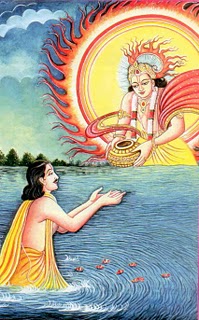
DHARMA RAJA, THE ELDEST OF PANDAVA PRINCES RECEIVING “AKSHAYA PATRA” FROM ‘SURYA BHAGAWAN’

The word ‘Akshaya Patra’ in Sanskrit language means an inexhaustible vessel. This pot could supply delicious meals in an endless manner. This story is found in the Indian Epic poem of Mahabharata. Akshaya Patra was a divine gift given to Dharmaraj by the Sun god, Surya. The pot was given to help the princely family of Pandavas to tide over their difficulties while they spent twelve years in the forest. They had to spend time in exile after losing their kingdom in a game of dice. Akshaya Patra would provide meals so that the Pandava family could keep up with the Indian traditions of hospitality.Also keeping in line with the tradition, each day Akshaya Patra would serve the final and last meal to the hostess. The hostess, Draupadi was very mindful of her traditional role and each day she would feed all the guests, all the dependents, all the family members and would then take the last meal.

THE DISCOVERY OF BLISS FROM AN EMPTY POT:

Akshaya Patra. Discover the Bliss From an Empty Pot.

As per the story from Mahabharata, one evening, Princess Draupadi finds herself in a troubled situation. A Hindu sage by the name of Durvasa with a large entourage of his disciples arrives at the forest abode of Pandava princes after hostess Draupadi took the last meal from Akshaya Patra. Since the pot cannot serve any more food, she prays to Lord Krishna seeking help to feed her guests. Lord Krishna appears before her and asks her to feed Him from Akshaya Patra. Draupadi regretfully answers that the pot is empty. He directs her to take a closer look. Princess Draupadi carefully reexamines the pot and discovers a single grain of rice that remained stuck in the pot. As instructed, she feeds the last grain from the pot to Lord Krishna and now the pot gets truly empty. However, Lord Krishna derived His satiation, complete satisfaction when the last grain from the pot got removed. Along with Lord Krishna’s experience of full satisfaction from eating a morsel of food, the entire party of guests experience full satiation and inform Princess Draupadi that she need not serve them any meal. Thus Princess Draupadi escapes from the duty of the hospitality tradition of actually feeding them that evening.

Discovery of Bliss on Akshaya Tritiya.

I am speaking of this story about Akshaya Patra to understand the concept about emptying the mind to discover pure consciousness. In Indian literature and idiom, the mind is often compared to a vessel or a pot. When all thoughts (or desires) are taken out of the mind, what would remain in the mind is like that single grain of rice that Draupadi discovered in the otherwise empty Akshaya Patra. In my analysis, this last grain of food represents the desire or attachment to life. When the desire or attachment to life is surrendered, the man attains the state of pure consciousness which discovers its unity with the Divine consciousness to provide the experience of Pure Bliss and Joy. Lord Krishna could have easily provided a hearty meal to the entire party of guests. He did not choose to provide happiness through gratification of the physical needs of the body. The pot, if seen as the representation of the mind, the mind gets truly emptied when the last grain or desire, or craving, or attachment is removed from it. Lord Krishna demonstrates that there is no need to fill-up the pot to feed our desires. He delivered Joy, Bliss, and the experience of perfect satisfaction after emptying the pot. Just like the empty Akshaya Patra that provided Bliss, when the last grain of desire or attachment is removed from the mind and given in offering to the Lord, the Lord would provide all that you may need without the physical gratification of the senses. Man at any given age, under all given circumstances, in good health, or ill-health exists in this physical world because of ‘God-Connection’, the Connection between man, the energy seeker, and God, the energy provider. When the God-Connection is recognized, the man experiences a sense of satisfaction, mental satiation, and he would have no desires to be gratified.

Bharat Darshan Discovers Bliss on Akshaya Tritiya.

Whole Unity – Whole Spirituality – The Celebration of Chaitra Navratri 2025

Bharat Darshan – Chaitra Navratri 2025 – The Coming Together of Man, Nature, and God. Knowing God through the worship of the Divine Mother. Nine-Night Celebration of Divine Power, Love, Mercy, Grace, and Compassion to secure health, wealth, wisdom, and perfect well-being of mankind.
DEVI NAVRATRI - NINE-NIGHT CELEBRATION OF DIVINE POWER, LOVE, MERCY, GRACE, AND COMPASSION TO SECURE HEALTH, WEALTH, WISDOM, AND PERFECT WELL-BEING OF MANKIND.
Bharat Darshan – Chaitra Navratri 2025 – The Coming Together of Man, Nature, and God. Knowing God through the worship of the Divine Mother. Nine-Night Celebration of Divine Power, Love, Mercy, Grace, and Compassion to secure health, wealth, wisdom, and perfect well-being of mankind.

In Physics, Power/Energy/Force is not associated with gender. But, when living things exist as male and female, the description of Power/Energy/Force can get gender association.  In the Indian tradition, ‘Deva’ means God and ‘Devi’ means Goddess. Devi in the Indian tradition is the personification of God’s Supreme Power/Force/ Energy or Shakti.

BHARAT DARSHAN - DEVI NAVARATRI - GOD AS MALE AND FEMALE. GOD IS THE SUPREME BEING AND DESCRIBED AS OMNIPOTENT. THIS POTENCY OR POWER IS CALLED 'SHAKTI' IN SANSKRIT LANGUAGE. DEVI IS PERSONIFICATION OF 'SHAKTI'. SHE DISPLAYED THIS GREAT POWER IN SLAYING OF A DEMON KING CALLED "MAHISHASURA."
Bharat Darshan – Chaitra Navratri 2025 – The Coming Together of Man, Nature, and God. Knowing God through the worship of the Divine Mother. Nine-Night Celebration of Divine Power, Love, Mercy, Grace, and Compassion to secure health, wealth, wisdom, and perfect well-being of mankind. God is the Supreme Being and is described as Omnipotent. This potency or Power is called Shakti in the Sanskrit language. Devi is the personification of Shakti.

To fully account for human existence, two distinct or separate Principles must come together to produce the harmonious singular identity called man. The issue is not about God’s gender. It is the concern of the man to account for his own earthly existence as male and female. The Father Principle is called the Originating Principle. The Mother Principle is called the Source Principle, for Mother is the Source of Matter, Energy, and Knowledge to establish Life. Father originates the creation of the human form, and Mother provides Substance, the structural and functional basis of the human form.

Chaitra or Vasant Navratri refers to the Navratri Celebration during the Spring Season or Vasant Ritu which begins with the New Year Day called Ugadi of the First Month called Chaitra.

During 2025, Indians celebrate Devi Navratri or Chaitra Navratri that begins on Sunday, March 30, and ends on the ninth day, Monday, April 07. The term ‘Nav’ or ‘Nava’ means Nine and the condition called New. ‘Ratri’ means night. This celebration happens in the first lunar month called Chaitra (March-April), during Shukla Paksha or the Waxing Phase of Moon following the New Moon Day or Amavasya on Saturday, March 29.

Chaitra or Vasant Navratri refers to the Navratri Celebration during the Spring Season or Vasant Ritu which begins with the New Year Day called Ugadi of the First Month called Chaitra. Chaitra or Vasant Navratri 2025 begins on Sunday, March 30 during the Shukla Paksha or the Waxing Phase and ends on the ninth day, Monday, April 07, 2025.

Goddess Shakti has three Supreme Forms called Durga, Sarasvati, and Lakshmi. In India, traditions vary from region to region. First 3 – days of Navratri are dedicated to Goddess Durga, following 3-days are dedicated to Goddess Lakshmi and concluding 3-days are dedicated to Goddess Sarasvati or Goddess of Knowledge, Wisdom, and Speech. 

BHARAT DARSHAN - DEVI NAVRATRI - GOD AS MALE AND FEMALE. DEVI OR SHAKTI IS OFTEN CALLED 'DURGA' FOR SHE IS EMBODIMENT OF GREAT STRENGTH. SHE IS ALSO CALLED BHADRAKALI, JAGADAMBA, ANNAPURNA, SARVAMANGALA, BHAIRAVI, CHANDIKA, LALITA, BHAVANI, AND MOOKAMBIKA.
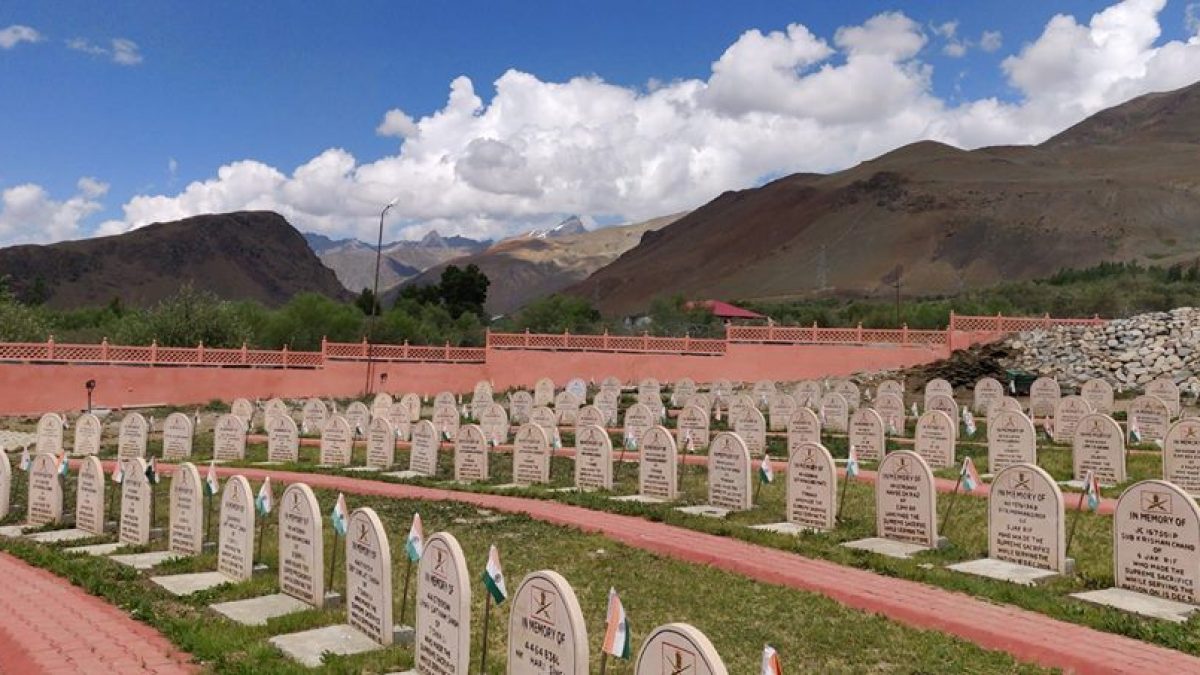
Bharat Darshan – Chaitra Navratri 2025 – The Coming Together of Man, Nature, and God. Knowing God through the worship of the Divine Mother. Nine-Night Celebration of Divine Power, Love, Mercy, Grace, and Compassion to secure health, wealth, wisdom, and perfect well-being of mankind. Devi or Shakti is often called Durga for She is the embodiment of Great Strength. She is also called Bhadrakali, Jagadamba, Annapurna, Sarva Mangala, Bhairavi, Chandika,Lalita, Bhavana, and Mookambika.
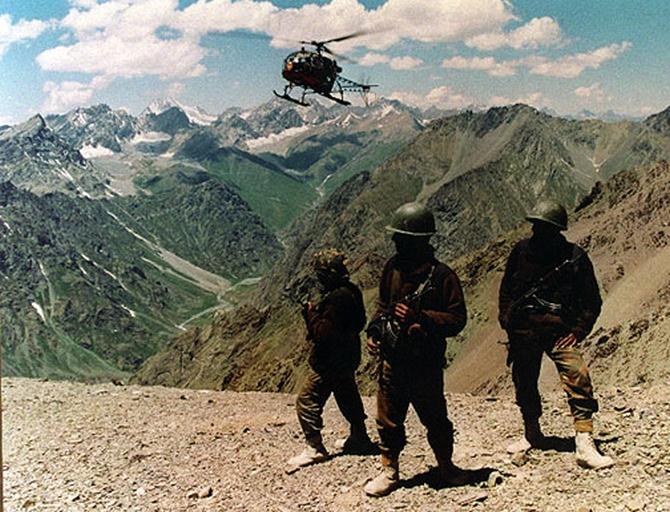
Devi or Shakti is often called Durga for She is the embodiment of great strength. She is also called Bhadra Kali, Jagadamba, Annapurna, Sarva Mangala, Bhairavi, Chandika, Lalita, Bhavani, and Mookambika. During the 9-Night or Navratri festival, Indians worship nine different forms of Goddess Durga with 1,000 names. She is simply adored as Divine Mother and often addressed as Mother, Mata, or Maa whatever may be the name or form She assumes on different occasions.

BHARAT DARSHAN - DEVI NAVRATRI - SHARAD NAVRATRI - GOD AS MALE AND FEMALE. NINE DIFFERENT FORMS OF MOTHER DURGA OR SHAKTI ARE REMEMBERED WITH DEVOTION AND ADORATION.
Bharat Darshan – Chaitra Navratri 2025 – The Coming Together of Man, Nature, and God. Knowing God through the worship of the Divine Mother. Nine-Night Celebration of Divine Power, Love, Mercy, Grace, and Compassion to secure health, wealth, wisdom, and perfect well-being of mankind.

Nine Days of Chaitra Navratri 2025

Day 1, Sunday, March 30, 2025 (Pratipada)- Ghatasthapana, Chandra Darshana, Shailputri Puja

Day 2, Monday, March 31, 2025 (Dwitiya)- Brahmacharini Puja

Day 3, Tuesday, April 01, 2025 (Tritiya)- Gauri Puja, Saubhagya Teej, Chandraghanta Puja

Day 4, Wednesday, April 02, 2025 (Chaturthi)- Kushmanda Puja, Vinayaka Chaturthi

Day 5, Thursday, April 03, 2025 (Panchami)- Naag Puja, Lakshmi Panchami, Skandamata Puja

Day 6, Friday, April 04, 2025 (Shasthi)- Skanda Sashti, Yamuna Chhath, Katyayani Puja

Day 7, Saturday, April 05, 2025 (Saptami)- Maha Saptami, Kalaratri Puja

Day 8, Sunday, April 06, 2025 (Ashtami)- Durga Ashtami, Mahagauri Puja, Annapurna Ashtami, Sandhi Puja

Day 9, Monday, April 07, 2025 (Navami)- Siddhidatri Puja, Rama Navami

Bharat Darshan – Chaitra Navratri 2025 – The Coming Together of Man, Nature, and God. Knowing God through the worship of the Divine Mother. Nine-Night Celebration of Divine Power, Love, Mercy, Grace, and Compassion to secure health, wealth, wisdom, and perfect well-being of mankind. Hindu Calendar or Panchanga.
BHARAT DARSHAN - DEVI NAVRATRI - GOD AS MALE AND FEMALE. NINE DIFFERENT FORMS OF WORSHIP CALLED TARA - TARINI SHAKTI.
Bharat Darshan – Chaitra Navratri 2025 – The Coming Together of Man, Nature, and God. Knowing God through the worship of the Divine Mother. Nine-Night Celebration of Divine Power, Love, Mercy, Grace, and Compassion to secure health, wealth, wisdom, and perfect well-being of mankind. Nine different forms of worship called Tara – Tarini Shakti.
BHARAT DARSHAN - DEVI NAVRATRI - GOD AS MALE AND FEMALE. NAVA DURGA, NINE-FORMS OF ADORATION.
Bharat Darshan – Chaitra Navratri 2025 – The Coming Together of Man, Nature, and God. Knowing God through the worship of the Divine Mother. Nine-Night Celebration of Divine Power, Love, Mercy, Grace, and Compassion to secure health, wealth, wisdom, and perfect well-being of mankind. Nava Durga – Nine-Forms of Adoration.
BHARAT DARSHAN - DEVI NAVRATRI - GOD AS MALE AND FEMALE. NINE REASONS TO CELEBRATE GODDESS DURGA.
Bharat Darshan – Chaitra Navratri 2025 – The Coming Together of Man, Nature, and God. Knowing God through the worship of the Divine Mother. Nine-Night Celebration of Divine Power, Love, Mercy, Grace, and Compassion to secure health, wealth, wisdom, and perfect well-being of mankind. Nine Reasons to Celebrate Goddess Durga.
CHAITRA OR VASANT NAVRATRI 2025. Knowing God through the worship of the Divine Mother. GOD AS MALE AND FEMALE. EACH FORM IS ASSOCIATED WITH A SPECIAL LEGEND AND HAS SOME VERY SPECIFIC FEATURES.
BHARAT DARSHAN - DEVI NAVRATRI - GOD AS MALE AND FEMALE - FIRST DAY OF NAVRATRI IS CALLED PRATIPADA. DEDICATED TO GODDESS SHAILAPUTRI, DAUGHTER OF RULER OF MOUNTAINS. SHE IS ALSO KNOWN AS PARVATI, HEMAVATI, SATI BHAVANI AND OTHERS.
CHAITRA OR VASANT NAVRATRI 2025. Knowing God through the worship of the Divine Mother.GOD AS MALE AND FEMALE – FIRST DAY OF NAVRATRI IS CALLED PRATIPADA. DEDICATED TO GODDESS SHAILAPUTRI, DAUGHTER OF RULER OF MOUNTAINS. SHE IS ALSO KNOWN AS PARVATI, HEMAVATI, SATI BHAVANI AND OTHERS.
BHARAT DARSHAN - DEVI NAVRATRI - GOD AS MALE AND FEMALE. FIRST DAY OF NINE-NIGHT CELEBRATION.
CHAITRA OR VASANT NAVRATRI 2025. Knowing God through the worship of the Divine Mother. GOD AS MALE AND FEMALE. FIRST DAY OF NINE-NIGHT CELEBRATION.
DEVI NAVRATRI - CELEBRATION OF DIVINE POWER. NAVRATRI, ON DAY-2, OR DWITIYA, DEDICATED TO GODDESS BRAHMACHARINI.
CHAITRA OR VASANT NAVRATRI 2025. Knowing God through the worship of the Divine Mother. CELEBRATION OF DIVINE POWER. NAVRATRI, ON DAY-2, OR DWITIYA IS DEDICATED TO GODDESS BRAHMACHARINI.
Chaitra or Vasant Navratri 2025. Knowing God through the worship of the Divine Mother. On Day-3, Tritiya, is dedicated to Goddess Chandraghanta.
Chaitra or Vasant Navratri 2025 . Knowing God through the worship of the Divine Mother. Day-3, Tritiya is dedicated to Goddess Chandraghanta.
Bharat Darshan-Devi Nava Ratri-Kushmanda
CHAITRA OR VASANT NAVRATRI 2025. Knowing God through the worship of the Divine Mother. GOD AS MALE AND FEMALE. THE FOURTH DAY IS CALLED CHATURTHI. GODDESS KUSHMANDA REPRESENTS CREATIVE POWER, AND SHE EXPRESSES A SENSE OF JOY FOR HER OWN CREATION.
BHARAT DARSHAN - DEVI NAVRATRI - GOD AS MALE AND FEMALE . GODDESS OF FOURTH DAY OR CHATURTHI IS KNOWN AS KUSHMANDA.
CHAITRA OR VASANT NAVRATRI 2025. Knowing God through the worship of the Divine Mother. GOD AS MALE AND FEMALE. GODDESS OF FOURTH DAY OR CHATURTHI IS KNOWN AS KUSHMANDA.
BHARAT DARSHAN - DEVI NAVRATRI - GOD AS MALE AND FEMALE. GODDESS OF FIFTH DAY OR PANCHAMI IS KNOWN AS SKANDAMATA, MOTHER OF SKANDA OR KARTIKEYA.
CHAITRA OR VASANT NAVRATRI 2025. Knowing God through the worship of the Divine Mother. GOD AS MALE AND FEMALE. GODDESS OF FIFTH DAY OR PANCHAMI IS KNOWN AS SKANDAMATA, MOTHER OF SKANDA OR KARTIKEYA.
Bharat Darshan-Devi Navratri-Devi-Katyayani
CHAITRA OR VASANT NAVRATRI 2025. Knowing God through the worship of the Divine Mother. GOD AS MALE AND FEMALE. GODDESS OF SIXTH DAY IS KNOWN AS KATYAYANI.
BHARAT DARSHAN - DEVI NAVARATRI. GODDESS SARASVATI PUJA OR WORSHIP ON MONDAY, OCTOBER 19, 2015.
CHAITRA OR VASANT NAVRATRI 2025 Knowing God through the worship of the Divine Mother. GODDESS SARASVATI PUJA OR WORSHIP ON THE SEVENTH DAY MORNING, SAPTAMI.
BHARAT DARSHAN - DEVI NAVRATRI - GOD AS MALE AND FEMALE. GODDESS OF SEVENTH DAY OR SAPTAMI IS KNOWN AS KALRATRI(BLACK OR DARK NIGHT), AND SUBHANKARI FOR SHE GIVES PROTECTION FROM TROUBLE.
CHAITRA OR VASANT NAVRATRI 2025. Knowing God through the worship of the Divine Mother. GOD AS MALE AND FEMALE. GODDESS OF SEVENTH-DAY OR SAPTAMI IS KNOWN AS KALRATRI (BLACK OR DARK NIGHT), AND SUBHANKARI FOR SHE GIVES PROTECTION FROM TROUBLE.
BHARAT DARSHAN - DEVI NAVRATRI - GOD AS MALE AND FEMALE. GODDESS OF EIGHTH DAY OR ASHTAMI IS KNOWN AS MAHA GAURI.
CHAITRA OR VASANT NAVRATRI 2025. Knowing God through the worship of the Divine Mother. GOD AS MALE AND FEMALE. GODDESS OF EIGHTH DAY OR ASHTAMI IS KNOWN AS MAHA GAURI.
Day-8 or Ashtami is dedicated to Goddess Durga. Knowing God through the worship of the Divine Mother.
BHARAT DARSHAN - DEVI NAVRATRI - GOD AS MALE AND FEMALE. GODDESS OF NINTH DAY OR MAHARNAVAMI IS KNOWN AS SIDDHIDATRI FOR SHE BESTOWS ASHTA SIDDHIS.
Bharat Darshan – Chaitra Navratri 2025 – The Coming Together of Man, Nature, and God. Knowing God through the worship of the Divine Mother. Nine-Night Celebration of Divine Power, Love, Mercy, Grace, and Compassion to secure health, wealth, wisdom, and perfect well-being of mankind.
Bharat Darshan – Chaitra Navratri 2025 – The Coming Together of Man, Nature, and God. Knowing God through the worship of the Divine Mother. Nine-Night Celebration of Divine Power, Love, Mercy, Grace, and Compassion to secure health, wealth, wisdom, and perfect well-being of mankind. A hymn in praise and worship of Goddess Durga Devi.
BHARAT DARSHAN - DEVI NAVRATRI - GOD BOTH MALE AND FEMALE. DEVI OR GODDESS HAS THREE SUPREME FORMS CALLED SARASVATI, LAKSHMI, AND PARVATI. THESE NAMES DESCRIBE DIFFERENT ATTRIBUTES OF GOD'S OMNIPOTENCE.
Bharat Darshan – Chaitra Navratri 2025 – The Coming Together of Man, Nature, and God. Knowing God through the worship of the Divine Mother. Nine-Night Celebration of Divine Power, Love, Mercy, Grace, and Compassion to secure health, wealth, wisdom, and perfect well-being of mankind. Devi or Goddess has three Supreme Forms called Sarasvati Lakshmi, and Parvati. These names describe different attributes of God’s Omnipotence.
Bharat Darshan – Chaitra Navratri 2025 – The Coming Together of Man, Nature, and God. Knowing God through the worship of the Divine Mother. Nine-Night Celebration of Divine Power, Love, Mercy, Grace, and Compassion to secure health, wealth, wisdom, and perfect well-being of mankind.
DEVI NAVRATRI - NINE-NIGHT WORSHIP OF DIVINE POWER, LOVE, GRACE, AND COMPASSION TO ACCOMPLISH VICTORY OF GOOD OVER EVIL FORCES. 10th DAY, DASAMI IS KNOWN AS VIJAYA DASAMI OR DUSSEHRA.
Bharat Darshan – Chaitra Navratri 2025 – The Coming Together of Man, Nature, and God. Knowing God through the worship of the Divine Mother. Nine-Night Celebration of Divine Power, Love, Mercy, Grace, and Compassion to secure health, wealth, wisdom, and perfect well-being of mankind.
Bharat Darshan – Chaitra Navratri 2025 – The Coming Together of Man, Nature, and God. Knowing God through the worship of the Divine Mother. Nine-Night Celebration of Divine Power, Love, Mercy, Grace, and Compassion to secure health, wealth, wisdom, and perfect well-being of mankind. Monday, April 07, 2025 is celebrated as Rama Navami. In the Indian tradition, the name Rama is the personification of Absolute Truth or the Ultimate Reality. He is the ultimate source of Krupa or Compassion for He had the experience of a Life Journey in His reincarnation as a human being.
Bharat Darshan – Chaitra Navratri 2025 – The Coming Together of Man, Nature, and God. Knowing God through the worship of the Divine Mother. Nine-Night Celebration of Divine Power, Love, Mercy, Grace, and Compassion to secure health, wealth, wisdom, and perfect well-being of mankind.

Whole Flavor – The Ugadi festival is celebration of Six Flavors

The Telugu New Year is traditionally celebrated as Ugadi festival. A traditional holiday dish, a relish called ‘Ugadi Pachadi’ is prepared to reflect the tastes and flavors of the Spring Season which may guide to prepare for the New Year with a willingness to accept the different dimensions of human experience under the influence of Time.
Bharat Darshan – Welcome to Ugadi, the Telugu New Year Vishwavasu on Sunday, March 30, 2025. In several Indian traditions, the New Year begins during the Spring Season. The first month of the New Year is known as Chaitra.

Excerpt: The Telugu New Year is traditionally celebrated as Ugadi festival. A traditional holiday dish, a relish called ‘Ugadi Pachadi’ is prepared to reflect the tastes and flavors of the Spring Season which may guide to prepare for the New Year with a willingness to accept the different dimensions of human experience under the influence of Time.

The Celebration of Telugu New Year – Ugadi: 

The Telugu New Year is traditionally celebrated as Ugadi festival. A traditional holiday dish, a relish called ‘Ugadi Pachadi’ is prepared to reflect the tastes and flavors of the Spring Season which may guide to prepare for the New Year with a willingness to accept the different dimensions of human experience under the influence of Time.

Ugadi or Yugadi is celebrated as the first day of the year by people of Andhra Pradesh, Telangana and Karnataka. On this day new Samvatsara, which is cycle of sixty years, starts. All sixty Samvatsara are identified by unique names.

The Celebration of Telugu New Year Vishwavasu. The Last Month of Telugu Calendar is known as Phalguna and it concludes on March 29, 2025, Amavasya or the New Moon Day. The New Year begins on March 30, 2025 with the First Month of Chaitra.

Ugadi is new year according to Luni-Solar calendar. Luni-Solar calendars consider the position of the Moon and the position of the Sun to divide the year into months and days.

The Celebration of Telugu New Year Vishwavasu. The Last Month of Telugu Calendar is known as Phalguna and it concludes on March 29, 2025, Amavasya or the New Moon Day. The New Year begins on March 30, 2025 with the First Month of Chaitra.

The counter-part of Luni-Solar calendar is Solar calendar which considers only position of the Sun to divide the year into months and days. Because of that Hindu new year is celebrated twice in the year with different names and at two different times of the year. The Hindu new year based on Solar calendar is known as Puthandu in Tamil Nadu, Bihu in Assam, Vaisakhi in Punjab, Pana Sankranti in Orissa and Naba Barsha in West Bengal.

The Celebration of Ugadi, the Telugu New Year
The Celebration of Ugadi, the Telugu New Year.

Ugadi is celebrated as Gudi Padwa by the people of Maharashtra. Both Ugadi and Gudi Padwa are celebrated on the same day.

The day begins with ritual oil-bath followed by prayers. Oil bath and eating Neem leaves are must rituals suggested by scriptures. North Indians don’t celebrate Ugadi but start nine days Chaitra Navratri Puja on the same day and also eat Neem with Mishri on the very first day of Navratri.

The Celebration of Ugadi, the Telugu New Year. There are Sixty Telugu New Years.
The Celebration of Spring Season. Mangifera indica, the Cashew family of Anacardiaceae, the evergreen Mango tree is extensively grown across India. The unripe green fruits are used in the preparation of the traditional holiday dish in celebration of Ugadi festival. The fresh leaves are used in decorating the house. The taste and flavor of unripe Mango is unique, it is not sweet, it is not very sour or tart, and it is not bitter. Telugu people describe this taste as OGARU, the taste sensation imparted by eating unripe Pomegranate fruit.   Tamarindus indica, evergreen tree, a native of Africa, belongs to Pea family Fabaceae, the leaves are pinnately compound or feather-formed leaves, the freshly harvested fruits add rich golden color, a mild sour taste with a tinge of sweetness to the traditional holiday dish.
The Celebration of Spring Season. Tamarindus indica, evergreen tree, a native of Africa, belongs to Pea family Fabaceae, the leaves are pinnately compound or feather-formed leaves, the freshly harvested fruits add rich golden color, a mild sour taste with a tinge of sweetness to the traditional holiday dish.
The Celebration of Spring Season. The Neem tree is evergreen, known as Azadirachta indica, belongs to the Mahogany family Meliaceae and is popular for its medicinal properties. The flowers which impart a mild taste of bitterness add flavor to the traditional holiday dish.
The Celebration of Spring Season.The Covenant of Salt – The intimate connection of Salt with the idea of a Covenant or Binding Relationship between man and God or one person and another.
The Celebration of Spring Season. Sugarcane, Saccharum officinarum, a perennial grass gives the taste of Sweetness to the traditional holiday dish. Small chunks of Sugarcane are used and in addition freshly prepared sugar called Jaggery, Gur, Gud, or Bellam is used. The Covenant of Salt – The intimate connection of Salt with the idea of a Covenant or Binding Relationship between man and God or one person and another.
Ugadi pachadi is a mixture that has six different tastes sweet, sour, salt, pungent, spice and bitter. It signifies that life is a mixture of happiness, sadness, anger, disgust, fear and surprise.

The Telugu speaking people of India follow the Lunar Calendar and the first month of the year ( March-April) is known as Chaitra.

The Telugu New Year is traditionally celebrated as Ugadi festival. A traditional holiday dish, a relish called ‘Ugadi Pachadi’ is prepared to reflect the tastes and flavors of the Spring Season which may guide to prepare for the New Year with a willingness to accept the different dimensions of human experience under the influence of Time.

  1. Sweet taste comes from jaggery & it symbolizes happiness. 
  2. Astringent or pungent taste that comes from raw unripe green mangoes & it symbolizes surprises in life. 
  3. Bitter taste that comes from neem flowers represent the sadness
  4. Sour taste comes from the tamarind & symbolizes unpleasantness.
  5. Salty taste is from salt & represents fear of the unknown phase. 
  6. Hot or Spice comes from pepper & symbolizes anger.

The Celebration of Telugu New Year Krodhi, April 09 2024 to March 29, 2025

Bharat Darshan – Welcome to Ugadi, the Telugu New Year Krodhi on Tuesday, April 09, 2024.
Bharat Darshan – Welcome to Ugadi, the Telugu New Year Krodhi on Tuesday, April 09, 2024. The first month of the Telugu Calendar, Chaitra begins on the first day of the Waxing Phase following the New Moon Day on Tuesday, April 09, 2024.
Bharat Darshan – Welcome to Ugadi, the Telugu New Year Krodhi on Tuesday, April 09, 2024.

Welcome to Ugadi, the Telugu New Year Sobhakrith on Wednesday, March 22, 2023.

Telugu people are celebrating the dawn of their New Year called Sobhakrit which brings the Blessings of Peace and Harmony on Wednesday, March 22, 2023. Happy Ugadi to all of you.

Welcome to Ugadi, the Telugu New Year Sobhakrith on Wednesday, March 22, 2023.

Welcome to Ugadi, the Telugu New Year Subhakruth on Saturday, April 02, 2022.

Welcome to Ugadi, the Telugu New Year Subhakruth on Saturday, April 02, 2022.
Bharat Darshan – Welcome to Ugadi, the Telugu New Year Plava on Tuesday, April 13, 2021. Chaitra (corresponds to April 13 to May 11) is the first month of the Telugu New Year 2021-22.
Bharat Darshan – Welcome to Ugadi, the Telugu New Year Sharvari on Wednesday, March 25, 2020.

THE CELEBRATION OF SPRING SEASON –  SATURDAY, APRIL 06, 2019.WELCOME TO THE TELUGU NEW YEAR VIKARI – UGADI CELEBRATION:

The Celebration of Spring Season on Saturday, April 06, 2019.
The Celebration of Spring Season, Saturday, March 17, 2018.
THE CELEBRATION OF SPRING SEASON ON WEDNESDAY, MARCH 29, 2017. THE DAWN OF TELUGU NEW YEAR “HEVILAMBA.”
The Celebration of Spring Season April 06, 2016.
CELEBRATION OF SPRING SEASON : WELCOME TO TELUGU NEW YEAR "MANMADHA." UGADI CELEBRATION ON MARCH 21, 2015. EVERY NATURAL PHENOMENON IS POSSIBLE BECAUSE OF AN UNCHANGING REALITY . THINGS IN NATURE CHANGE WITH TIME FOR THERE IS AN UNCHANGING TRUTH THAT OPERATES ALL MANIFESTATIONS .
THE CELEBRATION OF SPRING SEASON: WELCOME TO TELUGU NEW YEAR “MANMADHA.” UGADI CELEBRATION ON MARCH 21, 2015. EVERY NATURAL PHENOMENON IS POSSIBLE BECAUSE OF AN UNCHANGING REALITY. THINGS IN NATURE CHANGE WITH TIME FOR THERE IS AN UNCHANGING TRUTH THAT OPERATES ALL MANIFESTATIONS.

THE CELEBRATION OF SPRING SEASON: WELCOME TO TELUGU NEW YEAR “JAYA” – UGADI CELEBRATION ON MONDAY, MARCH 31, 2014:

THE CELEBRATION OF SPRING SEASON: THE BEGINNING OF THE NEW YEAR OR "UGADI" COMES WITH A NATURAL CHANGE IN THE ENVIRONMENT THAT BRINGS HOPE BY ITS RENEWAL, REGENERATION, REGROWTH, REVIVAL, AND REBIRTH. I SHARE THIS SENSE OF JOY WITH ALL MY READERS.
THE CELEBRATION OF SPRING SEASON: THE BEGINNING OF THE NEW YEAR OR “UGADI” COMES WITH A NATURAL CHANGE IN THE ENVIRONMENT THAT BRINGS HOPE BY ITS RENEWAL, REGENERATION, REGROWTH, REVIVAL, AND REBIRTH. I SHARE THIS SENSE OF JOY WITH ALL MY READERS.

TELUGU NEW YEAR VIJAYA: UGADI- THE DAWN OF NEW YEAR APRIL 11, 2013:

VIJAYA - TELUGU NEW YEAR 2013 - UGADI - GREETINGS: The Celebration of Spring Season.
VIJAYA – TELUGU NEW YEAR ON APRIL 11, 2013 – UGADI – GREETINGS: The Celebration of Spring Season.
Bharat Darshan – Welcome to Ugadi, the Telugu New Year Vishwavasu on Sunday, March 30, 2025.
Ugadi Greetings. Best Wishes for a Very Happy Telugu New Year.
Bharat Darshan – Welcome to Ugadi, the Telugu New Year Vishwavasu on Sunday, March 30, 2025.

Whole Colors – The Celebration of Joy and Love

The Festival of Colors is about the Celebration of Joy and Love

The Celebration of Holi, the Festival of Colors on March 14, 2025.

Holi is celebrated at the end of winter and the beginning of spring, on the last full moon day of the Hindu luni-solar calendar month of Falgun. The date of the festival varies depending on the lunar cycle. Typically, it falls in March, and will be celebrated this year on March 14. The Full Moon of March 2025 is associated with Lunar Eclipse on the night of Thursday, March 13.

Phalgun Purnima occurs in Phalgun (or Falgun), the final month of the Hindu Lunar Calendar, at the end of the Shukla Paksha (Waxing Lunar fortnight).

Bharat Darshan. The Celebration of Holi, the Festival of Colors on Full Moon Day of the Last Month, Phalgun of Hindu Lunar Calendar
Bharat Darshan – The Celebration of Holi, the Festival of Colors on March 14, 2025.

Another name for the Full Moon Day of the month of Phalgun (or Falgun) is Vasanta Purnima, which is one of the six Vedic astrological seasons. It falls on the same day as Vasanta Ritu.

Bharat Darshan-The Celebration of Holi, the Festival of Colors on Full Moon Day of the Last Month, Phalgun of Hindu Lunar Calendar. Holiday Dahan is celebrated on Thursday, March 13, 2025.

Hindus celebrate this Purnima as Kama Dahanam in states like Tamil Nadu, Telangana, Andhra Pradesh, and Karnataka, in South India.

Bharat Darshan – The Celebration of Holi, the Festival of Colors on March 14, 2025.
Bharat Darshan – The Celebration of Holi, the Festival of Colors on March 14, 2025. The story of Kama Dahanam, the sacrifice of Lord Kamadeva.

The ceremonies related to Kama Dahanam are similar to those for Holika Dahan. But the mythology behind Kama Dahanam is different. It relates to the sacrifice made by Lord Kamadeva who disturbed the penance of Lord Shiva to get His attention to Goddess Parvati. In Tamil Nadu, it is called Kaman Pandigai, and as Kamuni Panduga in Andhra Pradesh and Telangana. Holi is more of a North Indian festival.

The Celebration of Holi, the Festival of Colors on March 14, 2025.

Indians celebrate Holi for they have the choice to choose their personal God. In the Indian tradition, God manifests in various vibrant colors giving the people a sense of joy from several directions.

The Celebration of Holi, the Festival of Colors on March 14, 2025.

Why India Celebrates Holi: The Legends Behind the Festival of Color – CNN

By Manveena Suri, CNN

Bharat Darshan – The Celebration of Holi, the Festival of Colors.

March 2018, New Delhi (CNN): It’s the bold image of India most often seen in ad campaigns, films and music videos.

But what is Holi and why do Indians celebrate it?

Hindu devotees play with color during Holi celebrations at the Banke Bihari temple on March 27, 2013 in Vrindavan, India.

The beginning of Spring

Holi is a Hindu festival that marks the start of Spring.

Celebrated across India, it’s an ancient festival with the first mentions of it dating all the way back to a 4th century poem.

It was even described in detail in a 7th century Sanskrit play called “Ratnavali,” written by the Indian emperor Harsha.

“Witness the beauty of the great cupid festival which excites curiosity as the townsfolk are dancing at the touch of brownish water thrown … Everything is colored yellowish red and rendered dusty by the heaps of scented powder blown all over,” wrote Harsh.

Bharat Darshan-The Celebration of Holi, the Festival of Colors.

Indian students smear colored powder during an event to celebrate the Hindu festival of Holi in Kolkata on February 26, 2018.

How it looks today

Bharat Darshan – The Celebration of Holi, the Festival of Colors on Full Moon Day of the Last Month, Phalgun of the Hindu Lunar Calendar.

Although a Hindu festival, Holi is celebrated by Indians across the country and is a great equalizer.

Children can douse elders with water, women splash men with color and the rules of caste and creed are briefly forgotten with everyone taking part.

The evenings are spent visiting friends and family.

A national holiday, it takes place on the last full moon day of the Hindu lunisolar calendar month, which is usually March.

This year’s national holiday falls on Friday, March 18.

The festival takes place a day earlier in the eastern states of West Bengal and Odisha. In some parts of northern Uttar Pradesh state, the festivities take place over a week.

Bharat Darshan – The Celebration of Holi, the Festival of Colors.

An Indian artist dressed as Hindu god Lord Shiva takes part in a procession ahead of the Holi festival in Amritsar on February 26, 2018.

Mythological roots

The roots of the festival lie in the Hindu legend of Holika, a female demon, and the sister of the demon, King Hiranyakashipu.

Hiranyakashipu believed he was the ruler of the universe and superior to all the gods.

But his son, Prahlad, followed the god Vishnu, the preserver and protector of the universe.

Prahlad’s decision to turn his back on his father left Hiranyakashipu with no choice. He hatched a plot with Holika to kill him.

It was a seemingly foolproof plan; Holika would take Prahlad onto her lap and straight into a bonfire. Holika would survive because she had an enchanted shawl that would protect her from the flames.

But the plan failed. Prahlad was saved by Lord Vishnu and it was Holika who died as she was only immune to fire if she was alone. Soon after, Lord Vishnu in His Narasimha Avatar killed Hiranyakashipu and Prahlad became king.

The moral of the story is that good always triumphs over evil.

Bharat Darshan – The Celebration of Holi, the Festival of Colors.

Indian Hindu devotees throw colored powder during celebration of Holi Festival at Sriji temple in Barsana in the northern Indian state of Uttar Pradesh on February 23, 2018.

The love story behind Holi

In modern day Holi celebrations, Holika’s cremation is often reenacted by lighting bonfires on the night before Holi, known as Holika Dahan.

Some Hindus collect the ashes and smear them on their bodies as an act of purification

Rangwali Holi takes place the next day and is an all-day affair where people throw and smear colored powder on each other.

Bharat Darshan – The Celebration of Holi, the Festival of Colors.

Indian college girls throw colored powder to one another during Holi festival celebrations in Bhopal on February 28, 2018.

The tradition of throwing colored powder and water is believed to originate from the mythological love story of Radha and Krishna.

Krishna, the Hindu god depicted with dark blue skin, is believed to have complained to his mother about Radha’s fair complexion.

To ease her son’s sadness, his mother suggests to change Radha’s skin color by smearing her with paint. It’s believed that this is where the custom of smearing loved ones with color during Holi came from.

Bharat Darshan – The Celebration of Holi, the Festival of Colors on Full Moon Day of the Last Month, Phalgun of the Hindu Lunar Calendar.

Whole Shivratri – The traditions of Worship in India

Bharat Darshan – The discovery of ancient spiritual traditions of India

The Discovery of India in the Celebration of Maha Shivaratri.

Maha Shivaratri on Wednesday, February 26, 2025

Shivaratri is great festival of convergence of Shiva and Shakti. Chaturdashi Tithi during Krishna Paksha (the waning crescent phase) in month of Magha is known as Maha Shivaratri according to the South Indian calendar. However according to the North Indian calendar Masik Shivaratri in the month of Phalguna is known as Maha Shivaratri. In both calendars it is naming convention of lunar month which differs. However both, North Indians and South Indians, celebrate Maha Shivaratri on the same day.

Defining Indian Identity – The Spirit of Nationalism. Mother Ganges is the Spirit of the Nation called India or Bharat.

In India, the tradition of River Worship and the tradition of Idol Worship constitute the most ancient forms of ritualistic worship described as Sanatana Dharma. These traditions originated long before the introduction of ritualistic practices supported by the literary traditions, the use of hymns and scriptures. Lord Shiva facilitates the descent of the Holy River Ganges from Heaven to Earth and Lord Shiva is most often worshipped in the form of Linga which could be the first idol ever used by Indians.

In India, the tradition of River Worship and the tradition of Idol Worship constitute the most ancient forms of ritualistic worship described as Sanatana Dharma. Lord Shiva facilitates the descent of the Holy River Ganges from Heaven to Earth and Lord Shiva is most often worshipped in the form of Linga which could be the first idol ever used by Indians.

Bharat Darshan – The Discovery of India in the Celebration of Maha Shivaratri

Bharat Darshan – Celebration of Maha Shivaratri. Discovery of India is best accomplished by a study of the traditions of Lord Shiva Worship.

The Discovery of Bharat or India is best accomplished by exploring the traditions of Lord Shiva Worship. Shiva is worshiped in an impersonal form called Linga. Indian tradition describes Twelve places of great historical importance where Shiva descended on Earth in a form glorified as Jyotir Linga.

Somnath (Gujarat) – The Indestructible Light.•The first and most revered Jyotirlinga, symbolizing the eternal nature of Sanatan Dharma, which has survived invasions and destruction, yet stands strong. Represents Shiva as the cosmic healer, restoring balance and purity.
Mallikarjuna (Andhra Pradesh) – Union of Shiva and Shakti. Reflects the oneness of Shiva and Devi Parvati, signifying the balance of cosmic energies—a key aspect of Hindu philosophy. Associated with spiritual liberation and removal of karmic burdens.
Mahakaleshwar (Madhya Pradesh) – The Lord of Time and Death. The only Dakshinamukhi (south-facing) Jyotirlinga, Shiva as Mahakal, the timeless destroyer of evil. A center for tantric and vedic traditions, showcasing the depth of Hindu spiritual practices.
Omkareshwar (Madhya Pradesh) – The Cosmic Om (ॐ). The Jyotirlinga shaped like Om (ॐ), representing the primordial sound from which the universe was created. Embodies the Vedantic truth that Shiva is omnipresent, omnipotent, and eternal.
Kedarnath (Uttarakhand) – The Himalayan Abode of Shiva. The highest Jyotirlinga, standing as a testament to Hindu resilience and deep spiritual faith. Part of the Char Dham Yatra, emphasizing the importance of pilgrimage in Hindu Dharma.
Bhimashankar (Maharashtra) – Destroyer of Darkness. Associated with Shiva’s victory over Tripurasura, symbolizing Dharma’s triumph over Adharma. Located in the Sahyadri hills, a region blessed with divine energies and natural beauty.
Kashi Vishwanath (Uttar Pradesh) – The Eternal City of Shiva•Varanasi, the holiest city, is considered the spiritual capital of Hinduism, where Shiva whispers the mantra of liberation in the ears of the dying. Worshiping here grants Moksha, making it the most sacred pilgrimage site.
Trimbakeshwar (Maharashtra) – Source of the Sacred Godavari. The three-faced lingam represents Brahma, Vishnu, and Shiva, emphasizing Hinduism’s all-encompassing unity. Highlights the significance of water and rivers in Hindu cosmology, as the Godavari originates here.
Vaidyanath (Jharkhand) – The Divine Healer. Lord Shiva as the Vaidya (supreme doctor) who heals devotees from physical and spiritual afflictions. Associated with Ravana’s devotion, showing the depth of Bhakti in Sanatan Dharma.
Nageshwar (Gujarat) – The Protector from Evil. Shiva as the destroyer of fear and negativity, safeguarding devotees from external and internal enemies. Mentioned in the Shiva Purana, reinforcing the wisdom of Hindu scriptures.
Rameshwar (Tamil Nadu) – The Divine Connection of Rama and Shiva. Associated with Lord Rama’s devotion to Shiva, symbolizing unity among Hindu deities. Part of the Char Dham Yatra, linking North and South India spiritually.
Grishneshwar (Maharashtra) – The Smallest Yet Most Powerful. The last Jyotirlinga, reflecting the principle of humility and unwavering faith in Shiva. Restored by Queen Ahilyabai Holkar, showing how Hindu rulers upheld Sanatan Dharma.
Bharat Darshan – Celebration of Maha Shivaratri. Discovery of India through a study of traditions of LORD Shiva Worship
Bharat Darshan – Discovery of India through study of traditions of LORD Shiva’s Worship. Hymn or Stotra in praise of Twelve or Dwadasa JyotirLinga 
Jyotirlinga Temple at Somnath, Gujarat is mentioned in Hindu prayers in praise and worship of Lord Shiva:”Sauraashtra dese visadeti ramye, Jyotirmayam Chandra Kalaa vatamsam, Bhakti pradaanaaya Krupaa vateernam, Tam Somanaatham Saranam prapadye.”
Bharat Darshan – Celebration of Maha Shivaratri. Mallikarjuna Jyotirlinga Temple, Srisailam, Andhra Pradesh
Bharat Darshan – Celebration of Maha Shivaratri. Mahakaleswar Jyotirlinga Temple, Ujjain, Madhya Pradesh
Bharat Darshan – Celebration of Maha Shivaratri. Omkareshwar Jyotirlinga Temple on the banks of Narmada River, Madhya Pradesh
Bharat Darshan – Celebration of Maha Shivaratri. Jyotirlinga Temple, Parli, Vaijnath, Jharkhand.
Bharat Darshan – Celebration of Maha Shivaratri. Bhimashankar Jyotirlinga Temple, Maharashtra.
Bharat Darshan – Celebration of Maha Shivaratri. Jyotirlinga Temple, Rameshwaram, Tamil Nadu.
Bharat Darshan – Celebration of Maha Shivaratri. Nageshwar Jyotirlinga Temple, Dwaraka, Gujarat
Bharat Darshan – Celebration of Maha Shivaratri. Jyotirlinga Temple, Varanasi, Kashi, Benaras, Uttar Pradesh
Bharat Darshan – Celebration of Maha Shivaratri. Kedarnath Jyotirlinga Temple, Uttarakhand.
Bharat Darshan – Celebration of Maha Shivaratri. Grishneshwar Jyotirlinga Temple, Aurangabad, Maharashtra.
Bharat Darshan – Celebration of Maha Shivaratri. Trimbakeshwar Jyotirlinga Temple, Nashik, Maharashtra.
Bharat Darshan – Celebration of Maha Shivratri. Lord Kapaleeswarar Temple in Mylapore, Madras City, Chennai, Tamil Nadu, India. The birth of a Brahman Spirit at House Number 2/37, Kutchery Road, Mylapore, Madras City is known to this Lord Shiva or Rudra. He presides over the Life and Death of this Brahman Spirit both in good health or ill health, and in Freedom or Captivity.
Om, Namah Sivaya – The Five Letter Mantra – The Celebration of the Great Night of Lord Shiva.
Bharat Darshan – The Discovery of India. The Celebration of Maha Shivratri on Wednesday, February 26, 2025.

Whole Friendship – Kashmir is the Witness of the enduring saga of India-Russia Friendship

Revisiting the First Kashmir War of October 22, 1947

Kashmir stands as the witness of the Everlasting Saga of Indo -Soviet Friendship. Revisiting the First Kashmir War of October 22, 1947. Former Governor of Jammu & Kashmir Lieutenant General S K Sinha (Retd) was among the first Army-men of the Indian Army to enter Kashmir on 27 October 1947. 

The landmass that we call the Republic of India has its own history. It moved across ocean to join Laurasia, a historical event that created the Himalaya Mountain range. Man has no right to create political boundaries and establish his domain in Earthly realm. In fact, God, the LORD Creator is the true owner of Land, Sea, and Air. Man cannot rule or govern his own body for the cells of his body enjoy cellular autonomy. Having said this, I submit, Republic of India’s duty demands defense of Indian Landmass from Kashmir to Kanyakumari to preserve its historical identity.

In 1947, India Deliberately Let Muzaffarabad: Lieutenant General S K Sinha (Retd)

Published on February 01, 2016.

Kashmir stands as the witness of the Everlasting Saga of Indo -Soviet Friendship

Former Governor of Jammu & Kashmir Lieutenant General S K Sinha (Retd) was among the first Army-men of the Indian Army to enter Kashmir on 27 October 1947. As a Major he was assigned the plan to plan and oversee the conduct of operations and also given the task of controlling airlift of troops from Delhi to Srinagar. Hence he is not only an eyewitness of the political and war happenings of 1947, but also performed an important role to shape them.
Q. As an Army officer, in which areas you remained posted and for how long?
A. From 1947 to 1949 I was posted with Tactical Headquarters Western Command, first at Jammu and then Srinagar when Lt Gen KM Carriappa took over as Army Commander from Lt Gen Sir Dudley Russell in January 1948. During this period I accompanied the Army Commander visiting forward areas where battles were taking place both in Jammu and in the Valley.
I remained in Kashmir from 1947 to 1949 when cease fire came into effect on 1st January 1949. I returned to Delhi in 1949 and periodically visited Jammu and Kashmir on tour with successive Army Commanders as part of normal duty as GSO 2 (Operations). In July 1949 I went to Karachi as Secretary of Indian delegation to delineate the Cease Fire line in Kashmir.
My total tenure in Jammu and Kashmir during my Army career was 10 years. As a Company Commander I served on a piquet in Gurez Valley, then in Jammu for three years, then three years in Ladakh as a Battalion Commander and after a few years as a Maj Gen commanding a Division in Akhnoor for one year. Subsequently after a long gap I got opportunity to serve people of J&K again when I was Governor of the State for five years from 2003 to 2008.
Q. What date and time you landed in Kashmir?
A. I landed at Srinagar grass landing ground at about noon on 27 October 1947. It was actually an airstrip amid a grassland made for personal plane of the Maharaja. I returned to Delhi later in the afternoon on that very date.
Q. What was your age at the time?
A. I was 21 years 10 months old.
Q. Tell something about your company/regiment and what was your rank?
A. I was in the rank of Major serving in the newly raised Headquarters Delhi and East Punjab Command (later Headquarters Western Command). I was GSO 2 (Operations) in Command with a skeleton staff of only 12 officers with rest all British. Lt Gen Sir Dudley Russel was the Army Commander. At that time both Indian and Pakistan Armies had number of British Officers serving in the two Armies, most of them in India were in the process of departing. The two Armies then had separate British Chiefs. No British Officer of either Army was allowed to visit Kashmir theatre for obvious reasons. Lt Gen Russell asked me to act as his eyes and ears. My responsibility in my appointment was to plan and oversee the conduct of operations as directed by my British superiors. I was also given the task of controlling airlift of troops from Safdarjang airport to Srinagar in requisitioned civilian Dakotas.
Q. Those days what was the number of soldiers flown to Srinagar?
A. We flew in 800 sorties of Dakotas in 15 days. 5000 troops with stores and equipments were flown into last the winter. I was shuttling between Delhi and Srinagar, often overstaying nights in Srinagar. On the first day we could fly in only 12 sorties due to non availability of aircraft. On 27 October 1947 our total strength in Srinagar was 600 troops and the enemy was reported to be 5000 to 10000 led by Maj Gen Akbar Khan of Pakistan Army.
Q. If Indian Army’s was lesser in number than raiders, then why didn’t they succeed to capture Srinagar?
A. They were engaged in rape, massacre and loot in Baramulla. Thus they lost the opportunity of capturing Srinagar which had no defences at that time. This is narrated by Maj Gen Akbar Khan in his book Raiders over Kashmir and also by me in my book Operation Rescue written in 1952.
Q. Where you went after landing?
A. As I said earlier that on 27 October 1947 I was at Srinagar landing ground for only a couple of hours. On the second day I went to Pattan where our troops had withdrawn after contacting the enemy at Baramulla. Lt Col Dewan Ranjit Rai, commanding the first lot of troops was killed at Baramulla after contact with the enemy.
Q. Who were the local Kashmiris you met and what did they say?
A. On first few days I met only local civilians wanting to sell apples in packed boxes at the airport at distress rates to be taken to Delhi in returning empty Dakotas. After a couple of days when we had withdrawn further from Pattan to Shelatang on the outskirts of Srinagar and the front had been stabilised I had to go to Srinagar city on 5 or 6 November 1947. There was no habitation between the landing ground and Zero bridge at that time. I met National Conference workers with lathis in their hands shouting the slogan Hamlewar Hoshiyar, Hum Kashmiri Hindu, Sikh, Muslman tyar. There was no communal tension nor communal violence in Srinagar when the rest of the Sub Continent was caught in the Partition holocaust. The Maharaja and senior officials had fled to Jammu.
Q. Is it true that there was resistance by some locals so army convoys on way to Uri hoisted Pakitani flags on the vehicles?
A. This is utter nonsense and total false propaganda. The only people we encountered between Baramulla and Uri were withdrawing enemy forces in disarray. At Baramulla, on 7 November 1947, we saw the body of Maqbool Sherwani nailed to a Cross just ahead of the Baramulla Convent. There were bodies of Nurses from the hospital in the well and also that of Lt Col Dikes and his wife who had come to Baramulla for a holiday from Naushera in Pakistan. The first notable Kashmiri I happened to meet was Sheikh Abdullah who had just been appointed Administrator of Jammu and Kashmir.
Q. There was killing of civilians by Army at Ram Bagh? Why did army fire on civilian?
A. I am not aware of this incident and I doubt the veracity of this.
Q. Its said that Nehru has said or written in some book that India had asked its Army not to cross Uri. Is it true?
A. I am not aware of it. What I know is that on 14 November 1947 when we reached Uri, our Army Commander, Lt Gen Sir Dudley Russell recommended to Army Headquarters at Delhi that we should pursue the fleeing enemy to Muzafarabad and seal the two bridges at Domel and Kohala and completely clear the Valley of the enemy. The British Military leadership at Delhiu comprised Mountbatten, the Viceroy, General Sir Rob Lockhart, the Army Chief and Lt Gen Sir Archibald Nye, British High Commissioner at Delhi. I believe they advised Nehru that advance to Muzaffarabad may lead to a full blown war between two Commonwealth countries, India and Pakistan. The United Nations was seized of the Kashmir problem and will resolve the issue peacefully. We also heard that Sheikh Abdullah for political reasons did not want the Army to proceed to Muzafarabad because that was a non Kashmiri speaking region where he did not have much political following.
Q. What directions where you given in the field?
A. In the field we got orders not to advance beyond Uri and instead proceed South to Poonch where 30000 Hindu and Sikh refugees were besieged by the enemy forces.
Q. In your view, if Army was allowed to proceed ahead of Uri, what would have happened?
A. Situation would have been totally different. We would have reached Muzaffarabad and cleared it of the attackers and taken it in our control. We were having a big battle advantage. Enemy was fleeing and we could have sealed the two important bridges of Domail and Kohala.
Not allowing its Army to go ahead of Uri chasing the enemy was a battle blunder of India. We lost an important opportunity. If Indian army was allowed to advance beyond Uri, then Muzaffarabad would not have been under control of Pakistan
Q. You have been an Army General. Why Army has failed to completely crush militancy in J&K?
A. In the old days armies of Atilla, Chingiz Khan or Timur did not allow militancy to erupt by carrying out wholesale massacres. No Army in the present age can completely crush militancy. The US failed to do so in Vietnam, Pakistan in Baluchistan, China in Tibet, French in Algeria and so on despite using air power, machine gun and artillery. There has not been a single instance in 25 years in which Indian Army has used any of these heavy weapons causing indiscriminate killing of civilians. Nawab Mohammad Bugti, the veteran separatist leader was killed in a well planned attack on his location by Pakistan Air Force while veteran Kashmiri separatist leader, refused visa for treatment by the US, had been provided best available medical treatment in Mumbai and recovered from serious complicated operations. No doubt there have been some serious cases of human rights violations in Jammu and Kashmir which are inevitable in such operations. The guilty have been proceeded against and till my time in Kashmir nearly one hundred Army personnel found guilty were dismissed and given prison sentences from 2 to 14 years depending upon the gravity of the crime. Most allegations against the Army were found false or exaggerated. The human rights record of the Indian Army in such operations has been much better than any other employed in such operations.
Q. What you think can be a possible solution to Kashmir issue?
A. Pakistan claims that Kashmir is its jugular vein and for India, Kashmir is its soul. India’s legal claim to Kashmir was recognized in the UN Resolution of 13 August 1948 which required Pakistan to withdraw all its forces from Kashmir and allowed to retain her forces till the plebiscite which was not allowed to be held by Pakistan. The Indian Parliament has passed a unanimous resolution to recover the whole of the Sate as it stood on 22 October 1947 without legal justification invaded Jammu and Kashmir. India has been repeatedly reiterating that the whole of Jammu and Kashmir is an integral part of India. Notwithstanding all this, my own personal view is that we should recognize the LOC as international border and both sides develop cordial neighbourly relations. Zulfiqar Ali Bhutto during Shimla Accord had given verbal assurance to that effect when the term Cease Fire Line was changed to Line of Control. The latter is more indicative of a permanent solution. The four point out of box solution proposed by Parvez Musharraf was also a move in that direction and so was the call of Atal Beharee Vajpayee to settle the Kashmir issue in Insaniyat Ke Daire Me.

October 22, 2024 – A very good reason to celebrate Indo-Soviet Friendship

Kashmir stands as the witness of the Everlasting Saga of Indo -Soviet Friendship
October 22, 2024 – A very good reason to celebrate Indo-Soviet Friendship

Kashmir stands as the witness of the Everlasting Saga of Indo -Soviet Friendship

October 22, 2024 – A very good reason to celebrate Indo-Soviet Friendship


I ask my readers to understand the US Policy on Kashmir. The US Policy is revealed by the fact that no President of the United States visiting India had visited Kashmir.

Kashmir. The everlasting saga of Indo-Soviet Friendship. In 1955, Jawaharlal Nehru spent 16 days in the USSR, covering some 13,000km, on his first official tour to the country as the prime minister of India

In 1955, Jawaharlal Nehru spent 16 days in the USSR, covering some 13,000km, on his first official tour to the country as the prime minister of India

Kashmir. The everlasting saga of Indo-Soviet Friendship. Jawaharlal Nehru and Indira Gandhi at the Rustavi Metallurgical Plant in 1955 (Rustavi, Georgia USSR)

Jawaharlal Nehru and Indira Gandhi at the Rustavi Metallurgical Plant in 1955 (Rustavi, Georgia USSR)

After India’s independence from the British Rule, Kashmir stands as a true witness of the glorious saga of Indo-Soviet Friendship over the last seven decades.

In June 1955, Nehru visited USSR. During the visit, a joint communique was issued, which emphasized on international peace, the security of small states. Both the Prime Ministers of India and USSR felt that “it is essential to dispel fear in all possible ways.

Kashmir. The everlasting saga of Indo-Soviet Friendship. Nikita Sergeyevich Khrushchev speaking at the reception held in honor of visiting Soviet delegation at Srinagar.

Nikita Sergeyevich Khrushchev speaking at the reception held in honor of visiting Soviet delegation at Srinagar.

The visit of the Soviet leaders, Khrushchev and Bulganin to India in November-December 1955 laid the foundation of a new era in Indo- Soviet relationship. Besides Delhi, the Soviet leaders visited Calcutta, Madras, Agra, Coimbatore, and Srinagar. Crowds greeted them with thunderous applause.

Khrushchev assured Indian leadership that USSR would ever come forward to help India at times of difficulties. Speaking at a luncheon given in their honor at the Agra Circuit House by the Governor of Uttar Pradesh, KM Munshi on November 20, 1955, he stressed that “Soviet people were not just fair-weather friends of India but their friendship would last forever even when the weather frowns or the storm blows strong”.

“Let it be known to the world”, he added, “that the friendship between the two people would continue to grow even at times of difficulties and crises”. Bulganin echoed the same rhetoric in his reply to the civic address given by Coimbatore Municipal Council on November 27, 1955. He concluded his speech with “long live the great republic of India. Long live the people of India. Long live the friendship between the people of India and the Soviet Union, Hind-Russi Bhai Bhai and Hind-Russia Sahodare.” (The Hindu, November 28, 1955)

Kashmir. The everlasting saga of Indo-Soviet Friendship. Bakshi Ghulam Mohammad showing members of visiting Soviet delegation examining Kashmir handicrafts in Srinagar. The delegation included NA Bulganin, USSR Prime Minister, Khrushchev, Member, Presidium of the Soviet and many others

Bakshi Ghulam Mohammad showing members of visiting Soviet delegation examining Kashmir handicrafts in Srinagar. The delegation included NA Bulganin, USSR Prime Minister, Khrushchev, Member, Presidium of the Soviet and many others

The Soviet leaders expressed the support to the Indian stand on the Kashmir issue explicitly during the course of talks and speeches.

Speaking at the reception given by Bakshi Ghulam Mohammad, Prime Minister of Kashmir, in honor of visiting Soviet dignitaries on December 10, 1955, Khrushchev expressed the unequivocal support to the Indian stand on Kashmir.

“Kashmir is one of the states of the Republic of India that has been decided by the people of Kashmir,” he said. “It is a question that the people themselves have decided”. He viewed the Kashmir problem as an imperialist design and severely criticized the “divide and rule” policy of the imperialist powers. He held the view that the Kashmir problem emerged because some states tried to take advantage of the situation to foment animosity between India and Pakistan- countries recently emancipated from colonial oppression.

They reiterated the same on December 14, 1955, in a press conference in Delhi. Bulganin said, “As for Kashmir during our visit there we saw how greatly the Kashmirians rejoice in their national liberation, regarding their territory as an integral part of India”.

On their return to Moscow in the last week of December, they submitted their reports on the visit to the Supreme Soviet of the USSR. In his report, Bulganin argued that “on the pretext of supporting Pakistan on the Kashmir question certain countries are trying to entrench themselves in this part of India in order to threaten and exert pressure on areas in the vicinity of Kashmir. The attempt was made to sever Kashmir from India artificially and convert it into a foreign military base.”

But, Bulganin said, the people of Kashmir are emphatically opposed to this imperialist policy. “The issue has been settled by the Kashmiris themselves; they regarded themselves as an integral part of India. We became profoundly convinced of this during our meetings with the people in Srinagar, and in our conversations with the Prime Minister of Kashmir, G M Bakshi, and his colleagues”. Further, he said, “The Soviet government supports India’s policy in relations to the Kashmir issue because it fully accords with the interests of peace in this part of Asia. We declared this when we were in Kashmir; we reaffirmed our declaration at a press conference in Delhi on December 14 and we declare it today”.

Khrushchev in his speech said, “in Kashmir, we were convinced that its people regarded its territory as an inalienable part of the Republic of India. This question has been irrevocably decided by the people of Kashmir”

In pursuit of this policy, the Soviet Union opposed the draft resolution co-sponsored by Great Britain, the US, Australia, and Canada on February 14, 1957. The resolution was unacceptable to India. The resolution noted the importance the Security Council “attached to the demilitarization of the state of Jammu and Kashmir preparatory to the holding of a plebiscite”, and “Pakistan’s proposal for the use of a temporary United Nations force in connection with demilitarization”. The Security Council held “that the use of such a force deserved consideration”. (Year Book of the United Nations, 1957 pp 81) The Security Council authorized its president, Gunnar Jarring to visit India and Pakistan to bring about demilitarization or further the settlement of the dispute.

Kashmir. The everlasting saga of Indo-Soviet Friendship. Prime Minister of Kashmir Bakhshi took the visiting USSR leaders in a huge boat procession in the river Jhelum. Thousands of people were on either side of the river banks to greet them in December 1955.

Prime Minister of Kashmir Bakhshi took the visiting USSR leaders in a huge boat procession in the river Jhelum. Thousands of people were on either side of the river banks to greet them in December 1955.

On February 18, 1957, the Soviet delegate, Sobolev, proposed amendments to the above-mentioned resolution. He argued “the situation in Kashmir has changed considerably since 1948 when the Security Council had first called for a plebiscite. The people of Kashmir had settled the question themselves and now considered their territory an integral part of India”. (UN Security Council Official Records, 12th session, 768thmeeting, February 14, 1957) In his resolution, the Soviet delegate deleted the reference to “the use of a temporary UN force in connection with demilitarization” in Kashmir. After his amendments were rejected by the other Security Council members on February 20, 1957, Sobolev vetoed the Western-sponsored resolution. He justified the veto by alleging that the resolution, as it stood, favored Pakistan. (Security Council Official Records, 773rd meeting, February 20, 1957) He told the Security Council that in his government’s opinion the Kashmir question had in fact already been settled by the people of Kashmir.

In March 1959, a Soviet delegation led by A Andrew visited Kashmir to demonstrate that the Soviet Union regarded Kashmir as an Indian state. Shortly after his arrival in Srinagar, Andrew described Kashmir as “the most beautiful place of the world” and reiterated that the Soviet Union regarded “Jammu and Kashmir as an integral part of the Indian Republic”. Pointing out that Kashmir “is not far from the Southern frontier of the Soviet Union” he declared that, “in your struggle, we are your comrades”. (Security Council Official Records, 773rd meeting, February 20, 1957, pp 46.)

Next month Indian leader Karan Singh was received by leading Soviet leaders including Khrushchev in Moscow. Khrushchev welcomed the guest from “friendly India” and reiterated the Soviet support to the Indian policy in Kashmir. Karan Singh thanked Soviet leader for his unequivocal support to India and said that the Soviet policy towards Kashmir was well known.

When the UN Security Council met on April 27, 1962, to discuss the Kashmir issue, Soviet delegate, Platen Morozov, gave India total and unequivocal support. In his speech, Morozov declared, “the question of Kashmir, which is one of the states of the Republic of India and forms an integral part of India, has been decided by the people of Kashmir themselves. The people of Kashmir have decided this matter in accordance with the principle of democracy and in the interest of strengthening relations between the people of this region.”

Kashmir. The everlasting saga of Indo-Soviet Friendship. Russian premier Kosygin with his counterparts from India and Pakistan at Tasknet – Ayub Khan and Lal Bahadur Shastri.

Russian premier Kosygin with his counterparts from India and Pakistan at Tasknet – Ayub Khan and Lal Bahadur Shastri.

When the Security Council met again on June 21, 1962, the representative of Ireland, supported by the British representative, introduced a resolution. It was quite clear, according to Morozov, the ‘principal aim’ of the draft resolution was holding of a plebiscite and this would be nothing but ‘flagrant interference’ in the domestic affairs of India. (Year Book of the United Nations, 1962 pp 130)

Morozov urged the Council to reject the Irish resolution insisting it was basically in line with US dictates. When the Irish resolution was put to vote on June 23, 1962, the Soviet representative vetoed it. He declared that the question of holding a plebiscite in Kashmir was ‘dead and outdated’ and the Kashmir question had been solved ‘once for all’.

USSR supported Indian stand on Kashmir at various fora. It also supported Nehru’s decision to withdraw the special status to J&K and to integrate the state into the Indian Union. At a reception at Rumanian embassy in Moscow, Khrushchev declared that the Soviet Union extends its ‘full support’ to the integration of Kashmir to the Indian Republic, insisting his attitude towards Kashmir remains unchanged.

Kashmir. The everlasting saga of Indo-Soviet Friendship. Sadar-i-Riyasat, Dr. Karan Singh, his wife and Indira Gandhi with the visiting USSR delegation in Srinagar.

Sadar-i-Riyasat, Dr. Karan Singh, his wife and Indira Gandhi with the visiting USSR delegation in Srinagar.

When the Kashmir question came before the Security Council in February 1964, the Soviet representative, Federenko, reiterated his country’s view that the question of Kashmir had already been settled ‘once for all’. He also supported the Indian contention that a Security Council resolution would aggravate the situation and thought that the Indian proposal for a ministerial meeting to discuss the communal question and no-war treaty constituted a ‘realistic approach’ in the interests of peace in Asia and the whole world. (Year Book of The United Nations, 1964 pp 131)

After the unexpected departure of Khrushchev from the Soviet political scene, it appeared that USSR attitude towards Kashmir issue underwent change. However, the Soviet envoy to India, Benediktov assured New Delhi in October 1964 that the Soviet attitude towards Kashmir had remained unchanged. During her visit to Moscow, Indian Prime Minister, Indira Gandhi was assured by the new Soviet Prime Minister Alexi Kosygin that the Soviet support for India’s policy in Kashmir had remained unchanged and that Moscow regarded “Kashmir as an integral part of India”. (Patriot, 24 October 1964)

Kashmir. The everlasting saga of Indo-Soviet Friendship. My special thanks to Dr. Debidatta Aurobinda Mahapatra for his article.

My special thanks to Dr. Debidatta Aurobinda Mahapatra for his article.

At the UN Security Council, where this matter was raised several times, Soviet delegate attempted to maintain a non-partisan view, though he referred to the Indian state of J&K. He blamed the current conflict on those ‘forces which are trying to disunite and set against each other the states that have liberated themselves from the colonial yoke’ and those ‘which are pursuing the criminal policy of dividing peoples so as to achieve their imperialist and expansionist aims’. The friendship with USSR nevertheless stood in good stead when it came to the support of India on points of objection that India raised.
On October 25, 1965, the Indian Foreign Minister, Swaran Singh objected to Pakistan Foreign Minister, ZA Bhutto’s reference to the internal situation in Kashmir and held that it was India’s internal affairs. He held that the opposite view was a deviation from the agreed agenda and thus walked out in protest. USSR had shown support to the Indian interpretation that the Council’s deliberations should be only on “questions directly connected with the settlement of the armed conflict, i.e. complete ceasefire and withdrawal of armed personnel. It had also abstained from voting on the resolution adopted by the Council on November 5, 1965. (Year Book of the United Nations, 1965, pp 171) The resolutions failed to resolve the crisis.

Kashmir. The everlasting saga of Indo-Soviet Friendship. Visiting USSR delegation with Prime Minister Bakhshi’s cabinet with Sadar-i-Riyasat seen in the center.

Visiting USSR delegation with Prime Minister Bakhshi’s cabinet with Sadar-i-Riyasat seen in the center.

I thank Russian Prime Minister Vladimir Putin and the people of Russia for their consistent support to India in defending Kashmir.

October 22, 2024 – A very good reason to celebrate Indo-Soviet Friendship

Russia Backs India On J&K Move, Says Change In Status Within Constitution

October 22, 2024 – A very good reason to celebrate Indo-Soviet Friendship

Moscow said that the “change in the status of the state of Jammu and Kashmir and its division into two Union Territories has been carried out within the framework of the Constitution of the Republic of India.”

Russia Backs India On J&K Move, Says Change In Status Within Constitution
Kashmir. The everlasting saga of Indo-Soviet Friendship.

Russia is a consistent supporter of the normalization of relations between India and Pakistan.

Russia has backed India’s moves on Jammu and Kashmir, saying that the changes are within the framework of the Indian Constitution, even as it urged India and Pakistan to maintain peace.

In response to a question during its press briefing on Friday, the Ministry of Foreign Affairs of Russia said Moscow expects that India and Pakistan “will not allow aggravation of the situation in the region due to the change by New Delhi in the status of the state of Jammu and Kashmir”.

Moscow said that the “change in the status of the state of Jammu and Kashmir and its division into two Union Territories has been carried out within the framework of the Constitution of the Republic of India”.

It hoped that the two sides will “not allow a new aggravation of the situation in the region as a result of the decisions”.

Russia is a consistent supporter of the normalization of relations between India and Pakistan.

“We hope that the differences between them will be resolved by political and diplomatic means on a bilateral basis in accordance with the provisions of the Shimla Agreement of 1972 and the Lahore Declaration of 1999,” the Foreign Office said.

Relations between India and Pakistan have been tensed ever since New Delhi revoked the special status of Jammu and Kashmir and divided it into two Union Territories — J&K and Ladakh earlier this week, in order to bring in faster development and security to the state.

(This story has not been edited by NDTV staff and is auto-generated from a syndicated feed.)

Kashmir. The enduring saga of Indo-Soviet Friendship.

Whole Humility – A Prayer to Lord Ganesha for Success through Obedience and Humility.

Whole Humility – The celebration of Ganesh Chaturthi. A Prayer to Lord Ganesha for Success through Obedience and Humility.

Excerpt: Indians worship Lord Ganesha to seek success with a sense of humility.While exploring the thoughts, ideas, and mental concepts that originated in the Land of India, I seek a creative inspiration from Lord Rama who had inspired poet Bammera Potana.

Whole Dude – Whole Humility: A Prayer to Lord Ganesha for Success with Humility.

Lord Ganesha is unique among all deities. He has a human form with the head of an Asian elephant. Like the elephant which can grasp objects with its trunk, the entire realm of knowledge is in His grasp. In brilliance, He outshines Sun (Surya) and His radiant appearance can illuminate the entire universe. His body is so huge, it can accommodate the entire creation.

Whole Dude – Whole Humility: A Prayer to Lord Ganesha for Success with Humility.

Lord Ganesha is worshiped to remove obstacles. He removes obstacles when we contemplate actions that promote our well-being and brings us the goodwill of others and the actions should have no evil design or purpose. Lord Ganesha removes obstacles and paves the way for accomplishment and success in human endeavors. The notion that success is the result of divine sanction rather than being entirely due to personal effort, would let us reach our goals with a sense of modesty and humility.

Whole Dude – Whole Humility: PRAYER TO LORD GANESHA – SUCCESS THROUGH OBEDIENCE AND HUMILITY.

The primary goals for man have been described as Dharma, Artha, Kama, and Moksha. Dharma (right conduct)is not only a goal but also is the way. The other three goals should only be reached following the way of Dharma. To prepare for the journey on the path of Dharma, the traveler finds direction from a sense of humility. The radiant and immense personality of Ganesha endows us with humility. Having reached the goals of Artha (personal wealth, social status and position), and Kama (fulfillment of desires, progeny, and family), we inevitably encounter with the consequences of the powerful effects of time. The following verse from ‘ Bhaja Govindam’ sets us on a mission to seek the fourth goal of human existence.

Whole Dude – Whole Humility: A Prayer to Lord Ganesha for Success with Humility.

The fear that time would dissolve everything we possess would help us to overcome arrogance that may be associated with acquiring wealth, family and being youthful in age.

Sooner or later, we set our sights for the fourth goal and it will not be very easy to visualize the final destination. To achieve Moksha or Mukti, to reach the shore of liberation and conclude the journey across the ocean of Samsara, a person endowed with humility would be able to say the following prayer and get the needed help.

Whole Dude – Whole Humility: A prayer to Lord Ganesha for Success with Humility. The flow of Time remains a Mystery. Man is conditioned to experience the aging process as if Time flows in a Straight Line like an Arrow.

Human existence is permanently bound to the illusion that shapes the sensory experience of Sunrise and Sunset. Sun shines with all His radiance all the time. The living entities exist in an illusion state which helps them to mark their existence by the alternating periods of light and darkness. We do not have the biological ability to detect the spin of the Earth and we have synchronized our existence with Sunrise and Sunset and this biological rhythm, known as Solar Rhythm, Circadian Rhythm, or Diurnal Rhythm, manages several of our biological functions.

Whole Dude – Whole Humility: The Grandfather Clock – The division of the day into hours, minutes, and seconds helps us to recognize the passage of time. We have no sensory perception of Earth’s spin that gives us alternate periods of light and darkness.

It is not easy to comprehend the Ultimate Reality when the existence is synchronized with an illusion. Time’s Power of Dissolution would eventually compel us to investigate and to explore the concept of Absolute and Unchanging Reality. A prayer to Lord Ganesha would endow us with humility that we need to achieve the four primary goals and gives us success in life.

MENTORSHIP: Bammera Potana, the well-known Telugu poet while translating the epic poem of Bhagavatam from the Sanskrit language into Telugu stated that he would narrate the story of Bhagavatam using imagination and inspiration entirely provided by Lord Rama: 

Whole Dude – Whole Humility: A Prayer to Lord Ganesha for Success with Humility under the mentorship of poet Bammera Potana.

I would like to narrate my story, describe my ideas, and share my thoughts drawing inspiration from Lord Rama. My endeavor is to destroy the state of conditioned existence called ‘Bhava’, and get over the fear of ‘Samsara’, a journey of the embodied soul across uncharted sea which constantly evokes a sense of fear of the unknown.

Whole Dude – Whole Humility: A Prayer to Lord Ganesha for Success with Humility under the mentorship of Poet Bammera Potana.

Maharishi Valmiki, Adikavi, Prime Poet, had no formal education. He was totally inspired to narrate the Story of Lord Rama called RAMAYANA. Telugu Poet Bammera Potana who also had no formal education translated the epic poem known as Bhagavatam from Sanskrit into Telugu and displayed his immense powers of creativity. He not only dedicated his work to Lord Rama but also acknowledged that every word that he used was inspired by Lord Rama. For my humble endeavor, I seek the same inspiration.

Whole Humility – The celebration of Ganesh Chaturthi. A Prayer to Lord Ganesha for Success through Obedience and Humility.

Anyatha sharanam nasti, tvameva sharanam mamah

Tasmat karunya bhavena, kshamasva Parameshvara. 

I have no other refuge, Thou art my sole refuge,
Out of a sense of compassion, protect me, O Supreme Lord! 

Whole Dude – Whole Humility: A prayer to Lord Ganesha for Success with Humility.
Whole Dude – Whole Humility: A Prayer to Lord Ganesha for Success with Humility. THE MAN’S EXISTENCE IS SHAPED BY FLAT EARTH WITH ARCHED DOME EXPERIENCE. THE REALITIES OF EARTH’S SHAPE AND MOTIONS ARE OVERPOWERED BY THE INFLUENCE CALLED ILLUSION.
Bharat Darshan: Saturday, September 07, 2024, The celebration of Ganesh Chaturthi. A Prayer to Lord Ganesha for Success through Obedience and Humility.

Whole Aryan – There is no Human Race called Indian

University of Michigan and Michigan Medicine must learn that there is no human race called Indian

Whole Aryan – There is no Human Race called Indian: Michigan Medicine and University of Michigan reveal their ignorance of the term called Race. There is no Race of People called Indian. However, several Indians, Iranians and Germans celebrate their Aryan Race heritage. I ask Michigan Medicine and University of Michigan to share its educational experience and publish its Theory of Man

Excerpt: The Michigan Medicine AHEAD study is examining the efficacy of a medication aimed at preventing Alzheimer’s Disease in individuals at increased risk of developing the disease. The study has, however, faced criticism regarding its focus on years of schooling and its lack of a research protocol to verify the identity and individuality of the human organism. Critics assert that biological processes like the flow of biological information and protein synthesis are not influenced by education level and that individuality should not be tied to factors such as race and ethnicity. The conceptualization of “life as knowledge in action” and that it is an interplay of cellular function and knowledge must be explored.

Whole Aryan – There is no Human Race called Indian: Michigan Medicine asks, “What is your Race?” I ask Michigan Medicine and University of Michigan to share its educational experience and publish its Theory of Man. I categorically claim that there is no human race called Indian.

The AHEAD Study is researching the safety and effectiveness of an investigational medication in people who might be at increased risk for developing memory loss associated with Alzheimer’s Disease. The study is looking for participants age 55-80 years old, who have generally normal memory function in daily life, and who are not being treated for memory problems. For individuals age 55-64 years old, an additional risk factor is required, such as a parent or sibling with Alzheimer’s Disease or previous biomarker testing showing increased risk for developing Alzheimer’s Disease. This study sees participants in Ann Arbor. Contact Lauren Mackenzie at spearsl@med.umich.edu or 734-232-2415.

Whole Aryan – There is no Human Race called Indian: Michigan Medicine asks, “What is your Race?” There is no human race called Indian. I ask Michigan Medicine and University of Michigan to share its educational experience and publish its Theory of Man.

On Tuesday, December 05, 2023, at the Michigan Clinical Research Unit (MCRU) at the Cardiovascular Center (CVC), I was interviewed for participating in the AHEAD Study and I completed the Stage 1A of the Screening process. I am asked to provide information about the most important occupation of my life, my sexual orientation, my race and ethnicity in the context of my place of birth and the country of origin, the total number of years I spent in the School to register my personal identity for participation in the Medical Research Project.

Whole Aryan – There is no Human Race called Indian: Michigan Medicine asks, “What is your Race?” There is no human race called Indian. I ask Michigan Medicine and University of Michigan to share its educational experience and publish its Theory of Man.

The AHEAD Study Research Protocol has not identified the basis for discovering the identity of a multicellular human organism. I can answer the questions I am asked. Do I have the ability to communicate my answers to the cells of my own body and reflect that identity in the living functions they perform to keep me alive?

Whole Aryan – There is no Human Race called Indian: University of Michigan and Michigan Medicine must learn that there is no human race called Indian

There is no racial or ethnic identity described as American or European. For the same reason, there is no racial or ethnic identity that can be construed as Asian/Indian. India has over a billion human population. No person uses the terms Asian/Indian and Non-Hispanic if they are asked to describe their identity. However, many Indians respectfully acknowledge their racial heritage using the term Aryan. This identity is equally shared by Persians and Germans to varying extents

The differences between race and ethnicity – and why they’re so hard to define

Harmeet Kaur

By Harmeet Kaur, CNN

Updated 8:07 AM EDT, Tue May 30, 2023

CNN — 

Whole Aryan – There is no Human Race called Indian: The differences between race and ethnicity – and why they’re so hard to define

If you’ve ever filled out a Census form, a college application or a patient questionnaire at the doctor’s office, you’ve probably been asked to identify your race and ethnicity.

Governments, workplaces and educational institutions often collect data on these categories to determine things like which programs require funding, what disparities exist between different groups and when civil rights violations are occurring.

But you might have also felt that checking a box on a form requires you to define yourself in ways that don’t necessarily align with your own identity.

If it seems like the distinctions between race and ethnicity are confusing, unsatisfying or unclear, you’re onto something. These categories are messy and lack concrete definitions. Their meanings have evolved over time and can shift depending on the context.

“It’s not like there is some truthful race and truthful ethnicity out there, and that we bestow it on the population,” said Tomás Jiménez, a sociology professor at Stanford University who studies race and ethnicity. “It comes from an observation of how people use these ways of categorizing themselves and each other.”

Put another way, race and ethnicity are social and political constructs. Still, they carry enormous consequences in the US, Jiménez and other scholars say. Here’s how to make sense of them. 

Race and ethnicity, defined (sort of)

In US parlance, race refers to a group of people who share physical traits – such as skin color, hair texture or eye shape – based on some common ancestry. That common ancestry is broadly related to geography, said Grace Kao, a professor of sociology at Yale University. (For example, White people can generally trace their roots back to Europe, while Black people can generally trace their roots to Africa.)

The US Office of Management and Budget, which determines the racial categories used by the Census Bureau and other federal agencies, currently outlines five racial groups: American Indian or Alaska Native, Asian, Black or African American, Native Hawaiian or Other Pacific Islander, and White.

Ethnicity, meanwhile, refers to a group of people who share a common history and culture. It sometimes (but not always) correlates to national origin – for example, a person might be categorized as racially Asian and ethnically Chinese. But this understanding of ethnicity would not apply in other parts of the world. In China, for example, a person’s ethnicity would be described using more specific terms. There are 56 officially recognized ethnic groups in the country, including the Han people, the Mongols and the Uyghurs.

Census forms and other questionnaires rely on self-identification to determine a person’s race and ethnicity. But people make assumptions and assessments about others’ racial and ethnic identities all the time, and individuals don’t have control over how they’re perceived. Nancy López, a professor of sociology at the University of New Mexico, refers to this phenomenon as “street race” – the race that people see you as when you’re out in public. 

“When you show up to look for an apartment, people are not asking you ‘What’s your ancestry?’” López said. “They just take a look at you and decide, ‘We want people who look like you living next to us or we don’t.’”

One way to understand street race is through the way Blackness is characterized in the US. Someone can have a Black parent and a White parent, but if they have a certain skin tone and hair texture, they will likely be perceived as solely Black (a legacy of the one-drop rulethat classified anyone with known African ancestry as Black).

Kao pointed to her own identity as an Asian American woman as another example. People might assume upon looking at her that she doesn’t speak English or that she’s an immigrant. But she said her husband, who is White and from Canada, doesn’t face those kinds of assumptions.

“That speaks to how important race is,” she said. “It’s not something we can just pretend doesn’t exist, because it affects everything in terms of our daily lives.”

Examples of how race and ethnicity overlap

Despite their importance in our society, the categories of race and ethnicity are far from fixed.

Merriam-Webster’s dictionary entry shows that race has previously been understood as “a group of people sharing a common cultural, geographical, linguistic, or religious origin or background,” “the descendants of a common ancestor” and “a group of people sharing some habit or characteristic (such as profession or belief).” During the late 19th and early 20th centuries, for example, groups such as the Irish, Italians and Jews were referred to in the US as separate races. Today, members of those groups would largely be classified as White in the US. 

The US Census is another useful case study in the malleability of race. 

Beginning in 1870, the government added Chinese under a category labeled “color” to describe all East Asians. The “color” category was later renamed as “race,” and Japanese was added in 1890. Later iterations of the form used the term Hindu to describe South Asians (despite the fact that most South Asian migrants at the time were Sikh and Muslim), according to the Pew Research Center. 

Mexican was included as a racial category on the 1930 census. But Mexican American groups at the time didn’t want Mexicans to be counted as a separate race, fearing that would affect how certain populations are counted. might be targeted by the government. It would be 40 years before the government tried to count the Latino population again, this time asking about origin separately from race. Though the wording of the question has since evolved, the census continues to categorize Hispanic and Latino as an ethnic identity rather than a racial one.

The five racial categories that are listed on the census today – American Indian or Alaska Native, Asian, Black or African American, Native  or Other Pacific Islander, and White – have been in place since 1997. But there has long been debate about whether those are sufficient, and the Biden administration is currently proposing changes to the 2030 census that would affect how certain populations are counted.    

Whole Aryan – There is no Human Race called Indian: The differences between race and ethnicity – and why they’re so hard to define

The proposal would combine the race and ethnicity questions into one. That means instead of being asked about Hispanic or Latino origin separately from race, respondents would see a box for “Hispanic or Latino” alongside such categories as “Black,” “White” and “American Indian or Alaska Native.” Respondents would be able to select multiple categories from the list. Several Latino civil rights organizationssupport the change – many Latinos currently check the “some other race” box, and there have been concerns about whether the population is being adequately counted.

Others, including Afro-Latino scholars such as López, argue that combining race and ethnicity into one category on the census would lump together a highly diverse population and make it more difficult to understand racial inequities in housing, employment and other arenas. There are White, Black and Indigenous Latinos, López said. She instead proposes that the Census add a category such as “brown” to capture the specific experiences that Latinos of mixed ancestry experience.

Under the proposed changes to the 2030 Census, “Middle Eastern or North African” would also be added as a category – the government currently classifies those of Middle Eastern or North African (MENA) descent as White, although many Arab Americans have said that does not reflect their reality.

Kao said such debates over how groups are categorized illustrate just how complicated these categories are.

“Everything is messy,” she added. “If we were talking five years from now or 10 years from now, it could be totally different.”

Why race and ethnicity are important

Jiménez thinks about the categories of race and ethnicity as “claims that we make about who’s in and who’s out.”

In the case of race, Jiménez says, society has ascribed meaning to certain physical features and created a hierarchy around them that informs who is treated with respect and dignity and who has access to wealth, education and other resources. But race isn’t an innate biological classification – anthropologists and geneticists who have studied these questions have found that there is no set of physical or behavioral traits that corresponds to all of the people in a given race. Our understanding of race is instead a product of colonization, the transatlantic slave trade and migration patterns, scholars say.

“Our modern conception of race is one that is European, and it immediately puts Europeans or Whites at the top of the hierarchy,” Kao said. “You can argue that if you have racial groups, you don’t need to have a hierarchy. We can say the world is divided into these populations and not assume that one is superior to the other. But that’s not the way our racial categories have formed.”

Ethnicity can be similarly squishy, Jiménez said. There are certain markers that we typically use to determine whether someone is part of an ethnic group, like where their family is from, what foods they eat or what language they speak. Still, a person with Puerto Rican parents who doesn’t speak Spanish might be seen by others in the community as “not Latino enough” just as a person with one Iranian parent might be seen as “not Persian enough.” 

To complicate matters, ethnicity is sometimes conflated with political states that may not have existed in their current form a few hundred years ago. For example, Jiménez points out, Italian is widely considered an ethnicity in the US today. But some earlier Italian immigrants might not have described themselves as Italian given regional differences within the population, he added.

“The fact that the boundaries move around… (and) the fact that those change over time all speak to the fact that we’re making this up collectively,” Jiménez said.

Given that these categories are social constructions, it might be tempting to suggest that we do away with them all together. On an individual level, these classifications can feel limiting, Kao said – no one wants to feel constrained by stereotypes or perceptions that others have of them because of their racial or ethnic identity. But at the same time, race – and ethnicity to a degree – has very real implications in our society, and understanding it is imperative to discern where disparities are occurring and how they might be addressed.

That, Jiménez said, is the paradox of these socially constructed categories.

“It is something that frustrates us,” he said. “It’s also in some ways a requirement if we are to get to a place where these categories matter less and less – in ways that affect us negatively.”

Whole Aryan – There is no Human Race called Indian: University of Michigan and Michigan Medicine must learn that there is no human race called Indian