Defining Indian Identity – Finding Truth – Listening to the Heart
Whole Dude at Whole Foods is a Whole Listener: The Discovery of Truth by listening to the heart beat. Defining Indian Identity – Listen to the heart.
The opportunity to serve in the Indian Armed Forces works like a powerful magnet. It draws into its folds the youth of the country from a multitude of villages that dot our landscape. My service in uniform gave me a wonderful opportunity to personally know and get acquainted with a broad spectrum of the Indian population. The Indian Identity that I describe is the product of such direct and first-hand experience of the people of my land.
After a brief and exciting period of Basic Military Training for Medical Officers (BMOC 20/70) at The Officers Training School, Army Medical Corps Centre & School, in Lucknow, Uttar Pradesh, my tour of duty took me to the Military Hospital, Ambala Cantonment, Haryana.
Whole Dude at Whole Foods is a Whole Listener: The discovery of truth by listening to the heart beat. Defining Indian Identity at Military Hospital, Ambala Cantonment.
The name Ambala is very dear to my heart. Traditionally, Indians do not desire to fight evil and dark forces. They prefer to rely on the names of the mighty Lords that they worship. It is Shiva, Vishnu, Rama and Krishna who fight the battle on their behalf and Indians could simply sit back and relax and watch the demons getting vanquished.
Defining Indian Identity at Military Hospital, Ambala Cantonment.
Ambha Sambhavi Chandramouli Rabhala Aparna Uma Paarvathi
But when a physical fight becomes inevitable and when pushed to confront an enemy and to take up the challenge personally, Indians derive their strength and they get infused with courage by remembering with adoration the name of Bhavani, also known as Durga, Amba, Kali or simply referred to as Mata (Mother). Her name is used as the battle cry. Her name is the armor of divine protection they prefer to use on the front lines of battlefields. When the confrontation is real, nothing works better than the sweet name of Amba. Hence Ambala has represented to me the willingness and the determination of Indians to fight the battle against the enemy. On my second tour of duty in Ambala, I wore with great pride the emblem of Black Elephant on my left arm. Black Elephant is an elite fighting force and the military station of Ambala is it’s home.
I arrived in Ambala during September 1970 and reported to the Military Hospital on my very first posting. My first assignment in the Hospital was that of an internship in the Surgical Division. The Senior Surgical Specialist at that time was Major Mohan Pal Dhir. The advice he gave me was that I should get acquainted with the patients and should try to know them as if they were my personal friends.
I was given the charge of two Surgical Wards, III and IV. My first priority was not learning the principles of surgery and the technique of surgical procedures. As an Officer-in-Charge of the Surgical Ward, my first duty was to learn and remember the rank, name and regimental affiliation of each patient. It sounded pretty easy but in practical terms, it was really difficult. The working hours were totally consumed with processing the medical information and preparing patients for surgical evaluation and procedures. My office staff would meticulously document all the personal information and there was no time to read that again. The patient interrogation is primarily intended to obtain the relevant medical information about their physical ailments and documenting the medical case history. It was easy to remember medical information rather than their personal details.
Since I grew up in India, I accepted the advice of my Senior Mentor with earnestness. The only way I could find time to know personally all the men in my Wards was by returning to the Hospital and spend my evening hours conducting personal interviews with each one of them. We had a variety of sports and recreational facilities and a very lovely Officers’ Club right in front of our Hospital. But I had to ignore such perks of my Service. Thus my journey in uniform included a commitment to know the men at a personal level.
A Simple Experiment to Know the Heart:
Whole Dude at Whole Foods is a Whole Listener: A Simple Experiment to Know the Heart. Listen to the Heartbeat.
Soon after I assumed the charge of the Surgical Wards, during one of my evening visits, my office staff reported that one of the patients lost his expensive wristwatch. While taking a shower, the patient removed the watch and forgot to recover it. Within a short time, the watch disappeared. It was apparent that the watch got stolen by some other patient. I could have simply notified the Military Police and asked them to investigate the incident. Or, I could have used my authority to confine all patients to their beds and directed the staff to conduct a thorough search of their personal belongings.
But, I lack the temperament of a law enforcement official. I depend upon my ability to observe things and derive answers from such observations.
What I observed was the fact that in India, people share a common concern about truth. Truth or reality cannot be concealed. Whatever a person may do, in the person’s heart, the truth is always known. When you listen to the person’s heart, the truth is revealed.
I announced to my staff that I want to listen to the heartbeat of each of my patients and ascertain the truth about the missing wrist watch for myself. They assembled and lined up all patients in front of my office and they marched in one after the other. I conducted this little experiment in absolute silence. No questions were asked. I carefully listened to their heartbeats. After having done so, I demanded that the watch be returned to the place from where it was picked up and if not, the truth would only bring humiliation to the culprit.
The purpose of the experiment was not to directly identify the culprit but it intended to give him a chance to search his own heart and reveal the truth. Next day, when I came to work, my staff cheerfully reported that the watch reappeared in the bathroom and was returned to the owner.
India – The Land of Satya and Dharma:
Whole Dude at Whole Foods is a Whole Listener: Defining Indian Identity – Listen to the Heart. The Land of India or Bharat Varsha is traditionally identified as ‘KARMA KSHETRA’ or ‘KARMA BHUMI’.Human Existence is operated by the ‘Law of Karma’.
India is the land where people’s psyche has a deeply embedded concern about Satya (Truth). It is a fundamental belief of all of its people. They believe that Truth is God and they define God as Truth. The powerful effects of Time would dissolve and destroy all things that are unreal and in the end, only Truth will remain and Truth would prevail.
Whole Dude at Whole Foods is a Whole Listener: The Discovery of Truth by listening to the heart beat. Defining Indian Identity – Listen to the heart.
The Indian National Emblem describes the Motto of the Nation as, Satya Meva Jayate (Truth alone triumphs). Indians cherish the value of Truth and would prefer to merge into that unchanging, Eternal Reality. Nothing else would save them from certain destruction. Dharma or Right Conduct in its simplest context would mean to Indians that they should fulfill the promise they had given. They are afraid of the consequences of a false utterance.
Whole Dude at Whole Foods is a Whole Listener: The Discovery of Truth by listening to the heart beat. Defining Indian Identity – Listen to the heart.
The Story of Ramayana touches the hearts of Indians. It is no surprise that Lord Rama is their beloved Hero. He represents the values that Indians cherish to possess. The nobility of Rama lies in the fact that He had chosen to obey His father with a sincere desire that the father should fulfill the promise he had given to his wife and help him to uphold the enduring principle of adherence to Truth.
Whole Dude at Whole Foods is a Whole Listener: The Discovery of Truth by listening to the heart beat. Defining Indian Identity – Listen to the heart.
It is no surprise that Rama is a beloved Hero. He upheld the values that most Indians value and cherish.
Indians carry their identity in their hearts. The identity is simply revealed by listening to their hearts. When you listen, you would know that all of them share a concern that Truth alone would prevail at the end of the day.
As a member of the medical profession, I can observe a man in good health, in sickness and disease, and eventually in his death and dissolution. I also observe man’s reaction to his own condition and state of existence. I observe the physical, mental, and psychological aspects of the man’s condition.
My experiment which involved listening to the heartbeats of my patients in the Surgical Ward was not intended as a ‘Lie Detector Test’. A typical Lie Detector Test describes a ‘Polygraph’ used on persons suspected of lying; it records certain bodily changes which are assumed to occur when the subject lies in answering questions. The objective of my experiment was not that of finding any bodily response or change in heartbeat in response to my medical examination that was conducted without asking questions. I was not trying to discover a lying person. The person who had stolen the watch knows the truth, the fact that he had stolen. Through my experiment, I tried to evoke a reaction from that person. That subject emotionally reacted to my experiment in the manner that I expected. He admitted the truth by simply returning the watch. I did not question him directly or indirectly if he had taken the watch. I did not find the lying person, but I have proved that the man does have an actual psychological concern about truth.
Medicine cannot stop death and Truth cannot be delivered as a prescription.
Whole Dude at Whole Foods is a Whole Listener: The Discovery of Truth by listening to the heart beat. Defining Indian Identity – Listen to the heart.
I observed some of the funeral processions in India. People either chant “Ram Naam Satya Hai” (The name Rama is eternal Truth), or the “Hare Rama Mantra.”
The man whose physical body experiences death and dissolution could not be true. If the man is mortal, the Indian mind seeks comfort from an idea that is not subject to mortality.
Whole Dude at Whole Foods is a Whole Listener: The Discovery of Truth by Listening to the heart beat.
Ugadi is new year according to Luni-Solar calendar. Luni-Solar calendars consider the position of the Moon and the position of the Sun to divide the year into months and days.
Excerpt: The Telugu New Year is traditionally celebrated as Ugadi festival. A traditional holiday dish, a relish called ‘Ugadi Pachadi’ is prepared to reflect the tastes and flavors of the Spring Season which may guide to prepare for the New Year with a willingness to accept the different dimensions of human experience under the influence of Time.
Bharat Darshan – Welcome to Ugadi, the Telugu New Year Parabhava on Thursday, March 19, 2026. In several Indian traditions, the New Year begins during the Spring Season. The first month of the New Year is known as Chaitra.
The Celebration of Telugu New Year – Ugadi:
Ugadi is new year according to Luni-Solar calendar. Luni-Solar calendars consider the position of the Moon and the position of the Sun to divide the year into months and days.Bharat Darshan – Welcome to Ugadi, the Telugu New Year Parabhava on Thursday, March 19, 2026. In several Indian traditions, the New Year begins during the Spring Season. The first month of the New Year is known as Chaitra.
Ugadi or Yugadi is celebrated as the first day of the year by people of Andhra Pradesh, Telangana and Karnataka. On this day new Samvatsara, which is cycle of sixty years, starts. All sixty Samvatsara are identified by unique names.
The Celebration of Telugu New Year Parabhava. The Last Month of Telugu Calendar is known as Phalguna and it concludes on March 19, 2026, Amavasya or the New Moon Day. The New Year begins on Thursday March 19, 2026 with the beginning of Tithi Pratipada, the Waxing Phase, First Month of Chaitra
Ugadi is new year according to Luni-Solar calendar. Luni-Solar calendars consider the position of the Moon and the position of the Sun to divide the year into months and days.
Ugadi is new year according to Luni-Solar calendar. Luni-Solar calendars consider the position of the Moon and the position of the Sun to divide the year into months and days.Ugadi is new year according to Luni-Solar calendar. Luni-Solar calendars consider the position of the Moon and the position of the Sun to divide the year into months and days.The Celebration of Telugu New Year Parabhava. The Last Month of Telugu Calendar is known as Phalguna and it concludes on March 19, 2026, Amavasya or the New Moon Day. The New Year begins on March 19, 2026 with the First Month of Chaitra, Shukla Paksha, Pratipada or Padyami.Ugadi is new year according to Luni-Solar calendar. Luni-Solar calendars consider the position of the Moon and the position of the Sun to divide the year into months and days.
The counter-part of Luni-Solar calendar is Solar calendar which considers only position of the Sun to divide the year into months and days. Because of that Hindu new year is celebrated twice in the year with different names and at two different times of the year. The Hindu new year based on Solar calendar is known as Puthandu in Tamil Nadu, Bihu in Assam, Vaisakhi in Punjab, Pana Sankranti in Orissa and Naba Barsha in West Bengal.
Ugadi is new year according to Luni-Solar calendar. Luni-Solar calendars consider the position of the Moon and the position of the Sun to divide the year into months and days.Ugadi is new year according to Luni-Solar calendar. Luni-Solar calendars consider the position of the Moon and the position of the Sun to divide the year into months and days.
Ugadi is celebrated as Gudi Padwa by the people of Maharashtra. Both Ugadi and Gudi Padwa are celebrated on the same day.
Ugadi is new year according to Luni-Solar calendar. Luni-Solar calendars consider the position of the Moon and the position of the Sun to divide the year into months and days.
The day begins with ritual oil-bath followed by prayers. Oil bath and eating Neem leaves are must rituals suggested by scriptures. North Indians don’t celebrate Ugadi but start nine days Chaitra Navratri Puja on the same day and also eat Neem with Mishri on the very first day of Navratri.
The Telugu New Year is traditionally celebrated as Ugadi festival. A traditional holiday dish, a relish called ‘Ugadi Pachadi’ is prepared to reflect the tastes and flavors of the Spring Season which may guide to prepare for the New Year with a willingness to accept the different dimensions of human experience under the influence of Time.The Telugu New Year is traditionally celebrated as Ugadi festival. A traditional holiday dish, a relish called ‘Ugadi Pachadi’ is prepared to reflect the tastes and flavors of the Spring Season which may guide to prepare for the New Year with a willingness to accept the different dimensions of human experience under the influence of Time.The Celebration of Ugadi, the Telugu New Year. There are Sixty Telugu New Years.The Celebration of Spring Season. Mangifera indica, the Cashew family of Anacardiaceae, the evergreen Mango tree is extensively grown across India. The unripe green fruits are used in the preparation of the traditional holiday dish in celebration of Ugadi festival. The fresh leaves are used in decorating the house. The taste and flavor of unripe Mango is unique, it is not sweet, it is not very sour or tart, and it is not bitter. Telugu people describe this taste as OGARU, the taste sensation imparted by eating unripe Pomegranate fruit. Tamarindus indica, evergreen tree, a native of Africa, belongs to Pea family Fabaceae, the leaves are pinnately compound or feather-formed leaves, the freshly harvested fruits add rich golden color, a mild sour taste with a tinge of sweetness to the traditional holiday dish.The Celebration of Spring Season. Tamarindus indica, evergreen tree, a native of Africa, belongs to Pea family Fabaceae, the leaves are pinnately compound or feather-formed leaves, the freshly harvested fruits add rich golden color, a mild sour taste with a tinge of sweetness to the traditional holiday dish.The Celebration of Spring Season. The Neem tree is evergreen, known as Azadirachta indica, belongs to the Mahogany family Meliaceae and is popular for its medicinal properties. The flowers which impart a mild taste of bitterness add flavor to the traditional holiday dish.The Celebration of Spring Season.The Covenant of Salt – The intimate connection of Salt with the idea of a Covenant or Binding Relationship between man and God or one person and another.The Celebration of Spring Season. Sugarcane, Saccharum officinarum, a perennial grass gives the taste of Sweetness to the traditional holiday dish. Small chunks of Sugarcane are used and in addition freshly prepared sugar called Jaggery, Gur, Gud, or Bellam is used. The Covenant of Salt – The intimate connection of Salt with the idea of a Covenant or Binding Relationship between man and God or one person and another.Ugadi pachadi is a mixture that has six different tastes sweet, sour, salt, pungent, spice and bitter. It signifies that life is a mixture of happiness, sadness, anger, disgust, fear and surprise.
The Telugu speaking people of India follow the Lunar Calendar and the first month of the year ( March-April) is known as Chaitra.
The Telugu New Year is traditionally celebrated as Ugadi festival. A traditional holiday dish, a relish called ‘Ugadi Pachadi’ is prepared to reflect the tastes and flavors of the Spring Season which may guide to prepare for the New Year with a willingness to accept the different dimensions of human experience under the influence of Time.
Sweet taste comes from jaggery & it symbolizes happiness.
Astringent or pungent taste that comes from raw unripe green mangoes & it symbolizes surprises in life.
Bitter taste that comes from neem flowers represent the sadness.
Sour taste comes from the tamarind & symbolizes unpleasantness.
Salty taste is from salt & represents fear of the unknown phase.
Hot or Spice comes from pepper & symbolizes anger.
The Celebration of Telugu New Year Krodhi, April 09 2024 to March 29, 2025
Bharat Darshan – Welcome to Ugadi, the Telugu New Year Krodhi on Tuesday, April 09, 2024.Bharat Darshan – Welcome to Ugadi, the Telugu New Year Krodhi on Tuesday, April 09, 2024. The first month of the Telugu Calendar, Chaitra begins on the first day of the Waxing Phase following the New Moon Day on Tuesday, April 09, 2024.Bharat Darshan – Welcome to Ugadi, the Telugu New Year Krodhi on Tuesday, April 09, 2024.
Welcome to Ugadi, the Telugu New Year Sobhakrith on Wednesday, March 22, 2023.
Telugu people are celebrating the dawn of their New Year called Sobhakrit which brings the Blessings of Peace and Harmony on Wednesday, March 22, 2023.Happy Ugadi to all of you.
Welcome to Ugadi, the Telugu New Year Sobhakrith on Wednesday, March 22, 2023.
Welcome to Ugadi, the Telugu New Year Subhakruth on Saturday, April 02, 2022.
Welcome to Ugadi, the Telugu New Year Subhakruth on Saturday, April 02, 2022.Bharat Darshan – Welcome to Ugadi, the Telugu New Year Plava on Tuesday, April 13, 2021. Chaitra (corresponds to April 13 to May 11) is the first month of the Telugu New Year 2021-22.Bharat Darshan – Welcome to Ugadi, the Telugu New Year Sharvari on Wednesday, March 25, 2020.
THE CELEBRATION OF SPRING SEASON – SATURDAY, APRIL 06, 2019.WELCOME TO THE TELUGU NEW YEAR VIKARI – UGADI CELEBRATION:
The Celebration of Spring Season on Saturday, April 06, 2019.The Celebration of Spring Season, Saturday, March 17, 2018.THE CELEBRATION OF SPRING SEASON ON WEDNESDAY, MARCH 29, 2017. THE DAWN OF TELUGU NEW YEAR “HEVILAMBA.”The Celebration of Spring Season April 06, 2016.THE CELEBRATION OF SPRING SEASON: WELCOME TO TELUGU NEW YEAR “MANMADHA.” UGADI CELEBRATION ON MARCH 21, 2015. EVERY NATURAL PHENOMENON IS POSSIBLE BECAUSE OF AN UNCHANGING REALITY. THINGS IN NATURE CHANGE WITH TIME FOR THERE IS AN UNCHANGING TRUTH THAT OPERATES ALL MANIFESTATIONS.
THE CELEBRATION OF SPRING SEASON: WELCOME TO TELUGU NEW YEAR “JAYA” – UGADI CELEBRATION ON MONDAY, MARCH 31, 2014:
THE CELEBRATION OF SPRING SEASON: THE BEGINNING OF THE NEW YEAR OR “UGADI” COMES WITH A NATURAL CHANGE IN THE ENVIRONMENT THAT BRINGS HOPE BY ITS RENEWAL, REGENERATION, REGROWTH, REVIVAL, AND REBIRTH. I SHARE THIS SENSE OF JOY WITH ALL MY READERS.
TELUGU NEW YEAR VIJAYA: UGADI- THE DAWN OF NEW YEAR APRIL 11, 2013:
VIJAYA – TELUGU NEW YEAR ON APRIL 11, 2013 – UGADI – GREETINGS: The Celebration of Spring Season.Bharat Darshan – Welcome to Ugadi, the Telugu New Year Vishwavasu on Sunday, March 30, 2025.Ugadi Greetings. Best Wishes for a Very Happy Telugu New Year.Bharat Darshan – Welcome to Ugadi, the Telugu New Year Vishwavasu on Sunday, March 30, 2025.Ugadi is new year according to Luni-Solar calendar. Luni-Solar calendars consider the position of the Moon and the position of the Sun to divide the year into months and days.
Bharat Darshan – Chaitra Navratri 2026 – The Coming Together of Man, Nature, and God. Knowing God through the worship of the Divine Mother. Nine-Night Celebration of Divine Power, Love, Mercy, Grace, and Compassion to secure health, wealth, wisdom, and perfect well-being of mankind.Bharat Darshan – Chaitra Navratri 2026 – The Coming Together of Man, Nature, and God. Knowing God through the worship of the Divine Mother. Nine-Night Celebration of Divine Power, Love, Mercy, Grace, and Compassion to secure health, wealth, wisdom, and perfect well-being of mankind.Bharat Darshan – Chaitra Navratri 2026 – The Coming Together of Man, Nature, and God. Knowing God through the worship of the Divine Mother. Nine-Night Celebration of Divine Power, Love, Mercy, Grace, and Compassion to secure health, wealth, wisdom, and perfect well-being of mankind.Bharat Darshan – Chaitra Navratri 2026 – The Coming Together of Man, Nature, and God. Knowing God through the worship of the Divine Mother. Nine-Night Celebration of Divine Power, Love, Mercy, Grace, and Compassion to secure health, wealth, wisdom, and perfect well-being of mankind.
In Physics, Power/Energy/Force is not associated with gender. But, when living things exist as male and female, the description of Power/Energy/Force can get gender association. In the Indian tradition, ‘Deva’ means God and ‘Devi’ means Goddess. Devi in the Indian tradition is the personification of God’s Supreme Power/Force/ Energy or Shakti.
Bharat Darshan – Chaitra Navratri 2026 – The Coming Together of Man, Nature, and God. Knowing God through the worship of the Divine Mother. Nine-Night Celebration of Divine Power, Love, Mercy, Grace, and Compassion to secure health, wealth, wisdom, and perfect well-being of mankind. God is the Supreme Being and is described as Omnipotent. This potency or Power is called Shakti in the Sanskrit language. Devi is the personification of Shakti.
To fully account for human existence, two distinct or separate Principles must come together to produce the harmonious singular identity called man. The issue is not about God’s gender. It is the concern of the man to account for his own earthly existence as male and female. The Father Principle is called the Originating Principle. The Mother Principle is called the Source Principle, for Mother is the Source of Matter, Energy, and Knowledge to establish Life. Father originates the creation of the human form, and Mother provides Substance, the structural and functional basis of the human form.
Chaitra or Vasant Navratri refers to the Navratri Celebration during the Spring Season or Vasant Ritu which begins with the New Year Day called Ugadi of the First Month called Chaitra.Chaitra or Vasant Navratri refers to the Navratri Celebration during the Spring Season or Vasant Ritu which begins with the New Year Day called Ugadi of the First Month called Chaitra.
During 2026, Indians celebrate Devi Navratri or Chaitra Navratri that begins on Thursday, March 19, and ends on the ninth day, Friday, March 27. The term ‘Nav’ or ‘Nava’ means Nine and the condition called New. ‘Ratri’ means night. This celebration happens in the first lunar month called Chaitra (March-April), during Shukla Paksha or the Waxing Phase of Moon following the New Moon Day or Amavasya on Thursday, March 19.
Chaitra or Vasant Navratri refers to the Navratri Celebration during the Spring Season or Vasant Ritu which begins with the New Year Day called Ugadi of the First Month called Chaitra. Chaitra or Vasant Navratri 2026 begins on Thursday, March 19 during the Shukla Paksha or the Waxing Phase and ends on the ninth day, Friday, March 27, 2026.
Goddess Shakti has three Supreme Forms called Durga, Sarasvati, and Lakshmi. In India, traditions vary from region to region. First 3 – days of Navratri are dedicated to Goddess Durga, following 3-days are dedicated to Goddess Lakshmi and concluding 3-days are dedicated to Goddess Sarasvati or Goddess of Knowledge, Wisdom, and Speech.
Bharat Darshan – Chaitra Navratri 2026 – The Coming Together of Man, Nature, and God. Knowing God through the worship of the Divine Mother. Nine-Night Celebration of Divine Power, Love, Mercy, Grace, and Compassion to secure health, wealth, wisdom, and perfect well-being of mankind. Devi or Shakti is often called Durga for She is the embodiment of Great Strength. She is also called Bhadrakali, Jagadamba, Annapurna, Sarva Mangala, Bhairavi, Chandika,Lalita, Bhavana, and Mookambika.
Devi or Shakti is often called Durga for She is the embodiment of great strength. She is also called Bhadra Kali, Jagadamba, Annapurna, Sarva Mangala, Bhairavi, Chandika, Lalita, Bhavani, and Mookambika. During the 9-Night or Navratri festival, Indians worship nine different forms of Goddess Durga with 1,000 names. She is simply adored as Divine Mother and often addressed as Mother, Mata, or Maa whatever may be the name or form She assumes on different occasions.
Bharat Darshan – Chaitra Navratri 2026 – The Coming Together of Man, Nature, and God. Knowing God through the worship of the Divine Mother. Nine-Night Celebration of Divine Power, Love, Mercy, Grace, and Compassion to secure health, wealth, wisdom, and perfect well-being of mankind.
Nine Days of Chaitra Navratri 2026
Day 1, Thursday, March 19, 2026 (Pratipada)- Ghatasthapana, Chandra Darshana, Shailputri Puja
Day 2, Friday, March 20, 2026 (Dwitiya)- Brahmacharini Puja
Day 3, Saturday, March 21, 2026 (Tritiya)- Gauri Puja, Saubhagya Teej, Chandraghanta Puja
Day 4, Sunday, March 22, 2026 (Chaturthi)- Kushmanda Puja, Vinayaka Chaturthi
Day 5, Monday, March 23, 2026 (Panchami)- Naag Puja, Lakshmi Panchami, Skandamata Puja
Day 6, Tuesday, March 24, 2026 (Shasthi)- Skanda Sashti, Yamuna Chhath, Katyayani Puja
Day 7, Wednesday, March 25, 2026 (Saptami)- Maha Saptami, Kalaratri Puja
Day 8, Thursday, March 26, 2026 (Ashtami)- Durga Ashtami, Mahagauri Puja, Annapurna Ashtami, Sandhi Puja
Day 9, Friday, March 27, 2026 (Navami)- Siddhidatri Puja, Rama Navami
Bharat Darshan – Chaitra Navratri 2026 – The Coming Together of Man, Nature, and God. Knowing God through the worship of the Divine Mother. Nine-Night Celebration of Divine Power, Love, Mercy, Grace, and Compassion to secure health, wealth, wisdom, and perfect well-being of mankind. Hindu Calendar or Panchanga.Bharat Darshan – Chaitra Navratri 2026 – The Coming Together of Man, Nature, and God. Knowing God through the worship of the Divine Mother. Nine-Night Celebration of Divine Power, Love, Mercy, Grace, and Compassion to secure health, wealth, wisdom, and perfect well-being of mankind. Nine different forms of worship called Tara – Tarini Shakti.Bharat Darshan – Chaitra Navratri 2026 – The Coming Together of Man, Nature, and God. Knowing God through the worship of the Divine Mother. Nine-Night Celebration of Divine Power, Love, Mercy, Grace, and Compassion to secure health, wealth, wisdom, and perfect well-being of mankind. Nava Durga – Nine-Forms of Adoration.Bharat Darshan – Chaitra Navratri 2026 – The Coming Together of Man, Nature, and God. Knowing God through the worship of the Divine Mother. Nine-Night Celebration of Divine Power, Love, Mercy, Grace, and Compassion to secure health, wealth, wisdom, and perfect well-being of mankind. Nine Reasons to Celebrate Goddess Durga.CHAITRA OR VASANT NAVRATRI 2026. Knowing God through the worship of the Divine Mother. GOD AS MALE AND FEMALE. EACH FORM IS ASSOCIATED WITH A SPECIAL LEGEND AND HAS SOME VERY SPECIFIC FEATURES.CHAITRA OR VASANT NAVRATRI 2026. Knowing God through the worship of the Divine Mother.GOD AS MALE AND FEMALE – FIRST DAY OF NAVRATRI IS CALLED PRATIPADA. DEDICATED TO GODDESS SHAILAPUTRI, DAUGHTER OF RULER OF MOUNTAINS. SHE IS ALSO KNOWN AS PARVATI, HEMAVATI, SATI BHAVANI AND OTHERS.CHAITRA OR VASANT NAVRATRI 2026. Knowing God through the worship of the Divine Mother. GOD AS MALE AND FEMALE. FIRST DAY OF NINE-NIGHT CELEBRATION.CHAITRA OR VASANT NAVRATRI 2026. Knowing God through the worship of the Divine Mother. CELEBRATION OF DIVINE POWER. NAVRATRI, ON DAY-2, OR DWITIYA IS DEDICATED TO GODDESS BRAHMACHARINI.Chaitra or Vasant Navratri 2026. Knowing God through the worship of the Divine Mother. On Day-3, Tritiya, is dedicated to Goddess Chandraghanta.Chaitra or Vasant Navratri 2026 . Knowing God through the worship of the Divine Mother. Day-3, Tritiya is dedicated to Goddess Chandraghanta.CHAITRA OR VASANT NAVRATRI 2026. Knowing God through the worship of the Divine Mother. GOD AS MALE AND FEMALE. THE FOURTH DAY IS CALLED CHATURTHI. GODDESS KUSHMANDA REPRESENTS CREATIVE POWER, AND SHE EXPRESSES A SENSE OF JOY FOR HER OWN CREATION.CHAITRA OR VASANT NAVRATRI 2026. Knowing God through the worship of the Divine Mother. GOD AS MALE AND FEMALE. GODDESS OF FOURTH DAY OR CHATURTHI IS KNOWN AS KUSHMANDA.CHAITRA OR VASANT NAVRATRI 2026. Knowing God through the worship of the Divine Mother. GOD AS MALE AND FEMALE. GODDESS OF FIFTH DAY OR PANCHAMI IS KNOWN AS SKANDAMATA, MOTHER OF SKANDA OR KARTIKEYA.CHAITRA OR VASANT NAVRATRI 2026. Knowing God through the worship of the Divine Mother. GOD AS MALE AND FEMALE. GODDESS OF SIXTH DAY IS KNOWN AS KATYAYANI.CHAITRA OR VASANT NAVRATRI 2026 Knowing God through the worship of the Divine Mother. GODDESS SARASVATI PUJA OR WORSHIP ON THE SEVENTH DAY MORNING, SAPTAMI.CHAITRA OR VASANT NAVRATRI 2026. Knowing God through the worship of the Divine Mother. GOD AS MALE AND FEMALE. GODDESS OF SEVENTH-DAY OR SAPTAMI IS KNOWN AS KALRATRI (BLACK OR DARK NIGHT), AND SUBHANKARI FOR SHE GIVES PROTECTION FROM TROUBLE.CHAITRA OR VASANT NAVRATRI 2026. Knowing God through the worship of the Divine Mother. GOD AS MALE AND FEMALE. GODDESS OF EIGHTH DAY OR ASHTAMI IS KNOWN AS MAHA GAURI. Day-8 or Ashtami is dedicated to Goddess Durga. Knowing God through the worship of the Divine Mother.Bharat Darshan – Chaitra Navratri 2026 – The Coming Together of Man, Nature, and God. Knowing God through the worship of the Divine Mother. Nine-Night Celebration of Divine Power, Love, Mercy, Grace, and Compassion to secure health, wealth, wisdom, and perfect well-being of mankind.Bharat Darshan – Chaitra Navratri 2026 – The Coming Together of Man, Nature, and God. Knowing God through the worship of the Divine Mother. Nine-Night Celebration of Divine Power, Love, Mercy, Grace, and Compassion to secure health, wealth, wisdom, and perfect well-being of mankind.Bharat Darshan – Chaitra Navratri 2026 – The Coming Together of Man, Nature, and God. Knowing God through the worship of the Divine Mother. Nine-Night Celebration of Divine Power, Love, Mercy, Grace, and Compassion to secure health, wealth, wisdom, and perfect well-being of mankind. A hymn in praise and worship of Goddess Durga Devi.Bharat Darshan – Chaitra Navratri 2026 – The Coming Together of Man, Nature, and God. Knowing God through the worship of the Divine Mother. Nine-Night Celebration of Divine Power, Love, Mercy, Grace, and Compassion to secure health, wealth, wisdom, and perfect well-being of mankind. Devi or Goddess has three Supreme Forms called Sarasvati Lakshmi, and Parvati. These names describe different attributes of God’s Omnipotence.Bharat Darshan – Chaitra Navratri 2026 – The Coming Together of Man, Nature, and God. Knowing God through the worship of the Divine Mother. Nine-Night Celebration of Divine Power, Love, Mercy, Grace, and Compassion to secure health, wealth, wisdom, and perfect well-being of mankind.Bharat Darshan – Chaitra Navratri 2026 – The Coming Together of Man, Nature, and God. Knowing God through the worship of the Divine Mother. Nine-Night Celebration of Divine Power, Love, Mercy, Grace, and Compassion to secure health, wealth, wisdom, and perfect well-being of mankind.Bharat Darshan – Chaitra Navratri 2026 – The Coming Together of Man, Nature, and God. Knowing God through the worship of the Divine Mother. Nine-Night Celebration of Divine Power, Love, Mercy, Grace, and Compassion to secure health, wealth, wisdom, and perfect well-being of mankind. Monday, April 07, 2025 is celebrated as Rama Navami. In the Indian tradition, the name Rama is the personification of Absolute Truth or the Ultimate Reality. He is the ultimate source of Krupa or Compassion for He had the experience of a Life Journey in His reincarnation as a human being.Bharat Darshan – Chaitra Navratri 2026 – The Coming Together of Man, Nature, and God. Knowing God through the worship of the Divine Mother. Nine-Night Celebration of Divine Power, Love, Mercy, Grace, and Compassion to secure health, wealth, wisdom, and perfect well-being of mankind.
The Celebration of Holi Festival, Wednesday, March 04, 2026
The Celebration of Holi, the Festival of Colors on March 04, 2026.The Celebration of Holi, the Festival of Colors on March 04, 2026.
Holi is celebrated at the end of winter and the beginning of spring, on the last full moon day of the Hindu luni-solar calendar month of Falgun. The date of the festival varies depending on the lunar cycle. Typically, it falls in March, and will be celebrated this year on March 04. This year, Lunar Eclipse occurs during Tuesday, March 03, on Purnima or Full Moon day.
Phalgun Purnima occurs in Phalgun (or Falgun), the final month of the Hindu Lunar Calendar, at the end of the ShuklaPaksha (Waxing Lunar fortnight).
Bharat Darshan. The Celebration of Holi, the Festival of Colors on Full Moon Day of the Last Month, Phalgun of Hindu Lunar CalendarBharat Darshan-The Celebration of Holi, the Festival of Colors on Full Moon Day of the Last Month, Phalgun of Hindu Lunar Calendar. Holika Dahan is celebrated on Tuesday, March 03, 2026.
Another name for the Full Moon Day of the month of Phalgun (or Falgun) is Vasanta Purnima, which is one of the six Vedic astrological seasons. It falls on the same day as Vasanta Ritu.
Bharat Darshan-The Celebration of Holi, the Festival of Colors on Full Moon Day of the Last Month, Phalgun of Hindu Lunar Calendar. Holika Dahan is celebrated on Tuesday, March 03, 2026.
Hindus celebrate this Purnima as Kama Dahanam in states like Tamil Nadu, Telangana, Andhra Pradesh, and Karnataka, in South India.
Bharat Darshan-The Celebration of Holi, the Festival of Colors on Full Moon Day of the Last Month, Phalgun of Hindu Lunar Calendar. Holika Dahan is celebrated on Tuesday, March 03, 2026.Bharat Darshan-The Celebration of Holi, the Festival of Colors on Full Moon Day of the Last Month, Phalgun of Hindu Lunar Calendar. Holika Dahan is celebrated on Tuesday, March 03, 2026.
The ceremonies related to Kama Dahanam are similar to those for Holika Dahan. But the mythology behind Kama Dahanam is different. It relates to the sacrifice made by Lord Kamadeva who disturbed the penance of Lord Shiva to get His attention to Goddess Parvati. In Tamil Nadu, it is called Kaman Pandigai, and as Kamuni Panduga in Andhra Pradesh and Telangana. Holi is more of a North Indian festival.
Bharat Darshan-The Celebration of Holi, the Festival of Colors on Full Moon Day of the Last Month, Phalgun of Hindu Lunar Calendar. Holika Dahan is celebrated on Tuesday, March 03, 2026.
Indians celebrate Holi for they have the choice to choose their personal God. In the Indian tradition, God manifests in various vibrant colors giving the people a sense of joy from several directions.
Bharat Darshan-The Celebration of Holi, the Festival of Colors on Full Moon Day of the Last Month, Phalgun of Hindu Lunar Calendar. Holika Dahan is celebrated on Tuesday, March 03, 2026.
Why India Celebrates Holi: The Legends Behind the Festival of Color – CNN
By Manveena Suri, CNN
Bharat Darshan – The Celebration of Holi, the Festival of Colors.
March 2018, New Delhi (CNN): It’s the bold image of India most often seen in ad campaigns, films and music videos.
But what is Holi and why do Indians celebrate it?
Hindu devotees play with color during Holi celebrations at the Banke Bihari temple on March 27, 2013 in Vrindavan, India.
The beginning of Spring
Holi is a Hindu festival that marks the start of Spring.
Celebrated across India, it’s an ancient festival with the first mentions of it dating all the way back to a 4th century poem.
It was even described in detail in a 7th century Sanskrit play called “Ratnavali,” written by the Indian emperor Harsha.
“Witness the beauty of the great cupid festival which excites curiosity as the townsfolk are dancing at the touch of brownish water thrown … Everything is colored yellowish red and rendered dusty by the heaps of scented powder blown all over,” wrote Harsh.
Bharat Darshan-The Celebration of Holi, the Festival of Colors.
Indian students smear colored powder during an event to celebrate the Hindu festival of Holi in Kolkata on February 26, 2018.
How it looks today
Bharat Darshan – The Celebration of Holi, the Festival of Colors on Full Moon Day of the Last Month, Phalgun of the Hindu Lunar Calendar.
Although a Hindu festival, Holi is celebrated by Indians across the country and is a great equalizer.
Children can douse elders with water, women splash men with color and the rules of caste and creed are briefly forgotten with everyone taking part.
The evenings are spent visiting friends and family.
A national holiday, it takes place on the last full moon day of the Hindu lunisolar calendar month, which is usually March.
This year’s national holiday falls on Friday, March 18.
The festival takes place a day earlier in the eastern states of West Bengal and Odisha. In some parts of northern Uttar Pradesh state, the festivities take place over a week.
Bharat Darshan – The Celebration of Holi, the Festival of Colors.
An Indian artist dressed as Hindu god Lord Shiva takes part in a procession ahead of the Holi festival in Amritsar on February 26, 2018.
Mythological roots
The roots of the festival lie in the Hindu legend of Holika, a female demon, and the sister of the demon, King Hiranyakashipu.
Hiranyakashipu believed he was the ruler of the universe and superior to all the gods.
But his son, Prahlad, followed the god Vishnu, the preserver and protector of the universe.
Prahlad’s decision to turn his back on his father left Hiranyakashipu with no choice. He hatched a plot with Holika to kill him.
It was a seemingly foolproof plan; Holika would take Prahlad onto her lap and straight into a bonfire. Holika would survive because she had an enchanted shawl that would protect her from the flames.
But the plan failed. Prahlad was saved by Lord Vishnu and it was Holika who died as she was only immune to fire if she was alone. Soon after, Lord Vishnu in His Narasimha Avatar killed Hiranyakashipu and Prahlad became king.
The moral of the story is that good always triumphs over evil.
Bharat Darshan – The Celebration of Holi, the Festival of Colors.
Indian Hindu devotees throw colored powder during celebration of Holi Festival at Sriji temple in Barsana in the northern Indian state of Uttar Pradesh on February 23, 2018.
The love story behind Holi
In modern day Holi celebrations, Holika’s cremation is often reenacted by lighting bonfires on the night before Holi, known as Holika Dahan.
Some Hindus collect the ashes and smear them on their bodies as an act of purification
Rangwali Holi takes place the next day and is an all-day affair where people throw and smear colored powder on each other.
Bharat Darshan – The Celebration of Holi, the Festival of Colors.
Indian college girls throw colored powder to one another during Holi festival celebrations in Bhopal on February 28, 2018.
The tradition of throwing colored powder and water is believed to originate from the mythological love story of Radha and Krishna.
Krishna, the Hindu god depicted with dark blue skin, is believed to have complained to his mother about Radha’s fair complexion.
To ease her son’s sadness, his mother suggests to change Radha’s skin color by smearing her with paint. It’s believed that this is where the custom of smearing loved ones with color during Holi came from.
Bharat Darshan – The Celebration of Holi, the Festival of Colors on Full Moon Day of the Last Month, Phalgun of the Hindu Lunar Calendar.
Bharat Darshan – The discovery of ancient spiritual traditions of India
The Discovery of India in the Celebration of Maha Shivaratri.
Maha Shivaratri on Sunday, February 15, 2026
Shivaratri is great festival of convergence of Shiva and Shakti. Chaturdashi Tithi during Krishna Paksha (the waning crescent phase) in month of Magha is known as Maha Shivaratri according to the South Indian calendar. However according to the North Indian calendar Masik Shivaratri in the month of Phalguna is known as Maha Shivaratri. In both calendars it is naming convention of lunar month which differs. However both, North Indians and South Indians, celebrate Maha Shivaratri on the same day.
Defining Indian Identity – The Spirit of Nationalism. Mother Ganges is the Spirit of the Nation called India or Bharat.
In India, the tradition of River Worship and the tradition of Idol Worship constitute the most ancient forms of ritualistic worship described as Sanatana Dharma. These traditions originated long before the introduction of ritualistic practices supported by the literary traditions, the use of hymns and scriptures. Lord Shiva facilitates the descent of the Holy River Ganges from Heaven to Earth and Lord Shiva is most often worshipped in the form of Linga which could be the first idol ever used by Indians.
In India, the tradition of River Worship and the tradition of Idol Worship constitute the most ancient forms of ritualistic worship described as Sanatana Dharma. Lord Shiva facilitates the descent of the Holy River Ganges from Heaven to Earth and Lord Shiva is most often worshipped in the form of Linga which could be the first idol ever used by Indians.
Bharat Darshan – The Discovery of India in the Celebration of Maha Shivaratri
Bharat Darshan – Celebration of Maha Shivaratri. Discovery of India is best accomplished by a study of the traditions of Lord Shiva Worship.
The Discovery of Bharat or India is best accomplished by exploring the traditions of Lord Shiva Worship. Shiva is worshiped in an impersonal form called Linga. Indian tradition describes Twelve places of great historical importance where Shiva descended on Earth in a form glorified as Jyotir Linga.
Somnath (Gujarat) – The Indestructible Light.•The first and most revered Jyotirlinga, symbolizing the eternal nature of Sanatan Dharma, which has survived invasions and destruction, yet stands strong. Represents Shiva as the cosmic healer, restoring balance and purity.Mallikarjuna (Andhra Pradesh) – Union of Shiva and Shakti. Reflects the oneness of Shiva and Devi Parvati, signifying the balance of cosmic energies—a key aspect of Hindu philosophy. Associated with spiritual liberation and removal of karmic burdens.Mahakaleshwar (Madhya Pradesh) – The Lord of Time and Death. The only Dakshinamukhi (south-facing) Jyotirlinga, Shiva as Mahakal, the timeless destroyer of evil. A center for tantric and vedic traditions, showcasing the depth of Hindu spiritual practices.Omkareshwar (Madhya Pradesh) – The Cosmic Om (ॐ). The Jyotirlinga shaped like Om (ॐ), representing the primordial sound from which the universe was created. Embodies the Vedantic truth that Shiva is omnipresent, omnipotent, and eternal.Kedarnath (Uttarakhand) – The Himalayan Abode of Shiva. The highest Jyotirlinga, standing as a testament to Hindu resilience and deep spiritual faith. Part of the Char Dham Yatra, emphasizing the importance of pilgrimage in Hindu Dharma.Bhimashankar (Maharashtra) – Destroyer of Darkness. Associated with Shiva’s victory over Tripurasura, symbolizing Dharma’s triumph over Adharma. Located in the Sahyadri hills, a region blessed with divine energies and natural beauty.Kashi Vishwanath (Uttar Pradesh) – The Eternal City of Shiva•Varanasi, the holiest city, is considered the spiritual capital of Hinduism, where Shiva whispers the mantra of liberation in the ears of the dying. Worshiping here grants Moksha, making it the most sacred pilgrimage site.Trimbakeshwar (Maharashtra) – Source of the Sacred Godavari. The three-faced lingam represents Brahma, Vishnu, and Shiva, emphasizing Hinduism’s all-encompassing unity. Highlights the significance of water and rivers in Hindu cosmology, as the Godavari originates here.Vaidyanath (Jharkhand) – The Divine Healer. Lord Shiva as the Vaidya (supreme doctor) who heals devotees from physical and spiritual afflictions. Associated with Ravana’s devotion, showing the depth of Bhakti in Sanatan Dharma.Nageshwar (Gujarat) – The Protector from Evil. Shiva as the destroyer of fear and negativity, safeguarding devotees from external and internal enemies. Mentioned in the Shiva Purana, reinforcing the wisdom of Hindu scriptures.Rameshwar (Tamil Nadu) – The Divine Connection of Rama and Shiva. Associated with Lord Rama’s devotion to Shiva, symbolizing unity among Hindu deities. Part of the Char Dham Yatra, linking North and South India spiritually.Grishneshwar (Maharashtra) – The Smallest Yet Most Powerful. The last Jyotirlinga, reflecting the principle of humility and unwavering faith in Shiva. Restored by Queen Ahilyabai Holkar, showing how Hindu rulers upheld Sanatan Dharma.Bharat Darshan – Celebration of Maha Shivaratri. Discovery of India through a study of traditions of LORD Shiva WorshipBharat Darshan – Discovery of India through study of traditions of LORD Shiva’s Worship. Hymn or Stotra in praise of Twelve or Dwadasa JyotirLinga Jyotirlinga Temple at Somnath, Gujarat is mentioned in Hindu prayers in praise and worship of Lord Shiva:”Sauraashtra dese visadeti ramye, Jyotirmayam Chandra Kalaa vatamsam, Bhakti pradaanaaya Krupaa vateernam, Tam Somanaatham Saranam prapadye.”Bharat Darshan – Celebration of Maha Shivaratri. Mallikarjuna Jyotirlinga Temple, Srisailam, Andhra PradeshBharat Darshan – Celebration of Maha Shivaratri. Mahakaleswar Jyotirlinga Temple, Ujjain, Madhya PradeshBharat Darshan – Celebration of Maha Shivaratri. Omkareshwar Jyotirlinga Temple on the banks of Narmada River, Madhya PradeshBharat Darshan – Celebration of Maha Shivaratri. Jyotirlinga Temple, Parli, Vaijnath, Jharkhand.Bharat Darshan – Celebration of Maha Shivaratri. Bhimashankar Jyotirlinga Temple, Maharashtra.Bharat Darshan – Celebration of Maha Shivaratri. Jyotirlinga Temple, Rameshwaram, Tamil Nadu.Bharat Darshan – Celebration of Maha Shivaratri. Nageshwar Jyotirlinga Temple, Dwaraka, GujaratBharat Darshan – Celebration of Maha Shivaratri. Jyotirlinga Temple, Varanasi, Kashi, Benaras, Uttar PradeshBharat Darshan – Celebration of Maha Shivaratri. Kedarnath Jyotirlinga Temple, Uttarakhand.Bharat Darshan – Celebration of Maha Shivaratri. Grishneshwar Jyotirlinga Temple, Aurangabad, Maharashtra.Bharat Darshan – Celebration of Maha Shivaratri. Trimbakeshwar Jyotirlinga Temple, Nashik, Maharashtra.Bharat Darshan – Celebration of Maha Shivratri. Lord Kapaleeswarar Temple in Mylapore, Madras City, Chennai, Tamil Nadu, India. The birth of a Brahman Spirit at House Number 2/37, Kutchery Road, Mylapore, Madras City is known to this Lord Shiva or Rudra. He presides over the Life and Death of this Brahman Spirit both in good health or ill health, and in Freedom or Captivity. Om, Namah Sivaya – The Five Letter Mantra – The Celebration of the Great Night of Lord Shiva.Bharat Darshan – The Discovery of India. The Celebration of Maha Shivratri on Sunday, February 15, 2026.
The Spiritual Connection between Man, Earth and Sun
Bharat Darshan – The Celebration of Lord Surya’s Birth Anniversary.
Excerpt: The Spiritual Connection between Man, Earth and Sun: Sun, Photosynthesis, and Respiration demonstrate the nature of spiritual interactions between Earthly domain and the extraterrestrial or Supernatural domain. I will describe as to how Sanskrit word “PRANA” describes the mechanism for transmission of Knowledge from Supernatural or Heavenly Realm to Natural or Earthly Realm transcending barrier between the two realms.
Sun, Lord Surya Narayana describes our earthly existence and the Cosmic Connection that causes, protects, sustains, and preserves our human existence.
Ratha Saptami or Magha Saptami, is a Hindu festival dedicated to Lord Surya, the Sun God. It is celebrated on the seventh day of the Shukla Paksha in the Magha month, which usually falls in January or February. It is known as the day of Surya Jayanti. The word ‘Ratha’ is used to refer to a chariot that is drawn by seven horses. ‘Saptami’ is used to refer to the seventh day. According to tradition, Sun God Surya start his journey towards the northern hemisphere on a ratha or chariot. This festival is also a time to celebrate the life of Lord Surya.
Ratha Saptami 2026 will be celebrated on Sunday, January 25.
Earthly Existence and the Cosmic Connection
Earthly Existence and the Cosmic Connection. SUN GOD, LORD SURYANARAYANA, LORD OF SKY AND WATER, SAVITA – THE COSMIC FATHER
Water for Life
Water is vital to life, participating in virtually every process that occurs in all living creatures. All living things consist mostly of water, for example, the human body is about two-thirds water. The contents of a living cell known as cytoplasm by its composition is about 70 to 90 percent water. The versatility of water as a universal solvent is essential to living organisms. Earthly life depends upon aqueous solutions that are used for carrying out biological processes such as circulation, and digestion.
Water is the most common substance on Earth covering more than 70 percent of the planet’s surface. About 97 percent of the Earth’s water is in the oceans, 2 percent is permanently frozen as polar ice caps, and glaciers, and most of the reminder about 1 percent consists of groundwater or surface streams, rivers, and lakes. The abundant sea water being too salty is of no direct use to the terrestrial forms of life. For earthly existence, the vast majority of plants, animals, and human beings depend upon water that reaches the ground as precipitation from the sky.
The Water Cycle or Hydrologic Cycle
Earthly Existence and the Cosmic Connection: The Water Cycle or Hydrologic Cycle demonstrates the Connection between Earthly Existence and Cosmic Power.
The Greek philosopher of nature, Anaxagoras (500 – 428 BC) who lived in Athens, provided the earliest description of the hydrologic cycle, stating that the Sun lifts water from the sea into the atmosphere, from which it falls as rain. The Roman architect and engineer Marcus Vitruvius (1 st century BC) described that the groundwater is derived from rain and snow by infiltration of the soil.
The hydrologic cycle is the process by which water circulates continuously between the atmosphere and the surface of the Earth, falling as precipitation, evaporating or transpiring from vegetation back into the atmosphere, or collecting as surface runoff via streams and rivers and flowing to the sea, there to evaporate again into the atmospheric portion of the cycle. It involves the continuous circulation of water in the Earth-Atmosphere system. The most important processes involved in the water cycle are evaporation, condensation, precipitation, and runoff as streams and rivers. Evaporation involves the transfer of water in the liquid state from the surface of the Earth to the gaseous or vapor state in the atmosphere. The main factors affecting evaporation are solar radiation (the source of heat/temperature), humidity, and wind speed. The radiant energy from the Sun also melts the snow and ice to perpetuate the surface runoff that we recognize as streams and rivers.
The Sun God, Lord Suryanarayana, Vyomanatha (Lord of Sky and Water), Savita – The Cosmic Father
All living entities upon Earth are energy dependent and they thrive by drawing the material energy from nature. Sun is the cosmic source of energy for earthly life. Apart from energy, the Sun is the source of freshwater for all terrestrial life. Sun’s role in the hydrologic cycle could be compared to the role heart plays in the human circulatory system. Human heart is considered to be a vital organ as it works like a mechanical pump to circulate purified blood which sustains all the essential functions of the entire body. Just like the human heart, the Sun provides the energy, which very much like a mechanical pump, lifts water from the oceans into the atmosphere and during this process of evaporation the salt water is transformed into purified fresh water. This water vapor is the most important component of Earth’s atmosphere and it provides the opportunity for our earthly existence. Being the source of energy, and of fresh water, it is appropriate to describe the Sun as the Cosmic Father. His heat may put us to trouble, arouse our sense of thirst, but His rains quench our thirst. Indian Cultural traditions recognize Sun as Savita which means Cosmic Father and He is often described as the provider of great rains, and as a friend of waters that flow across the land surface. Earthly existence is simply impossible without this harmonious relationship between the Cosmic Sun and earthly living creatures.
A Hymn to The Sun God
In the epic poem of Ramayana, sage Agastya taught Lord Rama the hymns to worship the Sun God who is also known as Aditya, Ravi, Divakar, Prabhakar, Mitra, Bhaskara and other names. The hymns are known as ‘Aditya Hrudayam’. The Sun illuminates the external world, and the same illumination could also dispel the darkness, the ignorance from our hearts, the inner world.
He is the Lord of the sky and water. He dispels darkness and ignorance. He had obtained the essence of Vedic Scriptures (Rig, Yajur, and Saama) and hence is the Master of Knowledge. He is the provider of great rains, and He is the friend of waters that flow across the land. He quickly traverses the celestial plane and we see Him moving over the Vindhya mountains.
व्योमनाथस्तमोभेदी ऋग्यजुः सामपारगः। घनवृष्टिरपां मित्रो विन्ध्यवीथीप्लवङ्गमः॥ १३ Transliteration: vyomanāthastamobhedī ṛgyajuḥ sāmapāragaḥ। ghanavṛṣṭirapāṃ mitro vindhyavīthīplavaṅgamaḥ॥ 13 English translation: He is the Lord of the firmament and ruler of the sky, remover of darkness. the master of the three Vedas Rig, Yaju, Sama, he is a friend of the waters (Varuna) and causes abundant rain. He swiftly courses in the direction South of Vindhya-mountains and sports in the Brahma Nadi. Hindi translation: सूर्य अंतरिक्ष के स्वामी, आकाश के शासक, अंधेरे के विद्वान, तीन वेदों रिग, यजुर एवं साम वेद के स्वामी है । भारी वर्षा के कारण भी यही है, या भगवान वरुना के दोस्त हैं । ये विंध्या रेंज को पार कर ब्रह्मा नदी को भी पार कर लिया है ।
The Science of Spiritual Optics
The Spiritual Connection between Man, Earth and Sun: What is Matter? and What is Spirit? The Laws of Conservation are applicable to both the living, and the non-living matter. Hence, it can be stated that “Life can neither be created nor destroyed.”
The Science of Optics-Spiritual Light-Spiritual Optics-God is Light:
The Material Basis of Spirituality Science. SPIRITUAL LIGHT AND SPIRITUAL OPTICS INVOLVES A SCIENTIFIC STUDY OF LIGHT OR OPTICS. GOD IS LIGHT OR GOD CREATED LIGHT, LIGHT IS ENERGY, LIGHT IS ENERGY OF LIFE, AND COLOR IS THE EVIDENCE FOR THE USE OF IMAGINATION TO FORMULATE SPIRITUAL RELATIONSHIPS BETWEEN ENERGY DEPENDENT LIFE AND ENERGY PROVIDING SUPREME BEING.
Optics is the scientific study of Light and the study of Light should be concerned with the genesis, nature, properties of Light and its purpose and role in the establishment of life and interactions among living things. Light is the sign of divine operation in the world of chaos and darkness. Light brings order to the world. Without a source of light, a primary source of external energy, life would be impossible on planet Earth. Further, it can be stated that light is essential for life for the synchronization of life’s living functions, and to generate the experience of peace, harmony, and tranquility in the living condition, or state. Thus light is associated with the experience called happiness.
The Material Basis of Spirituality Science. Spiritual Optics: The most important function of light is not that of providing visual sensation. Light performs several non optical functions. Plants do not have the ability to see Light. But, plants have the ability to use light energy to perform biochemical reactions such as Photosynthesis which is a creative mechanism to trap light energy and convert it into chemical energy that living things can further use to perform a variety of their living functions. Hence light is Divine Providence to transform nonliving matter into Living Organisms which can be identified by their color, and appearance.The Material Basis of Spirituality Science – Spiritual Optics: Structures called Chloroplasts found inside the cells of green plants contain the green pigment known as Chlorophyll is the only substance in nature able to trap and store the energy of Sunlight. The light absorbed by Chlorophyll molecules is mainly in the red and blue-violet parts of the visible spectrum; the green portion is not absorbed but reflected, and thus Chlorophyll appears Green. The function of Light and Color is that of Creation of Life.
Spiritual Light – Spiritual Optics:
SPIRITUAL LIGHT – SPIRITUAL OPTICS: This Vedic Hymn called Gayatri Maha Mantra describes the Spiritual Nature of Light and Spiritual Optics involves the illumination of human mind with true or real Knowledge.
Light is the source of Life. The establishment of light on planet Earth is a creative process that uses light energy to recreate the spectral colors in the lives of individual organisms. The Biological Coloration is the most compelling evidence of the fact of creation. Animals, and plants do not have the ability to generate colors by simply depending upon spontaneous, random, and unguided mutations. Biological Coloration requires complex synchronization of morphological appearance, biotic interactions and behavior of living organisms that share a given environment. Light is the primary source of external energy to support the existence of all living things. The principles of Physical Optics, Geometrical Optics, Physiological Optics have to operate in conjunction with Spiritual Optics to generate the experience of peace, harmony, and tranquility that is fundamental to existence. Life is a manifestation of order to replace disorder, or confusion that could be caused if light does not provide the stimulus called illumination that drives away darkness. It is no surprise to note that the major Biological Rhythm is called the Diurnal, or Day, or Solar Rhythm.
Earthly Existence is synchronized by the creation of Day and Night
Earthly Existence is Synchronized by the Creation of Day and Night. The Vitruvian Man c.1492. The painting by Leonardo da Vinci displays the spirit of scientific inquiry. The term Self-Realization describes complete fulfillment or full development of the Self and Man is not complete without full development of God-Connection. God-Realization is not about Faith or Belief in God. It is about understanding the connection between Man, the Energy Consumer, and God, the Energy Controller.
The Biological Clock – Every living system studied behaves as if it contains a highly dependable clock. The specialized properties of this clock suggest that it involves some unique biological mechanism indissociable from life itself.
Earthly Existence is synchronized by the creation of Day and Night: Biological Clock is an internal-timing mechanism to synchronize biological functions.
The Biological Clock is a self-sustained internal timing mechanism that controls cyclic patterns, or rhythms, of a living organism. All organisms have this ability to synchronize their existence to events in both their internal or external environment. Because of this internal timing, certain physiological and behavioural events vary in intensity. Such time-dependent variability is expressed as a rhythm, or oscillation, with a frequency equal to that of the underlying biological clock. Biological clocks time the Solar day, the period of the Earth’s rotation relative to the Sun.
Earthly Existence is Synchronized by the Creation of Day and Night. The Eternal Law of Aging: HUMAN EXISTENCE IS SYNCHRONIZED WITH DAILY CHANGES IN THE EXTERNAL ENVIRONMENT IN RESPONSE TO DAYLIGHT OR DARK.
The Biological Rhythm – Biological Rhythms represent the periodic biological fluctuation in an organism that corresponds to and is in response to periodic environmental change. The most important example of such environmental change is that of the cyclical variations in the relative position of the Earth to the Sun and the immediate effect of this variation is that of night alternating with day or the change from darkness to light. Biological Rhythms that occur once a day are called Circadian (Latin circa:”about,” di: “day,”), Solar day, diel, daily, diurnal (day-active), or nycthemeral rhythm. Circadian rhythms are the most pervasive rhythms regulating many events for every day in the lives of most living organisms. Circadian rhythms are synchronized to an external time-giving stimulus. The external stimulus that is important for most living organisms is that of Sun rise and Sun set, the daily light-dark cycle determined by Earth’s rotation.
The Spiritual Connection of Man, Earth and Sun
The Spiritual Connection of Man, Earth, and Sun. What is Creation? What are the Forces operating in Nature that can fully account for variations observed in planetary motions?
The “Magic” or “Maya” in the Indian Sanskrit language accounts for the nature of all existence. In English language there is no equivalent word for the term “Maya.” I use the term “Love” as the equivalent of “Maya” for both the terms can be interpreted as Fundamental Force described in Physics.
Love or Maya when interpreted as Fundamental Force can account for the nature of connection between Man, Earth, and Sun. I use the term Spiritual to describe the nature of connection, relationship, partnership, association, the coming together, the joining, or the yoking of two or more distinct entities to perform guided, goal-oriented, sequential, purposeful actions to support the existence of life on planet Earth.
The Spiritual Connection of Man, Earth and Sun: THE PROCESS OR MECHANISM CALLED CELLULAR RESPIRATION IS NOT LEARNED OR ACQUIRED EXPERIENCE. NO SPIRITUAL TEACHER, NO SPIRITUAL MASTER, AND NO SPIRITUAL GUIDE CAN IMPLANT THIS KNOWLEDGE IN MAN.
The fundamental living function performed by all the trillions of independent, individual cells of the human body is described as Cellular Respiration. This function involves the use of Oxygen molecules to create new molecules of energy using the Carbon molecules synthesized by plants performing the Photochemical Reaction called Photosynthesis.
The Spiritual Connection of Man, Earth, and Sun: Cellular respiration is a set of metabolic reactions and processes that take place in the cells of organisms to convert biochemical energy from nutrients into adenosine triphosphate (ATP), and then release waste products.
Sun, Photosynthesis, and Respiration demonstrate the nature of spiritual interactions between Earthly domain and the extraterrestrial or Supernatural domain.
The Spiritual Connection between Man, Earth and Sun: HOW DO PLANTS KNOW WHAT THEY KNOW? PLANTS KNOW ABOUT LIGHT, THE LENGTH OF DAY, AND THE DURATION OF DARKNESS CALLED NIGHT. THERE IS NO “INTELLECT” INVOLVED IN THIS PROCESS OF KNOWING. THE ABILITY OF KNOWING LIGHT OR PHOTORECEPTION IS EXPLAINED BY PHOTOCHEMISTRY.
The Man has the cognitive ability called ‘Vision’ which is the second most important Photochemical Reaction performed by living entities. The Man living on the surface of Earth, the natural world has the cognitive ability to directly visualize the Sun moving across the Sky. However, the Man cannot transcend the barrier between the Natural Domain of Earth and the Supernatural Domain of Sun.Man dwells in ‘Natural’ or Terrestrial Realm recognizing Sun’s apparent journey across Sky which belongs to ‘Supernatural’ Realm. The separation and distinction between Natural and Supernatural Realm is important to understand the nature of man’s conditioned existence as a terrestrial organism.
Man, the Physical, Mortal Being has Subjective, and Objective experience of his ephemeral existence in real world for that existence is made possible by a Principle that is ‘always present’, and ‘ever-existing’. Sanskrit language coined the term ‘Asmi’ to describe this Principle of Unity or “Eikyata.” Further, Sanskrit language coined the term “Prana” to describe ‘Vital Force’ that operates man’s physical existence in real world. ‘Prana’ describes the underlying mechanism that establishes origin of ‘Vital Force’, the basis of man-God Connection. For all living functions involve knowing a range of information, processing information, interpreting information, and using information in a selective manner, ‘Vital Force’, the animating or vital Principle found in all living things involves mechanisms to acquire Knowledge and transmit Knowledge, or supporting Cognitive abilities which perform functions of knowing often called intelligence used in performing intelligent actions as opposed to transitive actions, or mechanical functions performed by inanimate matter as per Laws of Physics and Chemistry.
Veda = Knowledge – “Prana” – Mechanism for transmission of Knowledge:
The Spiritual Connection between Man, Earth and Sun: Knowledge is transmitted as Prana, the outpourings or Breath of the Supreme Being.
The word ‘Veda’ refers to Knowledge which means the fact, the state, or condition of knowing a range of information. As mentioned before, human body performs thousands of functions which involve use of knowledge or processing information. However, human body makes no use of any known human language. In Science, they use the term ‘communication’ to describe the act of transmitting, giving or exchanging of information. Science of transmitting information between living cells and within cells (between intracellular organelle, subunits like nucleus and ribosomes) involves study of chemical molecules which function as signals or chemical messengers. Most modern cancer research involves investigating signalling pathways used by cells to communicate information for purposes such as to begin cell division or to stop cell division.
Sanskrit words very often describe an underlying mechanism while the word stands for an action performed in external world. In this context, I will describe as to how Sanskrit word “Prana” describes mechanism for transmission of Knowledge from Supernatural or Heavenly Realm to Natural or Earthly Realm transcending barrier between the two realms.
To make it brief, I ask you to read about Photochemistry which is the study of chemical processes that are exclusively brought about by interaction of light with matter. Photoreception is any of the biological responses of organisms to stimulation by light. Photochemical reactions play a vital role in biological systems. Two important photobiological processes are 1. Vision, and 2. Photosynthesis. In plants the primary photoreceptive response is photosynthesis which involves using energy of the Sun to convert Carbon dioxide and Water to essential nutritive elements of all life. One important outcome of the photosynthetic chemical reactions is, light energy splits the Water molecule so that one of its component atoms, Oxygen is released as molecular Oxygen which serves to replenish the atmospheric Oxygen supply which would be depleted by respiration processes of most other living organisms. Life on planet Earth is made possible by Sun’s energy that splits water molecules to provide Oxygen, component of air that acts as vital force to sustain Life.
The Spiritual Connection between Man, Earth and Sun: PHOTOSYNTHESIS AND RESPIRATION SEEN AS EVIDENCE OF MAN-GOD CONNECTION.
Sanskrit created the term ‘Prana’ to describe this Vital Force that operates most living functions called Oxidation-Reduction Chemical Reactions. Prana describes the physical act of breathing or respiration. Prana specifically refers to air in human heart. Indian tradition describes ‘Pancha Prana’ as 1. Vyaana (air spread in the entire extent of human body), 2. Samaana (air swallowed during eating and drinking), 3. Apaana (air expelled from body), 4. Udaana (air in neck or throat), and 5. Prana (air that is in the heart).
The Spiritual Connection between Man, Earth and Sun: OXIDATION-REDUCTION CHEMICAL REACTIONS SUPPORT ALL LIVING FUNCTIONS, FORM THE BASIS FOR INTELLIGENCE AND INTELLIGENT ACTIONS PERFORMED BY LIVING ORGANISMS.
‘Prana’ as a sign of life refers to air in the heart. The right chambers of heart deal with deoxygenated air, and left chambers with oxygenated air. Heart works as a mechanical pump circulating flow of air in the entire human body. If this activity of heart that involves air is improper or missing, life becomes difficult, and its most important consequence is that of immediate brain injury, brain damage, and brain death. Brain’s ability to process information or to provide Knowledge is dependent upon ‘Prana’, the air in human heart. The origin, or the source of this ‘Prana’ is Sun’s light energy. Sun rays are source of intellect for Sun is the Original Cause of ‘Prana’.
The Spiritual Connection between Man, Earth and Sun. The Celebration of Lord Surya’s Birth Anniversary.
Goddess Sarasvati, the Goddess of Knowledge, the Source of Consciousness and Intelligence that is required to establish the living functions of man’s mortal existence.Bharat Darshan-Vasant Panchami-Birthday Greetings to Goddess Sarasvati
On Friday, January 23, 2026, I submit my prayerful thoughts to Goddess Sarasvati on Her birthday as per the Indian tradition.
I need a heart that can understand, I need eyes that can see, and I need ears that can hear God’s plan for my mortal existence.
Goddess Sarasvati, the Goddess of Knowledge, the Source of Consciousness and Intelligence that is required to establish the living functions of man’s mortal existence. Goddess Sarasvati, the Goddess of Knowledge, the Source of Consciousness and Intelligence that is required to establish the living functions of man’s mortal existence.
As Diwali--the festival of light–is to Lakshmi, goddess of wealth and prosperity; and as Navratri is to Durga, goddess of power and valor; so is Vasant Panchami to Sarasvati, the goddess of knowledge and arts.
This festival is celebrated every year on the fifth day (Panchami) of the bright fortnight of the lunar month of the month of Magha, which falls during the Gregorian period of January-February.
The word “Vasant” (or “BASANT”) comes from the word “spring,” as this festival heralds the beginning of the spring season.
It is believed that on this day, goddess Sarasvati was born. Hindus celebrate Vasant Panchami with great fervor in temples, homes and even schools and colleges. Sarasvati’s favorite color, white, assumes special significance on this day. Statues of the goddess are dressed in white clothes and are worshiped by devotees adorned with white garments. Sarasvati is offered sweets that are given away as prasad to all people attending the ritual worship. There is also a custom of ancestor worship, known as Pitri-Tarpan in many parts of India during Vasant Panchami.
The Foundation of Education
Goddess Sarasvati, the Goddess of Knowledge, the Source of Consciousness and Intelligence that is required to establish the living functions of man’s mortal existence.
The most significant aspect of Vasant Panchami is that it is also the most auspicious day to begin laying ones foundations of education–of how to read and write. Pre-school children are given their first lesson in reading and writing on this day, and all Hindu educational institutions conduct special prayer for Sarasvati on this day.
It is also a great day to inaugurate training institutes and new schools–a trend made famous by the renowned Indian educationist, Pundit Madan Mohan Malaviya (1861-1946), who founded the Banaras Hindu University on Vasant Panchami day in 1916.
A Springtime Celebration
Goddess Sarasvati, the Goddess of Knowledge, the Source of Consciousness and Intelligence that is required to establish the living functions of man’s mortal existence.
During Vasant Panchami, the advent of spring is felt in the air as the season undergoes change.
Goddess Sarasvati, the Goddess of Knowledge, the Source of Consciousness and Intelligence that is required to establish the living functions of man’s mortal existence.
New leaves and blossoms appear in the trees with the promise of new life and hope. Vasant Panchami also announces the arrival of another big springtime event in the Hindu calendar–Holi, the festival of colors.
Sarasvati Mantra: Sanskrit Prayer
Goddess Sarasvati, the Goddess of Knowledge, the Source of Consciousness and Intelligence that is required to establish the living functions of man’s mortal existence.
Here is the text of the popular pranam mantra, or Sanskrit prayer, that Sarasvati devotees utter with utmost devotion on this day:
Goddess Sarasvati, the Goddess of Knowledge, the Source of Consciousness and Intelligence that is required to establish the living functions of man’s mortal existence.
The following hymn is also recited on Vasant Panchami:
“May Goddess Sarasvati, who is fair like the jasmine-colored moon, and whose pure white garland is like frosty dew drops; who is adorned in radiant white attire, on whose beautiful arm rests the veena, and whose throne is a white lotus; who is surrounded and respected by the Gods, protect me. May you fully remove my lethargy, sluggishness, and ignorance.”
Your Citation
Das, Subhamoy. “The History of Vasant Panchami, the Birth of Hindu Goddess Saraswati.” ThoughtCo, Oct. 12, 2017, thoughtco.com/vasant-panchami-1770222. Das, Subhamoy. (2017, October 12). The History of Vasant Panchami, the Birth of Hindu Goddess Saraswati. Retrieved from Das, Subhamoy. “The History of Vasant Panchami, the Birth of Hindu Goddess Saraswati.” ThoughtCo. (accessed January 22, 2018).
Goddess Sarasvati, the Goddess of Knowledge, the Source of Consciousness and Intelligence that is required to establish the living functions of man’s mortal existence.
The Phenomenon of Illumination – The Celebration of Deepavali on Monday, October 20, 2025.
The Phenomenon of Illumination – The Celebration of Deepavali on Monday, October 20, 2025.
Excerpt: Diwali, or Deepavali, is a Hindu festival of lights signifying the victory of good over evil, celebrated by followers of Jainism, Sikhism, and Buddhism as well. It falls on the 15th day of Kartik month each year. In 2025, it will be celebrated on Monday, October 20. The five-day celebration starts with Dhanteras, buying new utensils and jewelry, followed by Choti Diwali, the main Diwali celebration, Govardhan Puja, and Bhai Dooj. The difference between Diwali and Deepavali lies mainly in regional linguistic variations. The festival is also associated with illuminating the ‘inner light’ that wards off spiritual darkness. I coined the phrase Whole Optics to describe God as the Creator of Light who uses Light as an instrument of Knowledge in the performance of the Vital Function called Respiration that illuminates both the Inner and Outer Worlds by connecting the Energy Seeker and the Energy Provider.
The Phenomenon of Illumination – The Celebration of Deepavali on Monday, October 20, 2025.
Diwali or Deepawali is a festival of Hindus associated with lights (also called as festival of light) that symbolizes the victory of good over evil. Not just Hindus, but people of Jainism, Sikhism and Buddhism religion also celebrate the festival of Diwali with great pomp. According to the ancient calendar, Diwali is observed on Amavasya – the 15th day – of the month of Kartik, every year. In 2025, Diwali will be celebrated on Monday, October 20.
The Phenomenon of Illumination – The Celebration of Deepavali on Friday, November 01, 2024. The New Moon Tithi Amavasya begins on Monday October 20 and concludes on Tuesday, October 21, 2025.
What are the 5 days of Diwali in 2025?
The Phenomenon of Illumination – The Celebration of Deepavali on Monday, October 20, 2025.The Phenomenon of Illumination – The Celebration of Deepavali on Monday, October 20, 2025. Spiritualism-The Victory of Good over Evil : I define Spiritualism as an Unchanging, Underlying Principle that supports the existence of every living Object that changes in Nature under the influence of the Cyclical Flow of Time.
Dhanteras is the first day of Diwali and is considered to be a very auspicious day to buy new utensils and jewelry. On this day, people worship Lord Dhanvantari, the god of medicine and health.
Choti Diwali is the second day of Diwali and is also known as Kali Chaudas. On this day, people worship Lord Hanuman and Goddess Kali. It is also a day to clean the house and get rid of old and unwanted things.
Diwali is the third day of Diwali and is the main day of the festival. On this day, people worship Goddess Lakshmi, the goddess of wealth and prosperity. They also light diyas (oil lamps) and candles to illuminate their homes and businesses.
Govardhan Puja is the fourth day of Diwali and is also known as Annakut. On this day, people worship Lord Krishna and offer him a mountain of food made from various grains and vegetables.
Bhai Dooj is the fifth and final day of Diwali. On this day, sisters apply tilak (vermilion mark) on the foreheads of their brothers and pray for their well-being. Brothers in turn give gifts to their sisters.
What is the difference between Diwali and Deepavali?
Bharat Darshan – The celebration of Deepavali on Monday, October 20, 2025
Diwali and Deepavali are two different names for the same festival, which is widely celebrated in India and by the Indian diaspora around the world. The difference lies in the way the words are spelled and pronounced based on regional and linguistic variations.
Diwali: This is the more commonly used term, and it is widely recognized in North India and other parts of the country. “Diwali” is the anglicized version of the festival’s name and is commonly used in English-language contexts.
Deepavali: This term is commonly used in South India and in some Southeast Asian countries with a significant Indian population. “Deepavali” is the original Sanskrit name of the festival, where “Deepa” means “lamp” or “light,” and “Avali” means “a row” or “a series.” It refers to the rows of lamps and lights that are lit during the festival to symbolize the victory of light over darkness and good over evil.
Diwali is not only a festival of lights, but it also has great cultural and spiritual significance. The festival symbolizes the victory of good over evil, light over darkness, and knowledge over ignorance. The lighting of diyas is believed to represent the inner light that protects us from spiritual darkness. It is also a time for families and friends to come together, share sweets and delicacies, and exchange gifts.
The Phenomenon of Illumination – The Celebration of Deepavali on Monday, October 20, 2025. Indians will be celebrating the festival of KARTHIGAI DEEPAM, KARTHIKAI DEEPAM, OR ‘KARTIKA DEEPAM’. Should man search inwards or search outwards to find God? I can search if and only if my existence is supported. For my existence, I depend upon the ability of plants called photoreception.
The Phenomenon of Illumination – The Celebration of Deepavali on Monday, October 20, 2025.
Light or JYOTI in Sanskrit language represents the Eternal Reality. Jyoti is our conscious, its our awareness and it connects us to the Creator. This consciousness permeates all entities that are created and it includes all the five elements of Mother Nature. Consciousness is a function which enables a living organism to be aware of its own state of existence and to maintain that state of existence. Living organisms are aware of their need for an external source of energy to sustain their state of existence. Living organisms exist as ‘Energy Seekers’ and to exist they need connection with a ‘Energy Provider’. Consciousness is a biological function which establishes the connection between ‘Energy Seeker’ and ‘Energy Provider’. Because of this awareness, all entities would recognize and respond to their Creator, the Prime Source of Energy and the Controller of Energy.
The Phenomenon of Illumination – The Celebration of Deepavali on Monday, October 20, 2025. Deepam Jyoti Param Brahma – Light and Ultimate Reality. Indian Tradition recognizes ‘Light’ as the manifestation of Ultimate Reality known as Param Brahma and Indians worship all sources of light including that of a light bulb.
Indians light up a lamp as a ritual to worship a deity of their choice. In several parts of the world and in various cultural traditions, the use of light is prevalent and is a part of ritualistic worship. In the Land of India, light is not only used as part of a ritual but also is directly worshiped with the belief that light represents God.
The Phenomenon of Illumination – The Celebration of Deepavali on Monday, October 20, 2025.
Spirituality Science – Light of Lights – The Phenomenon of Illumination
THE PHENOMENON OF ILLUMINATION: THE LIGHT IS THE SOURCE OF ILLUMINATION. THE KNOWLEDGE IS THE OBJECT OF ILLUMINATION. THE MIND IS THE OBSERVER OF ILLUMINATION. THERE IS UNITY BETWEEN THE SOURCE, THE OBJECT KNOWN, THE KNOWER TO MANIFEST THE PHENOMENA OF KNOWING.
The Phenomenon of Illumination – The Celebration of Deepavali on Monday, October 20, 2025.SPIRITUALITY SCIENCE – LIGHT OF LIGHTS – THE PHENOMENON OF ILLUMINATION: THE LIGHT IS THE SOURCE OF ILLUMINATION. THE KNOWLEDGE IS THE OBJECT OF ILLUMINATION. THE MIND IS THE OBSERVER OF ILLUMINATION. THERE IS UNITY BETWEEN THE SOURCE, THE OBJECT KNOWN, THE KNOWER TO MANIFEST THE PHENOMENA OF KNOWING.
I am pleased to share an article titled “Light of Lights” published by Dr. Sarvepalli Anantha Padmanabha Rao, M.S. who served for many years as a Professor of Surgery, and as Director of Medical Education in the Government of Andhra Pradesh Medical and Health Services. It is important to know the views shared by the traditional thinkers of India and in my view, Indian Schools of Thought such as Advaita (Non-Dualism) have formulated their theories about the true or real identity of Self (Atman) without considering the physiological or biological basis for hosting a thought about Self (Atman) which may have an independent existence while it is totally detached from the Body, and Mind of its thinker. While Mysticism is a part of various religious traditions, I am asking my readers to seek “Whole Illumination” by investigating and by exploring the basis for man’s existence in the natural world. Any such explanation, or clarification would come to a conclusion and will assert that the man needs association, partnership, relationship, bonding, cooperation, assistance, patronage, Yoking, or Unity with a source of Energy that exists in the man’s external environment. The man cannot maintain the fact or the reality of his physical existence using introspection, meditation, or contemplative prayer which could be of use in illuminating man’s “Inner World” and provide him “Inner Vision”, a vision or illumination that describes the Identity of man’s true or real Self (Atman) and its perfect, complete, and wholesome Divine Nature.
The Phenomenon of Illumination – The Phenomenon of Knowing:
The Phenomenon of Illumination – The Celebration of Deepavali on Monday, October 20, 2025.SPIRITUALITY SCIENCE – LIGHT OF LIGHTS – THE PHENOMENON OF ILLUMINATION: THE ILLUMINED MIND KNOWS THE KNOWER, THE KNOWLEDGE, AND THE SOURCE OF KNOWLEDGE.
The term illumination describes lighting or light. It is often used as the act or process of making something clearer or brighter or as a device for doing so. The word ‘illuminating’ or ‘illuminated’ is often applied to a clarification or explanation that sheds light on a subject that needs careful interpretation of information. In Physics, illumination is about the intensity of light per unit of area; the luminous flux per unit area at any point on a surface exposed to incident light. It is also called Illuminance. However, in Biology, the phenomenon of Illumination requires the study of Optics, Photoreception, and Photochemistry. The biological processes that involve the response of a living thing to the Light stimulus need to be stated as Photochemical Reactions which could be energy dependent and involve the use of chemical energy provided by molecules of Adenosine triphosphate (ATP). The Phenomenon of ‘Illumination’ in Biology requires the operation of three conditions; 1. The Source of Light or Lighting, 2. The Object that is Illuminated, and 3. The Observer who has the Sensory Perception called Vision, or the ability called Photoreception to acknowledge the phenomenon that is observed. Using the nature of photochemical reaction that is observed, living things can be broadly classified into two kinds; 1. Plants that respond to Light stimulus to trap its radiant Energy but have no Sensory Perception called Vision, and 2. Animals (man included) that have the Sensory Perception called Vision but do not have the ability to trap the Light Energy. For human existence, we need all those three conditions, 1. The Sun as the Source of Light, 2. The Plants that trap the radiant energy of Sunlight using their ability called Photoreception, and 3. The man or Purusha who uses the ability called Sensory Perception or Vision and interprets that Light is God.
The Phenomenon of Illumination – The Celebration of Deepavali on Monday, October 20, 2025.SPIRITUALITY SCIENCE – LIGHT OF LIGHTS – THE PHENOMENON OF ILLUMINATION: FOR MAN TO DESCRIBE HIS EXPERIENCE CALLED VISION, OR INNER VISION, APART FROM A SOURCE OF EXTERNAL OR INTERNAL LIGHT, NEEDS THE SUPPORT OF THE VITAL FUNCTION CALLED BREATHING (PRANA) THAT ESTABLISHES MAN AS A BREATHING, LIVING THING (PRANI OR PRANAVANTA).
The above picture image of a verse from Brihadaranyak Upanishad 4:5:11 helps us to understand the nature of the vital function of Breathing and Respiration which is the physiological mechanism that man uses to oxidize food substances and derive energy which he further uses for his physical and mental work. If Vedas and Holy Scriptures are seen as the Source of knowledge, the transmission of that Knowledge involves the use of Breathing. If “Knowing” is compared to the phenomenon of ‘Illumination’, the act of Knowing will only be possible if there is Unity between God, the Source of Knowledge, Knower, the Individual called Jeeva who performs all his living functions because of the Knowledge implanted in his substance that makes him a Sentient or Sensible thing, or establishes him as the “Knowing-Self.” The natural phenomenon of Life and Living can be defined as ‘Knowledge in Action’. In Indian tradition the “Self” or “Atman” is the source of Inner Light that illuminates the entire human body. I am suggesting that the Light called Self or Atman illuminates by making it possible for a man to maintain his connection with an external source of energy present in the environment even while the man may find perfect Identity with God through the process called Inner Vision, Introspection, Meditation, or Contemplative Prayers with an attitude of “Whole Detachment” with all things present in the external world. I like the presentation “Light of Lights” for it nicely explains the thoughts of Shankara. However, I have noticed that the author did not provide clarification, or explanation for the final sentence, “Tat Asmi PrabhO.” It simply describes the Unity (Asmi) between man (Tat or True Self or Atman) and Lord (Prabhu). The man’s ability of Sensory Perception called Vision, and the ability of Inner Vision are of secondary importance as Existence depends directly on the act of Breathing and the Lord provides Knowledge to perform that act of Breathing. The True Self or Atman illuminates me if it is connected to Lord or Prabhu, the Original Source of Light.
LIGHT OF LIGHTS
The Phenomenon of Illumination – The Celebration of Deepavali on Monday, October 20, 2025.SPIRITUALITY SCIENCE – THE LIGHT OF LIGHTS – THE PHENOMENON OF ILLUMINATION: DR SARVEPALLI ANANTHA PADMANABHA RAO, M.S., PROFESSOR OF SURGERY, DIRECTOR OF MEDICAL EDUCATION, GOVERNMENT OF ANDHRA PRADESH, MEDICAL AND HEALTH SERVICES.
The Phenomenon of Illumination – The Celebration of Deepavali on Monday, October 20, 2025.SPIRITUALITY SCIENCE – LIGHT OF LIGHTS – THE PHENOMENON OF ILLUMINATION: THE DIVINE SONG CALLED THE BHAGAVAD GITA ILLUMINATED THE MIND OF PRINCE ARJUNA WITH KNOWLEDGE AND THE SOURCE OF ALL KNOWLEDGE.
Light illumines manifold objects in varying degrees of darkness; that is its property. Sources of such light may be external or internal to us. Examples of the former class are well-known, such as Sun, moon, fire, various kinds of lamps etc; The latter class, the internal, would be the psychic apparatus of man, comprising the sense organs, intelligence, intuition and above all the transcendental ‘Oversoul’ of R W Emerson the American philosopher. Vedanta too subscribes to such a transcendental super-conscious entity, illumining all, comprehending all and all-encompassing supreme Brahman. Flashes of intuition reveal discoveries which remain obscure prior to such overpowering experiences. Archimedes, crying out ‘eureka – eureka’ and Newton, when the apple fell and the law of gravitation revealed are instances of such intuitions . A deeper mental cloud prevents one from knowing who one exactly is in the ultimate analysis.
There is, in Greek mythology, a river named ‘Lethe’ whose waters, when drunk, would make the drinker profoundly forgetful.. One would forget, who one was, the ‘whence and wherefore’ of one’s own very self. A great philosopher likened our human predicament, to such a state of congenital amnesia, in which we lost our moorings, our “original innocence” as it were. Nescience is the technical term used for this state of primordial ignorance, which is said to cover one’s wisdom, ‘like smoke shrouds the fire or as dust sullies a mirror or as the womb envelops an embryo’ as th bhagavadgiitaa puts it. This is the ultimate darkness which needs for its dispelling, no less a light than that of the ‘Lord’, quoted in the GITA chapterXI-12 ever so stunningly – “if the light of a thousand suns were to blaze forth in the sky all at once, that might resemble the splendour of that exalted Being” – nothing short of an ‘apocalypse’, as it were, a revelation, of something not previously known or realized. Oppenheimer, the nuclear physicist, whose name is associated with the first atom bomb and who was a witness to its detonation.was so awe-struck at the sight that this line of the gItA chapter XI-32 flamed in his mind ” I am the full-blown, the all-destroying Time “. It was an indubitable intimation from the depths of his being and not much later, his intuitive insight was proved right, by the nuclear holocaust, the mayhem and the destruction at Hiroshima and Nagasaki it was cataclysmic in proportion
To Sankara, that transcendental spiritual genius, is ascribed a one-stanza poem, by name, ‘ekashlokI’. In it, is encapsulated the pith, the quintessence of the celebrated “mahAvAkya’s or the four great Vedic statements, called as such in the Advaita Vedanta. They are culled one from each of the four Vedas those statements or rather ‘truths’ are
a) ” praGYAnam Brahma, (Rigveda) pristine consciousness is Brahman.
b) ayam aatmaa Brahma (Atharva veda) – consciousness in all its apparent transformations is Brahman,
c) “tat tvam asi” (Samaveda)- You are, in essence, that consciousness, the eternal nitya, the unsullied shuddha, the fully awakened buddha, and unfettered – mukta ; the corollary follows that you are not the ignorant embodied jiiva, which you imagine you are.
d) (“aham Brahma asmi ” (Yajurveda) I am indeed that all-encompassing consciousness
It is with considerable trepidation that I have dared to translate the ‘mahaavaakya’s for fear that they may suffer the ‘noble transmutation from gold to lead’, in the process.
The order in which they are recounted here is not the temporal order in which they occur in the veda but they seem, to me, to be the order adopted by Sankara in this small ‘upadesha’ work, namely, the ekashlokii ’ As will become clear in the sequel, what is attempted here is not a word-for-word translation of the Sanskrit texts, not even a paraphrase but rather an unfolding of the traditional thought couched in the highly compressed poem
Before reproducing the Sanskrit verse, a short anecdotal account of the poignant scenario in which it is set, would be well in order, One might be tempted to ask ‘why only one verse-an ‘ekashlokI? Had not Sankara composed his shatashlokI of hundred verses and his upadesha sAhasrI of thousand teachings ? After all, what were the extenuating circumstances? As though in answer to such questions, a story is recounted thus: Sankara, on one of his peregrinations, chanced upon a spiritual aspirant who was in the throes of death. bemoaning his fate of his having to die before he could get his ‘beatitude’. The compassionate master had empathy with the man’s plight and knowing well the shruti declaration that “he who departs from this world without realising the ‘axara‘, the Imperishable entity, is a veritable wretch a ‘kRRipaNa“, the master devised for him the shortest discourse and the ‘ekashlokI was the result. The verse was composed in a frisky meter named ‘shArdUla vikrIditam’ which has four quarters of 19 syllables each, to enable him to pack all the punch at his command, in a single stanza. This imaginative story illustrates the truth that, when an exceptional master and a pupil desperately thirsting for the ‘saving wisdom’ come together, spiritual enlightenment can not be far behind.
The poem runs as follows :-
The Phenomenon of Illumination – The Celebration of Deepavali on Monday, October 20, 2025.SPIRITUALITY SCIENCE – LIGHT OF LIGHTS – THE PHENOMENON OF ILLUMINATION: FOR MAN TO DESCRIBE HIS EXPERIENCE CALLED VISION, OR INNER VISION, APART FROM A SOURCE OF EXTERNAL OR INTERNAL LIGHT, NEEDS THE SUPPORT OF THE VITAL FUNCTION CALLED BREATHING (PRANA) THAT ESTABLISHES MAN AS A BREATHING, LIVING THING (PRANI OR PRANAVANTA).
Unless the composition is split up at the right places, it would seem baffling at the first sight, to a beginner. The piece is in the form of a catechism or what in modern pedagogy would be called a ‘one on one’ interactive session. There are five question-answer pairs, one affirmation and one authoritative live-wire exhortation of the teacher and a final total concurrence, by the disciple, after his instant transformation. We shall now proceed with what may, euphemistically, be termed an exegesis of the verse. As will be seen in the sequel, what is attempted here is not a word-to-word rendering in to English, nor even a mere paraphrasing of the work; it is rather an attempt to enter to, and to bring out the traditional import of this Vedantic composition, to the extent my limited faculties permit. Much pertinent digression from the text has been indulged in, in the exposition.
The break up of the verse, is as follows :-
Q 1 :kim jyotih tava ? – what is your illuminator? By this question, the teacher is trying to ascertain a ‘baseline’, as it were, of the pupil’s understanding so as to lead him thence to higher levels. This was a well established methodology of spiritual instruction in the days of yore. It may be noted here that the question is a general one with no adjuncts of time or place specified. The student however thinks the question pertains to daytime and to things within his visual range.
A: bhhaanumaan ahani me – The daylight of the Sun sir. This answer establishes that the seeker has his vision riveted on the external objects – the out-going vision, the so-called ‘paraak pasyati’ concept of the KaThopaniShad.
Q 2 : raatrau ? what after Sun-down ? what illumines then ?
A: pradiipa aadikam– light of the various kinds of lamps which includes illumination from the moonlight, bonfires, lighted torches et cetera; it may be noted that the field being covered is still the outer world.
Affirmation : syaad evam. rightly so my dear; here the guru seems to be saying to himself “ Oh my! your answers are correct as far as they go; but they do not go very far. Here is the next question:
Q 3 Ravi diipa darshana vidhau kim jyotih ? Akhyaahi me – Now tell me what enables you to visualize the objects so illumined by the Sun, the lamps etc.Here the preceptor is shifting focus from the outer to the inner world of the mind. Even the sun, the lamps etc. stand in the relation of visible objects to the perceiving eye.
A: caxuH– “My eye, sir, is the perceiving light in this context” Now the student is made to understand the eye as the window to his inner cognitive apparatus – the mind.
Q4 : tasya nimiilana adi samaye ? If your eyes are shut, what then? The reasons for the shut-down may be many; one may choose to turn a blind eye like Nelson or to give a more noble example, one may actually be blind like Helen Keller. ‘ The word aadi’ in the Sanskrit original in the above question may include a legion instances The guru is taking the student in to deeper waters here, to turning his mind’s eye inward and enable him to watch the gyrations of his own mind
A: dhiiH, sir, it is my intellect that provides me the illumination necessary for my purposes, I can think thoughts that would navigate the scenes for me
Q 5: dhiyaH darshane (kim) ? you are right again my son! But thought is like a spring or a fountain. There must be some faculty to get to its mainspring, its source as it were. What ultimate light is it that stands as a ‘witness’ or ‘sAxI’ as it is technically termed, to your cognitive equipment?
A: ‘tatra aham ’ sir, Shorn of the baggage of all acquired accretions, appurtenances and appearances – in short, of all objective super-impositions I stand in all my majestic aloofness, and isolation (kaivalya). as ‘Myself’.
The great spiritual warrior in Sankara has finally drawn the bitterest foe of his pupil -‘the beginning-less spiritual ignorance’ to the edge of the precipice. with a view to pushing it over to its final annihilation. With a solemn and apocalyptic, coup de maître – a masterstroke, he is going to deliver the final push the student would be led to his beatitude meaning perfect blessedness or happiness. In devising this stepwise instruction Sankara has trodden the path of the ancient sages, established for ages. The famous dialogue between the sage YaaGYavalkya and Janaka the king in the BRRihadaaranyaka Upanishad chapter iv-3, the kaTha Upanishad III-10 as also the Bhavadgiitaa chapter III-42 have laid down the same rising hierarchical levels of consciousness viz – sense objects, sense organs, intelligence, intellect and the highest of all the PuruSha- the non plus ultra, higher than Which there can be nothing. To use the those very Sanskrit words pregnant with proven meaning – proven to mystic seers of all creeds and climes in their deepest visions down the millennia – saa kaashThaa, saa paraa gatiH. THAT is the summum bonum the last post
And what may that stupendous, staggering declaration be ? Let us see that in the next line:-
THE FINAL PUSH : ataH bhavaan paramakam jyotiH Therefore my child, you are verily that Light of lights, which the Vedanta asserts in stentorian voice and peremptory tone- tat tvam asi – That Thou Art. It is not the denoted dictionary meanings of the words of the scriptural testimony that will bring the peace that passes understanding but the inner experience of the truth which is transforming in nature.
The finish : tat asmi prabho !!! Oh my master I am indeed that Light of Lights because I have just experienced that ecstatic mystic state, by your bounteous grace. It is another matter that the experience of that state can communicated in words only after descending somewhat from those Olympian heights. But at all events he has been raised to that dizzy altitude of sage-hood, the memory of which shall stamp its hallmark on every thought word and deed ever-after.
The Phenomenon of Illumination – The Celebration of Deepavali on Monday, October 20, 2025.SPIRITUALITY SCIENCE – LIGHT OF LIGHTS – THE PHENOMENON OF ILLUMINATION: FOR MAN TO DESCRIBE HIS EXPERIENCE CALLED VISION, OR INNER VISION, APART FROM A SOURCE OF EXTERNAL OR INTERNAL LIGHT, NEEDS THE SUPPORT OF THE VITAL FUNCTION CALLED BREATHING (PRANA) THAT ESTABLISHES MAN AS A BREATHING, LIVING THING (PRANI OR PRANAVANTA). LIGHT OF LIGHTS – “TAT ASMI PRABHO” – FIFTH MAHA VAKYA BY DR. SARVEPALLI ANANTHA PADMANABHA RAO.Whole Foods-Whole Inspiration-Whole LanguageWhole Foods, Whole People and Whole Planet inspire Whole Dude to invent Whole Phrases: Whole Linguistics – Whole Language. The concept of Whole Cookie and Whole Love. Whole Dude uses the phrase Whole Linguistics to describe three entities; 1. Language User, 2. Language Interpreter and 3. Language Creator. Image Credit: Agenda Publications, Ann Arbor District Library, Issue Dates, December 1997 and February 1998.
The Celebration of all the glorious forms of Divine Mother
Bharat Darshan: The celebration of the Divine Mother. Maha Navratri Celebration from Monday, September 22 to Thursday, October 02, 2025. God both Male and Female.
Excerpt: The Maha Navratri Celebration of September-October 2025 is a significant spiritual event in Indian tradition. It signifies the celebration of the Divine Mother as it explores the dual gender principle in God’s manifestation, male and female. The festival lasts nine nights, each dedicated to different forms of the divine Shakti, signifying aspects of divine power, mercy, grace, and compassion for mankind. In Indian spiritual science, the Feminine aspect, as Mother, is the source of matter, energy, and knowledge fundamental to life. The festival is also a celebration of the balance and harmony within the human existential reality.
Bharat Darshan: The celebration of the Divine Mother. Maha Navratri Celebration from Monday, September 22 to Thursday, October 02, 2025. God both Male and Female.Bharat Darshan: The celebration of the Divine Mother. Maha Navratri Celebration from Monday, September 22 to Thursday, October 02, 2025. God both Male and Female. – NINE-NIGHT CELEBRATION OF DIVINE POWER, LOVE, MERCY, GRACE, AND COMPASSION TO SECURE HEALTH, WEALTH, WISDOM, AND PERFECT WELL-BEING OF MANKIND.
In Physics, Power/Energy/Force is not associated with gender. But, when living things exist as male and female, the description of Power/Energy/Force may have gender association. In the Indian tradition, ‘Deva’ means God and ‘Devi’ means Goddess. Devi in Indian tradition is the personification of God’s Supreme Power/Force/ Energy or ‘Shakti’. To fully account for the human existence, the man needs two distinct or separate Principles that come together to produce the harmonious singular identity of the man. The issue is not about God’s gender. Father Principle is called the Originating Principle. Mother Principle is called the Source Principle, for Mother is the Source of Matter, Energy, and Knowledge to establish Life of a Living Thing. Father provides Identity to the human form, Mother provides Substance, the structural and functional basis of the human form.
Bharat Darshan: The celebration of the Divine Mother. Maha Navratri Celebration from Monday, September 22 to Thursday, October 02, 2025. God as Male and Female. GOD IS THE SUPREME BEING AND DESCRIBED AS OMNIPOTENT. THIS POTENCY OR POWER IS CALLED ‘SHAKTI’ IN THE SANSKRIT LANGUAGE. DEVI IS THE PERSONIFICATION OF ‘SHAKTI’. SHE DISPLAYED THIS GREAT POWER IN SLAYING OF A DEMON KING CALLED “MAHISHASURA.”Bharat Darshan: The celebration of the Divine Mother. Maha Navratri Celebration from Monday, September 22 to Thursday, October 02, 2025. Shardiya Navratri refers to the Navratri Celebration during the Sharad Ritu or Autumn Season.
During 2025, Indians celebrate Devi Navratri or Sharad Navratri from Monday, September 22, to Thursday, October 02. The term ‘Nav’ or ‘Nava’ means Nine. ‘Ratri’ means Night. This celebration happens in the lunar month called Asvayuja (or Ashwayuja – September – October), the month in which Full Moon Day is associated with the first star (Tithi) called ‘Asvini’ in Indian Astrology. Sharad Navratri commences on the first and ends on the tenth day of the bright half of the 7th Lunar month, Ashwin. The name “Sharadiya” refers to the name of the Season or “Ritu” called Sharad Ritu or Autumn.
Bharat Darshan: The earthly manifestation of the Divine Mother. Maha Navratri Celebration from Monday, September 22 to Thursday, October 02, 2025 – God as Male and Female. Devi or Shakti is often called ‘Durga’ for she is embodiment of great strength. SHE IS ALSO CALLED BHADRAKALI, JAGADAMBA, ANNAPURNA, SARVA MANGALA, BHAIRAVI, CHANDIKA, LALITA, BHAVANI, AND MOOKAMBIKA.
Devi or Shakti is often called ‘Durga’ for She is the embodiment of great strength. She is also called Bhadrakali, Jagadamba, Annapurna, Sarva Mangala, Bhairavi, Chandika, Lalita, Bhavani, and Mookambika. During the 9-Night or Navratri festival, Indians worship nine different forms of Goddess Durga with 1,000 names. She is simply adored as Divine Mother and often addressed as Mother (“Mata” or “Maa”) whatever may be the name or form She assumed on different occasions.
Bharat Darshan: The celebration of the Divine Mother. Maha Navratri Celebration from Monday, September 22 to Thursday, October 02, 2025. DEVI NAVRATRI – SHARAD NAVRATRI – GOD AS MALE AND FEMALE. NINE DIFFERENT FORMS OF MOTHER DURGA OR SHAKTI ARE REMEMBERED WITH DEVOTION AND ADORATION.
Goddess Shakti has three Supreme Forms called Durga, Sarasvati, and Lakshmi. In India, the traditions vary from region to region. First 3 – days of Navratri are dedicated to Goddess Durga, following 3-days are dedicated to Goddess Lakshmi and concluding 3-days are dedicated to Goddess Sarasvati or Goddess of Knowledge, Wisdom, and Speech.
Devi Navratri Celebration – September 22 to October 02, 2025 Calendar:
Bharat Darshan: The celebration of the Divine Mother. Maha Navratri Celebration from Monday, September 22 to Thursday, October 02, 2025. God both Male and Female.
Monday, September 22, Day 1 – Pratipada, Ghatasthapana, Shailputri Puja
Tuesday, September 23, Day 2 – Dwitiya, Chandra Darshana, Brahmacharini Puja
Wednesday, September 24, Day 3 – Tritiya, Sindoor Tritiya, Chandraghanta Puja
Thursday, September 25, Day 4 – Tritiya, Maa Chandraghanta Puja
Friday, September 26, Day 5 – Chaturthi, Kushmanda Puja, Upang Lalita Vrat
Saturday, September 27, Day 6 – Panchami, Skandamata Puja.
Sunday, September 28, Day 7 – Shashthi, Sarasvati Avahan, Katyayani Puja
Monday, September 29, Day 8 – Saptami, Sarasvati Puja, Kalaratri Puja.
Tuesday, September 30, Day 9 – Ashtami, Durga Ashtami, Mahagauri Puja
Wednesday, October 01, Day 10 – Navami, Ayudha Puja, Navami Homa, Siddhidatri Puja
Thursday, October 02, Day 11 – Dashami, Navratri Parana, Durga Visarjan, Vijaya Dashami
FIRST NIGHT OF NAVRATRI IS CALLED PRATIPADA. DEDICATED TO GODDESS SHAILAPUTRI, DAUGHTER OF RULER OF MOUNTAINS. SHE IS ALSO KNOWN AS PARVATI, HEMAVATI, SATI BHAVANI AND OTHERS.
Bharat Darshan: The celebration of the Divine Mother. Maha Navratri Celebration from Monday, September 22 to Thursday, October 02, 2025. God both Male and Female.CELEBRATION OF DIVINE POWER. NAVRATRI, Second Night, OR DVITIYA, DEDICATED TO GODDESS BRAHMACHARINI.Third Night, Tritiya, DEDICATED TO GODDESS CHANDRAGHANTA. THE FOURTH NIGHT IS CALLED CHATURTHI. GODDESS KUSHMANDA REPRESENTS CREATIVE POWER, AND SHE EXPRESSES A SENSE OF JOY FOR HER OWN CREATION. GODDESS OF FOURTH NIGHT OR CHATURTHI IS KNOWN AS KUSHMANDA.GODDESS OF FIFTH NIGHT OR PANCHAMI IS KNOWN AS SKANDAMATA, MOTHER OF SKANDA OR KARTIKEYA.GODDESS OF SIXTH NIGHT IS KNOWN AS KATYAYANI.GODDESS OF SEVENTH-NIGHT OR SAPTAMI IS KNOWN AS KALRATRI (BLACK OR DARK NIGHT), AND SUBHANKARI FOR SHE GIVES PROTECTION FROM TROUBLE.GODDESS SARASVATI PUJA OR WORSHIP ON THE EIGHTH NIGHT, ASHTAMI.GODDESS OF EIGHTH NIGHT OR ASHTAMI IS KNOWN AS MAHA GAURI.GODDESS OF NINTH NIGHT OR MAHARNAVAMI IS KNOWN AS SIDDHIDATRI FOR SHE BESTOWS ASHTA SIDDHIS.Bharat Darshan: The celebration of the Divine Mother. Maha Navratri Celebration from Monday, September 22, to Thursday, October 02, 2025. The Ninth Night is dedicated to Goddess Siddhidatri.DEVI OR GODDESS HAS THREE SUPREME FORMS CALLED SARASVATI, LAKSHMI, AND PARVATI. THESE NAMES DESCRIBE DIFFERENT ATTRIBUTES OF GOD’S OMNIPOTENCE.Bharat Darshan: The celebration of the Divine Mother. Maha Navratri Celebration from September 22 to October 02, 2025. GOD BOTH MALE AND FEMALE. GODDESS DURGA IS PERSONIFICATION OF GOD’S OMNIPOTENCE.Bharat Darshan: The celebration of the Divine Mother. Maha Navratri Celebration from Monday, September 22, following the New Moon Day on Sunday, September 21. and concludes on Thursday, October 02, 2025. The 11th Day, Wednesday, October 02 is also a great day of festivity and is known as Vijaya Dashami.Bharat Darshan: The celebration of the Divine Mother. Maha Navratri Celebration from Monday, September 22 to Thursday, October 02, 2025. HINDU CALENDAR OR PANCHANGA.Bharat Darshan: The celebration of the Divine Mother. Maha Navratri Celebration from Monday, September 22 to Thursday, October 02, 2025. DEVI NAVRATRI – PHASES OF MOON ASSOCIATED WITH FORMS OF GODDESS SHAKTI.Bharat Darshan: The celebration of the Divine Mother. Maha Navratri Celebration from Monday, September 22 to Thursday, October 02, 2025. GOD AS MALE AND FEMALE. NINE DIFFERENT FORMS OF WORSHIP CALLED TARA – TARINI SHAKTI.
Bharat Darshan: The celebration of the Divine Mother. Maha Navratri Celebration from Monday, September 22 to Thursday, October 02, 2025. God both Male and Female.Bharat Darshan: The celebration of the Divine Mother. Maha Navratri Celebration from Thursday, October 03 to Friday, October 11, 2024. GOD AS MALE AND FEMALE. NINE REASONS TO CELEBRATE GODDESS DURGA.Bharat Darshan: The celebration of the Divine Mother. Maha Navratri Celebration from Monday, September 22 to Thursday, October 02, 2025. GOD AS MALE AND FEMALE. A HYMN IN PRAISE AND WORSHIP OF GODDESS DURGA DEVI.Bharat Darshan: The celebration of the Divine Mother. Maha Navratri Celebration from Monday, September 22 to Thursday, October 02, 2025. NINE-NIGHT CELEBRATION, DAY – 9, MAHA NAVAMI, AYUDHA PUJA, WORSHIP OF ALL WEAPONS, TOOLS, EQUIPMENT USED BY MAN TO ACCOMPLISH ACTION.Bharat Darshan: The celebration of the Divine Mother. Maha Navratri Celebration from Monday, September 22 to Thursday, October 02, 2025. NINE-NIGHT WORSHIP OF DIVINE POWER, LOVE, GRACE, AND COMPASSION TO ACCOMPLISH VICTORY OF GOOD OVER EVIL FORCES. 10th DAY, DASAMI IS KNOWN AS VIJAYA DASAMI OR DUSSEHRA.Bharat Darshan: The Maha Navratri Celebration of 2025.Bharat Darshan: The Maha Navratri Celebration of 2025. Goddess Laxmi – The Mother Principle that is the Origin of Life and its material well-being.Bharat Darshan: The Maha Navratri Celebration of 2025. Goddess Shakti, a Protector, a Defender, and a Personification of all Material Energies present in Nature or Prakriti. Man exists as an Energy Seeker, a heterotroph and human existence is possible because of an Energy Provider. Mother is the Source of Energy for man’s physical and mental work.Goddess Sarasvati is the Divine Mother of Knowledge. Indian Tradition recognizes Mind, and Intellect as aspects of Material Energies. Life functions with Knowledge implanted into Living Organisms which display the characteristics of awareness, responsiveness, alertness, and consciousness.
Bharat Darshan: The celebration of the Divine Mother. Maha Navratri Celebration from Monday, September 22 to Thursday, October 02, 2025. God both Male and Female.
Bharat Darshan: The celebration of the Divine Mother. Maha Navratri Celebration from Monday, September 22 to Thursday, October 02, 2025. God both Male and Female.
The celebration of Ganesh Chaturthi on Tuesday, August 26, 2025
Bharat Darshan: Tuesday, August 26, 2025, The celebration of Ganesh Chaturthi. A Prayer to Lord Ganesha for Success through Obedience and Humility.
The annual festival of Ganesha Chaturthi marks the birth of Lord Ganesha, the son of Lord Shiva and Goddess Parvati. It involves 10 days of celebration and takes place in the Bhadrapada month (August-September), Shukla Paksha (the Waxing Phase of Moon), the fourth day or Chaturthi as per the Hindu calendar.
Bharat Darshan: Tuesday, August 26, 2025, The celebration of Ganesh Chaturthi. A Prayer to Lord Ganesha for Success through Obedience and Humility.Bharat Darshan. Tuesday, August 26, 2025. The celebration of Ganesh Chaturthi on the fourth day of the Waxing Phase (Shukla Paksha) of Moon of the Month Bhadrapada (August-September)
The auspicious festival begins on Tuesday, August 26. The festival inaugurates with people bringing or making clay idols (murtis) of the Lord, and concludes on the day of Anant Chaturdashi (Saturday, September 06), when the idol is submerged in the nearest body of water, called Ganesha visarjan.
Bharat Darshan: Tuesday, August 26, 2025, The celebration of Ganesh Chaturthi. A Prayer to Lord Ganesha for Success through Obedience and Humility.
A Prayer to Lord Ganesha for Success through Obedience and Humility
Whole Humility: The celebration of Ganesh Chaturthi. A Prayer to Lord Ganesha for Success through Obedience and Humility.Bharat Darshan: Tuesday, August 26, 2025, The celebration of Ganesh Chaturthi. A Prayer to Lord Ganesha for Success through Obedience and Humility.
Lord Ganesha is one of the most worshiped deities among Indian Hindus. Also known as Vinayaka or Ganapati, the elephant God is revered as the God of beginnings and the remover of obstacles.
Whole Dude – Whole Humility: A Prayer to Lord Ganesha for Success with Humility.
Indian Cultural Traditions offer tools for Success in all dimensions of Life including health, education, employment, social status and social relationships. The formula for success is simple; perform all tasks making an estimate to take care of negative consequences or outcomes, and plan for roadblocks or obstacles in the planning stage of executing any action. Indians initiate actions seeking Blessings of Lord Ganesha for their desire for Success in Life should not be directed by intellectual pride or arrogant use of physical or material power.
Bharat Darshan: Tuesday, August 26, 2025, The celebration of Ganesh Chaturthi. A Prayer to Lord Ganesha for Success through Obedience and Humility.Bharat Darshan: Tuesday, August 26, 2025, The celebration of Ganesh Chaturthi. A Prayer to Lord Ganesha for Success through Obedience and Humility.Bharat Darshan: Tuesday, August 26, 2025, The celebration of Ganesh Chaturthi. A Prayer to Lord Ganesha for Success through Obedience and Humility.Bharat Darshan: Tuesday, August 26, 2025, The celebration of Ganesh Chaturthi. A Prayer to Lord Ganesha for Success through Obedience and Humility.Bharat Darshan: Tuesday, August 26, 2025, The celebration of Ganesh Chaturthi. A Prayer to Lord Ganesha for Success through Obedience and Humility.Bharat Darshan: Tuesday, August 26, 2025, The celebration of Ganesh Chaturthi. A Prayer to Lord Ganesha for Success through Obedience and Humility.Bharat Darshan: Tuesday, August 26, 2025, The celebration of Ganesh Chaturthi. A Prayer to Lord Ganesha for Success through Obedience and Humility.
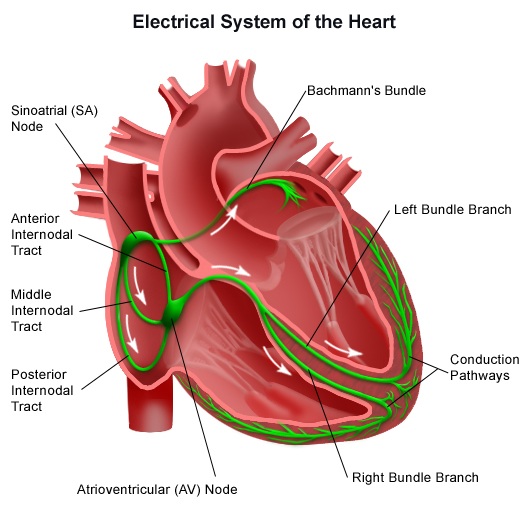
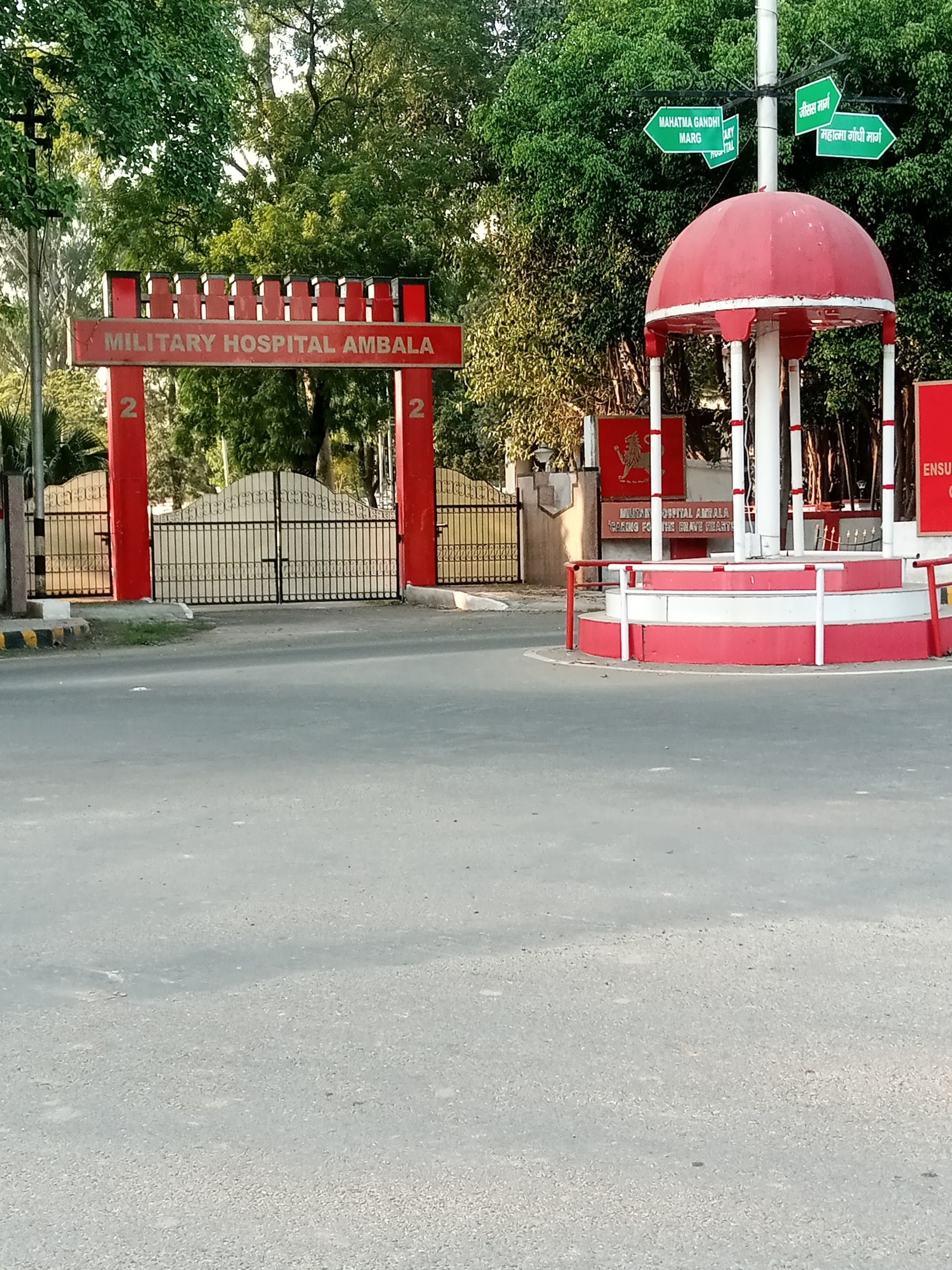


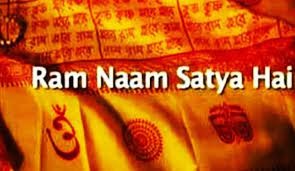


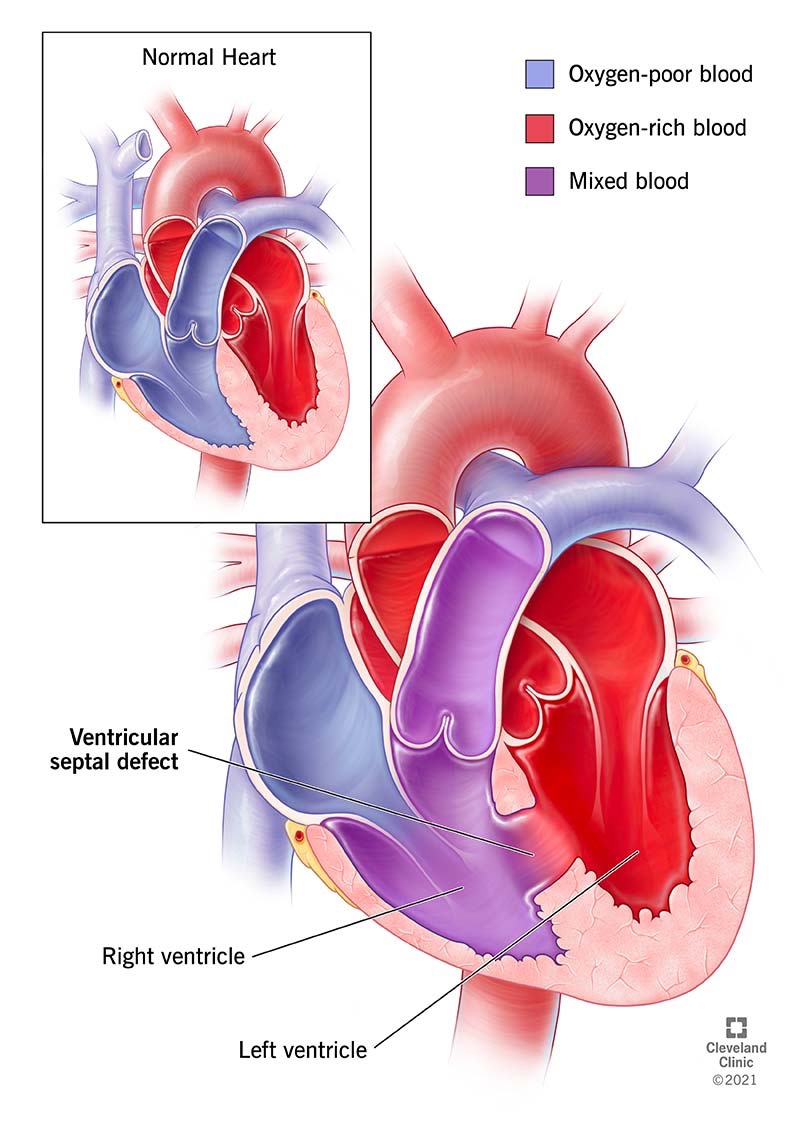
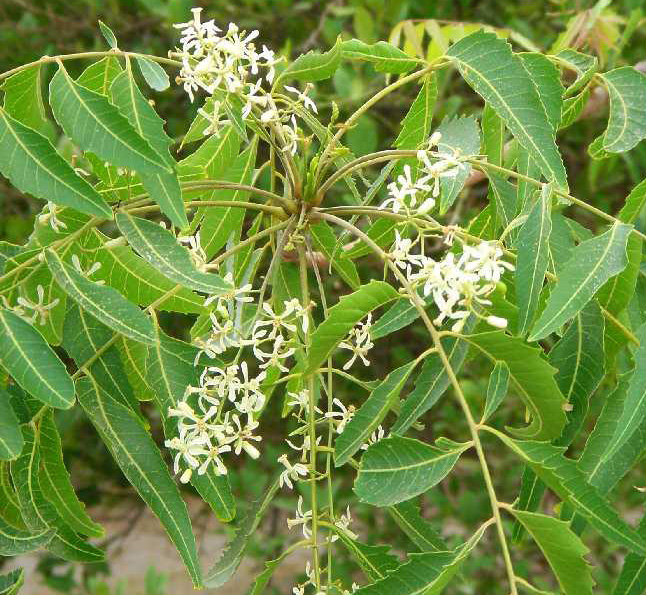


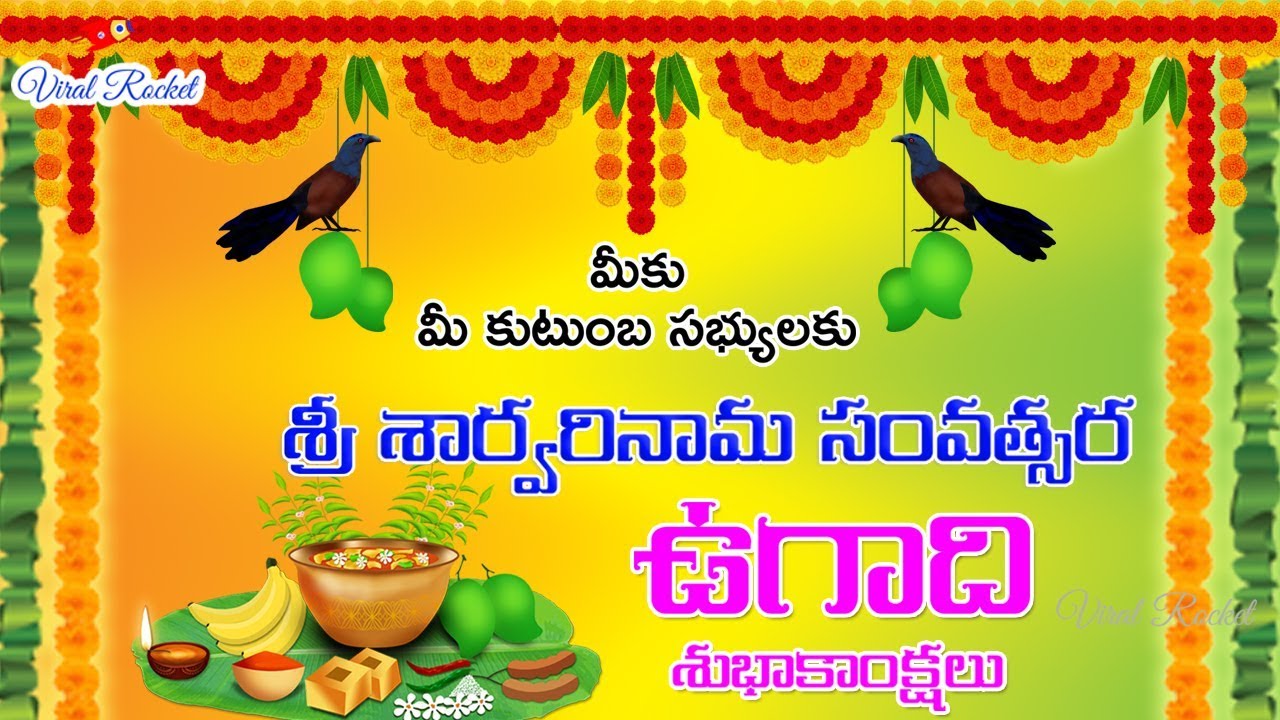


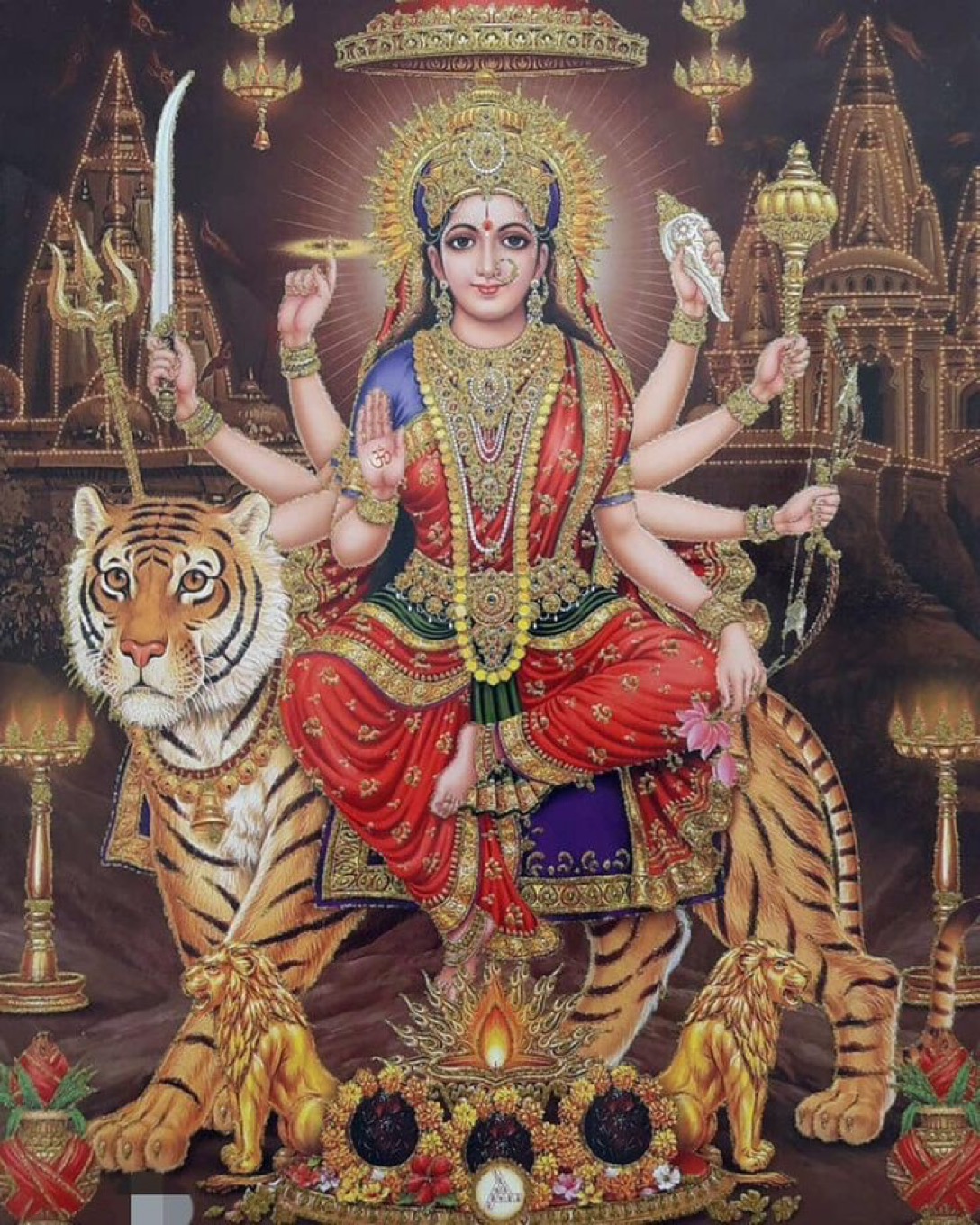


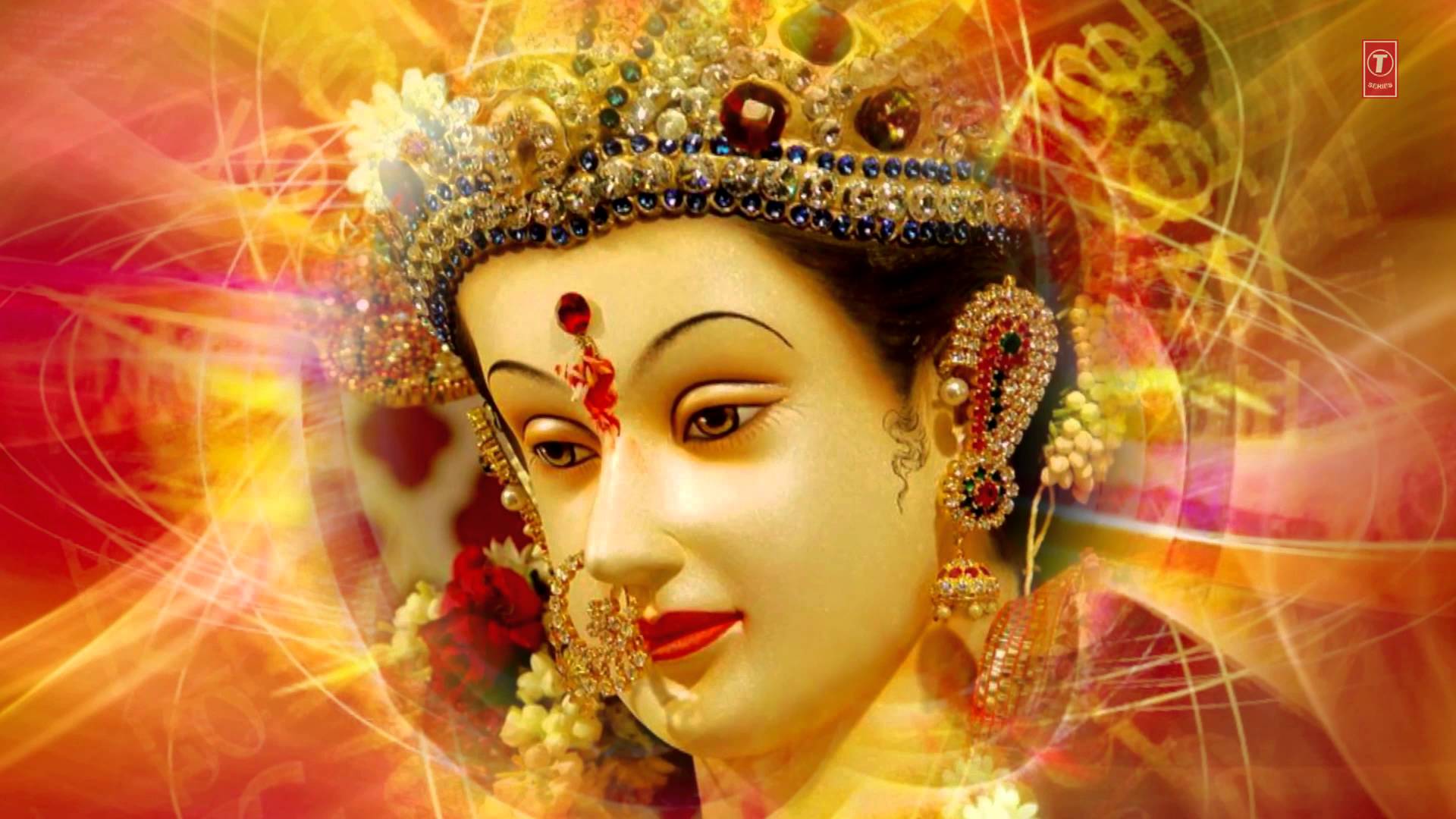


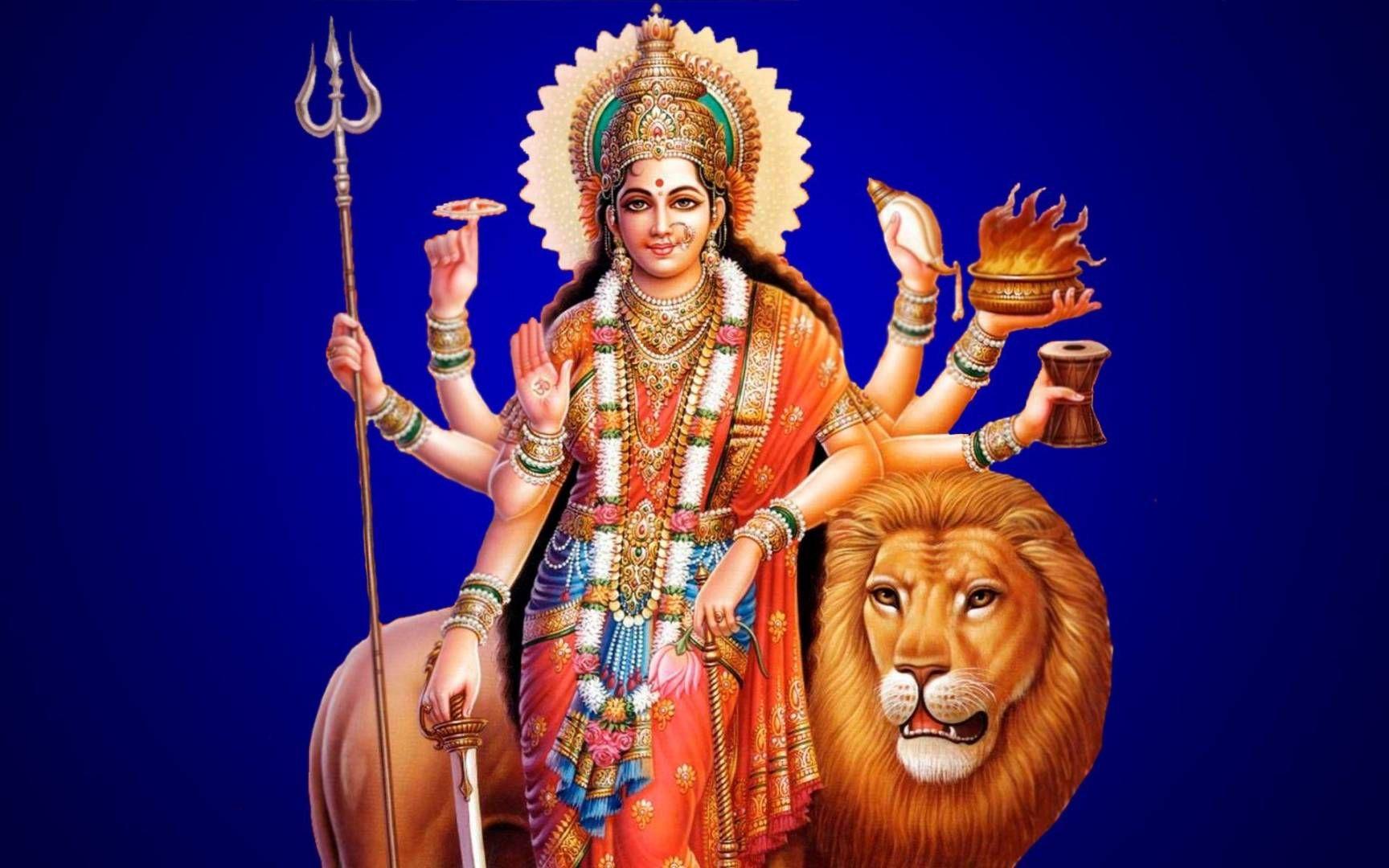


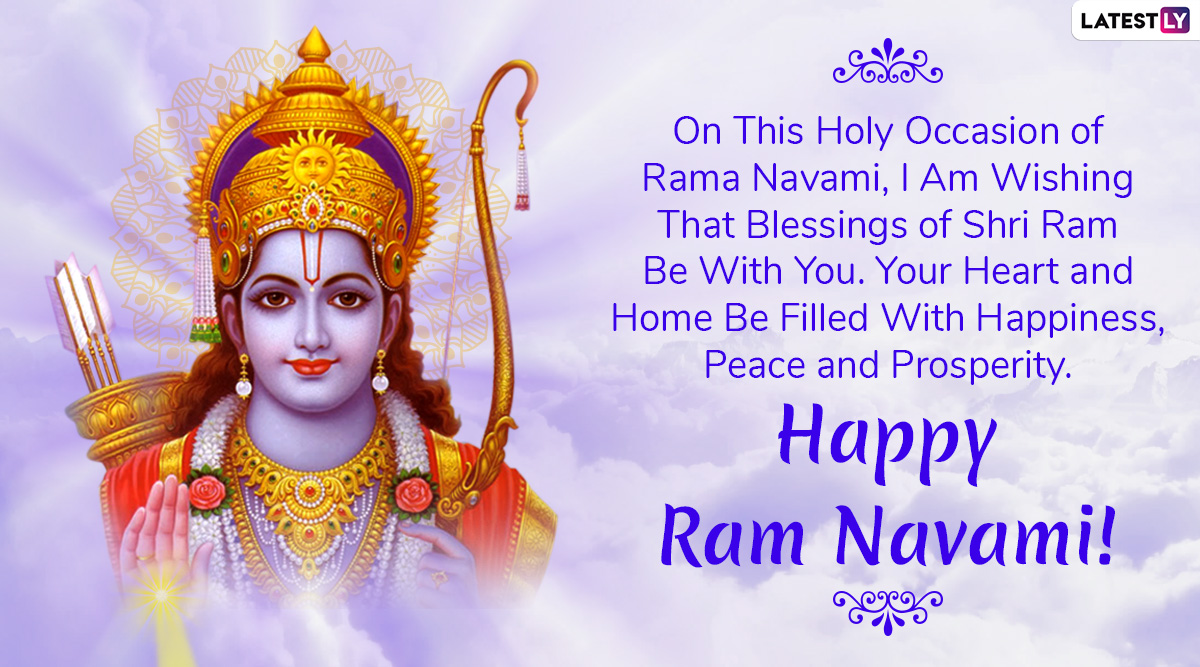



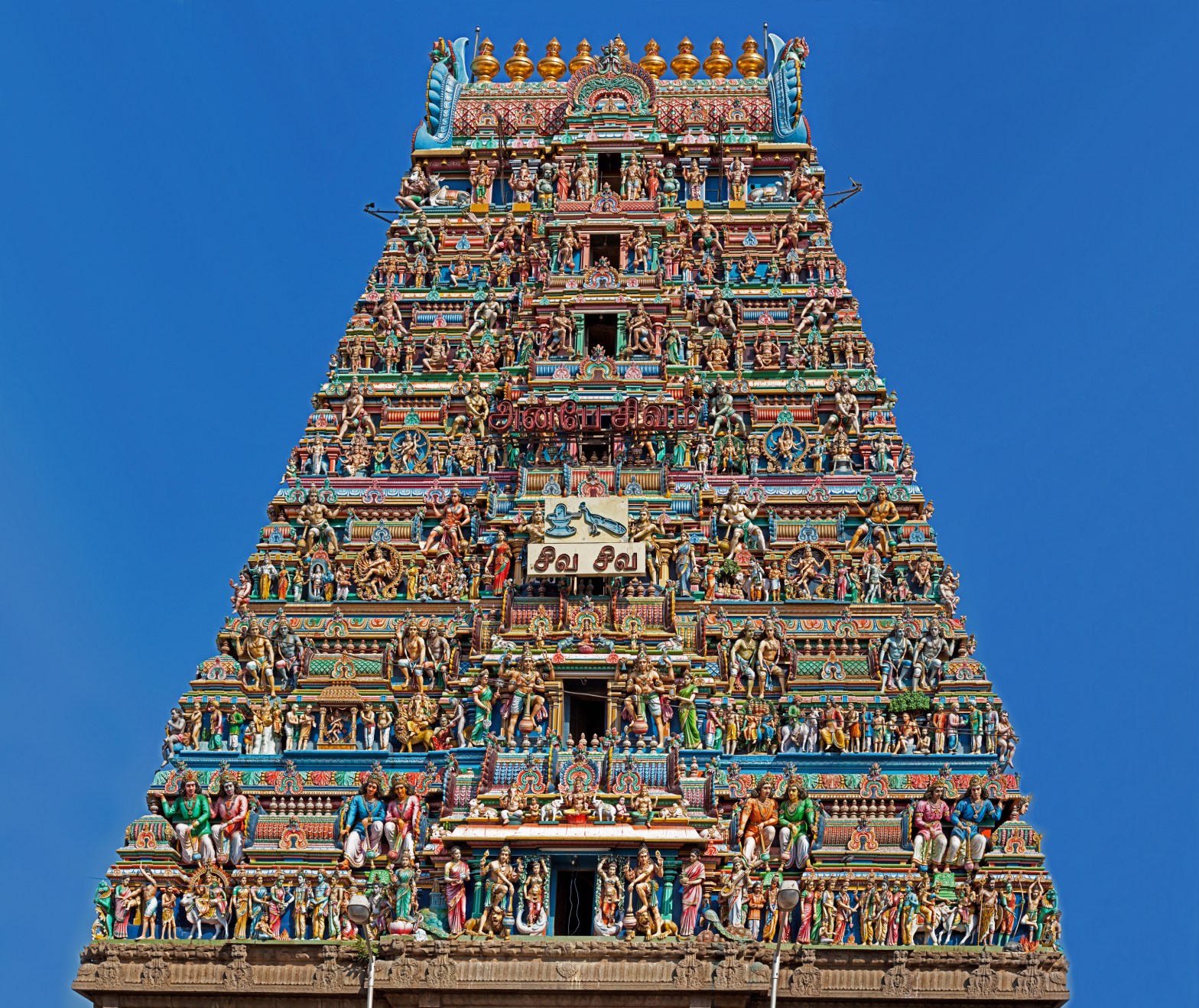






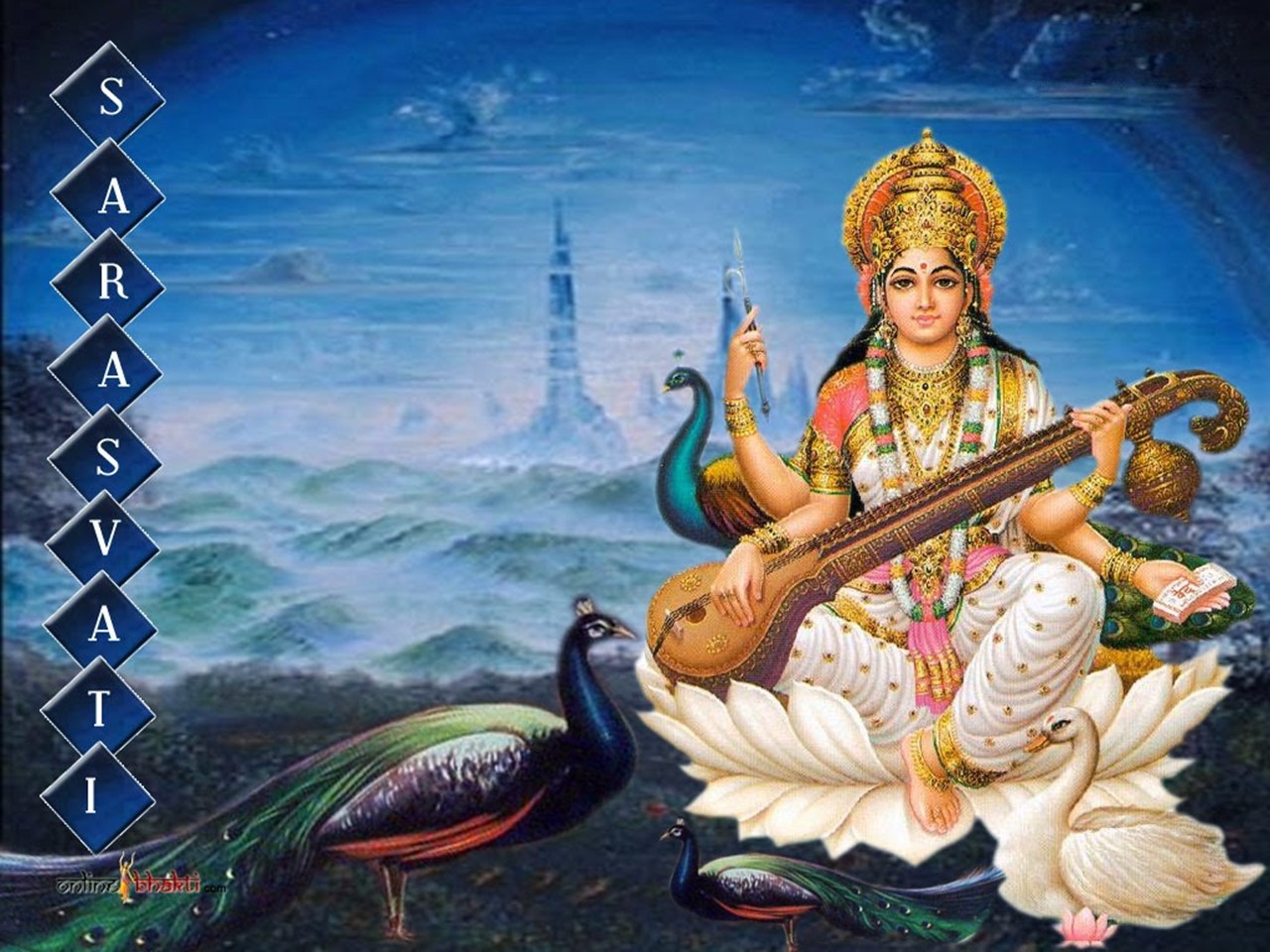


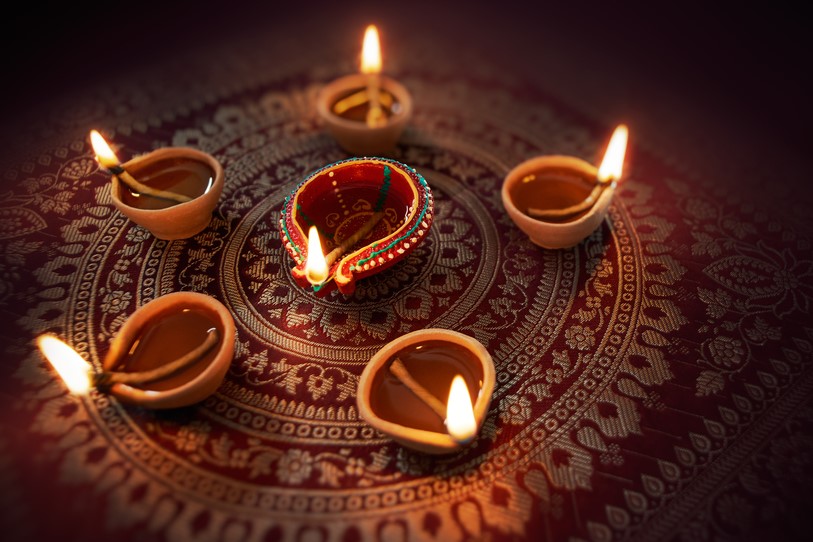


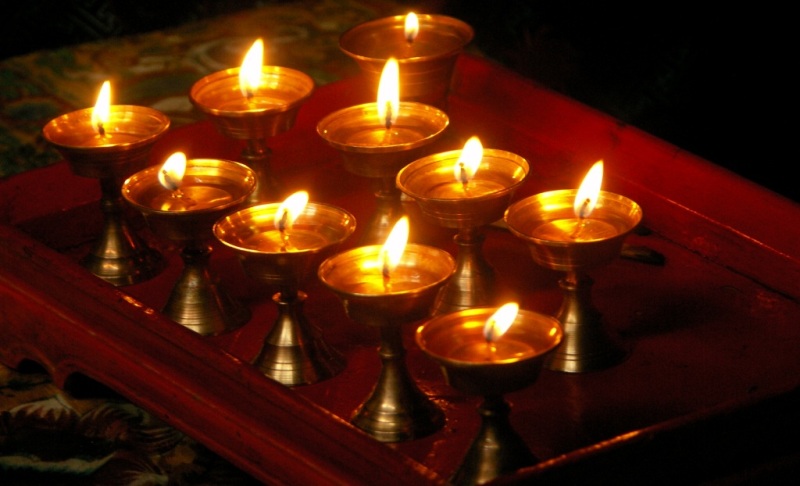


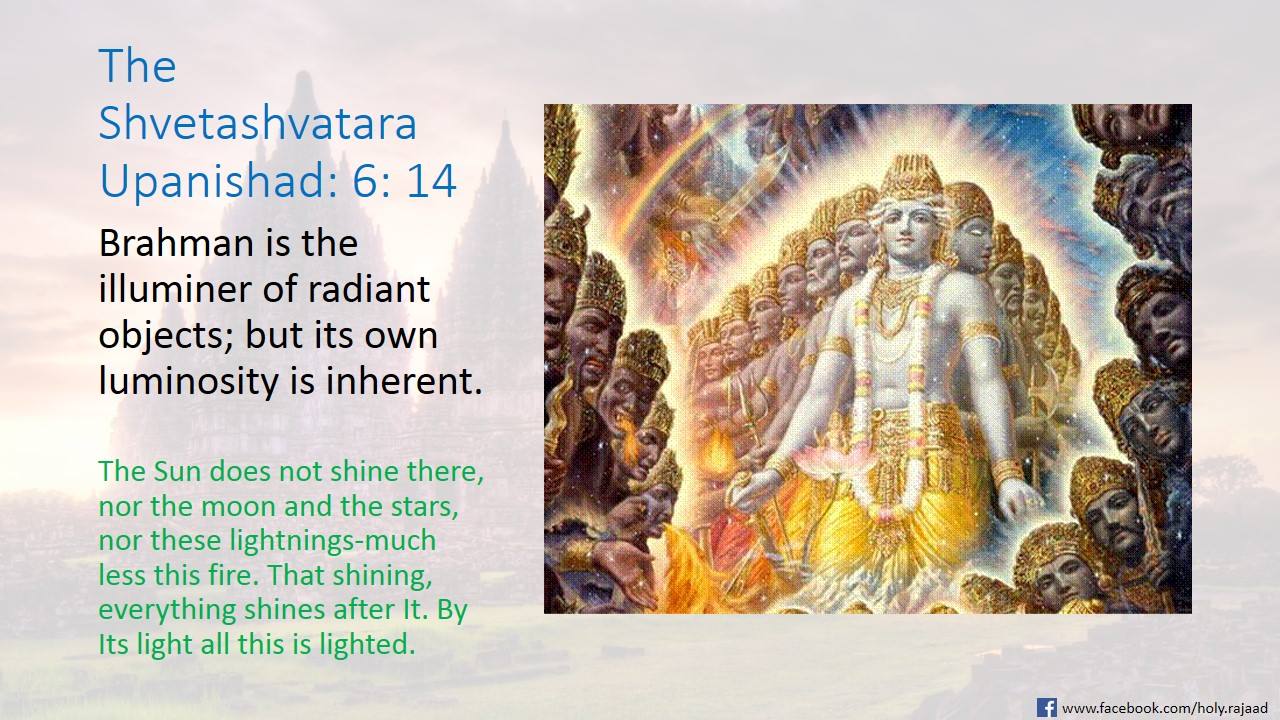


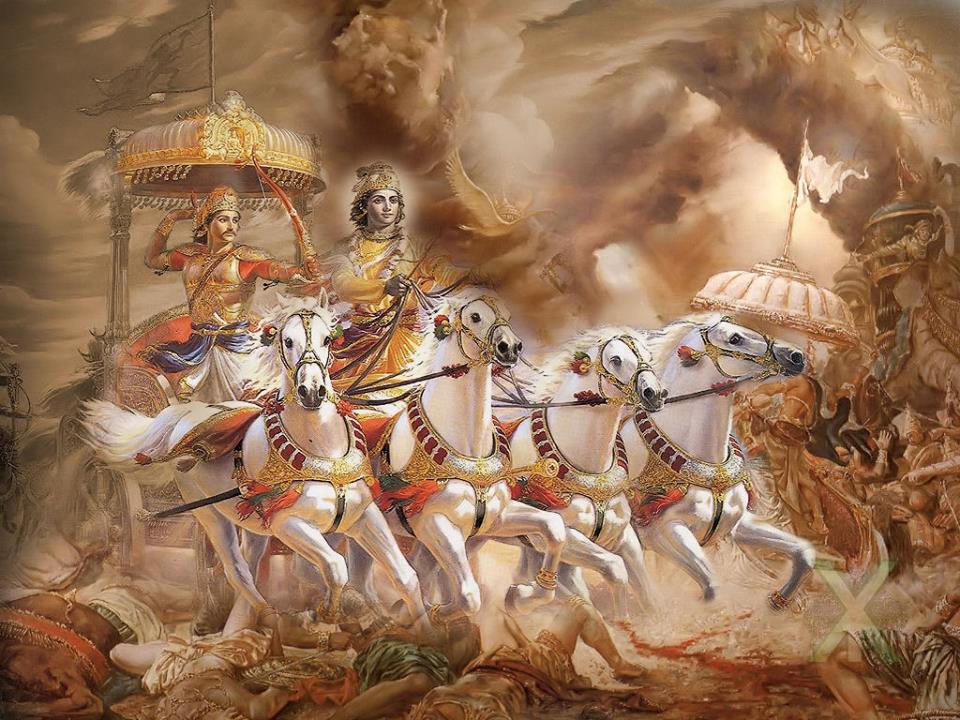


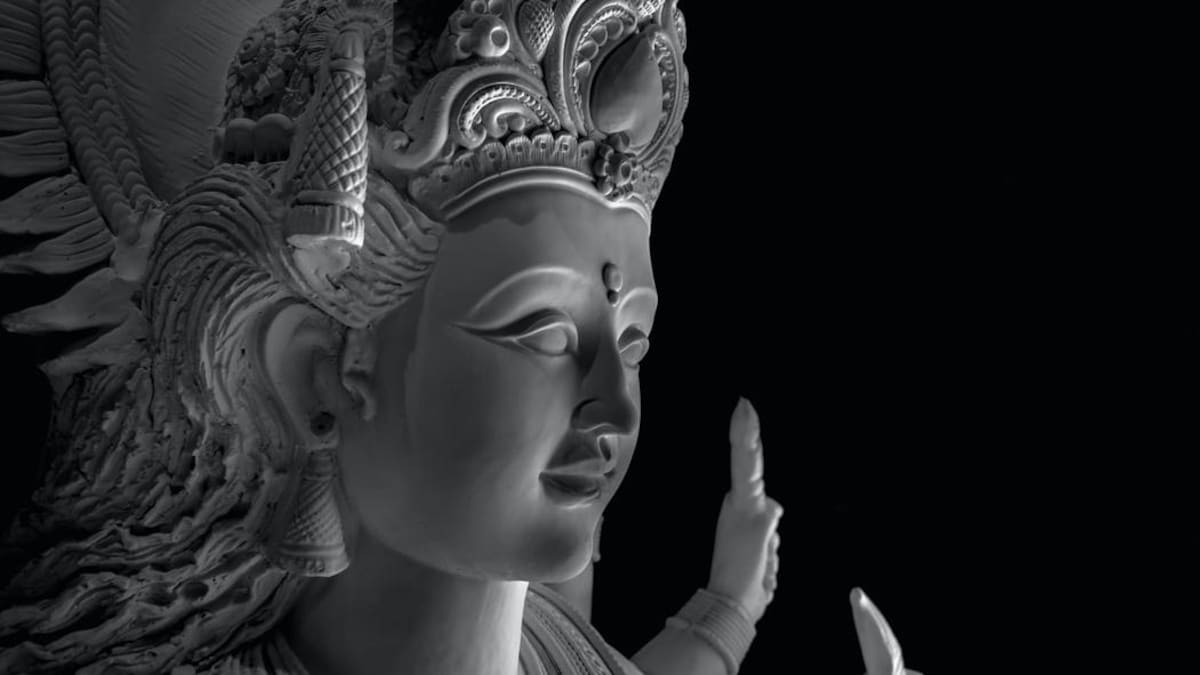


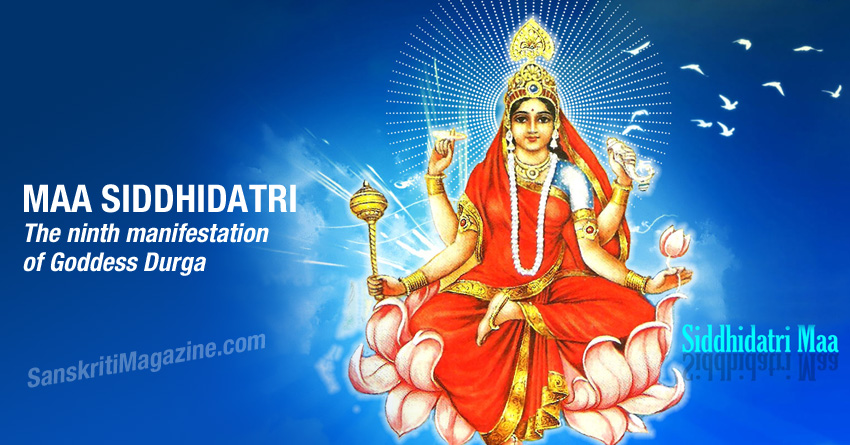


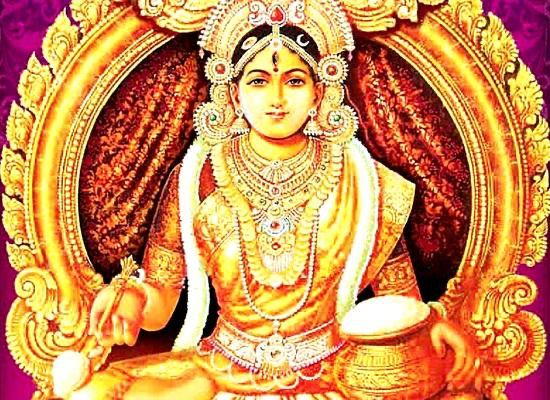

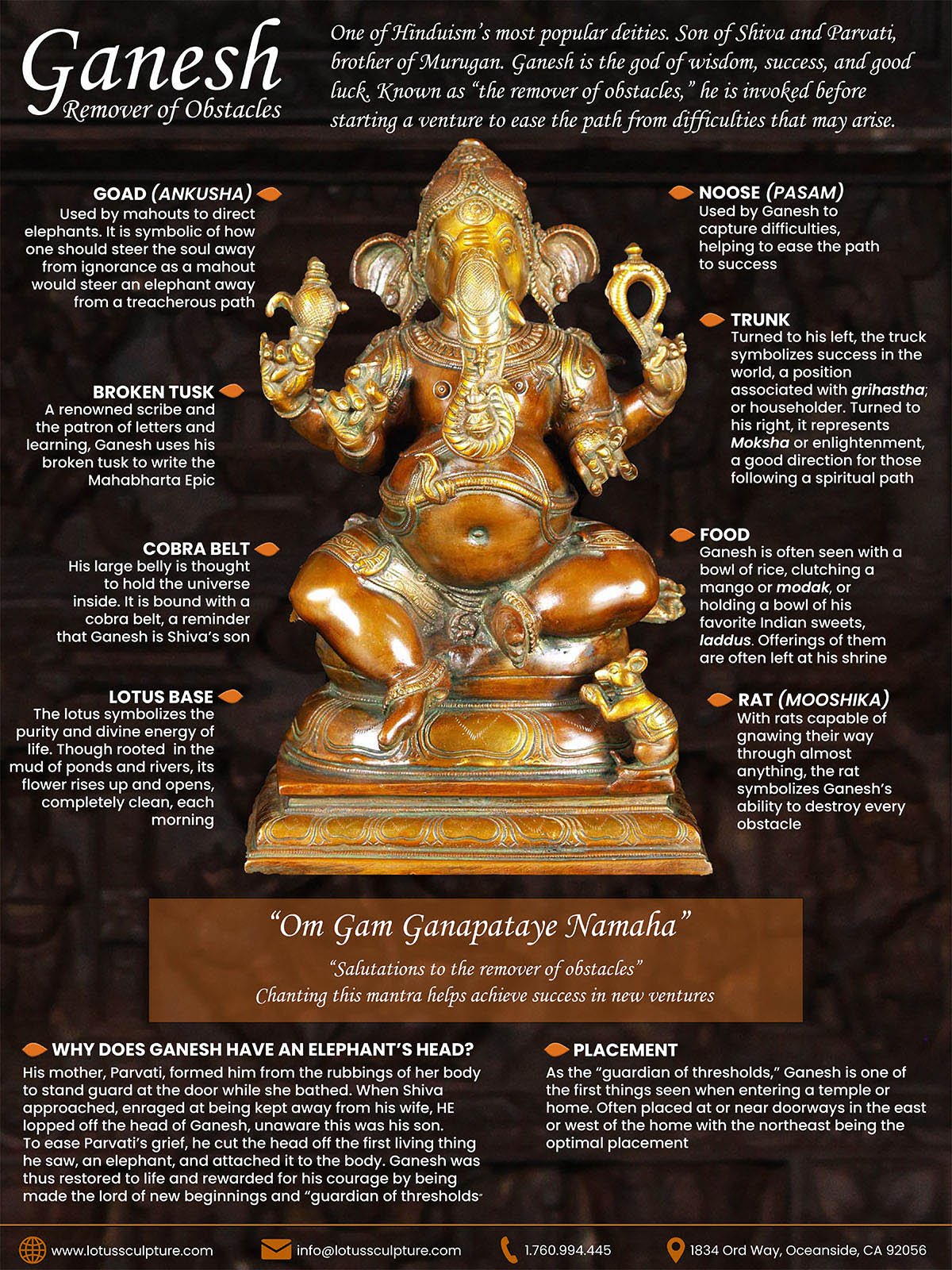







 Whole Dude - Whole Concept