Trouble in Tibet – Demise of Tibetan Language Education
Trouble in Tibet – Demise of Tibetan Language Education
Trouble in Tibet has millions of faces, and I am sad to add the face of Tashi Wangchuk to describe Tibet’s Trouble; tragic demise of Tibetan Language Education.
Tibetan language rights activist Tashi Wangchuk detained again for “slanderous” videos on Chinese TikTok
Chinese authorities detained prominent Tibetan language rights activist, Tashi Wangchuk, on October 20, 2024, for his language rights activism on Chinese social media platforms. The Yushul (Chinese: Yushu) City Public Security Bureau (PSB) accused Tashi of publishing “fabricated” and “slanderous” videos on platforms such as Douyin (TikTok) and Kuaishou to “slander government agencies” and challenge government decision-making.
Tashi was held for 15 days and released on November 4, 2024. This detention follows his previous five-year prison term from 2016 to 2021 on charges of “inciting separatism,” after his appearance in a New YorkTimes article and video documentary in November 2015 documenting his efforts to petition the Chinese government for Tibetan language protection.
China Charges Tibetan Education Advocate With Inciting Separatism
THE NEW YORK TIMES By EDWARD WONG MARCH 30, 2016
China Charges Tibetan Education Advocate With Inciting Separatism
Tashi Wangchuk, a Tibetan entrepreneur and education advocate, at his home in Yushu, China, in July. Mr. Tashi was detained in January and held in secret until his family was notified this month. Credit Gilles Sabrie for The New York Times
BEIJING : A detained Tibetan entrepreneur who advocated for bilingual education in schools across Tibetan regions of China has been charged with inciting separatism, according to an official police document.
The entrepreneur, Tashi Wangchuk, 30, is being held at the main detention center in Yushu, the town in Qinghai Province in western China, where he lives with his elderly parents. Mr. Tashi could face up to 15 years in prison if found guilty, depending on the specifics of the allegations against him.
Mr. Tashi was detained on Jan.27 and held in secret for weeks. His relatives said they were not told of his detention until March 24, though Chinese law requires that a detainee’s family be notified within 24 hours. A document stating the charge against Mr. Tashi, which a police officer gave the family, and a photograph of which was seen by The New York Times, was dated March 4.
Before his detention, Mr. Tashi had written on his microblog that Tibetans needed to protect their culture and that Chinese officials should aid them in doing so. He has argued for greater Tibetan autonomy within China, but none of his known writings have called for Tibetan independence, which he has said he opposes.
A Tibetan’s Journey for Justice
Worried about the erosion of Tibetan culture and language, one man takes his concerns to Beijing, hoping media coverage and the courts can reverse what he sees as a systematic eradication.
By JONAH M. KESSEL on Publish Date November 28, 2015. Photo by Gilles Sabrie for The New York Times.
The family said it has not been able to find a local lawyer to represent Mr. Tashi. Officials have not yet announced a trial date.
Mr. Tashi’s case has attracted international attention. Officials at the State Department are aware of his detention, and a representative of Canadian Journalists for Free Expression said the group was starting a petition to call for his release. President Obama may raise human rights issues with his Chinese counterpart, President Xi Jinping, when Mr. Xi visits Washington this week for a summit meeting on nuclear issues.
As an advocate for Tibetan culture, Mr. Tashi has been most vocal about language education, saying that schools should adopt a true system of bilingual education so that Tibetan children can become fluent in their mother language.
Mr. Tashi has said that the dearth of effective Tibetan language education, and the fact that the language is not used in government offices, violates the Chinese Constitution, which guarantees cultural autonomy for Tibetan and other ethnic regions.
Mr. Tashi runs a shop in Yushu and sells goods from the region to buyers across China on Taobao, an online platform run by Alibaba, the e-commerce giant. In 2014, Alibaba chose Mr. Tashi to be featured in a video for the company’s investor roadshow before a high-profile initial public offering. The founder and executive chairman of Alibaba, Jack Ma, was the video’s main narrator.
Late last year, Mr. Tashi was quoted in two articles in The New York Times on Tibetan language and culture. He was also the main subject of a documentary video by The Times about his attempts to use the legal system to compel officials to improve Tibetan language education.
In an interview last year, Mr. Tashi said he did not support Tibetan independence because he believed that Tibet could continue to develop economically as a part of China. He said he wanted true autonomy for Tibetan regions as guaranteed in the constitution, which he said would help preserve Tibetan language and culture.
Mr. Tashi also said in the interview that he was thankful to all the Chinese people who truly protect minorities, and he praised Mr. Xi for having promoted a democratic and law-abiding country these last few years.
Mr. Tashi had been detained briefly twice before, he and his family members have said. Once was for trying to go to India, a common destination for Tibetans who want to see the Dalai Lama, the Tibetan spiritual leader. The other detention, in 2012, was for posting online comments that criticized local officials over land seizures.
TIBET’S ATLAS OF EMOTIONS. TROUBLE IN TIBET – NO PEACE UNDER OCCUPATION. MIND MAP OF TIBET SHOWS FEAR, ANGER, SADNESS, AND DISGUST.
Peace is true or real experience if that experience is in conformity with facts of external world. If forces of occupation control, rule, govern, reign, or operate conditions of external world, there can be no ‘Inner Peace’ for it is not real or true. For any Tibetan living in Occupied Tibet, his emotions are not his Enemy; the Enemy is visible, the Enemy is real. There is no Calmness of Mind for this Enemy is not yet removed.
“Dalai Lama” Website Launched by His Holiness the Dalai Lama includes Mind Map, and Atlas of Emotions to help people find or discover “Inner Peace.” Spirituality and Science can be blended, but the real issue is that of blending Freedom and Repression. For Repression excludes Freedom, there will be no Peace, neither in Mind, nor in World.
Inner Peace? The Dalai Lama Made a Website for That
Special Frontier Force – Tibetan Resistance: The Doctrine and the Philosophy of Tibetan Resistance to China’s War of Occupation is based on the Force or Power of an Idea that concludes that the Enemy has no Power over your Mind and the Enemy cannot exercise authority over your Mind. Resistance begins when man sets his Mind Free. Resistance is Freedom in Action without any sense of Fear.
The Dalai Lama spoke about the Atlas of Emotions study at the Wilson House on the Sisters of St. Francis’ Assisi Heights campus in Rochester, Minnesota.
By KEVIN RANDALL
May 6, 2016
ROCHESTER, Minn. — The Dalai Lama, who tirelessly preaches inner peace while chiding people for their selfish, materialistic ways, has commissioned scientists for a lofty mission: to help turn secular audiences into more self-aware, compassionate humans.
That is, of course, no easy task. So the Dalai Lama ordered up something with a grand name to go with his grand ambitions: a comprehensive Atlas of Emotions to help the more than seven billion people on the planet navigate the morass of their feelings to attain peace and happiness.
“It is my duty to publish such work,” the Dalai Lama said.
To create this “map of the mind,” as he called it, the Dalai Lama reached out to a source Hollywood had used to plumb the workings of the human psyche.
Specifically, he commissioned his good friend Paul Ekman — a psychologist who helped advise the creators of Pixar’s “Inside Out,” an animated film set inside a girl’s head — to map out the range of human sentiments. Dr. Ekman later distilled them into the five basic emotions depicted in the movie, from anger to enjoyment.
Dr. Ekman’s daughter, Eve, also a psychologist, worked on the project as well, with the goal of producing an interactive guide to human emotions that anyone with an Internet connection could study in a quest for self-understanding, calm and constructive action.
“We have, by nature or biologically, this destructive emotion, also constructive emotion,” the Dalai Lama said. “This innerness, people should pay more attention to, from kindergarten level up to university level. This is not just for knowledge, but in order to create a happy human being. Happy family, happy community and, finally, happy humanity.”
The Dalai Lama paid Dr. Ekman at least $750,000 to develop the project, which began with a request several years ago.
Dr. Ekman recalled the Dalai Lama telling him: “When we wanted to get to the New World, we needed a map. So make a map of emotions so we can get to a calm state.”
As a first step, Dr. Ekman conducted a survey of 149 scientists (emotion scientists, neuroscientists and psychologists who are published leaders in their fields) to see where there was consensus about the nature of emotions, the moods or states they produce, and related areas.
Based on the survey, Dr. Ekman concluded that there were five broad categories of emotions — anger, fear, disgust, sadness and enjoyment — and that each had an elaborate subset of emotional states, triggers, actions and moods. He took these findings to a cartography and data visualization firm, Stamen, to depict them in a visual and, he hoped, useful way. “If it isn’t fun, it’s a failure,” Dr. Ekman said. “It’s got to be fun for people to use.” Stamen’s founder, Eric Rodenbeck, has created data visualizations for Google, Facebook and MTV, as well as maps showing climate change and rising oceans. But he said the Atlas was the most challenging project he had worked on because it was “built around knowledge and wisdom rather than data.”
Not surprisingly, getting scientists to reach a unified understanding of human emotions was difficult.
Dacher Keltner, a professor of psychology at the University of California, Berkeley, also counseled Pixar on establishing and depicting the emotional characters for “Inside Out.” He has even advised Facebook on emoticons.
Although Dr. Keltner took part in Dr. Ekman’s survey, the two are not in complete agreement on the number of core emotions. Still, Dr. Keltner said he saw the project as a good step. “The survey questions could have allowed for more gray areas,” he said. “But it’s important to take stock of what the scientific consensus is in the field.”
Dr. Ekman emphasized that the Atlas was not a scientific work intended for peer review.
“It is a visualization for what we think has been learned from scientific studies,” he said. “It’s a transformative process, a work of explanation.”
The Dalai Lama wants to keep religion out of it.
“If we see this research work as relying on religious belief or tradition, then it automatically becomes limited,” he said. “Even if you pray to God, pray to Buddha, emotionally, very nice, very good. But every problem, we have created. So I think even God or Buddha cannot do much.”
The Dalai Lama said he hoped the Atlas could be a tool for cultivating good in the world by defeating the bad within us.
“Ultimately, our emotion is the real troublemaker,” he said. “We have to know the nature of that enemy.”
The Dalai Lama said he had been encouraged by President Obama’s reaction to the project when he told him about it in India.
“Obama seems, I think, to show more interest about our inner value,” he said. “In the past, compassion was something of a sign of weakness, or anger a sign of power, sign of strength. Basic human nature is more compassionate. That’s the real basis of our hope.”
While excited about the Atlas, however, the 80-year-old Dalai Lama will probably not be clicking around the interactive site. He is much more comfortable turning the printed pages of a version that was custom-made for him.
“Technology is for my next body,” he once quipped to the researchers.
TROUBLE IN TIBET – MIND MAP OF TIBET – WHERE IS PEACE WITHOUT FREEDOM?
“Dalai Lama” Website Launched by His Holiness the Dalai Lama includes Mind Map, and Atlas of Emotions to help people find or discover “Inner Peace.” Spirituality and Science can be blended, but the real issue is that of blending Freedom and Repression. For Repression excludes Freedom, there will be no Peace, neither in Mind, nor in World.
Tibetans want to find or discover “Freedom” which is defined as the state or quality of being free from the control of some other person or some arbitrary power; a being able of itself to choose or determine action freely without hindrance, restraint, or repression. If Tibetans are not “Free” to act, how can Tibetans discover “Inner Peace?” Creation of Mind Map will not create Freedom in Occupied Tibet. Repression in Tibet has to go to discover Inner Peace in Mind Map of Tibet.
Dalai Lama: Website launched by Dalai Lama, Atlas of Emotions, blends Science and Spirituality to create Mind Map and reach global audiences
TROUBLE IN TIBET – MIND OF TIBET. DALAI LAMA’S WEBSITE ATLAS OF EMOTIONS EXCLUDES MIND MAP OF TIBET WHERE REPRESSION REIGNS.
May 6, 2016 Sally Elliott
The Dalai Lama never ceases his quest to help others navigate the complex human psyche as part of the path to inner peace, and the Dalai Lama’s website is designed to do just that.
In a truly creative and contemporary collaboration between a Hollywood producer, world-class scientists, and the Dalai Lama, a website, named Atlas of Emotions, was launched with a view of helping the world identify and understand human emotions and overcome those that block the path to peace. The Dalai Lama’s website is the result of a collaboration between Paul Ekman, an American psychologist, and the producers of 2015 animated blockbuster Inside Out. Atlas of Emotions blends science and spirituality to create a mind map for global audiences — the religious, the spiritual, and the secular.
“It is my duty to publish such work,” the Dalai Lama told the New York Times.
According to the New York Times, Dr. Ekman and the Dalai Lama are good friends, and when he decided on a course of action to help the human race achieve peace, the Dalai thought of Pixar’s Inside Out and its universally comprehensible model of the mind and human emotion.
“Specifically, he commissioned his good friend Paul Ekman — a psychologist who helped advise the creators of Pixar’s ‘Inside Out,’ an animated film set inside a girl’s head — to map out the range of human sentiments. Dr. Ekman later distilled them into the five basic emotions depicted in the movie, from anger to enjoyment,” reports the outlet.
Trouble in Tibet – Mind Map of Tibet. Repression excludes Freedom. There is neither inner nor outer Peace if Freedom is not in Mind Map.
The Dalai Lama is one of the world’s most prolific and widely followedspiritual leaders [Photo by Lisa Maree Williams]
The Dalai Lama’s website is aimed at achieving his lofty life mission guiding the human race to overcome selfish and hateful behavior, practice kindness, self-awareness, and compassion — in a changing world of countless brands of faith.
“‘When we wanted to get to the New World, we needed a map,’ Dr. Ekman recalled the Dalai Lama telling him. ‘So make a map of emotions so we can get to a calm state,’” reports the New York Times.
Eve Ekman, Dr. Ekman’s fellow psychologist daughter, also collaborated to maximize the engagement and accuracy of the website launched by the Dalai Lama. Atlas of Emotions blends scientific knowledge, which psychologists use to help patients understand and overcome negative behaviors and emotions, and spiritual ideology to provide an interactive guide to human emotions, and it is available to any person with internet access. The website is set to be an invaluable resource for those without the money or opportunity to seek professional help and people seeking to understand their complex emotions on the path to self-awareness, inner peace, and constructive action.
“We have, by nature or biologically, this destructive emotion, also constructive emotion. This innerness, people should pay more attention to, from kindergarten level up to university level,” the Dalai Lama told the NY Times.
“This is not just for knowledge, but in order to create a happy human being. Happy family, happy community and, finally, happy humanity.”
Trouble in Tibet – Mind Map of Tibet. There is no Inner Peace in Mind or World without Freedom.
The Dalai Lama was the guest of honor at a U.S. Government-hosted PrayerBreakfast. [Photo by Pool/Getty Images]
The website launched by the Dalai Lama greets visitors with a simple and sophisticated homepage that outlines five core emotions: anger, fear, disgust, sadness, and enjoyment. Users can navigate through the wealth of scientific and spiritual knowledge through Triggers, States, Actions, Moods, and Calm — explanations of how thoughts and feelings come about, how they are experienced, the actions we take as a result, how those make us feel, and how we can overcome the blocks to inner peace and happiness posed by ignorance or lack of understanding.
Trouble in Tibet – Mind Map of Tibet. Where is Peace and Freedom in Atlas of Emotions?
New work! We designed an Atlas of Emotions for the @DalaiLama and @PaulEkman
Trouble in Tibet – Mind Map of Tibet. Where is Peace and Freedom in Atlas of Emotions?
With the highest quality of professional input, the website launched by the Dalai Lama, Atlas of Emotions, which blends science and spirituality to create a mind map, is set to reach global audiences. The potential for engagement is infinite.
Trouble in Tibet – Mind Map of Tibet. Where is Peace and Freedom in Atlas of Emotions?Trouble in Tibet – Mind Map of Tibet. Repression is not compatible with Calmness.Trouble in Tibet – Mind Map of Tibet. Repression Causes FEAR.Trouble in Tibet – Mind Map of Tibet. Repression leads to Apprehension and FearTrouble in Tibet – Mind Map of Tibet. Repression Triggers FEAR.Trouble in Tibet – No Peace Under Occupation. Tibet’s Atlas of Emotions. Mind Map of Tibet shows Fear, Anger, Sadness, and Disgust.Tibet’s Atlas of Emotions – Mind Map of Tibet Shows Fear, Apprehension, Anger, Disgust, and Sadness.
TROUBLE IN TIBET – WHERE IS THE PATH TO FREEDOM? “VAGUE TALK ABOUT PEACE WILL ONLY DISTURB SOME PIGEONS.” H.H. The Dalai Lama. For there is ‘Trouble in Tibet’, we need to continue our search for a Path to Freedom. Tibetan Cause was at the center of America’s Cold War interests. Vague talk of peace Dalai Lama said, “will only disturb some pigeons.” It is imperative to find a clear path to Freedom in Occupied Tibet.
For there is ‘Trouble in Tibet’, we need to continue our search for a Path to Freedom. Tibetan Cause was at the center of America’s Cold War interests. Vague talk of peace Dalai Lama said, “will only disturb some pigeons.” It is imperative to find a clear path to Freedom in Occupied Tibet.
Kalon Tripa Dr. Lobsang Sangay, political head of the Tibetan people, unfurls and raises the Tibetan National Flag on the 53rd National Uprising Day on March 10, 2012 in Dharamsala, India. Tibetan people are demanding their Right to Natural Freedom that was taken away by the military occupation of their Land. Freedom in Tibet is about oppression caused by foreign occupation.
THE WASHINGTON POST
THE DALAI LAMA’S PRACTICAL PATH TO PEACE
Trouble in Tibet – Where is the Path to Freedom?For there is ‘Trouble in Tibet’, we need to continue our search for a Path to Freedom. Tibetan Cause was at the center of America’s Cold War interests. Vague talk of peace Dalai Lama said, “will only disturb some pigeons.” It is imperative to find a clear path to Freedom in Occupied Tibet.
The Dalai Lama, center, can be informal and mischievous, as when he rubbed his head into the beard of a very dignified Muslim cleric. (Tenzin Choejor/Office of His Holiness the Dalai Lama)
By MICHAEL GERSON Opinion writer May 5, 2016 at 8:00 PM
DHARAMSALA, India
When posed a policy question, the Dalai Lama is surprisingly (for a religious leader) un-prone to moralism. What, I asked him, does he think of the European backlash against migration? “In the name of sympathy, for the few who are desperate, [resettlement] is worthwhile.” But Europeans, he continued, “have a right to be concerned for their own prosperity.” Better, he said, “to help people in their own land.” He added: “It is really complex.”
Michael Gerson is a nationally syndicated columnist who appears twice weekly in The Post.
In conversation, the Dalai Lama’s cast of mind is thoroughly empirical. You can see him considering a matter from various angles and revising his views based on new input. He is a Buddhist who recommends “analytic meditation” instead of employing spiritual exercises as a “tranquilizer.” Self-reflection, he believes, should be the basis for action in the world. Vague talk of peace, he said, “will only disturb some pigeons.”
For decades, the Dalai Lama has embodied the Tibetan cause, which was once at the center of America’s Cold War interests. With that cause now something of an international orphan, the Dalai Lama has cultivated a different type of influence — global celebrity based on spiritual charisma.
I saw that charisma up close as the fortunate witness to a singular event. Under the auspices of the United States Institute of Peace, the Dalai Lama spent two days mentoring 28 exceptional youth leaders — men and women doing peacebuilding in conflict zones across Asia and Africa, often at great personal risk.
The Dalai Lama is, despite recent health issues, energetic and apparently (at 80) tireless. He is informal and mischievous (at one point rubbing his bald head into the beard of a very dignified Muslim cleric). He is disarmingly self-effacing: “I am not god,” quoth the 14th reincarnation of the Lord of Compassion. “I don’t know” is a consistent refrain.
But his view of the world is also highly consistent and occasionally controversial. He argues that ethics are primary and unifying, while religion belongs to “a secondary level of difference.” What he calls “secular ethics” can be derived from “common experience and common sense,” which teaches the “sameness of humanity” and the universal capacity for, and need for, love and compassion. For evidence, he turns to neuroscience and social scientific research on child development rather than to scripture. (He has mandated a science curriculum for Tibetan monasteries.) Human beings, in his view, are essentially good and responsible for doing good. “We promote a more compassionate world,” he said, “through education, not through prayer.”
If this sounds familiar, it is not far from the social ethics — not the theology — of some strains of liberal Protestantism. And the Dalai Lama shares something with Pope Francis: an impatience with institutional religion, which he says is prone to be “narrow and rigid.”
The Dalai Lama is keen to argue that “all religions carry the message of love and compassion.” In more careful moments, he says, “all religions have the same potential.” This is true — from a certain perspective. Each of the world’s major religions has resources of respect for the other that can (and should) be emphasized at the expense of less attractive elements.
Some of the faithful will resist the Dalai Lama’s frank insistence that religion be modernized. “Some traditions must change. I tell my Hindu friends, they must change their treatment of outcasts.” In Islam, “the meaning of jihad is not hurting other people.” His own tradition he described as “too close to the feudal system.” “This is not a change in religion. It is changing habits due to social tradition.”
This religious essentialism — defining a core of humane teaching that stands in judgment of a tradition’s cultural expressions — is what helps ensure that religion is a positive cultural force. Conservative Protestants in the United States who dispute this idea still demonstrate it. The treatment of women in most evangelical churches is closer to common American practice than to the Apostle Paul’s first-century attitudes, and it should be.
The uniqueness of the Dalai Lama’s voice in global debates is his emphasis on the inner life. He roots the pursuit of peace in a “calm mind” — and displays it. “External disarmament,” he told the gathered young activists, “begins with internal disarmament. If you show anger, things get worse. A genuine smile and warmheartedness and a joke are the only way to cool things down.”
It is good advice for anyone facing conflict — as well as the only basis for a peace that involves trust, forgiveness and healing.
Michael Gerson is a nationally syndicated columnist who appears twice weekly in The Post.
Trouble in Tibet reflects anxiety of Tibetan people as they search for path to freedom they lost in 1950. Talks on Tibetan autonomy are doomed to fail as the proposed dialogue is not about Tibetan nation that existed for centuries with its own identity.Trouble in Tibet reflects anxiety of Tibetan people as they search for path to freedom they lost in 1950. Talks on Tibetan autonomy are doomed to fail as the proposed dialogue is not about Tibetan nation that existed for centuries with its own identity.Trouble in Tibet reflects anxiety of Tibetan people as they search for path to freedom they lost in 1950. Talks on Tibetan autonomy are doomed to fail as the proposed dialogue is not about Tibetan nation that existed for centuries with its own identity.Trouble in Tibet reflects anxiety of Tibetan people as they search for path to freedom they lost in 1950. Talks on Tibetan autonomy are doomed to fail as the proposed dialogue is not about Tibetan nation that existed for centuries with its own identity.
Trouble in Tibet reflects anxiety of Tibetan people as they search for path to freedom they lost in 1950. Talks on Tibetan autonomy are doomed to fail as the proposed dialogue is not about Tibetan nation that existed for centuries with its own identity.
Trouble in Tibet reflects anxiety of Tibetan people as they search for path to freedom they lost in 1950. Talks on Tibetan autonomy are doomed to fail as the proposed dialogue is not about Tibetan nation that existed for centuries with its own identity.Trouble in Tibet – Search For Path to Freedom. Lobsang Sangay, Prime Minister of Tibetan Government-In-Exile.Trouble in Tibet reflects anxiety of Tibetan people as they search for path to freedom they lost in 1950. Talks on Tibetan autonomy are doomed to fail as the proposed dialogue is not about Tibetan nation that existed for centuries with its own identity.
Lobsang Sangay, the incumbent prime minister of the Tibetan government-in-exile, speaks to media after being re-elected for second term in office in Dharmsala, India, Wednesday, April 27, 2016.
Shannon Van Sant May 16, 2016 3:46 AM
HONG KONG—
The re-election of Lobsang Sangay as prime minister of the Tibetan government-in-exile has renewed hopes among some that dialogue between the Dalai Lama and China’s central government, which stopped in 2010, will begin again.
On the day of his election, Sangay vowed to push for autonomy for the Tibetan people and restart talks with the Chinese government.
“We remain fully committed to the Middle Way Approach, which clearly seeks genuine autonomy for the Tibetan people within China. It is hoped the leaders in Beijing will see reason with the Middle Way Approach, instead of distorting it, and step forward to engage in dialogue with His Holiness the Dalai Lama’s envoys,” he said.
No talks since 2010
Representatives of the Dalai Lama held several rounds of talks with China until they were stalled in 2010 by protests and a subsequent crackdown in Tibet. Tsering Passang, Chair of the Tibetan Community in Britain, said whether or not talks restart is in Beijing’s hands. “It’s really up to the Chinese, and due to the current reality, the geopolitical situation, as well as the economic situation, China has the upper hand, so it’s going to be a challenge for the Tibetan leadership,” he said.
Trouble in Tibet – Search For Path to Freedom.Trouble in Tibet reflects anxiety of Tibetan people as they search for path to freedom they lost in 1950. Talks on Tibetan autonomy are doomed to fail as the proposed dialogue is not about Tibetan nation that existed for centuries with its own identity.
FILE – An elderly Tibetan woman, who was among those waiting to receive the Dalai Lama, gets emotional as the spiritual leader greets devotees upon arrival at the Institute of Buddhist Dialectics near Dharmsala, India.
Sangay defeated challenger Penpa Tsering
Sangay ran against the speaker of the Tibetan Parliament, Penpa Tsering and received 58 percent of nearly 60,000 votes cast. About 90,000 exiled Tibetans are registered to vote in 40 countries. However, China has largely ignored the elections, with the foreign ministry only making terse remarks on the ballot results when pressed to comment at a recent briefing. Spokesman Hong Lei said the voting was nothing but a “farce” staged by an “illegal” organization that is not recognized by any country in the world.
Robert Barnett, the director of modern Tibet studies at Columbia University, is not very optimistic about the resumption of talks. “It’s quite disheartening at the moment because there are no signs from the Chinese side of any concession at all, in fact very much the opposite. But of course the Chinese side would not disclose if it was going to make a move. It would be in its interest to move very quickly at a time of its own choosing,” he said.
Trouble in Tibet – Search for Path to Freedom.Trouble in Tibet reflects anxiety of Tibetan people as they search for path to freedom they lost in 1950. Talks on Tibetan autonomy are doomed to fail as the proposed dialogue is not about Tibetan nation that existed for centuries with its own identity.
FILE – An exile Tibetan nun cries as she prays during a candlelit vigil in solidarity with two Tibetans, who exiles claim have immolated themselves demanding freedom for Tibet, in Dharmsala, India, Wednesday, March 2, 2016.
China claims control of Tibet for centuries
China says it has maintained control of the Tibetan region since the 13th century, and the Communist Party says it has liberated the Tibetan people through removing monks from power who the party says presided over a feudal system. But many Tibetans argue they were independent until Communist forces invaded in 1950. Nine years later the Dalai Lama fled into exile after a failed uprising against the government. While the Dalai Lama remains the spiritual leader of the Tibetan people, he gave up political authority in 2011, and called for democratic elections to choose a prime minister to lead the parliament of the Central Tibetan Administration in Dharamsala, India.
With the current Dalai Lama now in his 80s, the issue of who will select the next Dalai Lama is gaining in importance.
But P.K. Gautam, a Research Fellow at the Institute for Defense Studies and Analyses in India, said any political talks that may develop should not be confused with discussions over who will select the next Dalai Lama.
“So who selects the Dalai Lama is a very separate process, but the political negotiations, for the autonomous region, the way it is desired, that can be taken on by this central administration. So it’s a long-term process; it’s just one of these steps that may lead to a solution so that the Tibet autonomous region regains its pillars,” he said.
Many Tibetans hope Sangay’s election is also a step towards easing discontent throughout the Tibetan community. More than 100 Tibetans have self-immolated in protest against the Chinese government since 2009.
Trouble in Tibet – Search For Path to Freedom.Trouble in Tibet reflects anxiety of Tibetan people as they search for path to freedom they lost in 1950. Talks on Tibetan autonomy are doomed to fail as the proposed dialogue is not about Tibetan nation that existed for centuries with its own identity.TROUBLE IN TIBET – SEARCH FOR PATH TO FREEDOM. PREPARE YOUR MIND.Trouble in Tibet reflects anxiety of Tibetan people as they search for path to freedom they lost in 1950. Talks on Tibetan autonomy are doomed to fail as the proposed dialogue is not about Tibetan nation that existed for centuries with its own identity.
Whole Awareness – Tibet Awareness of the Living Tibetan Spirits
Whole Awareness – Tibet Awareness of the Living Tibetan Spirits
Following the visit of His Holiness the 14th Dalai Lama’s visit to Ann Arbor, MI, USA in 2008, I coined the phrase ‘The Living Tibetan Spirits’. I am not a monk. I am speaking of my ‘spirituality’ in the context of hosting the ‘Spirits’ of young Tibetan soldiers who gave their precious lives while taking part in a military action in the Chittagong Hill Tracts that initiated the Liberation of Bangladesh during 1971. I claim that I am Tibetan for I host their ‘Spirits’ in my Consciousness.
His Holiness The Dalai Lama – Winner of the 1989 Nobel Peace Prize:
Whole Dude – Whole Spirits: HIS HOLINESS THE 14th DALAI LAMA – PRINCE OF PEACE: The Dalai Lama is seen seated on his throne in Potala Palace, Lhasa, Tibet in this photo image from 1956/1957.
The Dalai Lama is believed to be a manifestation of Avalokiteshvara or Chenrezig, the Bodhisattva of Compassion and the patron saint of Tibet. Bodhisattvas are enlightened beings who have postponed their own nirvana and chosen to take rebirth in order to serve humanity.
Tenzin Gyatso, the 14th Dalai Lama, was born in 1935 in a small hamlet in northeastern Tibet. At the age of 2, the child who was named Lhamo Dhondup, was recognized as the reincarnation of the 13th Dalai Lama, Thubten Gyatso.
The 14th Dalai Lama will visit Ann Arbor for a series of talks in Crisler Arena at the University of Michigan on Saturday and Sunday April 19 and 20. His presentation of the University of Michigan’s annual Peter M. Wege Lecture on Sustainability is in celebration of Earth Day. The Wege Lecture is sponsored by the Center for Sustainable Systems at the School of Natural Resources and Environment. He will also present a two-day program with two sessions on April 19 and 20. The session will focus on “Engaging Wisdom and Compassion.” The teaching will be based on Acharya Nagarjuna’s Commentary on Ultimate Compassion and Je Tsong Khapa’s “In Praise of Dependent Origination.”
The Future of Tibet:
Whole Dude – Whole Spirits: The Vatican City State and Tibet. Just like the Pope who is the Head of the Vatican City State, H.H. Dalai Lama is the Temporal and Spiritual Leader of the Land of Tibet.
Vatican City is recognized as an ecclesiastical State. Sovereignty is exercised by the Pope upon his election as the Head of the Roman Catholic Church. The Pope has absolute executive, legislative and judicial powers within the Vatican City State. Similarly, the Dalai Lama is the spiritual and temporal Head of Tibet. The United States formulated an official policy about the Taiwan. With regards to Tibet, the United States has to first recognize the fact that the Tibet is under illegal Chinese occupation since 1951.
The Living Tibetan Spirits of Special Frontier Force:
Whole Dude – Whole Spirits: SPIRITUALISM AND THE LIVING TIBETAN SPIRITS: In Tibetan Buddhism, Bodhisattva-Avalokitesvara is physically manifested as His Holiness The Dalai Lama.
Special Frontier Force, Establishment 22, Vikas Regiment is a multinational defense plan to defend freedom and democracy in the occupied Land of Tibet.
Whole Dude – Whole Spirits: SPIRITUALISM – THE LIVING TIBETAN SPIRITS – OLD FLAMES NEVER DIE : The butter lamps lit in my Unit Gompa or Gonpa to pay tribute to the departed souls, the people who gave their precious lives to defend the Freedom of people.
Living Tibetan Spirits Welcome The Resolve Tibet Act
Whole Dude – Whole Resolve – Whole Eviction: Tibet Consciousness – Tibet Problem on the Back Burner for over 70 years.
I am not a “Separatist.” I am not seeking the Separation of Tibet from China. Tibet is not and has never been a part of China. Separation is not the issue. Tibet is seeking its own existence and its own identity. Tibet is not asking for a new identity or creation of a new state from Chinese territory. Tibet is not demanding a surgical operation to carve out a new nation from an existing nation known as People’s Republic of China. The Problem of Tibet simply relates to the military occupation of the Land of Tibet by China. This Problem could be resolved by the Eviction of the Occupier. It is just to demand such eviction of an illegal occupier. Military occupation is the cause of this Problem of Tibet and eviction of this military force is the resolution that I want in Tibet.
Whole Dude – Whole Resolve – Whole Eviction: Tibet Consciousness – Tibet Problem on the Back Burner for over 70 years.
Resolve Tibet Act: Bipartisan Legislation Enhancing U.S. Support for Tibet Passes Congress
Whole Dude – Whole Resolve – Whole Eviction: Tibet Consciousness – Tibet Problem on the Back Burner for over 70 years.
Resolve Tibet Act Helps Counter Chinese Government Misinformation about Tibet; Pushes for Negotiation Between Chinese Government and the Dalai Lama to End Longstanding Dispute
Whole Dude – Whole Resolve – Whole Eviction: Tibet Consciousness – Tibet Problem on the Back Burner for over 70 years.
Washington, June 12, 2024
Whole Dude – Whole Resolve – Whole Eviction: Tibet Consciousness – Tibet Problem on the Back Burner for over 70 years.
WASHINGTON—The House has passed a bipartisan bill introduced by U.S. Representatives Jim McGovern (D-MA) and Michael McCaul (R-TX) and Senators Jeff Merkley (D-OR) and Todd Young (R-IN) to enhance U.S. support for Tibet and promote dialogue between the People’s Republic of China and the Dalai Lama toward a peaceful resolution of the long-standing dispute between Tibet and China.
Whole Dude – Whole Resolve – Whole Eviction: Tibet Consciousness – Tibet Problem on the Back Burner for over 70 years.
The Resolve Tibet Act first passed the House last February, clearing the Senate last month before today’s final procedural vote. It now goes to President Biden, who is expected to sign it into law.
Whole Dude – Whole Resolve – Whole Eviction: Tibet Consciousness – Tibet Problem on the Back Burner for over 70 years.
The Resolve Tibet Act enhances U.S. support for Tibet— empowering State Department officials to actively and directly counter disinformation about Tibet from the Chinese government, rejecting false claims that Tibet has been part of China since “ancient times,” pushing for negotiations without preconditions between the Chinese government and the Dalai Lama or his representatives or the democratically elected leaders of the Tibetan community, and affirming the State Department’s responsibility to coordinate with other governments in multilateral efforts toward the goal of a negotiated agreement on Tibet.No formal dialogue between Tibetan and Chinese authorities has happened since 2010, and Chinese officials continue to make unreasonable demands of the Dalai Lama as a condition for further dialogue.
Whole Dude – Whole Resolve – Whole Eviction: Tibet Consciousness – Tibet Problem on the Back Burner for over 70 years.
“Let the overwhelming passage of our strong, bipartisan bill be a clear message to the Tibetan people: America stands with you on the side of human dignity, and we support you in your quest to secure the basic rights to which you are entitled under international law,” said Ranking Member McGovern.
Whole Dude – Whole Resolve – Whole Eviction: Tibet Consciousness – Tibet Problem on the Back Burner for over 70 years.
“The People’s Republic of China has systematically denied Tibetans the right to self-determination and continues to deliberately erase Tibetan religion, culture, and language. The ongoing oppression of the Tibetan people is a grave tragedy, and our bill provides further tools that empower both America and the international community to stand up for justice and peace.”
“Tibetans, like all people, have the right to religious freedom – which includes freedom from CCP surveillance, censorship, and detention,” said House Foreign Affairs Committee Chairman Michael McCaul.
“If the CCP truly does respect ‘sovereignty’ as it claims to do then it will engage in peaceful dialogue with the Tibetans to resolve this conflict, not force the Tibetans to accept a CCP proposal. Passing this bipartisan bill demonstrates America’s resolve that the CCP’s status quo in Tibet is not acceptable.”
“The people of Tibet deserve to be in charge of their own future, and, today, Congress has voted to stand with Tibetans in their struggle for freedom and self-determination,” said Senator Merkley, co-chair of the Congressional-Executive Commission on China.
Whole Dude – Whole Resolve – Whole Eviction: Tibet Consciousness – Tibet Problem on the Back Burner for over 70 years.
“The Promoting a Resolution to the Tibet-China Dispute Act helps counter misinformation from the Chinese government about Tibet and pushes for negotiations between the People’s Republic of China and Tibet to end this longstanding dispute. I look forward to President Biden swiftly signing this bill into law—the people of Tibet cannot wait any longer.”
“Our bipartisan bill will refresh U.S. policy towards Tibet and push for negotiations that advance freedom for the Tibetan people and a peaceful resolution to the CCP’s conflict with the Dalai Lama,” said Senator Young. “Congressional passage of this legislation further demonstrates America’s resolve that the CCP’s status quo – both in Tibet and elsewhere – is not acceptable. I look forward to this important effort becoming law and working with my colleagues and the Administration to ensure swift and effective implementation.”
Whole Dude – Whole Resolve – Whole Eviction: Tibet Consciousness – Tibet Problem on the Back Burner for over 70 years.
THE LAND OF TIBET – “THE ROOF OF THE WORLD” :
Whole Dude – Whole Resolve – Whole Eviction: Tibet Consciousness – Tibet Problem on the Back Burner for over 70 years. In size Tibet is as large as three States of Texas combined. It is surrounded by four of the world’s ten highest mountains. It is home to about six million Tibetan people. Communist China’s military occupation has changed the population composition of this Land.Whole Dude – Whole Resolve – Whole Eviction: Tibet Consciousness – Tibet Problem on the Back Burner for over 70 years. All the major rivers of Asia have their origin in Tibet.Whole Dude – Whole Resolve – Whole Eviction: Tibet Consciousness – Tibet Problem on the Back Burner for over 70 years. Bos grunniens, a long-haired, stocky, wild ox of Tibet is often domesticated as a beast of burden, for its milk, meat, and its butter which is used to light the butter lamps in Gompas, Tibetan Places of Worship.
Tibet is the highest plateau in the world and it came into existence when the landmass of India joined the Asian landmass. All the major rivers of Asia have their origin in Tibet. These rivers support the lives of about 2 billion human beings. The ecology of Tibet is critical in view of global warming and scarcity of water. It has been recorded and found that the rate of warming is faster in Tibet. The mountains are experiencing less snowfall, and the glaciers that feed the rivers are melting and fading away. The extraction of mineral resources, the exploitation of natural resources like forests, and hunting of unique, native animals, the construction of dams and barriers across rivers flowing in Tibet pose dangers to fragile Tibetan ecology. The problem of Tibet is not merely an environmental issue.
What is the Problem of Tibet?
Whole Dude – Whole Resolve – Whole Eviction: Tibet Consciousness – Tibet Problem on the Back Burner for over 70 years. The United States Congress honored His Holiness The 14th Dalai Lama with a Gold Medal during a ceremony in Washington,DC in 2007. President George W Bush, US Speaker of the House Nancy Pelosi, and US Senator Robert C Byrd are seen in the photo. Senator Byrd, the longest-serving member of the US Congress has died at the age of 92 after almost six decades in office. America has lost a voice of Principle and Reason. It is a time for us to reflect upon the Problem of Tibet.
Historically, Tibet has existed in a serene and unperturbed state for several centuries. Tibetan people are naturally born free and maintained their traditional sense of Freedom in spite of invasions by foreign forces. In October 1950, Communist China’s People’s Liberation Army invaded Tibetan soil and occupied it. This military occupation of Tibet poses a direct threat to Tibetan way of life; a direct threat to Tibetan Culture, Tibetan Religion, Tibetan Language, and the ethnic composition of the people of this Land. The problem of Tibet is not simply a concern about Human Rights and Religious Freedom. The Problem of Tibet involves Human Freedom and Human Dignity. Military occupation of Tibet is the very opposite of Human Freedom and Human Dignity.
The Resolution of the Problem of Tibet:
Whole Dude – Whole Resolve – Whole Eviction: Tibet Consciousness – Tibet Problem on the Back Burner for over 70 years. The Flag of Tibet symbolizes the Resolution of the Problem of Tibet. Tibetans have the natural Right to Human Freedom and to live in Dignity.
I am not a “Separatist.” I am not seeking the Separation of Tibet from China. Tibet is not and has never been a part of China. Separation is not the issue. Tibet is seeking its own existence and its own identity. Tibet is not asking for a new identity or creation of a new state from Chinese territory. Tibet is not demanding a surgical operation to carve out a new nation from an existing nation known as People’s Republic of China. The Problem of Tibet simply relates to the military occupation of the Land of Tibet by China. This Problem could be resolved by the Eviction of the Occupier. It is just to demand such eviction of an illegal occupier. Military occupation is the cause of this Problem of Tibet and eviction of this military force is the resolution that I want in Tibet.
Whole Dude – Whole Resolve – Whole Eviction: Tibet Consciousness – Tibet Problem on the Back Burner for over 70 years.Whole Dude – Whole Resolve – Whole Eviction: Tibet Consciousness – Tibet Problem on the Back Burner for over 70 years.
JULY 12, 2024
Statement from President Joe Biden on S. 138, the “Promoting a Resolution to the Tibet-China Dispute Act.”
Today, I have signed into law S. 138, the “Promoting a Resolution to the Tibet-China Dispute Act” (the “Act”). I share the Congress’s bipartisan commitment to advancing the human rights of Tibetans and supporting efforts to preserve their distinct linguistic, cultural, and religious heritage. My Administration will continue to call on the People’s Republic of China to resume direct dialogue, without preconditions, with the Dalai Lama, or his representatives, to seek a settlement that resolves differences and leads to a negotiated agreement on Tibet. The Act does not change longstanding bipartisan United States policy to recognize the Tibet Autonomous Region and other Tibetan areas of China as part of the People’s Republic of China –- a policy decision that falls within my authority to recognize foreign states and the territorial bounds of such states.
JOSEPH R. BIDEN JR.
THE WHITE HOUSE, JULY 12, 2024
Whole Dude – Whole Resolve – Whole Eviction: Tibet Consciousness – Tibet Problem on the Back Burner for over 70 years.
Sunday, March 10, 2024. 65th Anniversary of Tibetan Uprising Day.
On Sunday, March 10, 2024, the Living Tibetan Spirits commemorate events of Tibetan Uprising on Tuesday, March 10, 1959.
Sunday, March 10, 2024. 65th Anniversary of Tibetan Uprising Day.
Tibet Uprising or Tibet Rebellion on Tuesday, March 10, 1959 makes a profound impact on the course of my life’s journey since 1971 when I joined the Tibetan Resistance Movement in support of Human Rights, Freedom, Peace and Justice in Occupied Tibet. I speak on behalf of the Living Tibetan Spirits who live in exile without a refugee status, without asylum protection, and without any entity that can be called a friend.
Sunday, March 10, 2024. 65th Anniversary of Tibetan Uprising Day: For Seventy Five years, Tibetans are living under military occupation and political oppression. What is Tibet’s Future? How to evict the illegal occupier of Tibet?
How to find Hope when the Final Destination remains unknown? Can Patience and Perseverance serve the purpose of Hope for Freedom, Peace, and Justice?
Sunday, March 10, 2024. 65th Anniversary of Tibetan Uprising Day.
Sunday, March 10, 2024. 65th Anniversary of Tibetan Uprising Day.
The Norbulingka, the Dalai Lama’s Summer Palace in Lhasa, Tibet, which was destroyed by the Chinese Army during the 1959 Tibetan Uprising but later rebuilt. lapin.lapin on Flickr.com
Chinese artillery shells pummeled the Norbulingka, the Dalai Lama’s summer palace, sending plumes of smoke, fire, and dust into the night sky. The centuries-old building crumbled under the barrage, while the badly outnumbered Tibetan Army fought desperately to repel the People’s Liberation Army (PLA) from Lhasa…
Meanwhile, amidst the snows of the high Himalaya, the teenaged Dalai Lama and his bodyguards endured a cold and treacherous two-week-long journey into India.
Origins of the Tibetan Uprising of 1959
Tibet had an ill-defined relationship with China’s Qing Dynasty (1644-1912); at various times it could have been an ally, an opponent, a tributary state, or a region within Chinese control.
In 1724, during a Mongol invasion of Tibet, the Qing seized the opportunity to incorporate the Tibetan regions of Amdo and Kham into China proper. The central area was renamed Qinghai, while pieces of both regions were broken off and added to other western Chinese provinces. This land grab would fuel Tibetan resentment and unrest into the twentieth century.
When the last Qing Emperor fell in 1912, Tibet asserted its independence from China. The 13th Dalai Lama returned from three years of exile in Darjeeling, India, and resumed control of Tibet from his capital at Lhasa. He ruled until his death in 1933.
China, meanwhile, was under siege from a Japanese invasion of Manchuria, as well as a general breakdown of order across the country.
Between 1916 and 1938, China descended into the “Warlord Era,” as different military leaders fought for control of the headless state. In fact, the once-great empire would not pull itself back together until after World War II, when Mao Zedong and the Communists triumphed over the Nationalists in 1949.
Meanwhile, a new incarnation of the Dalai Lama was discovered in Amdo, part of Chinese “Inner Tibet.” Tenzin Gyatso, the current incarnation, was brought to Lhasa as a two-year-old in 1937 and was enthroned as the leader of Tibet in 1950, at 15.
China Moves in and Tensions Rise
In 1950, Mao’s gaze turned west. He decided to “liberate” Tibet from the Dalai Lama’s rule and bring it into the People’s Republic of China. The PLA crushed Tibet’s tiny armed forces in a matter of weeks; Beijing then imposed the Seventeen Point Agreement, which Tibetan officials were forced to sign (but later renounced).
According to the Seventeen Point Agreement, privately-held land would be socialized and then redistributed, and farmers would work communally. This system would first be imposed on Kham and Amdo (along with other areas of the Sichuan and Qinghai Provinces), before being instituted in Tibet proper.
All the barley and other crops produced on the communal land went to the Chinese government, according to Communist principles, and then some was redistributed to the farmers. So much of the grain was appropriated for use by the PLA that the Tibetans did not have enough to eat.
By June of 1956, the ethnic Tibetan people of Amdo and Kham were up in arms.
As more and more farmers were stripped of their land, tens of thousands organized themselves into armed resistance groups and began to fight back. Chinese army reprisals grew increasingly brutal and included wide-spread abuse of Tibetan Buddhist monks and nuns. (China alleged that many of the monastic Tibetans acted as messengers for the guerrilla fighters.)
The Dalai Lama visited India in 1956 and admitted to Indian Prime Minister Jawaharlal Nehru that he was considering asking for asylum. Nehru advised him to return home, and the Chinese Government promised that communist reforms in Tibet would be postponed and that the number of Chinese officials in Lhasa would be reduced by half. Beijing did not follow through on these pledges.
By 1958, as many as 80,000 people had joined the Tibetan resistance fighters.
Alarmed, the Dalai Lama’s government sent a delegation to Inner Tibet to try and negotiate an end to the fighting. Ironically, the guerrillas convinced the delegates of the righteousness of the fight, and Lhasa’s representatives soon joined in the resistance!
Meanwhile, a flood of refugees and freedom fighters moved into Lhasa, bringing their anger against China with them. Beijing’s representatives in Lhasa kept careful tabs on the growing unrest within Tibet’s capital city.
March 1959 – The Uprising Erupts in Tibet Proper
Important religious leaders had disappeared suddenly in Amdo and Kham, so the people of Lhasa were quite concerned about the safety of the Dalai Lama. The people’s suspicions therefore were raised immediately when the Chinese Army in Lhasa invited His Holiness to watch a drama at the military barracks on March 10, 1959. Those suspicions were reinforced by a none-too-subtle order, issued to the head of the Dalai Lama’s security detail on March 9, that the Dalai Lama should not bring along his bodyguards.
On the appointed day, March 10, some 300,000 protesting Tibetans poured into the streets and formed a massive human cordon around Norbulingka, the Dalai Lama’s Summer Palace, to protect him from the planned Chinese abduction. The protestors stayed for several days, and calls for the Chinese to pull out of Tibet altogether grew louder each day. By March 12, the crowd had begun to barricade the streets of the capital, while both armies moved into strategic positions around the city and began to reinforce them.
Ever the moderate, the Dalai Lama pleaded with his people to go home and sent placatory letters to the Chinese PLA commander in Lhasa. and sent placatory letters to the Chinese PLA commander in Lhasa.
When the PLA moved artillery into range of the Norbulingka, the Dalai Lama agreed to evacuate the building. Tibetan troops prepared a secure escape route out of the besieged capital on March 15. When two artillery shells struck the palace two days later, the young Dalai Lama and his ministers began the arduous 14-day trek over the Himalayas for India.
On March 19, 1959, fighting broke out in earnest in Lhasa. The Tibetan army fought bravely, but they were vastly outnumbered by the PLA. In addition, the Tibetans had antiquated weapons.
The firefight lasted just two days. The Summer Palace, Norbulingka, sustained over 800 artillery shell strikes that killed an unknown number of people inside; the major monasteries were bombed, looted and burned. Priceless Tibetan Buddhist texts and works of art were piled in the streets and burned. All remaining members of the Dalai Lama’s bodyguard corps were lined up and publicly executed, as were any Tibetans discovered with weapons. In all, some 87,000 Tibetans were killed, while another 80,000 arrived in neighboring countries as refugees. An unknown number tried to flee but did not make it.
In fact, by the time of the next regional census, a total of about 300,000 Tibetans were “missing” – killed, secretly jailed, or gone into exile.
Aftermath of the 1959 Tibetan Uprising
Since the 1959 Uprising, the central government of China has been steadily tightening its grip on the Tibet.
Although Beijing has invested in infrastructure improvements for the region, particularly in Lhasa itself, it has also encouraged thousands of ethnic Han Chinese to move to Tibet. In fact, Tibetans have been swamped in their own capital; they now constitute a minority of the population of Lhasa.
Today, the Dalai Lama continues to head the Tibetan government-in-exile from Dharamshala, India. He advocates increased autonomy for Tibet, rather than full independence, but Chinese government generally refuses to negotiate with him.
Periodic unrest still sweeps through Tibet, especially around important dates such as March 10 to 19 – the anniversary of the 1959 Tibetan Uprising.
Your Citation
Szczepanski, Kallie. “The Tibetan Uprising of 1959.” ThoughtCo, Feb. 6, 2017, thoughtco.com/the-tibetan-uprising-of-1959-195267. Szczepanski, Kallie. (2017, February 6). The Tibetan Uprising of 1959. https://www.thoughtco.com/the-tibetan-uprising-of-1959-195267
Sunday, March 10, 2024. 65th Anniversary of Tibetan Uprising Day.Sunday, March 10, 2024. 65th Anniversary of Tibetan Uprising Day .
On International Mother Language Day, I call for the Defense of Mother Languages of TibetOn International Mother Language Day, I call for the Defense of Mother Languages of Tibet
Tibet Awareness – On International Mother Language Day, I call for the Defense of Mother Languages of Tibet
International Mother Language Day is observed globally every year on February 21 to recognise and promote linguistic and cultural diversity and multilingualism. According to UNESCO, the idea to celebrate this day was the initiative of Bangladesh and was approved in 1999 at UNESCO General Conference. “UNESCO believes in the importance of cultural and linguistic diversity for sustainable societies. It is within its mandate for peace that it works to preserve the differences in cultures and languages that foster tolerance and respect for others,” the UN body said.
The theme for International Mother Language Day 2024 is “Multilingual education is a pillar of intergenerational learning”. A UN statement said, “Multilingual and multicultural societies thrive through the preservation of their languages, which serve as conduits for traditional knowledge and cultural heritage.
A huge number of languages are spoken in the world today – some 6,500 (!) — and every one of them is special. Each is someone’s mother tongue.
On February 21, International Mother Language Day will be celebrating that fact. The term “mother language” is a calque, literally a word-for-word translation of common terms such as the French langue maternelle or the Spanish lengua maternal. It also evokes three English near-synonyms: mother tongue, native language, and first language.
Often the first speech a baby ever hears, a mother tongue is the language in which an infant was mothered (or “parented,” to use a more inclusive term) … comforted, sung to, and loved. The mother tongue/native language/first language is not consciously learned. It tends to bring with it an increased level of comfort and recognition, and even affects how its speakers learn other languages.
“Currently, 40% of the global population lacks access to education in their native language, a figure that exceeds 90% in certain regions. Research underscores the benefits of using learners’ native languages in education, fostering better learning outcomes, self-esteem, and critical thinking skills. This approach also supports intergenerational learning and cultural preservation.” The UN agency also said that multilingual education not only promotes inclusive societies but also aids in preserving non-dominant, minority, and indigenous languages. “It is a cornerstone for achieving equitable access to education and lifelong learning opportunities for all individuals,” the statement said.
On International Mother Language Day, I call for the Defense of Mother Languages of Tibet
Tibetan Identity evolved over centuries in response to Natural Conditions that impact human life. Since 1950, Communist China’s occupation and colonization of Tibet is transforming Tibetan Identity in numerous manners endangering both Nature and its denizens.
On International Mother Language Day, I call for the Defense of Mother Languages of Tibet
The Incredible Linguistic Diversity of Tibet is Disappearing
Thanks to national schooling and the Internet, many of the plateau’s unique languages are in danger
On International Mother Language Day, I call for the Defense of Mother Languages of Tibet
In a recent presentation held at the National Museum of Natural History, University of Melbourne researcher Gerald Roche called attention to 21 minority languages spoken in villages across Tibet. (Wikimedia Commons)
Tibet may be best known for its bounty of ancient Buddhist monasteries and stark natural beauty—but it’s also blessed with a vast diversity of languages. The Tibetan Plateau is home to more than a dozen distinct local tongues, many of which come with their own elaborate character systems. Unfortunately, thanks to the growth of internet infrastructure and state-sponsored education, many of these lesser-spoken languages are now on the brink of extinction, says University of Melbourne anthropologist Gerald Roche.
As part of ongoing research conducted by the Smithsonian Center for Folk life and Cultural Heritage on issues of language diversity and cultural sustainability, Roche delivered a presentation last Monday on Tibetan language and his research on its decline. In a 2014 paper titled “The Vitality of Tibet’s Minority Languages in the 21st Century,” Roche notes that dozens of languages are spoken on the Plateau but that only “230,000 of the 6.2 million Tibetans in China do not speak Tibetan.” He finds that the minority languages in Tibet are generally spoken by very few people, while Tibetan is known to nearly everyone.
From a language preservationist’s perspective, this is a precarious situation. The findings Roche laid out, which synthesized the work of several linguists with expertise in disparate areas of the Plateau, reveal the vibrant tapestry of language in Tibet while also highlighting its fragility.
The danger of the minority languages of Tibet disappearing completely is not merely speculative. In 2014, the BBC reported that “over the past century alone, about 400 languages—one every three months—have gone extinct, and most linguists estimate that 50 percent of the world’s remaining 6,500 languages will be gone by the end of this century.” These languages are tied to the histories of peoples, and their loss serves to erase time-honored traditions , says Roche.
By the conservative assessment of the Chinese government, 14 languages beyond standardized Tibetan are spoken within Tibet—one language for each official ethnic minority region. A holistic survey of pertinent English-language academic literature, however, yields a much larger estimate. In a study published this May , Roche concludes that as many as 52 linguistically distinct languages may be spoken on the Plateau.
In general, a language can be thought of as encompassing both grammatical elements and a lexicon of words. It may be spoken or written, and in the modern world is almost always both (though a few of the Tibetan minority languages Roche has studied were historically spoken only). Yet Roche says there is a strong case to be made that even “Tibetan” itself is, in actuality, not a single language—its three major branches, which locals call “dialects,” are not mutually intelligible when spoken, despite relying on the same written character.
Even more striking are the differences between minority languages and Tibetan. Minority languages are also often dismissed within Tibet as bizarre “dialects,” but Roche notes that this is often tantamount to calling “Italian a dialect of Swedish.” These include what Roche terms “enclaved languages,” which are officially recognized by the Chinese government within narrow geographical limits in Tibet, “extraterritorial languages,” which are officially recognized only in locations outside of Tibet, and myriad “unrecognized languages,” whose existence is ignored by the Chinese establishment.
In his remarks, Roche homed in on a sample set of 21 languages spoken within Tibetan villages. A dozen of these are endangered, meaning they are steadily losing speakers. “The [speaker] population is declining,” Roche says, “and it’s declining because people are no longer speaking those languages to their children.” This is largely the result of pressures to rally behind standardized Tibetan as a source of Tibetan pride in response to the encroachment of Chinese beginning during the reign of Mao Zedong.
A handful of the languages in Roche’s dataset are “moribund”—very nearly forgotten, with no real hope for salvation. Roche notes that, in the case of one of these languages, “there is an argument between the two linguists studying it as to whether the language has nine or zero fluent speakers remaining. That’s what we’re talking about when we talk about moribund languages.”
On International Mother Language Day, I call for the Defense of Mother Languages of Tibet
A relief map of the Asian continent. The expanse of brown in China is the Tibetan Plateau, whose exceedingly high mean elevation has earned it the nickname “The Roof of the World.” (Wikimedia Commons)
Roche has personal experience with the Manikacha language, which is spoken by approximately 8,000 individuals across four villages in a valley on the northeastern Plateau. According to his unpublished survey data, roughly one third of are no longer transmitting the language to their children. He traces this back to the late 1950s, when Mao’s China began forcibly instructing the Manikacha speakers in standardized Tibetan. Even the Chairman’s famous Little Red Book was distributed in Tibetan.
In the subsequent years, Tibetan has further asserted itself in popular media and local state- sponsored schools. “Given that the Manikacha speakers consider themselves Tibetan,” Roche says, “now they are under a lot of pressure to prove that by speaking ‘good Tibetan’ like all the other Tibetans in their region.”
Andrew Frankel, a researcher at the University of Virginia’s Tibet Center who spent three years teaching English in the same general part of the Plateau, has firsthand experience with this sort of assimilation. Though several of his students were raised in homes that favored minority languages, in between classes the children would invariably speak Tibetan. The decision was a practical one: After all, most of their peers would not recognize Manikacha or the like.
“For the majority of their friends,” says Frankel, “Tibetan would have been the lingua franca they would have spoken together.”
State schools tend to smooth over differences between communities and encourage allegiance to a single mother tongue, says Frankel. “Schooling has become ever more pervasive,” he says, a shift that in its earlier stages caused significant alarm in households whose primary language was not Tibetan. Even among families where standard Tibetan was spoken at home, many were skeptical of the pressures at school to communicate in Chinese.
Ten years ago, it was common for parents to resist sending their children to school. “There was a widespread perception that state schools were problematic—you didn’t really learn your native language there,” says Frankel. A decade later, though, most have given in: “The amount of time kids spend in state schools has increased exponentially. And in those state institutions, they are not speaking their village languages with any regularity.”
This situation is unlikely to change, Frankel says, adding that “state schooling has become a gatekeeper for employment, especially in western areas of China.”
How, then, can we hope to preserve Tibet’s linguistic richness for future generations? For Roche, the answer lies in large part in the behavior of powerful international allies of the Tibetan people—including the United States. Our country’s stance towards Tibet emphasizes the preservation of standard Tibetan but fails to address the numerous other languages spoken on the Plateau, he says.
Tibet is not a land of a single language, or even of the 14 whose existence is acknowledged by China. The myriad minority languages of Tibet need help to have a fighting chance at survival. Roche believes it is incumbent on the United States and other friends of Tibet to “use whatever means possible to gain recognition for these languages: recognition of the fact they exist, that they have unique needs, that they have value, and that they deserve respect.”
On International Mother Language Day, I call for the Defense of Mother Languages of Tibet
Old Flames Never Die: The year 2010 is the Year of the Male Iron Tiger (lcags-pho stag-lo). The first day falls on February 14, 2010, or Tibetan New Year 2137. Old Flames Never Die: The year 2010 is the Year of the Male Iron Tiger (lcags-pho stag-lo). The first day falls on February 14, 2010, or Tibetan New Year 2137.
My consciousness got exposed to the Spirits of some young Tibetan soldiers whose untimely deaths I had witnessed. I dedicate this blog post to those Living Tibetan Spirits that continue to live in my consciousness.
Who is my Valentine?
Old Flames Never Die: The year 2010 is the Year of the Male Iron Tiger (lcags-pho stag-lo). The first day falls on February 14, 2010, or Tibetan New Year 2137. Goddess Palden Lhamo (Sanskrit. Sri Devi), the Dharma Protector of Tibet.
The word Valentine as a noun describes a Sweetheart chosen on St. Valentine’s Day (February 14). A note or greeting card sent to Sweetheart on this Day containing a message of sentimental love is also described as a Valentine. This year’s Valentine’s Day is of special significance to the Tibetan people as they ushered the New Year of Iron Tiger Year 2137 of their Lunar Calendar. On this Valentine’s Day, I want to assure my Valentine that the burning passion aroused in me is alive and has not died.
After attending Kurnool Medical College, Kurnool, Andhra Pradesh, India, I joined the Indian Army on July 26, 1970. On July 26, 1971, I completed my military and professional training at Military Hospital, Ambala Cantonment, Haryana and was fully ready to serve the nation in my role as a Medical Officer of the Indian Army Medical Corps. I left Ambala on September 21, 1971 on my first posting. On September 22, 1971 after reaching my new Duty Station I met my Flame. The Flame kindled a fire in my heart. That fire still burns.
Old Flames Never Die – A Pledge to my Valentine. These Flames kindled a fire in my heart on September 22, 1971 and that fire still burns. I shall keep the Flame alive in my future.
As the saying goes, “Old Flames Never Die”. The Flame lives in my Consciousness. On this Valentine’s Day, I pledge that I will keep the Flame alive in my future. The message that I want to send to my Valentine is ; “My past, my present, and my future is a continuum.” I share the pain and grief that my Valentine has experienced in the past and is experiencing now. We both understand the Challenge, share a common hope and expectation of a better future. The Spirit of my Valentine languishes in Darkness. The darkness of military occupation has enveloped my Flame threatening her very existence. She needs a breath of fresh air to survive. I promise that I am the Breath of my Valentine’s life.
Old Flames Never Die: I seek the Compassion of Buddha to keep the Flame Alive and fulfil the Pledge made to my Valentine.
The Butter Lamps lit in my Unit’s Gonpa (Gompa) are still glowing. I seek the Compassion of Buddha to keep the Flames Alive.
Old Flames Never Die: I seek the Compassion of Buddha to keep the Flame Alive and fulfil the Pledge made to my Valentine.
Buddham Saranam Gacchami,
Dhammam Saranam Gachhami,
Sangham Saranam Gachhami.
I seek the Path of Triple Refuge to keep the Old Flames Alive. I seek the Refuge of Buddha. I seek the Refuge of ‘Dharma’. I seek the Refuge of ‘Sangha’.
Old Flames Never Die: I seek the Compassion of Buddha to keep the Flame Alive and fulfil the Pledge made to my Valentine. The Path of Triple Refuge to keep the Old Flames Alive.
Tibetan New Year -Losar – Iron Tiger Year 2137:
Tibetans celebrate their New Year in the traditions of their Lunar Calendar. The Valentine’s Day this year has coincided with their New Year – LOSAR celebration. In due recognition of the pain, suffering, and misery that is experienced by Tibetans inside Tibet, and to honor the memory of Tibetans who lost their lives during 2008 protests, the Tibetan Community has refused to celebrate LOSAR during 2009. I send my greetings of “TASHI DELEK” to all of my associates and people who defend Tibetan Identity.
His Holiness the Dalai Lama Attends Religious Ceremonies on Tibetan New Year
His Holiness the Dalai Lama leads an early morning prayer ceremony in Dharamsala on 14 February 2010. (Photo by Tenzin Choejor, OHHDL)
Dharamsala, HP, India, 14 February 2010 (tibet.net) – His Holiness the Dalai Lama presided over religious ceremonies at the main Buddhist temple in Dharamsala this morning, marking Losar or the “Year 2137 of the Iron-Tiger” of Tibetan calender.
Later, His Holiness the Dalai Lama delivered a brief address to thousands of Tibetans gathered for the ceremony.
His Holiness offered greetings to Tibetans living inside and outside Tibet and people of the Himalayan region who share same culture and religion as Tibetans. His Holiness extended his good wishes and gratitude to the international community for taking interest in and supporting the just cause of Tibetans.
“Despite facing great problems in Tibet for many years, the Tibetan people living inside have shown indomitable courage and sincerity in standing up to the situation,” said His Holiness the Dalai Lama.
His Holiness said “Tibetans in living in many parts of Tibet are marking the year as a year of remembrance of Tibetan people’s suffering,” adding that “they refrain from festivities during the Losar.” With such sentiments of our brethren in Tibet, His Holiness advised Tibetans to offer prayers by engaging in religious ceremonies and eschew festive celebrations.”
His Holiness the Dalai Lama spaaks to thousands of Tibetans after attending religious ceremonies in Dharamsala on 14 February 2010. (Photo by Tenzin Choejor, OHHDL)
His Holiness “reminds Tibetans living in the free world, not to forget the critical situation in Tibet”. “The Tibetans in exile must keep up their sincerity and courage like their brethren in Tibet,” His Holiness added.
Speaking of education, His Holiness “urged Tibetans, Mongolians and the people of Himalayan region to put more efforts in education, and to excel in the study of Tibetan Buddhism”. His Holiness “underlined the study of Tibet’s unique secular education, particularly the philosophy of religion”.
The day began at 7:00 am with an early morning ceremony of offering prayers and ceremonial cake(Tse-Tor) to goddess Palden Lhamo, the supreme hierarchy of Dharma protectors. The abbot of Namgyal Monastery offered Mendel Tensum, auspicious offerings to His Holiness the Dalai Lama. The officials of the Central Tibetan Administration, including the chief justice commissioner, justice commissioners, speaker and members of Tibetan Parliament, Kalon Tripa Prof Samdhong Rinpoche and members of the Kashag, were present.
This is was followed by another prayer service in the main shrine hall, during which the abbot of Namgyal Monastery, the chief justice commissioner, speaker of the Tibetan Parliament and Kalon Tripa, presented auspicious offerings to His Holiness the Dalai Lama. A group of monks participated in a religious debate.
Old Flames Never Die: The year 2010 is the Year of the Male Iron Tiger (lcags-pho stag-lo). The first day falls on February 14, 2010, or Tibetan New Year 2137. Goddess Palden Lhamo (Sanskrit. Sri Devi), the Dharma Protector of Tibet.
Tibetan Consciousness Movement spreads in Occupied Tibet
Whole Dude – Whole Unrest. A Thanka painting inside the Namgyal Institute.
Excerpt: Special Frontier Force – The Doctrine of Tibetan Resistance: The Problem of War and Peace in Tibet. Can we order Peace for the sake of War, and not War for the sake of Peace? It may be argued that Peace is Inevitable or it may be stated that War is Inevitable. The problem is the absence of Natural Order, Natural Condition, Natural Power, and Natural Authority in the Land of Tibet and in the lives of Tibetans. I state that Resistance is Inevitable, Resistance will Endure, and Resistance will Prevail if there is no Natural Order in Tibet. Tibet can Resist, Tibet will Resist, and Tibetan Resistance will Prevail until the Natural Order is restored in Tibet.Tibetan Identity is a reflection of Tibetan Consciousness and Tibetan Resistance is the natural reaction to occupation.
Whole Dude – Whole Unrest: This Yak dressed up in Tibetan Costume symbolizes the Tibetan Consciousness Movement. The Consciousness of The Living Tibetan Spirits includes the Land, the People, the denizens of Tibet.
The Living Tibetan Spirits appreciate the following article published by Mr. Bahukutumbi.Raman, the former associate of Mr. R. N. Kao of the Intelligence Bureau, and the Secretary (Research) of the Research and Analysis Wing (R&AW) from 1968 to 1977. During 1971, Mr. R. N. Kao and Mr. B. Raman visited my Organization that was commanded by Major General Sujan Singh Uban, Inspector General Special Frontier Force. Mr. B. Raman also served as Additional Secretary, the Cabinet Secretariat, Government of India.
Whole Dude – Whole Unrest: For the purpose of working out a response to the current tragic situation in Tibet, a Special General Meeting of Tibetans was held at Dharamshala, India.
The Tibetan Spirits live in my consciousness and we recognize the Tibetan Consciousness Movement. The Tibetan Identity will survive in spite of illegal occupation of Tibet. We have set our minds free and freedom is the state of our minds and freedom is the condition of our Spirits.
WHOLE DUDE – WHOLE UNREST: OLD FLAMES NEVER DIE – TIBETAN CONSCIOUSNESS MOVEMENT
The unrest in the Tibetan areas of China —Tibet, Qinghai, Sichuan and Yunnan— continues in different forms. The unrest was triggered off in March last by unhappiness among the Tibetans of Sichuan over the continued suppression of their political, religious and ethnic rights by the Chinese authorities and over their attempts to punish anyone who proclaimed his or her loyalty to His Holiness the Dalai Lama. 2. The unrest in the Tibetan areas of Sichuan has taken the form of a chain of self-immolations by young Tibetan monks of the large Kirti monastery. The Chinese authorities have not been able to stop these acts or attempted acts of self-immolation despite their removing a large number of monks of the monastery to a military detention camp euphemistically called a re-education centre and punishing those present at the time of the self-immolations on charges of abetment to suicide. They have also been forcing senior monks to come out with statements condemning self-immolations as unBuddhist and have launched a campaign against His Holiness for not condemning self-immolations. 3. Despite these suppressive measures, acts or attempted acts of self-immolation continue with nine so far. In the latest incident reported on October 17, 2011, a nun is reported to have committed self-immolation. This is the first instance of a self-immolation by a nun in the history of Tibetan Buddhism. Wamgmo, the 20-year-old nun, was from the Mamo or Dechen Choekorling Nunnery, which has about 350 nuns in Ngaba. Nuns from here had also participated in the March 2008 protest movement, 4. The same day, the Chinese police opened fire on a group of protesting Tibetans, injuring two of them. There were no fatalities. The shooting followed a protest the previous day in the Khekor township of Serthar (in Chinese, Seda) county of the Kardze (in Chinese, Ganzi) prefecture. A group of seven Tibetans protested in front of the local police station and shouted slogans calling for freedom for Tibet, the return of His Holiness from exile and the release from jail of His Holiness the Panchen Lama, chosen by the Dalai Lama in accordance with Tibetan Buddhist traditions. The Chinese have jailed him and the Communist Party of China has nominated its own Panchen Lama who has not been accepted by the Tibetans. 5. The self-immolations in Sichuan have been accompanied by protests and commercial strikes by Tibetans in the towns and villages to which those committing self-immolation belonged. The Tibetan community of Sichuan observed a day of fasting and protest on October 19 to express solidarity with the families of those who committed self-immolation. The acts of self-immolation have not so far spread to other Tibetan areas outside Sichuan. 6. However, a Tibetan-consciousness movement has been spreading right across the Tibetan belt. The objective of the movement is to enhance the consciousness of the Tibetans–particularly the youth— about the distinct nature of the Tibetan culture as distinguished from the Han culture and to impress upon the youth the importance of preserving the Tibetan culture and maintaining their loyalty and devotion to His Holiness the Dalai Lama. The monasteries have been in the forefront of this movement. 7. As part of this Tibetan-consciousness movement, Tibetans are being encouraged to dress in typical Tibetan style, speak among themselves only in the Tibetan language, eat only Tibetan food and participate in joint prayer meetings. Reports received from Tibet and other Tibetan areas say that thousands of Tibetans–many of them youth—are participating in the peaceful gatherings organised by this movement. The Chinese authorities have till now refrained from disrupting this movement lest it led to any violence. 8.At the Sershul monastery in the Kardze (in Chinese, Ganzi) Tibetan Autonomous Prefecture of the Sichuan province, more than 20,000 Tibetan monks and others gathered from Oct. 6-13 to take part in discussions on Tibetan-consciousness. In an earlier Tibetan-consciousness gathering from Oct. 2-5 at the Dzogchen monastery, also in Kardze, a senior religious leader spoke to more than 10,000 Tibetans on the Tibetan identity. Pledges to struggle for Tibetan freedom through non-violent means were taken 9. Similar gatherings were held in eight other places during September and October, including one gathering of about 1,400 monks in Nangchen in the Yulshul (in Chinese, Yushu) Tibetan Autonomous Prefecture of Qinghai province. 10. The absence of acts of self-immolation, protest meetings and commercial strikes in Tibet itself should not be misconstrued to mean that the struggle for Tibetan rights, which led to a mass flare-up in 2008, is showing signs of subsiding. It has taken a different form. The presence of thousands of Tibetans–particularly Tibetan youth— in the Tibetan-consciousness gatherings in Tibet speaks of the continuing pride of the Tibetans in their Tibetan personality, culture and religious faith. 11. The Tibetan struggle for the protection and preservation of their self-identity and their loyalty and devotion to His Holiness remain as strong as ever. What should be encouraging is that a new generation Tibetan activists, different from those who were in the vanguard of the 2008 flare-up, has emerged and is now leading the Tibetan struggle. The new generation believes in a peaceful struggle. It feels that the violence of March 2008 played into the hands of the Chinese and enabled them to use brutal force to suppress the movement.
Whole Dude – Whole Unrest: Tibetan Consciousness Movement
Whole Dude – Whole Resistance: Resistance is inevitable, Resistance will endure and Resistance will prevail if there is no Natural Order in Tibet.
Excerpt: Special Frontier Force – The Doctrine of Tibetan Resistance: The Problem of War and Peace in Tibet. Can we order Peace for the sake of War, and not War for the sake of Peace? It may be argued that Peace is Inevitable or it may be stated that War is Inevitable. The problem is the absence of Natural Order, Natural Condition, Natural Power, and Natural Authority in the Land of Tibet and in the lives of Tibetans. I state that Resistance is Inevitable, Resistance will Endure, and Resistance will Prevail if there is no Natural Order in Tibet. Tibet can Resist, Tibet will Resist, and Tibetan Resistance will Prevail until the Natural Order is restored in Tibet.Tibetan Identity is a reflection of Tibetan Consciousness and Tibetan Resistance is the natural reaction to occupation.
Tibetan Consciousness and Tibetan Resistance:
Whole Dude – Whole Resistance: Dr. Lobsang Sangay assumed the Office of the Chief on the Tibetan Exile Cabinet on August 08, 2011. On his maiden visit to United States, he spoke to the press on Wednesday, November 02, at the National Press Club. He urged the Obama administration to take a stronger stance of Tibet as China’s repressive policy is pushing Tibetans to desperation.
I am not surprised to read that Tibetans are expressing their sense of resentment and frustration by acts of self-immolation.
Whole Dude – Whole Resistance: To defend her true nature, to preserve her essence, to resist the violation of her personal dignity and honor, Rani Padmini of Chittorgarh, India courageously responded to a difficult and challenging life situation by an act of self-immolation. Her physical being was destroyed by the fire which she had willingly embraced and yet her spirit has survived. She has declared Victory over Death and she lives as an immortal person in the hearts of Indians and gives them a sense of Pride and Identity. Indian Culture and Tradition glorify the act of giving life to resist the Enemy.
I grew up in India and I am proud to be an Indian because of the Courage displayed by Rani Padmini of Chittorgarh while she confronted her enemy. She preserved her Essence by ending her Existence. She acted as an Individual who faced a tough challenge posed by her enemy’s intention to violate her and dishonor her spiritual Essence.
Whole Dude – Whole Resistance: Resistance is inevitable, Resistance will endure and Resistance will prevail if there is no Natural Order in Tibet.
In Tibet, I describe the problem as that of foreign occupation. The foreign invader imposed his identity across the Land of Tibet. Historically, Tibetans witnessed foreign conquests, but the Land was never subjugated by the invading forces. The Tibetan Identity has survived and the foreign domination died its natural death. The occupation by Communist China not only disrupted the natural sense of freedom enjoyed by Tibetans, but also is wiping out the Identity of the Land of Tibet and all of its denizens. As long as Tibetans are conscious of their Identity, they would continue to resist foreign occupation. The international community must not remain as silent spectators. The global community of nations had responded in the past to help Jews and to stop Nazi persecution of Jews. Communist China must be contained and the Land known as Tibet must exist with its own Identity and we should not recognize occupation as a final event.
Whole Dude – Whole Resistance: Resistance is inevitable, Resistance will endure and Resistance will prevail if there is no Natural Order in Tibet. India’s perspective on Tibetan Resistance.
I am pleased to share an article written by BahukutumbiRaman. Mr. Raman served in Intelligence Bureau along with Mr. R. N. Kao who got appointed as Secretary (Research) of India’s Research and Analysis Wing from 1968 to 1977. Mr. Raman also served as Additional Secretary, Cabinet Secretariat, Government of India. If my recollection is correct, both Mr. R. N. Kao and Mr. B. Raman visited my Organization during 1971 while I served under the Command of Major General Sujan Singh Uban, the Inspector General of Special Frontier Force.
Tibetan Unrest shows Signs of Spreading from Sichuan to Tibet
By B. Raman 2/11/2011
The unrest of Tibetan monks, which has so far led to 10 attempts to commit self-immolation –seven of them successful resulting in deaths— in Western Sichuan, is now showing signs of spreading to Tibet. However, there are no reports so far of any attempted self-immolation in Tibet. 2. The unrest in Tibet is showing signs of taking a more violent form directed against Han targets instead of self-immolation. The Chinese authorities have banned all religious activities at the historic Karma monastery in Tibet’s Chamdo prefecture following a bomb explosion at a government building there on October 26, 2011. It has been reported that nearly all the monks at the monastery in the Dzagyu Karma township where the blast occurred have fled from the area, fearing that they might be arrested and detained in a military detention camp as the Chinese have done to a large number of monks of the Kirti monastery in Western Sichuan following the first incident of self-immolation of a young monk in March last. 3. For some week now, there have been reports of anger among the Tibetans in the Dzagyu Karma area over the re-settlement of a large number of Hans from other provinces in the rural areas under the pretext of undertaking development projects for the Tibetans. Before the blast, anonymous leaflets circulating in the area had warned as follows: “Anyone who settles in the rural area should speak Tibetan. Otherwise, we will not accept them. If this policy of settling Chinese in Tibetan rural areas is not stopped, we will protest and may be forced to resort to violence.” 4. After the blast, Chinese security forces surrounded the Karma monastery, on the eastern bank of the Dzachu River in Chamdo (in Chinese, Changdu) prefecture and founded in the 12th century. They allegedly suspected that monks in the monastery were behind the blast, which badly damaged the building but caused no casualties. The Chinese security forces claimed to have found in the area of the blast posters and leaflets calling for Tibetan independence. 5. Fearing that the Tibetan refugees in Nepal (about 20,000) may play a role in spreading the unrest to Tibet from Nepalese territory, the Chinese Embassy in Kathmandu is reported to have stepped up pressure on the Nepalese Government to arrest what the Embassy described as the splittist elements in the local Tibetan refugee community. Chinese concerns have increased following an attempt by some members of the Tibetan refugee community in Nepal to hold a prayer meeting in memory of those who committed self-immolation in Sichuan. Following pressure from the Chinese Embassy, the Nepalese authorities are reported to have arrested about 100 refugees who participated in the prayer meeting. 6.In the meanwhile, Lobsang Sangay, the newly elected head of the Tibetan Government-in-exile in Dharamshala, has arrived in Washington DC to testify before a Congressional Committee on the human rights situation in the Tibetan areas of China. While expressing his readiness for talks with the Chinese authorities, he blamed the Chinese refusal to accept the reality of the ground situation in the Tibetan areas for the continuing unrest. He added: “The actions of Tibetans who pour gasoline over themselves are clear indications of their desperation and frustration and of the urgency of the situation inside Tibet.”
Whole Dude – Whole Resistance: Resistance is inevitable, Resistance will endure and Resistance will prevail if there is no Natural Order in Tibet. India’s perspective on Tibetan Resistance.
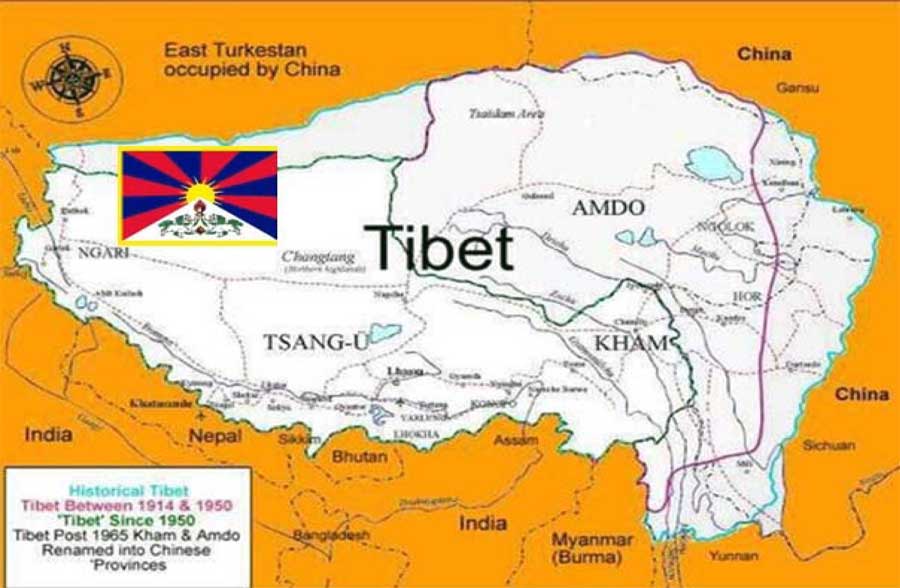

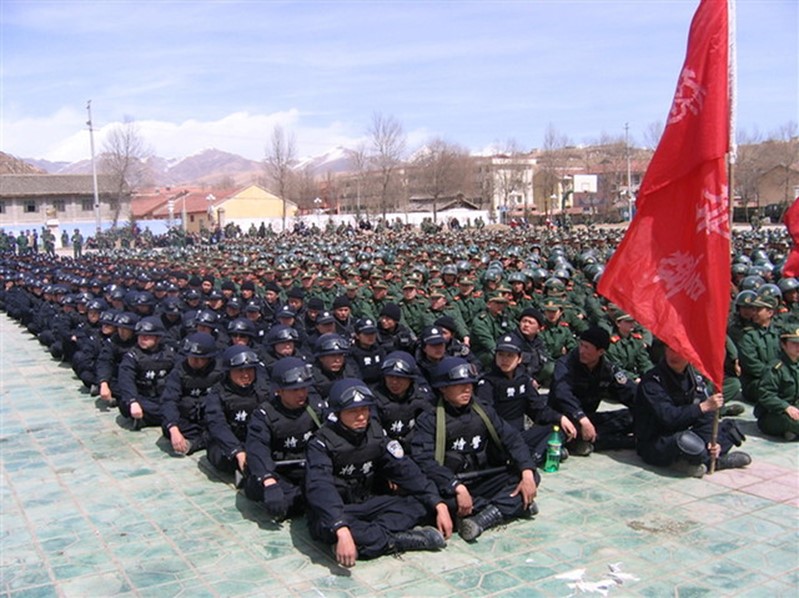



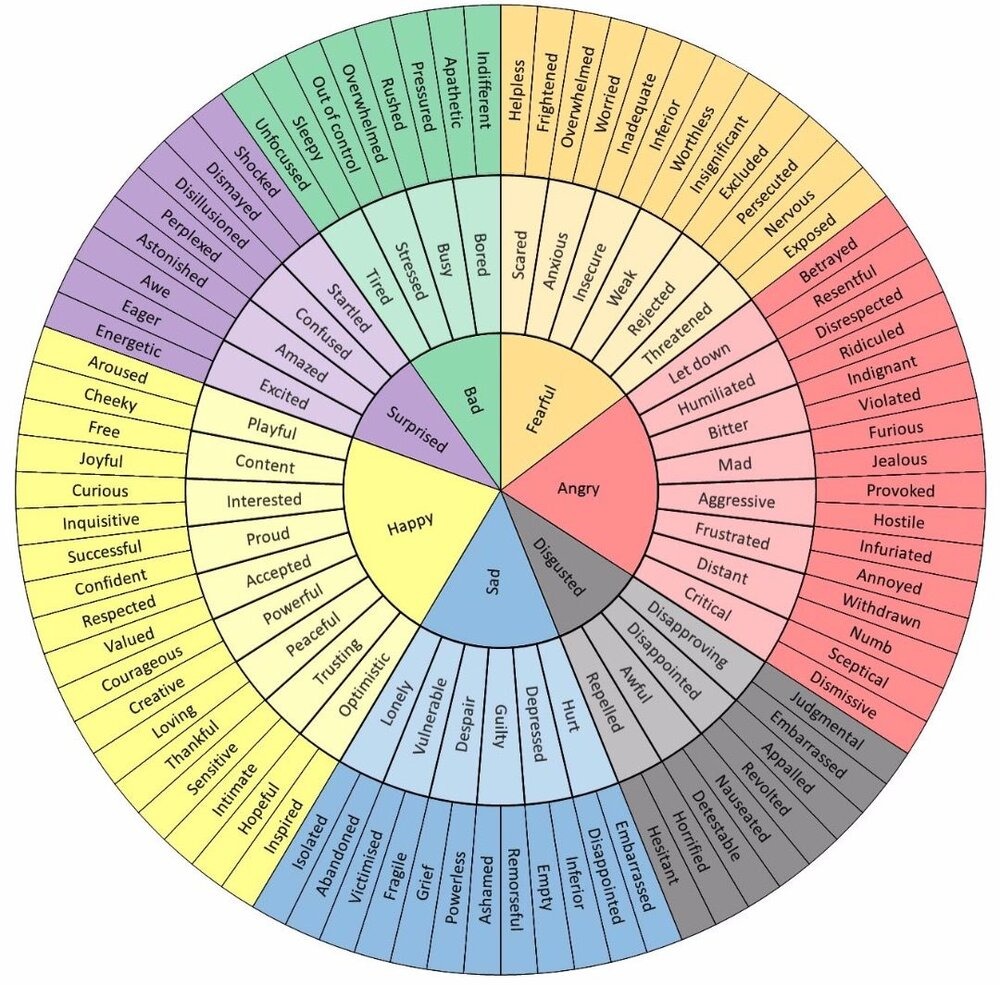


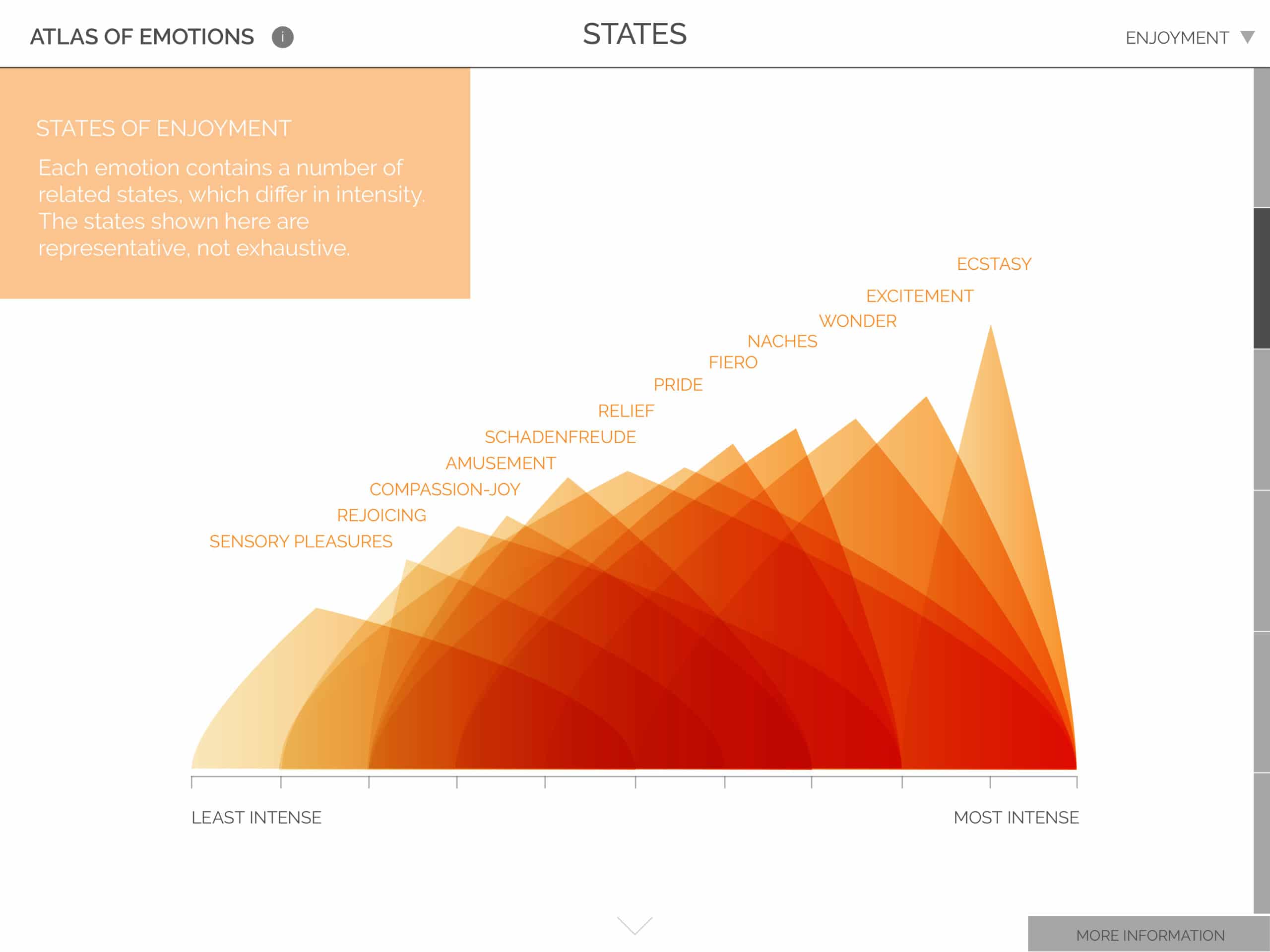
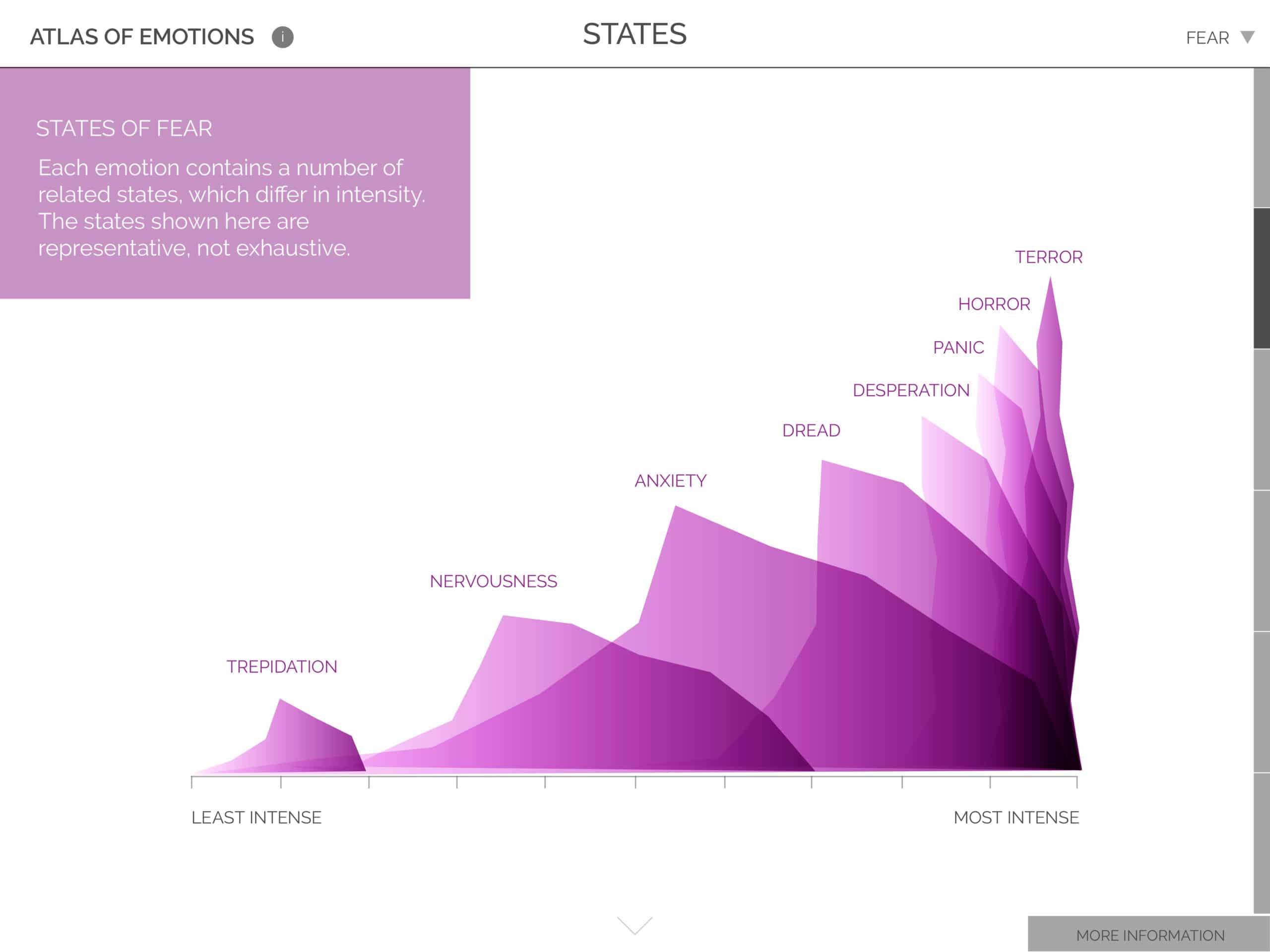
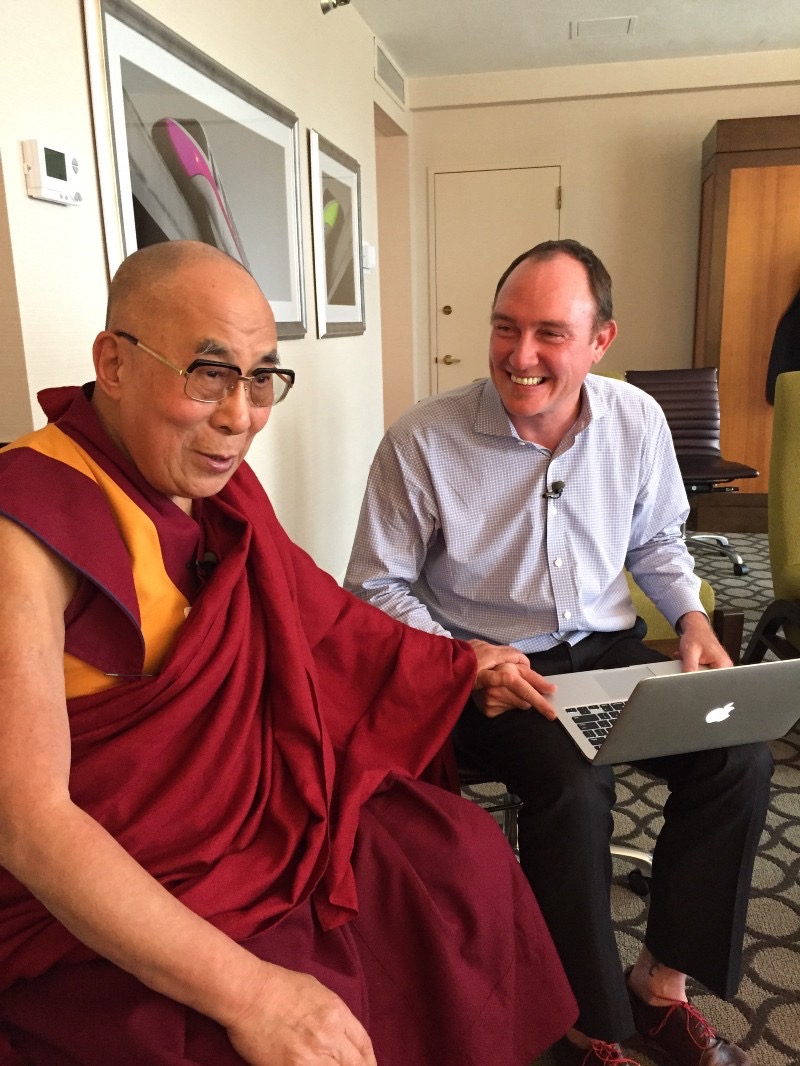

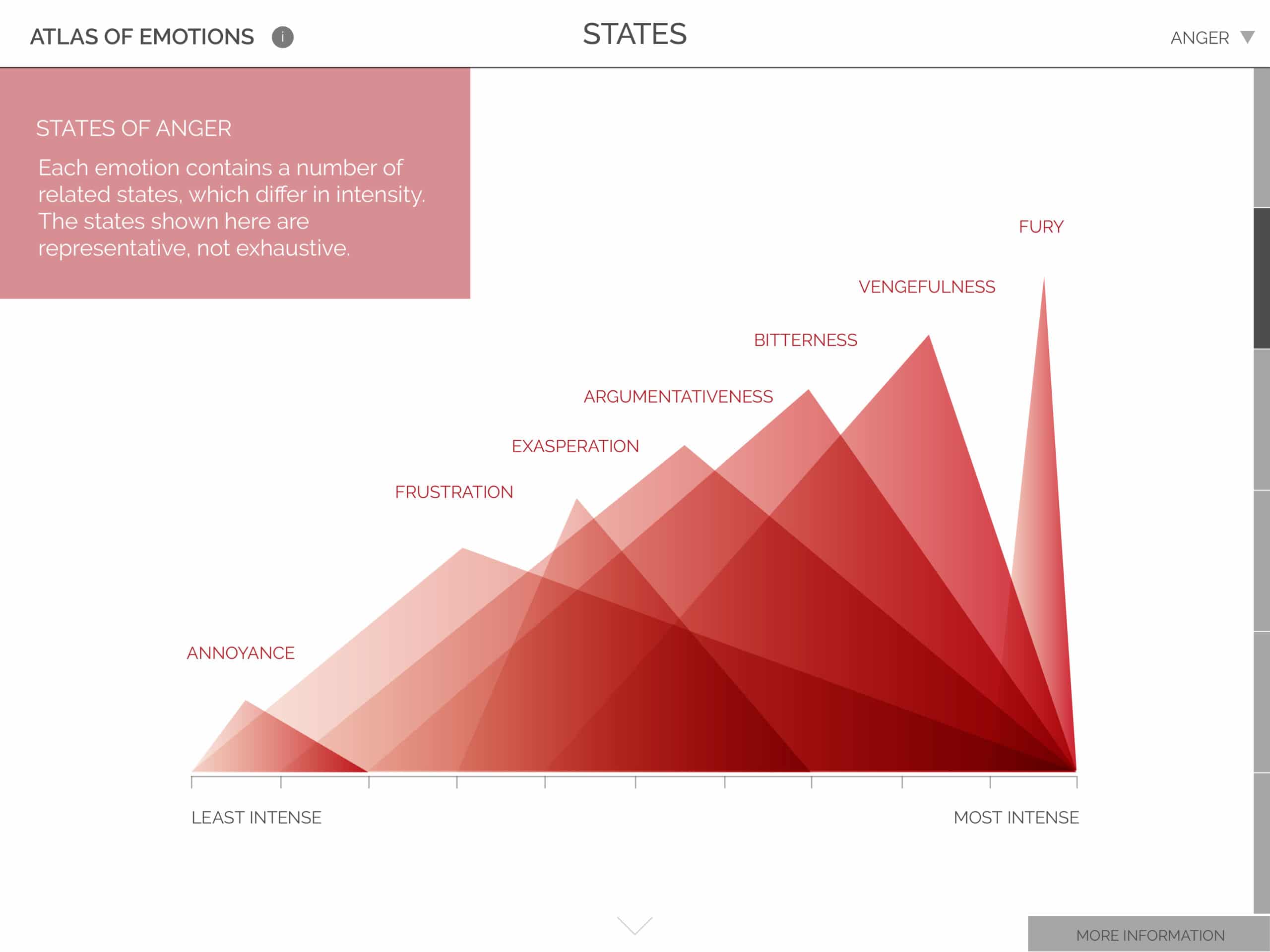

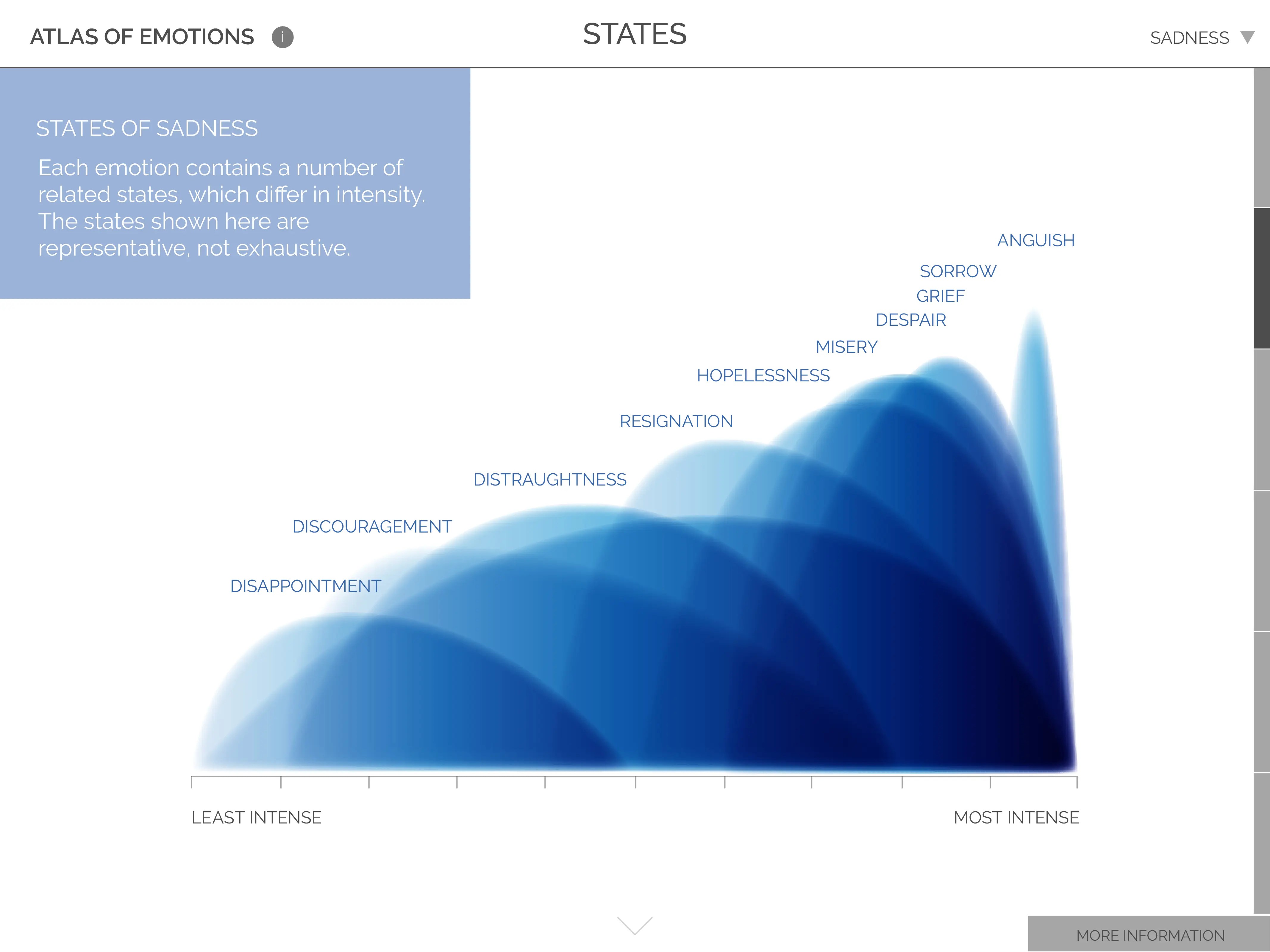

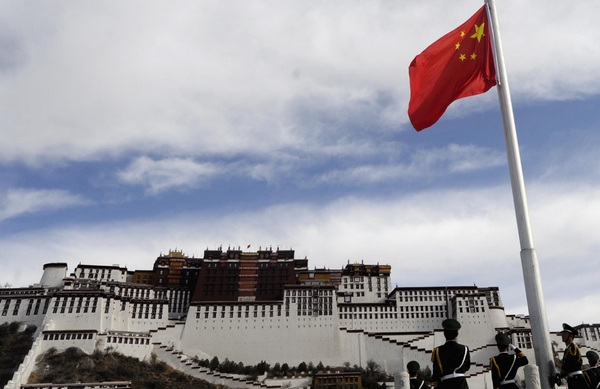
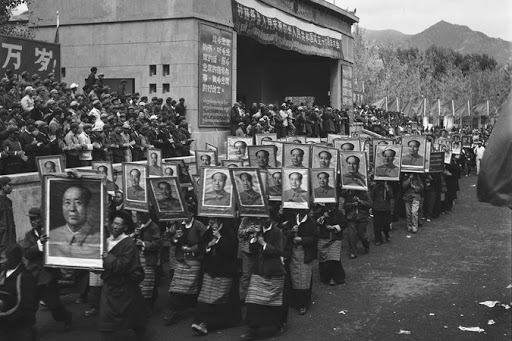
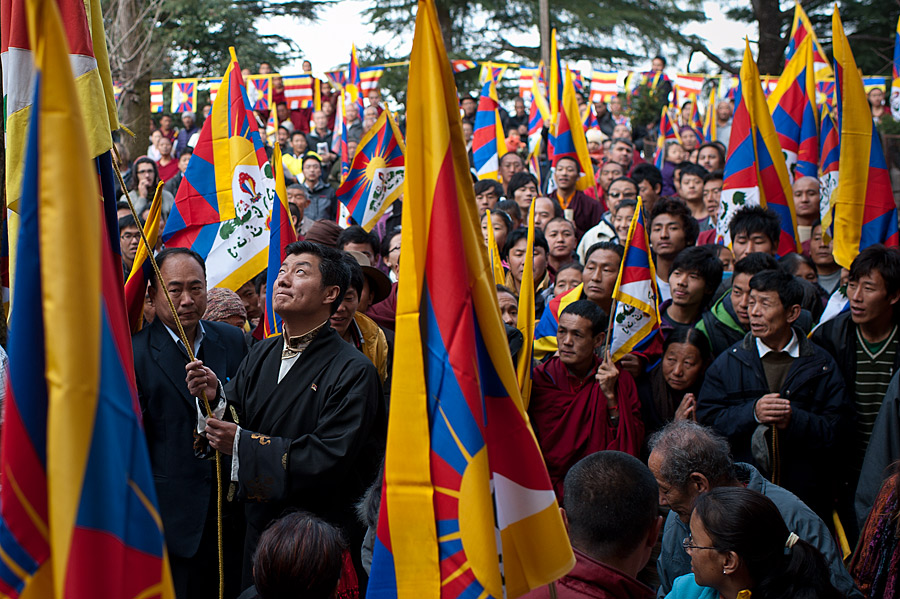



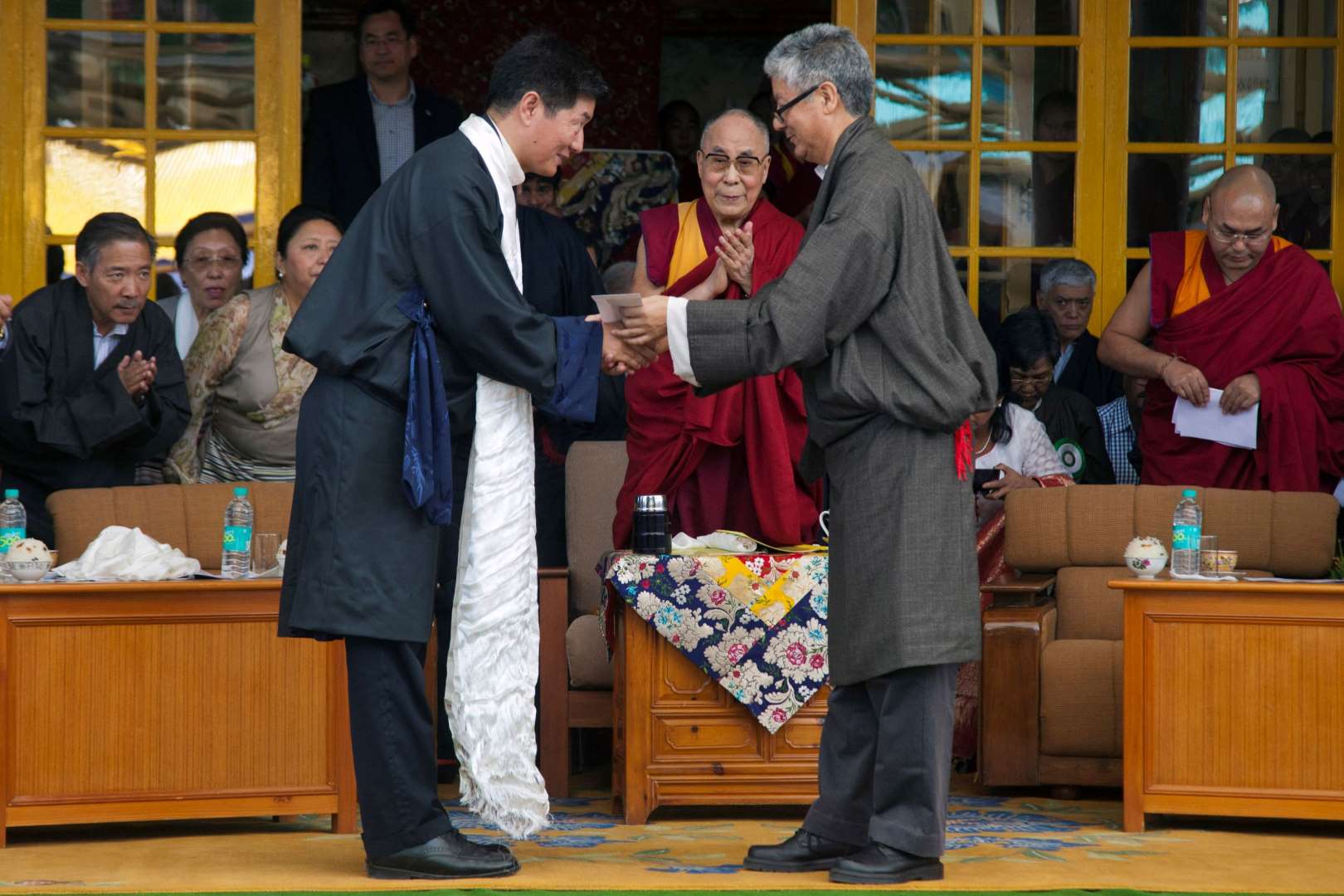
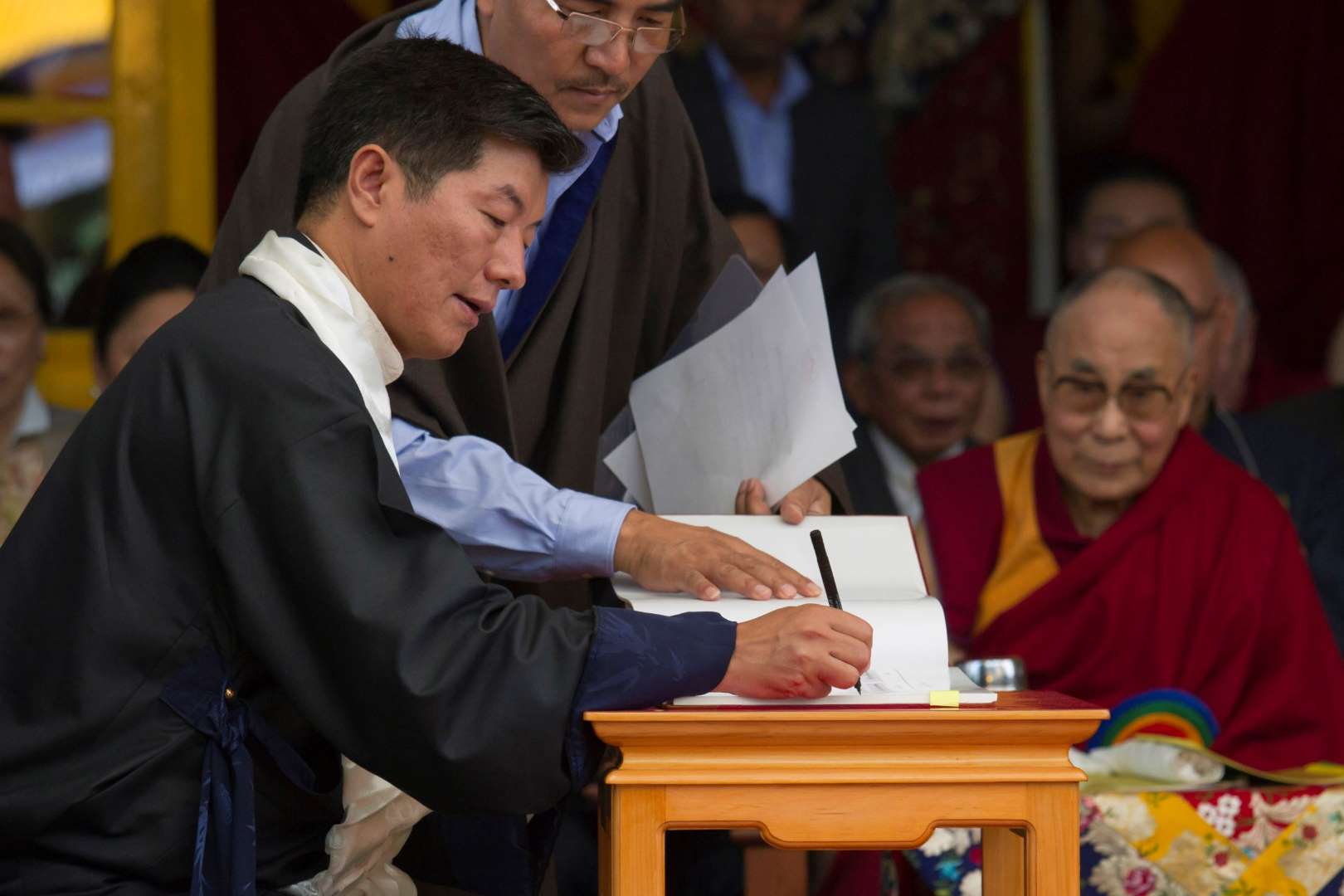
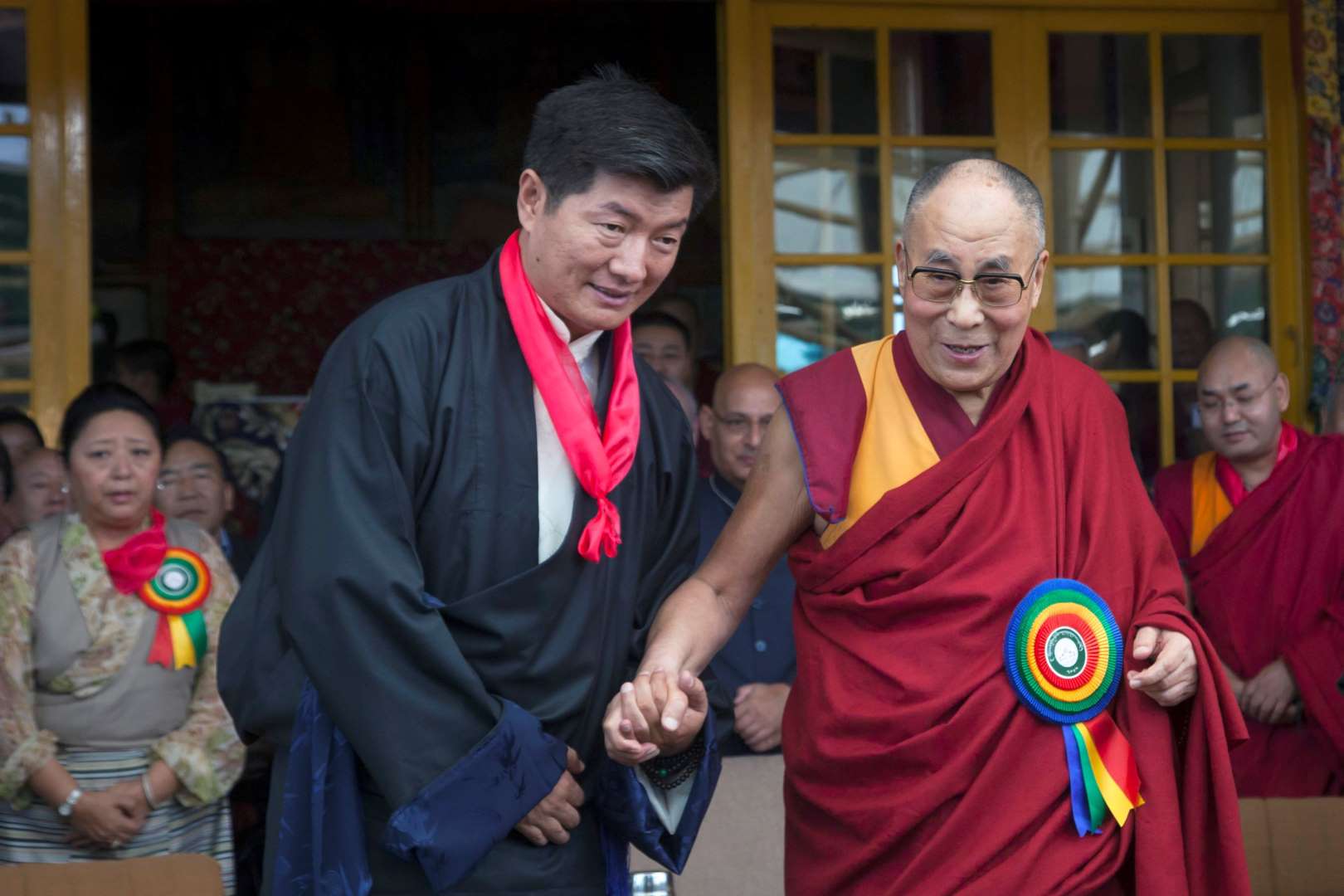
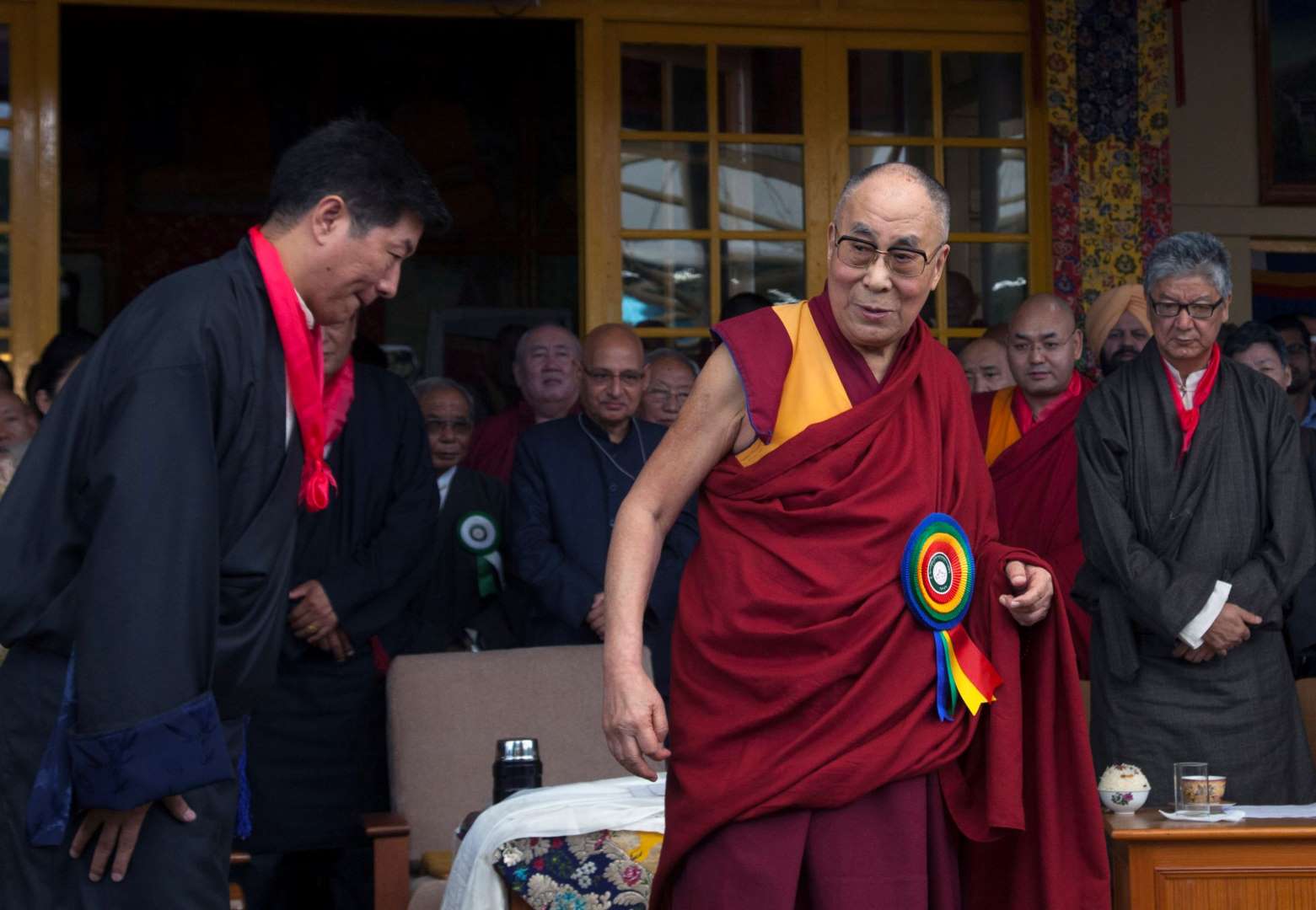
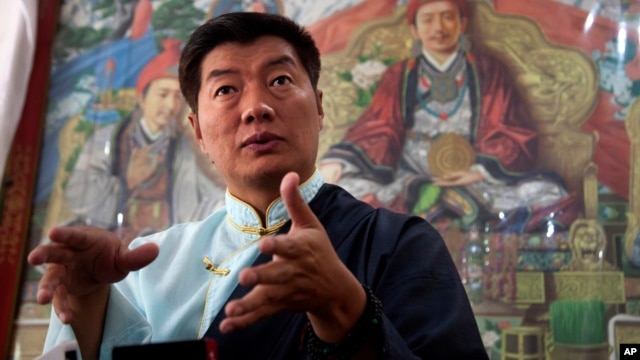
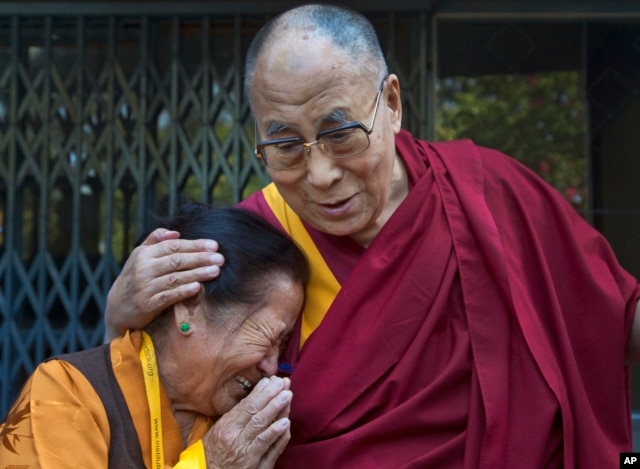
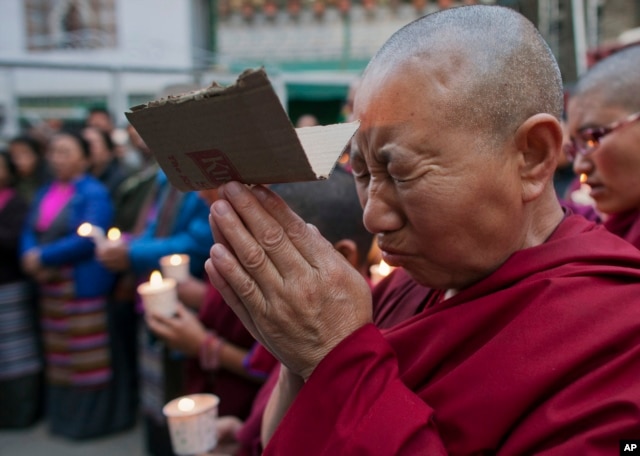

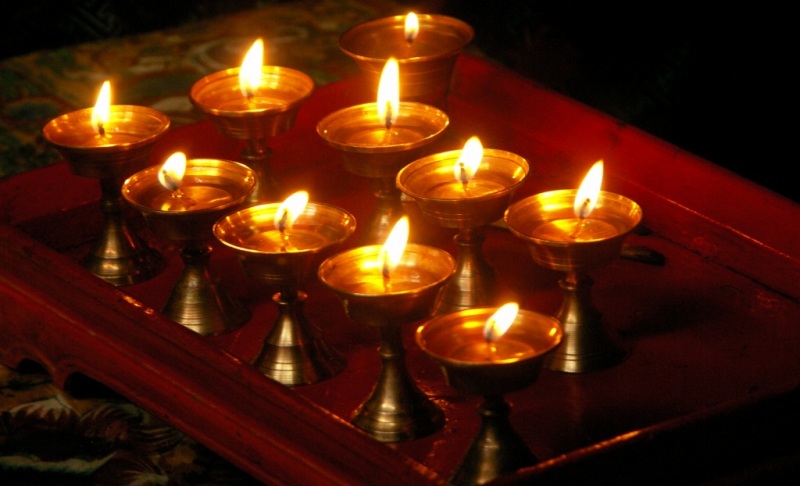
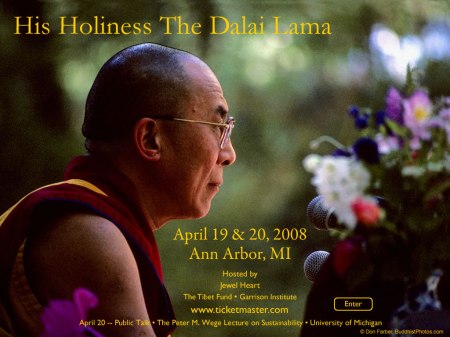


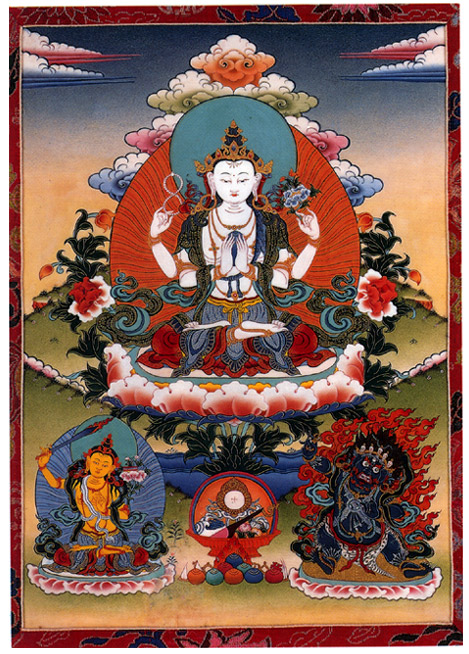

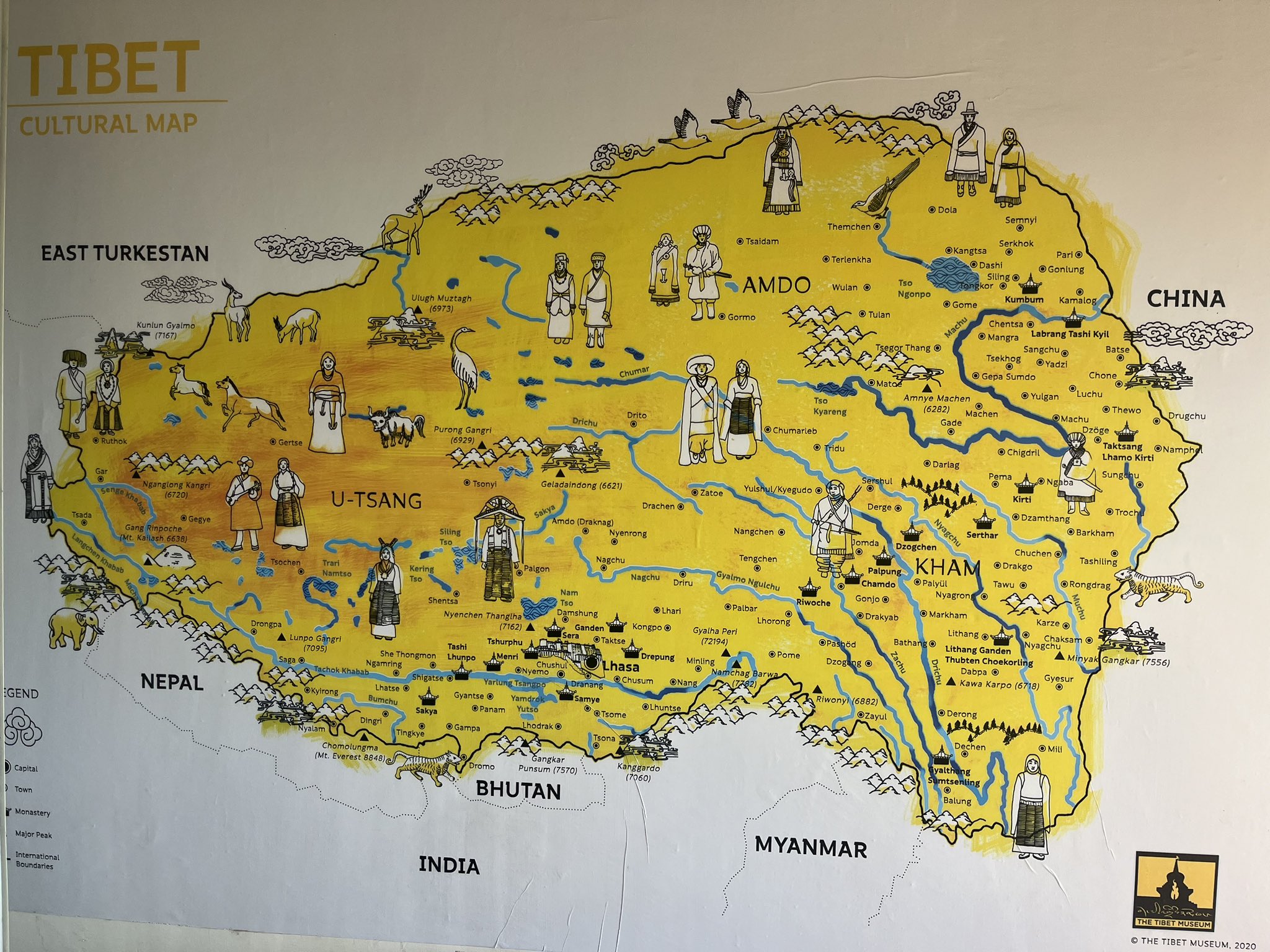

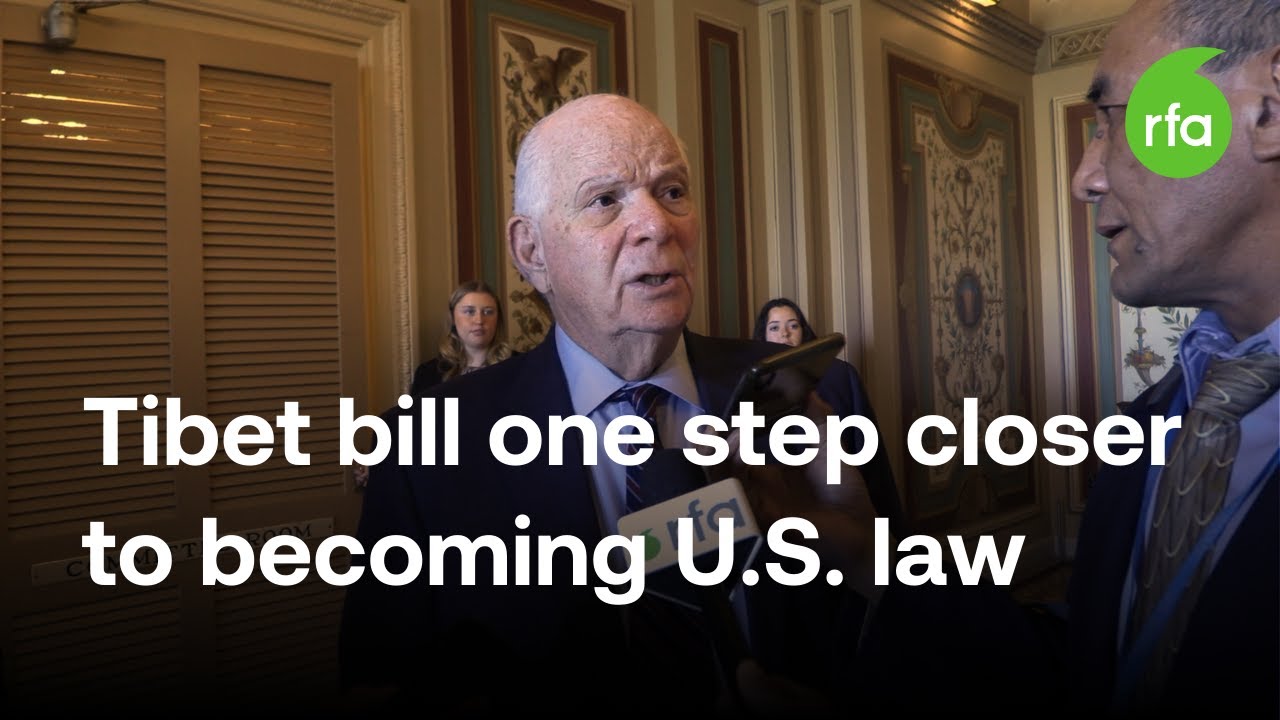
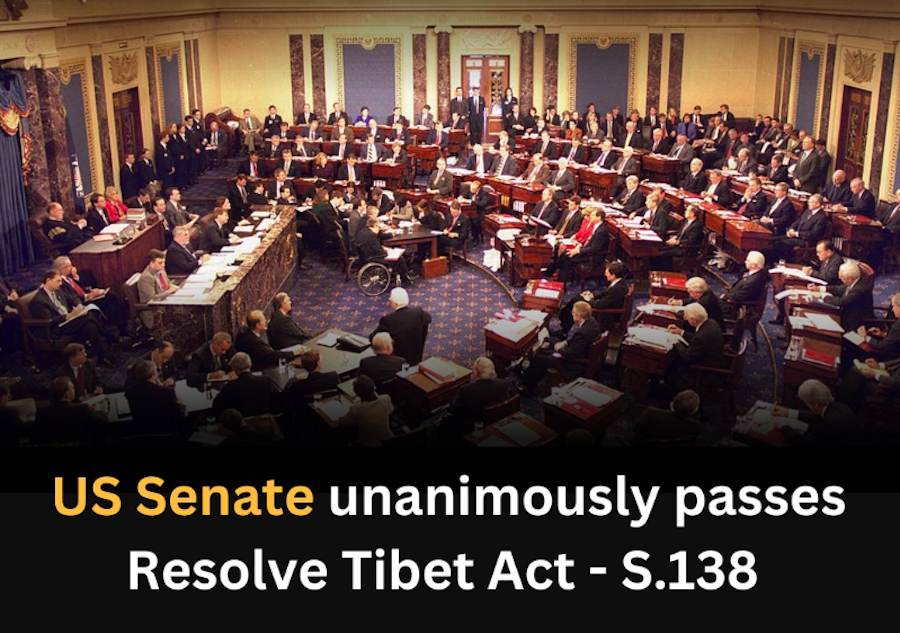


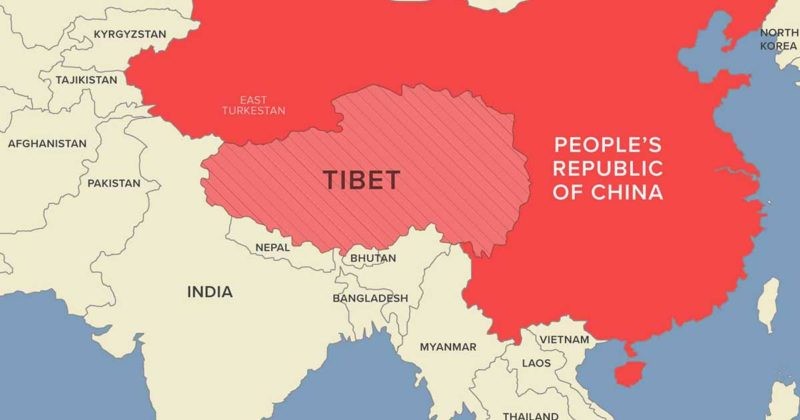


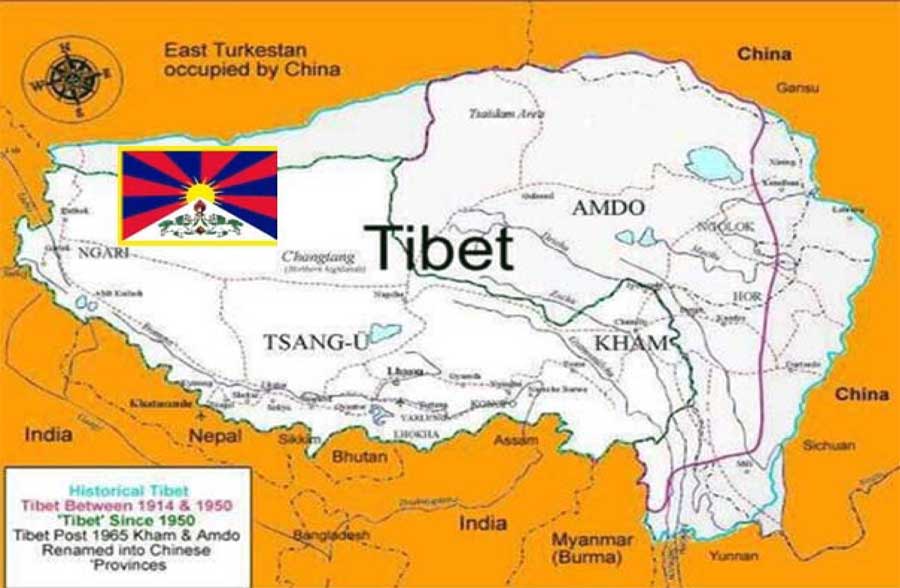
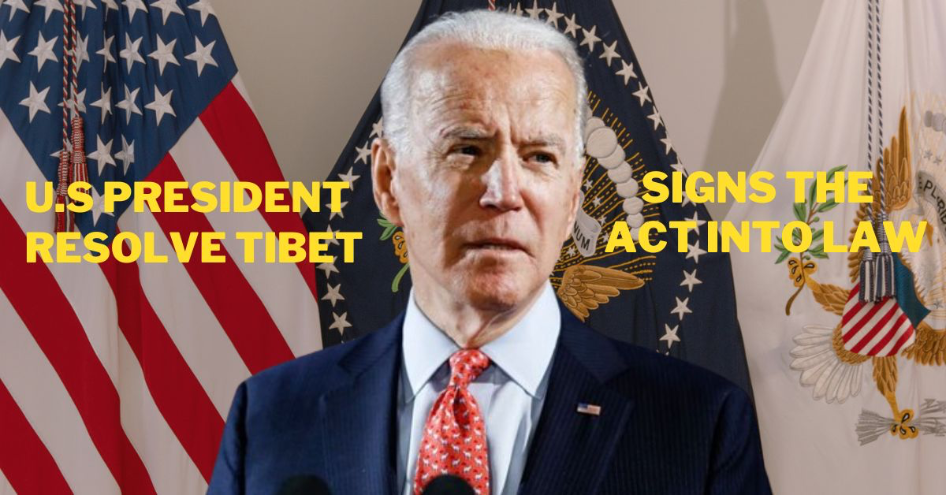
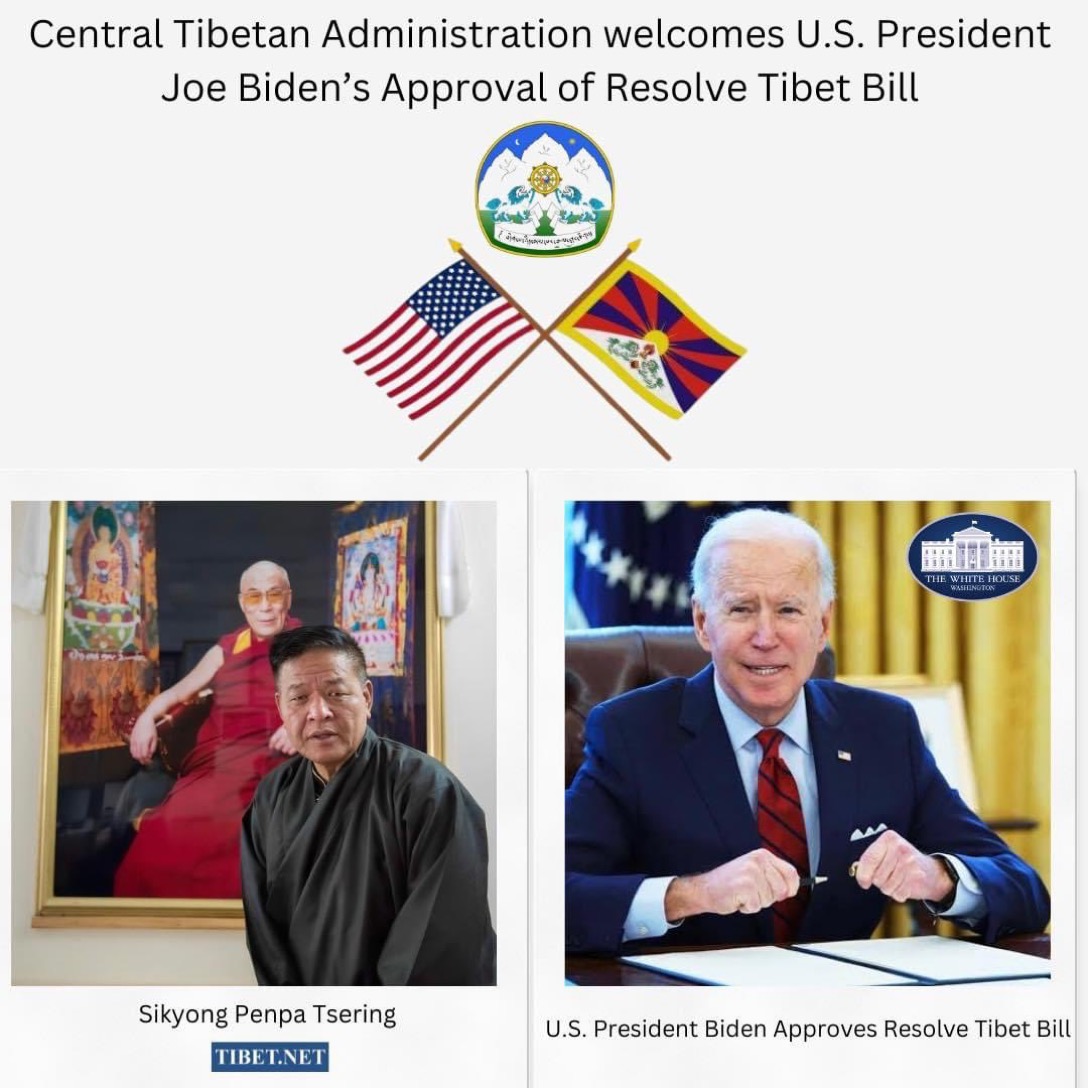


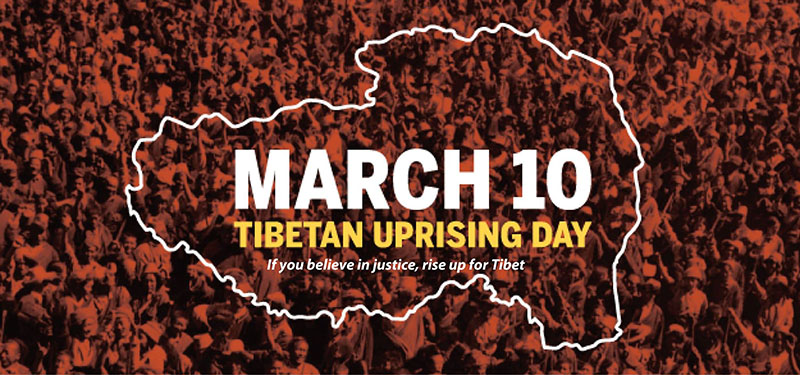

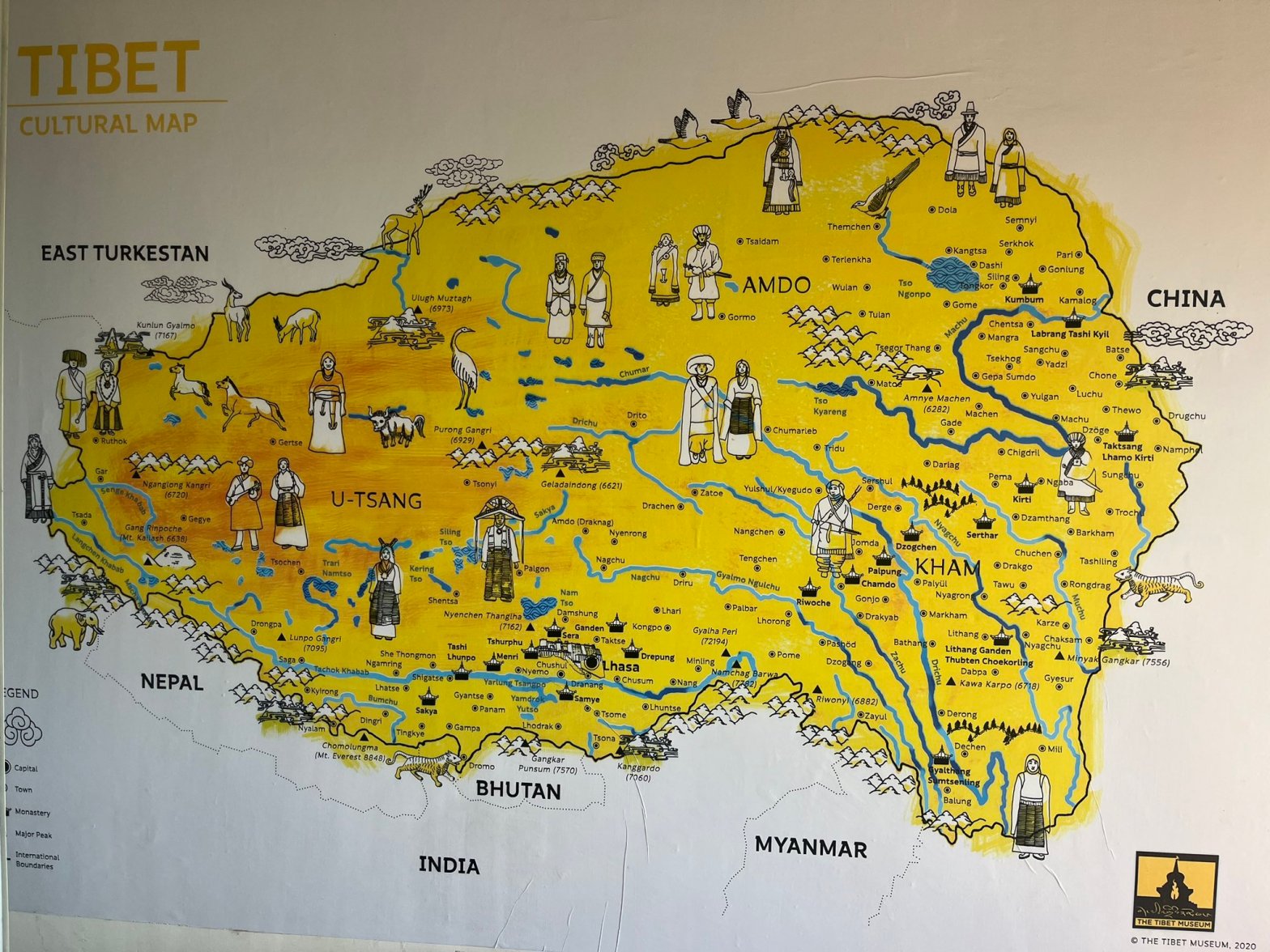




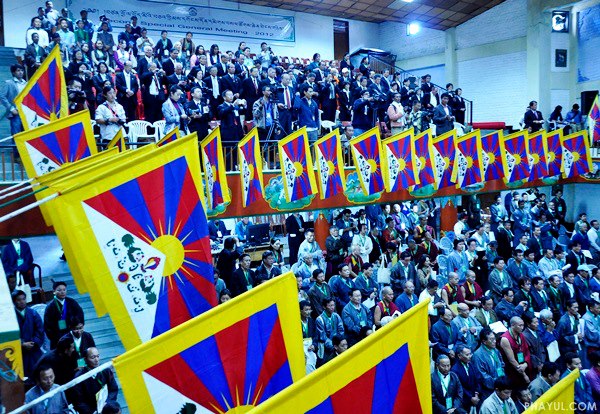


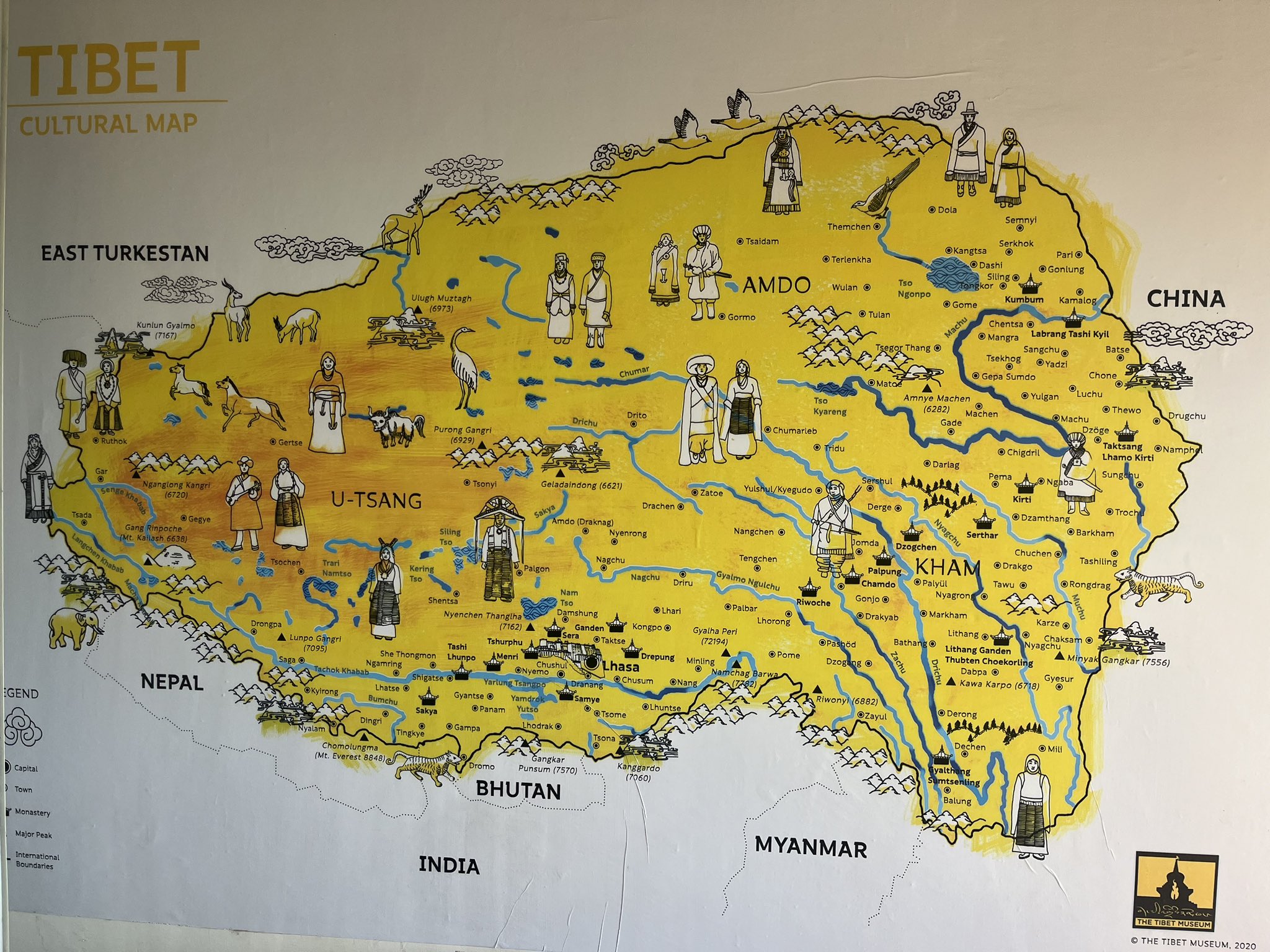


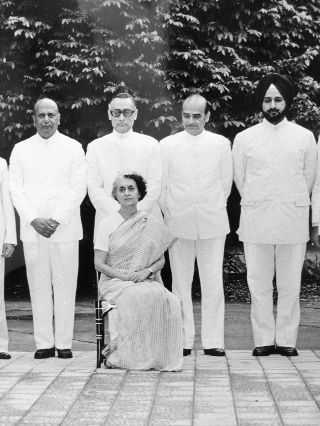

 Whole Dude - Whole Concept