Whole Dude at Whole Foods extends Whole Support in Defense of Freedom
Whole Dude at Whole Foods Salutes Vietnam War Veterans for his emotional connection is formulated by Weapons of Warfare we shared hoping to defeat Communism in Asia. Today, on Tuesday, November 11, 2025, Whole Dude Remembers this Unfinished War on Communism.
On November 13, 1982, near the end of a week long National Salute to Americans who served in the Vietnam War, the Vietnam Veterans Memorial is in Washington, DC. The Memorial is a simple V-shaped black-granite wall inscribed with names of the 57, 939 Americans who died in the Conflict. Whole Dude at Whole Foods shares their Values and shares this National Grief.
Whole Dude at Whole Foods Salutes Vietnam War Veterans for his emotional connection is formulated by Weapons of Warfare we shared hoping to defeat Communism in Asia. Today, on Tuesday, November 11, 2025, Whole Dude Remembers this Unfinished War on Communism.
Whole Dude at Whole Foods Salutes Vietnam War Veterans for his emotional connection is formulated by Weapons of Warfare we shared hoping to defeat Communism in Asia. Today, on Tuesday, November 11, 2025, Whole Dude Remembers this Unfinished War on Communism.
Whole Dude at Whole Foods Salutes Vietnam War Veterans for his emotional connection is formulated by Weapons of Warfare we shared hoping to defeat Communism in Asia. Today, on Tuesday, November 11, 2025, Whole Dude Remembers this Unfinished War on Communism.Whole Dude at Whole Foods Salutes Vietnam War Veterans for his emotional connection is formulated by Weapons of Warfare we shared hoping to defeat Communism in Asia. Today, on Tuesday, November 11, 2025, Whole Dude Remembers this Unfinished War on Communism.Whole Dude at Whole Foods Salutes Vietnam War Veterans for his emotional connection is formulated by Weapons of Warfare we shared hoping to defeat Communism in Asia. Today, on Tuesday, November 11, 2025, Whole Dude Remembers this Unfinished War on Communism.Whole Dude at Whole Foods Salutes Vietnam War Veterans for his emotional connection is formulated by Weapons of Warfare we shared hoping to defeat Communism in Asia. Today, on Tuesday, November 11, 2025, Whole Dude Remembers this Unfinished War on Communism.On November 13, 1982, near the end of a week long National Salute to Americans who served in the Vietnam War, the Vietnam Veterans Memorial is in Washington, DC. The Memorial is a simple V-shaped black-granite wall inscribed with names of the 57, 939 Americans who died in the Conflict. Whole Dude at Whole Foods shares their Values and shares this National Grief. On November 13, 1982, near the end of a week long National Salute to Americans who served in the Vietnam War, the Vietnam Veterans Memorial is in Washington, DC. The Memorial is a simple V-shaped black-granite wall inscribed with names of the 57, 939 Americans who died in the Conflict. Whole Dude at Whole Foods shares their Values and shares this National Grief. On November 13, 1982, near the end of a week long National Salute to Americans who served in the Vietnam War, the Vietnam Veterans Memorial is in Washington, DC. The Memorial is a simple V-shaped black-granite wall inscribed with names of the 57, 939 Americans who died in the Conflict. Whole Dude at Whole Foods shares their Values and shares this National Grief. On November 13, 1982, near the end of a week long National Salute to Americans who served in the Vietnam War, the Vietnam Veterans Memorial is in Washington, DC. The Memorial is a simple V-shaped black-granite wall inscribed with names of the 57, 939 Americans who died in the Conflict. Whole Dude at Whole Foods shares their Values and shares this National Grief. Whole Dude at Whole Foods Salutes Vietnam War Veterans for his emotional connection is formulated by Weapons of Warfare we shared hoping to defeat Communism in Asia. Today, on Tuesday, November 11, 2025, Whole Dude Remembers this Unfinished War on Communism.On November 13, 1982, near the end of a week long National Salute to Americans who served in the Vietnam War, the Vietnam Veterans Memorial is in Washington, DC. The Memorial is a simple V-shaped black-granite wall inscribed with names of the 57, 939 Americans who died in the Conflict. Whole Dude at Whole Foods shares their Values and shares this National Grief. On November 13, 1982, near the end of a week long National Salute to Americans who served in the Vietnam War, the Vietnam Veterans Memorial is in Washington, DC. The Memorial is a simple V-shaped black-granite wall inscribed with names of the 57, 939 Americans who died in the Conflict. Whole Dude at Whole Foods shares their Values and shares this National Grief. Whole Dude at Whole Foods Salutes Vietnam War Veterans for his emotional connection is formulated by Weapons of Warfare we shared hoping to defeat Communism in Asia. Today, on Tuesday, November 11, 2025, Whole Dude Remembers this Unfinished War on Communism.Whole Dude at Whole Foods Salutes Vietnam War Veterans for his emotional connection is formulated by Weapons of Warfare we shared hoping to defeat Communism in Asia. Today, on Tuesday, November 11, 2025, Whole Dude Remembers this Unfinished War on Communism.Whole Dude-Whole Veteran-Whole Remembrance: Remember the Vietnam War. America called its sons and daughters to pledge their Lives, their Fortunes and their sacred Honor to fight the Enemy called Communism.Whole Dude-Whole Veteran-Whole Remembrance: Remember the Vietnam War. America called its sons and daughters to pledge their Lives, their Fortunes and their sacred Honor to fight the Enemy called Communism.Whole Dude at Whole Foods Salutes Vietnam War Veterans for his emotional connection is formulated by Weapons of Warfare we shared hoping to defeat Communism in Asia. Today, on Tuesday, November 11, 2025, Whole Dude Remembers this Unfinished War on Communism.SAN ANTONIO, TEXAS, VIETNAM VETERANS MEMORIAL: This monument reminds people that the sons and daughters of the United States of America have pledged their Lives, their Fortunes, and their sacred Honor to defend Human Freedom, and Democracy and fought the Enemy called Communism.Whole Dude at Whole Foods Salutes Vietnam War Veterans for his emotional connection is formulated by Weapons of Warfare we shared hoping to defeat Communism in Asia. Today, on Tuesday, November 11, 2025, Whole Dude Remembers this Unfinished War on Communism.Whole Dude at Whole Foods Salutes Vietnam War Veterans for his emotional connection is formulated by Weapons of Warfare we shared hoping to defeat Communism in Asia. Today, on Tuesday, November 11, 2025, Whole Dude Remembers this Unfinished War on Communism.
November 11, 2025 – Honoring the Veterans of Special Frontier Force
Whole Dude – Whole Veteran: November 11, 2025. Honoring the Veterans of Special Frontier Force
Excerpt: On November 11, 2025, the Veterans of Special Frontier Force, a military alliance between India, Tibet, and the U.S., was honored for its operations in Bangladesh in 1971-72. The tribute, taking place on Veterans Day, recognized these veterans for their exceptional contributions, amid the general silence from Tibet, India, and the U.S. The force, identified by the U.S. military weapons and supplies they used, executed their inaugural combat mission, Operation Eagle, securing peace in what is now Bangladesh. The extensive list of weapon systems and support supplies used during these operations from the U.S. arsenal signified the close cooperation between the allies during this period.
Whole Dude – Whole Veteran: November 11, 2025. Honoring the Veterans of Special Frontier Force. 1871 and 1971, One Hundred Years Apart, Southern Column vs South Column. The Military Expeditions to Demagiri, Tlabung, Lushai, Mizo Hills. The M14 Rifle was issued to me on Monday, October 25, 1971.Whole Dude – Whole Veteran: November 11, 2025. Honoring the Veterans of Special Frontier Force. The weapon used by the Veterans of Special Frontier Force in Operation Eagle, the Bangladesh Ops of 1971-72.
Veteran’s Day is a tribute to military veterans who have served in the U.S. Armed Forces. Originating in 1919 when President Woodrow Wilson marked a year since the end of the First World War, the day coincides with other days of remembrance around the world including Armistice Day in the United Kingdom and Remembrance Day across the Commonwealth of Nations. Not to be confused with Memorial Day, which honors those who died while in service, Veterans Day honors all military veterans, including the living.
On Tuesday, November 11, 2025, I honor the Veterans of Special Frontier Force while Tibet, India, and the United States remain silent about the contributions of the living and the dead veterans of Special Frontier Force in support of Freedom.
On Tuesday, November 11, 2025, I honor the Veterans of Special Frontier Force while Tibet, India, and the United States remain Silent about the contributions of the living and the dead veterans of Special Frontier Force in support of Freedom.
The military Veterans of Special Frontier Force (particularly Establishment 22 prior to conversion to Vikas Regiment)serve the United States for they used the military weapons and military supplies provided by the United States. A soldier is always identified by the military weapon that he uses in his fight against the enemy.
Whole Dude – Whole Veteran: November 11, 2025. Honoring the Veterans of Special Frontier Force. The Fifth Army in Bangladesh. Establishment No. 22 – Operation Eagle: This badge represents a military alliance/pact between India, Tibet, and the United States of America. Its first combat mission was in the Chittagong Hill Tracts which unfolded on Thursday, October 28, 1971 when South Column crossed the international boundary West of Borunasury Border Security Force Company Post. It was named Operation Eagle. It accomplished its mission of securing peace in the region that is now known as Republic of Bangladesh. The Badge is not worn on uniforms during active duty.Whole Dude – Whole Veteran: November 11, 2025. Honoring the Veterans of Special Frontier Force. The weapon used by the Veterans of Special Frontier Force in Operation Eagle, the Bangladesh Ops of 1971-72.Whole Dude – Whole Veteran: November 11, 2025. Honoring the Veterans of Special Frontier Force. 1871 and 1971, One Hundred Years Apart, Southern Column vs South Column. The Military Expeditions to Demagiri, Tlabung, Lushai, Mizo Hills. American made High-Explosive Fragmentation Mark II Hand Grenade. OPERATION EAGLE 1971. During Operation Eagle, the India-Pakistan War of 1971, I collected two such hand grenades at the enemy post that we captured. I removed the Detonator to safely handle the grenade. I took them home and presented them to my father as a piece of evidence of my participation in the War. My father was afraid to keep my evidence. The Grenades were buried in Alcot Gardens, Rajahmundry. Whole Dude – Whole Veteran: November 11, 2025. Honoring the Veterans of Special Frontier Force. 1871 and 1971, One Hundred Years Apart, Southern Column vs South Column. The Military Expeditions to Demagiri, Tlabung, Lushai, Mizo Hills.The General Purpose Machine Gun M60 was designed for use in the Vietnam War was equally useful for our Infantry Operation Eagle in the Chittagong Hill Tracts. Whole Dude – Whole Veteran: November 11, 2025. Honoring the Veterans of Special Frontier Force. 1871 and 1971, One Hundred Years Apart, Southern Column vs South Column. The Military Expeditions to Demagiri, Tlabung, Lushai, Mizo Hills. M1 Muzzle loading 81mm Mortar is a heavy piece of Infantry weapon which provides indirect fire support. During Operation Eagle, our men had carried them on their backs and used them to fire upon the enemy patrols whenever they had confronted us. Whole Dude – Whole Veteran: November 11, 2025. Honoring the Veterans of Special Frontier Force. 1871 and 1971, One Hundred Years Apart, Southern Column vs South Column. The Military Expeditions to Demagiri, Tlabung, Lushai, Mizo Hills. The most common weapon used by American Infantry Battalions in World War II, Korea, and Vietnam. Operation Eagle was fought on a manpack basis and this short-range, lightweight mortar was very useful. Whole Dude – Whole Veteran: November 11, 2025. Honoring the Veterans of Special Frontier Force. 1871 and 1971, One Hundred Years Apart, Southern Column vs South Column. The Military Expeditions to Demagiri, Tlabung, Lushai, Mizo Hills AN/PRC-77 Backpack radio set is similar to the AN/PRC-25 radio set. This has the additional ability to scramble voice communications while being transmitted. The US Army used the same radio sets in Vietnam. .Whole Dude – Whole Veteran: November 11, 2025. Honoring the Veterans of Special Frontier Force. 1871 and 1971, One Hundred Years Apart, Southern Column vs South Column. The Military Expeditions to Demagiri, Tlabung, Lushai, Mizo Hills Short-range, manpack, portable, frequency modulated (FM) transceiver that provides two-way voice communication. Radio Set AN/PRC – 25 is used in the Vietnam War and I had used the same in Operation Eagle. .Whole Dude – Whole Veteran: November 11, 2025. Honoring the Veterans of Special Frontier Force. 1871 and 1971, One Hundred Years Apart, Southern Column vs South Column. The Military Expeditions to Demagiri, Tlabung, Lushai, Mizo Hills Operation Eagle: Fifth Army in Bangladesh. We used the Collapsible, Tri-fold, Entrenching Tool used by the US Army in Vietnam. .Whole Dude – Whole Veteran: November 11, 2025. Honoring the Veterans of Special Frontier Force. 1871 and 1971, One Hundred Years Apart, Southern Column vs South Column. The Military Expeditions to Demagiri, Tlabung, Lushai, Mizo Hills Infantry marches on its feet. Boots are the most important equipment apart from Guns. I had used Ankle Canvas Boots used by the US Army in Vietnam, during Operation Eagle and had marched on feet to fight and dislodge the enemy from the Chittagong Hill Tracts. .Whole Dude – Whole Veteran: November 11, 2025. Honoring the Veterans of Special Frontier Force. 1871 and 1971, One Hundred Years Apart, Southern Column vs South Column. The Military Expeditions to Demagiri, Tlabung, Lushai, Mizo Hills. A Soldier needs his gun, boots, and clothing to protect himself. During Operation Eagle 1971, I had used this US Army Nylon Poncho with Hood (Olive) to sleep on the ground and as a coat to protect myself from intense fog and dew prevalent in the Chittagong Hill Tracts. Whole Dude – Whole Veteran: November 11, 2025. Honoring the Veterans of Special Frontier Force. 1871 and 1971, One Hundred Years Apart, Southern Column vs South Column. The Military Expeditions to Demagiri, Tlabung, Lushai, Mizo Hills.During Operation Eagle 1971 we were not allowed the use of cameras or photography. I would have looked like this man wearing Olive Green Coat Poncho. I had used US Army Cap-Jungle. Whole Dude – Whole Veteran: November 11, 2025. Honoring the Veterans of Special Frontier Force . 1871 and 1971, One Hundred Years Apart, Southern Column vs South Column. The Military Expeditions to Demagiri, Tlabung, Lushai, Mizo Hills. The US Army Lightweight, Olive Green, Field Patrol Cap or Cap Jungle was worn by me during the entire duration of the military expedition.Whole Dude – Whole Veteran: November 11, 2025. Honoring the Veterans of Special Frontier Force . 1871 and 1971, One Hundred Years Apart, Southern Column vs South Column. The Military Expeditions to Demagiri, Tlabung, Lushai, Mizo Hills.U.S. Army uses a variety of Individual Field Medical Kits. The Kits issued to us during Operation Eagle 1971 were Olive Green Canvas pouches worn on the belts by each individual. The medical supplies included Water Purification Tablets for use in water bottles, anti-Malaria pills, Insect Repellent Solution (DBP), Insect Repellant Cream (DMP), Injectable Tubonic Morphine, Oxytetracycline tablets, Multivitamin tablets, Field dressings, bandages and others. The Kits were not stamped but the contents reveal the place of origin. Whole Dude - Whole Veteran: November 11, 2025. Honoring the Veterans of Special Frontier Force. 1871 and 1971, One Hundred Years Apart, Southern Column vs South Column. The Military Expeditions to Demagiri, Tlabung, Lushai, Mizo Hills.Operation Eagle. We used the same Water Purification Tablets and Water Canteens used by the US Army in Vietnam. Whole Dude - Whole Veteran: November 11, 2025. Honoring the Veterans of Special Frontier Force . 1871 and 1971, One Hundred Years Apart, Southern Column vs South Column. The Military Expeditions to Demagiri, Tlabung, Lushai, Mizo Hills. Field Rations supplied in Demagiri. Kraft processed Cheddar Cheese in Blue tins.Whole Dude – Whole Veteran: November 11, 2025. Honoring the Veterans of Special Frontier Force. 1871 and 1971, One Hundred Years Apart, Southern Column vs South Column. The Military Expeditions to Demagiri, Tlabung, Lushai, Mizo Hills. Field Rations supplied in Demagiri. Nestle’s Condensed Milk. Image used for illustrative purpose.Whole Dude – Whole Veteran: November 11, 2025. Honoring the Veterans of Special Frontier Force. 1871 and 1971, One Hundred Years Apart, Southern Column vs South Column. The Military Expeditions to Demagiri, Tlabung, Lushai, Mizo Hills. In 1971, South Column used the US Army 2-piece Aluminum Mess tin kit
Rudra Narasimham Rebbapragada
SPECIAL FRONTIER FORCE
VETERANS DAY – ARMISTICE DAY – HONORING ALL WHO SERVED
Whole Dude – Whole Veteran: November 11, 2025. Honoring the Veterans of Special Frontier Force
Whole Dude – Whole Veteran: November 11, 2025. Honoring the Veterans of Special Frontier Force. Veterans Day Proclamation in 1954 by the US President Dwight Eisenhower.
Many Americans mistakenly believe that Veterans Day is the day America sets aside to honor American military personnel who died in battle or as a result of wounds sustained from combat. That’s not true. Memorial Day is the day set aside to honor America’s war dead.
Veterans Day, on the other hand, honors ALL American veterans, both living and dead. In fact, Veterans Day is largely intended to thank LIVING veterans for dedicated and loyal service to their country. November 11 of each year is the day that we ensure veterans know that we deeply appreciate the sacrifices they have made in the lives to keep our country free.
Armistice Day
To commemorate the ending of the “Great War” (World War I), an “unknown soldier” was buried in the highest place of honor in both England and France (in England, Westminster Abbey; in France, the Arc de Triomphe). These ceremonies took place on November 11th, celebrating the ending of World War I hostilities at 11 a.m., November 11, 1918 (the 11th hour of the 11th day of the 11th month). This day became known internationally as “Armistice Day”.
In 1921, the United States of America followed France and England by laying to rest the remains of a World War I American soldier — his name “known but to God” — on a Virginia hillside overlooking the city of Washington DC and the Potomac River. This site became known as the “Tomb of the Unknown Soldier,” and today is called the “Tomb of the Unknowns.” Located in Arlington National Cemetery, the tomb symbolizes dignity and reverence for the American veteran.
In America, November 11th officially became known as Armistice Day through an act of Congress in 1926. It wasn’t until 12 years later through a similar act that Armistice Day became a national holiday.
The entire World thought that World War I was the “War to end all wars.” Had this been true, the holiday might still be called Armistice Day today. That dream was shattered in 1939 when World War II broke out in Europe. More than 400,000 American service members died during that horrific war.
Veterans Day Creation
In 1954, President Eisenhower signed a bill proclaiming November 11 as Veterans Day and called upon Americans everywhere to rededicate themselves to the cause of peace. He issued a Presidential Order directing the head of the Veterans Administration (now called the Department of Veterans Affairs) to form a Veterans Day National Committee to organize and oversee the national observance of Veterans Day.
Veterans Day National Ceremony
At exactly 11 a.m., each November 11th, a color guard, made up of members from each of the military branches, renders honors to America’s war dead during a heart-moving ceremony at the Tomb of the Unknowns in Arlington National Cemetery.
The President or his representative places a wreath at the Tomb and a bugler sounds Taps. The balance of the ceremony, including a “Parade of Flags” numerous veterans service organizations, takes place inside the Memorial Amphitheater, adjacent to the Tomb.
In addition to planning and coordinating the National Veterans Day Ceremony, the Veterans Day National Committee supports a number of Veterans Day Regional Sites. These sites conduct Veterans Day celebrations that provide excellent examples for other communities to follow.
Veterans Day Observance
Veterans Day is always observed on November 11, regardless of the day of week on which it falls. The Veterans Day National Ceremony is always held on Veterans Day itself, even if the holiday falls on a Saturday or Sunday. However, like all other federal holidays, when it falls on a non-workday — Saturday or Sunday — the federal government employees take the day off on Monday (if the holiday falls on Sunday) or Friday (if the holiday falls on Saturday).
This federal law does not apply to state and local governments. They are free to determine local government closings (including school closings) locally. As such, there is no legal requirement that schools close on Veterans Day, and many do not. However, most schools hold Veterans Day activities on Veterans Day and throughout the week of the holiday to honor American veterans.
Allied Veterans Day Around the World
Many other countries honor their veterans on November 11th of each year. However, the name of the holiday and the types of ceremonies differ from the Veterans Day activities in the United States.
Canada, Australia, and Great Britain refer to their holidays as “Remembrance” Canada and Australia observe the day on November 11, and Great Britain conducts their ceremonies on the Sunday nearest to November 11th.
In Canada, the observance of “Remembrance Day” is actually quite similar to the United States in that the day is set aside to honor all of Canada’s veterans, both living and dead. One notable difference is that many Canadians wear a red poppy flower on November 11 to honor their war dead, while the “red poppy” tradition is observed in the United States on Memorial Day.
In Australia, “Remembrance Day” is very much like America’s Memorial Day, in that it’s considered a day to honor Australian veterans who died in the war.
In Great Britain, the day is commemorated by church services and parades of ex-service members in Whitehall, a wide ceremonial avenue leading from London’s Parliament Square to Trafalgar Square. Wreaths of poppies are left at the Cenotaph, a war memorial in Whitehall, which was built after the First World War. At the Cenotaph and elsewhere in the country, a two-minute silence is observed at 11 a.m., to honor those who lost their lives in wars.
Whole Dude – Whole Veteran: November 11, 2025. Honoring the Veterans of Special Frontier Force. The weapon used by the veterans of Special Frontier Force in Operation Eagle, the Bangladesh Ops of 1971-72.
Whole Dude – Whole Veteran: November 11, 2025. Honoring the Veterans of Special Frontier Force: 1871 and 1971, One Hundred Years Apart, Southern Column vs South Column. The Military Expeditions to Demagiri, Tlabung, Lushai, Mizo Hills. Just like this Camp Hale Memorial Plaque in Colorado, USA, I am asking for a Memorial Plate to be placed in Demagiri, Tlabung, Lushai, Mizo Hills, India.
Special Frontier Force condemns Nixon-Kissinger Vietnam Treason
The word treason means betrayal of trust or faith, treachery. Nixon-Kissinger deliberately and purposefully violated the allegiance owed to United States of America and its soldiers fighting its enemy in Vietnam. The action called betrayal involves giving aid, help, and comfort to the enemy while one’s own country is actively engaged in fighting the enemy.
On behalf of Special Frontier Force-Establishment 22-Vikas Regiment, I condemn Nixon-Kissinger Vietnam treason. Vietnam War was fought against the ideology of Communism and to resist its spread in Southeast Asia. United States was fighting against Soviet Union and People’s Republic of China which I often describe as The Evil Red Empire, The Red Dragon, or Red China. In Vietnam War, United States acknowledged its adversarial relations with the Communist Powers. Red China was an enemy, adversary, opponent in Vietnam War. Communist China worked in an opposite or contrary direction by encouraging and directly supporting North Vietnam’s hostility. United States utterly failed in Vietnam due to Nixon-Kissinger treason.
The word treason means betrayal of trust or faith, treachery. Nixon-Kissinger deliberately and purposefully violated the allegiance owed to United States of America and its soldiers fighting its enemy in Vietnam. The action called betrayal involves giving aid, help, and comfort to the enemy while one’s own country is actively engaged in fighting the enemy.
I am sharing with my readers an article titled ‘The Paris Peace Accords Were a Deadly Deception’ published by History News Network. The author is Ken Hughes, a leading researcher, Presidential Recording Program at Miller Center, University of Virginia. The Fall of Saigon on April 30, 1975 had decisively ended the Vietnam War leaving people in a state of wretchedness, misfortune, turmoil, trouble, and misery. It was a calamity that was clearly foreseen. Nixon-Kissinger have to shoulder the burden for this adverse outcome. US soldiers paid a very heavy price while Nixon-Kissinger made deals with the enemy without any concern for the Dignity, Honor, and Pride with which the men in uniform serve and defend their country. Ken Hughes has not explored Nixon-Kissinger obsession to befriend the enemy while the country was bleeding on the battlefield.
Rudra Narasimham Rebbapragada
Ann Arbor, MI 48104-4162, USA
Special Frontier Force-Establishment 22-Vikas Regiment
History News Network | The Paris “Peace” Accords Were a Deadly Deception
SPECIAL FRONTIER FORCE CONDEMNS NIXON-KISSINGER VIETNAM TREASON : KEN HUGHES , RESEARCH SPECIALIST, MILLER CENTER, UNIVERSITY OF VIRGINIA .
Ken Hughes is a research specialist with the University of Virginia’s Miller Center.
“The Agreement on Ending the War and Restoring Peace in Vietnam,” signed January 27, 1973, never looked like it would live up to its name. Four decades later it stands exposed as a deliberate fraud.
The president of South Vietnam, in whose defense more than 50,000 Americans gave their lives, wept upon hearing President Richard Nixon’s proposed settlement terms. Hanoi would release American prisoners of war and agree that the South could choose its government by free elections, but the accords threw the voting process to a commission that could act only by unanimity — all but impossible to achieve among Communists and anti-Communists who’d spent years shooting out their differences. Worse, Nixon would leave North Vietnamese troops occupying and controlling much of the South, while withdrawing all remaining American ground forces.
“It is only an agonizing solution,” said President Nguyen Van Thieu, “and sooner or later the government will crumble.” National Security Adviser Henry A. Kissinger reported Thieu’s response to Nixon on October 6, 1972, adding, “I also think that Thieu is right, that our terms will eventually destroy him.”
Kissinger’s damning admission comes from the single most comprehensive and accurate record of a presidency there’s ever been or likely will be: Nixon’s secret taping system. Voice-activated recorders wired to microphones hidden in the Oval Office and elsewhere clicked on whenever they detected a sound between February 16, 1971, and July 12, 1973, a time when Nixon not only negotiated the Paris “Peace” Accords and withdrew from Vietnam, but became the first American president to visit China and Moscow, signed the first nuclear arms limitation treaty with the Soviet Union, and won the biggest Republican presidential landslide ever in an election that realigned American politics for the rest of the Cold War.
Since Nixon’s secret tapes coincide with his most acclaimed accomplishments, loyalists thought that when finally released they would reveal a foreign policy genius at work, offsetting the sordid image of the unindicted co-conspirator that emerged from the excerpts played in court as criminal evidence during the Watergate trials of the 1970s. They should have known there was a Nixon reason fought to keep his tapes from the American people until his death in 1994. Since then, the government has declassified 2,636 hours.
These tapes expose far worse abuses of power than the special prosecutors ever found. After all, as the saying goes, no one died in Watergate. As commander in chief, however, Nixon sacrificed the lives of American soldiers to further his electoral ends.
I’ve spent more than a decade studying the tapes with the University of Virginia’s Miller Center, but the contrast between the public image Nixon created and the reality he secretly recorded still loosens my jaw.
As schoolchildren are taught, Nixon promised America “peace with honor” via a strategy of “Vietnamization” and negotiation. Vietnamization, he said, would train and equip the South Vietnamese to defend themselves without American troops. He realized it wouldn’t. “South Vietnam probably can never even survive anyway,” the president said on tape. This was no mere passing doubt. On his first full day in office, he’d asked military, diplomatic and intelligence officials how soon the South would be able to handle the Communists on its own. The answer was unanimous: never. The Joint Chiefs, CIA, Pentagon, State Department, and the U.S. military commander in Vietnam, General Creighton W. Abrams, all agreed that Saigon, “even when fully modernized,” would not survive “without U.S. combat support in the form of air, helicopters, artillery, logistics and major ground forces.” (Emphasis added.)
Nixon faced a stark choice: continue sending Americans to fight and die in South Vietnam’s defense for the foreseeable future, or bring the troops home knowing that without them Saigon would ultimately fall. There was no way he could sell either option — endless war or withdrawal followed by defeat — as the “peace with honor” he’d promised. So he lied. “The day the South Vietnamese can take over their own defense is in sight. Our goal is a total American withdrawal from Vietnam. We can and we will reach that goal through our program of Vietnamization,” he said — despite his advisers’ unanimous consensus (which remained classified) and his own private assessment.
To make Vietnamization look successful, he spaced withdrawal out across four years, gradually reducing the number of American soldiers in Vietnam from over 500,000 in January 1969 to less than 50,000 by Election Day 1972. Throughout those four years, he made many nationally televised speeches to announce partial troop withdrawals, claiming each one proved Vietnamization was working. Always he left enough Americans fighting and dying to conceal the fact that Vietnamization never really would work. In this way, the president made slow retreat look like steady progress.
Liberals like Senator George S. McGovern, the South Dakota Democrat, did try to end the war faster. McGovern’s proposal that Congress force Nixon to bring the troops home by the end of 1971 gained the support of more than 60 percent of Americans. History has confirmed the majority’s judgment. A withdrawal deadline was the only way to stop the president from prolonging the war for political purposes. But Nixon was able to kill McGovern’s bill by a simple expedient. He said it would lead to Communist victory. He didn’t mention that his own approach would do the same. The difference was that Nixon’s way would (1) postpone Saigon’s fall until after Election Day, so voters wouldn’t be able to hold him accountable and (2) add another thirteen months of casualties, including 792 American dead.
To be fair, on one occasion Nixon sounded willing to abandon his political timetable in return for the release of American prisoners of war, who routinely endured torture by their North Vietnamese jailers. “If they’ll make that kind of a deal, we’ll make that any time they’re ready,” Nixon said on March 19, 1971, more than a year before the election. “Well, we’ve got to get enough time to get out,” Kissinger said. “We can’t have it knocked over brutally — to put it brutally, before the election.” “That’s right,” Nixon said. The POWs, like American soldiers in Vietnam, had to wait on Nixon’s political timetable before they could come home — the ones who survived long enough to.
Publicly, Nixon insisted that he needed to keep American troops in Vietnam to pressure Hanoi to free the prisoners. Privately, he acknowledged the opposite was true: The North would only release the POWs when he agreed to withdraw all American ground forces. Prolonging the war meant prolonging the POWs’ captivity. A senator once asked how 50,000 soldiers would be enough to persuade Hanoi to free the POWs when 500,000 did not. “Of course, I couldn’t say to him, ‘Look, when we get down to 50,000, then we’ll make a straight-out trade — 50,000 for the prisoner of wars — and they’ll do it in a minute ’cause they want to get our ass out of there.” “That’s right,” Kissinger said. Nixon laughed. “You know? Jesus!” The president claimed it took great political courage to continue waging an unpopular war, but his tapes and declassified documents reveal the cold political calculation underlying his decision to add for more years to the war.
Negotiations, like Vietnamization, served Nixon’s political ends. “We want a decent interval,” Kissinger scribbled in the margin of the briefing book for his secret trip to China in July 1971. “You have our assurance.” For decades Kissinger has denied making a “decent interval” deal, one that would merely put a year or two between Nixon’s final troop withdrawal and Saigon’s final collapse. Kissinger’s denials have collapsed under the weight of his own words caught on Nixon’s tapes and transcribed in memos by NSC aides to document negotiations with foreign leaders. During this initial encounter with Chinese Premier Zhou Enlai, Kissinger outlined Nixon’s requirements for a Vietnam settlement. Peace wasn’t one of them. Nixon did need the POWs, total American withdrawal, and a ceasefire for “say eighteen months.” After that, if the Communists overthrew the South Vietnamese government, “we will not intervene.” In other words, Hanoi didn’t have to abandon its plans to conquer the South, just hold off on them for a year or two.
The Soviet Union received the same assurances. During a closed-door session with Nixon during the 1972 MoscowSummit, Soviet General Secretary Leonid Brezhnev said, “Dr. Kissinger told me that if there was a peaceful settlement in Vietnam you would be agreeable to the Vietnamese doing whatever they want, having what they want after a period of time, say eighteen months. If that is indeed true, and if the Vietnamese knew this, and it was true, they would be sympathetic on that basis.” This wasn’t just some clever negotiating ploy on Nixon and Kissinger’s part to trick the Communists into making a deal.
They discussed their strategy in the privacy of the Oval Office. “We’ve got to find some formula that holds the thing together a year or two,” Kissinger said on Aug. 3, 1972. “After a year, Mr. President, Vietnam will be a backwater,” and “no one will give a damn.” The “decent interval” served an all-important political purpose. If Saigon fell immediately after Nixon withdrew the last American troops, his failure would have been too obvious. Americans would have seen that he’d added four years to the war and still managed to lose. “Domestically in the long run it won’t help us all that much because our opponents will say we should’ve done it three years ago,” Kissinger said. He was right about that. Few Americans, liberals or conservatives, Democrats or Republicans, would have been willing to send their children to die for a “decent interval.”
Politics dominated the president’s military moves. In his first year in office, the Republican National Committee commissioned a secret poll that identified the most popular way to end the war. Pressing on until victory got just 37 percent support; “agreeing to anything to end the war” was even less popular at 30 percent. But a massive 66 percent favored bombing and blockading the North to make Hanoi agree to a compromise settlement with free elections for the South. Those polled said they would support the bombing and blockade for six months. So on May 8, 1972, exactly six months minus one day before the election, President Nixon went on national television and announced that he would bomb the North and mine its harbors. It’s all in the timing. Nixon claimed the escalation would cut off supplies from the North to its armies in the South. It didn’t. That summer the CIA estimated that Hanoi was still managing to infiltrate 3,000 tons of war material into South Vietnam every day — 300 tons more than was needed. Although the bombing and mining proved to be strategic failures, they were great political successes. Polls showed a large majority approved. No surprise — the strategic failure of the bombing and mining remained classified. When the North accepted Nixon’s settlement terms shortly before Election Day, it looked like Nixon’s military move had brought the enemy to heel. It hadn’t.
Hanoi took Nixon’s deal for the same reason Saigon refused it. Both sides realized it would lead to a Communist takeover of the South — as did Nixon and Kissinger. The president managed to turn losing a war into a winning political issue.
In his last campaign speech, nationally broadcast the night before the election, Nixon urged voters “to have in mind tomorrow one overriding issue, and that is the issue of peace — peace in Vietnam and peace in the world at large for a generation to come.” The president boasted of a negotiating “breakthrough,” which is one thing to call a deal that is a roadmap to victory for the enemy and a death sentence for an ally. “We have agreed that the people of South Vietnam shall have the right to determine their own future without having a Communist government or a coalition government imposed upon them against their will.” He made no mention of the secret assurances he’d given China and the Soviets that the North could impose a Communist government on the South without fear of U.S. intervention as long as it waited a “decent interval” of a year or two. “There are still some details that I am insisting be worked out and nailed down because I want this not to be a temporary peace. I want, and I know you want, it to be a lasting peace.” No matter what anyone wanted, Nixon and Kissinger had been negotiating a temporary peace for more than a year. “By your votes, you can send a message to those with whom we are negotiating, and to the leaders of the world, that you back the president of the United States in his insistence that we in the United States seek peace with honor and never peace with surrender.” That last phrase, “peace with surrender,” was meant as a crack at McGovern, then the Democratic presidential nominee, but it aptly summarizes Nixon’s true strategy.
What is a “decent interval” other than slow, secret surrender? But Americans didn’t know what their president was really doing. On Election Day, Nixon won 60.7 percent of the vote, more than any other Republican president in history. The price of political victory included the lives of more than 20,000 American soldiers who died in the four years it took Nixon to create the illusion of “peace with honor” and conceal the reality of defeat with deceit.
Afterwards, Nixon blamed liberals for the consequences of his actions. While the fall of Saigon was built into his “decent interval” exit strategy, Nixon accused Congress of snatching defeat from the jaws of victory. One line of attack was to blast Congress for cutting foreign aid to Saigon. It’s true lawmakers gave South Vietnam less than Nixon and, later, President Gerald R. Ford requested. But lawmakers could have doubled or tripled aid to Saigon, and it still would have collapsed under Nixon’s settlement terms. As the JCS, Pentagon, CIA, State Department and General Abrams had all pointed out to Nixon shortly after he took office, the South Vietnamese couldn’t handle the Communists without the combat support of major U.S. ground forces. Nixon had withdrawn all American troops under the terms of the Paris Accords. That was Hanoi’s price for freeing American POWs, and Nixon paid it (after he was safely re-elected and could afford to let Saigon fall).
Without U.S. ground forces, Saigon was doomed, even if by some miracle it had received unlimited American aid. Complaining about aid cuts allowed Nixon to evade the truth about his exit strategy. Rather than negotiate a safe exodus for the South Vietnamese who had fought on the American side of the war, he left them to either die in “decent interval” combat or live under Communist rule.
Yes, Congress could have thrown more money at the problem, but Nixon knew that wouldn’t solve it. In No More Vietnams, the ex-president’s 1985 work of revisionist personal history, he castigated Congress for voting on June 29, 1973 (three months after American soldiers and POWs had come home) to ban further American combat in Vietnam, Laos and Cambodia: “This defeat stripped me of the authority to enforce the peace agreement in Vietnam — and gave Hanoi’s leaders a free hand against South Vietnam.” While Nixon termed the vote a “defeat” for him, Congress approved the combat ban only in direct response to a message from the president through Ford, then the House Minority Leader, promising Nixon would sign it into law. He didn’t have to. Earlier that same week, the House had sustained Nixon’s veto of a less sweeping bill that would have prohibited U.S. military action in Laos and Cambodia only. The bill’s supporters knew they lacked the votes to overturn a veto. They said so on the House floor. Lawmakers were so incredulous when Ford announced Nixon’s agreement to a combat ban for all of Indochina, including Vietnam, that he had to leave the House floor and telephone the president to confirm that he got the story straight. “I just finished talking with the president himself for approximately ten minutes,” Ford told his colleagues, “and he assured me personally that everything I said on the floor of the House is a commitment by him.” Only then did conservative supporters of Nixon and the war join liberals and moderates in voting to prohibit the use of American military power in Laos, Cambodia or Vietnam. This wasn’t a “defeat” for Nixon, but a smooth legislative maneuver.
As memories faded, Nixon would claim that he coulda woulda shoulda intervened with American airpower to save South Vietnam, if only Congress hadn’t tied his hands. The secret assurances he gave China and the Soviets that he would not intervene remained classified until long after he was dead.
Even today, Nixon’s real Vietnam exit strategy remains virtually unknown to the public, although scholars have been writing about it for years. Jeffrey Kimball has published two landmark works on the subject, Nixon’s Vietnam War and The Vietnam War Files, showing how Nixon engineered his “decent interval.” Even Jeremi Suri, whose Henry Kissinger and the American Century garnered praise from Nixon loyalists as well as critics, wrote, “By 1971 he and Nixon would accept a ‘decent interval’ between U.S. disengagement and a North Vietnamese takeover of the [S]outh.”
(I turned my own research on the subject into educational videos used in classrooms and anywhere else people want to hear Nixon and Kissinger in their own words.) The facts are out. Yet Nixon’s stabbed-in-the-back myth lives on.
When politicians and pundits debate how and when to exit Afghanistan (as they earlier did Iraq) they cite the false history of Nixon’s “success” at training the South Vietnamese to defend their government and at negotiating with warring parties to settle their differences through free elections — two things Nixon never really managed to do. If the Nixon tapes are, in Bob Woodward’s witty phrase, the gift that keeps on giving, his backstabbing myth is the gift that keeps on taking — American lives, America’s fortunes, and the honor of politicians overseeing wars they can’t win and are afraid to end (at least until after they’re re-elected). It’s one more reason Iraq and Afghanistan eclipsed Vietnam as America’s longest wars.
The fortieth anniversary of the fraudulent Paris “Peace” Accords came, by coincidence, in the same month as the hundredth anniversary of Nixon’s birth. It’s high time for us to free our minds and politics from his deadly legacy.
The word treason means betrayal of trust or faith, treachery. Nixon-Kissinger deliberately and purposefully violated the allegiance owed to United States of America and its soldiers fighting its enemy in Vietnam. The action called betrayal involves giving aid, help, and comfort to the enemy while one’s own country is actively engaged in fighting the enemy. The word treason means betrayal of trust or faith, treachery. Nixon-Kissinger deliberately and purposefully violated the allegiance owed to United States of America and its soldiers fighting its enemy in Vietnam. The action called betrayal involves giving aid, help, and comfort to the enemy while one’s own country is actively engaged in fighting the enemy. The word treason means betrayal of trust or faith, treachery. Nixon-Kissinger deliberately and purposefully violated the allegiance owed to United States of America and its soldiers fighting its enemy in Vietnam. The action called betrayal involves giving aid, help, and comfort to the enemy while one’s own country is actively engaged in fighting the enemy. The word treason means betrayal of trust or faith, treachery. Nixon-Kissinger deliberately and purposefully violated the allegiance owed to United States of America and its soldiers fighting its enemy in Vietnam. The action called betrayal involves giving aid, help, and comfort to the enemy while one’s own country is actively engaged in fighting the enemy.
#WHOLEVILLAIN – WHOLEVILLAIN – WHOLE VILLAIN – HISTORY OF THE US-INDIA-TIBET RELATIONS: OCTOBER 19, 1973. THIS ARTICLE ACCORDS A SPECIAL RECOGNITION TO DR HENRY ALFRED KISSINGER FOR HIS ACTIONS THAT SHAPED US-TIBET RELATIONS FROM 1969 TO 1977.
On behalf of Special Frontier Force (#SpecialFrontierForce), Establishment 22 (#Establishment22), and Vikas Regiment I acknowledge the role of Dr. Henry Alfred Kissinger as that of #WholeVillain, WholeVillain, and Whole Villain in the history of the US-Tibet relations. I ask my readers to give special attention to some of the aspects of US-Tibet relations. These are:
1. From 1911 to 1950, for about 39-years, Tibet was an independent, sovereign nation. However, Tibet chose a political policy called ‘Isolationism’ and limited its interactions with foreign powers. Tibet had diplomatic relations with a few of its immediate neighbors like India, Nepal, and China. For Tibet had no formal diplomatic relationships with the United States, their relations always existed under the shadow of US-India relations. It should not be of any surprise for both India, and Tibet face a common external enemy.
2. People’s Republic of China as a national entity came into existence on October 01, 1949 following the Communist October Revolution that seized political power in China after defeating the nationalists or Kuomintang who fled mainland China to establish Republic of China popularly known as Taiwan.
3. The security threat posed by People’s Republic of China is the driving force that still shapes the US-India-Tibet relations. After Communist China’s illegal invasion and military occupation of Tibet since 1950s, the history of the US-India-Tibet relations is shaped entirely with the sole purpose of resisting China’s military occupation of Tibet.
4. During the long course of 66-years, the US-India-Tibet relations are primarily based on the principles on which the United States declared its independence from its rule by Great Britain. In the words used by US President Eisenhower, the US-India-Tibet relations represent a “Crusade for Peace through Freedom” in Occupied Tibet.
5. I am a witness to the history of US-India-Tibet relations on account of my affiliation with a military organization called Special Frontier Force (#SpecialFrontierForce) or Establishment 22 (#Establishment22) or Vikas Regiment. I have no particular need to cite any government documents to support my statements. However, I have to acknowledge the vastly superior intelligence capabilities of People’s Republic of China which gave it a clear insight about the US-India-Tibet relations. China expressed its displeasure by attacking India along its Himalayan Frontier during October-November 1962. The US-India-Tibet relations survived and in this article I give special recognition to diabolic actions of Dr. Henry Alfred Kissinger, PhD from 1968 to 1977 with emphasis on his illegal/unconstitutional actions during 1969 to 1972.
#WHOLEVILLAIN – WHOLEVILLAIN – WHOLE VILLAIN – HISTORY OF THE US-INDIA-TIBET RELATIONS: MARCH 17, 2015. THE GREAT HALL OF THE PEOPLE IN PEKING (BEIJING). DR HENRY ALFRED KISSINGER WITH CHINESE PRESIDENT XI JINPING . I AM ASKING MY READERS TO RECOGNIZE THE FACE OF WHOLE VILLAIN IN THE HISTORY OF THE US-INDIA-TIBET RELATIONS .#WHOLEVILLAIN – WHOLEVILLAIN – WHOLE VILLAIN – HISTORY OF THE US-INDIA-TIBET RELATIONS: MARCH 17, 2015. THE GREAT HALL OF THE PEOPLE IN PEKING (BEIJING). DR HENRY ALFRED KISSINGER WITH CHINESE PRESIDENT XI JINPING. I ASK MY READERS TO RECOGNIZE THE FACE OF WHOLE VILLAIN IN THE HISTORY OF THE US-TIBET RELATIONS .
Dr. Henry Kissinger is given due credit for initiating diplomatic relations between the United States and People’s Republic of China. I am asking my readers to recognize the faces of those Chinese leaders and the military dictator of Pakistan whom he befriended. Dr. Kissinger was appointed Assistant National Security Affairs in December 1968 and worked as National Security Adviser from 1969. During the years 1969 to September 1973, Kissinger had no constitutional power or authority to meet or engage foreign leaders and set the direction for the US foreign policy.
#WHOLEVILLAIN – WHOLEVILLAIN – WHOLE VILLAIN – HISTORY OF THE US-INDIA-TIBET RELATIONS: 37TH US PRESIDENT RICHARD M NIXON WITH DR HENRY ALFRED KISSINGER. TELL ME THE NAMES OF YOUR FRIENDS, I’LL TELL WHO YOU ARE.
“Tell Me The Names of Your Friends, I’ll Tell Who You Are.”
TELL ME THE NAMES OF YOUR FRIENDS, I’LL TELL WHO YOU ARETELL ME THE NAMES OF YOUR FRIENDS, I’LL TELL WHO YOU ARETELL ME THE NAMES OF YOUR FRIENDS, I’LL TELL WHO YOU ARE
Dr Henry Alfred Kissinger PhD who served as National Security Adviser from 1969 to 1975 selected People’s Republic of China’s Communist Party leaders Mao Zedong and Zhou En-Lai to befriend China and to begin trade and commerce relations between these two countries.
#WHOLEVILLAIN – WHOLEVILLAIN – WHOLE VILLAIN – HISTORY OF THE US-INDIA-TIBET RELATIONS: WHO IS DR HENRY ALFRED KISSINGER PHD? TELL ME THE NAMES OF HIS FRIENDS, I’LL TELL YOU WHO HE IS.#WHOLEVILLAIN – WHOLEVILLAIN – WHOLE VILLAIN – HISTORY OF THE US-INDIA-TIBET RELATIONS: WHO IS DR HENRY ALFRED KISSINGER PHD? TELL ME THE NAMES OF HIS FRIENDS, I’LL TELL YOU WHO HE IS.
Dr Henry Alfred Kissinger in his book “On China” failed to account for his own diabolic, villainous actions that recklessly undermined history of the US-India-Tibet relations.
#WHOLEVILLAIN – WHOLEVILLAIN – WHOLE VILLAIN – HISTORY OF THE US-INDIA-TIBET RELATIONS: THE STATUE OF LIBERTY SYMBOLIZES THE VALUES THAT GUIDE AND SHAPE THE US FOREIGN POLICY. THE US -TIBET-INDIA RELATIONS AIM AT RESTORING FREEDOM IN OCCUPIED TIBET. THIS RELATIONSHIP WAS ESTABLISHED SOON AFTER COMMUNIST CHINA’S INVASION AND OCCUPATION OF TIBET IN 1950.#WHOLEVILLAIN – WHOLEVILLAIN – WHOLE VILLAIN – HISTORY OF THE US-INDIA-TIBET RELATIONS: I ASK MY READERS TO REFLECT UPON THE VALUES THAT GUIDED THE UNITED STATES TO DECLARE ITS INDEPENDENCE. THE SAME VALUES SHAPED THE US FOREIGN POLICY WHEN IT COUNTERACTED THE THREAT POSED BY COMMUNISM.HISTORY OF THE US-INDIA-TIBET RELATIONS: CRUSADE FOR PEACE THROUGH FREEDOM .
The Crusade for Peace through Freedom in Occupied Tibet:
HISTORY OF THE US-INDIA-TIBET RELATIONS: THE BIRTH OF THE RED DRAGON. OCTOBER 01, 1949.
I ask my readers to explore the history of the US-India-Tibet relations formulated on the principles of Freedom and Democracy from 1949 by 33rd US President Harry S Truman (1949-1952). Dwight David Eisenhower, 34th President of the US (1953-1961) continued President Truman’s foreign policy of containing Communism. John Fitzgerald Kennedy, 35th President of the US (1961-1963) and Lyndon Baines Johnson, 36th President of the US (1963-1969) continued to checkmate Communist Cold War strategy. To gain a correct historical perspective, I have to mention that Richard Milhous Nixon served as Vice President (1953-1956, & 1957-1960) under President Eisenhower and was intimately involved in implementing President Eisenhower’s policy of containing Communism in Southeast Asia. I am pleased to share some of these photo images that help me to recapitulate the historical ties between the United States, India, and Tibet. Because of the silence and secrecy imposed by Cold War Era, the connections between these three nations are often misunderstood.
HISTORY OF THE US-INDIA-TIBET RELATIONS: 33rd US President Harry S. Truman (1949-1952)HISTORY OF THE US-INDIA-TIBET RELATIONS: 34th US President Dwight D. Eisenhower (1953-1961)HISTORY OF THE US-INDIA-TIBET RELATIONS: 35th US President John F. Kennedy (1961-1963)HISTORY OF THE US-INDIA-TIBET RELATIONS: 36th US President Lyndon B. Johnson (1963-1969)HISTORY OF THE US-INDIA-TIBET RELATIONS. The Crusade for Peace through Freedom in Occupied Tibet.HISTORY OF THE US-INDIA-TIBET RELATIONS: FORMER CIA OFFICIALS KENNETH KNAUS AND JOHN GREANEY SHARED THEIR PERSONAL EXPERIENCES OF THE US-INDIA-TIBET RELATIONS. The Crusade for Peace through Freedom in Occupied Tibet.HISTORY OF THE US-INDIA-TIBET RELATIONS: BRUCE WALKER , FORMER OFFICIAL OF CIA. The Crusade for Peace through Freedom in Occupied Tibet.HISTORY OF THE US-INDIA-TIBET RELATIONS: OCTOBER 11, 1949. The Indian Prime Minister visit to the USA.HISTORY OF THE US-INDIA-TIBET RELATIONS: OCTOBER 11, 1949. The Indian Prime Minister’s visit to the USA.HISTORY OF THE US-INDIA-TIBET RELATIONS: OCTOBER 11, 1949. The Indian Prime Minister’s visit to the USA.
The History of The US-India-Tibet Relations: The US President Eisenhower with the US Secretary of State. The Crusade for Peace through Freedom in Occupied Tibet.
HISTORY OF THE US-INDIA-TIBET RELATIONS: DECEMBER 16, 1956. The Indian Prime Minister’s visit to the USA. Both India and the US desired for Peace through Freedom in Occupied Tibet.#WHOLEVILLAIN Nixon served as the US Vice President for two terms during the presidency of Eisenhower. He knows about the Crusade for Peace through Freedom in Occupied Tibet.The history of the US-India-Tibet relations. #WHOLEVILLAIN Nixon served as the US Vice President for two terms during the presidency of Eisenhower. He knows about the Crusade for Peace through Freedom in Occupied Tibet.The history of the US-India-Tibet Relations. #WHOLEVILLAIN – APRIL 1958. Nixon served as the US Vice President for two terms during the presidency of Eisenhower. He knows about the Crusade for Peace through Freedom in Occupied Tibet.#WHOLEVILLAINWhole Villain. Nixon served as the US Vice President for two terms during the presidency of Eisenhower. He knows about the Crusade for Peace through Freedom in Occupied Tibet.#WHOLEVILLAIN Whole Villain. Nixon served as the US Vice President for two terms during the presidency of Eisenhower. He knows about the Crusade for Peace through Freedom in Occupied Tibet.#WHOLEVILLAIN Whole Villain. 17 NOVEMBER 1954. Vice President Nixon with the Vice President of India. Nixon served as the US Vice President for two terms during the presidency of Eisenhower. He knows about the Crusade for Peace through Freedom in Occupied TibetHISTORY OF THE US-INDIA-TIBET RELATIONS: SEPTEMBER 1957. PEKING. Indian Vice President’s visit to Peking. Initially, both India and Tibet believed the assurances offered by Communist China and desired a peaceful resolution of Tibet’s Occupation.HISTORY OF THE US-INDIA-TIBET RELATIONS : SEPTEMBER 1957. INDIAN VICE PRESIDENT IN PEKING. Initially, both India and Tibet believed the assurances offered by Communist China and desired for a peaceful resolution of the conflict provoked by the Chinese aggression in Tibet.The History of the US-India-Tibet Relations. Nixon-Kissinger #WHOLEVILLAIN Whole Villain. Nixon served as the US Vice President for two terms during the presidency of Eisenhower. The US policy of the Crusade for Peace through Freedom in Occupied Tibet was clearly understood by the Enemy.The history of the US-India-Tibet relations.#WHOLEVILLAIN – 1960. Nixon served as the US Vice President for two terms during the presidency of Eisenhower. He knows the US policy of the Crusade for Peace through Freedom in Occupied TibetHISTORY OF THE US-INDIA-TIBET RELATIONS: DECEMBER 09, 1959. Crusade for Peace through Freedom in Occupied Tibet. India was a free country and the call was for Freedom in Occupied Tibet. The US President’s visit to India.History of the US-India-Tibet Relations – DECEMBER 10, 1959. Crusade for Peace through Freedom in Occupied Tibet. The US President’s visit to India.HISTORY OF THE US-INDIA-TIBET RELATIONS: Crusade for Peace through Freedom in Occupied Tibet. The US President’s visit to India In December 1959.HISTORY OF THE US-INDIA-TIBET RELATIONS: Crusade for Peace through Freedom in Occupied Tibet. The US President’s visit to India in December 1959.#WHOLEVILLAIN – NIXON, EISENHOWER, AND JUSTICE WARREN. Nixon served as the US Vice President for two terms during the presidency of Eisenhower. He knows the US policy, Crusade for Peace through Freedom in Occupied Tibet.The History of the US-India-Tibet Relations. Crusade for Peace through Freedom in Occupied Tibet. The Prince of Peace, the US President’s visit to India in December 1959.The History of the US-India-Tibet Relations. Crusade for Peace through Freedom in Occupied Tibet. The Prince of Peace, the US President’s visit to India in December 1959.THE HISTORY OF THE US-INDIA-TIBET RELATIONS: Nixon served as the US Vice President for two terms during the presidency of Eisenhower. He knows the US policy, the Crusade for Peace through Freedom in Occupied TibetThe History of the US-India-Tibet Relations. Crusade for Peace through Freedom in Occupied Tibet.The History of the US-India-Tibet Relations. Crusade for Peace through Freedom in Occupied TibetThe History of the US-India-Tibet Relations. His Holiness the 14th Dalai Lama arrived in India on March 31, 1959 seeking political asylum as Communist China persisted with its brutal occupation of Tibet.The History of the US-India-Tibet Relations. His Holiness the 14th Dalai Lama arrived in India on March 31, 1959 seeking political asylum as Communist China persisted with its brutal occupation of Tibet.The History of the US-India-Tibet Relations. His Holiness the 14th Dalai Lama arrived in India on March 31, 1959 seeking political asylum as Communist China persisted with its brutal occupation of Tibet.The History of the US-India-Tibet Relations. His Holiness the 14th Dalai Lama arrived in India on March 31, 1959 seeking political asylum as Communist China persisted with its brutal occupation of Tibet.The History of the US-India-Tibet Relations. His Holiness the 14th Dalai Lama arrived in India on March 31, 1959 seeking political asylum as Communist China persisted with its brutal occupation of Tibet. The History of the US-India-Tibet Relations. His Holiness the 14th Dalai Lama arrived in India on March 31, 1959 seeking political asylum as Communist China persisted with its brutal occupation of Tibet. SEPTEMBER 04, 1959, His Holiness the 14th Dalai Lama and Ms. Indira Gandhi, daughter of the Indian Prime Minister. .HISTORY OF THE US-INDIA-TIBET RELATIONS : INDIA-TIBET RELATIONS ARE ALWAYS A REFLECTION OF THE US-TIBET RELATIONS. The Crusade for Peace through Freedom in Occupied Tibet.#WHOLEVILLAIN – WHOLEVILLAIN – WHOLE VILLAIN – HISTORY OF THE US-TIBET RELATIONS: THIS PHOTO IMAGE OF KENNETH KNAUS OF CIA WITH HIS HOLINESS THE 14TH DALAI LAMA SPEAKS OF HISTORY OF THE US-TIBET RELATIONS. The Crusade for Peace through Freedom in Occupied Tibet.#WHOLEVILLAIN Whole Villain 1960. Nixon served as the US Vice President for two terms during the presidency of Eisenhower. He knows about the Crusade for Peace through Freedom in Occupied Tibet.HISTORY OF THE US-INDIA-TIBET RELATIONS: APRIL 22, 1961. CAMP DAVID, MARYLAND. The Crusade for Peace through Freedom in Occupied Tibet.The History of the US-India-Tibet Relations. The Indian Prime Minister’s visit to the US in September 1961. The Crusade for Peace through Freedom in Occupied Tibet.HISTORY OF THE US-INDIA-TIBET RELATIONS: SEPTEMBER 1961. The Indian Prime Minister’s visit to the US, The Crusade for Peace through Freedom in Occupied Tibet.HISTORY OF THE US-INDIA-TIBET RELATIONS: SEPTEMBER 07, 1961. The Crusade for Peace through Freedom in Occupied Tibet.HISTORY OF THE US-INDIA-TIBET RELATIONS: NOVEMBER 07, 1961. The Crusade for Peace through Freedom in Occupied Tibet.HISTORY OF THE US-INDIA-TIBET RELATIONS: SEPTEMBER 09, 1961. The Crusade for Peace through Freedom in Occupied Tibet.HISTORY OF THE US-INDIA-TIBET RELATIONS: CHINA-INDIA WAR OF OCTOBER-NOVEMBER 1962. China retaliated against the US-India-Tibet policy of Crusade for Peace through Freedom in Occupied Tibet.HISTORY OF THE US-INDIA-TIBET RELATIONS: THE 1962 INDIA – CHINA WAR FOR ALL PRACTICAL CONSIDERATIONS IS THE PHYSICAL EVIDENCE FOR THE US-INDIA-TIBET RELATIONS WHICH REMAIN SHROUDED BY SILENCE AND SECRECY IMPOSED BY COLD WAR ERA DIPLOMACY. The History of the US-India-Tibet Relations. The policy of Crusade for Peace through Freedom in Occupied Tibet remains unchanged after the China-India War of 1962. JUNE 03, 1963, the Indian President’s visit to the United States.The History of the US-India-Tibet Relations. The policy of Crusade for Peace through Freedom in Occupied Tibet remains unchanged after the China-India War of 1962. JUNE 04, 1963, the Indian President’s visit to the United States.The History of the US-India-Tibet Relations. The policy of Crusade for Peace through Freedom in Occupied Tibet remains unchanged after the China-India War of 1962. JUNE 03/04, 1963, the Indian President’s visit to the United States.The History of the US-India-Tibet Relations. The policy of Crusade for Peace through Freedom in Occupied Tibet remains unchanged after the China-India War of 1962. JUNE 03/04, 1963, the Indian President’s visit to the United States.The History of the US-India-Tibet Relations. The policy of Crusade for Peace through Freedom in Occupied Tibet remains unchanged after the China-India War of 1962. JUNE 03/04, 1963, the Indian President’s visit to the United States.The History of the US-India-Tibet Relations. The policy of Crusade for Peace through Freedom in Occupied Tibet remains unchanged after the China-India War of 1962. JUNE 03/04, 1963, the Indian President’s visit to the United States..HISTORY OF US-INDIA-TIBET RELATIONS: 1964. NEW DELHI. Indian Prime Minister with His Holiness the 14th Dalai Lama. The US-India-Tibet policy of Crusade for Peace through Freedom in Occupied Tibet persisted after the 1962 China-India War.
America’s 1971 Opening to Peking (Beijing):
#WHOLEVILLAIN Whole Villain. Nixon served as the US Vice President for two terms during the presidency of Eisenhower. He knows about the Crusade for Peace through Freedom in Occupied Tibet.#WHOLEVILLAIN Whole Villain. Nixon served as the US Vice President for two terms during the presidency of Eisenhower. He knows about the Crusade for Peace through Freedom in Occupied Tibet.#WHOLEVILLAIN WHOLEVILLAIN WHOLE VILLAIN – HISTORY OF THE US-INDIA-TIBET RELATIONS: OCTOBER 24, 1970. PRESIDENT NIXON BEFRIENDED PAKISTAN’S MILITARY DICTATOR GENERAL AGHA YAHYA KHAN IGNORING HIS CRIMES AGAINST HUMANITY, THE CRIME OF GENOCIDE IN EAST PAKISTAN.#WHOLEVILLAIN WHOLEVILLAIN WHOLE VILLAIN – HISTORY OF THE US-INDIA-TIBET RELATIONS: Dr Henry Kissinger with Pakistan’s Military Dictator. Tell me who your friends are, I’ll tell you who you are.#WHOLEVILLAIN WHOLEVILLAIN WHOLE VILLAIN – HISTORY OF THE US-INDIA-TIBET RELATIONS. The US President befriends Pakistan’s military dictator ignoring his crimes against humanity, genocide in East Pakistan.The History of the US-India-Tibet Relations. The problem of Freedom in Occupied Tibet was placed on the Back Burner while Nixon-Kissinger changed the Course of the US Policy
#WHOLEVILLAIN AUGUST 10, 1971
#WHOLEVILLAIN JULY 09-11, 1971. The History of the US-India-Tibet Relations. The problem of Freedom in Occupied Tibet was placed on the Back Burner while Nixon-Kissinger changed the Course of the US Policy#WHOLEVILLAIN Whole Villain. The History of the US-India-Tibet Relations. The problem of Freedom in Occupied Tibet was placed on the Back Burner while Nixon-Kissinger changed the Course of the US Policy#WHOLEVILLAIN Whole Villain. The History of the US-India-Tibet Relations. The problem of Freedom in Occupied Tibet was placed on the Back Burner while Nixon-Kissinger changed the Course of the US Policy#WHOLEVILLAIN Whole Villain. The History of the US-India-Tibet Relations. The problem of Freedom in Occupied Tibet was placed on the Back Burner while Nixon-Kissinger changed the Course of the US Policy#WHOLEVILLAIN WHOLEVILLAIN WHOLE VILLAIN – The History of the US-India-Tibet Relations. The problem of Freedom in Occupied Tibet was placed on the Back Burner while Nixon-Kissinger changed the Course of the US Policy#WHOLEVILLAIN Whole Villain. JULY 1971. The History of the US-India-Tibet Relations. The problem of Freedom in Occupied Tibet was placed on the Back Burner while Nixon-Kissinger changed the Course of the US Policy#WHOLEVILLAIN Whole Villain. The History of the US-India-Tibet Relations. The problem of Freedom in Occupied Tibet was placed on the Back Burner while Nixon-Kissinger changed the Course of the US Policy in 1971.THE ORIGINAL SIN: The misuse and abuse of political power. Dr. Henry Kissinger had lacked Constitutional Power to conduct secret diplomacy on behalf of the people of the United States.The History of the US-India-Tibet Relations. The problem of Freedom in Occupied Tibet was placed on the Back Burner while Nixon-Kissinger changed the Course of the US PolicyTHE CHECKS AND BALANCES IN GOVERNMENT BY LAW: What is the source of Power which Dr. Henry Kissinger may have used to usurp the role of the Secretary of State while he was at the National Security Council from 1968 to 1973? The History of the US-India-Tibet Relations. The problem of Freedom in Occupied Tibet was placed on the Back Burner while Nixon-Kissinger changed the Course of the US Policy#WHOLEVILLAIN Whole Villain. The History of the US-India-Tibet Relations. The problem of Freedom in Occupied Tibet was placed on the Back Burner while Nixon-Kissinger changed the Course of the US Policy in 1971.#WHOLEVILLAIN WHOLEVILLAIN WHOLE VILLAIN – The History of the US-India-Tibet Relations. The problem of Freedom in Occupied Tibet was placed on the Back Burner while Nixon-Kissinger changed the Course of the US Policy in 1971.#WHOLEVILLAIN WHOLEVILLAIN.The History of the US-India-Tibet Relations. The problem of Freedom in Occupied Tibet was placed on the Back Burner while Nixon-Kissinger changed the Course of the US Policy in 1971.#WHOLEVILLAIN WHOLEVILLAIN WHOLE VILLAIN – HISTORY OF THE US-INDIA-TIBET RELATIONS : INDIA’S PRIME MINISTER MRS. INDIRA GANDHI MADE A FUTILE TRIP TO WASHINGTON D.C. ON NOVEMBER 03, 1971 TO GET THE US SUPPORT TO STOP GENOCIDE IN EAST PAKISTAN .HISTORY OF THE US-INDIA-TIBET RELATIONS: THE LIBERATION OF BANGLADESH ON DECEMBER 16, 1971. India and Tibet worked together in support of this Liberation while the US opposed the LiberationHISTORY OF THE US-INDIA-TIBET RELATIONS: THE LIBERATION OF BANGLADESH ON DECEMBER 16, 1971. India and Tibet worked together while the US opposed the Liberation.#WHOLEVILLAIN Whole Villain. The History of the US-India-Tibet Relations. The problem of Freedom in Occupied Tibet was placed on the Back Burner while Nixon-Kissinger changed the Course of the US Policy#WHOLEVILLAIN Whole Villain. The History of the US-India-Tibet Relations. The problem of Freedom in Occupied Tibet was placed on the Back Burner while Nixon-Kissinger changed the Course of the US Policy#WHOLEVILLAIN Whole The History of the US-India-Tibet Relations. The problem of Freedom in Occupied Tibet was placed on the Back Burner while Nixon-Kissinger changed the Course of the US Policy#WHOLEVILLAIN Whole Villain. The History of the US-India-Tibet Relations. The problem of Freedom in Occupied Tibet was placed on the Back Burner while Nixon-Kissinger changed the Course of the US PolicyThe legacy of Dr. Henry Kissinger.#WHOLEVILLAIN Whole Villain. The History of the US-India-Tibet Relations. The problem of Freedom in Occupied Tibet was placed on the Back Burner while Nixon-Kissinger changed the Course of the US PolicyThe actions taken by Dr. Henry Alfred Kissinger prior to September 22, 1973 to foment relations between United States and Communist China by conducting secret visits to Peking and by holding secret negotiations with the Head of State and Prime Minister of Communist China are illegal, and unconstitutional. These actions have undermined the trust placed in the office of the Secretary of State and reveal Dr. Kissinger’s mockery of the United States Constitution.
Dr. Henry Alfred Kissinger takes credit for the relations between the United States and Communist China that he had helped to shape following his secret visit to Peking (Beijing) during 1971. Dr. Kissinger published the book, “On China” on May 17, 2011 and most recently this book got reviewed by N. Narasimhan, the former Chief of India’s External Intelligence Agency. I am publishing the guest column that has appeared in Southasiaanalysis.org paper dated 31 December, 2011. Both Dr. Kissinger and N. Narasimhan fail to address a fundamental question about the legitimacy of the actions taken during 1971-72 that paved the way for normalization of U.S. – China relationship. Dr. Kissinger’s mischief began with his appointment as Assistant for National Security Affairs in December 1968. While working on behalf of National Security Council, Dr. Kissinger conducted secret negotiations with Heads of State and Prime Ministers without participation of Mr. William P. Rogers, the Secretary of State. Dr. Kissinger was sworn in as Secretary of State on September 22, 1973. Dr. Kissinger had grossly misused his position as an adviser and his actions during 1971-1973 prior to his appointment as Secretary of State were illegal and unconstitutional. The United States Constitution demands that the U.S. Administration is held fully accountable for all of its actions, and the U.S. Congress acts on behalf of the people to demand that public accountability. The actions of Dr. Kissinger during 1971-72 were a clear violation of trust placed in the office of the Secretary of State. For Constitution is the source of Power, it has provisions to check the use of power. The abuse of power is accomplished by separation of powers. A system of checks and balances limits the power of each branch of the Government and permits the Law of the Constitution to be applied when its officials usurp powers not granted by the Constitution or otherwise act unconstitutionally. Dr. Kissinger was not vested with powers to conduct secret diplomatic negotiations with officials of foreign governments while he was at National Security Council.
#WHOLEVILLAIN – WHOLEVILLAIN – WHOLE VILLAIN – HISTORY OF THE US-TIBET RELATIONS: DR HENRY ALFRED KISSINGER WON THE 1973 NOBEL PEACE PRIZE FOR MAKING A CEASE-FIRE AGREEMENT WITH NORTH VIETNAM. IT WAS SOON FOLLOWED BY UTTER DISASTER. THE US ARMY WAS BETRAYED. SAIGON WAS CAPTURED BY NORTH VIETNAM .#WHOLEVILLAIN WHOLEVILLAIN WHOLE VILLAIN: A HISTORICAL FALL FROM GRACE. PRESIDENT RICHARD MILHOUS NIXON RESIGNED ON AUGUST 09, 1974.The History of the US-India-Tibet Relations. The problem of Freedom in Occupied Tibet was placed on the Back Burner while Nixon-Kissinger changed the Course of the US PolicyThe history of the US-India-Tibet relations. The legacy of Dr. Henry Kissinger #WHOLEVILLAIN Whole Villain, APRIL 29, 1975 FALL OF SAIGONThe history of the US-India-Tibet relations. The legacy of Dr. Henry Kissinger. #WHOLEVILLAIN Whole VillainThe legacy of Dr. Henry Kissinger #WHOLEVILLAIN Whole Villain. The History of the US-India-Tibet Relations. The problem of Freedom in Occupied Tibet was placed on the Back Burner while Nixon-Kissinger changed the Course of the US PolicyTHE LEGACY OF DR HENRY ALFRED KISSINGER. The History of the US-India-Tibet Relations. The problem of Freedom in Occupied Tibet was placed on the Back Burner while Nixon-Kissinger changed the Course of the US PolicyTHE LEGACY OF DR HENRY ALFRED KISSINGER. The History of the US-India-Tibet Relations. The problem of Freedom in Occupied Tibet was placed on the Back Burner while Nixon-Kissinger changed the Course of the US Policy
The Living Tibetan Spirits:
HISTORY OF THE US-INDIA-TIBET RELATIONS SINCE 1949. THERE IS HOPE FOR FUTURE AND THERE IS HOPE FOR VICTORY IN THE CRUSADE FOR PEACE THROUGH FREEDOM IN OCCUPIED TIBET .
I speak on behalf of the Living Tibetan Spirits, the spirits of the young Tibetan men who live in my consciousness. Myself, and the Living Tibetan Spirits feel dismayed by Dr. Kissinger’s book “On China”, and its review by the former chief of India’s External Intelligence Agency. Both of them fail to speak about the United States-Tibet relations that established the multinational defense pact or alliance called Establishment Number. 22 (1962) and later named as Special Frontier Force (1966) to secure Freedom, Liberty, and Democracy in the occupied Land of Tibet. There was a basic and fundamental understanding between the people of Tibet and the United States to defend the Freedom of Tibet. Dr. Kissinger has caused a breach of trust between these two parties which have agreed to work together to defend the rights of Tibetan people to regain their lost freedom. The ideological rift between the US and Communist China is as wide as it was during 1949. The US-India-Tibet Relations survived the test of times and there is hope for a better future. There is hope for victory in the ‘Crusade for Peace through Freedom in Occupied Tibet’.
Rudra N. Rebbapragada,
Ann Arbor, Michigan, U.S.A.
Service Information: Service Number: MS-8466/MR-03277K; Rank: Major; Branch: Army Medical Corps/Short Service Regular Commission/Direct Permanent Commission (1969-1984); Medical Officer, South Column, Operation Eagle (1971-72), Headquarters Establishment No. 22 C/O 56 APO (1971-74), Directorate General of Security, Office of Inspector General Special Frontier Force, East Block V, Level IV, R. K. Puram, New Delhi – 110 022
“ Relations Between Great Powers cannot b sustained by inertia, commerce or mere sentiments” Aaron Freidburg in New Republic, August 4, 2011.
That this Book is unique in many ways is quite obvious. Not just because of the Statistics. that Dr.Kissinger has counted having made about 50 trips to Beijing and the sheer mental and physical stamina on display. Hypothetically, someone can beat that in numerical terms. Or can conceivably even carry out missions of comparable importance in future. But there is not even a “ghostly” chance of any one replicating the meetings he has had with Mao, Deng, and the successor Chairmen of CPC/CMC/PRC; or the meticulous manner he has kept a record of these and shared them with the world.
For good or bad, this review will be understandably in the nature of lessons to be learnt, in the light of where we are now, our system and other deficiencies, and that have contributed calling for remedial action with urgency, to safeguard long and continually being neglected vital national interests.
India – China Border Dispute and War:
The India – China border war of 1962 has been covered here more in the perspective of a major illustration of Dr.K’s basic thesis on China’s “exceptionalism” and “singularity”, as characteristic style of statecraft distilled in which principles of “deterrent co-existence”, and “offensive-deterrence”(being defined as “luring in the opponents and then dealing them a sharp and stunning blow”) are important components.
Parenthetically, the India – China Border War has also been given dubious pride of place, as a dramatic opening prop for the Prologue with which Dr.K has begun the book ! Not being a critical element to his main purpose of the Book, in Dr.K’s broad brush treatment of the history and actual developments preceding the October – November 1962 Chinese attack on India, the facts are smudgy and a number of crucial issues have been glossed over. In fact, there are arguably many historic inaccuracies.
The Chinese Attack was a well planned meticulous attack This Book has done yeoman service to the Indian cause by conclusively demonstrating that the Chinese attack was a well planned and meticulously executed “malice aforethought”, which was personally handled by Mao himself. The quotes attributed to Mao in this Section almost all have been sourced from an article by one John K.Garver.
Some of Dr.K’s assessments of Chinese working and decision-making style described in this Section, which get repeated often in different forms, throughout the Book are worth reproduction for ready perusal.
“It was not yet an order for military confrontation; rather a kind of alert to prepare a strategic plan. As such, it triggered the familiar Chinese style of dealing with strategic decisions: thorough analysis; careful preparation; attention to psychological and political factors; quest for surprise; and rapid conclusion“. (Page 188, Chapter 7 – from an account of Mao’s meeting with Chinese Military Commanders in 1962)
Dr.K goes on to mention two specific points which demonstrated the comprehensive way in which Chinese policy was being planned. The Chinese leaders were concerned that the U.S might use the Sino – Indian conflict they were preparing for to unleash Taiwan against the Mainland. Also the U.S may start some mischief in Indo – China, in the developments of the then current edition of the Vietnam War, and use it for an American attack on Southern China through Laos.
They used a simple subterfuge to obtain quick reassurance on the first point. At the routine Ambassador level meetings then under way at far away Warsaw, they got the U.S. Representative to deny any American intention of armed action in Taiwan by making a false allegation that the U.S. had amassed troops for this purpose, and getting it refuted by him. Remarkable in itself, Dr.K also highlights this to additionally emphasize the difference between a comprehensive approach to policy making (Chinese model) and a segmented one (by others).
Then Chinese Ambassador Wang Bingnan at Warsaw had claimed in his Memoirs that this information played a very “big role” in Beijing’s final decision to proceed with the operations in the Himalayas. (Page-189, Chapter -7).
The role of the Soviet Union, Khrushchev and the Cuban missile crisis finds a mention in this Section, with references to Soviet flip-flops. But Dr.K does not make a specific point that the then raging Sino – Soviet ideological war may have played any significant role in the Chinese decisions and actions leading to the 1962 war – the point (the cruciality of the Soviet/Russian factor and role) he has made in every other of the three major comparable international conflicts/crises he has elaborated on, namely, the Korean war, the Taiwan Straits crises and the third Vietnam war (“We touched the Tiger’s buttocks”), to exemplify China’s use of armed action as a policy tool in its international relations. (Page-340, Chapter-13).
It needs to be noted though that Dr.K has graphically/gleefully, but briefly, described, in different places, caustic /acerbic exchanges between the Chinese and Soviet leaders and their publications, to show China’s irritation and indignation at different aspects of Indo-Soviet relations. But not as significant factor in China launching the Border War. The so-called 1961 “Indian Forward Policy/Nehru’s Forward Policy” gets mention, as occasion to quote Mao epigrammatically telling the Central Military Commission (CMC) and top leaders, “a person sleeping in comfortable bed is not easily roused by someone else’s snoring”. (Page 187, Chapter 7). (What or whom, did he have in mind in this allusion?!)
Tibet, Tripartite Agreement and Neville Maxwell’s Thesis”
Neville Maxwell who had made much of this “Forward Policy” as the main reason for “India’s China War”, in his eponymous Book sponsored by the PRC, (he was a State guest in Beijing writing the Book) gets a small foot note reference (Serial # 7, Page-545, Notes), in the early tracing of the history of the Simla Tripartite negotiations leading to the McMahon Line Agreement (1914), to quote the Emperor’s then Representatives in Calcutta, Lu Hsing – Chi on the Middle Kingdom’s positive attitude to the Simla Meeting; “We must exert muscles to the utmost during this Conference”, (Page-186, Chapter 7)
Dr.K, however fails to note that the main reason for the then Chinese Central Government’s refusal to fully “sign” the Tripartite Agreement was their non acceptance of the border between “Inner” (Sichuan and Yunnan provinces) and “Outer” (present Autonomous Region area) Tibet, and not the India – Tibet segment of the Line, while he elaborates on the significance/ difference in Diplomatic Practice between “initialling” and “signing” an International Agreement.
Though mentioning Tibet in the context of the evolution the McMahon Line aspect of the border dispute, Dr.K briefly refers to HH the Dalai Lama (DL) taking asylum in India in 1959 in this Section, only to the extent of China beginning “to treat the issue of demarcation line increasingly in strategic terms”, not as a significant trigger for the Border War China launched three and a half years later. (Page 187, Chapter 7).
There is an amazing passage of brutal frankness, in a book replete with breath-taking dialogue scripts, on the 1959 Tibetan Revolt and the D.L’s escape – a verbatim record of a macabre exchange between Mao and Khrushchev during the latter’s visit to Beijing in October, 1959, that has to be highlighted . (Page-171, Chapter-6)
Three Mao quotes given by Dr.K in this Section on India – China 1962 War are worth reproducing, as they unambiguously establish the “malice aforethought” of Mao to unleash the War on India, as supplementary Diplomacy, with meticulous preparedness. (i)“You (perhaps referring Nehru) wave a gun, and I will wave a gun. We will stand face to face and can each practice our courage.” Mao defined it as policy of “armed coexistence” (to the CMC – page 188, Chapter-7). (ii) “Lack of forbearance in small matters upsets great plans. We must pay attention to the situation”. (to the CMC – Page 188, Chapter-7) (iii) “We fought a war with old Chiang (Kai-shek). We fought a war with Japan, and with America. With none of these did we fear. And in each case we won. Now the Indians want to fight a war with us. Naturally, we don’t have fear. We cannot give ground, once we give ground it would be tantamount to letting them seize a big piece of land equivalent to Fujian province……Since Nehru sticks his head out and insists on us fighting him, for us not to fight with him would not be friendly enough. Courtesy emphasizes reciprocity”.(In early October 1962 – “to assembled Chinese leaders to announce the final decision, which was for war” – Page 190, Chapter-7)
Other Aspects of Indian Interest
It is somewhat disappointing for the Indian observer that Dr.K. had not found time and space to cover China – Pakistan relations despite their having been found to be crucial in U.S – China bilateral talks, and had apparently been dealt with as such at top leadership meetings, from two important perspectives, namely, nuclear/missile proliferation and international terrorism, during the Clinton and George W.Bush, Presidencies.(On Terrorism, Dr.K evocatively describes China as an “agnostic bystander” – till America’s “9/11”)
However, all that he has to say on the bilateral, collusive violations of international agreements and commitments on nuclear and missile non proliferation areas by the two “rogue” friends of the U.S. is :–
“Finally, the experience with the “Private” proliferation network of apparently friendly Pakistan with North Korea, Libya, and Iran demonstrates the vast consequences to the international order of the spread of nuclear weapons, even when the proliferating country does not meet the formal criteria of a rogue state.” (Page-496 – Chapter-18).
The following passage from Huang Hua’s harangue to Brzezinski in the segment relating to the third Vietnam War (page 352, Chapter 13) has something India can ponder over, in the light of its so far ineffective responses to Pakistan’s long persisting Low Intensity War strategy, to expose the fallacious perceptions it is based on. “As for the argument that the Soviet Union would not dare to use conventional arms for fear of nuclear attack from the West, this is only wishful thinking. To base a strategic stance on this thinking is not only dangerous but also unreliable”. (citation # 15, page 352, Chapter 13 and page 555 of Notes ).
The suggestion is that India needs to drastically change the ambiance of bilateral equations in Subcontinent, and gain “strategic space and strategic autonomy”, by appropriate actions and responses to periodic provocations by Pakistan, so that its “all weather friend” China, as ever pragmatic, finds it prudent to read the wisdom of the above quote to its permanently parasitic neighbour – with two small changes, inserting “India” in place of “Soviet Union” and “you” in place of “the West”, as highlighted in passage above.
Four major Historic Occurrences in US-China Relations: Principled?
These figure repeatedly in the context of the four major historic occurrences, marking the evolution of U.S – China bilateral relations, post October 1949, namely; the triangle of U.S – Soviet Union – China, Cold War era and beyond, the tortuous negotiations over Taiwan, the Korean and Vietnam wars, as well as the domestic convulsions engineered by Mao in revolutionary zeal.
Behind the facade of fiery militancy bordering on nuclear war mongering/of “principled” ideological firmness/political toughness/historic Civilizational patience, drawing inspiration from Confucius, Sun Tzu, and so on, the PRC leadership is capable of extreme elasticity and pliability, surpassing the marvels witnessed in the fantastic physical contortions of the famed Chinese Circus Gymnasts.
The only principle of their “Principled stand” is pragmatic achievement of the desired goal, by hook or crook, which may be battle for survival against, or keeping at bay, the Polar Bear time and again, checkmate the U.S. Imperialism in Korea, Vietnam, Taiwan, Southeast Asia, and of late, the East Pacific, or determined pursuit of pulling the country out of backwardness, poverty, towards economic domination of the world.
It looks like the hoary Middle Kingdom Statecraft culture held the concept of “consistency” at arm’s length and use of the ideograph to depict this. Or that it had been banned along the way by Emperor Chin Shi Huang Di, with the writings of Confucius and other Chinese wise men.
Dr.K’s dramatic, ‘blow – by – blow’ account of how the Chinese Leadership desperately sought to settle the crisis precipitated by Fang Lizhi, (China’s Andrei Sakhrov sans the Noble and perhaps the Hydrogen bomb), suddenly seeking refuge in the US Embassy in Beijing with his wife on June 4 1989, fearing the worst to his safety following the Tiananmen (TAM) crack down, is a vivid, “no-holds-barred” play out of most of the above “Chinese characteristics” (pages 428-432, Chapter 15). It is also the high point of the trust Chinese Leaders had in Dr.K and his (brain) power to deliver them from the most awkward of situations (they were many) when he specially undertook this mission (November 1989) as a non official. The passage “At this point Deng got up from his seat and unscrewed the phones between his seat and mine as a symbol that he wanted to talk privately” (page 430) and what followed to a happy, face-saving package deal end, epitomizes the quintessential spirit and substance of Dr.K’s Book, on himself, China, and all in between. Point to note:- When the chips are down, there is no scale to measure the depth of a Chinese climb down.
The Chinese Leadership of all generations practices with consummate success all verbal and physical feints, duplicity, outright lies, wrapped in deliberate studied ambiguity, grandstanding calls for World Revolutions against Imperialism, Revisionism, Hegemonism, Brinkmanship in readiness to risk nuclear war annihilation, as a tool of blackmail, and so on, to achieve well planned, meticulously executed, long-range objectives of domination, even from an intrinsically weak position – Wei Qi style.
The “Chinese characteristics”- the world should take note of:
The known history of the 1962 India-China Border War, and the “unknown” developments in this area of the past three decades since the resumption of the dialogue between the two countries, post the 1962 War hiatus, (dealt with in detail elsewhere in this Paper), are the close-to-home, hurtful, demonstration of these “Chinese Characteristics”.
Most of the time they have succeeded in pulling the wool over the eyes of “friends” as well as “foes” at the given point of time. (many times the same entity is simultaneously invested with both the roles and dealt with).
PRC’s ‘cohort’-ing with impunity with “rogue”countries and their discredited leaders, shunned by most the world at a given point of time, like those of Sudan, Zimbabwe, Ethiopia, Somalia, Cambodia, Myanmar and many despots of later America, inter alias for crass material benefits like access to oil and other commodities, or for diplomatic purposes, uniquely sets them apart as unafraid of isolation or widespread unpopularity. Eventually they have the last laugh.
There have been, inevitably, a few misfires and failures, in this approach, and the PRC has taken the tumble, at times grievous hurt, on the chin, and continued to march forward.
Now the Chinese involvement with Col. Gaddafi in Libya and the temporary set-back in their oil fortunes there are the latest illustration. Their cozy relationship with Bangladesh after a short interregnum, despite their support to the hilt to Pakistani suppression in the East, prior to and during 1981 war, is another classic of adroit, nimble footwork, turning 180 degrees, sans any qualms.
All along, the Chinese Leadership has demonstrated extraordinary capacity to mobilize resources, man power, material and what have you, on a stupendous scale, and concentrate these to tackle the tasks on hand, be it the Korean War, Taiwan Straits crises, border show downs with the Soviets in Siberia, or the ill-conceived, force-marching of the country to instant economic Utopia, through the Great Leap Forward steroid administration, the Societal Purification and perpetual Revolution sought in the GPCR and dazzling achievements in putting up modern Infrastructure show pieces or disconcerting cyber attacks on strategic assets of countries all over the world with uncanny ease which can poise them to the role of Hitler of the future e-universe.
Aggressive Postures of Chinese Diplomacy:
To illustrate (one of many) the confidence and aggressive facet of Chinese diplomacy, even when in a hole of relative weakness, Dr.K cites detailed accounts of meetings of not only Deng, but also of second tier leaders like Foreign Minister Huang Hua, where they passionately hector his successor NSA, Zbig. Brzezinski, on the wrong line of policy and approach, in their view, adopted by the U.S towards the Soviet Union, (in the backdrop of the 3rd Vietnam War) which, inter alias allowed the Soviets various concessions in areas of trade and technology, instead of putting military pressure on it, that would rebound to haunt the U.S. through competition and challenge in future (Page 351- 353 Chapter 13).
It is ironic that, now, the shoe is on the other foot. The accommodative policy adopted by the U.S towards China in the past two decades, 1990-2010, in trade and technology transfer areas, have made China a major challenge to U.S, while the Soviet Union had withered away. Throughout the Book Dr.K gives invaluable insights into the PRC and CPC inner working, and thought – cum – decision-making processes at the highest levels from extensively researched authentic records, mostly of U.S provenance, but also plenty of Chinese and Soviet origin. It is felt that China watching scholars and diplomats will reap adequate dividends if they strive to access similar archival records of Albania, under Enver Hoxha / Mehmet Shehu the only country which PRC/CPC had kept close relations with during its decades of “revolutionary” isolation, including the domestically turbulent GPCR years, when it strove to be the center / leader of World Revolution and Communist Orthodoxy. In particular, significant keys to the mystery of Lin Piao’s death and the rise and fall of the Gang of Four may be available here.
“Insistent Posture” of the Chinese:
The most important take for me personally from Dr.K’s Book, in dealing with China is the phrase “Insistent Posture” (IP). This occurs obscurely (Page 508) in the last brilliant Chapter-18, “The New Millennium”, in the context of Dr.K comprehensively analyzing a December, 2010 seminal, authoritative Statement on PRC Foreign Policy by State Councillor Dai Bingguo in its multifaceted aspects. It has apparently been used by the “Triumphalist” school in the ongoing “The National Destiny Debate”, exemplified by two very popular, “deeply nationalistic” Books, “China is Unhappy”, a 2009 collection of essays, and “China Dream” a 2010 publication by PLA Senior Colonel Liu Mingfu, both of which advocate that China should stand up and follow aggressive measures “to become the number one in the world”. One ostensible purpose of Dai Bingguo is to distance the PRC leadership from this popular, almost militarist posture, carry conviction with and reassure the world about the bonafides of the Official policy, namely, “peaceful rise” – since revised to “peaceful development” – and “harmonious world”. (Pages 504 onwards, Chapter-18).
All the above three offerings have been expertly summarized and analyzed by Dr.K, with appreciable objectivity and thoroughness, as well as realism of an American strategic thinker. Hence, one should refrain from seeking to gild the lily, as it were, but recommend that this Chapter should be read in full, along with the succeeding, equally brilliant, “Epilogue”, where, after drawing parallel from the developments leading to World War-I, with the help of a U.K. diplomatic study, “The Crowe Memorandum”, he weighs in, ever so gently, in favour of a non-confrontationist development of U.S – China relations, in future, in the face of real, strong, inevitable challenges.
I have plumbed that “Insistent Posture” should be the watch word hereafter which should guide India’s approach to all aspects of bilateral relations with the PRC.
Obiter on India – China relations The Indian Public Should be taken into Confidence:
The nitty-gritty of the post Nehru era India – China border dispute negotiations have been marked by near total secrecy. This has been plainly proven to be purposeless, self-defeating, counterproductive, and arguably much worse. This has given rise to lot of unhealthy speculation about various proposals proffered by either side.
One of these is a “swap”, attributed to different Chinese Leaders including Mao, Chou, Deng, at different points of time. In essence this amounted to a Chinese offer that they would allow India to keep the disputed area in the Eastern sector, in return for India’s acceptance of the Chinese claims in the Western (Ladakh) sector.
Dr.K’s Book refers to this Swap in suitably authentic tone, as having been offered by Chou Enlai, and its non acceptance by India, without however any specific official level citation at this point (page 187, Chapter 7). Other references allude to this subject else were in the Book in general terms, basing on the secondary source, Mr John Garver.
Ambassador C.V.Ranganathan Book, “India and China, The Way Ahead”, second edition, 2004, (herein after referred to as “CVR – ICWA”), gives strong credence to this thesis, with a detailed narrative of the 1979 talks in Beijing between Deng and the visiting then Indian External Affairs Minister, Mr. Vajpayee, wherein the Swap had figured (Pages 166 – 168, CVR – ICWA). No documentary authority has however been cited. The narrative also shies away from authoritatively spelling out details of the Swap. It however avers that India rejected the PRC proposals on Constitutional legal, technical grounds, again without citing any authority.
“CVR – ICWA” nevertheless speculates that difficulties envisaged in “selling” any line of territorial compromise to the Indian public to settle the Border issue would be electoral hot potato. Does this mean that India just kept mum without any response, beyond, “Sorry we cannot accept this for domestic political reasons”?. Or they discussed their problems with their counterparts, in whatever fashion, but had chosen to hide it from the Indian public?
Whichever way, even if essentially correct, this premise is a totally fallacious, escapist, if not a “cop-out”, showing poor appreciation and judgement of the dynamics of India’s domestic polity.
India’s relations with the PRC is one area which can be safely postulated as extrinsic to, and fairly well insulated from the vagaries of domestic electoral politics, which can be safely kept that way unless violently mishandled.
Whatever the assessed obstacles, these will not go away with time, but only assume more dangerous dimensions, eventually bringing greater grief to the country, through the tactics of “seeping aggression” being successfully pursued by the PRC, through more frequent, enlarging, and growingly emphatic references to their claims to Tawang and “South Tibet”, which had not been seen till recently.
Recently, there was an article in Chinese media in which the author discussed in detail the relative merits of China handing over to India areas claimed by it in the Eastern Sector (Arunachal Pradesh), in return for India agreeing to China’s retention of the area under its occupation in the Ladakh Sector (Aksai Chin).
Probably for the first time, this author claimed at length that Chairman Mao had himself convincingly advanced in detail (obviously before his death) the strategic advantages of China retaining Aksai Chin, compared to lesser purchase in keeping Arunachal Pradesh. This seemed to indicate the existence of an ongoing debate, or its recrudescence, on the subject within China and a serious attempt being made by some section of the leadership to gain wider acceptance among the country’s population for this move, in the face of internal opposition.
This clearly calls for India to have a goal and a strategy to take advantage of such debates in China by appropriate, adroit modifications in negotiating positions / postures.
India Should produce a White paper on Border Negotiations:
In view of these developments, it is time that Government of India sets all speculation on this at rest without further delay, with an authentic, comprehensive report on Border negotiations held so far since 1963-1964, on the lines of the White Papers published prior to 1963 events. Simultaneously, Government of India should make public every aspect of what all has transpired in bilateral negotiations between the two countries covering all subjects, beyond the Border Dispute too.
The paradox and contrast with Government of India in keeping its “Aam Admi”( general public ) in total darkness on momentous external relations issues affecting national security, thereby denying itself the strength and support of the masses, needs to be taken note of and corrected.
Issue of River Waters:
There is a special urgency to do this immediately in respect of negotiations on the exploitation of waters of international rivers flowing out of Tibet for which both the Governments have constituted the “India – China Expert Level Mechanism on Trans – Border Rivers” which holds annual meetings.
The potential long-term adverse effects of the River Waters issue are much more damaging to the future of the Nation and its population, than even the dispute over Border territorial claims, whose (mis) handling over the years has proved dangerous enough to National security. The absence so far of any meaningful detailed disclosures on this subject, covering Government of India’s attitude and actions, if any, as well as PRC’s responses, if any, evoke an eerie, nightmarish feeling of replay of the Border dispute tragedy of the 1954 – 1962 vintage.
In the absence of more detailed information, the PM’s recent statement on the River Waters, in the current Parliament Session, gives the impression that Government of India may be following a wrong course of action intending to domestically down play the problems with the PRC, in the misplaced assessment that this is either necessary, or will lead to maintaining over all, friction – free, “friendly” relations with the PRC. If so, there has been a culpable failure to learn the lessons from the tragic experiences of Mr.Nehru which led to his refusal to a January, 7 1963 oral message of Chou Enlai requesting to meet personally and discuss the six (Non-Aligned Movement) nation Colombo proposals, with the observation “matters are gone too far and the people of India could not be persuaded to accept Chinese ‘bluff and nonsense’ any more”. (Pages 99 – 101 of India’s CDA in Beijing, Dr.P.K.Banerjee Memoirs of the Chinese Invasion of India).
White papers published by Government of India on the 1962 War graphically show the background for Mr.Nehru’s above frustration. That it is fatal to second guess PRC’s intentions and meanings from their cleverly ambiguous statements, especially from a self-induced, preconceived naive mind-set, resulting in make-believe or wishful interpretations of what one wants to see and hear, rather than nailing the PRC in writing on what they had specifically intended or wanted say.
Two letters exchanged between the two Prime Ministers, one of Mr Nehru dated May, 22, 1959 where he sought it interpret Chou Enlai on having accepted the McMahon Line during his visit to India in January, 1957 (letter written after a lapse of two years after the visit!) and Chou Enlai’s flat contradiction of the same in his reply dated September, 8, 1959 are prime examples of the failure to adopt the methodology of “Insistent Posture” (refer Para 73).
An extract of Diplomatic Note dated 31 May 1962 by the Chinese Foreign Ministry to the Indian Embassy in Beijing at Appendix – II is another shining illustration of the dangers of the preconceived mind-set in dealing with the PRC (Page-142, CVR – ICWA).
There was no Dr.K in the 1950s to wise up the world with experience to share in dealing with latter-day Middle Kingdom Mandarins who have carried the same Imperial DNA for millennia, mutated for good measure with dyed – in – the wool , Marxist – Leninist Revolutionary ambitions.
Government of India will be well advised even now to go over with fine tooth comb what all have been officially exchanged with the PRC, on the subject of River Waters, what replies the PRC had given in writing, including the record of exchanges at annual meetings of Experts. ( hopefully they are comprehensive.
The Concept of “Line of Actual Control”:
The Line of Actual Control (LAC) is a crucial concept, which unfortunately has remained only that, for decades now, in India – China Border negotiations. The PRC has successfully evaded giving any meaningful idea of their version of this LAC, in spite of undertaking to do so in solemn bilateral undertakings in Agreements signed by Heads of States and Governments of the two countries periodically. Absence “Insistent Posture” on Government of India’s part, the PRC has merrily gotten away without giving any concrete description of the LAC, so that they can draw it any time in future South of Tawang and tell Government of India that they have never said anything contradictory before officially and they cannot be proven wrong. And they will get Neville Maxwells of 21st century (perhaps some Indians too!) to paint them as paragons of all Celestial virtues, attributed to Confucius, Sun Tzu etc.
Singularity and Exceptionalism:
Dr.K devotes time and space in the Book to highlight China’s “Singularity” and “Exceptionalism”. One salient aspect emphasized is the great influence of China’s ancient Civilizational history, Culture, and writings of Philosophers like Confucius, Sun Tzu as the bedrock and guiding force throughout the many millennia, to the cataclysmic contemporary developments of 20th/21st Century, and the strength and sustenance Mao and his successors had drawn from this, to the extent of even using the same ancient elliptical, allegoric, epigrammatic, vague circumlocutory verbiage to hide and fudge, so as to thrive and succeed.
India too has a great History:
India has also been blessed with ancient history and civilization and great philosophers and thinkers whose teachings had served generations of Rulers and the Ruled for millennia. Except that in Indian case there seems to be a disastrous break in the past couple of centuries under British colonialism, and contemporary Rulers seem unaware of and unwilling to draw strength, sustenance and guidance from their Heritage, in meaningful, practical ways. This is an important point to ponder over while learning from the successful Chinese experience, so rivetingly told in the Book by the master practitioner of International Diplomacy. Another noteworthy/mentionable fact is that the PRC has been most successful in educating and sensitizing the entire country without significant distinction among populations in rural and urban areas, on the major aspects of its Foreign Policies and external relations with important countries at any given point of time, (dealt with in the Book), both in broad strategic long-term perspective and nuances, as well as immediate tactical moves, as situations develop, so as to be able to demonstrate massive support on the street, especially when it concerns countries like Japan, Soviet Union, Vietnam and the U.S.
Even allowing for the differences in the systems of government, control over media etc., this gulf is a major, self-inflicted failure which is regrettably and totally unjustified. (The writer is a former chief of India’s External Intelligence Agency)
Dr. Kissinger’s diplomatic initiatives totally failed the US Policy in Southeast Asia. Communist China remains a huge military threat in this region and the United States failed in its mission to curb the expansion of Communist Power.The History of the US-India-Tibet Relations. The problem of Freedom in Occupied Tibet was placed on the Back Burner while Nixon-Kissinger changed the Course of the US Policy
Whole Warfare: The Commemoration of the National Security Act of 1947. Whole Dude observes July 26, 2025 as Anti Slavery Campaign DayWhole Warfare: The Commemoration of the National Security Act of 1947. Whole Dude observes July 26, 2025 as Anti Slavery Campaign Day Whole Warfare: The Commemoration of the National Security Act of 1947. Whole Dude observes July 26, 2025 as Anti Slavery Campaign Day
Yes indeed. Life is Complicated. What is this Day in History? The complexity of Life is about finding the Connection between the Date and Life. Man’s Plan for Life must come together with God’s Purpose in Life to win the Battle Against Spiritual Wickedness.
Whole Warfare: The Commemoration of the National Security Act of 1947. Whole Dude observes July 26, 2025 as Anti Slavery Campaign Day
July 26, This Day in my Life:
Whole Warfare: The Commemoration of the National Security Act of 1947. Whole Dude observes July 26, 2025 as Anti Slavery Campaign DayWhole Warfare: The Commemoration of the National Security Act of 1947. Whole Dude observes Saturday, July 26, 2025 as Anti Slavery Campaign Day Whole Warfare: The Commemoration of the National Security Act of 1947. Whole Dude observes July 26, 2025 as Anti Slavery Campaign Day
Saturday, 26th Day of July 2025. I am dedicating this Day of my life to the Antislavery Campaign, Repeal PRWORA Project, and The Great Awakening Movement claiming that I will not wrestle or struggle against people but, I will confront spiritual wickedness in the highest places.
Whole Warfare: The Commemoration of the National Security Act of 1947. Whole Dude observes July 26, 2025 as Anti Slavery Campaign Day
On the 26th Day of July 1970, I started my preparation to participate in the CIA’s Secret War in Occupied Tibet. In man’s plan, I exist as a mere pawn used in the War on Communism, the legacy of the Cold War Era of Geopolitics. What is God’s Plan for my life?
Whole Warfare: The Commemoration of the National Security Act of 1947. Whole Dude observes July 26, 2025 as Anti Slavery Campaign Day
On Saturday, 26th Day of July 2025, I confess that I have not yet arrived at the final destination of my life. I continue to struggle for my personal freedom and I continue to wrestle against the dark forces keeping Tibetans away from freedom.
Man’s Plan for July 26 vs God’s Plan for July 26. Whole Dude celebrates the CIA Connection on Saturday, July 26, 2025. Dr. Sarvepalli Radhakrishnan and the history of Special Frontier Force-Establishment No. 22, Vikas Regiment: In India, school children celebrate Dr. Radhakrishnan’s birthday (05 September) as Teacher’s Day and every year that I spent as a student, I had a special reason to remember my family connection with his daughter.
On this day, July 26, 1947, President Harry Truman signed the National Security Act that set up the Central Intelligence Agency. The Cold WarEra secret diplomacy shaped the course of my life that began in Mylapore, Madras, Chennai. My Life’s Journey from Mylapore to Chakrata, and later to Ann Arbor, Michigan is a direct consequence of my CIA Connection predestined on July 26, 1970.
Whole Warfare: The Commemoration of the National Security Act of 1947. Whole Dude observes July 26, 2025 as Anti Slavery Campaign Day
I was granted Short Service Regular Commission in the Indian Army Medical Corps in the rank of Lieutenant on July 26, 1970. On completion of my military training, I received the promotion, the substantive rank of Captain with effect from July 26, 1971. My first posting of Military Service sent me to Special Frontier Force, Headquarters Establishment No. 22, Vikas Regiment in support of CIA’s Mission in South Asia. I describe “My CIA Connection” as ‘Kasturi-Sarvepalli-Mylapore-Madras-India-Tibet-US Connection’.
Whole Warfare: The Commemoration of the National Security Act of 1947. Whole Dude observes Saturday, July 26, 2025 as Anti Slavery Campaign Day
On Saturday, July 26, 1986, I left Muscat, Oman to arrive in the United States in search of the Final Destination of my Life.
Whole Warfare: The Commemoration of the National Security Act of 1947. Whole Dude observes Saturday, July 26, 2025 as Anti Slavery Campaign Day
On Saturday, July 26, 2025, I live in Ann Arbor, Michigan still hoping to arrive at the Final Destination of my Life. My CIA Connection may either sanction Slavery in the United States or that of Prisoner of War (POW) in the Enemy’s Camp.
Man’s Plan for July 26 vs God’s Plan for July 26. July 26th, 2025. This day of my life. My CIA connection was made possible because of the Cold War Era secret diplomacy to wage War on Communism.
This Day in My Life – July 26 – My CIA Connection. God’s Calendar predestined meeting between Indian Prime Minister Jawaharlal Nehru and the US President Harry Truman. Cold War History. War on Communism.
Whole Warfare: The Commemoration of the National Security Act of 1947. Whole Dude observes July 26, 2025 as Anti Slavery Campaign Day
President Harry S. Truman signs the National Security Act, which becomes one of the most important pieces of Cold War legislation. The act established much of the bureaucratic framework for foreign policymaking for the next 40-plus years of the Cold War.
By July 1947, the Cold War was in full swing. The United States and the Soviet Union, once allies during World War II, now faced off as ideological enemies. In the preceding months, the administration of President Truman had argued for, and secured, military and economic aid to Greece and Turkey to assist in their struggles against communist insurgents. In addition, the Marshall Plan, which called for billions of dollars in U.S. aid to help rebuild war-torn Western Europe and strengthen it against possible communist aggression, had also taken shape. As the magnitude of the Cold War increased, however, so too did the need for a more efficient and manageable foreign policymaking bureaucracy in the United States. The National Security Act was the solution.
The National Security Act had three main parts. First, it streamlined and unified the nation’s military establishment by bringing together the Navy Department and War Department under a new Department of Defense. This department would facilitate control and utilization of the nation’s growing military. Second, the act established the National Security Council (NSC). Based in the White House, the NSC was supposed to serve as a coordinating agency, sifting through the increasing flow of diplomatic and intelligence information in order to provide the president with brief but detailed reports. Finally, the act set up the Central Intelligence Agency (CIA). The CIA replaced the Central Intelligence Group, which had been established in 1946 to coordinate the intelligence-gathering activities of the various military branches and the Department of State. The CIA, however, was to be much more–it was a separate agency, designed not only to gather intelligence but also to carry out covert operations in foreign nations.
The National Security Act formally took effect on September 1947. Since that time, the Department of Defense, NSC, and CIA have grown steadily in terms of size, budgets, and power. The Department of Defense, housed in the Pentagon, controls a budget that many Third World nations would envy. The NSC rapidly became not simply an information organizing agency, but one that was active in the formation of foreign policy. The CIA also grew in power over the course of the Cold War, becoming involved in numerous covert operations. Most notable of these was the failed Bay of Pigs operation of 1961, in which Cuban refugees, trained and armed by the CIA, were unleashed against the communist regime of Fidel Castro. The mission was a disaster, with most of the attackers either killed or captured in a short time. Though it had both successes and failures, the National Security Act indicated just how seriously the U.S. government took the Cold War threat.
Man’s Plan for July 26 vs God’s Plan for July 26. July 26th, 2025. This day of my life. My CIA connection is made possible by President Harry Truman’s War on Communism.
This Day in My Life – July 26 – My CIA Connection. God’s Calendar predestined events of my Life’s Journey From Mylapore, Madras to Ann Arbor, Michigan. Thanks to US President Harry S. Truman’s War on Communism.
Whole Warfare: The Commemoration of the National Security Act of 1947. Whole Dude observes July 26, 2025 as Anti Slavery Campaign Day
This Day in My Life – July 26 – My CIA Connection. Cold War Era History. God’s Calendar predestined events of My Life’s Journey From Mylapore, Madras to Ann Arbor, Michigan. Thanks to US President Harry S. Truman’s War on Communism.
Man’s Plan for July 26 vs God’s Plan for July 26. July 26th, 2025. This day of my life. My CIA connection promises to impose either slavery in the US or that of Prisoner of War (POW) in the Enemy’s camp. Man’s plan vs God’s plan will decide the ultimate outcome.
This Day in My Life – July 26 – My CIA Connection. In Man’s Plan, I exist as a mere Pawn used in War on Communism, Legacy of Cold War Era Geopolitics.
Man’s Plan for July 26 vs God’s Plan for July 26. Whole Dude celebrates the CIA Connection on Saturday, July 26, 2025
The celebration of the CIA Connection on Saturday, July 26, 2025. What is God’s Plan?
Whole Warfare: The Commemoration of the National Security Act of 1947. Whole Dude observes July 26, 2025 as Anti Slavery Campaign Day Whole Warfare: The Commemoration of the National Security Act of 1947. Whole Dude observes July 26, 2025 as Anti Slavery Campaign Day
Commemoration of the National Security Act of 1947 – July 26, 2025 marked as Antislavery Campaign Day
Whole Dude – Whole Warfare: Commemoration of The National Security Act of 1947. July 26, 2025, marked as Antislavery Campaign Day.
On this Day, July 26, 1947, President Harry Truman signed The National Security Act that set up The Central Intelligence Agency that plays a crucial role in promoting US Policy in support of Freedom, Democracy, Peace and Human Rights.
Whole Dude – Whole Warfare: Commemoration of The National Security Act of 1947. July 26, 2025, marked as Antislavery Campaign Day.Whole Dude – Whole Warfare: Commemoration of The National Security Act of 1947. July 26, 2025, marked as Antislavery Campaign Day.
Tibet Awareness – The “Correct” Way to Freedom in Tibet
Whole Strategy – The Correct Way to Freedom in Tibet. The Great Problem of Tibet is left on The Back Burner for several decades. How to move forward?
Red China rejects Dalai Lama’s “Middle Way” for Tibet. The global community of nations are not yet ready to take military action to evict the Occupier of Tibet. The problem of the spread of Communism to Asia remains unsolved. The Wars in Korea and Vietnam have concluded without defeating the Enemy to Freedom and Democracy in Asia. I coined the phrase Unfinished Korea-Vietnam War as the Cold War in Asia stubbornly persists without any sign of a new initiative. Now, there is no more ‘Middle Way for Tibet. I am inviting all Tibetans to find the One and the only One “Correct” Way for Tibet, a true and real Way to Freedom. As Doomsayer of Doom Dooma I predict Red China’s sudden, unexpected, unavoidable downfall that will lead to utter ruin of her political, economic, and military power.
Whole Strategy – The Correct Way to Freedom in Tibet. The Great Problem of Tibet is left on The Back Burner for several decades. How to move forward? Freedom in Tibet is just a Stone’s Throw Away.
I am seeking the application of ‘Compassion’ as a physical force to uplift Red Army from Tibet without giving them pain or suffering.
TIBET AWARENESS – THE “CORRECT” WAY TO FREEDOM. I AM SEEKING APPLICATION OF COMPASSION AS A PHYSICAL FORCE TO UPLIFT RED ARMY FROM TIBET WITHOUT CAUSING PAIN OR SUFFERING.
Rudra Narasimham Rebbapragada Ann Arbor, MI 48104-4162, USA Special Frontier Force-Establishment 22-Vikas Regiment
Whole Strategy – The Correct Way to Freedom in Tibet. The Great Problem of Tibet is left on The Back Burner for several decades. How to move forward? I am seeking the application of ‘Compassion’ as a physical force to uplift Red Army from Tibet without giving them pain or suffering.
VOA
China Repeats Rejection of Dalai Lama’s ‘Middle Way’ for Tibet
Whole Strategy – The Correct Way to Freedom in Tibet. The Great Problem of Tibet is left on The Back Burner for several decades. How to move forward? I am seeking the application of ‘Compassion’ as a physical force to uplift Red Army from Tibet without giving them pain or suffering.
Tibetans play their traditional musical instruments to commemorate Serf Liberation Day in Nyingchi Prefecture, Tibet Autonomous Region, March 27, 2014.
YESHI DORIE
March 28, 2014 3:01 PM
China has marked the 55th anniversary of the dismantling of Tibet’s government in Lhasa with another explicit rejection of the so-called “middle way” approach of the Dalai Lama that emphasizes autonomy for the region.
In the televised speech Thursday on state-run Tibet TV, the chairman of China’s Tibet Autonomous Region [TAR], Losang Gyaltsen, said the Dalai Lama’s approach is “a camouflaged approach” that seeks Tibet’s independence.
“Tibet cannot be independent, neither can it be a semi-independence or disguised independence,” Gyaltsen said, standing next to China’s national flag.
He added that China’s fight against a “Western enemy force” and the “Dalai Clique” is an important political fight for unity versus separation, democracy versus authoritarianism, and progress versus backwardness.
Kunga Tashi, who works in New York for the exiled Tibetan government, said the statement shows that Chinese leaders are unwilling to compromise to solve the Tibetan problem.
“The middle way approach agrees with the principle [demand] of China,” he said. “We say we are not separating from China, if we get a meaningful autonomy.”
In addition to the speech Thursday, Chinese officials carried out a campaign this week to highlight how much they say conditions have improved in Tibet since China took over.
Beijing frequently cites improved living standards in the region when defending its rule. Tibetan exile MP Kalsang Gyaltsen Bapa said the comparison of old and modern societies is just an excuse.
“China has no historical and legal support to occupy Tibet,” Bapa told VOA Tibetan service, speaking in Tibetan. “So they need to say old Tibet was dark and backward, and they came to develop Tibet. Such policy was used by other colonizers.”
The anniversary, which China calls “Serf Liberation Day,” marks Beijing’s 1959 dismantling of Tibet’s government in Lhasa shortly after the Dalai Lama fled into exile. The date, however, has been officially commemorated only since 2009.
This report was produced in collaboration with the VOA Tibetan service.
Comments
by: Stepson from: Belg March 30, 2014 3:02 PM
“Tibet is inherently belongs to China, also can be traced back to the tang dynasty ago.” Who said it and how much truth in it? I think there are no similarities b/w Chinese N Tibetans! They are two different races, culture, language and political history. Middle way purpose by the Dalai Lama is very realistic solution for both China and Tibet.
by: Anonymous March 30, 2014 5:41 AM
Dalai Lama masterminded the massacre of Buddhist monks in Tibet years ago to stop other culture and religion from existing in Tibet.
In Response
by: Dawa from: Canada April 04, 2014 5:29 PM
Nonsense, you are barking like a hungry street dogs, no one will heed to your stupid and foolish comments. Why not you say that in 1989 CCP massacred thousands of young Chinese students at Tiananmen square, forget of millions murdered by Mao-Tsetung. You are nothing more than a puppet of CCP of PRC. Shame on a stooge like you,
In Response
by: Wangchuk from: NY April 03, 2014 1:22 PM
Notice how this anonymous poster provides no evidence or even specific facts regarding this outlandish accusation against the Dalai Lama. What we do know is that the CCP is responsible for oppression of Tibetan monk and nuns since the 1950s. Nearly all of Tibet’s 6,000 monasteries were destroyed by the CCP and those that have been rebuilt were largely paid for by local donations.
by: RS from: Thailand March 30, 2014 12:23 AM
The day will come when nations of the world ,especially Asians, will unite and overturn paper tiger China. What has been illegally stolen, as Tibet and land from the Uighur’s, will go back to its rightful owners. China is corrupted and polluted to the core. Millions are dying from pollution and nothing is being done. The money factor is much more important than saving their own lives. China wants to brush aside the US and the Western world and take over, but in the end, it is a snake biting its own tail. China should never had copied Western capitalism. Had China been more eco-oriented, the world would have praised its true values, and perhaps would have imitated its leadership, but who wants China now? Only greedy world corporations deviating their national interests and benefitting their own pockets. Yes, money comes first and citizens last.
In Response
by: Tibman from: Tibet April 03, 2014 7:45 PM
Absolutely, well said RS, I agree with your points 101% and thanks for standing in solidarity with us. Tibet will be FREE!
by: Jane from: china March 29, 2014 8:41 PM
In the history of Tibet is inherently belongs to China, also can be traced back to the tang dynasty ago, my side of the Tibetan compatriots have been artificially in Chinese.The dalai lama’s middle way there is no so-called really representative of the ideas of the masses.Only in people with real voice.Reminds me of the people often say that reports often distorted the facts.
In Response
by: Wangchuk from: NY April 03, 2014 1:23 PM
According to the PRC, China’s claim to Tibet goes back to the Yuan Dynasty so you didn’t pay attention too well in CCP class. There simply is no historical evidence that Tibet was an integral part of China prior to 1951.
In Response
by: Sun from: Taipei March 30, 2014 2:31 AM
Chinese in mainland are too arrogant to be aware of that all other countries in the world are at the side of Tibet. Chinese Government (PRC) will collapse soon due to the blast of its intentionally created Bubble Economy or no responsibility for air pollution.
by: Вася March 29, 2014 5:39 PM
And what’s so bad about Tibet’s independence? It’s surely better for Tibet to be independent of a cesspool called “China”.
In Response
by: Jonathan Huang from: Canada March 29, 2014 7:55 PM
Then why the west is against the Crimea’s referendum? You are a fool if you believe the west media! We Chinese will fight for our territory integrity! Those Tibetans who don’t love China, you should go away, go to democratic India, to see if you can have a better life.
by: Jonathan Huang from: Canada March 29, 2014 11:53 AM
Dalai was a slave master and he still wants to regain his position. But Tibet doesn’t want to be slavery again! If you think comparison between old Tibet and new Tibet is unfair, then compare those Tibetans live in democratic India and those live in dictatorship China, who is living on a better life standard?
In Response
by: Dawa from: Canada April 08, 2014 12:16 PM
J. Huang, do you know what human life is all about other than having better living standard? If you only care about better living standard than you are nothing more than an absurd, why? even animals living in zoo with all the facilities doesn’t want to live in zoo, why? because they don’t have freedom of their own with all aspects of their way of living, i.e. running in wild, breathing in fresh air in wide open space, free to play and to mate with their own desire etc. So, can you remain happy in zoo with all the good foods, drinks and with all the good facilities like those wild animals in zoo? Can you live without freedom?
In Response
by: Tibman from: Tibet April 04, 2014 5:15 PM
If you believe in CCP’s fabricated story, you are nothing more than a blind stooge. His Holiness the Dalai Lama is the most revered, most loved and respected personality in this world, those who revere him are not a blind and stupid like yourself, they use their own intellect to find the truth by analyzing and with reasoning, and once they find the truth and purity than they believe in that, but for a foolish people like you, chairman Mao becomes God like after murdering 45 millions of Chinese, you don’t know how much suffering he created in China, Tibet, Mongolia and Xinjiang, it is because with a support from a ignorant and blind nationalist like yourself others who are who supported Mao and CCP in power. If you have such strong nationalist feeling of PRC, why you are living in Canada, why you have to use English name “Jonathan” as your first name? this shows that you are just an opportunist stooge and you don’t know nothing about freedom, justice, humanity and truth on Tibetan issue, for you everything counts on money and materialistic satisfactory, poor you! which is why people like you still remain like puppet, and your poor mentality is dragging your children and grand children to become a slave of CCP, I feel pity on you making such stupid comments on HHDL and non-violent Tibetans.
In Response
by: Wangchuk from: NY April 03, 2014 1:26 PM
Mr. Huang is well-known here as a member of the 50 Cent Army paid by the CCP for his pro-CCP statements that parrot CCP propaganda. Notice he provides no evidence or facts to support his outrageous claims. The colonial mentality of the CCP is to accuse Tibetans of being barbaric & backward to justify their 1950 invasion. Why is it that majority of Tibetans want the return of the Dalai Lama and the CCP out of Tibet if Huang’s claims were true?
In Response
by: Jonathan Huang from: Canada March 30, 2014 2:47 AM
@roboco stop trusting the west media and west propaganda! They are plain liars! They lied about the excuse of starting Iraq war, they are lying about Ukraine crisis and Crimea referendum. Tibetans are enjoying their better life in China except few brainwashed young monks who refuse to see the big picture of Tibet. Any way I strongly suggest China should learn from America and Australia about how they treated aboriginals. You are from Australia right? Tell me did you white ppl give back land to aboriginals? Dd you give them independence? Did white ppl kidnaped aboriginals kids and sent them to white families by force? Shame on you, you are animals!
In Response
by: Roboco from: Melbourne, Australia March 29, 2014 8:08 PM
Why don’t you do some research on what the United Nations Human Rights Council and the Global Freedom Network are doing? Take a look at
by: Regula from: USA March 29, 2014 1:36 AM
It is no secret that the US wants to use Tibet as one entrance area to destabilize China. Sadly, under the guise of “supporting” independence for Tibet, the US really doesn’t care for the Tibetans, only for its interests in destabilizing China.
The Tibetan clergy in Lhasa was without a doubt a despotic government – and would be a despotic government again, religion has no other way of governing than despotism – it has nothing to offer beyond religion. The Dalai Lama is dishonest, trying to convince with sly lies – but ignoring the pressure the religious establishment put on young people to self-immolate in protest against Chinese rule. Most Tibetans likely prefer Chinese rule, because it allows them to work for their own good instead of that of the religious establishment, but brainwashing with the supposed good of ‘tradition” and the fear of reprisals may keep many Tibetans silent on their true preference.
It would incumb on the US to stop its false propaganda. As to the Tibetans, there is a lesson to be learned from the recent US instigated events in Ukraine which the US characterized as a fight for freedom and dignity and democracy. Ukraine already was a democracy – maybe not perfect, but nevertheless, democratic. With IMF loans all that freedom and dignity will be summarized as dire poverty of the people, exploitation of their resources and a practically impossible struggle to restore livable conditions.
Is that what Tibetans really want? But that is all the US would have to offer. In comparison, China brought development and tangible improvement away from dire poverty.
In Response
by: Dawa from: Canada April 08, 2014 12:51 PM
Ha!..ha!…ha!…China brought development and improvement in Tibet. No! No! not all, China came to destruct and loot the Tibetan resources, and China truly wants cultural genocide in Tibet. Late Penchen Rinpochey made this public statements just before his death: He said, if we analyze and calculate carefully and find loss and gain on Tibet after the invasion, Peoples Republic of China brought more destruction and suffering rather than truly benefiting Tibet and Tibetan people, after making these strong and sharp points against CCP of PRC, he was poisoned and died a mysterious death in Shigatse, this is the true reality what CCP does if some one speaks the truth for the cause of Tibet. At present all the benefits from the mineral resources from Tibet is taken away to China and the true benefactors from the mineral resources are the politburo leaders and their members in power, not even the Chinese people. Don’t you know that most of the Chinese leaders have overseas bank account, a tax haven? Why? it is because the money they earned is not legal, it is the money they stole while they were in power. Concerning U.S.A. supporting Tibetan independence, it is all nonsense and baseless comments, how can u.S.A. support Tibet’s independence, when they officially says Tibet is a part of China, which means they don’t recognize the sovereignty of Tibet. However, in reality, Tibet is for Tibetans, as China is for Chinese and India is for Indians. Tibet is a sovereign country invaded and occupied by China in 1959. Don’t make excuses of bringing development and false comments, truth will shine and Tibet will be a free country sooner, just wait and watch!
In Response
by: Wangchuk from: NYC April 06, 2014 1:18 PM
It’s interesting that comrade Huang is unable to provide any response why the CCP won’t allow the UN or any independent investigators or journalists into Tibet to investigate the human rights situation. Only when they are accompanied by CCP officials and given an official tour to showcase Tibet but never any unsupervised or independent investigations. That’s why the CCP has zero credibility on the Tibet issue. They can’t provide verifiable evidence to support their claims. Besides if comrade Huang supports the Crimean referendum then why can’t Tibet & Xinjiang also have a referendum on independence? It seems when it comes to China, it’s do as I say not as I do. Comrade Huang’s earlier posts confirm his colonial mentality. He implicitly recognized that Tibet was invaded & occupied and that Tibetans have no rights. It’s that Stalinist-Leninist-Maoist mentality that tolerates no dissent or opposing views.
In Response
by: Jonathan Huang from: Canada April 03, 2014 6:08 PM
@wangchuk, you are a CIA troll. No matter what China does, west propaganda still bashes China. We open up Tibet to our friends but not to our enemies. And go hel separatist! Tibet belongs to China forever!
In Response
by: Wangchuk from: NYC April 03, 2014 1:28 PM
It seems another member of CCP’s 50 Cent Army is here. These people are paid to spread CCP propaganda on online forums. If Tibetans are truly happy then open up Tibet to UN and human rights investigators and stop blocking access to Tibet by foreign journalists. Stop censoring the media and allow freedom of speech in China & Tibet. Let Tibetans have self-determination to decide for themselves to live in a free & independent Tibet or part of the PRC.
In Response
by: Jonathan Huang from: Canada March 29, 2014 5:29 PM
Someone from Switzerland. Please don’t be a fool, life standard improvement is the first step of reaching freedom and democracy not the opposite. Look what happened to India, Ukraine, Mexico and Thailand, for poor countries, freedom means chaos, riots, genocide! Communist party is very smart and long realized this problem, and that’s why China is the only developing country can remain fast growing and relatively stable. As for Tibetans, my advice is stay calm, learn science, forget Dalai Lama, work hard and make money, if Han Chinese can be rich, so do you! Minorities in China have much more privileges than Hans. Minorities can have more than one child and go to universities with lower GAP. So stop complaining, if you are not richer than Hans, then that’s your problem, either you are stupid or you are lazy!
In Response
by: Someone from: Switzerland
March 29, 2014 1:42 PM
Does “development and tangible improvement away from dire poverty” excuse the Chinese government’s use of force? Pulling out women’ reproductive organs so as to stop them from having children is just one of the things the use of Chinese force has done to Tibetan civilians. The Chinese government has taken a process of deterioration of Tibetan identity, Tibetans, and not advancement and development. Safety in Tibet cannot be achieved through heavy security.
You might not believe in the Dalai Lama, nor might you believe that the US’s intervention is wholly selfless but that doesn’t matter. The cruelty, the sheer violence in that region is inexcusable. If a society doesn’t recognise freedom of speech, there is no truth. I’m afraid that may be the case for China. It’s true, over the past 20 years the Chinese authorities have allowed Chinese people to emerge from poverty and have access to knowledge and better education. You were able to move around and have access to classes. But there are socio-economic and norm problems to this. Not everyone was able to benefit, and this created a great deal of injustice and tension with those who have not been able to benefit from these reforms.There is reported use of torture, restrictions and control of media, forces, disappearances, extensive human rights violations… and so much more. I’m afraid you have forgotten those who suffer, and those who suffer. Violence is used as a form of keeping power. The national court of Spain made a decision and indicted the PRG for genocide in Tibet.
China is a beautiful country with a rich culture, and Tibet is part of that culture. You speak of poverty and development, and yet you forget human rights. I find it strange, though I don’t judge you. I just want you to know that it is more than just political, and I think that because the Chinese government has a similar view as you of the situation they do not wish to talk to the Dalai Lama, for example. I think that hinders any chance of peace or of unity and, to be frank, it isn’t only about the country but about the people. Even if you are suspicious, and even if you doubt their reasons, you should give someone the chance of expressing themselves and allow the chance of finding some sort of solution that does not involve the genocide of innocent people. You and I are very fortunate to live in the countries we do, and where we are coverage of these issues are not always neutral or received. Neither of us lives there, so it’s hard for us to know or even begin to understand the situation. Just be careful when you speak of the Ukraine and of Tibet, please.
In Response
by: Tenzin from: Mini Tibet March 29, 2014 12:48 PM
Your comment reveals true Communist intention, brainwashing its own citizens and intimidating foreign aids ( for Tibetans), US might not be genuinely interested in helping Tibetans however Tibetans themselves have found resonance among international communities. The whole concept underlying Tibet crisis began when Communist China illegally sent PLA troops to occupy the region in the name of liberation, China still vindicates its occupation saying Tibetan society was backward and needed to be uplifted, well in international law invading or forcefully occupying other territories in the name of social and economic ( or political) progress is illegal, that was Tibet’s internal matter and it should have been left for Tibetans to solve it.in these 60 years Tibetans in all three historical regions of Tibet have continuously rejected Chinese rule, thousands died, many more locked up in jails, in Panchan Lama’s speech during provincial congregation slammed Communist China of destroying Tibetan culture and political freedom, he further quoted ” Chinese rule has brought more suffering in Tibet ”, few days later he died due to massive heart attack ( it is believed the then party boss of TAR conspired against him)…. Tibetans have no basic freedom, they are forced to accept Official policies, tremendous pressures are levied on monasteries monks are forced to denounce the Dalai lama, they are routinely taught communist history which asked them to accept Tibet being a part of China since ancient time, at least 120 people self immolated in protest against Chinese policies, and it still continues.
With The Dalai Lama relinquishing his political authority to an elected leadership, China has no rights to blame him for Political upheaval in Tibet, Tibetan leadership in Dharamsala has been preaching middle way which basically seeks compromised solution within PRC, by dropping Tibetan independence for political autonomy, Tibetans in Exile have shown willingness to solve Tibet’s problem in peaceful and amiable way. China on the other hand doesn’t even accept Tibet existence, they claim there is no problem in Tibet hence no negotiations are seriously taken by them, in contrary to their claim of progressive and peaceful Tibet we witness heavy military presence in the region, Tibetan cities are manned by armed personnel which can be seen every where, surveillance cameras on rooftops of temples and monasteries are common, Tibetans movement are strictly restricted within the areas of their livelihood, houses are arbitrarily searched, lands are confiscated, nomads are resettled, rivers are increasingly becoming polluted, mining activities in Tibet has increased manifold without local people’s involvement, forced sterilization among many women has been witnessed, list does not ends here there are many more reasons why Tibetans are increasingly becoming frustrated, which results in gravest acts like self immolation but one thing Tibetans have maintained is peace non violence …… wish Chinese govt recognize this and take impeding decisions to de escalate tibet crisis, only solution is dialogue and mutual agreement,
VOANews.com
Whole Strategy – The Correct Way to Freedom in Tibet. The Great Problem of Tibet is left on The Back Burner for several decades. How to move forward? I am seeking the application of ‘Compassion’ as a physical force to uplift Red Army from Tibet without giving them pain or suffering.Whole Strategy – The Correct Way to Freedom in Tibet. The Great Problem of Tibet is left on The Back Burner for several decades. How to move forward? I am seeking the application of ‘Compassion’ as a physical force to uplift Red Army from Tibet without giving them pain or suffering.Whole Strategy – The Correct Way to Freedom in Tibet. The Great Problem of Tibet is left on The Back Burner for several decades. How to move forward? I am seeking the application of ‘Compassion’ as a physical force to uplift Red Army from Tibet without giving them pain or suffering.Whole Strategy – The Correct Way to Freedom in Tibet. The Great Problem of Tibet is left on The Back Burner for several decades. How to move forward? I am seeking the application of ‘Compassion’ as a physical force to uplift Red Army from Tibet without giving them pain or suffering.
The Cold War in Asia – Lessons of Covert Action in Tibet
The Cold War in Asia. Lessons of Covert Action in Tibet.
The Cold War in Asia represents the security threat posed by the spread of Communism to mainland China. Because of my lifetime affiliation with the military organization called Special Frontier Force, I can review the covert action in Tibet to draw some lessons.
Whole Dude – Whole Secret: The CIA covert operations inside Tibet led to the creation of a military organization called Establishment Number. 22, or Special Frontier Force which was formed in 1962 during the presidency of John F. Kennedy
In my analysis, the US, India, and Tibet lack the intelligence capabilities to conduct a successful covert action in Tibet. In 1959, Tibet National Uprising failed for the CIA underestimated the enemy’s capabilities both in terms of intelligence and the use of military power to crush civilian uprising or rebellion. In 1962, the CIA again failed to know the enemy’s war preparation and the attack across the Himalayan Frontier came as a rude surprise.
Establishment No. 22 – Operation Eagle: This badge represents a military alliance/pact between India, Tibet, and the United States of America. Its first combat mission was in the Chittagong Hill Tracts which unfolded on 03 November 1971. It was named Operation Eagle. It accomplished its mission of securing peace in the region that is now knownas Republic of Bangladesh.
I directly ask the CIA to improve its intelligence capabilities to respond to the security challenge posed by the spread of Communism to mainland China. The United States fought wars in Korea and Vietnam without testing the enemy’s military capabilities. To fight against the enemy, the United States must recognize the face of the enemy. No covert action will succeed without knowing your enemy.
Rudra Narasimham Rebbapragada
Special Frontier Force-Establishment 22-Vikas Regiment
TIBET AWARENESS – PROJECT CIRCUS. The quest for Freedom in Tibet. A military training Camp known as Camp Hale was established in Colorado under the supervision of CIA officers Roger E. McCarthy and John Reagan.Whole Dude – Whole Secret: The CIA Tibet Operation.Whole Dude – Whole Agency: Allen Welsh Dulles shaped the history of the Central Intelligence Agency. During World War II, he had served in the Office of Strategic Services(1942-1945), and when CIA formed in 1951, he served as Deputy Director under General Walter Bedell Smith. He was appointed the Director by President Dwight D. Eisenhower during January 1953.Whole Dude-Whole Master: November 29, 1961. President John F. Kennedy welcomes the 6th Director of CIA, John Alexander McCone.Richard McGarrah Helms(March 30, 1913 – October 22, 2002) was the chief architect of the legislation that created the Central Intelligence Agency during 1947. He had served in CIA in various positions and was its Director from June 1966 to February 1973. The 1962 India-China War was the consequence of a failed CIA mission inside Tibet.
Between 1950 and 1972, the Central Intelligence Agency (CIA), in close cooperation with the Departments of State (DoS) and Defense (DoD), conducted a comprehensive covert action campaign in support of Tibetan resistance movements fighting against Communist Chinese occupation of their homeland. The campaign consisted of “political action, propaganda, paramilitary, and intelligence operations” intended to internally weaken and undermine the expansionist ambitions of the People’s Republic of China (PRC).[i] Following the October 1950 invasion of Tibet by the PRC, the CIA’s Special Activities Division (SAD) inserted teams into Tibet to train, advise, and assist Tibetans who were already fighting the Communists.[ii]
A number of Tibetan resistance fighters were specially selected and exfiltrated to the Pacific island of Saipan and Camp Hale in Colorado to undergo training in demolitions, clandestine communication, and other critical skills.[iii] Operating out of neighboring Nepal and India, SAD-directed teams of Tibetan rebels waged a ceaseless campaign against the Chinese that tied down significant PRC troop strength, strengthened international opposition to Chinese atrocities against Tibetans, and prevented the PRC from effectively pursuing its regional ambitions in South Asia to further spread its communist ideology.[iv] The CIA continued to support the Tibetan resistance until 1972 when U.S. President Richard Nixon changed course and decided to normalize relations with the PRC.[v]
Though the CIA’s Tibetan covert action campaign never successfully ousted the Chinese Communists, the campaign was quite successful in accomplishing the U.S.’s limited objectives. Through its covert action campaign, the U.S. sought to internally weaken the PRC through sustained attrition and distraction in order to prevent the Chinese from spreading their brand of communism across South Asia – specifically India.[vi] The CIA’s covert action campaign succeeded in three ways: it depleted the PRC’s already limited resources, which further weakened the state; it undermined the PRC’s international standing and limited its regional influence, and it prevented the expansion of the PRC’s borders.[vii]
Specifically, the CIA’s covert action campaign forced the PRC to commit vast numbers of troops and resources to pacify Tibet, which delayed a number of other critical initiatives that the young communist state sought to pursue. In 1959, the CIA estimated that the PRC had over 60,000 soldiers deployed just to subjugate Tibet, a force that required 256 tons of supplies daily to sustain. [viii] The PRC, which had just successfully ended its own civil war in 1949, saw its military stretched incredibly thin by its Tibetan occupation. This strain likely undermined the ability of the Chinese government in Beijing to effectively consolidate full control over the expansive country, further encumbering efforts to pursue its strategic ambitions.
Adding to the PRC’s frustrations was the widespread international condemnation resulting from the increasingly brutal pacification campaign that China felt compelled to undertake to try and quell the Tibetan rebellion.[ix] Much of this international focus was (and still is) cultivated by Tenzin Gyatso, the 14thDalai Lama and the spiritual leader of the majority of Tibet’s Buddhists. During a particularly violent 1959 revolt, The Dalai Lama fled from Tibet with over 100,000 of his followers, escaping with the help of the CIA to India where he established a Tibetan “government in exile”.[x] This government has been a constant thorn in the PRC’s side, with the Dalai Lama and his disciples incessantly lobbying the international community for Tibetan rights and autonomy from China.[xi] The sustained focus on Chinese atrocities against the Tibetans significantly undermined the PRC’s regional standing and efforts to strengthen ties with neighbors.
Finally, the CIA’s covert action campaign was successful in its primary objective of preventing the spread of communism across South Asia. Mao Tsetung, the chairman of the PRC’s Communist Party, was convinced during an extended stay in the Soviet Union between 1949 and 1950 to undertake the leadership role in “liberating” Asia for the cause of global communism.[xii] However, the PRC’s inability to fully control Tibet, largely due to the CIA’s covert action campaign that sustained indigenous resistance, denied China the use of key terrain that might have enabled military action against India or even the Middle East.[xiii] The covert action campaign thus protected the U.S. or its allies from the need to fight a major land conflict in South Asia against the military forces of the PRC.
The CIA achieved a significant victory for the U.S. with a minimal commitment of American resources: total expenditures per year amounted to roughly $1.7 million dollars.[xiv] However, it is important to note that the CIA’s covert action campaign cost tens of thousands of Tibetans their lives, and the supported resistance encouraged violent oppression from the Chinese occupiers. Further, when relations between the U.S. and China normalized under President Nixon, many Tibetans and even a few CIA SAD officers saw the abrupt decision in 1972 to cease support of the Tibetan resistance as tantamount to betrayal.[xv] The Dalai Lama described this sentiment with some bitterness in a 1998 interview, saying that the CIA had aided his cause, “not because they cared about Tibetan independence, but as part of their worldwide efforts to destabilize all Communist governments.”[xvi] Despite such accusations of duplicity, the CIA achieved its stated objectives through this covert action campaign.
The CIA’s efforts in Tibet were successful because the objectives of the covert action campaign were reasonably limited and achievable with the resources available. While the Tibetans themselves may have nursed illusions of eventually driving all Chinese occupiers from their homeland, it is clear from the available records that the CIA and the political leadership in Washington were content to simply destabilize China and frustrate the Communists’ designs to spread their ideology throughout Asia.[xvii] Once the political winds changed and relations started to improve between the U.S. and China, the continuation of support to the Tibetan resistance was no longer in the best interests of the U.S. The U.S. successfully achieved its objectives through this covert action campaign because those objectives were achievable without escalating into a wider conflict.
Other successful covert actions, such as the SAD-spearheaded coups that toppled the governments of Mohammed Mossadegh of Iran in 1953[xviii] and Jacobo Arbenz of Guatemala in 1954[xix] are thought by historians to have given the CIA and subsequent U.S presidents an overly optimistic opinion of the potential for covert action to achieve outsized objectives. This overconfidence likely led to the 1961 “Bay of Pigs” invasion in Cuba, which was a tremendous failure because its objectives were overly ambitious and unachievable given the limited resources that the U.S. committed.[xx] Rather than be greeted as liberators and reinforced by masses of Cubans dissidents flocking to their cause, the US-backed Cuban rebel forces were quickly overwhelmed. The most important lesson that covert action practitioners and policymakers who consider the use of covert action should take from the highly effective campaign in Tibet is that such campaigns must be reasonably limited in their objectives to maximize the chances of success.
The Cold War in Asia. Lessons from Covert Action in Tibet.
Communist Expansionism in Asia – Unfinished Korea-Vietnam War
Communist Expansionism in Asia – Unfinished Korea-Vietnam War
Democracy, Freedom, Peace, and Justice in Asia are threatened by Communist Expansionism in Asia. United States tried hard to prevent the spread of Communism to mainland China. Having failed to do so, the United States fought battles in Korea and Vietnam but again failed for Korea and Vietnam are not real enemies posing the threat. The United States has yet to fight a War to evict Communist China from Tibet, the very first victim of the spread of Communism to mainland China. I coined the phrase Unfinished Korea-Vietnam War as the real purpose of this War is to contain Communist Expansionism in Asia.
The problem threatening Peace in Asia cannot be resolved by imposing UN sanctions on North Korea. Communist China’s Expansionism in all directions, including Tibet, and South China Sea must be challenged and contained simultaneously. US cannot win this battle without Knowing the Enemy.
Communist Expansionism in Asia – Unfinished Korea-Vietnam War
Rudra Narasimham Rebbapragada
Doom Dooma Doomsayer
Communist Expansionism in Asia – Unfinished Korea-Vietnam War
TO STOP KIM JONG-UN, CHINA NEEDS A BIG PRIZE: THE SOUTH CHINA SEA
Without any doubt, China can stop Kim Jong-Un’s missile tests. Once and for all, and save a lot of trouble for America and its allies—and for Asian market investors.
But to do that, China needs a big prize, the South China Sea. All of it, so Beijing can write its own navigation rules, exploit all the riches that are hidden beneath, and satisfy the nationalistic sentiment it has nurtured.
Communist Expansionism in Asia – Unfinished Korea-Vietnam War Communist Expansionism in Asia – Unfinished Korea-Vietnam War
The Korean Peninsula is far away from the South China Sea. But the on-going crisis in the Korean Peninsula isn’t independent from what’s going on in the South China Sea, as there is a key player behind each conflict: China.
In fact, Kim Jong-Un has emerged as China’s decoy in South China Sea disputes. As the world is fixated on Kim’s nuclear tests and missiles launches, China continues the building of artificial islands in the South China Sea, bullying every neighboring country that dares to challenge its ambitions to dominate the vast waterway. Like threatening the Philippines with all-out war should it enforce an international arbitration ruling, which confirmed that China has no historic title over the waters of the South China Sea.
China also told Vietnam and India to stop searching for oil in the region, or else risk an attack on the oil and gas bases. And it has demanded that Indonesia rescind its decision to rename its maritime region in the southwest part of the South China Sea as the “North Natuna Sea,” asserting its own sovereignty in the area.
But it hasn’t stopped there. It further demanded that America’s close Asian ally, Japan, stay away from its “own” South China Sea.
Meanwhile, bilateral trade between China and North Korea has increased by nearly 20% last year, as Apostolos Pittas, adjunct professor of economics at Long Island University Post notes.
So far, Asian markets have been responding more to the Korean Peninsula crisis, losing a couple of percentage points any time Kim fires a missile and less on China’s South China Sea bullying.
That’s why China has no real intention of taming Kim’s ambitions — unless America and its allies are prepared to let Beijing take control over the entire South China Sea, and step up its bullying tactics.
Are they prepared to pay this big a price?
Red China Expansionism South China SeaCommunist Expansionism in Asia – Unfinished Korea-Vietnam War THE EVIL RED EMPIRE – NUCLEAR EXPANSIONISM – NUCLEAR STRATEGY .Communist Expansionism in Asia – Unfinished Korea-Vietnam War Communist Expansionism in Asia – Unfinished Korea-Vietnam War Communist Expansionism in Asia – Unfinished Korea-Vietnam War red china red alert economic espionageCommunist Expansionism in Asia – Unfinished Korea-Vietnam War People’s Republic of China wants to legalize its military occupation of Tibet and other territories taking full advantage of its military and economic strength.
Doomed American China Fantasy – The Cold War in Asia
DOOMED AMERICAN CHINA FANTASY – THE COLD WAR IN ASIA 1949 TO 2025. THE SPREAD OF COMMUNISM IN ASIA.
The Cold War in Asia is the product of Communism that spread from Europe to Asia. Nixon-Kissinger in 1971-72 initiated Policy of Doomed American China Fantasy without concern for lessons learned in Korean Peninsula and Vietnam. There is no hope and there is no future for America’s China Fantasy as Communist Party in China survives unchanged and unaffected by changing fortunes of the US Political Parties.
Rudra Narasimham Rebbapragada
DOOM DOOMA DOOMSAYER
Doomed American China Fantasy – The Cold War in Asia 1949 to 2025Doomed American China Fantasy – The Cold War in Asia 1949 to 2025Doomed American China Fantasy – The Cold War in Asia 1949 to 2025
AMERICA’S CHINA FANTASY
DOOMED AMERICAN CHINA FANTASY – THE COLD WAR IN ASIA 1949 TO 2025. THE SPREAD OF COMMUNISM IN ASIA.. President Nixon’s Doomed Journey to Peking in February 1972.
America has been operating with the wrong paradigm for China. Day after day, U.S. officials carry out policies based upon premises about China’s future that are at best questionable and at worst downright false.
The mistake lies in the very assumption that political change — and with it, eventually, democracy — is coming to China, that China’s political system is destined for far-reaching liberalization. Yet the Bush administration hasn’t thought much about what it might mean for the United States and the rest of the world to have a repressive one-party state in China three decades from now. For while China will certainly be a richer and more powerful country in 30 years, it could still be an autocracy of one form or another. Its leadership (the Communist Party, or whatever else it calls itself in the future) may not be willing to tolerate organized political opposition any more than it does today.
That is a prospect with profound implications for the United States and the rest of the world. And it is a prospect that our current paradigm of an inevitably changing China cannot seem to envision.
The notion of a China on the road to political liberalization has taken hold in the United States because it has served certain specific interests within American society. At first, in the late 1970s and the 1980s, this idea benefited the U.S. national-security establishment. At the time, the United States was seeking close cooperation with China against the Soviet Union, so that the Soviet Union would have to worry simultaneously about both countries; the Pentagon wanted to make sure the Soviet Union tied down large numbers of troops along the Sino-Soviet border that might otherwise have been deployed in Europe. Amid the ideological struggles of the Cold War, though, cooperation with China’s Communist regime was politically touchy in Washington. And so the notion that China was in the process of opening up its political system helped smooth the way with Congress and the American public.
In the 1990s, after the Soviet collapse, the idea of a politically changing China attracted a new constituency, one even more powerful than the Pentagon: the business community. As trade and investment in China became ever more important, American companies found themselves repeatedly beset with questions about why they were doing business with such a repressive regime. The paradigm of inevitable change offered multinational corporations the answer they needed. Not only was China destined to open up its political system, but trade, the theology held, would be the key that would unlock the door. It would lead to political liberalization and to democracy, with or without the support of the Chinese leadership. Accordingly, no one outside China needs to do anything, or even think much about the subject. Why bother to protest a crackdown or urge China to allow political opposition if you know that democracy, by the inexorable laws of history, is coming anyway?
The trouble is, the entire paradigm may turn out to be wrong.
What should the U.S. strategy be for dealing with China’s Leninist regime? If you ask our established political leaders, foreign-policy experts, or sinologists what the United States should do about China, you will undoubtedly get some version or another of this approach. It is called the strategy of “integration.”
The United States, the thinking goes, should try to integrate the Chinese leadership into the international community. It should seek to help China gain admission into the world’s leading international organizations. According to this logic, the nature of the Chinese regime will change after China becomes a member of international bodies such as the World Trade Organization, which it has now joined. China’s Communist Party leadership will gradually behave more like other governments; it will become more open in dealing with the Chinese people and with the rest of the world. Richard Haas, the president of the Council on Foreign Relations, has written of “the existing opportunity to integrate China into a U.S.-led world order.”
This strategy of integration dates back to the Clinton administration. In 1994, President Clinton abandoned his attempt to use trade as a lever for improving human rights in China, then needed to divert attention away from this embarrassing reversal. He did not wish to concede that that he had just downgraded the cause of human rights in China; instead, he sought a new, positive-sounding description of his policy. “Integration” gradually became the label of choice, invoked by the president and his top advisers in press conference after press conference. Integration became, above all, the justification for unrestricted trade with China. “We believe it’s the best way to integrate China further into the family of nations and to secure our interests and our ideals,” declared Clinton in one typical speech.
George W. Bush and his advisers, without ever admitting they were doing so, have perpetuated most of the essentials of Clinton’s China policy, including the avowed commitment to integration. When Secretary of State Condoleezza Rice gives a speech about China, she sooner or later calls for integrating China into the international community.
“Integration” has thus become another catchphrase like “engagement,” the earlier slogan for America’s China policy, which originated somewhat earlier, during the administration of George Bush Senior. With both words, however, the suggestion is the same: that is, with enough engagement, with sufficiently vigorous integration, the United States may succeed in altering the nature of the Chinese regime — although it is not clear exactly how this is supposed to happen. In a way, the American approach is a bit patronizing to China: It sounds as if the United States is a weary, experienced trainer bringing China to a diplomatic version of obedience school.
The fundamental problem with this strategy of integration is that it raises the obvious question: Who’s integrating whom? Is the United States now integrating China into a new international economic order based upon free-market principles? Or is China now integrating the United States into a new international political order where democracy is no longer favored, and where a government’s continuing eradication of all organized political opposition is accepted or ignored?
This is not merely a government issue. Private companies — including Internet firms like Yahoo, Google, and Microsoft — often use slogans like “engagement” and “integration” to explain why they have decided to do business in China despite Chinese rules and laws that allow continuing censorship. “I think [the Internet] is contributing to Chinese political engagement,” Bill Gates told one business gathering. Yet if Microsoft is altering its rules to accommodate China, once again the question is: Who’s changing whom?
Will it have been a success for the U.S. policy of integration if, 30 years from now, the world ends up with a Chinese regime that is still a deeply repressive one-party state but is nevertheless a member of the international community in good standing? If so, that same China will serve as a model for dictators, juntas, and other undemocratic governments throughout the world — and in all likelihood, it will be a leading supporter of these regimes. Pick a dictator anywhere today and you’ll likely find that the Chinese regime is supporting him. It has rewarded Robert Mugabe, the thug who rules Zimbabwe, with an honorary professorship, and his regime with economic aid and, reportedly, new surveillance equipment. It has been the principal backer of the military regime in Burma. And when Uzbek President Islam Karimov ordered a murderous crackdown on demonstrators in 2005, China rushed to defend him.
If China maintains its current political system over the next 30 years, then its resolute hostility to democracy will have an impact in places like Egypt, Syria, and Saudi Arabia. A permanently authoritarian China could also undermine Russia’s already diminishing commitment to democracy.
Thus, when America’s leading officials and CEOs speak so breezily of integrating China into the international community, listeners should ask: If China remains unchanged, what sort of international community will that be? Will it favor the right to dissent? Will it protect freedom of expression? Or will it simply protect free trade and the right to invest?
But wait, say the defenders of America’s existing China policy. We believe in democracy, too. There is no real disagreement here on our ultimate goals. This is all just a question of tactics. The strategy of integration (or of engagement) is designed to change China’s political system and, over the long term, to end China’s one-party state.
These arguments sound in some ways similar to claims made by the Chinese regime itself. Because Chinese Communist Party leaders don’t like to acknowledge that they intend to maintain their monopoly on power, they sometimes tell visitors that they, too, believe in democracy, that this is the ultimate goal for China, and that it is all merely a question of timing. These claims are designed for the hopelessly gullible; by its actions, day after day, the regime makes clear its tenacious hostility to the idea of political pluralism in China.
Generally, the U.S. proponents of a strategy of integration are not so cynical. To be sure, a few of them may be antidemocratic; there have always been Americans who admire, even revere, the simplicity and convenience of autocracy. However, other proponents of integration seem to believe quite sincerely that if the United States continues its current approach toward China, Chinese leaders eventually will be willing to abandon the monopoly on political power they have maintained since 1949. Yet these same proponents fail to explain how or why, given the current U.S. strategy, China’s political system will change.
The examples of reforms that they have invoked so far have served to divert attention away from the core issue of China’s one-party state. The promotion of village elections has proved to be largely unsuccessful, both because the Chinese leadership can confine this experiment exclusively to the villages and because in the villages themselves, authorities have resorted to a variety of methods, including the use of violence, to forestall democracy.
Nor is there evidence that the American promotion of the rule of law will by itself transform the political system. So long as there is no independent judiciary and China remains a one-party regime in which judges are selected by the Communist Party, promoting the rule of law won’t bring about fundamental change. Instead, it simply may lead to a more thoroughly legalized system of repression. Indeed, those lawyers in China who attempt to use the judicial system to challenge the Communist Party or to defend the rights of political dissidents have themselves been subject to persecution, including the loss of their jobs or even time in prison.
The strongest impetus for establishing the rule of law comes from the corporations and investors who are putting their money into China. They need bona fide procedures for resolving financial disputes, just as companies and investors require everywhere else in the world. It is in the interest of the Chinese regime to keep the investment dollars, euros, and yen flowing into the country, and so Chinese officials are willing to establish some judicial procedures for the foreign companies. However, the result could well be a Chinese legal system that offers special protection for foreign investors but not to ordinary Chinese individuals, much less to targets of the regime such as political dissidents or Tibetan activists.
And that raises the larger question about America’s current strategy of integration: Whom does it benefit? Above all, it enriches the elites in both China and the United States. The strategy is good for the American business community, which gets to trade with China and invest in China, and for the new class emerging in Chinese cities — the managers and entrepreneurs, many of them former party cadres or the relatives of cadres — that is getting rich from the booming trade and investment in its country. But it has not been nearly so beneficial for working-class Americans — particularly the tens of thousands who have lost their jobs in the United States as the end result of this “integration” policy.
The American people were told many years ago that bringing China into the international economic system would help change the Chinese political system. Now, American workers may well wonder whether this argument was merely a cruel hoax. Nor has the strategy of integration been such a blessing for ordinary Chinese. To be sure, China as a whole is more prosperous than it has ever been, but this new prosperity is enjoyed mostly by the urban middle class, not by the country’s overworked, underpaid factory laborers or by the hundreds of millions of peasants in the countryside.
Indeed, it is precisely because the regime knows how restive and disenchanted the Chinese people are that it refuses to open up to any form of democracy. The Chinese leaders know that they could be thrown out of office if there were free and open elections. Democracy, or even an organization calling for future democracy, is a threat to the existing political and economic order in China. That is why the regime continues to repress all forms of organized dissent and political opposition. It is also why China’s new class of managers and executives, who profit from keeping wages low, support the regime in its ongoing repression.
A few years ago, the New York Times columnist Nicholas D. Kristof gave voice to one of the most common American misconceptions about China’s political future. Reflecting on how China had progressed and where it was headed, Kristof wrote, “[Hard-liners] knew that after the Chinese could watch Eddie Murphy, wear tight pink dresses and struggle over what to order at Starbucks, the revolution was finished. No middle class is content with more choices of coffees than of candidates on a ballot.”
Once people are eating at McDonald’s or wearing clothes from The Gap, American writers rush to proclaim that these people are becoming like us, and that their political system is therefore becoming like ours. But will the newly enriched, Starbucks-sipping, condo-buying, car-driving denizens of China’s largest cities in fact become the vanguard for democracy in China? Or is it possible that China’s middle-class elite will either fail to embrace calls for a democratic China or turn out to be a driving force in opposition to democracy?
China’s emerging urban middle class, after all, is merely a small proportion of the country’s overall population — far smaller than its counterparts in Taiwan or South Korea. There are an estimated 800 million to 900 million Chinese peasants — most of them living in rural areas, although 100 million or more are working or trying to find jobs as migrants on the margins of Chinese cities. If China were to have nationwide elections, and if peasants were to vote their own interests, then the urban middle class would lose. The margin would not be close. On an electoral map of China, the biggest cities — Shanghai, Beijing, Tianjin, Guangzhou, and the others — might look something like the small gold stars on the Chinese flag: They would be surrounded by a sea of red. Add together the populations of China’s 10 largest cities and you get a total of some 62 million people. That number is larger than the population of France or Britain or Italy. But it is still only about 5 percent of China’s overall population of 1.3 billion.
If you are a multinational company trying to sell consumer products, then the rapid rise in spendable income in China’s largest cities is of staggering importance. When it comes to any national elections, however, that new Chinese middle class is merely a drop in the bucket. Those in China’s urban avant-garde have every reason to fear that they would be outvoted.
China’s urban residents have an even greater reason to fear democracy: The Communist Party has not exactly been evenhanded in its treatment of urban residents vis-à-vis peasants. On the contrary: Its policies have strongly favored the cities over the countryside. This is why there has been a wave of protests in the countryside, arising out of land seizures, local taxes, disputes over village elections, and similar controversies. It is also why the Chinese regime has been, in recent years, particularly fearful of mass movements that might sweep through the countryside and undermine the Communist Party’s control. Looking at Falun Gong, the quasi-religious movement that began to take hold during the 1990s, the Chinese leadership was haunted by a specter from the past: the Taiping Rebellion, which swept out of middle China in the 19th century and shook the Qing Dynasty to its foundations.
What lies behind the Chinese Communist Party’s monopoly on power and its continuing repression of dissent? The answer usually offered is the Communist Party itself — that the party and its more than 70 million members are clinging to their own power and privileges. This is certainly part of the answer, but not all of it. As China’s economy has thrived in recent years, strong economic and social forces have also emerged in Chinese society that will seek to protect the existing order and their own economic interests. The new middle class in Chinese cities is coming to favor the status quo nearly as much as does the Communist Party itself.
Why do we assume that what follows the Chinese Communist Party’s eventual fall will necessarily be political liberalization or democracy? One can envision other possibilities. Suppose, for example, that the party proves over the next decade to be no better at combating the country’s endemic corruption than it has been over the past decade. Public revulsion over this corruption reaches the point where the Chinese people take to the streets; leaders find they cannot depend on troops to quell these demonstrations; the Communist Party finally gives way. Even then, would the result be Chinese democracy? Not necessarily. China’s urban middle class might choose to align itself with the military and the security apparatus to support some other form of authoritarian regime, arguing that it is necessary to do so in order to keep the economy running.
The underlying premise of the U.S. integration strategy is that we can put off the question of Chinese democracy. But two or three decades from now, it may be too late. By then, China will be wealthier, and the entrenched interests opposing democracy will probably be much stronger. By then, China will be so thoroughly integrated into the world financial and diplomatic systems that, because of the country’s sheer commercial power, there will be no international support for any movement to open up China’s political system.
What should the United States do to encourage democratic change in China? A detailed list of policies can emerge only after we first rid ourselves of the delusions and the false assumptions upon which our China policy has long been based.
Above all, we have to stop taking it for granted that China is heading inevitably for political liberalization and democracy. President Bush has continued to repeat the American mantra about China, every bit as much as did his predecessors. “As China reforms its economy, its leaders are finding that once the door to freedom is opened even a crack, it cannot be closed,” Bush declared in one typical speech. Such words convey a heartwarming sense of hopefulness about China, but they do not match the reality of China itself, where doors are regularly opened by more than a crack and then closed again.
America’s political and corporate leaders also need to stop spreading the lie that trade will bring an end to China’s one-party political system. This fiction has been skillfully employed, over and over again, to help win the support of Congress and the American public for approval of trade with China. Trade is trade; its benefits and costs are in the economic sphere. It is not a magic political potion for democracy, nor has it brought an end to political repression or to the Chinese Communist Party’s monopoly on power, and there is not the slightest reason to think it will do so in the future. In fact, it is possible that our trade with China is merely helping the autocratic regime to become richer and more powerful.
America’s current China policy amounts to an unstated bargain: We have abandoned any serious attempt to challenge China’s one-party state, and in exchange we have gotten the right to unfettered commerce with China.
What we need now, above all, are political leaders who are willing to challenge America’s stale logic and phraseology concerning China. We need politicians who will call attention to the fact that America has been carrying out a policy that benefits U.S. and Chinese business interests far more than it helps ordinary working people in either country.
The reexamination should apply to both U.S. political parties and to both poles of the ideological spectrum. On the Democratic left, we need people who will question the assumptions that it is somehow “progressive” to say that democracy doesn’t matter or that it will automatically come to China some day. Such views aren’t in the least bit progressive, liberal, or enlightened. Rather, they were developed by the Clinton administration to justify policies that would enable Bill Clinton to win corporate support. During the 1990s, there were other views concerning China within the Democratic Party — those of Nancy Pelosi, for example, and George Mitchell, who took strong stands on behalf of human rights in China. The Democrats rejected those alternative approaches a decade ago. They would do well to reexamine them now.
Within the Republican Party, we need political leaders willing to challenge the Business Roundtable mentality that has dominated the party’s thinking on China for so long. If Republicans really care about political freedom, then why should they allow U.S. policy toward China to be dominated by corporate interests while the world’s most populous country is governed by a single party that permits no political opposition? President Bush has been able to conceal his business-oriented approach to China behind a facade of hawkish rhetoric. Republicans should not allow this to happen again.
Once the United States finally recognizes that China is not moving inevitably toward democracy, we can begin to decide what the right approach should be. On the one hand, it’s possible that America may seek new measures to goad the Chinese leadership toward democratic change. America also might want to reconsider its doctrinaire adherence to free trade in dealing with China. On the other hand, it’s possible that the American people may decide that there’s absolutely nothing that the United States can or should do about a huge, permanently undemocratic, enduringly repressive China. Such an entity, a Chinese autocracy persisting into the mid-21st century, would cause large problems for U.S. policy elsewhere in the world. Nevertheless, after weighing the costs and benefits of trying to push for democracy in China, the United States could opt for a policy of sheer acceptance of the existing order.
The American people are not being given such options now, however, because the choices are not being laid out. American politicians of both parties talk regularly as if liberalization and democracy are on the way in China. But what if China remains an autocracy? At the moment, that possibility seems to be outside our public discourse. We need to change that in order to figure out what we want to do.
It would be heartening if China’s leaders proceed along the lines that America’s political leaders predict. It would be wonderful if China opens up, either gradually or suddenly, to a new political system in which the country’s 1.3 billion people are given a chance to choose their own leaders. While wishing for such an outcome, however, I will not hold my breath.
James Mann, from whose new book, The China Fantasy, this article is adapted, is author-in-residence at Johns Hopkins University’s School of Advanced International Studies.
DOOMED AMERICAN CHINA FANTASY – THE COLD WAR IN ASIA 1949 TO 2025. THE SPREAD OF COMMUNISM IN ASIA.Doomed American Fantasy – The Cold War in Asia 1949 to 2025. Communist Party of People’s Republic of China remains unaffected and unchanged by changing fortunes of the US Political Parties.
The Cold War in Asia – The Unfinished Korea-Vietnam War
BITTER MEMORIES OF APRIL 30, 1975 – VIETNAM WAR’S NEVER ENDING PAIN. CIA OFFICER JAMES E. PARKER Jr., IN VIETNAM.
James E. Parker Jr., CIA’s last Vietnam evacuee shares his bitter memories of April 30, 1975 in a story published by The Washington Times. Mr. Parker joined the CIA in 1970. I joined the Indian Army on July 26, 1970 after grant of Short Service Regular Commission during September 1969. Both of us served the CIA’s Mission in Southeast Asia with different expectations. My sadness, and mental pain continue in the context of Tibet’s continued Military Occupation since 1950s. Vietnam War gave me hope of USA’s willingness to engage and contain the threat posed by Communist Expansionism in Southern Asia.
I am still patiently waiting for the US to fulfill its Mission to evict the Military Occupier of Tibet.
Rudra Narasimham Rebbapragada
Special Frontier Force – Establishment 22 – Vikas Regiment
James Parker, CIA’s last Vietnam evacuee, holds bitter memories of fateful day – Washington Times
Sunday, April 30, 2017, 8:18 PM
Last CIA evacuee bitterly recalls U.S. Embassy cowardice, betrayals as Saigon fell to North Vietnam
BITTER MEMORIES OF APRIL 30, 1975 – VIETNAM WAR’S NEVER ENDING PAIN.
James Parker (right) received the CIA’s Intelligence Medal of Merit from CIA Director William Colby in 1975. This photograph is signed: “To James Parker – with thanks and applause for a job well done in Vietnam. William Colby.
By Richard C. Ehrlich – Special to the Washington Times – – Sunday, April 30, 2017
BANGKOK— Time has done little to dull the anger of James Parker James Parker, the last CIA officer to evacuate Vietnam, as the world marks the latest anniversary of the U.S. evacuation of its embassy in Saigon just ahead of advancing North Vietnamese forces in 1975.
When South Vietnam’s capital fell on the last day of April that year, the intelligence officer’s two best military sources committed suicide and the actions of an American diplomat endangered the lives of escaping diplomats and CIA personnel, the 73-year-old Mr. Parker recalled in an interview. Off the coast of Danang, panicked South Vietnamese who evacuated onto a U.S. ship shot, stabbed, raped, trampled and executed one another in revenge attacks.
But much of his anger targets Mr. Parker‘s fellow Americans as they stumbled through one of the low points of the postwar era in their nation’s history.
“As for my experiences, back in Vietnam at the end, [I remember] the absolute chickens—t character of the men in the U.S. Embassy in Saigon, how they were so petty and self-indulgent, so pedantic and so distant from the fighting,” Mr. Parker said in an interview with The Washington Times.
He said the attitude in the embassy contributed to the ignominious defeat.
“Their pusillanimity disrespected the men, American and Asian, I had known who died fighting the good fight,” he said. “The State Department people were not folks to look up to in a combat zone.”
Mr. Parker lives in Las Vegas after a 32-year career in the CIA that started in 1970. He has written several books about his experiences in Southeast Asia, including his newest volume published last year, “The Vietnam War: Its Own Self.” The colorful, 706-page book includes photographs of CIA officers, Hmong and Vietnamese soldiers, maps of bomb sites, and pictures of dead bodies and one nude Lao bar girl.
His memories of the bitter end remain especially vivid. One week before the communist North defeated the U.S.-backed South Vietnamese government, the “evacuation plan for the consulate” in Can Tho city where Mr. Parker was based degenerated into chaos.
“Jim D., a career Central Intelligence Operations officer and chief of the CIA base in the Delta of South Vietnam” insisted that the safest, most reliable evacuation would be in helicopters, Mr. Parker said in the interview, declining to reveal Jim D.’s full name. But Consul General Terry McNamara did not trust that the CIA‘s battle-hardened Air America pilots would fly them to a waiting U.S. Navy ship.
Mr. McNamara yelled: “They could leave us all here. They are wild, uncontrollable animals, the Air America people. We control our own destiny if we go out by boat” on a 60-mile Bassac River route to the South China Sea.
Jim D. replied: “I have my people to protect, and I have [Air America] helicopters. My people go out by helicopter.”
Mr. Parker‘s and his CIA colleagues’ escape was also at risk.
“Mr. McNamara’s plan did not provide for the safety of the CIA officers,” he wrote. “We had no cover. If we were captured by the North Vietnamese, as was entirely possible, McNamara suggested we tell them that we were USAID engineers, which would not have held up during any type of serious interrogation.”
Mr. McNamara, his diplomatic staff and some South Vietnamese nationals went on boats down the “extremely dangerous” river, Mr. Parker said in the interview. “He must have known his plan would leave CIA agents behind. And I don’t think he cared.”
The State Department eventually overruled Mr. McNamara and cleared an evacuation by air.
This allowed Mr. Parker, Jim D. and others to arrange Air America helicopter flights to U.S. Navy ships for themselves, the consulate, embassy and CIA, plus more than 100 CIA key local allies during the final 48 hours.
LOSING SOURCES
One week before the war’s end, Mr. Parker‘s best South Vietnamese source, Gen. Tran Van Hai, predicted the April 30 deadline of North Vietnam’s victory. But the CIA station chief in Saigon, Tom Polgar, and CIA head analyst Frank Snepp refused to believe Mr. Parker.
backed South Vietnamese Rangers also climbed aboard.
“The Vietnamese Rangers took over my ship. Killed, raped, robbed. You could hear gunshots all the time. Soldiers were walking around with bloody knives,” Capt. Flink told Mr. Parker. “We had to lock ourselves in the pilot house. I only had a crew of 40 plus some security, but there were thousands of those wild, crazy Vietnamese people.
They insisted that North Vietnam would allow Saigon and the southern Delta to remain under U.S. protection after a cease-fire, he said.
On May 1, 1975, Gen. Hai was found dead.
“General Hai lay face down at his desk. Alone during the night, without saying good-bye to anyone, he had committed suicide. A half-empty glass of brandy, laced with poison, was near an outstretched hand,” Mr. Parker wrote.
“That report Hai gave me [predicting] the day Saigon would fall to the NVA” probably helped Mr. Parker win a top citation from his Langley bosses, the agent bitterly recalled in the interview.
Hours after Hanoi’s victory, South Vietnamese Gen. Le Van Hung — Mr. Parker‘s other top intelligence source — saluted his troops “and then shook each man’s hand. He asked everyone to leave. Some of his men did not move, so he pushed them out the door, shook off his wife’s final pleas and finally was alone in his office.
“Within moments there was a loud shot. General Hung was dead,” he wrote.
There were other bitter memories in those final days. One month before the final defeat, Merchant Marine Capt. Ed Flink aboard the Pioneer Contender — a U.S. ship chartered to the Military Sealift Command — was evacuating Americans and thousands of South Vietnamese civilians from Danang when it fell to the communists. As the mission proceeded, however, some U.S.-
“They finally shot some of the worst, once we docked but I’ll tell you, son, it was hell. We found bodies all over the ship after everyone got off. Babies, old women, young boys. Cut, shot and trampled to death.”
Mr. Parker said in the interview: “It was Vietnamese officials who shot the rioters.”
Capt. Flink later told interviewers that Vietnamese conducted onboard “kangaroo courts” and executed suspected communists.
Mr. Parker was the last CIA officer to evacuate Vietnam, escaping on May 1, 1975, two days after the U.S. abandoned the embassy in Saigon.
He joined the CIA in 1971 as a paramilitary case officer fighting alongside ethnic Hmong guerrillas and Thai forces against Lao and North Vietnamese communists inside Laos until 1973. In 1974, he became a CIA intelligence officer in South Vietnam handling Vietnamese agents and South Vietnam’s military.
He retired in 1992 but returned to the CIA on Sept. 11, 2001, as a contractor to “teach tradecraft to new hires” and work inside Cambodia, Afghanistan and elsewhere before retiring again in 2011.

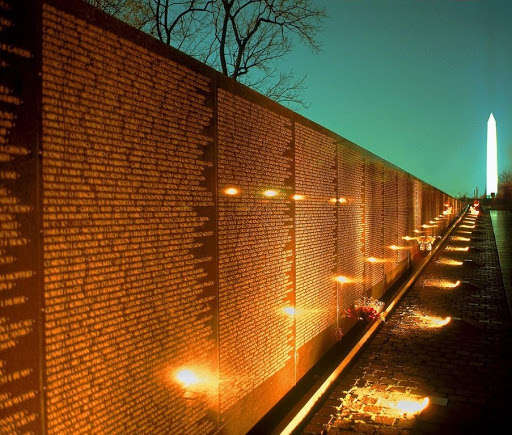


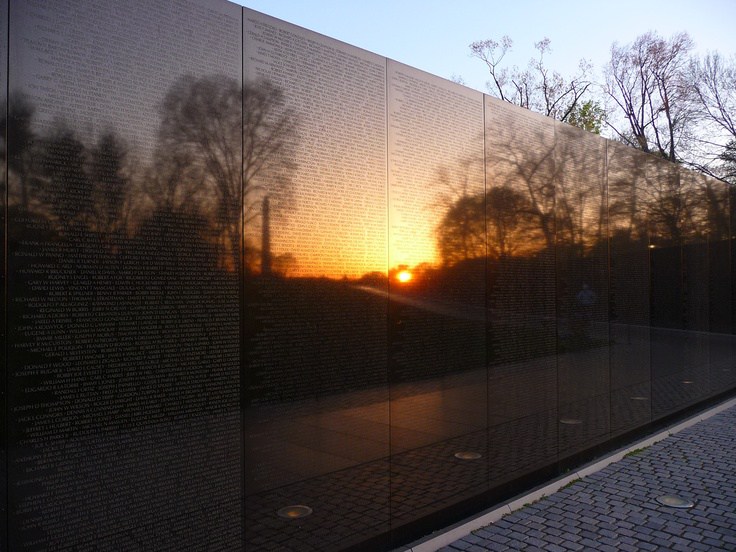
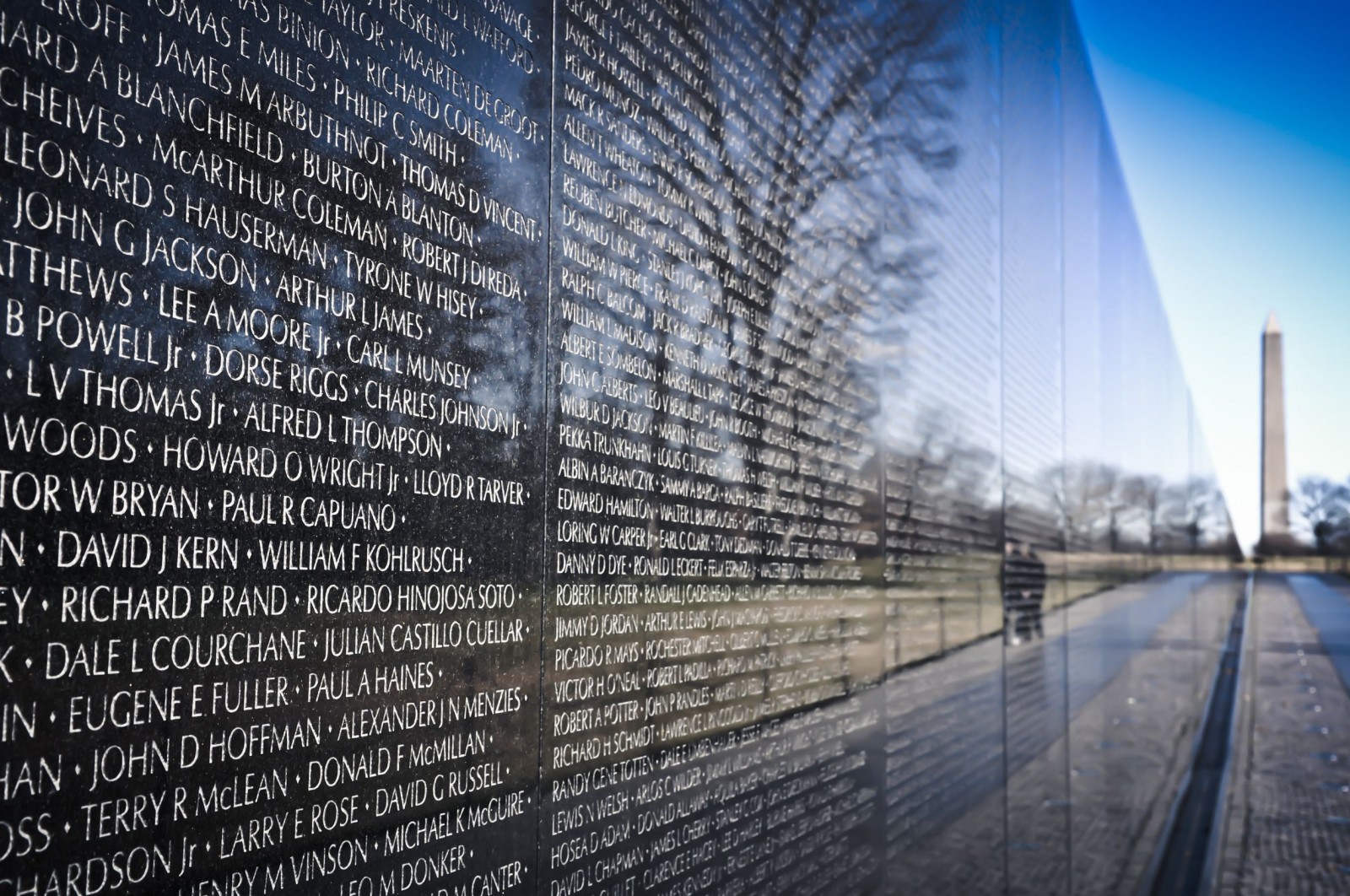
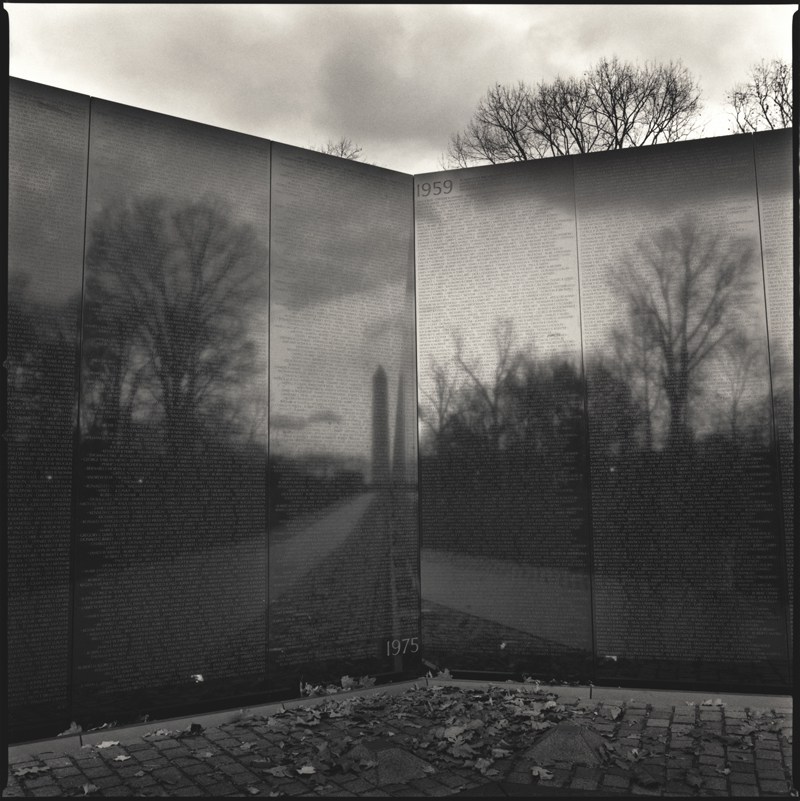
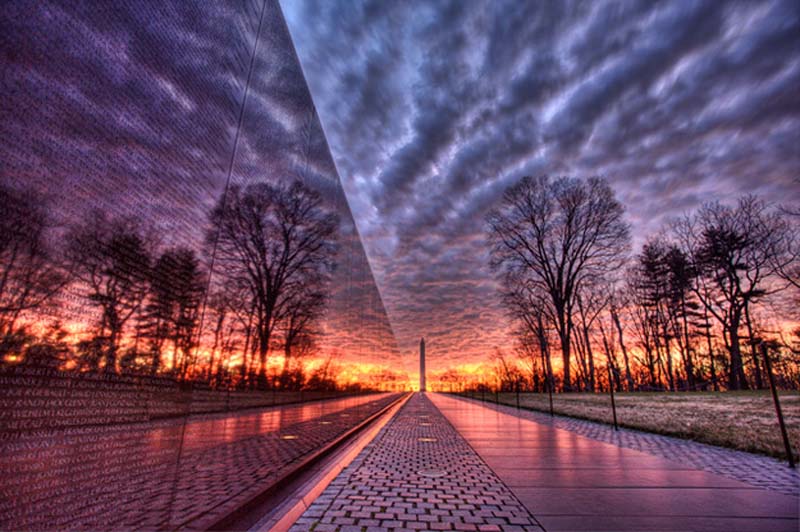
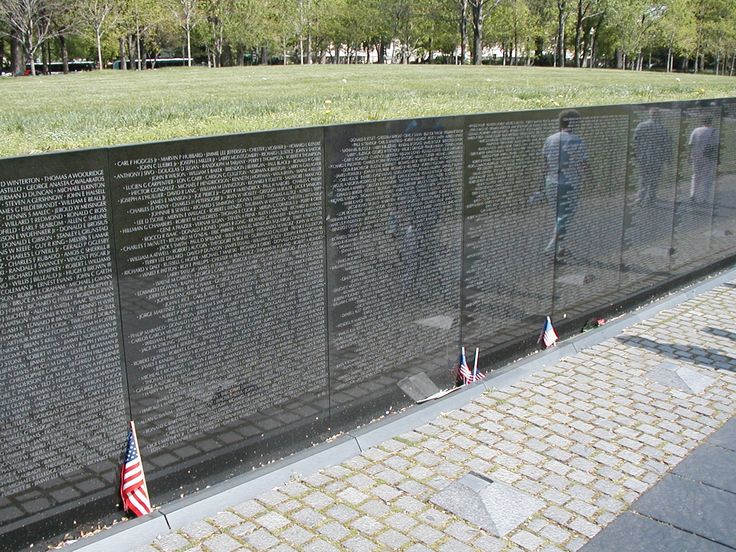
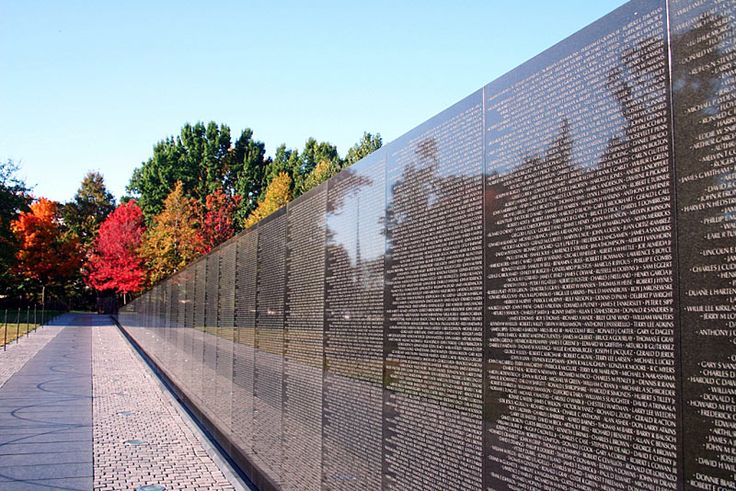
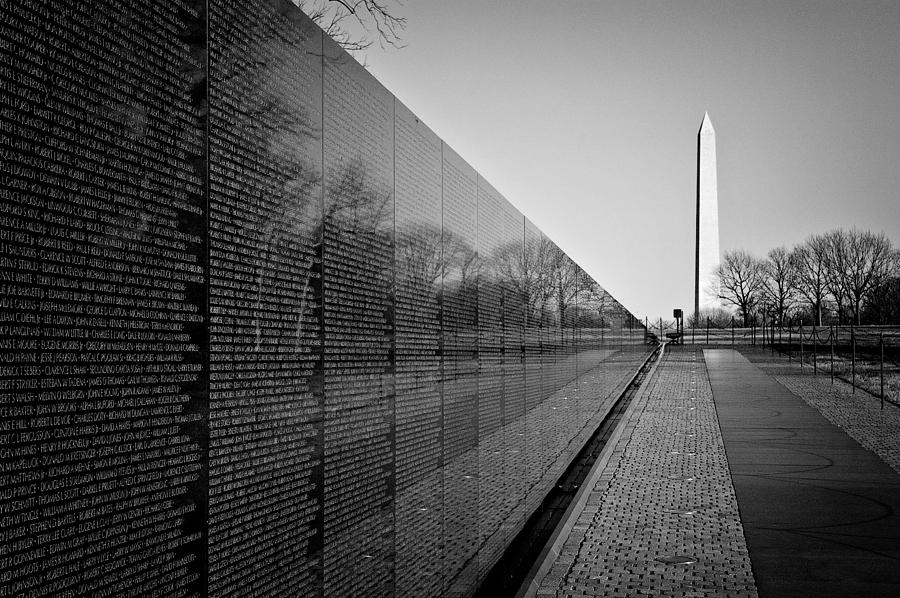
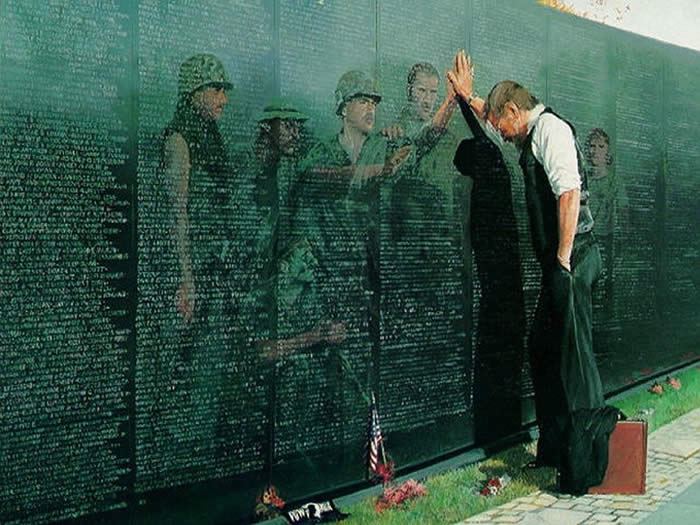

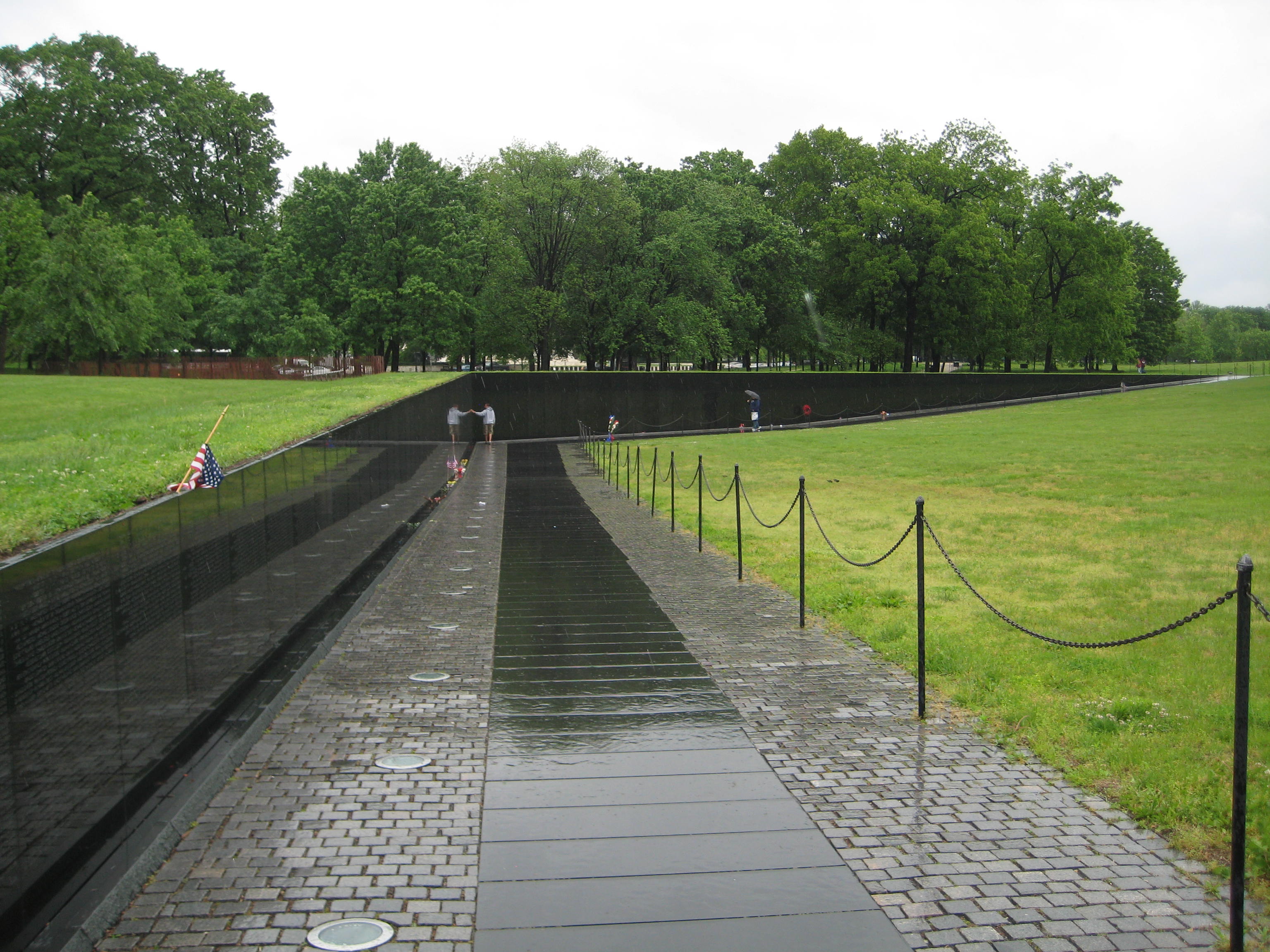

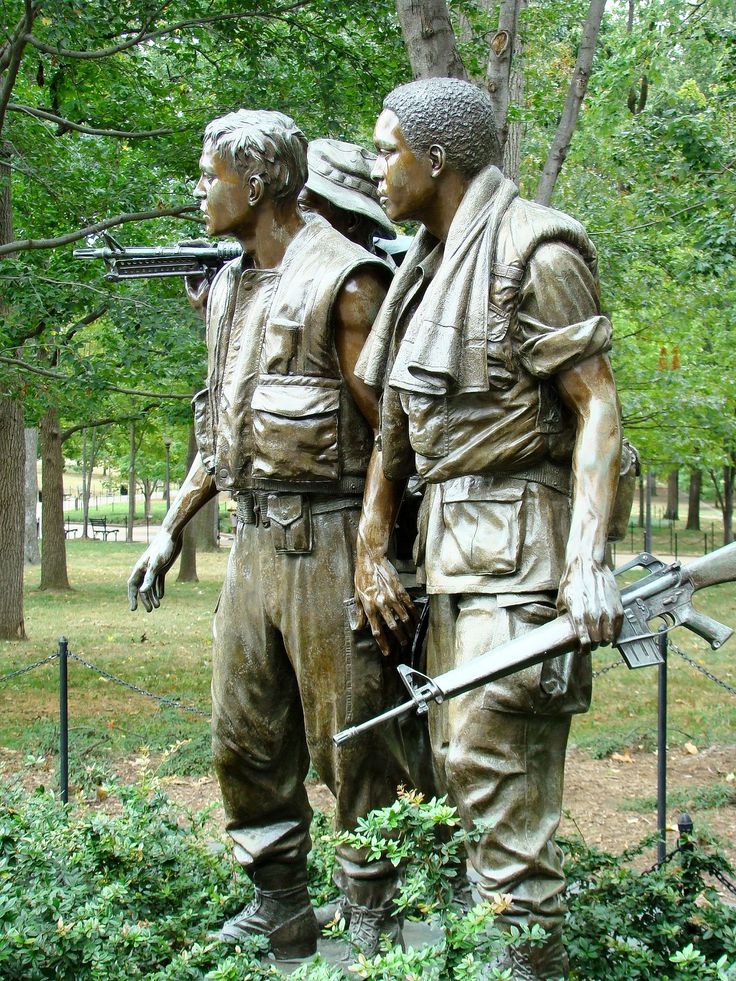


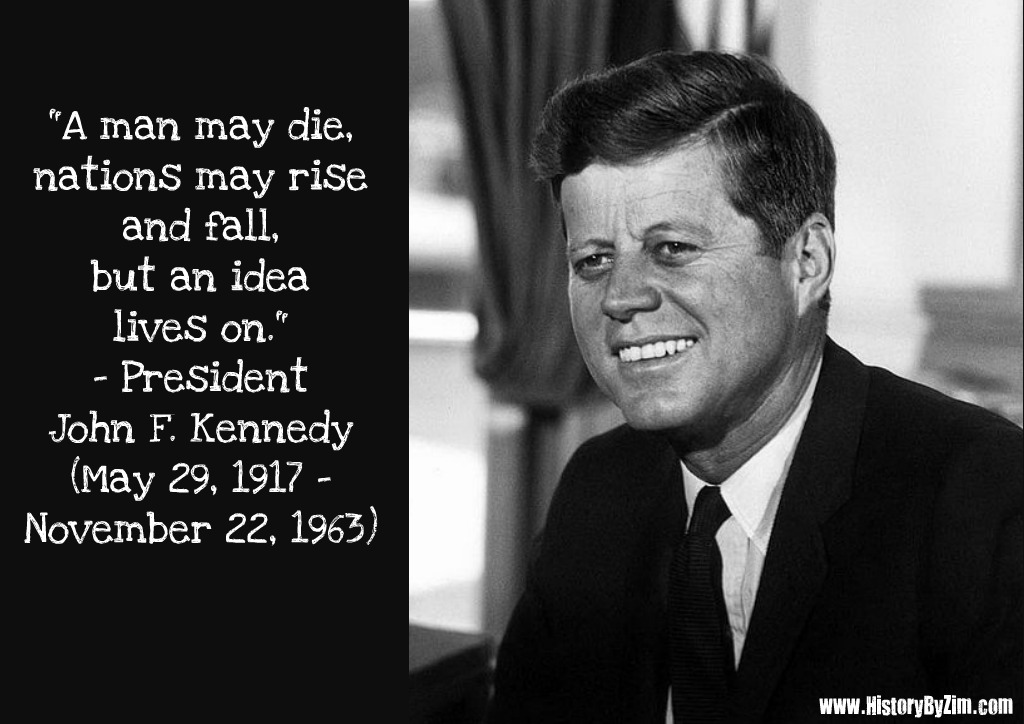


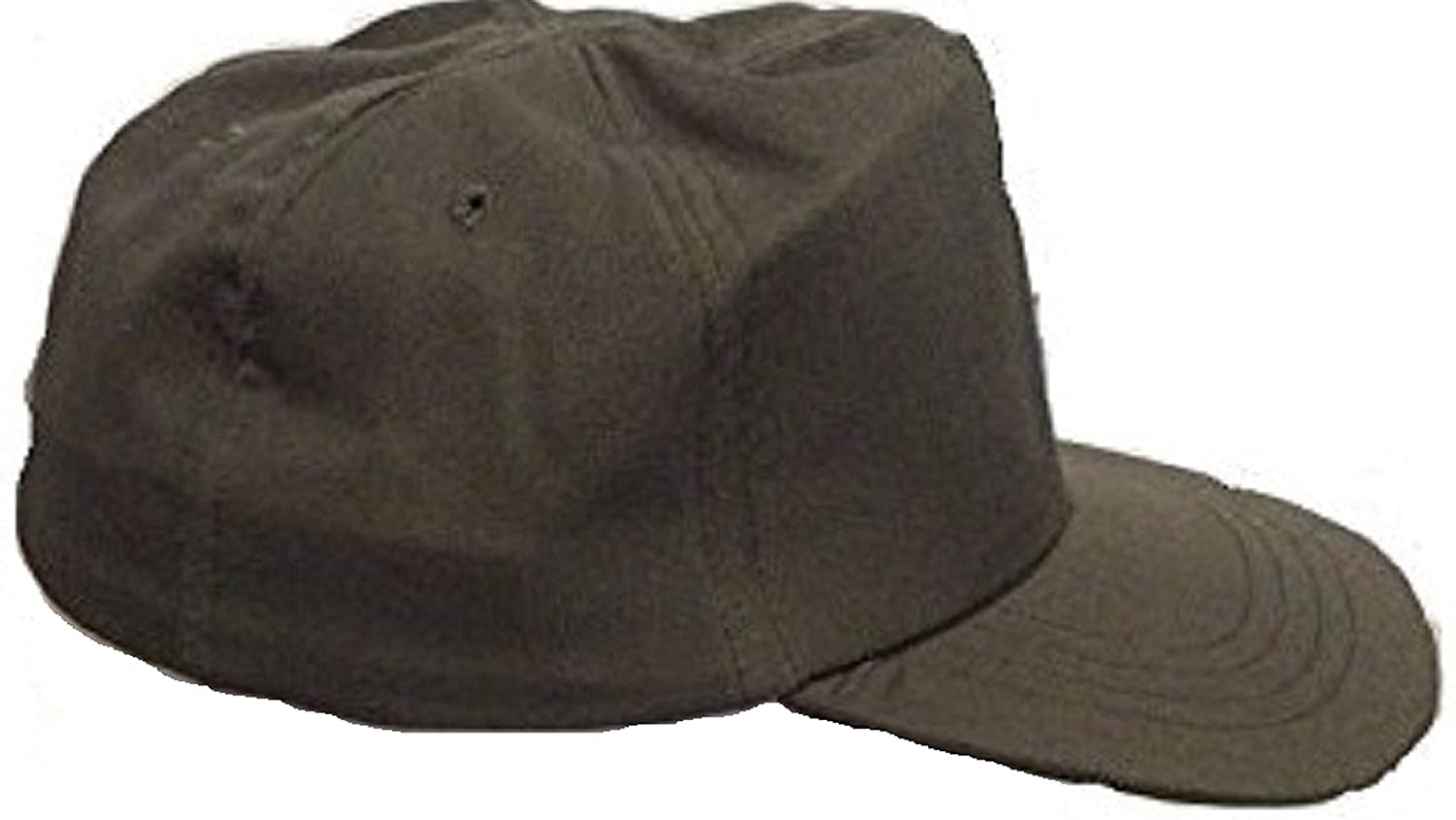


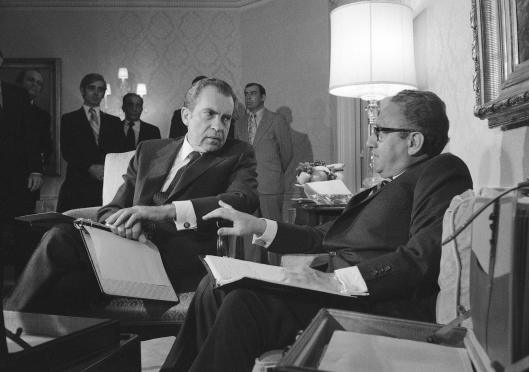
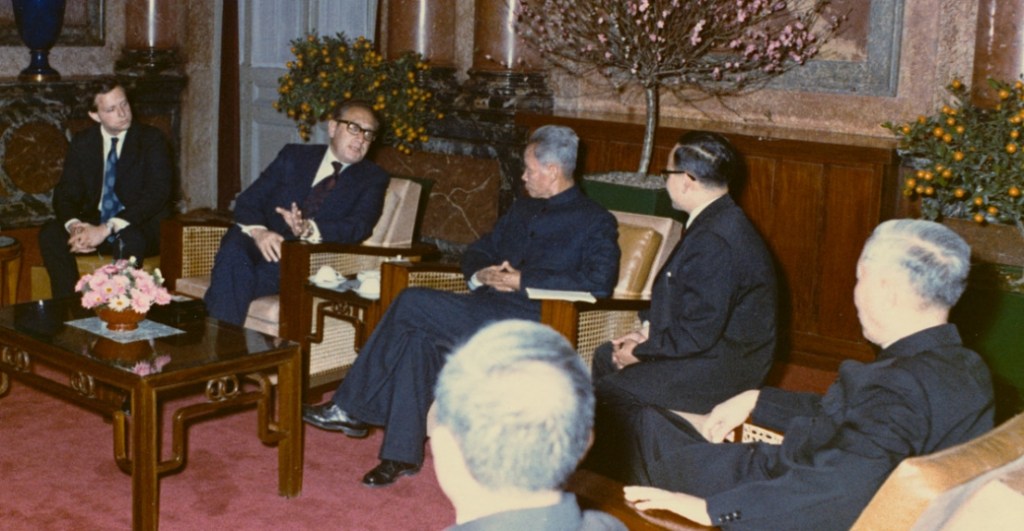





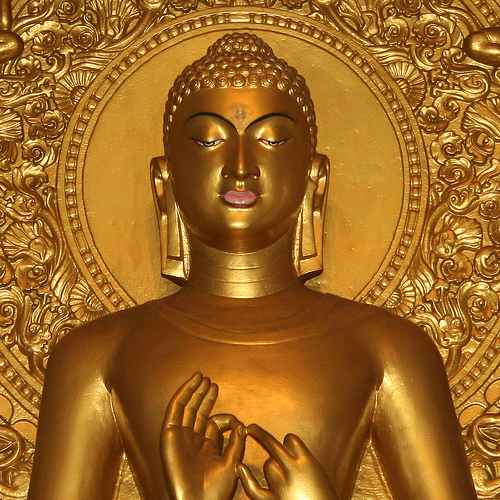

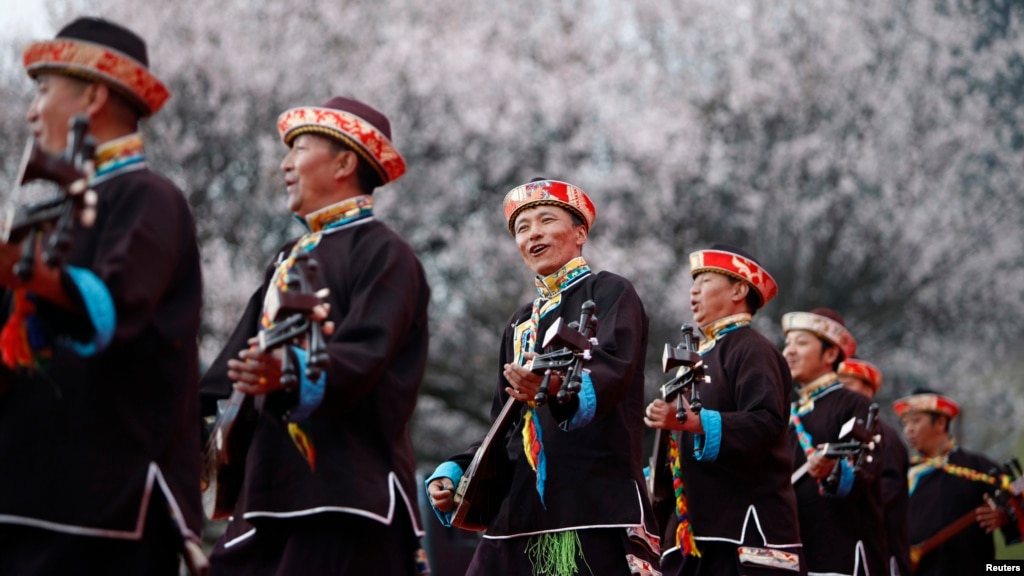
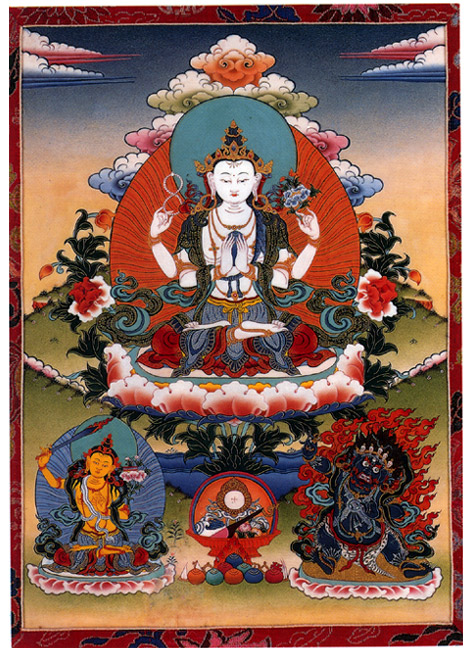
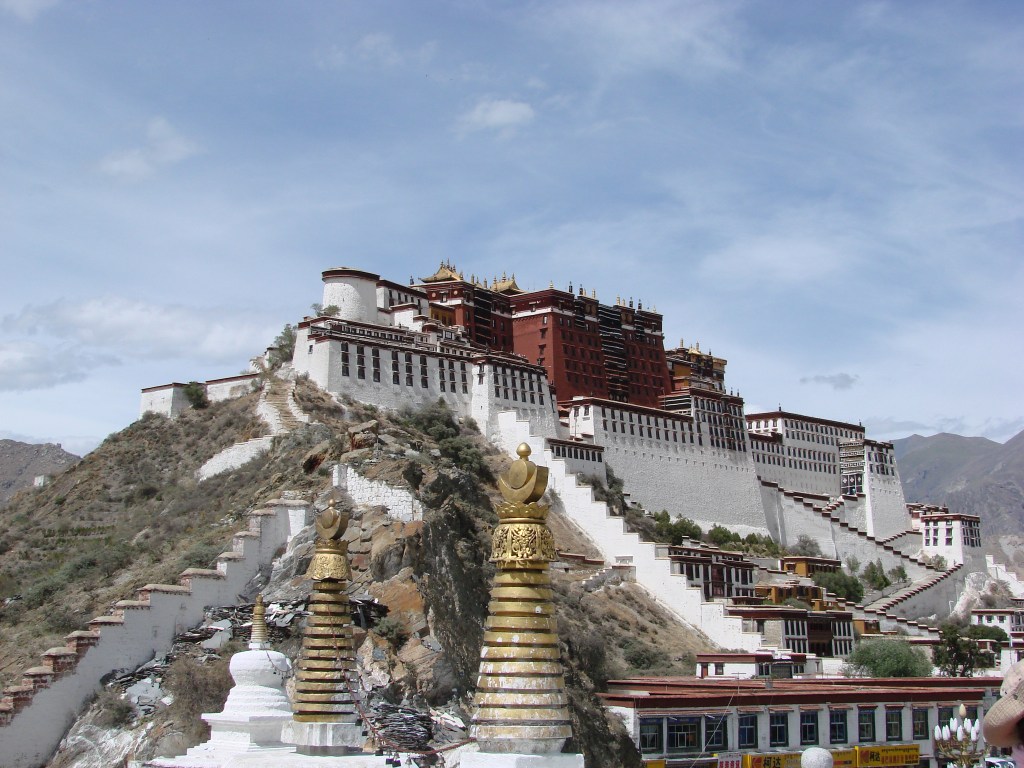
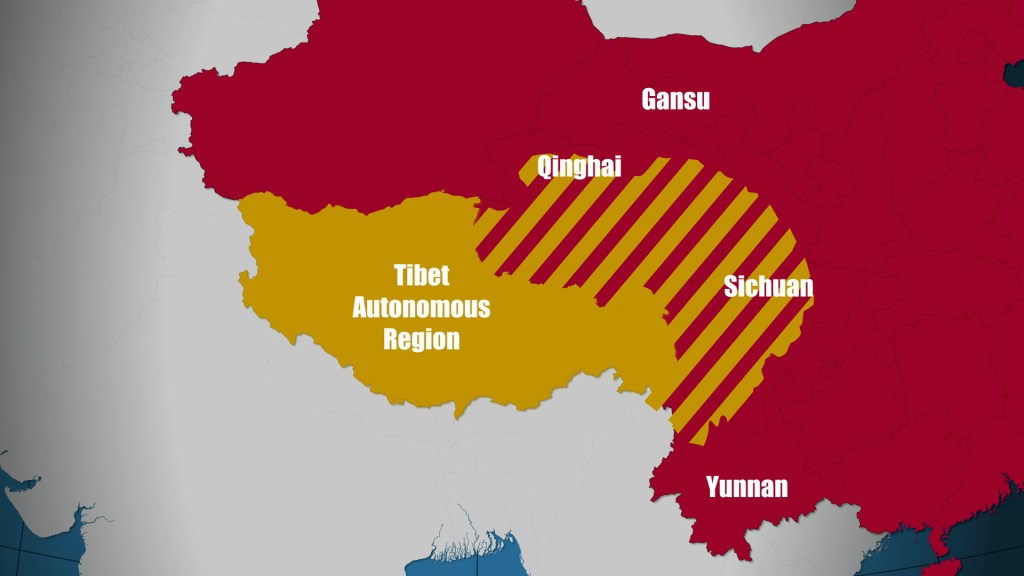



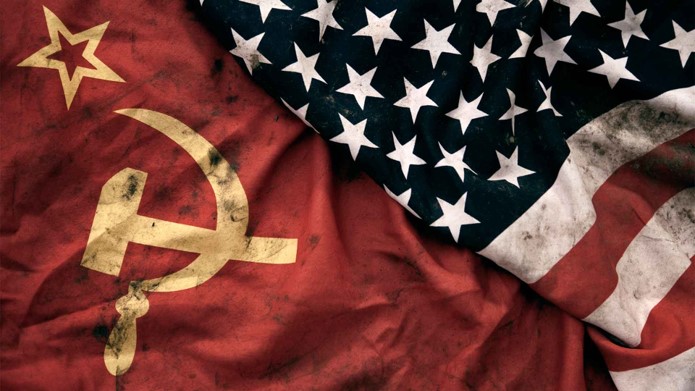

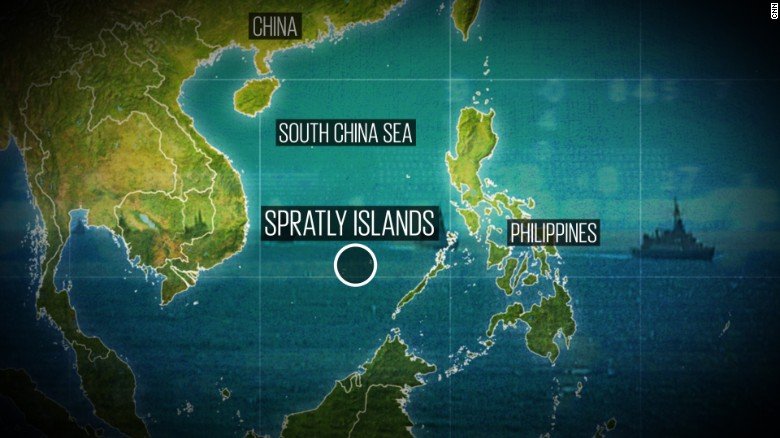


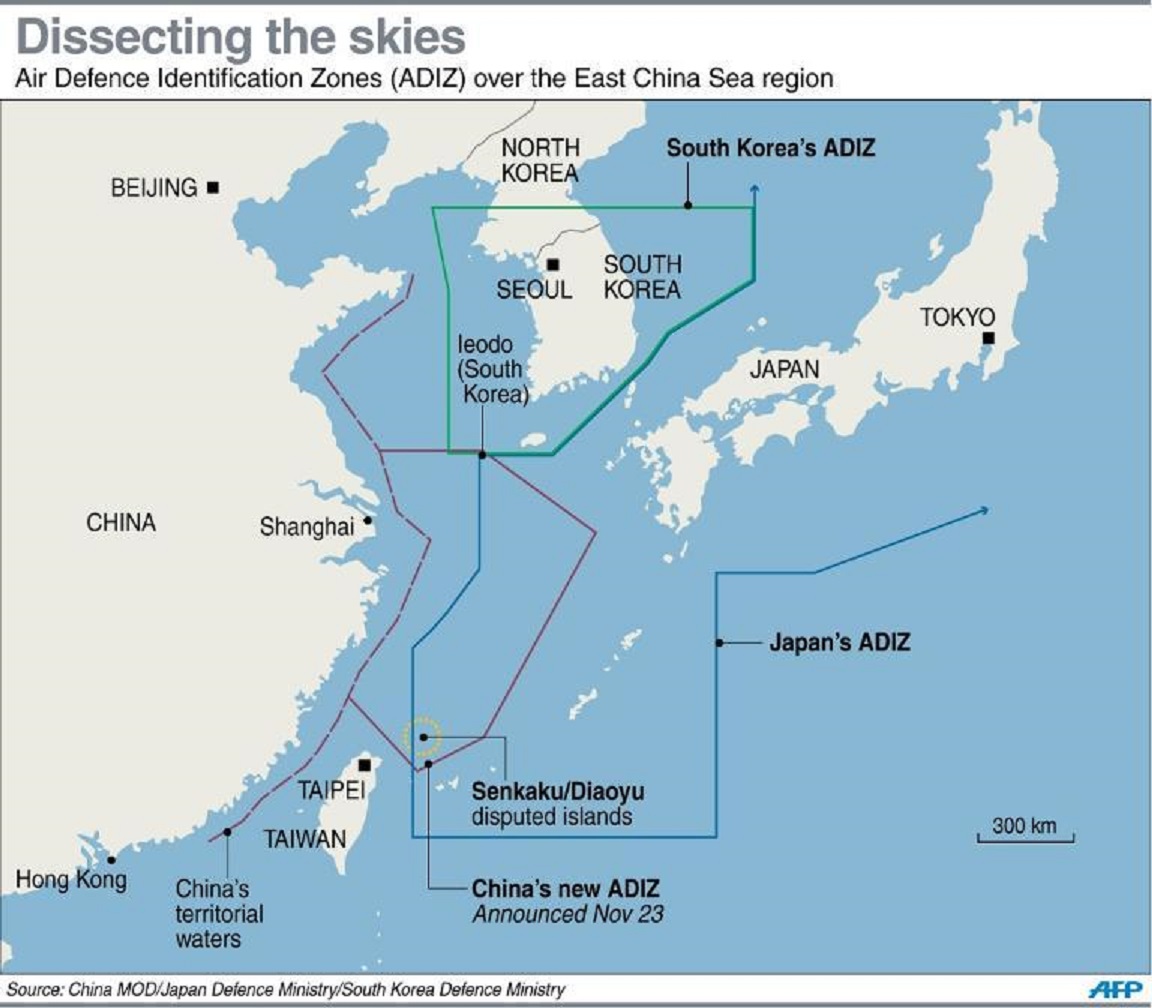
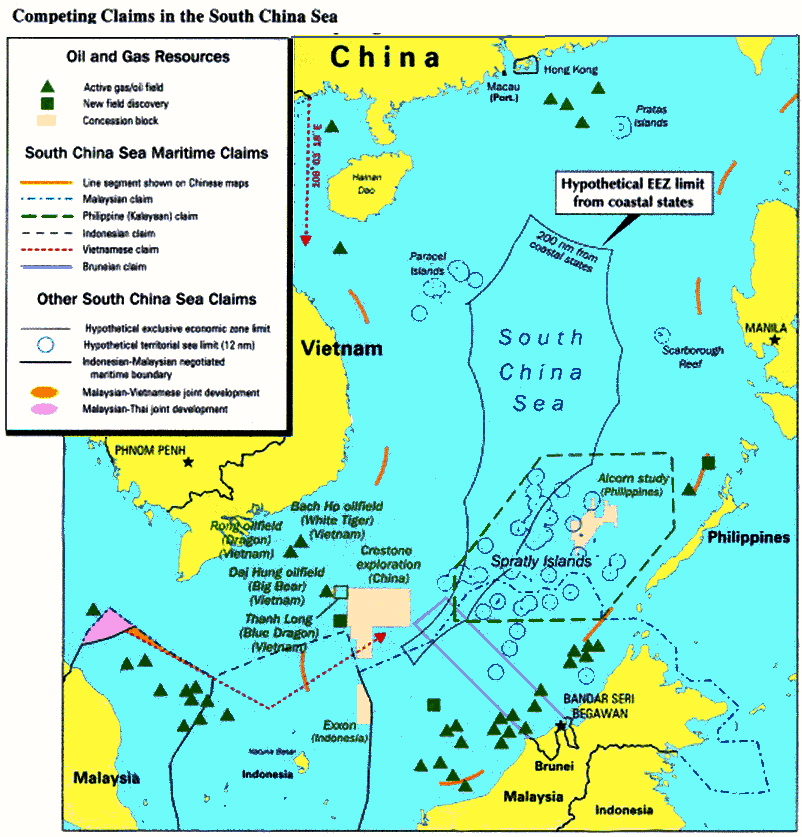
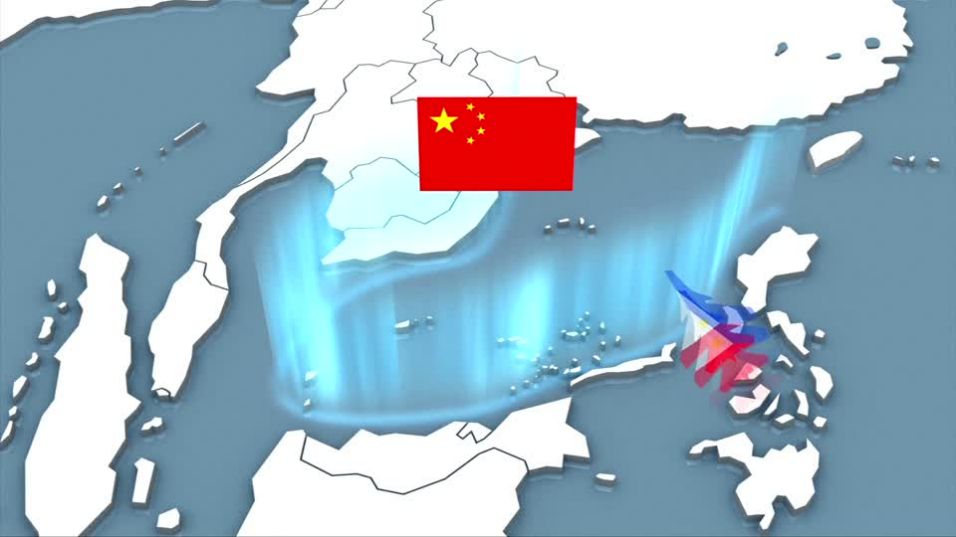


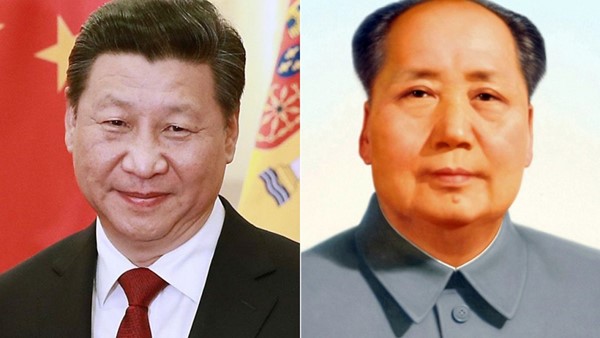
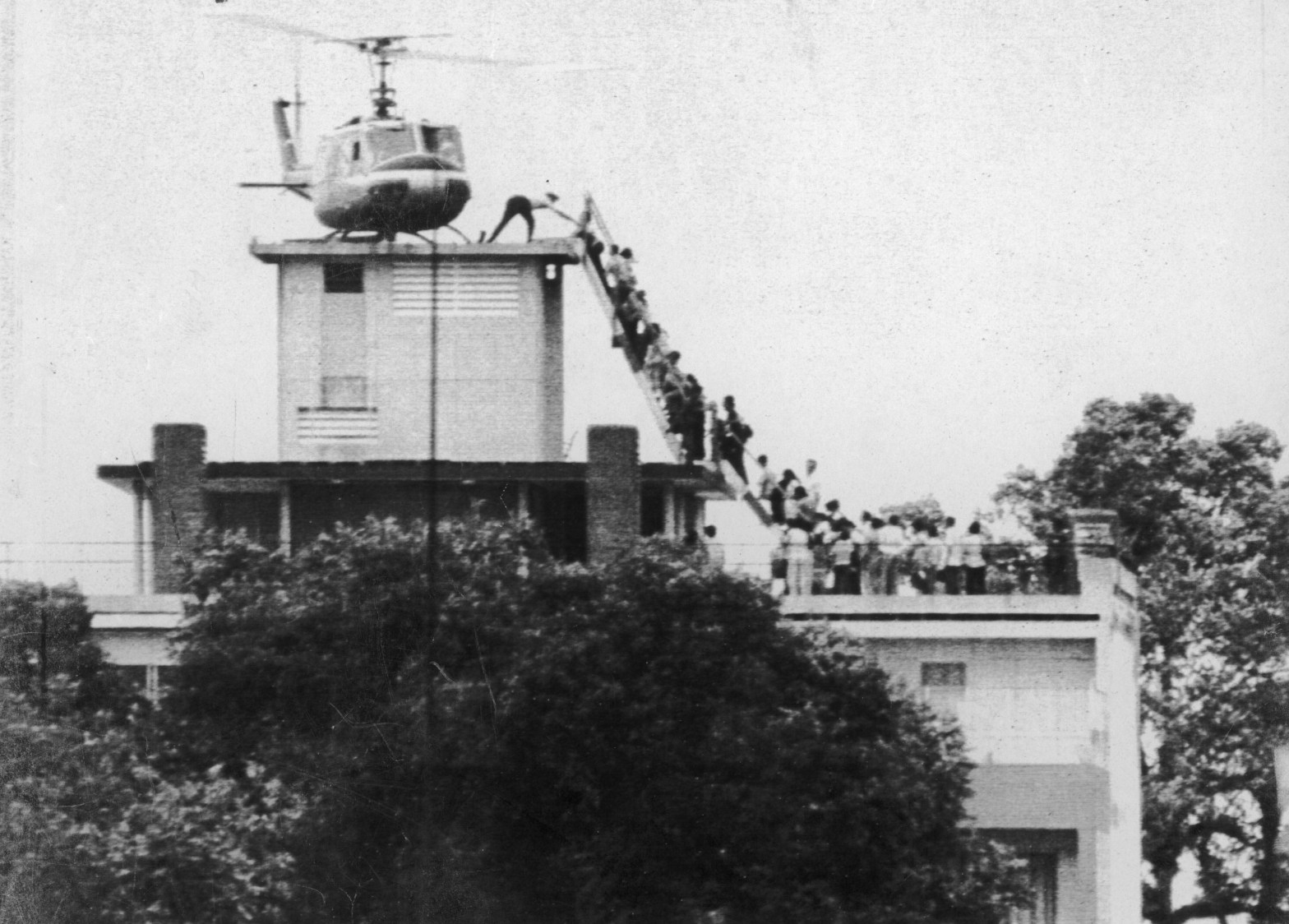

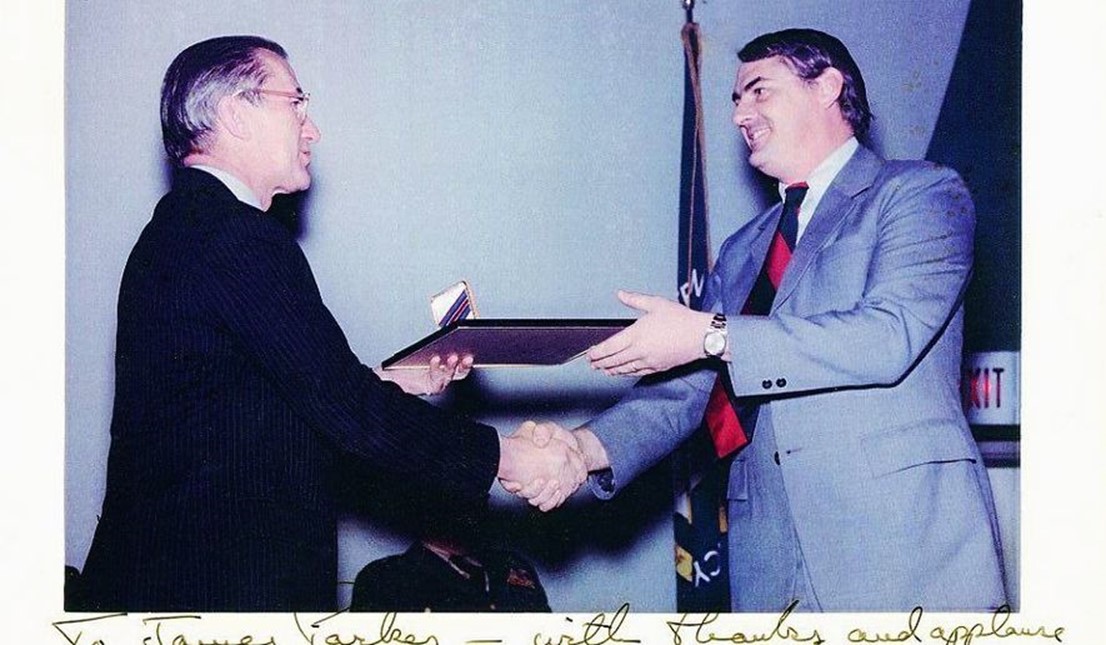
 Whole Dude - Whole Concept


