PEACEMAKING IN OCCUPIED TIBET – CIA FUNDING NOT ENOUGH

PEACEMAKING IN OCCUPIED TIBET – CIA FUNDING NOT ENOUGH

Cold War Era Secrecy will not secure Peace, Freedom, and Justice in Occupied Tibet. Democracy thrives on the principles of Transparency and Public Accountability. To confront threat posed by Communist Expansionism, the assets of CIA are not enough. It is no surprise to note Tibet exists under Red China’s Subjugation.

United States must correctly assess Enemy’s Military, Economic, and Intelligence capabilities and engage Enemy on various fronts to neutralize Enemy’s assets before meeting Enemy on the Battlefield.

Rudranarasimham Rebbapragada

DOOM DOOMA DOOMSAYER

PEACEMAKING IN OCCUPIED TIBET – CIA FUNDING NOT ENOUGH

In my analysis, CIA lacks military, financial, and intelligence capabilities to Evict Military Occupier of Tibet. In this ‘BATTLE OF RIGHT AGAINST MIGHT’ of Red China, I ask World to Unite.

TIBET’S PAST AND FUTURE – JUST A STONE’S THROW AWAY

TIBET’S PAST AND FUTURE – JUST A STONE’S THROW AWAY

TIBET - PAST AND FUTURE - JUST A STONE'S THROW AWAY. TIBETAN GOVERNMENT-IN-EXILE SEARCHING FOR WAY FORWARD TO RESOLVE CRISIS IN TIBET.
TIBET’S PAST AND FUTURE – JUST A STONE’S THROW AWAY. TIBETAN GOVERNMENT-IN-EXILE SEARCHING FOR WAY FORWARD TO RESOLVE CRISIS IN TIBET.

Tibet during its past came under attacks by Chinese Empire and British Empire. Fortunately, Russian Empire never attacked Tibet while British had suspicions about Russian Empire’s expansion. After the downfall of Manchu China or Qing Dynasty in 1911, Tibet declared full independence to come under attack by Red China soon after her founding on October 01, 1949.

TIBET'S PAST AND FUTURE - JUST A STONE'S THROW AWAY. THE ANSWER FOR TIBET'S FUTURE - BEIJING IS DOOMED.
TIBET’S PAST AND FUTURE – JUST A STONE’S THROW AWAY. THE ANSWER FOR TIBET’S FUTURE – BEIJING DOOMED.

In my analysis, Tibet will regain full independence in near future. In my expectation, human interventions like War or Peace will not decide Tibet’s Future. Calamity, Catastrophe, Disaster, and Doom that will strike Beijing suddenly will decide Tibet’s Future.. My answer for Tibet’s Future: “BEIJING DOOMED.” Tibet’s Future or Destiny involves the Deciding ‘Event; It’s Just A Stone’s Throw Away.

Rudranarasimham Rebbapragada

Ann Arbor, Michigan, USA 48104 – 4162.

DOOM DOOMA DOOMSAYER

DIIR to Host a Symposium on ‘Tibet’s Past, Present and Future—What is the Way Forward?’

December 15, 2016

By Staff Writer

TIBET’S PAST AND FUTURE – JUST A STONE’S THROW AWAY. TIBET NEVER PART OF CHINA. BEIJING DOOMED.

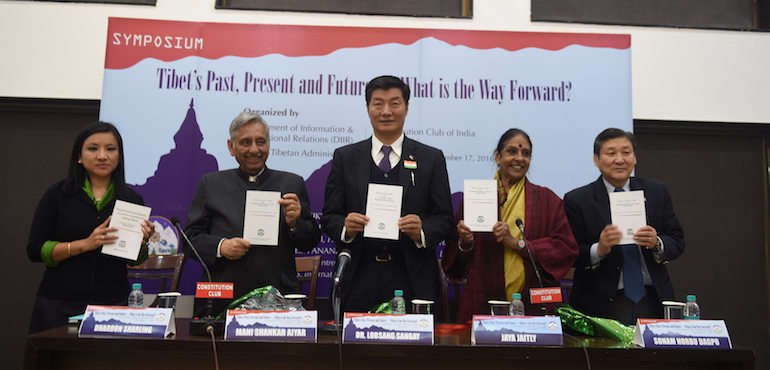
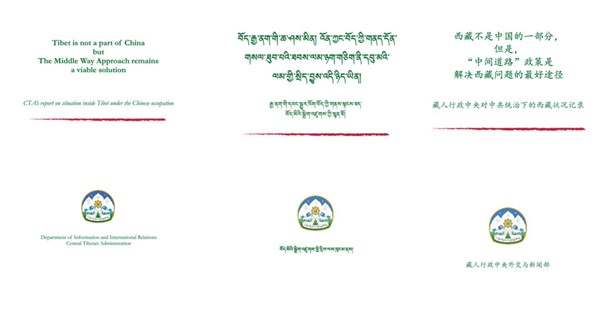
Delhi, December 15, 2016: The Department of Information and International Relations (DIIR) of Central Tibetan Administration (CTA) is releasing a book titled ‘Tibet is not a part of China but the Middle Way remains a Viable Solution.’ The flagship book which is CTA’s report on situation inside Tibet under the Chinese occupation is published in three languages- Tibetan, English and Chinese.

According to Sikyong Dr. Lobsang Sangay, “China has time and again made every effort to create a pristine image of Tibet that is out of touch with reality. Soon after its formation in 1949, the People’s Republic of China occupied Tibet under the guise of ‘liberation.’ Since then, people inside Tibet have expressed their deep resistance against China’s Tibet policies through numerous peaceful protests. It is quite clear that issues such as the reincarnation of His Holiness the Dalai Lama, the degradation of Tibet’s ecosystem, the rapid urbanization of Tibetan rural areas have a direct impact on the world at large. Therefore we are releasing this publication in three languages to present the current situation inside Tibet under the Chinese rule and share our position on these issues in order to draw international attention and generate public discourse on the best way forward to resolving the issue of Tibet, that is through the Middle Way Approach.”

Along with Sikyong Dr. Lobsang Sangay, former diplomat and MP, Shri Mani Shankar Aiyar and academic and writer Prof. Madhu Kishwar will grace the book launch.

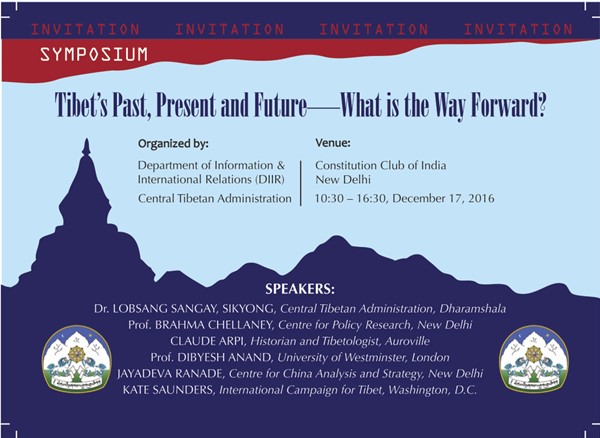
DIIR will also organize a symposium on ‘Tibet’s Past, Present and Future—What is the Way Forward?’ Both the book launch and the symposium will take place at the Speaker Hall, Constitution Club of India in New Delhi on December 17, 2017 from 11:00 to 16:30. The event will be streamed live on Tibet TV’s YouTube and Facebook page.

The high-profile symposium, will bring together political leaders, thinkers, intellectuals, academicians and policy makers from across the world to discuss about Tibet. The day-long symposium will feature three plenary sessions to discuss– Tibet’s Historical Past, Current situation in Tibet under China’s occupation and Middle Way Policy—the Way Forward.

Dr. Lobsang Sangay, Sikyong (Political Leader), Central Tibetan Administration, Dharamsala, Prof. Brahma Chellaney, Centre for Policy Research, New Delhi, Claude Arpi, Historian and Tibetologist, Auroville, Prof. Dibyesh Anand, University of Westminster, London, Jayadeva Ranade, Centre for China Analysis and Strategy, New Delhi and Kate Saunders, International Campaign for Tibet, Washington D.C., will speak on the issues informing Tibet’s past, present and future.

“We hope that the symposium will help widen the horizon of intellectual discourse and dialogue on Tibet, it’s history, it’s present status and it’s future directions,”— said Dhardon Sharling, Information Secretary, DIIR.

Press Contact:

Tenzin Lekshey, Media Officer, Tibet Bureau Office in Delhi,-8585901465

Jamphel Shonu, Press Officer, DIIR, CTA- 9882603374

Tibet’s Past, Present, and Future – TIBET IS NOT PART OF CHINA.

The front cover of the flagship book available in Tibetan, English and Chinese languages.

 2016  Central Tibetan Administration

TIBET’S PAST AND FUTURE – JUST A STONE’S THROW AWAY. SEEKING THE WAY FORWARD TO RESOLVE CRISIS IN TIBET.

Inserted from <http://tibet.net/2016/12/diir-to-host-a-symposium-on-tibets-past-present-and-future-what-is-the-way-forward/>

DOOMED HUMAN RIGHTS IN OCCUPIED TIBET – NO SAFE PLACE TO LIVE

DOOMED HUMAN RIGHTS IN OCCUPIED TIBET – NO SAFE PLACE TO LIVE

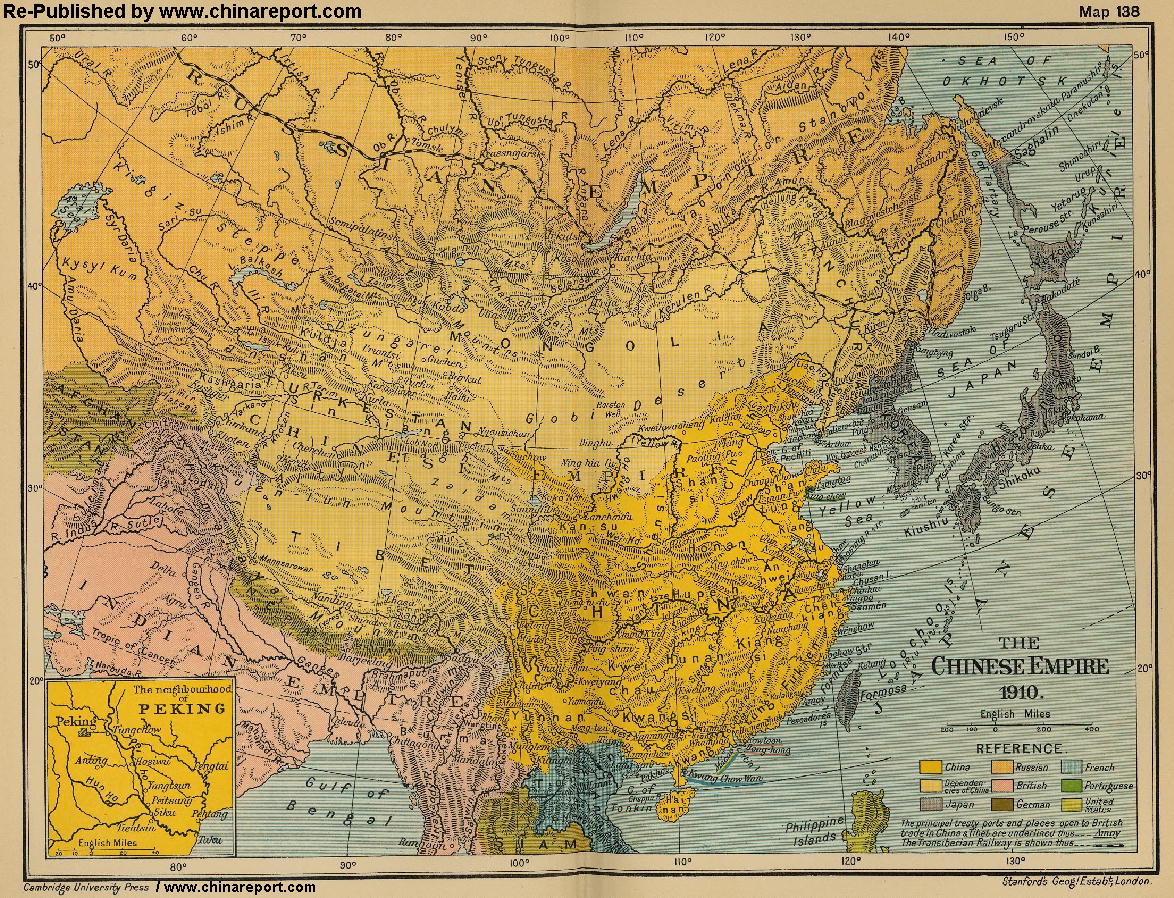
DOOMED HUMAN RIGHTS IN OCCUPIED TIBET - MAP OF QING CHINA EMPIRE 1910 A.D.
DOOMED HUMAN RIGHTS IN OCCUPIED TIBET – NO SAFE PLACE TO LIVE.  MAP OF QING CHINA EMPIRE 1910 A.D.

During its long history, Tibet came under foreign conquest by Mongol Empire and Manchu or Qing Empire which ruled over China. But, Tibetans never lost their traditional independent lifestyle.

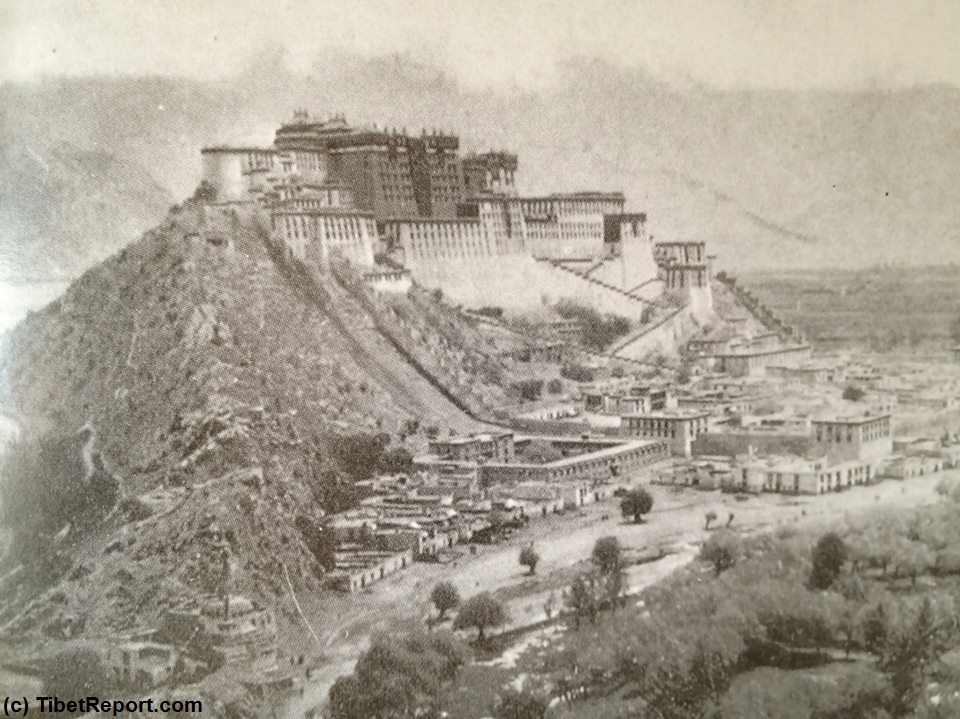
DOOMED HUMAN RIGHTS IN OCCUPIED TIBET. POTALA PALACE, LHASA, TIBET IN 1930 A.D. FULLY INDEPENDENT NATION.
DOOMED HUMAN RIGHTS IN OCCUPIED TIBET – NO SAFE PLACE TO LIVE. POTALA PALACE, LHASA, TIBET IN 1930 A.D. FULLY INDEPENDENT NATION FROM 1911 TO 1950.

Tibet declared full independence on February 13, 1913 and existed as fully independent national entity until founding of Evil Red Empire on October 01, 1949 by China’s Communist Party Chairman Mao Zedong. Red China’s brutal occupation transformed Tibet into Military Camp leaving no safe place for Tibetans to live.

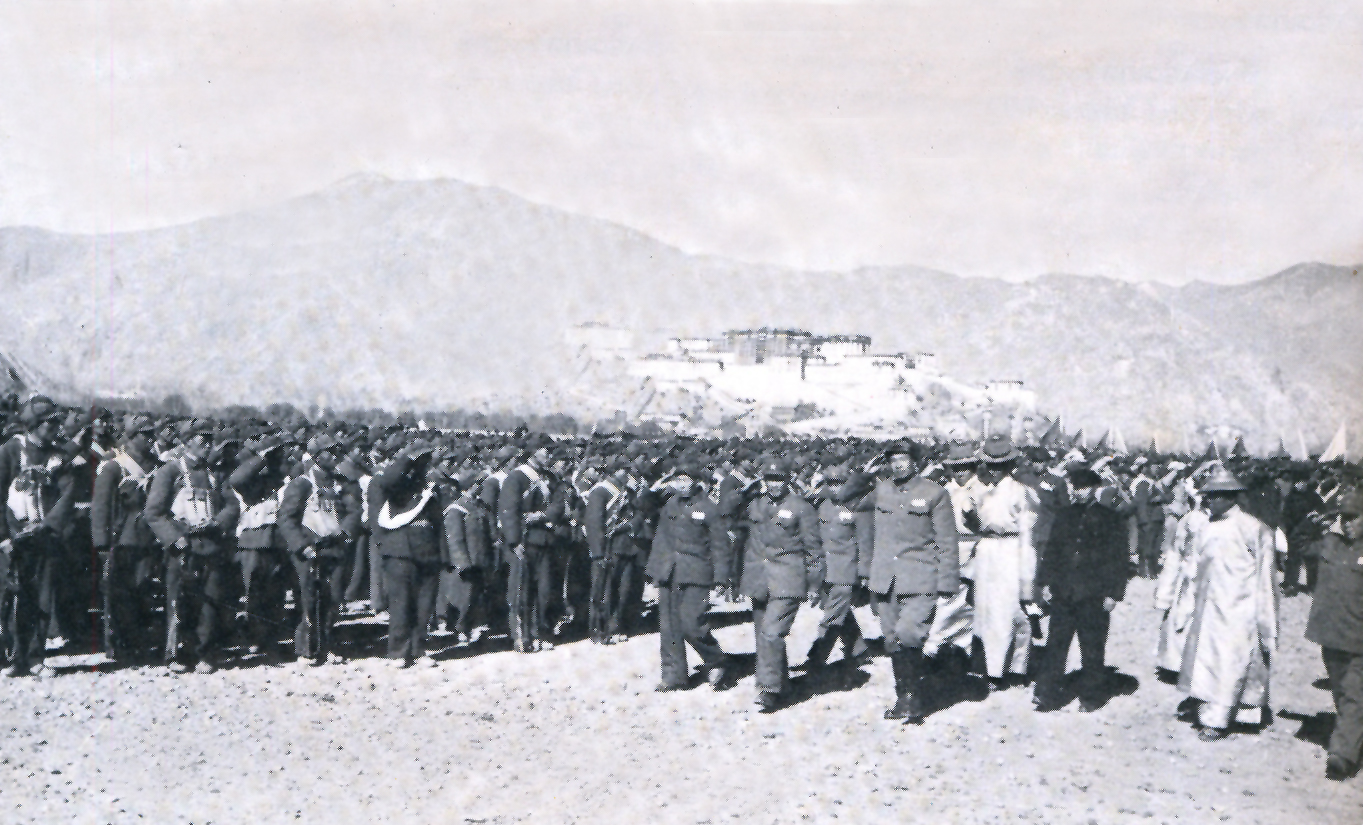
DOOMED HUMAN RIGHTS IN OCCUPIED TIBET. RED CHINA'S MILITARY CONQUEST OF TIBET. CHINESE ARMY IN LHASA, 1951.
DOOMED HUMAN RIGHTS IN OCCUPIED TIBET. RED CHINA’S MILITARY CONQUEST OF TIBET. CHINESE ARMY IN LHASA, 1951. TIBETANS HAVE NO SAFE PLACE TO LIVE.

For all practical purposes, Communist Dictator Mao Zedong is alive as his brutal, military occupation of Tibet survived his death in December 1976 which may have marked the end of Red China’s Cultural Revolution.

Rudranarasimham Rebbapragada

Ann Arbor, MI, USA 48104-4162.

DOOM DOOMA DOOMSAYER


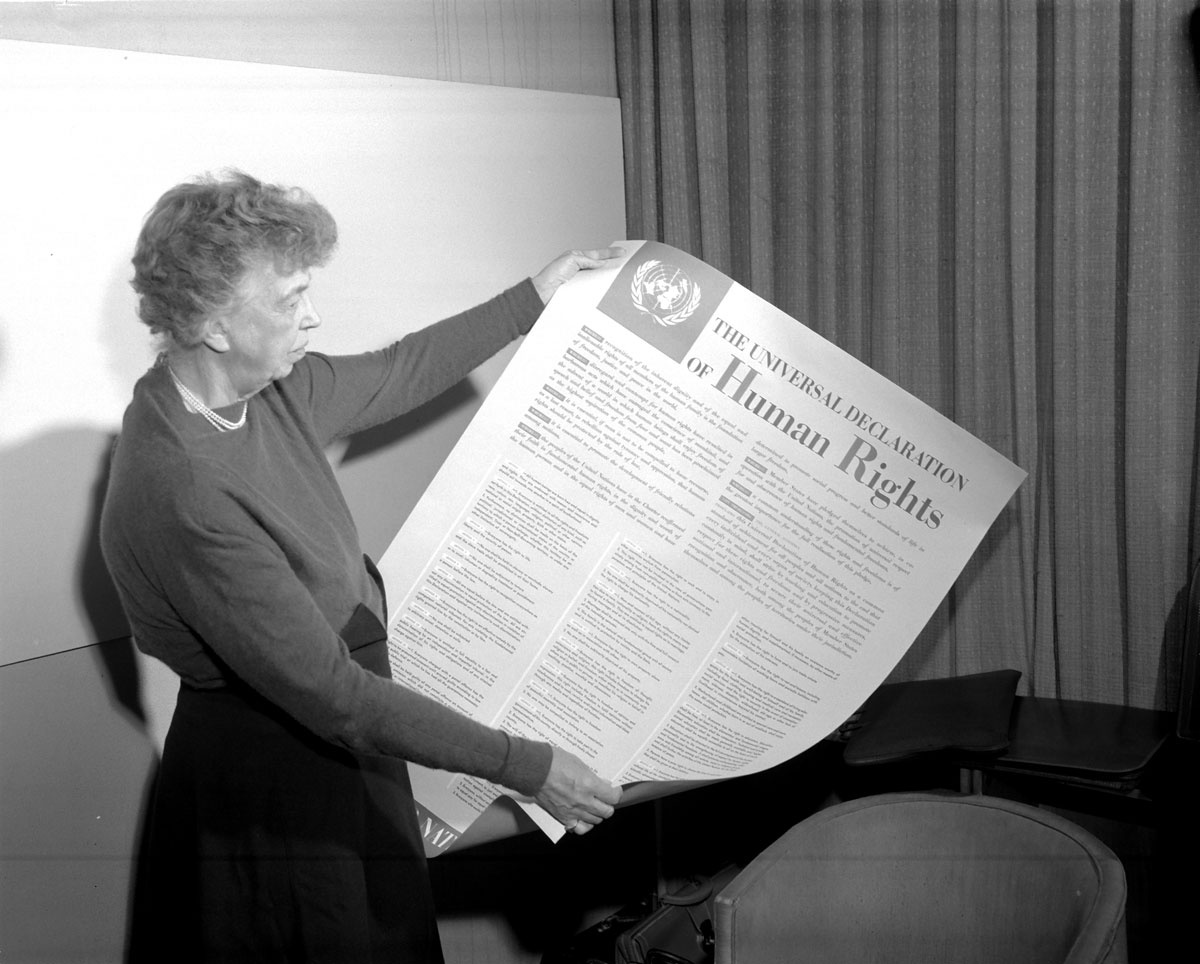
DOOMED HUMAN RIGHTS IN OCCUPIED TIBET. ON DECEMBER 10, 1948, TIBET WAS FULLY INDEPENDENT NATION. ELEANOR ROOSEVELT - DECLARATION OF UNIVERSAL HUMAN RIGHTS.
DOOMED HUMAN RIGHTS IN OCCUPIED TIBET. ON DECEMBER 10, 1948, TIBET WAS FULLY INDEPENDENT NATION. ELEANOR ROOSEVELT – DECLARATION OF UNIVERSAL HUMAN RIGHTS.
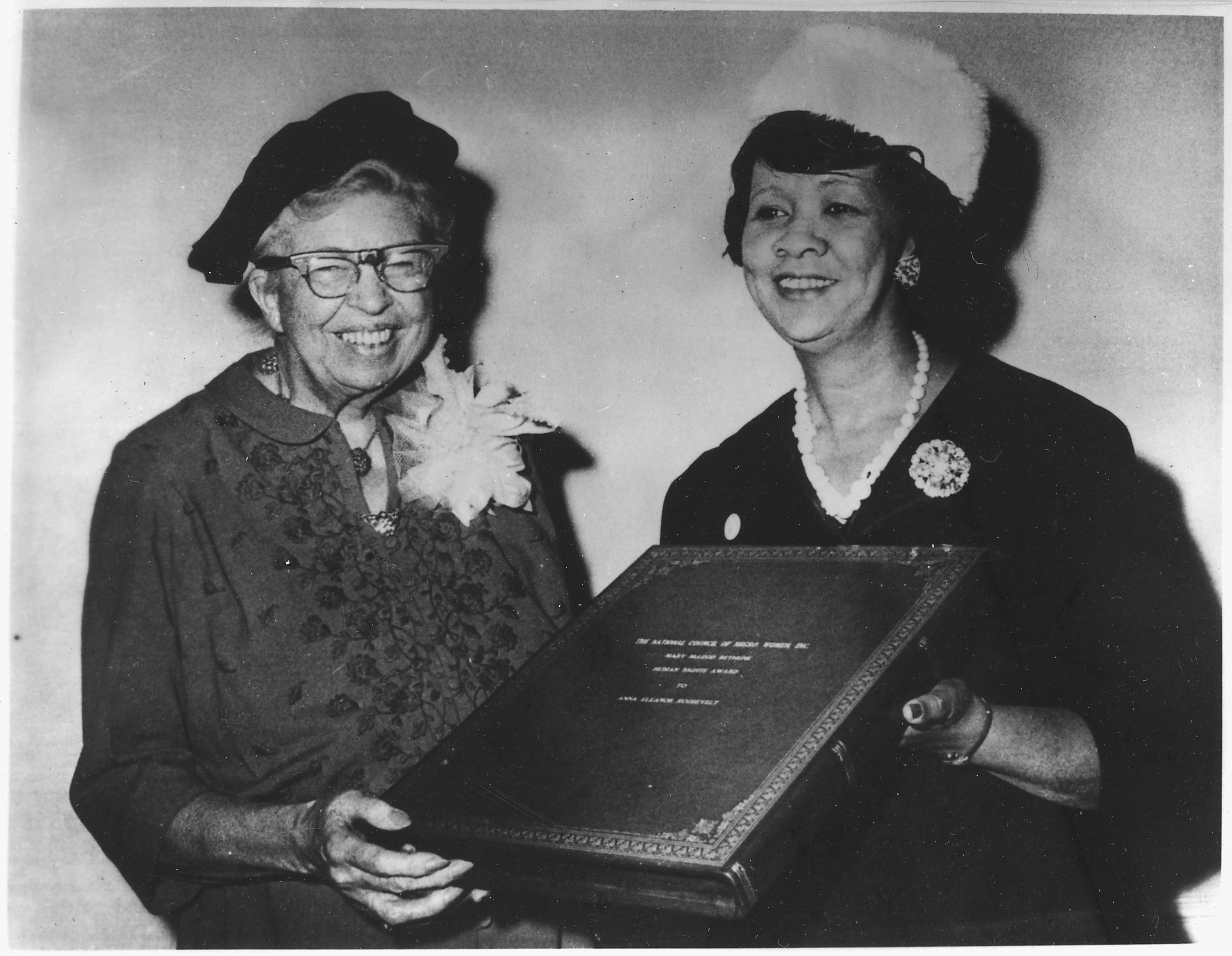
DOOMED HUMAN RIGHTS IN OCCUPIED TIBET. ELEANOR ROOSEVELT RECEIVING MARY McLEOD BETHUNE HUMAN RIGHTS AWARD FROM DOROTHY HEIGHT. SHE DID NOT ANTICIPATE THE GREAT TIBET PROBLEM.
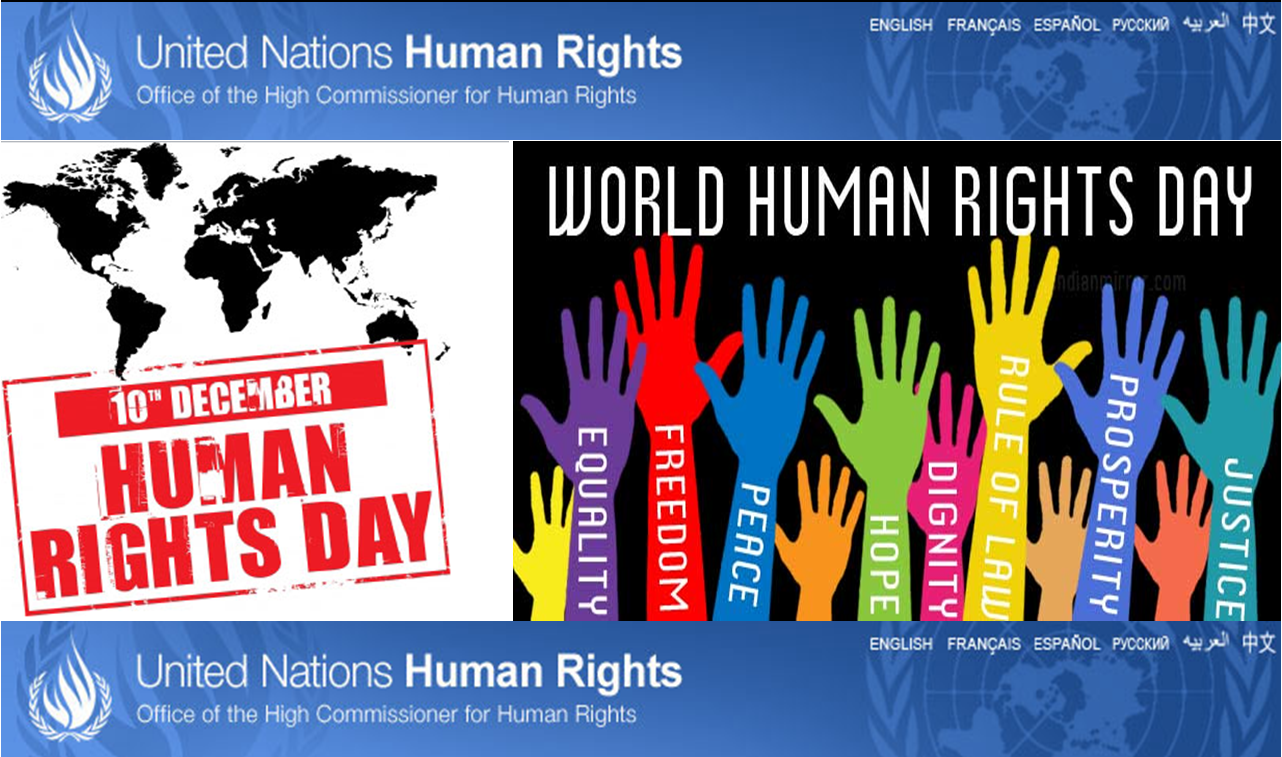
DOOMED HUMAN RIGHTS IN OCCUPIED TIBET. DECEMBER 10, 2016. TIBETANS HAVE NO SAFE PLACE TO LIVE.

Where is human rights in Tibet?

December 8, 2016, 11:07 pm IST YOUDON AUKATSANG in Echoes from the Himalayas TOI

We celebrate December 10 as the Human Rights Day to commemorate adoption of the Universal Declaration of Human Rights (UDHR) by the UN General Assembly in 1948. This was a ground-breaking achievement because it was the first time in history that all Member States of the United Nations pledged to work together to promote the thirty Articles of human rights that was enshrined in the document.

This year’s Human Rights Day slogan Stand up for Someone’s Rights Today reaffirms common humanity and universality of humane values. It convinces us that whoever, whatever, whenever and wherever we are, we can make a difference. Each of us has the potential to make a difference in our own unique ways using a medium that comes easiest to us.

The Declaration reminds each one of us to stand up against human rights violations wherever it occurs, in a remote country, in our region, country or even at home.

This day has an added significance for Tibetans. We fondly remember the day as the Nobel Peace Prize Day as it was on this day in 1989 that HH the Dalai Lama was conferred with the Nobel Peace Prize. With this award, the international community not only recognized the commitment of His Holiness the Dalai Lama to non-violence and peace but also applauded his middle way approach and his efforts at resolving the issue of Tibet through dialogue with China.

United Nations did recognize the right to self-determination of the Tibetans and called for respect of basic human rights of Tibetans in the aftermath of Tibetan National Uprising and the coming into exile in India of HH the Dalai Lama in 1959. In fact, there were two other UN General Assembly resolutions in 1961 and 1965 condemning continued human rights violations of Tibetans. Since then, the corridors of UN General Assembly have been silent on Tibet except for rare references made during the Human Rights Council Sessions.

The international community has made out the issue of Tibet to be an issue of human rights. But for Tibetans, it is more critical than human rights violations. The issue of Tibet is about ethnic cleansing and cultural genocide. In fact, the report of ICJ which formed the basis for the UN resolutions on Tibet affirms it as early as 1959 and mentions that “acts of genocide had been committed”, and that “Tibet was at the very least a de facto independent State” before its annexation by the Chinese government in 1951.

The Tibet crisis has continued unabated since the Chinese occupation of Tibet. The Chinese state machinery clamps down on Tibetan religion, culture and language which forms the bedrock of Tibetan identity. Tibetans are arrested and imprisoned for celebrating religious festivals such as Saka Dawa or HH the Dalai Lama’s birthday.

Of the many ongoing campaigns enforced in Tibet by the Chinese regime, the most pervasive is “Patriotic education” aimed at strengthening ties between the public and the Communist Party and denouncing the Dalai Lama and “splittist forces”. According to Tibetan Centre for Human Rights and Democracy (TCHRD), Work Teams are formed under this campaign to cover every section of society including farmers, schools, monastic institutions and general populace.

Under the guise of this campaign, Chinese authorities interfere in the daily lives and religious practices of Tibetans. Influential Tibetans in various strata of the society particularly those with following are targeted and arrested under false allegations. Ceilings are imposed on number of monks and nuns in the monasteries and nunneries.

Recent news of demolition of Larung Gar Institute, one of the largest centers of Buddhist learning in Serthar County in Kardze Tibetan Autonomous Prefecture, Sichuan Province is the most current evidence of religious repression in Tibet. Demolitions are being carried out in line with the order given by the Chinese authorities to cut the number of residents by half to 5000. Central Tibetan Administration has urged UNHCR and the international community to save Larung Gar.

With no freedom to express your identity and the shrinking space for dissent under the Chinese rule, Tibetans have resorted to self-immolation the most extreme form of protesting Chinese repression. The most recent case of self-immolation of an unidentified person was reported on December 8 at 5 pm local time in Machu county, Kanlho Tibetan Autonomous Prefecture, Gansu Province. This has taken the reported cases of self-immolations to 145.

The world can no longer afford to remain a silent spectator, it needs to stand up for the rights of Tibetans in Tibet and urge China to have a dialogue with the representatives of HH the Dalai Lama to resolve the issue of Tibet.

DISCLAIMER : Views expressed above are the author’s own.

Author

Doomed Human Rights in Occupied Tibet. Ms. Youdon Aukatsang, Member of Tibetan Parliament-in-Exile.

YOUDON AUKATSANG

Youdon Aukatsang is currently serving her third term as an elected member of the Tibetan Parliament in Exile (TPIE). She is also the Director of Empowering . . .

Author

WHERE IS HUMAN RIGHTS IN TIBET? ECHOES FROM THE HIMALAYAS, AUTHOR YOUDON AUKATSANG, MEMBER OF TIBETAN PARLIAMENT-IN-EXILE.


Youdon Aukatsang is currently serving her third term as an elected member of the Tibetan Parliament in Exile (TPIE). She is also the Director of Empowering . . .

THE TIMES OF INDIA

Copyright © 2016 Bennett, Coleman & Co. Ltd. All rights reserved.

Inserted from <http://blogs.timesofindia.indiatimes.com/echoes-from-the-himalayas/where-is-human-rights-in-tibet/>

DOOMED HUMAN RIGHTS IN OCCUPIED TIBET - TIBETANS HAVE NO SAFE PLACE TO LIVE.
DOOMED HUMAN RIGHTS IN OCCUPIED TIBET – TIBETANS HAVE NO SAFE PLACE TO LIVE.

DOOMED AMERICAN FANTASY – WAKE UP CALL FOR AMERICA

DOOMED AMERICAN FANTASY – WAKE UP CALL FOR AMERICA

DOOMED AMERICAN FANTASY – WAKE UP CALL FOR AMERICA. DUMP CHINA. MAKE AMERICA GREAT AGAIN.

37th US President Richard M. Nixon’s China Fantasy placed America on a Slippery Slope with tragic consequences including Military Disaster in Vietnam.

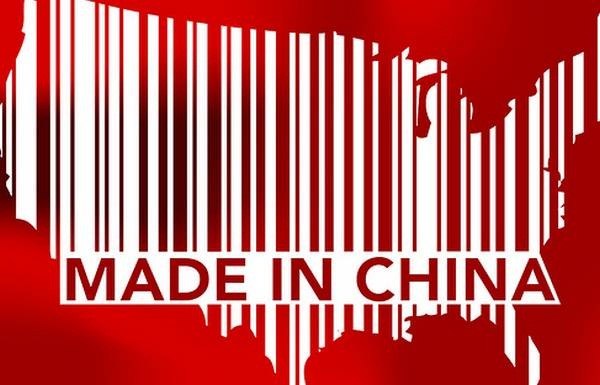
DOOMED AMERICAN FANTASY – WAKE UP CALL FOR AMERICA – READ THE WRITING ON MADE IN CHINA LABEL.

Nixon-Kissinger China Fantasy formulated US Policy of “Conceptual Failure,” and “Strategic Blunder” which holds no Promise for America’s Future.

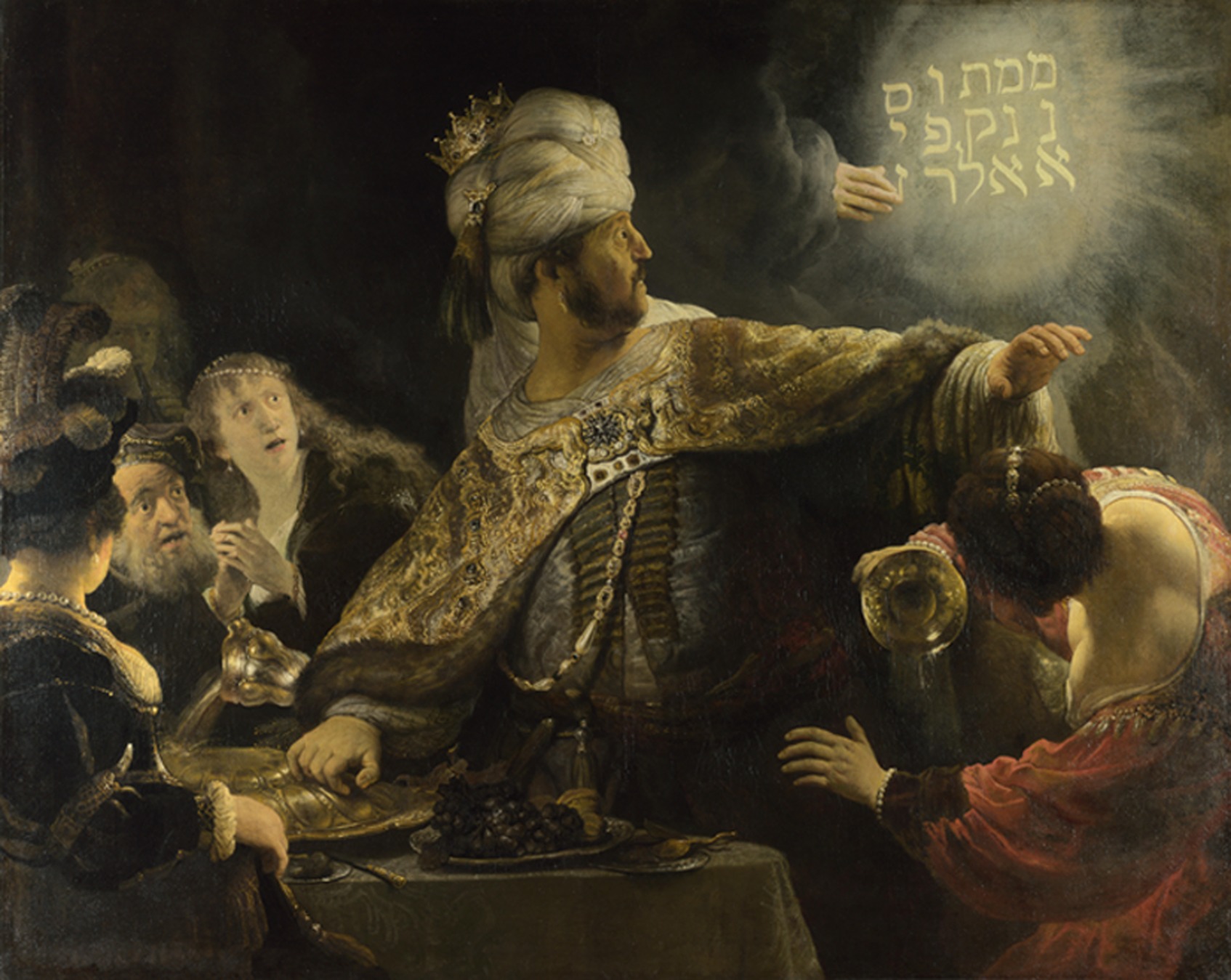
Doomed American Fantasy – Wake Up Call For America. Belshazzar, Doomed last King of Babylon failed to Decipher The Writing On The Wall (DANIEL 5:25).

“The Writing On The Wall” is clear. America need to Read The Writing On Made In China Label. Prophet Daniel warned Belshazzar, last King of Babylon about impending Doom. It’s not too late. To avoid Downfall, to avert Disaster, to prevent Catastrophe, and to halt Calamity in its tracks, America needs to Dump China Fantasy. The next US President Trump has to start afresh to ‘Make America Great Again’.

Rudranarasimham Rebbapragada
Ann Arbor, MI 48104-4162 USA
DOOM DOOMA DOOMSAYER

Doomed American Fantasy – Wake Up Call For America. James Mann, author of “The China Fantasy.”

The New York Times

Op-Ed Contributor

America’s Dangerous ‘China Fantasy’

By JAMES MANN
OCT. 27, 2016

Throughout the 1990s and early 2000s, American business executives and political leaders of both parties repeatedly put forward what I label the “China fantasy”: the view that trade, foreign investment and increasing prosperity would lead to political liberalization in the world’s most populous country.

“Trade freely with China, and time is on our side,” said President George W. Bush. He was merely echoing his Democratic predecessor, Bill Clinton, who called the opening of China’s political system “inevitable, just as inevitably the Berlin Wall fell.”

To say the least, things in China haven’t turned out that way.

Over the past few years, the Chinese regime has become ever less tolerant of political dissent – to such an extent that, these days, American leaders have become far more reluctant to make claims about China’s political future or the impact on it of trade and investment. The “China fantasy” got the dynamics precisely wrong: Economic development, trade and investment have yielded greater political repression and a more closed political system.

This amounts to a new China paradigm: an intensely internationalized yet also intensely repressive one-party state. China provides the model that other authoritarian regimes, from Russia to Turkey to Egypt, may seek to replicate. As a result, the United States will find itself struggling with this new China paradigm again and again in the coming years.

In using the word “repression,” I am talking about organized political activity, not private speech. Visitors to China are sometimes surprised to find that cab drivers, tour guides or old friends may speak to them with candor, even about political subjects. However, what such people can’t do is to form an organization independent of the Chinese Communist Party or take independent action to try to change anything.

Doomed American Fantasy – Wake Up Call For America. Wang Qiaoling (Left), and Li Wenzu with photos of their husbands, Human Rights lawyers Detained by Red China.

Wang Qiaoling, left, and Li Wenzu with photos of their husbands, human rights lawyers in China who have been detained since July 2015. Credit How Hwee Young/European Pressphoto Agency

Indeed, over the past two years the Chinese government has been moving in new ways against people and institutions that might, even indirectly, provide support for independent political activity. It has tightened the rules for nongovernmental organizations. More recently, it has been arresting Chinese lawyers. It has also been staging televised confessions, a practice reminiscent of Stalin’s show trials.

Why is it that trade and investment have led to a Chinese regime that represses dissent more than it did five, 10 or 20 years ago? The answer, put simply, is that the regime thinks it needs to do so, can do so and has fewer outside constraints inhibiting it from doing so.

First, it needs to because as the economy develops and grows more complex, Chinese citizens are having new grievances of the sort that would otherwise lead to organized political activity. Environmental problems have multiplied. Consumers worry about product safety (tainted milk, for example) and accidents (like train wrecks). And at least to educated Chinese, internet censorship can be an annoyance, if not an insult.

Second, China’s security apparatus has a much greater capacity to repress dissent than it did in the past. Technology gives it greater capacity to control both physical space (the streets) and cyberspace (the internet).

Finally, the world’s increased commercial involvement with China over the past two decades has made foreign leaders more reluctant to do anything in response to Chinese crackdowns, lest the Chinese regime retaliate. This is in large part a problem of perception: In fact, the Chinese regime cares about its standing in the world and would seek to avoid international condemnation if world leaders took strong stand and work together.

Almost forgotten now is that in the 1990s, the United States, possessing far greater economic leverage in dealing with China than it has today, threatened trade restrictions if Beijing did not improve the human rights climate. After intense debate, the Clinton administration eventually backed away from threats to limit trade with China.

The aftermath of that debate was disastrous. American leaders overreacted by deciding to avoid any further strong actions in support of human rights in China. Instead, they offered the “China fantasy”: the idea that change would come inevitably.

At one point, giving voice to the optimism and the false assumptions about how trade would liberalize China, President Clinton told China’s president, Jiang Zemin, at a Washington news conference, “You’re on the wrong side of history.” History, however, is rendering its own judgment – that America’s confidence in the political impact of trade with China was woefully misplaced.

Looking forward, we are obliged to deal with a China capable of moving endlessly from one crackdown to another, no longer interrupted by the occasional easings or “Beijing Springs” of the past. It will be a different China, in which educated, middle-class people may be less loyal, but their views also less influential.

What we can do is to keep expressing as forcefully as possible the values of political freedom and the right to dissent. Democratic governments around the world need to collaborate more often in condemning Chinese repression – not just in private meetings but in public as well. We should also find new ways to single out and penalize individual Chinese officials involved in repression. Why should there be a one-way street in which Chinese leaders send their own children to America’s best schools, while locking up lawyers at home?

The Chinese regime is not going to open up because of our trade with it. The “China fantasy” amounted to both a conceptual failure and a strategic blunder. The next president will need to start out afresh.

James Mann, a resident fellow at the Johns Hopkins School of Advanced International Studies and former Beijing bureau chief for The Los Angeles Times, is the author of “The China Fantasy.”

· © 2016 The New York Times Company


TIBET OCCUPATION – UNFORGOTTEN MEMORY – WORLD HISTORY’S WORST CRIME

TIBET OCCUPATION – UNFORGOTTEN MEMORY – WORLD HISTORY’S WORST CRIME AGAINST HUMANITY
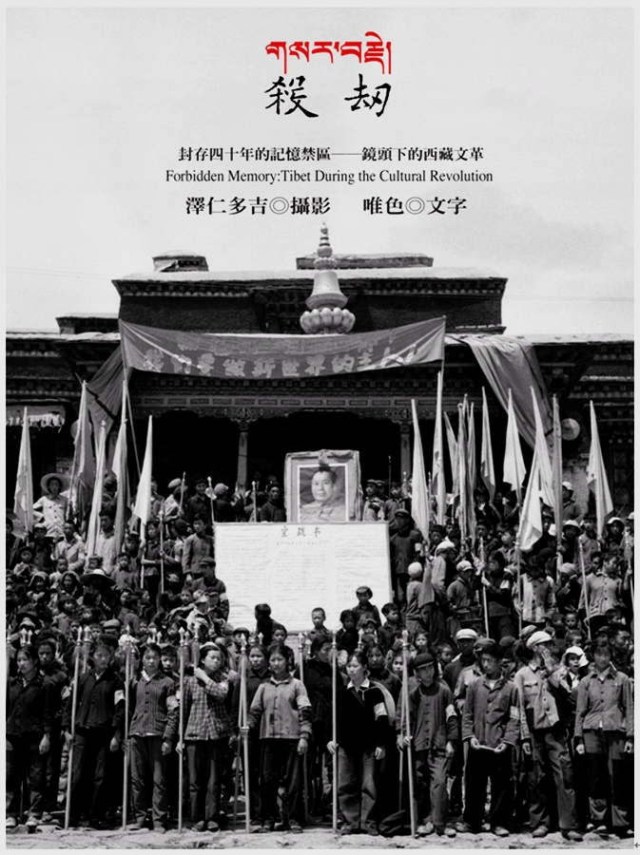
... 书奖)(Forbidden Memory:Tibet During the Cultural Revolution
Tibet Occupation – Unforgotten Memory – Crime Against Humanity. Thank You Tsering Woeser.
Evil Red Empire’s Tibet Occupation ranks as World History’s Worst Crime Against Humanity. I seek the appointment of an International War Crimes Tribunal to fully investigate Red China’s Tibet Occupation and the atrocities of ‘Cultural Revolution’ as Crimes Against Humanity. I warmly appreciate Ms. Tsering Woeser’s efforts to expose these Crimes.
 
 Rudranarasimham Rebbapragada
Ann Arbor, MI 48104-4162 USA
 
THE NEW YORK TIMES


The Cultural Revolution in Tibet: A Photographic Record

SINOSPHERE

By LUO SILING, OCT. 3, 2016
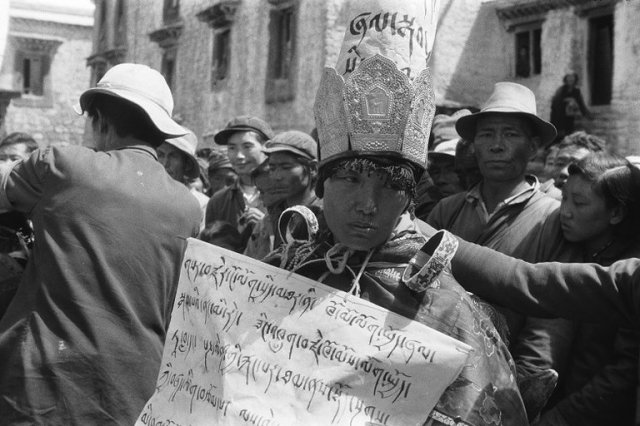
 
Tibet Occupation – Unforgotten Memory – Crime Against Humanity.


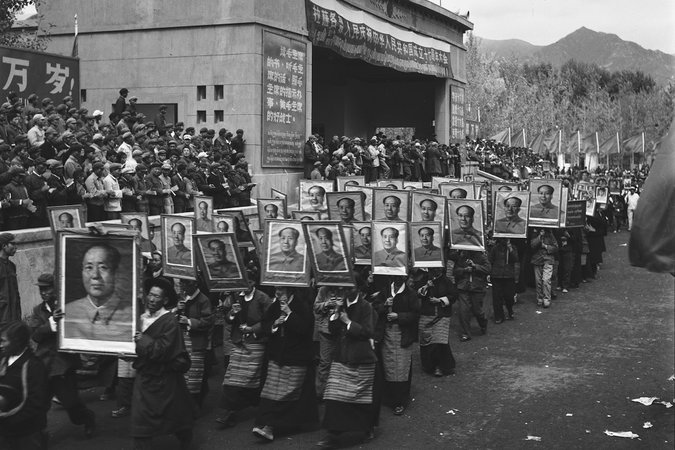
Tsering Woeser’s father, an officer in the People’s Liberation Army in Lhasa when the Cultural Revolution broke out in 1966, photographed many public attacks on Tibet’s old ruling class and religious leaders. Here, a Buddhist nun wears a sign labeling her as a counterrevolutionary. Credit Tsering Dorje

In 1999, the Tibetan writer Tsering Woeser came across Wang Lixiong’s book “Sky Burial: The Fate of Tibet.” On finishing it, she sent Mr. Wang photographs taken by her father, who was with the People’s Liberation Army when it entered Tibet in the 1950s and documented the early years of the Cultural Revolution in Lhasa in the 1960s. Mr. Wang wrote back, saying, “It’s not for me, as a non-Tibetan, to use these photos to reveal history. That task can only be yours.”

Ms. Woeser began tracking down and interviewing people who appeared in the photos. This resulted in two books published by Locus in Taiwan in 2006: “Forbidden Memory: Tibet During the Cultural Revolution,” based on her father’s photographs, and “Tibet Remembered,” an oral history narrated by 23 people who appear in them. Meanwhile, Ms. Woeser had begun taking her own photos, using her father’s camera, of the places he photographed. Many were included in a new edition of “Forbidden Memory,” published this year on the 50th anniversary of the start the Cultural Revolution.


The Cultural Revolution in Tibet: A Photographic Record - The New York ...
Tibet Occupation – Unforgotten Memory – Crime Against Humanity. Tsering Dorje before the Potala Palace in 1969.
Tsering Dorje standing before the Potala Palace in Lhasa in 1969, in a photograph provided by his daughter, Tsering Woeser.


Ms. Woeser was born in Lhasa in 1966 to a Tibetan mother and her father, Tsering Dorje, who was half Tibetan and half Han, the dominant ethnicity in China. But in 1970, her father, who had served as deputy commander of the Lhasa military district, was transferred to Sichuan Province. It wasn’t until 1990 that Ms. Woeser returned to Lhasa, where she became editor of the journal “Tibetan Literature.” In 2003, she published “Notes on Tibet,” a collection of essays and short stories that was soon banned by the Chinese government. She is now a freelance writer and poet based in Beijing with Mr. Wang, whom she married in 2004. In an interview, she discussed what she learned from her father’s photographs of Tibet’s experience of the Cultural Revolution.

How did your father manage to take these photos?

In 1950, Mao Zedong ordered the People’s Liberation Army into Tibet, and on the way it passed through my father’s hometown, Derge, which is in the present-day Garze Tibetan Autonomous Prefecture in Sichuan. At the time my father, who was only 13, was sent away by his Han father to enlist in the P.L.A. His mother was a local Tibetan. During the Cultural Revolution, my father served as an officer in the political department of the Tibet Military District. I suppose he was able to take photos because of his privileges as a P.L.A. officer.

It’s curious, however, that for all the photos that my father took, he was able to keep the photos and negatives. This certainly could not have happened if the army had assigned him to take the photos. This indicates that my father’s activity was not commissioned by the military.
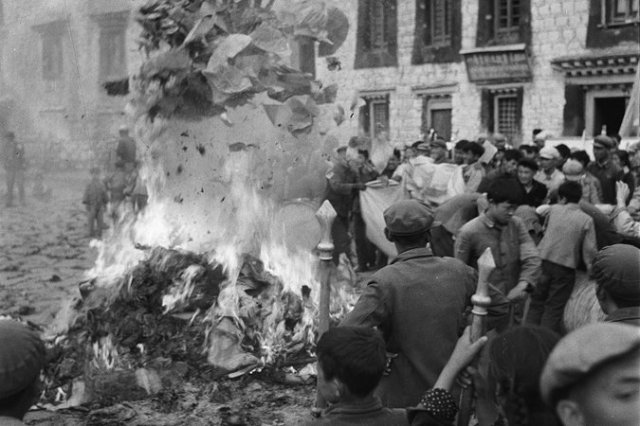
Tibet Occupation – Unforgotten Memory – Crime Against Humanity


On Aug. 24, 1966, in Lhasa, Buddhist scriptures were burned as part of the campaign against the “Four Olds” – old customs, old culture, old habits, old ideas. Credit Tsering Dorje


Very few people had cameras then, and even fewer had the chance to take photos of public events. There were several media agencies active in Tibet then. They produced lots of documentaries, photos and reports. And yet in the newspapers and posters from then you can’t find any photos of ruined temples or “struggle sessions” against “counterrevolutionary monsters and demons.” I’ve looked at all the issues of Tibet Daily from 1966 to 1970 but can find no such photos.

What do your father’s photos show?

Mostly mass meetings and “incidents.” By mass meetings I mean large-scale gatherings such as the celebration by tens of thousands of Chairman Mao’s launching of the Cultural Revolution. Incidents include the destruction of temples and struggles against “monsters and demons.” The photos contain many identifiable figures including the Communist leaders of Tibet, the founder of the Tibetan Red Guards, individual Red Guards, as well as nobles, clergy and officials of the old Tibet society who were targeted in “struggle sessions.” In my investigations most of my efforts were focused on these people, because it’s through them that the photos have their greatest value. Over six years, I interviewed about 70 people in the photos.

How do your photographs and your father’s, taken in the same locations, differ?

In 1966 and 1967, my father took photos of mass meetings and rallies of Red Guards and the P.L.A. in front of the Potala Palace. In 2012, when I went to the same place to take photos, two self-immolations by Tibetans had taken place in Lhasa that May. As a result, the government tightened its policy of ethnic segregation and took more security measures against Tibetans, especially those from outside Lhasa. The measures were first implemented in March 2008, when protests broke out across the Tibetan region, and became more severe in 2012. As I took my photos, I noticed a curious phenomenon: the palace square was filled with men in black. They had umbrellas on their backs, which they would use to block people from taking pictures if an incident broke out. They lined up in rows and monitored the people passing by. They prohibited anyone from sitting in the square.

The Cultural Revolution in Tibet: A Photographic Record - The New York ...
Tibet Occupation – Unforgotten Memory – Crime Against Humanity. Tsering Woeser in Lhasa with her father’s camera.
Tsering Woeser, with her father’s camera, in Lhasa in 2013. Credit Pazu Kong


Another example: In 2014, I was standing where my father had taken photos in front of the Jokhang Temple. What did he see back then? Red Guards trying to hang Chairman Mao’s portrait on the roof of the temple, where the Chinese flag was also planted. Though I didn’t see any Mao portraits there, the flag was waving in the same place. Also, there were quite a few believers kneeling and praying, as well as a crowd of tourists fascinated by their actions. On the roof of a house diagonally across from the temple there were sharpshooters from the armed police. Ever since 2008, sharpshooters have been deployed on the roofs of buildings around the temple.

Comparing today with the Cultural Revolution, there were no believers kneeling back then, and the temple was ruined, while today the temple offers a bustling scene where believers may freely worship. But these are only superficial differences. Religious worship is still strictly controlled. Furthermore, there is now commercialized tourism, with gawking tourists who treat Tibetans like exotic decorations and Lhasa as a theme park.

Who was the founder of the Lhasa Red Guards?

Tao Changsong, born in Yangzhou, Jiangsu Province. In 1960, he graduated from East China Normal University and volunteered to move to Tibet, where he became a teacher of Chinese at Lhasa Middle School. During the Cultural Revolution he was the main force behind the creation of the Lhasa Red Guards, as well as commander of the Lhasa Revolutionary Rebels Headquarters. When the Revolutionary Committee of the Tibet Autonomous Region was formed, he became its deputy director, a position equivalent to vice chairman of the Tibet Autonomous Region today. He also went to Beijing many times and met with Zhou Enlai, Jiang Qing and other key members of the Central Revolutionary Committee. In 2001, I interviewed him twice. I didn’t show him my father’s photos, assuming he might not tell me the story if he saw them, since he appears in one. It shows him at the Dalai Lama’s summer palace, the Norbulingka, leading a team of Red Guards hanging up a poster on which is written “People’s Park.”

The Cultural Revolution in Tibet: A Photographic Record - The New York ...
Tibet Occupation – Unforgotten Memory – Crime Against Humanity.
A public rally in Lhasa to force “monsters and demons” to confess their failings. Credit Tsering Dorje


There were two “rebel factions” in Lhasa during the Cultural Revolution. One was the Revolutionary Rebels Headquarters. The other was the Great Alliance of Proletarian Revolutionaries Command, or Great Alliance Command for short. The two fought each other for power. In the later period of the Cultural Revolution, the Headquarters faction lost ground, while the other faction achieved total control, and retained it even after the Cultural Revolution [which ended in 1976]. Headquarters members were purged from the party. Tao Changsong was investigated on suspicion of belonging to the “three types of people” – “people who followed the Lin Biao-Jiang Qing counterrevolutionary faction,” “people with a strong factionalist bent” and “people who engaged in looting and robbery.” After the mid-1980s, he worked at the Tibetan Academy of Social Sciences and served as assistant editor of the journal “Tibet Studies” and as deputy director of the Modern Tibetan Research Institute. Now he’s retired and lives in Chengdu and Lhasa, where he is in good standing with the government.

Mr. Tao is a lively talker with a sharp memory. He also showed his cautious side when he began having difficulty answering my questions about the Red Guards’ campaign against the “Four Olds” at the Jokhang Temple. The statement in his account that left the deepest impression on me concerned the P.L.A.’s crackdown on “second rebels” [Tibetans who revolted in 1969]. He said: “The Tibetans are too simple-minded. If you execute them they say, ‘Thank you.’ If you give them 200 renminbi they also say, ‘Thank you.’ ”

Tibet was an exception to the general practice of purging the “three types of people” after the Cultural Revolution. In Tibet there were few purges of that kind. When Hu Yaobang came to Lhasa in 1980, he put an end to the purging of the “three types.” Why? Because there were many Tibetans among them. Hu thought if you purged them, the party wouldn’t be able to find reliable agents among local Tibetans. So the party couldn’t purge them. And some of them not only were shielded from purges but even received promotions. As a result, the people who rose in power during the Cultural Revolution still dominate Tibet, whether Tibetan or Han.

Tibet Occupation – Unforgotten Memory – Crime Against Humanity.


Two Red Guards in Lhasa in 1966. Credit Tsering Dorje


Tell us about the people in the photographs who were victims of the struggle sessions.

There were about 40 of them. They belonged to a variety of professions in the old Tibet: monks, officials, merchants, physicians, officers, estate overlords and so on. The settings included struggle sessions at mass assemblies, in the streets and at local neighborhood committees that methodically conducted their sessions by turns. The time frame was from August to September 1966. After that, the division between the factions led each to conduct its own separate struggle sessions. The people attacked in these sessions were incorporated into the “monsters and demons” unit, where they were ordered to attend long-term labor and study sessions at their assigned neighborhood committee.

What’s most interesting about these victims is that most were members of the upper class whom the Communist Party from the 1950s to the eve of the Cultural Revolution had designated as “targets to be won over.” And since they did not follow the Dalai Lama and flee the country during the 1959 uprising, the party rewarded them with many privileges. In other words, they were partners of the party. One of them, a monk, even served as an informant for the military.

But after the Cultural Revolution began they were labeled “monsters and demons” and suffered humiliating attacks. In the end they were overtaken by madness, illness and death. Some died during the Cultural Revolution, others afterward. Most of the victims died. Of the few who survived, some went abroad. Some, however, remained in Tibet, where they took up the party’s offer and joined the system to regain their high status. Today these people are found in the Chinese People’s Political Consultative Conference, the National People’s Congress and the Buddhist Association, where they fulfill ceremonial functions needed by the party.
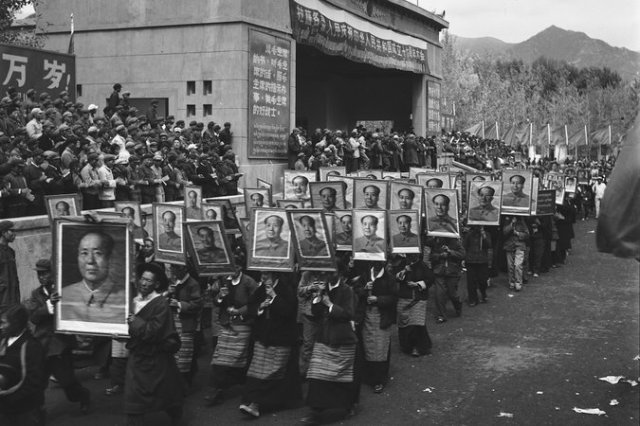
Tibet Occupation – Unforgotten Memory – Crime Against Humanity.


A National Day celebration on Oct. 1, 1966, in Lhasa marking the anniversary of the founding of the People’s Republic of China. Credit Tsering Dorje


Given the fate of most of the victims, the people I interviewed were mostly their relatives, or in some cases the disciples of victimized monks. They told me so many stories.

Such as?

Tibet Occupation – Unforgotten Memory – Crime Against Humanity.
Sampho Tsewang Rinzin, from one of the most renowned noble families in Tibet. Sampho began working with the Party in the 1950s and benefited from that. But he was cruelly struggled against during the Cultural Revolution, as you can see in the photos. The Red Guards who were beating him made him wear the uniform of a Senior Minister in the Tibetan Government, which as much as it made him look splendid, brought him so much humiliation and stripped him of all dignity, so that in the end he was sobbing in front of everyone. He died soon after this.
Then there was the “female living Buddha” – an erroneous term; we call them rinpoche – Samding Dorje Phagmo Dechen Chodron. Historically there have been very few female living Buddhas in Tibet. She was the most famous. In 1959 she followed the Dalai Lama and escaped to India. But she was persuaded by party cadres to return to Tibet and was held up as a patriot who had “resolved to shun the darkness and embrace the light.” She even met with Mao. After the Cultural Revolution started she was labeled a “monster and demon” and humiliated at struggle sessions.

 
The Female Living Buddha and her parents were
Tibet Occupation – Unforgotten Memory – Crime Against Humanity.

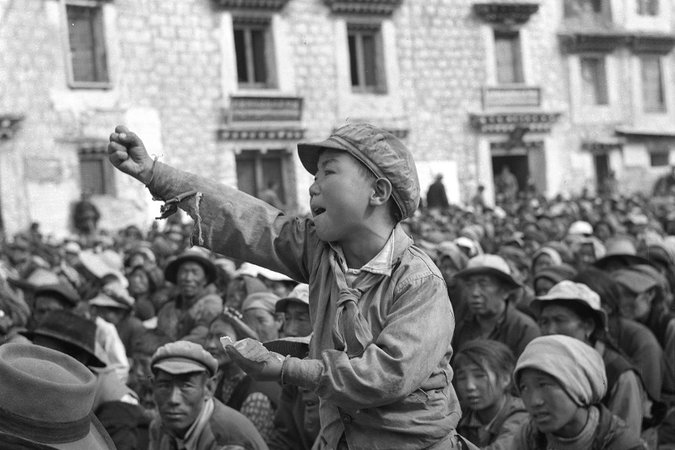
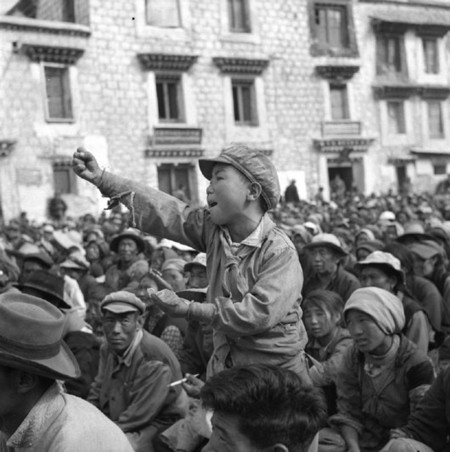
Ngawang Gelek, a member of the Little Red Guards, which replaced the Young Pioneers children’s organization during the Cultural Revolution, at a rally in Lhasa. He later became a militia commander and eventually a devout Buddhist. Credit Tsering Dorje.
 
In the photo where she is shown being beaten, she was only 24. She was weak then, because she had recently given birth to her third child. Her husband was the son of the great Lhasa nobleman Kashopa. The couple eventually divorced. It was her ex-husband who told me about her experiences as well as those of her parents after I showed him the photos.

Today, Dorje Phagmo is vice chairwoman of the Tibetan Autonomous Region and a member of the Chinese People’s Political Consultative Conference Standing Committee. She often appears on television attending various conferences.

Did you interview the Red Guards in the photos?

In one of my father’s photos there is a female activist, a quite vicious one during the Cultural Revolution. She once led a team to ransack a house where she not only seized the owner’s property but set fire to manuscripts bequeathed to the owner by the great Tibetan scholar Gendun Choephel. A Tibetan scholar called this a major crime against Tibetan history and culture. Later this woman became party secretary at the Wabaling neighborhood committee. When I found her there, she looked quite insignificant. As soon as I brought up the Cultural Revolution, her facial expression immediately changed. She refused to give an interview or let me take her photo.

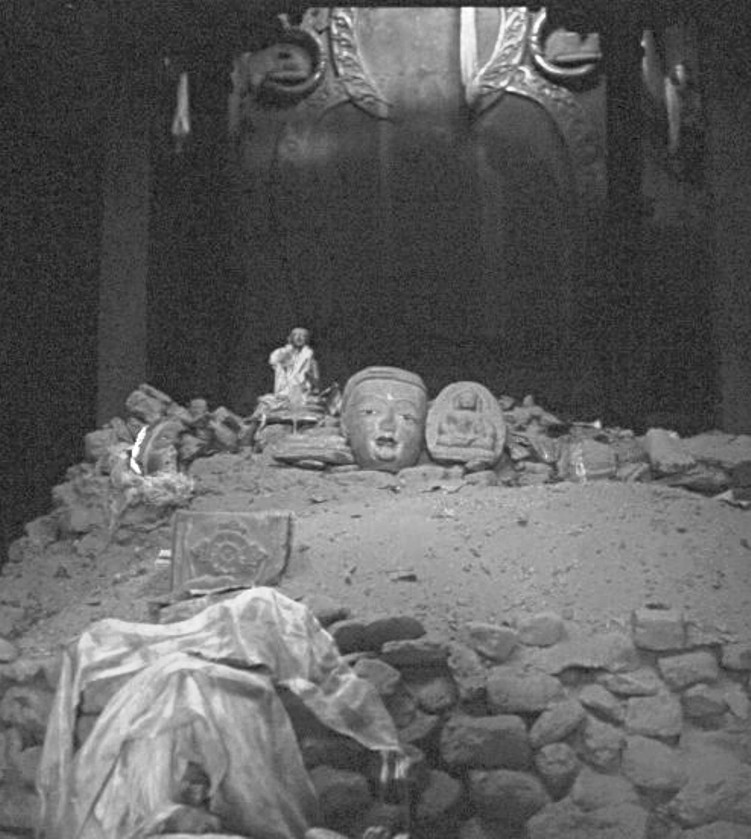
There was also a former monk I interviewed who had smashed Buddhist stupas and burned scriptures during the Cultural Revolution. Afterward, he volunteered to be a janitor at the Jokhang Temple and worked there for 17 years. He told me: “If it weren’t for the Cultural Revolution, I think I would have lived my entire life as a good monk. I would have worn monk’s robes. The temples would still be there. Inside the temples I would have devotedly read scriptures. But the Cultural Revolution came. The robes could no longer be worn. Though I have never looked for a woman or abandoned monastic life, I am not fit to wear the robes again. This is the most painful thing in my life.”

Follow Luo Siling on Twitter @luosiling.

This article was adapted from a three-part interview in the Chinese-language site of The New York Times.

© 2016 The New York Times Company


Cultural Revolution and its effects: Tsaparang, LhakangMarpo / Lhasa ...
Tibet Occupation – Unforgotten Memory – Crime Against Humanity.

 
on Tibet
TIBET OCCUPATION – UNFORGOTTEN MEMORY – CRIME AGAINST HUMANITY. AUTHOR OF FORBIDDEN MEMORY – CULTURAL REVOLUTION IN TIBET Ms. TSERING WOESER.


... titled 'Revisiting the cultural revolution in Tibet' held [Video
TIBET OCCUPATION – UNFORGOTTEN MEMORY – CRIME AGAINST HUMANITY

 
photos_uncategorized_2007_04_13_tibet_cultural_revolution_2-tm
TIBET OCCUPATION – UNFORGOTTEN MEMORY – CRIME AGAINST HUMANITY


Whole Evil – Who can make War against Red China?

The Evil Red Empire – Who can make War against Red China?

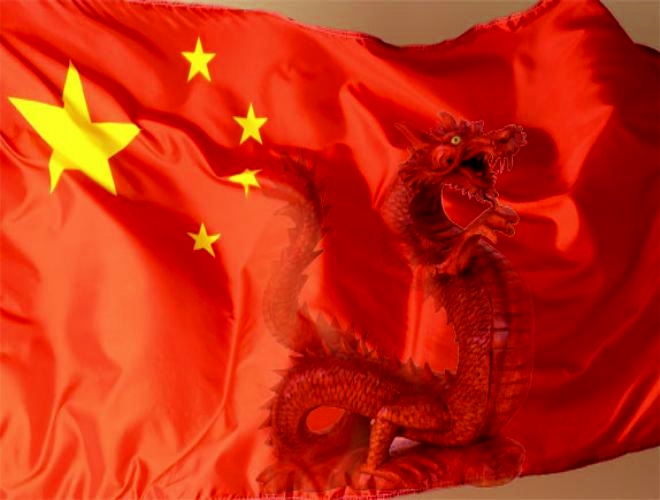
THE EVIL RED EMPIRE - RED DRAGON - WHO CAN FIGHT A WAR AGAINST RED CHINA?
The Evil Red Empire – Who can make War against Red China?

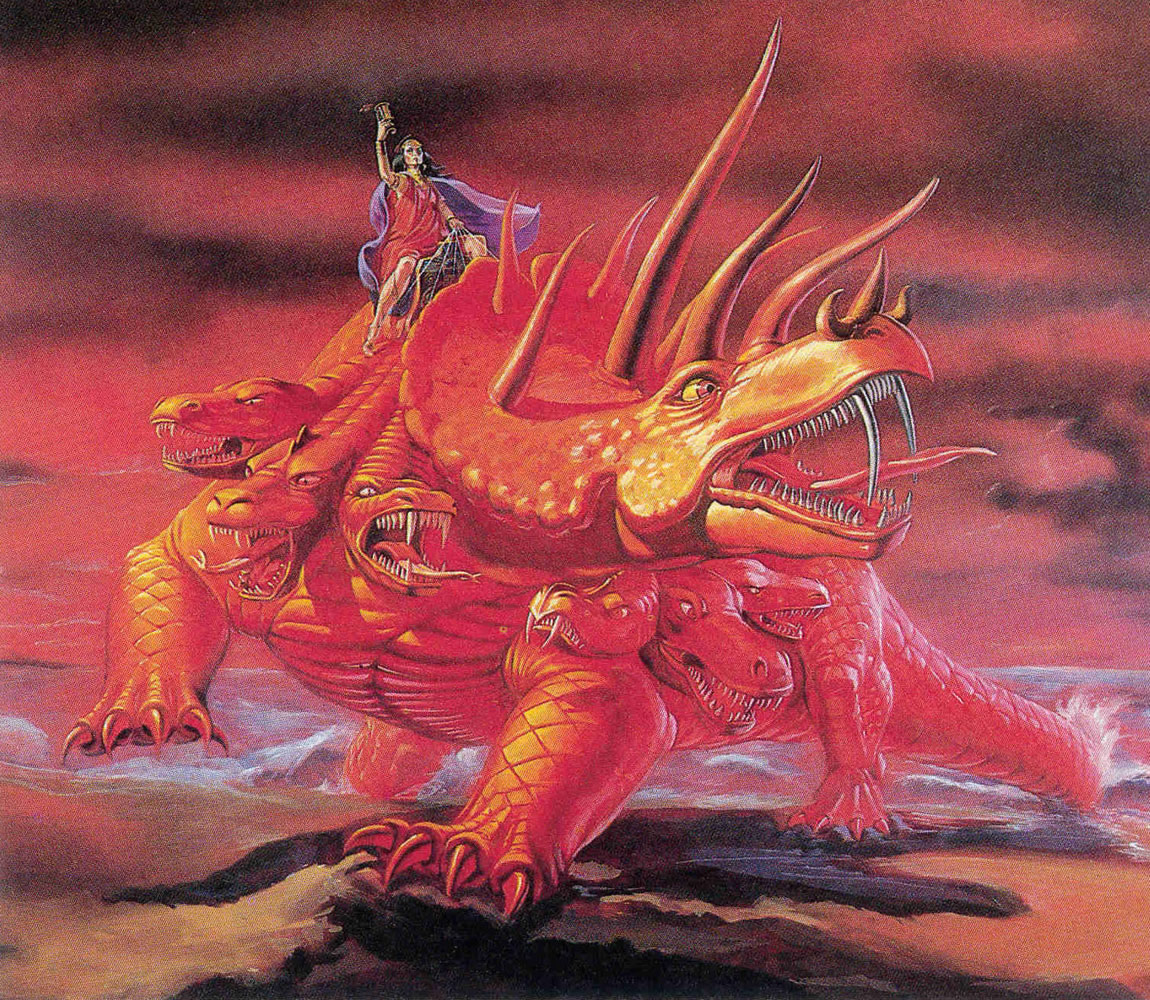
Red Dragon is impressing nations of this world by expanding her military power. The New Testament Book Revelation, Chapter 13 describes a scenario which is relevant to the rising power of Red Dragon. I am quoting verses 1,2, and 4 from Revelation, Chapter 13:

THE EVIL RED EMPIRE - RED CHINA - THE BEAST - WHO CAN MAKE WAR AGAINST THE BEAST?
The Evil Red Empire – Who can make War against Red China?

1. And the Dragon stood on the shore of the sea. And I saw a Beast coming out of the sea. He had ten horns and seven heads, with ten crowns on his horns, and on each head a blasphemous name.

2. The Beast I saw resembled a leopard, but had feet like those of a bear and a mouth like that of a lion. The Dragon gave the Beast his power and his throne and great authority.

4. Men worshiped the Dragon because he had given authority to the Beast, and they also worshiped the Beast and asked, “Who is like the Beast? Who can make war against him?”

THE EVIL RED EMPIRE - RED CHINA - RED DRAGON - WHO CAN MAKE WAR AGAINST RED CHINA?
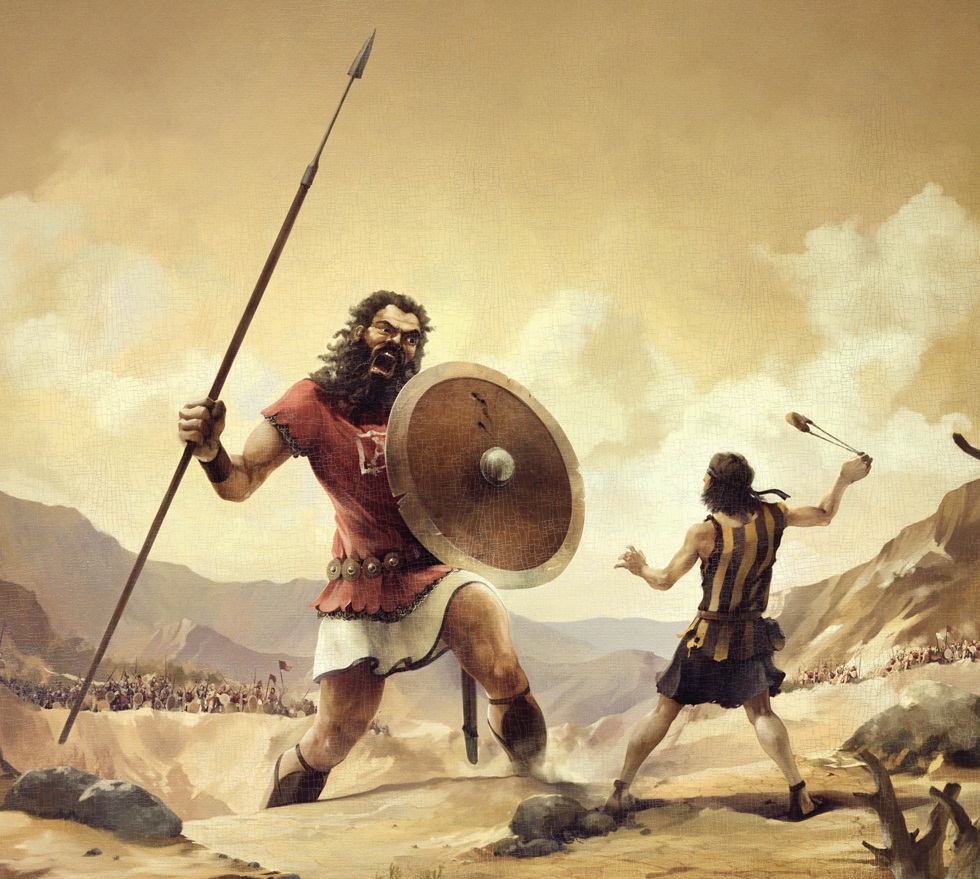
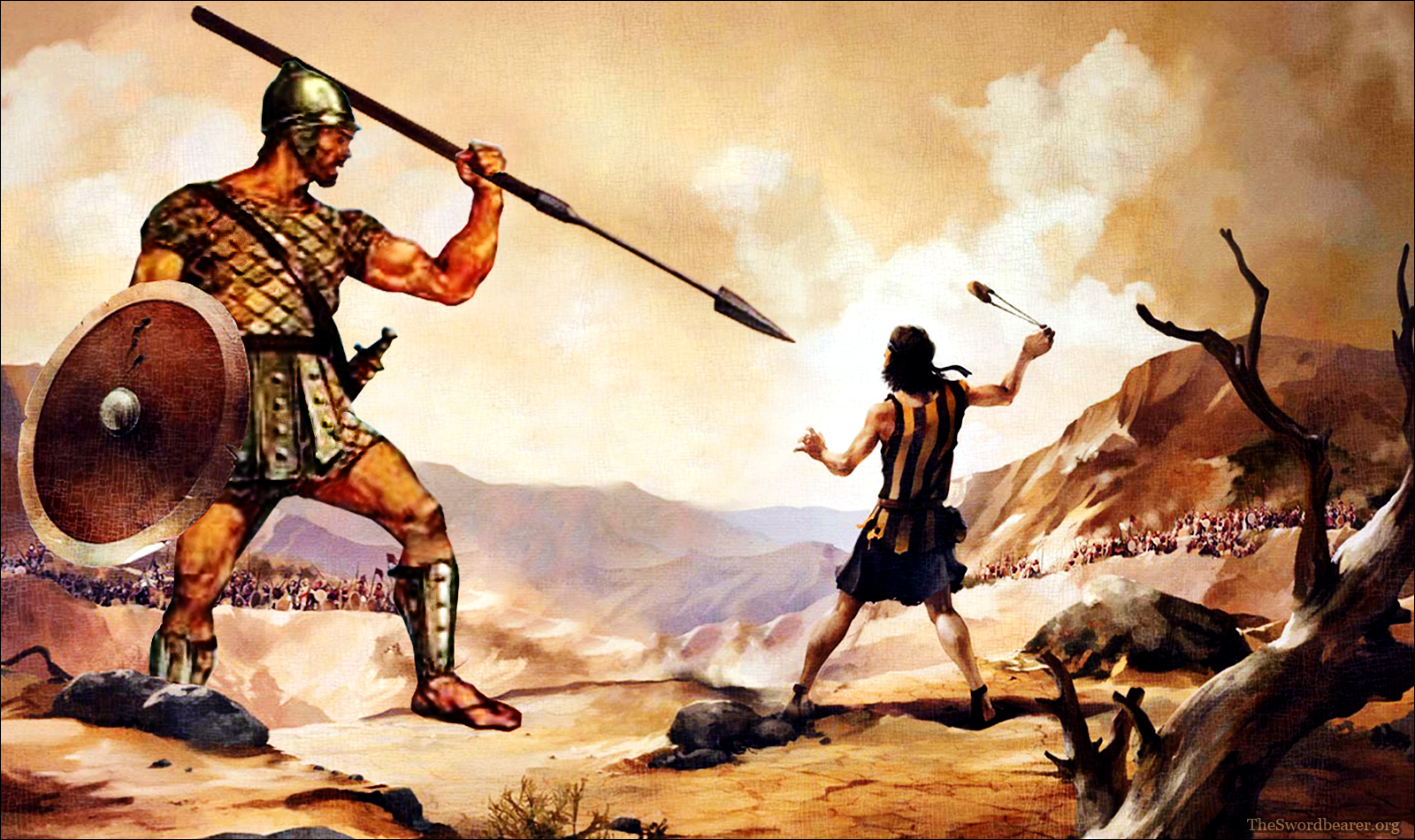
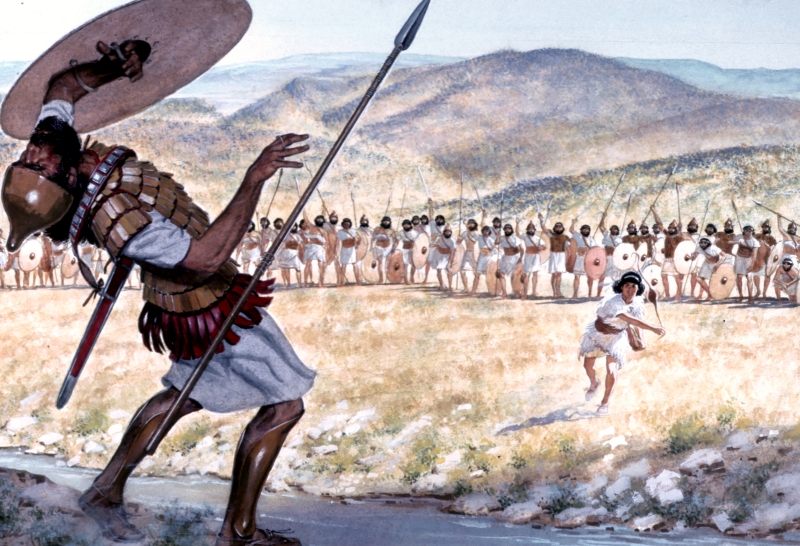
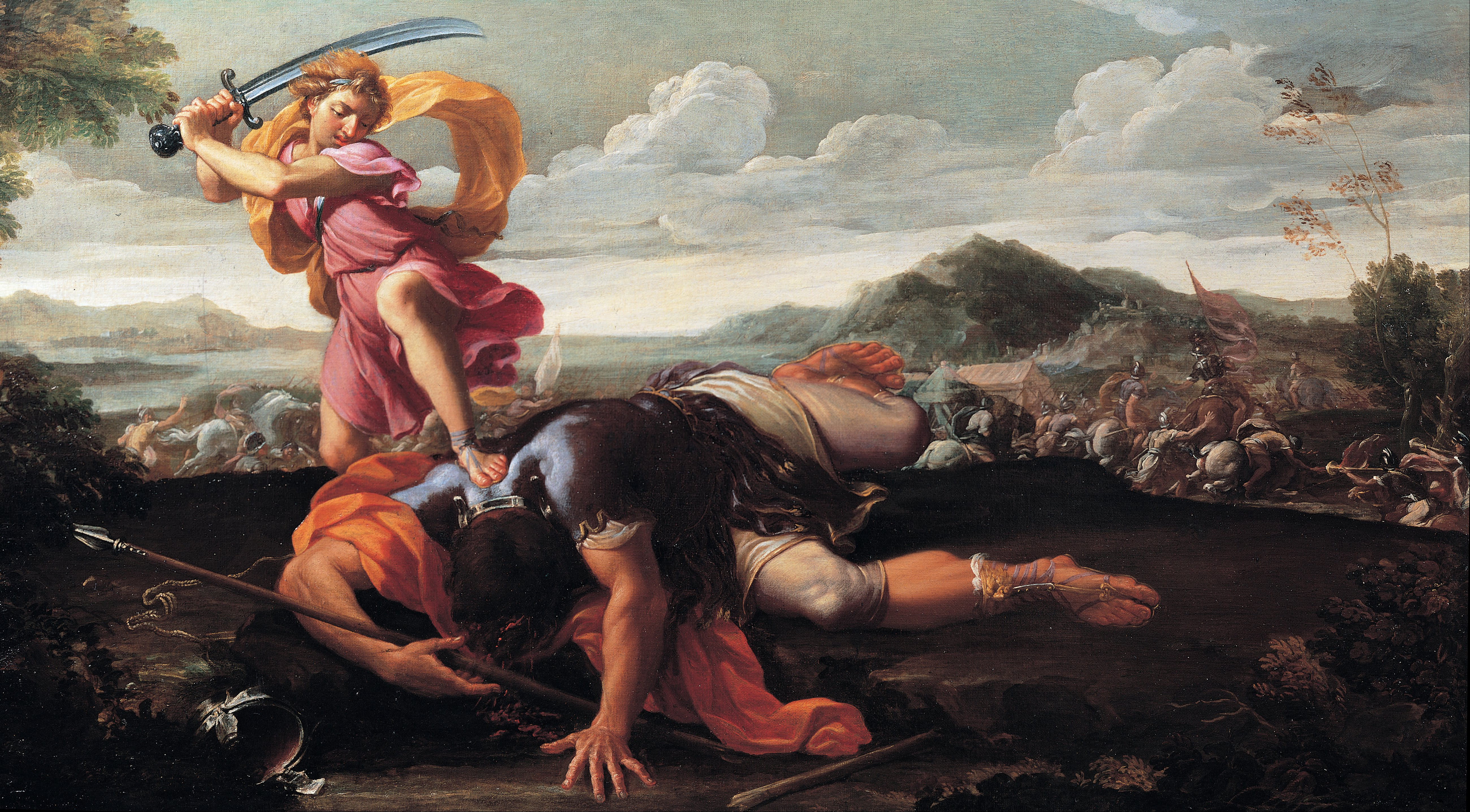
The Evil Red Empire – Who can make War against Red China? Red China vs Tibet – David vs Goliath – Who can make War against the Beast?
RED CHINA VS TIBET - DAVID VS GOLIATH - WHO CAN MAKE WAR AGAINST THE BEAST?
The Evil Red Empire – Who can make War against Red China? Red China vs Tibet – David vs Goliath – Who can make War against the Beast?

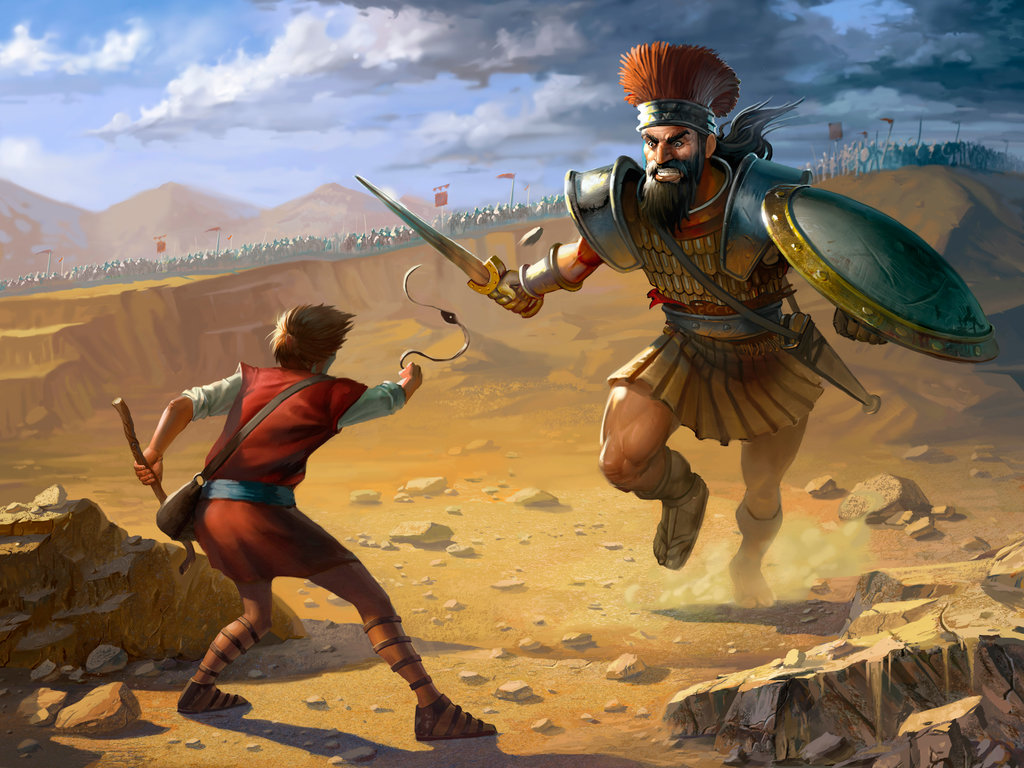
At Special Frontier Force, we do not worship The Dragon or The. We are trained to recognize Red China, Red Dragon, Scarlet Beast, and The Beast as our Adversary, Opponent, or Enemy. We describe War against Red China as a ‘Battle of Right Against Might’. Red Dragon used her military power and great authority to illegally occupy Tibet, her weak neighbor. If a War against Red China is the only solution to wipe out injustice in Tibet, we will confront Red China just like David challenged Goliath with a sling and a smooth pebble as his weapon of War.

The Evil Red Empire – Who can make War against Red China? Red China vs Tibet – David vs Goliath – Who can make War against the Beast?

China: Milestones in the Dragon’s Rise

BY JOSEPH V. MICALLEF

Joseph V. Micallef Headshot

JOSEPH V. MICALLEF

Best Selling Military History and World Affairs Author and Keynote Speaker

Posted: 06/20/2015 8:29 am EDT Updated: 06/20/2015 1:59 pm

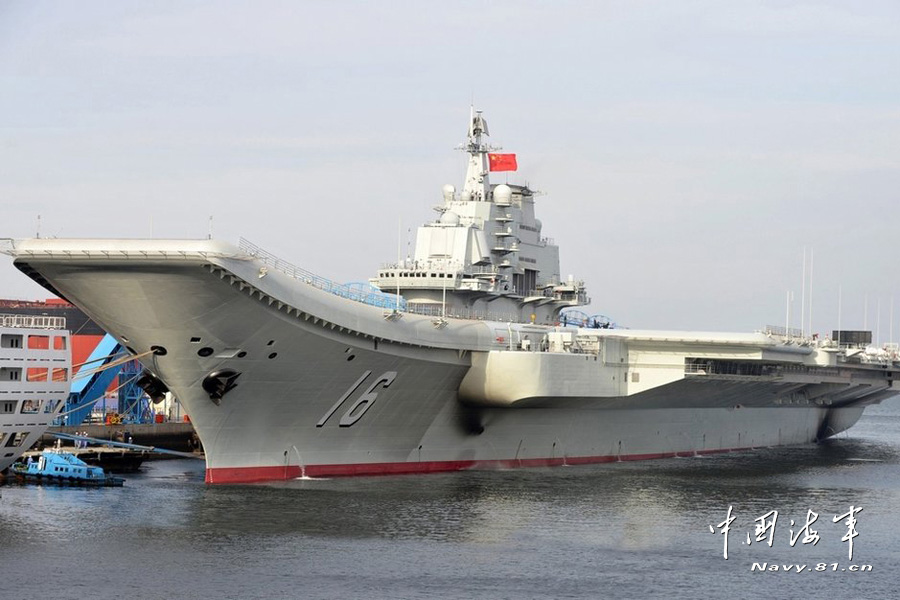
2015-06-19-1434675657-5514509-ChineseAircraftCarrier.jpg
The Evil Red Empire – Who can make War against Red China? Red China vs Tibet – David vs Goliath – Who can make War against the Beast? China’s First Aircraft Carrier

The passage of history is often marked by milestones whose significance lies less in the events they commemorate then it does in the underlying trends that they confirm and validate. These last weeks, were punctuated by a series of such milestones. By themselves, these events mark noteworthy developments in China’s contemporary history. Collectively, they underscore the far reaching changes that are transforming China and its growing role on the international stage.

Last week, the collective valuation of China’s publicly traded equity exceeded 10 trillion dollars for the first time in its history. Considering that forty odd years ago China’s equity markets were moribund, the benchmark is astonishing.

The Amsterdam, now part of the Euronext, and London stock exchanges, the world’s oldest, both of which have been around since the seventeenth centuries, are well below this level. The combined European exchanges, at 15 trillion dollars in valuation, and the combined value of the U.S. stock exchanges at 20 trillion, however, still, at least for now, exceed the capitalization of China’s public equity market by a considerable margin.

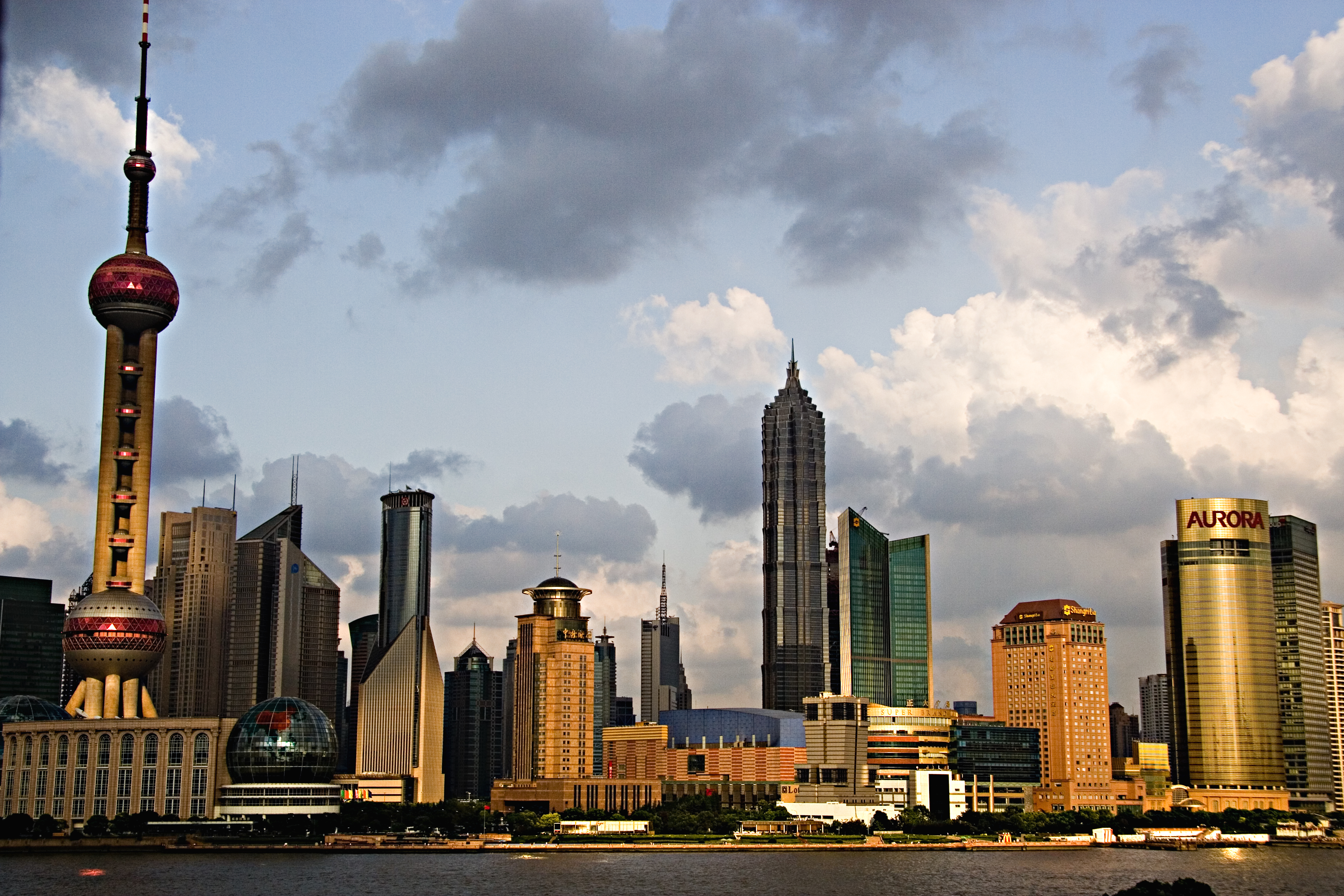
2015-06-19-1434675955-7937565-Shanghai_Pudong.jpg
The Evil Red Empire – Who can make War against Red China? Red China vs Tibet – David vs Goliath – Who can make War against the Beast? Shanghai, Pudong Skyline

No doubt the “loose” monetary policies pursued by the major central banks has facilitated the rise in the value of China’s stock markets. Since the introduction of “quantitative easing” by the U.S. Federal reserve Bank in 2008 and similar policies by other central banks, the value of the world’s stock markets have doubled. China’s markets have more than quadrupled. Collectively, the world’s stock markets now represent about a quarter of the world’s combined financial assets.

In one sense the fact that China, the world’s second largest economy, should also have the world’s second highest valued equity market should not come as a big surprise. The two, while not inexorably linked, do tend to proceed in tandem. The rise in China’s economic power, which the rise in its stock markets underscore, however, has also fuelled a concomitant rise in China’s international military and political ambitions. Those ambitions and their consequences were driven home last week by a number of other events.

On June 6, Hungary became the first European nation to formally sign a cooperation agreement for China’s new “Silk Road” initiative to develop trade and transport infrastructure across Asia. The historic “silk road” was a system of overland caravan routes across central Asia that linked China, via the Black Sea and the Caspian Sea, with the Middle East, Russia and Europe. The trade route flourished in particular during the 13th and 14th century as a result of the Mongol conquest of much of Central Asia and China and resulted in the first significant and sustained contact between Medieval Europe and China.

This new initiative, first unveiled in 2014, represents a far more ambitious undertaking and consists of a number of far-ranging infrastructure projects including a network of railways, highways, oil and gas pipelines, power grids, Internet networks, maritime and other infrastructure links across Central, West and South Asia extending from the coastal cities of the South and East China Seas as far as Greece, Russia and Oman,

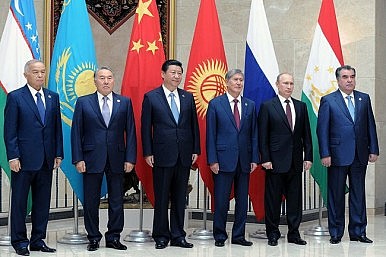
2015-06-19-1434675489-3777696-ChineseRussioanSummit.jpg
The Evil Red Empire – Who can make War against Red China? Red China vs Tibet – David vs Goliath – Who can make War against the Beast? Chinese Russian Summit, March 2015

This multi-trillion dollar investment program would represent an unprecedented expansion of Chinese political and economic influence across Central Asia resulting in trillions of dollars in trade and facilitate the expansion of Chinese exports to Europe. It would allow China to further cement its economic and trade relationships in the oil and mineral rich countries of Central Asia. Many of these nations, former Soviet Republics, are also being heavily wooed by Moscow to become part of Russia’s Eurasian Economic Union.

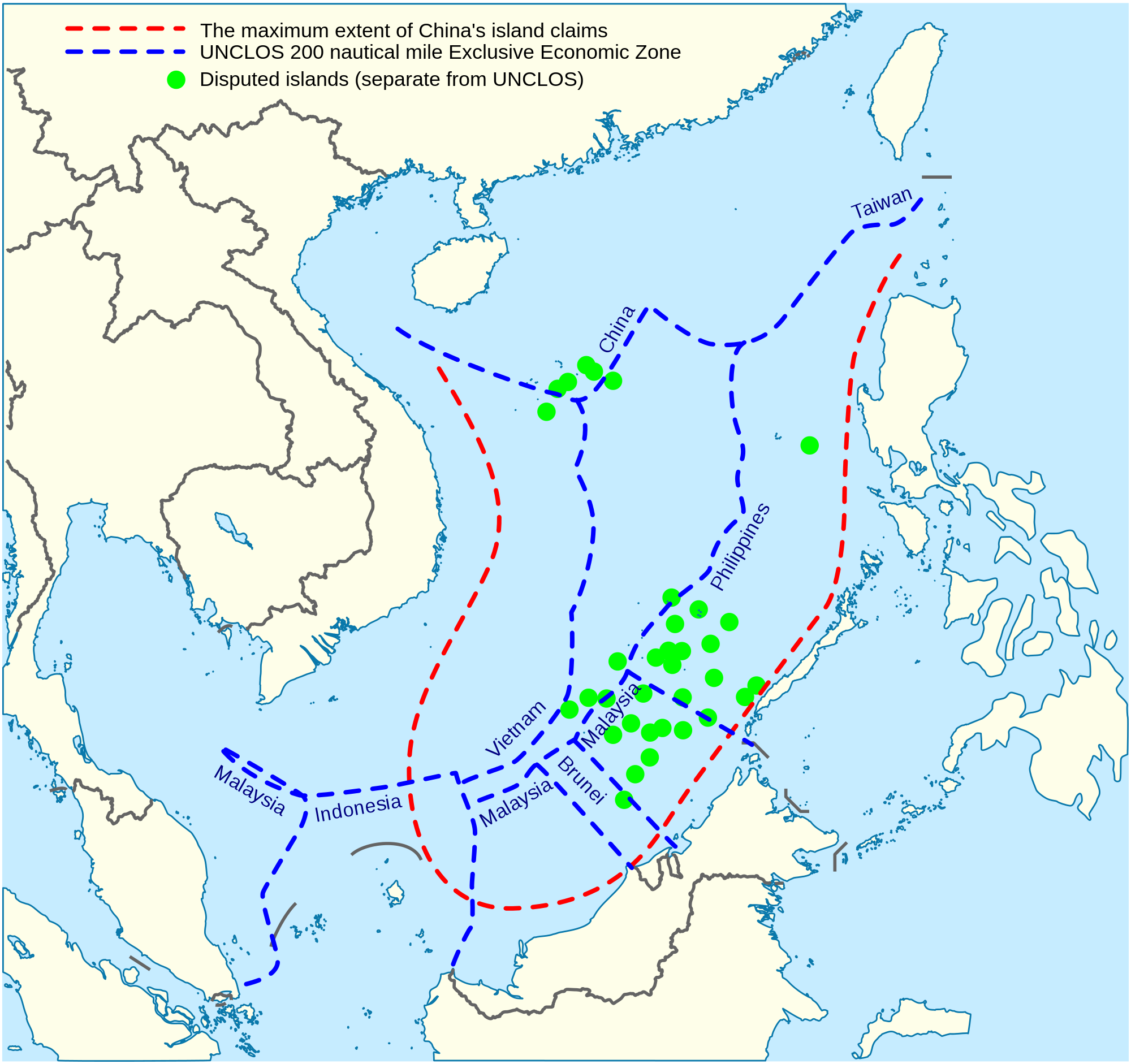
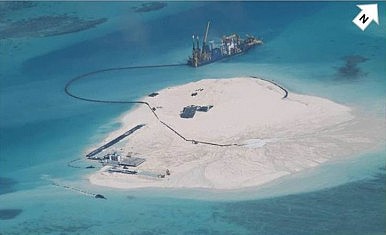
In the meantime along the South China Sea littoral, two other developments underscore the far reaching ripples of China’s ambitions. In recent months, Beijing has undertaken a massive land reclamation project designed to increase the surface area of a number of contested shoals in the South China Sea and allow the construction of air fields and permanent military facilities. The shoals are part of two island groups, the Paracel and the Spratly Islands.

Control of these islands has been disputed by the nations surrounding the South China Sea since at least the 3rd century BC. At stake, are fishing rights and the potential for vast untapped hydrocarbon reserves below the seafloor. The region also contains key maritime transit routes that are vital to the countries that border the South China Sea or its peripheral areas.

2015-06-19-1434676205-2256419-South_China_Sea_vector_svg.png
The Evil Red Empire – Who can make War against Red China? Red China vs Tibet – David vs Goliath – Who can make War against the Beast? Competing Territorial Claims in the South China Sea

Ironically, the practice of building up the shoals to allow permanent facilities was a practice that began with the Philippine and Vietnamese governments. China was late to the party but is now making up for its tardiness with an unprecedented program of land reclamation. Should Beijing succeed in enforcing its claims, the South China Sea would become a virtual Chinese lake and allow China to project military force from a string of newly created islands along its periphery.

China’s ambitions to control the South China Sea and its potential resources has raised concerns among the other countries that border the region. Two events in recent weeks, marking unprecedented cooperation among former enemies, underscore the gravity of those concerns.

On June 5, Japanese and Philippine media disclosed that from June 22 through the 26th Japan and the Philippines planned to hold a joint maritime drill in the South China Sea. This was the second such drill in as many months although Philippine government sources described this drill as the first “official” joint exercise between the two countries since the end of the Second World War.

2015-06-19-1434676303-6261223-thediplomat_20141208_194608386x253.jpg
The Evil Red Empire – Who can make War against Red China? Red China vs Tibet – David vs Goliath – Who can make War against the Beast? Japanese and Philippine Naval Forces Conduct Joint Drills in the South China Sea, May 2015

More significantly, in addition to pledging to strengthening security cooperation between the two countries and to concluding an agreement for the transfer of “defense equipment and technology and expanding bilateral and multilateral trainings and exercises”, the two countries also agreed to open discussions on a visiting forces agreement that would allow Tokyo access to Philippine military bases.

This is the first time that Japanese forces would have ongoing access to Philippine military facilities since the end of WW II. While the agreement stops short of a permanent Japanese military presence in the Philippines it does allow for a continuous rotation of Japanese Military Self Defense Forces (JMSDF) that would result in much the same thing.

The presence of Japanese military forces on the Philippines is not without some controversy. Eighty years of Philippine-Japanese cooperation have not entirely healed the scars of Japan’s brutal occupation of the Philippines during the Second World War.

In the meantime, on the opposite end of the South China Sea, two other historic enemies, Vietnam and the United States, announced that in July, Nguyen Phu Trong, the General Secretary of the Communist Party of Vietnam was expected to visit the United States.

2015-06-19-1434675780-1977796-IslandBuildingintheSouthChinaSea.jpg
The Evil Red Empire – Who can make War against Red China? Red China vs Tibet – David vs Goliath – Who can make War against the Beast? Chinese Island Building in the South China Sea

The visit caps a process of reconciliation between the two former combatants that began in 1995 when Washington finally opened diplomatic relations with Hanoi and which has seen the execution of a broad range of agreements between the two countries including, significantly, in 2014, the lifting of the U.S. embargo against supplying military hardware to Vietnam.

More significantly, Vietnam’s growing cooperation with the United States heralds a profound realignment of Hanoi’s foreign policy from an “unofficial” strategic partnership with China to a defacto strategic alignment with the United States. The fact that Hanoi is prepared to undertake such a realignment, notwithstanding its still broad ideological differences with Washington, underscores how significantly its attitude towards its former “strategic protector” and “big brother has changed.

Three events, none of which elicited more than a ripple of interest in the western media and which individually are unlikely to merit much more than a footnote in the broad sweep of China’s history. Collectively however, they underscore the profound, far-reaching changes that are realigning the political and strategic landscape of East Asia.

Follow Joseph V. Micallef on Twitter: www.twitter.com/JosephVMicallef

Copyright ©2015 TheHuffingtonPost.com, Inc. “The Huffington Post” is a registered trademark of TheHuffingtonPost.com, Inc. All rights reserved.

Part of HPMG News

The Evil Red Empire – Who can make War against Red China? Red China vs Tibet – David vs Goliath – Who can make War against the Beast?