UNFINISHED VIETNAM WAR – THE ART OF KNOWING YOUR ENEMY – AMERICA’S ENEMY IN VIETNAM
Unfinished Vietnam War – The Art of Knowing Your Enemy – America’s Enemy in Vietnam. The Enemy remains Undefeated. The Enemy is alive in Tibet.
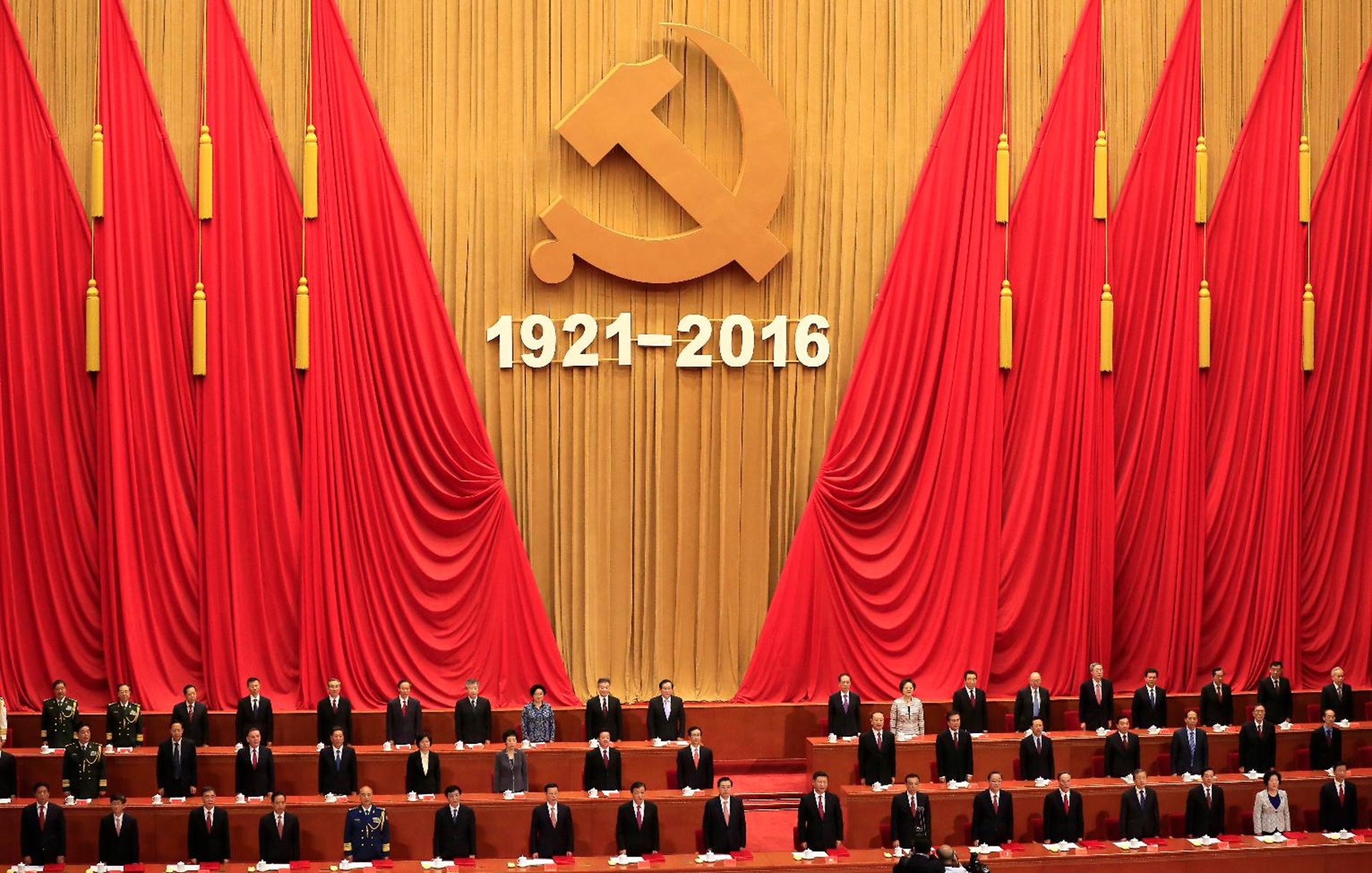
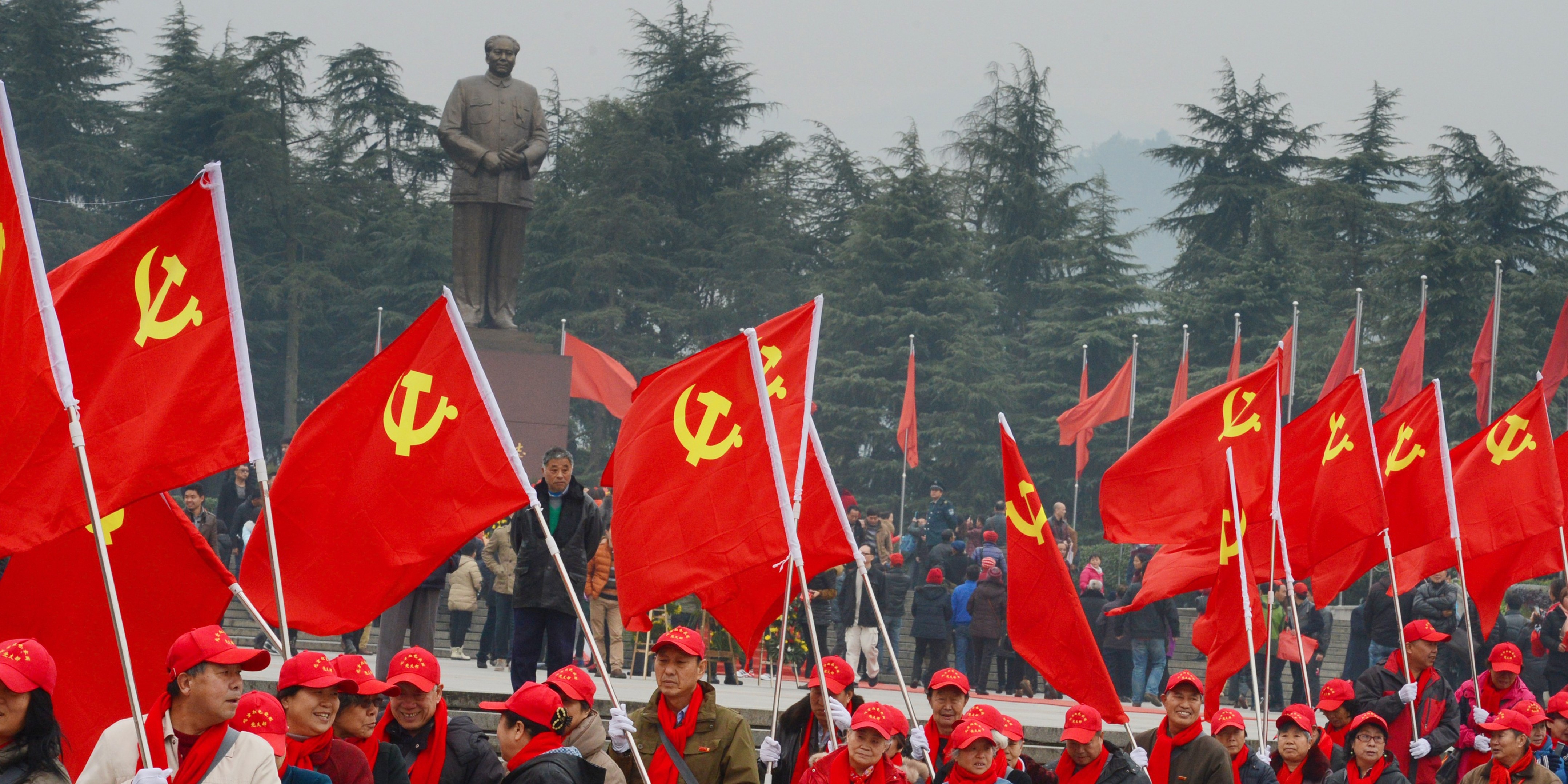
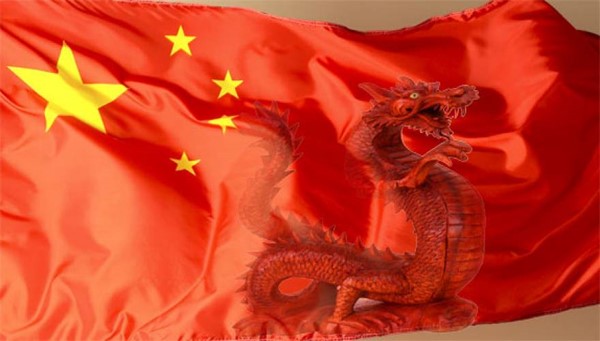
In my analysis, Vietnam War remains “Unfinished.” Firstly, the United States must define the term “ENEMY” to Know Enemy. United States recognized the threat posed by Communism to wage War to arrest the spread of Communism in South Asia. For that reason, United States began Vietnam War in response to threat posed by Soviet Union and People’s Republic of China.
Unfinished Vietnam War – The Art of Knowing Your Enemy – America’s Enemy in Vietnam. The Enemy remains Undefeated. The Enemy is alive in Tibet.Unfinished Vietnam War – The Art of Knowing Your Enemy – America’s Enemy in Vietnam. The Enemy remains Undefeated. The Enemy is alive in Tibet.Unfinished Vietnam War – The Art of Knowing Your Enemy – America’s Enemy in Vietnam. The Enemy remains Undefeated. The Enemy is alive in Tibet.
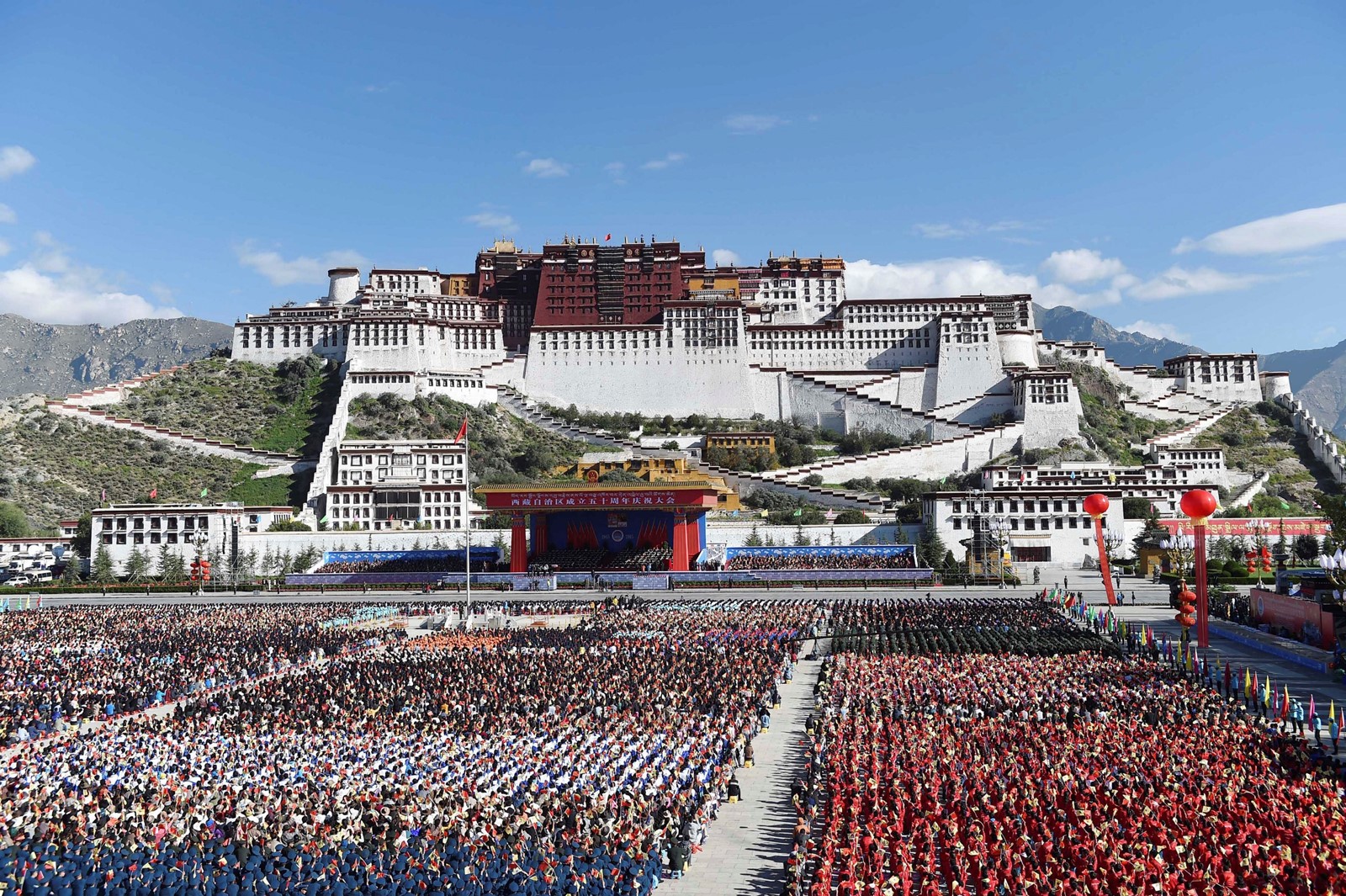
The threat posed by Communism in Asia endures as Communists are still governing Tibet, the second largest nation of South Asia. United States has no choice other than that of Knowing People’s Republic of China as “ENEMY.” The Enemy remains Undefeated. The Enemy is alive, not in Vietnam, but in Tibet.
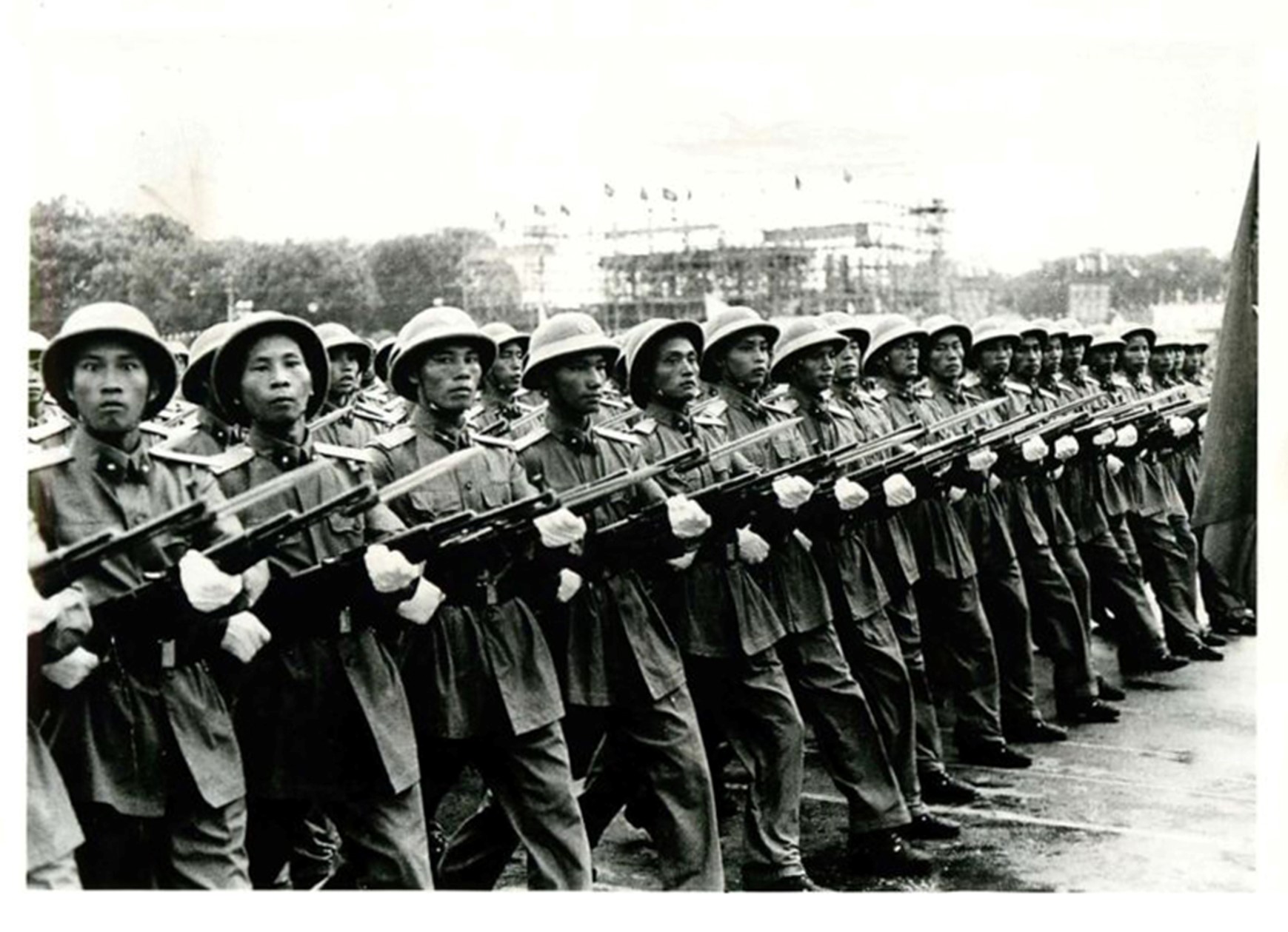
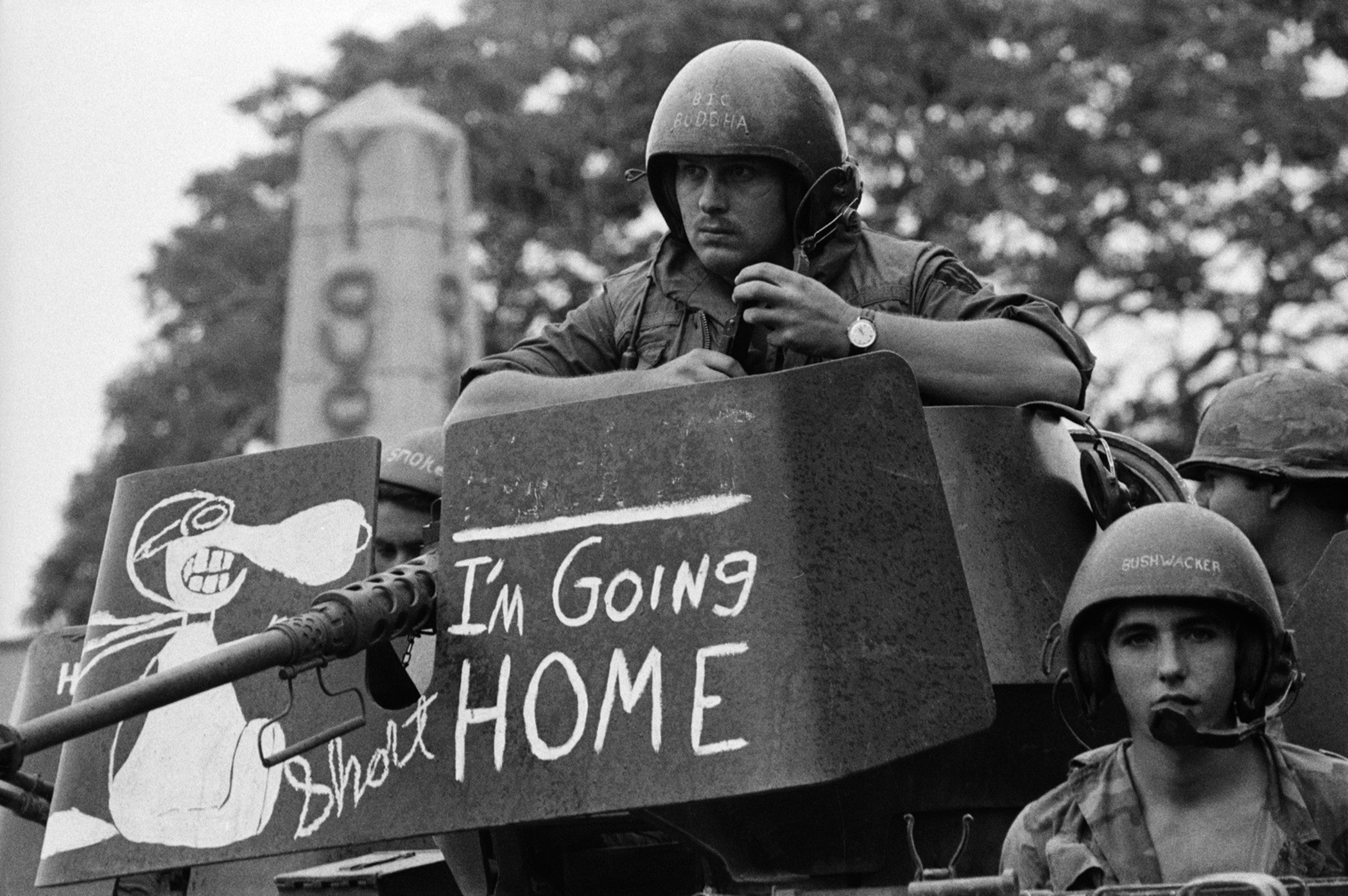
Unfinished Vietnam War – The Art of Knowing Your Enemy – America’s Enemy in Vietnam. The faces of these North Vietnamese Soldiers do not truly depict the Face of Enemy in Vietnam. The Enemy remains Undefeated. The Enemy is alive in Tibet.
The North Vietnamese newspaper Nhan Dan reports that the People’s Republic of China (PRC) has signed a new agreement to give Hanoi an undisclosed amount of aid in the form of an outright grant.
Chinese support to the Communists in Vietnam had begun with their backing of the Vietminh in their war against the French. After the French were defeated, the PRC continued its support of the Hanoi regime. In April 1965, the PRC signed a formal agreement with Hanoi providing for the introduction of Chinese air defense, engineering, and railroad troops into North Vietnam to help maintain and expand lines of communication within North Vietnam. China later claimed that 320,000 of its troops served in North Vietnam during the period 1965 to 1971 and that 1,000 died there. It is estimated that the PRC provided over three-quarters of the total military aid given to North Vietnam during the war.
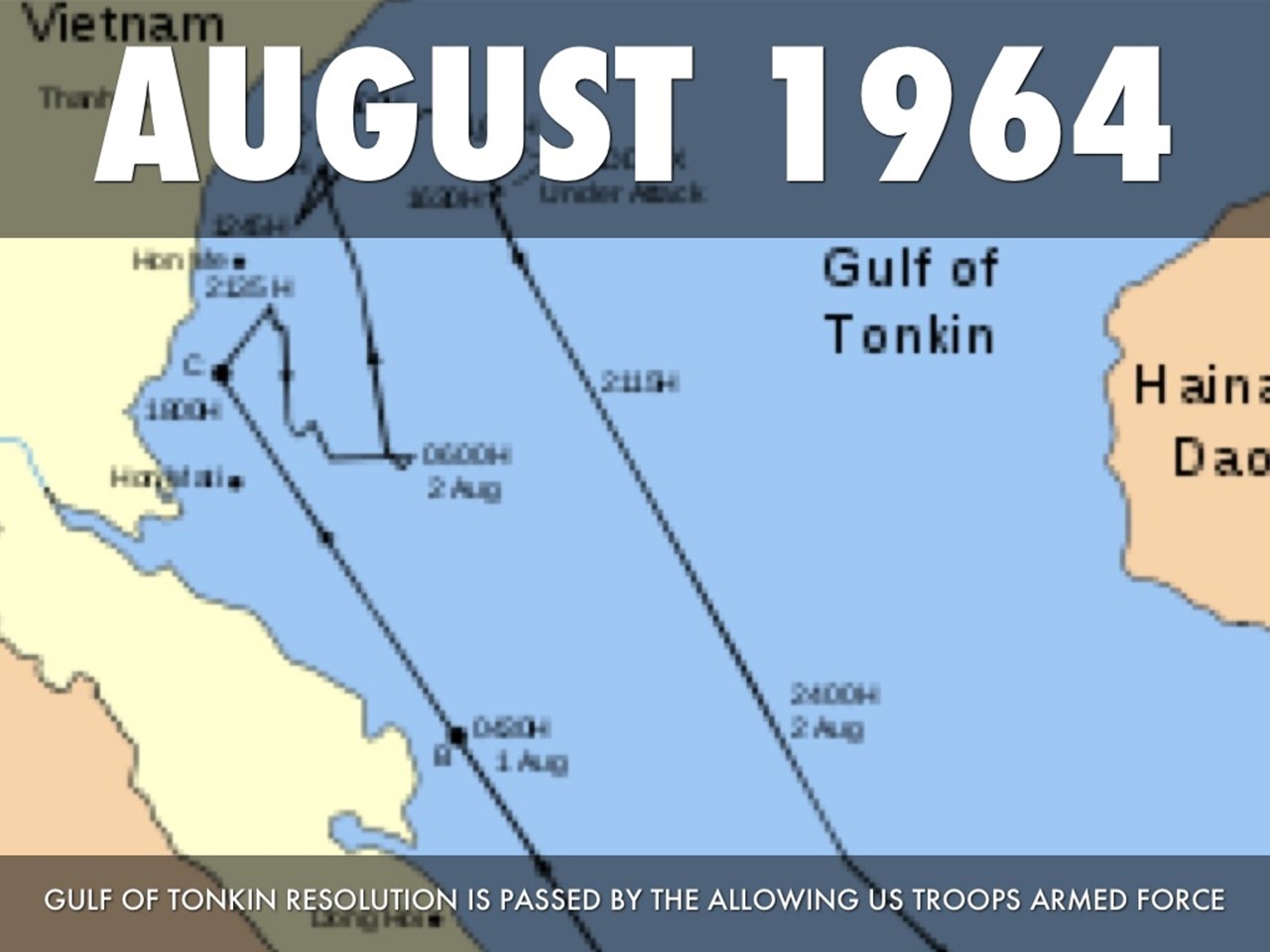
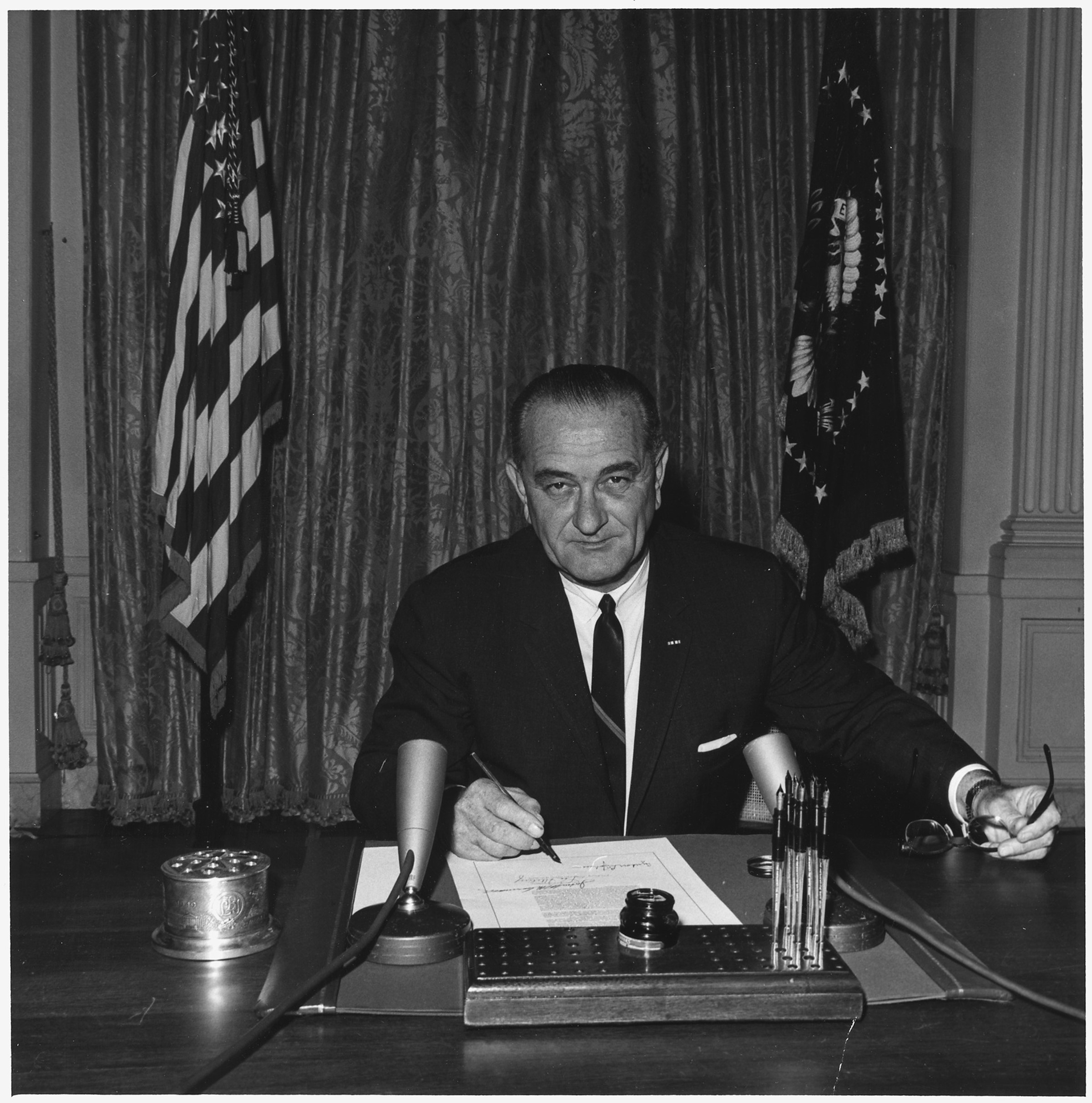
Unfinished Vietnam War – The Art of Knowing Your Enemy – America’s Enemy in Vietnam. The Enemy remains Undefeated. The Enemy is alive in Tibet.Unfinished Vietnam War – The Art of Knowing Your Enemy – America’s Enemy in Vietnam. On August 07, 1964 US President Lyndon B. Johnson signed into Law, Gulf of Tonkin Resolution. The Enemy remains Undefeated. The Enemy is alive in Tibet.
The U.S. Congress passes Public Law 88-408, which becomes known as the Tonkin Gulf Resolution, giving President Johnson the power to take whatever actions he deems necessary to defend Southeast Asia including “the use of armed force.” The resolution passed 82-2 in the Senate.
Unfinished Vietnam War – The Art of Knowing Your Enemy – America’s Enemy in Vietnam. The Enemy remains Undefeated. The Enemy is alive in Tibet.
THE COLD WAR IN ASIA – THE BATTLE AGAINST SPREAD OF COMMUNISM
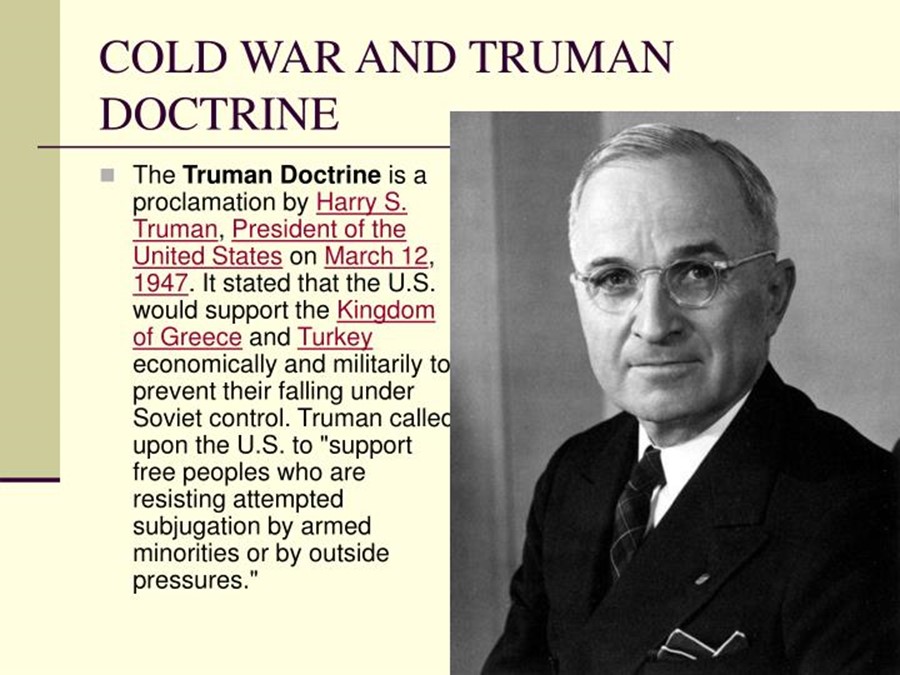
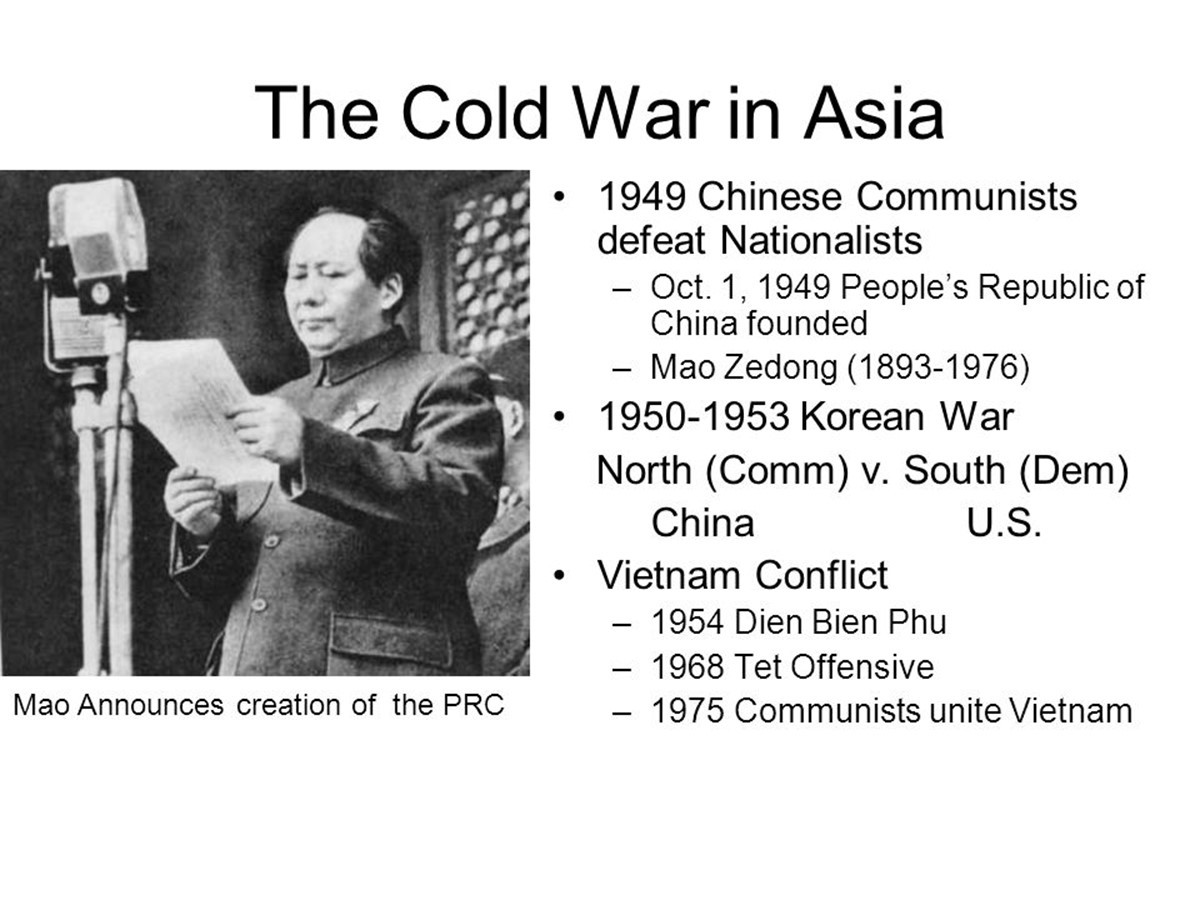
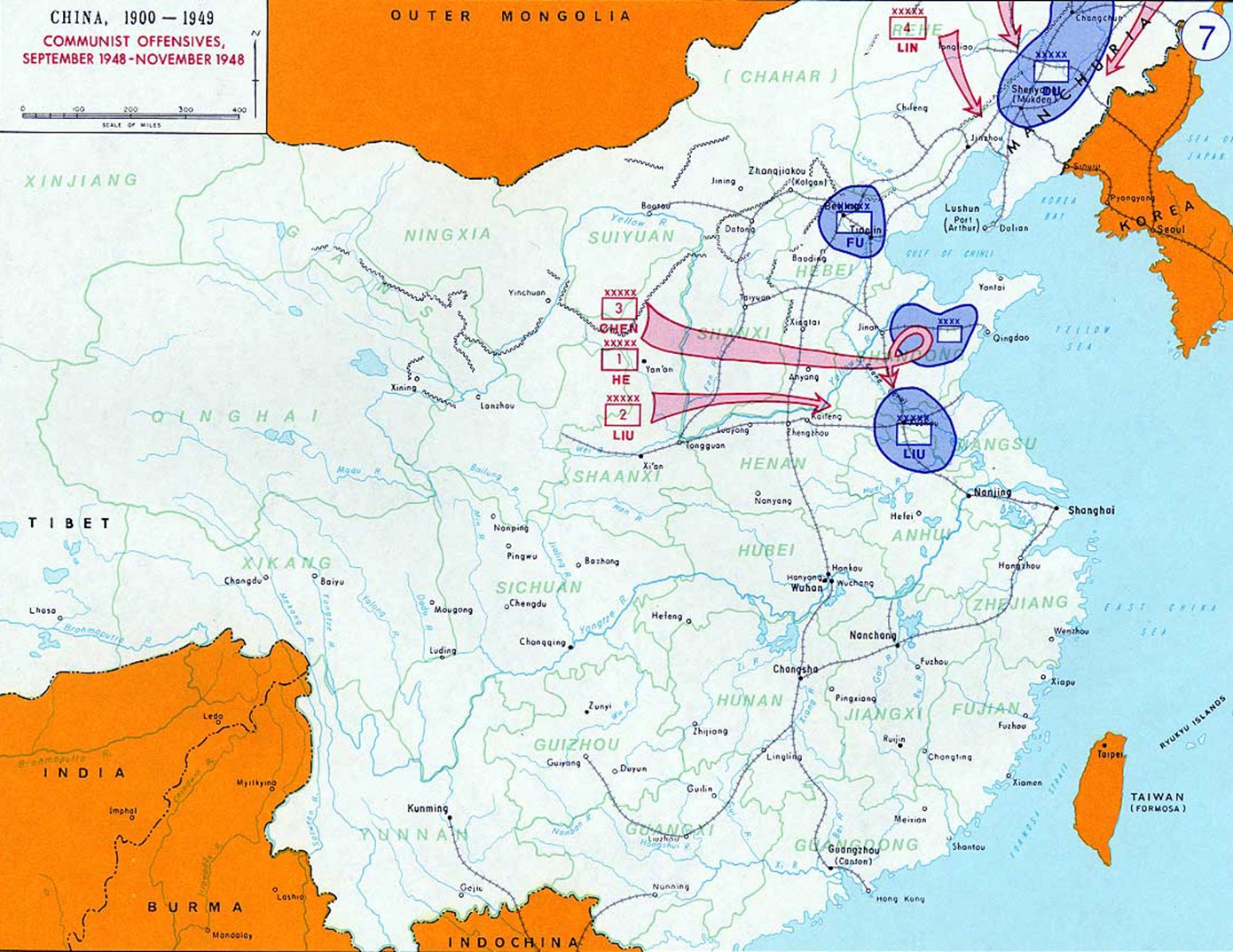
The Cold War in Asia – The Battle Against Spread of Communism. President Truman conceded the loss of China to Communists. The Cold War lingers due to incompatibility of Democracy and Communism.
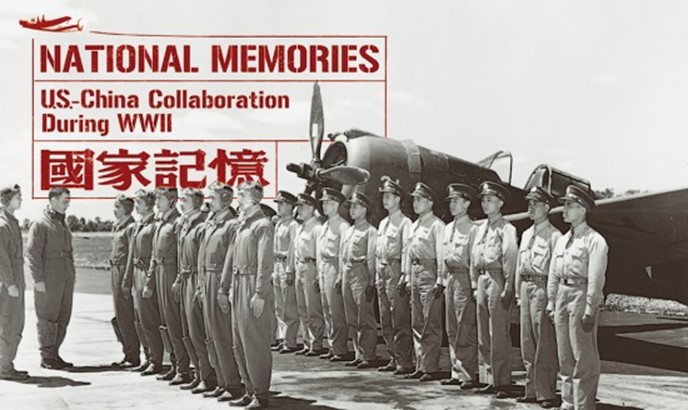
United States supported Nationalist China during World War II to prevent Communist takeover of China.
The Cold War in Asia – Battle Against Spread of Communism. In August 1946, US placed embargo on further shipment of US arms to Nationalist China.
However, by 1944, the US relations with Nationalists cooled off. In August 1946, US placed embargo on further shipment of US arms to Nationalist China. The loss of China to Communists on October 01, 1949 resulted in the founding of the Republic of China in Taiwan (Portuguese Formosa) by Chan Kai-Shek and the Nationalists. It did not cause the end of Cold War in Asia. It continued to manifest itself with armed conflicts in Korea, Vietnam, Laos, and Cambodia.
The Cold War in Asia – The Battle Against Spread of Communism. Communist takeover of China in October 1949 alarmed the US, India, and Tibet. The threat remains the same.
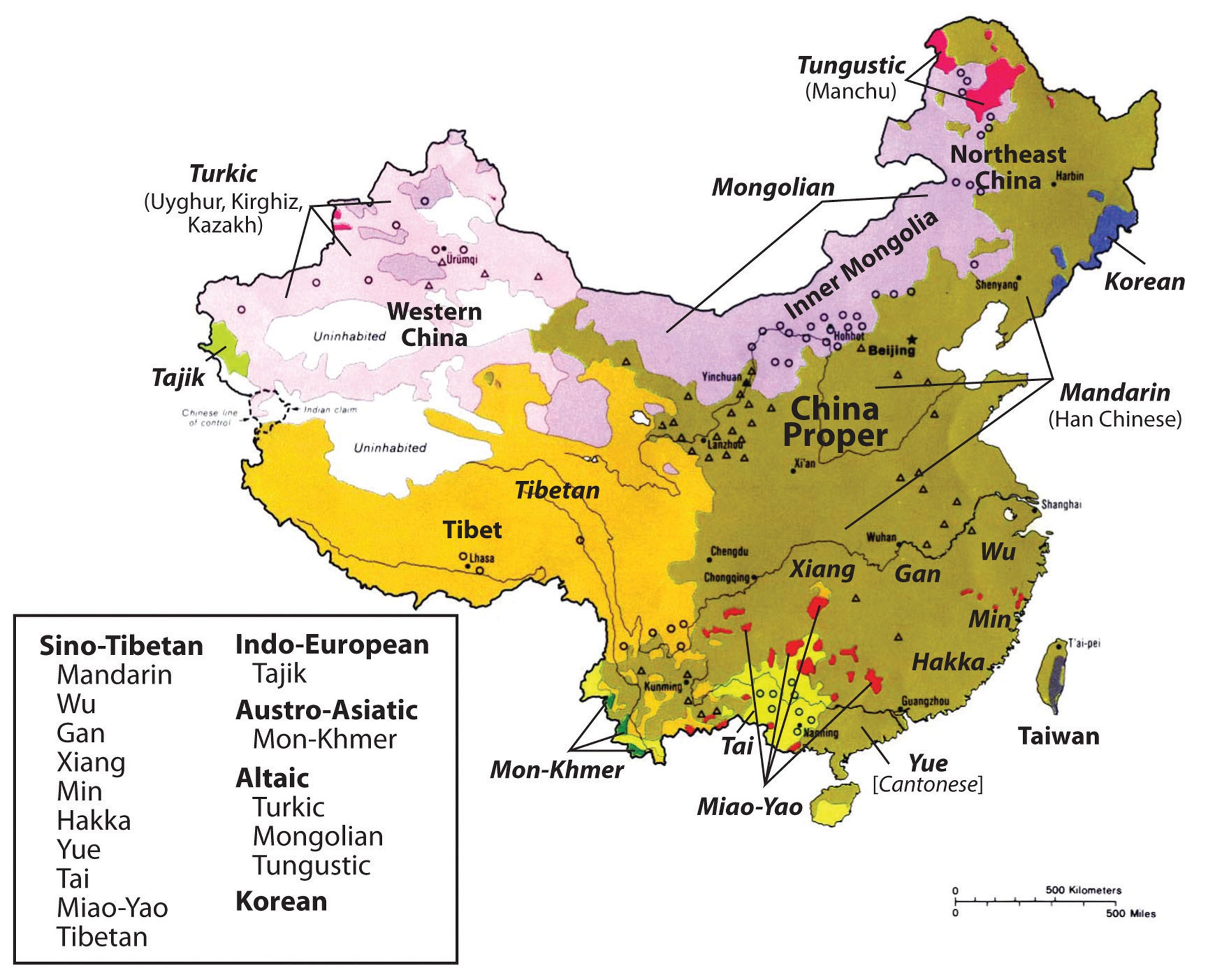
I concede that The Cold War in Asia has not manifested as major armed conflict across Tibetan Plateau. It does not mean that there was no effort to checkmate the spread of Communism to Tibet. The United States and India tried to contain Communism that provoked Communist China’s attack across Himalayan Frontier during October 1962. The Communists claimed initial success of their armed aggression but declared unilateral cease-fire on November 21, 1962 to withdraw PLA forces from captured Indian territory.
The Cold War in Asia – The Spread of Communism. Unfinished Vietnam War. Communism poses the same threat as before. Vietnam War is not the last chapter of the history of Cold War in Asia.
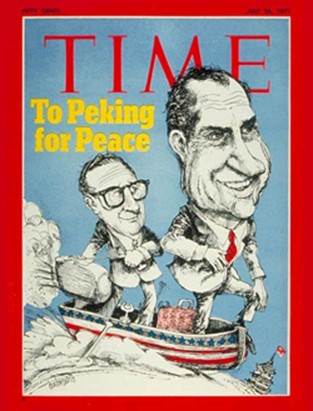
In 1971-72, Nixon-Kissinger tried to normalize US – China relations without securing success in Vietnam. That was not the last chapter of The Cold War in Asia.
The Cold War in Asia – The Battle Against Spread of Communism in Asia. This Threat will persist as long as Communism survives in China.
Spread of Communism in Asia poses the same threat it had initially posed on October 01, 1949. Nations defending Freedom, Democracy, Peace, Justice, and Harmony have no other choice; they remain resolved to engage, to contain, to resist, to confront, and to combat the danger posed by Communist takeover of China.
Rudranarasimham Rebbapragada
SPECIAL FRONTIER FORCE
The Cold War in Asia – The Battle Against Spread of Communism. For success of Freedom, Democracy, Peace, Justice, and Harmony in Asia, Communism must be defeated.
HOW LONG CAN CHINA AND INDIA AVOID WAR IN THE HIMALAYAS?
The Cold War in Asia – The Battle Against Spread of Communism. India, Tibet, Bhutan Border tensions need resolution through defeat of Communism.
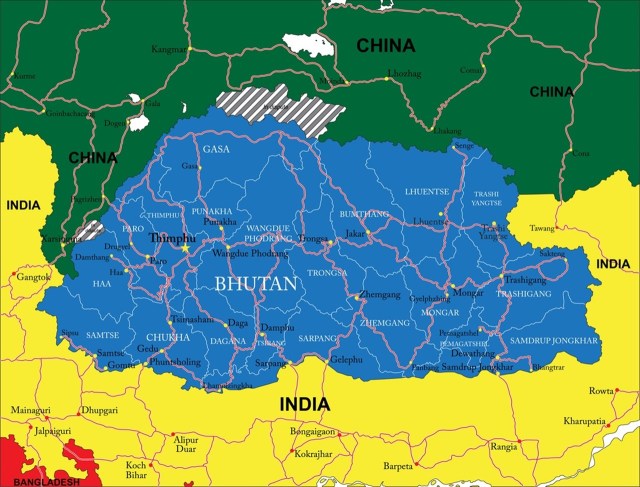
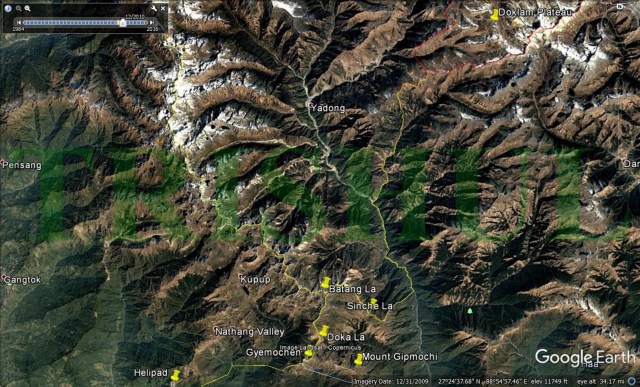
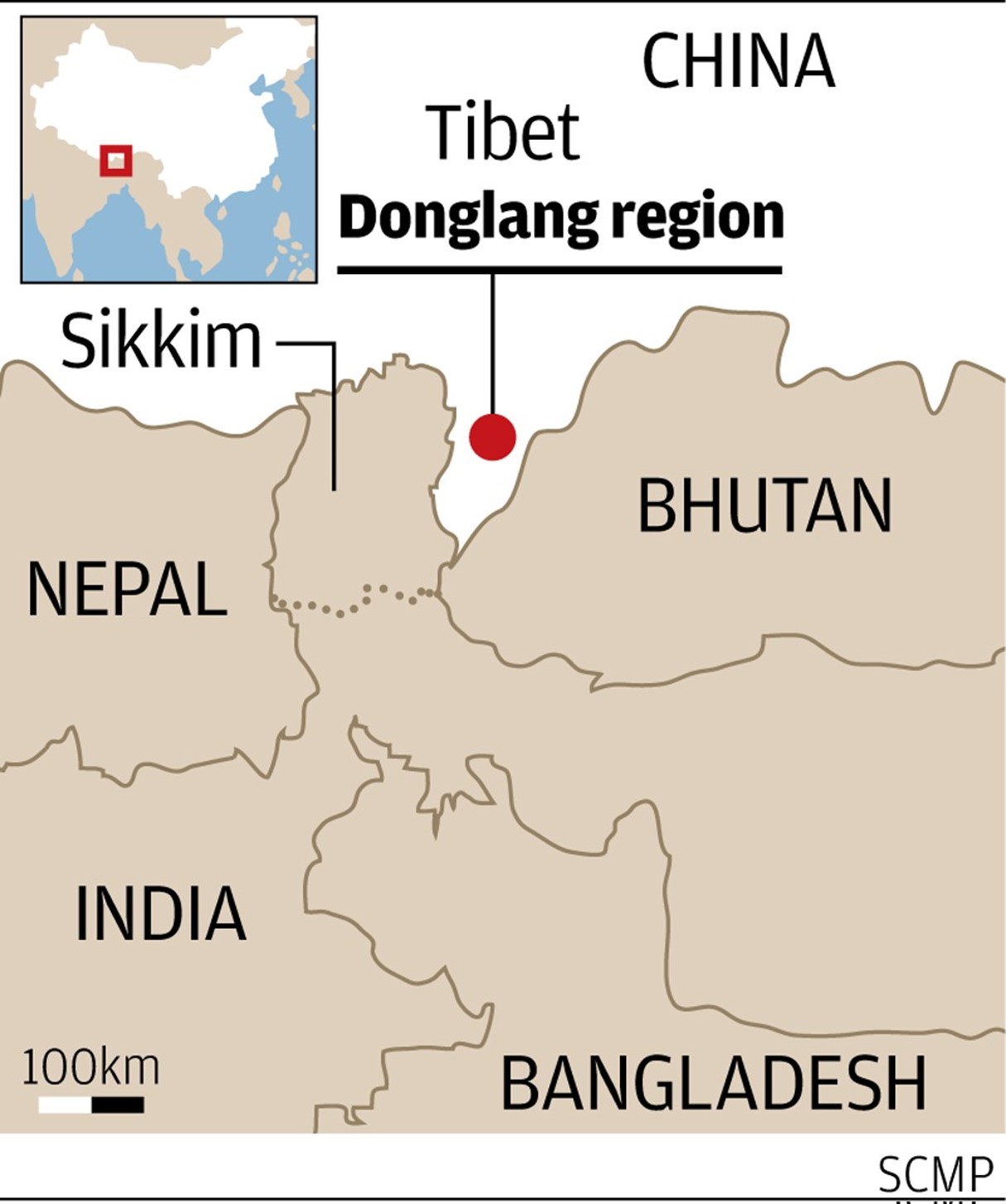
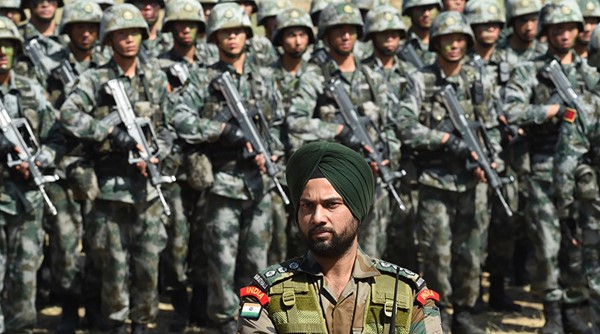
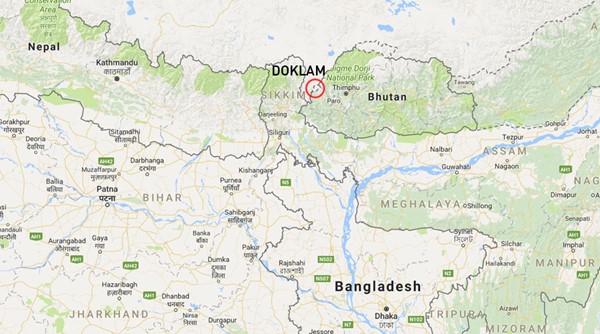
A remote corner of the Himalayas has become the unlikely scene of a major power standoff between China and India. Now entering its seventh week, the standoff centers on the tri-junction border shared by China, India, and Bhutan referred to as Doklam in India and Donglang in China. Neither side is spoiling for a fight, nor are they ready to back down anytime soon considering the security concerns, domestic political pressures, and regional reputational stakes. A series of quiet diplomatic interactions has not restrained the brinkmanship or ultimatums and the risk of a major armed clash between two Asian heavyweights remains.
China and India have sparred along the Himalayan border for decades, including a brief war (and clear Chinese victory) in 1962. In areas like Aksai Chin or Arunachal Pradesh, long-standing disputes still play out in regular diplomatic arguments. Yet until recently there seemed to be a settled status quo in the comparatively peaceful tri-national border area, which has special strategic significance, lying as it does above the 14-mile-wide Siliguri valley, or the “chicken’s neck,” that connects northeast India to the rest of the country. As it turns out, both sides had very different visions of just what that status quo was.
The clash of perceptions has left them both smarting, and dialed jingoistic language up to 11. To China, Doklam is its own sovereign territory based on treaties, tacit agreements, and de facto control. India considers Doklam a disputed territory and contends that any changes to the territory’s jurisdiction must be made in consultation with India per a 2012 understanding between the three parties.
Thus, when roughly 100 People’s Liberation Army (PLA) soldiers arrived on the Dolam plateau (an area within Doklam) on June 16 with bulldozers and earth moving machinery to improve and extend an existing Chinese road, a company-sized unit of Indian soldiers crossed into Dolam from a nearby Indian army post and interdicted the construction team. The Indian soldiers formed a “human chain” to physically obstruct the road-building project and urged the Chinese to “desist from changing the status quo.”
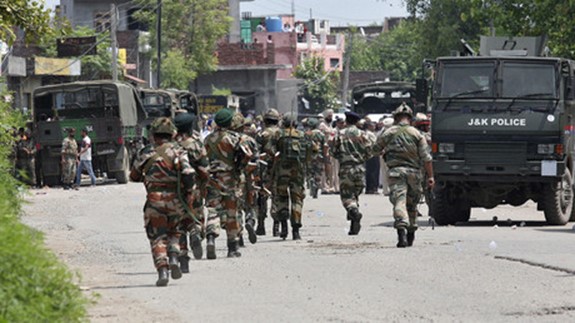
Since the Indian interdiction on June 18, PLA construction has halted and both sides remain at an impasse. Between 300-350 Indian troops have pitched tents near the standoff site and dug in for the long haul, supported by supply lines and 2,500 reinforcements. China recently threatened to move its own reinforcements into the area and conducted live-fire military exercises in Tibet. While Indian officials have voiced interest in dialogue, official Chinese statements demand India’s unconditional withdrawal before any talks can begin. After issuing a complaint against Chinese actions on June 20, Bhutan has otherwise remained studiously ambiguous as to its views of the standoff.
The Doklam standoff stems from China’s and India’s deep-seated suspicions about the other’s intentions. Conventional wisdom on international politics guides states to confront, not appease, those attempting to revise any status quo, lest it encourage further belligerence. But identifying exactly who the revisionist side is, and what the status quo was, is notoriously difficult in any case, because the definitions are vague and under-theorized. And it is especially hard amid the murky legacies of empire that make up the Himalayan frontiers.
For China, India’s military deployment into a disputed region is revising norms of sovereignty as well as long-standing public and private agreements. China believes its own actions and demands are sanctioned by existing agreements and understandings, and that India is subverting those agreements for unprecedented military deployments on foreign soil.
For India, China’s attempts to construct roads in disputed territories appears consistent with its previous “salami-slicing” maneuvers of unilaterally revising unsettled borders for territorial aggrandizement and expanded influence in the region. India believes China is deliberately exploiting the ambiguity of existing territorial disputes to expand its borders, influence, and offensive capability while its own actions are more explicitly legitimated by other treaties, arrangements, and security imperatives.
The historical and diplomatic ambiguity around the border has also created plenty of space for both sides to feel self-righteously aggrieved. China contends it has unquestioned sovereignty over Doklam based on an 1890 treaty between Great Britain and China delimiting the border between the Indian state of Sikkim and Tibet, as well as the boundary point with Bhutan. As both India and China have accepted this treaty, India had no legitimate grounds to cross the border and thus its actions constitute an “invasion” of Chinese territory. Secondly, China argues even if Doklam is disputed, India is still inappropriately interfering with and prejudicing a bilateral dispute between Bhutan and China.
India concedes its troops crossed an international border but into Bhutan, not China. India’s interdiction is furthermore justified by another treaty, India’s 2007 treaty of friendship with Bhutan, and both countries’ interest in halting China’s attempts to unilaterally revise the status quo. As several analysts have pointed out, the vagaries of colonial cartography and internal contradictions within the 1890 treaty mean it can actually be interpreted to support both Indian and Chinese claims.
Adding to the confusion is Bhutan’s ambiguous position. As a tiny Himalayan kingdom sandwiched between the region’s two major powers, Bhutan has enjoyed a “special relationship” with India since 1949 that some might describe more as suzerainty. While the 2007 India-Bhutan Friendship Treaty updates the 1949 agreement to accord Bhutan greater autonomy, India still wields considerable influence over Bhutan’s foreign policy. To justify its recent military actions, India has invoked an article which states that neither country will allow its territory to be used for activities that harm the other’s national security interests.
To date, however, Bhutan has yet to clarify whether India acted independently or at Bhutan’s request for military assistance in Doklam. China has argued that, absent a clear invitation, India lacks legitimate grounds for its involvement. India’s Ministry of External Affairs (MEA) has used more circumspect language like “coordination,” and has flubbed opportunities to clarify Bhutan’s request. It is possible Bhutan privately requested help or that India coerced its way into the dispute for its own security interests as it did in Sri Lanka in 1987.
Another point of contention is private diplomacy among the various actors. While not publicly brandished as justification, our sources suggest (and some reporting seems to corroborate) that PLA actions in Doklam may be based on a private understanding between China and Bhutan. Both countries have at least seven disputed territories between themselves and reports indicate Bhutan may have implicitly agreed to cede Doklam to China in the late 1990s — a period when China was busily cleaning up its frontiers — in favor of territorial gains on its northern border.
Thus, China deems its road-building in Doklam legitimate within this private, pre-settlement agreement, and fearing such a settlement, India’s military “invasion” seeks to challenge that agreement and Bhutan’s sovereignty. It is possible India was privy to this private Chinese-Bhutanese agreement over Doklam and may have tried to thwart it. Regardless, India would likely maintain that no formal agreement means no final settlement. In its diplomatic demarche to China on June 20, Bhutan stated that Chinese actions violated its 1988 and 1998 agreements prohibiting alteration of the status quo before the completion of negotiations. Moreover, another private and superseding 2012 agreement between India and China purportedly required the consultation of all three countries before a final determination on the tri-junction is made.
China also implicitly contends it has had a decades-long presence and effective jurisdiction over Doklam where Tibetan herdsman bring their livestock to graze. According to Chinese records, the PLA began patrolling Doklam once a year since 1975 and gradually extended its geographical coverage southward.
India argues the remoteness of Doklam, its harsh winters, and poor infrastructure mean China has not always exercised de facto control over the area. Bhutanese herdsman have also traditionally used Doklam as a grazing land, and security forces from all three countries have regularly patrolled the area, leading to occasional confrontations. China destroyed two Bhutanese military posts in 2007 and allegedly constructed Chinese posts at the same spot. One unofficial map circulated by Chinese bloggers even refers to a “line of actual control” between China and Bhutan, implying Bhutan exercises de facto control of Doklam.
China is also arguing that India’s actions are unprecedented. To China, India has not only interfered in a bilateral dispute but escalated it by deploying forces across a recognized international border into a third country. Indeed, even Indian observers have acknowledged Doklam is the first time India has engaged Chinese forces from the soil of a third country. Upending established norms of sovereignty through force in the name of self-defense could permit future “adventurism.”
Yet India’s argument is that it was responding to unprecedented Chinese revision of borders through road construction (both hardening and extension) in disputed territory. Such moves would create permanent facts on the ground with grave implications for Indian national security.
In our estimation, Chinese claims are vulnerable due to the ambiguity of treaty language, private agreements, and de facto possession claims. But Indian claims are by no means less vulnerable given the unprecedented nature of India’s actions on the plateau and Bhutan’s deafening silence. Both sides’ views of the status quo may appear to themselves entirely justifiable, yet to their adversary as thin gruel.
Seven weeks into the crisis, the continued impasse — and increasingly caustic rhetoric — indicates the potential for escalation remains high. The Indian national security advisor’s recent visit to Beijing did not yield any breakthroughs, contrary to some reporting. Aggressive signals of resolve like military exercises or mobilization or perceived windows of tactical opportunity in a different sector of the disputed India-China border could lead either side to miscalculate, resulting in accidental or inadvertent escalation. And any shooting that begins on the border could even expand into other domains like cyber- or naval warfare.
Despite the challenges, there are several possible resolutions in sight if both sides — and third parties trying to defuse tension — strive to understand what might seem like mutually incompatible perspectives.
For example, India could find alternative ways to grant Beijing a “win” by softening its position on China’s “One Belt, One Road” project, both sides could pursue international arbitration, or both sides could wait until harsh winter weather force both sides forces to quietly draw down.
Another “off ramp” to deescalate the crisis is a back-channel agreement with Bhutan appearing as the public arbiter, allowing both sides to save face. The most obvious solution, as many have identified, would be a mutual withdrawal and return to pre-June 16 positions – something which may already be slowly happening, as both draw back troops. For both sides to save face, the public narrative of their back-channel dialogue could rely on Bhutan.
For example, India could claim Bhutan “thanked” India for its support and commitment to upholding the bilateral friendship treaty, but after deploying its own monitoring force, Bhutan requests that India withdraw its forces. This would allow India to withdraw without appearing to bend to Chinese demands, send a message that China’s salami tactics will be challenged, and buttress its credibility with states concerned with Chinese encroachment. For its part, China can claim India withdrew first and quietly halt road construction until a final settlement is reached between itself and Bhutan. This would give all sides, including Bhutan, a face-saving exit necessary to appease domestic audiences. At the same time, India and China will have exchanged clear signals on just how serious they are about the border — and how dangerous assumptions about the other side can be.
The Cold War in Asia – The Battle Against Spread of Communism. Nations of Asia need to defeat Communism to resolve Border tensions and conflicts.The Cold War in Asia – The Battle Against Spread of Communism. Border tensions and Border conflicts among Asian nations demand resolution through defeat of Communism.
The Cold War in Asia – Unfinished Vietnam War. Spread of Communism to Asia undermines Natural Freedom, Natural Balance, and Natural Equilibrium shaping living experience of people.
In my analysis, the border tensions between India and Communist China are mere symptoms of ‘The Cold War in Asia’.
Nations of ‘Free World’ were alarmed by the spread of Communism into Asia. United States spent billions of dollars to prevent Communist takeover of China. Having failed to do so, United States pursued a policy of containing the spread of Communism in Asia. In the battles of Korean Peninsula, and Vietnam, Communists prevailed with support from Soviet Union and Communist China.
India’s border tension problems began with Red China’s illegal occupation of Tibet since 1950. During 1960s and 1970s, the United States and India had opportunity to launch Tibet Campaign to defend Freedom, Democracy, Peace, and Justice in Asia. Most unfortunately, during 1971-72, Nixon-Kissinger Vietnam Treason placed ‘The Cold War in Asia’ on ‘back-burner’.
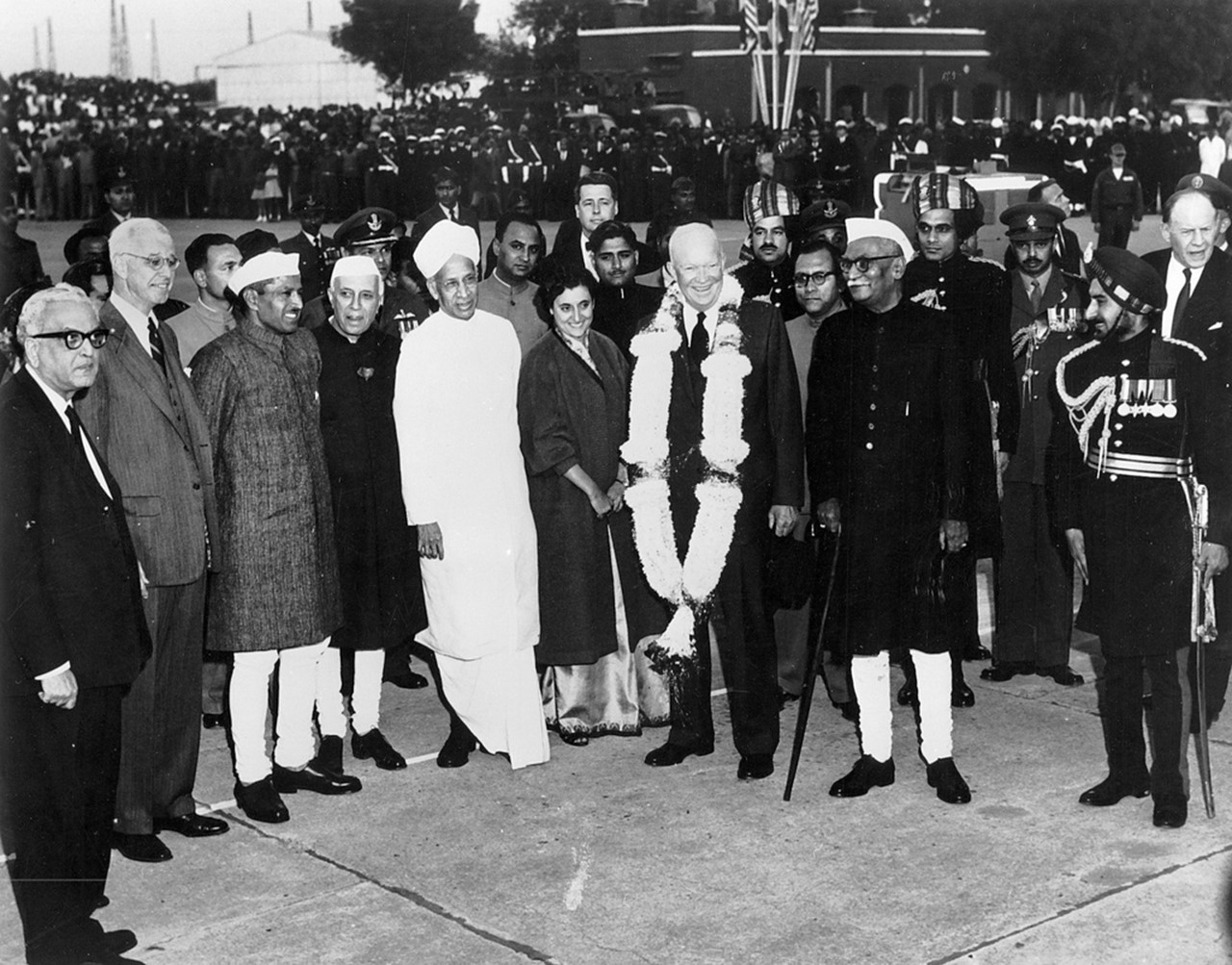
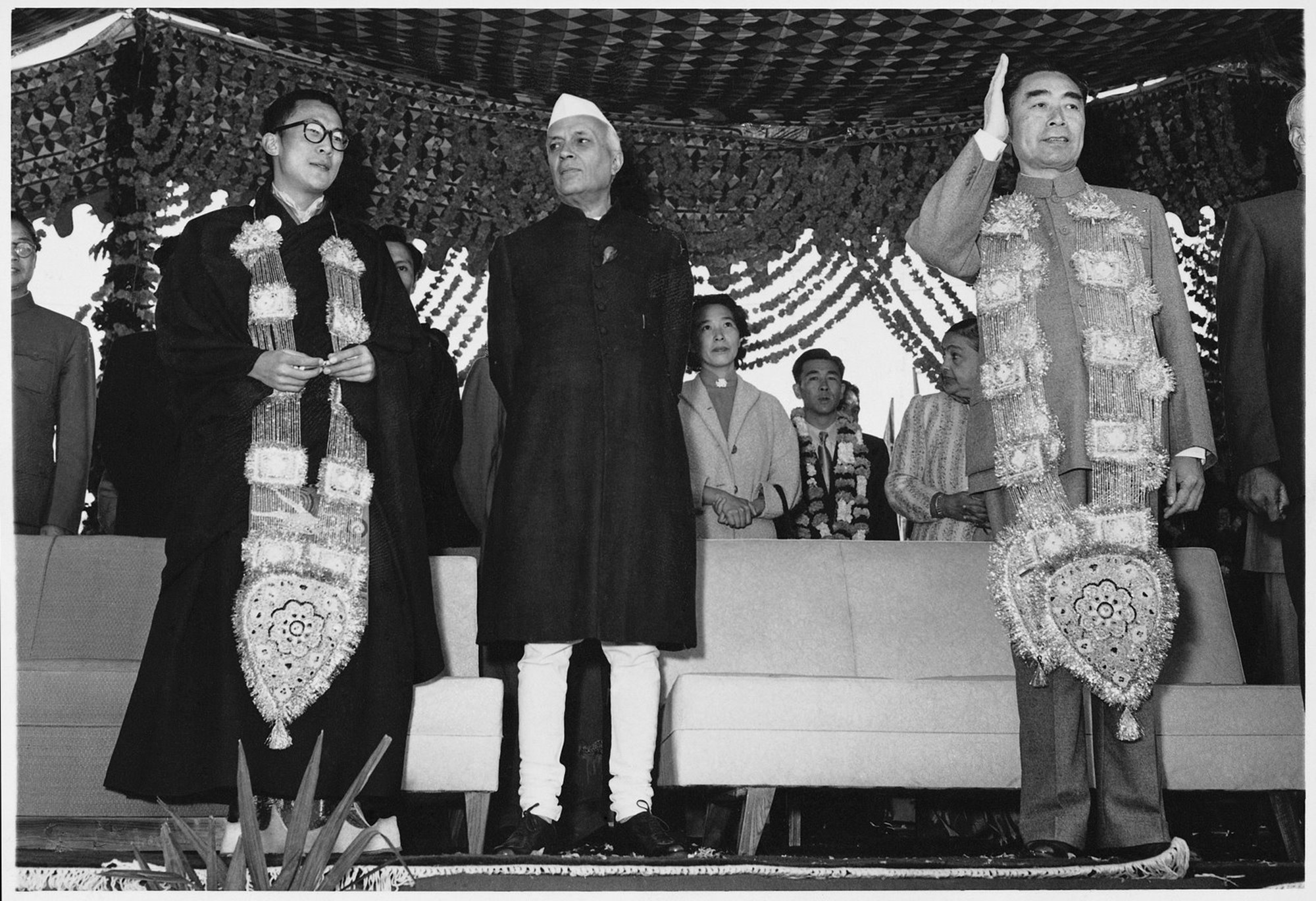
The Cold War in Asia – Unfinished Vietnam War. United States, India, and Tibet missed a golden opportunity to drive Communism out of Tibet. US President Eisenhower’s Visit to India during December 1956.The Cold War in Asia – Unfinished Vietnam War. Both Tibet, and India hoped to contain threat posed by Communism through negotiations.
I am not surprised by Communist China’s military assertiveness for the US withdrew without accomplishing ‘War for Peace’ Mission fervently advocated by US President Dwight D. Eisenhower in December 1956 while on visit to India.
Beijing’s handling of protracted conflict in Himalayas has had a spillover effect in the region and fueled suspicion
The Cold War in Asia – Unfinished Vietnam War. Border tensions, Border Conflicts along Himalayan Frontier are symptoms of spread of Communism in Asia.
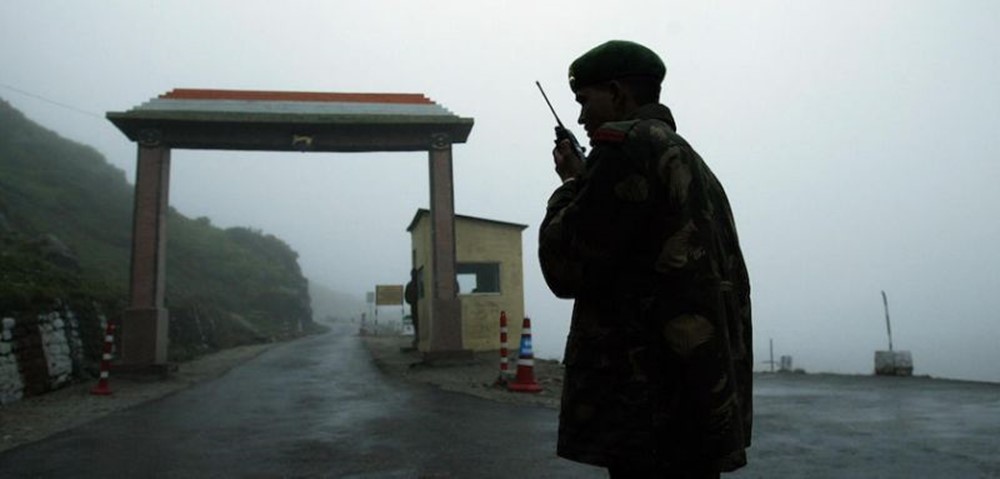
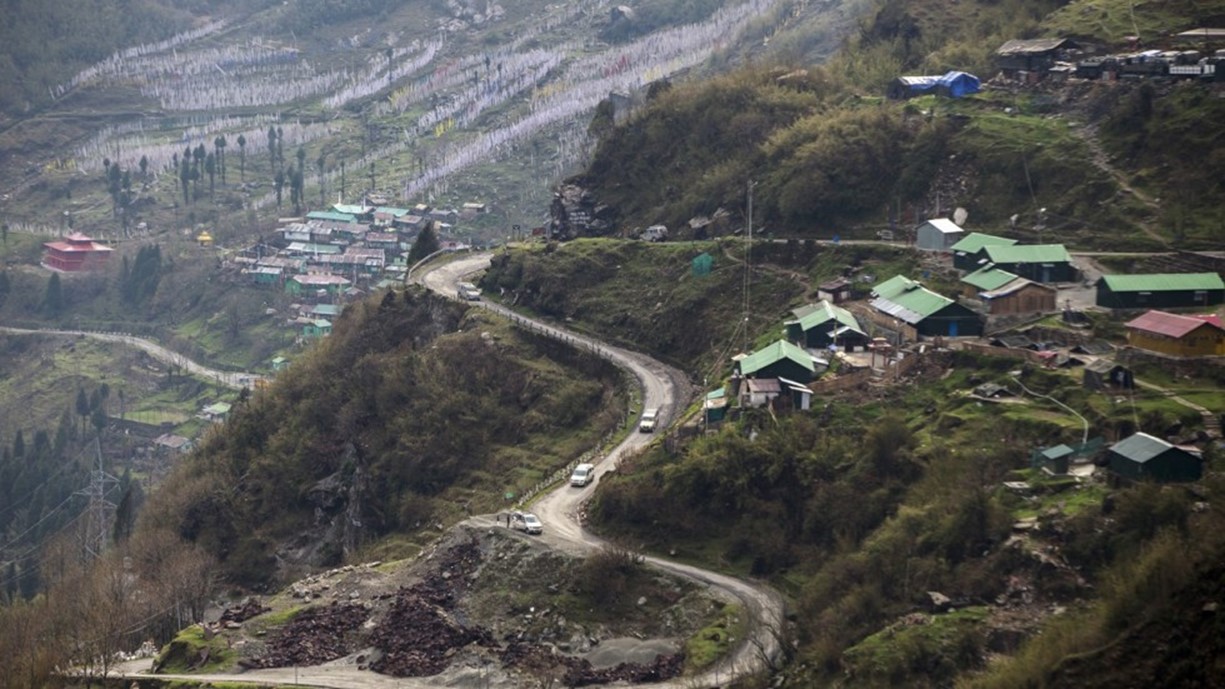
Vehicles travel along a mountain road near the Nathu La Pass, an open trading post in the Himalayas between India and China, in Sikkim, India. Photo: Bloomberg
The protracted border dispute between China and India in the Himalayas has created a “spillover effect” as China’s neighbors become unsettled by its tough handling of the escalating conflict between the two Asian giants, foreign policy experts have said.
China’s Foreign Minister Wang Yi and his Indian counterpart Smt. Sushma Swaraj are scheduled to attend the Asean foreign ministers’ meeting in Manila later this week. And while the North Korean nuclear crisis and South China Sea disputes are expected to dominate the meeting, analysts will also be keeping a close eye on how members of the 10-nation group interact with China and India.
Hostile border dispute with India could damage China’s global trade plan, experts warn
The Association of Southeast Asian Nations generally regards a robust Indian presence in the region as a useful deterrent against China, which has been increasingly assertive in its approach to handling territorial issues, as has been the case in the Himalayas.
The Cold War in Asia – Unfinished Vietnam War. Border tensions and Border Conflicts along Himalayan Frontier are symptomatic of Communist domination in Asia.
The disputed Doklam region (called Donglang by China) on the India, Bhutan and China tri-border. Graphic: SCMP
Are China-India trade ties turning sour amid border standoff?
China and India last week held their first substantial talks since the dispute broke out more than a month ago in the Doklam region, where the pair shares a border with Bhutan. Chinese State Councilor Yang Jiechi met Indian National Security Adviser Ajit Doval in Beijing, though neither showed any signs of backing down and tensions remain high.
Also last week, China’s Defence ministry issued its strongest warning yet to India, with a spokesman saying Beijing had stepped up its deployment along the unmarked border and would protect its sovereignty “at all costs”.
Richard Javad Heydarian, a political scientist at the Manila-based De La Salle University, said the stand-off in Doklam had had a “spillover effect” by fueling suspicion among countries that are caught in separate territorial disputes with China.
Dispatch from Doklam: Indians dig in for the long haul in standoff with China
“People are asking, if China is really peaceful, why are there so many countries having disputes with China?” he said.
Such sentiment may create fertile ground for Southeast Asian countries to leverage China’s influence with engagement with India.
Vietnam’s foreign minister and deputy prime minister, Pham Binh Minh, has called on India to play a greater role in the region and to partner with Southeast Asian countries on strategic security and promoting freedom of navigation in South China Sea.
The Cold War in Asia – Unfinished Vietnam War. Border Tensions, and Border Conflicts along Himalayan Frontier are symptomatic of spread of Communism in Asia.
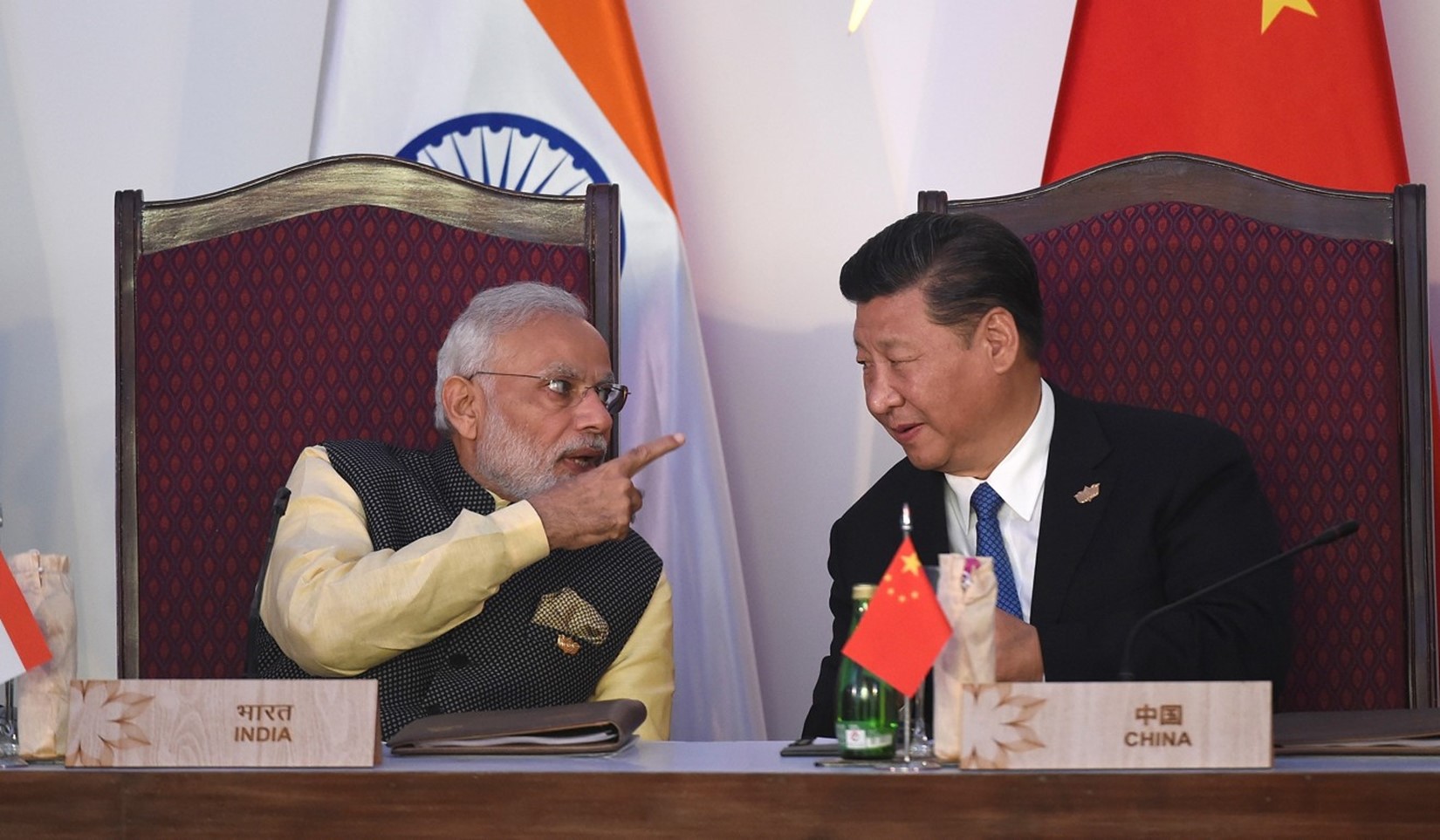
India Prime Minister Narendra Modi and President Xi Jinping at a BRICS leaders’ meeting with the bloc’s Business Council in Goa last October 16. Photo: AFP
A few days after Minh spoke, Vietnam granted Indian Oil firm ONGC Videsh a two-year extension on its plan to explore a Vietnamese oil block in an area of the South China Sea contested by China and Vietnam.
Analysts said recent developments have wide strategic implications – pointing to how Asia is increasingly defined by the China-India rivalry and the renewed tensions between the two Asian giants.
How India border stand-off gives China a chance to burnish its global image
Nisha Desai Biswal, former US assistant secretary of state for South and Central Asia, was quoted by Indian media PTI as saying that China needs to acknowledge that “there is growing strategic and security capability across Asia” and that “India is a force to be reckoned with”.
Wang Yi on Tuesday backed Philippines President Rodrigo Duterte’s idea of forming joint energy ventures in the disputed South China Sea, warning that unilateral action could cause problems and damage both sides.
The Cold War in Asia – Unfinished Vietnam War. Border Tensions and Border Conflicts along Himalayan Frontier are symptomatic of spread of Communism in Asia.
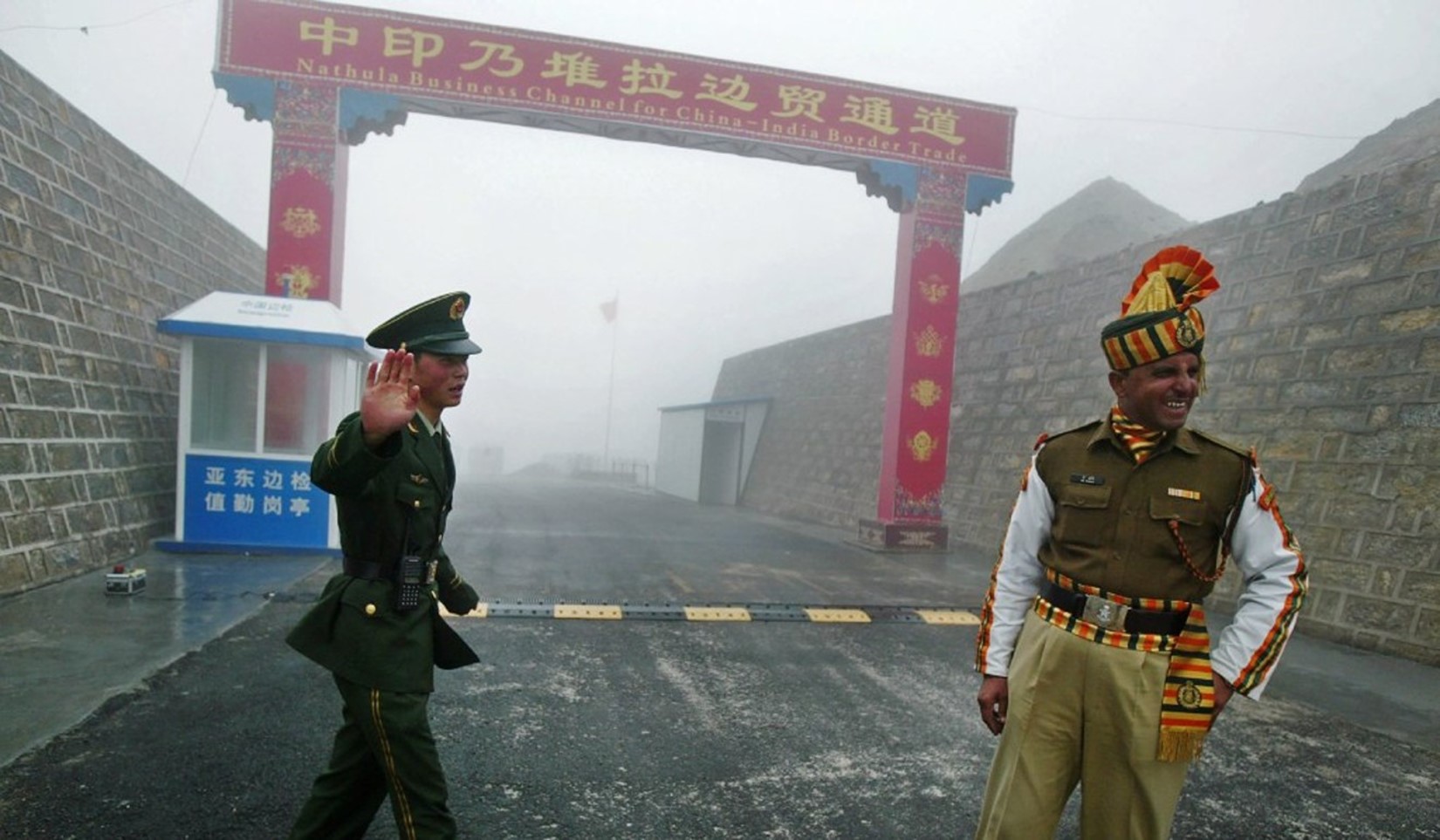
A Chinese soldier, left, is shown next to an Indian soldier at the Nathu La border crossing between India and China in India’s northeastern Sikkim state. Photo: AFP
Duterte on Monday said a partner had been found to develop oil fields and exploration, and exploitation would restart this year.
However, analysts warn that India’s strong position in the standoff has strengthened the hawkish voices in the Philippines who seize opportunities to criticize Duterte’s détente policy towards China and “push forward the narrative that the Philippines needs to be careful on how to approach China and its territorial expansion”, Heydarian said.
Explore the China-India border standoff
Under Indian Prime Minister Narendra Modi’s “Act East” policy, India in recent years has formed strategic partnerships with Southeast Asian countries including Vietnam, Indonesia, Malaysia and Singapore, and Northeast Asian countries including Japan and South Korea.
During the “India-Asean Delhi Dialogue IX” early this month, Indian External Affairs Minister Sushma Swaraj said New Delhi remained committed to enhancing maritime cooperation with Asean as well as upholding freedom of navigation and respect for international law in the region.
The Cold War in Asia – Unfinished Vietnam War. Border Tensions, and Border Conflicts along Himalayan Frontier are symptomatic of spread of Communism in Asia.
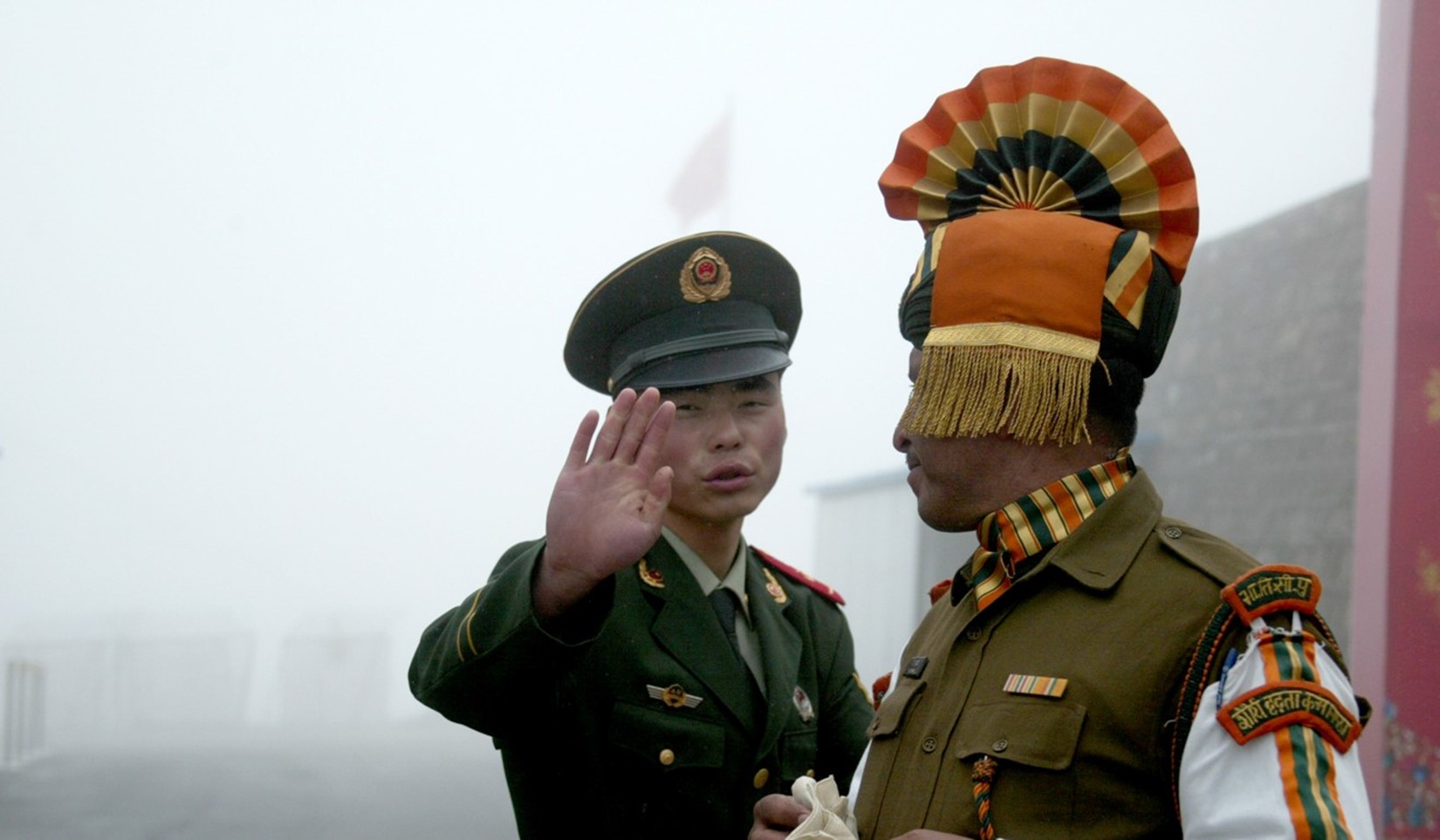
A Chinese soldier gestures as he stands near an Indian soldier on the Chinese side of the ancient Nathu La border crossing between India and China. Photo: AFP
Heydarian suggests that India’s upgrading of its strategic partnership with Asean and increasing its strategic presence in the South China Sea could be a way of pushing back against China.
Even a non-claimant Southeast Asian state such as Thailand “would see the benefit of China being challenged in the South Asia theatre”, said Thitinan Pongsudhirak, an international relations scholar at Bangkok-based Chulalongkorn University.
“India’s standing up to China can only be a boon for Southeast Asian countries even when they don’t say so openly,” he said, “Any major power keeping China in check can only yield geopolitical benefits to Southeast Asia as the region is wary of China’s growing assertiveness.”
China is being ‘unusually aggressive’ in border row
But Pongsudhirak also said that India, a “latecomer to Southeast Asia’s geopolitics”, still lacks strategic depth in terms of military reach and economic wherewithal. “But in combination with other middle powers like Japan, India can have a significant impact in Southeast Asia’s power dynamics,” he said.
Despite Southeast Asian countries’ welcoming attitude, India has remained cautious towards more strongly engaging with the region, observers said.
The Cold War in Asia – Unfinished Vietnam War. Border Tensions, and Border Conflicts along Himalayan Frontier represent Communist Expansionism in Asia.
An Indian Soldier stands at the Nathu La border crossing between India and China in India’s northeastern Sikkim state. Photo: Handout
“Southeast Asia is a natural extension of India’s security horizons in light of its growth as a regional power,” said Rajesh Manohar Basrur, a South Asia specialist with Nanyang Technological University.
Basrur said that while competition with China is a major driver of India’s engagement with Southeast Asia, India’s commitment to the region remains limited with measures amounting to no more than “symbolic acts such as military exercises, [to] generate a strategic environment aimed at building up political-psychological pressure on [China].”
Why India is cool towards China’s Belt and Road
Sourabh Gupta, a senior specialist at the Institute for China-America Studies in Washington, said that as India tries to limit fallout from its Doklam intervention, it will not want to expand the theatre of conflict or widen the geography of competition in the short-term.
“But I can foresee India making a qualitatively greater effort, albeit quietly, to build up Vietnam’s naval and law enforcement capacity to confront and deter Chinese assertiveness,” he said.
Gupta also warned that the situation in the South China Sea could lapse into even further conflict.
The Cold War in Asia – Unfinished Vietnam War. Border Tensions, and Border Conflicts along Himalayan Frontier are symptomatic of Communist Expansionism in Asia.
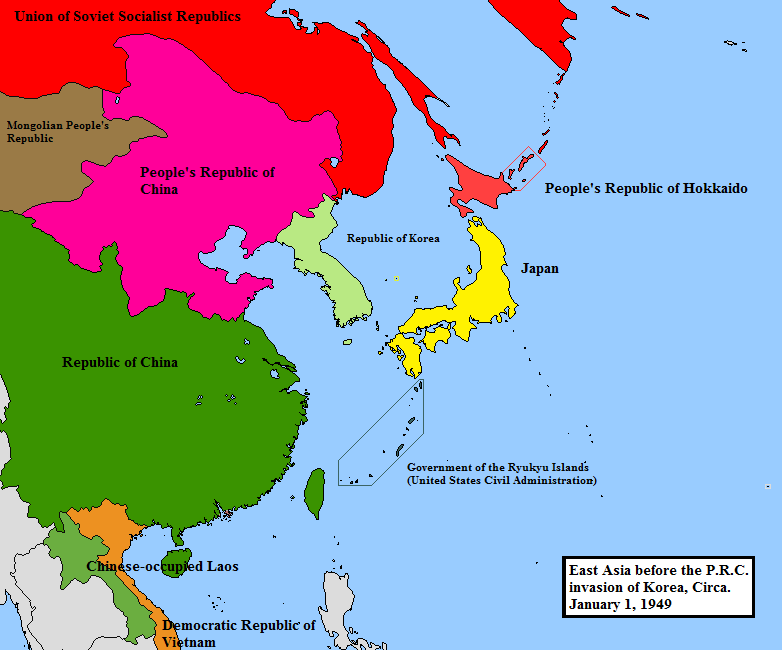
Chinese troops hold a banner which reads, “You’ve crossed the border, please go back.”
“India and China have a fairly rich menu of boundary management protocols which effectively translate into engagements between very lightly armed personnel from either side when a standoff breaks out,” he said.
“That is different from the situation in the South and East China Sea where engagement protocols are still very rudimentary and could see sharp escalatory spirals.”
The Cold War in Asia – Unfinished Vietnam War. Armed Conflicts in China, Korea, Vietnam, and Tibet could not checkmate spread of Communism in Asia.
MAN vs NATURE – THE BATTLE FOR QINGHAI-TIBET PLATEAU
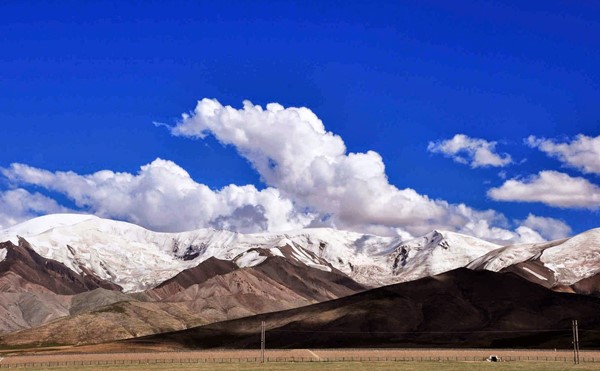
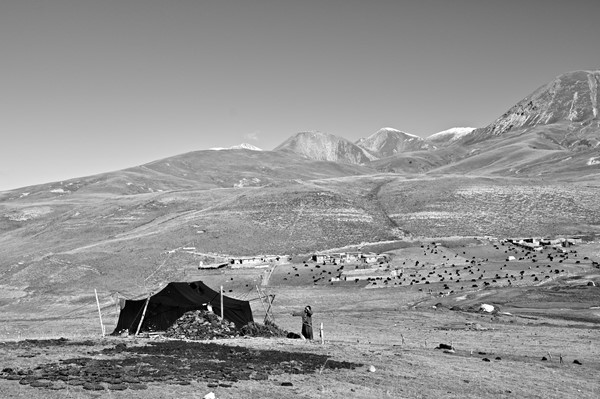
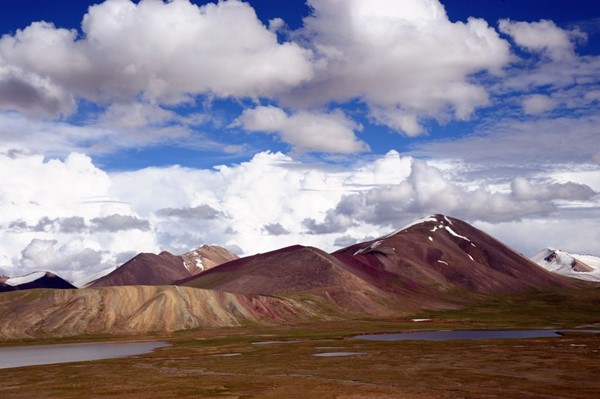
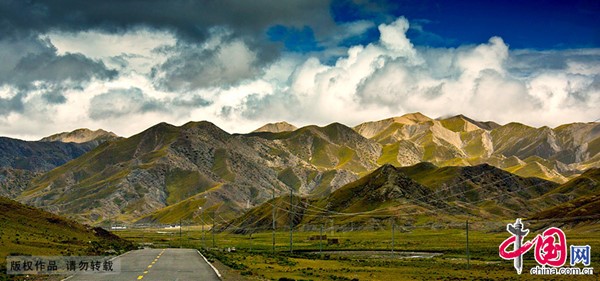
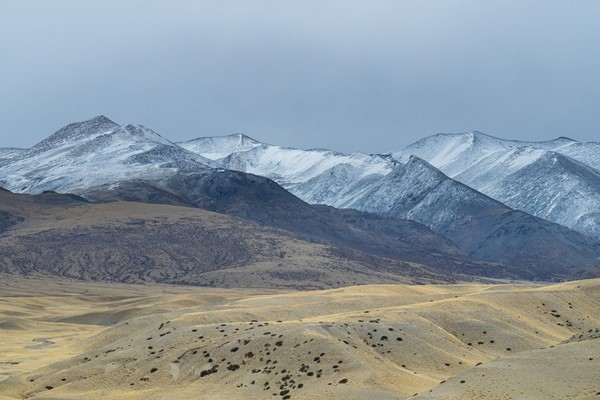
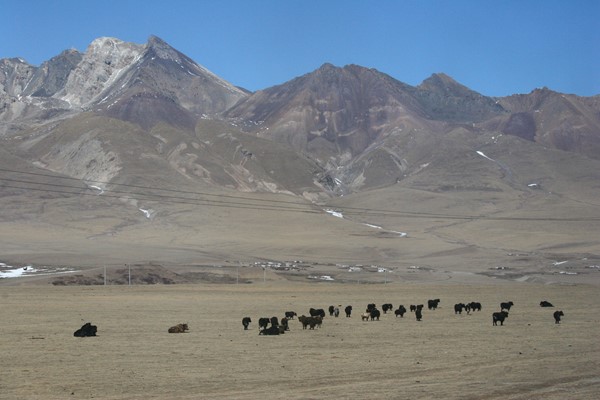
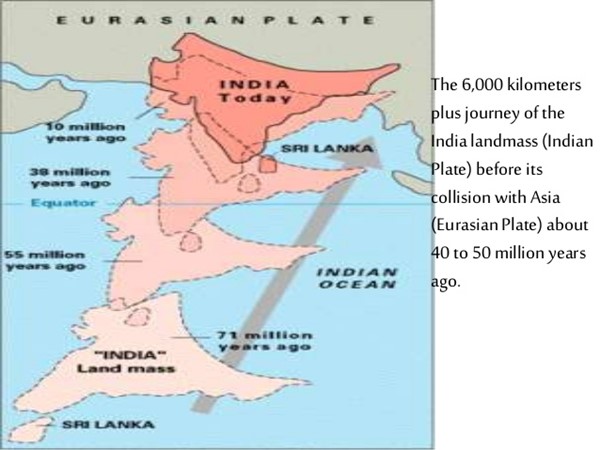
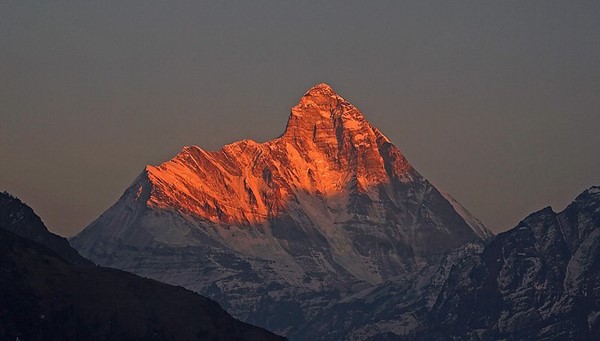
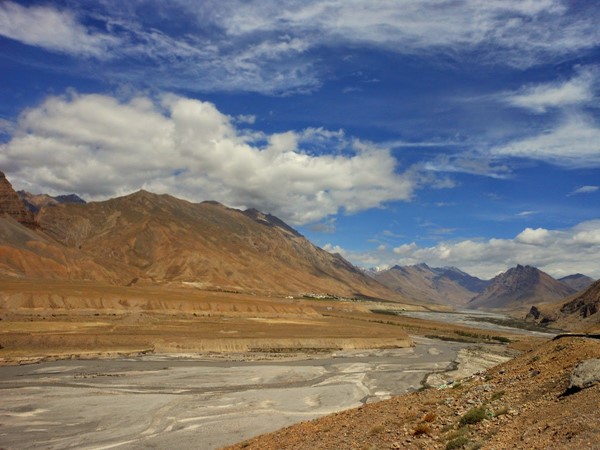
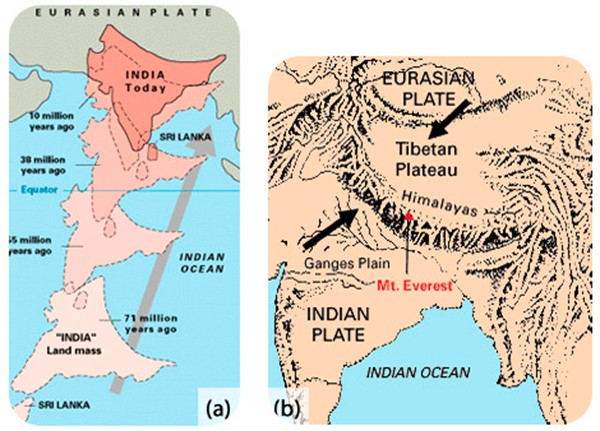
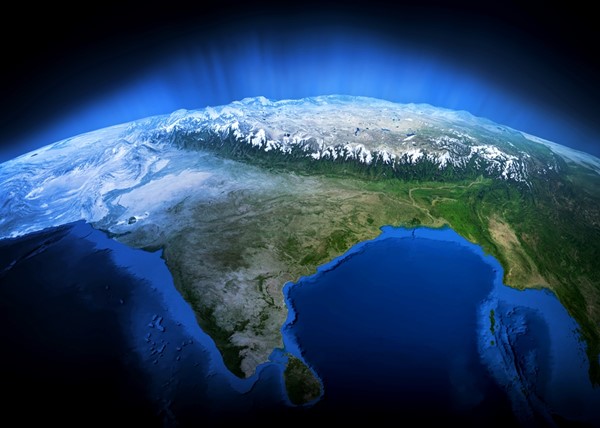
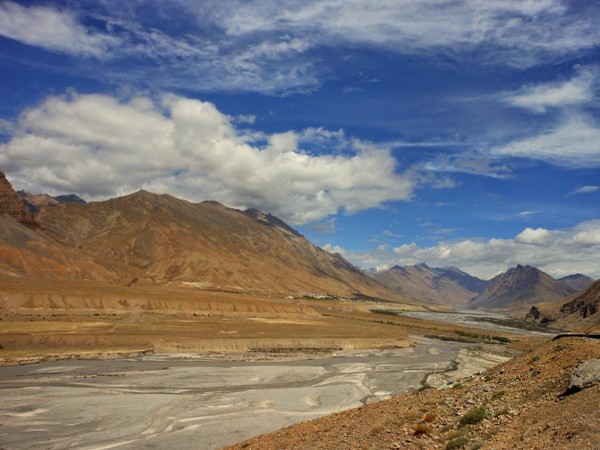
Natural Forces, Natural Mechanisms patiently worked over thousands of years to create Natural Conditions that shaped Tibetan experience of Natural Freedom, Natural Equilibrium, Natural Peace, Natural Harmony, and Natural Tranquility. Tibetans maintained their frugal lifestyles in accordance with Laws of Nature.
Communist China after her illegal occupation of Tibet, continues to apply Physical Force to subjugate Tibet and Nature that operates Tibetan existence. The Battle for Qinghai-Tibet Plateau has commenced and is far from over.
Rudranarasimham Rebbapragada
DOOM DOOMA DOOMSAYER
CHINA OPENS $4 BILLION EXPRESSWAY ON PERMAFROST OF QINGHAI-TIBET PLATEAU
China took six years to construct the road, at a total cost of nearly 27 billion yuan. Photo: Reuters
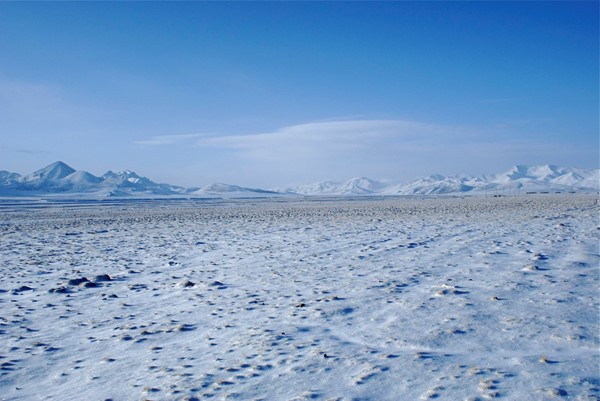
Beijing: China has opened an expressway on the permafrost of Qinghai-Tibet Plateau, the world’s highest, at a total cost of $4 billion.
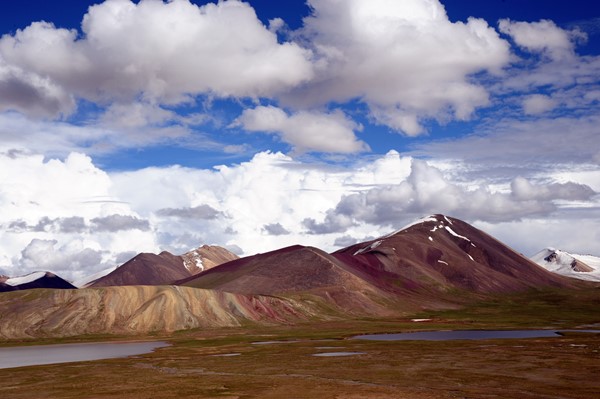
The 634.8km expressway section, which connects Gonghe County with the city of Yushu in northwest China’s Qinghai Province, was built at an average altitude of over 4,000 meters. Up to 36% of the road is built on permafrost that could become unstable due to temperature changes caused by vehicles. Advanced technology was developed to keep the ground surface stable for the construction and operation of the expressway, said Niu Jiangzhong, from Electrical Engineering Co. Ltd of China Railway 12th Bureau Group.
Construction of the road took over six years, at a total cost of nearly 27 billion yuan ($4 billion). To protect the local environment, vegetation was removed during construction and later replanted along the roadside. The expressway has shortened the travel time between the provincial capital Xining and Yushu from 12 to just eight hours, state-run Xinhua news agency reported. PTI
The Rise of Evil Red Empire – The Cold War in Asia
Whole Trouble – The Decline of American Century. The Rise of Evil Red Empire – The Cold War in Asia. Nixon-Kissinger Vietnam Treason initiated Doomed American China Fantasy in 1972.
In my analysis, Nixon-Kissinger Vietnam Treason caused the ‘Decline of American Century’ and the ‘Rise of Evil Red Empire’. I ask my readers to remember July 15, 1971 as “Black Day to Freedom” , the Day on which US President Nixon publicly announced his decision to befriend Communist China while Americans were bleeding and dying in Vietnam to combat the spread of Communism in Asia.
Whole Trouble – The Decline of American Century. The Rise of Evil Red Empire – The Cold War in Asia. Nixon-Kissinger Vietnam Treason initiated Doomed American China Fantasy in 1972.
Nixon-Kissinger Vietnam Treason initiated Doomed American China Fantasy in 1972. Since that time, USA as a global power is on steady decline, while Red China remains in hot pursuit of her doctrine of Expansionism, a State Policy of using Military and Economic Power to subjugate people and control natural resources in weaker nations of Asia, Africa, and Europe.
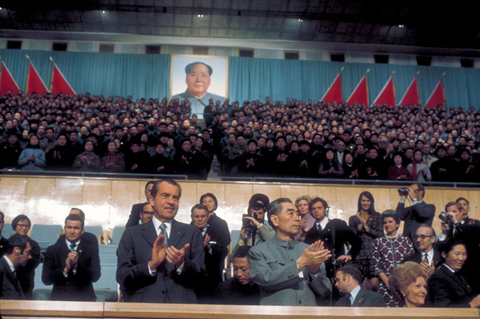
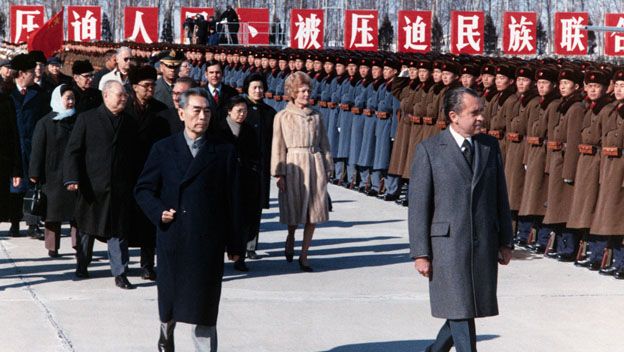
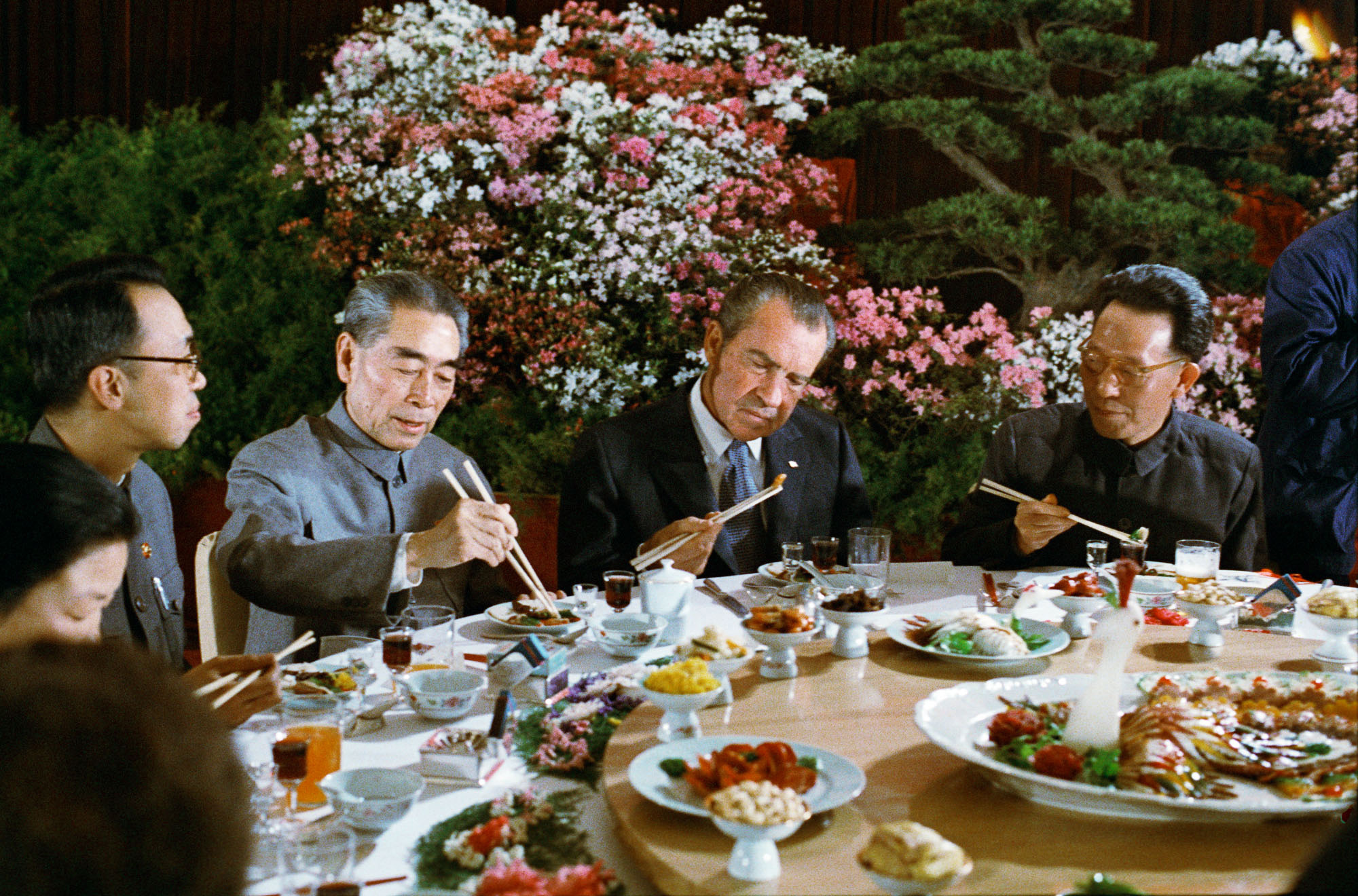
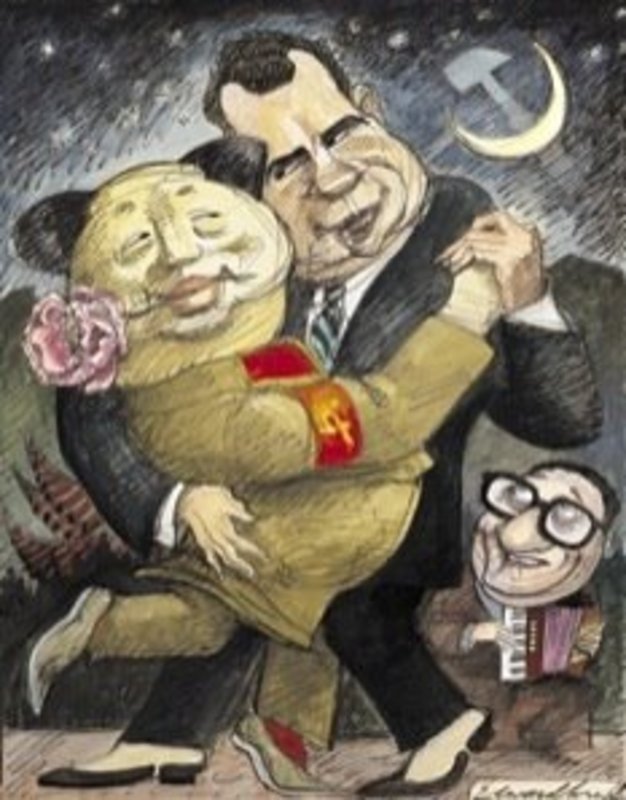
Whole Trouble – The Decline of American Century. The Rise of Evil Red Empire – The Cold War in Asia. Nixon-Kissinger Vietnam Treason initiated Doomed American China Fantasy in 1972.Whole Trouble – The Decline of American Century. The Rise of Evil Red Empire – The Cold War in Asia. Nixon-Kissinger Vietnam Treason initiated Doomed American China Fantasy in 1972.Whole Trouble – The Decline of American Century. The Rise of Evil Red Empire – The Cold War in Asia. Nixon-Kissinger Vietnam Treason initiated Doomed American China Fantasy in 1972.President Nixon met Communist China’s Prime Minister Chou Enlai. Did this act of friendship help the US Army in the Vietnam War? Could it stop Communist North Vietnam from launching its major invasion of South Vietnam during March 1972? Using this friendship, both President Nixon and Dr. Kissinger tried their best to stop India from Liberating Bangladesh during 1971. This Nixon and Chou Enlai friendship did not stop the Liberation of Bangladesh which India initiated with Operation Eagle 1971 in the Chittagong Hill Tracts.Whole Trouble – The Decline of American Century. The Rise of Evil Red Empire – The Cold War in Asia. Nixon-Kissinger Vietnam Treason initiated Doomed American China Fantasy in 1972.TIBET CONSCIOUSNESS – UNDYING HOPE FOR FREEDOM. US PRESIDENT NIXON’S VISIT TO COMMUNIST CHINA IS BLACK DAY TO FREEDOM.Whole Trouble – The Decline of American Century. The Rise of Evil Red Empire – The Cold War in Asia. Nixon-Kissinger Vietnam Treason initiated Doomed American China Fantasy in 1972.REMEMBERING CHINESE PRIME MINISTER ZHOU ENLAI ON JANUARY 08, 2017, HIS 41st DEATH ANNIVERSARY. I KEEP ZHOU ENLAI, MAO ZEDONG, RICHARD NIXON ALIVE IN MY THOUGHTS FOR TIBET REMAINS UNDER MILITARY OCCUPATION.
Military & Defense
Whole Trouble – The Decline of American Century. The Rise of Evil Red Empire – The Cold War in Asia. Nixon-Kissinger Vietnam Treason initiated Doomed American China Fantasy in 1972.
China held a massive military parade showing off its might – and it could surpass the US by 2030
Alex Lockie
Whole Trouble – The Decline of American Century. The Rise of Evil Red Empire – The Cold War in Asia. Nixon-Kissinger Vietnam Treason initiated Doomed American China Fantasy in 1972.
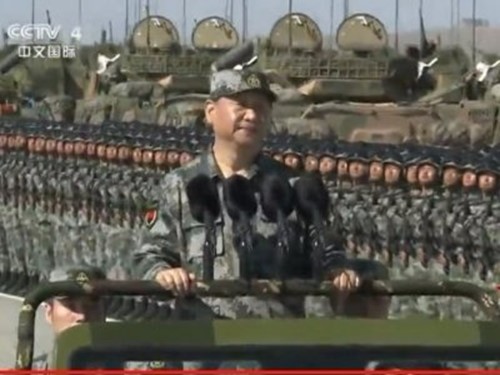
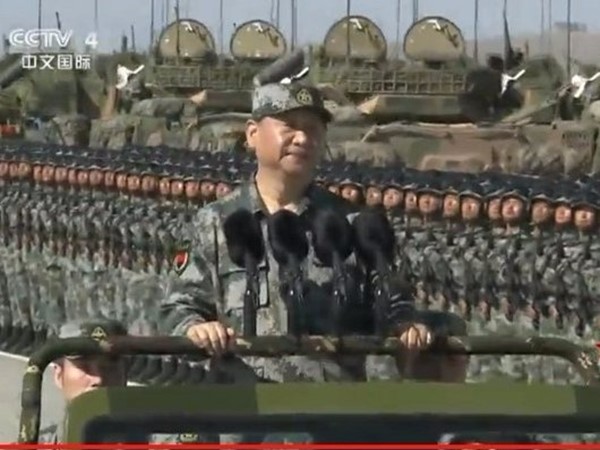
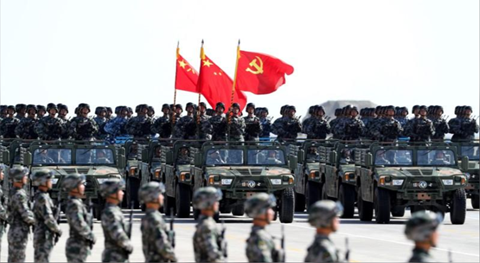
China’s president, Xi Jinping, presiding over the country’s massive military parade in inner Mongolia. CCTV
Chinese President Xi Jinping on Sunday presided over a massive military parade from an open-topped jeep, declaring, “The world is not peaceful, and peace needs to be defended.”
And as China’s show of force demonstrates, Beijing may have the will and the strength to replace the US as the world’s defender of peace.
“Our heroic military has the confidence and capabilities to preserve national sovereignty, security, and interests … and to contribute more to maintaining world peace,” Xi said at the parade, one day after US President Donald Trump lashed out at Beijing for its inaction regarding North Korea’s nuclear and ballistic missile programs.
China’s massive military modernization and increasing assertiveness have irked many of its neighbors in the region, and even as the US attempts to reassure its allies that US power still rules the day, that military edge is eroding.
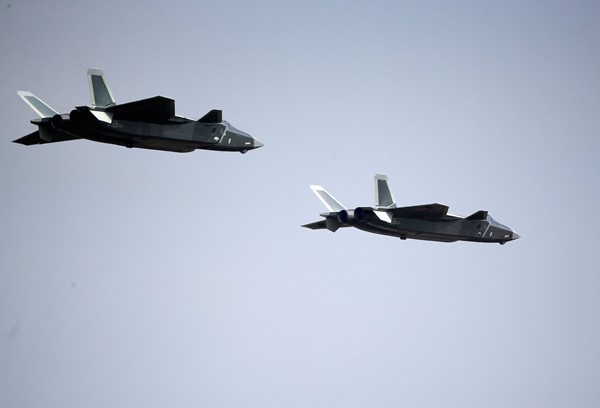
China showed off new, mobile intercontinental ballistic missiles that it says can reach the US in 30 minutes, along with its J-20 stealth interceptor jets. And Xi inspected thousands of troops drawn from the 2 million-strong People’s Liberation Army’s on its 90th anniversary.
The historian Alfred McCoy estimates that by 2030, China, a nation of 1.3 billion, will surpass the US in both economic and military strength, essentially ending the American empire and Pax Americana the world has known since the close of World War II.
Whole Trouble – The Decline of American Century. The Rise of Evil Red Empire – The Cold War in Asia. Nixon-Kissinger Vietnam Treason initiated Doomed American China Fantasy in 1972.
Soldiers marching to celebrate the 90th anniversary of the founding of China’s People’s Liberation Army. Xinhua
But China could achieve this goal patiently and without a violent struggle. China has employed a “salami-slicing” method of slowly but surely militarizing the South China Sea in incremental steps that have not prompted a strong military response from the US. However, the result is China’s de facto control over a shipping lane that sees $5 trillion in annual traffic.
“The American Century, proclaimed so triumphantly at the start of World War II, may already be tattered and fading by 2025 and, except for the finger pointing, could be over by 2030,” McCoy wrote in his new book, “In the Shadows of the American Century: The Rise and Decline of US Global Power.”
Whole Trouble – The Decline of American Century. The Rise of Evil Red Empire – The Cold War in Asia. Nixon-Kissinger Vietnam Treason initiated Doomed American China Fantasy in 1972.
China unveiled its J-20 stealth fighter at an air show in November. China Daily/via REUTERS
China’s J-20 jet also most likely borrows from stealth secrets stolen from the US through a sophisticated hacking regime. Though China hasn’t mastered stealth technology in the way the US has, the jet still poses a real threat to US forces.
Meanwhile, the US is stretched thin. It has had been at war in Afghanistan for 16 years and in Iraq for 14, and it has been scrambling to curtail Iranian and Russian influence in Syria while reassuring its Baltic NATO allies that it’s committed to their protection against an aggressive Russia.
Under Xi, who pushes an ambitious foreign policy, China’s eventual supremacy over the US seems inevitable.
Whole Trouble – The Decline of American Century. The Rise of Evil Red Empire – The Cold War in Asia. Nixon-Kissinger Vietnam Treason initiated Doomed American China Fantasy in 1972. Black Day to Freedom – Whole Villain – Nixon – Mao cartoon
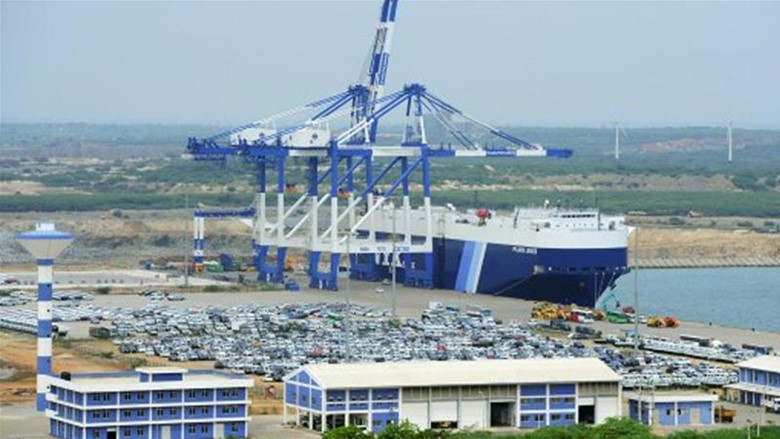
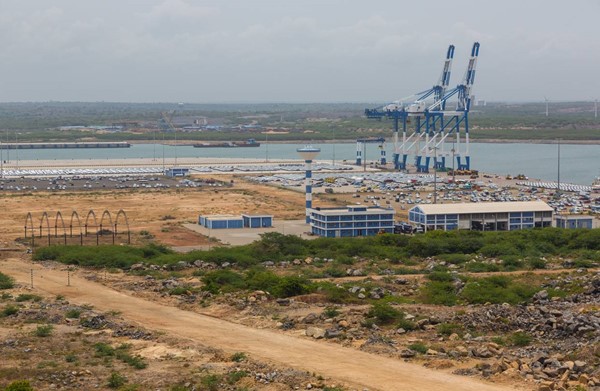
Red China’s Doctrine of Neocolonialism defines Hambantota Port deal with Sri Lanka.
Red China’s Doctrine of Neocolonialism describes Hambantota Port Deal with Sri Lanka.
Red China signed a deal with Sri Lanka to use Hambantota Port in pursuit of her doctrine of Neocolonialism. World must pay attention to China’s aggression in Tibet if it wants to resist, contain, engage, oppose, and confront China’s Neocolonialism threatening Freedom, Democracy, Peace, and Harmony in Asia, Africa, and Europe.
Billion-dollar agreement reached despite trade union opposition and protests over security fears, including from India.
29 Jul 2017 09:54 GMT
Red China’s Doctrine of Neocolonialism describes Hambantota Port Deal with Sri Lanka.
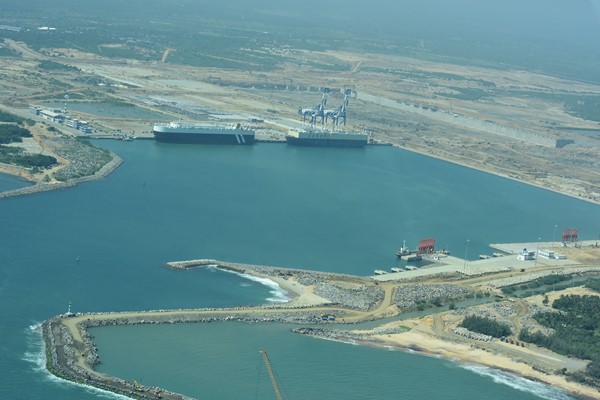
Sri Lanka is selling a 70 percent stake to China Merchants Ports Holdings for $1.12bn [Lakruwan Wanniarachchi/AFP]
Sri Lanka has signed a $1.12bn agreement with a state-run Chinese firm to operate a port in the southeast of the country, despite security concerns and protests from trade unions.
According to the long-delayed deal reached in the capital Colombo on Saturday, Sri Lanka Ports Authority agreed to sell a 70 percent stake in the Hambantota port to China Merchants Ports Holdings.
The Chinese firm will run the workings of the newly constructed port over a 99-year lease.
The Cabinet approved the agreement on Tuesday, almost six months after the framework deal was signed.
Public anger and protests had delayed the signing.
Demonstrators rallied against the loss of land and concerns that the port could be used by the Chinese military.
Trade unions earlier in the week staged a strike against the deal, temporarily crippling fuel distribution on the island.
They fear the deal gives an advantage to China in the bunkering business, which provides fuel to ships, as the port is located on a key international shipping lane between Europe and Asia.
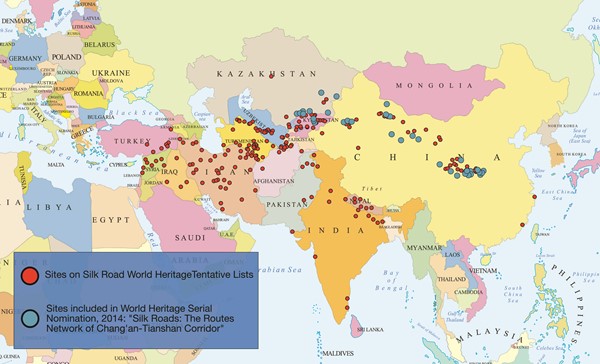
Chinese President Xi Jinping launched the “One Belt, One Road” project in May, pledging tens of billions of dollars to build ports, highways and power grids in about 60 different countries, linking China to much of Asia, Europe and Africa.
Al Jazeera’s Minelle Fernandez, reporting from Colombo, said the Hambantota port located in a strategic position.
“For China to be able to get its foot in, and essentially take over this port, is considered quite an important part of its plan particularly with the new Silk Road initiative,” she said.
Sri Lanka’s government has dismissed the unions’ concerns, saying that the agreement would prove profitable and will help repay loans taken on to build the port.
India voices concern
The government argues that the port has been underused since its opening in 2010. The construction cost more than $361m, with the Export-Import Bank of China providing a large chunk of financing.
Ports Minister Mahinda Samarasinghe told journalists that Sri Lanka “cannot afford to continue to pay” back the loans without better returns at the port.
Only 44 ships have been handled by the Hambantota port since 2015, making it an unprofitable venture, DPA news agency reported.
Neighboring India has also voiced concerns that China could use the deep-sea port in the Indian Ocean to dock military vessels.
Sri Lanka has assured India that there are no security issues over the port, which it says will only be used for commercial purposes.
“No naval ship, including Chinese vessels, can call over at the Hambantota Port without our permission,” Samarasinghe said.
Al Jazeera’s Fernandez said: “The Sri Lankan government has sought to allay fears from both its neighbors and the people in the region that this is a commercial agreement which will help Sri Lanka on its road back to recovery from debt servicing.”
Source: Al Jazeera and news agencies
Red China’s Doctrine of Neocolonialism describes its One Belt, One Road (OBOR), Silk Road Initiative.
Red China’s Doctrine of Neocolonialism defines Hambantota Port Deal with Sri Lanka.
Red China’s Doctrine of Neocolonialism Defines Hambantota Port Deal with Sri Lanka.
Red China’s Doctrine of Neocolonialism defines Hambantota Port Deal with Sri Lanka.
China has warned India not to “cling to fantasies” amid a tense border stand-off, which also involves Bhutan, involving disputed territory in the Himalayas. Earlier, China staged live-fire drills in the area while India deployed troops there.
“China’s determination and resolve to safeguard national security and sovereignty is unshakable,” Defense Ministry Spokesman Senior Colonel Wu Qian said in a statement on Monday, as cited by AP and local media. His words come ahead of the 90th anniversary of the founding of the Chinese People’s Liberation Army (PLA).
“Don’t push your luck and cling to any fantasies,” Wu said.
“The 90-year history of the PLA has proved but one thing: that our military means to secure our country’s sovereignty and territorial integrity has strengthened and our determination has never wavered. It is easier to shake a mountain than to shake the PLA.”
China and Indian ally Bhutan have been disputing the narrow Doklam plateau at the tri-junction of the three countries’ borders for decades. India says the area is Bhutanese.
Tensions between Beijing and Delhi escalated this June when Chinese teams started building a road on the plateau. Bhutan requested help from India, which sent its troops across the border.
‘Avoid escalation’: China demands India withdraw troops from disputed Himalayan territory
India also warned China that the road was a “serious security concern” because it would give China access to the Siliguri Corridor, also known as the ‘Chicken’s Neck,’ a narrow stretch of land linking India’s northeastern states to the rest of the country, NDTV reported earlier in July.
Also in July, China staged 11 hours of live-fire drills in Tibet, not far from the disputed territory, Chinese media reported. The exercises involved soldiers armed with rocket launchers, machine guns, and mortars.
In June, to support its claim, China provided historical documents which it says prove the Doklam plateau belongs to Beijing.
“First, in terms of history, Doklam has always been the traditional pasture for border inhabitants living in [China’s] Yadong [county], Xizang. China has been exercising jurisdiction over this area,” Foreign Ministry Spokesperson Lu Kang said in a statement.
However, those claims are disputed by India, which accuses China of cherry-picking facts to suit its agenda.
Both India and China reportedly bolstered their troops in the area in June, with each side adding about 3,000 soldiers, the Times of India said at that time.
The standoff is the longest between the China and India since 1962, when the two sides fought a brief war over tensions surrounding Tibet and other points along the border in the Sino-Indian War, which China won.
Tibet Equilibrium – Pakistan and China North Indus River Cascade is illegal Bartering
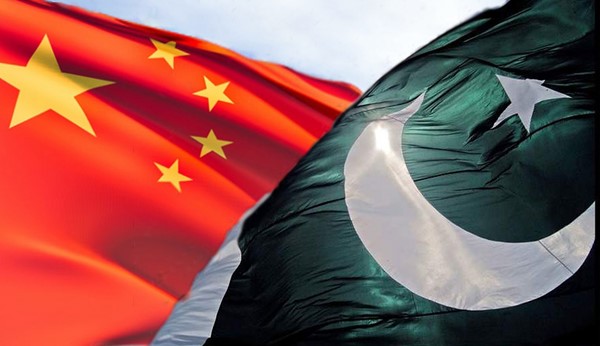
Tibet Equilibrium – Pakistan and China North Indus River Cascade – Illegal Bartering. Two thieves sharing stolen assets.
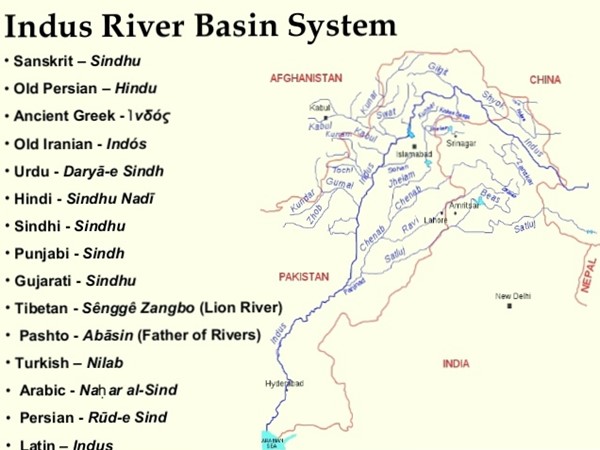
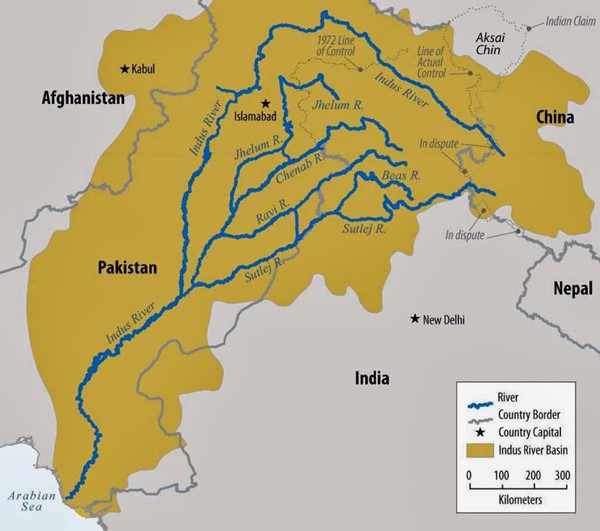
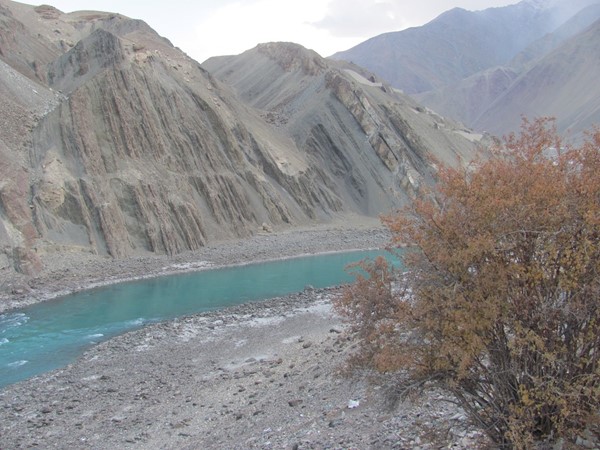
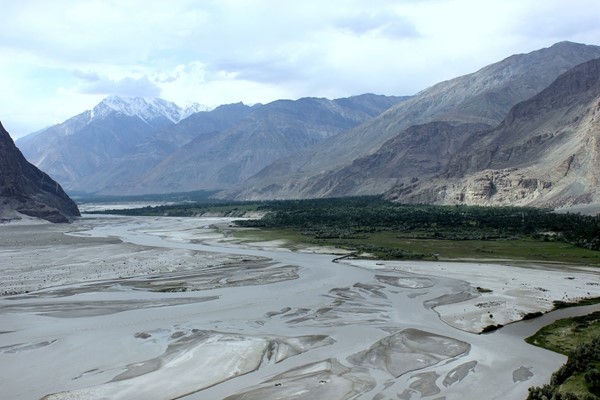
The five dams forming the ‘North Indus River Cascade’ that Communist China plans to build in Pakistan-Occupied Indian territory represents Illegal Bartering. Firstly, Communist China’s Tibet Occupation is illegal for it violates Natural Law, Natural Balance, Natural Order, Natural Equilibrium, Natural Harmony, and Natural Tranquility that formulates connections between man and Nature. Tibet Equilibrium gives Indus River the ability to flow down to reach Arabian Sea.
Tibet Equilibrium – Pakistan and China North Indus River Cascade – Illegal Bartering. Two thieves sharing stolen assets.
China’s doctrine of Neocolonialism drives her capital investment projects to develop infrastructure and exploit natural resources to ensure her political, economic, and military domination of world. North Indus River Cascade in its essence represents the actions of two thieves sharing stolen assets. In my analysis, Communist China sponsored Indus River Projects bring no Joy, no Peace, no Harmony, and no Tranquility in the lives of people for Beijing is Doomed.
Tibet Equilibrium – Pakistan and China North Indus River Cascade – Illegal Bartering. Two thieves sharing stolen assets.Tibet Equilibrium – Pakistan and China North Indus River Cascade – Illegal Bartering. Two thieves sharing stolen assets.
Pakistan’s Indus Cascade, a China Sponsored Himalayan Blunder
Tibet Equilibrium – Pakistan and China North Indus River Cascade – Illegal Bartering. Two thieves sharing stolen assets.
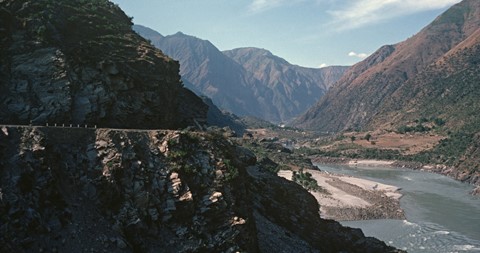
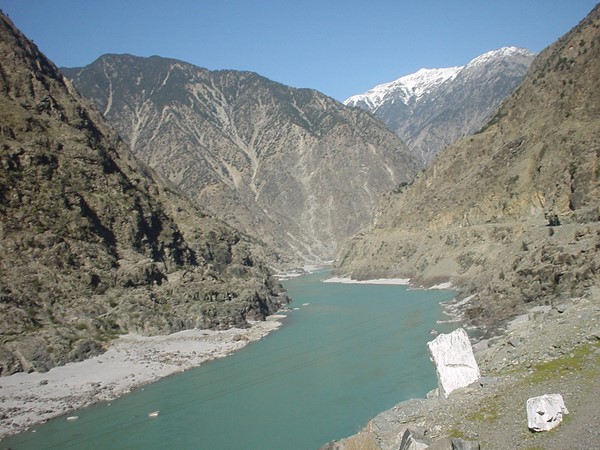
The Indus River in Diamer District of Pakistan’s Gilgit-Baltistan. (Photo Courtesy: Wikimedia Commons)
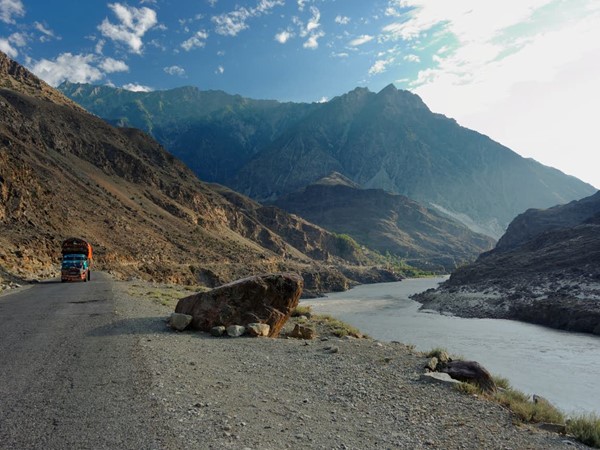
Joydeep Gupta
Updated: 22 May 2017 4:27 PM IST
The five dams forming the ‘North Indus River Cascade’ that China has just promised to finance and build in Pakistan – including Pakistan-administered Kashmir – has the potential to generate over 22,000 MW in an energy-starved country. But the dams will also stop the flow of silt which is the lifeline of agriculture downstream. In non-monsoon months from October to June, they may also reduce the flow of water down the Indus to Pakistan’s Punjab and Sindh provinces.
Climate change is making water flow along rivers more erratic – especially rivers like the Indus, that flow from the Himalayas. Pakistan’s entire water supply for agriculture, factories, and homes is dependent on rivers in the Indus basin. Water availability is already below the 1,000 cubic meters per person per year level at which a country is described as water-scarce, according to the global norm followed by most UN agencies. In this situation, it is critical to look at food, energy and water together, as a nexus. Instead, the planners of Pakistan appear to be looking at energy alone.
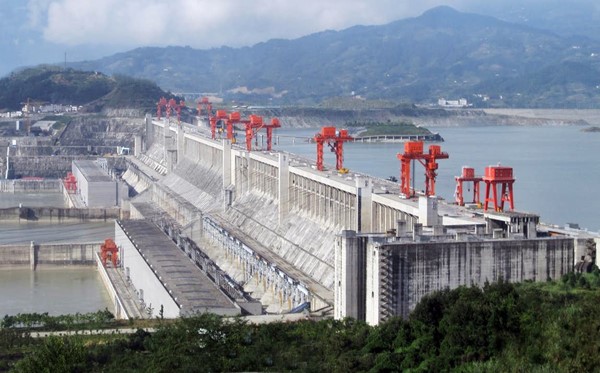
Money, CPEC, OBOR China is providing Pakistan with US $50 billion for the Indus Cascade. A Memorandum of Understanding (MoU) was signed to this effect during the recent Belt and Road Initiative (BRI) – previously known as One Belt, One Road (OBOR) – conference in Beijing. China’s National Energy Administration (NEA) will oversee the funding. China Three Gorges Corporation – which runs the world’s largest hydroelectricity project at the Three Gorges Dam – is the frontrunner to build the five dams that will form the cascade. The MoU was signed by Pakistan’s Water and Power Secretary Yousuf Naseem Khokhar and Chinese Ambassador to Pakistan Sun Weidong in presence of Prime Minister Nawaz Sharif. This is in addition to the US $57 billion China is providing to Pakistan for a series of infrastructure projects along the China-Pakistan Economic Corridor (CPEC), a part of the BRI. The infrastructure projects include the building of coal-fired power stations and the port at Gwadar on the Arabian Sea
Tibet Equilibrium – Pakistan and China North Indus River Cascade – Illegal Bartering. Two thieves sharing stolen assets. Stealing assets originating in Tibet.
The Three Gorges Dam on the Yangtze River in China (Photo Courtesy: Wikimedia Commons)
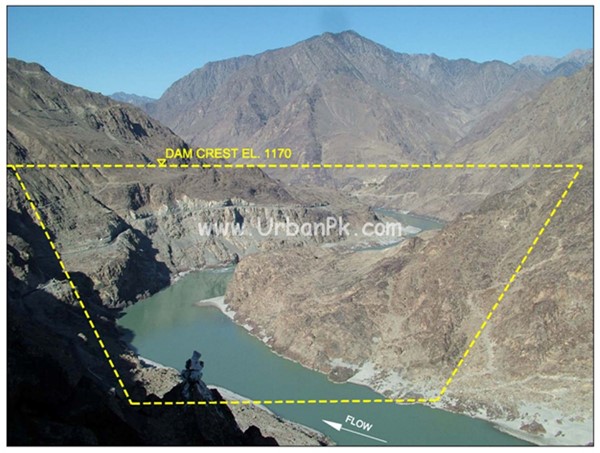
The Indus Cascade The cascade plans all the way down the Indus from Gilgit-Baltistan to the existing Tarbela dam near Islamabad. It will effectively turn this huge transboundary river into a series of lakes in the last part of its journey through the Hindu Kush Himalayas to the plains of South Asia. The uppermost of the five dams is planned at Bunji near Skardu in Pakistan administered Kashmir. The former princely state of Jammu & Kashmir is a disputed territory claimed in its entirety by both India and Pakistan, though both only control parts of it, with China also controlling some. The 7,100 MW Bunji Hydropower Project has been described by Pakistan’s Water and Power Development Authority (WAPDA) as a run-of-the-river (RoR) project. But the same promotional video (for the entire cascade) which provides this description also indicates that: This project will have a reservoir that will spread along a 22-km stretch of the Indus and inundate a 12-km stretch of the road between Gilgit and Skardu – the two main towns of Gilgit-Baltistan. So, despite the description, this may not be an RoR project.
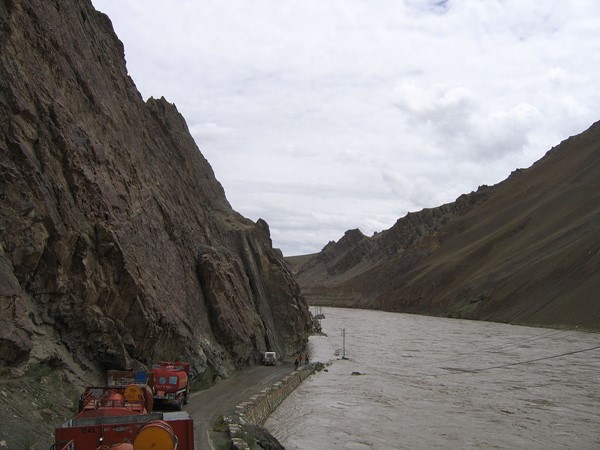
The next dam in the cascade is the big one – Diamer-Basha – with a planned live storage of 6.4 million-acre feet (MAF) of water and a hydropower generating potential of 4,500 MW. From Diamer-Basha, the projects run along the Karakoram Highway, which China built in the 1960s through Pakistan administered Kashmir despite strenuous objections from India. The reservoir that will form behind the Diamer-Basha dam will submerge 104 km of the Karakoram Highway and displace about 30,000 people, according to WAPDA. The Diamer-Basha dam is promoted by WAPDA as a sediment trap and therefore good for downstream hydropower projects. But the same sediment – mainly silt – rejuvenates the soil downstream every year and has been the main reason sustaining agriculture in the Indus valley for over a millennium. Building the Diamer-Basha dam is estimated to cost US $15 billion. For years, Pakistan has been seeking the money from multilateral funding agencies. Experts at the World Bank and the Asian Development Bank have advised Pakistani planners to think of smaller dams instead. Now China has promised funding. Just downstream of Diamer-Basha is the third dam in the cascade – the 4,320 MW Dasu Hydropower Project. This will have a reservoir that will stretch upstream for 74 km along the Indus, all the way to the Diamer-Basha dam, according to WAPDA. It will also submerge 52 km of the Karakoram Highway. Some of the peripheral work for this project has started, and people have already been displaced, with WAPDA seeking contracts for resettlement and providing free transport to resettlement sites. And immediately downstream of that, WAPDA has planned the 2,200 MW Patan Hydropower Project, with a 35-km long reservoir that goes up to the Dasu dam.
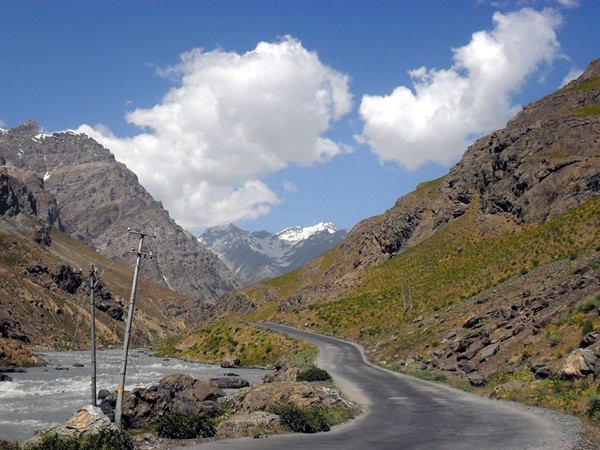
Tibet Equilibrium – Pakistan and China North Indus River Cascade – Illegal Bartering. Two thieves sharing stolen assets.
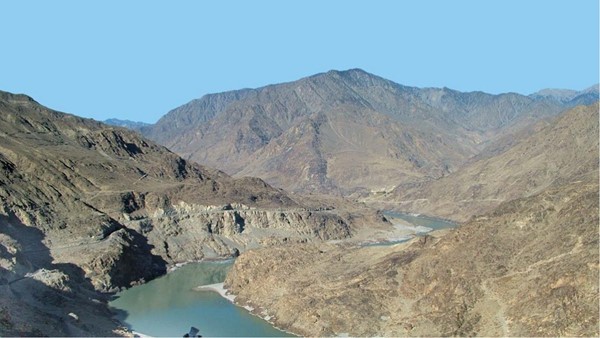
The Indus River from the Karakoram Highway (Photo Courtesy: Wikimedia Commons)
Once again, the fifth dam in the cascade is just a little downstream – the 4,000 MW Thakot Hydropower Project in which the plan is to divert the Indus waters through four headrace tunnels to generate electricity. By the time the Indus emerges from the tunnels, it will be close to the existing dam at Tarbela, which has been in operation since 1976.
The Plan, the Effect The electricity that will potentially be generated by the five new projects forming the Indus Cascade adds up to a little over 22,000 MW. Officials in Pakistan’s Ministry of Water and Power have been telling the domestic media that experts from the Chinese NEA conducted feasibility study of the entire cascade this February and satisfied about feasibility of the project. The officials say that now, after the signing of the MoU, the Chinese experts will conduct a more detailed study for three months to finalize both financing and execution of the projects. In 2015, China Three Gorges Corporation had said it wanted to be part of a financing consortium with a US $50 billion fund to build hydroelectric power projects in Pakistan. The corporation may be the frontrunner to build the dams, but it is not the only competitor. After the MoU was signed in Beijing, several Chinese power sector companies showed willingness to join the project. This will be the first large-scale private sector hydroelectricity project in Pakistan. At the MoU signing ceremony, Nawaz Sharif spoke glowingly of cooperation between the two governments to overcome Pakistan’s energy crisis. “Development of the Indus Cascade is a major focus of my government and the construction of Diamer-Basha Dam is the single most important initiative in this regard.” Nawaz Sharif, Prime Minister, Pakistan He also said, “Water and food security are of paramount importance for Pakistan, keeping in view the challenges posed by climate change.” The Indus Cascade will reduce water and food security in Pakistan instead. One proven effect of climate change is intensification of the water cycle. In lay terms, it means fewer rainy or snowy days but more intense rainfall or snowfall in those days. Pakistan is already suffering the effects. For the first nine years in this century, the Indus failed to reach the sea. Then there was such a cloudburst in 2010 flooding a fifth of the country. The floods also brought down, and continue to bring down, huge sediment loads that reduce the working lives of dams. To build more large dams in this situation appears dangerously short-sighted. A side effect of the cascade project will be the need to rebuild large parts of the Karakoram Highway. Building a road in the mountains always has a strong negative effect on the environment and increases the risk of landslides manifold. India has already boycotted the BRI conference because many of the CPEC projects are in Kashmir. Addition of a project as big as the Indus Cascade to that list is likely to lead to more protests from India and to raise tension in the region.
Tibet Equilibrium – Pakistan and China North Indus River Cascade – Illegal Bartering. Two thieves sharing stolen assets.Tibet Equilibrium – Pakistan, China North Indus River Cascade – Illegal Bartering. Two thieves sharing stolen assets. Indus River flows down Indian territory.Tibet Equilibrium – Pakistan, China North Indus River Cascade – Illegal Bartering. Two thieves sharing stolen assets.Tibet Equilibrium – Pakistan, China North Indus River Cascade – Illegal Bartering. Two thieves sharing stolen assets.Tibet Equilibrium – Pakistan, China North Indus River Cascade – Illegal Bartering. Two thieves sharing stolen assets.Tibet Equilibrium – Pakistan, China North Indus River Cascade – Illegal Bartering. Two thieves sharing stolen assets.Tibet Equilibrium – Pakistan, China North Indus River Cascade – Illegal Bartering. Two thieves sharing stolen assets. Indus River originates in Tibet and flows down India.
NATURAL HISTORY OF TIBETAN PLATEAU – INDIA’S TIBET POLICY
India’s Tibet Policy must reflect reality of Tibet as established by Natural History of Tibetan Plateau. This reality of Tibet cannot be rewritten. To defend Democracy, Freedom, Peace, and Justice, India has to contain, restrain, oppose, and confront the problem posed by expansion of Communism in Asia. India as a democratic nation must pursue Tibet Policy using standards of Transparency and Public Accountability. The Cold War in Asia remains Unfinished and yet there is no need for Cold War Era secret diplomacy.
Rudranarasimham Rebbapragada
DOOM DOOMA DOOMSAYER
India should support Tibet’s historical status as an Independent country: Former Defence Minister
July 20, 2017
Posted in News Flash
By Staff Writer
(L) Mulayam Singh Yadav speaking in Lok Sabha, (R) Map/FreeTibet
New Delhi: Samajwadi Party leader and former Defence Minister Mulayam Singh Yadav on Wednesday raised the issue of Tibet in the Parliament. India’s former Defence Minister said that India’s stand on Tibet, a reference to its acceptance that the region was part of China, was a “mistake” and the time has come to support its status as an historically independent country as it had been a traditional buffer between the two big nations.
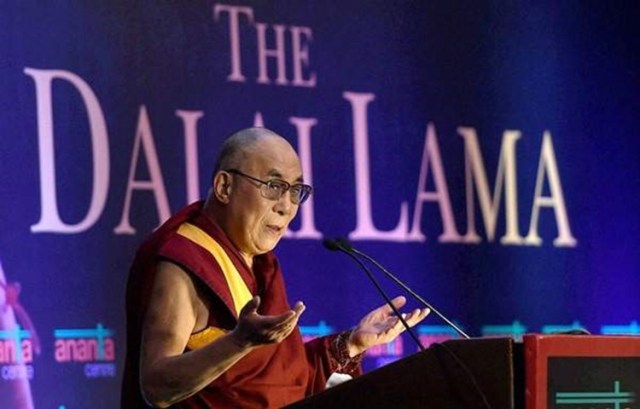
He also urged the Indian Central Government to give maximum support to His Holiness the Dalai Lama.
Speaking during the zero hour, Yadav called China India’s “real enemy” rather than Pakistan and claimed that China was ready to attack India in collaboration with Pakistan.
“If need be, we should have a rethink on diplomatic relations with China,” Yadav said.
The veteran leader also demanded a “ban on Chinese products in India in the nation’s interest”.
SPECIAL FRONTIER FORCE WELCOMES RESTORATION OF US AID FOR TIBET
Special Frontier Force Welcomes Restoration of US Aid For Tibet. Indian Prime Minister Jawaharlal Nehru and US President John F. Kennedy worked together to provide US Aid For Tibet.
Special Frontier Force Welcomes Restoration of US Aid For Tibet. Indian Prime Minister Jawaharlal Nehru worked with US President Harry Truman to provide US Aid For Tibet since 1948-49.
Special Frontier Force Welcomes Restoration of US Aid For Tibet. During The Cold War Era, India and the United States worked together to promote Democracy, Freedom, and Justice to contain spread of Communism in Asia.
Special Frontier Force Welcomes Restoration of US Aid For Tibet. Indian Prime Minister Jawaharlal Nehru at the tomb of Unknown Soldier. US Aid For Tibet remains Unknown due to secret diplomacy.
On behalf of Special Frontier Force, I welcome restoration of US Aid for Tibet. During 1948-49, The Cold War Era, United States commenced US Aid for Tibet in response to threat posed by spread of Communism in Asia. US Aid for Tibet began during presidency of Harry Truman, and continued by Dwight D. Eisenhower, John F. Kennedy and all other US Presidents including Richard M. Nixon who initiated diplomatic relations with Communist China in 1972.
Special Frontier Force Welcomes Restoration of US Aid For Tibet. US President Dwight D. Eisenhower partnered with India to defend Freedom, Democracy, and Peace in Asia.
Special Frontier Force Welcomes Restoration of US Aid For Tibet. US President Dwight D. Eisenhower visited India from 09 December to 14 December, 1959 in support of Democracy, Freedom, and Peace in Asia.
Special Frontier Force Welcomes Restoration of US Aid For Tibet. During his December 1959 visit, US President Dwight D. Eisenhower announced his plan, ‘Crusade for Peace’ to defend Democracy and Freedom.
I recall President Eisenhower’s historical visit to India from 09 December to 14 December, 1959. Indians received President Eisenhower with great sense of warmth and hailed him as ‘Prince of Peace’. India, and the United States must continue their partnership to restore Freedom, Democracy, Peace, and Justice in South Asia and work together to restore Natural Order, Natural Balance, Natural Equilibrium, Natural Peace, Natural Freedom, Natural Harmony, and Natural Tranquility in Occupied Tibet.
The appropriations will be effective for the next fiscal beginning October 1.
Special Frontier Force Welcomes Restoration of US Aid For Tibet to defend Freedom, Democracy, Peace, and Justice.
×
Reversing the Trump administration’s move to slash aid to Tibetans to zero, a key Congressional committee has approved a bill to maintain the decades-old American policy of providing financial assistance for Tibet and support “democracy and human rights programmes”. The administration, in its maiden budget proposal in May, had cut the US aid to Tibet to zero, resulting in a huge disappointment to the large Tibetan community around the world.
Democratic leader Nancy Pelosi had then expressed concern over the move. The US State Department, however, had described the decision as one of the “tough choices” it had to make as its budget itself had been slashed by more than 28 per cent. But in a report accompanying the State and Foreign Operations Appropriations Bill 2018, the House Appropriations Committee said it “continues to support democracy and human rights programmes for Tibet” and that “not less than the amounts provided in fiscal year 2017” be continued for such purposes.
The appropriations will be effective for the next fiscal beginning October 1.
The committee’s recommendation includes USD 1 million for the Office of the Special Coordinator for Tibetan issues. Noting that the Tibetan language services of ‘Voice of America’ and ‘Radio Free Asia’ (RFA) provide the only sources of independent information accessible to the people of Tibet, the committee recommendation provides USD 42 million for RFA, including funds to continue the Tibetan language service.
It also recommended USD 8 million – same as the 2017 fiscal year – to support activities that preserve cultural traditions and promote sustainable development and environmental conservation among Tibetan communities in the Tibetan Autonomous Region and other Tibetan autonomous areas in China.
Noting that Tibetans in South Asia face developmental challenges, it has proposed USD 6 million to continue to support the community in India and Nepal in the areas of education, skills development and entrepreneurship.
The House Appropriations Committee in its report supported the continued allocation of funds to assist Tibetan refugees in Nepal and India – commensurate with prior years. The committee expressed concerns over the reports that Nepal has handed over Tibetan refugees to Chinese border authorities, in contravention of Kathmandu’s international obligations to protect refugees fleeing persecution.
“The committee supports efforts by the Secretary of State to work with the Government of Nepal to provide safe transit for Tibetan refugees and legal protections to Tibetans residing in Nepal,” the report said.
An ‘Economic Support Fund’ will be made available for programmes to preserve Tibetan culture, development, and the resilience of Tibetan communities in India and Nepal, and to assist in the education and development of the next generation of Tibetan leaders from such communities, according to the bill.
According to a CRS report, the total financial assistance to the Tibetan cause was more than USD 24 million in 2014. Since 2014, there has been a gradual decline in Tibetan funding. The House Appropriations Committee, however, proposes to reverse that trend.
Special Frontier Force Welcomes Restoration of US Aid For Tibet which started during 1948-49 in response to the spread of Communism in Asia.
Special Frontier Force Welcomes Restoration of US Aid For Tibet which dates back to presidency of Truman and Eisenhower. Indian Prime Minister Jawaharlal Nehru in Washington DC meeting US President Eisenhower.
Special Frontier Force Welcomes Restoration of US Aid For Tibet. Special Frontier Force traces its beginning at Camp Hale, Colorado.
Special Frontier Force Welcomes Restoration of US Aid For Tibet.