Whole Colonialism – Upstream Occupation and Downstream Worries

The woes of Tsangpo-Brahmaputra River – Upstream Occupation and Downstream Worries

The Woes of Tsangpo-Brahmaputra River. The Upstream Occupation and the Downstream Worries.

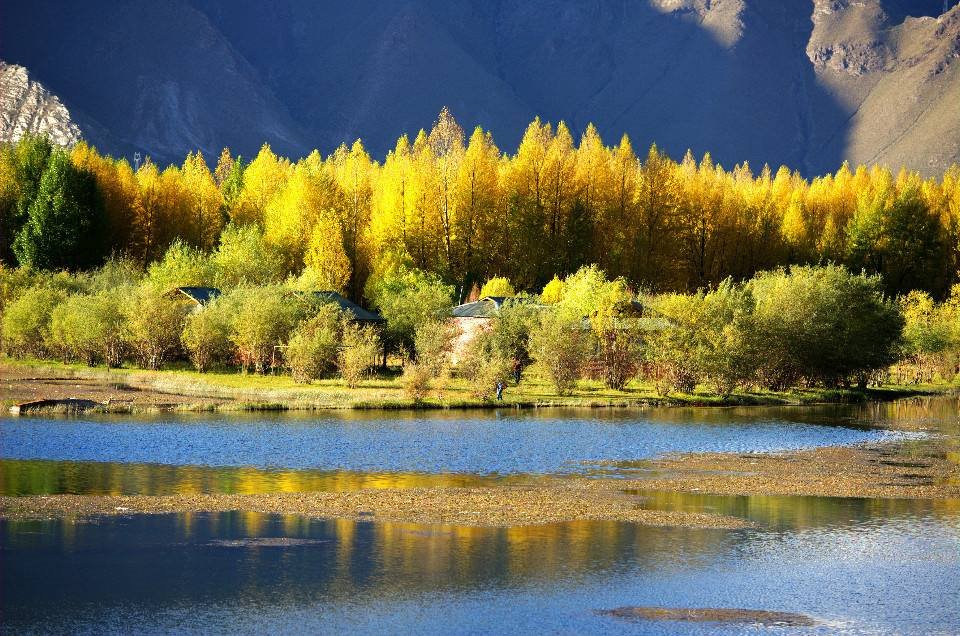
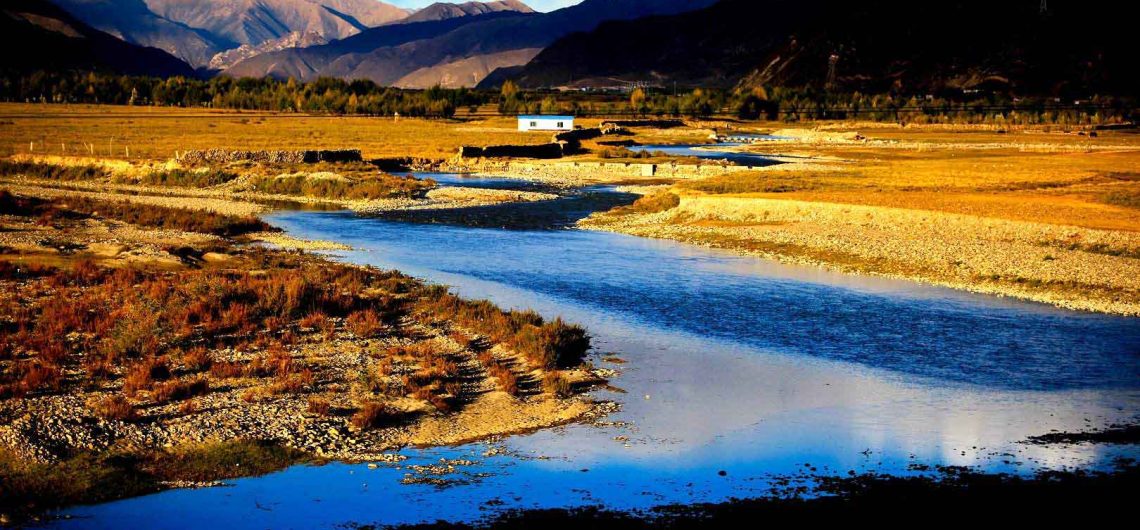
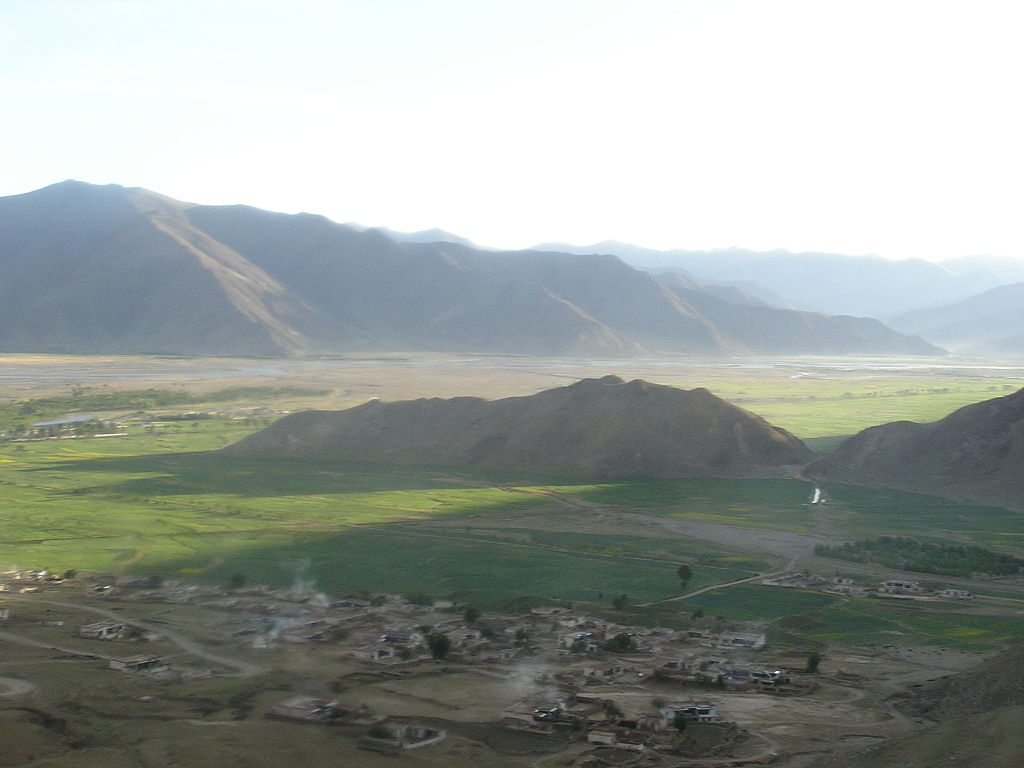
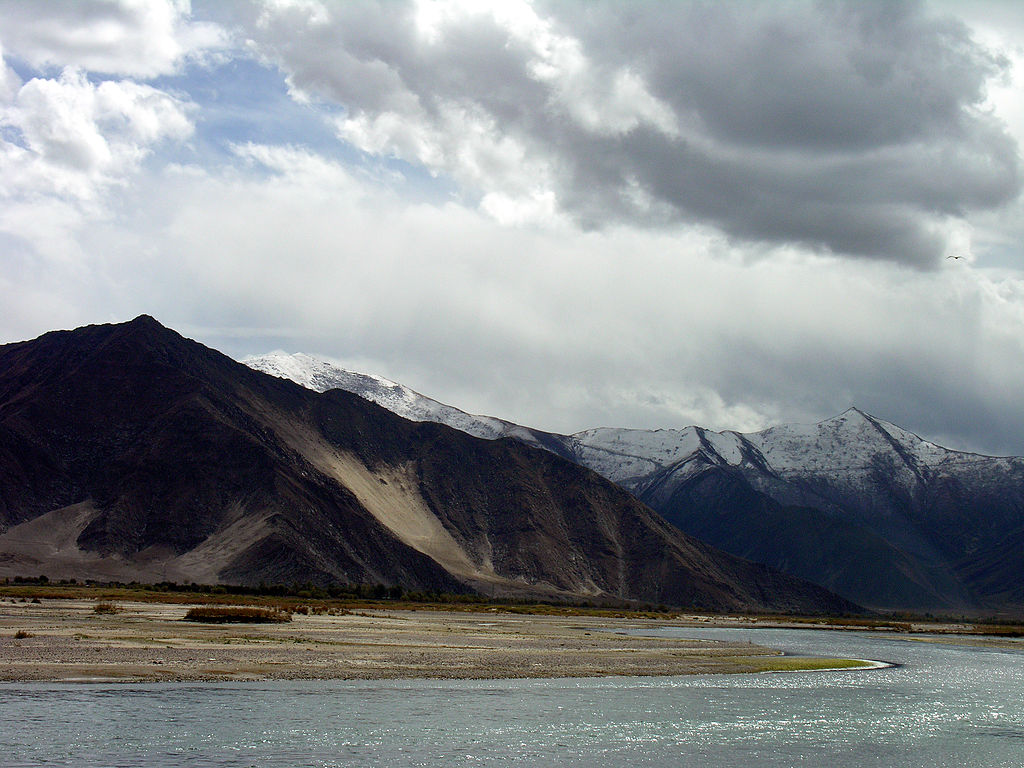
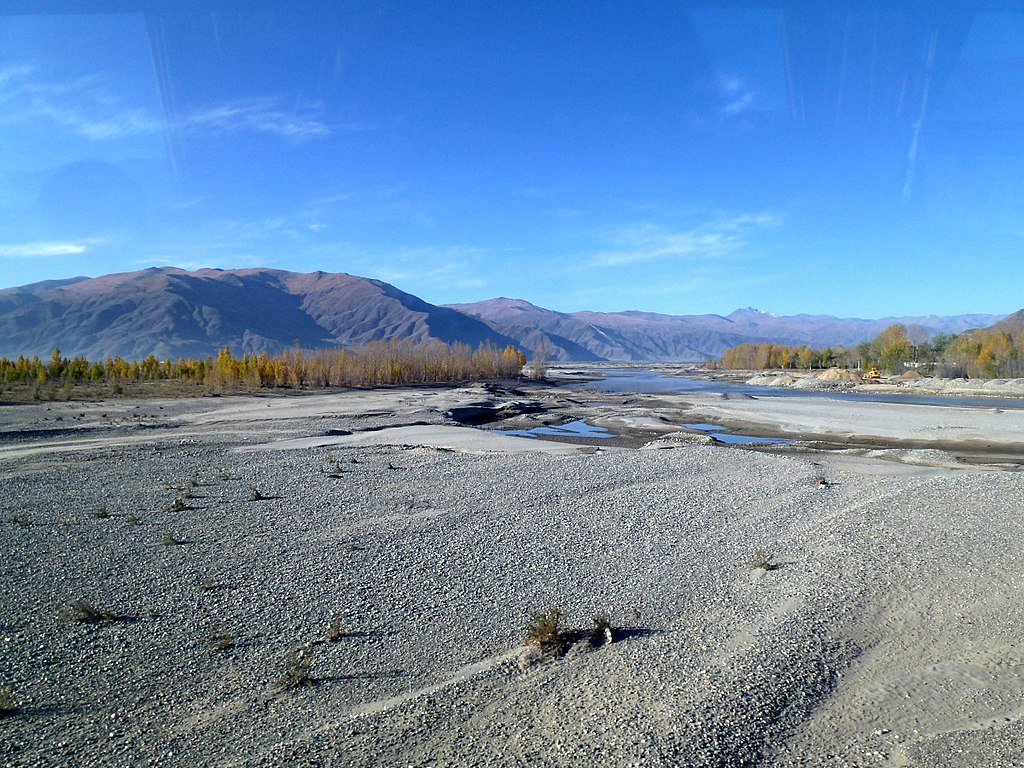
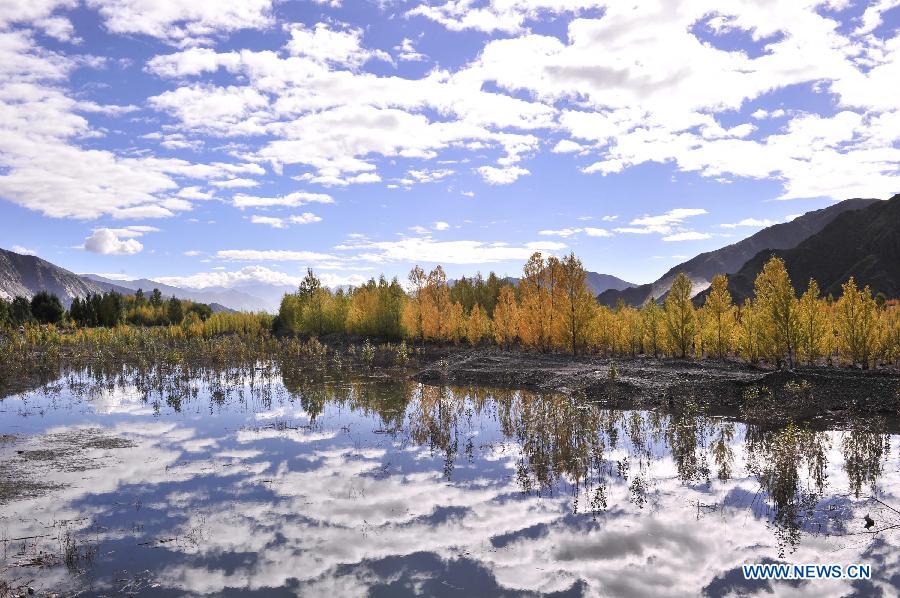
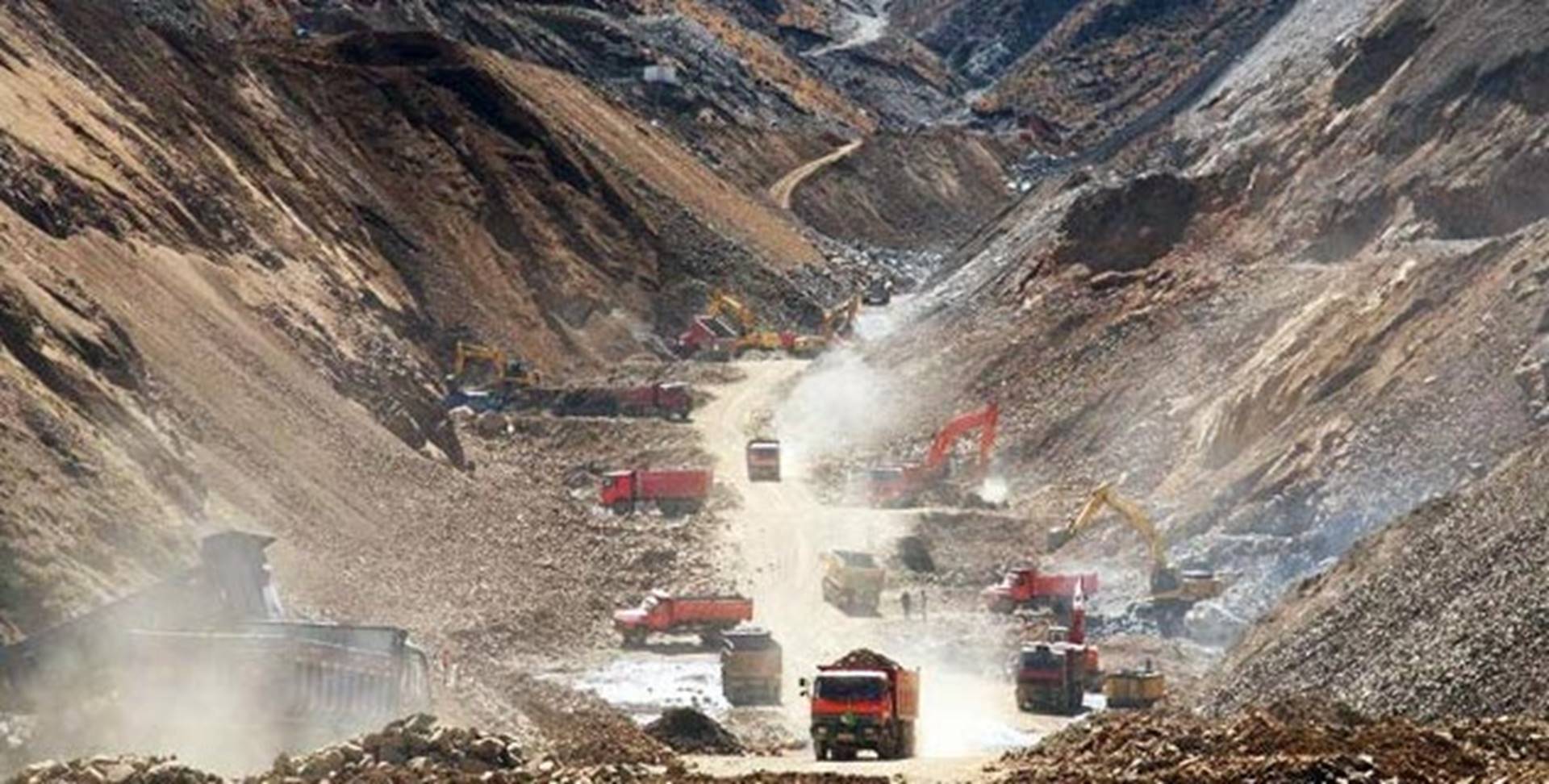
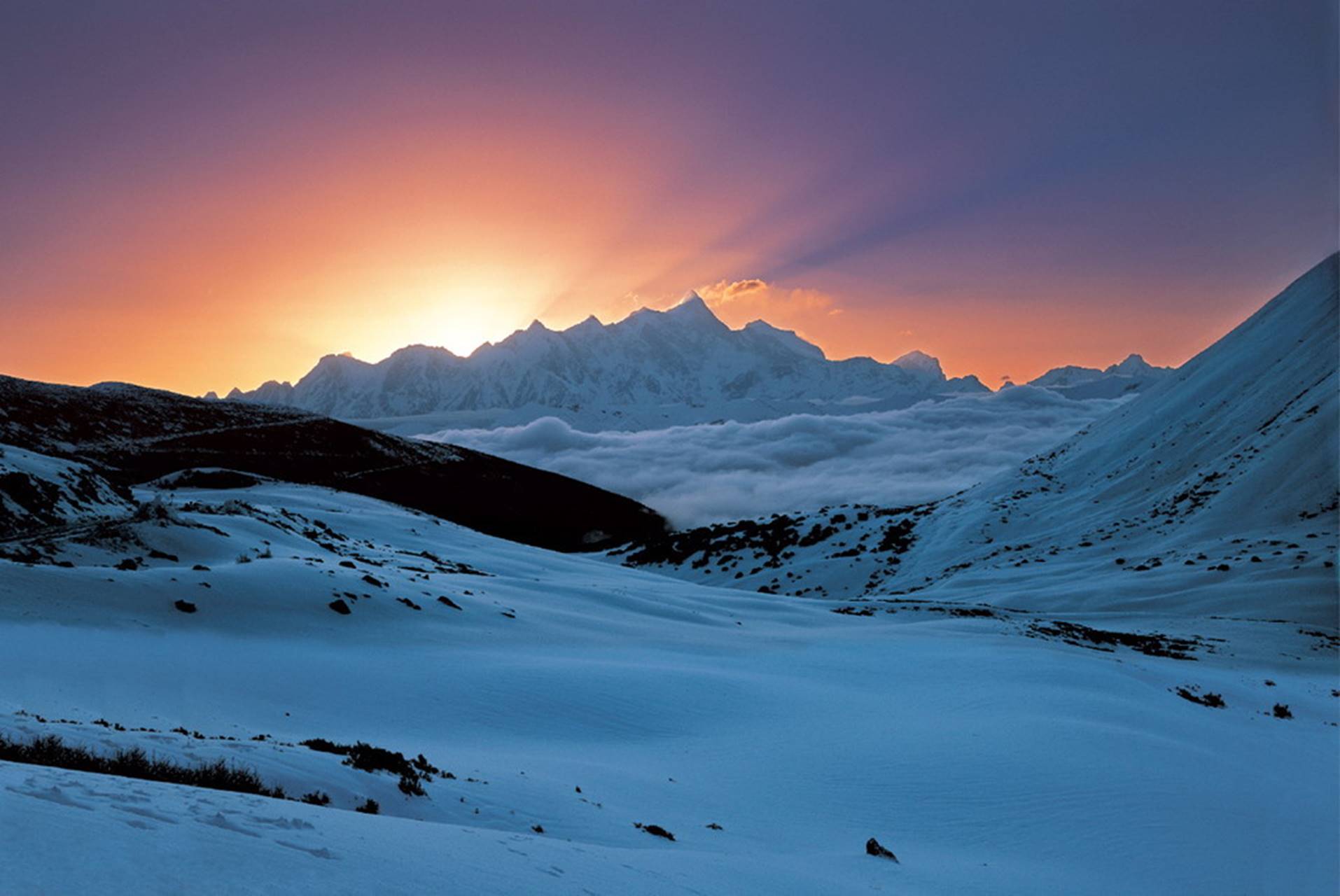
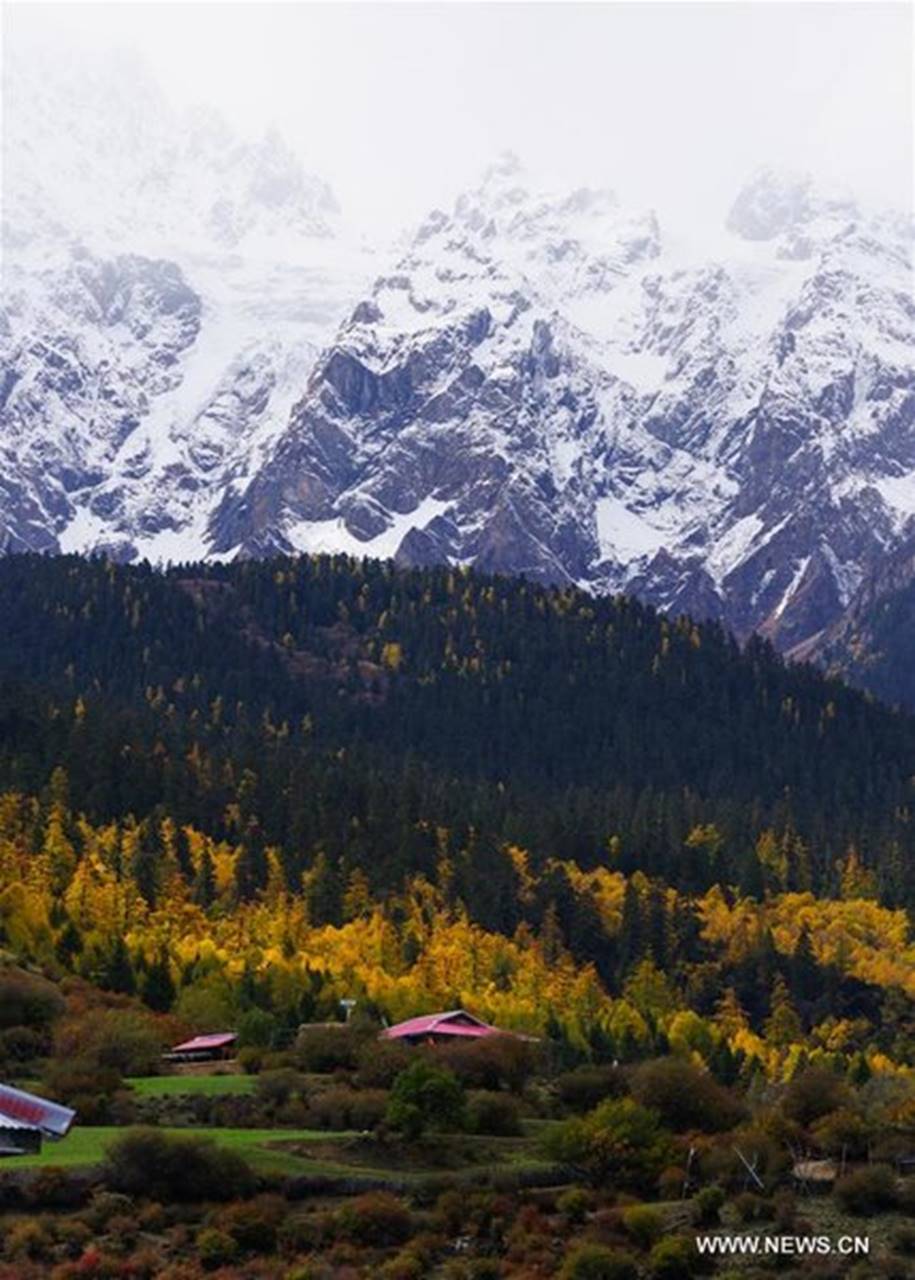
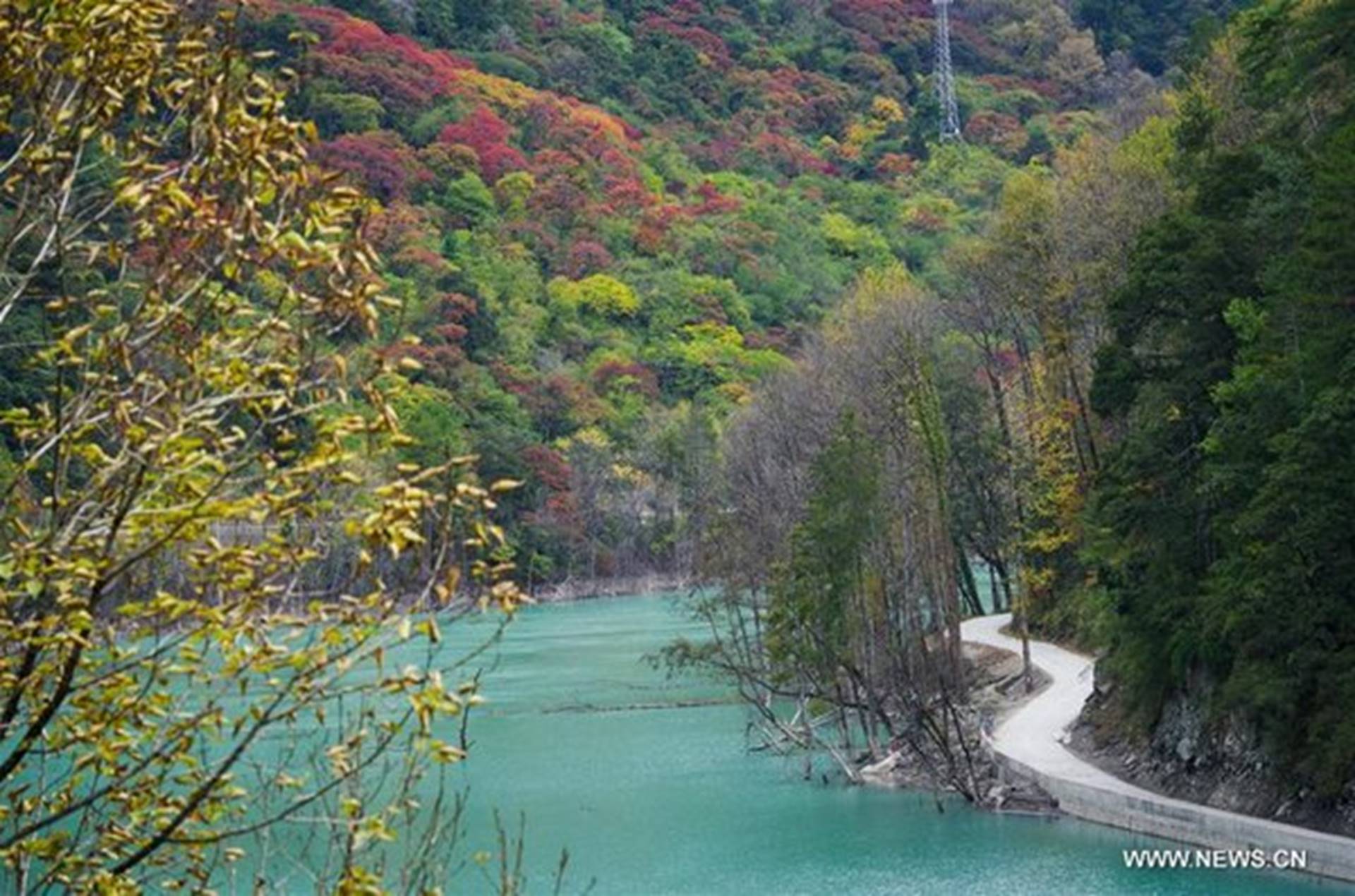
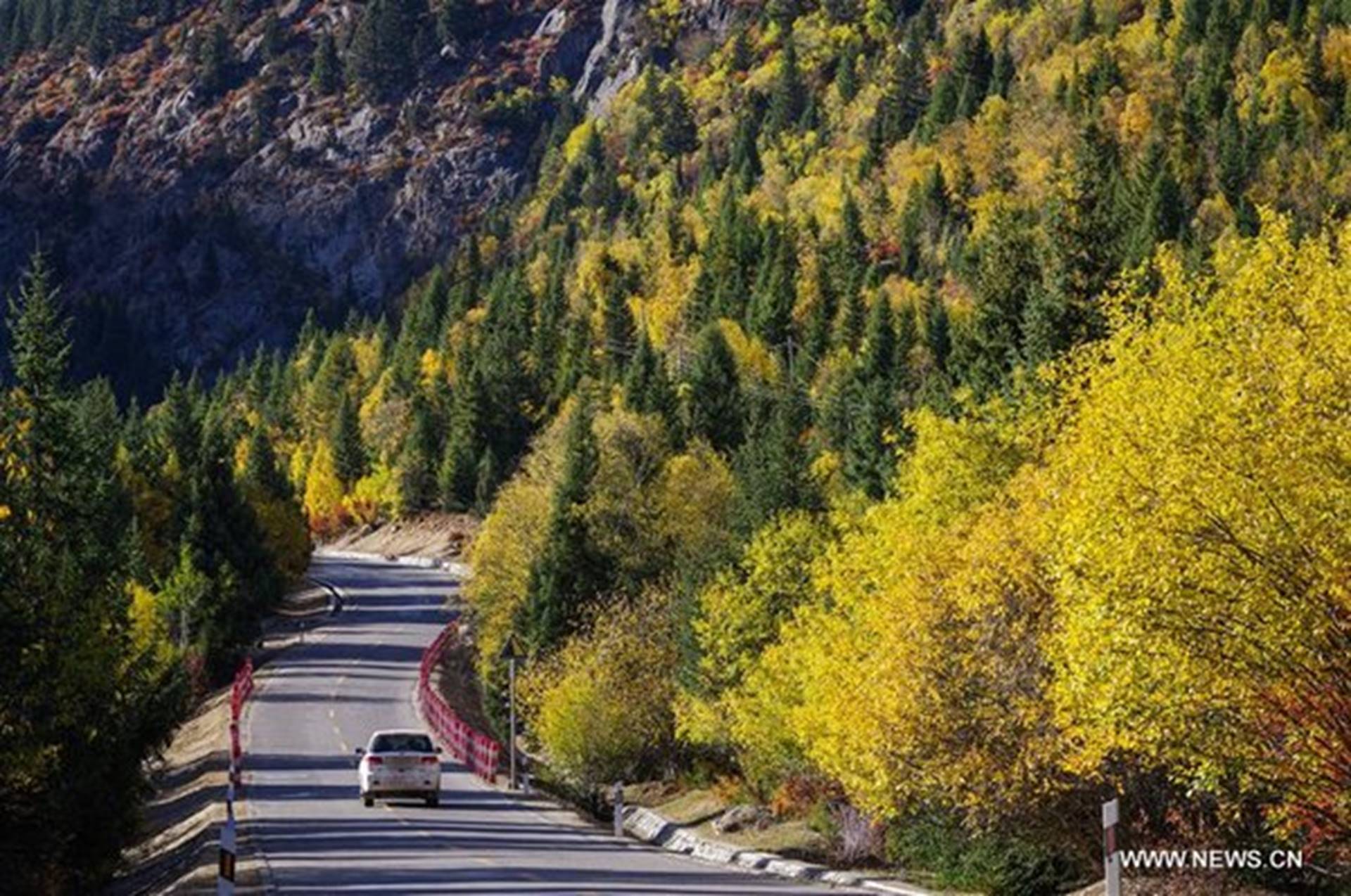
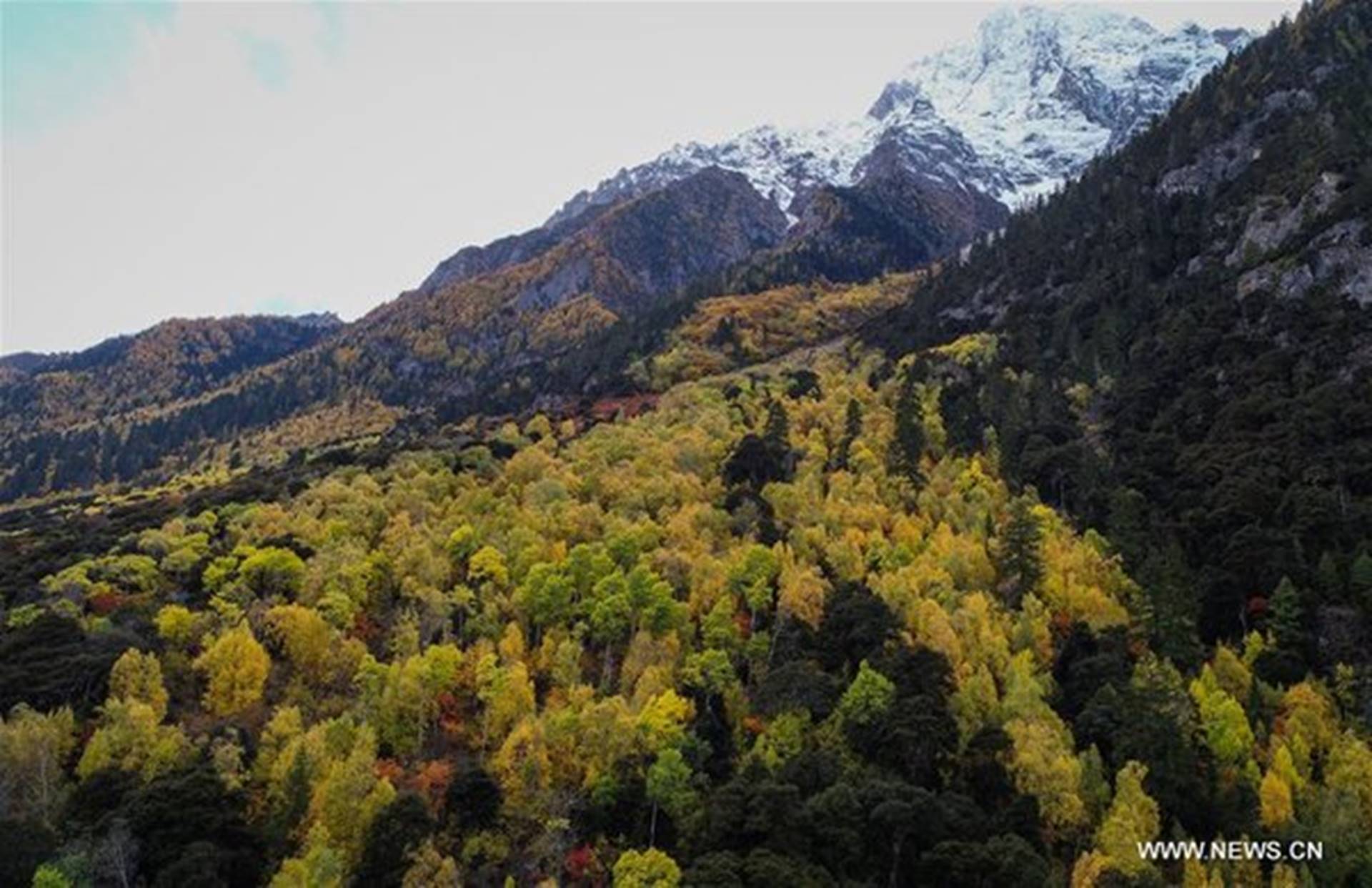
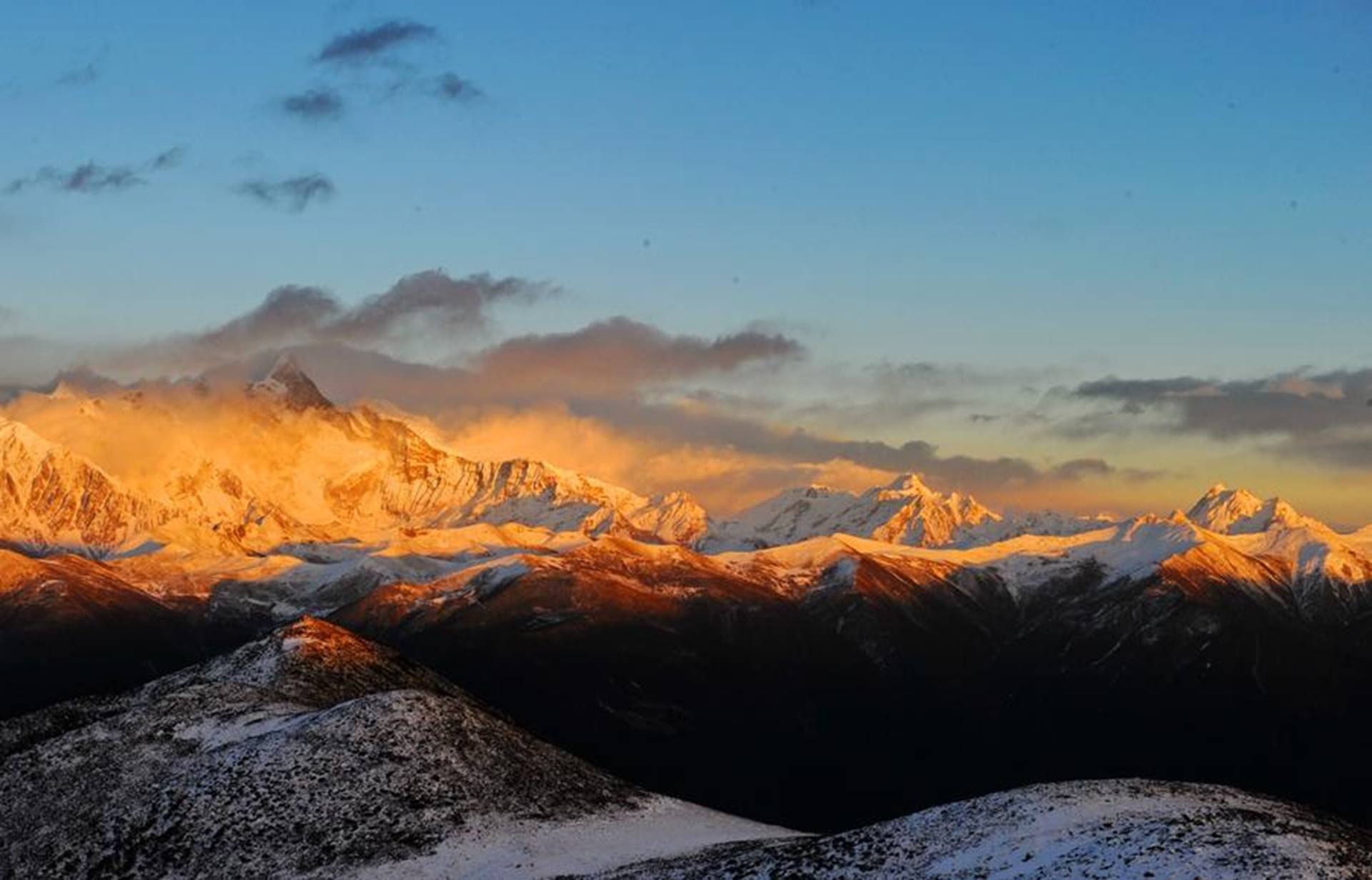
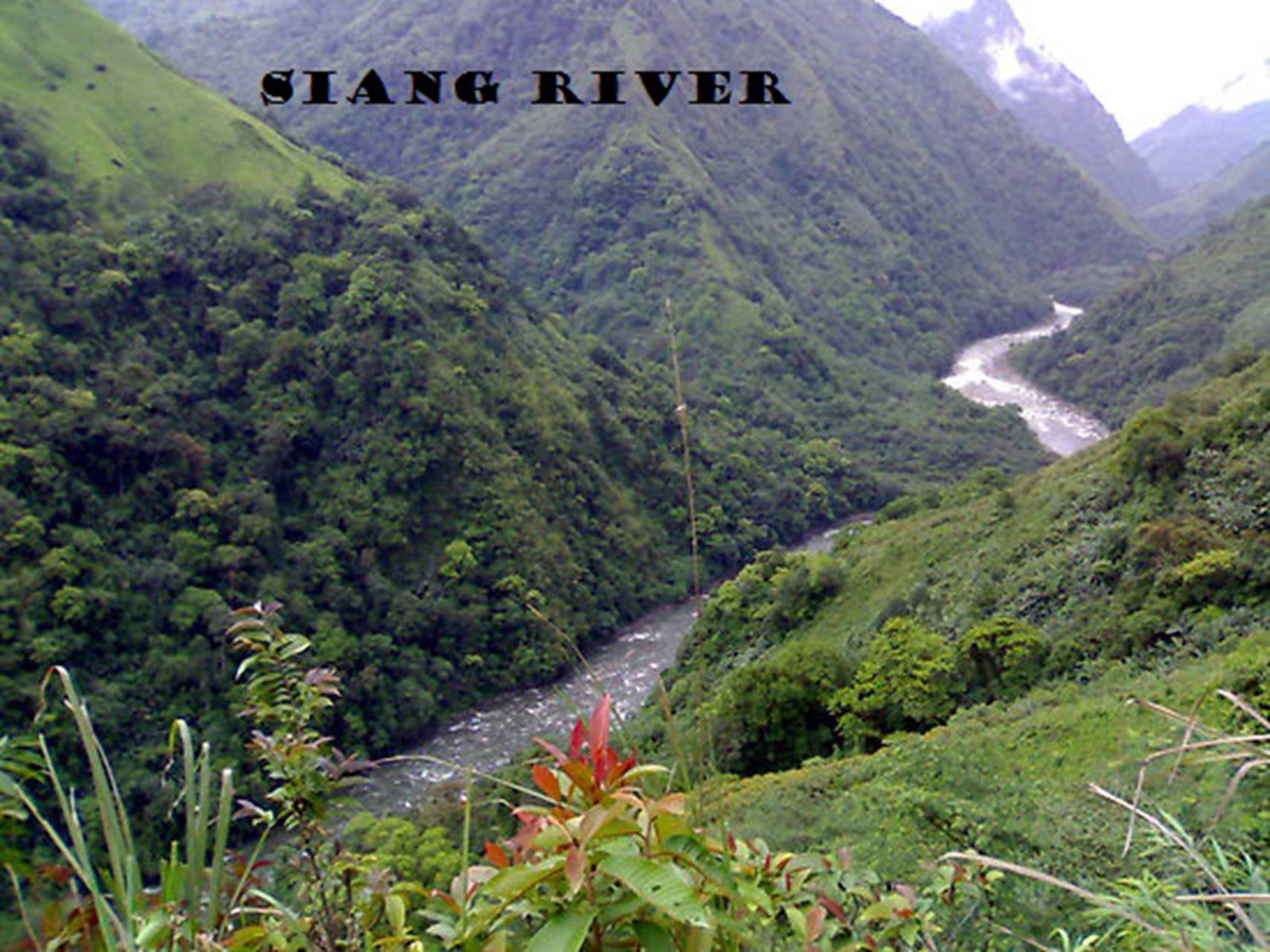
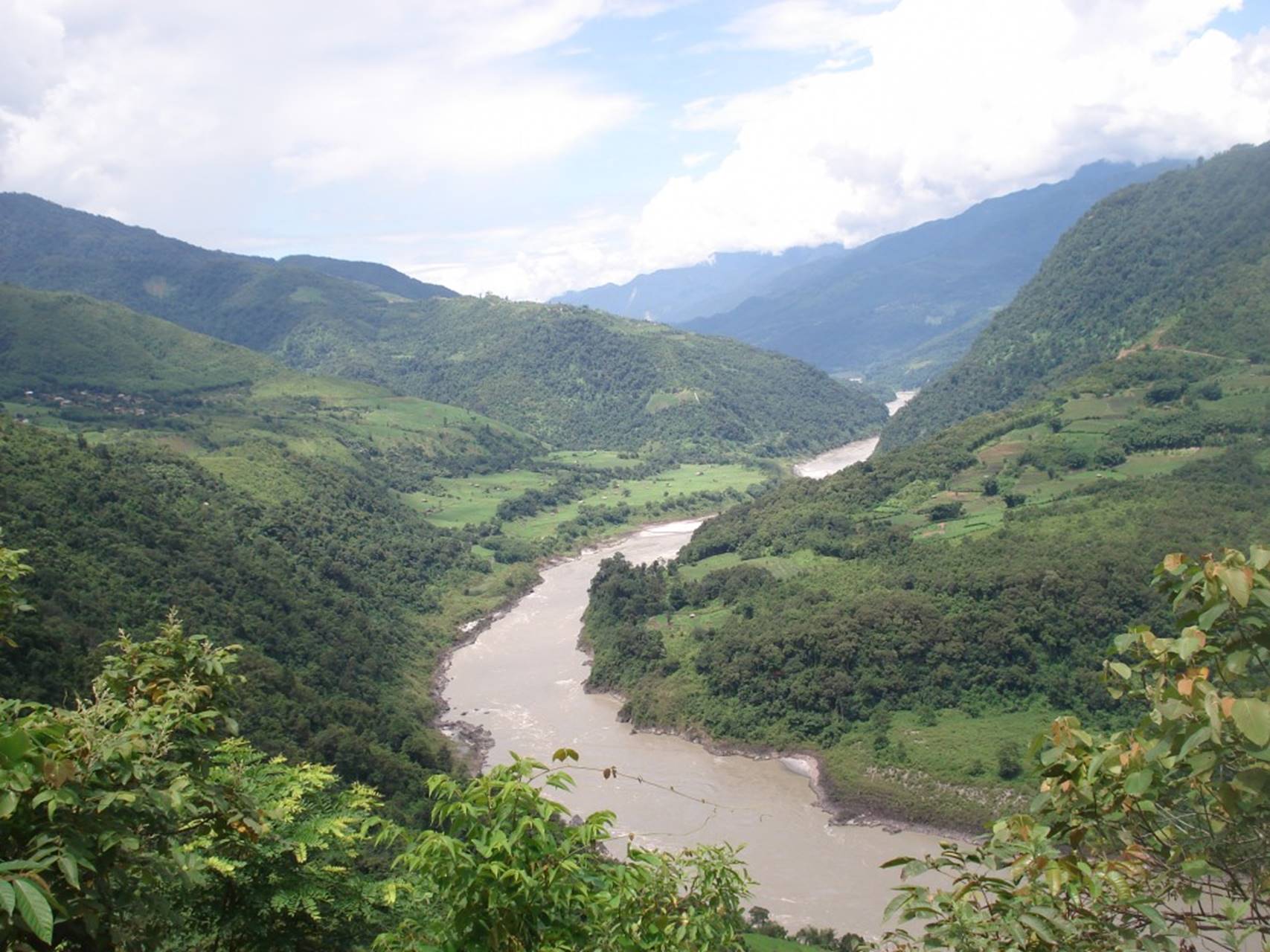
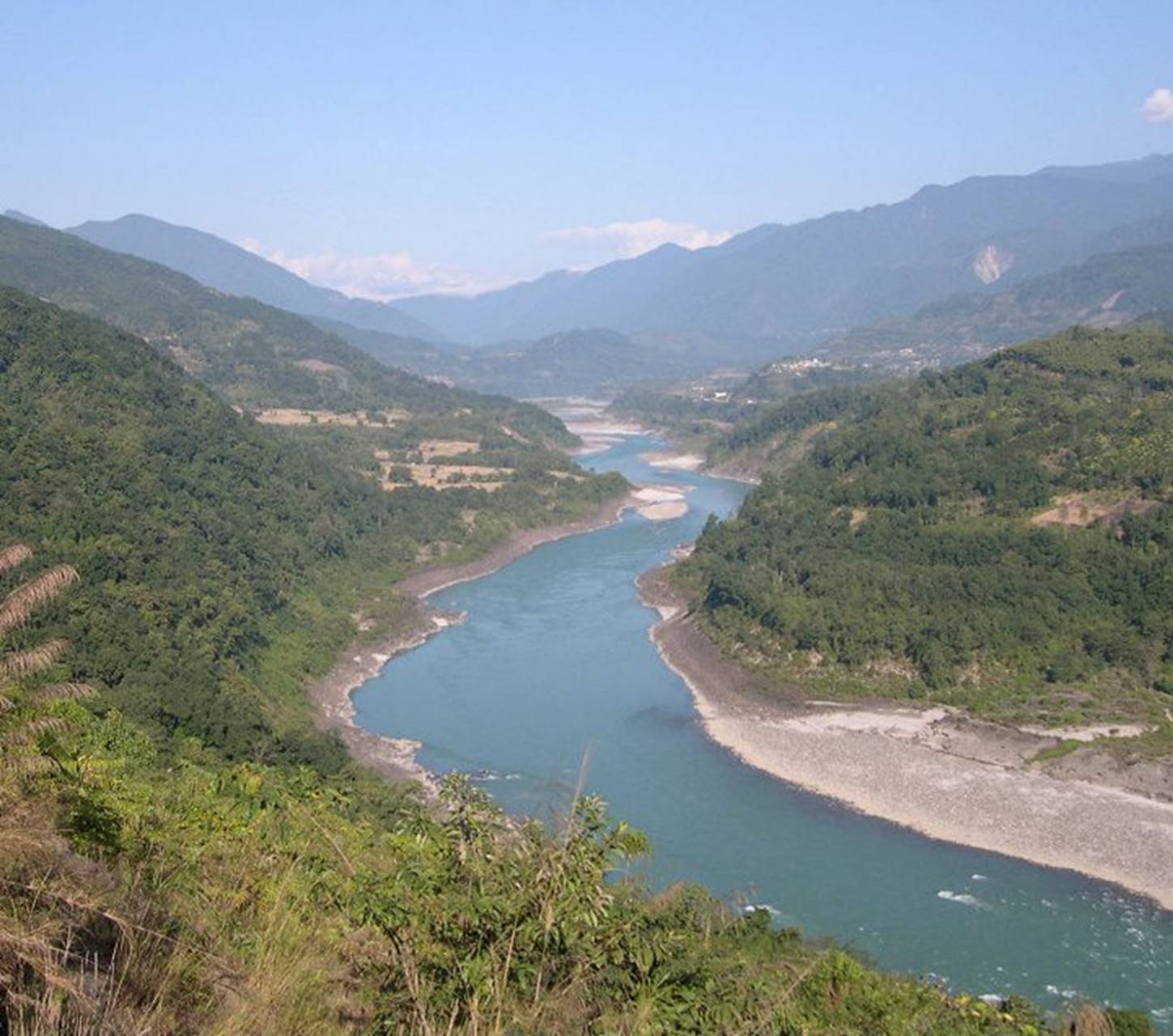
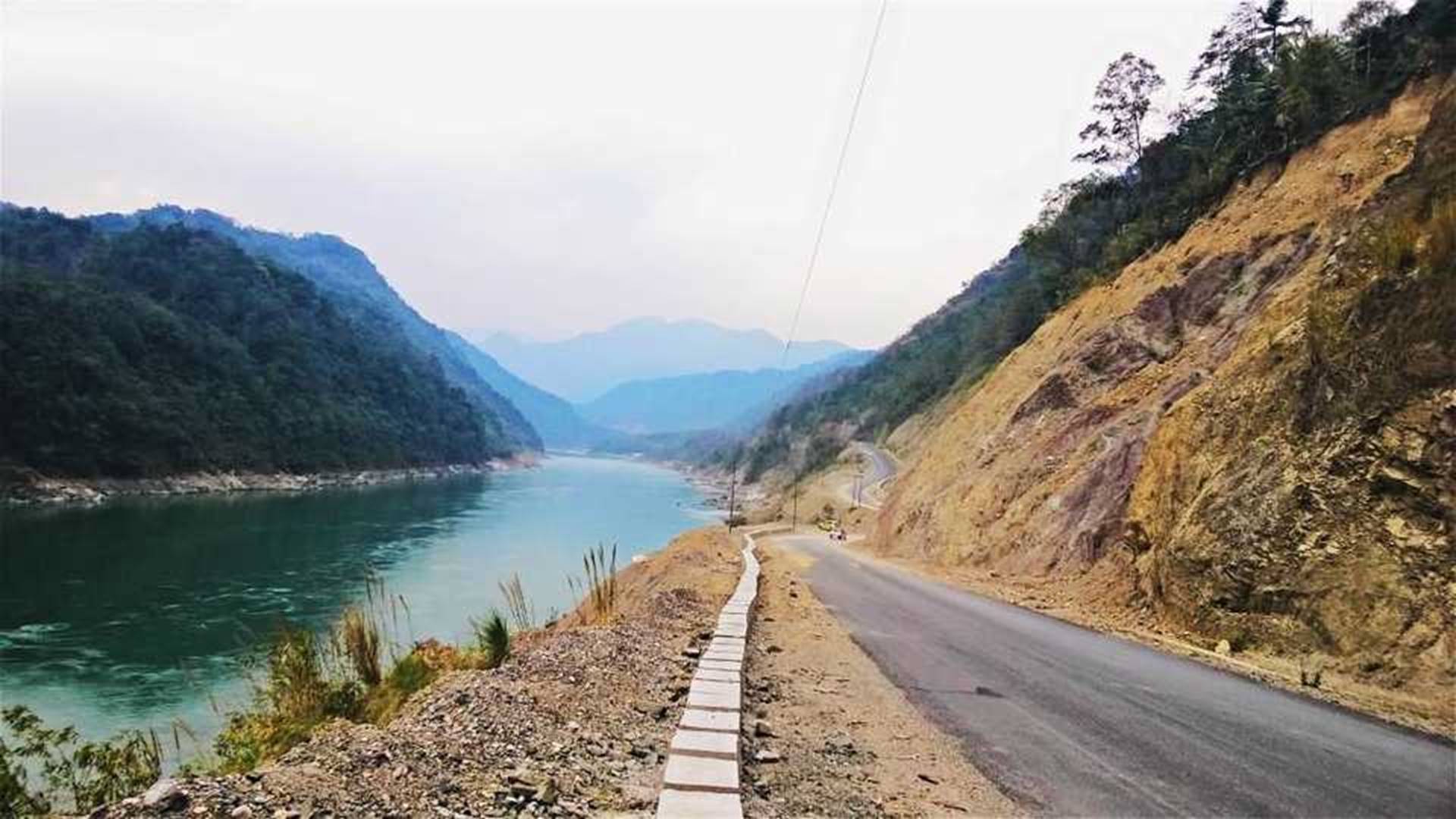
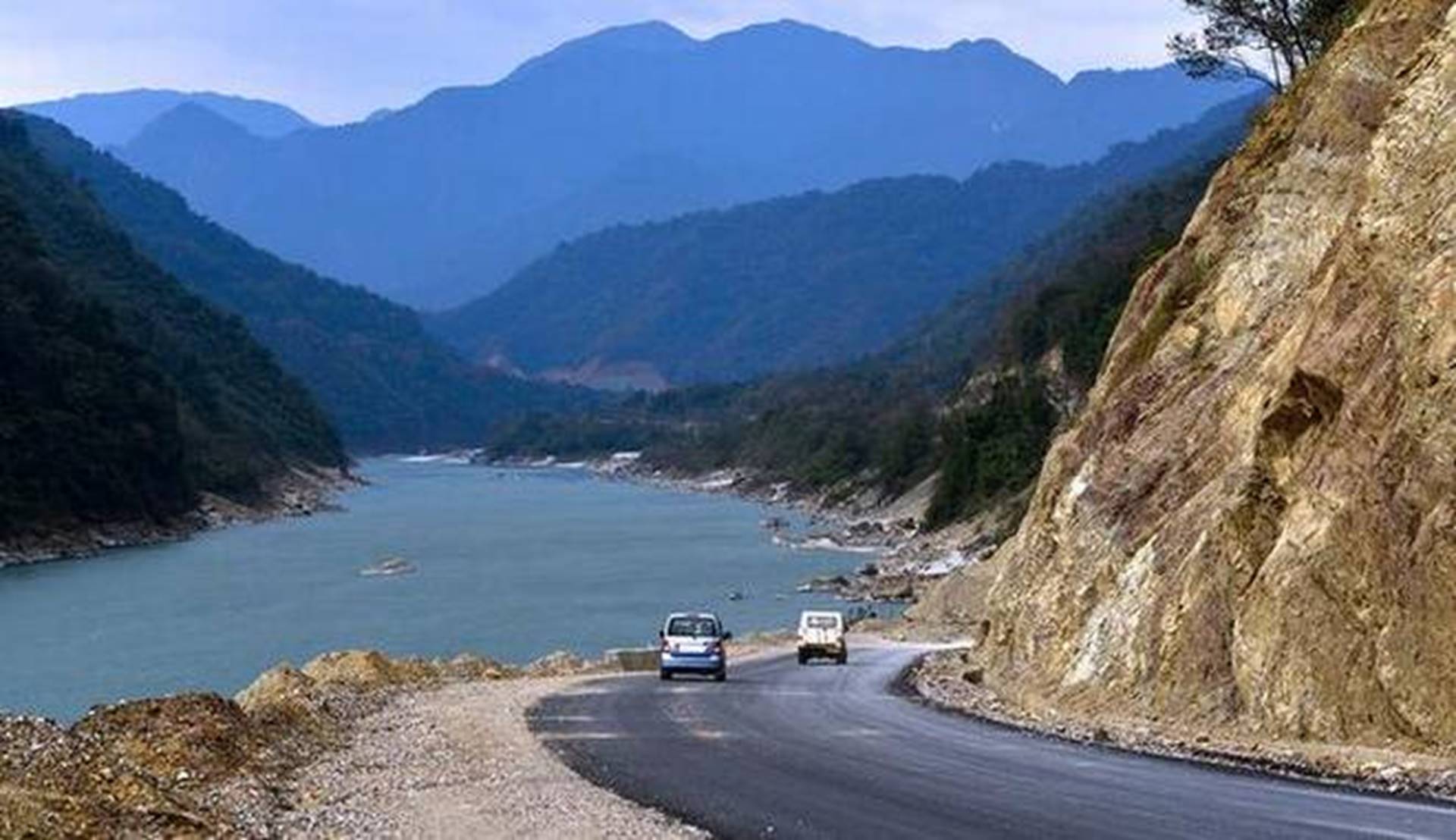
The woes of Yarlung Tsangpo-Brahmaputra River describe the tragedy of upstream occupation causing the downstream worries. The massive landslide in Tibet blocking Yarlung Tsangpo River symbolizes the woes of military conquest of Tibet and its colonization by Communist China.

The Woes of Tsangpo-Brahmaputra River. The Upstream Occupation and the Downstream Worries.

China orders evacuations after landslide blocks Tibet River

Clipped from: https://www.msn.com/en-us/news/world/china-orders-evacuations-after-landslide-blocks-tibet-river/ar-BBOx93t

The Woes of Tsangpo-Brahmaputra River. The Upstream Occupation and the Downstream Worries.

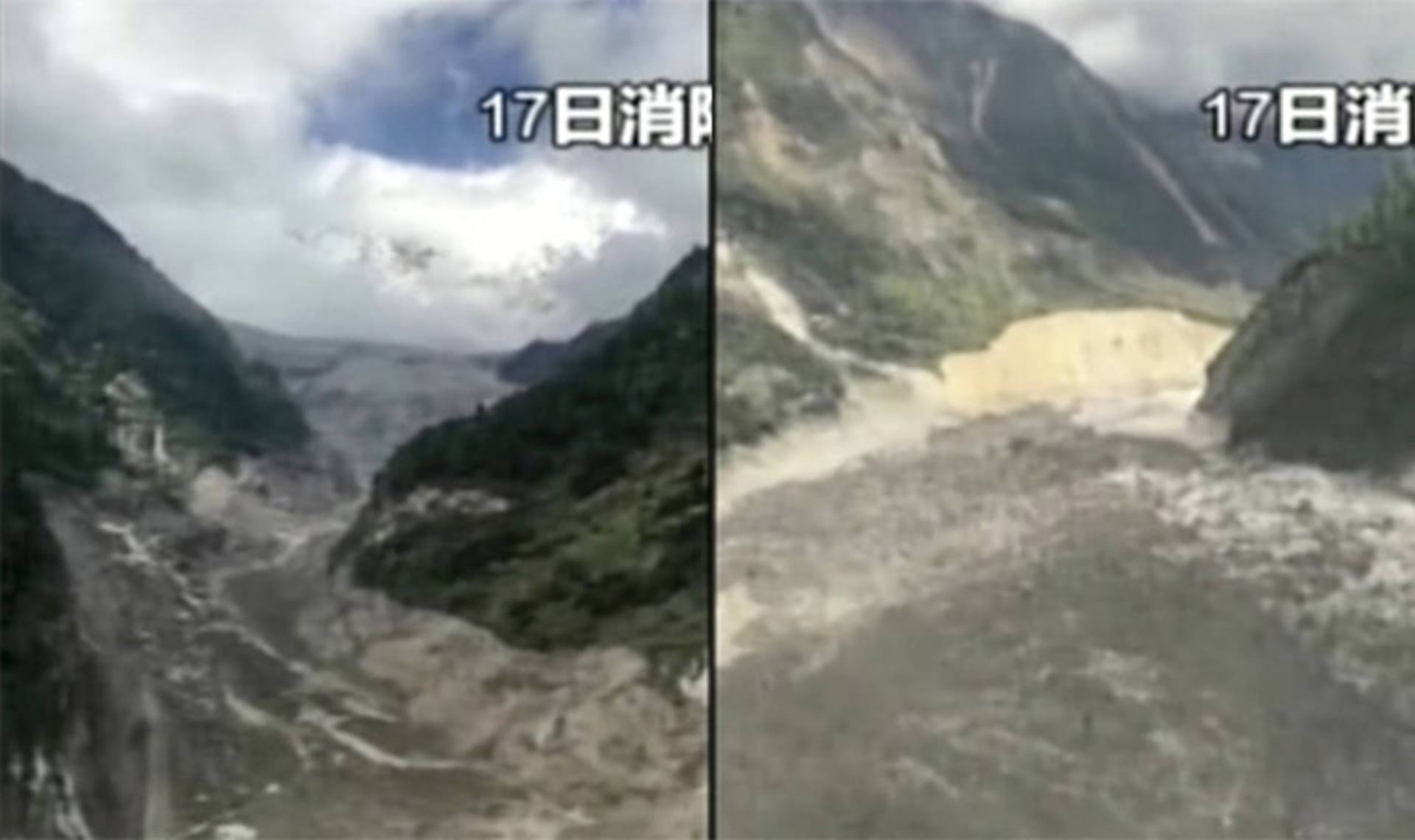
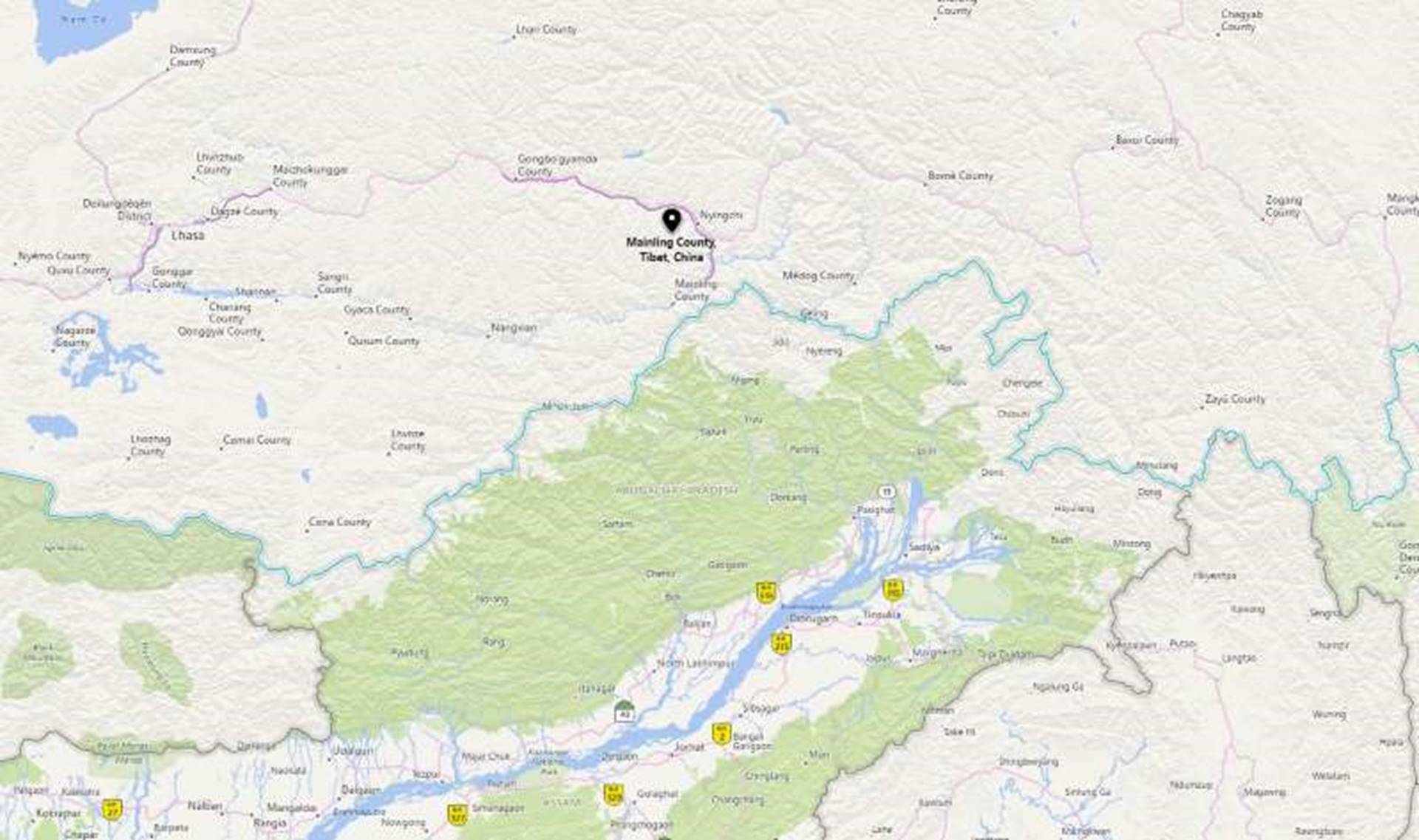
© Bing Maps © 2018/Microsoft Mainling County, Tibet, China BEIJING — Around 6,000 people have been evacuated following a landslide in Tibet that blocked the flow of one of the region’s key rivers, China’s emergency services said Thursday.

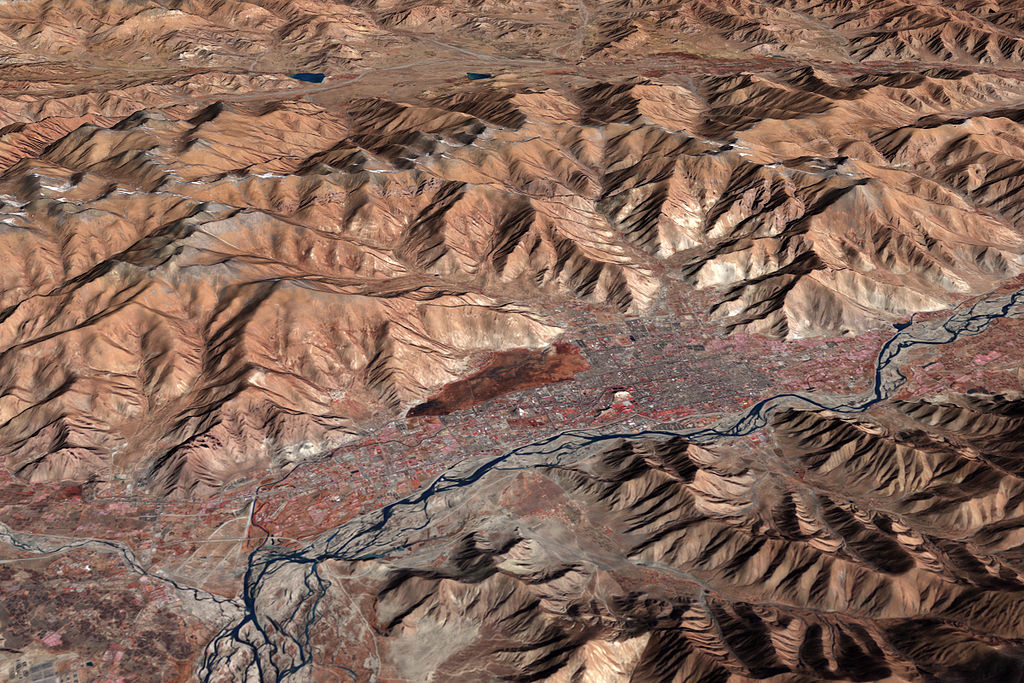
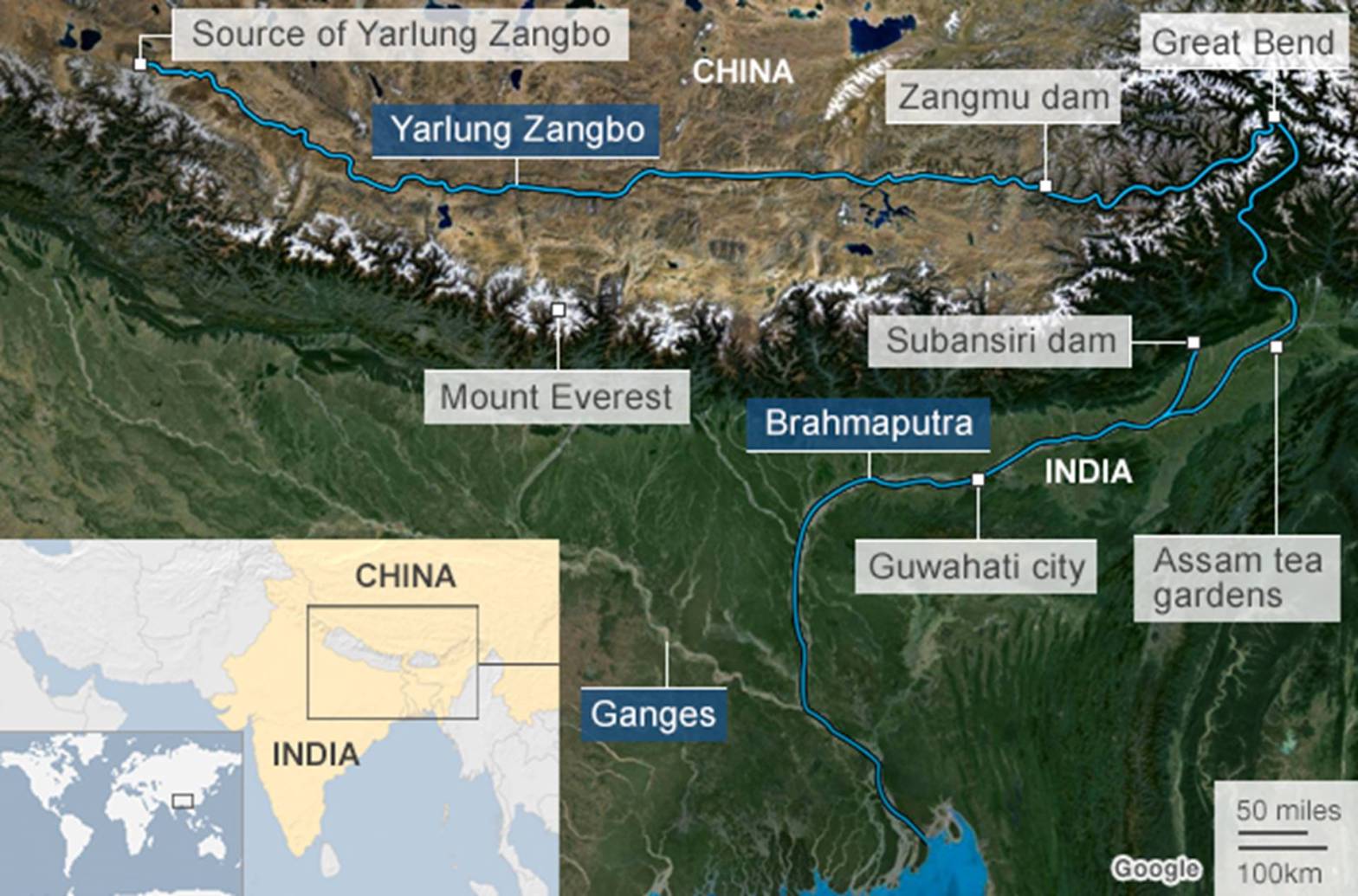
A barrier lake was formed on the Yarlung Tsangpo, the headwater of India’s Brahmaputra River, following the Wednesday morning collapse of a cliff in the deep valley through which the river flows, the local emergency response bureau said in a report carried by state media.

No deaths or injuries have been reported and the bureau said China has been keeping India updated on the blockage, which could potentially affect water levels in lower regions.

The landslide struck near a village in Menling County and water in the lake had risen to a height of 40 meters (131 feet) by Thursday, the bureau said.

With its towering peaks and glaciers, Tibet is the source of numerous Asian rivers, adding to China’s strategic influence over its southern neighbors. Fast-rising temperatures have caused those glaciers to melt at an increasing pace, throwing a shadow over future water resources for China and other Asian nations.

The Woes of Tsangpo-Brahmaputra River. The Upstream Occupation and the Downstream Worries.

Though there were no reports of deaths or injuries after the landslide, it is the second landslide that has rocked the Tibet. A massive landslide hit Derge in the Traditional Tibetan province of Kham and completely blocked the Dri Chu river earlier this week on Oct 11.

Landslide and flooding of villages in Tibet are linked to Chinese construction projects, the London-based advocacy group Free Tibet said on Oct 15 after the landslide that cut off Drichu.

“Chinese authorities have been conducting excessive mining, development and dam construction projects in the area which, according to the local population, are directly linked to the increased occurrences of flooding, particularly in the regions of Karze and Ngawa. Chinese sources claim these incidents are natural and unrelated,” Free Tibet stated

The group further noted that of late, China’s exploitation of Tibet’s natural resources has gathered pace significantly.

The ill-advised developmental projects being carried out in Tibet by the Chinese regime at the cost of the fragile Tibetan environment.

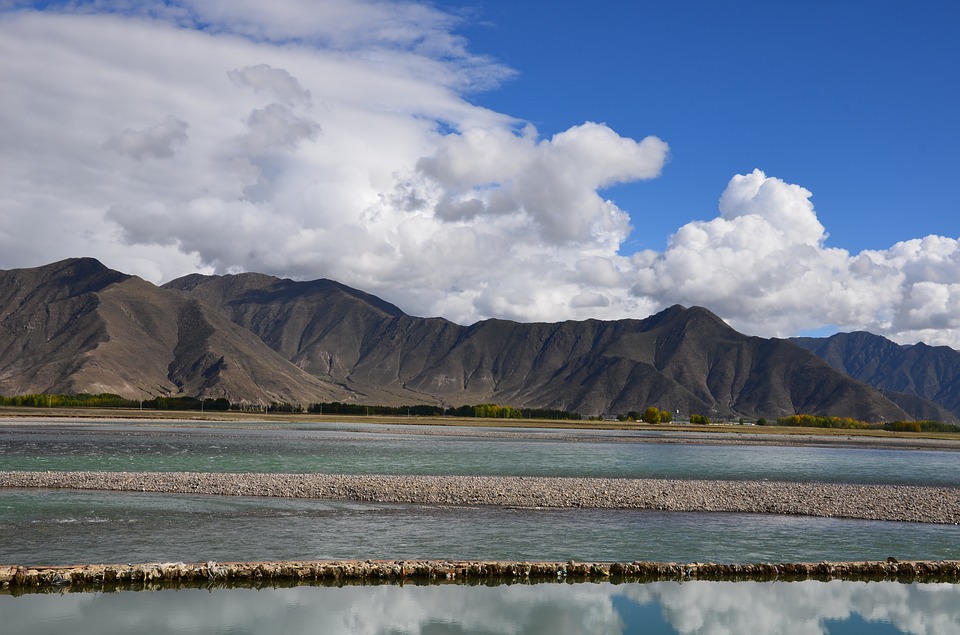
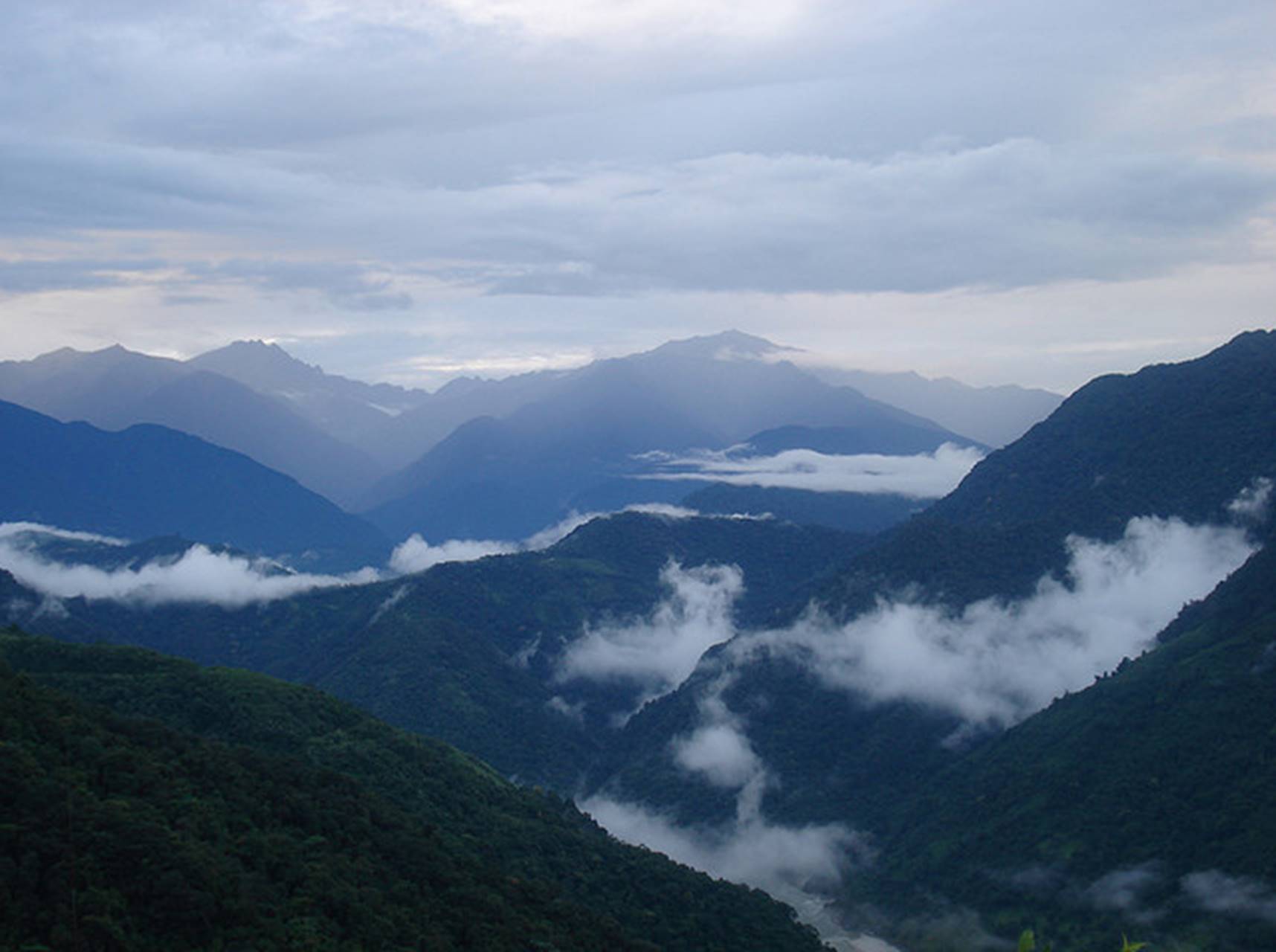
The Woes of Tsangpo-Brahmaputra River. The Upstream Occupation and the Downstream Worries. View of Siang District, Arunachal Pradesh, India.
The woes of Tsangpo-Brahmaputra River – Upstream Occupation and Downstream Worries
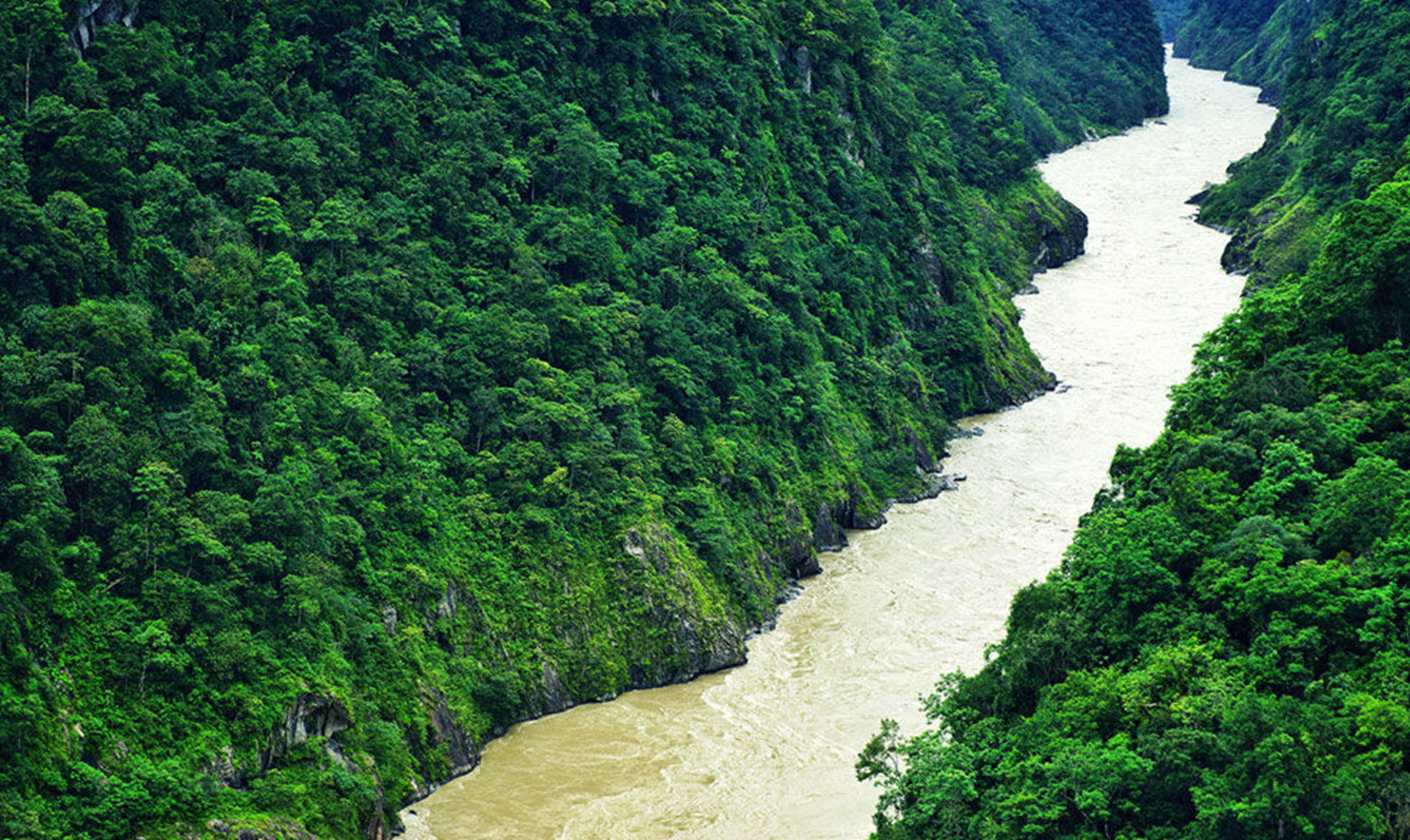
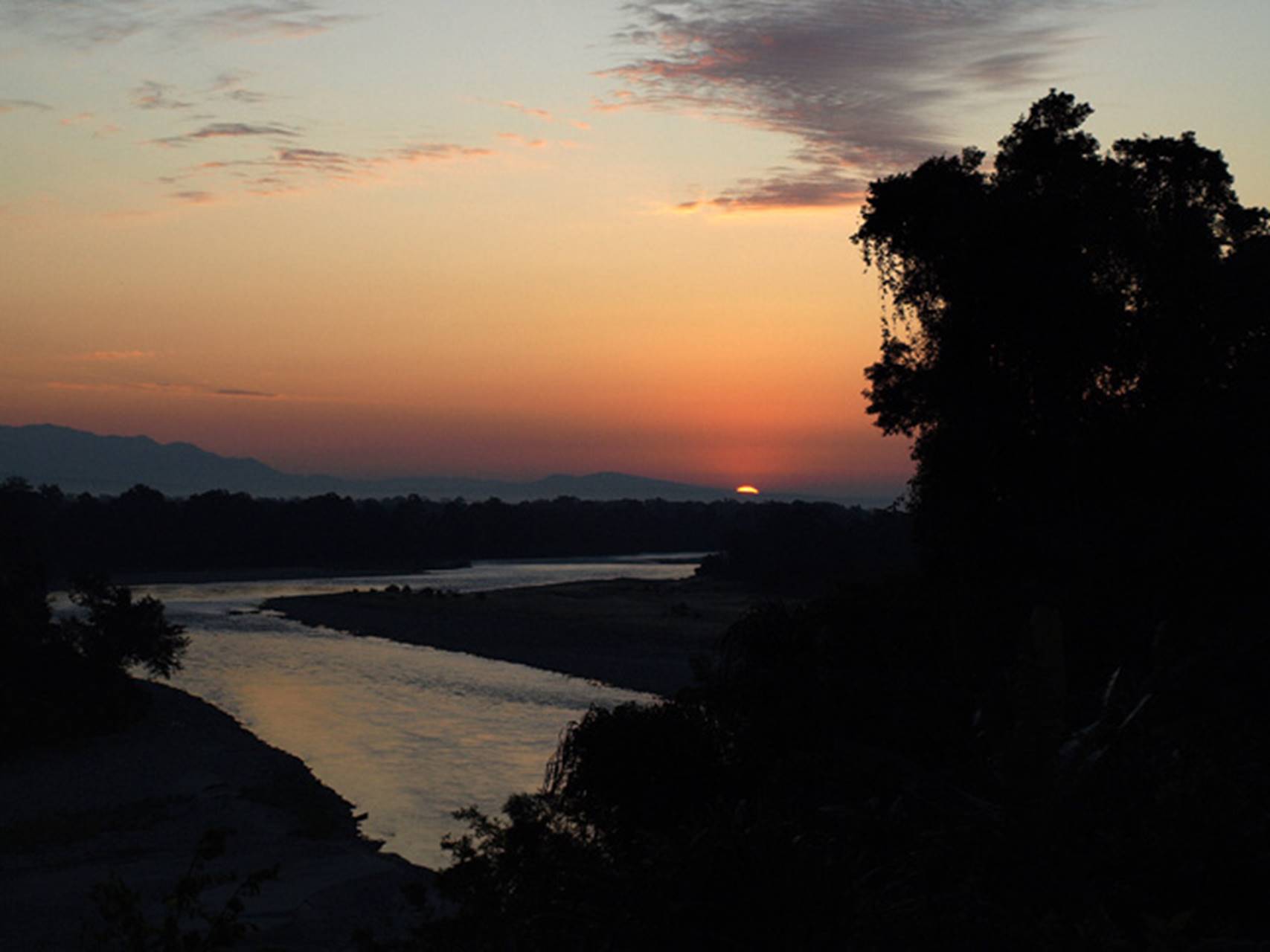
The Woes of Tsangpo-Brahmaputra River. The Upstream Occupation and the Downstream Worries. Siang River near Pasighat, Siang District, Arunachal Pradesh, India.


BLESSED ARE THE PEACEMAKERS MARCHING FOR PEACE IN OCCUPIED TIBET

BLESSED ARE THE PEACEMAKERS MARCHING FOR PEACE IN OCCUPIED TIBET

Blessed are the peacemakers marching for peace in Occupied Tibet.

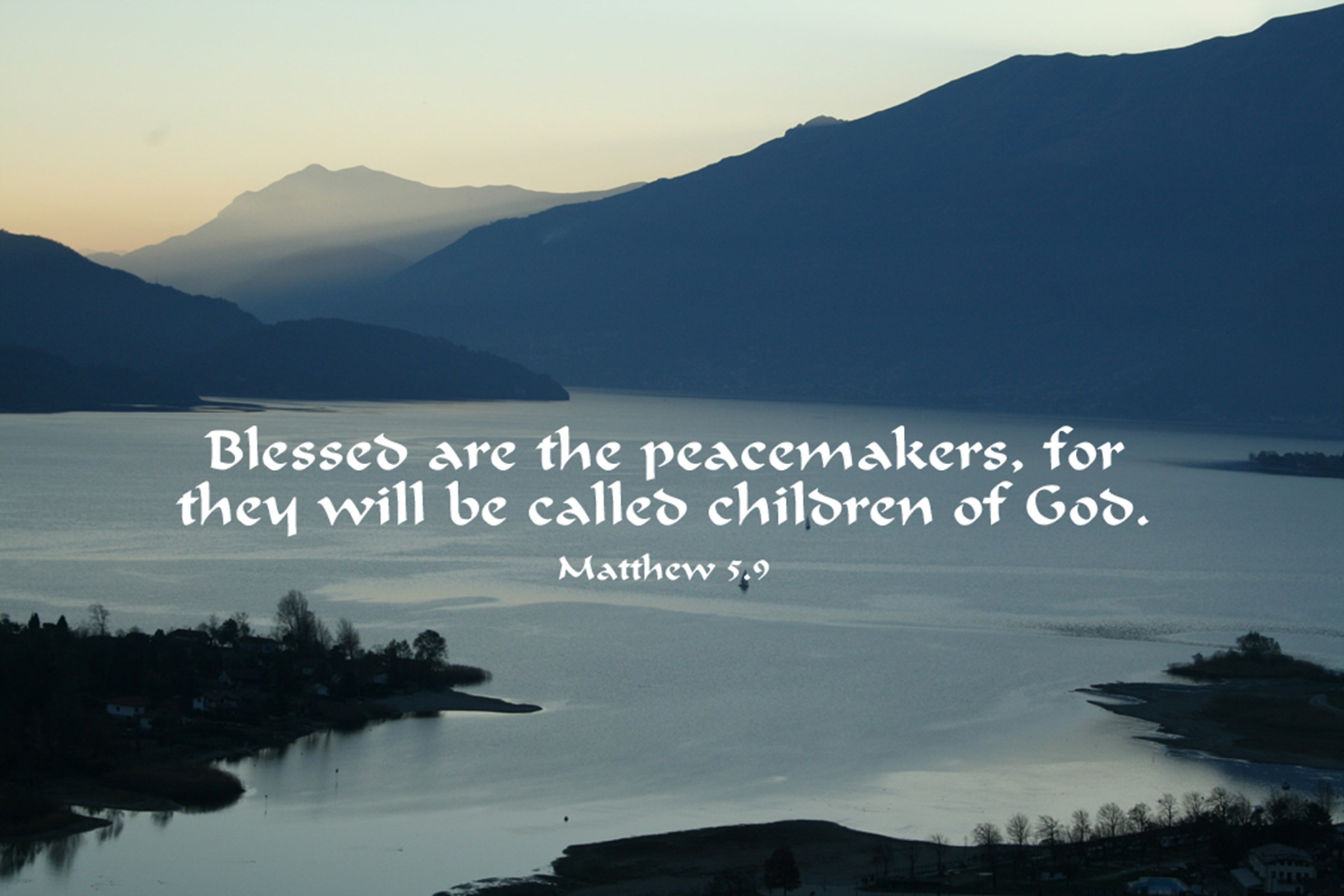
“Blessed are the peacemakers for they shall be called sons of God.” I invoke the blessings of God on Kunga Norbu and Adam Schaeuble who are walking to bring peace in Occupied Tibet by promoting the public awareness of the Great Tibet Problem.

Rudranarasimham Rebbapragada

SPECIAL FRONTIER FORCE

https://wholedude.com/2015/08/05/tibets-military-occupation-the-great-tibet-problem/

BEAM: Friends walk to bring awareness to Tibet. Opinion. Newsandtribune.com

Clipped from: https://www.newsandtribune.com/opinion/beam-friends-walk-to-bring-awareness-to-tibet/article_d7395364-d0c2-11e8-aecb-bb89b048e87c.html

Blessed are the peacemakers marching for peace in Occupied Tibet.

Kunga Norbu left, and Adam Schaeuble pose for a picture on the Big Four Bridge during their multi-state walking campaign to raise awareness about Tibet. Norbu is the nephew of the Dalai Lama, who gave his blessing for the trek, and suggested that the duo “create a wave of positivity.”

As they walked across Big Four Bridge that October Sunday, Kunga Norbu and Adam Schaeuble weren’t protesting anything.

The casual observer, though, might have thought differently.

A multicolored flag rested against Kunga’s shoulder as he strolled down the ramp into Jeffersonville. The emblem on it symbolized the country of his father’s birth, a nation no longer able to control the teachings of its past let alone its own future. Emblazoned on his and Adam’s yellow shirts were the words “Team Tibet” in crimson ink.

“If you walk anywhere and you’ve got a guy with a giant flag, people are probably like eyeballing you asking what kind of a thing is this? That’s the society that we live in,” said Adam. “Is this a good march or a bad march? Is this positive or is it negative? People almost always assume that it’s negative. But when we get to tell people about it, they realize it’s a cool, positive story.”

Louisville was stop number four on the duo’s eight-day walking tour to bring awareness about issues facing Tibet while also supporting and preserving Tibetan culture. On Oct. 4, they finished their journey in Columbus, Ohio with more than 200 miles walked.

“There are six million Tibetans in Tibet now,” Kunga said when discussing the treatment of Tibetan citizens by the Chinese government, the country that invaded Tibet in the 1950s. “We have to do something. We have to do anything. Even walking. Even one-mile.”

Kunga had completed this mileage before. In March of 2013, the Tibetan-American undertook a 230-mile trek from Washington, D.C., to New York City in memory of his brother Jigme. In 2011, Jigme lost his life when a sports utility vehicle struck him on a Florida road during a similar walk for Tibetan independence. He was 45.

But circumstances have since changed for the Bloomington resident. In January of 2015, a stroke wreaked havoc on Kunga’s body. After regaining most of his physical abilities through rehab, speech difficulties are the only remnants of the illness.

“When he starts talking about Tibet, he gets clearer,” Adam said. “Like his speech is more succinct. It’s like he’s talking from his heart. It’s really cool.”

Despite his health setbacks, the 55-year-old still wanted to honor his Tibetan heritage. His father, Thubten Norbu, established the Tibetan and Mongolian Buddhist Cultural Center in Bloomington and was a professor at Indiana University. Thubten, too, was a Buddhist lama, not to mention the older brother of His Holiness the Dalai Lama.

That’s right. Kunga is the Dalai Lama’s nephew.

Adam, on the other hand, has no Tibetan lineage. His friendship with Kunga brought him to this mission. Strangely enough, during high school, the now 38-year-old did a report on Tibet. Part of that assignment consisted of reading a book by — you guessed it — Professor Norbu, Kunga’s father.

Nine years ago, Kunga walked into the gym Adam owns. They quickly became pals. When Kunga’s brother died, Adam organized an Mt. Everest Challenge for his “gym family.” Participants climbed on an apparatus called Jacob’s Ladder in order to finish the steps Jigme wasn’t able to complete.

Knowing about his friend’s wish to do another walk that would bring awareness to Tibetan issues, Adam suggested they do a roughly week-long trek that would finish in Columbus, Ohio. Instead of traversing the whole way by foot on dangerous interstates, the pair would find trails in different Midwest cities. Kunga, Adam and anyone else who might want to come along would walk along these much safer paths to achieve their 200-mile goal.

“I’m like the big, noisy white Sherpa,” Adam said, referencing the Himalayan mountaineers who, at times, help climbers reach Mt. Everest.

Kunga liked the plan. In a March 2018 audience with the Dalai Lama, he asked for his uncle’s blessing. The Dalai Lama freely gave it and suggested to them an optimistic objective: Create a wave of positivity.

“That was his challenge for us, two people from two different cultures that are doing this because they are friends and support each other,” Adam said.

And, by just walking 200-miles with a Tibetan flag and their friendship, Kunga and Adam accomplished just this.

“The culture can’t be stamped out if people are still talking about what’s going on,” Adam said. “That’s the way we keep that culture alive. Just keep talking about it and share and share.”

— Amanda Hillard Beam is a Floyd County resident and Jeffersonville native. Contact her by email at adbeam47@aol.com.

Blessed are the peacemakers marching for peace in Occupied Tibet.


TIBET EQUILIBRIUM IS BALANCE BETWEEN NATURE AND POLITICAL POWER

TIBET EQUILIBRIUM IS BALANCE BETWEEN NATURE AND POLITICAL POWER

Tibet Equilibrium is Balance Between Nature and Political Power.

In my analysis, the Tibetan Resistance Movement primarily aims at achieving the Balance between Natural Freedom and Political Power of any entity that rules over the lives of Tibetan People. For centuries, on account of Tibet Equilibrium, Tibetans enjoyed independent lifestyles despite military conquests of Tibet by Yuan and Manchu Dynasties of China. Red China’s military invasion, military occupation and colonization of Tibet impose severe strains on Nature as well as all denizens of Tibetan Plateau.

Tibetans are left with no choice other than that of Resistance for Red China rules over Tibet with Iron Fist severely undermining the experience of Natural Balance, Natural Harmony, and Natural Tranquility, the gifts of Nature and Natural Conditions presiding over Tibetan Existence from the beginning of its long History.

Rudranarasimham Rebbapragada

SPECIAL FRONTIER FORCE

https://wholedude.com/2017/07/15/Tibet-Journey-from-Natural-Freedom-to-Laogai-Prison-System/

Clipped from: https://www.tourism-review.com/tibetan-authorities-to-balance-nature-and-tourism-news10741

TIBET SEEKS BALANCE BETWEEN NATURE AND TOURISM

Tibet Equilibrium can be defined as the Balance Between Nature and Political Power.

Nik Fes – Sep 17, 2018

Tibet Equilibrium can be defined as the Balance Between Nature and Political Power.

The Chinese Tibet Autonomous Region wants to put environmental protection measures before the development of tourism. Nature and tourism need to coexist in balance.

The tourism industry in the region has developed rapidly in recent years and has become a growth driver, said Qizhala, the chairman of the local government.

Tourism contributes to Tibet’s GDP with at least 30%, according to him. The number of tourists from home and abroad arriving in Tibet annually is expected to reach 30 million, compared to 10 million in 2012 and 20 million in 2015.

Despite the incredible tourism book, the local government has always emphasized environmental protection. Experts have also advised balancing environmental protection, nature and tourism. Efforts are being made to prevent “blind development and overdevelopment,” as described by Qizhala.

The region plans to reduce the number of tourists who want to visit vantage points near glaciers, such as Qomolangma mountain. A cap on visits to Mount Qomolangma is set to be established and implemented in 2019.

“We always have to keep an eye on the minimum standard of environmental protection,” Qizhala said. Since 2009, a total of 9.6 billion yuan ($1.4 billion) has been invested in environmental protection in the region. Last year alone, 1.14 billion yuan was invested.

In order to protect wildlife better, a mechanism was introduced in 2015 to provide compensation to farmers and shepherds who have suffered wildlife losses. So far, 85 million yuan has been spent on it.

Regarding the future, Yao Tandong, director of the Institute for the Qinghai-Tibet Plateau suggests that more national parks be built to make better use of tourism resources and protect the environment.

The region is considering setting up four national parks. These include Tibet’s largest lake, the mountain Qomolangma, the Yarlung Zangbo, and the earth forest of the Kingdom of Guge. Once these scenic national parks have been established, consistent planning for their protection can be implemented to minimize the environmental damage caused by tourism, Qizhala concluded.

Tibet Equilibrium is Balance Between Nature and Political Power.


THE POPE’S JUDAS KISS TO SEAL THE DEAL WITH COMMUNIST CHINA

THE POPE’S JUDAS KISS TO SEAL THE DEAL WITH COMMUNIST CHINA

The Pope’s Judas Kiss to Seal the Deal with Communist China.

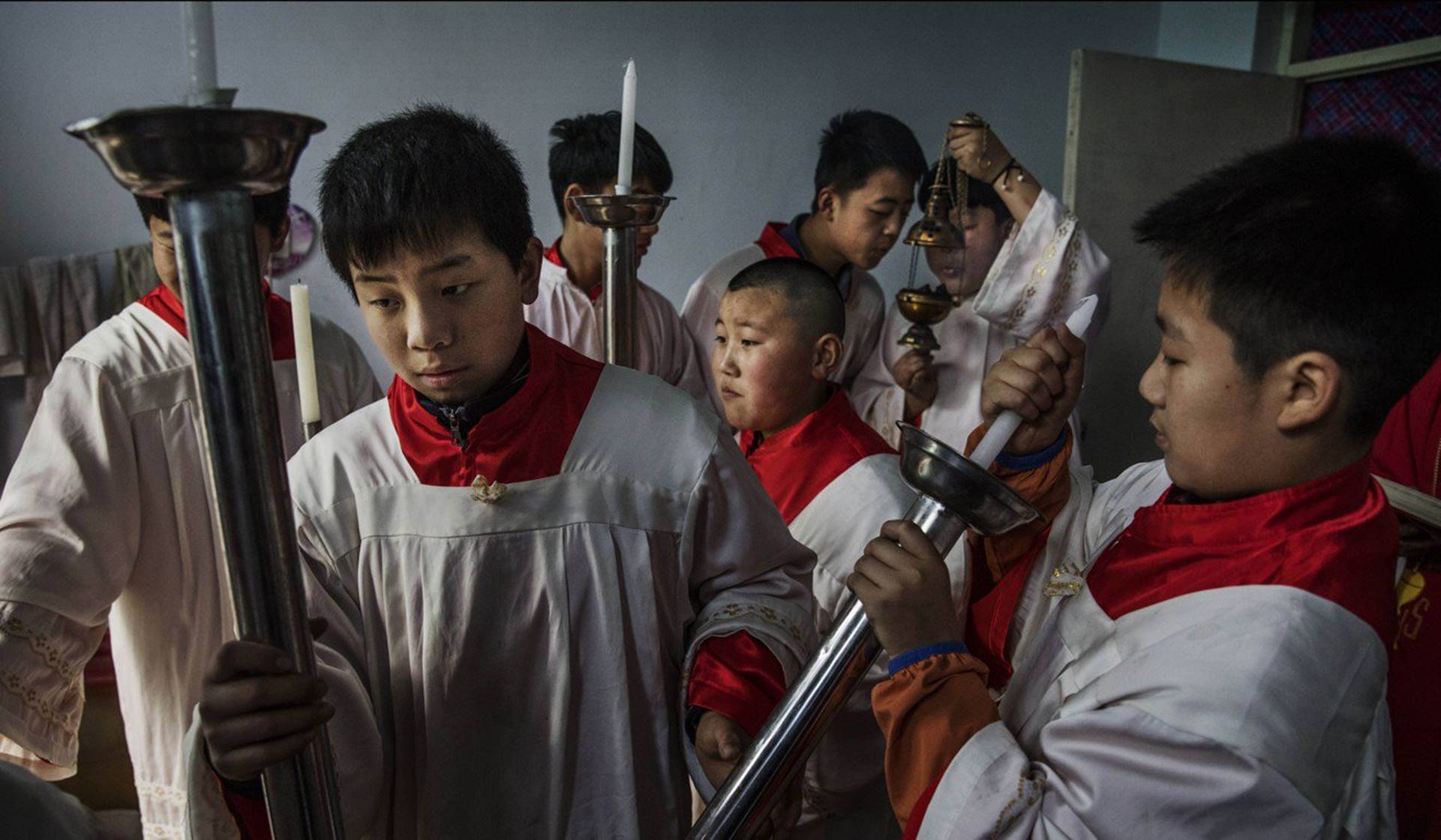
In my analysis, the Vatican deal with Communist China represents an act of betrayal. Pope Francis betrayed Jesus Christ to permit Communist China a role in the selection of Archbishops for Catholic Churches in China.

The Living Tibetan Spirits would not expect His Holiness the Dalai Lama to walk in the footsteps of Pope Francis to forsake his faith to save the Dalai Lama Institution of Tibet.

Rudranarasimham Rebbapragada

SPECIAL FRONTIER FORCE

The Pope’s Judas Kiss to Seal the Deal with Communist China.

The Pope has kissed and made up with China. Can the Dalai Lama?

The Pope’s Judas Kiss to Seal the Deal with Communist China.

Pope Francis has pulled off a landmark deal by getting Beijing to recognize the Vatican’s influence – and his approach may impart valuable lessons to the Dalai Lama, should there be any hope for reconciliation with Tibet on the cards

By Sourabh Gupta

28 Sep 2018

Clipped from: https://www.scmp.com/week-asia/geopolitics/article/2166226/pope-has-made-china-can-dalai-lama

Pope Francis has pulled off a landmark deal by getting Beijing to recognize the Vatican’s influence – and his approach may impart valuable lessons to the Dalai Lama, should there be any hope for reconciliation with Tibet on the cards

The Pope’s Judas Kiss to Seal the Deal with Communist China.

The Dalai Lama must make his peace with an antithetical political authority and persevere in good faith. Photo: Reuters

The reigning Bishop of Rome, Francis, is not your typical stodgy pontiff. In the five short years since his elevation as the first non-European head of the Roman Catholic Church since 741 AD, he has displayed latitude of mind, the courage of conviction, and deftness of diplomatic skill that is rare even among statesmen.

In August 2014, on entering Chinese airspace during a flight to Seoul, he broke six decades of silence between the Vatican and the head of China’s government by posting a message of goodwill to President Xi Jinping. Fittingly, on his birthday later that December, talks brokered by Francis were announced that would in time lead to the normalization of ties between the Castro regime in Cuba and the Obama administration. The US-Cuba agreement was signed at the Vatican Secretariat of State. In February 2016, almost a thousand years after the rupture of the Eastern and Western branches of Christianity, Pope Francis held the first meeting with his Russian Orthodox counterpart, Patriarch Kirill, in Havana. Francis’ millennia-spanning achievements are not one for the faint-hearted.

Last week, Pope Francis registered his biggest diplomatic breakthrough yet: a landmark agreement with the government of the People’s Republic on the ordination of bishops in China. As per the agreement, Beijing – 67 years after snapping ties with the Vatican – will formally recognize the Pope’s jurisdiction as the head of the Catholic Church in China as well as the final authority in deciding on candidates for bishops in the country.

The Chinese Catholic Patriotic Association (CCPA), the “self-run Church” hitherto established and controlled by the state, is to be downgraded and reoriented. In exchange, Pope Francis is expected to lift the excommunications of seven CCPA-installed bishops and formally recognize them as the leaders of their dioceses. More broadly, a mechanism that enables Beijing to provide its acceptable slate of candidates and the Vatican to have a final say in selection will now be formalized.

The fate of the three dozen or so Vatican-approved prelates, some of whom are in prison, who are not recognized by the CCPA is unclear at this time. The larger hope, though, is that as the splintering of the Catholic Church in China is reversed, the churches above and underground will in time be reconciled. Perhaps, a papal visit could be on the cards, too.

The Pope’s Judas Kiss to Seal the Deal with Communist China.

Pope Francis’ list of achievements span millennia of history. Photo: AFP

Both sides stand to gain handsomely from the compromise. For the Vatican, its pre-eminence on all matters ecclesiastical in the sovereign territorial space of China has been formally confirmed for the first time by the communist government in Beijing. For the Chinese Communist Party, its overarching and “guiding” role in harnessing religious belief to “help social harmony, modernization [and a] healthy civilization” – a key principle of its post-1980s religious policy – is vindicated without having to cede (though having to share) control on key decision-making to an entity that is housed beyond its sovereign territorial space.

Now, if the Vatican can pull off a deal with Beijing, what about the Dalai Lama? As plausible as it may look in theory, the ramifications for the Tibetan Buddhist leader are more profound. And the bottom line is equally stark: while Beijing could in theory share, it will never cede control over key Tibetan Buddhism-related personnel matters, notably the recognition of tulkus (or “living Buddhas”), as long as the Dalai Lama remains in exile. And given that the Dalai Lama is double-hatted in Tibet’s theocratic political structure as its secular leader over a defined territorial space (unlike the Pope), it is all the more likely that Beijing will refuse to share – let alone cede – practical control over key personnel matters until the Dalai Lama returns to Tibet.

The failed effort in arriving at a consensual selection of a new Panchen Lama in the mid-1990s holds cautionary lessons. Following the untoward death of the revered lama in 1989, Beijing announced a search, selection and recognition process for his successor that initially ruled out a role for the Dalai Lama. Convinced otherwise by resident high lamas, Beijing reversed course in due time and accepted the involvement of the Dalai Lama in principle – if only to rubber-stamp its anointed choice.

By 1995, however, Beijing allegedly went so far as to turn a blind eye to a slate of candidates that it’s officially sanctioned search party (headed by a respected lama from Shigatse) had clandestinely submitted to the Dalai Lama for his prior approval. The process broke down in May that year, following the Dalai Lama’s fait accompli announcement of a young boy from northwest Tibet as the reincarnation of the 10th Panchen Lama.

The Pope’s Judas Kiss to Seal the Deal with Communist China.

The Vatican’s China deal has profound ramifications for the Tibetan Buddhist leader. Photo: Getty

Beijing’s essential bottom line remained consistent throughout while the prerogative of the Dalai Lama could be acknowledged and religious authority shared, akin to the China-Vatican accord, the overarching guiding role over religion in sovereign Tibetan territory rested ultimately with Beijing.

Four hundred years ago, the great Qing dynasty emperor, Kangxi – a patron of Jesuit cartography, astronomy and engineering – had insisted that Chinese rites of ancestor worship and public homage to Confucius, being civil rather than religious practices, should continue to be practiced by his converted Christian subjects. Conflating Kangxi’s injunction with an intrusion on the paramountcy of church doctrine, Pope Clement XI forbade Catholic missionaries from following the Emperor’s orders.

The episode did not end well for the Church. No less than China’s communist rulers today, the Kangxi Emperor refused to cede Beijing’s overarching guiding role over religion – and that too to an entity housed beyond its sovereign territorial space.

While one does not know if the Communist Party’s rule in Beijing will last as long the Qing dynasty’s multi-century reign, it is not about to disappear any time soon. The onus resides on the Dalai Lama’s shoulders to find a way to make peace and comity with Beijing – at least on matters that touch wholly and exclusively on Tibetan Buddhism. Dealing with the fraught issue of the limits of Tibet’s political and territorial autonomy is a different matter.

In March 2014, standing at the UNESCO headquarters in Paris, President Xi Jinping extolled the profound impact of Buddhism in China. If a monotheist leader from distant Latin America carrying the Catholic Church’s dubious historical baggage can arrive at a principled compromise with the leadership in Beijing, surely the Dalai Lama could – or should – be able to do better. But for that, the Dalai Lama must heed the lessons of Francis – foremost, make one’s peace with and accommodate an antithetical political authority and, secondarily, persevere in good faith to realize this accommodation. Is his Excellency listening?

Sourabh Gupta is a senior fellow at the Institute for China-America Studies in Washington

The Pope’s Judas Kiss to Seal the Deal with Communist China.
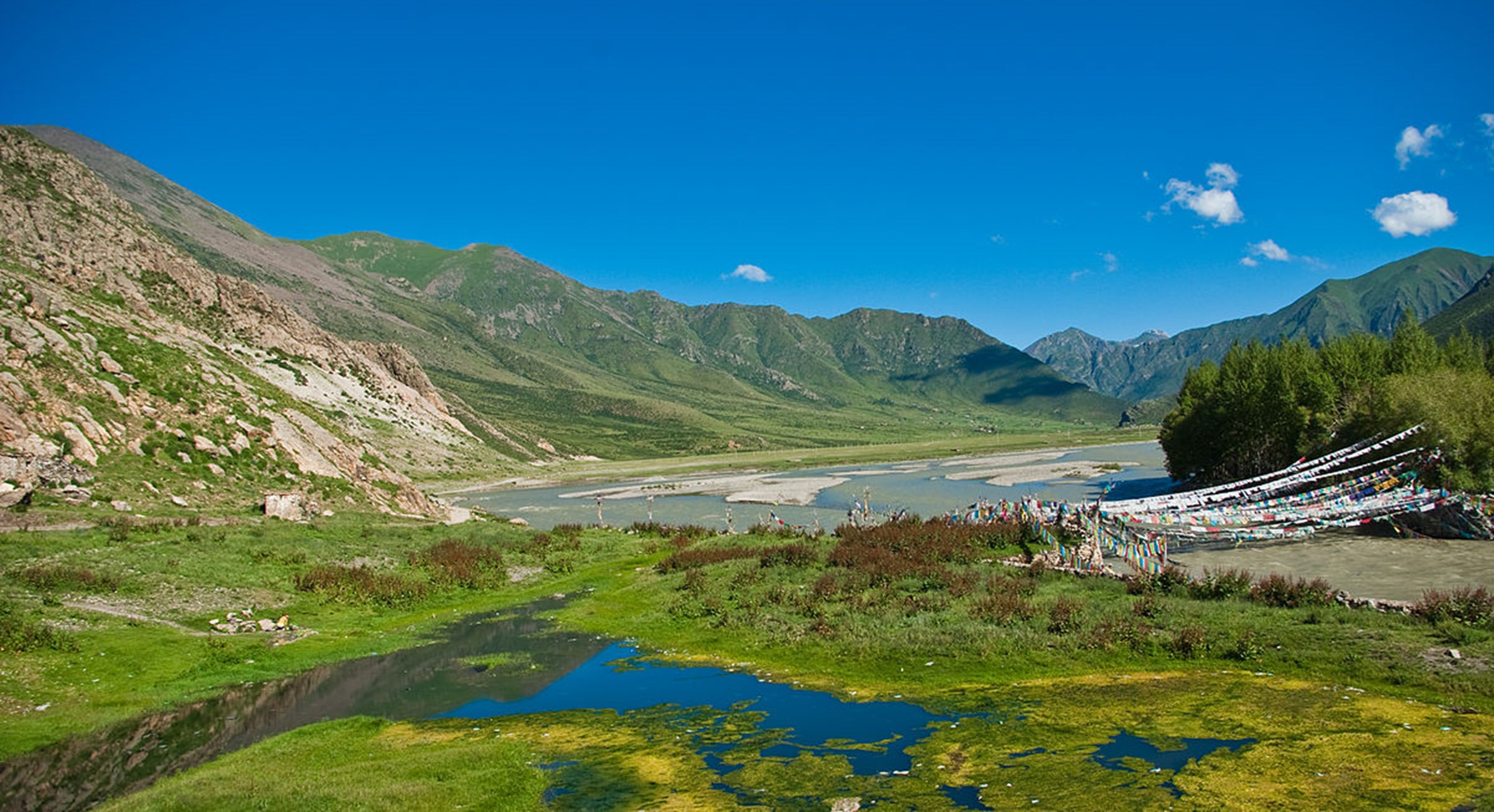
TIBET EQUILIBRIUM – THE BALANCE OF POWER – CHINA WANTS A PUPPET DALAI LAMA

TIBET EQUILIBRIUM – THE BALANCE OF POWER – CHINA WANTS A PUPPET DALAI LAMA

Tibet Equilibrium. The Balance of Power. China Wants a Puppet Dalai Lama.

The Great Problem of Tibet cannot be resolved as Communist China demands a Dalai Lama it can control. China views Tibet as a Puppet Nation and wants the Dalai Lama to dance to the tune played in Beijing.

Rudranarasimham Rebbapragada

SPECIAL FRONTIER FORCE

https://wholedude.com/2016/06/25/future-of-tibet-hangs-in-the-balance/

Rare Tibet trip shows China only wants a Dalai Lama it can control

Clipped from: https://www.msn.com/en-gb/news/world/rare-tibet-trip-shows-china-only-wants-a-dalai-lama-it-can-control/ar-AAAEmjC?srcref=rss

Tibet Equilibrium. The Balance of Power. China Wants a Puppet Dalai Lama.

Luis Sinco/Los Angeles Times/TNS/File

The Dalai Lama greets members of the Vietnamese American community during the opening of Chua Dieu Ngu Buddhist temple in Westminster, Calif., on Saturday, June 18, 2016.

The Dalai Lama greets members of the Vietnamese American community during the opening of Chua Dieu Ngu Buddhist temple in Westminster, Calif., on Saturday, June 18, 2016.

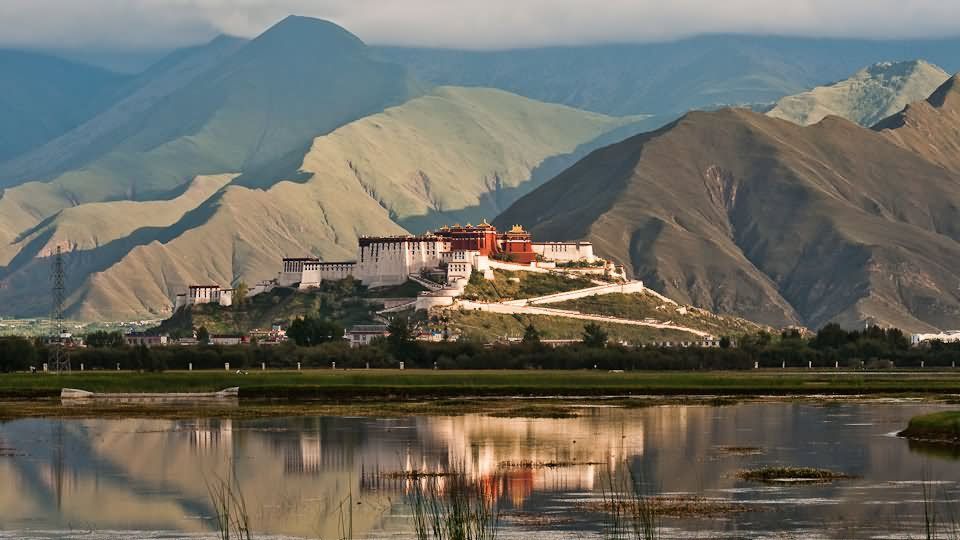
BEIJING For three centuries, a succession of Tibetan spiritual and political leaders known as Dalai Lama ruled from a crimson-and-white castle overlooking the city of Lhasa.

The Potala Palace as it’s known was the start of a rare tour of Tibet last month. The Chinese foreign ministry and local government hosted international journalists on a trip to the mountainous region, and I was one of them.

While the Potala Palace still dominates Lhasa’s skyline, the current Dalai Lama hasn’t lived there since 1959, when the twenty-something fled to India as the People’s Liberation Army quashed a revolt against Chinese rule. In the six decades since, the question of his return has been a persistent source of tension between China and the West.

The Chinese government says the Dalai Lama can return only if he gives up any pretensions for an independent Tibet. The Dalai Lama and his supporters say they don’t seek independence but instead greater autonomy within China’s system, including an elected legislature and independent judicial system. Beijing rejects that claim as insincere.

But with the spiritual leader now 83, his return has also become a question of succession. In a move that could rile China’s ties with Western democracies, Beijing has begun laying out the case for why it should appoint the Dalai Lama’s successor instead of his exiled supporters in northern India.

It was a topic that came up frequently on our government-organized trip, which has long been the sole way foreign journalists could travel to Tibet the only part of China where written permission is required to visit. Such trips have also become rarer after a spate of self-immolations earlier this decade prompted tightened security. Beijing blames the Dalai Lama, who it says has fomented the unrest, while his followers and human-rights activists say the cause is government oppression.

Tibet stands out as the only Chinese area where ethnic Han Chinese are a small minority. Of the 3.2 million who live in the mountainous region, more than 90 percent are ethnic Tibetan. China’s total population of 1.4 billion, by contrast, is more than 90 percent Han.

In April, the U.S. State Department blasted China for “severe” repression in Tibet, including arbitrary detention, censorship and travel restrictions. It counted five incidences of self-immolation in 2017 a drop-off from 83 in 2012 and noted the arrest of Tibetans who speak with foreigners, particularly journalists.

The Potala Palace was the first of many stops in our packed itinerary, which also included visits to businesses, holy sites, an orphanage, the home of a herdsman, a school teaching traditional Thangka painting and interviews with various local authorities. At each stop, we were able to ask whatever we wanted as officials looked on.

At the Dalai Lama’s former residence, we saw pilgrims leaving offerings of money in the room where he once received guests. On the wall was a portrait of the 13th Dalai Lama, the predecessor of the current reincarnation.

While our questions about the Dalai Lama at the palace and other stops were mostly met with polite reticence, the reverence he still commands were noticeable. Several local officials said he’s still held in esteem by many as a spiritual leader.

The Potala Palace also holds the tombs of eight past Dalai Lama. The title passes from generation to generation through a process that selects successors in their childhood as reincarnations. Supporters of the current Dalai Lama fear that upon his death, there will be two claimants to the position: one selected by them and another by the Chinese government.

A similar power struggle played out with the Panchen Lama, the second-most prominent figure in Tibetan Buddhism. After the death of the 10th Panchen Lama in 1989, both the Chinese government and the Dalai Lama identified reincarnations. The man selected by Beijing is now a senior adviser to the nation’s parliament. The Dalai Lama’s choice hasn’t been seen in two decades, and his followers say he was abducted at the age of six.

His disappearance has become a political issue. In April, the U.S. State Department issued a statement marking his birthday and called on Chinese authorities to release him immediately, provoking a furious response from Beijing.

The Central Tibetan Administration, which represents the Dalai Lama’s followers in northern India, says the reincarnation of the Dalai Lama should be in the hands of Tibetan Buddhist leaders. “The Chinese government should not interfere in the religious practices of Tibetan Buddhism,” said spokesman Sonam Dagpo.

When we discussed this with officials our trip, they argued that there’s precedent for Beijing to be involved. The current Dalai Lama, they say, ascended to the position in 1939 after being approved by Chiang Kai-Shek, who was president of the Republic of China before the Communist Party took power in 1949.

They also said the Communist Party has done just fine running Tibet. Some data points they reeled off: The economy has seen double-digit growth in each of the last 25 years; average life expectancy doubled to 68.2 in 2017 from 32.7 years in 1959; and literacy is now more than 99 percent, up from about 2 percent in 1951.

Central government statistics show that Tibet’s average disposable income was about $5,300 last year. That’s less than the national average but higher than several other regions including Gansu and Heilongjiang in the north.

Signs of growth were evident on the ground. In Lhasa, where we spent most of our time, scores of buildings were under construction. Traffic is bad from morning until as late as 9 p.m. A BMW dealership had opened, as has an enormous JD.com Inc. warehouse.

Tibet’s problems under the Dalai Lama’s rule went beyond economics, said Luobu Dunzhu, the most-senior official we met on our trip. The 57-year-old executive vice chairman of Tibet’s regional government told our group that his parents were slaves in the feudal system the Dalai Lama headed and had no hope for an education or better lives. Tibetans don’t want to go back, he said.

“The Dalai Lama knew about all of these problems and didn’t do anything to solve them,” Luobu Dunzhu said. “It was the Communist Party that changed Tibet and that’s why the people support the party.”

The Dalai Lama’s followers in India say that economic growth has mainly benefited ethnic Han Chinese, and deny they want to reinstate the old feudal system. What they want, spokesman Dagpo said, is for Tibetans to be able to worship and travel freely, to carry photos of the Dalai Lama and to send their children to monasteries. A key problem with Chinese rules is that any advocacy for Tibetan rights is seen as a form of intolerable separatism, he said.

While we saw no signs of unrest during our trip, the concern about separatism was clear. Travelers flying into Lhasa have their identifications checked before they can exit the airport. Roads entering the capital are manned by police checkpoints. Foreign tourists need permission to visit, one official said, to prevent “bad guys” from sneaking in.

That concern was also discernible when we visited the Sera Monastery, which dates back to the 1400s and where monks died in fighting with Chinese troops during the 1959 uprising when the Dalai Lama fled Tibet.

The monks there still practice many of its oldest traditions, including debate sessions in which participants whirl in circles and slap their hands together. But there’s also been change. In addition to Buddhist scriptures, its library also carries copies of President Xi Jinping’s book, “The Governance of China.”

Suo Lang Ci Ren, a member of the Sera monastery’s management committee, articulated a view we heard from several religious figures one that Beijing may also like to hear from the next Dalai Lama.

“Loving your country and loving your religion,” he said, “are things a monk must do in parallel.”

(Iain Marlow and Xiaoqing Pi contributed to this report.)

Tibet Equilibrium. The Balance of Power. China Wants a Puppet Dalai Lama.


A TIME TO SOW AND A TIME TO REAP IN OCCUPIED TIBET

A TIME TO SOW AND A TIME TO REAP IN OCCUPIED TIBET

There is a time for every purpose under heaven. After defeat in 1950, I am waiting for heaven’s appointed time for victory in Tibet.

Rudranarasimham Rebbapragada

SPECIAL FRONTIER FORCE

https://wholedude.com/2015/08/20/tibet-awareness-tibets-quest-for-full-independence/

HIGHLAND BARLEY IN TIBET ENTERS HARVEST SEASON

Clipped from: http://www.ecns.cn/hd/2018-09-20/detail-ifyyehna1447995.shtml#

A farmer inspects highland barley in Lhaze County of Xigaze,Tibet, Sept. 13, 2018. The highland barley in Tibet is entering harvest season. (Xinhua/Purbu Zhaxi)

A farmer harvests highland barley in Lhaze County of Xigaze,Tibet, Sept. 13, 2018. The highland barley in Tibet is entering harvest season. (Xinhua/Purbu Zhaxi)

Aerial photo shows farmers reaping highland barley in Lhaze County of Xigaze,Tibet, Sept. 13, 2018. The highland barley in Tibet is entering harvest season. (Xinhua/Purbu Zhaxi)

A farmer harvests highland barley in Caina Township in Quxu County of Lhasa,Tibet, Sept. 16, 2018. The highland barley in Tibet is entering harvest season. (Xinhua/Purbu Zhaxi)

A farmer reaps highland barley in Lhunzhub County of Lhasa, Tibet, Sept. 3, 2018. The highland barley in Tibet is entering harvest season. (Xinhua/Purbu Zhaxi)

Farmers reap highland barley in Lhunzhub County of Lhasa, Tibet, Sept. 3, 2018. The highland barley in Tibet is entering harvest season. (Xinhua/Purbu Zhaxi)

Aerial photo shows highland barley fields in Nagarze Town in Nagarze County of Shannan, Tibet, Sept. 13, 2018. The highland barley in Tibet is entering harvest season. (Xinhua/Purbu Zhaxi)

Created with Microsoft OneNote 2016.

A TIME TO SOW AND A TIME TO REAP IN OCCUPIED TIBET

A TIME TO SOW AND A TIME TO REAP IN OCCUPIED TIBET

There is a time for every purpose under heaven. After defeat in 1950, I am waiting for heaven’s appointed time for victory in Tibet.

Rudranarasimham Rebbapragada

SPECIAL FRONTIER FORCE

https://wholedude.com/2015/08/20/tibet-awareness-tibets-quest-for-full-independence/

HIGHLAND BARLEY IN TIBET ENTERS HARVEST SEASON

Clipped from: http://www.ecns.cn/hd/2018-09-20/detail-ifyyehna1447995.shtml#

A farmer inspects highland barley in Lhaze County of Xigaze, Tibet, Sept. 13, 2018. The highland barley in Tibet is entering harvest season. (Xinhua/Purbu Zhaxi)

A farmer harvests highland barley in Lhaze County of Xigaze, Tibet, Sept. 13, 2018. The highland barley in Tibet is entering harvest season. (Xinhua/Purbu Zhaxi)

A Time to Reap in Occupied Tibet.

An aerial photo shows farmers reaping highland barley in Lhaze County of Xigaze, Tibet, Sept. 13, 2018. The highland barley in Tibet is entering harvest season. (Xinhua/Purbu Zhaxi)

A Time to Reap in Occupied Tibet.

A farmer harvests highland barley in Caina Township in Quxu County of Lhasa, Tibet, Sept. 16, 2018. The highland barley in Tibet is entering harvest season. (Xinhua/Purbu Zhaxi)

A Time to Reap in Occupied Tibet

A farmer reaps highland barley in Lhunzhub County of Lhasa, Tibet, Sept. 3, 2018. The highland barley in Tibet is entering harvest season. (Xinhua/Purbu Zhaxi)

A Time to Reap in Occupied Tibet.

Farmers reap highland barley in Lhunzhub County of Lhasa, Tibet, Sept. 3, 2018. The highland barley in Tibet is entering harvest season. (Xinhua/Purbu Zhaxi)

A Time to Reap in Occupied Tibet.

An aerial photo shows highland barley fields in Nagarze Town in Nagarze County of Shannan, Tibet, Sept. 13, 2018. The highland barley in Tibet is entering harvest season. (Xinhua/Purbu Zhaxi)

THE STORY OF TIBET RELATES TO THE ORIGIN OF MAN

THE STORY OF TIBET RELATES TO THE ORIGIN OF MAN

The Story of Tibet relates to The Origin of Man. Mount Kailash in Tibet is associated with The Beginning of the Anatomically Modern Man.

In Indian tradition, the story of Tibet relates to the origin of Anatomically Modern Man, the species described as Homo sapiens, sapiens. Modern Man, a Created Being, first took birth in Tibet. Modern Man’s origin or the beginning can not be traced from other species of Hominin Family which lived in Africa and Europe.

Rudranarasimham Rebbapragada

BHAVANAJAGAT

https://bhavanajagat.com/2018/05/10/theory-of-man-spectrum-of-seven-colors/

The Story of Tibet relates to the Origin of Man. In Indian tradition, Lord Shiva and Goddess Parvati symbolize the Father and the Mother Principle accounting for the existence of man in this world.

Clipped from: http://www.xinhuanet.com/english/2018-09/18/c_137476402_4.htm

The Story of Tibet relates to the Origin of Man. Mount Kailash in Tibet is associated with the Beginning of the Anatomically Modern Man.

Photo taken on Sept. 9, 2018 shows a view of 6,656-meter-high Mount Kailash, Mount Gang Rinpoche, Mount Kangrinboqe, main peak of the Kailash Range (Gangdise Range), in Pulan County of Ali Prefecture, southwest Tibet. (Xinhua/Purbu Zhaxi)

The Story of Tibet relates to the Origin of Man. Mount Kailash in Tibet is associated with The Beginning of the Anatomically Modern Man.

The Story of Tibet relates to The Origin of Man. Mount Kailash is associated with The Beginning of the Anatomically Modern Man.

The Story of Tibet relates to The Origin of Man. Mount Kailash in Tibet is associated with The Beginning of Man.

The Story of Tibet relates to The Origin of Man. Mount Kailash in Tibet is associated with The Beginning of Man.

The Story of Tibet relates to The Origin of Man. Mount Kailash in Tibet is associated with The Beginning of Anatomically Modern Man.

The Story of Tibet relates to The Origin of Man. Mount Kailash in Tibet is associated with The Beginning of the Anatomically Modern Man. Image: Frank Hackeschmidt

Mountain chain in the Kailash region in Tibet, China – Image: Frank Hackeschmidt

About Mount Kailash

Satellite view is showing Mount Kailash (officially: Kangrinboqe; Tibetan: Gang Rinpoche; Chinese: 冈仁波齐峰, Gang Ren Bo Qi Feng, named on the map: Kangrinboqe Peak), a peak in the Gangdise Trans-Himalayas mountain range (also known as the Kailas Range) in Tibet (China).

Gang Rinpoche means “precious jewel of snows”, the mountain peak is a sacred place in four religions—Hinduism, Buddhism, Jainism, a religion originated in India and Bön faith, a traditional belief in Tibet. This might be the reason that the mountain has never been climbed.

Mount Kailash is located just north of Lake Rakshastal (zoom out to see La’nga Co; on the left) and Lake Manasarovar (Mapam Yumco), one of the holiest lakes in various religions, the lake attracts pilgrims from Tibet, India and many other countries.

Mount Kailash is the headwaters of some of the most important and longest rivers in Asia, the Indus and the Brahmaputra.

Clipped from: http://www.nationsonline.org/oneworld/map/google_map_Kailash.htm

To find a location type: street or place, city, optional: state, country. Local Time Tibet:

Wednesday-September-19 23:30

CST – China Standard Time: UTC/GMT +8 h

The Story of Tibet relates to The Origin of Man. Mount Kailash in Tibet is associated with The Beginning of the Anatomically Modern Man.

TUESDAY, SEPTEMBER 11, 2018 – REMEMBERING THE CONSONANCE AND THE DISSONANCE IN HUMAN NATURE

TUESDAY, SEPTEMBER 11, 2018 – REMEMBERING THE CONSONANCE AND THE DISSONANCE IN HUMAN NATURE

Tuesday, September 11, 2018. Remembering the consonance and the dissonance in human nature. Tower of Voices, Flight 93 National Memorial Site, Pennsylvania.

On Tuesday, September 11, 2018, the 17th Anniversary of 911 attacks on the United States, I reflect upon the consonance and dissonance in human nature. The serenity and nobility of the site in Pennsylvania depict the dimension of consonance and the crash of Flight 93 depicts the dimension of dissonance when the world and man are viewed as the works of God.

I define the United States using its national motto which proclaims, “In God We Trust.” For we trust in God, it is rational to claim that man is constituted as a Spiritual Being in God’s own image. I have a great problem in accounting for man’s evil thoughts and actions that cause pain and suffering. The wickedness of man got exposed on Tuesday, September 11, 2001. For God’s creation is perfect, there can never be two opposing or self-contradicting dimensions of human nature. Man’s spiritual nature reveals the consonance, the resonance of God’s nature in His work. How does the dissonance intrude into the world? How can the man be estranged, separated, or alienated from his own true or original nature?

Tuesday, September 11, 2018. Remembering the consonance and the dissonance in human nature. Reflections at Flight 93 National Memorial Site, Pennsylvania.

In my analysis, the prophecy of Isaiah has come true. Man is cursed to suffer. There can be no healing without conversion by the Spirit.

Tuesday, September 11, 2018. Remembering the consonance and the dissonance in human nature. Reflections at Flight 93 National Memorial Site.

Rudranarasimham Rebbapragada

SPECIAL FRONTIER FORCE

https://bhavanajagat.com/2016/09/11/remembering-september-11-2001-can-terror-define-man/

TOWER OF VOICES – FLIGHT 93 NATIONAL MEMORIAL

Clipped from: https://www.nps.gov/flni/getinvolved/tower-of-voices.htm

Tuesday, September 11, 2018. Remembering the consonance and the dissonance in human nature. Reflections at Flight 93 National Memorial Site in Pennsylvania.

The Tower of Voices is conceived as a monumental, ninety-three feet tall musical instrument holding forty wind chimes, representing the forty passengers and crew members. The intent is to create a set of forty tones (voices) that can connote through consonance the serenity and nobility of the site while also through dissonance recalling the event that consecrated the site.

Artwork courtesy of bioLinia and Paul Murdoch Architects.

Tuesday, September 11, 2018. Remembering the consonance and the dissonance in human nature. Reflections at Flight 93 National Memorial Site in Pennsylvania.

The wind chimes inside the Tower of Voices. The chimes will be constructed of polished aluminium tubes ranging 8-16 inches in diameter and approximately five to ten feet in length. The size of each chime is dependent on the musical note and associated frequency that it is intended to produce.

Artwork courtesy of bioLinia and Paul Murdoch Architects.

Overview
The Tower of Voices serves as both a visual and audible reminder of the heroism of the forty passengers and crew of United Flight 93. On September 09, 2018 Flight 93 National Memorial will host a dedication event to complete the final phase of construction and complete the permanent memorial.

The tower is conceived as a monumental, ninety-three feet tall musical instrument holding forty wind chimes, representing the forty passengers and crew members. It is intended to be a landmark feature near the memorial entrance, visible from US Route 30/Lincoln Highway. The Tower of Voices will provide a living memorial in sound to remember the forty through their ongoing voices.

The tower project will be constructed from 2017 to 2018 with a dedication of the project on September 9, 2018. Funding for the design and construction of the project is provided through private donations to the National Park Foundation and the Friends of Flight 93 National Memorial.

Uniqueness of Design
There are no other chime structures like this in the world. The shape and orientation of the tower are designed to optimize airflow through the tower walls to reach the interior chime chamber. The chime system is designed using music theory to identify a mathematically developed range of frequencies needed to produce a distinct musical note associated with each chime. The applied music theory allows the sound produced by individual chimes to be musically compatible with the sound produced by the other chimes in the tower. The intent is to create a set of forty tones (voices) that can connote through consonance the serenity and nobility of the site while also through dissonance recalling the event that consecrated the site.

Design Features
The tower is approximately ninety-three feet tall from the base to the top with some height variations. The Tower cross-section is a “C” shape with a fifteen foot outside diameter and eleven foot inside diameter. The “C” shape allows sound to reflect outwardly from the open side in a fan-shaped pattern. The chimes will be suspended a minimum of twenty feet above the main plaza and will be suspended from the interior walls of the tower up to the top.

The tower walls will be constructed of precast concrete segments linked by connectors. The chimes will be constructed of polished aluminium tubes ranging eight to sixteen inches in diameter and approximately five to ten feet in length. The size of each chime is dependent on the musical note and associated frequency that it is intended to produce. Chimes of this size and magnitude do not currently exist in the world. The chimes are wind activated and will have internal strikers attached to sails projecting from the bottom of each chime.

Surrounding Landscape
The tower is located on an oval concrete plaza that is built on top of an earth mound to create an area more prominent on the landscape. The plaza includes two curved concrete benches facing the opening of the tower.

The tower is surrounded by concentric rings of white pines and deciduous plantings. The concentric plantings may be interpreted as resonating “sound waves” from the Tower, alluding to the auditory qualities of the chimes housed within. A direct paved path leads to the tower from the parking lot. A longer, meandering crushed stone path winds through the trees and allows visitors an alternative approach to the tower. All other landscaped areas of the project will be planted with a native wildflower seed mix similar to other landscaped areas of the park.

Tuesday, September 11, 2018. Remembering the consonance and the dissonance in human nature. Reflections at Flight 93 National Memorial Site in Pennsylvania.

SEPTEMBER 08, 2018 – INTERNATIONAL LITERACY DAY TRIBUTE TO THE GREAT MASTERS OF NALANDA

SEPTEMBER 08, 2018 – INTERNATIONAL LITERACY DAY TRIBUTE TO THE GREAT MASTERS OF NALANDA

September 08, 2018. International Literacy Day Tribute to the Great Masters of Nalanda.

On Saturday, September 08, 2018, International Literacy Day, I pay my tribute to the Seventeen Great Masters of Nalanda Buddhist Monastery. I invite my readers to know about these great teachers and their contributions to the Literacy Traditions of Humanity.

Rudranarasimham Rebbapragada

SPECIAL FRONTIER FORCE

https://wholedude.com/2015/10/08/tibet-awareness-the-great-masters-of-nalanda/

Clipped from: http://www.holidayscalendar.com/event/international-literacy-day/

September 08, 2018. International Literacy Day Tribute to the Great Masters of Nalanda.

International Literacy Day is a holiday which is celebrated annually on September 8th. The purpose of this day is to raise the world’s awareness of literacy issues that are faced by people all over the world and to endorse campaigns that help increase literacy for all people. It was originally established by UNESCO – the United Nations Educational, Scientific & Cultural Organization – in 1965.

When is International Literacy Day?

This year (2018) September 8 (Saturday)
Next year (2019) September 8 (Sunday)
Last year (2017) September 8 (Friday)

History of International Literacy Day

To combat worldwide issues of illiteracy, UNESCO proclaimed September 8th as International Literacy Day in 1965. The purpose of this observational day was not only to combat illiteracy but also to promote literacy as a tool that could empower individuals as well as whole communities. It is from these humble beginnings that International Literacy Day has bloomed into a tool that could help millions of people around the globe.

As of 2016, about 775 million adults lack even the most basic, minimum literacy skills all over the world. This means that about 1 in 5 adults in the world – or about 20 % of all people – are not literate. Of that 20%, about 66% of those are women. About 75 million of the world’s children are not in school or have dropped out before they have finished. However, thanks to the efforts of UNESCO & World Literacy Day, more and more people are becoming literate and about 4 billion people are currently literate, as of now.

International Literacy Day Customs & Traditions

Every year, UNESCO issues a theme for the celebration of International Literacy Day. For instance, in 2011, the theme was “Literacy & Peace,” in 2013, the theme was “Literacy for the 21st Century” and in 2015, the theme was “Literacy and Sustainable Societies.”

UNESCO and its partners use these themes to highlight the programs which it and its partners use to tackle various parts of the literacy issues in the world. As a result of some of these programs, attention is often raised in the media about literacy issues. Especially on the Internet where the hashtag #literacyday has been trending for the last few years.

International Mother Language Day

International Mother Language Day is an annual worldwide observance that falls on February 21st. This day not only celebrates language diversity all over the world but also remembers the killing of four students on February 21, 1952. These students were killed because they campaigned to officially use their mother language in Bangladesh.

History of International Mother Language Day

International Mother Language Day was originally a social movement that started to defend a person’s right to speak and write in one’s mother language. February 21st was picked as the date because that is when students who were attending the University of Dhaka, Jagannath University and Dhaka Medical College were murdered by police while they were demonstrating for the right to speak in their mother tongue – Bengali. This started a social movement that began to snowball over the next few decades.

Eventually, this social movement was picked up by a Bengali named Rafiqul Islam that was living in Vancouver, British Columbia in Canada. He decided to send a letter to the United Nation to ask for a day to be established that would preserve and protect the languages of the world. In his letter, he stated that February 21st should be the day on which it is celebrated in honor of the killings in Dhaka. This would eventually lead to the proposal of resolution A/RES/61/266.

Finally, in 1999, the United Nations General Assembly passed resolution A/RES/61/266. This resolution set February 21st as International Mother Language Day and called on all member states to promote this observational holiday as a way to promote the preservation and protection of all languages used by people all over the world.

International Mother Language Day Customs & Traditions

Officially, UNESCO and many of its partners promote a number of linguistic and cultural diversity events on International Mother Language Day. Many universities all over the world will host a mother language day and some governments will issue a proclamation on this day. In Bangladesh, people lay flowers at the martyr’s monument known as Shaheed Minar. Also, there are various awards and prizes for the literacy competitions that promote multiculturalism and multilingualism are held on this day.

DALAI LAMA LAUDS NALANDA PRIESTS FOR LOGICAL BUDDHIST TEACHINGS

Clipped from: https://www.thestatesman.com/cities/dalai-lama-lauds-nalanda-priests-for-logical-buddhist-teachings-1502680999.html

September 08, 2018. International Literacy Day Tribute to the Great Masters of Nalanda.

Tibetan spiritual leader, the Dalai Lama.(Photo: IANS)

Tibetan spiritual leader Dalai Lama on Monday praised the seventeen pandits (priests) of Nalanda for their logical way of teaching Buddhism and said he himself is one of their biggest admirers.

“The only complete and detailed explanation of the ancient Nalanda teaching has persevered in the Tibetan language which is the reason that the Chinese people who are interested in learning Buddhism, are learning the Tibetan language,” he said.

He said the ancestors of Tibetan people had well preserved this knowledge for thousands of years, which enabled Tibetans to expertise in promoting the knowledge in the Tibetan language.

“It is the duty of Tibetan people to continue the practical teachings of those ancestors while at the same time take pride in possessing such vast and profound knowledge passed by them,” he said.

He said he respects all kinds of religious beliefs which only teach love and compassion as the ultimate source of human happiness.

He cited an example of how humans are born out of love and how they survive on love. He emphasised that the masters of Nalanda encourage its followers to approach their teaching with logic and reason rather than following it blindly. Thus, people should experiment and research on the teachings of those masters in light of reason, he added.

He urged the Tibetan people to preserve the rich Tibetan language as it has the potential to serve all the sentient beings on earth. He assured the people that he would live for hundred years to serve humanity and especially to lead the cause of Tibet under his guidance.

TIBET AWARENESS – THE GREAT MASTERS OF NALANDA

I am pleased to share an article titled ‘The Seventeen Pandits of Nalanda Monastery’ by Professor James Blumenthal Ph.D. who gives a brief account of Nalanda University and its great influence upon Tibetan Buddhism. I pay my respectful tribute to Professor Blumenthal who passed away on October 09, 2015. May LORD GOD bless his soul.

Rudranarasimham Rebbapragada
Ann Arbor, MI 48104-4162, USA

THE GREAT MASTERS OF NALANDA – CENTER OF BUDDHIST LEARNING IN ANCIENT INDIA:

September 08, 2018. International Literacy Day Tribute to the Great Masters of Nalanda.

September 08, 2018. International Literacy Day Tribute to the Great Masters of Nalanda. Acharya Nagarjuna.

TIBET AWARENESS – THE GREAT MASTERS OF NALANDA. ACHARYA NAGARJUNA.

September 08, 2018. International Literacy Day Tribute to the Great Masters of Nalanda. ACHARYA NAGARJUNA.

TIBET AWARENESS – THE GREAT MASTERS OF NALANDA. ACHARYA NAGARJUNA.

September 08, 2018. International Literacy Day Tribute to the Great Masters of Nalanda. ARYADEVA.

TIBET AWARENESS – THE GREAT MASTERS OF NALANDA. ARYADEVA.

September 08, 2018. International Literacy Day Tribute to the Great Masters of Nalanda. ASANGA.

TIBET AWARENESS – THE GREAT MASTERS OF NALANDA. ASANGA.

September 08, 2018. International Literacy Day Tribute to the Great Masters of Nalanda. VASUBANDHU.

TIBET AWARENESS – THE GREAT MASTERS OF NALANDA. VASUBANDHU.

September 08, 2018. International Literacy Day Tribute to the Great Masters of Nalanda. Dignaga.

TIBET AWARENESS – THE GREAT MASTERS OF NALANDA. DIGNAGA.

September 08, 2018. International Literacy Day Tribute to the Great Masters of Nalanda. Dharmakirti.

TIBET AWARENESS – THE GREAT MASTERS OF NALANDA – DHARMAKIRTI.

September 08, 2018. International Literacy Day Tribute to the Great Masters of Nalanda. Guna Prabha and Shakya Prabha.

TIBET AWARENESS – THE GREAT MASTERS OF NALANDA. GUNA PRABHA AND HIS DISCIPLE SHAKYA PRABHA.

September 08, 2018. International Literacy Day Tribute to the Great Masters of Nalanda. Buddhapalita.

TIBET AWARENESS – THE GREAT MASTERS OF NALANDA. BUDDHAPALITA.

September 08, 2018. International Literacy Day Tribute to the Great Masters of Nalanda. Bhavaviveka.

TIBET AWARENESS – THE GREAT TEACHERS OF NALANDA. BHAVAVIVEKA.

September 08, 2018. International Literacy Day Tribute to the Great Masters of Nalanda. Bhavaviveka.

TIBET AWARENESS – THE GREAT MASTERS OF NALANDA. ACHARYA BHAVAVIVEKA.

September 08, 2018. International Literacy Day Tribute to the Great Masters of Nalanda. Chandrakirti.

TIBET AWARENESS – THE GREAT MASTERS OF NALANDA. CHANDRAKIRTI.

September 08, 2018. International Literacy Day Tribute to the Great Masters of Nalanda. Padmasambhava, Shantarakshita.

TIBET AWARENESS – THE GREAT MASTERS OF NALANDA. SHANTARAKSHITA.

September 08, 2018. International Literacy Day Tribute to the Great Masters of Nalanda. Shantarakshita.

TIBET AWARENESS – THE GREAT MASTERS OF NALANDA. SHANTARAKSHITA.

September 08, 2018. International Literacy Day Tribute to the Great Masters of Nalanda. Kamalashila, Bhavanakrama.

TIBET AWARENESS – THE GREAT MASTERS OF NALANDA. KAMALASHILA.

September 08, 2018. International Literacy Day Tribute to the Great Masters of Nalanda. Kamalashila, Bhavanakrama.

TIBET AWARENESS – THE GREAT MASTERS OF NALANDA. KAMALASHILA. BHAVANAKRAMA – THREE STAGES OF MEDITATION.

September 08, 2018. International Literacy Day Tribute to the Great Masters of Nalanda. Haribhadra.

TIBET AWARENESS – THE GREAT MASTERS OF NALANDA. HARIBHADRA.

September 08, 2018. International Literacy Day Tribute to the Great Masters of Nalanda. Vimuktisena.

TIBET AWARENESS – THE GREAT MASTERS OF NALANDA. VIMUKTISENA.

September 08, 2018. International Literacy Day Tribute to the Great Masters of Nalanda. Shantideva.

TIBET AWARENESS – THE GREAT MASTERS OF NALANDA. SHANTIDEVA.

September 08, 2018. International Literacy Day Tribute to the Great Masters of Nalanda. Atisha.

TIBET AWARENESS – THE GREAT MASTERS OF NALANDA. ATISHA.

September 08, 2018. International Literacy Day Tribute to the Great Masters of Nalanda. Atisha.

TIBET AWARENESS – THE GREAT TEACHERS OF NALANDA. ATISHA.

THE SEVENTEEN PANDITS OF NALANDA MONASTERY

BY JAMES BLUMENTHAL, INFO-BUDDHISM.COM
Posted on October 8th, 2015

Oregon, USA — Nalanda Monastic University was the greatest center of Buddhist learning in India’s glorious past. With upwards of 30,000 monks and nuns including 2,000 teachers living, studying and practicing there during its heyday, Nalanda was unmatched.

Established during the Gupta Dynasty in the late 5th to early 6th century C.E. under the patronage of the Gupta king Shakraditra, the institution survived for six hundred years, through the Pala Dynasty, until ultimately being destroyed in 1203 by Turkish Muslim invaders. In 1204 the last throne-holder (abbot) of Nalanda, Shakyashribhadra, fled to Tibet. In the intervening centuries, however, many of India’s greatest Buddhist masters trained and taught at Nalanda.

Nalanda’s renown as a center for higher learning spread far. It attracted students from as far away as Greece, Persia, China and Tibet. Although Buddhism was naturally the central focus of study, other subjects including astronomy, medicine (Ayurveda), grammar, metaphysics, logic, philosophy of language, classical Hindu philosophy, non-Indian philosophy and so forth were all regularly studied. Chinese pilgrims who visited Nalanda in the 7th century C.E. give detailed accounts of the physical premises and activities in their travelogues. For example, they describe three nine-story buildings comprising the library that housed millions of titles in hundreds of thousands of volumes on a vast variety of topics!

Much like the large Gelug monasteries of Sera, Drepung and Ganden, living quarters were divided according to regions of the world from which the monks and nuns came. There are clear records of a well-populated Tibet Vihara at Nalanda during the later period. In fact, history reveals that at one point there was a Tibetan gatekeeper at Nalanda. The gatekeepers were traditionally the top scholars/debaters at the institution. Their job was to stand “guard” at the gate and defeat in debate any non-Buddhist who proposed to challenge the scholarship and ideas of the institution. If they could not defeat the gatekeeper in debate, they would not be allowed further into the monastery.

The Seventeen Pandits of Nalanda Monastery refers to a grouping of seventeen of the most important and influential Mahayana Buddhist masters from India’s past. His Holiness the Dalai Lama frequently refers to himself as a follower of the lineage of the seventeen Nalanda masters today. He even wrote an exquisite poem in praise of the seventeen.
So who were they? Historically speaking, this particular grouping of Indian masters seems to have become prominent quite recently and to be based on attributions of lam-rim (stages of the path) lineages in Tibet. A likely predecessor to this grouping is an Indian reference to the Six Ornaments of the Southern Continent (i.e., India) and the Two Excellent Ones. These eight form the core of the seventeen.

The Six Ornaments first include Nagarjuna (c. 2nd century C.E.), the revealer of the Perfection of Wisdom Sutras and the systematizer and founder of the Middle Way (Madhyamaka) school of Buddhist philosophy. The most famous treatise of his six texts of reasoning is The Fundamental Wisdom of the Middle Way, probably the single most analyzed, commented upon and discussed philosophical treatise in Buddhism’s history.

The second of the six ornaments is Aryadeva (c. 3rd century C.E.) who is sometimes referred to as Nagarjuna’s heart disciple and sometimes simply as his first authoritative commentator. Like Nagarjuna, Aryadeva is universally revered as an authoritative voice for all subsequent Middle Way commentators and is most well-known for his treatise The Four Hundred Stanzas.
Aryadeva was born as the son of a Sinhalese king and is considered the co – founder of Mahayana philosophy

In addition to the two Middle Way school masters, included among the six ornaments are the two earliest masters from the Mind-Only school (Yogachara/Chittamatra): Asanga (300–390 C.E.), the founder, and his disciple and half-brother, Vasubandhu (c. 4th century C.E.) one of the system’s earliest and most authoritative commentators. In addition to his own treatises, Asanga is also famous, according to tradition, for retrieving the five Maitreya Buddha texts¹ directly from Maitreya in his pure land, Tushita. With regards to Vasubandhu, before becoming a leading exponent of the Mind-Only school, he wrote a famous treatise from the perspective of the Great Exposition school (Vaibhashika) entitled The Treasure of Knowledge (Abhidharmakosha) which is utilized extensively in Tibetan scholastic studies. Traditionally, seven years is dedicated to the study of this text in the Gelug geshe curriculum.

Two additional Mind-Only school proponents round out the six ornaments: Dignaga (6th century C.E.) and Dharmakirti (600–660 C.E.). The two are most famous as the groundbreakers in Buddhist logic and epistemology. Specifically, they wrote philosophical treatises on the contents and means of accruing valid knowledge. They argued that from the Buddhist perspective there were two sources of valid knowledge: logical inference and direct perception. Much of their writings were detailed elaborations on these topics.

The Two Excellent Ones refers to the two great Vinaya masters: Gunaprabha (c. 9th century C.E.) andShakyaprabha. Gunaprabha was a disciple of Vasubandhu’s and is most famous for his treatise, the Vinaya Sutra. Shakyaprabha was a disciple of Shantarakshita (also among the seventeen) and the other major teacher of vinaya among the seventeen. He is particularly associated Mulasarvastivada-vinaya line which has been followed in Tibet since the time of the early Dharma King, Ralpachen (born c. 806 C.E.). His teacher Shantarakshita began this ordination lineage in Tibet when he ordained the first seven Tibetan monks and founded Samye Monastery.

Beyond the Six Ornaments and Two Excellent Ones, are nine additional Indian Buddhist masters, each of whom profoundly impacted the shapes of Indian and/or Tibetan Buddhism for centuries.

Buddhapalita (470–550 C.E.) was one of the great commentators on Nagarjuna’s Madhyamaka thought. He is the earliest Indian Madhyamaka specifically identified as a proponent of the sub-school of Madhyamaka known in Tibet as the Middle Way Consequence school (Prasangika-Madhyamaka). He received this designation in Tibet due to his use of a form of reasoning that drew out the absurd logical consequences of the philosophical rivals of Madhyamakas when he commented on Nagarjuna’s root text on wisdom.

Buddhapalita was subsequently criticized by another Madhyamaka master, Bhavaviveka (500–578 C.E.). He argued that a proper Madhyamaka commentator ought to do more than show the absurdities of other’s views; they also have a responsibility to establish the view of emptiness and to do so with autonomous inferences (svatantranumana). He subsequently became known in Tibet as the “founder” and primary proponent of a sub-school of Madhyamaka known as the Middle Way Autonomy school (Svatantrika-Madhyamaka).

Chandrakirti (600–650 C.E.) is revered by many in Tibet as the founder of the Middle Way Consequence school, often regarded as the highest Buddhist philosophical explanation of reality. He famously came to the defense of Buddhapalita’s use of consequentialist reasoning contra Bhavaviveka’s criticism. In a line of thinking further developed by Je Tsongkhapa (1357–1419 CE) they argued that a Madhyamaka philosopher ought not to utilize autonomous inferences because the very use of that sort of reasoning entailed the acceptance of an inherent nature in the subject of the argument. Since the existence of an inherent nature in anything was precisely what Nagarjuna was refuting, the use of autonomous inference seemed like a fatal flaw for a Madhyamaka. Though historical evidence suggests that Chandrakirti’s views likely did not have extensive support in India until the late period there, by the 13th century in Tibet, his views on a proper understanding of Madhyamaka began to dominate the philosophical landscape and continue to today.

Shantarakshita (725–788 C.E.) was a towering figure in late Indian Buddhist philosophy and immensely influential in Tibet. Philosophically, he is famous for integrating the three major lines of Mahayana philosophy into an integrated coherent system. These were the Madhyamaka, the Yogachara and the logico-epistemological thought of Dharmakirti. Beyond India, he spent the last seventeen years of his life in Tibet, ordaining its first monks and serving as abbot of it first monastery. Moreover, probably nobody has exerted a greater influence on Tibetan Buddhism in terms of the way in which Tibetans approach philosophy. Shantarakshita virtually taught Tibetans how to do philosophy during the early dissemination of the Dharma there.
Two of Shantarakshita’s disciples (in addition to Shakyabhadra mentioned above) are also included in the list of seventeen. Kamalashila (c. 8th century C.E.) likewise was an immensely important figure in India and Tibet. Like his teacher, Kamalashila wrote extensively on Madhyamaka and pramana (logic and epistemology) as well as on meditation theory and practice.
His three Stages of Meditation (Bhavanakrama) texts are among the most cited in traditional Tibet expositions on the topics. Moreover, also like his teacher, he spent extensive time in Tibet during the early dissemination. He famously and successfully defended the Indian gradual approach to enlightenment at the Great Debate at Samye (also called the Council of Lhasa) against the instantaneous approach advocated by Hvashang Mohoyen, the Chinese master. Tibetan histories often recount that since that time Tibetan have followed the Indian method.

Haribhadra (700–770 C.E.), the last of Shantarakshita’s disciples included in the group of seventeen, wrote the most famous and commonly utilized of the 21 Indian commentaries on The Ornament of Clear Realizations by Maitreya and the Mahayana path system in general. The other major commentator on The Ornament of Clear Realizations to be included among the seventeen is Vimuktisena (c. 6th century C.E.) whose text Illuminating the Twenty Thousand: A Commentary on the Ornament is likewise extensively cited by subsequent Tibetan authors.

Shantideva (c. 8th century C.E.) composed what is perhaps the most important and influential classic on how to practice in the Mahayana tradition: A Guide to the Bodhisattva’s Way of Life (Bodhisattvacharyavatara) while a monk at Nalanda. His text on the development of bodhichitta and the practice of the six perfections is revered and studied extensively by all Tibetan traditions. His Holiness the Dalai Lama often refers to his favorite passage in Buddhist literature as coming from the dedication section of this text: “As long as space endures, as long as sentient being remain, may I too remain, to dispel the miseries of the world.”

The final master included among the seventeen was the Bengali scholar-adept Atisha (980–1054 C.E.), who was a critical figure in the later dissemination of Buddhism in Tibet. Like many of the others on this list, Atisha’s impact on the shape of Tibetan Buddhism was immense. His classic, The Lamp for the Path to Enlightenment (Bodhipathpradipa) is widely regarded as the root text on the graduated stages of the path presentation found in Tibetan classics like Je Tsongkhapa’s The Great Treatise on the Stages of the Path to Enlightenment (also commonly referred to by the abbreviated Tibetan name, Lamrim Chenmo), Gampopa’s Jeweled Ornament of Liberation and Patrul Rinpoche’s The Words of My Perfect Teacher among others. In addition to the stages of the path teachings, Atisha also introduced the lojong, or mind training, tradition of Mahayana practice in Tibet. Lojong teachings are quintessential Mahayana teachings in that their aim is to eliminate both the self-cherishing attitude and self-grasping by teaching means to cultivate the altruistic compassion of bodhichitta and the direct realization of emptiness. Like the stages of the path teachings, the mind training tradition is one that is embraced by all Tibetan lineages.

Together the seventeen great masters of Nalanda monastery represent the real high points of Indian Mahayana. The inspiration and teachings of these great masters continue to bless practitioners of the Mahayana to the present day.

Notes

¹ The five Maitreya texts are: The Ornament of Clear Realization (Abhisamayalamkara), The Ornament of Mahayana Sutras (Mahayanasutralamkara), Distinguishing the Middle from the Extremes (Madhyantavibhaga), Distinguishing Phenomena and the Nature of Phenomena (Dharma-dharmata-vibhaga), and The Sublime Continuum (Uttaratantra).

http://buddhistchannel.tv/index.php?id=70,12493,0,0,1,0#.VhaCC_mqqko

JAMES BLUMENTHAL, Ph.D. is an associate professor of Buddhist philosophy at Oregon State University and professor of Buddhist Studies at Maitripa College. He is the author of The Ornament of The Middle Way: A Study of the Madhyamika Thought of Shantarakshita along with more than 40 articles in scholarly journals and popular periodicals on various aspects of Buddhist thought and practice. He recently finished work with Geshe Lhundup Sopa on Steps on the Path: Vol. IV, a commentary on the ‘ Shamatha’ chapter of Lamrim Chanmo of Tsongkhapa which is due for publication in the fall.

Copyright © 2015 LankaWeb.com. All Rights Reserved.

TIBET AWARENESS – THE GREAT MASTERS OF NALANDA UNIVERSITY. ‘SEVENTEEN PANDITS OF NALANDA MONASTERY’ BY PROFESSOR JAMES BLUMENTHAL, Ph.D., OREGON STATE UNIVERSITYOn blogs.oregonstate.edu

September 08, 2018. International Literacy Day Tribute to the Great Masters of Nalanda.

TIBET AWARENESS – THE GREAT MASTERS OF NALANDA

September 08, 2018. International Literacy Day Tribute to the Great Masters of Nalanda.

TIBET AWARENESS – GREAT MASTERS OF NALANDA. BUDDHIST CENTER OF LEARNING WHICH FLOURISHED FROM 427 TO 1197 CE. AT NALANDA, BIHAR, INDIA.

September 08, 2018. International Literacy Day Tribute to the Great Masters of Nalanda.

TIBET AWARENESS – SEVENTEEN MASTERS OF NALANDA MONASTIC UNIVERSITY. THIS CENTER OF BUDDHIST LEARNING FLOURISHED FOR 600 YEARS. THE CAMPUS COMMUNITY OF 30,000 MONKS, NUNS INCLUDED 2,000 TEACHERS.