THE NEHRU LEGACY – THE COLD WAR IN ASIA

THE NEHRU LEGACY – THE COLD WAR IN ASIA

The Nehru Legacy. The Cold War in Asia.

Prime Minister Jawaharlal Nehru’s foreign policy during the Cold War Era is often misunderstood as nations were forced to use secret diplomatic negotiations in the conduct of foreign policy. In my analysis, the Indian Prime Minister took appropriate action not only to defend India’s security interests but also to help Tibet to the extent possible.

I hold the People’s Republic of China completely responsible and accountable for her acts of military aggression during 1950 and later in 1962. I find no reason to blame either Indian Prime Minister or Tibet for China’s misconduct.

I ask my readers to give attention to Indian support to Nationalist China during the concluding years of World War II. Apart from delivering weapons and military supplies to Nationalist China, the US with Indian assistance supplied weapons to Tibet prior to the Communist takeover of the mainland China. This military intervention in Tibet provided an excuse to Communist China to invade Tibet in 1950. I do not find fault with either India or Tibet. Their combined military power is not adequate to maintain the Balance of Power in South Asia. There is nothing wrong if weaker nations use diplomatic negotiations to resolve problems with stronger and powerful nations. It is indeed a practical and rational approach and I would not ridicule such attempts as an appeasement policy.

I uphold the valid concerns shared by India’s former Deputy Prime Minister, but I would not use his concerns to find fault with Prime Minister Nehru’s Foreign Policy Legacy. India has not yet changed the course of the foreign policy direction set up by Nehru.

Rudranarasimham Rebbapragada

SPECIAL FRONTIER FORCE

https://wholedude.com/2014/11/24/special-frontier-force-the-nehru-legacy/

The Nehru Legacy. The Cold War in Asia.

Opinion, Op Ed

Claude Arpi
The writer is based in South India for the past 40 years. He writes on India, China, Tibet, and Indo-French relations.

Patel-Nehru rift over Tibet & China was deep

Published Nov 8, 2018, 7:46 am IST

Updated Nov 8, 2018, 7:46 am IST

The most serious cause of discord was the invasion of Tibet by the Chinese “Liberation Army” in October 1950.

The Nehru Legacy. The Cold War in Asia.

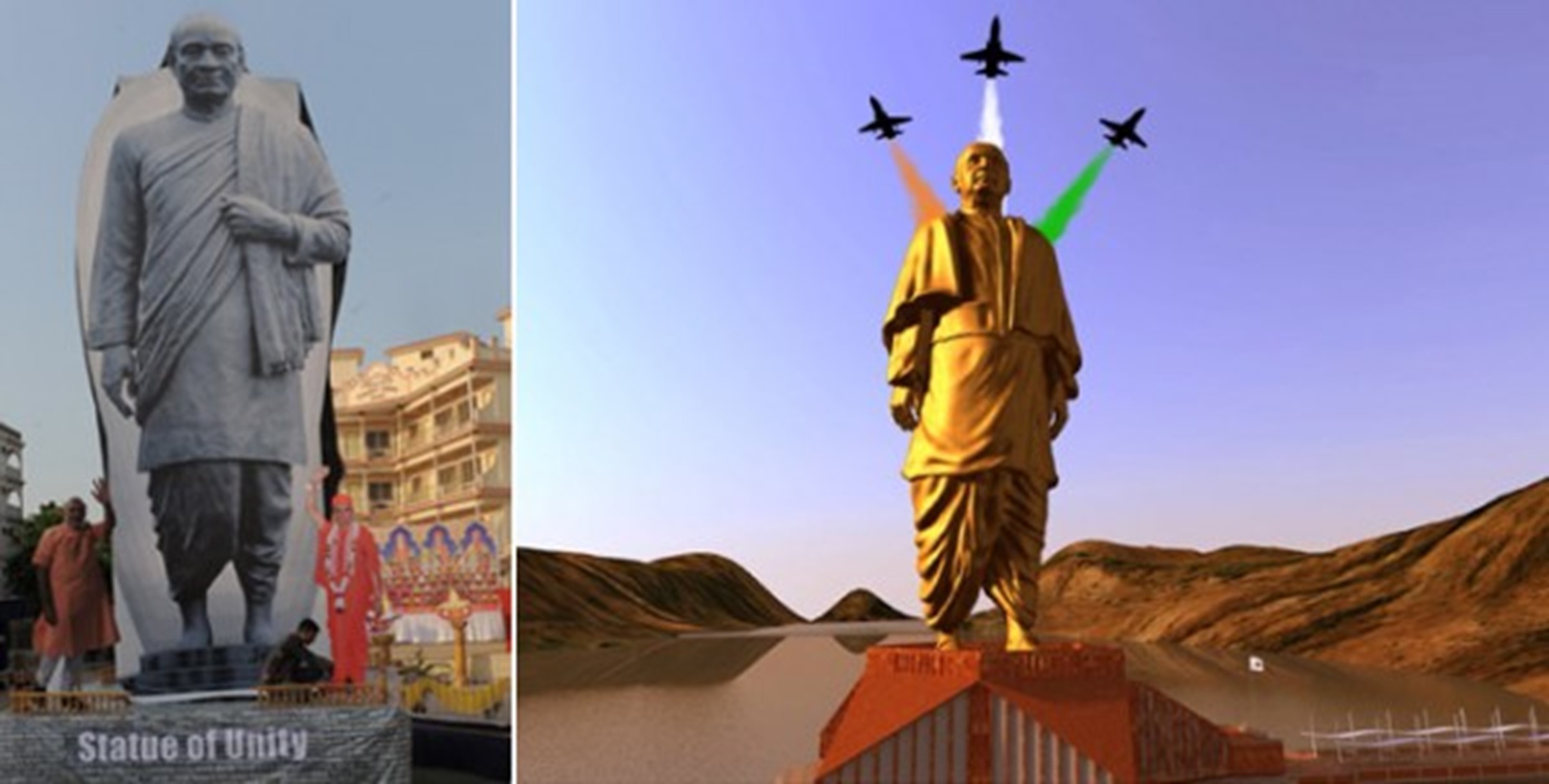
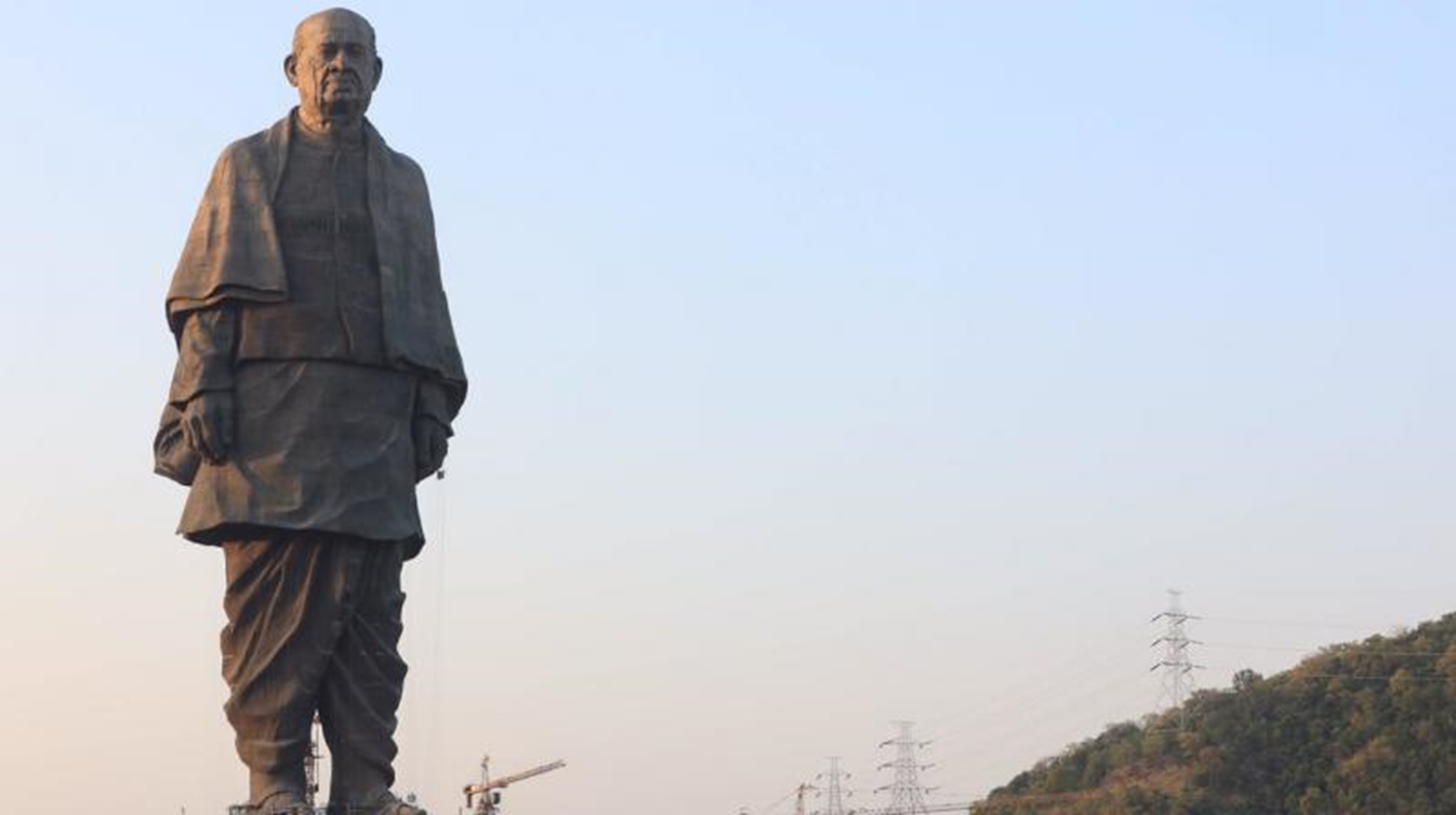
On October 31, the world’s tallest statue, the Statue of Unity dedicated to Sardar Vallabhbhai Patel, was unveiled by Prime Minister Narendra Modi. (Photo: @narendramodi/Twitter)

On October 31, the world’s tallest statue, the Statue of Unity dedicated to Sardar Vallabhbhai Patel, was unveiled by Prime Minister Narendra Modi. The work on the 182-meter tall statue has been completed after round the clock work by 3,400 laborers and 250 engineers at Sadhu Bet island on Narmada river in Gujarat. Sadhu Bet, located some 3.5 km away from the Narmada Dam, is linked by a 250-meter-long long bridge.

Unfortunately, for several reasons, scarce scholarly research has been done on the internal history of the Congress; the main cause is probably that a section of the party would prefer to keep history under wraps. Take the acute differences of opinion between Sardar Patel, the deputy prime minister, and “Panditji”, as Nehru was then called by Congressmen. In the last weeks of Patel’s life (he passed away on December 15, 1950), there was a deep split between the two leaders, leading to unilateral decisions for the PM, for which India had to pay the heaviest price.

The most serious cause of discord was the invasion of Tibet by the Chinese “Liberation Army” in October 1950. In the course of recent researches in Indian archives, I discovered several new facts. Not only did several senior Congress leaders, led by Patel, violently oppose Nehru’s suicidal policy, but many senior bureaucrats too did not agree with the Prime Minister’s decisions and objected to his policy of appeasement with China, which led India to lose a peaceful border.
On November 11, 1950, the deputy prime minister of India addressed a meeting organized by the Central Aryan Association to commemorate the 67th death anniversary of Swami Dayanand Sarasvati. It was to be his last speech. What did he say? The Sardar spoke of the potential dangers arising from what was happening in Tibet and Nepal, and he exhorted his countrymen: “It was incumbent on the people to rise above party squabbles and unitedly defend their newly won freedom.” He cited the example of Gandhi and Swami Dayanand.

Sardar Patel then criticized the Chinese intervention in Tibet; he asserted that to use the “sword” against the traditionally peace-loving Tibetan people was unjustified: “No other country in the world was as peace-loving as Tibet. India did not believe, therefore, that the Chinese government would actually use force in settling the Tibetan question.” He observed that the Chinese government did not listen to India’s advice to settle the Tibetan issue peacefully: “They marched their armies into Tibet and explained this action by talking of foreign interests intriguing in Tibet against China.” The deputy prime minister added that this fear was unfounded; no outsider was interested in Tibet. The Sardar continued by saying that “nobody could say what the outcome of Chinese action would be. But the use of force ultimately created more fear and tension. It was possible that when a country got drunk with its own military strength and power, it did not think calmly over all issues.” He strongly asserted that the use of arms was wrong: “In the present state of the world, such events might easily touch off a new world war, which would mean disaster for mankind.”

Did he know that it was his last message? “Do not let cowardice cripple you. Do not run away from danger. The three-year-old freedom of the country has to be fully protected. India today is surrounded by all sorts of dangers and it is for the people today to remember the teachings of the two great saints and face fearlessly all dangers.”

The deputy prime minister concluded: “In this kalyug, we shall return ahimsa for ahimsa. But if anybody resorted to force against us, we shall meet it with force.” He ended his speech citing Swami Dayananda: “People should also remember that Swamiji did not get a foreign education. He was the product of Indian culture. Although it was true that they in India had to borrow whatever was good and useful from other countries, it was right and proper that Indian culture was accorded its due place.” Who is ready to listen to this, even today?

Days earlier, Patel had written a “prophetic” letter to Nehru, detailing the implications for India of Tibet’s invasion. In fact, Patel used a draft done by Sir Girja Shankar Bajpai, the secretary-general of the ministry of external affairs and Commonwealth relations. However, Nehru decided to ignore Patel’s letter.
Witnessing the nefarious influence of K.M. Panikkar, the Indian ambassador to China, who ceaselessly defended China’s interests, Bajpai, the most seasoned Indian diplomat, had lost his cool. On October 31, in an internal note, he detailed the sequence of events which followed Tibet’s invasion and the role of Panikkar, whose attitude was compared to Sir Neville Chamberlain’s towards Hitler.

Bajpai’s anger demonstrates the frustration of many senior officers; the account starts on July 15, when the governor of Assam informed Delhi that, according to the information received by the local intelligence bureau, Chinese troops, “in unknown strength, had been moving towards Tibet from three directions.” Not only was Panikkar unable to get any confirmation, but he virtually justified Beijing’s military action by writing: “In view of frustration in regard to Formosa, the Tibetan move was not unlikely.” During the next three months, the Indian ambassador would systematically take the Chinese side.

After receiving Bajpai’s note, Patel wrote back: “I need hardly say that I have read it with a great deal of interest and profit to myself and it has resulted in a much better understanding of the points at issue and general, though serious, nature of the problem. The Chinese advance into Tibet upsets all our security calculations. … I entirely agree with you that a reconsideration of our military position and a redisposition of our forces are inescapable.”

Some more details of the seriousness of the situation filter through Inside Story of Sardar Patel: The Diary of Maniben Patel, the daughter of the Sardar. In an entry on November 2, 1950, Maniben wrote: “Rajaji and Jawaharlal had a heated altercation about the Tibet policy. Rajaji does not at all appreciate this policy. Rajaji very unhappy — Bapu (Patel) did not speak at all.”

Later in the afternoon, “Munshi complained about Tibet policy. The question concerns the whole nation — said he had written a personal letter to Panditji on Tibet.”

Later, Patel told K.M. Munshi: “Rajaji, you (Munshi), I (Patel), Baldev Singh, (C.D.) Deshmukh, Jagjivan Ram, and even Sri Prakash are on one side, while Gopalaswamy, Rafi, Maulana (Azad) are on his side.” There was a vertical split in the Cabinet, and it was not only about Tibet. The situation would deteriorate further during the following weeks.

On December 12, Patel was divested on his portfolios. Nehru wrote: “In view of Sardar Vallabhbhai Patel’s ill-health it is absolutely necessary that he should have complete rest and freedom from worry, so as to be able to recuperate as rapidly as possible. …no work should be sent to him and no references made to him in regard to the work of these ministries.”

Gopalaswami Ayyangar, from the “other side”, was allotted the ministry of states and Nehru kept the ministry of home. The Sardar was only informed after the changes were made. He was a dejected man. Three days later he passed away.

Tags: Sardar Vallabhbhai Patel, Jawaharlal Nehru

Copyright © 2015 – 2018 Deccan Chronicle.

The Nehru Legacy. The Cold War in Asia.


THE DALAI LAMA LIFE CYCLE – MAN vs NATURE

THE DALAI LAMA LIFE CYCLE – MAN vs NATURE

The Dalai Lama Life Cycle. Man vs Nature.

In my analysis, Tibetan Identity is created by Nature and man entered Tibet later to inherit the Identity. The Dalai Lama Life Cycle is consistent with Nature as the succession is not influenced by man. The People’s Republic of China wants to firmly intervene in any mechanism that Tibetans choose to determine the succession of the Dalai Lama. In fact, the Vatican most recently agreed to give China a role in the selection of Archbishops of the Chinese Catholic Church.

The Dalai Lama Life Cycle. Man vs Nature.

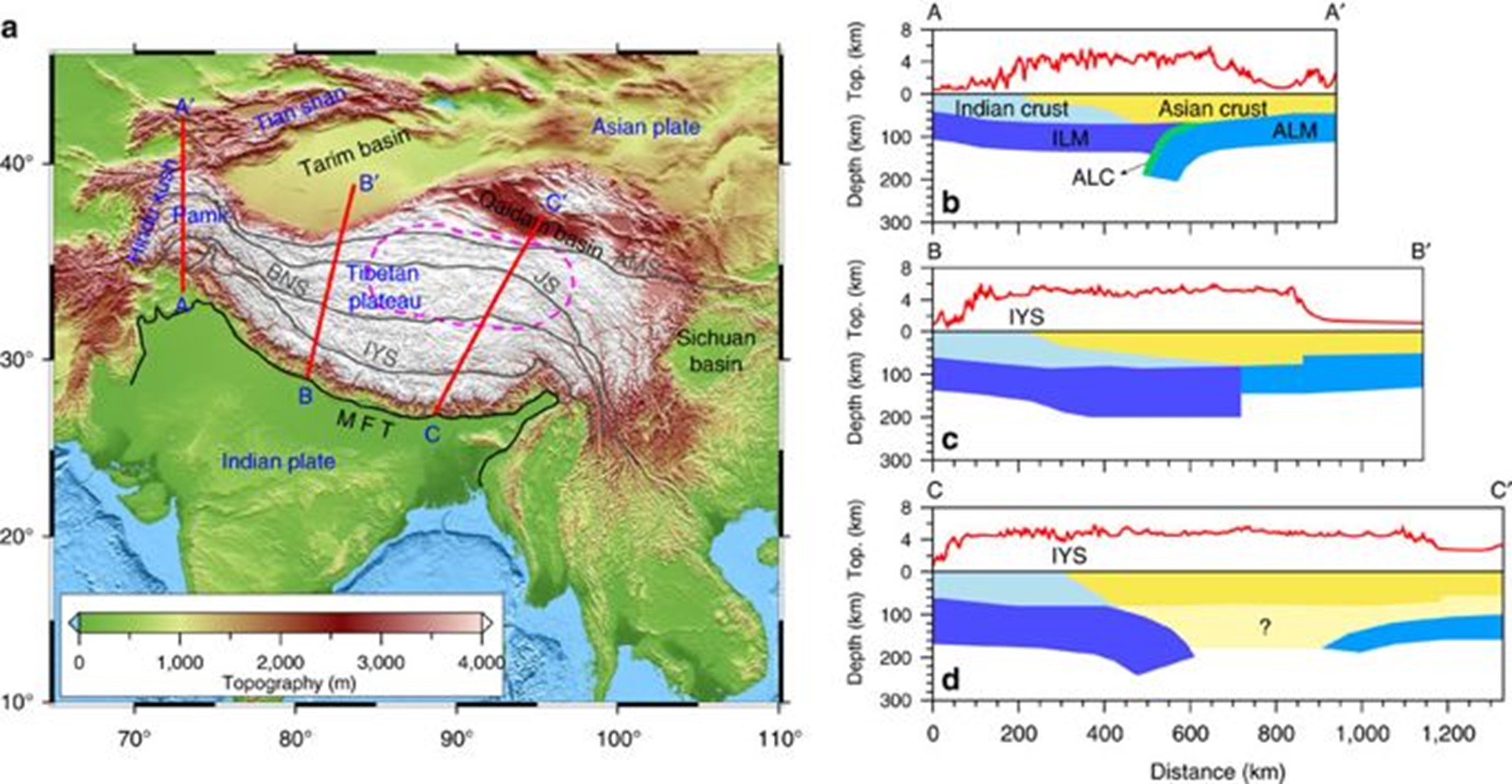
In my view, Natural Forces, Natural Causes, Natural Factors, Natural Conditions, and Natural Mechanisms will continue to play the most significant role in preserving the Tibetan Identity created by Nature. If not Plate Tectonics, Bolide Collision will decide Tibetan Destiny to reverse China’s Iron Fist Rule over Tibet.

Rudranarasimham Rebbapragada

SPECIAL FRONTIER FORCE

https://bhavanajagat.com/2015/04/22/doomsayer-of-doom-dooma-beijing-is-doomed/

Dalai Lama: Successor could be chosen via the method similar to the selection of the pope

Clipped from: https://mainichi.jp/english/articles/20181105/p2a/00m/0na/031000c

The Dalai Lama Life Cycle. Man vs Nature.

DHARAMSALA, India — The Dalai Lama, the exiled supreme leader of Tibetan Buddhism, said Nov. 5 that the selection of his successor could be done in a way the pope is selected by the Catholic Church in an election by cardinals.

“The kind of pope system is … possible to choose among the high lama or high scholars,” the 83-year-old Dalai Lama said in an interview with the Mainichi Shimbun and other media outlets. He said naming his successor by himself is “also possible,” explaining that there were some precedents of past leaders making selections while they were still alive.

Finding his “reincarnation” after his death — like what was said to have happened with the second Dalai Lama and other leaders — would be another way of choosing his successor, he said. If this method is not chosen, said the Dalai Lama, “When I become very old … I will ask if they want to keep the way to choose the next Dalai Lama.” He added it is “up to the Tibetan people” whether the institution of the Dalai Lama should continue or not.

As for his health, the Dalai Lama said he was diagnosed with cancer two years ago but it was cured after radiation therapy.

Tibet is controlled by China, and religious activities in the region including Buddhism are restricted by Beijing in an apparent bid to reduce the influence of the Dalai Lama and curb a potential separation movement.

Regarding the relationship with China, the Dalai Lama said he is not seeking independence. He said historically Tibet was an independent nation but “today for mutual benefit Tibet remains in the People Republic of China.”

The Dalai Lama Life Cycle. Man vs Nature.


BLESSINGS FOR PEACE – PRAYERS TO LHASA RIVER

BLESSINGS FOR PEACE – PRAYERS TO LHASA RIVER

Blessings for Peace. Prayers to Lhasa River.

I offer my prayers to Lhasa River to receive the Blessings of Peace in Occupied Tibet.

Rudranarasimham Rebbapragada

SPECIAL FRONTIER FORCE

https://wholedude.com/2018/07/03/living-tibetan-spirits-offer-prayers-to-mount-kailash/

Reed flowers are seen in Wetland, Tibet

Clipped from: http://www.chinadaily.com.cn/a/201811/05/WS5bdfbc0da310eff30328695a_6.html

Blessings for Peace. Prayers to Lhasa River.

Photo taken on Nov 4, 2018, shows reed flowers in a wetland in Qushui county of Lhasa, Tibet. [Photo/Xinhua]

Blessings for Peace. Prayers to Lhasa River.

Photo taken on Nov 4, 2018, shows reed flowers in a wetland in Qushui county of Lhasa, Tibet. [Photo/Xinhua]

Blessings for Peace. Prayers to Lhasa River.

Photo taken on Nov 4, 2018, shows reed flowers in a wetland in Qushui county of Lhasa, Tibet. [Photo/Xinhua]

Blessings for Peace. Prayers to Lhasa River.

Photo taken on Nov 4, 2018, shows reed flowers in a wetland in Qushui county of Lhasa, Tibet. [Photo/Xinhua]

Blessings for Peace. Prayers to Lhasa River.

Photo taken on Nov 4, 2018, shows reed flowers in a wetland in Qushui county of Lhasa, Tibet. [Photo/Xinhua]

Blessings for Peace. Prayers to Lhasa River.

Photo taken on Nov 4, 2018, shows reed flowers in a wetland in Qushui county of Lhasa, Tibet. [Photo/Xinhua]

Blessings for Peace. Prayers to Lhasa River.


BLESSINGS OF PEACE – MY PRAYERS TO LHASA RIVER

Prayers to Lhasa River
My Prayers to the Mother River of Tibet.
My Prayers to the River of Happiness.
My Prayers to Kyi-chu River.
My Prayers to Holy River of Tibet.
My Prayers to Lhasa River.
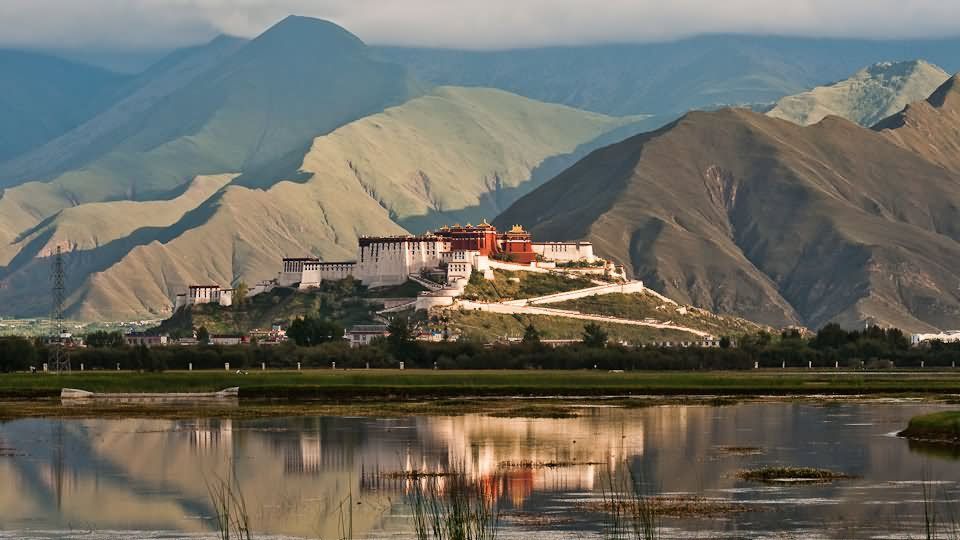
Lhasa, Potala und Medizinberg von Osten. My Prayers to Lhasa River.
My Prayers to Lhasa River.


NEW REPORT ON TIBET – ONCE BITTEN TWICE SHY

NEW REPORT ON TIBET – ONCE BITTEN, TWICE SHY

New Report on Tibet – Once Bitten, Twice Shy

The Department of Information and International Relations (DIIR) of Central Tibetan Administration (CTA) released a new report on Tibet titled ‘Tibet Was not Part of China But Middle Way Remains a Viable Solution’.

New Report on Tibet – Once Bitten, Twice Shy. Tibet’s attempt to secure meaningful autonomy on May 23, 1951, was disastrous.

But, we tried this Middle Way Approach on May 23, 1951, with disastrous consequences. As the saying goes, “Once Bitten, Twice Shy” Tibet cannot afford to bite the Bullet twice. Communist China insists that she has the right to control the Reincarnation of the Dalai Lama. The discussion about ‘Meaningful Autonomy’ has become redundant for Chinese Colonization of Tibet includes total Subjugation of all Social and Political Institutions of Tibet that give “Meaning” to Tibetan Identity.

Rudranarasimham Rebbapragada

SPECIAL FRONTIER FORCE

https://wholedude.com/2015/06/09/the-evil-red-empire-red-china-subjugator-of-tibet/

New report on Tibet highlights self-immolations, reincarnation of Dalai Lama

Clipped from: https://www.newkerala.com/news/read/63436/new-report-on-tibet-highlights-self-immolations-reincarnation-of-dalai-lama.html

Oct 31, 2018

IANS

New Report on Tibet – Once Bitten, Twice Shy.

New Delhi, Oct 30: From incidents of self-immolations, human rights, cultural genocide to the history of Tibet’s status and reincarnation of His Holiness the Dalai Lama — a new report released on Tuesday highlights the contemporary and prevalent issues faced by Tibet.

The report titled ‘Tibet Was Never A Part Of China But The Middle Way Approach Remains a Viable Solution’ was launched by the Department of Information and International Relations (DIIR) of Central Tibetan Administration (CTA).

The report, organized into nine chapters, covers self-immolations, human rights, cultural genocide, the history of Tibet’s status, the environment, urbanization, economic development, the reincarnation of His Holiness the Dalai Lama, and the Middle Way Policy.

“The chapters aim to be comprehensive but digestible. Given that each topic could be a book of its own, the report serves as an overview of the most pressing issues in Tibet for those involved with or interested in the Tibetan cause,” DIIR’s Information Secretary Dhardon Sharling said during the launch of the report.

Published in Tibetan, English and Chinese languages, the report was unveiled by Prof. Anand Kumar and Dr Lobsang Sangay, President, Central Tibetan Administration here.

“For Tibetans, information is a precious commodity. Severe restrictions on expression accompanied by a relentless disinformation campaign engender facts, knowledge and truth to become priceless. This has long been the case with Tibet. This report marks the CTA’s current contribution to this effort,” said CTA President Dr Lobsang Sangay.

New Report on Tibet – Once Bitten, Twice Shy.


COMMUNIST CHINA IS USING BUDDHISM AS A TOOL FOR HER EXPANSIONIST REGIME

COMMUNIST CHINA IS USING BUDDHISM AS A TOOL FOR HER EXPANSIONIST REGIME

Communist China is using Buddhism as a tool for her Expansionist Regime.

During 1950-1951 Communist China took brutal control of Tibet using her hard military power. Now, the Communist Party of China is demanding Buddhists and others to subjugate their religion and culture to serve the needs of China’s Expansionist Regime.

Rudranarasimham Rebbapragada

SPECIAL FRONTIER FORCE

India, Dalai Lama blocking Beijing from using Buddhism as soft power, say Chinese scholars

Clipped from: https://www.hindustantimes.com/world-news/india-dalai-lama-blocking-beijing-from-using-buddhism-as-soft-power-say-chinese-scholars/story-WMEzUNRJe0RNmdTxpSA5iL.html

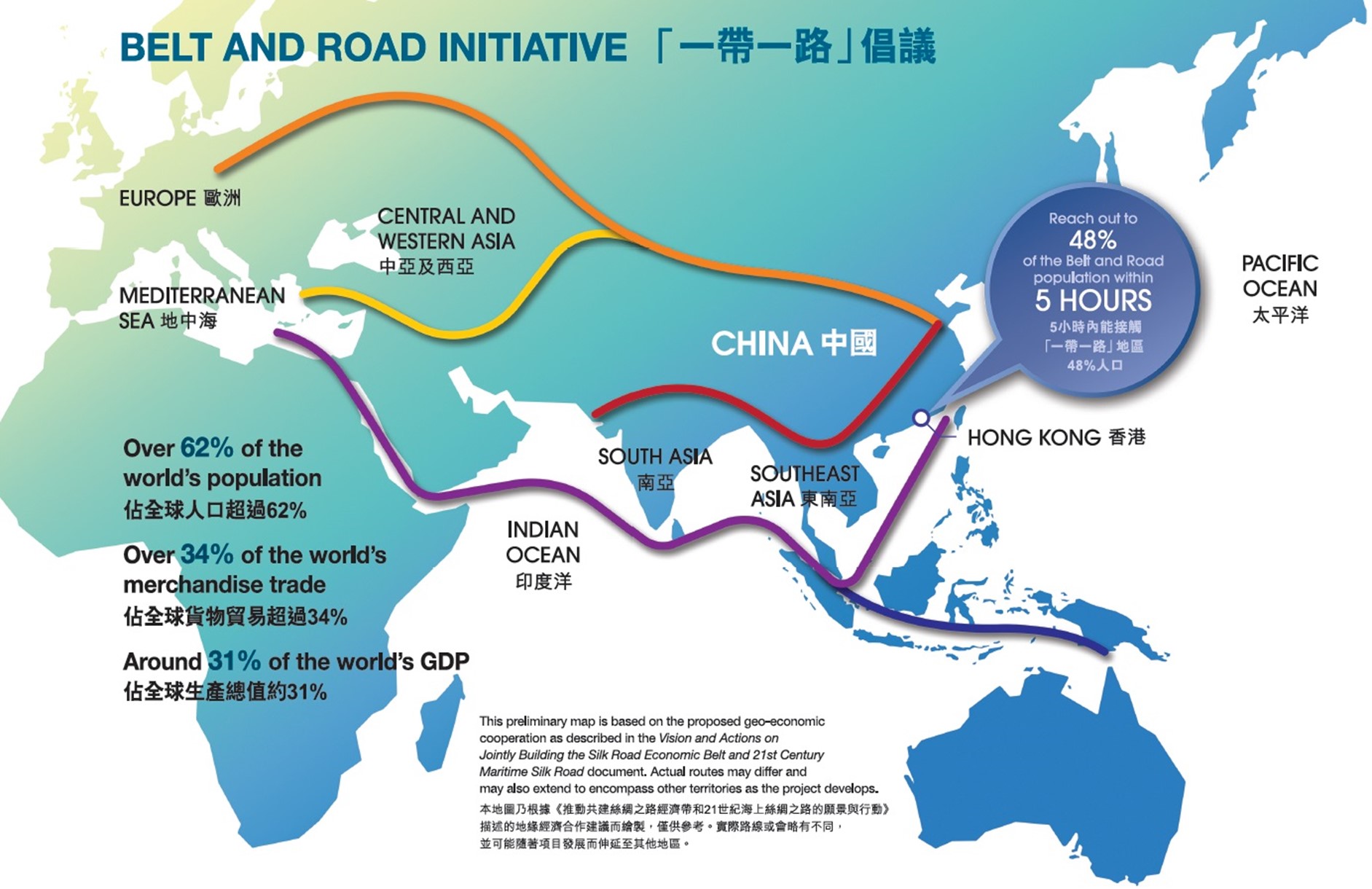
Buddhist scholars had gathered this week in northwest China’s Qinghai province to discuss how to leverage Buddhism in constructing and expanding the BRI.

Sutirtho Patranobis
Hindustan Times, Beijing

Communist China is using Buddhism as a tool for her Expansionist Regime.

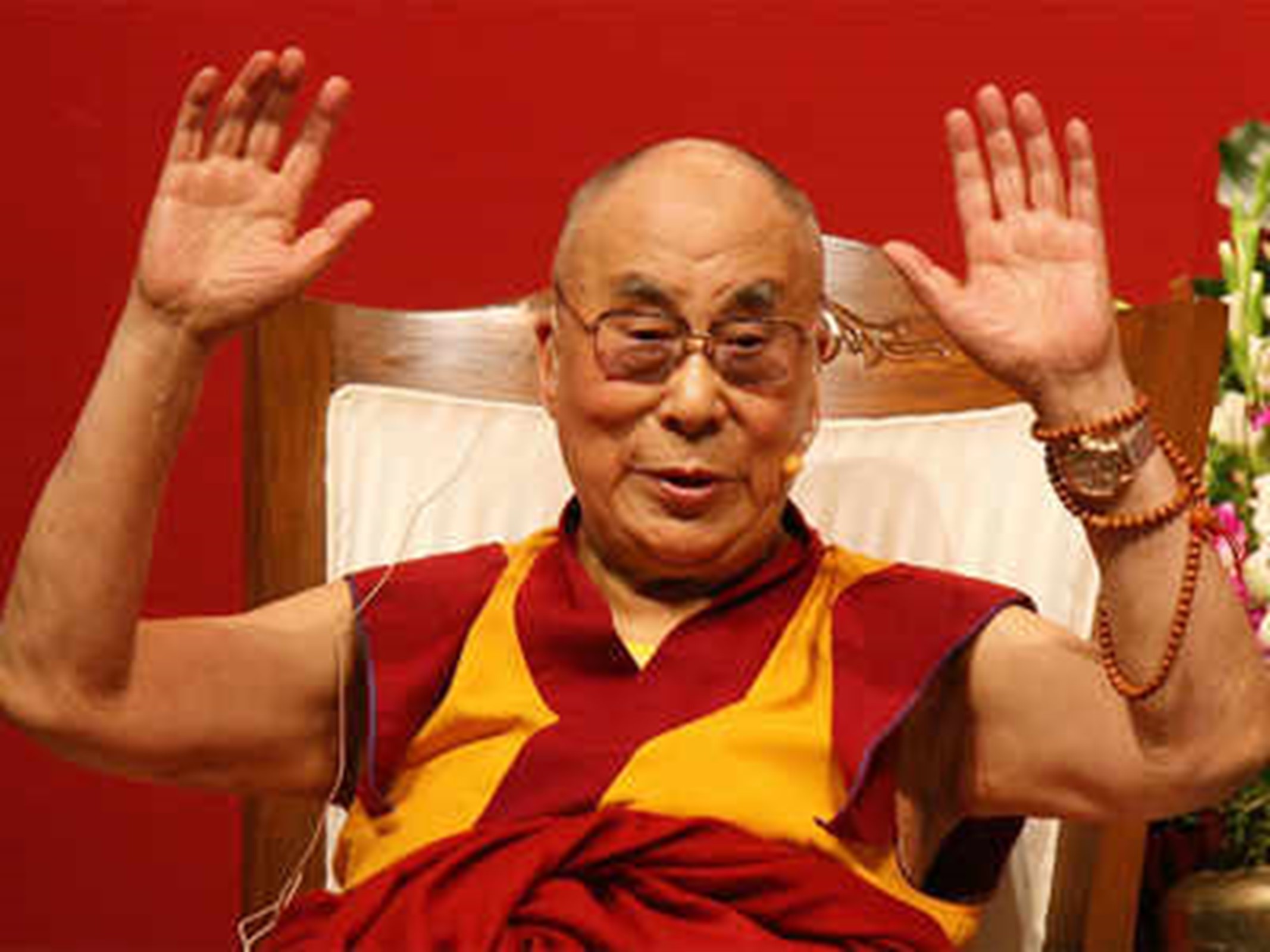
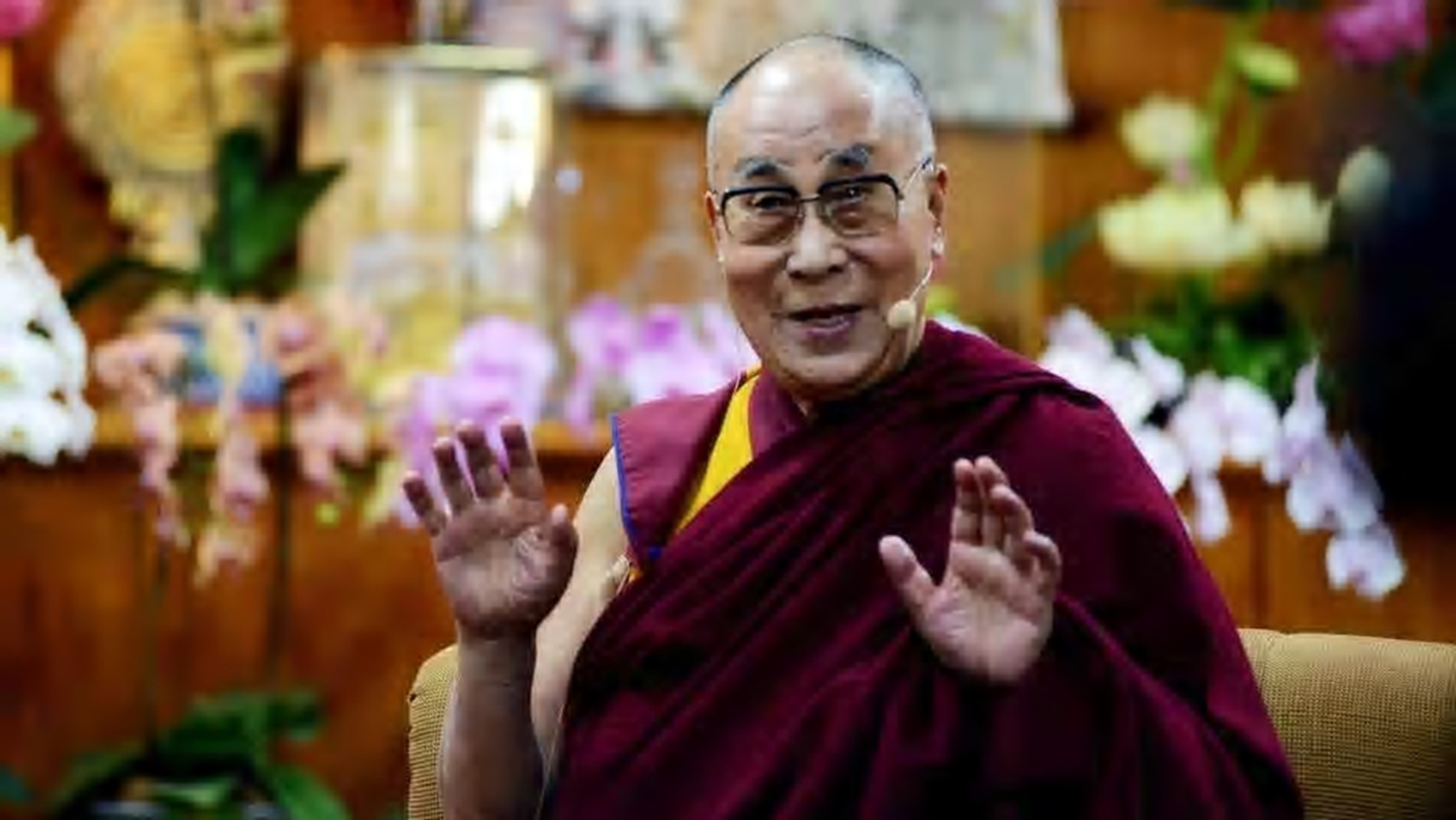
His Holiness Dalai Lama addresses teachers after the inauguration of Happiness Curriculum of the Delhi government at Thyagraj Sports Complex in New Delhi, in July 2018. (Sonu Mehta/HT File Photo)

India is the biggest challenge for Beijing to use Buddhism in support of President Xi Jinping’s Belt and Road Initiative (BRI) to tackle terrorism and separatism and for strategic purposes, leading Chinese scholars have said.

For one, the Chinese Buddhist scholars argued at a recent symposium, the Dharamshala-based Dalai Lama has established a “separatist” base in India and promotes traditional religion and culture – as opposed to the Communist Party’s socialist values – to maintain his base.

India itself is a “stumbling block” as it has not joined BRI, a connectivity project worth billions of dollars, because of geopolitical reasons.

The scholars gathered this week in northwestern Qinghai province to discuss how to leverage Buddhism in constructing and expanding the BRI. The symposium was seemingly focused on “Sinicizing” – and also politicizing – Buddhism for the purpose of statecraft.

“Soft power like religion, if used properly, will convert to hard power,” one scholar said.

“Guided by the core socialist values, the symposium aims to encourage Tibetan Buddhism to adapt to the socialist society and teach the religion to serve the construction of the Belt and Road Initiative,” the sitetibet.cn news website reported.

Tibetan Buddhism can act as a bridge between BRI countries so that they can better communicate with each other since religious and cultural beliefs are similar in Central and South Asia, Qin Yongzhang, a research fellow at the Chinese Academy of Social Sciences (CASS), told Global Times tabloid.

The BRI, for example, has “injected new energy into China-Nepal ties” and China has built a relationship with Mongolia through Tibetan Buddhism.

Not so the case with India.

“One immediate challenge of promoting BRI through Tibetan Buddhism comes from India, which has been holding back for geopolitical reasons,” Qin said.

“The Dalai Lama has established a separatist base in India, and has been advocating the ‘traditional culture’ as leverage to expand his influence.”

Buddhism has a significant role in curbing separatism, religious extremism and terrorism while implementing BRI because it pursues harmony and opposes violence, said Xiong Kunxin, an ethnic studies professor at Tibet University in Lhasa.

The position against India and the Dalai Lama is in line with a recent decision by a Chinese county not to allow India-trained Buddhist monks to teach in China.

In May, the county in southwestern Sichuan province banned Tibetan monks “wrongly educated” in India from teaching Buddhism to prevent the spread of “separatist” ideas.

Officials of Litang county issued the ban, the first such move outside the Tibet Autonomous Region (TAR).

“As some monks received education overseas from the 14th Dalai Lama clique – whom China regards as separatists – it is necessary to tighten supervision so as to prevent the clique from using local Buddhists to conduct separatist activities,” Zhu Weiqun, former head of the ethnic and religious affairs committee of the national committee of the Chinese People’s Political Consultative Conference, had said.

First Published: Oct 18, 2018, 14:52 IST

Communist China is using Buddhism as a tool for her Expansionist Regime.

PRAYERS FOR THE DAWN OF FREEDOM AT THE GRAND SEAT OF THE SUN

PRAYERS FOR THE DAWN OF FREEDOM AT THE GRAND SEAT OF THE SUN

Prayers for the dawn of freedom at The Grand Seat of the Sun, Nyingchi, Tibet.

“Nyingchi” means “the Grand Seat of the Sun” in the language of Tibetan. It is noted for its green mountains and clear water. The Himalaya and Tangula Mountains wind their ways from west to east like two colossal dragons and join the Henduan Mountains in the east. The city of Nyingchi, lying in the southeast of Tibet, is in the embrace of these three mountain ranges. Nyingchi is also called “the Switzerland of Tibet” and “the Jiangnan of Tibet” (Jiangnan means the fertile and prosperous area in the south of the Yangtze.)

The primitive forest of Nyingchi is well-preserved in which one can easily find the upright ancient plateau Tibetan cypress, the Himalaya cold cedar, the “living plant fossil”- the tree bracken and a vast variety of azaleas. Nyingchi is therefore entitled “the Natural Museum and “the Natural Gene Pool”. The area around the Buqun Lake is deemed to be the place where the wild man was living.

I am offering my prayers for the dawn of freedom at ‘The Grand Seat of the Sun’.

Rudranarasimham Rebbapragada

SPECIAL FRONTIER FORCE

Prayers for the dawn of freedom at The Grand Seat of the Sun, Nyingchi, Tibet.

AUTUMN SCENERY IN TIBET

Clipped from: http://www.womenofchina.cn/womenofchina/html1/culture/travel/1810/6259-1.htm

October 26, 2018

Editor: Wei Lingling

Prayers for the dawn of freedom at The Grand Seat of the Sun, Nyingchi, Tibet.


Photo taken on Oct. 24, 2018, shows the autumn scenery in Bomi County, Nyingchi, Tibet. [Xinhua/Liu Dongjun]

Prayers for the dawn of freedom at The Grand Seat of the Sun, Nyingchi, Tibet.
Photo taken on Oct. 25, 2018, shows the autumn scenery in Bomi County, Nyingchi, Tibet. [Xinhua/Liu Dongjun]

Prayers for the dawn of freedom at The Grand Seat of the Sun, Nyingchi, Tibet.
Photo taken on Oct. 19, 2018, shows the autumn scenery in Baxoi County, Qamdo, Tibet. [Xinhua/Liu Dongjun]

Prayers for the dawn of freedom at The Grand Seat of the Sun, Nyingchi, Tibet.
Photo taken on Oct. 24, 2018, shows the autumn scenery in Bomi County, Nyingchi, Tibet. [Xinhua/Liu Dongjun]

(Source: Xinhua)

Prayers for the dawn of freedom at The Grand Seat of the Sun, Nyingchi, Tibet.


Whole Awareness – Colonization of Tibet poses risks to all living downstream

Colonization of Tibet poses risks to all living downstream

Colonization of Tibet poses risks to all living Downstream.

The major rivers of Asia take origin in Tibet. People living downstream are facing increasing risks as the rivers are drying up due to Communist China’s colonization of Tibet.

Colonization of Tibet poses risks to all living Downstream.

Arunachal Pradesh: Authorities warn of flash floods in East Siang as landslide blocks river in Tibet

Clipped from: https://scroll.in/latest/898863/arunachal-pradesh-authorities-warn-of-flash-floods-in-east-siang-as-landslide-blocks-river-in-tibet

Over 6,000 people were evacuated from Tibet’s Menling County after the landslide led to the formation of a barrier lake.

Colonization of Tibet poses risks to all living Downstream.

Sections of the Siang river in Arunachal Pradesh dried up due to landslide upstream | HT photo

The Arunachal Pradesh government has warned of flash floods downstream of the Siang River after China informed India that a landslide has blocked a section of the river in the Tibet region, The Times of India reported on Friday.

The Yarlung Tsangpo is the upper stream of the Brahmaputra river. It is known as the Siang river once it enters Arunachal Pradesh and the Brahmaputra when it enters Assam.

The East Siang district administration has asked people not to venture near the Siang river and asked them to stay alert. The water level in the Siang river has reduced due to the landslide blocking the flow of water. The landslide has led to the formation of a lake and there are fears of large-scale floods downstream if the lake breaches, reported the Hindustan Times.

“We got a report from the Central Water Commission about the landslide in Tibet,” said Deputy Commissioner of Upper Siang district Duly Kamduk. “The water level in Siang river has gone down by around 2 meters at Tuting in Arunachal Pradesh.”

A statement issued by the East Siang district administration asked people living on the banks of the river in Jarku, Paglek, SS Mission, Jarkong, Banskota, Berung, Jampani, Sigar, Ralling, Borguli, Seram, Kongkul, Namsing, Mer, Gadum not to remove driftwood, tree barks on the banks of the river as these will serve as a natural flood control mechanism, reported Northeast Today.

Meanwhile, in China, over 6,000 people were evacuated after a barrier lake was formed following the landslide in the Yarlung Tsangpo River in Tibet’s Menling County, reported Xinhua. The amount of water in the lake is above 300 million cubic meters.

In August, several people were airlifted from Assam’s Dhemaji district as Siang river got flooded due to heavy rainfall in the Chinese portion.

Colonization of Tibet poses risks to all living Downstream.
Colonization of Tibet poses risks to all living Downstream

Whole Colonialism – Upstream Occupation and Downstream Worries

The woes of Tsangpo-Brahmaputra River – Upstream Occupation and Downstream Worries

The Woes of Tsangpo-Brahmaputra River. The Upstream Occupation and the Downstream Worries.

The woes of Yarlung Tsangpo-Brahmaputra River describe the tragedy of upstream occupation causing the downstream worries. The massive landslide in Tibet blocking Yarlung Tsangpo River symbolizes the woes of military conquest of Tibet and its colonization by Communist China.

The Woes of Tsangpo-Brahmaputra River. The Upstream Occupation and the Downstream Worries.

China orders evacuations after landslide blocks Tibet River

Clipped from: https://www.msn.com/en-us/news/world/china-orders-evacuations-after-landslide-blocks-tibet-river/ar-BBOx93t

The Woes of Tsangpo-Brahmaputra River. The Upstream Occupation and the Downstream Worries.

© Bing Maps © 2018/Microsoft Mainling County, Tibet, China BEIJING — Around 6,000 people have been evacuated following a landslide in Tibet that blocked the flow of one of the region’s key rivers, China’s emergency services said Thursday.

A barrier lake was formed on the Yarlung Tsangpo, the headwater of India’s Brahmaputra River, following the Wednesday morning collapse of a cliff in the deep valley through which the river flows, the local emergency response bureau said in a report carried by state media.

No deaths or injuries have been reported and the bureau said China has been keeping India updated on the blockage, which could potentially affect water levels in lower regions.

The landslide struck near a village in Menling County and water in the lake had risen to a height of 40 meters (131 feet) by Thursday, the bureau said.

With its towering peaks and glaciers, Tibet is the source of numerous Asian rivers, adding to China’s strategic influence over its southern neighbors. Fast-rising temperatures have caused those glaciers to melt at an increasing pace, throwing a shadow over future water resources for China and other Asian nations.

The Woes of Tsangpo-Brahmaputra River. The Upstream Occupation and the Downstream Worries.

Though there were no reports of deaths or injuries after the landslide, it is the second landslide that has rocked the Tibet. A massive landslide hit Derge in the Traditional Tibetan province of Kham and completely blocked the Dri Chu river earlier this week on Oct 11.

Landslide and flooding of villages in Tibet are linked to Chinese construction projects, the London-based advocacy group Free Tibet said on Oct 15 after the landslide that cut off Drichu.

“Chinese authorities have been conducting excessive mining, development and dam construction projects in the area which, according to the local population, are directly linked to the increased occurrences of flooding, particularly in the regions of Karze and Ngawa. Chinese sources claim these incidents are natural and unrelated,” Free Tibet stated

The group further noted that of late, China’s exploitation of Tibet’s natural resources has gathered pace significantly.

The ill-advised developmental projects being carried out in Tibet by the Chinese regime at the cost of the fragile Tibetan environment.

The Woes of Tsangpo-Brahmaputra River. The Upstream Occupation and the Downstream Worries. View of Siang District, Arunachal Pradesh, India.
The woes of Tsangpo-Brahmaputra River – Upstream Occupation and Downstream Worries
The Woes of Tsangpo-Brahmaputra River. The Upstream Occupation and the Downstream Worries. Siang River near Pasighat, Siang District, Arunachal Pradesh, India.


BLESSED ARE THE PEACEMAKERS MARCHING FOR PEACE IN OCCUPIED TIBET

BLESSED ARE THE PEACEMAKERS MARCHING FOR PEACE IN OCCUPIED TIBET

Blessed are the peacemakers marching for peace in Occupied Tibet.

“Blessed are the peacemakers for they shall be called sons of God.” I invoke the blessings of God on Kunga Norbu and Adam Schaeuble who are walking to bring peace in Occupied Tibet by promoting the public awareness of the Great Tibet Problem.

Rudranarasimham Rebbapragada

SPECIAL FRONTIER FORCE

https://wholedude.com/2015/08/05/tibets-military-occupation-the-great-tibet-problem/

BEAM: Friends walk to bring awareness to Tibet. Opinion. Newsandtribune.com

Clipped from: https://www.newsandtribune.com/opinion/beam-friends-walk-to-bring-awareness-to-tibet/article_d7395364-d0c2-11e8-aecb-bb89b048e87c.html

Blessed are the peacemakers marching for peace in Occupied Tibet.

Kunga Norbu left, and Adam Schaeuble pose for a picture on the Big Four Bridge during their multi-state walking campaign to raise awareness about Tibet. Norbu is the nephew of the Dalai Lama, who gave his blessing for the trek, and suggested that the duo “create a wave of positivity.”

As they walked across Big Four Bridge that October Sunday, Kunga Norbu and Adam Schaeuble weren’t protesting anything.

The casual observer, though, might have thought differently.

A multicolored flag rested against Kunga’s shoulder as he strolled down the ramp into Jeffersonville. The emblem on it symbolized the country of his father’s birth, a nation no longer able to control the teachings of its past let alone its own future. Emblazoned on his and Adam’s yellow shirts were the words “Team Tibet” in crimson ink.

“If you walk anywhere and you’ve got a guy with a giant flag, people are probably like eyeballing you asking what kind of a thing is this? That’s the society that we live in,” said Adam. “Is this a good march or a bad march? Is this positive or is it negative? People almost always assume that it’s negative. But when we get to tell people about it, they realize it’s a cool, positive story.”

Louisville was stop number four on the duo’s eight-day walking tour to bring awareness about issues facing Tibet while also supporting and preserving Tibetan culture. On Oct. 4, they finished their journey in Columbus, Ohio with more than 200 miles walked.

“There are six million Tibetans in Tibet now,” Kunga said when discussing the treatment of Tibetan citizens by the Chinese government, the country that invaded Tibet in the 1950s. “We have to do something. We have to do anything. Even walking. Even one-mile.”

Kunga had completed this mileage before. In March of 2013, the Tibetan-American undertook a 230-mile trek from Washington, D.C., to New York City in memory of his brother Jigme. In 2011, Jigme lost his life when a sports utility vehicle struck him on a Florida road during a similar walk for Tibetan independence. He was 45.

But circumstances have since changed for the Bloomington resident. In January of 2015, a stroke wreaked havoc on Kunga’s body. After regaining most of his physical abilities through rehab, speech difficulties are the only remnants of the illness.

“When he starts talking about Tibet, he gets clearer,” Adam said. “Like his speech is more succinct. It’s like he’s talking from his heart. It’s really cool.”

Despite his health setbacks, the 55-year-old still wanted to honor his Tibetan heritage. His father, Thubten Norbu, established the Tibetan and Mongolian Buddhist Cultural Center in Bloomington and was a professor at Indiana University. Thubten, too, was a Buddhist lama, not to mention the older brother of His Holiness the Dalai Lama.

That’s right. Kunga is the Dalai Lama’s nephew.

Adam, on the other hand, has no Tibetan lineage. His friendship with Kunga brought him to this mission. Strangely enough, during high school, the now 38-year-old did a report on Tibet. Part of that assignment consisted of reading a book by — you guessed it — Professor Norbu, Kunga’s father.

Nine years ago, Kunga walked into the gym Adam owns. They quickly became pals. When Kunga’s brother died, Adam organized an Mt. Everest Challenge for his “gym family.” Participants climbed on an apparatus called Jacob’s Ladder in order to finish the steps Jigme wasn’t able to complete.

Knowing about his friend’s wish to do another walk that would bring awareness to Tibetan issues, Adam suggested they do a roughly week-long trek that would finish in Columbus, Ohio. Instead of traversing the whole way by foot on dangerous interstates, the pair would find trails in different Midwest cities. Kunga, Adam and anyone else who might want to come along would walk along these much safer paths to achieve their 200-mile goal.

“I’m like the big, noisy white Sherpa,” Adam said, referencing the Himalayan mountaineers who, at times, help climbers reach Mt. Everest.

Kunga liked the plan. In a March 2018 audience with the Dalai Lama, he asked for his uncle’s blessing. The Dalai Lama freely gave it and suggested to them an optimistic objective: Create a wave of positivity.

“That was his challenge for us, two people from two different cultures that are doing this because they are friends and support each other,” Adam said.

And, by just walking 200-miles with a Tibetan flag and their friendship, Kunga and Adam accomplished just this.

“The culture can’t be stamped out if people are still talking about what’s going on,” Adam said. “That’s the way we keep that culture alive. Just keep talking about it and share and share.”

— Amanda Hillard Beam is a Floyd County resident and Jeffersonville native. Contact her by email at adbeam47@aol.com.

Blessed are the peacemakers marching for peace in Occupied Tibet.