Whole Heaven – Creating Shangri La in Occupied Tibet
Shangri-La is a fictional utopian paradise, most famously described in James Hilton’s 1933 novel Lost Horizon. It’s often depicted as a mystical, harmonious valley hidden in the Kunlun mountains of Tibet, where people live long, peaceful lives. The concept has become a metaphor for any earthly paradise, a secluded and idyllic haven.
Tibet Awareness. Tibet’s Quest for Full Independence. Knowing Tibet. Institution of Tibetan national Identity.
In my opinion, Peace, Harmony, and Tranquility will get reestablished in Tibet when the Kingdom of Heaven replaces the Communist rule over Tibet.
NATURE NURTURES TIBETAN IDENTITY OF TIBETAN NATION.
Rudra Narasimham Rebbapragada Special Frontier Force-Establishment 22-Vikas Regiment
Whole Heaven – Creating Shangri La in Occupied Tibet
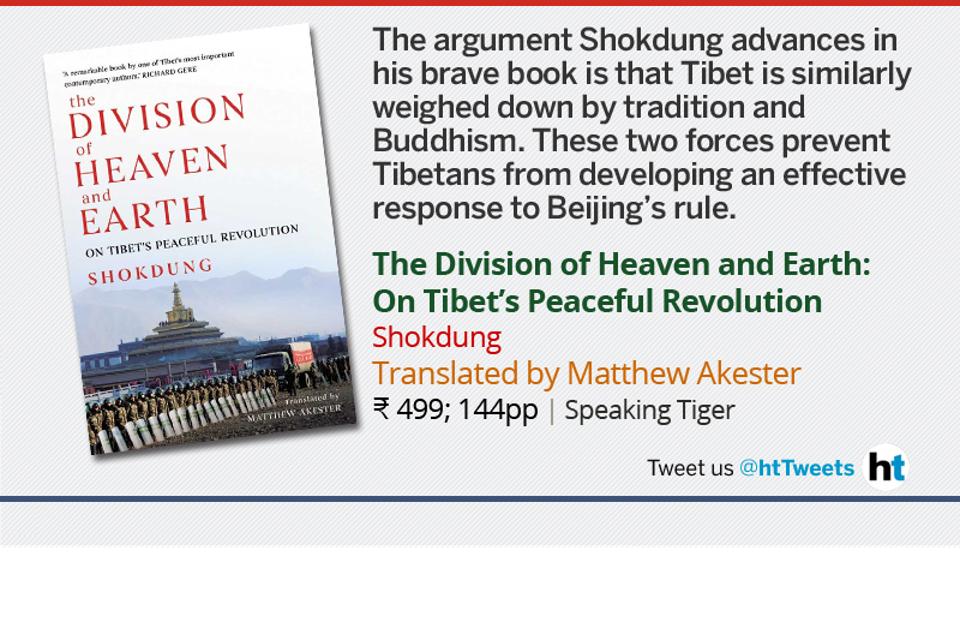
While The Division of Heaven and Earth by Shokdung is about resistance within Tibet, A Life Unforeseen by Rinchen Sadutshang is about the author’s work for the government in exile
Thubten Samphel Hindustan Times
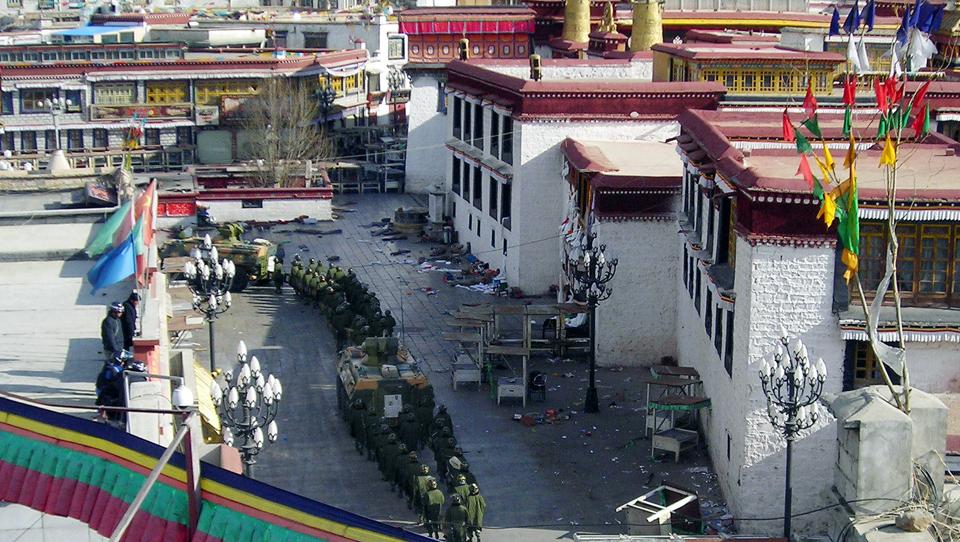
Soldiers of the Chinese People’s Liberation Army (PLA) patrol through the streets of Lhasa in this picture taken on March 14, 2008.(AFP) Shokdung is the pen name for Tra-gya. It means the “morning conch.” The translator, Matthew Akester, thinks it is meant as a wake-up call for Tibet, a call for a peaceful revolution against Beijing’s iron-fisted rule on the Tibetan Plateau. Indeed, the message of Shokdung takes the readers back to the 19th century when a powerful West confronted and encroached upon a weakened Manchu China. This humiliating encounter between East and West resulted in agonized soul searching among Chinese scholars on how to forge an effective response. Some scholars blamed the dead weight of tradition and Confucianism for China’s inability to confront the Western challenge. They pointed to two gentlemen, Mr. Science and Mr. Democracy, who could save China from further humiliation. The argument Shokdung advances in his brave book is that Tibet is similarly weighed down by tradition and Buddhism. These two forces prevent Tibetans from developing an effective response to Beijing’s rule. His is a brave book because Shokdung writes from Tibet. It is a brave book in another sense because Shokdung targets the most cherished tradition of Tibet, its spiritual heritage, to the consternation of the spiritual establishment in Tibet. The American Chinese scholar, Dan Smyer Yu, calls Shokdung’s views on Tibetan culture “an anti-traditionalist imagining of modern Tibet.”
Shokdung shot to fame in Tibet and around the world in 2009 when his book The Division of Heaven and Earth was published. According to Tibet scholar, Francoise Robin, who provides a foreword to the English translation, “The book, with an initial print run of 1,000 copies, circulated unhindered in Xining and all over Tibet for six months, until the author was arrested on 23 April 2010.” Shokdung anticipated his arrest when he said, “I may lose my head because of my mouth.” Shokdung’s comments on the nature of the party state in Tibet are brutal and unrelenting. That is why he got into trouble with the authorities. Shokdung writes, “We can see that there is no greater terrorist than the totalitarian regime… In particular, the terrorism of sealing down the bodies of the common Tibetan people, sealing up the mouths of the eminent ones, and sealing off the minds of the unthinking population, and the methods of state terrorism are something they have been practicing for the last half century, so who can deny that it is their basic character?” Shokdung writes that Tibet’s salvation lies in organizing a coordinated non-violent civil disobedience movement. “Whether or not there will be a Tibetan Gandhi, whether or not Satyagraha has any foundation there, whether or not non-violent non-cooperation will produce results, this we cannot know without an unfailing prophecy; but if the answer is to be affirmative, that prophecy is something that each Tibetan must keep in their heart. This is my belief.” While Shokdung is a rebel and dissident who is fortunately now out of prison, the late Rinchen Sadutshang life was one of service to Tibet both within the country and in exile. He belonged to the fabulous Sadutshang family, which once dominated the wool trade ferried on the mule train between Tibet and India for final export to America and Britain. The family had a huge wool godown in Kalimpong, which was later transformed into a school for Tibetan refugee children.
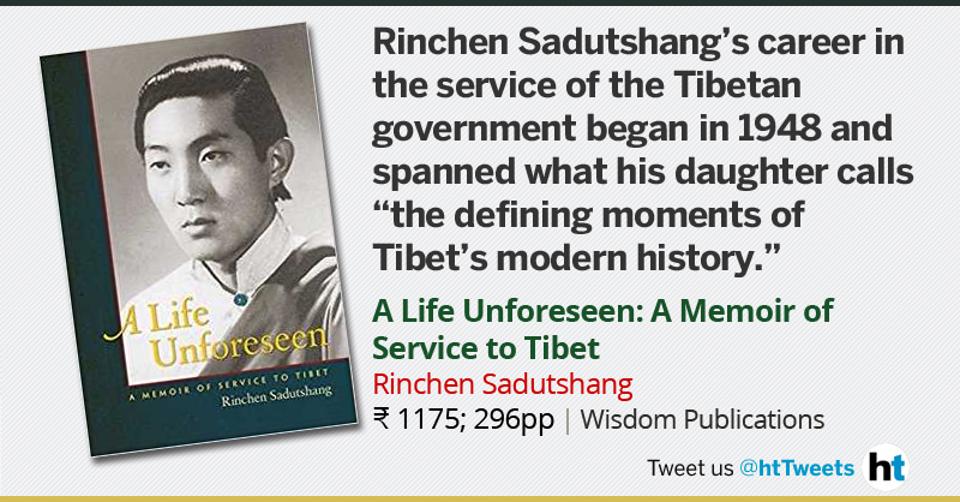
Rinchen Sadutshang career in the service of the Tibetan government began in 1948 and spanned what his daughter calls “the defining moments of Tibet’s modern history.” This included the loss of Tibet and its labored and painful reconstruction in exile. Because he enjoyed the benefit of a modern education at St Joseph’s College in Darjeeling, the author was involved in all the critical events to prevent Tibet’s current fate. As His Holiness the Dalai Lama writes in his foreword to the memoir, “He accompanied the Tibetan delegation to Beijing in 1951 when the Seventeen-Point Agreement was signed. Later, he was a member of the Tibetan delegation to the United Nations in 1959 and 1961.” The Tibetan representation at the world body resulted in the UN General Assembly passing three separate resolutions on Tibet, the last being in 1965, that called on China to respect the fundamental human rights of the Tibetan people and their right to self-determination. The Tibetan lobby at the UN, against all odds, managed to raise the issue of Tibet for discussion and debate at the highest international level. Given the Tibetan exiles’ lack of firepower both in resources and manpower, this is an achievement to be proud of. Later, the author was inducted into the Kashag, the highest executive body of the Central Tibetan Administration. He rounded off his career as the representative of His Holiness the Dalai Lama in New Delhi who liaises with the government of India. As for his career in the service of the Tibetan people, Rinchen Sadutshang had this to say. “By the early 1980s, I had given the prime years of my life to the service of the Dalai Lama and my government. When I first started to work in Dharamsala, my salary was seventy-five rupees a month, barely enough to meet my own personal needs, let alone the needs of my family. Although my salary gradually increased, if I hadn’t had some money of my own, my family would have suffered. I had a wife and six children, but I put the needs of the exile government before theirs. As I mentioned, the government of Bhutan had offered me a potentially lucrative position, and the Indian Central Bureau of Investigation also offered me a good job. But I declined both opportunities because of my loyalty to my country and the Tibetan government in exile, which was sorely in need of officials who were familiar with India and who could communicate in English.” Thubten Samphel is the director of the Tibet Policy Institute and author of Falling Through the Roof.
In my opinion, Peace, Harmony, and Tranquility will get reestablished in Tibet when the Kingdom of Heaven replaces the Communist rule over Tibet.
The Cold War in Asia – The Spread of Communism to Asia
Whole Friction – Communism is the source of Friction in India-China-Tibet Relations
I am pleased to share the article titled “TIBET IS THE REAL SOURCE OF SINO-INDIAN FRICTION” by Brahma Chellaney that was published by Nikkei Asian Review in its edition dated September 26, 2014.
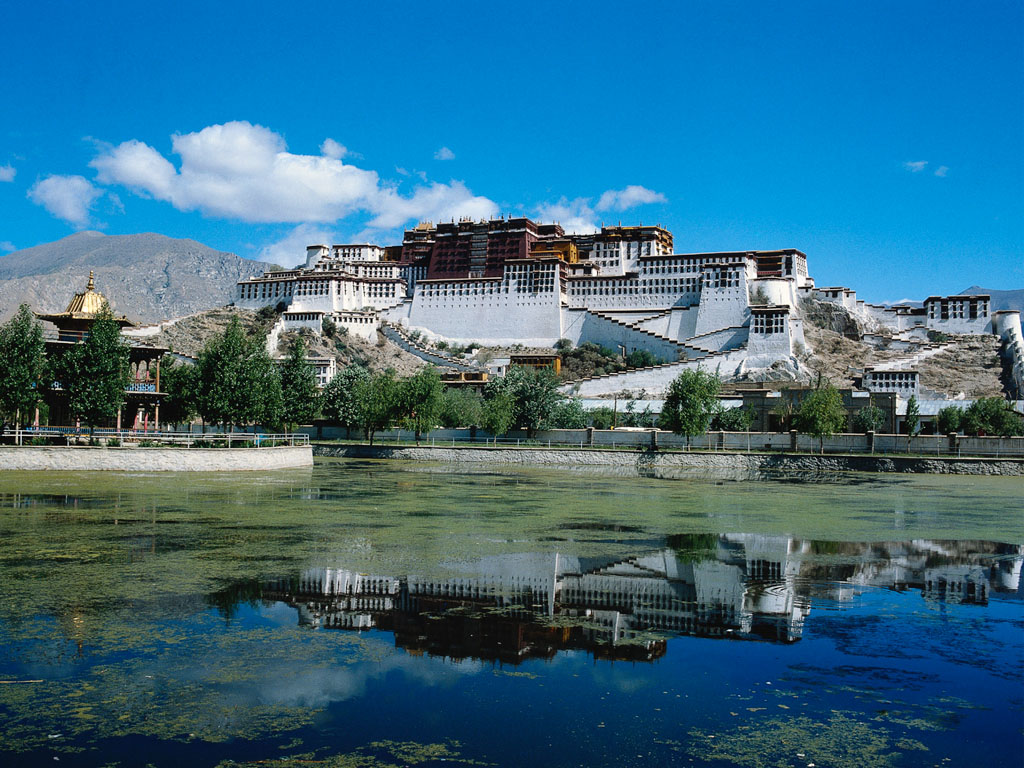
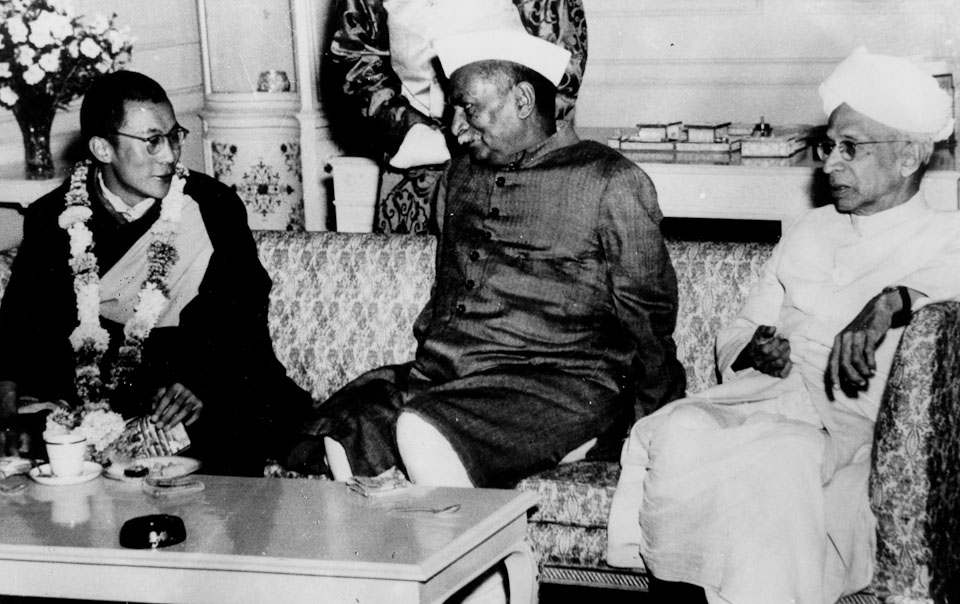
I speak on behalf of Special Frontier Force and The Living Tibetan Spirits. I often describe about my “Kasturi-Sarvepalli-Mylapore-India-Tibet-US” Connection and I openly promote friendly relations between India and Tibet and support the condition called ‘Natural Freedom’ in the Land of Tibet. The military invasion and occupation of Tibet is not consistent with the principles of Panch Sheela Agreement that India signed during 1954. At that time, both Tibet, and India desired friendly relations with China and had used diplomacy to influence China to relax its military grip over Tibet. Tibetans for centuries enjoyed a natural sense of Freedom in spite of foreign invasions by Mongols and later Manchu China. It may be noted that His Holiness the 14th Dalai Lama was not arrested after China’s successful military attack in 1950. He had continued to occupy Patola Palace in Lhasa and had visited New Delhi along with China’s Prime Minister Chou En-Lai and in May 1956 during 2500th Buddha Jayanti (Gautama Buddha’s Birth Anniversary) Celebration.
SPECIAL FRONTIER FORCE – INDIA – CHINA RELATIONS: AFTER INDIA AND CHINA SIGNED THE PANCH SHEELA AGREEMENT IN 1954, HIS HOLINESS THE 14th DALAI LAMA WAS RECEIVED IN NEW DELHI DURING MAY 1956 AS A STATE GUEST. THIS PHOTO IMAGE WAS TAKEN AT ASHOKA HOTEL.SPECIAL FRONTIER FORCE – INDIA – CHINA RELATIONS: MAY 26, 1956. 2500th BIRTH ANNIVERSARY OF GAUTAMA BUDDHA, THE BUDDHA JAYANTI CELEBRATION. INDIA’S PRESIDENT AND VICE PRESIDENT REAFFIRM INDIA’S FRIENDLY RELATIONS WITH TIBET.SPECIAL FRONTIER FORCE – INDIA – CHINA RELATIONS: IN 1956, HIS HOLINESS THE 14th DALAI LAMA WAS RECEIVED IN NEW DELHI WITH DUE HONORS AS THE HEAD OF TIBET ALONG WITH CHINA’S PRIME MINISTER CHOU EN-LAI. CHINA DID NOT ARREST OR OVERTHREW DALAI LAMA FROM HIS OFFICIAL POSITION AFTER ITS MILITARY OCCUPATION OF TIBET IN 1950.
Both India, and Tibet had good reasons to entertain an optimistic view about Tibet’s status and had anticipated that China would relent and allow Tibetans to enjoy their natural Freedom and their traditional way of life which is guided by the political philosophy called ‘Isolationism’. The Great 13th Dalai Lama had declared Tibet’s full independence on February 13, 1913 after the fall of Manchu China’s regime during 1911. However, Tibet did not establish formal diplomatic relations with other countries and remained aloof from the events shaping world history.
I am only seeking transparency and full public accountability while nations pursue their foreign policies to promote their own national interests. People’s Republic of China has to make a choice and it can choose to establish friendly relations with Tibet and India and maintain its trade and commerce relations with the United States and the rest of the world.
Rudra Narasimham Rebbapragada Ann Arbor, MI 48104-4162, USA Special Frontier Force–Establishment 22-Vikas Regiment
September 26, 2014 7:00 pm JST
Brahma Chellaney: Tibet is the real source of Sino-Indian friction
INDIA-CHINA-TIBET RELATIONS: BRAHMA CHELLANEY IS A PROFESSOR OF STRATEGIC STUDIES AT THE INDEPENDENT CENTRE FOR POLICY RESEARCH IN NEW DELHI. HIS ARTICLE ON INDIA-CHINA RELATIONS FAILS TO MENTION ABOUT SPECIAL FRONTIER FORCE WHICH PROMOTES FRIENDLY RELATIONS BETWEEN INDIA, THE US, AND TIBET.
The sprawling, mountainous country of Tibet was annexed by China in the 1950s, eliminating a historical buffer with India. Today, the region remains at the heart of Sino-Indian problems, including territorial disputes, border tensions and water feuds. Beijing lays claim to adjacent Indian territories on the basis of alleged Tibetan ecclesial or tutelary links, rather than an ethnic Chinese connection. So when Chinese President Xi Jinping traveled in mid-September to India — home to Tibet’s government in exile — Tibet loomed large. The Tibetan plateau, and the military tensions the issue provokes, will also figure prominently in the Sept. 29-30 summit at the White House between Prime Minister Narendra Modi and U.S. President Barack Obama, who has urged Beijing to reopen talks with the Dalai Lama, the exiled religious leader revered as a god-king by Tibetans. Xi’s visit to New Delhi began with the visitor toasting Modi’s birthday. But, underlining the deep divide regarding Tibet, the visit was overshadowed by a Chinese military incursion across the traditional Indo-Tibetan border. It was as if the incursion — the biggest in terms of troop numbers in many years and the trigger for a military standoff in the Ladakh region — was Xi’s birthday gift for Modi.
Modi’s government, for its part, allowed Tibetan exiles to stage street protests during the two days that Xi was in New Delhi, including some close to the summit venue. This reversed a pattern that had held since the early 1990s, in which police routinely prevented such protests during the visits of Chinese leaders. During the decade-long reign of Modi’s predecessor, Manmohan Singh, police would impose a lockdown on the Indian capital’s Tibetan quarter and beat up Tibetans who attempted to rally. Such brutal practices would have befitted a repressive autocracy like China, but not a country that takes pride in being the world’s largest democracy. In any event, the muzzling of protests won India no gratitude from an increasingly assertive China. It was a welcome change that India permitted members of its large Tibetan community to exercise their legitimate democratic rights. Even the Dalai Lama felt at liberty to speak up during Xi’s visit, reminding Indians: “Tibet’s problem is also India’s problem.” The Tibetan protests, although peaceful, rattled China, which had grown accustomed to Indian authorities doing its bidding. When Modi took office in May, the prime minister of Tibet’s government in exile, Lobsang Sangay, was invited to the swearing-in event. So Xi sought an assurance that the Modi government regards Tibet as part of China. Modi has yet to speak his mind on this issue in public, but the Chinese foreign ministry, apparently citing private discussions, announced: “Prime Minister Modi said that Tibet is a part of China, and India does not allow any separatist activities on its soil.”
Diplomatic fumbles
Tibet — the world’s highest and largest plateau — separated the Chinese and Indian civilizations until relatively recently, limiting their interaction to sporadic cultural and religious contact, with no political relations. It was only after China forcibly occupied Tibet that Chinese military units appeared for the first time on the Himalayan frontiers. The fall of Tibet represented the most profound and far-reaching geopolitical development in India’s modern history. It led to China’s bloody trans-Himalayan invasion in 1962 and its current claims to vast tracts of additional Indian land. Yet Prime Minister Jawaharlal Nehru in 1954 surrendered India’s extraterritorial rights in Tibet — inherited from Britain at independence — and accepted the existence of the “Tibet region of China” with no quid pro quo,not even Beijing’s acknowledgement of the then-prevailing Indo-Tibetan border. He did this by signing a pact mockingly named after the Tibetan Buddhist doctrine of Panchsheela, or the five principles of peaceful coexistence. As agreed in the pact, India withdrew its “military escorts” from Tibet and conceded to China, at a “reasonable” price, the postal, telegraph and public telephone services operated by the Indian government in the region. Years later, another Indian prime minister, Atal Bihari Vajpayee, went further. During Vajpayee’s visit to Beijing in 2003, China wrung from India the concession it always wanted — an unambiguous recognition of Tibet as part of China. Vajpayee went so far as to use the legal term “recognize” in a document signed by the two nations’ heads of government, confirming that what China calls the Tibet Autonomous Region was “part of the territory of the People’s Republic of China.” This opened the way for China to claim the large northeastern Indian state of Arunachal Pradesh — three times the size of Taiwan. Please read on..
Whole Friction – Communism is the source of Friction in India-China-Tibet Relations
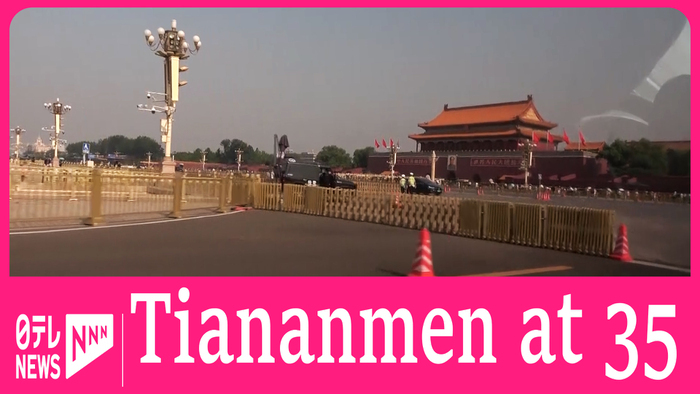
On the 35th Anniversary of Tiananmen Square Massacre, the Living Tibetan Spirits regret Tibet’s Policy of Isolationism
Bharat Darshan revisits the past on the 35th Anniversary of Tiananmen Square MassacreBharat Darshan revisits the past on the 35th Anniversary of Tiananmen Square Massacre
On Tuesday, June 4, 2024, the 35th Anniversary of Tiananmen Square Massacre, The Living Tibetan Spirits revisit the past; the spread of Communism to mainland China in 1949.
Bharat Darshan revisits the past on the 35th Anniversary of Tiananmen Square Massacre
Today, on Tuesday, June 04, 2024 The Living Tibetan Spirits regret Tibet’s decision to pursue the policy of Isolationism while confronting the grave threat posed by Communist takeover of mainland China. In 1943, Tibet had the opportunity to establish formal diplomatic relationships with the United States and other countries of Free World to prevent the spread of Communism to Asia.
Bharat Darshan revisits the past on the 35th Anniversary of Tiananmen Square Massacre
Tibet’s unwillingness to openly resist Communism in 1943 is a crucial factor contributing to the loss of human rights in mainland China.
Special Frontier Force-Establishment No. 22-Vikas Regiment regrets Tibet’s Policy of Isolationism in 1943
Bharat Darshan revisits the past on the 35th Anniversary of Tiananmen Square Massacre
CALLS FOR CHINA TO FACE GHOSTS OF ITS PAST ON TIANANMEN ANNIVERSARY
Bharat Darshan revisits the past on the 35th Anniversary of Tiananmen Square Massacre
FILE – A Chinese man stands alone to block a line of tanks heading east on Beijing’s Cangan Boulevard in Tiananmen Square, June 5, 1989.
BEIJING —
The United States has added its voice to international calls for China’s communist-led government to give a full public accounting of those who were killed, detained or went missing during the violent suppression of peaceful demonstrations in and around Tiananmen Square on June 4, 1989.
In a bold statement from Washington to mark the 29th anniversary of a bloody crackdown that left hundreds — some say thousands — dead, Secretary of State Mike Pompeo called on Chinese authorities to release “those who have been jailed for striving to keep the memory of Tiananmen Square alive; and to end the continued harassment of demonstration participants and their families.”
Bharat Darshan revisits the past on the 35th Anniversary of Tiananmen Square Massacre
University students place flowers on the “Pillar of Shame” statue, a memorial for those injured and killed in the Tiananmen crackdown, at the University of Hong Kong, June 4, 2018.
To this day, open discussion of the topic remains forbidden in China and the families of those who lost loved ones continue to face oppression. Chinese authorities have labeled the protests a counter-revolutionary rebellion and repeatedly argued that a clear conclusion of the events was reached long ago.
In an annual statement on the tragedy, the group Tiananmen Mothers urged President Xi Jinping in an open letter to “re-evaluate the June 4th massacre” and called for an end to their harassment.
“Each year when we would commemorate our loved ones, we are all monitored, put under surveillance, or forced to travel” to places outside of China’s capital, the letter said. The advocacy group Human Rights in China released the open letter from the Tiananmen Mothers ahead of the anniversary.
“No one from the successive governments over the past 29 years has ever asked after us, and not one word of apology has been spoken from anyone, as if the massacre that shocked the world never happened,” the letter said.
Bharat Darshan revisits the past on the 35th Anniversary of Tiananmen Square Massacre
FILE – A woman reacts during a candlelight vigil to mark the 28th anniversary of the crackdown of the pro-democracy movement at Beijing’s Tiananmen Square in 1989, at Victoria Park in Hong Kong, China June 4, 2017.
In his statement, Pompeo also said that on the anniversary “we remember the tragic loss of innocent lives,” adding that as Liu Xiaobo wrote in his 2010 Nobel Peace Prize speech, “the ghosts of June 4th have not yet been laid to rest.”
Bharat Darshan revisits the past on the 35th Anniversary of Tiananmen Square Massacre
FILE – Liu Xia, wife of deceased Chinese Nobel Peace Prize-winning dissident Liu Xiaobo and other relatives attend his sea burial off the coast of Dalian, China, in this photo released by Shenyang Municipal Information Office July 15, 2017.
Liu was unable to receive his Nobel prize in person in 2010 and died in custody last year. The dissident writer played an influential role in the Tiananmen protests and was serving an 11-year sentence for inciting subversion of state power when he passed.
At a regular press briefing on Monday, Foreign Ministry spokeswoman Hua Chunying said China had lodged “stern representations” with the United States over the statement on Tiananmen.
“The United States year in, year out issues statements making ‘gratuitous criticism’ of China and interfering in China’s internal affairs,” Hua said. “The U.S. Secretary of State has absolutely no qualifications to demand the Chinese government do anything,” she added.
In a statement on Twitter, which is blocked in China like many websites, Hu Xijin, the editor of the party-backed Global Times, called the statement a “meaningless stunt.”
In another post he said: “what wasn’t achieved through a movement that year will be even more impossible to be realized by holding whiny commemorations today.”
Commemorations for Tiananmen are being held across the globe to mark the anniversary and tens of thousands are expected to gather in Hong Kong, the only place in China such large-scale public rallies to mark the incident can be held.
Bharat Darshan revisits the past on the 35th Anniversary of Tiananmen Square Massacre
A man wipes the face of a statue of the Goddess of Democracy at Hong Kong’s Victoria Park Monday, June 4, 2018.
Exiled Tiananmen student protest leader Wu’Er Kaixi welcomed the statement from Pompeo.
However, he added that over the past 29 years western democracies appeasement of China has nurtured the regime into an imminent threat to freedom and democracy.
“The world bears a responsibility to urge China, to press on the Chinese regime to admit their wrongdoing, to restore the facts and then to console the dead,” he said. “And ultimately to answer the demands of the protesters 29 years ago and put China on the right track to freedom and democracy.”
Wu’er Kaixi fled China after the crackdown and now resides in Taiwan where he is the founder of Friends of Liu Xiaobo. The group recently joined hands with several other non-profit organizations and plans to unveil a sculpture in July — on the anniversary of his death — to commemorate the late Nobel laureate. The sculpture will be located near Taiwan’s iconic Taipei 101 skyscraper.
In Taiwan, the self-ruled democracy that China claims is a part of its territory, political leaders from both sides of the isle have also urged China’s communist leaders to face the past.
On Facebook, Taiwan’s President Tsai Ing-wen noted that it was only by facing up to its history that Taiwan has been able to move beyond the tragedies of the past.
“If authorities in Beijing can face up to the June 4th incident and acknowledge that at its roots it was a state atrocity, the unfortunate history of June 4th could become a cornerstone for China to move toward freedom and democracy,” Tsai said.
Tsai’s predecessor, Ma Ying-jeou, a member of the opposition Nationalist Party or KMT, who saw close ties with China while in office, also urged Beijing to face up to history and help heal families’ wounds.
“Only by doing this can the Chinese communists bridge the psychological gap between the people on both sides of the [Taiwan] Strait and be seen by the world as a real great power,” Ma said.
Bharat Darshan revisits the past on the 35th Anniversary of Tiananmen Square Massacre
Walong Will Never Fall AgainWalong Will Never Fall Again
Whole Dude – Whole Promise – Walong Will Never Fall Again
Whole Dude – Whole Promise: Walong Will Never Fall Again
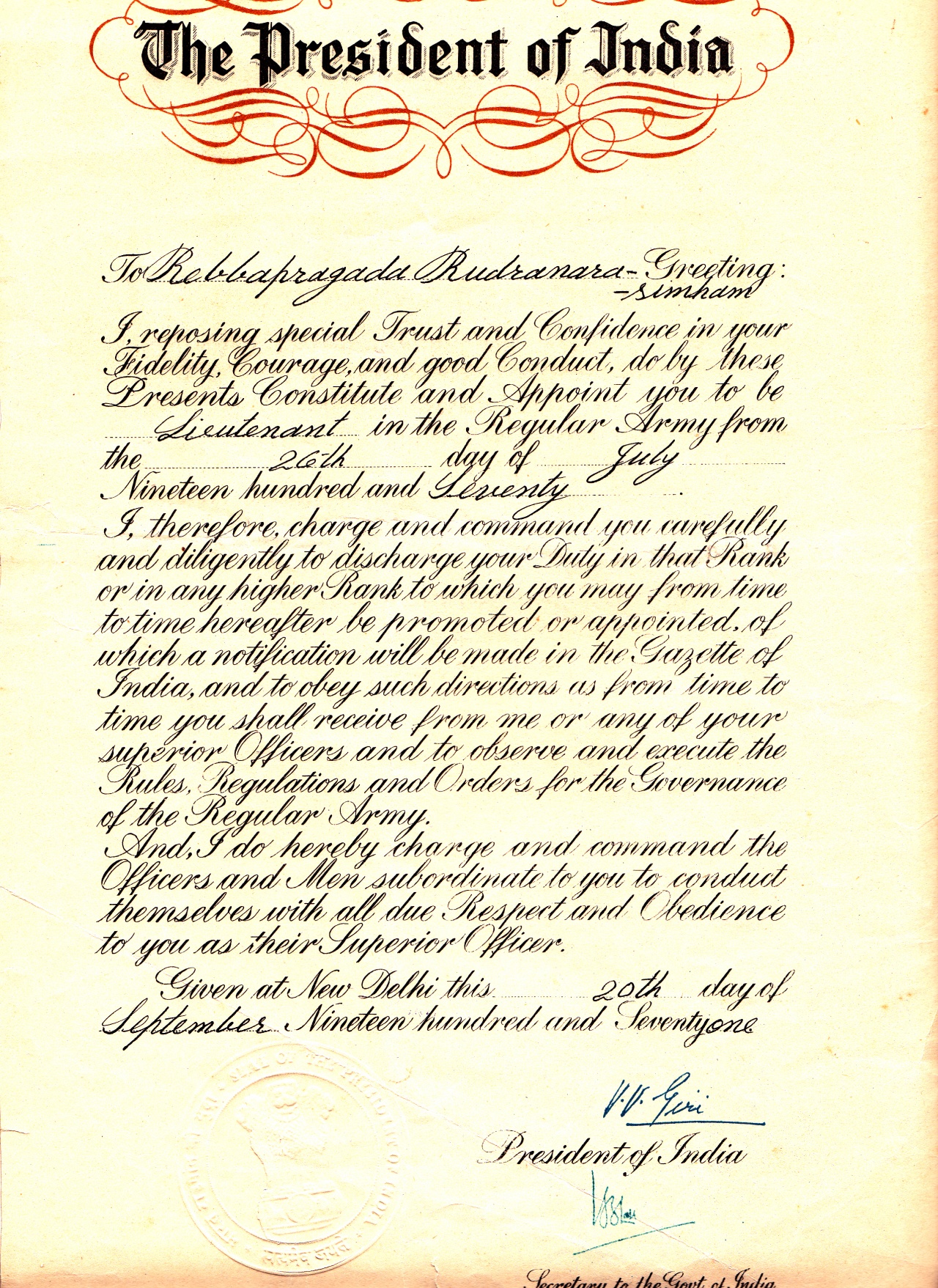
This is my special tribute to Lohit River and I post this blog to remember my life’s journey; a journey from 1962 to 1972. During 1962, I was a student at Giriraj Government Arts College, Nizamabad, Andhra Pradesh (now Telengana), India and I was studying in the First Year of a 3-Year Bachelor of Science Degree Course. During October 1962, when China attacked India across the Himalayan Frontier, Indian people spontaneously reacted condemning the act of Chinese aggression. It gave me a strong motivation to serve the country to defend the Northern Frontier. My dream came true during 1969 when I was granted Short Service Regular Commission to join the Indian Army Medical Corps.
Whole Dude – Whole Promise: Walong Will Never Fall AgainWhole Dude – Whole Promise: Walong Will Never Fall Again
On completion of my basic military and professional training, I was deputed to Special Frontier Force and I had the proudest moment of my life when I visited the War Memorial in Walong, Lohit District, North East Frontier Agency (NEFA) during 1972. I got married during January 1973, while I was serving in the North East Frontier Agency and Lohit River is my witness to my Life’s Journey and Commitment.
Whole Dude – Whole Promise: Walong Will Never Fall Again. Special Frontier Force – Lohit River: Walong War Memorial
Whole Dude – Whole Promise: Walong Will Never Fall Again. SPECIAL FRONTIER FORCE – LOHIT RIVER: Map of Anjaw District, Arunachal Pradesh State, India.
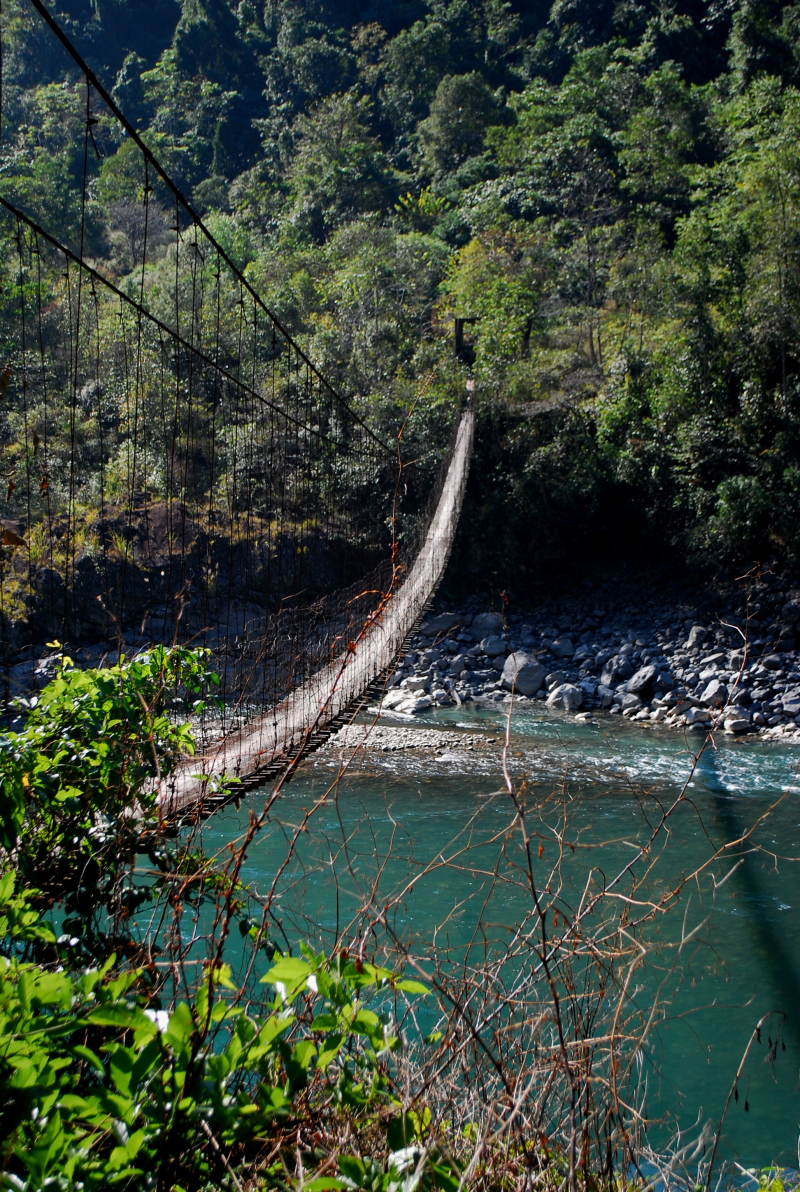
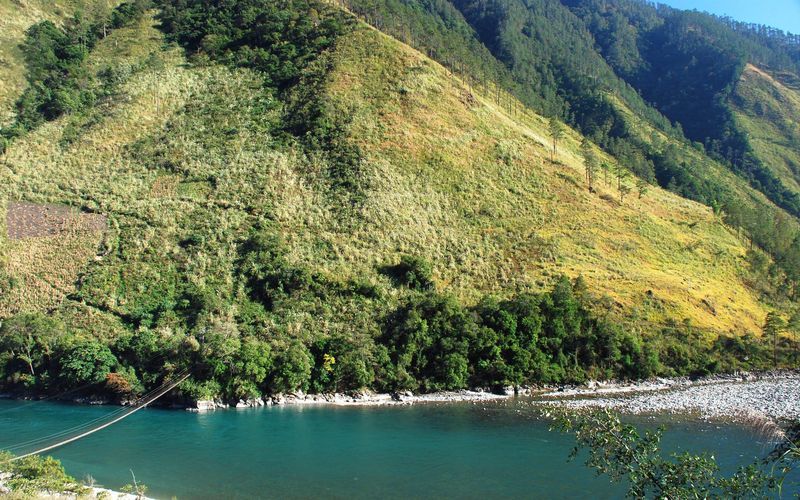
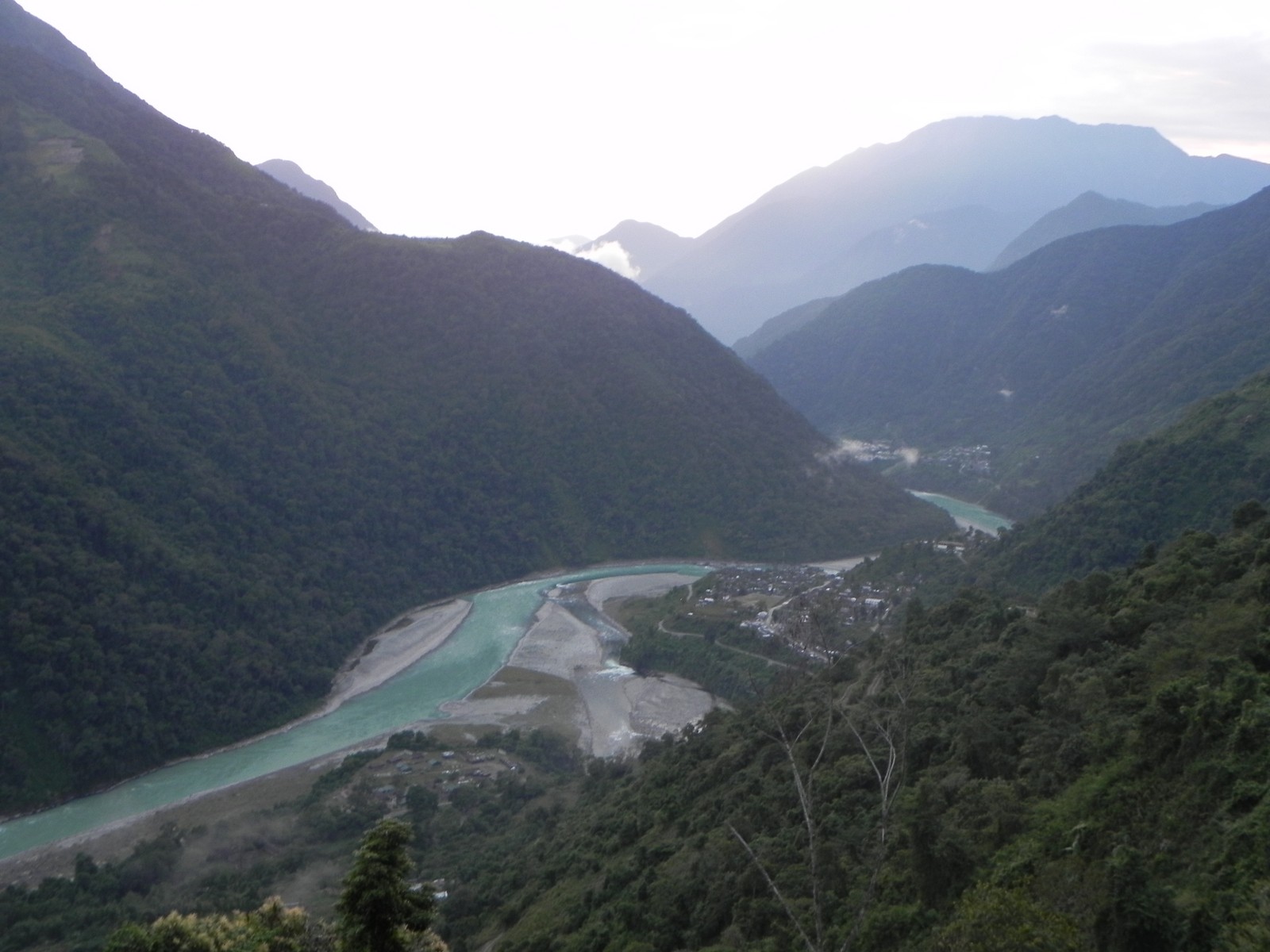
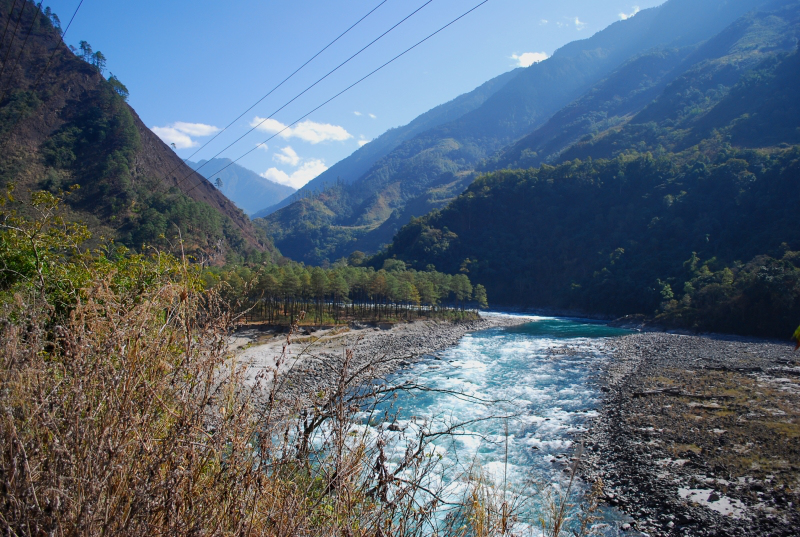
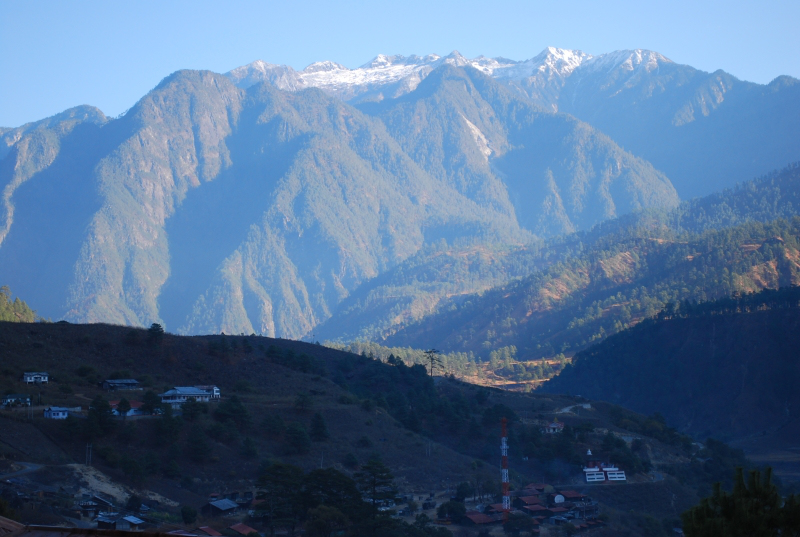
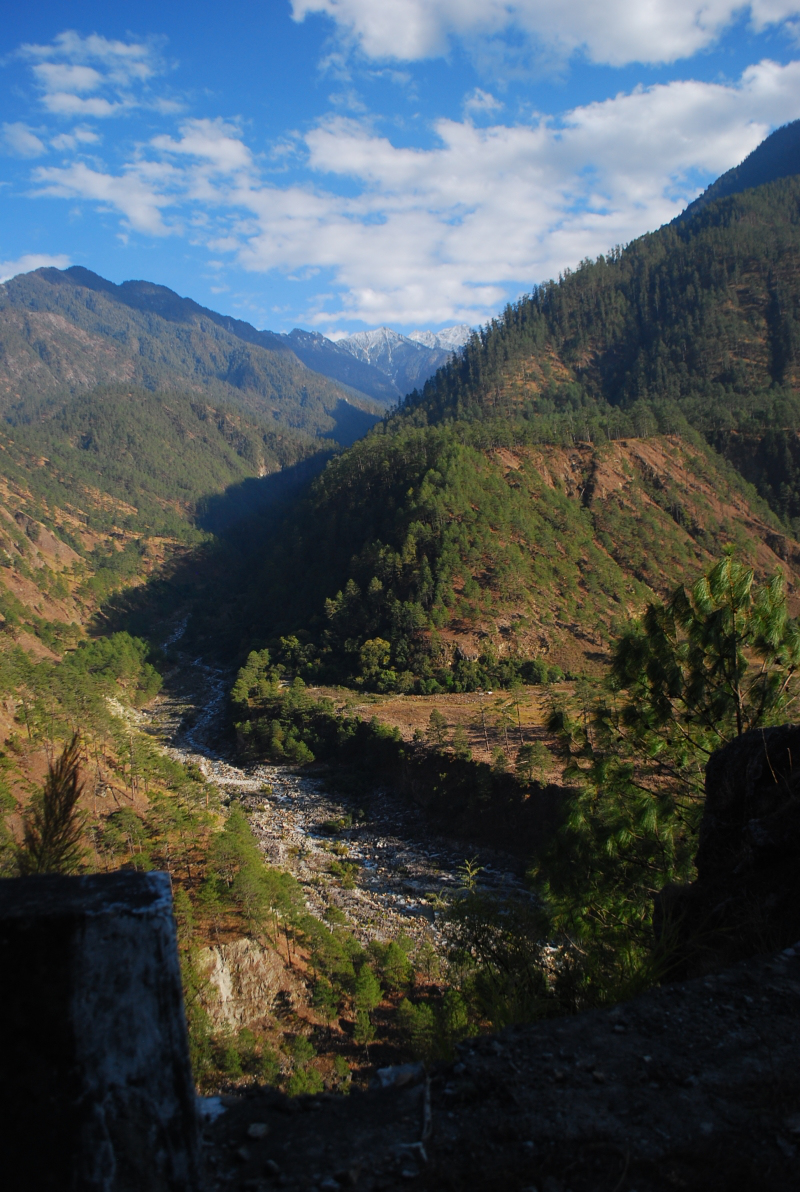
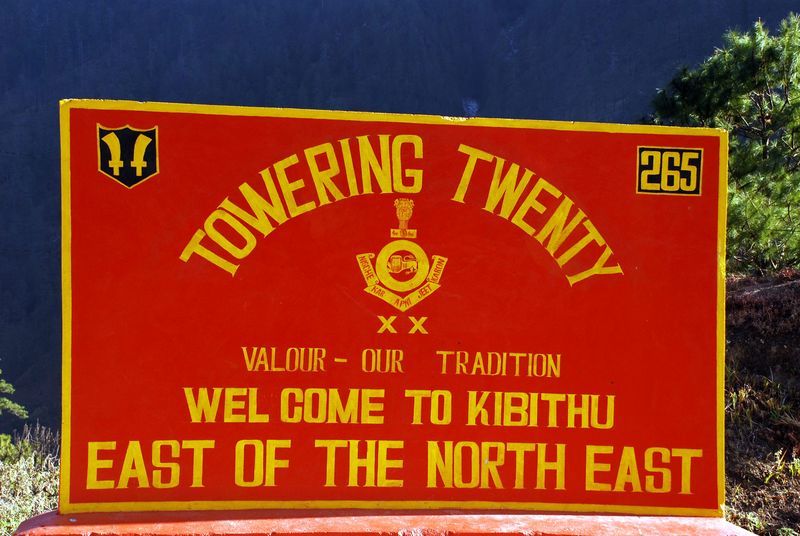
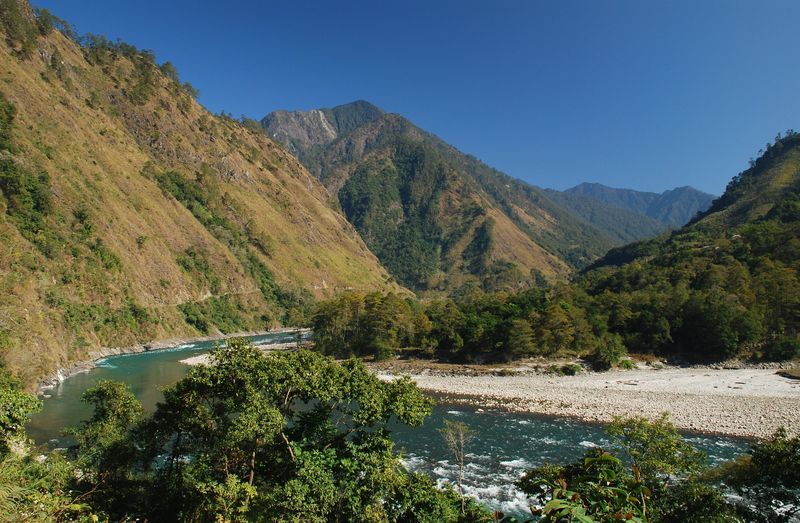
I am pleased to share an article titled ‘China opens new highway near Arunachal Pradesh Border’ written by Ananth Krishnan that was published in the HINDU on November 01, 2013. I had served in that area and the military organization in which I had served discouraged photography and I did not take photos of the natural scenery of that area. I would like to share some photo images published by http://GreenerPasturesInd.Wordpress.com and others, particularly the images of Lohit River that flows down the Anjaw District of Arunachal Pradesh.
The North East Frontier Agency (NEFA) was constituted in 1912-13. To settle the border between India and Tibet, Sir Henry McMahon, Secretary in the Indian Foreign Department represented Great Britain at a conference held in Simla during 1913-14. The Simla Accord or Simla Agreement between India, Tibet, and China resulted in the McMahon Treaty and the McMahon Line established the official border between India and Tibet. India after gaining her independence and after becoming an independent Republic has ratified the McMahon Treaty. People’s Republic of China which came into existence during 1949 had opposed this Treaty and had occupied Tibet during 1950 rejecting the status of Tibet of being an independent nation. The Communist China’s occupation of Tibet has posed a military threat to Peace and Democracy in Southeast Asia and Tibet’s Head of State, His Holiness the 14th Dalai Lama fled to India during March 1959 as a consequence of China’s repressive, brutal military actions. On August 26, 1959, in this northeast frontier sector, China’s People’s Liberation Army crossed the McMahon Line for the first time to capture an Indian border post. China abandoned this post during 1961 and launched a major offensive war during October 1962 attacking Indian Army positions in the entire North East Frontier Agency. Due to the firm intervention by the US President John F. Kennedy, China declared unilateral ceasefire and withdrew its forces from all the areas it had captured in the North East Frontier Agency. One of the consequences of this 1962 War of China’s Aggression on India was the creation of a military alliance/pact between India, Tibet, and the United States to defend the border and to challenge the military occupation of Tibet. This military pact/alliance has established a military organization called Establishment No. 22 which is later given the name of Special Frontier Force. I had served in Special Frontier Force along with Tibetan soldiers and we were defending North East Frontier Agency during that period of my military service. The North East Frontier Agency became Indian Union Territory and was named Arunachal Pradesh on January 20, 1972. The State of Arunachal Pradesh was formed on February 20, 1987.
Whole Dude – Whole Promise: Walong Will Never Fall Again
I arrived in Doom Dooma (Dum Duma) during February 1972 after my successful participation in the military action called ‘Operation Eagle’ which initiated the Liberation of Bangladesh on November 03, 1971 with attacks on Pakistan’s military border posts in the Chittagong Hill Tracts. The United States had withdrawn its CIA personnel from our Organization prior to the launch of Operation Eagle. However, our military alliance/pact withstood the test of the times. In 1972, CIA contacted my Unit in North East Frontier Agency and requested us for our assistance to plant monitoring devices to record data from China’s underground nuclear tests in occupied Tibet. China’s occupation of Tibet, it claims for Indian territory and China’s military build up still pose a grave threat to Peace and Freedom in Southeast Asia.
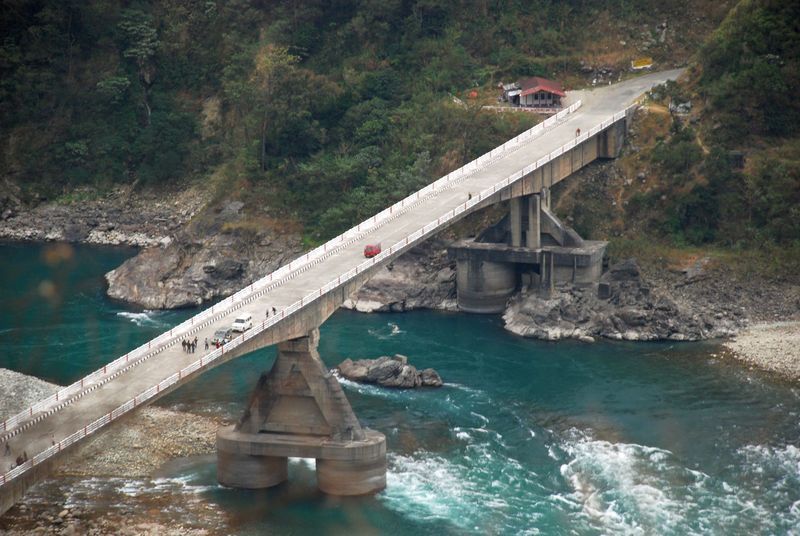
Whole Dude – Whole Promise: Walong Will Never Fall Again.Special Frontier Force – Lohit River: I was based at Dum Duma (Doom Dooma) Airfield during 1972-73.Whole Dude – Whole Promise: Walong Will Never Fall Again. Special Frontier Force – Lohit River: Lohit River enters the plains and flows as the Brahmaputra River.Whole Dude – Whole Promise: Walong Will Never Fall Again. Special Frontier Force – Lohit River: At the southern end of Lohit District, Lohit River enters the plains.Whole Dude – Whole Promise: Walong Will Never Fall Again. Special Frontier Force – Lohit River: The bridge near Parasuram Kund also known as Brahma Kund.Whole Dude – Whole Promise: Walong Will Never Fall Again. Special Frontier Force – Lohit River: This Border Road along Lohit River did not exist during 1972-73. I had the pleasure of trekking along this route.Whole Dude – Whole Promise: Walong Will Never Fall Again. Special Frontier Force – Lohit River: Suspension Bridge across Lohit River.Whole Dude – Whole Promise: Walong Will Never Fall Again. Special Frontier Force – Lohit River: A Special Tribute to Lohit River.Whole Dude – Whole Promise: Walong Will Never Fall Again. Special Frontier Force – Lohit River: This bridge swings in the air and is commonly called “JHULA” which refers to the swing found in recreational parks and playgrounds.Whole Dude – Whole Promise: Walong Will Never Fall Again. Special Frontier Force – Lohit River: Walong ValleyWhole Dude – Whole Promise: Walong Will Never Fall Again. Special Frontier Force – Lohit River: Parashuram KundWhole Dude – Whole Promise: Walong Will Never Fall Again. Special Frontier Force – Lohit River: A view taken at Hayuliang.Whole Dude – Whole Promise: Walong Will Never Fall Again. Special Frontier Force – Lohit River: Hayuliang-Walong Road.Whole Dude – Whole Promise: Walong Will Never Fall Again. Special Frontier Force – Lohit River:Whole Dude – Whole Promise: Walong Will Never Fall Again. Special Frontier Force – Lohit River:Whole Dude – Whole Promise: Walong Will Never Fall Again. Special Frontier Force – Lohit River:Whole Dude – Whole Promise: Walong Will Never Fall AgainWhole Dude – Whole Promise: Walong Will Never Fall Again. Special Frontier Force – Lohit River: Walong, Anjaw District.Whole Dude – Whole Promise: Walong Will Never Fall Again. Special Frontier Force – Lohit River: Trip to KibithuWhole Dude – Whole Promise: Walong Will Never Fall Again. Special Frontier Force – Lohit River: Mishmi HillsWhole Dude – Whole Promise: Walong Will Never Fall Again. Special Frontier Force – Lohit River: HayuliangWhole Dude – Whole Promise: Walong Will Never Fall Again. Special Frontier Force – Lohit River: The Border Post at KibithuWhole Dude – Whole Promise: Walong Will Never Fall Again. Special Frontier Force – Lohit River: Lohit River near India – Tibet Border.Whole Dude – Whole Promise: Walong Will Never Fall Again. Special Frontier Force – Lohit River:
Rudra Narasimham Rebbapragada
SERVICE INFORMATION:
Whole Dude – Whole Promise: Walong Will Never Fall Again.Service Award presented by all Officers D Sector, Establishment 22 in January 1973.Whole Dude – Whole Promise: Walong Will Never Fall Again
R. Rudra Narasimham, B.Sc., M.B.B.S., Personal Numbers: MS-8466/MR-03277K, Rank: Major, Branch: Army Medical Corps/Short Service Regular Commission (1969-1972); Direct Permanent Commission (1973-1984). Designation:Medical Officer. Unit:Establishment No.22 (1971-1974)/South Column,Operation Eagle (1971-1972). Organization: Special Frontier Force.
Published in the HINDU: November 1, 2013 03:14 IST
BEIJING, November 1, 2013
China opens new highway near Arunachal Pradesh border
Ananth Krishnan
Nearly 1 billion Yuan project comes to light after seven failed attempts over the past 50 years
China on Thursday opened a new highway that links what the government has described as Tibet’s “last isolated county” – located near the border with Arunachal Pradesh – with the rest of the country and will now provide all-weather access to the strategically important region. Chinese state media have hailed the opening of the highway to Medog – which lies close to the disputed eastern section of the border with India – as a technological breakthrough, with the project finally coming to fruition after seven failed attempts over the past fifty years. China started attempting to build the highway to Medog – a landlocked county in Tibet’s Nyingchi prefecture – in the 1960s, according to State media reports, in the aftermath of the 1962 war with India. With Thursday’s opening of the road, every county in Tibet is now linked through the highway network, underlining the widening infrastructure gulf across the disputed border, even as India belatedly pushes forward an upgrading of border roads in more difficult terrain. The official Xinhua News Agency on Thursday described Medog as “the last roadless county in China”. Before this week, Medog was the only one of China’s 2,100 counties to remain isolated from the highway network, according to State broadcaster China Central Television (CCTV). What the project will do State media reports have focused on the development benefits that the project would bring and have sought to play down the strategic dimensions. Local officials said the road’s opening will bring down commodity prices and widen access to healthcare. The road will also provide access to the border county for nine months of the year. That the government was willing to spend as much as 950 million Yuan – or $ 155 million – on a 117-km highway, with ostensibly few economic returns expected, has underscored the project’s importance to State planners. Local officials said prior to the opening of the highway, reaching Medog required traversing the treacherous Galung La and Doxong La mountains at an altitude of 4,000 metres. With frequent landslides, the road was often rendered impassable. Now, the road will be accessible for “8 to 9 months per year, barring major natural disasters”, Ge Yutao, Communist Party head of the transportation department for the Tibet Autonomous Region (TAR), told Xinhua. Work on the 117-km road began in 2009, a year after the project was given the green light by the State Council, or Cabinet. Renewed attention on infrastructure projects The opening of the road comes at a time when there has been renewed attention on infrastructure projects in border areas in India and China. Last week, both countries signed a Border Defence Cooperation Agreement (BDCA) during Prime Minister Manmohan Singh’s visit to Beijing, aimed at expanding confidence-building measures. The agreement calls for setting up channels of communication between military commands, increasing the number of border personnel meetings, and formalizing rules suchas no tailing of patrols, to build trust and avoid incidents. The agreement does not specify or limit either country’s plans to boost infrastructure – an issue that, analysts say, has in the past triggered tensions along the disputed Line of Actual Control (LAC), most notably in April when a Chinese incursion sparked a three-week-long stand-off in Depsang, Ladakh. Han Hua, a South Asia scholar at Peking University, suggested in a recent interview that the “basic reason” for the incident was “too much construction” along the border. The Chinese side, she acknowledged, did not have to build closer to the disputed LAC because their infrastructure, as well as more favourable terrain enabled quicker mobilisation. “If we don’t have the overall collaboration of the military, policy-makers and decision-makers on both sides,” she said, “it will be difficult to avoid such incidents.” ‘India’s plans will not be limited’
The BDCA, Indian officials said, will not limit India’s plans to upgrade infrastructure. It recognises the principle of equal and mutual security, which allows either side to pursue its security in its own way. At the same time, officials say the BDCA will still help “regulate activity” along the border by opening up new channels of communication, even as the border continues to remain a matter of dispute. On Thursday, Chinese Defence Ministry spokesperson Yang Yujun told a regular press conference that military personnel would hold “regular meetings” and “make joint efforts” to maintain peace in border areas, following the signing of the BDCA. The agreement, he said according to a Xinhua report, “summarised good practices and experiences on the management of differences in China-India border areas”.
Keywords: Sino-Indian border, Arunachal-China border, infrastructure, Tibet Autonomous Region
Whole Dude – Whole Promise: Walong Will Never Fall Again. Special Frontier Force – Lohit River: I was based at Doom Dooma or Dum Duma during 1972-73.Whole Dude – Whole Promise: Walong Will Never Fall Again. Special Frontier Force – Lohit River: Landscape of Anjaw DistrictWhole Dude – Whole Promise: Special Frontier Force – Lohit River: “WALONG WILL NEVER FALL AGAIN.”
Tibet in Trouble – Peace and Justice will prevail in Occupied Tibet with the Blessings of Palden Lhamo
Tibet in Trouble – Peace and Justice will prevail in Occupied Tibet with the Blessings of Palden Lhamo
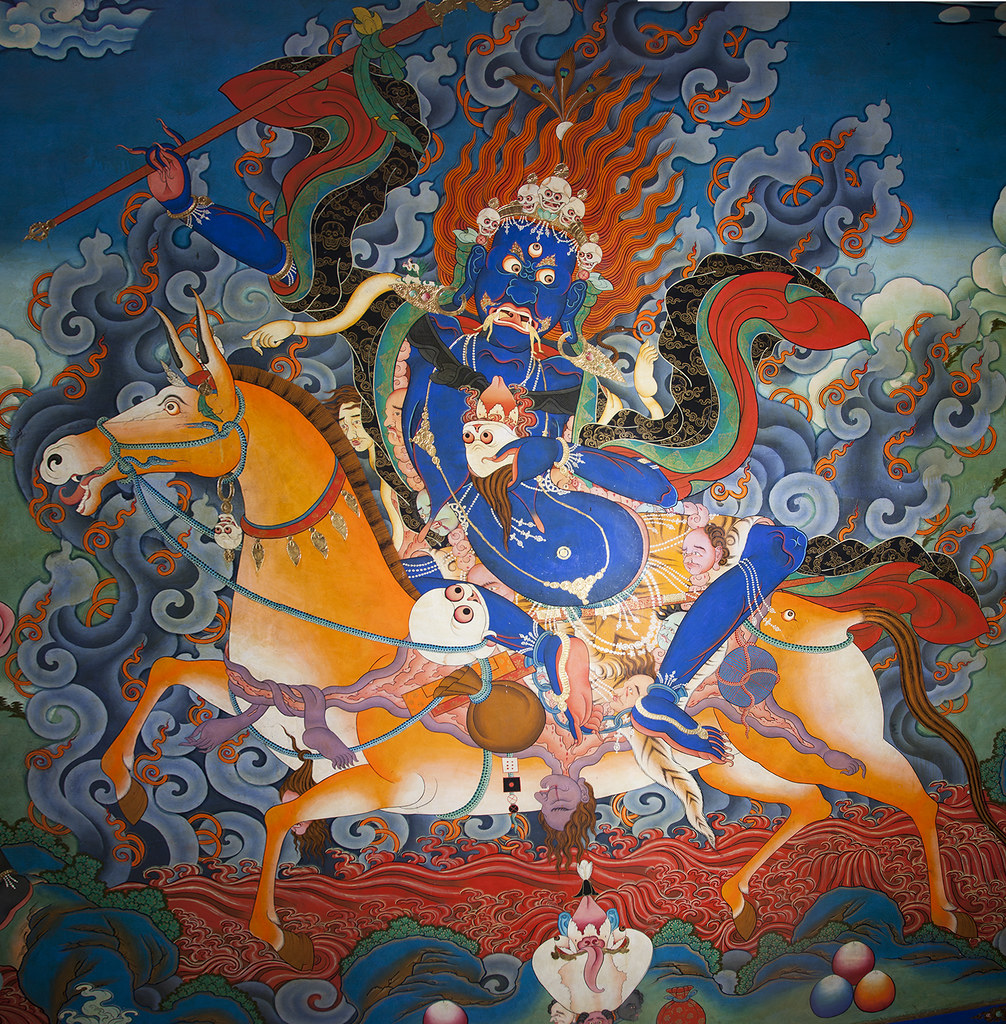
Palden Lhamo – The Protector of Dharma
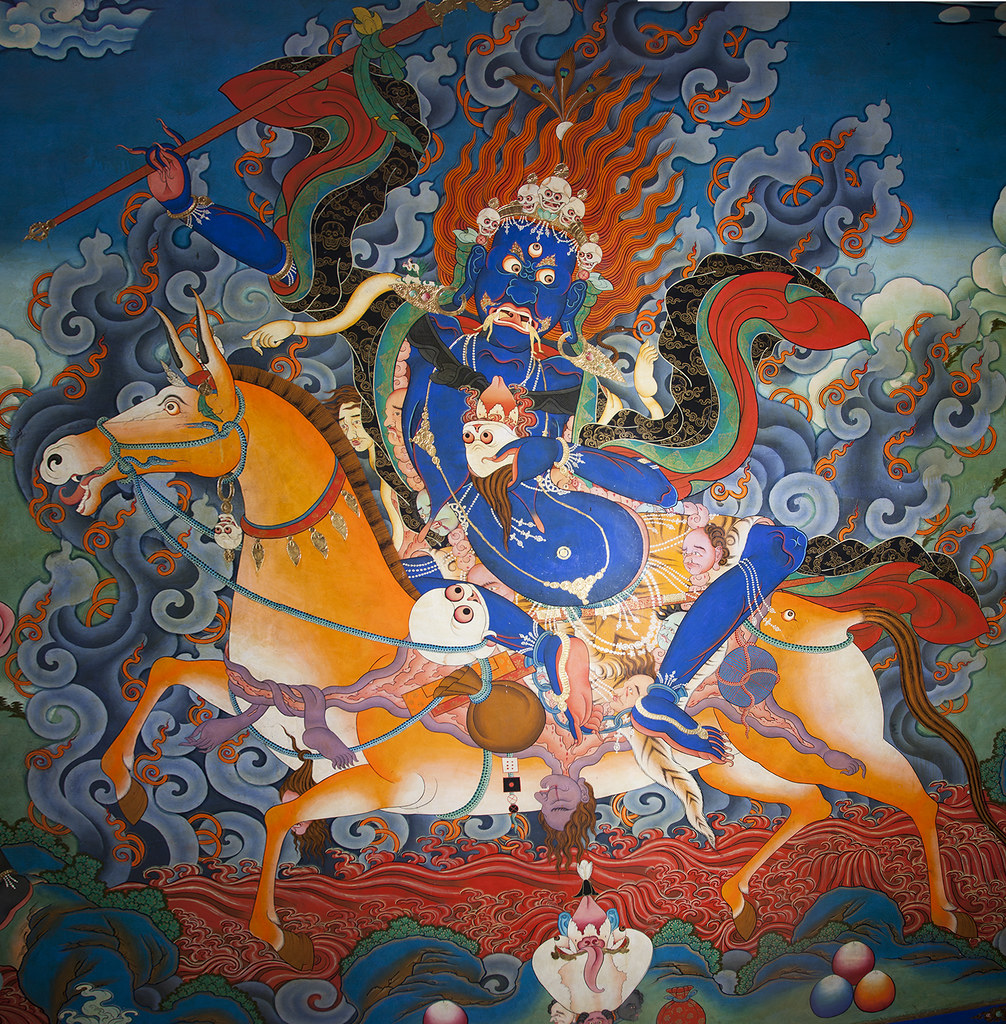
Palden Lhamo, Shri Devi (Sanskrit), is a protecting Dharmapala of the teachings of Gautama Buddha in the Gelug school of Tibetan Buddhism. She is also called Remati. She is the wrathful deity considered to be the principal Protectress of Tibet. Palden Lhamo is the consort of Mahakala and has been described as “the tutelary deity of Tibet and its government”, and as “celebrated all over Tibet and Mongolia, and the potent protector of the Dalai and Panchen Lamas and Lhasa.” She is said to reside in a lake within Tibet, called Lhamo Latso. The lake is charged with spiritual energy and is said to bestow visions of the future. One of the methods to search for a new incarnation of the Dalai Lama, the search party will meditate and propitiate Palden Lhamo by this lake.
I will live to be 110 years: Dalai Lama assures followers
Aug 28, 2019, | IANS
Dharamshala, Aug 27: Brushing aside concerns about his health, the Dalai Lama, 84, has assured his followers, especially Tibetans, that he is in the best of health and will live to be 110 years old.
A video of his address to members of the Minnesota Tibetan Association at the Von Ngari Monastery on August 18 has been widely circulated on social media and was received with joy and relief by his followers around the world.
Concerns about his health were voiced following news that he had been admitted to a private hospital in Delhi due to a chest infection in April. In his address, while consoling his followers, some of who could be heard weeping occasionally, the Dalai Lama recalled a dream in which the goddess of glory, one of the eight Dharma protectors and the protector deity of Tibet, Palden Lhamo riding on the back of the Dalai Lama proclaims that he will live for 110 years. The Dalai Lama also said that the other divinations carried similar foretelling, a statement from the Central Tibetan Administration said.
Holding a letter presented by the representative of Tibetans in Minnesota, the Dalai Lama reassured them again about his health while humorously remarking about the good functioning of his digestive tract.
He also mentioned about the attention, support and best of medical services that were being provided to him by the Indian government.
Many among the six million Tibetans watched the video with tearful eyes and shared it with friends, parents, families and colleagues.
“Tibetans have not forgotten me, and I will not forget you,” said the Dalai Lama, as he patted one of the followers on the back while recounting a moment when thoughts of the Tibetan people flashed through his mind.
The Dalai Lama has lived in self-imposed exile in India since fleeing his homeland in 1959.
The Blessings of Peace and Justice in Tibet bestowed by Palden Lhamo, Goddess Shri Devi.
Tibet’s Right to Self-Preservation of its Land and its denizens
The Battle of Right against Might: Self-Defense. Whole Dude – Whole Leadership: Self-defense is a Right, it is a Duty, and it does not qualify as violence even when it involves killing the aggressorTIBET’S RIGHT TO SELF-PRESERVATION. TIBET HAS NATURAL RIGHT TO OPPOSE MILITARY OCCUPATION USING FORCE OR VIOLENCE FOR OCCUPATION IS ILLEGAL, IMMORAL, UNFAIR, AND UNJUST.On bhavanajagat.com
Natural Law or Dharma, the Code for righteous or virtuous conduct commands man to do whatever is required for Peace and Self-Preservation. Direction of virtuous conduct is determined by its end or goal of Self-preservation. The more each person strives and is able to preserve his own being, the more virtue does he possess. Self-Preservation is a virtue which is common to all men, and can be equally possessed by all in so far as they are of the same nature. Virtue in the context of Self-Preservation may involve use of physical force or power to achieve its objective or accomplish its purpose. The endeavor after Self- Preservation is the primary and only foundation of Virtue or Right Conduct.
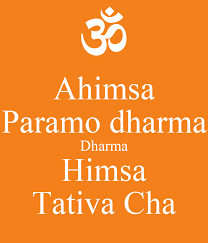
Both Tibet, and India recognize the virtue of “Ahimsa” or Non-Violence as the highest principle. At the same time, use of physical force, “Himsa”, or violence is equally the highest principle when it is used in defense of the Righteous. Indian tradition stated this guiding principle:
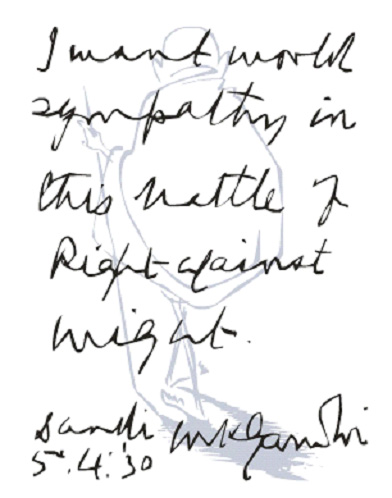
For occupation of Tibet using military force and violence is illegal, immoral, unfair, and unjust; under Natural Law, Tibet has Right to Self-Preservation. Tibet has Natural Right to use physical force or violence to oppose occupation and in an endeavor to Self-Preservation. In Mahatma Gandhi’s words, I want world’s sympathy in this Battle of Right Against Might.
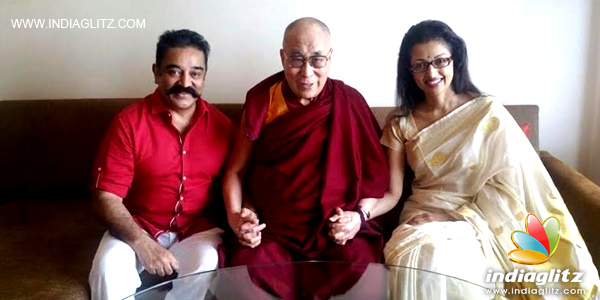
DALAI LAMA’S ADVICE TO KAMAL HAASAN
IndiaGlitz [Wednesday, November 11, 2015]
TIBET’S RIGHT TO SELF-PRESERVATION. HIS HOLINESS THE DALAI LAMA WITH ACTOR AND FILM PRODUCER KAMAL HAASAN, AND ACTRESS GAUTHAMI.
On the day of the release of his new action thriller film ‘Thoongavanam’, Ulaganayagan Kamal Haasan along with Gauthami met world-renowned Buddhist monk and spiritual leader Dalai Lama.The meeting sparked surprise for Kamal is a rationalist and kept away from spiritualism. But however the legendary’s actor’s comments issued in a press statement after the meeting seems that the meeting was mutually pleasing and delightful.Here is what Kamal had to say about his meeting with Dalai Lama:”Today (November 10) morning I met The Dalai Lamaji .Have admired his resilience and purpose. Being a fan of Gandhi ji it is not to too farfetched to become his admirer. In spite of the fact that I am rationalist and hence not spiritually bent my meeting was invigorating and felt purposeful.My lack of interest in matters of things spiritual in nature was matched by his disinterest in cinema. ‘I have not watched a single movie not even Television ” he told me with a smile.Yet he opined that I could use my craft and medium to propagate the great philosophy offered to the world by India: ahimsa.I confirmed my faith in ahimsa and said I will venture soon in that direction.For a man of his position he indulged in small talk with abandon a sign of a man who had no worldly worries.Above all he loved the company of strangers. He reminded me of Jain Tamil poetry 2000 year-old. “Everywhere is my town; All are my kin (Yaadum ooray yaavarum kayLir.)” Meanwhile ‘Thoongavanam’ directed by Kamal’s erstwhile assistant Rajsh.M.Selva has opened to phenomenally positive reviews and has been running in to packed houses.
Copyright � 2015 IndiaGlitz.com. All rights reserved.
TIBET’S RIGHT TO SELF-PRESERVATION. TIBET HAS NATURAL RIGHT TO OPPOSE MILITARY OCCUPATION USING FORCE OR VIOLENCE FOR OCCUPATION IS ILLEGAL, IMMORAL, UNFAIR, AND UNJUST.On bhavanajagat.comTIBET’S RIGHT TO SELF-PRESERVATION. TIBET HAS NATURAL RIGHT TO OPPOSE MILITARY OCCUPATION USING FORCE OR VIOLENCE FOR OCCUPATION IS ILLEGAL, IMMORAL, UNFAIR, AND UNJUST.On bhavanajagat.comTIBET’S RIGHT TO SELF-PRESERVATION. TIBET HAS NATURAL RIGHT TO OPPOSE MILITARY OCCUPATION USING FORCE OR VIOLENCE FOR OCCUPATION IS ILLEGAL, IMMORAL, UNFAIR, AND UNJUST.On bhavanajagat.comTIBET’S RIGHT TO SELF-PRESERVATION. TIBET HAS NATURAL RIGHT TO OPPOSE OCCUPATION USING FORCE OR VIOLENCE. SELF-PRESERVATION IS THE PRIMARY AND ONLY FOUNDATION OF VIRTUE.
The View of Sri Aurobindo Ghosh on Gandhi’s adherence to Non-Violence
Whole Dude – Whole Leadership: Sri Aurobindo has asked us to remember the two sentences of this well-known aphorism: “Ahimsa paramo dharmah; Dharma himsa tathaiva cha”-Non-violence or Ahimsa is the highest principle, and so is Violence or Himsa in defense of the righteous.
The method of absolute non-violence that was followed during the ‘Satyagraha’ movement should be questioned. It led to the breaking of skulls and a great deal of suffering for the freedom fighters. Two questions arise in the context of the use of non-violence: 1. Was it right and healthy for the nation to go through this kind of non-violence? and 2. Does Indian culture and spirituality enjoin this kind of non-violence?
Whole Dude – Whole Leadership: Self-defense is a Right, it is a Duty, and it does not qualify as violence even when it involves killing the aggressor
Non-violence or Ahimsa is the highest principle, and so is violence or Himsa in defense of the righteous. Sri Aurobindo had also pointed out that, “Politics is concerned with masses of mankind and not with individuals. To ask masses of mankind to act as saints, to rise to the height of divine love and practice it in relation to their adversaries or oppressors is to ignore human nature. It is to set a premium on injustice and violence by paralyzing the hand of the deliverer when raised to strike. The Gita is the best answer to those who shrink from battle as a sin, and aggression as a lowering of morality.”
Whole Dude – Whole Leadership: Self-defense is a Right, it is a Duty, and it does not qualify as violence even when it involves killing the aggressor
The sword of the warrior is as necessary to the fulfillment of justice and righteousness as the holiness of the saint. Saint Ramdas is not complete without Shivaji. To maintain justice and prevent the strong from despoiling, and the weak from being oppressed is the function for which the ‘Kshatriya’ was created. “Therefore,” says Sri Krishna in the Bhagavad Gita, “God created battle and Armor, the sword, the bow, and the dagger.”
Whole Dude – Whole Leadership: Saint Samarth Ramdas and Warrior King Shivaji are the two aspects of the leadership equation.
Self-defense is a Right, it is a Duty, and it does not qualify as violence even when it involves killing the aggressor
TIBET’S RIGHT TO SELF-PRESERVATION. HIS HOLINESS THE DALAI LAMA ENCOURAGED FILM ACTOR AND PRODUCER KAMAL HASAN TO PROMOTE THE VIRTUE OF AHIMSA OR NON-VIOLENCE.
MY THOUGHTS ON PRESIDENT BARACK OBAMA’S INDIA VISIT :
Indian Prime Minister Narendra Modi and the US President Barack Obama shared their views in a radio conversation titled “MAAN KI BAAT”(Mindful Conversation) that was broadcast on January 27, 2015. I am sharing the transcript of this radio conversation. Both the leaders speak about shared values and the basis for friendly relations between both countries in very general terms. They want to speak directly from the heart and share some personal thoughts on issues without specifically touching issues such as foreign policy. It is claimed that enough information on policy matters was shared in the joint press conference. However, I am of the opinion that there is no transparency in their conversation. There is no Peace, there is no Freedom, there is no Justice, there is no democratic governance, and there is no free flow of information in the occupied territories of TIBET and the problem is of great concern since early 1950s. When the 34th President of the United States, Dwight David Eisenhower made his five-day visit to India from 09 December to 14 December, 1959, he expounded the need for relentless effort to secure Peace through promoting Freedom. He used the term “CRUSADE” to communicate the intensity of struggle and sacrifice that is involved if people have to find Peace in their personal lives. There is really no Peace until man enjoys his Natural Right to Freedom. Since 1959, India has been hosting the Tibetan Government-in-Exile, and I am totally surprised to note that these two leaders have not said a word about the plight of Tibetans and their military oppression.
Transcript of the special episode of ”Mann ki Baat”: PM Shri Narendra Modi and US President Shri Barack Obama share their thoughts on Radio
(Hon’ble Shri Narendra Modi):
Today, Shri Barack Obama, President of the United States, joins us in a special programme of Mann Ki Baat. For the last few months, I have been sharing my “Mann Ki Baat” with you. But today, people from various parts of the country have asked questions.
But most of the questions are connected to politics, foreign policy, economic policy. However, some questions touch the heart. And I believe if we touch those questions today, we shall be able to reach out to the common man in different parts of the country. And therefore, the questions asked in press conferences, or discussed in meetings – instead of those – if we discuss what comes from the heart, and repeat it, hum it, we get a new energy. And therefore, in my opinion, those questions are more important. Some people wonder, what does “Barack” mean? I was searching for the meaning of Barack. In Swahili language, which is spoken in parts of Africa, Barack means, one who is blessed. I believe, along with a name, his family gave him a big gift.
African countries have lived by the ancient idea of ‘Ubuntu’, which alludes to the ‘oneness in humanity’. They say – “I am, because we are”. Despite the gap in centuries and borders, there is the same spirit of Vasudhaiva Kutumbakam, which speak of in India. This is the great shared heritage of humanity. This unites us. When we discuss Mahatma Gandhi, we remember Henry Thoreau, from whom Mahatma Gandhi learnt disobedience. When we talk about Martin Luther King or Obama, we hear from their lips, respect for Mahatma Gandhi. These are the things that unite the world.
Today, Barack Obama is with us. I will first request him to share his thoughts. Then, I and Barack will both answer the questions that have been addressed to us.
I request President Barack Obama to say a few words.
(Hon’ble Shri Barack Obama):
Namaste! Thank you Prime Minister Modi for your kind words and for the incredible hospitality you have shown me and my wife Michelle on this visit and let me say to the people of India how honoured I am to be the first American President to join you for Republic Day; and I’m told that this is also the first ever Radio address by an Indian Prime Minister and an American President together, so we’re making a lot of history in a short time. Now to the people of India listening all across this great nation. It’s wonderful to be able to speak you directly. We just come from discussions in which we affirmed that India and the United States are natural partners, because we have so much in common. We are two great democracies, two innovative economies, two diverse societies dedicated to empowering individuals. We are linked together by millions of proud Indian Americans who still have family and carry on traditions from India. And I want to say to the Prime Minister how much I appreciate your strong personal commitment to strengthening the relationship between these two countries.
People are very excited in the United States about the energy that Prime Minister Modi is bringing to efforts in this country to reduce extreme poverty and lift people up, to empower women, to provide access to electricity, and clean energy and invest in infrastructure, and the education system. And on all these issues, we want to be partners. Because many of the efforts that I am promoting inside the United States to make sure that the young people get the best education possible, to make sure that the ordinary people are properly compensated for their labour, and paid fair wages, and have job security and health care. These are the same kinds of issues that Prime Minister Modi, I know cares so deeply about here. And I think there’s a common theme in these issues. It gives us a chance to reaffirm what Gandhi ji reminded us, should be a central aim of our lives. And that is, we should endeavour to seek God through service of humanity because God is in everyone. So these shared values, these convictions, are a large part of why I am so committed to this relationship. I believe that if the United States and India join together on the world stage around these values, then not only will our peoples be better off, but I think the world will be more prosperous and more peaceful and more secure for the future. So thank you so much Mr. Prime Minister, for giving me this opportunity to be with you here today.
(Hon’ble Shri Narendra Modi):
Barack the first question comes from Raj from Mumbai
His question is, the whole world knows about your love for your daughters. How will you tell your daughters about youre experience of India? Do you plan to do some shopping for them?
(Hon’ble Shri Barack Obama):
Well first of all they very much wanted to come. They are fascinated by India, Unfortunately each time that I have taken a trip here, they had school and they couldn’t leave school. And in fact, Malia, my older daughter, had exams just recently. They are fascinated by the culture, and the history of India, in part because of my influence I think, they are deeply moved by India’s movement to Independence, and the role that Gandhi played, in not only the non-violent strategies here in India, but how those ended up influencing the non-violent Civil Rights Movement in the United States. So when I go back I am going to tell them that India is as magnificent as they imagined. And I am quite sure that they are going to insist that I bring them back the next time I visit. It may not be during my Presidency, but afterwards they will definitely want to come and visit.
And I will definitely do some shopping for them. Although I can’t go to the stores myself, so I have to have my team do the shopping for me. And I’ll get some advice from Michelle, because she probably has a better sense of what they would like.
(Hon’ble Shri Narendra Modi):
Barack said he will come with his daughters. I extend an invitation to you. Whether you come as President, or thereafter, India looks forward to welcoming you and your daughters.
Sanika Diwan from Pune, Maharashtra has asked me a question. She asks me, whether I have sought assistance from President Obama for the Beti Bachao, Beti Padhao Mission
Sanika you have asked a good question. There is a lot of worry because of the sex ratio in India. For every 1000 boys, the number of girls is less. And the main reason for this is that, there is a defect in our attitudes towards boys and girls.
Whether or not I seek help from President Obama, his life is in itself an inspiration. The way he has brought up his two daughters, the way he is proud of his two daughters.
In our country too, I meet many families who have only daughters. And they bring up their daughters with such pride, give them such respect, that is the biggest inspiration. I believe that inspiration is our strength. And in response to your question, I would like to say, to save the girl child, to educate the girl child, this is our social duty, cultural duty, and humanitarian responsibility. We should honour it.
Barack, there is a question for you. The second question for President Obama comes through e-mail: Dr. Kamlesh Upadhyay, a Doctor based in Ahmedabad, Gujarat – Your wife is doing extensive work on tackling modern health challenges like obesity and diabetes. These are increasingly being faced in India as well. Would you and the First Lady like to return to India to work on these issues after your Presidency, just like Bill and Melinda Gates?
(Hon’ble Barack Obama):
Well, we very much look forward to partnering with organizations, and the government and non-governmental organizations here in India, around broader Public Health issues including the issue of obesity. I am very proud of the work that Michelle has done on this issue. We’re seeing a world-wide epidemic of obesity, in many cases starting at a very young age. And a part of it has to do with increase in processed foods, not naturally prepared. Part of it is a lack of activity for too many children. And once they are on this path, it can lead to a life time of health challenges. This is an issue that we would like to work on internationally, including here in India. And it is a part of a broader set of issues around global health that we need to address. The Prime Minister and I have discussed, for example, how we can do a better job in dealing with issues like pandemic. And making sure that we have good alert systems so that if a disease like Ebola, or a deadly flu virus, or Polio appears, it is detected quickly and then treated quickly so that it doesn’t spread. The public health infrastructure around the world needs to be improved. I think the Prime Minister is doing a great job in focusing on these issues here in India. And India has a lot to teach many other countries who may not be advancing as rapidly in improving this public health sector. But it has an impact on everything, because if children are sick they can’t concentrate in school and they fall behind. It has a huge economic impact on the countries involved and so we think that there is a lot of progress to be made here and I am very excited about the possibilities of considering this work even after I leave office.
(Hon’ble Shri Narendra Modi):
Mr. Arjun asks me a question. An interesting question. He says he has seen an old photo of me as a tourist outside the White House. He asks me what touched me when I went there last September.
It is true that when I first went to America, I was not lucky enough to visit the White House. There is an iron fence far from the White House. We stood outside the fence and took a photograph. White House is visible in the background. Now that I have become Prime Minister, that photo too has become popular. But at that time, I had never thought that sometime in my life, I would get a chance to visit the White House. But when I visited the White House, one thing touched my heart. I can never forget that. Barack gave me a book, a book that he had located after considerable effort. That book had become famous in 1894. Swami Vivekananda, the inspiration of my life, had gone to Chicago to participate in the World Religions Conference. And this book was a compilation of the speeches delivered at the World Religions Conference. That touched my heart. And not just this. He turned the pages of the book, and showed me what was written there. He had gone through the entire book! And he told me with pride, I come from the Chicago where Swami Vivekananda had come. These words touched my heart a lot. And I will treasure this throughout my life. So once, standing far from the White House and taking a photo, and then, to visit the White House, and to receive a book on someone whom I respect. You can imagine, how it would have touched my heart.
Barack there is a question for you. Himani from Ludhiana, Punjab. Question is for you ……:
(Hon’ble Shri Barack Obama):
Well the question is “Did you both imagine you would reach the positions that you’ve reached today?”
And it is interesting, Mr. Prime Minister, your talking about the first time you visited White House and being outside that iron fence. The same is true for me. When I first went to the White House, I stood outside that same fence, and looked in, and I certainly did not imagine that I would ever be visiting there, much less living there. You know, I think both of us have been blessed with an extraordinary opportunity, coming from relatively humble beginnings. And when I think about what’s best in America and what’s best in India, the notion that a tea seller or somebody who’s born to a single mother like me, could end up leading our countries, is an extraordinary example of the opportunities that exist within our countries. Now I think, a part of what motivates both you and I, is the belief that there are millions of children out there who have the same potential but may not have the same education, may not be getting exposed to opportunities in the same way, and so a part of our job, a part of government’s job is that young people who have talent, and who have drive and are willing to work for, are able to succeed. And that’s why we are emphasizing school, higher education. Making sure that children are healthy and making sure those opportunities are available to children of all backgrounds, girls and boys, people of all religious faiths and of all races in the United States is so important. Because you never know who might be the next Prime Minister of India, or who might be the next President of United States. They might not always look the part right off the bat. And they might just surprise you if you give them the chance.
(Hon’ble Shri Narendra Modi):
Thank you Barack.
Himani from Ludhiana has also asked me this question – did I ever imagine I would reach this high office?
No. I never imagined it. Because, as Barack said, I come from a very ordinary family. But for a long time, I have been telling everyone, never dream of becoming something. If you wish to dream, dream of doing something. When we do something, we get satisfaction, and also get inspiration to do something new. If we only dream of becoming something, and cannot fulfil the dream, then we only get disappointed. And therefore, I never dreamt of becoming something. Even today, I have no dream of becoming something. But I do dream of doing something. Serving Mother India, serving 125 crore Indians, there can be no greater dream than this. That is what I have to do. I am thankful to Himani.
There is a question for Barack from Omprakash. Omprakash is studying Sanskrit at JNU. He belongs to Jhunjunu, Rajasthan. Om Prakash is convener of special centre for Sanskrit Studies in JNU.
(Hon’ble Shri Barack Obama):
Well this is a very interesting question. His question is, the youth of the new generation is a global citizen. He is not limited by time or boundaries. In such a situation what should be the approach by our leadership, governments as well as societies at large.
I think this is a very important question. When I look at this generation that is coming up, they are exposed to the world in ways that you and I could hardly imagine. They have the world at their fingertips, literally. They can, using their mobile phone, get information and images from all around the world and that’s extraordinarily powerful. And what that means, I think is that, governments and leaders cannot simply try to govern, or rule, by a top-down strategy. But rather have to reach out to people in an inclusive way, and an open way, and a transparent way. And engage in a dialogue with citizens, about the direction of their country. And one of the great things about India and the United States is that we are both open societies. And we have confidence and faith that when citizens have information, and there is a vigorous debate, that over time even though sometimes democracy is frustrating, the best decisions and the most stable societies emerge and the most prosperous societies emerge. And new ideas are constantly being exchanged. And technology today I think facilitates that, not just within countries, but across countries. And so, I have much greater faith in India and the United States, countries that are open information societies, in being able to succeed and thrive in this New Information Age; than closed societies that try to control the information that citizens receive. Because ultimately that’s no longer possible. Information will flow inevitably, one way or the other, and we want to make sure we are fostering a healthy debate and a good conversation between all peoples.
(Hon’ble Shri Narendra Modi):
Omprakash wants me too, to answer the question that has been asked to Barack.
Barack has given a very good answer. It is inspiring. I will only say, that once upon a time, there were people inspired primarily by the Communist ideology. They gave a call: Workers of the world, Unite. This slogan lasted for several decades. I believe, looking at the strength and reach of today’s youth, I would say, Youth, Unite the world. I believe they have the strength and they can do it.
The next question is from CA Pikashoo Mutha from Mumbai, and he asks me, which American leader has inspired you
When I was young, I used to see Kennedy’s pictures in Indian newspapers. His personality was very impressive. But your question is, who has inspired me. I liked reading as a child. And I got an opportunity to read the biography of Benjamin Franklin. He lived in the eighteenth century. And he was not an American President. But his biography is so inspiring – how a person can intelligently try to change his life.
If we feel excessively sleepy, how can we reduce that?
If we feel like eating too much, how can we work towards eating less?
If people get upset with you that cannot meet them, because of the pressure of work, then how to solve this problem?
He has addressed such issues in his biography. And I tell everyone, we should read Benjamin Franklin’s biography. Even today, it inspires me. And Benjamin Franklin had a multi-dimensional personality. He was a politician, he was a political scientist, he was a social worker, he was a diplomat. And he came from an ordinary family. He could not even complete his education. But till today, his thoughts have an impact on American life. I find his life truly inspiring. And I tell you too, if you read his biography, you will find ways to transform your life too. And he has talked about simple things. So I feel you will be inspired as much as I have been.
There is a question for Barack, from Monika Bhatia. (Hon’ble Shri Barack Obama):
Well the question is “As leaders of two major economies, what inspires you and makes you smile at the end of a bad day at work?”
And that is a very good question. I say sometimes, that the only problems that come to my desk are the ones that nobody else solves. If they were easy questions, then somebody else would have solved them before they reached me. So there are days when it’s tough and frustrating. And that’s true in Foreign Affairs. That is true in Domestic Affairs. But I tell you what inspires me, and I don’t know Mr. Prime Minister if you share this view – almost every day I meet somebody who tells me, “You made a difference in my life.”
So they’ll say, “The Health-Care law that you passed, saved my child who didn’t have health insurance.” And they were able to get an examination from a Physician, and they caught an early tumour, and now he is doing fine.
Or they will say “You helped me save my home during the economic crisis.”
Or they’ll say, “I couldn’t afford college, and the program you set up has allowed me to go to the university.”
And sometimes they are thanking you for things that you did four or five years ago. Sometimes they are thanking you for things you don’t even remember, or you’re not thinking about that day. But it is a reminder of what you said earlier, which is, if you focus on getting things done as opposed to just occupying an office or maintaining power, then the satisfaction that you get is unmatched. And the good thing about service is that anybody can do it. If you are helping somebody else, the satisfaction that you can get from that, I think, exceeds anything else that you can do. And that’s usually what makes me inspired to do more, and helps get through the challenges and difficulties that we all have. Because obviously we are not the only people with bad days at work. I think everybody knows what it is like to have a bad day at work. You just have to keep on working through it. Eventually you make a difference. (Hon’ble Shri Narendra Modi):
Indeed Barack has spoken words from the heart (Mann Ki Baat). Whatever position we may hold, we are human too. Simple things can inspire us. I also wish to narrate an experience. For many years, I was like an ascetic. I got food at other people’s homes. Whoever invited me, used to feed me as well. Once a family invited me over for a meal, repeatedly. I would not go, because I felt they are too poor, and if I go to eat at their place, I will become a burden on them. But eventually, I had to bow to their request and love. And I went to eat a meal at their home. It was a small hut, where we sat down to eat. They offered me roti made of bajra (millet), and mik. Their young child was looking at the milk. I felt, the child has never even seen milk. So I gave that small bowl of milk to the child. And he drank it within seconds. His family members were angry with him. And I felt that perhaps that child has never had any milk, apart from his mother’s milk. And maybe, they had bought milk so that I could have a good meal. This incident inspired me a lot. A poor person living in a hut could think so much about my well-being. So I should devote my life to their service. So these are the things that serve as inspiration. And Barack has also spoken about what can touch the heart.
I am thankful to Barack, he has given so much time. And I am thankful to my countrymen for listening to Mann Ki Baat. I know radio reaches every home and every lane of India. And this Mann Ki Baat, this special Mann Ki Baat will echo forever.
I have an idea. I share it with you. There should be an e-book made of the talk between Barack and me today. I hope the organizers of Mann Ki Baat will release this e-book. And to you all, who have listened to Mann Ki Baat, I also say, do participate in this. And the best hundred thoughts that emerge out of this, will also be added to this e-book. And I want you to write to us on Twitter, on Facebook, or online, using the hashtag #YesWeCan.
• Eliminate Poverty – #YesWeCan
• Quality Healthcare to All – #YesWeCan
• Youth empowered with Education – #YesWeCan
• Jobs for All – #YesWeCan
• End to Terrorism – #YesWeCan
• Global Peace and Progress – #YesWeCan
I want you to send your thoughts, experiences and feelings after listening to Mann Ki Baat. From them, we will select the best hundred, and we will add them to the book containing the talk that Barack and I have had. And I believe, this will truly become, the Mann Ki Baat of us all.
Once again, a big thank you to Barack. And to all of you. Barack’s visit to India on this pious occasion of 26th January, is a matter of pride for me and for the country.
SPIRITUALITY SCIENCE – AHAM BRAHMASMI – UNITY VS IDENTITY :
SPIRITUALITY SCIENCE – THE ART OF KNOWING : WHICH HAS COME FIRST ??? THE CHICK OR THE EGG ??? SPIRITUALITY IS NOT ABOUT KNOWING THE BEGINNING OR THE ENDING OF THINGS. IT IS ABOUT THINGS THAT EXIST IN THE PRESENT.
SPIRITUALITY SCIENCE – THE ART OF KNOWING : THE HUMAN ORGANISM RUNS ITS LIVING FUNCTIONS AS IF OPERATED BY A PRECISE TIMEKEEPING DEVICE OR BIOLOGICAL CLOCK. MAN’S EXPERIENCE OF TIME IS RELATED TO SUN’S APPARENT MOTIONS IN THE SKY. MAN KNOWS THE REALITY OF TIME BECAUSE OF AN ILLUSION THAT CAUSES DAY AND NIGHT GIVING MAN THE PERCEPTION OF SUN’S APPARENT MOTION WHILE CONCEALING THE REALITY OF SUN’S MOTION IN THE MILKY WAY GALAXY.
SPIRITUALITY SCIENCE – THE ART OF KNOWING : HOW DO PLANTS KNOW WHAT THEY KNOW ??? PLANTS KNOW ABOUT LIGHT, THE LENGTH OF DAY, AND THE DURATION OF DARKNESS CALLED NIGHT. THERE IS NO “INTELLECT” INVOLVED IN THIS PROCESS OF KNOWING. THE ABILITY OF KNOWING LIGHT OR PHOTORECEPTION IS EXPLAINED BY PHOTOCHEMISTRY.
SPIRITUALITY SCIENCE – THE ART OF KNOWING : AT A FUNDAMENTAL LEVEL, LIFE AND LIVING IS ABOUT KNOWING MATTER AS SELF OR NON-SELF. THIS IDENTIFICATION OF MATTER INVOLVES THE ABILITY TO RECOGNIZE MOLECULES OF MATTER . TO LEARN THE ART OF KNOWING, MAN HAS TO KNOW ABOUT THE MOLECULAR BASIS FOR EXISTENCE.
SPIRITUALITY SCIENCE – WHOLE YOGA : SPIRITUALITY IS ABOUT FINDING PEACE, HARMONY, AND TRANQUILITY IN THE LIVING, HUMAN CONDITION. THE SPIRITUAL PRACTICE CALLED YOGA WILL GIVE PEACE AND HARMONY IF MAN IS “YOKED” WITH THE GOOD SHEPHERD.
SPIRITUALITY SCIENCE – THE ART OF KNOWING : HOW DOES THE HUMAN ORGANISM KNOWS ABOUT ITS OWN LIFETIME ??? THE AGING PHENOMENON IS RELATED TO MAN’S PERCEPTION OF TIME. HOW IS TIME CONTROLLING OR OPERATING LIFE EXPERIENCE ???
SPIRITUALITY SCIENCE – THE ART OF KNOWING : BLAISE PASCAL(1623 – 1662), FRENCH SCIENTIST AND RELIGIOUS PHILOSOPHER CLAIMED THAT MAN IS INFINITELY REMOVED FROM COMPREHENDING THE EXTREMES ; THE END OF THINGS AND THEIR BEGINNINGS ARE HIDDEN.






























 Whole Dude - Whole Concept