Welcome to Spring Season on Friday, March 20, 2026
Friday, March 20, 2026. A Day to Rejoice. The Celebration of Spring Renewal, Rejuvenation and Rebirth.
In the Indian tradition, the creative energy is personified as Goddess Madhavi, and Her consort Lord Madhava is the Controller of Creative Energy. Today, I seek Blessings of Lord Madhava and Goddess Madhavi to renew my creative energy and to guide expression of my thoughts using sweet words and to promote the well-being of all my readers and become a source of Happiness to all people.
SWEETNESS OF SPRING SEASON – HAPPY SPRING! FRIDAY, MARCH 20, 2026.
I wish all my readers, ‘Happy First Day of Spring’. In 2026, the March Equinox happens on Friday, March 20, at 10:46 A.M. EDT. In the Northern Hemisphere, this date marks the astronomical beginning of the Spring Season. At that time, the Earth will reach the point in its orbit where its axis isn’t tilted toward or away from the sun. Thus, the Sun will then be directly over a specific point on the Earth’s equator moving northward. On the sky, it’s where the ecliptic and celestial equator cross each other. While the Sun passes overhead, the tilt of the Earth is zero relative to the Sun, which means that Earth’s axis neither points toward nor away from the Sun. (Note, however, that the Earth never orbits upright, but is always tilted on its axis by about 23.5 degrees.)
Friday, March 20, 2026. A Day to Rejoice. The Celebration of Spring Renewal, Rejuvenation and Rebirth.
After this date, the Northern Hemisphere begins to be tilted more toward the Sun, resulting in increasing daylight hours and warming temperatures. (In the Southern Hemisphere, it’s the opposite: the March Equinox marks the start of Autumn, as the Southern Hemisphere begins to be tilted away from the Sun.) Equinoxes are the only two times a year that the Sun rises due east and sets due west for all of us on Earth!
Friday, March 20, 2026. A Day to Rejoice. The Celebration of Spring Renewal, Rejuvenation and Rebirth.
After the spring equinox, the Northern Hemisphere tilts toward the Sun. Although in most locations (the North Pole and Equator being exceptions) the amount of daylight had been increasing each day after the winter solstice, after the spring equinox, many places will experience more daylight than darkness in each 24-hour day. The amount of daylight each day will continue to increase until the summer solstice in June, in which the longest period of daylight occurs.
Welcome to Spring Season 2026. Every Change in Nature is operated by an Unchanging Reality.
Every Changing Phenomenon in Nature is Operated by an Unchanging Reality:
Friday, March 20, 2026. A Day to Rejoice. The Celebration of Spring Renewal, Rejuvenation and Rebirth . Lord Madhava with His consort Goddess Madhavi.
Every changing phenomenon in nature is operated by an Unchanging Reality. Spring Season brings a change, and this change is possible for it is governed by an Unchanging Reality. In the Indian tradition, Spring Season is glorified for it symbolizes Lord Madhava, the Lord of Seasons.
Friday, March 20, 2026. A Day to Rejoice. The Celebration of Spring Renewal, Rejuvenation and Rebirth. Lord Krishna as Madhava symbolizes the Season of Flowers, the Season of Joy
The Divine Song called Bhagavad Gita, Chapter X, ‘The Infinite Glories of the Ultimate Truth’- ‘Vibhuti Vistara Yoga’, describes LORD God Creator’s Infinite Divine Attributes. In verse 35, Lord Krishna describes Himself as The Lord of Spring Season – The Season of Flowers: “Rtunam Kusumakarah.”
Friday, March 20, 2026. A Day to Rejoice. The Celebration of Spring Renewal, Rejuvenation and Rebirth. Lord Krishna as Madhava symbolizes the Season of Flowers, the Season of Joy
The word ‘Spring’ describes the move upward or forward from the ground, it denotes resilience or bounce, and it means to grow or develop or come into existence quickly. Among the Seasons, the Spring Season is the time during which plants begin to grow after lying dormant all Winter.
Friday, March 20, 2026. A Day to Rejoice. The Celebration of Spring Renewal, Rejuvenation and Rebirth. Lord Krishna as Madhava symbolizes the Season of Flowers, the Season of Joy.
In the North Temperate Zone, the Spring Season includes the months of March, April, and May, the period between the Vernal Equinox and the Summer Solstice.
Friday, March 20, 2026. A Day to Rejoice. The Celebration of Spring Renewal, Rejuvenation and Rebirth.
A not-so-equal equinox
On the day of the equinox, the sun will appear to rise exactly east and set exactly west. Daytime and nighttime are often said to be equally long with the equinox, but this is a common misconception — the day can be up to 8 minutes longer, depending on your latitude.
The sun is above the horizon half the day and below for half — but that statement neglects the effect of the Earth’s atmosphere, which bends the rays of sunlight (called refraction) around the Earth’s curvature when the sun lies close to the horizon. But, because of this bending of the sun’s rays, the disk of the sun is always seen slightly higher above the horizon than it really is.
In fact, when you see the sun appearing to sit on the horizon, what you are looking at is an optical illusion; the sun at that moment is actually below the horizon. So, we get several extra minutes of daylight at the start of the day and several extra minutes more at the end.
Friday, March 20, 2026. Welcome to Spring Season. The path of the sun across our sky – from about noon to sunset – on an equinox, a summer solstice and a winter solstice. Photographer Marcella Giulia Pace said: “I made these observations from Gatto Corvino village, Sicily, Italy … I chose a field where the western horizon was clearly visible and always shot from the same spot, every 10 minutes, beginning at true local noon.” Thank you, Marcella! Image via Earth Science Picture of the Day/ Universities Space Research Association.
Astronomers can calculate the moment of the vernal equinox right down to the nearest second. In the days that follow, the direct rays of the sun migrate to the north of the equator and the length of daylight in the Northern Hemisphere will correspondingly appear to increase.
Lord Madhava – Lord of the Spring Season:
Friday, March 20, 2026. A Day to Rejoice. The Celebration of Spring Renewal, Rejuvenation and Rebirth.
In the Indian tradition, Spring Season is called Basant, Vasant, Kusumakara, or Madhavam. A chief, alluring feature of this Season is the flowering of plants. Mangifera indica, Mango plant, a native of India bears flowers and promises to deliver its sweet, and delicious fruits.
Friday, March 20, 2026. A Day to Rejoice. The Celebration of Spring Renewal, Rejuvenation and Rebirth.
The Spring Season is a time for rebirth, regeneration, renewal, and regrowth after a period of dormancy. Man derives a sense of joy and happiness when the plants start their growing process and quickly bear attractive flowers. It gives the experience of ‘Sweetness’ which is called ‘Madhurya’ in the Sanskrit language. It is a manifestation of a creative process, or operation of creative energy that makes human existence possible giving the man the sensation associated with consuming nectar, honey, or sweet wine.
Friday, March 20, 2026. A Day to Rejoice. The Celebration of Spring Renewal, Rejuvenation and Rebirth
In the Indian tradition, the creative energy is personified as Goddess Madhavi, and Her consort Lord Madhava is the Controller of Creative Energy. Today, I seek Blessings of Lord Madhava and Goddess Madhavi to renew my creative energy and to guide expression of my thoughts using sweet words and to promote the well-being of all my readers and become a source of Happiness to all people.
Friday, March 20, 2026. A Day to Rejoice. The Celebration of Spring Renewal, Rejuvenation and Rebirth.Spring Season brings a sense of Joy, uplifts the mood of man. The Joy could be compared to the sweetness of nectar that is gathered by butterflies from various Spring Season flowers.LORD OF SEASONS – WELCOME TO SPRING. CELEBRATING FIRST DAY OF SPRING. I seek Blessings of Lord Madhava and Goddess Madhavi to renew my creative energy and to guide expression of my thoughts using sweet words and to promote the well-being of all my readers and become a source of Happiness to all people. I seek Blessings of Lord Madhava and Goddess Madhavi to renew my creative energy and to guide expression of my thoughts using sweet words and to promote the well-being of all my readers and become a source of Happiness to all people.
Ugadi is new year according to Luni-Solar calendar. Luni-Solar calendars consider the position of the Moon and the position of the Sun to divide the year into months and days.
Excerpt: The Telugu New Year is traditionally celebrated as Ugadi festival. A traditional holiday dish, a relish called ‘Ugadi Pachadi’ is prepared to reflect the tastes and flavors of the Spring Season which may guide to prepare for the New Year with a willingness to accept the different dimensions of human experience under the influence of Time.
Bharat Darshan – Welcome to Ugadi, the Telugu New Year Parabhava on Thursday, March 19, 2026. In several Indian traditions, the New Year begins during the Spring Season. The first month of the New Year is known as Chaitra.
The Celebration of Telugu New Year – Ugadi:
Ugadi is new year according to Luni-Solar calendar. Luni-Solar calendars consider the position of the Moon and the position of the Sun to divide the year into months and days.Bharat Darshan – Welcome to Ugadi, the Telugu New Year Parabhava on Thursday, March 19, 2026. In several Indian traditions, the New Year begins during the Spring Season. The first month of the New Year is known as Chaitra.
Ugadi or Yugadi is celebrated as the first day of the year by people of Andhra Pradesh, Telangana and Karnataka. On this day new Samvatsara, which is cycle of sixty years, starts. All sixty Samvatsara are identified by unique names.
The Celebration of Telugu New Year Parabhava. The Last Month of Telugu Calendar is known as Phalguna and it concludes on March 19, 2026, Amavasya or the New Moon Day. The New Year begins on Thursday March 19, 2026 with the beginning of Tithi Pratipada, the Waxing Phase, First Month of Chaitra
Ugadi is new year according to Luni-Solar calendar. Luni-Solar calendars consider the position of the Moon and the position of the Sun to divide the year into months and days.
Ugadi is new year according to Luni-Solar calendar. Luni-Solar calendars consider the position of the Moon and the position of the Sun to divide the year into months and days.Ugadi is new year according to Luni-Solar calendar. Luni-Solar calendars consider the position of the Moon and the position of the Sun to divide the year into months and days.The Celebration of Telugu New Year Parabhava. The Last Month of Telugu Calendar is known as Phalguna and it concludes on March 19, 2026, Amavasya or the New Moon Day. The New Year begins on March 19, 2026 with the First Month of Chaitra, Shukla Paksha, Pratipada or Padyami.Ugadi is new year according to Luni-Solar calendar. Luni-Solar calendars consider the position of the Moon and the position of the Sun to divide the year into months and days.
The counter-part of Luni-Solar calendar is Solar calendar which considers only position of the Sun to divide the year into months and days. Because of that Hindu new year is celebrated twice in the year with different names and at two different times of the year. The Hindu new year based on Solar calendar is known as Puthandu in Tamil Nadu, Bihu in Assam, Vaisakhi in Punjab, Pana Sankranti in Orissa and Naba Barsha in West Bengal.
Ugadi is new year according to Luni-Solar calendar. Luni-Solar calendars consider the position of the Moon and the position of the Sun to divide the year into months and days.Ugadi is new year according to Luni-Solar calendar. Luni-Solar calendars consider the position of the Moon and the position of the Sun to divide the year into months and days.
Ugadi is celebrated as Gudi Padwa by the people of Maharashtra. Both Ugadi and Gudi Padwa are celebrated on the same day.
Ugadi is new year according to Luni-Solar calendar. Luni-Solar calendars consider the position of the Moon and the position of the Sun to divide the year into months and days.
The day begins with ritual oil-bath followed by prayers. Oil bath and eating Neem leaves are must rituals suggested by scriptures. North Indians don’t celebrate Ugadi but start nine days Chaitra Navratri Puja on the same day and also eat Neem with Mishri on the very first day of Navratri.
The Telugu New Year is traditionally celebrated as Ugadi festival. A traditional holiday dish, a relish called ‘Ugadi Pachadi’ is prepared to reflect the tastes and flavors of the Spring Season which may guide to prepare for the New Year with a willingness to accept the different dimensions of human experience under the influence of Time.The Telugu New Year is traditionally celebrated as Ugadi festival. A traditional holiday dish, a relish called ‘Ugadi Pachadi’ is prepared to reflect the tastes and flavors of the Spring Season which may guide to prepare for the New Year with a willingness to accept the different dimensions of human experience under the influence of Time.The Celebration of Ugadi, the Telugu New Year. There are Sixty Telugu New Years.The Celebration of Spring Season. Mangifera indica, the Cashew family of Anacardiaceae, the evergreen Mango tree is extensively grown across India. The unripe green fruits are used in the preparation of the traditional holiday dish in celebration of Ugadi festival. The fresh leaves are used in decorating the house. The taste and flavor of unripe Mango is unique, it is not sweet, it is not very sour or tart, and it is not bitter. Telugu people describe this taste as OGARU, the taste sensation imparted by eating unripe Pomegranate fruit. Tamarindus indica, evergreen tree, a native of Africa, belongs to Pea family Fabaceae, the leaves are pinnately compound or feather-formed leaves, the freshly harvested fruits add rich golden color, a mild sour taste with a tinge of sweetness to the traditional holiday dish.The Celebration of Spring Season. Tamarindus indica, evergreen tree, a native of Africa, belongs to Pea family Fabaceae, the leaves are pinnately compound or feather-formed leaves, the freshly harvested fruits add rich golden color, a mild sour taste with a tinge of sweetness to the traditional holiday dish.The Celebration of Spring Season. The Neem tree is evergreen, known as Azadirachta indica, belongs to the Mahogany family Meliaceae and is popular for its medicinal properties. The flowers which impart a mild taste of bitterness add flavor to the traditional holiday dish.The Celebration of Spring Season.The Covenant of Salt – The intimate connection of Salt with the idea of a Covenant or Binding Relationship between man and God or one person and another.The Celebration of Spring Season. Sugarcane, Saccharum officinarum, a perennial grass gives the taste of Sweetness to the traditional holiday dish. Small chunks of Sugarcane are used and in addition freshly prepared sugar called Jaggery, Gur, Gud, or Bellam is used. The Covenant of Salt – The intimate connection of Salt with the idea of a Covenant or Binding Relationship between man and God or one person and another.Ugadi pachadi is a mixture that has six different tastes sweet, sour, salt, pungent, spice and bitter. It signifies that life is a mixture of happiness, sadness, anger, disgust, fear and surprise.
The Telugu speaking people of India follow the Lunar Calendar and the first month of the year ( March-April) is known as Chaitra.
The Telugu New Year is traditionally celebrated as Ugadi festival. A traditional holiday dish, a relish called ‘Ugadi Pachadi’ is prepared to reflect the tastes and flavors of the Spring Season which may guide to prepare for the New Year with a willingness to accept the different dimensions of human experience under the influence of Time.
Sweet taste comes from jaggery & it symbolizes happiness.
Astringent or pungent taste that comes from raw unripe green mangoes & it symbolizes surprises in life.
Bitter taste that comes from neem flowers represent the sadness.
Sour taste comes from the tamarind & symbolizes unpleasantness.
Salty taste is from salt & represents fear of the unknown phase.
Hot or Spice comes from pepper & symbolizes anger.
The Celebration of Telugu New Year Krodhi, April 09 2024 to March 29, 2025
Bharat Darshan – Welcome to Ugadi, the Telugu New Year Krodhi on Tuesday, April 09, 2024.Bharat Darshan – Welcome to Ugadi, the Telugu New Year Krodhi on Tuesday, April 09, 2024. The first month of the Telugu Calendar, Chaitra begins on the first day of the Waxing Phase following the New Moon Day on Tuesday, April 09, 2024.Bharat Darshan – Welcome to Ugadi, the Telugu New Year Krodhi on Tuesday, April 09, 2024.
Welcome to Ugadi, the Telugu New Year Sobhakrith on Wednesday, March 22, 2023.
Telugu people are celebrating the dawn of their New Year called Sobhakrit which brings the Blessings of Peace and Harmony on Wednesday, March 22, 2023.Happy Ugadi to all of you.
Welcome to Ugadi, the Telugu New Year Sobhakrith on Wednesday, March 22, 2023.
Welcome to Ugadi, the Telugu New Year Subhakruth on Saturday, April 02, 2022.
Welcome to Ugadi, the Telugu New Year Subhakruth on Saturday, April 02, 2022.Bharat Darshan – Welcome to Ugadi, the Telugu New Year Plava on Tuesday, April 13, 2021. Chaitra (corresponds to April 13 to May 11) is the first month of the Telugu New Year 2021-22.Bharat Darshan – Welcome to Ugadi, the Telugu New Year Sharvari on Wednesday, March 25, 2020.
THE CELEBRATION OF SPRING SEASON – SATURDAY, APRIL 06, 2019.WELCOME TO THE TELUGU NEW YEAR VIKARI – UGADI CELEBRATION:
The Celebration of Spring Season on Saturday, April 06, 2019.The Celebration of Spring Season, Saturday, March 17, 2018.THE CELEBRATION OF SPRING SEASON ON WEDNESDAY, MARCH 29, 2017. THE DAWN OF TELUGU NEW YEAR “HEVILAMBA.”The Celebration of Spring Season April 06, 2016.THE CELEBRATION OF SPRING SEASON: WELCOME TO TELUGU NEW YEAR “MANMADHA.” UGADI CELEBRATION ON MARCH 21, 2015. EVERY NATURAL PHENOMENON IS POSSIBLE BECAUSE OF AN UNCHANGING REALITY. THINGS IN NATURE CHANGE WITH TIME FOR THERE IS AN UNCHANGING TRUTH THAT OPERATES ALL MANIFESTATIONS.
THE CELEBRATION OF SPRING SEASON: WELCOME TO TELUGU NEW YEAR “JAYA” – UGADI CELEBRATION ON MONDAY, MARCH 31, 2014:
THE CELEBRATION OF SPRING SEASON: THE BEGINNING OF THE NEW YEAR OR “UGADI” COMES WITH A NATURAL CHANGE IN THE ENVIRONMENT THAT BRINGS HOPE BY ITS RENEWAL, REGENERATION, REGROWTH, REVIVAL, AND REBIRTH. I SHARE THIS SENSE OF JOY WITH ALL MY READERS.
TELUGU NEW YEAR VIJAYA: UGADI- THE DAWN OF NEW YEAR APRIL 11, 2013:
VIJAYA – TELUGU NEW YEAR ON APRIL 11, 2013 – UGADI – GREETINGS: The Celebration of Spring Season.Bharat Darshan – Welcome to Ugadi, the Telugu New Year Vishwavasu on Sunday, March 30, 2025.Ugadi Greetings. Best Wishes for a Very Happy Telugu New Year.Bharat Darshan – Welcome to Ugadi, the Telugu New Year Vishwavasu on Sunday, March 30, 2025.Ugadi is new year according to Luni-Solar calendar. Luni-Solar calendars consider the position of the Moon and the position of the Sun to divide the year into months and days.
The Celebration of Holi Festival, Wednesday, March 04, 2026
The Celebration of Holi, the Festival of Colors on March 04, 2026.The Celebration of Holi, the Festival of Colors on March 04, 2026.
Holi is celebrated at the end of winter and the beginning of spring, on the last full moon day of the Hindu luni-solar calendar month of Falgun. The date of the festival varies depending on the lunar cycle. Typically, it falls in March, and will be celebrated this year on March 04. This year, Lunar Eclipse occurs during Tuesday, March 03, on Purnima or Full Moon day.
Phalgun Purnima occurs in Phalgun (or Falgun), the final month of the Hindu Lunar Calendar, at the end of the ShuklaPaksha (Waxing Lunar fortnight).
Bharat Darshan. The Celebration of Holi, the Festival of Colors on Full Moon Day of the Last Month, Phalgun of Hindu Lunar CalendarBharat Darshan-The Celebration of Holi, the Festival of Colors on Full Moon Day of the Last Month, Phalgun of Hindu Lunar Calendar. Holika Dahan is celebrated on Tuesday, March 03, 2026.
Another name for the Full Moon Day of the month of Phalgun (or Falgun) is Vasanta Purnima, which is one of the six Vedic astrological seasons. It falls on the same day as Vasanta Ritu.
Bharat Darshan-The Celebration of Holi, the Festival of Colors on Full Moon Day of the Last Month, Phalgun of Hindu Lunar Calendar. Holika Dahan is celebrated on Tuesday, March 03, 2026.
Hindus celebrate this Purnima as Kama Dahanam in states like Tamil Nadu, Telangana, Andhra Pradesh, and Karnataka, in South India.
Bharat Darshan-The Celebration of Holi, the Festival of Colors on Full Moon Day of the Last Month, Phalgun of Hindu Lunar Calendar. Holika Dahan is celebrated on Tuesday, March 03, 2026.Bharat Darshan-The Celebration of Holi, the Festival of Colors on Full Moon Day of the Last Month, Phalgun of Hindu Lunar Calendar. Holika Dahan is celebrated on Tuesday, March 03, 2026.
The ceremonies related to Kama Dahanam are similar to those for Holika Dahan. But the mythology behind Kama Dahanam is different. It relates to the sacrifice made by Lord Kamadeva who disturbed the penance of Lord Shiva to get His attention to Goddess Parvati. In Tamil Nadu, it is called Kaman Pandigai, and as Kamuni Panduga in Andhra Pradesh and Telangana. Holi is more of a North Indian festival.
Bharat Darshan-The Celebration of Holi, the Festival of Colors on Full Moon Day of the Last Month, Phalgun of Hindu Lunar Calendar. Holika Dahan is celebrated on Tuesday, March 03, 2026.
Indians celebrate Holi for they have the choice to choose their personal God. In the Indian tradition, God manifests in various vibrant colors giving the people a sense of joy from several directions.
Bharat Darshan-The Celebration of Holi, the Festival of Colors on Full Moon Day of the Last Month, Phalgun of Hindu Lunar Calendar. Holika Dahan is celebrated on Tuesday, March 03, 2026.
Why India Celebrates Holi: The Legends Behind the Festival of Color – CNN
By Manveena Suri, CNN
Bharat Darshan – The Celebration of Holi, the Festival of Colors.
March 2018, New Delhi (CNN): It’s the bold image of India most often seen in ad campaigns, films and music videos.
But what is Holi and why do Indians celebrate it?
Hindu devotees play with color during Holi celebrations at the Banke Bihari temple on March 27, 2013 in Vrindavan, India.
The beginning of Spring
Holi is a Hindu festival that marks the start of Spring.
Celebrated across India, it’s an ancient festival with the first mentions of it dating all the way back to a 4th century poem.
It was even described in detail in a 7th century Sanskrit play called “Ratnavali,” written by the Indian emperor Harsha.
“Witness the beauty of the great cupid festival which excites curiosity as the townsfolk are dancing at the touch of brownish water thrown … Everything is colored yellowish red and rendered dusty by the heaps of scented powder blown all over,” wrote Harsh.
Bharat Darshan-The Celebration of Holi, the Festival of Colors.
Indian students smear colored powder during an event to celebrate the Hindu festival of Holi in Kolkata on February 26, 2018.
How it looks today
Bharat Darshan – The Celebration of Holi, the Festival of Colors on Full Moon Day of the Last Month, Phalgun of the Hindu Lunar Calendar.
Although a Hindu festival, Holi is celebrated by Indians across the country and is a great equalizer.
Children can douse elders with water, women splash men with color and the rules of caste and creed are briefly forgotten with everyone taking part.
The evenings are spent visiting friends and family.
A national holiday, it takes place on the last full moon day of the Hindu lunisolar calendar month, which is usually March.
This year’s national holiday falls on Friday, March 18.
The festival takes place a day earlier in the eastern states of West Bengal and Odisha. In some parts of northern Uttar Pradesh state, the festivities take place over a week.
Bharat Darshan – The Celebration of Holi, the Festival of Colors.
An Indian artist dressed as Hindu god Lord Shiva takes part in a procession ahead of the Holi festival in Amritsar on February 26, 2018.
Mythological roots
The roots of the festival lie in the Hindu legend of Holika, a female demon, and the sister of the demon, King Hiranyakashipu.
Hiranyakashipu believed he was the ruler of the universe and superior to all the gods.
But his son, Prahlad, followed the god Vishnu, the preserver and protector of the universe.
Prahlad’s decision to turn his back on his father left Hiranyakashipu with no choice. He hatched a plot with Holika to kill him.
It was a seemingly foolproof plan; Holika would take Prahlad onto her lap and straight into a bonfire. Holika would survive because she had an enchanted shawl that would protect her from the flames.
But the plan failed. Prahlad was saved by Lord Vishnu and it was Holika who died as she was only immune to fire if she was alone. Soon after, Lord Vishnu in His Narasimha Avatar killed Hiranyakashipu and Prahlad became king.
The moral of the story is that good always triumphs over evil.
Bharat Darshan – The Celebration of Holi, the Festival of Colors.
Indian Hindu devotees throw colored powder during celebration of Holi Festival at Sriji temple in Barsana in the northern Indian state of Uttar Pradesh on February 23, 2018.
The love story behind Holi
In modern day Holi celebrations, Holika’s cremation is often reenacted by lighting bonfires on the night before Holi, known as Holika Dahan.
Some Hindus collect the ashes and smear them on their bodies as an act of purification
Rangwali Holi takes place the next day and is an all-day affair where people throw and smear colored powder on each other.
Bharat Darshan – The Celebration of Holi, the Festival of Colors.
Indian college girls throw colored powder to one another during Holi festival celebrations in Bhopal on February 28, 2018.
The tradition of throwing colored powder and water is believed to originate from the mythological love story of Radha and Krishna.
Krishna, the Hindu god depicted with dark blue skin, is believed to have complained to his mother about Radha’s fair complexion.
To ease her son’s sadness, his mother suggests to change Radha’s skin color by smearing her with paint. It’s believed that this is where the custom of smearing loved ones with color during Holi came from.
Bharat Darshan – The Celebration of Holi, the Festival of Colors on Full Moon Day of the Last Month, Phalgun of the Hindu Lunar Calendar.
Whole Dude at Whole Foods celebrates Whole Christmas. The joy of Christmas comes from the fact that God knows you, and He takes pleasure in finding you, and He gets you back into His Protection even if you have wandered away from Him and got lost. He rejoices when He rescues one lost sheep. When man did not go to God to be reconciled, God came down to reconcile man to Him. God is the one who searches for man and not vice versa.
Human existence could be viewed as a game of chess. Depending upon the nature of the opponent, human existence faces challenges from several directions which may not be anticipated, and man may or may not be able to escape from the dangers posed to his existence.
Christ – The Divine Chess Player
Whole Dude at Whole Foods celebrates Whole Christmas. The joy of Christmas comes from the fact that God knows you, and He takes pleasure in finding you, and He gets you back into His Protection even if you have wandered away from Him and got lost. He rejoices when He rescues one lost sheep. When man did not go to God to be reconciled, God came down to reconcile man to Him. God is the one who searches for man and not vice versa.
The popular game of Chess is played on a Chessboard by two players each with 16 pieces. The game pieces have varying abilities of movement over the Chessboard. The piece identified as ‘King’ can move in all directions but can only move by one space during a given move.
Whole Dude at Whole Foods celebrates Whole Christmas. The joy of Christmas comes from the fact that God knows you, and He takes pleasure in finding you, and He gets you back into His Protection even if you have wandered away from Him and got lost. He rejoices when He rescues one lost sheep. When man did not go to God to be reconciled, God came down to reconcile man to Him. God is the one who searches for man and not vice versa.
Human Existence could be viewed as a Game of Chess. If I am the player, who would be my opponent?
In the Game of Chess, the King moves one space in any direction.
In the Game of Chess, the King moves one space in any direction.
Whole Dude at Whole Foods celebrates Whole Christmas. The joy of Christmas comes from the fact that God knows you, and He takes pleasure in finding you, and He gets you back into His Protection even if you have wandered away from Him and got lost. He rejoices when He rescues one lost sheep. When man did not go to God to be reconciled, God came down to reconcile man to Him. God is the one who searches for man and not vice versa.
The object of the Game of Chess is to ‘Checkmate’ the opponent player’s King. The move that is known as ‘Checkmate’ wins the Chess game by checking the opponent’s King so that it cannot be protected. The condition of the King after such a move indicates complete defeat or that the King is dead.
The object of the Game of Chess is to ‘Checkmate’ the opponent player’s King. The move that is known as ‘Checkmate’ wins the Chess game by checking the opponent’s King so that it cannot be protected. The condition of the King after such a move indicates complete defeat or that the King is dead.
Checkmate of Game of Chess – It’s relevance to Human Existence
Whole Dude at Whole Foods celebrates Whole Christmas. The joy of Christmas comes from the fact that God knows you, and He takes pleasure in finding you, and He gets you back into His Protection even if you have wandered away from Him and got lost. He rejoices when He rescues one lost sheep. When man did not go to God to be reconciled, God came down to reconcile man to Him. God is the one who searches for man and not vice versa.
Human Existence could be compared to the Game of Chess. A variety of physical, chemical, and biological factors constantly challenge human existence. The man learns to survive by making the necessary moves and by deploying all his defensive mechanisms and resources. During his life’s journey, man may find himself in a position without any escape route. Just like the ‘Checkmated’ King, man may get cornered in a situation which is beyond his control. The Chess game pieces have no ability other than the movement that is allowed by the rules of the Game. Unlike the Chess Game, the man whose existence is ‘Checkmated’, the man whose existence is undefended; the man who is not capable of making any more moves to protect his own existence, may get rescued by a ‘Uplifting Power’; and such an ‘Upward’ move is not described in the Game of Chess.
Surprised by Joy by C. S. Lewis: Man vs God – The Joy of Getting Checkmated:
Whole Dude at Whole Foods celebrates Whole Christmas. The joy of Christmas comes from the fact that God knows you, and He takes pleasure in finding you, and He gets you back into His Protection even if you have wandered away from Him and got lost. He rejoices when He rescues one lost sheep. When man did not go to God to be reconciled, God came down to reconcile man to Him. God is the one who searches for man and not vice versa.
IN HIS AUTOBIOGRAPHICAL SKETCH SURPRISED BY JOY, C.S. LEWIS DESCRIBED A GAME OF CHESS.
Clive Staples Lewis (1898 – 1963), Oxford and Cambridge Scholar, novelist, writer of stories for children, and Literary Critic, in his Autobiographical Sketch titled ‘Surprised by Joy’ has visualized his existence as that of a ‘Divine Pursuit’. It is not man who searches and eventually finds God. It is rather God who pursues the man throughout his life’s moves. God is the one who searches for man and not vice versa. God goes about seeking the souls that are His. If man wanders off, God goes to man in order to reconcile him. God’s searching for man is serious and is not ostensible. If life could be described as Man vs God Chess Game; God skillfully places the man in a position which gives no option of escape and finally God captures man. C.S. Lewis has entitled the penultimate chapter of his Autobiography as “Checkmate.” Lewis describes God as the Divine Chess player who gradually maneuvers him into an impossible position. “All over the board my pieces were in the most disadvantageous positions. Soon I could no longer cherish even the illusion that the initiative lay with me. My Adversary began to make His final moves.” When God is the Divine Chess player, getting ‘Checkmated’ is only a moment of great Joy. The man who is defeated, the man who is pursued, and the man who is out maneuvered, is saved by the ‘Uplifting Power’ of Mercy, Grace, and Compassion of the Divine Chess player.
The Uplifting Power of Christ
Whole Dude at Whole Foods celebrates Whole Christmas. The joy of Christmas comes from the fact that God knows you, and He takes pleasure in finding you, and He gets you back into His Protection even if you have wandered away from Him and got lost. He rejoices when He rescues one lost sheep. When man did not go to God to be reconciled, God came down to reconcile man to Him. God is the one who searches for man and not vice versa. Whole Dude at Whole Foods celebrates Whole Christmas. The joy of Christmas comes from the fact that God knows you, and He takes pleasure in finding you, and He gets you back into His Protection even if you have wandered away from Him and got lost. He rejoices when He rescues one lost sheep. When man did not go to God to be reconciled, God came down to reconcile man to Him. God is the one who searches for man and not vice versa.
In John, Chapter 10, Jesus describes Himself. In verse 11, He states: “I am the Good Shepherd, the Good Shepherd lays down his life for the sheep.” And He further clarifies in verses 14 and 15 by stating: “I am the Good Shepherd; I know my sheep and my sheep know me – just as the Father knows me and I know the Father – and I lay down my life for the sheep.”
Whole Dude at Whole Foods celebrates Whole Christmas. The joy of Christmas comes from the fact that God knows you, and He takes pleasure in finding you, and He gets you back into His Protection even if you have wandered away from Him and got lost. He rejoices when He rescues one lost sheep. When man did not go to God to be reconciled, God came down to reconcile man to Him. God is the one who searches for man and not vice versa.
The Son of Man Has Come to Seek and to Save that which was Lost:
Whole Dude at Whole Foods celebrates Whole Christmas. The joy of Christmas comes from the fact that God knows you, and He takes pleasure in finding you, and He gets you back into His Protection even if you have wandered away from Him and got lost. He rejoices when He rescues one lost sheep. When man did not go to God to be reconciled, God came down to reconcile man to Him. God is the one who searches for man and not vice versa.
The Shepherd and His Flock:
Whole Dude at Whole Foods celebrates Whole Christmas. The joy of Christmas comes from the fact that God knows you, and He takes pleasure in finding you, and He gets you back into His Protection even if you have wandered away from Him and got lost. He rejoices when He rescues one lost sheep. When man did not go to God to be reconciled, God came down to reconcile man to Him. God is the one who searches for man and not vice versa.
As the shepherd marches ahead, the sheep of his flock follow him from behind and recognize him by the commands of his voice. In the Book of Matthew, Chapter 18, verses 12 to 14, Jesus describes the Parable of the Lost Sheep: “What do you think? If a man owns a hundred sheep, and one of them wanders away, will he not leave the ninety-nine on the hills and go to look for the one that wandered off? And if he finds it, I tell you the truth, he is happier about that one sheep than about the ninety-nine that did not wander off.” God is not willing that any of us should be lost. In case we choose to wander off, He is willing to search for us, find us and take us back to His Home. And after saving the lost sheep, Jesus tells about the shepherd: “Rejoice with me; I have found my lost sheep.” (Book of Luke, Chapter 15, verses 3 – 7). God delights Himself by finding the lost among us.
Whole Dude at Whole Foods celebrates Whole Christmas. The joy of Christmas comes from the fact that God knows you, and He takes pleasure in finding you, and He gets you back into His Protection even if you have wandered away from Him and got lost. He rejoices when He rescues one lost sheep. When man did not go to God to be reconciled, God came down to reconcile man to Him. God is the one who searches for man and not vice versa.
Luke 15:3-7 tells the Parable of the Lost Sheep, where Jesus explains that God greatly rejoices over one sinner who repents, just as a shepherd joyfully finds and carries home one lost sheep out of a hundred, more than over the ninety-nine who never strayed. This parable highlights God’s immense love for individuals and the heavenly celebration when someone turns back to Him, contrasting with the self-righteousness of the Pharisees who criticized Jesus for associating with sinners.
The Problem of Black Sheep:
Whole Dude at Whole Foods celebrates Whole Christmas. The joy of Christmas comes from the fact that God knows you, and He takes pleasure in finding you, and He gets you back into His Protection even if you have wandered away from Him and got lost. He rejoices when He rescues one lost sheep. When man did not go to God to be reconciled, God came down to reconcile man to Him. God is the one who searches for man and not vice versa.
The problem of “Black Sheep” is not about its color. The word ‘black’ reflects the discredited status of the sheep. Black Sheep means a member of a family or group regarded as not so respectable or successful as the rest. The flock rejects one of its own, and the discredited member is described as the “Black Sheep”. The Shepherd tends to His flock of sheep who recognize Him and follow Him.
Whole Dude at Whole Foods celebrates Whole Christmas. The joy of Christmas comes from the fact that God knows you, and He takes pleasure in finding you, and He gets you back into His Protection even if you have wandered away from Him and got lost. He rejoices when He rescues one lost sheep. When man did not go to God to be reconciled, God came down to reconcile man to Him. God is the one who searches for man and not vice versa.
In the Book of John, Chapter 10, verse 9, Jesus describes Himself as the Gate of His sheep pen, and said: “If anyone enters by Me, he will be saved, and will go in and out and find pasture.” What happens to the “Black Sheep” who is not a member of His flock? The non-member could be described as a disbeliever. Who would rescue the “Black Sheep” that has wandered off? As a discredited member of my community and my country, the concept of “Black Sheep” and its “Uplift” is of a great interest and concern to me.
Whole Dude at Whole Foods celebrates Whole Christmas. The joy of Christmas comes from the fact that God knows you, and He takes pleasure in finding you, and He gets you back into His Protection even if you have wandered away from Him and got lost. He rejoices when He rescues one lost sheep. When man did not go to God to be reconciled, God came down to reconcile man to Him. God is the one who searches for man and not vice versa.
One Shepherd – One Flock:
Whole Dude at Whole Foods celebrates Whole Christmas. The joy of Christmas comes from the fact that God knows you, and He takes pleasure in finding you, and He gets you back into His Protection even if you have wandered away from Him and got lost. He rejoices when He rescues one lost sheep. When man did not go to God to be reconciled, God came down to reconcile man to Him. God is the one who searches for man and not vice versa.
Jesus assures us that He is aware of the existence of sheep that may not belong to His sheep pen. In the Book of John, Chapter 10, verse 16, He gives a sense of great hope to others who may not know Him and may not live under His protection: “I have other sheep that are not of this sheep pen. I must bring them also. They too will listen to My voice, and there shall be One flock and One Shepherd.
Whole Dude at Whole Foods celebrates Whole Christmas. The joy of Christmas comes from the fact that God knows you, and He takes pleasure in finding you, and He gets you back into His Protection even if you have wandered away from Him and got lost. He rejoices when He rescues one lost sheep. When man did not go to God to be reconciled, God came down to reconcile man to Him. God is the one who searches for man and not vice versa.
JESUS WOULD ALSO FIND THE OTHER SHEEP THAT ARE NOT OF HIS SHEEP PEN. THERE SHALL BE ONE FLOCK AND ONE SHEPHERD
The Joy of Christmas:
Whole Dude at Whole Foods celebrates Whole Christmas. The joy of Christmas comes from the fact that God knows you, and He takes pleasure in finding you, and He gets you back into His Protection even if you have wandered away from Him and got lost. He rejoices when He rescues one lost sheep. When man did not go to God to be reconciled, God came down to reconcile man to Him. God is the one who searches for man and not vice versa.
KING OF KINGS AND LORD OF LORDS – THE BOOK OF REVELATION, CHAPTER 19, VERSE 16
The Joy of Christmas comes from the fact that God knows you, and He takes pleasure in finding you and He gets you back into His Protection even if you have wandered away from Him and got lost. He is aware of the sheep that are not in His sheep pen. Even the “Black Sheep” belong to His sheep pen and He would rejoice when He rescues one lost sheep.
Whole Dude at Whole Foods celebrates Whole Christmas. The joy of Christmas comes from the fact that God knows you, and He takes pleasure in finding you, and He gets you back into His Protection even if you have wandered away from Him and got lost. He rejoices when He rescues one lost sheep. When man did not go to God to be reconciled, God came down to reconcile man to Him. God is the one who searches for man and not vice versa.
The Discovery of Whole Joy, Whole Bliss, and Whole Satisfaction
The Discovery of Bliss on Akshaya Tritiya
The festival of Akshaya Tritiya is celebrated by Hindus and Jains around the world. Also known as Akti or Akha Teej, this day is believed to be one of the most auspicious occasions. This year, it falls on Wednesday, April 30.
The Discovery of Bliss on Akshaya Tritiya.
According to the Hindu calendar, Akshaya Tritiya falls on the third tithi called Tadiya (lunar day) of Shukla Paksha of the Vaisakha month. Going by the Gregorian calendar, it falls somewhere around April and May.
The Discovery of Bliss on Akshaya Tritiya. Wednesday, April 30, 2025 is the third day of the Waxing Crescent phase of the Moon in the Second Month of Vaisaka of Hindu Calendar.
One of the most important rituals includes worshipping Lord Vishnu on this day. For Hindus, the Sanskrit meaning of Akshaya Tritiya, the two words, holds a lot of importance. “Akshaya” means “never diminishing” and the term “Tritiya” signifies the third day of the illuminated half of Vaisakha month.
History and significance
The Discovery of Bliss on Akshaya Tritiya
People celebrate Akshaya Tritiya to bring good luck to their lives. As per common belief, buying gold and properties on this day brings prosperity and wealth in the future.
The Discovery of Bliss on Akshaya Tritiya.
Going by mythology, it is believed that a number of events took place on Akshaya Tritiya, making it an auspicious day.
The Discovery of Bliss on Akshaya Tritiya
As per one legend, on Akshaya Tritiya, Treta Yuga, the second of the four yugas, started and the sixth incarnation of Lord Vishnu, Parshuram, was born.
The Discovery of Bliss on Akshaya Tritiya.
Also, it is considered that Maharishi Ved Vyasa, the author of Mahabharata, started narrating the epic to Lord Ganesh on this day.
The Discovery of Bliss on Akshaya Tritiya.
It was on this occasion that Lord Krishna met his childhood friend Sudama.
The Discovery of Bliss on Akshaya Tritiya.
As per Hindu tradition, the river Ganga descended on Earth from heaven on Akshaya Tritiya.
The Discovery of Bliss on Akshaya Tritiya.
THE STORY OF AKSHAYA PATRA:
Akshaya Patra. Discover Bliss From an Empty Pot.
DHARMA RAJA, THE ELDEST OF PANDAVA PRINCES RECEIVING “AKSHAYA PATRA” FROM ‘SURYA BHAGAWAN’
The word ‘Akshaya Patra’ in Sanskrit language means an inexhaustible vessel. This pot could supply delicious meals in an endless manner. This story is found in the Indian Epic poem of Mahabharata. Akshaya Patra was a divine gift given to Dharmaraj by the Sun god, Surya. The pot was given to help the princely family of Pandavas to tide over their difficulties while they spent twelve years in the forest. They had to spend time in exile after losing their kingdom in a game of dice. Akshaya Patra would provide meals so that the Pandava family could keep up with the Indian traditions of hospitality.Also keeping in line with the tradition, each day Akshaya Patra would serve the final and last meal to the hostess. The hostess, Draupadi was very mindful of her traditional role and each day she would feed all the guests, all the dependents, all the family members and would then take the last meal.
THE DISCOVERY OF BLISS FROM AN EMPTY POT:
Akshaya Patra. Discover the Bliss From an Empty Pot.
As per the story from Mahabharata, one evening, Princess Draupadi finds herself in a troubled situation. A Hindu sage by the name of Durvasa with a large entourage of his disciples arrives at the forest abode of Pandava princes after hostess Draupadi took the last meal from Akshaya Patra. Since the pot cannot serve any more food, she prays to Lord Krishna seeking help to feed her guests. Lord Krishna appears before her and asks her to feed Him from Akshaya Patra. Draupadi regretfully answers that the pot is empty. He directs her to take a closer look. Princess Draupadi carefully reexamines the pot and discovers a single grain of rice that remained stuck in the pot. As instructed, she feeds the last grain from the pot to Lord Krishna and now the pot gets truly empty. However, Lord Krishna derived His satiation, complete satisfaction when the last grain from the pot got removed. Along with Lord Krishna’s experience of full satisfaction from eating a morsel of food, the entire party of guests experience full satiation and inform Princess Draupadi that she need not serve them any meal. Thus Princess Draupadi escapes from the duty of the hospitality tradition of actually feeding them that evening.
Discovery of Bliss on Akshaya Tritiya.
I am speaking of this story about Akshaya Patra to understand the concept about emptying the mind to discover pure consciousness. In Indian literature and idiom, the mind is often compared to a vessel or a pot. When all thoughts (or desires) are taken out of the mind, what would remain in the mind is like that single grain of rice that Draupadi discovered in the otherwise empty Akshaya Patra. In my analysis, this last grain of food represents the desire or attachment to life. When the desire or attachment to life is surrendered, the man attains the state of pure consciousness which discovers its unity with the Divine consciousness to provide the experience of Pure Bliss and Joy. Lord Krishna could have easily provided a hearty meal to the entire party of guests. He did not choose to provide happiness through gratification of the physical needs of the body. The pot, if seen as the representation of the mind, the mind gets truly emptied when the last grain or desire, or craving, or attachment is removed from it. Lord Krishna demonstrates that there is no need to fill-up the pot to feed our desires. He delivered Joy, Bliss, and the experience of perfect satisfaction after emptying the pot. Just like the empty Akshaya Patra that provided Bliss, when the last grain of desire or attachment is removed from the mind and given in offering to the Lord, the Lord would provide all that you may need without the physical gratification of the senses. Man at any given age, under all given circumstances, in good health, or ill-health exists in this physical world because of ‘God-Connection’, the Connection between man, the energy seeker, and God, the energy provider. When the God-Connection is recognized, the man experiences a sense of satisfaction, mental satiation, and he would have no desires to be gratified.
Bharat Darshan Discovers Bliss on Akshaya Tritiya.
Peach Blossoms – Prayer for Freedom to Blossom in Tibet
Tibetans need courage and freedom to be the people they were made to be. They need humility to lay aside progress or development granted by occupation. I ask the Lord of Compassion to give wings to Tibetans and they shall fly to experience the Joy of Freedom.
Tibetans need courage and freedom to be the people they were made to be. They need humility to lay aside progress or development granted by occupation. I ask the Lord of Compassion to give wings to Tibetans and they shall fly to experience the Joy of Freedom.
Tibetans need courage and freedom to be the people they were made to be. They need humility to lay aside progress or development granted by occupation. I ask the Lord of Compassion to give wings to Tibetans and they shall fly to experience the Joy of Freedom.
Photo taken on March 27, 2018 shows peach blossoms at the Gala peach blossom scenic area in the Baiyi district of Nyingchi, Tibet. [Photo/Xinhua]
Tibetans need courage and freedom to be the people they were made to be. They need humility to lay aside progress or development granted by occupation. I ask the Lord of Compassion to give wings to Tibetans and they shall fly to experience the Joy of Freedom.Tibetans need courage and freedom to be the people they were made to be. They need humility to lay aside progress or development granted by occupation. I ask the Lord of Compassion to give wings to Tibetans and they shall fly to experience the Joy of Freedom.Tibetans need courage and freedom to be the people they were made to be. They need humility to lay aside progress or development granted by occupation. I ask the Lord of Compassion to give wings to Tibetans and they shall fly to experience the Joy of Freedom.Tibetans need courage and freedom to be the people they were made to be. They need humility to lay aside progress or development granted by occupation. I ask the Lord of Compassion to give wings to Tibetans and they shall fly to experience the Joy of Freedom.Tibetans need courage and freedom to be the people they were made to be. They need humility to lay aside progress or development granted by occupation. I ask the Lord of Compassion to give wings to Tibetans and they shall fly to experience the Joy of Freedom.Tibetans need courage and freedom to be the people they were made to be. They need humility to lay aside progress or development granted by occupation. I ask the Lord of Compassion to give wings to Tibetans and they shall fly to experience the Joy of Freedom.Tibetans need courage and freedom to be the people they were made to be. They need humility to lay aside progress or development granted by occupation. I ask the Lord of Compassion to give wings to Tibetans and they shall fly to experience the Joy of Freedom.Tibetans need courage and freedom to be the people they were made to be. They need humility to lay aside progress or development granted by occupation. I ask the Lord of Compassion to give wings to Tibetans and they shall fly to experience the Joy of Freedom.Tibetans need courage and freedom to be the people they were made to be. They need humility to lay aside progress or development granted by occupation. I ask the Lord of Compassion to give wings to Tibetans and they shall fly to experience the Joy of Freedom.Tibetans need courage and freedom to be the people they were made to be. They need humility to lay aside progress or development granted by occupation. I ask the Lord of Compassion to give wings to Tibetans and they shall fly to experience the Joy of Freedom.Tibetans need courage and freedom to be the people they were made to be. They need humility to lay aside progress or development granted by occupation. I ask the Lord of Compassion to give wings to Tibetans and they shall fly to experience the Joy of Freedom.Tibetans need courage and freedom to be the people they were made to be. They need humility to lay aside progress or development granted by occupation. I ask the Lord of Compassion to give wings to Tibetans and they shall fly to experience the Joy of Freedom.Tibetans need courage and freedom to be the people they were made to be. They need humility to lay aside progress or development granted by occupation. I ask the Lord of Compassion to give wings to Tibetans and they shall fly to experience the Joy of Freedom.Tibetans need courage and freedom to be the people they were made to be. They need humility to lay aside progress or development granted by occupation. I ask the Lord of Compassion to give wings to Tibetans and they shall fly to experience the Joy of Freedom.Tibetans need courage and freedom to be the people they were made to be. They need humility to lay aside progress or development granted by occupation. I ask the Lord of Compassion to give wings to Tibetans and they shall fly to experience the Joy of Freedom.Tibetans need courage and freedom to be the people they were made to be. They need humility to lay aside progress or development granted by occupation. I ask the Lord of Compassion to give wings to Tibetans and they shall fly to experience the Joy of Freedom.Tibetans need courage and freedom to be the people they were made to be. They need humility to lay aside progress or development granted by occupation. I ask the Lord of Compassion to give wings to Tibetans and they shall fly to experience the Joy of Freedom.Tibetans need courage and freedom to be the people they were made to be. They need humility to lay aside progress or development granted by occupation. I ask the Lord of Compassion to give wings to Tibetans and they shall fly to experience the Joy of Freedom.Tibetans need courage and freedom to be the people they were made to be. They need humility to lay aside progress or development granted by occupation. I ask the Lord of Compassion to give wings to Tibetans and they shall fly to experience the Joy of Freedom.Tibetans need courage and freedom to be the people they were made to be. They need humility to lay aside progress or development granted by occupation. I ask the Lord of Compassion to give wings to Tibetans and they shall fly to experience the Joy of Freedom.Tibetans need courage and freedom to be the people they were made to be. They need humility to lay aside progress or development granted by occupation. I ask the Lord of Compassion to give wings to Tibetans and they shall fly to experience the Joy of Freedom.
Waiting for the Tibetan Spring with Optimism shared by Richard Gere
WORLD PARLIAMENTARIANS CONVENTION ON TIBET HELD IN OTTAWA, CANADA, 2012. Carl Gershman, President of the National Endowment for Democracy, Washington, DC, Professor Jayadeva Ranade, Distinguished Fellow with the Centre for Air Power Studies, New Delhi, with Richard Gere, Chairman of the International Campaign for Tibet.
Richard Gere shared his sense of optimism and expressed his hope for a Tibetan Spring and encouraged Tibetan supporters to wait with patience. At Special Frontier Force, I recognize Patience and Perseverance as part of our military strategy.
If not Tibetan Spring, I am waiting for a Red China “Meltdown” that would eventually lead to the Tibetan Spring. The term ‘meltdown’ describes a situation in which a rapid rise in the power level of a nuclear reactor, as from a defect in the cooling system, results in the melting of the fuel rods and the release of dangerous radiation and may cause the core to sink into the earth. ‘Meltdown’ also refers to a sudden decline or breakdown in a situation or condition. I am really impressed by Red China’s expanding military, economic, and political power. At the same time, I recognize inherent weakness of Red China’s Expansionism. In my analysis, there is no person, and there is no national entity that can save Red China from a catastrophic ‘Meltdown’, a sudden decline, a rapid breakdown of her Evil Power.
Rudra Narasimham Rebbapragada Ann Arbor, MI 48104-4162, USA
Special Frontier Force, Establishment 22, Vikas Regiment
Richard Gere: ‘There Will Be a Tibetan Spring Eventually,’ We Have to Be Patient
Richard Gere: ‘There Will Be a Tibetan Spring Eventually,’ We Have to Be Patient
July 4, 2015 | 09:21AM PT
‘I am welcomed by the Chinese people, but not by the Chinese government’
LEO BARRACLOUGH
KARLOVY VARY, Czech Republic — Richard Gere predicted a Tibetan Spring at a press conference on Saturday at the Czech Republic’s Karlovy Vary Film Festival. The actor, who received the festival’s Crystal Globe for outstanding contribution to world cinema on Friday, was addressing a question regarding Chinese control of Tibet, which it has occupied since an invasion in 1950.
Gere is a follower of the Dalai Lama, the India-based spiritual leader of Tibet, and an advocate for the liberation of Tibet. He disputed a suggestion from a journalist that he was not welcome in China. “I am welcomed by the Chinese people, but not by the Chinese government. I haven’t been able to (visit China) since 1993. But you guys can understand that. The Czech Republic understands Communism very well,” he said.
Gere rejected the suggestion that there were negotiations going on behind the scenes that would lead to an improvement in relations between the Tibetan Buddhists in exile and the Chinese government.
He was asked what would happen when the Dalai Lama, who is 80 years old on July 6, dies and the Tibetan Buddhists sought out the next Dalai Lama. Gere referred to an episode in Tibetan history when the Panchen Lama, the second-highest Tibetan lama, spoke out against the Chinese treatment of Tibetans in 1989, and died in “mysterious” circumstances soon thereafter. When the Panchen Lama’s successor, a 6-year-old boy, was named by the Tibetan Buddhists, he was “kidnapped” by the Chinese Communist authorities, Gere said, and “has not been seen since.” The Chinese then selected their own Panchen Lama, whom the Tibetans regard as “bogus,” Gere said. This scenario could be repeated when the Dalai Lama dies, Gere claimed.
“There is a fear — which is based in reality — that the Chinese will try to co-opt the next incarnation of the Dalai Lama. In fact the Chinese Communist Party has said that it is only up to the Chinese to decide who the Dalai Lama will incarnate as,” he said. “So there is a drama going on now about who will decide who is the next Dalai Lama.”
He continued: “The Dalai Lama has said: ‘Well, first of all, he is not going to incarnate inside of China if it is still controlled by the Chinese Communists.’ In any event it is up to him where he, and how he incarnates, not the Chinese Communists, so there is this absurd line of reasoning and declarations from the Communist Party.”
Gere added that the Czechs, because of their experience of living under Communism, could identify with such “absurdity.” “You have such experience with the absurdities of a Communist party, so you’ll understand the position of the Tibetans quite well. It will change eventually as it changed here, and there will be a Prague Spring in Tibet,” he said, referring to the anti-communist uprising in Czechoslovakia in 1968, that was unsuccessful, and the Velvet Revolution in 1989, which ended communist rule in the country. “Things will change,” Gere said. “We have to be patient and we have to keep Tibetan culture alive in the meantime, because the Chinese are doing their best to completely eradicate it.”
Michigan Medicine AHEAD Study questions Whole Dude to describe their Sexual Orientation
Whole Dude – Whole Orientation: Michigan Medicine questions Whole Dude to describe their Sexual Orientation.
Excerpt: The article describes Whole Dude’s experience with a study by Michigan Medicine looking into the connection between sexuality and Alzheimer’s disease. Participants are questioned about their sexual orientation leading to profound reflections on the concepts of self-love, homosexuality, and spiritual unity. Whole Dude argues that labels like gay or homosexual fail to capture the complexity and depth of self-love and how it interacts with expressing love for others and God. The Whole Dude Identity symbolizes the gender identity of Half-Male + Half-Female and the Sexual Orientation is best described as Whole Gay.
Whole Foods-Whole Inspiration-Whole LanguageWhole Foods, Whole People and Whole Planet inspire Whole Dude to invent Whole Phrases: Whole Linguistics – Whole Language. The concept of Whole Cookie and Whole Love. Whole Dude uses the phrase Whole Linguistics to describe three entities; 1. Language User, 2. Language Interpreter and 3. Language Creator. Image Credit: Agenda Publications, Ann Arbor District Library, Issue Dates, December 1997 and February 1998.Whole Dude – Whole Orientation: Michigan Medicine questions Whole Dude to describe their Sexual Orientation.
The AHEAD Study is researching the safety and effectiveness of an investigational medication in people who might be at increased risk for developing memory loss associated with Alzheimer’s Disease. The study is looking for participants age 55-80 years old, who have generally normal memory function in daily life, and who are not being treated for memory problems. For individuals age 55-64 years old, an additional risk factor is required, such as a parent or sibling with Alzheimer’s Disease or previous biomarker testing showing increased risk for developing Alzheimer’s Disease. This study sees participants in Ann Arbor. Contact Lauren Mackenzie at spearsl@med.umich.edu or 734-232-2415.
On Tuesday, December 05, 2023, at the University of Michigan Clinical Research Unit (MCRU) at the Cardiovascular Center (CVC), Whole Dude was interviewed for participating in the AHEAD Study. Whole Dude was asked to provide information about their Sexual Orientation and the marital status. Michigan Medicine does not provide the option to record Whole Dude’s Sexual Orientation as Whole Gay.
The Creation of Whole Dude, the Coming together of Half-Male and Half-Female
Whole Dude – Whole Gay – Whole Orientation: God is both Male and Female at one and the same time: Lord Shiva is known as Ardhanarishwara which means the coming together of Half-Male and Half-Female to constitute the Whole Person.Whole Dude – Whole Gay: What is the Sexual Orientation of the Man? The Book of Genesis, Chapter 1, verse 27:”So God created man in His own image; in the image of God He created him; male and female He created them.”
The creation of Man by God requires the understanding of Inheritance, the transmission of genetic information from Lord God Creator to Man. God created Man and from this Male, God created Female or Woman. For that reason, it must be understood that Man represents the coming together of Half-Male and Half-Female for Man is the genetic resource used by God for His creation of Female.
What is inheritance?
The Identity named Whole Dude is derived from Whole Inheritance. The Concept of Whole Inheritance goes beyond the Mendel’s Laws of Inheritance.
Inheritance is the process by which genetic information is passed on from parent to child. This is why members of the same family tend to have similar characteristics.
We actually have two genomes each
We get one copy of our genome from each of our parents
Inheritance describes how genetic material is passed on from parent to child.
How is genetic material inherited?
The Identity named Whole Dude is derived from Whole Inheritance. The Concept of Whole Inheritance goes beyond the Mendel’s Laws of Inheritance.
Most of our cells contain two sets of 23 chromosomes (they are diploid).
An exception to this rule are the sex cells (egg and sperm), also known as gametes, which only have one set of chromosomes each (they are haploid).
However, in sexual reproduction the sperm cell combines with the egg cell to form the first cell of the new organism in a process called fertilization.
This cell (the fertilized egg) has two sets of 23 chromosomes (diploid) and the complete set of instructions needed to make more cells, and eventually a whole person that is identified by the Personal Pronoun Whole Dude.
Each of the cells in the new person contains genetic material from the two parents.
This passing down of genetic material is evident if you examine the characteristics of members of the same family, from average height to hair and eye colour to nose and ear shape, as they are usually similar.
The Concept of Whole Inheritance
The Identity named Whole Dude is derived from Whole Inheritance. The Concept of Whole Inheritance goes beyond the Mendel’s Laws of Inheritance. The Human Genome is just one dimension of the 3-dimensional inheritance.
The establishment of the human existence primarily involves three kinds of inheritance. 1. The Inheritance of the Human Genome, 2. The Cytoplasmic Inheritance which includes the inheritance of the Cell, Plasma, or Biological Membrane apart from cytoplasmic organelles containing DNA such as the mitochondria, and 3. The Inheritance of Physical and Social Environment that supports the existence. The constitution of Whole Dude as a Whole Person involves two human genomes provided by a Male and a Female. The reality called Whole Dude is constituted by the reality of Half-Male and Half-Female coming together as a Whole Person.
Whole Dude – Whole Gay:
Whole Dude – Whole Gay – Whole Orientation: What is the Sexual Orientation of Man?
The word gay when used as an adjective refers to joyous and lively, merry, happy, and light-hearted. But, when the word gay is used as a noun, it often refers to a ‘Homosexual’ person. The term ‘Homosexual’ is used to describe persons whose feelings, thoughts, emotions, and behavior is characterized by sexual desire for those of the same-sex as oneself. It describes a person’s sexual orientation in the person’s external relations and completely fails to give us any understanding about the relationship between the person and the person’s Whole Body, the Body, Mind, and Soul.
We need to give attention and care to the problem of sexual identity. Several people described as “Transgender” have genuine problems as their mental sexual identity is not consistent with that of their physical sexual identity.
The problem with the definition of ‘Homosexual’ is that of its lack of understanding of the concept of “Self-Love.”
Whole Man or ‘Whole Dude’ is a Whole Person that is entire, undivided, healthy, complete, having all the elements or parts and having unity in all aspects of one’s being including physical, mental, social, moral, and spiritual. This Whole Dude exists in a state or condition of Peace, Tranquility, and Harmony because of harmonious interrelationships between various aspects of the multicellular organism which includes the Body, Mind, and Soul. This harmony is possible because of Self-Love which brings joy and happiness. If Whole Dude states that I am in Love with myself, it suggests the possibility of characterization of Whole Dude as a ‘Homosexual’ person. To understand the issue of sexual interest in others, to understand sexual desire for others, we need to understand the Origin of Love.
The Origin of Love:
Whole Dude – Whole Gay: Dr. Sigmund Freud places the Origin of Love in sexual instincts and he claims that the many varieties or categories of Love are simply the forms which Love takes as the Libido fixes upon various objects.
Love is a powerful emotion felt for another person manifesting itself in deep affection, devotion, or sexual desire. The ambiguity of the word Love would not let it be used as a term of universal application. The ancient languages have three distinct words for the main types of Love; eros, philia, agape in Greek; amor, amicitia (or dilectio), and caritas in Latin. Because English has no such distinct words, it seems necessary to use such phrases as “sexual love”, “love of friendship”, and “love of charity” in order to indicate plainly that Love is common to all three, and to distinguish the three meanings.
Freud’s theory places the Origin of Love in the sexual instincts, and so for him the many varieties of Love are simply the forms which Love takes as the Libido fixes upon various objects. “The nucleus of what we mean by love”, he writes “naturally consists…… in sexual love with sexual union as its aim. We do not separate from this”; “On the one hand, self-love, and on the other, love for parents and children, friendship and love for humanity in general, and devotion to concrete objects and to abstract ideas…. All these tendencies are an expression of the same instinctive activities.” They differ from sexual love only because “they are diverted from its aim or are prevented from reaching it, though they always preserve enough of their original nature to keep their identity recognizable.”
Sigmund Freud would like to view Love as the primal passion, generating all other types of Love according to the oppositions of pleasure and pain and by relations of cause and effect.
Whole Dude – Whole Gay – Whole Orientation: Whole Marriage and Whole Union. Marriage is the Spiritual Union of Body, Mind, and Soul. “So they are no longer two, but one. Therefore what God has joined together, Let man not separate.”(Gospel According to Saint Matthew, Chapter 19, Verse#6).
By using the term gay, or ‘Homosexual’ to describe the sexual orientation of people, we fail to recognize the existence of Self-Love, that is Love for oneself which is distinct from loving another person. If I Love myself, as stated by Freud, that passion always includes elements of sexual interest and acceptance of my own sexual identity, sexual desire and sexual nature. The concept of Self-Love demands that the person must also embrace the sexual aspects of his own Body, Mind, and Soul. My feelings of Self-Love would always include gratification of my sexual desires and fulfillment of my sexual nature even when I fail to establish specific sexual relations in my external, social life.
In essence, Whole Dude has no choice, and has no escape from being Gay, a person who has sexual interests and desires in persons identified as of the same-sex.
Self-Love and Love for Another Person:
Whole Dude – Whole Gay: Jesus brings unity between the idea of Self-Love, Love of God, and Love of another person.
If Love is viewed as fondness or affection it may include or based in part on sexual attraction which is related to Libido (sexual urge or sexual instinct), and Lust (a desire to gratify the senses or bodily appetite that seeks unrestricted gratification). Love implies feelings that are attached to relationships or objects and assumes various forms such as Sexual Love, Brotherly Love and Love of God.
However, it is important to note that the holy Scriptures make no distinction between the three different kinds of Love. Bible consistently recommends to Love oneself and to Love another to the same extent and in the same manner.
Whole Dude – Whole Gay – Whole Orientation: Unity between Self-Love, Love of God, and Love of another person
The Third Book of Moses, called Leviticus, Chapter 19, verse 18 asks, “Love thy neighbor as thyself.” In the Gospel According to Saint Matthew, Chapter 22, verses 37 to 39, Jesus says, “Thou shalt love the Lord thy God with all thy heart, and with all thy soul, and with all thy mind. This is the first and great commandment. And the second (Commandment) is like unto it. Thou shalt love thy neighbor as thyself.”
Whole Dude – Whole Gay – Whole Orientation: Unity between Self-Love, Love of God, and Love of another person
The General Epistle of James, Chapter 2, verse 8 instructs: “If ye fulfill the royal law according to the scripture, Thou shalt love thy neighbor as thyself, ye do well.” If a man is not expected to Love himself, the issue of loving the neighbor is redundant. If I cannot truly Love myself, I cannot Love my neighbor in the same manner or to the same extent.
Whole Dude – Whole Gay – Whole Joy – Whole Orientation: The Vitruvian Man c. 1492. The painting by Leonardo da Vinci displays the Unity of Whole Man or Whole Dude in all aspects of one’s being including the physical, mental, sexual, social, moral, and spiritual. The Whole Dude Loves the Dude.
The Whole Dude loves the Dude in all the aspects of his being including the physical, sexual, mental, social, moral, and spiritual. I say, Self-Love is a must if I desire to Love another person. If I Love myself, Freud suggests it is motivated by Libido and the Self-Love is related to sexual Love.
In other words, the fact of my Self-Love establishes Whole Dude as a Gay or ‘Homosexual’ person irrespective of any other kind of sexual behavior that they may exhibit. Whole Dude’s sexual interactions with others do not exclude Love for Whole Self as the basis to Love another person and to Love God. Because of Self-Love, Whole Dude exists as a Whole Gay person. Whole Dude enjoys perfect joy in their hearts, and Whole Dude enjoys perfect happiness in their minds which could be called Whole Joy as it is complete, entire, undivided, and contains all its natural elements.
In response to Michigan Medicine question asking Whole Dude to describe their Sexual Orientation, we say, I am Whole Dude, Whole Gay and Whole Joy. What do you want to say? Please join me in the ‘Whole Conversation’.
Whole Dude – Whole Gay – Whole Orientation: When Wedding Bells Ring, Mr. Dude is united in holy matrimony with Mrs. Dude.
The Discovery of Whole Joy, Whole Bliss, and Whole Satisfaction
The Discovery of Bliss on Akshaya Tritiya
The festival of Akshaya Tritiya is celebrated by Hindus and Jains around the world. Also known as Akti or Akha Teej, this day is believed to be one of the most auspicious occasions. This year, it falls on Friday, May 10.
The Discovery of Bliss on Akshaya Tritiya.
According to the Hindu calendar, Akshaya Tritiya falls on the third tithi called Tadiya (lunar day) of Shukla Paksha of the Vaisakha month. Going by the Gregorian calendar, it falls somewhere around April and May.
The Discovery of Bliss on Akshaya Tritiya. Friday, May 10, 2024 is the third day of the Waxing Crescent phase of the Moon in the Second Month of Vaisaka of Hindu Calendar.
One of the most important rituals includes worshipping Lord Vishnu on this day. For Hindus, the Sanskrit meaning of Akshaya Tritiya, the two words, holds a lot of importance. “Akshaya” means “never diminishing” and the term “Tritiya” signifies the third day of the illuminated half of Vaisakha month.
History and significance
The Discovery of Bliss on Akshaya Tritiya
People celebrate Akshaya Tritiya to bring good luck to their lives. As per common belief, buying gold and properties on this day brings prosperity and wealth in the future.
The Discovery of Bliss on Akshaya Tritiya.
Going by mythology, it is believed that a number of events took place on Akshaya Tritiya, making it an auspicious day.
The Discovery of Bliss on Akshaya Tritiya
As per one legend, on Akshaya Tritiya, Treta Yuga, the second of the four yugas, started and the sixth incarnation of Lord Vishnu, Parshuram, was born.
The Discovery of Bliss on Akshaya Tritiya.
Also, it is considered that Maharishi Ved Vyasa, the author of Mahabharata, started narrating the epic to Lord Ganesh on this day.
The Discovery of Bliss on Akshaya Tritiya.
It was on this occasion that Lord Krishna met his childhood friend Sudama.
The Discovery of Bliss on Akshaya Tritiya.
As per Hindu tradition, the river Ganga descended on Earth from heaven on Akshaya Tritiya.
The Discovery of Bliss on Akshaya Tritiya.
THE STORY OF AKSHAYA PATRA:
Akshaya Patra. Discover Bliss From an Empty Pot.
DHARMA RAJA, THE ELDEST OF PANDAVA PRINCES RECEIVING “AKSHAYA PATRA” FROM ‘SURYA BHAGAWAN’
The word ‘Akshaya Patra’ in Sanskrit language means an inexhaustible vessel. This pot could supply delicious meals in an endless manner. This story is found in the Indian Epic poem of Mahabharata. Akshaya Patra was a divine gift given to Dharmaraj by the Sun god, Surya. The pot was given to help the princely family of Pandavas to tide over their difficulties while they spent twelve years in the forest. They had to spend time in exile after losing their kingdom in a game of dice. Akshaya Patra would provide meals so that the Pandava family could keep up with the Indian traditions of hospitality.Also keeping in line with the tradition, each day Akshaya Patra would serve the final and last meal to the hostess. The hostess, Draupadi was very mindful of her traditional role and each day she would feed all the guests, all the dependents, all the family members and would then take the last meal.
THE DISCOVERY OF BLISS FROM AN EMPTY POT:
Akshaya Patra. Discover the Bliss From an Empty Pot.
As per the story from Mahabharata, one evening, Princess Draupadi finds herself in a troubled situation. A Hindu sage by the name of Durvasa with a large entourage of his disciples arrives at the forest abode of Pandava princes after hostess Draupadi took the last meal from Akshaya Patra. Since the pot cannot serve any more food, she prays to Lord Krishna seeking help to feed her guests. Lord Krishna appears before her and asks her to feed Him from Akshaya Patra. Draupadi regretfully answers that the pot is empty. He directs her to take a closer look. Princess Draupadi carefully reexamines the pot and discovers a single grain of rice that remained stuck in the pot. As instructed, she feeds the last grain from the pot to Lord Krishna and now the pot gets truly empty. However, Lord Krishna derived His satiation, complete satisfaction when the last grain from the pot got removed. Along with Lord Krishna’s experience of full satisfaction from eating a morsel of food, the entire party of guests experience full satiation and inform Princess Draupadi that she need not serve them any meal. Thus Princess Draupadi escapes from the duty of the hospitality tradition of actually feeding them that evening.
Discovery of Bliss on Akshaya Tritiya.
I am speaking of this story about Akshaya Patra to understand the concept about emptying the mind to discover pure consciousness. In Indian literature and idiom, the mind is often compared to a vessel or a pot. When all thoughts (or desires) are taken out of the mind, what would remain in the mind is like that single grain of rice that Draupadi discovered in the otherwise empty Akshaya Patra. In my analysis, this last grain of food represents the desire or attachment to life. When the desire or attachment to life is surrendered, the man attains the state of pure consciousness which discovers its unity with the Divine consciousness to provide the experience of Pure Bliss and Joy. Lord Krishna could have easily provided a hearty meal to the entire party of guests. He did not choose to provide happiness through gratification of the physical needs of the body. The pot, if seen as the representation of the mind, the mind gets truly emptied when the last grain or desire, or craving, or attachment is removed from it. Lord Krishna demonstrates that there is no need to fill-up the pot to feed our desires. He delivered Joy, Bliss, and the experience of perfect satisfaction after emptying the pot. Just like the empty Akshaya Patra that provided Bliss, when the last grain of desire or attachment is removed from the mind and given in offering to the Lord, the Lord would provide all that you may need without the physical gratification of the senses. Man at any given age, under all given circumstances, in good health, or ill-health exists in this physical world because of ‘God-Connection’, the Connection between man, the energy seeker, and God, the energy provider. When the God-Connection is recognized, the man experiences a sense of satisfaction, mental satiation, and he would have no desires to be gratified.
Bharat Darshan Discovers Bliss on Akshaya Tritiya.
Tuesday, March 19, 2024. A Day to Rejoice. The Celebration of Spring Renewal, Rejuvenation and Rebirth.
In the Indian tradition, the creative energy is personified as Goddess Madhavi, and Her consort Lord Madhava is the Controller of Creative Energy. Today, I seek Blessings of Lord Madhava and Goddess Madhavi to renew my creative energy and to guide expression of my thoughts using sweet words and to promote the well-being of all my readers and become a source of Happiness to all people.
Tuesday, March 19, 2024. A Day to Rejoice. The Celebration of Spring Renewal, Rejuvenation and Rebirth.
I wish all my readers, ‘Happy First Day of Spring’. In 2024, the March Equinox happens on Tuesday, March 19, at 11:06 P.M. EDT. In the Northern Hemisphere, this date marks the astronomical beginning of the Spring Season. At that time, the Earth will reach the point in its orbit where its axis isn’t tilted toward or away from the sun. Thus, the Sun will then be directly over a specific point on the Earth’s equator moving northward. On the sky, it’s where the ecliptic and celestial equator cross each other. While the Sun passes overhead, the tilt of the Earth is zero relative to the Sun, which means that Earth’s axis neither points toward nor away from the Sun. (Note, however, that the Earth never orbits upright, but is always tilted on its axis by about 23.5 degrees.)
Tuesday, March 19, 2024. A Day to Rejoice. The Celebration of Spring Renewal, Rejuvenation and Rebirth.
After this date, the Northern Hemisphere begins to be tilted more toward the Sun, resulting in increasing daylight hours and warming temperatures. (In the Southern Hemisphere, it’s the opposite: the March Equinox marks the start of Autumn, as the Southern Hemisphere begins to be tilted away from the Sun.) Equinoxes are the only two times a year that the Sun rises due east and sets due west for all of us on Earth!
Tuesday, March 19, 2024. A Day to Rejoice. The Celebration of Spring Renewal, Rejuvenation and Rebirth.
After the spring equinox, the Northern Hemisphere tilts toward the Sun. Although in most locations (the North Pole and Equator being exceptions) the amount of daylight had been increasing each day after the winter solstice, after the spring equinox, many places will experience more daylight than darkness in each 24-hour day. The amount of daylight each day will continue to increase until the summer solstice in June, in which the longest period of daylight occurs.
Welcome to Spring Season 2024. Every Change in Nature is operated by an Unchanging Reality.
EVERY CHANGING PHENOMENON IN NATURE IS OPERATED BY AN UNCHANGING REALITY:
Tuesday, March 19, 2024. A Day to Rejoice. The Celebration of Spring Renewal, Rejuvenation and Rebirth . Lord Madhava with His consort Goddess Madhavi.
Every changing phenomenon in nature is operated by an Unchanging Reality. Spring Season brings a change, and this change is possible for it is governed by an Unchanging Reality. In the Indian tradition, Spring Season is glorified for it symbolizes Lord Madhava, the Lord of Seasons.
Tuesday, March 19, 2024. A Day to Rejoice. The Celebration of Spring Renewal, Rejuvenation and Rebirth. Lord Krishna as Madhava symbolizes the Season of Flowers, the Season of Joy
The Divine Song called Bhagavad Gita, Chapter X, ‘The Infinite Glories of the Ultimate Truth’- ‘Vibhuti Vistara Yoga’, describes LORD God Creator’s Infinite Divine Attributes. In verse 35, Lord Krishna describes Himself as The Lord of Spring Season – The Season of Flowers: “Rtunam Kusumakarah.”
Tuesday, March 19, 2024. A Day to Rejoice. The Celebration of Spring Renewal, Rejuvenation and Rebirth. Lord Krishna as Madhava symbolizes the Season of Flowers, the Season of Joy
The word ‘Spring’ describes the move upward or forward from the ground, it denotes resilience or bounce, and it means to grow or develop or come into existence quickly. Among the Seasons, the Spring Season is the time during which plants begin to grow after lying dormant all Winter.
Tuesday, March 19, 2024. A Day to Rejoice. The Celebration of Spring Renewal, Rejuvenation and Rebirth. Lord Krishna as Madhava symbolizes the Season of Flowers, the Season of Joy.
In the North Temperate Zone, the Spring Season includes the months of March, April, and May, the period between the Vernal Equinox and the Summer Solstice.
Tuesday, March 19, 2024. A Day to Rejoice. The Celebration of Spring Renewal, Rejuvenation and Rebirth.
A not-so-equal equinox
On the day of the equinox, the sun will appear to rise exactly east and set exactly west. Daytime and nighttime are often said to be equally long with the equinox, but this is a common misconception — the day can be up to 8 minutes longer, depending on your latitude.
The sun is above the horizon half the day and below for half — but that statement neglects the effect of the Earth’s atmosphere, which bends the rays of sunlight (called refraction) around the Earth’s curvature when the sun lies close to the horizon. But, because of this bending of the sun’s rays, the disk of the sun is always seen slightly higher above the horizon than it really is.
In fact, when you see the sun appearing to sit on the horizon, what you are looking at is an optical illusion; the sun at that moment is actually below the horizon. So, we get several extra minutes of daylight at the start of the day and several extra minutes more at the end.
Tuesday, March 19, 2024. Welcome to Spring Season. The path of the sun across our sky – from about noon to sunset – on an equinox, a summer solstice and a winter solstice. Photographer Marcella Giulia Pace said: “I made these observations from Gatto Corvino village, Sicily, Italy … I chose a field where the western horizon was clearly visible and always shot from the same spot, every 10 minutes, beginning at true local noon.” Thank you, Marcella! Image via Earth Science Picture of the Day/ Universities Space Research Association.
Astronomers can calculate the moment of the vernal equinox right down to the nearest second. In the days that follow, the direct rays of the sun migrate to the north of the equator and the length of daylight in the Northern Hemisphere will correspondingly appear to increase.
Lord Madhava – Lord of the Spring Season:
Tuesday, March 19, 2024. A Day to Rejoice. The Celebration of Spring Renewal, Rejuvenation and Rebirth.
In the Indian tradition, Spring Season is called Basant, Vasant, Kusumakara, or Madhavam. A chief, alluring feature of this Season is the flowering of plants. Mangifera indica, MANGO plant, a native of India bears flowers and promises to deliver its sweet, and delicious fruits.
Tuesday, March 19, 2024. A Day to Rejoice. The Celebration of Spring Renewal, Rejuvenation and Rebirth.
The Spring Season is a time for rebirth, regeneration, renewal, and regrowth after a period of dormancy. Man derives a sense of joy and happiness when the plants start their growing process and quickly bear attractive flowers. It gives the experience of ‘Sweetness’ which is called ‘Madhurya’ in the Sanskrit language. It is a manifestation of a creative process, or operation of creative energy that makes human existence possible giving the man the sensation associated with consuming nectar, honey, or sweet wine.
Tuesday, March 19, 2024. A Day to Rejoice. The Celebration of Spring Renewal, Rejuvenation and Rebirth
In the Indian tradition, the creative energy is personified as Goddess Madhavi, and Her consort Lord Madhava is the Controller of Creative Energy. Today, I seek Blessings of Lord Madhava and Goddess Madhavi to renew my creative energy and to guide expression of my thoughts using sweet words and to promote the well-being of all my readers and become a source of Happiness to all people.
Tuesday, March 19, 2024. A Day to Rejoice. The Celebration of Spring Renewal, Rejuvenation and Rebirth.
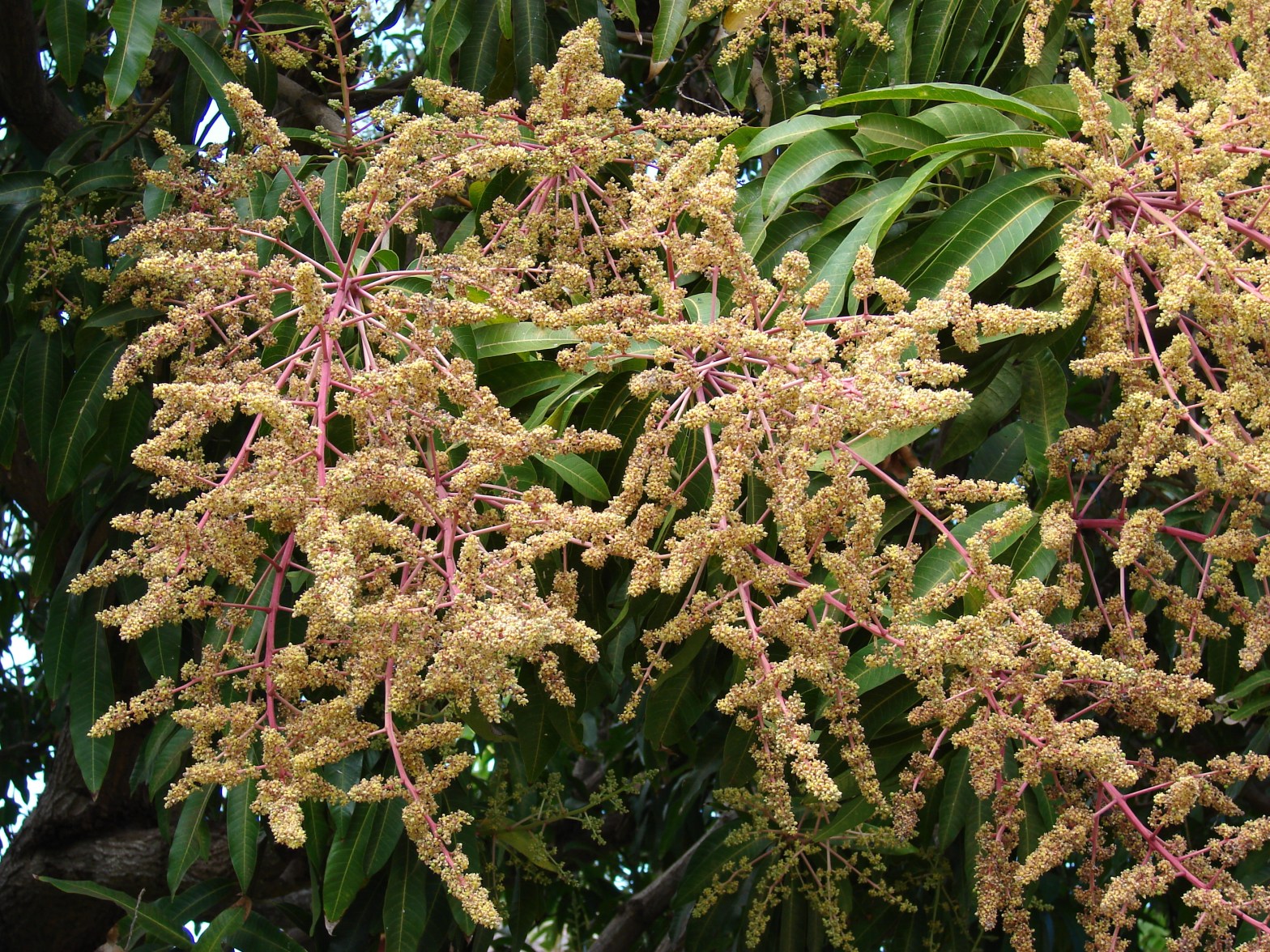








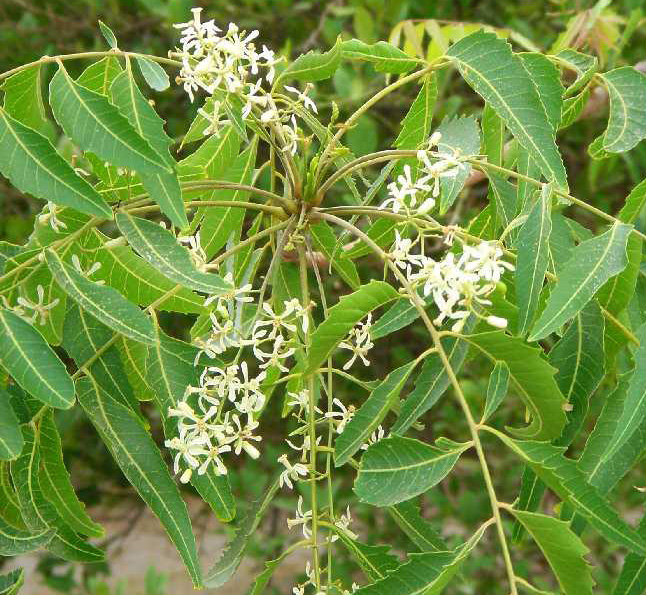


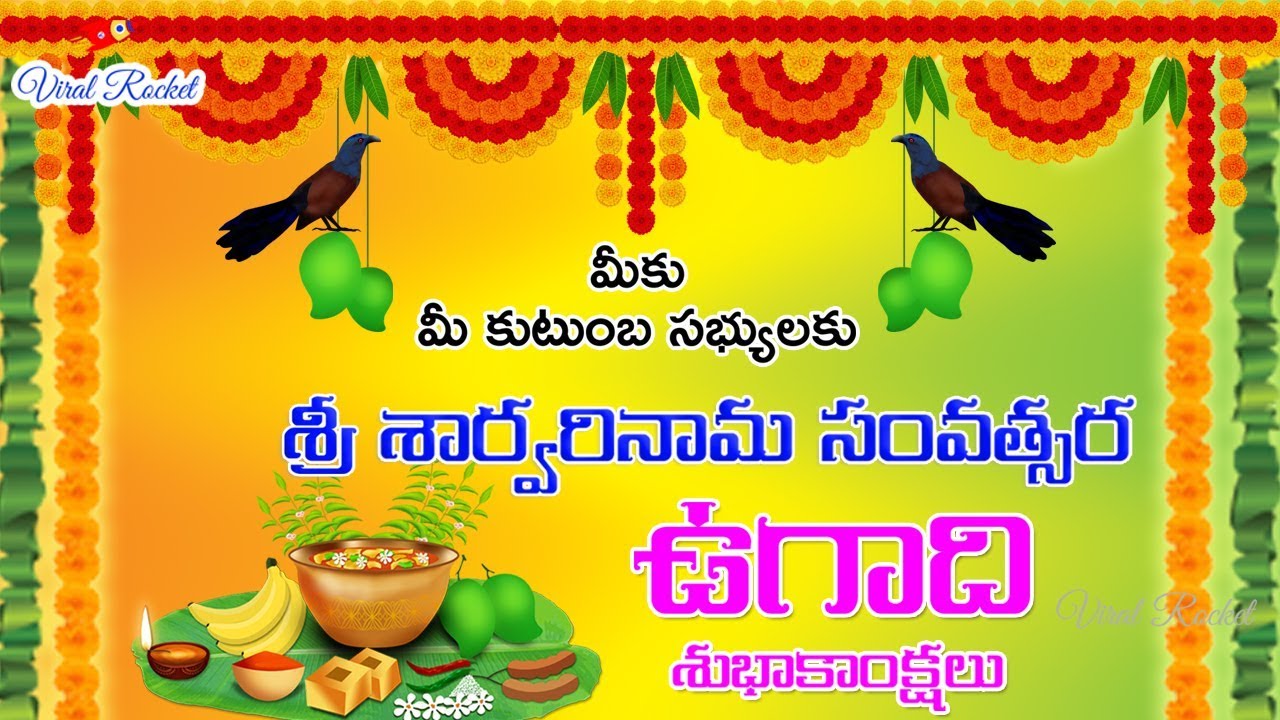





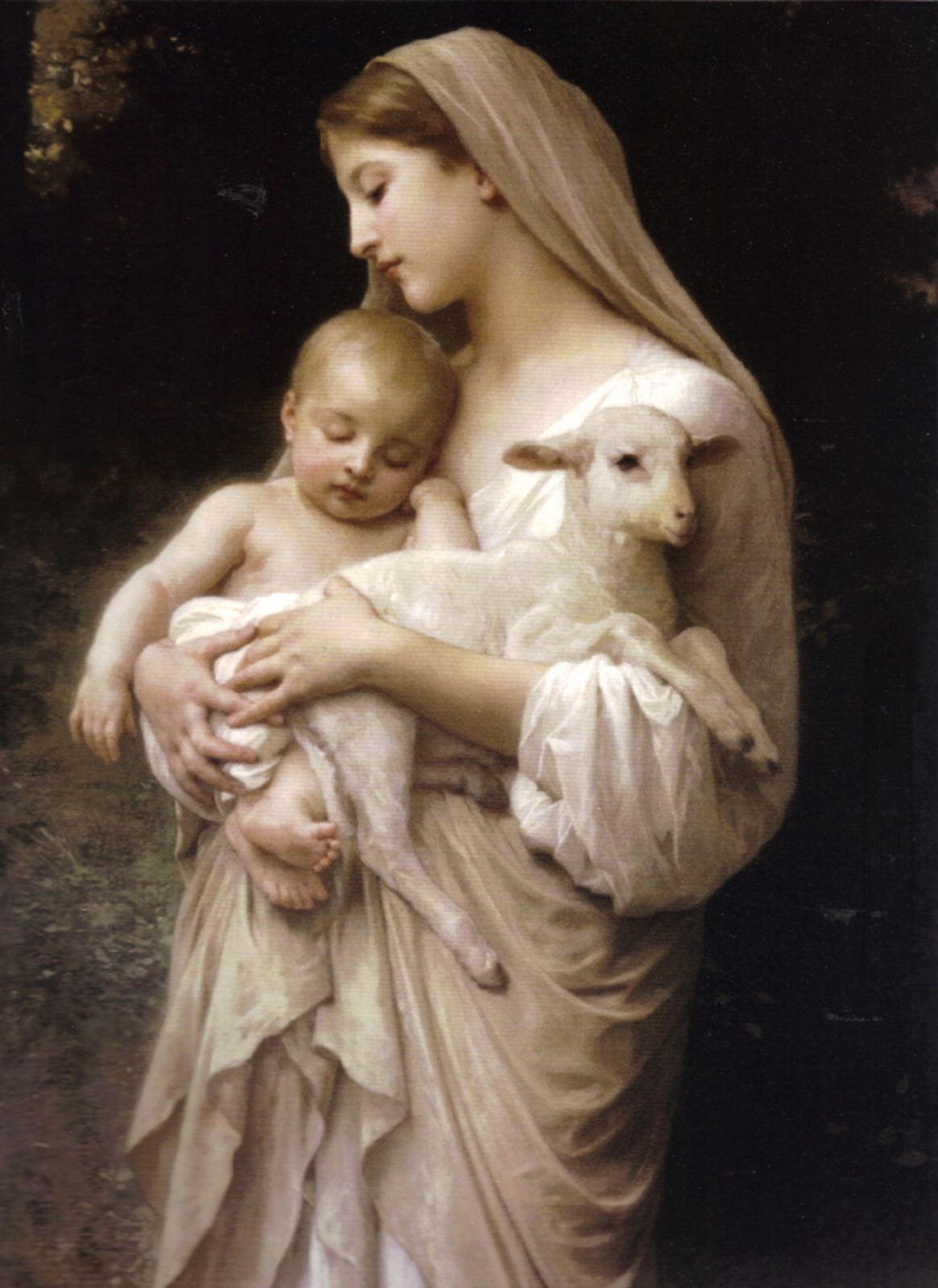









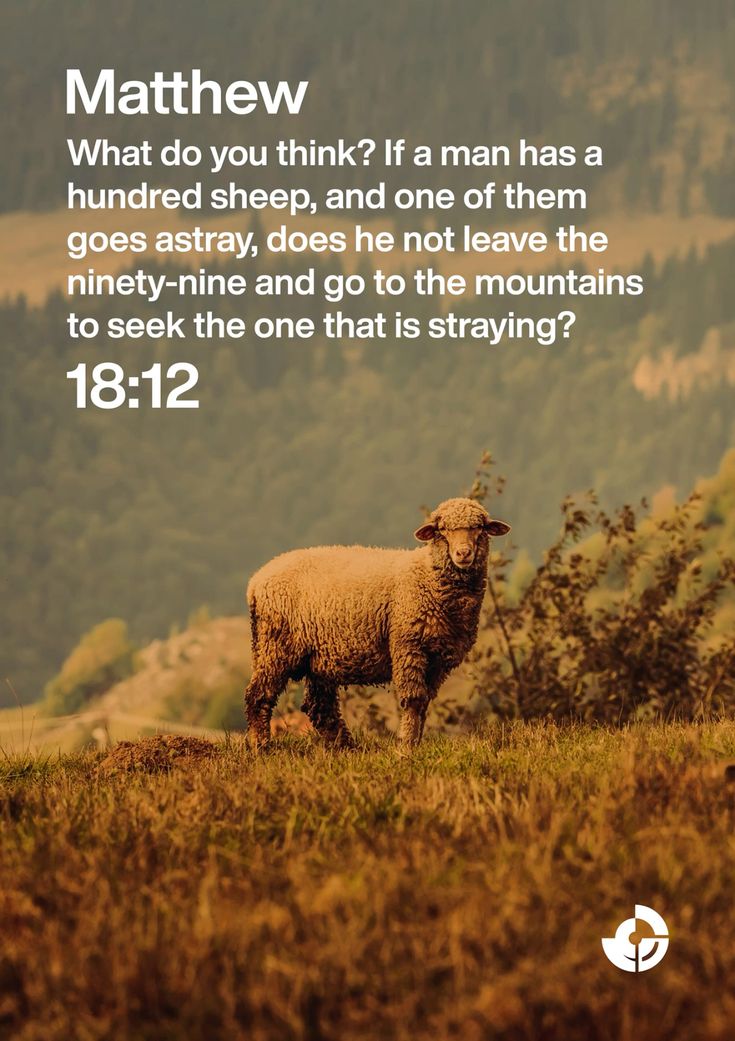

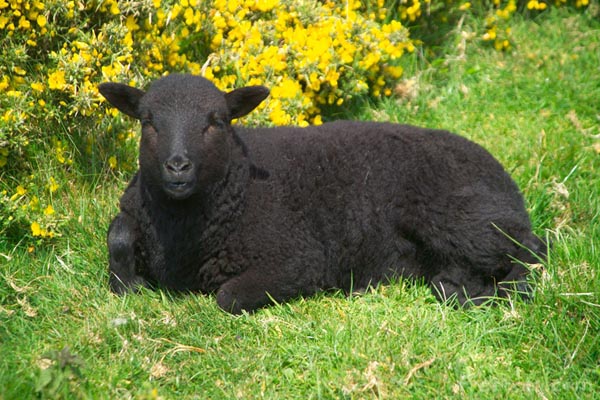


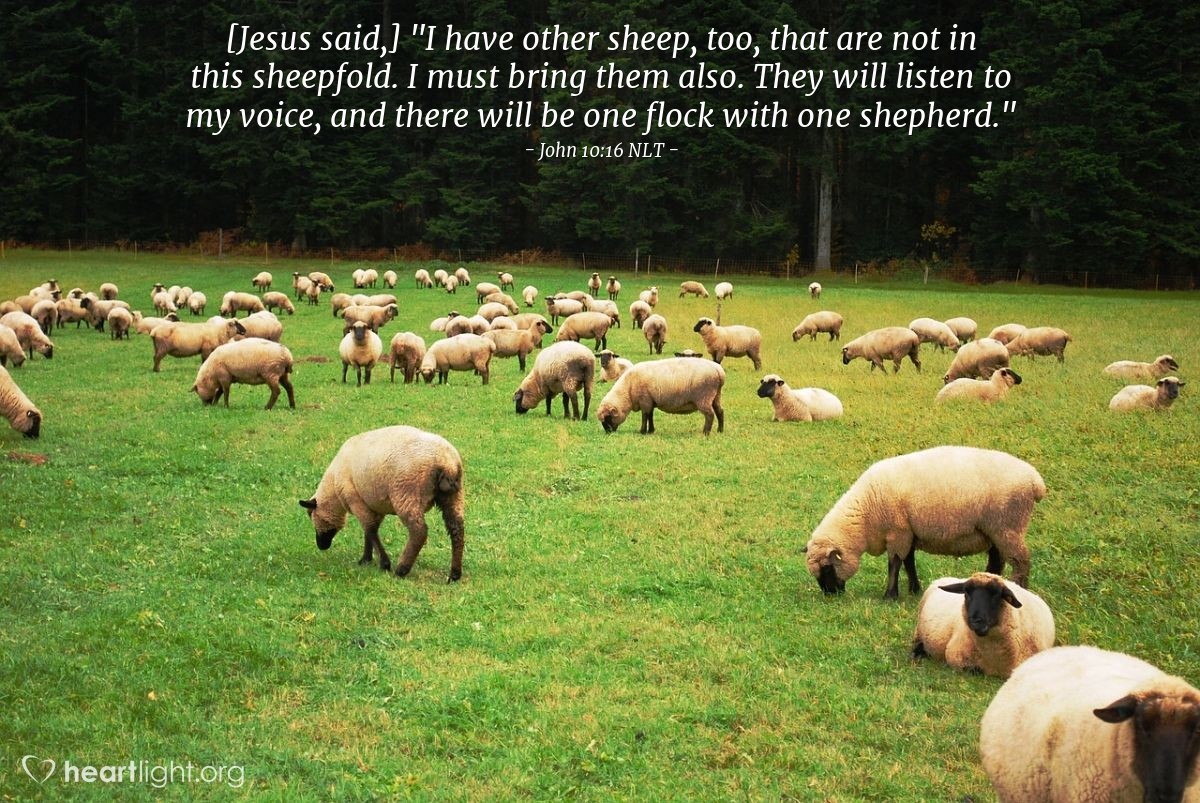
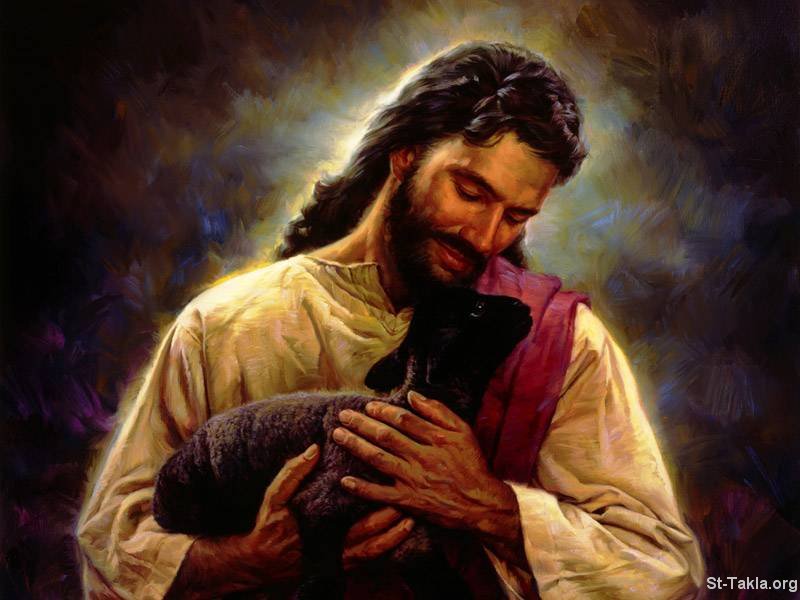

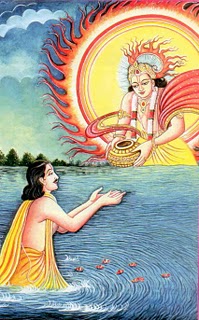





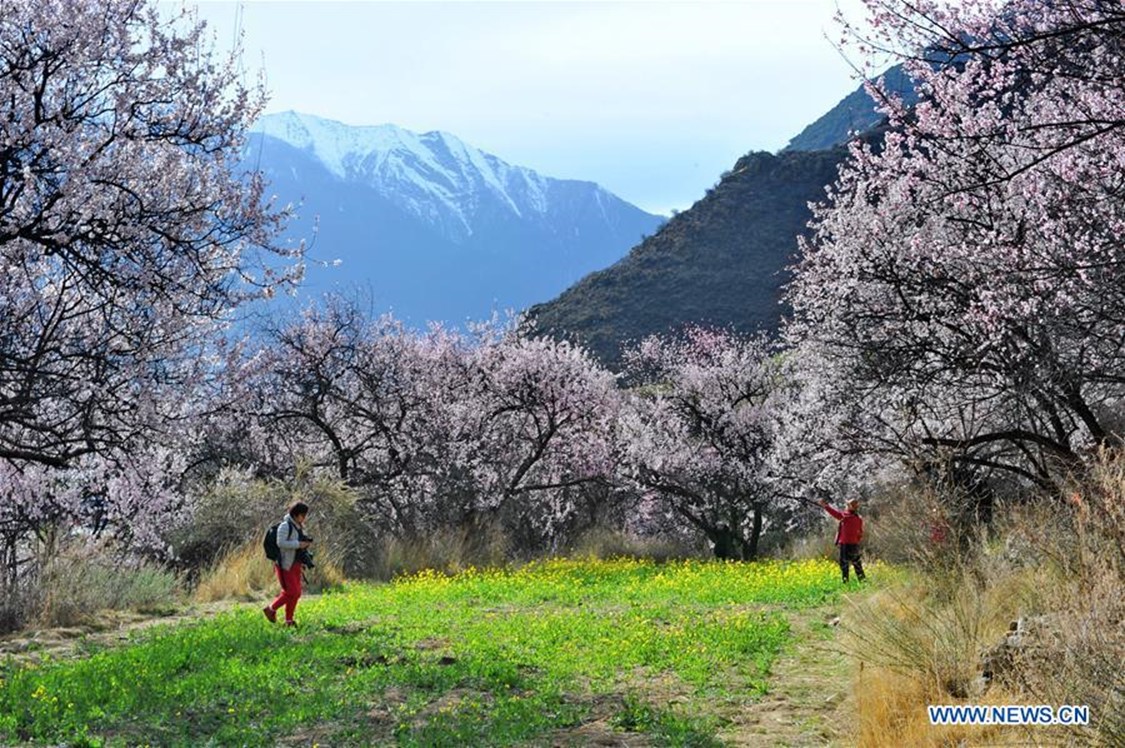





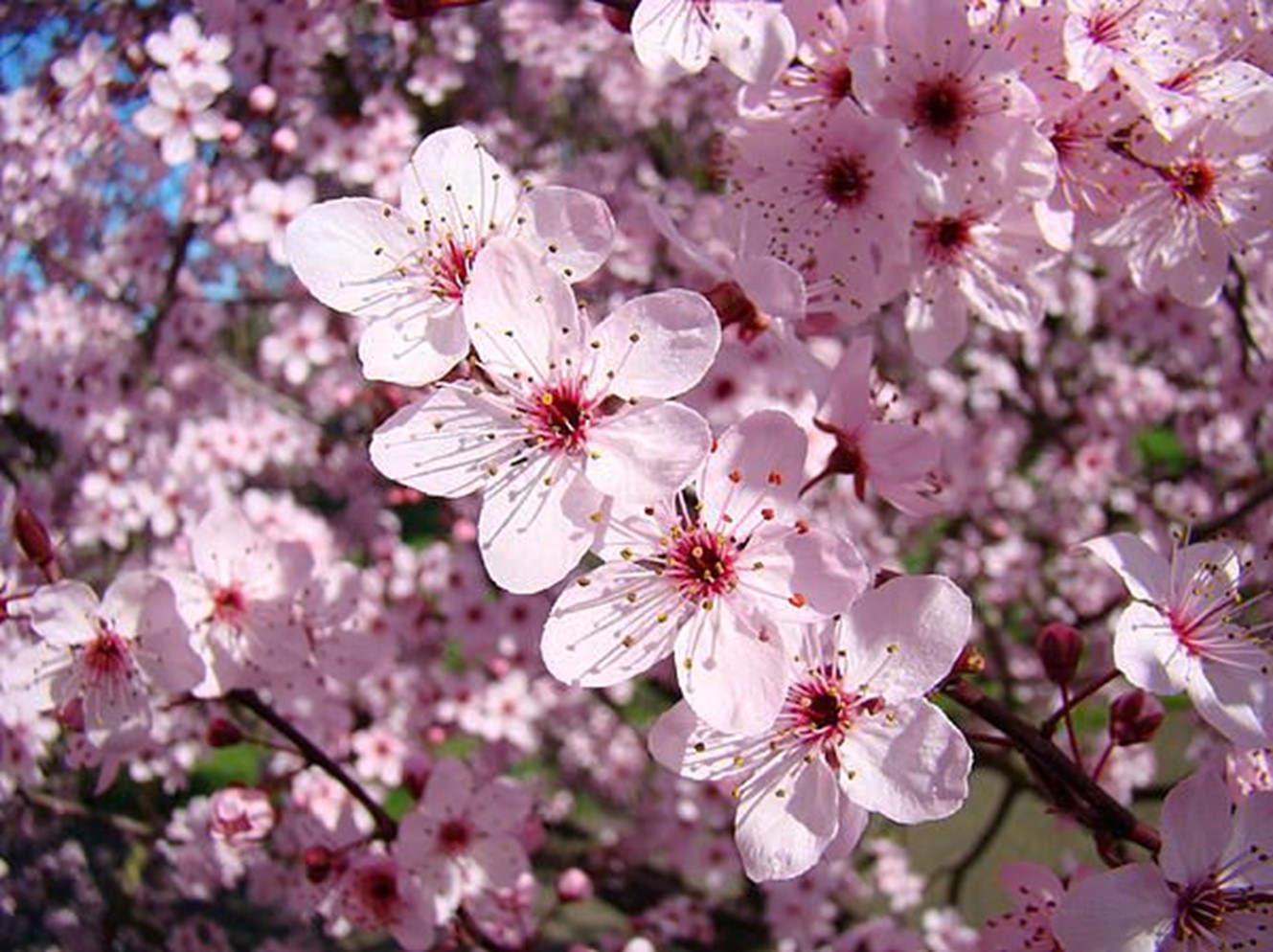


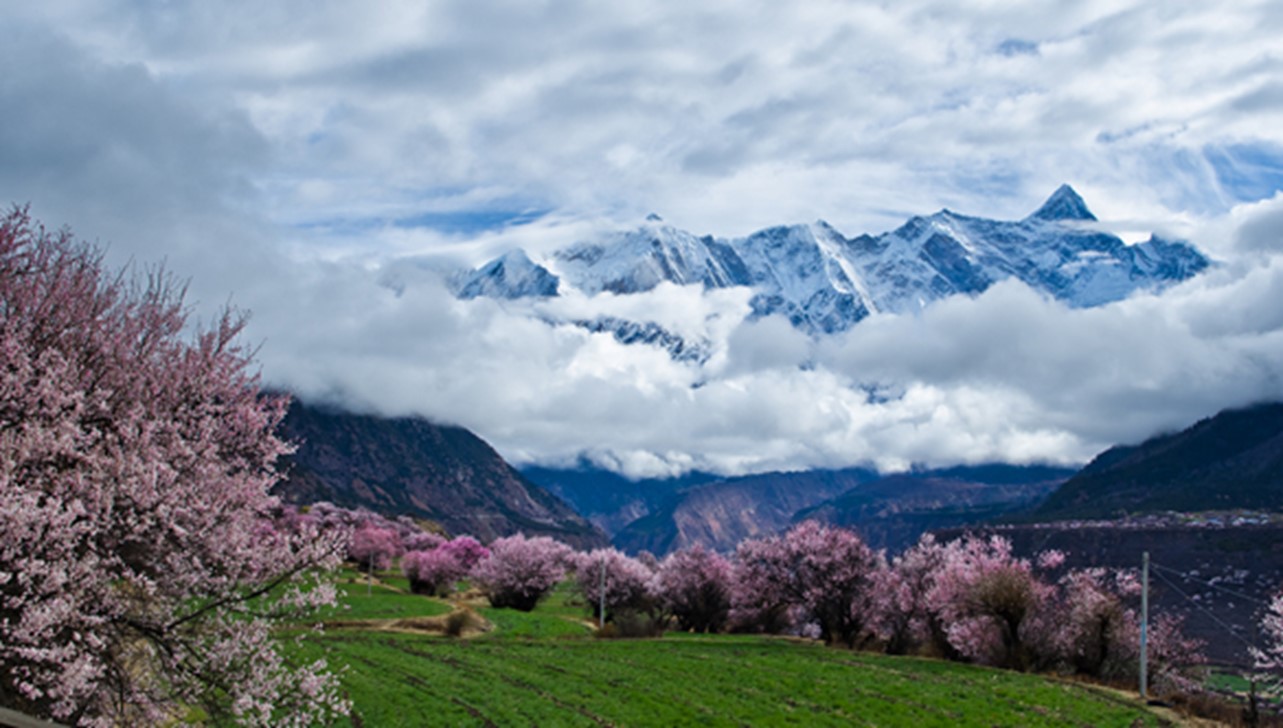
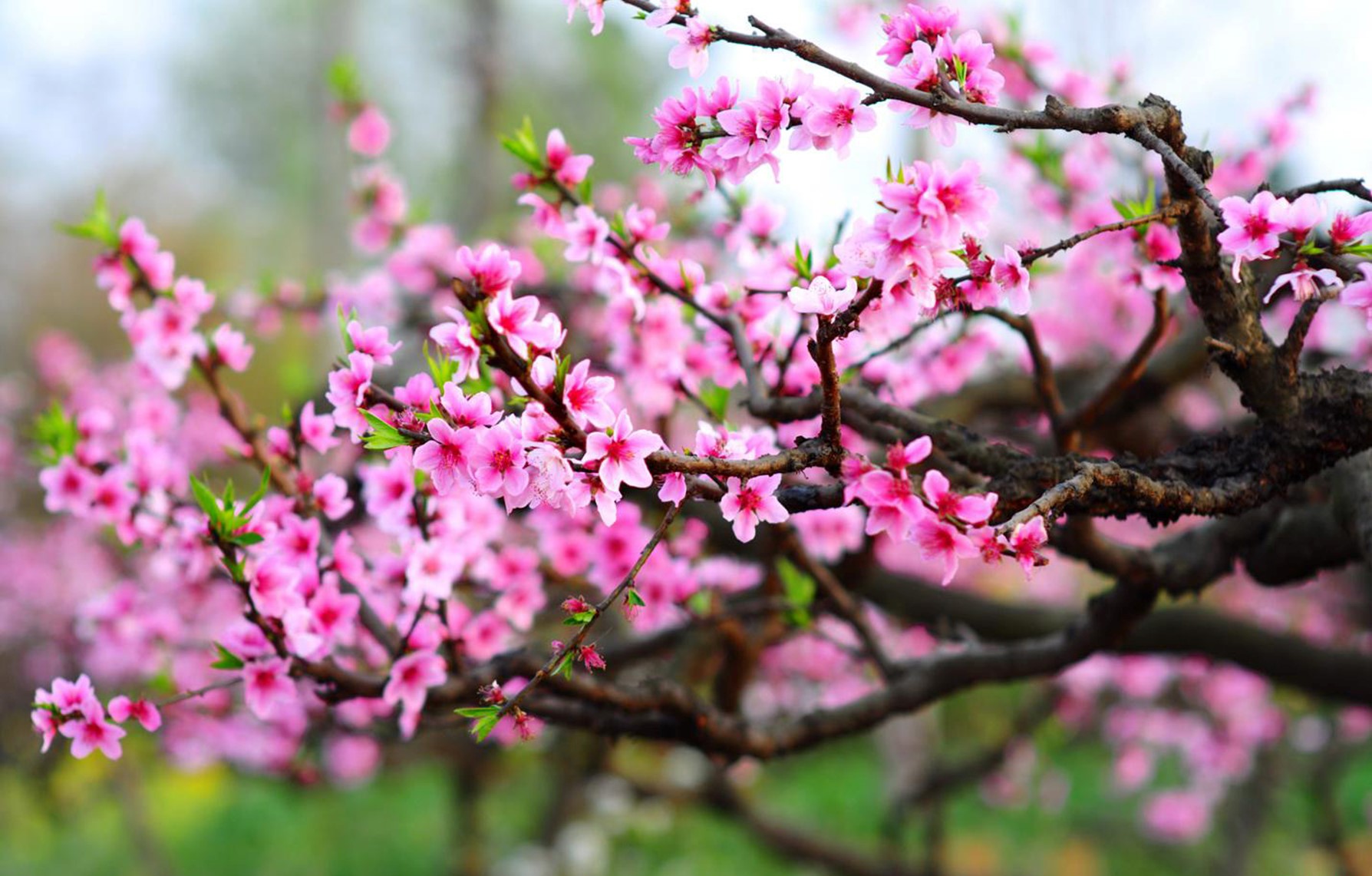

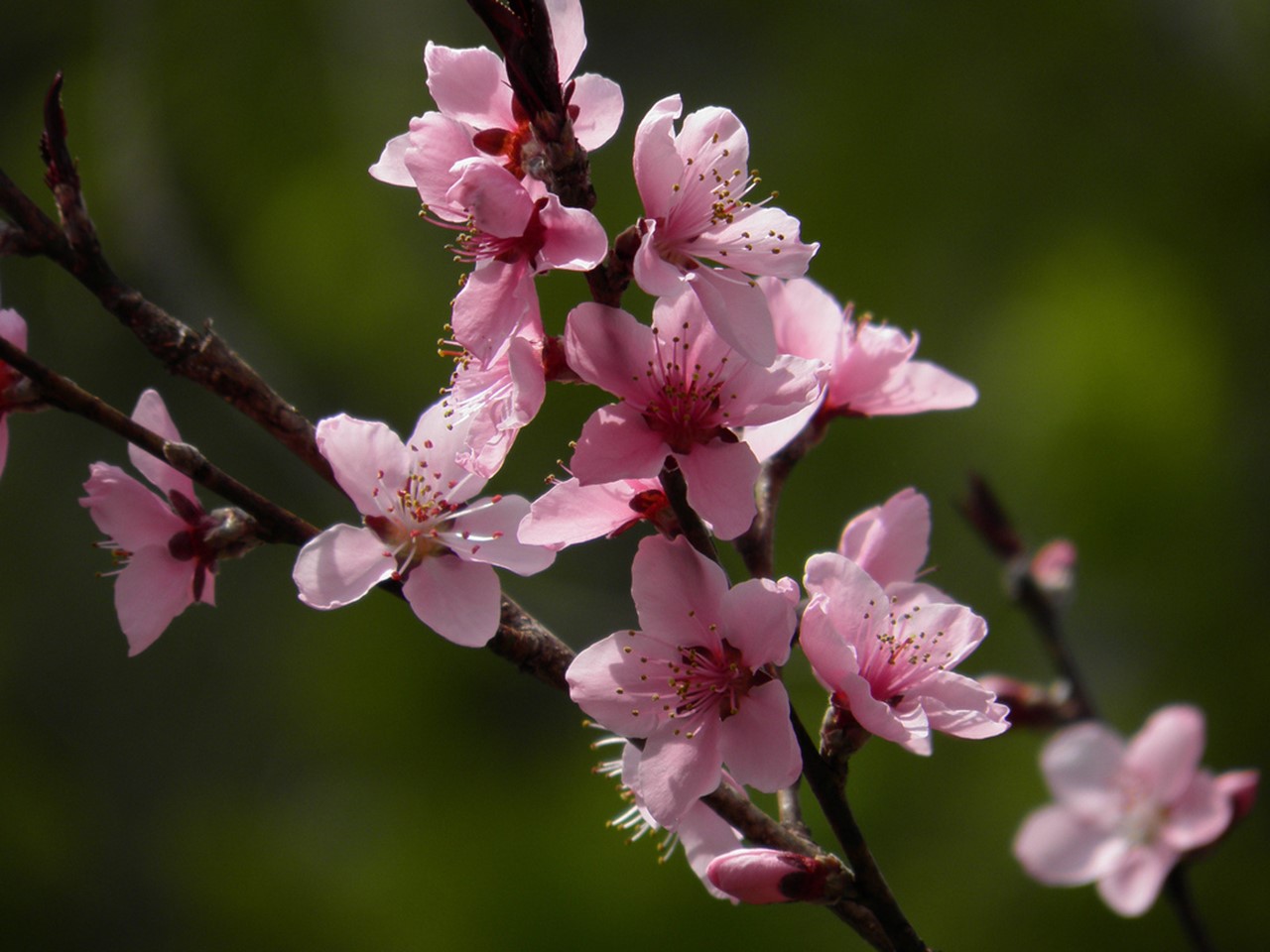


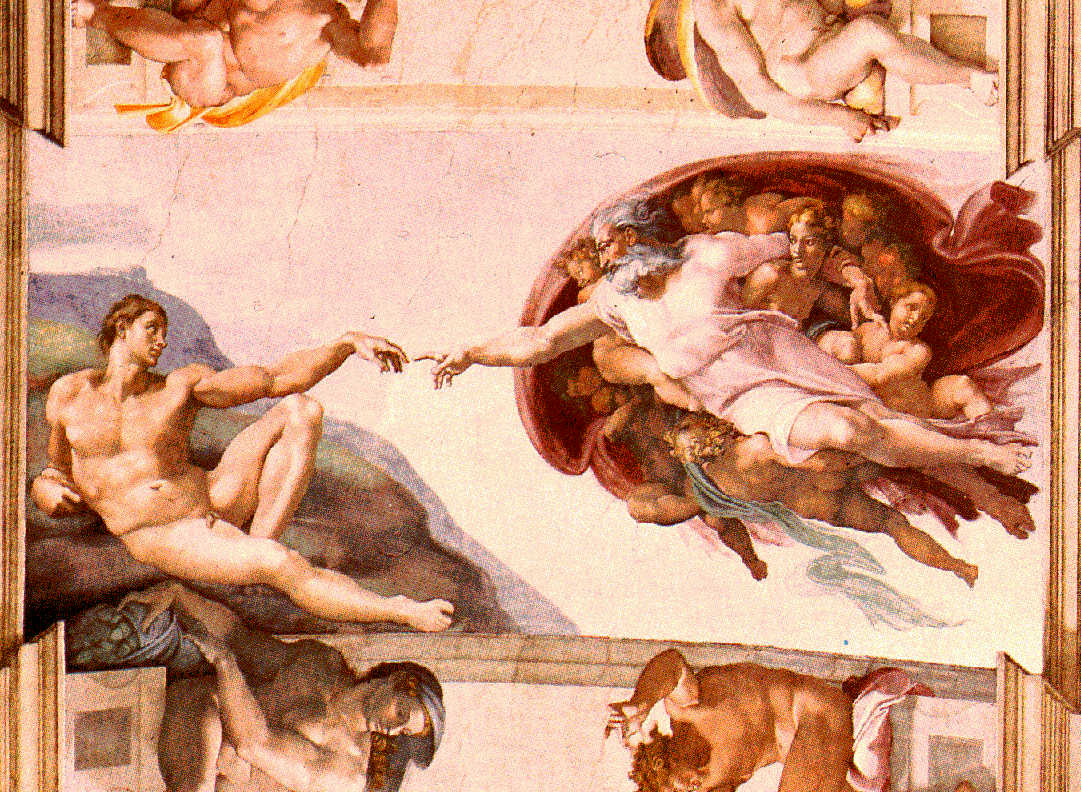


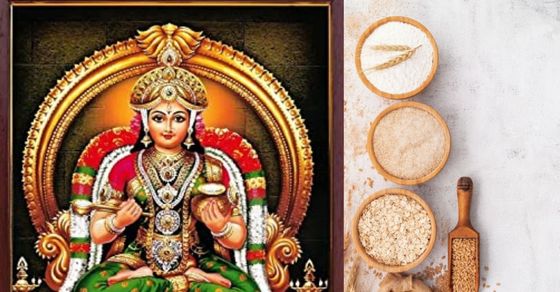


 Whole Dude - Whole Concept