The US Central Intelligence Agency – Operation Free Tibet:
Whole Dude – Whole Circus: The history of Special Frontier Force-Establishment No. 22 can be traced back to 1957-58 when the CIA launched Operation ST CIRCUS. This Commemoration on September 10, 2010 was the first time that US had officially acknowledge the CIA operation with the Tibetans and it includes the Mustang (Nepal) Operation.Whole Dude – Whole Circus: The beginning of the Cold War in Asia in 1949 with the Communist takeover of mainland China.
On behalf of Establishment -22, Vikas Regiment, Special Frontier Force, I am pleased to post this special tribute to John Foster Dulles who served as the US Secretary of State (1953 to 1959) under President Dwight D. Eisenhower.
Whole Dude – Whole Circus: John Foster Dulles was the architect of major elements of US Foreign Policy in the Cold War Era after World War II. He was the architect of the policy to oppose Communist expansion and laid the foundation for the creation of a military alliance/pact between the United States, India, and Tibet to defend Freedom, and Democracy in the occupied Land of Tibet.Whole Dude – Whole Circus: Establishment -22, Vikas Regiment, Special Frontier Force pays tribute to this US Secretary of State for providing military assistance to Tibetan people to resist the military occupation of their Land by People’s Republic of China.
John Foster Dulles (b. February 25, 1888, Washington, D.C. – d. May 24, 1959, Washington,D.C.) was described by President Eisenhower in the following words: “He is one of the truly great men of our time.” Dulles was awarded the Medal of Freedom during May 1959 just prior to his death.
Whole Dude – Whole Circus: This Freedom Medal that was awarded to the US Secretary of State John Foster Dulles during May 1959 truly represents the aspirations of Tibetan people to find Freedom and Democracy in their occupied Land of Tibet. This Medal gives them the hope and encouragement to resist the military occupation by People’s Republic of China.
Dulles belonged to a family that served the United States with great distinction and honor. His maternal grandfather, John Watson Foster served as Secretary of State under President Benjamin Harrison. His uncle, Robert Lansing was Secretary of State under President Woodrow Wilson. Dulles had specialized in international law. He was the US delegate to the San Francisco Conference that created the United Nations and he served as the US Representative to the United Nations from 1945-1949. He negotiated Japanese Peace Treaty 1951 formally ending World War II. He formulated a policy of collective security of the US and its allies through foreign economic and military aid. He advocated the development of nuclear weapons and became a leading figure in the Cold War. In 1954, he initiated the Manila Conference which resulted in the Southeast Asia Treaty Organization (SEATO). In 1955 he initiated the Baghdad Pact later named the Central Treaty Organization (CENTO). His foreign policy was determined by his profound detestation of Communism. As an international lawyer, he strongly believed in the value of treaties. His passionate hostility to Communism was the testimony of his policy. Under his stewardship, go “to the brink” of War had become a necessary aspect of US diplomacy. When the Tibetans fought to oust the Chinese, he initiated the US Central Intelligence Agency’s Secret War in Tibet. His younger brother, Allen Welsh Dulles, 5th Director of CIA directed this military operation to establish the Tibetan Resistance Movement.
Whole Dude – Whole Circus: January 24, 1953.Central Intelligence Agency-Operation Free Tibet. Allen Welsh Dulles, the 5th Director of Central Intelligence Agency, the younger brother of John Foster Dulles took the initiative to address the problem of military threat posed by Communist China’s expansion into Southeast Asia.Whole Dude – Whole Circus: The CIA covert operations inside Tibet led to the creation of a military organization called Establishment Number. 22, or Special Frontier Force which was formed in 1962 during the presidency of John F. Kennedy.Whole Dude – Whole Circus: SECRET WAR IN TIBET by Kenneth Conboy and James Morrison, published by The University Press of Kansas provides a detailed account of the Struggle for Freedom in Tibet.Whole Dude – Whole Circus: The quest for Freedom in Tibet. A military training Camp known as Camp Hale was established in Colorado under the supervision of CIA officers Roger E. McCarthy and John Reagan.Whole Dude – Whole Circus: The quest for Freedom in Tibet. Special Service Award presented by all Officers D Sector, Establishment -22 on January 19, 1973.
The geopolitical interests of the United States are best served by the defeat of the Chinese Communism and the achievement of Tibetan Self-Determination. Establishment -22, Vikas Regiment, Special Frontier Force acknowledges John Foster Dulles as the Man of Freedom, and the Champion of Liberty.
Whole Dude – Whole Circus: FREEDOM IN TIBET. THE WAR AGAINST COMMUNISM. John Foster Dulles and US President Dwight D Eisenhower continued the “TRUMAN DOCTRINE” to combat Communism using military alliances and pacts.Whole Dude – Whole Circus: The US Central Intelligence Agency – Operation Free Tibet: Eleanor Roosevelt and John Foster Dulles, the champions of Human Rights at United Nations in Paris – (Photo credit: Wikipedia)
A Special Tribute to CIA Director Allen Welsh Dulles
Whole Dude – Whole Agency: Allen Welsh Dulles shaped the history of the Central Intelligence Agency. During World War II, he had served in the Office of Strategic Services (1942-1945), and when CIA formed in 1951, he served as Deputy Director under General Walter Bedell Smith. He was appointed the Director by President Dwight D. Eisenhower during January 1953.Whole Dude – Whole Agency: Allen Welsh Dulles shaped the history of the Central Intelligence Agency. During World War II, he had served in the Office of Strategic Services (1942-1945), and when CIA formed in 1951, he served as Deputy Director under General Walter Bedell Smith. He was appointed the Director by President Dwight D. Eisenhower during January 1953.
Whole Dude – Whole Agency
Special Frontier Force pays this special tribute to Allen Welsh Dulles (b. April 7, 1893, Watertown, NY – d. January 29, 1969, Washington, DC), US diplomat, intelligence expert who was the Director of the Central Intelligence Agency during its period of growth. Dulles received M.A. from Princeton in 1916. His service to the nation started during the administration of Woodrow Thomas Wilson (28th President of the US 1913-1921). He served in various diplomatic posts until 1922, and was named chief of the State Department’s Near Eastern Division. He obtained Law degree in 1926, and served as counsellor to the US delegation in Peking. He returned to the US and joined the New York law firm in which his brother John Foster Dulles was a partner. During World War II, Dulles joined the office of Strategic Services (OSS). From October 1942 to May 1945, Dulles served as Chief of OSS office in Bern, Switzerland. He played a critical role in the surrender of German troops in northern Italy. He received the Medal of Merit and Medal of Freedom for his service during the War. In 1948, Dulles served as the Chairman of a three-man committee that surveyed the US intelligence system. After the Central Intelligence Agency was established in 1951, he served as deputy director under General Walter Bedell Smith. In 1953, he was appointed Director of CIA by President Dwight D. Eisenhower (34th President of the US, 1953-1961). He was the first Chairman of U.S. Intelligence Board. Dulles carried out a number of major operations, notably the overthrow of the governments of Mohammad Mossadeq in Iran in 1953, and Jacob Arbenz in Guatemala in 1954. He was reappointed by President John F. Kennedy. Unfortunately, he had to shoulder the blame for the failure of the Bay of Pigs invasion of Cuba in April 1961. He was forced to resign to defend the reputation of the presidency. He was awarded the National Security Medal on November 28, 1961 (and the citation for granting this Medal is attached as a pdf file). President Lyndon B Johnson appointed him as one of seven commissioners of the Warren Commission to investigate the assassination of President John F. Kennedy. He authored several books, notably Germany’s Underground (1947), The Craft of Intelligence (1963), and The Secret Surrender (1963).
Whole Dude-Whole Agency: Allen Dulles reveals the secrets of World War II, but remained silent about the secret operation in Tibet (1958-1964) which was supported by the US President, Indian Prime Minister, and His Holiness the 14th Dalai Lama, the spiritual and temporal leader of the autonomous State of Tibet.Whole Dude – Whole Agency: During World War II, Allen Dulles served as the Chief of the OSS Office in Bern from October 1942 to May 1945. He played a role in the surrender of German troops in northern Italy.Whole Dude – Whole Agency: Interesting account of the role of Office of Strategic Services in Europe during World War II. Fortunately, now we have interesting accounts of the CIA’s Secret War in Tibet. The credit goes to the Director of the CIA.Whole Dude – Whole Agency: Allen Dulles described the ‘Craft of Intelligence’ but kept the CIA Operation in Tibet as a Secret.Whole Dude – Whole Agency: Allen Welsh Dulles rendered remarkable service to the nation and won the admiration of President John F. Kennedy even though he had to accept the blame for the failed mission in Cuba. I salute him for his support to defend Freedom and Democracy in Tibet. The CIA operation in Tibet had also failed during March 1959, but I would not blame CIA for that failure.Whole Dude – Whole Agency: On November 28, 1961, Allen Welsh Dulles, the outgoing CIA Director received the National Security Medal from President John F. Kennedy.Whole Dude – Whole Agency: President Lyndon B. Johnson demonstrated his confidence in the former CIA Director Allen Welsh Dulles by appointing him to the Warren Commission that investigated the assassination of President John F. Kennedy. It was indeed a great honor and speaks of the trust in personal integrity earned by Dulles as the CIA Director.The history of Special Frontier Force – Establishment No. 22: 1957 was a turning point. India recognized that its foreign policy of political neutralism was of no use and started depending upon the United States to address the military threat posed by China’s occupation of Tibet. But, the effort was too modest and both India and the United States had grossly underestimated the strength of the People’s Liberation Army.
Both US Government and the Central Intelligence Agency maintain their silence about the support given to the Tibetan Resistance Movement and the eventual creation of Establishment -22/Special Frontier Force, a military alliance/pact between the US, Tibet, and India to fight the military threat posed by Communist China when it occupied Tibet in 1950 and forced His Holiness the 14th Dalai Lama to lead a life in exile.
Whole Dude – Whole Agency: A special tribute to Allen Welsh Dulles, the Director of CIA who organized training of Tibetans at Camp Hale, Colorado (May 1958 to November 1964).
However, the US had finally acknowledged the CIA operation in Tibet and India by installing a Commemoration Plaque at the Camp Hale, Colorado training site on September 10, 2010. The Director of CIA was not present at the ceremony to honor the memory of people who were involved in this covert operation.
Whole Dude – Whole Agency: A special tribute to Allen Welsh Dulles, the Director of CIA who organized training of Tibetans at Camp Hale, Colorado (May 1958 to November 1964). Special Service Award presented by all Officers D Sector, Establishment 22 on 19 January 1973.
It is my duty and privilege to pay this special tribute to Allen Welsh Dulles in due recognition of the services he had rendered to defend Freedom, Democracy, and Justice in the occupied Land of Tibet.
Whole Dude – Whole Agency: Allen Welsh Dulles shaped the history of the Central Intelligence Agency. During World War II, he had served in the Office of Strategic Services (1942-1945), and when CIA formed in 1951, he served as Deputy Director under General Walter Bedell Smith. He was appointed the Director by President Dwight D. Eisenhower during January 1953.
Whole Dude – Whole Friend: Special Frontier Force Remembers the 41st US President
Whole Dude-Whole Fight: Shoulder Badge, Special Frontier Force
Excerpt: Both the US Government and the Central Intelligence Agency maintain their silence about the support given to the Tibetan Resistance Movement and the eventual creation of Establishment -22/Special Frontier Force, a military alliance/pact between the US, Tibet, and India to fight the military threat posed by Communist China when it occupied Tibet in 1950 and forced His Holiness the 14th Dalai Lama to lead a life in exile. Indeed, that is the Whole Secret. The US, India and Tibet agreed to keep the US role in Tibet as a Secret and I signed a Declaration in Chakrata, India during September 1971 to keep the Tibet Operation as a Secret under the provisions of the Official Secret Acts of India.
Whole Dude – Whole Friend: Special Frontier Force Remembers the 41st US President
Special Frontier Force remembers the 41st US President George Herbert Walker Bush for he served as the Director of the US Central Intelligence Agency. In President Gerald Ford’s final year in office, Bush was appointed Director of the Central Intelligence Agency, which was in disarray after years of scandalous revelations. Though he was only there a year, he was credited for restoring the agency’s morale, and he was well thought of by longtime hands. The main building at the agency’s headquarters in Langley, Va., was renamed in his honor in 1999.
Whole Dude – Whole Friend: Special Frontier Force Remembers the 41st US President
Special Frontier Force deeply mourns the loss of President George H W Bush while acknowledging the role of the US Central Intelligence Agency in fostering friendly relationships between the people of the US, India, and Tibet.
Whole Dude – Whole Friend: Special Frontier Force Remembers the 41st US President
CIA Remembers Former Director, Former President George H.W. Bush
Statement by Director of the Central Intelligence Agency Gina C. Haspel
“We’ve lost a great champion of the Agency—an accomplished Director, faithful advocate, and dear friend—with the passing of former President George H.W. Bush. As a heroic Navy pilot in the Second World War, a skilled statesman who deftly managed the collapse of the Soviet Union and liberated Kuwait from Saddam Husayn’s aggression, and a committed citizen who remained engaged in public service throughout his later years, President Bush exemplified the virtues of patriotism, duty, and compassion. Officers here at the George Bush Center for Intelligence and deployed around the globe honor the memory of a great American. On behalf of the men and women of CIA, I extend our heartfelt condolences to the Bush family.”
George Herbert Walker Bush, whose lone term as the 41st president of the United States ushered in the final days of the Cold War and perpetuated a family political dynasty that influenced American politics at both the national and state levels for decades, died Friday evening. He was 94.
Whole Dude – Whole Friend: Special Frontier Force Remembers the 41st US President
Bush was the last president to have served in the military during World War II and the last whose worldview had been shaped by the imperative to contain Communist expansionism.
His experience in international diplomacy served him well as he dealt with the unraveling of the Soviet Union as an oppressive superpower, and later the rise of China as a commercial behemoth and potential partner.
Whole Dude – Whole Friend: Special Frontier Force Remembers the 41st US President
As cautious and restrained as he was in foreign matters, Bush had an inclination for personal risk-taking that showed up early in his life, when he became a carrier pilot in the war — one of the most dangerous jobs in the military — and then stuck out on his own at war’s end, eschewing a comfortable job in New York to become an oilman in Texas.
Whole Dude – Whole Friend: Special Frontier Force Remembers the 41st US President
Likewise, when his interest turned to politics a decade or so later, he was more than willing to give up his executive suite for a chance at public office.
Whole Dude – Whole Friend: Special Frontier Force Remembers the 41st US President
Steeped in noblesse oblige and the importance of public service, Bush always felt the lure of political life. It finally snared him in 1962 when he was chosen to head Houston’s fledgling GOP. He spent the next three decades in the political limelight, enjoying a roller-coaster career that saw more defeats than victories yet improbably landed him in the White House.
Bush was elected president in 1988 as the successor to Ronald Reagan, a conservative icon whom he ran against and then served as vice president. Unlike Reagan, he was a pragmatic leader guided by moderation, consensus building, and a sense for problem-solving shorn of partisan rhetoric. Like his father, who served in the U.S. Senate, he swore no allegiance to orthodox tenets. That put him at odds with a take-no-prisoners attitude of a new breed of Republicans and helped do in his reelection bid, sending him home to Houston in forced retirement.
Whole Dude – Whole Friend: Special Frontier Force Remembers the 41st US President
Most of Bush’s political career was spent in appointed jobs, where he demonstrated loyalty and a quick-study competence, rarely making headlines. Expectations were modest when he became president. Many in his party hoped he would simply follow in Reagan’s footsteps. Instead, he quickly distinguished himself as the postwar order began to undergo dramatic changes.
Whole Dude – Whole Friend: Special Frontier Force Remembers the 41st US President
Bush was put to the test shortly after taking office. Surging movements in Eastern Europe saw opportunity to free themselves from the Soviet yoke, thanks in part to the liberalizing influence of Soviet leader Mikhail Gorbachev. Bush’s measured response allowed events to unfold, including the destruction of the Berlin Wall, without triggering potentially catastrophic responses from Soviet hard-liners.
Whole Dude – Whole Friend: Special Frontier Force Remembers the 41st US President
Bush again displayed his diplomatic skills in the summer of 1990 when he coordinated a multinational response to the military invasion of tiny Middle East nation Kuwait by neighboring Iraq and its dictator, Saddam Hussein. The victorious Operation Desert Storm brought high approval ratings that appeared to guarantee a second term.
Whole Dude – Whole Friend: Special Frontier Force Remembers the 41st US President
Domestic matters proved a different sort of challenge. Plagued by inherited budget deficits and a Congress under the control of Democrats, Bush was pushed into a tax increase that belied his explicit promise to allow none. He agreed to it because he recognized it was in the country’s best interest, but the political damage was severe. His reelection bid fell short, a failing that haunted him for years. Uncharacteristically, it even caused him to wonder whether history would regard him as a failed president.
Whole Dude – Whole Friend: Special Frontier Force Remembers the 41st US President
“I think over the years he fares well,” said presidential historian Henry Brands, the author of seven presidential biographies and a professor at the University of Texas. “If voters have a referendum and they vote you down, that automatically puts you down a rung. It’s unfair. Bush always was rated very highly by historians more than he was by the public. I think that is changing.”
Whole Dude – Whole Friend: Special Frontier Force Remembers the 41st US President
Bush was born into privilege and reared in the cradle of America’s economic aristocracy, yet from an early age, he refused to ride the coattails of entitlement. Approaching his graduation from Yale University in 1948, he was offered a job at his family’s Wall Street investment firm, close to his native Connecticut. He turned it down. Whatever his destiny, he vowed that it would be fully earned.
Whole Dude – Whole Friend: Special Frontier Force Remembers the 41st US President
So began a remarkable journey that would lead him from the elegant estates of New England to the dusty plains of West Texas, to the leafy precincts of Houston’s nicest neighborhoods, to foreign capitals and back to America’s own, into political campaigns at the humblest level and one that ultimately netted him the White House.
Whole Dude – Whole Friend: Special Frontier Force Remembers the 41st US President
Bush’s long life encompassed the full arc of the 20th century, beginning in an era of steamships and a new ideology called communism, and ending as American spaceships explored distant planets and the hammer-and-sickle was mostly a fading emblem on old flags. He was to be the last president of his generation, which came of age during the Great Depression, participated in a cataclysmic world war, and ushered in unprecedented American power and prosperity.
Whole Dude – Whole Friend: Special Frontier Force Remembers the 41st US President
Turning away from the preordained comfortable life, Bush struck out for Texas and found success, first as an independent oilman and later as a young Congressman from Houston. The misfortune of bad timing hurt him at times in his pursuit of higher office, yet a string of high-profile appointed positions reflected the faith others had in his ability and kept alive his dream of fulfilling his father’s prediction that someday he would become president.
Whole Dude – Whole Friend: Special Frontier Force Remembers the 41st US President
“The world was fortunate to have his background and instincts at a turning point,” said Robert Gates, who served as Bush’s CIA director and deputy national security adviser. “The collapse and end of the Cold War look sort of pre-ordained in hindsight, but for those who were there, it was not clear how it would happen.”
Whole Dude – Whole Friend: Special Frontier Force Remembers the 41st US President
Gates, who served in eight presidential administrations, suggested that Bush never received the credit he deserved for quietly “greasing the skids” that saw communists slide from power in the Soviet Union.
Whole Dude – Whole Friend: Special Frontier Force Remembers the 41st US President
“There is no precedent in all of history for the collapse of a heavily armed empire without a major war,” Gates said. “He was a figure of enormous historical importance.”
Whole Dude – Whole Friend: Special Frontier Force Remembers the 41st US President
Though Bush came to be widely respected by foreign leaders and diplomats, his political profile at home was different. He had long been dogged by assertions that he was a bland and hazy character, aloof and dilettantish. The image baffled him and many who knew him. He was chided for a lack of apparent vision, yet it was not his nature to view himself as a visionary.
Whole Dude – Whole Friend: Special Frontier Force Remembers the 41st US President
“What’s wrong with trying to help people,” he once asked. “What’s wrong with trying to bring peace? What’s wrong with trying to make the world a little better?”
Whole Dude – Whole Friend: Special Frontier Force Remembers the 41st US President
To some, Bush paled in comparison to his strong-willed predecessor in the White House, but he was simply a different breed of politician: a traditional Republican whose belief in limited government was in no way at odds with his view that public service was a calling.
Whole Dude – Whole Friend: Special Frontier Force Remembers the 41st US President
Reagan’s famous maxim that government was not the solution to a problem but the problem itself was not Bush’s view, which might explain why his single term arguably resulted in more significant legislative achievements than Reagan’s two, among them the Americans with Disabilities Act, a bolstered Clean Air Act, and an increased minimum wage.
Whole Dude – Whole Friend: Special Frontier Force Remembers the 41st US President
Bush’s career from start to finish, especially as president, was largely free of scandal or great controversy, with one troubling exception — his role as vice president in the Iran-Contra scandal.
Whole Dude – Whole Friend: Special Frontier Force Remembers the 41st US President
His ethical standards rarely were questioned. His judgment was the product of studied deliberation and ample give-and-take with advisers. He regularly entertained Democratic leaders at the White House and made a great effort to develop personal relationships over drinks and a game of horseshoes, just as he had in the diplomatic world over many years.
Whole Dude – Whole Friend: Special Frontier Force Remembers the 41st US President
“President Bush was inclined to forgive and forget past slights, defeats, and even outrages,” said longtime aide Chase Untermeyer. “Thus did he offer rides to Maine for Senator George Mitchell, make the daughter of Senator Sam Nunn the head of the Points of Light Foundation, and — to clinch the case — become buddies with Bill Clinton.”
Whole Dude – Whole Friend: Special Frontier Force Remembers the 41st US President
Bush was by nature a practical manager. He believed his job was to get something done, taking incremental steps when big ones were unobtainable. He had no use for those who would sacrifice progress on the altar of philosophical purity, nor did he regard opponents as enemies.
Whole Dude – Whole Friend: Special Frontier Force Remembers the 41st US President
He was defeated in an unusual three-way contest with Democrat Clinton and Texas billionaire Ross Perot — a sour coda to a stellar career. Though he had been ambivalent about even running for reelection, the loss would gnaw on him. He believed that he left the job he signed up for unfinished.
Whole Dude – Whole Friend: Special Frontier Force Remembers the 41st US President
Bush was born on June 12, 1924 in Milton, Mass., to Prescott and Dorothy Bush, the second of five children, four of them boys. His was an idyllic childhood spent among the nation’s economically privileged, with numerous trips to family estates in Maine and South Carolina.
Whole Dude – Whole Friend: Special Frontier Force Remembers the 41st US President
Although the hardships of the Great Depression did not severely affect the Bushes, his parents tried to stress that good fortune should not be taken for granted, insisting on modesty at all times, along with concern for those going through hard times. Work mattered. Life, they insisted, was no country club affair.
Whole Dude – Whole Friend: Special Frontier Force Remembers the 41st US President
Bush attended Phillips Academy, a famous boarding school in Andover, Mass., where he excelled academically and athletically. He was a favorite of his classmates, often chosen to captain the teams he was on and known to call out bullies who bedeviled the less popular students.
Whole Dude – Whole Friend: Special Frontier Force Remembers the 41st US President
As he grew to adulthood, he slowly soaked up the history of generations of Walkers and Bushes and began to understand the expectations for those of his class and background — a demand for service to the public good largely divorced from personal gain. It made a deep impression on him.
Whole Dude – Whole Friend: Special Frontier Force Remembers the 41st US President
“Bush was a figure of an older, fading order of American power,” wrote Bush biographer Jon Meacham in “Dynasty and Power,” a 2015 authorized biography. “When his family and … friends looked at him, they saw a man who could have spent his life making and spending money, but who had chosen to obey the biblical injunction, drilled into him by his parents, that to whom much is given much is expected.”
Whole Dude – Whole Friend: Special Frontier Force Remembers the 41st US President
Bush’s first great test came as his days at Andover were ending, graduating in the face of a world succumbing to a widening war. He might have been able to use connections for a service academy appointment or a plum job that did not place him in harm’s way. Like many of his friends and others of his class, including Joseph and John Kennedy, he chose the opposite path.
Whole Dude – Whole Friend: Special Frontier Force Remembers the 41st US President
Bush enlisted in the U.S. Navy upon finishing high school in 1942 and hoped to become a pilot. He earned his wings and was commissioned an ensign before his 19th birthday. His wartime duty was spent in the Pacific flying a three-man Avenger torpedo bomber.
Whole Dude – Whole Friend: Special Frontier Force Remembers the 41st US President
Bush piloted 58 combat missions from the carrier USS San Jacinto, but one stood out. During a Sept. 2, 1944, attack on Japanese positions on Chichi-Jima, one of the Bonin Islands, his Avenger was badly hit by flak. He was able to complete the bombing run but ordered the other two crewmen to “hit the silk” as the plane headed toward the water. He did likewise and was able to haul himself into a life raft after popping up from the sea, dazed and out of breath. His crew mates were never found.
Whole Dude – Whole Friend: Special Frontier Force Remembers the 41st US President
Bush was awarded the Distinguished Flying Cross, yet never considered himself a war hero despite the efforts of later political advertising. “They wrote it up as heroism,” Bush said late in his life of the paperwork leading to the decoration, “but it wasn’t — it was just doing your job.”
Whole Dude – Whole Friend: Special Frontier Force Remembers the 41st US President
In January 1945, while on leave, Bush wed his pre-war fiancee, Barbara Pierce. The two had met at a dance when he was at Phillips and she at a tony boarding school in South Carolina. Her family, like his, came from old money, and among her ancestors were early New England settlers. A distant relative, Franklin Pierce, was the 14th American president.
Whole Dude – Whole Friend: Special Frontier Force Remembers the 41st US President
After the war, Bush and his new wife moved to New Haven, Conn., where he would begin his college education at Yale, the alma mater of his father and four other relatives.
Whole Dude – Whole Friend: Special Frontier Force Remembers the 41st US President
He graduated in under three years because of an accelerated program offered to veterans eager to make up for lost time. He again excelled at sports and captained the baseball team, for which he played first base. He was just as adept in the classroom, gaining Phi Beta Kappa distinction and an economics degree. Yet, as he acknowledged, what should have been idyllic college years had been altered by the war. The class of 1948 were serious men intent on getting out and getting going.
Whole Dude – Whole Friend: Special Frontier Force Remembers the 41st US President
As graduation approached, Bush balked at an offer to join a prominent investment bank started by his maternal grandfather. To a friend he wrote that it bothered him to take advantage of “the benefits of my social position.”
Whole Dude – Whole Friend: Special Frontier Force Remembers the 41st US President
A close family friend encouraged him to think of the oil business, which would take him to Texas. Oil drilling was as foreign to him as tightrope walking or fashion design, but it appealed to his taste for risk and held the promise of great wealth.
Whole Dude – Whole Friend: Special Frontier Force Remembers the 41st US President
In the summer of 1948, Bush loaded up his new Studebaker, a graduation gift, and pointed it southwest, ending up in Odessa several days later. Barbara and their new baby, George, flew down after he had found lodging in a weathered duplex, their first Texas home. Their new life began. The family friend had provided an entry-level sales position with an oilfield tool company, the bottom rung on the ladder. It should be noted this was no ordinary friend — Neil Mallon was the head of Dresser Industries, a leading oilfield equipment company.
Whole Dude – Whole Friend: Special Frontier Force Remembers the 41st US President
By 1950, he, Barbara, and their two young children were living in Midland, where he had formed an oil company with a neighbor, John Overbey. Financial backing came from Bush’s father and some of his father’s friends and business contacts.
Whole Dude – Whole Friend: Special Frontier Force Remembers the 41st US President
With no geologic or engineering background, Bush learned the business from the ground up, “walking fields, talking to people, and trying to make deals,” Overbey later recalled in an interview. Three years later, he and Overbey joined up with two brothers, Hugh and William Liedtke, to form Zapata Petroleum. An offshore subsidiary was formed a year later.
Whole Dude – Whole Friend: Special Frontier Force Remembers the 41st US President
Zapata raised more money and gambled on an interest in a field in Coke County that skeptics claimed was played out. One of the brothers, Bill Liedtke, said years later that the young company drilled 130 wells and never had a dry hole. As for politics, there wasn’t much time for it, though Bush did later mention his modest role as a Republican precinct worker. In one particular primary, he later recalled, perhaps apocryphally, only three GOP voters showed up: him, his wife, and a drunken Democrat who wandered into the wrong polling station.
Whole Dude – Whole Friend: Special Frontier Force Remembers the 41st US President
Bush enjoyed his time in Midland, learning a business, tending to a growing family and making friends who would prove important later. The closeness of the city’s business community was evident when the Bush family’s life was interrupted by tragedy. The second of the children, daughter Robin, was diagnosed with leukemia in 1953, before the disease became largely curable.
Whole Dude – Whole Friend: Special Frontier Force Remembers the 41st US President
His fledgling business career was all but put on hold for more than six months as he, Barbara and Robin made repeated trips to Sloan Kettering Cancer Center in New York. Barbara tried to approach their new circumstances with stoic resolve, to the point of booting visitors out of Robin’s hospital room if they cried. Her husband became increasingly emotional and often was the one who had to leave the room. Robin died later in 1953.
Whole Dude – Whole Friend: Special Frontier Force Remembers the 41st US President
“I hadn’t cried at all when Robin was alive, but after she died, I felt I could cry forever,” she recalled in a 1988 interview with Texas Monthly. “George had a much harder time when she was sick. He was just killing himself, while I was very strong. That’s the way a good marriage works. Had I cried a lot, he wouldn’t have. But then things reversed after she died. George seemed to accept it better.”
Whole Dude – Whole Friend: Special Frontier Force Remembers the 41st US President
The Bushes lived in Midland for almost a decade. It was where he made his first real money — his own money — and where he established his image as a true, if transplanted, Texan, one who could down to a bowl of chili at lunch and a chicken-fried steak at dinner, snacking in between on pork rinds. Everyone in town knew George Bush — “Poppy,” his childhood nickname, had been jettisoned along with the Brooks Brothers suits — but isolated West Texas was not where he needed to be.
Whole Dude – Whole Friend: Special Frontier Force Remembers the 41st US President
A disagreement over the direction of the company led Bush to buy out the other investors in Zapata Offshore in 1959, and he soon moved the company to Houston.
Whole Dude – Whole Friend: Special Frontier Force Remembers the 41st US President
During the early 1960s, Bush began to feel the political itch, or to be more precise, respond to an itch that had been there for years, and waded into a successful race for Harris County GOP Chairman to make sure it did not fall into the hands of perceived extremists in the party’s right wing, many of whom were members of the conspiracy-hawking John Birch Society.
Whole Dude – Whole Friend: Special Frontier Force Remembers the 41st US President
Though little known outside of Houston and Midland, Bush campaigned vigorously as a different sort of Republican, less in step with the northeastern wing of his father and closer to the politics of Barry Goldwater and George Wallace. He went full-tilt conservative, opposing, among other socially progressive initiatives, the pending Civil Rights Act.
Whole Dude – Whole Friend: Special Frontier Force Remembers the 41st US President
After his defeat, Bush struggled to reconcile his moderate views with an election that had seen him embrace, however tentatively, an anti-progressive tone and a segregationist posture.
Whole Dude – Whole Friend: Special Frontier Force Remembers the 41st US President
“This mean, humorless philosophy which says everybody should agree on absolutely everything is not good for the Republican Party or our state,” Bush wrote to a friend after the loss. “When the word moderate becomes a dirty word, we have some soul-searching to do.”
Whole Dude – Whole Friend: Special Frontier Force Remembers the 41st US President
In November 1966, Bush ran for Congress and won, becoming the first Republican from Houston and the star of the growing Texas GOP. He ended up with a plum appointment to the Ways and Means committee — a party nod to the importance of Texas. His voting record was predictably conservative, though not as hard right as his previous rhetoric suggested, and he ended up voting for the Civil Rights Act, as a result receiving stacks of hate mail and some death threats.
Whole Dude – Whole Friend: Special Frontier Force Remembers the 41st US President
Mike Tolson is a senior Chronicle reporter who specializes in long-term projects. He can be reached by e-mail at Mike.Tolson@chron.com.
Whole Dude – Whole Friend: Special Frontier Force Remembers the 41st US President
“In God We Trust” – Special Frontier Force trusts President Eisenhower
Whole Dude – Whole Trust: The beginning of the Cold War in Asia in 1949 with the Communist takeover of mainland China.
Excerpt: Both the US Government and the Central Intelligence Agency maintain their silence about the support given to the Tibetan Resistance Movement and the eventual creation of Establishment -22/Special Frontier Force, a military alliance/pact between the US, Tibet, and India to fight the military threat posed by Communist China when it occupied Tibet in 1950 and forced His Holiness the 14th Dalai Lama to lead a life in exile. Indeed, that is the Whole Secret. The US, India and Tibet agreed to keep the US role in Tibet as a Secret and I signed a Declaration in Chakrata, India during September 1971 to keep the Tibet Operation as a Secret under the provisions of the Official Secret Acts of India.
Whole Dude – Whole Secret: The US military support to Tibet began during Hump Airlift Operation. I served at Dum Duma (Doom Dooma, Assam). Some flights delivered weapons and ammunition to Tibet. Special Frontier Force Reviews Hump Airlift Operation 1942 – 1945.TIBET AWARENESS – PROJECT CIRCUS. The quest for freedom in Tibet. A military training camp known as Camp Hale was established in Colorado under the supervision of CIA officers Roger E. McCarthy and John Reagan.Whole Dude – Whole Trust: “In God We Trust.” The Tibetan Resistance Movement trusts President Eisenhower. Mutual Trust, Respect, and Commitment formulate the US-India-Tibet Relations.
On July 30, 1956, US President Eisenhower signs “In God We Trust” into Law. The same year, President Eisenhower initiated action in support of the Tibetan Resistance Movement which contributed to the creation of Special Frontier Force during the presidency of John F. Kennedy.
Whole Dude – Whole Trust: “In God We Trust.” – Special Frontier Force Trusts President Eisenhower. Trust, Respect, and Commitment formulate Relations between the US, India, and Tibet.
President Eisenhower signs “In God We Trust” into law On this day in 1956, two years after pushing to have the phrase “under God” inserted into the pledge of allegiance, President Dwight D. Eisenhower signs a law officially declaring “In God We Trust” to be the nation’s official motto. The law, P.L. 84-140, also mandated that the phrase be printed on all American paper currency. The phrase had been placed on U.S. coins since the Civil War when, according to the historical association of the United States Treasury, religious sentiment reached a peak. Eisenhower’s treasury secretary, George Humphrey, had suggested adding the phrase to paper currency as well.
Although some historical accounts claim Eisenhower was raised a Jehovah’s Witness, most presidential scholars now believe his family was Mennonite. Either way, Eisenhower abandoned his family’s religion before entering the Army and took the unusual step of being baptized relatively late in his adult life as a Presbyterian. The baptism took place in 1953, barely a year into his first term as president.
Although Eisenhower embraced religion, biographers insist he never intended to force his beliefs on anyone. In fact, the chapel-like structure near where he and his wife Mamie are buried on the grounds of his presidential library is called the “Place of Meditation” and is intentionally inter-denominational. At a Flag Day speech in 1954, he elaborated on his feelings about the place of religion in public life when he discussed why he had wanted to include “under God” in the pledge of allegiance: “In this way we are reaffirming the transcendence of religious faith in America’s heritage and future; in this way we shall constantly strengthen those spiritual weapons which forever will be our country’s most powerful resource in peace and war.”
The first paper money with the phrase “In God We Trust” was not printed until 1957. Since then, religious and secular groups have argued over the appropriateness and constitutionality of a motto that mentions “God,” considering the founding fathers’ dedication to maintaining the separation of church and state.
Whole Dude – Whole Trust: “In God We Trust” – Special Frontier Force Trusts President Eisenhower. CIA Director Allen Welsh Dulles forged Trust derived relationships.Whole Dude – Whole Trust: “In God We Trust” – Special Frontier Force Trusts President Eisenhower. CIA Director Allen Welsh Dulles, and President John F. Kennedy promoted national interests forging relationships.Whole Dude – Whole Trust: The history of Special Frontier Force-Establishment No. 22: 1957 was a turning point. India had recognized that its foreign policy of political neutralism was of no use and had started depending upon the United States to address the military threat posed by China’s occupation of Tibet. But, the effort was too modest and both India and the United States had grossly underestimated the strength of the People’s Liberation Army.Whole Dude – Whole Trust: Establishment No. 22 – Operation Eagle: This shoulder badge represents a military alliance/pact between India, Tibet, and the United States of America. Its first combat mission was in the Chittagong Hill Tracts which unfolded on 03 November 1971. It was named Operation Eagle. It accomplished its mission of securing peace in the region that is now known as Republic of Bangladesh.Whole Dude – Whole Trust: On June 03, 1972, His Holiness The 14th Dalai Lama visited Headquarters Establishment Number.22, C/O 56 APO to inspect the Tibetan soldiers who serve in the multinational military organization called Special Frontier Force. I served as the Medical Officer at this military Establishment and my duties required the verification of mental, and physical preparedness of all the men.Whole Dude – Whole Trust: “In God We Trust” – Special Frontier Force Trusts President Eisenhower. Trust in God is the Foundational Principle to formulate Foreign Relations.Whole Dude – Whole Trust: “In God We Trust” – Special Frontier Force Trusts President Eisenhower. Trust in God is the Foundational Principle to formulate Foreign Relations.Whole Dude – Whole Trust: “In God We Trust” – Special Frontier Force Trusts President Eisenhower. Trust in God is Foundational Principle to define Foreign Policy.Whole Dude – Whole Trust: “In God We Trust” – Special Frontier Force Trusts President Eisenhower. Trust is the Foundational Principle to define Relations.Whole Dude – Whole Trust: “In God We Trust” – Special Frontier Force Trusts President Eisenhower. Belief in God, and Trust in Leadership.Whole Dude – Whole Trust: “In God We Trust” – Special Frontier Force Trusts President Eisenhower. Trust survived the Test of Times.Whole Dude – Whole Trust: “In God We Trust” – Special Frontier Force Trusts President Eisenhower for his principled Belief in God.Whole Dude – Whole Trust: “In God We Trust” – Special Frontier Force Trusts President Eisenhower, his legacy reflects the value of Trust. Whole Dude – Whole Trust: “In God We Trust” – Special Frontier Force Trusts President Eisenhower who initiated Trusting Partnership between the US, India, and Tibet.Whole Dude – Whole Trust: “In God We Trust” – Special Frontier Force Trusts President Eisenhower. December 16, 1956, witnessed a trusting relationship. Vice President Richard M. Nixon is my Witness.Whole Dude – Whole Trust: “In God We Trust” – Special Frontier Force Trusts President Eisenhower. December 16, 1956. The US-India-Tibet Relations endure reflecting Trust.Whole Dude – Whole Trust: “In God We Trust” – Special Frontier Force Trusts President Eisenhower. Relations derive Spiritual Strength from Belief in God.
Whole Dude – Whole Director: The Spymaster of Special Frontier Force. The Director of the Central Intelligence Agency Richard Helms. His famous quote: “God did not give prescience to human beings.”
Excerpt: It may be noted that there is not much awareness about CIA’s covert operations inside countries like Tibet. I sincerely appreciate the dedication of CIA officers who had served in Southeast Asia to defend freedom, and democracy in the occupied Land of Tibet.
Whole Dude – Whole Director:
Special Frontier Force pays a respectful tribute to Richard McGarrah Helms (b. March 30, 1913 – d. October 23, 2002, Washington D.C.), the Chief Spymaster of the Central Intelligence Agency from June 1966 to February 1973.
Whole Dude – Whole Director: Richard M Helms during the year 1980, in this White House ceremony received an award from President Ronald Reagan for “Exceptionally Meritorious Service.” It may be noted that George Herbert Walker Bush who was the Vice President at that time had also served as the Director of CIA (1976-1977)during the presidency of Gerald Ford.
Richard M Helms – The Intelligence Professional:
Whole Dude – Whole Director: Richard Helms was appointed as the eighth Director of CIA on June 30, 1966. In a function held in the East Room, White House, President Lyndon B. Johnson is seen speaking to Dennis Helms, son of the newly sworn in CIA Director.Whole Dude – Whole Director: This World War II era letter from Richard Helms to his young son Dennis reveals the long history of meritorious service rendered by Helms since the time he served in the wartime Office of Strategic Services. This letter is most interestingly written on Adolf Hitler’s private stationery.
Richard Helms was the chief architect of the legislation, National Security Act of September 1947 that created the Central Intelligence Agency replacing the wartime Office of Strategic Services. CIA came into existence during the presidency of Harry S Truman, 33rd President of the US (1949-1952). The National Security Council that is chaired by the President was formed in 1949, CIA was established in 1951.
Whole Dude – Whole Director: The Original Headquarters Building (OHB) reflects the vision of Allen Welsh Dulles, the 5th Director of CIA. CIA is the principle Intelligence and Counterintelligence agency of the US Government. It is organized as 1. The Intelligence Directorate, 2. The Directorate of Operations which includes espionage, 3. The Directorate of Science and Technology, and 4. The Directorate of Administration.
Whole Dude – Whole Director: The entrance to the Central Intelligence Agency Headquarters. In a world of sovereign nations, information is a prime element of national power. Intelligence is best defined as evaluated information, is the vital and pivotal foundation for national decisions. The Director of CIA is Adviser to the National Security Council which is chaired by the President. (Photo credit: Wikipedia)
Richard Helms was commissioned into US Naval Reserve during 1942 and served as Lieutenant Commander. He served with Office of Strategic Services and its successors from 1943 to 1947. He held various appointments within the CIA. He was the Deputy Director of Plans from 1962 to 1965. He was the Deputy Director of the CIA from April 28, 1965 to June 1966. Intelligence in service to Liberty found an unsurpassed Champion in Richard Helms who served two presidents, Lyndon B. Johnson, and Richard M. Nixon.
Whole Dude – Whole Director: June 30, 1966 The White House. Richard Helms replaced CIA Director William F. Raborn who served from 1965 to 1966. The 5th Director of CIA, Allen Welsh Dulles attended this swearing-in ceremony.
Allen Welsh Dulles, the 5th Director of CIA told US Congress, “The CIA should be directed by a relatively small but elite corps of men with a passion for anonymity and a willingness to stick at that particular job.” Helms truly depicts the qualities demanded by Allen Welsh Dulles. Helms said, “Intelligence was not merely a job but rather a calling.” He asked his employees to “Make Intelligence a profession, not just an occupation.”
Whole Dude – Whole Director: During the presidency of Richard Nixon, the CIA Director was placed under tremendous pressure to accomplish the political agenda of the President without real concern for national interests.Whole Dude – Whole Director: The National Security Council briefing by CIA Director Richard Helms. It must be noted that Dr. Henry Kissinger used his position to undermine the importance of Central Intelligence Agency. Kissinger also undermined the role of the Secretary of State before he became the Secretary of State. Kissinger’s foreign policy initiatives are not based upon analysis of Intelligence.
Between 1950 and 1973, the CIA had also carried on extensive mind-control experiments at universities, prisons, and hospitals which included the use of LSD and other mind-altering drugs on unwitting test subjects. However, there is a huge concern about CIA tactics to prevent Salvador Allende from winning the 1970 elections in Chile and later when CIA worked to topple him from power. CIA had tried to assassinate several foreign leaders, including Fidel Castro of Cuba. But, the CIA had not acted on its own and was only trying to serve the political bosses of their times.
Whole Dude – Whole Director: Richard Helms got ensnared in US Congress’s investigation because a successor, William Colby released a trove of documents, nicknamed “The Family Jewels” detailing the misdeeds of the Agency. Helms testified in Congressional hearings.Whole Dude – Whole Director: Apart from the Congressional hearings, Richard Helms had faced news media during April 1975 and spoke to reporters who had very little understanding of Agency’s great performance in other countries.Whole Dude – Whole Director: Damage was done to the personal reputation of Richard Helms and he was painted as a dangerous CIA Director while he tried his best to serve the President and the country without any political bias.Whole Dude – Whole Director: The CIA celebrated its 50th Anniversary during 1997 and the former Director Helms was most warmly received and was acknowledged for his great contribution to the Organization in a variety of capacities.
It may be noted that there is not much awareness about CIA’s covert operations inside countries like Tibet. I sincerely appreciate the dedication of CIA officers who had served in Southeast Asia to defend freedom, and democracy in the occupied Land of Tibet.
Whole Dude – Whole Director: TIBET AWARENESS – PROJECT CIRCUS. The quest for Freedom in Tibet. A military training Camp known as Camp Hale was established in Colorado under the supervision of CIA officers Roger E. McCarthy and John Reagan.Whole Dude – Whole Director: The history of Special Frontier Force-Establishment No. 22 can be traced back to 1957-58 when the CIA launched Operation ST CIRCUS. This Commemoration on September 10, 2010 was the first time that US had officially acknowledge the CIA operation with the Tibetans and it includes the Mustang(Nepal) Operation.Whole Dude – Whole Director: The CIA covert operations inside Tibet led to the creation of a military organization called Establishment Number. 22, or Special Frontier Force which was formed in 1962 during the presidency of John F. Kennedy.
I would like to recognize Richard M. Helms as a Cold War Era Hero who did his best to support and encourage the cause of political freedom, liberty, and democracy in the world in very difficult times.
Whole Dude – Whole Director: Special Service Award presented by all Officers D Sector, Establishment – 22 on 19 January 1973.Whole Dude – Whole Director: The Spirits of Special Frontier Force recognizes CIA Director Richard Helms as a Cold War Era Hero. Helms was skeptical about the likely success of large-scale covert actions meant to manipulate political and economic events abroad. CIA should not try to bite more than what it can chew.
I say Richard Helms is the greatest Spymaster who had ever served the Central Intelligence Agency and what do you want to say?
Whole Dude – Whole Spy: The Central Intelligence Agency must become the Champion of Freedom and Democracy in the rest of the world. In its entire history of existence, the CIA’s work in Tibet truly reflects the ideals of Human Rights, Peace and Liberty.
Whole Dude – Whole Champion: A special tribute to Spymaster John Alexander McCone, the 6th CIA Director who played a leading role during the Cuban Missile Crisis. EXCOMM meeting at the White House Cabinet Room during the Cuban Missile Crisis on October 29, 1962. (Photo credit: Wikipedia)
Excerpt: Establishment – 22 is the child of CIA’s Secret War in Tibet and it will be correct to recognize CIA as the ‘Mastermind’ of this operation to defend Freedom, and Democracy in the occupied Land of Tibet. Special Frontier Force take this opportunity to pay a special tribute to its ‘Master’, John Alexander McCone (b. January 04, 1902 – d. February 14, 1991) who served as the Director of CIA from November 1961 to April 1965.
Special Frontier Force – The Great Spymaster:
Whole Dude – Whole Champion: A special tribute to Spymaster John Alexander McCone, the 6th CIA Director who played a leading role during the Cuban Missile Crisis. Special Service Award presented by all Officers D Sector, Establishment -22 on 19 January 1973.
Establishment No. 22 is a military establishment that represents a military pact/alliance between the United States, India, and the Tibetan Government -in-Exile. It came into existence during November 1962 and during 1966, this organization was named Special Frontier Force. Between the Central Intelligence Agency and the members of Special Frontier Force there has been a Master-Student relationship. Establishment – 22 is the child of CIA’s Secret War in Tibet and it will be correct to recognize CIA as the ‘Mastermind’ of this operation to defend Freedom, and Democracy in the occupied Land of Tibet. Special Frontier Force take this opportunity to pay a special tribute to its ‘Master’, John Alexander McCone (b. January 04, 1902 – d. February 14, 1991) who served as the Director of CIA from November 1961 to April 1965.
Whole Dude – Whole Champion: This is a special tribute to Spymaster John Alexander McCone who served as CIA’s 6th Director from November 1961 to April 1965.
John A. McCone obtained a bachelor’s degree in Mechanical Engineering from University of California at Berkeley. He built his career in the steel, construction, shipping, shipbuilding, and aircraft production industries. He founded the Bechtel-McCone Steel Company and his role in shipbuilding, and military aircraft production had attracted the attention of President Harry S. Truman who had appointed him to the Air Policy Commission in 1947 to develop strategy for American military airpower. During 1948, he was appointed as the Special Deputy to the Secretary of Defense. In 1950, he was appointed as Undersecretary of the Air Force. President Dwight Eisenhower appointed him as the Chairman of the Atomic Energy Commission during 1958 and held that position until 1961.
Whole Dude – Whole Champion: In this photo taken during 1958, John A. McCone, Chairman of the World Affairs Council is seen with General Lauris Norstad, Supreme Commander of the Allied Powers in Europe.
Whole Dude – Whole Champion: U.S. delegates to the Fourth General Conference of the International Atomic Energy Agency, Vienna, Austria 1960. Left to Right:- Ambassador John S. Graham, Vice Admiral Paul F. Foster, US Navy (Retd), the Permanent U.S. Representative to the IAEA, and John A. McCone, Chairman of the U.S. Atomic Energy Commission.
During his tenure as the Chairman of the U.S. Atomic Energy Commission, John McCone made very significant disclosures about Israel’s nuclear capabilities. After the disaster of the Bay of Pigs Invasion of Cuba, President Kennedy forced the resignation of the CIA director Allen Welsh Dulles and Richard Bissell, the Deputy Director for Plans and Operations who had a major role in making the plan for this CIA’s Black Operation. In a very surprising, and sudden move, President Kennedy called John McCone, a Republican to take charge of the Central Intelligence Agency disregarding the fact that McCone had no prior experience in Intelligence.
Whole Dude – Whole Champion: President John F. Kennedy’s selection of Spymaster during 1961. Left to Right:- Allen Welsh Dulles, 5th Director of CIA, Richard Bissell, Deputy Director of Plans/Operations, President John F. Kennedy, and the newly selected 6th Director of CIA, John A. McCone.Whole Dude – Whole Champion: September 27, 1961. President Kennedy with CIA Director Allen Dulles and his new pick, John A. McCone.Whole Dude – Whole Champion: November 29, 1961. President John F. Kennedy with outgoing CIA Director Allen Dulles.
Whole Dude – Whole Master: November 29, 1961. President John F. Kennedy welcomes the 6th Director of CIA, John Alexander McCone.
Whole Dude – Whole Champion: John Alexander McCone gets the task of “rebuilding” CIA after the Bay of Pigs debacle.Whole Dude – Whole Champion: A new chapter in the history of CIA. John Alexander McCone became the “Government’s principal foreign intelligence Officer” and he would work the heads of all departments and agencies, such as the State, Defense, the Attorney General, and the Chairman of the Atomic Energy Commission, that have responsibilities in the foreign intelligence field. In this photo McCone is seen with Robert Kennedy, the Attorney General. The DCI would coordinate and direct the total intelligence community.
John McCone played a leading role in strengthening the intelligence gathering abilities of CIA by launching a technological revolution. On August 05, 1963, he created the Directorate of Science and Technology.
Whole Dude – Whole Champion: May 01, 1964. Presidential candidate, New York State Governor, Nelson A. Rockefeller gets Intelligence briefing. Left to Right:John McCone, DIC; Governor Nelson A. Rockefeller; Robert S. McNamara, Defense Secretary; Dean Rusk, Secretary of State. Photo credit: Francis Miller/Time & Life.
McCone was responsible for a number of covert operations in Vietnam, Laos, Cuba, Ecuador, and Brazil. John McCone was present in the meeting held at The White House on November 19, 1962 to enter into an agreement/pact with India, and the Tibetan Government-in-Exile to formulate Establishment No. 22/Special Frontier Force to address the military threat posed by People’s Republic of China’s military occupation of Tibet. This operation that involves India and Tibet remains a secret. McCone was a key figure during the October 1962 Cuban Missile Crisis. He predicted that the Soviet Union would place offensive nuclear weapons in Cuba. However, he had differences with President Lyndon B. Johnson and had resigned from his post during April 1965 and was replaced by Admiral William F. Raborn. President Ronald Reagan during 1987 presented John McCone with the Presidential Medal of Freedom.
I say that John McCone was one of the best managers that CIA ever had. I call him a Whole Champion. What do you want to say?
Whole Dude – Whole Champion: Spymaster John Alexander McCone created the Directorate of Science and Technology on August 05, 1963 and launched technological revolution in Intelligence
Whole Dude – Whole Spy: The Spymaster of Special Frontier Force. The Director of the Central Intelligence Agency Richard Helms, in the White House Cabinet Room. His famous quote: “God did not give prescience to human beings.” (Photo credit: Wikipedia)
Whole Dude – Whole Spy:
Special Frontier Force pays a respectful tribute to Richard McGarrah Helms (b. March 30, 1913 – d. October 23, 2002, Washington D.C.), the Chief Spymaster of the Central Intelligence Agency from June 1966 to February 1973.
Whole Dude – Whole Spy: Richard M Helms during the year 1980, in this White House ceremony received an award from President Ronald Reagan for “Exceptionally Meritorious Service.” It may be noted that George Herbert Walker Bush who was the Vice President at that time had also served as the Director of CIA (1976-1977)during the presidency of Gerald Ford.
Richard M Helms – The Intelligence Professional:
Whole Dude – Whole Spy: Richard Helms was appointed as the eighth Director of CIA on June 30, 1966. In a function held in the East Room, White House, President Lyndon B. Johnson is seen speaking to Dennis Helms, son of the newly sworn in CIA Director.Whole Dude – Whole Spy: This World War II era letter from Richard Helms to his young son Dennis reveals the long history of meritorious service rendered by Helms since the time he served in the wartime Office of Strategic Services. This letter is most interestingly written on Adolf Hitler’s private stationery.
Richard Helms was the chief architect of the legislation, National Security Act of September 1947 that created the Central Intelligence Agency replacing the wartime Office of Strategic Services. CIA came into existence during the presidency of Harry S Truman, 33rd President of the US (1949-1952). The National Security Council that is chaired by the President was formed in 1949, CIA was established in 1951.
Whole Dude – Whole Spy: The Original Headquarters Building (OHB) reflects the vision of Allen Welsh Dulles, the 5th Director of CIA. CIA is the principle Intelligence and Counterintelligence agency of the US Government. It is organized as 1. The Intelligence Directorate, 2. The Directorate of Operations which includes espionage, 3. The Directorate of Science and Technology, and 4. The Directorate of Administration.
Whole Dude – Whole Spy: The entrance to the Central Intelligence Agency Headquarters. In a world of sovereign nations, information is a prime element of national power. Intelligence is best defined as evaluated information, is the vital and pivotal foundation for national decisions. The Director of CIA is Adviser to the National Security Council which is chaired by the President. (Photo credit: Wikipedia)
Richard Helms was commissioned into US Naval Reserve during 1942 and served as Lieutenant Commander. He served with Office of Strategic Services and its successors from 1943 to 1947. He held various appointments within the CIA. He was the Deputy Director of Plans from 1962 to 1965. He was the Deputy Director of the CIA from April 28, 1965 to June 1966. Intelligence in service to Liberty found an unsurpassed Champion in Richard Helms who served two presidents, Lyndon B. Johnson, and Richard M. Nixon.
Whole Dude – Whole Spy: June 30, 1966 The White House. Richard Helms replaced CIA Director William F. Raborn who served from 1965 to 1966. The 5th Director of CIA, Allen Welsh Dulles attended this swearing-in ceremony.
Allen Welsh Dulles, the 5th Director of CIA told US Congress, “The CIA should be directed by a relatively small but elite corps of men with a passion for anonymity and a willingness to stick at that particular job.” Helms truly depicts the qualities demanded by Allen Welsh Dulles. Helms said, “Intelligence was not merely a job but rather a calling.” He asked his employees to “Make Intelligence a profession, not just an occupation.”
Whole Dude – Whole Spy: During the presidency of Richard Nixon, the CIA Director was placed under tremendous pressure to accomplish the political agenda of the President without real concern for national interests.Whole Dude – Whole Spy: The National Security Council briefing by CIA Director Richard Helms. It must be noted that Dr. Henry Kissinger used his position to undermine the importance of Central Intelligence Agency. Kissinger also undermined the role of the Secretary of State before he became the Secretary of State. Kissinger’s foreign policy initiatives are not based upon analysis of Intelligence.
Between 1950 and 1973, the CIA had also carried on extensive mind-control experiments at universities, prisons, and hospitals which included the use of LSD and other mind-altering drugs on unwitting test subjects. However, there is a huge concern about CIA tactics to prevent Salvador Allende from winning the 1970 elections in Chile and later when CIA worked to topple him from power. CIA had tried to assassinate several foreign leaders, including Fidel Castro of Cuba. But, the CIA had not acted on its own and was only trying to serve the political bosses of their times.
Whole Dude – Whole Spy: Richard Helms got ensnared in US Congress’s investigation because a successor, William Colby released a trove of documents, nicknamed “The Family Jewels” detailing the misdeeds of the Agency. Helms testified in Congressional hearings.Whole Dude – Whole Spy: Apart from the Congressional hearings, Richard Helms had faced news media during April 1975 and spoke to reporters who had very little understanding of Agency’s great performance in other countries.Whole Dude – Whole Spy: Damage was done to the personal reputation of Richard Helms and he was painted as a dangerous CIA Director while he tried his best to serve the President and the country without any political bias.Whole Dude – Whole Spy: The CIA celebrated its 50th Anniversary during 1997 and the former Director Helms was most warmly received and was acknowledged for his great contribution to the Organization in a variety of capacities.
It may be noted that there is not much awareness about CIA’s covert operations inside countries like Tibet. I sincerely appreciate the dedication of CIA officers who had served in Southeast Asia to defend freedom, and democracy in the occupied Land of Tibet.
Whole Dude – Whole Spy: The CIA covert operations inside Tibet led to the creation of a military organization called Establishment Number. 22, or Special Frontier Force which was formed in 1962 during the presidency of John F. Kennedy.
I would like to recognize Richard M. Helms as a Cold War Era Hero who did his best to support and encourage the cause of political freedom, liberty, and democracy in the world in very difficult times.
Whole Dude – Whole Spy: The Spirits of Special Frontier Force recognizes CIA Director Richard Helms as a Cold War Era Hero. Helms was skeptical about the likely success of large-scale covert actions meant to manipulate political and economic events abroad. CIA should not try to bite more than what it can chew.Whole Dude – Whole Spy: Special Service Award presented by all Officers D Sector, Establishment – 22 on 19 January 1973.
I say Richard Helms is a great Spymaster who had ever served the Central Intelligence Agency and what do you want to say?
Whole Dude – Whole Spy: The Central Intelligence Agency must become the Champion of Freedom and Democracy in the rest of the world. In its entire history of existence, the CIA’s work in Tibet truly reflects the ideals of Human Rights, Peace and Liberty.
MY THOUGHTS ON PRESIDENT BARACK OBAMA’S INDIA VISIT :
Indian Prime Minister Narendra Modi and the US President Barack Obama shared their views in a radio conversation titled “MAAN KI BAAT”(Mindful Conversation) that was broadcast on January 27, 2015. I am sharing the transcript of this radio conversation. Both the leaders speak about shared values and the basis for friendly relations between both countries in very general terms. They want to speak directly from the heart and share some personal thoughts on issues without specifically touching issues such as foreign policy. It is claimed that enough information on policy matters was shared in the joint press conference. However, I am of the opinion that there is no transparency in their conversation. There is no Peace, there is no Freedom, there is no Justice, there is no democratic governance, and there is no free flow of information in the occupied territories of TIBET and the problem is of great concern since early 1950s. When the 34th President of the United States, Dwight David Eisenhower made his five-day visit to India from 09 December to 14 December, 1959, he expounded the need for relentless effort to secure Peace through promoting Freedom. He used the term “CRUSADE” to communicate the intensity of struggle and sacrifice that is involved if people have to find Peace in their personal lives. There is really no Peace until man enjoys his Natural Right to Freedom. Since 1959, India has been hosting the Tibetan Government-in-Exile, and I am totally surprised to note that these two leaders have not said a word about the plight of Tibetans and their military oppression.
Transcript of the special episode of ”Mann ki Baat”: PM Shri Narendra Modi and US President Shri Barack Obama share their thoughts on Radio
(Hon’ble Shri Narendra Modi):
Today, Shri Barack Obama, President of the United States, joins us in a special programme of Mann Ki Baat. For the last few months, I have been sharing my “Mann Ki Baat” with you. But today, people from various parts of the country have asked questions.
But most of the questions are connected to politics, foreign policy, economic policy. However, some questions touch the heart. And I believe if we touch those questions today, we shall be able to reach out to the common man in different parts of the country. And therefore, the questions asked in press conferences, or discussed in meetings – instead of those – if we discuss what comes from the heart, and repeat it, hum it, we get a new energy. And therefore, in my opinion, those questions are more important. Some people wonder, what does “Barack” mean? I was searching for the meaning of Barack. In Swahili language, which is spoken in parts of Africa, Barack means, one who is blessed. I believe, along with a name, his family gave him a big gift.
African countries have lived by the ancient idea of ‘Ubuntu’, which alludes to the ‘oneness in humanity’. They say – “I am, because we are”. Despite the gap in centuries and borders, there is the same spirit of Vasudhaiva Kutumbakam, which speak of in India. This is the great shared heritage of humanity. This unites us. When we discuss Mahatma Gandhi, we remember Henry Thoreau, from whom Mahatma Gandhi learnt disobedience. When we talk about Martin Luther King or Obama, we hear from their lips, respect for Mahatma Gandhi. These are the things that unite the world.
Today, Barack Obama is with us. I will first request him to share his thoughts. Then, I and Barack will both answer the questions that have been addressed to us.
I request President Barack Obama to say a few words.
(Hon’ble Shri Barack Obama):
Namaste! Thank you Prime Minister Modi for your kind words and for the incredible hospitality you have shown me and my wife Michelle on this visit and let me say to the people of India how honoured I am to be the first American President to join you for Republic Day; and I’m told that this is also the first ever Radio address by an Indian Prime Minister and an American President together, so we’re making a lot of history in a short time. Now to the people of India listening all across this great nation. It’s wonderful to be able to speak you directly. We just come from discussions in which we affirmed that India and the United States are natural partners, because we have so much in common. We are two great democracies, two innovative economies, two diverse societies dedicated to empowering individuals. We are linked together by millions of proud Indian Americans who still have family and carry on traditions from India. And I want to say to the Prime Minister how much I appreciate your strong personal commitment to strengthening the relationship between these two countries.
People are very excited in the United States about the energy that Prime Minister Modi is bringing to efforts in this country to reduce extreme poverty and lift people up, to empower women, to provide access to electricity, and clean energy and invest in infrastructure, and the education system. And on all these issues, we want to be partners. Because many of the efforts that I am promoting inside the United States to make sure that the young people get the best education possible, to make sure that the ordinary people are properly compensated for their labour, and paid fair wages, and have job security and health care. These are the same kinds of issues that Prime Minister Modi, I know cares so deeply about here. And I think there’s a common theme in these issues. It gives us a chance to reaffirm what Gandhi ji reminded us, should be a central aim of our lives. And that is, we should endeavour to seek God through service of humanity because God is in everyone. So these shared values, these convictions, are a large part of why I am so committed to this relationship. I believe that if the United States and India join together on the world stage around these values, then not only will our peoples be better off, but I think the world will be more prosperous and more peaceful and more secure for the future. So thank you so much Mr. Prime Minister, for giving me this opportunity to be with you here today.
(Hon’ble Shri Narendra Modi):
Barack the first question comes from Raj from Mumbai
His question is, the whole world knows about your love for your daughters. How will you tell your daughters about youre experience of India? Do you plan to do some shopping for them?
(Hon’ble Shri Barack Obama):
Well first of all they very much wanted to come. They are fascinated by India, Unfortunately each time that I have taken a trip here, they had school and they couldn’t leave school. And in fact, Malia, my older daughter, had exams just recently. They are fascinated by the culture, and the history of India, in part because of my influence I think, they are deeply moved by India’s movement to Independence, and the role that Gandhi played, in not only the non-violent strategies here in India, but how those ended up influencing the non-violent Civil Rights Movement in the United States. So when I go back I am going to tell them that India is as magnificent as they imagined. And I am quite sure that they are going to insist that I bring them back the next time I visit. It may not be during my Presidency, but afterwards they will definitely want to come and visit.
And I will definitely do some shopping for them. Although I can’t go to the stores myself, so I have to have my team do the shopping for me. And I’ll get some advice from Michelle, because she probably has a better sense of what they would like.
(Hon’ble Shri Narendra Modi):
Barack said he will come with his daughters. I extend an invitation to you. Whether you come as President, or thereafter, India looks forward to welcoming you and your daughters.
Sanika Diwan from Pune, Maharashtra has asked me a question. She asks me, whether I have sought assistance from President Obama for the Beti Bachao, Beti Padhao Mission
Sanika you have asked a good question. There is a lot of worry because of the sex ratio in India. For every 1000 boys, the number of girls is less. And the main reason for this is that, there is a defect in our attitudes towards boys and girls.
Whether or not I seek help from President Obama, his life is in itself an inspiration. The way he has brought up his two daughters, the way he is proud of his two daughters.
In our country too, I meet many families who have only daughters. And they bring up their daughters with such pride, give them such respect, that is the biggest inspiration. I believe that inspiration is our strength. And in response to your question, I would like to say, to save the girl child, to educate the girl child, this is our social duty, cultural duty, and humanitarian responsibility. We should honour it.
Barack, there is a question for you. The second question for President Obama comes through e-mail: Dr. Kamlesh Upadhyay, a Doctor based in Ahmedabad, Gujarat – Your wife is doing extensive work on tackling modern health challenges like obesity and diabetes. These are increasingly being faced in India as well. Would you and the First Lady like to return to India to work on these issues after your Presidency, just like Bill and Melinda Gates?
(Hon’ble Barack Obama):
Well, we very much look forward to partnering with organizations, and the government and non-governmental organizations here in India, around broader Public Health issues including the issue of obesity. I am very proud of the work that Michelle has done on this issue. We’re seeing a world-wide epidemic of obesity, in many cases starting at a very young age. And a part of it has to do with increase in processed foods, not naturally prepared. Part of it is a lack of activity for too many children. And once they are on this path, it can lead to a life time of health challenges. This is an issue that we would like to work on internationally, including here in India. And it is a part of a broader set of issues around global health that we need to address. The Prime Minister and I have discussed, for example, how we can do a better job in dealing with issues like pandemic. And making sure that we have good alert systems so that if a disease like Ebola, or a deadly flu virus, or Polio appears, it is detected quickly and then treated quickly so that it doesn’t spread. The public health infrastructure around the world needs to be improved. I think the Prime Minister is doing a great job in focusing on these issues here in India. And India has a lot to teach many other countries who may not be advancing as rapidly in improving this public health sector. But it has an impact on everything, because if children are sick they can’t concentrate in school and they fall behind. It has a huge economic impact on the countries involved and so we think that there is a lot of progress to be made here and I am very excited about the possibilities of considering this work even after I leave office.
(Hon’ble Shri Narendra Modi):
Mr. Arjun asks me a question. An interesting question. He says he has seen an old photo of me as a tourist outside the White House. He asks me what touched me when I went there last September.
It is true that when I first went to America, I was not lucky enough to visit the White House. There is an iron fence far from the White House. We stood outside the fence and took a photograph. White House is visible in the background. Now that I have become Prime Minister, that photo too has become popular. But at that time, I had never thought that sometime in my life, I would get a chance to visit the White House. But when I visited the White House, one thing touched my heart. I can never forget that. Barack gave me a book, a book that he had located after considerable effort. That book had become famous in 1894. Swami Vivekananda, the inspiration of my life, had gone to Chicago to participate in the World Religions Conference. And this book was a compilation of the speeches delivered at the World Religions Conference. That touched my heart. And not just this. He turned the pages of the book, and showed me what was written there. He had gone through the entire book! And he told me with pride, I come from the Chicago where Swami Vivekananda had come. These words touched my heart a lot. And I will treasure this throughout my life. So once, standing far from the White House and taking a photo, and then, to visit the White House, and to receive a book on someone whom I respect. You can imagine, how it would have touched my heart.
Barack there is a question for you. Himani from Ludhiana, Punjab. Question is for you ……:
(Hon’ble Shri Barack Obama):
Well the question is “Did you both imagine you would reach the positions that you’ve reached today?”
And it is interesting, Mr. Prime Minister, your talking about the first time you visited White House and being outside that iron fence. The same is true for me. When I first went to the White House, I stood outside that same fence, and looked in, and I certainly did not imagine that I would ever be visiting there, much less living there. You know, I think both of us have been blessed with an extraordinary opportunity, coming from relatively humble beginnings. And when I think about what’s best in America and what’s best in India, the notion that a tea seller or somebody who’s born to a single mother like me, could end up leading our countries, is an extraordinary example of the opportunities that exist within our countries. Now I think, a part of what motivates both you and I, is the belief that there are millions of children out there who have the same potential but may not have the same education, may not be getting exposed to opportunities in the same way, and so a part of our job, a part of government’s job is that young people who have talent, and who have drive and are willing to work for, are able to succeed. And that’s why we are emphasizing school, higher education. Making sure that children are healthy and making sure those opportunities are available to children of all backgrounds, girls and boys, people of all religious faiths and of all races in the United States is so important. Because you never know who might be the next Prime Minister of India, or who might be the next President of United States. They might not always look the part right off the bat. And they might just surprise you if you give them the chance.
(Hon’ble Shri Narendra Modi):
Thank you Barack.
Himani from Ludhiana has also asked me this question – did I ever imagine I would reach this high office?
No. I never imagined it. Because, as Barack said, I come from a very ordinary family. But for a long time, I have been telling everyone, never dream of becoming something. If you wish to dream, dream of doing something. When we do something, we get satisfaction, and also get inspiration to do something new. If we only dream of becoming something, and cannot fulfil the dream, then we only get disappointed. And therefore, I never dreamt of becoming something. Even today, I have no dream of becoming something. But I do dream of doing something. Serving Mother India, serving 125 crore Indians, there can be no greater dream than this. That is what I have to do. I am thankful to Himani.
There is a question for Barack from Omprakash. Omprakash is studying Sanskrit at JNU. He belongs to Jhunjunu, Rajasthan. Om Prakash is convener of special centre for Sanskrit Studies in JNU.
(Hon’ble Shri Barack Obama):
Well this is a very interesting question. His question is, the youth of the new generation is a global citizen. He is not limited by time or boundaries. In such a situation what should be the approach by our leadership, governments as well as societies at large.
I think this is a very important question. When I look at this generation that is coming up, they are exposed to the world in ways that you and I could hardly imagine. They have the world at their fingertips, literally. They can, using their mobile phone, get information and images from all around the world and that’s extraordinarily powerful. And what that means, I think is that, governments and leaders cannot simply try to govern, or rule, by a top-down strategy. But rather have to reach out to people in an inclusive way, and an open way, and a transparent way. And engage in a dialogue with citizens, about the direction of their country. And one of the great things about India and the United States is that we are both open societies. And we have confidence and faith that when citizens have information, and there is a vigorous debate, that over time even though sometimes democracy is frustrating, the best decisions and the most stable societies emerge and the most prosperous societies emerge. And new ideas are constantly being exchanged. And technology today I think facilitates that, not just within countries, but across countries. And so, I have much greater faith in India and the United States, countries that are open information societies, in being able to succeed and thrive in this New Information Age; than closed societies that try to control the information that citizens receive. Because ultimately that’s no longer possible. Information will flow inevitably, one way or the other, and we want to make sure we are fostering a healthy debate and a good conversation between all peoples.
(Hon’ble Shri Narendra Modi):
Omprakash wants me too, to answer the question that has been asked to Barack.
Barack has given a very good answer. It is inspiring. I will only say, that once upon a time, there were people inspired primarily by the Communist ideology. They gave a call: Workers of the world, Unite. This slogan lasted for several decades. I believe, looking at the strength and reach of today’s youth, I would say, Youth, Unite the world. I believe they have the strength and they can do it.
The next question is from CA Pikashoo Mutha from Mumbai, and he asks me, which American leader has inspired you
When I was young, I used to see Kennedy’s pictures in Indian newspapers. His personality was very impressive. But your question is, who has inspired me. I liked reading as a child. And I got an opportunity to read the biography of Benjamin Franklin. He lived in the eighteenth century. And he was not an American President. But his biography is so inspiring – how a person can intelligently try to change his life.
If we feel excessively sleepy, how can we reduce that?
If we feel like eating too much, how can we work towards eating less?
If people get upset with you that cannot meet them, because of the pressure of work, then how to solve this problem?
He has addressed such issues in his biography. And I tell everyone, we should read Benjamin Franklin’s biography. Even today, it inspires me. And Benjamin Franklin had a multi-dimensional personality. He was a politician, he was a political scientist, he was a social worker, he was a diplomat. And he came from an ordinary family. He could not even complete his education. But till today, his thoughts have an impact on American life. I find his life truly inspiring. And I tell you too, if you read his biography, you will find ways to transform your life too. And he has talked about simple things. So I feel you will be inspired as much as I have been.
There is a question for Barack, from Monika Bhatia. (Hon’ble Shri Barack Obama):
Well the question is “As leaders of two major economies, what inspires you and makes you smile at the end of a bad day at work?”
And that is a very good question. I say sometimes, that the only problems that come to my desk are the ones that nobody else solves. If they were easy questions, then somebody else would have solved them before they reached me. So there are days when it’s tough and frustrating. And that’s true in Foreign Affairs. That is true in Domestic Affairs. But I tell you what inspires me, and I don’t know Mr. Prime Minister if you share this view – almost every day I meet somebody who tells me, “You made a difference in my life.”
So they’ll say, “The Health-Care law that you passed, saved my child who didn’t have health insurance.” And they were able to get an examination from a Physician, and they caught an early tumour, and now he is doing fine.
Or they will say “You helped me save my home during the economic crisis.”
Or they’ll say, “I couldn’t afford college, and the program you set up has allowed me to go to the university.”
And sometimes they are thanking you for things that you did four or five years ago. Sometimes they are thanking you for things you don’t even remember, or you’re not thinking about that day. But it is a reminder of what you said earlier, which is, if you focus on getting things done as opposed to just occupying an office or maintaining power, then the satisfaction that you get is unmatched. And the good thing about service is that anybody can do it. If you are helping somebody else, the satisfaction that you can get from that, I think, exceeds anything else that you can do. And that’s usually what makes me inspired to do more, and helps get through the challenges and difficulties that we all have. Because obviously we are not the only people with bad days at work. I think everybody knows what it is like to have a bad day at work. You just have to keep on working through it. Eventually you make a difference. (Hon’ble Shri Narendra Modi):
Indeed Barack has spoken words from the heart (Mann Ki Baat). Whatever position we may hold, we are human too. Simple things can inspire us. I also wish to narrate an experience. For many years, I was like an ascetic. I got food at other people’s homes. Whoever invited me, used to feed me as well. Once a family invited me over for a meal, repeatedly. I would not go, because I felt they are too poor, and if I go to eat at their place, I will become a burden on them. But eventually, I had to bow to their request and love. And I went to eat a meal at their home. It was a small hut, where we sat down to eat. They offered me roti made of bajra (millet), and mik. Their young child was looking at the milk. I felt, the child has never even seen milk. So I gave that small bowl of milk to the child. And he drank it within seconds. His family members were angry with him. And I felt that perhaps that child has never had any milk, apart from his mother’s milk. And maybe, they had bought milk so that I could have a good meal. This incident inspired me a lot. A poor person living in a hut could think so much about my well-being. So I should devote my life to their service. So these are the things that serve as inspiration. And Barack has also spoken about what can touch the heart.
I am thankful to Barack, he has given so much time. And I am thankful to my countrymen for listening to Mann Ki Baat. I know radio reaches every home and every lane of India. And this Mann Ki Baat, this special Mann Ki Baat will echo forever.
I have an idea. I share it with you. There should be an e-book made of the talk between Barack and me today. I hope the organizers of Mann Ki Baat will release this e-book. And to you all, who have listened to Mann Ki Baat, I also say, do participate in this. And the best hundred thoughts that emerge out of this, will also be added to this e-book. And I want you to write to us on Twitter, on Facebook, or online, using the hashtag #YesWeCan.
• Eliminate Poverty – #YesWeCan
• Quality Healthcare to All – #YesWeCan
• Youth empowered with Education – #YesWeCan
• Jobs for All – #YesWeCan
• End to Terrorism – #YesWeCan
• Global Peace and Progress – #YesWeCan
I want you to send your thoughts, experiences and feelings after listening to Mann Ki Baat. From them, we will select the best hundred, and we will add them to the book containing the talk that Barack and I have had. And I believe, this will truly become, the Mann Ki Baat of us all.
Once again, a big thank you to Barack. And to all of you. Barack’s visit to India on this pious occasion of 26th January, is a matter of pride for me and for the country.
SPIRITUALITY SCIENCE – AHAM BRAHMASMI – UNITY VS IDENTITY :
SPIRITUALITY SCIENCE – THE ART OF KNOWING : WHICH HAS COME FIRST ??? THE CHICK OR THE EGG ??? SPIRITUALITY IS NOT ABOUT KNOWING THE BEGINNING OR THE ENDING OF THINGS. IT IS ABOUT THINGS THAT EXIST IN THE PRESENT.
SPIRITUALITY SCIENCE – THE ART OF KNOWING : THE HUMAN ORGANISM RUNS ITS LIVING FUNCTIONS AS IF OPERATED BY A PRECISE TIMEKEEPING DEVICE OR BIOLOGICAL CLOCK. MAN’S EXPERIENCE OF TIME IS RELATED TO SUN’S APPARENT MOTIONS IN THE SKY. MAN KNOWS THE REALITY OF TIME BECAUSE OF AN ILLUSION THAT CAUSES DAY AND NIGHT GIVING MAN THE PERCEPTION OF SUN’S APPARENT MOTION WHILE CONCEALING THE REALITY OF SUN’S MOTION IN THE MILKY WAY GALAXY.
SPIRITUALITY SCIENCE – THE ART OF KNOWING : HOW DO PLANTS KNOW WHAT THEY KNOW ??? PLANTS KNOW ABOUT LIGHT, THE LENGTH OF DAY, AND THE DURATION OF DARKNESS CALLED NIGHT. THERE IS NO “INTELLECT” INVOLVED IN THIS PROCESS OF KNOWING. THE ABILITY OF KNOWING LIGHT OR PHOTORECEPTION IS EXPLAINED BY PHOTOCHEMISTRY.
SPIRITUALITY SCIENCE – THE ART OF KNOWING : AT A FUNDAMENTAL LEVEL, LIFE AND LIVING IS ABOUT KNOWING MATTER AS SELF OR NON-SELF. THIS IDENTIFICATION OF MATTER INVOLVES THE ABILITY TO RECOGNIZE MOLECULES OF MATTER . TO LEARN THE ART OF KNOWING, MAN HAS TO KNOW ABOUT THE MOLECULAR BASIS FOR EXISTENCE.
SPIRITUALITY SCIENCE – WHOLE YOGA : SPIRITUALITY IS ABOUT FINDING PEACE, HARMONY, AND TRANQUILITY IN THE LIVING, HUMAN CONDITION. THE SPIRITUAL PRACTICE CALLED YOGA WILL GIVE PEACE AND HARMONY IF MAN IS “YOKED” WITH THE GOOD SHEPHERD.
SPIRITUALITY SCIENCE – THE ART OF KNOWING : HOW DOES THE HUMAN ORGANISM KNOWS ABOUT ITS OWN LIFETIME ??? THE AGING PHENOMENON IS RELATED TO MAN’S PERCEPTION OF TIME. HOW IS TIME CONTROLLING OR OPERATING LIFE EXPERIENCE ???
SPIRITUALITY SCIENCE – THE ART OF KNOWING : BLAISE PASCAL(1623 – 1662), FRENCH SCIENTIST AND RELIGIOUS PHILOSOPHER CLAIMED THAT MAN IS INFINITELY REMOVED FROM COMPREHENDING THE EXTREMES ; THE END OF THINGS AND THEIR BEGINNINGS ARE HIDDEN.
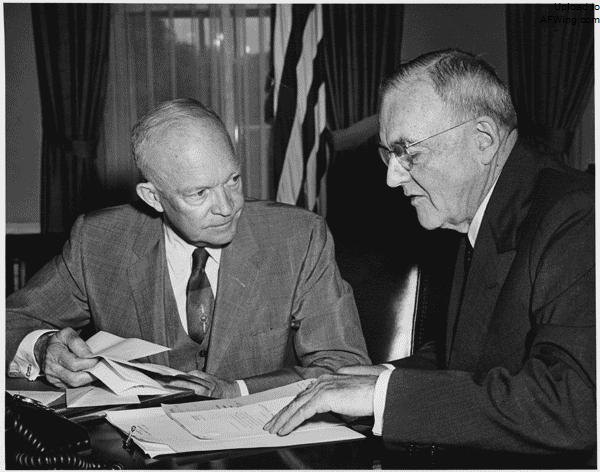


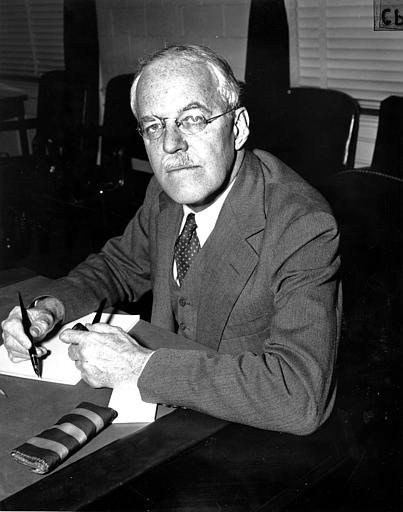
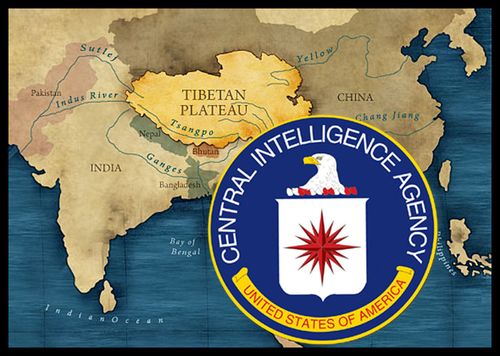


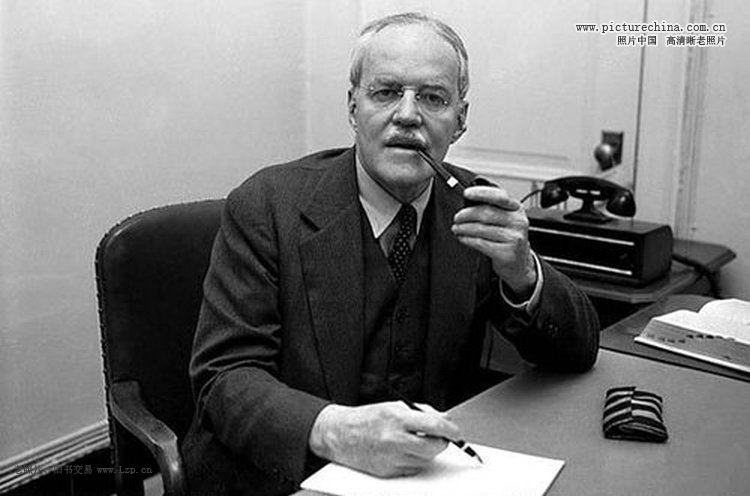

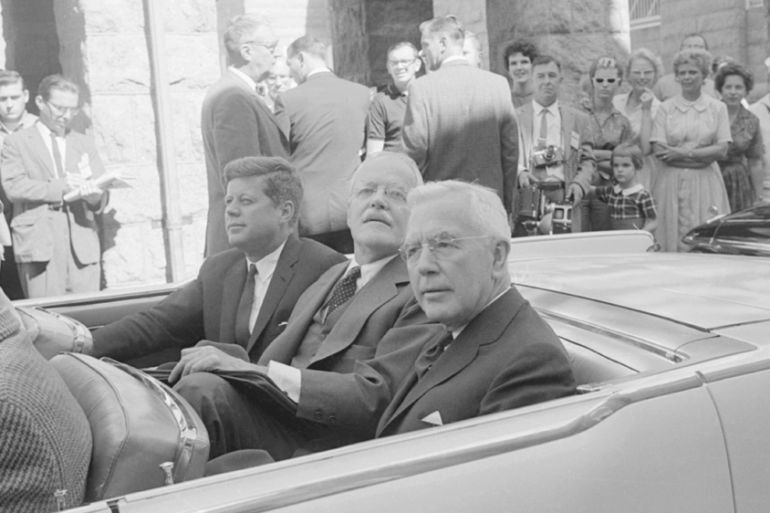


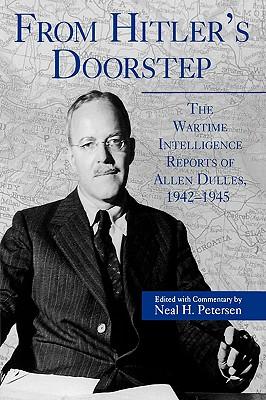

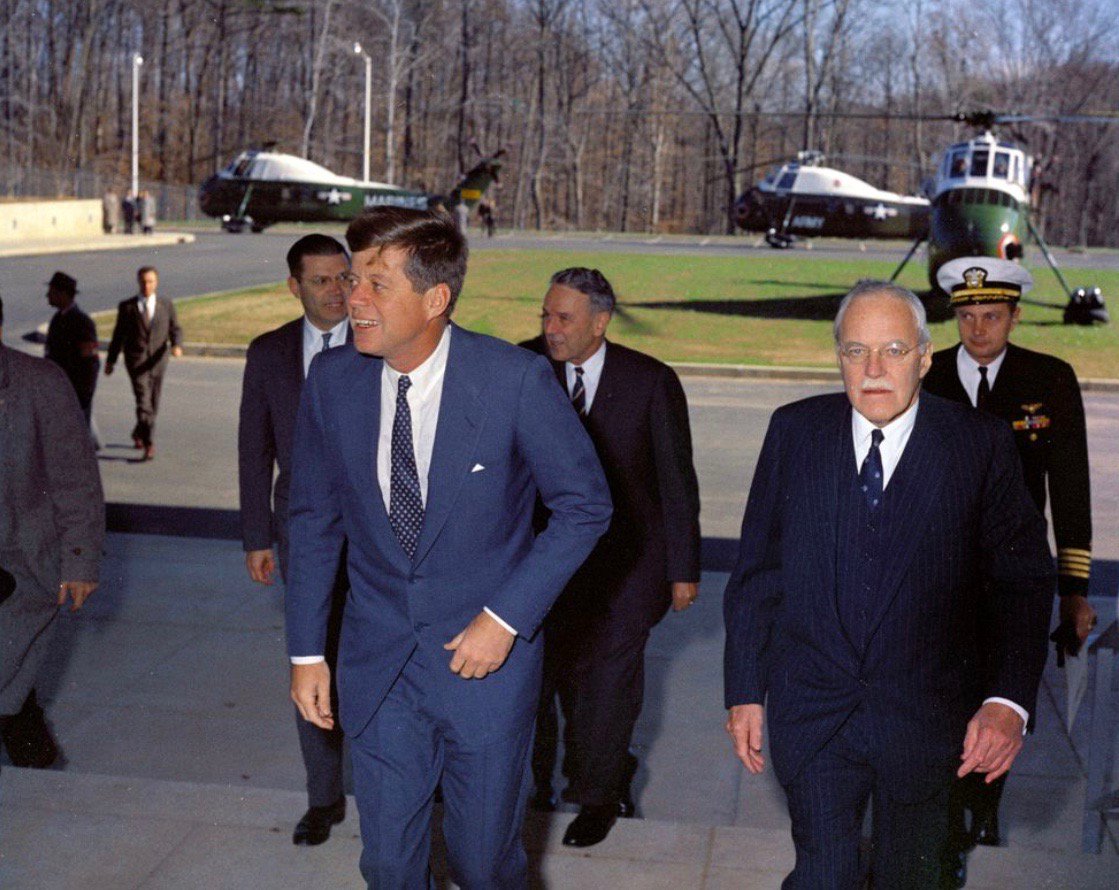

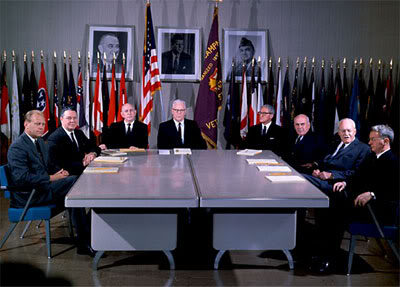


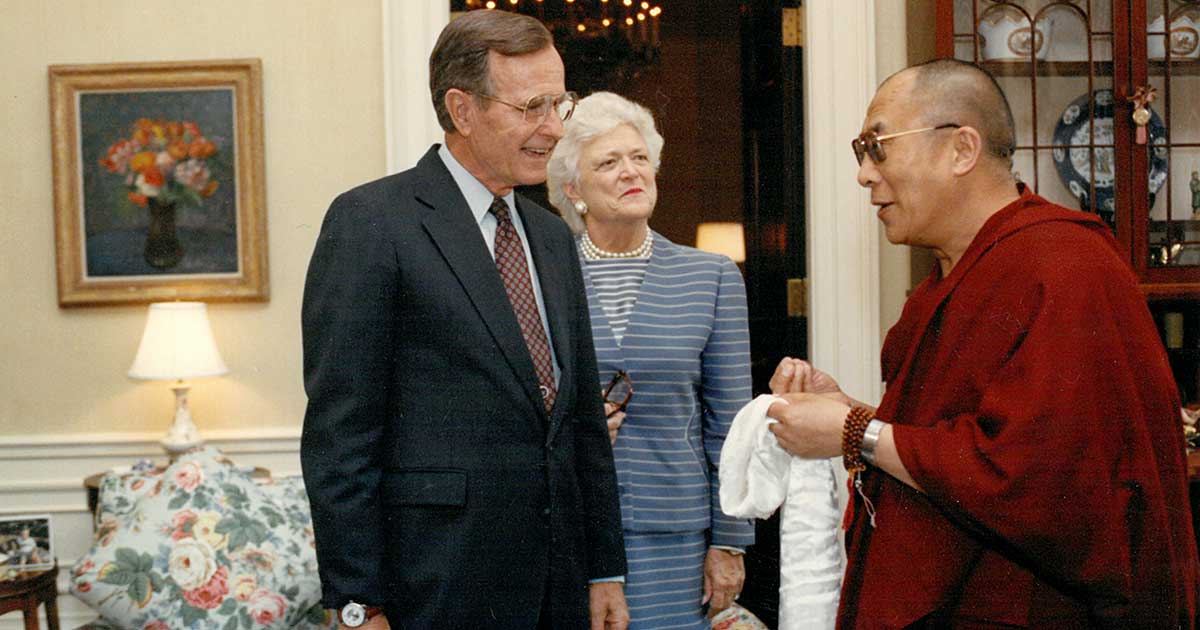
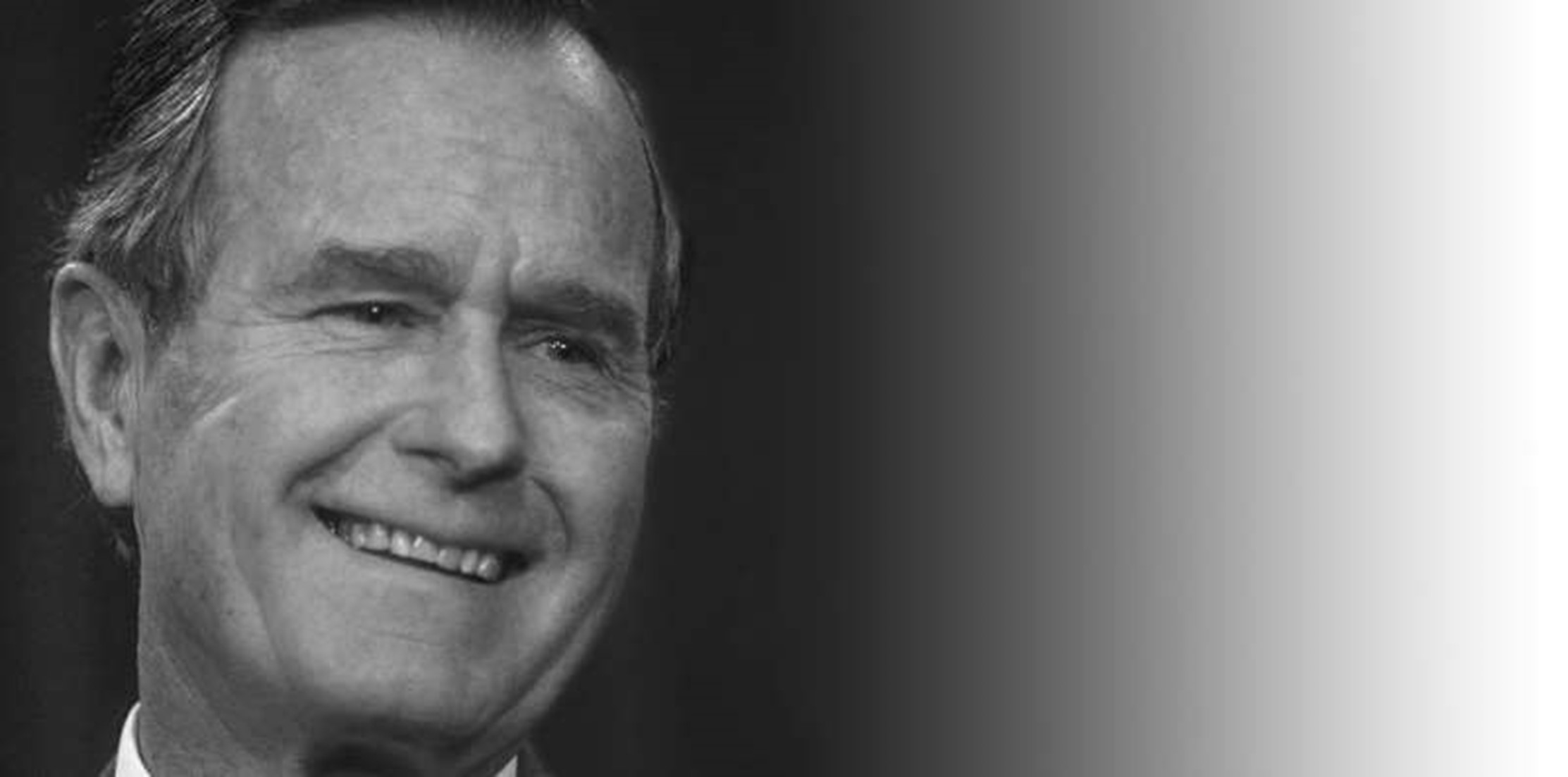
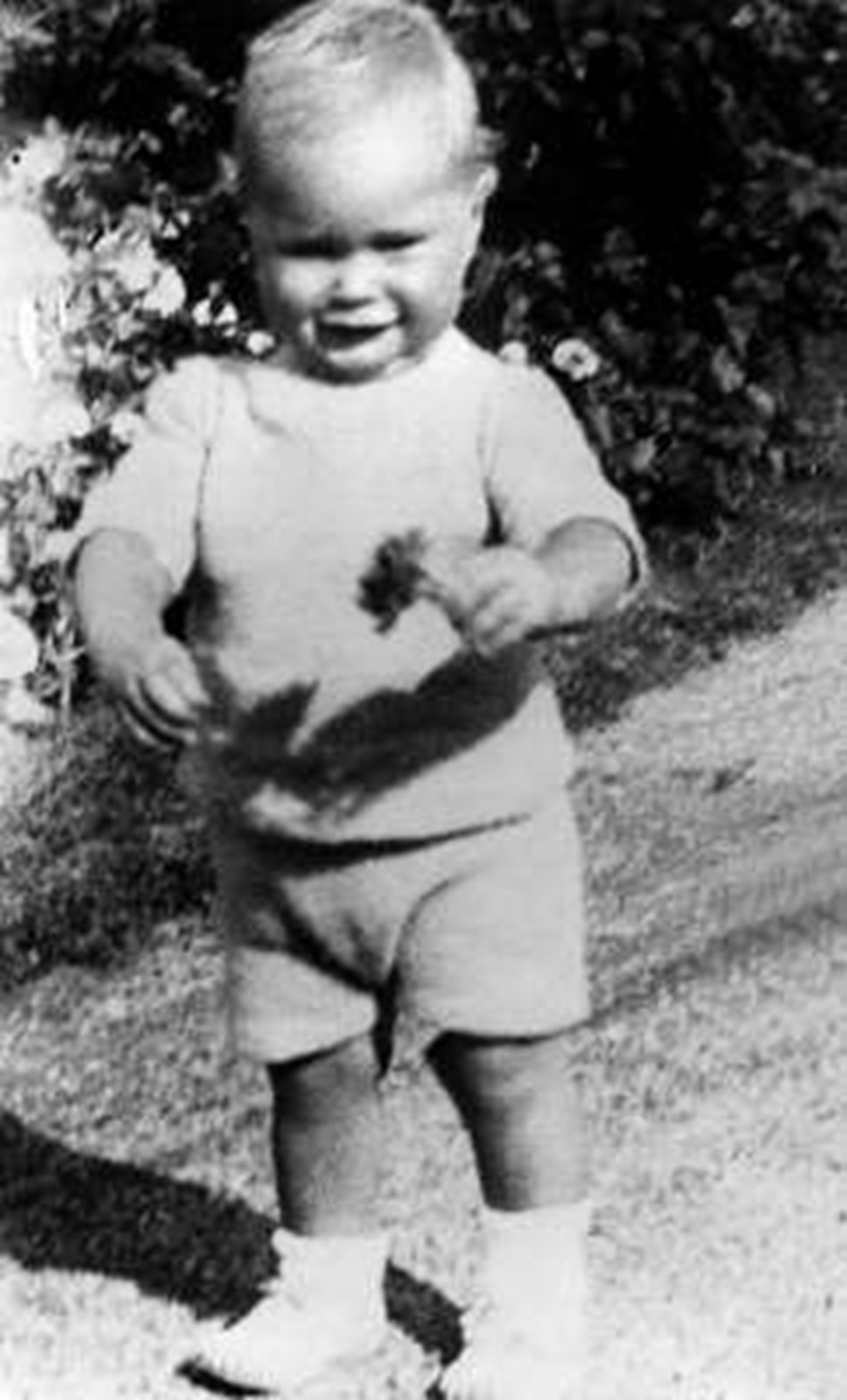


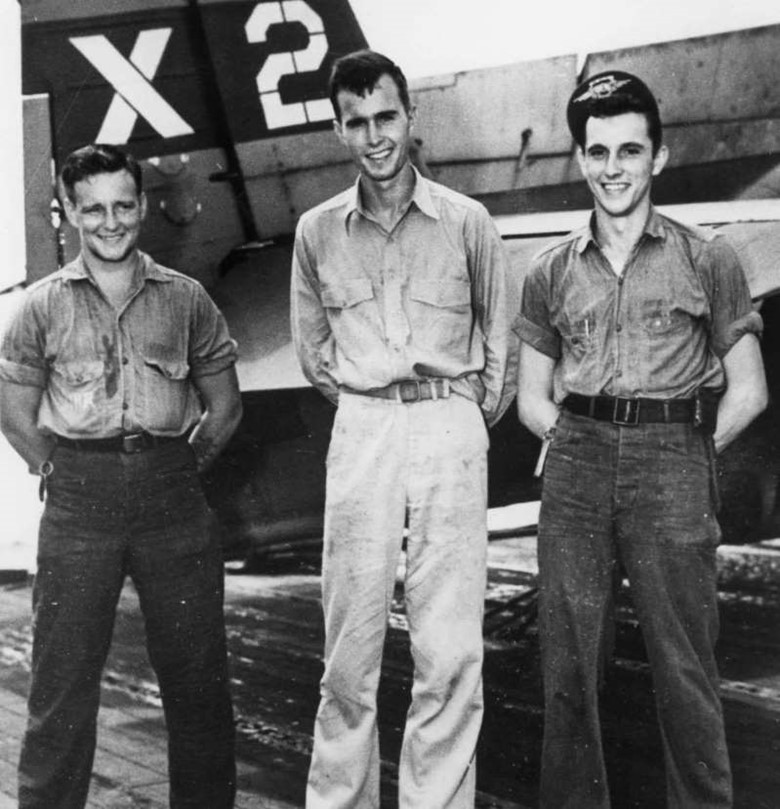
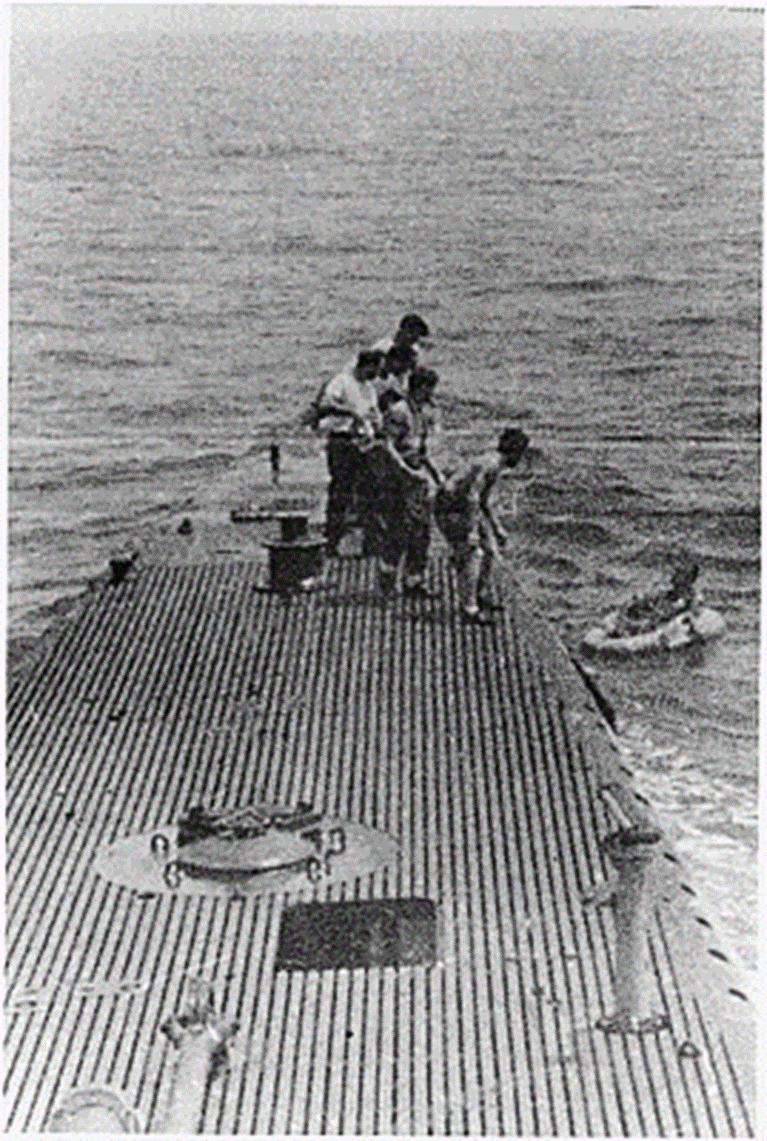
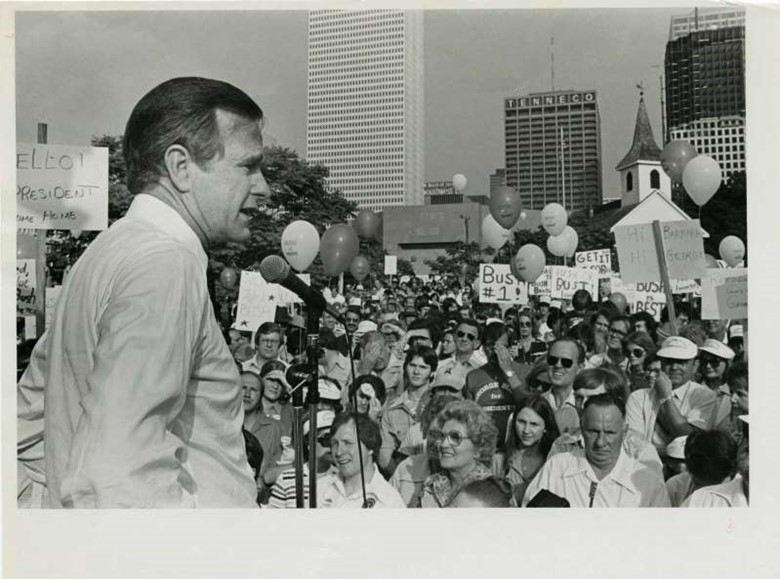
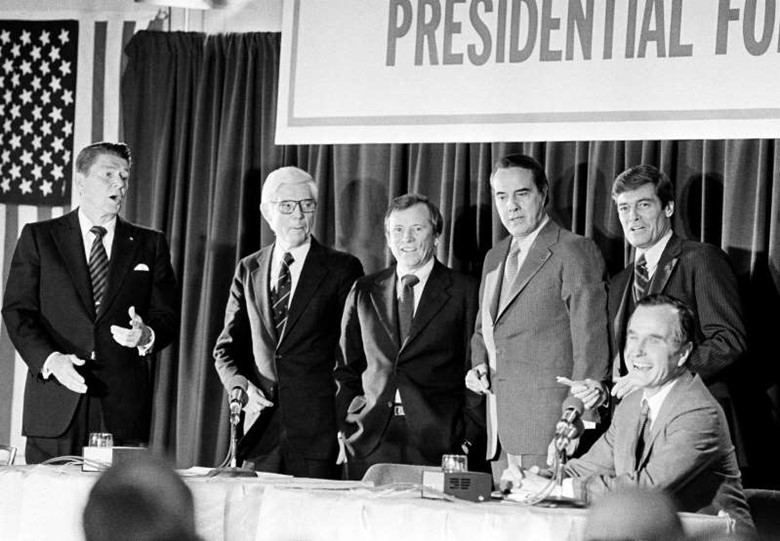
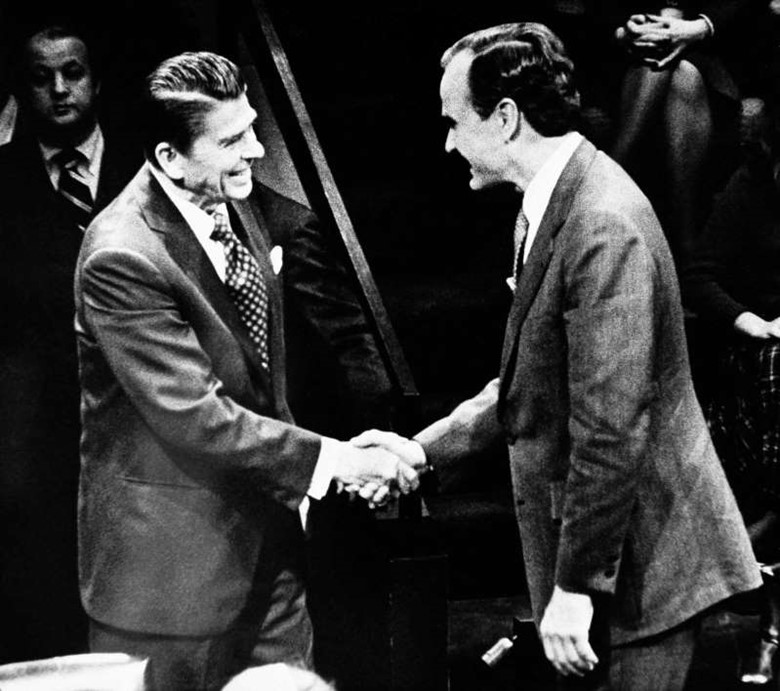


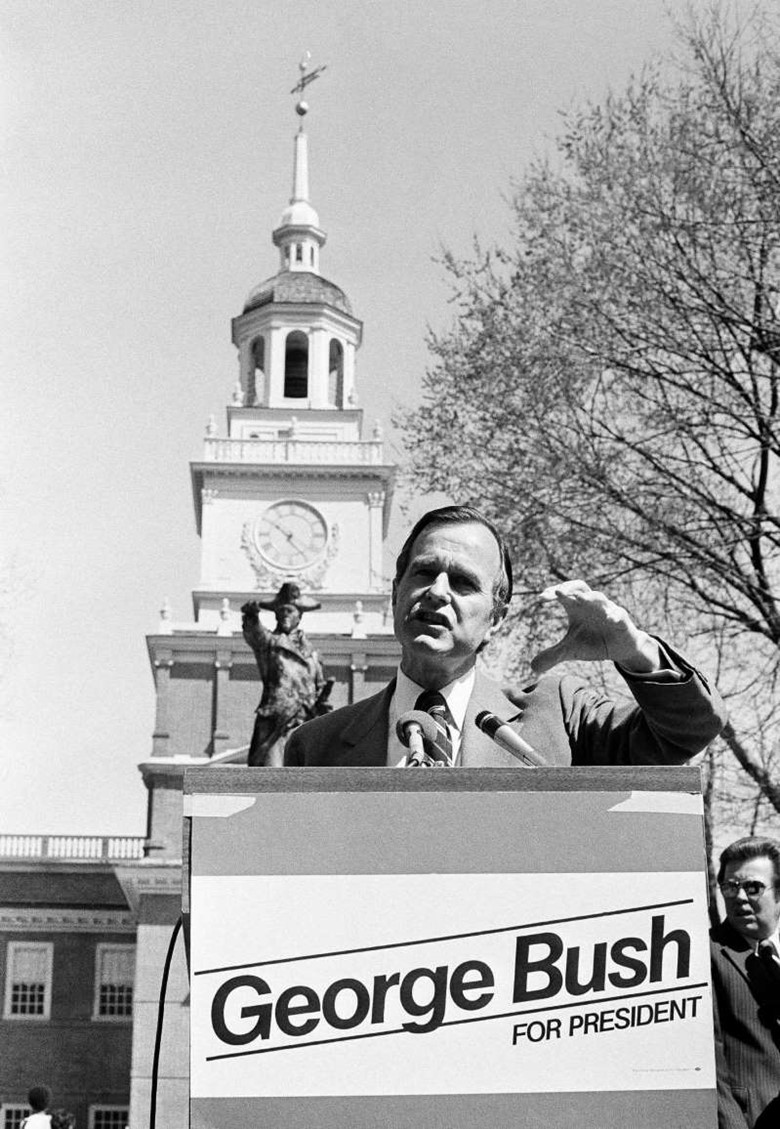


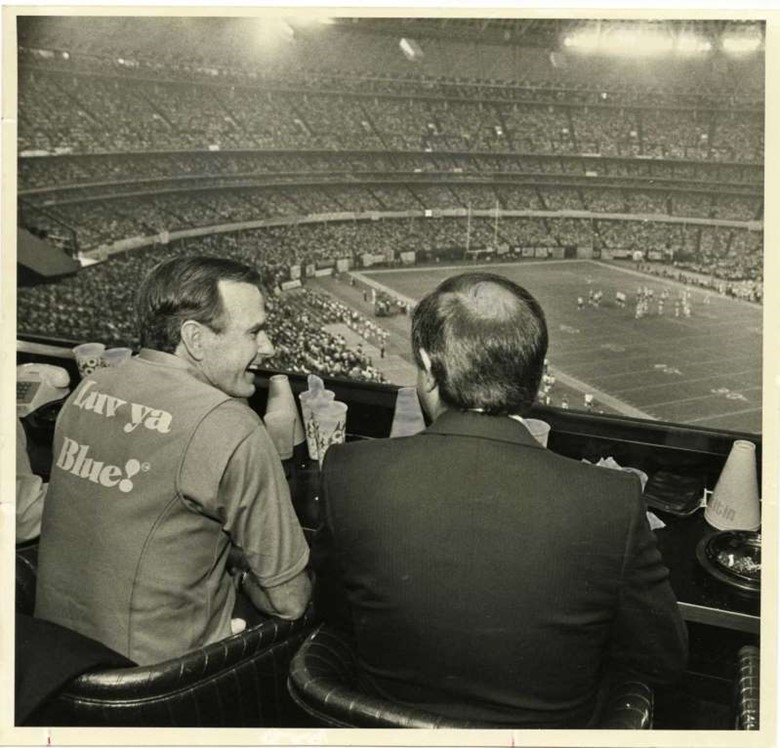
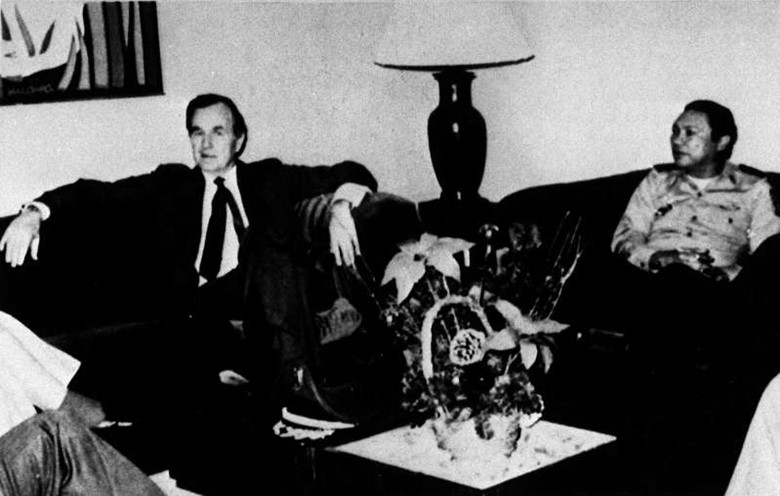
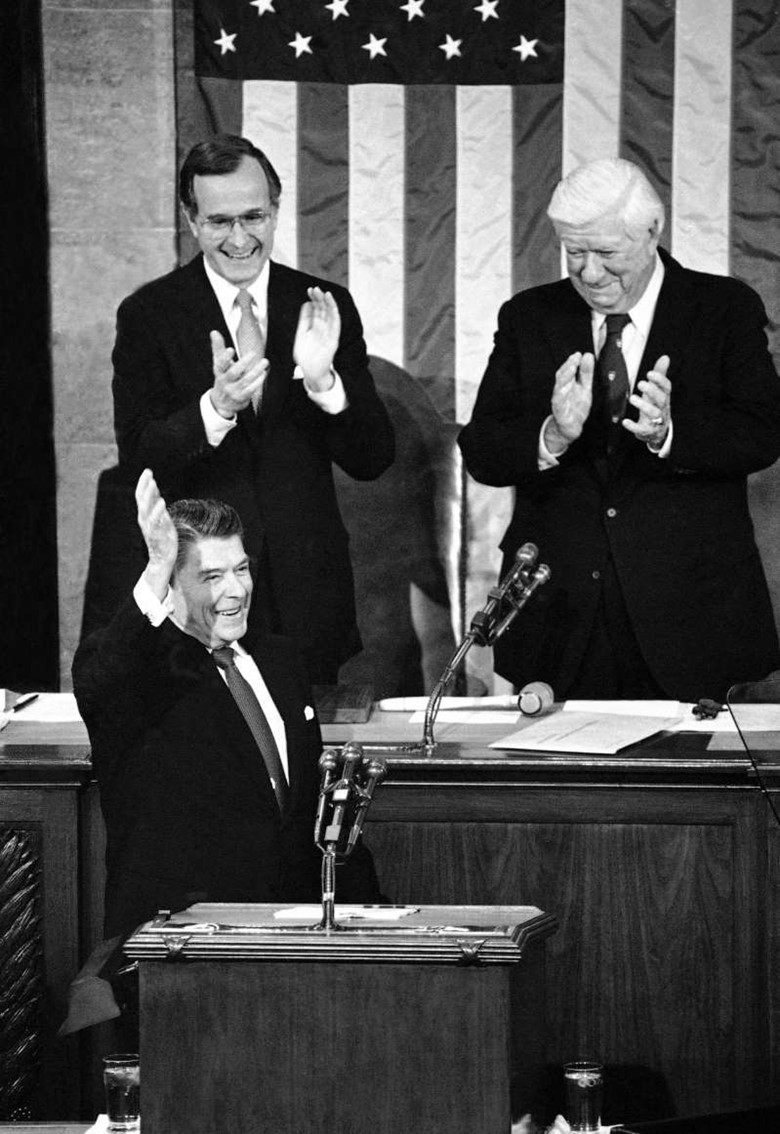


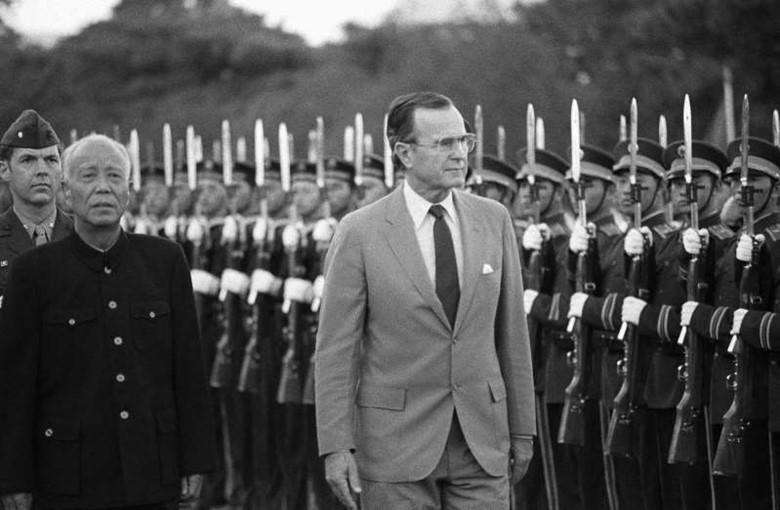


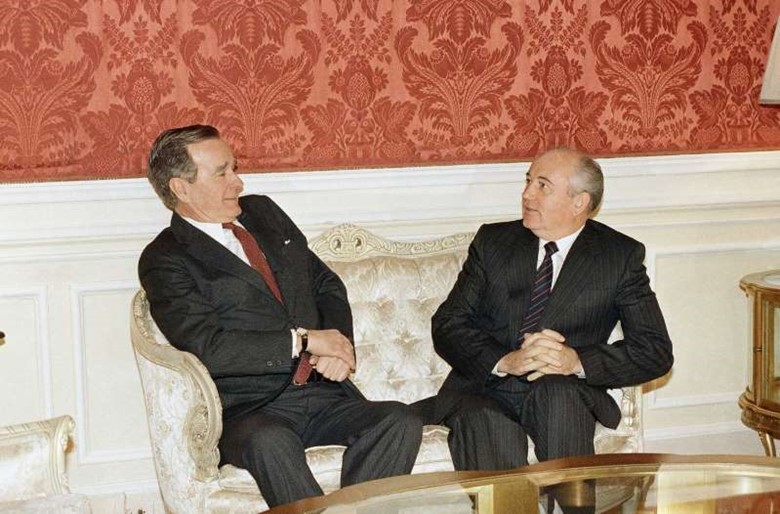
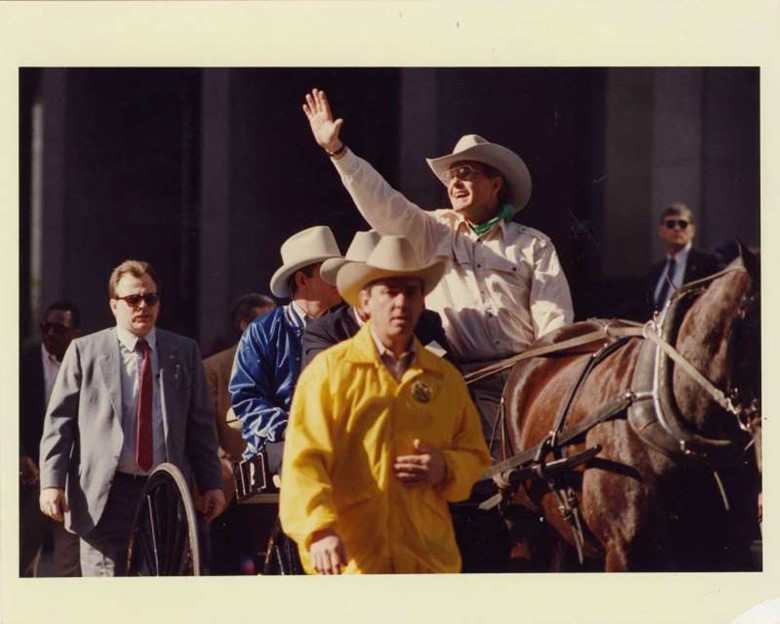

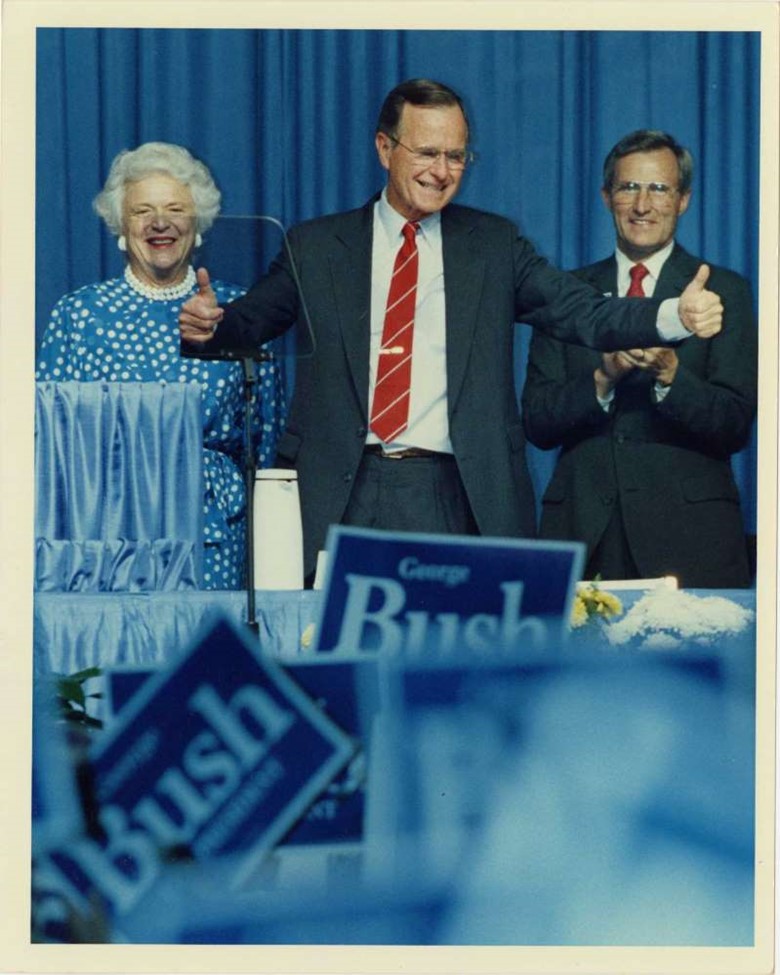


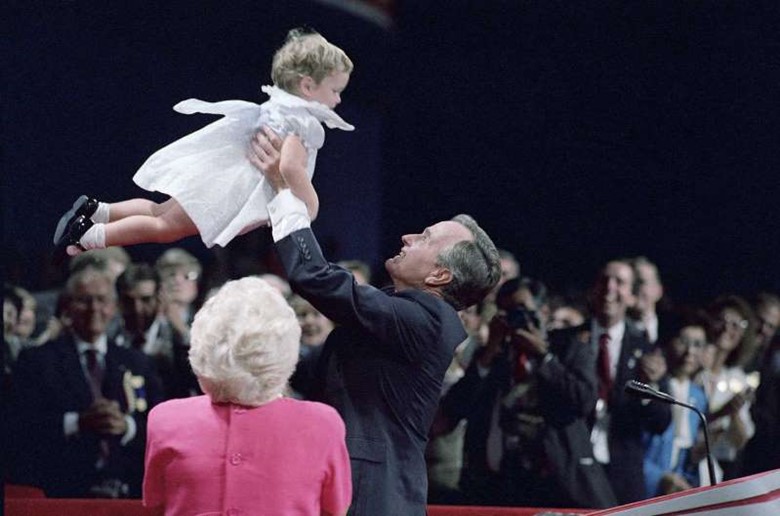
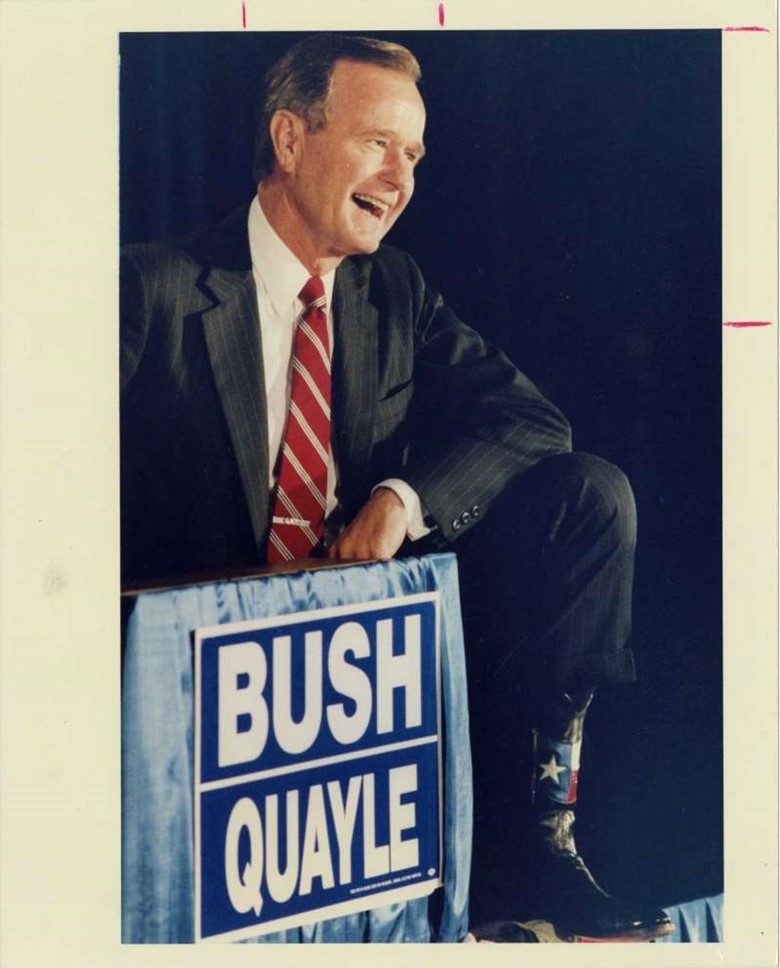
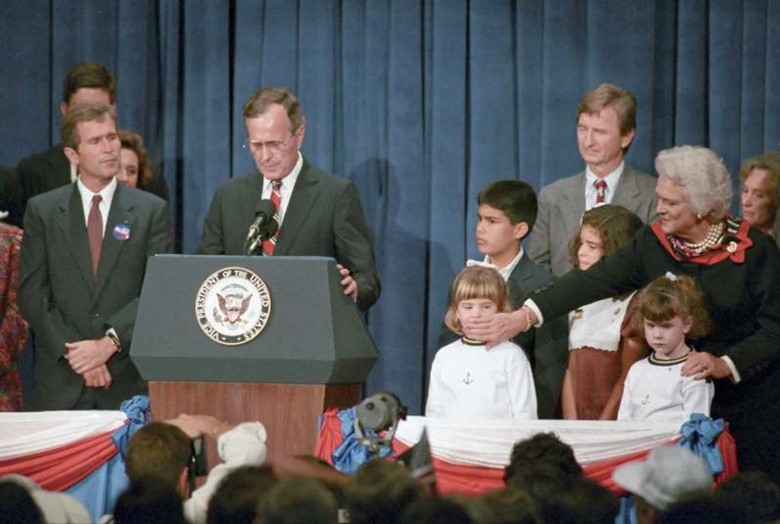


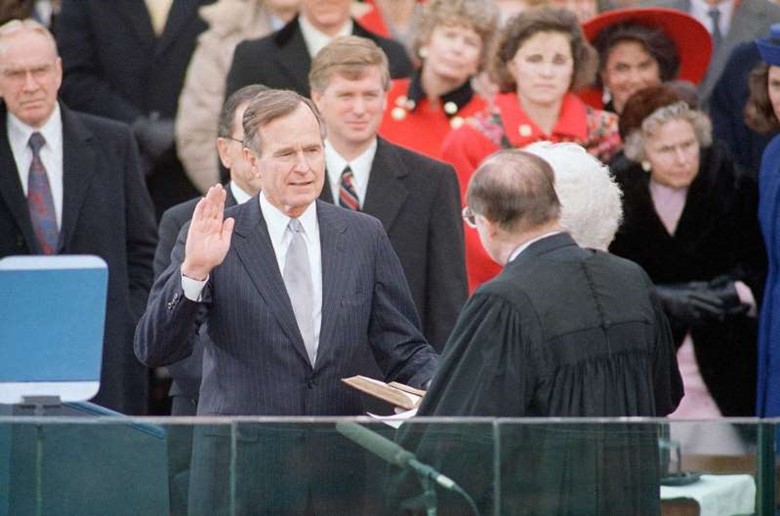


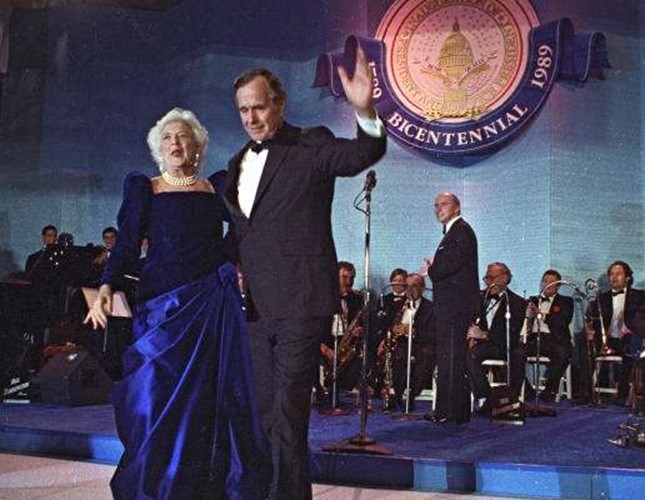


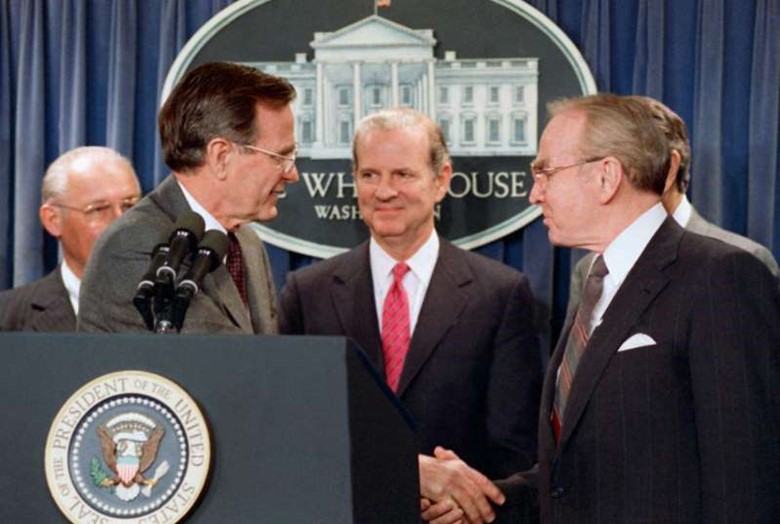

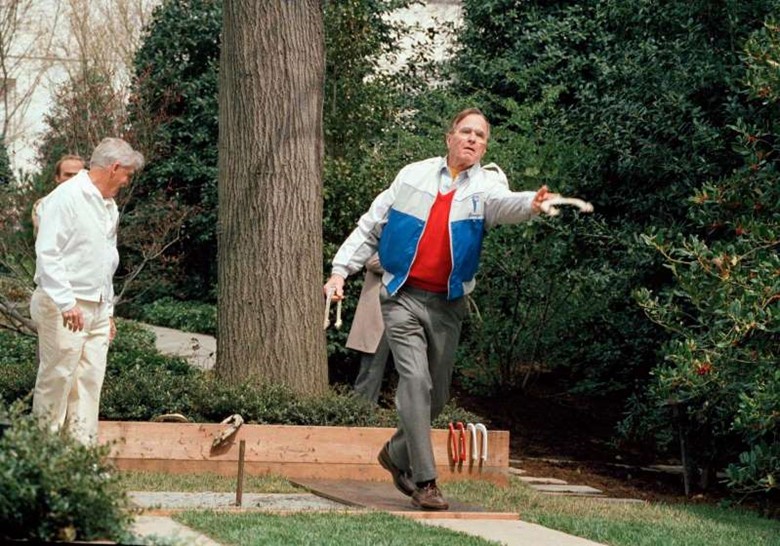

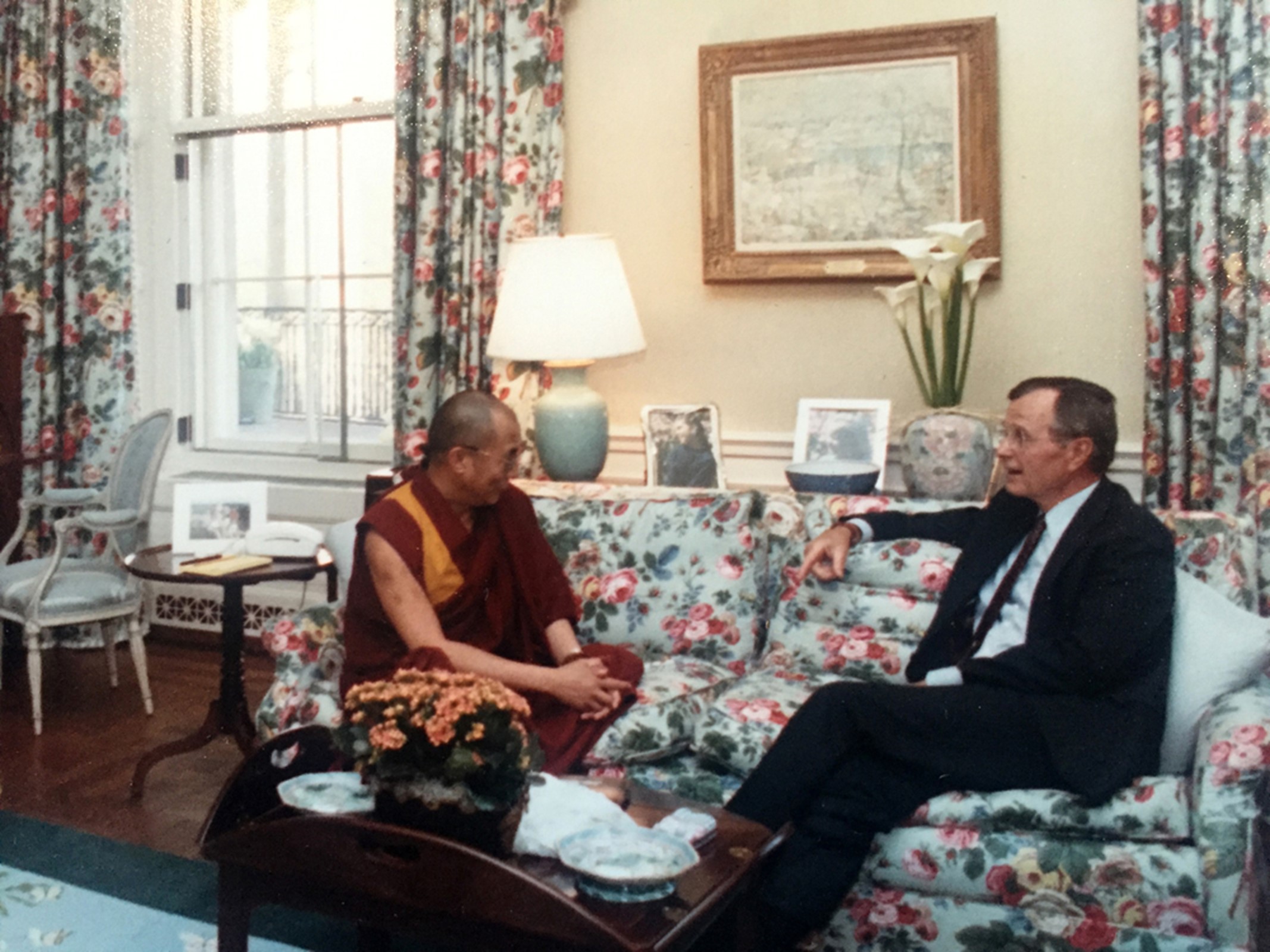

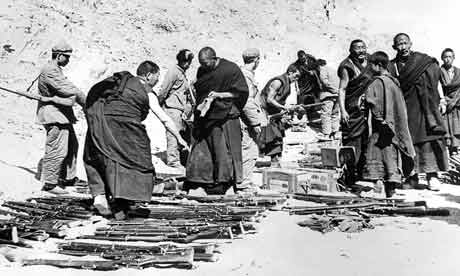

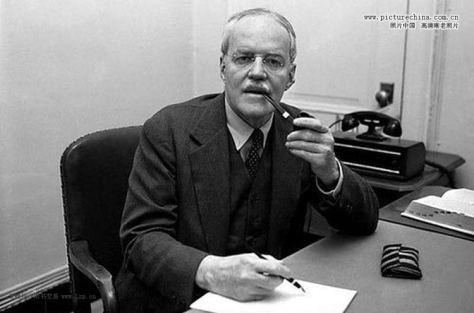
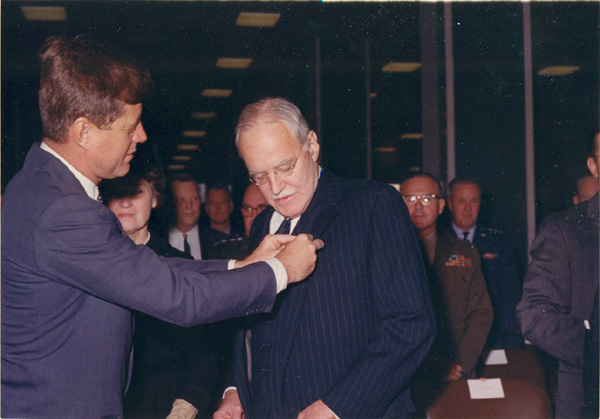

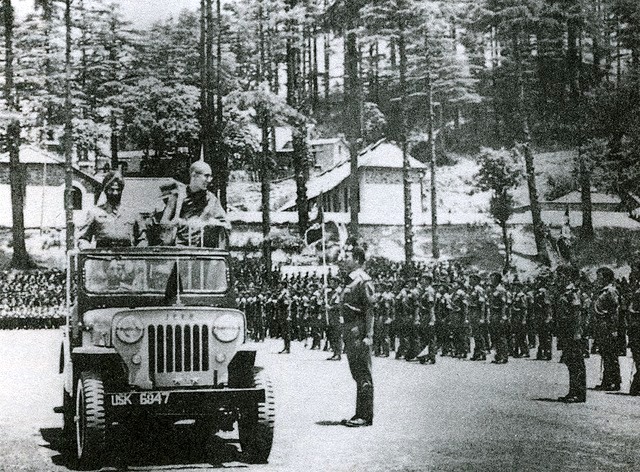

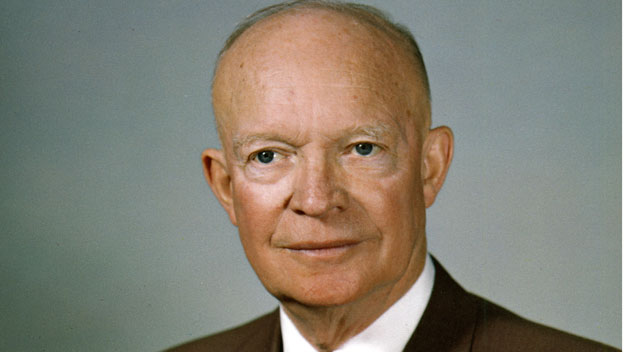
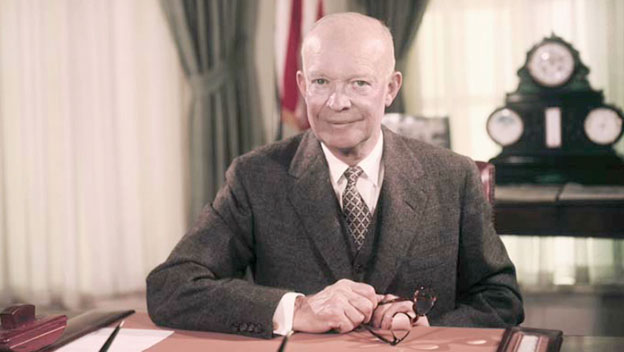

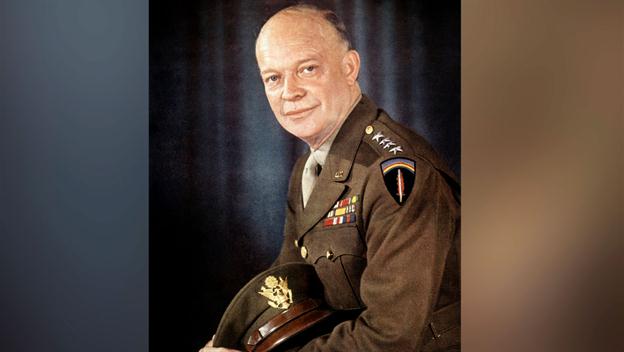


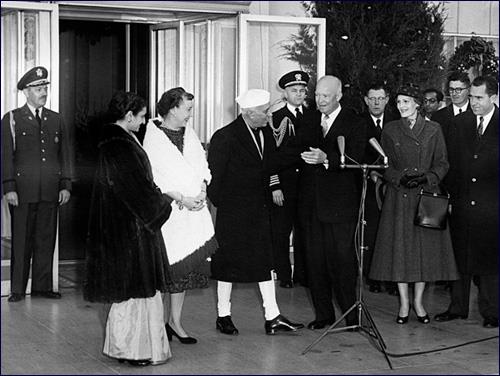
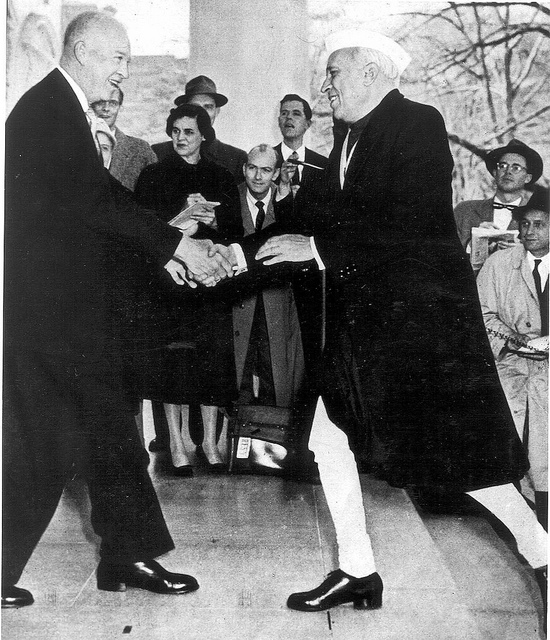

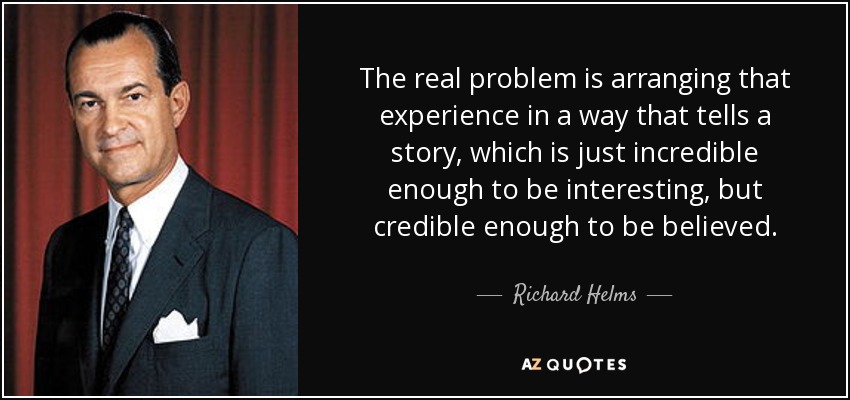


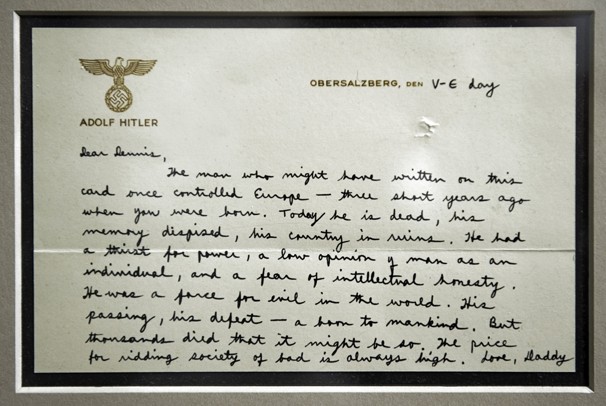
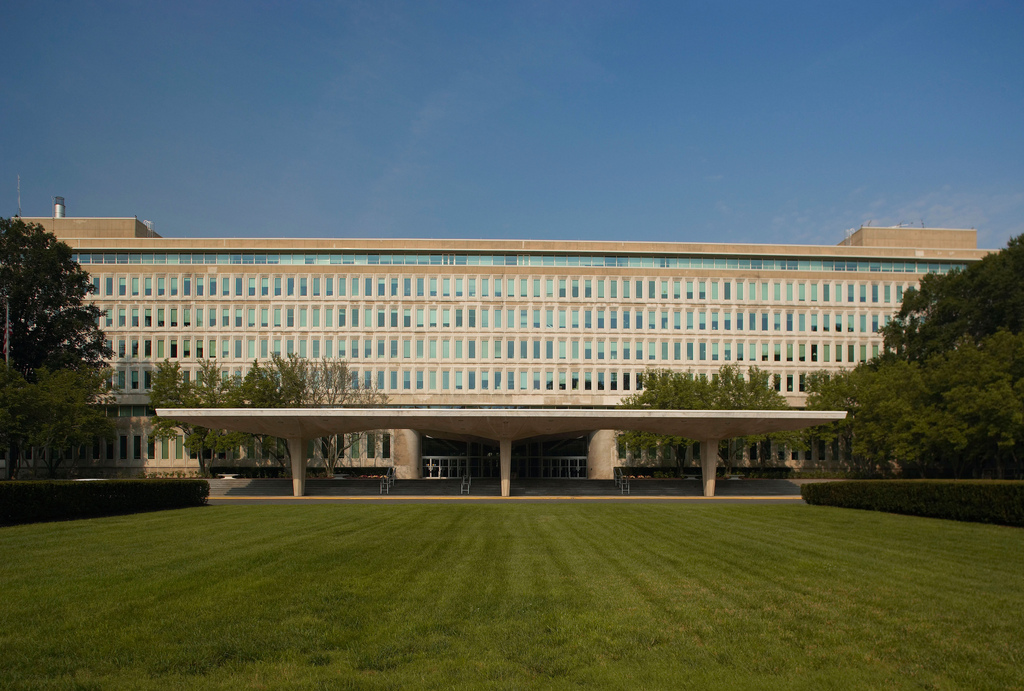


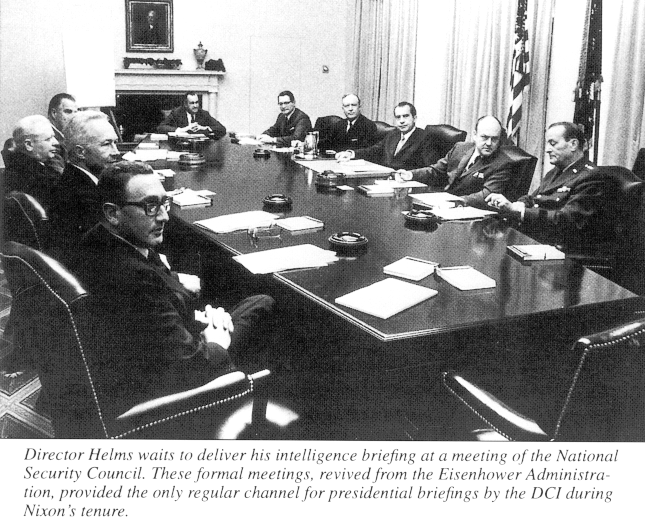

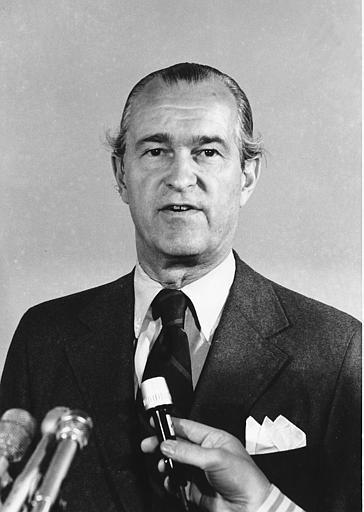
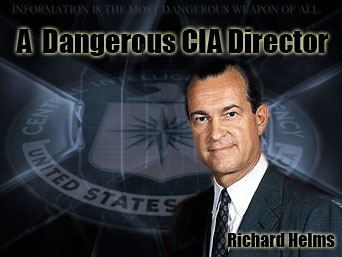


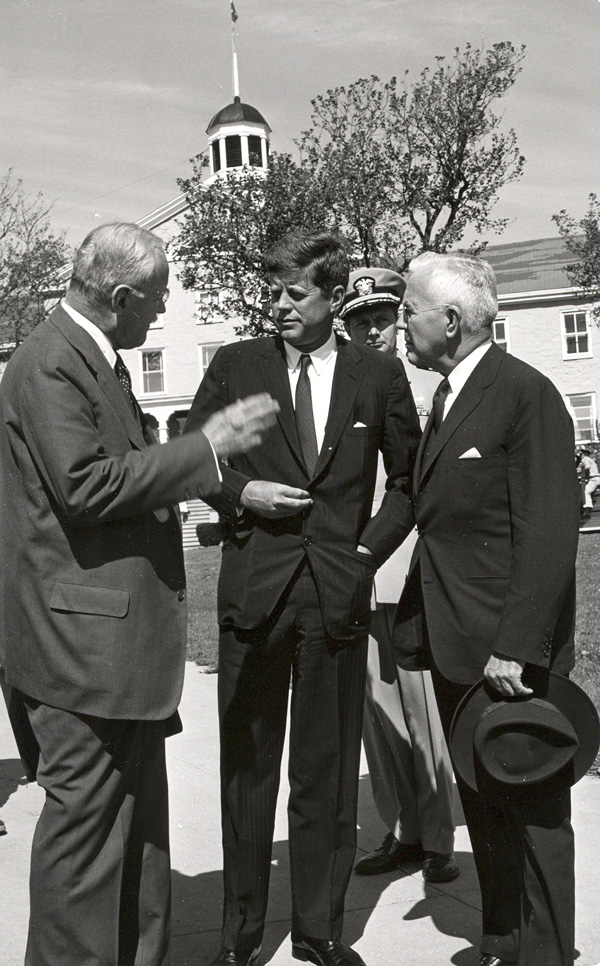


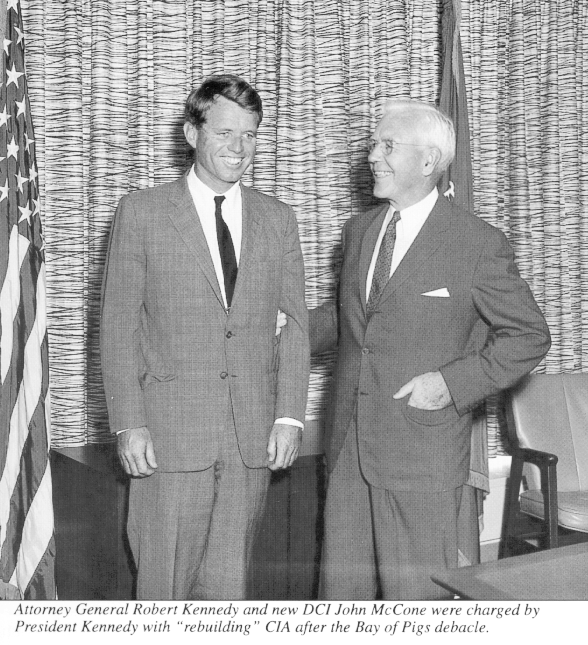

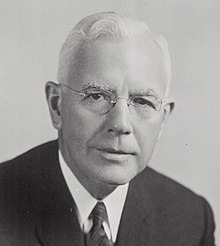



 Whole Dude - Whole Concept