Musings on Good Friday – Personal God vs Impersonal God
Looking at Jesus on Good Friday: The Agony of the Cup vs The Burden of the Cross. The transformation of personal God to impersonal God.
On Friday, April 18, 2025, Good Friday, I reflect upon the unique and special relationship between Jesus, the Son of Man and God. I am alien, foreigner, sojourner, stranger, tenant and traveler with no place to call home.
Looking at Jesus on Good Friday: The Agony of the Cup vs The Burden of the Cross. The transformation of personal God to impersonal God.Looking at Jesus on Good Friday: The Agony of the Cup vs The Burden of the Cross. The transformation of personal God to impersonal God.
I describe myself as the alien who carries the burden of the cross as Jesus slowly moves to reach His earthly destination. Jesus is spared from the burden of carrying the cross on the day of His crucifixion.
Looking at Jesus on Good Friday: The Agony of the Cup vs The Burden of the Cross. The transformation of personal God to impersonal God.Looking at Jesus on Good Friday: The Agony of the Cup vs The Burden of the Cross. The transformation of personal God to impersonal God.Looking at Jesus on Good Friday: The Agony of the Cup vs The Burden of the Cross. The transformation of personal God to impersonal God.
I describe myself as Simon a Cyrenian bearing the burden of the cross under compulsion and following Jesus. I am in the City of Jerusalem and yet I am an alien for I am not a citizen of Rome, not a citizen of Israel, not a citizen of Judea, and not a citizen of Galilee. I follow Jesus but I have not yet entered the Kingdom of Heaven on Earth to claim the citizenship status. I reflect upon the Great Struggle, the Agony of the Cup held by Jesus and the Burden of the Cross I carry. The completed act of Crucifixion resolved the Agony of the Cup, the Great Struggle endured by Jesus. I am the alien who is present when Jesus cries out as the Agony of the Cup comes to its conclusion.
Looking at Jesus on Good Friday: The Agony of the Cup vs The Burden of the Cross. The transformation of personal God to impersonal God.Looking at Jesus on Good Friday: The Agony of the Cup vs The Burden of the Cross. The transformation of personal God to impersonal God.Looking at Jesus on Good Friday: The Agony of the Cup vs The Burden of the Cross. The transformation of personal God to impersonal God.Looking at Jesus on Good Friday: The Agony of the Cup vs The Burden of the Cross. The transformation of personal God to impersonal God.Looking at Jesus on Good Friday: The Agony of the Cup vs The Burden of the Cross. The transformation of personal God to impersonal God.Looking at Jesus on Good Friday: The Agony of the Cup vs The Burden of the Cross. The transformation of personal God to impersonal God.Looking at Jesus on Good Friday: The Agony of the Cup vs The Burden of the Cross. The transformation of personal God to impersonal God.Looking at Jesus on Good Friday: The Agony of the Cup vs The Burden of the Cross. The transformation of personal God to impersonal God.Looking at Jesus on Good Friday: The Agony of the Cup vs The Burden of the Cross. The transformation of personal God to impersonal God.
I reflect upon the words of Jesus on this Good Friday. Before getting nailed to the Cross, Jesus expresses His special and unique relationship to God by addressing God as Abba or Father. After getting nailed to the Cross, I hear the final seven words cried out by Jesus. The special and unique relationship between the Father and the Son of Man suddenly disappears. The personal God gets transformed into impersonal God.
Looking at Jesus on Good Friday: The Agony of the Cup vs The Burden of the Cross. The transformation of personal God to impersonal God.Looking at Jesus on Good Friday: The Agony of the Cup vs The Burden of the Cross. The transformation of personal God to impersonal God.Looking at Jesus on Good Friday: The Agony of the Cup vs The Burden of the Cross. The transformation of personal God to impersonal God.Looking at Jesus on Good Friday: The Agony of the Cup vs The Burden of the Cross. The transformation of personal God to impersonal God.Looking at Jesus on Good Friday: The Agony of the Cup vs The Burden of the Cross. The transformation of personal God to impersonal God.
On this Good Friday, I reflect upon the final words of the Son of Man. His words relate to the words of pain and anguish shared by King David, the King of Israel and the author of the Book of Psalms. The pain is the same. But, the Agony of the Cup and the Burden of the Cross are different. The Agony of the Cup gets revealed to Father. The pain of Crucifixion gets revealed to God. Father vs God. What is the difference? What makes the difference? What is the difference between personal God and impersonal God?
Looking at Jesus on Good Friday: The Agony of the Cup vs The Burden of the Cross. The transformation of personal God to impersonal God.Looking at Jesus on Good Friday: The Agony of the Cup vs The Burden of the Cross. The transformation of personal God to impersonal God.Looking at Jesus on Good Friday: The Agony of the Cup vs The Burden of the Cross. The transformation of personal God to impersonal God.Looking at Jesus on Good Friday: The Agony of the Cup vs The Burden of the Cross. The transformation of personal God to impersonal God.Looking at Jesus on Good Friday: The Agony of the Cup vs The Burden of the Cross. The transformation of personal God to impersonal God.Looking at Jesus on Good Friday: The Agony of the Cup vs The Burden of the Cross. The transformation of personal God to impersonal God.
On this Good Friday, I am reflecting upon the difference between the words Father and God, the two different words used by Son of Man before getting nailed to the Cross, and after the completion of the act of Crucifixion that is nearing its conclusion. In my analysis, the difference between Father and God reflects upon the nature of the relationship. The Father-Son relationship, partnership, bonding, association, the coming together, and the yoking cannot be experienced in the God-man relationship which imposes a degree of detachment, estrangement, separation, and alienation. For I describe myself as an alien, I bear the burden of the Cross as I painfully march to the destination when the struggle finally reaches its conclusion, at the ninth hour, I ask myself, “My God, Why have You forsaken me.”
Looking at Jesus on Good Friday: The Agony of the Cup vs The Burden of the Cross. The transformation of personal God to impersonal God.Looking at Jesus on Good Friday: The Agony of the Cup vs The Burden of the Cross. The transformation of personal God to impersonal God.
OLD AGE MONTHLY RETIREMENT INCOME BENEFIT IS A HUMAN RIGHT
Old Age Monthly Retirement Income Benefit is a Human Right.
At the Headquarters Establishment No. 22 also known as Special Frontier Force, I served to defend the Human Rights of men who are neither citizens nor refugees of the United States which employed us. For that reason, I examine the Human Rights of workers who work in the United States without being citizens or refugees.
The most important characteristic of Labor is that it consumes time while the man performing Labor experiences the relentless aging process without any concern for his nationality status. Providing income security in Old Age is a humanitarian concern for it defends the human dignity of all people who suffer from the inevitable consequences of the eternal Law of Aging.
Having served the US exposing my life to extreme risk of premature death, I must expose ‘The Clinton Curse’ that endangers the lives of all the US residents irrespective of their Nationality Status.
Old Age Monthly Retirement Income Benefit is a Human Right.
President Bill Clinton’s Slavery Mandate of 1996 constitutes disobedience of LORD’s Commandment to choose Life and to avoid the danger of eternal Death.
One of the biggest misconceptions about undocumented immigrants is that they don’t pay any taxes. In his first address to Congress, President Trump set the tone for his coming immigration agenda when he said immigration costs US taxpayers “billions of dollars a year.”
A 2017 Gallup poll that asked survey respondents “whether immigrants to the United States are making the [tax] situation in the country better or worse” found that 41 percent said, “worse,” while only 23 percent said “better” (33 percent said they had “no effect”).
The reality is far different. Immigrants who are authorized to work in the United States pay the same taxes as US citizens. And, contrary to the persistent myth, undocumented immigrants do in fact pay taxes too. Millions of undocumented immigrants file tax returns each year, and they are paying taxes for benefits they can’t even use.
The best estimates come from research by the Institute of Taxation and Economic Policy, a Washington, DC, think tank, which suggests that about half of undocumented workers in the United States file income tax returns. The most recent IRS data, from 2015, shows that the agency received 4.4 million income tax returns from workers who don’t have Social Security numbers, which includes a large number of undocumented immigrants. That year, they paid $23.6 billion in income taxes.
· Those undocumented workers paid taxes for benefits they can’t even use, like Social Security and Medicare. They also aren’t eligible for benefits like the earned income tax credit. But the IRS still expects unauthorized immigrants to file their taxes, and many of them do so.
Filing taxes helps immigrants create a paper trail to show when they entered the country and how long they’ve been contributing tax dollars. Many are hoping it will help them get legal status one day. That has happened in past reform efforts, and one of the first requirements is usually to prove that a person has been paying taxes. That was the case for the undocumented youth granted temporary work permits under President Obama’s deportation relief program, known as DACA.
· So, despite all the political rhetoric, undocumented immigrants are not a drain or burden on the government.
How unauthorized immigrants pay their taxes
In April 2017, I visited Casa de Maryland in Rockville, Maryland, which hosts two federally subsidized centers where low-income workers can file their taxes for free. That year, they had helped about 200 undocumented immigrants file their taxes, and many were waiting in line with their paperwork when I stopped by.
I watched tax preparer Earvin Gonzalez go through the process of helping undocumented immigrants file their taxes. Maria, whose last name is being withheld because of her immigration status, handed him a folder with tax documents from two jobs. Her W-2 showed that a housecleaning company paid her $17,288 in 2015.
As Gonzalez filled out her information in a computer software program, a green box popped up on the computer screen: “Taxpayer’s Social Security number is not valid.”
· That wasn’t a surprise. The 36-year-old woman from El Salvador is undocumented, and she told me that she made up the Social Security number on the W-2 form because she doesn’t have one. Her employer never asked for identification to verify it, she says. Instead, she has an Individual Taxpayer Identification Number (ITIN), created by the IRS in 1996 so people who aren’t allowed to work in the United States could still file taxes on any income they earned. (The IRS does not share ITIN information with immigration authorities.)
Maria said she applied for an ITIN number shortly after arriving illegally in the United States from El Salvador in 2009. People told her that having a record of paying taxes would help her with her case to gain legal status if immigration reform happened.
Comprehensive immigration reform failed in Congress, but Maria is still paying her taxes every year. “I think it’s important, and all my relatives pay their taxes too,” she told me.
· Last year, her tax documents also included two 1099 forms, for her second job as a contractor.
“What kind of jobs were these?” Gonzalez asked her in Spanish.
“After cleaning houses, I would go lay concrete in parking lots,” she said.
Those two jobs brought in a total of $24,845 last year, and Maria still needed to pay taxes on that income. Gonzalez entered some deductions, such as the $1,500 she spent on equipment to pour and level concrete and the 12,000 miles she drove between job sites. Maria, who is a single mom, claimed two dependents: her 16-year-old son and 13-year-old daughter. With her ITIN number, she was able to claim child tax credits, but not the earned income tax credit, the major federal tax credit for low-income working families.
· In the end, Maria owed $1,131 in income taxes to the state of Maryland and $775 to the federal government. She said she had some money saved up because she knew she would have a tax bill at the end of the year from the contracting jobs. But she said she will probably get on a payment plan with the IRS. If Maria had qualified for the earned income tax credit, her tax bill would probably have been about $500 lower.
Unauthorized immigrants boost funding for the Social Security system
It’s true that not all undocumented immigrants pay federal income taxes, because the government has no way to keep track of their under-the-table earnings. The IRS can withhold taxes from those hired with fake Social Security numbers, but workers who get paid in cash could simply choose not to report it, unless they voluntarily file a return with an ITIN number.
Still, all undocumented workers fund public schools and local government services by paying sales and property taxes like everyone else. The Institute on Taxation and Economic Policy estimates that they pay about $11.7 billion a year in state and local taxes.
And workers who get a paycheck, like Maria, still have payroll taxes for Medicare and Social Security withheld from their paycheck, even if they put a fake Social Security number on their W-2 form. The IRS estimates that unauthorized workers pay about $9 billion in payroll taxes annually.
In Maria’s case, the W-2 form showed that she paid $1,072 into Social Security and $251 into Medicare, two social safety net programs she may never benefit from.
A portion of the payroll tax withheld from undocumented immigrants — like all workers — goes to the retirement trust fund at the Social Security Administration. In 2013, the agency reviewed how much money undocumented workers contributed to the retirement trust fund. The number was astonishing: $13 billion in one year.
The chief actuary of the Social Security Administration, Stephen Goss, estimates that about 1.8 million immigrants were working with fake or stolen Social Security cards in 2010, and he expects that number to reach 3.4 million by 2040.
“We estimate that earnings by unauthorized immigrants result in a net positive effect on Social Security financial status generally,” Goss concluded in the 2013 review.
These numbers are a stark contrast to the often repeated rhetoric that undocumented immigrants are a drain on the US economy. Even most Americans seem to think so — in a 2014 Reuters poll, 63 percent of people surveyed said they believe undocumented immigrants burdened the economy.
Emiliano, a 57-year-old undocumented day laborer from Honduras, told me that he knows many people assume he doesn’t pay his taxes. He doesn’t care. He just hopes one day it will help him get legal status.
When I told him the chances don’t look good under the Trump administration, he shrugged.
“You have to have hope in something,” he said.
Old Age Monthly Retirement Income Benefit is a Human Right.
Whole Dude – Whole Sin – Whole Atonement: The Scapegoat Tradition: To promote Whole Team Member Happiness and Excellence, I appoint myself as the official Scapegoat. The biblical tradition of Atonement will take rebirth in a new form for saving Whole Team Members from blame and sin
Yes Indeed, Life is Complicated. The fundamental complexity of Life involves the problem of Sin which dates back to the very beginning of the man. Fortunately, the Bible offers a Second Chance to the man to remove the burden of Sin. In work life, the man needs a new tradition to survive in the workplace without getting swallowed by Sin as determined by his employer.
The Sin Removal and the Sin Disposal Service-The New Scapegoat Service: This blog post is respectfully dedicated to the memory of William Tyndale (1494-1536), English Religious Reformer, translator of the Bible and a Protestant Martyr. He coined the phrase Scapegoat in 1530.
Here is the most exciting news for ‘Whole Team’ Members. You can safely and securely deposit all the blame for all your mistakes on the head of your designated Scapegoat.
Whole Dude – Whole Sin – Whole Atonement: The Sin Removal and the Sin Disposal Service-The New Scapegoat Service: Very exciting news for all Whole Team Members. I have chosen myself as the official Scapegoat of the Whole Team. Members can safely and securely lay the burden of blame and sin upon my head and I will deliver the sin in a desert or wilderness and dispose off all your fears and worries to make sure your Happiness and Excellence at your Workplace.
As a ‘Whole Team’ Member, my primary concern is about your Happiness and Excellence at the Workplace. But, we have to accept the realities of life.
What is Sin?
Whole Dude – Whole Sin – Whole Atonement: The Sin Removal and the Sin Disposal Service-The New Scapegoat Service: Very exciting news for all Whole Team Members. I have chosen myself as the official Scapegoat of the Whole Team. Members can safely and securely lay the burden of blame and sin upon my head and I will deliver the sin in a desert or wilderness and dispose of all your fears and worries to make sure your Happiness and Excellence at your Workplace.
In common usage, the word ‘Sin’ refers to the blame attached to any behavior or action that is not acceptable to established standards. At the Workplace, there are over one hundred rules of conduct and behavior; the terms and conditions for workplace behavior and conduct are explicitly stated. It is not easy to avoid blame or ‘sin’ while you work for wages or salary. The workplace often uses a scoring system by awarding points for each type of misconduct and the points earned will invariably lead to corrective action which includes dismissal from service.
My idea is not about changing workplace terms and conditions for employment. I am proposing an original plan for ‘Sin Removal’ and ‘Sin Disposal’ Service that will promote the Team Member Happiness to boost up the wage earner’s excellence in the performance of the workplace tasks.
Whole Dude – Whole Sin – Whole Atonement: The Sin Removal and the Sin Disposal Service-The New Scapegoat Service: To promote Happiness and Excellence at the Workplace, I am proposing to appoint myself as the official Scapegoat of the Whole Team. The biblical tradition of Atonement will take rebirth in a new form to save Whole Team Members from blame and sin that relates to their Workplace behavior and conduct.
My proposal for ‘Sin Removal’ and ‘Sin Disposal’ Service would have the next features:
1. An Official “Scapegoat” of the Whole Team,
2. An Official High Priest, a designated ‘Team Leader’ or a designated ‘Facility Team Leader’ who is given the powers by the Employer to “transfer” the blame and sin of any given employee and place it on the head of the “ScapeGoat,”
3. An official designated day of “Atonement” or on the US holiday Labor Day, the “ScapeGoat” will be dispatched to the desert to safely and securely dispose of all the blame and sin, and
4. On successful conclusion of the Sin Disposal Mission, the “ScapeGoat” returns to the workplace from the desert.
The Scapegoat Service:
Whole Dude – Whole Sin – Whole Atonement: The Scapegoat Service is a legitimate Sin Removal and Sin Disposal Service that is currently offered only to Whole Team Members as a Whole Reward for their Whole Labor.
ScapeGoat Service is a legitimate Sin Removal and Sin Disposal Service that is now offered only to Whole Team Members as a Whole Reward for their Whole Labor.
Whole Dude – Whole Sin – Whole Atonement: Scapegoating is the practice of singling out an employee for unmerited negative treatment or blame.
Scapegoating is the practice of singling out an employee or the member of a group for unmerited negative treatment or blame. I fully condemn the unjust and unfair practice that is popularly known as “Scapegoating.”
What is the meaning of the Scapegoat?
The Scapegoat Service-Whole Team-Whole Labor-Whole Reward. The Sin Removal and the Sin Disposal Service.
In Hebrew tradition, ‘ScapeGoat’ is a specially chosen he-goat over the head of which the ‘High-Priest’ of the ancient Jews confessed the sins of the people on ‘The Day of Atonement’ (Yom Kippur), after which the goat was allowed to escape into the wilderness.
The Scapegoat Service-Whole Team-Whole Labor-Whole Reward. The Sin Removal and the Sin Disposal Service. The Scapegoat is not a Sacrificial Goat. It is just an Emissary Goat.The Scapegoat Service-Whole Team-Whole Labor-Whole Reward. The Sin Removal and the Sin Disposal Service. The Scapegoat is not a Sacrificial Goat. It is just an Emissary Goat.
This practice of transferring the sins of a selected group of people like the Israelites and placing the burden of sin on an entirely blameless creature was duly sanctioned by the LORD God. But, to make this practice a success, we must take care of the details; and in that context, I quote a well-known statement, “The Devil is in the Details.” Firstly, we have to understand the Biblical traditions and the division of humanity into two separate kinds called the Sheep and the Goats.
Jesus, the Lamb of God who takes away the sin of the World is not a Goat:
WHOLE DUDE – WHOLE SIN – WHOLE ATONEMENT: JOHN, CHAPTER 1:29, JOHN THE BAPTIST DESCRIBEs JESUS AS THE LAMB OF GOD. HE IS THE SAVIOR OF MAN FOR HE CAN REMOVE SINS OF MAN AND CARRY THAT BURDEN AND PAID THE PENALTY. LORD JESUS CHRIST IS NOT A SCAPEGOAT FOR HE IS A LAMB AND NOT A GOAT.
I read some articles posted by biblical scholars that compare Jesus Christ to the goats described in the Old Testament Book of Leviticus, Chapter 16, verses 7 to 26. Their interpretation is totally incorrect. The word ‘Sheep’ when applied to man, it describes a person who is meek, submissive, and obedient. The word ‘Goat’ when applied to man, it describes a person who is wicked, rebellious, and lecherous. Sheep and Goats are animals that are often mentioned in the Holy Scriptures and Jesus Christ is best portrayed as “The Good Shepherd.”
WHOLE DUDE – WHOLE SIN – WHOLE ATONEMENT:THE SCAPEGOAT SERVICE: IN THE BIBLICAL TRADITION OF HEBREW PEOPLE, BOTH SHEEP AND GOATS ARE USED IN PRIESTLY RITUALS. BUT, IT MUST BE NOTED THAT SOME JEWS MADE IMAGES OF HE-GOATS FOR THEIR IDOL WORSHIP AND THE IMAGES OR IDOLS OF SHEEP ARE NEVER USED. LORD GOD CONDEMNED THE WORSHIP OF GOAT IDOLS AND CALLED THEM GOAT DEMONS OR DEVILS, THE FALLEN ANGELS.
It will be equally important to note that the Hebrew people made images or idols of calves and he-goats and even appointed priests to worship those idols. The Old Testament Book, 2 CHRONICLES, Chapter 11, Verse 15 mentions that King Rehoboam, son of King Solomon appointed priests for the goat and calf idols he made. There are no reported incidents that involve the worship of images or idols of sheep.
Whole Dude – Whole Sin – Whole Atonement: Idolatry by the Hebrew People. Idols of Sheep were never involved in the Biblical practices of Idolatry.Whole Dude – Whole Sin – Whole Atonement: Idolatry by the Hebrew People. Idols of Sheep were never involved in the Biblical practices of Idolatry.
In the Book of Leviticus, Chapter 17, Verse 7, LORD GOD Commands, “They must no longer offer any of their sacrifices to the ‘goat idols’ (goat devils or demons) to whom they prostitute themselves.” Hebrew religious ceremonies and offerings at the Tabernacle included the sacrifice of both sheep and goats.
Whole Dude – Whole Sin – Whole Atonement: Idolatry by the Hebrew People. Idols of Sheep were never involved in the Biblical practices of Idolatry.
Lord God condemned the practice of idol worship and he blamed the people of Israel and the animals that are used in the practice of idolatry. The worship of he-goat idols is the worship of devil or devils.
But it must be noted that the plural word “Devils” occurs four times in The Old Testament. Twice, the term ‘devils’ is “Sa irim” which means he-goats.
The Separation of the Sheep and the Goats:
Whole Dude – Whole Sin – Whole Atonement: Idolatry by the Hebrew People. Idols of Sheep were never involved in the Biblical practices of Idolatry.
In The New Testament Book Matthew, Chapter 25, Verses 31 to 46, the separation of human beings into Sheep and Goats is fully described. “When the Son of Man comes in His glory, and all the angels with Him, He will sit on His throne in heavenly glory. All the nations will be gathered before Him, and He will separate the people one from another as a shepherd separates the sheep from the goats. The sheep will inherit the Kingdom prepared for them since the creation of the world. The righteous sheep get the blessings of eternal life. But, the goats are cursed into the eternal fire and they will go away to eternal punishment.”
Whole Dude – Whole Sin – Whole Atonement: Idolatry by the Hebrew People. Idols of Sheep were never involved in the Biblical practices of Idolatry.Whole Dude – Whole Sin – Whole Atonement: Idolatry by the Hebrew People. Idols of Sheep were never involved in the Biblical practices of Idolatry.Whole Dude – Whole Sin – Whole Atonement: Idolatry by the Hebrew People. Idols of Sheep were never involved in the Biblical practices of Idolatry.Whole Dude – Whole Sin – Whole Atonement: Idolatry by the Hebrew People. Idols of Sheep were never involved in the Biblical practices of Idolatry.WHOLE DUDE – WHOLE SIN – WHOLE ATONEMENT – THE SCAPEGOAT SERVICE: THE NEW TESTAMENT BOOK MATTHEW, CHAPTER 25, VERSES 31 TO 46 DESCRIBE THE SEPARATION OF HUMAN BEINGS INTO SHEEP AND GOATS ON THE DAY OF JUDGMENT WHEN THE SON OF MAN RETURNS TO EARTH.
It makes abundantly clear the concept of Reward and Punishment and explains the meaning of sheep and goats as applied to mankind.
Who is Your Scapegoat?
The Scapegoat Service-Whole Team-Whole Labor-Whole Reward. The Sin Removal and the Sin Disposal Service. The Scapegoat is not a Sacrificial Goat. It is just an Emissary Goat.
The “ScapeGoat” used for the Sin Removal and the Sin Disposal Service will not be harmed or punished for carrying the burden of sins on its head. In my view, the “ScapeGoat” will be fully rewarded for doing its work in obedience to the LORD’S Commandment.
The ‘ScapeGoat’ is spared its life for a specific reason and it has a specific purpose and a mission to do when set free in the wilderness.
The Concept of the Escaped Goat or Azazel:
The “escaped goat” is a fallen angel and got transformed into a desert demon or devil and must be recognized as a female or a she-goat.
The Scapegoat Service-Whole Team-Whole Labor-Whole Reward. The Sin Removal and the Sin Disposal Service. The Scapegoat is a He-Goat and is not a Sacrificial Goat. It is just an Emissary Goat. The Escaped or Departed Goat is a She-Goat, a Fallen Angel or Demon.
I carefully examined the concepts of The Scapegoat and The Escaped Goat and found that the ‘ScapeGoat’ is an ’emissary goat’ that is sent to the wilderness to specifically meet the ‘escaped goat’. The Hebrew word “AZAZEL” primarily refers to “escape.” The ‘escaped goat’ did not escape from the Israeli camp. The ‘escaped goat’ had ‘escaped’ from God’s Kingdom in Heaven. For that reason, the ‘escaped goat’ is a ‘fallen angel’, a devil, or a demon. The gender of this ‘fallen angel’ must be interpreted as female for the ‘escaped goat’ is a she-goat or “ez + azal.” A male or he-goat is purposefully chosen as the ‘Escape Goat’ for it has the natural ability (the use of sexual intercourse) to deliver the sin to the devil or demon which is thought to be a she-goat.
I am pleased to announce that I am chosen or selected as the ‘ScapeGoat’ to give the Sin Removal, and the Sin Disposal Service as a ‘Whole Reward’ to the ‘Whole Team’ Members for their ‘Whole Labor’. On a day of celebration like the US Labor Day holiday, the ‘ScapeGoat’ will get the blame and sin on its head, giving the Whole Team Members the opportunity to fully enjoy the glory of the fruits of their labor, as all their faults and shortcomings are entirely removed and would be discarded in the wilderness.
It is surprising to note that both Hebrew and Christian Scholars didn’t interpret the word “AZAZEL.” Is that a place? Is that a person? Is that an action called ‘Escape’? In my view, “AZAZEL” describes a “Fallen Angel”, an Angel that deliberately escaped from God’s Kingdom in Heaven. Having escaped, the Angel got transformed into a ‘Devil’ and the ‘Devil’ can be easily recognized for the ‘Devil’ has horns and a tail.
The Scapegoat Service-Whole Team-Whole Labor-Whole Reward. The Sin Removal and the Sin Disposal Service. The Scapegoat is a He-Goat and is not a Sacrificial Goat. It is just an Emissary Goat. The Escaped or Departed Goat is a She-Goat, a Fallen Angel or Demon.
We have to carefully understand the Biblical principles and practices to save people from punishment and harsh retaliation for their sinful conduct and behavior. While the Bible recommends a very rigid conduct code, it uses a flexible approach while giving punishment. Bible does not always demand punitive or retaliatory action while it deals with the problem of sinful conduct.
Whole Dude – Whole Sin – Whole Atonement: Idolatry by the Hebrew People. Idols of Sheep were never involved in the Biblical practices of Idolatry.
The Old Testament Book LEVITICUS, Chapter 16, verses 7 – 26 give a very detailed description of the practice called “The Day of Atonement.” The Bible gives the man a second chance, a chance to atone, redeem, and save himself for his shortcomings.
It is very interesting to find that the Bible has devised a mechanism to transfer the sins of an individual, or even a large group of individuals and place the burden on the head of an innocent creature whose life is spared while it finds an opportunity to dispose of the sins in a place far away from the community.
“But the goat chosen by lot as the scapegoat shall be presented alive before the LORD to be used for making atonement by sending it into the desert as a scapegoat (Leviticus 16:10).” Further, the Bible carefully describes the entire practice by which sin can be transferred. “He (the High Priest) is to lay both hands on the head of the live goat and confess over it all the wickedness and rebellion of the Israelites – all their sins – and put them on the goat’s head. He shall send the goat away into the desert in the care of a man appointed for the task. The goat will carry on itself all their sins to a solitary place; and the man shall release it in the desert (Leviticus 16:21-22).”
It is very clear that the Bible does not intend to punish or retaliate against the scapegoat which is used for Sin Removal and Sin Disposal Service and the Bible insists that the life of the scapegoat must be protected by appointing a man for the task of dispatching it into the wilderness or desert.
Sin Removal and Sin Disposal Service-The New Scapegoat Tradition: I AM APPLYING THE BIBLICAL PRACTICE OF ATONEMENT TO SAFELY TRANSFER THE SINS OF WHOLE TEAM MEMBERS ON TO THE HEAD OF A DESIGNATED SCAPEGOAT WHICH WILL CARRY THE BURDEN AND SAFELY DISPOSE OF THE SIN IN A DESERT. IN THIS ENTIRE OPERATION, THE SCAPEGOAT WILL NOT BE EXPOSED TO ANY HARM TO ITS OWN LIFE AND WELL-BEING.
I am applying the Biblical Tradition of Atonement to solve the problems of our Whole Team Members at the workplace. These hourly wage-earners who make a living on their labor or physical exertion deserve some help to get rid of the burden imposed by citations that they get for violations of the workplace code of conduct and behavior. It should be understood that these workplace violations do not imply the violation of State or Federal Laws and are never reported as State or Federal Crimes.
We need a flexible approach and we need a corrective action that includes the opportunity to transfer the blame and sin accrued by an employee to a blameless employee and give the employees the second chance. My proposal for Sin Removal and Sin Disposal Service is unique and is the first of its own kind. In the entire US history, no person has ever shared my concept of protecting happiness and excellence in the workplace performance of employees by simply transferring, removing, and safely disposing of the sin burden by literally using another blameless employee as a “Scapegoat.” To protect the life and well-being of the “Scapegoat” the Sin Removal and Sin Disposal Service needs refinement of the Biblical practice.
Whole Dude – Whole Sin – Whole Atonement: The Sin Removal and the Sin Disposal Service-The New Scapegoat Service: To give the Sin Removal and Sin Disposal Service, I have chosen the destination for the release of the burden of Sin. The desert near the City of Las Vegas, Nevada is an ideal choice for the execution of this Whole Atonement Mission.
The Sin Removal and Sin Disposal Service using the “Scapegoat” is a vital Mission for ensuring the productivity and efficiency at the workplace as the employees can’t find happiness and excellence if they have to shoulder the burden of sin for violations of the code of conduct and behavior determined by the employer. At the same time, it must be realized that the “Scapegoat” is not a sacrificial goat and in its true sense it is an Emissary Goat. I have carefully selected the desert near Las Vegas City, Nevada as the destination of the “Scapegoat” for its Whole Atonement Mission, to release its burden of sins in the wilderness using the biblical principles involved in the observance of Atonement.
Whole Dude – Whole Sin – Whole Atonement: Whole Team – Whole Benefits – Whole Reward: To grant the Whole Reward to Whole Team Members for their Whole Labor, the Scapegoat will safely and securely remove all their sins and dispose them in accordance to the Divine Law of Atonement.Whole Dude – Whole Sin – Whole Atonement: The Sin Removal and the Sin Disposal Service-The New Scapegoat Service: For my Sin Removal and Sin Disposal Service, I have carefully chosen the City of Las Vegas, Nevada which has already established its reputation as “Sin City.”
There are several tactical advantages in choosing Las Vegas as the destination of the “Scapegoat” to dump its burden of sin. Las Vegas has clearly established its reputation as “Sin City” and hence the City can’t object or restrict the Sin Removal and the Sin Disposal Service that involves using the desert near Las Vegas. Secondly, the City promoted itself using the Slogan, “What Happens in Vegas, Stays in Vegas.”
Whole Dude – Whole Sin – Whole Atonement: The Sin Removal and the Sin Disposal Service-The New Scapegoat Service: I selected Las Vegas, Nevada for executing my Sin Removal and Sin Disposal Scapegoat Mission. The City is known as Sin City and secondly, What Happens in Vegas, Stays in Vegas. The Sins dumped in Vegas just stays there forever.
For the successful execution of my Scapegoat Mission, it is important that the sin that is removed and disposed of must not return to the workplace. Las Vegas makes an open commitment and promises that “What Happens In Vegas, Stays In Vegas.”
The Biblical Legend about “Escaped Goat”
Whole Dude – Whole Sin – Whole Atonement: The Sin Removal and the Sin Disposal Service-The New Scapegoat Service: The phrase Scapegoat has a very interesting story relating to its usage. It is derived from the Hebrew words Samir+La+Azazel which means He-Goat+to+Desert Demon. The Goat that leaves or released is always a He-Goat and it also implies that a She-Goat had already escaped or left heaven suggesting a fallen angel. Hebrew Ez+Azal means She-Goat left or departed. He-Goat is an emissary and it is released with the expectation that it will meet She-Goat and transfer the burden of sins using the mechanism of sexual intercourse.
The phrase “ScapeGoat” was coined by William Tyndale in 1530. Tyndale was an English reformer and translator of the Bible. His work is the basis for the Authorized or King James Version of the Bible of 1611. But, unfortunately, he was executed for heresy in 1536. He did not get the chance or fortune to be a “Scapegoat” and he carried the burden for the faults of the Church and its Clergy.
The Sin Removal and the Sin Disposal Service-The New Scapegoat Service: The phrase Scapegoat has a very interesting story relating to its usage. It is derived from the Hebrew words Samir+La+Azazel which means He-Goat+to+Desert Demon. The Goat that leaves or released is always a He-Goat and it also implies that a She-Goat had already escaped or left heaven suggesting a fallen angel. Hebrew Ez+Azal means She-Goat left or departed. He-Goat is an emissary and it is released with the expectation that it will meet She-Goat and transfer the burden of sins using the mechanism of sexual intercourse.
The phrase combines Scape + Goat and it’s derived from Latin. Caper Emissarius which means Emissary Goat, or Greek. Tragos Aperchomenos which means Departing Goat. In the Hebrew tradition, the phrase is derived from “Sair La Azazel” which means a “Goat that Leaves.” But, the Hebrew word “AZAZEL” also refers to the name of a ‘Desert Demon’. In Hebrew, the phrase was coined to imply that the “Scapegoat” is always a He-Goat and that the “She-Goat” or EZ + AZAZEL, the Fallen Angel had already left or escaped. The Emissary Goat or the Departing Goat has a purpose for it is sent to the wilderness to meet “AZAZEL” the Escaped She-Goat or its transformation, a Desert Demon. There is some connection between the Escaped She-Goat and the Desert Demon. To seek atonement, the Hebrew tradition is placing the burden of sins on a He-Goat and then releasing it in the desert or wilderness where it has the opportunity to find the She-Goat or the Desert Demon which eventually accepts the burden of Sin delivered by the He-Goat using the mechanism of sexual intercourse. In my view, the safe and secure Sin Removal, and Sin Disposal Service needs an unknown Desert Demon or a She-Goat or a Female Deity who specializes in disposing of the burdens of human Sin.
Whole Dude – Whole Sin – Whole Atonement: Both Hebrew and Christian scholars fail to interpret the word Azazel. If the word describes the Devil, the scholars do not know the gender of the desert demon or devil known as Azazel.The Sin Removal and the Sin Disposal Service-The New Scapegoat Service: WHILE I WAS SEARCHING THE DESERT NEAR LAS VEGAS, I DISCOVERED THIS ENCHANTING DESERT CREATURE CAPTURED BY AURELIE CHEN. WWW.AURELIECHEN.COM IS THE OWNER OF THIS PHOTO IMAGE. I SEEK HER PERMISSION TO SHARE THIS IMAGE FOR MY NON-COMMERCIAL USE IN THIS BLOG.
I am pleased to invite Whole Team Members to use the services of Scapegoat and find Happiness and Excellence in their workplace. There are some financial costs involved in the Sin Removal and Sin Disposal Service. All Whole Team Members who apply for ScapeGoat Service will get a free 20 Oz box of 365 Everyday Value Mismatched Sandwich Cremes as a Welcome Gift.
Sin Removal and Sin Disposal Service-The New Scapegoat Tradition: Whole Team Members who visit this blog post and Leave a Comment will get a Whole Box of Whole Cookies as a Whole Prize.
Sin Removal – Sin Disposal Scapegoat Service – US $ 100 REWARD:
WholeDude.com claims that the Sin Removal and the Sin Disposal Scapegoat Service described in this article is original, and is one of its own kind. Any Whole Team Member who presents evidence to show that this Service is available from any other agency or entity can claim this US $100 Reward. Upon due verification, the Whole Team Member will be presented either cash or a $100 Whole Foods Gift Card.
Sin Removal and Sin Disposal Service-The New Scapegoat Tradition: Any Whole Team Member who offers evidence to show that this kind of Sin Removal and Sin Disposal Scapegoat Service is available from any other agency or entity can claim this US $100 Reward.
Scolopendra gigantea is a Centipede, a Creepy Creature that can arouse a sense of Fear. However, it behaves like a Saint; its reproductive behavior is Innate Behavior and is not a Learned or Acquired Behavior which may require the ability called Communication Behavior. The Centipede does not communicate its sexual desires to members of the same or opposite sex. It reproduces without ever expressing its sexual passion to another Centipede. It depends upon the LORD GOD Creator for its reproductive success and uses a hereditary, natural mechanism that does not demand Copulation with another member.
Centipedes are described as invertebrate animals that belong to Class Chilopoda, Phylum Arthropoda. It is important to note that Phylum Arthropoda is the largest and most diverse group of invertebrate animals. This group makes up more than 80% (800, 000) of all known animal species.
Whole Dude – Whole Centipede: The creation of all creepy things. The creation of Lord Centipede.
The First Book of Moses, Genesis, Chapter 1, verses 24 and 25 describe the creation of cattle, beasts, and everything that creeps upon the Earth.
Whole Dude – Whole Centipede: The creation of all creepy things. The creation of Lord Centipede.
Centipede has an elongated, flattened body that is divided into head and trunk, and the trunk comprises of segments. They move rapidly on from 14 to 177 pairs of legs. The average number of legs is 35 pairs, one pair per segment except for the first one segment and the last two. The appendages of the first segment are modified into jaw like claws equipped with poison glands with which it paralyzes its prey. The last pair of legs is pincer-like. The smaller centipedes move fast running with the body held straight. The larger variety move relatively slowly and show sinuous movements. These animals typically remain hidden by day under stones, dry leaves, bark, and ground litter and hunt small insects at night. The small centipedes are harmless to humans. The larger centipedes could pose a severe risk. Its sting may not kill man but could cause severe pain, burning sensation, redness, and swelling. The largest tropical species Scolopendra gigantea may reach a size of 12 inches or 30 centimeters. It will be interesting to know the difference between insects and centipedes. Insect has a body that is divisible into head, thorax, and abdomen. The term ‘true bugs’ is used to describe insects with sucking mouth parts and with forewings thickened toward the base. The term ‘worm’ is used to describe a variety of slender, soft-bodied animals such as the earthworms. Centipedes may not be described as bugs, insects, or worms. However, it will be correct to call them as creepy creatures as they move along with the body close to the ground and exhibit a creeping movement that is similar to the movement displayed by a snake. In common usage, the word ‘creep’ is used to describe a thing that arouses a sense of fear.
Whole Dude – Whole Centipede: The creation of all creepy things. The creation of Lord Centipede.
As the Book of Genesis suggests, God may have created a variety of creepy things before creating man in His own image. Man has rational, and moral nature like God’s and man has no inner impulse or drive to sin. Man has free will to obey God’s will. There is nothing in man’s environment that can compel man to sin. But, man could be solicited to disobey God and to commit sin. The solicitation to sin could only come from outside.
Whole Dude – Whole Centipede: The creation of all creepy things. The creation of Lord Centipede.
The “Fall” of man is narrated in the Book of Genesis, Chapter 3. The voice of ‘The Serpent’ that deceived Eve in the Garden of Eden was the voice of Satan, the adversary of both God and man. The voice of ‘The Tempter’ comes to man from outside himself and hence man has to live with a sense of fear and be cautious while contacting creepy creatures. Centipede could be an exception as it solicits no man to perform immoral, and corrupt sexual acts.
Lord Centipede – Whole Centipede – Saint Centipede:
Whole Dude – Whole Centipede: The creation of all creepy things. The creation of Lord Centipede.Whole Dude – Whole Centipede: The creation of all creepy things. The creation of Lord Centipede. Lord Centipede is the name of a very popular and successful Music Band that performs in Ann Arbor/Ypsilanti area.
Lord Centipede is the name of a music band that is very popular with a lot of young people living in Ann Arbor/Ypsilanti area. I would not be surprised if this music band gets international acclaim and recognition. They deliver music with a sting; its nasty but enticing. Young people love it as the music provokes them to experience life with sharpness.
Whole Dude – Whole Centipede: The creation of all creepy things. The creation of Lord Centipede.
The Centipede that interests me is called ‘Whole Centipede’. He has the nature of a Centipede that I have described but he has also the ability to sing and play musical instruments. He could be one of those fallen angels; the bad angels who had participated in a deliberate, self-determined rebellion against God and got expelled from the Heaven. Some of these bad angels spent over thousand years living in abyss and have returned to planet Earth as they cannot return to the Heaven. By nature, these bad angels get attracted by a variety of creepy creatures and often reveal themselves in the bodily form of those creatures. Satan, the Leader of fallen angels is extremely wicked and he reveals himself in the bodily form of ‘The Serpent’. The ‘Whole Centipede’ has revealed himself in the bodily form of a human being, and is known as ‘Sir. Samir’, or ‘Lord. Sameer’. During day time, he is mostly pleasant and his nature is revealed during his music shows and performances. He can literally bite you with his music and song. He mercilessly punches people with his lyrics. He arouses a sense of fear when he sings and plays. However, the ‘Whole Centipede’ is not immoral, or corrupt like other bad angels. He acquired a good characteristic from the Centipede Class to which he belongs.
Whole Dude – Whole Centipede: The creation of all creepy things. The creation of Lord Centipede.
Centipedes are a class or group of Arthropods that do not exhibit the sexual, or reproductive behavior called ‘Copulation’. The male centipede does not copulate with a female centipede or with another male. It does not need a female and has no requirement called ‘cohabitation’. There is no direct bodily contact between the male and female centipedes. Male Chilopoda spin a small web onto which they deposit a spermatophore for the female to take up. Sometimes there is a courtship dance, sometimes the males just leave them for the females to find. In other words, the male centipede sleeps alone and the bed or ground on which it lays remains clean as its sperm is deposited in a small web from which the female gets the sperm.
Whole Dude – Whole Centipede: The creation of all creepy things. The creation of Lord Centipede.
The ‘Whole Centipede’ has this behavioral trait and he prefers clean, bed linen that are not soiled or stained by activities like copulation. Further, he shows a sense of passion, a strong urge, intense drive, and very deep motivation to maintain his bed linen in a clean, and good condition at all times.
Whole Dude – Whole Centipede: The creation of all creepy things. The creation of Lord Centipede.
These admirable qualities and behavioral traits of Centipedes to avoid copulation have helped me in selecting him for a new assignment in the ‘Whole Heaven’, a Heaven that I am creating. He will be appointed as the Director of Housekeeping Services and Housekeeping Operations in the ‘Whole Heaven’ where the Heavenly Maidens are prohibited from providing Housekeeping Services for they have the task of serving Heavenly Pleasure. In the ‘Whole Heaven’ the daily operations require a change of bed linen at least six times on any given Heavenly Day with no Holidays. It is a very demanding task and the high standards of Heavenly Service stipulate that the bed linen must be always be clean, and fresh while the Heavenly residents enjoy their Heavenly Pleasures as per the schedule planned by the Director of Front-End Operations. Only a ‘Whole Centipede’ who has no desire for engaging in copulation can provide such important Housekeeping Service with a total sense of Dedication. Whole Dude is very optimistic that the ‘Whole Centipede’ would soon be promoted and be elevated to the status of ‘Saint Centipede’ for rendering excellent service with a sense of Devotion and Dedication.
Whole Dude – Whole Centipede: The creation of all creepy things. The creation of Lord Centipede.
Whole Dude says that in Whole Heaven we need Whole Discipline and Whole Dedication to obtain Whole Pleasure. What do you want to say?
Whole Dude – Whole Culture – Whole Coming: The Birth of Jesus is the First Singular Event; the Resurrection of Jesus and His Ascension constitutes the Second Singular Event and the term Advent or Coming really relates to the Third Coming or the Future Coming, or the Final Coming which constitutes the Whole Coming of Jesus for it includes a Plan for a New Heaven and Earth
Excerpt: Six is a number perfect in itself. God created the world and the man in Six Days because this number is perfect. For that reason, the man must also choose a Six-Day Work Week, the Whole Culture of Six Days Labor.
Whole Dude – Whole Culture: The Retirement Crisis in America – #CardPlayingDay For Retirement Insurance Benefit, Who is holding the Cards? Who is Playing the Game? What are the Rights of Alien Subscribers to Play the Card Game?
The US Supreme Court has upheld the religious protections of the US workers and yet the Human Rights of the US workers are gravely compromised by creating categories among the US workers to decide their eligibility to receive Old Age Retirement Monthly Benefits paid by the US Social Security Administration. Human Dignity is a fundamental Christian Value for God made Man in His own image and defending Human Dignity remains the Core American Value.
Whole Dude – Whole Culture: The Retirement Crisis in America. Human Dignity is the most important concern in the study of the Retirement Crisis in America.Whole Dude – Whole Culture – Whole Trust: “In God We Trust” – Special Frontier Force Trusts President Eisenhower. Relations derive Spiritual Strength from Belief in God. Defending Human Dignity Defines American Culture and Civilization.
Five-Day Work Culture vs Six-Day Adventist Work Culture or Whole Culture
Whole Dude – Whole Culture: Sixth-Day Adventism – The US Supreme Court defends the Right to Labor for Six Days in a Week, the Whole Culture of Six Days Labor
Sixth-Day Adventism – God’s Work for Six Days precede God’s rest on the Seventh Day
Whole Dude – Whole Culture: Sixth-Day Adventism – The US Supreme Court defends the Right to Labor for Six Days in a Week, the Whole Culture of Six Days Labor.
The Seventh-Day Adventists believe that the Sabbath should be observed on the seventh day of the week, i.e. from Friday sunset to Saturday sunset. I coined the phrase Sixth-Day Adventist to give my highest priority to God’s Commandment asking man to perform labor or work for Six Days. In my analysis, God ordained a Six-Day Work Schedule without which man cannot seek the blessings of Sabbath. The Rudi-Grant Connection at Whole Foods follows the Six-Day Weekly Work Schedule.
Whole Dude – Whole Culture: Sixth-Day Adventism – The US Supreme Court defends the Right to Labor for Six Days in a Week, the Whole Culture of Six Days Labor.
As in most industrialized countries, the Standard Work Week in the United States begins on Monday and ends on Friday. During the Depression, President Herbert Hoover called for a reduction in Work Hours in lieu of layoffs. Later, President Franklin Roosevelt signed the Fair Labor Standards Act of 1938, which established a five-day, 40-hour workweek for many workers.
The Fair Labor Standards Act (FLSA) is fundamentally flawed for it is not inspired by the Sixth-Day Adventist Positive Work Culture.
Whole Dude – Whole Culture: Sixth-Day Adventism – The US Supreme Court defends the Right to Labor for Six Days in a Week, the Whole Culture of Six Days Labor.Whole Dude – Whole Culture: Sixth-Day Adventism – The US Supreme Court defends the Right to Labor for Six Days in a Week, the Whole Culture of Six Days Labor.Whole Dude – Whole Culture: Sixth-Day Adventism – The US Supreme Court defends the Right to Labor for Six Days in a Week, the Whole Culture of Six Days Labor.Whole Dude – Whole Culture: Sixth-Day Adventism – The US Supreme Court defends the Right to Labor for Six Days in a Week, the Whole Culture of Six Days Labor.Whole Dude – Whole Culture: Sixth-Day Adventism – The US Supreme Court defends the Right to Labor for Six Days in a Week, the Whole Culture of Six Days Labor.
The Concept of Positive Sixth-Day Adventist Work Culture is inspired by God’s Work Week:
Whole Dude – Whole Culture: Sixth-Day Adventism – The US Supreme Court defends the Right to Labor for Six Days in a Week, the Whole Culture of Six Days Labor.
Six is a number perfect in itself. God created the world and the man in Six Days because this number is perfect. For that reason, the man must also choose a Six-Day Work Week, the Whole Culture of Six Days Labor.
Supreme Court broadens religious protections for workers
Whole Dude – Whole Culture: Sixth-Day Adventism – The US Supreme Court defends the Right to Labor for Six Days in a Week, the Whole Culture of Six Days Labor.
Unanimous ruling finds employers must show ‘substantial increased costs’ to deny an accommodation
By RyanTarinelli
Posted June 29, 2023 at 1:22pm
The Supreme Court broadened religious protections for workers Thursday in a ruling that clarified when employers can refuse religious accommodations for workers.
The unanimous opinion, written by Justice Samuel A. Alito Jr., found that employers must show that granting such an accommodation would lead to “substantial increased costs” in relation to the conduct of its business.
Alito wrote that justices are “brushing away” an incorrect interpretation of a previous Supreme Court case on Title VII of the Civil Rights Act. He pointed out that a diverse group of religious organizations contended that the interpretation had “blessed the denial of even minor accommodation in many cases, making it harder for members of minority faiths to enter the job market.”
The case stems from a suit brought by a rural mail carrier in Pennsylvania, Gerald Groff, who quit rather than deliver Amazon packages on Sundays, citing his Christian religion. He then sued the U.S. Postal Service for discrimination.
The U.S. Court of Appeals for the 3rd Circuit ruled in the Postal Service’s favor, citing a landmark decision from the Supreme Court in 1977, Transworld Airlines, Inc. v. Hardison, which found employers did not have to bear “undue hardship” to accommodate employees’ religious observance.
In court filings, Groff argued that the 1977 decision tamped down on the religious rights of employees that Congress meant to protect in the 1972 amendments to the Civil Rights Act.
The 3rd Circuit and other lower courts — based on a line in the 1977 decision — interpreted “undue hardship” to mean any cost or effort that is more than “de minimis,” Alito wrote in the ruling.
But that interpretation is “erroneous,” Alito wrote, and “may have had the effect of leading courts to pay insufficient attention to what the actual text of Title VII means with regard to several recurring issues.”
“We think it is enough to say that an employer must show that the burden of granting an accommodation would result in substantial increased costs in relation to the conduct of its particular business,” the opinion states.
The Supreme Court found that the law requires that an employer reasonably accommodate a worker’s religious practice, “not merely that it assess the reasonableness of a particular possible accommodation or accommodations.”
“This distinction matters. Faced with an accommodation request like Groff’s, it would not be enough for an employer to conclude that forcing other employees to work overtime would constitute an undue hardship,” the court ruled. “Consideration of other options, such as voluntary shift swapping, would also be necessary.”
Some congressional Republicans had backed such an interpretation in briefs filed in the case.
The Biden administration had argued that the court should leave the issue for members of Congress, who have spent decades considering and rejecting a higher standard to accommodate religious employees.
The Justice Department told the justices that Groff asked “this Court to do what Congress would not” by rewriting the law.
The existing law may provide too little protection for religious workers, according to the Biden administration brief, but “that argument should be directed to Congress, which is better positioned to weigh the competing interests in this sensitive area and strike the appropriate balance.”
U.S. Supreme Court buoys religious employees who seek accommodations at work
Whole Dude – Whole Culture: Sixth-Day Adventism – The US Supreme Court defends the Right to Labor for Six Days in a Week, the Whole Culture of Six Days Labor.
By Andrew Chung
June 29 (Reuters) – The U.S. Supreme Court on Thursday bolstered the ability of employees to obtain accommodations at work for their religious practices, reviving a lawsuit by an evangelical Christian former mail carrier accusing the Postal Service of discrimination after being disciplined for refusing to show up for work on Sundays.
The 9-0 ruling threw out a lower court’s decision rejecting a claim by Gerald Groff, a former mail carrier in Pennsylvania, that the Postal Service’s actions refusing to exempt him from working on Sundays, when he observes the Sabbath, violated federal anti-discrimination law.
Groff’s case centered on a federal anti-discrimination law called Title VII of the Civil Rights Act of 1964, which prohibits employment discrimination based on religion and other factors including race, sex and national origin.
Under Title VII, employers must make allowances for a worker’s religious observance or practices unless that would cause the business “undue hardship” – which the Supreme Court in a 1977 case called Trans World Airlines v. Hardison determined to be anything imposing more than a minor, or “de minimis,” cost.
The court in Thursday’s ruling clarified the Hardison precedent. Conservative Justice Samuel Alito, who authored the decision, wrote, “We hold that showing ‘more than a de minimis cost,’ as that phrase is used in common parlance, does not suffice to establish ‘undue hardship’ under Title VII.”
Alito added, “We think it is enough to say that an employer must show that the burden of granting an accommodation would result in substantial increased costs in relation to the conduct of its particular business.”
Groff’s attorney Aaron Streett praised the ruling, saying, “This is an important victory for Americans of all faiths, who may now follow their religious consciences in the workplace.”
Groups representing some religions that are in the minority in the United States including Islam, Judaism and Hinduism had backed Groff in the case, saying they are disproportionately denied religious accommodations, forcing them to choose between their religion and their jobs.
US Supreme Court Issues Historic Ruling Strengthening Religious Accommodation Protections for Workers
Whole Dude – Whole Culture: Sixth-Day Adventism – The US Supreme Court defends the Right to Labor for Six Days in a Week, the Whole Culture of Six Days Labor.
In a unanimous decision issued on Thursday, June 29, the United States Supreme Court has discarded decades-long precedent by strengthening legal protections for workers whose religious beliefs conflict with their job obligations. The ruling in Groff v. DeJoy is expected to have a significant impact on job opportunities for Americans of various faiths who have frequently faced challenges due to their Sabbath-keeping practices. The Court’s decision will reshape how businesses offer religious accommodation under Title VII of the Civil Rights Act of 1964.
The legal team representing Groff included Adventist attorney Alan Reinach, who serves as director of Public Affairs and Religious Liberty for the Pacific Union Conference of Seventh-day Adventists. During the appeals process, First Liberty, a prominent religious freedom advocacy group, joined the litigation team and recruited appellate counsel Aaron Streett from the law firm Baker Botts, LLP. The case was argued before the Court on April 18, 2023.
Whole Dude – Whole Culture: Sixth-Day Adventism – The US Supreme Court defends the Right to Labor for Six Days in a Week, the Whole Culture of Six Days Labor.
Speaking for the General Conference of Seventh-day Adventists and its North American Division, Todd McFarland, Deputy General Counsel, who also wrote the amicus brief filed by the church, said, “We are very pleased this morning that the Supreme Court took an important step towards protecting people of faith in the workplace. No one should have to choose between their job and their faith. Today’s decision reaffirms that employers cannot use an employee’s religious belief as an excuse to terminate them.”
Whole Dude – Whole Culture: Sixth-Day Adventism – The US Supreme Court defends the Right to Labor for Six Days in a Week, the Whole Culture of Six Days Labor.
A diverse group of faith-based and religious liberty organizations filed amicus briefs with the Supreme Court supporting Groff, including the General Conference of Seventh-day Adventists, The American Center for Law And Justice, The Sikh Coalition, the Union of Orthodox Jewish Congregations of America, the Council on American-Islamic Relations, the Church of Jesus Christ of Latter-day Saints, the American Hindu Coalition, the Becket Fund for Religious Liberty, and the Baptist Joint Commission.
Whole Dude – Whole Culture: Sixth-Day Adventism – The US Supreme Court defends the Right to Labor for Six Days in a Week, the Whole Culture of Six Days Labor.
Drawing on the 1977 case, employers only had to suffer a bare minimum amount of hardship to justify denying religious accommodation to an employee,” Reinach said. “This standard neutered the law and led to the termination of employment for literally thousands of Americans of all faiths. Seventh-day Adventists were especially harmed in that hourly wage workers are frequently assigned shift schedules including Sabbath hours.”
Whole Dude – Whole Culture: Sixth-Day Adventism – The US Supreme Court defends the Right to Labor for Six Days in a Week, the Whole Culture of Six Days Labor.
The Supreme Court’s ruling in Groff v. DeJoy not only acknowledged the unfair burden placed on workers with religious conflicts but also highlighted the need for a more robust approach to religious accommodation.
Whole Dude – Whole Culture: Sixth-Day Adventism – The US Supreme Court defends the Right to Labor for Six Days in a Week, the Whole Culture of Six Days Labor.
The ruling is expected to have far-reaching implications for workers across the country. By raising the standard for employers to justify denying religious accommodation, the Court’s decision provides greater protection for employees with sincerely held religious beliefs. It sends a clear message that employers must make reasonable efforts to accommodate their employees’ religious practices, even if it requires some degree of hardship.
Whole Dude – Whole Culture: Sixth-Day Adventism – The US Supreme Court defends the Right to Labor for Six Days in a Week, the Whole Culture of Six Days Labor.
The decision in Groff v. DeJoy is seen as a significant victory for religious freedom advocates who have long argued for stronger legal protections. It marks a shift toward a more equitable approach that recognizes the importance of accommodating the diverse religious practices of American workers. As a result of this ruling, employees who face conflicts between their job requirements and their religious beliefs can expect increased opportunities to obtain reasonable accommodations from their employers.
Whole Dude – Whole Culture: Sixth-Day Adventism – The US Supreme Court defends the Right to Labor for Six Days in a Week, the Whole Culture of Six Days Labor.
Attorney Mitch Tyner, retired associate general counsel for the church and also a former Capitol Hill liaison, was both pleased and cautious about the Court’s decision. “First, kudos to Todd McFarland and team who finally got the court to right a wrong from fifty years ago,” Tyner said. “I spent more than 40 years working toward that end, and they were able to get the job done. That said, note that the opinion leaves lots of wiggle room for lower courts to decide what constitutes a substantial cost increase in each case. The Court has changed the recipe to be used to arrive at a correct decision. But remember, the ultimate proof is in the pudding, not in the recipe.” As the ruling sets a new precedent for religious accommodation, it remains to be seen how rapidly employers will adapt their policies and practices. Further litigation to clarify the Supreme Court’s new thresholds is anticipated. It is clear, however, that this decision marks a significant milestone in protecting the rights of workers with religious conflicts.
Whole Dude – Whole Culture: Sixth-Day Adventism – The US Supreme Court defends the Right to Labor for Six Days in a Week, the Whole Culture of Six Days Labor.
Jesus Rides Upon a Donkey for Every Donkey has its Own Day
Palm Sunday 2024. Simon Cyrene, the Bearer of the Cross Leads a Donkey’s Life of Service, Carrying the Burdens of Life With Humility.
Welcome to the Celebration of Palm Sunday on March 24, 2024. This Septuagenarian celebrates the Septuagint Prophecy on Palm Sunday for Jesus fulfills Prophecy revealed by The Old Testament Prophet Zechariah. As the saying goes, every donkey has his day.
Palm Sunday 2024. Simon Cyrene, the Bearer of the Cross Leads a Donkey’s Life of Service, Carrying the Burdens of Life With Humility. This Septuagenarian Celebrates the Septuagint Prophecy on Palm Sunday According to the Whole Gospel.
I am inviting my readers to reflect upon the choice made by Jesus Christ when he rode into Jerusalem riding on the back of a donkey.
Palm Sunday 2024. Simon Cyrene, the Bearer of the Cross Leads a Donkey’s Life of Service, Carrying the Burdens of Life With Humility. This Septuagenarian Celebrates the Septuagint Prophecy on Palm Sunday According to the Whole Gospel.Palm Sunday 2024. Simon Cyrene, the Bearer of the Cross Leads a Donkey’s Life of Service, Carrying the Burdens of Life With Humility. This Septuagenarian Celebrates the Septuagint Prophecy on Palm Sunday According to the Whole Gospel.Palm Sunday 2024. Simon Cyrene, the Bearer of the Cross Leads a Donkey’s Life of Service, Carrying the Burdens of Life With Humility. This Septuagenarian Celebrates the Septuagint Prophecy on Palm Sunday According to the Whole Gospel.Palm Sunday 2024. Simon Cyrene, the Bearer of the Cross Leads a Donkey’s Life of Service, Carrying the Burdens of Life With Humility. This Septuagenarian Celebrates the Septuagint Prophecy on Palm Sunday According to the Whole Gospel.
Palm Sunday According to the Whole Gospel:
Palm Sunday 2024. Simon Cyrene, the Bearer of the Cross Leads a Donkey’s Life of Service, Carrying the Burdens of Life With Humility.Palm Sunday 2024. Simon Cyrene, the Bearer of the Cross Leads a Donkey’s Life of Service, Carrying the Burdens of Life With Humility. This Septuagenarian Celebrates the Septuagint Prophecy on Palm Sunday According to Whole Gospel.
Greetings from Septuagenarian Celebrating the Septuagint Prophecy on Happy Palm Sunday, March 24, 2024.
Palm Sunday 2024. Simon Cyrene, the Bearer of the Cross Leads a Donkey’s Life of Service, Carrying the Burdens of Life With Humility. This Septuagenarian Celebrates the Septuagint Prophecy on Palm Sunday According to the Whole Gospel.Palm Sunday 2024. Simon Cyrene, the Bearer of the Cross Leads a Donkey’s Life of Service, Carrying the Burdens of Life With Humility. This Septuagenarian Celebrates the Septuagint Prophecy on Palm Sunday According to the Whole Gospel.
THE ABOVE ARTISTIC CREATION CORRECTLY DEPICTS THE CELEBRATION OF PALM SUNDAY DESCRIBED IN THE GOSPEL ACCORDING TO APOSTLE MATTHEW.
Palm Sunday 2024. Simon Cyrene, the Bearer of the Cross Leads a Donkey’s Life of Service, Carrying the Burdens of Life With Humility. This Septuagenarian Celebrates the Septuagint Prophecy on Palm Sunday According to the Whole Gospel.Palm Sunday 2024. Simon Cyrene, the Bearer of the Cross Leads a Donkey’s Life of Service, Carrying the Burdens of Life With Humility. This Septuagenarian Celebrates The Septuagint Prophecy On Palm Sunday According to the Whole Gospel.Palm Sunday 2024. Simon Cyrene, the Bearer of the Cross Leads a Donkey’s Life of Service, Carrying the Burdens of Life With Humility. This Septuagenarian Celebrates the Septuagint Prophecy on Palm Sunday According to the Whole Gospel.
Palm Sunday According to the Whole Gospel: The Gospel According to Saint Matthew is the First Book of The New Testament. Its historical account of Jesus’ Triumphal Entry into Jerusalem on Palm Sunday differs from the other three Gospels. The Gospel Story that I am sharing describes vision of the Second Coming of Jesus Christ.
The Gospel According to Saint Matthew:
Palm Sunday 2024. Simon Cyrene, the Bearer of the Cross Leads a Donkey’s Life of Service, Carrying the Burdens of Life With Humility. This Septuagenarian Celebrates the Septuagint Prophecy on Palm Sunday According to the Whole Gospel.
The Gospel of Matthew was written in Greek language; is the most highly valued, most popular, and widely read of the four Gospels. This is revealed not only by its position in the canon, it is found in first place in most of the known lists of the Gospels but also by the fact of its widespread citation and for it is by far the most often quoted Gospel. Matthew, the Apostle (The Book of Matthew, Chapter 10, verse 3) was eyewitness to the most significant events of Christ’s life and mission. Matthew (Greek. Maththaios) was initially known as Levi, a tax collector (telones) whom Jesus met at the tax office (Matthew, Chapter 9, verse 9). Levi changed his name to Matthew (Hebrew. “Gift of Yahweh”) and it may mean “Amittai” or “True”, when he became a disciple of Jesus. He carefully recorded all the teachings and sayings of Jesus and the Book of Matthew is the teaching Gospel par excellence. Matthew’s Gospel is also the Gospel of fulfillment and it is especially concerned with showing that Christ is fulfillment of the Revelations of The Old Testament. Matthew’s Gospel is the historical record of Jesus Christ, the King of Jews. It describes the birth of the King, preparation of the King, the Law of the Kingdom, the power of the King, the Proclamation of the Kingdom, the rejection of the King, the growth of the Kingdom, the Mission of the King, the Fellowship of the Kingdom, the Triumphal entry of King into Jerusalem, the Consummation of the Kingdom, the Death and Resurrection of the King, and finally the great challenge of the Kingdom. I would like to focus upon the most important event of Jesus’ entry into Jerusalem as a King in a ceremonial procession.
Palm Sunday 2024. Simon Cyrene, the Bearer of the Cross Leads a Donkey’s Life of Service, Carrying the Burdens of Life With Humility. This Septuagenarian Celebrates the Septuagint Prophecy on Palm Sunday According to the Whole Gospel.
Simon Cyrene, the Bearer of the Cross, Lives the Life of a Donkey:
Palm Sunday 2024. Simon Cyrene, the Bearer of the Cross Leads a Donkey’s Life of Service, Carrying the Burdens of Life With Humility. This Septuagenarian Celebrates the Septuagint Prophecy on Palm Sunday According to the Whole Gospel.
Cross (Greek. Stauros): There are three biblical uses of the term: first, the wooden instrument of torture; second, the Cross as a symbolic representation of redemption; third, death on the Cross, i.e., Crucifixion. The English word ‘Cross’ is derived from the Latin ‘Crux’. The Cross existed in different forms, the most important form is known as ‘The Crux immissa’, the type of Cross usually presented in Art in which the upright beam extends above the cross beam, and traditionally this depiction of Cross is held to be the Cross on which the ‘Redeemer’ suffered and died. It is often called the ‘Latin form of Cross. Because of the sacrificial death of the Savior on the Cross, it is presented as the medium of Reconciliation (The Epistle of Apostle Paul to Ephesians, Chapter 2, verse 16) between man and God. In The Epistle of Apostle Paul to the Colossians, Chapter 1, verse 20, states that Peace is effected through the Cross and Chapter 2, verse 14 also claims that the penalties of the law are removed from the believer by the Cross.
Palm Sunday 2024. Simon Cyrene, the Bearer of the Cross Leads a Donkey’s Life of Service, Carrying the Burdens of Life With Humility. This Septuagenarian Celebrates the Septuagint Prophecy on Palm Sunday According to the Whole Gospel.
The Epistle of Apostle Paul to the Galatians, Chapter 2, verse 20 says that man is crucified with Christ and lives by faith of the Son of God. Crucifixion is a dreaded event, and in common usage, the cares and troubles of life are often compared to a Cross. Kindly examine the connection between Cross and the humble Donkey which man uses as a beast of burden.
Palm Sunday 2024. Simon Cyrene, the Bearer of the Cross Leads a Donkey’s Life of Service, Carrying the Burdens of Life With Humility. This Septuagenarian Celebrates the Septuagint Prophecy on Palm Sunday According to the Whole Gospel.
Palm Sunday According to the Whole Gospel: The ‘Cross’ is a symbolic representation of redemption, it describes the act known as Crucifixion or death on the Cross on which the Redeemer suffered and died. Donkey, Equus africanus asinus has a dark stripe from the mane back to onto the tail and a prominent crosswise stripe across the shoulders. Donkeys are domesticated descendants from African ass (true ass) known as Equus asinus which belongs to the Horse family of Equidae. Donkeys derived from Nubian and Somalian subspecies of African wild ass have served mankind since 4,000 B.C. It is tamed and trained for work. It is sturdy, surefooted, known for its endurance and for its ability to carry heavy loads. Donkeys were a fundamental part of economy, they undertook heavy work on the farm and sometimes used for personal transportation. In the southwestern United States, the small donkey is known as ‘Burro’, the word for donkey in Spanish language. Many Americans are very fond of eating ‘burrito’, a Mexican dish consisting of a flour tortilla wrapped around a filling of meat, cheese, refried beans, etc. However, most Americans are not familiar with the crosswise stripes on Donkey’s back that could be termed as ‘Donkey Cross’. Donkey is frequently mentioned in the Books of Bible; Prophet Abraham’s journey of testing, with his son Isaac, was made with a donkey (The First Book of Moses, Genesis, Chapter 22, verses 3,5), Balaam’s donkey was given the temporary power of speech in order to rebuke the foolish prophet (The Fourth Book of Moses, Numbers, Chapter 22, verses 21-33), Israelites captured some 61,000 donkeys from the Midianites (The Fourth Book of Moses, Numbers, Chapter 31, verse 34). Mule is the offspring of a male donkey and a horse mare and it is sterile. King David introduced the use of mule for riding. In the Biblical times, mules were used by kings, officials, and army officers for personal transportation. Jesus Christ, the one coequal with God descended to agony and torture of death due to Crucifixion by riding on the back of a donkey to fulfill the prophecy of Zechariah 9:9
“Tell the daughter of Zion, ‘Behold, your King is coming to you. Lowly, and sitting on a donkey, A colt, the foal of a donkey.”
Palm Sunday 2024. Simon Cyrene, the Bearer of the Cross Leads a Donkey’s Life of Service, Carrying the Burdens of Life With Humility. This Septuagenarian Celebrates the Septuagint Prophecy on Palm Sunday According to the Whole Gospel.
It is very interesting and important to note the difference in narration of this event.
Palm Sunday 2024. Simon Cyrene, the Bearer of the Cross Leads a Donkey’s Life of Service, Carrying the Burdens of Life With Humility. This Septuagenarian Celebrates the Septuagint Prophecy on Palm Sunday According to the Whole Gospel.Palm Sunday 2024. Simon Cyrene, the Bearer of the Cross Leads a Donkey’s Life of Service, Carrying the Burdens of Life With Humility. This Septuagenarian Celebrates the Septuagint Prophecy on Palm Sunday According to the Whole Gospel.
In the Gospel of Matthew, Chapter 21, verse 2, Jesus instructs two of his disciples, “Go into the village opposite you, and immediately you will find a (female) donkey tied, and a colt (young, male donkey) with her. Loose them and bring them to Me.”
Palm Sunday 2024. Simon Cyrene, the Bearer of the Cross Leads a Donkey’s Life of Service, Carrying the Burdens of Life With Humility. This Septuagenarian Celebrates the Septuagint Prophecy on Palm Sunday According to the Whole Gospel.Palm Sunday 2024. Simon Cyrene, the Bearer of the Cross Leads a Donkey’s Life of Service, Carrying the Burdens of Life With Humility. This Septuagenarian Celebrates the Septuagint Prophecy on Palm Sunday According to the Whole Gospel.Palm Sunday 2024. Simon Cyrene, the Bearer of the Cross Leads a Donkey’s Life of Service, Carrying the Burdens of Life With Humility. This Septuagenarian Celebrates the Septuagint Prophecy on Palm Sunday According to the Whole Gospel.Palm Sunday 2024. Simon Cyrene, the Bearer of the Cross Leads a Donkey’s Life of Service, Carrying the Burdens of Life With Humility. This Septuagenarian Celebrates the Septuagint Prophecy on Palm Sunday According to the Whole Gospel.Palm Sunday 2024. Simon Cyrene, the Bearer of the Cross Leads a Donkey’s Life of Service, Carrying the Burdens of Life With Humility. This Septuagenarian Celebrates the Septuagint Prophecy on Palm Sunday According to the Whole Gospel.
In the Gospel According to Mark, Chapter 11, verse 2, in the Gospel According to Luke, Chapter 19, verse 30, and in the Gospel According to John, Chapter 12, verse 14, no mention was made about the female donkey which was needed by Jesus and fetched by His disciples. Many Biblical scholars are not able to explain this apparent discrepancy in the four Gospel accounts and they are not certain if one or two donkeys are involved and the gender identity of the donkey(s) that Jesus used for His victorious entry into Jerusalem. The four Gospel accounts are incomplete and have not revealed the Whole Story of the Donkey and the Donkey Cross.
Palm Sunday 2024. Simon Cyrene, the Bearer of the Cross Leads a Donkey’s Life of Service, Carrying the Burdens of Life With Humility. This Septuagenarian Celebrates the Septuagint Prophecy on Palm Sunday According to the Whole Gospel.
Every Donkey Has His Day
Palm Sunday 2024. Simon Cyrene, the Bearer of the Cross Leads a Donkey’s Life of Service, Carrying the Burdens of Life With Humility. This Septuagenarian Celebrates the Septuagint Prophecy on Palm Sunday According to the Whole Gospel.Palm Sunday 2024. Simon Cyrene, the Bearer of the Cross Leads a Donkey’s Life of Service, Carrying the Burdens of Life With Humility. This Septuagenarian Celebrates the Septuagint Prophecy on Palm Sunday According to the Whole Gospel.
The Whole Gospel – The Gospel According to Angry Matthew:
On a very dark Sunday night in the City of Baghdad, Angry Matthew was on duty at a checkpoint with members of his Infantry Company conducting vital security operations to defend the City from attacks by insurgents. It was calm and there were no suspicious movements. Suddenly, the very alert Angry Matthew noticed a pair of donkeys slowly marching towards his post under the cover of the darkness. Donkeys and Donkey carts in Baghdad have been used by insurgents to fire rockets and missiles. There was no cart and they had approached the checkpoint without making any kind of noise. Angry Matthew was intently observing this donkey pair using his night vision goggles and was surprised to see the shadow of a person riding on the back of the lead donkey. He wanted to immediately shoot at that shadowy figure and alerted his other buddies to get ready for action. The buddies calmly reacted and told Angry Matthew that they could not confirm the presence of any person riding the back of the donkey. They decided to withhold fire and wanted to continue their observation. Angry Matthew’s mood suddenly changed and he lost his sense of suspicion and mistrust and all alone he decided to move closer to the donkeys to get an intimate look. He dropped his gun in the checkpoint and moved forward like a curious kid, and he was seeing a donkey at such a close distance for the first time in his entire life. He was amazed when he saw the vision or apparition of Jesus riding on the back of the donkey. He immediately fell to his knees, and started shouting, “Jesus, Jesus, Jesus, Jesus, My King and My Savior.” He started jumping with joy and went dancing around the donkey pair, running in circles. He soon recognized the gender identity of the donkey pair; one is a female, and the second one is a colt, or young male. The donkeys understand human moods, human language and human actions. The female enjoyed the moments of devoted attention and the sense of pure happiness in the actions of Angry Matthew. The colt started getting aroused by the cheerful mood of its female companion. As Angry Matthew continued to dance around them, the colt swiftly mounted on the back of the female and started to penetrate it with deep, rhythmic pushes with its very long, strong, personal organ that looked like a short barrel gun. When the colt placed its forefeet on top of the female, and stood on its hind legs, Angry Matthew could immediately recognize the ‘Donkey Cross’ on its back. He immediately accepted the Cross as the medium of reconciliation, and as the Symbol of Peace, and felt totally relieved from all the burdens and penalties of his hard, military life in Baghdad. Angry Matthew did not want to miss the glorious view of the ‘Donkey Cross’. He encouraged the colt to stay up and to keep pushing and mating with the lively female. He spontaneously loved the act of Lovemaking. He burst into a song:
” Make Love, Love, Love, and make more Love,
I have no need for War, War, War and no more War.”
The donkey pair fully shared the excitement and enthusiasm and performed the longest ever recorded mating dance. As the dawn slowly arrived, the donkey pair moved out and vanished quickly without any trace. Angry Matthew simply collapsed to the ground. His buddies from the checkpoint quickly moved to give him help. They tried and could not get him to respond. Without wasting any more time, they got him evacuated to the Field Hospital where Angry Matthew recovered his consciousness after three days. By the time, he opened his eyes, Angry Matthew found that he cannot do the job of being a Sergeant in the U.S. Army. He is fully reconciled, he has found Peace and accepted medical disability pension to find satisfaction in Life seeking the memory of the Donkey Cross and the mystical vision of his Savior who came to him riding on the back of a humble Donkey of Baghdad. He fully realized as to why Jesus had asked His disciples to fetch the female donkey and the colt. He got a glimpse of his previous life; his life as Apostle Matthew, the witness of Jesus’s entry into Jerusalem on Palm Sunday. After the ride into Jerusalem, Jesus allowed the donkey pair to relax and enjoy the moment. Jesus as He prepared Himself for the ultimate sacrifice, wanted man to recognize that Lovemaking is not a sin and it is a natural God-given instinct. He gave permission to the young, virile, colt to fully display the Donkey Cross on its back while it enjoyed the feast of ravishing the female partner. The Cross is not inconsistent with expression of Sexual Love and does not condemn man to a life of total celibacy and total sexual abstinence.Now, Angry Matthew knows that the Second Coming of Jesus Christ would be on a dark Sunday night, and he is expecting that the mystery of the Second Coming would come into open, and full display of all mankind in the City of Baghdad.
Whole Dude wants to ask, do you recognize the Donkey Cross as the symbol of Redemption? Please share your experience of Donkey Cross and Donkey Lovemaking and join me in a Whole Conversation.
Whole Dude-Whole Gospel: The ‘Cross’ is a symbolic representation of redemption, it describes the act known as Crucifixion or death on the Cross on which the Redeemer suffered and died. Donkey, Eqqus africanus asinus has a dark stripe from the mane back to onto the tail and a prominent crosswise stripe across the shoulders.
The Retirement Crisis in America. Human Dignity is the most important concern in the study of the Retirement Crisis in America.The Retirement Crisis in America
I am pleased to share an article published by Ms. Juliana Kaplan in Business Insider to report the problem of retirement crisis in America.
The Retirement Crisis in America – #CARDPLAYINGDAY FOR RETIREMENT INSURANCE BENEFIT, WHO IS HOLDING THE CARDS? WHO IS PLAYING THE GAME? WHAT ARE THE RIGHTS OF SUBSCRIBER TO PLAY THE CARDGAME?
There is a problem with employer provided 401(k) retirement accounts. These investments are not secure for they are not insured. The risk of loss is more certain than the chance to get some secure income in old age. The employer chooses the investor who charges the administrative fees irrespective of gain or loss in the invested funds. I struggled for over twenty five years with such accounts and was forced to close the account and paid penalty for premature closure. I used the funds to pay off credit card debt. At age 75, I am still working a full time hourly wage job and reopened the 401(k) account in Jan 2024 to reduce the federal tax. There is no law to compel the employer to provide any matching contributions to the employee retirement fund. In my experience, the employer’s matching contribution doesn’t even pay the costs of the administrative fees.
The Retirement Crisis in America: America must follow the concepts of retirement/pension fund programs of other nations.
I like to recommend the concept of Provident Fund offered to employees of state and federal government in countries like India. The Provident Fund is in addition to the retirement pension which is unlike the Social Security Old Age Monthly Retirement Benefit. The pension plan is operated by the State or Federal Employer for their own employees and not the general public.
The Retirement Crisis in America. Old Age Retirement Income Benefit must be viewed as a Human Right as all human beings are impacted by the aging process without any exceptions.
When speaking about economic security and defending the dignity of people during old age, I wish to add the concept of Human Rights. It is about the attainment of complete Human Rights during old age. The concept of Human Rights and Human Dignity may help people to seek the Right to Life during their old age when they may lose the physical ability to work.
The Retirement Crisis in America. All American workers pay the same taxes and yet alien workers are excluded from receiving the benefits such as the Old Age Retirement Monthly Income Benefit.
The term ‘American’ is used as if aging is the peculiar problem of a particular nationality or the citizenship status of people. In my analysis, there are numerous human beings who currently reside in the United States who pay all taxes like the American citizens but are denied access to the Social Security Old Age Monthly Retirement Benefit as they are identified as unqualified aliens by the Social Security Act that was amended by President Clinton’s Welfare Reform Act (PRWORA) of 1996. From a human perspective of old age, economic security impacts the lives of all people without any concern for their nationality, country of origin, or citizenship status.
The Retirement Crisis in America
Just over half of Americans over the age of 65 are earning under $30,000 a year, and it shows how stark the retirement crisis is
The Retirement Crisis in America. Photo Credit: Westend61/Getty Images
A new report from Sen. Bernie Sanders signals a looming retirement crisis for Americans.
Many older folks are financially vulnerable, with over half living on incomes of $30,000 or less a year.
Solutions might include enhancing Social Security checks and setting up automatic retirement accounts.
There’s a retirement crisis looming for many Americans — and some are already living on scant incomes. Retirement is becoming a luxury for Americans hoping to get a reprieve in their later years, and it’s something a handful of lawmakers are hoping to change.
A new report from Sen. Bernie Sanders, the chair of the Senate Health, Education, Labor, and Pensions Committee, looks at the bleak future facing some older Americans and those who hope to retire someday.
The report cited the National Retirement Risk Index, which found that about half of households “will not be able to maintain their” preretirement living standard and that 56% of low-income households — and 45% of those who are middle income — were “at risk” of not maintaining those preretirement standards at age 65.
Even more glaringly, 73% of those in the bottom group of wealth holders were similarly at risk, compared with 28% of people in the highest wealth group.
“After a lifetime of hard work, Americans deserve to retire with dignity,” Sanders’ report said. “But with our retirement system focused on increasing profits for Wall Street, a financially secure retirement is beyond the grasp of many workers. The time to change that is now.”
Americans’ struggle to comfortably retire could prove costly and devastating for retirees who may find themselves cash-strapped and unable to healthcare or housing in their later years. A 2023 Pew Charitable Trusts study suggests that as more households with older Americans become financially vulnerable from 2021 to 2040, state governments will take a $1.3 trillion hit.
And for some, the retirement crisis is already here. Just over half of Americans older than 65 are living on incomes of $30,000 or less a year, according to the Census Bureau’s Current Population Survey. The largest share — just under 23% — has incomes between $10,000 and $19,999.
How much income Americans 65 and older have
The Retirement Crisis in America
$1-9,999: 10.3%
$10,000-19,999: 22.8%
$20,000-29,999: 17.3%
$30,000-39,999: 11.9%
$40,000-49,999: 8.2%
$50,000-59,999: 6.8%
$60,000-69,999: 5.00%
$70,000-79,999: 3.5%
$80,000-89,999: 2.6%
$90,000-99,999: 2.0%
$100,000 and over: 9.6%
Chart: Juliana Kaplan/Business Insider Source: Census Bureau Current Population Survey for 2022
Many Americans hoping to age out of work may also not have retirement accounts to fall back on, or to use as a cushion. In the Federal Reserve’s Survey of Consumer Finances, just 42% of Americans 75 and older reported holding retirement accounts as of 2022. Similarly, only 51% of Americans 65 to 74 said they held retirement accounts.
Retirement accounts by age
The Retirement Crisis in America. Chart: Juliana Kaplan/Business Insider Source: Federal Reserve Survey of Consumer Finances
And, as Sanders’ report said, about 10% of older Americans live in poverty, an analysis from the Center on Budget and Policy Priorities found. Without Social Security income, about 38% of Americans 65 and older would be living below the poverty line. Even so, America’s Social Security benefits lag programs of many other wealthy countries; benefits amount to, on average, 51.8% of workers’ earnings across the Organization for Economic Co-operation and Development member countries. In the US, they fall under 40%.
Among G7 countries — a group of wealthy, industrialized democracies — the US trails Japan only slightly when it comes to elder poverty rates, defined by the OECD as making less than half a country’s median income.
Old age income poverty rate below 50% of median income among G7 countries
Japan: 15.7%
United States: 15.1%
Italy: 13.5%
United Kingdom: 11.2%
Germany: 10.9%
Canada: 8.6%
France: 8.4%
Chart: Juliana Kaplan/Business Insider Source: OECD Data Explorer
The Retirement Crisis in AmericaOld Age Poverty Rate among G 20 Countries. The Retirement Crisis in America.
Some lawmakers, including Sanders, have proposed legislative solutions, such as beefing up Social Security checks, setting up kids with automatic savings accounts, or automatically setting up retirement accounts for lower- and middle-income Americans whose workplaces might not offer them.
All that comes as older Americans see their adult children leaning on them financially and Gen Zers and millennials weather their own economic storms.
“I’m really expecting the landscape of the economy for this generation that my children are in to be dismal,” Jane, a boomer who unretired to help support her Gen Z kids, previously told BusinessInsider.
Are you struggling to retire or worried you’ll never be able to retire? Contact this reporter at jkaplan@businessinsider.com.
Half Full or Half Empty is not the Right Question – Can You Drink the Cup I Drink?
Whole Dude – Whole Question: Half Full or Half Empty? – What is the real Question? Can You Drink the Cup I Drink?
Excerpt: When I drink from the ‘Cup of my Life’; What I truly experience from my life, the reality of my condition is more important than my attitude towards existence. The man has no hope to find happiness until and unless he renounces all desires including the desire to find happiness. The man has no choice other than that of living in the moment without concern for either pessimism or optimism. The attitude of dispassion automatically excludes both pessimism and optimism.
Whole Dude – Whole Question: Half Full or Half Empty? What is the real Question? Can You Drink the Cup I Drink?
HALF FULL OR HALF EMPTY? IS THAT REALLY IMPORTANT?
Whole Dude – Whole Question: Half Full or Half Empty? – What is the real Question? Can You Drink the Cup I Drink?
I drank from that cup. Now, the cup could be described as half full or half empty. Is that really important? The cup that I drink from gives me pain and I experience suffering. What would be the right question if I have to drink from that cup? What I truly experience from my life, the reality of my condition is more important than my attitude towards my existence. The issue is not about optimism or pessimism. I need to focus on knowing the reality and I need to face the reality about what I experience when I drink from that Cup of my Life.
IS IT POSSIBLE FOR THIS CUP TO BE TAKEN AWAY FROM ME ?
Whole Dude – Whole Question: Half Full or Half Empty? – What is the real Question? Can You Drink the Cup I Drink?
I would answer this question from a reading from The New Testament of The Holy Bible. I would like to quote verses 36 to 44, chapter 26, The Gospel According to Matthew.
Whole Dude – Whole Question: Half Full or Half Empty? – What is the real Question? Can You Drink the Cup I Drink?
36. Then Jesus came with His disciples to a place called Gethsemane and said to them, “Sit here while I go and pray over there.”
Whole Dude – Whole Question: Half Full or Half Empty? – What is the real Question? Can You Drink the Cup I Drink?
37. And He took with Him Peter and the two sons of Zebedee, and He began to be sorrowful and deeply distressed.
Whole Dude – Whole Question: Half Full or Half Empty? – What is the real Question? Can You Drink the Cup I Drink?
38. Then He said to them, “My soul is exceedingly sorrowful, even to death. Stay here and watch with Me.”
Whole Dude – Whole Question: Half Full or Half Empty? – What is the real Question? Can You Drink the Cup I Drink?
39. He went a little farther and fell on His face, and prayed, saying, “O My Father, if it is possible let this cup pass from Me; nevertheless not as I will, but as You will.”
Whole Dude – Whole Question: Half Full or Half Empty? – What is the real Question? Can You Drink the Cup I Drink?
40. Then He came to the disciples and found them sleeping, and said to Peter, “What! Could you not watch with Me one hour?
41.”Watch and pray, lest you enter into temptation. The spirit indeed is willing, but the flesh is weak.”
Whole Dude – Whole Question: Half Full or Half Empty? – What is the real Question? Can You Drink the Cup I Drink?
42. Again, a second time, He went away and prayed, saying, “O My Father, if this cup cannot pass away from Me unless I drink it, may Your will be done.”
43. And He came and found them asleep again, for their eyes were heavy.
Whole Dude – Whole Question: Half Full or Half Empty? – What is the real Question? Can You Drink the Cup I Drink?
44. So He left them, went away again, and prayed the third time, saying the same words.
Whole Dude – Whole Question: Half Full or Half Empty? – What is the real Question? Can You Drink the Cup I Drink?
Jesus had prayed three times, saying the same words. It was not possible for the cup to pass away and Jesus had to drink from the cup.
Whole Dude – Whole Question: Half Full or Half Empty? – What is the real Question? Can You Drink the Cup I Drink?
THE TEACHINGS OF GAUTAMA BUDDHA:
Whole Dude – Whole Question: Lord Gautama Buddha has laid the foundation for understanding Pain and Suffering that is implicit in Human Existence. Half Full or Half Empty? – What is the real Question? Can You Drink the Cup I Drink?
At age 29, Prince Siddhartha realized that humans are subject to old age, sickness, disability and death. He became aware of the suffering implicit in human existence. Buddha described the nature of reality and Dharma (“true law”) as the Four Noble Truths (1) life is fundamentally disappointment and suffering; (2) suffering is a result of one’s desires for pleasure, power, and continued existence; (3) to stop disappointment and suffering one must stop desiring and (4) the way to stop desiring and thus suffering is the Noble Eightfold Path- right views, intention, speech, conduct, livelihood, effort, mindfulness, and concentration.
From the hymns popularly known as Bhaja Govindam, while I drink from the Cup of my Life, I will keep contemplate on the concept of dispassion:
“KASYA SUKHAM NA KAROTI VIRAGAH”
Whole Dude – Whole Question: Half Full or Half Empty? What is the real Question? Can You Drink the Cup I Drink?
Living in temples or at the foot of trees, sleeping on the ground, wearing deer-skin, renouncing all possessions and their enjoyment – to whom will not dispassion bring happiness?
The verse 19 in Shankaracharya’s Bhaja Govindam questions, “Kasya sukham na karoti viragah?”, which means, “What pleasure cannot be given by dispassion?” It gives all the pleasures because you are so totally living in the moment.
The man has no hope to find happiness until and unless he renounces all desires including the desire to find happiness. The man has no choice other than that of living in the moment without concern for either pessimism or optimism. The attitude of dispassion automatically excludes both pessimism and optimism.
Whole Dude – Whole Question: Half Full or Half Empty? – What is the real Question?Whole Dude – Whole Question: Half Full or Half Empty doesn’t change the reality of the experience.
Dr Martin Luther King Day – Modern-Day Slavery in the United States
Whole Dude – Whole Slavery: Dr Martin Luther King Day – Modern-Day Slavery in the United States.America spends more money than any other country to incarcerate people in a variety of prisons and detention centers.
Excerpt: Unqualified Aliens cannot receive Retirement Monthly Benefit from Social Security Administration (SSA) even after attaining the full retirement age of 67-Years. Those Unqualified Aliens continue to work and pay taxes just to survive defending their minimalistic existence. The provisions of Employee Retirement Income Security Act or ERISA do not regulate Social Security Administration which manages Public Trust Fund that provides Social Security Retirement and Disability Benefits.In my analysis the treatment of Unqualified Aliens represents Involuntary Servitude, Forced Labor, Serfdom, and Slavery. Slavery is the practical reality of modern times as governance through Social Contract has degenerated leading to the creation of a Police State. America spends more money than any other country to incarcerate people in a variety of prisons and detention centers.
Whole Dude – Whole Slavery: Dr Martin Luther King Day – Modern-Day Slavery in the United States.America spends more money than any other country to incarcerate people in a variety of prisons and detention centers.
The United States institutionalized the practice of ‘Slavery’ by enacting Public Laws such as PRWORA.
Whole Dude – Whole Slavery: Dr Martin Luther King Day – Modern-Day Slavery in the United States.America spends more money than any other country to incarcerate people in a variety of prisons and detention centers.
Unqualified Aliens perform labor on the US soil paying taxes as mandated by Federal Insurance Contributions Act or FICA.
Whole Dude – Whole Slavery: Dr Martin Luther King Day – Modern-Day Slavery in the United States.America spends more money than any other country to incarcerate people in a variety of prisons and detention centers.Whole Dude – Whole Slavery: Dr Martin Luther King Day – Modern-Day Slavery in the United States.America spends more money than any other country to incarcerate people in a variety of prisons and detention centers.Whole Dude – Whole Slavery: Dr Martin Luther King Day – Modern-Day Slavery in the United States.America spends more money than any other country to incarcerate people in a variety of prisons and detention centers.Whole Dude – Whole Slavery: Dr Martin Luther King Day – Modern-Day Slavery in the United States.America spends more money than any other country to incarcerate people in a variety of prisons and detention centers.
However, Unqualified Aliens cannot receive Retirement Monthly Benefit from Social Security Administration (SSA) even after attaining the full retirement age of 67-Years. Those Unqualified Aliens continue to work and pay taxes just to survive defending their minimalistic existence.
Whole Dude – Whole Slavery: Dr Martin Luther King Day – Modern-Day Slavery in the United States.America spends more money than any other country to incarcerate people in a variety of prisons and detention centers.
The provisions of Employee Retirement Income Security Act or ERISA do not regulate Social Security Administration which manages Public Trust Fund that provides Social Security Retirement and Disability Benefits.
Whole Dude – Whole Slavery: Dr Martin Luther King Day – Modern-Day Slavery in the United States.America spends more money than any other country to incarcerate people in a variety of prisons and detention centers.Whole Dude – Whole Slavery: Dr Martin Luther King Day – Modern-Day Slavery in the United States.America spends more money than any other country to incarcerate people in a variety of prisons and detention centers.
In my analysis the treatment of Unqualified Aliens represents Involuntary Servitude, Forced Labor, Serfdom, and Slavery.
Whole Dude – Whole Slavery: Dr Martin Luther King Day – Modern-Day Slavery in the United States.America spends more money than any other country to incarcerate people in a variety of prisons and detention centers.Whole Dude – Whole Slavery: Dr Martin Luther King Day – Modern-Day Slavery in the United States.America spends more money than any other country to incarcerate people in a variety of prisons and detention centers.
In my analysis, Slavery is the practical reality of modern times as governance through Social Contract has degenerated leading to the creation of a Police State.
Whole Dude – Whole Slavery: Dr Martin Luther King Day – Modern-Day Slavery in the United States.America spends more money than any other country to incarcerate people in a variety of prisons and detention centers.Whole Dude – Whole Slavery: Dr Martin Luther King Day – Modern-Day Slavery in the United States.America spends more money than any other country to incarcerate people in a variety of prisons and detention centers.
America spends more money than any other country to incarcerate people in a variety of prisons and detention centers.
FLORIDA PRISONERS PLAN MARTIN LUTHER KING DAY STRIKE OVER ‘SLAVERY’
Whole Dude – Whole Slavery: Dr Martin Luther King Day – Modern-Day Slavery in the United States.America spends more money than any other country to incarcerate people in a variety of prisons and detention centers.
Inmates of Florida’s prisons are planning to use Monday’s Martin Luther King Day holiday to launch a statewide strike over conditions they say amount to modern-day slavery.
The unusual protest has been called by inmates angry at being used as unpaid clean-up crews for storm debris in sweltering temperatures last September, after Hurricane Irma struck the state.
But organizers cite a number of other long-standing grievances for the planned month-long action, in which prisoners will refuse to take part in work assignments and forego purchasing “overpriced” luxury items such as snacks and toiletries, in an attempt to hit the state’s department of corrections in the pocket.
“Our goal is to make the governor realize that it will cost the state of Florida millions of dollars daily to contract outside companies to come and cook, clean and handle the maintenance,” the unnamed prisoners said in a statement posted on the website of the inmates’ advocacy group Fight Toxic Prisons.
“This will cause a total breakdown. We must use everything we have to show that we mean business.”
Florida has the nation’s third-largest prison system with 97,000 inmates, according to state figures. It is also one of the most troubled and violent such systems, with allegations of abuse of inmates rife.
In 2017, officers were cleared of blame for the death of a mentally ill patient they left in a scalding shower for two hours as punishment. In-depth investigations by the Miami Herald uncovered large numbers of rapes, beatings and cover-ups in the state’s non-air-conditioned jails.
The prisoners have dubbed their protest Operation Push, after civil rights leader Jesse Jackson’s 1970s campaign to improve economic conditions for African Americans. Almost a third of Florida inmates are black, compared to fewer than 17% in the general population.
“They force them to work at gunpoint and they pay them nothing. There’s a word for that, it’s called slavery.”
Paul Wright, Human Rights Defense Center
One key demand is a reasonable wage for the labor inmates provide.
“They force them to work at gunpoint and they pay them nothing,” said Paul Wright, executive director of the Florida-based Human Rights Defense Center.
“There’s a word for that, it’s called slavery.
“Florida is one of the few states in the country that doesn’t pretend to pay even a nominal wage. Some states might say they pay 10 cents a day, or 15 cents an hour, or whatever, but here they make it pretty clear they don’t pay prisoners anything, they’re not going to, and prisoners are totally enslaved at every level.
“There’s no legal way for Florida’s prisoners to earn money in the prison system.”
The inmates also want the return of parole as an incentive for those with long-term sentences and an end to what they see as price gouging on food and other necessities.
“One case of soup on the street cost $4, it costs us $17 on the inside,” the prisoners said in their statement. “This is highway robbery without a gun. It’s not just us that they’re taking from. It’s our families who struggle to make ends meet and send us money, they are the real victims.”
Advocacy groups and friends and families of inmates have organized solidarity rallies outside several prisons and department of corrections offices on Monday, including in Miami and Tallahassee.
According to the Tallahassee Democrat, officials sent an email to employees at department headquarters urging them to lock doors and stay inside during the protests.
Tensions are running high in the Florida prison system. Last August, all facilities were placed on a three-day lockdown after unspecific threats of rioting.
In an emailed statement to the Guardian and other media outlets, department of corrections communications director Michelle Glady did not address detailed questions about the planned response to Monday’s planned protests.
“The department will continue to ensure the safe operation of our correctional facilities,” she said.
Whole Dude – Whole Slavery: Dr Martin Luther King Day – Modern-Day Slavery in the United States.America spends more money than any other country to incarcerate people in a variety of prisons and detention centers.Whole Dude – Whole Slavery: Dr Martin Luther King Day – Modern-Day Slavery in the United States.America spends more money than any other country to incarcerate people in a variety of prisons and detention centers.
Whole Dude – Whole Schedule: Planning a Work Schedule that is consistent with God’s Plan for man’s Work Week
As in most industrialized countries, the Standard Work Week in the United States begins on Monday and ends on Friday. During the Depression, President Herbert Hoover called for a reduction in Work Hours in lieu of layoffs. Later, President Franklin Roosevelt signed the Fair Labor Standards Act of 1938, which established a five-day, 40-hour workweek for many workers.
The U.S. Working Week
Whole Dude – Whole Schedule: Planning a Work Schedule that is consistent with God’s Plan for man’s Work WeekWhole Dude – Whole Schedule: Planning a Work Schedule that is consistent with God’s Plan for man’s Work Week. Labor Costs and Labor Budgets often determine the Weekly Hours of Work.
In today’s rapidly changing business world, types of work schedules are as varied as the companies that adopt them. The following are some of the types of Weekly Work Schedules.
1) Standard
A standard businessschedule is one where employees work set days (usually Monday through Friday) and set hours (usually 9 a.m. to 5 p.m.). This is often referred to as a “9-to-5 work schedule.”
2) Fixed
Fixed is similar to the standard work schedule — set days and set hours — but can apply to alternative work times, such as Tuesday through Saturday from 10 a.m. to 6 p.m.
3) Full-Time
A full-time work schedule type indicates that an employee will work 37-40 hours per week. They may work five 8-hour days, four 10-hour days, or six 6.5-hour days. The days worked don’t matter, just the total amount of hours.
4) Part-Time
A part-time work schedule is one in which an employee works fewer than full-time hours. Because of the reduced hours, employees may only work two or three days per week and may not work the regular eight hours per day.
5) Shift
Another of the more common work schedule types, shift work is usually reserved for businesses that operate more than 10 hours in a single day.
If a business stays open around the clock (24 hours), they will usually set up a first shift (e.g., 7 a.m. to 3 p.m.), a second shift (e.g., 3 p.m. to 11 p.m.), and a night, or third, shift (e.g., 11 p.m. to 7 a.m.).
Whole Dude – Whole Schedule: Planning a Work Schedule that is consistent with God’s Plan for man’s Work WeekWhole Dude – Whole Schedule: Planning a Work Schedule that is consistent with God’s Plan for man’s Work WeekWhole Dude – Whole Schedule: Planning a Work Schedule that is consistent with God’s Plan for man’s Work WeekWhole Dude – Whole Schedule: Planning a Work Schedule that is consistent with God’s Plan for man’s Work WeekWhole Dude – Whole Schedule: Planning a Work Schedule that is consistent with God’s Plan for man’s Work Week. Weekend is not paid vacation time. In the US there are no paid leave holidays.Whole Dude – Whole Schedule: Planning a Work Schedule that is consistent with God’s Plan for man’s Work Week. In the US there is no paid time off each week.Whole Dude – Whole Schedule: Planning a Work Schedule that is consistent with God’s Plan for man’s Work WeekWhole Dude – Whole Schedule: Planning a Work Schedule that is consistent with God’s Plan for man’s Work Week
The Concept of Whole Schedule
Whole Dude – Whole Schedule: Planning a Work Schedule that is consistent with God’s Plan for man’s Work Week
To plan a Weekly Work Schedule that is consistent with God’s Plan for man’s Work Week, I coined the phrase Whole Schedule. In this concept, Monday can be and need not be the First Day of the Week. The Working Week includes any of the Six Days of the Week. The Work Week is in fact the Holy Week as the Work Schedule is consistent with God’s Plan for man’s Work Week. In God’s Plan, Work is ordained and the number of days spent on Work shall be Six Days.
The Concept of Positive Sixth-Day Adventist Work Culture is inspired by God’s Work Week:
Sixth-Day Adventism – The US Supreme Court defends the Right to Labor for Six Days in a Week
Six is a number perfect in itself. God created the world and the man in Six Days because this number is perfect. For that reason, the man must also choose a Six-Day Work Week.
Whole Dude – Whole Schedule: Planning a Work Schedule that is consistent with God’s Plan for man’s Work Week
Six-Day Work Culture vs Seventh-Day Sabbath Culture – Supreme Court Broadens Protections to Workers
Sixth-Day Adventism – The US Supreme Court defends the Right to Labor for Six Days in a Week
Sixth-Day Adventism – God’s Work for Six Days precede God’s rest on the Seventh Day
Sixth-Day Adventism – The US Supreme Court defends the Right to Labor for Six Days in a Week
The Seventh-Day Adventists believe that the Sabbath should be observed on the seventh day of the week, i.e. from Friday sunset to Saturday sunset. I coined the phrase Sixth-Day Adventist to give my highest priority to God’s Commandment asking man to perform labor or work for Six Days. In my analysis, God ordained a Six-Day Work Schedule without which man cannot seek the blessings of Sabbath. The Rudi-Grant Connection at Whole Foods follows the Six-Day Weekly Work Schedule.
Sixth-Day Adventism – The US Supreme Court defends the Right to Labor for Six Days in a Week
The Fair Labor Standards Act (FLSA) is fundamentally flawed for it is not inspired by the Sixth-Day Adventist Positive Work Culture.
Sixth-Day Adventism – The US Supreme Court defends the Right to Labor for Six Days in a WeekSixth-Day Adventism – The US Supreme Court defends the Right to Labor for Six Days in a WeekSixth-Day Adventism – The US Supreme Court defends the Right to Labor for Six Days in a WeekSixth-Day Adventism – The US Supreme Court defends the Right to Labor for Six Days in a WeekSixth-Day Adventism – The US Supreme Court defends the Right to Labor for Six Days in a Week
The Concept of Positive Sixth-Day Adventist Work Culture is inspired by God’s Work Week:
Sixth-Day Adventism – The US Supreme Court defends the Right to Labor for Six Days in a Week
Six is a number perfect in itself. God created the world and the man in Six Days because this number is perfect. For that reason, the man must also choose a Six-Day Work Week.
Supreme Court broadens religious protections for workers
Sixth-Day Adventism – The US Supreme Court defends the Right to Labor for Six Days in a Week
Unanimous ruling finds employers must show ‘substantial increased costs’ to deny an accommodation
By RyanTarinelli
Posted June 29, 2023 at 1:22pm
The Supreme Court broadened religious protections for workers Thursday in a ruling that clarified when employers can refuse religious accommodations for workers.
The unanimous opinion, written by Justice Samuel A. Alito Jr., found that employers must show that granting such an accommodation would lead to “substantial increased costs” in relation to the conduct of its business.
Alito wrote that justices are “brushing away” an incorrect interpretation of a previous Supreme Court case on Title VII of the Civil Rights Act. He pointed out that a diverse group of religious organizations contended that the interpretation had “blessed the denial of even minor accommodation in many cases, making it harder for members of minority faiths to enter the job market.”
The case stems from a suit brought by a rural mail carrier in Pennsylvania, Gerald Groff, who quit rather than deliver Amazon packages on Sundays, citing his Christian religion. He then sued the U.S. Postal Service for discrimination.
The U.S. Court of Appeals for the 3rd Circuit ruled in the Postal Service’s favor, citing a landmark decision from the Supreme Court in 1977, Transworld Airlines, Inc. v. Hardison, which found employers did not have to bear “undue hardship” to accommodate employees’ religious observance.
In court filings, Groff argued that the 1977 decision tamped down on the religious rights of employees that Congress meant to protect in the 1972 amendments to the Civil Rights Act.
The 3rd Circuit and other lower courts — based on a line in the 1977 decision — interpreted “undue hardship” to mean any cost or effort that is more than “de minimis,” Alito wrote in the ruling.
But that interpretation is “erroneous,” Alito wrote, and “may have had the effect of leading courts to pay insufficient attention to what the actual text of Title VII means with regard to several recurring issues.”
“We think it is enough to say that an employer must show that the burden of granting an accommodation would result in substantial increased costs in relation to the conduct of its particular business,” the opinion states.
The Supreme Court found that the law requires that an employer reasonably accommodate a worker’s religious practice, “not merely that it assess the reasonableness of a particular possible accommodation or accommodations.”
“This distinction matters. Faced with an accommodation request like Groff’s, it would not be enough for an employer to conclude that forcing other employees to work overtime would constitute an undue hardship,” the court ruled. “Consideration of other options, such as voluntary shift swapping, would also be necessary.”
Some congressional Republicans had backed such an interpretation in briefs filed in the case.
The Biden administration had argued that the court should leave the issue for members of Congress, who have spent decades considering and rejecting a higher standard to accommodate religious employees.
The Justice Department told the justices that Groff asked “this Court to do what Congress would not” by rewriting the law.
The existing law may provide too little protection for religious workers, according to the Biden administration brief, but “that argument should be directed to Congress, which is better positioned to weigh the competing interests in this sensitive area and strike the appropriate balance.”
U.S. Supreme Court buoys religious employees who seek accommodations at work
Sixth-Day Adventism – The US Supreme Court defends the Right to Labor for Six Days in a Week
By Andrew Chung
June 29 (Reuters) – The U.S. Supreme Court on Thursday bolstered the ability of employees to obtain accommodations at work for their religious practices, reviving a lawsuit by an evangelical Christian former mail carrier accusing the Postal Service of discrimination after being disciplined for refusing to show up for work on Sundays.
The 9-0 ruling threw out a lower court’s decision rejecting a claim by Gerald Groff, a former mail carrier in Pennsylvania, that the Postal Service’s actions refusing to exempt him from working on Sundays, when he observes the Sabbath, violated federal anti-discrimination law.
Groff’s case centered on a federal anti-discrimination law called Title VII of the Civil Rights Act of 1964, which prohibits employment discrimination based on religion and other factors including race, sex and national origin.
Under Title VII, employers must make allowances for a worker’s religious observance or practices unless that would cause the business “undue hardship” – which the Supreme Court in a 1977 case called Trans World Airlines v. Hardison determined to be anything imposing more than a minor, or “de minimis,” cost.
The court in Thursday’s ruling clarified the Hardison precedent. Conservative Justice Samuel Alito, who authored the decision, wrote, “We hold that showing ‘more than a de minimis cost,’ as that phrase is used in common parlance, does not suffice to establish ‘undue hardship’ under Title VII.”
Alito added, “We think it is enough to say that an employer must show that the burden of granting an accommodation would result in substantial increased costs in relation to the conduct of its particular business.”
Groff’s attorney Aaron Streett praised the ruling, saying, “This is an important victory for Americans of all faiths, who may now follow their religious consciences in the workplace.”
Groups representing some religions that are in the minority in the United States including Islam, Judaism and Hinduism had backed Groff in the case, saying they are disproportionately denied religious accommodations, forcing them to choose between their religion and their jobs.
US Supreme Court Issues Historic Ruling Strengthening Religious Accommodation Protections for Workers
Sixth-Day Adventism – The US Supreme Court defends the Right to Labor for Six Days in a Week
In a unanimous decision issued on Thursday, June 29, the United States Supreme Court has discarded decades-long precedent by strengthening legal protections for workers whose religious beliefs conflict with their job obligations. The ruling in Groff v. DeJoy is expected to have a significant impact on job opportunities for Americans of various faiths who have frequently faced challenges due to their Sabbath-keeping practices. The Court’s decision will reshape how businesses offer religious accommodation under Title VII of the Civil Rights Act of 1964.
The legal team representing Groff included Adventist attorney Alan Reinach, who serves as director of Public Affairs and Religious Liberty for the Pacific Union Conference of Seventh-day Adventists. During the appeals process, First Liberty, a prominent religious freedom advocacy group, joined the litigation team and recruited appellate counsel Aaron Streett from the law firm Baker Botts, LLP. The case was argued before the Court on April 18, 2023.
Sixth-Day Adventism – The US Supreme Court defends the Right to Labor for Six Days in a Week
Speaking for the General Conference of Seventh-day Adventists and its North American Division, Todd McFarland, Deputy General Counsel, who also wrote the amicus brief filed by the church, said, “We are very pleased this morning that the Supreme Court took an important step towards protecting people of faith in the workplace. No one should have to choose between their job and their faith. Today’s decision reaffirms that employers cannot use an employee’s religious belief as an excuse to terminate them.”
Sixth-Day Adventism – The US Supreme Court defends the Right to Labor for Six Days in a Week
A diverse group of faith-based and religious liberty organizations filed amicus briefs with the Supreme Court supporting Groff, including the General Conference of Seventh-day Adventists, The American Center for Law And Justice, The Sikh Coalition, the Union of Orthodox Jewish Congregations of America, the Council on American-Islamic Relations, the Church of Jesus Christ of Latter-day Saints, the American Hindu Coalition, the Becket Fund for Religious Liberty, and the Baptist Joint Commission.
Sixth-Day Adventism – The US Supreme Court defends the Right to Labor for Six Days in a Week
Drawing on the 1977 case, employers only had to suffer a bare minimum amount of hardship to justify denying religious accommodation to an employee,” Reinach said. “This standard neutered the law and led to the termination of employment for literally thousands of Americans of all faiths. Seventh-day Adventists were especially harmed in that hourly wage workers are frequently assigned shift schedules including Sabbath hours.”
Sixth-Day Adventism – The US Supreme Court defends the Right to Labor for Six Days in a Week
The Supreme Court’s ruling in Groff v. DeJoy not only acknowledged the unfair burden placed on workers with religious conflicts but also highlighted the need for a more robust approach to religious accommodation.
Sixth-Day Adventism – The US Supreme Court defends the Right to Labor for Six Days in a Week
The ruling is expected to have far-reaching implications for workers across the country. By raising the standard for employers to justify denying religious accommodation, the Court’s decision provides greater protection for employees with sincerely held religious beliefs. It sends a clear message that employers must make reasonable efforts to accommodate their employees’ religious practices, even if it requires some degree of hardship.
Sixth-Day Adventism – The US Supreme Court defends the Right to Labor for Six Days in a Week
The decision in Groff v. DeJoy is seen as a significant victory for religious freedom advocates who have long argued for stronger legal protections. It marks a shift toward a more equitable approach that recognizes the importance of accommodating the diverse religious practices of American workers. As a result of this ruling, employees who face conflicts between their job requirements and their religious beliefs can expect increased opportunities to obtain reasonable accommodations from their employers.
Sixth-Day Adventism – The US Supreme Court defends the Right to Labor for Six Days in a Week
Attorney Mitch Tyner, retired associate general counsel for the church and also a former Capitol Hill liaison, was both pleased and cautious about the Court’s decision. “First, kudos to Todd McFarland and team who finally got the court to right a wrong from fifty years ago,” Tyner said. “I spent more than 40 years working toward that end, and they were able to get the job done. That said, note that the opinion leaves lots of wiggle room for lower courts to decide what constitutes a substantial cost increase in each case. The Court has changed the recipe to be used to arrive at a correct decision. But remember, the ultimate proof is in the pudding, not in the recipe.” As the ruling sets a new precedent for religious accommodation, it remains to be seen how rapidly employers will adapt their policies and practices. Further litigation to clarify the Supreme Court’s new thresholds is anticipated. It is clear, however, that this decision marks a significant milestone in protecting the rights of workers with religious conflicts.
Sixth-Day Adventism – The US Supreme Court defends the Right to Labor for Six Days in a Week
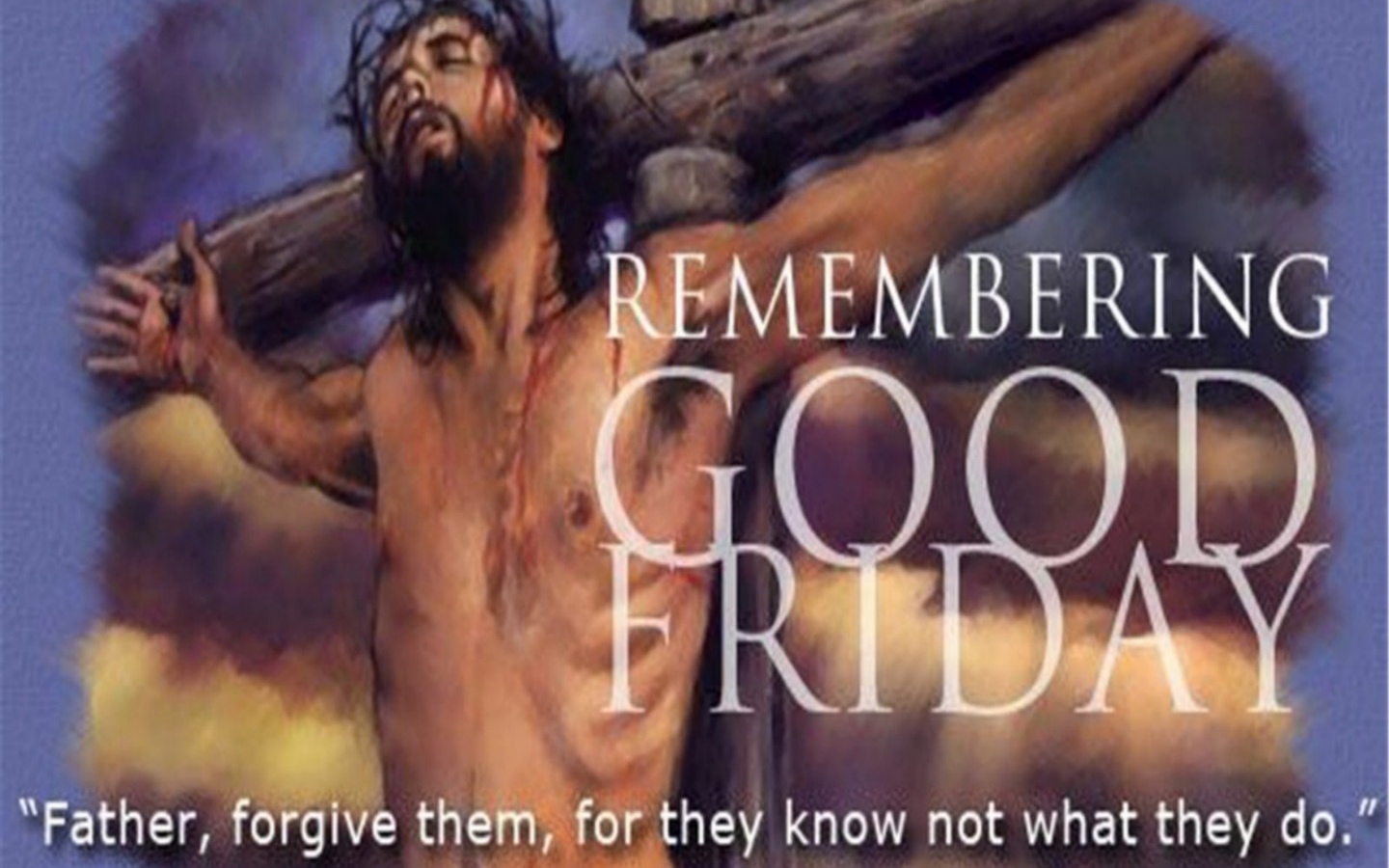





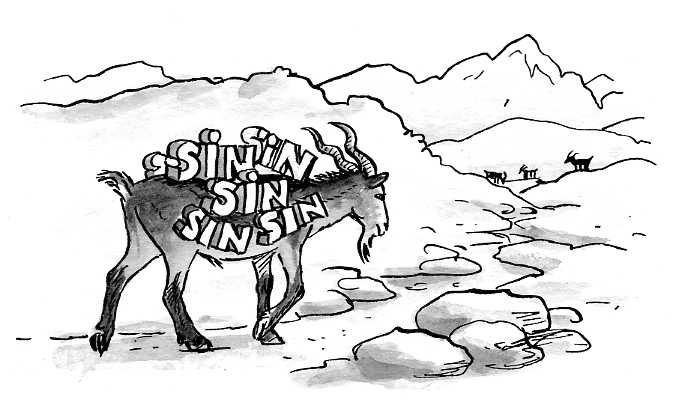





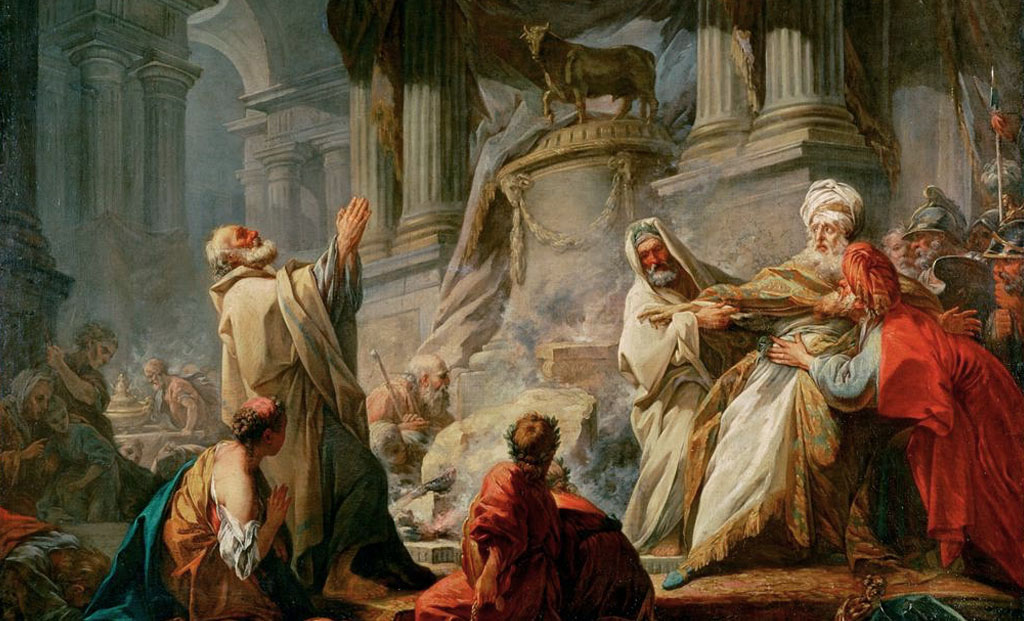



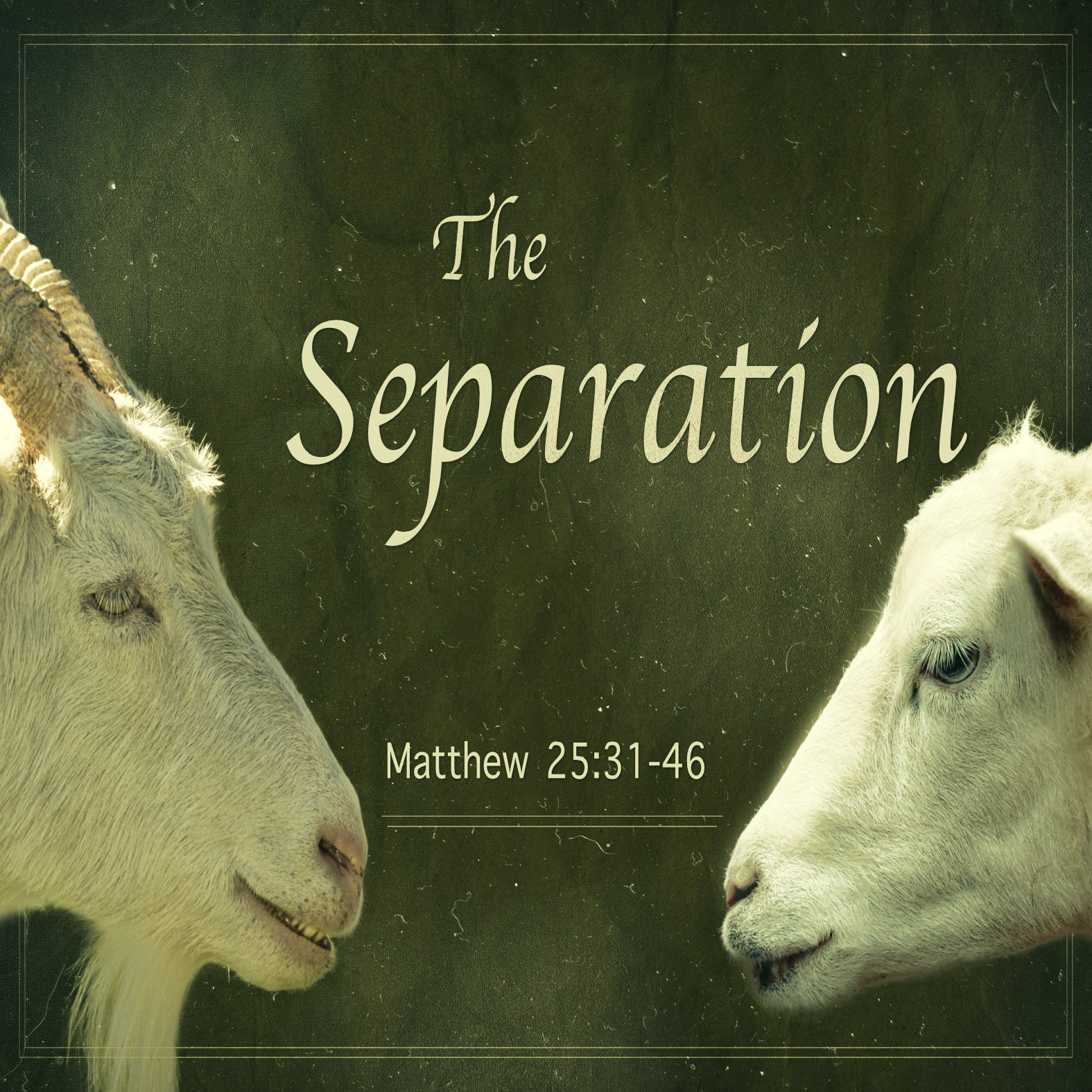


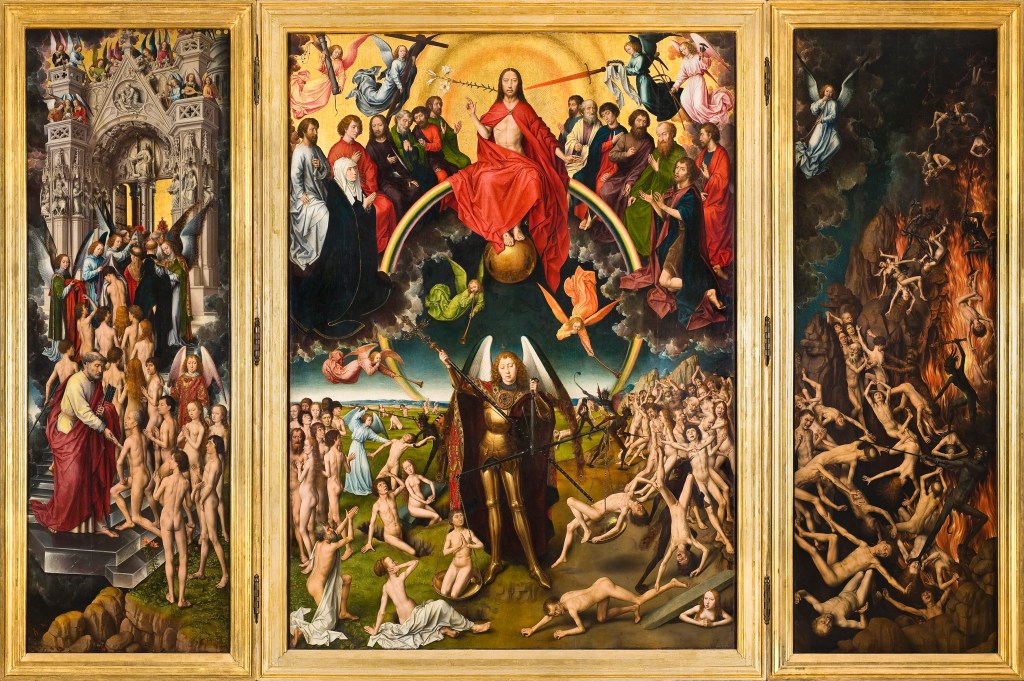











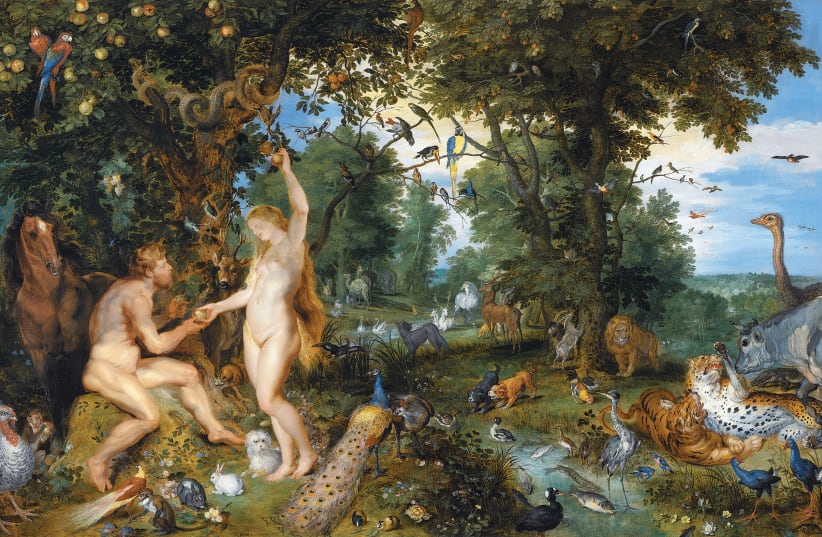











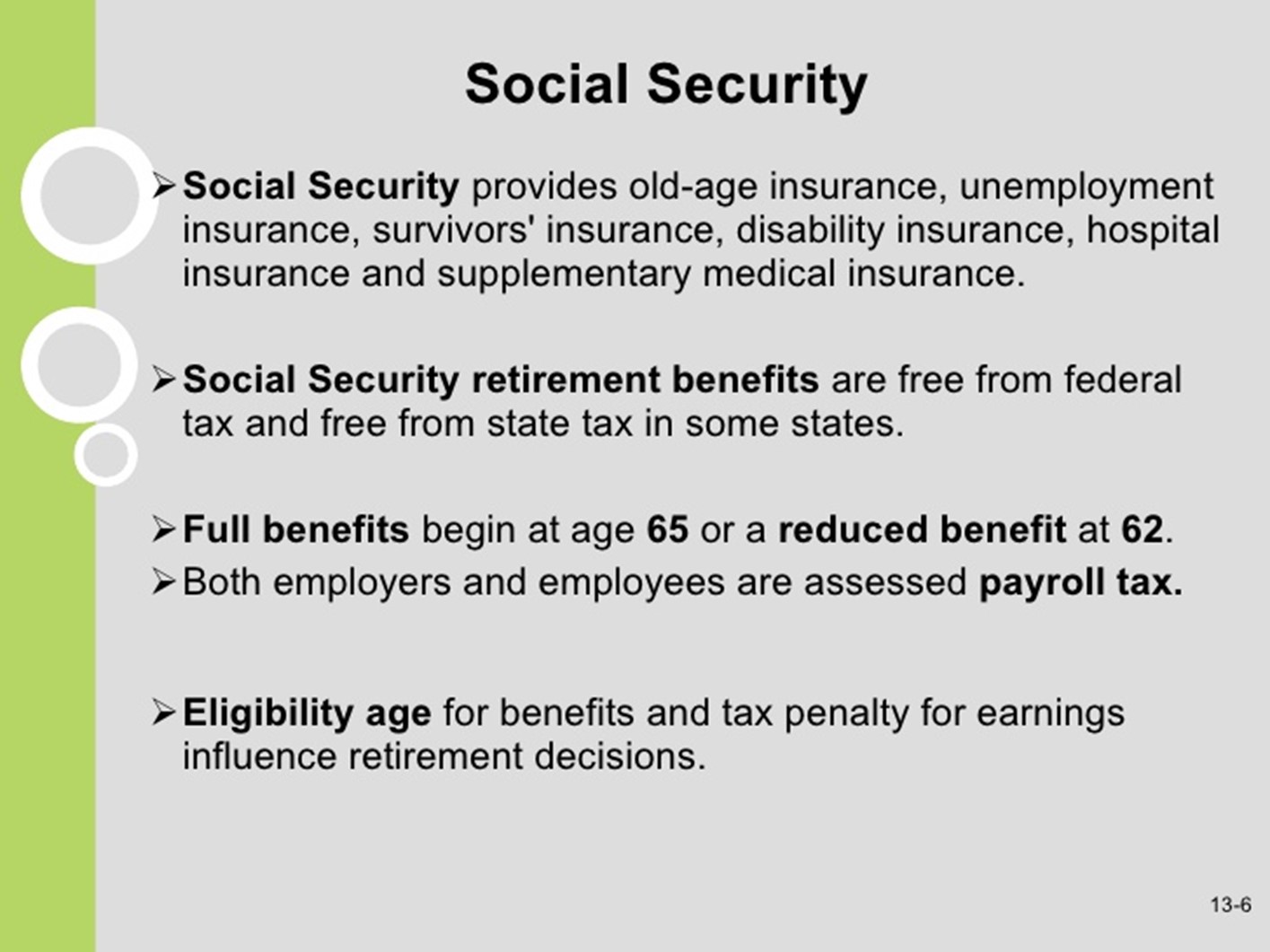












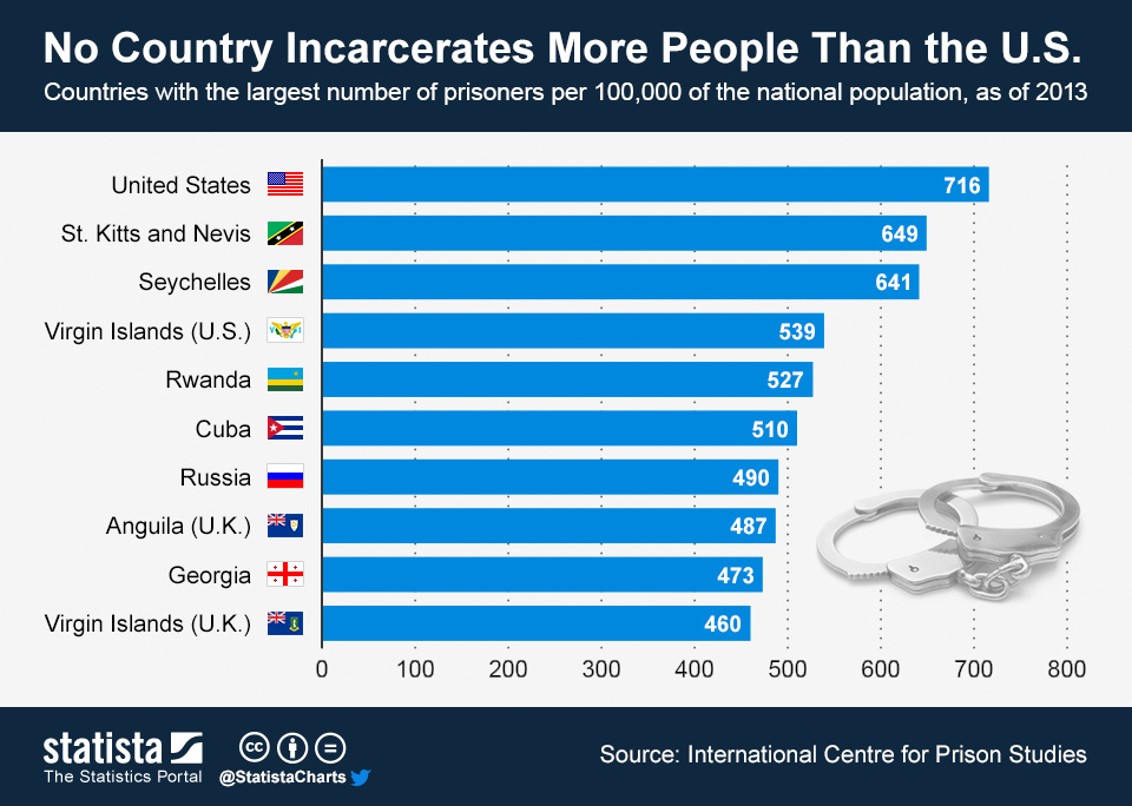
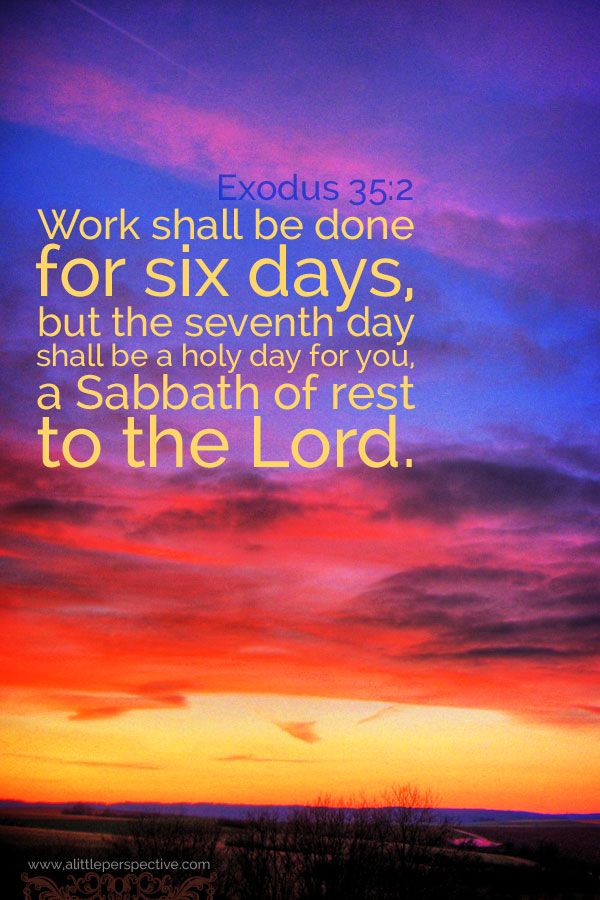






 Whole Dude - Whole Concept
