RED DRAGON – RED CHINA – SOUTH CHINA SEA AGGRESSION
Red China is guilty of aggression for she makes unprovoked attacks on other nations. Red China is in the habit of being destructively hostile to her weak neighbors. Red China used her armed forces violating her international obligations in ruthless pursuit of her desire to dominate other nations to further her own ends. Firstly, I am asking news media to use correct linguistic terms to describe Red China’s war like acts.
Chinese Foreign Minister Wang Yi listens while U.S. Secretary of State John Kerry talks before a bilateral meeting at the Putra World Trade Center on Wednesday in Kuala Lumpur. | REUTERS
Kerry raises South China Sea concerns with China’s Wang
AFP-JIJI, Reuters
Aug 5, 2015
Online: Aug 05, 2015
Print: Aug 06, 2015
Last Modified: Aug 05, 2015
KUALA LUMPUR – U.S. Secretary of State John Kerry voiced concern to China on Wednesday over its land reclamation in the South China Sea and the “militarization” of its disputed waters. Kerry made the remarks to Foreign Minister Wang Yi in Kuala Lumpur on the sidelines of meetings involving the 10-member Association of Southeast Asian Nations, where maritime tensions have taken center stage.
The official said Kerry told Wang that while Washington did not take a position on sovereignty claims in the strategic waterway, it wanted to see them resolved peacefully and in accordance with international law.
“He encouraged China, along with the other claimants, to halt problematic actions in order to create space for diplomacy,” the official said. In brief remarks to reporters after his talks with Kerry, Wang said China would pursue “peaceful discussions” to resolve the South China Sea dispute. He did not elaborate.
Recent satellite images show China has almost finished building a 3,000-metre airstrip on one of its seven new islands in the Spratlys. The airstrip will be long enough to accommodate most Chinese military aircraft, security experts have said, giving Beijing greater reach into the heart of maritime Southeast Asia.
China claims most of the South China Sea, through which $5 trillion in ship-borne trade passes every year. The Philippines, Vietnam, Malaysia, Taiwan and Brunei have overlapping claims.
China had said it did not want the South China Sea dispute raised at this week’s ASEAN meetings, but some ministers, including from host Malaysia, rebuffed that call, saying the issue was too important to ignore.
In a statement, Japan’s Senior Vice Foreign Minister Minoru Kiuchi “voiced deep concern over unilateral actions that change the status quo and heighten tensions in the South China Sea, including large-scale land reclamation, the construction of outposts and their use for military purposes.”
Despite strong public comments by several Southeast Asian ministers about the need to reduce tensions, the grouping had yet to issue a customary communique following annual talks between its foreign ministers on Tuesday.
“On the South China Sea, I think we are probably nearing a formulation,” said Jakkrit Srivali, director-general of the ASEAN department at Thailand’s Foreign Affairs Ministry. Other issues had also held up the statement, he said without elaborating. A communique was expected at the end of joint meetings between ASEAN, the United States, China, Japan and other countries on Thursday, senior officials said.
China and Southeast Asian nations had agreed to set up a foreign ministers’ hotline to tackle emergencies in the waterway, a senior ASEAN official said on Friday. This was expected to be contained in the communique.
Wang was due to hold talks with ASEAN foreign ministers later on Wednesday. On Monday, he described calls for a freeze in activity in the South China Sea as “unrealistic.”
Kerry told his ASEAN counterparts in a separate meeting that Washington wanted to see stability in the South China Sea. “We want to ensure the security of critical sea lanes and fishing grounds and to see that disputes in the area are managed peacefully and on the basis of international law,” Kerry said.
China has shown no sign of halting its construction on artificial islands in disputed areas. It has accused the United States of militarizing the South China Sea by staging patrols and joint military drills.
The senior State Department official said Kerry and Wang also discussed Chinese President Xi Jinping’s visit to the United States in September, as well as U.S. concerns over cybersecurity and human rights in China.
“They agreed there are many shared challenges that both countries should work closer together to address, such as climate change and development, and that more dialogue and cooperation between the United States and China remains vital,” the official said.
Revelation So, is the whole world just going to continue sitting on their thumbs while China continues to advance is what is clearly not quote “militarization”, but indeed militarization? What will it take to get the United States, the U.N- SOMEONE- to strike in glaring detail the Chinese government is ignoring officially set maritime borders and take actual action against this? Do we honestly have to wait until China takes over a nation or two in order to wake people up? This is not a time to shy due to the possibility of war. We might have one in the future if this keeps up.
koedo I couldn’t agree more. What’s truly frightening is the mismatch between Kerry and Wang Yi. Remember, Kerry and Obama, think they just accomplished a historic agreement with Iran. As far as negotiating with China goes, history is, indeed, repeating itself and Kerry is playing the lead role of Neville Chamberlain. China does not fear the current US administration in the least bit. Why should they? Kerry and Obama’s complete incompetence in the arena of foreign policy, is going to, literally, get people killed.
Revelation Bother the US Administration the Chinese government fears no one, and why? Because the world has stupidly fed the beast until it’s become the monster it is today. The majority of world economies depend on China, and they can’t simply sever relations; China knows this, which is why they dare to cause trouble. No kidding how incompetent Obama is; then again, the States has not had a competent president in ages, let alone one who isn’t a bloody coward.
THE PROBLEM OF RED CHINA’S AGGRESSION IN WEST PHILIPPINE SEA
RED CHINA’S AGGRESSION IN WEST PHILIPPINE SEA DEMANDS FULL UNDERSTANDING OF HER EXPANSIONIST POLICY.
I am pleased to note that United States is giving support to Philippines to confront the problem of Red China’s aggression in West Philippine Sea. Resolution of this problem demands a proper understanding of Red China’s Expansionist Policy and containing and resisting all manifestations of Red China’s Expansionism. Tibet is Red China’s first victim and Southeast Asia’s nations have to seek justice for Tibetans if they want to protect their own national interests from Red China’s Imperialism.
US, PHILIPPINES URGE END TO ISLAND-BUILDING IN S. CHINA SEA
FILE – Foreign Minister of the Philippines Albert del Rosario (L) and U.S. Secretary of State John Kerry shake hands before a meeting.
SIMONE ORENDAIN
August 04, 2015 8:17 AM
MANILA—
The Philippines says it will back calls by the United States for a series of measures aimed at reducing tensions in the South China Sea during a regional security forum in Kuala Lumpur Wednesday. Washington wants countries to stop building artificial islands and carrying out military activities.
The Philippines is expected to raise the issue of China’s activities in the South China Sea during meetings of the 10-member Association of Southeast Asian Nations (ASEAN) this week. Foreign Affairs Secretary Albert del Rosario released a statement Tuesday saying that his country would also endorse a U.S. call for stopping all work on disputed outcroppings and any military activities.
“As a means of de-escalating tensions in the region, the Philippines fully supports and will pro-actively promote the call of the United States on the ‘three halts’ — a halt in reclamation, halt in construction and a halt in aggressive actions that could further heighten tensions,” Del Rosario said.
However, he said the Philippines back those measures only if other claimants, including China, do the same. And he said this does not mean that China’s island construction on at least seven outcroppings is legitimate.
In recent months the U.S. has been raising concerns over China’s project to convert reefs and shoals in the Spratlys into manmade islands. “This has been the American position for what, almost two years now, saying that everyone should stop developing their particular areas that they hold,” explained Carl Baker, programs director at the Pacific Forum of the Washington-based Center for Strategic and International Studies. “But everybody knows that this is really directed at China.”
China’s Foreign Minister Wang Yi arrives at a meeting during the 48th Association of Southeast Asian Nations (ASEAN) foreign ministers meeting in Kuala Lumpur, Malaysia, Aug. 4, 2015.
CHINA’S STANCE
China insists that ASEAN forums are not the place to raise these territorial disputes.
Beijing claimed nearly the entire South China Sea, while the Philippines, Vietnam, Malaysia, Brunei and Taiwan also have overlapping claims. The Philippines has filed a case with the Permanent Court of Arbitration to question what it calls China’s “excessive claims” in the sea. China rejected the case and is not participating.
Baker does not foresee any change in the U.S. position and nor does he see a shift in China’s stance, especially since it already built the islands. He predicts that the standoff will “inhibit security cooperation” in Southeast Asia.
On Monday in Singapore, China’s foreign minister, Wang Yi, downplayed the concerns over Beijing’s island building, which has rapidly built airstrips and buildings on top of what were until recently mostly submerged rocks and reefs.
“At the moment the general situation in the South China Sea is stable, and China is steadfastly committed to working with the parties to maintain the situation which has not come easily. And we will never allow any country to destabilize the South China Sea,” said Wang.
Wang made a pitch for peacefully resolving the disputes through “consultations and negotiations” among what he called “five commitment points” of China regarding the contested sea.
RED DRAGON – RED CHINA – AGGRESSION IN WEST PHILIPPINE SEA. AGGRESSOR MUST BE QUARANTINED.
At Special Frontier Force, the fact of Red China’s aggression in Tibet is recognized since 1950. Now, Red China’s aggression in West Philippine Sea is attracting media attention unlike Red China’s prolonged military occupation of Tibet. Aggressor nation must be quarantined by placing diplomatic and economic sanctions. Aggression has to be treated like a disease and aggressor has to be isolated from rest of the global community for aggression poses dangers to peaceful existence of all people.
Protesters condemn China’s aggression in West Philippine Sea
RED DRAGON – RED CHINA – AGGRESSION IN WEST PHILIPPINE SEA : PROTEST ON JULY 25, 2015. RAFAEL ALUNAN WITH MARTIN DINO BELLE ENRIQUEZ AND DANTE JIMENEZ.
By LEO REYES Jul 25, 2015
The West Philippine Sea Coalition has condemned China’s aggression in the West Philippine Sea in a protest rally held along Roxas Boulevard (fronting the West Philippine Sea) in Manila Saturday morning.
Belle Enriquez of West Philippine Sea Coalition FB
The coalition members include the Volunteers Against Crime and Corruption (VACC), RAM, Anti-Drugs Advocate, Guardians, Motorcycle Philippines Federation, United Defense Manufacturing Corp., ProGun, SMX Phils and Predator Riders, among others. The event was the 3rd Annual Day of Protest against China’s bullying in the West Philippine Sea. Simultaneous protests have also been held in London, United States and other cities across the globe.
Anti-China Rally, Manila July 25, 2015 FB
Among others, the West Philippine Sea Coalition cited China’s territorial aggression when it reclaimed (and continues reclaim) reefs, shoals, islets, and other submerged rocks and corals for their exclusive use despite diplomatic intervention by the US, Japan and other ASEAN-member countries. On the environmental front, the coalition scored China for the massive destruction of the coral reefs in the disputed territories as a result of its ongoing reclamation and construction activities. The coalition also cited China’s invasion of the Scarborough Shoal, a rich fishing ground located within the 200-mile economic zone of the Philippines. China’s continued presence in what the Philippines claims as part of its territory had prevented hundreds of Filipino fishermen from traversing the rich fishing ground resulting in their family’s economic displacement. The coalition lambasted China for being a top source of illegal drugs that continues to be smuggled into the Philippines by Chinese drug lords. In their short talk during the rally, Top VACC officials Dante Jimenez and Martin Dino together with Anti-Drugs Advocate Jonathan Morales criticized China for having destroyed lives of hundreds of thousands of drug addiction victims in the country.
Former DILG Sec. Rafael Alunan with Nick Sotelo FB
Alunan and leaders of the coalition called on the public to support the case pending before the UN Arbitral Tribunal by educating the people on the merits of the case. At the same time, they also urged the public to call on the nation’s leaders to fast track the development of a credible external defense capability. Rep. Roilo Golez, who is supporting the coalition has called on the public to boycott made in China products especially garments and buy products that are made in the Philippines.
In London, Gene Alcantara, a longtime immigration adviser and social activist together with concerned Filipinos in UK joined the global protest with their placards denouncing the Chinese aggression at the Chinese Embassy despite heavy rain. Similar protest was also held in Ireland by the Filipino communities there
Gene Alcantara with friends at the Chinese Embassy in London Gene Alcantara FB
Filipino communities across the US have also participated in the Anti-China protest like the one shown here from the Filipino group in Guam and the Marianas.
Anti-China protest in Guam, July 25, 2015 Gene Alcantara-FB-Pacific News Center
The leaders of the West Philippine Sea Coalition have vowed to continue heightened protests against China’s aggression in the disputed territories through legal and peaceful means. As part of its campaign to educate the public on the country’s territorial claim, West Philippine Sea Coalition’s Belle Enriquez told Digital Journal that another forum will be held in late August to allow the public to view an ancient map showing the extent of the Philippine coastline.
Red Dragon – Red China aggressor nation – United Nations must act to stop China’s Aggression in Southeast Asia.
RED DRAGON – RED CHINA – AGGRESSION IN WEST PHILIPPINE SEA. AGGRESSOR MUST BE QUARANTINED.
Red Dragon – Red China aggressor nation – United Nations must act to stop China’s Aggression in Southeast Asia.
RED DRAGON – RED CHINA – AGGRESSION IN WEST PHILIPPINE SEA : PROTEST ON JULY 25, 2015. RAFAEL ALUNAN WITH MARTIN DINO BELLE ENRIQUEZ AND DANTE JIMENEZ.
THE EVIL RED EMPIRE – BEIJING IS DOOMED – NO ONE CAN SAVE RED CHINA
THE EVIL RED EMPIRE – BEIJING IS DOOMED – NO ONE CAN SAVE RED CHINA: Red China Arrogant Nation, Evil Power.
While Red China enjoys very impressive trade and commerce relations with a large number of nations of this world, it is not hard to reflect upon her sudden downfall. The word ‘Babylon’ symbolizes ‘evil’ and a seat of evil power. Man recognizes actions that unjustly harmful to others as ‘evil’ for those actions have consequences. The most important consequence of ‘evil’ action is that of a calamity, catastrophe, or disaster that will rapidly ruin the power wielded by ‘evildoer’. A man who chooses to act in evil manner causes his own downfall for there is no escape from consequences of evil acts. Red China cannot pay a ransom to ward off disaster that is sure to strike her. Using words of Prophet Isaiah, I would like to tell Red China, “There is not one that can save you.”
THE EVIL RED EMPIRE – BEIJING IS DOOMED – NO ONE CAN SAVE RED CHINA: The Fall of Babylon – Evil Empire – Prophet Isaiah
Isaiah 47 NIV – The Fall of Babylon – “Go down, sit – Bible Gateway ISAIAH 47 NEW INTERNATIONAL VERSION(NIV)
THE FALL OF BABYLON
47 “Go down, sit in the dust,
Virgin Daughter Babylon; sit on the ground without a throne, queen city of the Babylonians.[a] No more will you be called tender or delicate. 2 Take millstones and grind flour; take off your veil. Lift up your skirts, bare your legs, and wade through the streams. 3 Your nakedness will be exposed and your shame uncovered. I will take vengeance; I will spare no one.”
4 Our Redeemer—the Lord Almighty is his name—
is the Holy One of Israel.
5 “Sit in silence, go into darkness,
queen city of the Babylonians; no more will you be called queen of kingdoms. 6 I was angry with my people and desecrated my inheritance; I gave them into your hand, and you showed them no mercy. Even on the aged you laid a very heavy yoke. 7 You said, ‘I am forever— the eternal queen!’ But you did not consider these things or reflect on what might happen.
8 “Now then, listen, you lover of pleasure,
lounging in your security and saying to yourself, ‘I am, and there is none besides me. I will never be a widow or suffer the loss of children.’ 9 Both of these will overtake you in a moment, on a single day: loss of children and widowhood. They will come upon you in full measure, in spite of your many sorceries and all your potent spells. 10 You have trusted in your wickedness and have said, ‘No one sees me.’ Your wisdom and knowledge mislead you when you say to yourself, ‘I am, and there is none besides me.’ 11 Disaster will come upon you, and you will not know how to conjure it away. A calamity will fall upon you that you cannot ward off with a ransom; a catastrophe you cannot foresee will suddenly come upon you.
12 “Keep on, then, with your magic spells
and with your many sorceries, which you have labored at since childhood. Perhaps you will succeed, perhaps you will cause terror. 13 All the counsel you have received has only worn you out! Let your astrologers come forward, those stargazers who make predictions month by month, let them save you from what is coming upon you. 14 Surely they are like stubble; the fire will burn them up. They cannot even save themselves from the power of the flame. These are not coals for warmth; this is not a fire to sit by. 15 That is all they are to you— these you have dealt with and labored with since childhood. All of them go on in their error; there is not one that can save you.
Footnotes:
Isaiah 47:1 Or Chaldeans; also in verse 5
Cross references:
Isaiah 47:1 : S Job 2:13; S Isa 29:4 Isaiah 47:1 : S Isa 21:9; S 23:12 Isaiah 47:1 : Ps 137:8; Jer 50:42; 51:33; Zec 2:7 Isaiah 47:1 : Dt 28:56 Isaiah 47:2 : Ex 11:5; Mt 24:41 Isaiah 47:2 : S Jdg 16:21 Isaiah 47:2 : S Ge 24:65 Isaiah 47:2 : S Isa 32:11 Isaiah 47:3 : S Ge 2:25; Eze 16:37; Na 3:5 Isaiah 47:3 : S Isa 20:4 Isaiah 47:3 : S Isa 1:24; S 34:8 Isaiah 47:3 : Isa 13:18-19 Isaiah 47:4 : S Job 19:25 Isaiah 47:4 : S Isa 13:4 Isaiah 47:4 : Isa 48:2; Jer 50:34; Am 4:13 Isaiah 47:4 : S Isa 1:4; 48:17 Isaiah 47:5 : S Job 2:13 Isaiah 47:5 : Isa 9:2; 13:10 Isaiah 47:5 : S Isa 21:9 Isaiah 47:5 : ver 7; La 1:1; Rev 18:7 Isaiah 47:5 : S Isa 13:19; Rev 17:18 Isaiah 47:6 : S 2Ch 28:9 Isaiah 47:6 : S Dt 13:15; S Isa 42:24; Jer 2:7; 50:11 Isaiah 47:6 : Isa 10:13 Isaiah 47:6 : S Isa 14:6 Isaiah 47:7 : S Isa 10:13; Da 4:30 Isaiah 47:7 : S ver 5; Rev 18:7 Isaiah 47:7 : S Isa 42:23, 25 Isaiah 47:7 : S Dt 32:29 Isaiah 47:8 : S Isa 32:9 Isaiah 47:8 : S Isa 45:6 Isaiah 47:8 : Isa 49:21; 54:4; La 1:1; Rev 18:7 Isaiah 47:9 : S Ps 55:15; 73:19; 1Th 5:3; Rev 18:8-10 Isaiah 47:9 : S Isa 13:18 Isaiah 47:9 : Isa 4:1; Jer 15:8; 18:21 Isaiah 47:9 : ver 12; Na 3:4; Mal 3:5 Isaiah 47:9 : Dt 18:10-11; Rev 9:21; 18:23 Isaiah 47:10 : S Job 15:31; Ps 52:7; 62:10 Isaiah 47:10 : S 2Ki 21:16; S Isa 29:15 Isaiah 47:10 : S Isa 5:21 Isaiah 47:10 : Isa 44:20 Isaiah 47:11 : S Isa 10:3; S 14:15; S 21:9; S 31:2; Lk 17:27 Isaiah 47:11 : S Ps 55:15; S Isa 17:14; 1Th 5:3 Isaiah 47:12 : S ver 9; S Ex 7:11 Isaiah 47:13 : Isa 57:10; Jer 51:58; Hab 2:13 Isaiah 47:13 : S Isa 19:3; S 44:25 Isaiah 47:13 : ver 15; S Isa 5:29; 43:13; 46:7 Isaiah 47:14 : S Isa 5:24 Isaiah 47:14 : S Isa 30:30 Isaiah 47:14 : Isa 10:17; Jer 51:30, 32, 58 Isaiah 47:15 : Rev 18:11 Isaiah 47:15 : S ver 13; S Isa 44:17
Doomsayer of Doom Dooma predicts the fall of Evil Red Empire.The Evil Red Empire – Beijing is Doomed -Red China Arrogant Nation, Full of Self-Pride. EvilDoer.Doomsayer of Doom Dooma says Bejing is Doomed.Doomsayer of Doom Dooma shares Prophecy – Beijing is Doomed by asteroid impact.Doomsayer of Doom Dooma shares Prophecy – Catostrophe to strike Evil Red Empire.Asteroid Day – Doomsday Prophecy – The Fall of Evil Red Empire
Doomsayer of Doom Dooma says Bejing is Doomed.
Doomsayer of Doom Dooma shares Prophecy – Beijing is Doomed by asteroid impact.
Doomsayer of Doom Dooma shares Prophecy – Catostrophe to strike Evil Red Empire.
Asteroid Day – Doomsday Prophecy – The Fall of Evil Red Empire
THE EVIL RED EMPIRE – BEIJING IS DOOMED – NO ONE CAN SAVE RED CHINA: Red China Arrogant Nation, Evil Power.
The Evil Red Empire – Beijing is Doomed -Red China Arrogant Nation, Full of Self-Pride. EvilDoer.
THE EVIL RED EMPIRE – RED CHINA – DOOMSDAY PROPHECY
THE EVIL RED EMPIRE – RED CHINA – DOOMSDAY PROPHECY FROM THE NEW TESTAMENT BOOK “REVELATION” CHAPTER 18.
The New Testament Book “REVELATION” shared a prophecy predicting sudden, unexpected, fall of an evil empire using coded name “BABYLON.” Planet Earth has already witnessed several impacts by heavenly bodies called asteroids, or meteorites with known or unknown consequences to life on Earth. The most significant asteroid impact event may have happened 65 million years ago which wiped out a huge variety of animals collectively known as ‘Dinosaurs’ and surprisingly, life thrived on Earth with emergence of new species that populate Earth in present times. Without any human initiative, without any human intervention, Earth may be hit by a very large stone that would result in the downfall of an evil empire while sparing rest of the humanity. I am asking my readers to contemplate on Doomsday Prophecy found in ‘Revelation’ Chapter 18 and compare its scenario with some of Earth’s recorded asteroid/meteorite impact events:
Doomsayer of Doom Dooma: Qaraqul crater, Black Lake, Pamir mountains, Tajikistan.
1. Qaraqul crater, Palmir mountains, located between Tajikistan and Afghanistan. The impact happened 10 million years ago, created Black Lake which is 45 kilometers wide.
Doomsayer of Doomdooma: Manicouagan crater, Quebec, Canada.
2. Manicouagan crater, Quebec, Canada. 212 million years old impact. Created one of the biggest impact craters which is about 100 kilometers wide.
Doomsayer of Doom Dooma: Clear Water Crater Lakes, Hudson Bay, Quebec, Canada.
3. Clear Water Crater Lakes, Quebec, Canada. Impact 290 million years ago. Created Western Lake, 32 kilometers wide; and Eastern Lake, 22 kilometers wide.
doomsayer of doom dooma: Wolfe Creek meteorite crater, Australia.
4. Wolfe Creek crater, Central Australia. 300,000 years old. Crater is 875 miles wide.
doomsayer of doom dooma: Aorounga crater Chad, Africa.
5. Aorounga crater, Chad, Africa. 200 million years old. Crater is 17 kilometers wide.
asteroid day mexico major extinction event 1600km central america
6. Chicxulub crater, Yucatan Peninsula, Gulf of Mexico. A very significant, dangerous asteroid impact event that may have caused extinction of entire Dinosaur species 65 million years ago. Asteroid could be 10 and 20 kilometers in diameter and caused 70 kilometers wide crater.
Doomsayer of doom dooma: meteor crater near Flagstaff, Arizona
7. Arizona’s Menlo Park crater near Flagstaff, Arizona. Impact event 49,000 years old. Crater is 1186 meters in diameter.
As Doomsayer of Doom Dooma, I am predicting an impact event that would cause demise of Evil Power ruling Beijing. However, the actual impact may affect Shanghai, Red China’s largest City without causing loss of human lives as people get a warning and given chance to run away from impending danger.
THE EVIL RED EMPIRE – RED CHINA – DOOMSDAY PROPHECY.
REVELATION 18 NEW INTERNATIONAL VERSION(NIV)
LAMENT OVER FALLEN BABYLON 18 After this I saw another angel coming down from heaven. He had great authority, and the earth was illuminated by his splendor.
2 With a mighty voice he shouted:
“‘Fallen! Fallen is Babylon the Great!’[a] She has become a dwelling for demons and a haunt for every impure spirit, a haunt for every unclean bird, a haunt for every unclean and detestable animal. 3 For all the nations have drunk the maddening wine of her adulteries. The kings of the earth committed adultery with her, and the merchants of the earth grew rich from her excessive luxuries.”
WARNING TO ESCAPE BABYLON’S JUDGMENT
4 Then I heard another voice from heaven say:
“‘Come out of her, my people,’[b] so that you will not share in her sins, so that you will not receive any of her plagues; 5 for her sins are piled up to heaven, and God has remembered her crimes. 6 Give back to her as she has given; pay her back double for what she has done. Pour her a double portion from her own cup. 7 Give her as much torment and grief as the glory and luxury she gave herself. In her heart she boasts, ‘I sit enthroned as queen. I am not a widow;[c] I will never mourn.’ 8 Therefore in one day her plagues will overtake her: death, mourning and famine. She will be consumed by fire, for mighty is the Lord God who judges her.
THREEFOLD WOE OVER BABYLON’S FALL
9 “When the kings of the earth who committed adultery with her and shared her luxury see the smoke of her burning, they will weep and mourn over her. 10 Terrified at her torment, they will stand far off and cry:
“‘Woe! Woe to you, great city, you mighty city of Babylon! In one hour your doom has come!’
11 “The merchants of the earth will weep and mourn over her because no one buys their cargoes anymore—
12 cargoes of gold, silver, precious stones and pearls; fine linen, purple, silk and scarlet cloth; every sort of citron wood, and articles of every kind made of ivory, costly wood, bronze, iron and marble;
13 cargoes of cinnamon and spice, of incense, myrrh and frankincense, of wine and olive oil, of fine flour and wheat; cattle and sheep; horses and carriages; and human beings sold as slaves.
14 “They will say, ‘The fruit you longed for is gone from you. All your
luxury and splendor have vanished, never to be recovered.’
15 The merchants who sold these things and gained their wealth from her will stand far off, terrified at her torment. They will weep and mourn
16 and cry out:
“‘Woe! Woe to you, great city, dressed in fine linen, purple and scarlet, and glittering with gold, precious stones and pearls! 17 In one hour such great wealth has been brought to ruin!’ “Every sea captain, and all who travel by ship, the sailors, and all who earn their living from the sea, will stand far off. 18 When they see the smoke of her burning, they will exclaim, ‘Was there ever a city like this great city?’
19 They will throw dust on their heads, and with weeping and mourning cry out:
“‘Woe! Woe to you, great city, where all who had ships on the sea became rich through her wealth! In one hour she has been brought to ruin!’
20 “Rejoice over her, you heavens! Rejoice, you people of God! Rejoice, apostles and prophets! For God has judged her with the judgment she imposed on you.”
THE FINALITY OF BABYLON’S DOOM 21 Then a mighty angel picked up a boulder the size of a large millstone and threw it into the sea, and said:
“With such violence the great city of Babylon will be thrown down, never to be found again. 22 The music of harpists and musicians, pipers and trumpeters, will never be heard in you again. No worker of any trade will ever be found in you again. The sound of a millstone will never be heard in you again. 23 The light of a lamp will never shine in you again. The voice of bridegroom and bride will never be heard in you again. Your merchants were the world’s important people. By your magic spell all the nations were led astray. 24 In her was found the blood of prophets and of God’s holy people, of all who have been slaughtered on the earth.”
BLACK DAY TO FREEDOM – NIXON-KISSINGER BACK STAB TIBET – JULY 15, 1971
Nixon-Kissinger administration’s historical contribution to the US, India, Tibet friendly relations deserve very special mention. President Richard M Nixon’s announcement on July 15, 1971 to visit Red China marks it as a Black Day to Freedom, Black Day to Peace, Black Day to Democracy, and Black Day to Justice for this trip included a plan to ‘stab Tibet in the back’, to harm by treachery, an act of betrayal.
BLACK DAY TO FREEDOM – NIXON-KISSINGER BACK STAB TIBET – JULY 15, 1971.
History will recognize Nixon-Kissinger as Backstabber for they intended to do a great harm to their innocent ally, a partner in the fight against Communism to promote Freedom, Peace, Democracy, and Justice in the world.
BLACK DAY TO FREEDOM – NIXON-KISSINGER BACK STAB TIBET – JULY 15, 1971.
To stab in the back means to harm by treachery, an act of betrayal. Apart from backstabbing Tibet, Nixon-Kissinger have to be charged for treason in Vietnam War.
BLACK DAY TO FREEDOM – NIXON-KISSINGER BACK STAB TIBET – JULY 15, 1971. STAB IN THE BACK. TO HARM BY TREACHERY, AN ACT OF BETRAYAL.
Red China’s Communist Party Chairman Mao Zedong or Mao Tse-Tung is guilty of crimes against humanity, and he deserves to be charged for a crime called ‘Cultural Genocide’. His ‘Cultural Revolution'(1966 – 1976) was a massive state-sponsored violence against innocent civilians and it physically destroyed people using vicious attacks, or extrajudicial killings.
BLACK DAY TO FREEDOM – NIXON-KISSINGER BACK STAB TIBET ON JULY 15, 1971. NIXON-KISSINGER PLAYED A DIRTY, SINFUL GAME IN THE NAME OF “REALPOLITIK.”
BLACK DAY TO FREEDOM – JULY 15, 1971. US PRESIDENT RICHARD M NIXON ANNOUNCES HIS TRIP TO COMMUNIST CHINA. NIXON-KISSINGER DECISION TO BACK STAB TIBET TO PLAY A DIRTY SINFUL GAME IN THE NAME OF “REALPOLITIK.”
On behalf of Special Frontier Force I recognize JULY 15, 1971 as “BLACK DAY TO FREEDOM.” On July 15, 1971, US President Richard M Nixon announced his visit to Communist China. This announcement stunned Special Frontier Force for Nixon-Kissinger made decision to ‘Back Stab’ Tibet with a passionate desire to befriend Communist China which is our opponent, adversary, and enemy. I want my readers to know this day as the day on which Nixon-Kissinger had deliberately violated the trust reposed by Tibet and India in the United States, their partner in a military alliance that promotes Freedom, Democracy, and Peace in Occupied Tibet. In my opinion, July 15, 1971 is the darkest day in the history of friendly relations between United States, India, and Tibet.
THIS DAY IN HISTORY: 07/15/1971 – NIXON VISIT TO RED CHINA
In a This Day in History video, learn that on July 15, 1971, Richard Nixon stunned the nation by stating that he would visit communist China. Nixon was a product of the Cold War and spent his career bad-mouthing everything Red China did or said. But, Nixon wanted a second term and his polls were down; he hoped China would put pressure on their allies, the North Vietnamese, to end the war. Unfortunately, there was no immediate gain from the trip and the Vietnam War went on for another year and a half.
During a live television and radio broadcast, President Richard Nixon stuns the nation by announcing that he will visit communist China the following year. The statement marked a dramatic turning point in U.S.-China relations, as well as a major shift in American foreign policy.
Nixon was not always so eager to reach out to China. Since the Communists came to power in China in 1949, Nixon had been one of the most vociferous critics of American efforts to establish diplomatic relations with the Chinese. His political reputation was built on being strongly anti-communist, and he was a major figure in the post-World War II Red Scare, during which the U.S. government launched massive investigations into possible communist subversion in America.
By 1971, a number of factors pushed Nixon to reverse his stance on China. First and foremost was the Vietnam War. Two years after promising the American people “peace with honor,” Nixon was as entrenched in Vietnam as ever. His national security advisor, Henry Kissinger, saw a way out: Since China’s break with the Soviet Union in the mid-1960s, the Chinese were desperate for new allies and trade partners. Kissinger aimed to use the promise of closer relations and increased trade possibilities with China as a way to put increased pressure on North Vietnam–a Chinese ally–to reach an acceptable peace settlement. Also, more importantly in the long run, Kissinger thought the Chinese might become a powerful ally against the Soviet Union, America’s Cold War enemy. Kissinger called such foreign policy ‘realpolitik,’ or politics that favored dealing with other powerful nations in a practical manner rather than on the basis of political doctrine or ethics.
Nixon undertook his historic “journey for peace” in 1972, beginning a long and gradual process of normalizing relations between the People’s Republic of China and the United States. Though this move helped revive Nixon’s sagging popularity, and contributed to his win in the 1972 election, it did not produce the short-term results for which Kissinger had hoped. The Chinese seemed to have little influence on North Vietnam’s negotiating stance, and the Vietnam War continued to drag on until U.S. withdrawal in 1973. Further, the budding U.S.-China alliance had no measurable impact on U.S.-Soviet relations. But, Nixon’s visit did prove to be a watershed moment in American foreign policy–it paved the way for future U.S. presidents to apply the principle of realpolitik to their own international dealings.
Related Videos
American politician Richard Nixon (1913 – 1994) at the White House with his family after his resignation as President, 9th August 1974. From left, son-in-law David Eisenhower, Julie Nixon-Eisenhower, Richard Nixon, Pat Nixon (1912 – 1993), Tricia Nixon and her husband Edward Cox, August 1974. (Photo by Keystone/Hulton Archive/Getty Images)
NIXON ANNOUNCES HIS RESIGNATION
BLACK DAY TO FREEDOM
NIXON’S SECRET PLAN TO END THE VIETNAM WAR
BLACK DAY TO FREEDOM
INAUGURAL ADDRESS: RICHARD NIXON
BLACK DAY TO FREEDOM
1970s
BLACK DAY TO FREEDOM
RICHARD NIXON’S PARANOIA LEADS TO WATERGATE SCANDAL
BLACK DAY TO FREEDOM
RICHARD NIXON’S IMPEACHMENT INVESTIGATION
BLACK DAY TO FREEDOM
NIXON’S LINCOLN DAY DINNER
BLACK DAY TO FREEDOM – NIXON-KISSINGER BACK STAB TIBET – JULY 15, 1971.
THE ROAD TO WAR
BLACK DAY TO FREEDOM
RICHARD NIXON
BLACK DAY TO FREEDOM
NIXON ADDRESSES “SILENT MAJORITY”
BLACK DAY TO FREEDOM – NIXON-KISSINGER BACK STAB TIBET – JULY 15, 1971.
More on This Topic
NIXON RETURNS FROM CHINA
BLACK DAY TO FREEDOM
NIXON DISCUSSES FORTHCOMING TRIP TO CHINA
BLACK DAY TO FREEDOM
CULTURAL REVOLUTION
BLACK DAY TO FREEDOM
PING-PONG DIPLOMACY IN CHINA
BLACK DAY TO FREEDOM
MAJOR MILESTONES IN U.S. – CHINA RELATIONS
BLACK DAY TO FREEDOM
SENATOR NIXON TAKES TOUGH STAND ON COMMUNISM DETENTE
BLACK DAY TO FREEDOM
DETENTE
BLACK DAY TO FREEDOM
KISSINGER ON IMPORTANCE OF STRONG FOREIGN POLICY
BLACK DAY TO FREEDOM
NIXON’S FIRST INAUGURAL ADDRESS
BLACK DAY TO FREEDOM
VIETNAM WAR: PRESIDENTS AND POLICY MAKERS
BLACK DAY TO FREEDOM
COLD WAR
1971
NIXON ANNOUNCES TRIP TO CHINA
During a live television and radio broadcast, President Richard Nixon stuns the nation by announcing that he will visit communist China the following year. The statement marked a dramatic turning point in U.S.-Chinese relations. At first glance, Nixon seemed like the last American president who would ever consider a visit..
1971
NIXON ANNOUNCES A VISIT TO CHINA
In a surprise announcement, President Richard Nixon says that he will visit Beijing, China, before May 1972. The news, issued simultaneously in Beijing and the United States, stunned the world. Nixon reported that he was visiting in order “to seek normalization of relations between the two countries and to exchange…
BLACK DAY TO FREEDOMBLACK DAY TO FREEDOMBLACK DAY TO FREEDOMBLACK DAY TO FREEDOMBLACK DAY TO FREEDOMAmerican politician Richard Nixon (1913 – 1994) at the White House with his family after his resignation as President, 9th August 1974. From left, son-in-law David Eisenhower, Julie Nixon-Eisenhower, Richard Nixon, Pat Nixon (1912 – 1993), Tricia Nixon and her husband Edward Cox, August 1974. (Photo by Keystone/Hulton Archive/Getty Images)BLACK DAY TO FREEDOMBLACK DAY TO FREEDOMBLACK DAY TO FREEDOMBLACK DAY TO FREEDOMBLACK DAY TO FREEDOMBLACK DAY TO FREEDOMBLACK DAY TO FREEDOMBLACK DAY TO FREEDOMBLACK DAY TO FREEDOMBLACK DAY TO FREEDOMBLACK DAY TO FREEDOMBLACK DAY TO FREEDOMBLACK DAY TO FREEDOM
BLACK DAY TO FREEDOM – NIXON-KISSINGER BACK STAB TIBET – JULY 15, 1971.
BLACK DAY TO FREEDOM – NIXON-KISSINGER BACK STAB TIBET – JULY 15, 1971.
BLACK DAY TO FREEDOM – NIXON-KISSINGER BACK STAB TIBET – JULY 15, 1971.
BLACK DAY TO FREEDOM – NIXON-KISSINGER BACK STAB TIBET – JULY 15, 1971. STAB IN THE BACK. TO HARM BY TREACHERY, AN ACT OF BETRAYAL.
Black Day to Freedom – Whole Villain – Nixon – Mao cartoon
Black Day to Freedom – Whole Villain – Ping Pong Diplomacy
BLACK DAY TO FREEDOM
Black Day to Freedom – Whole Villain – TIME July 26 1971 Edition
American politician Richard Nixon (1913 – 1994) at the White House with his family after his resignation as President, 9th August 1974. From left, son-in-law David Eisenhower, Julie Nixon-Eisenhower, Richard Nixon, Pat Nixon (1912 – 1993), Tricia Nixon and her husband Edward Cox, August 1974. (Photo by Keystone/Hulton Archive/Getty Images)
RED CHINA – RED ALERT – PUBLIC ENEMY NUMBER ONE – MILLIONS OF US CITIZENS ARE VICTIMS OF RED CHINA’S CRIMINAL ACTIVITIES. KATHERINE ARCHULETA HAD TO STEP DOWN AND I BLAME RED CHINA FOR UNDERMINING HER POSITION. FILE In this June 25, 2015, file photo, Office of Personnel Management (OPM) director Katherine Archuleta testifies on Capitol Hill in Washington. The Obama administration says hackers stole Social Security numbers from more than 21 million people and took other sensitive information when government computer systems were compromised. The number affected by the breach is higher than the 14 million figure that investigators gave The Associated Press in June. (AP Photo/Susan Walsh)
Red China is Public Enemy Number One. The data breach at United States Office of Personnel Management(OPR) has victimized nearly 22 million US citizens. Hackers stole their financial, health, employment, residency, criminal background information used for security clearances( SF – 86 Form) as well as information about their families and acquaintances. It includes information on people who applied for security clearances and 2 million others such as spouses, housemates, and contacts. I can understand Red China may have a reason to gather information or ‘Intelligence’ to know her adversary, but this hacking expedition would let me designate Red China as Public Enemy Number One.
22 Million Affected by OPM Hack, Officials Say (ABC News)
The U.S. agency burglarized by suspected Chinese hackers has completed its long-awaited damage assessment and more than 22 million people inside and outside government likely had their personal information stolen, officials announced today.
That number is more than five times larger than what the Office of Personnel Management announced a month ago when first acknowledging a major breach had occurred. At the time, OPM only disclosed that the personnel records of 4.2 million current and former federal employees had been compromised.
The extent of the hacking was first reported earlier today by ABC News.
Investigators ultimately determined that 19.7 million applicants for security clearances had their Social Security numbers and other personal information stolen and 1.8 million relatives and other associates also had information taken, according to OPM. That includes 3.6 million of the current and former government employees for a total of 22.1 million. “If an individual underwent a background investigation through OPM in 2000 or afterwards … it is highly likely that the individual is impacted by this cyber breach,” OPM’s statement said today.
Even before today’s announcement, there was little doubt that the universe of victims was vastly larger because the hackers had access to far more than personnel records, including files associated with background investigations and information on government workers’ families, sources said.
In fact, the hackers allegedly rummaged through various OPM databases for more than a year — and lawmakers and U.S. officials alike have described the breach as a significant threat to national security.
“It is a huge deal,” FBI Director James Comey told a Senate panel on Wednesday.
Since reports surfaced saying more than just personnel records were stolen, the Obama administration has publicly maintained the theft of background-investigation files was a “separate incident” still under investigation. Some U.S. officials and lawmakers believe that distinction — encompassing the same cyber-campaign — kept the full scope of the OPM breach hidden for weeks.
“I’m sure you will probably obfuscate, [but] when will the American people know … the extent of this penetration?” Sen. John McCain, R-Arizona, asked OPM Director Katherine Archuleta at a hearing on Capitol Hill two weeks ago.
Despite mounting public pressure and push-back from top FBI officials during closed-door briefings, senior OPM officials continued to say they couldn’t offer even an estimate until they determined exactly how many people were affected by the “separate but related incident.” As part of a “time-consuming analysis,” investigators had to ensure they weren’t double-counting people whose personal information may have been stored in more than one system breached, Archuleta said two weeks ago.
“Throughout this investigation, OPM has been committed to providing information in a timely, transparent and accurate manner,” OPM said in a statement today.
U.S. intelligence and law enforcement officials are particularly concerned over the theft of forms known as SF-86s that current and prospective federal workers, including certain military personnel and even contractors, submit for security clearances. The forms require applicants to provide personal information not only about themselves but also relatives, friends, “associates” and foreign contacts spanning several years. The forms also ask applicants about past drug use, financial history, mental health history and personal relationships.
Such information could be exploited to pressure or trick employees and U.S. officials into further compromising their agencies, or they could provide ways for hackers to target people outside government, sources have told ABC News.
An OPM system known as “e-QIP” that allows applicants to submit SF-86s and other materials online remains suspended in the wake of the breach. The attack on OPM began in late 2013, when hackers infiltrated the systems of a government contractor, KeyPoint Government Solutions, and stole the “credentials” of an employee, according to two days of testimony on Capitol Hill.
Sources suspect that was the start of an unprecedented cyber-campaign out of China to collect information on federal workers inside the United States and others around the world. A major breach of OPM systems wasn’t detected until April, after OPM began implementing new cyber-security measures. That led investigators to realize the files associated with background investigations had been taken.
OPM is now offering what it calls “a comprehensive suite of monitoring and protection services” to those impacted.
Editor’s Note: The story has been updated. A previous version stated that the total number of people affected was more than 25 million.
RED CHINA – RED ALERT – PUBLIC ENEMY NUMBER ONE : The U.S. Office of Personnel Management building in Washington June 5, 2015. In the latest in a string of intrusions into U.S. agencies’ high tech systems, the Office of Personnel Management (OPM) suffered what appeared to be one of the largest breaches of information ever on government workers. The office handles employee records and security clearances. REUTERS/Gary CameronRED CHINA – RED ALERT – PUBLIC ENEMY NUMBER ONE – KATHERINE ARCHULETA IS A VICTIM OF RED CHINA’S CYBER SPACE INVASION. Office of Personnel Management (OPM) Director Katherine Archuleta testifies on Capitol Hill in Washington, Thursday, June 25, 2015, before the Senate Homeland Security and Governmental Affairs Committee hearing on Federal Cybersecurity and the OPM Data Breach. (AP Photo/Susan Walsh)RED CHINA – RED ALERT – PUBLIC ENEMY NUMBER ONE -FILE In this June 5, 2015, file photo, the Homeland Security Department headquarters in northwest Washington. The Obama administration says hackers stole Social Security numbers from more than 21 million people and took other sensitive information when government computer systems were compromised. The number affected by the breach is higher than the 14 million figure that investigators gave The Associated Press in June. (AP Photo/Susan Walsh, File)
Yahoo – ABC News Network
RED CHINA – RED ALERT – PUBLIC ENEMY NUMBER ONE -The U.S. Office of Personnel Management building in Washington June 5, 2015. In the latest in a string of intrusions into U.S. agencies’ high tech systems, the Office of Personnel Management (OPM) suffered what appeared to be one of the largest breaches of information ever on government workers. The office handles employee records and security clearances. REUTERS/Gary Cameron
RED CHINA – RED ALERT – PUBLIC ENEMY NUMBER ONE – MILLIONS OF US CITIZENS ARE VICTIMS OF RED CHINA’S CRIMINAL ACTIVITIES. KATHERINE ARCHULETA HAD TO STEP DOWN AND I BLAME RED CHINA FOR UNDERMINING HER POSITION. FILE In this June 25, 2015, file photo, Office of Personnel Management (OPM) director Katherine Archuleta testifies on Capitol Hill in Washington. The Obama administration says hackers stole Social Security numbers from more than 21 million people and took other sensitive information when government computer systems were compromised. The number affected by the breach is higher than the 14 million figure that investigators gave The Associated Press in June. (AP Photo/Susan Walsh)
Red China – Red Alert – Public Enemy 1
Red China – Red Alert – Public Enemy Number One – Cyberspying.
Red China – Red Alert- Public Enemy Number One – Espionage – Sun Tzu – The Art of War.
RED CHINA – RED ALERT – PUBLIC ENEMY NUMBER ONE -FILE In this June 5, 2015, file photo, the Homeland Security Department headquarters in northwest Washington. The Obama administration says hackers stole Social Security numbers from more than 21 million people and took other sensitive information when government computer systems were compromised. The number affected by the breach is higher than the 14 million figure that investigators gave The Associated Press in June. (AP Photo/Susan Walsh, File)
RED CHINA – RED ALERT – PUBLIC ENEMY NUMBER ONE – KATHERINE ARCHULETA IS A VICTIM OF RED CHINA’S CYBER SPACE INVASION. Office of Personnel Management (OPM) Director Katherine Archuleta testifies on Capitol Hill in Washington, Thursday, June 25, 2015, before the Senate Homeland Security and Governmental Affairs Committee hearing on Federal Cybersecurity and the OPM Data Breach. (AP Photo/Susan Walsh)
UNITED STATES OPPOSES TIBET’S MILITARY OCCUPATION WHILE THE DALAI LAMA IS FIGHTING THE PROBLEM WITH WISDOM AND COMPASSION AS HIS WEAPONS.
I am pleased to share Inquirer Opinion titled ‘TIBET AFTER THE DALAI LAMA’ authored by Brahma Chellaney. In his analysis, there is no specific mention about the United States and to the fact that US firmly stands opposed to Tibet’s military occupation. His Holiness the 14th Dalai Lama is addressing this problem with great patience and perseverance and has been fighting the challenge imposed by military occupation using Wisdom and Compassion as his only weapons. After the Dalai Lama, it is indeed true that there may not be another Spiritual Leader to provide guidance to tackle this problem causing misery, pain, and suffering to millions of Tibetans whose natural rights to Freedom are destroyed.
UNITED STATES OPPOSES TIBET’S MILITARY OCCUPATION. AFTER THE DALAI LAMA, RED CHINA IS DOOMED FOR HER FATE IS SEALED. DOOMSAYER OF DOOM DOOMA PREDICTS A CALAMITY THAT WILL CAUSE RED CHINA’S SUDDEN DOWNFALL.
If human actions and human interventions fail to remove the problem of military occupation, I would expect a divine remedy in the form of an unexpected calamity, disaster, or catastrophe that Red China cannot ward off and from which Red China can save herself.
TIBET AFTER THE DALAI LAMA – OPINION OF BRAHMA CHELLANEY – A PROFESSOR OF STRATEGIC STUDIES AT THE INDEPENDENT CENTRE FOR POLICY RESEARCH IN NEW DELHI.
01:16 AM July 8th, 2015
By: BRAHMA CHELLANEY July 8th, 2015 01:16 AM
NEW DELHI—On the 80th birthday of the 14th Dalai Lama, who has been in exile in India since 1959, Tibet’s future looks more uncertain than ever. During his reign, the Dalai Lama has seen his homeland—the world’s largest and highest plateau—lose its independence to China. Once he dies, China is likely to install a puppet as his successor, potentially eroding the institution.
China already appointed its pawn to the second-highest position in Tibetan Buddhism, the Panchen Lama, in 1995, after abducting the Tibetans’ six-year-old appointee, who had just been confirmed by the Dalai Lama. Twenty years later, the rightful Panchen Lama now ranks among the world’s longest-serving political prisoners. China also appointed the Tibetans’ third-highest religious figure, the Karmapa; but in 1999, at age 14, he fled to India.
This year marks one more meaningful anniversary for Tibet: the 50th anniversary of the founding of what China calls the “Tibet Autonomous Region.” The name is highly misleading. In fact, Tibet is ruled by China, and half of its historic territory has been incorporated into other Chinese provinces.
With its conquest of Tibet in 1950-1951, China enlarged its landmass by more than one-third and fundamentally altered Asia’s geostrategic landscape. China became neighbors with India, Nepal and Bhutan, and gained control over the region’s major river systems. Rivers that originate in water-rich Tibet are vital to support the world’s two most populous countries, China and India, as well as the arc of countries stretching from Afghanistan to Vietnam.
For China, capturing the 437-year-old institution of the Dalai Lama appears to be the final step in securing its hold over Tibet. After all, since fleeing to India, the Dalai Lama—Tibet’s rightful political and spiritual leader (though he ceded his political role to a democratically elected government in exile in 2011)—has been the public face of resistance to Chinese control of Tibet. In recent years, however, China has employed its growing influence—underpinned by the threat of diplomatic and economic pain—to compel a growing number of countries not to receive the Dalai Lama, thereby reducing his international visibility.
China’s government, having issued a decree in 2007 that bans senior lamas from reincarnating without official permission, is essentially waiting for the current Dalai Lama to die, so that it can exercise its self-proclaimed exclusive authority to select his successor. China’s leaders seem not to be struck by the absurdity of an atheist government choosing a spiritual leader. It is as if Mussolini had claimed that only he, not the College of Cardinals, could appoint the pope.
The aging Dalai Lama has publicly discussed a range of unorthodox possibilities for the future disposition of his soul—from being reincarnated as a woman to naming his successor while he is still alive. Moreover, he has suggested that the next Dalai Lama will be found in the “free world,” implying that he will be reincarnated as a Tibetan exile or in India’s Tawang district, where the sixth Dalai Lama was born in the 17th century.
Such declarations have motivated China to claim, since 2006, India’s entire Arunachal Pradesh state as “South Tibet” and to press India, in the negotiations over the long-disputed Himalayan border, to relinquish at least the part of the Tawang district located in that state. But the declaration that has most infuriated China was the one he made last December, suggesting that he would be the last Dalai Lama.
China knows that there is every reason to expect that restive Tibet, whose people have largely scorned the Chinese-appointed Panchen Lama as a fraud, would not accept its chosen Dalai Lama. If the Dalai Lama issued clear guidelines about his own reincarnation, Tibetans would be even less likely to accept China’s appointment. The question is why the Dalai Lama has hesitated to do so.
The biggest risk stemming from the Dalai Lama’s passing is violent resistance to Chinese repression in Tibet. As it stands, the Dalai Lama’s commitment to nonviolence and conciliation—exemplified in his “middle way” approach, which aims for Tibet to gain autonomy, but not independence—is helping to ensure that Tibetan resistance to Chinese rule remains peaceful and avoids overt separatism.
Indeed, over the last 60 years, Tibetans have pursued a model resistance movement, untainted by any links with terrorism. Even as China’s repression of Tibet’s religious, cultural and linguistic heritage becomes increasingly severe, Tibetans have not taken up arms. Instead, they have protested through self-immolation, which 140 Tibetans have carried out since 2009.
But, once the current Dalai Lama is gone, this approach may not continue. Younger Tibetans already feel exasperated by China’s brutal methods—not to mention its sharp rebuff, including in a recent white paper, of the Dalai Lama’s overtures. Against this background, a Chinese-appointed “imposter” Dalai Lama could end up transforming a peaceful movement seeking autonomy into a violent underground struggle for independence.
Given that the rightful Dalai Lama would be a small child, and thus incapable of providing strong leadership to the resistance movement, such an outcome would be all the more likely. China exploited just such a situation, when the current Dalai Lama was only 15, to invade and occupy Tibet.
After the 13th Dalai Lama died in 1933, a leaderless Tibet was plagued by political intrigue, until the present Dalai Lama was formally enthroned in 1950. The next power vacuum in the Tibetan hierarchy could seal the fate of the Dalai Lama lineage and propel Tibet toward a violent future, with consequences that extend far beyond that vast plateau. Project Syndicate
Brahma Chellaney, professor of strategic studies at the New Delhi-based Center for Policy Research and fellow at the Robert Bosch Academy in Berlin, is the author of nine books, including “Asian Juggernaut, Water: Asia’s New Battleground”; and “Water, Peace, and War: Confronting the Global Water Crisis.”
After the Dalai Lama – Beijing Is Doomed -Asteroid day – Tunguska eventAfter the Dalai Lama – Doomsayer of Doom Dooma predicts Divine intervention to end Tibet’s military occupation.After the Dalai Lama – Doomsayer of Doom Dooma – Bejing is DoomedAfter the Dalai Lama – Doomsayer of Doom Dooma predicts – Beijing is Doomed – AsteroidAfter the Dalai Lama – Asteroid Day – Doomsday revelation – Beijing is DoomedAfter the Dalai Lama – Beijing Is Doomed – Asteroid Day – Doomsday prophecy
After the Dalai Lama – Beijing Is Doomed -Asteroid day – Tunguska event
After the Dalai Lama – Beijing Is Doomed – Asteroid Day – Doomsday prophecy
After the Dalai Lama – Asteroid Day – Doomsday revelation – Beijing is Doomed
UNITED STATES OPPOSES TIBET’S MILITARY OCCUPATION. AFTER THE DALAI LAMA, RED CHINA IS DOOMED FOR HER FATE IS SEALED. DOOMSAYER OF DOOM DOOMA PREDICTS A CALAMITY THAT WILL CAUSE RED CHINA’S SUDDEN DOWNFALL.
After the Dalai Lama – Doomsayer of Doom Dooma predicts – Beijing is Doomed – Asteroid
After the Dalai Lama – Doomsayer of Doom Dooma – Bejing is Doomed
After the Dalai Lama – Doomsayer of Doom Dooma predicts Divine intervention to end Tibet’s military occupation.
UNITED STATES OPPOSES TIBET’S MILITARY OCCUPATION WHILE THE DALAI LAMA IS FIGHTING THE PROBLEM WITH WISDOM AND COMPASSION AS HIS WEAPONS.
Whole Freedom or Purna Swaraj – United States Supports Tibet’s Whole Freedom: We believe that it is the inalienable right of the Indian people, as of any other people, to have freedom and to enjoy the fruits of their toil and have the necessities of life, so that they may have full opportunities of growth.
We believe that it is the inalienable right of the Indian people, as of any other people, to have freedom and to enjoy the fruits of their toil and have the necessities of life, so that they may have full opportunities of growth.
While the US has stated publicly that Tibet is a part of China, yet it supports “Tibet independence forces”, a senior Chinese official has said.
UNITED STATES SUPPORTS TIBET’S FREEDOM: FOR MAN IS BORN FREE, MAN HAS A NATURAL RIGHT TO FREEDOM. UNITED STATES OPPOSES MILITARY OCCUPATION THAT DESTROYED TIBET’S NATURAL FREEDOM. While the US has stated publicly that Tibet is a part of China, yet it supports “Tibet independence forces”, a senior Chinese official has said.
On behalf of Special Frontier Force, I am pleased to respond to a statement issued by Chinese official, Lu Guangjin, Director of the Human Rights Affairs Bureau of the Department of State Council Information Office of China when he spoke to IANS (The Times of India) on July 06, 2015.
Chinese official Lu claimed that the United States recognized Tibet as part of China one hundred years ago. The national entity known as People’s Republic of China has never existed one hundred years ago. The United States is simply stating that Tibet was part of Manchu China Empire of Ch’ing or Qing Dynasty (1644-1911) that has fallen and no longer exists in the world.
Freedom is a natural condition and for man is born free, Freedom is man’s Natural Right. Yuan or Mongol Dynasty (1260-1368) founded by Kublai Khan invaded Tibet in 1279. Later, Tibet came under nominal protection of Manchu or Qing Dynasty and with its downfall in 1911, Tibet declared independence and maintained the same until 1950 when Red China invaded and illegally occupied Tibetan territory. Tibetans were not affected by these foreign conquests and for centuries Tibetans enjoyed their Natural Freedom and maintained their independent nature.
UNITED STATES SUPPORTS TIBET’S FREEDOM: UNITED STATES DECLARED HER INDEPENDENCE ON JULY 04, 1776 CLAIMING HER RIGHTS TO FREEDOM, EQUALITY, AND PURSUIT OF HAPPINESS. While the US has stated publicly that Tibet is a part of China, yet it supports “Tibet independence forces”, a senior Chinese official has said.
United States opposes military occupation of Tibet that destroyed Tibet’s Natural Freedom. United States supports Freedom, Democracy, and Peace as national values based upon which United States declared Independence on July 04, 1776. In this context, it can be said that India was part of British Empire but India is never a part of a national entity called Great Britain. To the same extent, Special Frontier Force states that Tibet was part of Mongol China, Manchu China, and later Red China, but Tibet is never a part of a national entity called People’s Republic of China.
UNITED STATES SUPPORTS FREEDOM IN TIBET: SPECIAL FRONTIER FORCE IS A MILITARY ORGANIZATION FUNDED BY UNITED STATES TO PROMOTE FREEDOM, DEMOCRACY, AND PEACE IN OCCUPIED TIBET.While the US has stated publicly that Tibet is a part of China, yet it supports “Tibet independence forces”, a senior Chinese official has said.
US SUPPORTS ‘INDEPENDENCE FORCES’ IN TIBET: CHINESE OFFICIAL – THE TIMES OF INDIA
US supports ‘independence forces’ in Tibet: Chinese official IANS | Jul 6, 2015, 08.34 PM IST
And in an apparent reference to Tibetan spiritual leader the Dalai Lama, the official said that some people who fled China were now working “with some external forces to destabilize China.”
BEIJING: While the US has stated publicly that Tibet is a part of China, yet it supports “Tibet independence forces”, a senior Chinese official has said.
And in an apparent reference to Tibetan spiritual leader the Dalai Lama, the official said that some people who fled China were now working “with some external forces to destabilize China”.
“Some 100 years ago the US had stated publicly that Tibet is part of China. Even now it admits thatTibet is inseparable from China,” Lu Guangjin, director of the Human Rights Affairs Bureau of the Department of State Council Information Office of China, told IANS here.
“Yet the US supports Tibet independence forces,” he said, clearly hinting at the Central Tibetan Administration (CTA), the India-based government-in-exile once headed by the Dalai Lama.
The 55-year-old Chinese official was categorical in his hour-long interaction that “some people who ran away from China are now working together with some external forces to create destabilizing factors and obstruct people’s lives in China.
“As I understand it, there are some external forces that provoked a small group of monks,” Lu said.
He was asked to comment on the 140 people in Tibet who have self-immolated with the demand for the return of the Dalai Lama and for freedom for Tibetans.
“Such violence triggered international reaction. During that period (2008 Beijing Olympics) some Tibet independence forces attempted to obstruct the relay torch, causing anger among Chinese.”
The official said even now attempts were being made to stall China’s bid for the 2022 Winter Olympics.
“Some people are creating trouble. There is an international website that supports Tibet’s independence and it submitted material to the IOC (International Olympics Committee) saying China’s human rights violations, particularly in Tibet, don’t qualify it to host the Winter Olympics.”
On the celebration of the Dalai Lama’s 80th birthday, he said: “He is celebrating the birthday for a second time (July 6), this time in the US. In this, you see the influence of external factors.
“He (the Dalai Lama) is a religious leader. I won’t comment on his religious doings. Yet he has a shallow political vision.
“Over the years he has always been committed to the so-called ‘grand cause’ of Tibet independence. For us, he’s naive,” added the official.
He reiterated Beijing’s official line that Tibet cannot be separated from China.
While the US has stated publicly that Tibet is a part of China, yet it supports “Tibet independence forces”, a senior Chinese official has said.
While the US has stated publicly that Tibet is a part of China, yet it supports “Tibet independence forces”, a senior Chinese official has said.While the US has stated publicly that Tibet is a part of China, yet it supports “Tibet independence forces”, a senior Chinese official has said.While the US has stated publicly that Tibet is a part of China, yet it supports “Tibet independence forces”, a senior Chinese official has said.While the US has stated publicly that Tibet is a part of China, yet it supports “Tibet independence forces”, a senior Chinese official has said.
WHAT IS TIBET’S FUTURE? KALSANT LHAMO LIGHTING BUTTER LAMPS FOR LOSAR CELEBRATION AT TSUGLAGKHANG TEMPLE, DHARAMSALA, INDIA.
I am pleased to share a story titled “Dalai Lama’s 80th birthday invites celebration and contemplation”, written by BARBARA DEMICK published by Los Angeles Times.
There is a sense of hope and optimism in Tibet, India, and the United States about Tibet’s future. The evidence to show that these three nations share a sense of optimism is the continued existence of a military organization known as Special Frontier Force. This military force is small in size and yet it reflects the strength and endurance of Tibetan Resistance Movement. Tibetans continue to resist military occupation of Tibet and are hopeful that Resistance would eventually prevail. His Holiness is hopeful for he knows Red China does not have moral strength to sustain her unjust occupation of Tibet. Many Tibetans are able to withstand pain, suffering, and misery caused by Red China’s brutal occupation and her use of repressive measures on account of virtues like patience, and perseverance. His Holiness is using the weapons of Wisdom and Compassion to fight against Evil Power.
I have lifetime affiliation to Tibetan Resistance Movement and I draw my sense of hope and optimism from an entirely different source. Red China’s sudden, unexpected downfall is shared by Apocalyptic Book of ‘REVELATION’ which describes a prophetic vision of a calamity, a catastrophe, and a disaster which will utterly ruin Red China in one single day.
Dalai Lama’s 80th birthday invites celebration and contemplation
By BARBARA DEMICK
WHAT IS TIBET’S FUTURE? REFLECTION AND CONTEMPLATION ON TIBET’S FUTURE AS HIS HOLINESS THE 14th DALAI LAMA CELEBRATES 80th BIRTHDAY ON MONDAY, JULY 06, 2015.
To hear the Dalai Lama laugh, his face lighting up in a beatific smile, it is easy to forget the cascade of disasters endured by the Tibetan Buddhist movement over the course of his life. Yet the list is long, and growing longer, as an ascendant China consolidates control over Tibet. On the cusp of the Dalai Lama’s 80th birthday Monday, which he will mark during a three-day visit to Anaheim, China’s rising economic clout is slowly strangling the movement for Tibetan independence and, in the process, nudging the charismatic Tibetan spiritual leader off the world stage. Under Chinese pressure, South Africa refused to grant him a visa last year to attend a gathering of Nobel laureates. Even Pope Francis, presumably worried about the fate of Chinese Catholics, declined to grant him an audience in December.
The 94,000-strong Tibetan community in India, which for years has operated a government in exile headquartered in this mountain resort, is shrinking as a result of tighter Chinese controls on borders and passports that keep the 6 million Tibetans living in China from leaving. At the same time, after a decades-long exodus, a new phenomenon is occurring: Tibetans are quietly requesting Chinese documents to go home, implicitly acknowledging that China’s rule over Tibet is here to stay. “Everybody knows that the economic situation is better over there than here,” said a Tibetan engineer in his 30s who is preparing to return soon and asked not to be named for fear of reprisals. “We’re paid very well back in Tibet and people feel it is better to go back home than to live here in a shack.” And yet Tibetans at home are not happy. Since 2009, 140 Tibetans have immolated themselves to protest Chinese policies that limit their freedom of movement, speech and religion, especially their right to venerate the Dalai Lama.
Exiled from his homeland since 1959, the Dalai Lama views these setbacks and challenges with the air of a man who meditates five hours a day and takes a transcendental approach to adversity. “I don’t consider China powerful at all,” he said during an interview at the sprawling complex of Buddhist temples here. “They may be powerful in their economics and weapons, but in terms of moral principles, they are very weak. The whole society is full of suspicion and full of distrust.” Looming over any discussion of Tibet is a simple actuarial fact: The Dalai Lama is in his final decades of life. At some point, Tibetan Buddhists will be faced with the loss of a man who has been revered as both a secular and spiritual leader and has given their Free Tibet movement a sense of moral authority throughout the world. That has set in motion in recent months a scramble for succession of a uniquely Buddhist variety, because the Dalai Lama’s successor is by tradition the reincarnation of his holiness. In March, the Chinese government once again signaled its intention to have a role in designating the legitimate heir, a plan that prompted the Dalai Lama to suggest that he may break with tradition and appoint his own successor or that he may not be reincarnated at all. “Reincarnation is not the business of the communists,” he said. +++ Born on July 6, 1935, the 14th Dalai Lama began life as Lhamo Dondrub in a village in China’s Qinghai province. As the story goes, the deceased 13th Dalai Lama was found with his head turned in that direction and a search party was sent to identify his reincarnation. They were delighted to find a precocious toddler who could correctly identify the Dalai Lama’s walking stick, rosary and drum. He was brought to Lhasa, the Tibetan capital, at age 4 and assumed rule over Tibet as a 15-year-old in 1950.
Dalai Lama jokingly critiques his portrait by President Bush ( REPUBLICAN ) during Dallas visit Bush, who has taken up painting in his retirement, included the Dalai Lama’s portrait among 30 paintings of world leaders unveiled in April 2014. At the time, he said he painted the renowned…
Tibet had been run as a de facto independent country in the chaotic early 20th century, but it had not been formally recognized. In 1949, Chinese Communists claimed power in distant Beijing and proved to be a force that the Himalayan mountain kingdom could not overcome. For China, the 965,000-square-mile region known as the Tibetan plateau, spread over strategic high ground in the center of Asia, is a crucial buffer from India, Nepal and Bangladesh. Encompassing roughly one-quarter of China’s landmass, it is the source of most of Asia’s largest rivers, supplying water to nearly half the world’s population. It also has the largest reserve of uranium in the world. The struggle to subdue Tibet has shaped the character of modern China, forcing it to become the kind of brutal imperial power the early communist ideologues once deplored. Beijing devotes inordinate military and diplomatic effort to defend its claim to Tibet, which it calls “a part of China since antiquity.” “The Chinese know that historically their empire was weak when control over the western borders lapsed,” said Sulmaan Wasif Khan, a specialist in Chinese foreign relations at Tufts University. Tibetan resistance to Chinese rule has been relatively nonviolent compared with ethnic disputes elsewhere, such as those involving Kurds or Chechens. Robert Barnett, a Tibet scholar at Columbia University in New York, counts only about 20 Han Chinese (the ethnic majority in China) who have been killed by political violence at the hands of Tibetans since the 1980s. The death toll among ethnic Tibetans is higher, in the hundreds including those who have self-immolated with calls for the Dalai Lama to return. If he dies in exile, though, that could change. “People may feel the Chinese forced him to die outside his country and caused him grief, and they could reap a terrible harvest of suffering,” Barnett said.
At the heart of the dilemma is the Dalai Lama. Although he abandoned calls for Tibetan independence in 1979, embracing instead a “middle way” in which Tibetans would enjoy autonomy and freedom of religion and speech under Chinese rule, the Chinese Communist Party reviles him as a separatist. “The Dalai party has never abandoned the use of violence to achieve their goal of full independence,” the State Council wrote in a “white paper” on Tibet released in mid-April. So anathema is the Dalai Lama to the Communist Party that he is treated as the one whose name cannot be mentioned. Tibetans dare not speak of him in public. Walking down the street with a portrait of the Dalai Lama will get one immediately arrested in most parts of China. Tiny medallions are routinely confiscated and destroyed. That causes a recurring cycle of ill will among Tibetans, whose reverence for their spiritual leader endures. People have crossed the Himalayas in flip-flops seeking a blessing from the Dalai Lama. Gonpo Tso, a 64-year-old Tibetan exile living in Dharamsala, says she could accept Chinese communist rule over Tibet if not for the slander of her spiritual leader.
“It gives such pain to my heart to hear the words they use about the Dalai Lama,” she said.
Tibetans remain deeply embittered about the horrors inflicted upon their society by the Communist Party from the 1950s through the 1970s: the mass starvation, the desecration of Buddhist monasteries, the arrests and executions. By the time of Mao Tse-tung’s demise in 1976, hundreds of thousands of Tibetans had perished. Some exile sources estimate up to 1.2 million deaths. Nevertheless, many Tibetans are quietly returning home, accepting that to live there they will lose many of the freedoms they enjoy in India. Consider the case of Lobsang, a Tibetan (like many, he has only one name) who trekked across the Himalayas as a 16-year-old monk to follow the Dalai Lama. Last year, Lobsang found himself among the crowd of hundreds of Tibetans outside the barbed wire-topped concrete walls of the Chinese Embassy in New Delhi. It is a place that Tibetans used to go to protest; now they line up starting at 3 a.m for documents that permit them to go home. “I felt such uneasiness being there,” said Lobsang, 34, a slightly built man who works as a Tibetan-language teacher and editor. “Here I was, as a Tibetan, asking the Chinese for permission to go back to my home.” Although the Tibetan exile community here reached a high of 118,000 in the mid-1990s, it dropped to 94,000 as of the most recent census, in 2009. Chinese state media say 80,000 Tibetan exiles have returned to visit or to live in Tibet since the 1980s. The Chinese are quietly encouraging those who elect to return.
“Back to the motherland,” crowed a headline last year on the Chinese-government website, Tibet.net. It quoted an elderly returnee exclaiming, “My hometown has gone through enormous changes. Living conditions are a lot better than before. There is also freedom of religion. Returning home was the right choice!”
Officially, the government in exile encourages Tibetans to return to their homeland to live or to visit. It now campaigns for more autonomy within China, for freedom of speech and religion and for preservation of the Tibetan language and culture.
But it is a sensitive subject for Tibetans, many of whom feel that returning is in effect a repudiation of the exile government and tacit recognition of China’s sovereignty over Tibet.
“People will tell you they are going back because they miss their families, but many are also disappointed in the Tibetan government,” said Tashi, 30, who has spent eight years in Dharamsala. He comes from China’s Sichuan province, which abuts Tibet and includes some traditionally Tibetan towns. “They see that the exile government cannot do anything for the people inside Tibet,” he added.
The Dalai Lama, though, exudes confidence. His handshake is firm. He carries a conversation in English without hesitation, pausing only on a few occasions to ask an assistant’s help in translating a complex thought. He stumbles only over a weak knee. In the rose garden outside his office, he seems inexhaustible as he greets a long reception line of misty-eyed acolytes, including Tibetans in sweeping cloaks, an Indian movie star, a British artist and a delegation of mainland Chinese. They cling to him and, reaching under the folds of crimson robes, kiss his brown lace-up shoes. The Dalai Lama obligingly strokes their cheeks and poses for photos, until his aides steer him away and with a squirt of hand sanitizer directs him to the interview. Among the droves of admirers who travel to northern India to pay homage to the Dalai Lama are many Han Chinese Buddhists, some well-to-do.
The Dalai Lama gives priority to meeting those Buddhists from the mainland, explaining to them his wishes for autonomy rather than independence. “They are our secret weapon,” joked Tenzin Taklha, the Dalai Lama’s chief secretary, pointing to a delegation that was visiting in early May. During his talks with the Chinese pilgrims, the Dalai Lama often goes out of his way to praise Chinese President Xi Jinping and his campaign against corruption.
Ending a centuries-old theocratic system, the Dalai Lama officially retired in 2011 as head of the exile government, giving up the leadership to an elected prime minister, Harvard-educated Lobsang Sangay. This fledgling experiment in democracy is something about which the Dalai Lama is very proud, but it has in effect thwarted talks with the Chinese, who will not negotiate with an exile government.
“They feel that would give credibility to my administration,” Lobsang Sangay said in an interview. “They want envoys of the Dalai Lama to talk to them directly like before.”
Although there have been no formal negotiations in five years, Chinese intermediaries have hinted that the Dalai Lama could be invited to China, if not to visit Tibet, then to make a pilgrimage to Mt. Wutai, a Buddhist holy site in Shanxi province.
“I have no preconditions for visiting Tibet or China. No conditions at all,” said the Dalai Lama, although he added, “I should have the freedom to teach and explain Buddha dharma to the Buddhists.”
The Dalai Lama said he approves of exiles returning to Tibet so that they can educate those who are there.
“Those Tibetans who are educated here and have a broader view of the world would be useful to the Tibetans inside Tibet. Therefore, I suggest that they go back and work,” he said.
The Dalai Lama, who has long played down any confrontation with China while calling for dialogue, said he has no objection to Tibetans learning Chinese or even joining the Communist Party.
In conversation, as in most other public pursuits, he is relentlessly cheerful, even giggly. He laughed off his setbacks, refusing to take the bait when asked questions designed to pique anger.
“Yes, it was the Chinese doing that South Africa denied me a visa,” he acknowledged without apparent rancor. As for the pope, he said, “I understand that the Vatican has to take care of Chinese Catholics in the People’s Republic of China. These are today’s realities.”
The Dalai Lama’s upcoming birthday is occasioning celebrations around the world.
The monk will spend his birthday at a three-day Global Compassion Summit in Anaheim, beginning Sunday. Last weekend, he made a surprise appearance at a music festival in Glastonbury, England, where singer Patti Smith, one of his many celebrity admirers, presented him with a birthday cake.
In China, Tibetan communities have been marking the birthday since the Tibetan New Year in February, in defiance of authorities. In May, a 35-year-old father of four in Sichuan province immolated himself to protest a crackdown on birthday celebrations.
On the Tibetan calendar, the birthday fell on June 21 and was marked by prayer ceremonies and picnics held mostly out of view of authorities.
Among Tibetans the birthday also has occasioned trepidation: It is a reminder, in a society that believes in a succession of lives, of the tyranny of mortality when it comes to their spiritual leader.
The rudest question to ask the Dalai Lama — and one that no one can resist — is what happens after he dies. The Dalai Lama is so tired of being asked about his health that his secretary, Tenzin Taklha, who is also his nephew, hands interviewers an 11-page primer entitled “Statement of His Holiness the Fourteenth Dalai Lama, Tenzin Gyatso, on the issue of His Reincarnation.”
According to Buddhist doctrine, the Dalai Lama should be reincarnated in the body of a newborn boy who will become the 15th Dalai Lama, after being identified by the proper religious authorities.
In the statement, however, the Dalai Lama leaves open the possibility that he, as a “superior Bodhisattva … can manifest his own emanation before death.” Practically speaking, that means he could name his successor, possibly an adult who has been groomed for the position.
The succession question has been pushed aside for another decade: The Dalai Lama says he will wait until he is about 90 and then convene an advisory group of high lamas to resolve it. One option, he has said, would be to discontinue the tradition of the Dalai Lama entirely.
Despite its professed atheism, the Chinese government wants to control the process. The State Religious Affairs Bureau Order No. 5 prohibits the reincarnation of a monk without a permit.
Beijing has indicated it will put forth its own candidate as the reincarnated Dalai Lama, setting the stage for an inevitable conflict because China’s choice is unlikely to be accepted by most Tibetans.
In 1995, the Chinese government picked a 6-year-old child to succeed the Panchen Lama, the second highest figure in Tibetan Buddhism. Another child who was selected by the Tibetans was whisked away by Chinese authorities (supposedly for his own protection) and hasn’t been heard from since.
The Dalai Lama has rejected all attempts at Chinese intervention though. “First of all, these people do not understand the theory of rebirth. Secondly, they had no knowledge of Tibetan tradition and do not know the history of successive Dalai Lamas, Panchen Lamas and other reincarnated lamas of Tibet. I feel that the Chinese officials should pay more attention and study these histories in an unbiased and objective manner.”
Some Tibetans are exasperated by the Dalai Lama’s lack of urgency. The Chinese … will find some cute little Tibetan boy they can control. – Jamyang Norbu, Tibetan novelist
“He is acting very irresponsibly,” said Jamyang Norbu, a Tibetan novelist and essayist who lives in Tennessee. “The Chinese have already set up a commission to pick the next Dalai Lama. If we don’t get in on the game, they will do it before us. They will find some cute little Tibetan boy they can control.”
Norbu, who tends to articulate frustrations that few others voice publicly, has long criticized the Dalai Lama for being too soft on China. “It is not that the Tibetan people have given up their goals,” he said. “His holiness has given up.”
WHAT IS TIBET’S FUTURE? : ON MARCH 10, 2014 TIBETAN STUDENTS IN DHARAMSALA MARCH IN SUPPORT OF TIBETAN UPRISING DAY.
WHAT IS TIBET’S FUTURE? TSUGLAGKHANG MONASTERY, McLEOD GANJ, DHARAMSALA, INDIA. MONKS DRYING CLOTHES.
WHAT IS TIBET’S FUTURE? TASHI IN BLACK TENT CAFE, McLEOD GANJ SAYS FINDING JOBS HAS BECOME DIFFICULT. HE MAY RETURN TO TIBET TO FIND EMPLOYMENT.
WHAT IS TIBET’S FUTURE? THESE TWO KIDS, TENZIN DHAYSEL(LEFT), AND TENZIN NORZOM ARE BORN IN INDIA TO TIBETAN PARENTS LIVING IN EXILE. McLEOD GANJ, DHARAMSALA.
WHAT IS TIBET’S FUTURE? EXILED TIBETANS CELEBRATING TIBETAN NEW YEAR “LOSAR” AT TSUGLAGKHANG TEMPLE. GREET EACH OTHER “TASHI DELEK.”
WHAT IS TIBET’S FUTURE? A YOUNG MONK BY NAME TENZIN SONAN IN TRAINING AT TSECHOKLING MONASTERY.
WHAT IS TIBET’S FUTURE? TSECHOKLING MONASTERY, McLEOD GANJ, DHARAMSALA, INDIA. TIBETAN BUDDHISM REQUIRES INSTRUCTION AND TRAINING FROM A VERY YOUNG AGE. TIBETANS COME TO INDIA FOR FREEDOM OF EDUCATION.
WHAT IS TIBET’S FUTURE? TIBETAN BUDDHISM ATTRACTS MONKS FROM TIBET, NEPAL, AND INDIA TO LIVE AND STUDY IN MONASTERIES FROM YOUNG AGE.
WHAT IS TIBET’S FUTURE? KALSANT LHAMO LIGHTING BUTTER LAMPS FOR LOSAR CELEBRATION AT TSUGLAGKHANG TEMPLE, DHARAMSALA, INDIA.
WHAT IS TIBET’S FUTURE? TIBETAN UPRISING DAY, MARCH 10, 2014. YOUNG TIBETAN MONKS PROTESTING TIBET’S MILITARY OCCUPATION.
The Dalai Lama leaves a Tibetan “long life ceremony” held for him last year in Dharamsala, India. He will celebrate his 80th birthday at a three-day event in Anaheim.
future of tibet
future of tibet 1
future of tibet 2
future of tibet 3
TIBET AWARENESS – TIBET OF MY CONSCIOUSNESS – TIBET BURNING.
future of tibet 5
WHAT IS TIBET’S FUTURE? REFLECTION AND CONTEMPLATION ON TIBET’S FUTURE AS HIS HOLINESS THE 14th DALAI LAMA CELEBRATES 80th BIRTHDAY ON MONDAY, JULY 06, 2015.
WHAT IS TIBET’S FUTURE? : ON MARCH 10, 2014 TIBETAN STUDENTS IN DHARAMSALA MARCH IN SUPPORT OF TIBETAN UPRISING DAY.
WHAT IS TIBET’S FUTURE?
TSUGLAGKHANG MONASTERY, McLEOD GANJ, DHARAMSALA, INDIA.
WHAT IS TIBET’S FUTURE? TASHI IN BLACK TENT CAFE, McLEOD GANJ SAYS FINDING JOBS HAS BECOME DIFFICULT. HE MAY RETURN TO TIBET TO FIND EMPLOYMENT.
WHAT IS TIBET’S FUTURE? THESE TWO KIDS, TENZIN DHAYSEL(LEFT), AND TENZIN NORZOM ARE BORN IN INDIA TO TIBETAN PARENTS LIVING IN EXILE.
WHAT IS TIBET’S FUTURE? EXILED TIBETANS CELEBRATING TIBETAN NEW YEAR “LOSAR” AT TSUGLAGKHANG TEMPLE. GREET EACH OTHER “TASHI DELEK.”
WHAT IS TIBET’S FUTURE? A YOUNG MONK BY NAME TENZIN SONAN IN TRAINING AT TSECHOKLING MONASTERY.
WHAT IS TIBET’S FUTURE? TSECHOKLING MONASTERY, McLEOD GANJ, DHARAMSALA, INDIA. TIBETAN BUDDHISM REQUIRES INSTRUCTION AND TRAINING FROM A VERY YOUNG AGE. TIBETANS COME TO INDIA FOR FREEDOM OF EDUCATION.
WHAT IS TIBET’S FUTURE? TIBETAN BUDDHISM ATTRACTS MONKS FROM TIBET, NEPAL, AND INDIA TO LIVE AND STUDY IN MONASTERIES FROM YOUNG AGE.
WHAT IS TIBET’S FUTURE? KALSANT LHAMO LIGHTING BUTTER LAMPS FOR LOSAR CELEBRATION AT TSUGLAGKHANG TEMPLE, DHARAMSALA, INDIA.
WHAT IS TIBET’S FUTURE? TIBETAN UPRISING DAY, MARCH 10, 2014. YOUNG TIBETAN MONKS PROTESTING TIBET’S MILITARY OCCUPATION.

 Chinese Foreign Minister Wang Yi listens while U.S. Secretary of State John Kerry talks before a bilateral meeting at the Putra World Trade Center on Wednesday in Kuala Lumpur. | REUTERS


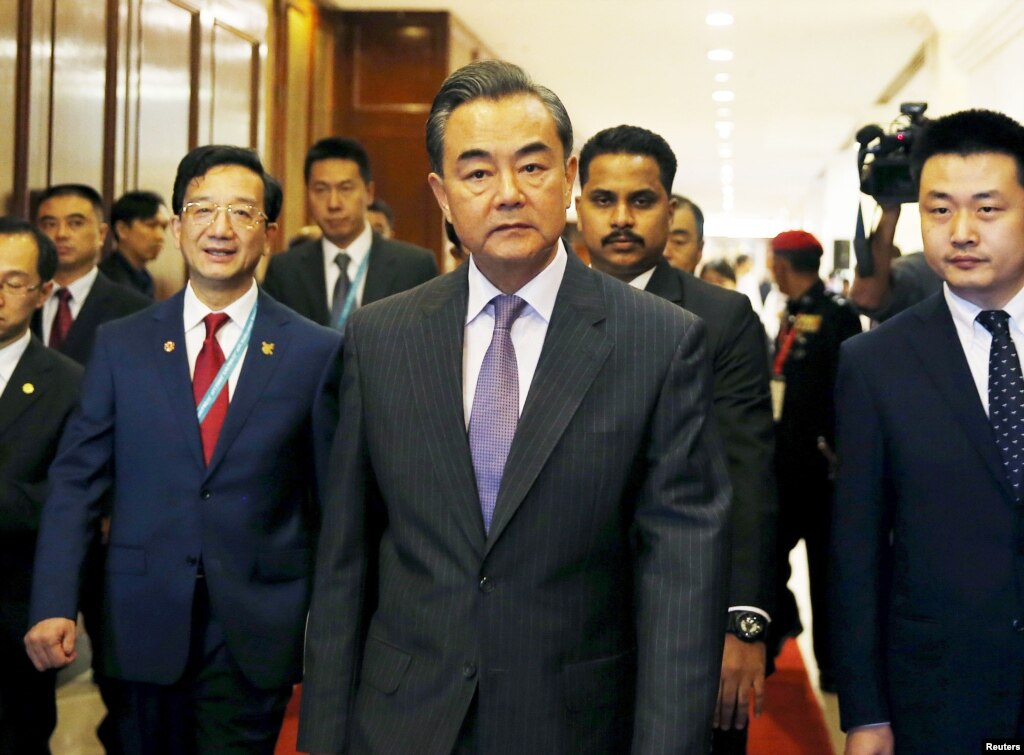







 Whole Dude - Whole Concept