Whole Dude – Whole Heritage: My Service in Indian Army helped me to learn about my Buddhist Heritage. My Nagarjuna Connection
I was posted to 54 Infantry Division (popularly known as Bison Division) in December 1974 on completion of my service on deputation to Special Frontier Force (Establishment 22). My Indian Army Service helped me to learn about my Buddhist Heritage and to discover my Nagarjuna Connection.
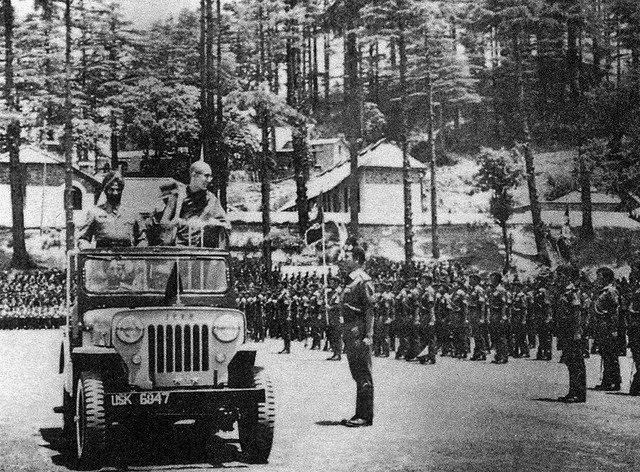
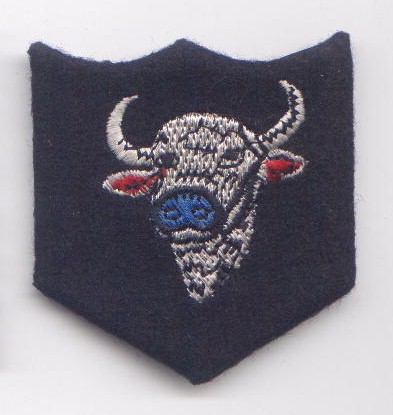
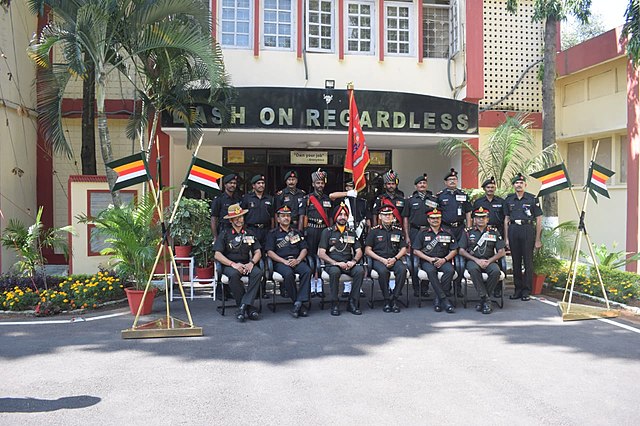
Whole Dude – Whole Heritage: My Service in Indian Army helped me to learn about my Buddhist Heritage. My Nagarjuna Connection. The Shoulder Badge of Special Frontier Force – Establishment. I served in this organization from September 22, 1971 to December 18, 1974.Whole Dude – Whole Heritage: My Service in Indian Army helped me to learn about my Buddhist Heritage. My Nagarjuna Connection.I served in Special Frontier Force – Establishment 22 from September 22, 1971 to December 18, 1974.Whole Dude – Whole Heritage: My Service in Indian Army helped me to learn about my Buddhist Heritage. My Nagarjuna Connection. I served in Special Frontier Force – Establishment 22 from September 22, 1971 to December 18, 1974.Whole Dude – Whole Heritage: My Service in Indian Army helped me to learn about my Buddhist Heritage. My Nagarjuna Connection. The Shoulder Badge of 54 Infantry Division. I served in Bison Division from December 1974 to May 1976.Whole Dude – Whole Heritage: My Service in Indian Army helped me to learn about my Buddhist Heritage. My Nagarjuna Connection. I served in 54 Infantry Division from December 1974 to May 1976.
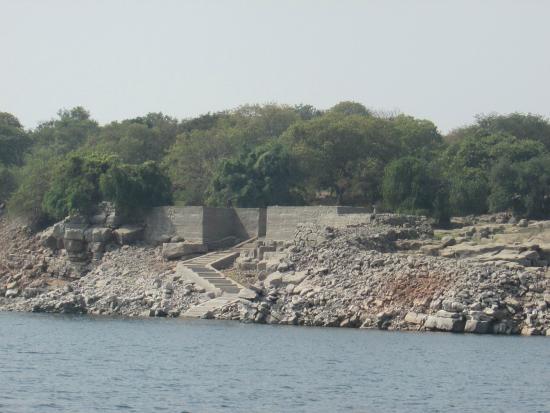
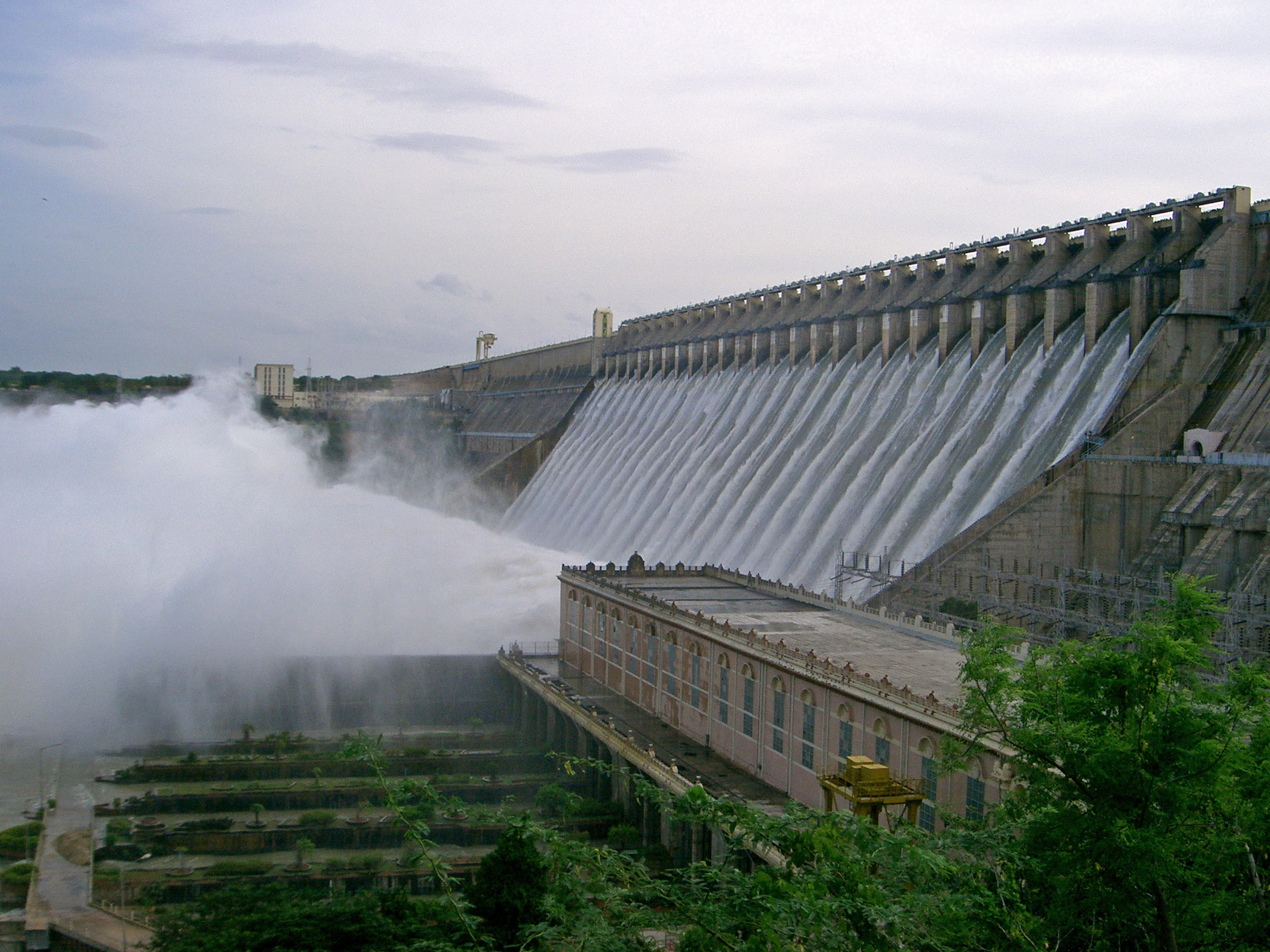
My very first assignment at Bison Division gave me the opportunity to participate in a military training exercise near Nagarjuna Sagar Dam from December 1974 to January 1975. I visited Nagarjuna Sagar again during 1979 while I served as Senior Regimental Medical Officer, Army Ordnance Corps Centre, Secunderabad.
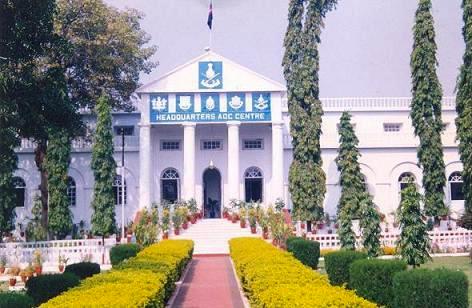
Whole Dude – Whole Heritage: My Service in Indian Army helped me to learn about my Buddhist Heritage. My Nagarjuna Connection. I served in Army Ordnance Corps Centre, Secunderabad from December 1978 to January 1984.
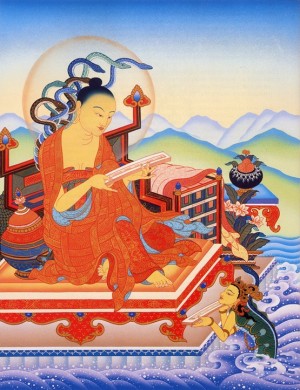
His Holiness the 14th Dalai Lama gave 4-Day Teaching on Nagarjuna’s The Precious Garland of the Middle Way Path. I am pleased to share my connection with Acharya Nagarjuna who lived and preached in Nalgonda District of Andhra Pradesh/Telangana, India. My father served as Principal of Nagarjuna Government College, Nalgonda during 1965-67.
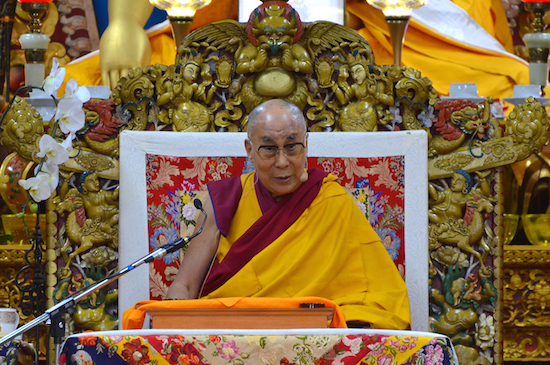
Tibet Awareness – My Nagarjuna Connection. His Holiness the Dalai Lama’s Teachings on Nagarjuna’s The Precious Garland of the Middle Way. His Holiness the Dalai Lama on the first day of teachings for South East Asian devotees at Tsuglagkhang, Dharamshala, 29 August 2016.
August 29, 2016 By Staff Writer
DHARAMSHALA: His Holiness the Dalai Lama today began a four-day teaching on Chapter II of Nagarjuna’s The Precious Garland of the Middle Way (uma rinchen trengwa) at the request of a group from Asia including Indonesia, Korea, Malaysia, Singapore, Thailand and Vietnam at the Tsuglagkhang. Over 5000 devotees from 57 countries had come to attend the teaching, of which 1200 were Buddhist monks and nuns. The remaining include devotees from Mainland China, India and local Tibetans along with 1500 from south east Asian countries of Singapore, Malaysia, Vietnam, Thailand and Indonesia.
The teaching began with a recitation of Sherab Nyingpo or Heart Sutra in different languages. His Holiness the Dalai Lama greeted all the devotees who come from different part of the world.
Emphasising the importance of Moral Ethics, His Holiness said: “Years of discussions with many scholars and educationist friends have led to the decision of coming up with a curriculum on moral ethics without touching any religious aspect.” His Holiness even mentioned a few Universities in western countries that have started a curriculum on it and suggested the practice of compassion and sense of oneness of humanity.
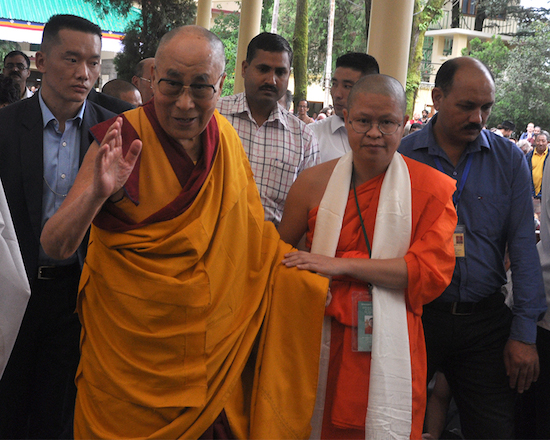
Tibet Awareness – My Nagarjuna Connection. His Holiness the Dalai Lama’s Teachings on Nagarjuna’s The Precious Garland of the Middle Way. His Holiness the Dalai Lama being led to the Teaching venue by a representative of the South East Asian devotees, 29 August 2016.
His Holiness added that friendship is built on trust, and that trust can only be gained through love and compassion in the absence of pride, jealousy and malicious thoughts. “We should all keep our identity and religion aside and consider ourselves humans first. At the fundamental level, we all seven billion human beings are the same wishing for a happy life,” he said. “It is matter of great sadness and loss if religion becomes a tool of these negative afflictions,” His Holiness noted. The teachings will continue for the next three days culminating in a long life empowerment on the final day of the teaching on 1 September.
Tibet Awareness – My Nagarjuna Connection. His Holiness the Dalai Lama’s Teachings on Nagarjuna’s The Precious Garland of the Middle Way.
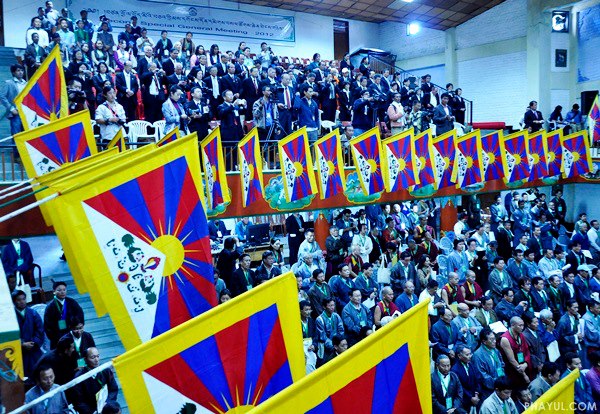
Devotees from 57 countries including Indonesia, Malaysia, Singapore, Thailand, Vietnam, South Korea, at the teaching.
Tibet Awareness – My Nagarjuna Connection. His Holiness the Dalai Lama’s Teachings on Nagarjuna’s The Precious Garland of the Middle Way. Members of Tibetan public at the four-day teaching on Nagarjuna’s Precious Garland of the Middle Way at Tsuglagkhang on 29 August 2016.
Members of Tibetan public at the four-day teaching on Nagarjuna’s Precious Garland of the Middle Way at Tsuglagkhang on 29 August 2016.
2016 Central Tibetan Administration
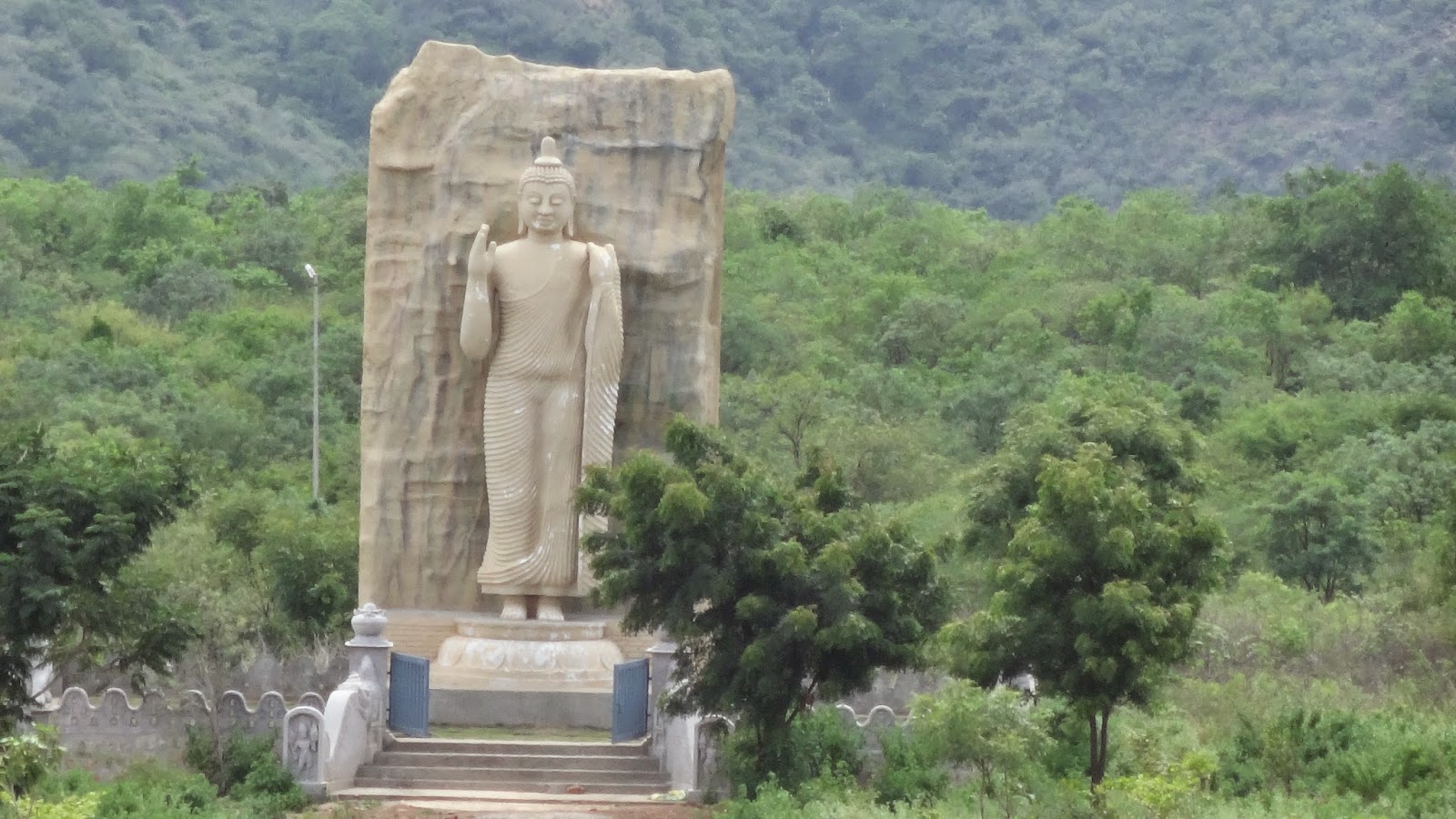
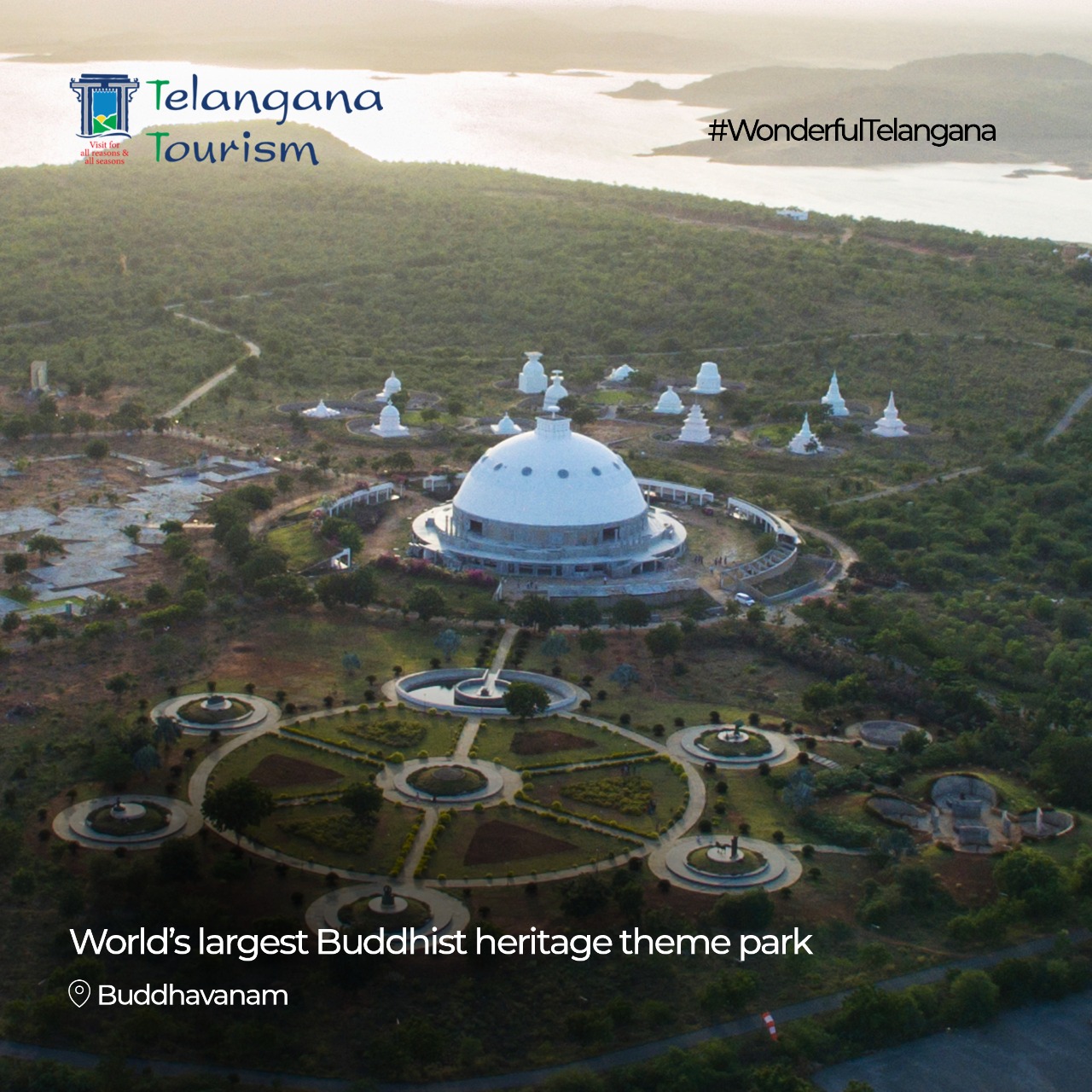
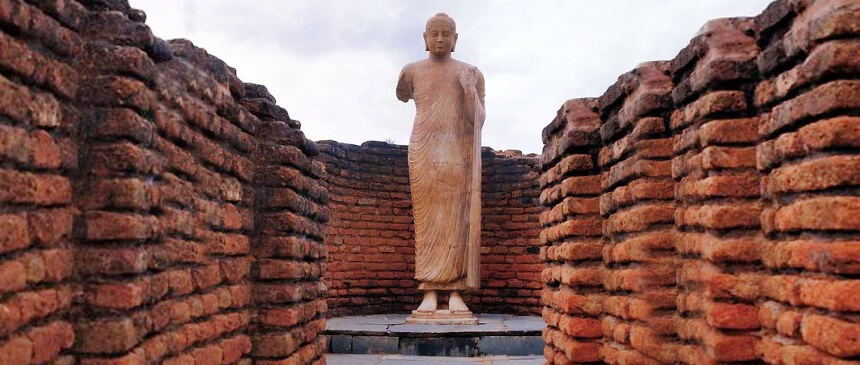
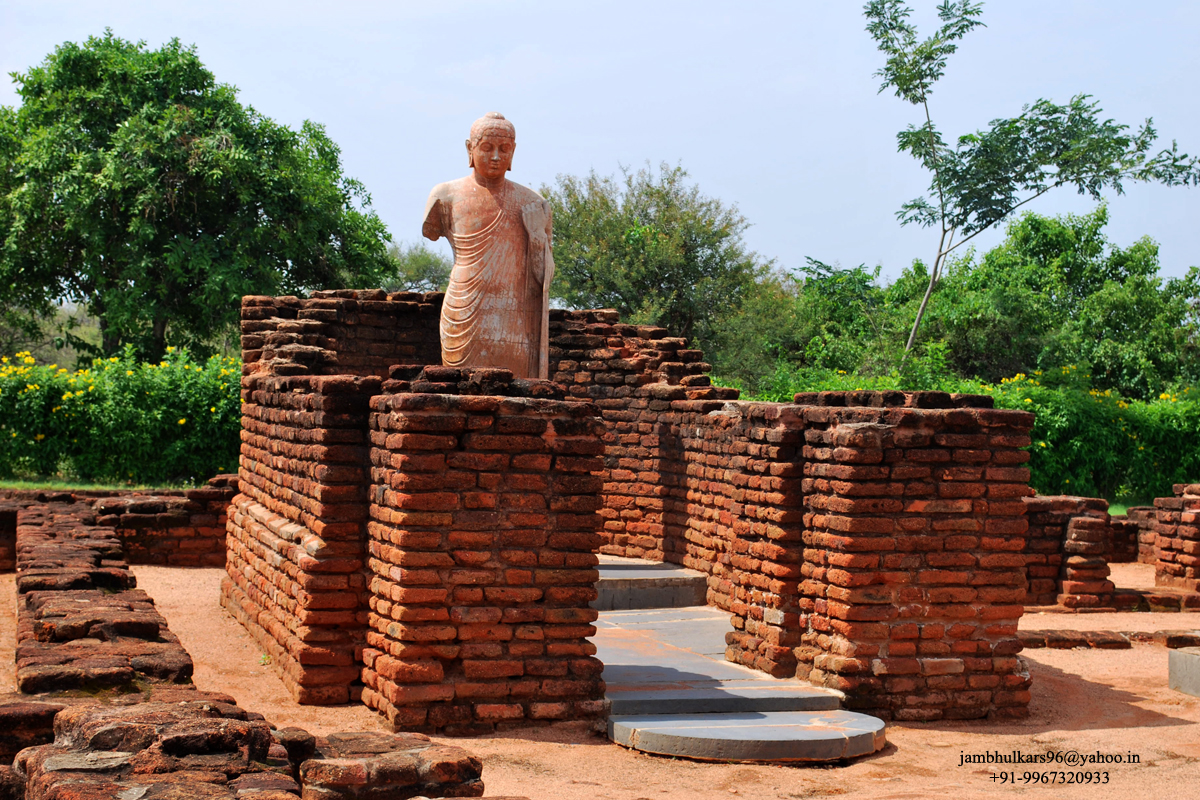
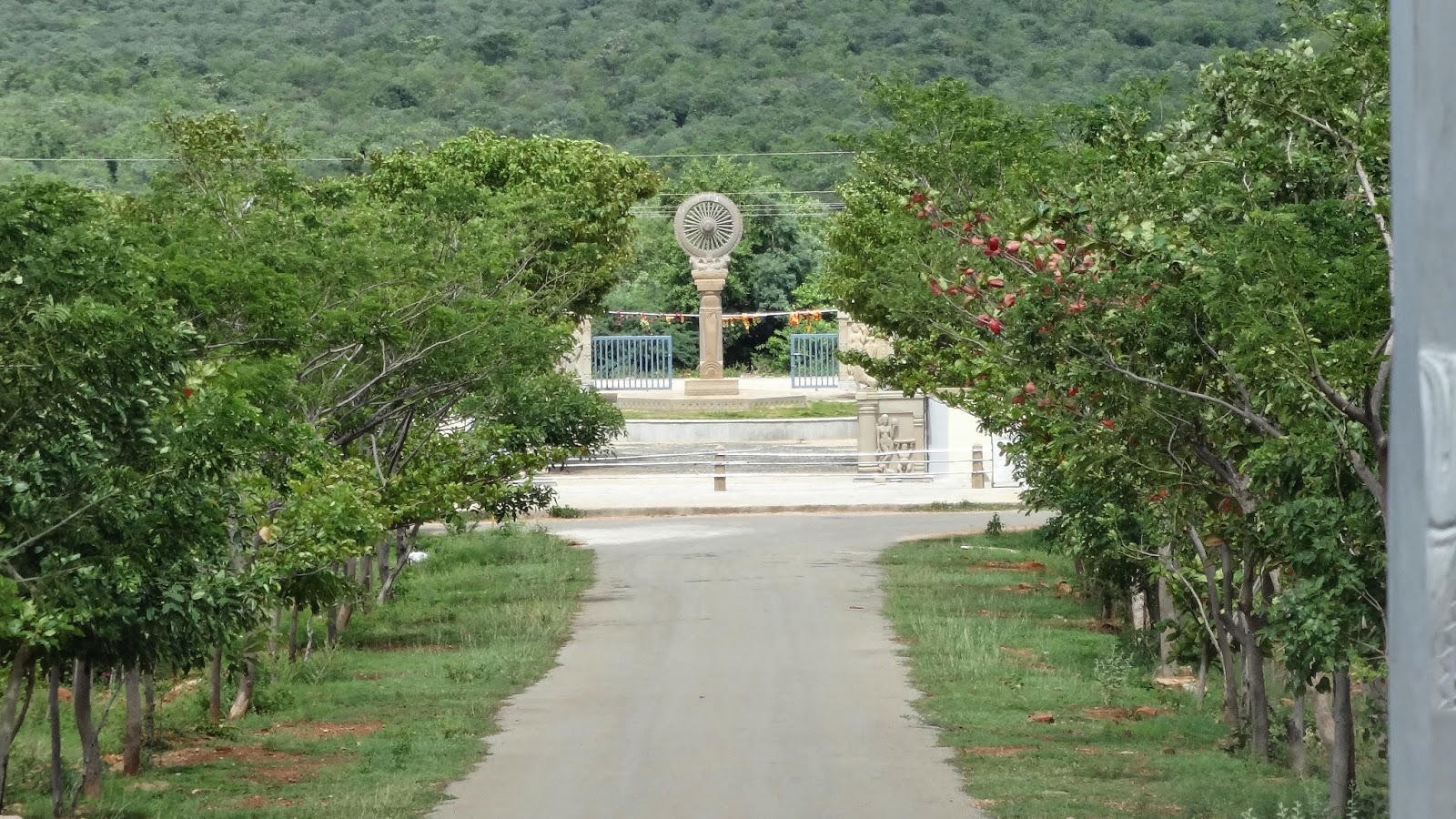
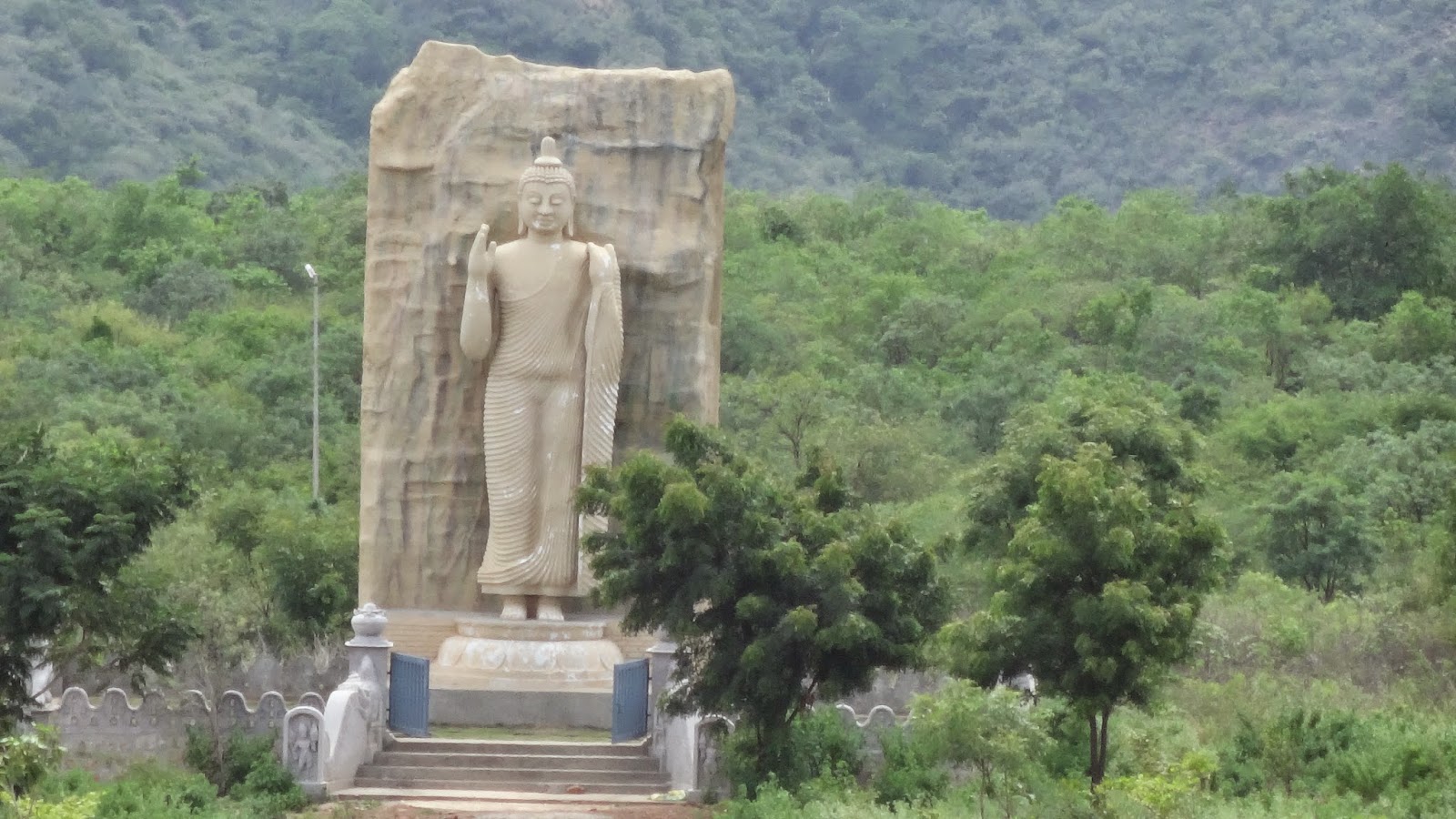
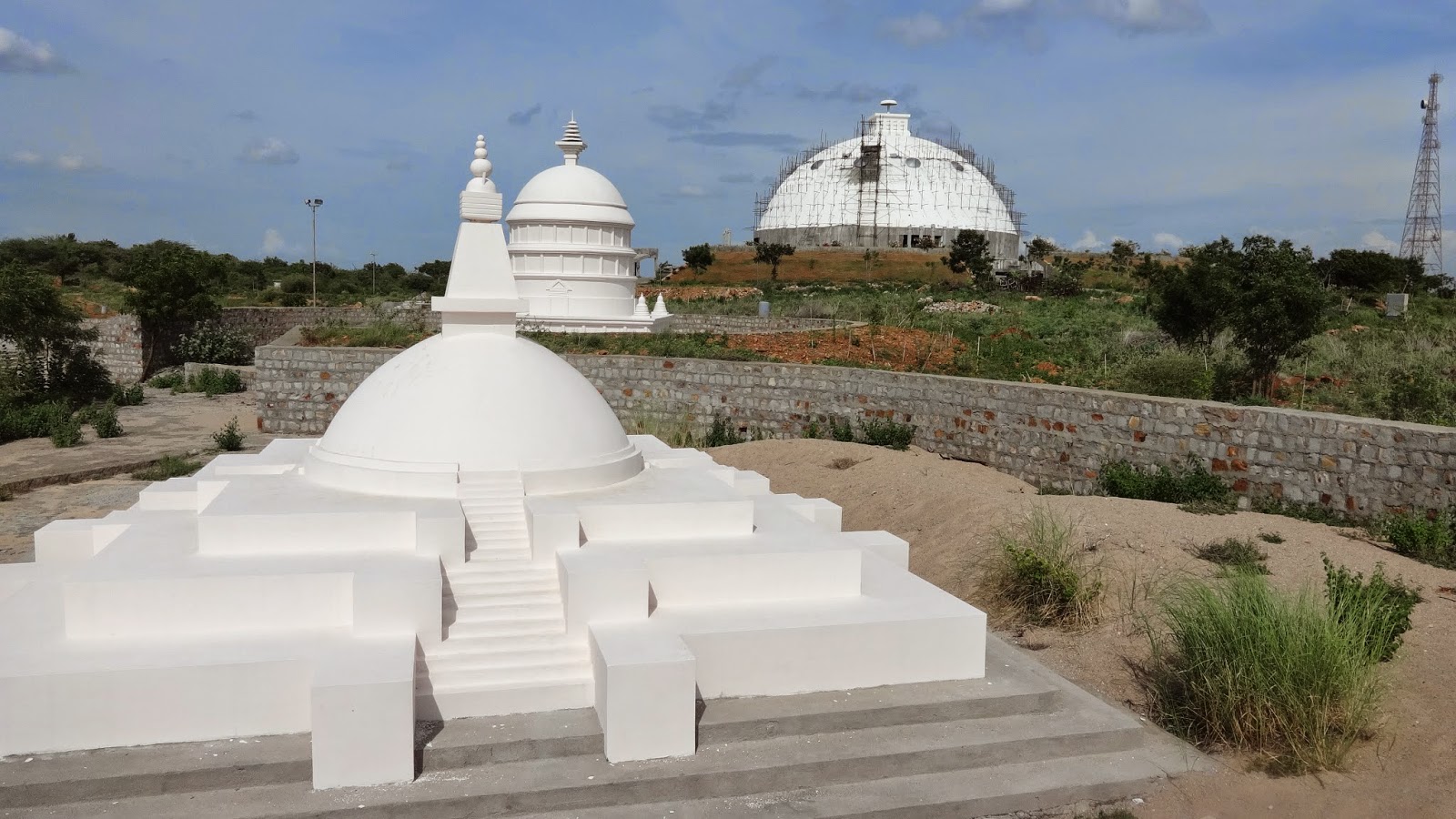
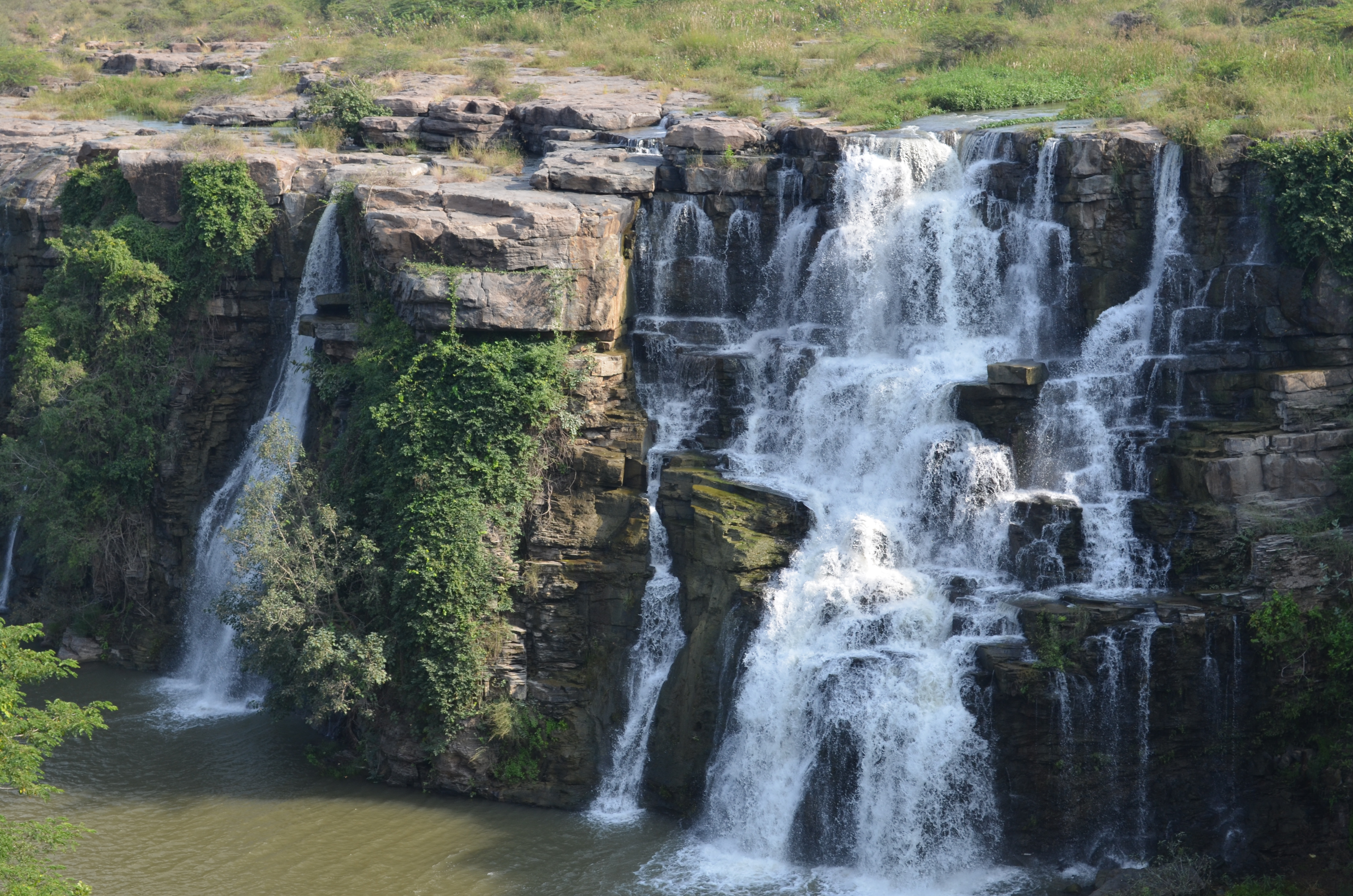
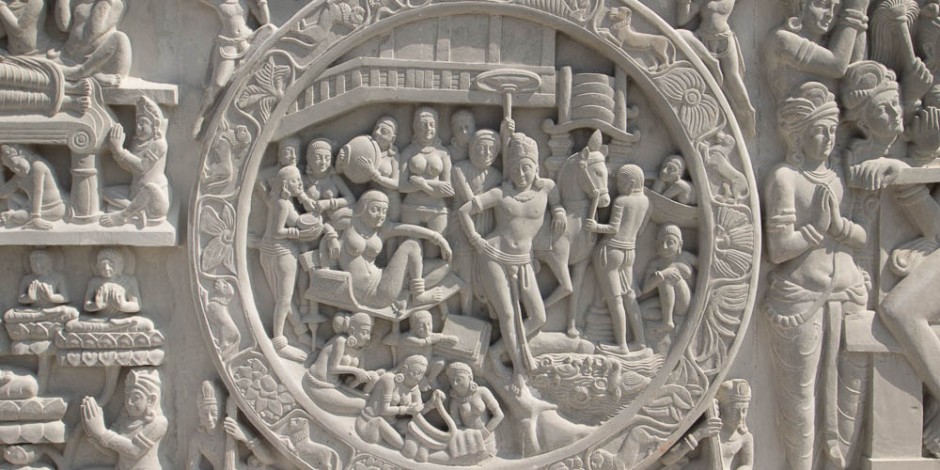
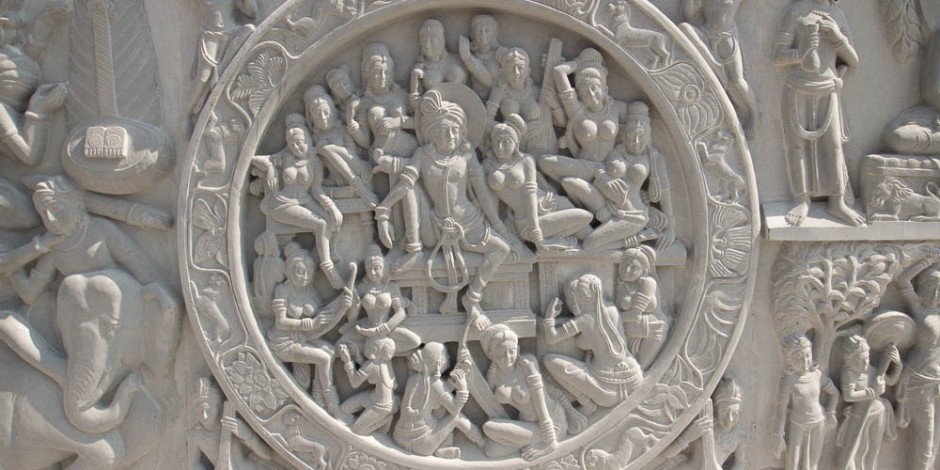
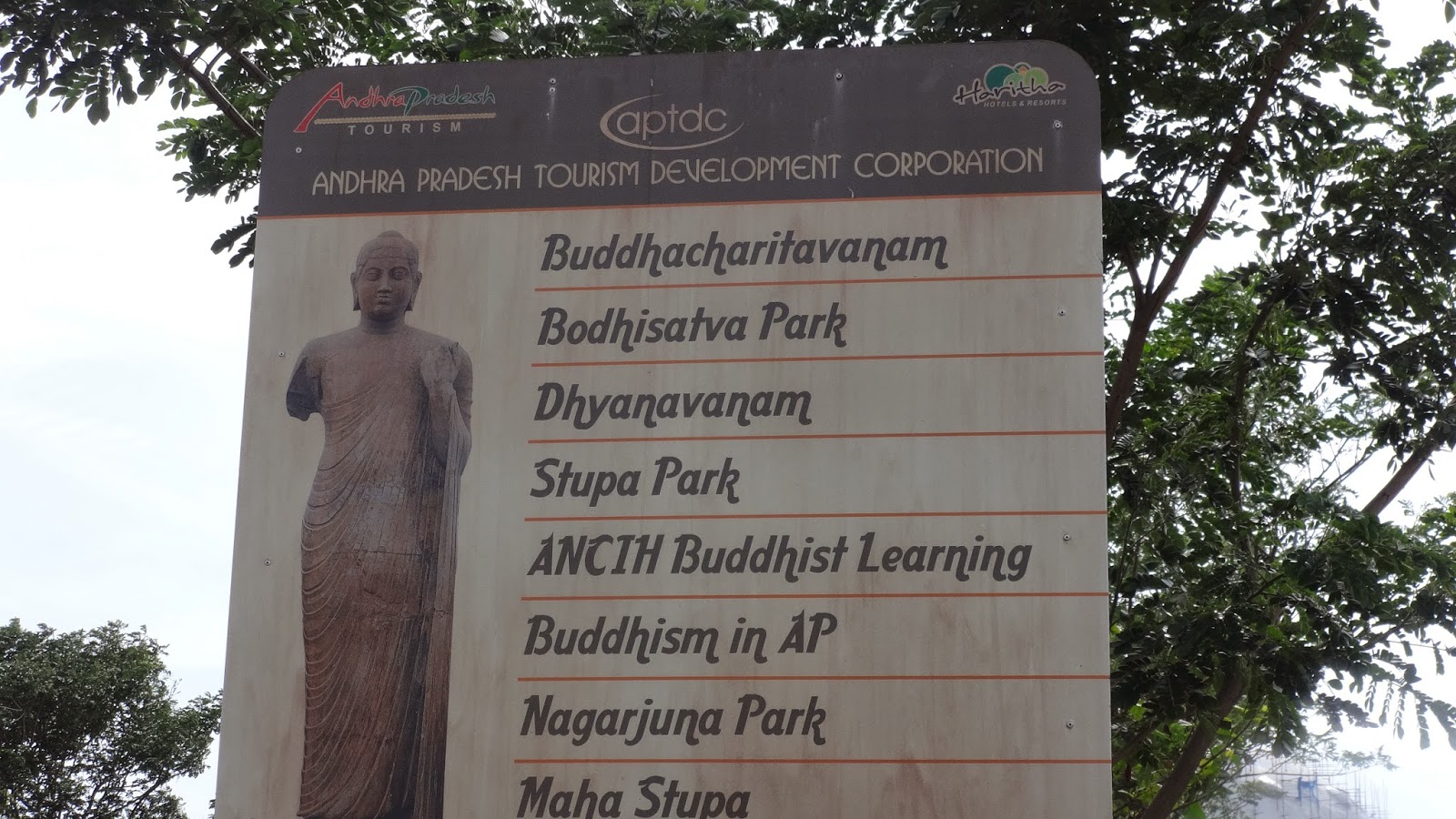
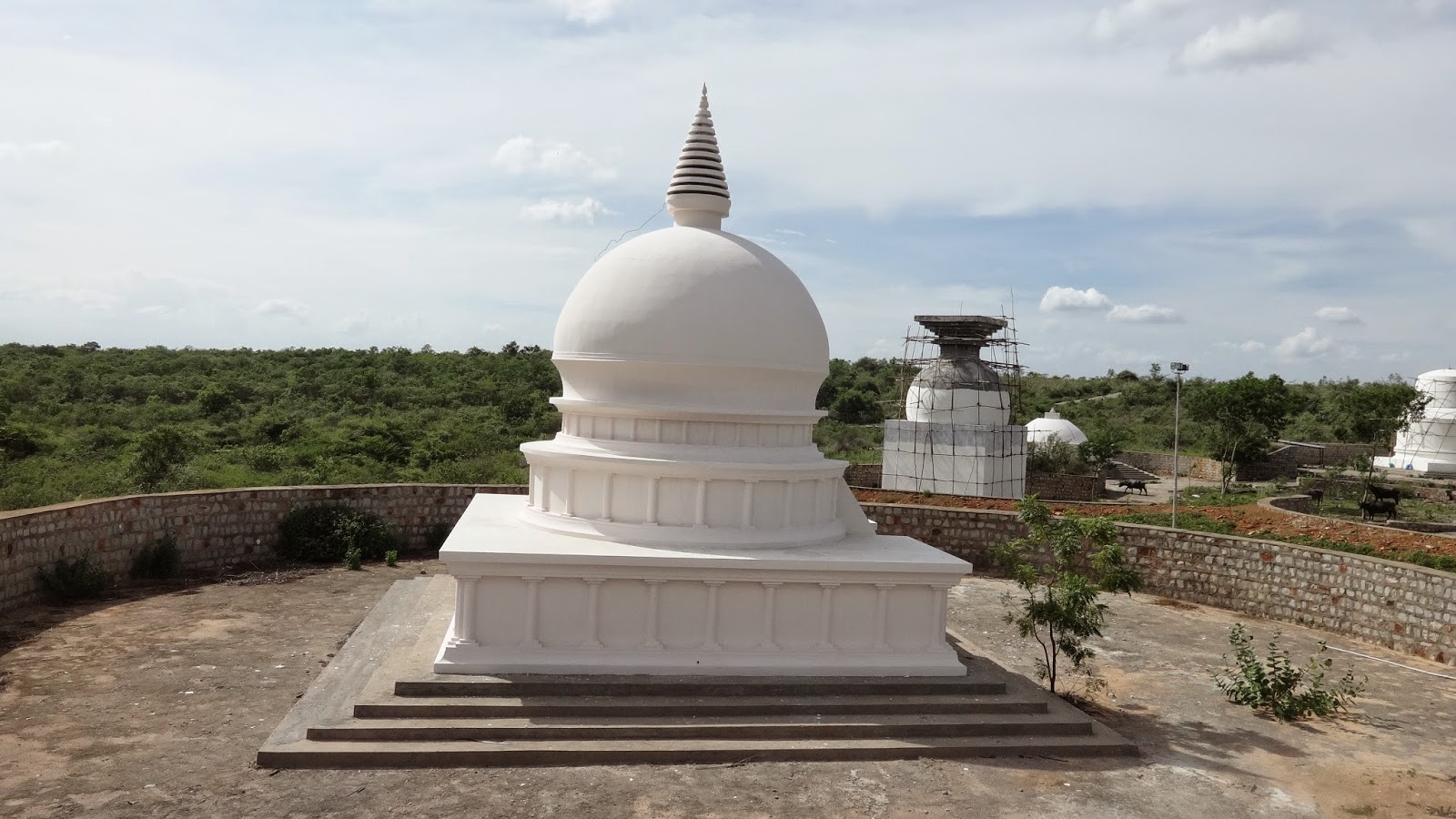
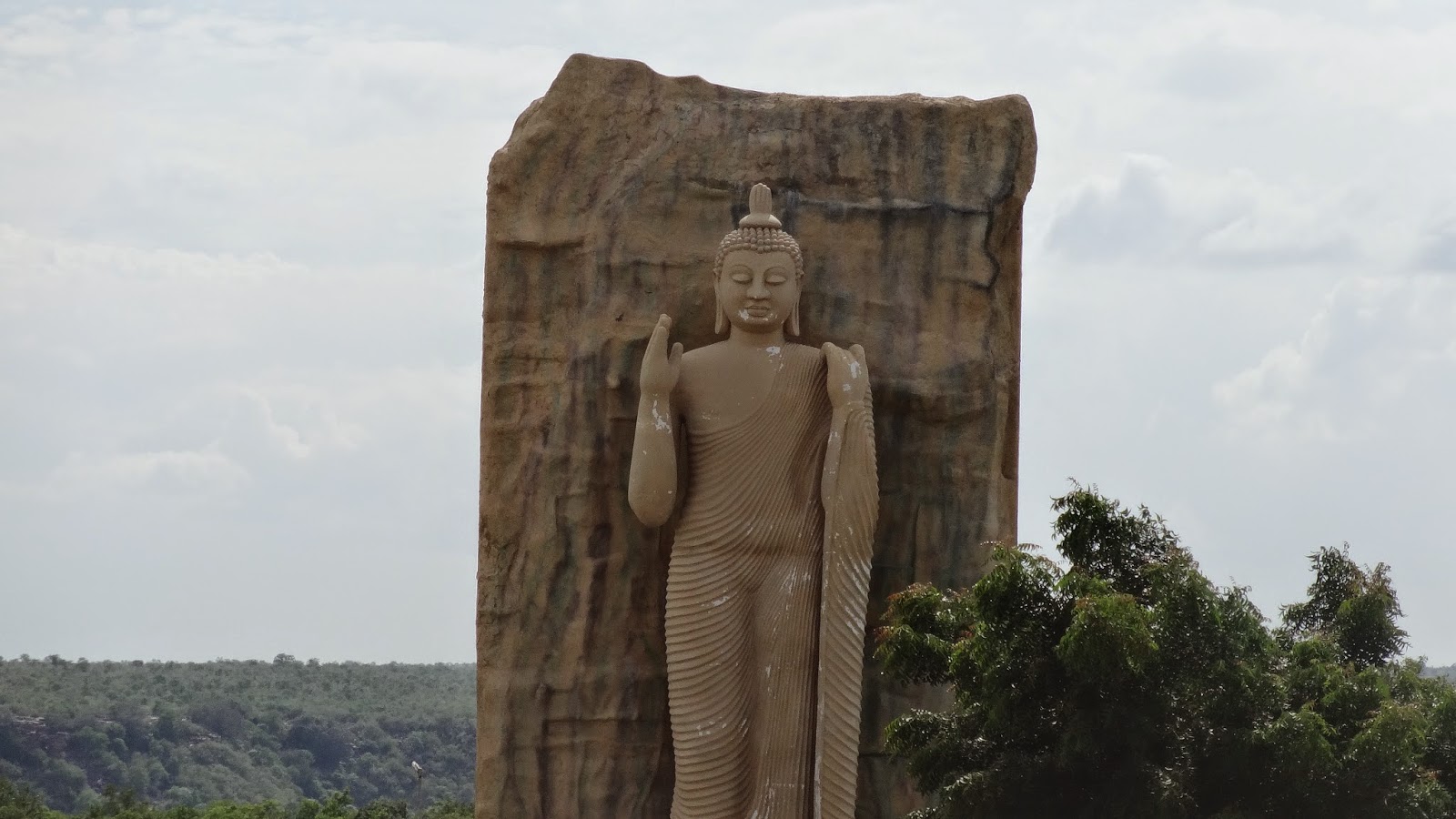
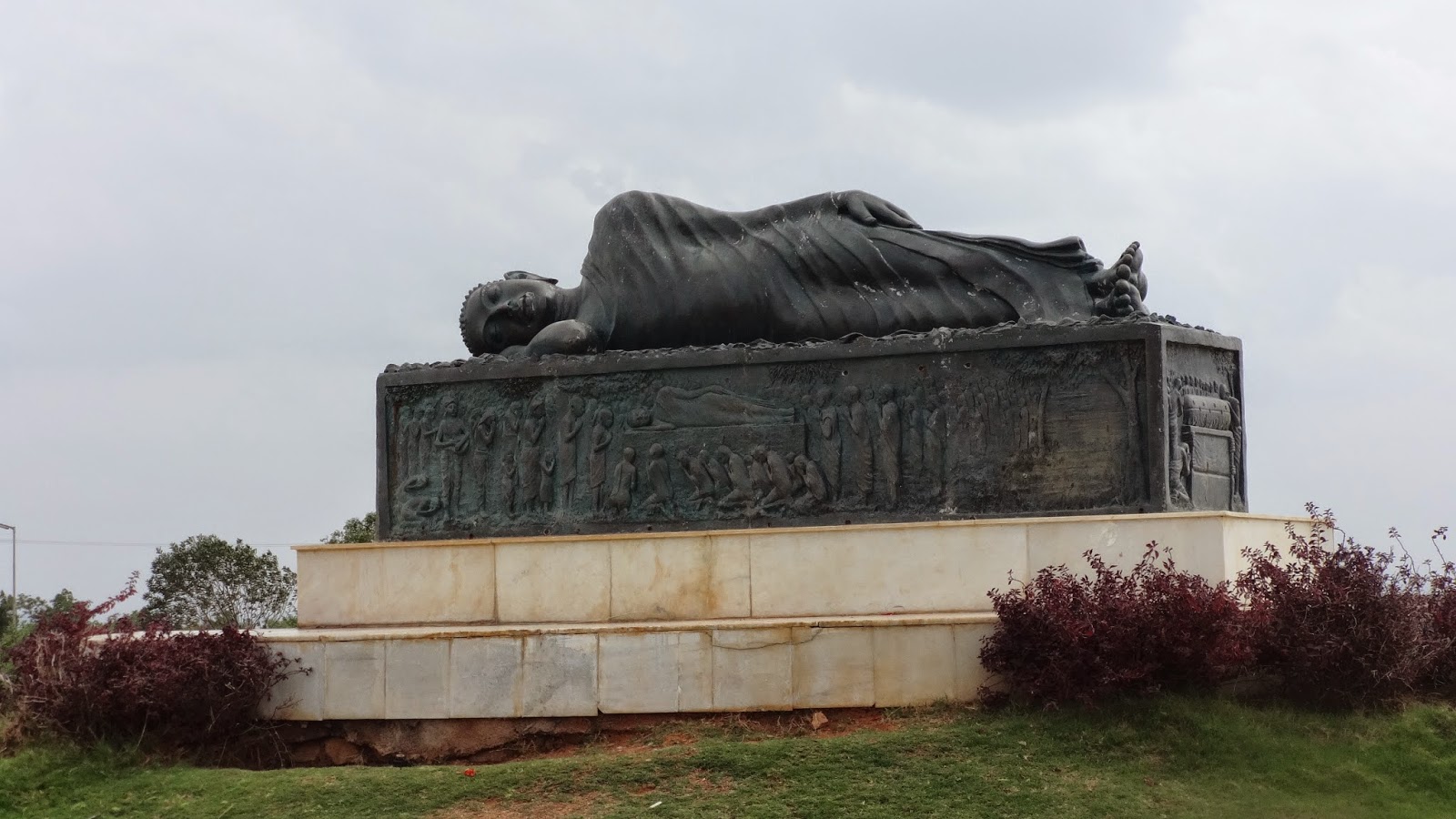
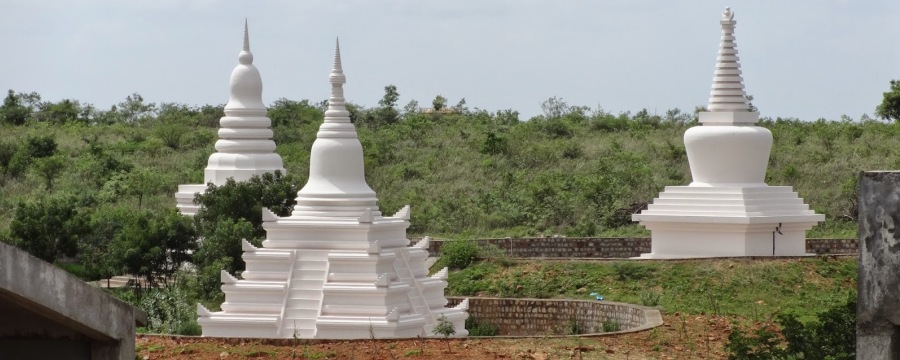
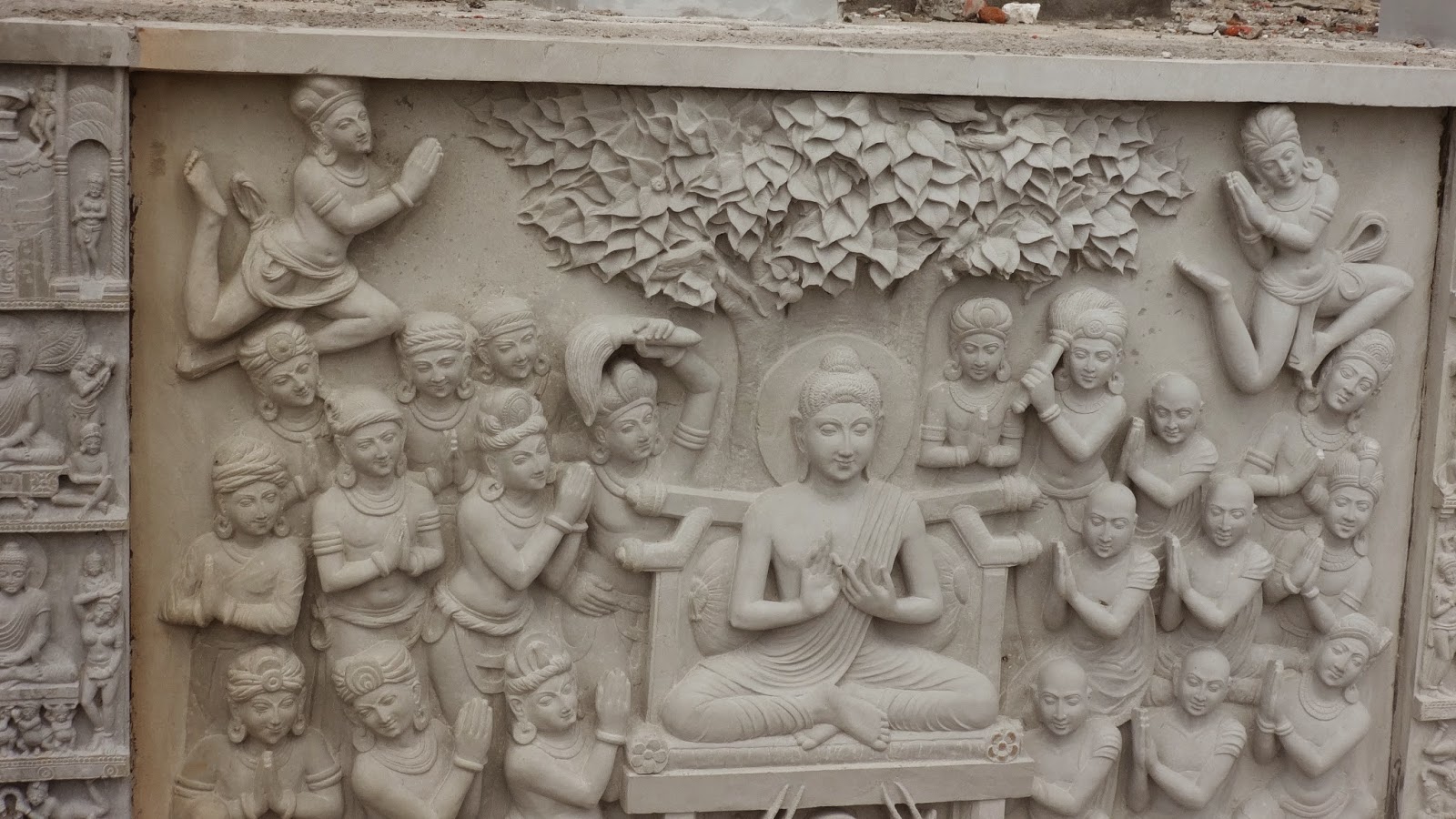
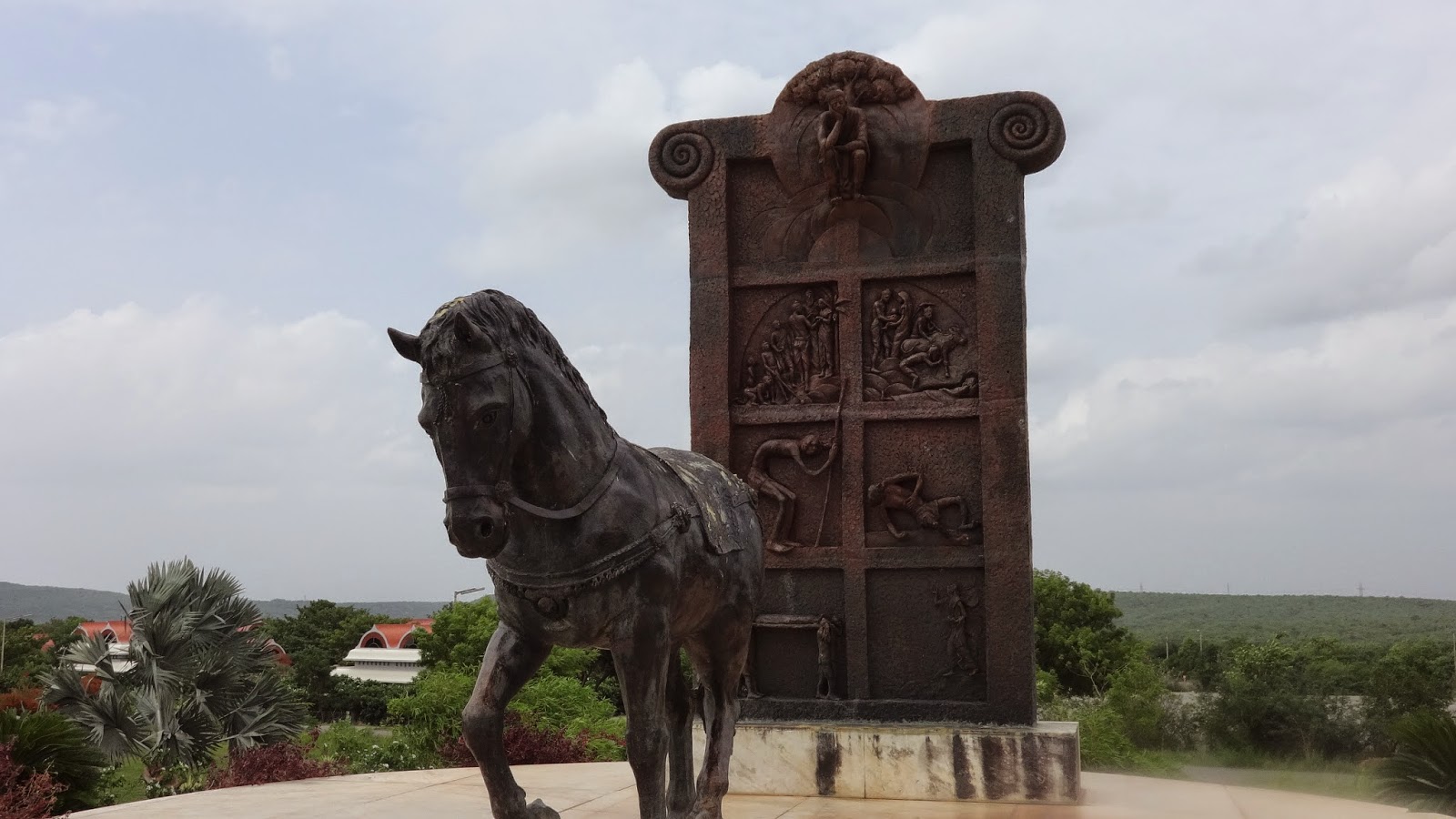
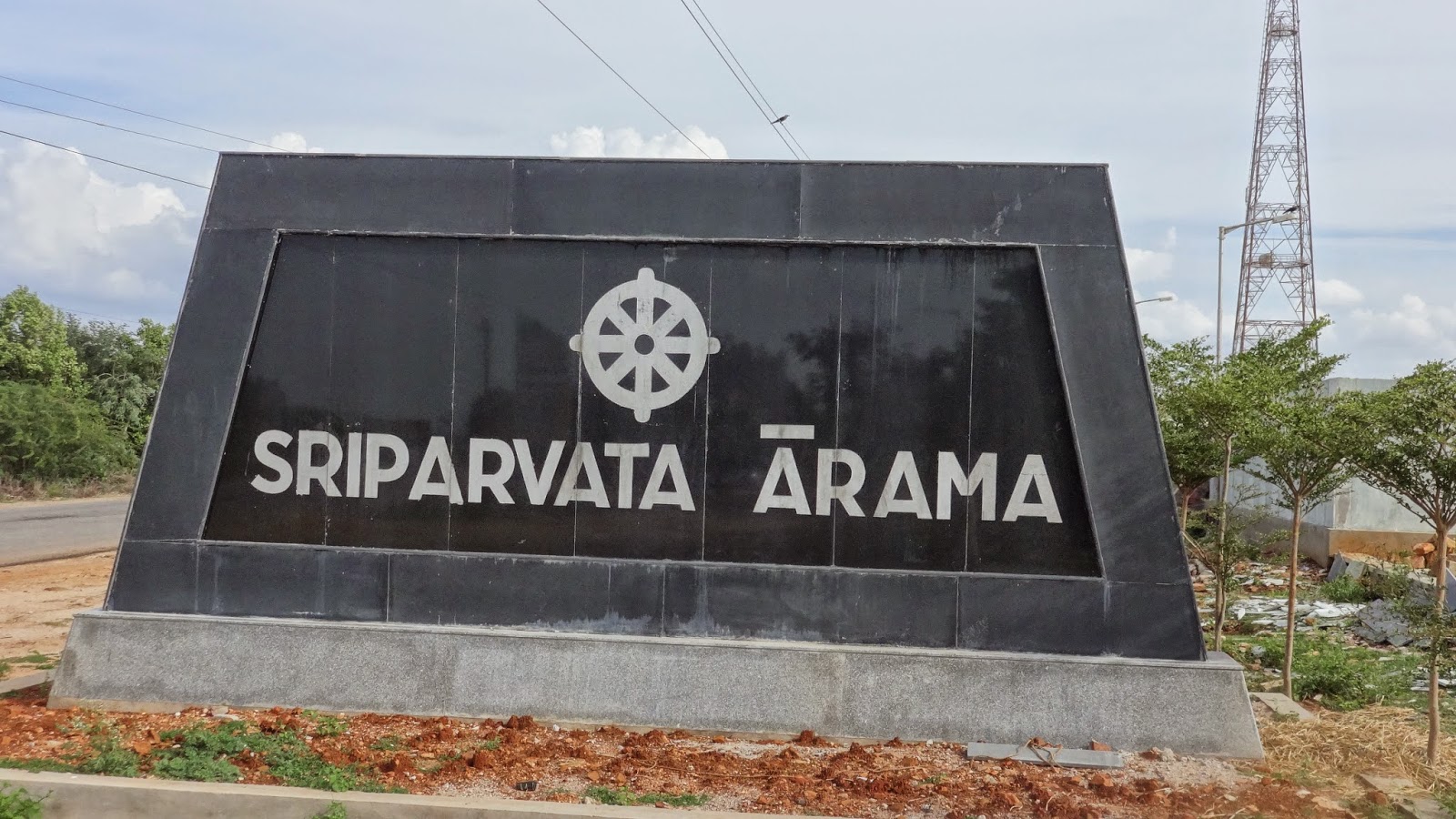
Whole Dude – Whole Heritage: My Service in Indian Army helped me to learn about my Buddhist Heritage. My Nagarjuna Connection.Whole Dude – Whole Heritage: My Service in Indian Army helped me to learn about my Buddhist Heritage. My Nagarjuna Connection.Whole Dude – Whole Heritage: My Service in Indian Army helped me to learn about my Buddhist Heritage. My Nagarjuna Connection.Whole Dude – Whole Heritage: My Nagarjuna Connection. Nagarjuna Sagar Dam across Krishna River in Nalgonda District, Telangana, India.Whole Dude – Whole Heritage: My Nagarjuna Connection. Nandi Konda near Nagarjuna Sagar, India.Whole Dude – Whole Heritage: My Nagarjuna Connection. Nagarjuna Konda near Nagarjuna Sagar, India.Whole Dude – Whole Heritage: My Service in Indian Army helped me to learn about my Buddhist Heritage. My Nagarjuna Connection.Whole Dude – Whole Heritage: My Service in Indian Army helped me to learn about my Buddhist Heritage. My Nagarjuna Connection.Whole Dude – Whole Heritage: My Nagarjuna Connection. Buddha Vanam near Nagarjuna Sagar, India.Whole Dude – Whole Heritage: My Nagarjuna Connection. Buddha statue near Nagarjuna Sagar, India.Whole Dude – Whole Heritage: My Nagarjuna Connection. Buddhist monuments ‘Stupas’ near Nagarjuna Sagar, India.Whole Dude – Whole Heritage: My Nagarjuna Connection. Ethipothala Waterfall near Nagarjuna Sagar, India.Whole Dude – Whole Heritage: My Service in Indian Army helped me to learn about my Buddhist Heritage. My Nagarjuna Connection.Whole Dude – Whole Heritage: My Service in Indian Army helped me to learn about my Buddhist Heritage. My Nagarjuna Connection.Whole Dude – Whole Heritage: My Service in Indian Army helped me to learn about my Buddhist Heritage. My Nagarjuna Connection.Whole Dude – Whole Heritage: My Service in Indian Army helped me to learn about my Buddhist Heritage. My Nagarjuna Connection.Whole Dude – Whole Heritage: My Service in Indian Army helped me to learn about my Buddhist Heritage. My Nagarjuna Connection.Whole Dude – Whole Heritage: My Service in Indian Army helped me to learn about my Buddhist Heritage. My Nagarjuna Connection.Whole Dude – Whole Heritage: My Service in Indian Army helped me to learn about my Buddhist Heritage. My Nagarjuna Connection.Whole Dude – Whole Heritage: My Service in Indian Army helped me to learn about my Buddhist Heritage. My Nagarjuna Connection.Whole Dude – Whole Heritage: My Service in Indian Army helped me to learn about my Buddhist Heritage. My Nagarjuna Connection.Whole Dude – Whole Heritage: My Service in Indian Army helped me to learn about my Buddhist Heritage. My Nagarjuna Connection.Whole Dude – Whole Heritage: My Service in Indian Army helped me to learn about my Buddhist Heritage. My Nagarjuna Connection.Whole Dude – Whole Heritage: My Service in Indian Army helped me to learn about my Buddhist Heritage. My Nagarjuna Connection.Whole Dude – Whole Heritage: My Service in Indian Army helped me to learn about my Buddhist Heritage. My Nagarjuna Connection.Whole Dude – Whole Heritage: My Service in Indian Army helped me to learn about my Buddhist Heritage. My Nagarjuna Connection.Whole Dude – Whole Heritage: My Service in Indian Army helped me to learn about my Buddhist Heritage. My Nagarjuna Connection.Whole Dude – Whole Heritage: My Service in Indian Army helped me to learn about my Buddhist Heritage. My Nagarjuna Connection.Whole Dude – Whole Heritage: My Service in Indian Army helped me to learn about my Buddhist Heritage. My Nagarjuna Connection. SriParvata Arama – Hill Colony, Nagarjuna Sagar, IndiaWhole Dude – Whole Heritage: My Service in Indian Army helped me to learn about my Buddhist Heritage. My Nagarjuna Connection.
Tibetan Consciousness Movement spreads in Occupied Tibet
Whole Dude – Whole Unrest. A Thanka painting inside the Namgyal Institute.
Excerpt: Special Frontier Force – The Doctrine of Tibetan Resistance: The Problem of War and Peace in Tibet. Can we order Peace for the sake of War, and not War for the sake of Peace? It may be argued that Peace is Inevitable or it may be stated that War is Inevitable. The problem is the absence of Natural Order, Natural Condition, Natural Power, and Natural Authority in the Land of Tibet and in the lives of Tibetans. I state that Resistance is Inevitable, Resistance will Endure, and Resistance will Prevail if there is no Natural Order in Tibet. Tibet can Resist, Tibet will Resist, and Tibetan Resistance will Prevail until the Natural Order is restored in Tibet.Tibetan Identity is a reflection of Tibetan Consciousness and Tibetan Resistance is the natural reaction to occupation.
Whole Dude – Whole Unrest: This Yak dressed up in Tibetan Costume symbolizes the Tibetan Consciousness Movement. The Consciousness of The Living Tibetan Spirits includes the Land, the People, the denizens of Tibet.
The Living Tibetan Spirits appreciate the following article published by Mr. Bahukutumbi.Raman, the former associate of Mr. R. N. Kao of the Intelligence Bureau, and the Secretary (Research) of the Research and Analysis Wing (R&AW) from 1968 to 1977. During 1971, Mr. R. N. Kao and Mr. B. Raman visited my Organization that was commanded by Major General Sujan Singh Uban, Inspector General Special Frontier Force. Mr. B. Raman also served as Additional Secretary, the Cabinet Secretariat, Government of India.
Whole Dude – Whole Unrest: For the purpose of working out a response to the current tragic situation in Tibet, a Special General Meeting of Tibetans was held at Dharamshala, India.
The Tibetan Spirits live in my consciousness and we recognize the Tibetan Consciousness Movement. The Tibetan Identity will survive in spite of illegal occupation of Tibet. We have set our minds free and freedom is the state of our minds and freedom is the condition of our Spirits.
WHOLE DUDE – WHOLE UNREST: OLD FLAMES NEVER DIE – TIBETAN CONSCIOUSNESS MOVEMENT
The unrest in the Tibetan areas of China —Tibet, Qinghai, Sichuan and Yunnan— continues in different forms. The unrest was triggered off in March last by unhappiness among the Tibetans of Sichuan over the continued suppression of their political, religious and ethnic rights by the Chinese authorities and over their attempts to punish anyone who proclaimed his or her loyalty to His Holiness the Dalai Lama. 2. The unrest in the Tibetan areas of Sichuan has taken the form of a chain of self-immolations by young Tibetan monks of the large Kirti monastery. The Chinese authorities have not been able to stop these acts or attempted acts of self-immolation despite their removing a large number of monks of the monastery to a military detention camp euphemistically called a re-education centre and punishing those present at the time of the self-immolations on charges of abetment to suicide. They have also been forcing senior monks to come out with statements condemning self-immolations as unBuddhist and have launched a campaign against His Holiness for not condemning self-immolations. 3. Despite these suppressive measures, acts or attempted acts of self-immolation continue with nine so far. In the latest incident reported on October 17, 2011, a nun is reported to have committed self-immolation. This is the first instance of a self-immolation by a nun in the history of Tibetan Buddhism. Wamgmo, the 20-year-old nun, was from the Mamo or Dechen Choekorling Nunnery, which has about 350 nuns in Ngaba. Nuns from here had also participated in the March 2008 protest movement, 4. The same day, the Chinese police opened fire on a group of protesting Tibetans, injuring two of them. There were no fatalities. The shooting followed a protest the previous day in the Khekor township of Serthar (in Chinese, Seda) county of the Kardze (in Chinese, Ganzi) prefecture. A group of seven Tibetans protested in front of the local police station and shouted slogans calling for freedom for Tibet, the return of His Holiness from exile and the release from jail of His Holiness the Panchen Lama, chosen by the Dalai Lama in accordance with Tibetan Buddhist traditions. The Chinese have jailed him and the Communist Party of China has nominated its own Panchen Lama who has not been accepted by the Tibetans. 5. The self-immolations in Sichuan have been accompanied by protests and commercial strikes by Tibetans in the towns and villages to which those committing self-immolation belonged. The Tibetan community of Sichuan observed a day of fasting and protest on October 19 to express solidarity with the families of those who committed self-immolation. The acts of self-immolation have not so far spread to other Tibetan areas outside Sichuan. 6. However, a Tibetan-consciousness movement has been spreading right across the Tibetan belt. The objective of the movement is to enhance the consciousness of the Tibetans–particularly the youth— about the distinct nature of the Tibetan culture as distinguished from the Han culture and to impress upon the youth the importance of preserving the Tibetan culture and maintaining their loyalty and devotion to His Holiness the Dalai Lama. The monasteries have been in the forefront of this movement. 7. As part of this Tibetan-consciousness movement, Tibetans are being encouraged to dress in typical Tibetan style, speak among themselves only in the Tibetan language, eat only Tibetan food and participate in joint prayer meetings. Reports received from Tibet and other Tibetan areas say that thousands of Tibetans–many of them youth—are participating in the peaceful gatherings organised by this movement. The Chinese authorities have till now refrained from disrupting this movement lest it led to any violence. 8.At the Sershul monastery in the Kardze (in Chinese, Ganzi) Tibetan Autonomous Prefecture of the Sichuan province, more than 20,000 Tibetan monks and others gathered from Oct. 6-13 to take part in discussions on Tibetan-consciousness. In an earlier Tibetan-consciousness gathering from Oct. 2-5 at the Dzogchen monastery, also in Kardze, a senior religious leader spoke to more than 10,000 Tibetans on the Tibetan identity. Pledges to struggle for Tibetan freedom through non-violent means were taken 9. Similar gatherings were held in eight other places during September and October, including one gathering of about 1,400 monks in Nangchen in the Yulshul (in Chinese, Yushu) Tibetan Autonomous Prefecture of Qinghai province. 10. The absence of acts of self-immolation, protest meetings and commercial strikes in Tibet itself should not be misconstrued to mean that the struggle for Tibetan rights, which led to a mass flare-up in 2008, is showing signs of subsiding. It has taken a different form. The presence of thousands of Tibetans–particularly Tibetan youth— in the Tibetan-consciousness gatherings in Tibet speaks of the continuing pride of the Tibetans in their Tibetan personality, culture and religious faith. 11. The Tibetan struggle for the protection and preservation of their self-identity and their loyalty and devotion to His Holiness remain as strong as ever. What should be encouraging is that a new generation Tibetan activists, different from those who were in the vanguard of the 2008 flare-up, has emerged and is now leading the Tibetan struggle. The new generation believes in a peaceful struggle. It feels that the violence of March 2008 played into the hands of the Chinese and enabled them to use brutal force to suppress the movement.
Whole Dude – Whole Unrest: Tibetan Consciousness Movement
Whole Dude – Whole Resistance: Resistance is inevitable, Resistance will endure and Resistance will prevail if there is no Natural Order in Tibet.
Excerpt: Special Frontier Force – The Doctrine of Tibetan Resistance: The Problem of War and Peace in Tibet. Can we order Peace for the sake of War, and not War for the sake of Peace? It may be argued that Peace is Inevitable or it may be stated that War is Inevitable. The problem is the absence of Natural Order, Natural Condition, Natural Power, and Natural Authority in the Land of Tibet and in the lives of Tibetans. I state that Resistance is Inevitable, Resistance will Endure, and Resistance will Prevail if there is no Natural Order in Tibet. Tibet can Resist, Tibet will Resist, and Tibetan Resistance will Prevail until the Natural Order is restored in Tibet.Tibetan Identity is a reflection of Tibetan Consciousness and Tibetan Resistance is the natural reaction to occupation.
Tibetan Consciousness and Tibetan Resistance:
Whole Dude – Whole Resistance: Dr. Lobsang Sangay assumed the Office of the Chief on the Tibetan Exile Cabinet on August 08, 2011. On his maiden visit to United States, he spoke to the press on Wednesday, November 02, at the National Press Club. He urged the Obama administration to take a stronger stance of Tibet as China’s repressive policy is pushing Tibetans to desperation.
I am not surprised to read that Tibetans are expressing their sense of resentment and frustration by acts of self-immolation.
Whole Dude – Whole Resistance: To defend her true nature, to preserve her essence, to resist the violation of her personal dignity and honor, Rani Padmini of Chittorgarh, India courageously responded to a difficult and challenging life situation by an act of self-immolation. Her physical being was destroyed by the fire which she had willingly embraced and yet her spirit has survived. She has declared Victory over Death and she lives as an immortal person in the hearts of Indians and gives them a sense of Pride and Identity. Indian Culture and Tradition glorify the act of giving life to resist the Enemy.
I grew up in India and I am proud to be an Indian because of the Courage displayed by Rani Padmini of Chittorgarh while she confronted her enemy. She preserved her Essence by ending her Existence. She acted as an Individual who faced a tough challenge posed by her enemy’s intention to violate her and dishonor her spiritual Essence.
Whole Dude – Whole Resistance: Resistance is inevitable, Resistance will endure and Resistance will prevail if there is no Natural Order in Tibet.
In Tibet, I describe the problem as that of foreign occupation. The foreign invader imposed his identity across the Land of Tibet. Historically, Tibetans witnessed foreign conquests, but the Land was never subjugated by the invading forces. The Tibetan Identity has survived and the foreign domination died its natural death. The occupation by Communist China not only disrupted the natural sense of freedom enjoyed by Tibetans, but also is wiping out the Identity of the Land of Tibet and all of its denizens. As long as Tibetans are conscious of their Identity, they would continue to resist foreign occupation. The international community must not remain as silent spectators. The global community of nations had responded in the past to help Jews and to stop Nazi persecution of Jews. Communist China must be contained and the Land known as Tibet must exist with its own Identity and we should not recognize occupation as a final event.
Whole Dude – Whole Resistance: Resistance is inevitable, Resistance will endure and Resistance will prevail if there is no Natural Order in Tibet. India’s perspective on Tibetan Resistance.
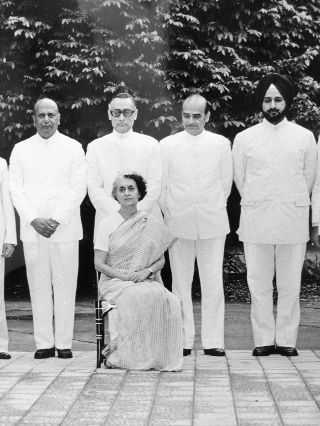
I am pleased to share an article written by BahukutumbiRaman. Mr. Raman served in Intelligence Bureau along with Mr. R. N. Kao who got appointed as Secretary (Research) of India’s Research and Analysis Wing from 1968 to 1977. Mr. Raman also served as Additional Secretary, Cabinet Secretariat, Government of India. If my recollection is correct, both Mr. R. N. Kao and Mr. B. Raman visited my Organization during 1971 while I served under the Command of Major General Sujan Singh Uban, the Inspector General of Special Frontier Force.
Tibetan Unrest shows Signs of Spreading from Sichuan to Tibet
By B. Raman 2/11/2011
The unrest of Tibetan monks, which has so far led to 10 attempts to commit self-immolation –seven of them successful resulting in deaths— in Western Sichuan, is now showing signs of spreading to Tibet. However, there are no reports so far of any attempted self-immolation in Tibet. 2. The unrest in Tibet is showing signs of taking a more violent form directed against Han targets instead of self-immolation. The Chinese authorities have banned all religious activities at the historic Karma monastery in Tibet’s Chamdo prefecture following a bomb explosion at a government building there on October 26, 2011. It has been reported that nearly all the monks at the monastery in the Dzagyu Karma township where the blast occurred have fled from the area, fearing that they might be arrested and detained in a military detention camp as the Chinese have done to a large number of monks of the Kirti monastery in Western Sichuan following the first incident of self-immolation of a young monk in March last. 3. For some week now, there have been reports of anger among the Tibetans in the Dzagyu Karma area over the re-settlement of a large number of Hans from other provinces in the rural areas under the pretext of undertaking development projects for the Tibetans. Before the blast, anonymous leaflets circulating in the area had warned as follows: “Anyone who settles in the rural area should speak Tibetan. Otherwise, we will not accept them. If this policy of settling Chinese in Tibetan rural areas is not stopped, we will protest and may be forced to resort to violence.” 4. After the blast, Chinese security forces surrounded the Karma monastery, on the eastern bank of the Dzachu River in Chamdo (in Chinese, Changdu) prefecture and founded in the 12th century. They allegedly suspected that monks in the monastery were behind the blast, which badly damaged the building but caused no casualties. The Chinese security forces claimed to have found in the area of the blast posters and leaflets calling for Tibetan independence. 5. Fearing that the Tibetan refugees in Nepal (about 20,000) may play a role in spreading the unrest to Tibet from Nepalese territory, the Chinese Embassy in Kathmandu is reported to have stepped up pressure on the Nepalese Government to arrest what the Embassy described as the splittist elements in the local Tibetan refugee community. Chinese concerns have increased following an attempt by some members of the Tibetan refugee community in Nepal to hold a prayer meeting in memory of those who committed self-immolation in Sichuan. Following pressure from the Chinese Embassy, the Nepalese authorities are reported to have arrested about 100 refugees who participated in the prayer meeting. 6.In the meanwhile, Lobsang Sangay, the newly elected head of the Tibetan Government-in-exile in Dharamshala, has arrived in Washington DC to testify before a Congressional Committee on the human rights situation in the Tibetan areas of China. While expressing his readiness for talks with the Chinese authorities, he blamed the Chinese refusal to accept the reality of the ground situation in the Tibetan areas for the continuing unrest. He added: “The actions of Tibetans who pour gasoline over themselves are clear indications of their desperation and frustration and of the urgency of the situation inside Tibet.”
Whole Dude – Whole Resistance: Resistance is inevitable, Resistance will endure and Resistance will prevail if there is no Natural Order in Tibet. India’s perspective on Tibetan Resistance.
SPECIAL FRONTIER FORCE – THE DOCTRINE OF TIBETAN RESISTANCE:
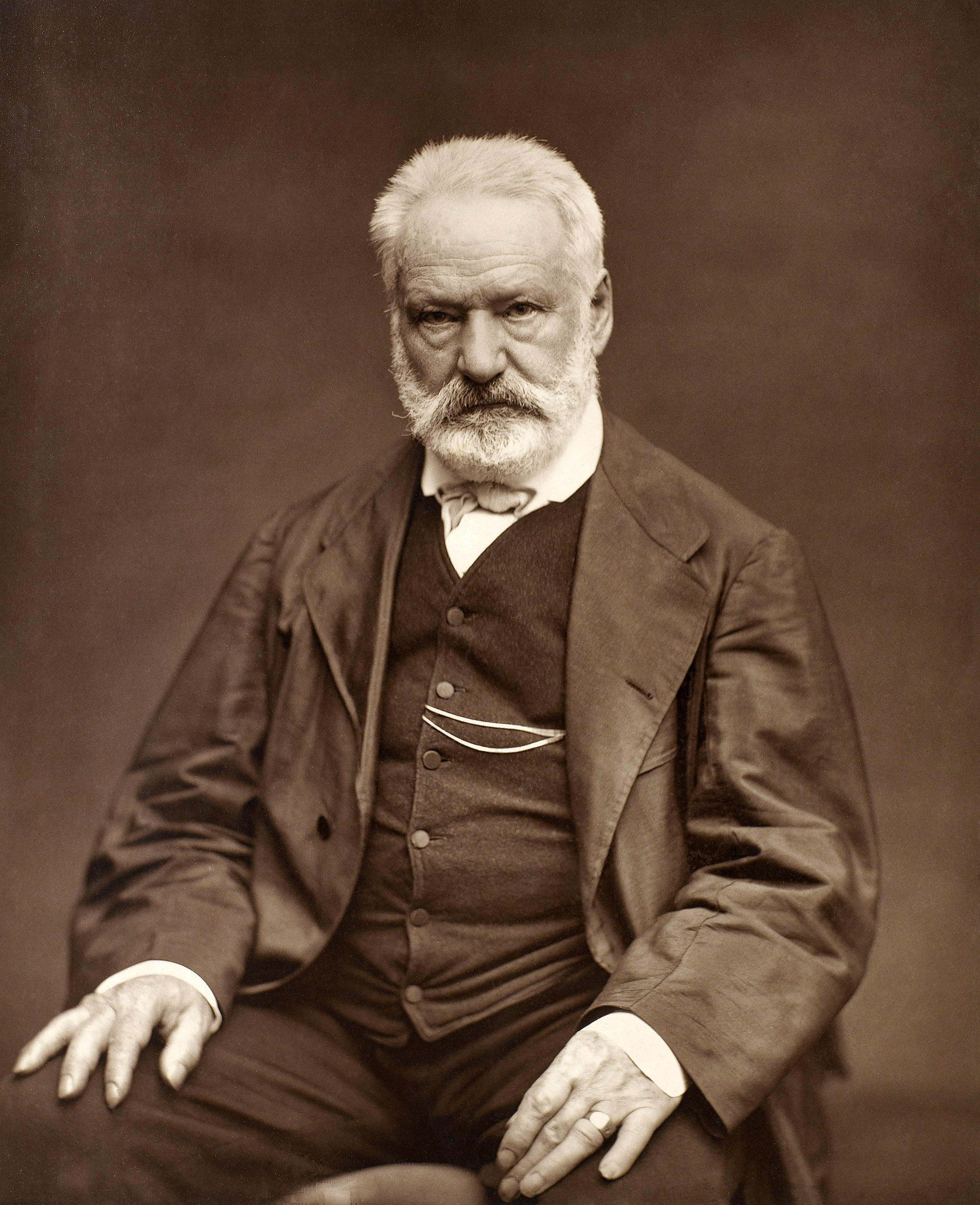
Special Frontier Force – Tibetan Resistance: Victor Marie Hugo (1802 – 1885), French novelist, romantic poet, and dramatist defends Freedom and opposes authoritarianism. In his Romantic vision of world order, the force of any army cannot deter the force of an idea. Man has a tendency to accept certain types of authority that could be consistent with the Natural Order and rejects other kinds of rule by Force. Peace is associated with Natural State and War is associated with transgression of Natural Condition.
Excerpt: Special Frontier Force – The Doctrine of Tibetan Resistance: The Problem of War and Peace in Tibet. Can we order Peace for the sake of War, and not War for the sake of Peace? It may be argued that Peace is Inevitable or it may be stated that War is Inevitable. The problem is the absence of Natural Order, Natural Condition, Natural Power, and Natural Authority in the Land of Tibet and in the lives of Tibetans. I state that Resistance is Inevitable, Resistance will Endure, and Resistance will Prevail if there is no Natural Order in Tibet. Tibet can Resist, Tibet will Resist, and Tibetan Resistance will Prevail until the Natural Order is restored in Tibet.
Special Frontier Force – The Doctrine of Tibetan Resistance: The tools of Tibetan Resistance are 1. Patience, 2. Persistence, and 3. Perseverance. Man opposes the reign of force by standing firm or by working against the force without yielding. To oppose and to withstand a force, man needs the virtues of Temperance, Tolerance, and Tranquility to remain calm, unperturbed to maintain “Inner Peace” while reacting to an external force. The virtue of Perseverance triumphs for it preserves the “Inner Peace” while the external reality is described by Violence or War.Special Frontier Force – Tibetan Resistance: Can we order ‘Peace’ for the sake of ‘War’, and not ‘War’ for the sake of ‘Peace’? We may argue about the inevitability of War and Peace. In Tibet, since 1950, there is no ‘Natural Order’. Resistance is the Symptom of the lack of ‘Natural Order’. Tibet refused to surrender its Freedom and chose to offer Resistance to the War of Occupation imposed by the People’s Republic of China.
In 1950, People’s Republic of China imposed its War on Tibet. Tibet’s military occupation is the perpetuation of this condition, or state of War. Tibet has two choices in its response to China’s War; 1.Tibet can surrender to China to embrace its reign by force, or 2. Tibet can resist and stand firm against its rule by external force. Man accepts or reconciles to the use of force, power, and authority that is consistent with his natural condition or natural state. The first act of resistance is the product of man’s cognitive ability to recognize his Enemy and distinguish the Enemy from his Friend. The truth about War and Peace can be stated in simple and clear terms. It is as simple as the recognition of Black and White colors. Enemy is Black. Friend is White. War is Black and Peace is White. Occupation is Black, and Liberation is White. Occupation is the Enemy and Freedom is the Friend in simple Black and White terms. There is no Resistance if Enemy is not known or not recognized. Once Enemy is recognized, Resistance acquires the Force of a Duty. Resistance is the rejection of Enemy’s Power, and Resistance is the nonacceptance of Enemy’s authority.
THE DOCTRINE OF TIBETAN RESISTANCE:
Special Frontier Force – Tibetan Resistance: The Doctrine and the Philosophy of Tibetan Resistance to China’s War of Occupation is based on the Force or Power of an Idea that concludes that the Enemy has no Power over your Mind and the Enemy cannot exercise authority over your Mind. Resistance begins when man sets his Mind Free. Resistance is Freedom in Action without any sense of Fear.
The tools of Tibetan Resistance are 1. Patience, 2. Persistence, and 3. Perseverance. Man opposes the reign of force by standing firm or by working against the force without yielding. To oppose and to withstand a force, man needs the virtues of Temperance, Tolerance, and Tranquility to remain calm, unperturbed to maintain “Inner Peace” while reacting to an external force. The virtue of Perseverance triumphs for it preserves the “Inner Peace” while the external reality is described by Violence or War.
Special Frontier Force – Tibetan Resistance: The Doctrine and the Philosophy of Tibetan Resistance to China’s War of Occupation is based on the Force or Power of an Idea that concludes that the Enemy has no Power over your Mind and the Enemy cannot exercise authority over your Mind. Resistance begins when man sets his Mind Free. Resistance is Freedom in Action without any sense of Fear.
Resistance is the rejection of Enemy’s Power over your Life. Resistance is the nonacceptance of Enemy’s authority over your Mind. The Enemy gets no shelter and the Enemy gets no Protection in the Mind of a person who Resists. Tibetans choose Life to resist their Enemy. Tibetans in their Deaths, defy the Purpose of their Enemy.
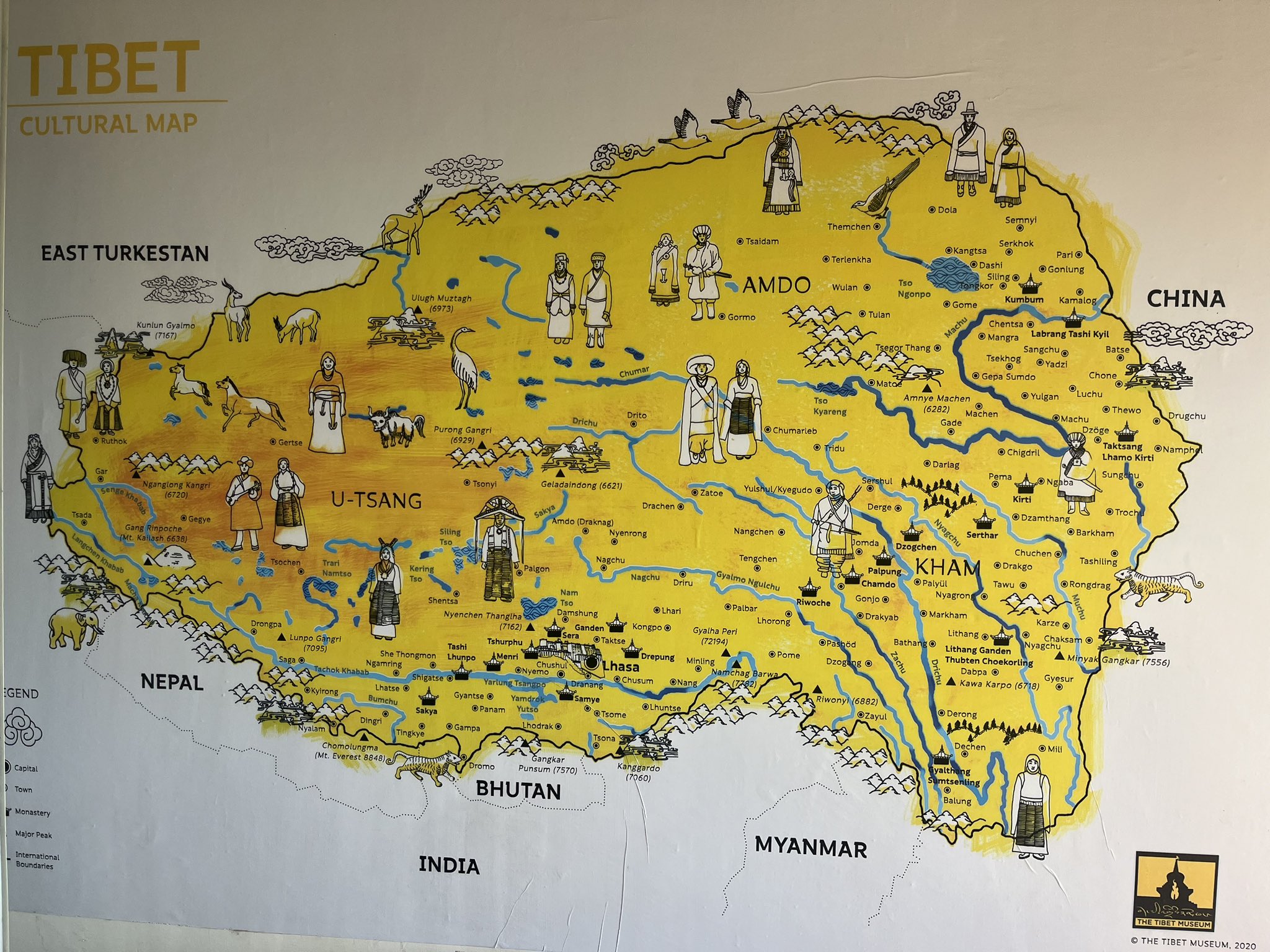
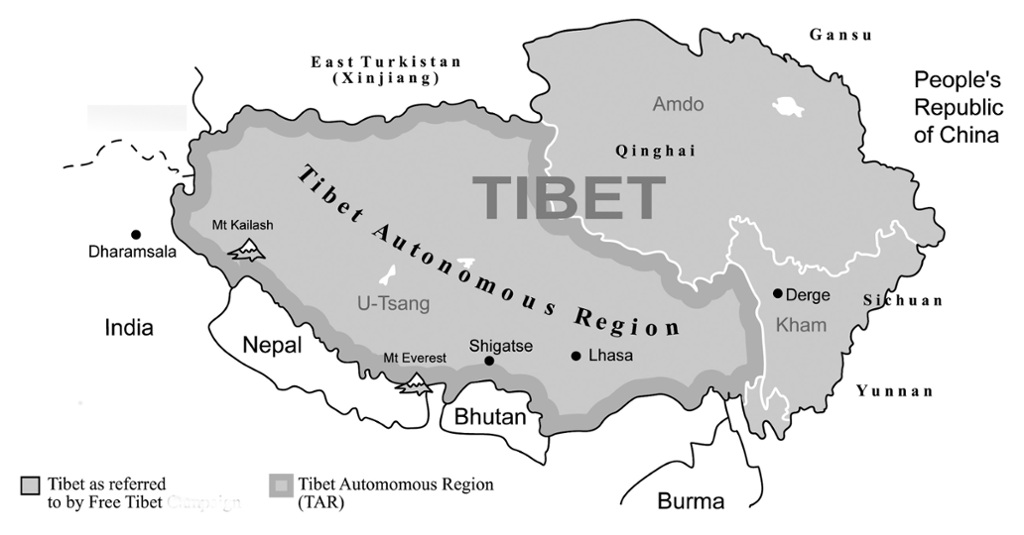
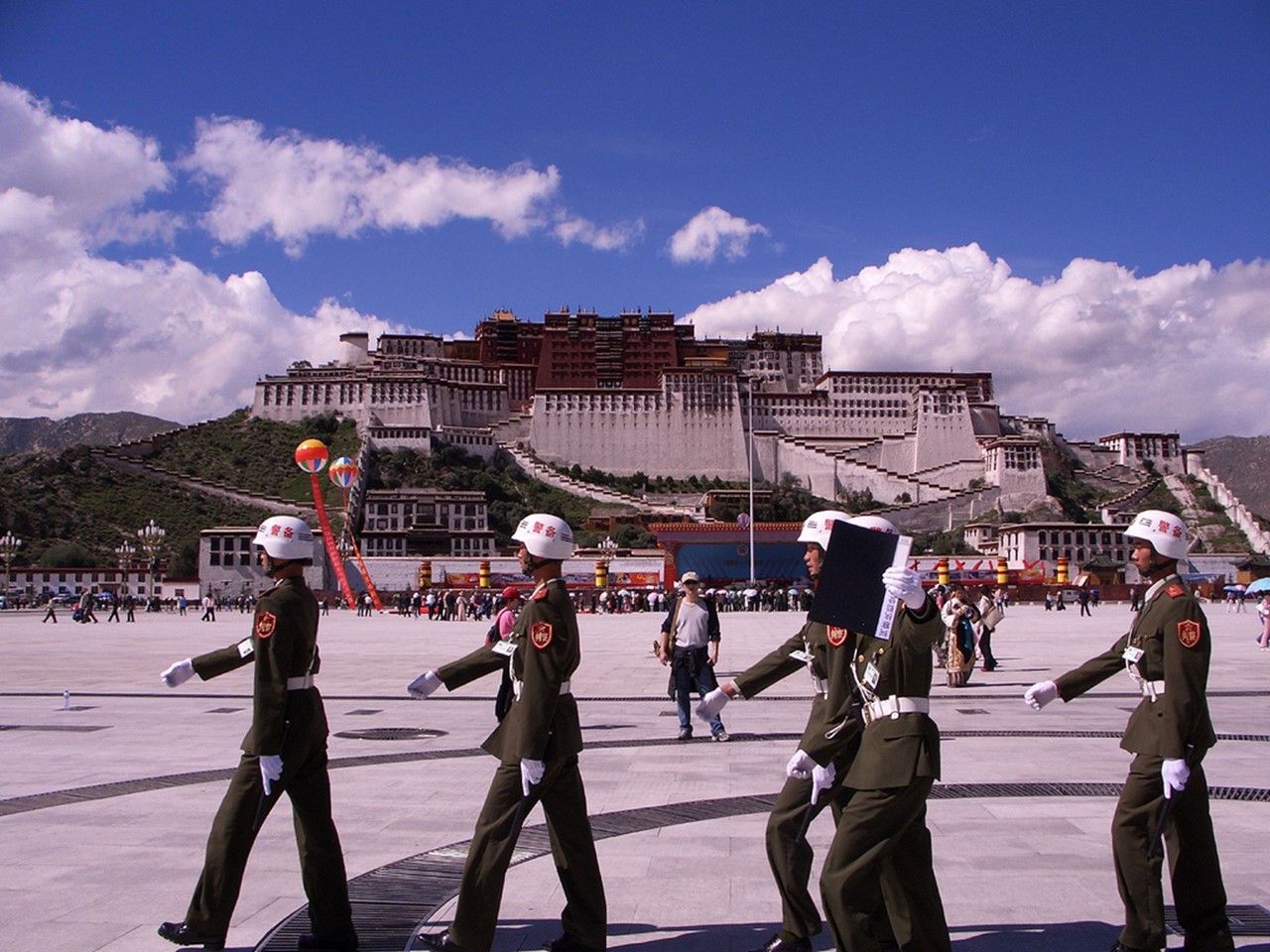
Special Frontier Force – Tibetan Resistance: Tibetans choose Life to Resist their Enemy. In Death, Tibetans defy the Purpose of their Enemy. In recent times, a number of Tibetans to defy the purpose of their Enemy have killed themselves in acts of Self Immolation.SPECIAL FRONTIER FORCE – TIBETAN RESISTANCE: The Potala Palace, Lhasa, is the symbol of Natural Authority and is the seat of Natural Power in Tibet. The Chain is the symbol of Tibet’s Occupation, the Tyranny, the Oppression that violates the Principle of Natural State or Natural Condition.SPECIAL FRONTIER FORCE – TIBETAN RESISTANCE: The Doctrine or the Philosophy of Tibetan Resistance involves the Art of Saying “NO” to the Enemy. The three original provinces of Tibet, U-Tsang, Kham, and Amdo constitute Tibetan territory and Tibetans reject the Tibetan Autonomous Region or TAR created by Communist China during 1965.
Tibet during the course of its history has come under foreign conquests. The Yuan, Mongol Dynasty founded by Kublai Khan conquered Tibet during 1279. Similarly, when the Ching or Manchu ruled over China, Tibet came under the nominal protection of Manchus. However, Tibetans retained their natural way of life, and for all practical purposes, Tibet existed in its Natural State or Natural Condition for several centuries. The rule by the political and religious institution of the Dalai Lama or the Ganden Phodrang Government founded in 1642 represents the seat of Natural Power or Natural Authority to which Tibetans yield in obedience. Communist China’s invasion of Tibet in 1950 is accompanied by a different purpose. The purpose of China’s military conquest is that of occupation, subjugation, and exploitation of the Land of Tibet, its people and all of its natural resources. The purpose of Tibetan Resistance is the quest for a Life with Dignity. Can we order Peace, Justice, and Honor for the sake of War? Can we order War for the sake of Peace, Justice, and Honor? How could we define the purpose of War and Peace in Tibet?
WAR AND PEACE IN TIBET:
Special Frontier Force – Tibetan Resistance: The Problem of War and Peace in Tibet. Can we order Peace for the sake of War, and not War for the sake of Peace? It may be argued that Peace is Inevitable or it may be stated that War is Inevitable. The problem is the absence of Natural Order, Natural Condition, Natural Power, and Natural Authority in the Land of Tibet and in the lives of Tibetans. I state that Resistance is Inevitable, Resistance will Endure, and Resistance will Prevail if there is no Natural Order in Tibet.
The term Resistance describes the organized underground movement in a country fighting against a foreign occupying power. Special Frontier Force – Establishment No. 22 represents the fact of a military alliance or military pact between Tibet, India, and the United States to fight the occupation of Tibet by its Enemy. Its military mission includes the use of force to evict the occupier of Tibet.
Special Frontier Force – Tibetan Resistance: The Problem of War and Peace in Tibet. Can we order Peace for the sake of War, and not War for the sake of Peace? It may be argued that Peace is Inevitable or it may be stated that War is Inevitable. The problem is the absence of Natural Order, Natural Condition, Natural Power, and Natural Authority in the Land of Tibet and in the lives of Tibetans. I state that Resistance is Inevitable, Resistance will Endure, and Resistance will Prevail if there is no Natural Order in Tibet.
Sigmund Freud observes: “War is not to be abolished; so long as the conditions of existence among the nations are so varied, and the repulsions between Peoples so intense, there will be , there must be Wars.” Communist China’s military power, military strategy, and military tactics will not assure the surrender of Freedom and acceptance of its power and authority in Tibet. China cannot impose its Peace by the use of its military power in Tibet.
Tibetan Resistance is a mere symptom of the absence of Natural Order in Tibetan Existence. Tibet can Resist, Tibet will Resist, and Tibet will Prevail in its Resistance until its Natural Order is restored and let its Natural Condition to operate the lives of Tibetans.
Special Frontier Force – Tibetan Resistance: The Problem of War and Peace in Tibet. Can we order Peace for the sake of War, and not War for the sake of Peace? It may be argued that Peace is Inevitable or it may be stated that War is Inevitable. The problem is the absence of Natural Order, Natural Condition, Natural Power, and Natural Authority in the Land of Tibet and in the lives of Tibetans. I state that Resistance is Inevitable, Resistance will Endure, and Resistance will Prevail if there is no Natural Order in Tibet.
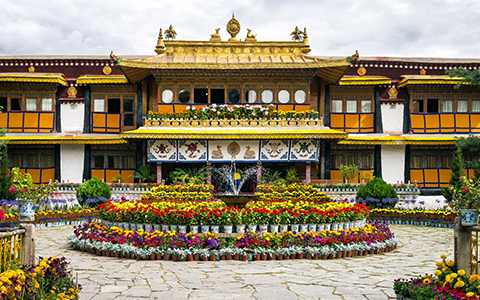
LIVING TIBETAN SPIRITS SHARE GLIMPSES OF NORBULINGKA, SUMMER PALACE OF THE SUPREME RULER OF TIBET
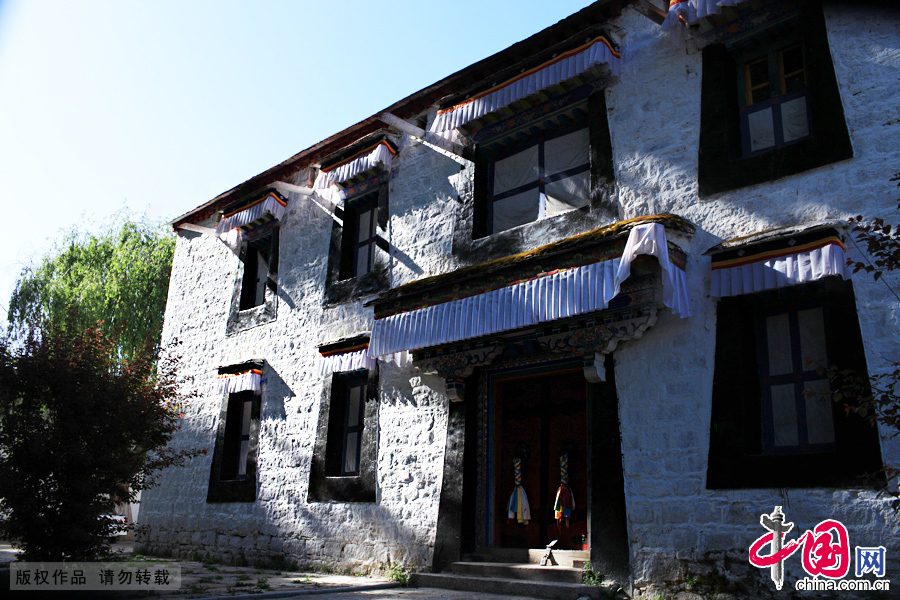
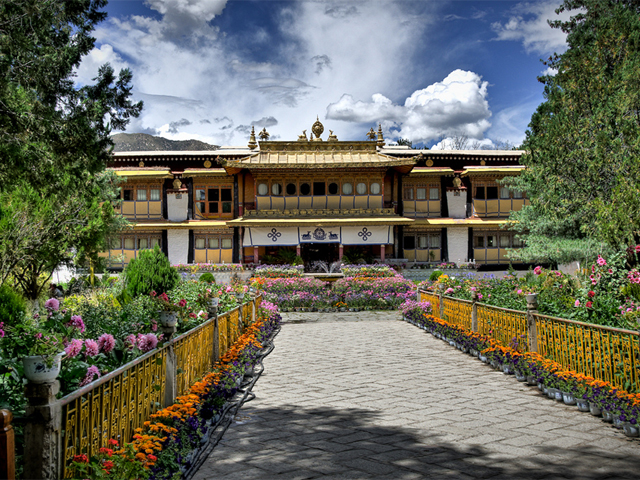
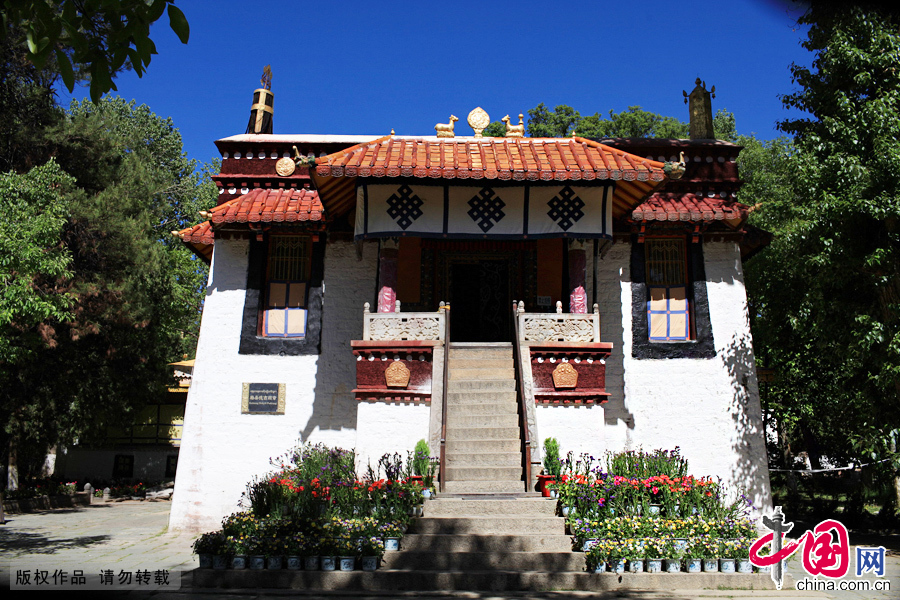
Whole Palace: Glimpses of Norbulingka, Summer Palace of the Supreme Ruler of Tibet.Whole Palace: Glimpses of Norbulingka, Summer Palace of the Supreme Ruler of Tibet
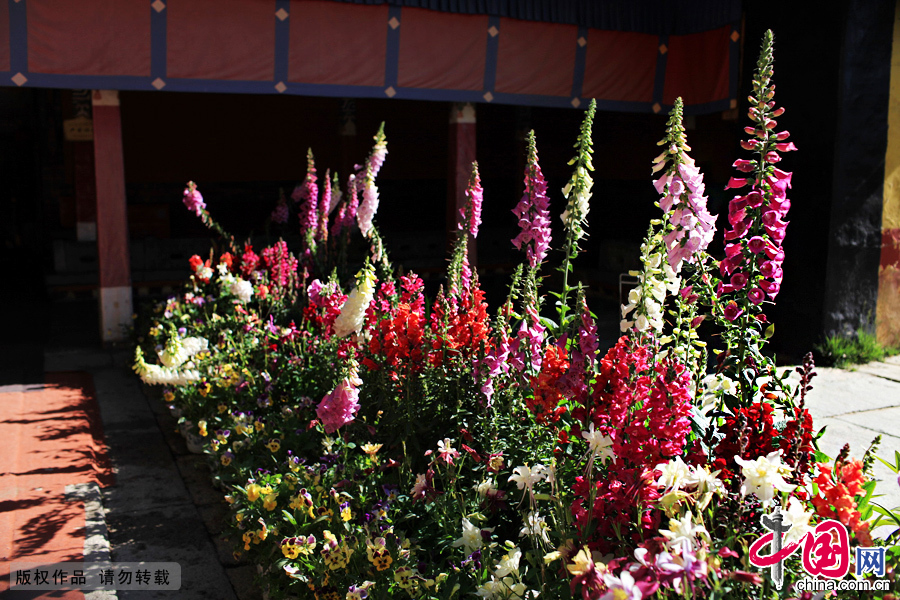
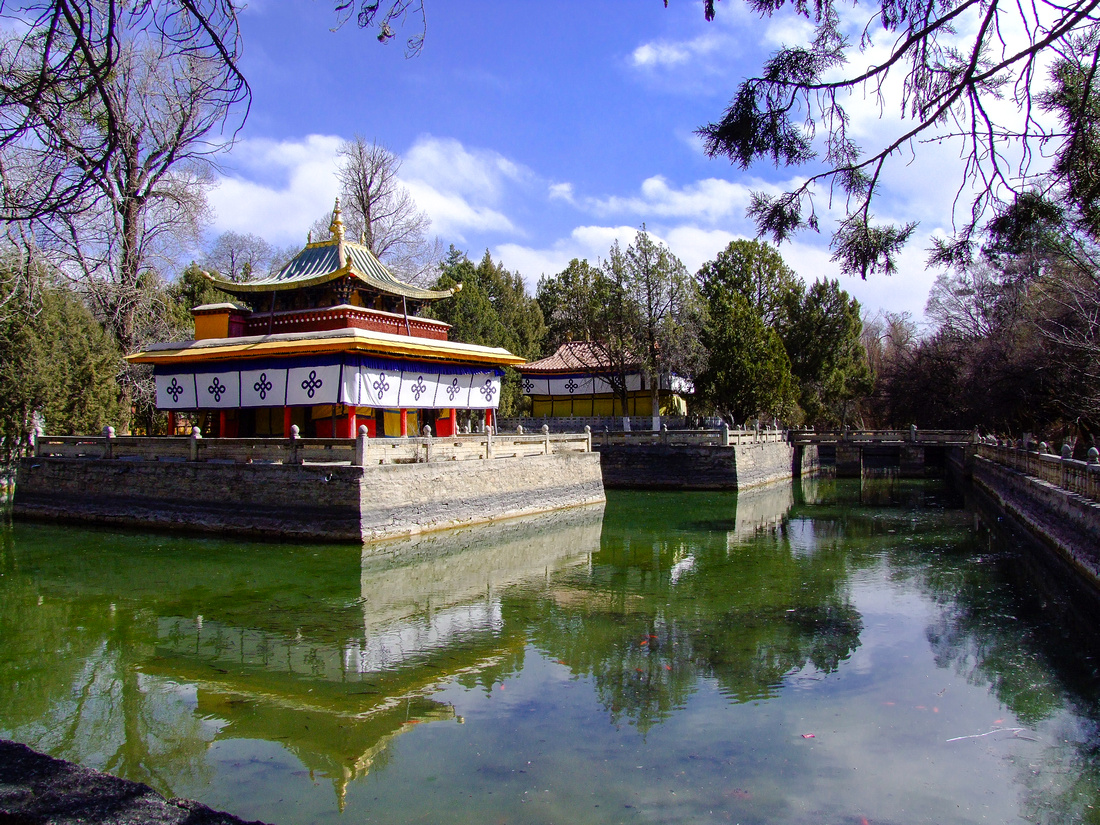
Norbulingka, literally the “Jeweled Garden,” is a palace and its surrounding parks located in a western suburb of Lhasa. It was constructed in the 1740s as a summer palace for the Dalai Lama, the Supreme Ruler of Tibet and later served the whole governmental administration. The place boasts typical Tibetan palace architecture, as well as gentle streams, dense and lush forestry, birds and animals. Covering an area of around 36 hectares, it is considered to be the largest man-made garden in Tibet.
Whole Dude – Whole Palace: Glimpses of Tibet
Being part of the “Historic Ensemble of the Potala Palace,” Norbulingka is recognized as a UNESCO World Heritage Site, and was added as an extension to this Historic Ensemble in 2001.[China.org.cn]
Whole Palace: Glimpses of Norbulingka, Summer Palace of Supreme Ruler of Tibet
Living Tibetan Spirits share glimpses of Norbulingka, the Summer Palace of the Supreme Ruler of Tibet
Whole Palace: Glimpses of Norbulingka, Summer Palace of Supreme Ruler of TibetWhole Palace: Norbulingka, Summer Palace of the Supreme Ruler of Tibet
Norbulingka, literally the “Jeweled Garden,” is a palace and its surrounding parks located in a western suburb of Lhasa. It was constructed in the 1740s as a summer palace for the Dalai Lama, the Supreme Ruler of Tibet and later served the whole governmental administration. The place boasts typical Tibetan palace architecture, as well as gentle streams, dense and lush forestry, birds and animals. Covering an area of around 36 hectares, it is considered to be the largest man-made garden in Tibet.
Whole Palace: Glimpses of Norbulingka, Summer Palace of Supreme Ruler of Tibet
Being part of the “Historic Ensemble of the Potala Palace,” Norbulingka is recognized as a UNESCO World Heritage Site, and was added as an extension to this Historic Ensemble in 2001.[China.org.cn]
Whole Palace: Glimpses of Norbulingka, Summer Palace of Supreme Ruler of Tibet
LIVING TIBETAN SPIRITS SHARE GLIMPSES OF NORBULINGKA – 4
Whole Palace: Glimpses of Norbulingka, the Summer Palace of the Supreme Ruler of Tibet.
Norbulingka, literally the “Jeweled Garden,” is a palace and its surrounding parks located in a western suburb of Lhasa. It was constructed in the 1740s as a summer palace for the Dalai Lama and later served the whole governmental administration. The place boasts typical Tibetan palace architecture, as well as gentle streams, dense and lush forestry, birds and animals. Covering an area of around 36 hectares, it is considered to be the largest man-made garden in Tibet. Being part of the “Historic Ensemble of the Potala Palace,” Norbulingka is recognized as a UNESCO World Heritage Site, and was added as an extension to this Historic Ensemble in 2001.[China.org.cn]
Whole Palace: Glimpses of Norbulingka, the Summer Palace of the Supreme Ruler of Tibet.
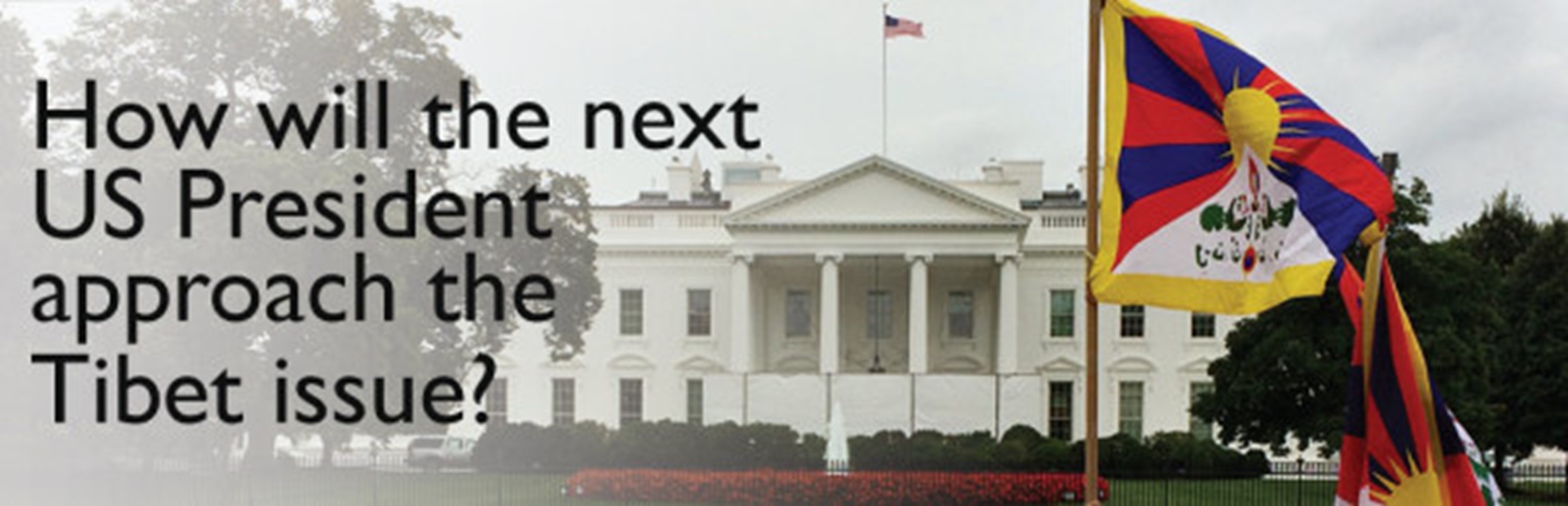
China ‘Resolutely Opposes’ the US-Tibet Relations.
In my analysis, the ‘Tibet Crisis’ began with the Communist takeover of mainland China in 1949. Communist Party Chairman Mao Zedong took the blessings of the Soviet Union to launch a military attack on Tibet for China wanted to resolutely oppose the US-Tibet relations formulated by the US President Franklin D. Roosevelt.
China ‘Resolutely Opposes’ the US-Tibet Relations.
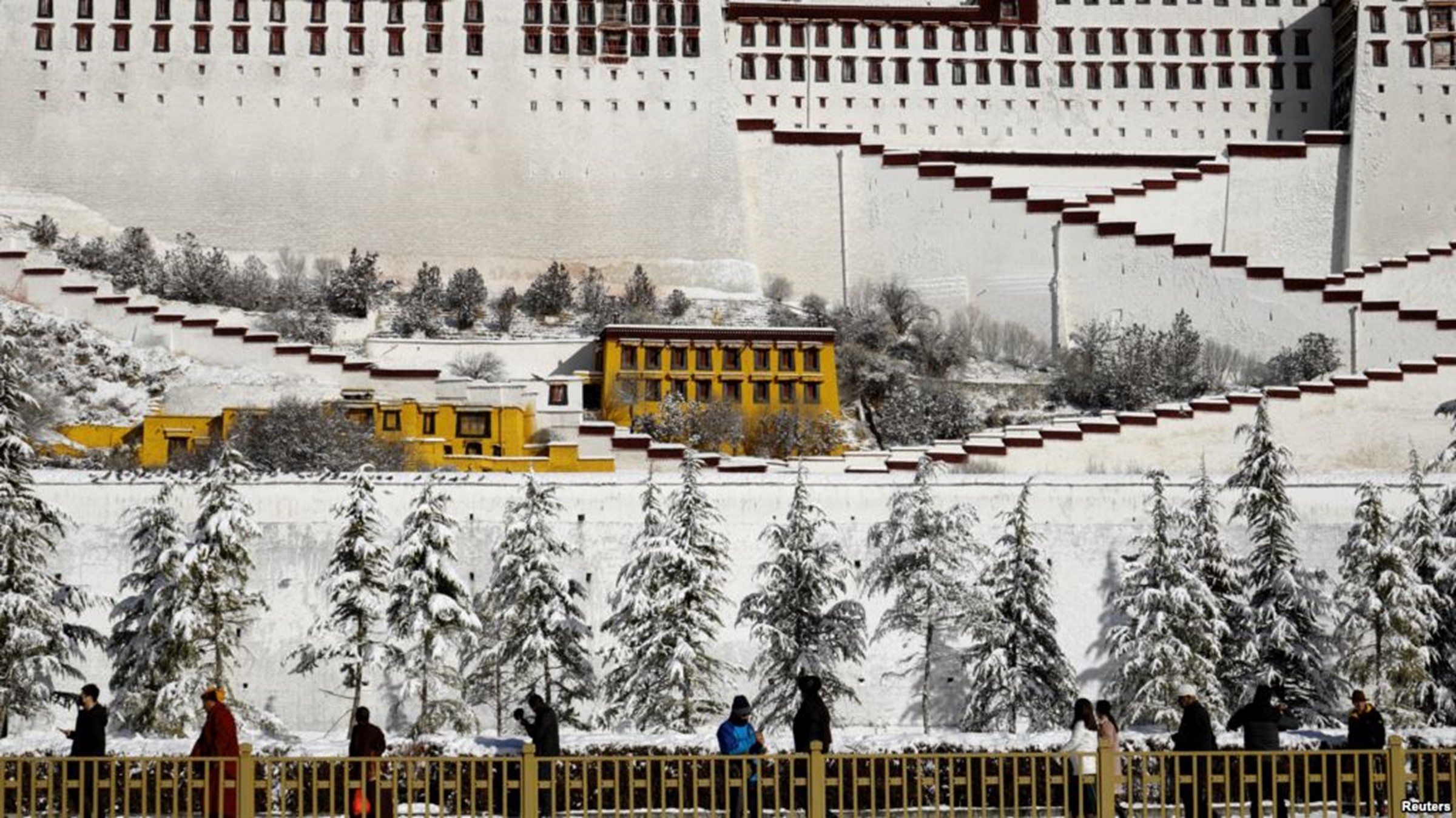
People walk past snow-covered trees outside the Potala Palace in Lhasa, Tibet Autonomous Region, China, Dec. 19, 2018.
BEIJING —
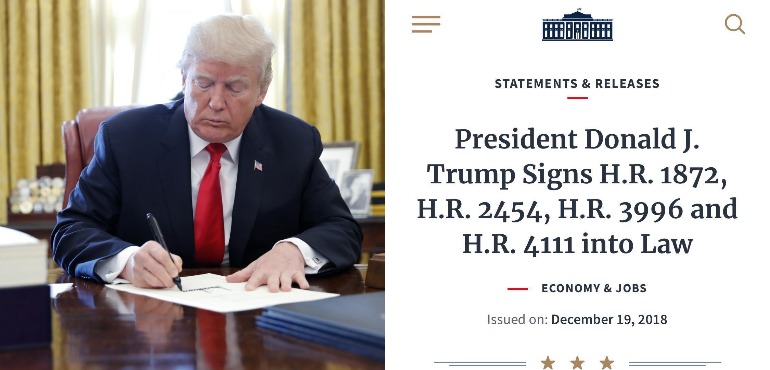
President Trump signs Reciprocal Access to Tibet into Law: “A Message of hope and justice to Tibetans in Tibet….”
China ‘Resolutely Opposes’ the US-Tibet Relations.
China ‘Resolutely Opposes’ the US-Tibet Relations.
China ‘Resolutely Opposes’ the US-Tibet Relations.
Lobsang Sangay @Drlobsangsangay Following @Drlobsangsangay
I extend profound appreciation to the President Donald Trump for signing the Reciprocal Access to Tibet Act into law,” CTA President said.
Dharamshala: US President Donald Trump has signed into law the Reciprocal Access to Tibet Act of 2018, which will impose a visa ban on Chinese officials who deny American citizens, government… tibet.net
China denounced the United States on Thursday for passing a new law on restive Tibet, saying it was “resolutely opposed” to the U.S. legislation on what China considers an internal affair, and it risked causing “serious harm” to their relations.
U.S. President Donald Trump on Wednesday signed into law the Reciprocal Access to Tibet Act.
The law seeks to promote access to Tibet for U.S. diplomats and other officials, journalists and other citizens by denying U.S. entry for Chinese officials deemed responsible for restricting access to Tibet.
Beijing sent troops into remote, mountainous Tibet in 1950 in what it officially terms a peaceful liberation and has ruled there with an iron fist ever since.
China: wrong signals
Chinese foreign ministry spokeswoman Hua Chunying told a daily briefing that the law “sent seriously wrong signals to Tibetan separatist elements,” as well as threatening to worsen bilateral ties strained by trade tension and other issues.
“If the United States implements this law, it will cause serious harm to China-U.S. relations and to the cooperation in important areas between the two countries,” Hua said.
The United States should be fully aware of the high sensitivity of the Tibet issue and should stop its interference, otherwise the United States would have to accept responsibility for the consequences, she added, without elaborating.
Difficult life in Tibet
Rights groups say the situation for ethnic Tibetans inside what China calls the Tibet Autonomous Region remains extremely difficult. The U.N. High Commissioner for Human Rights said in June conditions were “fast deteriorating” in Tibet.
All foreigners need special permission to enter Tibet, which is generally granted to tourists, who are allowed to go on often tightly monitored tours, but very infrequently to foreign diplomats and journalists.
Hua said Tibet was open to foreign visitors, as shown by the 40,000 American visitors to the region since 2015.
At the same time, she said it was “absolutely necessary and understandable” that the government-administered controls on the entry of foreigners given “local geographic and climate reasons.”
Rights groups welcome law
Tibetan rights groups have welcomed the U.S. legislation. The International Campaign for Tibet said the “impactful and innovative” law marked a “new era of American support” and was a challenge to China’s policies in Tibet.
“The U.S. let Beijing know that its officials will face real consequences for discriminating against Americans and Tibetans and has blazed a path for other countries to follow,” the group’s president, Matteo Mecacci, said in a statement.
Next year marks the sensitive 60th anniversary of the flight into exile in India of the Dalai Lama, the highest figure in Tibetan Buddhism, after a failed uprising against Chinese rule.
China routinely denounces him as a dangerous separatist, although the Dalai Lama says he merely wants genuine autonomy for his homeland.
China ‘Resolutely Opposes’ the US-Tibet Relations.
STAND UP FOR NATURAL RIGHTS OF JEWS AND TIBETANS IN THEIR HOMELANDS.
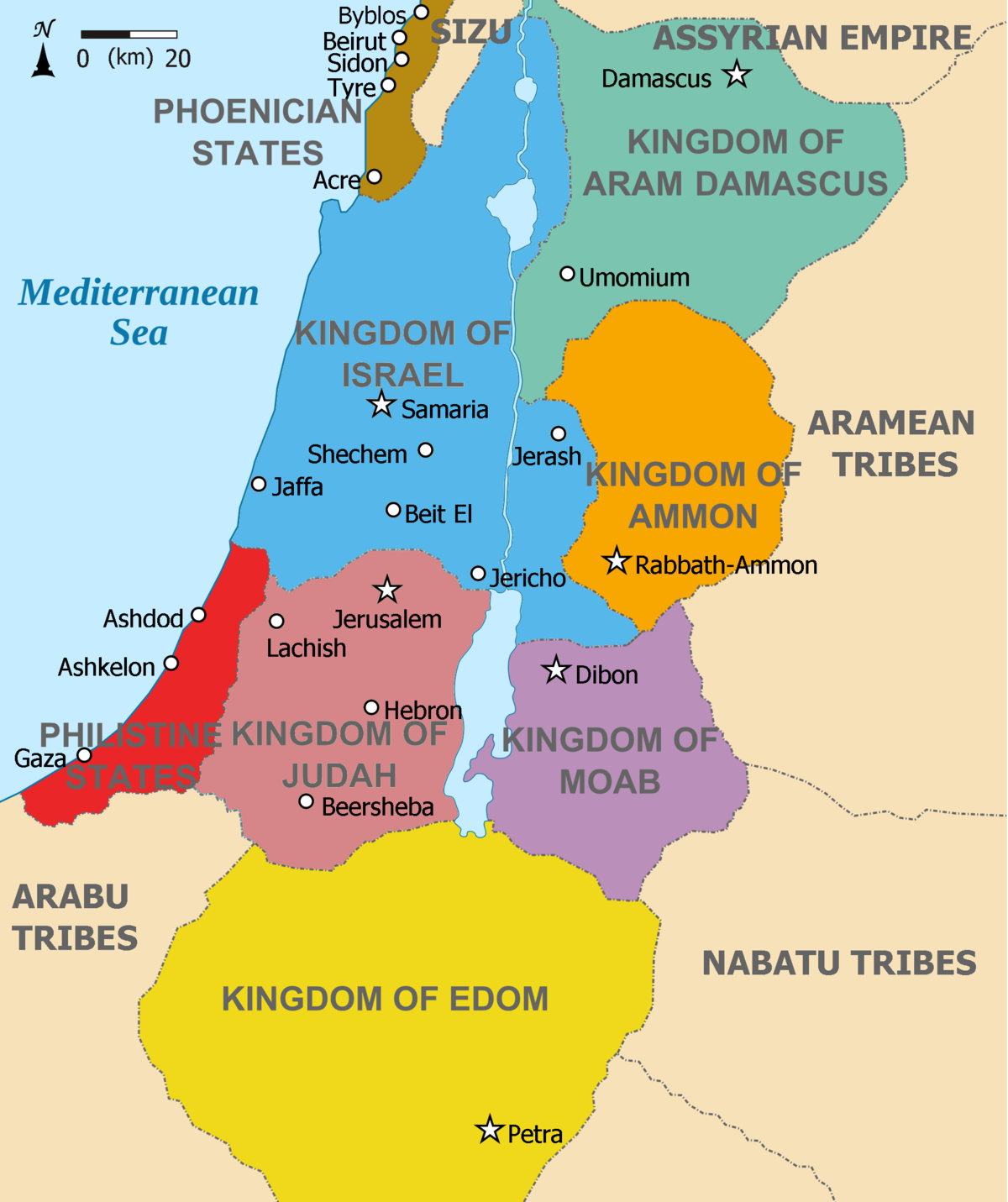
I stand up for Natural Rights of Jews to live in Judea and Samaria; and I stand up for Natural Rights of Tibetans to their ancestral Homeland. I support His Holiness the Dalai Lama’s Five-Point Peace Plan to stop Communist China’s Colonization of Tibet.
“United Nations Secretary-General Antonio Guterres called on Israel to stop settlement construction in the West Bank…. We believe that settlement activity is illegal under international law.”
Why has United Nations Secretary-General Antonio Guterres never made similar statements about Tibet?
Stand Up for Natural Rights of Tibetans. Stop Han Chinese Tibet Colonization.
Tibetan students in New Delhi demonstrate at UN Information Center (photo: R.T.Y Rohini)
In his 5-point peace plan, the Dalai Lama called to stop Chinese colonization of Tibet.
“When the newly formed People’s Republic of China invaded Tibet in 1949/50, it created a new source of conflict. This was highlighted when, following the Tibetan national uprising against the Chinese and my flight to India in 1959, tensions between China and India escalated into the border war in 1962. Today large numbers of troops are again massed on both sides of the Himalayan border and tension is once more dangerously high.
“The real issue, of course, is not the Indo-Tibetan border demarcation. It is China’s illegal occupation of Tibet, which has given it direct access to the Indian sub-continent. The Chinese authorities have attempted to confuse the issue by claiming that Tibet has always been a part of China. This is untrue. Tibet was a fully independent state when the People’s Liberation Army invaded the country in 1949/50.
“Since Tibetan emperors unified Tibet, over a thousand years ago, our country was able to maintain its independence until the middle of this century. At times Tibet extended its influence over neighboring countries and peoples and, in other periods, came itself under the influence of powerful foreign rulers – the Mongol Khans, the Gorkhas of Nepal, the Manchu Emperors and the British in India.
“It is, of course, not uncommon for states to be subjected to foreign influence or interference. Although so-called satellite relationships are perhaps the clearest examples of this, most major powers exert influence over less powerful allies or neighbours. As the most authoritative legal studies have shown, in Tibet’s case, the country’s occasional subjection to foreign influence never entailed a loss of independence. And there can be no doubt that when Peking’s communist armies entered Tibet, Tibet was in all respects an independent state…
“Human rights violations in Tibet are among the most serious in the world. Discrimination is practiced in Tibet under a policy of ‘apartheid’ which the Chinese call ‘segregation and assimilation’. Tibetans are, at best, second class citizens in their own country. Deprived of all basic democratic rights and freedoms, they exist under a colonial administration in which all real power is wielded by Chinese officials of the Communist Party and the army.
“Although the Chinese government allows Tibetans to rebuild some Buddhist monasteries and to worship in them, it still forbids serious study and teaching of religion. Only a small number of people, approved by the Communist Party, are permitted to join the monasteries.
“While Tibetans in exile exercise their democratic rights under a constitution promulgated by me in 1963, thousands of our countrymen suffer in prisons and labor camps in Tibet for their religious or political convictions…
“The massive transfer of Chinese civilians into Tibet in violation of the Fourth Geneva Convention (1949), threatens the very existence of the Tibetans as a distinct people. In the eastern parts of our country, the Chinese now greatly outnumber Tibetans. In the Amdo province, for example, where I was born, there are, according to the Chinese statistics, 2.5 million Chinese and only 750,000 Tibetans. Even in the so-called Tibet Autonomous Region (i.e., central and western Tibet), Chinese government sources now confirm that Chinese outnumber Tibetans.
“The Chinese population transfer policy is not new. It has been systematically applied to other areas before. Earlier in this century, the Manchus were a distinct race with their own culture and traditions. Today only two to three million Manchurians are left in Manchuria, where 75 million Chinese have settled. In Eastern Turkestan, which the Chinese now call Sinkiang, the Chinese population has grown from 200,000 in 1949 to 7 million, more than half of the total population of 13 million. In the wake of the Chinese colonization of Inner Mongolia, Chinese number 8.5 million, Mongols 2.5 million.
“Today, in the whole of Tibet 7.5 million Chinese settlers have already been sent, outnumbering the Tibetan population of 6 million. In central and western Tibet, now referred to by the Chinese as the “Tibet Autonomous Region”, Chinese sources admit the 1.9 million Tibetans already constitute a minority of the region’s population. These numbers do not take the estimated 300,000-500,000 troops in Tibet into account – 250,000 of them in so-called Tibet Autonomous Region.
“For the Tibetans to survive as a people, it is imperative that the population transfer is stopped and Chinese settlers return to China. Otherwise, Tibetans will soon be no more than a tourist attraction and relic of a noble past. “
Why has United Nations Secretary-General Antonio Guterres never complained about Chinese settlements in Tibet as he complains against Jewish settlements?
In a better analogy of the Arab-Israeli conflict, Israel plays the role of Tibet, the dozens of Arab countries that surround it are like China. The Palestinian Arabs serve as the spearhead of the dozens of Arab Nations that are trying to engulf the world’s only Jewish State (smaller than New Jersey) the same way gigantic China is trying to absorb Tibet.
Since United Nations Secretary-General Antonio Guterres is not planning to go to the Tibet to condemn the Chinese presence there as illegal, he should not come to Israel to call for the ethnic cleansing of Jews from Judea and Samaria.
Stand Up for Natural Rights of Tibetans. Stop Han Chinese Colonization of Tibet, Inner Mongolia, Manchuria, and East Turkestan.
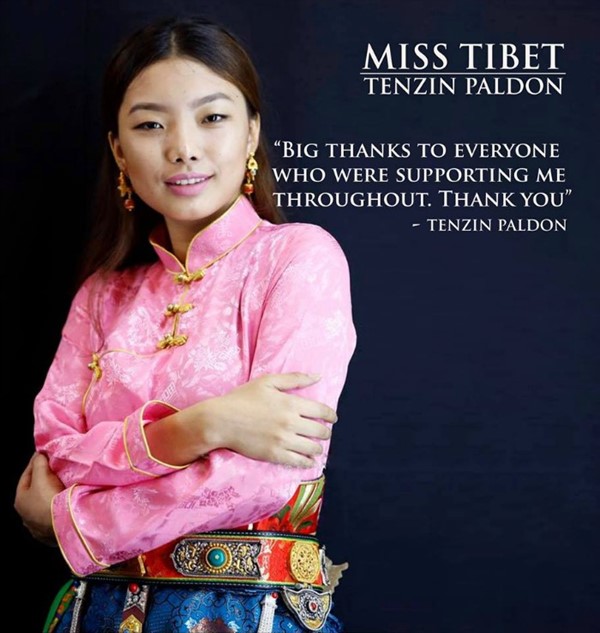
TIBETAN IDENTITY – MISS TIBET 2017 TENZIN PALDON. THIS BEAUTY BRINGS INTO FOCUS TIBETAN IDENTITY.
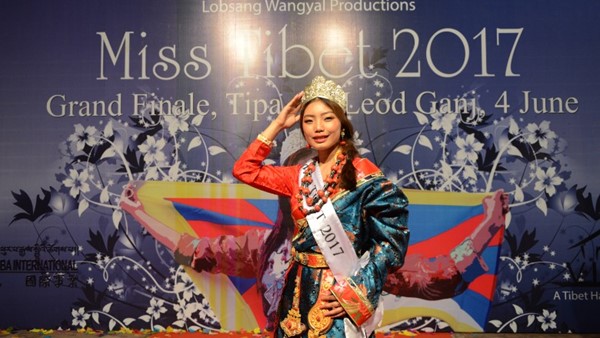
I congratulate Miss Tibet 2017 Tenzin Paldon for winning the crown in beauty pageant for women of Tibetan Identity. This event helps to project Tibetan Identity to the World. Beauty Pageants always involve National Identity.
Miss Tibet wins crown for most controversial beauty pageant
By Sugam Pokharel, CNN
Updated 5:16 AM ET, Mon June 5, 2017
TIBETAN IDENTITY – MISS TIBET 2017 TENZIN PALDON. THIS BEAUTY PAGEANT BRINGS INTO FOCUS TIBETAN NATIONAL IDENTITY.
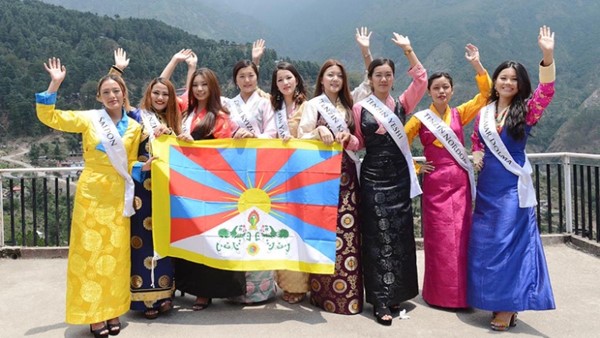
Nine contestants of the Miss Tibet Pageant 2017 pose for a photo during a press conference on 30 May 2017.
Story highlights
Miss Tibet draws objections from exiled community, feminists and China
Organizer Lobsang Wangyal says its intended to empower Tibetan women
(CNN)This is no ordinary beauty contest.
There are virtually no sponsors, judges are hard to find — and so are the participants. Moreover, it is embroiled in a hefty dose of controversy.
Welcome to Miss Tibet.
The 15th edition of the beauty pageant for exiled Tibetan women wrapped up on Sunday in the small town of Dharamsala in northwestern India — home to the Dalai Lama and the headquarters of Tibetan government-in-exile.
This year the contest saw a record number of nine participants. None of the contestants have ever been to Tibet and are part of India’s 100,000-strong Tibetan community that was established 1960 after the Dalai Lama fled across the border.
Tenzin Paldon, 21, claimed the crown in the grand finale attended by more than 3,000 people, according to organizers.
“With this title, I will try my best to take it to an international level — to speak up regarding my country, Tibetan causes, and culture as much as I can,” she told CNN.
Tibet: Fast facts
TIBETAN IDENTITY – MISS TIBET 2017 TENZIN PALDON. THIS BEAUTY BRINGS INTO FOCUS TIBETAN NATIONAL IDENTITY.
Miss Tibet 2017 Tenzin Paldon poses for a photo after winning the crown on June 4, 2017.
CULTURE CLASH
The contest though faces controversy on multiple fronts: conservative members of the Tibetan community, and feminists object to the pageant on moral grounds, and China, which regards Tibet as an integral part of its territory and objects to winners participating in any international event.
It’s been organized by Lobsang Wangyal since 2002 with the motto “Celebrating Tibetan Women.”
He used $10,000 of his own in money to stage the event plus $1,300 raised via Generosity.com.
This year, said Wangyal, two Tibetan businessmen living in Taiwan and US provided the cash prizes for the winner ($1,550) and runner-up ($775.)
Tibetan Identity – Miss World Beauty Pageant Winner Anastasia.
Barred from China and silenced in the US, this beauty queen isn’t backing down
Wangyal told CNN many Tibetan women want to participate but are held back by Tibetan culture — which is deeply religious and conservative.
“[Tibetan women] think what will society have to say? Will people call me different names? Will they talk behind my back? They are so scared and they latch onto that fear,” Wangyal said.
Tibetan elders aren’t happy about the contest either. They see it as a cultural betrayal to Tibetan culture and not compatible with Buddhist culture. Traditionally, Tibetan women wear modest, full length robes.
The three-day event included a swimsuit round.
“Yes, this is a democratic society but the young generation should remember that we don’t have a country, we don’t have a home, we are refugees – all we have is our tradition and religion. They should focus on conserving and nurturing that,” said Dharamsala-based Tibetan shopkeeper Thinley Kalsyang, 67.
“Also remember, Buddhism focuses on inner beauty and not your skin and petite body,” he added.
Paldon says the older generation is not well-educated.
“They find it problematic for showcasing our skin. I believe that if you are good in heart, nothing else matters. If you wear a traditional attire, if inside you are a bad person, that is not good,” said Paldon.
Tibetan Identity – Miss Tibet 2017 Tenzin Paldon. This Beauty Pageant brings into focus Tibetan National Identity.
The nine contestants of the Miss Tibet Pageant 2017 pose for a photo during the Swimsuit Round at Asia Health Resorts in Dharamshala, India, on 2 June 2017.
Tenzin Lungtok, Secretary of Culture and Religion for the exiled Tibetan government, declined to comment when asked if he supported the event.
TIBETAN IDENTITY – MISS TIBET 2016
2016 Miss Tibet winner Tenzing Sanganyi faced a backlash for her poor knowledge of Tibetan language. She told CNN she took that as a constructive criticism.
“I cannot blame them. They are concerned about our culture. As refugees, we have to conserve our culture and language. So, if I’m representing a modern Tibetan woman, I should have been more fluent with my language,” Sanganyi said.
ENTER CHINA
China is another major objector.
Wangyal says Chinese government doesn’t directly interfere in the event but often the winners are met with heavy Chinese interference when they try to participate in international pageants.
For example, Miss Tibet 2004 Tashi Yangchen told CNN she withdrew from a Miss Tourism Pageant held in Zimbabwe after she was pressured to wear a sash labeled “Miss Tibet-China”.
“The organizers pressured by Chinese officials gave me two options: to participate as a guest or as a “Miss Tibet-China”…I chose to walk out of the event,” Yangchen said.
The Miss Tourism organizers didn’t immediately respond to a request for comment.
HOLDING UP SKINNY WOMEN WITH FAIR SKIN AND STRAIGHT NOSES?
Tibetan Feminist Collective, a New York-based group, also attacked the event’s format, saying it promoted and adhered to Western standards of beauty.
Tibetan identity – Miss Tibet 2017 Tenzin Paldon
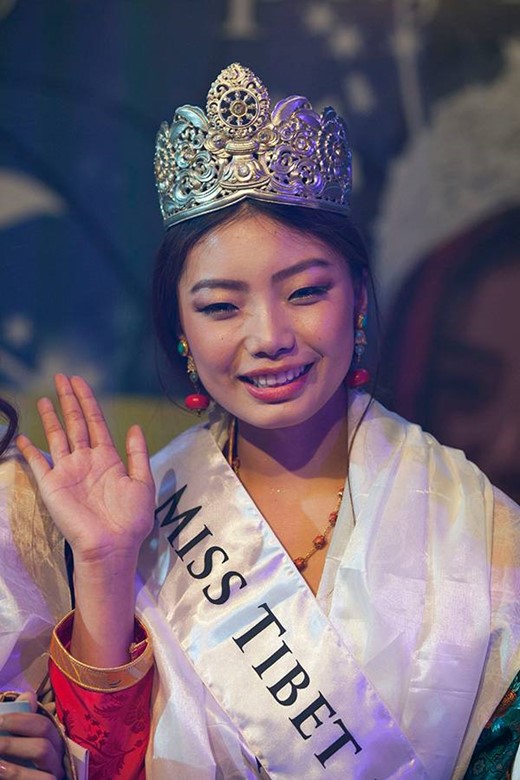
Tenzin Paldon, the winner of Miss Tibet 2017.
“Holding up skinny women with fair skin and straight noses on a pedestal holds us back as a society, although it is not limited to our particular group. We Tibetans vary immensely in terms of physical features – something to be celebrated and embraced,” the group said in a statement.
Wangyal says he is committed to creating what he describes as a more liberal Tibetan society, believing the beauty pageant empowers Tibetan women, who lack confidence. It’s something this year’s winner agrees with.
“It’s a great achievement and also a role model to all young Tibetan women — that if you believe in something, you can achieve it,” says Paldon.
“With this title, I want to help other women achieve their goals.”
CNN Intern Karma Dolma Gurung contributed to this report































 Whole Dude - Whole Concept