TIBETAN IDENTITY SURVIVES IN CHINESE PROPAGANDA

TIBETAN IDENTITY SURVIVES IN CHINESE PROPAGANDA
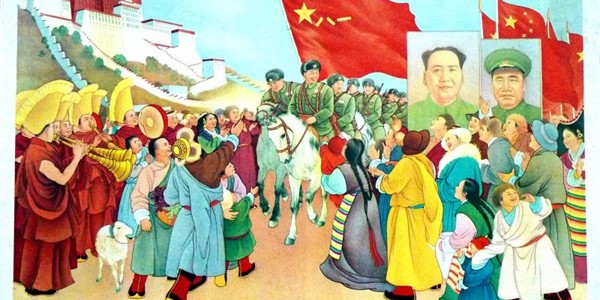
Tibetan Identity Survives in Chinese Propaganda.

After invading Tibet with brute military force, Chinese Propaganda is using the native Tibetan Culture as a façade to attract tourists and to promote tourism related commercial enterprises.

Rudranarasimham Rebbapragada

SPECIAL FRONTIER FORCE
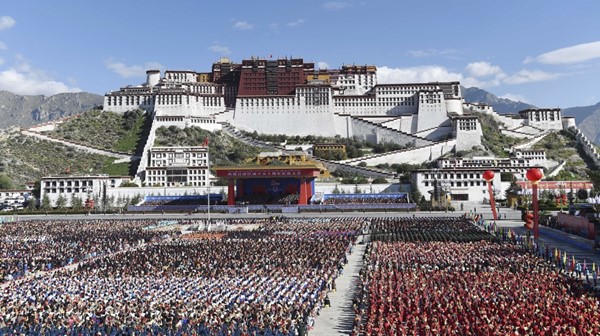
Tibetan Culture Survives in Chinese Propaganda.

From language to medicine, Tibet’s ancient culture thrives in Chinese Propaganda
Tibetan Identity Survives in Chinese Propaganda.

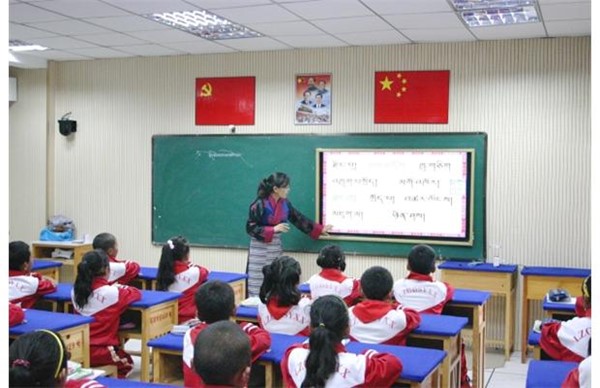
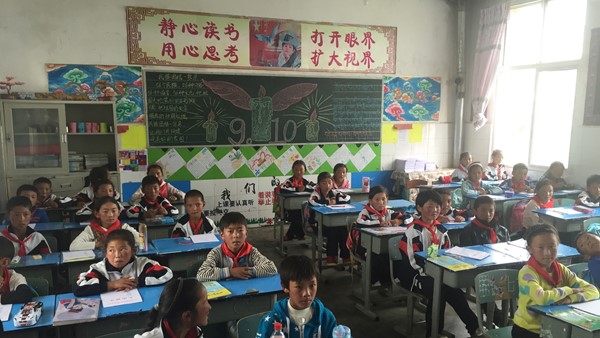
Respect for local culture: more than half the classes at this primary school are taught in Tibetan Credit: Wang Jing / China Daily

Tibet has seen rapid growth in its cultural and related industries

As a part of Chinese culture, Tibetan culture has been well preserved and developed by a sophisticated system covering many areas.

The Tibetan language in the written form, for instance, is an alphabetic system. It has a long history and is widely used in the Tibet autonomous region.

Qumig Yudron is a teacher from the No 2 Primary School of Nyingchi, who teaches the Tibetan language in grade 3.

In Tibet, the language is taught through primary school to university, Qumig Yudron said.

Tibetan culture has been well preserved and developed by a sophisticated system covering many areas

“The language should be learned and passed down as it is the essence of the local culture and the basic way of communication of the people.”

The primary school currently has a total of 44 classes with 24 taught in Tibetan and 20 in Mandarin Chinese. It has also set up courses related to Tibetan culture including dancing and music.

Traditional Tibetan medicine is also a major part of the Tibetan culture. Historical documents showed that the medicine has a history of at least 1,300 years. Nowadays, there are Tibetan medical hospitals in each city, prefecture and county within Tibet. The region has more than 90 Tibetan medicine clinics.

Tseten Namgyal is an attending physician at the traditional therapy centre of the Hospital of Traditional Tibetan Medicine. He said traditional Tibetan medicine consists of 18 main techniques including diagnosis and therapy.

The theoretical basis of Tibetan medicine is all in the Tibetan language. Traditional Tibetan medical methods are passed down through traditional therapies, he said.

Established in 1916, the hospital has more than 60 Tibetan medical professionals. It has introduced modern facilities including laboratories and medical equipment.

“I knew about Tibetan medicine in my childhood and have studied the course in university,” he said.

With the support of the State, many traditional techniques have been preserved and inherited, he said.

In 2018, Tseten Namgyal was selected as one of the national- level Tibetan medical inheritors, which requires three years of study and training.

“Tibetan medicine has unique advantages with its long history and profound theories,” Tseten Namgyal said.

In 2018, the autonomous region had more than 6,000 cultural companies with about 50,000 employees

“We have also innovated and developed the medicines by improving equipment and formulas,” he said.

The autonomous region has also seen rapid growth in its cultural and related industries.

Norbu Tsering, head of the industrial and resources development at the Tibet Culture Department, said Tibetan culture attracts worldwide attention with its distinct features.

In 2018, the autonomous region had more than 6,000 cultural companies with about 50,000 employees. The annual output value of the cultural industry reached 4.6 billion yuan (£532.25 million), according to Norbu Tsering.

“We are committed to developing more creative cultural products in a bid to adapt Tibetan culture to an innovative growth path,” he said.

This article was originally produced and published by China Daily. View more articles at chinadaily.com.cn
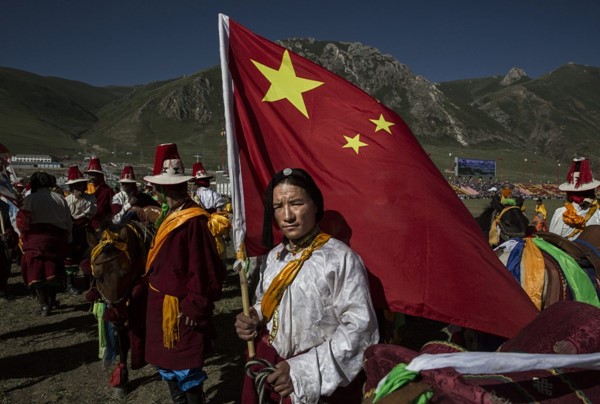
Tibetan Identity Survives in Chinese Propaganda.


Whole Subjugation – Red Army’s Military Grip over Tibet

TIBET UNDER SUBJUGATION BY THE PEOPLE’S LIBERATION ARMY

Whole Subjugation: Tibet in Trouble. Tibet is under subjugation by the People’s Liberation Army.

Tibet is under subjugation by the People’s Liberation Army. There is no indication to suggest the slackening of China’s military grip over Tibet.
I am sharing a story titled ‘Tibet in Turmoil Again’ published in The Tribune, Ambala.

Whole Subjugation: Tibet in Trouble. Tibet is under subjugation by the People’s Liberation Army.

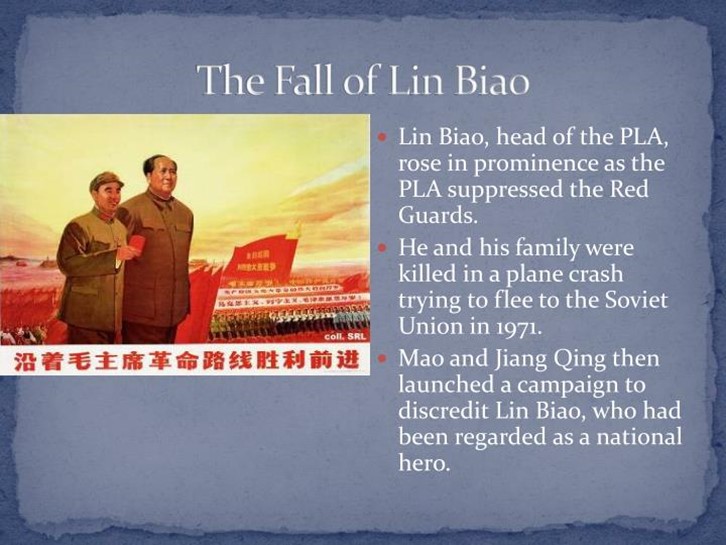
There was indeed a great turmoil in the People’s Liberation Army during 1971 which resulted in the murder of Defense Secretary Lin Biao on September 13, 1971 while he tried to escape from China.

Whole Subjugation: Tibet in Trouble. Tibet is under subjugation by the People’s Liberation Army.

China’s military grip continues to suffocate Tibetans and the story about rivalry between Red Guard factions gives me no comfort.

China’s military grip continues to suffocate Tibetans and the story about rivalry between Red Guard factions gives me no comfort.

TIBET IN TURMOIL AGAIN

Clipped from: https://www.tribuneindia.com/news/this-day-that-year/tibet-in-turmoil-again/800632.html

Posted at: Jul 12, 2019, 6:44 AM; last updated: Jul 12, 2019, 6:44 AM (IST)AMBALA, SATURDAY, JULY 12, 1969

HONG KONG, July 11 (AP)—Tibet is in turmoil again as rival Red Guard factions battle each other and hostility spreads among Army troops, Tibetan leaders, military commanders, revolutionary committees and mass organisations, a Hong Kong newspaper reported yesterday. The anti-Communist Chinese language organ “Tin Tin Yatpo”, attributing its report to “well-informed exclusive sources”, said all signs point to a further deteriorating situation in that vital region bordering India.

The paper said two powerful rival Red Guard organizations — the “Great Alliance Headquarters” and the “Lhasa Revolutionary Rebels’ Headquarters’— are battling each other. Both are opposed to the Maoist Tibet Revolutionary Committee. The Lhasa organization is trying to seize power in Tibet.

Whole Subjugation: Tibet in Trouble. Tibet is under subjugation by the People’s Liberation Army.


Whole Evil – Red China’s Never Ending Saga of Cultural Genocide in Tibet

CULTURAL REVOLUTION: THE CRIMES AGAINST HUMANITY

The Government of China and it’s Communist Party committed numerous Crimes against Humanity in the name of the Cultural Revolution.

I ask the US citizens to demand the investigation of President Nixon’s Foreign Policy that initiated the US-China relations in 1971-72 without concern for the Crimes Against Humanity described by Communist China as ‘Cultural Revolution’. The Never Ending Saga of Cultural Genocide in Tibet remains as the most important threat to Tibetan National Identity and Tibetan Existence.

Whole Evil – Red China’s Never Ending Saga of Cultural Genocide in Tibet
Cultural Revolution was designed by Mao Zedong to preserve true Communist ideology by removing capitalist and traditional elements from society in China. Was a move to recover political power by Mao. The movement insisted that revisionists, people in China who promoted capitalism, had to be removed through violent class struggle. Red Guard was a movement of Chinese Youth to perpetuate these goals. Millions of people were persecuted, cultural icons were destroyed, religious sites were ransacked.

Cultural Revolution – HISTORY

Whole Evil: The Never Ending Saga of Cultural Genocide in Occupied Tibet.

Clipped from: https://www.history.com/topics/china/cultural-revolution

In 1966, China’s Communist leader Mao Zedong launched what became known as the Cultural Revolution in order to reassert his authority over the Chinese government. Believing that current Communist leaders were taking the party, and China itself, in the wrong direction, Mao called on the nation’s youth to purge the “impure” elements of Chinese society and revive the revolutionary spirit that had led to victory in the civil war 20 decades earlier and the formation of the People’s Republic of China. The Cultural Revolution continued in various phases until Mao’s death in 1976, and its tormented and violent legacy would resonate in Chinese politics and society for decades to come.

The Cultural Revolution Begins 

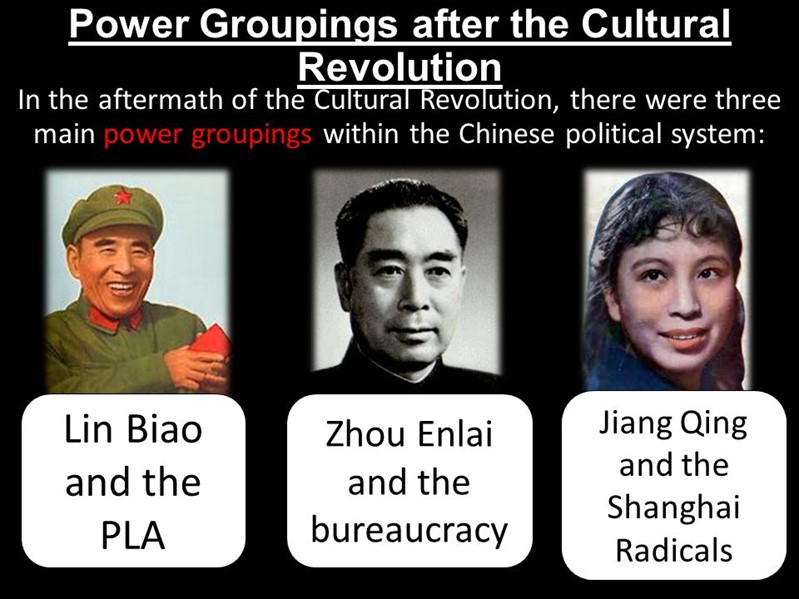
In the 1960s, Chinese Communist Party leader Mao Zedong came to feel that the current party leadership in China, as in the Soviet Union, was moving too far in a revisionist direction, with an emphasis on expertise rather than on ideological purity. Mao’s own position in government had weakened after the failure of his “Great Leap Forward” (1958-60) and the economic crisis that followed. Mao gathered a group of radicals, including his wife Jiang Qing and defense minister Lin Biao, to help him attack current party leadership and reassert his authority.

Mao launched the so-called Cultural Revolution (known in full as the Proletarian Cultural Revolution) in August 1966, at a meeting of the Plenum of the Central Committee. He shut down the nation’s schools, calling for a massive youth mobilization to take current party leaders to task for their embrace of bourgeois values and lack of revolutionary spirit. In the months that followed, the movement escalated quickly as the students formed paramilitary groups called the Red Guards and attacked and harassed members of China’s elderly and intellectual population. A personality cult quickly sprang up around Mao, similar to that which existed for Josef Stalin, with different factions of the movement claiming the true interpretation of Maoist thought.

Lin Biao’s Role in the Cultural Revolution

WHOLE VILLAIN: Defense Minister and Communist Party Vice Chairman, the successor of Chairman Mao Tsetung was apparently assassinated by Prime Minister Chou En-lai and Chairman Mao Tsetung on September 13, 1971, as he tried to escape from the country. After his killing, most of the People’s Liberation Army’s Generals of high command were purged. It totally amazes me to know that the US National Security Adviser Henry Kissinger would request Prime Minister Chou En-Lai to launch a military attack on India during that time to stop India from taking military action to resolve the humanitarian crisis in East Pakistan.

 During this early phase of the Cultural Revolution (1966-68), President Liu Shaoqi and other Communist leaders were removed from power. (Beaten and imprisoned, Liu died in prison in 1969.) With different factions of the Red Guard movement battling for dominance, many Chinese cities reached the brink of anarchy by September 1967, when Mao had Lin send army troops in to restore order. The army soon forced many urban members of the Red Guards into rural areas, where the movement declined. Amid the chaos, the Chinese economy plummeted, with industrial production for 1968 dropping 12 percent below that of 1966.

In 1969, Lin was officially designated Mao’s successor. He soon used the excuse of border clashes with Soviet troops to institute martial law. Disturbed by Lin’s premature power grab, Mao began to maneuver against him with the help of Zhou Enlai, China’s premier, splitting the ranks of power atop the Chinese government. In September 1971, Lin died in an airplane crash in Mongolia, apparently while attempting to escape to the Soviet Union. Members of his high military command were subsequently purged, and Zhou took over greater control of the government. Lin’s brutal end led many Chinese citizens to feel disillusioned over the course of Mao’s high-minded “revolution,” which seemed to have dissolved in favor of ordinary power struggles.

Cultural Revolution Comes to an End 

Tibet Consciousness – Undying Hope for Freedom. US President Richard M Nixon can be best described as Backstabber of Tibet.

Zhou acted to stabilize China by reviving the educational system and restoring numerous former officials to power. In 1972, however, Mao suffered a stroke; in the same year, Zhou learned he had cancer. The two leaders threw their support to Deng Xiaoping (who had been purged during the first phase of the Cultural Revolution), a development opposed by the more radical Jiang and her allies, who became known as the Gang of Four. In the next several years, Chinese politics teetered between the two sides. The radicals finally convinced Mao to purge Deng in April 1976, a few months after Zhou’s death, but after Mao died that September, a civil, police and military coalition pushed the Gang of Four out. Deng regained power in 1977 and would maintain control over the Chinese government for the next 20 years.

Some 1.5 million people were killed during the Cultural Revolution, and millions of others suffered imprisonment, seizure of property, torture or general humiliation. The Cultural Revolution’s short-term effects may have been felt mainly in China’s cities, but its long-term effects would impact the entire country for decades to come. Mao’s large-scale attack on the party and system he had created would eventually produce a result opposite to what he intended, leading many Chinese to lose faith in their government altogether.

Whole Villain – Original Sin: The mockery of the US Constitution. The US National Security Adviser, Dr. Henry A.Kissinger misused and abused his official position to meet foreign Heads of State to develop US foreign relations without the participation of the US Secretary of State. I call this villainous act as Original Sin. Both Chairman Mao Tsetung and Prime Minister Chou En-Lai were leaders of the “Cultural Revolution” during 1966-69 to unleash crimes against humanity.
Whole Evil – Red China’s Never Ending Saga of Cultural Genocide in Tibet. THE SUBJUGATION OF TIBET: RED CHINA’S ILLEGAL, AND UNJUST OCCUPATION OF TIBET IS A CRIME AGAINST HUMANITY.

Whole Liar -Red China a Liar

Tibet Awareness: Red China, a Liar

Tibet Awareness. Red China, a Liar. Red China has no justification for her Tyranny, Oppression, and Suppression of Tibetan Freedom.

Red China’s military invasion and occupation of Tibet is illegal, and it has nothing to do with the Tibetan Institution of Governance called the Dalai Lama. Red China has no justification for her Tyranny, Oppression, and Suppression of Tibetan Freedom.

Tibet Awareness. Red China, a Liar. Red China has no justification for her Tyranny, Oppression, and Suppression of Tibetan Freedom.

China denies Tibet support for Dalai Lama | Daily Mail Online

Clipped from: https://www.dailymail.co.uk/wires/afp/article-6777709/China-denies-Tibet-support-Dalai-Lama.html

Tibet Awareness. Red China, a Liar. Red China has no justification for her Tyranny, Oppression, and Suppression of Tibetan Freedom.

There is no widespread support for the Dalai Lama in Tibet and ordinary people are grateful to the Communist Party for “bringing them a happy life”, Chinese officials insisted Wednesday.

This week marks the 60th anniversary of a failed uprising which led to Tibet’s Buddhist spiritual leader, the Dalai Lama, fleeing into exile in India.

Beijing — which claims it “peacefully liberated” the Himalayan area — stands accused of political and religious repression in the region.

But China insists that Tibetans enjoy extensive freedoms and argues it has brought economic growth.

“Since defecting, the Dalai Lama has not done a single good thing for the Tibetan people,” Tibet party boss Wu Yingjie said during a meeting at the sidelines of China’s annual parliamentary meeting.

“Tibetan people have gratitude in their hearts. They are grateful to the Communist Party for bringing them a happy life.”

At least 150 Tibetans have set themselves on fire since 2009 to protest Beijing’s presence in Tibet, most of whom have died from their injuries.

Tibet Awareness. Red China, a Liar. Red China has no justification for her Tyranny, Oppression, and Suppression of Tibetan Freedom.

China had reached out to the Dalai Lama in 2002 to negotiate but after nine rounds of dialogue that lasted through till 2010, many believed that Beijing was intentionally dragging on pointless talks, hoping international pressure over Tibet would end with the passing of the Dalai Lama.

At 83, the Nobel Peace Prize winner enjoys rapturous crowds around the world.

Many Tibetan Buddhists fear Beijing may seek to impose their choice of spiritual leader after the Dalai Lama’s death.

It is unclear how, or even whether, his successor will be named — the centuries-old practice requires senior monks to interview sometimes hundreds of young boys to see whether they recognize items that belonged to the Dalai Lama and pick one as a reincarnation.

But the 14th Dalai Lama announced in 2011 that he may be the last, seeking to preempt any attempt by China to name its own successor.

China’s officially atheist Communist Party has repeatedly said it has the right to control the process of reincarnation.

Tibet Awareness. Red China, a Liar. Red China has no justification for her Tyranny, Oppression, and Suppression of Tibetan Freedom.


Whole Evil – Red China’s Journey from Imperialism to Neocolonialism

Red China’s Journey from Imperialism to Neocolonialism

Red China’s Journey from Imperialism to Neocolonialism

Tibet escaped from the clutches of Qing Empire during 1911-12 to declare full independence on February 13, 1913. From the ashes of the Qing Empire, Red China emerged as the new Imperialistic Power on October 01, 1949 when the Communists took over mainland China defeating the Nationalists. For Tibet, the new era of political domination, cultural subjugation, and colonialist exploitation began with Red China’s military invasion in 1950.

The railway construction projects across the Tibetan Plateau are mere symptoms of Neocolonialism, a facet of Red China’s Doctrine of Expansionism.

Red China’s Journey from Imperialism to Neocolonialism.

CHINA TO STRENGTHEN RAILWAY CONSTRUCTION IN OCCUPIED TIBET

Red China’s Journey from Imperialism to Neocolonialism.

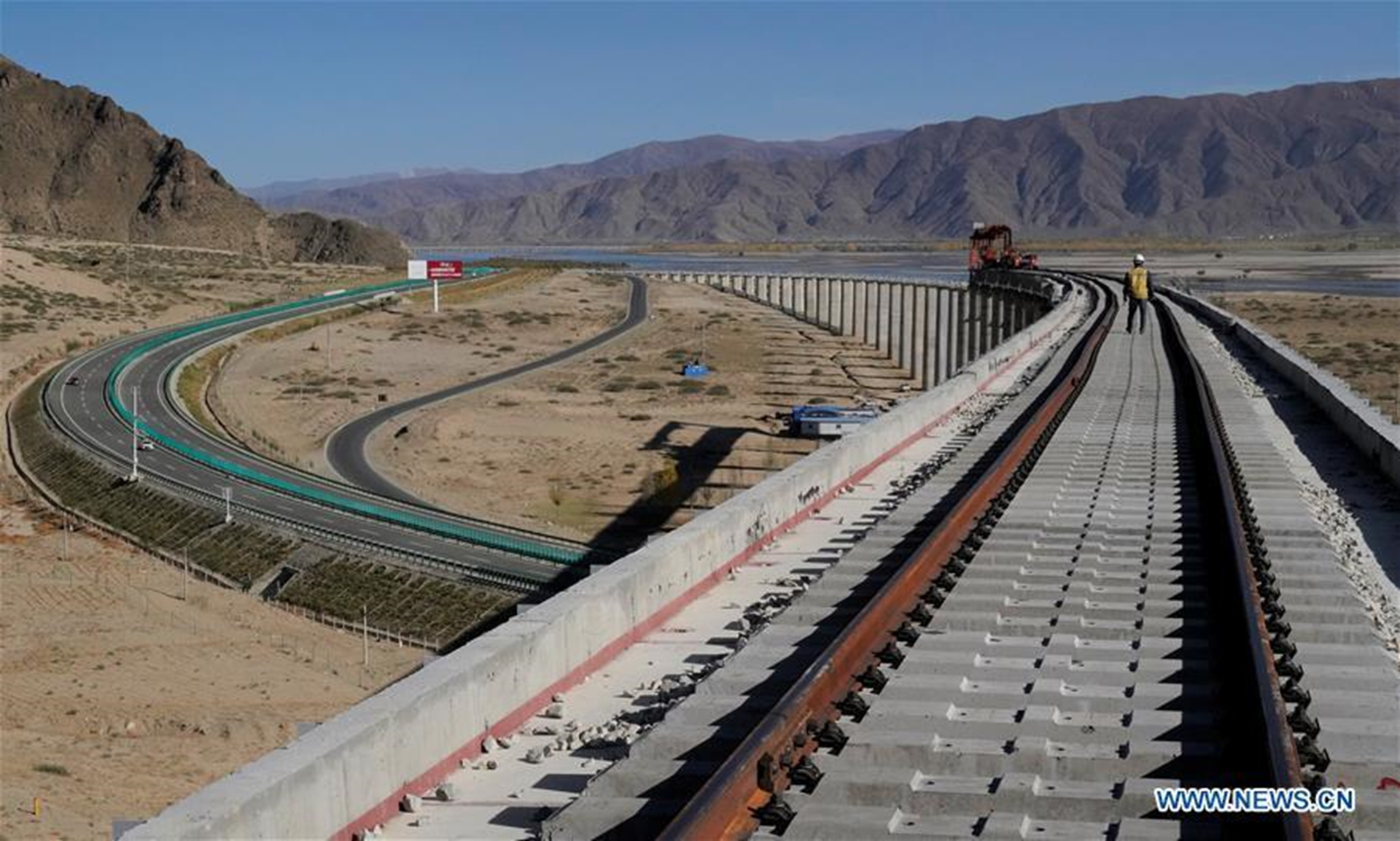
Staff members work at the construction site of the Lhasa-Nyingchi section of the Sichuan-Tibet Railway in Occupied Tibet, on Nov. 26, 2018. In 2018, an investment of 4.2 billion yuan (623 million U.S. dollars) was made in railway construction in the region. (Xinhua/Purbu Zhaxi)

Red China’s Journey from Imperialism to Neocolonialism.

Staff members work at the construction site of the Lhasa-Nyingchi section of the Sichuan-Tibet Railway in Occupied Tibet, on Nov. 26, 2018. In 2018, an investment of 4.2 billion yuan (623 million U.S. dollars) was made in railway construction in the region. (Xinhua/Purbu Zhaxi)

Red China’s Journey from Imperialism to Neocolonialism.

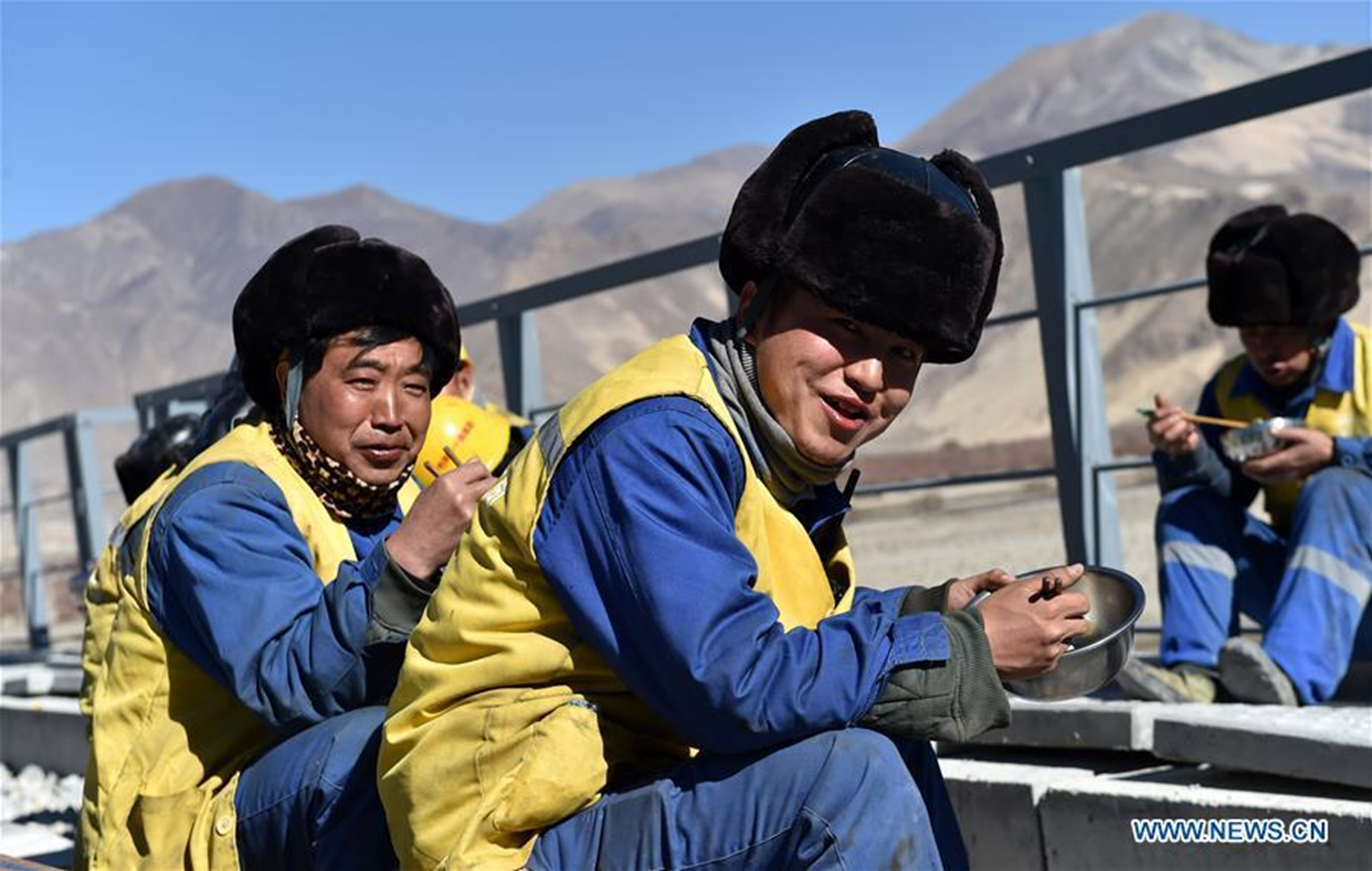
Workers have lunch at the construction site of the Lhasa-Nyingchi section of the Sichuan-Tibet Railway in Occupied Tibet, on Nov. 26, 2018. In 2018, an investment of 4.2 billion yuan (623 million U.S. dollars) was made in railway construction in the region. (Xinhua/Chogo)

Red China’s Journey from Imperialism to Neocolonialism.

Workers at the construction site of the Lhasa-Nyingchi section of the Sichuan-Tibet Railway in Occupied Tibet, on Nov. 26, 2018. In 2018, an investment of 4.2 billion yuan (623 million U.S. dollars) was made in railway construction in the region. (Xinhua/Chogo)

Red China’s Journey from Imperialism to Neocolonialism.

Photo taken on Dec. 23, 2018, shows the construction site of the Lhasa-Nyingchi section of the Sichuan-Tibet Railway in Occupied Tibet. In 2018, an investment of 4.2 billion yuan (623 million U.S. dollars) was made in railway construction in the region. (Xinhua/Purbu Zhaxi)

Red China’s Journey from Imperialism to Neocolonialism.


THE RELENTLESS COLONIZATION OF OCCUPIED TIBET

THE RELENTLESS COLONIZATION OF OCCUPIED TIBET

The Relentless Colonization of Occupied Tibet.

In my analysis, the Qinghai-Tibet Railway symbolizes the relentless pace of colonization of Occupied Tibet.

The Relentless Colonization of Occupied Tibet.

During the 1950s, both Tibet and India failed to imagine the real consequences of Communist China’s military invasion of Tibet. The leaders of both countries made futile attempts to appease Communist China for they had grossly underestimated China’s capabilities to occupy Tibetan Plateau building roads, bridges, and railway lines. These infrastructure projects across the vast Tibetan Plateau tremendously boosted China’s defense capabilities. Evicting the Occupier of Tibet may indeed pose a super challenge. For I trust in God, I conclude that ‘Nothing is Impossible’.

The Relentless Colonization of Occupied Tibet.

Rudranarasimham Rebbapragada

SPECIAL FRONTIER FORCE

Qinghai-Tibet Railway carries record-high passengers in

2018

The Relentless Colonization of Occupied Tibet.

[Photo/IC]

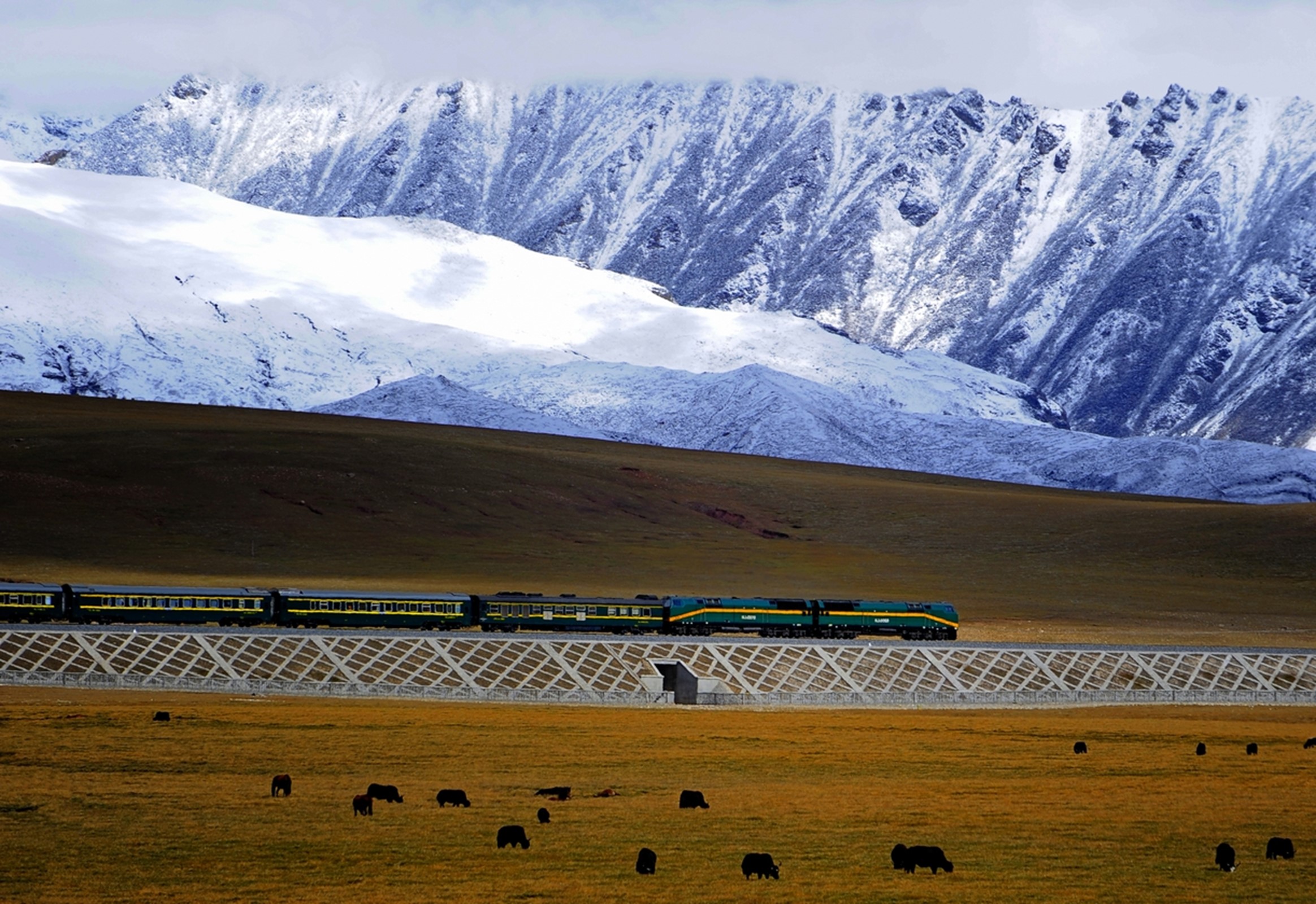
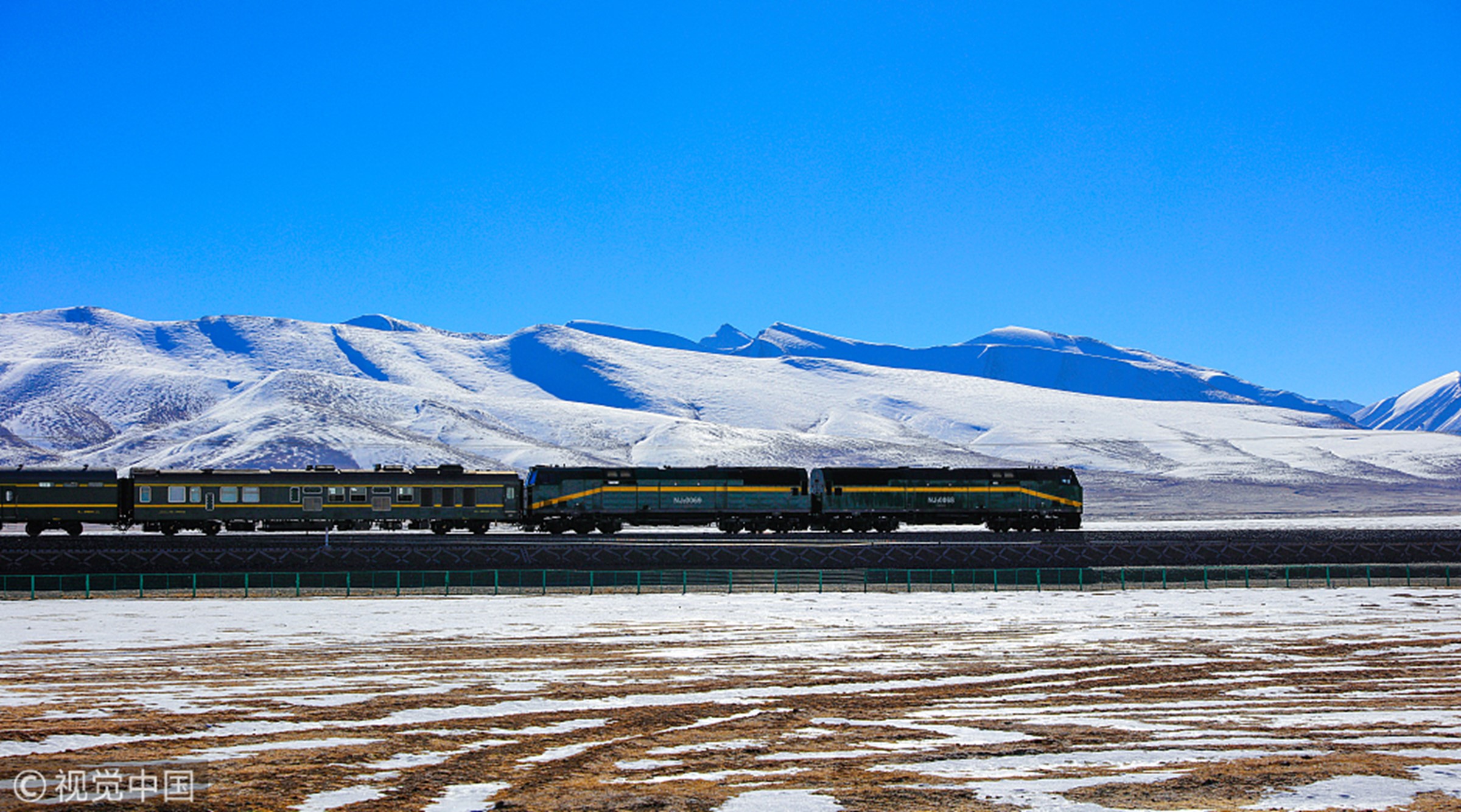
The Qinghai-Tibet Railway, the world’s highest and longest plateau railroad, last year carried around 16.56 million passengers.

The figure represents a 10 percent year-on-year increase and a new record since the railway began operating in 2006.

The railway delivered 34 million tons of cargo in 2018, an increase of 5.8 percent in 2017, according to the Qinghai-Tibet Railway Company. The railway has in 12 years transported a total of 182 million passengers and 552 million tons of goods.

The railway’s capacity has improved significantly since the Golmud-Lhasa section, an extension of the railway, was completed in August last year. New management and mechanisms were introduced to improve efficiency.

During peak times the railway company also ran additional or temporary trains to meet increasing ticket demands.

The enhanced transportation capacity has been a catalyst for social and economic development in Tibet autonomous region and Qinghai province, as well as a driving force for tourism in the regions.

The Relentless Colonization of Occupied Tibet.


THE DANGEROUS MILITARY OCCUPATION OF TIBET

THE DANGEROUS MILITARY OCCUPATION OF TIBET

The Dangerous Military Occupation of Tibet.

In my analysis, the Great Problem of Tibet cannot be resolved by sanctioning “Meaningful Autonomy” to Tibetan people as demanded by His Holiness the 14th Dalai Lama. In fact, Tibetans cannot hope for any kind of autonomy if the military occupation of Tibet prevails across Tibetan Territory.

Rudranarasimham Rebbapragada

SPECIAL FRONTIER FORCE

The Dangerous Military Occupation of Tibet.

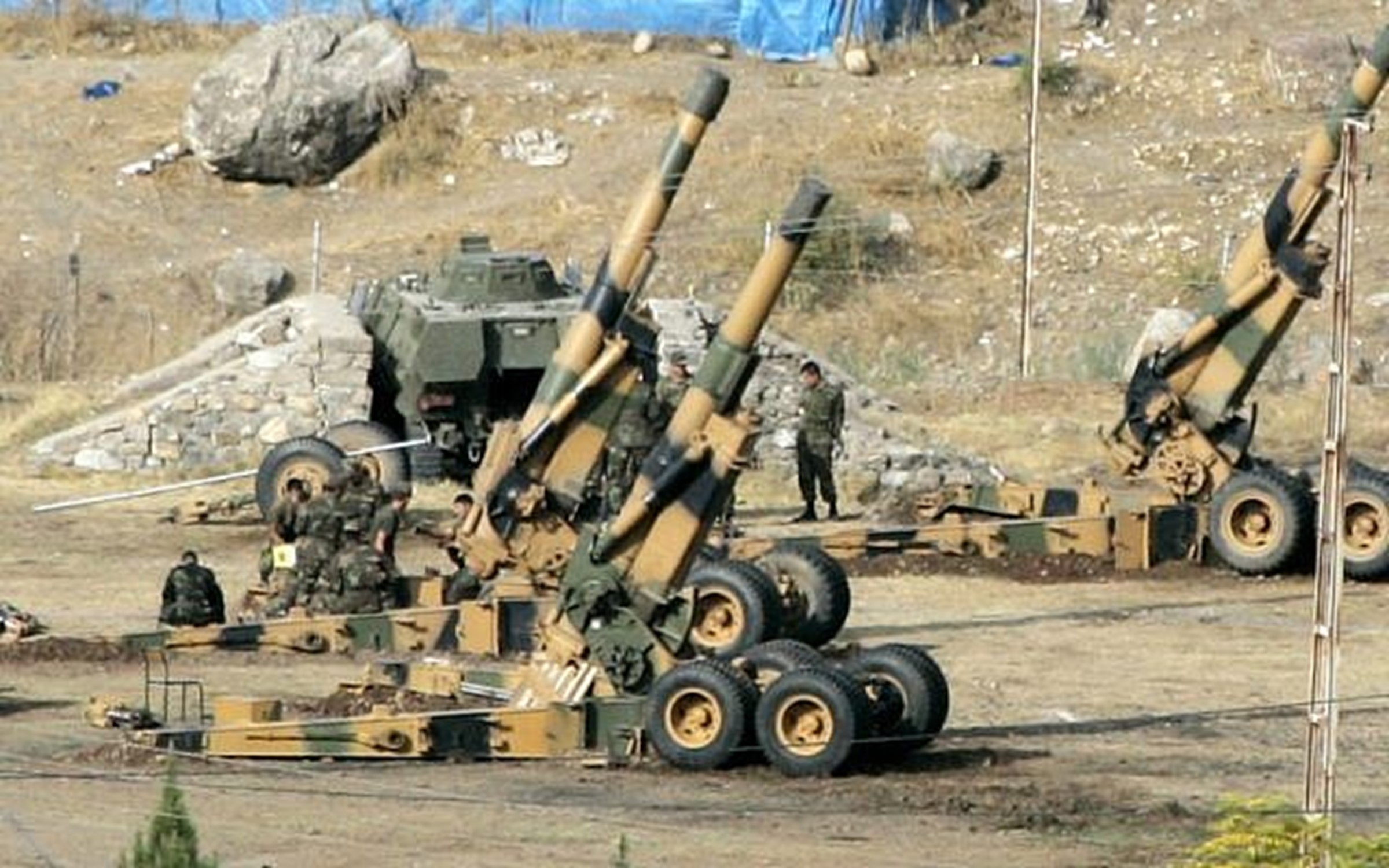
Chinese military equips troops in Tibet with mobile howitzers: Report | India News – India TV

The Dangerous Military Occupation of Tibet.

Tuesday, January 08, 2019

Chinese military equips troops in Tibet with mobile

howitzers: Report

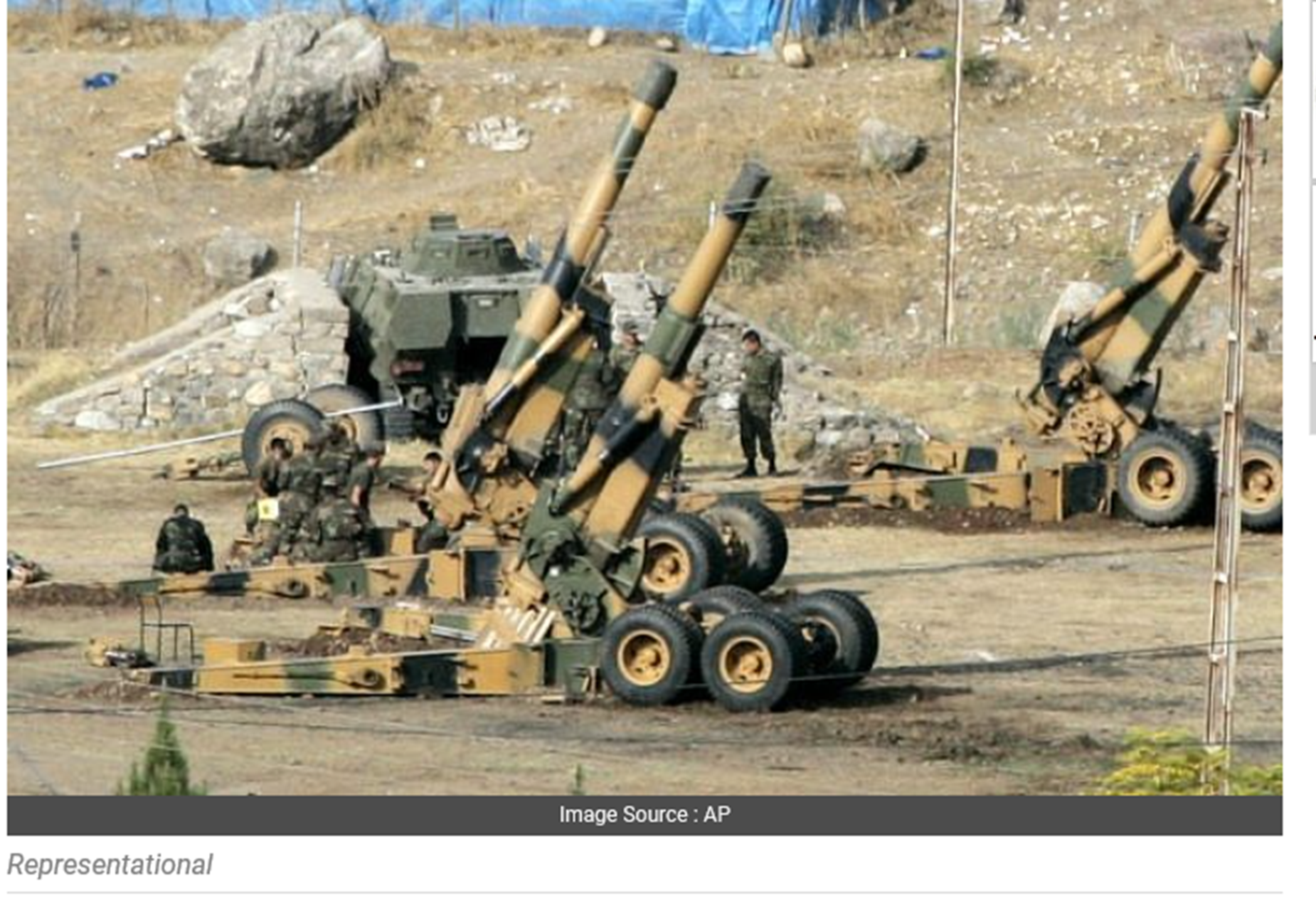
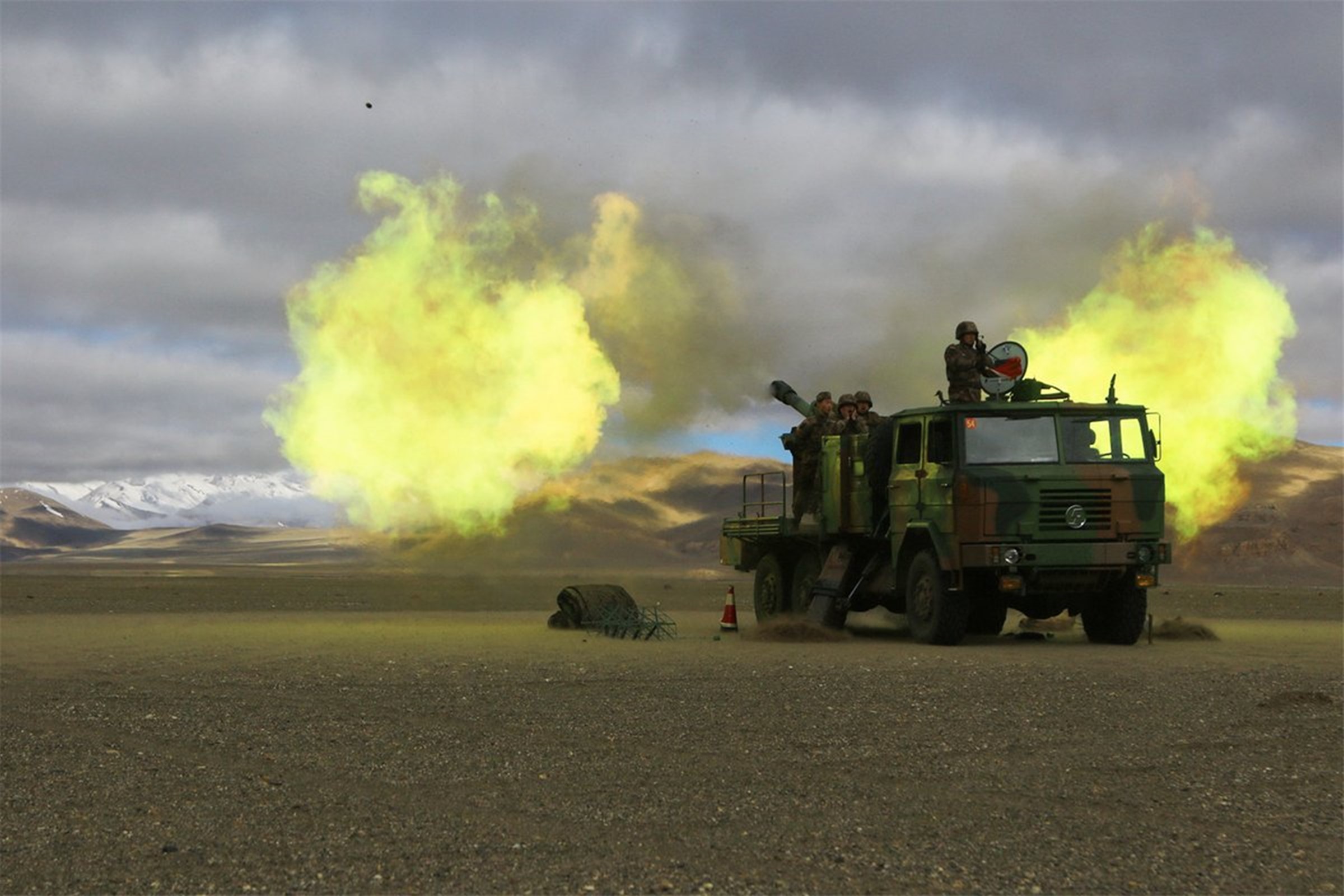
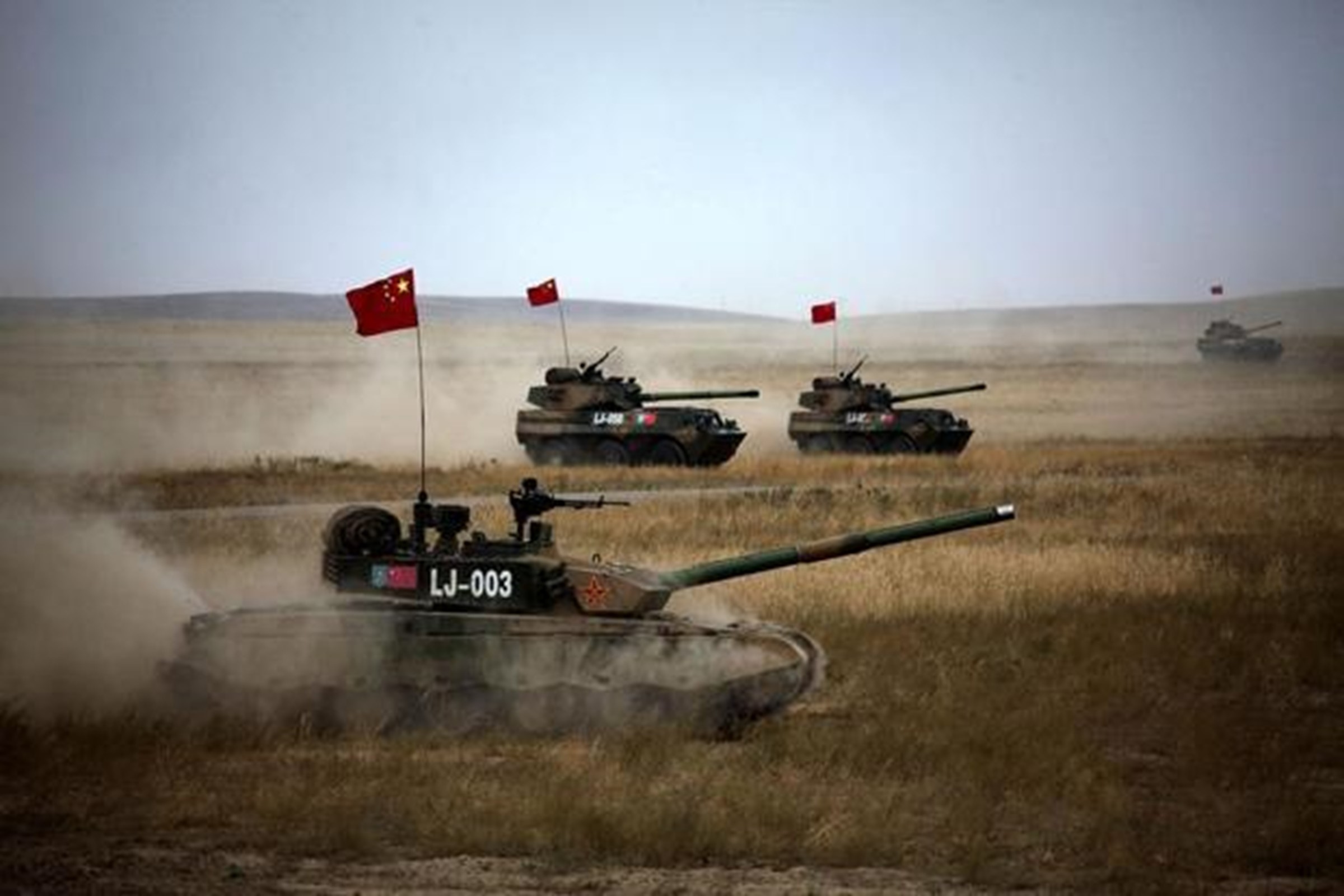
China’s People’s Liberation Army (PLA) stationed in Tibet Autonomous Region has been equipped with mobile howitzers which aims to boost the troops’ high-altitude combat capability to improve border security, state-run Global Times reported.

Reported by: PTI, Beijing [ Updated: January 08, 2019 16:53 IST ]

The Dangerous Military Occupation of Tibet.

Image Source: AP

After the recent induction of lightweight battle tank in Tibet bordering India, the Chinese military has equipped its troops stationed at the Himalayan plateau with new vehicle-mounted howitzers to improve their combat capability, official media here reported on Tuesday.

China’s People’s Liberation Army (PLA) stationed in Tibet Autonomous Region has been equipped with mobile howitzers which aims to boost the troops’ high-altitude combat capability to improve border security, state-run Global Times reported.

It quoted Chinese military analysts as saying that the new equipment would be the PLC-181 vehicle-mounted howitzer. The announcement was made in an article released by the WeChat account of the PLA Ground Force on Saturday, the report said.

The equipment was used in an artillery brigade in Tibet during the 2017 China-India stand-off at Doklam, it said. Song Zhongping, a military expert and TV commentator, told Global Times that the howitzer has a 52-caliber cannon with a range of over 50 km and shoots laser-guided and satellite-guided projectiles.

It will boost the high-altitude combat capability of the PLA in Tibet, Song said.

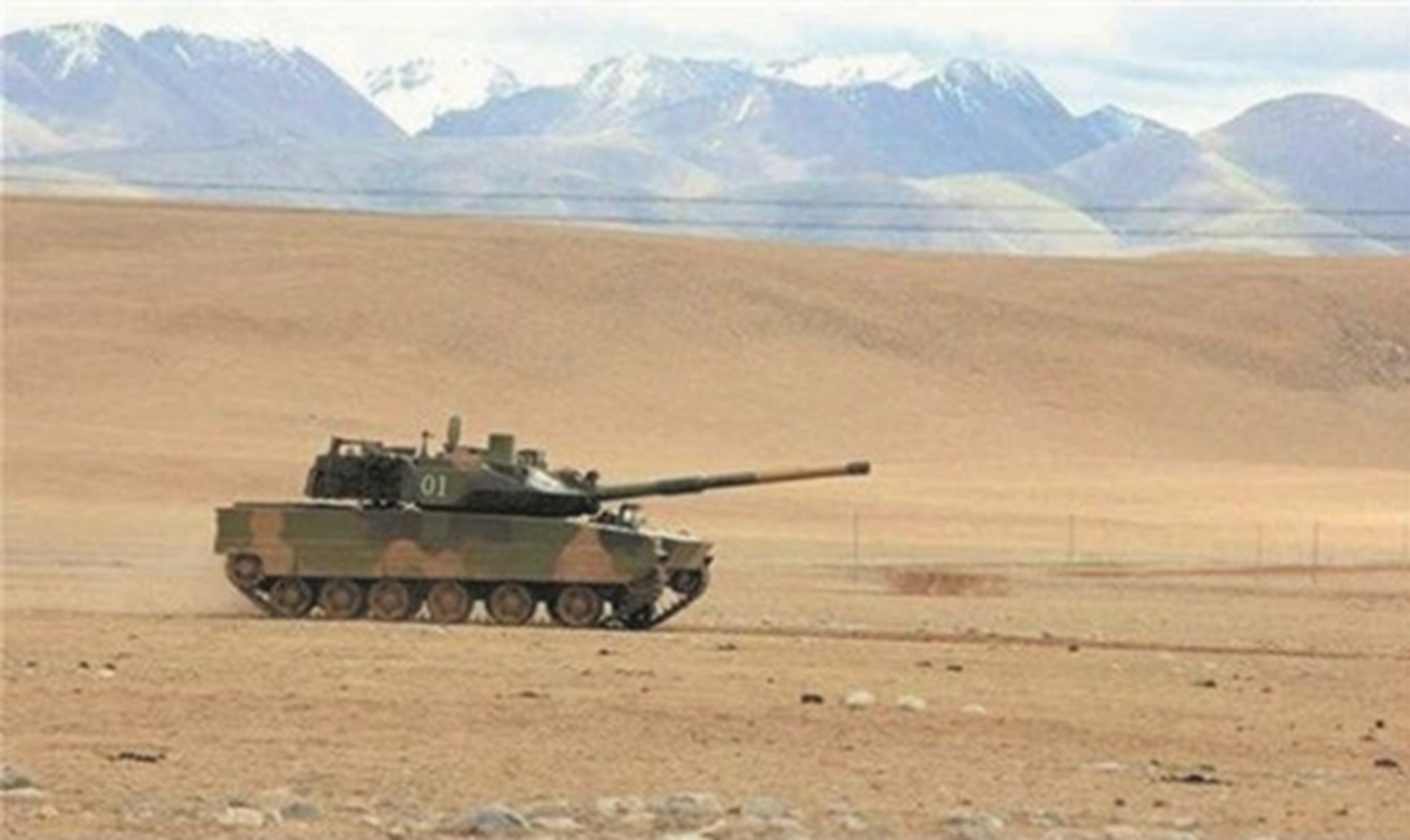
The induction of the mobile howitzers followed the move by the PLA to put into service the lightweight battle tank, which was tested by its military during exercises in Tibet held at the peak of the Doklam standoff.

The Type 15 has an engine capable of 1,000 horsepower and is significantly lighter than the PLA’s other main battle tanks in service, weighing about 32 to 35 tons. The tank meant for rugged and mountainous terrain of the Himalayan region.

The induction of the tank and the mobile howitzers highlighted the PLA’s efforts to reinforce its troops with new equipment despite steady normalization of military relations since last year.

As part of the military training in 2019, an artillery brigade in the Tibet Military Command ordered soldiers to take part in a military skills competition at a training ground on the Qinghai-Tibet Plateau 3,700 meters above sea level, the report said.

Last week, President Xi Jinping, who also heads the military, ordered the armed forces to enhance their combat readiness to make sure they are always ready for battle, saying risks and challenges for China are on the rise.

China’s border issue has not been completely resolved, and was challenged by pro-Tibet independence forces and terrorists, the report quoted analyst as saying.

Zhao Gancheng, director of the Centre for Asia-Pacific Studies at the Shanghai Institute for International Studies, told the daily that the military investment in Tibet has been rising, but is primarily meant for defense and not to provoke conflict with neighboring countries.

He said the PLA troops stationed in Tibet need to improve their combat capabilities in plateau areas and strengthen their willpower in extreme weather as they are primarily responsible for the border defense against terrorists and foreign invaders, he said.

To cope with altitude sickness, the PLA built oxygen stations for the soldiers in Tibet in 2015, which were used for medical purposes, but are now also being used regularly in training.

The Dangerous Military Occupation of Tibet.


NEW REPORT ON TIBET – ONCE BITTEN TWICE SHY

NEW REPORT ON TIBET – ONCE BITTEN, TWICE SHY

New Report on Tibet – Once Bitten, Twice Shy

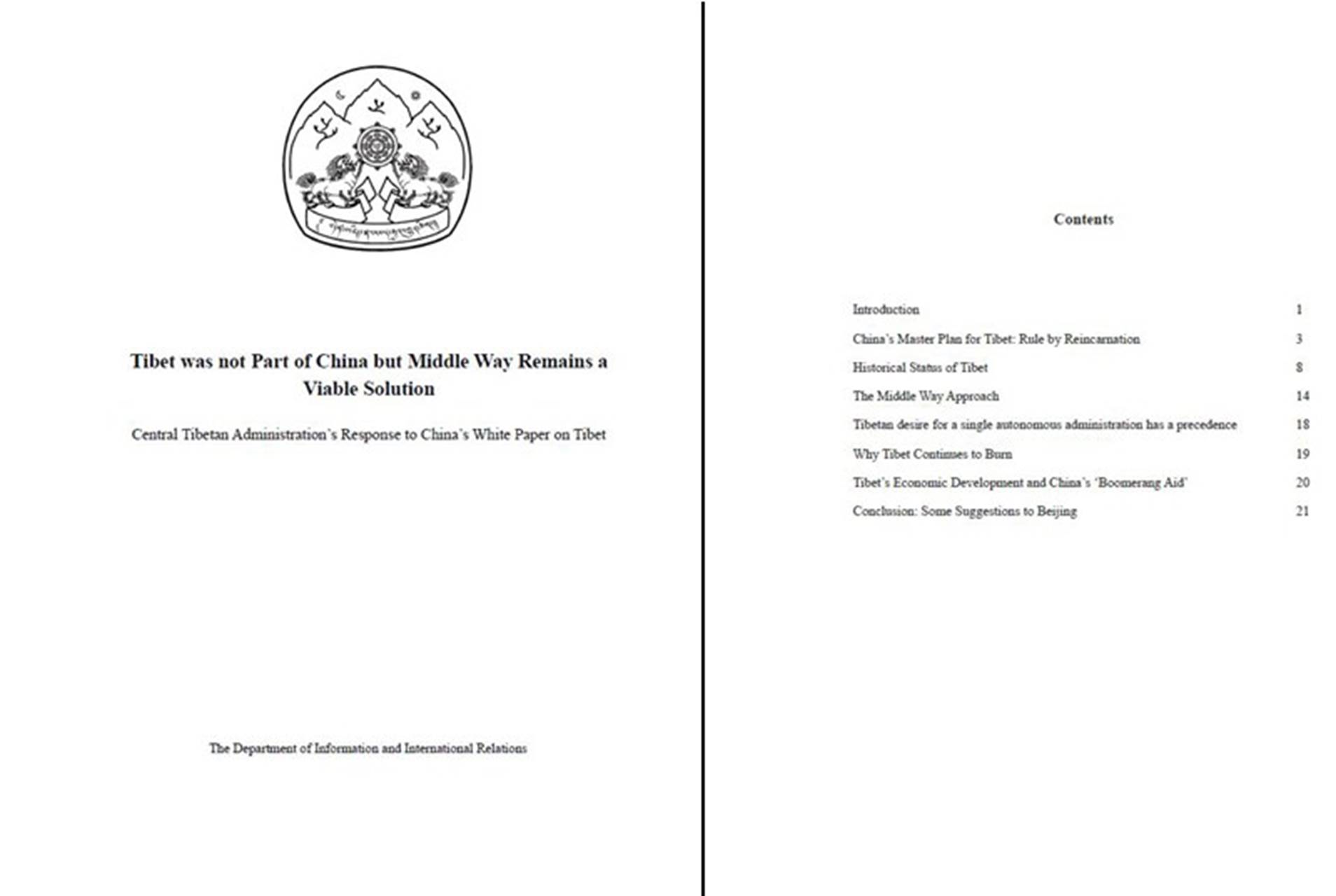
The Department of Information and International Relations (DIIR) of Central Tibetan Administration (CTA) released a new report on Tibet titled ‘Tibet Was not Part of China But Middle Way Remains a Viable Solution’.

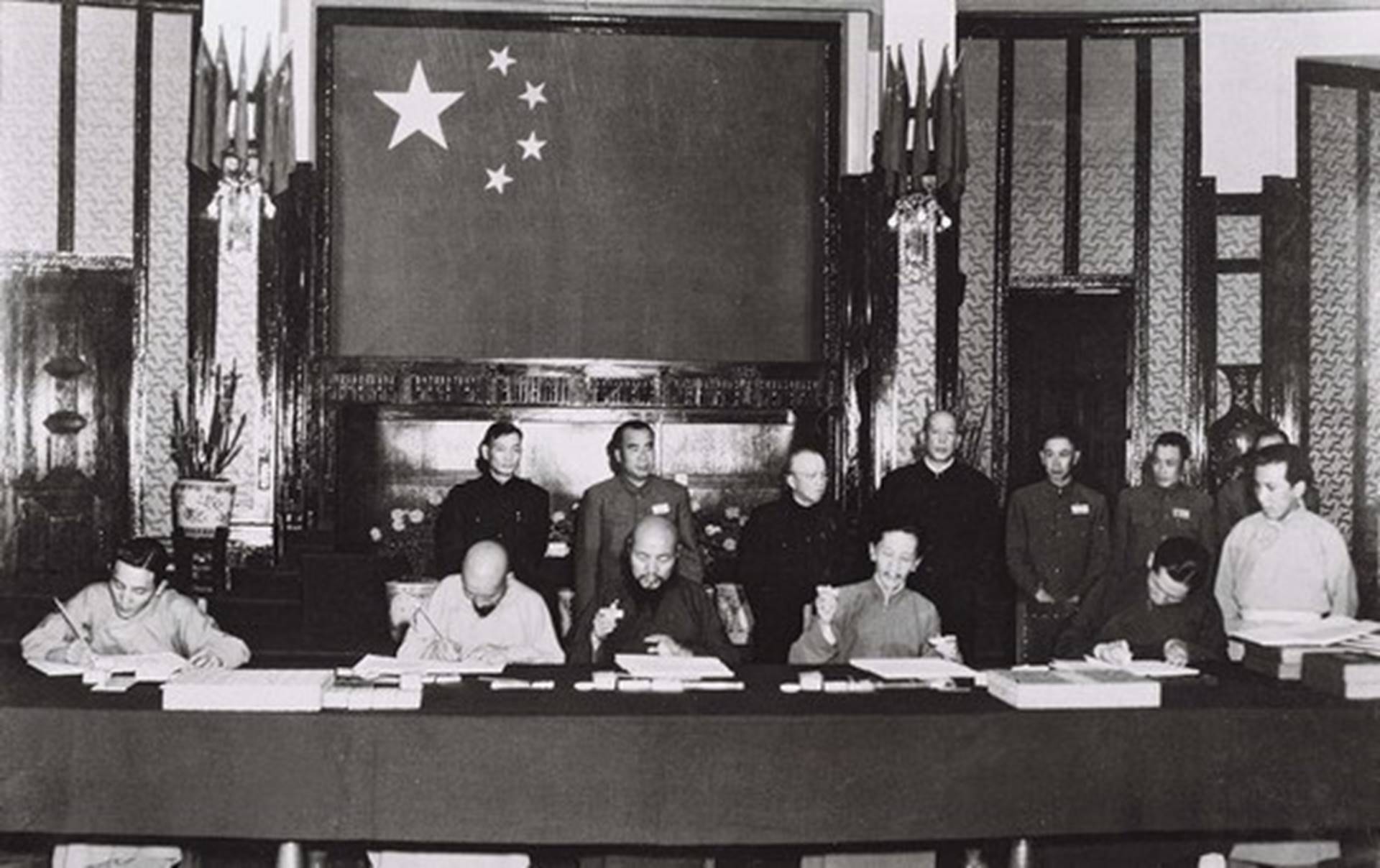
New Report on Tibet – Once Bitten, Twice Shy. Tibet’s attempt to secure meaningful autonomy on May 23, 1951, was disastrous.

But, we tried this Middle Way Approach on May 23, 1951, with disastrous consequences. As the saying goes, “Once Bitten, Twice Shy” Tibet cannot afford to bite the Bullet twice. Communist China insists that she has the right to control the Reincarnation of the Dalai Lama. The discussion about ‘Meaningful Autonomy’ has become redundant for Chinese Colonization of Tibet includes total Subjugation of all Social and Political Institutions of Tibet that give “Meaning” to Tibetan Identity.

Rudranarasimham Rebbapragada

SPECIAL FRONTIER FORCE

https://wholedude.com/2015/06/09/the-evil-red-empire-red-china-subjugator-of-tibet/

New report on Tibet highlights self-immolations, reincarnation of Dalai Lama

Clipped from: https://www.newkerala.com/news/read/63436/new-report-on-tibet-highlights-self-immolations-reincarnation-of-dalai-lama.html

Oct 31, 2018

IANS

New Report on Tibet – Once Bitten, Twice Shy.

New Delhi, Oct 30: From incidents of self-immolations, human rights, cultural genocide to the history of Tibet’s status and reincarnation of His Holiness the Dalai Lama — a new report released on Tuesday highlights the contemporary and prevalent issues faced by Tibet.

The report titled ‘Tibet Was Never A Part Of China But The Middle Way Approach Remains a Viable Solution’ was launched by the Department of Information and International Relations (DIIR) of Central Tibetan Administration (CTA).

The report, organized into nine chapters, covers self-immolations, human rights, cultural genocide, the history of Tibet’s status, the environment, urbanization, economic development, the reincarnation of His Holiness the Dalai Lama, and the Middle Way Policy.

“The chapters aim to be comprehensive but digestible. Given that each topic could be a book of its own, the report serves as an overview of the most pressing issues in Tibet for those involved with or interested in the Tibetan cause,” DIIR’s Information Secretary Dhardon Sharling said during the launch of the report.

Published in Tibetan, English and Chinese languages, the report was unveiled by Prof. Anand Kumar and Dr Lobsang Sangay, President, Central Tibetan Administration here.

“For Tibetans, information is a precious commodity. Severe restrictions on expression accompanied by a relentless disinformation campaign engender facts, knowledge and truth to become priceless. This has long been the case with Tibet. This report marks the CTA’s current contribution to this effort,” said CTA President Dr Lobsang Sangay.

New Report on Tibet – Once Bitten, Twice Shy.


COMMUNIST CHINA IS USING BUDDHISM AS A TOOL FOR HER EXPANSIONIST REGIME

COMMUNIST CHINA IS USING BUDDHISM AS A TOOL FOR HER EXPANSIONIST REGIME

Communist China is using Buddhism as a tool for her Expansionist Regime.

During 1950-1951 Communist China took brutal control of Tibet using her hard military power. Now, the Communist Party of China is demanding Buddhists and others to subjugate their religion and culture to serve the needs of China’s Expansionist Regime.

Rudranarasimham Rebbapragada

SPECIAL FRONTIER FORCE

India, Dalai Lama blocking Beijing from using Buddhism as soft power, say Chinese scholars

Clipped from: https://www.hindustantimes.com/world-news/india-dalai-lama-blocking-beijing-from-using-buddhism-as-soft-power-say-chinese-scholars/story-WMEzUNRJe0RNmdTxpSA5iL.html

Buddhist scholars had gathered this week in northwest China’s Qinghai province to discuss how to leverage Buddhism in constructing and expanding the BRI.

Sutirtho Patranobis
Hindustan Times, Beijing

Communist China is using Buddhism as a tool for her Expansionist Regime.

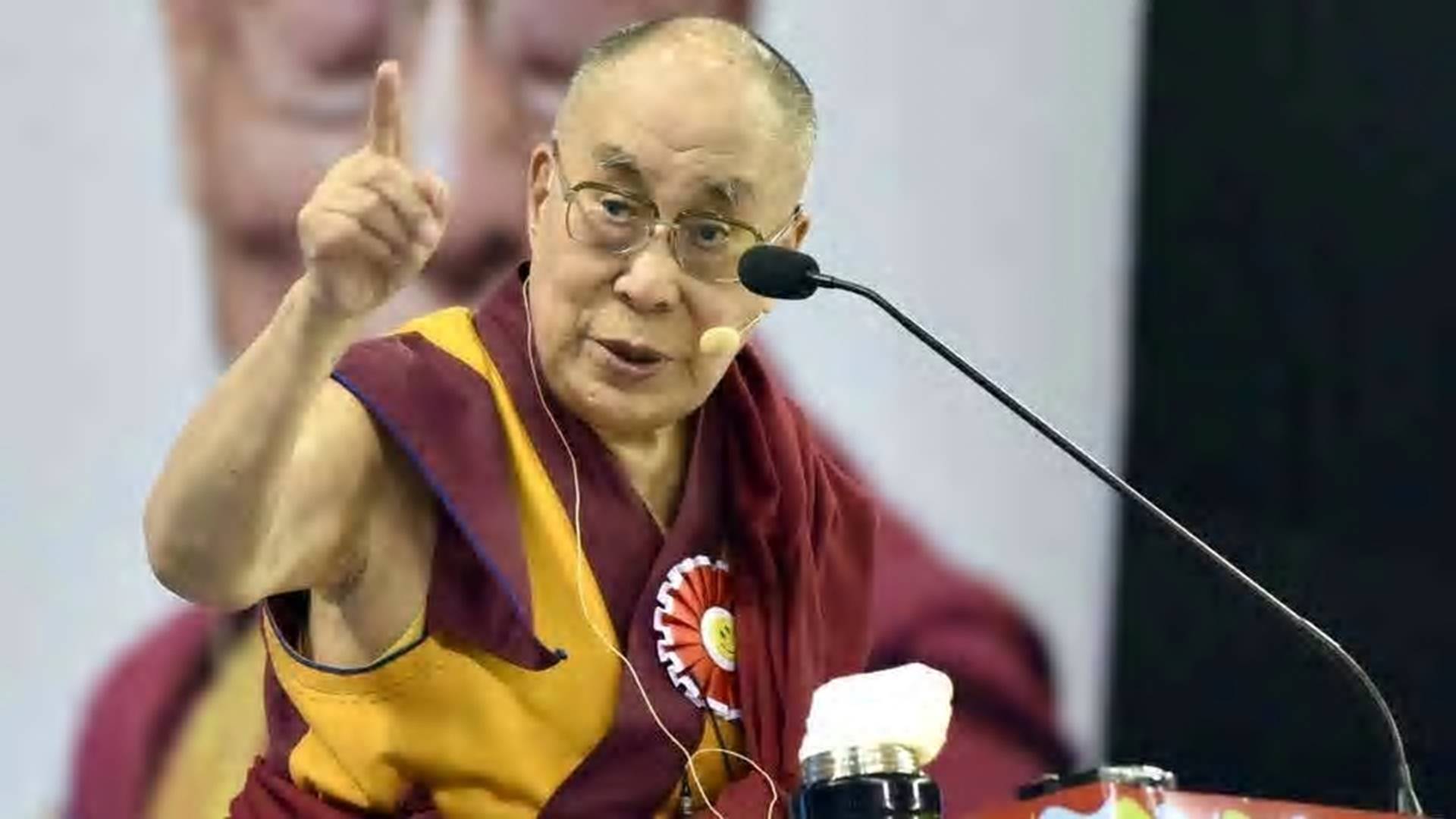
His Holiness Dalai Lama addresses teachers after the inauguration of Happiness Curriculum of the Delhi government at Thyagraj Sports Complex in New Delhi, in July 2018. (Sonu Mehta/HT File Photo)

India is the biggest challenge for Beijing to use Buddhism in support of President Xi Jinping’s Belt and Road Initiative (BRI) to tackle terrorism and separatism and for strategic purposes, leading Chinese scholars have said.

For one, the Chinese Buddhist scholars argued at a recent symposium, the Dharamshala-based Dalai Lama has established a “separatist” base in India and promotes traditional religion and culture – as opposed to the Communist Party’s socialist values – to maintain his base.

India itself is a “stumbling block” as it has not joined BRI, a connectivity project worth billions of dollars, because of geopolitical reasons.

The scholars gathered this week in northwestern Qinghai province to discuss how to leverage Buddhism in constructing and expanding the BRI. The symposium was seemingly focused on “Sinicizing” – and also politicizing – Buddhism for the purpose of statecraft.

“Soft power like religion, if used properly, will convert to hard power,” one scholar said.

“Guided by the core socialist values, the symposium aims to encourage Tibetan Buddhism to adapt to the socialist society and teach the religion to serve the construction of the Belt and Road Initiative,” the sitetibet.cn news website reported.

Tibetan Buddhism can act as a bridge between BRI countries so that they can better communicate with each other since religious and cultural beliefs are similar in Central and South Asia, Qin Yongzhang, a research fellow at the Chinese Academy of Social Sciences (CASS), told Global Times tabloid.
The BRI, for example, has “injected new energy into China-Nepal ties” and China has built a relationship with Mongolia through Tibetan Buddhism.

Not so the case with India.

“One immediate challenge of promoting BRI through Tibetan Buddhism comes from India, which has been holding back for geopolitical reasons,” Qin said.

“The Dalai Lama has established a separatist base in India, and has been advocating the ‘traditional culture’ as leverage to expand his influence.”

Buddhism has a significant role in curbing separatism, religious extremism and terrorism while implementing BRI because it pursues harmony and opposes violence, said Xiong Kunxin, an ethnic studies professor at Tibet University in Lhasa.

The position against India and the Dalai Lama is in line with a recent decision by a Chinese county not to allow India-trained Buddhist monks to teach in China.

In May, the county in southwestern Sichuan province banned Tibetan monks “wrongly educated” in India from teaching Buddhism to prevent the spread of “separatist” ideas.

Officials of Litang county issued the ban, the first such move outside the Tibet Autonomous Region (TAR).

“As some monks received education overseas from the 14th Dalai Lama clique – whom China regards as separatists – it is necessary to tighten supervision so as to prevent the clique from using local Buddhists to conduct separatist activities,” Zhu Weiqun, former head of the ethnic and religious affairs committee of the national committee of the Chinese People’s Political Consultative Conference, had said.

First Published: Oct 18, 2018, 14:52 IST

Communist China is using Buddhism as a tool for her Expansionist Regime.

Whole Awareness – Colonization of Tibet poses risks to all living downstream

Colonization of Tibet poses risks to all living downstream

Colonization of Tibet poses risks to all living Downstream.

The major rivers of Asia take origin in Tibet. People living downstream are facing increasing risks as the rivers are drying up due to Communist China’s colonization of Tibet.

Colonization of Tibet poses risks to all living Downstream.

Arunachal Pradesh: Authorities warn of flash floods in East Siang as landslide blocks river in Tibet

Clipped from: https://scroll.in/latest/898863/arunachal-pradesh-authorities-warn-of-flash-floods-in-east-siang-as-landslide-blocks-river-in-tibet

Over 6,000 people were evacuated from Tibet’s Menling County after the landslide led to the formation of a barrier lake.

Colonization of Tibet poses risks to all living Downstream.

Sections of the Siang river in Arunachal Pradesh dried up due to landslide upstream | HT photo

The Arunachal Pradesh government has warned of flash floods downstream of the Siang River after China informed India that a landslide has blocked a section of the river in the Tibet region, The Times of India reported on Friday.

The Yarlung Tsangpo is the upper stream of the Brahmaputra river. It is known as the Siang river once it enters Arunachal Pradesh and the Brahmaputra when it enters Assam.

The East Siang district administration has asked people not to venture near the Siang river and asked them to stay alert. The water level in the Siang river has reduced due to the landslide blocking the flow of water. The landslide has led to the formation of a lake and there are fears of large-scale floods downstream if the lake breaches, reported the Hindustan Times.

“We got a report from the Central Water Commission about the landslide in Tibet,” said Deputy Commissioner of Upper Siang district Duly Kamduk. “The water level in Siang river has gone down by around 2 meters at Tuting in Arunachal Pradesh.”

A statement issued by the East Siang district administration asked people living on the banks of the river in Jarku, Paglek, SS Mission, Jarkong, Banskota, Berung, Jampani, Sigar, Ralling, Borguli, Seram, Kongkul, Namsing, Mer, Gadum not to remove driftwood, tree barks on the banks of the river as these will serve as a natural flood control mechanism, reported Northeast Today.

Meanwhile, in China, over 6,000 people were evacuated after a barrier lake was formed following the landslide in the Yarlung Tsangpo River in Tibet’s Menling County, reported Xinhua. The amount of water in the lake is above 300 million cubic meters.

In August, several people were airlifted from Assam’s Dhemaji district as Siang river got flooded due to heavy rainfall in the Chinese portion.

Colonization of Tibet poses risks to all living Downstream.
Colonization of Tibet poses risks to all living Downstream