TIBET – JOURNEY FROM NATURAL FREEDOM TO LAOGAI PRISON SYSTEM

TIBET – JOURNEY FROM NATURAL FREEDOM TO LAOGAI PRISON SYSTEM
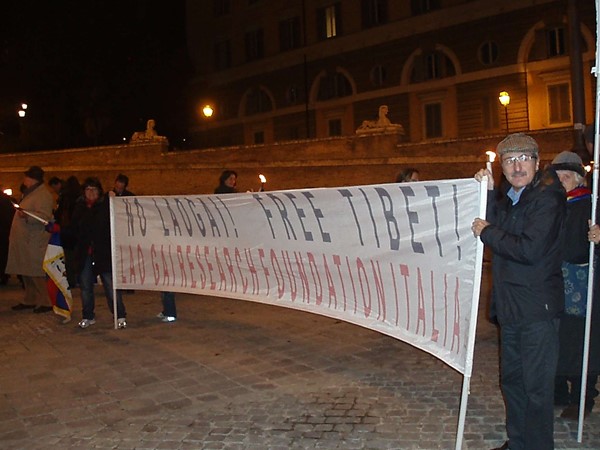
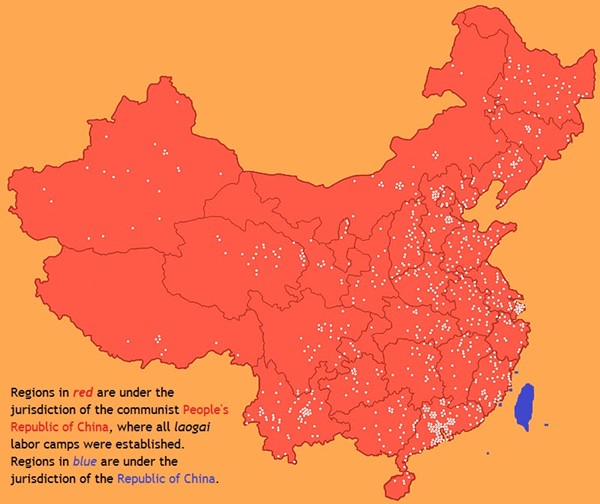
The uplift of Tibetan Plateau began about 45 million years ago. Natural Forces acting upon Tibet shaped Natural Tranquility of Tibetan Existence which defines Independent Lifestyles of Tibetans. Unfortunately, Red China’s Occupation shattered this Natural Balance, Natural Equilibrium, Natural Order, Natural Peace, and Natural Freedom of Tibetan Existence. The vastness, and empty spaces that characterize Tibetan Landscape transformed into Laogai Prison System used in Subjugation of Tibet.
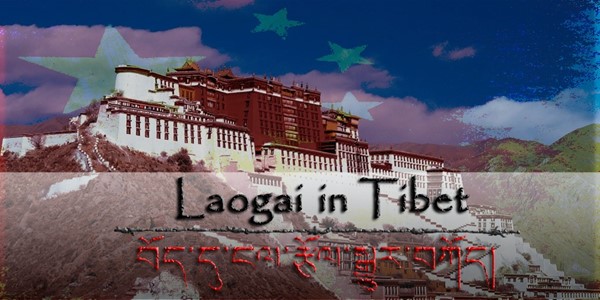
Tibet’s Occupation needs description that includes use of words like, detention, arrest, imprisonment, beating, cruelty, brutality, torture, execution, labor reform, reeducation, Gulag, Concentration Camp, starvation, hunger, thirst, death, hardship, pain, suffering, misery, repression, suppression, oppression, tyranny, and Laogai.


Rudranarasimham Rebbapragada

DOOM DOOMA DOOMSAYER


HOW THE WHOLE OF TIBET WAS TURNED INTO A HELLISH PRISON – CENTRAL TIBETAN ADMINISTRATION


Clipped from: http://tibet.net/2017/07/how-the-whole-of-tibet-was-turned-into-a-hellish-prison/


The DailyO, 10 July 2017

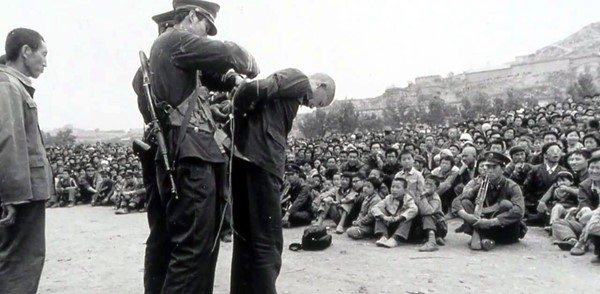
Thousands and thousands of people were driven into prisons like sheep, innocent people mown down like hay, rolled like paper, kneaded like hide, crammed into the dark recesses of dungeons; bound with steel wire when there were no handcuffs and leg irons left; their socks and belts confiscated; made to wear black hoods; subjected to wooden and iron clubs and mechanical and electrical punishment devices, a degree of torment possible only in the worst of hells. It was not a matter of just getting knocked about; with deliberate malice, they went for the genitals of those who father the next generation, the laymen, and for the vital organs of those who do not, the monks.

The henchmen of the lord of death made threats like spitting bile: “These guns of ours are made to kill you Tibetans. If you take a single step I will shoot you dead, and your corpse will be thrown on the rubbish heap” (the words of the Labrang monk Jigmé, as reported on the website of the Voice of America‘s Tibetan language service).

Destroying people’s dignity by hanging them upside down from the ceiling and stamping on their foreheads is something one might expect to see only in a film about Fascist or Nazi atrocities. Never mind that “Chinese prisoners are allowed to learn literacy, but Tibetans are not… Tibetan prisoners are only allowed to speak to each other in Chinese, not in Tibetan… not allowed to speak their own language or to express their own identity” (from Jamyang Kyi’s A Sequence of Tortures), even to describe being deprived of sleep during days and nights on end of interrogation to break the will, and the physical beating, hitting and lashing, these three, could barely match even a small fraction of the torment.
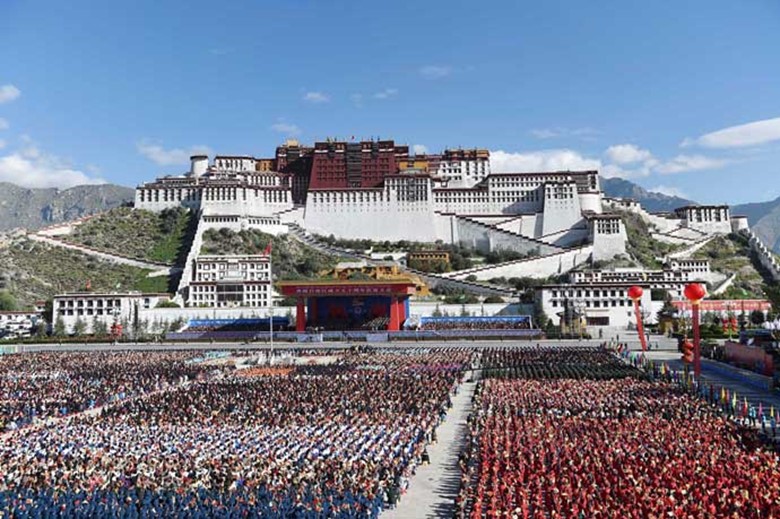
A ceremony marking the 50th anniversary of the founding of the “Tibet Autonomous Region’ is held at the square of the Potala Palace in Lhasa. Photo: Reuters (2015)

As we read in Te’urang’s Written in Blood, “The hardest thing to endure is not the physical torture but the invasion of one’s thoughts”; and in Jamyang Kyi’s A Sequence of Tortures, “One day during interrogation, the thought suddenly came to me that, rather than go through this, I would prefer to be shot dead with a single bullet. My family and relatives might be upset, but for me at least it would be over and done with”, this is the kind of torment one would rather die than endure, and under this constant, unthinkable torture, many brave Tibetan souls with the limitless courage of the imperial spirit were broken and maimed, and came to the end of their lives.

The torture of deprivation of food and water, designed to turn them all into hungry ghosts, drove people to the edge of life and death, and for those not finished by hunger, the torment of thirst led “more than 60 among us to drink their own urine” (from Gartsé Jigmé’s The Courage of the Emperors, vol 1).

This inhumane brutality of torturing people through hunger and thirst is no different from the past. Not only did innumerable people die of hunger, for the living too:

with the flames of the suffering of hunger blazing bright, even things like Bacha [the cake residue of pressed oil seeds] and Pukma [the chaff of harvested grain] which used to be given to horses, donkeys and cattle became like nutritious food and hard to obtain. To maximize the amount of food and relieve hunger, those running communal kitchens used to quite openly pick not just edible grasses but inedible tree bark and leaves, grass roots and grains, and after processing them, mix them with a little food grain and make a kind of slop like pigswill, which they fed to people. Eventually, when even this became limited, there was not enough of it for people to eat to satisfaction. (70,000 Character Petition)

Thus when the torments of hunger passed beyond all limits, those in prison were said to have “grown a tail” (that is, become like herbivorous cattle, a term taken from Tsering Dondrup’s Raging Red Wind). Even worse things happened, for example:

During the 1958 famine, since he was a “hatted” reactionary, he was given the job of carrying out corpses. One day, one of his friends who was about to die of starvation asked him to bring back some human flesh when he went to dispose of the corpses. He tried once or twice, but could not find any flesh to bring back, because the dead were people who had also died of starvation, and their bodies were just skin and bone, with no flesh at all. One day, he found a body with a little flesh on it and brought some back. Next day, that person told him “That meat you brought yesterday, I cooked it up with a piece of willow bark and drank the soup, and last night I slept very well.” (The Courage of the Emperors, vol. 1)

Or again: “The prisoners were driven by hunger to eat flesh taken from human corpses” (My Homeland and the Peaceful Liberation). So isn’t this just like revisiting the years when we were driven by starvation even beyond the refusal to eat the flesh of human corpses? Throughout the history of the Tibetan people, far from having to drink their own urine and eat human flesh, one cannot even find records of people starving to death. The incidence of such total horrors in recent history is the accomplishment of those who claim always to be “serving the people”.

The punishment ground in hell

Up to now, famous, knowledgeable, capable, courageous, brave and farsighted Tibetans have been falsely accused by the dictators and punished with deprivation of freedom. For example, the 10th Panchen Lama expressed limitless praise and flattery for them, saying things like: “In the case of our own Tibet region, we are on the point of transforming from the old society to the new, from darkness to bright light, from suffering to happiness, from exploitation to equality, and from poverty to progress, and have started on a new and brilliant era in our history” (70,000 Character Petition), but even he was locked away for almost a decade.

Likewise, no end of able individuals were unfairly sentenced and imprisoned, and in this year’s peaceful revolution too, more than 200 people have been sentenced so far, as can be seen from unofficial reports published on the internet.20 Since this was simply for breaking laws passed by the dictators with the sole intention of preserving their hold on power, it is only the continuation of their practice of legal prosecution in violation of morality and principle. From time to time, autocratic régimes pass various legal edicts designed to consolidate their hold on power that violate universal values, and these edicts that they hold to be vital are precisely edicts from hell for those who favor freedom, equality and democracy.
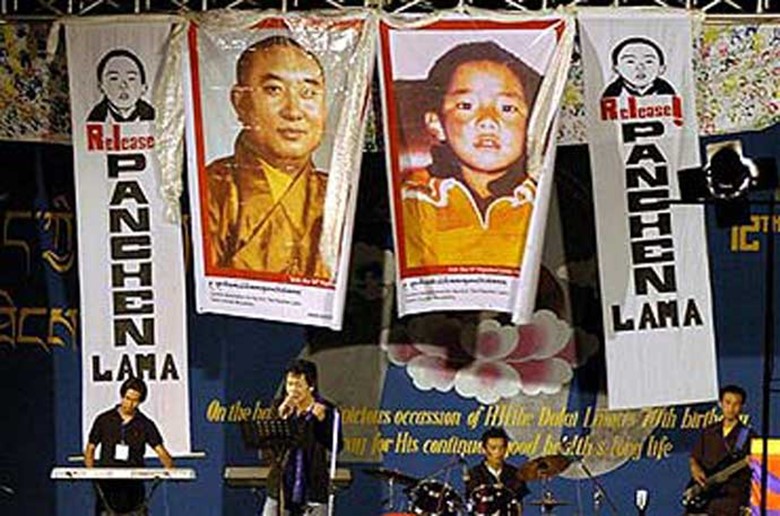
A few years ago, the five-year-old 11th Panchen Lama was put under house arrest. Photo: AP

While subjecting those detained in the course of the peaceful revolution to brutal discipline and terrifying intimidation, they were interrogated about which organization they belonged to, what was their plan, who supported them, who were their collaborators; and when these investigations proved fruitless, innocent people were and continue to be charged under whichever provisions from the relevant edicts from hell, and prosecuted in secret. From start to finish, their crimes were given as nothing other than: “Seeking to split the country”, “Seeking to overthrow state authority”, “Leaking state secrets” and so on. They are ever sensitive to anything concerning “the state” and “state authority”, regarding it as vital, and whoever they decide has jeopardized “the state” or “state authority” is punished with anything from several years in prison to execution.

This is supposed to be like the saying “If the head is tied down, the body will tremble” (with fear). The dictators always and in all respects conflate the particular interests of their faction with those of “the state” and “state authority”, and constantly use these terms to enforce their power over the people.

For them, this year’s peaceful revolution was “not about nationality issues or religious issues or human rights issues, but about the issue of state authority”. Anyone they charge with opposing a basic principle of their rule, such as “state authority”, becomes what we would call a “political prisoner”. The given charge of “endangering the state and state authority” really means that the accused is suspected of posing a threat to the power of the dictators.

In a totalitarian state, there are many examples of crimes that would never be considered as such in the rest of the world, like the political offences for which five-year-old children and 81-year-old seniors have been imprisoned. A few years ago, the five-year-old 11th Panchen Lama was put under house arrest, and during this year’s peaceful revolution, the 81-year-old printer of religious books, Peljor Norbu, was sentenced to seven years in prison.

Never mind robbing the youth, who have just begun to experience life’s joys and sorrows, of their liberty, where else would one see a judicial process so barbaric as to insist on prosecuting an 81-year-old, in violation of all moral, natural and humane norms, but under a totalitarian régime? The youngest political prisoner in the world is to be found in Tibet, and the oldest. It is because the Tibetan people are human cattle that they have to bear the burden of such imprisonment, and it is because Tibetan heads are made of stone that they must be labelled with false accusations.

The terrifying battlefield

Since the peaceful revolution broke out, central hubs and junctions have all been turned into firing ranges, guns and artillery put in place, an atmosphere to make your hair bristle. Towns and monasteries are patrolled by police and filled with informers; there is fear and terror, snipers lie concealed on rooftops and on street corners, spies lie in wait, enough to make your flesh crawl and your bones shiver.

Anyone going to town or visiting a monastery is searched, questioned and registered at gunpoint, enough to make you shake and tremble. Monks are mostly forced back to the villages, villagers mostly confined in their homes, telephone lines and internet, tea shops and eating houses are all watched and listened to, whether near or far, all have been reduced to paralysis and desperation. By day they prowl like jackals and wolves, by night they move stealthily like thieves, staging sudden raids on monasteries and households, searching them from top to bottom and bottom to top for photos of the Dalai Lama, for hidden weapons, and for cash and valuables while they are at it, throwing Lama photos on the floor and treading on them.

The Division of Heaven and Earth: On Tibet’s Peaceful Revolution; Shokdung; Translated by Matthew Akester

They call Him a “beast with a human face”, and a “wolf in monk’s robes”. They show the signs of both intoxication and planetary affliction (for Red Army soldiers with heads but no brains, tanked up on the firewater of “Motherland” and “Great China”, this is hardly surprising). When they see the implements of the Dharmapala in the protector chapels and get hold of them, they say it is evidence of hidden weapons. They show all the signs of idiocy and stupidity, even persisting with far-fetched allegations they know to be wrong. They take valuables and non-valuables too, even taking half-cooked Momos from the saucepan and eating them like a gang of bandits and thieves working together.

So it is that no Tibetan any longer has the right to take a hotel room in Chinese cities, and at airports they are greeted with the order to remove their hats and shoes. They are not given tickets and their money is not taken. Under the influence of deceptive propaganda, Tibetans are seen with a mixture of fear and loathing, and everyone is in a state of cautious suspicion. In short, Tibetans as a whole are seen as terrorists, and under such pressure, this includes even children too young to understand.

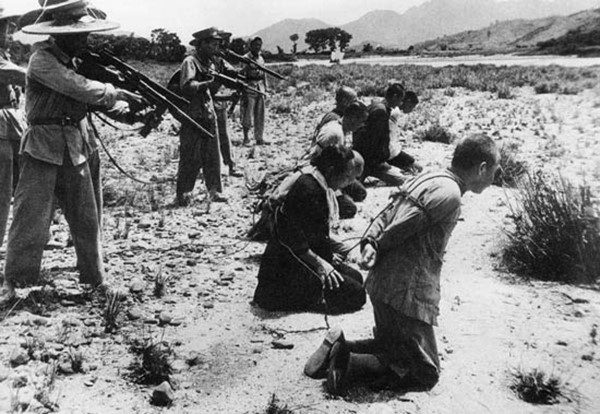
In fact, this is by no means the first time that Tibet was turned into a terrifying battlefield, for ever since coming under the rule of the dictatorship, the beatings, struggles, arrests, detentions, punishments and executions that accompanied each successive political campaign made people incapable of movement, speech or thought, and out of constant fear, everyone became like walking corpses. This is what happened fifty years ago, through the most inhumane means, as can be seen from the following accounts, like scenes from a film:

More than ten days later, the whole valley was covered with the corpses of men and horses killed in the fighting at Kyépur Nakdzup, and the orphaned children and elderly unable to move elsewhere, and there were many fearsome sights to be seen, the writhing of the wounded among the dead, the babes still sucking at the breasts of their dead mothers. (from Jamdo Rinsang’s My Homeland and the Peaceful Liberation)

Those labelled “rebels” being driven to hellish prisons were treated worse than animals, as related by Tibetans incapable of making such things up: “next day we were tied suspended from the high beams across the back of the truck, so our feet did not touch the ground, and taken like that as far as Chabcha”; and “We were taken through Trika. On the way to Trika, three people in our truck died. When the truck was moving fast, the corpses were thrown to the ground off the back of the truck” (from Jamdo Rinsang’s Listening to my Homeland).

Of the imprisoned, those driven to their deaths by abuse, beatings and starvation were innumerable, and the way they were tortured and terrorized can be seen from the following: “There were many prisoners whose limbs became paralyzed, their legs folded at the hips and arms folded on their chests. They were told that they had to straighten their limbs, the soldiers tied ropes around their arms and legs to pull them apart, and many died from the pain” (from Jamdo Rinsang’s My Homeland and the Peaceful Liberation).

One old woman said: “Shot in the right thigh [considered a center of vitality] am I, get up and go on I cannot, but though they carry me away on a stretcher, fight I did!” and that fight goes on until the “stench of the fallen” of Tséring Dondrup’s Raging Red Wind. “Aku Kalden-tsang wanted to take back the bones of his dead mother and asked for them. The Peoples [Liberation] Army soldiers told him ‘If we put your mother’s bones in Aku Tsang’s mouth, will you want to eat them? What do you want to keep them for?’, and beat him up.”

They showed an utterly inhumane and appalling cruelty, difficult to hear about, much less witness, such that the sky itself can barely encompass. In prison: the Lamas were made to carry the corpses of dead prisoners, which they dumped in a ravine a little way off. The way they dumped those bodies was like the way they compress garbage in big cities today. Then that ravine became almost completely filled. They were stacked one on top of another. An average of four people

the Lamas were made to carry the corpses of dead prisoners, which they dumped in a ravine a little way off. The way they dumped those bodies was like the way they compress garbage in big cities today. Then that ravine became almost completely filled. They were stacked one on top of another. An average of four people were dying in each work team every day. There were 20 work teams. One day when the ravine was almost full, a kind of bulldozer came and dug some earth, and completely buried the piles of corpses. The cavity left by the digging was also a kind of ravine, and they dumped corpses in there too, but it filled up after two or three days. Then they dug another, on the near side. That filled up too. I know for sure that there were 15 or more of those ravines. There must have been at least 250 bodies in each of them.

Nothing could be worse than this, but take the question of weapons: the international community has managed to ban, on humanitarian grounds, the use of certain kinds of weapons in warfare by treaty agreements, such as the Dum-dum bullet and chemical weapons.

Yet the national army of the autocratic régime has used and tested such weapons in Tibet, which it turned into a terrifying battlefield, as we see from this: [speaking of bullets fired at civilians] during the so-called “uprising” [1958], “if you pressed on the wound left by those bullets, there was nothing more than a slight depression, as they tore clean through the body and came out the other side”.

“One time, whether because of starvation, or because of a cloud of chemical vapor I am not sure, the senses and perceptions of men and cattle became dulled. Some said it was poison gas used in warfare.”

If they even used internationally banned bullets and toxic weapons, who will deny that they turned, and continue to turn, Tibet into a terrifying battlefield?

From the above, we can see that there is no greater terrorist than the totalitarian régime.

What is terrorism other than forcing and suppressing people, deluding and stupefying them, inflicting pain, contempt and torment with cruel and merciless intent, all the while keeping them in fear of their lives?

Whatever is there in totalitarianism is also there in terrorism. In particular, the terrorism of sealing down the bodies of the common Tibetan people, sealing up the mouths of the eminent ones, and sealing off the minds of the unthinking population, and the methods of state terrorism are something they have been practicing for the last half century, so who can deny that it is their basic character? If the despicable hypocrisy of handing out a brick of tea, a sack of flour and a few red Yuan [cash notes] to the poor as “Aid” for public display did not buy off the Tibetans’ incipient sense of warrior-like courage and rock-hard solidarity in the past, how will it do so now?

In brief, there are two reasons for my feeling sad: the first is that up to now the Tibetans have not developed universal conviction with respect to the universal values of freedom, equality, democracy and so on; and without the acculturated view, way of thinking, consciousness and practical application which are the roots, the foundation and the condition for such values, they will have only the view of the Buddhas and Bodhisattvas, not the view of living in this world; they will have only the thought of all sentient beings, not of one’s own people and lineage; they will have only the consciousness of the cosmic realm, not of one’s own land and territory; they will have only the practice of seeking refuge and prostrating themselves before the enlightened ones, not of achieving freedom and equality; they will have only the sense of royal authority, not the sense of rights and their value; they will have only inclination towards the divine and spirit worlds, and not for the human, secular realm. Having all of these haves has meant not having all the not-haves, and as these haves and not-haves came to exclude each other, so we had to suffer such consequences as these.

Second, the Karmic outcome of this was that the totalitarians turned Tibet into the lord of death’s slaughterhouse, a hellish prison, a punishment ground in hell and a terrifying battlefield following the principle of one-party rule, the way of suppressing the individual and civil society, the policy of restricting public expression and deluding the masses, the particularity of holding power by force, the extreme of eliminating distinct peoples and so forth, not just now but for over half a century.

What do I have left? Not even the right to live a simple life in freedom… Watching out for who they want to kill, who they want to arrest/Doing whatever they want with us, we who are without freedom… There is no way our lives will be spared… We who are without the slightest freedom or equality/That is how the Tibetans languishing in jail are called.

These are the words of the young poet Yung Lhundrup: “I consider myself a singer who puts the Tibetan peoples’ feelings into song”, who passed away, leaving behind many “laments of inestimable value” like “Freedom, oh freedom that is sought/You are watching over us, come what may…”, taken from his Tibetans Languishing in Jail.

The whole of Tibet turned into a prison, the brutality of massacres to eliminate whole populations; the torment of imprisonment survived by less than 10 per cent (“Of about 1,000 children and 600 elders, apart from a few children with parents and elders taken [by relatives], there were now 50 odd children left in the three work teams, and over ten elders. The rest had all died within half a year, or to be precise, within two or three months.” From Naktsang Nulo’s Fortunes of a Naktsang Kid); the yoke of an unjust and immoral legal system; the agony of hungry ghosts reduced to eating human waste and human flesh; the continuation of such hellish horrors into the present, are all a cause for terrible sadness.

(Excerpted with permission from Speaking Tiger Books.)
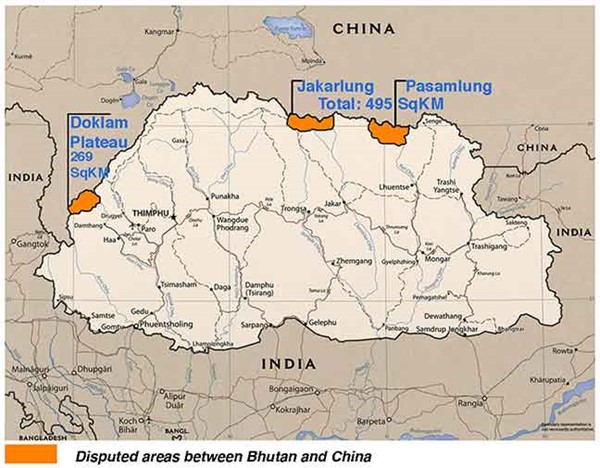
Whole Trouble – Red China invents Border disputes to justify Occupation

Red China invents Border Disputes to perpetuate Tibet’s Occupation

Red China invents these Border Disputes to legitimize illegal Occupation of Tibet

The root cause of territorial disputes in Himalayan Plateau is an Unnatural event called ‘Occupation’ that shattered Tibet’s experience of Natural Balance, Natural Order, Natural Equilibrium, Natural Harmony, Natural Peace, and Natural Freedom. India and Bhutan must primarily focus upon return of Tibet to its Natural State or Condition, a condition that never threatened the existence of its immediate neighbors. Red China invents these Border Disputes to legitimize illegal Occupation of Tibet

Red China invents these Border Disputes to legitimize illegal Occupation of Tibet

Clipped from: https://www.washingtonpost.com/world/asia_pacific/china-pushes-hard-in-border-dispute-with-india/2017/07/06/52adc41e-619b-11e7-80a2-8c226031ac3f_story.html?utm_term=.9bc54d806201

Red China invents these Border Disputes to legitimize illegal Occupation of Tibet

China pushes hard in border dispute with India

The Washington Post

Red China invents these Border Disputes to legitimize illegal Occupation of Tibet


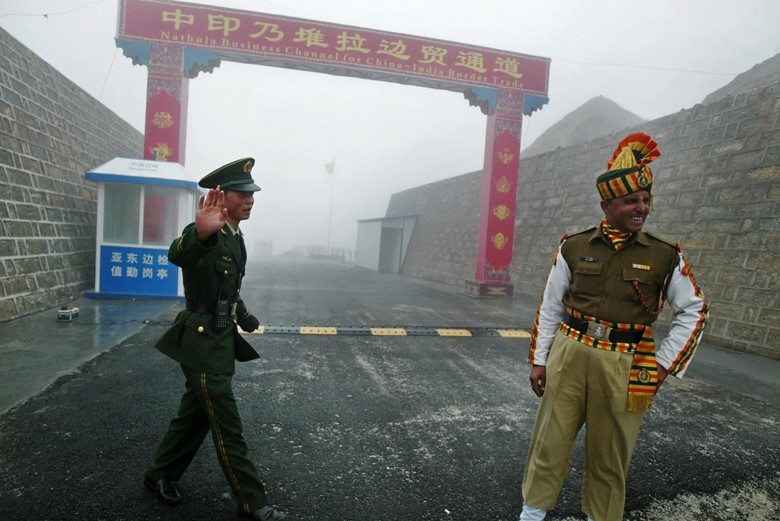
This photo from 2008 shows a Chinese soldier, left, next to an Indian soldier at the Nathu La border crossing between India and China. (Diptendu Dutta/Agence France-Presse via Getty Images)
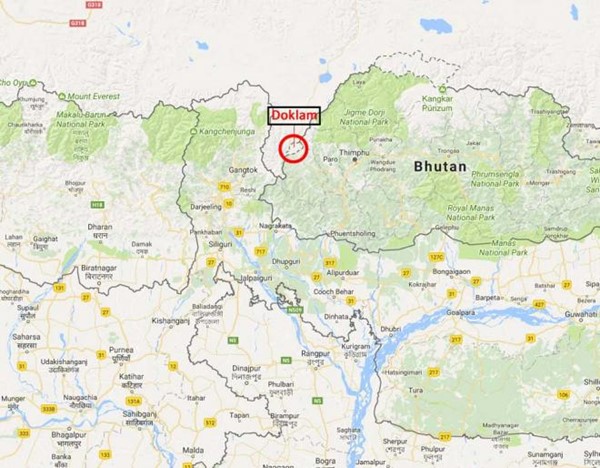
NEW DELHI — Their meeting is likely to be all smiles and polite handshakes, as world leaders look on. But as Indian Prime Minister Narendra Modi and his Chinese counterpart Xi Jinping left for Friday’s Group of 20 summit in Hamburg, tensions between the rising Asian powers had escalated over a patch of disputed territory claimed by both China and the tiny Himalayan kingdom of Bhutan.

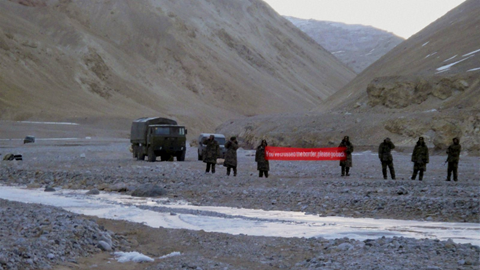
Border scuffles between India and China have simmered in the past, but analysts from both sides said the latest spat has the potential to spiral into conflict between the two nuclear-armed nations. So far, the countries’ troops, who are usually unarmed to avoid provocation, have engaged in what is known as “jostling,” when soldiers attempt to physically push rivals back.

The standoff began at the end of June, while Modi was meeting President Trump, prompting some Indian analysts to wonder whether the timing had anything to do with China’s disdain for India’s increasingly close ties to the United States.

“The Chinese are making their unhappiness clear on India and America’s relationship,” said Sameer Patil, director at an India-based foreign policy think tank called Gateway House.

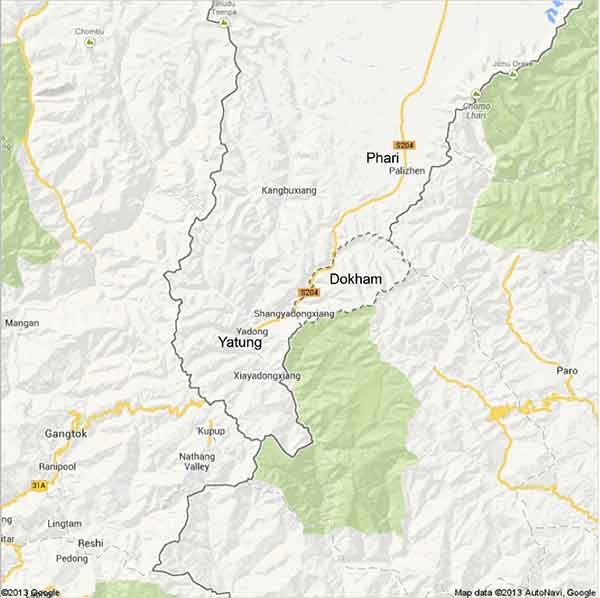
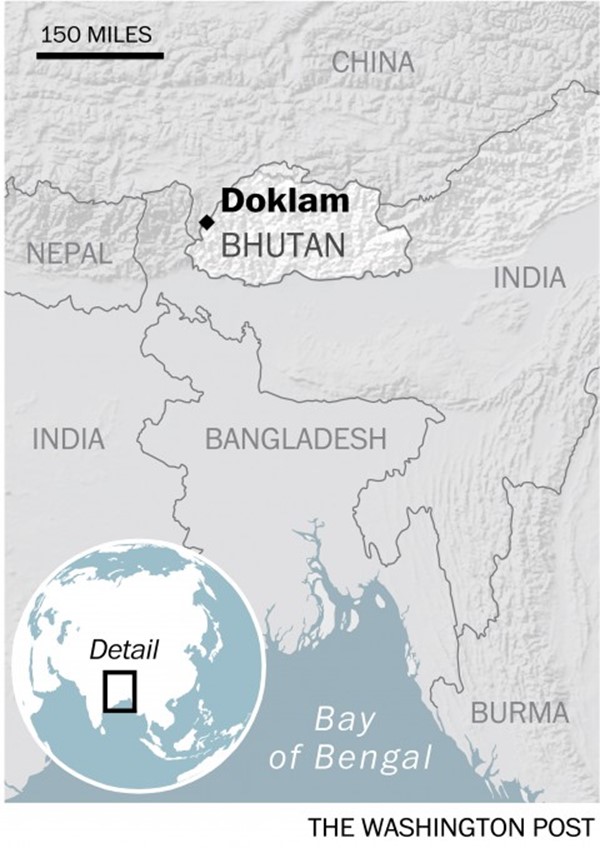
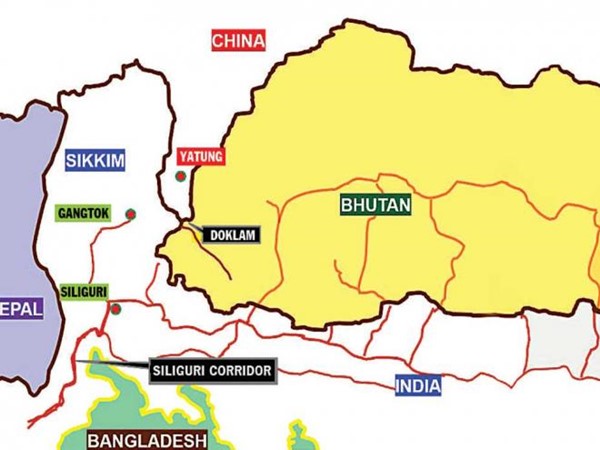
The dispute started after Chinese construction trucks, accompanied by soldiers, rolled south in the disputed region of Doklam to build a road. India and Bhutan consider the region to be Bhutanese territory; China claims the land as its own. The countries disagree on the exact location of the “tri-junction,” where the three borders meet.

Red China invents these Border Disputes to legitimize illegal Occupation of Tibet

The argument bears some of the hallmarks of China’s efforts to fortify islands in the disputed South China Sea, where it has riled the Philippines and Vietnam and risked confrontation with the U.S. Navy.

India and Bhutan have traditionally been close allies; India often provides the small country with financial and military assistance. It was the first country Modi visited after being elected.

Indian analysts say China’s move in Doklam threatens a narrow sliver of strategically important land, known as the “chicken’s neck,” which connects central India to its remote northeast. In response to what it believed was extraterritorial Chinese road-building, New Delhi sent reinforcements supporting Bhutan — according to ex-Indian army officials, at Bhutan’s request.

Chinese officials say India’s intervention amounted to a provocation, violating an 1890 treaty with Britain that appears to grant China access to the region. According to Chinese Foreign Ministry spokesman Geng Shuang, the pact was affirmed by Indian leaders after independence.

“As to the boundary negotiation between China and Bhutan,” he said Wednesday, “we have repeatedly stated that Doklam has always been part of China’s territory and under China’s effective jurisdiction without disputes.”

The government’s messages were bolstered by stern statements in China’s state-run media. The Global Times newspaper printed a furious editorial warning India of China’s military might. “The Indian military can choose to return to its territory with dignity, or be kicked out of the area by Chinese soldiers,” it said.

Wang Dehua, from the Shanghai Municipal Center for International Studies, said, “By continuing to increase deployment of troops at the border, India once again underestimates China’s capability and determination to safeguard its territory. It also fails to estimate the cost of confrontation.”

Hopes for a discussion between Modi and Xi on the Doklam dispute on the sidelines of the G-20 summit were scuppered after Indian media reported that the government had not requested a one-on-one meeting. Instead, Xi and Modi will meet among leaders from other G-20 countries to discuss international issues.

“China has taken a very stubborn attitude, and there is little appetite in India to accommodate China’s behavior,” Patil said.

Modi had come into office with high hopes of building Sino-
Indian relations; experts called him the most pro-China prime minister since the two countries’ 1962 border war. Xi met Modi in India in 2014 shortly after the latter was elected, in the first visit by a Chinese leader in eight years.

Instead, the two nations have become increasingly suspicious of one another. During Modi’s recent visit to the United States, a deal was struck to buy surveillance drones that could be used to monitor Chinese naval activity in the Indian Ocean. In April, China fulminated over the Dalai Lama’s tour of Arunachal Pradesh in northeast India, known in China as south Tibet. China considers the Dalai Lama an opponent and a separatist whose power threatens its control over Tibet.

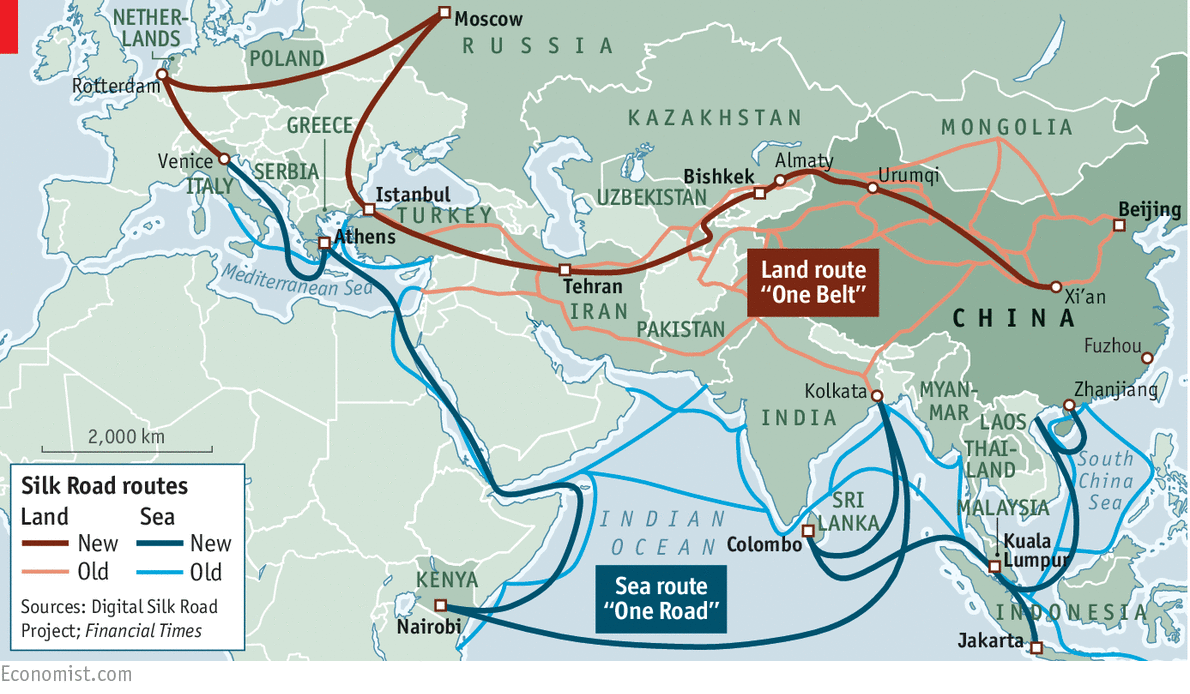
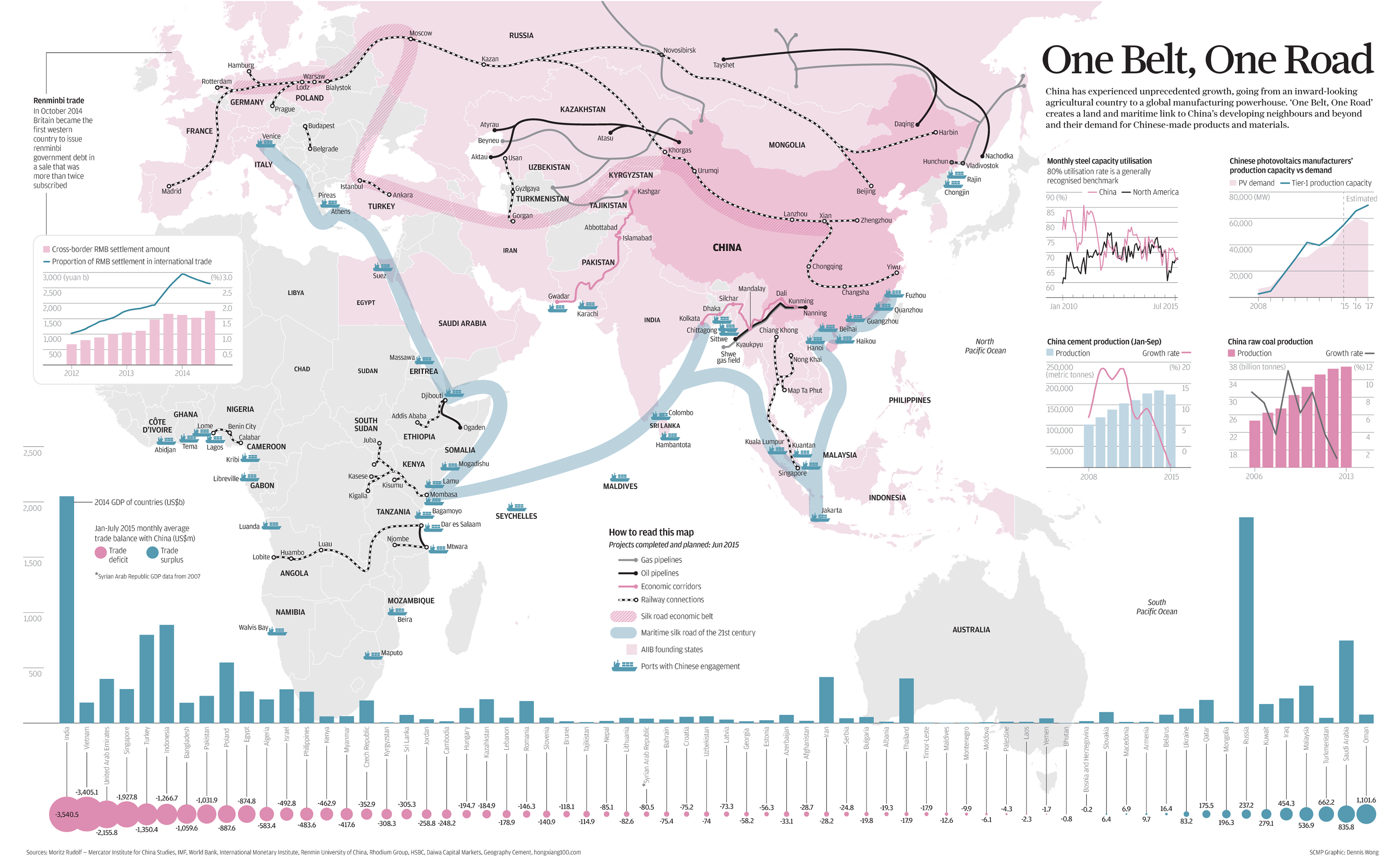
India also refused to join China’s “One Belt, One Road” program, a massive infrastructure project involving 70 countries aimed at reviving old Silk Road trade routes. Plans include an improved connection between China and Pakistan and would allow Pakistan access to other countries in Central Asia.

China, on the other hand, blocked efforts to designate a Pakistan-based militant outfit, Jaish-e-Muhammad, as a terrorist organization. It has also stood in the way of India’s bid for membership in the Nuclear Suppliers Group, an organization of countries that supply — and control — the export of nuclear materials, equipment and technology.

China has billions of dollars in investment deals with Sri Lanka and Nepal and this year took part in a joint military training exercise with Nepal. India considers both neighbors to be allies.

“I think the root cause is that the Chinese feel that their moment has arrived and that they do not need to accommodate Indian interests in any way, given the huge power differential in their favor,” said India expert Ashley Tellis, senior fellow at the Carnegie Endowment for International Peace. “Chinese suspicion that India was casting its lot entirely with the United States has only intensified Beijing’s determination to be even less accommodative towards New Delhi.”

Politically, neither Modi nor Xi can be seen to be giving in to the other’s demands. Modi’s nationalist government has insisted upon maintaining the integrity of Indian borders, banning maps and representations of disputed regions in the north. Xi, too, cannot be seen to be relenting on what the Global Times called “unruly provocations” from India, as he prepares to face a Chinese Communist Party conference in the fall.

Denyer reported from Beijing.

China demands India leave Himalayan plateau in rising spat

Red China invents these Border Disputes to legitimize illegal Occupation of Tibet

Whole Awareness – The Burden of Tibet’s Unequal Yoking

The Burden of Tibet’s Unequal Yoking

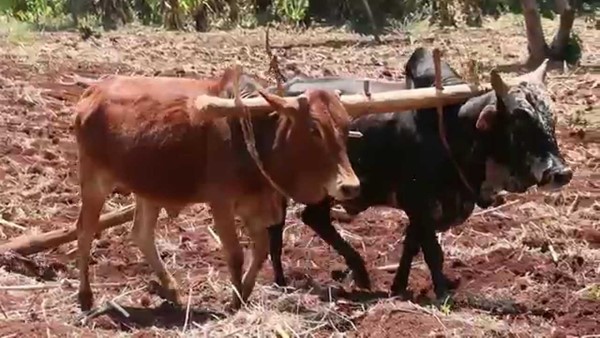
TIBET AWARENESS – UNEQUAL YOKING. TIBET IS SUBJECT TO BURDEN IMPOSED BY UNEQUAL YOKING WITH A MONSTROUS BEAST, UNEQUAL IN SIZE AND POWER.

Red China, using military force, yoked with Tibet. To perform farm work, farmers generally use two animals of same type, size, and strength to get work done without imposing unequal burden on animals yoked together. Red China is a huge, monstrous beast, and her Unequal Yoking with Tibet imposes burden called Subjection, Bondage, Servitude, Enslavement, Hardship, Trouble, Pain, and Suffering upon Tibetans.

TIBET AWARENESS – UNEQUAL YOKING. TIBET IS SUBJECT TO BURDEN IMPOSED BY UNEQUAL YOKING WITH A MONSTROUS BEAST, UNEQUAL IN SIZE AND POWER.

Tibet is under the Yoke of Burden, Control, Subjugation to become subservient to Red China’s Doctrine of Neocolonialism.

THINGS THAT SURPRISED ME ABOUT TIBET – FUN AND INTERESTING FACTS

Clipped from: https://www.onceinalifetimejourney.com/once-in-a-lifetime-journeys/9-things-surprised-tibet/

Tibet Awareness – Unequal Yoking. The Burden of Military Occupation.

The country at the roof of the world, was very different from what I expected. Tibet, often considered the spiritual center of the world has more Buddhist monks, stupas and gods than any other place, yet it was anything but the peaceful and calm realm I had envisioned. Not that the available online resources lie about it, but more that there is a general lack of information beyond the Dalai Lama and the Chinese-Tibetan political situation, so my mind veered towards red-robed monks and the magical image of the Potala Palace. The list of things that surprised me about Tibet is quite long, but I will attempt to highlight the most relevant, the top 17 things that most people don’t know about Tibet or that will surprise any traveler to the oft-called Shangri-la.

1. Tibet facts – Tibet is developed and it has incredible infrastructure

Tibet Awareness – Unequal Yoking. Red China’s Subjugation of Tibet.

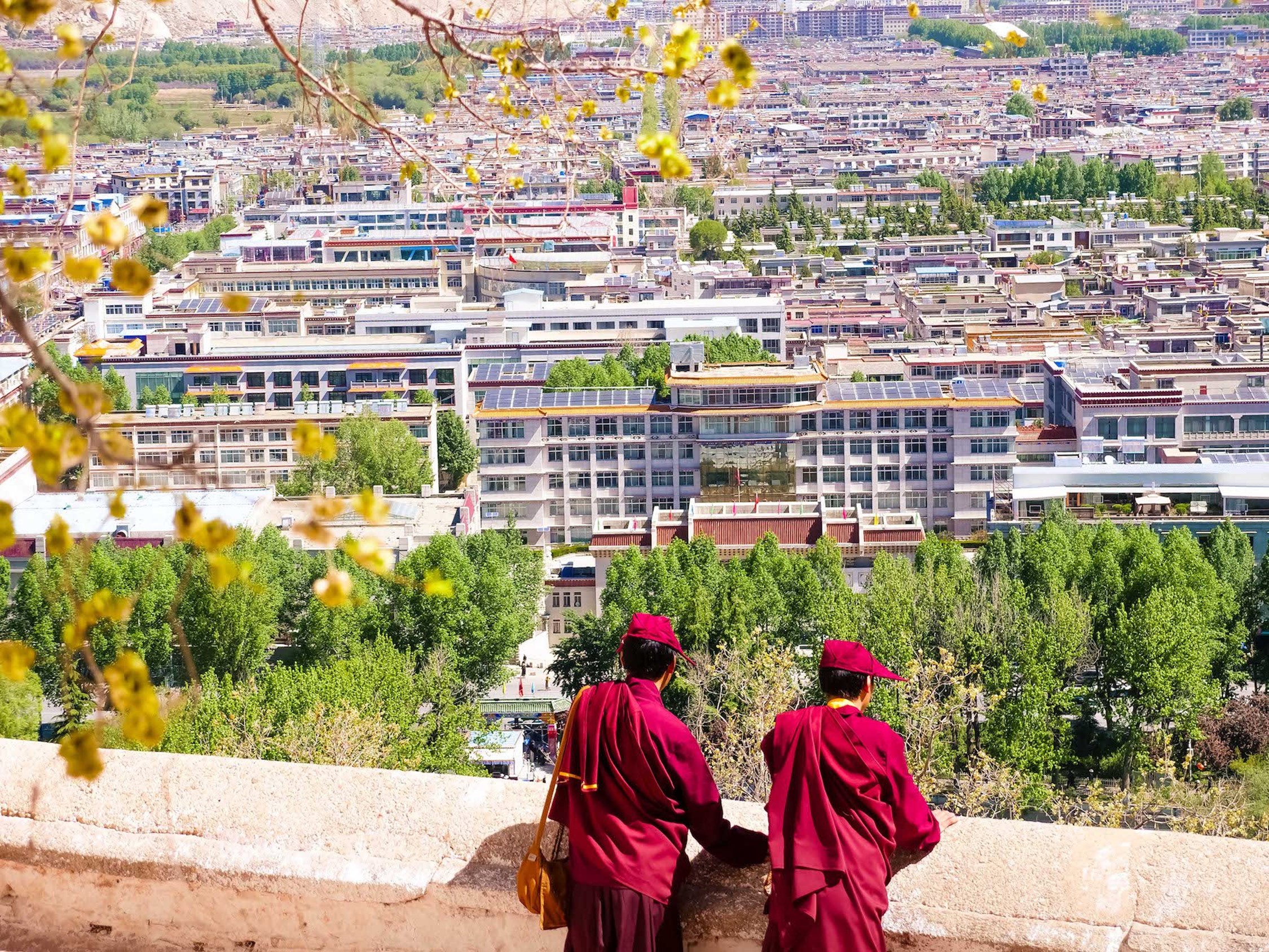
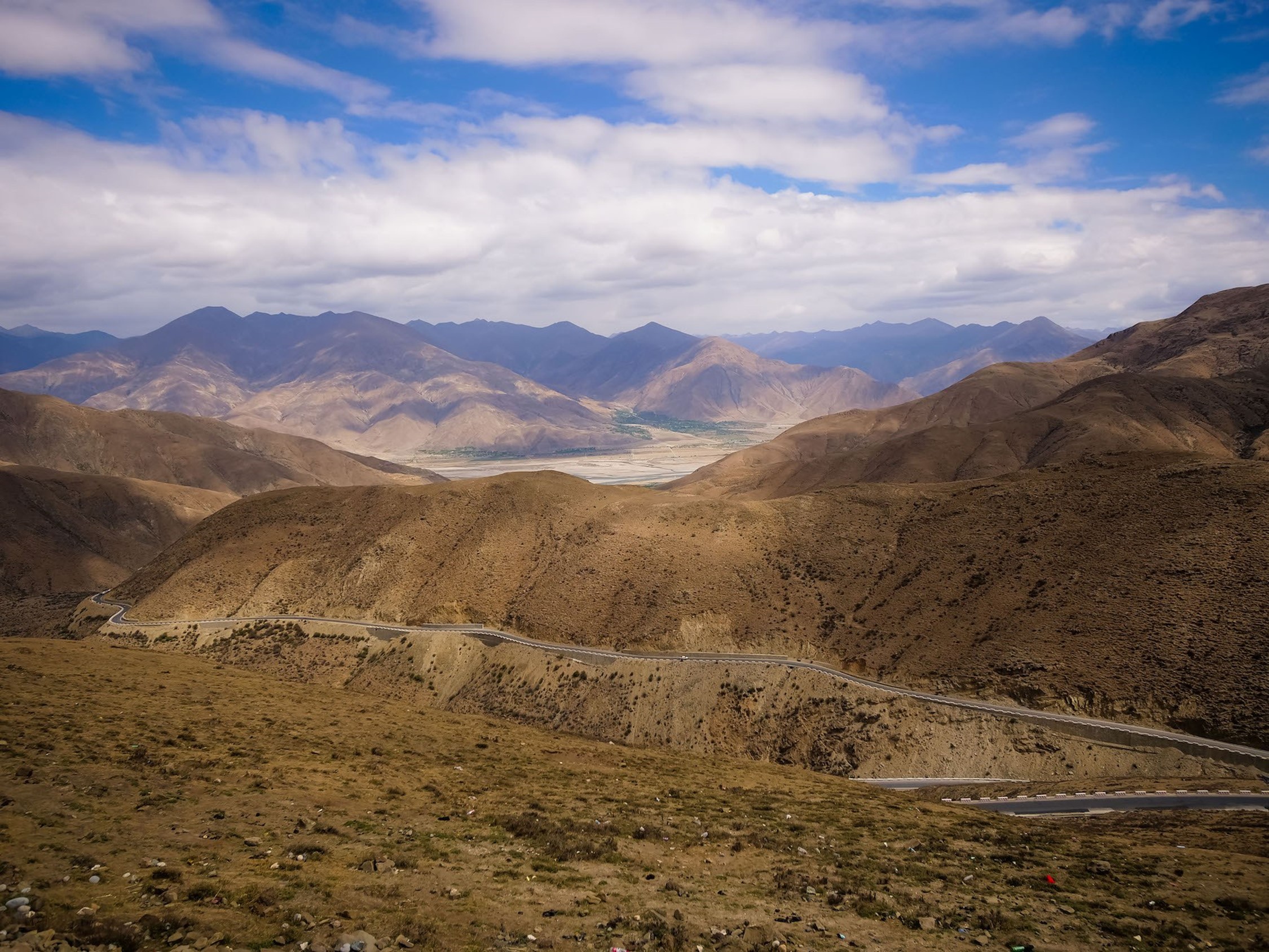
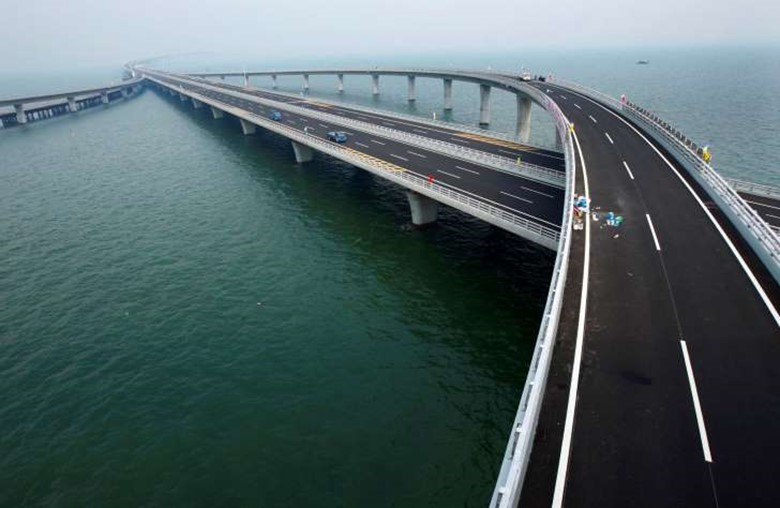
I visited with the utopian idea in my head that Tibet was going to be a peaceful and isolated place resembling Bhutan. But Tibet, or the Tibetan Autonomous Region, is a Chinese occupied territory that became part of China in 1950 and, as a result, for good or for bad, infrastructure has developed dramatically. Even the road that leads to the world’s highest mountain, Everest, is paved almost all the way, a far cry from the 9-14 day trek from Lukla Airport (the world’s most dangerous airport) to reach the Nepalese equivalent. In fact, we drove all the way to 5,200m to the tourist Everest Base Camp. Roads throughout the country are smooth and paved, including the Friendship Highway that links Shanghai with Kathmandu and runs for 5,900km, practically crossing Tibet.

Countless electricity lines crisscross the arid landscapes, at times, several electricity posts slashed my photographs. Even the most remote of villages have electricity and solar panels. Why? Tibet is China’s richest province, with deep reserves of gold, copper and other precious and valuable resources and infrastructure is essential to mine and exploit this natural wealth. As our train to Lhasa glided through the middle of nowhere, high up in the Tibetan Plateau, the lights of trucks carrying minerals to processing factories provided a continuous source of light in the darkest of nights. Those factories lit the horizon in sudden outbursts. Next to them, nomad villages built to accommodate the workers supporting the factories sprung as if mushrooming from the rocks and sand. There were many, and we were to see even more across Tibet.

2. Tibet facts – The issue of the Dalai Lama and the Panchen Lama

Tibet Awareness – Unequal Yoking. The Great Problem of Tibet.

The 14th Dalai Lama left Tibet after disagreement with the Chinese government about his successor, which made it too dangerous for him to stay and has lived in exile in Dharamsala, India, ever since. This shows his opposition to the occupation and his demands for true autonomy (not independence) for Tibet. The Chinese government recognizes Buddhism, a religion that is widely spread in the country despite communism, but nominated their own Panchen Lama, the successor to the Dalai Lama, in 1995, six years after the death of the previous Panchen Lama, following a traditional process using a golden urn that was used for the 10th, 11th and 12th Dalai Lamas. Their choice did not match that of the current Dalai Lama, whose successor has been kept in an unknown location in China ever since.

The Panchen Lama nominated by the Chinese Government has been receiving education in Buddhism and Tibetan culture since his enthronement at the Panchen Lama’s seat in Xigatse. His photograph can be seen across Tibet whereas having a photo of the 14th Dalai Lama is illegal and can carry fines or imprisonment. Tibetans often claim this misalignment about who the next Dalai Lama will be as the main attempt by the Chinese to eradicate Tibetan culture and identity.

3. Tibet facts – The highest country on the planet

Tibet Awareness – Unequal Yoking. Natural Freedom violated by Unnatural Occupation.

When I visited Bhutan I thought I was high. High on life, high on spirituality and high up in the mountains! One of the country’s nickname, “The Kingdom in the clouds”, clearly reflects its high altitude, with the capital at 2,300m and several peaks above 7,000m. Bhutan ranks as the highest country in the world when average altitudes are taken, despite some of the lowest parts are almost at sea level.

But that is just because Tibet is not officially recognized as a country by the UN because of Chinese veto, so it is just a region of China. Before Chinese occupation, Lhasa was the highest capital in the world as per the Guinness World Book of Records, but La Paz in Bolivia has taken that prize since Tibet became a part of China.

What makes Tibet’s altitude extra special is that, not only does it have the highest mountain in the world (Mount Everest), but also the highest average altitudes at 4,575m above sea level, the highest road, the highest toilet, the highest town (Whenzuan), the highest monastery and the highest train. Everything in Tibet is made of superlatives. We drove up mountain passes that are at 5,200m, we used the highest toilet in the world, located on the same mountain pass top, we took the train to Lhasa, which climbs to 4,500m and visited the world’s highest monastery, Rongbuk, at the foot of Everest Base Camp. Altitude is an undetachable synonym with Tibet.

4. Tibet facts – 40% less oxygen

Tibet Awareness – Unequal Yoking. Natural Conditions, Natural Factors, Natural Mechanisms, and Natural Events produce Natural Freedom in Tibet.

Tibet’s high altitude is the cause for the traveler’s worst nightmare: Altitude sickness. Because it is so high, the pressure is lower giving the sensation that there is less oxygen. I have extensively covered the topic of altitude sickness, because we felt it and felt it badly, but what I found most interesting is that it is not possible to descend in Tibet, the lowest altitude is already a whooping 3,500m above sea level.

5. Tibet facts – Permits, permits, permits

Tibet Awareness – Unequal Yoking.

Getting to Tibet is not particularly difficult. Travel restrictions have been lifted and you can go on a small private tour like I did with WildChina, without issues. It was a similar process to that for North Korea. You cannot travel independently, but you can pretty much visit anything as long as you are entering with a tour company. And, unlike North Korea, you can freely wander the streets or explore anything without a chaperon.

However, visiting Tibet does require a lot of planning ahead. You will need a Chinese visa first, which is required by almost all citizens and can take up to two weeks to process depending on your country of residence and which can be very costly (US$100 in Singapore). With a photocopy of that in hand, the travel agent will apply for a Tibetan permit which will be linked to your detailed itinerary. The permit can take anything from a week to 3 weeks so you should start the entire process about two months ahead to ensure everything is done on time as the processing timelines vary vastly from country to country (e.g. one of my friends took 2 weeks for the Chinese visa and 3 days for the Permit whereas I took 3 days for the visa and 3 weeks for the permit).

The permit is your passport into the Tibetan Autonomous Region and will be checked and rechecked a million times throughout the trip. Your guide will keep the permit with him or her throughout your stay. Every time you reach a new village the guide will be registering you, even for just one night, with the local Police, so your whereabouts are being monitored at all times. There were also 20 road checks through our 9 day journey and we were thoroughly scrutinized at the train station and airport before boarding. If you plan to visit Everest Base Camp, then you will need an additional permit and to go through a Military check-point at the park’s entry.

6. Tibet facts – Big Brother is watching

Tibet Awareness – Unequal Yoking.

The controls of visitors extend to the cars as well. All cars that take tourists around the country are owned by the government and kitted with two cameras and a radio system that communicates a central office to all the drivers. The cameras are constantly monitoring the driver and making sure that he is not doing anything against the Chinese rules. Every time the speed went above the marked limit, a message came through on the radio speakers to slow down. The speakers also shared a regular amount of updates and reminders about safety on the road. It was a constant reminder that our every move was being watched.

7. Tibet facts – Cold and high, but without snow

Tibet Awareness – Unequal Yoking.

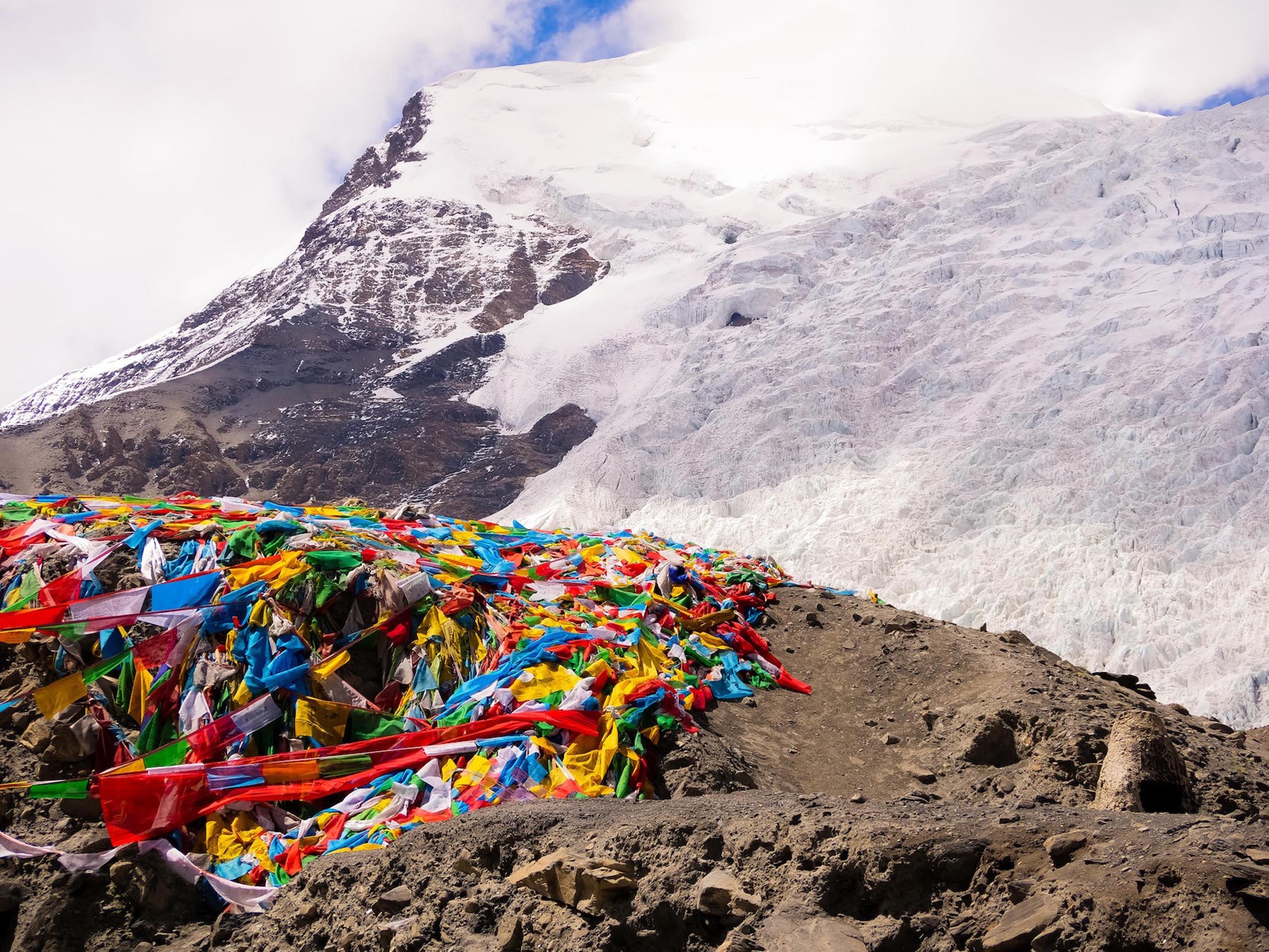
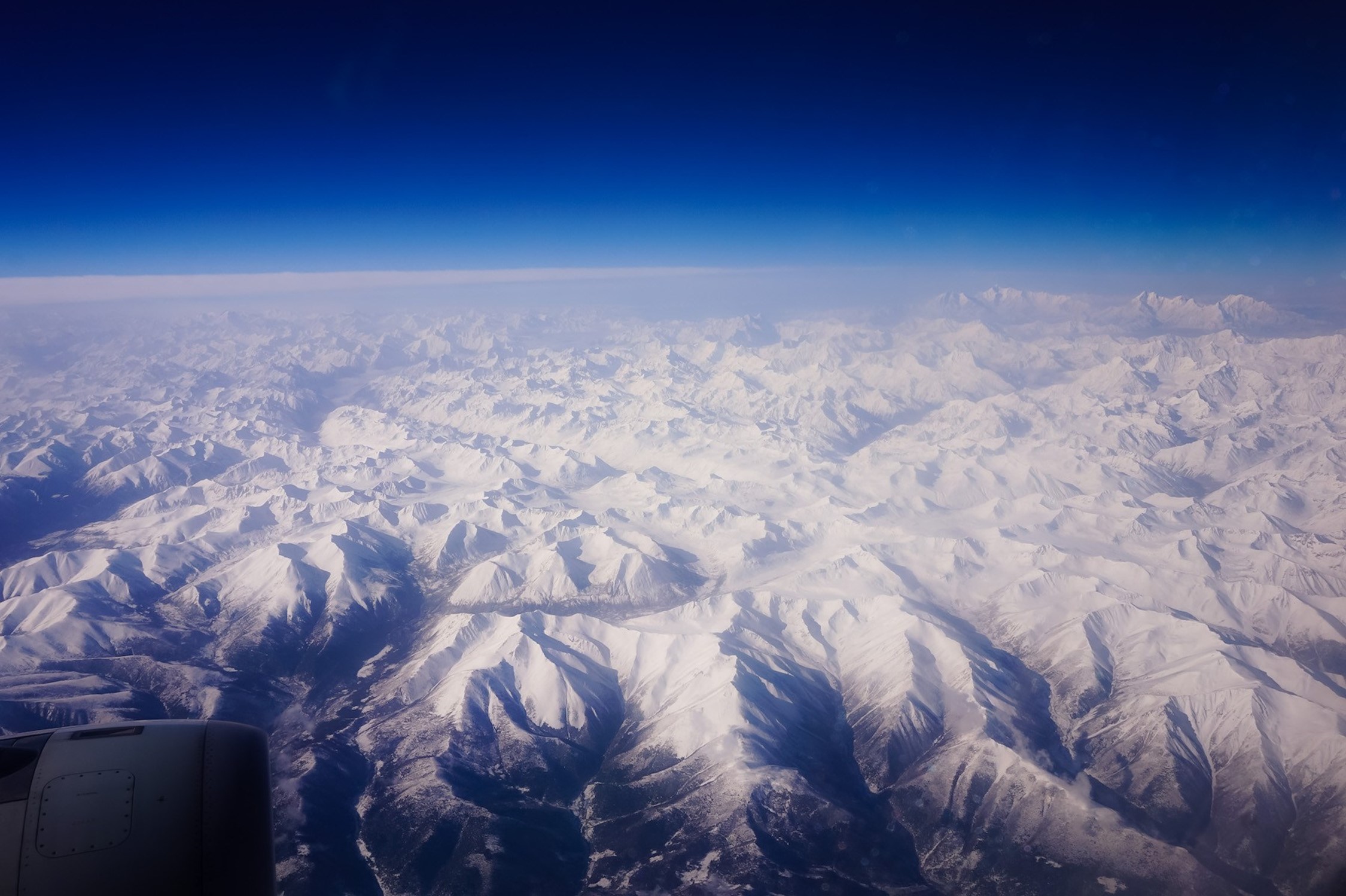
I was expecting the landscapes to be rocky, mountainous and majestic and for the snow to cap all mountain tops but Tibetan landscapes are rather brown and grey with very little snow. In fact, although we saw some snowflakes as we traversed the highest pass, at 5,200m, the majority of the mountains were devoid of that delicate white veil that tops other mountain ranges. Our guide confirmed that it does snow very little in Tibet and that pretty much all the snow we were seeing was permanent. The glaciers, receding as a result of global warming, were also perennial. The lack of snow is caused by the high Himalayan mountains that stop the clouds from emptying their bowels and providing rain or snow.

8. Tibet facts – Tibet was not always a peaceful nation

Tibet Awareness – Unequal Yoking.

I associated Tibet with peace, not least because the Dalai Lama has been an example of opposition to the Chinese occupation, something which got him the Nobel Peace Prize. But Tibet’s past wasn’t always as spiritual and peaceful as Buddhism advocates. Tibetan Kings fought and defended Tibet from assailants for centuries. Remnants of Medieval fortresses, city walls and castles can be seen across the country. Unlike Bhutan, who was never occupied by an international power, the English had several incursions in Tibet, as did the Mongols, Indians, Afghans, Nepali and various Chinese dynasties. So monks, and the Tibetan Kings, were a fearless army defending their territory since the 17th century until the Chinese occupation in the 1950s.

9. Tibet facts – Yak meat, yak butter, yak hair

Tibet Awareness – Unequal Yoking.

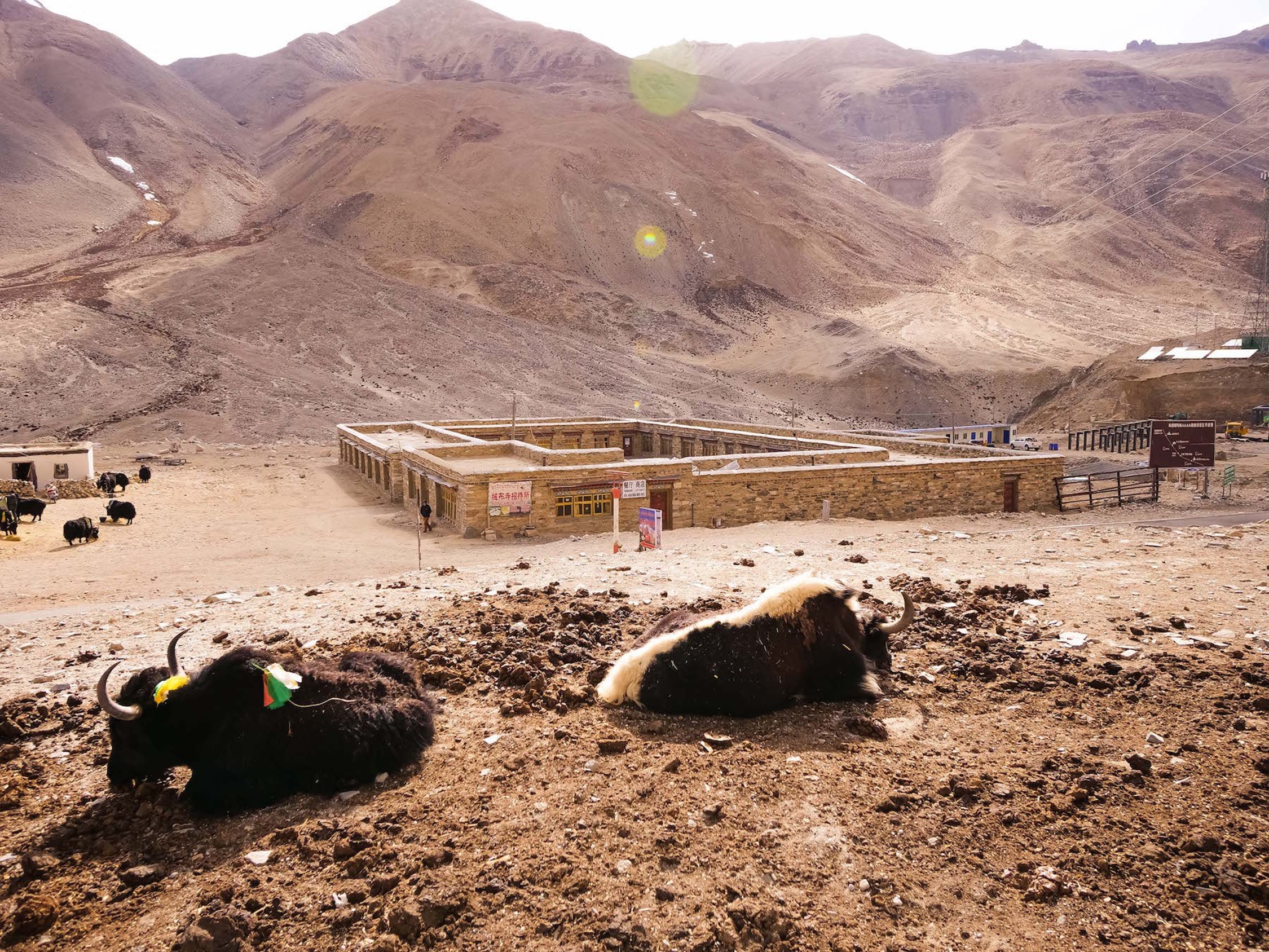
Tibet’s high altitudes and harsh conditions make life extremely hard and yaks are the lifeline for most Tibetans. Yak meat, leaner and lighter than beef, is ever present. Yaks are also used for milk and butter and their hair is used to make rugs and clothes, even to weave the cover ups that protect the Potala Palace – delicate paintings and carvings from the sun. Even yak dung is collected and dried to be used as fuel in the winter months. However, yaks are an endangered species and most of the animals seen roaming the fields are actually a blend between yak and cow.

10. Tibet facts – Photos of the Dalai Lama are illegal

Tibet Awareness – Unequal Yoking.

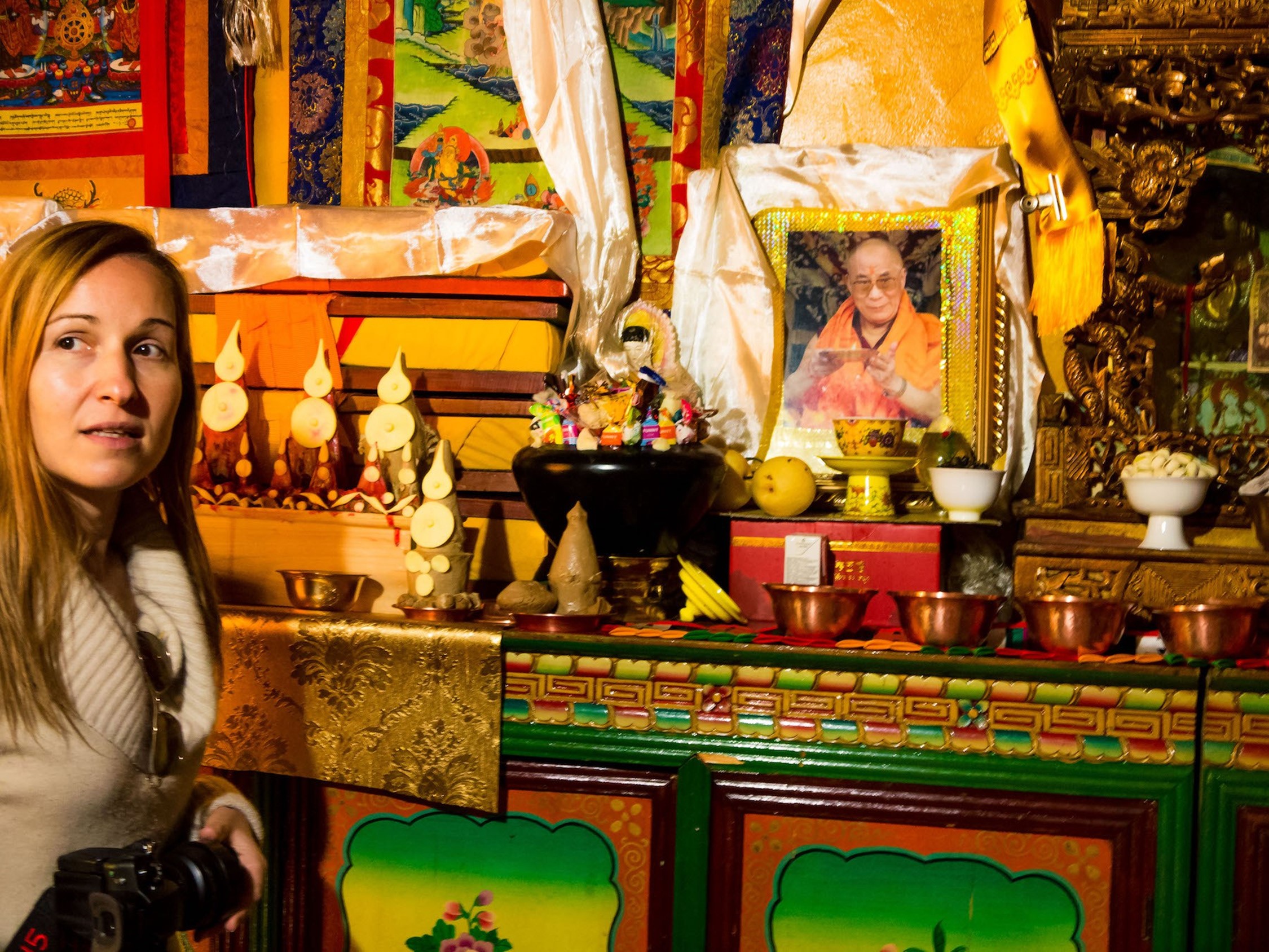
Almost everyone has a clear image in their heads of the current Dalai Lama. However, carrying or having his photo in Tibet could lead to imprisonment and punishment. None of the houses or temples we visited had any. Instead, the Panchen Lama, nominated by the Chinese Government, is to be displayed in homes and businesses. The prohibition extends to the Tibetan Flag, which does not fly anywhere in the country. Bright Chinese flags are hung on rooftop of houses, next to the colorful prayer flags.

11. Tibet facts – Shangri-la is the result of a misspelling

Tibet Awareness – Unequal Yoking.

Tibet is often referred to as the Shangri-la. The word has no meaning in Tibetan, although La does mean mountain pass and is attached to the end of all passes in Tibet. The word was first coined by the writer of the most famous novel about Tibet, Lost Horizon, in 1933. James Hilton probably misunderstood the word Shambala, which has a similar meaning in Tibetan Buddhism, and wrote Shangri-la instead. Since then, the word has been assimilated to a mythical place somewhere high in the mountains, a Heaven of sorts, a paradise on Earth, and is even the brand name of a luxury hotel chain whose eponymous Lhasa hotel I stayed at during my visit.

12. Tibet facts – The prostrations

Tibet Awareness – Unequal Yoking.

I had seen some images of devout Buddhists prostrating in key Buddhist temples and landmarks but nothing could prepare me for the absolute devotion and extreme prostrations that some engage in. Some people would spend their entire day prostrating and praying, continuously kneeling down and lying flat on the floor then standing up again. Most will be dressed appropriately, with hand and knee protection to allow them to glide. At some particularly holy places, like in front of the Jokhang Monastery or the Potala Palace, some extreme devotees would prostrate in the middle of the pavement and receive donations from passers-by.

13. Tibet facts – The toilets

I cannot talk about things which surprised me about Tibet and not mention the toilets. Although there are public toilets across the cities and main road stops, they smelled so bad and were so dirty at times that we opted for the nature toilet: behind a rock (because there are no trees in the mountains). Bringing wet wipes and tissue is not enough, one needs to bring a sort of perfume to put a couple of drops under the nose to enter some of the public toilets. All of Tibet’s toilets, barring the hotels, are squat toilets consisting of a hole on the floor with a drop which may sometimes not be very long. There are no doors to the public toilets which often times will have more than one hole next to each other. You may do your thing next to someone who is doing her thing, in the open. And if that was not enough, many people miss and the toilets are never cleaned. You get the picture. This remained the main topic of discussion among my group, a source of constant jokes and laughter, as we hunted for the cleanest, least smelling holes. I will leave it there.

14. Tibet facts – Kora

Tibet Awareness – Unequal Yoking.

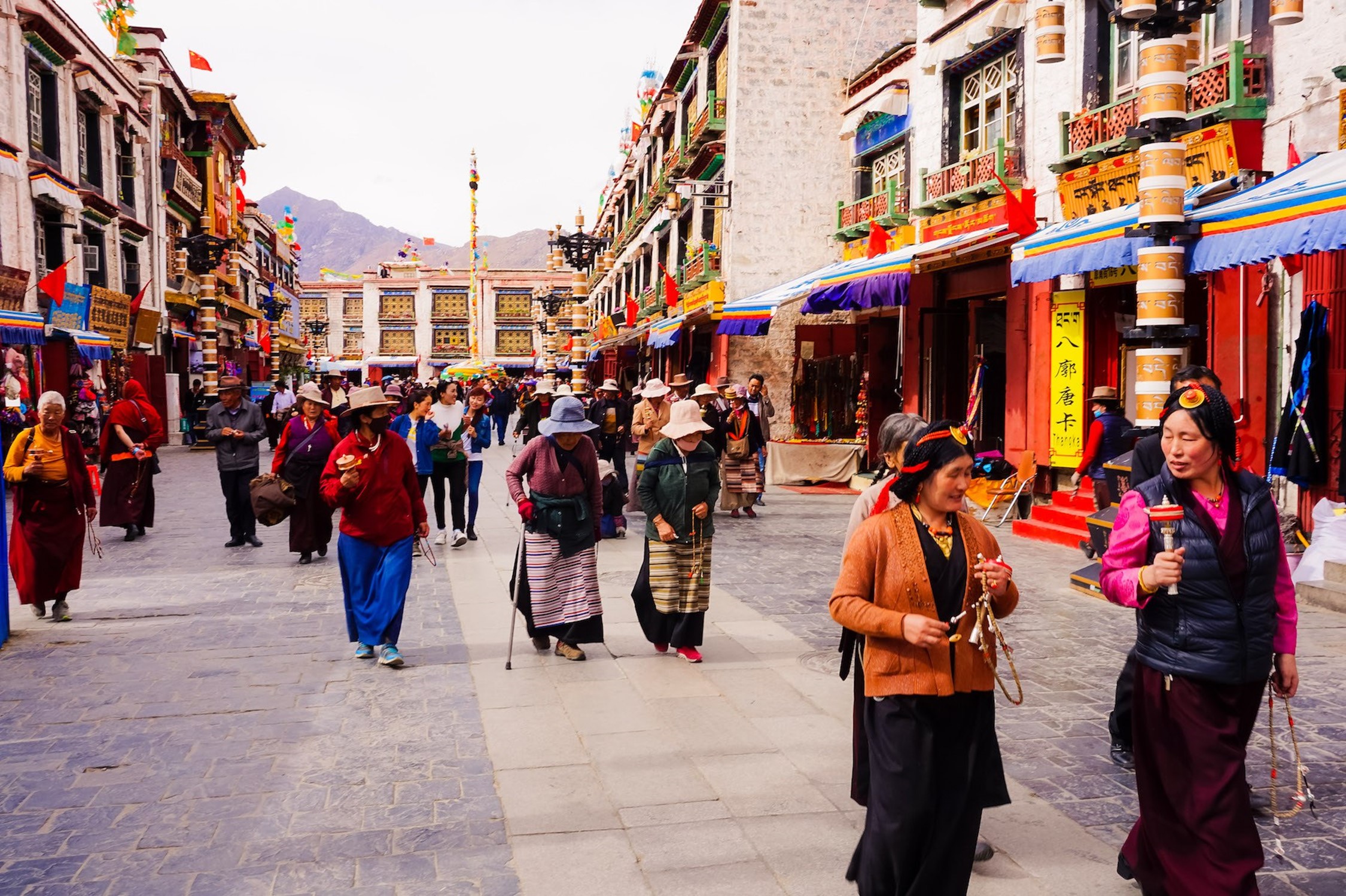
Tibetans go on walking and praying pilgrimages around main landmarks and monasteries. Much like the Camino de Santiago or the trip to Mecca, only shorter and more frequent. These walks are called Kora and can be taken around any monastery. The most common one is the one in Lhasa, around the Potala Palace or the Sera Monastery. Locals pray as they walk around, many of them will spin prayer wheels like in Bhutan. Some of the Kora can take up to a full day and the elderly may repeat them every day.

15. Tibet facts – Temple smell

Tibet Awareness – Unequal Yoking.

All temples and monasteries in Tibet have the same common smell of yak butter used in the butter lamps and fresh incense also burned across the country in houses and burners that can be found in public places.

16. Tibet facts – Paying for photographs

Tibet Awareness – Unequal Yoking.

In Bhutan taking photos of temples and monasteries is simply not allowed. The interiors of the Buddhist buildings are usually covered from floor to ceiling with paintings and offerings in bright colors and gold and they are incredible to see and experience and provide a deep sense of spirituality. In Tibet you can photograph almost every landmark and interior as long as you pay a donation. At first we were surprised but relaxed as the money seemed more like a voluntary donation which we diligently dropped in bowls. But in some monasteries the monks would chase us for the donation, making us drop cameras for those who did not pay to avoid any photos being taken, and the initially innocuous amount started to amount to a small fortune as some temples started to ask for up to US$350 per hall for video, like in Shigatse. At US$2-4 per hall and an average of 3-5 halls worthwhile per monasteries I probably spent upwards of US$100 in photo donations, on top of the entry tickets. Considering these were religious places that were already filled with pilgrim donations (and stacks of money were stuffed inside God’s enclosures), the additional donation started to feel a bit much.

17. Tibet facts – Commercialized Everest Base Camp

Tibet Awareness – Unequal Yoking.

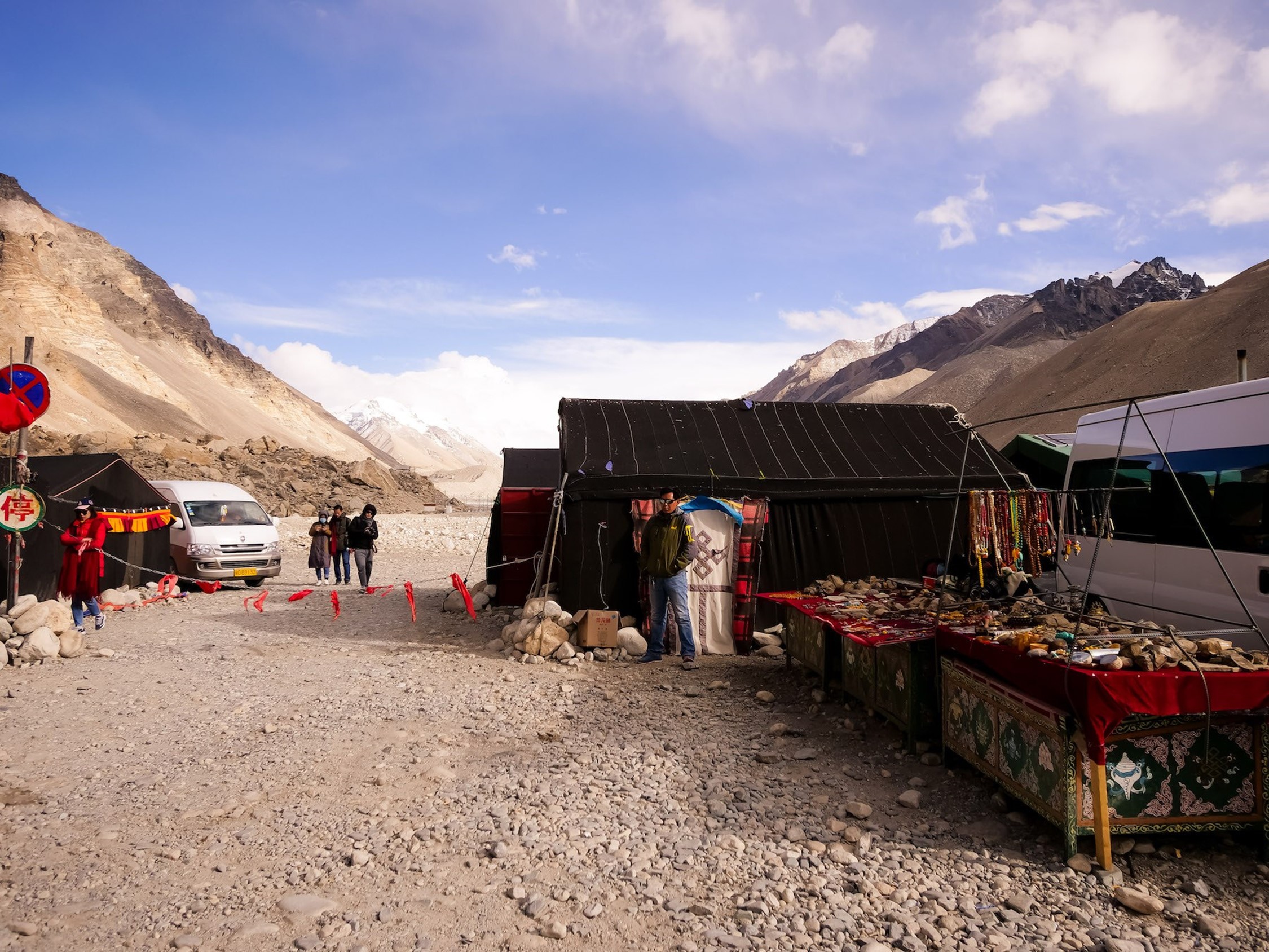
I can speak for myself, who paid a handsome amount to take a helicopter to the Nepali Base Camp well before this was a commercial venture offered to tourists. But on the Tibetan side, thanks to very good infrastructure, the Base Camp has been commercialized extensively. We slept 8km from the climber’s Base Camp in a tourist tented camp which advertised free WiFi and was filled with souvenir stalls albeit it offered very basic accommodation at sub-zero temperatures without heating. The Chinese government has announced plans to build a resort, museum and helipad a few kilometers from Base Camp, in Gangkar, to offer greater comfort and drive more tourism dollars into the country, although most visitors to Tibet are still local Chinese from other provinces. Serious trekkers no longer consider Everest a hard climb since so many people are attempting and reaching the summit every year. I can tell you the acclimatization to 5,200m was very tough.

18. Tibet facts – Speed limits

Tibet Awareness – Unequal Yoking.

We regularly saw cars stopped in the middle of the road. The Chinese authorities control speed limits in a very comical and questionable way: By putting road controls and checking how long it took you to get from one to the next. The speed limits on the road are low, about 35 km/h for many roads, making the trips longer than they should take given the great infrastructure. I already discussed before that the tourism vehicles cannot surpass the speed limit and if you do, the driver gets an announcement through the radio system. But, in addition, most roads have controls. You will get a stamp on a paper with the time you crossed the previous one and the policeman will check that it took you the stipulated amount of time to cover the distance. This was not an issue for us because we were not in a rush and were making plenty of photo stops. But the locals had to stop by the side of the road to waste some time before going through controls or speed cameras.

Tibet Awareness – Unequal Yoking.


DOOMED AMERICAN CHINA FANTASY – ONE BELT, ONE ROAD TO OPPRESSION

DOOMED AMERICAN CHINA FANTASY – ONE BELT, ONE ROAD TO OPPRESSION

DOOMED AMERICAN CHINA FANTASY – ONE BELT, ONE ROAD TO OPPRESSION.

America’s participation in Red China’s One Belt, One Road Initiative accomplishes continued Occupation, Oppression, and Suppression in Tibet undermining American core values of Freedom, Peace, Democracy, and Natural Justice.

Rudranarasimham Rebbapragada
Ann Arbor, MI 48104-4162 USA
SPECIAL FRONTIER FORCE


Doomed American China Fantasy – One Belt, One Road to Oppression.


http://m.dailyhunt.in/news/india/english/oneindia-epaper-oneindia/us+u+turn+on+china+puts+india+in+a+fix-newsid-67592793?ss=twt&s=wi

US U-turn on China puts India in a fix

Doomed American China Fantasy – One Belt, One Road to Oppression.

In a step which could see India put under tremendous pressure, the United States of America has decided to take a U-Turn from its initial position and is set to participate in China’s One Belt, One Road (OBOR) initiative, being organised in Beijing.

The event, is to showcase and build momentum for its new 21st-century silk route, both land and maritime, and other similar initiatives which would lead to increasing connectivity with Asian and European countries and solidify its place in the world as a major trading partner.
In India, along with concerns over its sovereignty, it is also seen as a continuation of Chinese strategy of ‘strings of pearls’ which China uses to flex its muscle in India’s neighbourhood.

The step of the US has put India in a dilemma as the change in its stance is early signal that the Trump administration is reframing the US-China relationship, according to Jagannath Panda, from the Institute for Defense Studies and Analysis, New Delhi.

India, which is still undecided on whether to send its representatives to the event to be held this Sunday and Monday, maintains that China has not built an environment of trust to carry out the belt and road projects.

The country’s concerns on the Chinese project stem from what it perceives to be a lack of regard shown to issues raised by it that projects which are part of OBOR impinge its sovereignty.

For example, the China-Pakistan Economic Corridor, which is a part of the larger project, by which China is set to link the Xinjiang province with the Gwadar port in Pakistan and is to be built-in Balochistan, passes through Gilgit-Baltistan region which India claims as its own.

Concerns such as these have led to the serious thoughts whether to send representatives to the event or not and if yes, officials of what level are to attend. Reports have claimed that the country may be represented by junior embassy level officials.
The thinking is that even if it does not attend, it may not lead to any immediate material loss to it as OBOR is not a membership-based organisation, and may even get India praise in certain quarters for taking a principled stand.

Other than officials, academics from India may be present at the meet which is to see representation from over 50 countries including organisations such the World Bank.

The US has now decided to send senior representation to the event, with an inter-agency delegation led by Matthew Pottinger, a top adviser to the Trump administration and National Security Council senior director for East Asia to take part.

But many see it to be a trade-off between the country and China after the latter’s commitment to buy American beef as part of the Donald Trump’s 100-day plan’ agreement, and in return, the US will not only attend the event but also allow Chinese banks to expand their operation in the US.

The decision seems to be a direct result of the meeting between Trump and the Chinese President Xi Jinping when the Chinese leader visited the US last month. Chinese vice-finance minister Zhu Guangyao is reported to have said, ‘We welcome all countries to attend. And we welcome the United States’ attendance as the world’s largest economy.’

Out of the representatives of different countries, head of state’s of more than 29 countries are to be present for the programme. And now with the entry of the US into the fray, along with countries like Britain and Germany, China’s dominant position in the programme may be somewhat diluted.

Other countries that are taking part include Japan and South Korea, which have military differences with China, as well as other countries engaged in territorial disputes with China over the South China Sea issue, including Vietnam and Indonesia. Pakistan, Nepal and Sri Lanka will also take part.

China may be put under pressure on the issue of transparency as other developed countries may ask for more details related to its plans, and whether it would follow internationally accepted standards on environment and labour in the projects which include six economic corridors but have not seen any reliable map made available.

According to reports, Tom Miller, author of a recent book, China’s Asian Dream, said, ‘What actually gets built will depend on what deals Chinese companies or the government make with other countries, abroad or on the deals that the Chinese government makes with other governments abroad, and no one knows exactly what those are going to be.’

OneIndia News

Doomed American China Fantasy – One Belt, One Road to Oppression. On tibettruth.com

Doomed American China Fantasy – One Belt, One Road to Oppression. On forcechange.com


Whole Colonialism – Red China’s Road to Conquest and Subjugation

The Evil Red Empire – The Road to Conquest and Subjugation

Whole Colonialism – Red China’s Road to Conquest and Subjugation

Red China, often recognized as ‘The Evil Red Empire’ is reshaping the world as per its doctrine of Neocolonialism. In the historical past, Colonial Powers of Europe conquered countries using military power to establish Colonies with intent to dominate Land, People and their economic resources. Red China’s Neocolonialism involves use of Economic Power to gain acceptance of other countries to its plan of Expansionism. Red China achieved this military and economic power after her successful military conquest of Tibet in 1950s. Red China’s ‘One Belt-One Road’ (OBOR) simply reflects the reality of Military Conquest and Political Subjugation of Tibet.

The Evil Red Empire – The Road to Conquest and Subjugation

Xi’s $500 billion push to reshape the World in China’s image

Clipped from: http://www.msn.com/en-us/money/markets/xis-dollar500-billion-push-to-reshape-the-world-in-chinas-image/ar-BBB26Nn?li=BBmkt5R&ocid=spartandhp

China is one of the few countries in the world today with money to spend, and Xi Jinping is ready to write some checks.

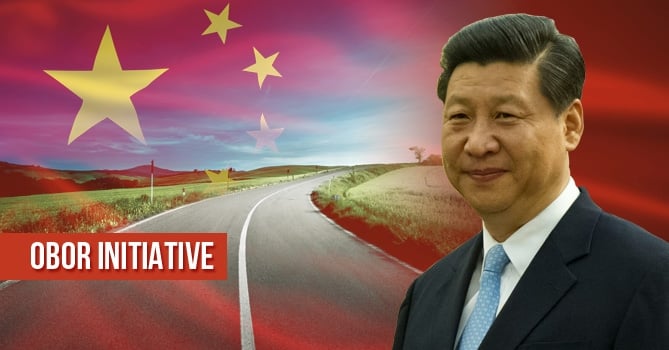
China’s president will host some 28 world leaders in Beijing on Sunday at the first Belt and Road Forum, the centerpiece of a soft-power push backed by hundreds of billions of dollars for infrastructure projects. More than 100 countries on five continents have signed up, showing the demand for global economic cooperation despite rising protectionism in the U.S. and Europe.

For Xi, the initiative is designed to solidify his image as one of the world’s leading advocates of globalization while U.S. President Donald Trump cuts overseas funds in the name of “America First.” The summit aims to ease concerns about China’s rise and boost Xi’s profile at home, where he’s become the most powerful leader since Deng Xiaoping died in 1997.

The Belt and Road Initiative “will likely be Xi’s most lasting legacy,” said Trey McArver, the London-based director of China research for TS Lombard, an investment research company. “It has the potential to remake global — particularly Asian — trade and economic patterns.”

The strategy also carries risks. The initiative is so far little more than a marketing slogan that encompasses all sorts of projects that China had initiated overseas for years, and major world leaders like Trump, Angela Merkel and Shinzo Abe are staying away. How Xi answers a range of outstanding questions will go a long way in determining its success.

Key to reducing uncertainty will be addressing the concerns of strategic rivals like India, Russia and the U.S., particularly as China’s growing military prowess lets it be more assertive over disputed territory. Chinese moves to spend more than $50 billion on an economic corridor in Pakistan, build a port in Djibouti and construct oil pipelines in central Asia are all creating infrastructure that could be used to challenge traditional powers.

“China needs to recognize that the way it perceives the Belt and Road Initiative is not necessarily the same way others will,” said Paul Haenle, a former China director on the U.S. National Security Council who now heads the Carnegie-Tsinghua Center in Beijing. For countries like the U.S., he said, “it’s impossible not to view the BRI through a geopolitical lens — a Chinese effort to build a sphere of influence.”

Xi’s $500 billion push to reshape the World in China’s image

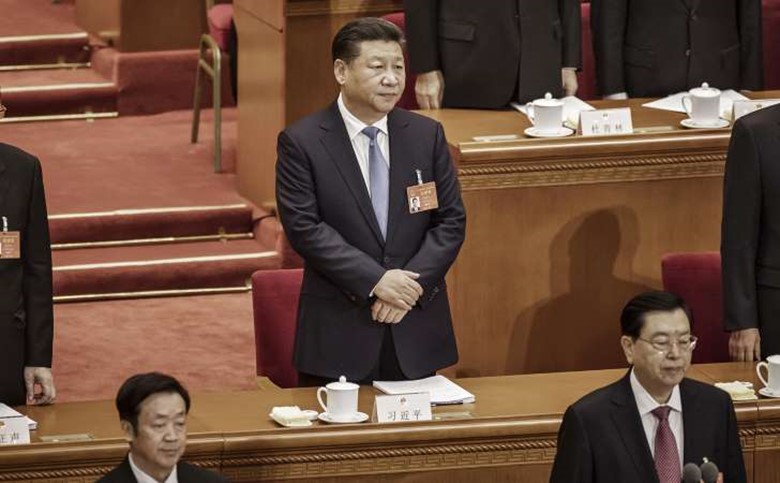
© Bloomberg News Chinese president Xi Jinping

Excess Capacity

In September 2013, when Xi first pitched the plan at an obscure Kazakhstan university, he focused on the Eurasia landmass. Since then, it has repeatedly changed names and expanded to include the entire world, with the main goal of rebuilding the ancient trading routes from China to Europe overland and by sea.

One key driver was economic: China wants to spur growth in underdeveloped hinterlands and find more markets for excess industrial capacity. With more than $3 trillion in international reserves — more than a quarter of the world’s total — China has more resources than developed economies struggling to hit budget targets.

The plan gained steam last year when populist movements spurred a backlash against trade and immigration in the U.S. and Europe. Brexit raised questions about the European Union’s viability, while Trump’s withdrawal from the Trans-Pacific Partnership gutted the biggest U.S. push to shape global economic rules.

Trade Champion

“It was very disappointing, and it makes us feel that there is a big vacuum that Belt and Road can help to fill,” Cheah Cheng Hye, chairman and co-chief investment officer at the Hong Kong-based Value Partners Group. “So all of sudden, we begin to appreciate this Chinese initiative.”

Xi wasted no time filling the void. With exporting nations looking for a free-trade champion, he told the global elite in Davos, Switzerland, to resist protectionism and join China in boosting global commerce.

The U.S. and Europe “almost unwittingly” created space for Xi to push China’s interests, according to Peter Cai, research fellow at the Lowy Institute for International Policy.

“China is offering an alternative to the U.S. version of globalization,” Cai said. “In the Chinese case, it’s globalization paved by concrete: railways, highways, pipelines, ports.”

Related gallery: 33 giant Chinese infrastructure projects that are reshaping the world (provided by Business Insider)

Xi’s $500 billion push to reshape the World in China’s image

33 giant Chinese infrastructure projects that are reshaping the world

Draft Communique

This year, five European countries — Denmark, Finland, Switzerland, France and Italy — openly voiced support for the initiative. On trips to China in February, Italian President Sergio Mattarella proposed plans for the ports of Genoa and Trieste, while French Prime Minister Bernard Cazeneuve attended the arrival ceremony of a freight train from Lyon.

The summit will feature the likes of Russia’s Vladimir Putin, Greece’s Alexis Tsipras and the Philippines’ Rodrigo Duterte. The U.S. and most Western countries are expected to send lower-level representatives.

A draft communique circulated before the event combined a commitment to open markets with endorsements of China’s diplomatic goals, Bloomberg reported Wednesday, citing people familiar with the document. It also generated some controversy among Beijing-based diplomats who said they didn’t have enough time to vet the document, underscoring the initiative’s potential to cause conflict.

$500 Billion

China has invested more than $50 billion in Belt and Road countries since 2013, according to the official Xinhua News Agency. Credit Suisse Group AG said this month that China could pour more than $500 billion into 62 countries over five years.

China’s state-run companies like China National Petroleum Corp. and China Mobile Ltd. — the world’s largest wireless carrier — are positioned to reap the rewards. Executives from six of China’s largest state-run firms sought to reassure the public this week that the risks were manageable.

China’s three development banks, its Silk Road Fund and China-led Asian Infrastructure Investment Bank were involved in $143 billion of lending outside of the country last year, up more than 140 percent from 2014, according to data compiled by Bloomberg.

Read More: Chinese Largesse Lures Countries to Its Belt and Road Initiative

Still, financial hurdles are starting to appear. China’s slowing economic growth has left fewer resources to spend overseas. Its international reserves have fallen about 6 percent over the past year, and China needs a healthy amount to defend the yuan.

Some previous Chinese ventures abroad have turned sour. While China’s no-strings-attached approach to investment is generally welcomed by developing countries, they often have poor credit ratings and questionable governance. China has struggled to recoup loans in Venezuela and Africa, and several projects in Central Asia have spurred protests. Announcements with big dollar signs often fail to materialize.

Nonetheless, Chinese scholars see the sum of Xi’s plan as bigger than any individual project. It represents a “profound change” in how China interacts with the world, according to Wang Yiwei, director of at Renmin University’s Institute of International Affairs in Beijing, who has written three books on the initiative.

“China has moved from a participant of globalization to a main leader,” he said. “It’s Globalization 2.0.”

To contact Bloomberg News staff for this story: Ting Shi in Hong Kong at tshi31@bloomberg.net, Miao Han in Beijing at mhan22@bloomberg.net.  To contact the editors responsible for this story: Daniel Ten Kate at dtenkate@bloomberg.net, Brendan Scott 

Xi’s $500 billion push to reshape the World in China’s image

DOOMSAYER OF DOOM DOOMA HINTS AT MAO ZEDONG’S DOWNFALL

DOOMSAYER OF DOOM DOOMA HINTS AT MAO ZEDONG’S DOWNFALL

DOOMSAYER OF DOOM DOOMA HINTS AT MAO ZEDONG’S DOWNFALL.

I say, “Mao Zedong Lives” for his Occupation of Tibet survives apart from his Single-Party governance of China that he has put in place shaping lives of millions of people.

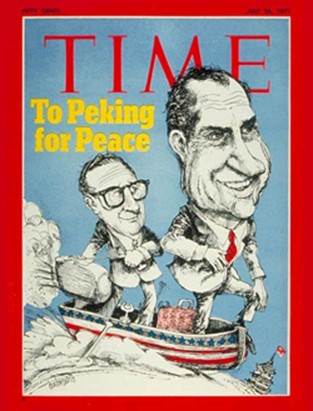
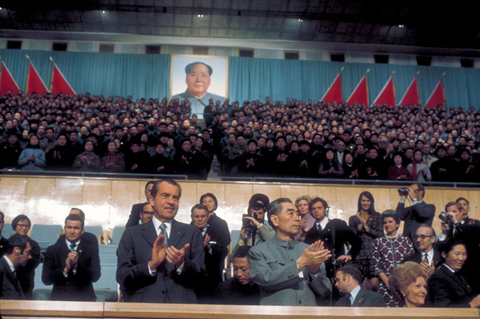
I am Witness to his Failure in 1971 when he failed to attack India to abort Liberation of Bangladesh War. He was too busy plotting the murder of his Defence Secretary and purging top-ranking officials of People’s Liberation Army. I am Witness to his Success in Vietnam War when he outmaneuvered Nixon-Kissinger who deserve equal credit for their Vietnam Treason.

Mao Zedong Lives. Red China is still in Tibet. At this moment, Mao Zedong’s Communist Party appears to be invincible. However, I visualize Mao Zedong as Queen of Babylon whose Downfall is Revealed in The New Testament Book ‘REVELATION, Chapter 18, Verses 1-24. Mao Zedong’s Evil Red Empire awaits the Fate of Babylon revealed by Prophet John. Mao Zedong’s Babylon is Doomed. No One on Earth can avert this Calamity, Disaster, and Catastrophe that humbles Mao Zedong.

Rudranarasimham Rebbapragada

Ann Arbor, MI 48104-4162 USA
SPECIAL FRONTIER FORCE

THE NATIONAL INTEREST BLOG:

Doomsayer of Doom Dooma Hints At Mao Zedong’s Downfall. The Evil Red Empire born on October 01, 1949 Lives awaiting her Unavoidable, Inevitable Doom.On wholedude.com

China’s Biggest History “What-If”: If Mao Zedong Died in 1949

Robert Farley
September 23, 2016

For thirty-seven years, Mao Zedong occupied a singular position atop the Chinese Communist Party (CCP), governing organization of the world’s largest country. For over a dozen years, Mao had led the CCP through wilderness (literally), fighting off factional opponents, the armies of Chiang Kai Shek, and the invading forces of the Empire of Japan. In the next decades, Mao would put a deep imprint on the politics and history of China, rarely for the good.

Modern scholarship on the history of the CCP has demonstrated that Mao rarely, if ever, had complete control over the Party machinery. He struggled through his entire tenure against competitors, both bureaucratic and ideological. Many of the decisions Mao made had strong support from the rest of the CCP, and emerged more from consensus that from authoritarian diktat. Nevertheless, the CCP and the People’s Republic of China (PRC) bore the special imprint of Mao’s ideological conviction and genius for infighting.

What if Mao had died in 1949, shortly after the declaration of the existence of the People’s Republic of China? How might China’s domestic and foreign policy have fared in the absence of the Great Helmsman?

Ideology and Factionalism:

For better or worse, Mao Zedong supplied a strong ideological foundation for the existence of the CCP, and for its provision of single-party control over the PRC. This melded a modified form of Marxist economic doctrine with Soviet state Leninism, leavened by a strong dose of anti-colonial thought. This ideological foundation, and the cult of personality that the CCP established around Mao, helped provide unity for the party and the state throughout the PRC’s early years, allowing it to weather such crises as the Korean War, the ongoing challenge of the survival of Chiang Kai Shek’s regime on Taiwan, and the Sino-Soviet Split. It also helped drive crises, including the Great Leap Forward, the aforementioned split with the USSR and the Cultural Revolution.

But Mao Zedong was far from the only important figure in the CCP in 1949. The struggle against Chiang and the Japanese had given many prominent commanders and administrators the chance to prove their worth. Other major political players in 1949 included Peng Dehuai, senior PLA commander; Liu Shaoqi, a key theorist and administrator; Zhou Enlai, Mao’s long-time right-hand man; Lin Biao, another senior commander and close confidant of Mao; Zhu De, founder of the PLA; Gao Gang, Bo Yibo, and Chen Yun, chief economic administrators; Deng Xiaoping, protégé of Liu Shaoqi, and Yang Shangkun, military and political leader during the Revolution.

Mao’s prominence among this group played an important role in stifling infighting; he could command sufficient legitimacy inside and outside the party that the other major players remained in check. It is unlikely that any other figure in the PRC could have provided the same degree of prestige and ideological heft. This would have made it difficult, at least in the early going, to pursue a “cult of personality” state-building strategy.

In Mao’s absence, the factions that formed around these prominent figures (and others) might have descended into open combat with one another. As is often the case with revolutionary insurgencies, the Chinese Communist Party was riven with factionalism even as it took power in Beijing in 1949. Different components of the People’s Liberation Army had fought entirely different wars, in different areas, with different tactics and organizational structures.
Powerbrokers within the CCP commanded the allegiance of portions of the PLA, which provided them with security from factional conflict. Without Mao to keep them in check, the PLA itself might have become embroiled in political infighting. Moreover, the USSR (which had substantial influence in the 1950s) might have decided to support one faction or another, leading to even more fighting.

Domestic Policy:

Mao Zedong was the primary driver behind the Great Leap Forward, a project designed to spur industrialization but that instead resulted in massive famine. Mao wasn’t alone; much of the rest of the CCP supported, or at least acquiesced, in the project. However, Mao’s idiosyncratic views on expertise, and his faith in the power of the peasantry, made the Great Leap much worse than it otherwise might have been. In the end, millions died in a campaign that Liu Shaoqi himself declared resulted from “70% human error.” The Great Leap also resulted in the purging of Peng Dehuai (critic of Mao), and the sidelining of Mao from the day-to-day domestic decision-making process. Under the guidance of Liu Shaoqi or similar figure, China would likely not have embarked on such a risky, dangerous course towards modernization, and millions might have lived.

The sidelining of Mao after the Great Leap Forward helped set the stage for the next great upheaval. The Cultural Revolution did not spring fully formed from the mind of Mao Zedong, but he did drive most of its main elements, and the ideological brew it created benefitted Mao at the expense of his competitors. Mao fueled the sense of ideological resentment among a younger generation of Chinese students in order to break the back of the parts of the CCP that opposed him and that, in the early 1960s, had worked hard to sideline him. The impact was dreadful in nearly every way imaginable; millions died, Chinese state capacity atrophied, science and innovation slowed, and the PRC withdrew from the international community. While some of the underlying tensions in China would have existed even without Mao, he played a key role in activating those tensions, and creating a political disaster of epic proportions. Without Mao, China might not have lost an entire decade of economic, social, and technical progress.

Foreign Relations:

The PRC stood in precarious position in the wake of its declaration. The Republic of China, led by Chiang Kai Shek, remained in existence on Formosa, with the United States acting as apparent security guarantor. The Soviet Union offered ideological, military, and economic support, but at the price of full alignment. For a decade, the PRC took this deal. The Soviets supplied support for Chinese military operations in Korea, and helped lay the foundation for the PRC’s military-industrial complex. The Soviets also helped jumpstart China’s nuclear weapons program.

In 1956, Nikita Khrushchev’s turn against Stalin’s cult of personality cut hard into Mao’s own ideological foundation. Tensions increased as China and the USSR pursued divergent approaches to confrontation with the West; Mao preferred taking risks, while Khrushchev wanted to play it safe. Mao had managed to maintain control over the greater part of the foreign policy apparatus of the PRC, giving him ample space to carry out a feud with the USSR. While other voices within China also resented the Soviets, Mao’s ideological convictions, along with his special role at the top of the CCP, helped poison Sino-Soviet relations and bring about a dramatic split between the two countries.

Ten years later, Mao would override many of the rest of the senior leadership (Lin Biao, longtime confidant, died under suspicious circumstances) to seek an opening with the United States. This decision, which permanently detached China from the increasingly moribund USSR and paved the way for opening the PRC’s economy and society, remains Mao’s most meaningful positive contribution to China’s success. Without Mao, the PRC might have pursued Lin Biao’s preferred policy of re-engaging with the Soviet Union.

Parting Thoughts:

China would have struggled to emerge from civil war and its agrarian roots regardless of who guided the ship of state. The establishment of the cult of personality around Mao undoubtedly helped prevent some nasty conflicts between the leaders of the CCP, and assured a degree of unity against foreign foes. But it also gave Mao Zedong, a man with a special talent for human misery, the ability to guide the destinies of hundreds of millions of people for several decades.

ROBERT FARLEY, a frequent contributor to TNI, is author of The Battleship Book. He serves as a Senior Lecturer at the Patterson School of Diplomacy and International Commerce at the University of Kentucky. His work includes military doctrine, national security, and maritime affairs. He blogs at Lawyers, Guns and Money and Information Dissemination and The Diplomat.

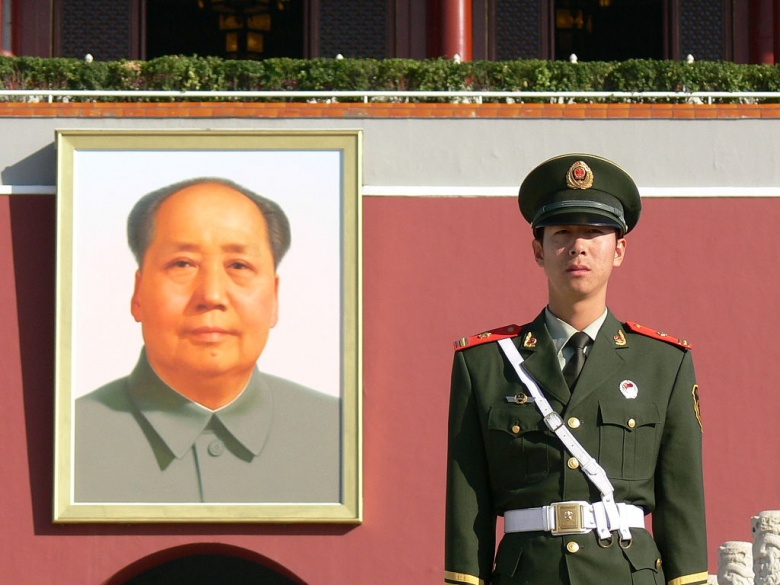
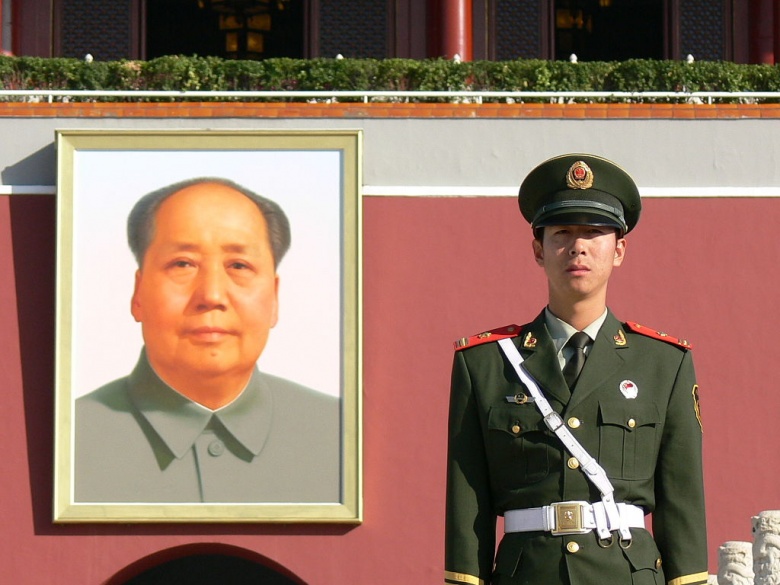
Image: The portrait of Mao Zedong at the Tiananmen Gate. Wikimedia

©2016 The National Interest. All rights reserved. | Privacy Policy | Terms & Conditions

Doomsayer of Doom Dooma Hints At Downfall of Mao Zedong.On bhavanajagat.com

Doomsayer of Doom Dooma Hints At Downfall of Mao Zedong.On wholedude.com

Doomsayer of Doom Dooma Hints At Downfall of Mao Zedong. Beijing Is Doomed.

Whole Trouble – Stop the Cultural Genocide in Tibet

Trouble in Tibet – Stop the Cultural Genocide

TROUBLE IN TIBET - STOP THE CULTURAL GENOCIDE.
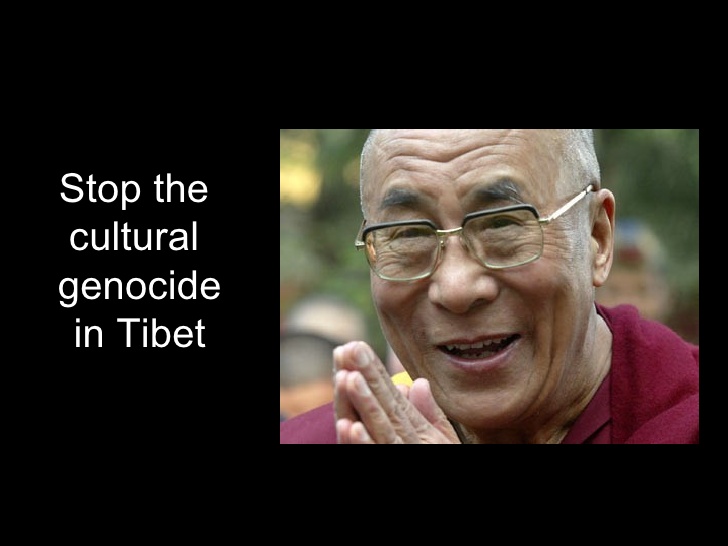
TROUBLE IN TIBET – STOP THE CULTURAL GENOCIDE. Disorienting social and economic change is under way in Tibet. The exiled Dalai Lama accuses China of “cultural genocide” (monasteries are being harassed, and in some parts of the plateau Chinese-language education erodes traditional ways).

The Exiled Supreme Ruler of Tibet His Holiness the 14th Dalai Lama expressed deep concern about Cultural Genocide in Occupied Tibet.

TROUBLE IN TIBET – STOP THE CULTURAL GENOCIDE: Disorienting social and economic change is under way in Tibet. The exiled Dalai Lama accuses China of “cultural genocide” (monasteries are being harassed, and in some parts of the plateau Chinese-language education erodes traditional ways).

UNPACIFIED PLATEAU: TIBET

Disorienting social and economic change is under way in Tibet. The exiled Dalai Lama accuses China of “cultural genocide” (monasteries are being harassed, and in some parts of the plateau Chinese-language education erodes traditional ways).

Government infrastructure investment in the Tibetan Autonomous Region has spurred mass tourism, but Tibetan resentment at missing out on tourism – and construction-related jobs was a big cause of rioting in Lhasa and elsewhere in 2008. Nor do the 6 million Tibetans (seen as troublemakers by China) migrate much to places with more opportunities: only around 1% have settled outside the plateau. The few private-sector jobs in Tibet mostly go to Han Chinese, so educated Tibetans mostly work for the government. The Chinese name for Tibet, Xizang, means “western treasure house” but Tibetans have little share in its spoils.

Disorienting social and economic change is under way in Tibet. The exiled Dalai Lama accuses China of “cultural genocide” (monasteries are being harassed, and in some parts of the plateau Chinese-language education erodes traditional ways).

DOWNFALL OF RED DRAGON – REGIME CHANGE BY BOLIDE IMPACT

DOWNFALL OF RED DRAGON – REGIME CHANGE BY BOLIDE IMPACT

DOWNFALL OF RED DRAGON - REGIME CHANGE BY BOLIDE IMPACT. REFER TO REVELATION, 18:1-24.
DOWNFALL OF RED DRAGON – REGIME CHANGE BY BOLIDE IMPACT. REFER TO REVELATION, 18:1-24.

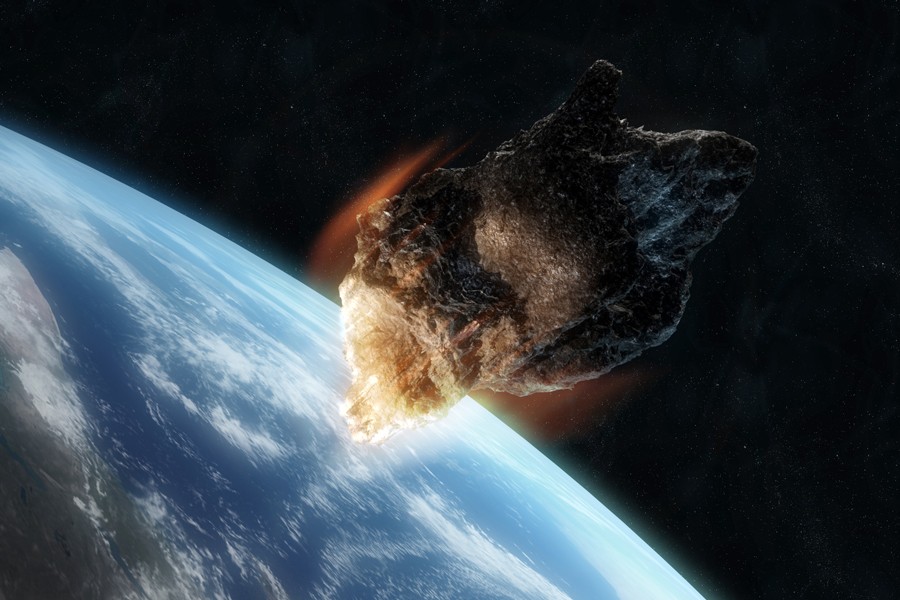
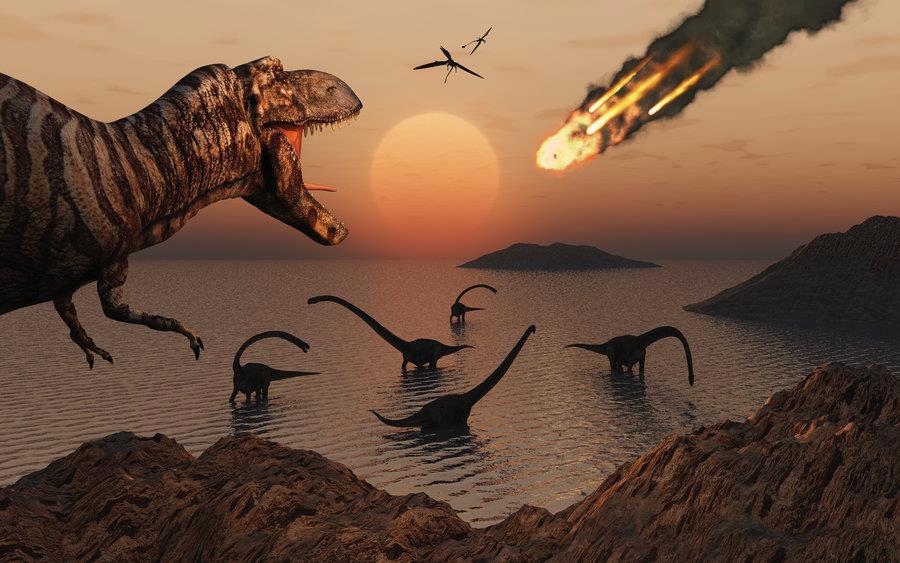
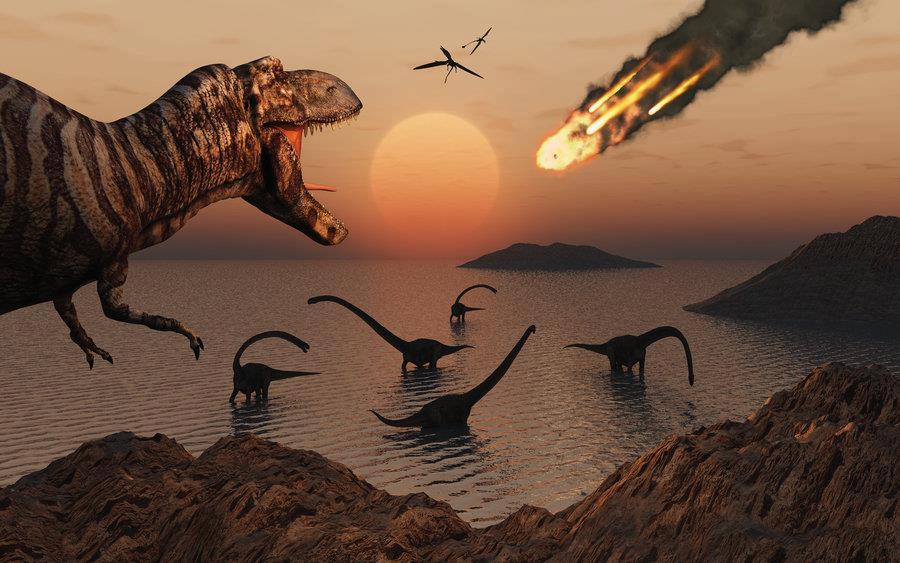
Natural History of planet Earth records sudden demise of Dinosaurs that lived for about 160 million years. Dinosaur Extinction is called Cretaceous – Tertiary or K-T Mass Extinction Event. This downfall of Dinosaurs is attributed to “BOLIDE” impact; a large Meteor or asteroid, or comet exploding in Earth’s atmosphere.

In Human History, powerful regimes have risen and have fallen down. But, there is no historical record of any empire’s downfall caused by ‘Bolide’ impact. Interestingly, The New Testament Book ‘REVELATION’ in Chapter 18 predicts Fall of Babylon by ‘Bolide’ impact. This prophecy has not yet come true.

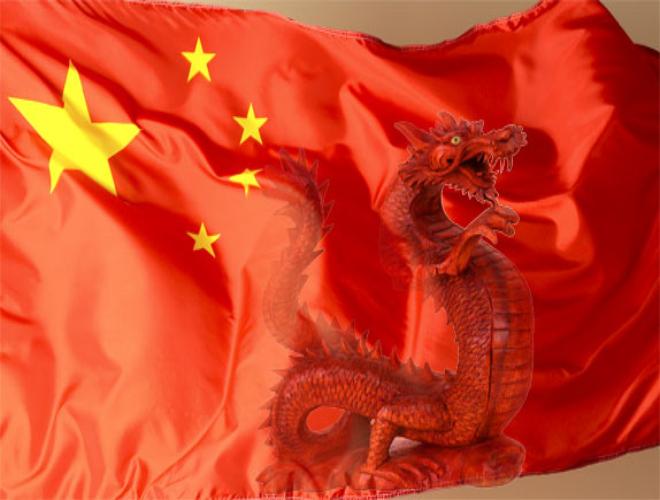
I unsealed this prophecy for I am destined to be known as ‘Doomsayer of Doom Dooma’. For the first time in recorded Human History, I expect Regime Change by ‘Bolide’ Impact causing sudden Downfall of Evil Red Empire which is often represented by ‘Red Dragon’.

Rudranarasimham Rebbapragada
Ann Arbor, MI 48104-4162 USA
SPECIAL FRONTIER FORCE

THIS DAY IN HISTORY: 08/12/1990 – SKELETON OF T-REX DISCOVERED

Downfall of Red Dragon – Regime Change by Bolide Impact. Tyrannosaurus rex Skeleton Discovered on August 12, 1990.


A full Tyrannosaurus Rex skeleton is discovered on This Day in History. The date is August 12th. Susan Hendrickson, a paleontologist, discovers the T Rex in Faith, South Dakota.

Author: History.com Staff URL:http://www.history.com/this-day-in-history/skeleton-of-tyrannosaurus-rex-discovered Publisher: A+E Networks

On this day in 1990, fossil hunter Susan Hendrickson discovers three huge bones jutting out of a cliff near Faith, South Dakota. They turn out to be part of the largest-ever Tyrannosaurus rex skeleton ever discovered, a 65 million-year-old specimen dubbed Sue, after its discoverer.

Amazingly, Sue’s skeleton was over 90 percent complete, and the bones were extremely well-preserved. Hendrickson’s employer, the Black Hills Institute of Geological Research, paid $5,000 to the land owner, Maurice Williams, for the right to excavate the dinosaur skeleton, which was cleaned and transported to the company headquarters in Hill City. The institute’s president, Peter Larson, announced plans to build a non-profit museum to display Sue along with other fossils of the Cretaceous period.

In 1992, a long legal battle began over Sue. The U.S. Attorney’s Office claimed Sue’s bones had been seized from federal land and were therefore government property. It was eventually found that Williams, a part-Native American and member of the Cheyenne River Sioux tribe, had traded his land to the tribe two decades earlier to avoid paying property taxes, and thus his sale of excavation rights to Black Hills had been invalid. In October 1997, Chicago’s Field Museum purchased Sue at public auction at Sotheby’s in New York City for $8.36 million, financed in part by the McDonald’s and Disney corporations.

Sue’s skeleton went on display at the Field Museum in May 2000. The tremendous T.rex skeleton–13 feet high at the hips and 42 feet long from head to toe–is displayed in one of the museum’s main halls. Another exhibit gives viewers a close-up view of Sue’s five foot-long, 2,000-pound skull with its 58 teeth, some as long as a human forearm.

Sue’s extraordinarily well-preserved bones have allowed scientists to determine many things about the life of T.rex. They have determined that the carnivorous dinosaur had an incredible sense of smell, as the olfactory bulbs were each bigger than the cerebrum, the thinking part of the brain. In addition, Sue was the first T.rex skeleton to be discovered with a wishbone, a crucial discovery that provided support for scientists’ theory that birds are a type of living dinosaur. One thing that remains unknown is Sue’s actual gender; to determine this, scientists would have to compare many more T.rex skeletons than the 22 that have been found so far.

© 2016, A&E Television Networks, LLC. All Rights Reserved.

Downfall of Red Dragon - Regime Change by Bolide Impact. Refer to REVELATION, 18:1-24. Bolide Events 1994 - 2014.
Downfall of Red Dragon – Regime Change by Bolide Impact. Refer to REVELATION, 18:1-24. Bolide Events 1994 – 2013.

Downfall of Red Dragon - Regime Change By Bolide Impact. Refer to REVELATION, 18:1-24. Bolide is large METEOR.
Downfall of Red Dragon – Regime Change By Bolide Impact. Refer to REVELATION, 18:1-24. Bolide is large METEOR.

Downfall of Red Dragon - Regime Change By Bolide Impact. Refer to REVELATION, 18:1-24. Bolide Impact Dinosaur Extinction.
Downfall of Red Dragon – Regime Change By Bolide Impact. Refer to REVELATION, 18:1-24. Bolide Impact Dinosaur Extinction.

Whole Trouble – A Total Wake-Up Call for Regime Change in Tibet

Trouble in Tibet – Regime Change through Meditation

Whole Trouble – A Total Wake-Up Call for Regime Change in Tibet. How to change the Regime in Occupied Tibet? The Role of Meditation. The Great Masters of Nalanda. Acharya Kamalashila explained Three Stages of Meditation.

The problem of military occupation in Tibet needs resolution which demands a ‘Regime Change’. If military occupation poses problem, it exists outside the mind of a person experiencing the problem of occupation. Meditation may bring about some change in electrical activity of the brain and that change in activity can only be experienced by the person who practices meditation. However, there is no reason to suggest or expect any change in electrical activity of brain of a person who imposes the burden called military occupation. Can I hope to change the mental activity of Red China’s President through the practice of very rigorous meditation?

Meditation helps to bring Regime Change if the practitioner of meditation takes full advantage of changes in the electrical activity of his brain induced by the practice of meditation to perform specific physical actions to vacate the problem of occupation by evicting the Occupier.

Trouble in Tibet – Regime Change through Meditation. Can I hope to change the mental activity of Red China’s President through the practice of very rigorous meditation?

“Since you cannot tame the minds of others, until you have tamed your own, begin by taming your own mind.” – Acharya Atisha.

Neuroscientist Richie Davidson Says Dalai Lama Gave Him ‘a Total Wake-Up Call’ that Changed His Research Forever

By Lauren Effron

Jul 27, 2016, 2:00 PM ET

TROUBLE IN TIBET – REGIME CHANGE THROUGH MEDITATION. Dr. RICHIE DAVIDSON, NEUROSCIENTIST INVESTIGATES EFFECTS OF MEDITATION ON HUMAN BRAIN.

Dr. Richie Davidson, a neuroscientist at the University of Wisconsin-Madison, has been meditating for more than 40 years, but it was the Dalai Lama himself who convinced him to dedicate his life to researching the effects of meditation on the brain.

“He challenged me, saying, ‘You’ve been using the tools of modern neuroscience to mostly study anxiety, depression and fear, all these negative feelings. Why can’t you use these same tools to study qualities like kindness and compassion and equanimity?’ And I didn’t have a very good answer for him,” Davidson said. “It was a total wake-up call for me and really was a pivotal catalyst.”

Davidson, who founded the Center for Healthy Minds, met the Dalai Lama in 1992 and has since gone on to conduct multiple studies on mindfulness, compassion and cognitive therapy training. He talked about his research and personal meditation practice with ABC News’ Dan Harris for his “10% Happier” live stream/podcast show.

Early in his career, Davidson said he “became a closet meditator and didn’t talk to any of my colleagues about my interest in meditation … [the Dalai Lama] played a major role in me coming out of the closet and encouraging serious scientific research in this area.”

His relationship with His Holiness led to Davidson and his colleagues to conduct a study a few years ago looking at the brain scans of Buddhist monks as they meditated. The Dalai Lama had granted permission for his monks to have their brains studied at the University of Wisconsin-Madison, home to one of the most renowned brain labs in the world.

Davidson’s team flew in monks from Tibet and Nepal for the study and asked them to meditate while undergoing EEG, MRI and FMRI (functional magnetic resonance imaging) scans. When they first looked at the scans, Davidson said the results were so shocking, he thought the equipment was malfunctioning.

“What we saw in these individuals, not a burst of gamma, but a long duration [of activity] for minutes while they were meditating, which is crazy,” Davidson said. “This had never been seen in a human brain before.” Typically in an “untrained mind,” Davidson said, a burst of activity would last for about one second, but the monks could sustain it.
“And [they] can turn it on pretty much at will,” he said. “Any of us can have it and we may not be able to sustain it, that’s the difference … a thought will come into our mind and we’ll get lost in it for a few minutes, and so the ability to sustain it I think really requires much more practice.”

As a scientist, Davidson has been criticized in the past for his close relationship with the Dalai Lama, a religious figure. Davidson also has been questioned about whether he is biased toward a certain outcome in his research because he has been practicing meditation for decades. But Davidson argued that his personal practice and the Dalai Lama’s support are beneficial to his work.

“I understand the concern and really my push back is simply that we are trying to do the science at the highest possible level with the most integrity,” Davidson said. “And I actually believe that if you’re going to study meditation scientifically then you’ve got to meditate yourself…. It would be like telling a cardiologist that they can’t do any physical exercise for the rest of their active career because they’re biased.”

Every morning, Davidson said he will do a period of meditation and then take two to three minutes to scan his calendar for meetings. Then for a few seconds, Davidson said he pauses to reflect on how he can bring “the right stuff” to each meeting in order to “be present and be most helpful.”

“I can go through a day where I have 10 straight hours of meetings and at the end of that period feel totally nourished and refreshed,” he said.

His advice for those who want to start meditating was to commit to a daily practice for at least 30 days, but set a reasonable amount of time.

“There are published studies which show as little as eight minutes of meditation can actually produce a measurable objective change, but again it says nothing about how long these changes will last,” Davidson said. “It doesn’t matter how small that number is, but do it every day.”

Whole Trouble – A Total Wake-Up Call for Regime Change in Tibet. How to change the Regime in Occupied Tibet? Tibetan Resistance: The Doctrine and the Philosophy of Tibetan Resistance to China’s War of Occupation is based on the Force or Power of an Idea that concludes that the Enemy has no Power over your Mind and the Enemy cannot exercise authority over your Mind. Resistance begins when man sets his Mind Free. Resistance is Freedom in Action without any sense of Fear.
Whole Trouble – A Total Wake-Up Call for Regime Change in Tibet. How to change the Regime in Occupied Tibet? Tibetan Resistance: The Doctrine and the Philosophy of Tibetan Resistance to China’s War of Occupation is based on the Force or Power of an Idea that concludes that the Enemy has no Power over your Mind and the Enemy cannot exercise authority over your Mind. Resistance begins when man sets his Mind Free. Resistance is Freedom in Action without any sense of Fear. Great Masters of Nalanda. Acharya Atisha.

Whole Tyrant – The Problem of Transparency in Communist Governance

Red China – The Problem of Transparency in Communist Governance

Red China – The Problem of Transparency in Communist Governance

Communist China showcases her technological advancement by erecting structures such as Glass Walkway in Tianmen Mountain. Such use of technology is not resolving the problem of transparency in Communist Governance. In fact, the Glass Walkway symbolizes the lack of transparency of the dictatorial regime in Beijing. Red China must remove the Bamboo Curtain to reveal the full range of its oppressive measures to destroy Tibetan Culture and Identity.

TROUBLE IN TIBET - TRANSPARENCY IN COMMUNIST GOVERNANCE.  MOUNTAIN SYMBOLIZES PROBLEM.
Red China – The Problem of Transparency in Communist Governance: The Glass Walkway in Tianmen Mountain symbolizes the lack of transparency of the dictatorial regime in Beijing.

Glass walkway opens in Tianmen mountain, China

Red China – The Problem of Transparency in Communist Governance: The Glass Walkway in Tianmen Mountain symbolizes the lack of transparency of the dictatorial regime in Beijing.

This terrifying construction is part of the latest addition to China’s glass bridge craze.

Red China – The Problem of Transparency in Communist Governance: The Glass Walkway in Tianmen Mountain symbolizes the lack of transparency of the dictatorial regime in Beijing.

The Coiling Dragon path is in Zhangjiajie National Forest Park in Hunan province, and a new section opened to tourists on Monday.

Red China – The Problem of Transparency in Communist Governance: The Glass Walkway in Tianmen Mountain symbolizes the lack of transparency of the dictatorial regime in Beijing.

The 100-m walkway has 99 turns around the side of the sheer cliff face of Tianmen Mountain. For those immune to the terror of a vertical drop, it’s a perfect photo opp.

Red China – The Problem of Transparency in Communist Governance: The Glass Walkway in Tianmen Mountain symbolizes the lack of transparency of the dictatorial regime in Beijing.

Reassuringly some tourists, in their protective shoes, appeared more keen to cling to the walls and just get it over with.

Red China – The Problem of Transparency in Communist Governance: The Glass Walkway in Tianmen Mountain symbolizes the lack of transparency of the dictatorial regime in Beijing.

Braver tourists can enjoy spectacular views across the Hunan countryside. No, we’re not sure how this picture was taken either.

The Zhangjiajie park already offers tourists this – at 430 m (1,410 ft) and suspended over a 300 m-deep valley it is billed as the world’s longest glass bridge.

Glass Bridge in Zhangjiajie National Forest Park, Hunan Province. Red China – The Problem of Transparency in Communist Governance: The Glass Walkway in Tianmen Mountain symbolizes the lack of transparency of the dictatorial regime in Beijing. Glass Bridge in Zhangjiajie National Forest Park Showcases Unsafe Face of Communist Governance.

To assuage fears about safety, in June the park authorities deliberately cracked the glass then drove a car full of people over it. It was fine.

Red China – The Problem of Transparency in Communist Governance: The Glass Walkway in Tianmen Mountain symbolizes the lack of transparency of the dictatorial regime in Beijing. Sledgehammer Red Dragon to Crack Open its Secrets. Glass Bridge in Zhangjiajie National Forest Park, Hunan Province. Glass Bridge Showcases Unsafe Communist Governance.

And for good measure, they hit it with a sledgehammer.

Red China – The Problem of Transparency in Communist Governance: The Glass Walkway in Tianmen Mountain symbolizes the lack of transparency of the dictatorial regime in Beijing. Glass Bridge in Zhangjiajie National Forest Park Showcases Unsafe Face of Communist Governance.
stime=1470202722
Red China – The Problem of Transparency in Communist Governance: The Glass Walkway in Tianmen Mountain symbolizes the lack of transparency of the dictatorial regime in Beijing. Glass Bridge in Zhangjiajie National Forest Park Showcases Unsafe Face of Communist Governance.