Special Frontier Force vs China – Military Might: Mr. Harsh V Pant, Department of Defence Studies, King’s College, London discussed the problem of increased defence spending by China.
Special Frontier Force is a military organization founded by the United States, India, and Tibet to contain the military threat posed by Communist China’s military occupation of Tibet since 1950. Its military mission visualizes the eviction of the military occupier of Tibet through military action. In my opinion, China’s military power, military strategy and military tactics will not assure the inevitability of peace that is imposed by China by its occupation of Tibet. Peace and War are conditions that prevail in relationship with an external reality called Natural Order. Tibetan Resistance is the symptom of the absence of Natural Order. Tibetan Resistance will prevail and Resistance will endure if Natural Order is not restored in Tibet. It is true that China rules Tibet with an Iron Fist. Resistance will endure, and Resistance will prevail to break the knuckles of the military grip over Tibet. I am pleased to share this article written by Mr. Harsh V Pant, Department of Defence Studies, King College, London on the problem of China’s military spending.
Special Frontier Force vs China’s Military Might: Mr. Harsh V Pant, Department of Defence Studies, King’s College, London expressed his serious concern about China’s growing military spending.
Published: 13th February 2014 06:00 AM
The author is a reader in international relations, department of defence studies, King’s College, London.
It is being estimated that China’s defence budget will reach a whopping US $148 billion in 2014, second only to the defence budget of the USA and leaving behind the combined defence budgets of western nations such as Germany, France and the United Kingdom. China’s defence budget has risen each year for two decades and the trend shows no sign of abating. Thanks to rapidly rising defence expenditures by China and Russia, global defence spending is rising for the first time in five years. Across Asia-Pacific, there is an arms race brewing as nations try to secure their interests at a time of geopolitical transition. The region is likely to account for nearly 28 per cent of global defence spending by 2020.
Last year China had hiked its defence budget by 10.7 per cent to USD 115.7 billion, well above India’s defence spending of USD 37.4 billion. While its civilian leadership has tried to downplay the increase suggesting much of it will go to human resources development, infrastructure and training, it is the response of the Chinese military that should be a matter of concern. The military has been unambiguous in suggesting when it comes to military spending, there is no need for China “to care about what others may think”.
Divisions within China about the future course of the nation’s foreign policy are starker than ever before. It is now being suggested that much like young Japanese officers in the 1930s, young Chinese military officers are increasingly taking charge of strategy with the result that rapid military growth is shaping the nation’s broader foreign policy objectives.
Civil-military relations in China are under stress with the PLA asserting its pride more forcefully than even before and demanding respect from other states. Not surprisingly, China has been more aggressive in asserting its interests not only vis-à-vis India but also vis-à-vis the US, the EU, Japan and Southeast Asian states. There is a sense that China can now prevail in conflicts with its regional adversaries. Some voices have openly called for wars.
The Air Force Colonel, Dai Xu, has argued that in light of China’s disputes with Japan in the East China Sea and Vietnam and the Philippines in the South China Sea, a short, decisive war, like the 1962 border clash with India, would deliver long-term peace. This would be possible, as Washington would not risk war with China over these territorial spats, according to this assessment.
The increasing assertion by the Chinese military and changing balance of power in the nation’s civil-military relations is a real cause of concern for China’s neighbours. The pace of Chinese military modernisation has already taken the world by surprise and it is clear that the process is going faster than many had anticipated. China launched its first aircraft carrier last year as well as several versions of new fighter jets including a stealth fighter bracing to deal with big US military push into Asia-Pacific.
A growing economic power, China is now concentrating on the accretion of military might so as to secure and enhance its own strategic interests. China, which has the largest standing army in the world with more than 2.3 million members, continues to make the most dramatic improvements in its nuclear force among the five nuclear powers, and improvements in conventional military capabilities are even more impressive. What has been causing concern in Asia and beyond is the opacity that seems to surround China’s military build-up, with an emerging consensus that Beijing’s real military spending is at least double the announced figure. Tensions are escalating between China and its neighbours. Japanese prime minister Shinzo Abe has suggested the two countries are “in a similar situation” to Germany and Britain just before the outbreak of World War One.
At this critical juncture in the regional strategic landscape, India’s own defence modernisation programme is faltering despite this being at a time when India is expected to spend $112 billion on capital defence acquisitions over the next five years in what is being described as “one of the largest procurement cycles in the world”. Indian military planners are shifting their focus away from Pakistan as China takes centre-stage in future strategic planning.
Over the past two decades, the military expenditure of India has been around 2.75 per cent but since India has been experiencing significantly higher rates of economic growth over the last decade compared to any other time in its history, the overall resources that it has been able to allocate to its defence needs has grown significantly. The armed forces for long have been asking for an allocation of 3% of the nation’s GDP to defence.
The Indian Parliament has also underlined the need to aim for the target of 3% of the GDP. Yet as a percentage of the GDP, the annual defence spending has declined to one of its lowest levels since 1962. And now with a slow-down in the Indian economy, the Indian prime minister has suggested that the golden age of defence modernisation is already over.
But defence expenditure alone will not solve all the problems plaguing Indian defence policy. More damagingly, for the last several years now the defence ministry has been unable to spend its budgetary allocation. The defence acquisition process remains mired in corruption and bureaucratese. India’s indigenous defence production industry has time and again made its inadequacy to meet the demands of the armed forces apparent. The Indian armed forces keep waiting for arms while the finance ministry is left with unspent budget year after year. Most large procurement programmes get delayed resulting in cost escalation and technological or strategic obsolescence of the budgeted items. The present defence minister has been one of the most ineffective leaders of India’s defence establishment.
The Indian government is yet to demonstrate the political will to tackle the defence policy paralysis that is rendering all the claims of India’s rise as a military power increasingly hollow. The capability differential between China and India is rising at an alarming rate. Without a radical overhaul of the national security apparatus, Indian defence planners will not be able to manage China’s rise.
An effective defence policy is not merely about deterring China. But if not tackled urgently, India will lose the confidence to conduct its foreign policy unhindered from external and internal security challenges.
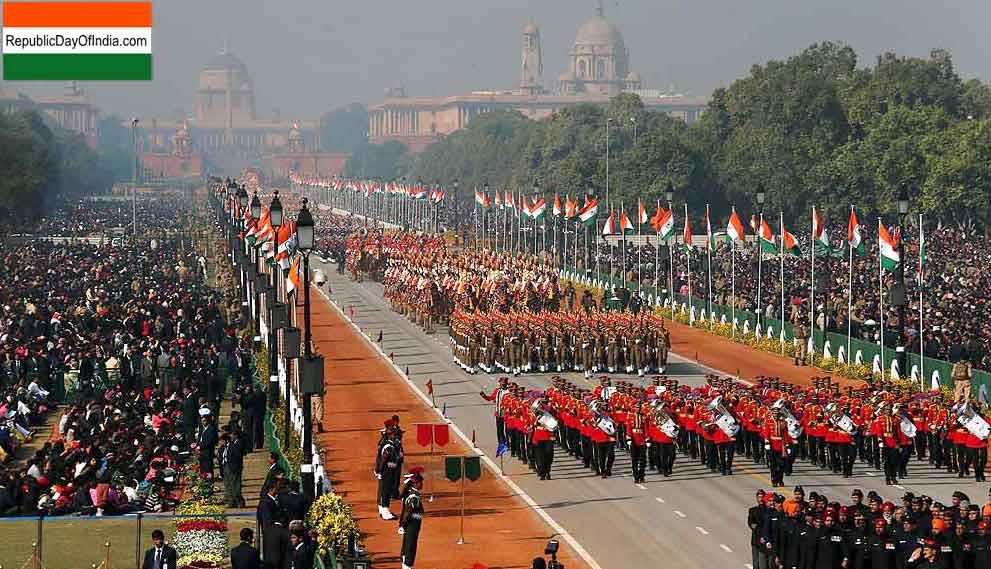
China’s Military Threat is worsening since 1950: On the happy occasion of the celebration of India’s Republic Day on January 26, 2014, I speak about the military threat posed by China’s military occupation of Tibet.
India declared itself as a sovereign Republic on January 26, 1950. As Indians celebrate Republic Day on this day, I share an article titled “AIM OF CHINA’S MILITARY REFORMS” authored by Professor Jayadeva Ranade, a member of the National Security Advisory Board, Distinguished Fellow with the Centre for Air Power Studies, New Delhi and who had in the past served as the additional Secretary in the Cabinet Secretariat. The threat posed by China by its military invasion of Tibet since 1950 is worsening without any respite.
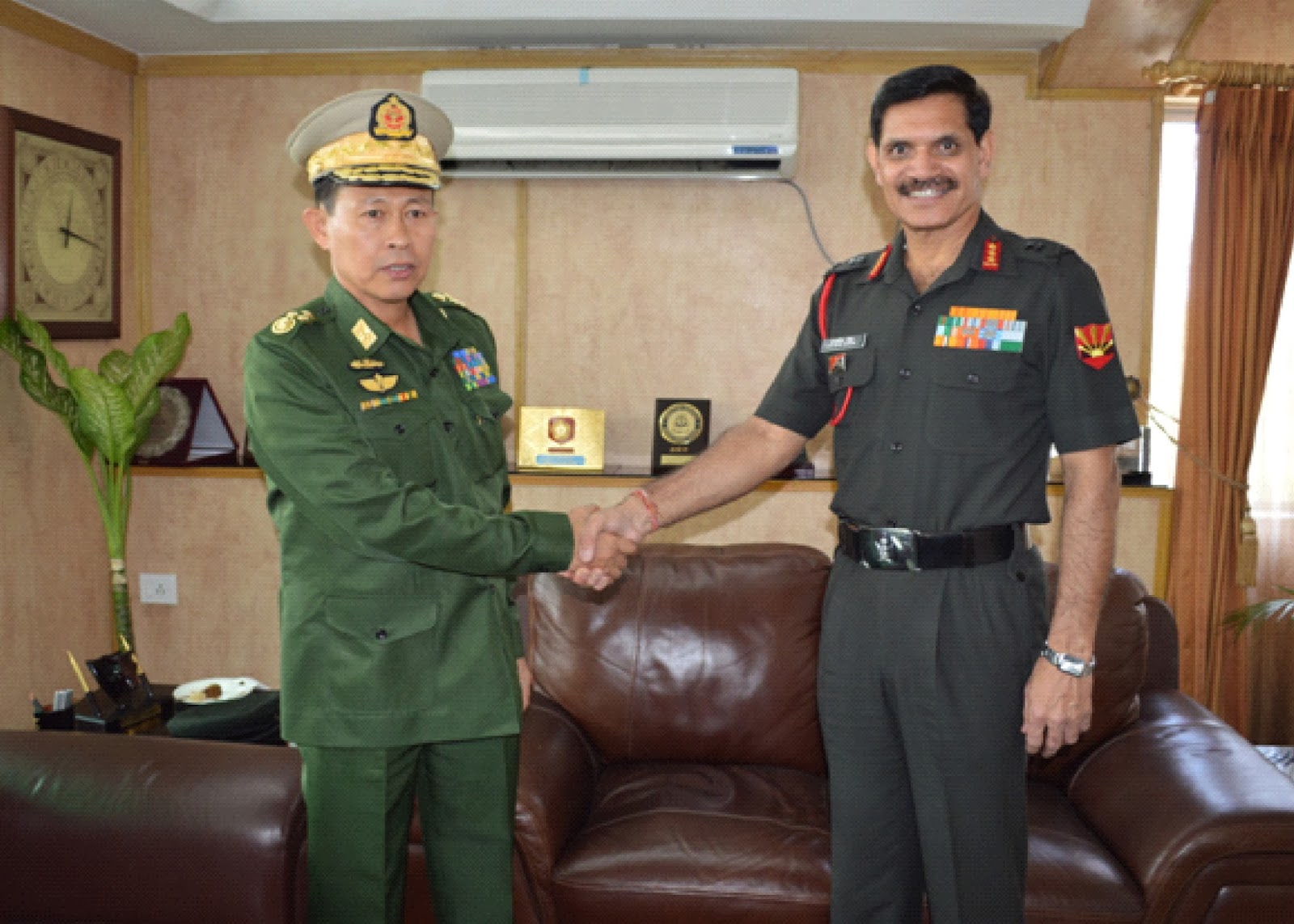
China’s Military Threat: The Deputy Commander-in-Chief, Myanmar Defence Service and Commander-in-Chief, Myanmar Army Vice Senior General Soe Win visited the Indian Army Eastern Command Headquarters in Fort William, Kolkata on December 10, 2013. He is seen with Eastern Army Commander Lieutenant General Dalbir Singh Suhag who served as the Inspector General Special Frontier Force from April 2009 to March 2011.
For the first time in the history of Special Frontier Force, its Inspector General is now appointed as the Vice Chief of Army Staff (VCOAS). Lieutenant General Dalbir Singh Suhag served as Inspector General Special Frontier Force from April 2009 to March 2011. He served as the GOC-in-C, Eastern Command from June 16, 2012 to December 31, 2013. His present appointment as the Vice Chief of Army Staff indicates that he will become the next Indian Army Chief in August 2014.
In my opinion, China’s military power, military strategy, and military tactics will not assure the inevitability of peace that is imposed by its military occupation of Tibet. Peace and War are conditions that prevail in relationship with an external reality called Natural Order. Tibetan Resistance is a symptom of the absence of Natural Order in Tibet. Resistance will prevail, and Resistance will endure if Natural Order is not restored in Tibet. Tibetans love Tibet and the Love of one’s own country is neither a moral, nor a religious virtue for it is a Natural Virtue. Speaking of War and Peace in Tibet, I ask, “Can we order Peace for the sake of War, and not War for the sake of Peace?” If Perseverance is the Secret of all Triumphs, Tibetan Resistance can hope for its Victory.
China’s Military Threat: China’s Military Power, China’s Military Strategy, and China’s Military Tactics cannot overcome the Power of Perseverance, the Perseverance of Tibetan Resistance.
Aim of China’s Military Reforms
By Jayadeva Ranade
CHINA’S MILITARY THREAT: WORLD PARLIAMENTARIANS CONVENTION ON TIBET HELD IN OTTAWA, CANADA, 2012. Carl Gershman, President of the National Endowment for Democracy, Washington, DC, Professor Jayadeva Ranade, Distinguished Fellow with the Centre for Air Power Studies, New Delhi, with Richard Gere, Chairman of the International Campaign for Tibet.
Published: 21st January 2014 06:00 AM
The writer is a member of the National Security Advisory Board and former additional secretary in the cabinet secretariat, Indian government.
China’s Military Threat: China CV-16 Liaoning Aircraft Carrier. Navy J-15 Flying Shark takeoff. China has modernized its military capabilities.
Modernization of China’s People’s Liberation Army (PLA) has entered the final stage of its current phase. The Chinese Communist Party (CCP)’s Third Plenum, which was held in November 2013 and represents a major advance in China’s reforms, provided a substantive push to the PLA’s modernization when it approved proposals for major organizational restructuring. The reforms coincide with China’s continuing assertiveness that has unsettled its neighbors. Appointments to the Central Military Commission (CMC) effected earlier by the CCP’s 18th Congress in Beijing in November 2012 accelerated the drive to strengthen and modernize the 2.3 million-strong PLA. Within days of his appointment as the CMC chairman, Xi Jinping not only endorsed the military modernization policies of his predecessors Hu Jintao and Jiang Zemin, but also began bluntly advocating more rapid modernization and technological upgrade of the PLA. The organizational reforms approved by the CCP’s Third Plenum indicate that changes are imminent in the PLA’s command structure comprising the four principal departments and seven military regions. The PLA Navy (PLAN), PLA Air Force (PLAAF) and China’s strategic missile strike force, namely the Second Artillery, have clearly been allotted an enhanced operational role and will receive priority in allocation of budgets and manpower. Personnel of the Second Artillery, PLAAF and PLAN already receive higher salaries than their counterparts in the PLA’s ground forces. Within days of the Third Plenum, CMC vice-chairman and till recently the PLAAF commander, Xu Qiliang, wrote an article in the party mouthpiece People’s Daily confirming the reforms will be implemented. He mentioned that the number of non-combatants would be drastically reduced and that the reforms would enable the PLA to win wars. Quite separately, reports filtering out of Beijing and disclosed initially in the solitary official English-language China Daily, suggest that plans have been finalized to merge the military regions. These envisage reorganizing the seven military regions into five “combat zones” (zhan chu) within the next five years. Over the past few years China’s military literature has hinted at such impending change with occasional references to “Theatre Commands”. The reorganization is intended to concentrate firepower and troops trained for a specific type of warfare within a single theatre or zone for ease of rapid deployment. Land and sea warfare forces are to be grouped separately. This reorganization gives the PLA a definite “outward orientation” neatly meshing with its doctrine of “active defence”.
China’s Military Threat: Shenyang SAC J-16 Stealth Fighter Aircraft. Military Spending will not increase Military Power.
According to these reports, the three mainly coastal military regions of Jinan, Nanjing and Guangzhou are to be converted into three “combat zones.” Adopting a mainly maritime role, their primary objective will be to reinforce China’s efforts to establish dominance over the East China Sea and South China Sea and face up to the US-Japan alliance. By 2020, all three zones will be reinforced by three aircraft carrier combat groups. Reports suggest existing aircraft carrier Liaoning will be deployed in the East China Sea, while the other two aircraft carriers will be in the South China Sea. Interestingly on January 1, Xinhua showed pictures of Liaoning returning to its home base in Qingdao after month-long exercises in the South China Sea, but avoided mention of the run-in with the US-guided missile warship USS Cowpens. In April 2013, Xinhua reported Rear Admiral Song Xue, deputy chief of staff of the PLA Navy, saying a second aircraft carrier was under construction. He told foreign military attaches that it would be larger and carry more fighter aircraft. On January 18, 2014, party secretary of Liaoning province Wang Min disclosed China’s second domestically produced aircraft carrier is being built at Dalian and would be ready in six years. The four inland military regions of Shenyang, Beijing, Chengdu and Lanzhou are to similarly be merged into two large combat zones. Chengdu and Lanzhou both exercise operational jurisdiction over the India-China border. Each of the two new zones will have units of the PLA Navy, Air Force and Second Artillery integral to them. They will function under a new unified combat command. These reports also disclose that the PLA’s 300,000 non-combatant personnel will be eliminated by 2022. Though China’s ministry of defence denied the reports, it is pertinent that mention was first made in China Daily and that its contents are generally in consonance with Xu Qiliang’s assertion in People’s Daily and the reforms approved at the CCP CC’s Third Plenum.
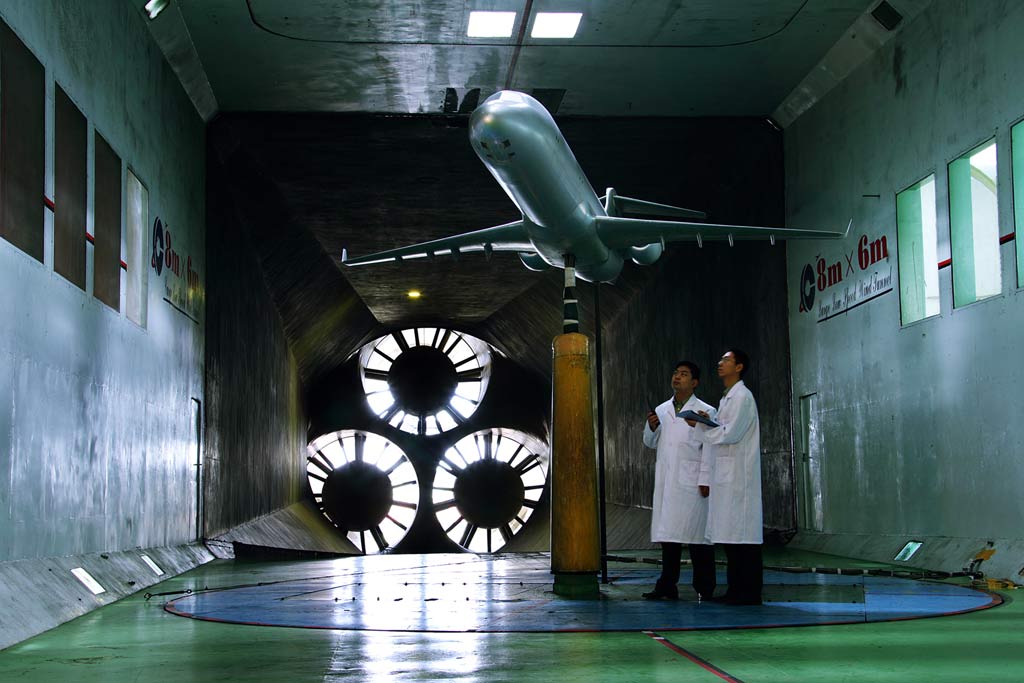
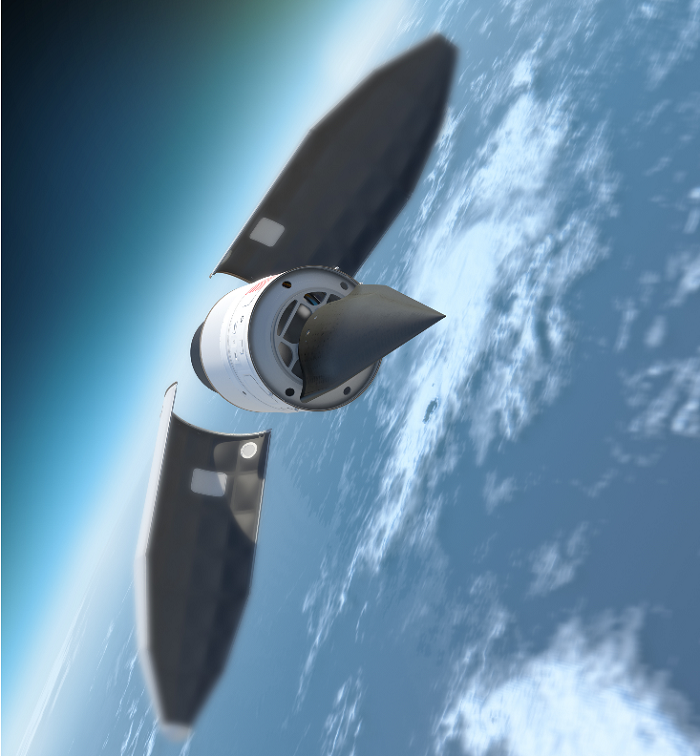
China’s Military Threat: China has built over 39 Wind Tunnels that include Subsonic, Supersonic, Hypersonic, and others to improve its ability to design and test its military aircraft.China’s Military Threat: China has reportedly developed a WU-14 Hypersonic Glide Vehicle. China’s Military Empire will collapse under its own weight as things in Nature change while Natural Order remains Unchanging.
Rapid advances have also been made in the indigenous development of advanced defence technology and hardware in the past three years. Emphasis was underscored with the appointment of General Zhang Youxia, a known proponent of indigenous development of modern advanced defence technology, as director of the PLA’s General Armaments Department (GAD) in October 2012. The latest development was the announcement on January 9 that China had conducted the first flight test of a new hypersonic glide vehicle, dubbed the WU-14 by the Pentagon, thus becoming one of five nations to possess this capability. The hypersonic vehicle, capable of travelling at speeds between Mach 8 and 12, represents a major advance in China’s secretive strategic nuclear and conventional military and missile programmes. China had in May 2012 opened a new JF12 shockwave hypersonic wind tunnel—the largest of its kind—that replicates flying conditions between Mach 5 and 9.
Also this month, pictures of the new two-seater J-16 stealth fighter built by the Shenyang Aircraft Corporation were posted online. Slated to first be inducted by PLAN and later the PLAAF, the J-16 is loaded with eight tons of air-to-air and anti-ship missiles and has a combat radius of several hundred miles, enabling it to help Chinese warships battle for control of regional waters claimed by China. Some reports claim two dozen J-16 are ready for induction. These military reforms will give the PLA an outward focus, implying that “recovery” of territories claimed by Beijing will be a central feature of China’s strategic agenda. They will reinforce diplomacy aimed at realising “China’s Dream”. Xi Jinping, meanwhile, continues to further tighten his and the CCP’s grip on the PLA. An important example is the Third Plenum approving the PLA being brought within the ambit of the party’s anti-corruption watchdog, the Central Discipline Inspection Commission.
Professor Jayadeva Ranade is a member of the National Security Advisory Board and former additional secretary in the cabinet secretariat, Indian government.
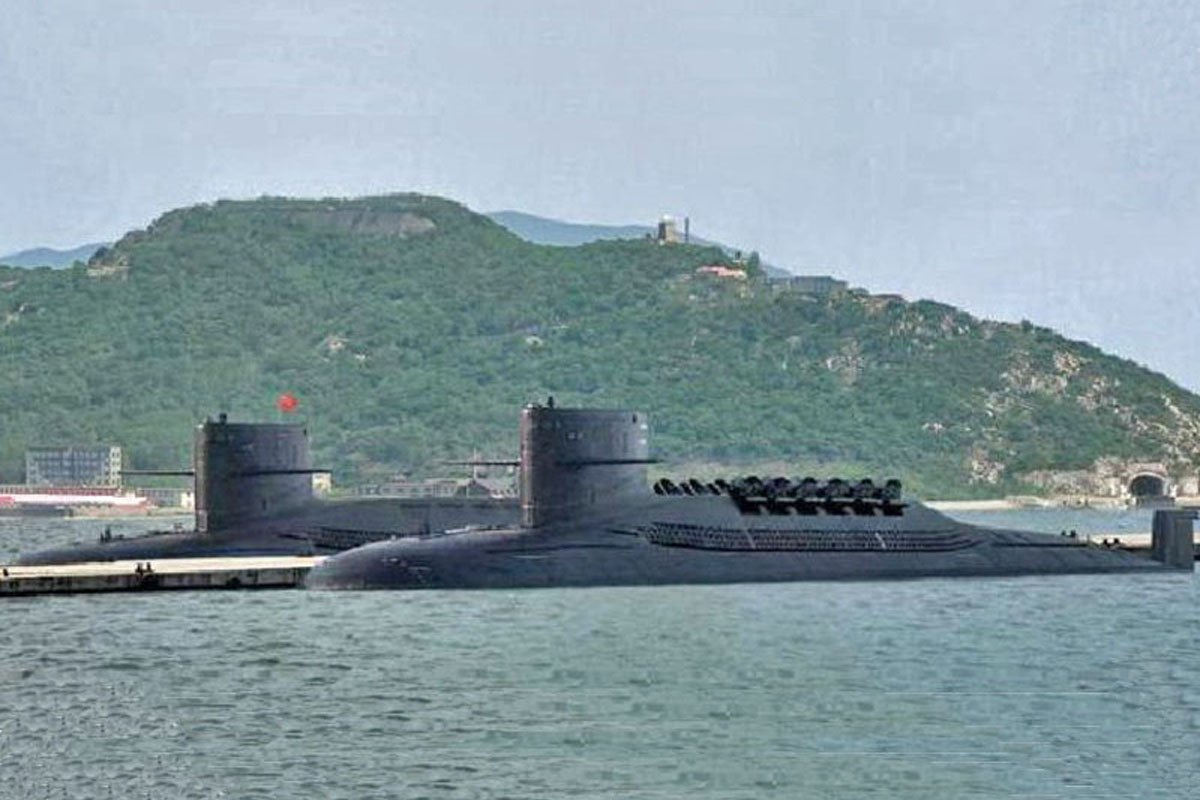
China’s Military Threat: Nuclear Submarine 2009 plan type094 02