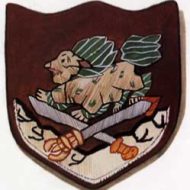


The military organization which is known as Special Frontier Force – Establishment No. 22 – Vikas Regiment came into its existence during the presidency of Dr. Sarvepalli Radhakrishnan, the second President of the Republic of India, 13 May 1962 to 13 May 1967.

India’s first Prime Minister, Jawaharlal Nehru is the architect of this military organization and hence the 14th Day of November, his birthday is linked to the birth of this organization. While Special Frontier Force is a product of Cold War Era secret diplomacy, I would like to share my personal story, the events from early childhood, that shaped the rest of my life and has formulated my bonding with this Organization and my desire to accomplish its military mission.

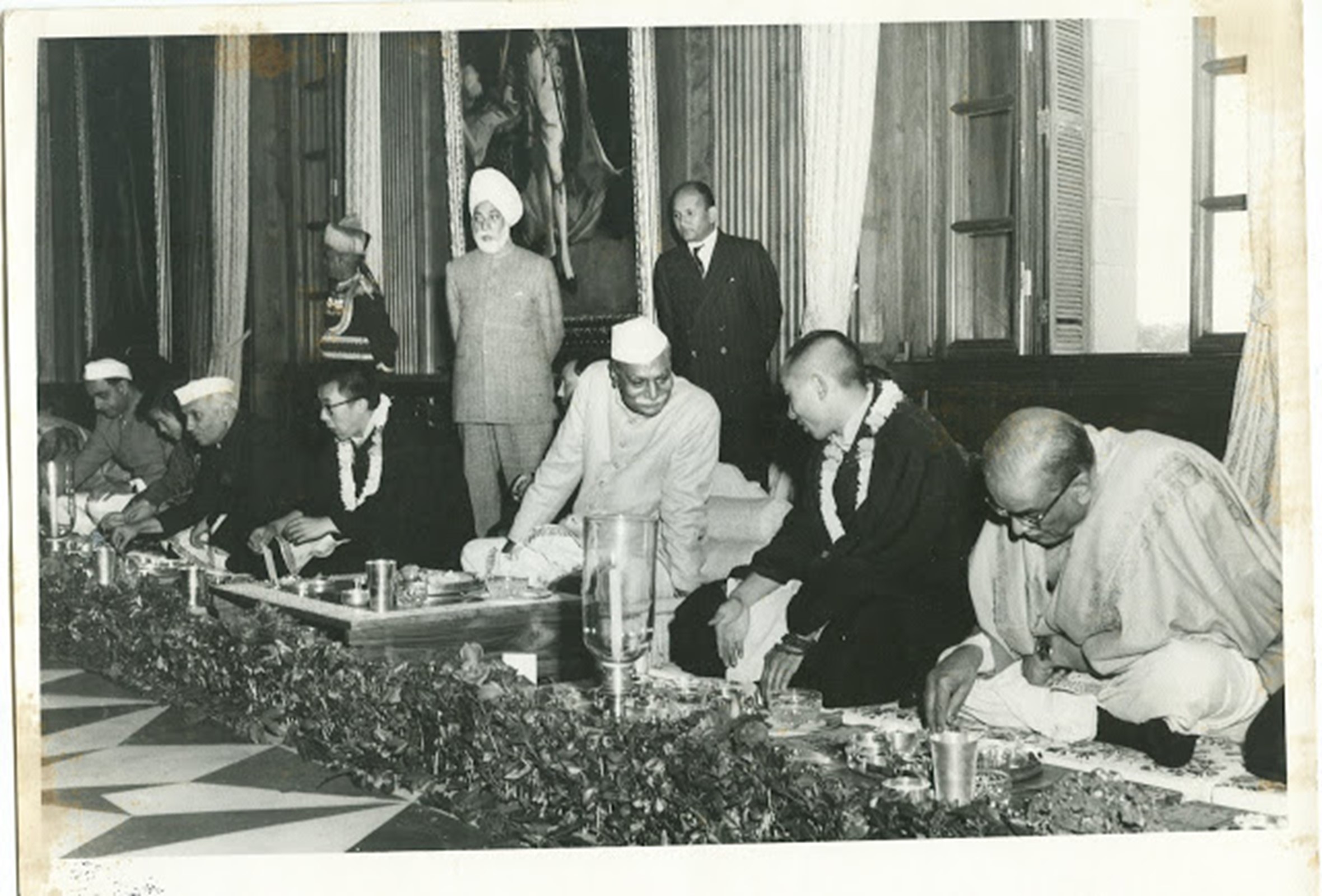
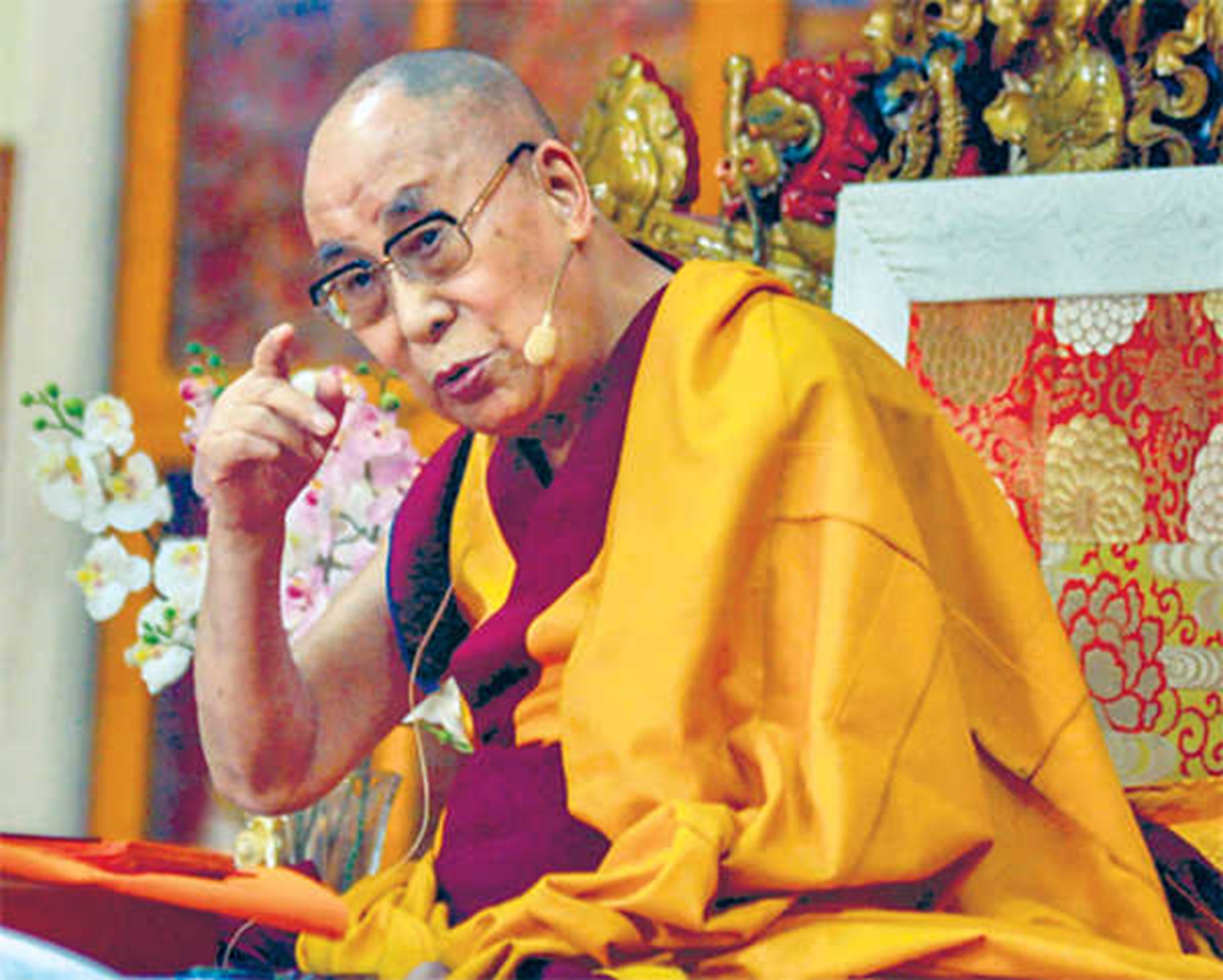
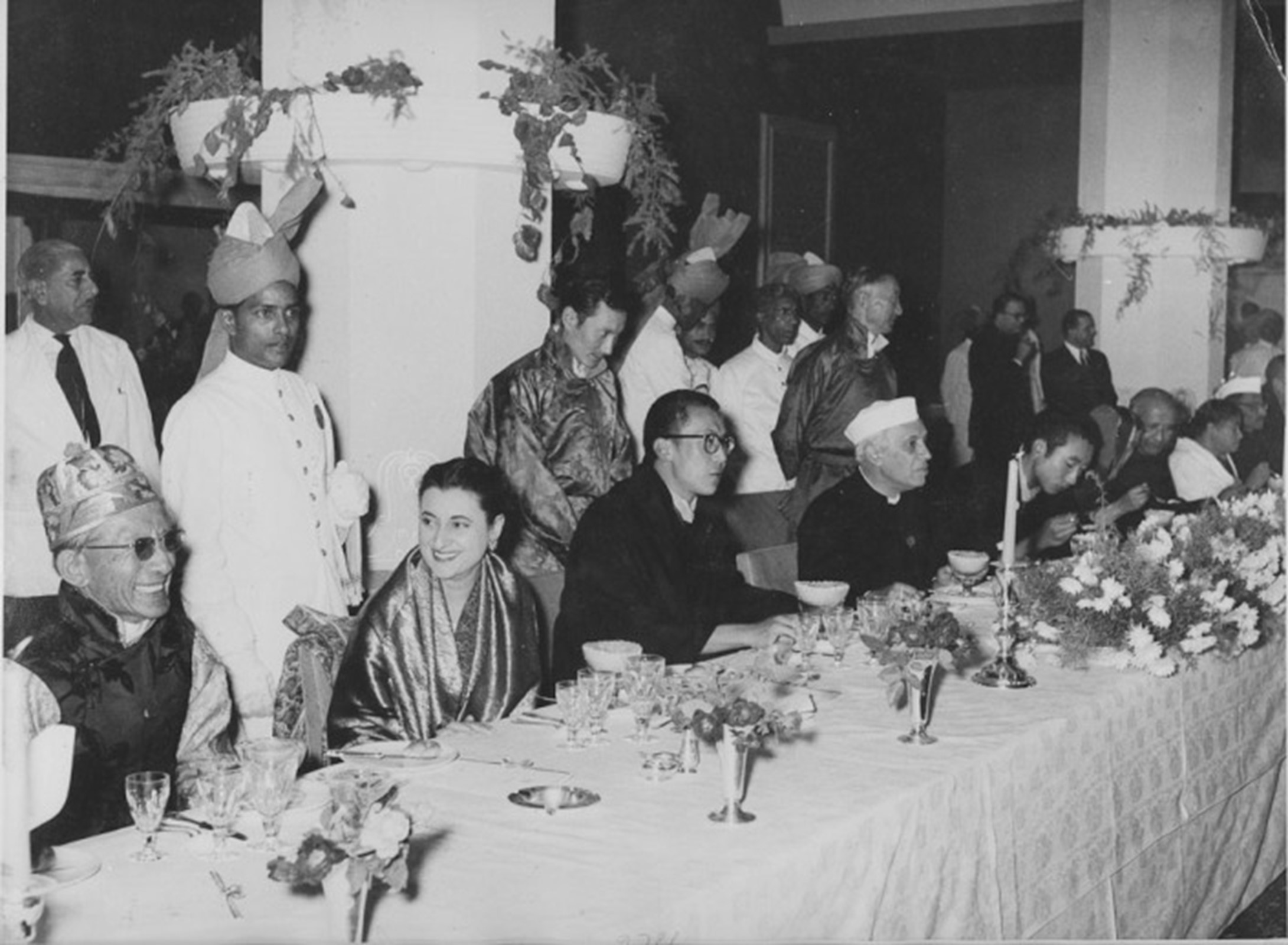
Dr. Sarvepalli Radhakrishnan belonged to Mylapore, Madras City (Chennai) and his daughter, Rukmini was married to the younger brother of my maternal grandfather, Dr. Kasturi. Narayana Murthy, M.D., who lived at 2/37 Kutchery Road in Mylapore. I was born at 2/37 Kutchery Road, Mylapore, my grandfather’s residence. While I lived in Mylapore and later during my regular summer vacations spent in Madras City, I used to visit Dr. Radhakrishnan’s daughter’s residence daily. At that time, Dr. Radhakrishnan served as the first Vice President of India (1952-1962). I clearly remember the celebration of 2500th Birth Anniversary of Gautama Buddha on May 24, 1956, while I was in Mylapore, Madras City (Chennai), and in India’s capital of New Delhi, the celebration was attended by His Holiness the 14th Dalai Lama and the 10th Panchen Lama Rinpoche. The Institution of Dalai Lama is the central focus of Tibetan Cultural Identity and Tibetan national character.

India – Tibet Relations From 1950 to 1962:


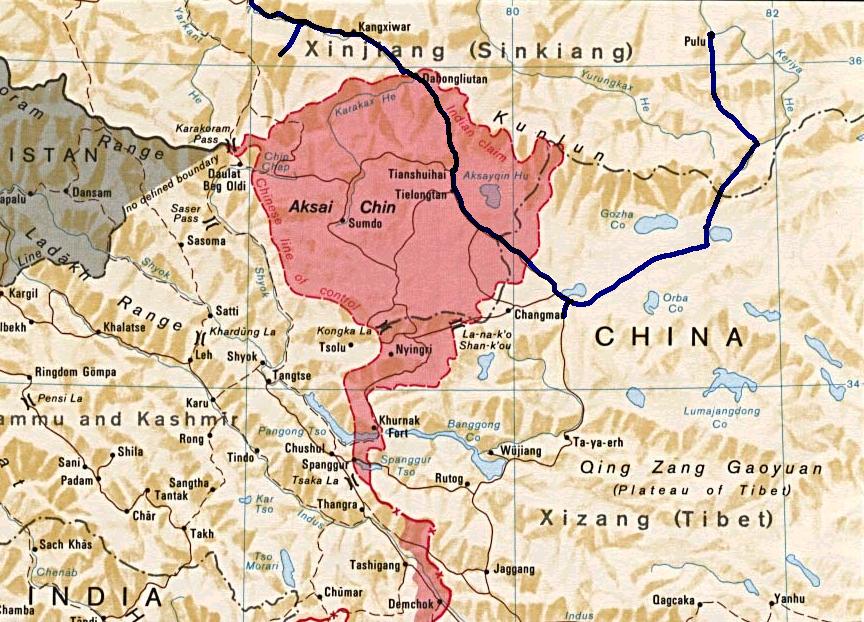
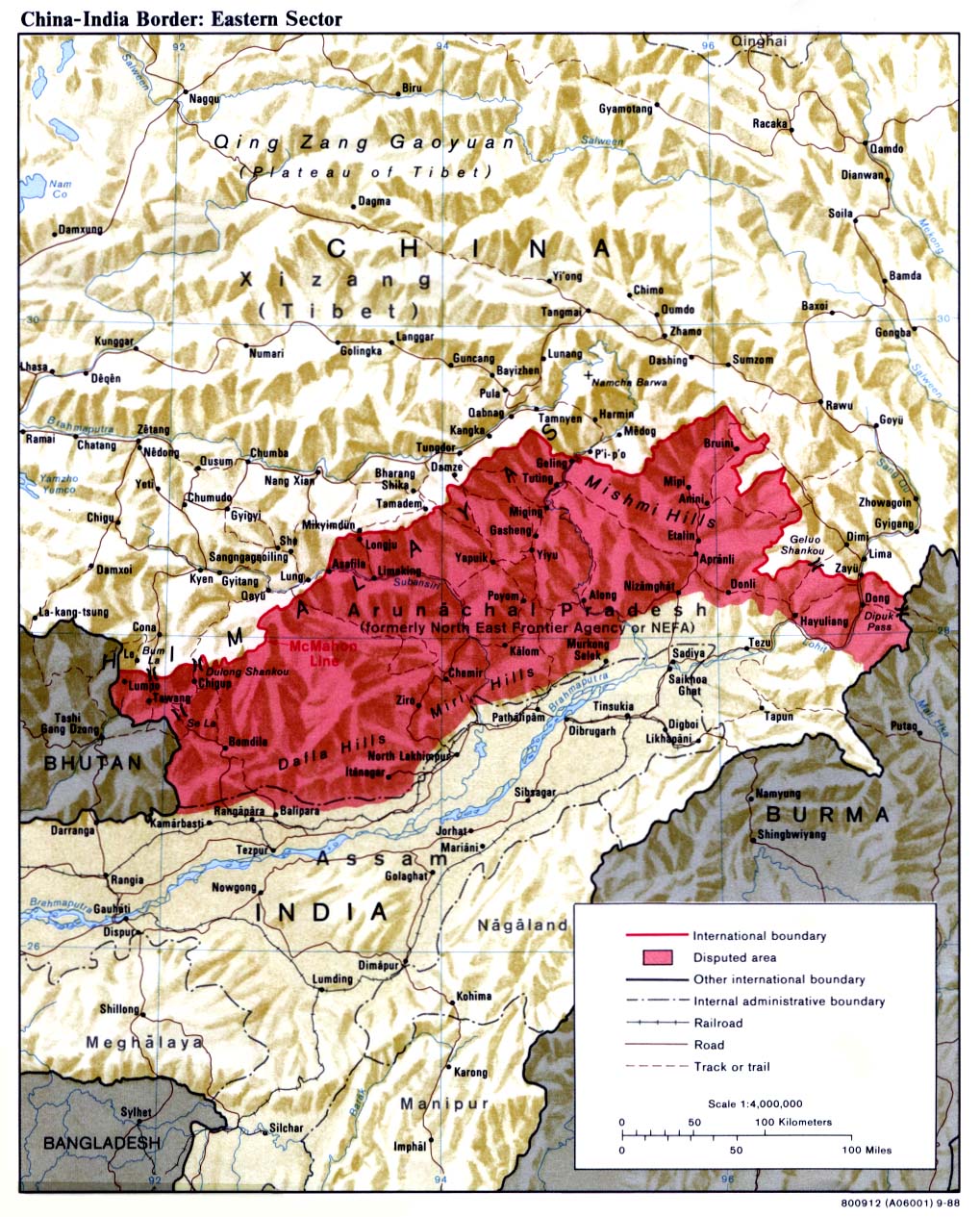
India had achieved its full independence from British rule on August 15, 1947. India became the Republic of India on January 26, 1950. Dr. Babu Rajendra Prasad became the first President of the Republic of India. The first general elections were held in 1952, and Dr. Sarvepalli Radhakrishnan, who was at that time-serving as India’s ambassador to the Soviet Union, was elected as the first Vice President and he had served a second term as the Vice President from 1957 to 1962. India witnessed a major military threat to its Himalayan frontier when the People’s Republic of China sent its army during October 1950 to occupy Tibet while Tibetans had no ability to resist such a massive, military invasion of their territory. Tibet tried to resolve the issue using diplomacy. Tibet requested India to bring the issue to the attention of the United Nations to adopt a resolution against the Communist invasion. At that time Tibet was still following the policy of political isolationism, and neutralism and was not recognized by the United Nations as a member nation. The United States was fighting the Korean War and was fully interested in preventing the spread of Communism in Asia. However, Tibet did not request direct, US military intervention. India did not have the necessary military force of its own to intervene inside Tibet. At the same time, India had also actively pursued its own policy of political neutralism that is known as the Nonaligned Movement to reduce the political tensions caused by the Cold War. India thought that the crisis in Tibet could be resolved by directly negotiating with China without involving the United Nations. During 1951 Communist China had imposed a 17-Point Agreement on Tibet while Tibetans had no capacity to defend their rights; the Agreement of the Central People’s Government and the Local Government of Tibet on 23rd May 1951 to take measures for the “Peaceful Liberation of Tibet.” China started quoting this agreement to justify its illegal and unjust military occupation of Tibet. It must be clearly understood that the Great Fifth Dalai Lama founded the “Ganden Phodrang” Government of Tibet in 1642. The successive Dalai Lamas have headed the Tibetan State for nearly four centuries. Towards the end of the Qing Dynasty or Ching Dynasty, the Great 13th Dalai Lama declared Tibet’s Independence from Manchu China. From 1911 to 1950 – 39-Years, Tibet was an independent Nation before the creation of this political entity called The People’s Republic of China.


While Tibet tried its very best to please the Communist leaders of China, India had also pursued a similar policy to befriend China to address the problem of the military threat posed by the military occupation of Tibet. The “Panchsheela” Agreement of 1954 between India and the People’s Republic of China recognized Chinese sovereignty over Tibet, and India had agreed to withdraw its very small, military presence in Tibet. India believed that China would grant full autonomy to Tibet and preserve the political, and cultural institutions of Tibet. It must be noted that Tibet had not recognized or endorsed the agreement made by India and China.


The Origin of Special Frontier Force -Establishment No. 22 – Vikas Regiment:

The need for the use of military force became inevitable after China made it abundantly clear that it would not negotiate its military occupation of Tibet and would not allow the traditional form of Tibetan Government as represented by the Institution of the Dalai Lama. The Tibetan Resistance Movement began with a very modest attempt to train some Tibetan nationals to fight the Chinese People’s Liberation Army that occupied Tibet.

In 1957 it became very clear that Communist China would not relax its military grip over Tibet, and the hopes for limited Tibetan autonomy evaporated. Both India, and Tibet had agreed to seek American military intervention, and it must be believed that India had only wanted a covert, military operation to build and establish a Tibetan Resistance Movement to challenge and overthrow the Chinese military regime in Tibet. The climax of this Tibetan Resistance was during March 1959, and China using its vastly superior military power had easily crushed this Tibetan Uprising. His Holiness the 14th Dalai Lama had no choice; he and his close followers fled Tibet to seek political asylum in India.


The 1962 India – China War:


I must admit that the Chinese brutal attacks across the Himalayan frontier during October 1962 came as a shocking surprise to me and to most people all over India. To some extent, India, Tibet, and the United States had lacked the intelligence capabilities to know the intentions and the capabilities of their enemy. The costs of this 1962 War would be known if China takes courage and openly admits the numbers of its soldiers wounded, or killed in action. China paid a heavy price and had utterly failed to obtain legitimacy for its military occupation of Tibet.

The 1962 War of Aggression launched by Communist China had a decisive influence on my personal life. I was a college student, and I was in the first year of my 3-year Bachelor of Science degree course. I felt a strong urge to join India’s Armed Forces to specifically address the military threat posed by China. The 1962 War was a conflict imposed by China to teach India a lesson. Later, official documents released by China describe that Chairman Mao Tse-Tung took punitive action to teach a lesson to India when it launched a massive war of retribution attacking Indian Army positions across the entire Himalayan frontier in October 1962. Chairman Mao Tse-Tung was angered by the support extended by India to Tibet to counter the military occupation. Chairman Mao had resented India’s role in helping the covert operation of the Central Intelligence Agency and had called it an “Imperialist” conspiracy or plot against China. China had utterly failed to achieve its objectives and the War ended when China declared a unilateral ceasefire on November 21, 1962, and withdrew from the captured Himalayan territory. It should be noted that India did not request China to declare this ceasefire. India did not promise that it will withhold the support that it extends to the Tibetan Government-in-Exile. The Secret White House Recordings of the US President John F Kennedy reveal that Kennedy had threatened to nuke China in 1962 and I must say that the threat achieved its purpose and had forced China to stop its military aggression and withdraw unilaterally without demanding any concessions from India, or Tibet.
The Birth of Special Frontier Force -Establishment No. 22 -Vikas Regiment:

President John F. Kennedy immediately responded to the Chinese attack on India. Apart from the delivery of arms and ammunition, and other military supplies, American aircraft carried out photo missions over the Indo-Tibetan border. In a meeting held on November 19, 1962 at the White House, President Kennedy, Dean David Rusk(Secretary of State), Averell Harriman(Assistant Secretary of State for Far Eastern Affairs), Robert McNamara(Secretary of Defense), General Paul Adams(Chief of the US Strike Command), John Kenneth Galbraith(US Ambassador to India), John A McCone(Director of Central Intelligence Agency), Desmond Fitzgerald(the Far Eastern CIA Chief), James Critchfield(the Near East CIA Chief), John Kenneth Knaus(CIA’s Tibet Task Force), and David Blee(CIA Station Chief in New Delhi) had decided upon a military aid package in support of the newly created military organization in India which was initially named as Establishment No. 22 and later the name Special Frontier Force was added to describe the location of its headquarters in New Delhi.


Prime Minister of India Jawaharlal Nehru (white hat) departs the White House following a meeting with President John F. Kennedy (at right, with back to camera). Also pictured: Indian Ambassador to the United States, B.K. Nehru (behind President Kennedy); United Press International (UPI) photographer, James K. W. Atherton (far left). West Wing Entrance, White House, Washington, D.C.

The 1962 India-China War, a military conflict that was initiated by China had accomplished the exact opposite of what China had planned to accomplish.
1. India became more firmly aligned with the United States discarding its original policy of political neutralism.
2. The level of cooperation between the Central Intelligence Agency and India’s Research and Analysis Wing(RAW-The Intelligence Bureau of India) became greatly enhanced.
3. India started increasing its own defense-preparedness and had strengthened its military capabilities to fight a future war with China.
4. India was not deterred by the Chinese attack and had decided to substantially increase its involvement with the Tibetan Resistance Movement. India made the commitment to provide a permanent base to the Tibetan Resistance Movement apart from hosting the Tibetan Government-in-Exile.
5. India, Tibet, and the United States joined together in a military alliance/pact leading to the creation of the military organization called the Establishment No. 22 which is later formally named The Special Frontier Force to describe its official Headquarters in New Delhi.


President Radhakrishnan’s historic visit to the United States on June 03/04 1963:


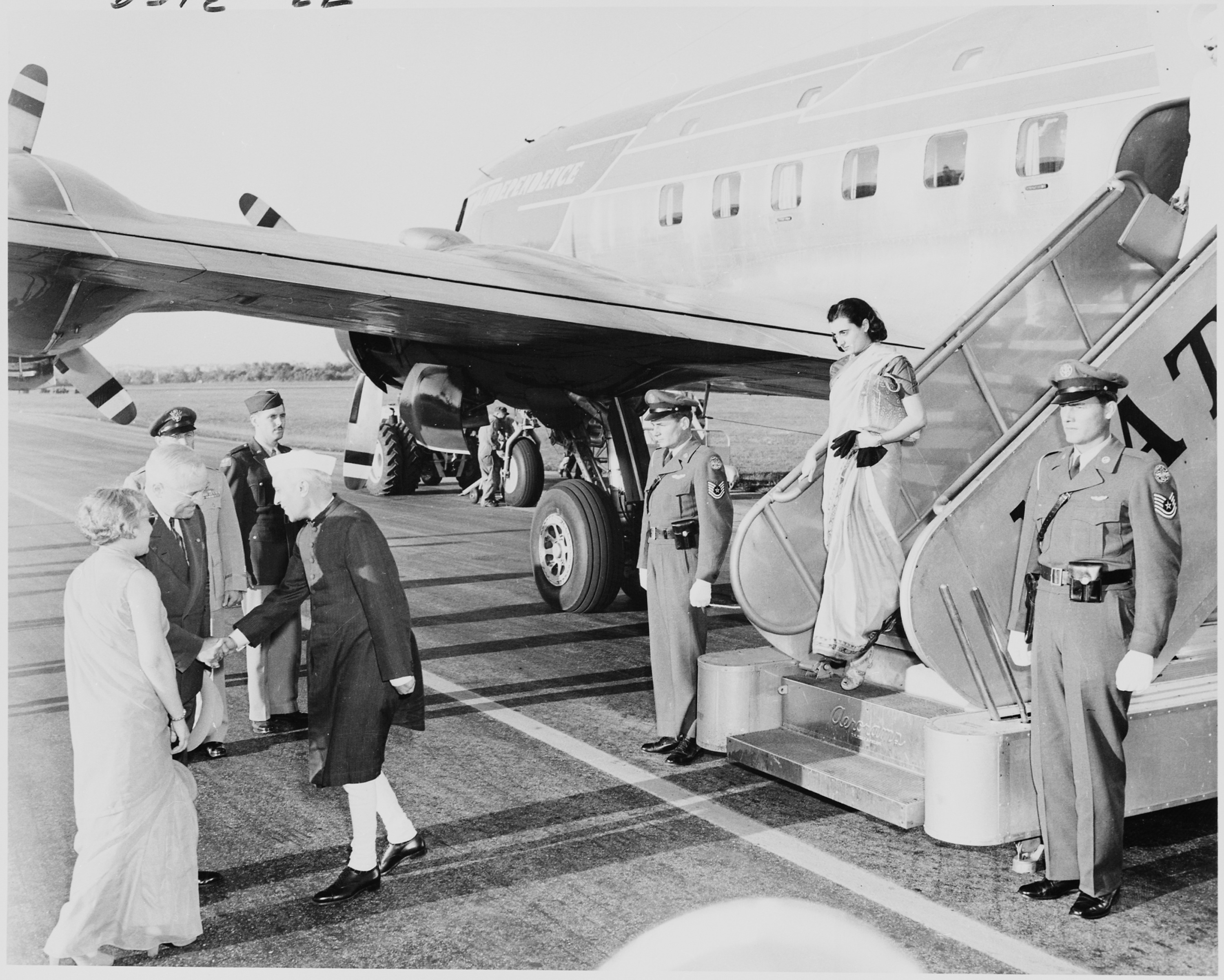
After the conclusion of the 1962 War with China, as Prime Minister Nehru’s personal health demanded serious attention, President Radhakrishnan performed the historical journey to the United States on June 03/04 to meet the US President John F. Kennedy to express India’s solidarity with the United States in promoting Peace and Democracy. The visit displays the trust, and confidence placed by India in the future of their mutual military assistance, and cooperation. I am happy to share several photo images of that visit.


I met President Radhakrishnan at his Mylapore residence after his retirement during 1967. At that time, both of us were not aware that the very first posting of my career in Indian Armed Forces would be that of Special Frontier Force-Establishment No. 22 that was created during his presidency. In India, Dr. Sarvepalli Radhakrishnan is recognized as a teacher, philosopher, and statesman. He is never described as the Supreme Commander of the Indian Armed Forces. I was granted Commission to serve in the Indian Army at the pleasure of the President of India, and my posting order to serve as a Medical Officer in Establishment No. 22 – Special Frontier Force was issued under the authority of the Ministry of Defence which functions under the powers sanctioned by the President of India.



























 Chinese Foreign Minister Wang Yi listens while U.S. Secretary of State John Kerry talks before a bilateral meeting at the Putra World Trade Center on Wednesday in Kuala Lumpur. | REUTERS

